Showing posts with label sessile. Show all posts

Thursday, June 13, 2013

Purple Milkweed Flowers

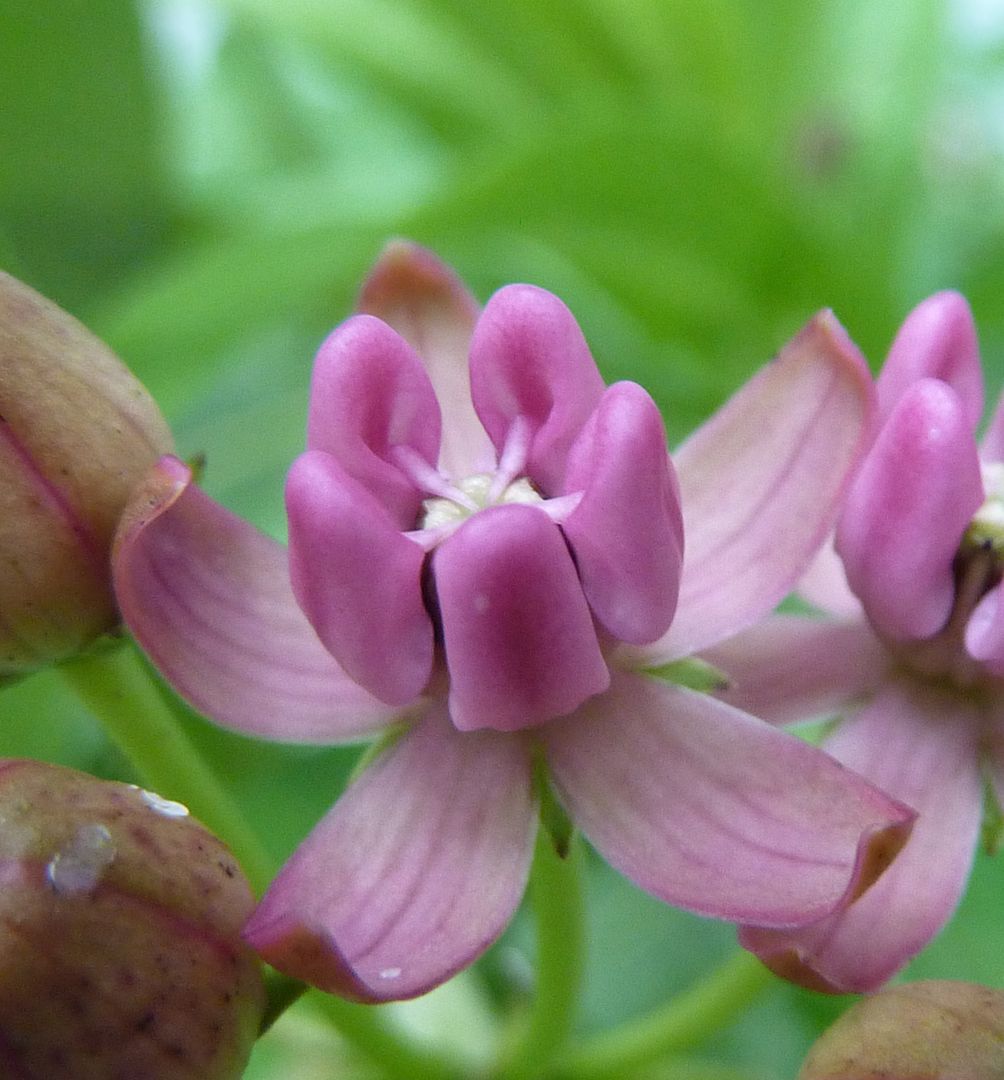
Purple Milkweed, Asclepias purpurascens, has finally started flowering! I've been growing this plant for three years and finally it blooms! I initially bought three of them, of which only one survived. As it turns out this species is a little finicky to grow. This one is growing in partial sun/mostly shade in ....uhh average, leaning more toward damp, soil. I have tried to start this plant from seed, which germinated, and I then planted them all over, only to have them all die over the winter time. I don't know what it is about this one plant or this one spot but I'm happy it's thriving. That said, this milkweed species isn't self compatable, so it will never pollinate itself and won't produce seeds until I manage to get another one established and flowering. 

No sooner does it start blooming, that Odorous House Ants, Tapinoma sessile, start raiding the flowers for nectar. I've noted how this ant species seems to specialize in robbing nectar from flowers in the past, and I'm quite annoyed they've chosen this plant to steal from. The flowers to Purple Milkweed are actually larger than those of Asclepias tuberosa. I've never seen these ants going nuts like this over milkweed flowers. Usually it's just a few workers, but this plant at times had almost five ants per flower! It suggests to me that this species produces a higher quality of nectar more deserving of insects that may actually pollinate it.

Ants Swarming in My Green House


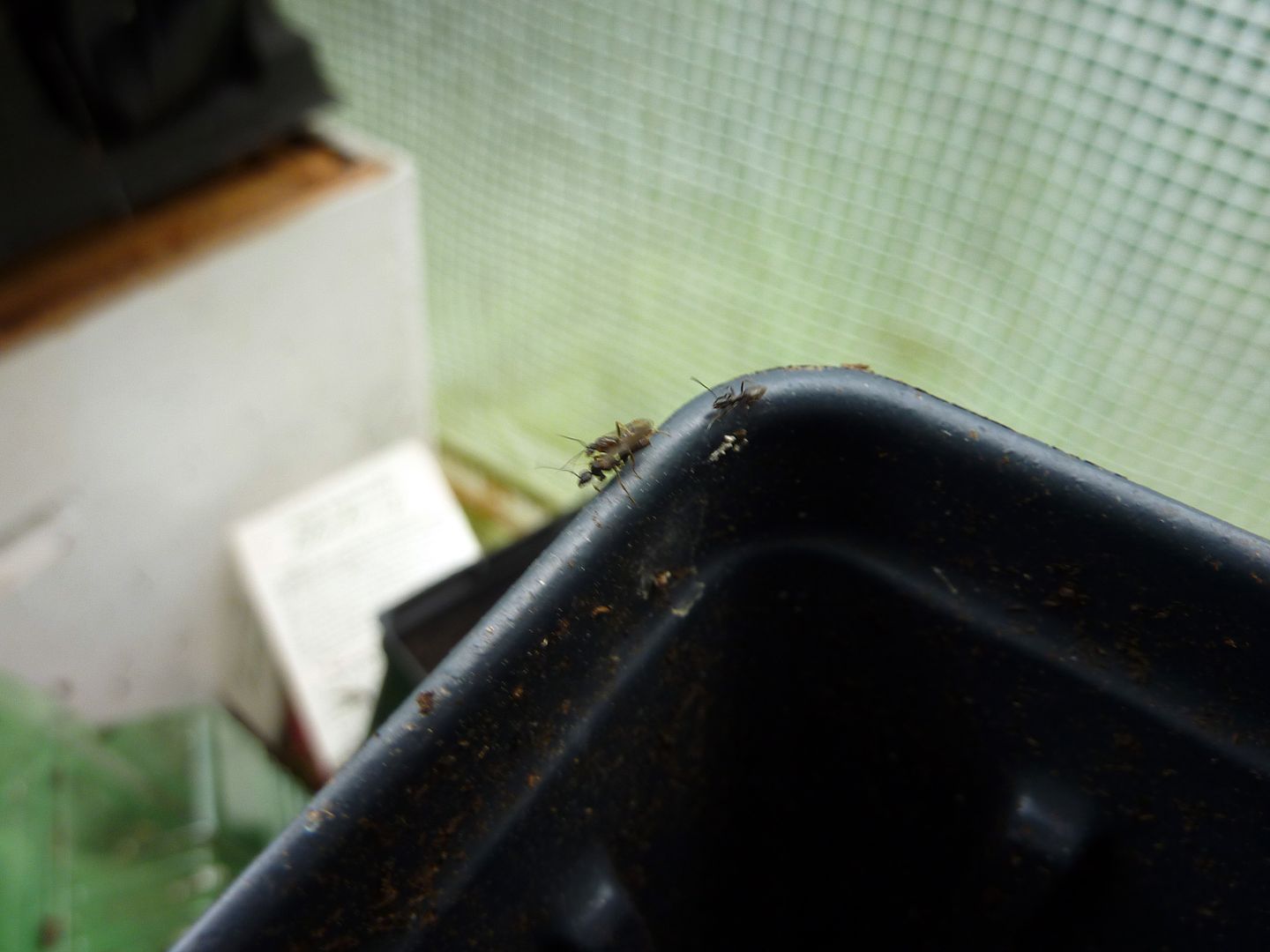
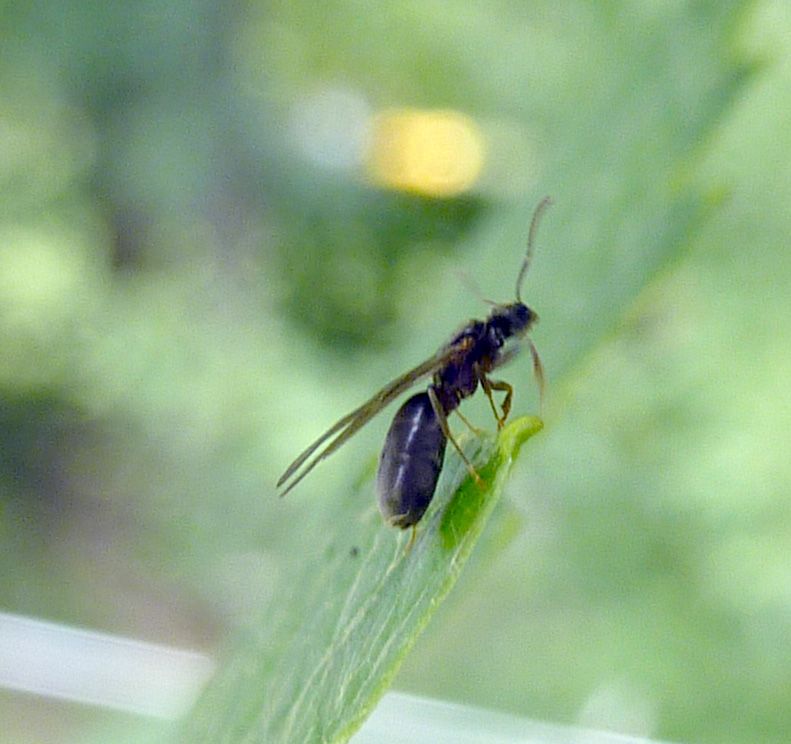
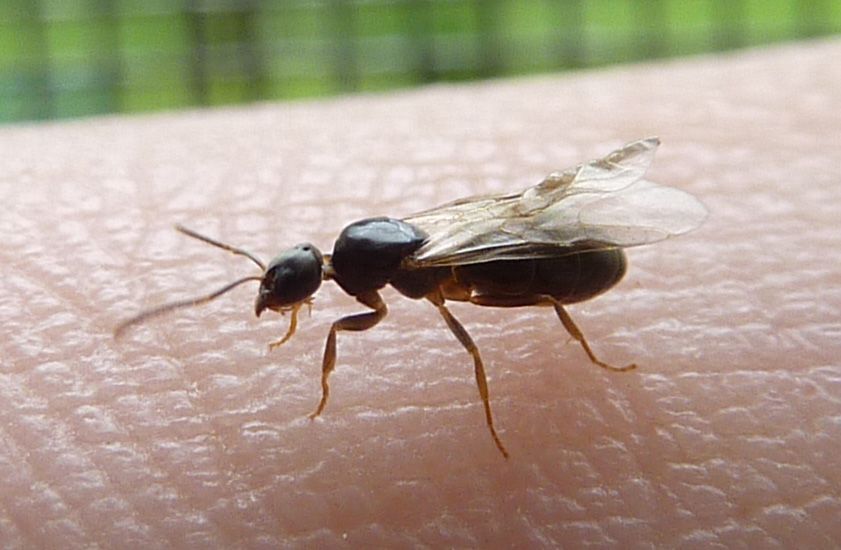
After all this rain we've been getting, I went out to the green house to find a nuptial flight of Odorous House Ants, Tapinoma sessile, trying to take off.

Queens are only a hair bigger than the workers. This ant is a minor annoyance in homes, despite being a native species. Colonies often have multiple queens, and divide as needed. It's been noted that colonies are enormous in urban settings, sometimes taking up several city blocks, while suburban and rural settings yield much smaller colonies, often only a few thousand ants.

Despite their name, Odorous House Ant, they are only odorous if squished, and can be discouraged out of homes simply by sealing up holes they happen to be coming in through. This is sometimes easier said than done. They're opportunistic nesting and find the hollow space behind a loose kitchen back splash very appealing. Resorting to baits might be called for if they're out staying their welcome. 

Out in the green house they nest right the flats to my plants as well as the loose space inside of pots along the outer edge of the soil. I'm certain I've divided this colony a few times simply by planting seedlings out in the garden.

I've also been noticing termite alates flying out and about in the yard. The Robins in particular are enjoying them.

Saturday, August 6, 2011

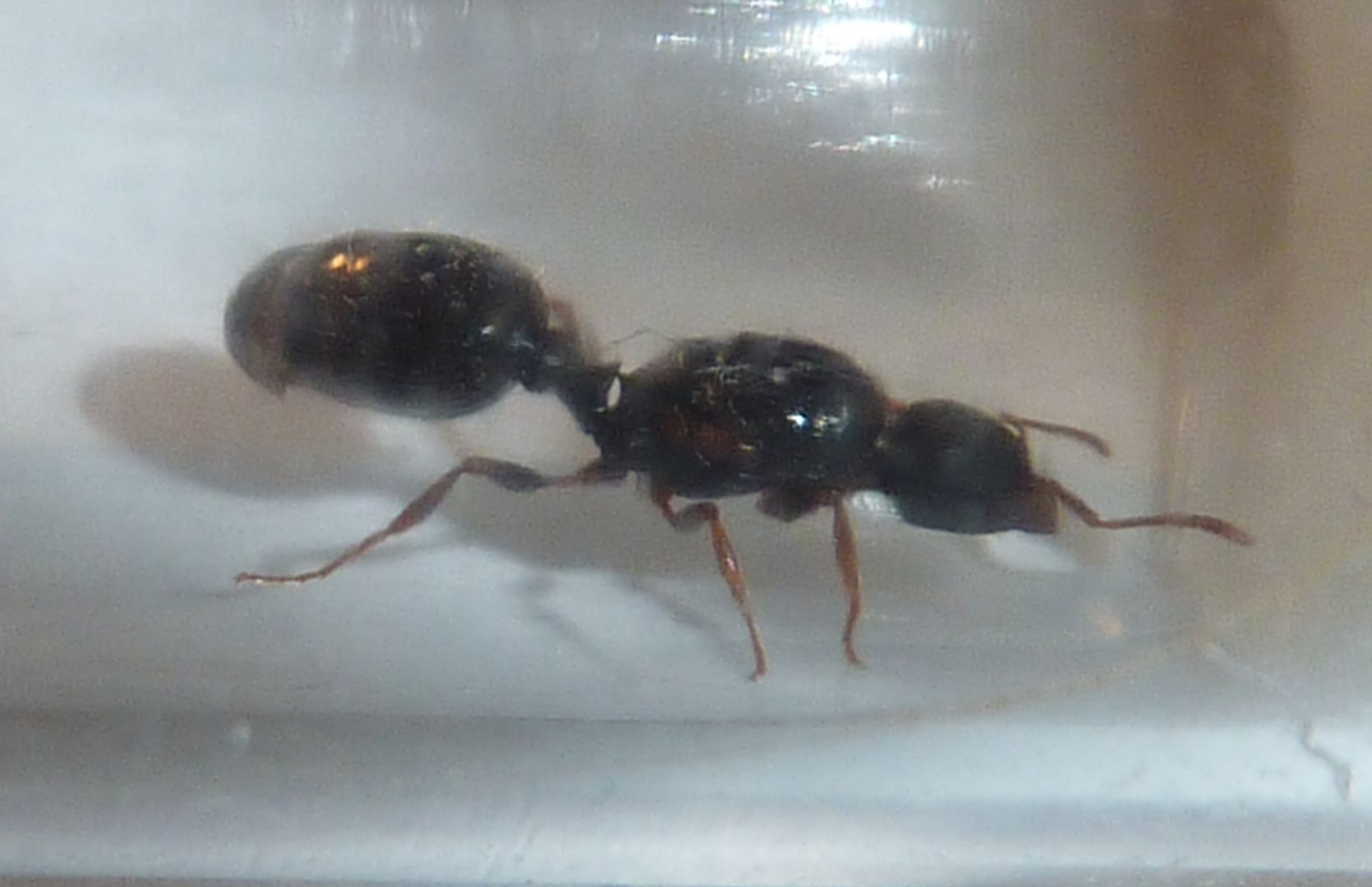
1 Queen, 2 Queen, 3 Queen, 4

Colonies of Tapinoma sessile, Odorous House Ant, normally stay outside. They thrive in places where there's lots of grass, and debris laying around. I've also found then nesting in hollow cavities in logs, and mason bee tubes. They're opportunistic and will nest anywhere they can. The common name comes from their habit of nesting in homes. The odor only occurs from crushing them so it might be better to discourage them than to fight back. They don't do a whole lot of nest building so sealing up where they're coming in from is an easy option if applicable. The smell is nothing unbearable I'm told. 

Shortly after their mating season, April to June, (occasionally July), queen number for each colony jumps drastically. Presumably they are either inbreeding within the nest, or colonies generally accept queens they come across into the nest.  

This leads to a lot more queens suddenly appearing into the nest and fuels budding behavior. At some point in the year colonies will divide as needed to setup new nesting sites elsewhere. Once divided colonies typically don't want anything to do with one another. The more urban the location though, it seems the more connected these colonies remain and they end up getting much larger than they would out in a suburban or rural area. There's something about city life that encourages colonies to stay connected in a series of sub-colonies as opposed to setting up new ones. What's neat though is that individual queens are fully capable of starting a colony on their own.

This kind of variation within a single species I've learned is more common in ants than previously thought. I've seen this in Monomorium minimum, both queen inbreeding, and loan queen colony founding. The Red Imported Fire Ant, Solenopsis invicta, do this too. With fire ants it's more genetically divided. Monogynic (one queen) colonies produce monogynic colony founding queens while polygynic (more than one queen) reproduce by queen adoption and budding. What's really neat about fire ants is their reaction to water. When floods come, all the members of the colony form a living raft and float away, but while adrift there's nothing stopping two colonies from bumping into one another. Floating for survival is no time for war, so the two colonies may merge into one floating raft, and upon reaching land they remain as one colony regardless of mono or polygynic status before the flood. Perhaps this is how polygynic colonies got their start with this species.  

I've seen colonies of Temnothorax sometimes combine to better survive the winter. The following spring they disperse and go their separate ways, though it's unclear if the workers are pared with their genetic mother or just going with the flow. Camponotus pennsylvanicus colonies are strictly monogynic but they still produce sub-colonies as extensions of their nest and territory. Each autumn these satellite locations are abandoned to better overwinter in one location. 

Perhaps the most notorious ant to talk about queen number is the Argentine Ant, Linepithema humile. In North America at least, this species spreads exclusively by budding. Queens mate inside the nest causing their numbers to skyrocket at one time of the year. Workers in L. humile have very high standards when it comes to queens though and each year they kill off ~90% of their own queens. This massacre occurs at the same time of year each year. It would seem they don't like their queens to be more than a year old, perhaps to maintain queens at the peak of their egg laying capacity. 

Though the queens to polygynic colonies ultimately produce larger colonies, their monogynic counterparts typically live longer.
Tuesday, June 1, 2010

Some Ant Flight Activity

Earlier this week a colony of Odorous House Ants, Tapinoma sessile, attempted conducting a nuptial flight inside my house. They failed miserably and I was greeted by the occasional alate (winged ant) every few minutes. They climbed up from wherever the colony is and made their way across the computer table to the window and eventually found freedom. Clearly anting season is here, which begs the question, what else is flying?

First incredibly hot night of the year that lacked any wind or in coming cold fronts treated me to a full pallet of what's flying now. The main ant for my area is Camponotus castaneus, pictured above and previously here on the blog. Males are hard to identify but I'm reasonably sure C. castaneus is the only one (for my area) that has orange males. This is uncommon for ants across the board. Usually male ants are black regardless of the species color. There were other Camponotus males there that were black but without knowing what the queen or workers look like an ID can't really be made. At least not by me. There is also a Lasius species that seems to over winter it's alates, instead of flying in the fall like most of the other species.

This is an awful picture of male Tetramorium males. They're suspended in a spider web which is a good way to see what was flying the night before.

That night I found a Tetramorium queen, Pavement Ant. These didn't fly until midnight.

So there's a full succession of flights based on the hour of the day. Early on Nylanderia, Tapinoma, and I've found a few Myrmica (with wings) this early in the year before. As the afternoon comes and night falls Camponotus, and Lasius seem to fly next. And very late at night and probably well into the morning Tetramorium fly.

You could argue there's to much to do in the day for someone interested in ants. Thankfully I've found there is roughly a 24 hour period after a flight that queens seem to be abundant and about. Making a habit of checking under the same rocks, logs, flower pots, etc... can yield results.

Sunday, May 23, 2010

Passion Flowers

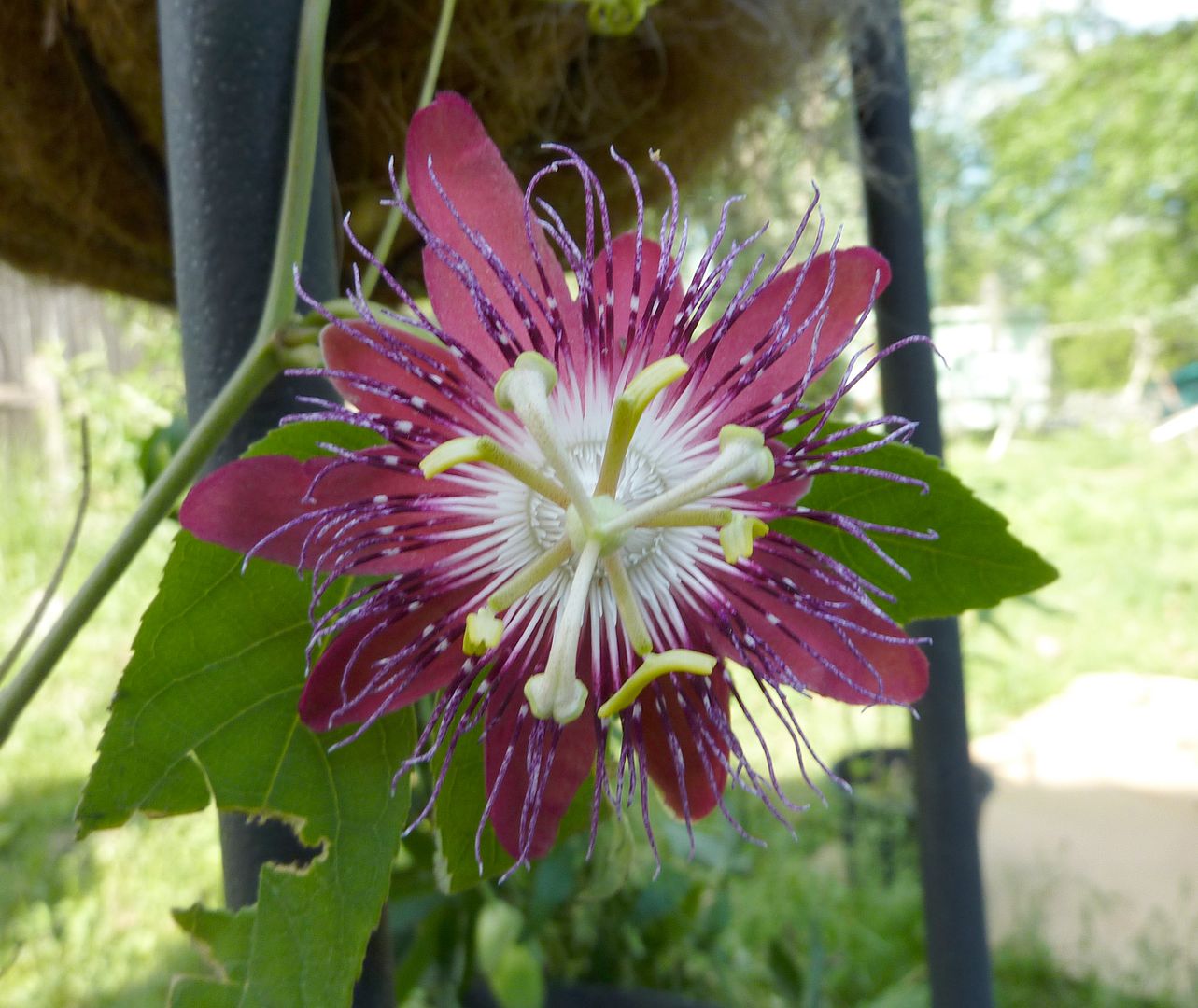
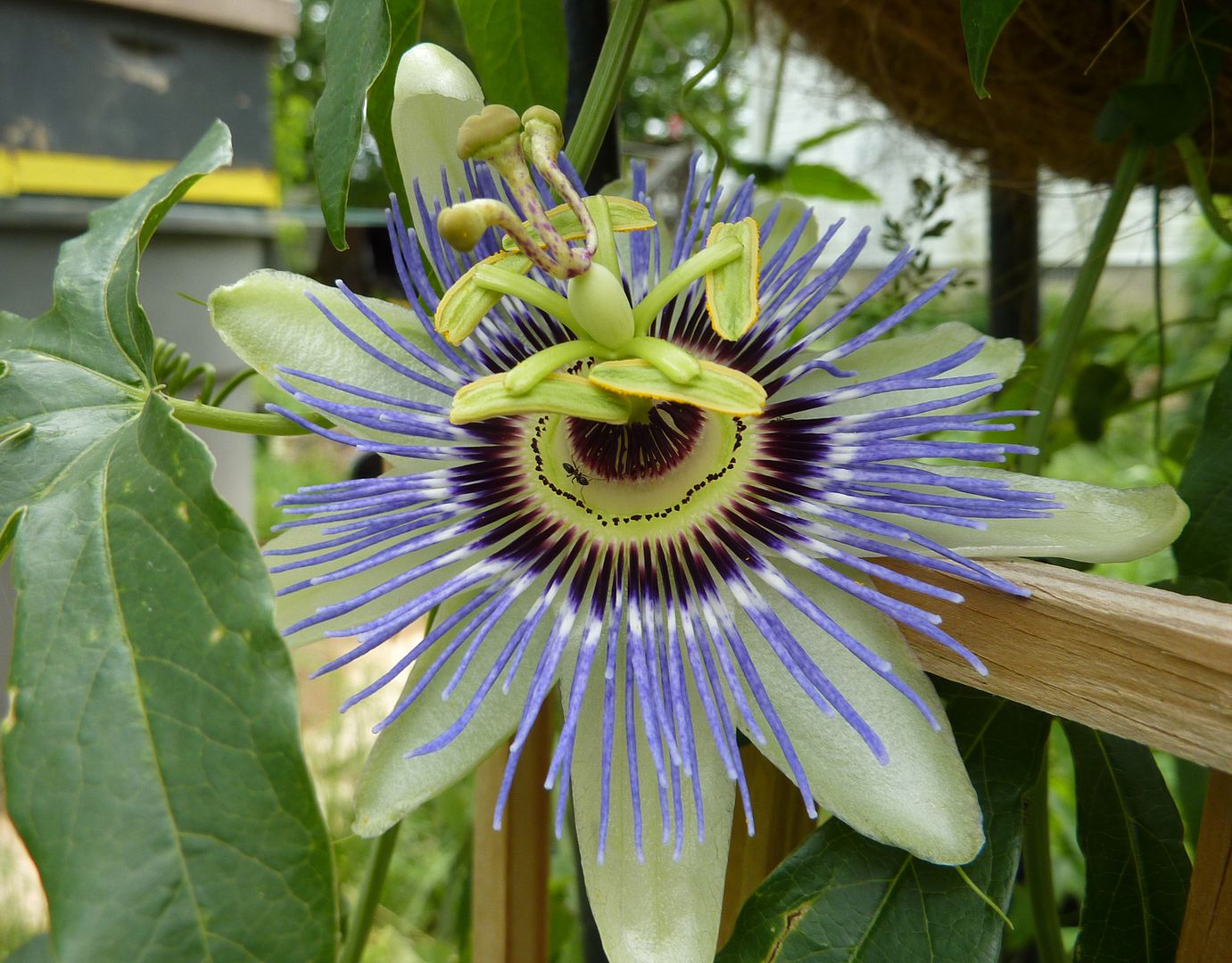
Passionflowers are the more complex looking Clematis vine of choice. Unlike Clematis, these can go on to produce Passion Fruit. The trouble is where am Passionflowers are annuals. I tried getting our native Passiflora incarnata, Maypop, established last year but it died. Some plants are self incomparable and have to pollinate with another passionflower, though it can be any variety even a clone of the same plant. Other plants are self compatable. I don't know which needs which, that's why I bought two.


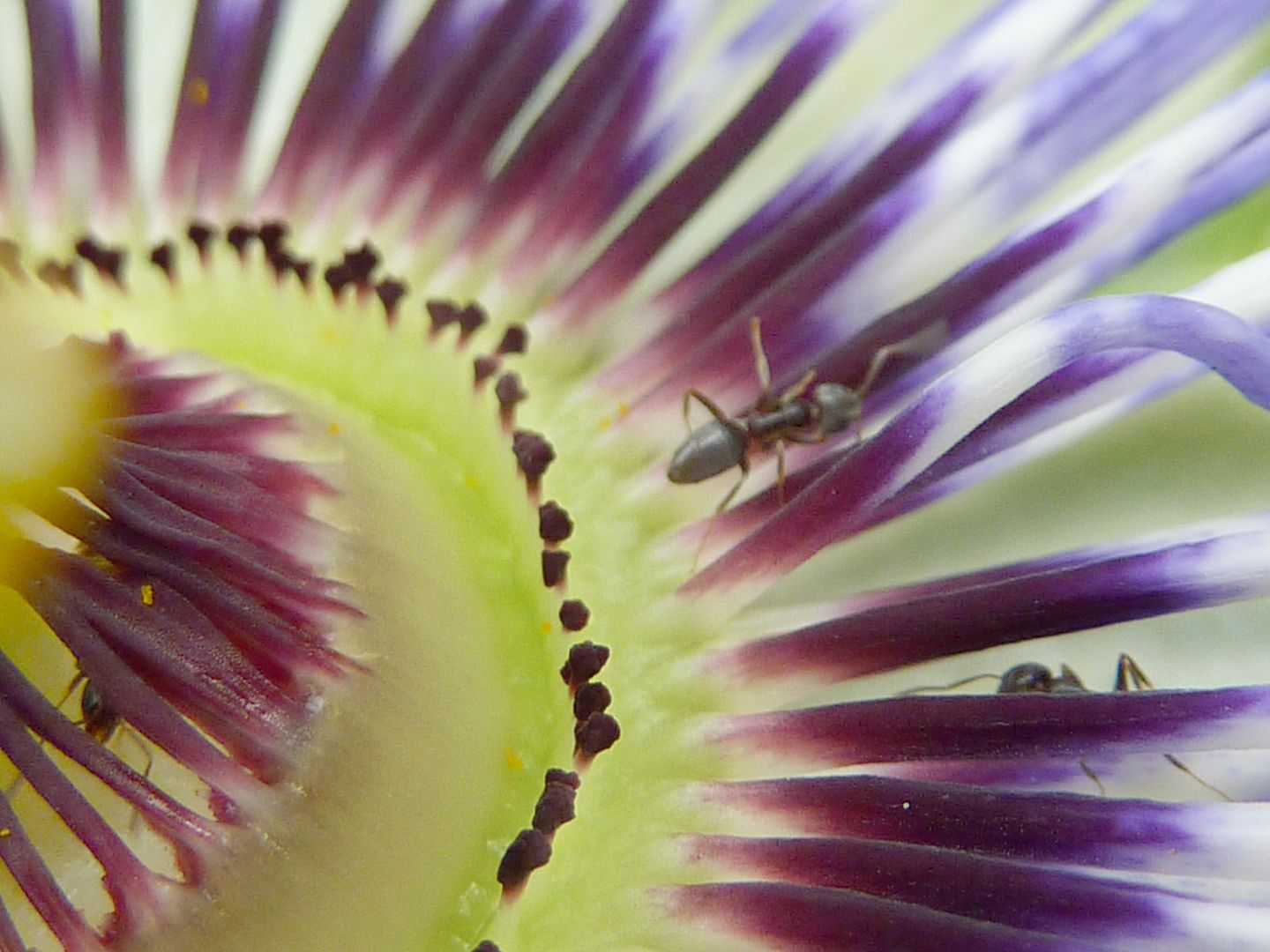
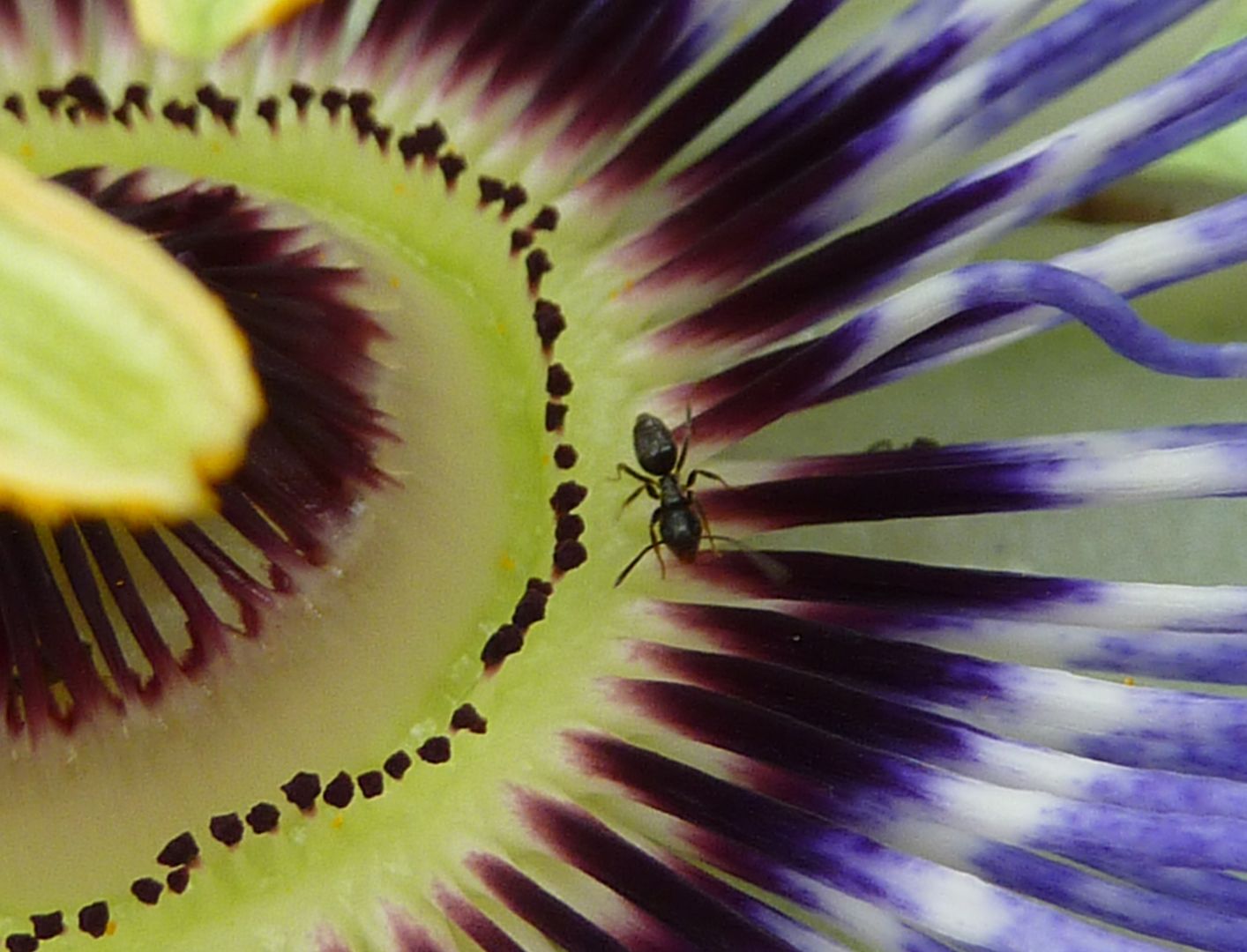
Looks like it's 6 ants past the hour. Passionflowers in all their complexity try to be ant proof by coating the back of their flowers with sticky goo. Clearly it doesn't work for all ants, and twining vines tend to accidentally tough their own flowers essentially building a bridge for the ants to get across.

They go for the nectar and small amounts of extra floral sap laying around.

The culprit here is Tapinoma sessile, the odorous house ant. I have to say I see this ant on more flowers that are supposidly protected against ants more than any other. They're clearly skilled at getting around little hazards in the name of food.

Friday, April 16, 2010

"Some Stinky Ants"

About a week ago the weather channel (of all the news channels) did a story about "some stinky ants." The whole thing came off as awkward as you can imagen. Meteorologists discussing things well out of their field. Basically an exterminator was being interviewed about The Odorous House Ant, Tapinoma sessile. The exterminator could not have looked any more pissed off to be on the news. He was atop a ladder apparently spraying chemicals into the gutters of the house or under the first laying of shingles or something, and clearly trying not to use the "F" word.

To paraphrase he said something like "These dam ants smell awful! This is the 17th call I been called out for these ants this week! They invade your house and eat the sugar and then they get everywhere!"

To be clear Tapinoma sessile is native and has been here well before Columbus stepped foot on the continuant. Secondly "The Odorous House Ant" only smells bad when crushed. The odor is a defense against being eaten or stomped. Third, I don't believe this ant spreads disease as other species do. Where as Monomorium pharaonis, Pharaoh Ants, will inhabit multiple floors of hospitals and happily wonder from wound to wound nibbling at the unprotected eyes of helpless patients and spreading disease all over the hospital. Suddenly going after the sugar and getting everywhere doesn't sound as bad.

What the news story should have focused on was the recent news about this ant.
Common House Ant Form Supercolonies, Prosper in Urban Settings, Science Daily.
Grzegorz Buczkowski, a Purdue University research assistant professor of entomology, found that odorous house ant colonies become larger and more complex as they move from forest to city and act somewhat like an invasive species. The ants live about 50 to a colony with one queen in forest settings but explode into supercolonies with more than 6 million workers and 50,000 queens in urban areas.

Glad I don't live in an urban setting. I have had this ant in my kitchen before though, and I have to say it's nothing to get upset about. Colonies are controlled simply with baits. Even closing up the holes they use to get into your home can work. A simple dab of wood glue and maybe some paper towel will work. They don't burrow through objects in search for food. They're nesting habits are opportunistic too.

Here a colony is moving into one of last years sunflower canes. A hole leading into a hallow cavity is all they really need to nest.

Now they might be harder to deal with if you live in an apartment in the city. If everyone isn't on board trying to destroy the ants then it's almost a lost cause. One could argue that it's a news worthy topic, but hay what do you expect from the Weather Channel?