Showing posts with label Prairie. Show all posts

Saturday, July 5, 2014

A Trip to Longwood Gardens

I spent yesterday, July 4th, at Longwood Gardens, though not for the fireworks. Really the place was a bit of a disappointment and ran differently than I expected.

For starters the ticket system is confusing. You buy tickets to arrive at a specific time in half hour intervals but you can stay as long as you want and I didn't understand why this was necessary at all. What's wrong with just selling tickets and having a recommended time of arrival? Their parking lot is big enough for special events like the 4th of July, there were even people setting up camp outside on the hills around the parking lot having little BBQ's of their own.

Getting inside and walking the gardens for a day I started to realize why they limit the number of tickets they sell in half hour intervals. There is ONLY ONE place that sells food and drinks for people to eat lunch or dinner. Now they were holding a special event for fireworks and additional vendors were setup but they were all in one area! So you can't get a drink if you visit the entire right side of the facility or walk all the way out into the meadow garden other than a public water fountain they have hidden way back in this end building. I almost died of dehydration walking around this place.

Finally I found some sort of delicious-looking BBQ happening but this was only for people who spent the money on the fireworks show happening later that night. I asked the girl if I could upgrade to get some real food, and she said Nope! So inside the regular building I went where I paid $8 for the smallest peperoni pizza in the world that tasted like air. And the glass they gave me was tiny, like what they sell as a Small everywhere else, which was only about $2 though. And it came with "unlimited refills" but frankly there didn't seem to be anyone watching the drink area; it's all self serve so I could have fill up a 2 liter for all they knew. 

They should be selling collectable water bottles that come with free refills the day you buy it and setup more stations around the park where people can buy and refill them, similar to how an amusement park does it. I should be able to upgrade my dinning choice right then and there to special BBQ's, Buffets, and wine tastings etc... instead of having to walk all the way back to the main entrance for a wrist band.

I would have voiced all this to the little suggestion survey card but someone made off with the pen or pencil for doing so... so I just tossed a blank card inside to show what I thought of the place which was not much.

Most of the gardens were vast stretches of lawn with plantings only right next to the pathways. These plantings did look nice and worked well with a corridor effect (looking down the hall). There were points of interests such as sculptures and fountains and the occasional neat plant they highlighted but the amount of lawns this place has really drags the whole place down.
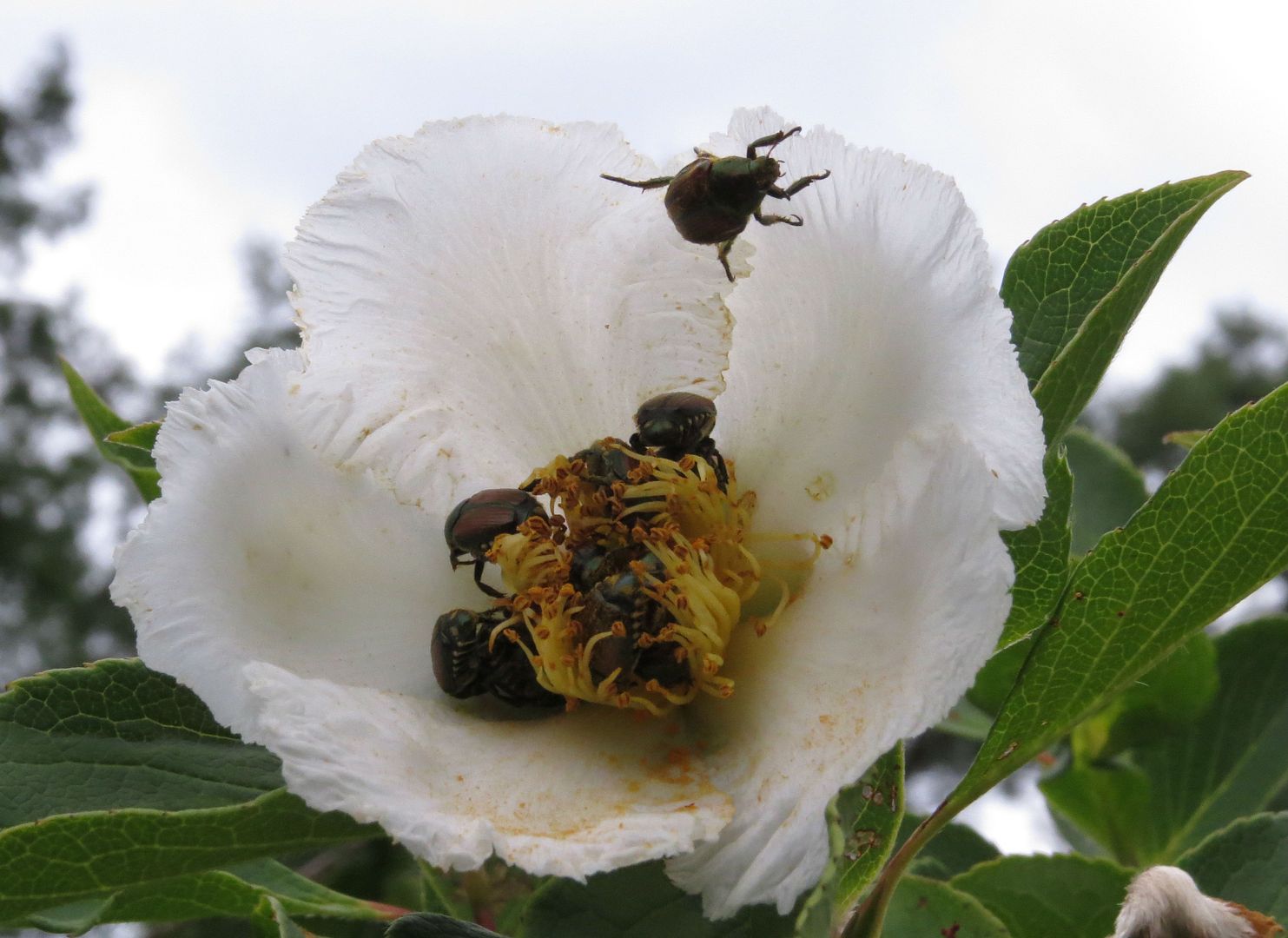
There was a Japanese Stewartia that was absolutely infested with Japanese Beetles.. which might not be a bad thing but generally no one wants this pest insect.

There's a main conservatory that's full of all sorts of tropical plants, and even included a rather nice pond section but it would have benefited from a guide or two or audio tour like a museum exhibit to highlight what I'm looking at and why it's important. 
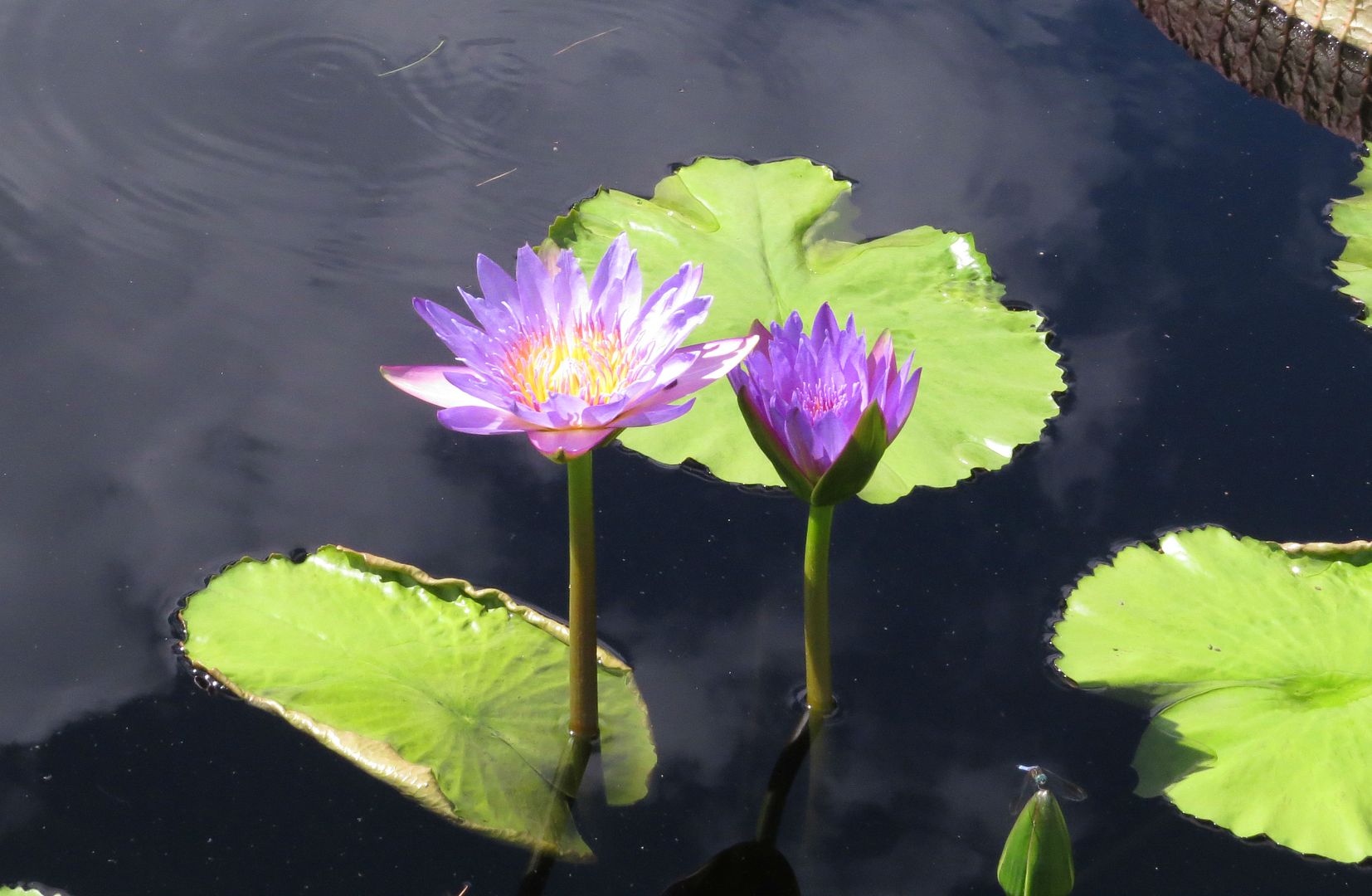
Something where they'd put a number on the plant tag and you could listen to a botanist, curator, landscape designer, translator, or voice actor, talk about why the plant or feature is so impressive. They could rotate which ones are of interest in and out or limit it to specific gardens. Generally without the information and history behind it, it's really just another pretty flower among hundreds. 
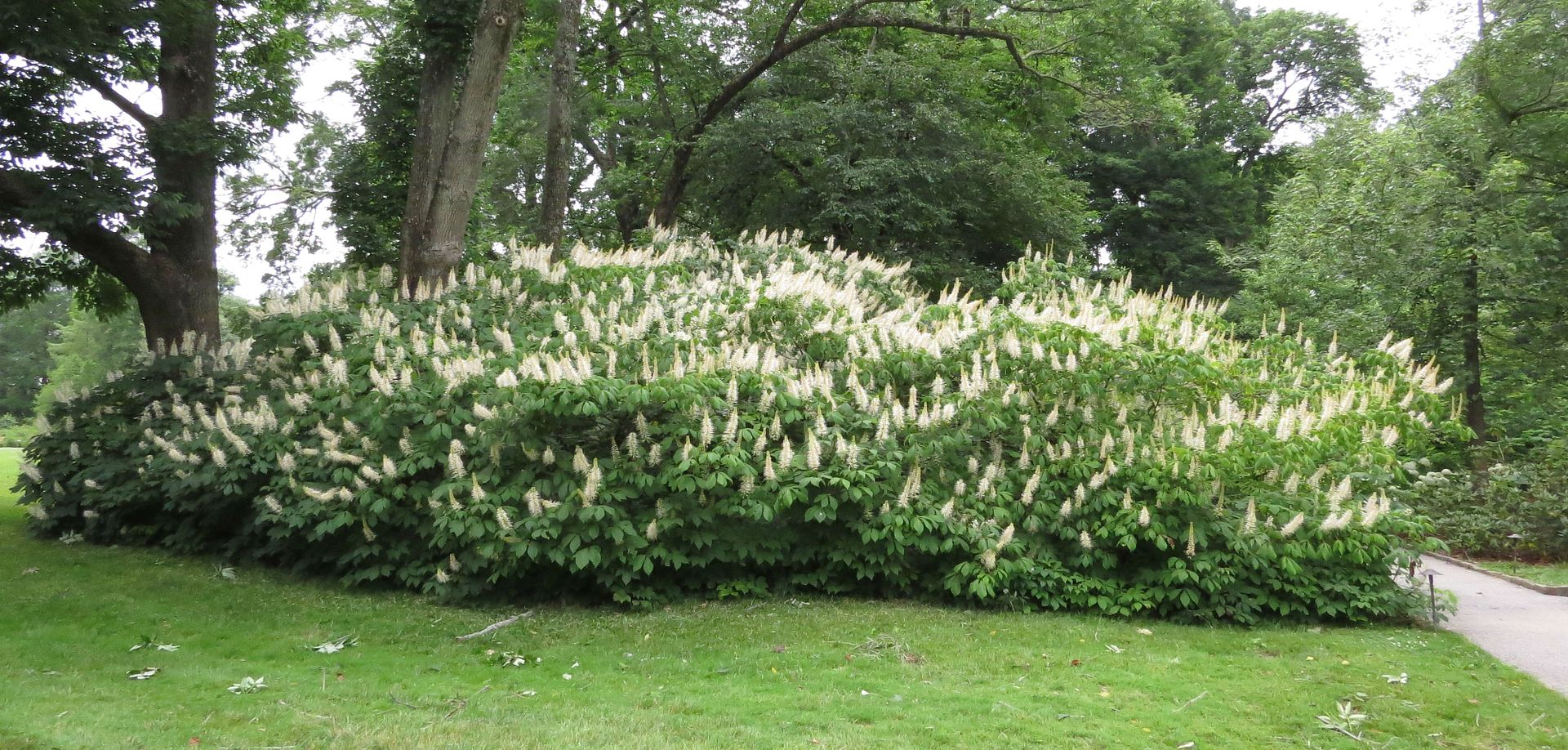
I was happy to see a grove of Bottlebrush Buckeye but disappointing to see absolutely nothing was pollinating them. Actually there were almost no butterflies flying about at all. The only ones I saw were out in the meadow garden and I know from the Mt. Cuba Center that this plant is normally covered in hummingbirds, and large butterflies. They're growing it correctly at least. The plant wants to push up an army of suckering stems to form it's own grove which was extensive. The photo above was taken at the top of a hill and they extended all the way down around the pathway.
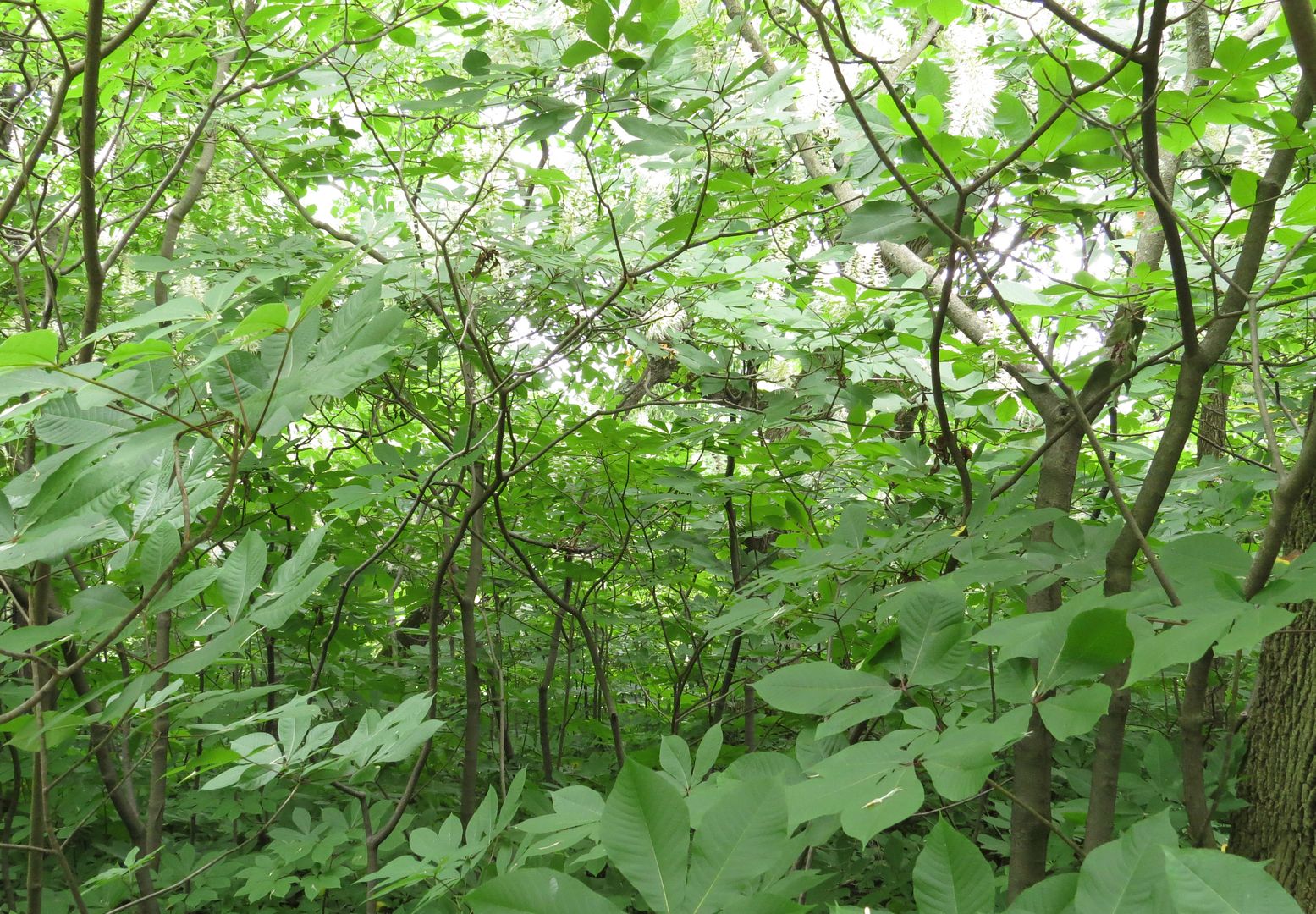
This is what it was like looking in. 
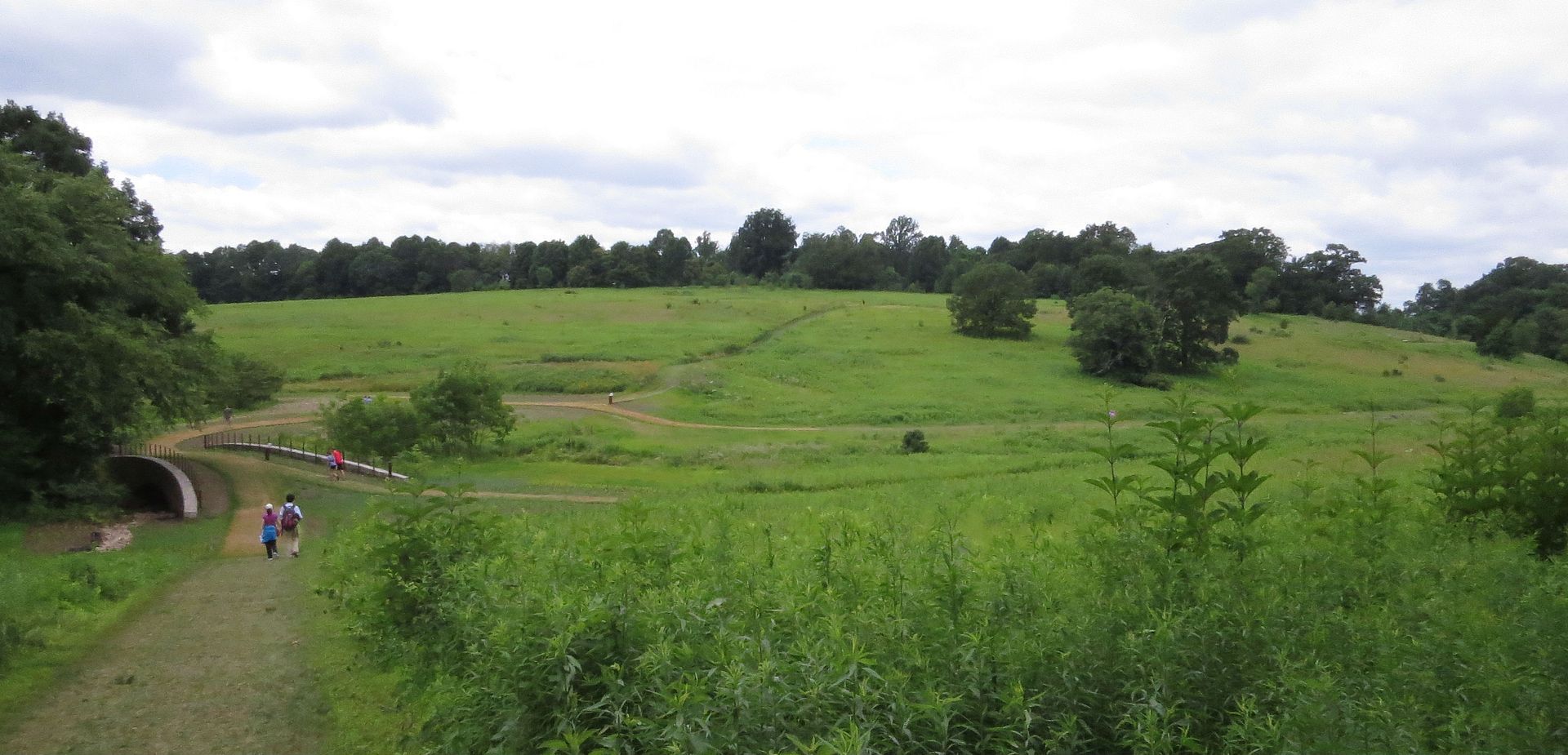
But the real reason for going was for the newly installed Meadow Garden, which I'm happy to say was drawing a decent crowd. All of the bird watchers and generally non-handicap guests were at least giving one pathway a stroll. 
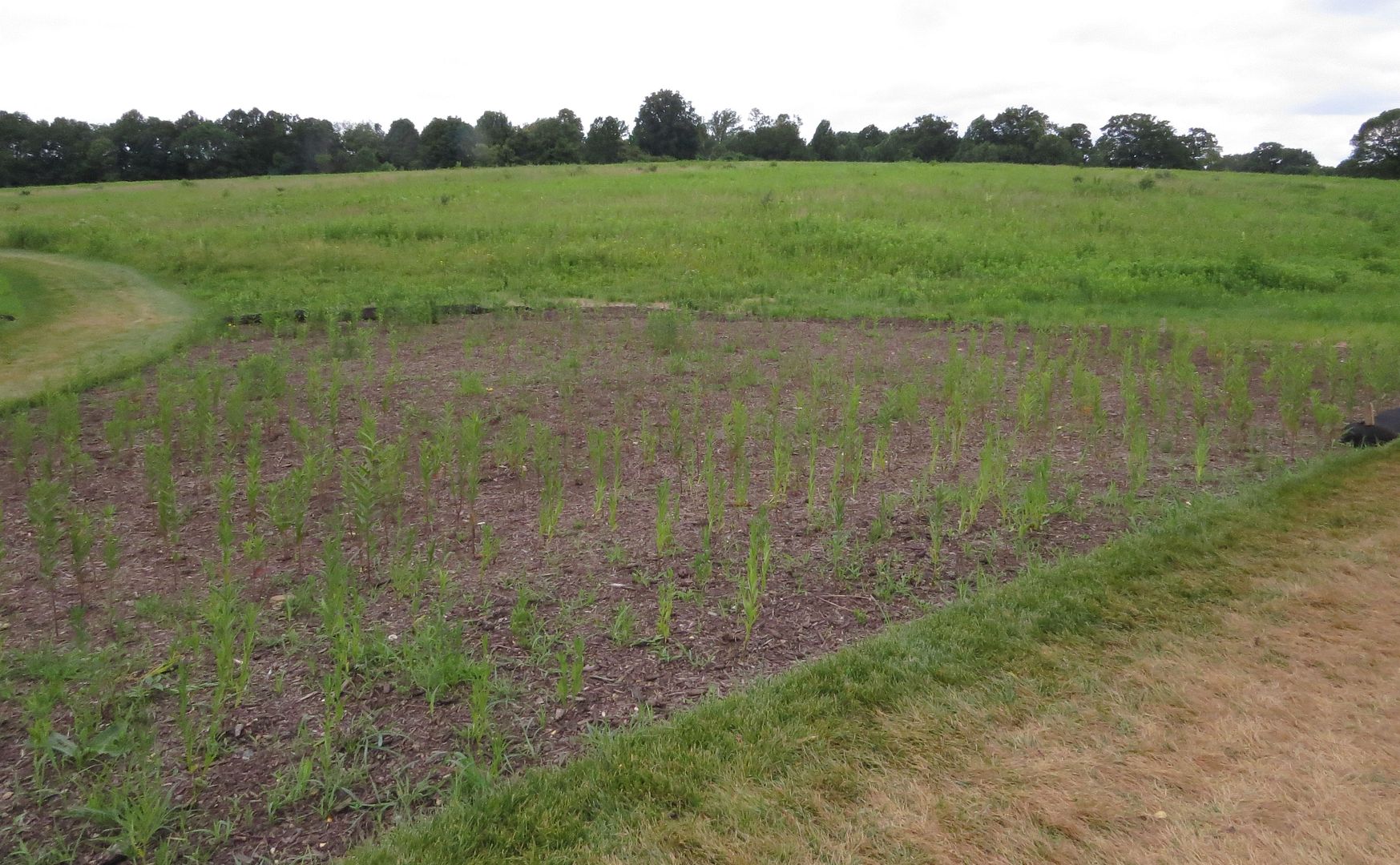
Early on I was a little confused though. I thought they had sprayed Round UP on the pathways which is why they looked like dead grass but then I realized, nope, someone started to roll out the sod for god knows why and it's just dying from lack of water. A bizarre choice but perhaps it was something left over from last year. A good design choice I thought were these corner sections where instead of seeding in plants randomly, they had plugs to specific plants. Eventually this will ensure guests get to see specific plants up close and personal.
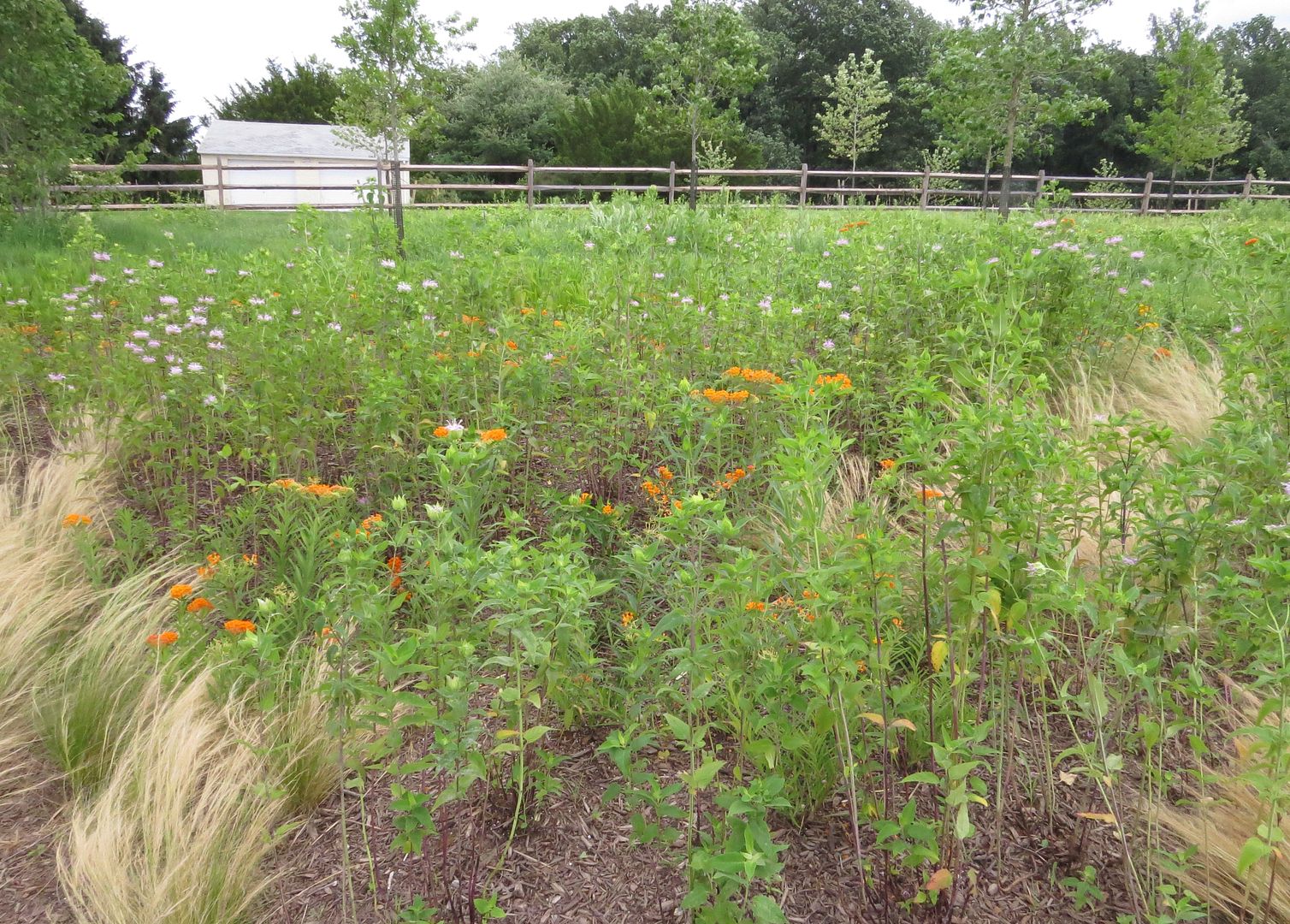
Another specific plug planting next to one of the rest and viewing areas. Behind me there were some benches, sheltered by the sun with built in telescopes for everyone to look out upon the meadow. 
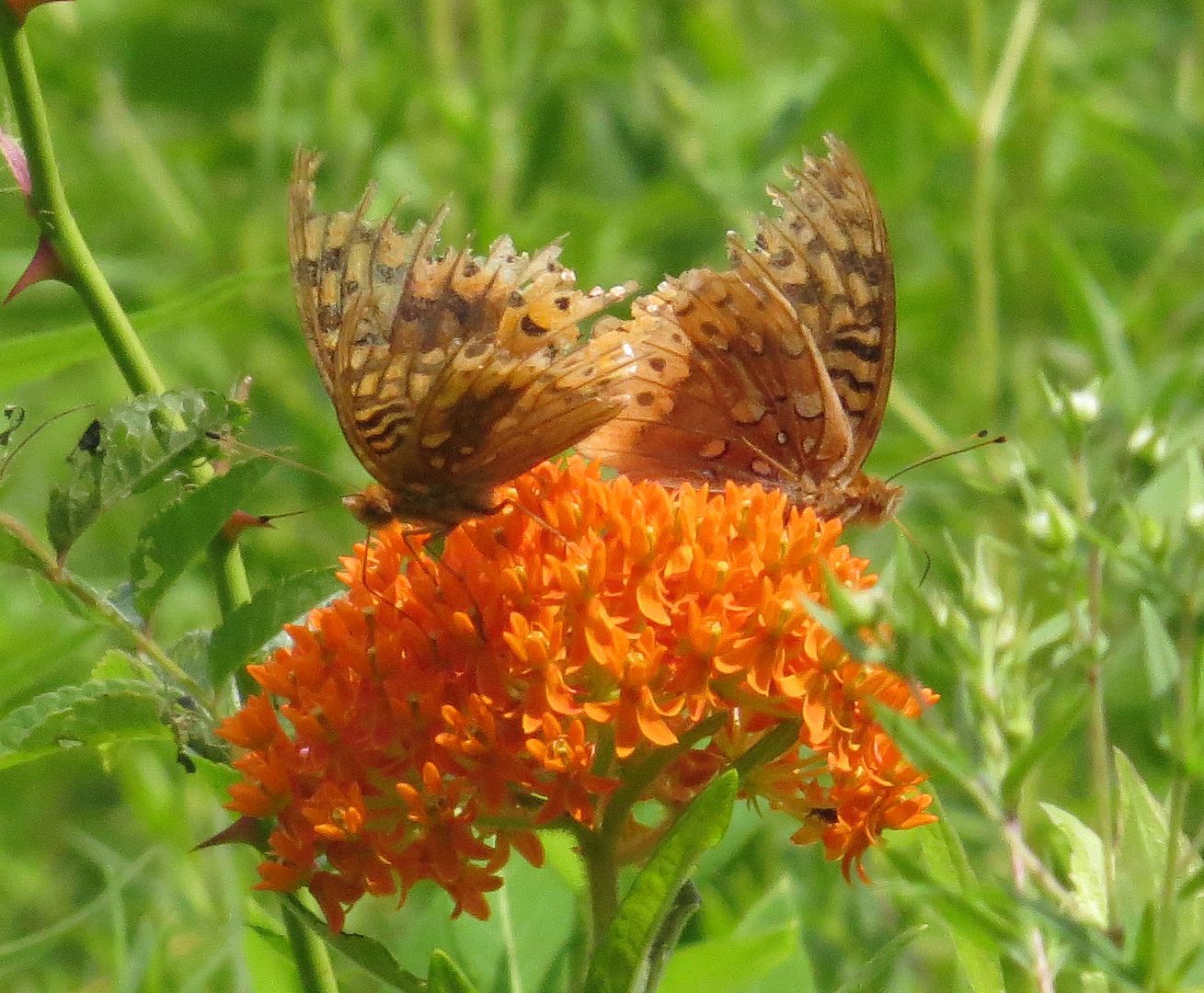
The occasional butterfly would flap about but for the most part they found a bit of butterflyweed and clung to it.

Black-eyed Susans speckled parts of the meadow with their little yellow disks.
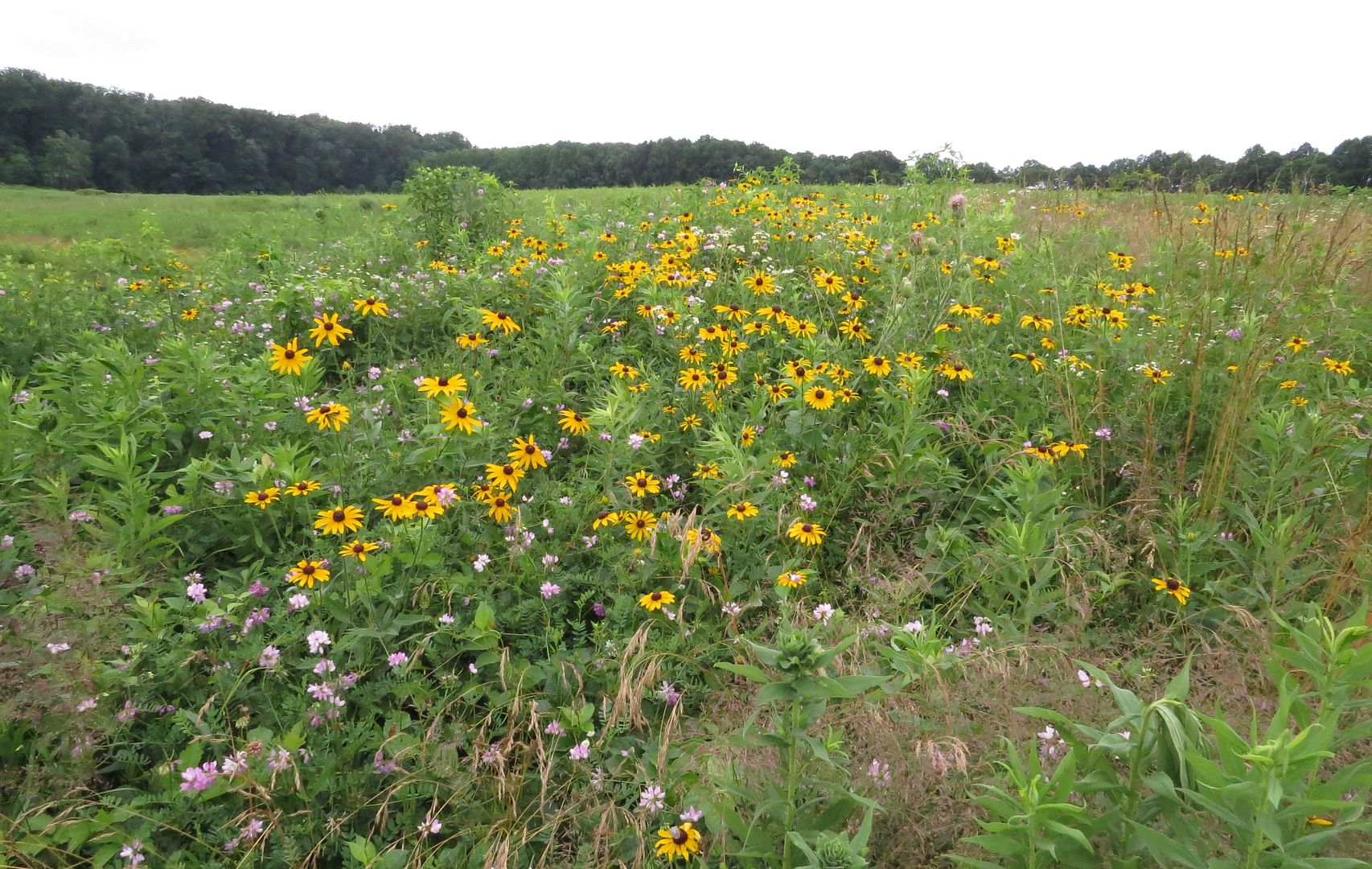
There were a few places where they seemed to be better established and taller.


Red-winged Blackbirds fluttered about the meadow and all the bird watchers seemed to enjoy them particularly. I accidentally interrupted more than one person trying to take a photo I'm sorry to say.
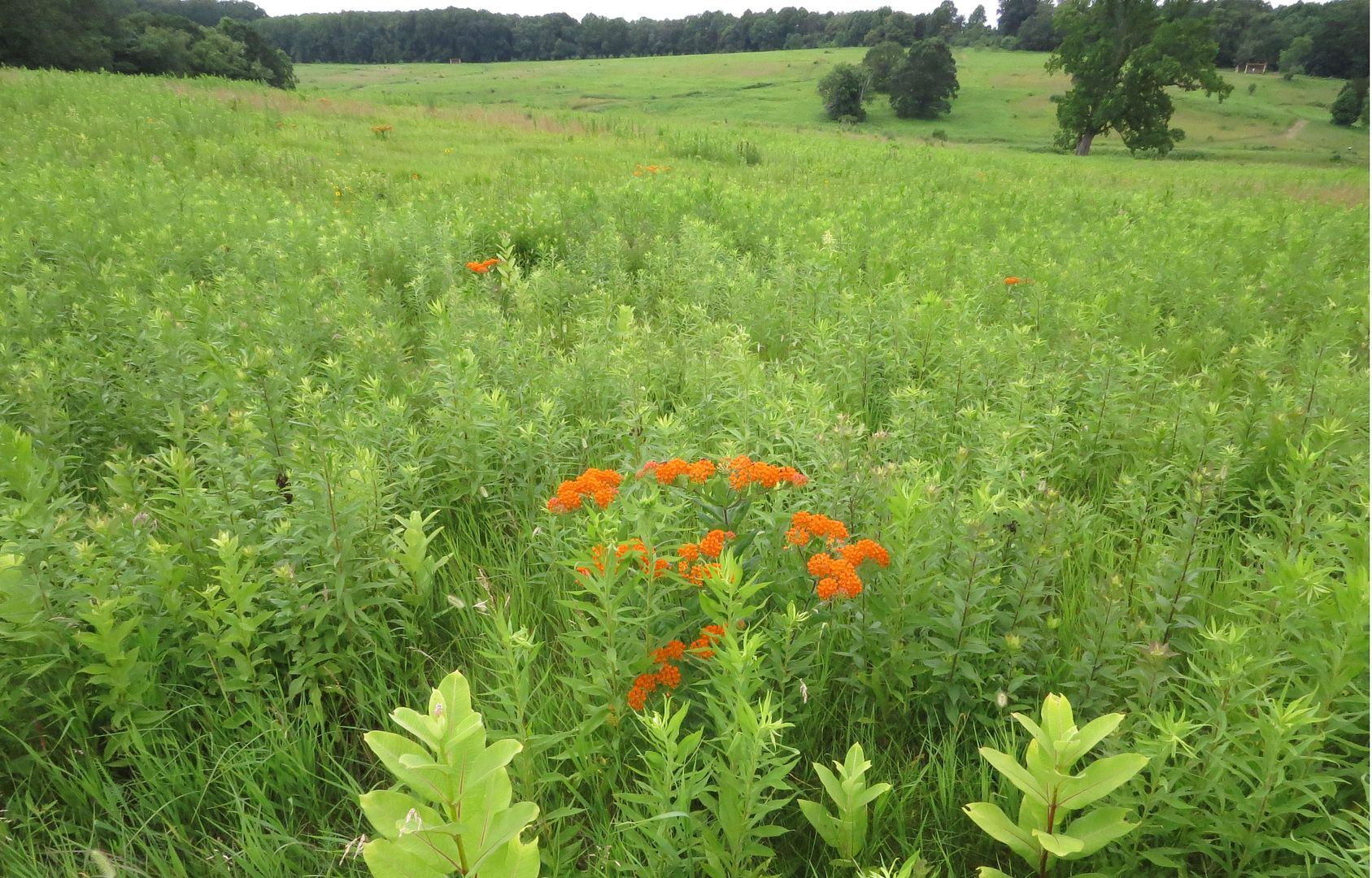


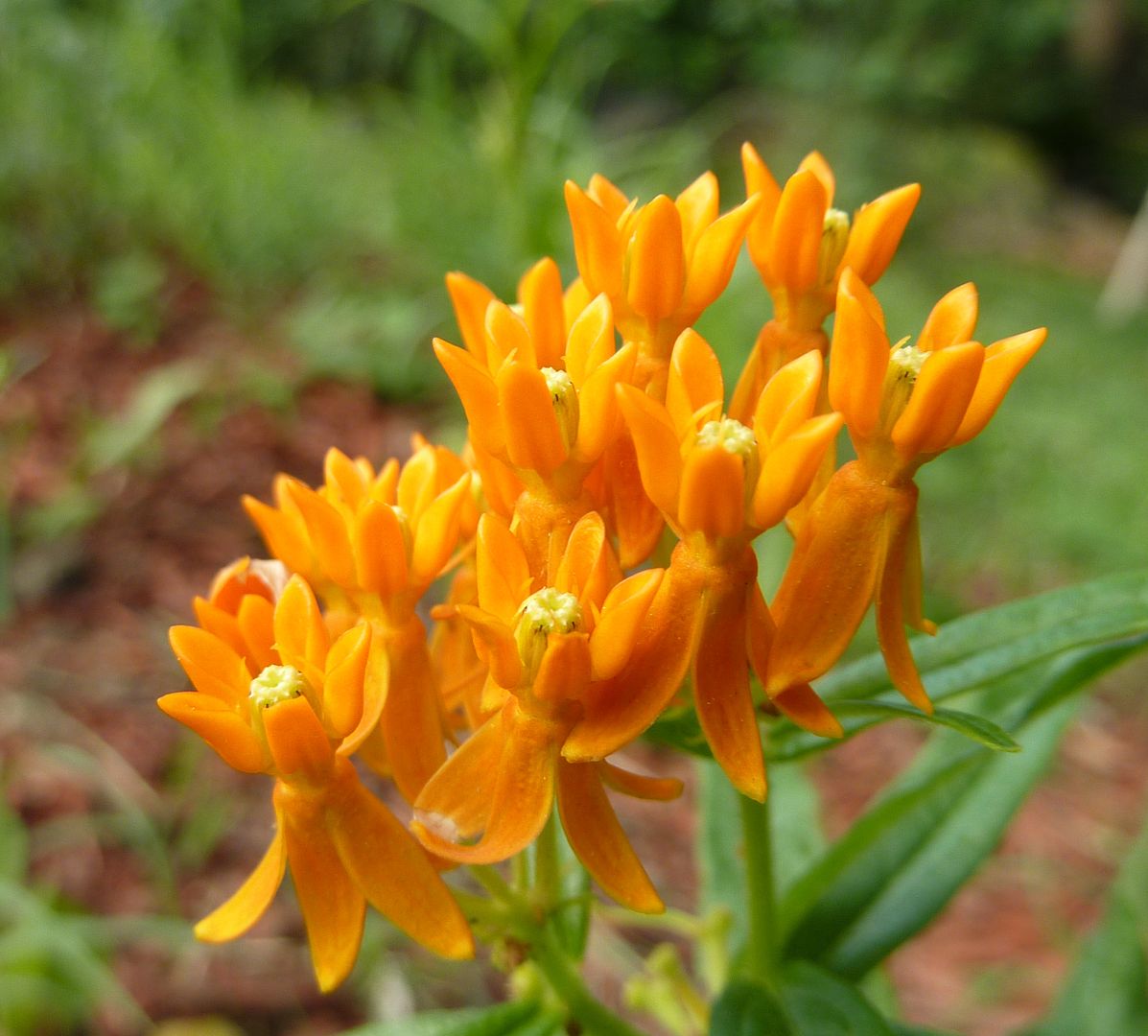
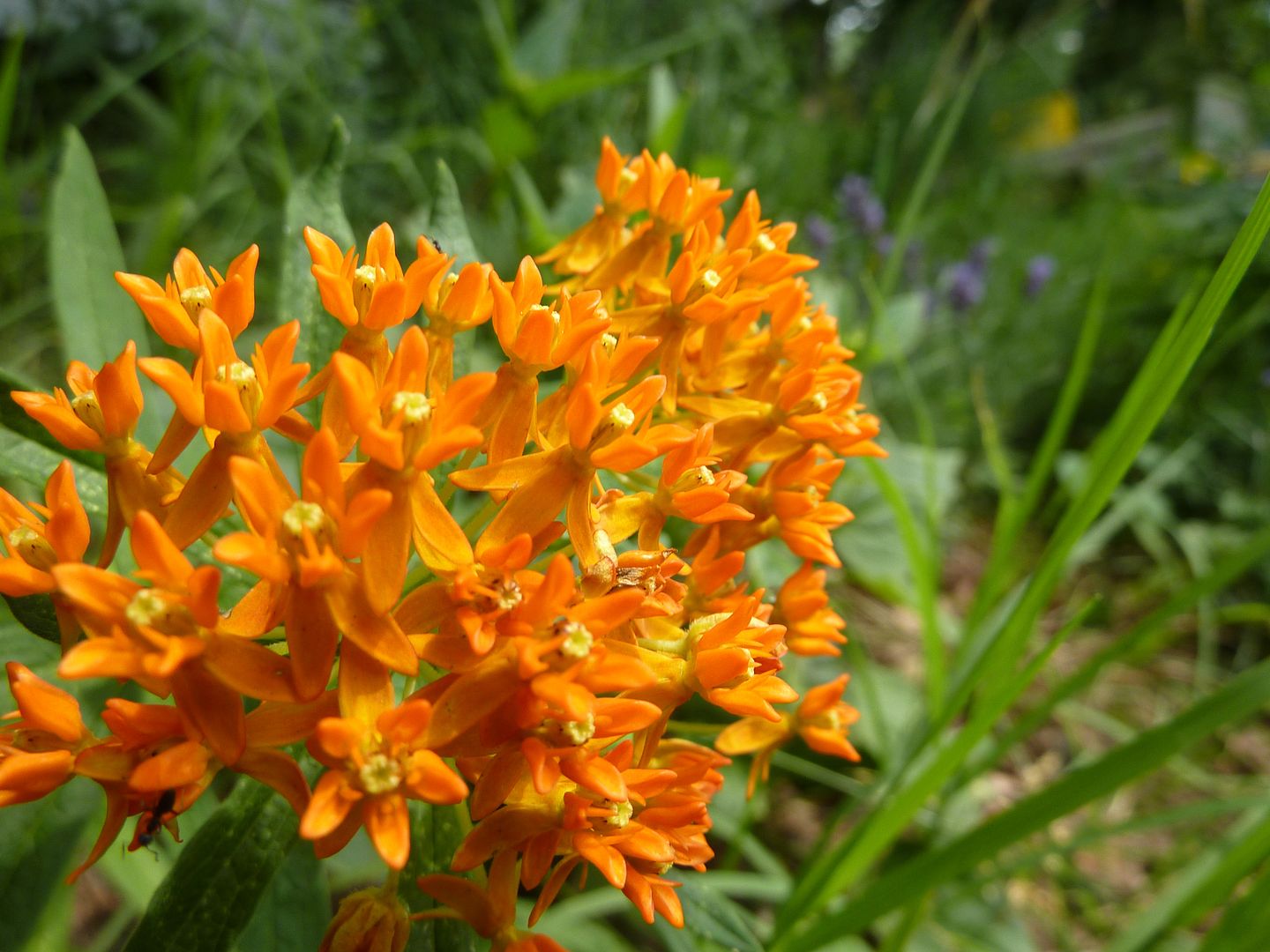
Butterflyweed, Asclepias tuberosa, was a real highlight here.

I love the way the color of the dried grasses adds to this, still blowing with the breeze along with the green, and still with yellow flowers dotting all over.

False Sunflower, Heliopsis helianthoides, was another draw but mostly for bumblebees.

I really enjoyed the meadow garden a lot because there weren't big boring patches of lawn. If you're going to have big sweeps of lawn, at least do something with them; maybe even take that "golf course look" literally and maybe a mini-golfing or croquet. Or even make it more perfect than it already looks? A large carpet of moss maybe?

So the Meadow garden has my interest enough that I think I'll return sometime, maybe in September and I'll be sure to give the whole place another chance.
Sunday, June 2, 2013

Western Spiderwort

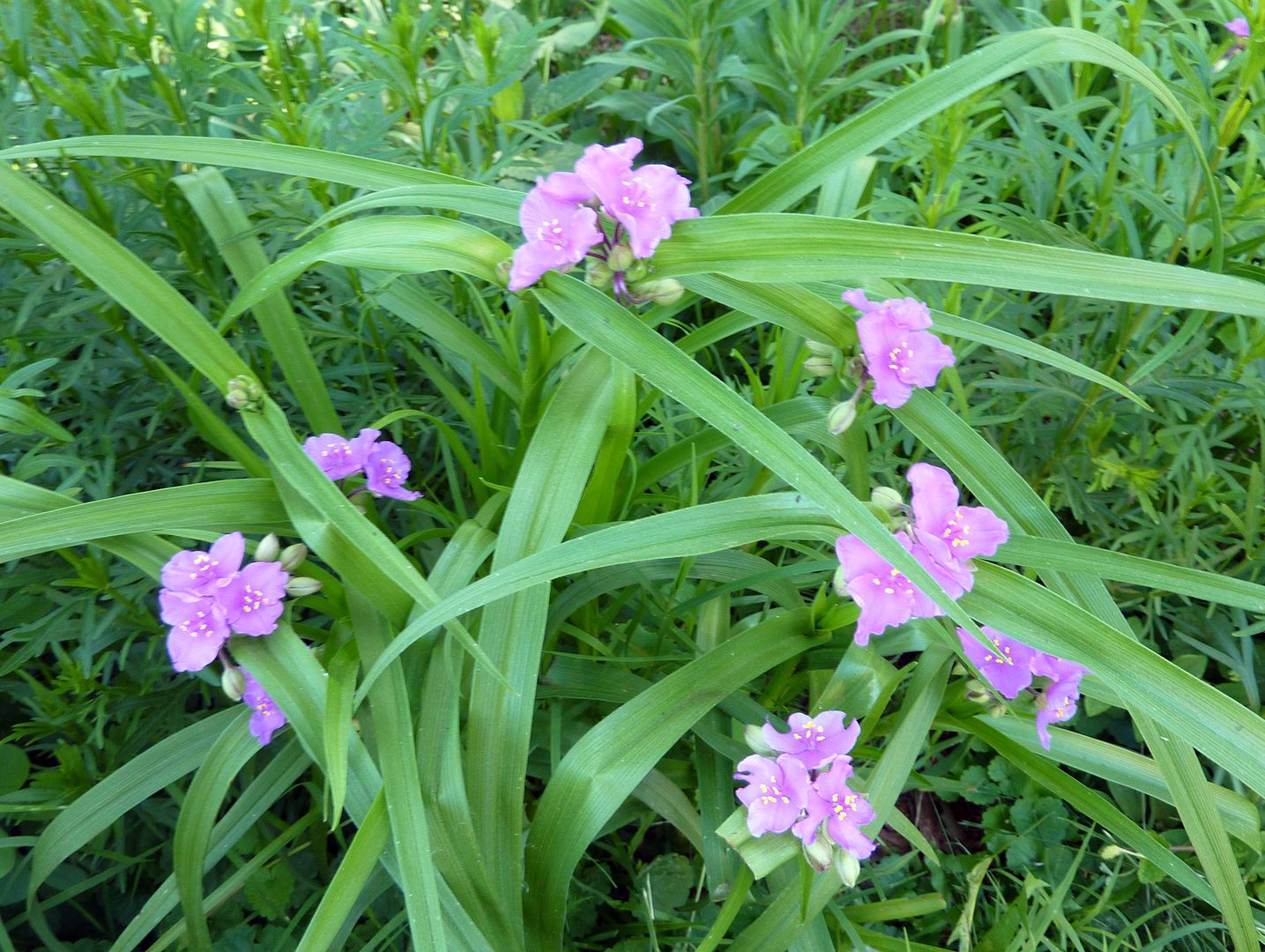
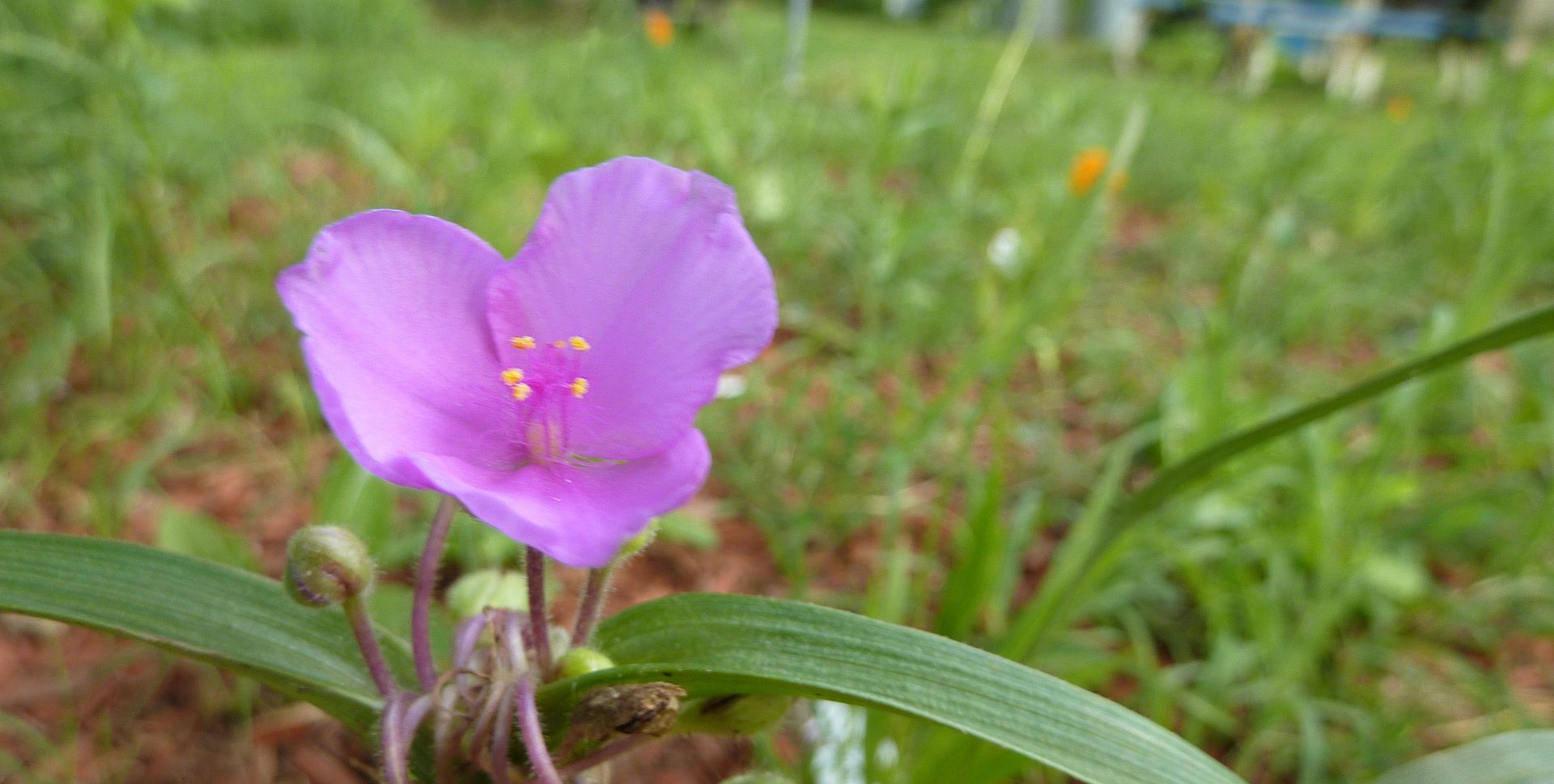
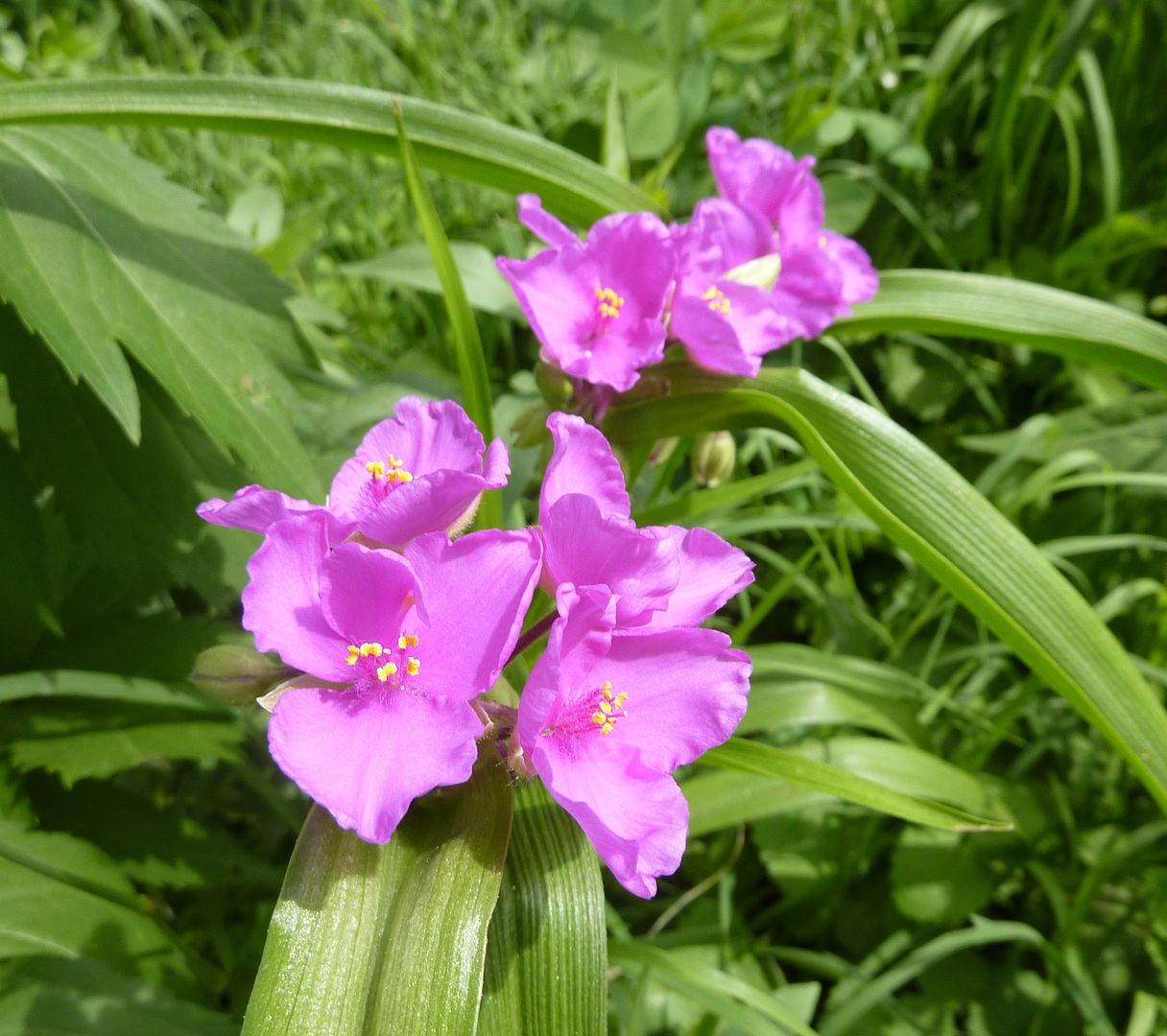
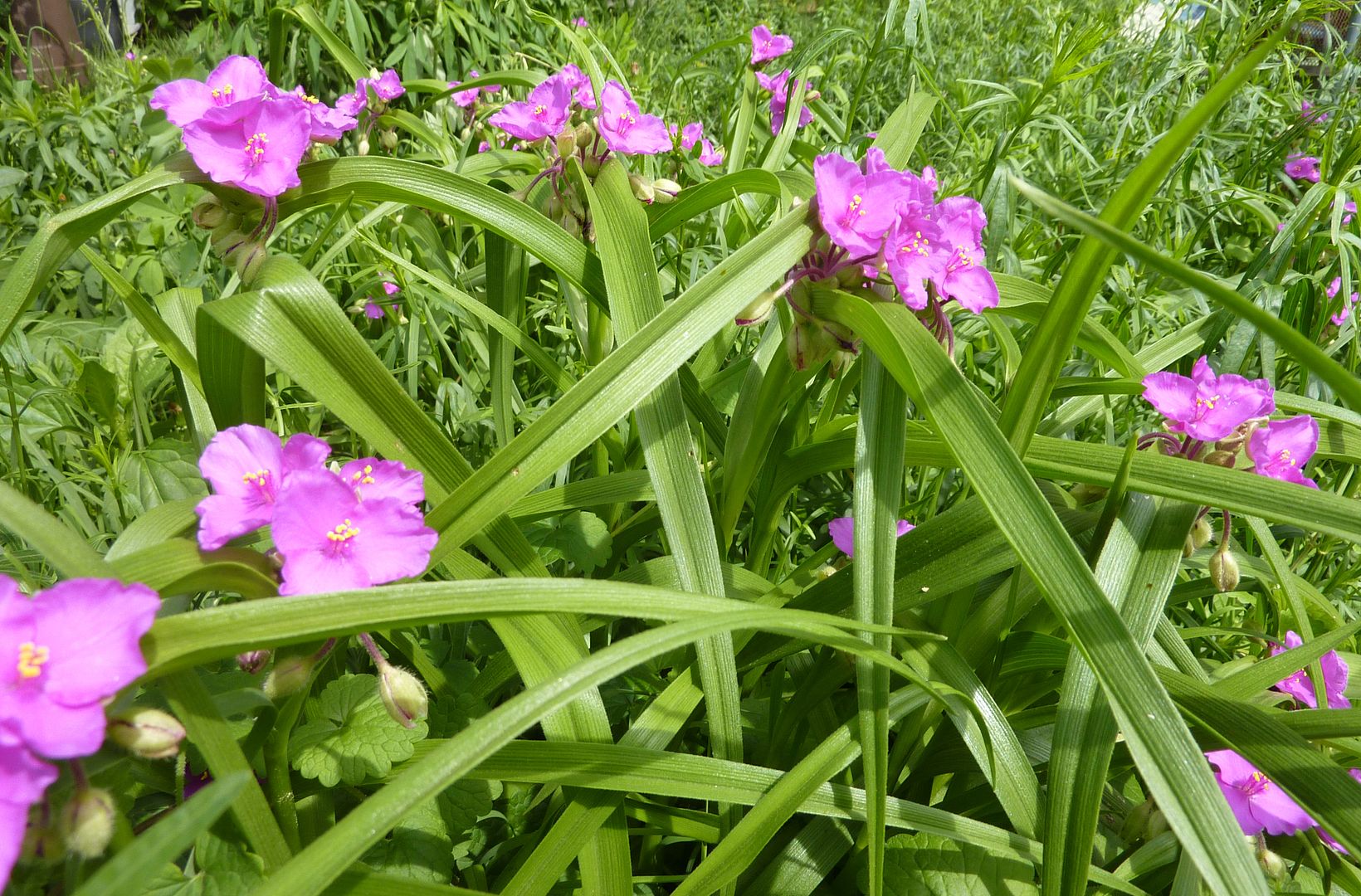
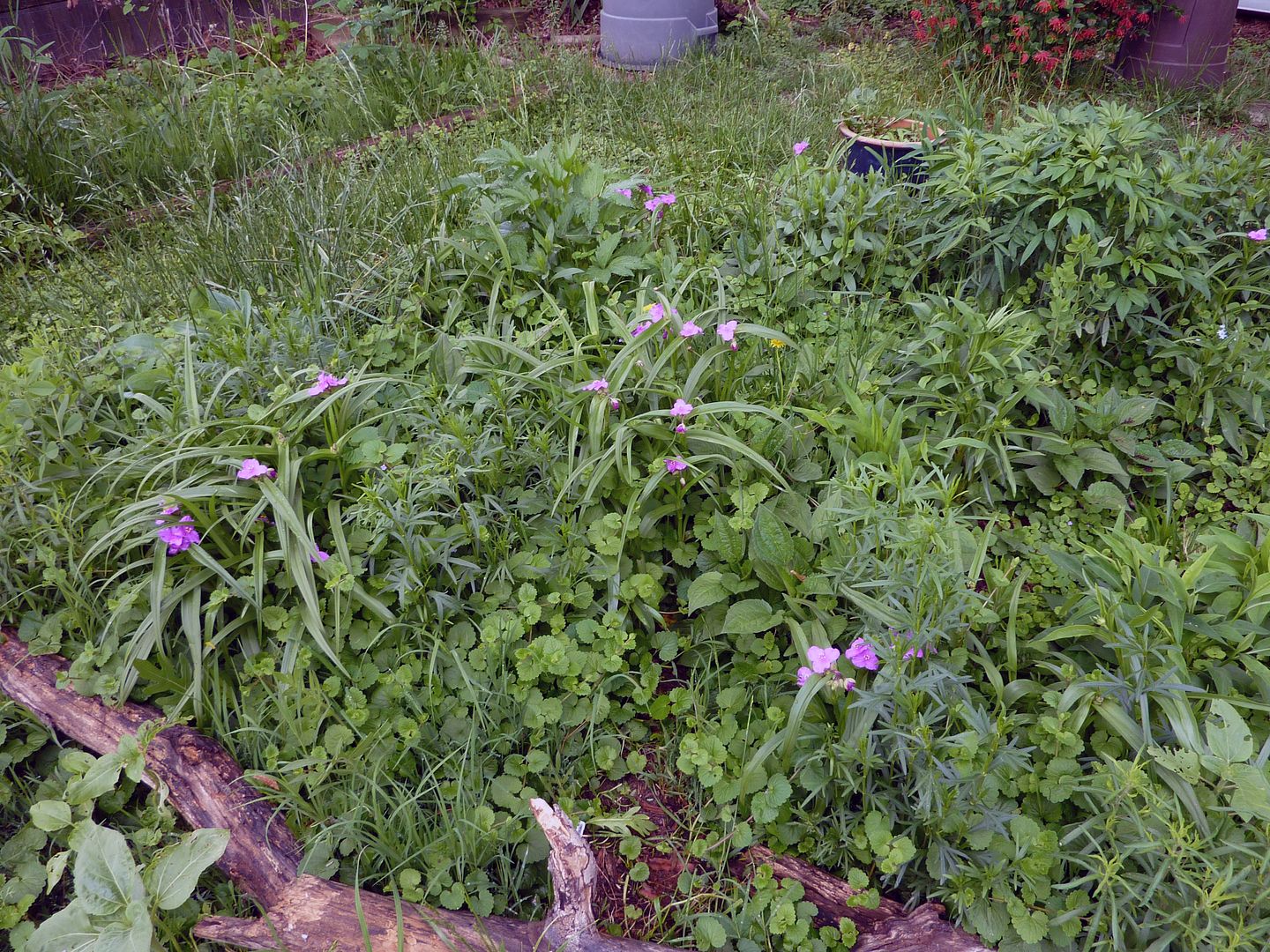
The Western Spiderwort, Tradescantia occidentalis, has really come a long way since I initially planted them. Back in 2011 these little plugs pushed out maybe one flower and that was it, a simple short lived bloom that faded after only one day.

But now each has spread out into its own clump, pushing out several short lived flowers each day. If I recall right this plant dies back in the summer to make room for other meadow plants, but at it stands they're doing an okay job of suppressing the weedy sort of crabgrass I hate so much.

I see early bumblebee workers working them along with our thorn-less blackberries.

Tuesday, May 21, 2013

Life in the Meadow Garden

My little meadow garden is much farther along this year than it was this time last year. Mostly this is due to plants spreading both by seed and underground rhizomes, bulbs, and other such root divisions. I need to weed out some of the Creeping Charlie becuase it's climbing all over everything. But otherwise it's fairly weed free. Rudbeckias are coming up all over the place and should form a nice carpet of yellow later in the year, but for now I have the bright pink blooms of Western Spiderwort, Tradescantia occidentalis, to enjoy.

The earliest bumblebee workers as well as an assortment of hover flies have been pollinating them. I love how soft looking the pollen anthers look; as if they were made out of foam or something.


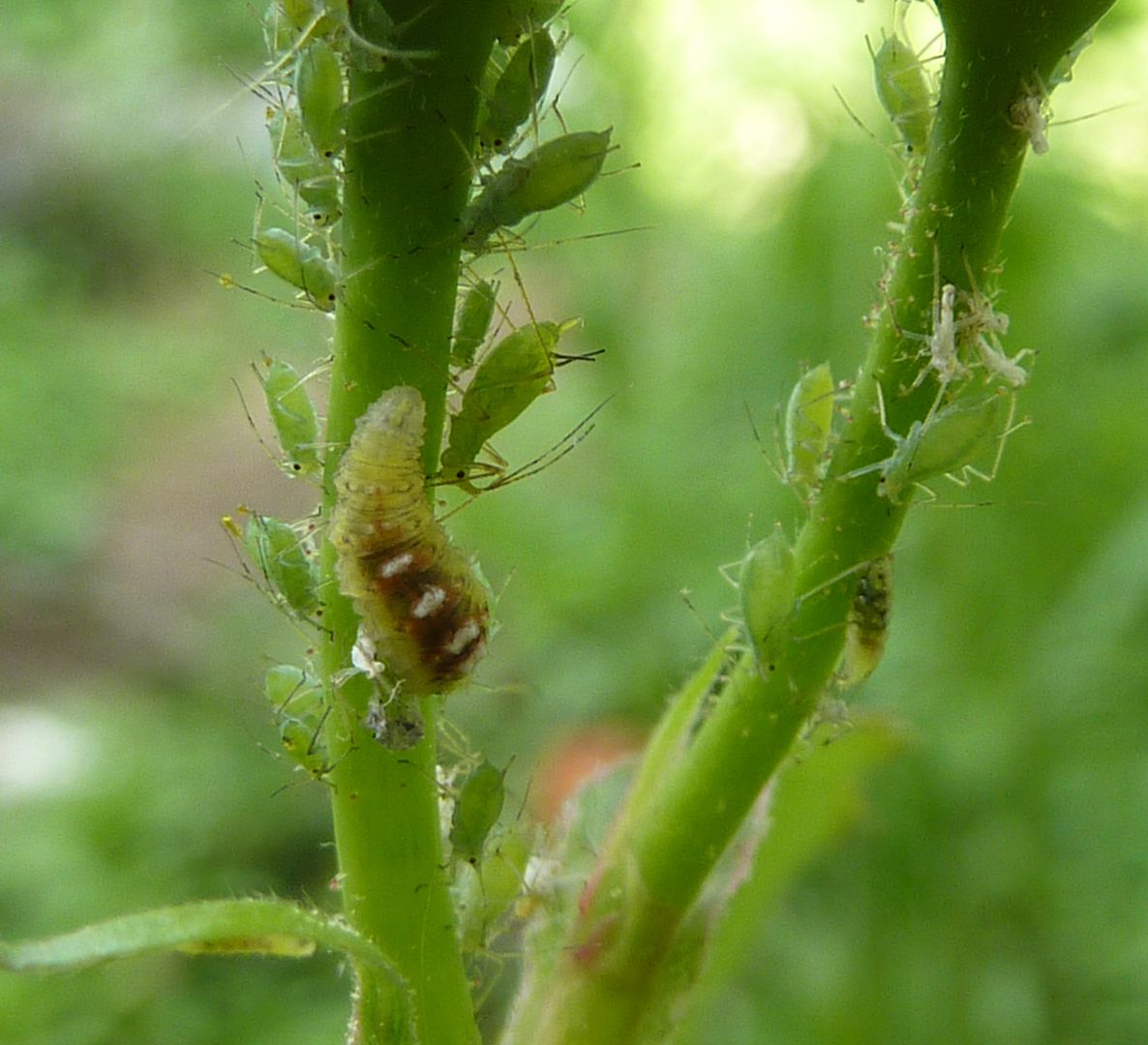
Elsewhere in the garden hover fly larva feed on aphids, and somehow go unnoticed by ants or even other aphids.

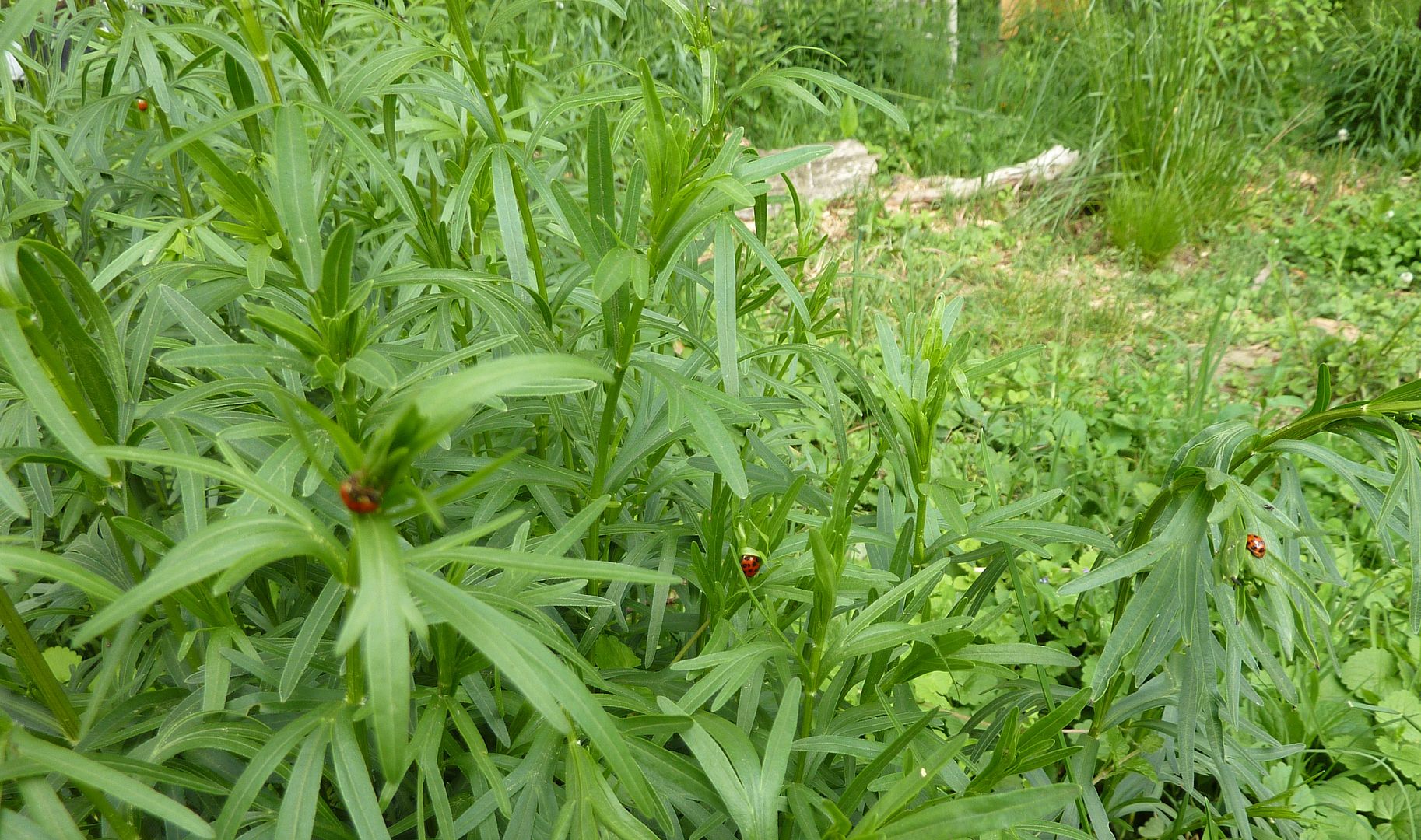
Along the Coreopsis tips a plethora of lady beetles have landed (free of charge) and help to control the aphid numbers. There are four of them in this picture alone.

Pavement Ants, Tetramorium species E. have taken to tending some of the aphid herds. This is somewhat unusual becuase pavement ants don't usually climb plant life to obtain a meal, at least it seems less in their nature as seen in other ant species.


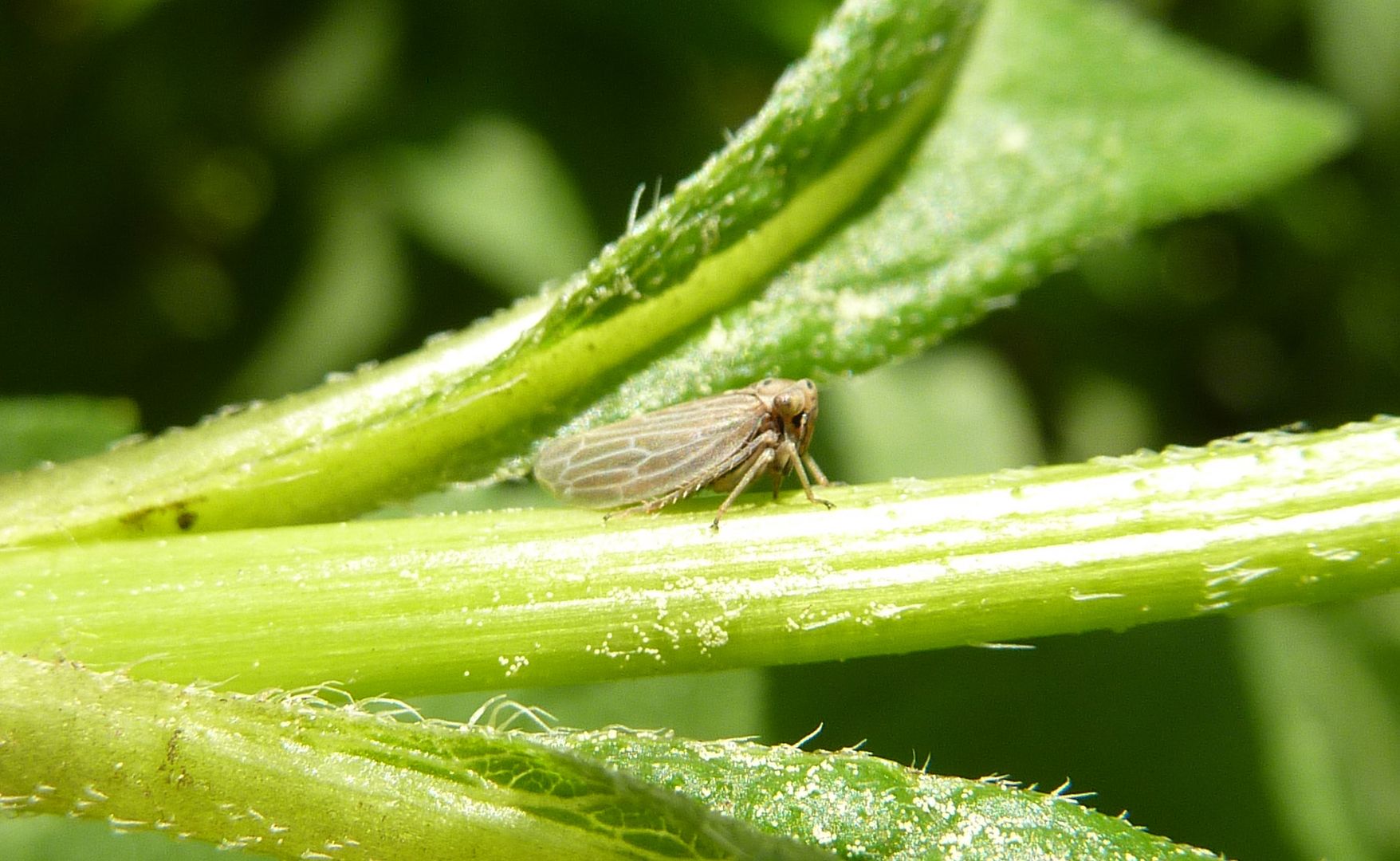
Leaf Hoppers are a distant cousin to the aphid, but they've opted for mobility and don't have as many associations with ants.

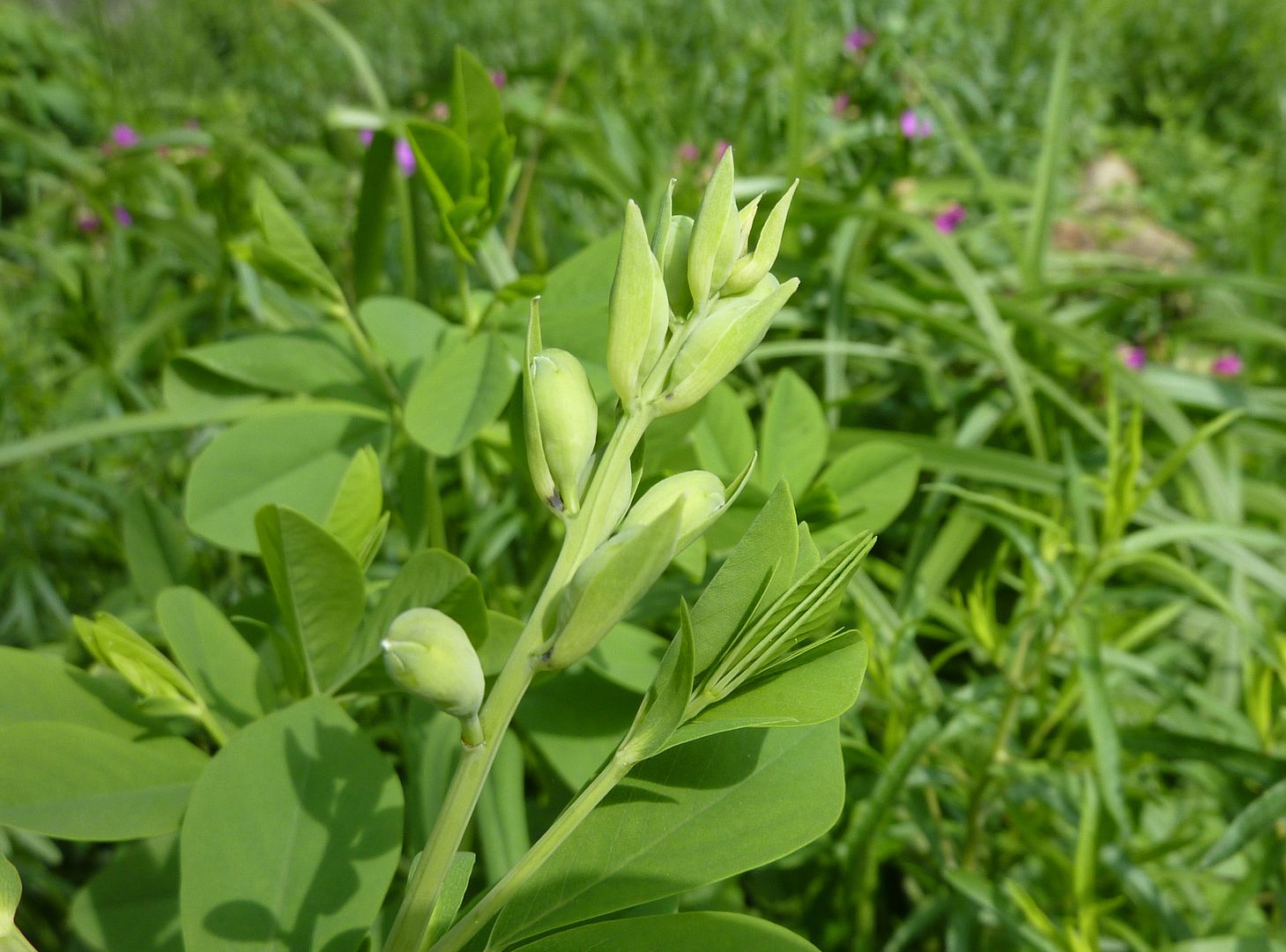
Young Baptisia alba, plants I'd started as plugs when I first planted the meadow garden three years ago are finally going to flower. I'm not sure if the addition of this plant was a good idea or bad. Because they produce their own fertilizer, they're nitrogen fixing, and encourage certain types of plants to grow better than others.

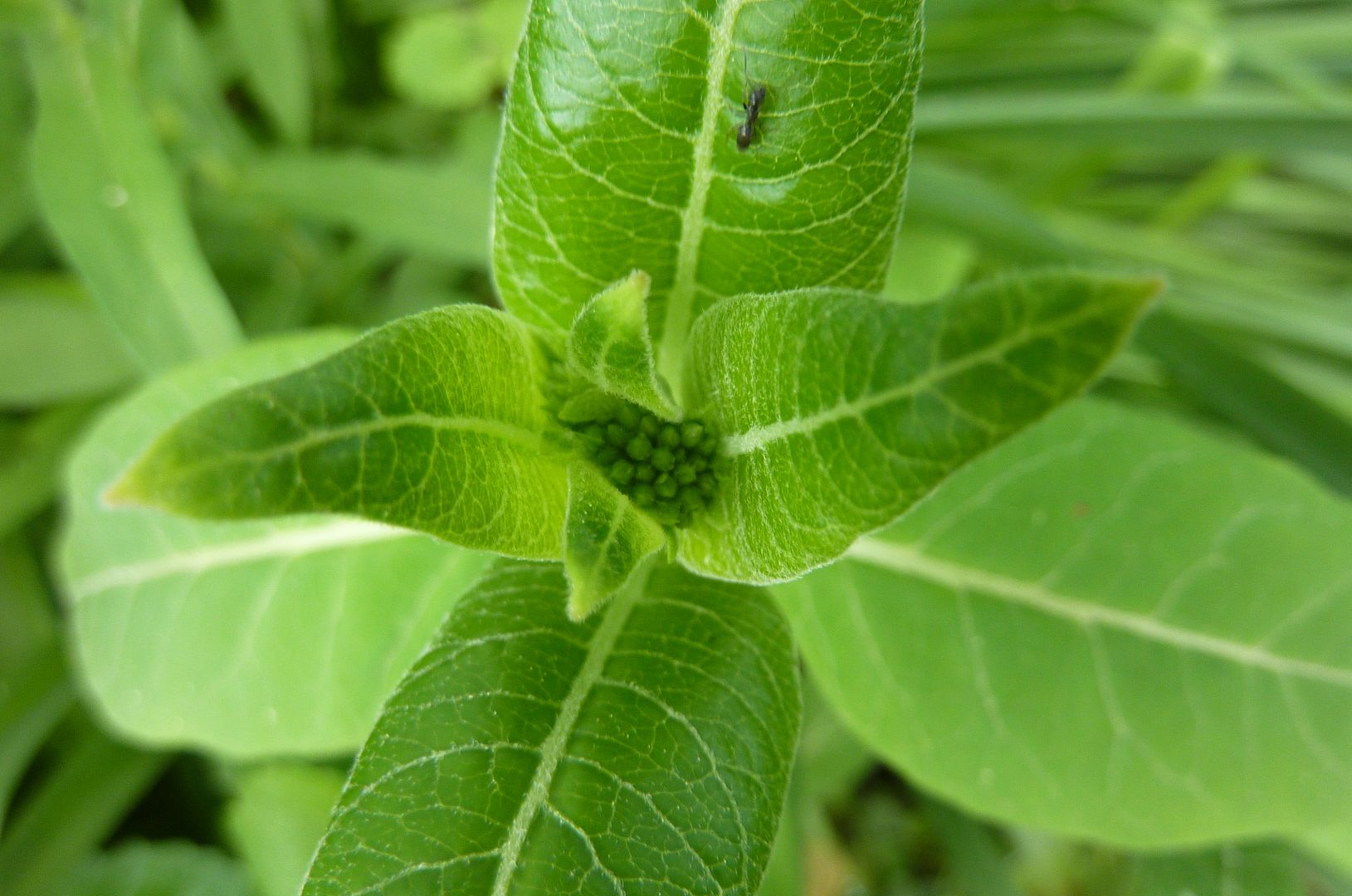
Also flowering for the first time this year is Purple Milkweed, Asclepias purpurascens.

Tuesday, April 23, 2013

Some Meadow Musings

My little meadow garden has been waking up the past few weeks. Milkweeds aren't up yet and False Indigo has just poked out but Coreopsis, Spiderwort, assorted Rudbeckia and Asters have all started growing. There are plenty of weeds in there too such as Dandelion,  Creeping Charlie, and a rather aggressive spreading grass. I find these weeds useful because they mark where I haven't planted natives yet, and it's usually easy enough to replace the unwanted plant with a plug or something that I bought. 

Stiff Coreopsis, C. palimata, is particularly abundant thanks to underground rhizomes. It's a Midwest native that's been spreading steadily. They tend to flower before all the Black-Eyed Susan's do which is handy but they're never as dense or showy looking. What I find neat is that I started with maybe 10 plants and they've spread pretty well on their own. Black-Eyed Susans have seeded prolifically too, despite the slight amount of wood mulch. Neither is pushing out the unwanted weeds yet but they're approaching the point where I may have to start thinning them out or transplanting. 

Saturday, September 8, 2012

Monarch Release and Meadow Tour Video


I released a Monarch Butterfly this morning before a storm rolled through. She took off kind of quick though so I decided to walk around the garden first. Lots of things in bloom. The seed heads to butterfly weed look really showy next to the asters in bloom, though I never really stop to focus on that in the video.

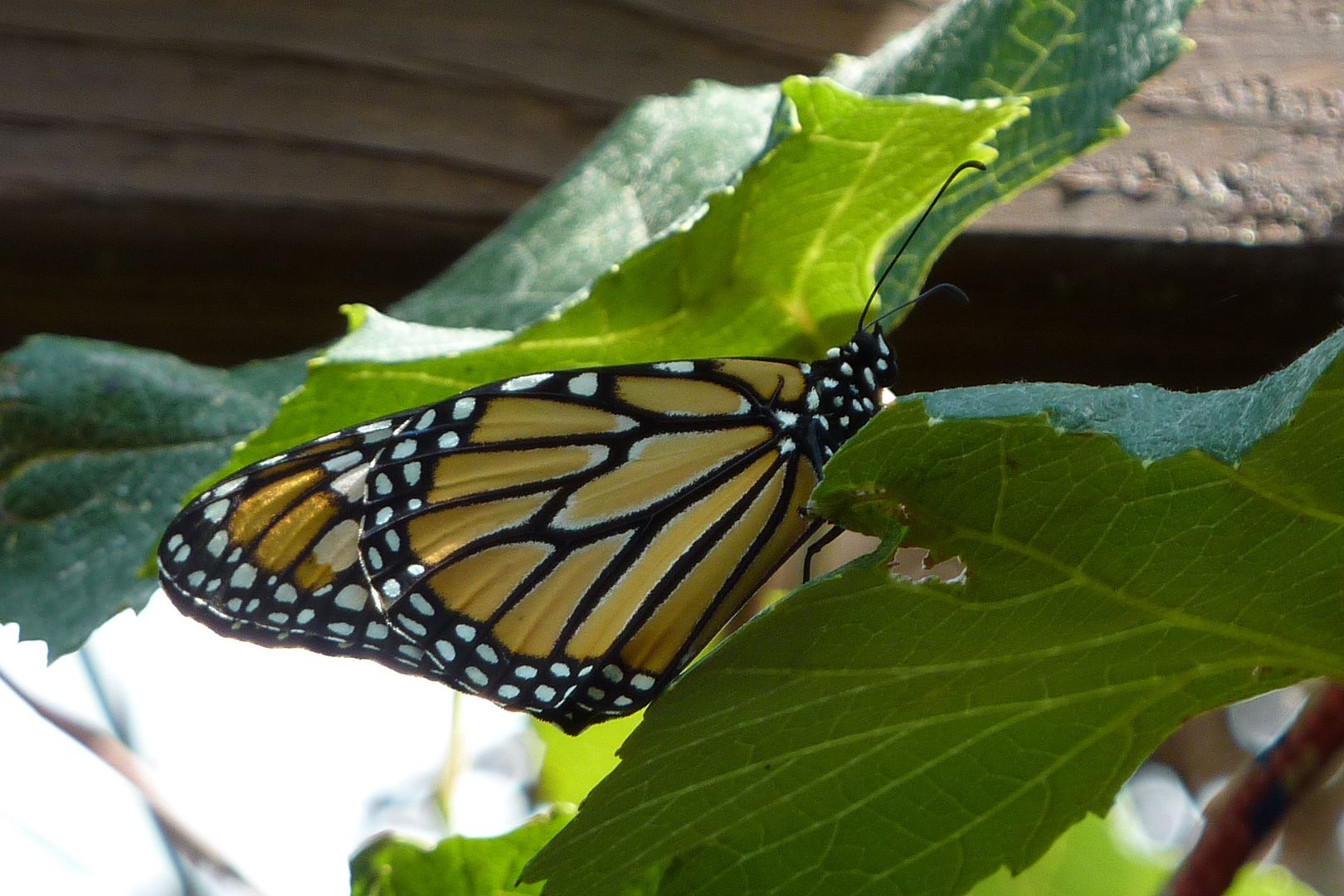
After walking around I found her on our grape vine sun bathing. Hopefully she makes it to Mexico as I didn't get any females laying any eggs in the garden. I've seen Monarchs flying about but they really haven't taken advantage of my yard.

Sunday, May 20, 2012

The Monarch Meadow and Fruit Tree Journal: Spring 2012


Last year I planted a Meadow. And this year I'm officially naming it the Monarch Meadow. Hopefully in years to come it will live up to that name. I'll add more species of Milkweed, and nectar plants Monarchs love. Not that I'm in any shortage of either mind you. I'm also proud to be growing Franklinia, Buttonbush, Native Pipevine, Bottlebrush and Buckeye.

Prairie Spiderwort, Tradescantia occidentalis, is also called Western Spiderwort because it's primarily native the prairies of the midwest. There are also populations of it in New York and New Jersey though. Of other species of Spiderwort that I've had over the years this one seems to stay open for longer in the afternoon. Other ones I've had are closed completely by 2:00pm. This one I can still find open around 4:00pm.

The bright pink/magenta flowers are imposable to miss in the morning and mid-afternoon. Butterflyweed, and Ozark Coneflower will be flowering shortly though along with assorted Coreopsis species. Also mixed in are some 215+ Liatris plants. I'll be making update videos once these start blooming.


Native Plums on the plum tree. I find it odd that I need to spray these with fungicide to get them to ripen. I wonder if it's just because of the Peach and Nectarine tree being so close. The disease seems to start on those trees while the Native Plum leaves are unaffected. Typically our native fruits don't get anywhere near the diseases found in commercial fruits.

Wednesday, March 21, 2012

The Prairie War

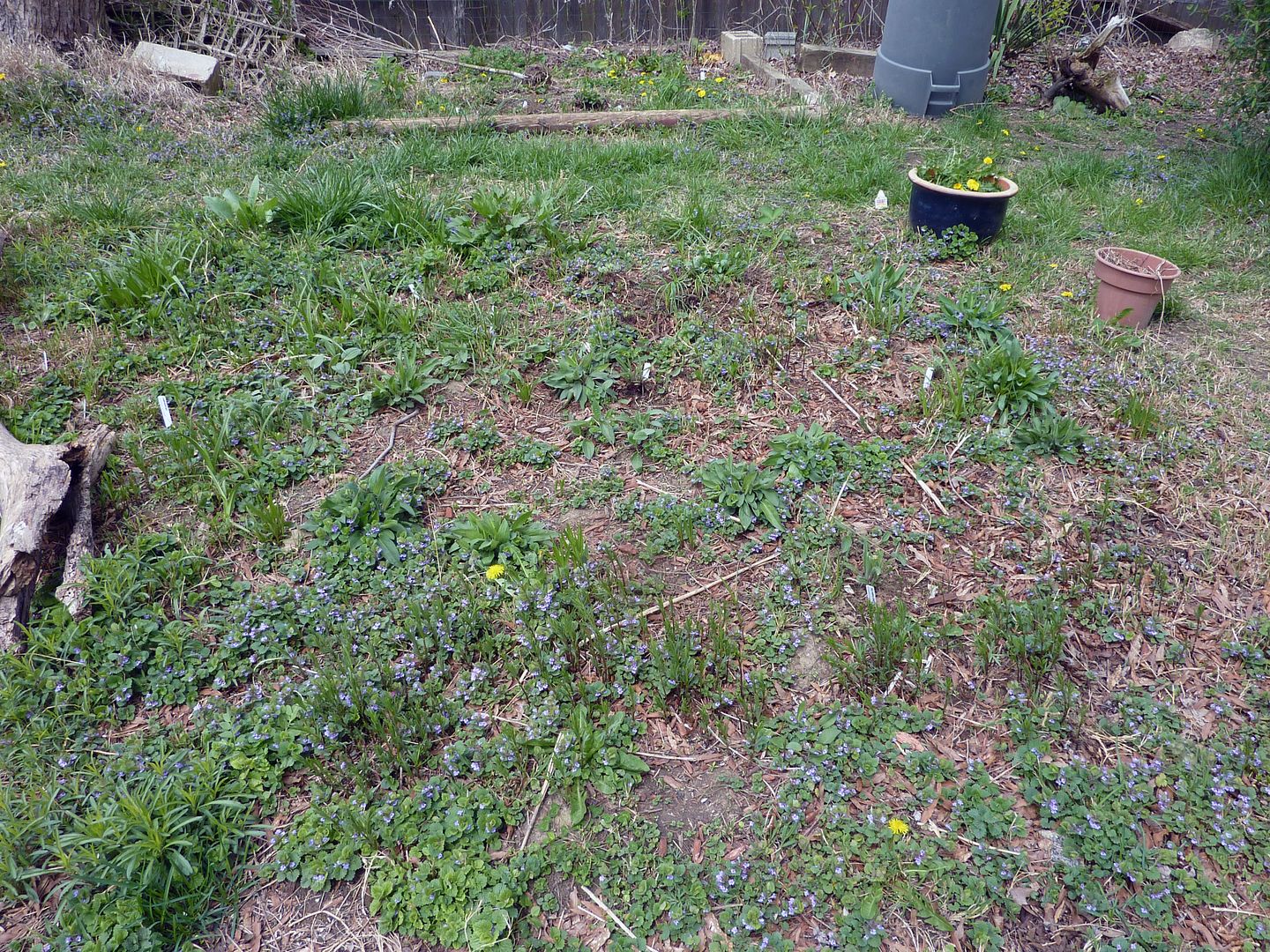
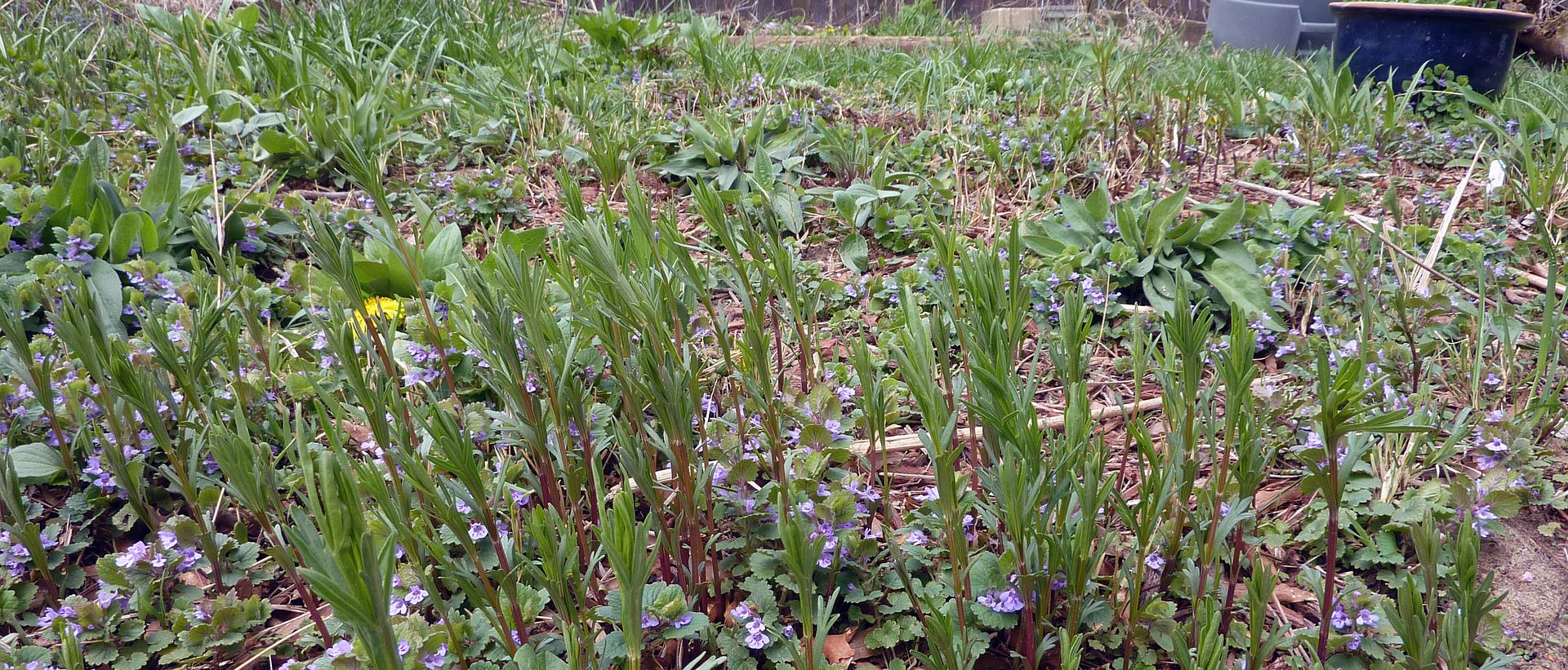
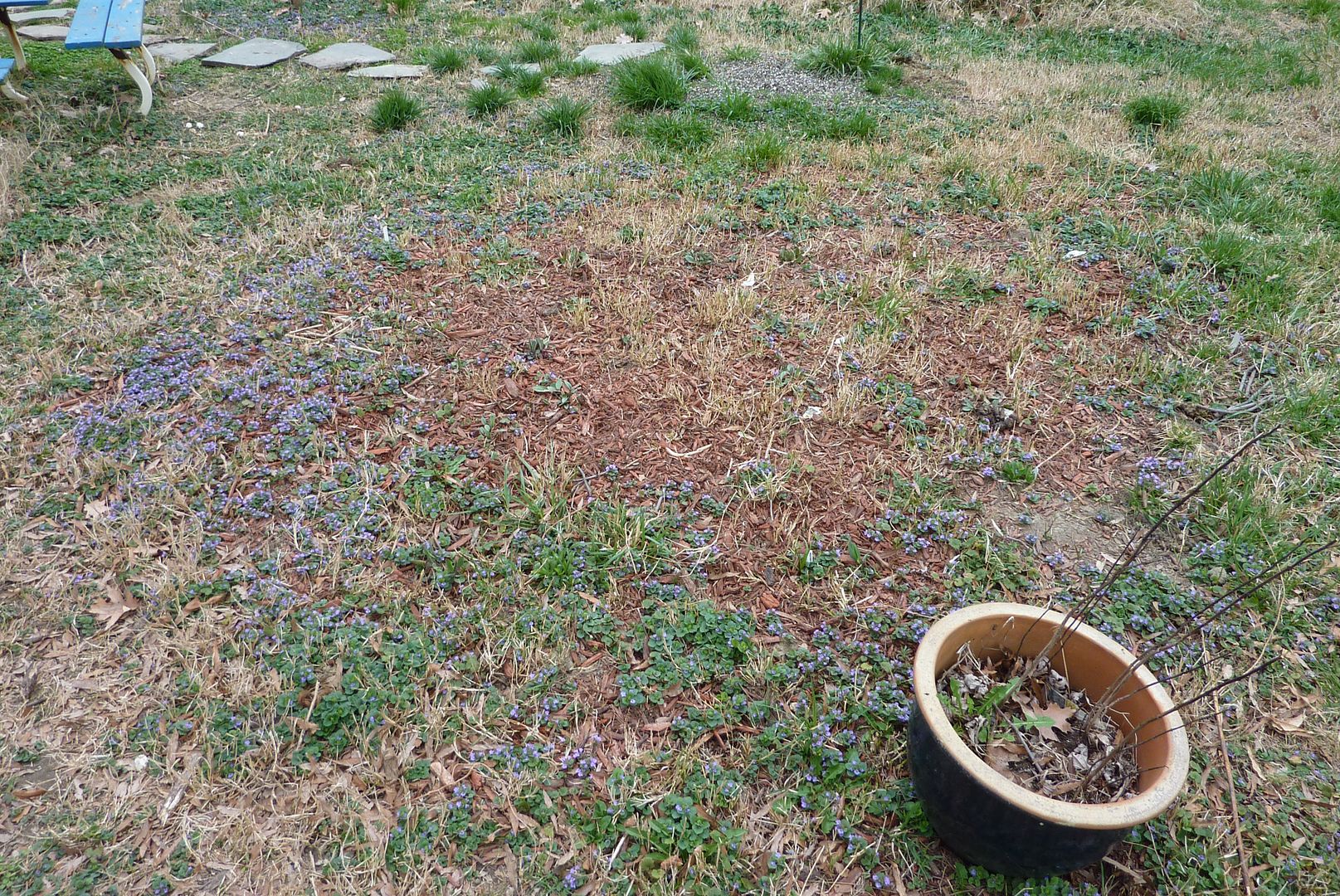
While it might not look it, the prairie is actually coming back to life. It's a little taken over at the moment by Creeping Charlie, Glechoma hederacea, which is the creeping plant with the bright blue flower. It's not native but I tolerate it because my honeybees like it. It's also very easy to weed out as it has a shallow root system. 

So far everything except the Milkweed seems to be emerging. Here I think we're looking at Blue False Indigo, though it's a little hard to tell. The Spiderwort looks like it's reseeded, some of the Asters are coming back aggressively, the coneflowers are sending up their first leaves, and it won't be long before the Jacob's Ladder will be flowering.

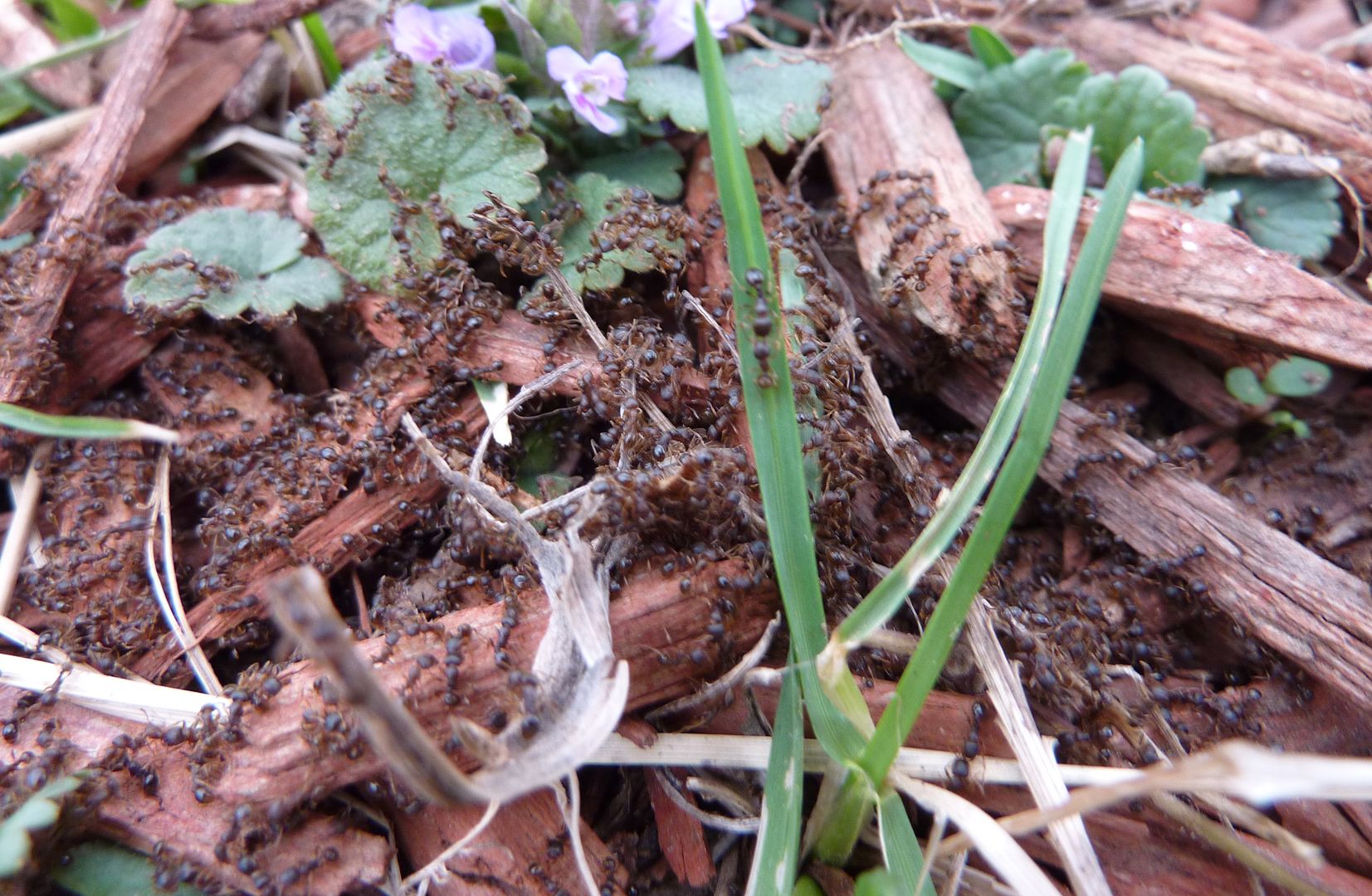
Something that shocked me was the Pavement Ants have already started fighting over territory. They're nonnative species that's "invasive" in that it displaces some species of Formica. Not the worst species in the world and they're almost control their own population thanks to wars like this. Their colonies can get huge, 80,000 or so, and they fight over sunny exposed areas to incubate their brood and speed up worker production. Often the losing colony is destroyed or crippled for the season.

So hopefully once all the native plants here in my monarch meadow get growing they'll be able to better fend off these foreign invaders.

Wednesday, February 1, 2012

Mowing the Prairie

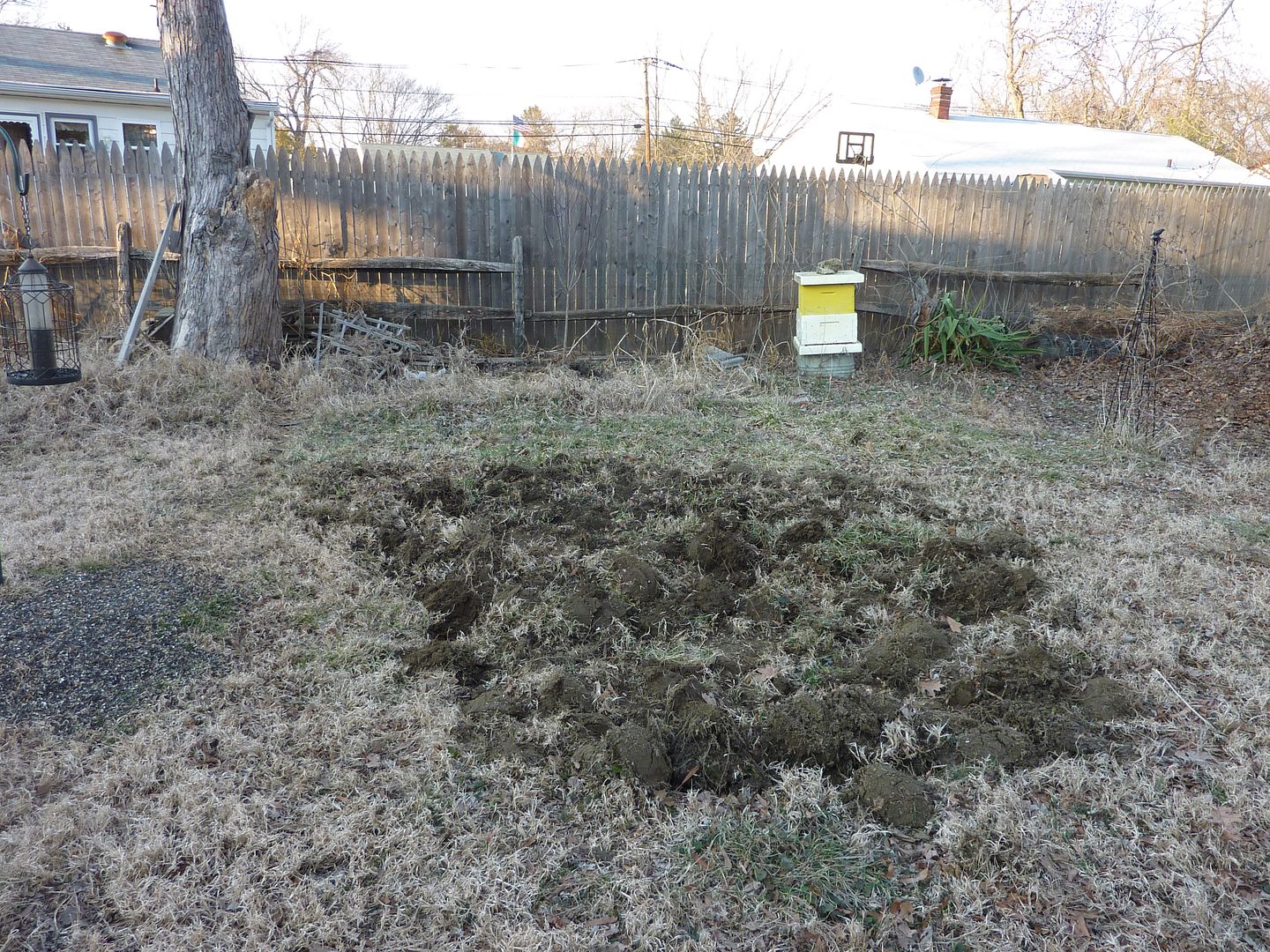
This isn't worth taking any pictures of but today was so nice out I decided to mow my little meadow today. The overgrown grass and plant stems were so thick it had been creating a dense mat hiding the bare ground. I was surprised how many times I had to empty the lawn mower. 

The two schools of thought here are to remove organic matter or to keep it.

Removing the grass and added plant stems is always advisable over the winter. But when mowing we're given the option of letting the organic matter chop up and lay on the ground as a mulch. This doesn't remove the organic matter but does aid in soil building (which is not needed for most prairie plants). This favors plants who's seeds might be tasty for birds and rodents. The organic matter hides them so they can germinate freely. However, this also encourages the existing plant community to come back and shade things out.

Removing organic matter entails controlled burns, and bagged mowing. The exposure to bare earth encourages germination to species that normally do so with more sun light. These tend to be plants with seeds the size of grains of sand or there abouts. Burning has the same effect but favors species that like the ashy (sulfur?) added into the soil. This burns off seed coats to some plants while destroying the seeds to others.

A sort of third option with removing organic matter would be grazing but I'm not a farm. This is normally done during the growing season. For a fascinating take on the benefits of grazing and the manure, I turn you to the Prairie Ecologist. Apparently the added fertilizer creates a noticeable healthier and greener plants. This encourages the grazing animal (in this case a Bison) to favor that plant when grazing for most of the year. To me, this could explain why deer favor certain plants in one's garden and overlook others, that is all things being equal with "deer resistance."


Not mowing at all eventually leads to shrubs and trees taking over.

So you see there are ways to encourage and sway a plant community over time. The trouble is everything you do will effect 1 to 3 years down the road.

Saturday, December 17, 2011

How My Prairie Did: Year 1

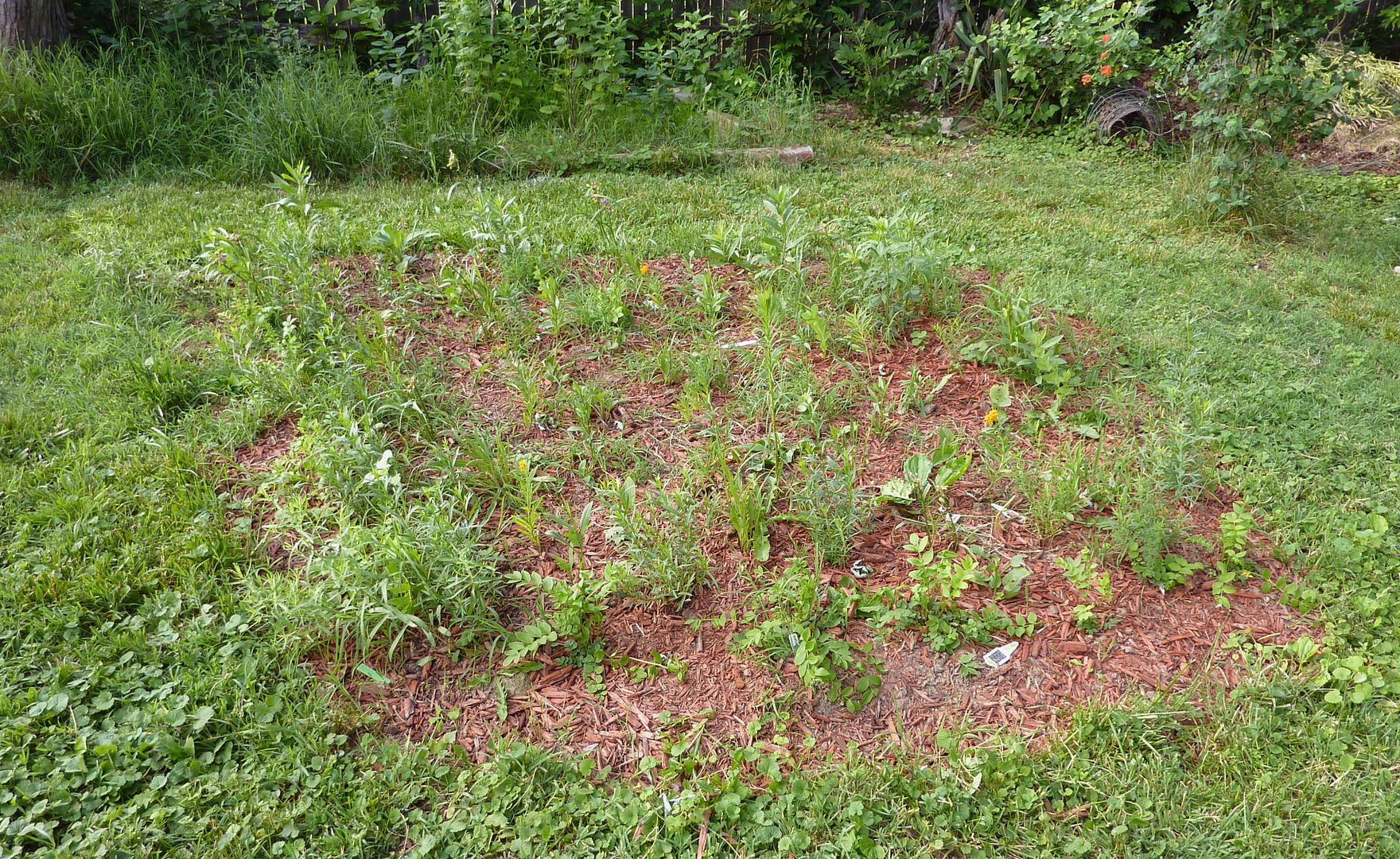
So earlier this year I started a prairie garden, the wrong way. Generally you're supposed to either suffocate or herbicide everything in the desired location for a full year. Had I taken that seriously I might have simply used the space as a vegetable garden with plastic mulch. I have several family members who use this stuff for their gardens and have great results. There is virtually no weeding.

As this relates to a prairie garden though I read eliminating everything from the site has to be done in order for most seeds to germinate, and for most seedlings to get through their first year.Another thing I've read is that turning the soil over (like I did) disrupts the seed bank and causes a mass germination of weeds. For both of these reasons I decided to lay down a wood mulch, and rather than using seeds I went with plugs.

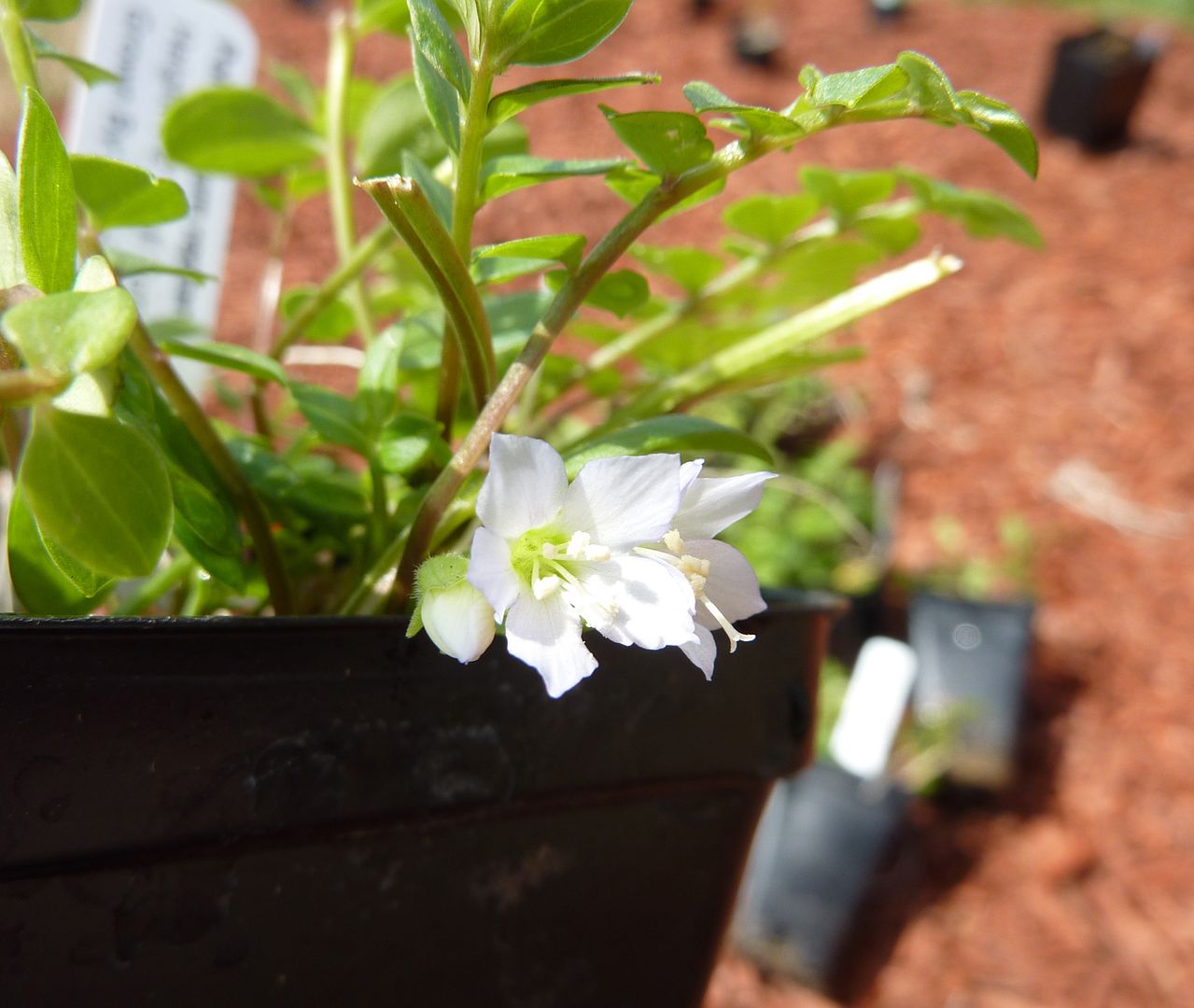
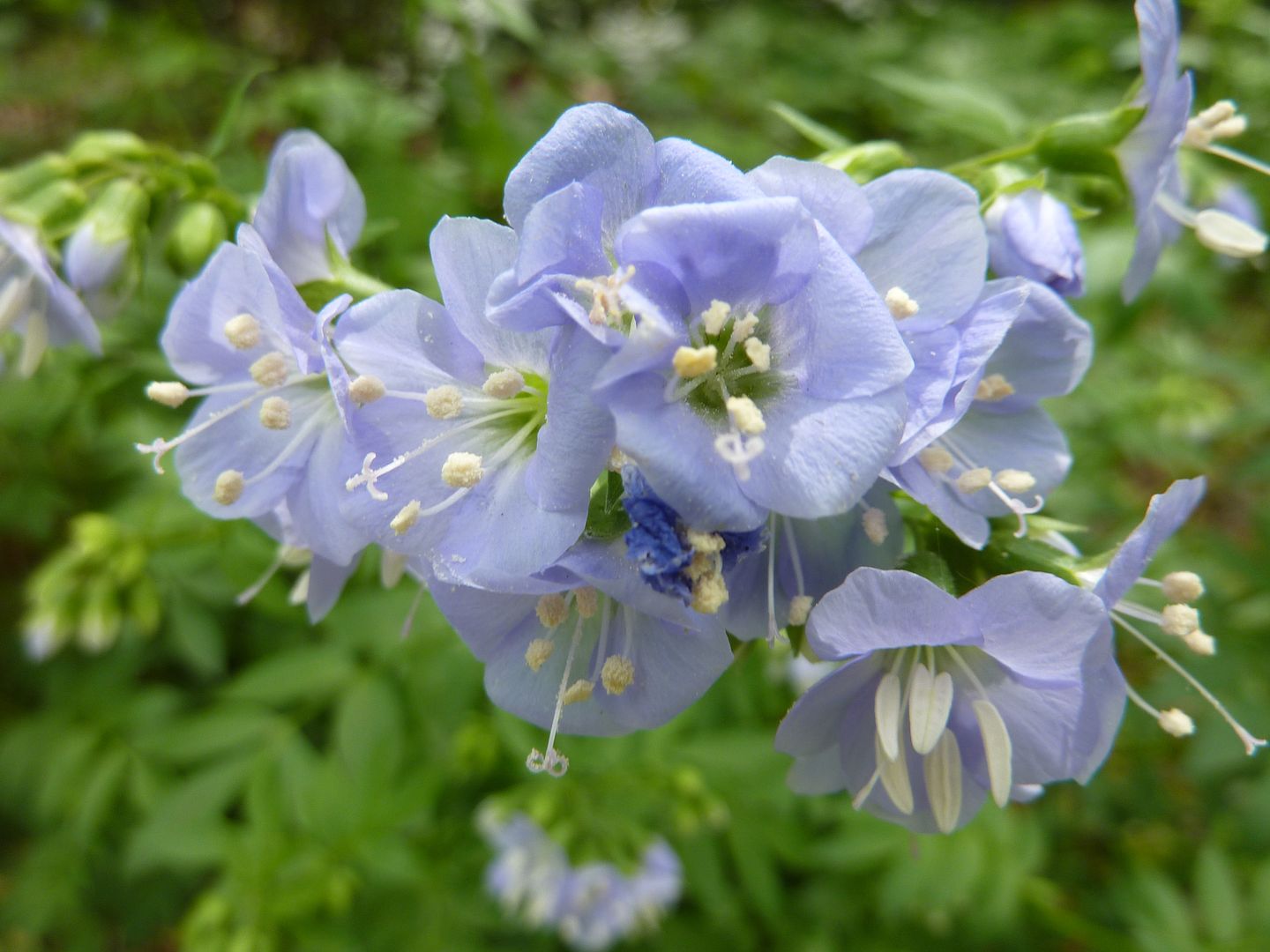
Plugs are generally plants that have already been growing for a season that typically come in 4' pots. My theory was these plants are more mature and are better able to hold their own against the weeds. Sure enough many of them flowered shortly after planting. This Jacob's Ladder, Polemonium reptans, above was actually flowering in the pot (also a sign of root stress).

Their flowers actually turn blue with age and when mass planted one almost gets a misty cloud effect. They will grow in full sun, full shade, somewhat dry, to somewhat wet, and there are assorted cultivars with all sorts of foliage options. I went with the true species of course. 


Western Spiderwort, Tradescantia occidentalis, is for whatever reason listed as Native to New Jersey, and New York and otherwise restricted to the western half of the US. I didn't know what to expect with this plant. I needed something grass-like but wanted it to flower too.

This was a great choice because I love bright colors. And this sure went with the orange of the Butterfly Weed, Asclepias tuberosa.

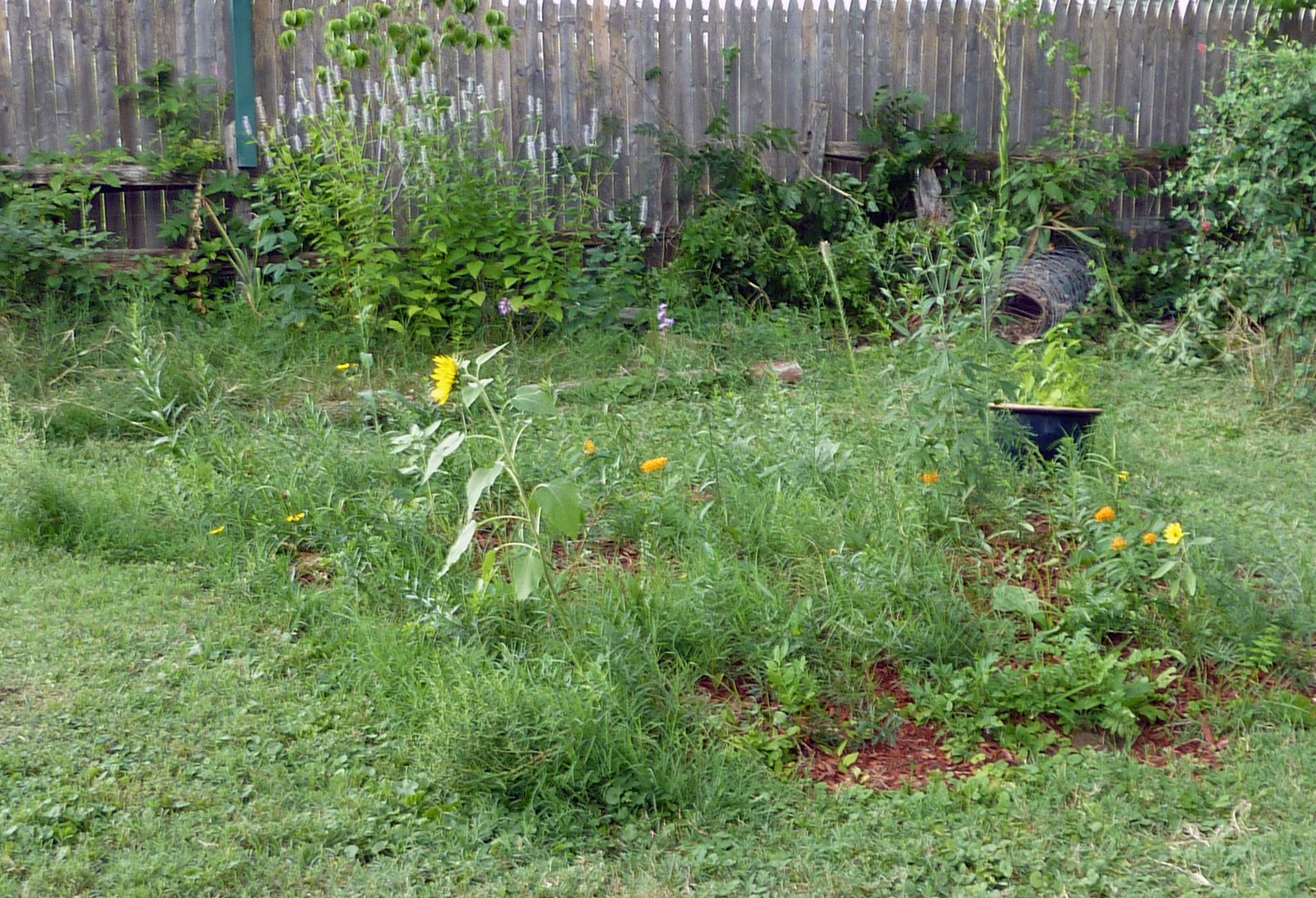
Things were going nicely at first. Generally the warm season grass that comprises our lawn hadn't taken over yet.

Almost all of the butterfly weed bloomed this year.


As summer got into full swing the grasses started encroaching with root tubers. A sunflower from the adjacent bird feeder started growing from seed as well. Behind this garden against the fence I planted a native dogwood, Cornus florida, and found a spot for some Anise Hyssop, Agastache foeniculum, to go.

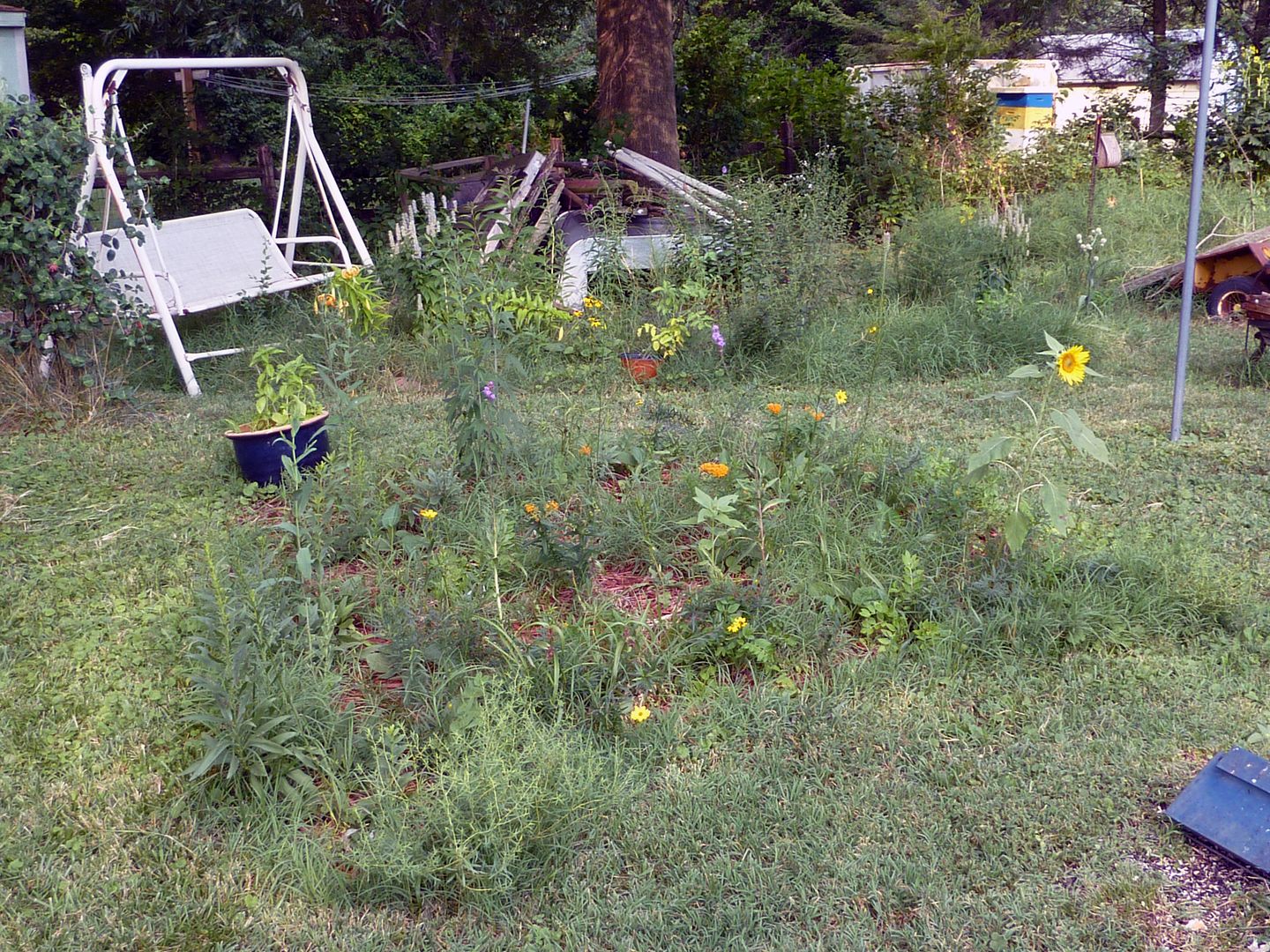
From another angle we can see my solution to all the crap laying around in our yard is to plant gardens in front of them. Actually the glider just needs covers or something on them and it will look nicer. The truck cab in the middle there holds straw under it supposidly for wildlife to live but really I could do without it. We've been stacking old PVC pipe and logs on top of it for convenience.

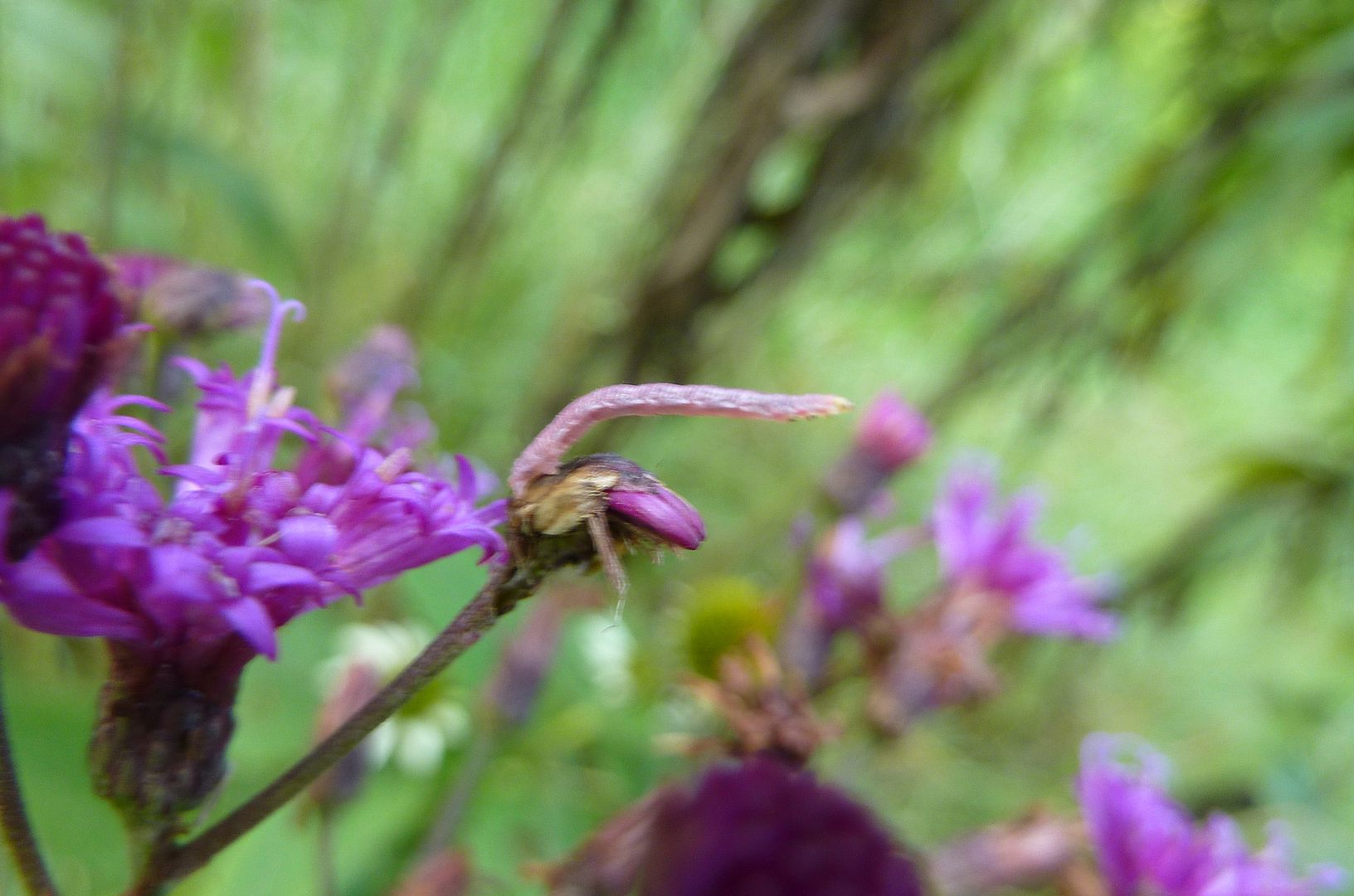
Adjacent Iron Weeds in various gardens started blooming. I noticed this caterpillar that I keep forgetting the name of. Basically they turn the color of whatever type of flower they happen to be eating. I've found them in all sorts of colors.


Come August the Showy Goldenrod, Solidago speciosa, started budding. Now I've herd two opinions about this plant. A source in Missouri from the Shaw Nature Preserve says this plant is down right thuggish, and loves to spread everywhere. The guy who maintains the prairie at the Mt. Cuba Center in Delaware says they've grown a few plants there right next to their meadow garden for years and it's never reseeded. So your local variety and how it reacts to your soil type may vary.


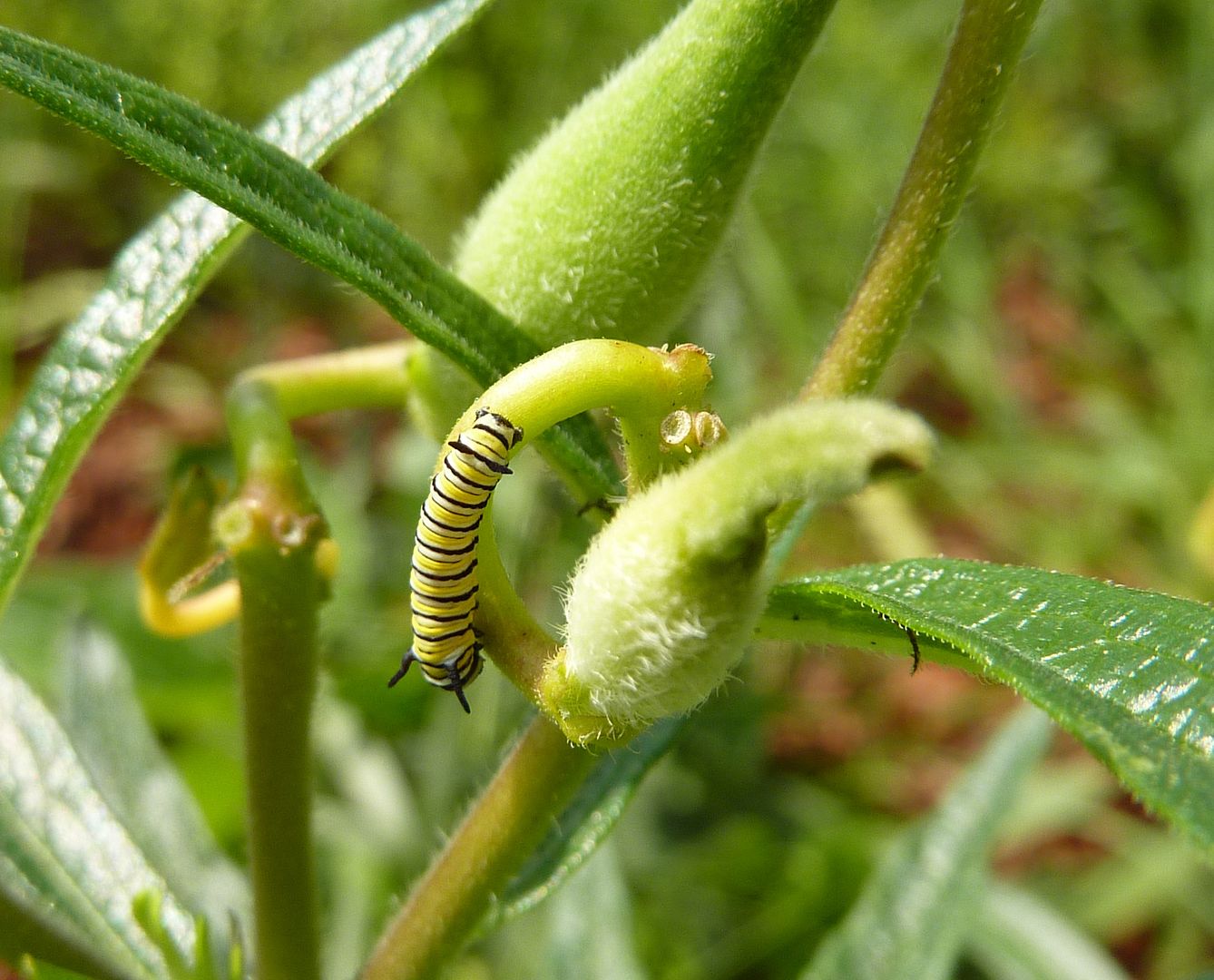
The Monarchs found the milkweed though I noticed none of the caterpillars in the prairie garden made it to adulthood. I suspect it's due to the lack of cover, and having a bird feeder right next to door sure didn't help. Even though they're toxic to eat, birds and spiders will still take bites out of them until they learn not to do so.

You know it's the end of summer when things start falling over. The Showy Goldenrods are pretty much laying down, though it's not entirely displeasing. The Tall Coreopsis, Coreopsis tripteris, (at right) did a great job standing up all by itself. I love tall perennials but hate it when they fall over.

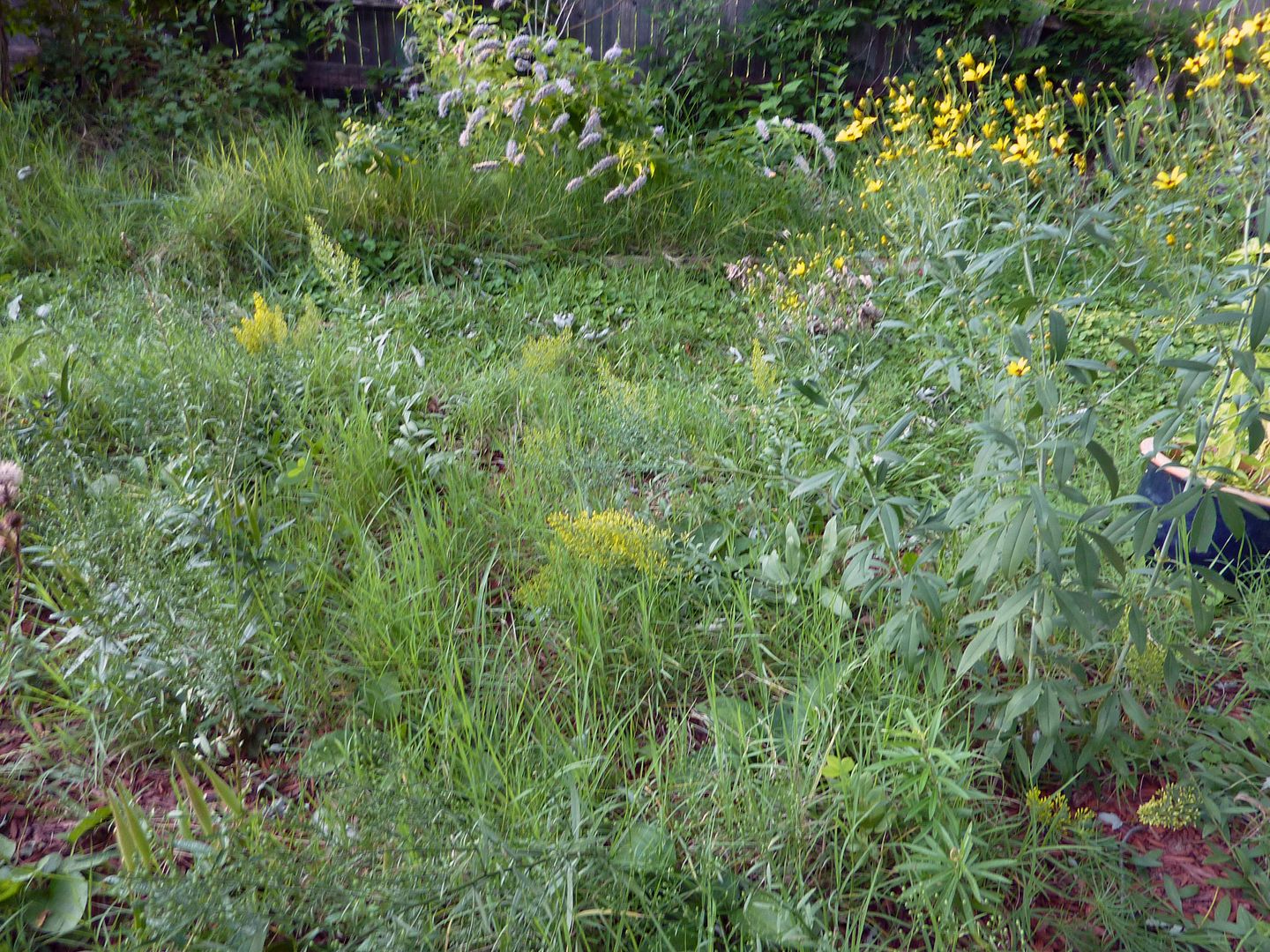
Here you can see the grass encroaching among the other plants. It's a little tough to pull out of the ground, so hopefully next year I can pull it out just as it starts growing. I've noticed some other plants in my other gardens do push that grass right out of their way. So hopefully when things get better established the grass will get shaded out.

Here's the tall Coreopsis, though not as tall as it's supposed to get. I read online they grow to be 5' to 8' tall.


I learned the hard way that Sky Blue Aster and Smooth Blue Aster look exactly the same. The only difference is Smooth Blue has a slightly larger flower, and Sky Blue has extra leaves around the stem. Neither are distinguishable at a glance. The flower color is exactly the same. (You're looking at Smooth Blue Aster in case you were wondering.) Both are pretty but I don't seen the need to own both.

Things I planted but didn't get to see:
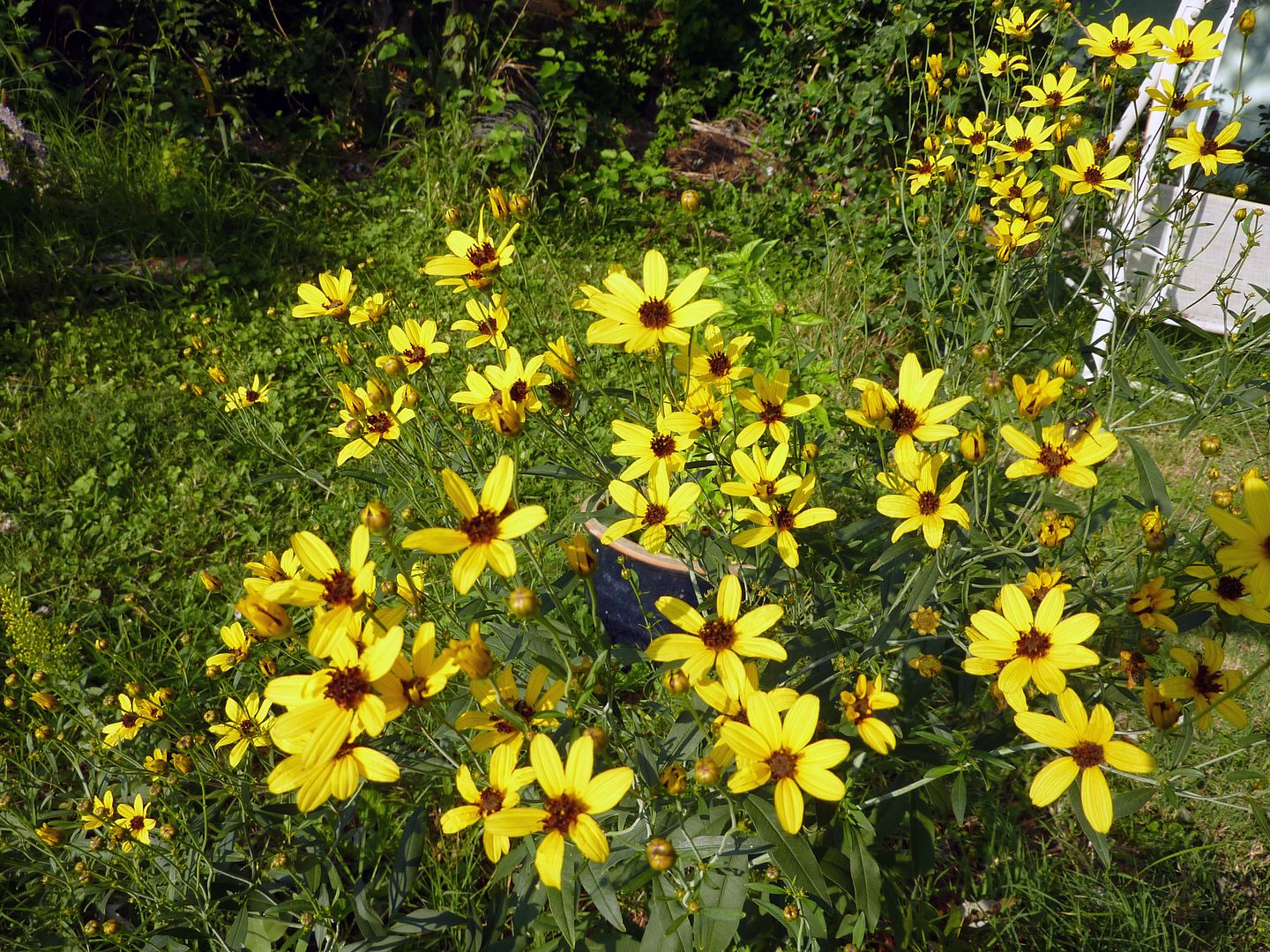
Lace Leaf Coreopsis - grew and flowered but not very well. 
Stiff Coreopsis - grew but didn't flower. This plant reseeds freely and spreads by root suckers. They're not very big plants but can be a slight problem in mass.
Blue Star - Will probably get to big for this spot but we'll see what happens.
Blue False Indigo - Will probably get to big for this spot but we'll see what happens.
Purple Prairie Clover - Grew, but wildlife kept nibbling off the flower buds before any of them bloomed.
Ozark Coneflower - This went dormant right when I planted it. I'm not even sure they'll come back next year. 
Orange Coneflower - which looks exactly like Black Eyed Susan. Supposedly it's longer lived.
Meadow Liatris - Well worth your money if you can grow them. One of the best Monarch nectar plants.
Aromatic Aster - More people should grow this for it's natural dome habit. As for the smell they're only slightly fragrant but it's nothing special.


Backup Plan:
To plant more of what works.