Showing posts with label Tapinoma sessile. Show all posts
Showing posts with label Tapinoma sessile. Show all posts
Friday, October 20, 2017
Saturday, June 3, 2017
This Week in Anting (Myrmecochory)
This week Woodland Poppies and Bloodroot went to seed. Both plants have elaiosome on their seeds which entice ants into dispersing them.
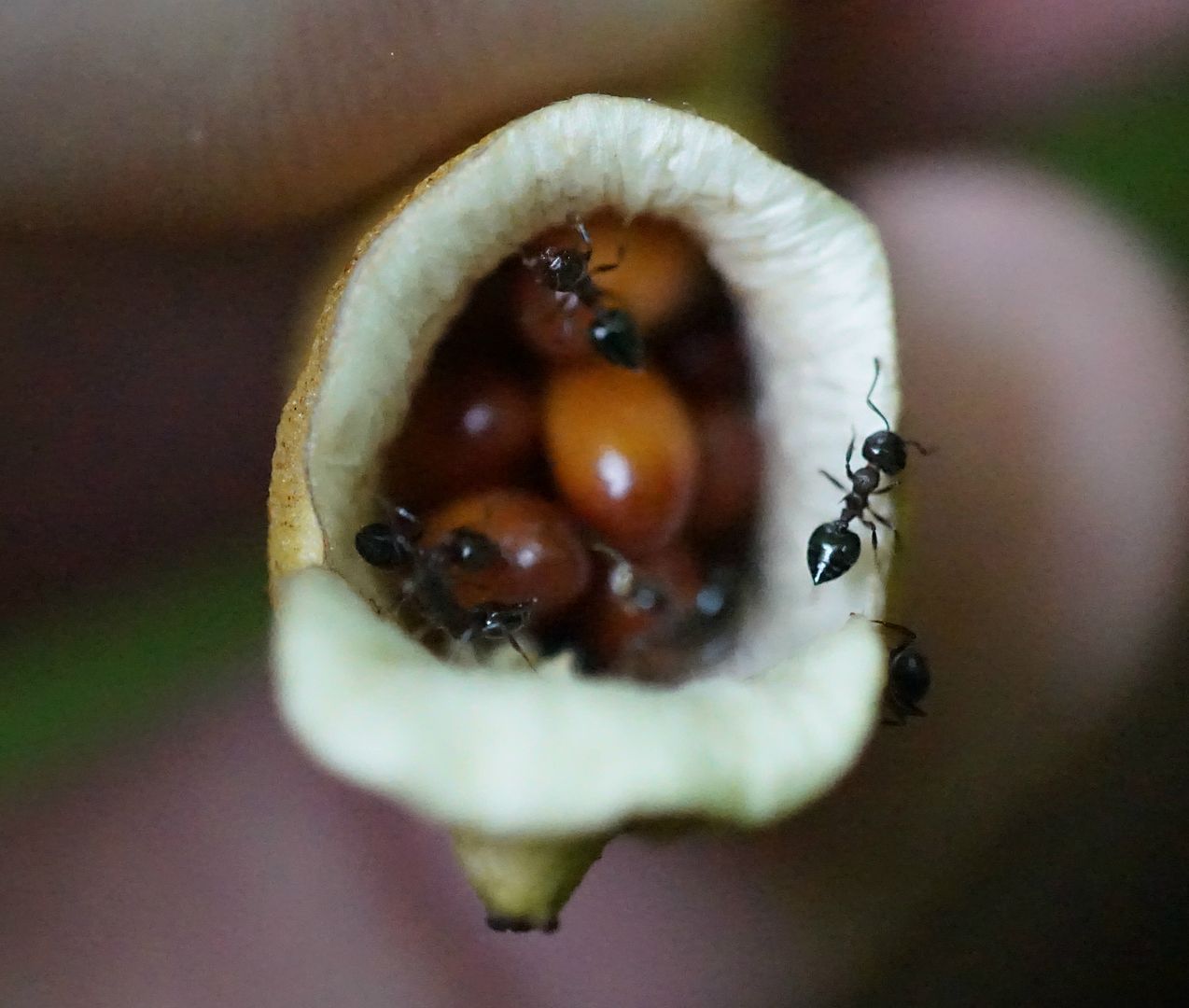
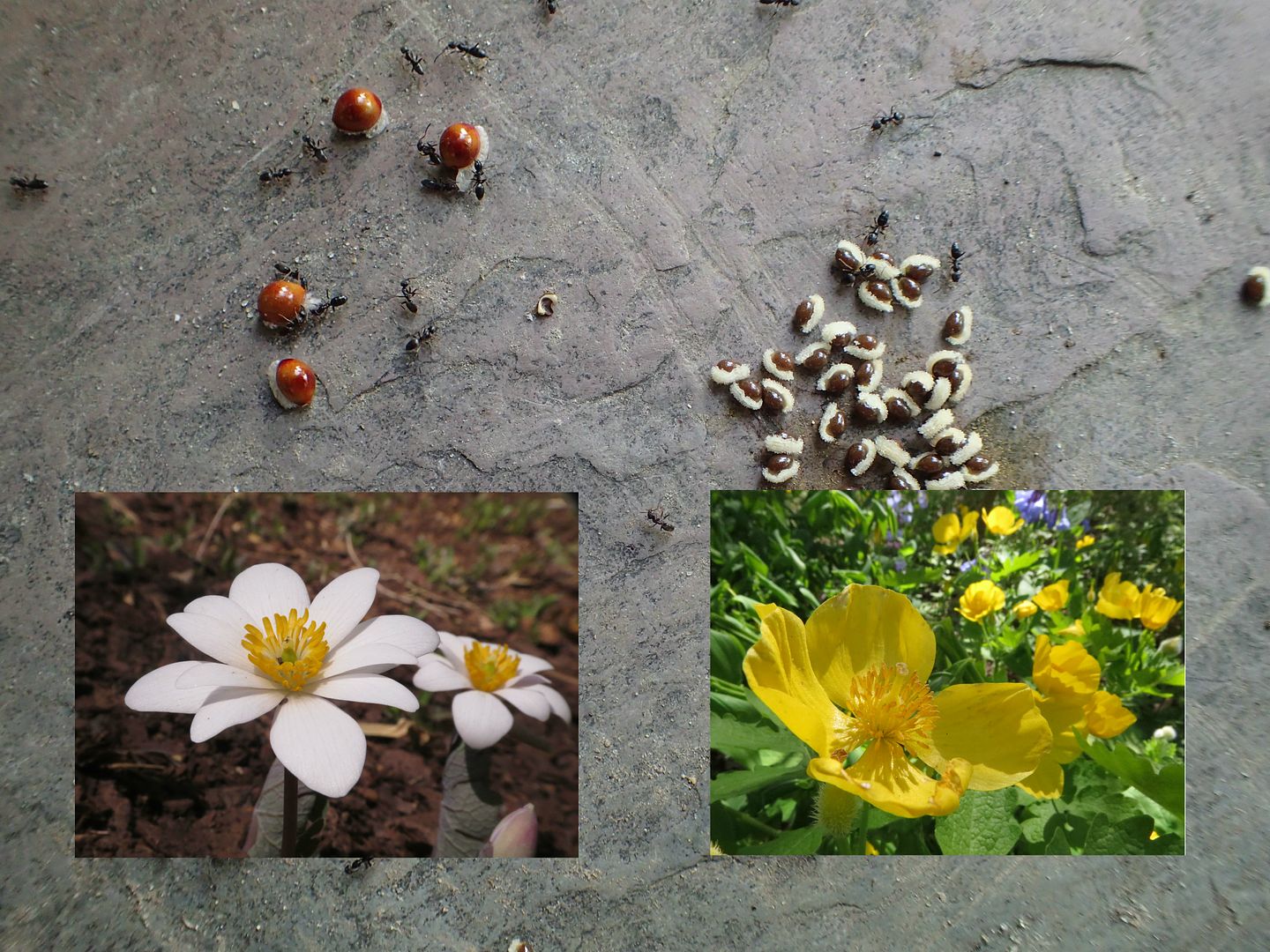
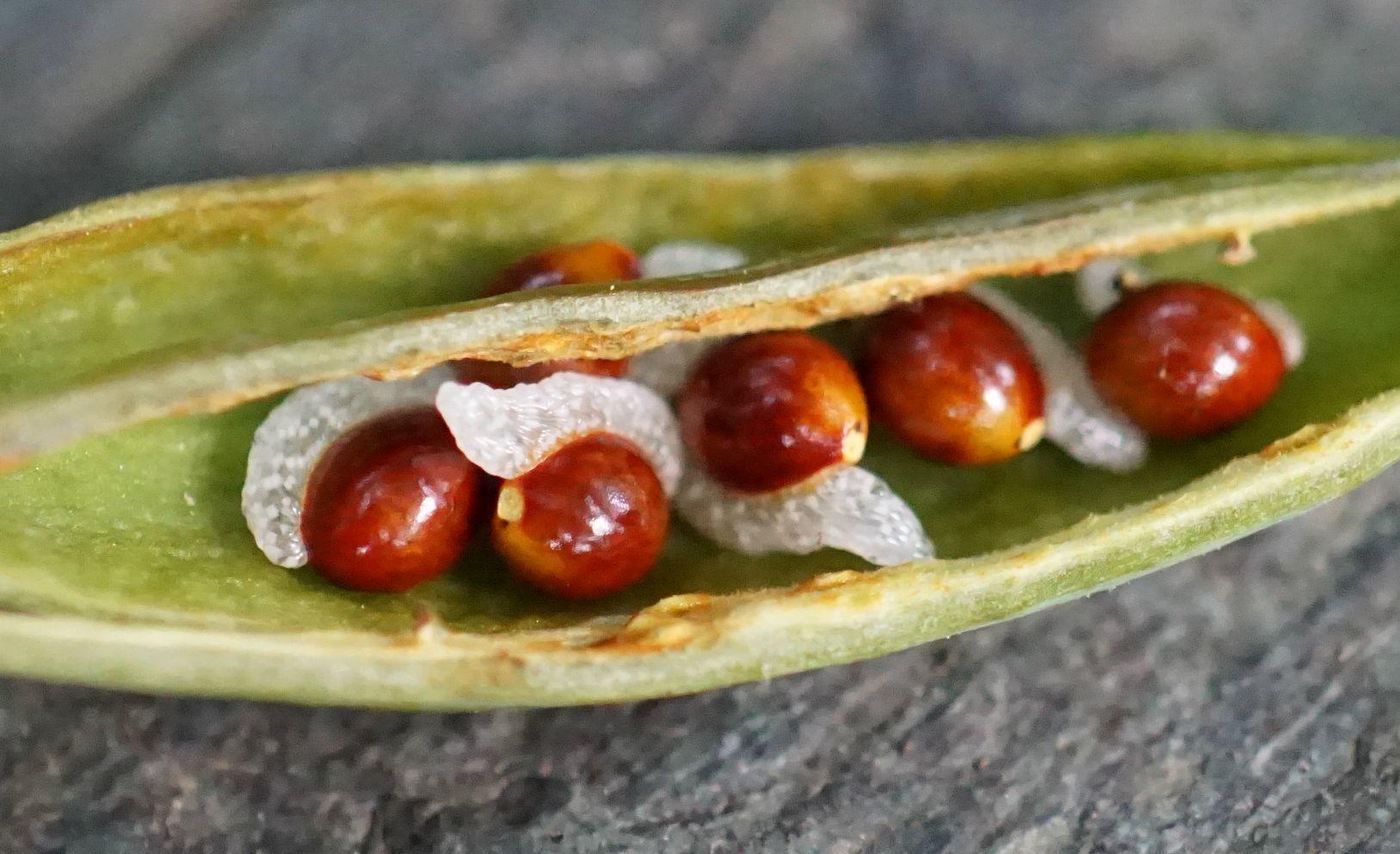
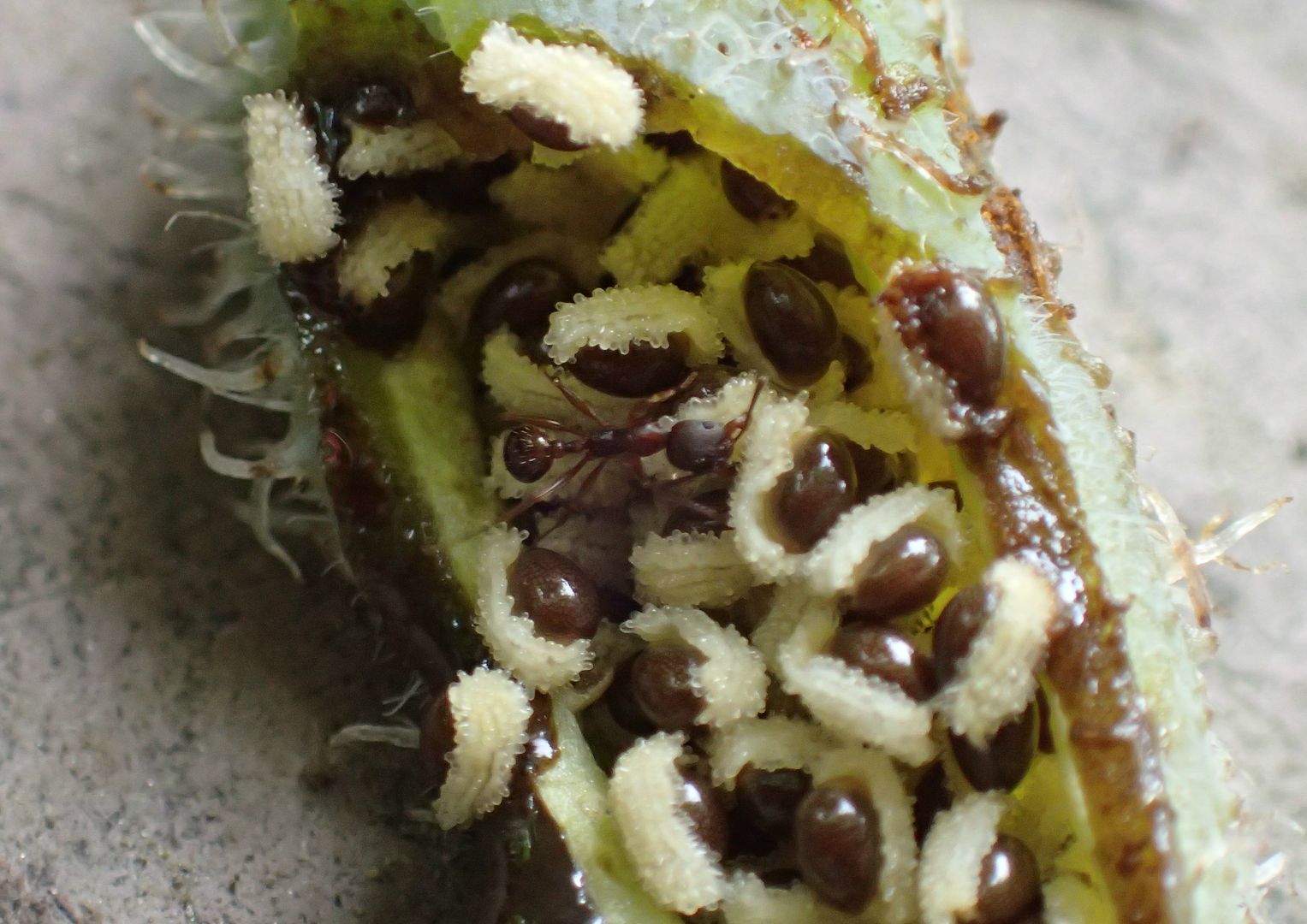
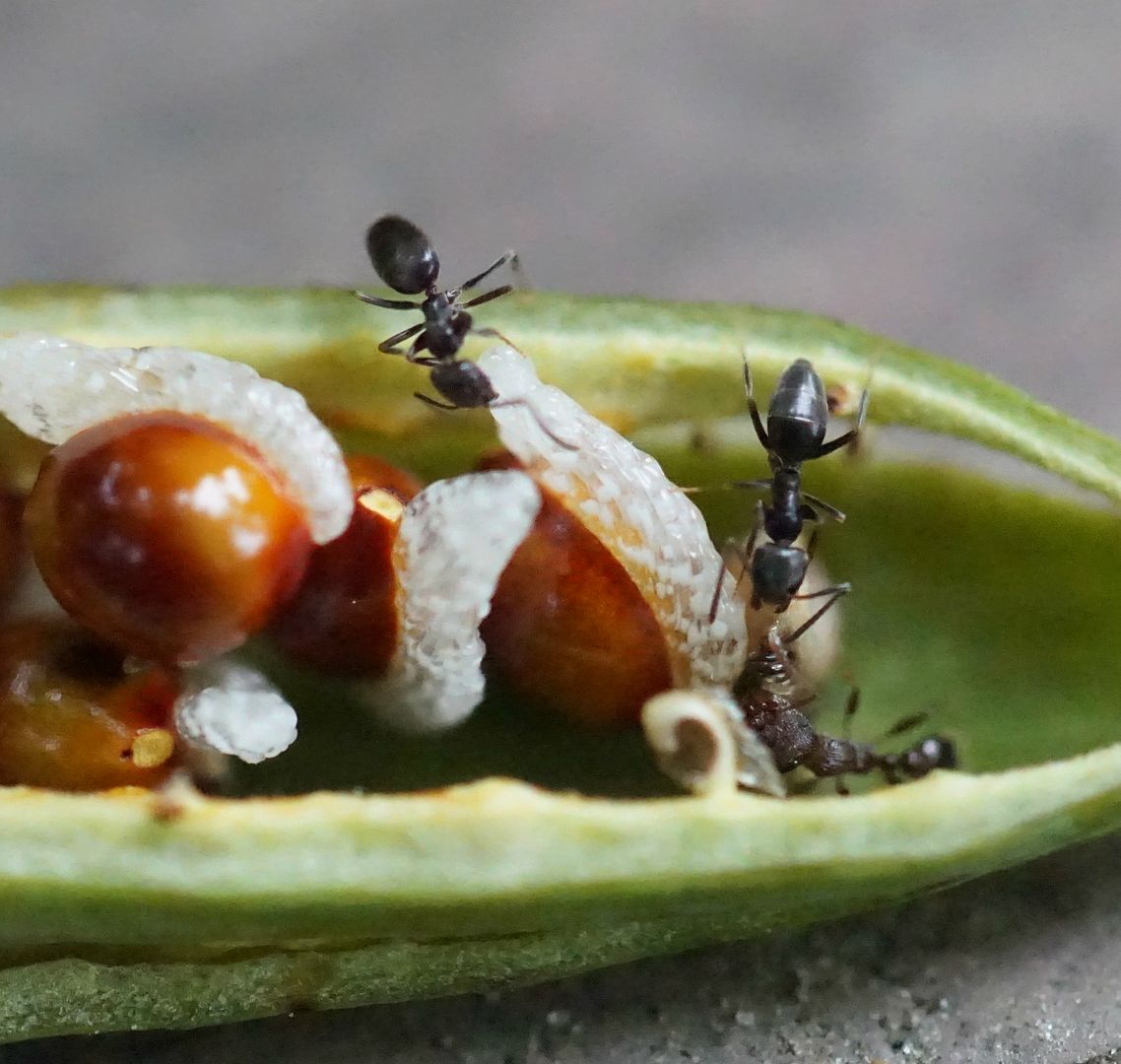

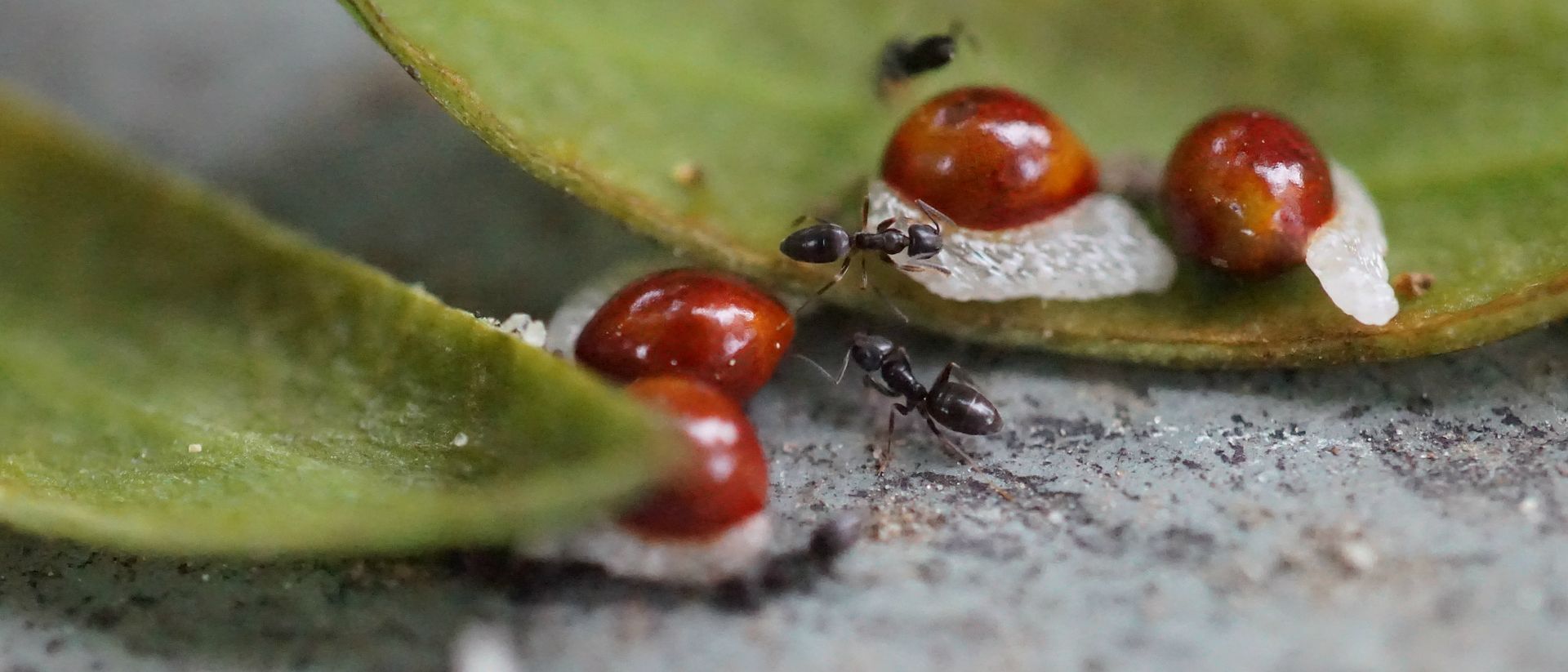
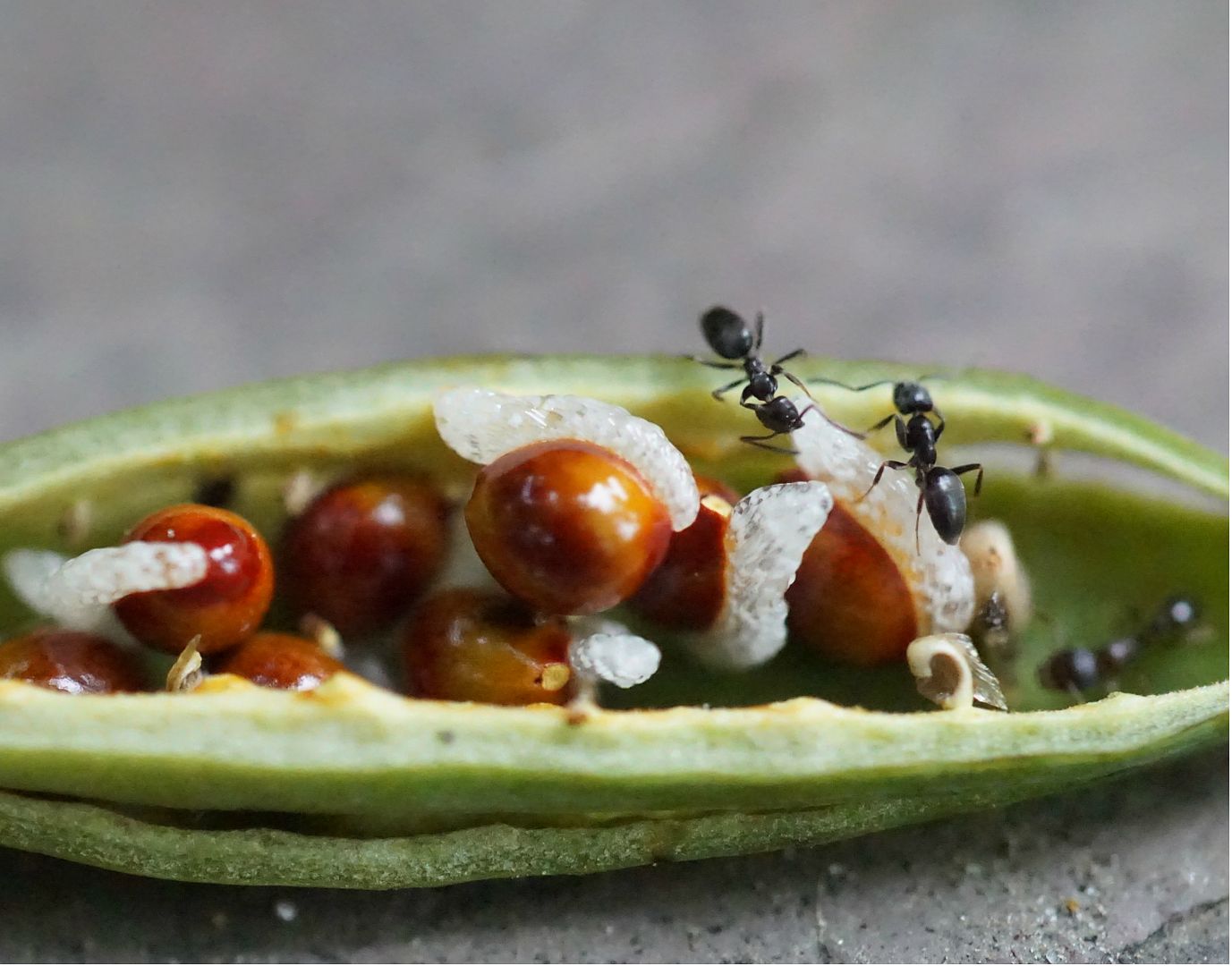
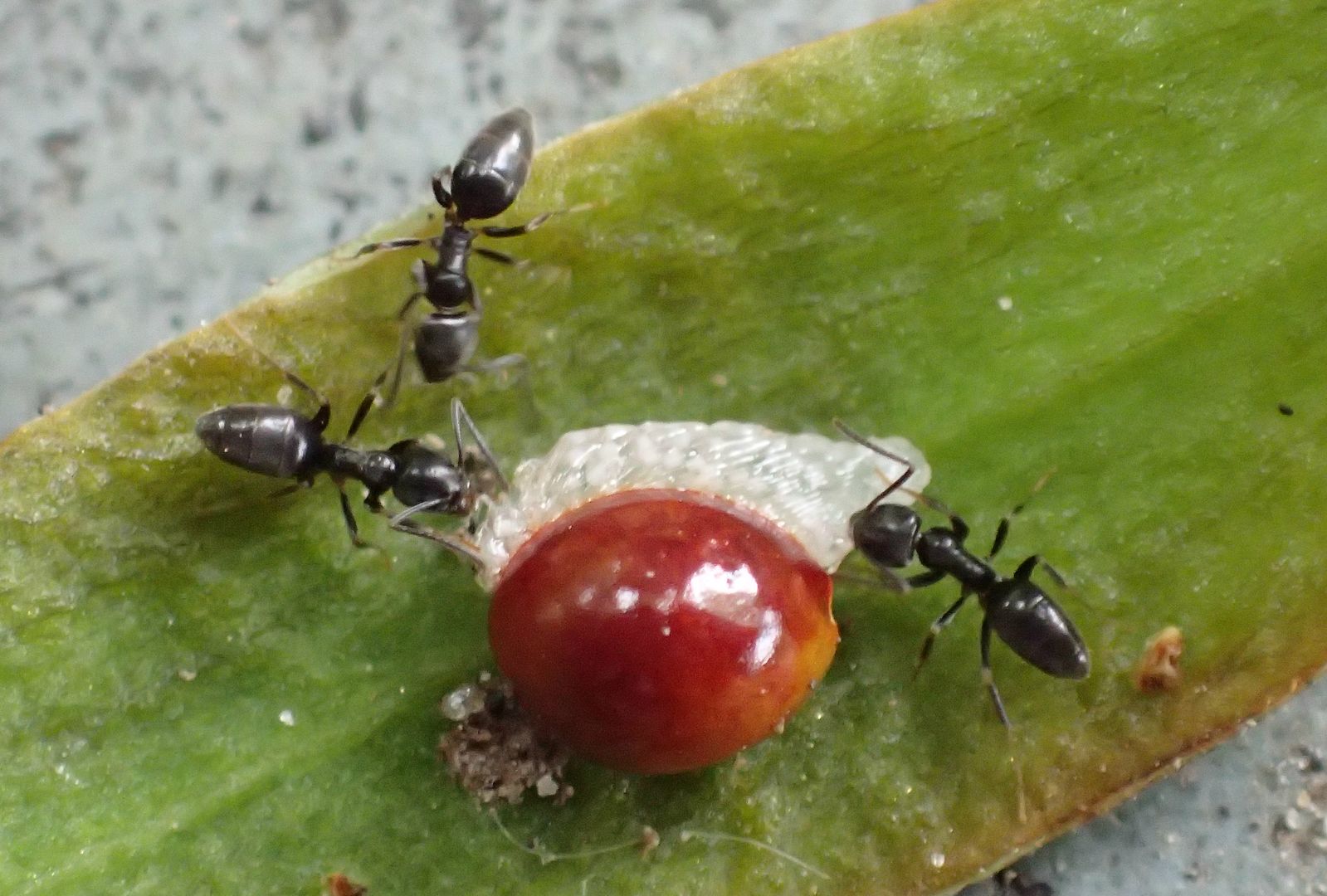


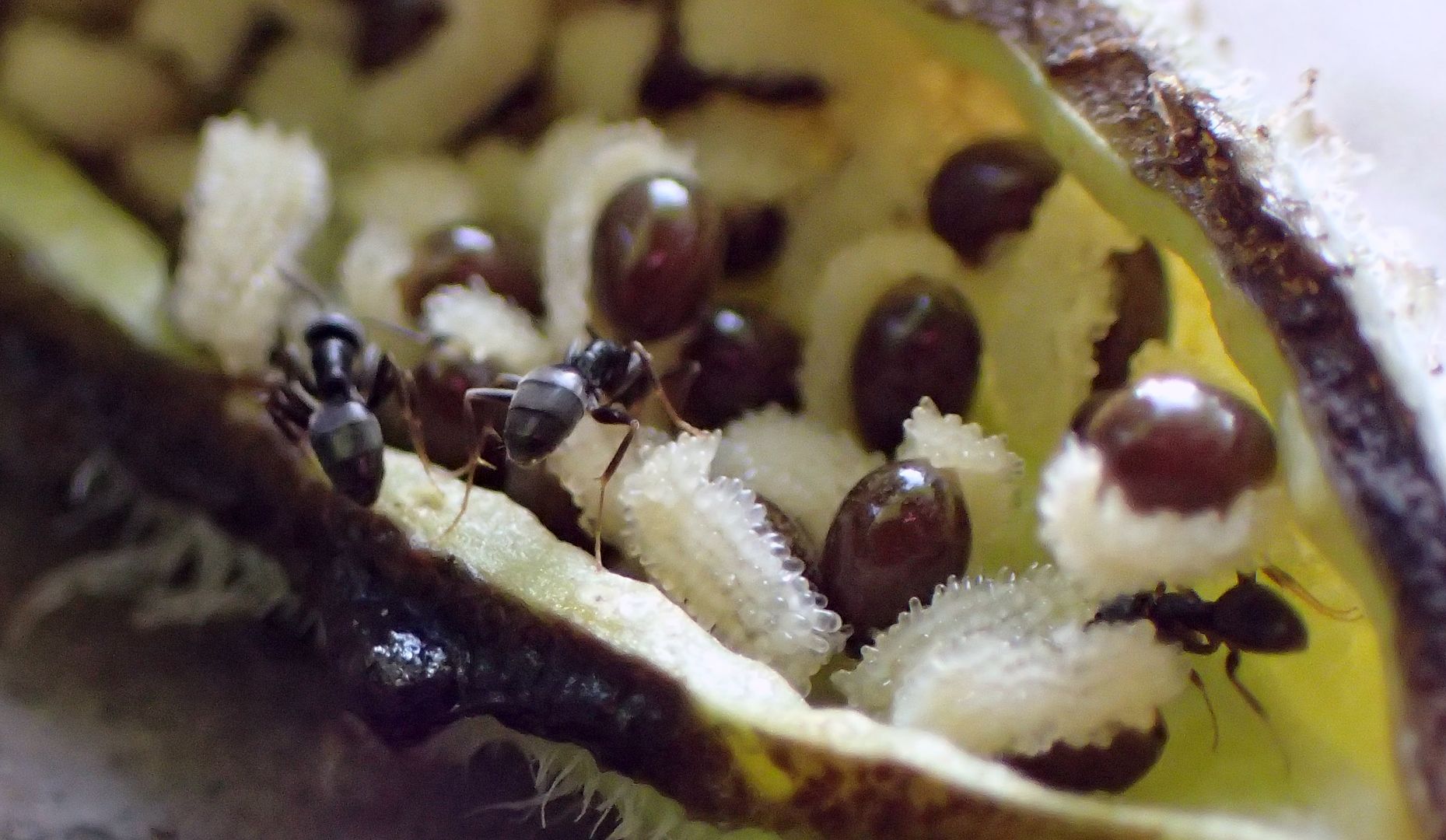
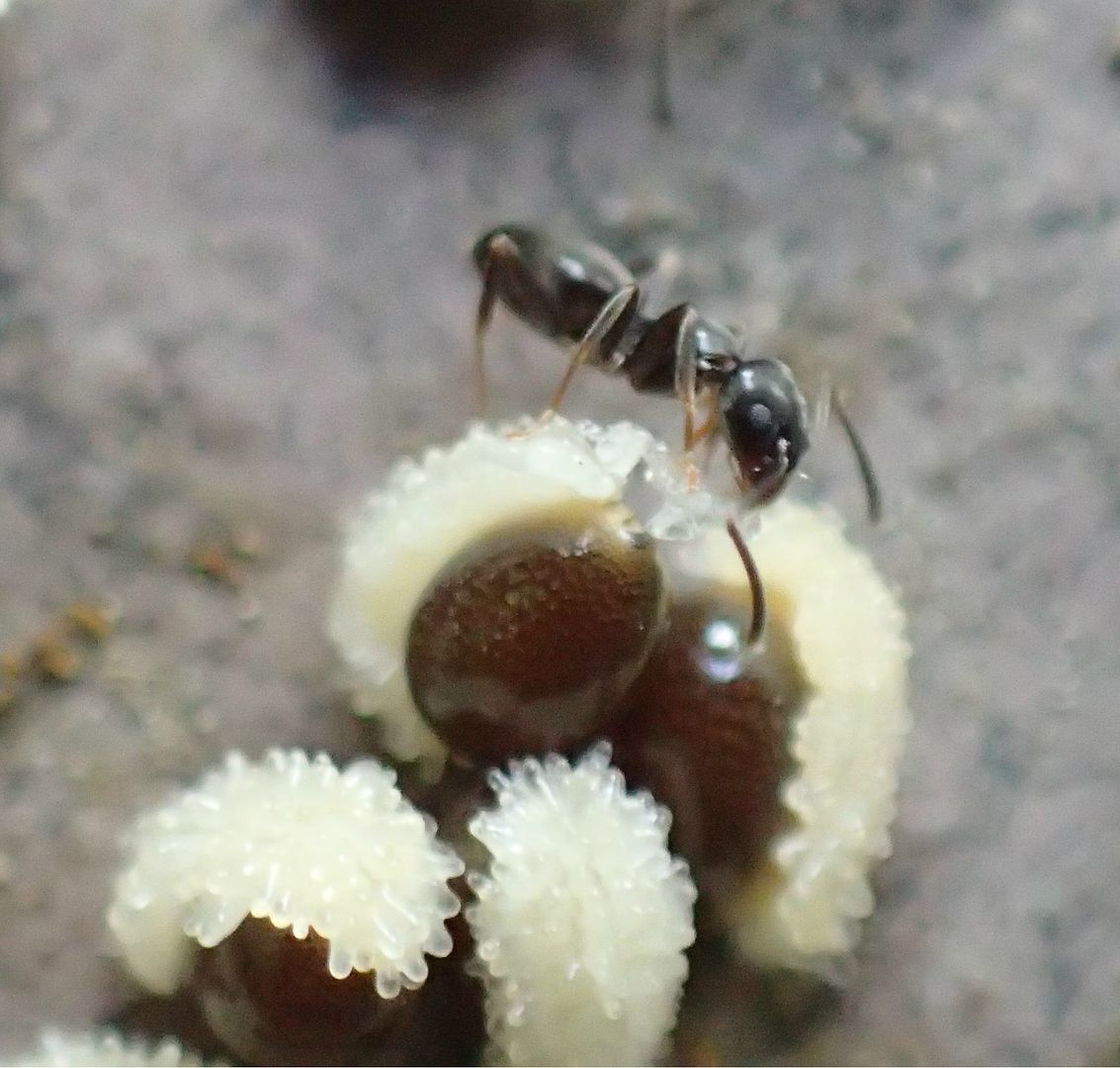
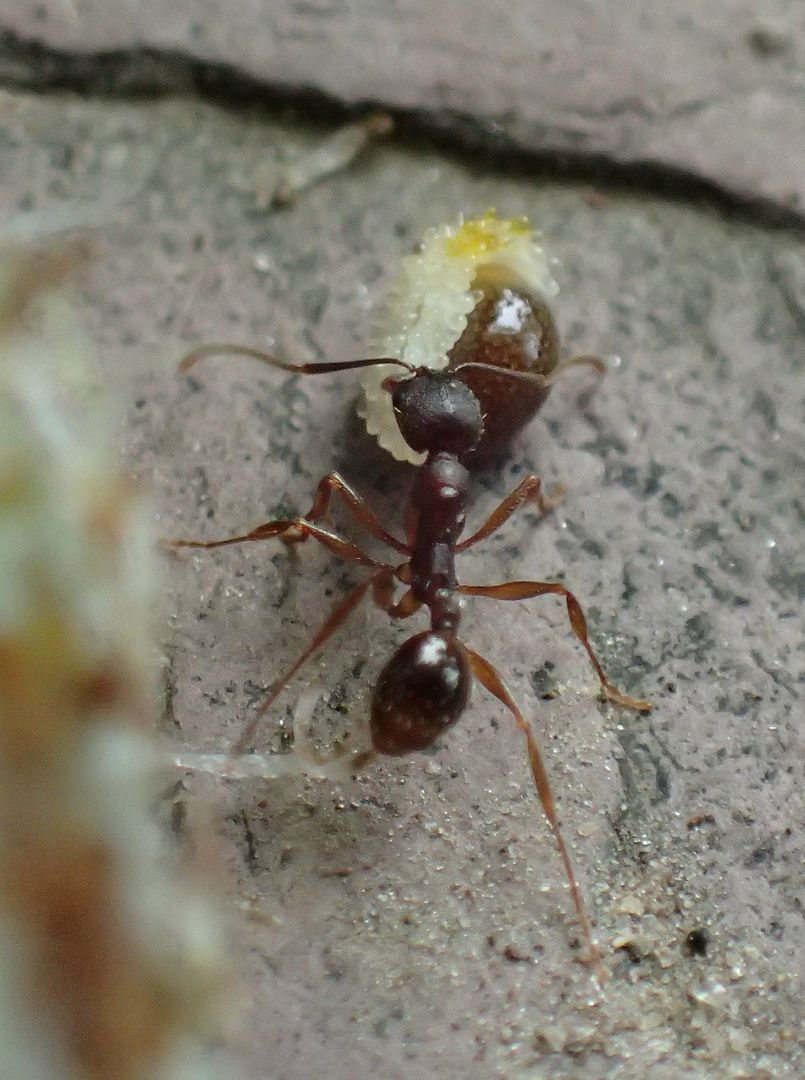
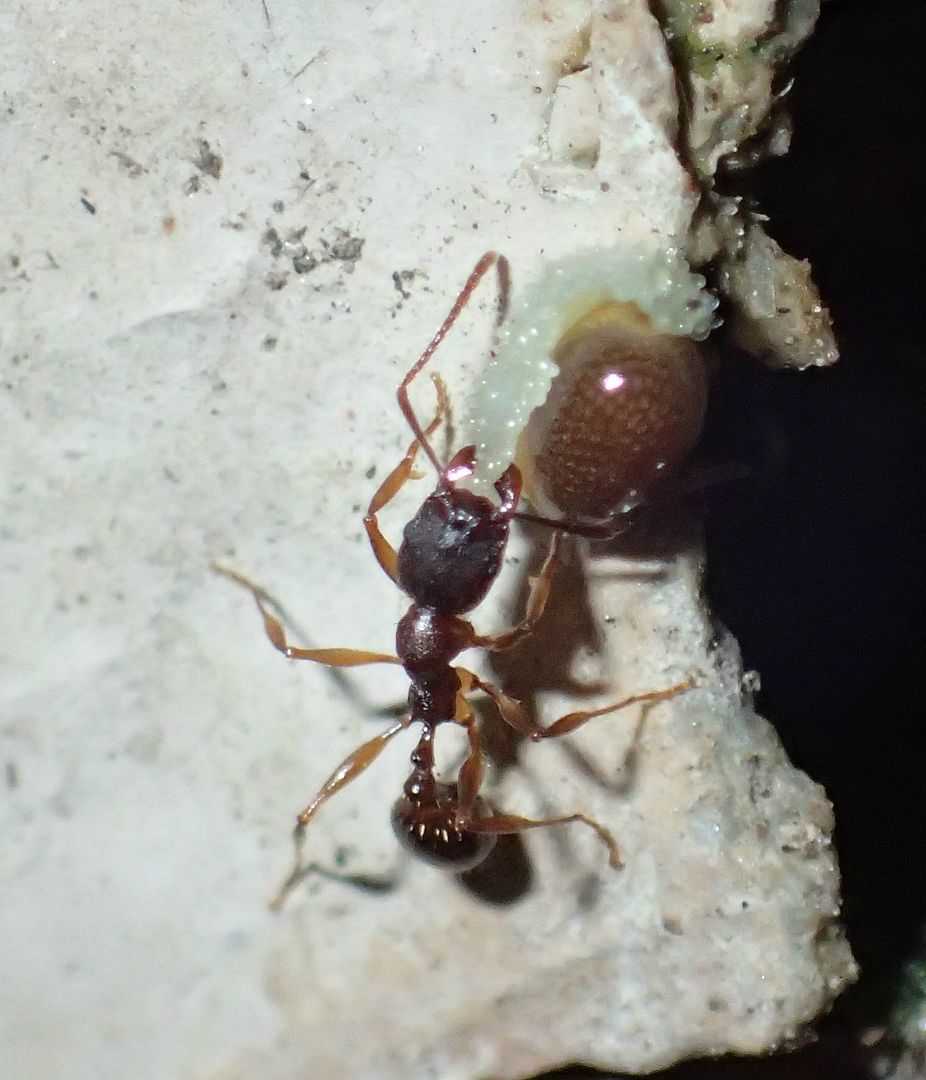

Midden piles are where ants put their garbage. Old insect carcasses, dead workers, spent cocoons, general roughage and things to be discarded all get piled up here. In deserts of the South West they're very noticeable around ant nests but here in the forests of the North Eastern United States they're often hidden under leaf litter.
Overall were it not for the ants dispersing these seeds they wouldn't have gotten very far. New plants would try to germinate just inches away from the old ones and the patch would move at a snails pace and only on the rarest of occasions would they travel up hill. Thanks to the ants carrying the seeds off, even if they're dropped or discarded shortly after, new populations of these plants can spring up to 24' away, potentially more if colonies fight over them or raid the midden piles of other colonies they often do for dead ants.
Other ants that also showed:
Prenolepis imparis - single worker that did not recruit other nest mates.
Nylanderia flavipes - even smaller than Tapinoma sessile in size. Barely able to remove elaiosome. did not disperse seeds.
Temnothorax curvispinosus - even smaller than Nylanderia flavipes. Incapable of recruiting nest mates as they don't use chemical trails.
Monday, July 13, 2015
Caterpillar on Sourwood Tree with Ants
It's always exciting when Ants, Bees, Butterflies, and Nature can all come together. This is the former long winded title of this blog, which I've since changed to Biodiverse Gardens.
So two years ago I planted a Sourwood tree as a nectar plant for my Honeybees. They've yet to find it this year but really it's still just a sapling barely 6' tall. This is one of the prized nectar flows among beekeepers because it produced great tasting honey. Unfortunately it's a rather uncommon landscaping tree in my area and doesn't occur in wild forests here, so for the most part my planting this tree is like adding a drop in the bucket to my overall honey harvest. Still though I'd rather plant a world class honey tree over the more commonly sold plants offered at local garden centers.
Earlier today I discovered what looks like one of the Blues or Azure Caterpillars feeding on the flowers. This is odd for a few reasons: I live in New Jersey and Sourwoods don't grow here wildly, so it's unlikely to see this kind of relationship so far outside of the tree's native range.
I have heard of Zebra Swallowtails finding groves of Paw Paws here in NJ so maybe something similar has happened, but more likely one of the species that was already here has made the jump to a new host plant, or is using one that they would normally use when they occur farther south.
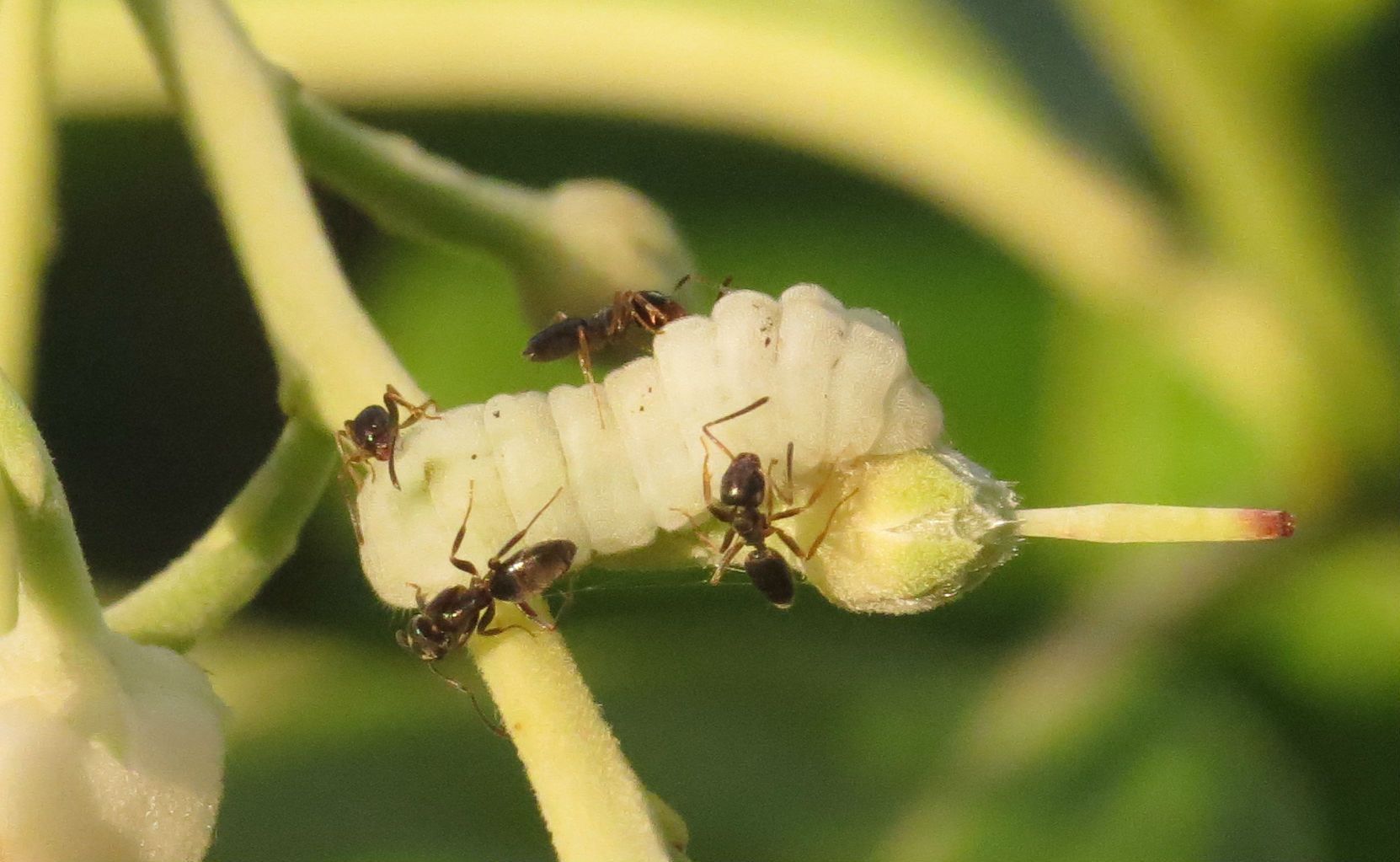 Also odd, is that no one seems to have ever reported this type of caterpillar on Sourwoods before. Or maybe I'm just not looking hard enough but all the listings for Sourwood in "Caterpillars of Eastern North America" don't look correct for this species.
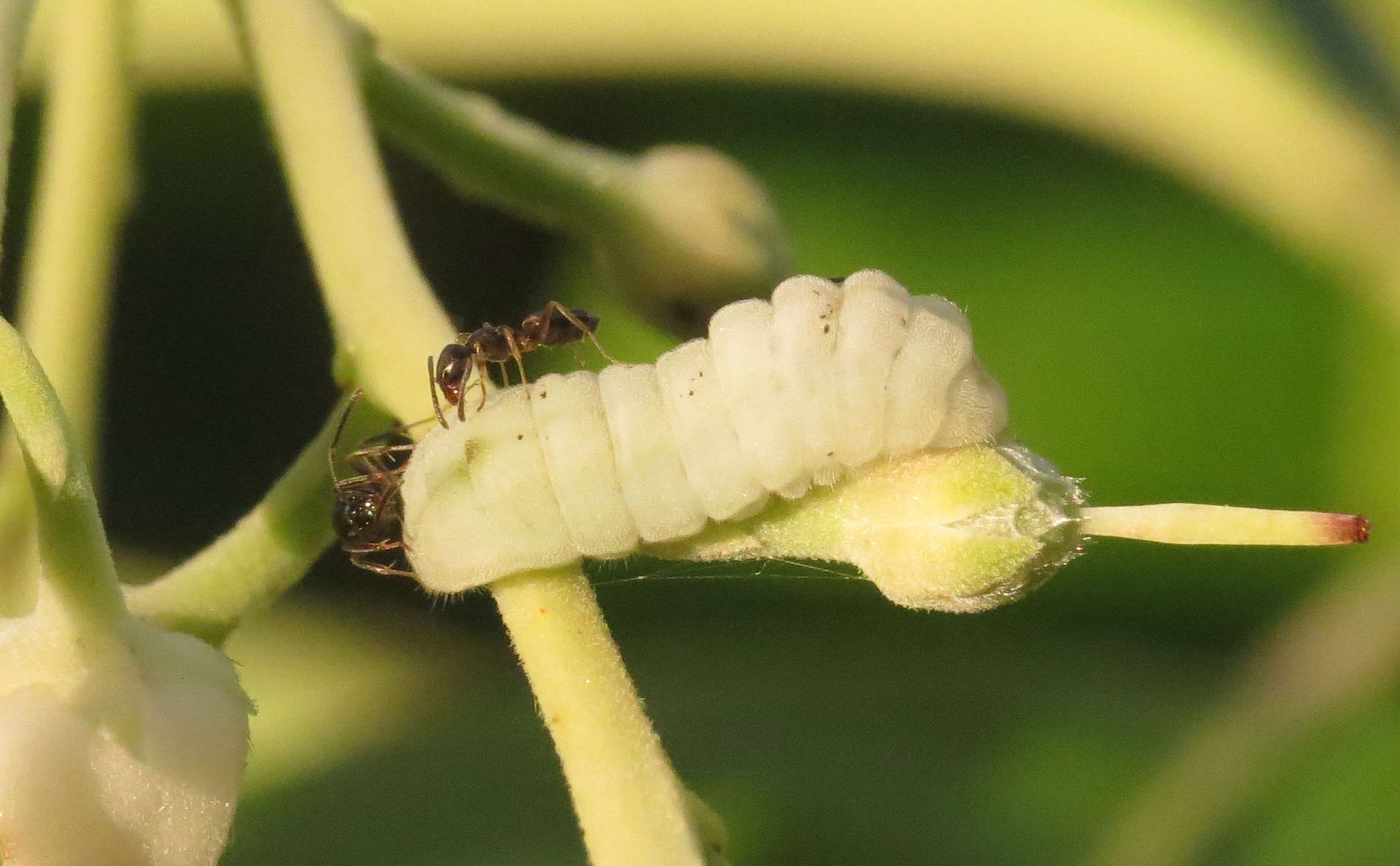 Another bit of intrigue, prior to the caterpillars showing up, the ants, Tapinoma sessile, were stealing the nectar from the flowers. But now that the caterpillars (there's just 2 of them that I counted,) have shown up and started eating the flowers, the ants have changed their behavior. Now instead of stealing from the flowers they're tending the caterpillars which are eating the flowers.
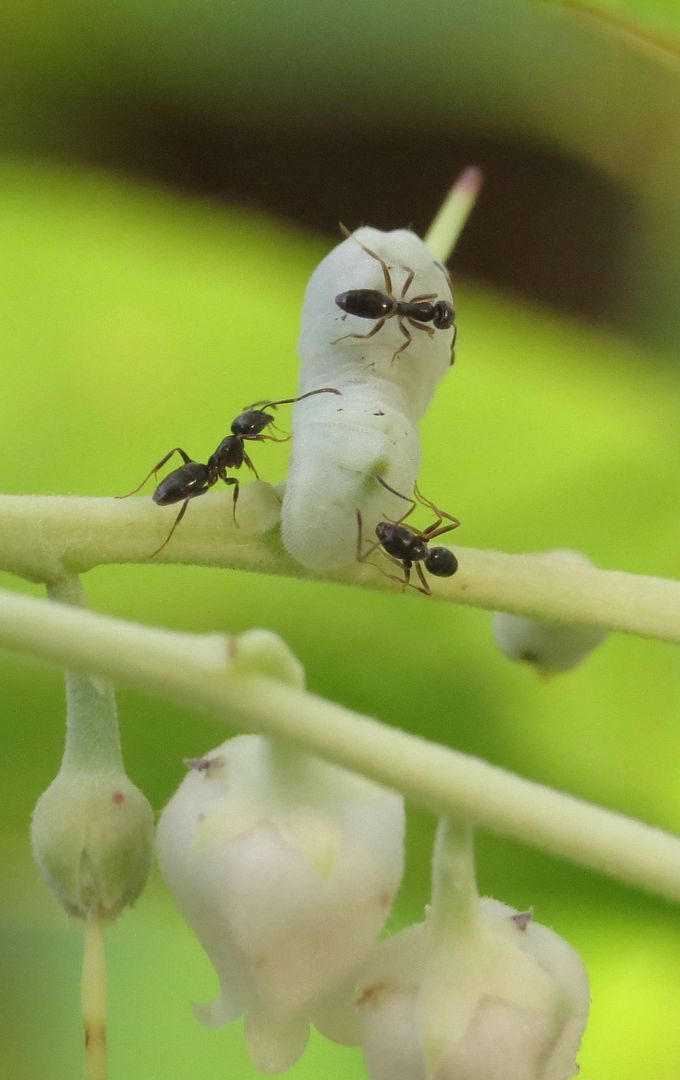 This probably doesn't benefit the tree at all. Flowers that have been nectar robbed can still produce seed, whereas flowers that have been eaten won't develop into anything. The only benefit as far as I can tell is that the ants have stopped nectar robbing the whole tree and are now just going to the section where the caterpillars are found. So sacrificing a few flowers might benefit the tree overall.
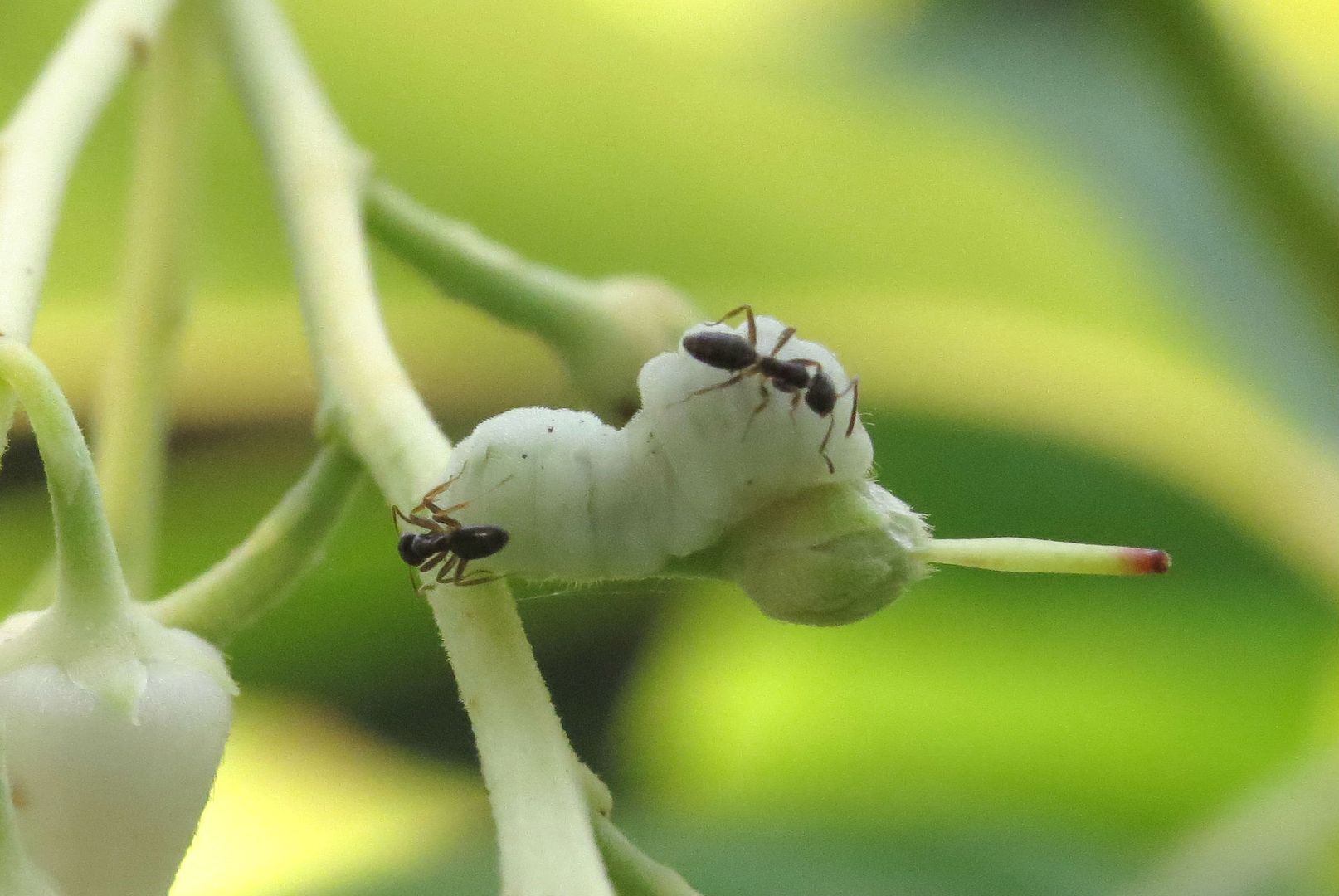 When I started my native plant garden, this was one of the behaviors I'd hoped to attract into my yard. Ideally I pictured it happening in a field of Wild Lupins saving an endangered species of Blue but this also works. What eventually happens is the caterpillar drops to the ground and is taken into an ant nest where it then pupates... some species change their diet to eating the ant brood before pupating but the ants don't care at that point. These sorts of caterpillars, along with producing nectar and being treated like cattle, also make noises that mimic the sounds a queen ant makes when she wants to be tended. Ants themselves are also more than happy to eat their own eggs or feed their eggs to developing brood more worthy of the nutrients so this isn't unant-like behavior. They're safe in the nest until the following spring, when they must emerge a butterfly and quickly get out of the next to spread their wings.
So two years ago I planted a Sourwood tree as a nectar plant for my Honeybees. They've yet to find it this year but really it's still just a sapling barely 6' tall. This is one of the prized nectar flows among beekeepers because it produced great tasting honey. Unfortunately it's a rather uncommon landscaping tree in my area and doesn't occur in wild forests here, so for the most part my planting this tree is like adding a drop in the bucket to my overall honey harvest. Still though I'd rather plant a world class honey tree over the more commonly sold plants offered at local garden centers.
Earlier today I discovered what looks like one of the Blues or Azure Caterpillars feeding on the flowers. This is odd for a few reasons: I live in New Jersey and Sourwoods don't grow here wildly, so it's unlikely to see this kind of relationship so far outside of the tree's native range.
I have heard of Zebra Swallowtails finding groves of Paw Paws here in NJ so maybe something similar has happened, but more likely one of the species that was already here has made the jump to a new host plant, or is using one that they would normally use when they occur farther south.
Subscribe to:
Posts (Atom)