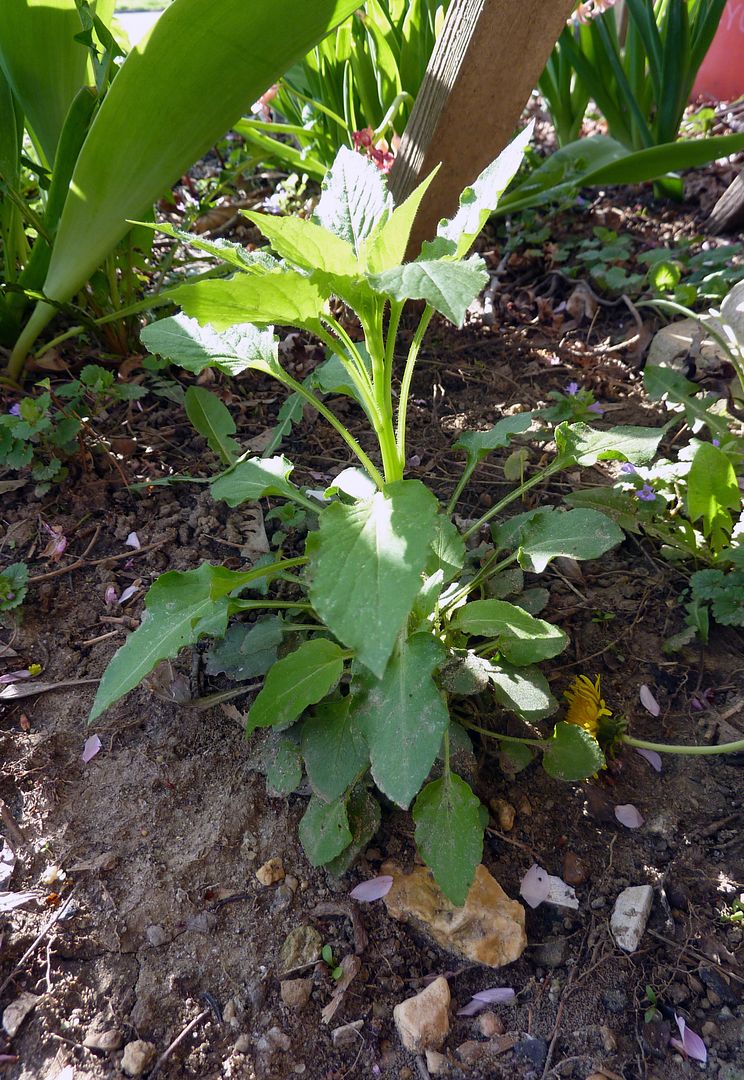
Tall Bellflower, Campanula americana, is really taking off. I started this plant from seed last year; I actually got about six of them to be successful but this was the only one to make it through the winter it seems. It was just a rosette of leaves but not it seems to be springing up to great heights.
It's a biannual, and hopefully last year didn't count. I know a lot of plants are "biannual" but also divide with underground root suckers and new corms. I know Liatris seem to do this despite their biannual status, and after examining the roots to the Fernleaf Phacelia, Phacelia bipinnatifida, I just planted it seems clear that at least some of them were connected by underground roots.
Anyhow, Tall Bellflowers don't seem to take up that much space in the garden, they grow well in shade or partial sun, Prairie Moon Nursery indicates they do well in average soil but not totally dry or totally wet. Prairie Nursery seems to say average to wet soil is best. I suspect the wetness is best to help germination along. I'm really looking forward to this one flowering and I'll probably be germinating some more seeds later in the year.
Showing posts with label Growth. Show all posts
Saturday, April 20, 2013
Saturday, November 20, 2010
Green Growth in the Autumn
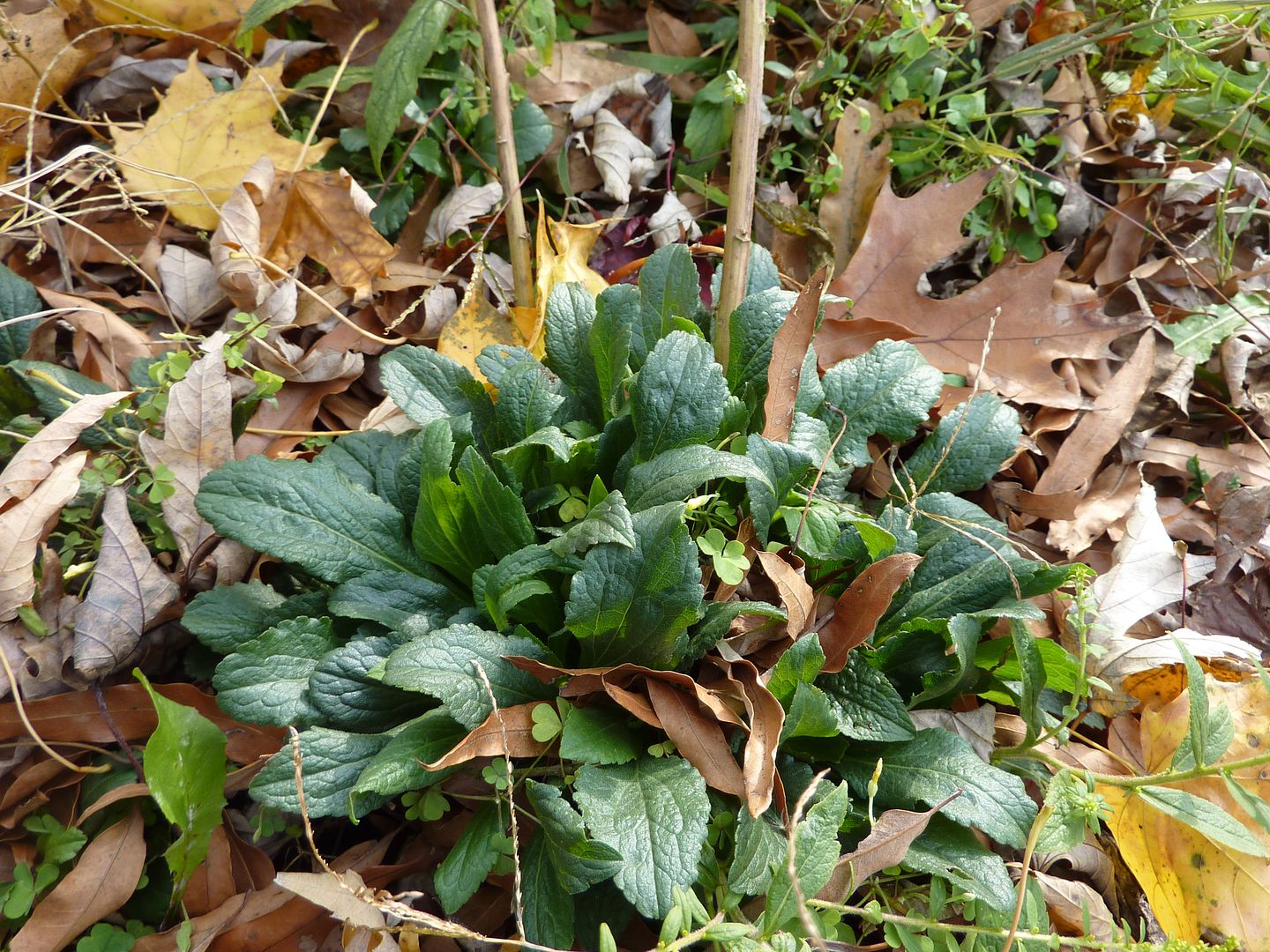
Despite winter's eminent arrival, some forbs push out new growth close to ground level. The towering stems shooting out of this plant have served their purpose. Over the past year this Goldenrod has leafed out, flowered, and is now setting seed. Despite this though, next year's growth has already begun.
This can be a good time to catch root suckering plants. If they're spreading in an undesired direction, transplanting or cutting the root at that point could be called for. Waiting until next spring will also work but it's best to catch it early. I'm leaving these here because it's a fairly young plant and I can stand it spreading a little.
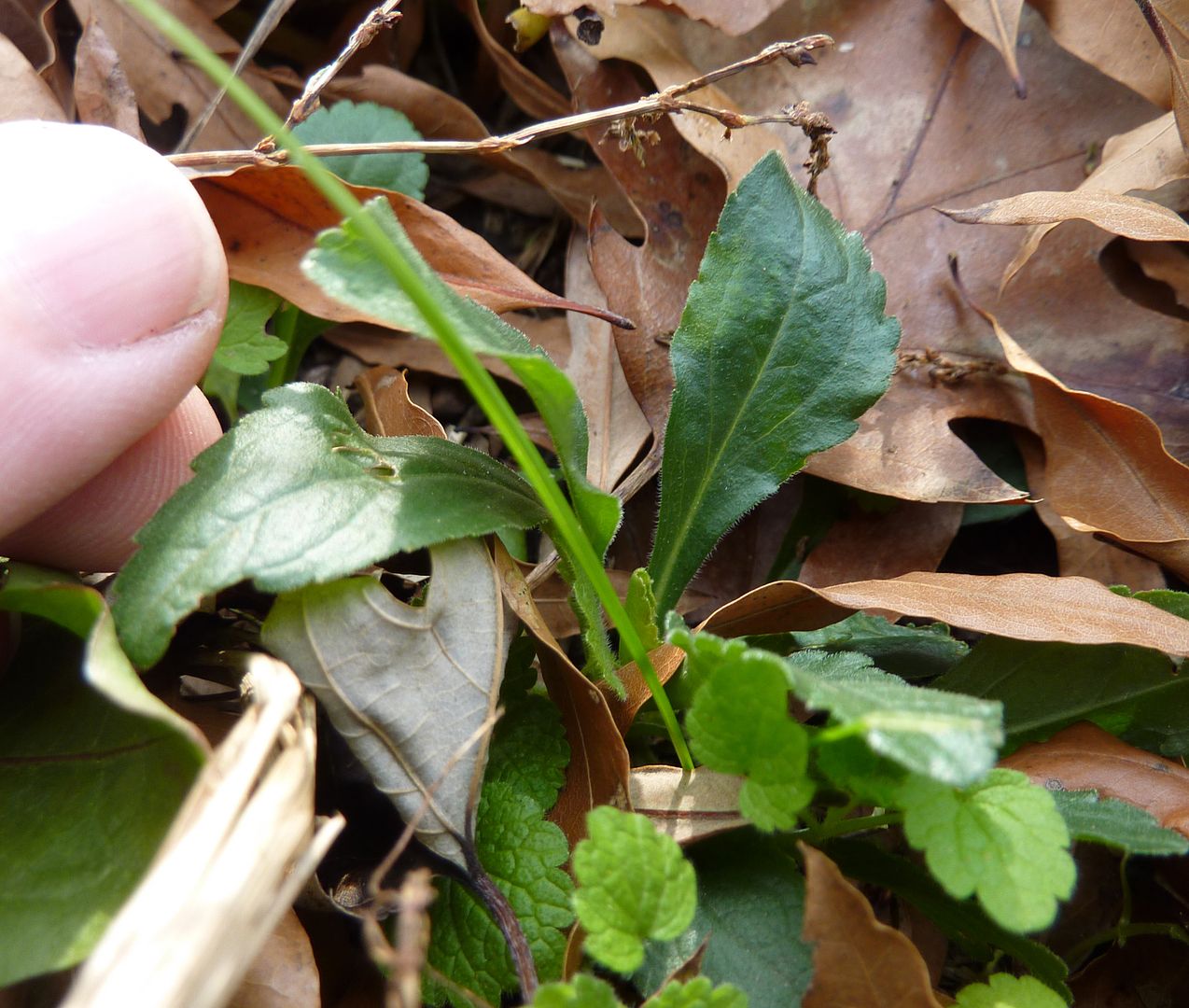
This can also be a good time to point out seedlings. Many seeds will germinate the same year and produce a small amount of growth. Here is a young goldenrod plant sprouting through the leaf litter. The contrasting fallen leaf color can help make them easy to spot. To the side of my house I've spotted a lot of thistle plants coming up from when I let it go to seed. I don't mind a thistle or two but there are dozens of plants coming up that I'll deal with next year.
Some plants only produce the leaves to get extra energy. For many species the leaves are only temporary. Cold temperatures will damage a lot of the leaves and new ones will have to be put on next year when it's warmer.
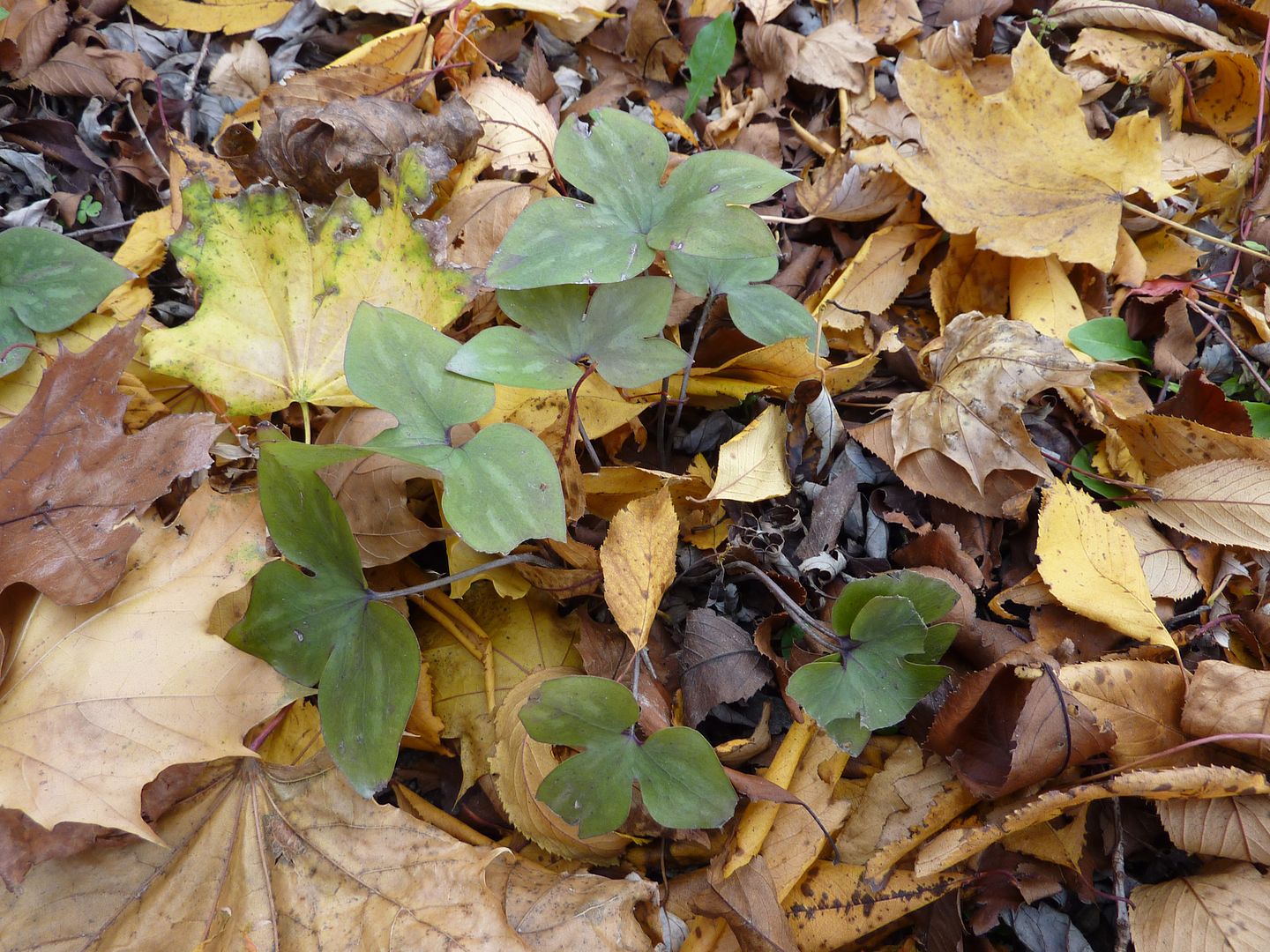
Here a Hepatica plant still has the leaves it's held onto all year. This plant is a semi-evergreen which means these leaves will last most of the winter but die off just before flowering next year. This is a nice plant to have around spring time wildflowers just because the growth helps mark where they're planted. Most spring wildflowers die back to the ground by the end of summer.
This can be a good time to catch root suckering plants. If they're spreading in an undesired direction, transplanting or cutting the root at that point could be called for. Waiting until next spring will also work but it's best to catch it early. I'm leaving these here because it's a fairly young plant and I can stand it spreading a little.
This can also be a good time to point out seedlings. Many seeds will germinate the same year and produce a small amount of growth. Here is a young goldenrod plant sprouting through the leaf litter. The contrasting fallen leaf color can help make them easy to spot. To the side of my house I've spotted a lot of thistle plants coming up from when I let it go to seed. I don't mind a thistle or two but there are dozens of plants coming up that I'll deal with next year.
Some plants only produce the leaves to get extra energy. For many species the leaves are only temporary. Cold temperatures will damage a lot of the leaves and new ones will have to be put on next year when it's warmer.
Here a Hepatica plant still has the leaves it's held onto all year. This plant is a semi-evergreen which means these leaves will last most of the winter but die off just before flowering next year. This is a nice plant to have around spring time wildflowers just because the growth helps mark where they're planted. Most spring wildflowers die back to the ground by the end of summer.
Subscribe to:
Posts (Atom)