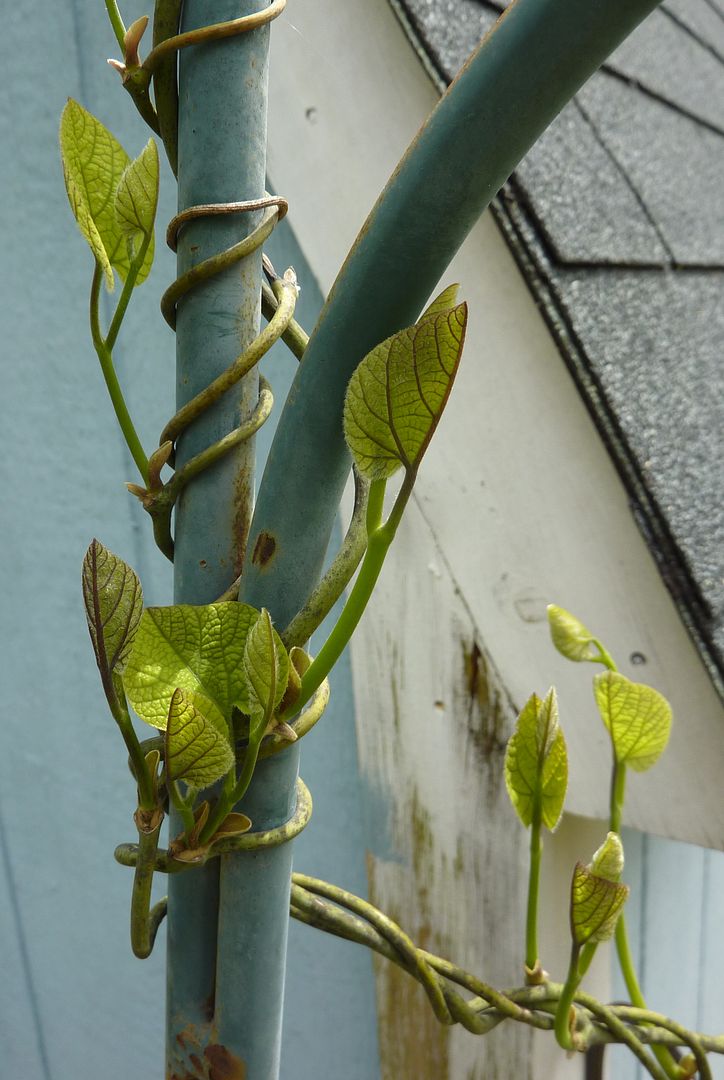
The year in what I would consider to be nature started in my backyard. I just loved how the Pipevine was leafing out. This little plant has grown a few feet every year where it may eventually attract in the prized Pipevine Swallowtail.
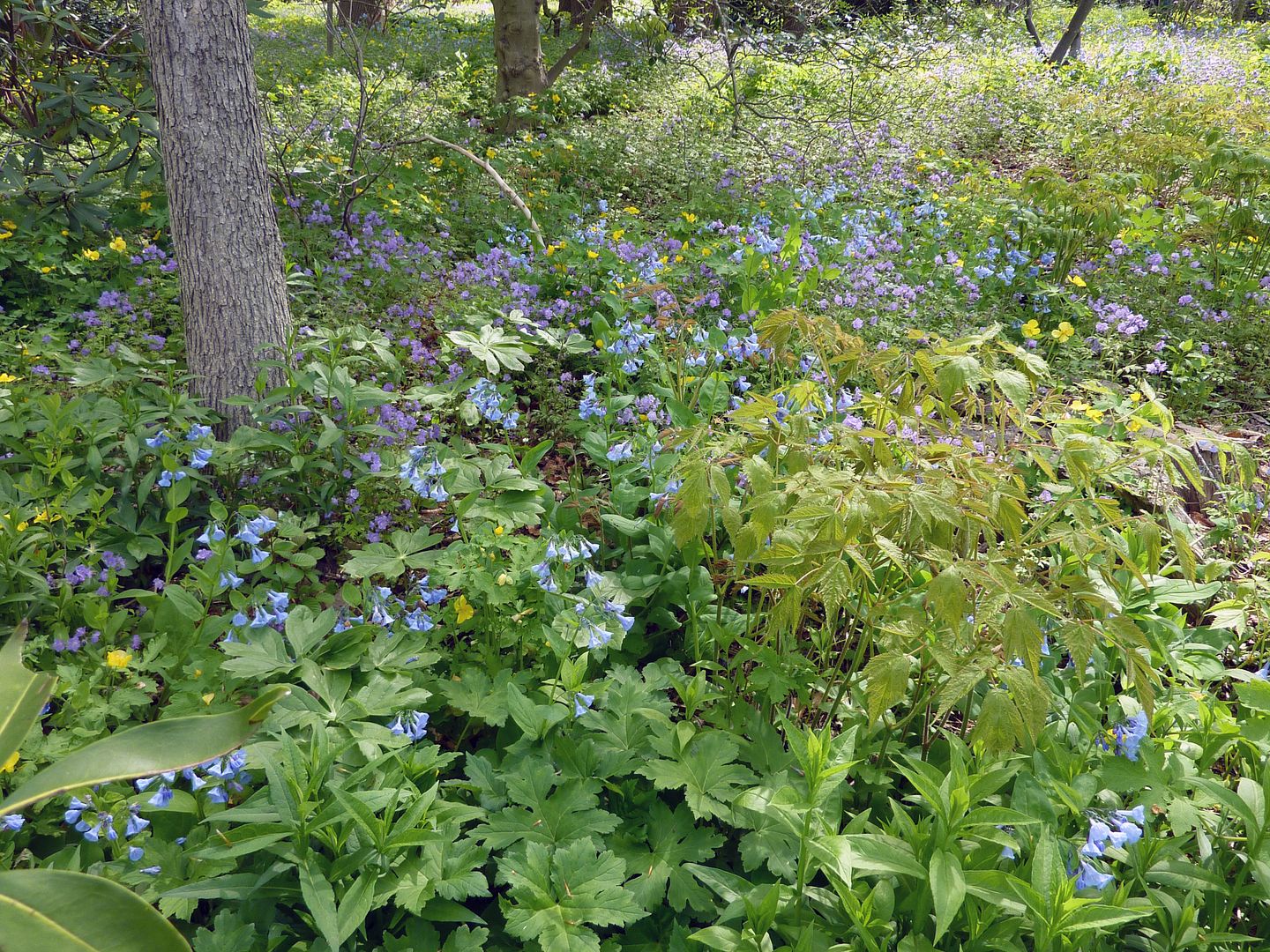
Farther south in Delaware, the Mt. Cuba Center's windflower celebration was amazing that year. Fern Leaf Phacelia, Virginia Bluebells, and Woodland Poppy basically carpeted the entire woodland there in patches. I honestly think it would be a brilliant seed mix. Throw in some other woodland plants like Trilliums, Bloodroot, and MayApple and you got yourself some amazing early color.
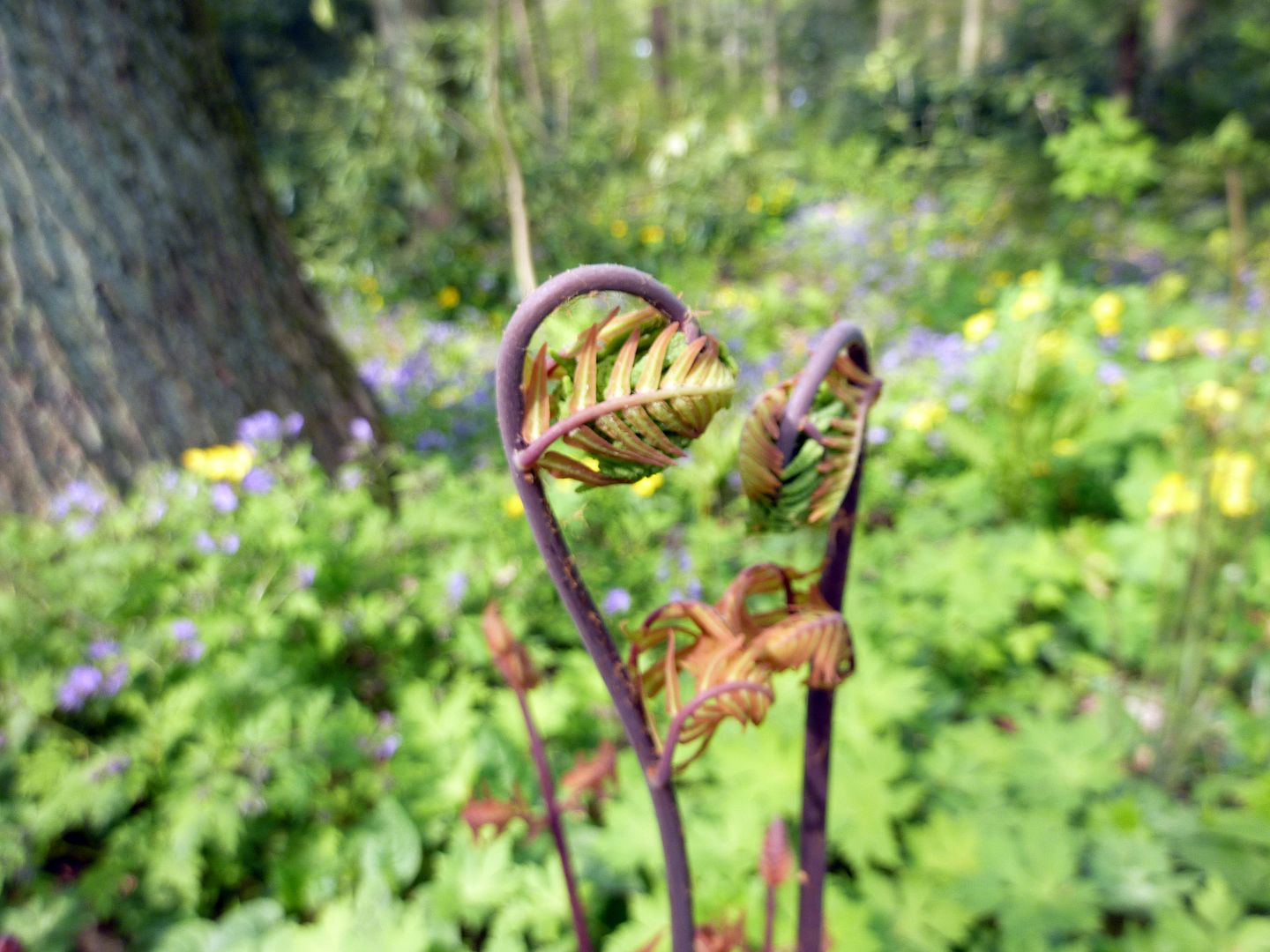
Fiddler heads to a fern rising up out of the carpet of flowers.
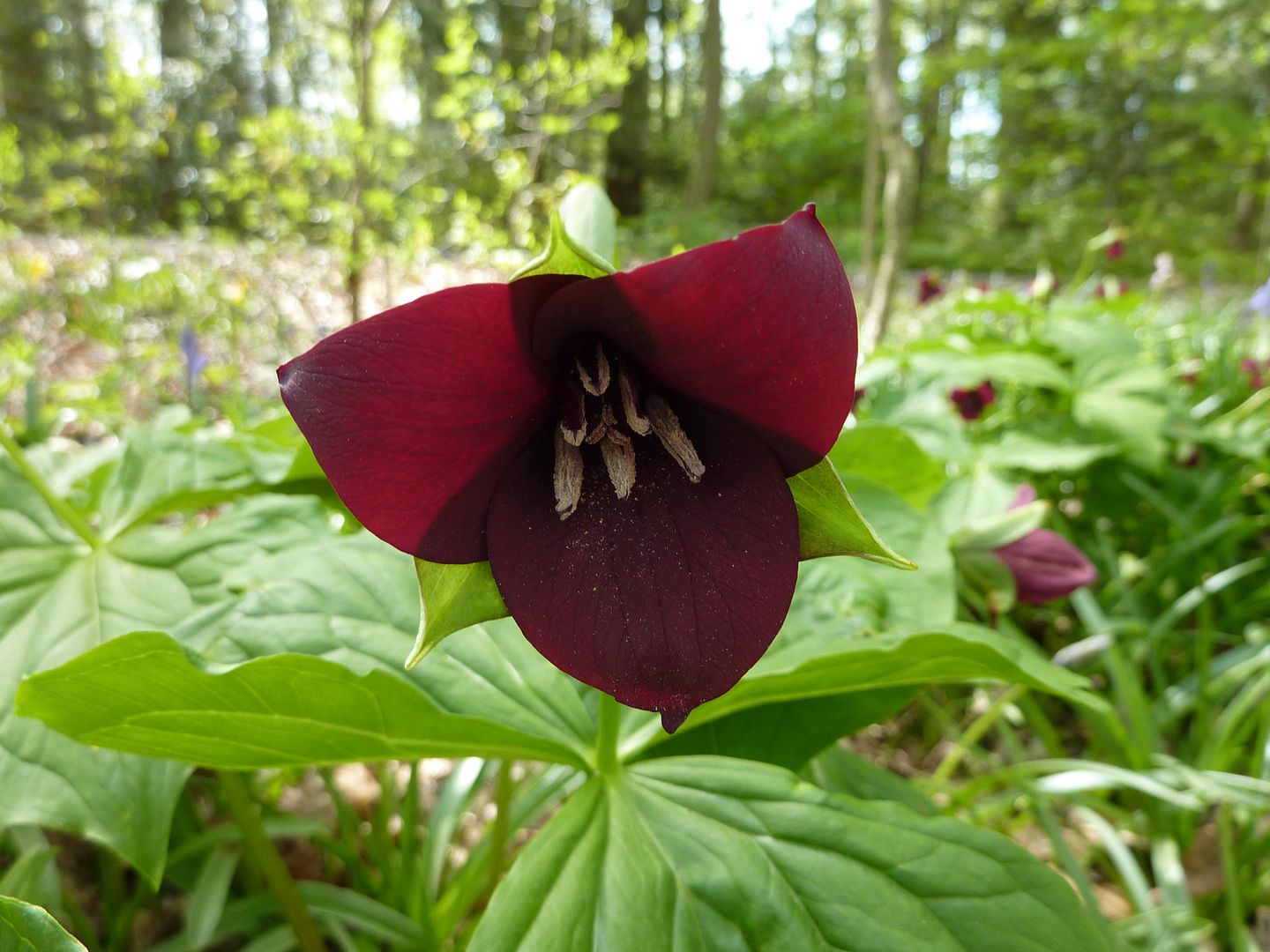
Trillium erectum, which actually smells awful but you do have to shove your nose in the flower to get that effect. It's very pretty otherwise and I'm learning to appreciate the red flowering Trilliums more.
Swamp Pink,
Helonias bullata, lined up around their pond this year.
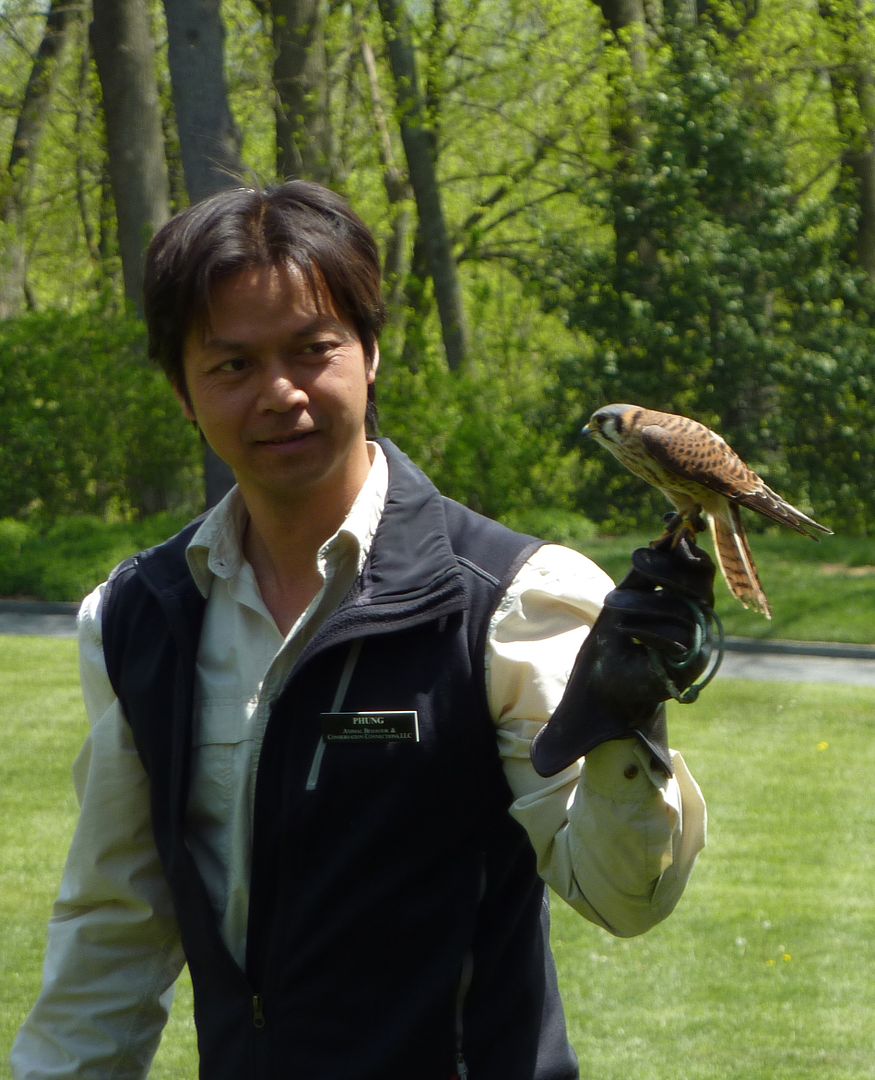
And of course they brought back their raptor bird demonstration. This is always a lot of fun because they have all the birds flying over your head.
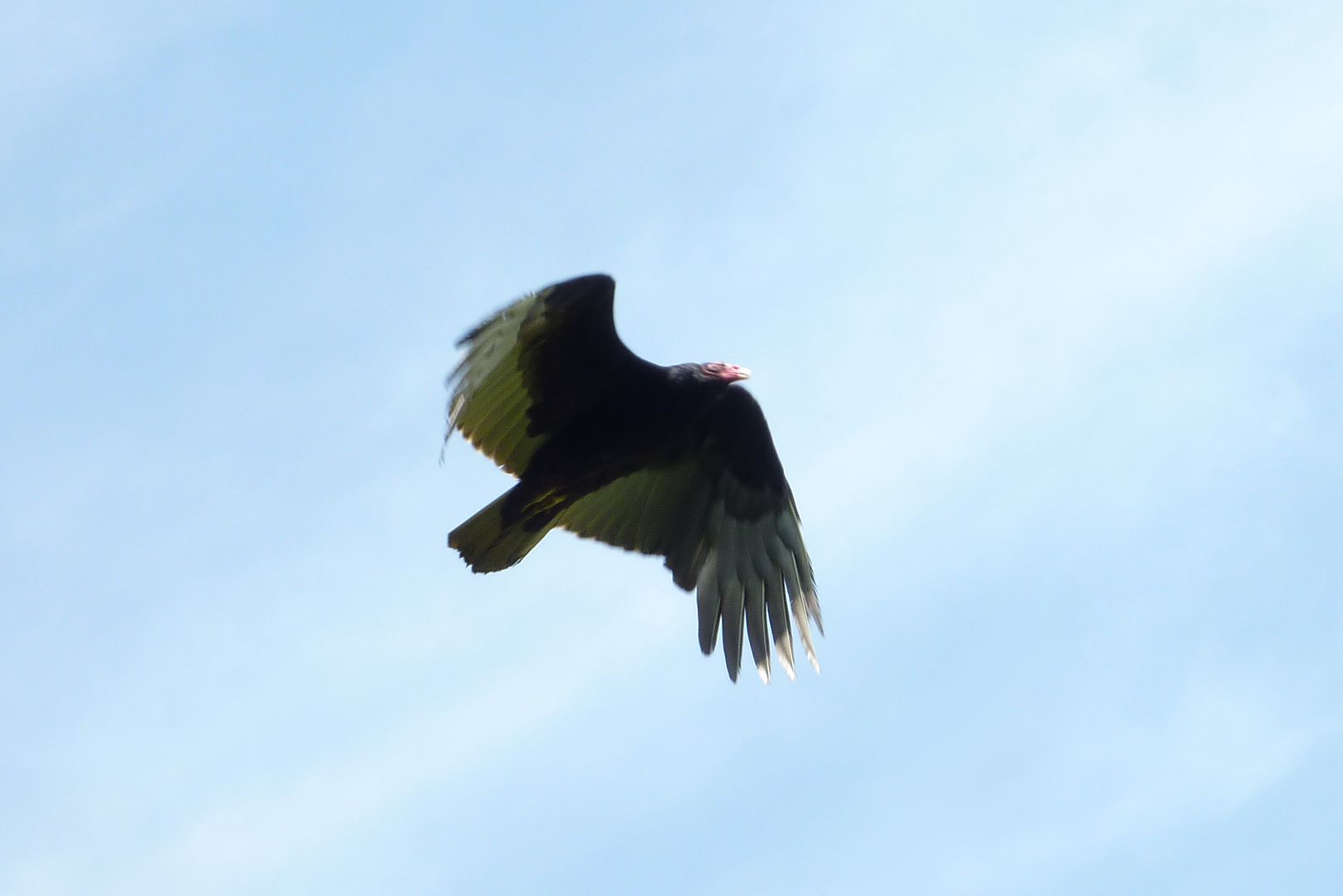
One of the Turkey Vultures soaring up in the sky. At one point it landed on the mansion and you immediately saw the inspiration for stone gargoyles in the shape of birds.
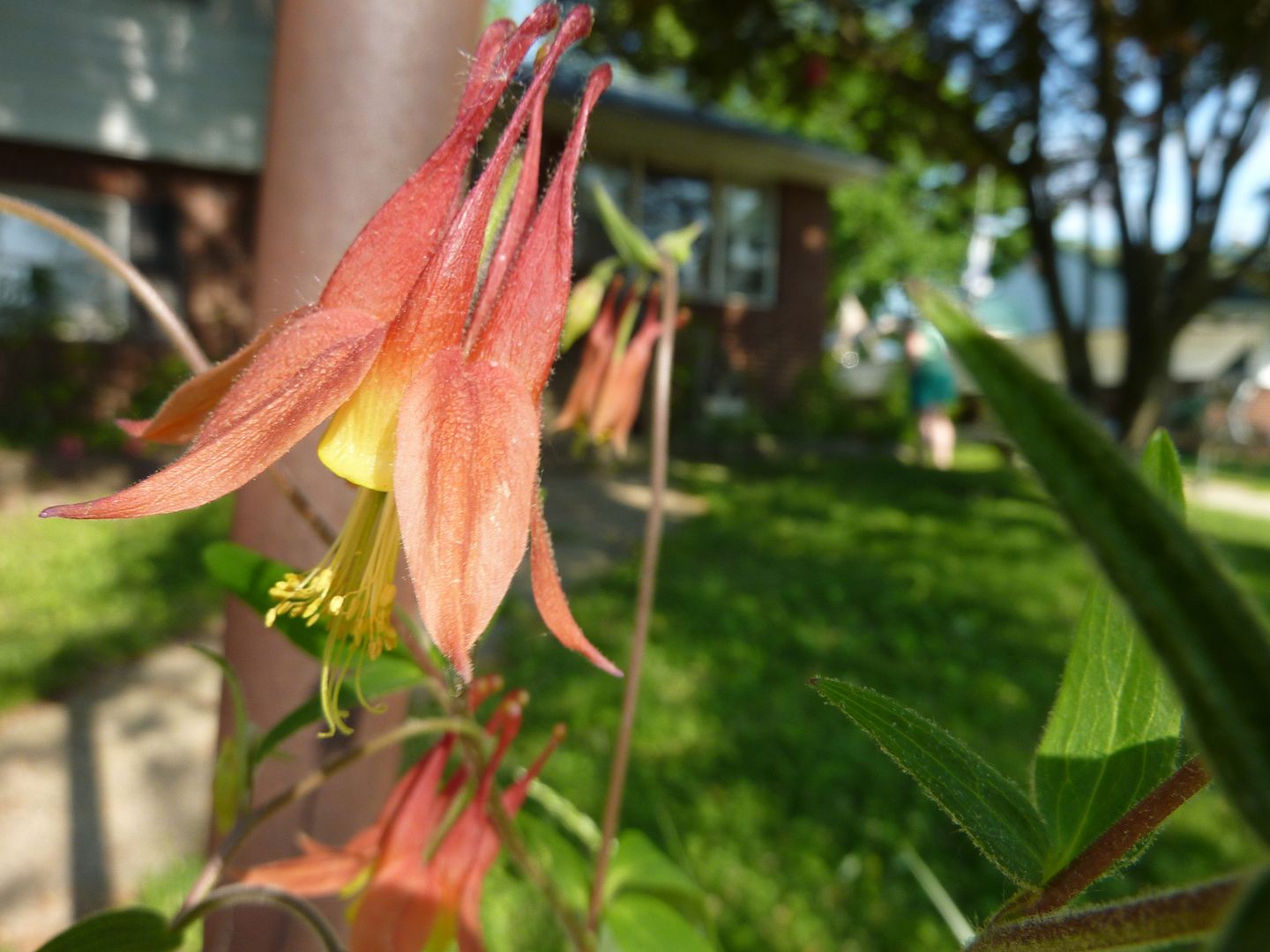
Back at my house in New Jersey my own Wildflowers were slowly coming into bloom. Here a Columbine in the front garden is flowering. This plant has gotten bigger and better every year. It's also been seeding itself all over in that particular location.
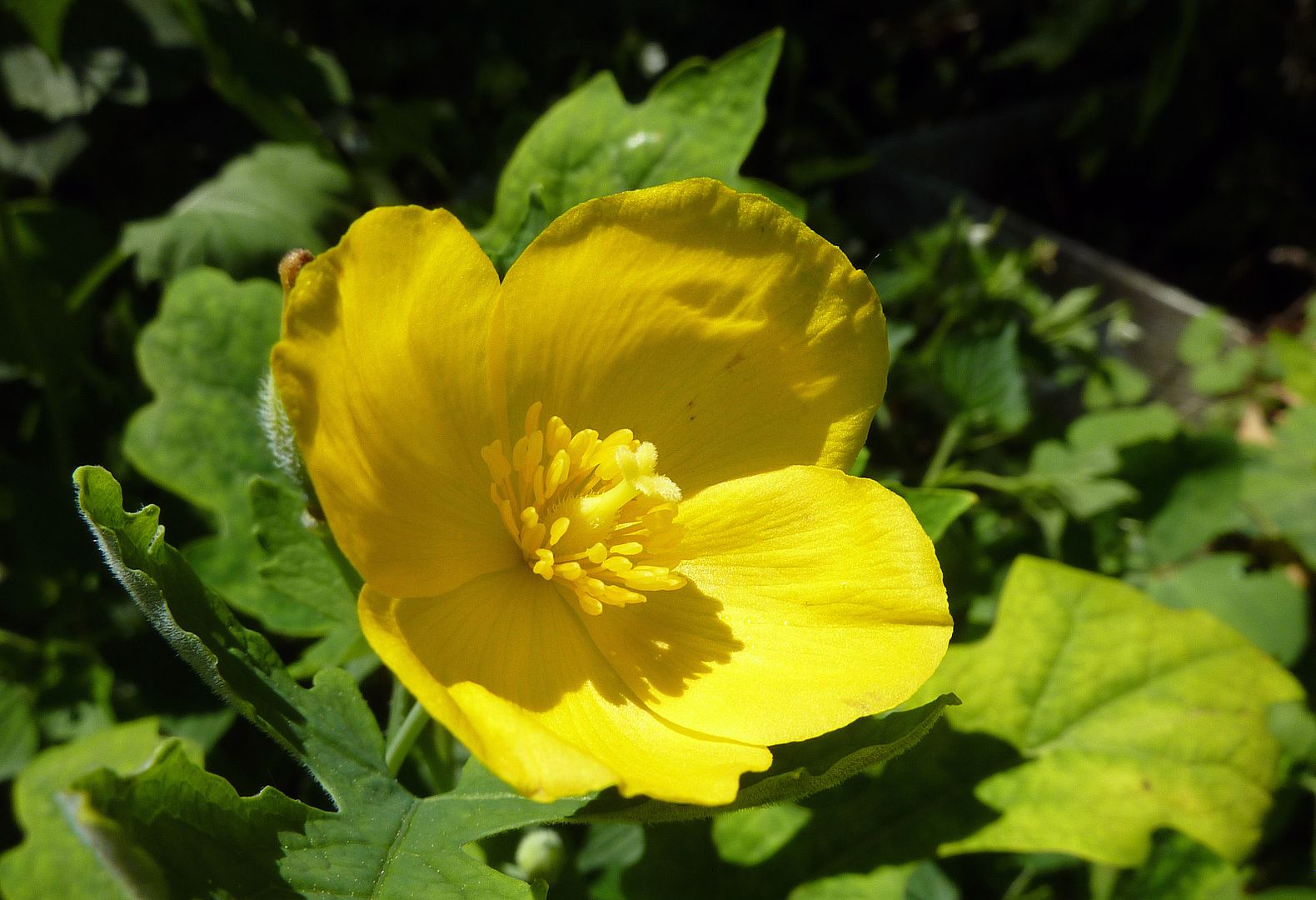
Woodland Poppy is becoming one of my favorites. They flower for long periods and set seed relatively quick. Ants plant the seeds too which is always a plus with me.
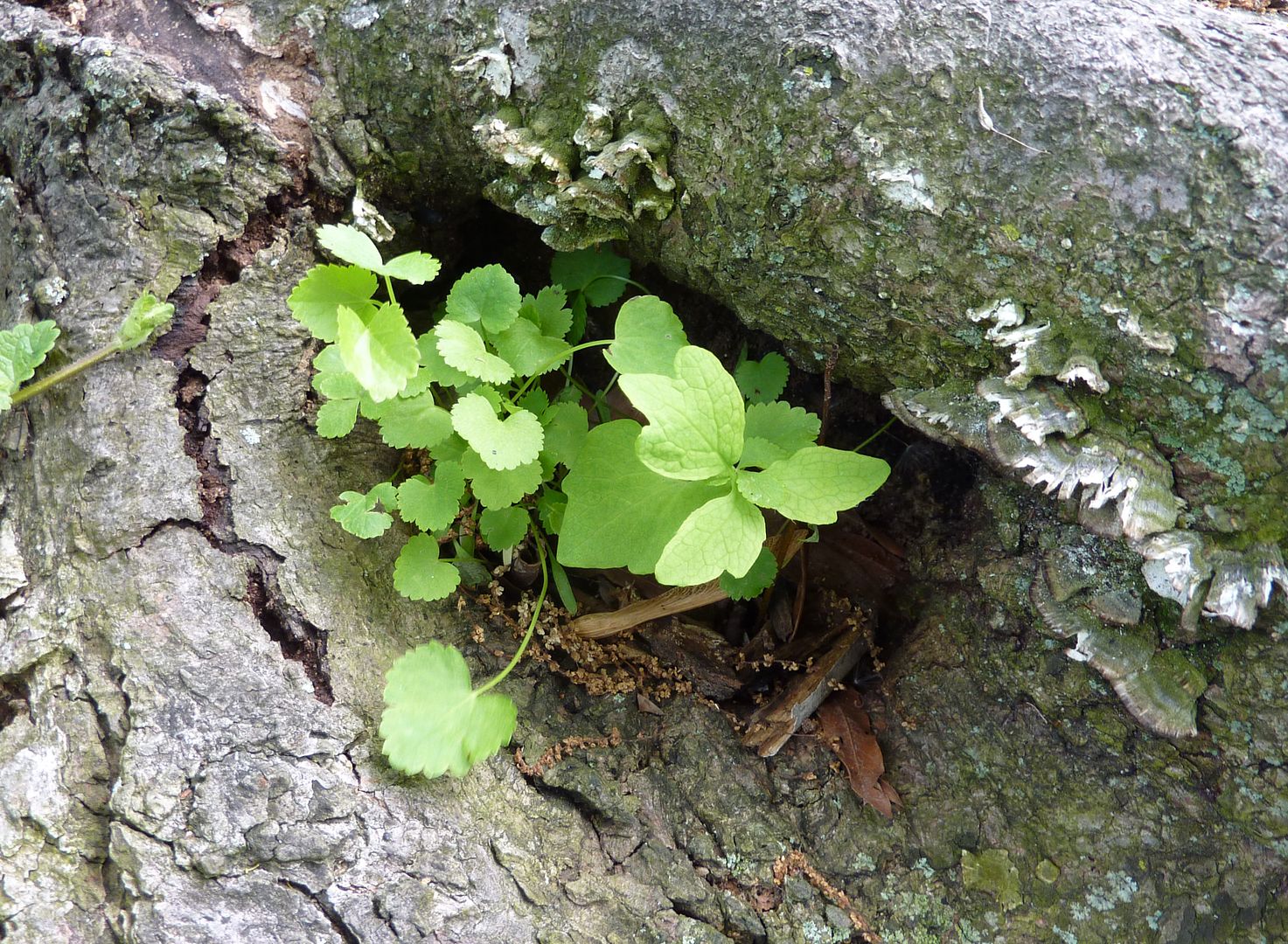
Here in a log I started seeing a few things growing. Among them is a young Woodland Poppy planted no doubt by ants. I've found a few others seedlings growing out from under flower beds and logs where ants like to nest.
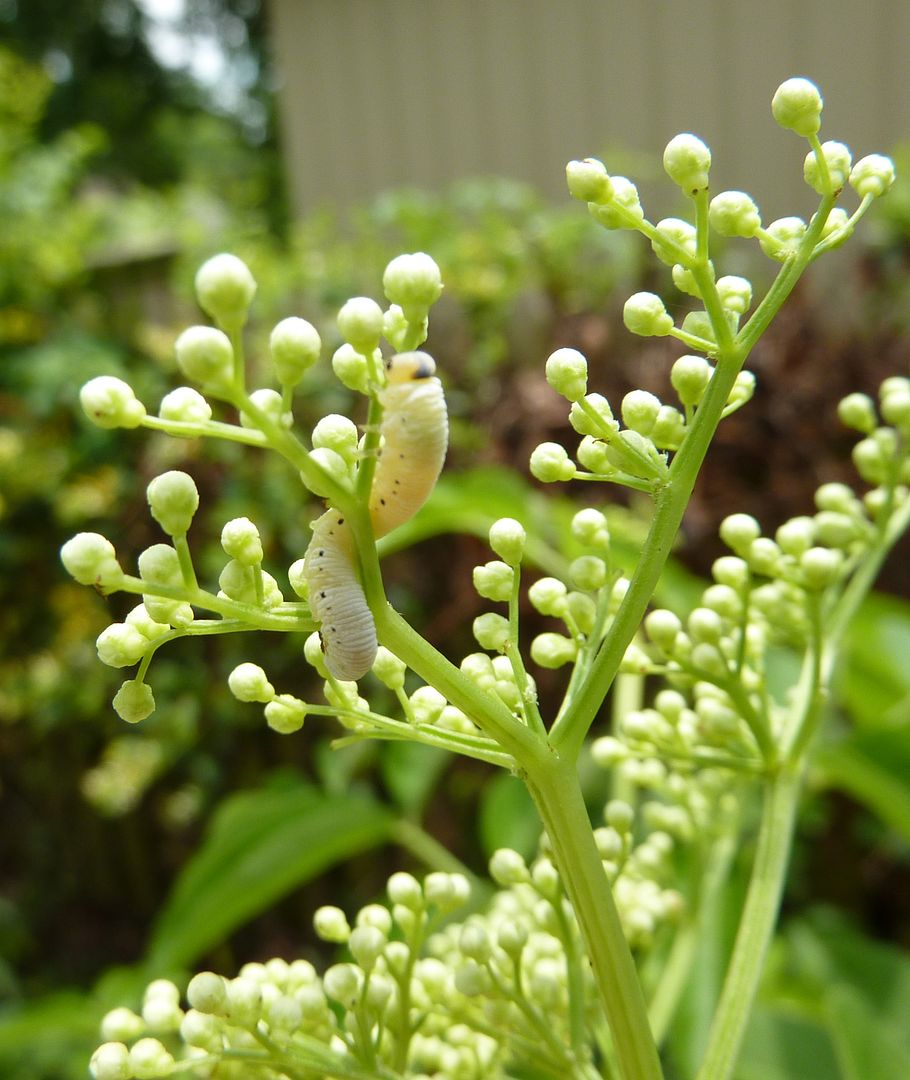
Not a caterpillar but the larval stage to a Sawfly. These are very odd group of insects because the larval stage is vegetarian while the adults are either social parasites on beetle grubs and things or predators of other insects. It's eating the flowers to my Elderberry.
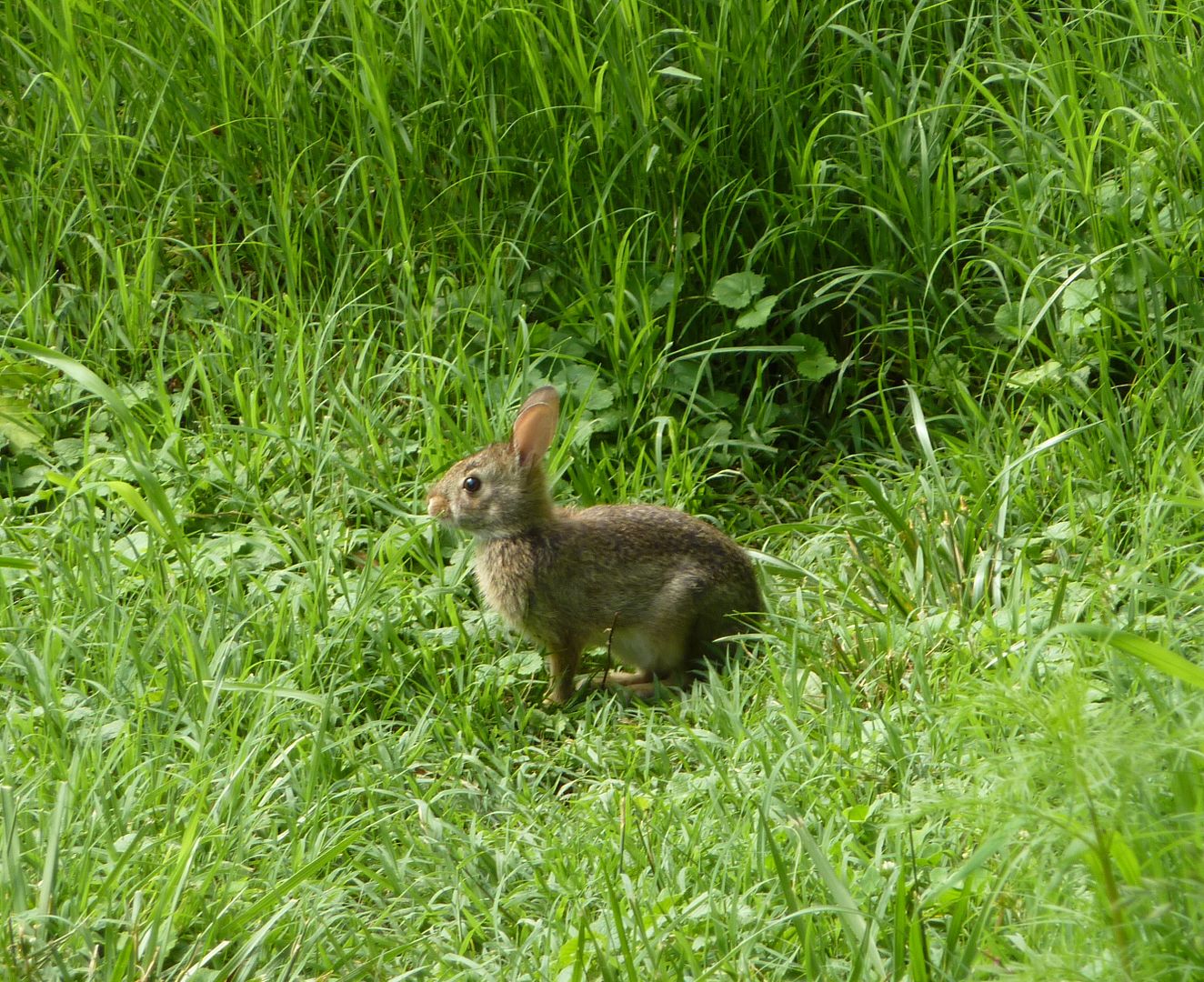
The foliage of my meadow garden had started attracting more life higher up on the food chain. A rabbit or two got stuck in the yard and for weeks we on end our dog just couldn't chase the things out. They kept darting through the various gardens and patches of grass that we allow to grow knee high. I try to keep things looking as orderly as I can but it's clear the abundance of seeds and foliage are attracting more advanced rodents and mammals.
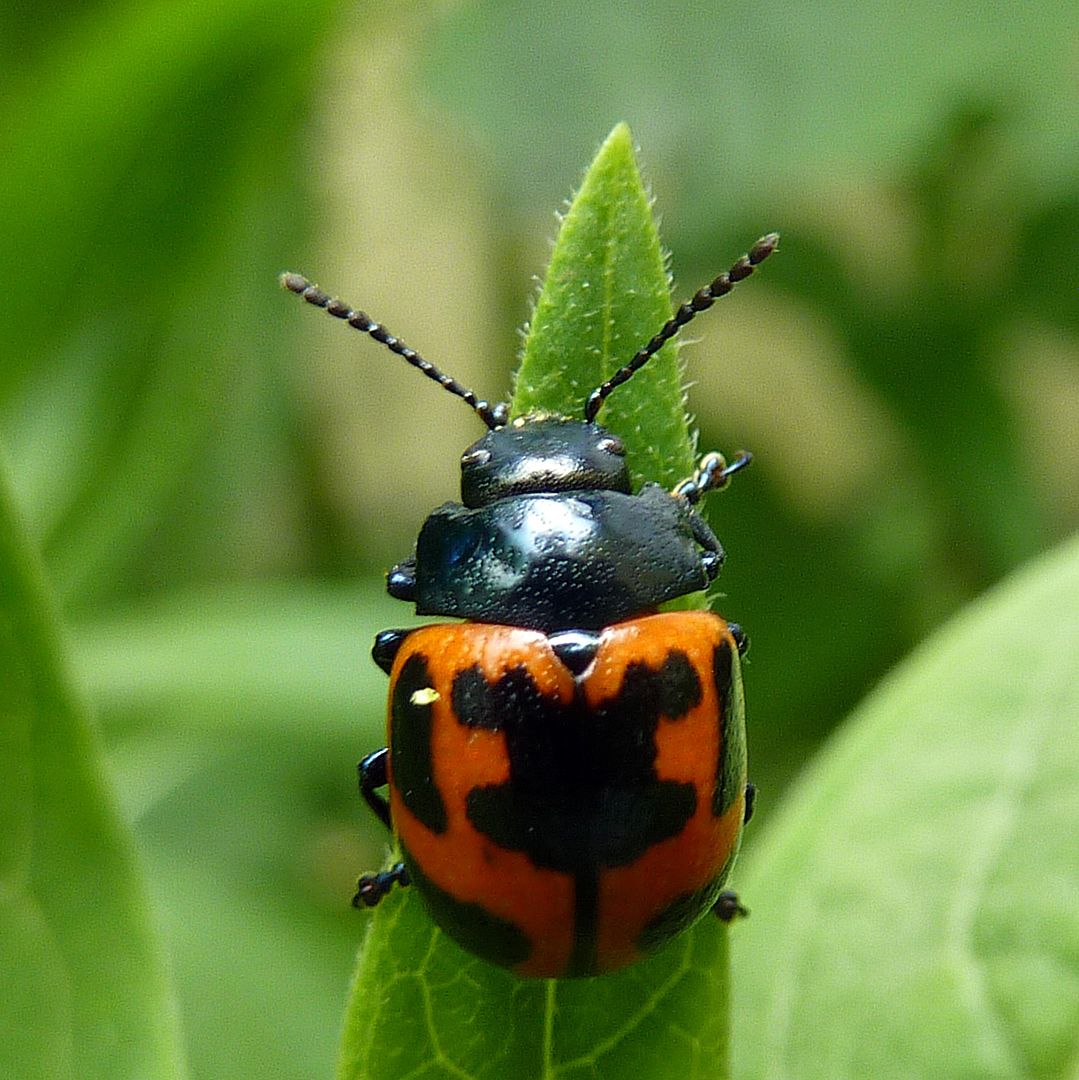
I didn't see any Monarchs this year but the Milkweed Seed Beetles had their fill of the milkweed. These are rather colorful beetles who's larva feed on the milkweed leaves. If I recall right they over winter in the adult stage and lay eggs each spring. So I should see even more of these beetles flying around assuming the snows don't kill them.
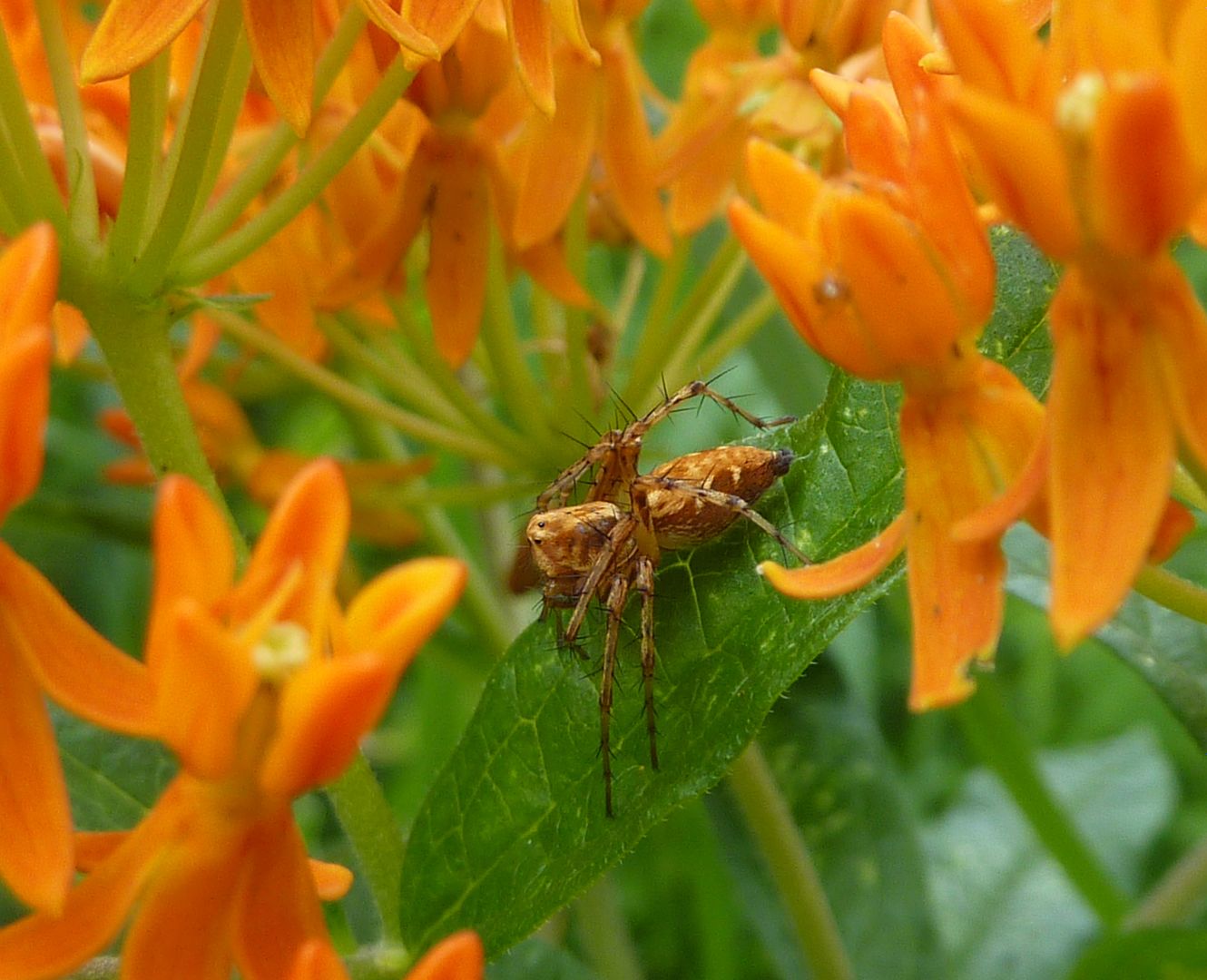
I found a spider which resembled the milkweed flowers around it.
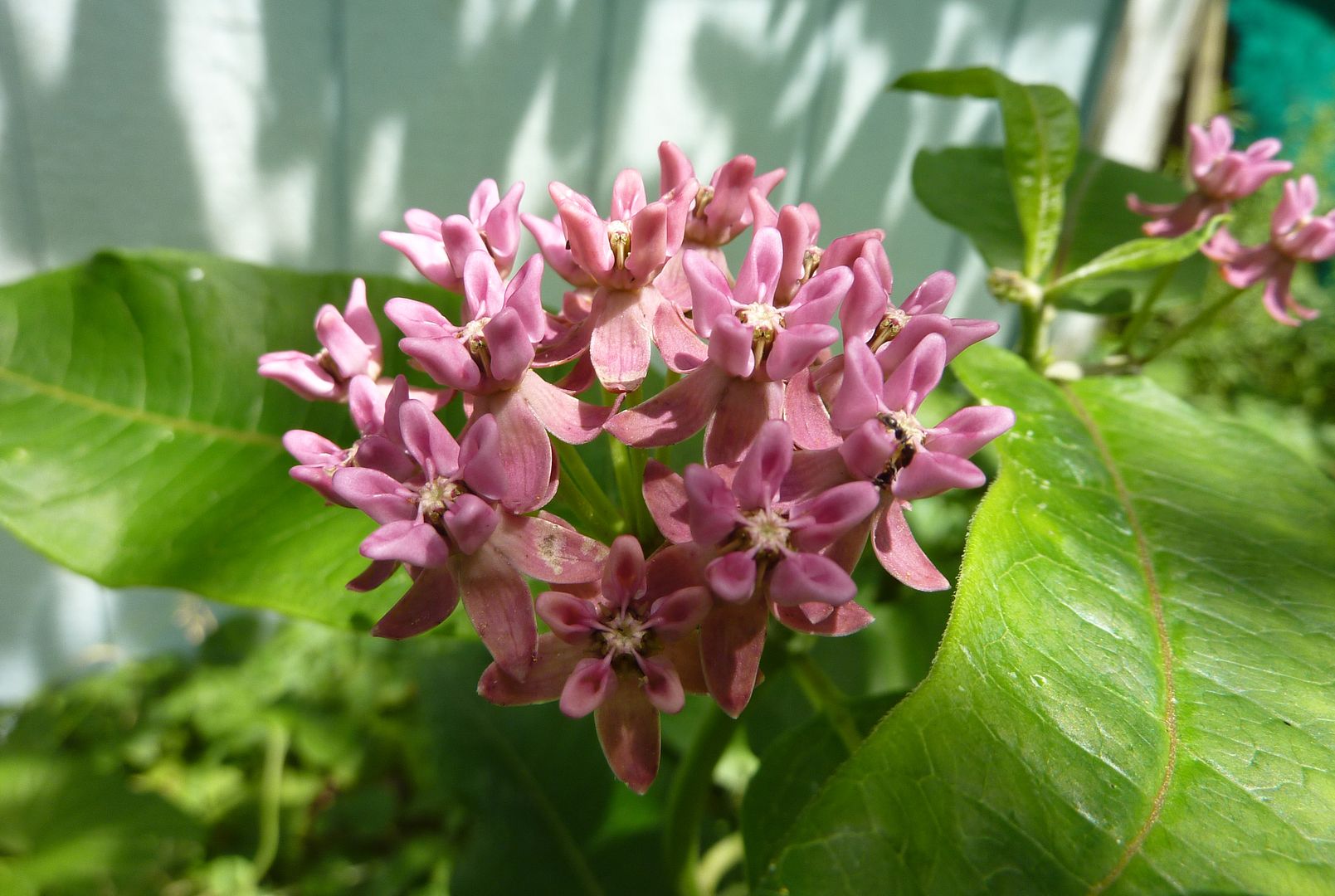
Purple Milkweed, Asclepias purpurascens, started to flower in my yard finally.
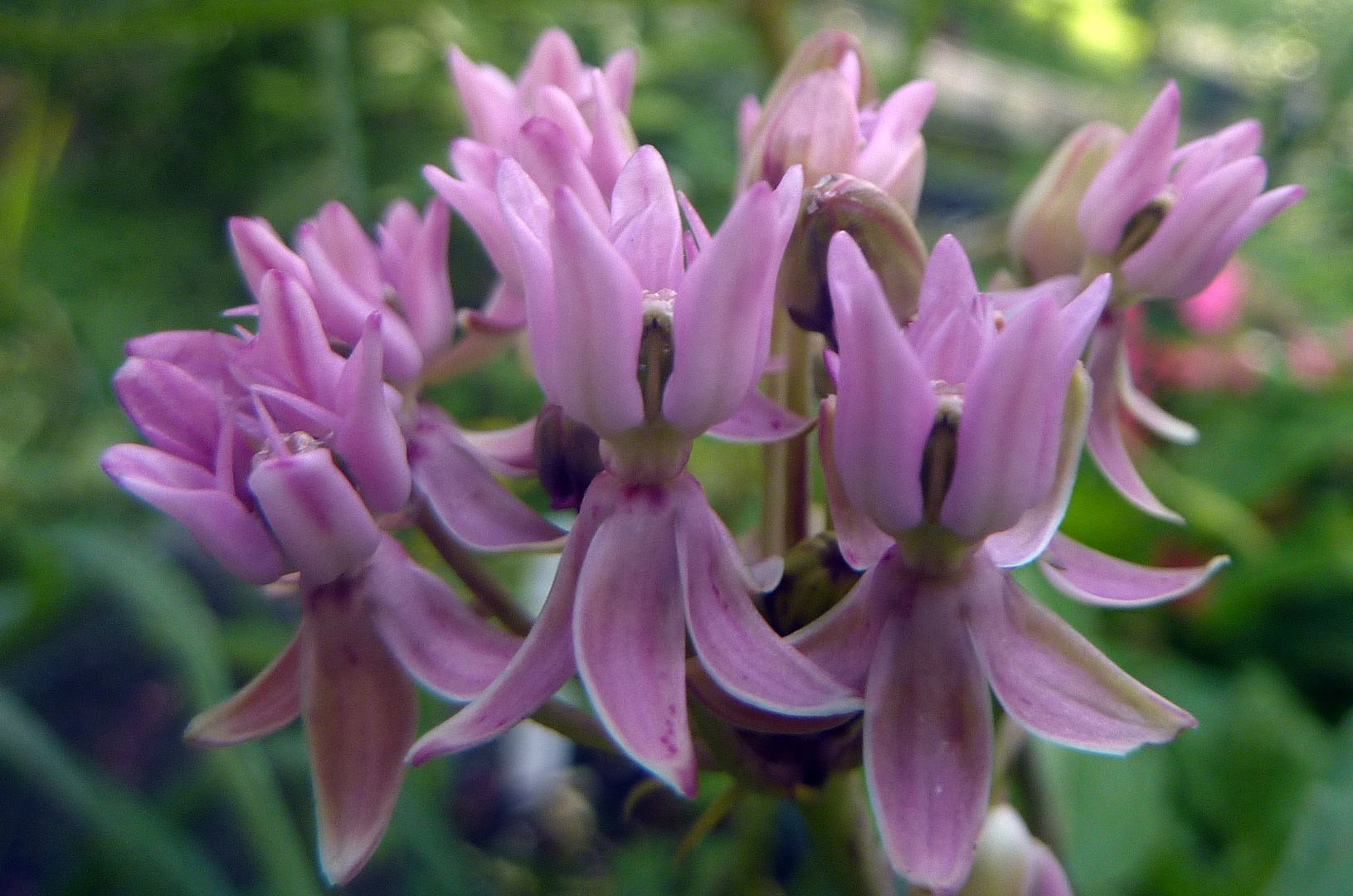
Also flowering for the first time was Red Milkweed,
Asclepias rubra.
I'm not sure I agree on the common name "Red" becasue their flowers are clearly a shade of hot pink.
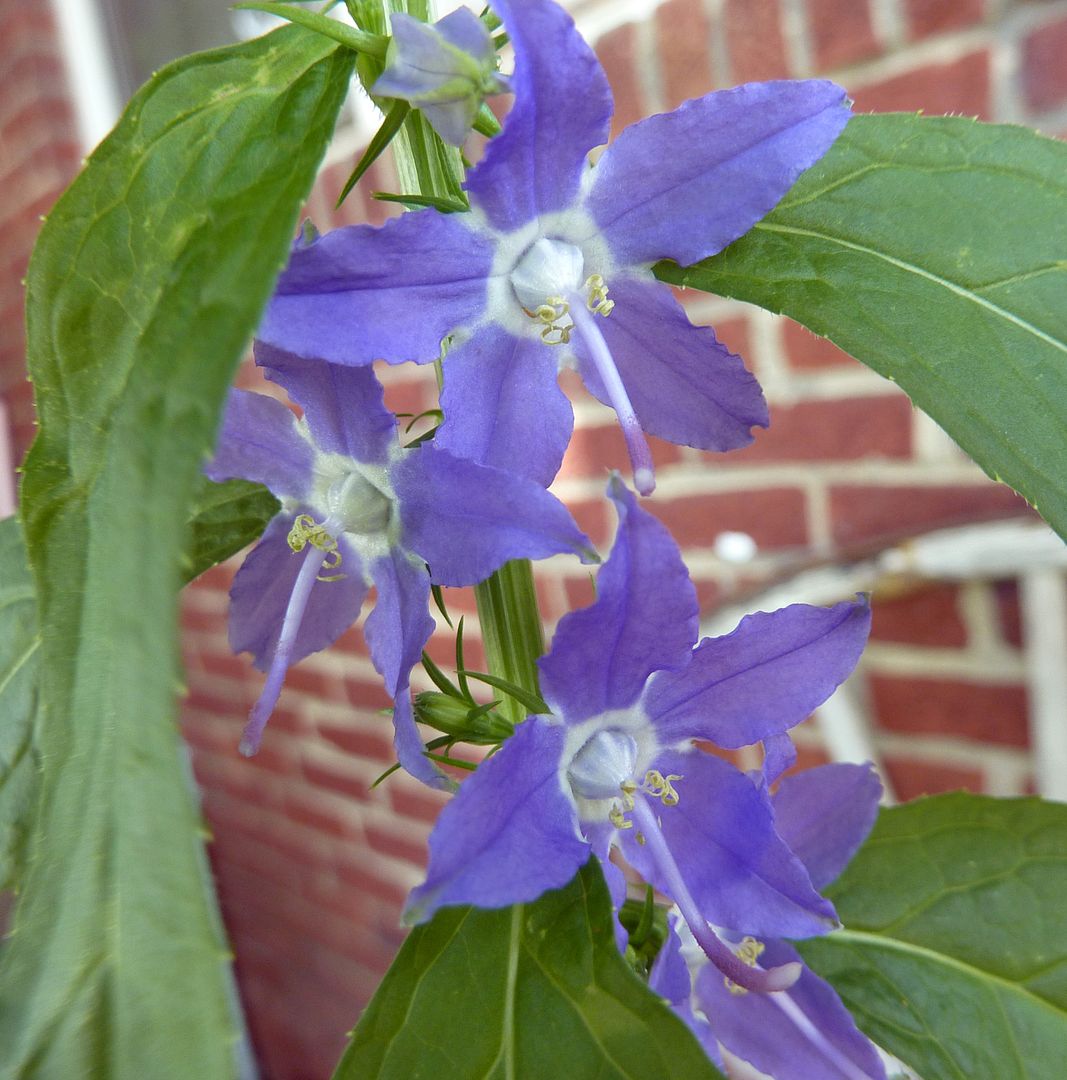
Tall Bellflower,
Campanula americana. This was the little seedling that could. Of a whole pack of seeds I got six plants to grow, of those only one survived the winter.
This started flowering in July or August and kept flowering well into November, which amazed me. Basically after the main flowers finished blooming it quickly developed new ones along side the ones that had already developed into seed pods. So it constantly rebloomed on places where it had already flowered. This was very neat, but sadly a biannual. I already have four more plants potted and planted which should bloom next year. Hopefully this parent plant though was able to seed it self around a little and I'll have a more consistent blooming each year.
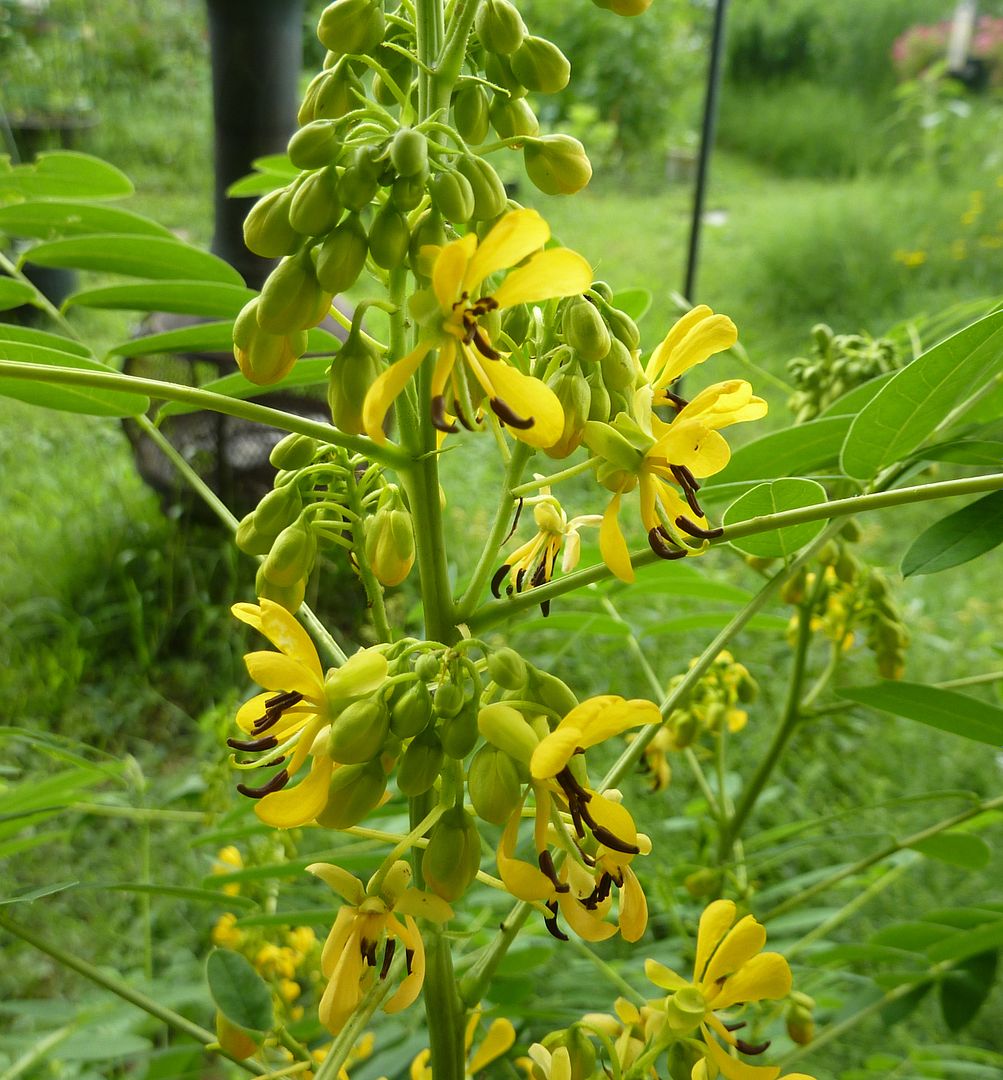
Wild Senna. I've had this plant for a while but it's always been in a dry spot. This year was so wet though that it didn't matter.
Testing out my new camera.
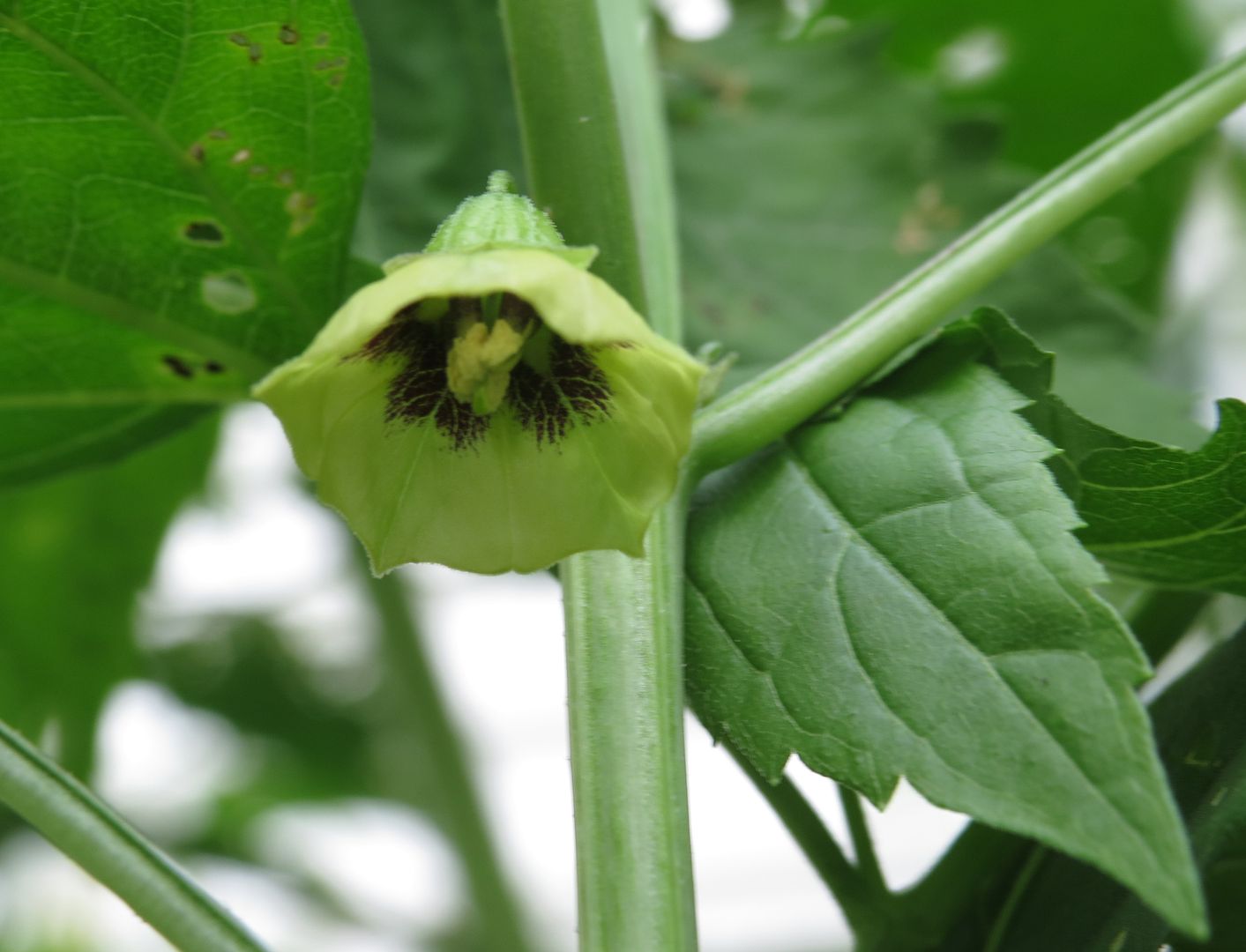
Ground Cherry. I was happy to find a nursery selling this edible plant. Word of Warning: you have to wait for the berries to ripen fully before eating them. They taste just like cherry tomatoes only with a hint more acid to them. Not something you want to eat more than a few at a time, just in case there's some lingering toxin about but really they can just make you sick and probably won't kill you. The taste good.
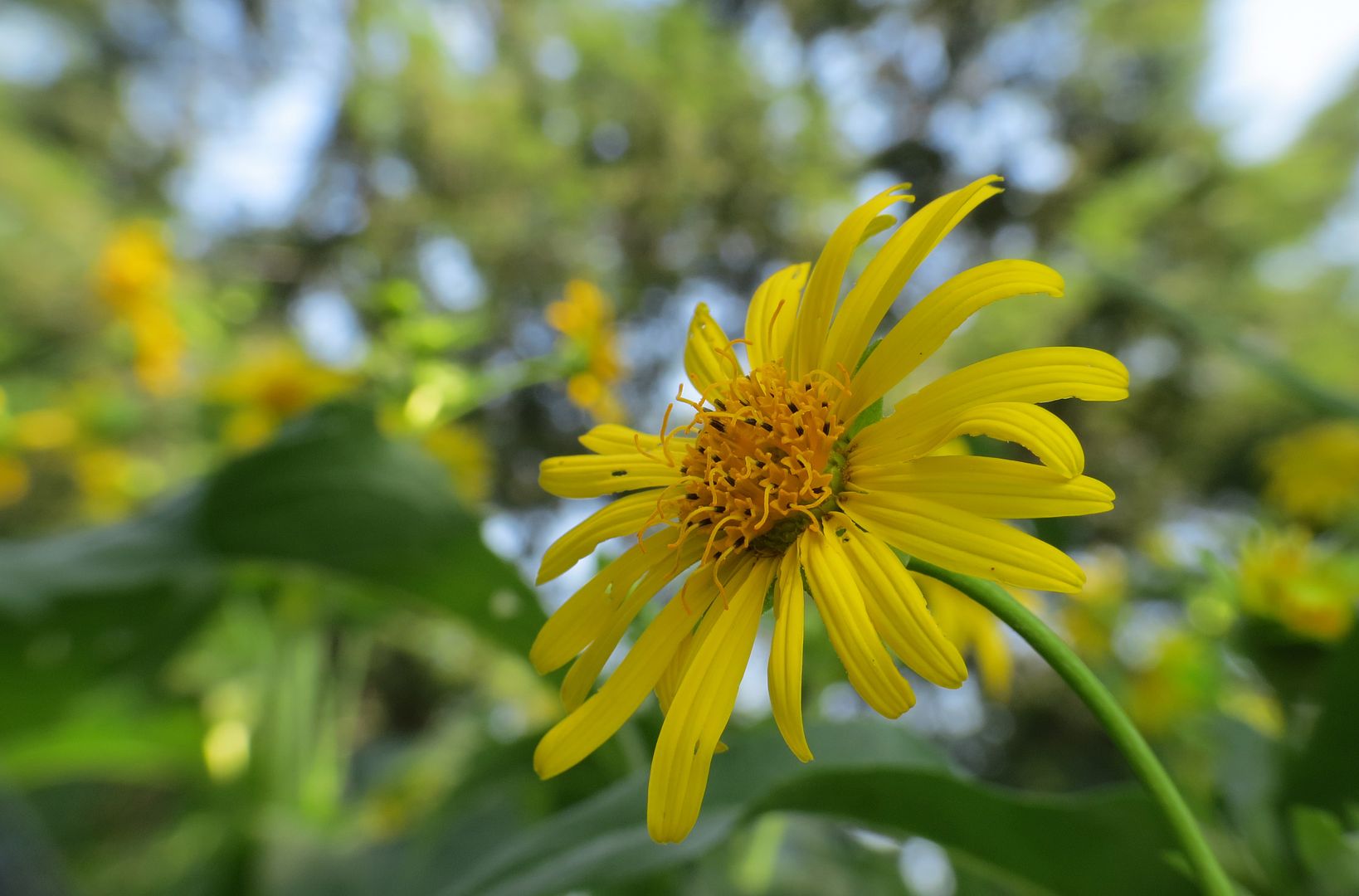
Cup Plant, basking in the sun.
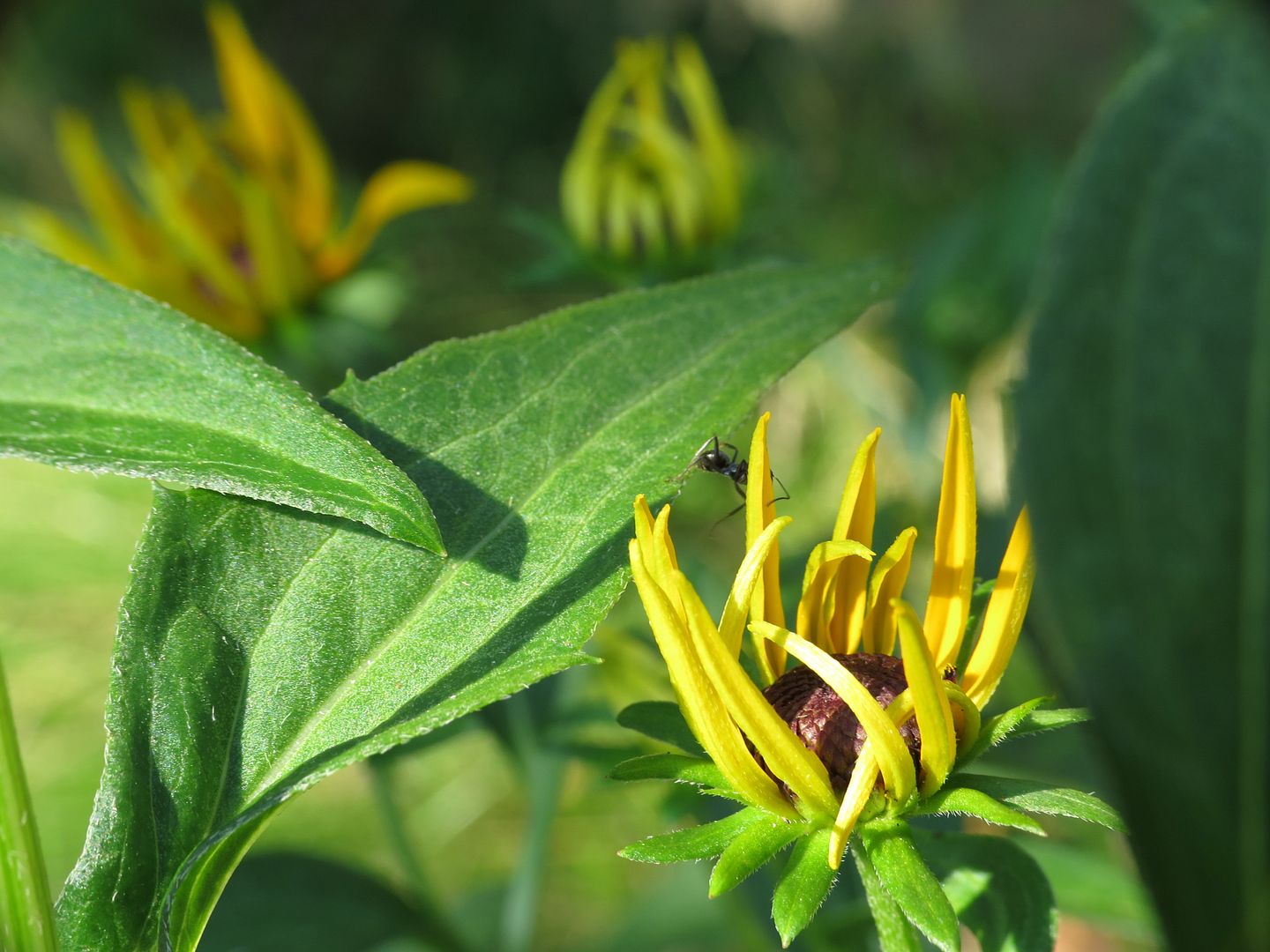
Rudbeckia flowers ready to open.
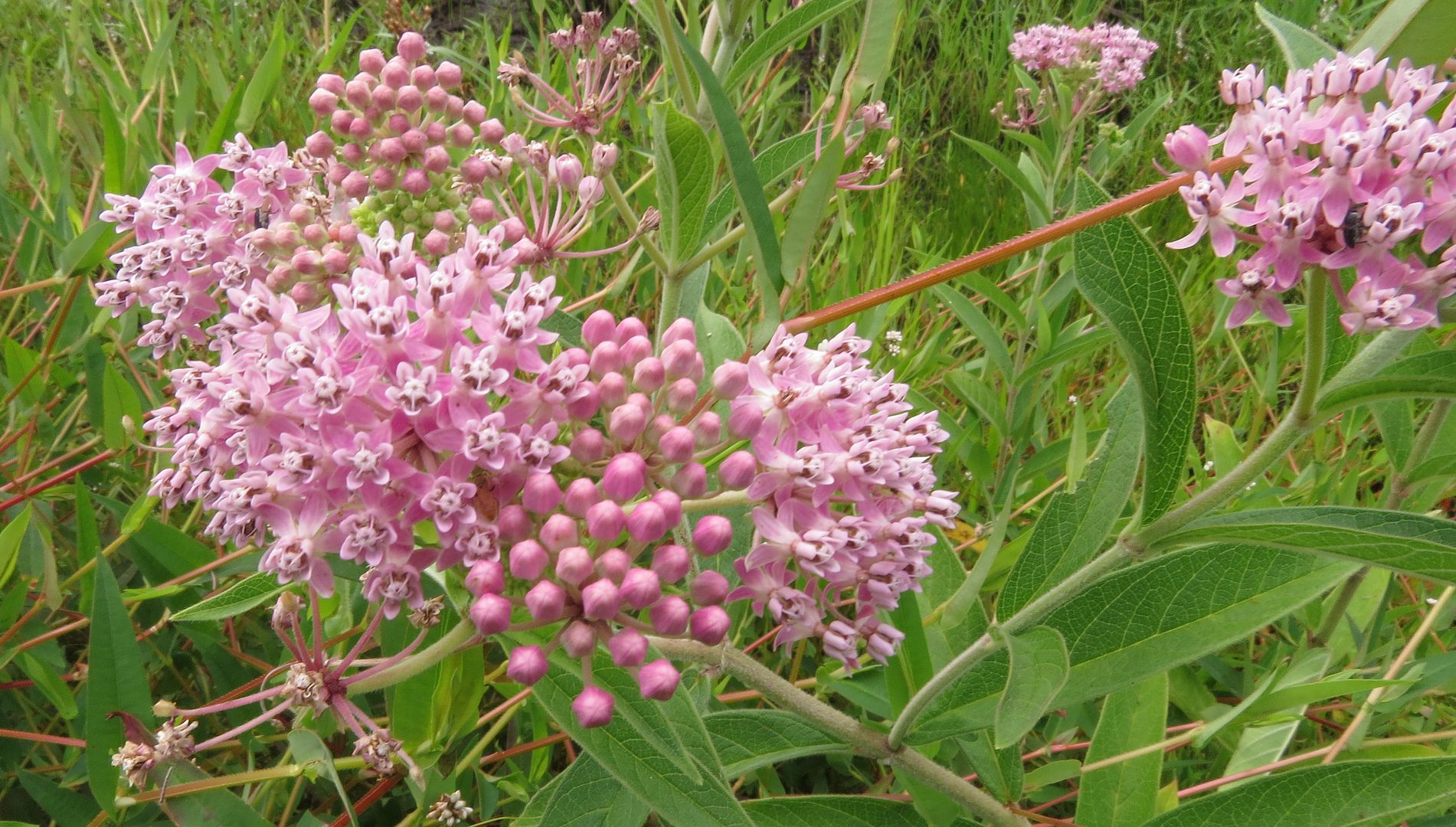
Hairy Swamp Milkweed.
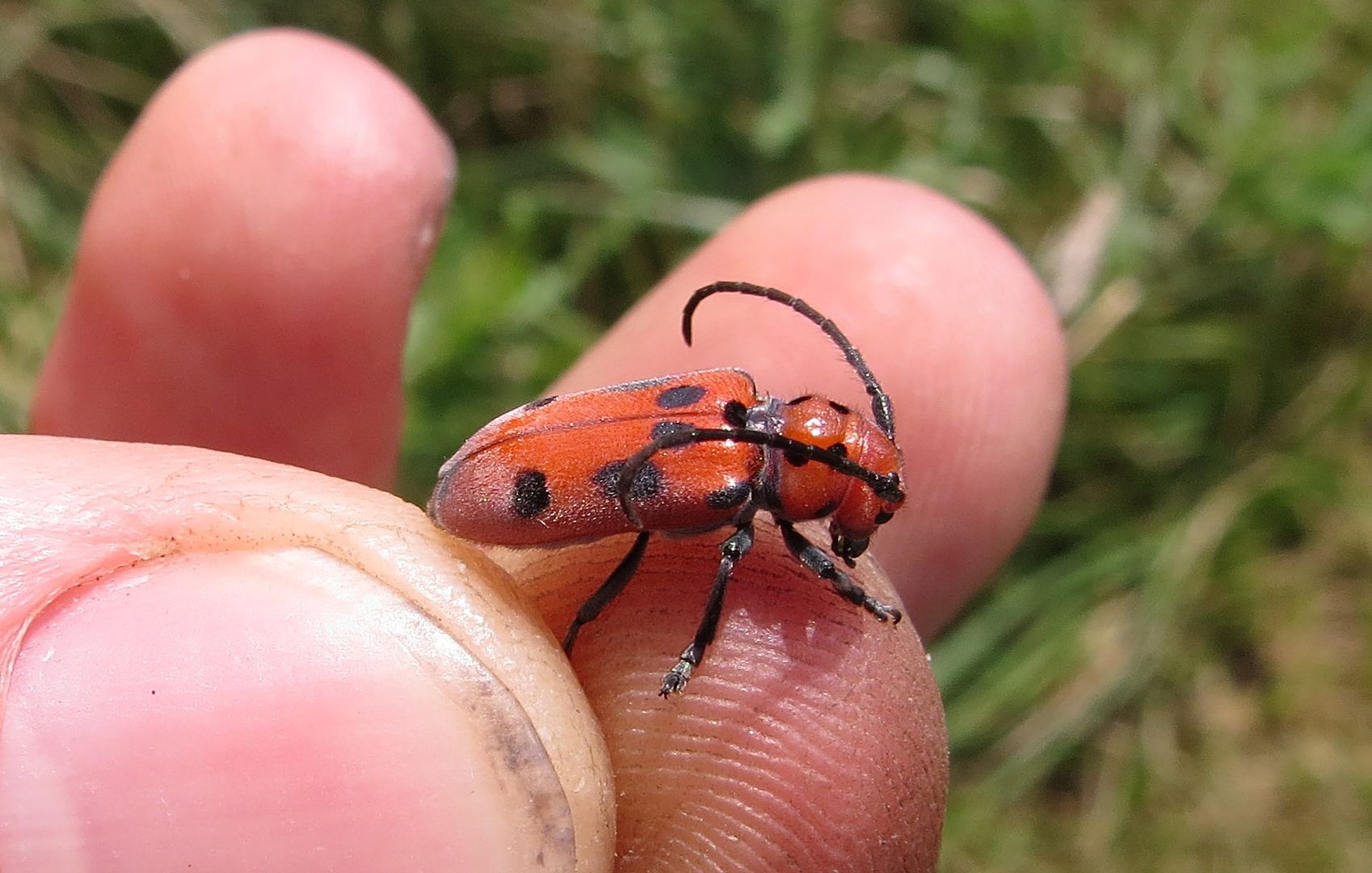
A Four-Eyes Beetle which you find on Milkweed. I've seen them in my yard but they never seem to have population explosions.
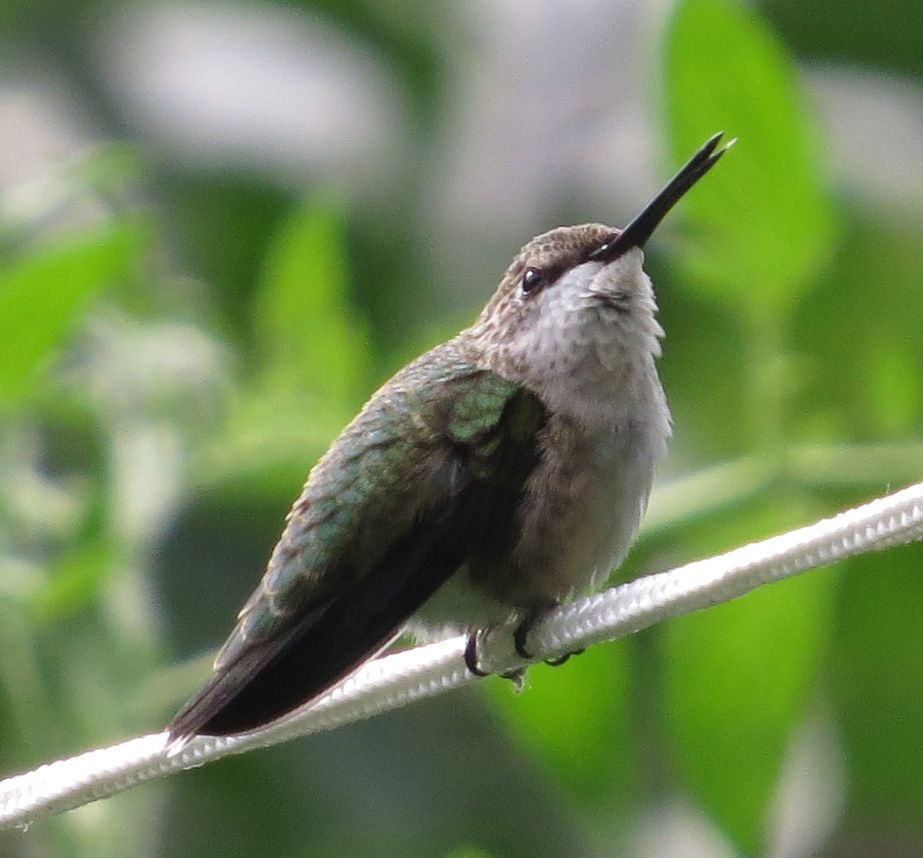
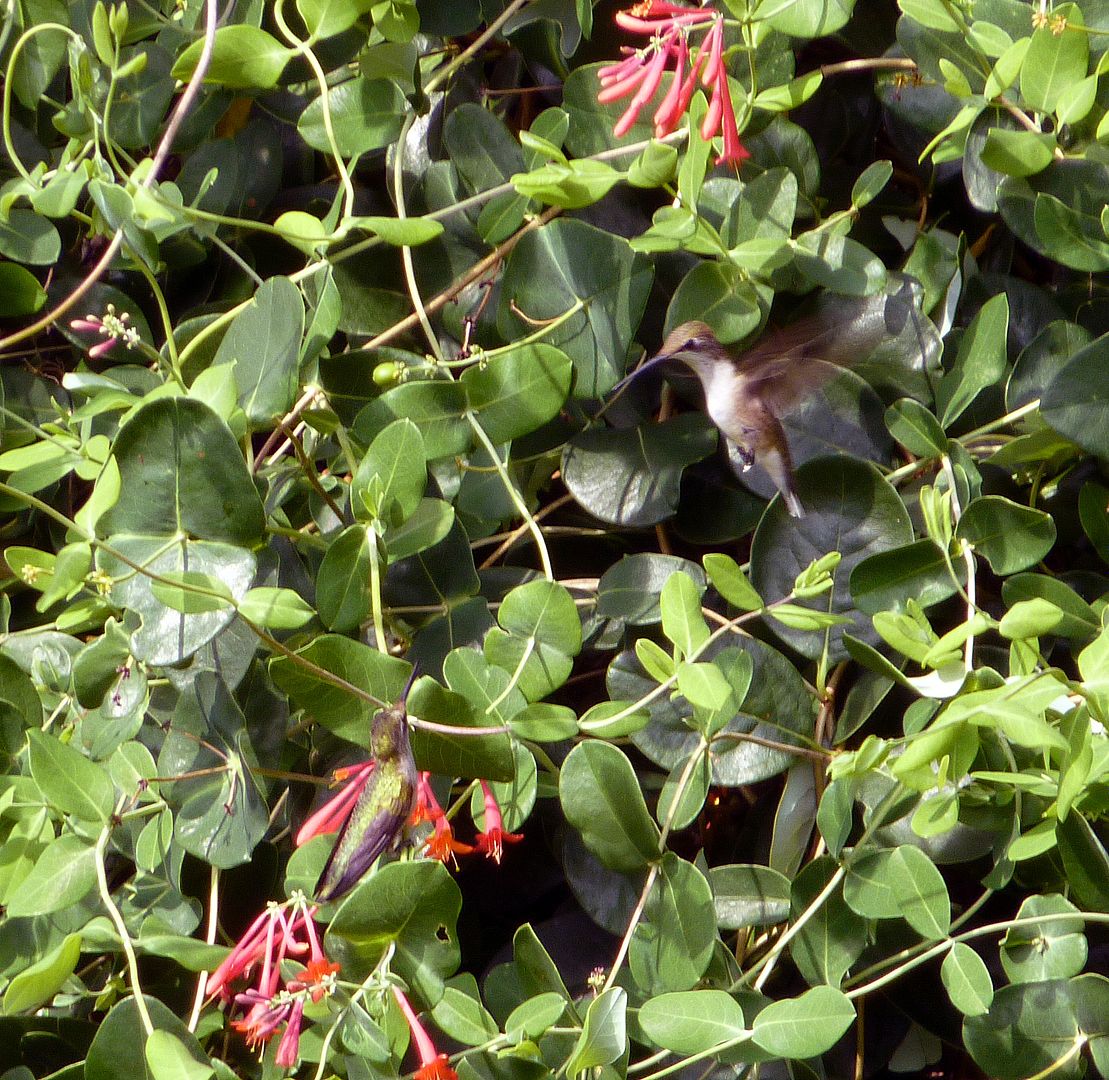
Another nice thing about my new camera was being able to take shots of hummingbirds.
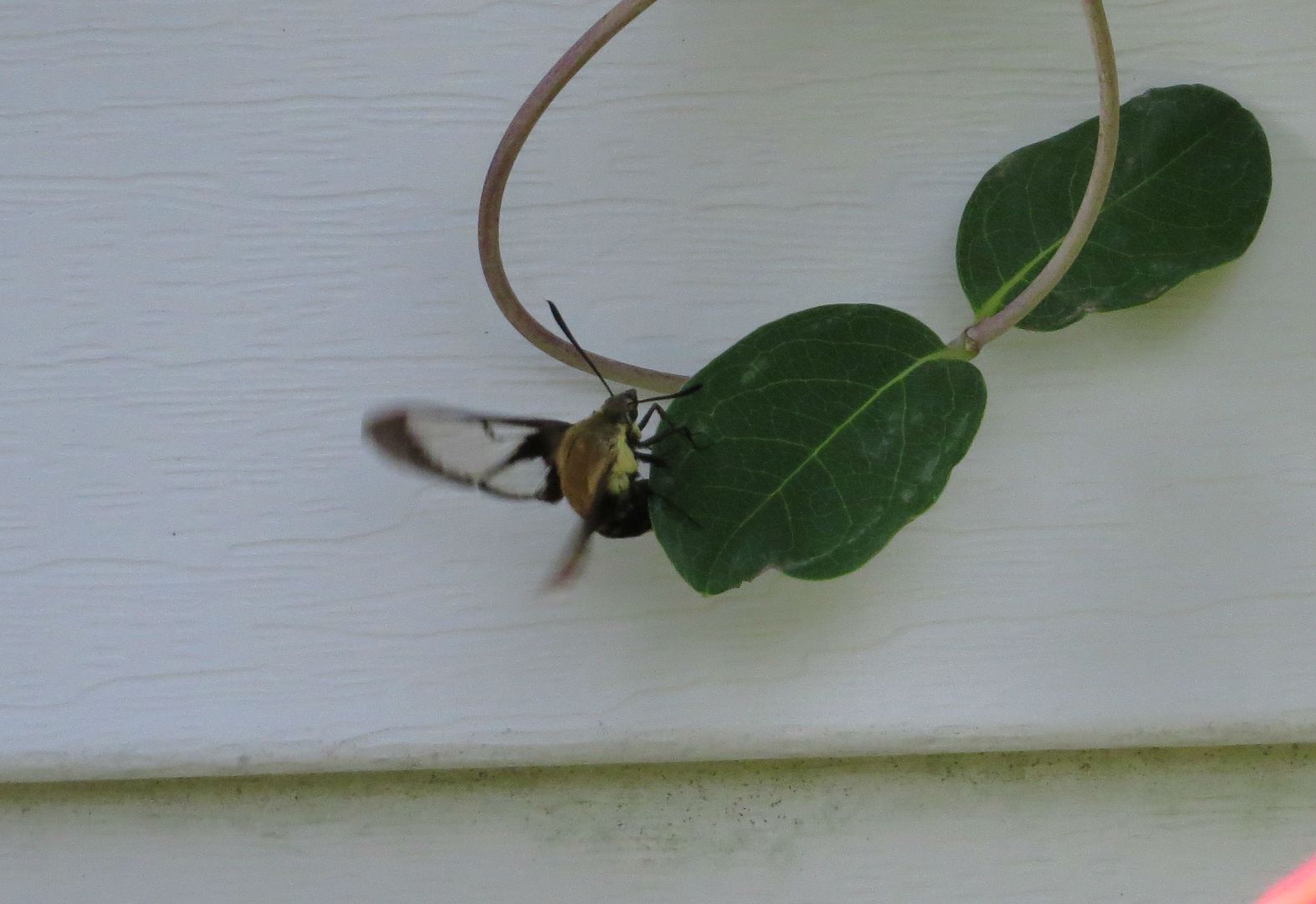
Not a good shot but taken to demonstrate that the Coral Honeysuckle is getting attention.
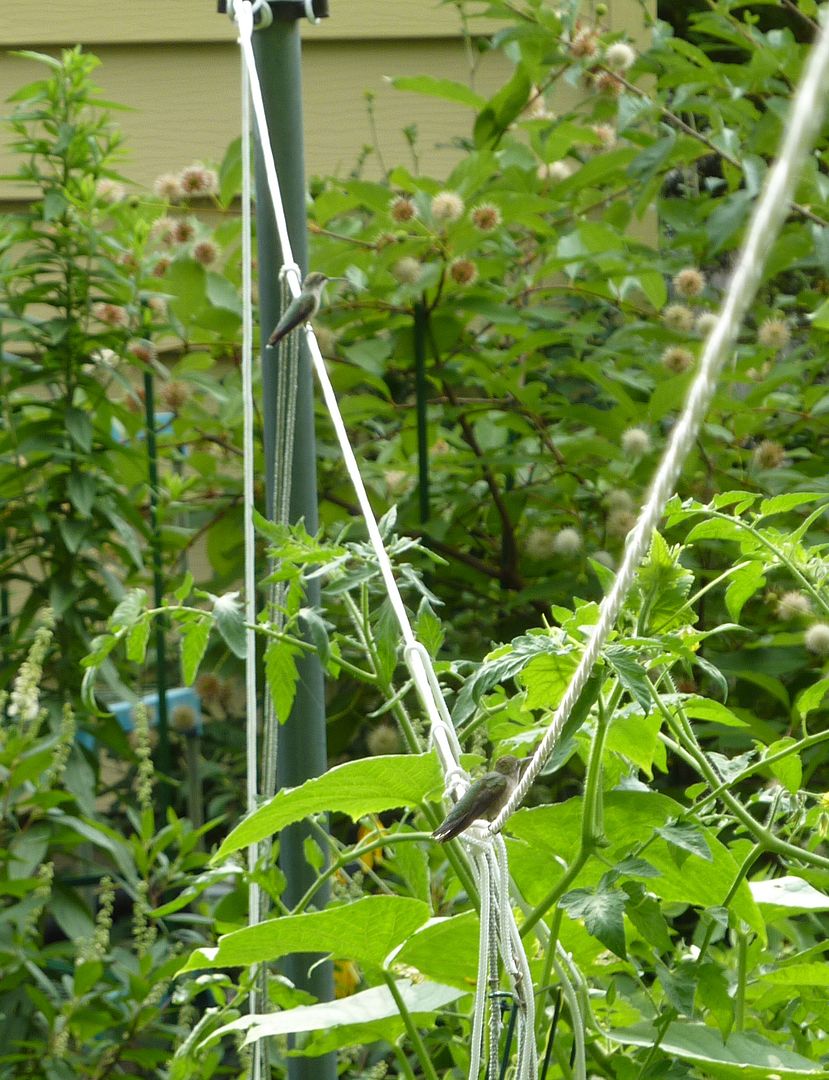
Hummingbirds are fun to watch because it's almost like they play with one anther. Really they're bopping one another on the head to mark which food source is theirs but fun to watch all the same.
Here they are taking a time out on the cloths line.... which I tried to grow cucumbers up. Note the buttonbush in the background.
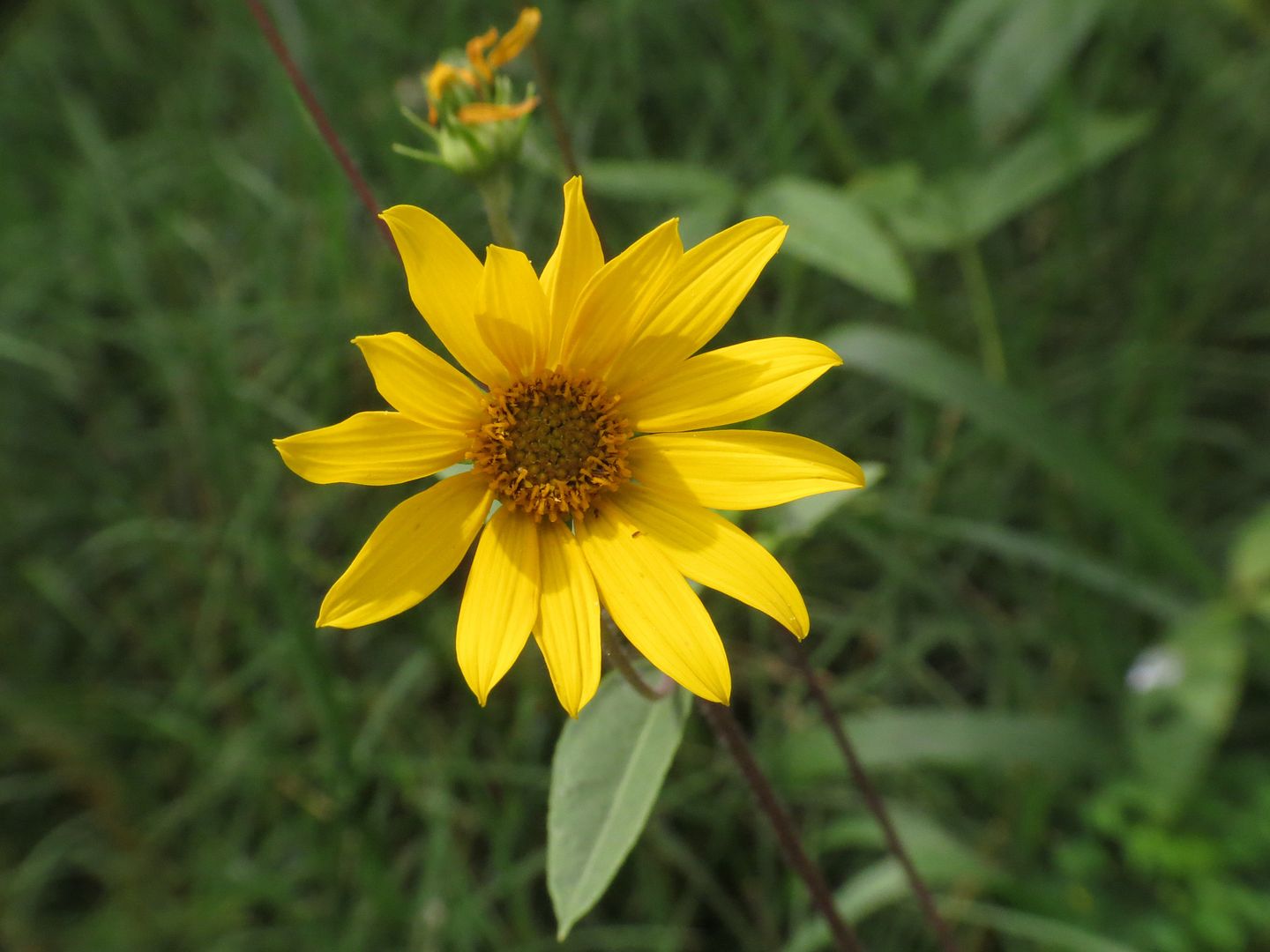
Western Sunflower,
Helianthus occidentalis, was a neat one to try. It's a short rosette of leaves with a long flower stem that comes up a few feet.
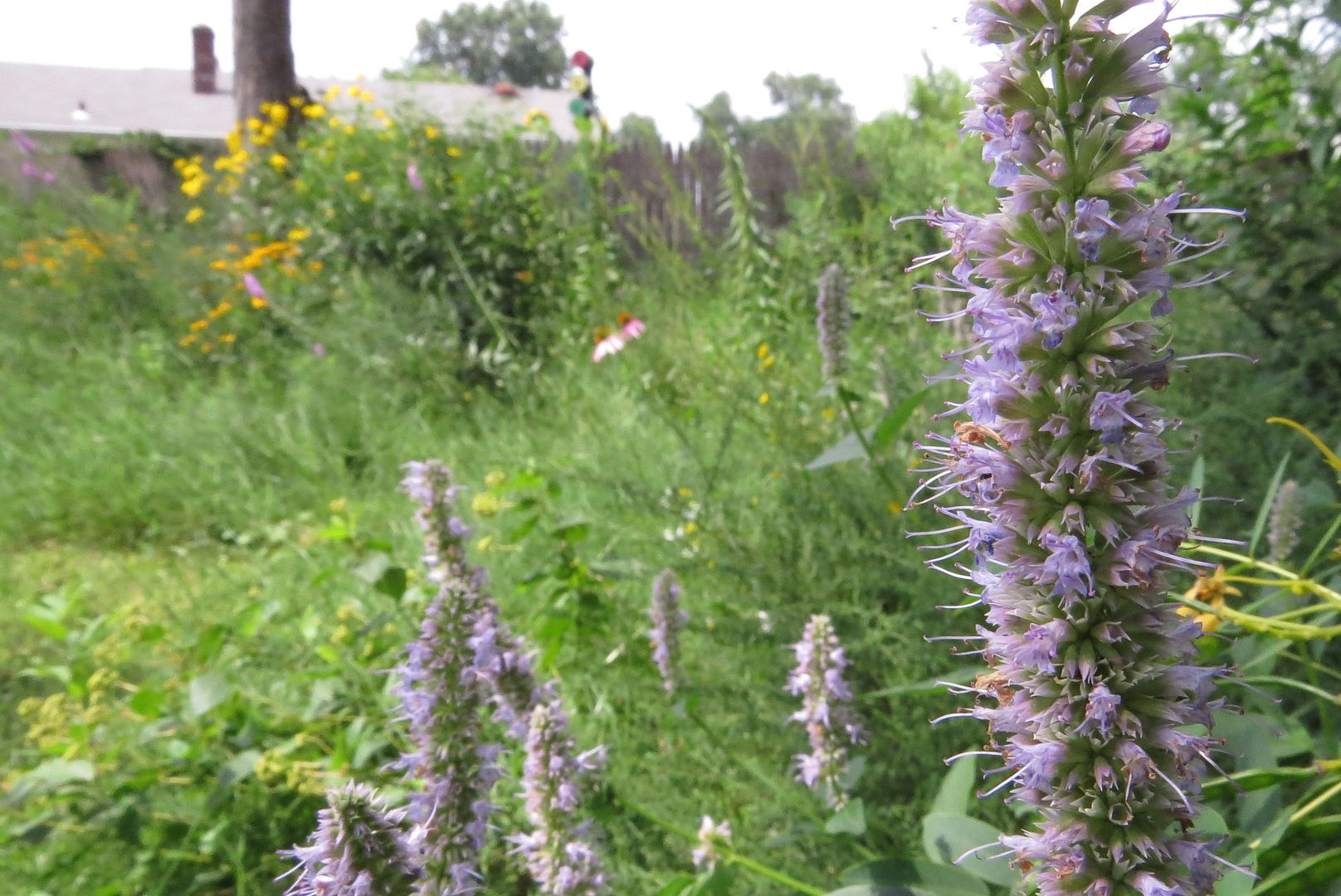
Here is a shot of the meadow garden. I still don't have an answer to get rid of the unwanted grass species other than to plant more wildflowers. It seems to be going okay.
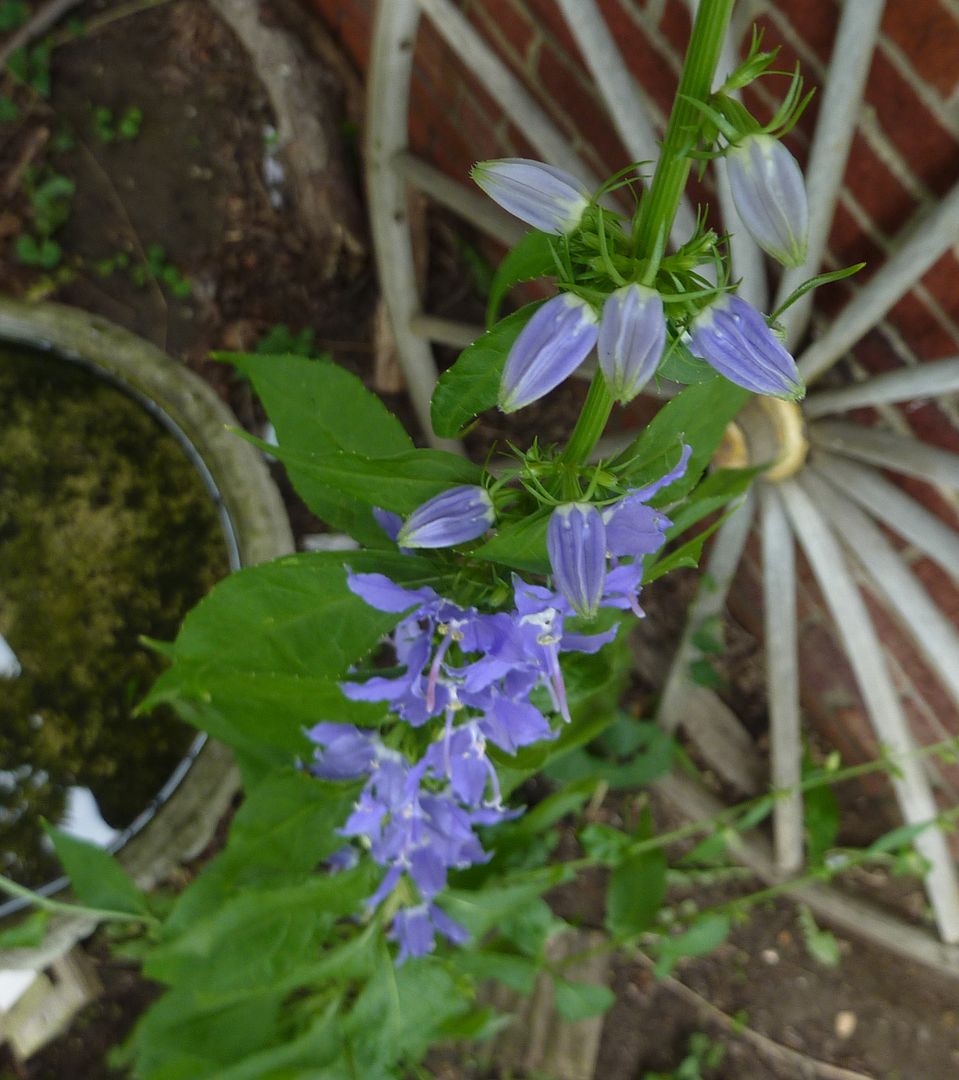
Great Blue Lobelia,
Lobelia siphilitica. This is one I bought at a local nursery as a spontaneous buy. I'm actually really happy with it. They're short lived though but I'm told to cut the flower stem when it's done and lay it down right where the plant was to encourage seeds to grow back again.
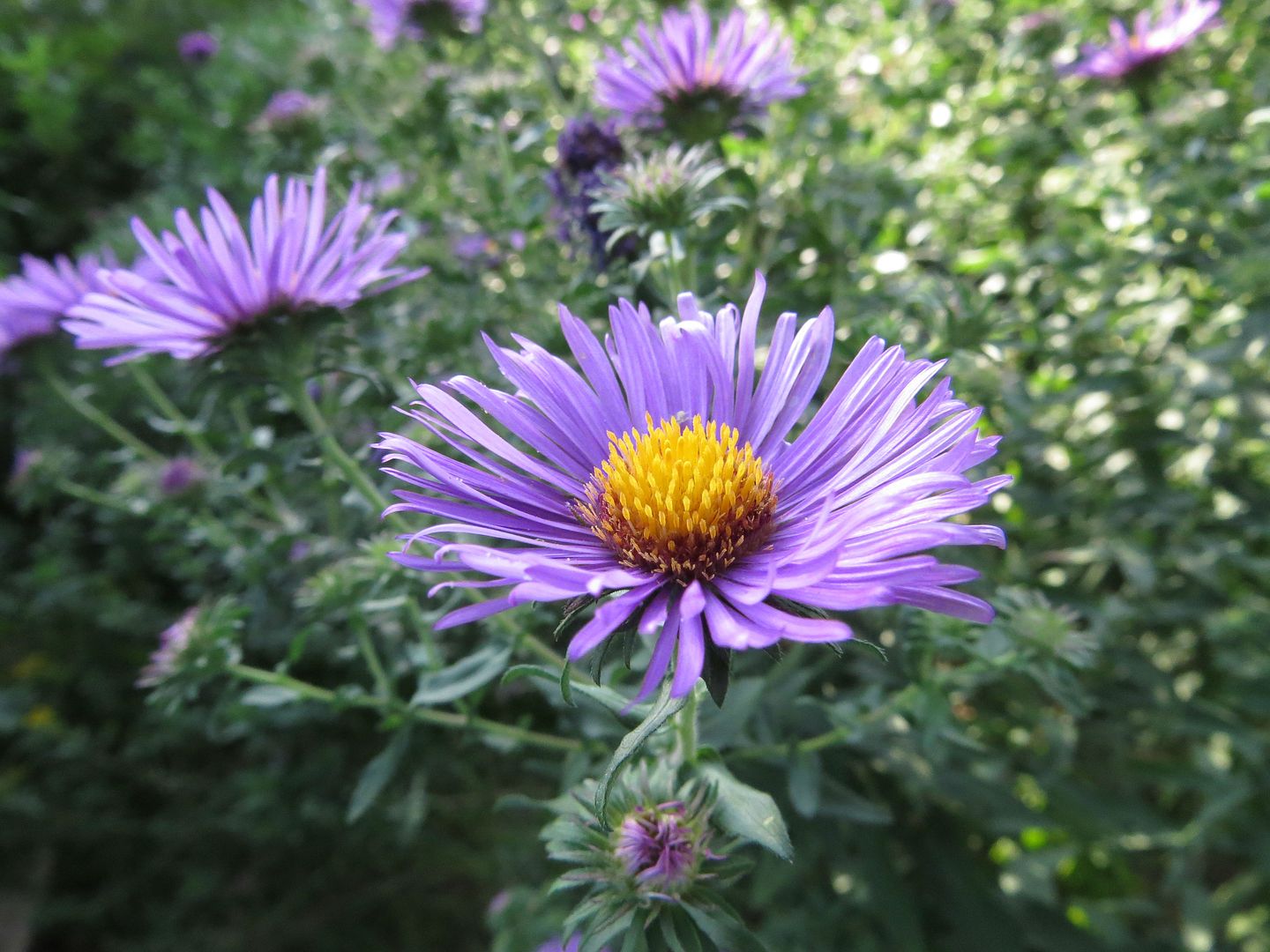
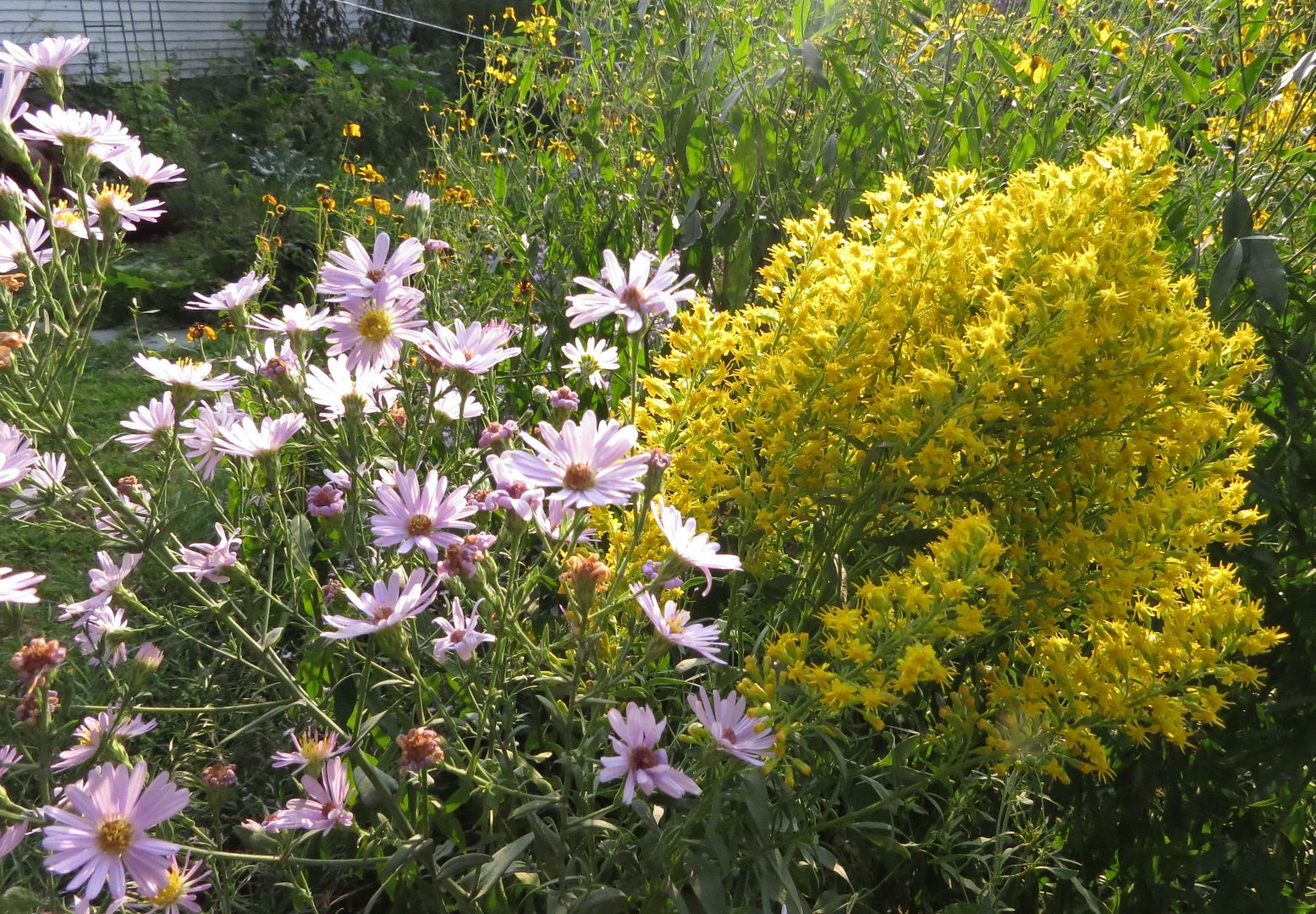
The many shades of New England Asters. Violet.
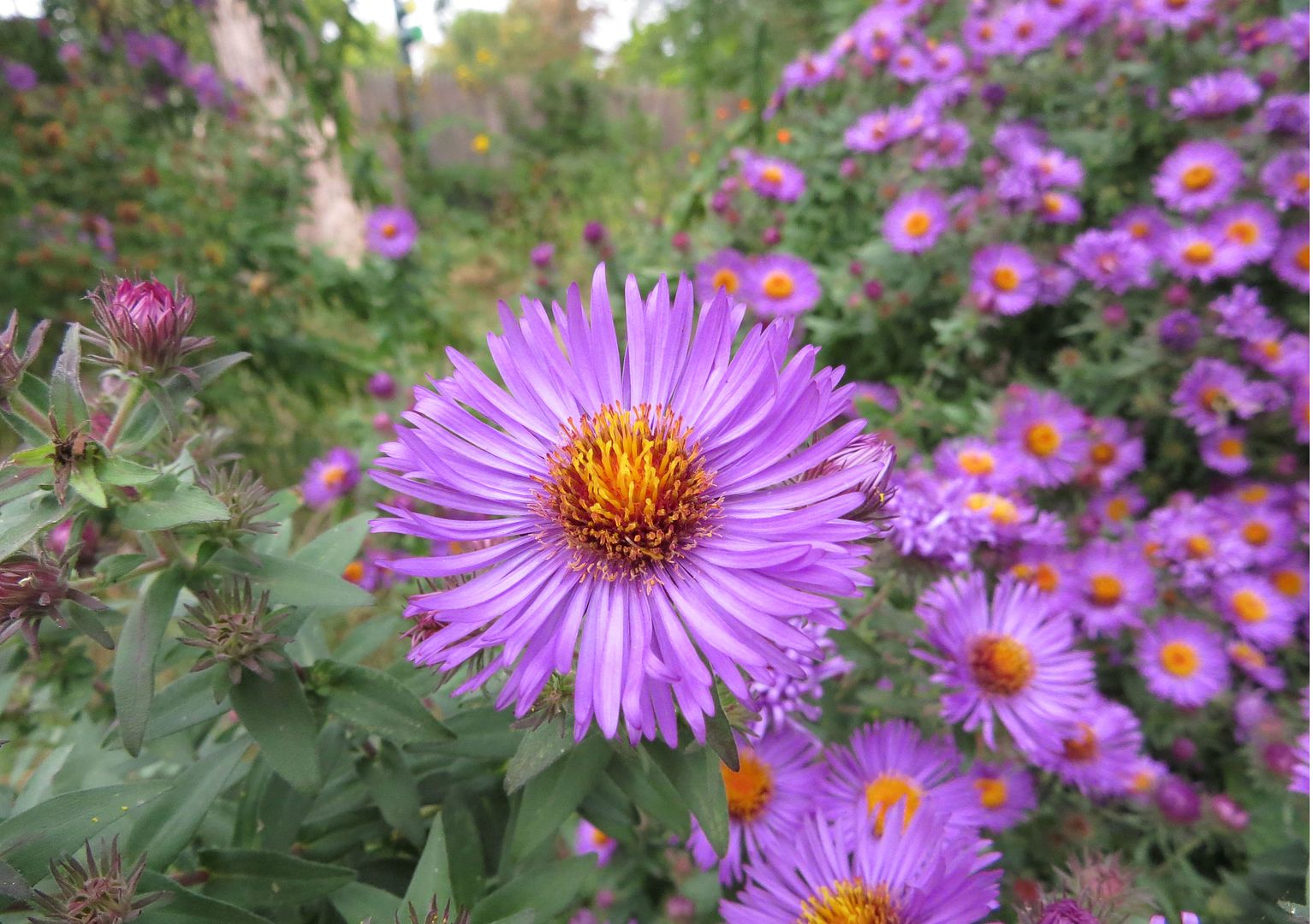
Purple.
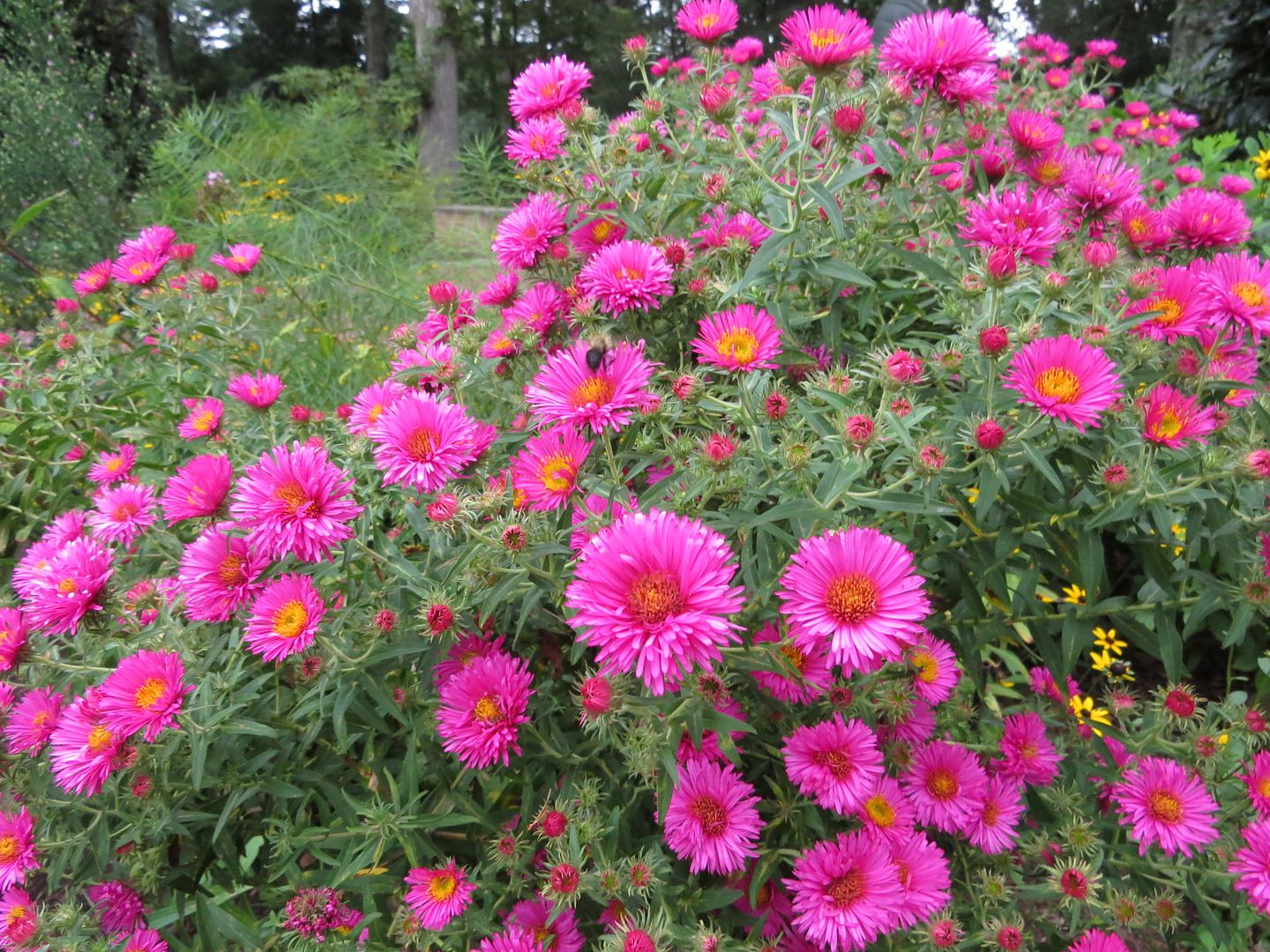
Hot Pink/Magenta.
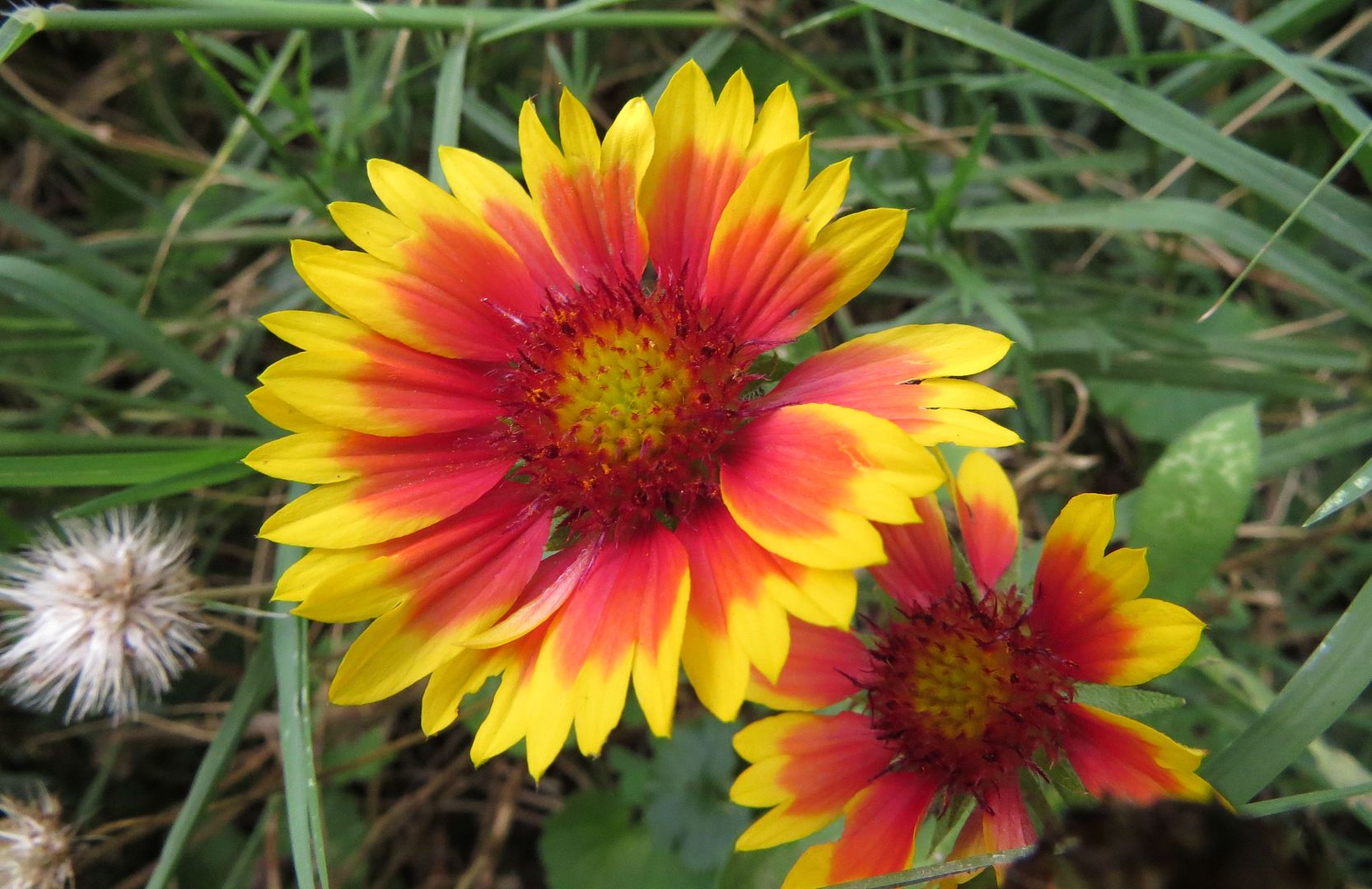
Blanket Flower.
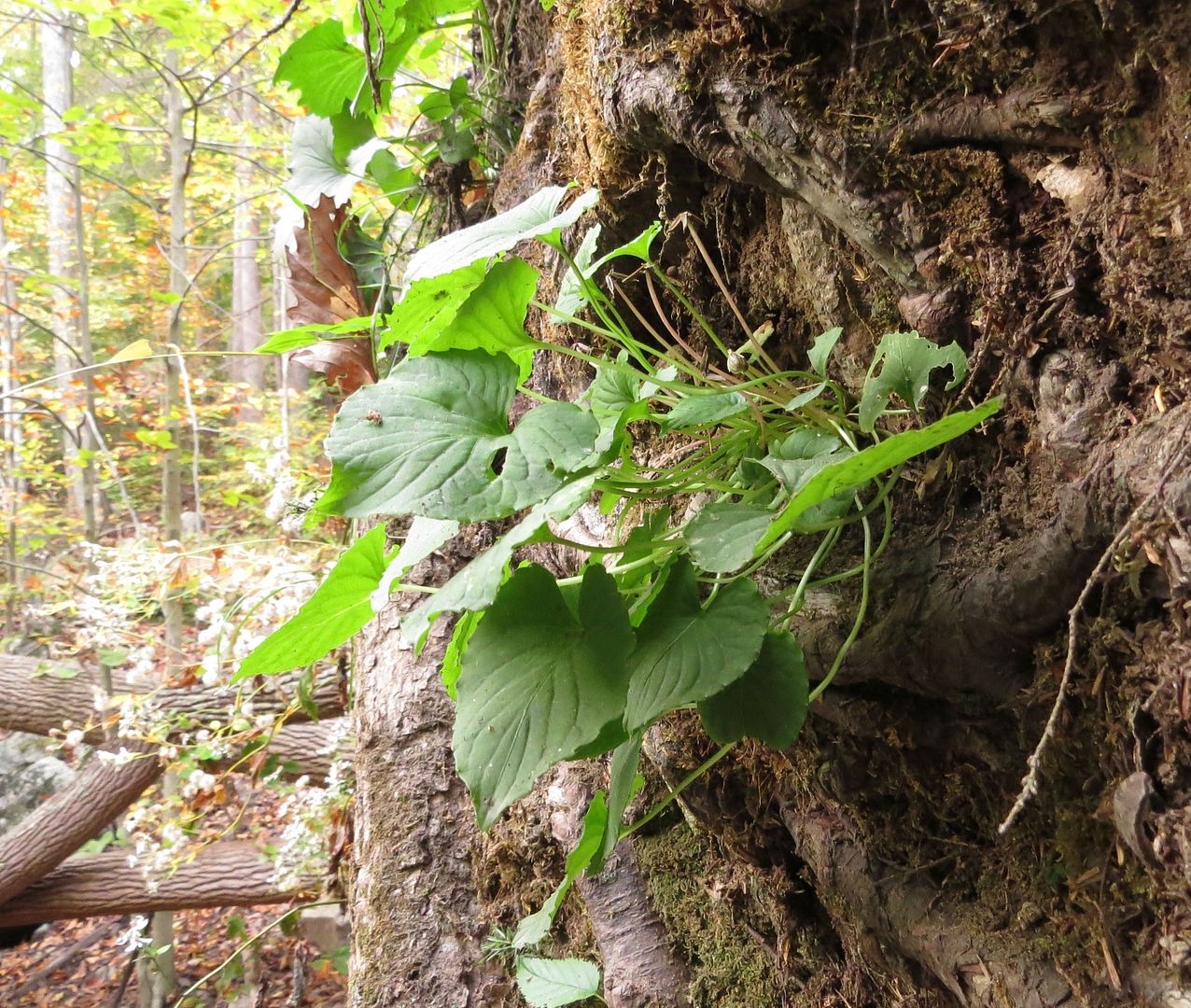
A Violet growing in the clump of dirt in an uprooted tree.
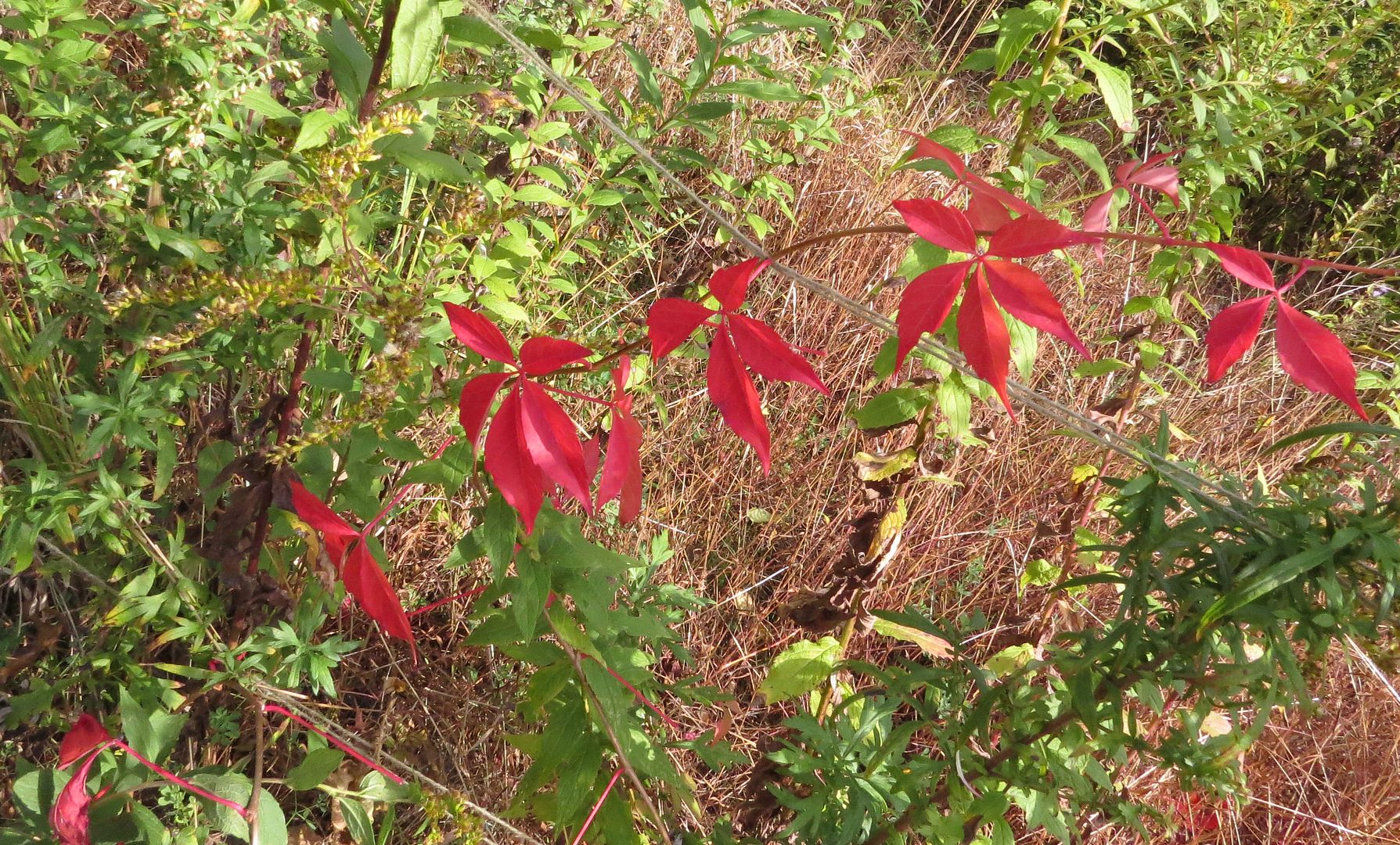
The fall color of Virginia Creeper.
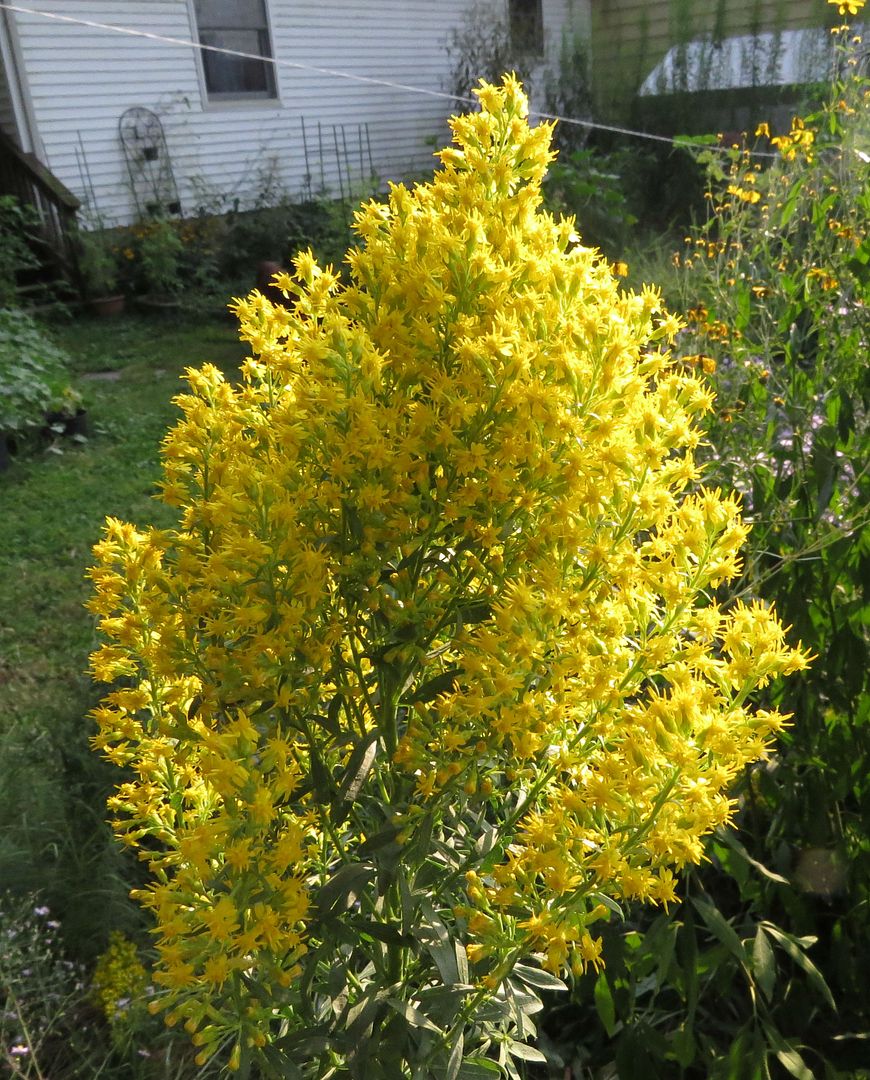
Showy Goldenrod being Showy.
Solidago speciosa.
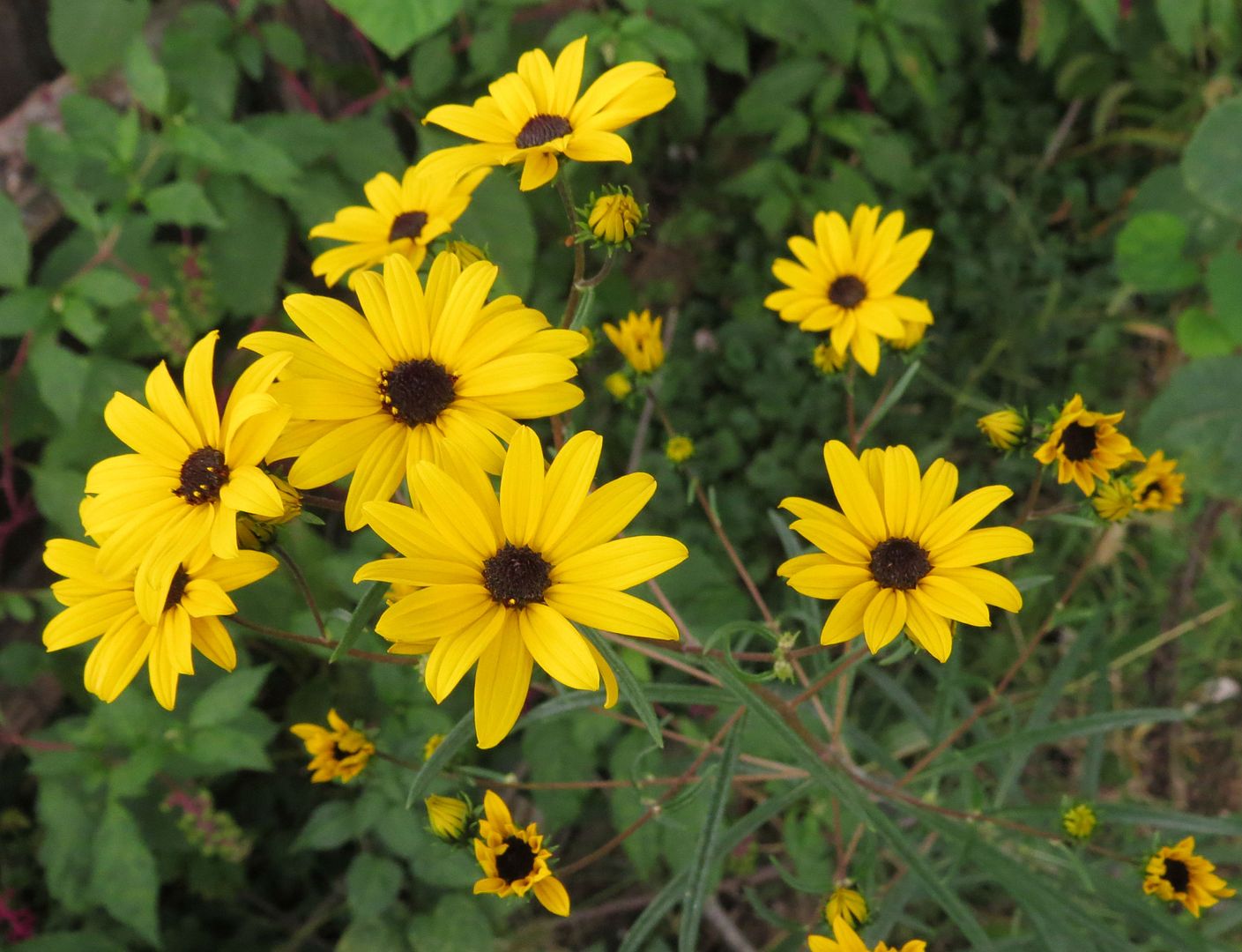
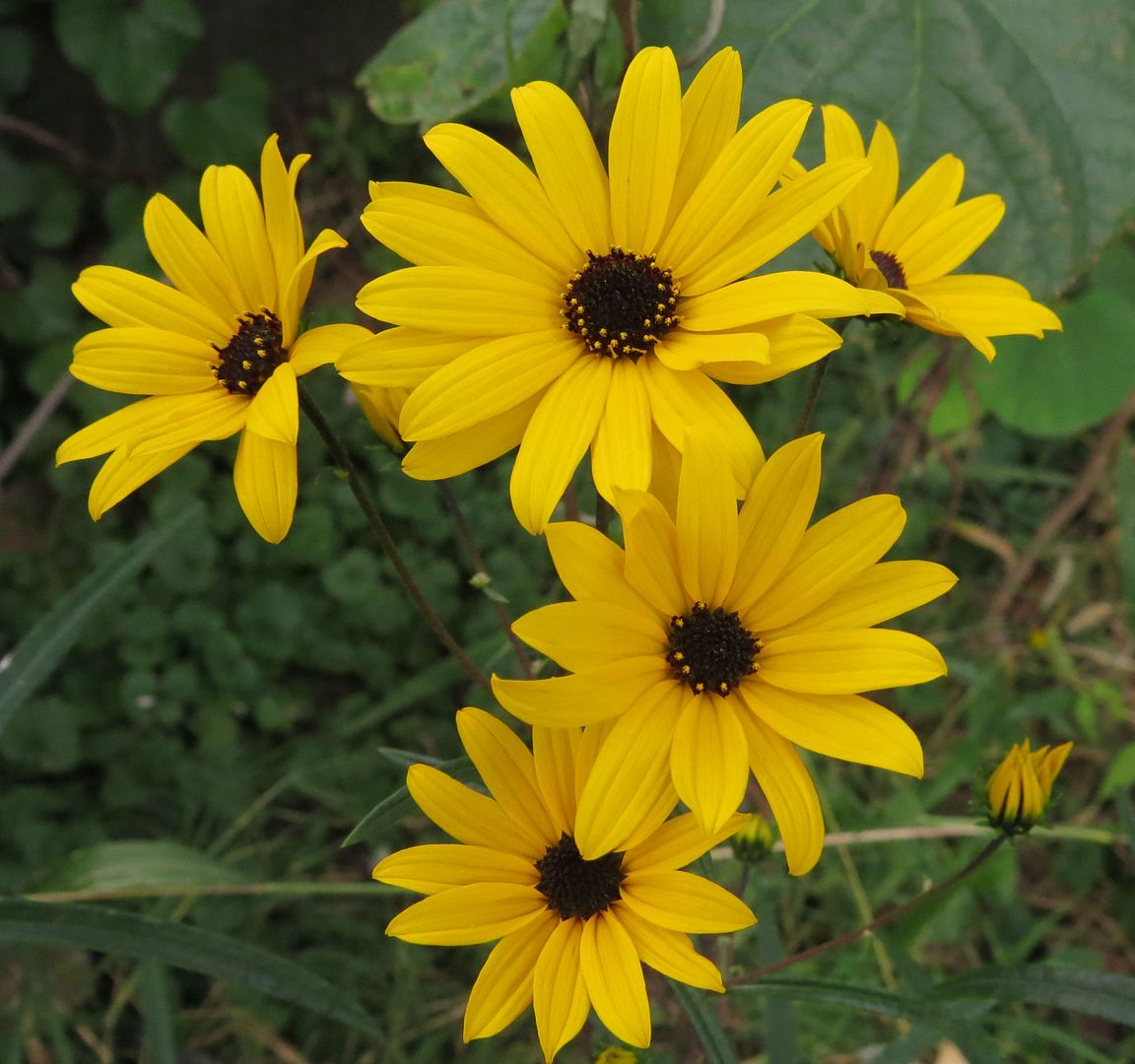
Narrow-leaf Sunflower,
Helianthus angustifolius, which I think is one of the prettier perennial sunflowers.
It's one of the latest species to bloom, and boasts these deep dark centers to the flowers.
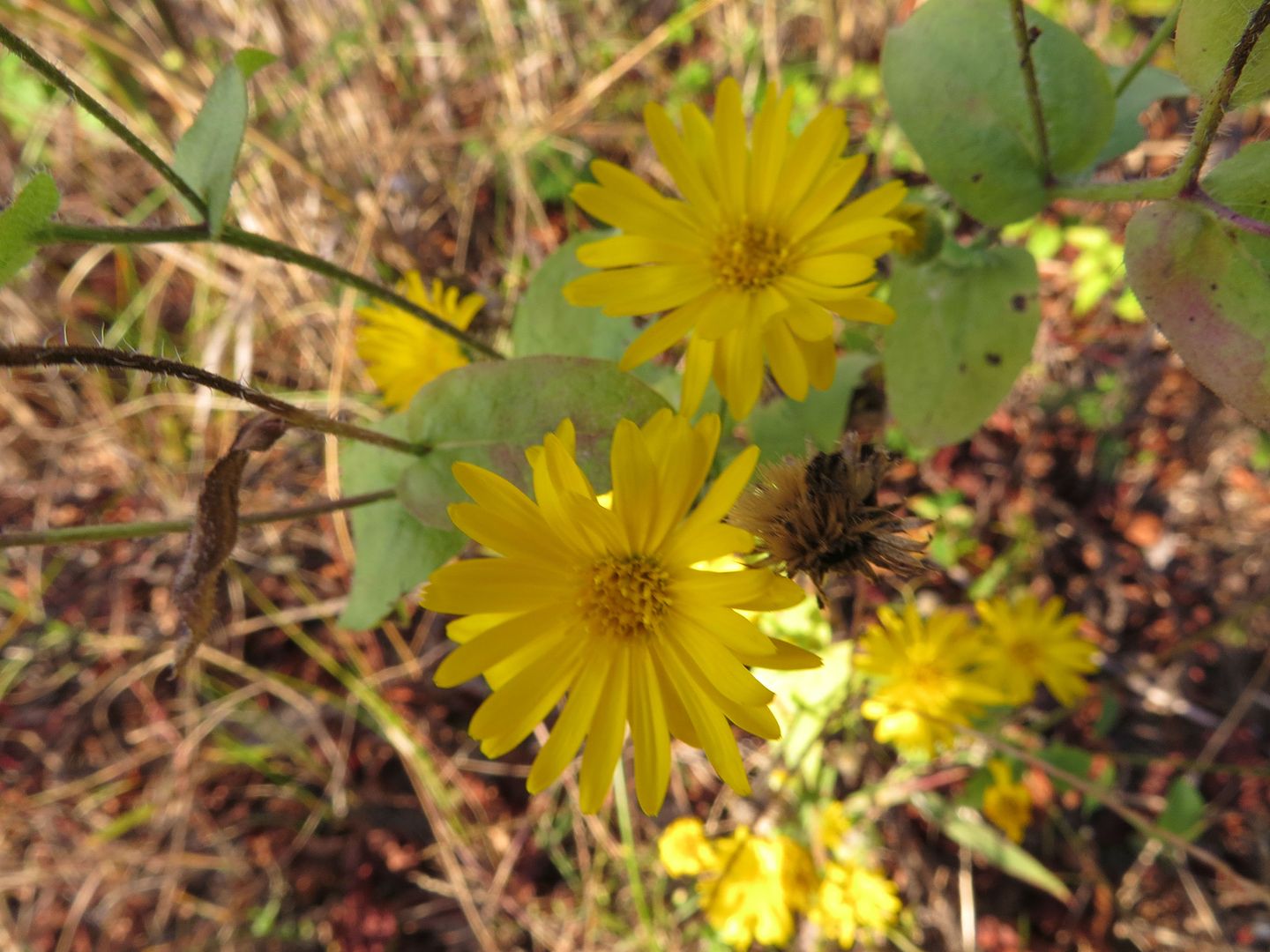
I found one of the Golden Aster species growing in the wild this year. This was down in Cape May too. It's very sunflower like but at the same time it's not a true Aster either. I honestly don't know what would keep it from being put in one group or the other but it is related and in a category all it's own.
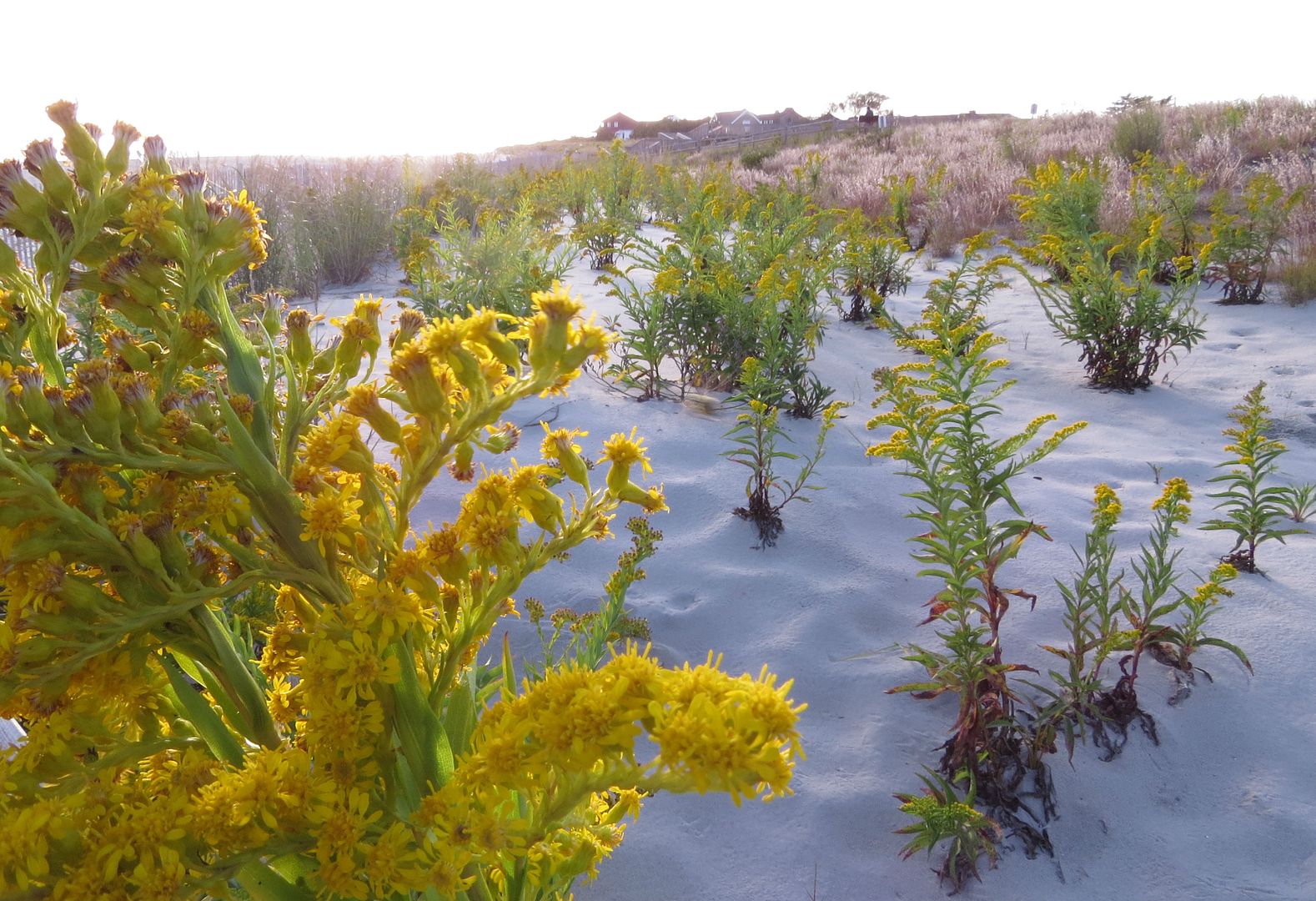
I found what had to be a strip of four miles or so along the shore down in Cape May where someone had planted foot ball field sized patches of Sea Side Goldenrod, Solidago sempervirens.
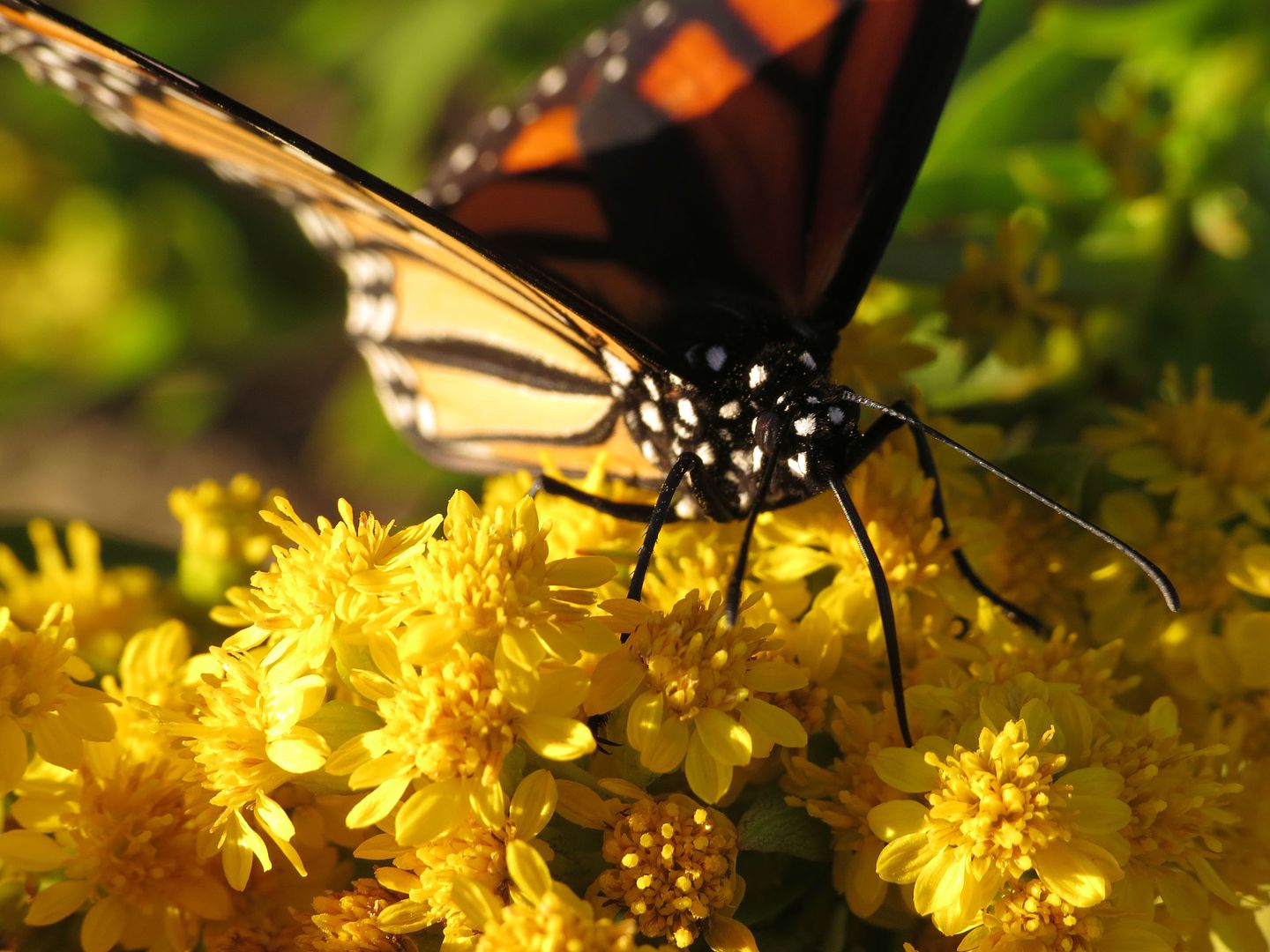
Monarchs were flying off for their migration down in Mexico.
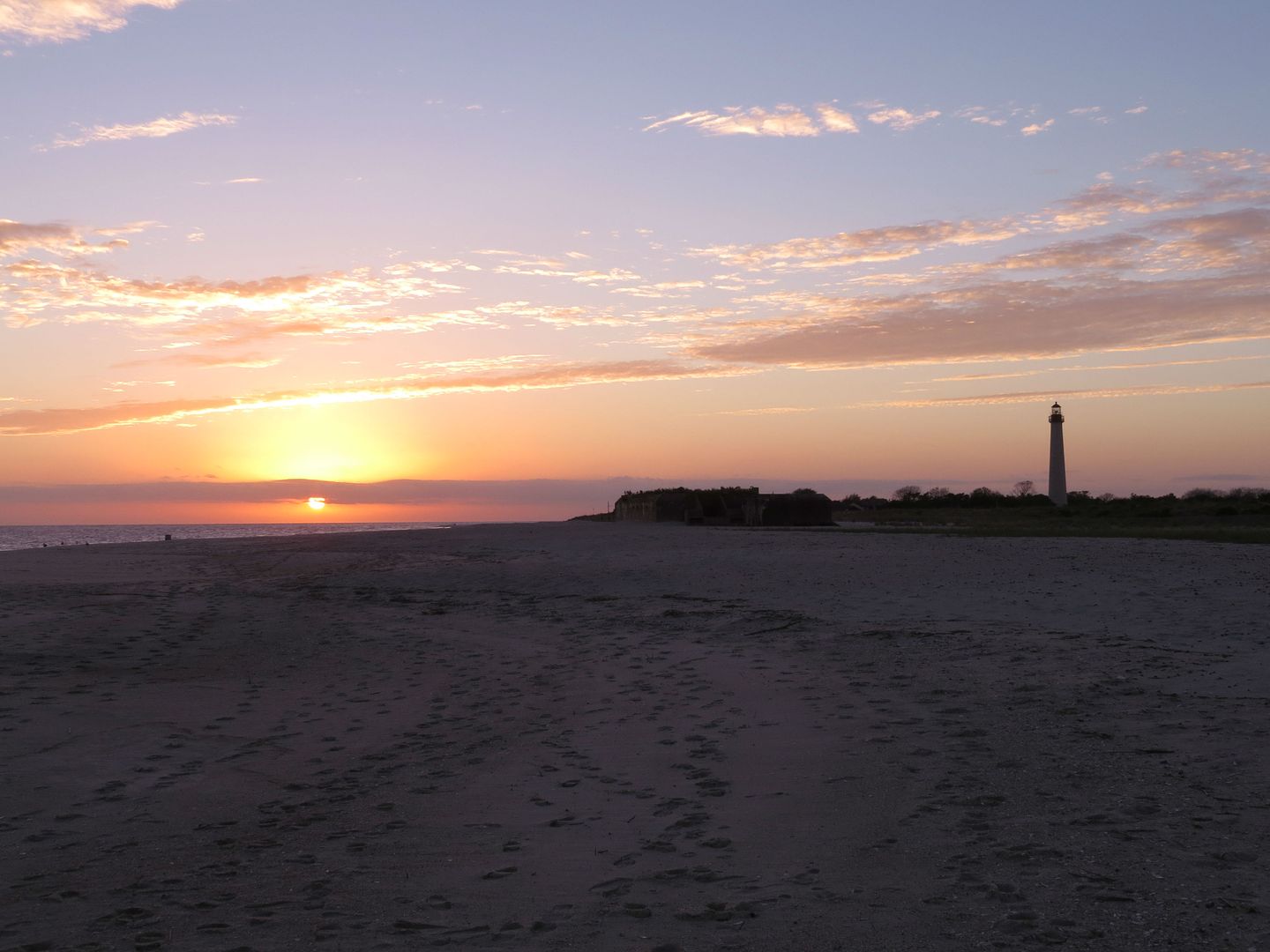
And I ended the year down in Cape May watching the sunset with some fellow gardening friends.