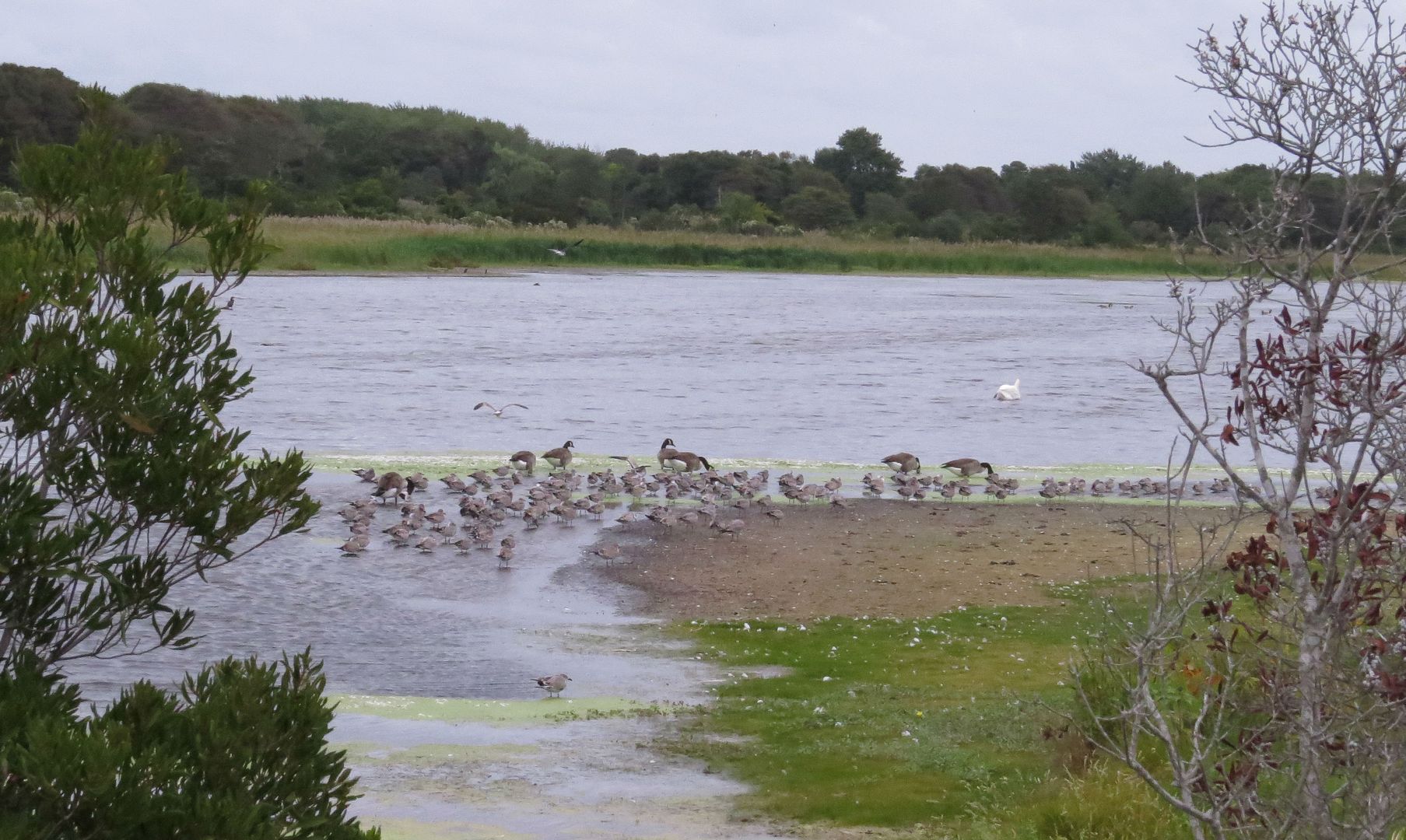
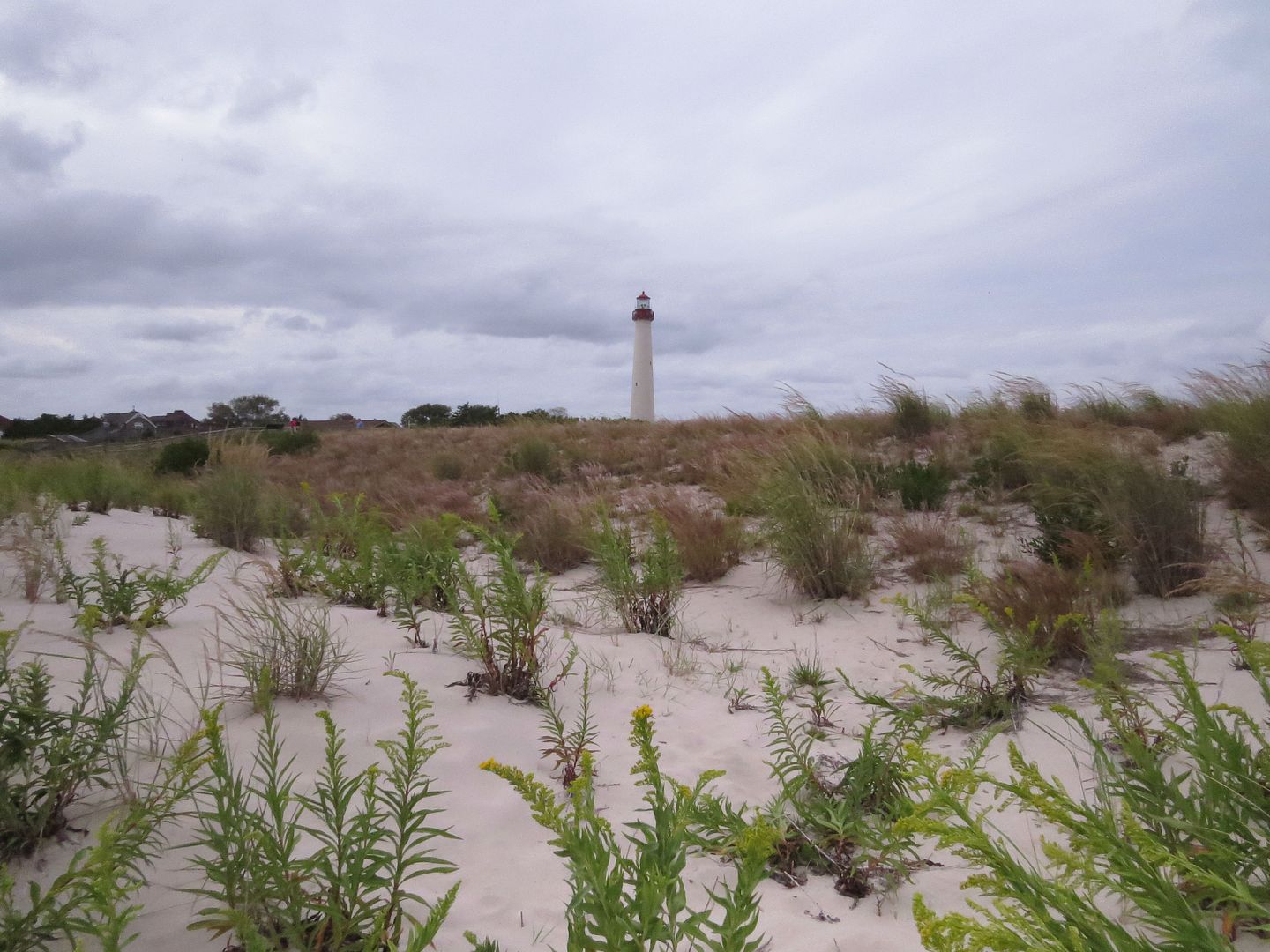
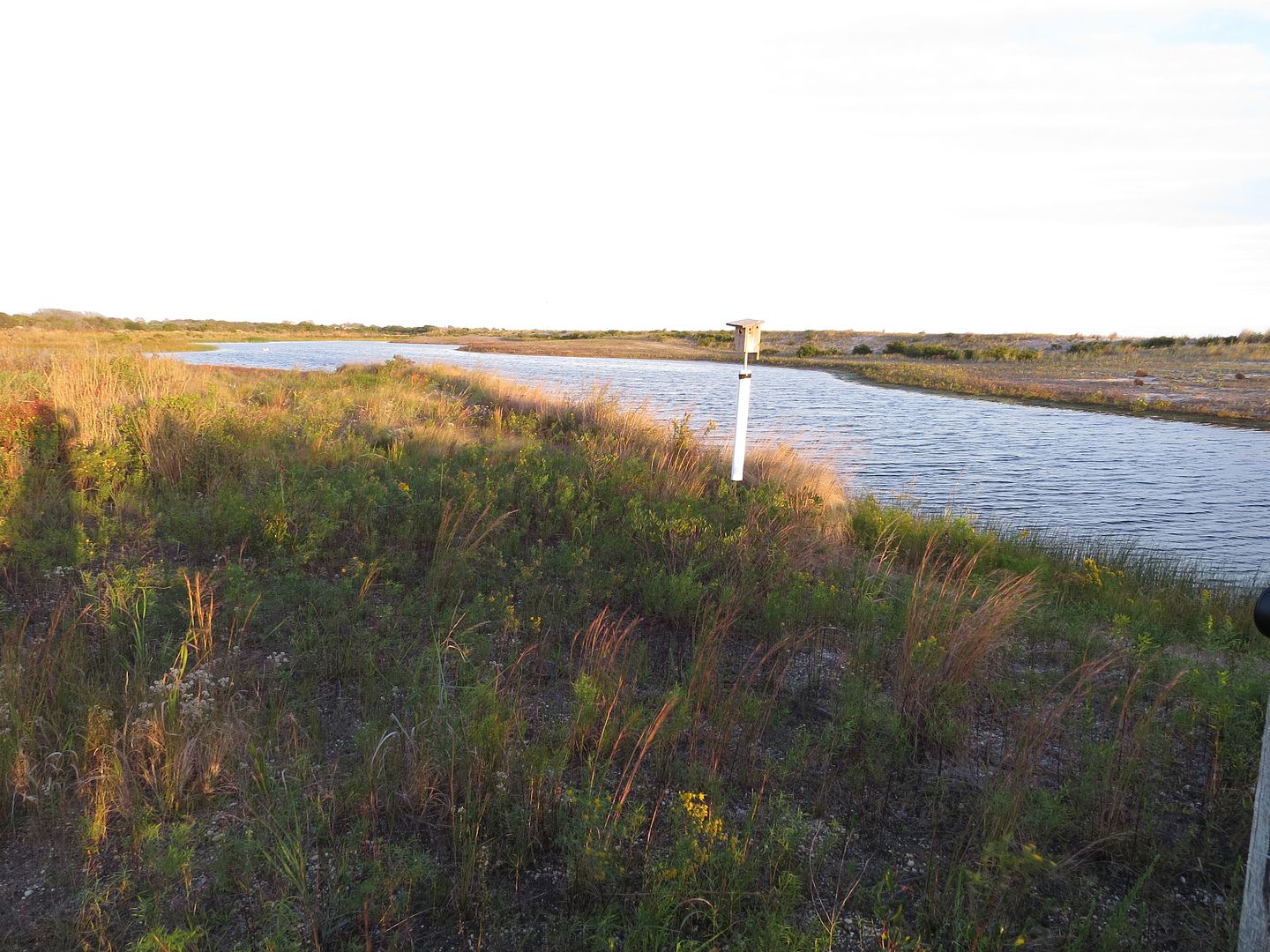
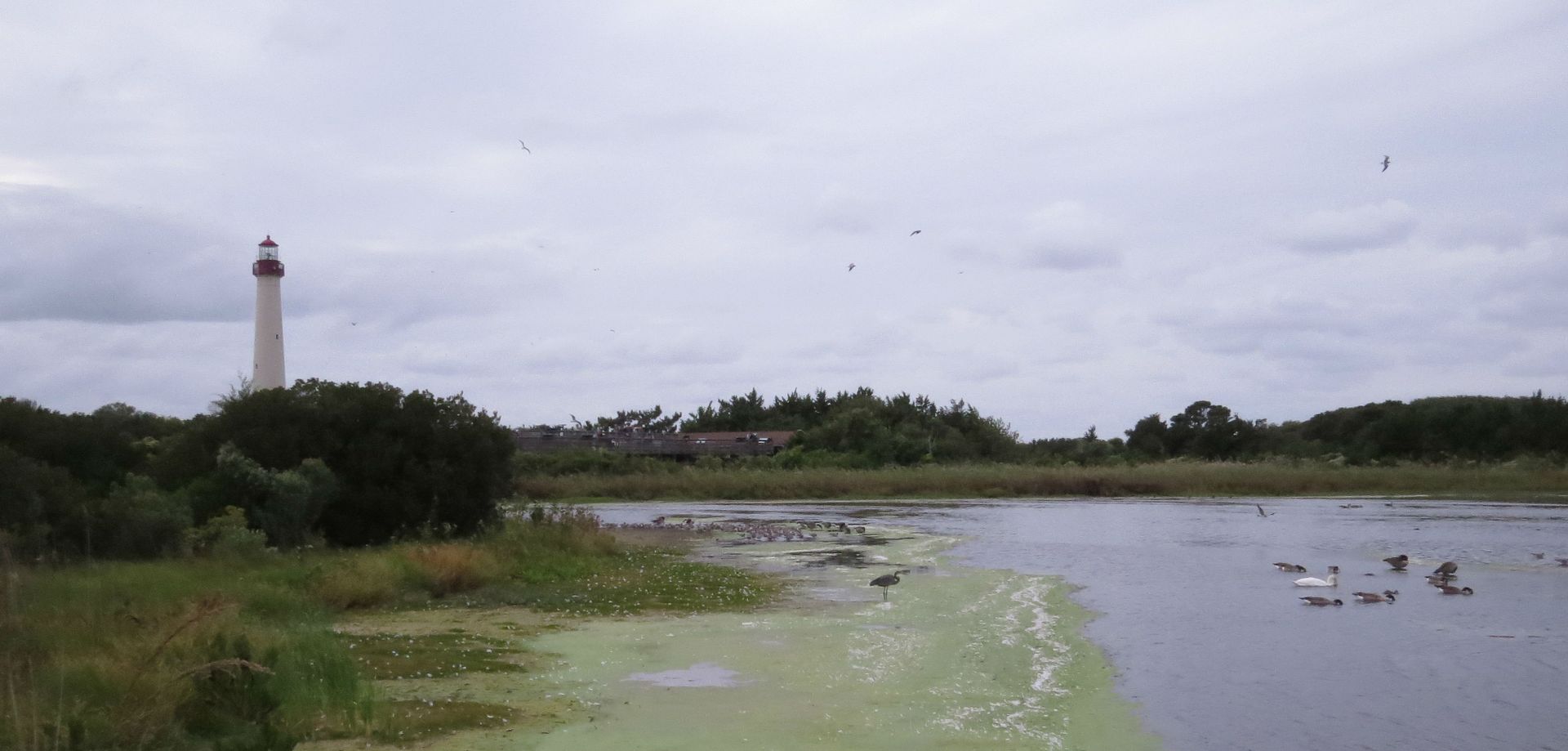
I drove down to Cape May yesterday. This is only an hour and a half from where I live in New Jersey. On one side of the dunes is a sprawling bird sanctuary, ponds, and platforms and docks which bird watchers can use to photograph the various sorts of birds that migrate through.
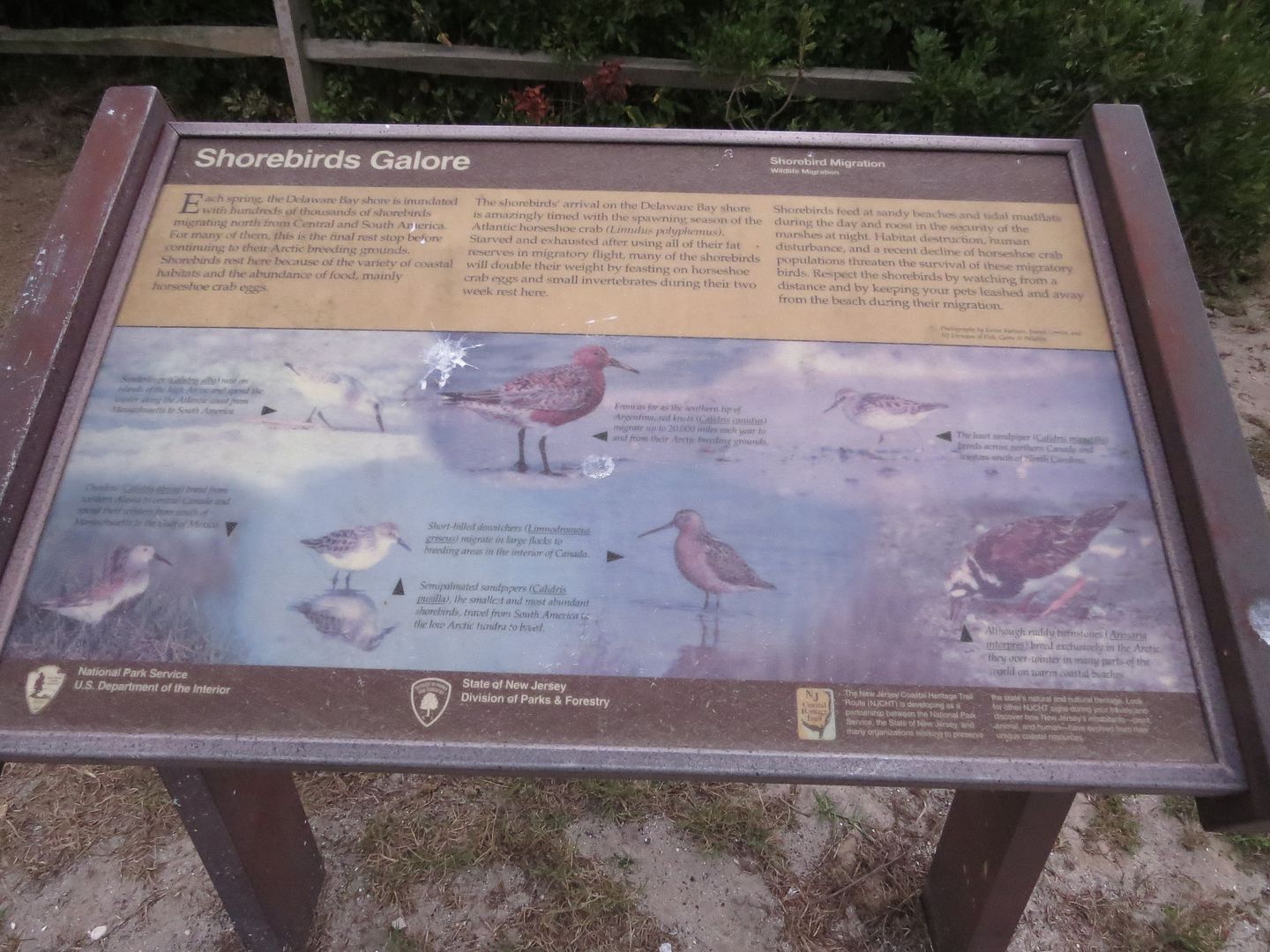
It's something of a birding hot spot in the country. I passed more than one tour in progress with lecturers discussing the different sorts of swans and herrings they were looking at. There's an informative sign that talks about the more exotic birds on the list, which the birds had shat on, along with my car.
I'm sure I got a picture of something exciting here, but birds really aren't my thing.
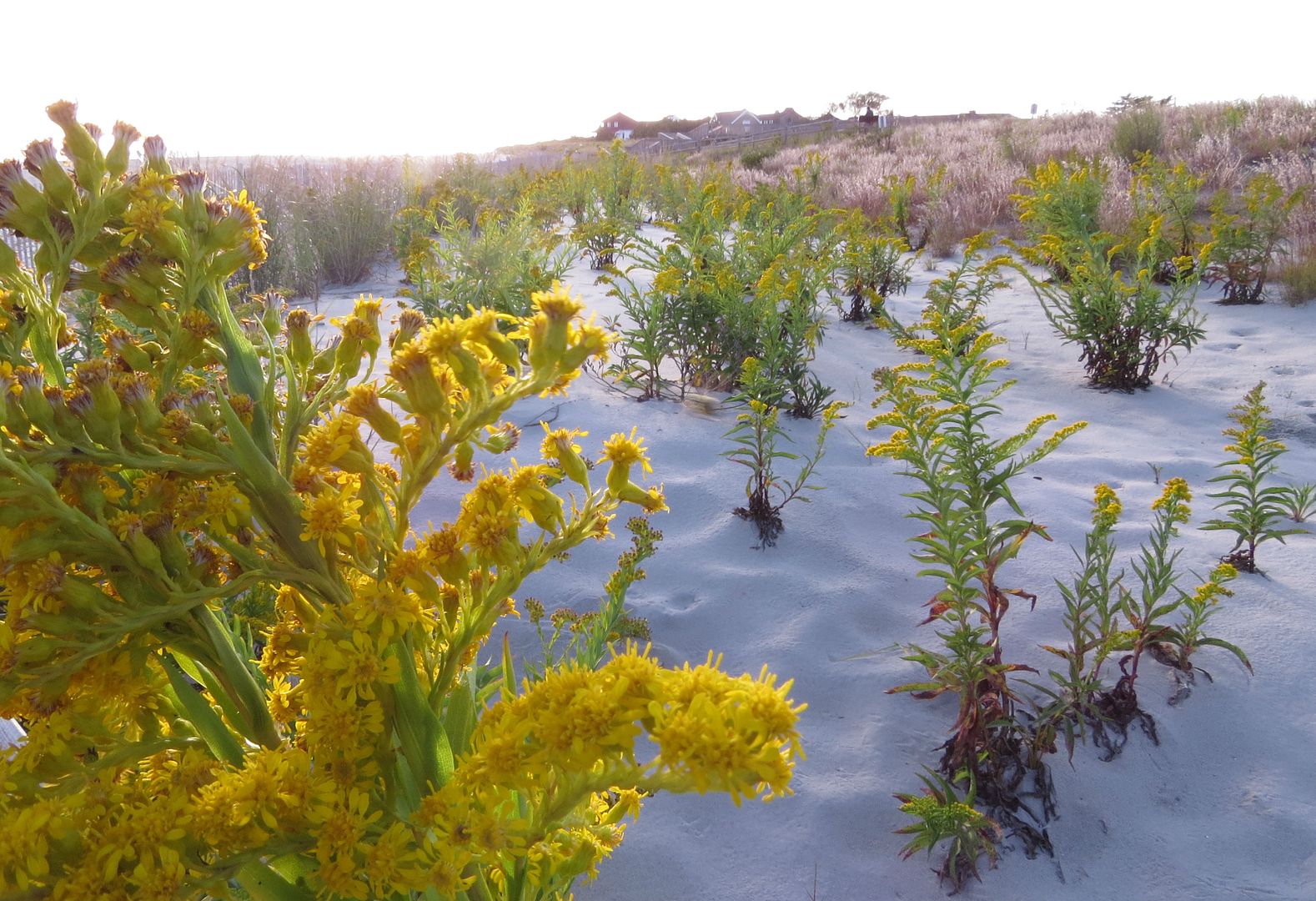
Just on the other side of the dunes there is a sandy beach with droves of seaside goldenrod planted for the Monarch migration. That's the reason I went down there but the day proved too cold and windy for butterflies to fly.
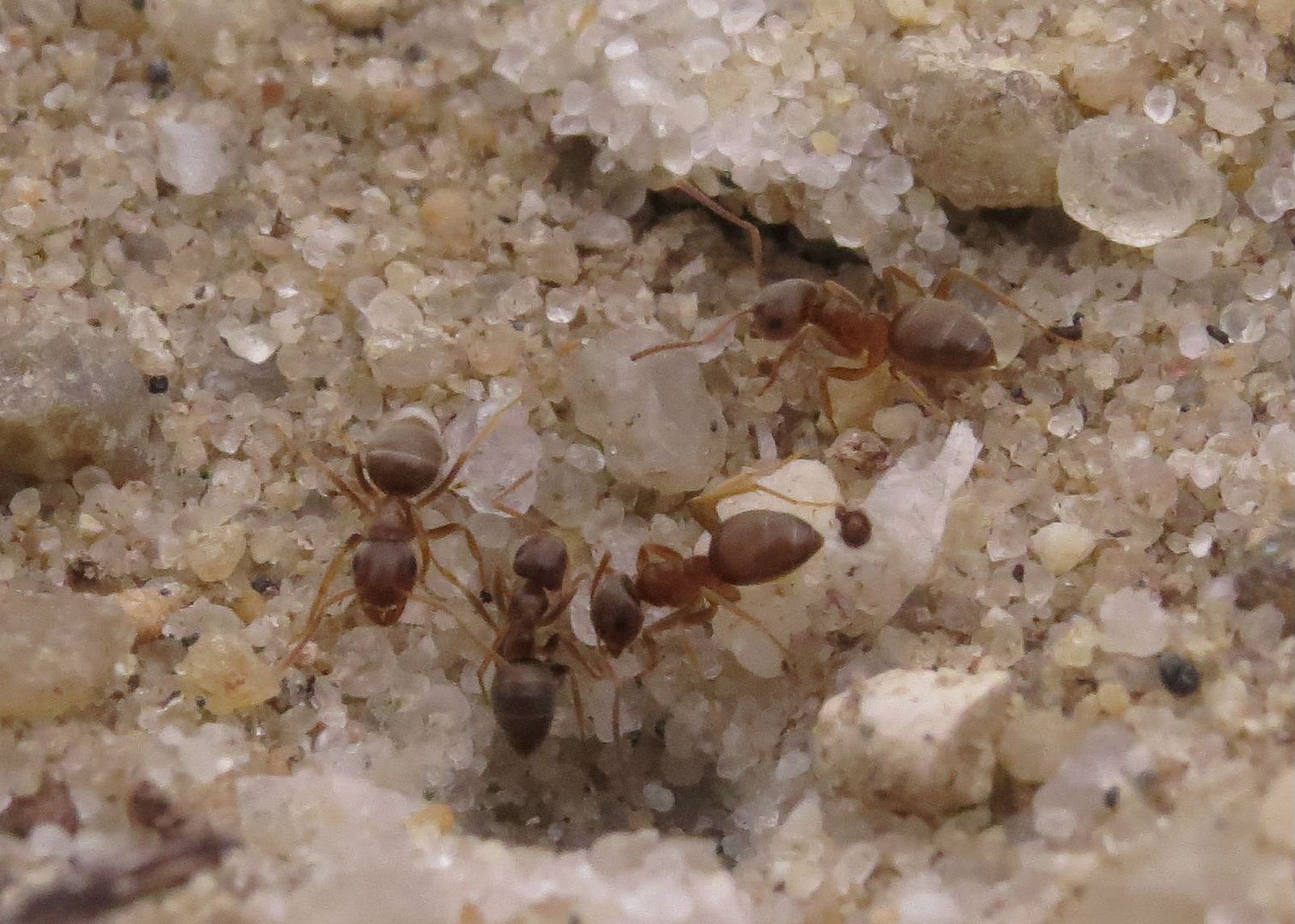
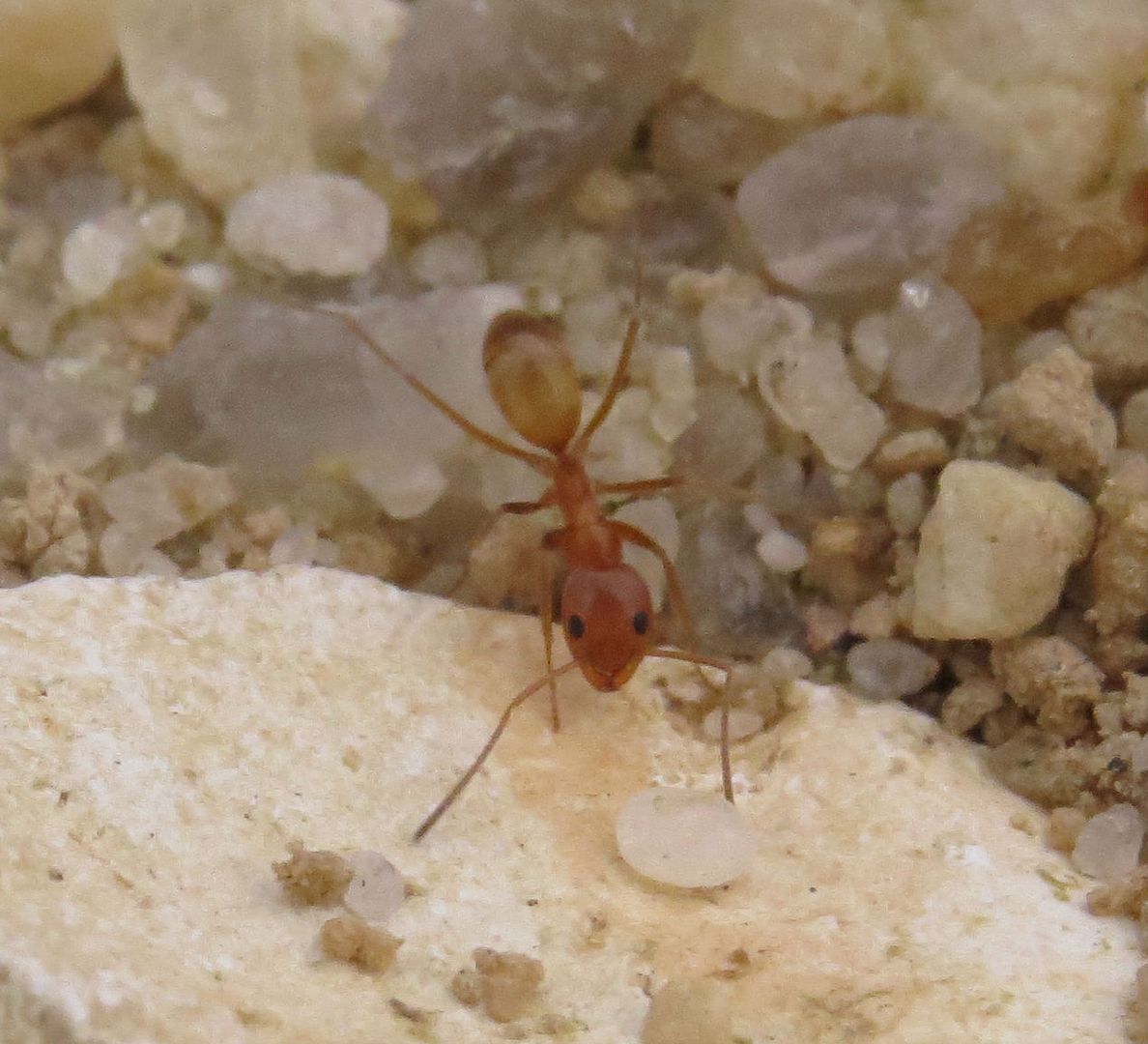
The day wasn't a total bust, as I found a few ants to photograph. This is the common Lasius neoniger, or Labor Day Ant, who's nuptial flights typically happen around Labor Day and in the afternoon no less, sometimes ruining BBQ's and the sport of golf across the US. They're otherwise a rather plane and common sort of ant that make small mounds wherever the soil tends to have some amount of sand to it and in full sun locations.
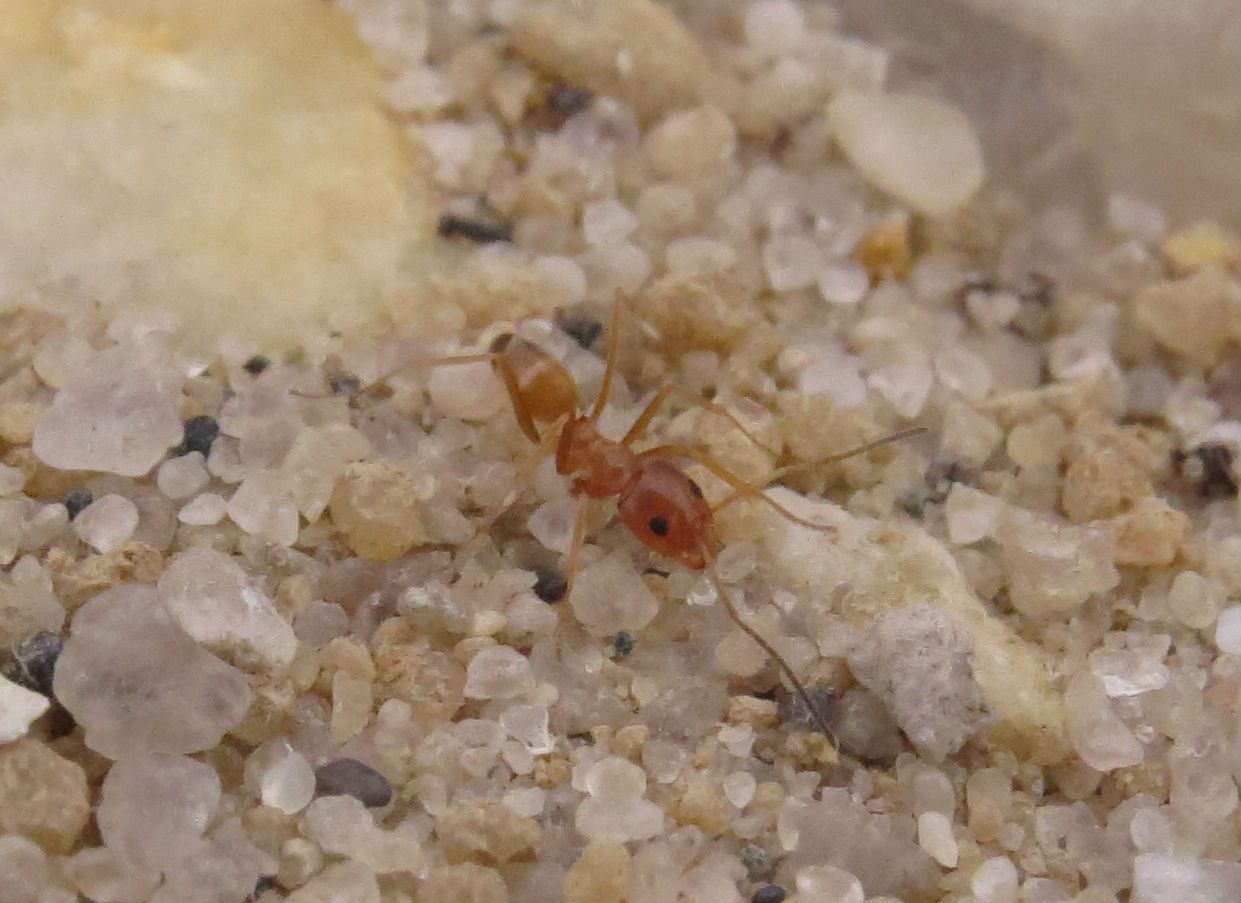
Also found, and slightly more interesting, was the population of Dorymyrmex bureni. This is a species at home to the state of Florida and South Carolina, but in recent years, it's worked its way up the coast and can now be found in New Jersey!
I believe it was first noticed by someone back in 2011 according to Bug Guide. Curiously the Citizen Science website School of Ants doesn't have a dot there yet, though I may have to fix that. Now that it's 2015 I can say the population there seems to be thriving as I found dozens of nests which outnumbered the indigenous Lasius neoniger. In past years though I've never known the beach line of Cape May to be abundant with ant colonies so this probably isn't an issue to worry about. Simply climate change allowing a species to push its range north.
Showing posts with label Lighthouse. Show all posts
Sunday, September 27, 2015
Friday, October 18, 2013
The Wildlife Gardener's Meetup (Part 3)
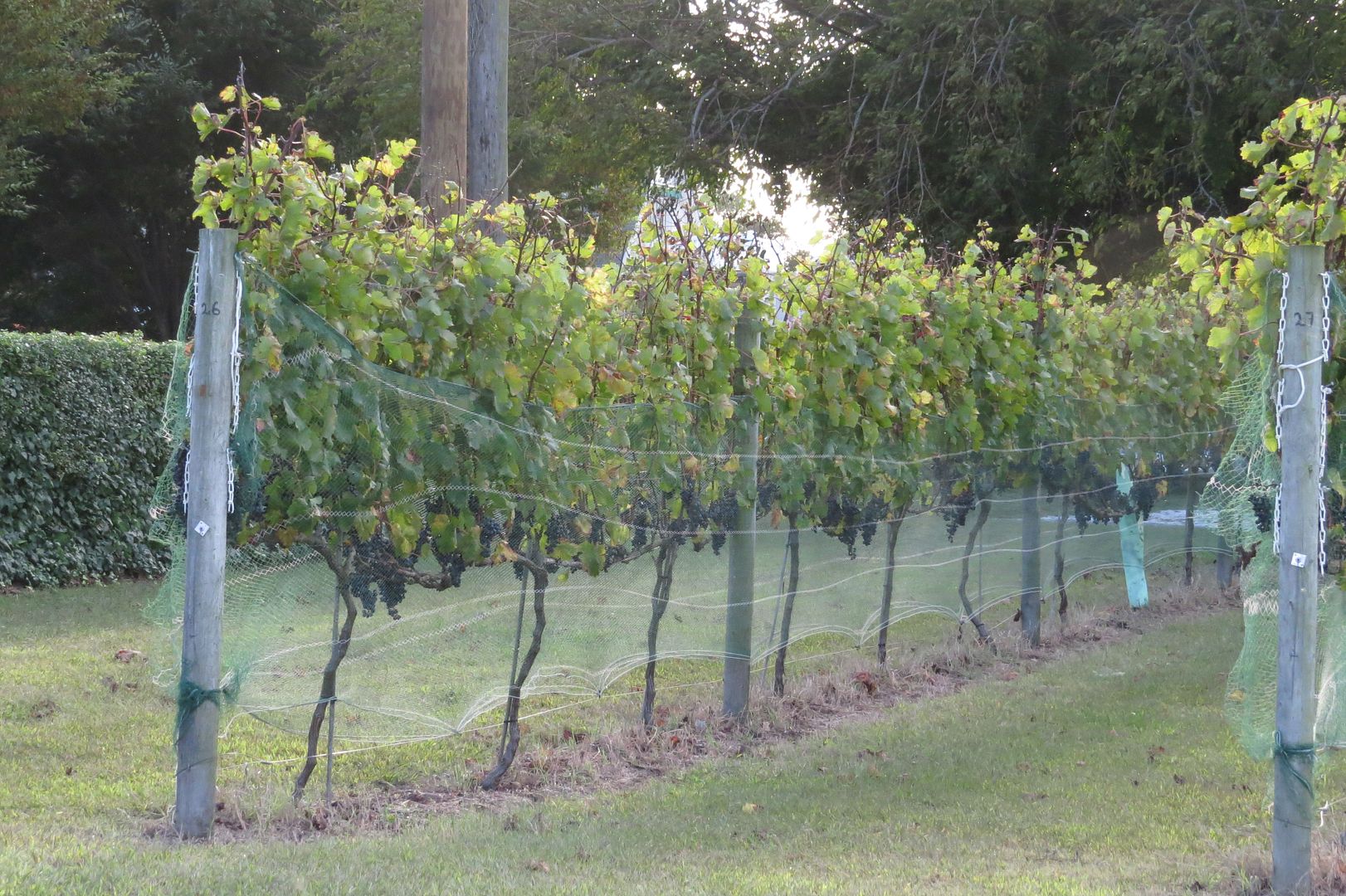
On the last day of the Wildlife Gardener's Forum meetup, we went to Cape May, NJ. I had never been there before but always heard good things. On the way there we came across a grape farm (vineyard?) which still had grapes growing. It was neat to see how they protect the fruit with lines of cloth. I'll have to mimic this method myself somehow.
Also before we got there, there was a group of photographers all standing in the road, cameras focused on a tidy little garden they have down there. These people were blocking the road and all anxiously awaiting for something to happen. Apparently some west coast hummingbird species had been spotted there the previous night and everyone was standing there waiting for it to show again... we stopped a moment to think if that would be worth our time but decided it was not. While leaving we asked if it had shown and it hadn't.
Cape May is the southern most point of New Jersey which also bottle necks into a peninsula, making it ideal for viewing most things that migrate at this time of year. It was a little late though so we caught the tail end of the Monarch Migration and little else.
The park was a nice wetland area with trails leading all up and down the bays and beaches there.
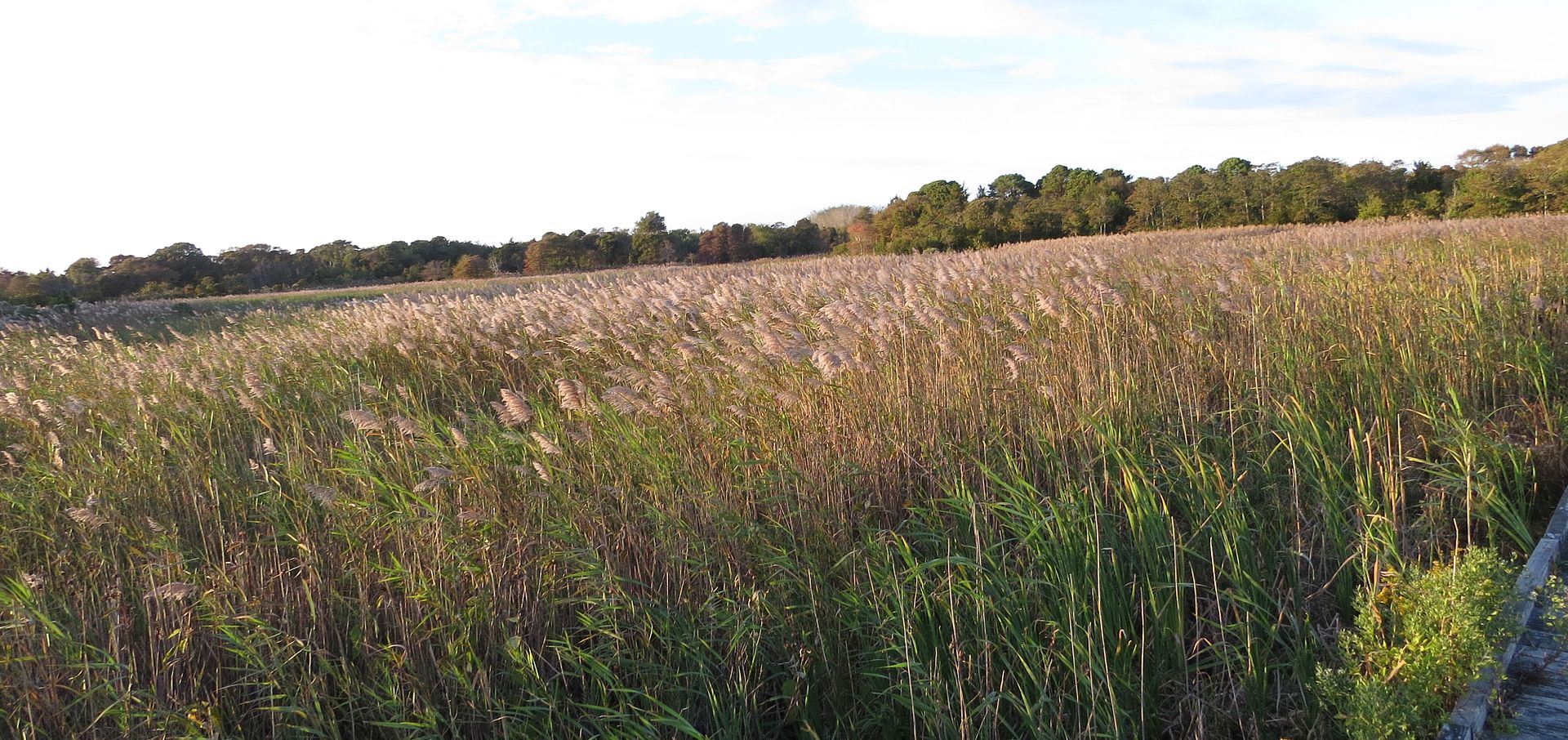
The least interesting parts were those overrun with the invasive Common Reed Grass, Phagmites australis. This grass can be drown as a method of control, and though it likes growing in wetlands it's very growing habit slowly generates new land. They push up so much top growth every year that it doesn't decompose until several years more, thus the ground is slowly raised. Seeds are air born, and once established they will send out runners several feet away, making them quick to colonize.
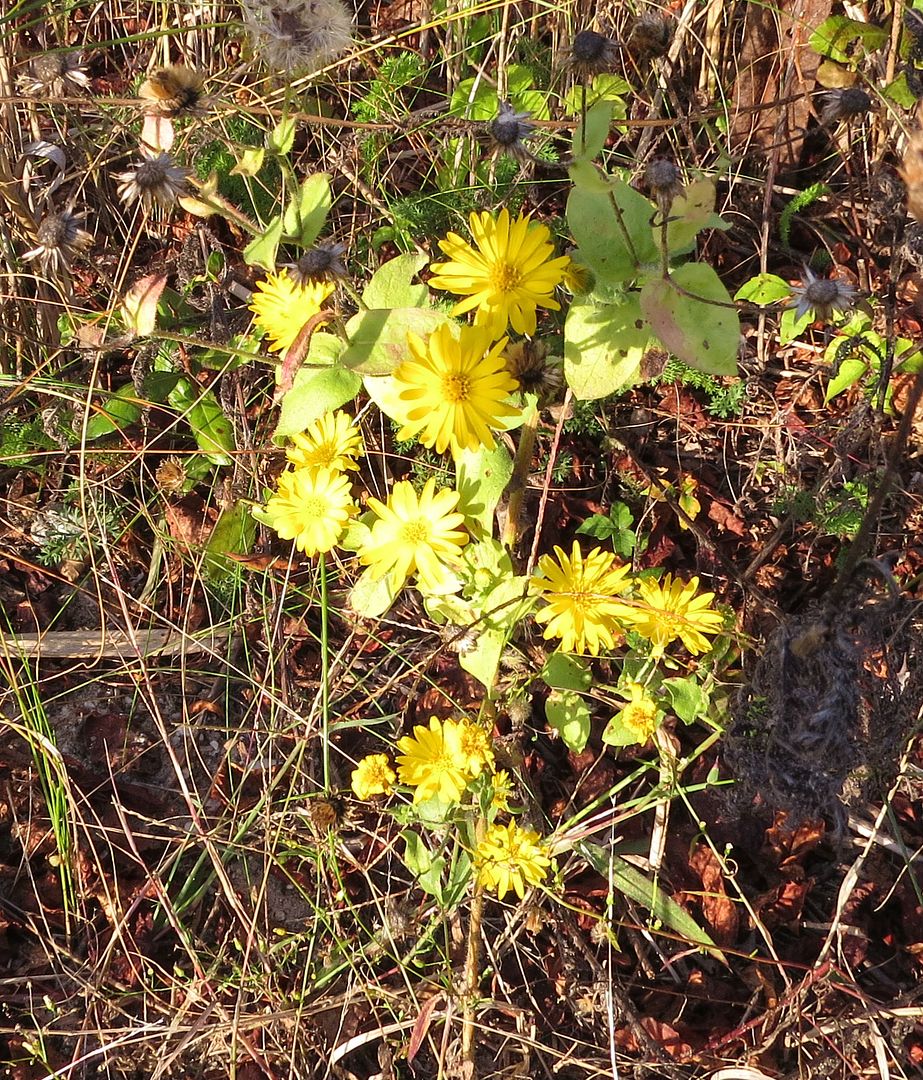
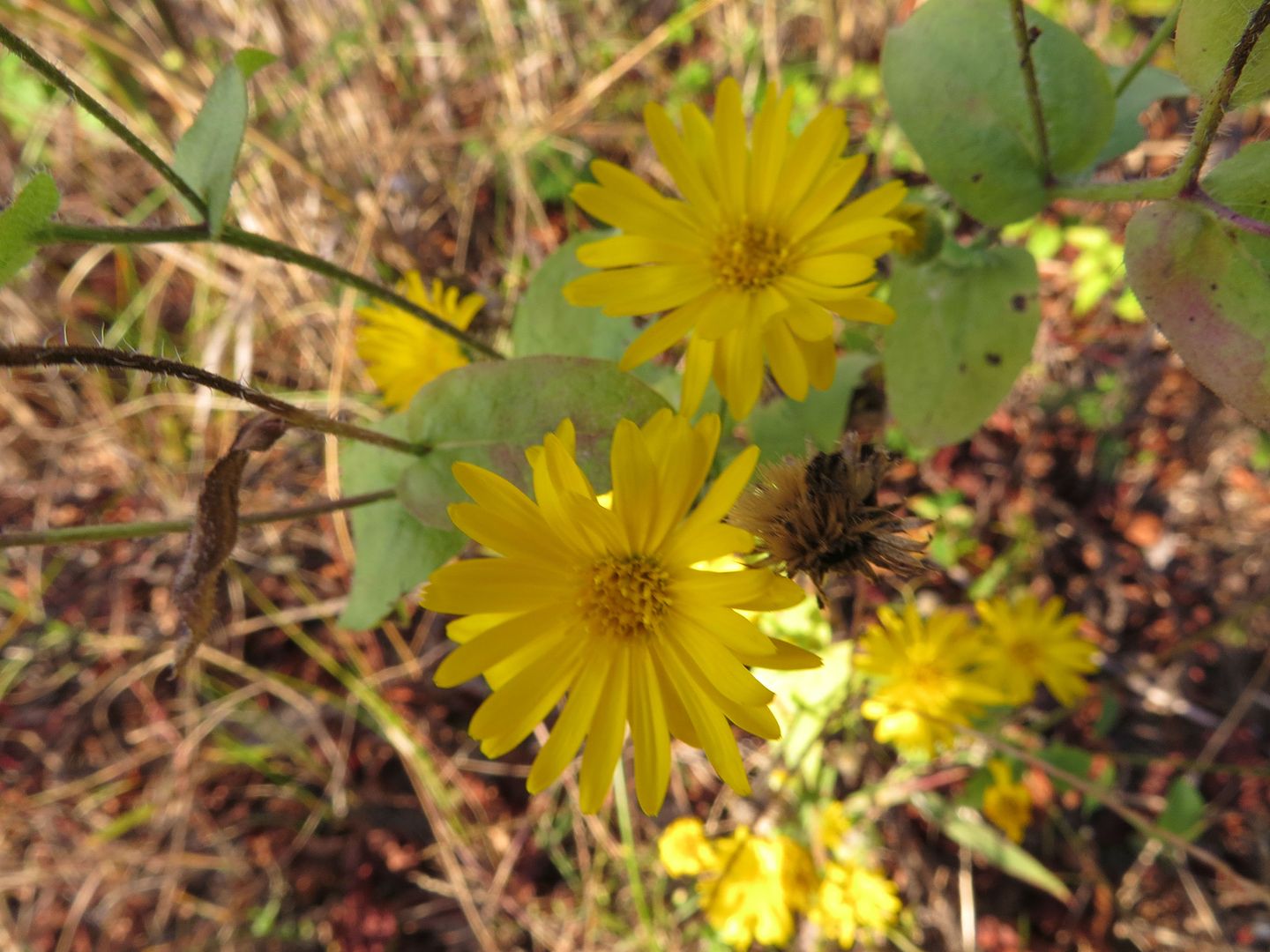
The occasional Golden Aster, Heterotheca and Chrysopsis sp. grew in places. Overall it was a rare plant but still a nice one to see.
I don't think it's Maryland Golden Aster, but certainly something in that genus, (or the other one).
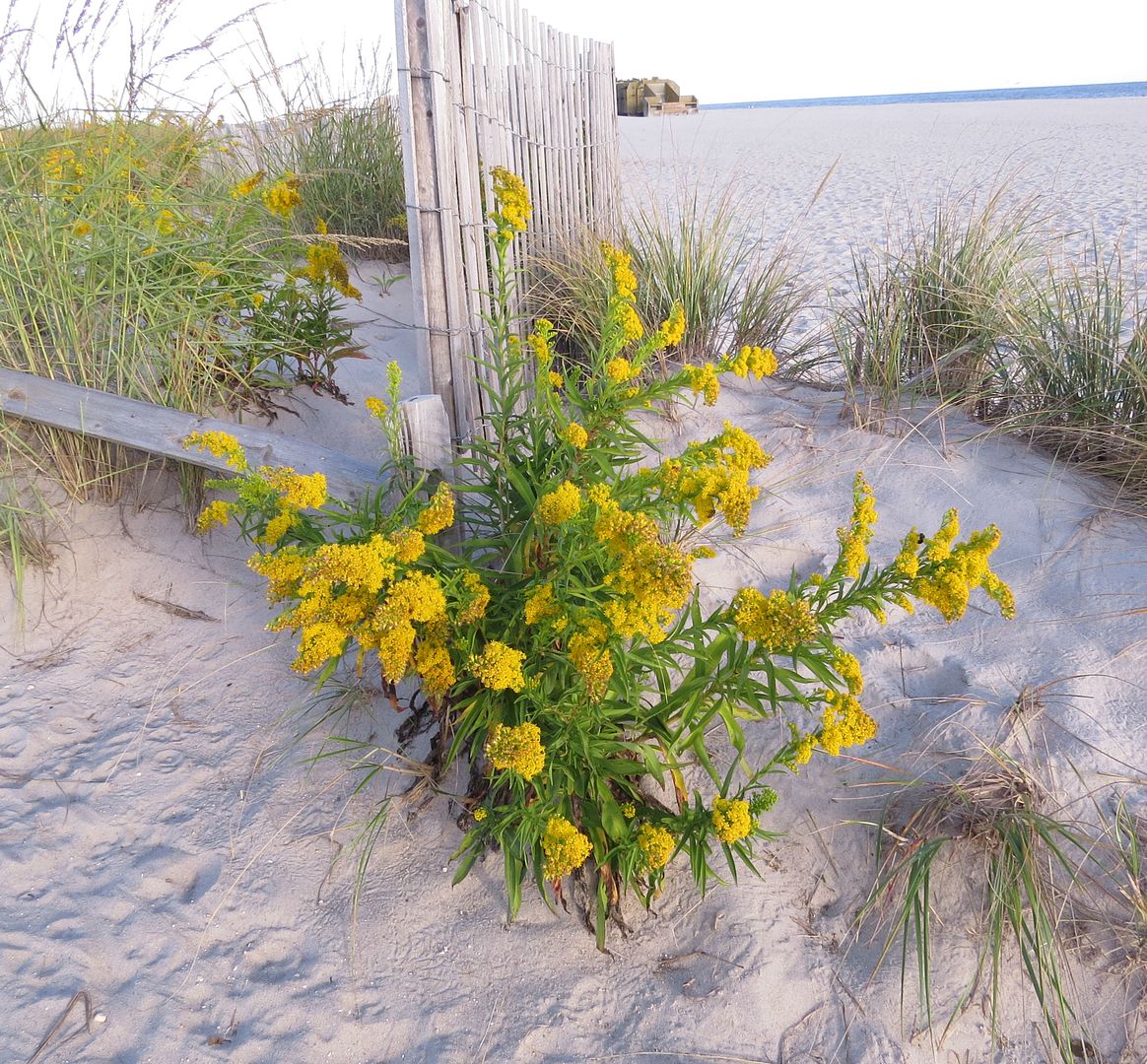
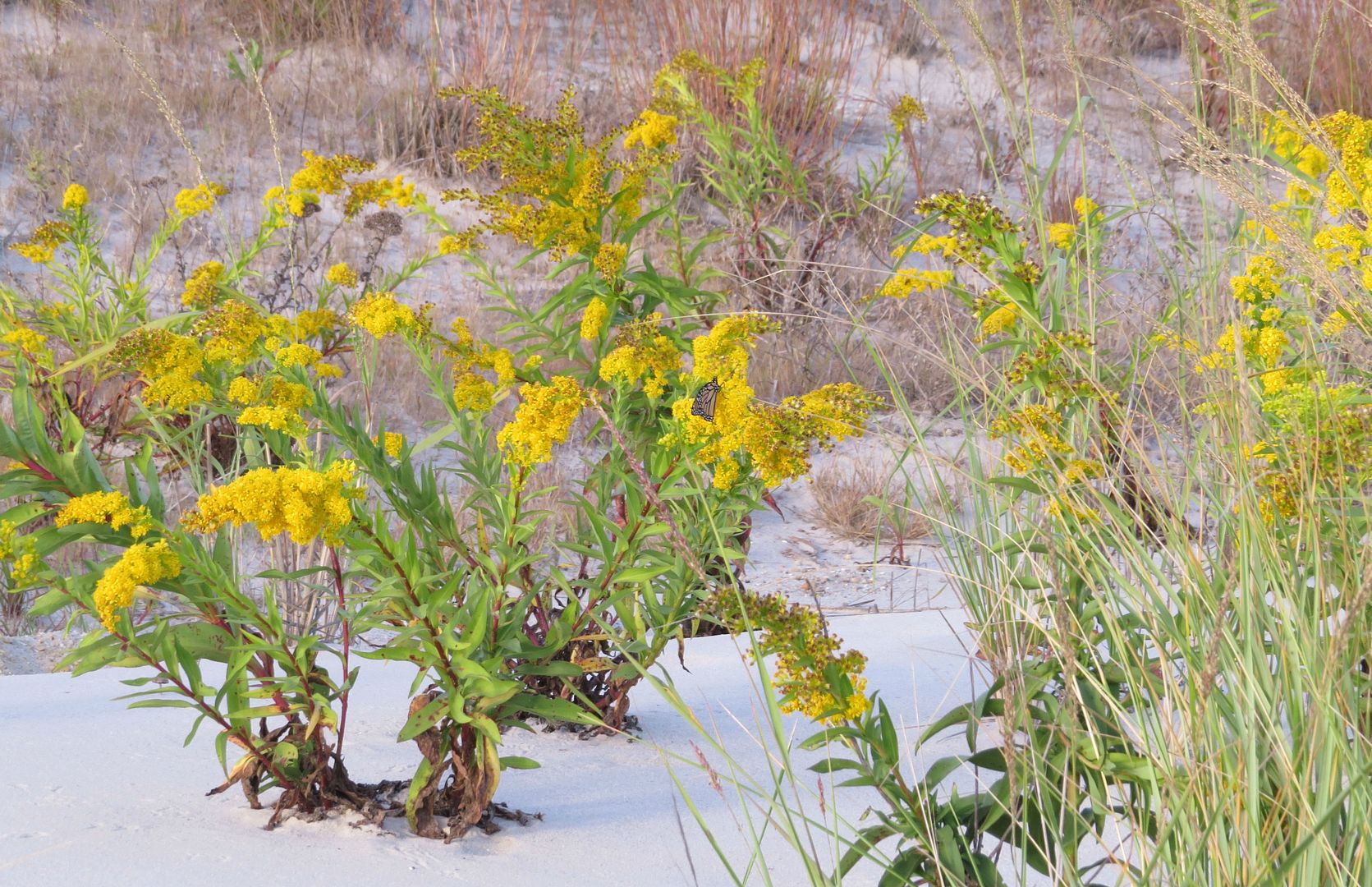
Along the beach there seemed to be some sort of restoration project. There had to be a few thousand plants of Seaside Goldenrod, Solidago sempervirens, and what might be Little Blue Stem, or it's sand and salt water tolerant counterpart.
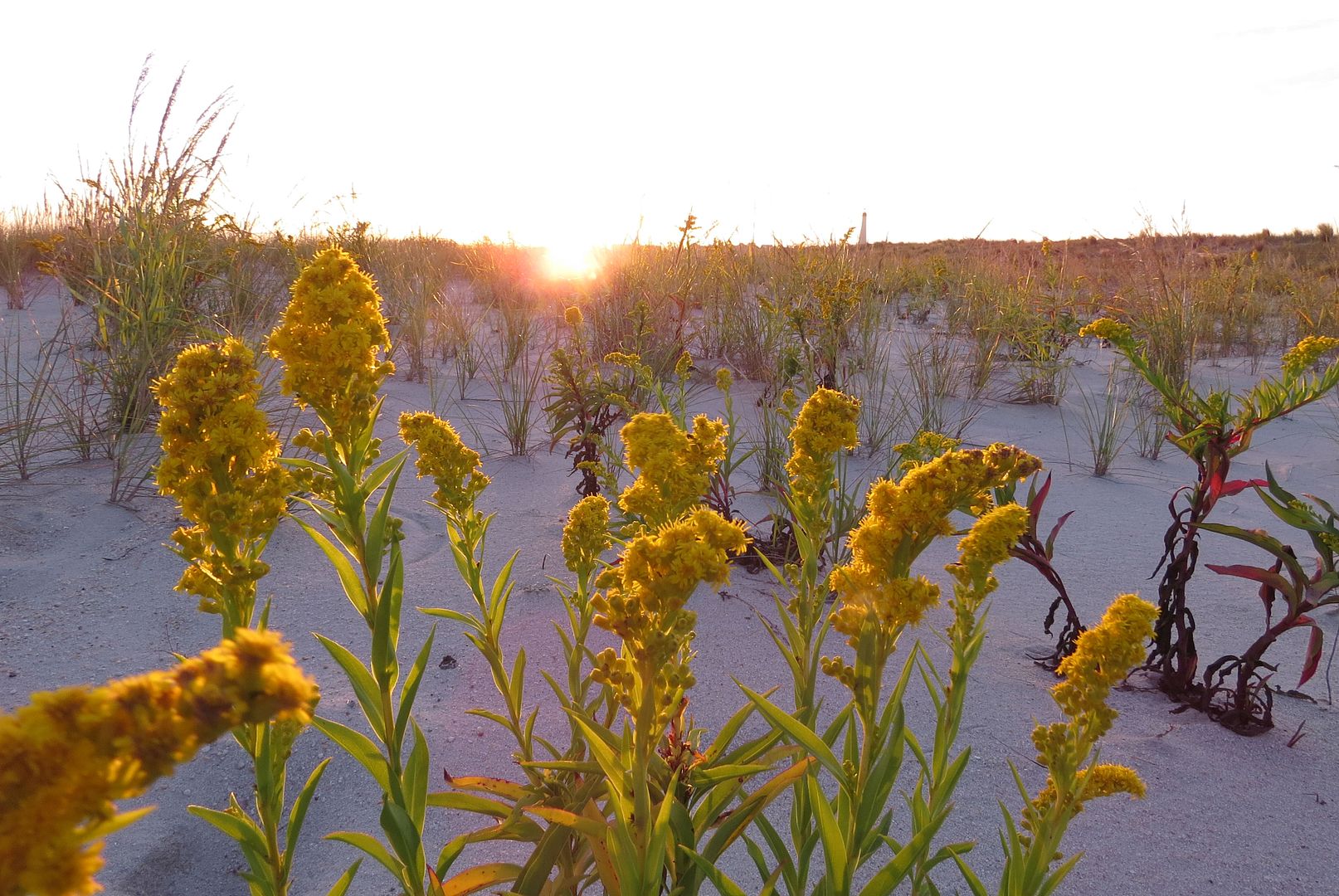
This is a fantastic goldenrod species. If I had a dune of 100% sand in my yard I'd certainly be trying to grow it! The plant is a good size, they don't seem all that aggressive, and the flowers are as nice and showy as Showy Goldenrod.
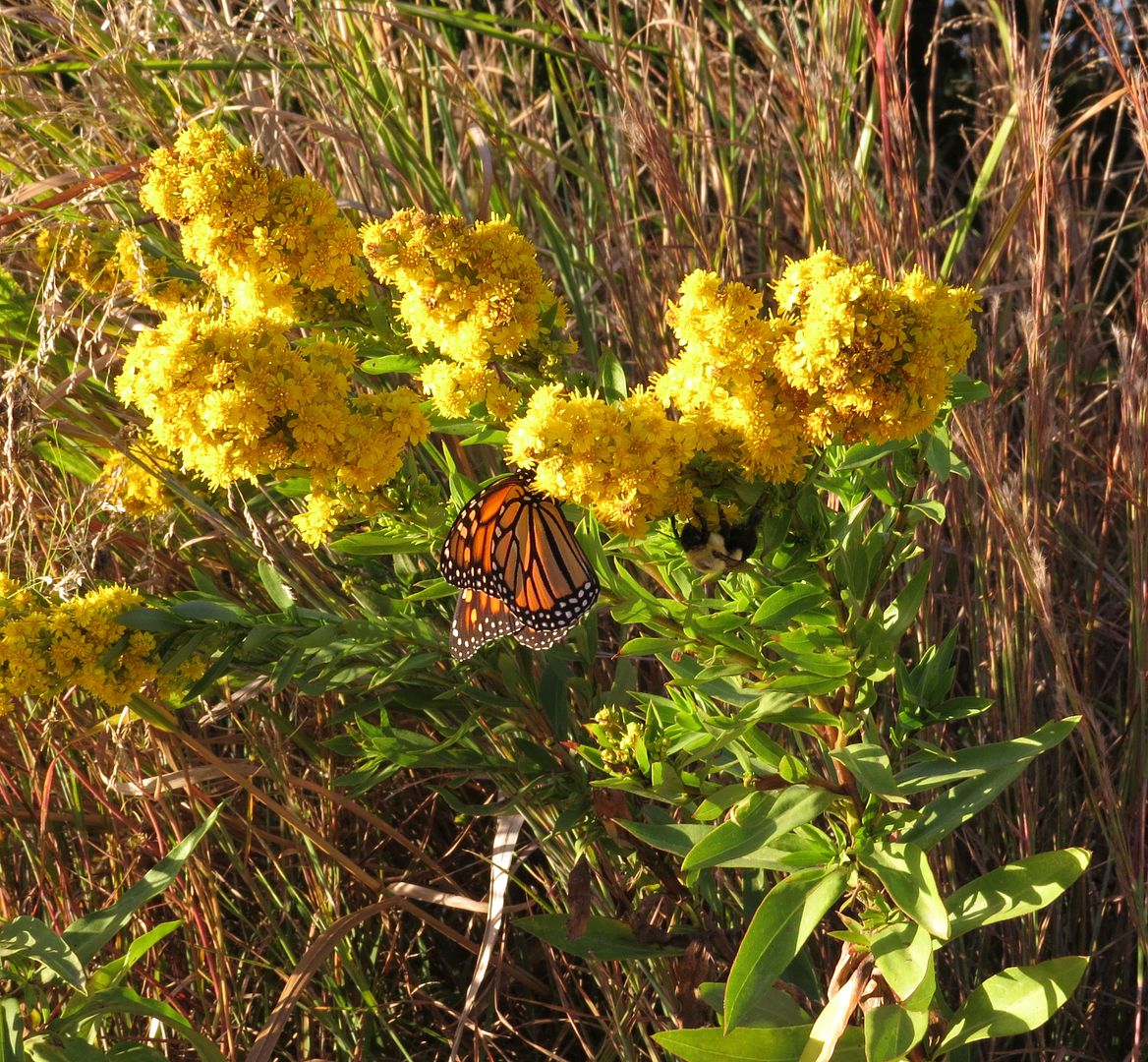
Monarch Butterflies swooped about from plant to plant. Most of them seemed to be having difficulty staying with the plant from the force of the wind though. As I mentioned earlier this was the tail end of their migration so we really only saw a few dozen. But that's a lot more than I had in my yard this year or had seen flying around.
Beautiful Plant.
They were less common inland where the soil turned more rocky than sandy, but Monarchs found them all the same.
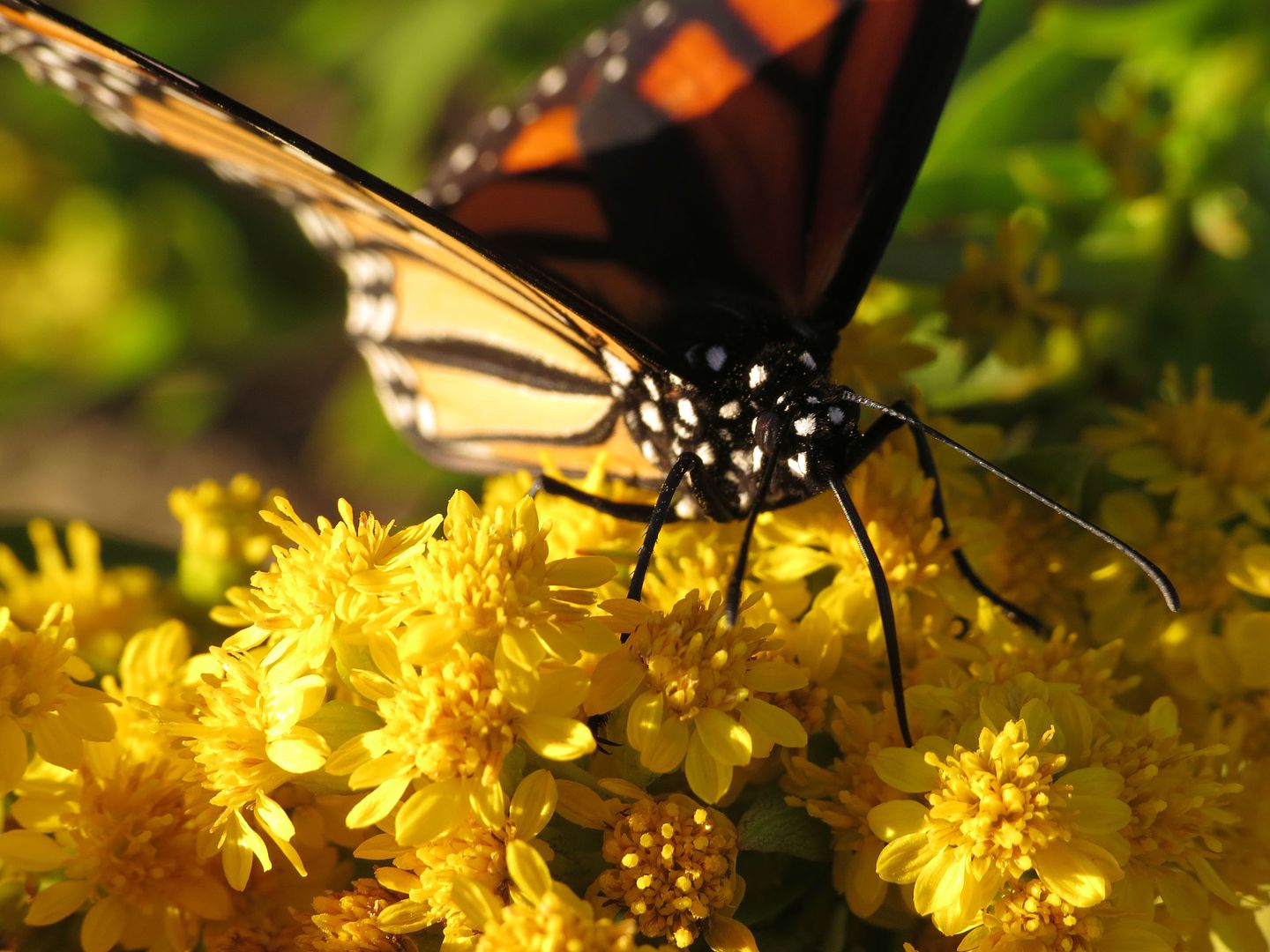
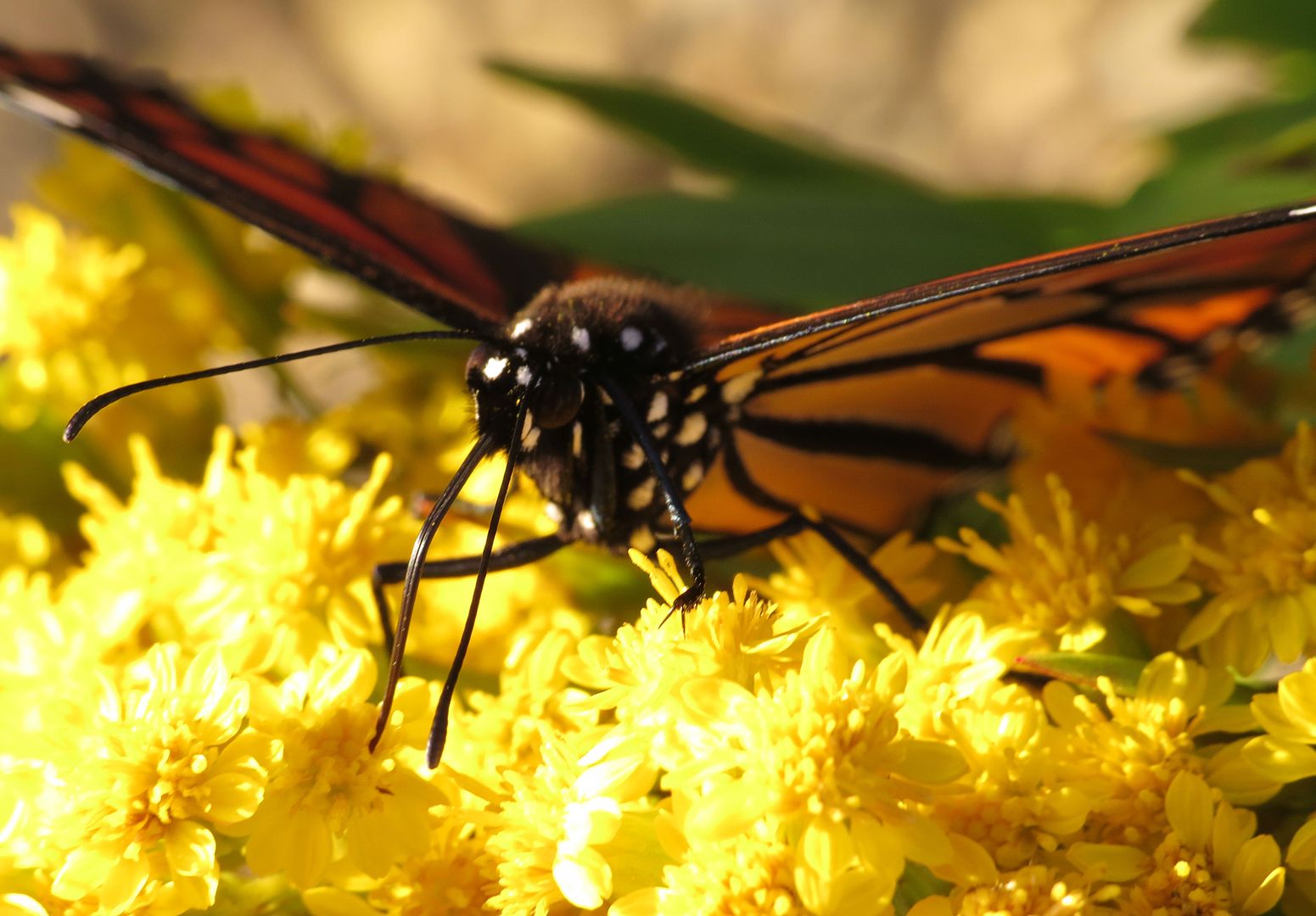
I got to test out my new Raynox DCR-250 Super Macro Snap-On Lens with some Monarchs and in such beautiful lighting! This little snap on works with just about any camera that has a clip on lens cap, and is well worth the money.
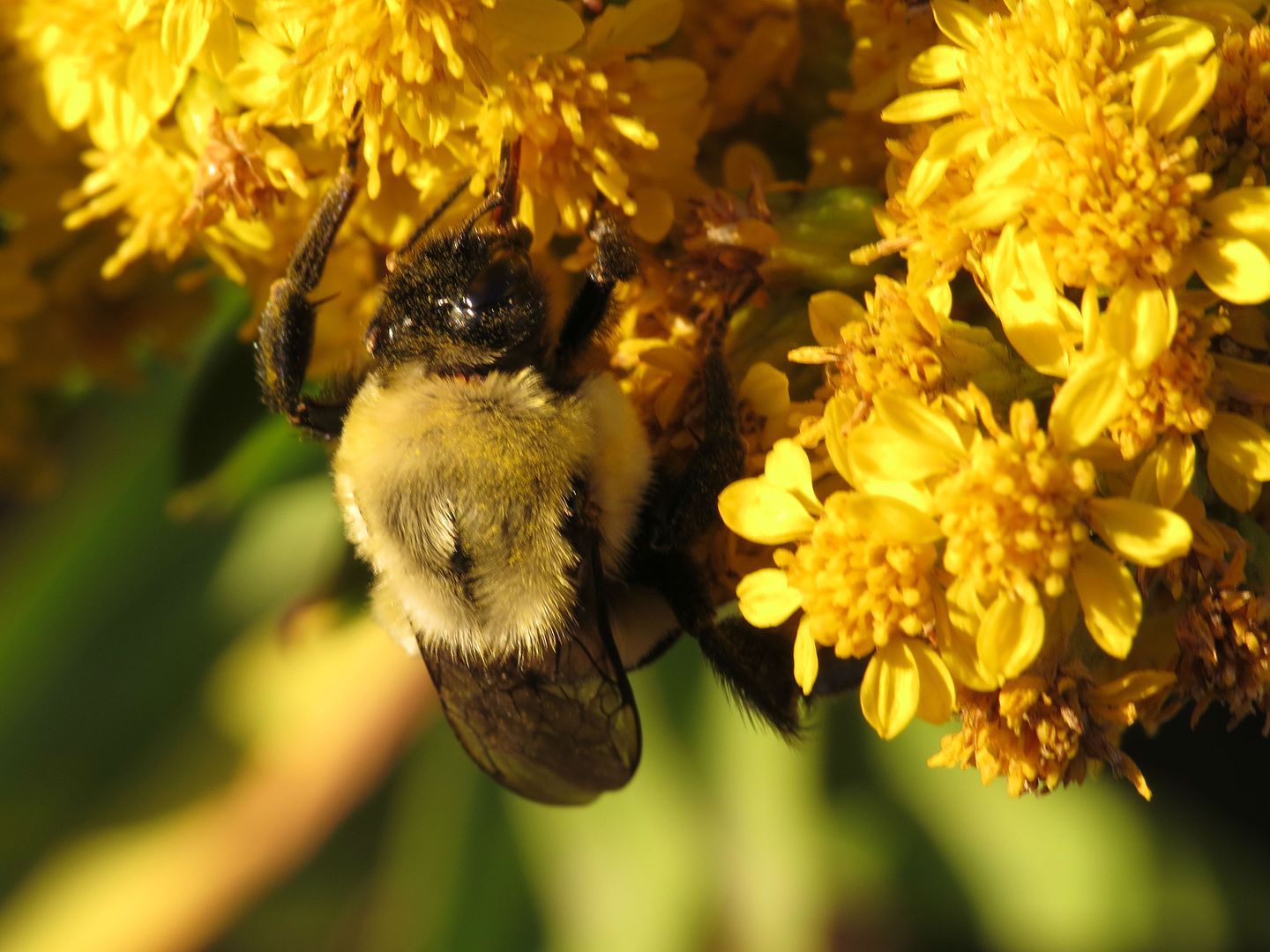
A queen bumblebee. She won't start a nest until next year but in the mean time they fuel up on nectar.
This one fooled me a bit because the bee that it was mimicking were on other plants.
This is a bee mimicking flower fly. They do this to be left alone, and sometimes to sneak into bumblebee nests to lay their eggs upon the decomposing parts of the nest. I don't think they're a pest to bumblebees (though I might be wrong) but this camo also means fewer predators will mess with them.
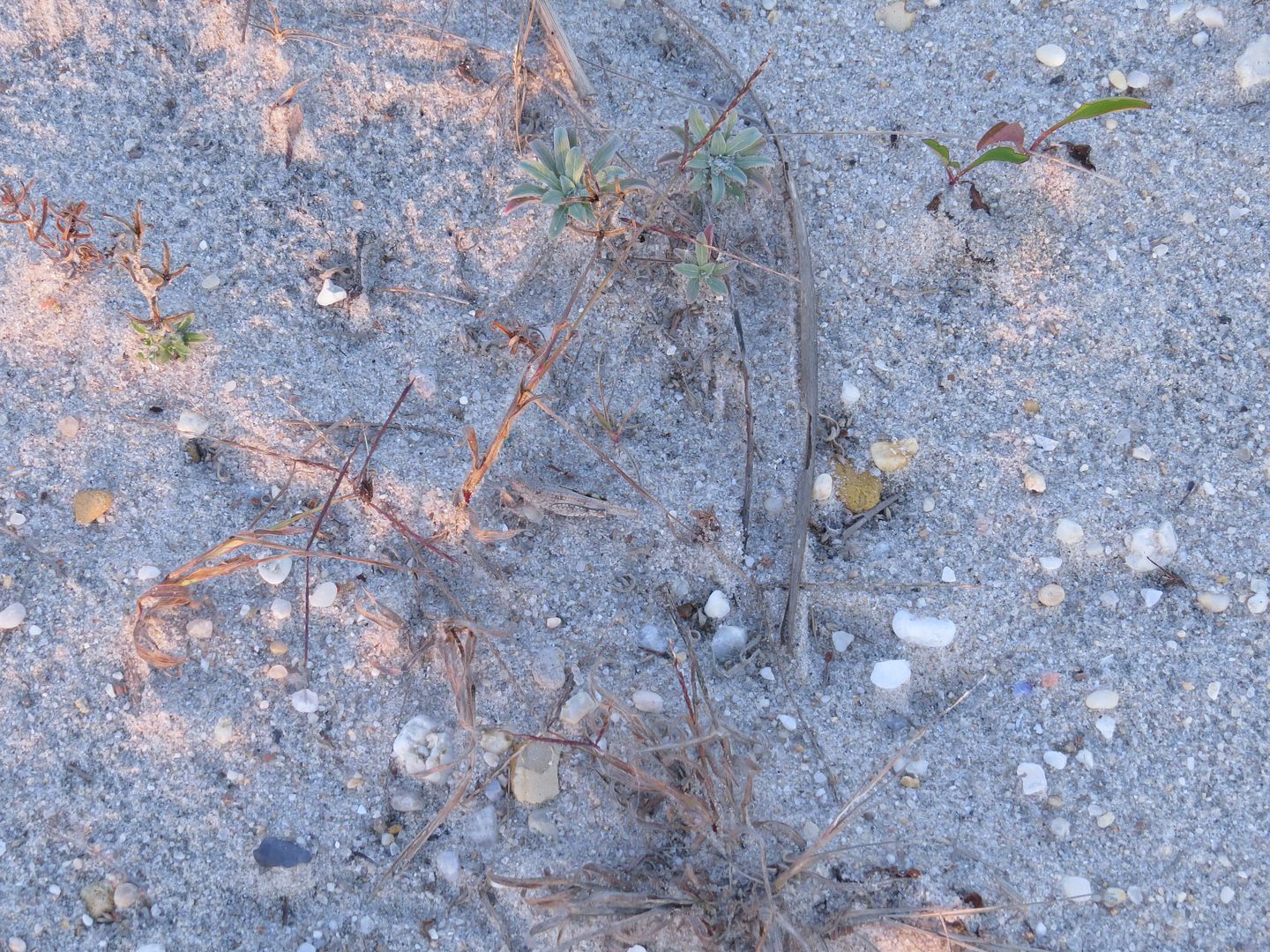
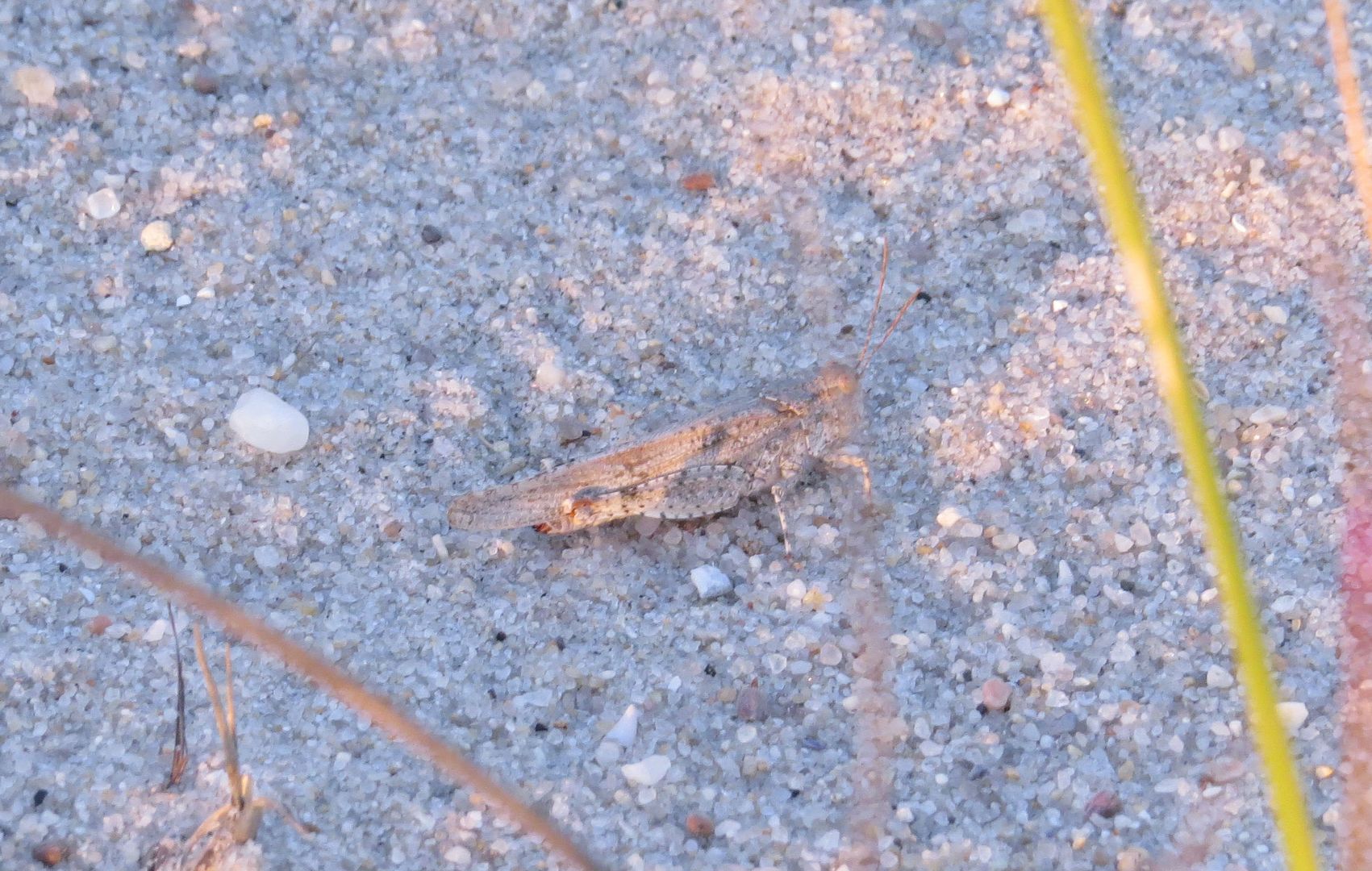
Back at the beach there were other critters in camo. Can you see it?
This grass hopper is perfectly colored to blend in with the beach.
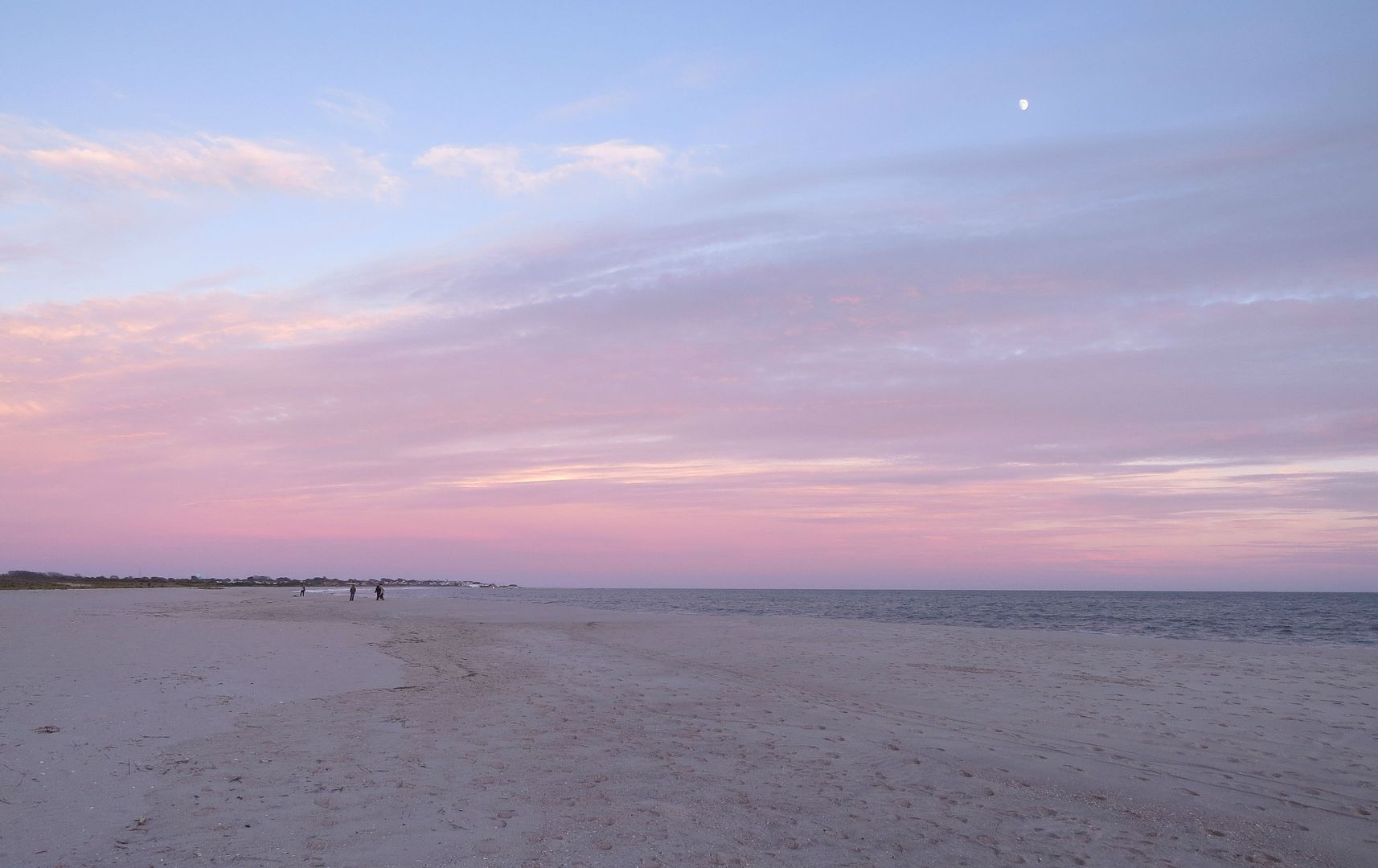
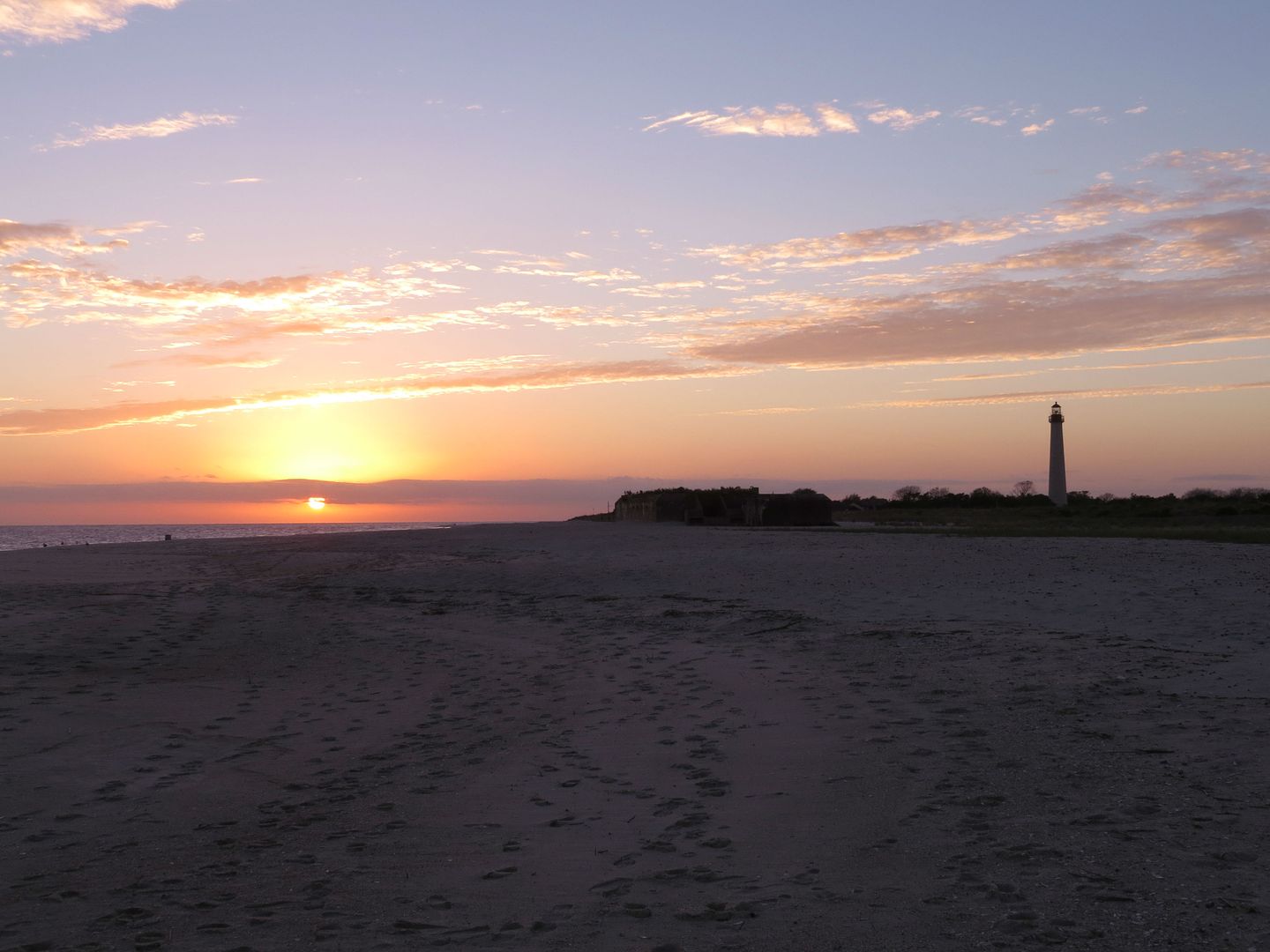
The sky away as we looked away from the sun.
Goldenrod as we looked toward the sun.
... we were parked over by the light house.
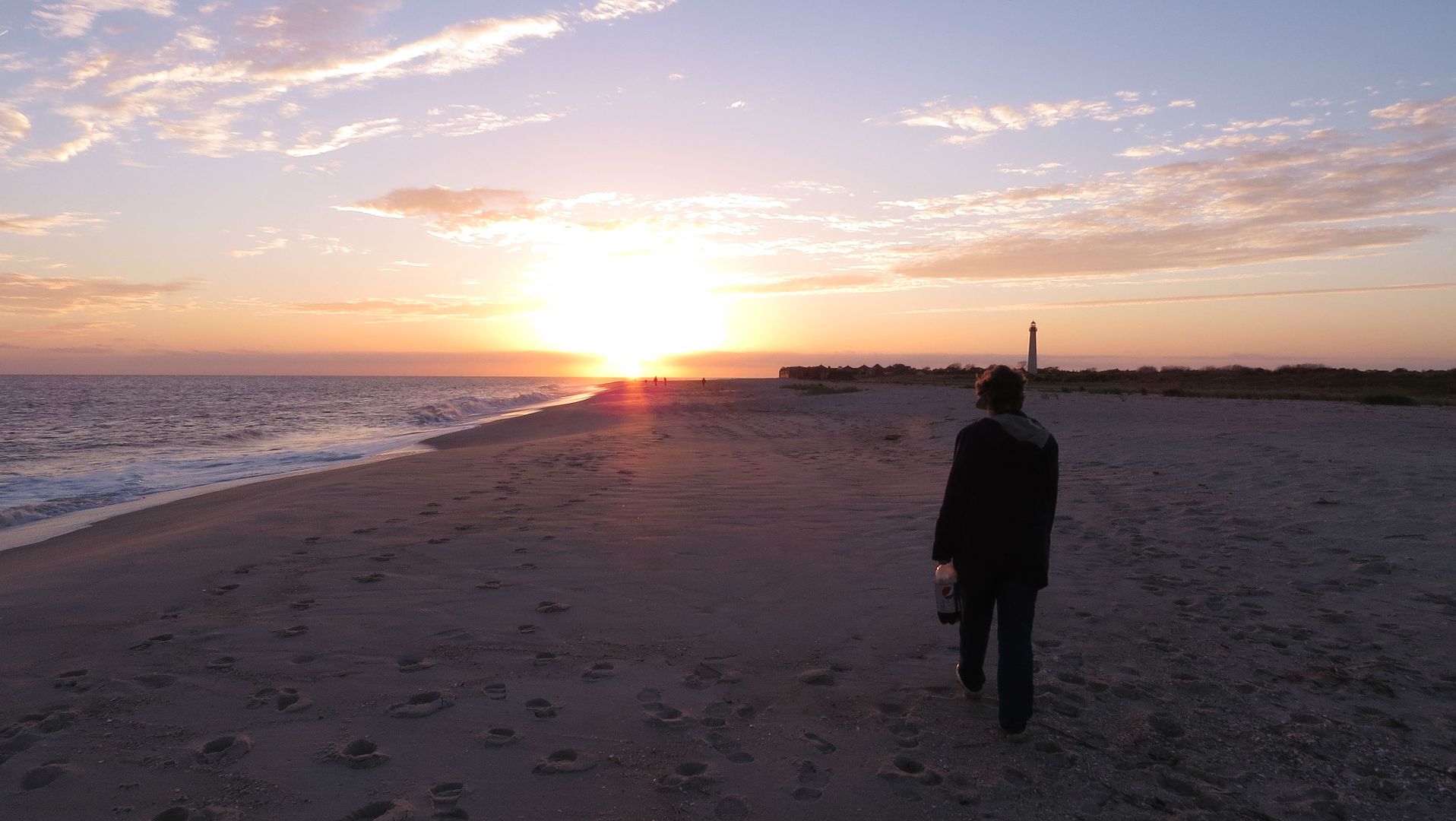
Walking back to the car proved to be one of the prettiest moments of the whole day. I'll have to do this again next year.
Also before we got there, there was a group of photographers all standing in the road, cameras focused on a tidy little garden they have down there. These people were blocking the road and all anxiously awaiting for something to happen. Apparently some west coast hummingbird species had been spotted there the previous night and everyone was standing there waiting for it to show again... we stopped a moment to think if that would be worth our time but decided it was not. While leaving we asked if it had shown and it hadn't.
Cape May is the southern most point of New Jersey which also bottle necks into a peninsula, making it ideal for viewing most things that migrate at this time of year. It was a little late though so we caught the tail end of the Monarch Migration and little else.
The park was a nice wetland area with trails leading all up and down the bays and beaches there.
The least interesting parts were those overrun with the invasive Common Reed Grass, Phagmites australis. This grass can be drown as a method of control, and though it likes growing in wetlands it's very growing habit slowly generates new land. They push up so much top growth every year that it doesn't decompose until several years more, thus the ground is slowly raised. Seeds are air born, and once established they will send out runners several feet away, making them quick to colonize.
The occasional Golden Aster, Heterotheca and Chrysopsis sp. grew in places. Overall it was a rare plant but still a nice one to see.
I don't think it's Maryland Golden Aster, but certainly something in that genus, (or the other one).
Along the beach there seemed to be some sort of restoration project. There had to be a few thousand plants of Seaside Goldenrod, Solidago sempervirens, and what might be Little Blue Stem, or it's sand and salt water tolerant counterpart.
This is a fantastic goldenrod species. If I had a dune of 100% sand in my yard I'd certainly be trying to grow it! The plant is a good size, they don't seem all that aggressive, and the flowers are as nice and showy as Showy Goldenrod.
Monarch Butterflies swooped about from plant to plant. Most of them seemed to be having difficulty staying with the plant from the force of the wind though. As I mentioned earlier this was the tail end of their migration so we really only saw a few dozen. But that's a lot more than I had in my yard this year or had seen flying around.
Beautiful Plant.
They were less common inland where the soil turned more rocky than sandy, but Monarchs found them all the same.
I got to test out my new Raynox DCR-250 Super Macro Snap-On Lens with some Monarchs and in such beautiful lighting! This little snap on works with just about any camera that has a clip on lens cap, and is well worth the money.
A queen bumblebee. She won't start a nest until next year but in the mean time they fuel up on nectar.
This one fooled me a bit because the bee that it was mimicking were on other plants.
This is a bee mimicking flower fly. They do this to be left alone, and sometimes to sneak into bumblebee nests to lay their eggs upon the decomposing parts of the nest. I don't think they're a pest to bumblebees (though I might be wrong) but this camo also means fewer predators will mess with them.
Back at the beach there were other critters in camo. Can you see it?
This grass hopper is perfectly colored to blend in with the beach.
The sky away as we looked away from the sun.
Goldenrod as we looked toward the sun.
... we were parked over by the light house.
Walking back to the car proved to be one of the prettiest moments of the whole day. I'll have to do this again next year.
Labels:
Beach,
Bumblebees,
Coastal,
Colors,
Fly,
Golden Aster,
Goldenrod,
Grapes,
Grass,
Lighthouse,
Monarch
Subscribe to:
Posts (Atom)