Showing posts with label Ant Chat. Show all posts
Showing posts with label Ant Chat. Show all posts
Wednesday, October 29, 2014
The Third Annual New Jersey Ant Together (Video)
The video supplement to out anting trip back in July.
Coming Soon: Ants of the Southwest!
Wednesday, December 18, 2013
Ant Chat Episode 40: The Second Annual New Jersey Ant Together
This is the video supplement to the Second Annual New Jersey Ant Together, a yearly event where we get together and look for ants. This year were were delighted to find Trachymyrmex septentrionalis which is the northern most fungus growing species in North America. Unfortunately summer is not their active period. The dark form of Formica pallidefulva was also present and had me confused because I live only a few miles south and they're more of a dull brass color. Aphaenogaster treatae was another new species to us, which is a lot bigger than either of us were used to seeing Aphaenogaster species. Dolichoderus plagiatus were another new species for the both of us. Another highlight was revisiting the Formica exsectoides mounds we saw last year.
Plants:
Hairy Swamp Milkweed, Asclepias incarnata ssp. pulchra
Summer Sweet, Clethra alnifolia
Thursday, July 26, 2012
Ant Chat Episode 39: The First Annual New Jersey Ant Together
On Sunday July 22, a few of us ant enthusiasts got together at the Rancocas Nature Center and Turkey Swamp Park to see what we could find.
We spent most of the day at Rancocas where we found a lot of the usual suspects among ants. Camponotus chromaiodes, C. pennsylvanicus, assorted Aphaenogaster, Formica and Lasius species. Most of these are ants you can find in your own backyard or local park provided there are trees around, dread wood present, or rocks to look under.
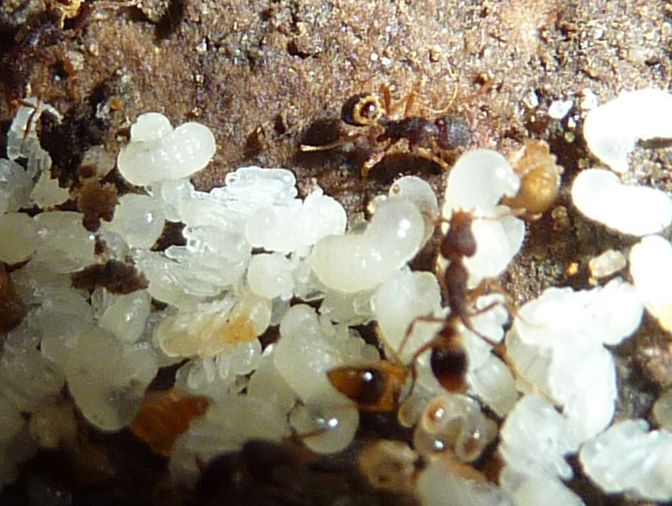
Some of the rarer ants though included a Pyramica colony, which are specialized predators of springtails and only found in leaf litter and rotting wood.
The Pyramica colony we found in better detail thanks to Matt.
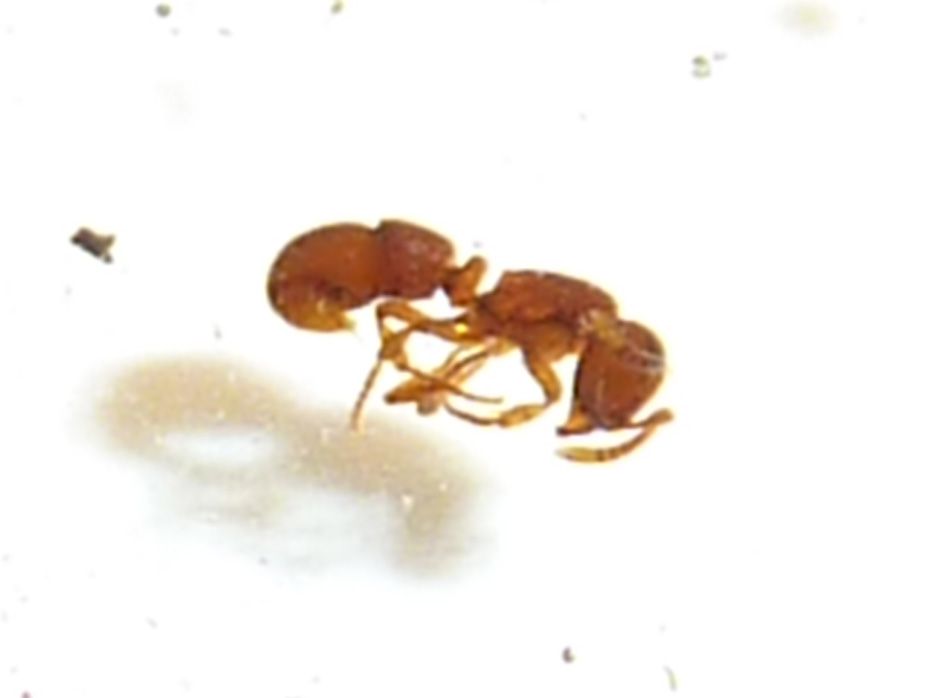
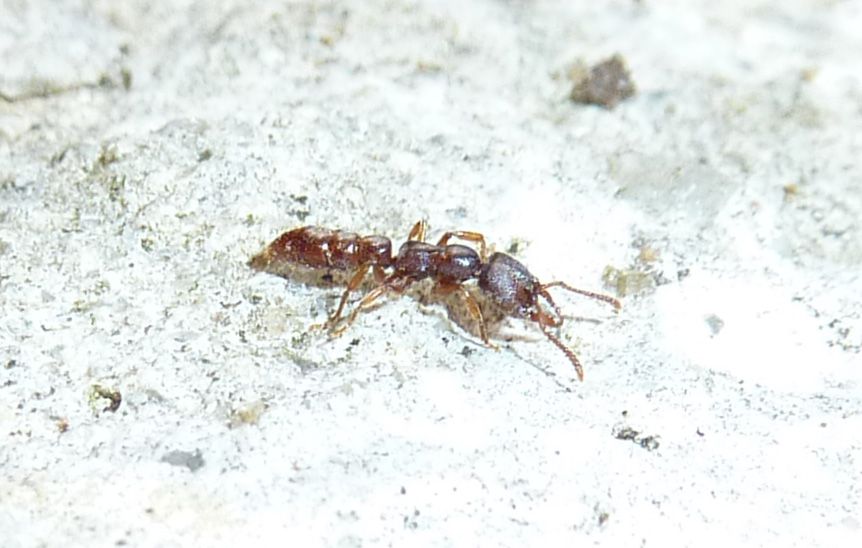
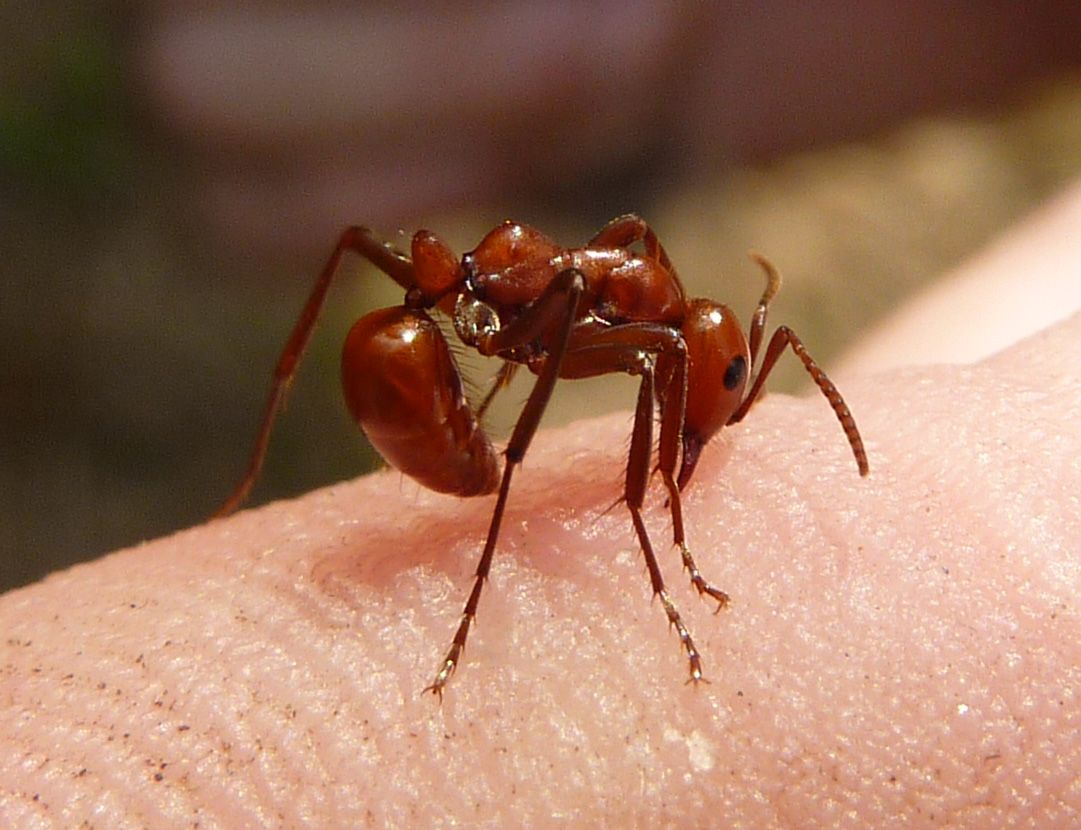

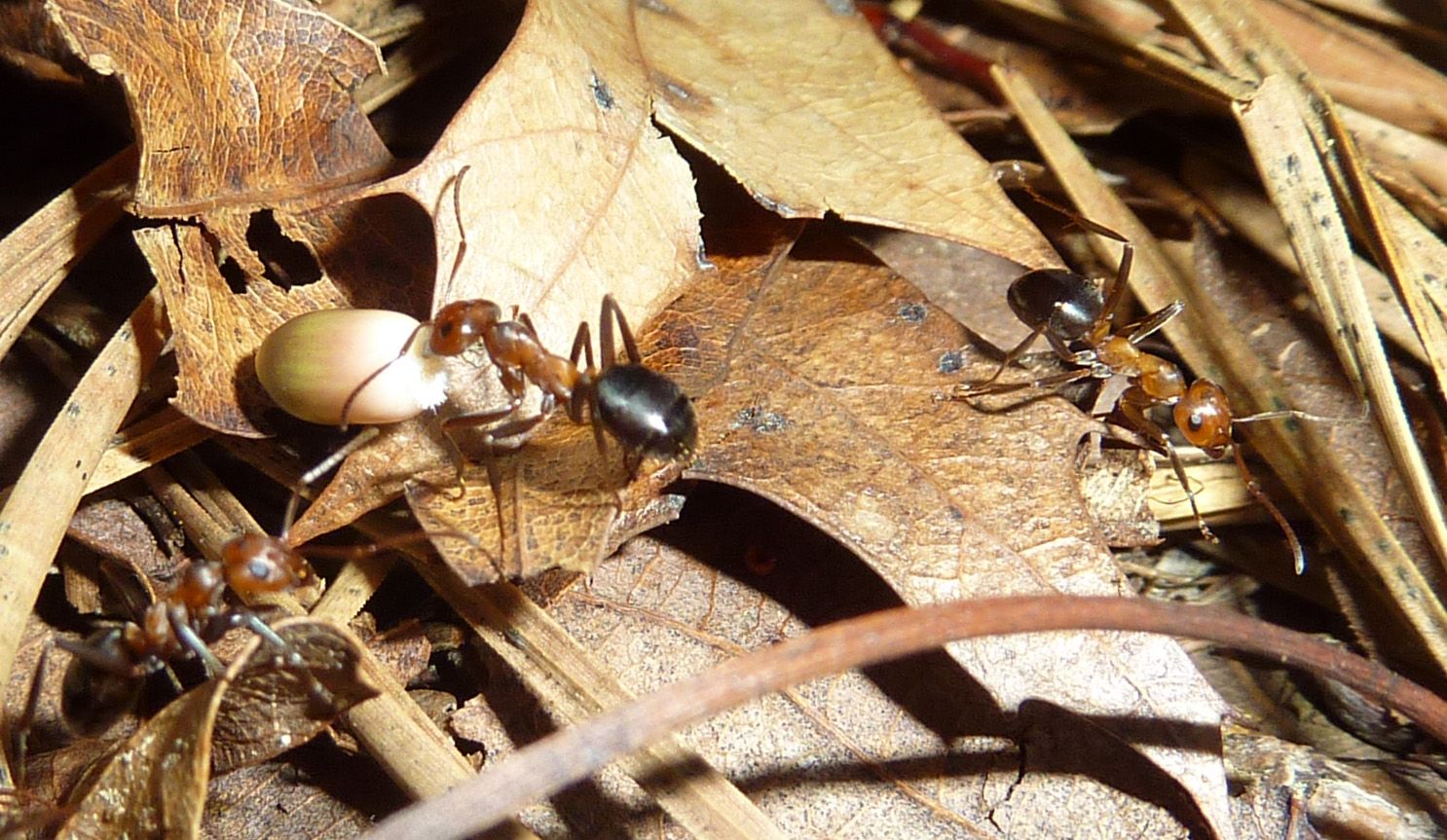
Overall this was a successful ant trip, and I hope to do this again next year.
Saturday, May 26, 2012
Ant Chat 38 Woodland Poppy Seeds
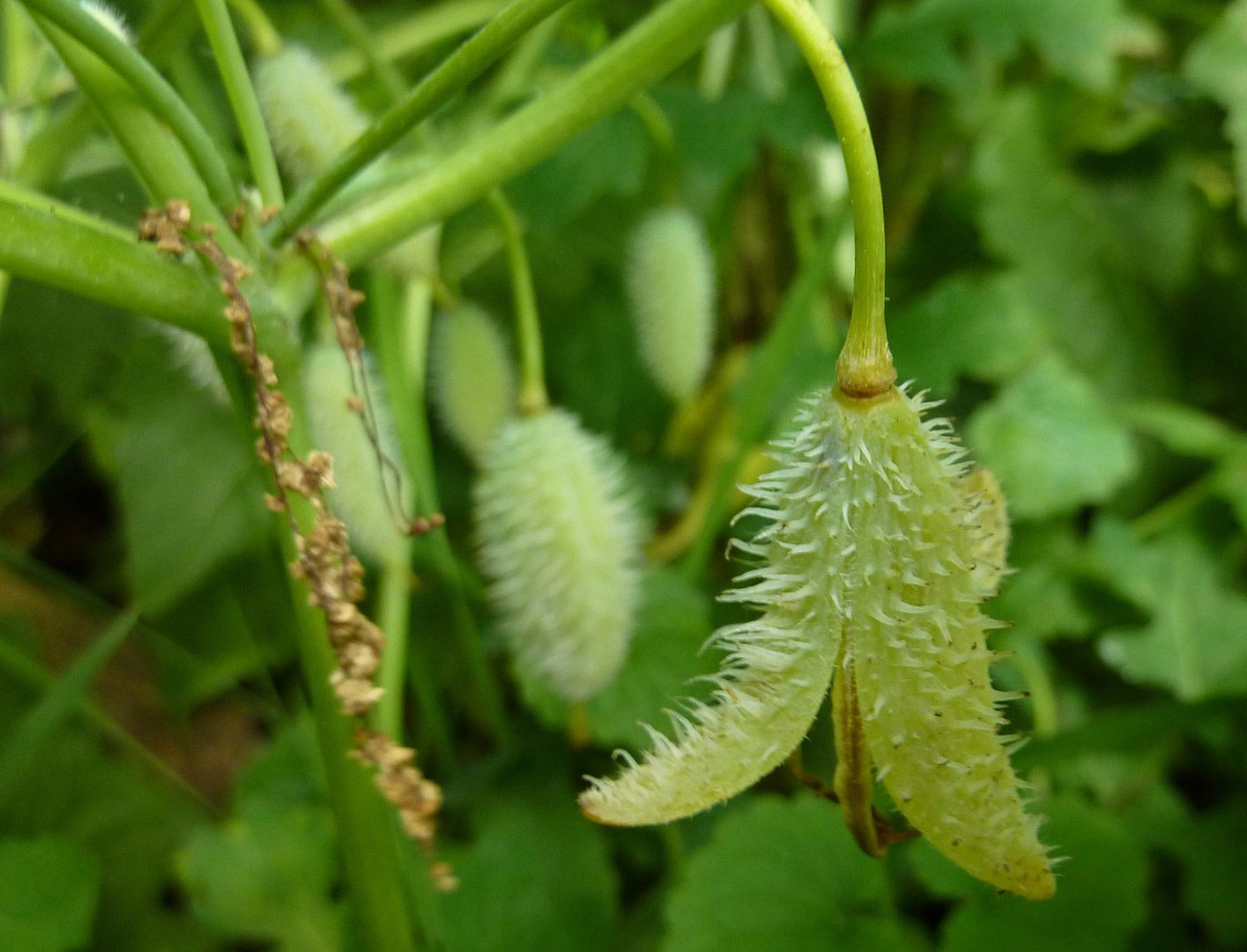
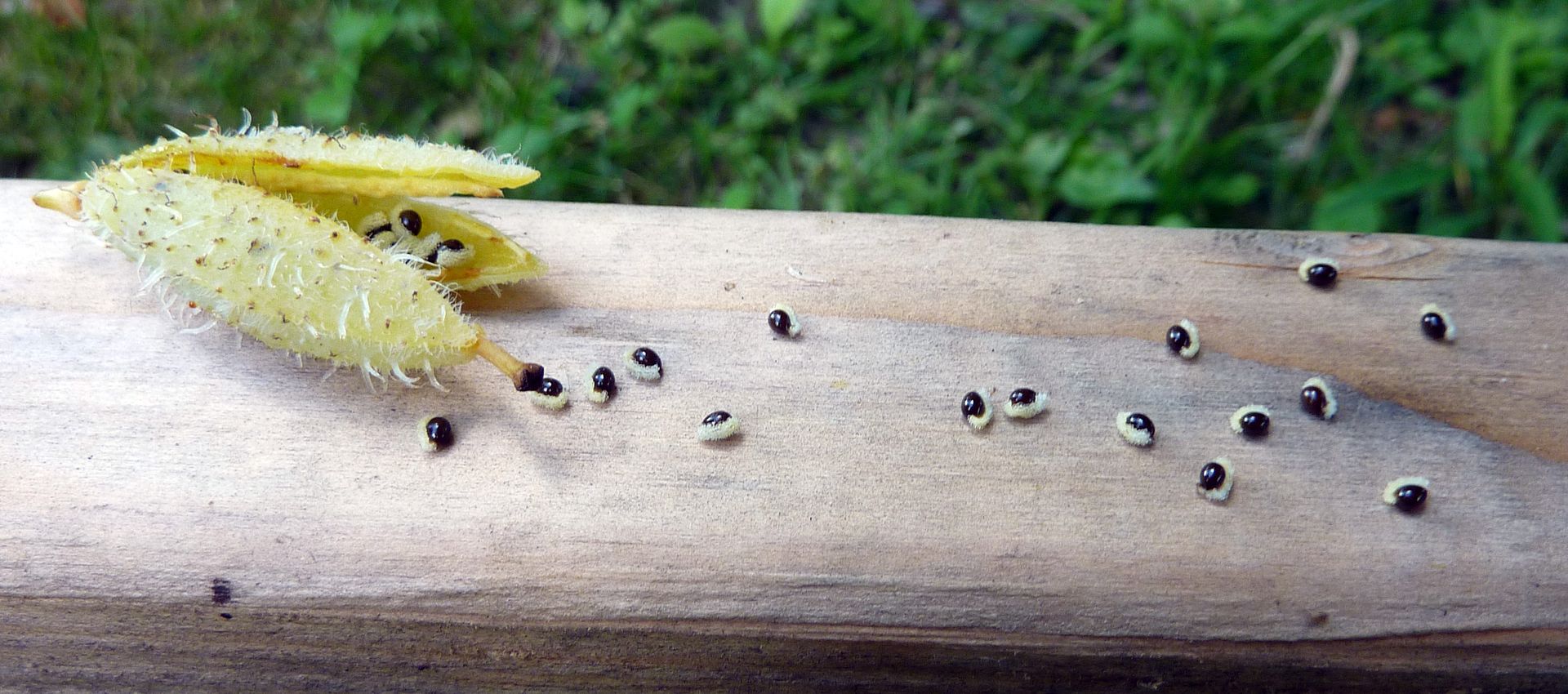
Woodland Poppy, Stylophorum diphyllum,
is a much cheaper and easier to grow plant than Trilliums. They're sold
more readily by native plant nurseries, produce more flowers per plant
than Trilliums do, and start setting seed in late May. I highly
recommend them for anyone wanting to see the ant seed dispersal behavior
or is generally looking for a nice spring blooming shade plant.
Aphaenogaster rudis = loved them.
Nylanderia flavipes = loved them but not as much as Trillium seeds.
Crematogaster cerasi = mehhh.
Camponotus nearcticus = mehhh.
Camponotus pennsylvanicus = didn't want anything to do with them.
Temnothorax sp. = didn't want anything to do with them.
Nylanderia flavipes = loved them but not as much as Trillium seeds.
Crematogaster cerasi = mehhh.
Camponotus nearcticus = mehhh.
Camponotus pennsylvanicus = didn't want anything to do with them.
Temnothorax sp. = didn't want anything to do with them.
Friday, March 16, 2012
Ant Chat 37: Flight of the Winter Ant
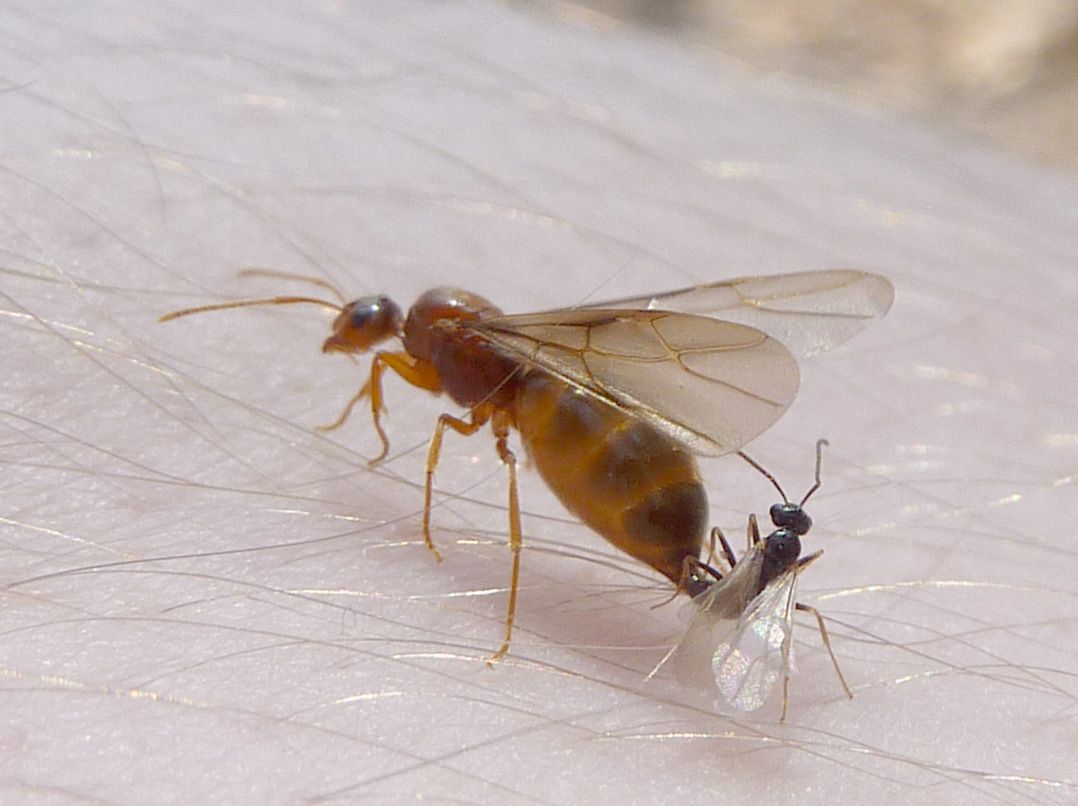
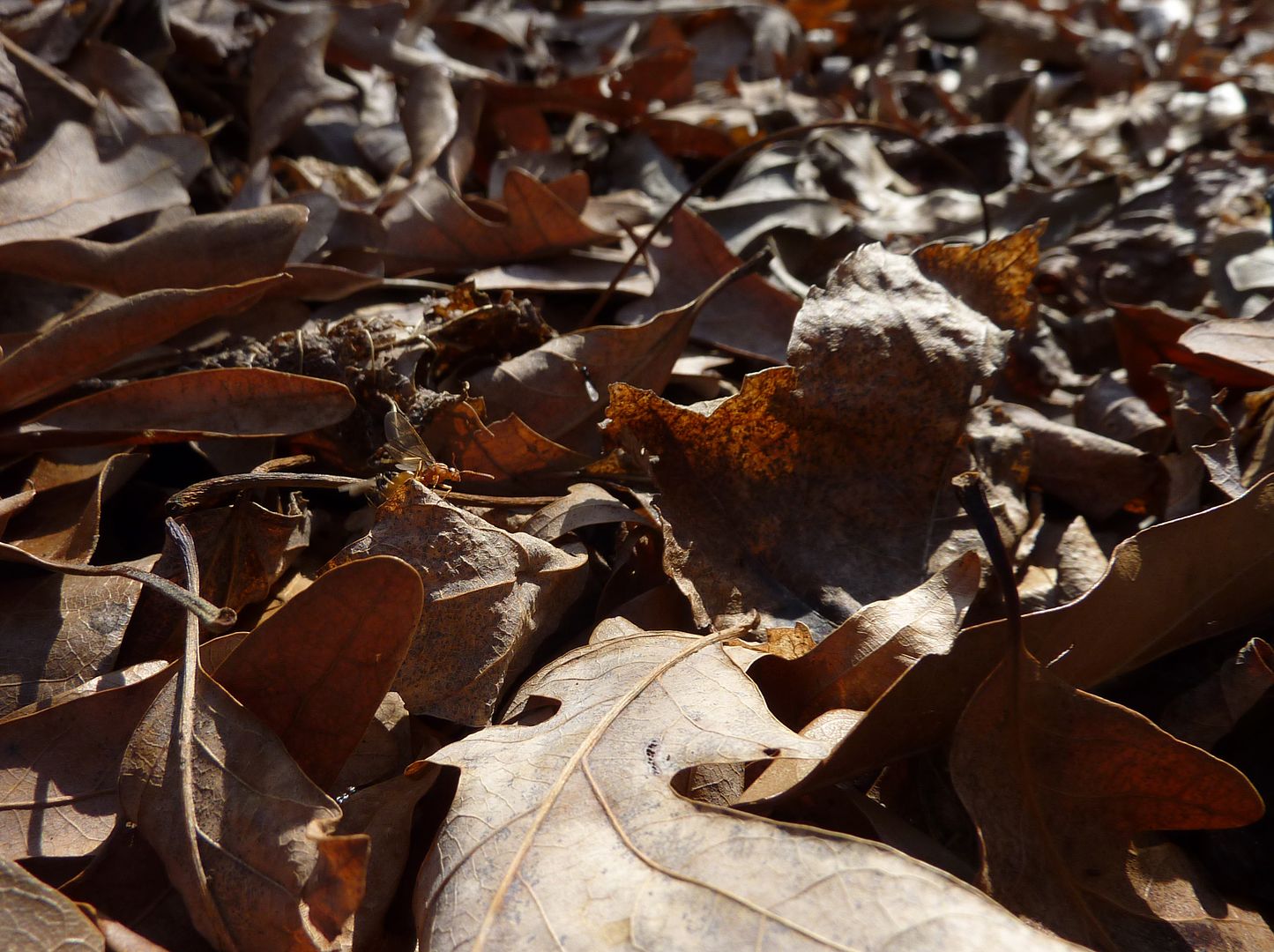
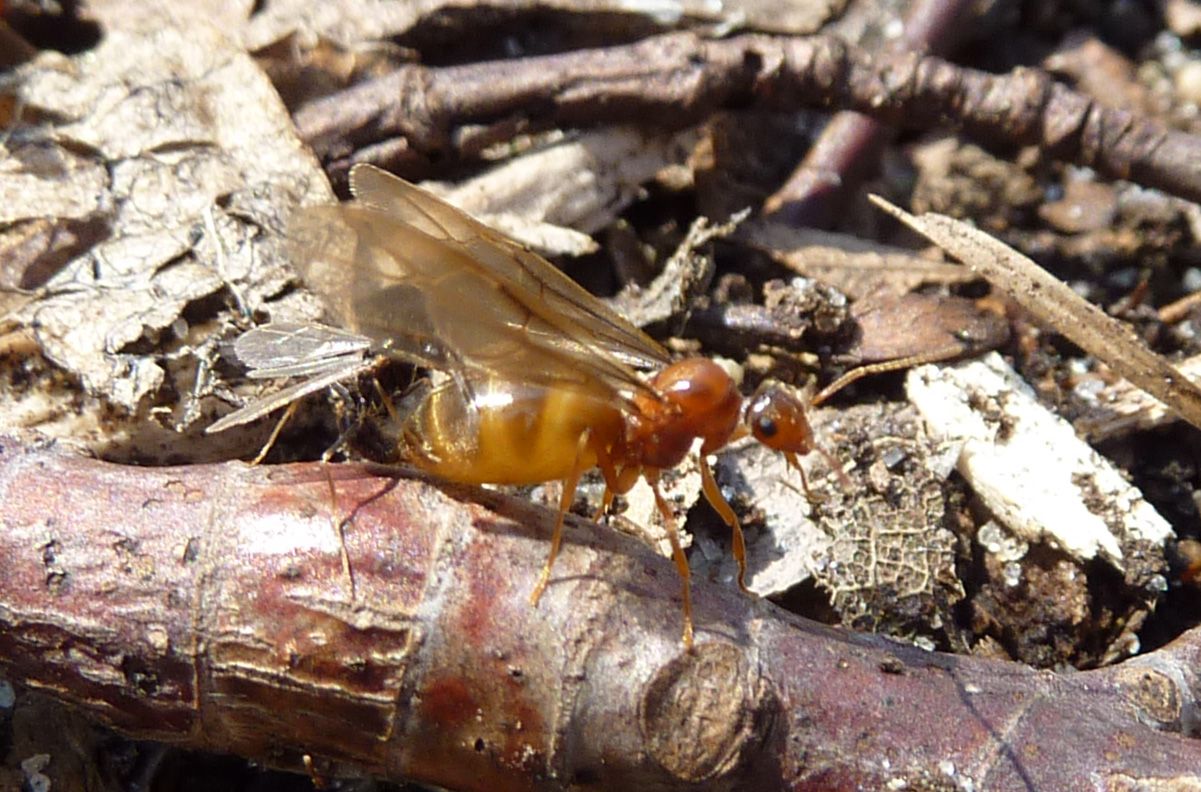
In summary, the earliest days of the year where it's 70F out are typically when this ant flies. They may be found flying as late as April but that tends to be the most northern part of their range, where as groups farther south can fly as early as February. Swarms gather around trees and shrubs, but aren't picky. The same day as this video I found males swarming around telephone poles and even specimen trees in my back yard. Forests tend to be abundant with swarming males which typically means more queens will show up. Queens are greatly out numbered and show up one at a time, every 5 minutes to a half hour.
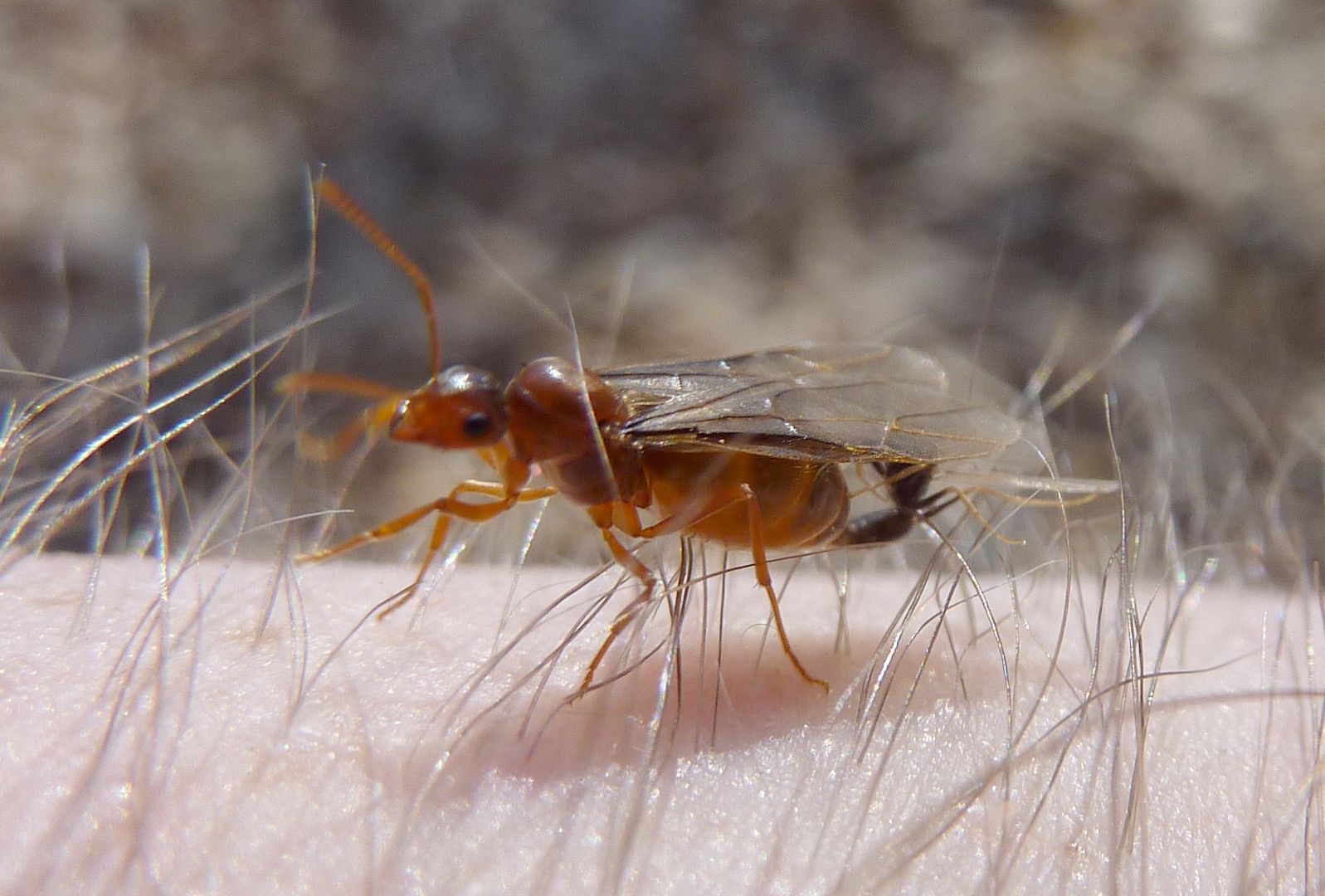

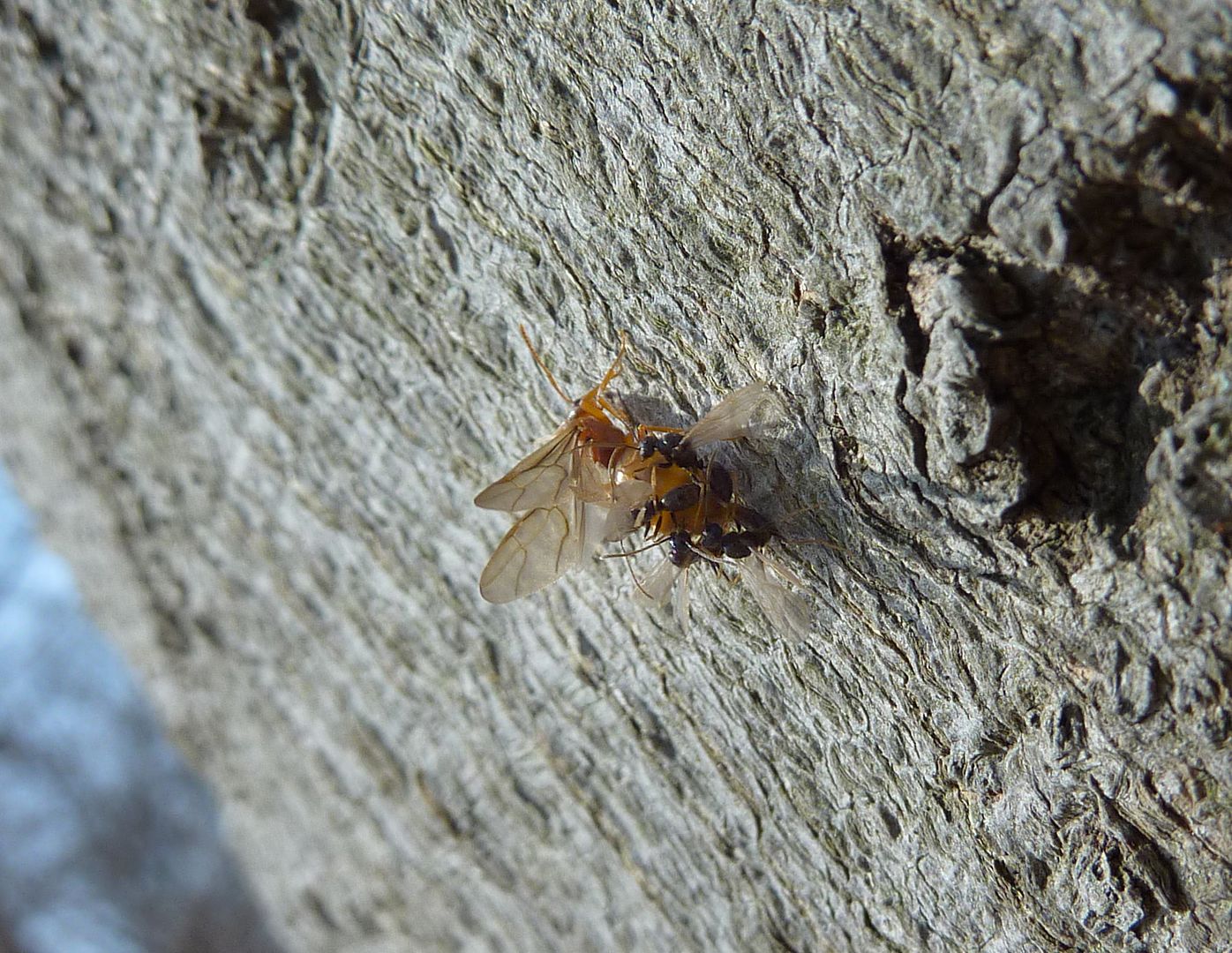
Males are quick to locate them as they arrive. Once the queen has, we'll call it "tagged in," she'll try to climb up high and fly away, often a male or two will still be with her. As the day progresses wingless queens can be found wondering around looking for places to make nests, though in my experience these are harder to find than queens are arriving to the swarm to mate.

Tuesday, March 13, 2012
Ant Chat 2011 B-Roll!
This is all footage from last year that didn't fit any of the narratives of last year's season of Ant Chat. Either I didn't have enough for one topic, or it would have been too much for the show or taken it in some other direction. Anyhow enjoy.
Monday, January 9, 2012
Friday, September 2, 2011
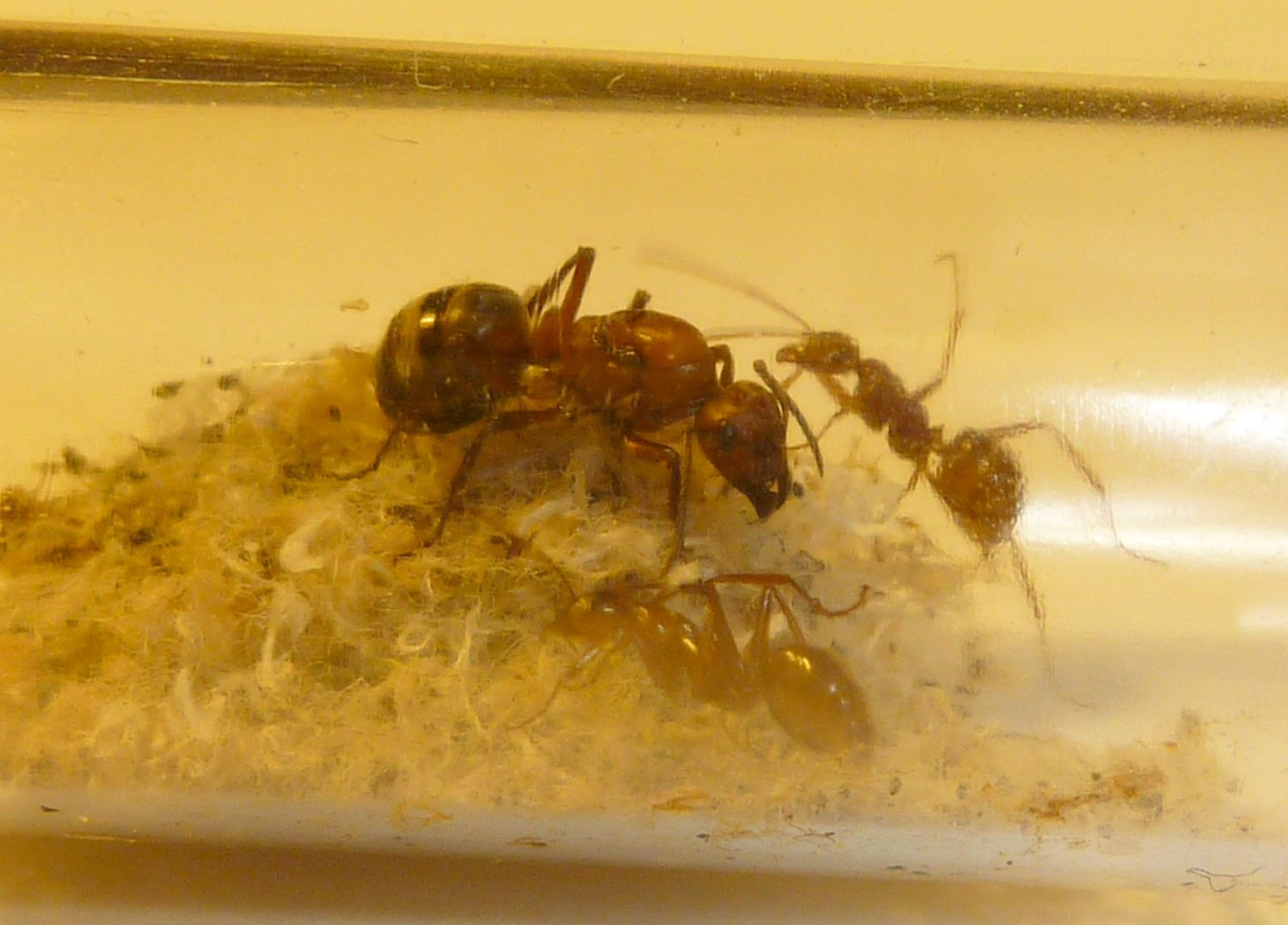
Ant Chat Episode 35: My Formica pergandei Colony
So I've decided to do another episode. Ants during the summer really take a break, which is a shame because that's when ratings for my show go through the roof. Now that we've had a few hurricanes, err umm, cold spells, more ants are becoming active and I'll be able to post more outdoor things hopefully.


Wednesday, August 31, 2011
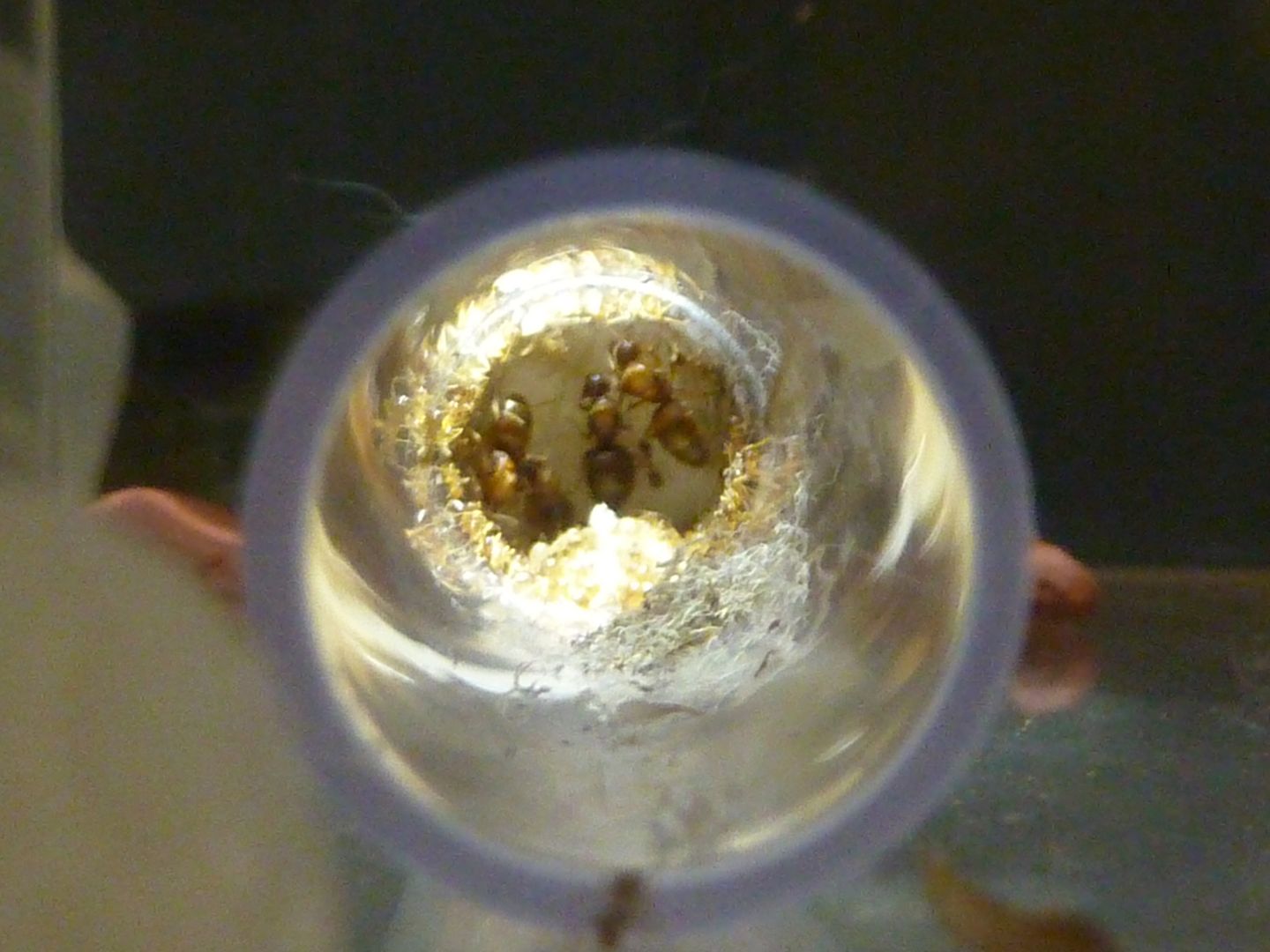
Ant Chat Episode 34 Prenolepis imparis Expirament
Here I took 4 young colonies of Prenolepis imparis, Winter Ants, and allowed them to share the same foraging area. I've had success in the past getting colonies to combine this way and wanted to try it again. Colonies were almost forced to step over a rolled up napkin soaked in 1:1 sugar water. Upon meeting only minor aggression was shown towards the other before they started sharing food. Colonies started exploring one another and began moving into one nest.
Wednesday, August 3, 2011
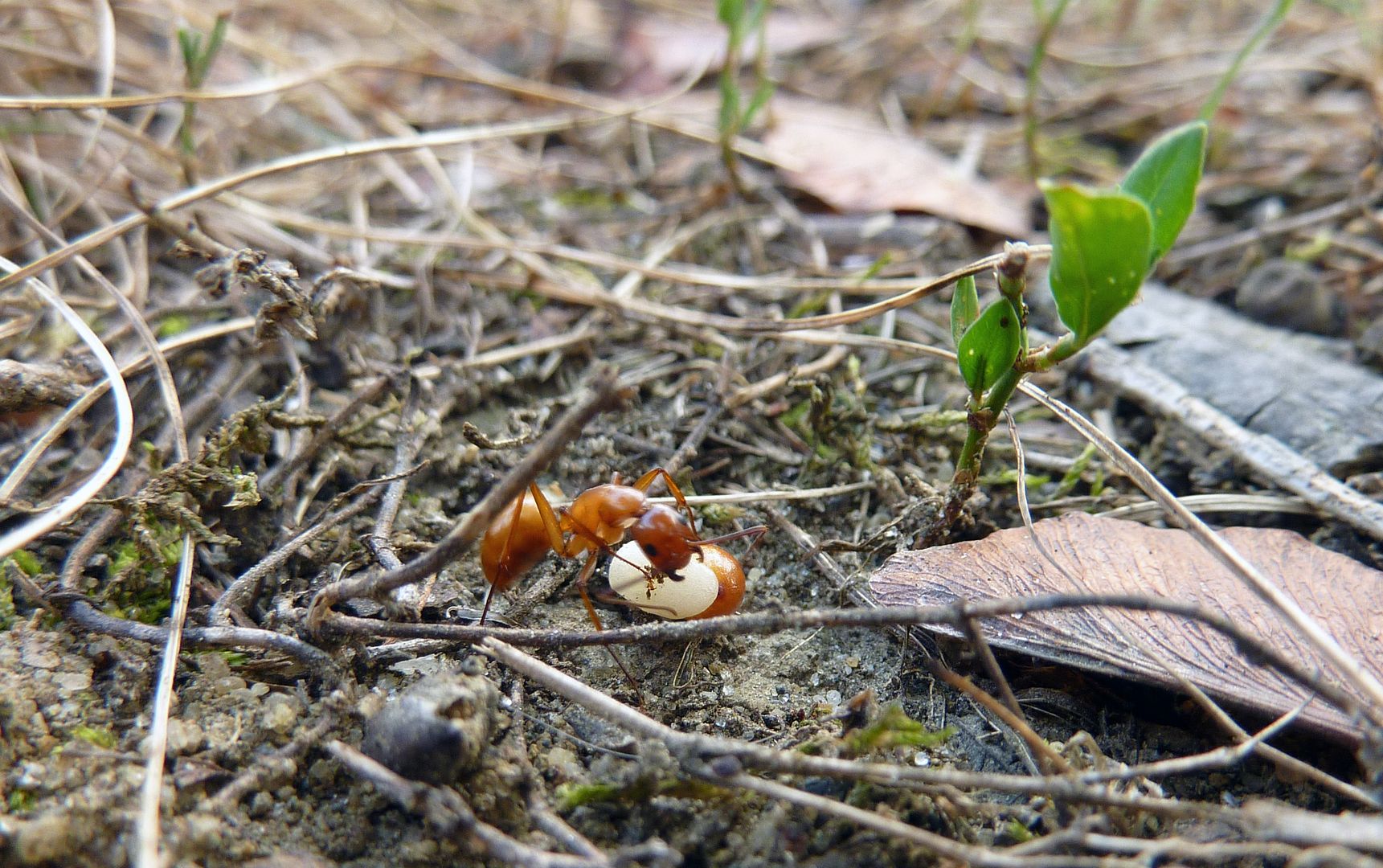
Ant Chat Episode 33: Myrmecochory
I've already done a short show about Myrmecochory which you can see by clicking here. It was such a popular show, at least on youtube, that I decided to do another one but this time with different ants. I will hopefully do this as an annual event each year but I hope to mix it up with other plants that have elaiosome on their seeds. Unfortunately Trilliums are the only plants that I seem to have any success with as far as seed distribution goes. The Hepatica I grew this year for whatever reason didn't get any ant attention.
Fun Fact: To my knowledge there wasn't a word for seed dispersal by wasps before this episode was made. I asked James C. Trager what that might be called and he suggested the word Sphecochory. Now I'm not sure if planting in tales the seed being successfully making it to a spot where it can grow. Yellow Jackets do nest underground but I've also seen paper wasps raiding the pods for seeds and the flesh within too. Successful planting probably happens rarely but the seed is still at least being taken away from the parent plant and making it into the ground. So maybe Sphecochory will make it's way into the dictionary someday.
 |
| A Trillium seed pod turned inside out. |
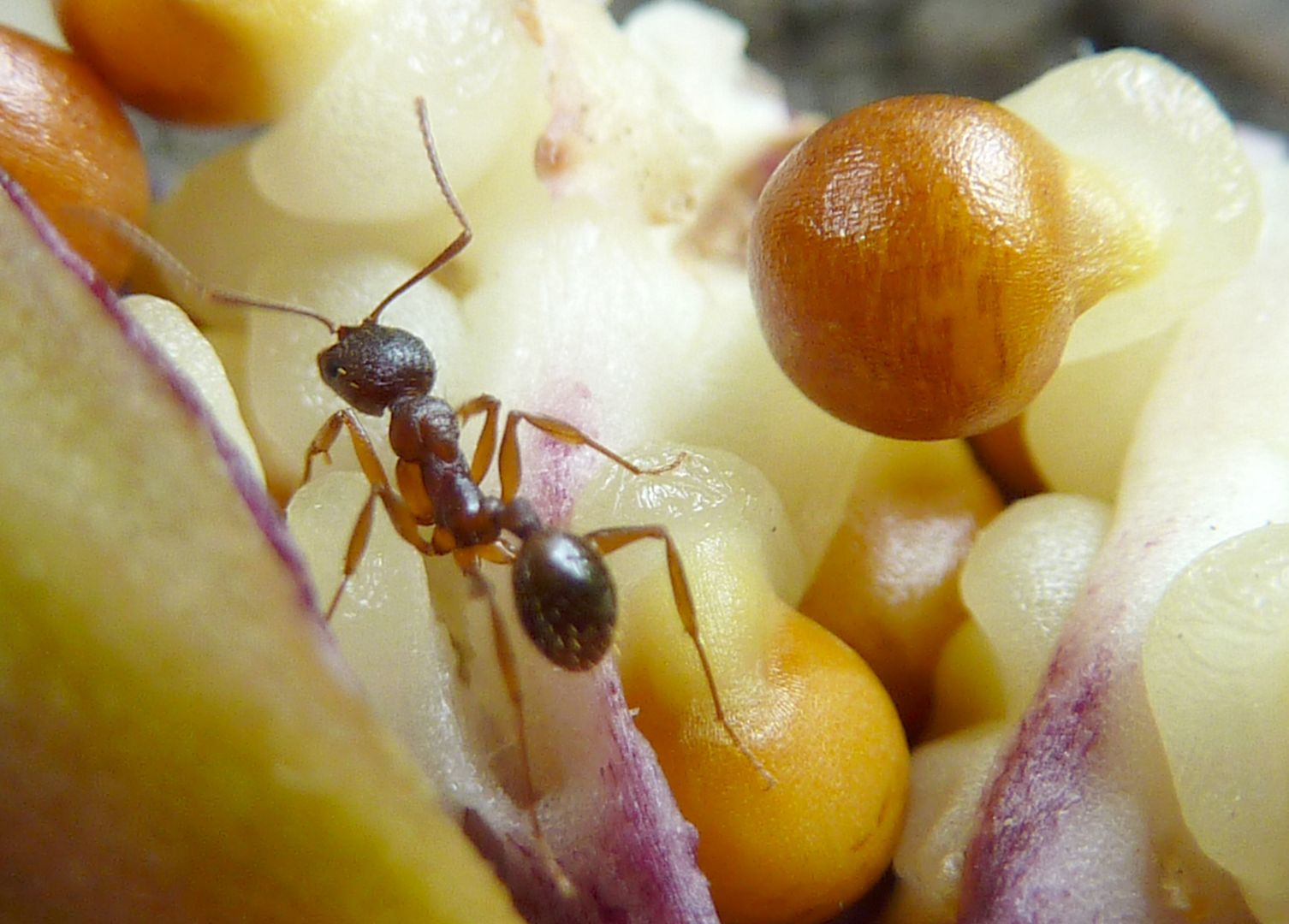 |
| An Aphaenogaster rudis walking through the Trillium seeds. |
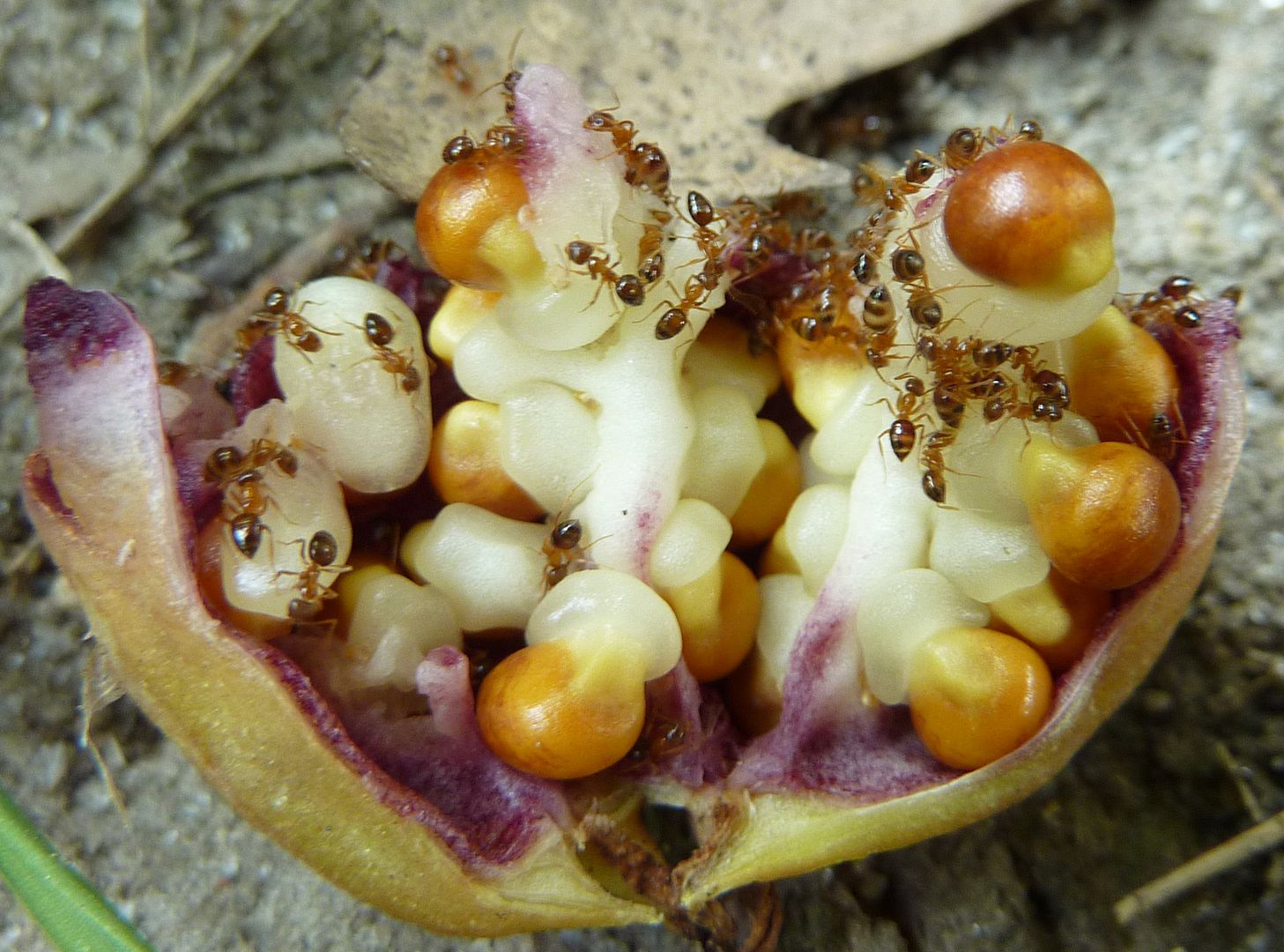 |
| Nylanderia flavipes stealing the elaiosome from Trillium seeds. |
 |
| An unexpected thief terrorizes the ants away, and begins chewing off one of the seeds. |
 |
| Sphecochory - Seed distribution by wasps. Why not. |
 |
| A Camponotus castaneus locating a Trillium seed. |
 |
| A Camponotus castaneus hauling a Trillium seed home. |
Saturday, July 2, 2011
Sunday, June 5, 2011
Ant Chat Episode 31: Some Spring Flying Ants
This is basically a rundown of the species I've found flying here in my yard. I'm thrilled to report I've lost count as to how many ant species are found in my yard. Counting ant species is a slightly better way of measuring biodiversity in an area than say beetles, moths, and butterflies. Counting everything of course is probably best, but ant colonies are for the most part stationary, rather than just passing through.
Stenamma is the most recent genus found outside. I honestly didn't think they occurred in New Jersey, let alone my yard. Workers are really small and, I think, easy to mistake for Temnothroax as I have been apparently doing all my life. After the Stenamma queen I find what I thought was a Leptothorax species but after doing some research I find those are most common on the west coast, so that's likely a Temnothorax, or less likely, a Formicoxenus.
Alex Wild tells me that North American species of Stenamma have a narrower section of the petiole as it comes off the mesosoma, see here. I should probably qualify this as one of those "most of the time it's true" statements. Just glancing over some of the Ant Web specimens I found a Temnothorax or two with the same trait. For the most part though, Temnothorax have don't have this smooth poll-like portion of the petiole; I'd say over all the majority have this section as an angular section. Stenamma seem to have smaller eyes which are also flatter to the head, while most Temnothorax seem to have larger eyes that dome outward somewhat. Again though there is a Stenamma or two that have very Temnothorax-like eyes. I'm not even going to throw Formicoxenus and Leptothorax into the mix but you get this idea, identifying something can be a pain in the ass.
While I have the genus down for that queen, I don't have the species. Stenamma have cryptic nests underground where I've read they are almost certainly predators of small arthropods.
Also above I found a Camponotus castaneus queen starting out. I'd already found a queen to this species behind work. Finding a new queen trying to start her colony in my yard is very rewarding. I made the decision to not catch her because the current adult colony that's out there really isn't doing so hot this year. They may be coming to the end of their colonies natural lifespan and I think it's important to allow some queens to get away. As another example there are some parts of my yard that I just don't look for ants and otherwise never disturb.
Wednesday, May 25, 2011
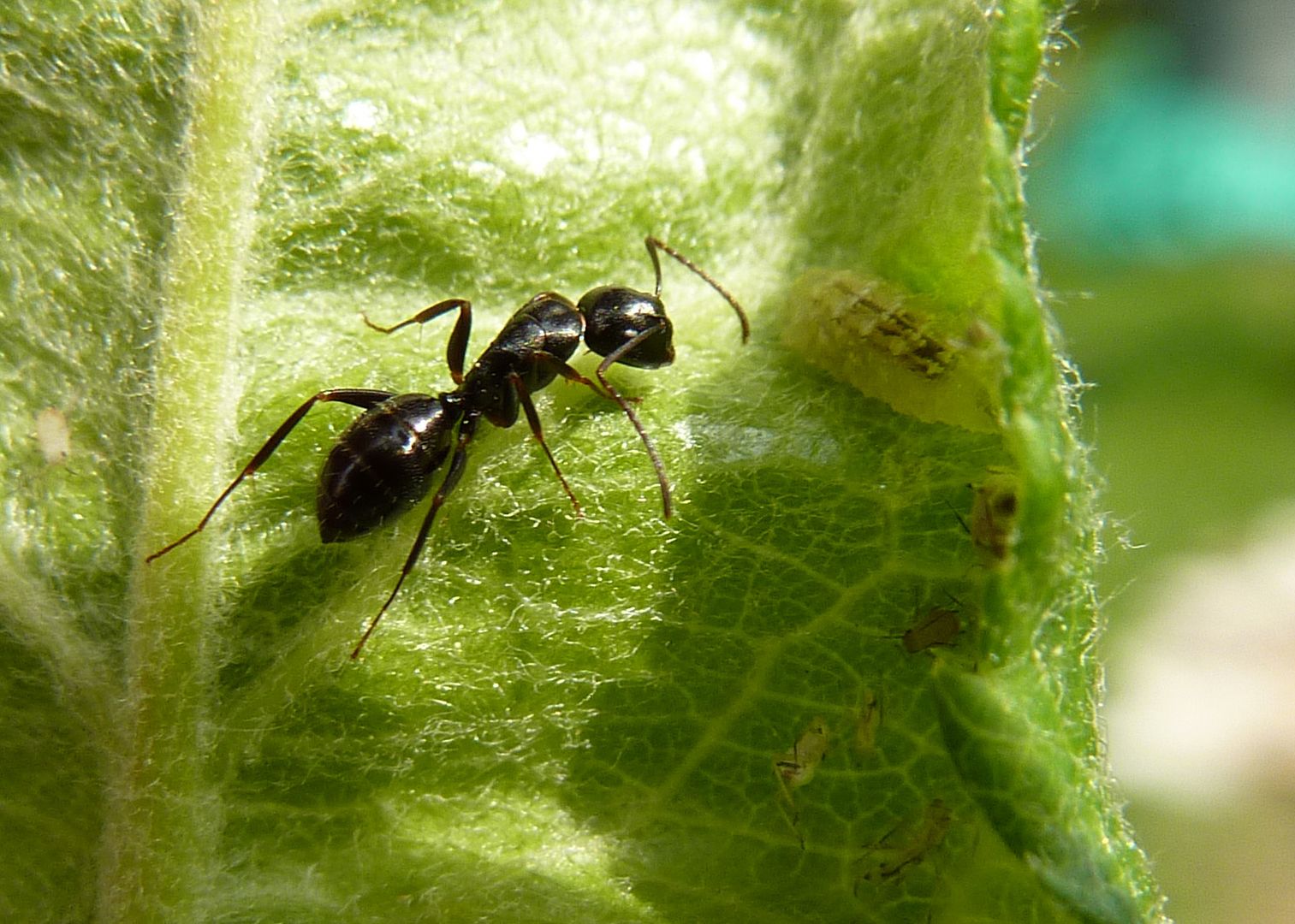
In this episode I highlight the various aphid "infestations" springing up on various plants. As wildflowers fade, stealing nectar from plants becomes harder to rely on. Aphids circumvent plant defenses and share their spoils to attract the ants to them as guardians. They don't do a perfect job but they do it well enough that aphid herds maintain fair sized populations.
Monday, May 9, 2011
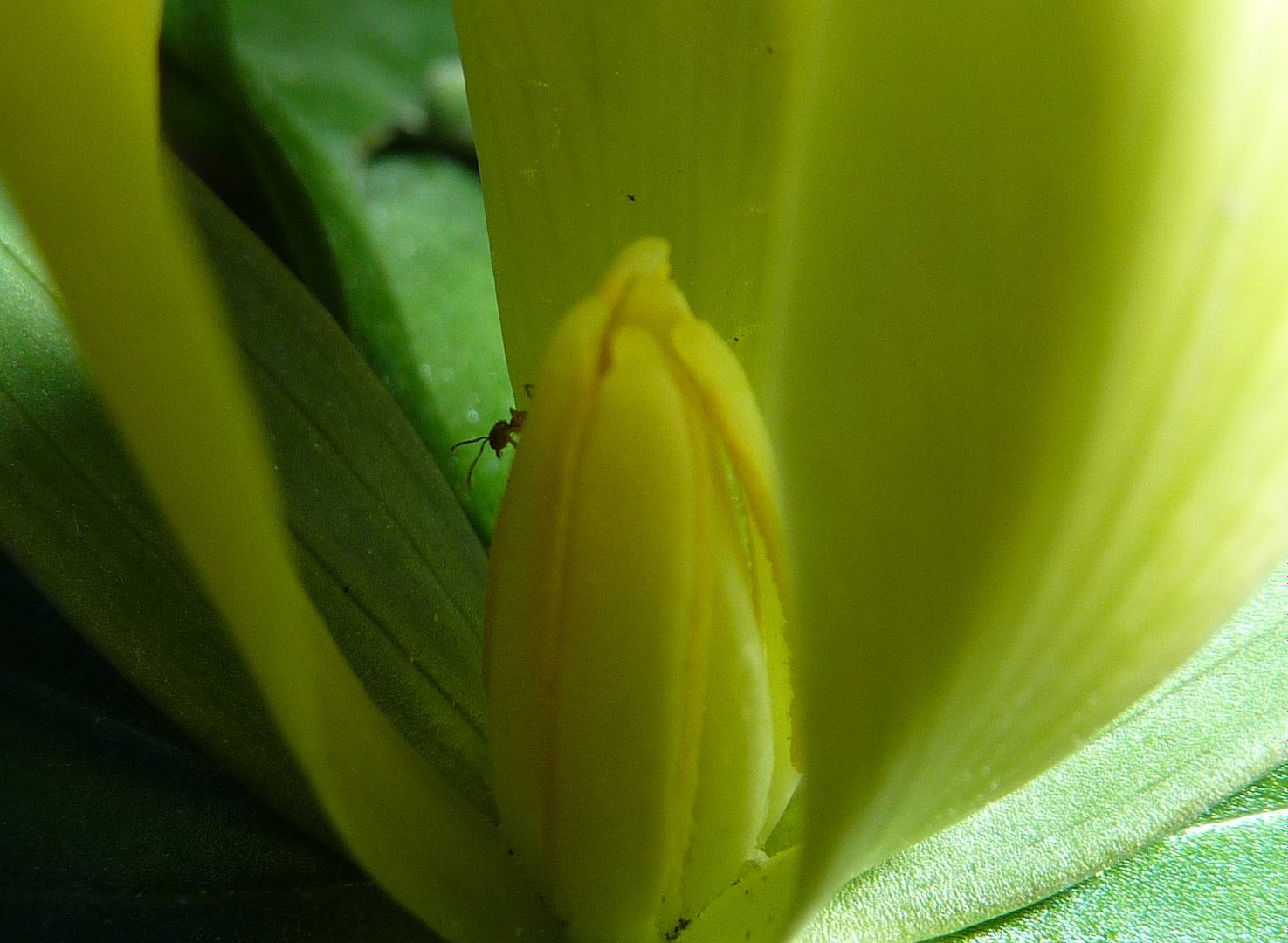
Ant Chat Episode 29: Nests and Foraging
Now that warm temperatures are a reoccurring theme for the year, ants take advantage of this time before summer's heat limits their activity. Some are prepare reproductive brood, while others opt to move, divide, or expand the nest in other ways. All this is done while carefully foraging and maintaining boarders with species that directly oppose their goals.


Friday, March 18, 2011
Ant Chat Episode 24: Spring Ant Activity
I really didn't expect to find so many ants out already. There were even Tapinoma sessile, Nylanderia sp., and Lasius neoniger wondering about but I didn't record those as I couldn't located their nests.
This is the camera I'm using for this video. The default setting for video is AVCHD Lite which is meant to be viewed directly on HD TV's. So there isn't a whole lot of software out there that can edit it. This setting can be changed to Motion Jpeg which isn't HD as I mention in the video, but I'm happy with the quality all the same. I see there are better versions of this camera now, but I haven't researched how they vary with quality though. My next camera investment will be more advanced than a point and shoot though.
Monday, November 1, 2010
Ant Chat: Episode 23 Fall Ant Activity

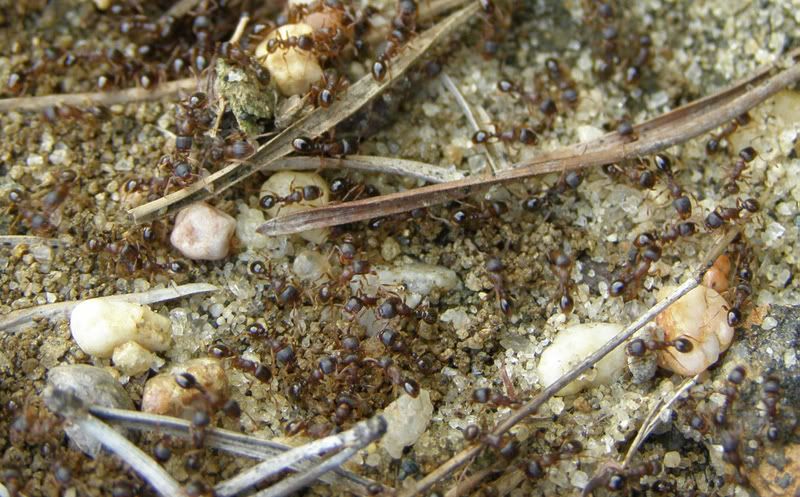
Sorry for not doing a show in a while. Also sorry at how socially awkward I sound in the first few minutes. I recorded this all in one take and it's been a while. Around minute 3 though the show comes together. I finally got around to filming some Ponera pennsylvanica. Hopefully I'll get more of them next year. I may have gotten the second invasive Tetramorium species in my yard, Tetramorium tsushima, more from realizing the difference between them and T. species-e. The difference is T. tsushima is .5mm shorter than T. species-e, and T. tsushima tends to be but not consistently bicolored.
 |
Special Thanks to The Too Gentlemen Podcast for plugging the show a few weeks back. Do note though some of their topics are not work safe but they say it like it is usually. I went to school with one of them, and was asked to guest on the show sometime in the future.
Friday, July 9, 2010

Monday, June 28, 2010

Thursday, June 10, 2010
Ant Chat: Episode 20 Just Some Anting

Did some anting earlier in the day. Kind of threw this episode together really, but enough happens of interest that I think it's worth watching. I sort of present a theory about Camponotus nuptial flights but trip over my words a bit. Basically what I was trying to say is ants that over winter their alates, such as Camponotus, (some Formica, and some Myrmica) have the benefit of flying earlier than species that produce their alates to fly in the same year. Because Camponotus (and others) have all their alates up and ready to go they deplete all their alates in the course of one or two good weeks over the year. Where as other species that produce their alates to fly that year, example: most Formica, Tetramorium, Lasius, other Myrmica, and Crematogaster etc... tend to have longer seasons. Colony location has a lot to do with how fast the brood is developing. Alates will be in different stages by the time the first of them start flying.
Monday, December 14, 2009
Ant Chat: How to Build a Tank Setup

And for those of you who didn't read the last two posts, Here's the episode of Ant Chat explaining them.
Subscribe to:
Posts (Atom)