It opened! And it also stormed last night so that fluffy pollen filled appearance went a little down hill. Also the petals faded up a bit quicker than I'd expected. It's still pretty and I'm looking forward to seeing lots more of them.
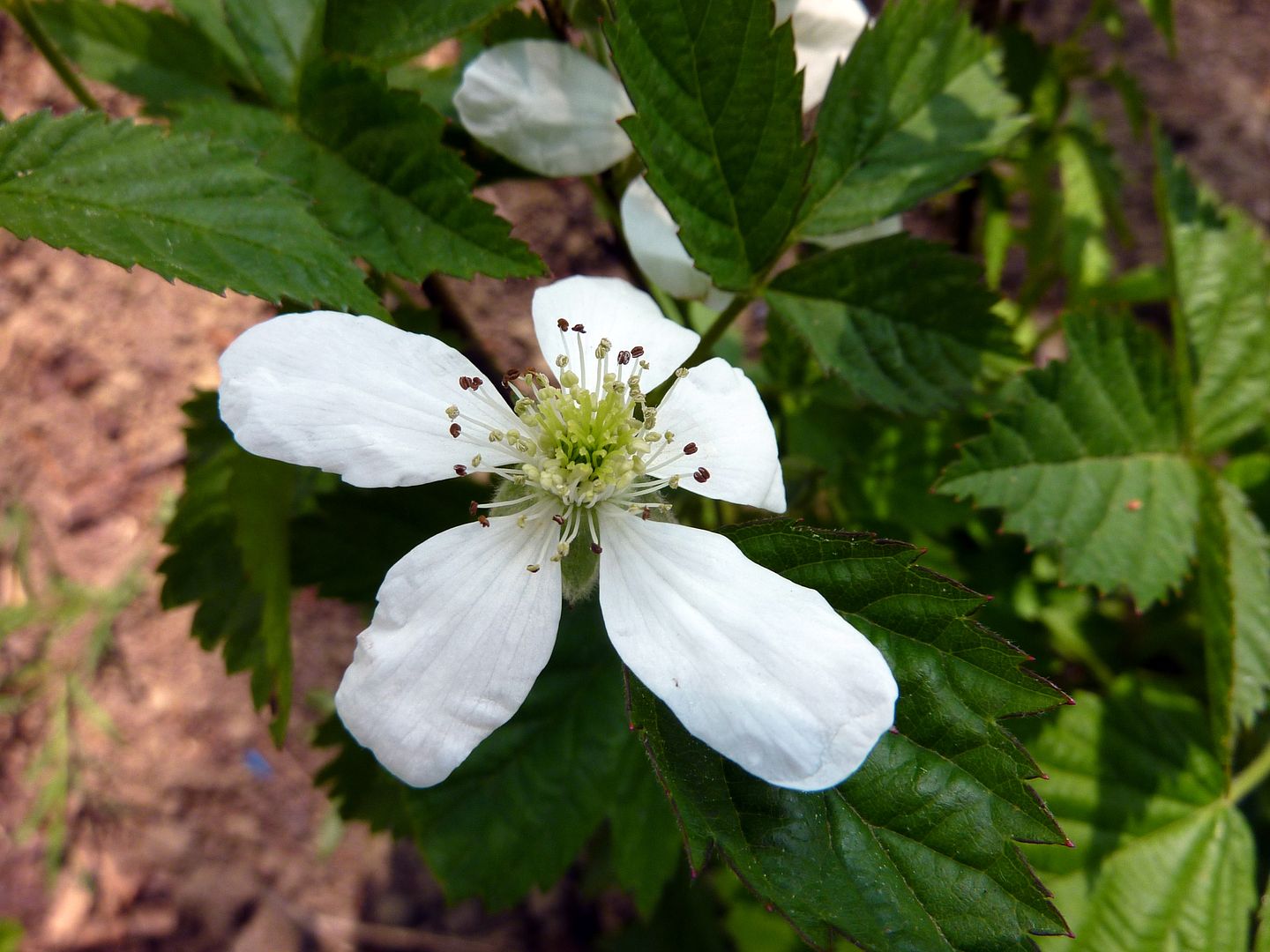
Another plant in this genus I've tried is Common Dewberry, Rubus flagellaris. This is basically a low growing blackberry that grows more as a bramble along the ground. Their fruiting stems come up to about 4' but the longer ones that spread out can grow to be 15' long! This flowered about a month ago, and it's just produced a few berries. They're tart but sweeter than the actual blackberries I grow. Meaning you don't really need to eat them with heavy cram or anything. They're still super tart so it's always an option but they're bearable to eat right off the vine.
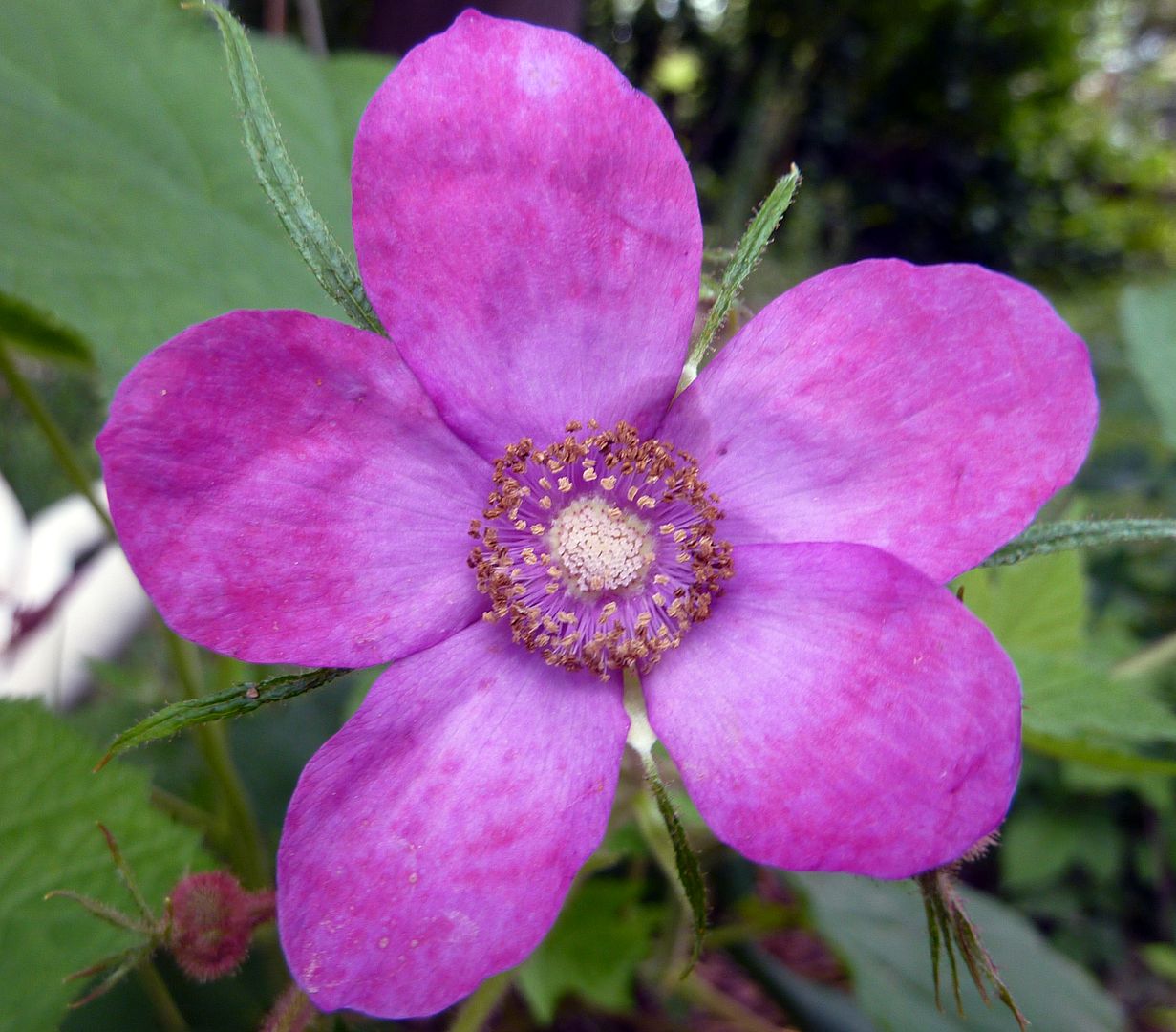
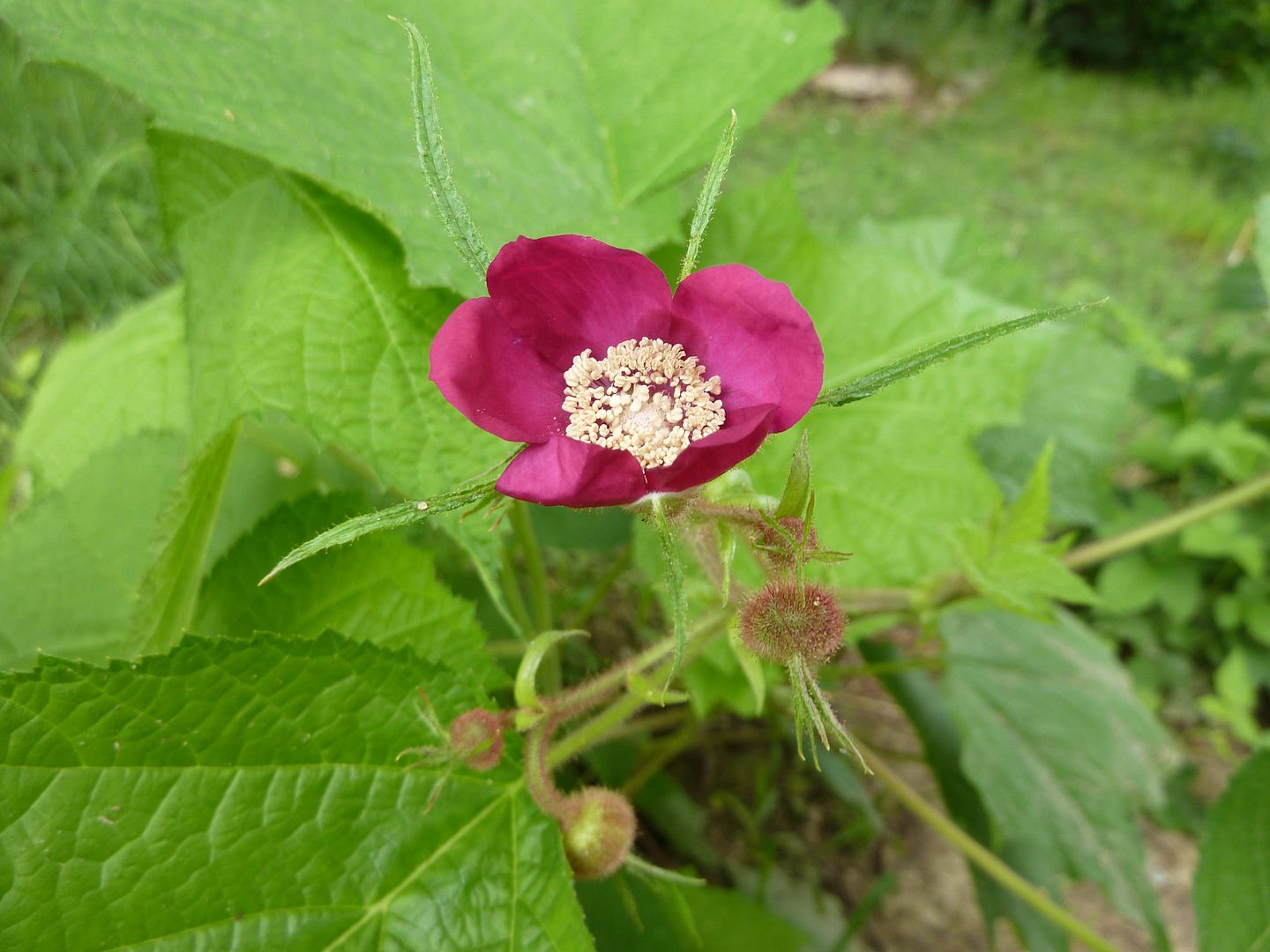
So this little jewel started to peek open this morning and I've never wanted a flower to open up faster before in my life. This is Purple
Flowering Raspberry, Rudus odoratus. Along with looking like one of our native roses, this plant lack prickers or thorns as found on typical Raspberries and instead has sticky hairs which are sort of neat to touch. Their pollen filled flowers go on to produce edible fruit that I've read taste as good as if not slightly less than traditional red Raspberries. Honestly though it might be a sacrifice I can live with if I could get a row of these beauties in my yard every year. Why isn't this plant more widely sold? Or at least crossed so the red raspberry produces a prettier flower?
Boxes keep arriving full of plants for me to plant. Since I wrote my own book on "Native Plants for Honeybees" I figured I'd take my own advice and install so real treasures. That's not to say I didn't research at all, but I personally haven't some of them, and many of the good ones sadly I don't have photographs of.
Basswood, Tilia americana, also called American Linden Tree. This is actually a common street tree in some neighborhoods, but I haven't seen any of it growing around here. I know someone who planted one but it didn't make it through the winter which is odd because they are hardy. This is one of those great summer nectar sources for honeybees to enjoy. The flowers are said to have a sweet distinctive scent (see Mitchell and Webb).
Fall Color is Red.
Sourwood, Oxydendrum arboreum, is another good summer-ish nectar plant. The flowers are bell shaped, like those of blueberries and heathers, and occur along horizontal "strands" almost like exploding fireworks which bees have fairly easy access to. It's said to be a high quality honey.
Fall Color is Red, with lines of yellow or blond seed pods all over.
Black Tupelo, Nyssa sylvatica, is a massive tree that grows in the bog and wetlands down south. This species, I've read, can tolerate growing in average moisture and should be somewhat drought tolerant onces it's established. Tupelo honey is said to be one of the best tasting in the world, and while I doubt one tree will be enough to get that pure tupelo honey, I look forward to adding it's flavor to the typical wildflower mix my bees produce. Great nectar plant.
Fall Color is Red.
Clove Currant, Ribes odoratum, which I believe is a synonymy with Ribes aureum. Anywho it's an early blooming shrub with wonderful fragrant yellow flowers. Honeybees use it for both nectar and pollen, however it does have seperate male and female plants so you don't necessarily get both on one plant. Females that get pollinated will make berries that I read are tasty both for humans and the birds.
Purple Flowering Raspberry, Rudus odoratus, which has brilliant 2" red/magenta/purple flowers worthy of any rose garden, that go on to produce edible raspberries. I'm scratching the back of my head wondering why this isn't planted more often? And why isn't is more widely available? What's more, why haven't growers gone nuts breeding the flower traits into other varieties? At the very least you'd expect them to breed in the lack of prickers along the stem wouldn't you? Raspberries are good nectar and pollen plants for honeybees.
Prairie Rose, Rosa setigera, is a climbing or tailing rose with a vigorous growing habit. Native roses are often labeled as aggressive spreading both by seeds and by runner/root suckers. Well I can't argue the seed aspect but that's easily solved by dead heading. As for sending out new stems along the root system, in truth this varies from plant to plant and can even be bread out of them. Roses only produce pollen for honeybees, and if the bee doesn't have to dredge a labyrinth of 50+ petals all the better.
Blood Root, Sanguinaria canadensis, which is a native wildflower that only produced pollen. It's also one that I went a little nuts with and apparently ordered it from several other nurseries as well.
Tiny-Headed Blazing Star, Liatris microcephala, which is just to add to my collection of Liatris species. Liatris produce okay amounts of nectar but I don't believe it's ever collected in high enough quantities for it's only honey type. I find this strange though because I know honeybees love this plant, and there are defiantly fiends that are glowing with Liatris when they bloom. I suspect there's too much else flowering in the same fields when they are to narrow it down.
Here is an interesting lecture on the Organic vs. Genetically Modified debate. It opens with the guy who started the anti GM crop movement saying Sorry for not listening to the science that shows GM crops are great for the world while Organic is well... kind of like what the Amish are doing.
One of the plants featured in the upcoming book is the American Elderberry, Sambucus canadensis. As it so happened I was looking for plants to put in when I got a newsletter from the Mt. Cuba Center telling me about a class that weekend on Elderberries. And upon researching Elderberries apparently Honeybees help pollinate the flowers to increase yields at the end of the year. How could I say no?
Probably the most valuable thing I got from the class was what they meant by it being a "Suckering Plant." Elderberries are among the most vigorous growing plants you'll ever grow. They seriously push out 6' long stems in a year, and they don't stop growing until they reach 12' or so. Most places on the internet praise this plant for how "aggressive" it is at growing. HOWEVER! This is a very friendly plant and appropriate for any garden needing a large shrub.
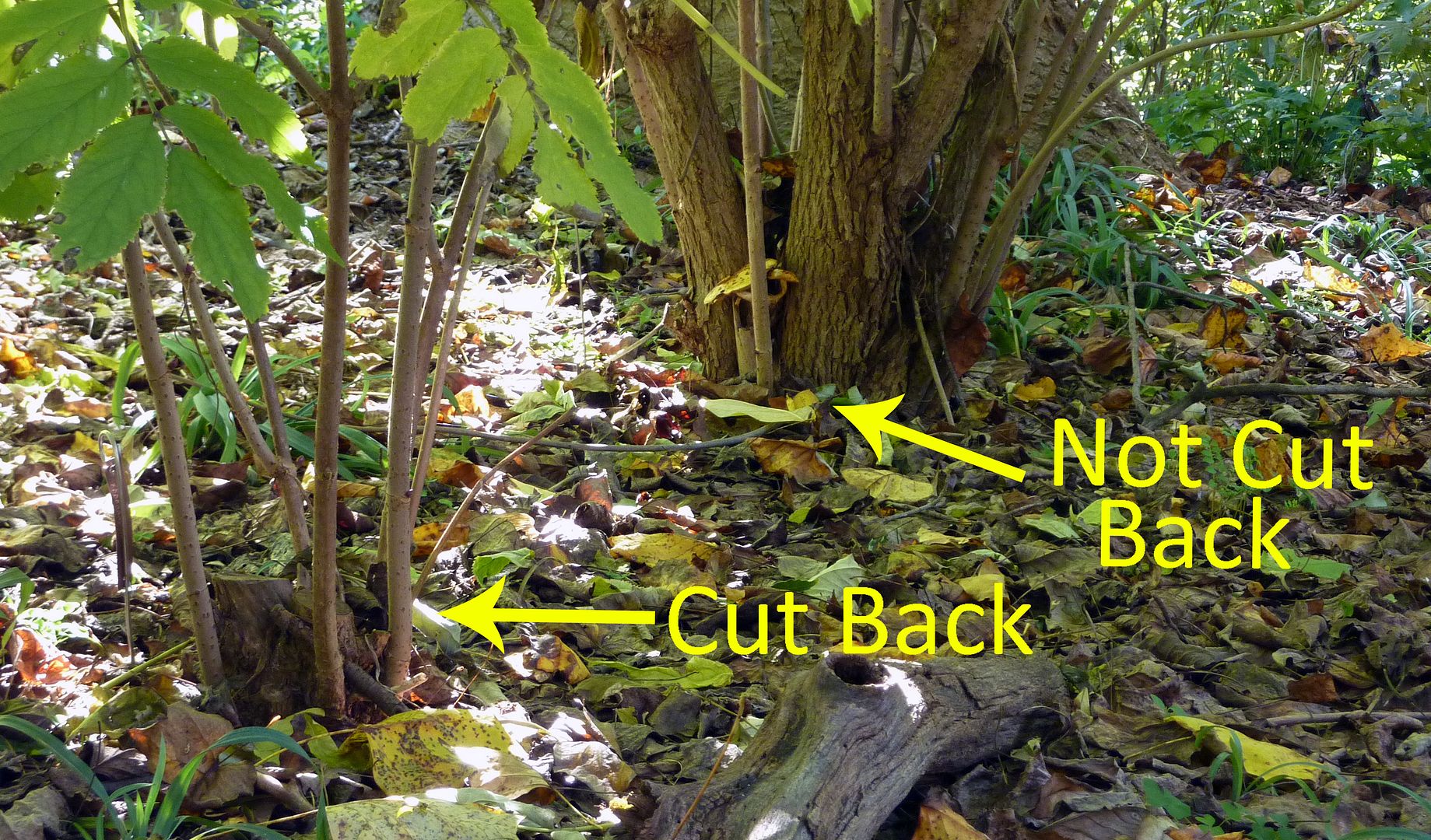
All of the sucker come up at the trunk or close to the root ball. They do not come up anywhere that the roots have spread out to! Treat this plant like an ordinary shrub. (If you want an awful plant that does spread aggressively by root suckers along the roots, I recommend Trumpet Vine.) Pictured above are two Elderberry plants. One is allowed to grow into a 12' shrub. The other is cut back every year and is kept short to 6' as a result. Flowers occur on both new growth and old, the more sunlight the better, the more plants around, the better your fruit yields. If they get too much shade they won't fruit at all.
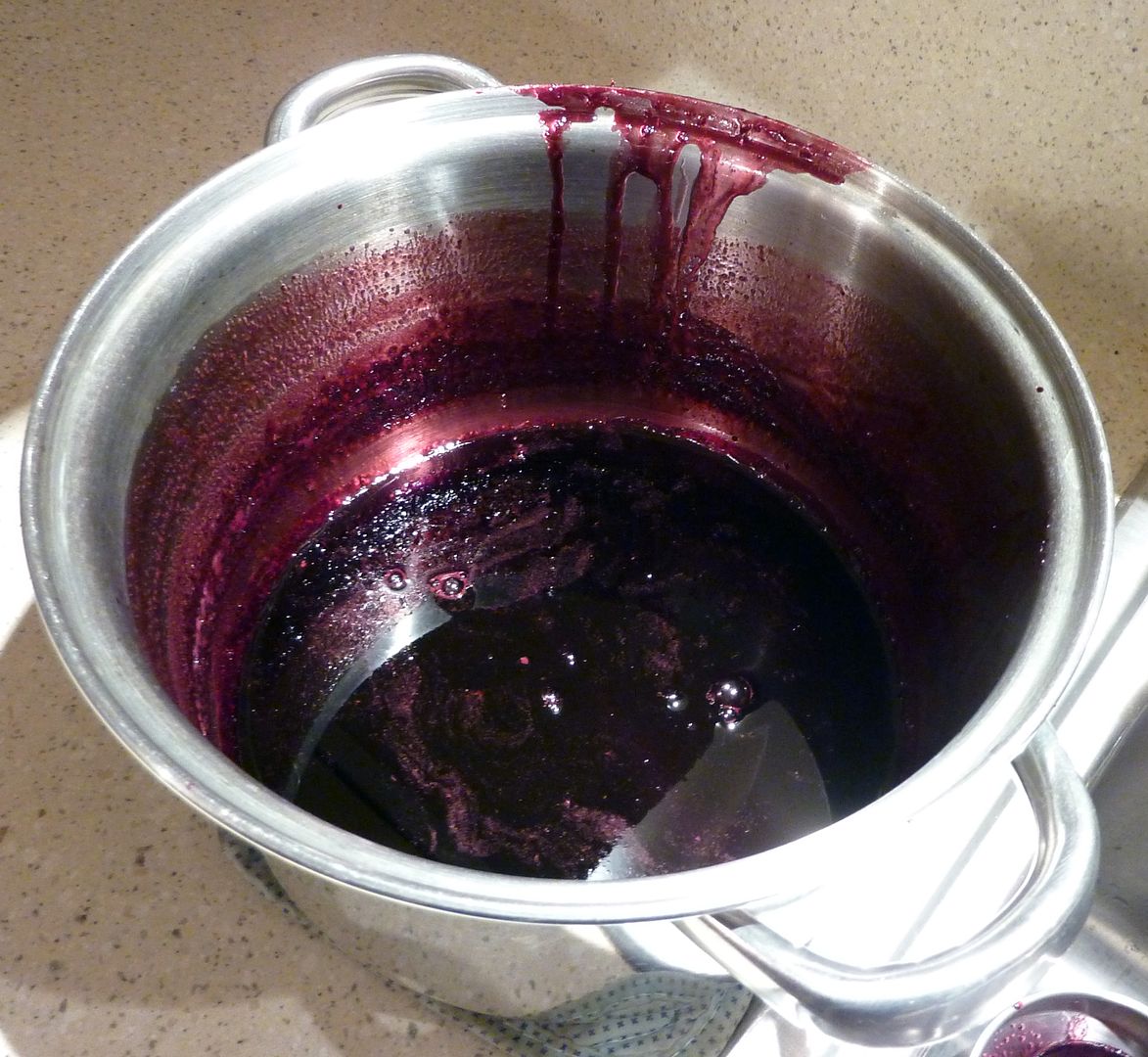
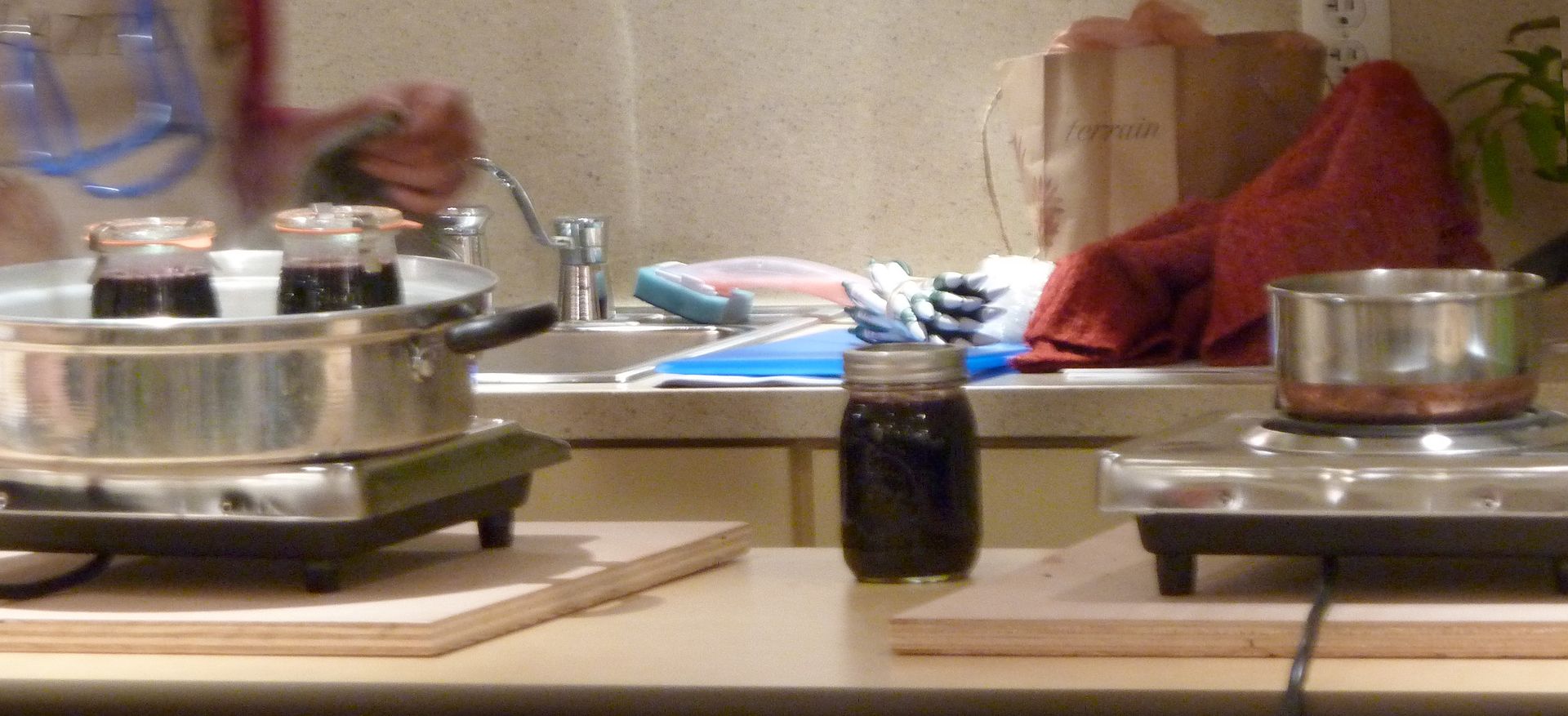
A fair amount of the class was devoted to jam making! This was the Mt. Cuba Center's first attempt at a food demonstration and boy was it a success.
Elderberries can produce anywhere from 12 to 15lbs of fruit each year. If you're able to harvest them before the birds do, making jam is probably the best application. They showed us everything except for sterilizing the jars.
Sadly they don't have a food license and we weren't able to take any home.
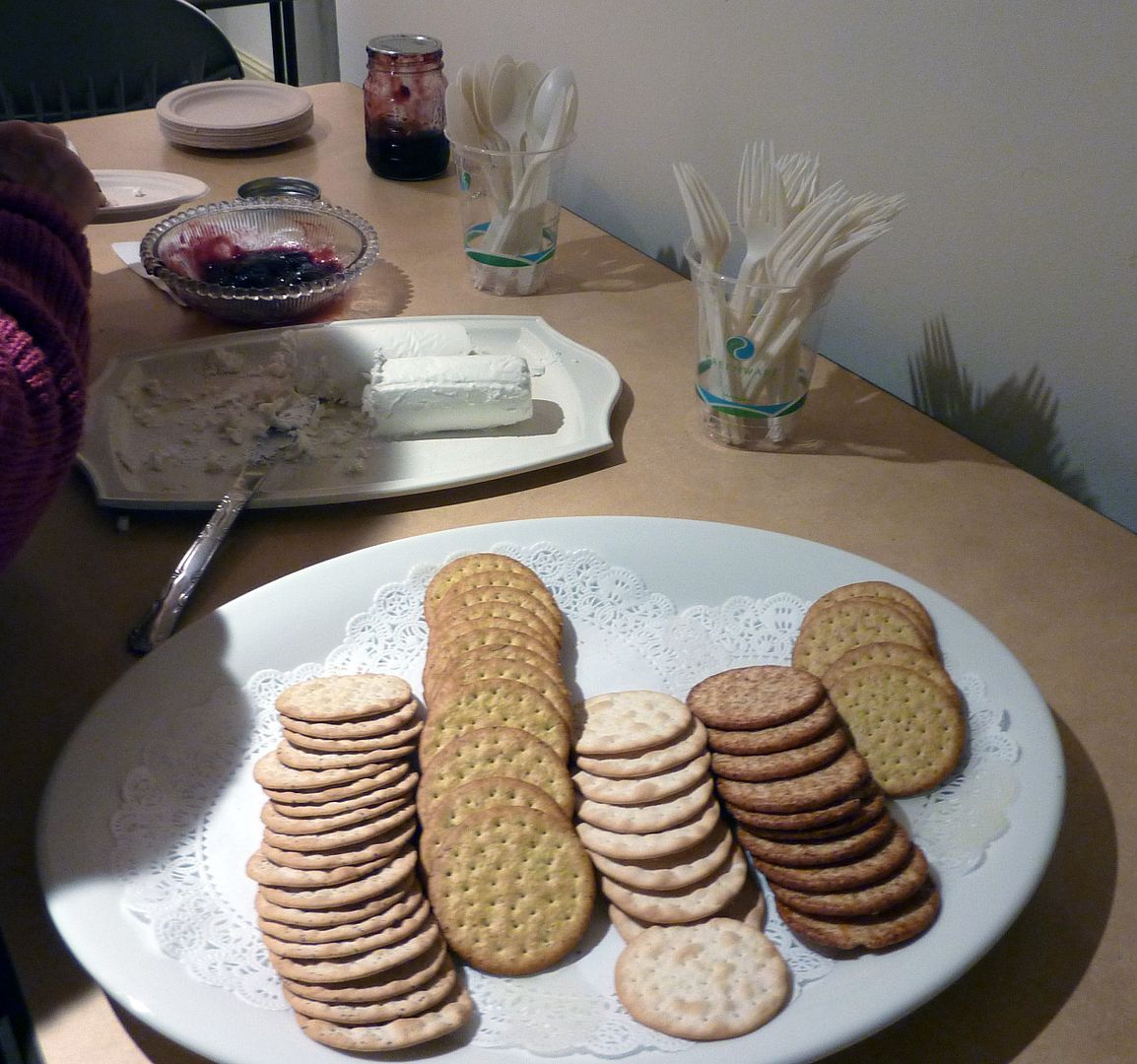
So while we waited for things to be made, they fed us! Elderberry jam tastes just like Grape Jelly but without the grape flavor. Same texture and everything just not that acidic grape taste. It goes great with crackers and goat cheese.
After such a wonderful course I really didn't care that the plant I was give barely fit in my car. Pot included, the elderberry plant I got to take home was around 5' tall (6 months worth of growth, I'm told). Assuming it produces fruit next year you can bet I'll be making jam, or jelly, or a mess or something, next year!
A friend of mine posted this on facebook and I thought I'd share it here. It's a fairly popular video on youtube that has over 300,000 views. I actually had no idea these plants were sprayed with chemicals like this. We eat potatoes with almost every night. This seems like something I should look into and the experiment certainly seems easy enough to recreate.
As to her question: Which potato would you rather eat? My answer would be organic of course. However, once the potato has started growing the insides turn green, harden, and the potato shrivels up as it starts using it's stored energy (the white starch which we normally eat). Among the usual parts potato plants make, nicotine is also produced and found throughout the plant. It's no where near as high a concentration as a Tobacco plant but enough of it is there to make you sick. So really it's organic potatoes that aren't growing. When you find green parts inside potatoes they've only just started trying to grow, so it's easy enough to eat around these parts.
I've just learned that Gardening Author, Lee Reich, has a blog. And he was recently interviewed by the folks over at Growing a Greener World.
I've actually gone and seen Lee give a lecture in person. The topic was on native food crops and was the first time I learned about Persimmons, Paw Paws, and Lingon Berries. Also I had no idea we had native varieties of Strawberries, and Raspberries.
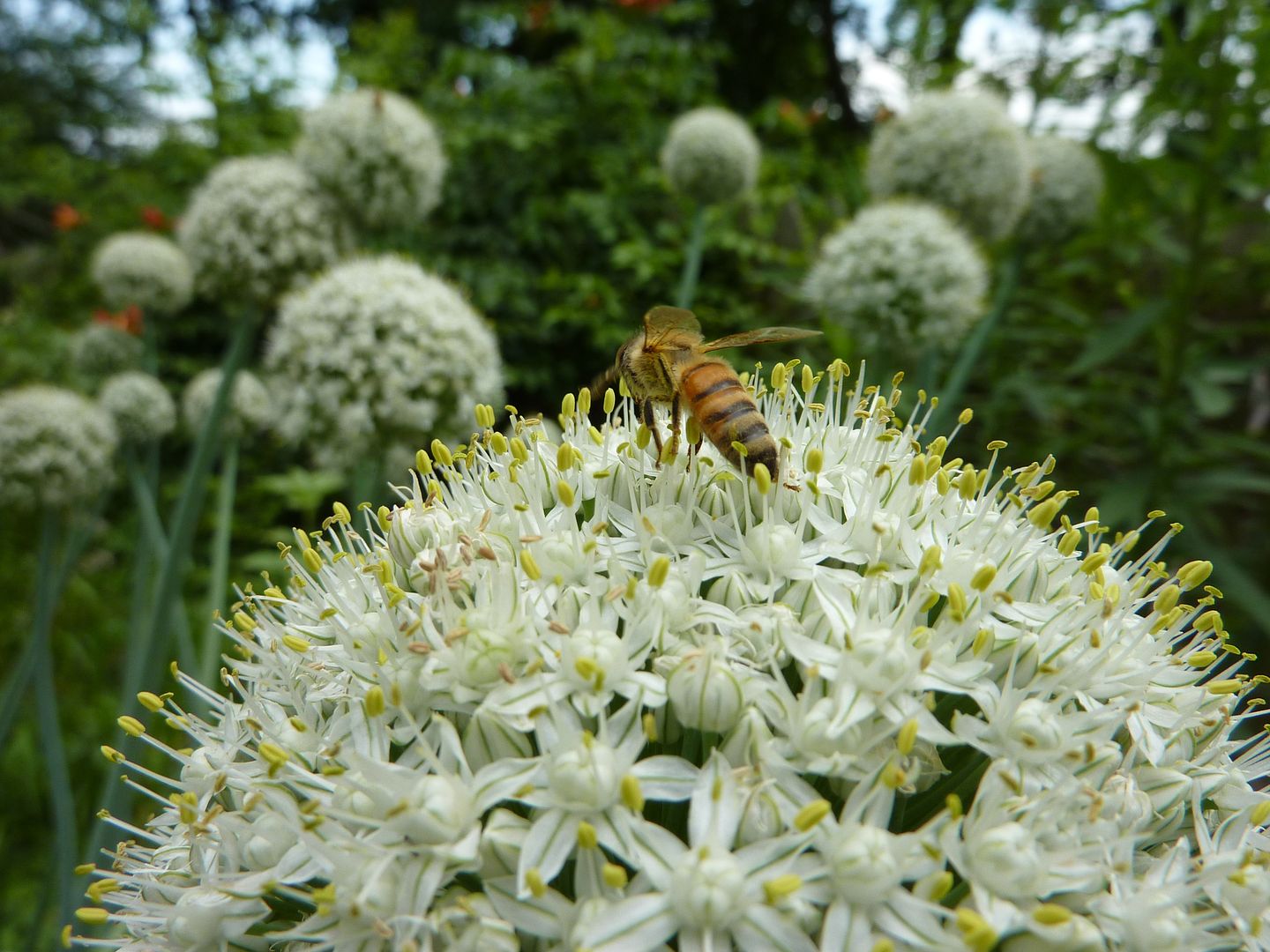
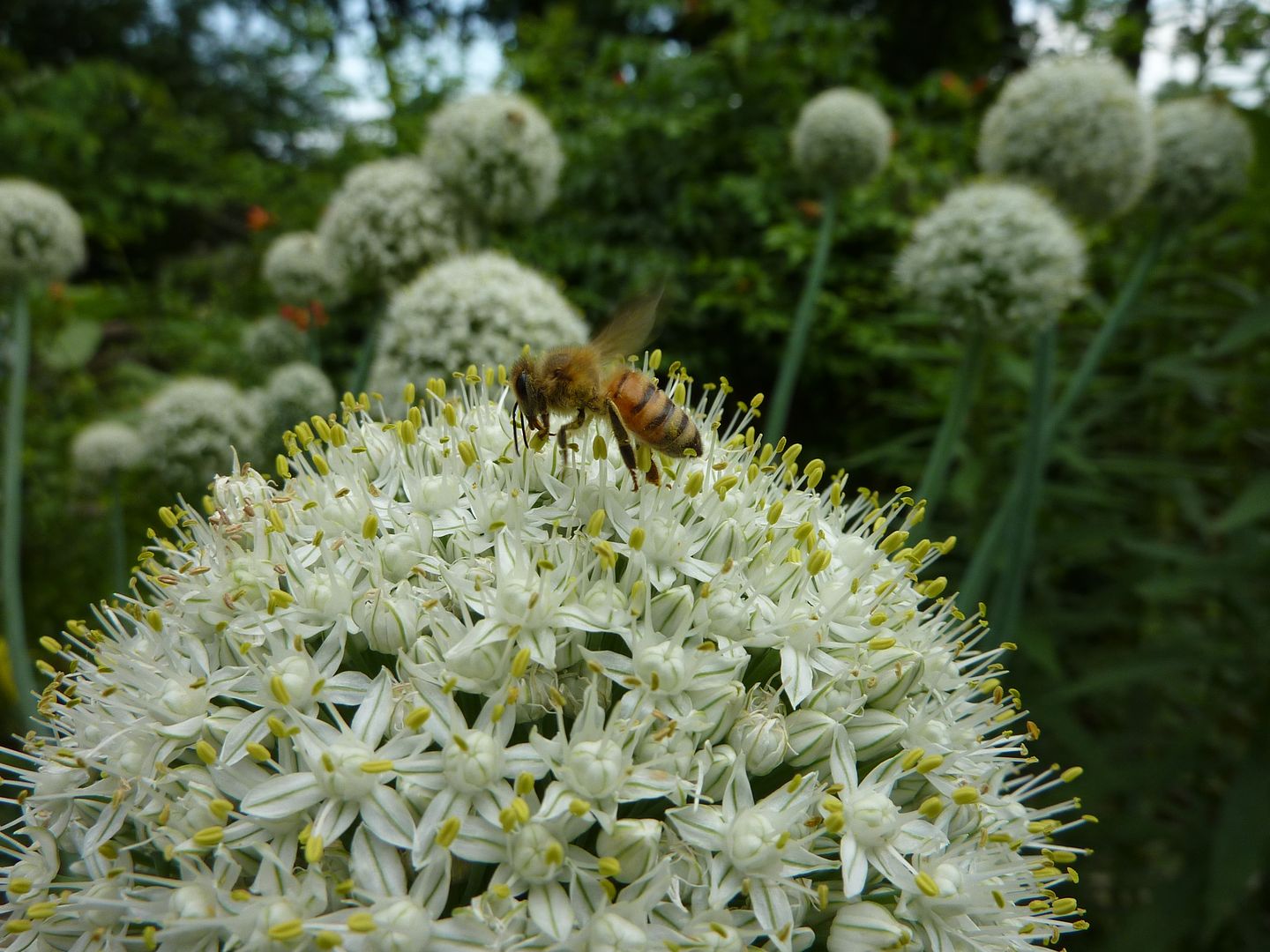
Some onions I'd planted last year have decided to flower this summer. It hasn't taken long for the bees to find them.
These are ones meant to be eaten but I'll point out that some Alliums are sold as ornamental. There is a pink flowering variety in particular I've seen sell for $25 a plant. A complete waste of money in my opinion. These normal ones you eat cost about $5 for a pack of about 60. They take a year to flower but frankly people do that with bulbs anyhow.
After flowering you can cut the flower head off or let them go to seed. Harvest after the stem turns brown... I'm not sure if that means the tip, or the whole stalk. I'd assume the more you wait the fatter that bulb will get.
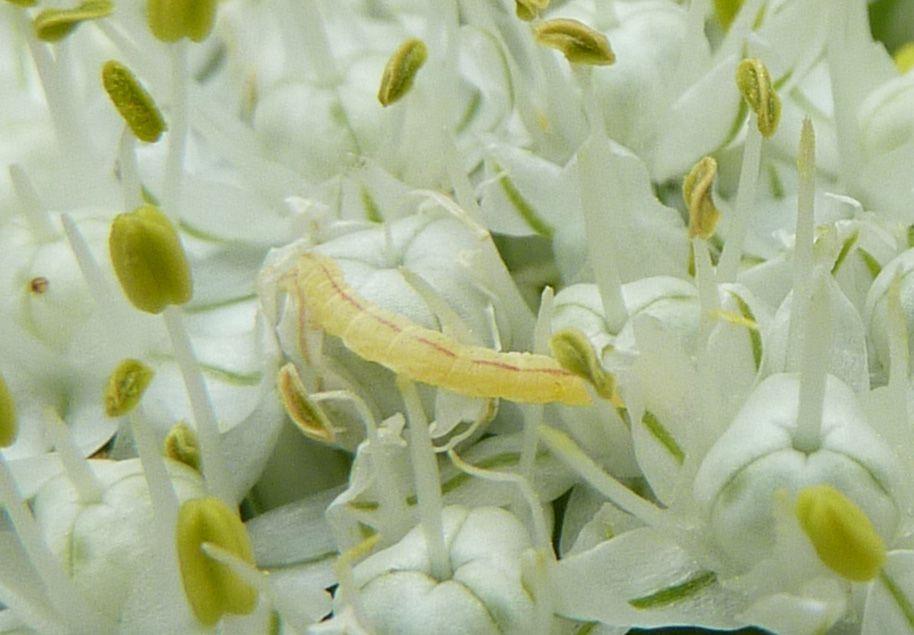
They're also the host plant to something. I've seen this caterpillar on lots of other plants and they seem to change color based on what plant they're on.
Garden themes are a dime a dozen these days, though not quite as bad as the Diet and Exercise industry. Some of these are gimmicky, while others are classic categories handed down for generations. Really I want gardeners everywhere to just take two steps back and ask where the industry is going.
Compost Tea -
Okay I've never tired this personally but it seems to me hosing down the food with compost isn't as much of a good idea as you might think. What isn't mentioned here is you can occasionally grow Escherichia coli in the tea, also known as E. coli. Also 8 cups of compost sounds like a lot. 1 quart is what other folks online seem to be saying.
Hydroculture - Basically this is the stupid thing to the below. Actually it's wrong to call it stupid because it actually works. It's just you can't grow anything with a grow light alone. You need to have it next to a window to really grow anything out of it. Basically you're growing plants without soil, they survive because there's an air bubbler constantly feeding the roots air and ever two weeks or so you dump in a pill capsule of nutrients. This works but it feels anything but natural.
Aquaculture - This is the biggest waste of money unless you have a garage or green house devoted to it. The idea is the same as Hydroculture but instead of adding nutrients you have fish (usually Tilapia, Koi or Goldfish) living in a tank and the water is filtered through the growing beds. On a large scale I can see this working but as something to be put in your home or apartment it just doesn't work. I tried one product that cost $200+ which grew more mold gnats than anything edible. It must be placed next to a window to get the right amount of light and even then you will need a grow light over it. There isn't enough light coming in through your house windows to grow any edible plant. But if to much light hits the fish tank you'll get green algae which will suck up all the nutrients. In the home these really need to be in the right spot or it's all going to fail.
A few places do this on large scale and are more impressive. The issue though is because they're supplying food to the public and or allowing people to walk around and view their setup, they have to have the water tested daily to make sure E. coli isn't a concern.
Topsy Turvy Tomato and Herb Planter
This sounds as stupid as it looks. Plants want to grow up, not down. They don't hole enough soil either. You're better off just growing a plant inside a bucket. Moving on.
Permaculture - I love the idea here. Basically you garden as a forest. Tall trees are nitrogen fixing with their leaves every year, or otherwise a food crop in some right, vines are allowed to grow up and around them for more food production, shrubs are all food producing, The understory is a mix of shade tolerant plants that all serve some purpose in producing food. As we go farther out into more sun lit areas we find the traditional fruits and vegetables growing. And there's a cycle happening here as the trees drop their branches for firewood, or other material, so that everything is recycled and interconnected in the same system. Basically every plant here should be useful, there's no need for a lawnmower or anything like that other than to add to the compost pile.
What I hate about is when Permaculture nuts recommend stupid plants. YOU ARE NOT going to make your own paper or re-shingle your own house using bamboo. Anyone growing Trilliums as a source of toilet paper is an idiot. Perennial Sunflowers aren't all they're cracked up to be and frankly fall over on everything.
Crop Rotation - Okay this makes sense. It's actually grounded in reality. The idea is certain crops promote or use different nutrients in the soil. So one year you grow tomatoes, and the next year you move those to another spot, etc... Farmers used to do this a lot but used livestock and whatever crop they happen to be growing.
Square Foot Gardening -
With this we're still rotating the crops but they're being grown inter mingled as communities with different root types as opposed to a small mono-culture. This makes sense to me and is very similar to how I have my garden arranged. Along with working, it makes the garden look more like a landscape or flower arrangement almost. There's some design and ascetic qualities to take into account, or even if that's not your thing then it really doesn't matter because it all needs to grow together somehow.
Hummingbird Garden - These don't produce anything other than that is to say they attract hummingbirds. There are a lot of plants at nurseries that say they attract hummingbirds, so many in fact it leads one to believe that there are hummingbirds everywhere just around every corner you don't happen to be looking at right now. Where a lot of gardeners go wrong is actually believing these labels instead of doing research. If you're in the natural range of Coral Honeysuckle, Lonicera sempervirens, then you should have several of these planted in your garden! This is one of the plants these birds migrate with the bloom of and it does a hell of a lot better than Japanese Honeysuckle, Lonicera japonica which gets nothing but carpenter bees.
You'll hear other tips like, "include plants that get lots of insects," and, "always have a few evergreens nearby for them to nest in."
Now, I understand the second one, though I'll point out I've seen them nesting more openly at times. As for the first one... "include plants that get lots of insects,"... Where the hell did this come from? Considering the years and years of gardening mentality that is bugs are bad how the hell did these words come out of a gardener's mouth? What plant at the nursery has ever been labeled that? The only one that comes to mind is New Jersey Tea, Ceanothus americanus, which is really hard to find in most garden centers, and from my understanding has been on serious decline over the past 50 years! I think what they mean by lots of bugs really is that it gets lots of aphids and things like hover flies for them to eat. Caterpillars are also high on the menu.
Butterfly Garden - Here's another theme that a lot of gardeners go wrong with thanks to garden labels. There are a lot of videos online that stress the use of both nectar plants and host plants, and frankly a lot of them talk down to their audience in the process. It's okay to have a butterfly bush, in states where it's not considered a noxious weed, but I would rather have Ironweed, assorted Liatris, assorted Milkweed, some Joe Pye Weeds, Wild Senna, Buttonbush, Asters and Goldenrod all growing in the same 10 by 10 area one butterfly bush can take up.
One problem often talked about with butterfly gardeners is they never seem to have enough insects! Found in the what many call the bible of our age, Bringing Nature Home: How You Can Sustain Wildlife with Native Plants, Updated and Expanded Doug Tallamy has created a list of host plants, also available online! Woody Plants, Herbaceous Plants. So generally if you have a forest and prairie themed garden full of mostly natives you're doing great. Unfortunately most Lepidoptera are moths. Butterflies are actually a rather small group as a whole and considered to just be day time flying moths. To really get those host plants for each should be researched individually.
Vegetable Garden - Consequently, one problem often talked about with vegetable gardeners is they always have to many insects! I've caught my neighbor throwing Tomato Horn Worms over the fence cause she knows how much I love caterpillars. I'm often parted with how I should react in that situation.
Pollinator Garden - These are big with bee keepers mostly but include elements of butterfly and hummingbird gardens usually. As I've already talked about the other two I'll focus on the honeybee aspect. Going to beekeeping meetings and reading the newsletter often has me cringing at some of the recommendation people have. Often they're promoting down right invasive weeds as nectar sources. I refuse to promote what they are and I'll be posting a list of Native Plants for Honey Bees later in the year.
Xeriscaping - This is when plants are selected for their drought tolerant ability, often with a desert or rock garden theme. I like it but I don't feel that's it's meant for all areas. We have cacti all over, even here in New Jersey, but an entire garden devoted to it doesn't sounds right.
Rain Garden - Quite possibly the best choice of the lot. Water is collected, usually as run off from the gutters, and directed into a little pond or vernal pool, where plants often native and used in other categories above to filter the water. There's no fuss and no muss with this. It's just a water conscious garden.
Conclusions - So regardless of what you're doing and how your growing things, the underlying theme needs to be as follows. It is better to be pretty useful as opposed to just looking pretty. All exceptions must be native to within at least your region of the country. And it's that simple.
When feeding my ant colonies I typically buy $1 worth of crickets. At pet smart this equals about 8, at other pet stores it's as many as 12 or more. Rarely do I end up using them all in one sitting. Once I get home the crickets are promptly put in the freezer to both kill them, and hopefully whatever mites they had. Flesh eating mites are near imposable to get rid of once they infest an ant colony, and even more so for ones in captivity as they lack the ability to change nest locations repeatedly. I've found that most mites don't eat live pray but can be equally devastating by out compete the colony for food once introduced.
After an hour the crickets are removed from the freezer, cut up with scissors and placed into the foraging area. The ants don't actually begin eating until they've warmed up to room temperature. This takes about 15 minutes.
Years and years of this routine have gotten somewhat boring though. I occasionally feed them live ground nesting termites when I can but even then I'm careful about the amount of soldier termites added. I'd never feed live termites to any colony I wouldn't believe could handle them. Young Myrmica queens are an exception as they hunt for pray items, and are on par with owning a pet scorpion. As it's winter time there are no termites to be found outside, so I'm left to entertain other options.
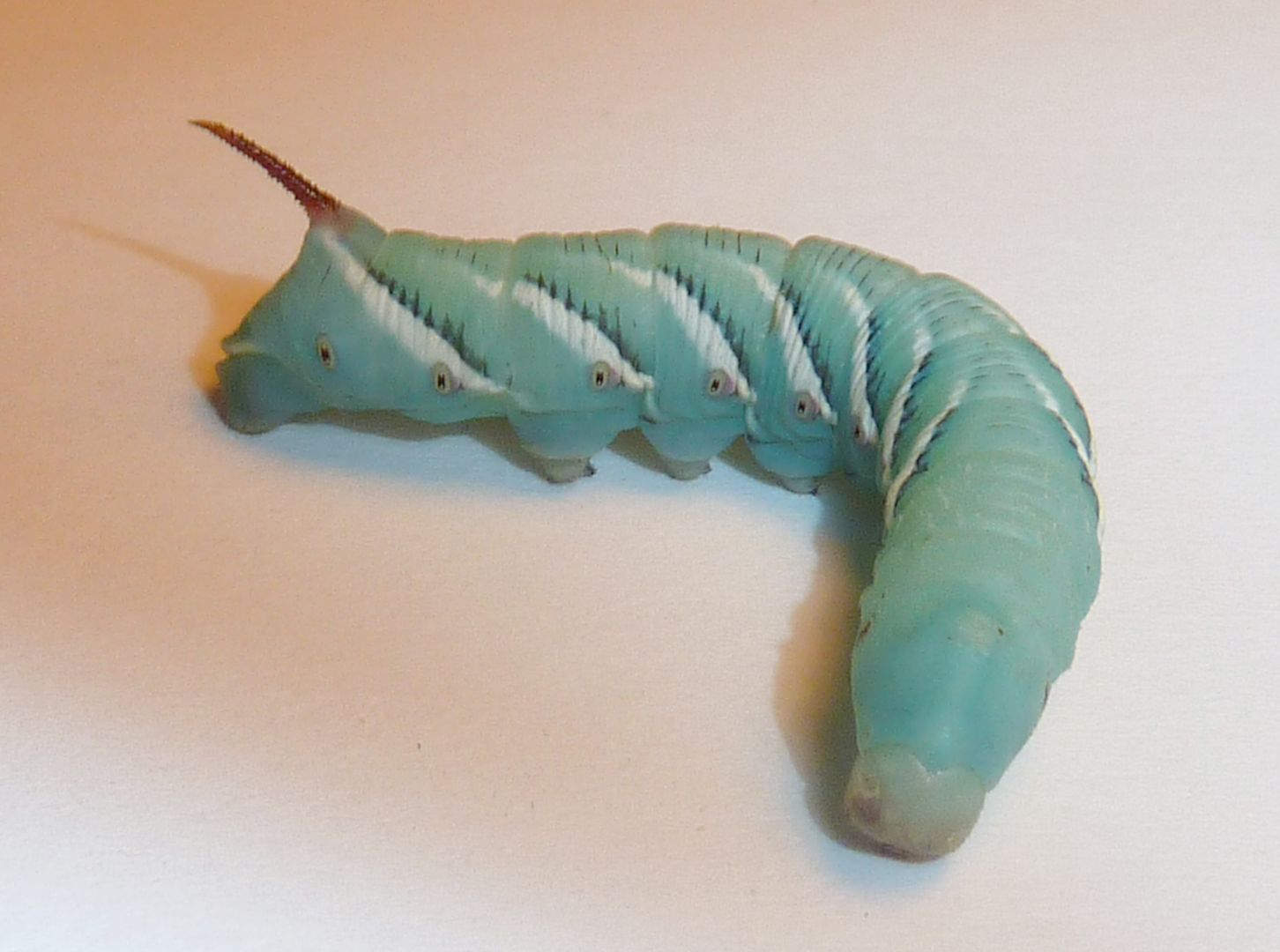
While at my favorite pet store I noticed they started selling Horn Worms, Manduca sp. Fun Fact: I used to think Tobacco and Tomato Horn Worms were the same species. It turns out they're not! M. quinquemaculata (Tomato) and M. sexta (Tobacco) are two species that simply use the same host plants. One internet source says the difference is the Tomato Horn Worm has an additional stripe but I've found that this isn't the case. Considering store bought caterpillars lack their normal pigment I don't think this caterpillar is identifiable at this stage.
Captive fed caterpillars like this are becoming more common in pet stores. I'm told they're safe for consumption by lizards and reptiles etc... because they aren't fed their normal food. Wild caterpillars that have their natural green pigment are quite toxic and stuffed full of nicotine, a natural pesticide. I decided to feed one of these nontoxic caterpillars to one of my ant colonies as an experiment.
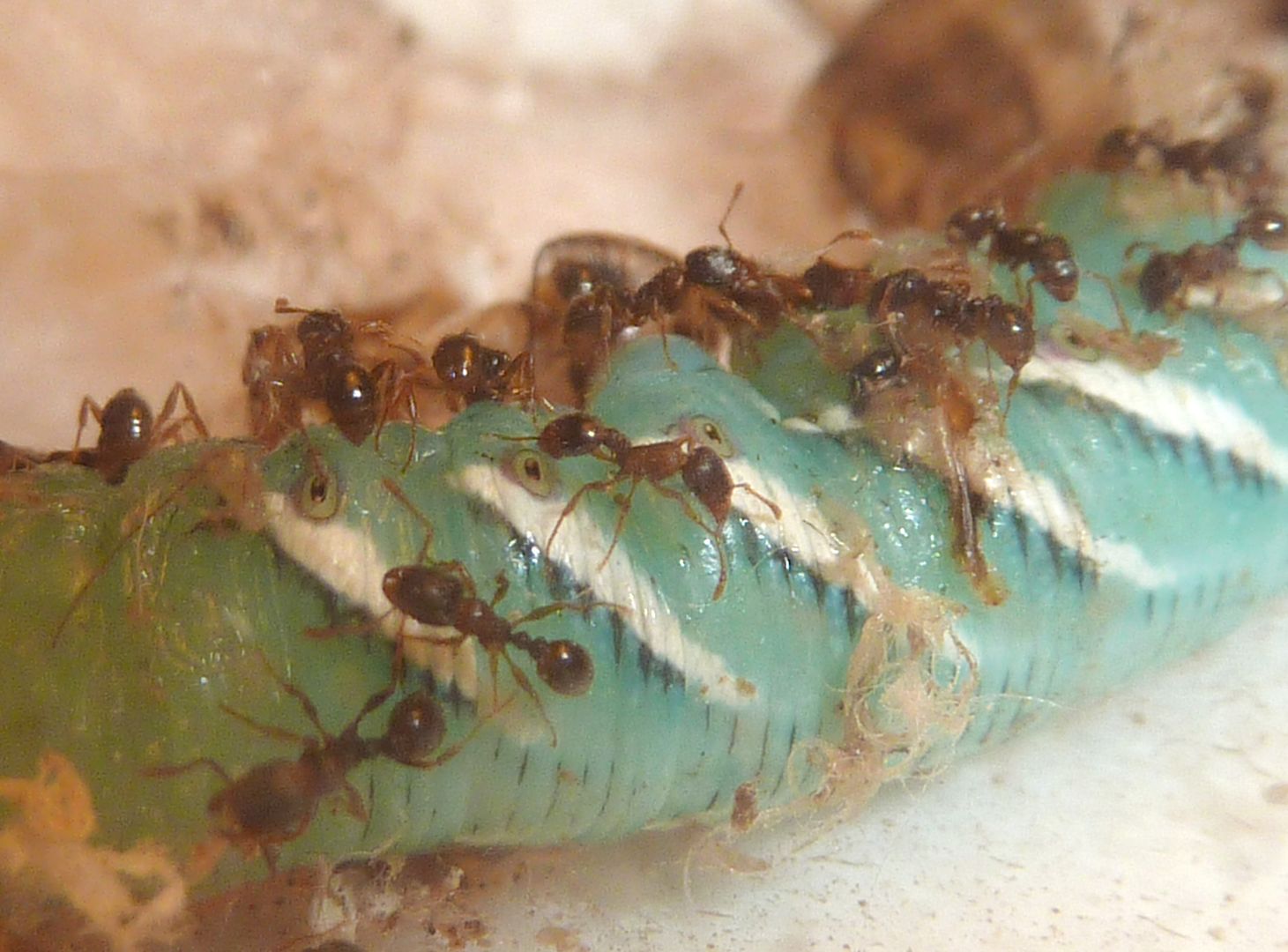
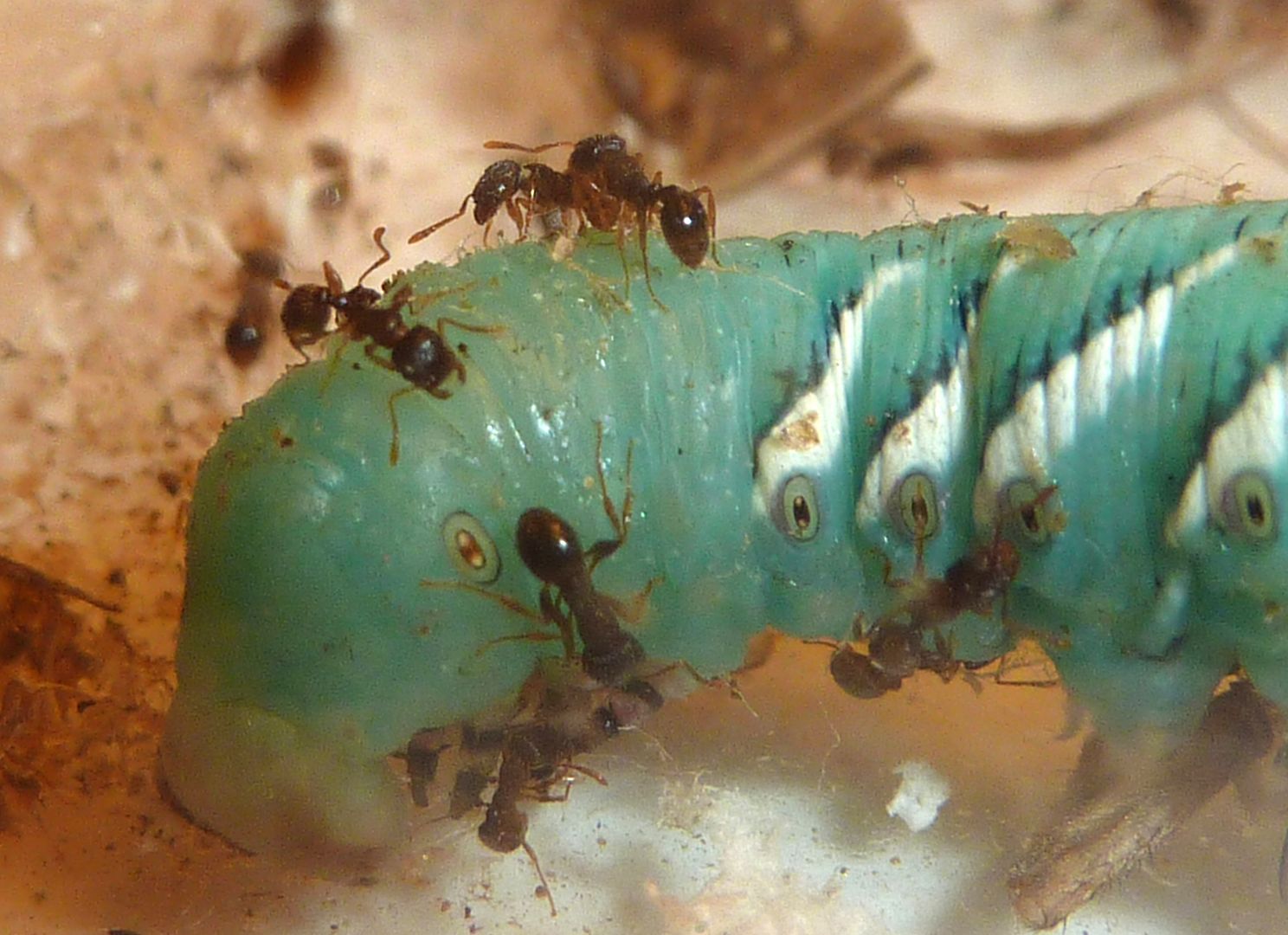
I decided on a live feeding to see if they could bring the beast down. The caterpillar put up a good defense bashing the ants off and rolling over them.
It even started secreting liquids at one point that seemed to make the ants stop attacking. It was always hard to make out though, It would glob out as a droplet that quickly soaked into it's skin.
Eventually the ants just started wondering about instead of stinging and biting it.
Slowly the ants called off their assault and stopped bothering with it.
Pavement Ant Colonies (Tetramorium species E.) while invasive don't have the vigor in them to be anything more than a scavenger. However their colonies can displace our native ants through harassment, and excessive territory demands. In the end the caterpillar starved to death and the ants didn't even bother with it's corps. I don't recommend them as a food source to anyone.
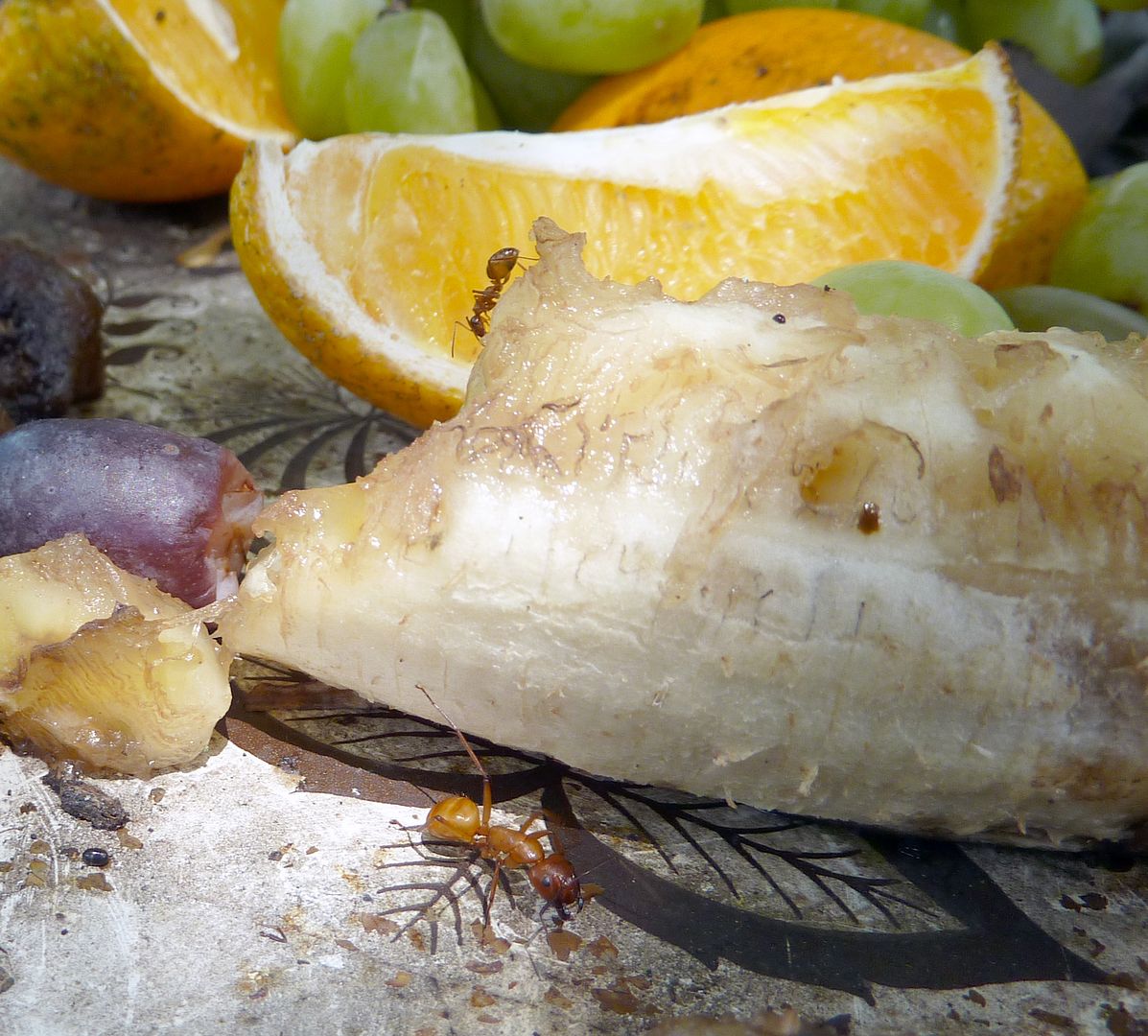
About a week ago I set out a tray of rotting fruit hoping to get pictures of some Red Admirals and American Ladies during their migration north. Maybe the fruit isn't rotten enough because I haven't seen a single butterfly on the thing. Ants, however, seem to love the stuff.
Fruit
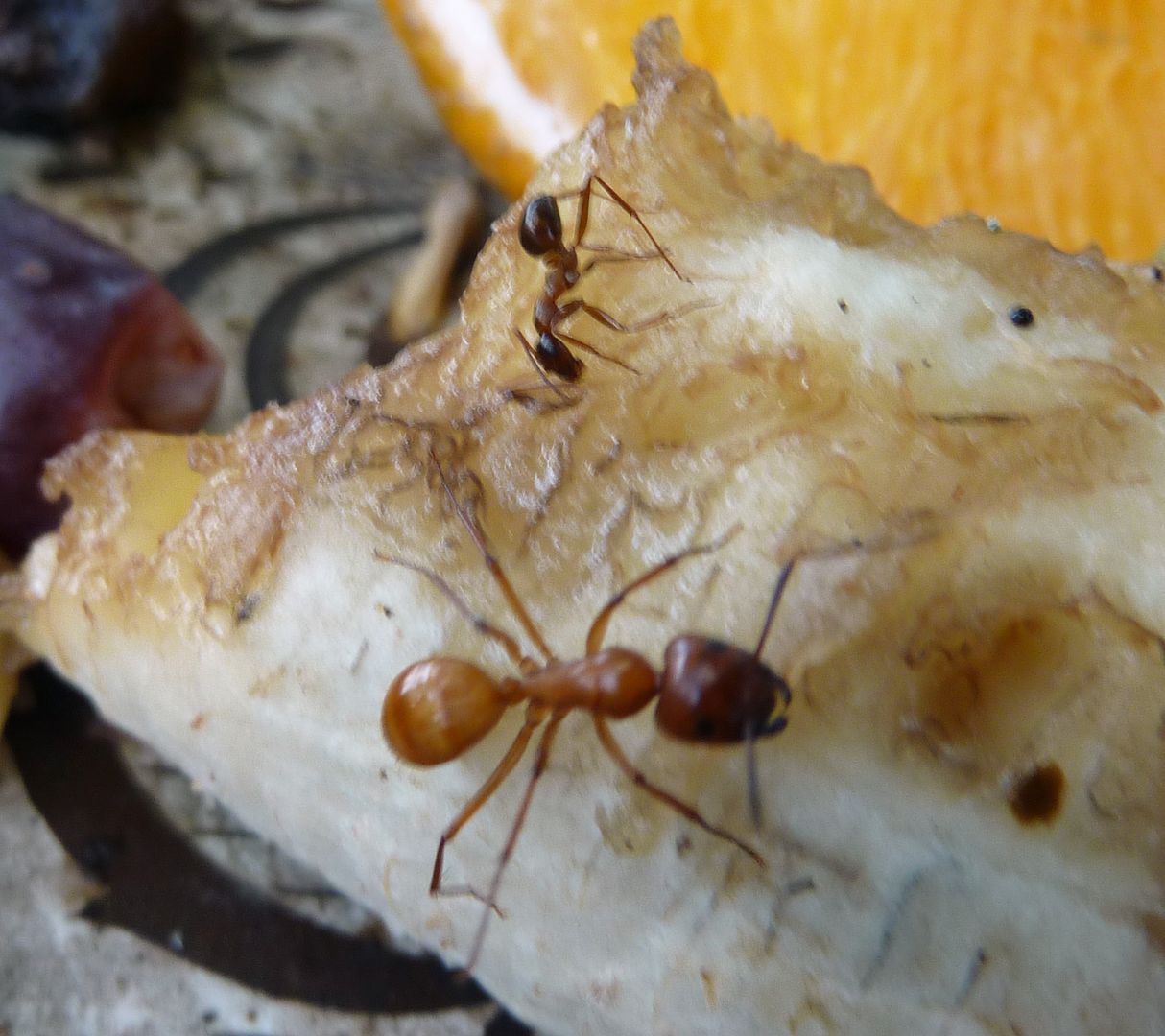
A good example of size difference between Camponotus (bigger) and Formica (smaller).
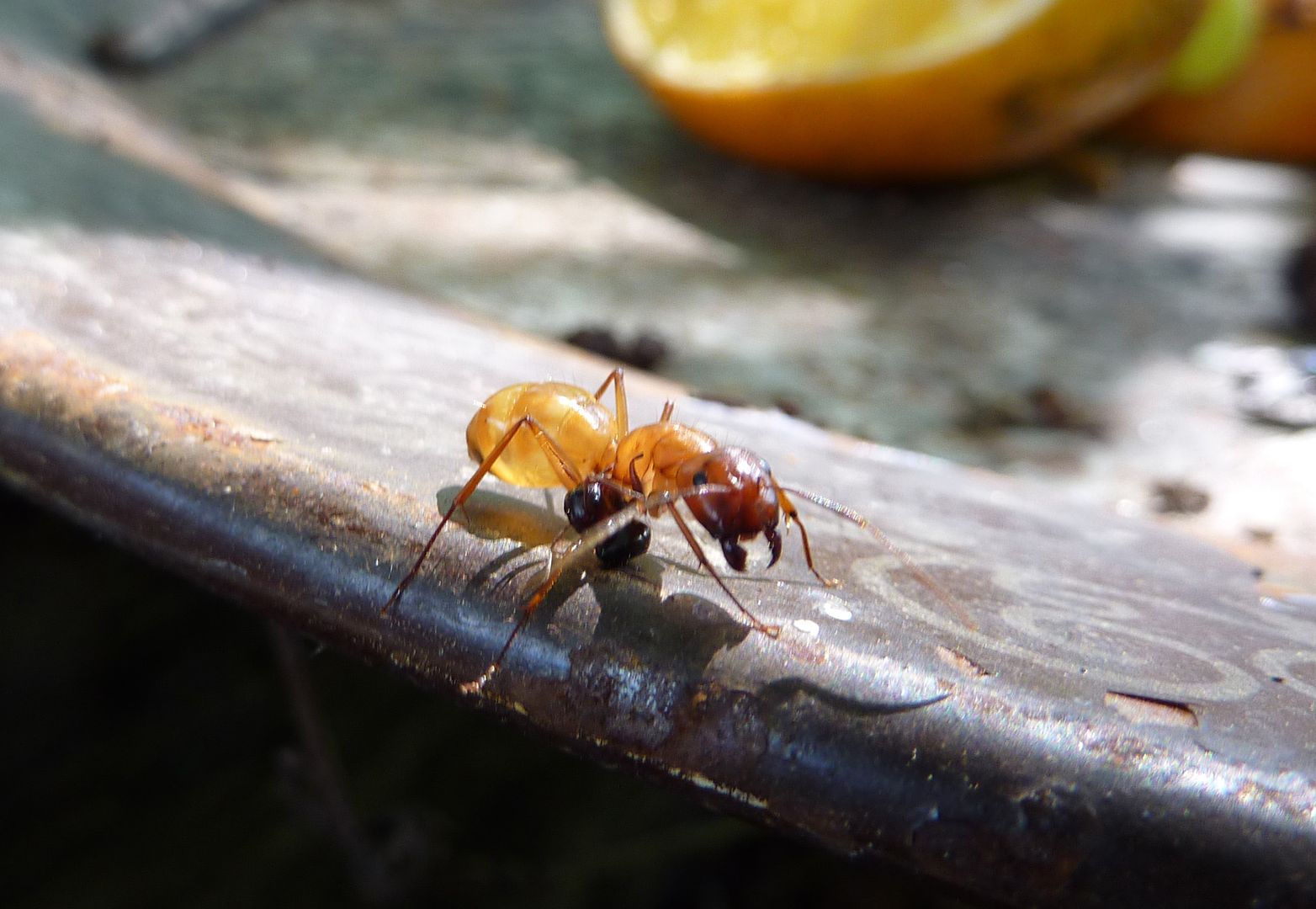
A smaller Camponotus was also present and here one is tackling the leg to this great big C. castaneus major.
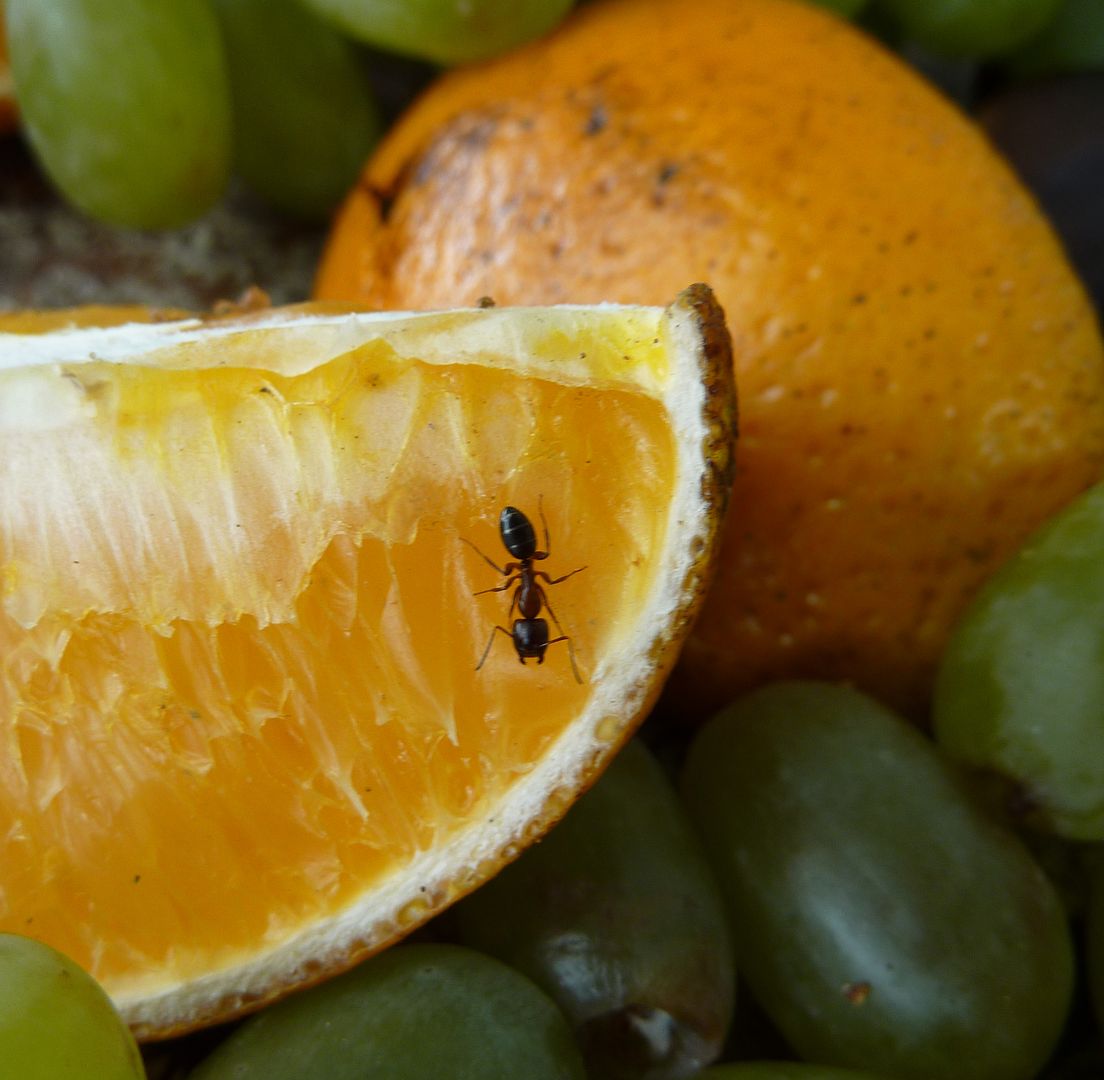
Smaller Camponotus (I haven't been able to ID yet,) on an orange.
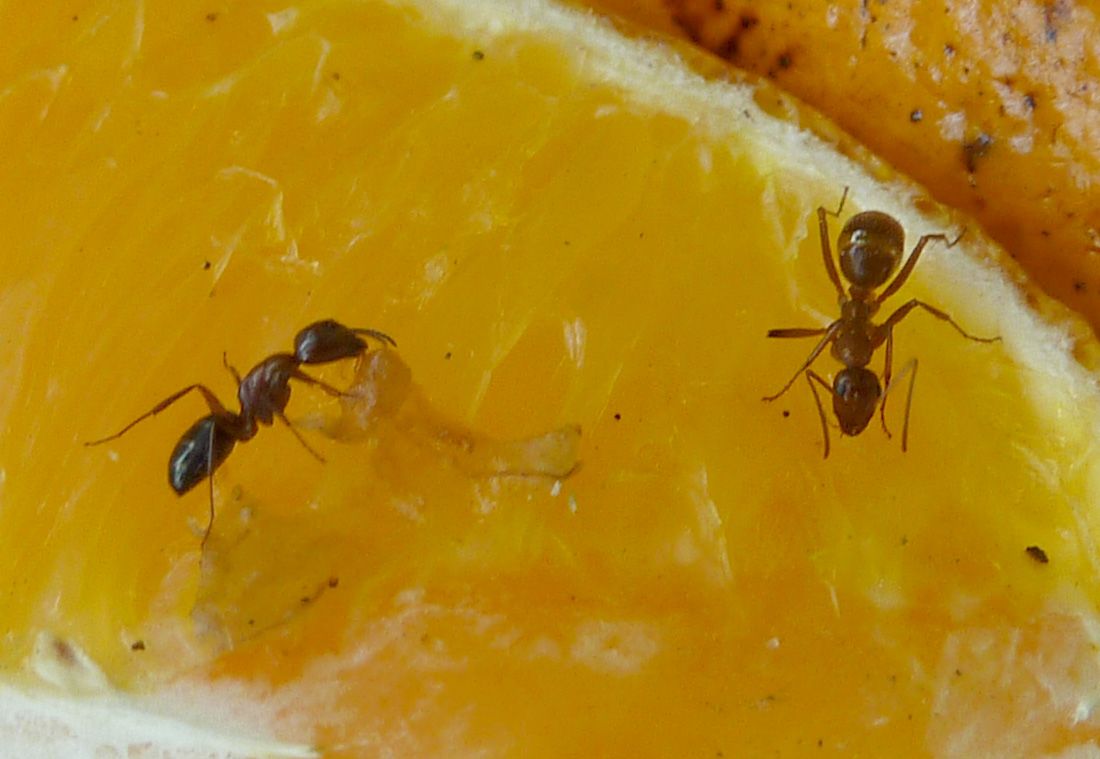
The smaller Camponotus (left) next to the Formica (right).
Protein
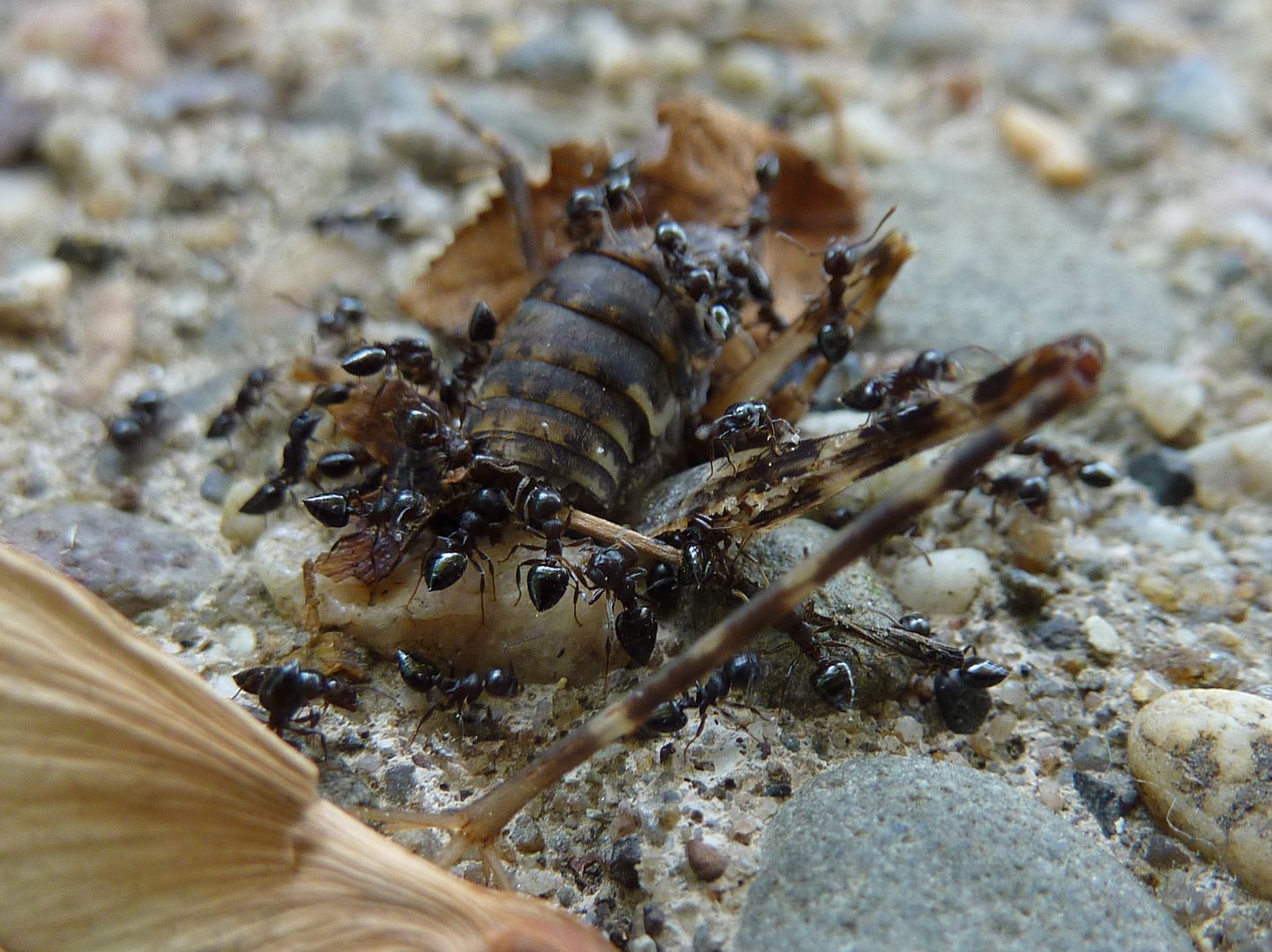
Some Crematogaster working a cave cricket I probably stepped on the night before.



 Doug Tallamy has created a list of host plants, also available online! Woody Plants, Herbaceous Plants. So generally if you have a forest and prairie themed garden full of mostly natives you're doing great. Unfortunately most Lepidoptera are moths. Butterflies are actually a rather small group as a whole and considered to just be day time flying moths. To really get those host plants for each should be researched individually.