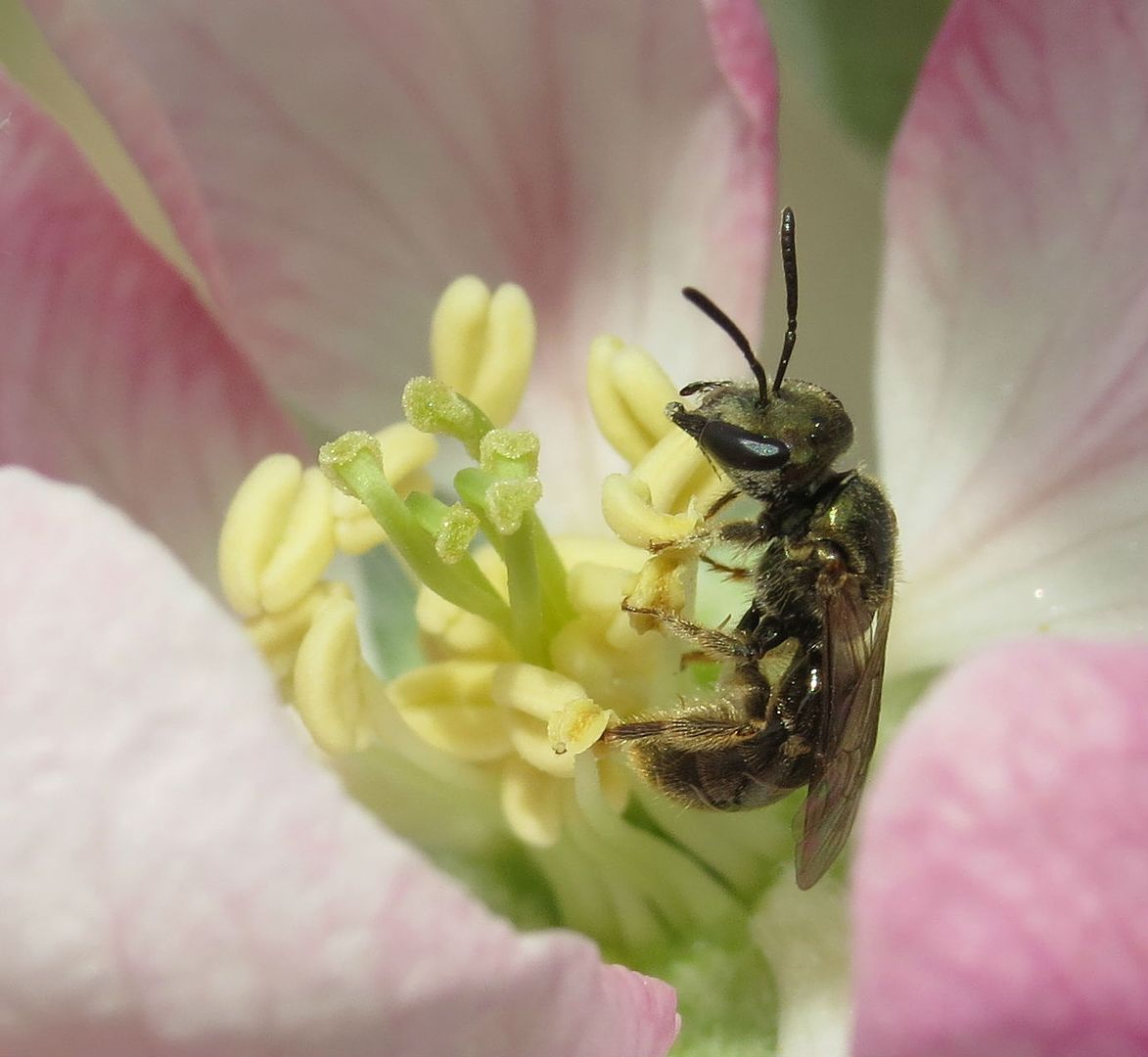
Although it was a breezy cool day in the 60's, I managed to have some fun with my camera today. Here is a sweat bee taking refuge from the chilly air in the flower to an apple tree. They were collecting pollen but a few, (males?) that were hanging out in the flowers. Apples aren't quite at their peak here.
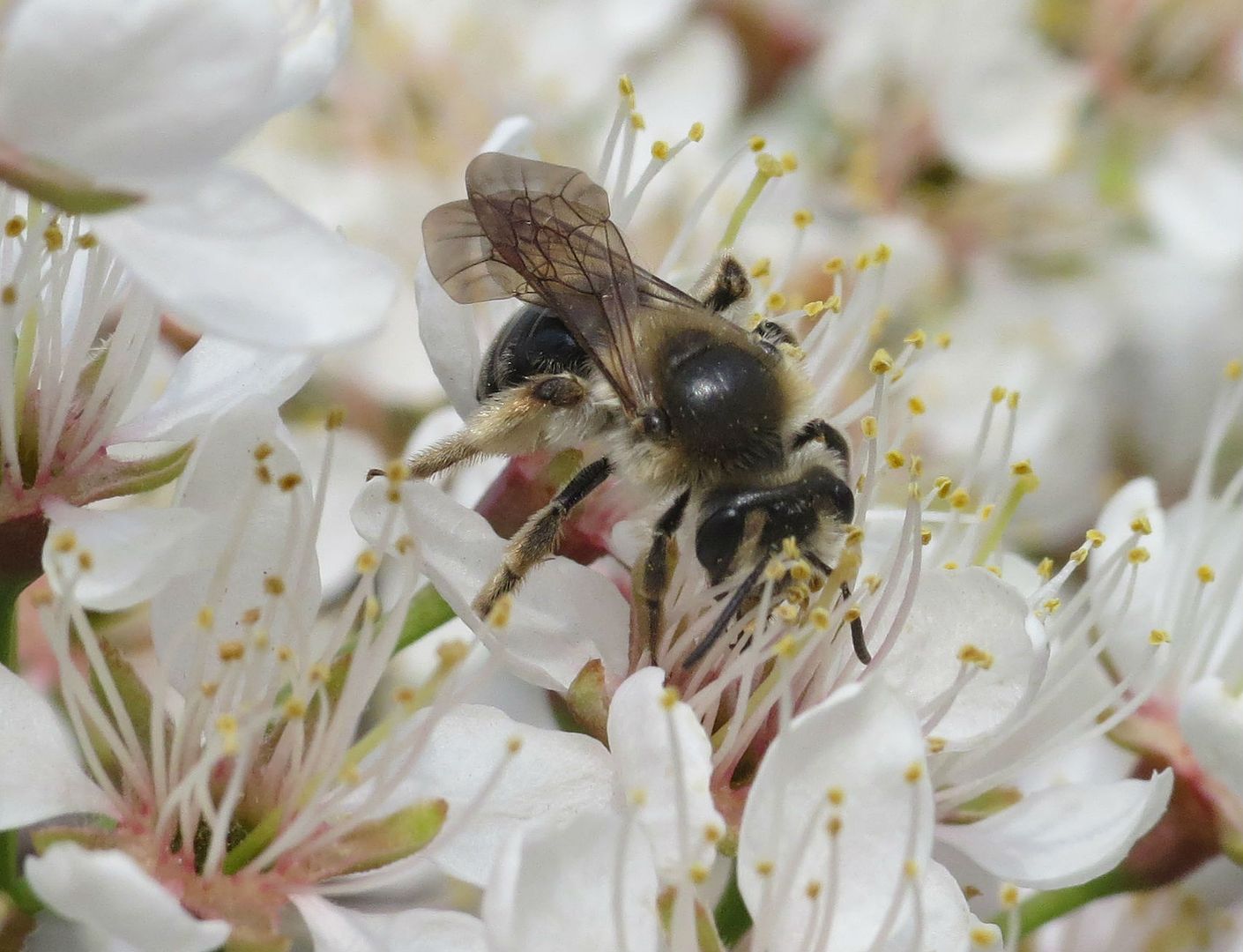
Here is what I believe is a mining bee working the native plum trees. There are tons of flowers on the trees this year so I should get another bumper crop like I did two years ago. I was pulling 800+ plums off of each tree, though native plums are small and bite sized. Still though, it was quite a lot of fruit for a first year's flowering.
These types of bees like to burrow in sandy hillsides usually clear of tall foliage; often in full sun, though the early species/generations work do full shade just fine because the trees haven't filled in yet. I'm not sure how successful these shaded burrows turn out though compared to ones in full sun. But of course tall grasses and forbs may grow more abundantly on sunny locations.
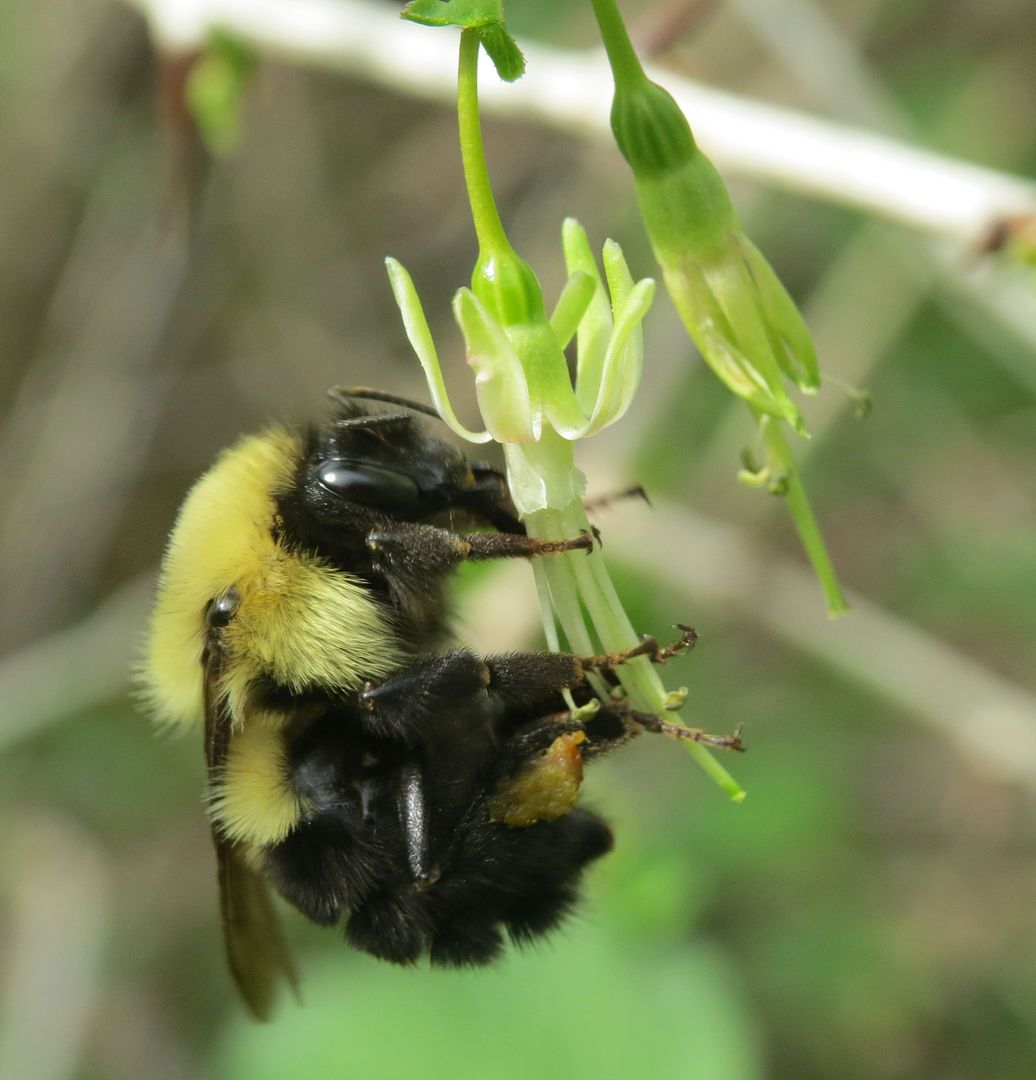
Last week I saw all the queen bumblebees flying about looking for nest locations. And now I see they've all settled in it seems. Bumblebee queens that are collecting pollen are committed to starting a nest. Pollen if fed to developing brood while the nectar of the flower feeds the adults. Some nectar is turned into honey too and also fed to the brood but bumblebee honey is runny and contains high amounts of pollen anyway.
Here I watched a queen visit the flowers to our gooseberry/currant. It was neat watching her work these small, inconspicuous flowers, when the native plum, apple, and peach trees are all right beside them. She was devoted to visiting each and every flower on this shrub, ignoring ones she already visited. I did see her fly to the plum tree once, but that was very clearly an accident on her part, as she virtually walked right over the flowers in search of the gooseberry she'd been working. Bees are often devoted to the pollen of the type of plant they work because the nutritional value can vary greatly from plant to plant. It's best to raise brood on one type of pollen to perhaps judge the results, or maybe it's detrimental to mix and match pollen types? Whatever the case, this devotion to one type of plant is what makes them excellent pollinators.
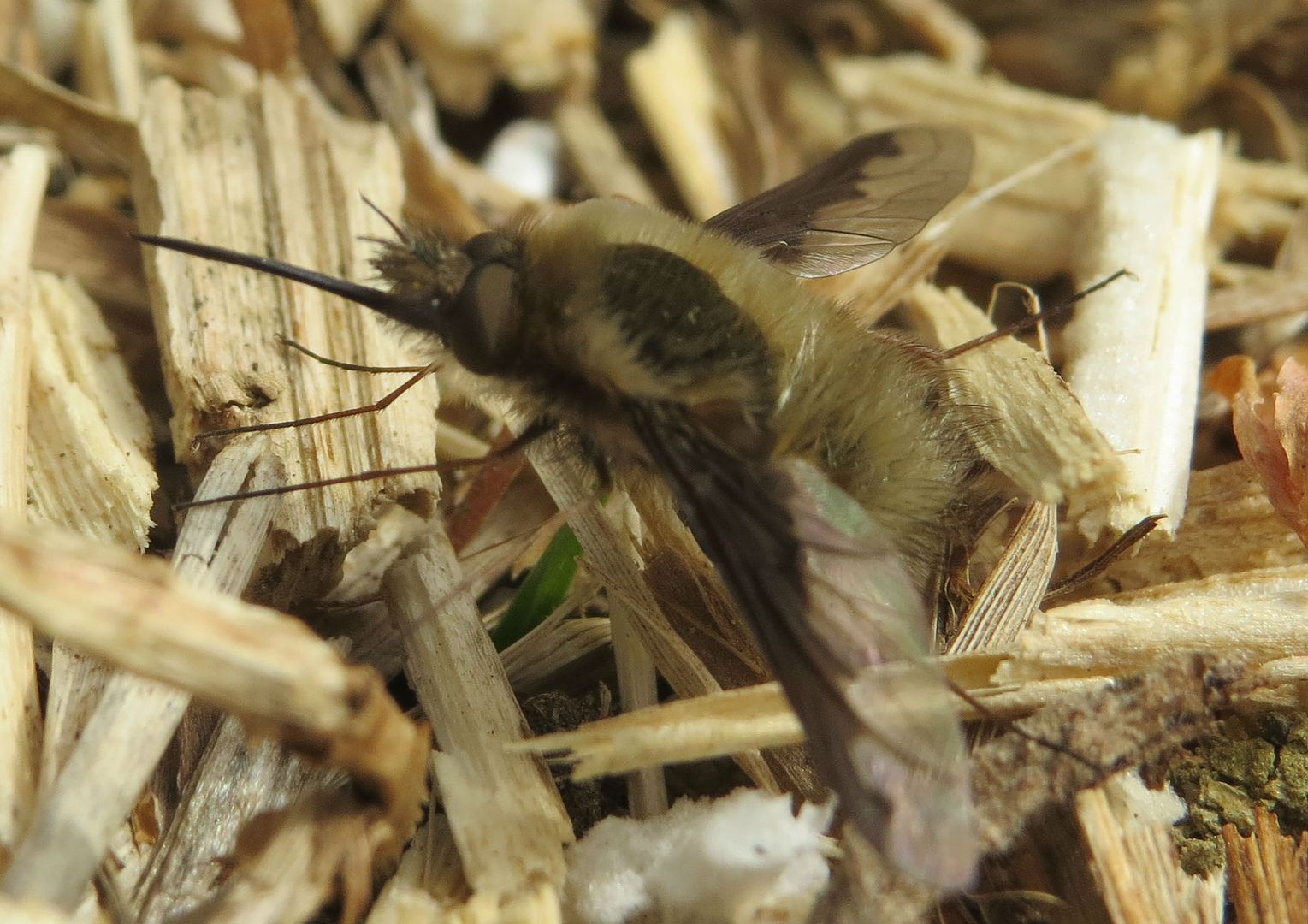
Also buzzing about were the beeflies. These do visit flowers, though the ones I saw seemed to be more interested in sunny themselves on the mulch. These mimic bumblebees to gain entry into the nest and lay their eggs in the hive. I don't believe all beeflies do this, others simply lay their eggs adjacent to the nest and the resulting maggots crawl inside, or have some other host/parasite relationship worked out with other things. I don't see them that often honestly.
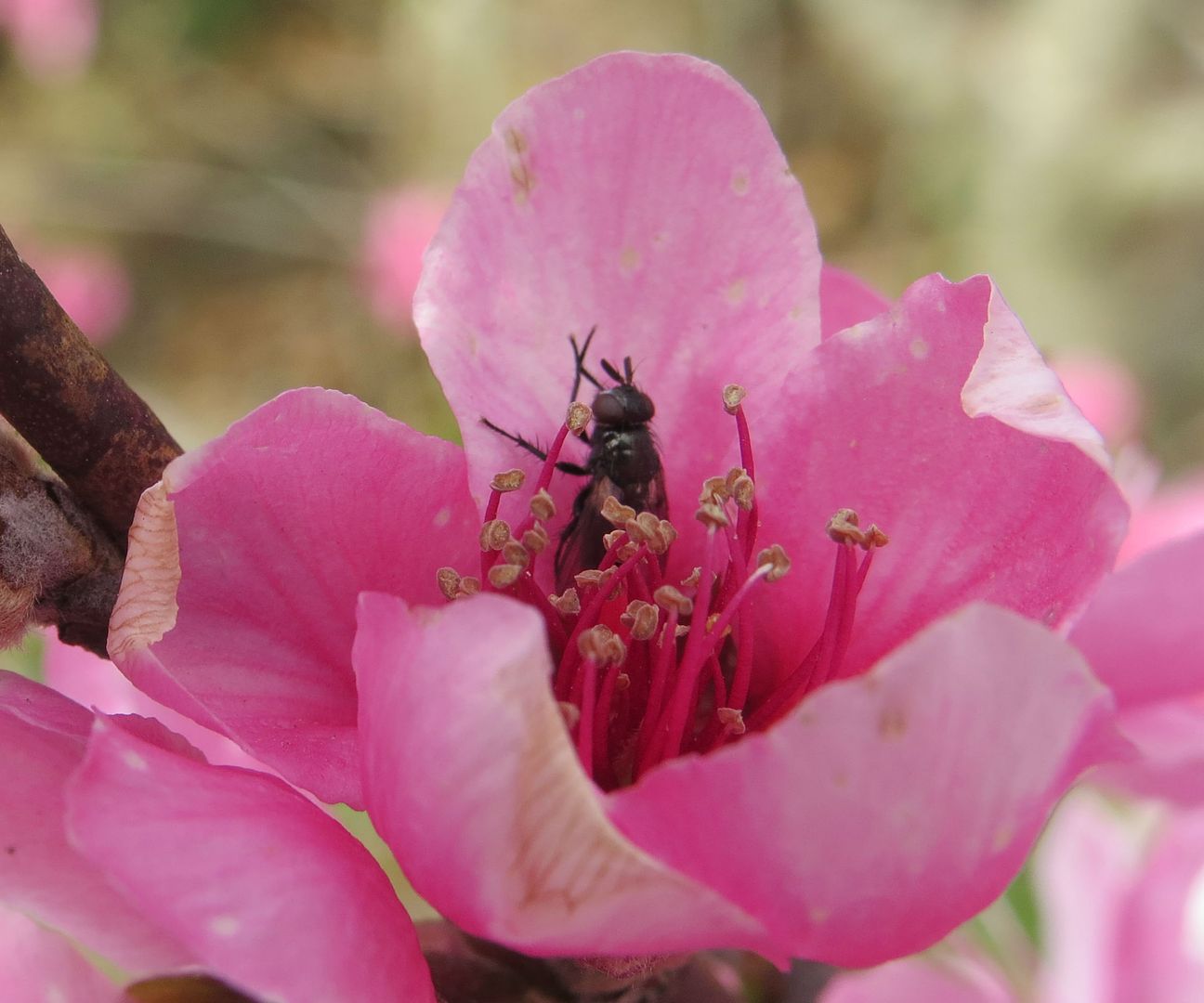
And lastly I thought it was interesting to see some actual flies doing some pollinating. This was on our peach tree, which the honeybees were also working in favor of the plum and apple. However, it was just cold enough that the honeybees weren't out in abundance for me to photograph. Flies though seem better weathered about the cold and were flying from flower to flower. This one was sipping at the nectar in the flowers it visited before turning around and darting off. To be honestly though it reminds me of a parasitic fly, so perhaps they were laying eggs or something as they visited the flowers.
Showing posts with label Fly. Show all posts
Friday, April 25, 2014
Monday, March 24, 2014
Some Early Flowers
I saw a "meme" the other day... Basically it's a single picture usually with a sentence or caption to convey a quick thought. This one showed a whole bunch of different types of flowers and most of them had an X over them because they weren't native. This was intended to tell people to plant native plants for pollinators over nonnatives. But there was no rhyme or reason to what they'd crossed out. The only two they hadn't crossed out was the New England Aster and Sunflowers, and while these were the only two natives on the list, they hardly feed pollinators adequately through the year. I'd say the earliest either of them would flower was in July.
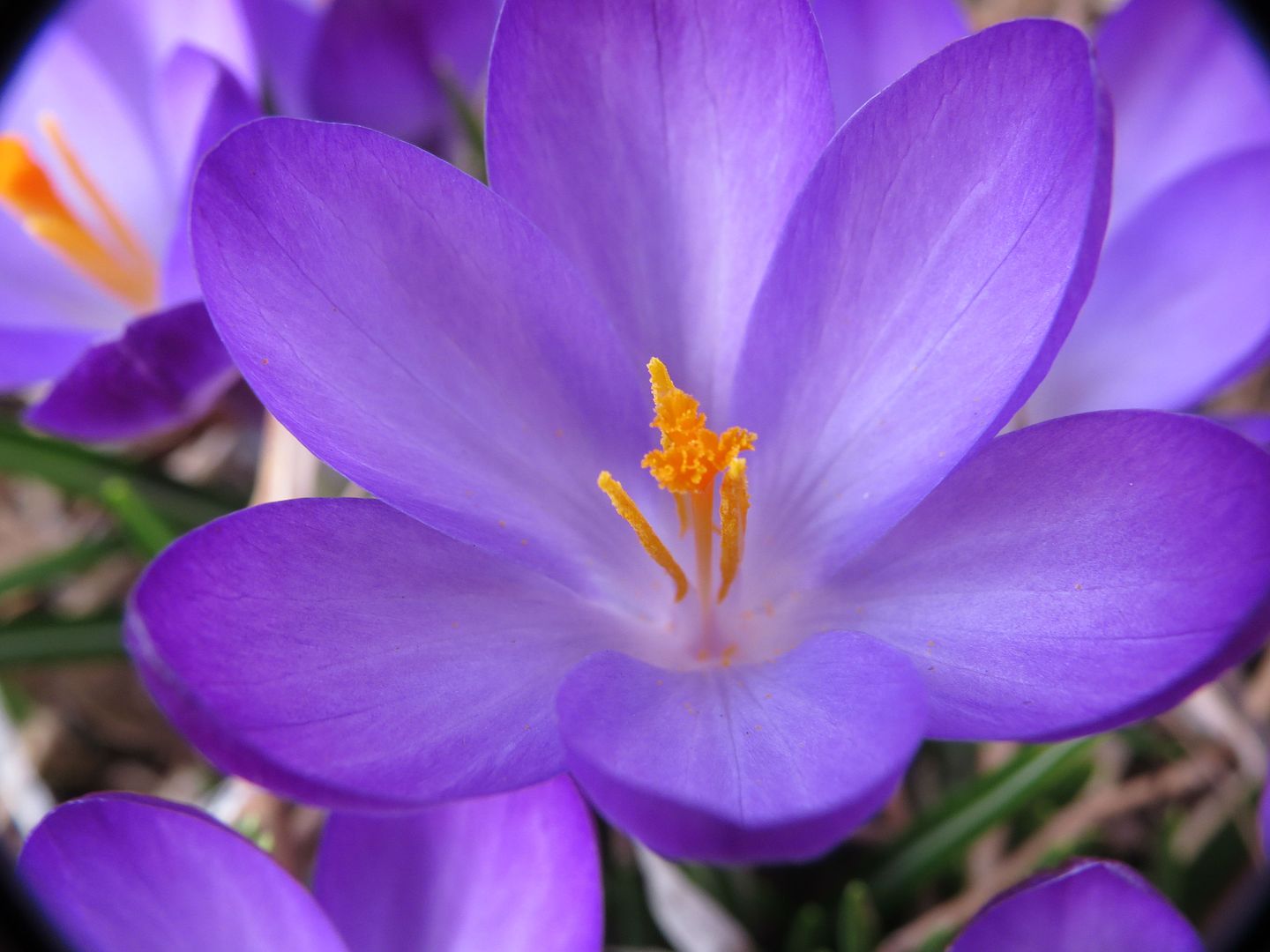
One of the plants crossed on was the Crocus. This is a nonnative bulb native to the mountains in northern Europe and Asia. To be perfectly honest, I don't know why they crossed it off. It's good to be a purest about natives and all but if your goal is pollinator diversity then surely planting anything that's pollinator friendly would work. What they should have done was listed a bunch of invasive plants with natives or even mixed flowers from around the world that aren't invasive and crossed out the bad ones.
Crocuses on their own are not invasive, barely reproduce by seed, and take forever to form a clump. What's more they're easier to grow and flower earlier than most of our native ephemeral. They're a bright source of pollen for honeybees on the warmer days of later winter into spring, and don't crowd out other plants. They can actually be planted right in your lawn and allowed to spread modestly. After flowering they form a low clump of grass that later dies back in the summer.
Natives blooming at this time are few and far between. Symplocarpus foetidus, Skunk Cabbage, is flowering out in the wetter parts of forests now but flies visit their foul smelling flowers more often than bees.
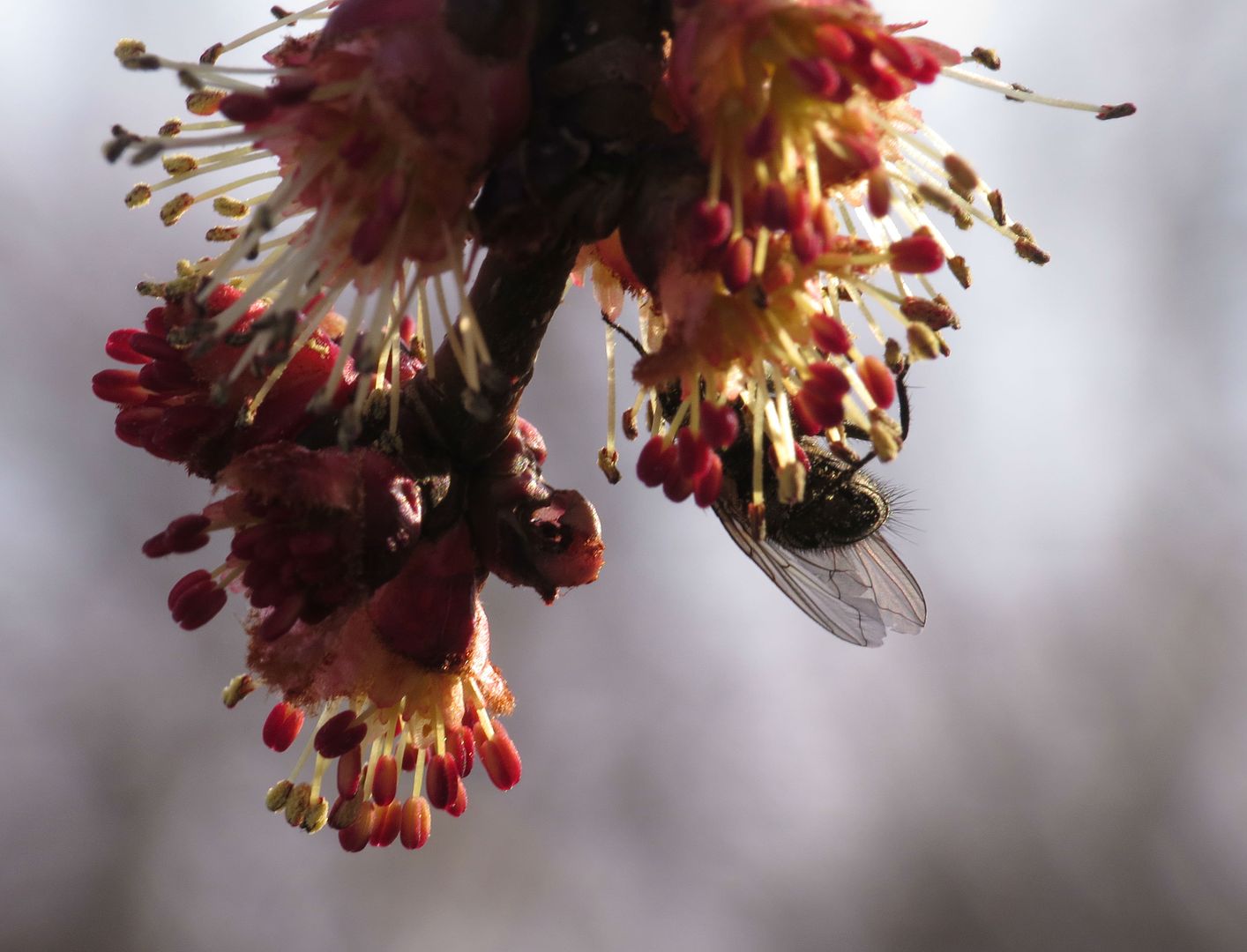
The earliest Maples, Acer sp, have also started flowering and will become the main source of early nectar in the coming weeks. Here I managed to find a common house fly pollinating the blooms on a low branch. There were a few bees about too but their images came out even worse than this one.
Willows, Salix sp, have also been flowering for a few weeks now but are only a source of pollen. Most shrubs in the genus are wind pollinated but insects can't help but collect it anyway.
So when it comes to pollinators we shouldn't be crossing plants off the list just because they're not native. The only ones that should be avoided are ones that are invasive, or perhaps double flowering and cultivated into sterility.
Native alternatives to Crocuses would be either Pasque flower (native to the mid-west) or Hepatica, but neither are flowering at this time as far as I know.
One of the plants crossed on was the Crocus. This is a nonnative bulb native to the mountains in northern Europe and Asia. To be perfectly honest, I don't know why they crossed it off. It's good to be a purest about natives and all but if your goal is pollinator diversity then surely planting anything that's pollinator friendly would work. What they should have done was listed a bunch of invasive plants with natives or even mixed flowers from around the world that aren't invasive and crossed out the bad ones.
Crocuses on their own are not invasive, barely reproduce by seed, and take forever to form a clump. What's more they're easier to grow and flower earlier than most of our native ephemeral. They're a bright source of pollen for honeybees on the warmer days of later winter into spring, and don't crowd out other plants. They can actually be planted right in your lawn and allowed to spread modestly. After flowering they form a low clump of grass that later dies back in the summer.
Natives blooming at this time are few and far between. Symplocarpus foetidus, Skunk Cabbage, is flowering out in the wetter parts of forests now but flies visit their foul smelling flowers more often than bees.
The earliest Maples, Acer sp, have also started flowering and will become the main source of early nectar in the coming weeks. Here I managed to find a common house fly pollinating the blooms on a low branch. There were a few bees about too but their images came out even worse than this one.
Willows, Salix sp, have also been flowering for a few weeks now but are only a source of pollen. Most shrubs in the genus are wind pollinated but insects can't help but collect it anyway.
So when it comes to pollinators we shouldn't be crossing plants off the list just because they're not native. The only ones that should be avoided are ones that are invasive, or perhaps double flowering and cultivated into sterility.
Native alternatives to Crocuses would be either Pasque flower (native to the mid-west) or Hepatica, but neither are flowering at this time as far as I know.
Labels:
Crocus,
Fly,
Maple,
Skunk Cabbage
Friday, October 18, 2013
The Wildlife Gardener's Meetup (Part 3)
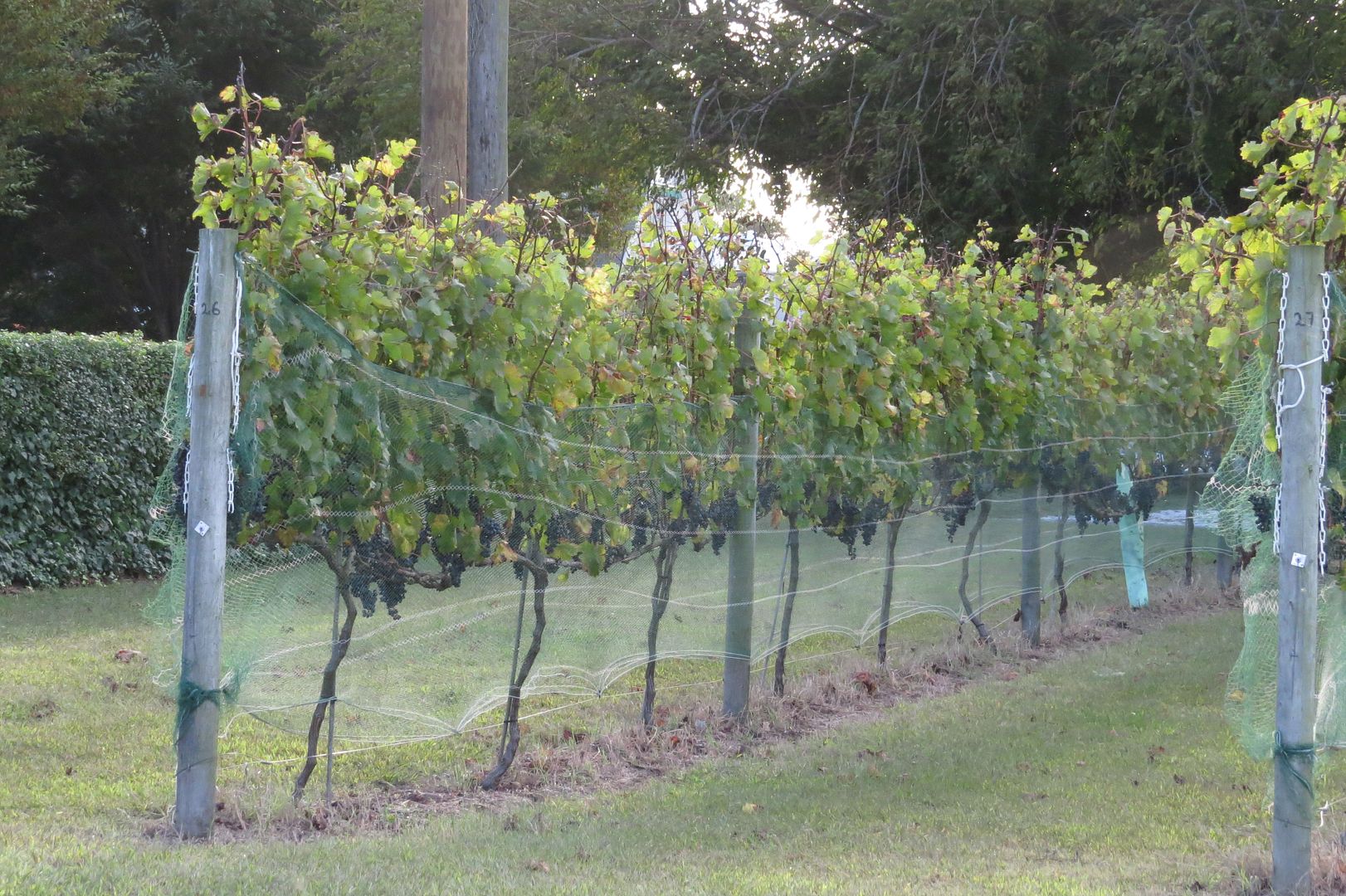
On the last day of the Wildlife Gardener's Forum meetup, we went to Cape May, NJ. I had never been there before but always heard good things. On the way there we came across a grape farm (vineyard?) which still had grapes growing. It was neat to see how they protect the fruit with lines of cloth. I'll have to mimic this method myself somehow.
Also before we got there, there was a group of photographers all standing in the road, cameras focused on a tidy little garden they have down there. These people were blocking the road and all anxiously awaiting for something to happen. Apparently some west coast hummingbird species had been spotted there the previous night and everyone was standing there waiting for it to show again... we stopped a moment to think if that would be worth our time but decided it was not. While leaving we asked if it had shown and it hadn't.
Cape May is the southern most point of New Jersey which also bottle necks into a peninsula, making it ideal for viewing most things that migrate at this time of year. It was a little late though so we caught the tail end of the Monarch Migration and little else.
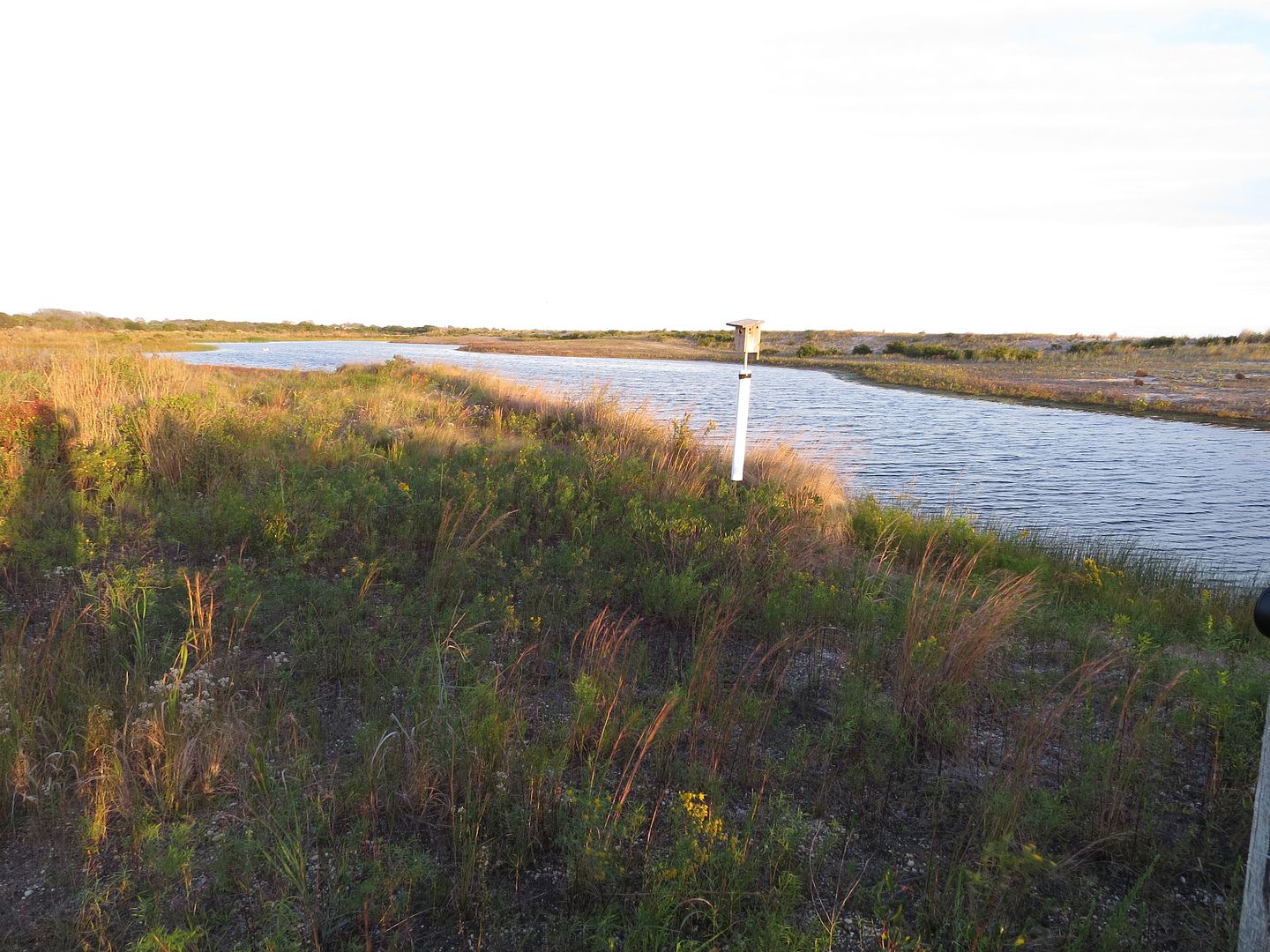
The park was a nice wetland area with trails leading all up and down the bays and beaches there.
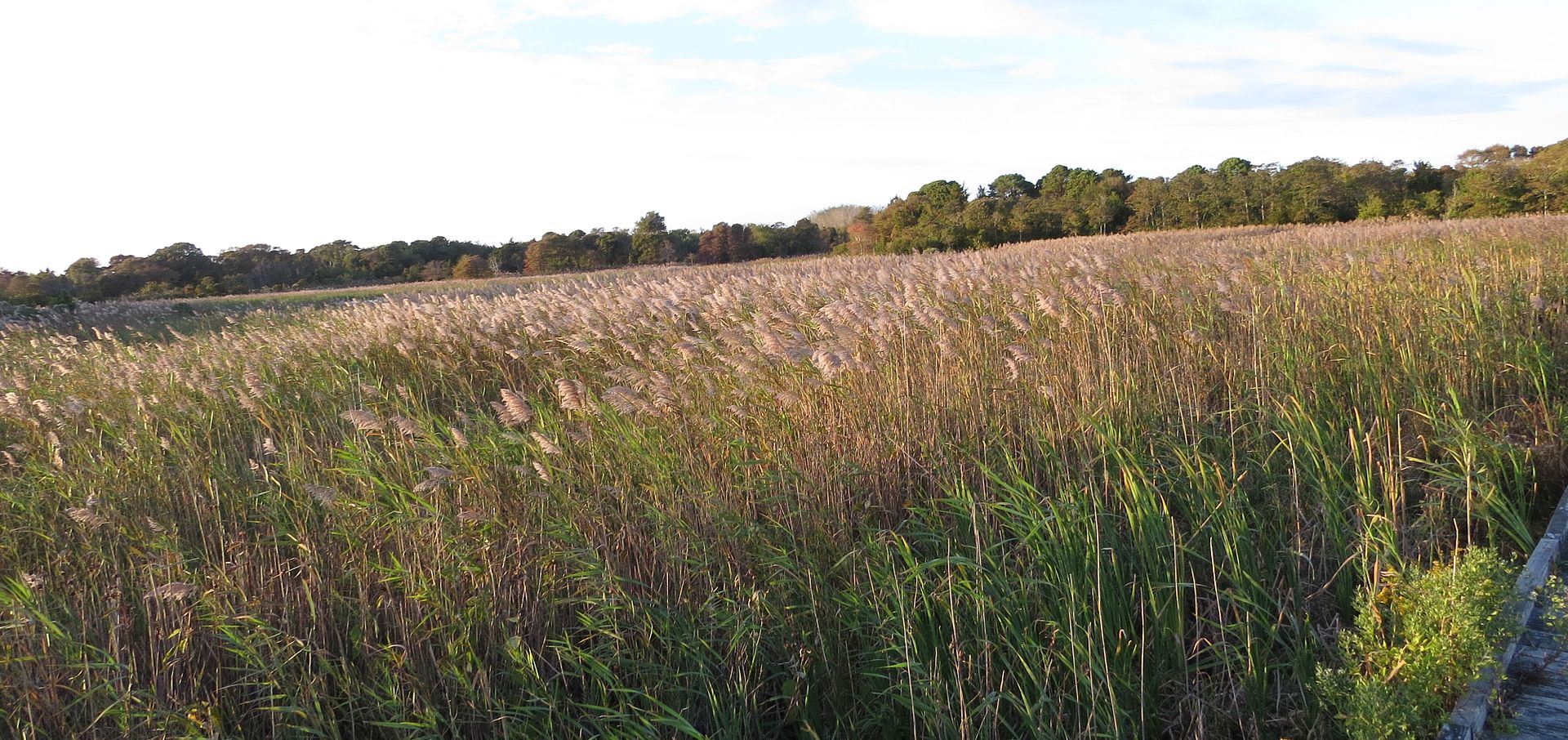
The least interesting parts were those overrun with the invasive Common Reed Grass, Phagmites australis. This grass can be drown as a method of control, and though it likes growing in wetlands it's very growing habit slowly generates new land. They push up so much top growth every year that it doesn't decompose until several years more, thus the ground is slowly raised. Seeds are air born, and once established they will send out runners several feet away, making them quick to colonize.
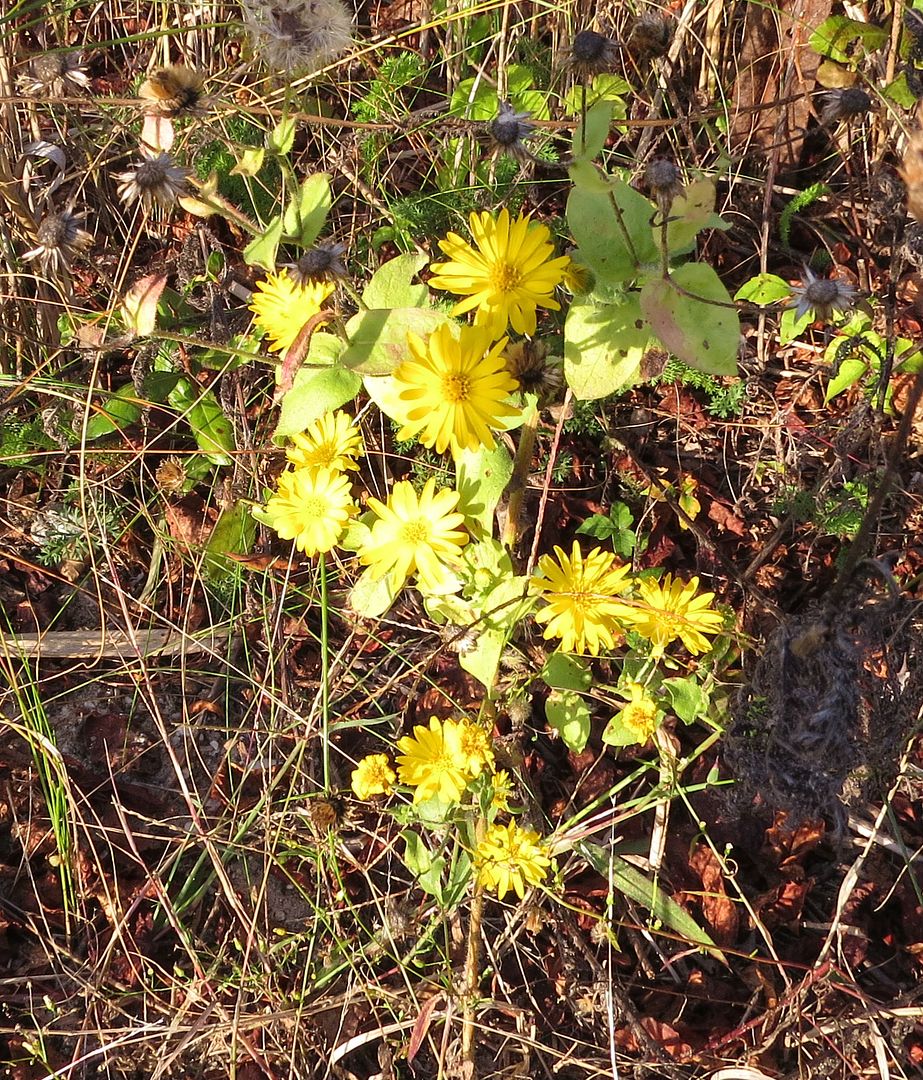
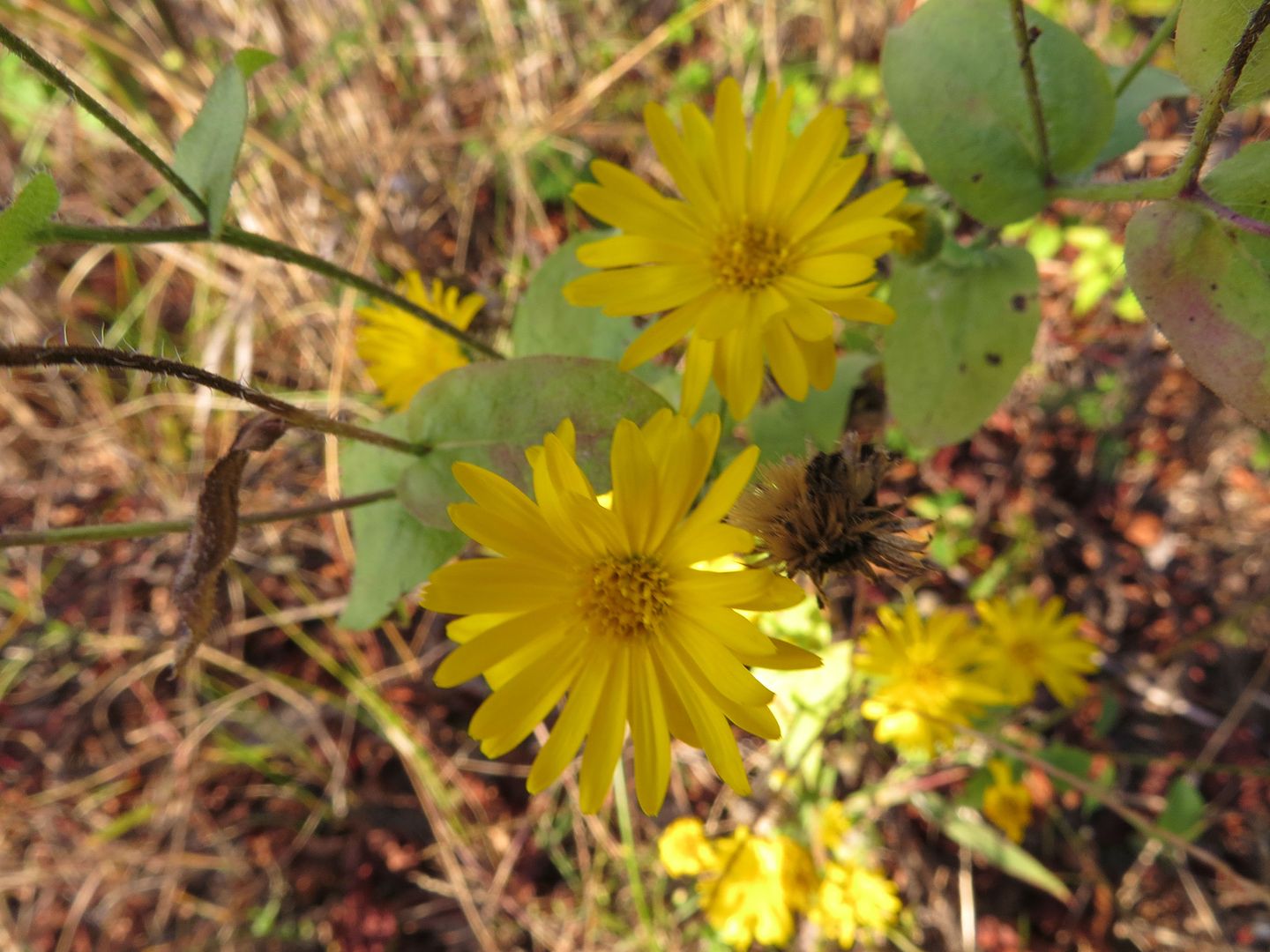
The occasional Golden Aster, Heterotheca and Chrysopsis sp. grew in places. Overall it was a rare plant but still a nice one to see.
I don't think it's Maryland Golden Aster, but certainly something in that genus, (or the other one).
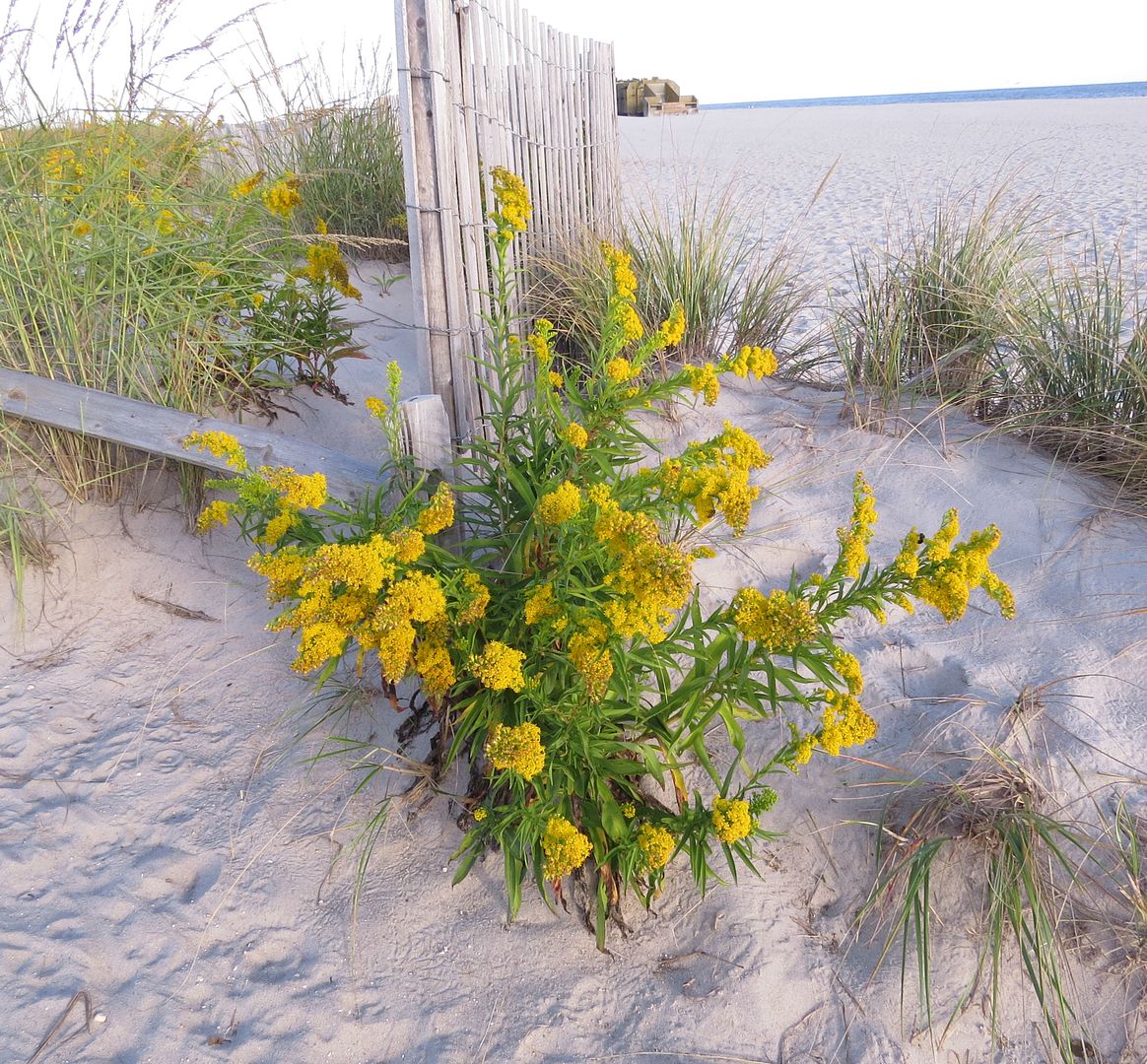
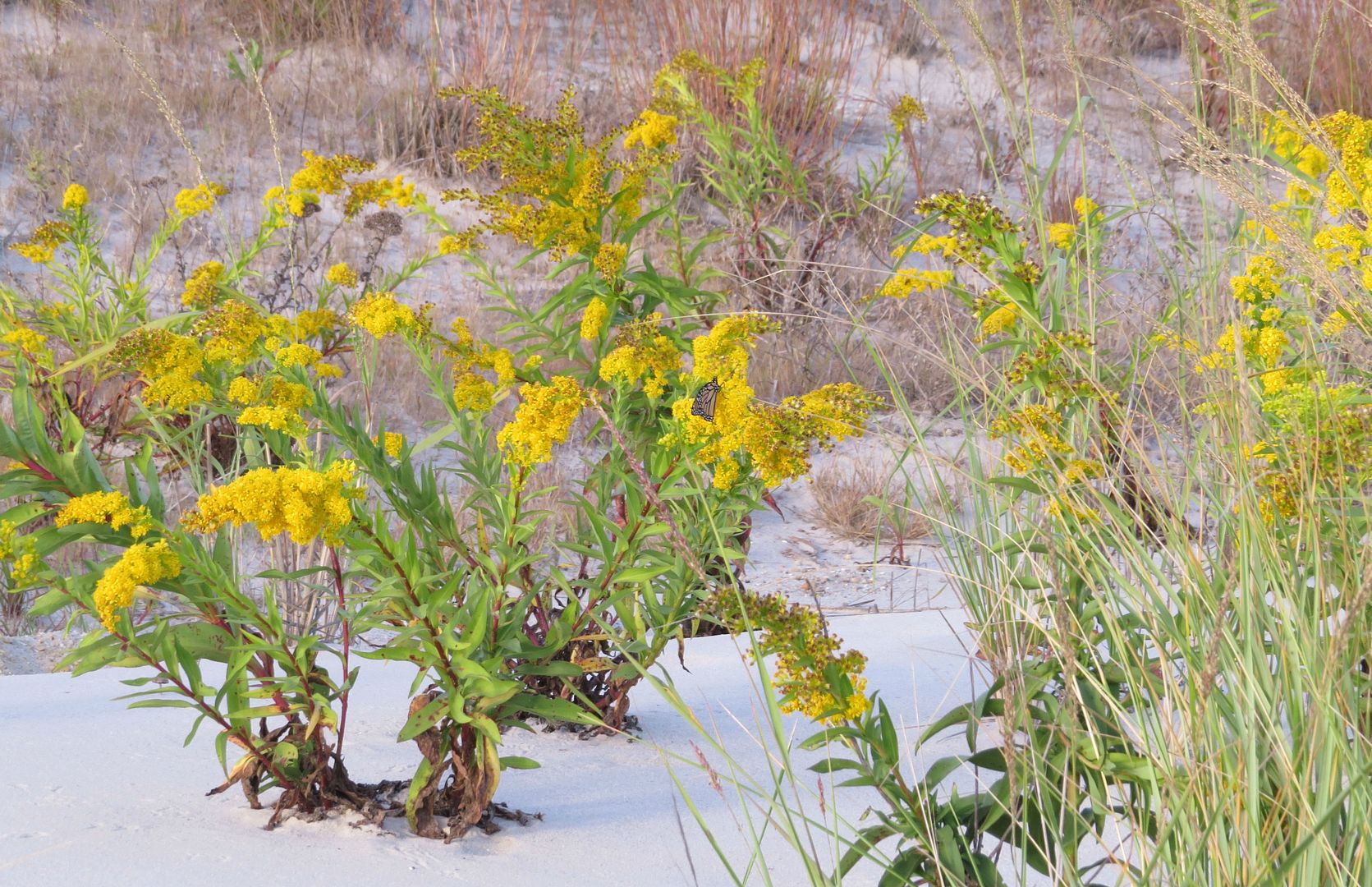
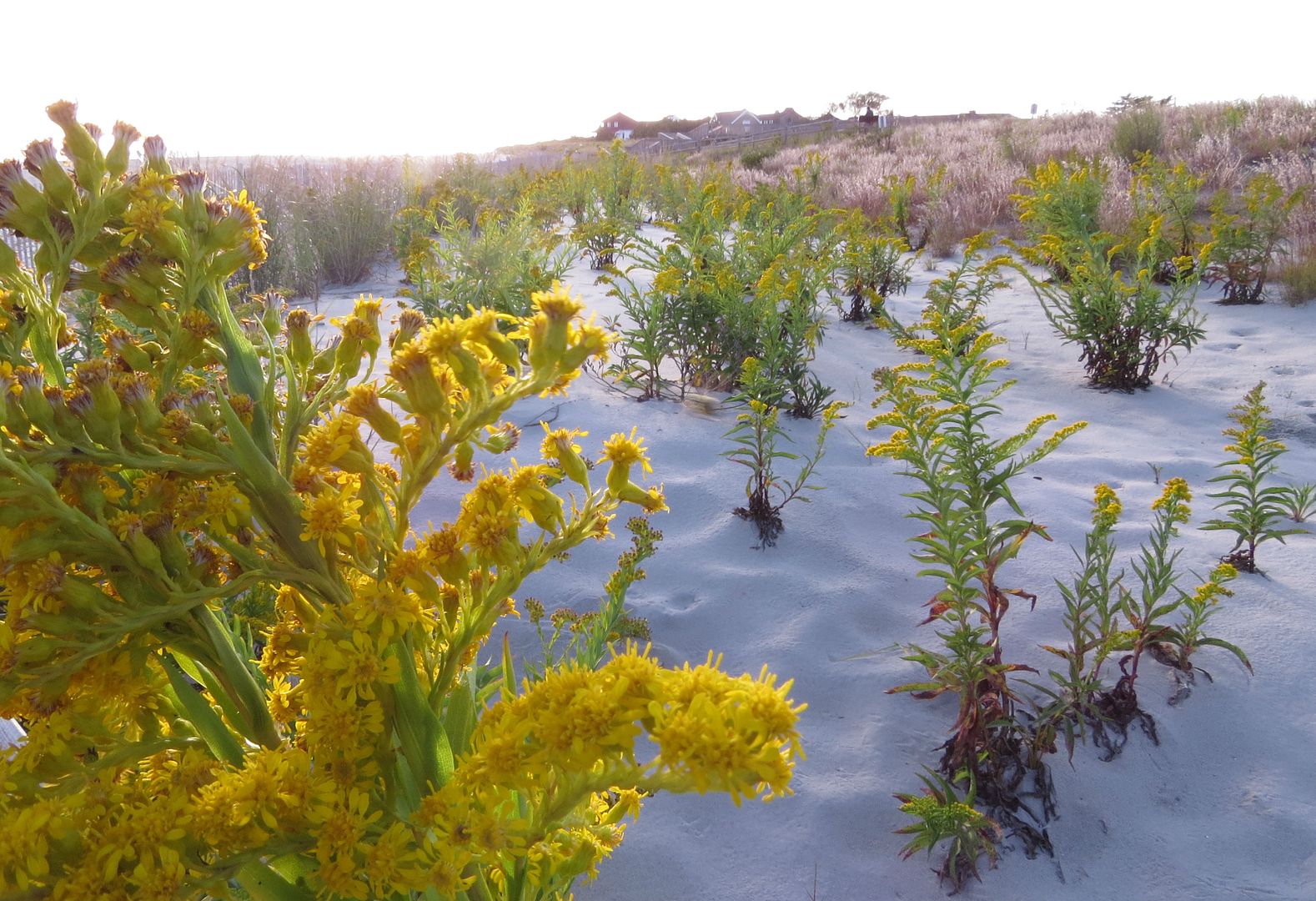
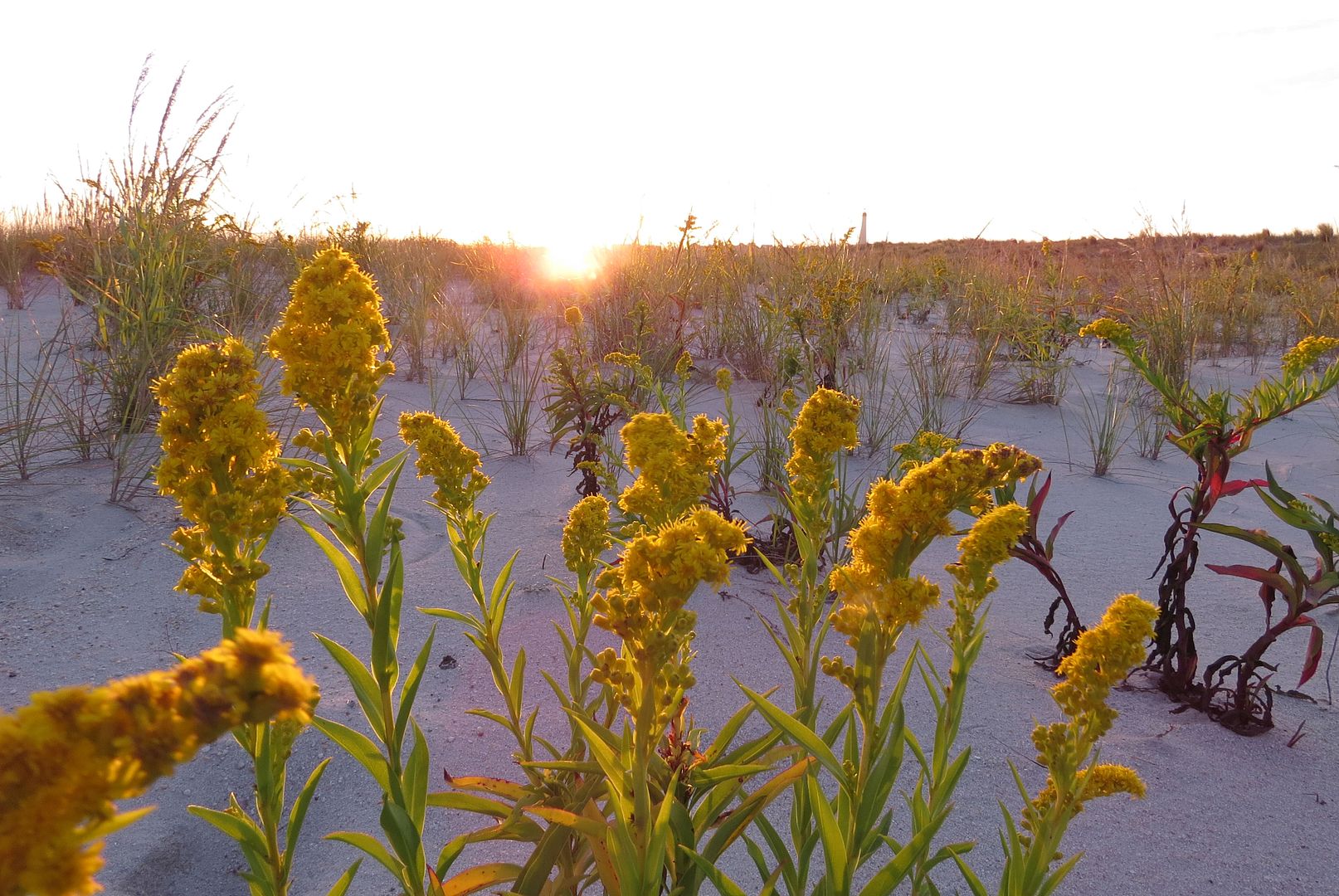
Along the beach there seemed to be some sort of restoration project. There had to be a few thousand plants of Seaside Goldenrod, Solidago sempervirens, and what might be Little Blue Stem, or it's sand and salt water tolerant counterpart.
This is a fantastic goldenrod species. If I had a dune of 100% sand in my yard I'd certainly be trying to grow it! The plant is a good size, they don't seem all that aggressive, and the flowers are as nice and showy as Showy Goldenrod.
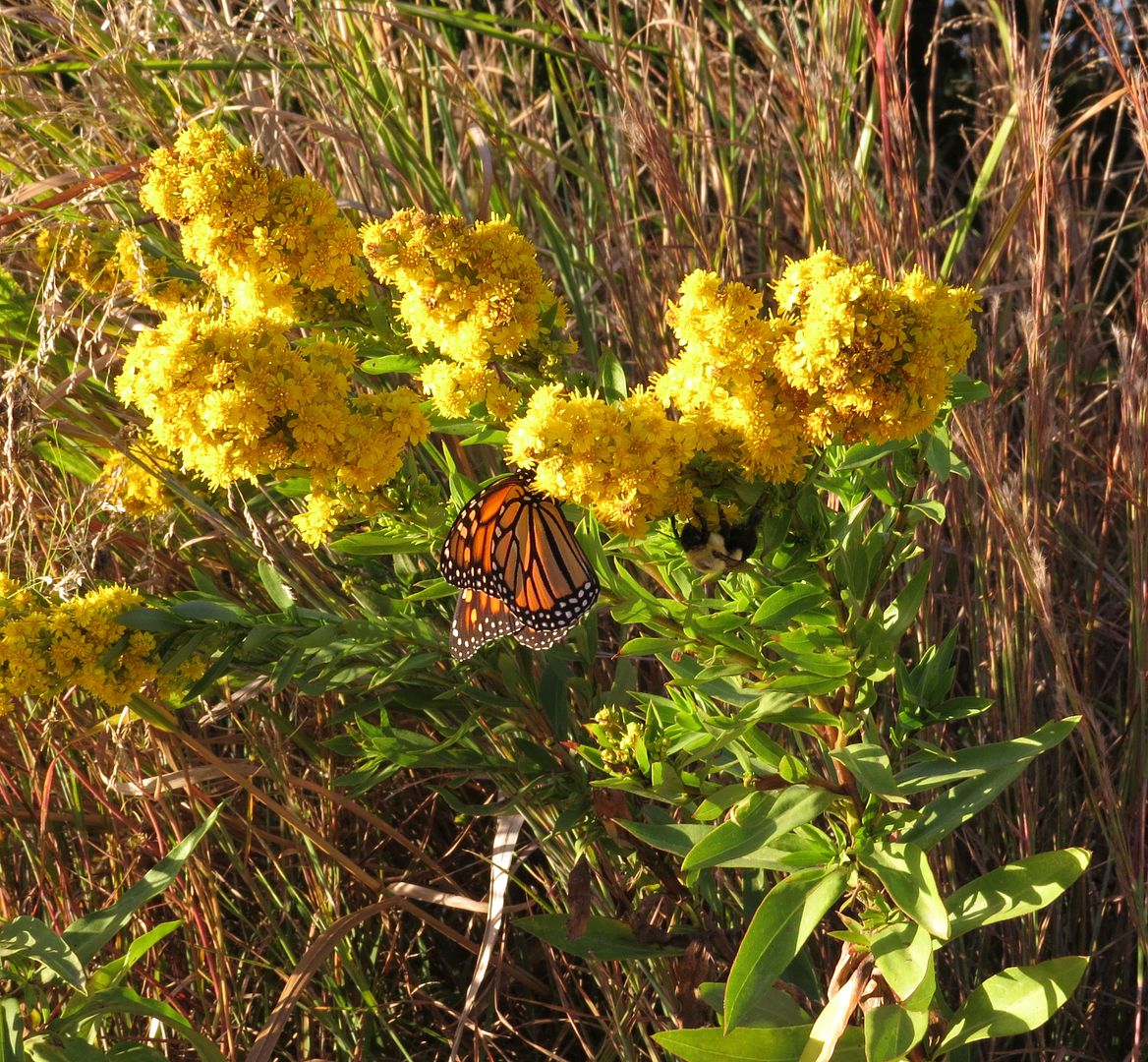
Monarch Butterflies swooped about from plant to plant. Most of them seemed to be having difficulty staying with the plant from the force of the wind though. As I mentioned earlier this was the tail end of their migration so we really only saw a few dozen. But that's a lot more than I had in my yard this year or had seen flying around.
Beautiful Plant.
They were less common inland where the soil turned more rocky than sandy, but Monarchs found them all the same.
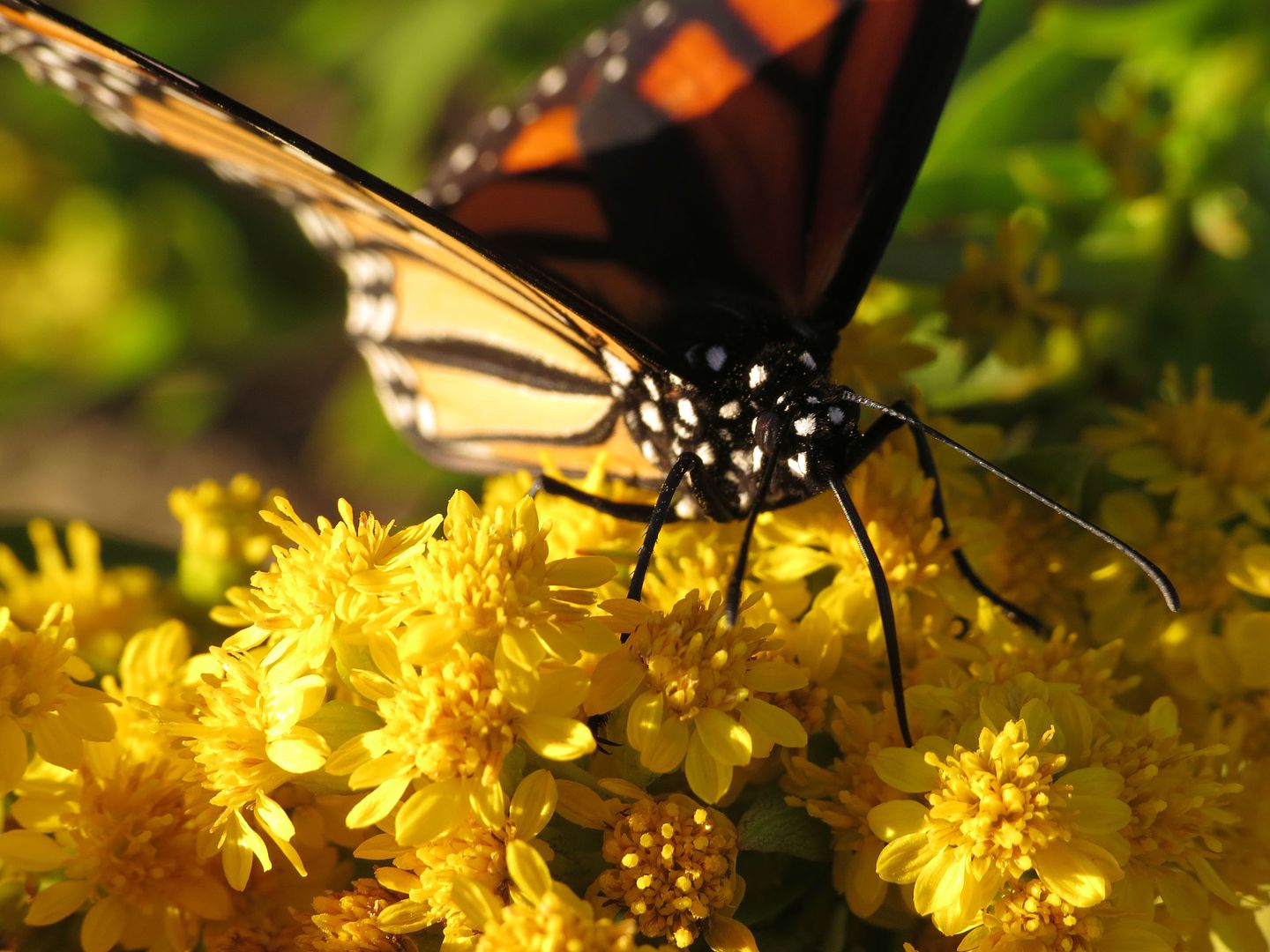
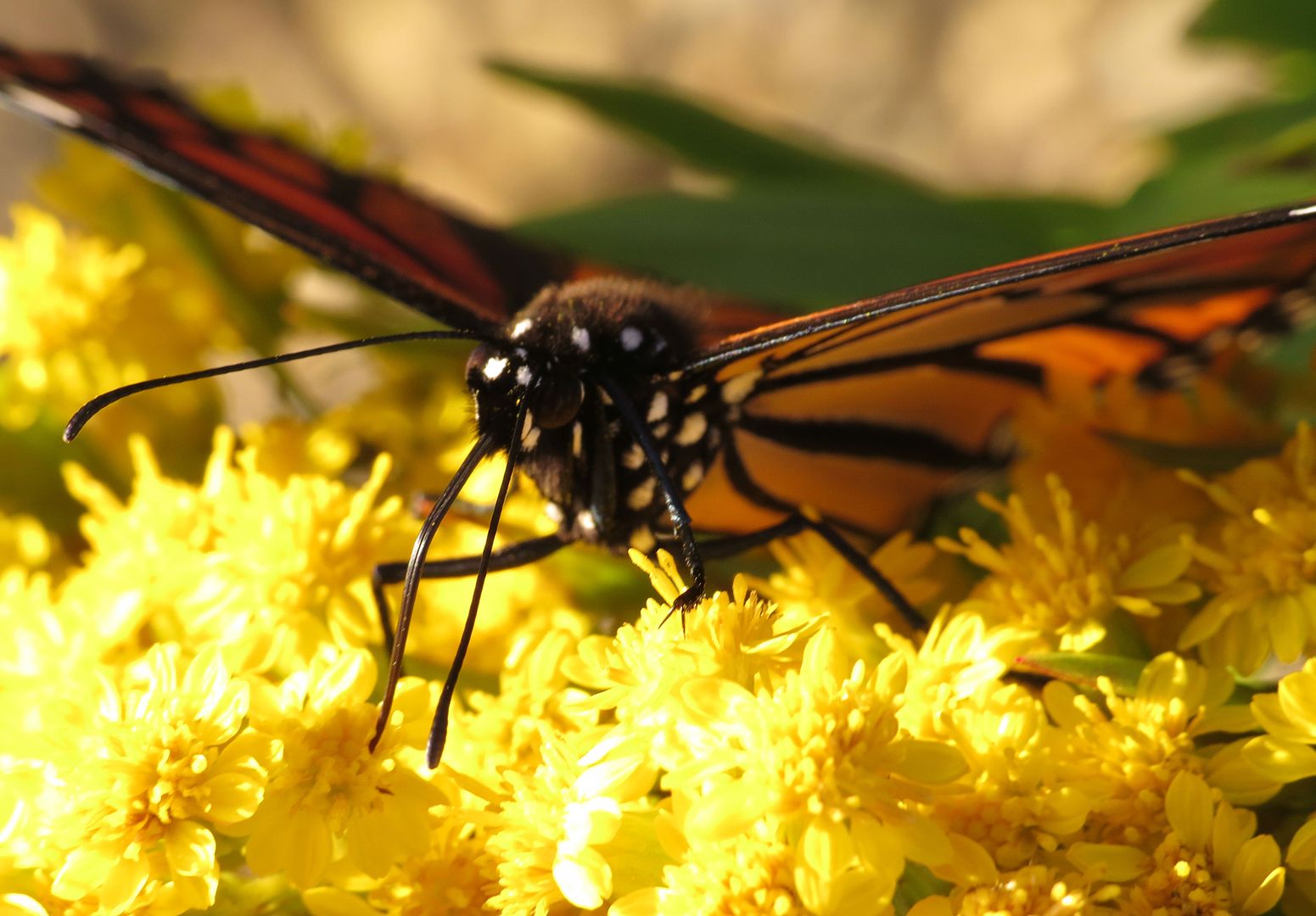
I got to test out my new Raynox DCR-250 Super Macro Snap-On Lens with some Monarchs and in such beautiful lighting! This little snap on works with just about any camera that has a clip on lens cap, and is well worth the money.
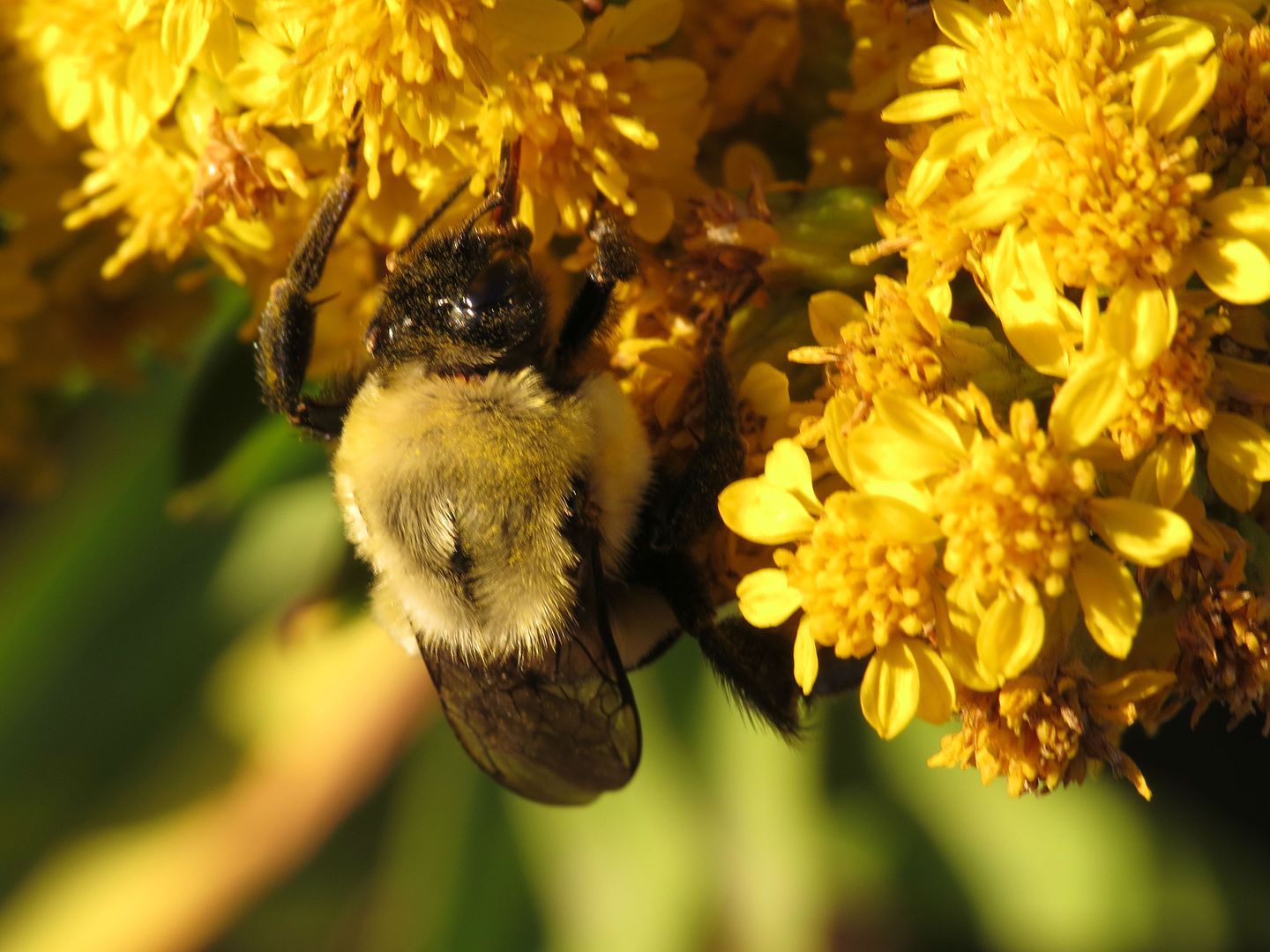
A queen bumblebee. She won't start a nest until next year but in the mean time they fuel up on nectar.
This one fooled me a bit because the bee that it was mimicking were on other plants.
This is a bee mimicking flower fly. They do this to be left alone, and sometimes to sneak into bumblebee nests to lay their eggs upon the decomposing parts of the nest. I don't think they're a pest to bumblebees (though I might be wrong) but this camo also means fewer predators will mess with them.
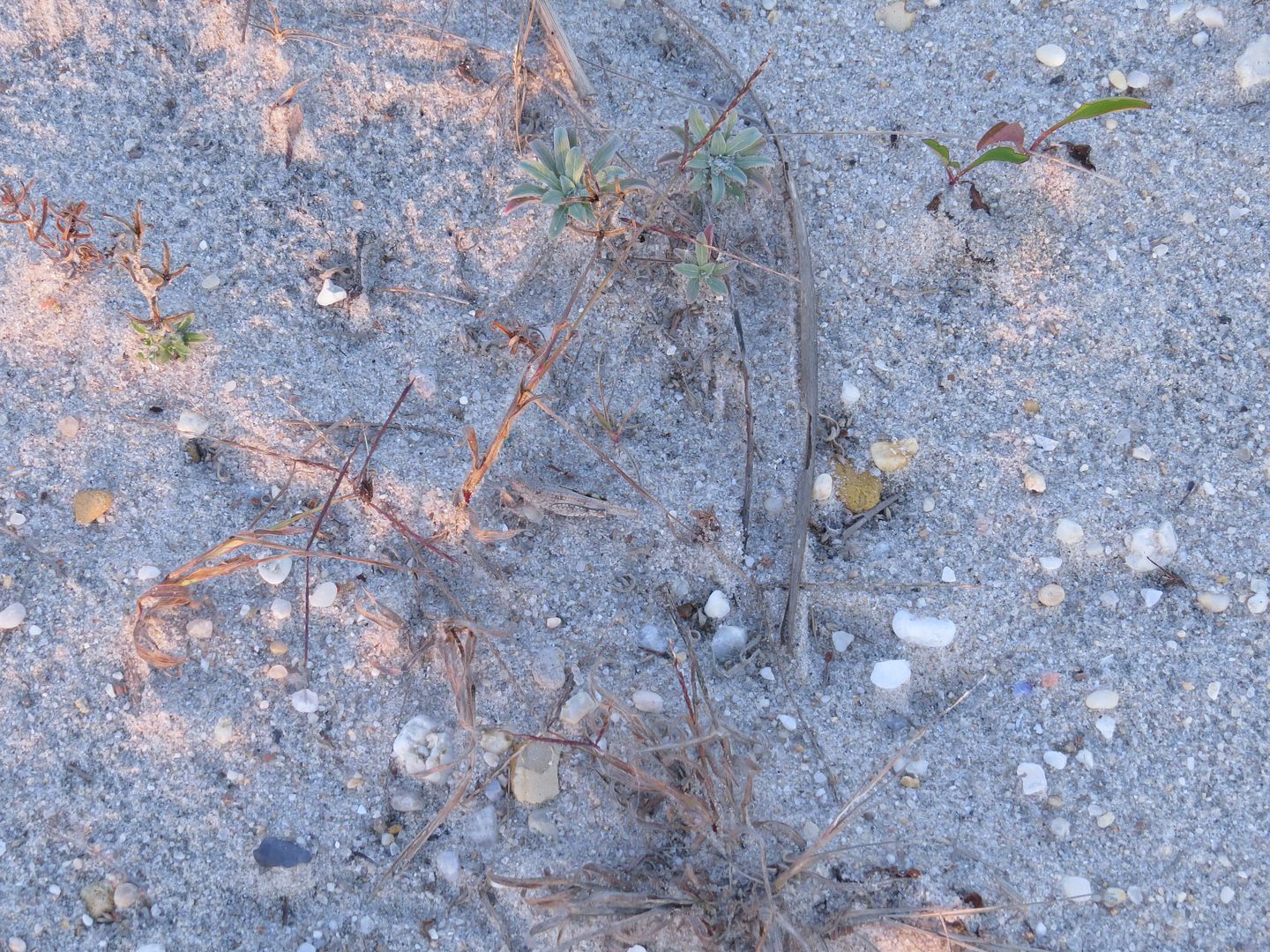
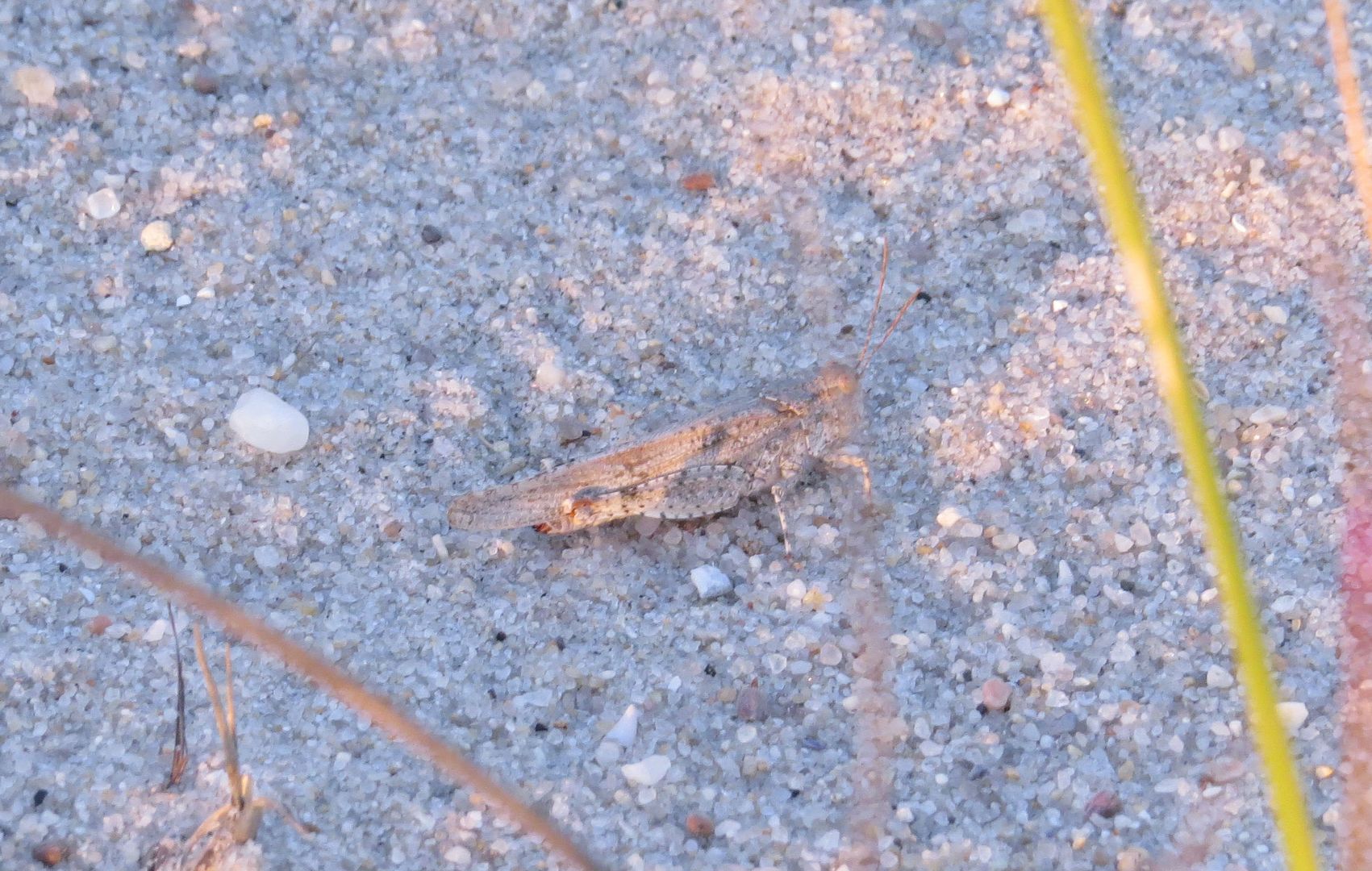
Back at the beach there were other critters in camo. Can you see it?
This grass hopper is perfectly colored to blend in with the beach.
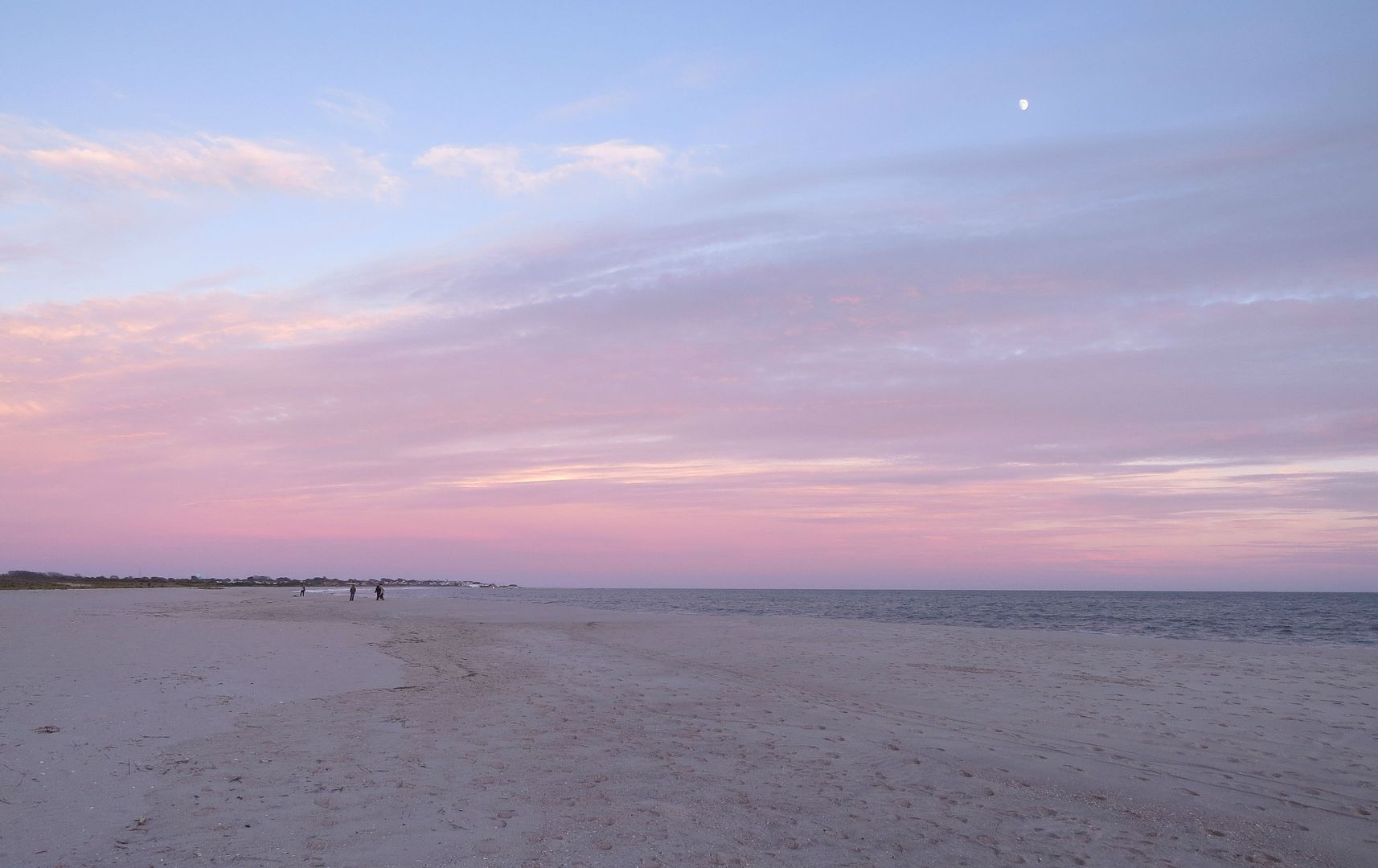
The sky away as we looked away from the sun.
Goldenrod as we looked toward the sun.
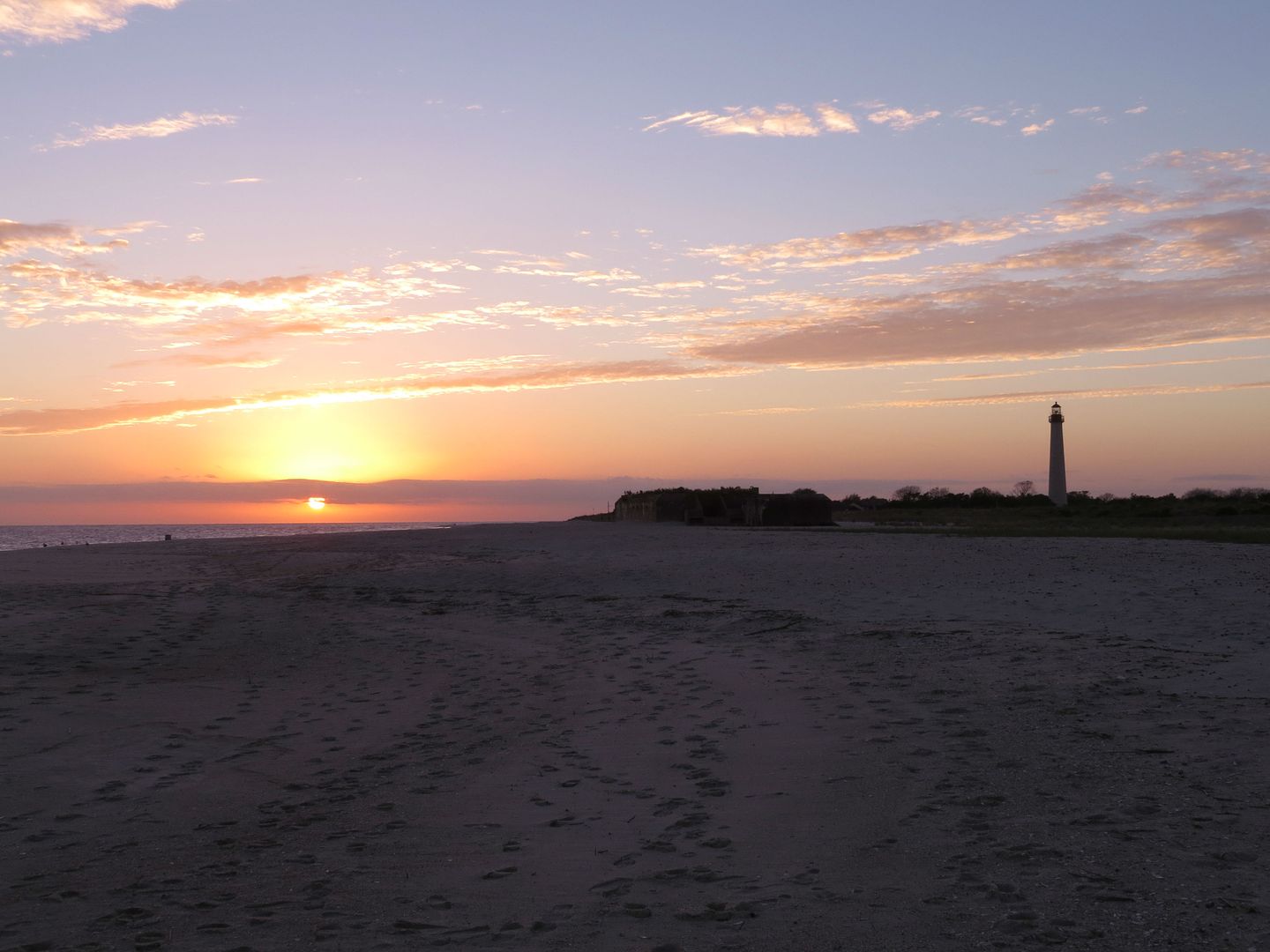
... we were parked over by the light house.
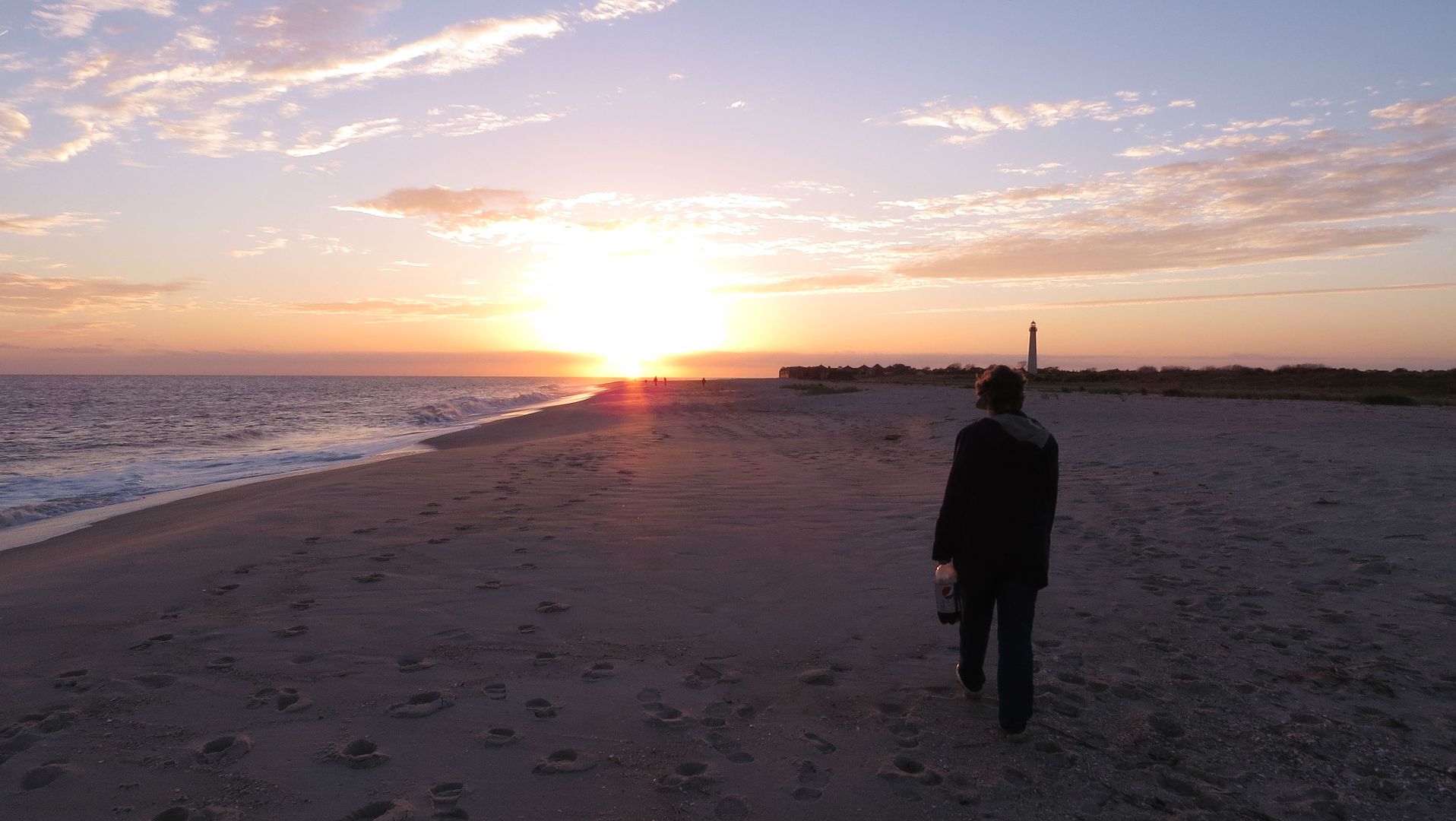
Walking back to the car proved to be one of the prettiest moments of the whole day. I'll have to do this again next year.
Also before we got there, there was a group of photographers all standing in the road, cameras focused on a tidy little garden they have down there. These people were blocking the road and all anxiously awaiting for something to happen. Apparently some west coast hummingbird species had been spotted there the previous night and everyone was standing there waiting for it to show again... we stopped a moment to think if that would be worth our time but decided it was not. While leaving we asked if it had shown and it hadn't.
Cape May is the southern most point of New Jersey which also bottle necks into a peninsula, making it ideal for viewing most things that migrate at this time of year. It was a little late though so we caught the tail end of the Monarch Migration and little else.
The park was a nice wetland area with trails leading all up and down the bays and beaches there.
The least interesting parts were those overrun with the invasive Common Reed Grass, Phagmites australis. This grass can be drown as a method of control, and though it likes growing in wetlands it's very growing habit slowly generates new land. They push up so much top growth every year that it doesn't decompose until several years more, thus the ground is slowly raised. Seeds are air born, and once established they will send out runners several feet away, making them quick to colonize.
The occasional Golden Aster, Heterotheca and Chrysopsis sp. grew in places. Overall it was a rare plant but still a nice one to see.
I don't think it's Maryland Golden Aster, but certainly something in that genus, (or the other one).
Along the beach there seemed to be some sort of restoration project. There had to be a few thousand plants of Seaside Goldenrod, Solidago sempervirens, and what might be Little Blue Stem, or it's sand and salt water tolerant counterpart.
This is a fantastic goldenrod species. If I had a dune of 100% sand in my yard I'd certainly be trying to grow it! The plant is a good size, they don't seem all that aggressive, and the flowers are as nice and showy as Showy Goldenrod.
Monarch Butterflies swooped about from plant to plant. Most of them seemed to be having difficulty staying with the plant from the force of the wind though. As I mentioned earlier this was the tail end of their migration so we really only saw a few dozen. But that's a lot more than I had in my yard this year or had seen flying around.
Beautiful Plant.
They were less common inland where the soil turned more rocky than sandy, but Monarchs found them all the same.
I got to test out my new Raynox DCR-250 Super Macro Snap-On Lens with some Monarchs and in such beautiful lighting! This little snap on works with just about any camera that has a clip on lens cap, and is well worth the money.
A queen bumblebee. She won't start a nest until next year but in the mean time they fuel up on nectar.
This one fooled me a bit because the bee that it was mimicking were on other plants.
This is a bee mimicking flower fly. They do this to be left alone, and sometimes to sneak into bumblebee nests to lay their eggs upon the decomposing parts of the nest. I don't think they're a pest to bumblebees (though I might be wrong) but this camo also means fewer predators will mess with them.
Back at the beach there were other critters in camo. Can you see it?
This grass hopper is perfectly colored to blend in with the beach.
The sky away as we looked away from the sun.
Goldenrod as we looked toward the sun.
... we were parked over by the light house.
Walking back to the car proved to be one of the prettiest moments of the whole day. I'll have to do this again next year.
Labels:
Beach,
Bumblebees,
Coastal,
Colors,
Fly,
Golden Aster,
Goldenrod,
Grapes,
Grass,
Lighthouse,
Monarch
Friday, September 28, 2012
Lasius neoniger Nuptial Flight
My friend out in Indiana found a Lasius neoniger nuptial flight happening. They're called the Labor Day Ant because their mating season normally takes place around the same time. This video was taken two days ago so they're still finishing up. This is a common grassland ant found all over North America.
Queens in this genus will sometimes band together during the founding stage to better ensure a successful colony. Workers however, will only tolerate one queen in the nest so after 4 weeks or so they'll slowly start killing off the submissive ones. The advantage to a single queened colony is order. Workers will be better able to fatten up the reproductives produced from one queen as opposed to a multi queen nest which won't be able to feed their reproductives anywhere as well.
Monday, June 21, 2010
Nylanderia flavipes and the Fly
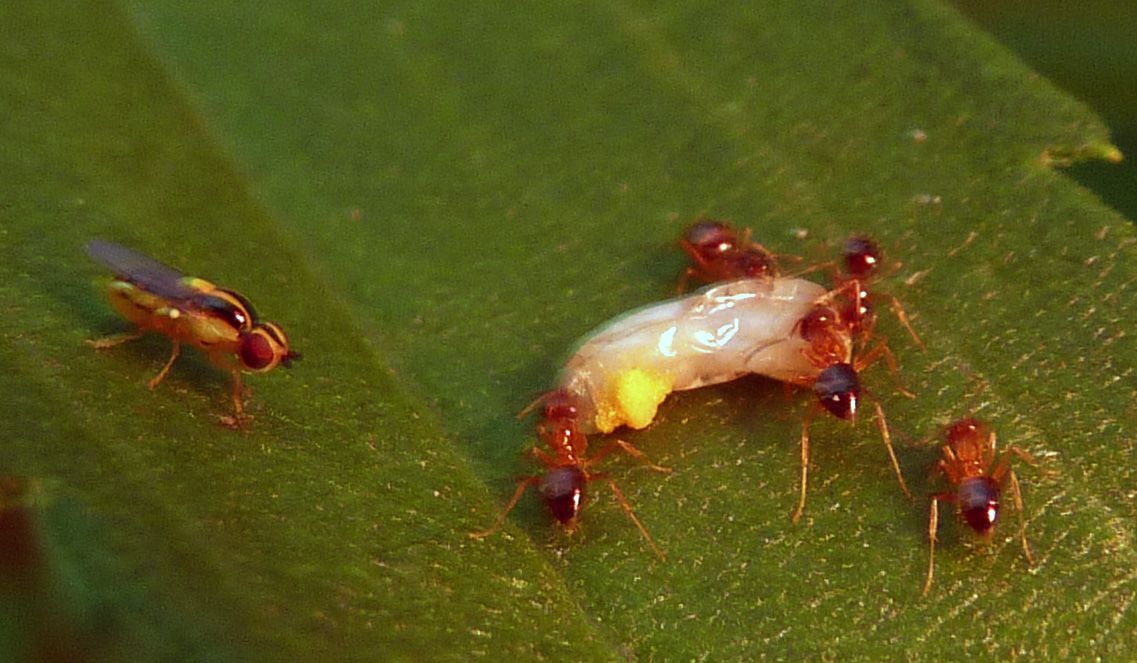
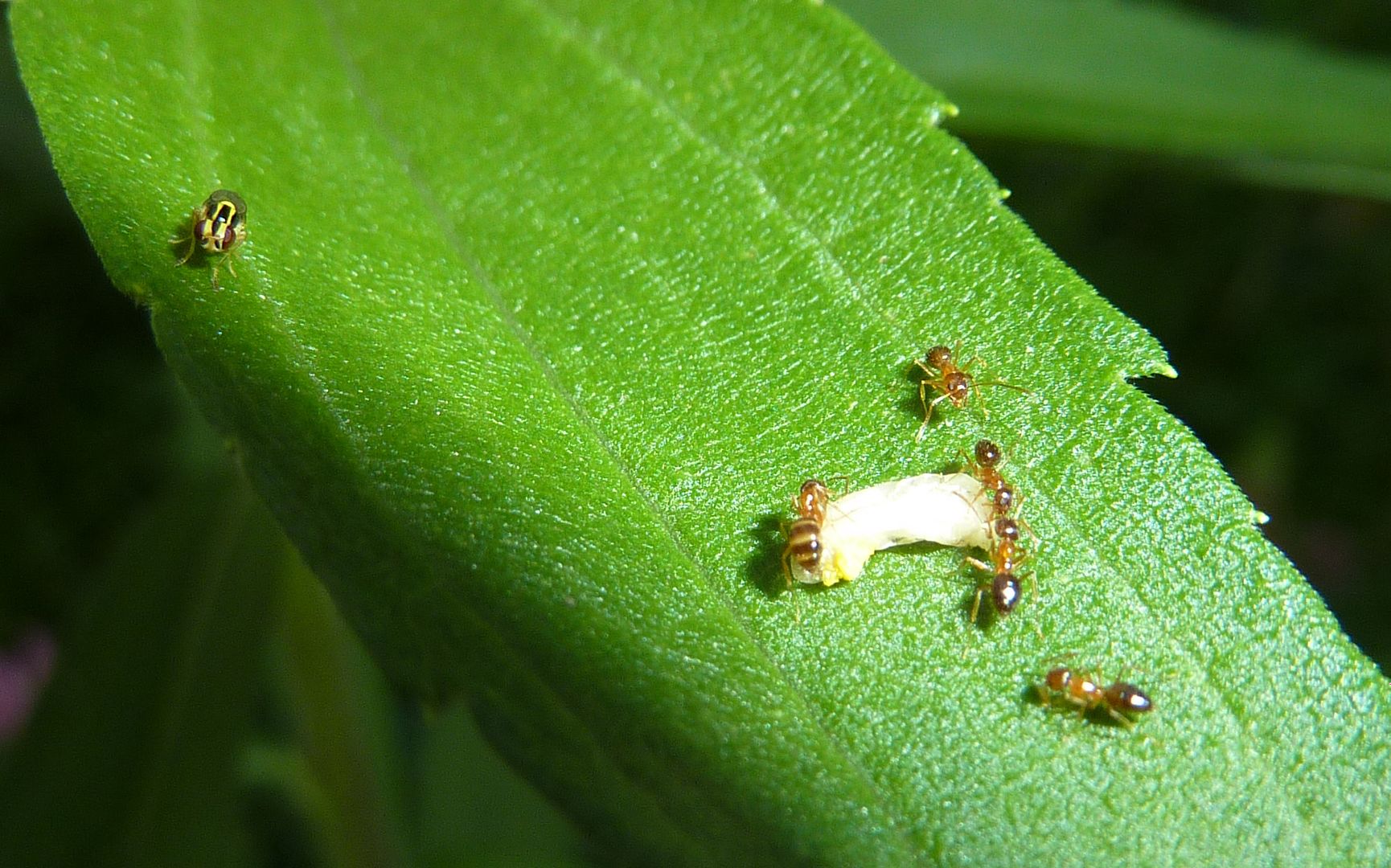
Nylanderia flavipes is a commonly imported species of ant. They're reaking havoc with my raspberry patch and that's bad. But away from the raspberries they find other things to nibble at and so the flies. I'm not sure what the fly in question is here but I thought it was cute how it would sneak up gingerly to the food item and steal a bite now and then.
Labels:
flavipes,
Fly,
Nylanderia
Subscribe to:
Posts (Atom)