Spring
Beauty, Claytonia virginica. It's actually started flowering here so let's start there. The thing is, only one or two of them are blooming and the patch now is turning into it's own sort of lawn. So better photos will be on the way instead of this edited one. It's a small grass-like plant right now
but each of these strands continues to grow and unfurl through the
garden/lawn and produce lots of little flowers along the way.
Fernleaf
Phacelia, Phacelia bipinnatifida. I have finally gotten this god dam
plant somewhat established in my yard! This is a biannual that only
flowers on it's second (and last) year of life! Also they have to cross
pollinate from a plant that wasn't related to their parent. Between
driving to Delaware each spring and dealing with what has to be one of
the worst online nurseries on the internet I'm glad to see these coming
up on their own.
Giant
Waterleaf, Hydrophyllum appendiculatum. This plant lived up to its name
the first year I planted it growing a good 3' tall and wind. Subsequent
generations though have either been annual or biannual growing only a
few inches tall, flowering and then death. They keep coming back though.
Hydrophyllum
virginianum, more of a late spring bloomer. It's just a little tuft of
leaves now but the patch quickly expands to fill up the garden.
Golden
Alexander, Zizia aurea. This is a native carrot though I don't think
the roots are meant to be eaten. I think it's a biannual too but I'm not
certain. Some years the patch is lush and full with plants but others
there are bare spots. This is a host plant to the Black Swallowtail but
I've found they only lay eggs on the flowers in the spring time, and
plants are largely ignored over the summer in favor for non-native like
Parsley and Queen Anna's Lace.
Jacob's
Ladder, Polemonium reptans. This plant is semi-evergreen, maintaining a
rosette of leaves all winter. Light blue is more true to their normal
bloom color.
Roundleaf Ragwort, Packera obovata. This plant suffers from having one of the worst common names ever. It's actually one of the more striking yellow flowering plants of spring.
Wild Hyacinth, Camassia quamash, a native bulb that should be planted along side Easter Flowers.
Woodland
Phlox, Phlox divaricata. I think this is a cultivar with thicker petals
called 'Blue Moon' but I'm not certain anymore. Patches of this plant
only come back when there's no mulch or barely any leaf litter.
Originally the plant was fragrant but for the past few years I haven't
noticed any fragrance, making me think the original plant has died out
and these are all seedlings.
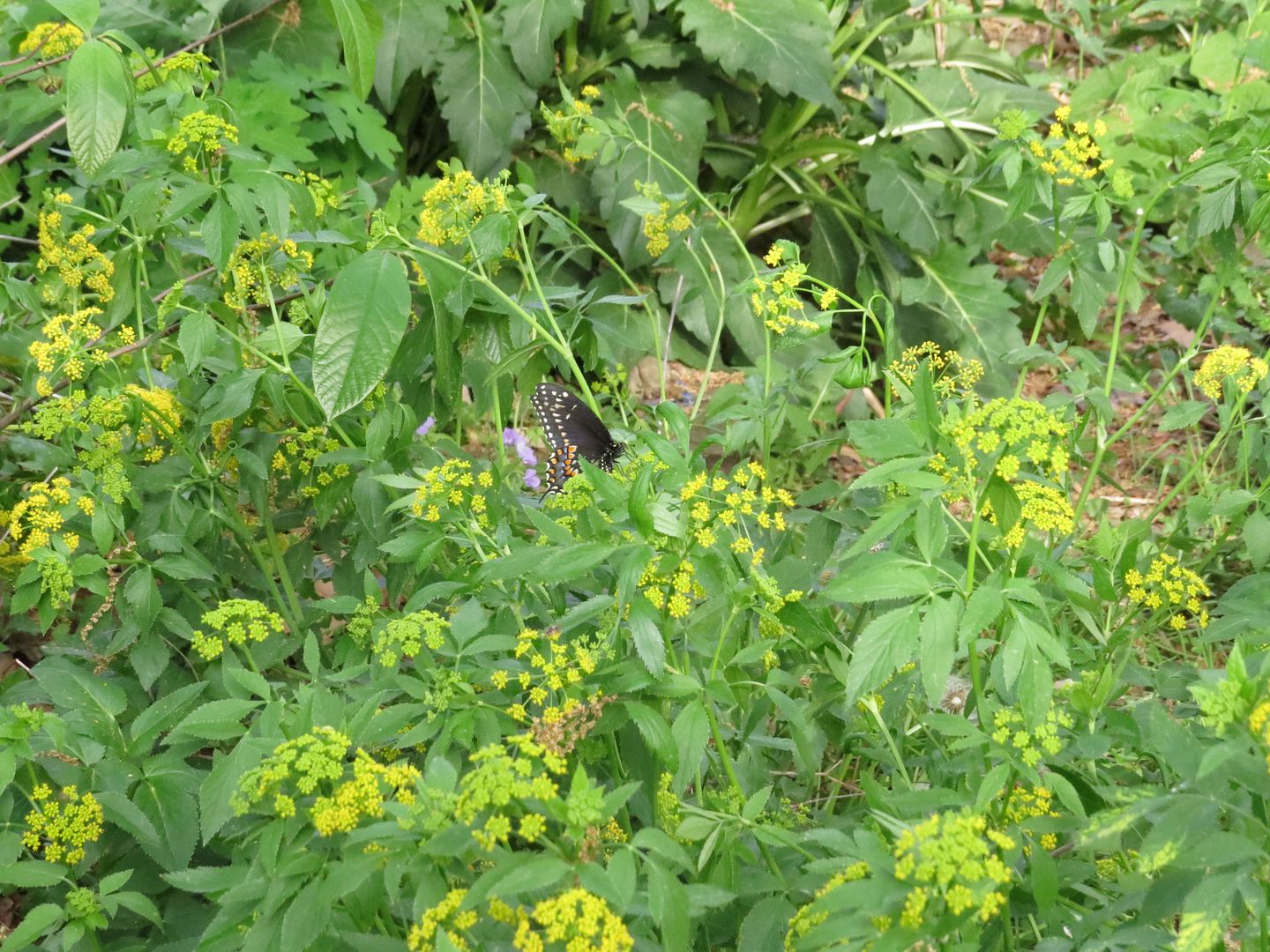
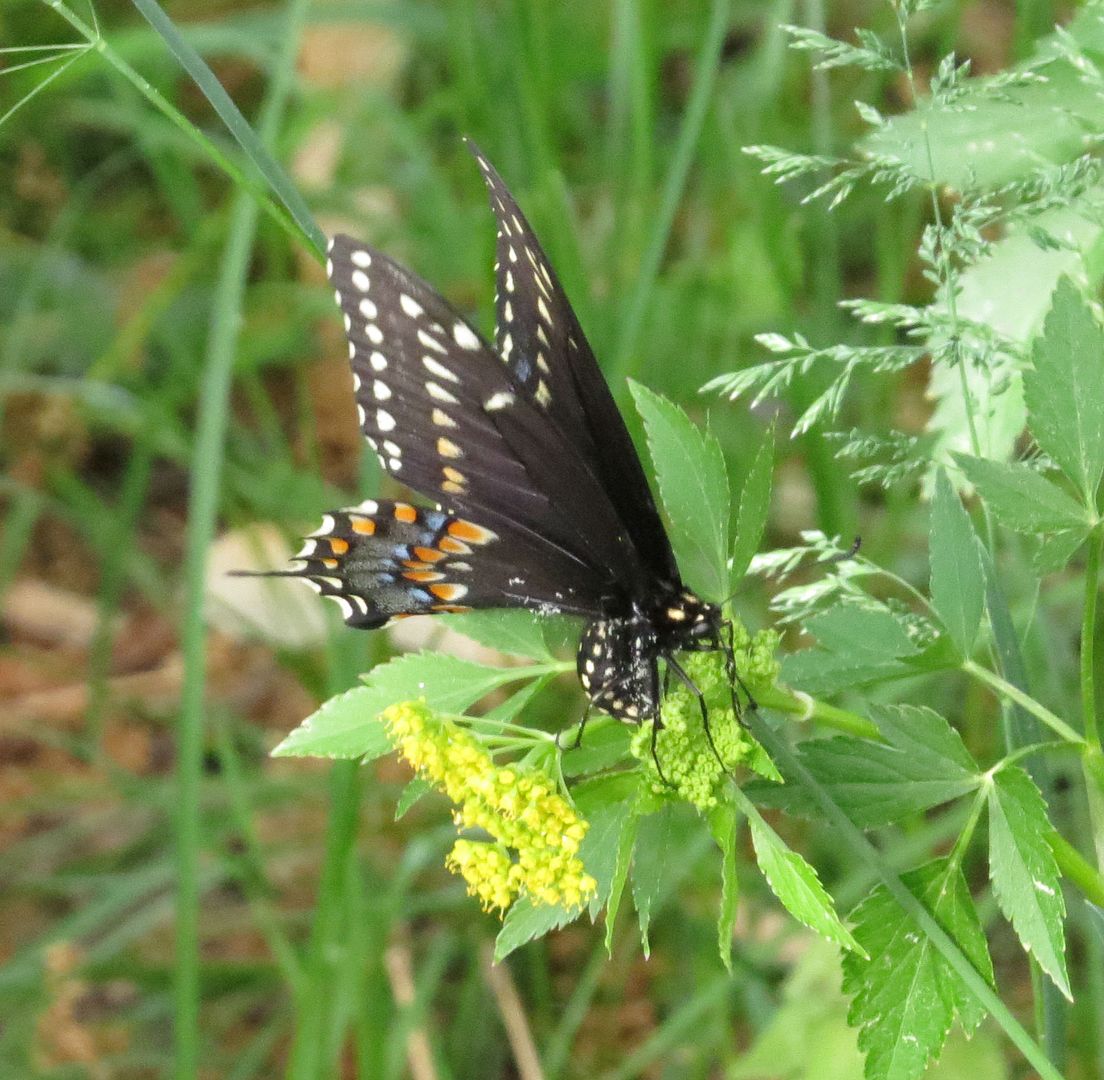
When Native Plant Gardeners decide to add Golden Alexander to their landscape, they're often disappointed to see a lack of Black Swallowtails. Perhaps Monarchs boldly laying dozens of eggs all over Milkweed and their easy to spot black and white caterpillars spoil them. A couple of things are going on here.
Firstly, Black Swallowtails are native to North America, so much so that they're sometimes referred to as the American Swallowtail. Golden Alexander was their primary host plant among a few other members of the carrot family, but when western settlers brought with them delicious Parsley, Dill, and yet more members of the carrot family, suddenly the American Swallowtail had a lot more hosts to choose from. Parsley and Dill in particular were bread for their pungent odor and flavor, and likely possess more of the chemicals in the plant Black Swallowtails use to make themselves bitter tasting. Not only do the caterpillars mimic bird shit in the first few instars, but they want to taste like it too! This is likely why Parsley and Dill tend to be heavily favored as host plants.
Monarchs are down right poisonous to consume, and they want to go out of their way to show themselves off. Causing a mother bird to throw up the contents of her crop is one less meal her baby birds will get. It's a swift lesson and birds quickly learn not to bother with black and white caterpillars.
Golden Alexander has other pest problems such as Aphids. Parsley gets
aphids too but not the same kind. These aphids are better about
attracting Ants, which are more than happy to consume butterfly eggs, as
well as young instars caterpillars. The plant itself also excretes
extra floral nectar on its leaves which ants will "nectar scrape" for
food, to further get ants crawling all over the plant. Golden Alexander
is also a more open, airy plant, which wasps have an easier time
exploring to hunt. Some types of parsley are dense with leaves.
One thing Golden Alexander can boast though is that it's a spring ephemeral. Seen here at 2 - 3' tall it's produced almost all its foliage for the year, whereas Parsley and Dill flower in late summer and autumn, and thus have quite a bit of growing to do. So Golden Alexander is usually a better choice as a spring host plant because even nursery born Parsley and Dill are barely this tall.
Admittedly I can only recall two instances when a female has bothered to lay eggs on our Golden Alexander patch in the past 5 years. I'd probably do better to plant something else in the patch but I keep the plants around all the same.
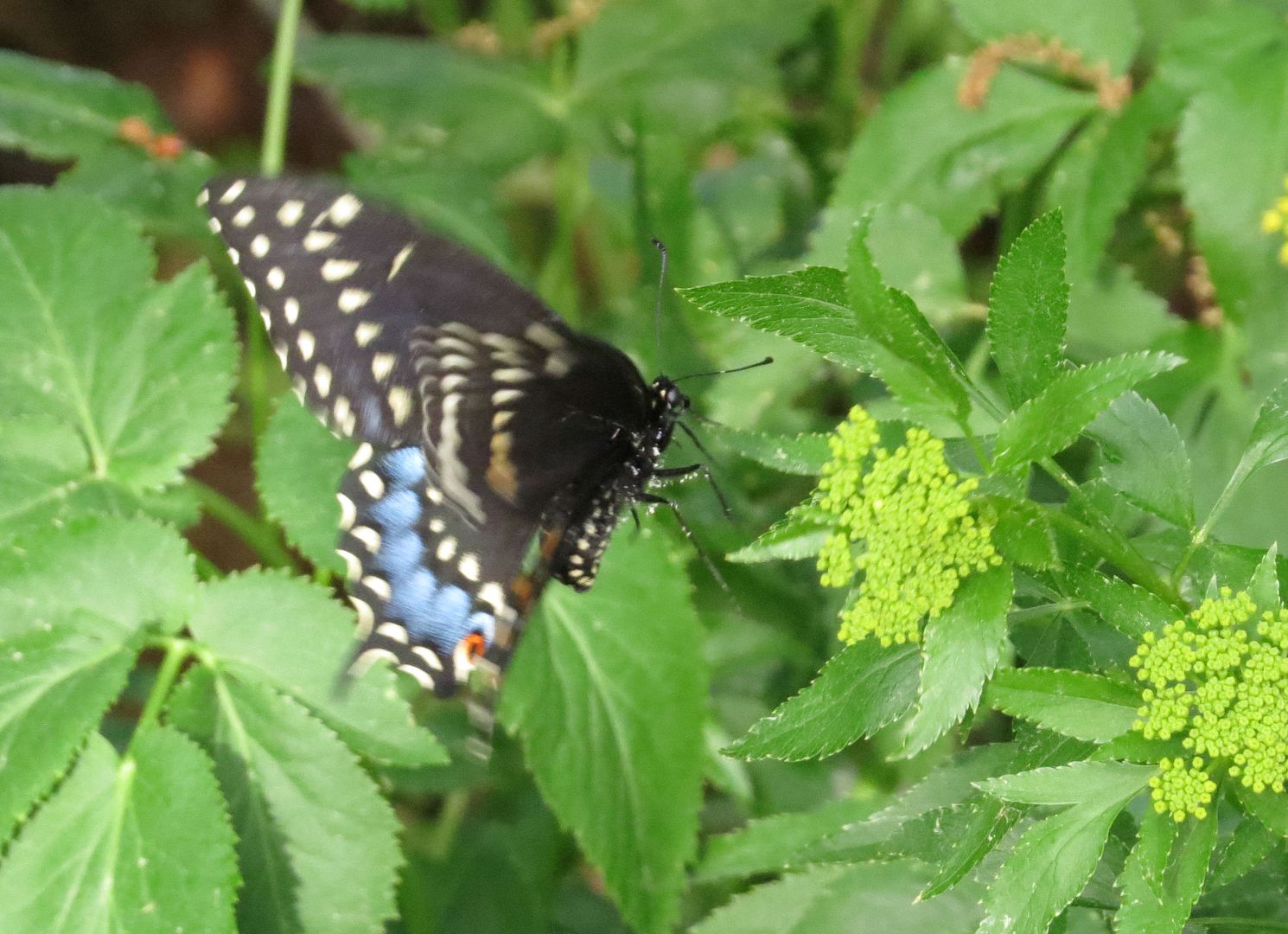
One thing I noticed was a preference to lay directly on the flower clusters as opposed to stems or leaves. There may be other reasons Golden Alexander is favored in the spring that I don't know about.
Either that or she's playing a clever game of Where's Waldo. Note the tiny egg planted among the flower buds.
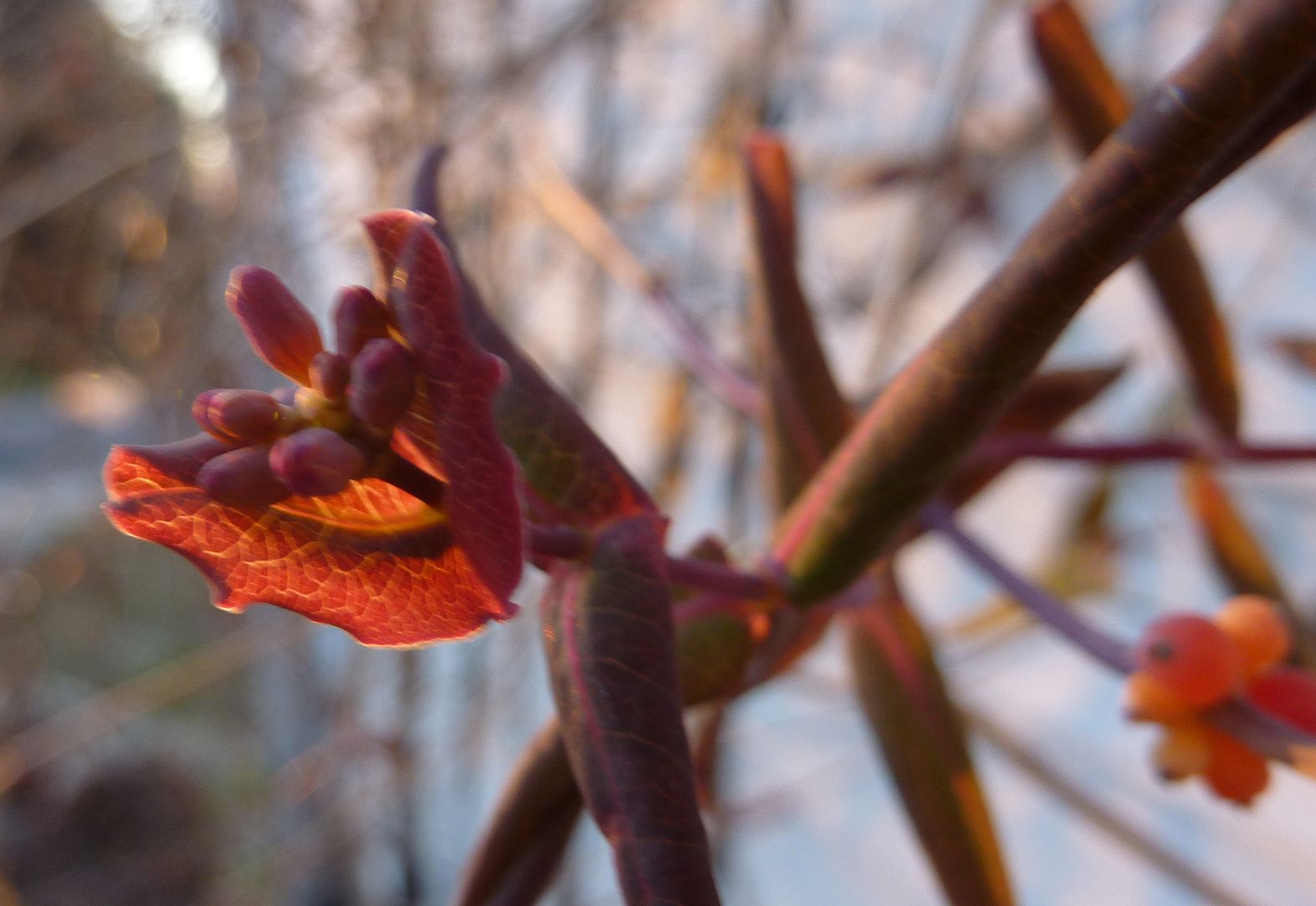
That's this year's flower buds next to last year's berries. Lonicera sempervirens is a native honeysuckle that blooms with the early migration of the hummingbirds, though this year I think it's going to flower even earlier then that. At this rate it might even beat the Daffodils.
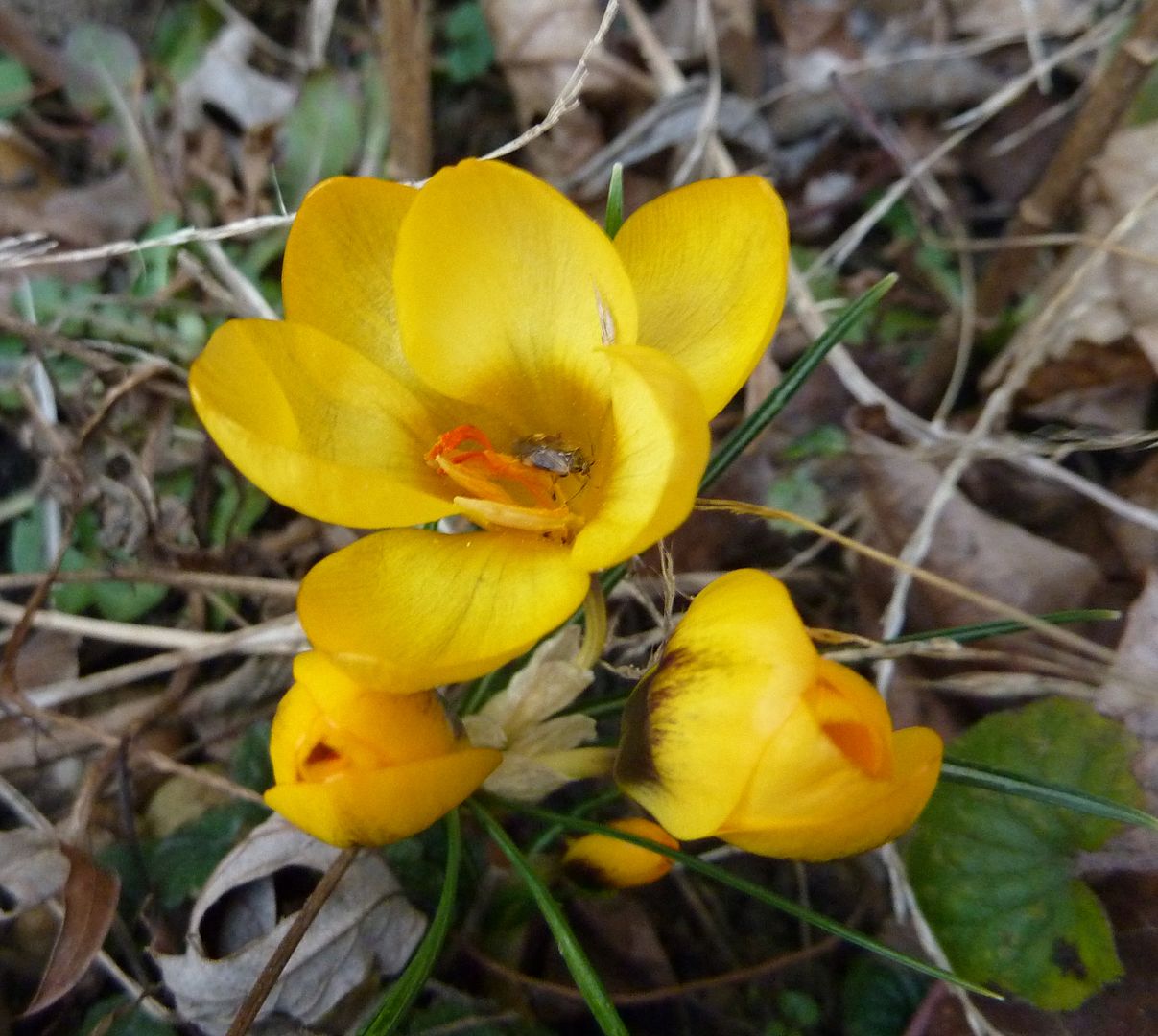
Something that is blooming is the yellow crocuses. Note the stink bug (dead or dormant I think) trying to stay warm inside the flower.
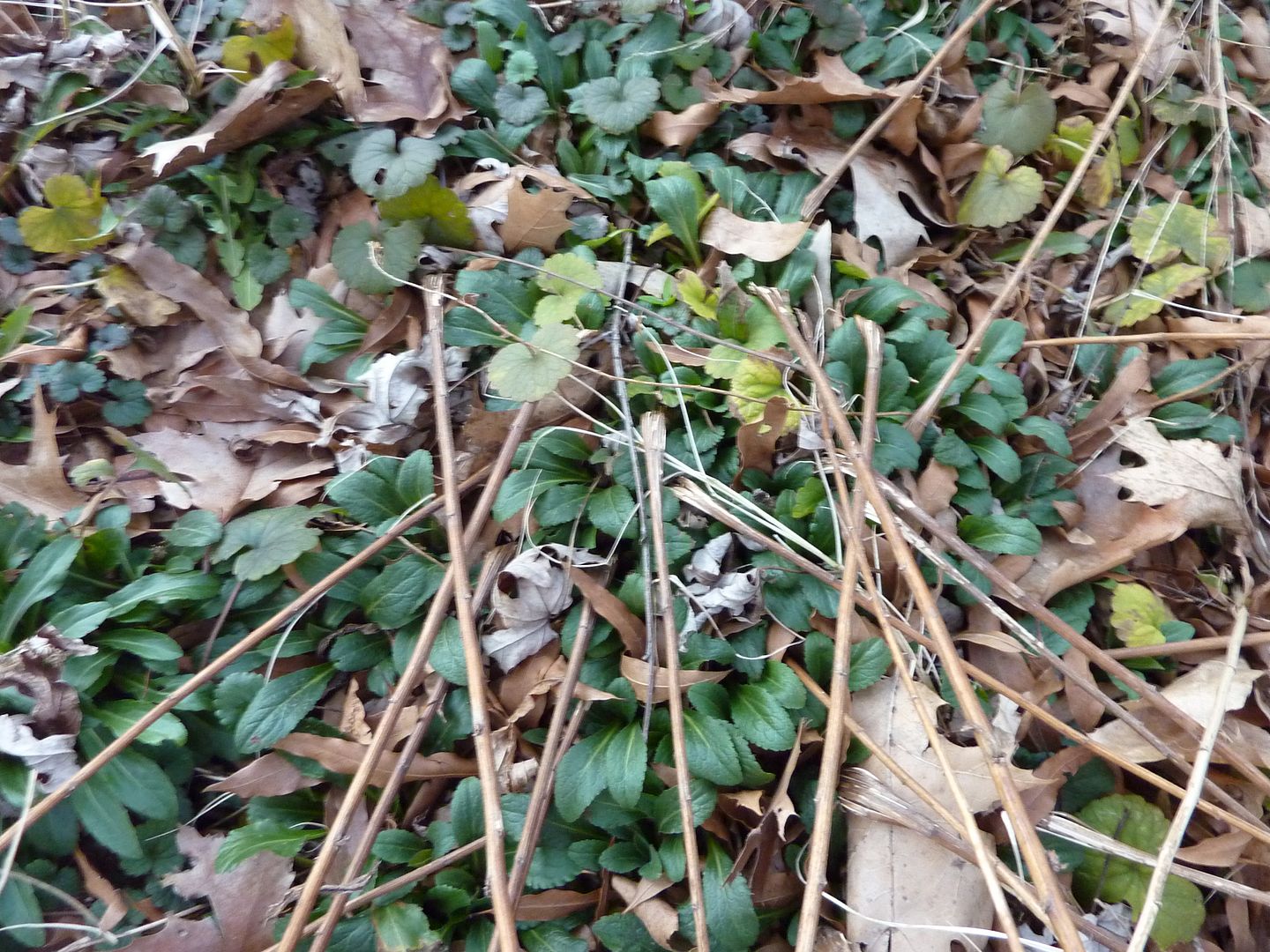
So all these early blooms got me wondering what else is pushing out new growth this early.
This years crop of Tall Goldenrod, Solidago altissima, is getting a head start on the invasion this year. I think it's time I finally ripped a few dozen of these out of the garden.
Solidago rugosa 'Fireworks' is also spreading nicely.
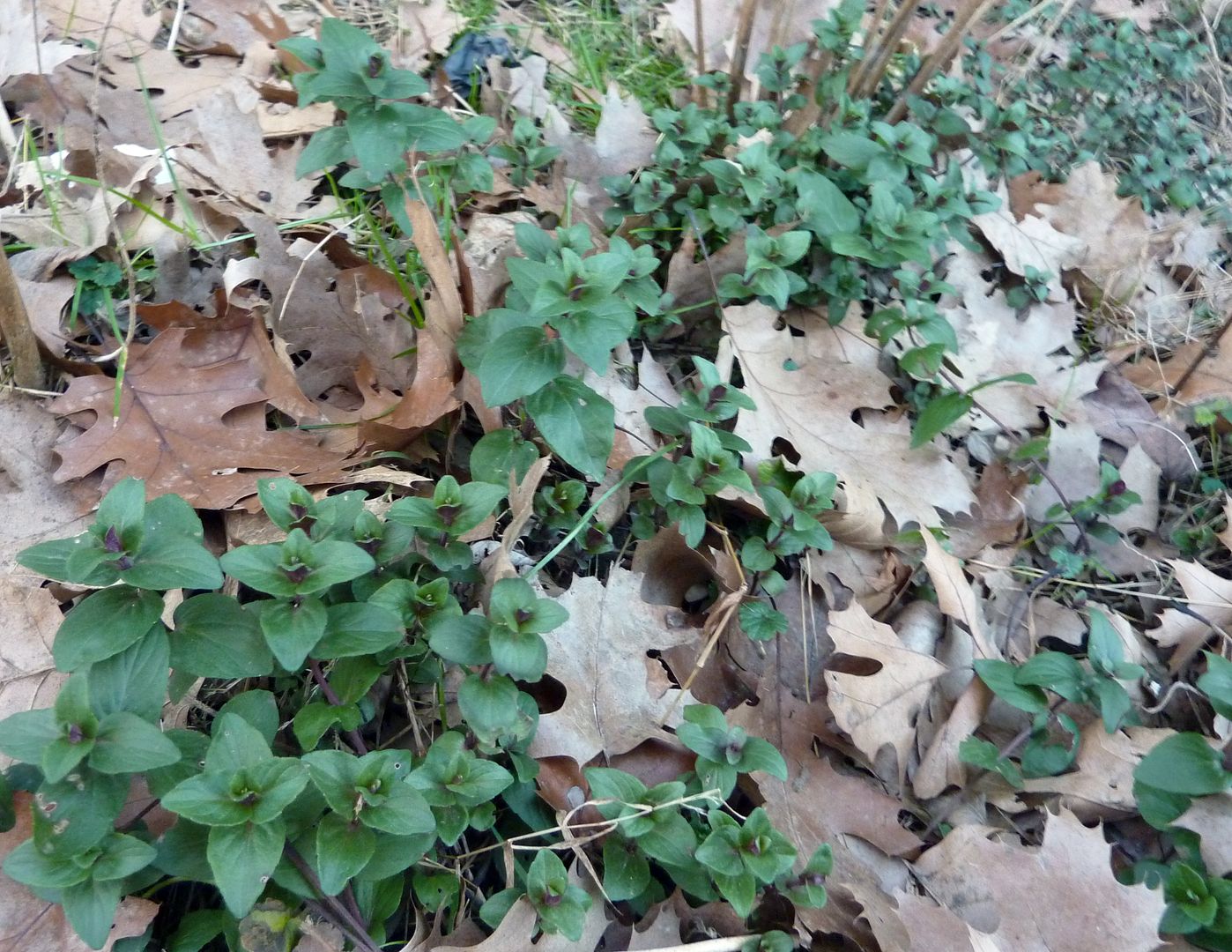
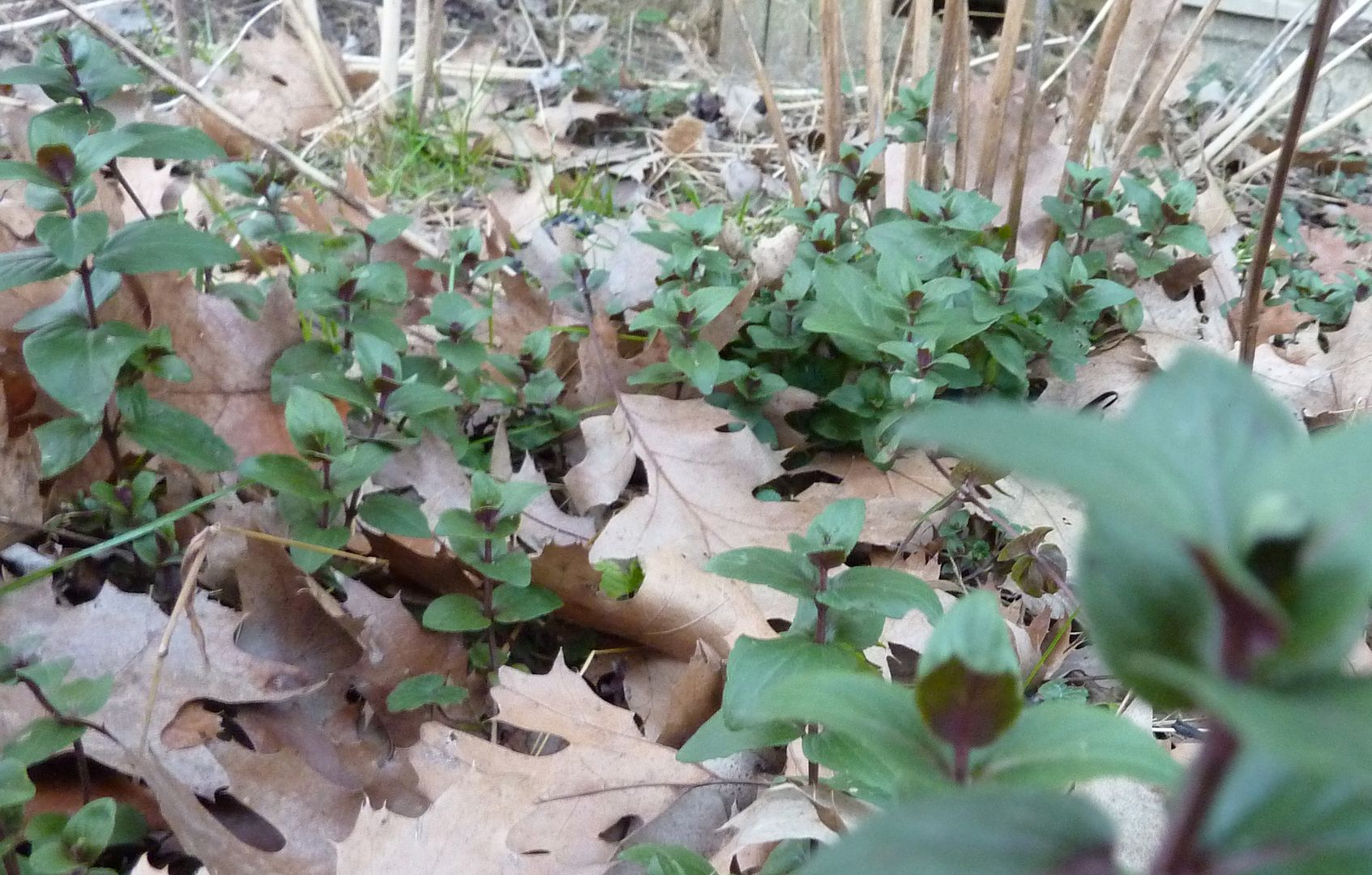
The Mountain Mint, Pycnanthemum sp., is conquering the milkweed patch nicely. I'll be ripping this out liberally.
The stuff smells great and minty too.
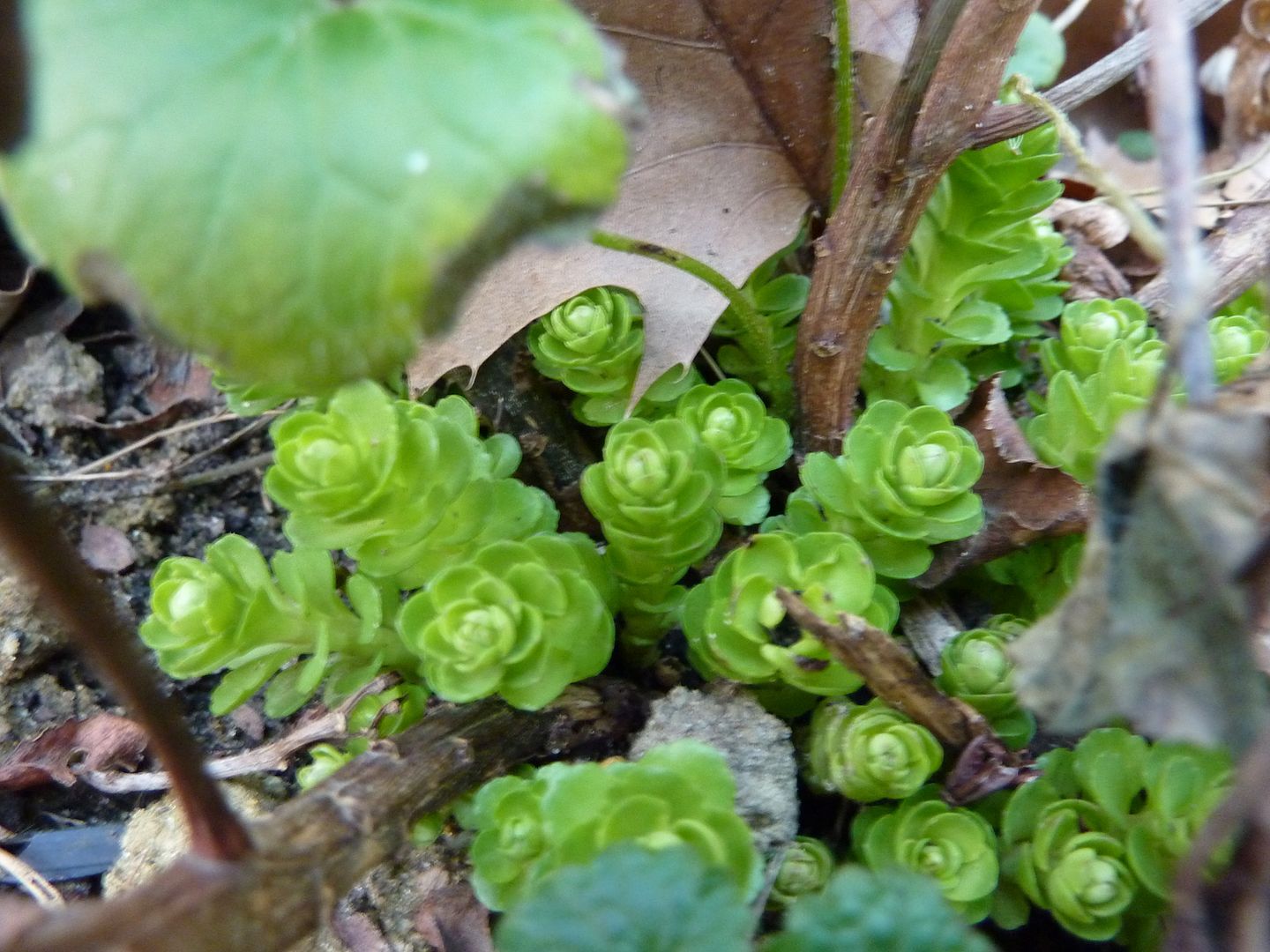
The Sedums are bursting back.
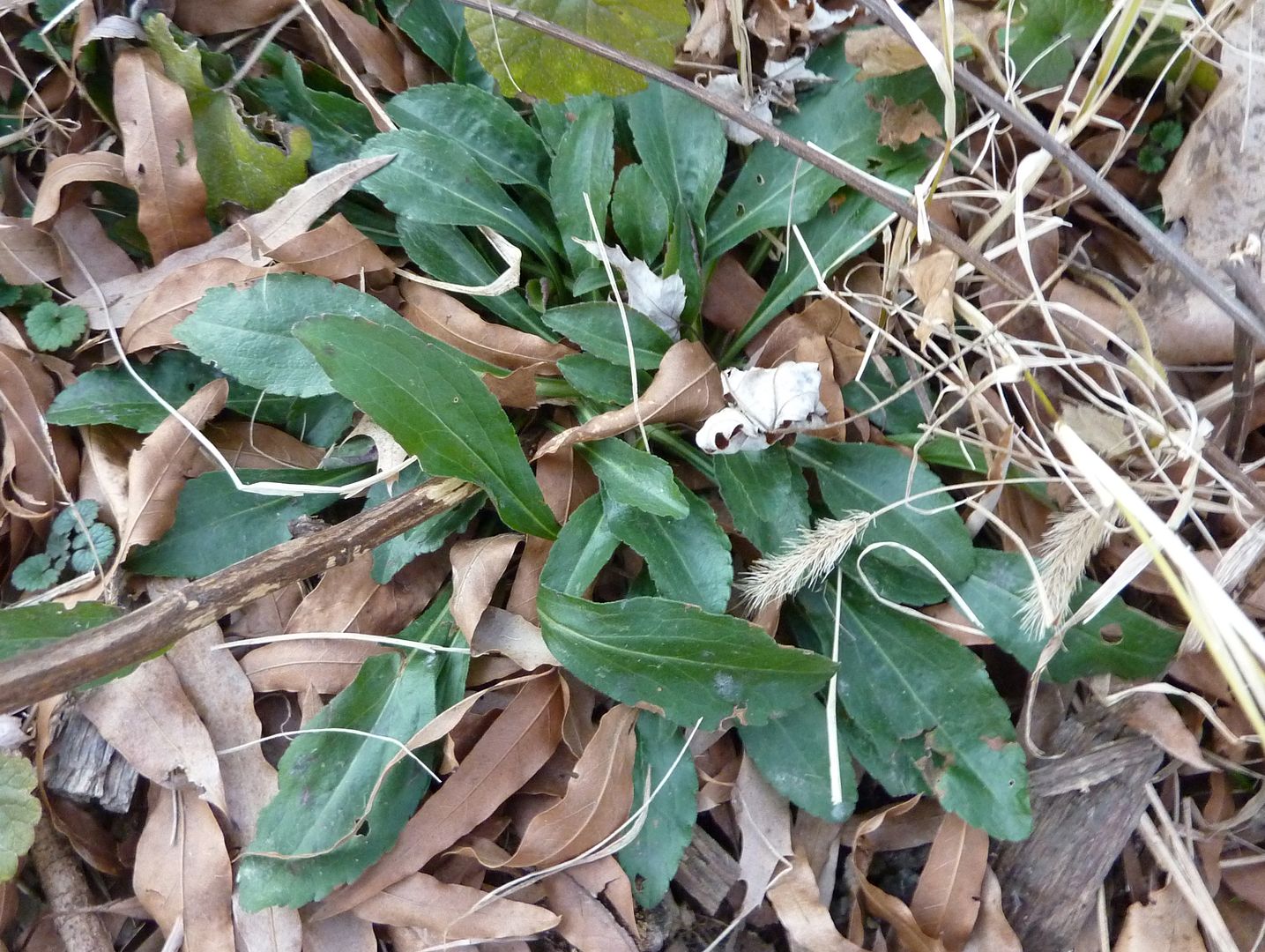
Ironweed.
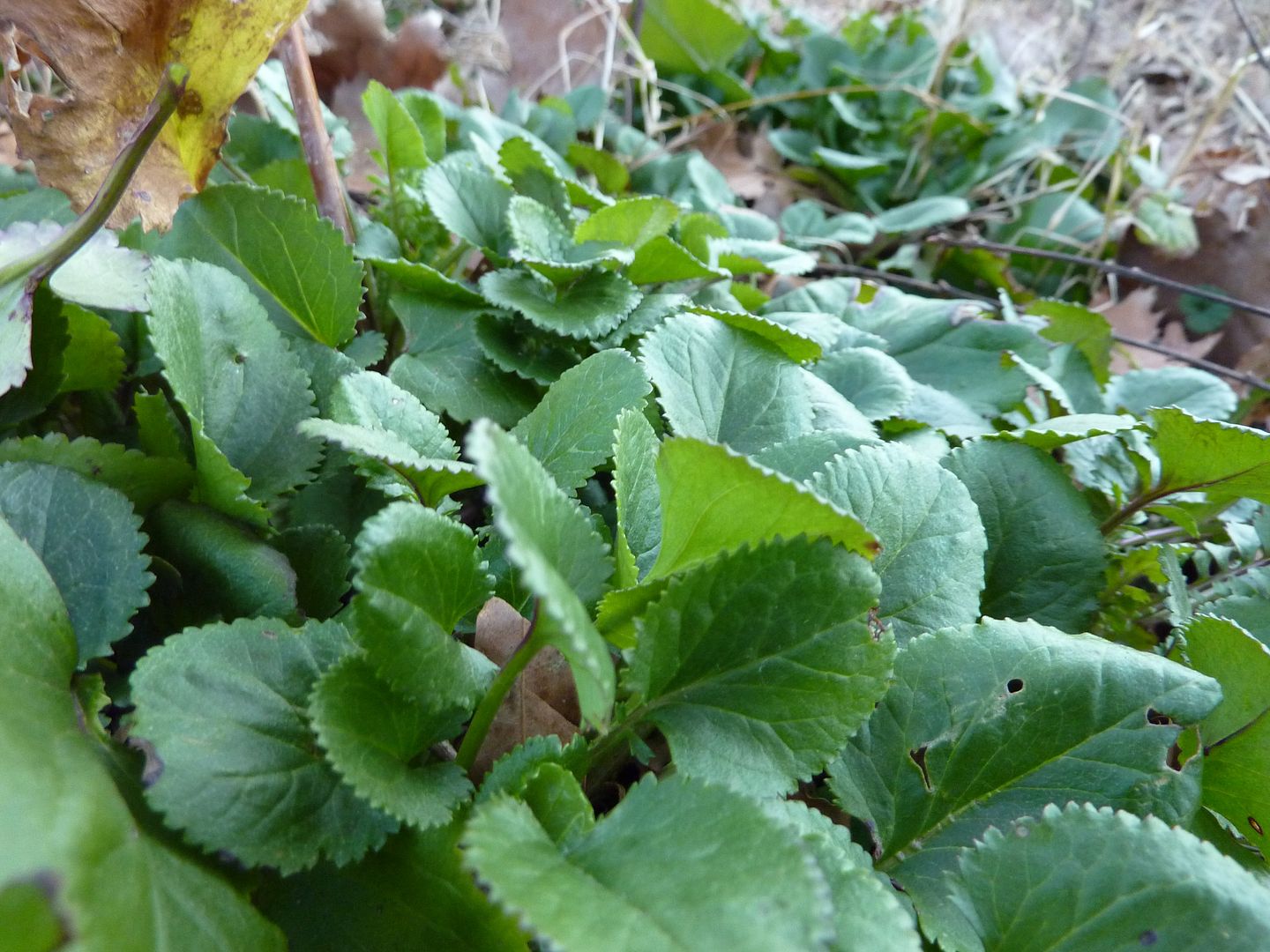
Roundleaf Ragwort, Packera obovata, is also spreading some. It's doing so in nice, garden friendly, tight clumps though. Despite it's seeds being transported by the wind it seems to be growing as a well behaved ground cover. I like this plant so much I'm thinking about spreading it around the yard everywhere. Note the flower buds starting to appear.
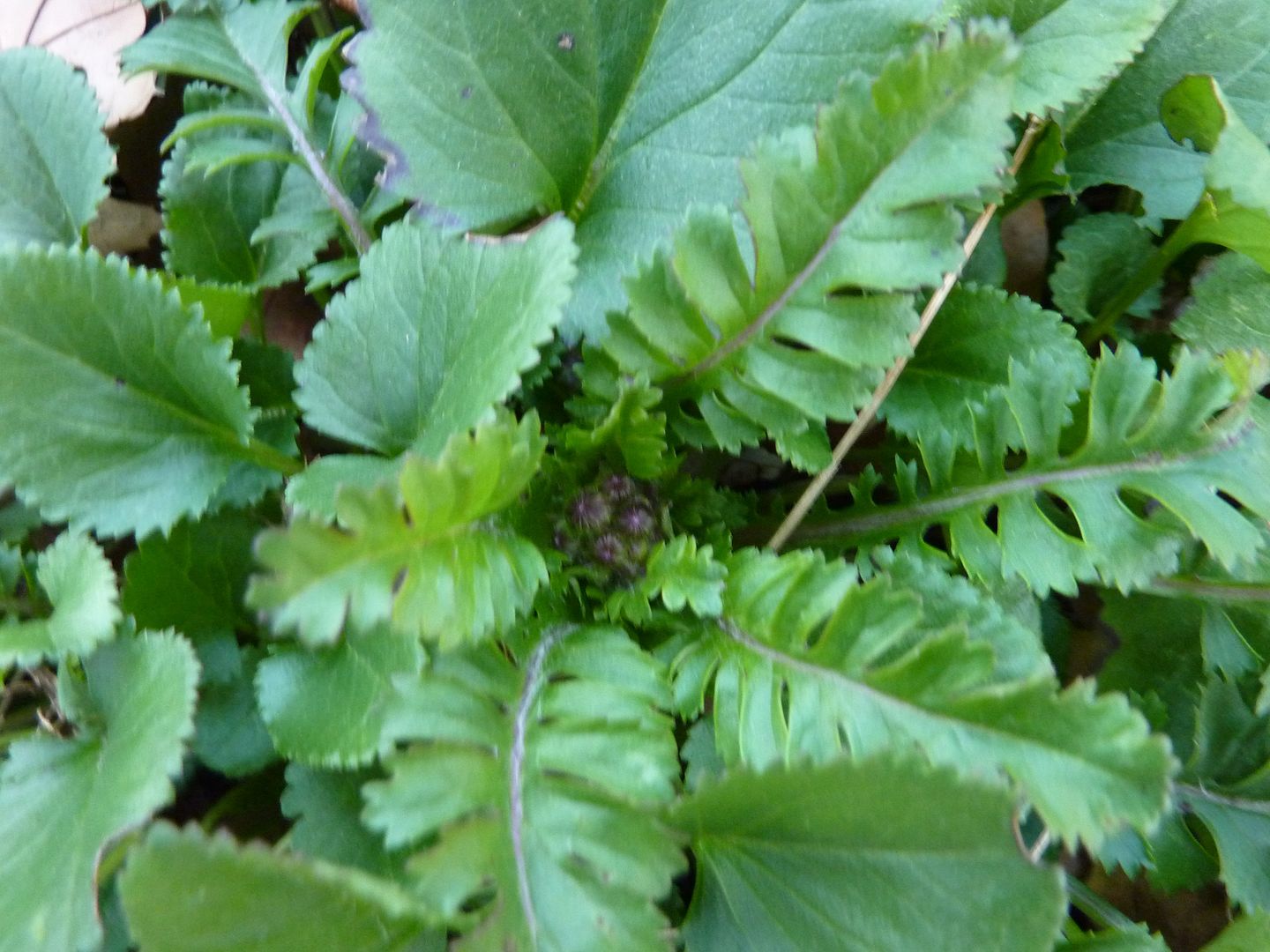
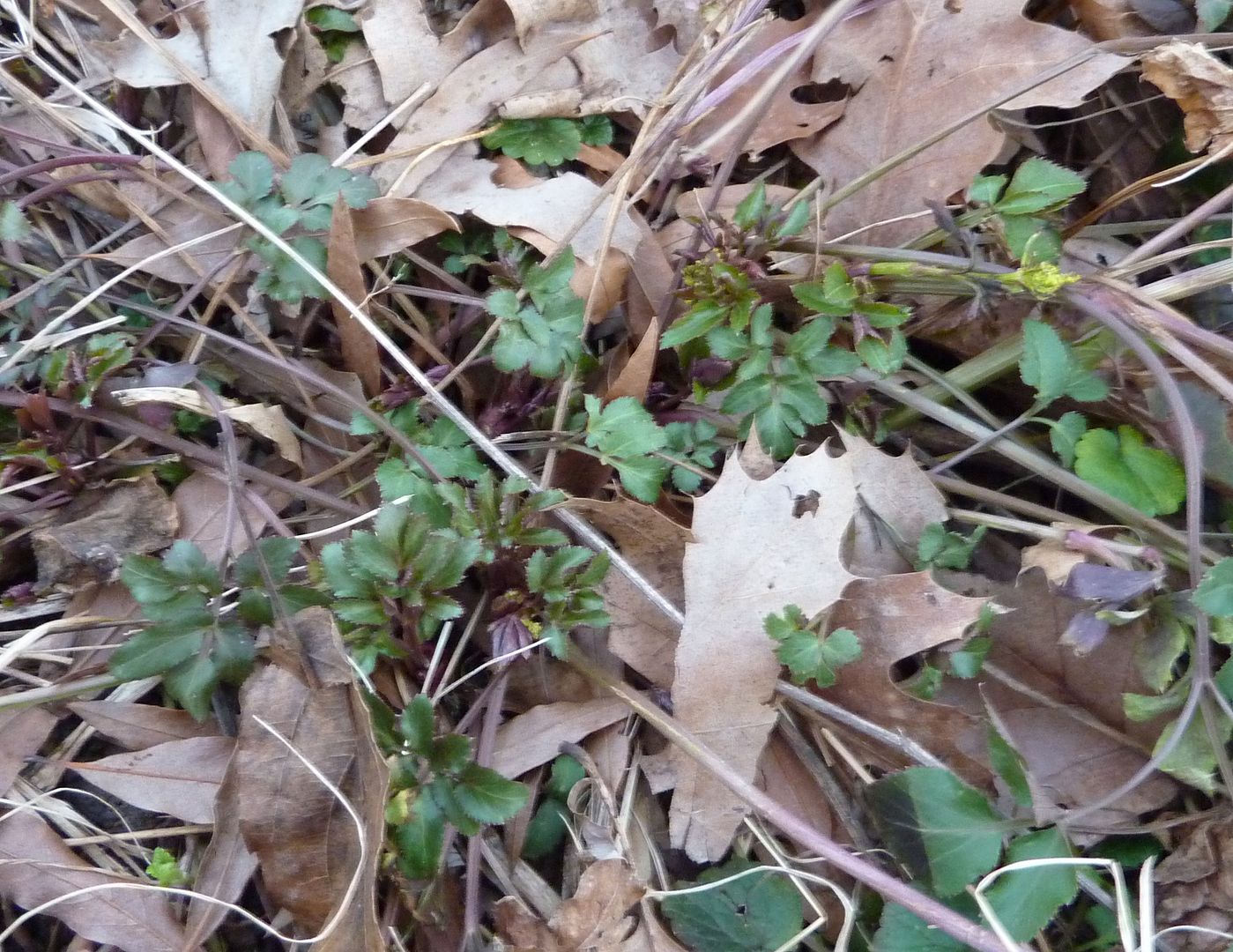
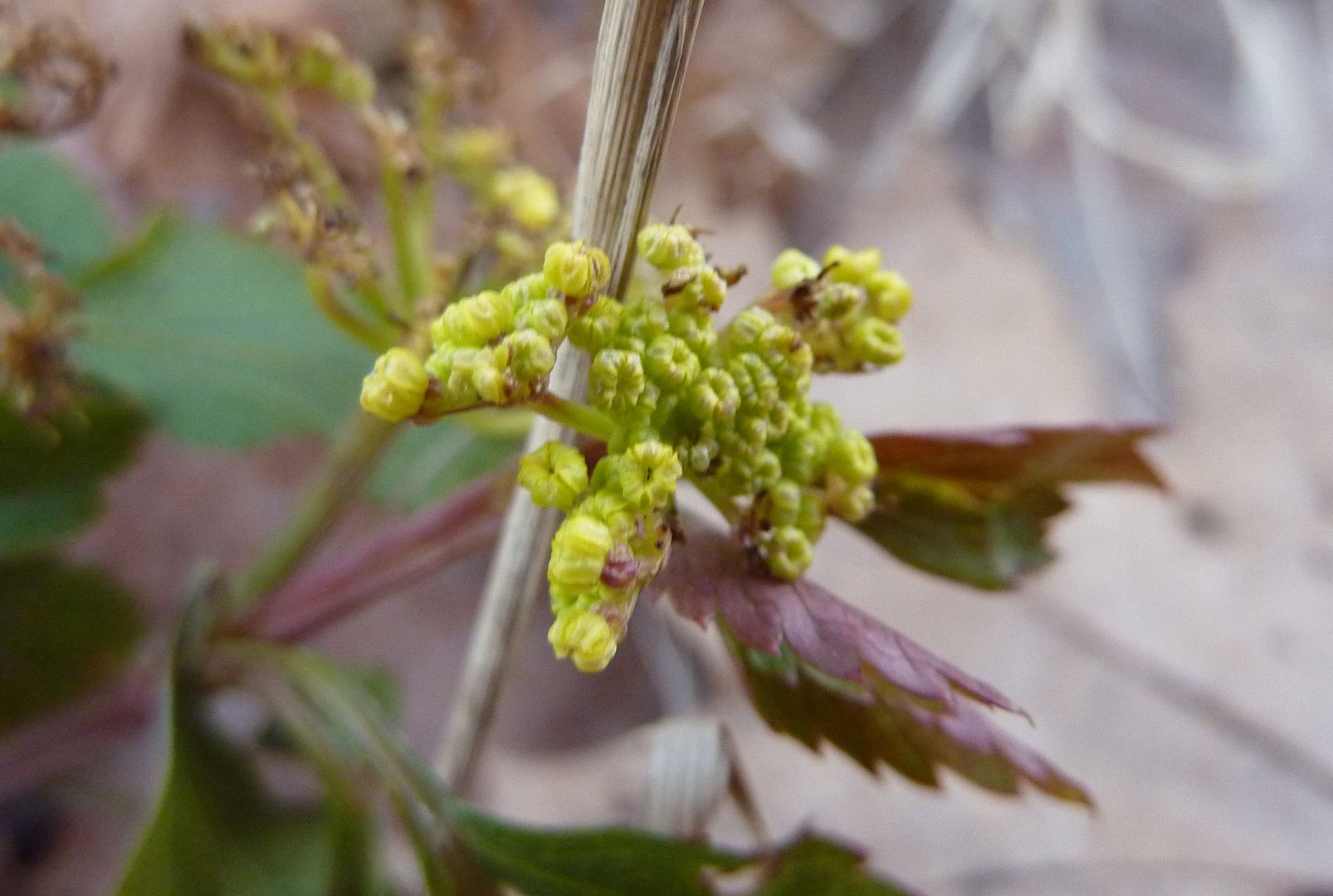
And then there's Golden Alexander, Zizia aurea. What this is doing with flower buds on it this early is a mystery to me. This is just one plant of the 4 doing it. Perhaps this is a seedling that's got its wires crossed somewhere.
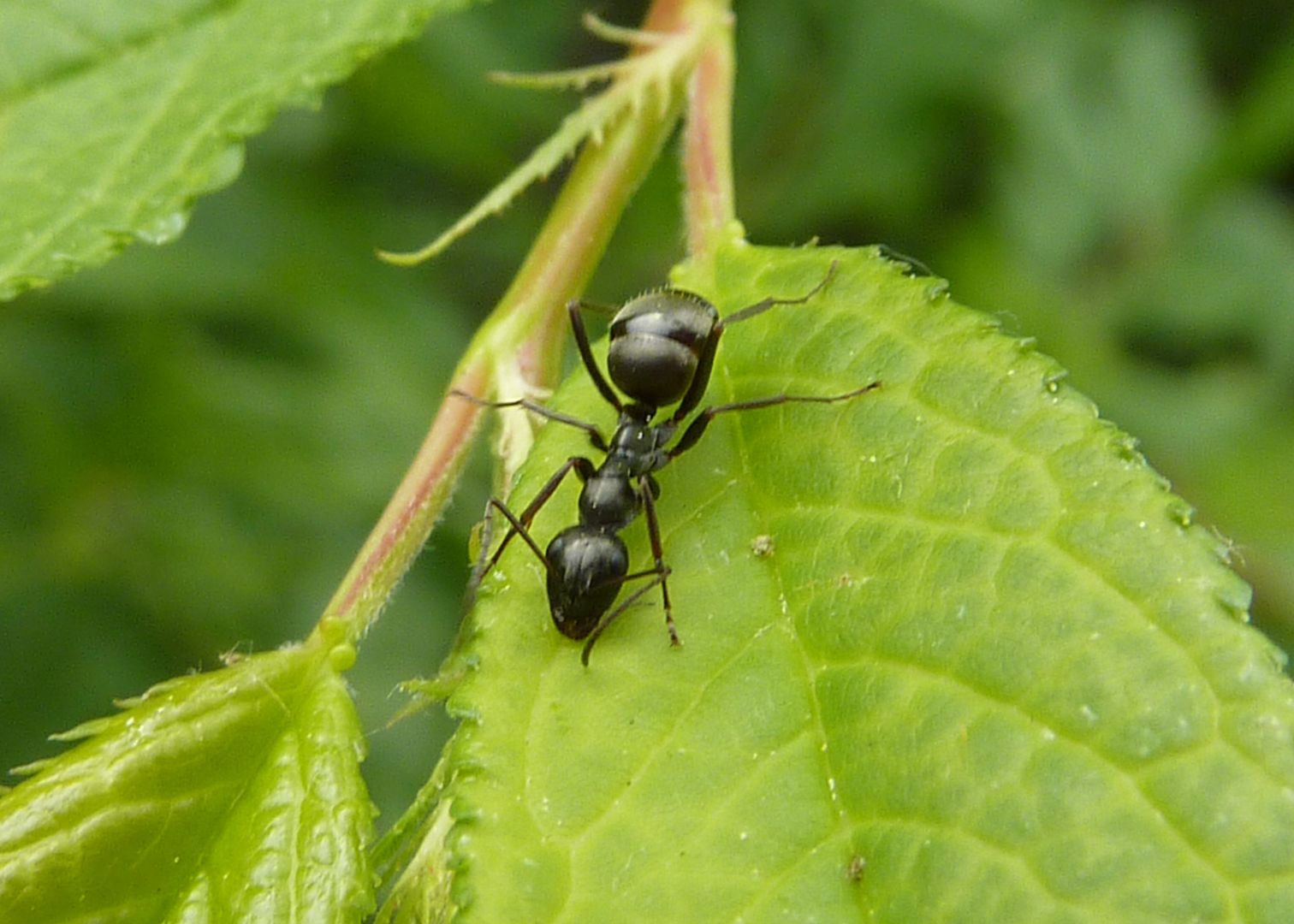
Formica subsericea (I think) either knowing the answer to a question I asked it, or clearly marking it's territory. By which I mean glaring at the camera and chasing me farther away from the precious aphid herds.
Aphids and other dew producing insects are finally becoming abundant enough to catch the attention of ants far and wide. Though some species prefer to collect the nectar second hand as tiny droplets drip down onto lower leaves.
This ant attention benefits the plant because the ants drive away insect herbivores. Some plants do this naturally by producing extra floral nectar, which also discourages the ants from stealing it from the flowers.
The downside for the plant is they can't control the number of aphids. This can be a real problem for the plant but typically it only inhibits the production of new growth and doesn't cause as much damage as a veracious horde of caterpillars. Some caterpillars can completely defoliate a host tree twice over in a year. So having some ants crawling all over to discourage or even remove the problem of caterpillars greatly benefits the plant.
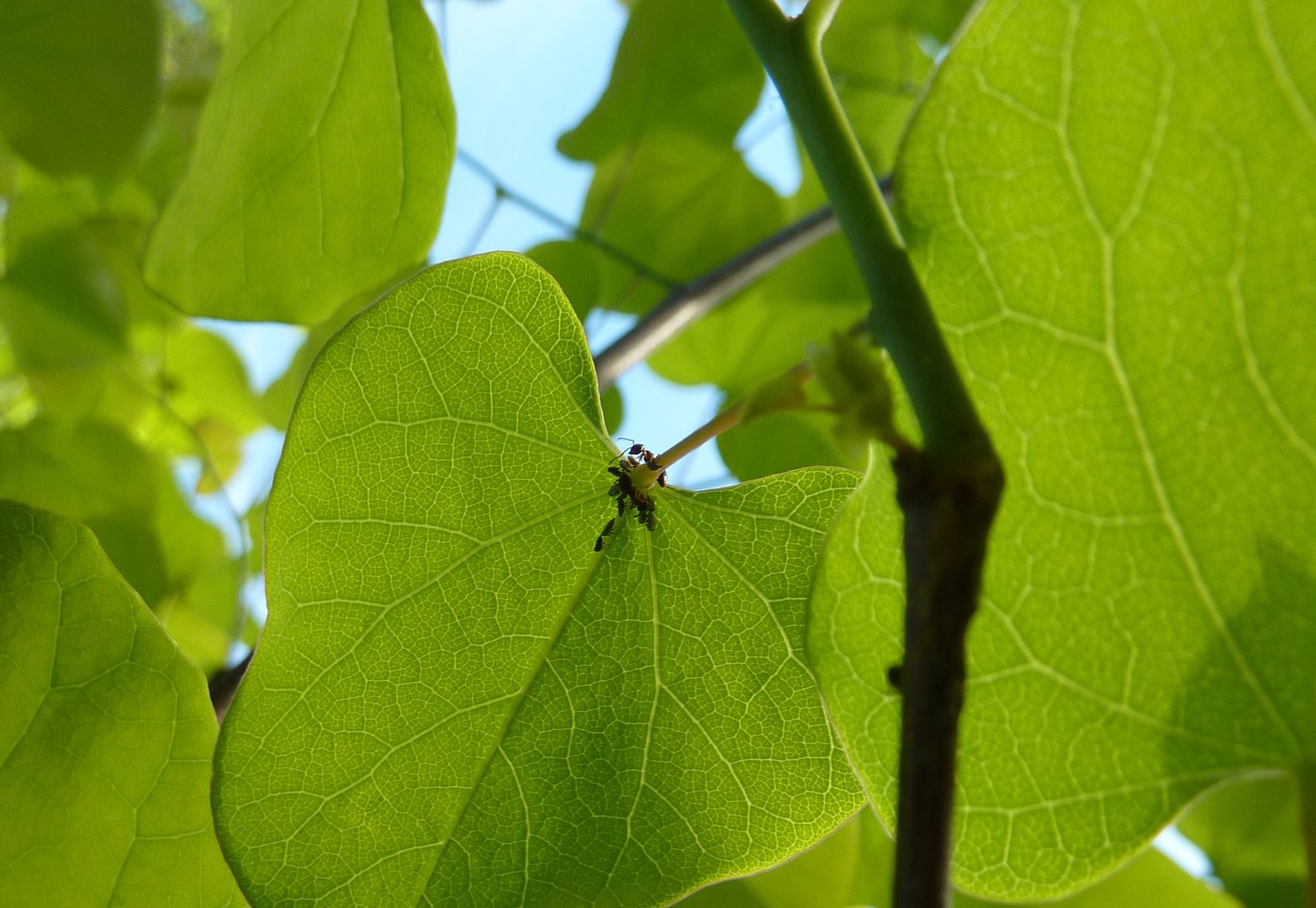
A Lasius alienus tending some aphids on an Eastern Redbud.
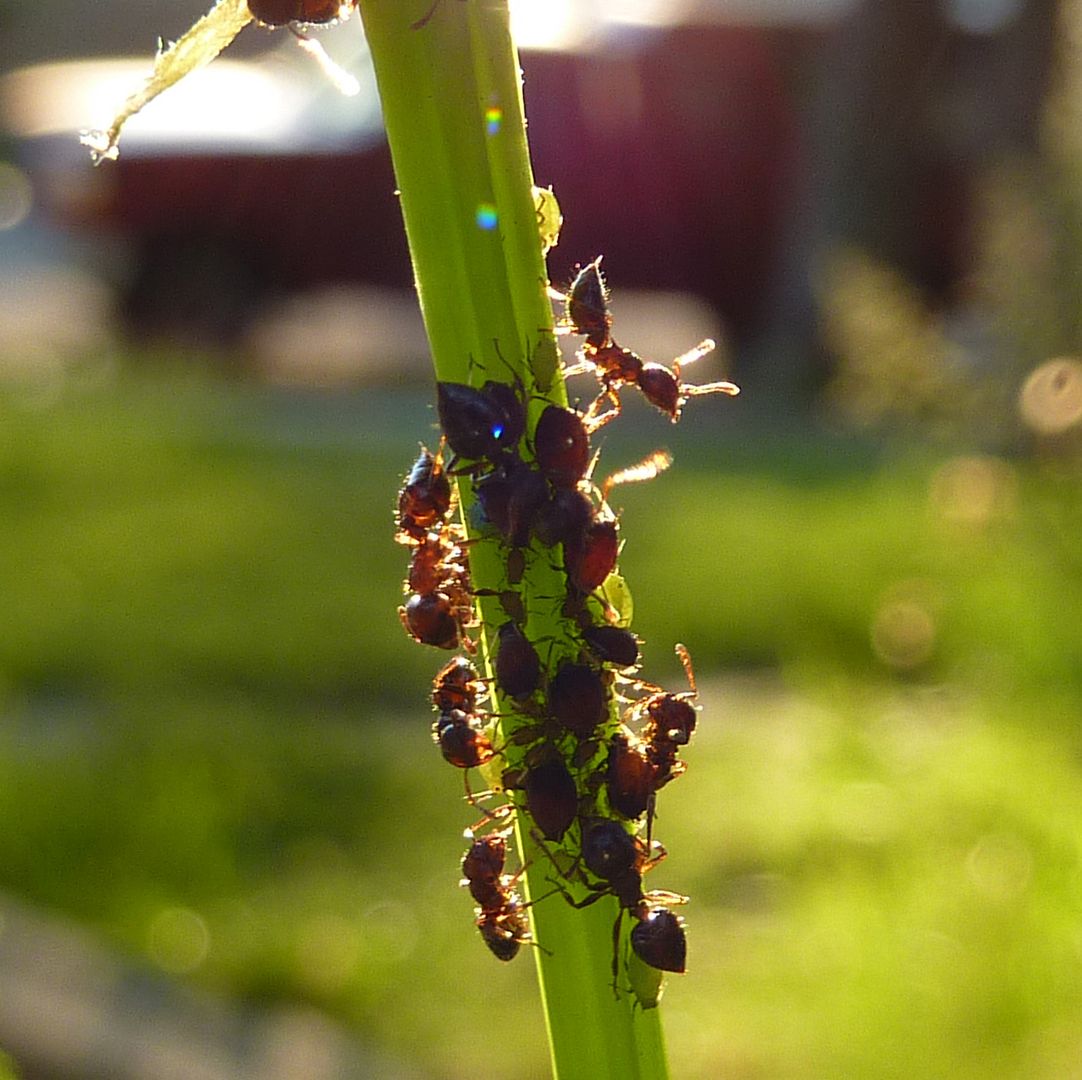
Crematogaster cerasi blanketing over aphids on the stem to a Viburnum.
Crematogaster cerasi blanketing over aphids on the stem to a Viburnum.
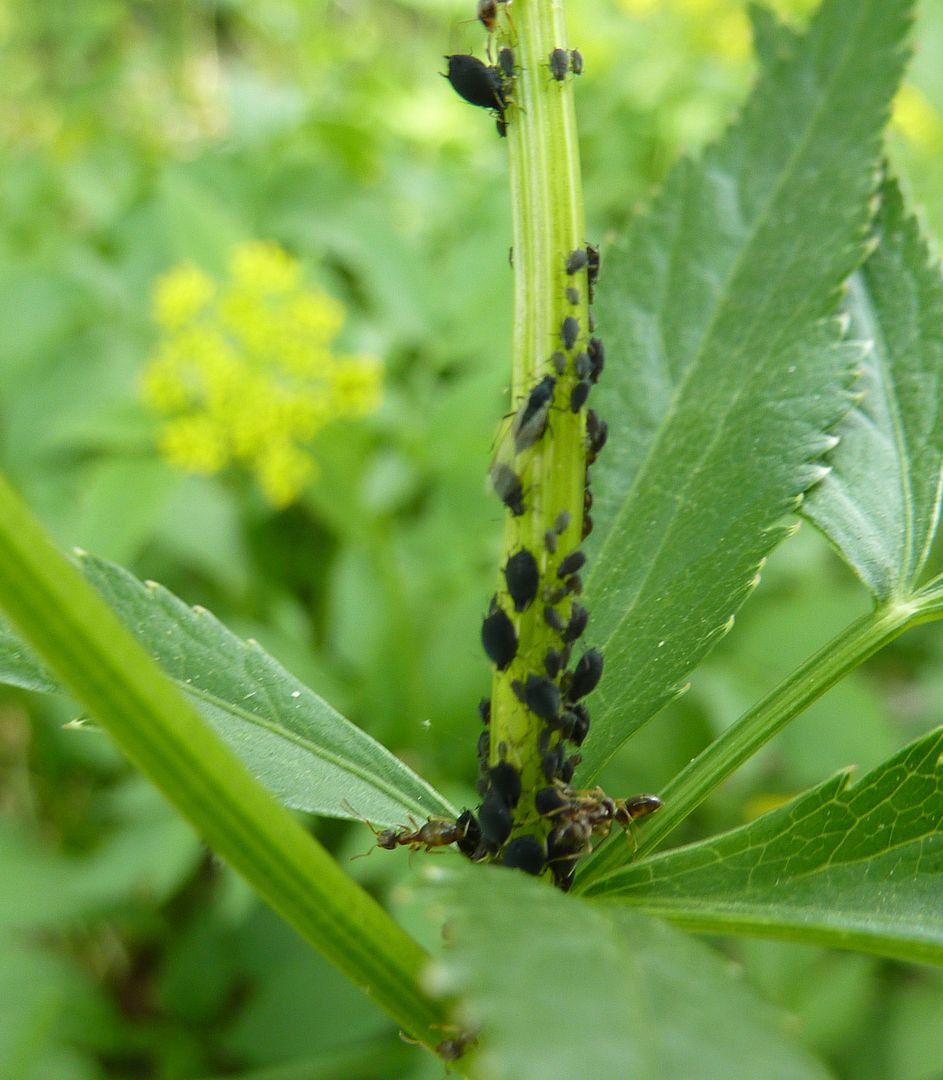
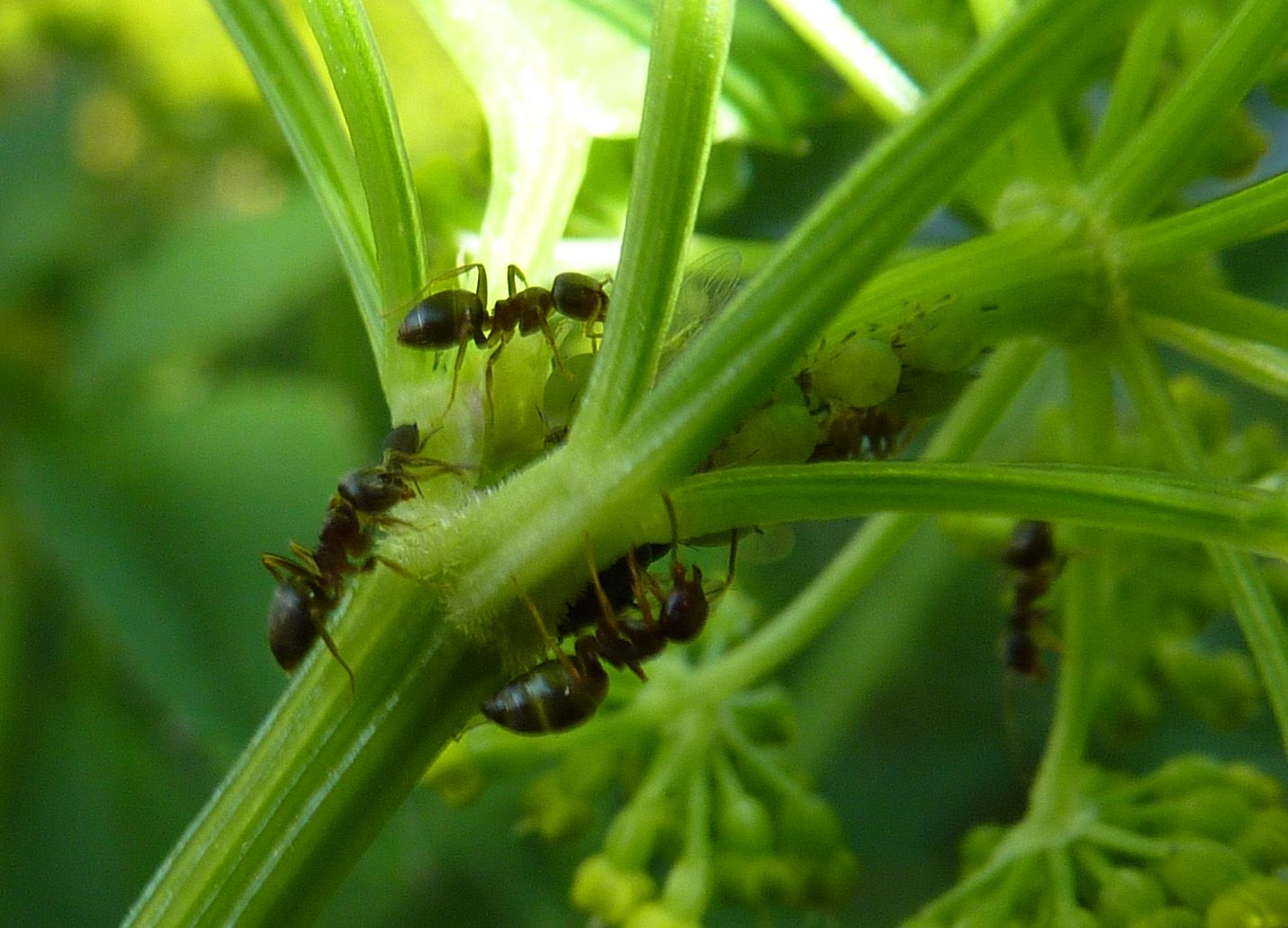
Tapinoma sessile tending aphids on the stem to a Golden Alexander.
Tapinoma sessile tending aphids on the stem to a Golden Alexander.