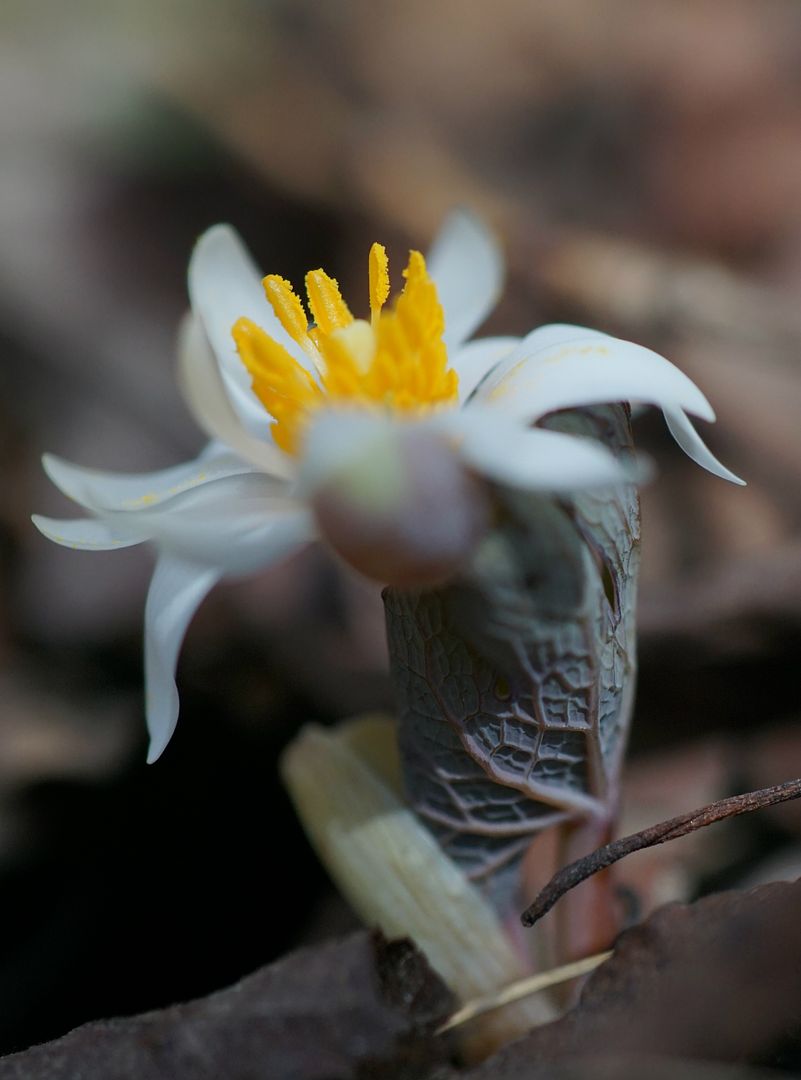
Bloodroot, Sanguinaria canadensis, came up in the front garden again. I'm particularly proud of this patch because they're entirely grown from seeds I bought online. I believe it was Prairie Moon Nursery. They took two years to germinate. I dam near weeded out the very tiny first year leaves which are about the size of a quarter and barely an inch off the ground. The following year though they started making full sized plants and even had flowers!
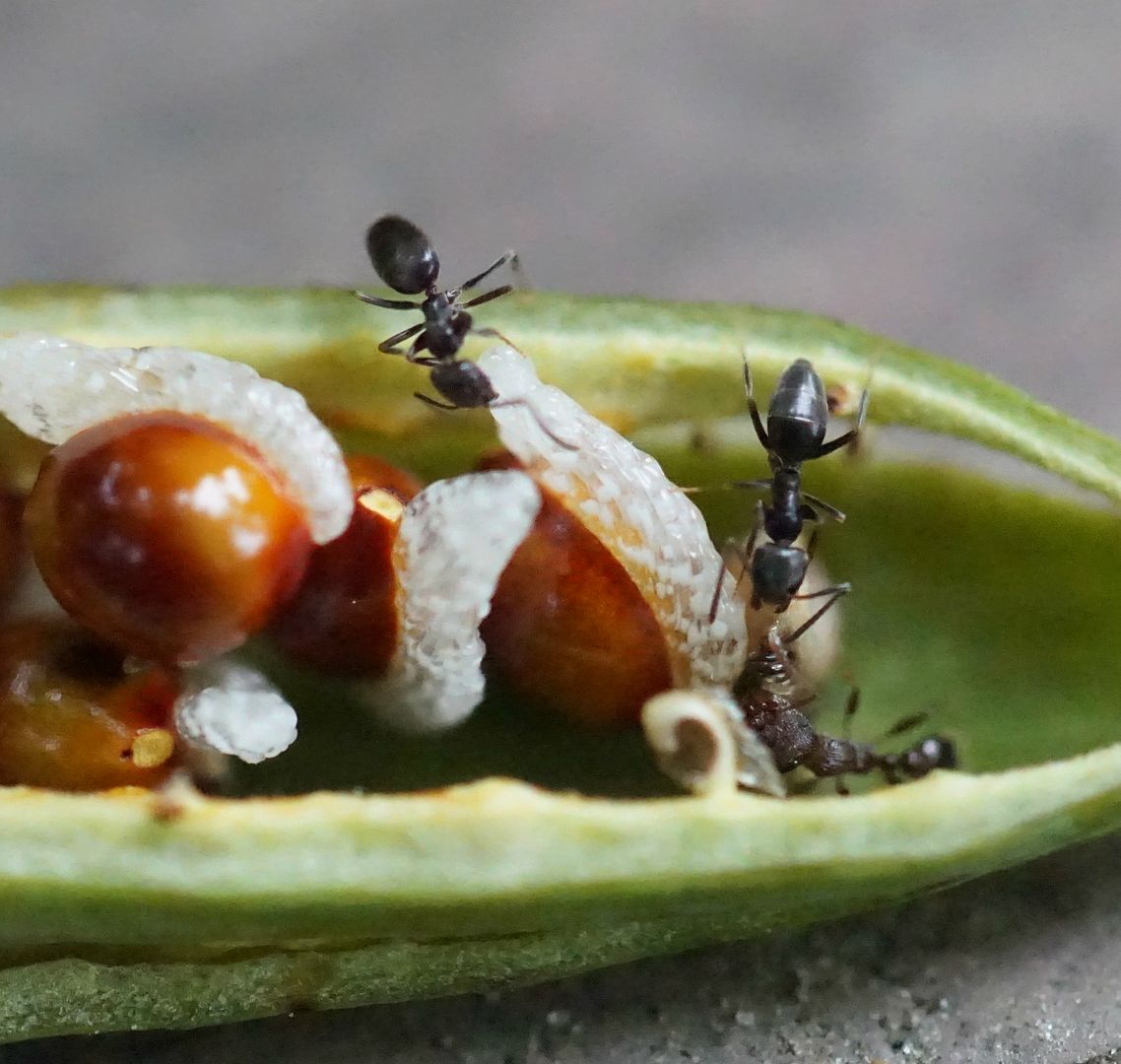
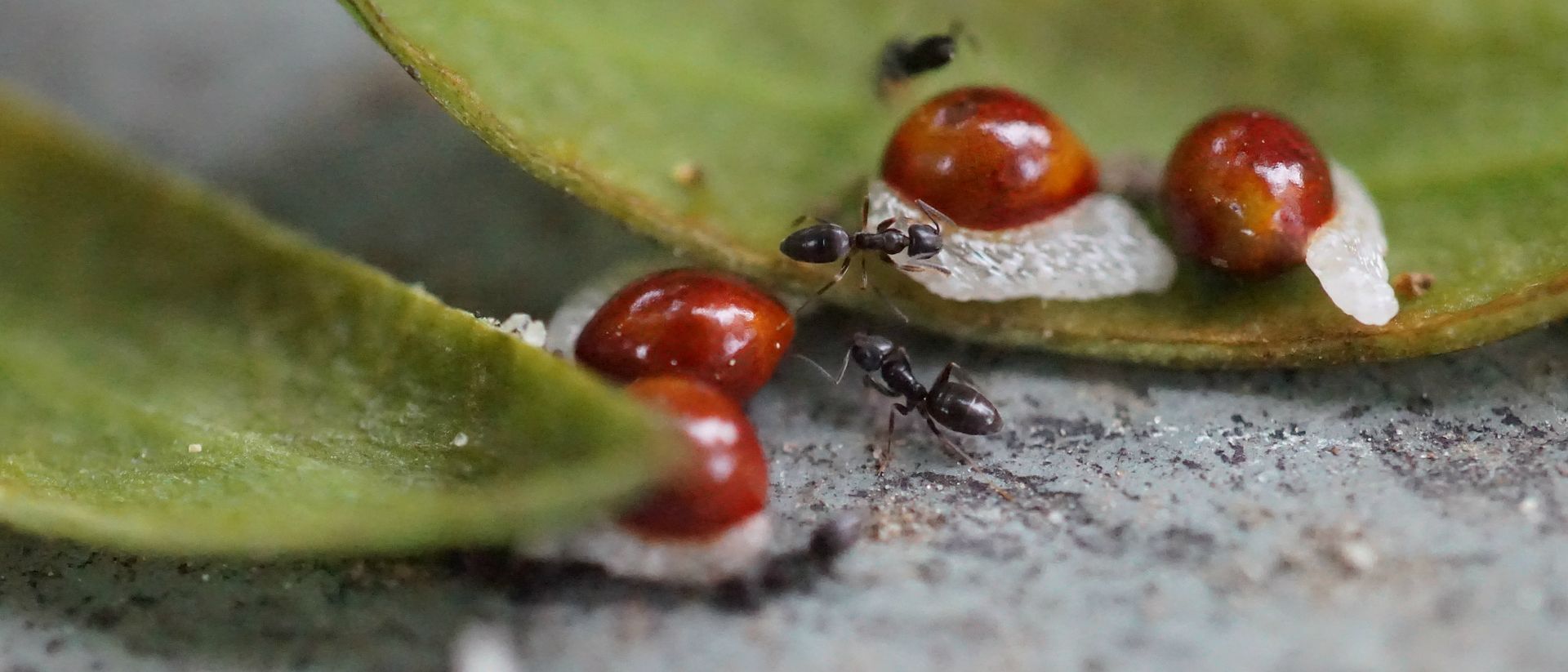
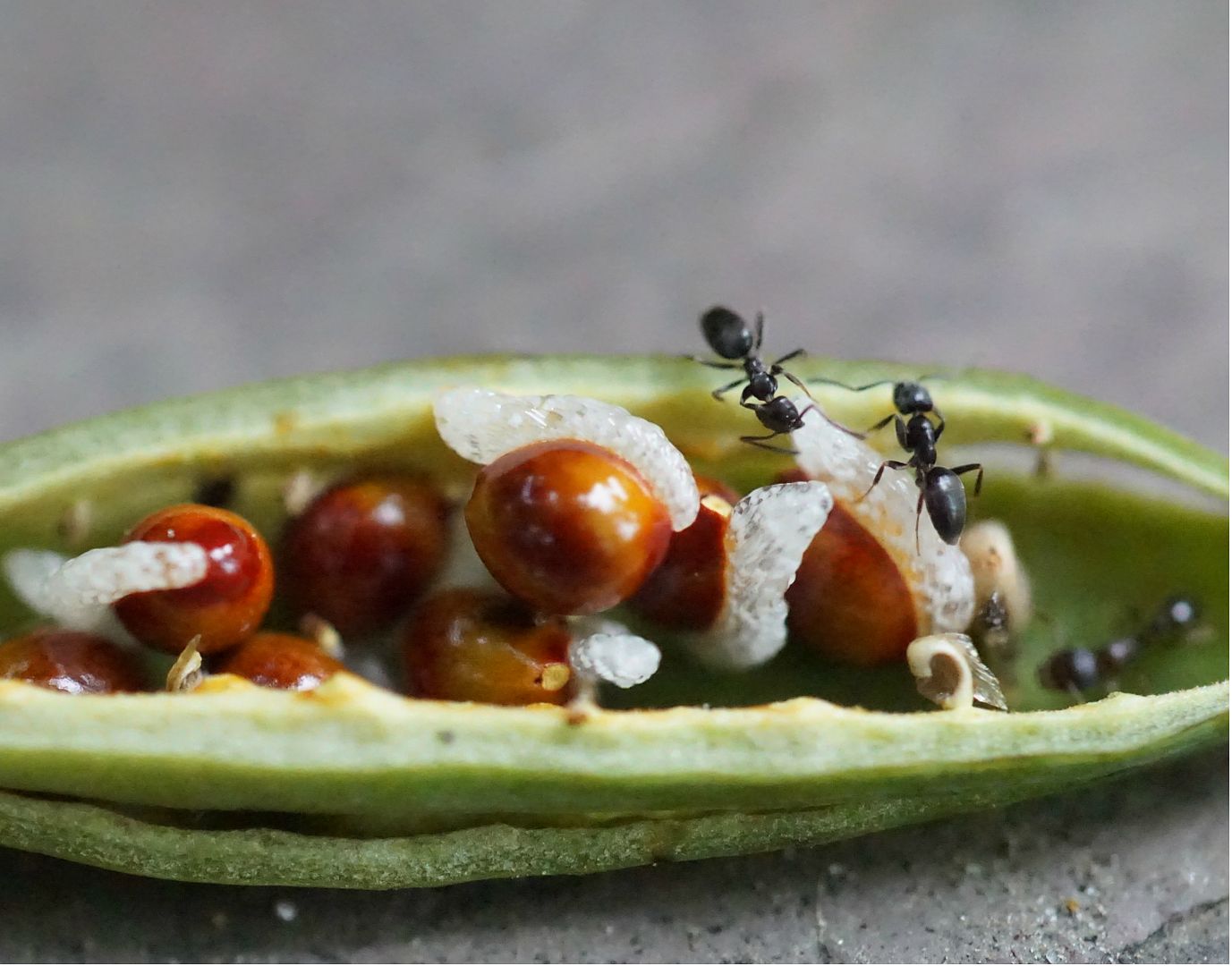
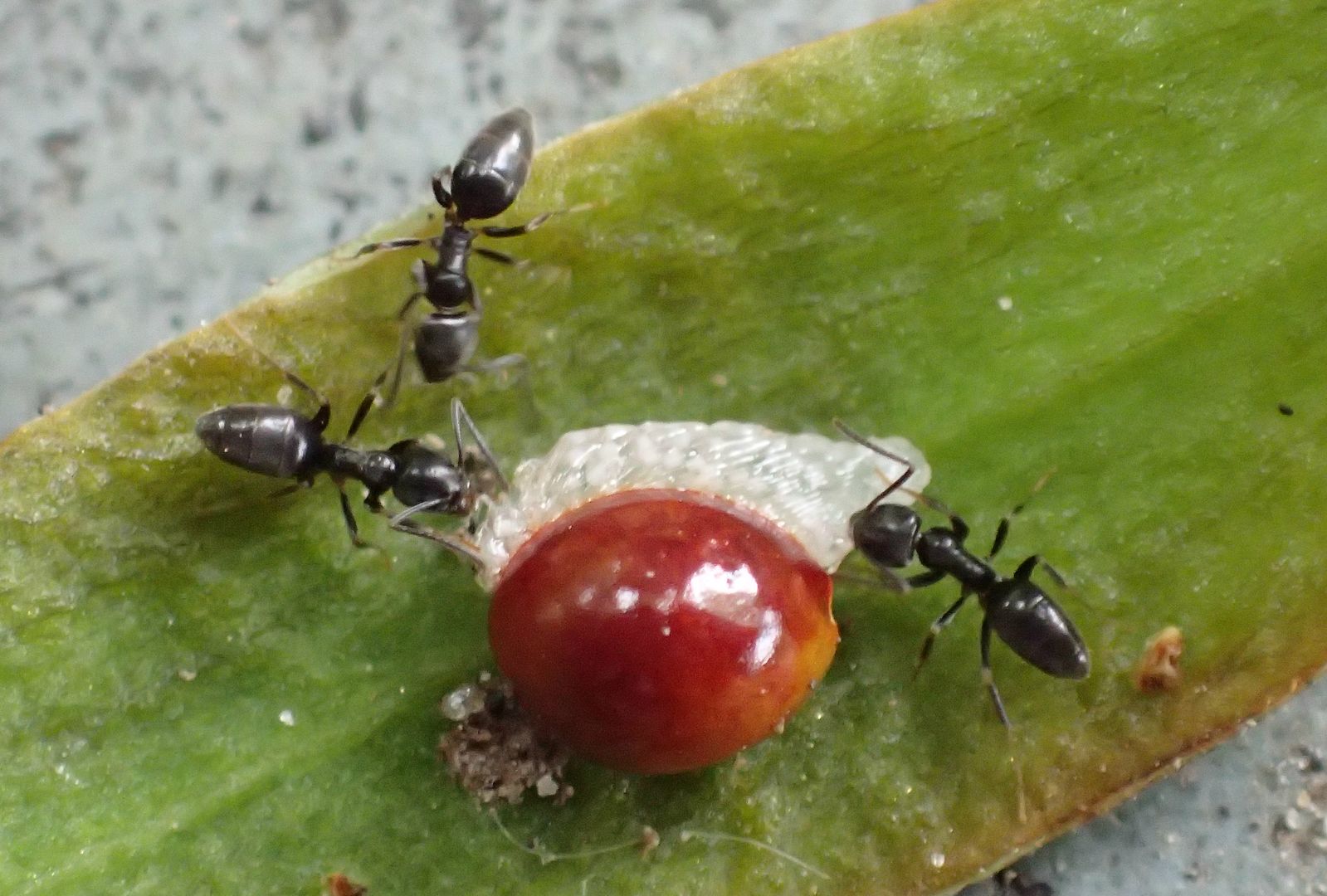
The late winter days when they flower are often met with seasonal winds that topple other flowers that might be blooming. We have crocuses in our lawn for example and the wins flattened the flowering stems to several patches thus the flowers were destroyed. With Bloodroot though the first leaf forms gripping hold of the flower stem for added support, making wind damage less likely to happen. Eventually the flower fades and a seed pod forms which becomes heavy and falls out of the way for the leaf to take center stage. The seed pod lays on the ground or pretty close to it by the time the seeds are mature. Elaiosome on the seeds entices ants to carry them off and start new colonies of bloodroot elsewhere.
Twinleaf, Jeffersonia diphylla, is another late winter/early spring bloomer. However it seems to embrace the fact that it's flowering at a horrible time of year. Blooms last anywhere from 8 hours to 4 good day and often the petals fall off simply by touching it.
By good days I mean it's warm enough for them to have opened. On bad days they have enough sense to close up so those days don't seem to count with their internal counter.
The name Twinleaf comes from their leaf formation which look like a set of elephant ears.
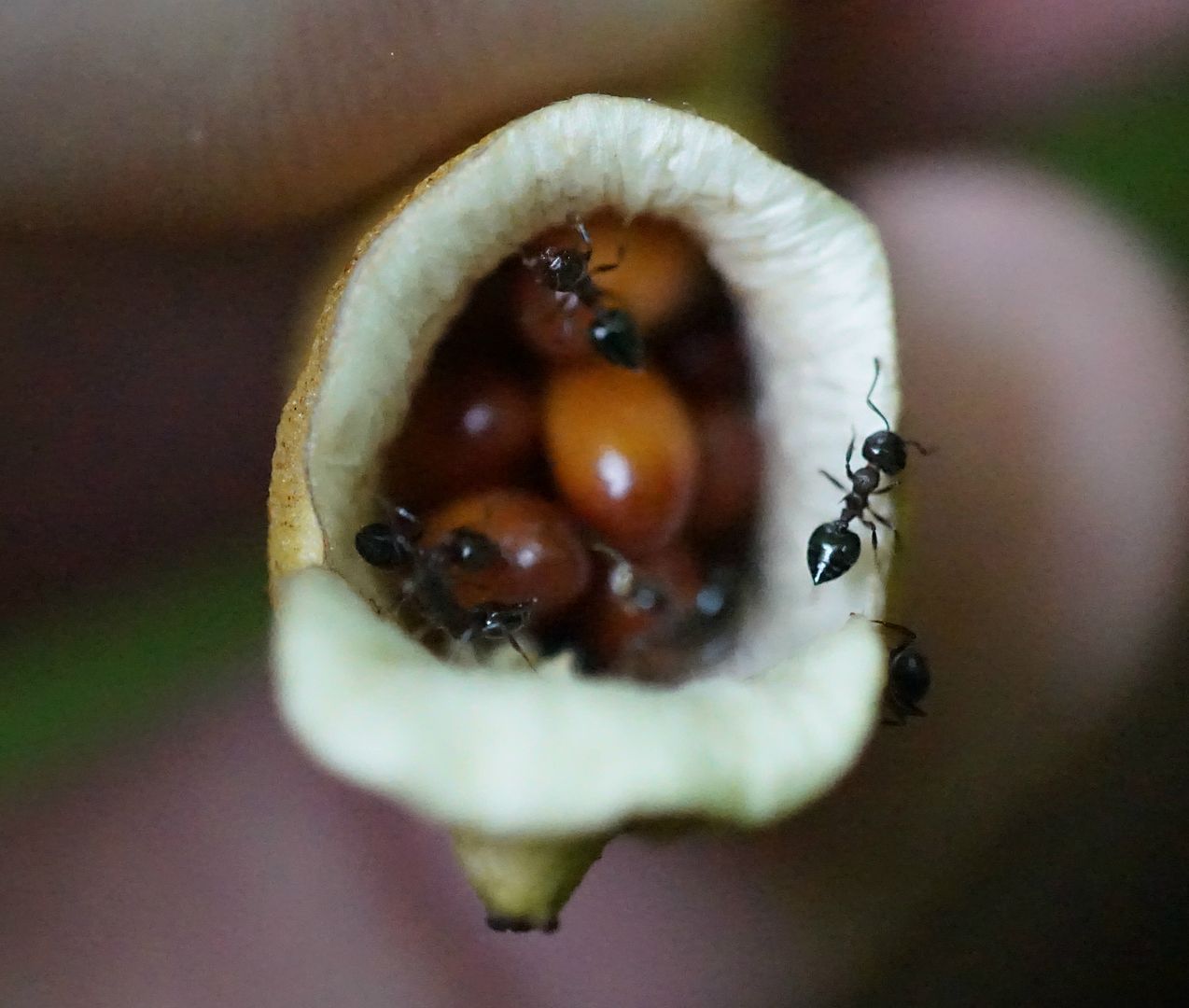
Later on the flowers turn into acorn-shaped structures that are supposed to spill open but more commonly break open and allow ants access before they get to that point. I often see ants going in and removing the elaiosome packets from the seeds without ever moving them.
Trout Lily. It's been so long that I put these in the ground I forget if the yellow or the white one. Regardless, these mostly form colonies of plants that produce single leaves sticking up all over the place. I'm told individuals that have two leaves coming out of the same hole "might" flower which would be nice. After a decade of growing these it would be good to finally see one bloom.
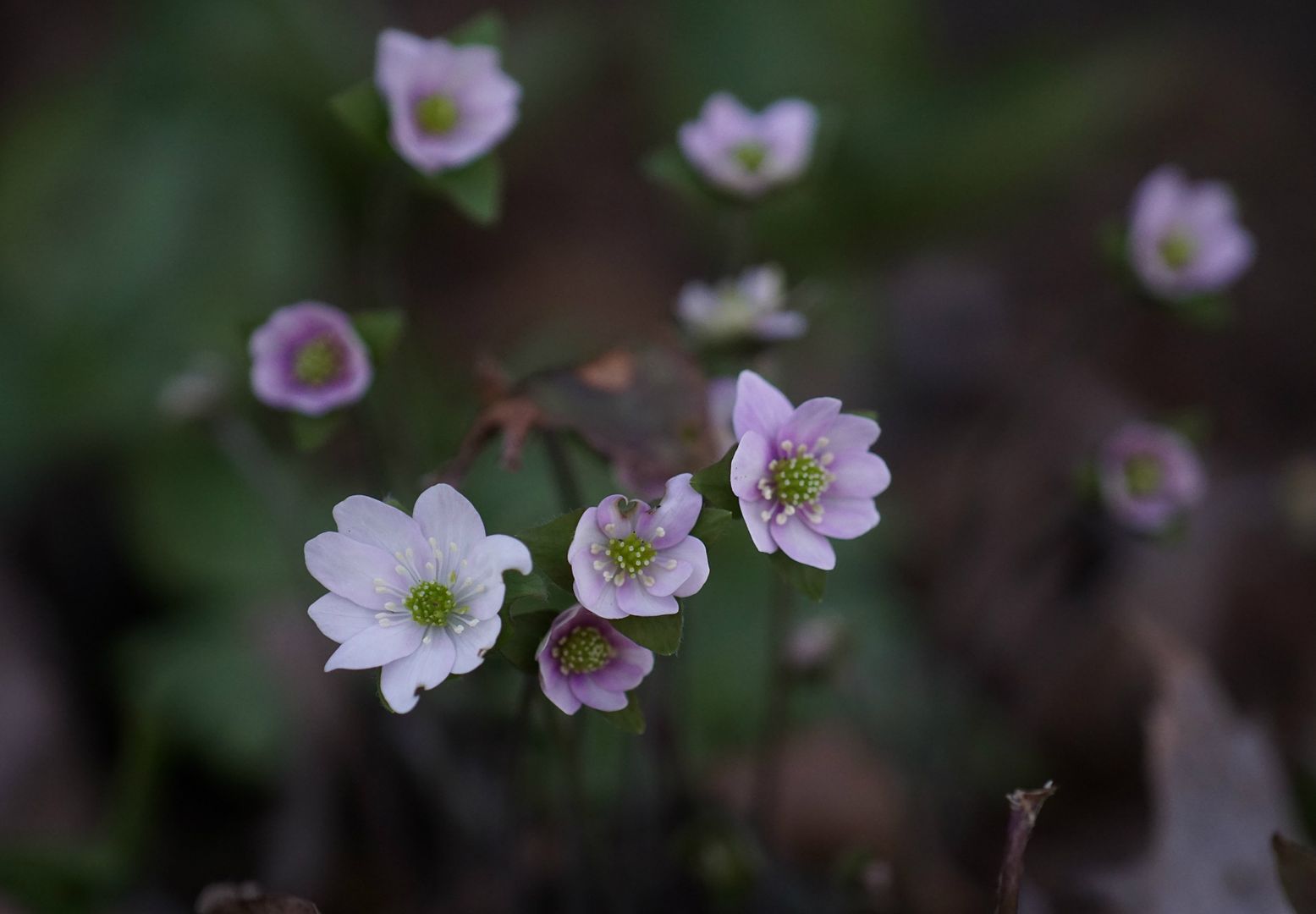
Spring Beauty, Claytonia virginica, is a beautiful little lawn weed. There is quite a bit of diversity with this "species" which is more than likely a complex waiting to be unraveled. Basically it's been noticed that the length, width, and vanes on the leaves vary in populations as well as the flower shape and color... you know all the basic things that define different species.
The population I have going all have narrow grass-like leaves, and white flowers with pink vanes that slowly darken up to magenta as time goes on. And this is fairly typical for this species. There is a form in NJ that has yellow flowers though.
Virginia Bluebells, Mertensia virginica. When I went to the Mt. Cuba Center the first time I heard one of the gardeners complaining about how weedy this plant was and what a pain it is to rip a clump of them out... A few years ago I bought a whole flat of these and put them all over the yard. Thus far they've spread a bit but not to the levels of Goldenrod or Monarda that I was expecting them to be. They don't seem to be reseeding either so hopefully that changes too.
This is another one with lots of mutations in the wild that aren't offered commercially. Some only have pink flowers, only white flowers, some hue purple or various shades of light blue; all of which have been photographed by random hikers on the internet but have yet to fall in the hands of a grower to propagate them for commercial sale. This is partly why I'm hoping my plants reseed and chance upon a prized mutation to disperse to friends or put in the hands of growers.
Jacob's Ladder, Polemonium raptans, is a different story. This is one I didn't see to much of at The Mt. Cuba Center so I thought it would be fairly innocent to grow. Well same story, I bought a flat of it and planted it all over the yard. I've found it's a bit more tolerant of dryer sites and does seem to be producing seedlings in these dryer sites. The established plants though are spreading out quite a bit from the tiny plugs they were just two years ago. They're doing wonderful things growing up into nooks of tree roots around the trunk but are quickly going to become a ground cover in a few years if left alone. I'll update and talk about this plant some more in coming weeks.
Bloodroot, Twinleaf, Spring Beauty, Pasque Flower, and Trillium catesbaei all flowering.
Bloodroot, Sanguinaria canadensis. Flowers just starting to open
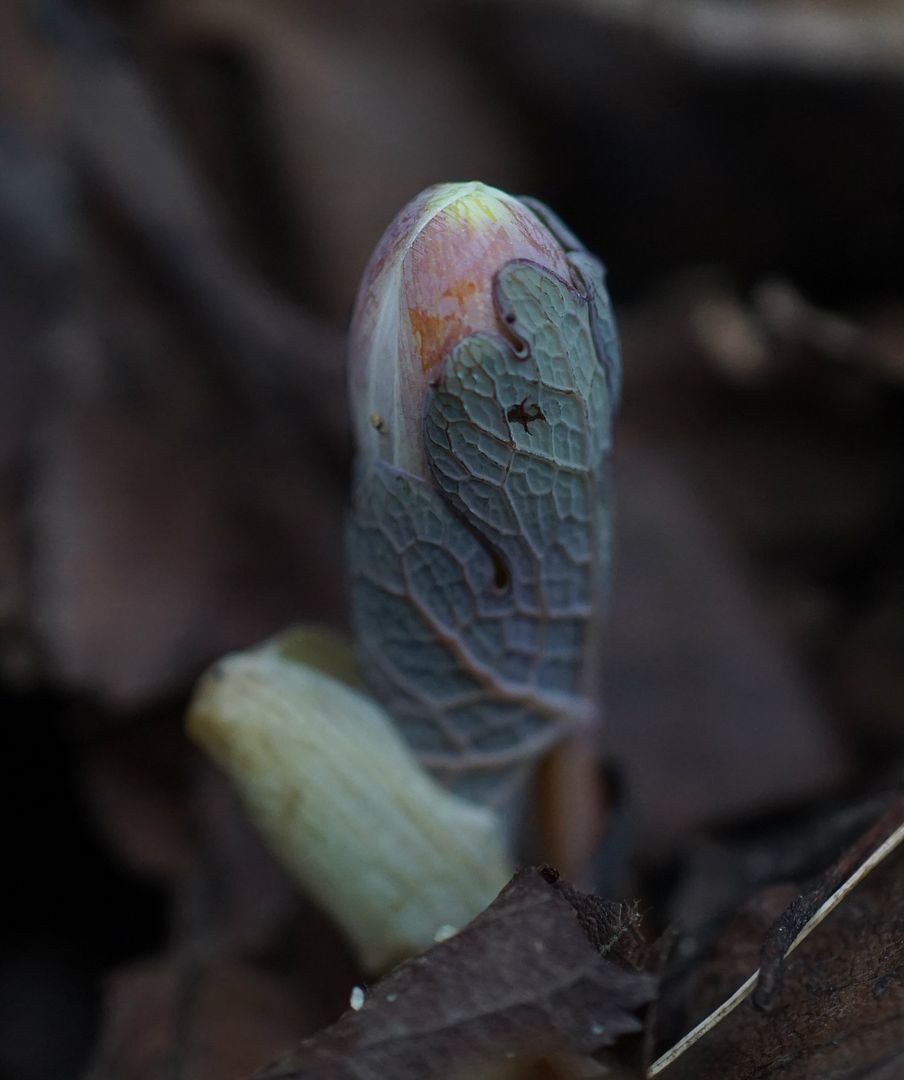
The leaf always clasps the stem and flower early on to help protect it from strong winds.
They slowly spread by rhizomes sending up a larger clump of stems and
flowers each year. Last year there were only 6 flowers, this year there
are 10 with a few more yet to open. You can also tell which ones have been open for a day or two and which ones are just getting started by how far up the flower bud is from the leaf.
Close up of the inside.
It's hard to believe that I started these from seed. Friends of mine in Missouri say from seed it only takes 3 years from germination to flowering, and as far as ephemerals go they're reasonably fast spreading. Here though in NJ, more specifically the 12" by 12" spot in the front garden where I planted the seeds, they've taken about 5 years from germination to flowering. Actually it was really cute the first year they germinated because the first year leaves are like Bloodroot but for a doll house, like barely an inch tall. I wish I'd taken a picture of them. Then on the following year the produced normal leaves. They've flowers the last two or three years and I can't locate any new seedlings yet but hopefully that will change.
Twinleaf, Jeffersonia diphylla. I watched this thing like a hawk waiting for the flower to open. Sadly they only flower for a maximum of 4 days and if it's not above a certain temp out (I think 68F) they don't open at all.
Better luck next year with this one. On the up side I accidentally took a picture of an ant. Looks like Tapinoma sessile.
Thankfully when I planted these I bought a flat of them and have numerous other plants scattered about the yard. It amazes me that just being planted a few feet away and they still come up and flower a week apart. Some of them are getting almost the identical amount of sun and water and still aren't going to have flowers open at the same time. Growing these things from seed must be a pain in the ass.
One did manage to open, so far, and still has it's petals but of all our native emphemerals this is the most finicky when it comes to flowering. The petals can fall off the flower after just 4 hours of being open.
Spring Beauty, Claytonia virginica. I planted about 6 corms several years ago and they've spread all over my little woodland garden. I've even had to transplant them into other situations where they've started to do the same. Online I read they're a common lawn weed but my population hasn't quite gotten that far yet. I'm looking forward to it though.
The European Pasque Flowers I bought a few weeks ago are growing nicely in the front garden I installed last year. I believe they do flower around this time but won't know for sure until next year.
I grow many Trillium species in the garden. This is the first year one of this species has flowered. Blushing Wakerobin, Trillium catesbaeipusillum. Eventually the flower hangs down below the three main leaves to aim down at the ground.
It's a tiny little plant right now at about 3 inches tall. It's funny reading online they can get up to 8.
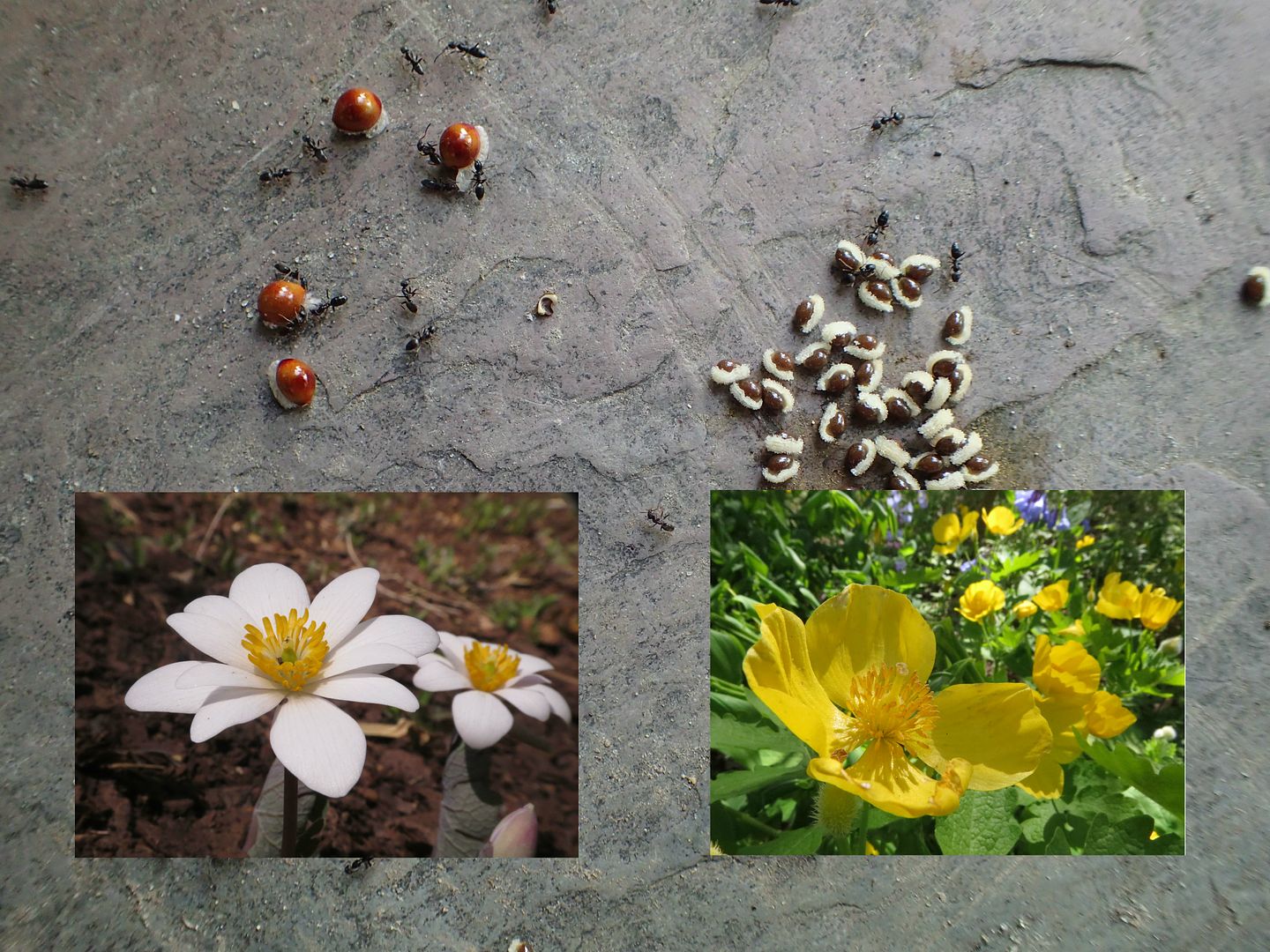
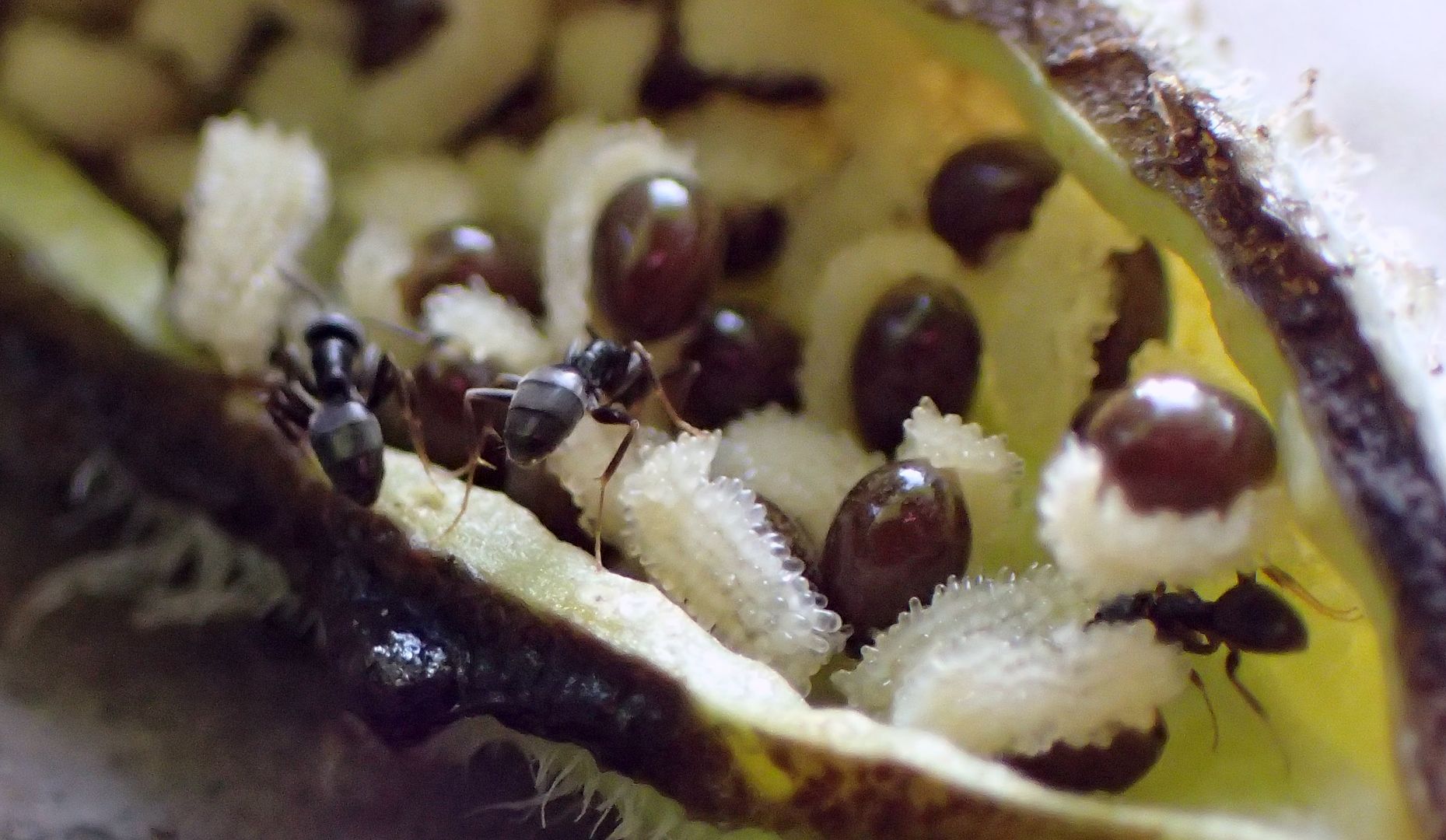
This week Woodland Poppies and Bloodroot went to seed. Both plants have elaiosome on their seeds which entice ants into dispersing them.
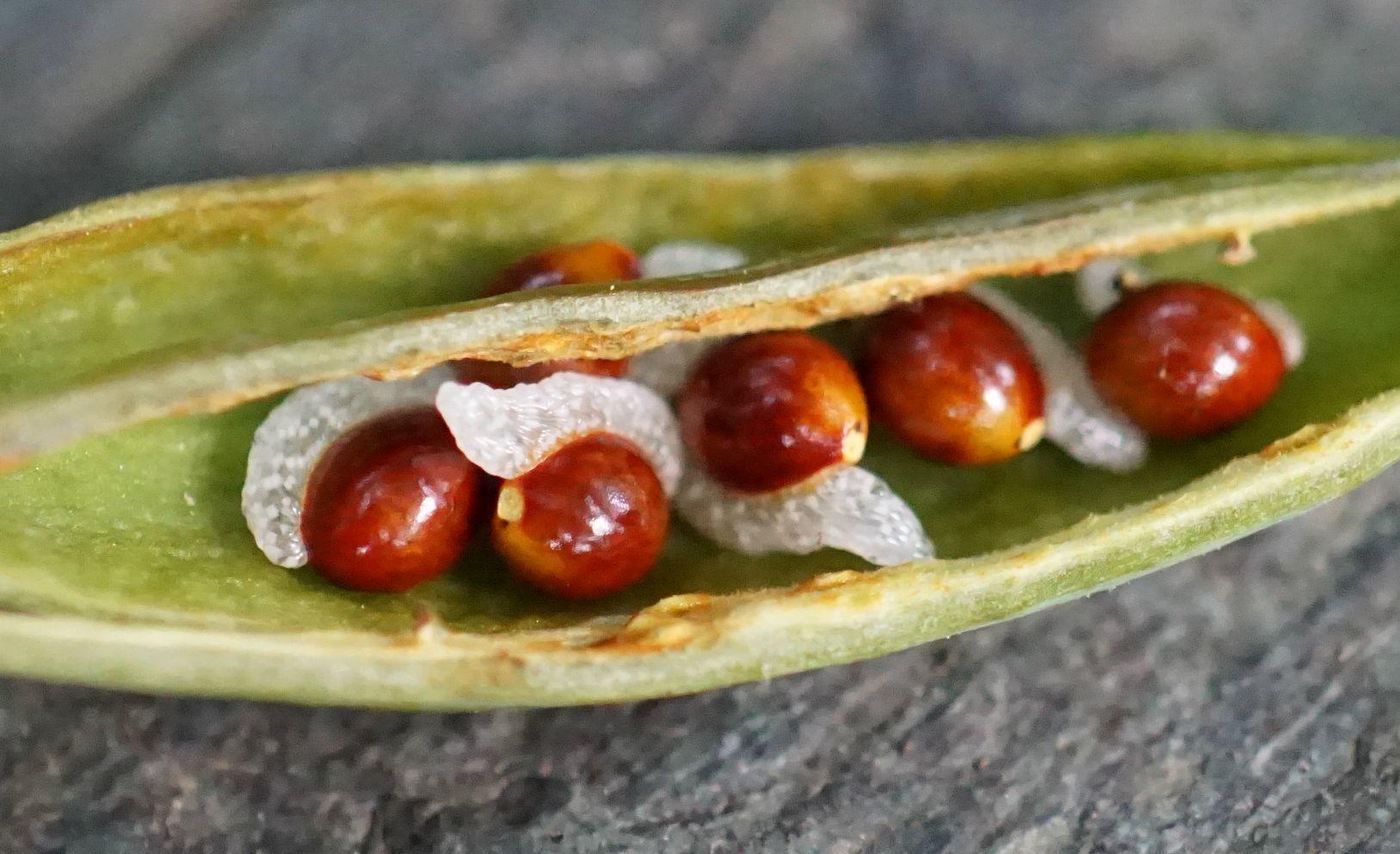
Twinleaf also went to seed but none of my plants flowered at the same time as one another. Presumably the lack of crosspollination means the packets of elaiosome on the seeds are smaller, and they're already pretty tiny on these plants as it is. Pictured above is Crematogaster cerasi which isn't strong enough to physically lift the seeds. Even the seeds that fell out of the pod naturally from the wind blowing it around were practically unmoved.
So the focus was on the Bloodroot and the Woodland Poppy. Both have great big packets of elaiosome on their seeds. I would love to include Twinleaf one year but they're tricky; seedpods can seem ripe but the seeds inside might still be soft.
Bloodroot seeds are about the same size as Twinleaf, and the packets of elaiosome are huge by comparison.
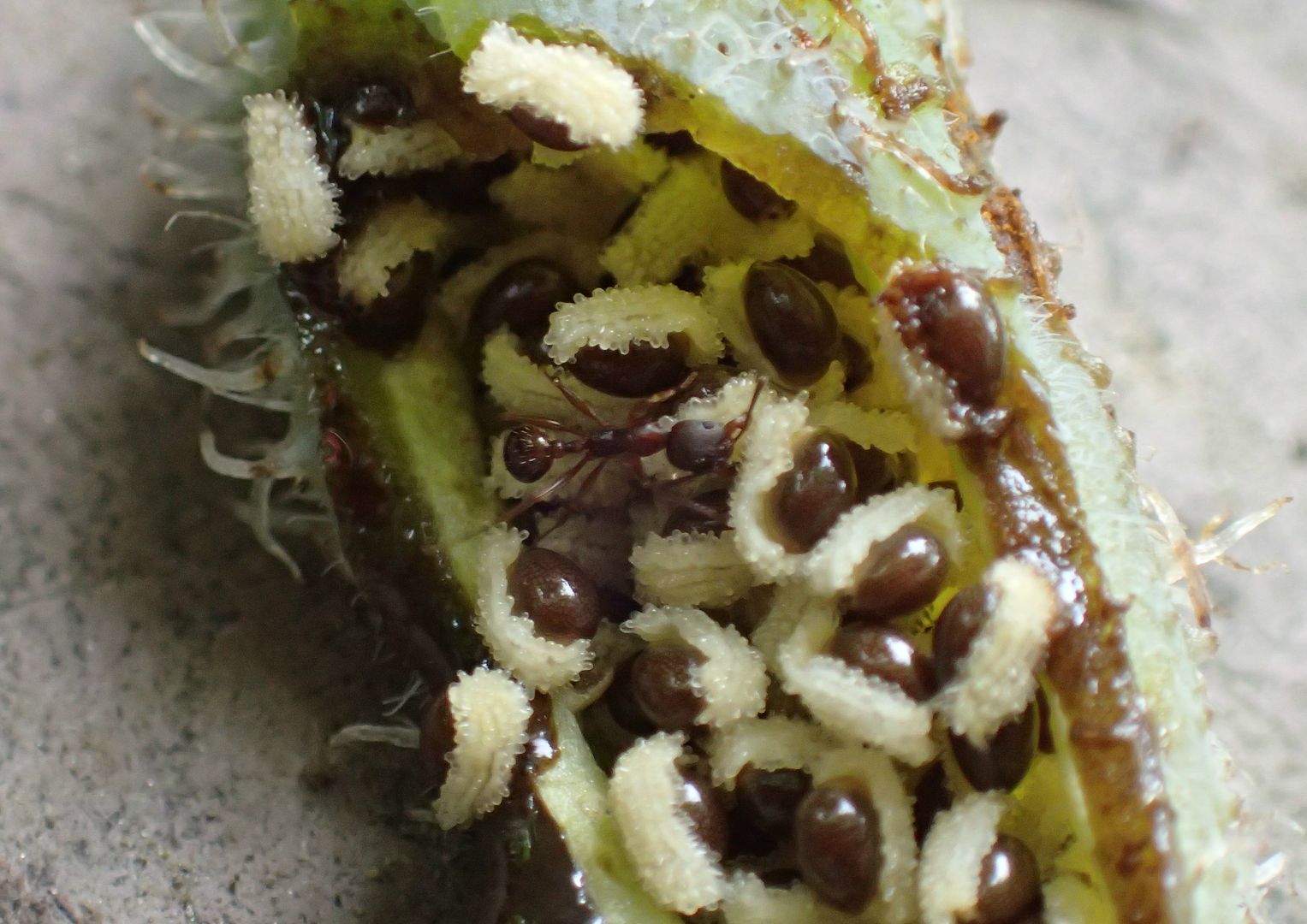
Woodland Poppy seeds are smaller but also have tons of elaiosome on them, though they look different. Actually the seeds to this pod are just shy from being ripe as they're normally black colored, but these should be dark enough that they'll still grow.
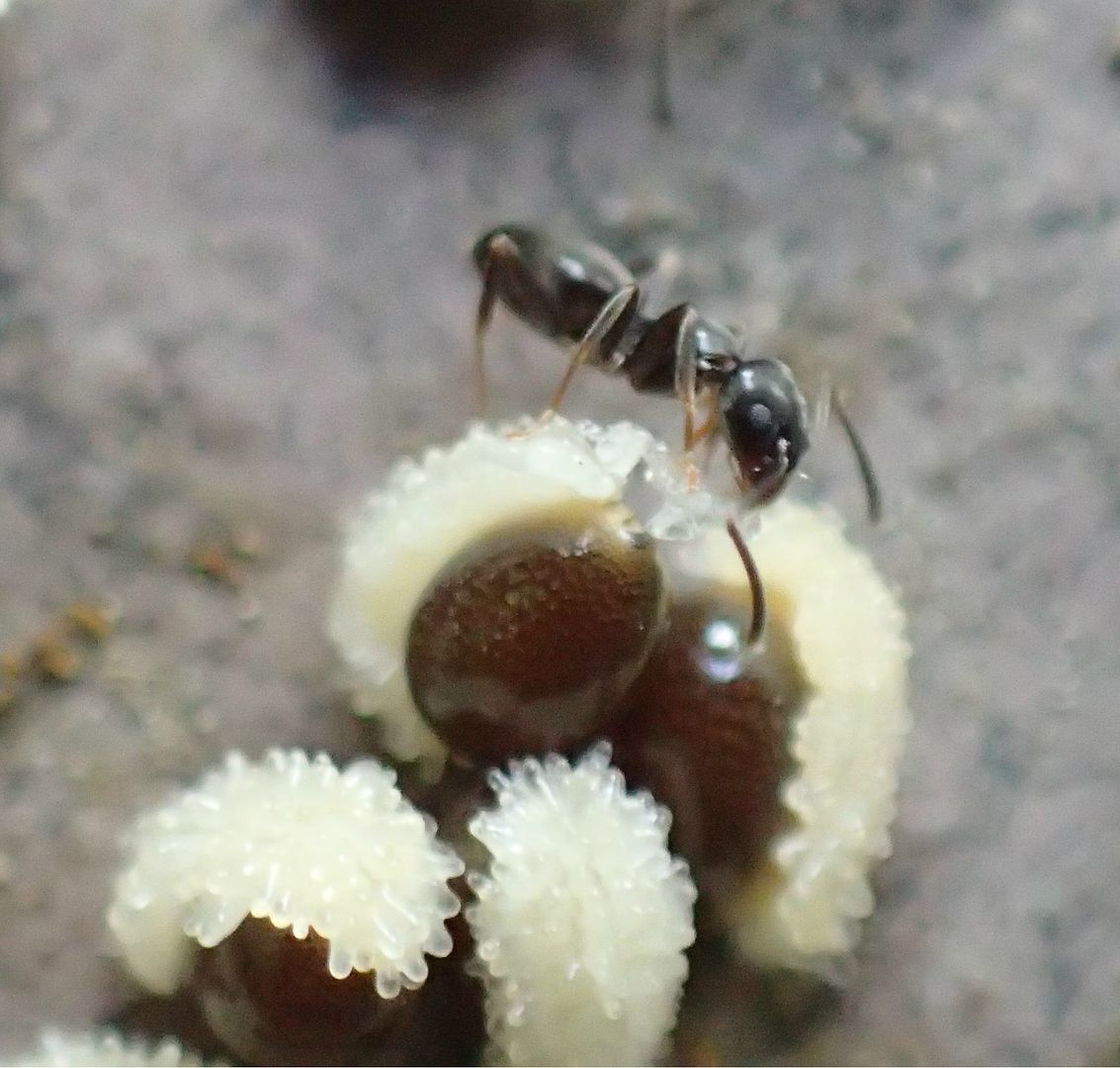
The two main ant species attracted are the Odorous House Ant, Tapinoma sessile, and....
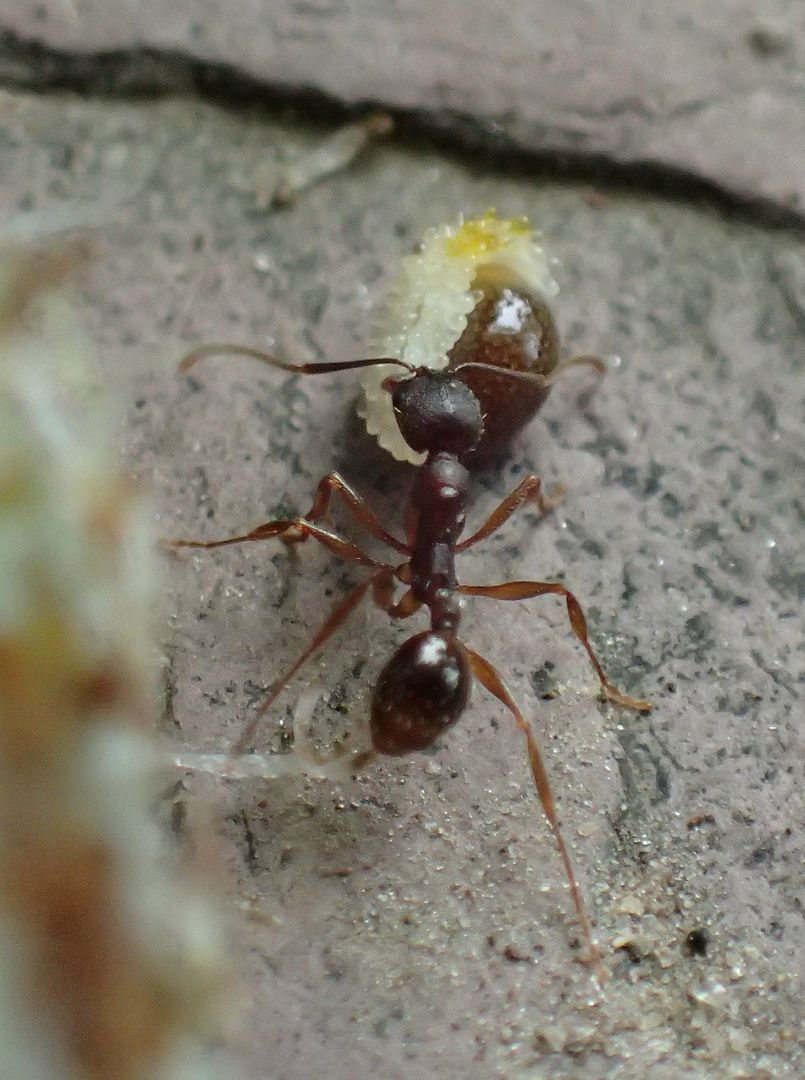
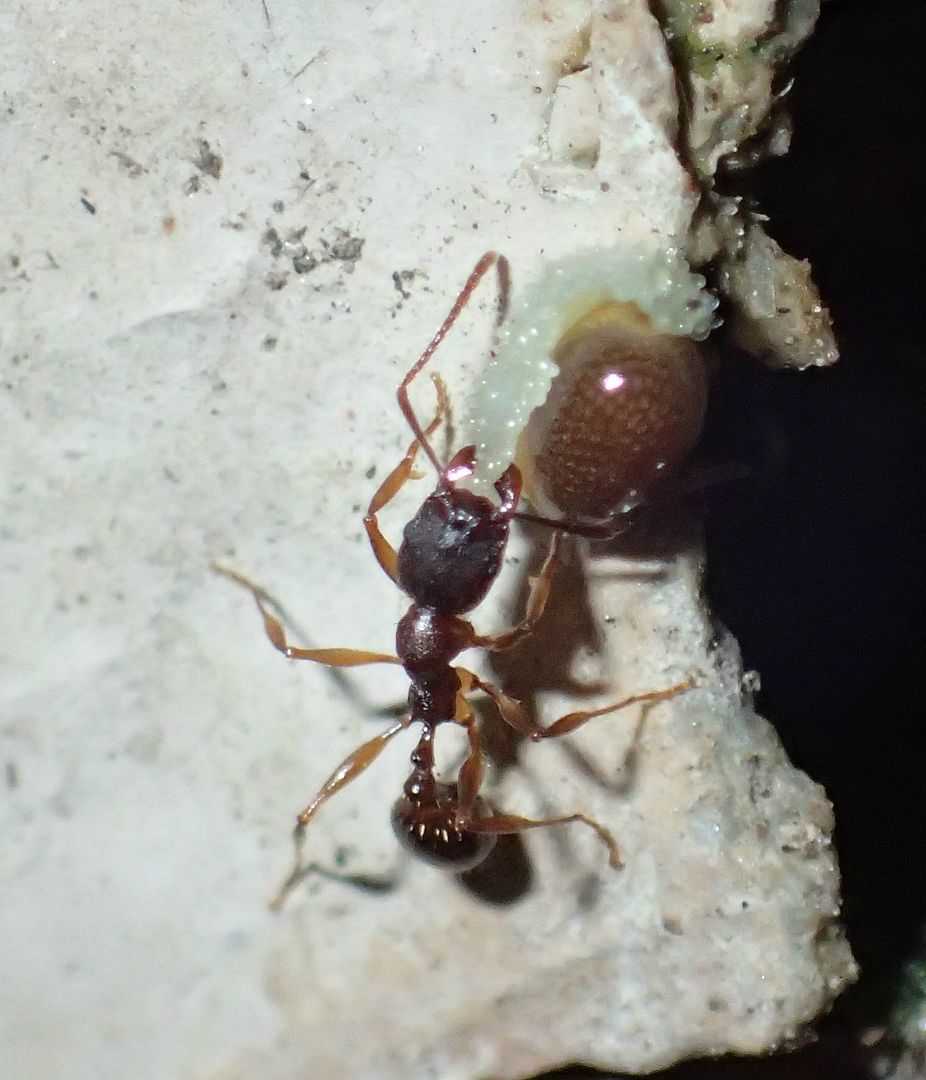
... Aphaenogaster rudis. This ant for the most part doesn't have a common name. In "A Field Guide to the Ants of New England" they're referred to as "The Rough Aphaenogaster" which refers to a rough spot on the thorax that set it apart from other Aphaenogaster. The problem here though is the genus name is in the common name so why bother? Also A. rudis has been found to be a HUGE species complex! I forget the exact number but I recall a study saying there was something like 8 or 16 nearly identical-looking species that all fall under the A. rudis blanket. Each one has a different number of chromosome in their DNA so you actually have to look at their blood to tell them apart. I don't have access to that kind of tech so for convenient sake they're all A. rudis, and to be honest they're all pretty similar to one another. I've found a few colonies before that have multiple queens and others that only have just one, some colonies seem to divide, but all pretty much nest in forests with colonies of ~2,000 ants.
Tapinoma sessile are either incapable or unwilling to transport Bloodroot seeds.
The seeds overall are too large and bulky for them to lift so they spent the whole time just nibbling at the elaiosome.
They started to bite pieces off and carrying them back to the nest bit by bit. At no point did they actually move the seeds other than to accidentally jostle one or two of them free of the pod.
Aphaenogaster rudis on the other hand was more than happy to haul the seeds off.
They would latch hold of the elaiosome and drag them back to the nest that way.
With Woodland Poppy, I was amazed to see Tapinoma sessile workers actually carrying them back to the nest. Most of their time was spent on removing the elaiosome from the seeds within the pod but several of the workers actually did disperse them... the colony is nesting in a soliar light but they're still dispersing them.
This is a native ant species so it's not too surprising to see them dispersing a native plant species but there is still a problem. The Odorous House Ant is often the little black ant seen running around your bathroom and kitchen counter. They nest opportunistically in mulch, under tree bark, and in man made structures. So they're not the best ant to be dispersing seeds because they can end up in the walls of your home, in foundation bricks, or under loose bark, but also in the mulch of your garden, and in flower pots. So it's the flip of the coin as to whether they end up in a spot they can grow.
Aphaenogaster rudis is better at the task.
They're generalist scavengers more in the habit of bringing food items back to the nest.
They nest under logs, in leaf litter, or along clumps of grass.
At no point during my observations did I witness any try to remove the elaiosome from the seeds outside of the nest. Actually shortly after bringing them into the nest the seeds were quickly discarded out to the colony's midden (trash) pile which was hidden among leaf litter.
Midden piles are where ants put their garbage. Old insect carcasses, dead workers, spent cocoons, general roughage and things to be discarded all get piled up here. In deserts of the South West they're very noticeable around ant nests but here in the forests of the North Eastern United States they're often hidden under leaf litter.
Overall were it not for the ants dispersing these seeds they wouldn't have gotten very far. New plants would try to germinate just inches away from the old ones and the patch would move at a snails pace and only on the rarest of occasions would they travel up hill. Thanks to the ants carrying the seeds off, even if they're dropped or discarded shortly after, new populations of these plants can spring up to 24' away, potentially more if colonies fight over them or raid the midden piles of other colonies they often do for dead ants.
Other ants that also showed: Prenolepis imparis - single worker that did not recruit other nest mates. Nylanderia flavipes - even smaller than Tapinoma sessile in size. Barely able to remove elaiosome. did not disperse seeds. Temnothorax curvispinosus - even smaller than Nylanderia flavipes. Incapable of recruiting nest mates as they don't use chemical trails.
The patch of Bloodroot in the front garden had a few more flowering plants come up. You can see how leaf grasps the stem to help keep it safe. They only lasted three days this year, the Twinleaf actually lasted longer!
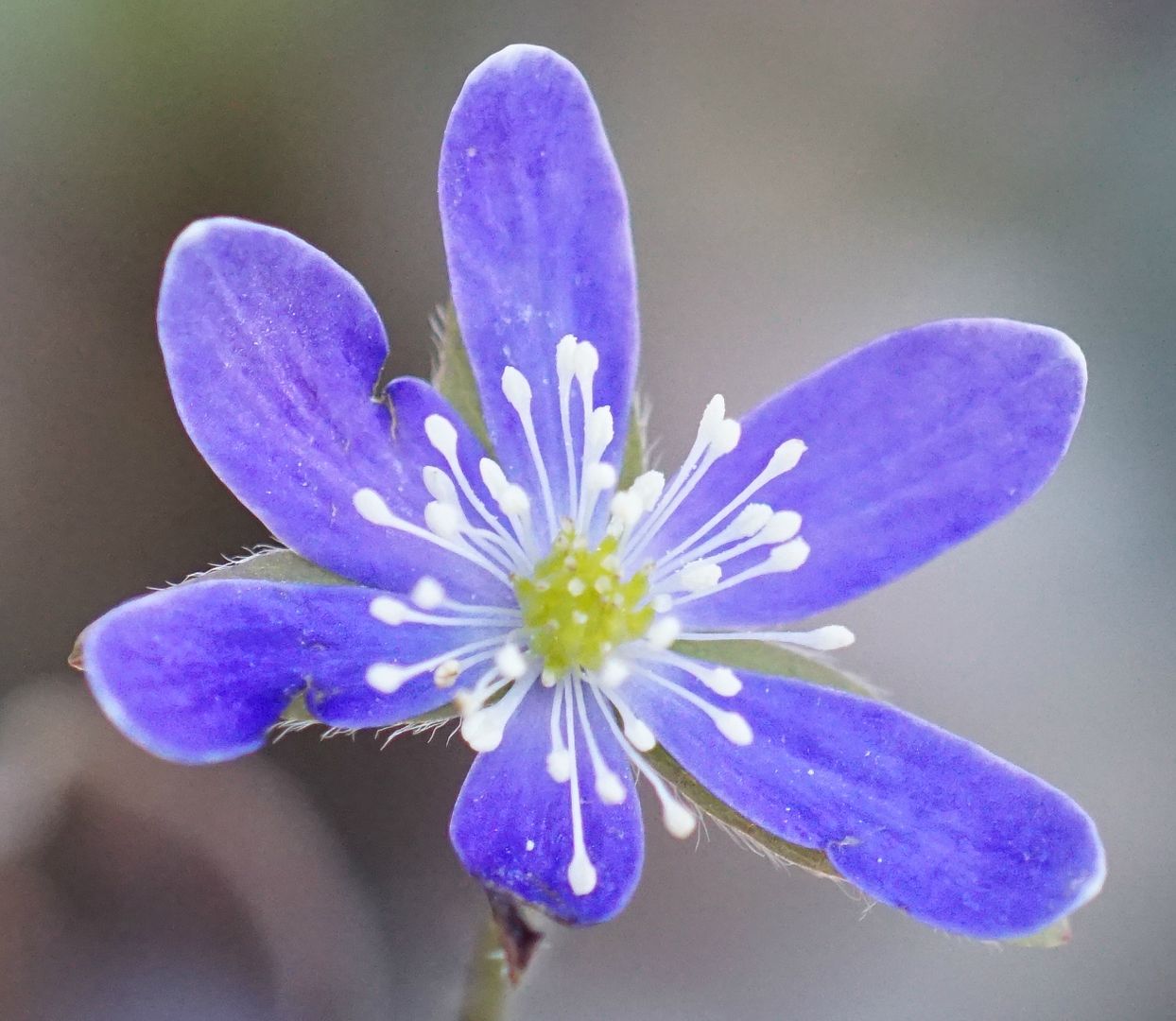
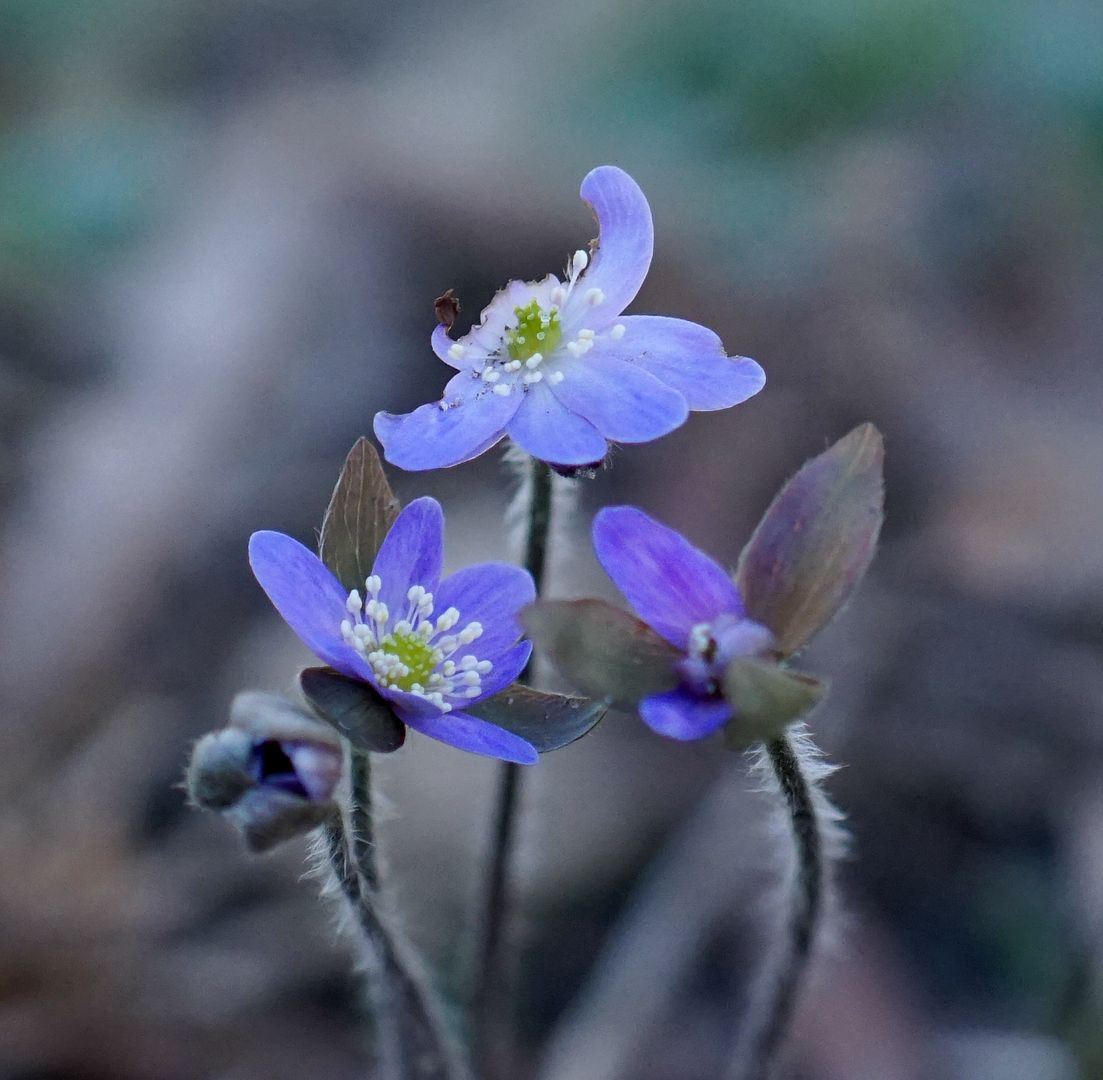
If I ever get more Blue Hepatica I'll be sure to plant it around the Bloodroot. The combination of the big white flowers of Bloodroot and the small ones of the Hepatica would be a nice combination. Though I don't think they could be mixed together very much as the Bloodroot would likely shade the Hepatica out... though the Hepatica is evergreen...
Hepatic flowers for a longer time and slowly changes color. Pictured here is the same flower as the one above it, but a day sooner. You can see how they start to fade over time.
My second Blue Hepatica has more flowers on it this year than it did last. Neither is in good shape but hopefully this is sign they're starting to establish. When they were all planted in the front yard they did start to reseed.
The majority of my plants have either white or pink flowers to them. Which I'm pretty sure are also the ones that reseed regularly as they tend to have far more flowers. They're pretty but I can only take so many white flowering plants. Need something to break up the monotint especially with such a large clump of Stonecrop right next to them which will turn into a carpet of white flowers in a week or two.
A few years ago I threw a packet of Bloodroot seeds out in the front garden. I dug a little trench and planted them, and two years later I started to see very tiny leaves poking out of the ground. One leaf per plant. They remained this small size for two more years and then suddenly one or two made the jump to a great big leaf more typical of the species.
This year three of those plants have decided to flower which is great, but also I'll say so far none of the others have emerged... of the whole seed packet maybe only three have survived. What's odd though is that last year one may have flowers because I found one with a seed head. But this one plant has yet to emerge, whereas the three I see flowering today I didn't even notice last year and I find this to be odd. Perhaps rodents or something are making off with the young shoots before the plants have a chance to grow?
Bloodroot, Sanguinaria canadensis, is in the poppy family. The flowers only produce pollen and don't have any nectar or floral oils of note. So you'll never see Bloodroot Honey being sold unless someone is grinding up the root and physically mixing it in with the honey, which begs the question, why?
The flowers to the true species the true species are short lived, lasting about three "good" days. If the flower stays closed due to rain or it being too cloudy, it doesn't seem to count towards the three days. I believe there are cultivars which bloom slightly longer which tend to be "double flowering" but this term is a little tenuous. All three of my Bloodroot plants are technically "double flowering" because they have more than 8 petals, which is what you find in established plants in the wild. No plant wants to be "double flowering" because it means they're producing more petals instead of reproductive structures, and thus won't make as many seeds. Plants do this when they're not getting the right nutrients or enough of them in the soil. It's the plant's way of cutting its losses, but can get to the point where they don't have any reproductive structures at all. This isn't restricted to Bloodroot. A flame Azalea I bought at Lowes actually came that way, very likely because in the 7 years it takes a nursery to grow a shrub to a sell-able size it wasn't fertilized enough. The following year it flowered normally though so it may have been stressed.
So clearly "double flowering" is a nutrient issue... yet there are cultivars that are reliably "double flowering." This is because the plant likely has a mutation which hinders it's own ability to take in certain nutrients. This also means this cultivar can't be propagated by seed. That's not to say that they don't produce seeds, rather and the inability to take in certain nutrients is likely from a recessive gene, so the plant has to be reproduced by cuttings or division of the roots.
Coming back to my Bloodroot plants, hopefully their rhizomes get a chance to spread out and grow into a nice sized clump. Ants actually disperse the seeds to these plants, so hopefully I'll get to play around with that later this year. This is the main reason I'm growing this and several other native ephemerals. In the past, I've bought Bloodroot plants as bare roots. These grew the first year and flowered, but sadly something came along and ate all of them. Which is annoying. I've noticed with several species though that plants started from seed tend to fair better and aren't devoured by wildlife as much.