Showing posts with label Host. Show all posts

Monday, May 11, 2015

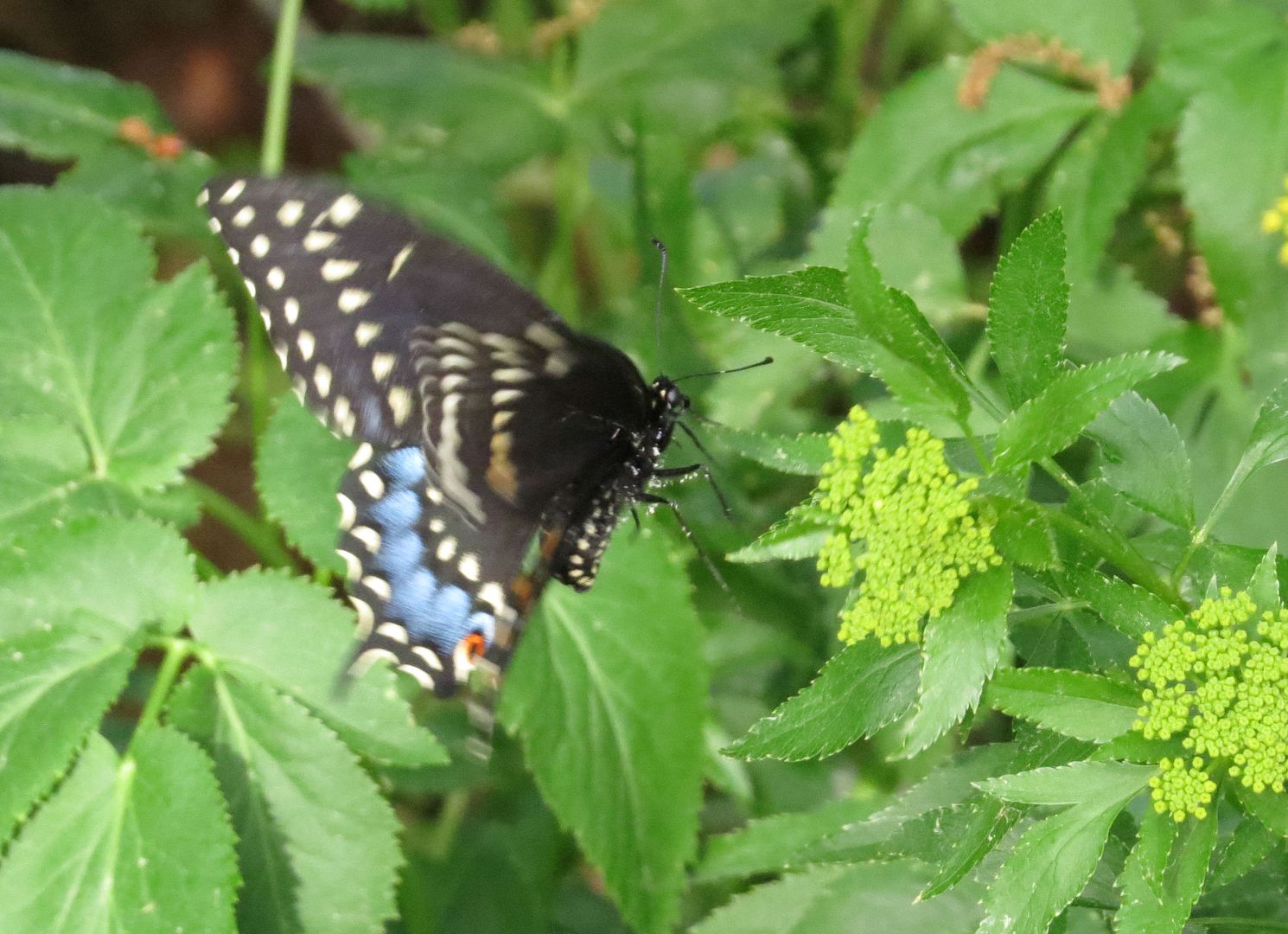
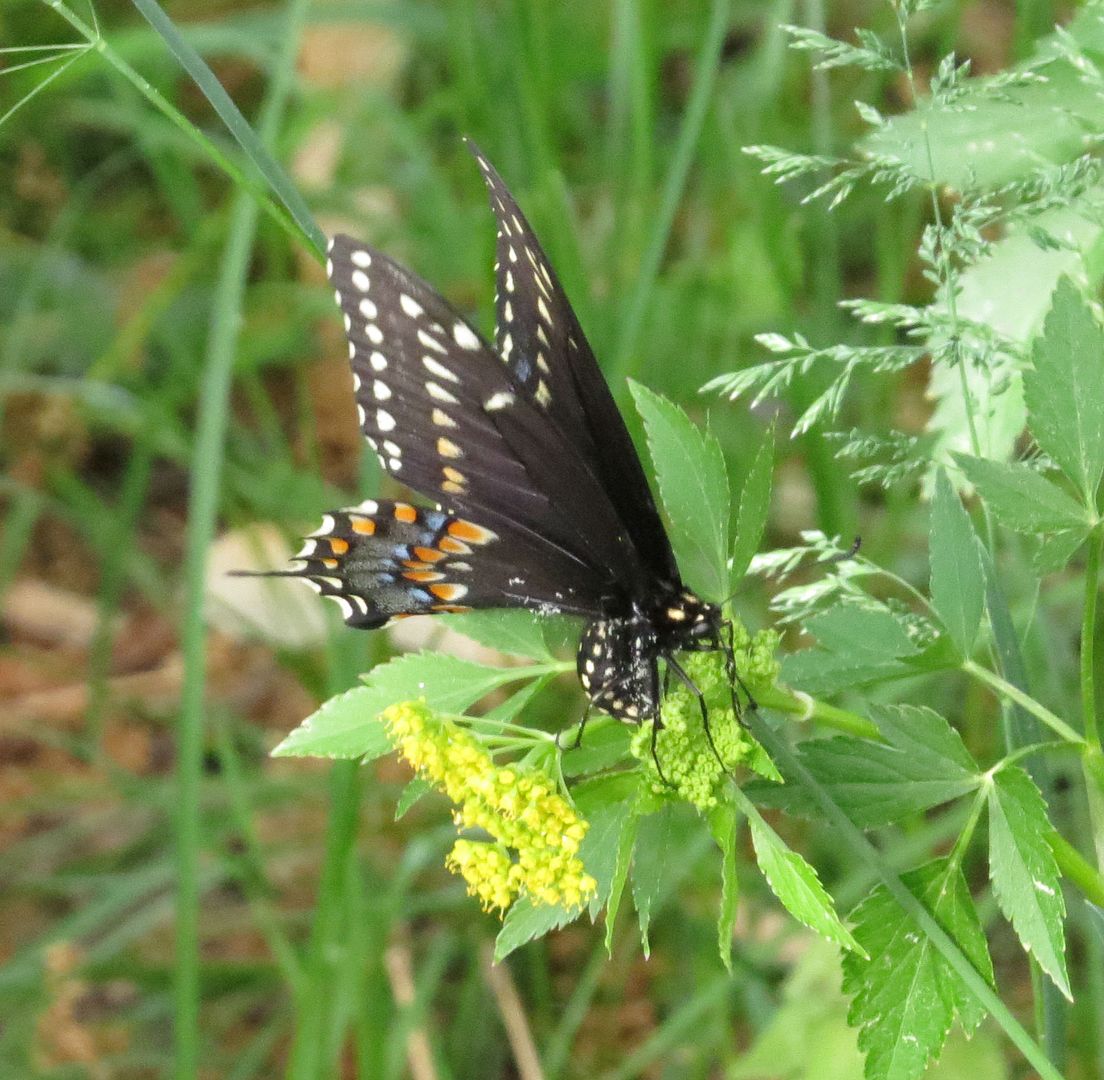
Black Swallowtail Laying Eggs on Golden Alexander


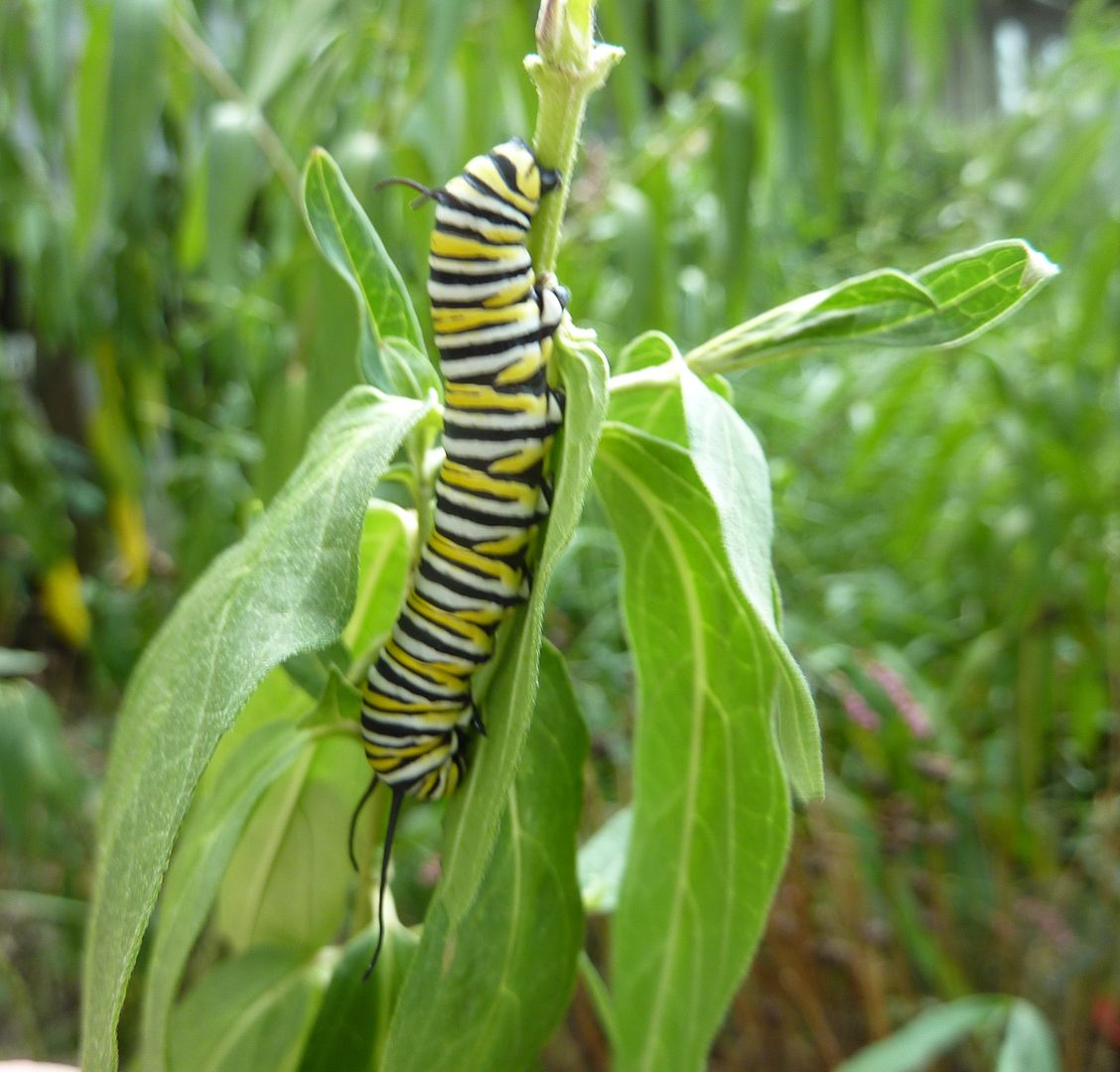
When Native Plant Gardeners decide to add Golden Alexander to their landscape, they're often disappointed to see a lack of Black Swallowtails. Perhaps Monarchs boldly laying dozens of eggs all over Milkweed and their easy to spot black and white caterpillars spoil them. A couple of things are going on here.

Firstly, Black Swallowtails are native to North America, so much so that they're sometimes referred to as the American Swallowtail. Golden Alexander was their primary host plant among a few other members of the carrot family, but when western settlers brought with them delicious Parsley, Dill, and yet more members of the carrot family, suddenly the American Swallowtail had a lot more hosts to choose from. Parsley and Dill in particular were bread for their pungent odor and flavor, and likely possess more of the chemicals in the plant Black Swallowtails use to make themselves bitter tasting. Not only do the caterpillars mimic bird shit in the first few instars, but they want to taste like it too! This is likely why Parsley and Dill tend to be heavily favored as host plants.

Monarchs are down right poisonous to consume, and they want to go out of their way to show themselves off. Causing a mother bird to throw up the contents of her crop is one less meal her baby birds will get. It's a swift lesson and birds quickly learn not to bother with black and white caterpillars.

Golden Alexander has other pest problems such as Aphids. Parsley gets aphids too but not the same kind. These aphids are better about attracting Ants, which are more than happy to consume butterfly eggs, as well as young instars caterpillars. The plant itself also excretes extra floral nectar on its leaves which ants will "nectar scrape" for food, to further get ants crawling all over the plant. Golden Alexander is also a more open, airy plant, which wasps have an easier time exploring to hunt. Some types of parsley are dense with leaves.
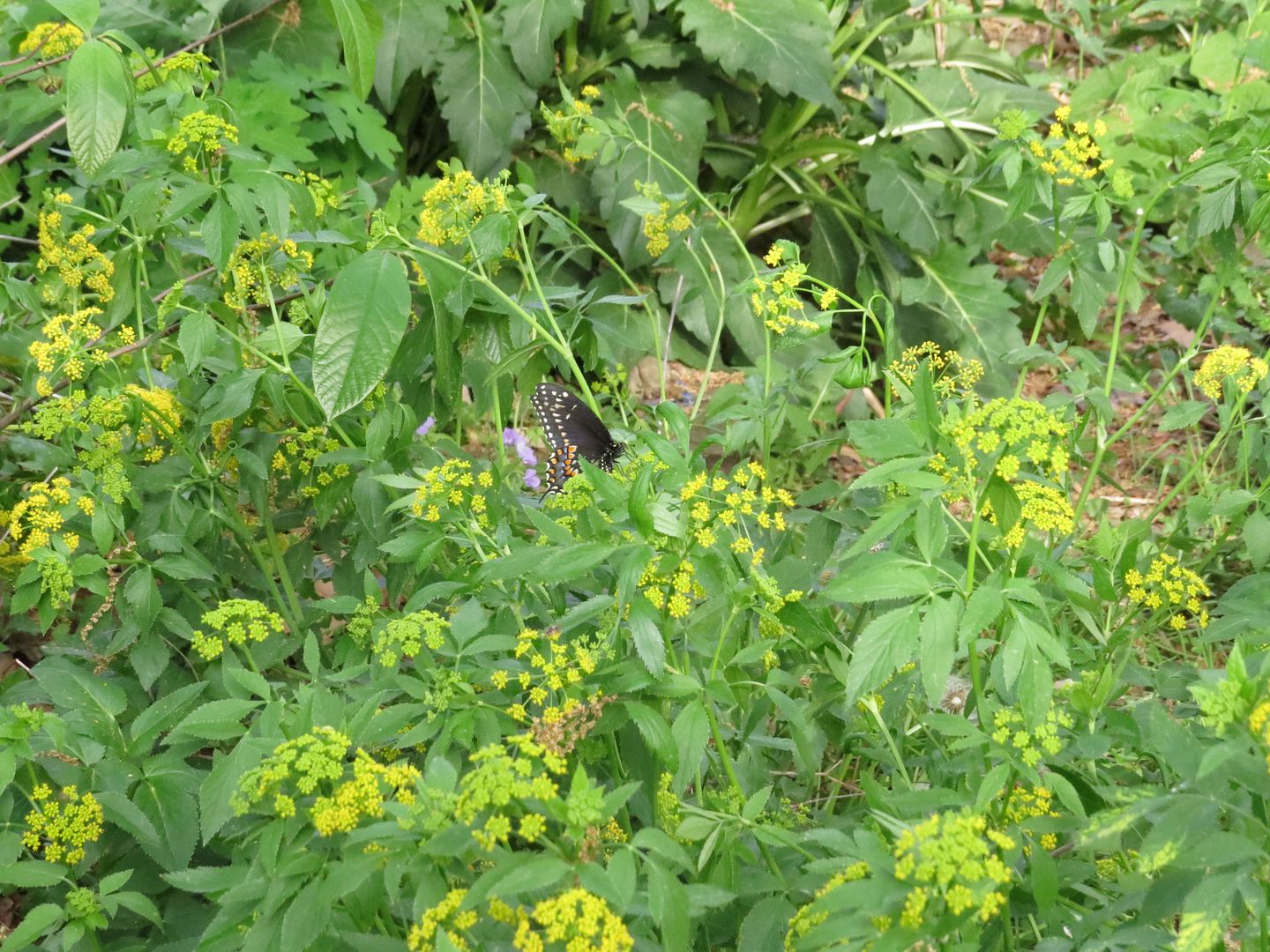
One thing Golden Alexander can boast though is that it's a spring ephemeral. Seen here at 2 - 3' tall it's produced almost all its foliage for the year, whereas Parsley and Dill flower in late summer and autumn, and thus have quite a bit of growing to do. So Golden Alexander is usually a better choice as a spring host plant because even nursery born Parsley and Dill are barely this tall.
 
Admittedly I can only recall two instances when a female has bothered to lay eggs on our Golden Alexander patch in the past 5 years. I'd probably do better to plant something else in the patch but I keep the plants around all the same. 

One thing I noticed was a preference to lay directly on the flower clusters as opposed to stems or leaves. There may be other reasons Golden Alexander is favored in the spring that I don't know about.

Either that or she's playing a clever game of Where's Waldo. Note the tiny egg planted among the flower buds.

Wednesday, July 3, 2013

Silver-spotted Skipper Caterpillar on False Indigo Bush


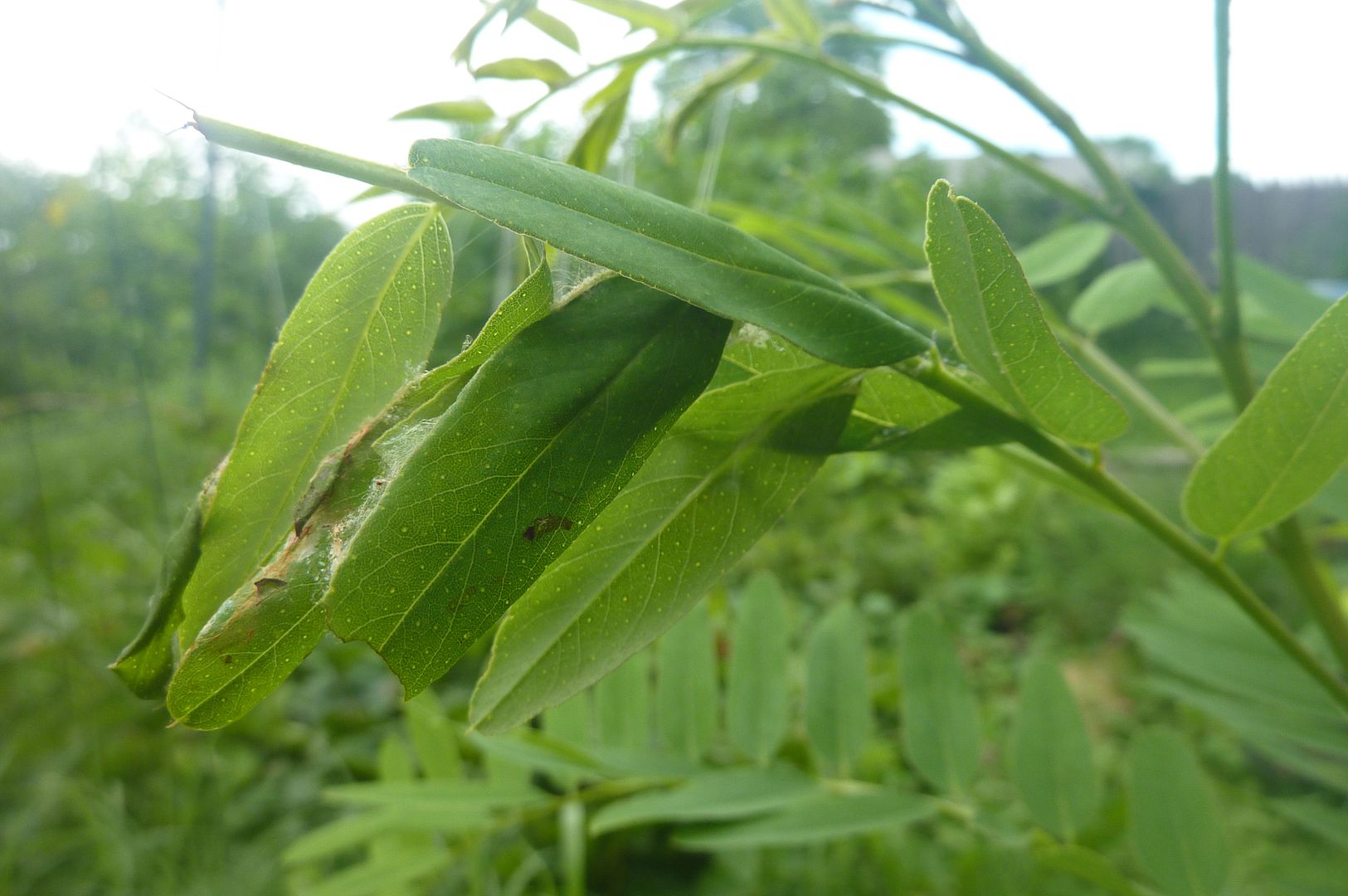
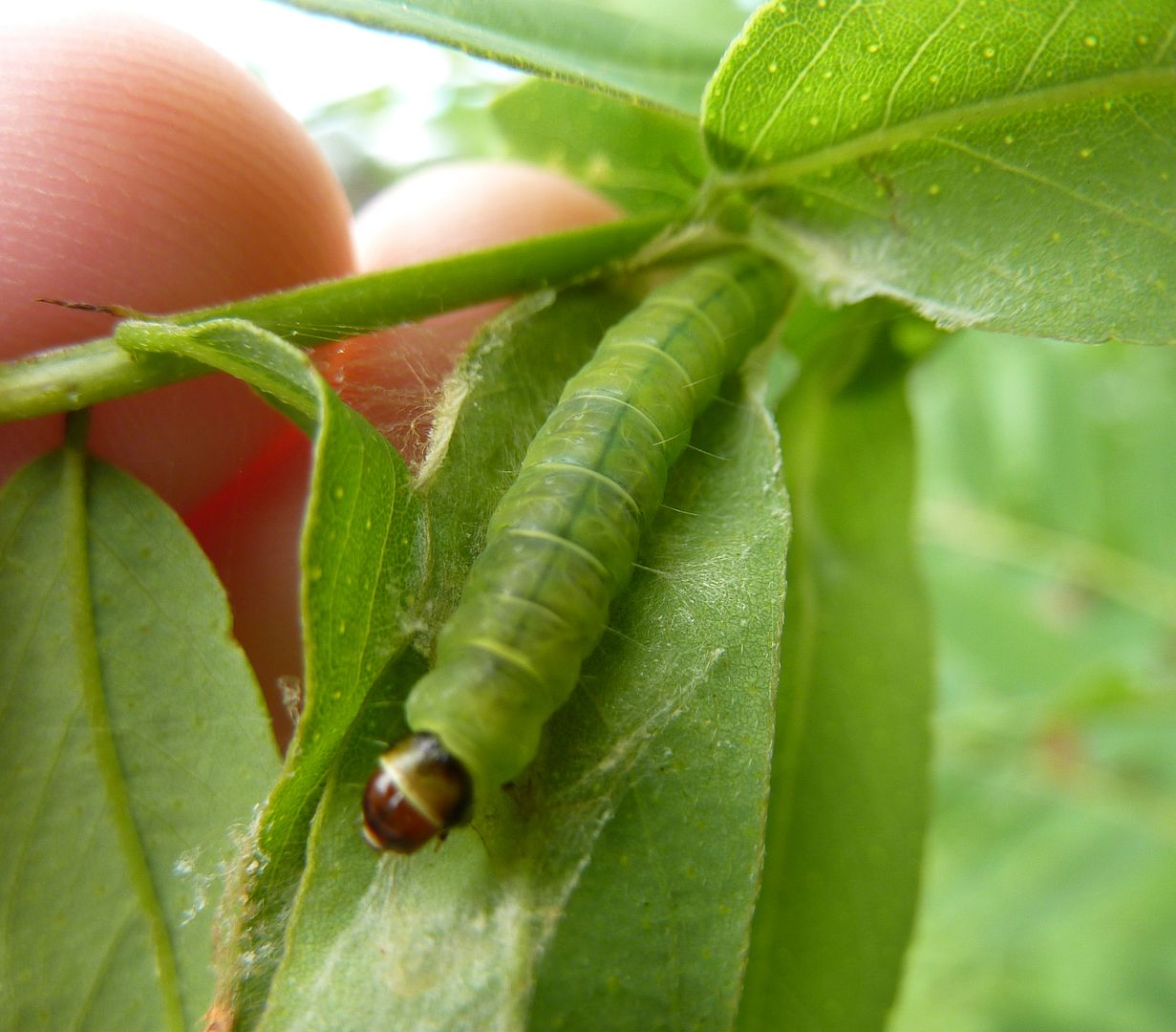
I found the tent to a Silver-spotted Skipper, Epargyreus clarus, on the False Indigo Bush, Amorpha fruticosa, today. I'd planted the sapling last fall as a nitrogen-fixing shrub/small tree right next to the vegetable garden. Their leaves decompose as a natural fertilizer and their roots enrich the soil somewhat. Though spraying Miracle Grow is certainly more effective.


Inside the little tent (or shed as it's called for reasons that escape me) I found the little caterpillar tucked away. They hang out here and feed at night so they're less likely to be eaten by birds.


Unfortunately when I tore it open initially I'd expected to find a spider. Oops. So the little guy jumped ship after I left. I tried putting the leaves back over it but he didn't repair it at all. 

So this had me thinking I should inspect some of my other plants for caterpillars, such as Wild Senna, which they also might use. Sadly I didn't find anything else but this one caterpillar. It's great that this sapling got me success on the first years though. I'm still debating if I should prune it into a shrub or a small tree.

Wednesday, May 30, 2012

Caterpillar Season is Open

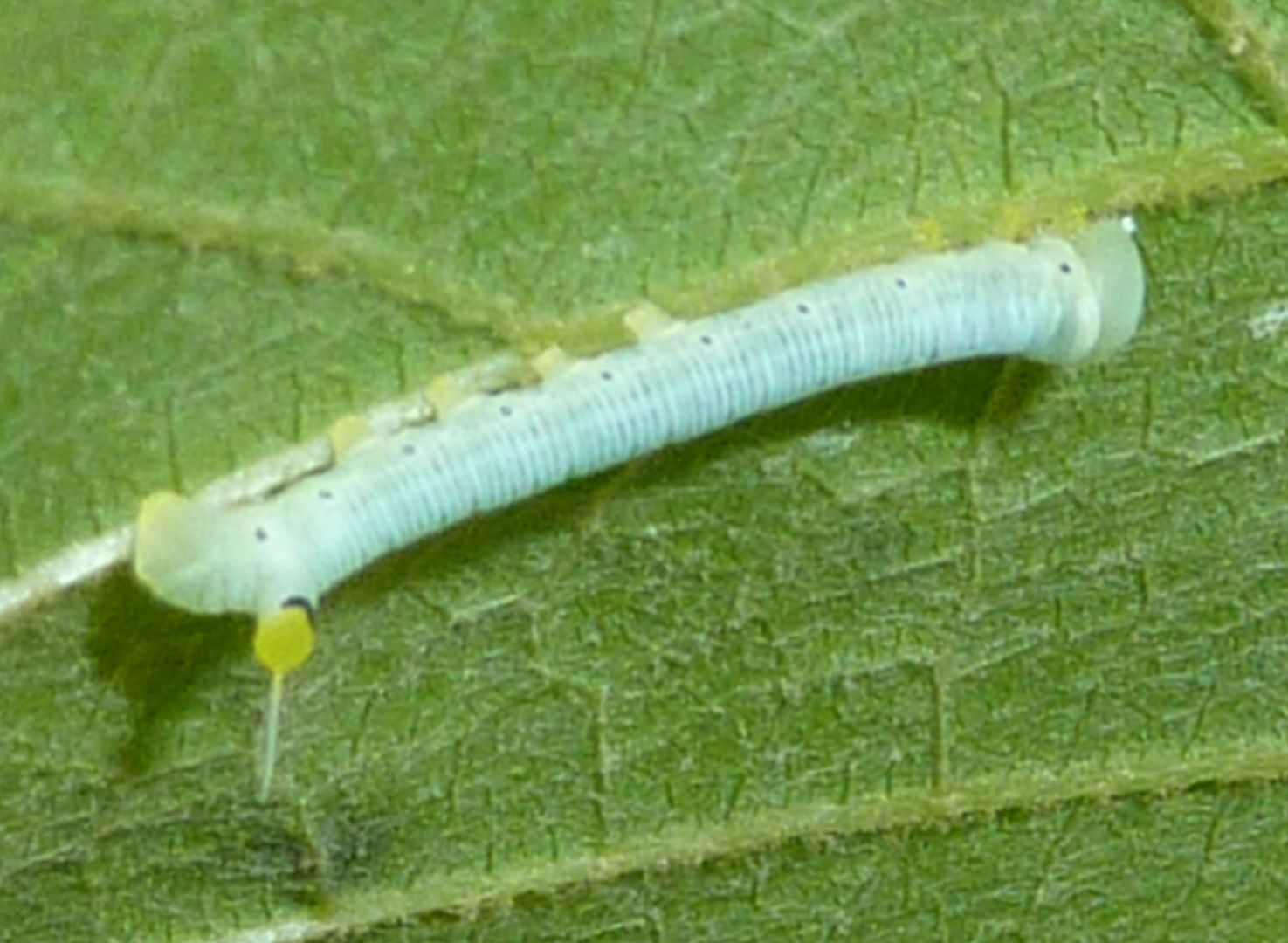
I found this caterpillar on my Asparagus this morning. I don't believe it's big enough for my to ID yet.

On our Concord Grape Vine there is yet another caterpillar I can't ID yet. I believe it's a sphinx moth of some sort, but other than that I'll have to keep an eye on it.

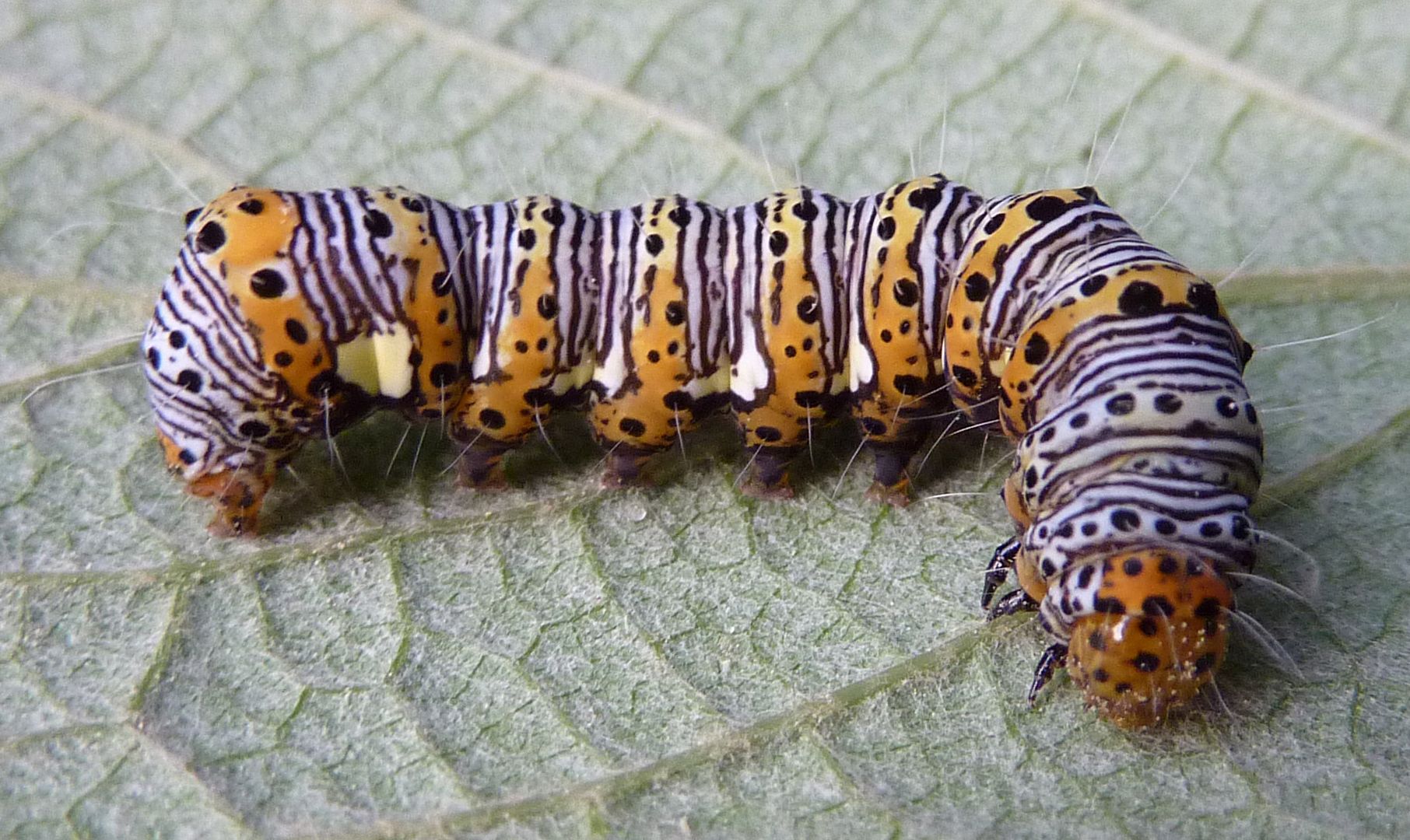
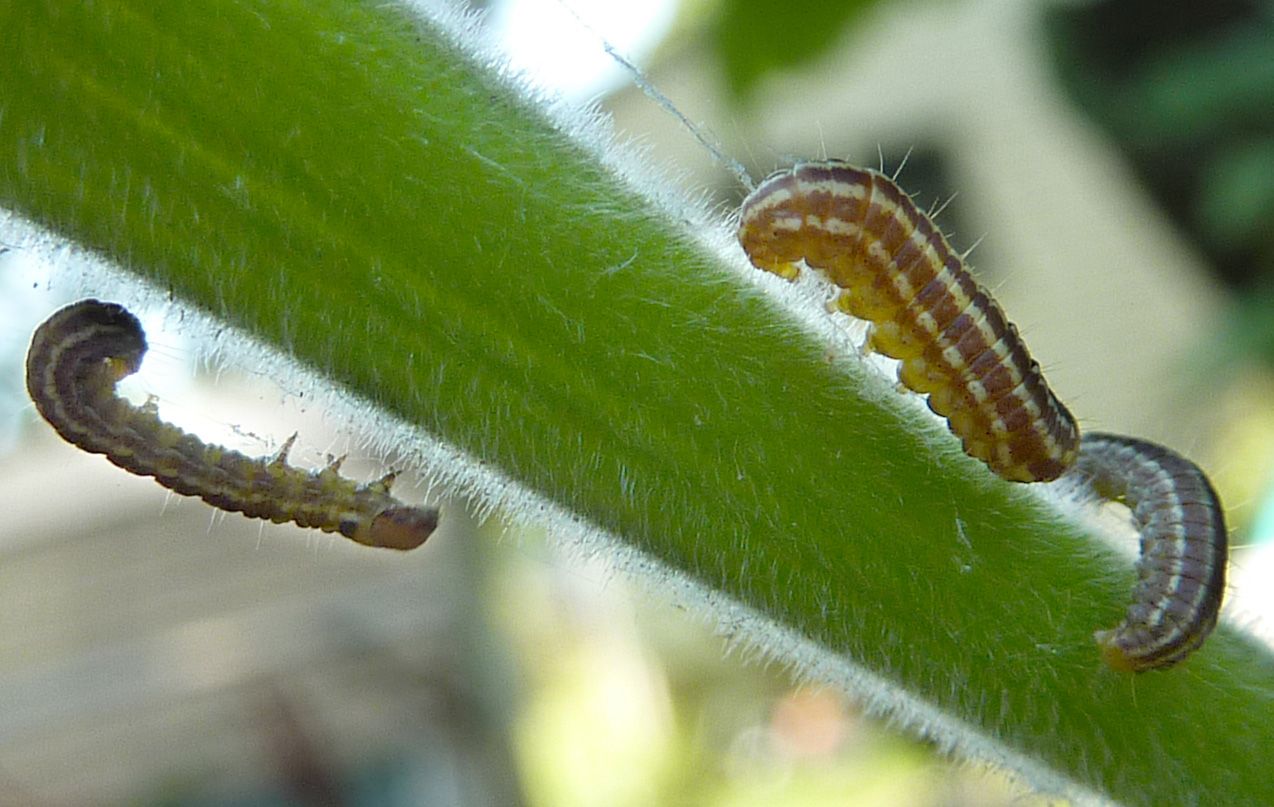
What I can ID though is Eight-Spotted Forester, Alypia octomaculata.This is a day time flying moth that I occasionally see flying around. It's no where near as common as I'd like though and they don't seem to have a favorite flower either. The caterpillars are neat looking with orange stripes and big white hairs. Despite the warning colors though, they spend most of their time under the Concord Grape Vine leaves. When disturbed they abandon the host plant either by a silk safety line or out right diving off. When handled they wiggle about relentlessly and vomit a brown/green liquid.

This is one that needs access to loose soil or wood chips in order to pupate. I placed a few into a cage and hopefully I'll be able to get shots of the adults if they're successful.

Saturday, April 30, 2011

Some Flowering Perspectives

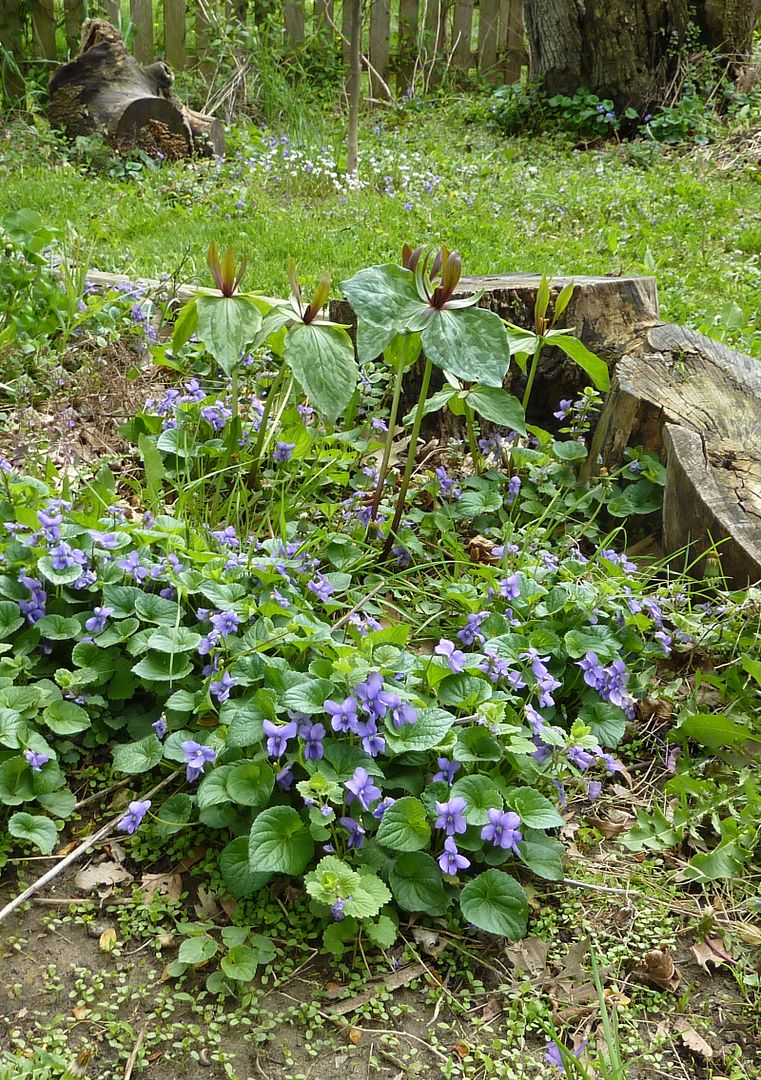
I have to say I'm particularly proud of the spring garden this year. So I've decided to discuss the plants here in this photo with some detail. Pictured here in the front are clumps of Viola sororia cf. It's seeds are distributed by ants, but as you can see from all the sprouting seedlings all around, they have no trouble spreading otherwise. They're the host plant to the Diana Fritillary, Speyeria diana, which is pretty butterfly found in the southern Appalachian mountains. The female is a mimic of the Pipevine swallowtail, both are black butterflies with the rear wings trimmed in cyan blue. Now it's worth noting that Pipevine is a recent addition to my garden, not pictured here, but I found a black butterfly with cyan blue trim flying about recently, and I wasn't able to get an ID. It will be neat to figure out which one that is.It's way more likely that I saw a true Pipevine swallowtail, Battus philenor, as I'm just outside of the Diana Fritillary's range.

While we're on the topic of Pipevine real fast, I've stumbled upon something of a mystery. On another blog we have a photo of ants covering the elaiosome covered seeds to  Aristolochia serpentaria, Virginia Snakeroot. Supposedly though ant dispersal of seeds in this plant is inconsistent. Apparently the elaiosome often dries up, (or perhaps ants of an inappropriate size are making off with the stuff without the seeds) and the true disperser of the seed is unclear. I may have to add this cousin of the Pipevine to my garden and see what the case may be. In the mean time I'll keep an eye on all of my plants should they decide to flower this year.

Next up we have the Trilliums, which are probably the best example of myrmecochory. I did a video on it last year and will probably do another later this year. I have so many Trillium flowers I can't wait to see how many pods I'll get to mess around with.

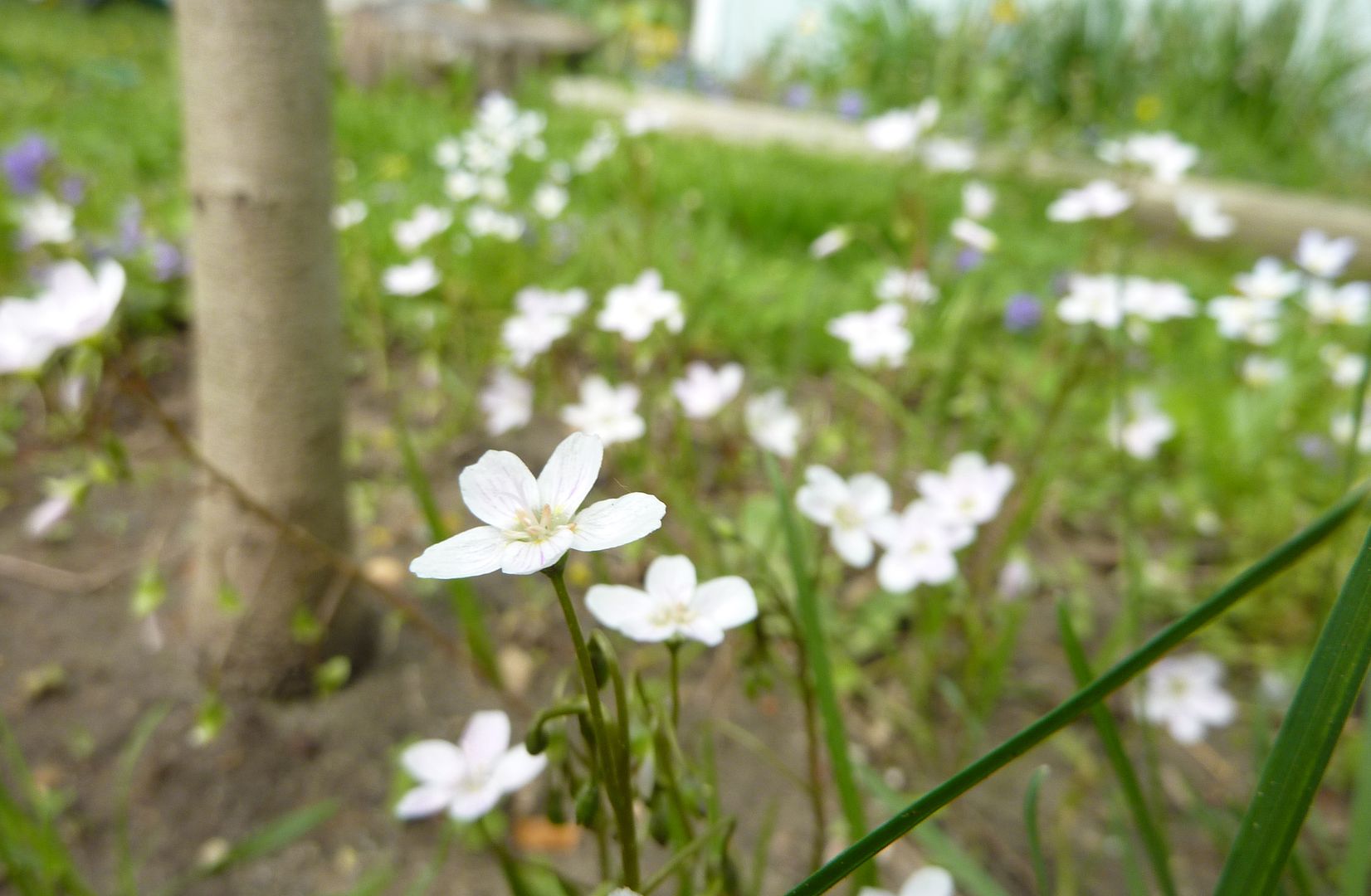
Claytonia virginica
Lastly we have a patch of Spring Beauty. This isn't my favorite plant for lots of reasons. Not the least of which being it has almost nothing to do with ants. The only ant related thing to mention about this flower is that flower stems are thin on purpose to discourage ants from walking up to the flower and stealing all the nectar. From The Secrets of Wildflowers: A Delightful Feast of Little-Known Facts, Folklore, and History by Jack Sanders we find more interesting facts though. For one the corm is edible and said to be delicious. Pinker members of the species are more likely to be pollinated by bumblebees than the whiter flowering forms. As a result white flowers get more attention where blooming and colder weather over lap, and are pollinated more by flies than bees.
Tuesday, December 14, 2010

Best of Butterflies 2010

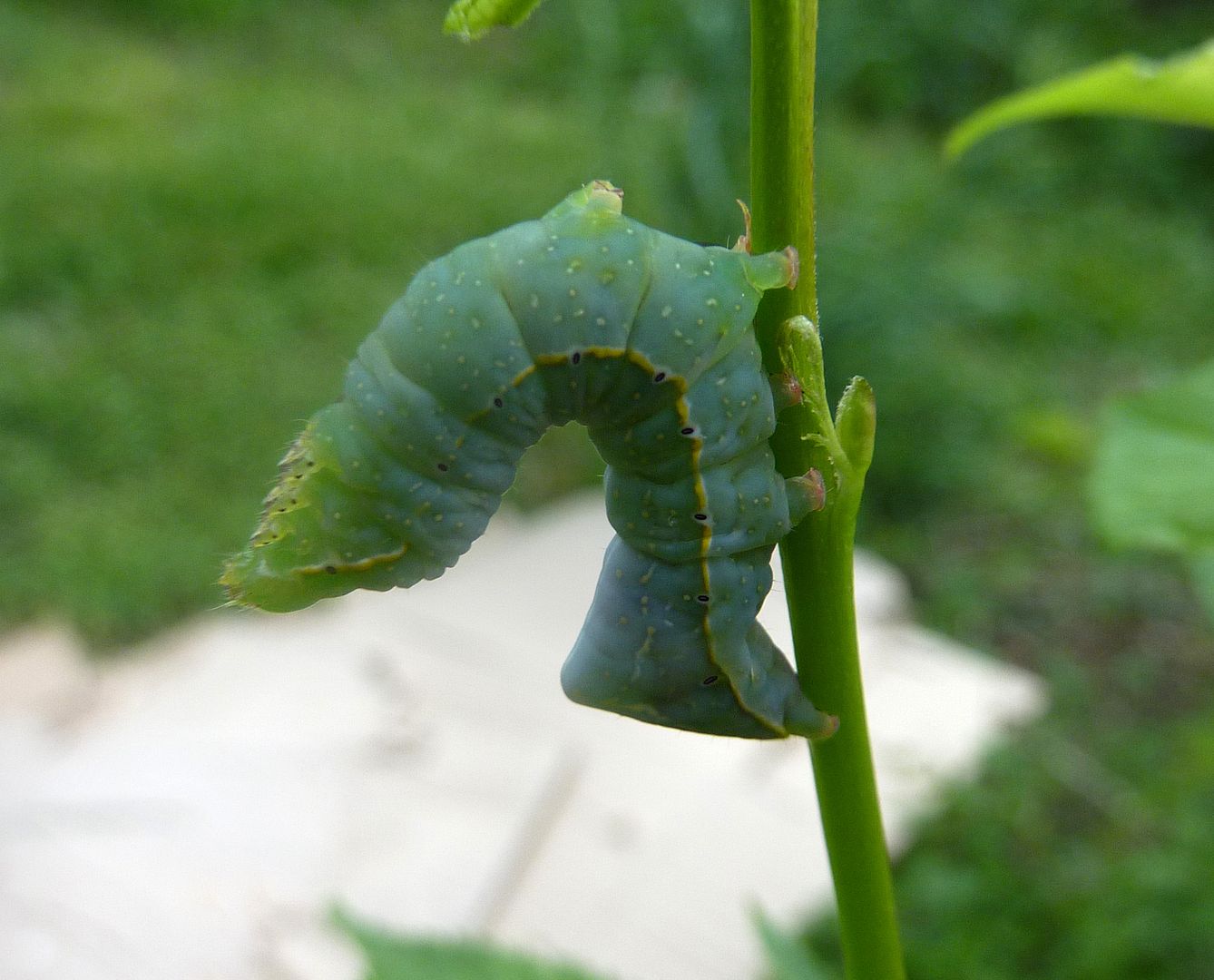
The caterpillar to the Copper Underwing Moth, Amphipyra pyramidea. The moth is plane looking and brown; it's fairly bland looking too except for the rear wings with are an orange copper color. These are normally hidden from view though. The caterpillar though, later instars develop this neat blue green color. This one nibbled the leaves to our Native Plum tree and vanished. 
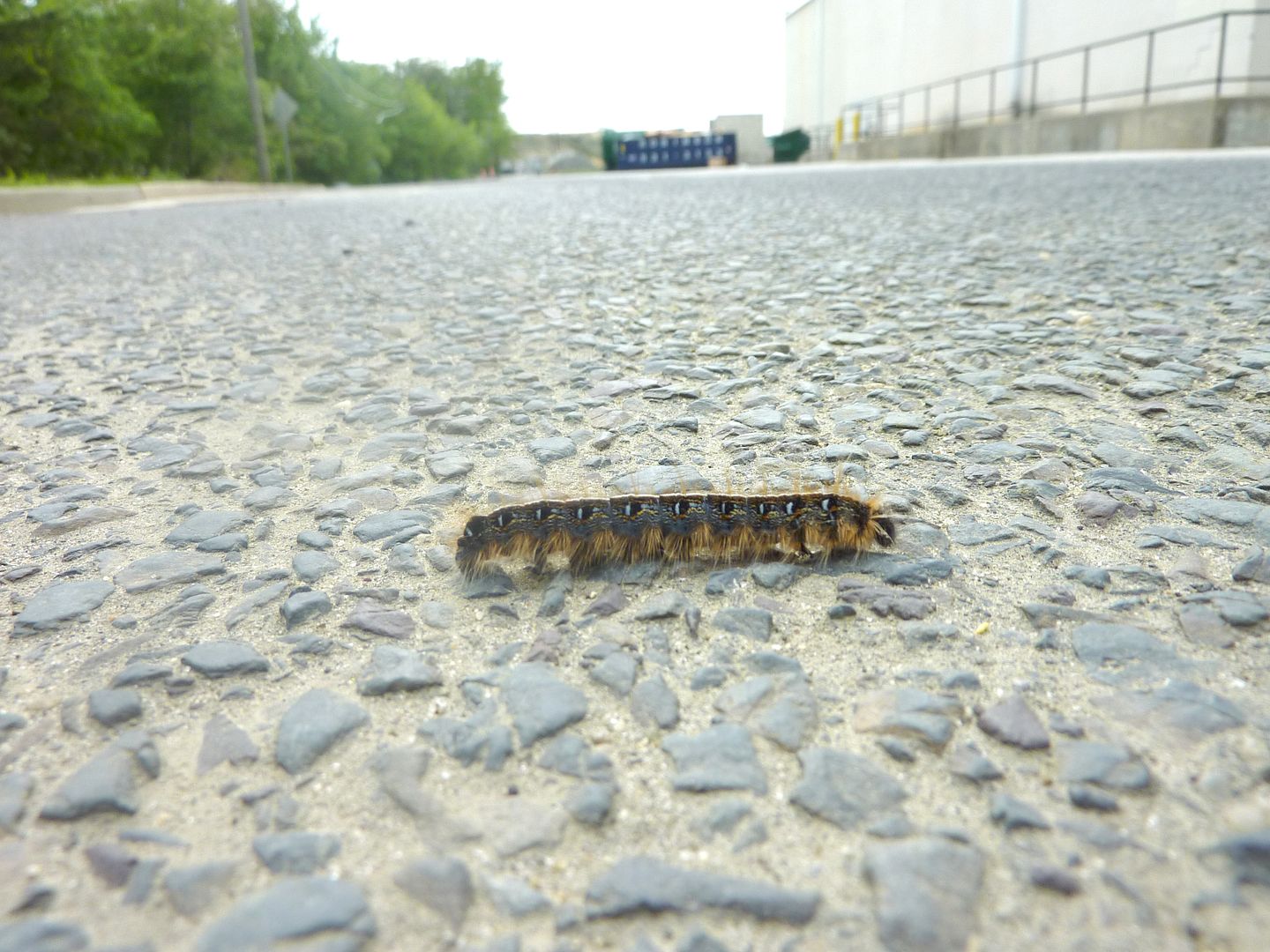
Defoliating trees is a busy job. Here our native Eastern Tent Moth, Malacosoma americanum wonders from the forest to make a cocoon. Besides forming a massive web-like tent in trees this species isn't that damaging.
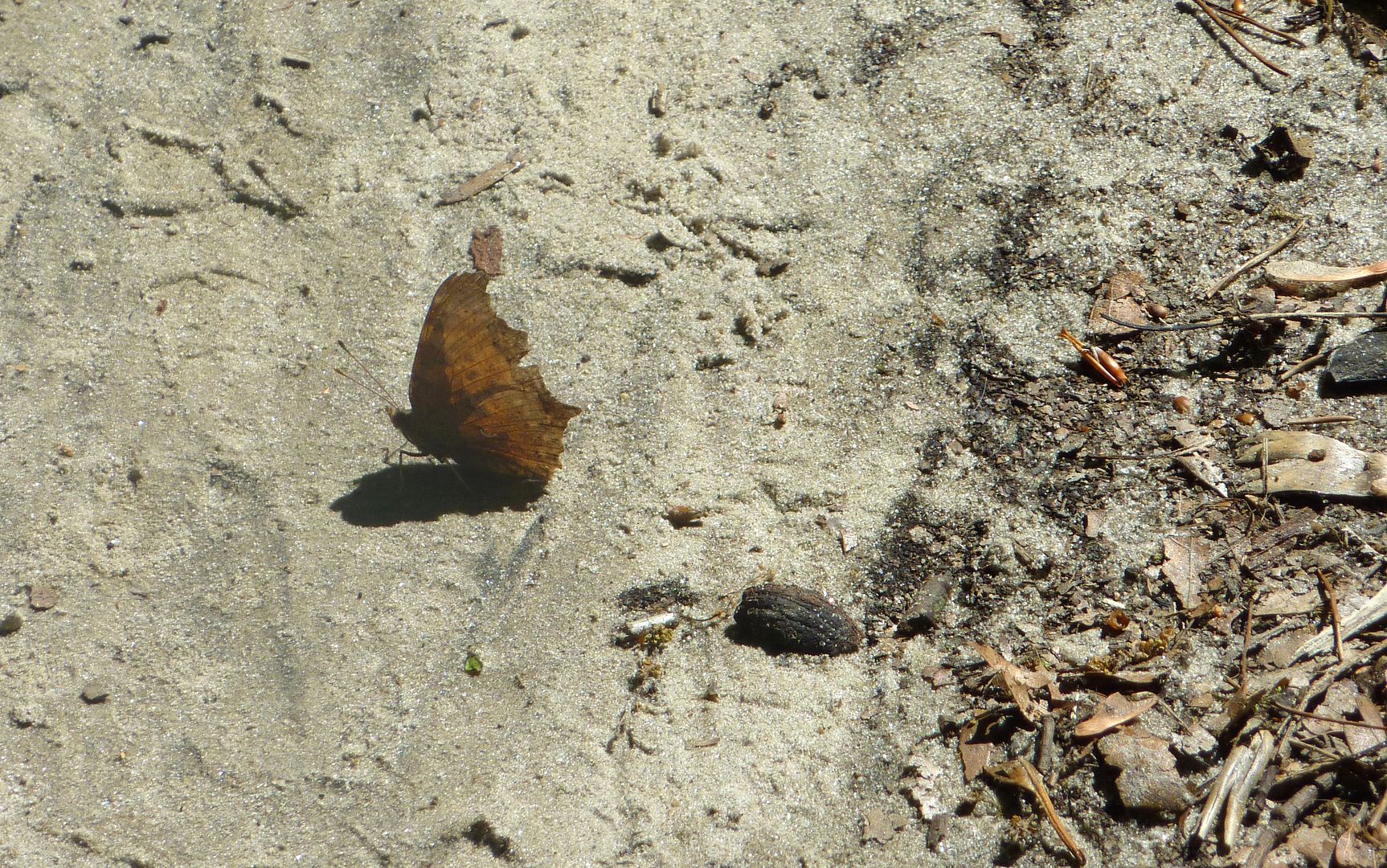
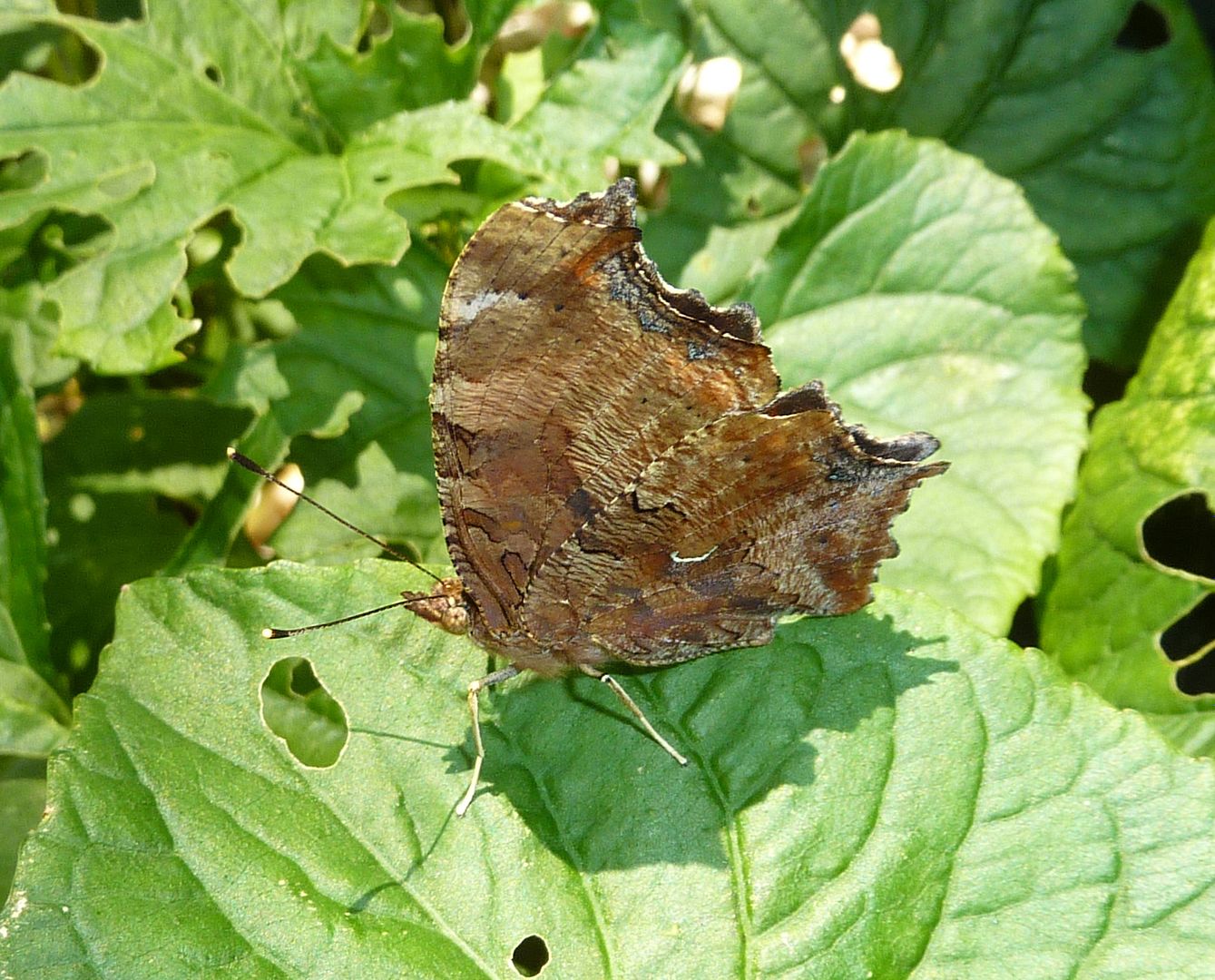
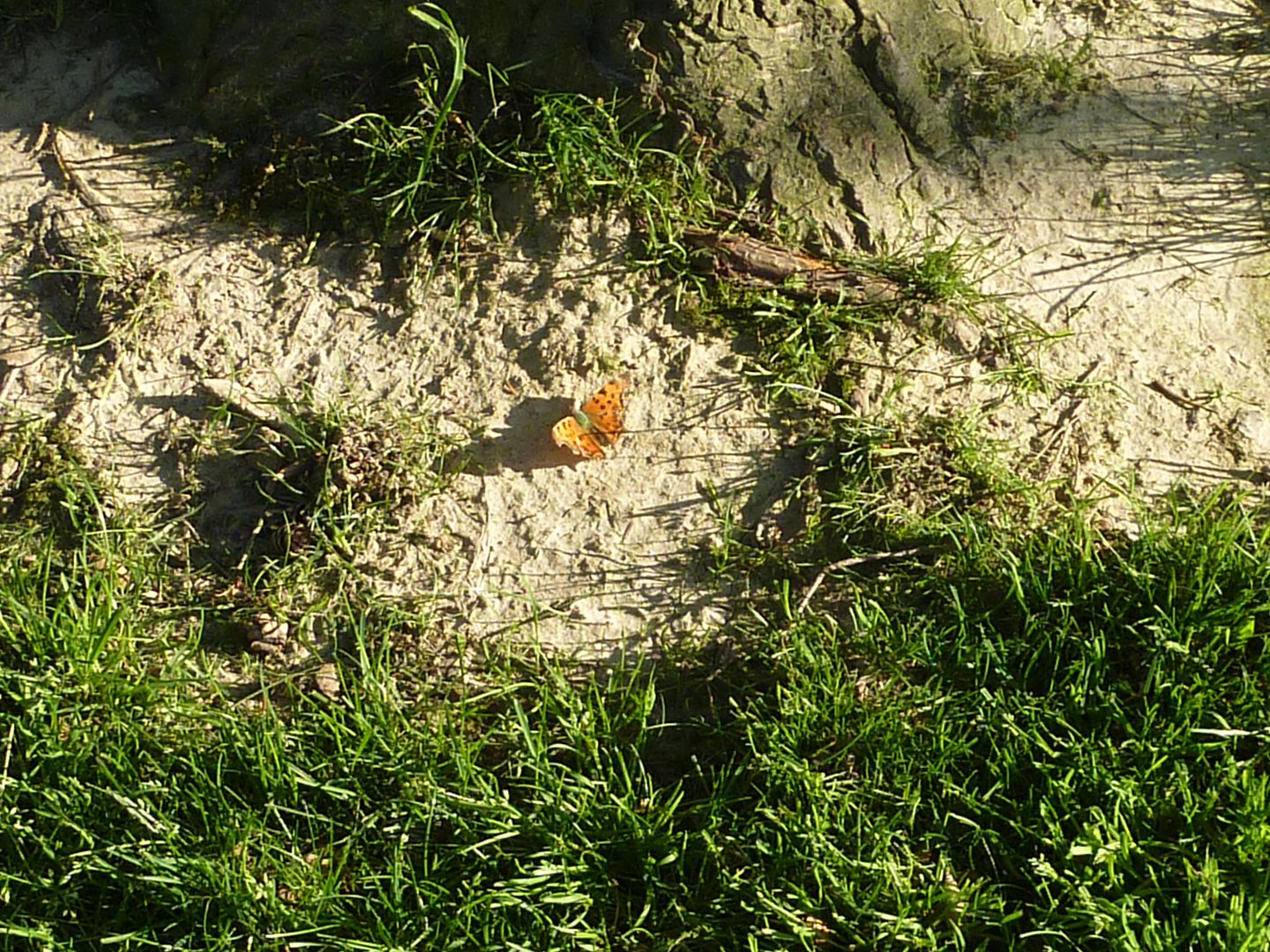
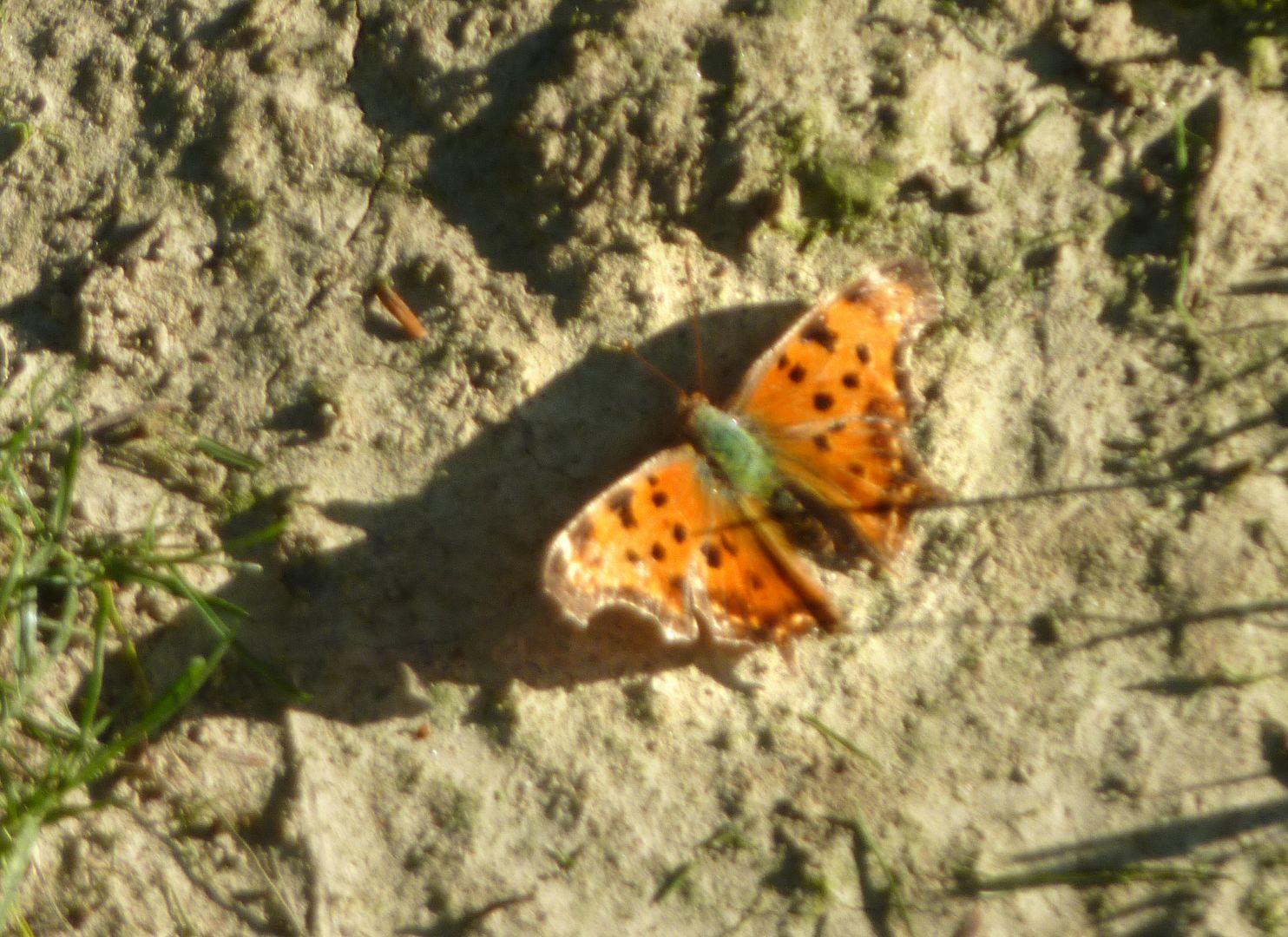
Eastern Comma, Polygonia comma, sipping up minerals along a sandy trail. Salt I think is the most uncommon mineral considering their food source (nectar and rotten fruit), so licking it up is the only option.
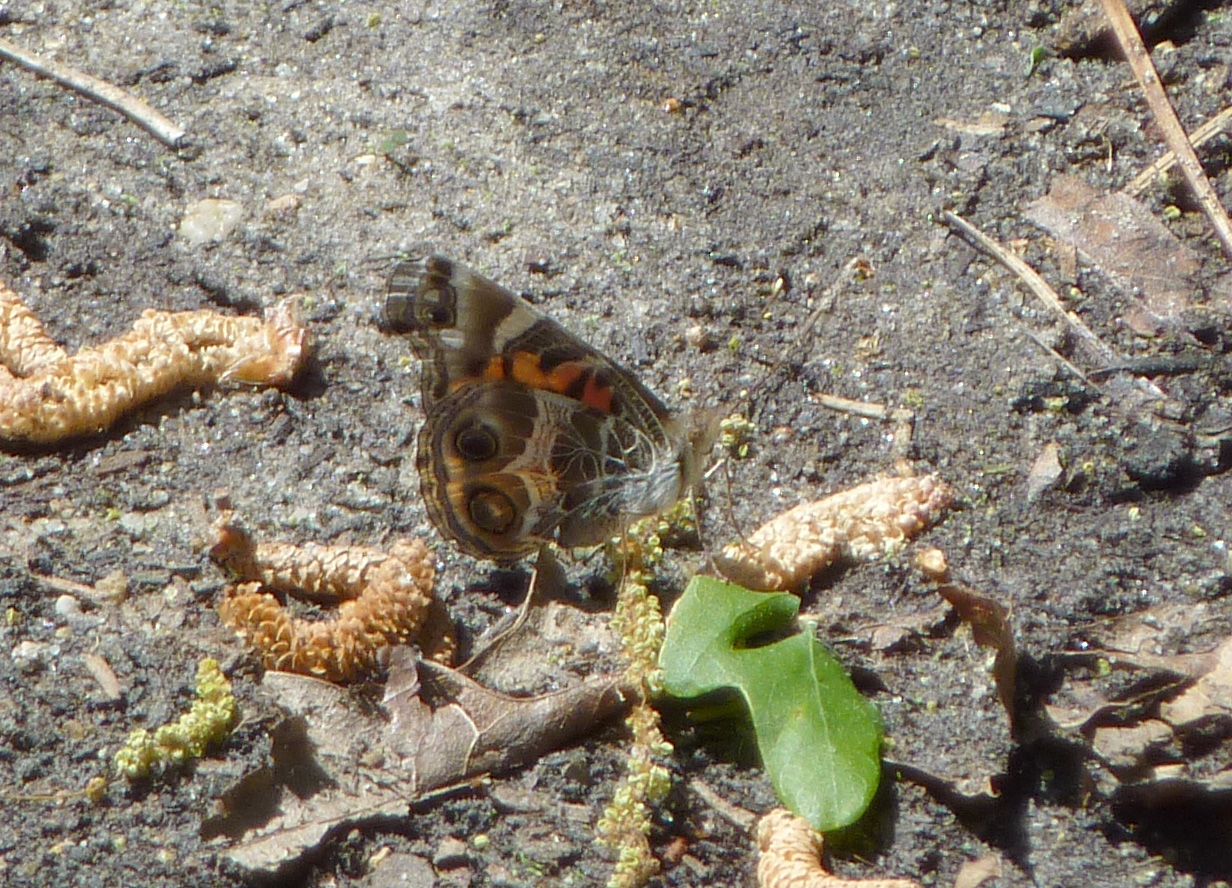
(Corrected ID) American Lady, Vanessa virginiensis. 
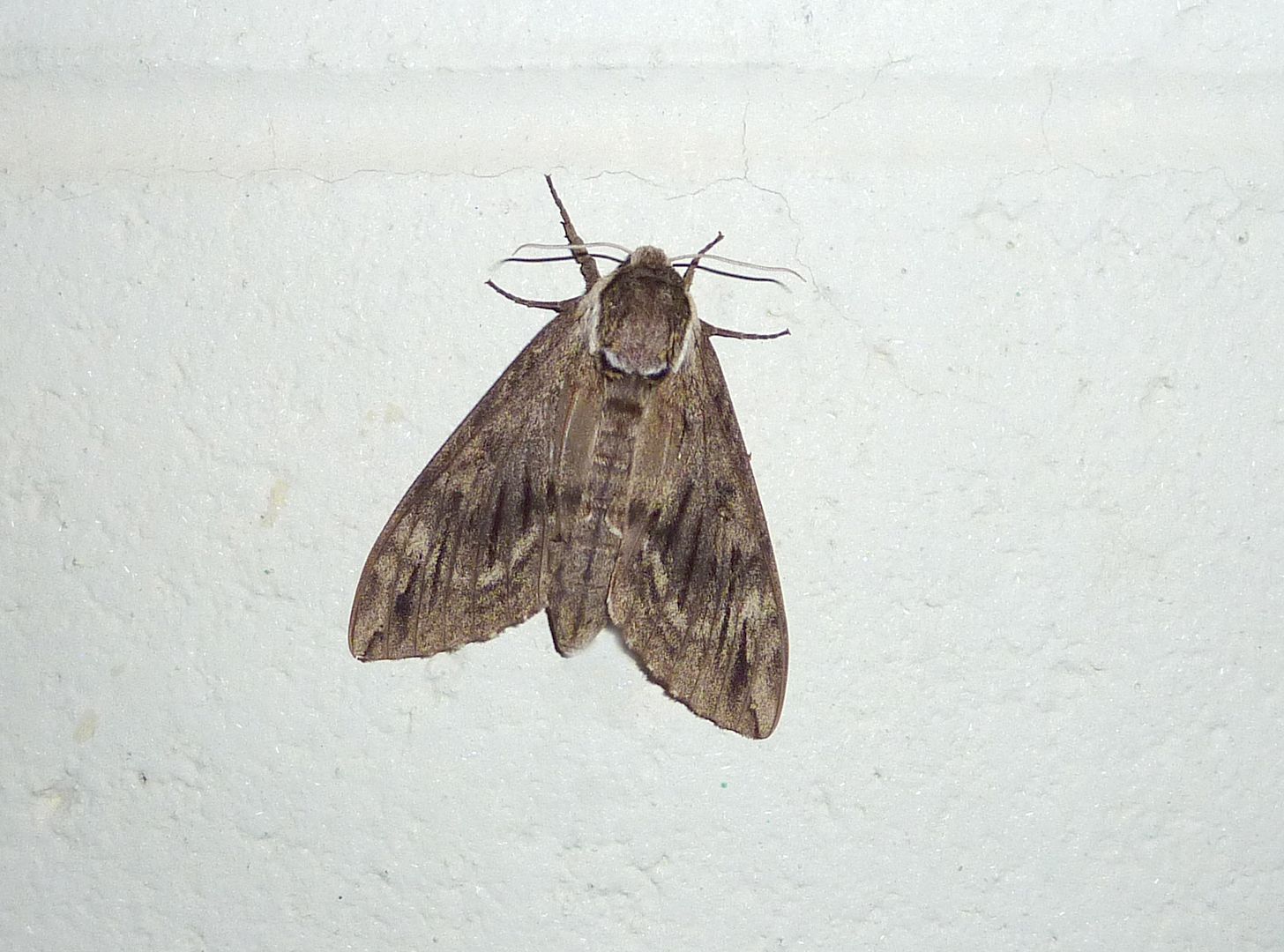
Hawk Moth.
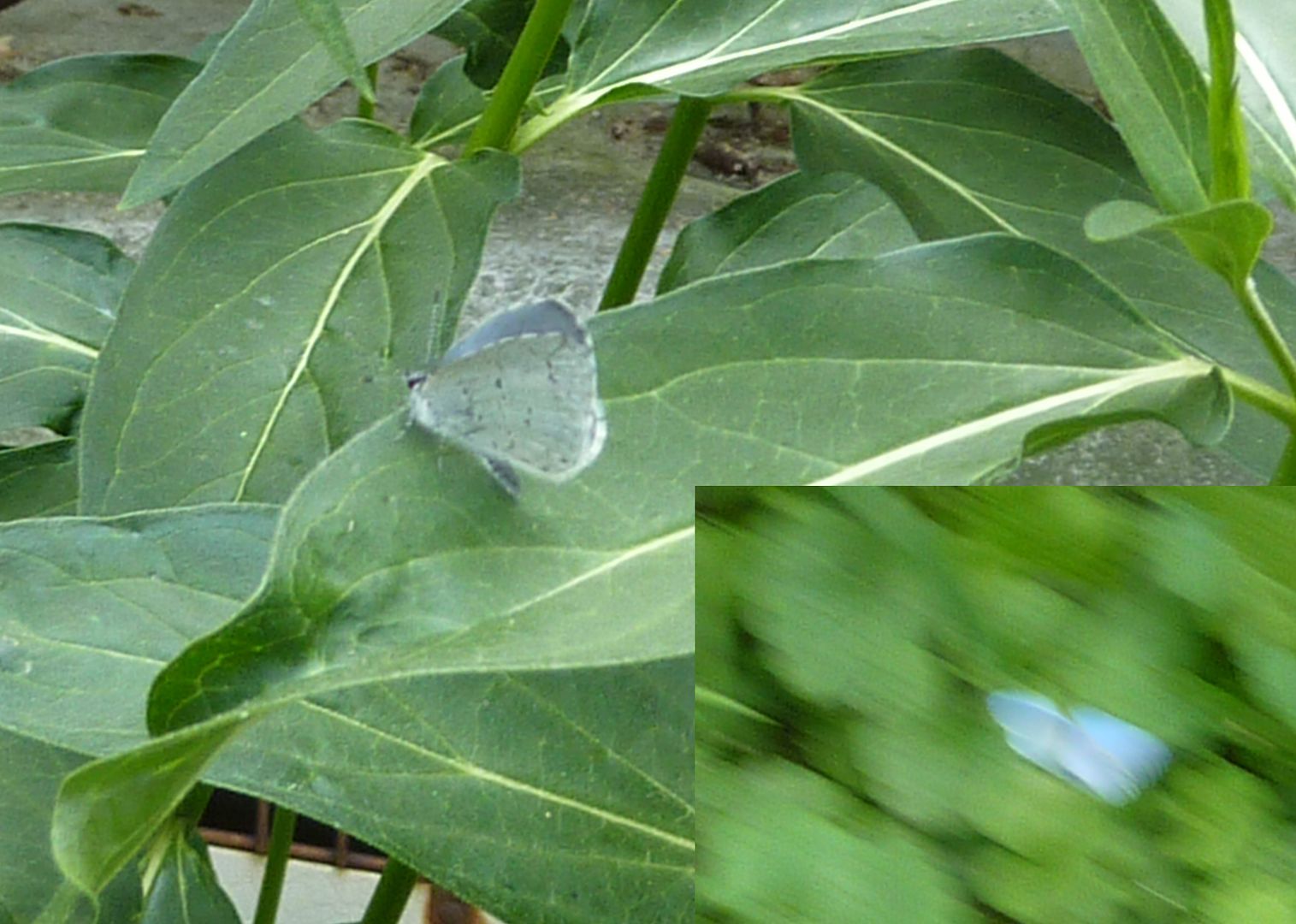
Azures Butterfly. This little jewel doesn't do itself justice when sitting nicely. Upon flying and flapping it's wings the shimmering baby blue color really shines.
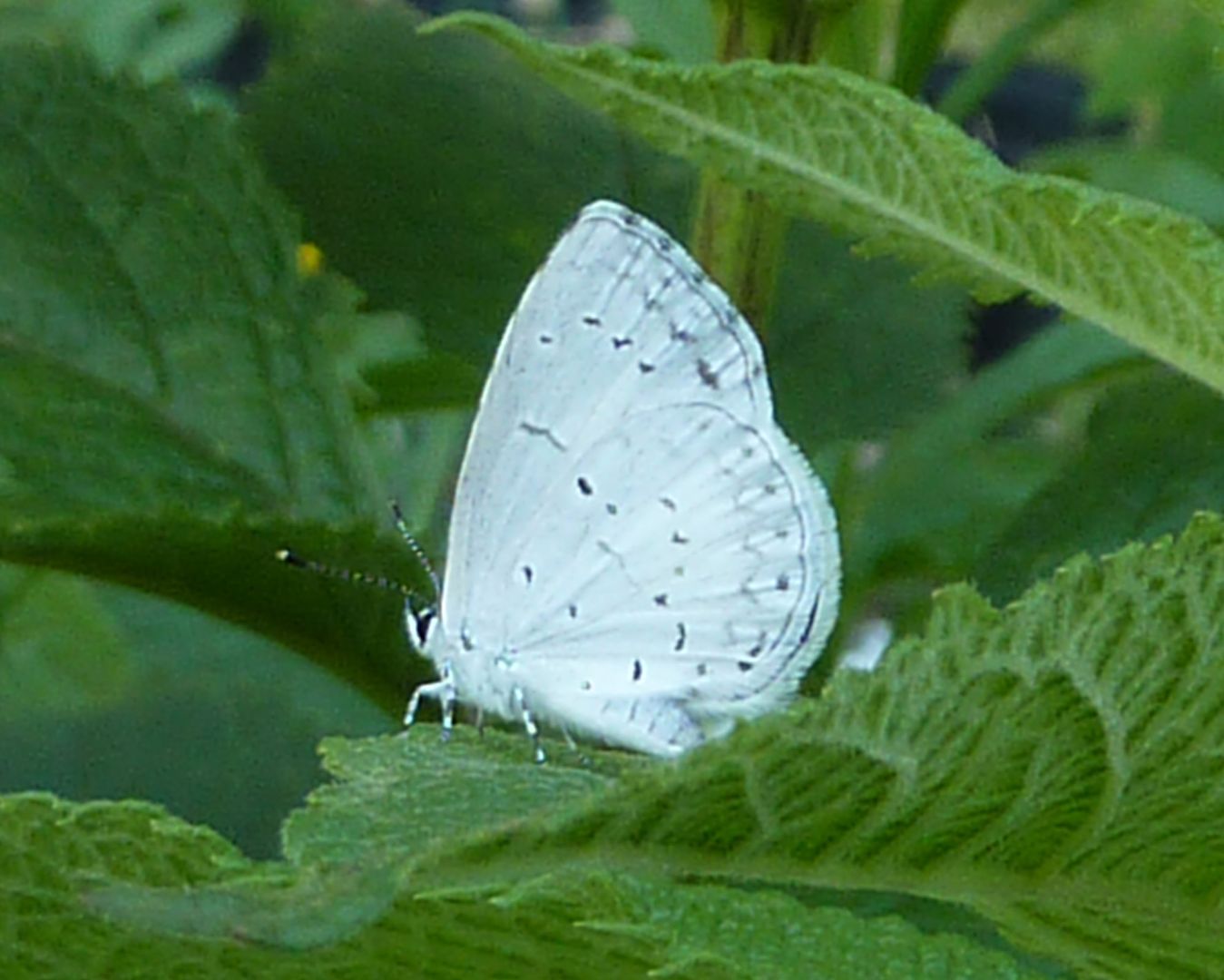
A White Azures Butterfly. Related to the above. 
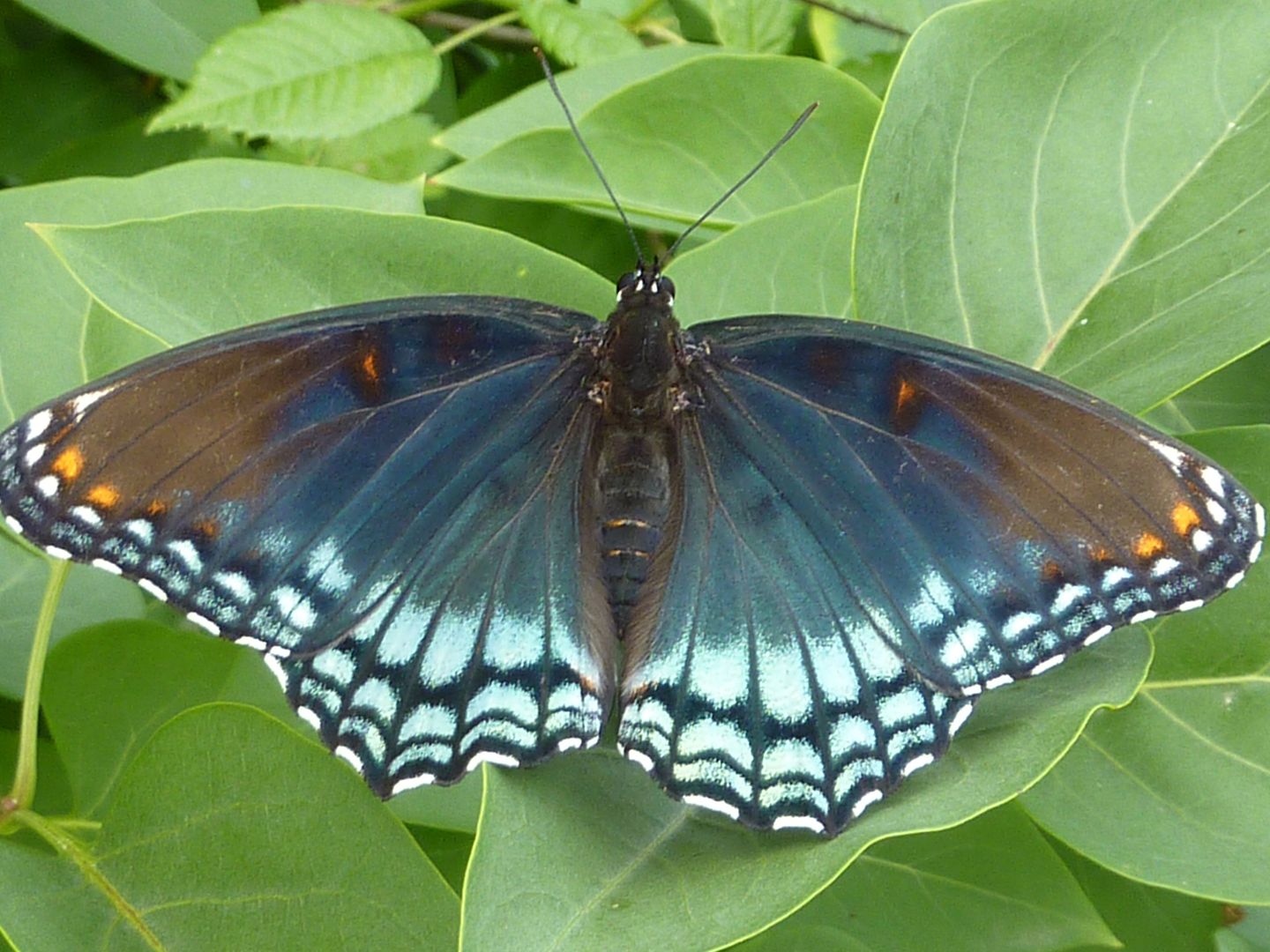
Red Spotted Purple.
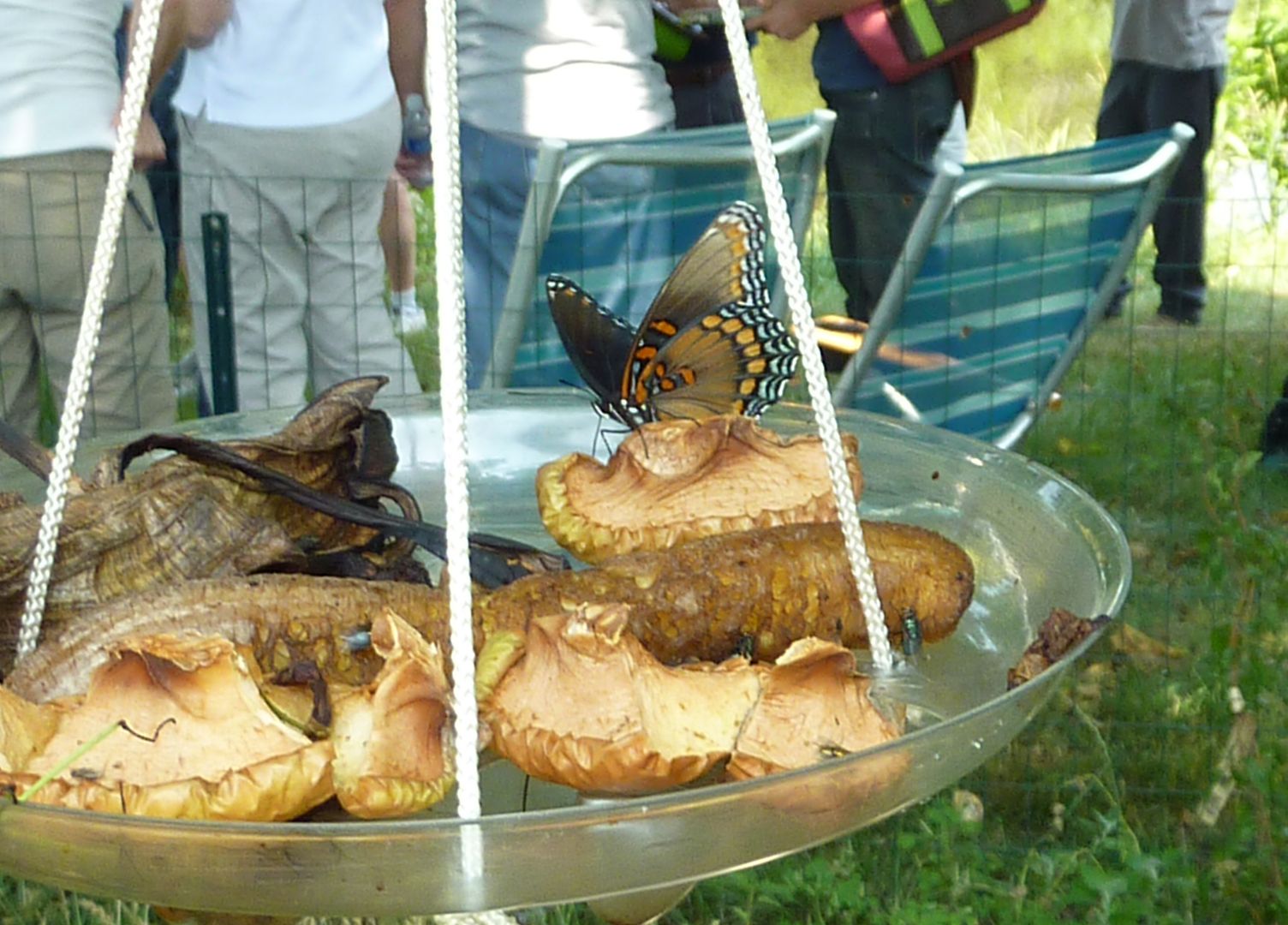
Red Spotted Purple feeding on rotten fruit.
Eastern Comma, Polygonia comma, wings open.
Eastern Comma, Polygonia comma, with the wings closed.
Red Spotted Purple, Limenitis arthemis. This is one of those black swallowtails that are easy to get confused with other species like the Pipevine, Spice Bush, and Black Swallowtails. To confound the matter worse this species has a white stripped called the White Admiral. The Eastern Tiger Swallowtail female can also have a black form.
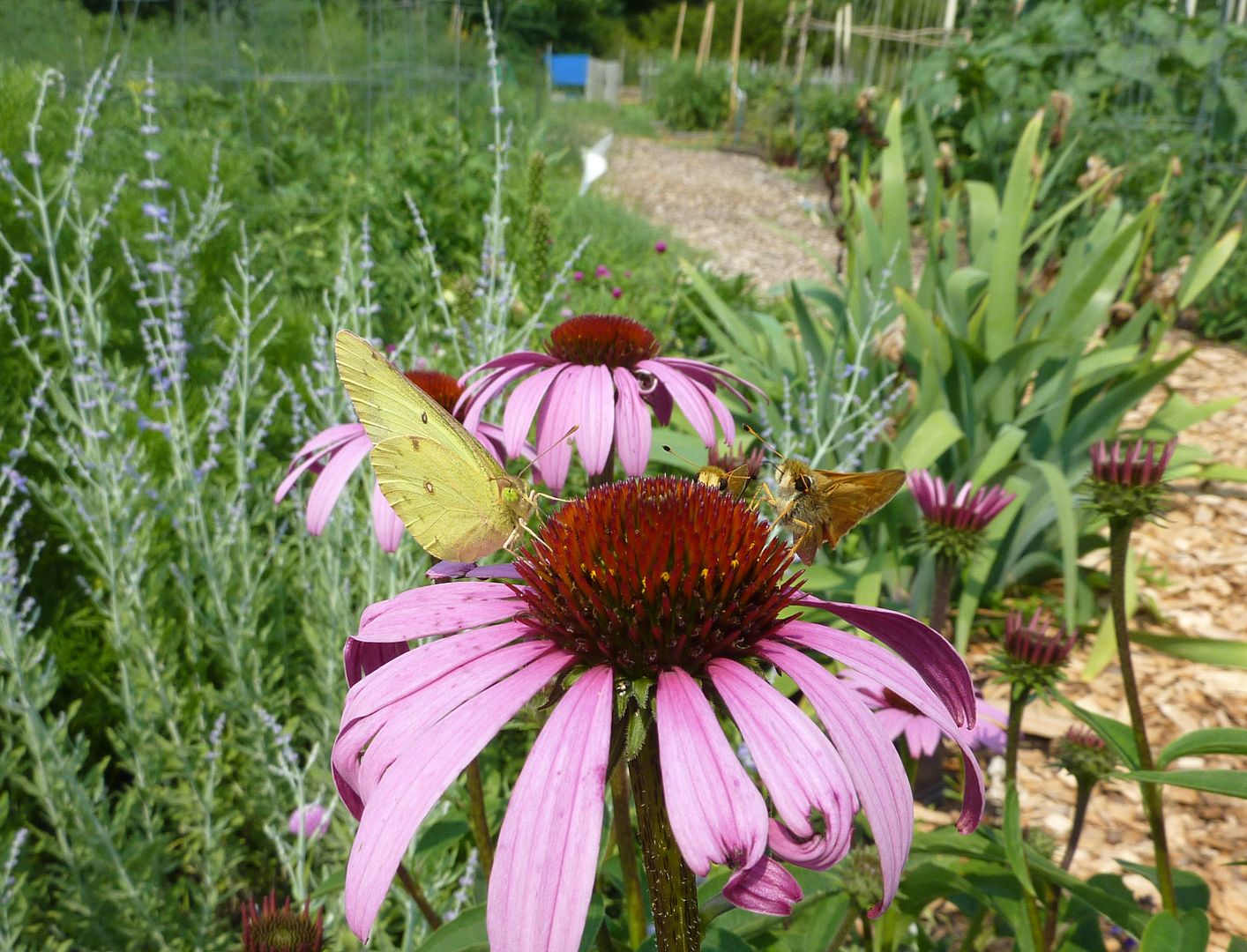
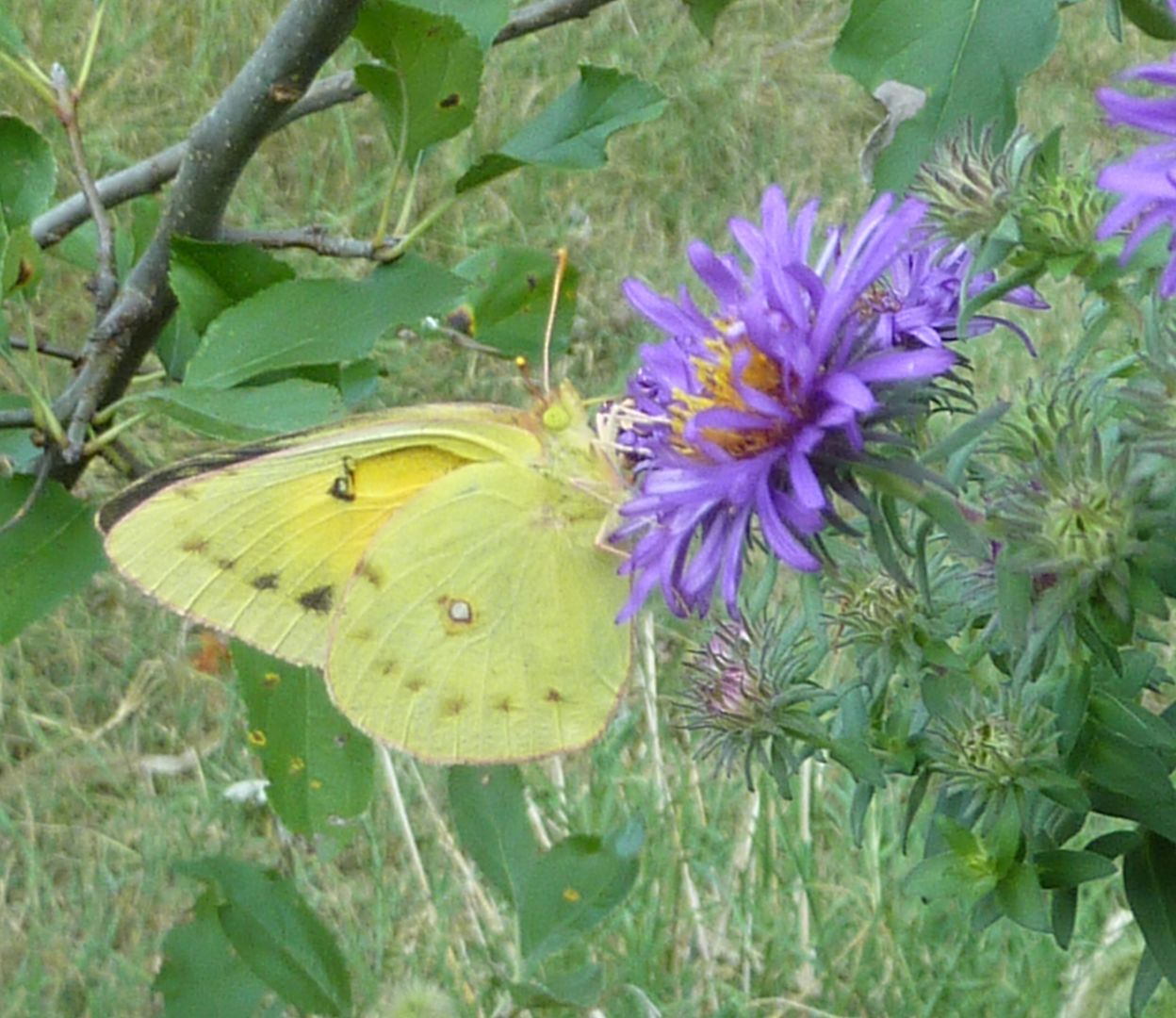
Cloudless Sulphur, (I think) Phoebis sennae. Or maybe the Clouded Sulphur, Colias philodice. Anyhow a Sulphur butterfly on a purple coneflower.
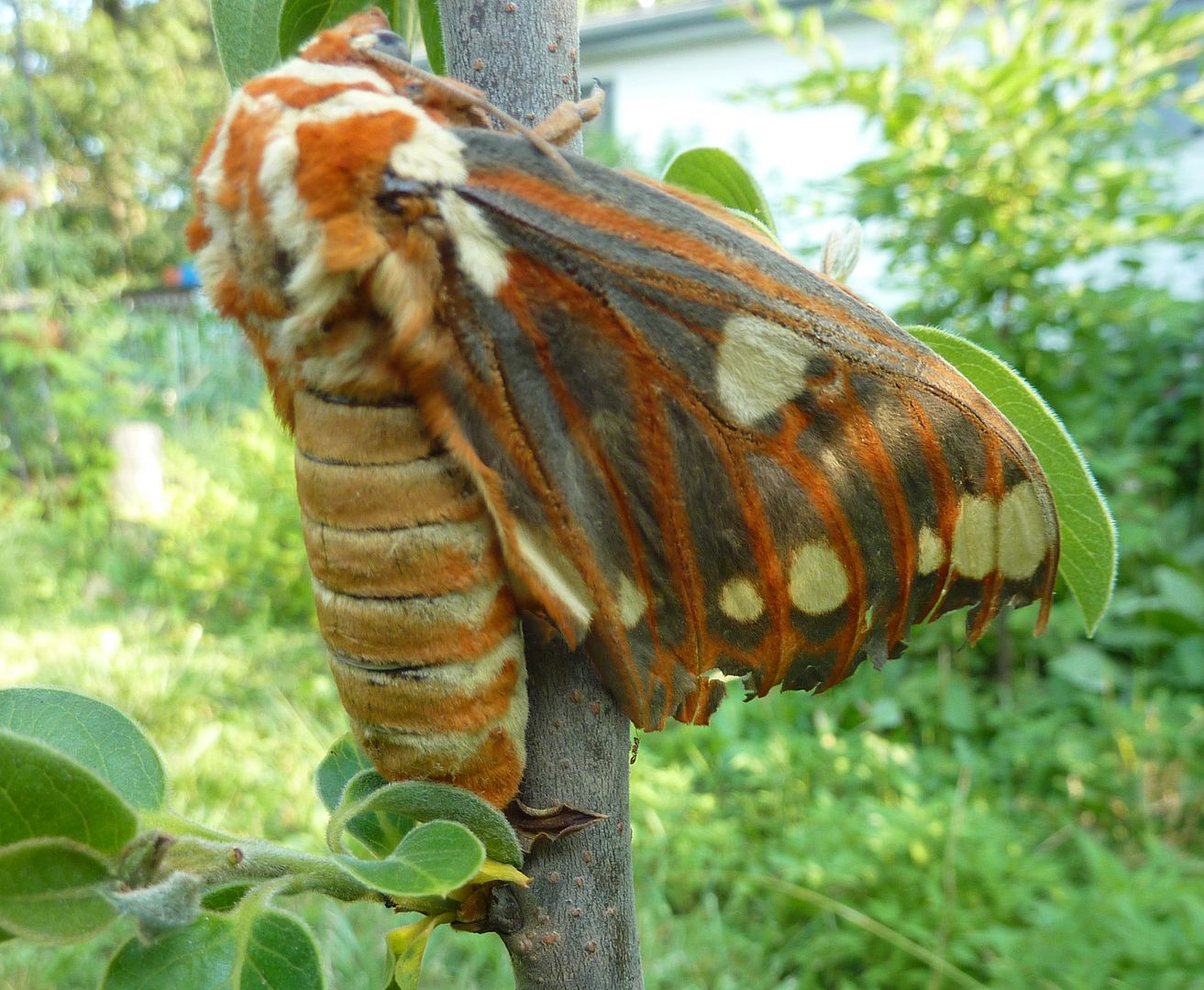
Regal Moth, Citheronia regalis. The caterpillar also has a common name as the Hickory Horned Devil for it's enormous size (up to 7 inches!) and long bright red claw-like horns protruding just behind the head.

Also note the incredibly small Acorn Ant just below the wing on the branch.
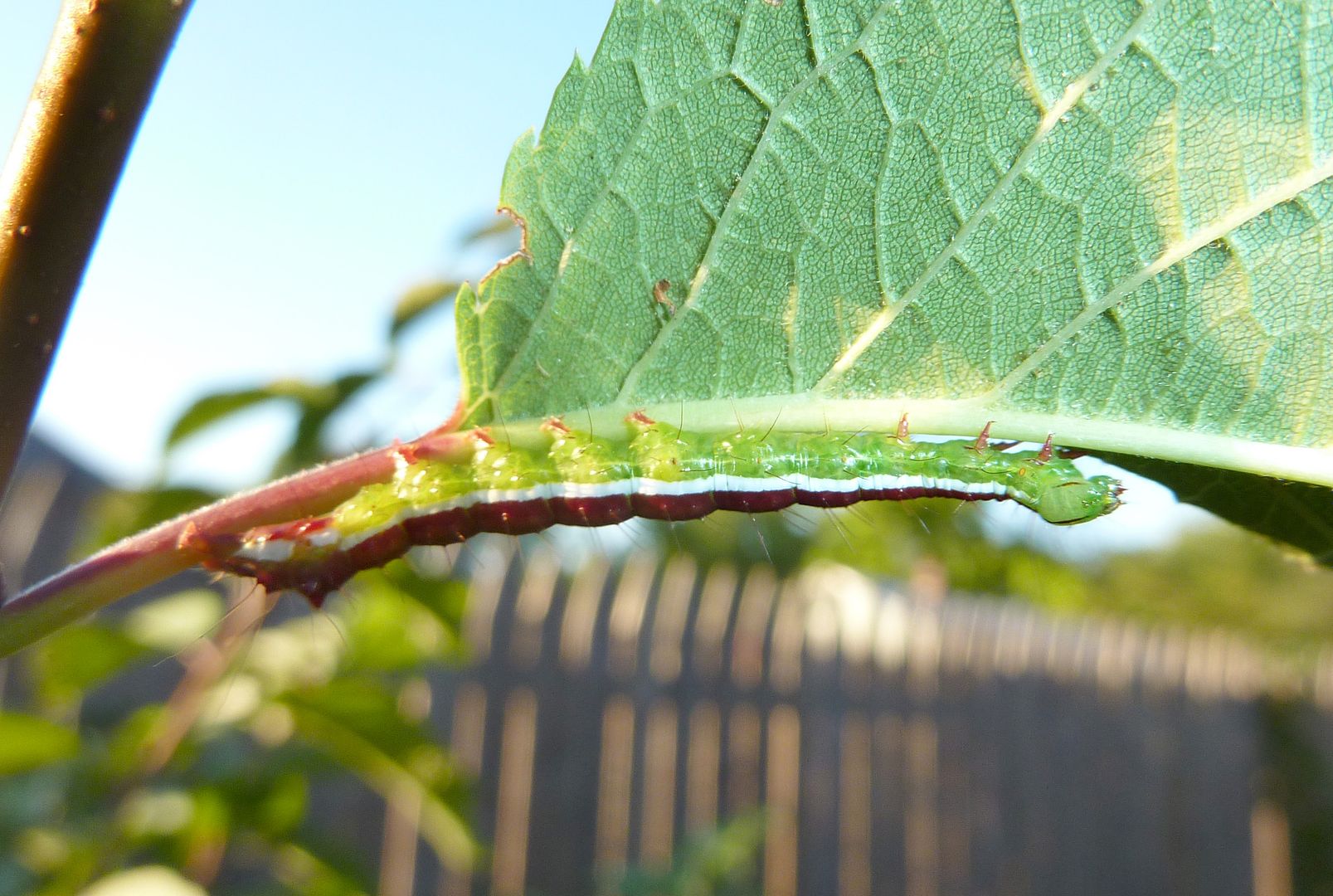
I've no idea what this is but it's another caterpillar on my native plum tree.
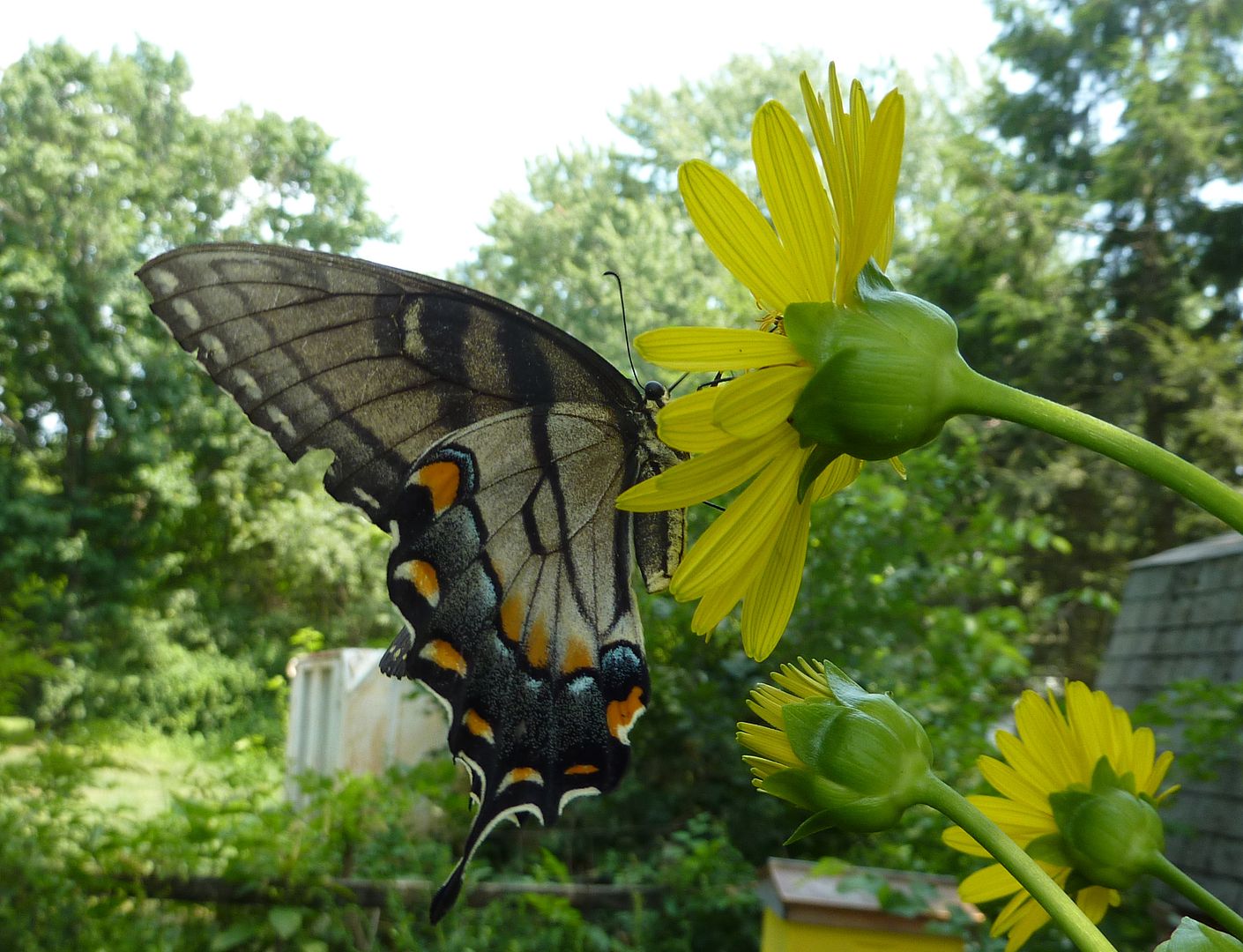
Tiger Swallowtail, Papilio glaucus.
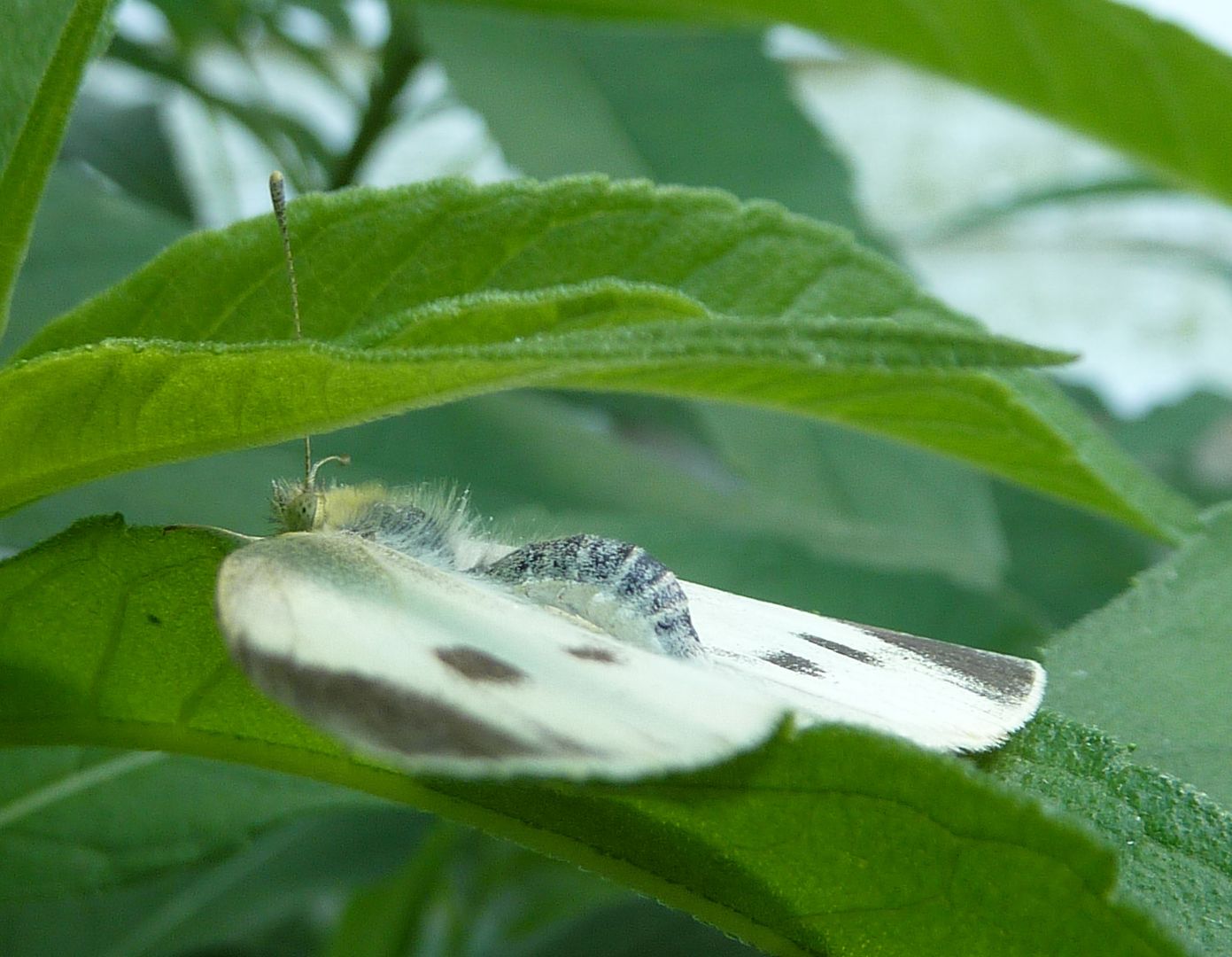
Cabbage butterfly, Pieris rapae. I've herd this common butterfly called an invasive import. While I'm not certain on the invasive part, I am certain on the imported part. It's hard to call something invasive when it's host plant (Brassica sp.) isn't native to this continuant.
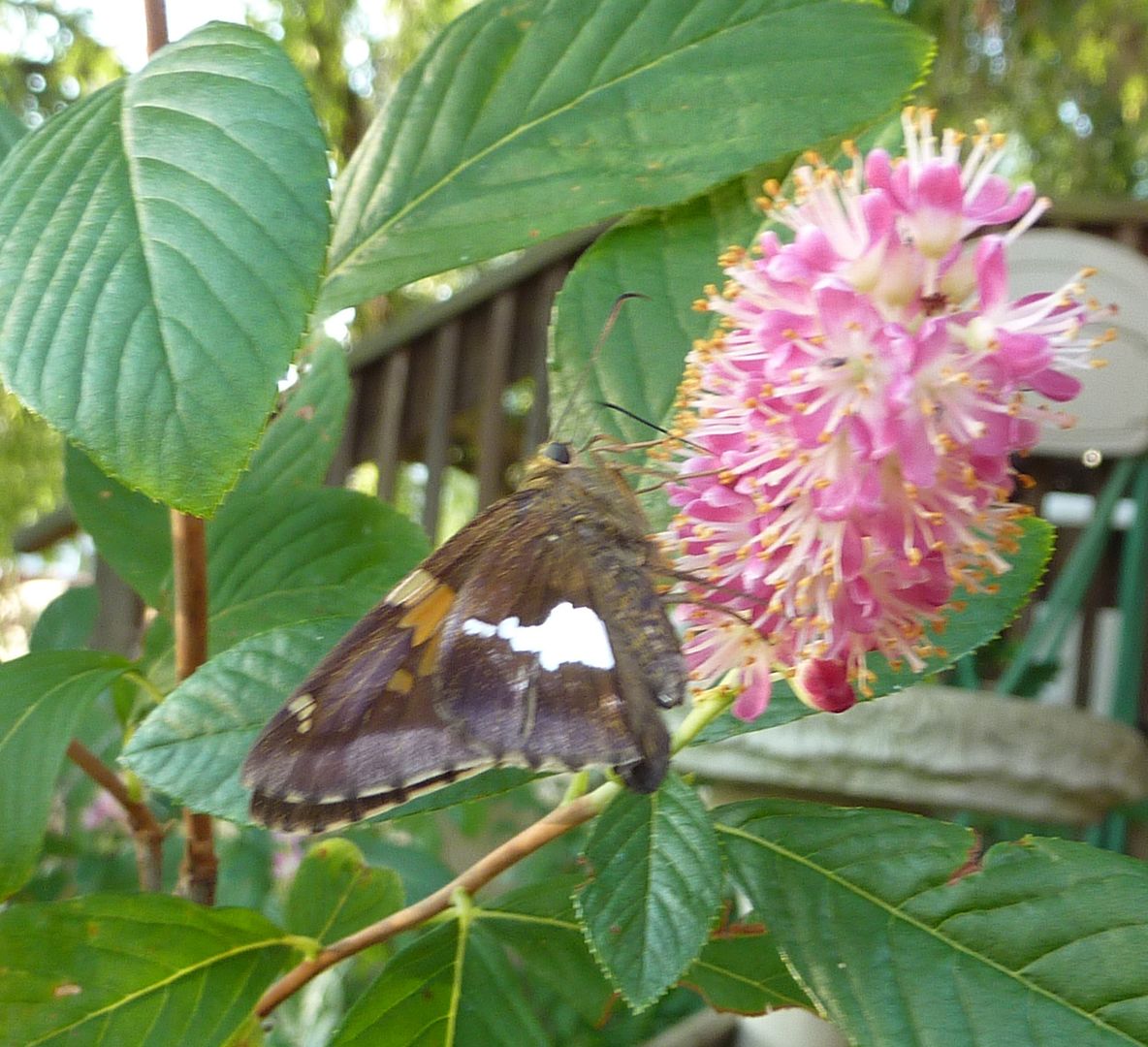
This is the Silver Spotted Sipper, Epargyreus clarus. I'm highlighting this one because I find skippers to be boring. The dominant species(s) here are all plane brown little things. While I don't find them annoying I think the absence of bright colors makes them bland. The Silver Spotted one though is much larger and actually has color. I'd admit though I've seen orange and yellowish skippers, but they're not common here. The Silver Spot at least makes this species easy to recognize.
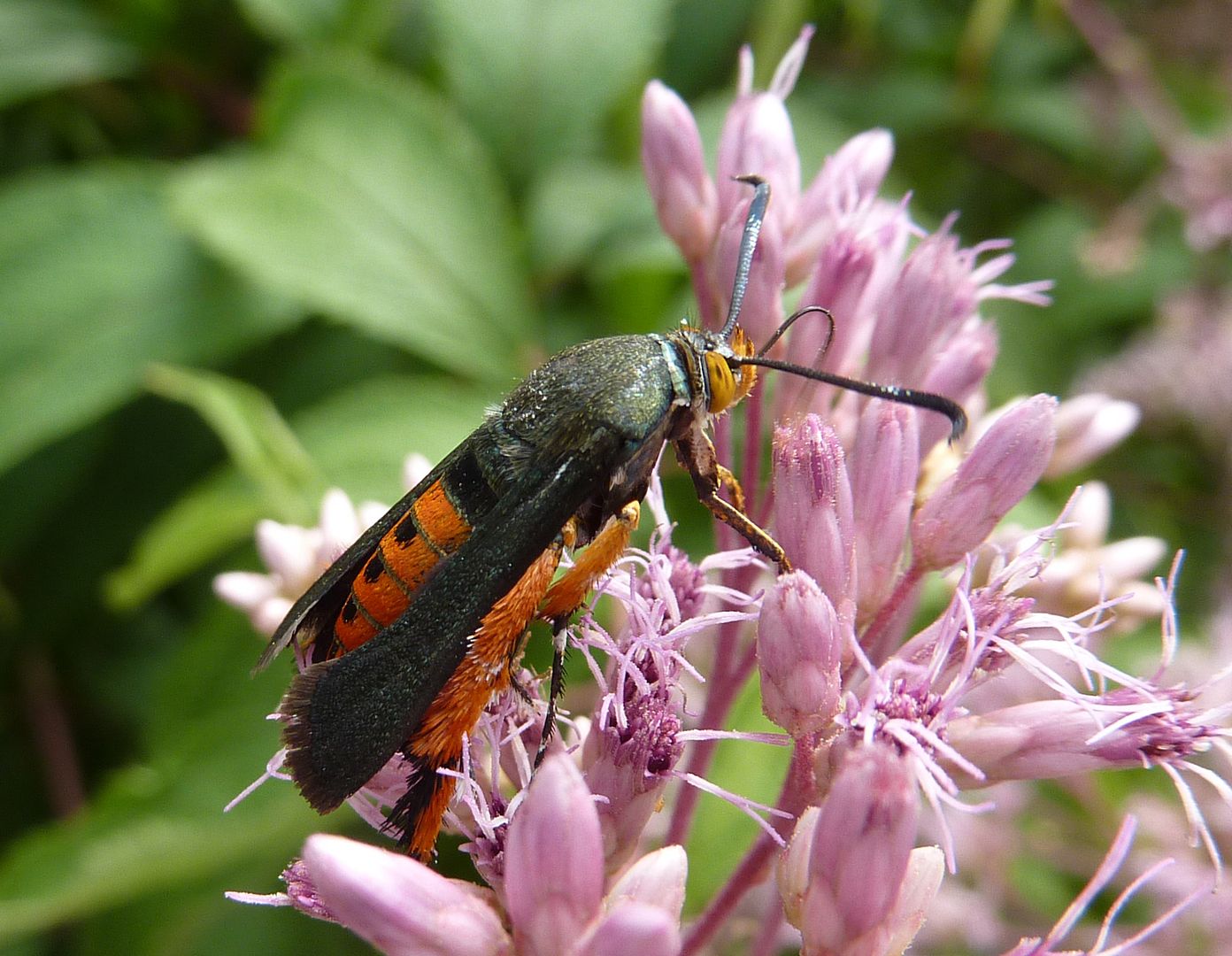
The Squash Borer Moth, Melittia cucurbitae. This is a wasp mimicking moth that flies during the day time. The host plant is anything in the squash family, namely pumpkin, cucumber, zucchini, musk melon (cantaloupe in America) gourds and so on.  
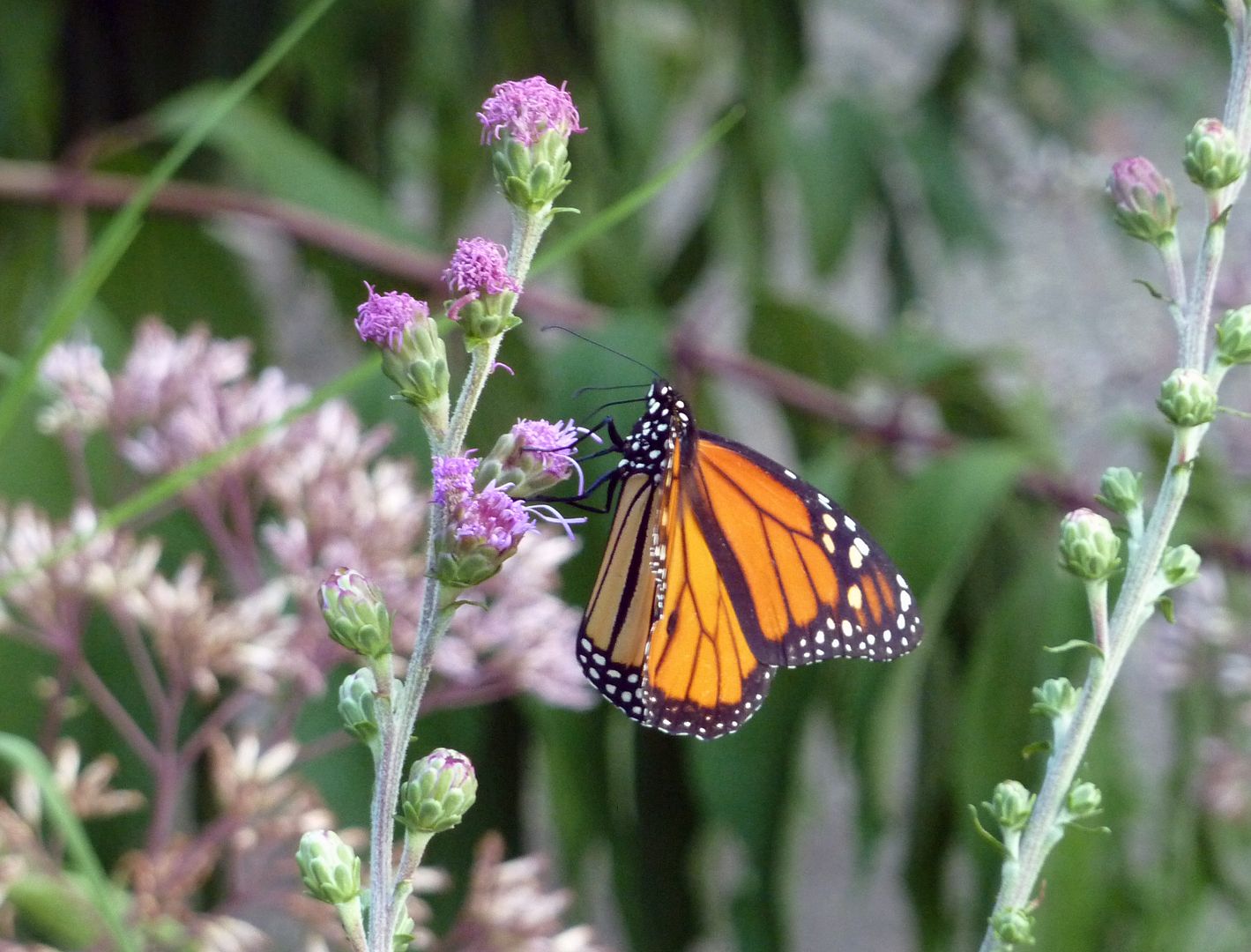
Monarch Butterfly, Danaus plexippus.
Polyphemus Moth, Antheraea polyphemus. I found this female just moments after she'd finished mating behind work. What I believe was the male was scurrying up a building, flapping his wings to help clime to his exit. I collected the female by simply her in my car thinking, as I'd read in books, I could later put her in a paper bag and she'd lay some eggs. Well what books don't tell you is the laying of eggs has nothing to do with the paper bag, it's a response to being in darkness. She started laying eggs the moment she found the space between the driver's seat and the car door.
Beautiful shell like Polyphemus eggs.
Monarch Caterpillar nibbling on some Milkweed.
Polyphemus caterpillars. I tried rearing them in captivity. Sadly that didn't work out. It seems young caterpillars like to wonder and quickly escaped the enlarged enclosure I put them in. If I get another chance to rear them I'll have to separate them into smaller groups first and work up that way.
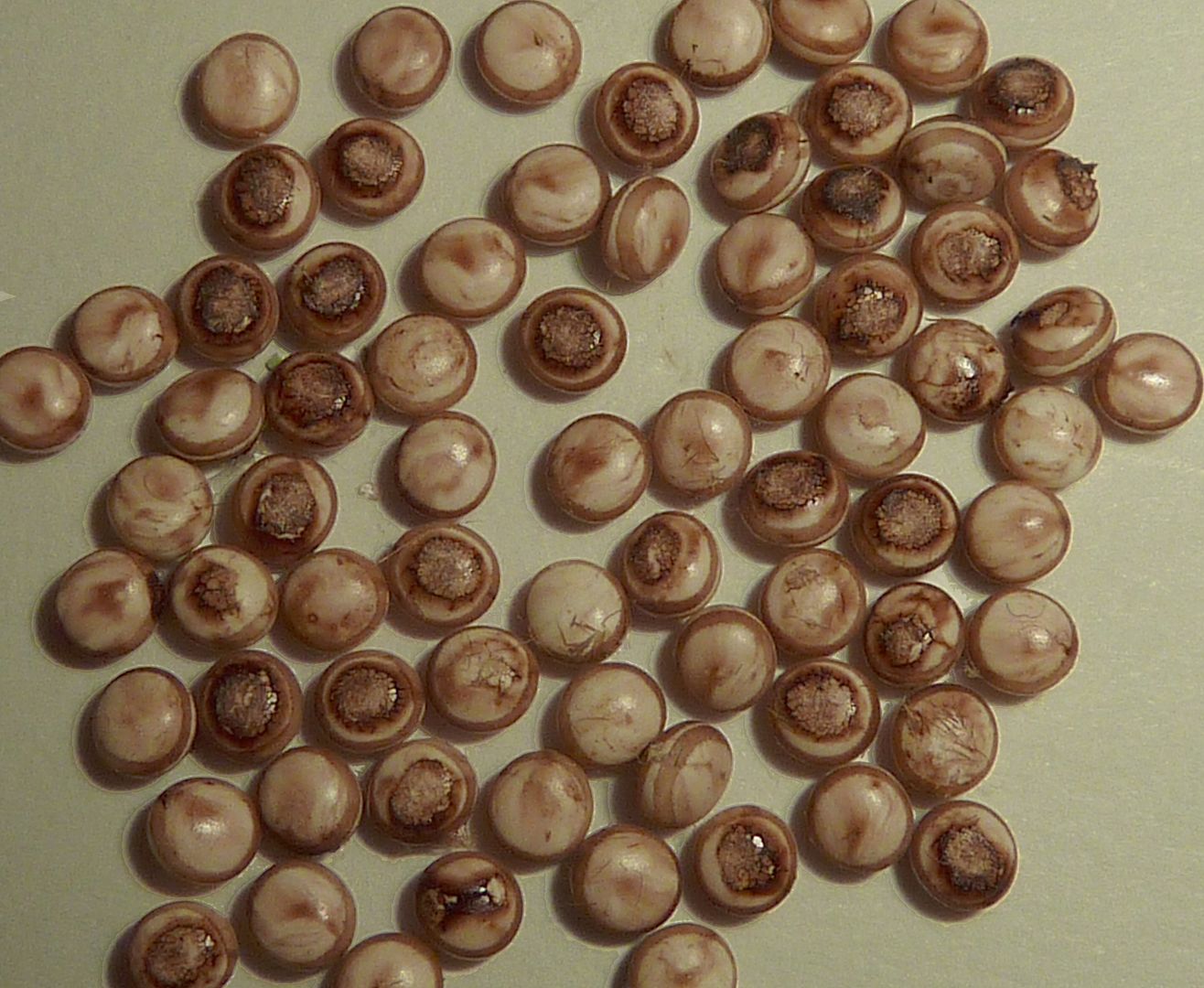
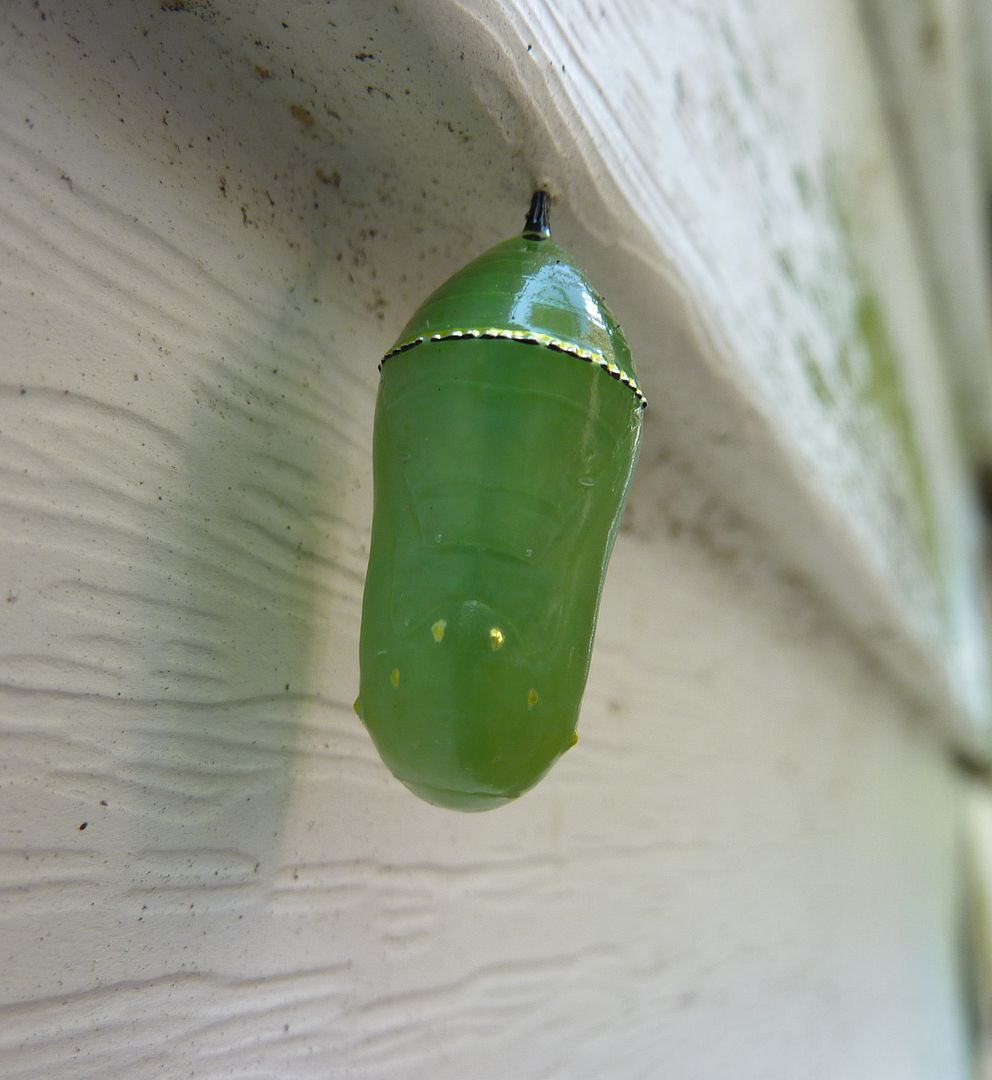
Monarch Crystals
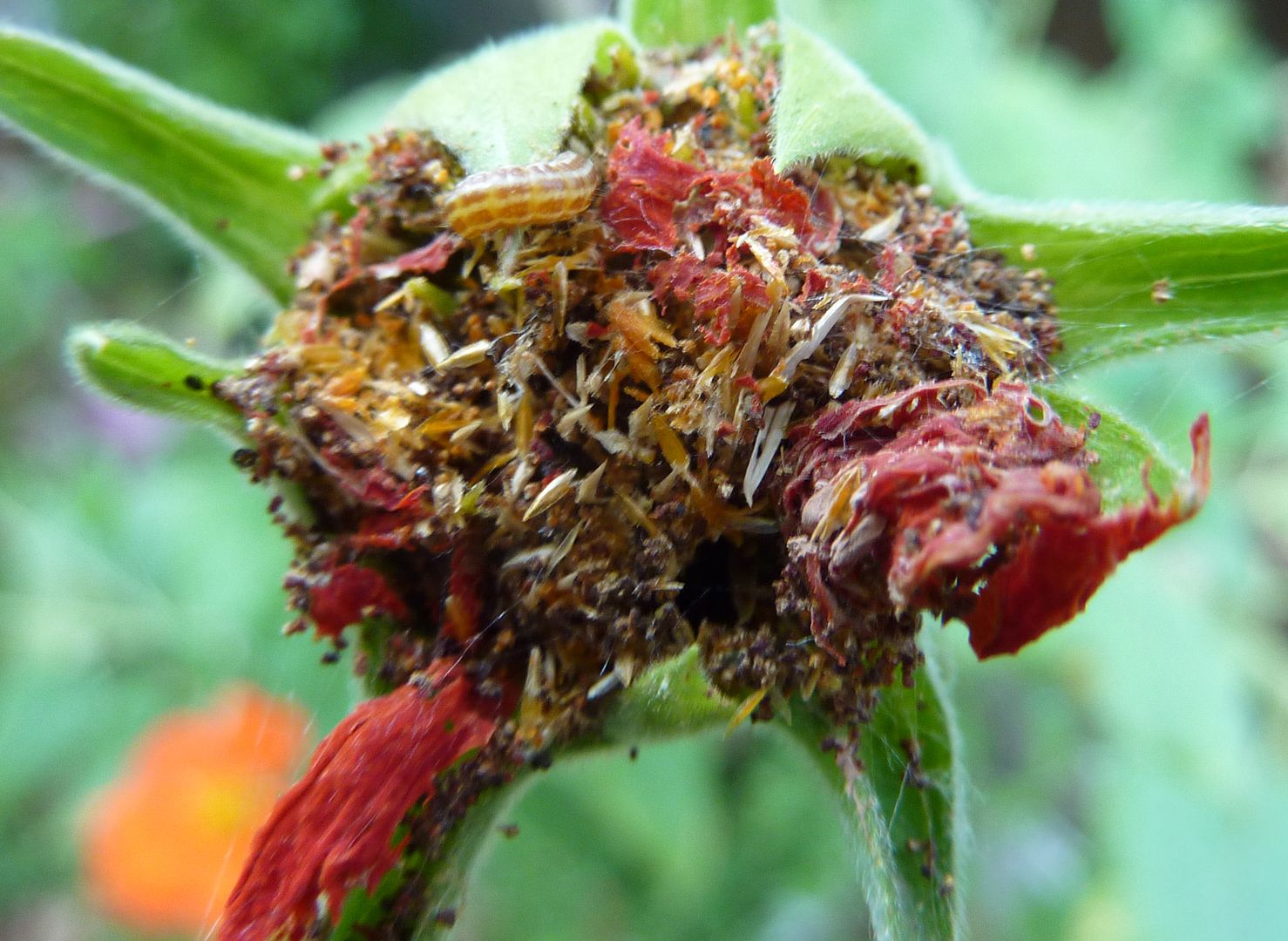
Some type of caterpillar crawling out of a sunflower.
Some type of caterpillar (same as above?) nibbling on a Mexican Sunflower head. What's neat is Mexican Sunflowers aren't native to most of the U.S. And yet they are the host plant to something.
Now I think this is a Clouded Sulphur, Colias philodice.
Common Buckeye, Junonia coenia. This is amazingly pretty with all the fake eyes. Normally the eyes on the wings are to scare off birds... but this one seems to be mimicking a monster only found in the nightmares of birds the world over.
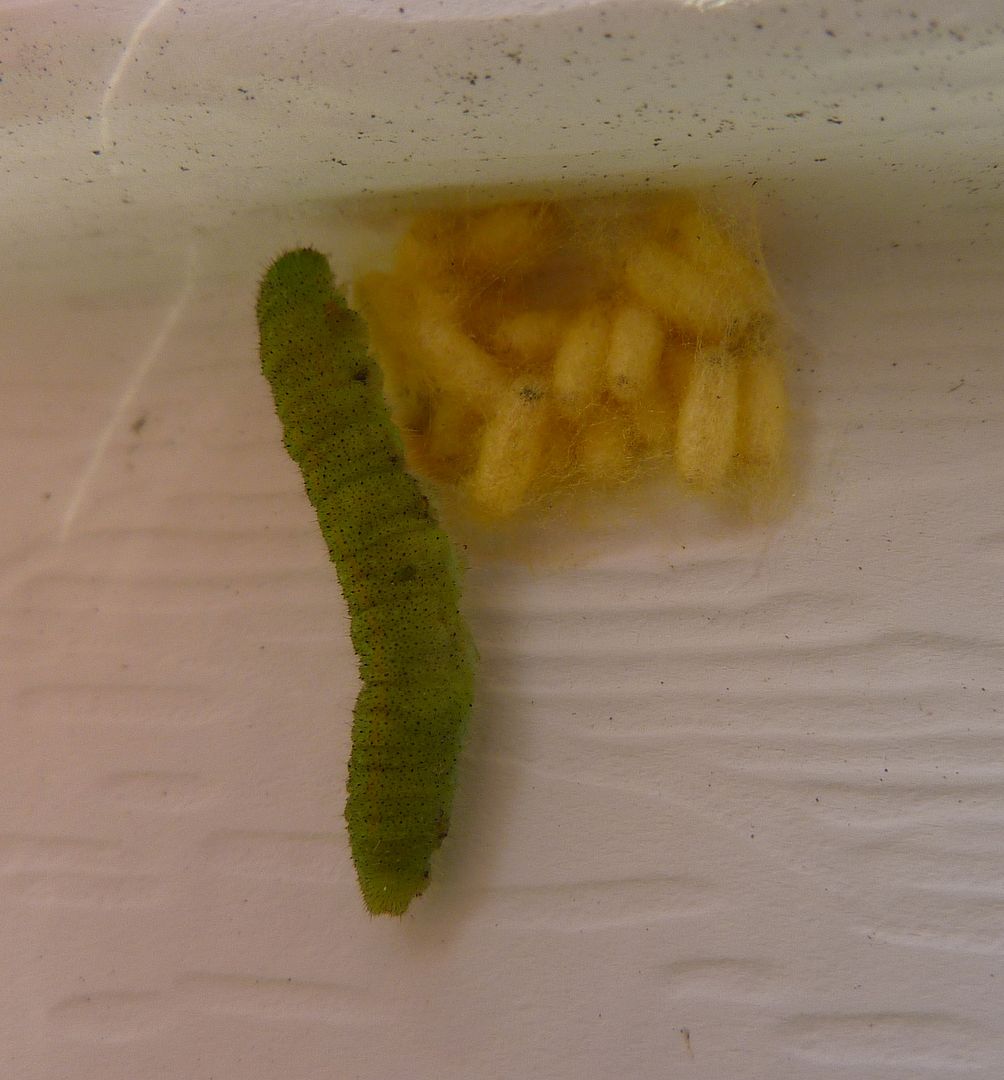
Parasitized caterpillar. The inhabitants of these cocoons chewed their way out of the caterpillar's body.
Bicolored Sallow, Sunira bicolorago. I think.
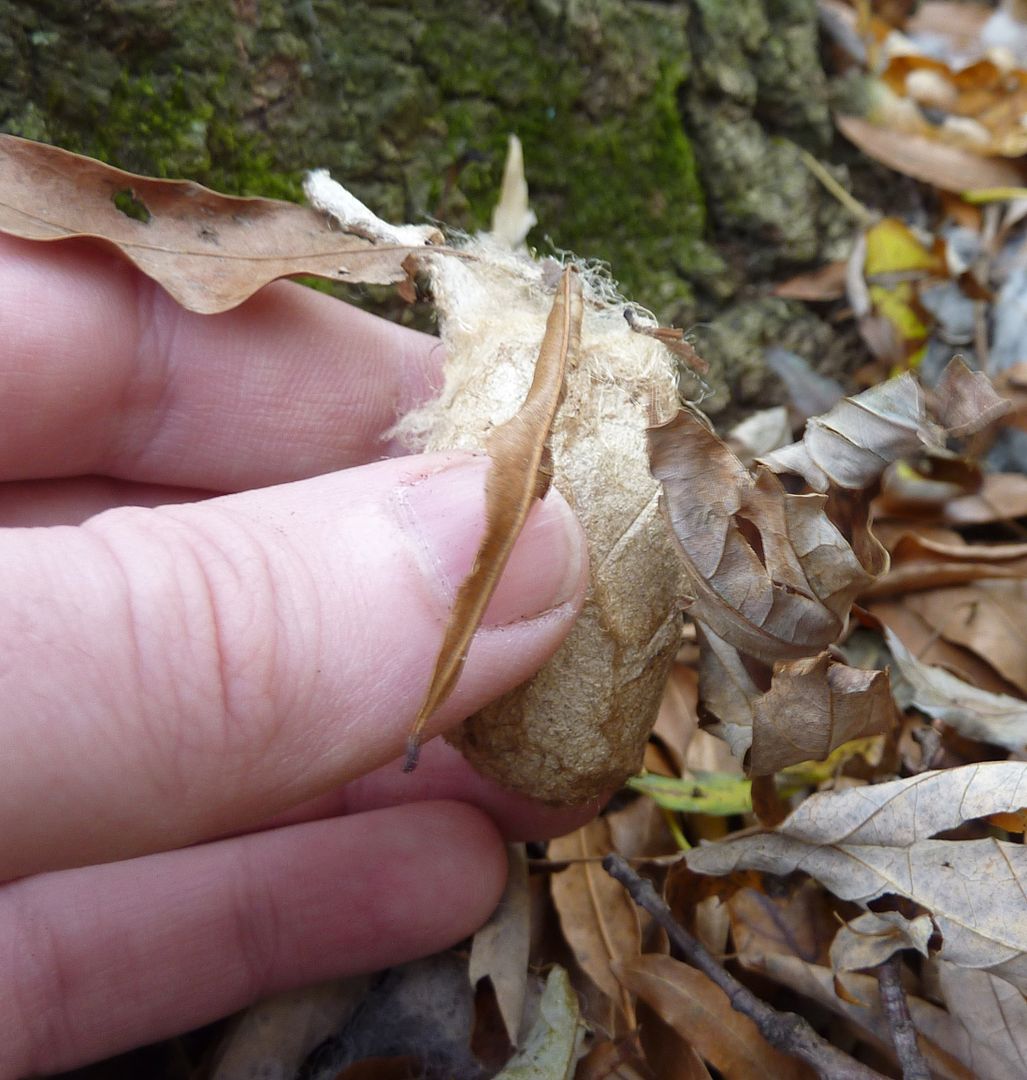
Cocoon to a Polyphemus Moth. This egg shaped cocoon is as hard as a rock and really hard to see among the leaf litter to their host plants.

Sunday, April 18, 2010

Question Mark Butterfly

Just over my fence there's a patch of "forest" consisting of maybe 10 trees and lots of bushes and shrubs growing wildly under them. A naturally occurring blanket of violets form the ground cover, a few old hardwoods I haven't identified, and the famed Black Cherry Tree (one of the best plants for birds and wildlife in North America!) grows there. It's a patch that divides everyone's property and no one wants to take responsibility for it. That may be a good thing but there is an invasive or two mixed in like Japanese Honeysuckle.


One day I saw this little guy fluttering around just beyond our fence. I'd found one of these bright orange butterflies around my yard last year about this time. It had over wintered as an adult in our compost pile. They're very fast and I wonder why the common name isn't comet. This was my second chance to get a picture which could have been better. 

In fact I believe this is the Question Mark Butterfly, related to the Eastern Comma Butterfly. The Comma gets it's name from one of the spots in the shape of a comma , I think the Question Mark is the common name just to fit that theme unless you count the green for the The Riddler

Host plants include American Elm (Ulmus americana), Nettles, and Hops which may help dad think differently about the butterfly garden. Caterpillars to all species in this group are thorny and probably best left alone. As long as they don't eat the Hop flowers (which is what you want for the beer) I say leave them be or move with care.

I found this one sunbathing against some sandy soil and the trunks to some pine trees. They don't normally visit flowers, they like rotting fruit much more. Recently posted on the Wildlife Gardeners Forum was this article on Butterfly Feeders. The secrete to a good butterfly feeder seems to be getting the bananas to the consistency of gruel. Yum.

Tuesday, February 16, 2010

Competitive Butterfly Gardening

I swear there has to be one master company that takes all the seed catalogs and distributes them so I get two a day or something. I've been steadily getting them in it makes me wish some were at least printed on biodegradable paper so I can compost them. It might be nice digging through the garden years later only to come across an article of some plant I might buy.

I might not be annoyed by this if these catalogs weren't all selling the same plants. It leads me to believe there's a company somewhere selling affiliate programs to various old ladies who always wanted to open their own nursery. Actually the issue here is a complete lack of diversity. There used to be 500+ varieties of corn growing in this country but then industrial farming came along and we're down to a few dozen.

I see a lot of catalogs putting pictures of butterflies (usually fake or edited in) but this is more to highlight what the adults feed on. Flowering plants need insect pollination... do go on. It would be funny if they started editing in pictures of humans next to the edible plants to show what people eat.

I don't see to many people marketing the butterfly host plant angle and that's a shame. Butterfly Gardening has almost become competitive ever since Tallamy's Book "Bringing Nature Home," which I try to frequently promote here.


Milkweed for the Monarch is so last year. Though Asclepias purpurascens is still on my list. Wild Senna for the Cloudless Sulphur, and Dutchman's Pipe Vine for the Pipevine Swallowtail are in. Wild Senna is a plant that has pores on it that produce nectar intended to feed ants. The ants come and crawl all over the plant. Most ant species will limit the caterpillars ability to move about the plant and some ant species may even eat the caterpillars.

It took me forever to find someone selling Dutchman's Pipe! Brushwood Nursery came through in the end and sells a number of other native vines too. Pipevine Swallowtail aren't very colorful but the caterpillars over winter as a crystals and hatch out in the spring. So they're an early treat.

Spice Bush is another one to plant, to get Spicebush Swallowtail. The plants are male and female plants. You'll need a male to get berries on the female plant. The berries feed birds in the winter time and otherwise look nice. If you don't get berries then Oh well, the plant will grow fine. The Spicebush Swallowtail Butterfly also isn't very colorful but the caterpillar actually mimic snakes, that are 3 inches long and completely harmless.

Basically caterpillars are probably the top food item being fed to baby birds. If your yard supports 20 or so species of caterpillars you probably fed a family of birds over the summer time.

So when you're looking through those gardening catalogs, always try to go native.