I saw a "meme" the other day... Basically it's a single picture usually with a sentence or caption to convey a quick thought. This one showed a whole bunch of different types of flowers and most of them had an X over them because they weren't native. This was intended to tell people to plant native plants for pollinators over nonnatives. But there was no rhyme or reason to what they'd crossed out. The only two they hadn't crossed out was the New England Aster and Sunflowers, and while these were the only two natives on the list, they hardly feed pollinators adequately through the year. I'd say the earliest either of them would flower was in July.
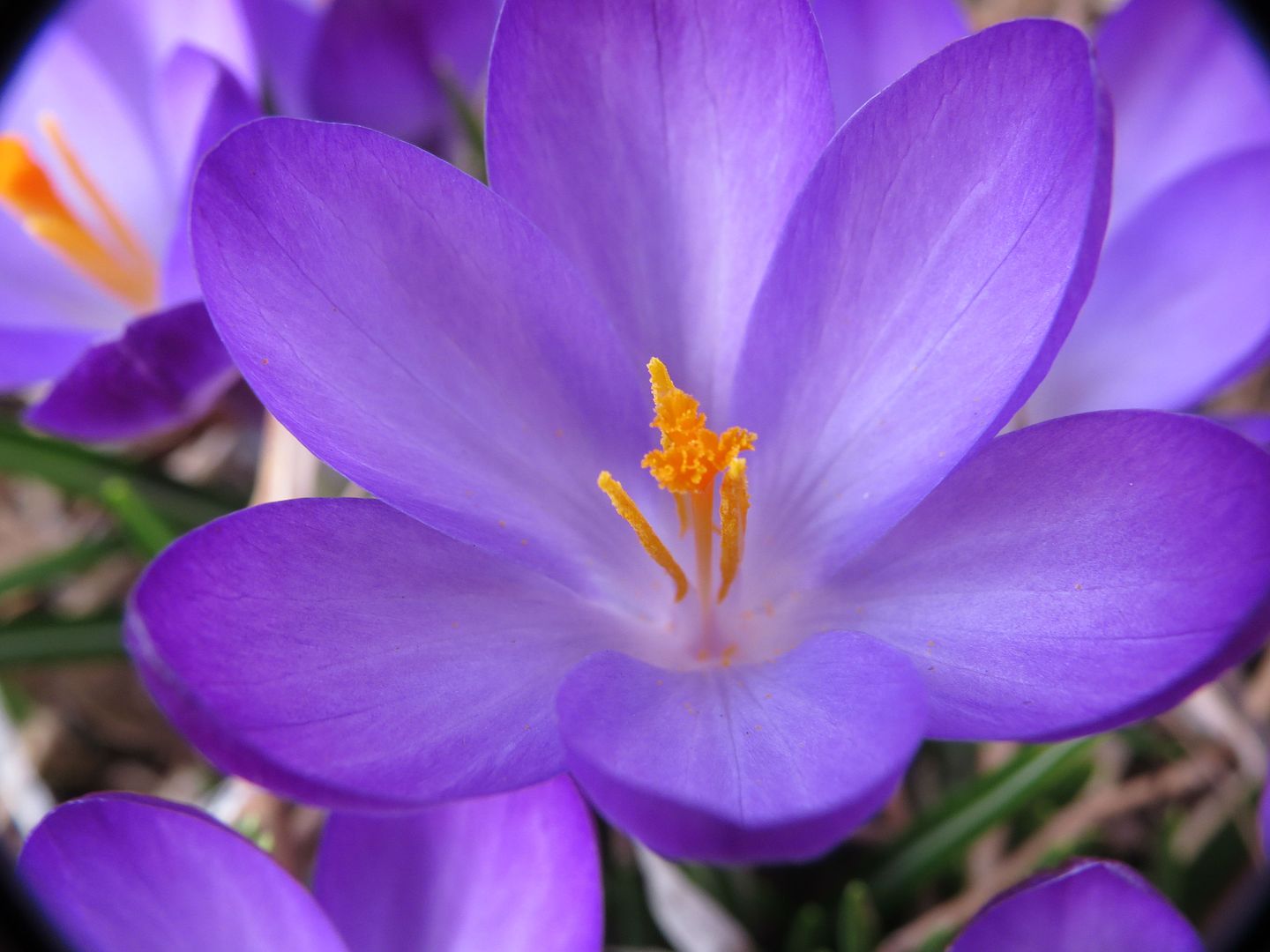
One of the plants crossed on was the Crocus. This is a nonnative bulb native to the mountains in northern Europe and Asia. To be perfectly honest, I don't know why they crossed it off. It's good to be a purest about natives and all but if your goal is pollinator diversity then surely planting anything that's pollinator friendly would work. What they should have done was listed a bunch of invasive plants with natives or even mixed flowers from around the world that aren't invasive and crossed out the bad ones.
Crocuses on their own are not invasive, barely reproduce by seed, and take forever to form a clump. What's more they're easier to grow and flower earlier than most of our native ephemeral. They're a bright source of pollen for honeybees on the warmer days of later winter into spring, and don't crowd out other plants. They can actually be planted right in your lawn and allowed to spread modestly. After flowering they form a low clump of grass that later dies back in the summer.
Natives blooming at this time are few and far between. Symplocarpus foetidus, Skunk Cabbage, is flowering out in the wetter parts of forests now but flies visit their foul smelling flowers more often than bees.
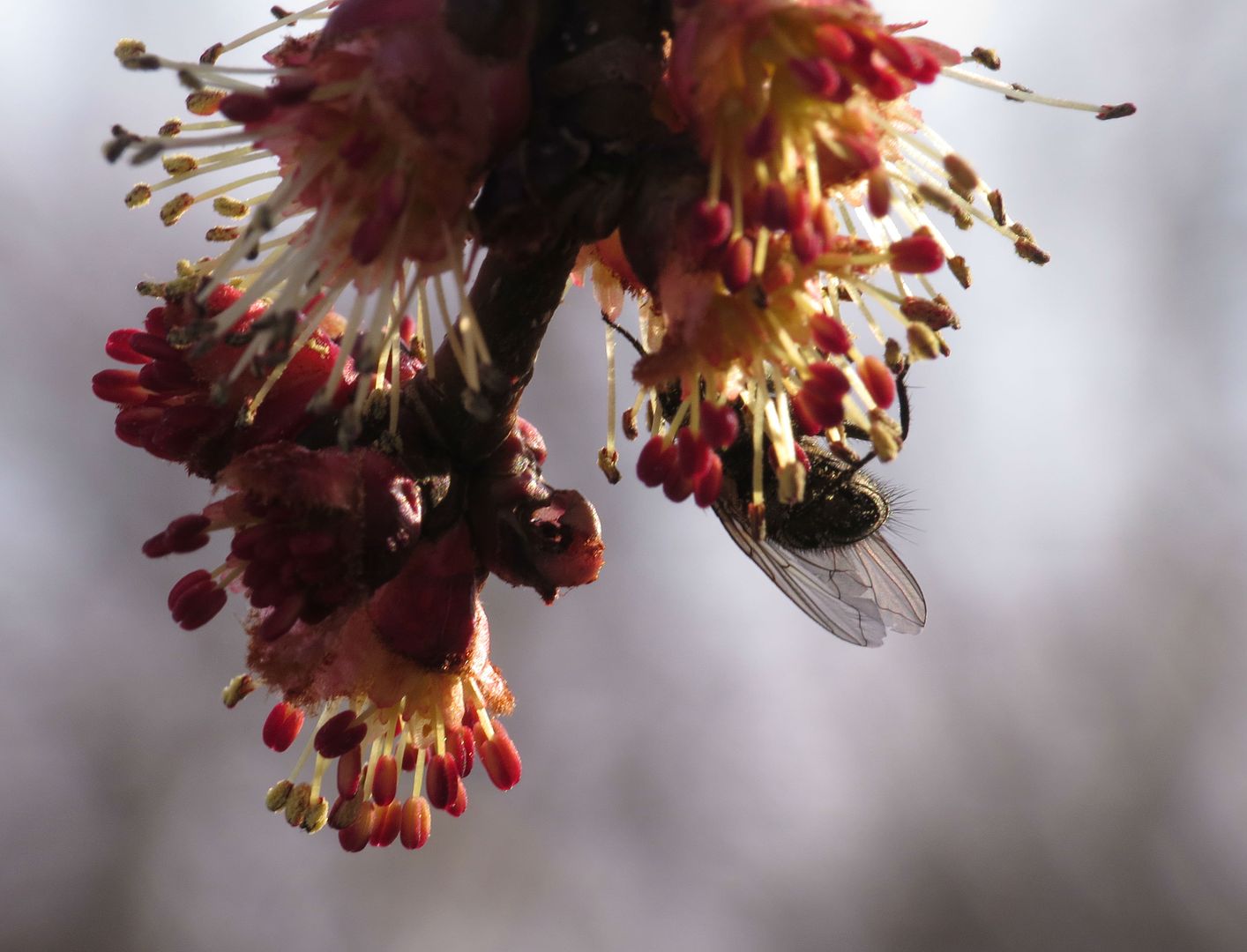
The earliest Maples, Acer sp, have also started flowering and will become the main source of early nectar in the coming weeks. Here I managed to find a common house fly pollinating the blooms on a low branch. There were a few bees about too but their images came out even worse than this one.
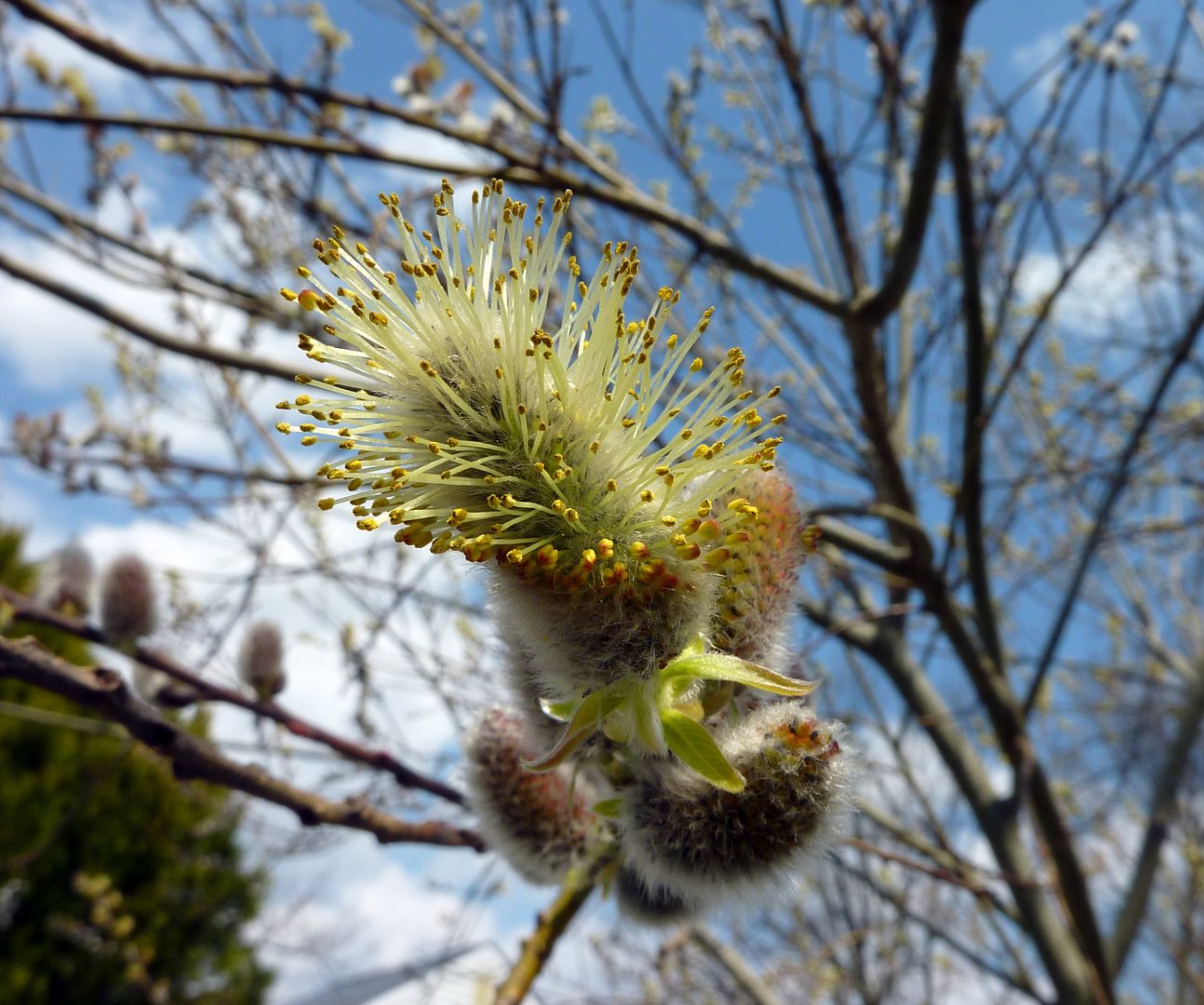
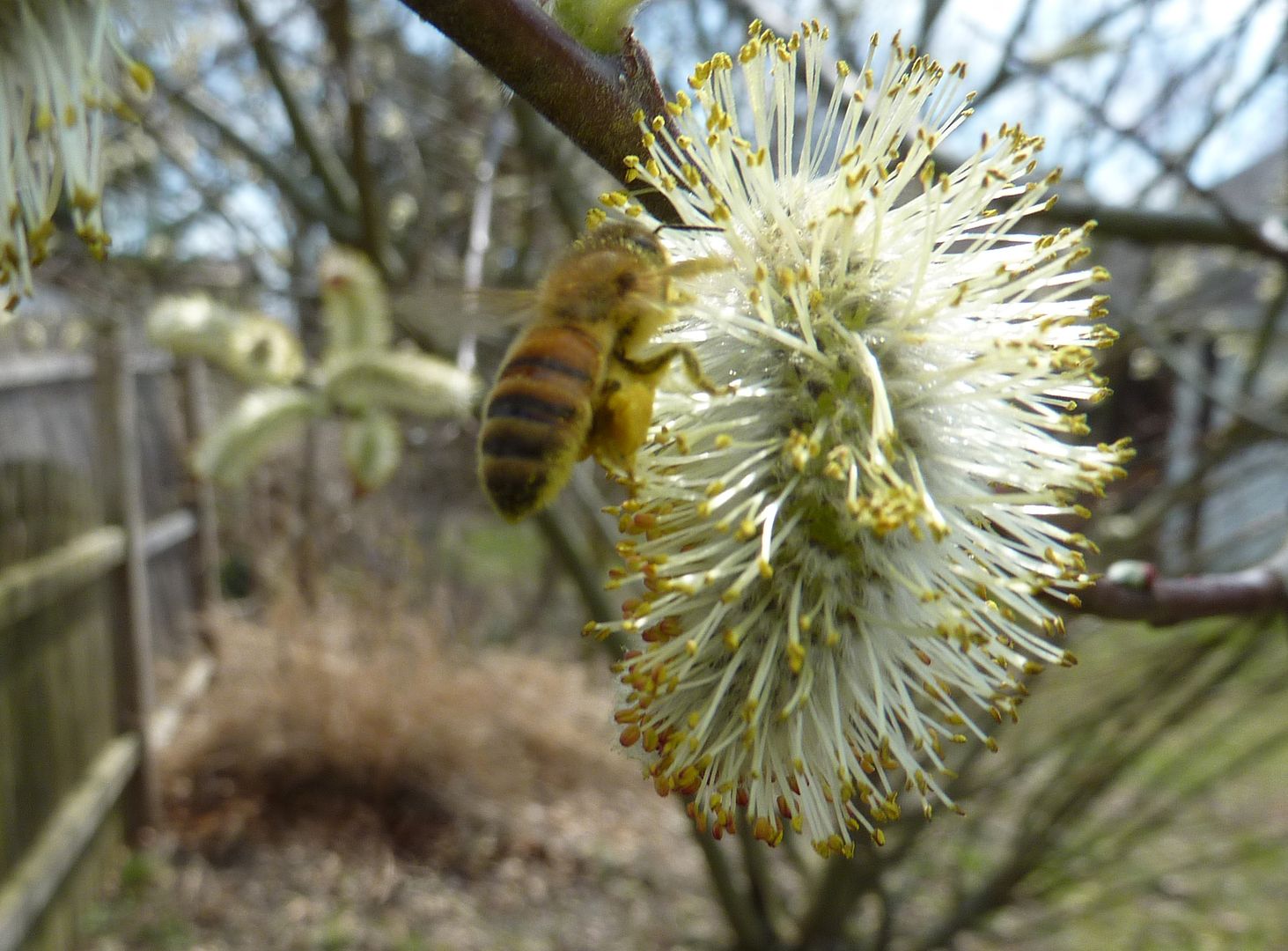
Willows, Salix sp, have also been flowering for a few weeks now but are only a source of pollen. Most shrubs in the genus are wind pollinated but insects can't help but collect it anyway.
So when it comes to pollinators we shouldn't be crossing plants off the list just because they're not native. The only ones that should be avoided are ones that are invasive, or perhaps double flowering and cultivated into sterility.
Native alternatives to Crocuses would be either Pasque flower (native to the mid-west) or Hepatica, but neither are flowering at this time as far as I know.
Showing posts with label Maple. Show all posts
Monday, March 24, 2014
Monday, April 1, 2013
Early Nectar and Pollen for Bees
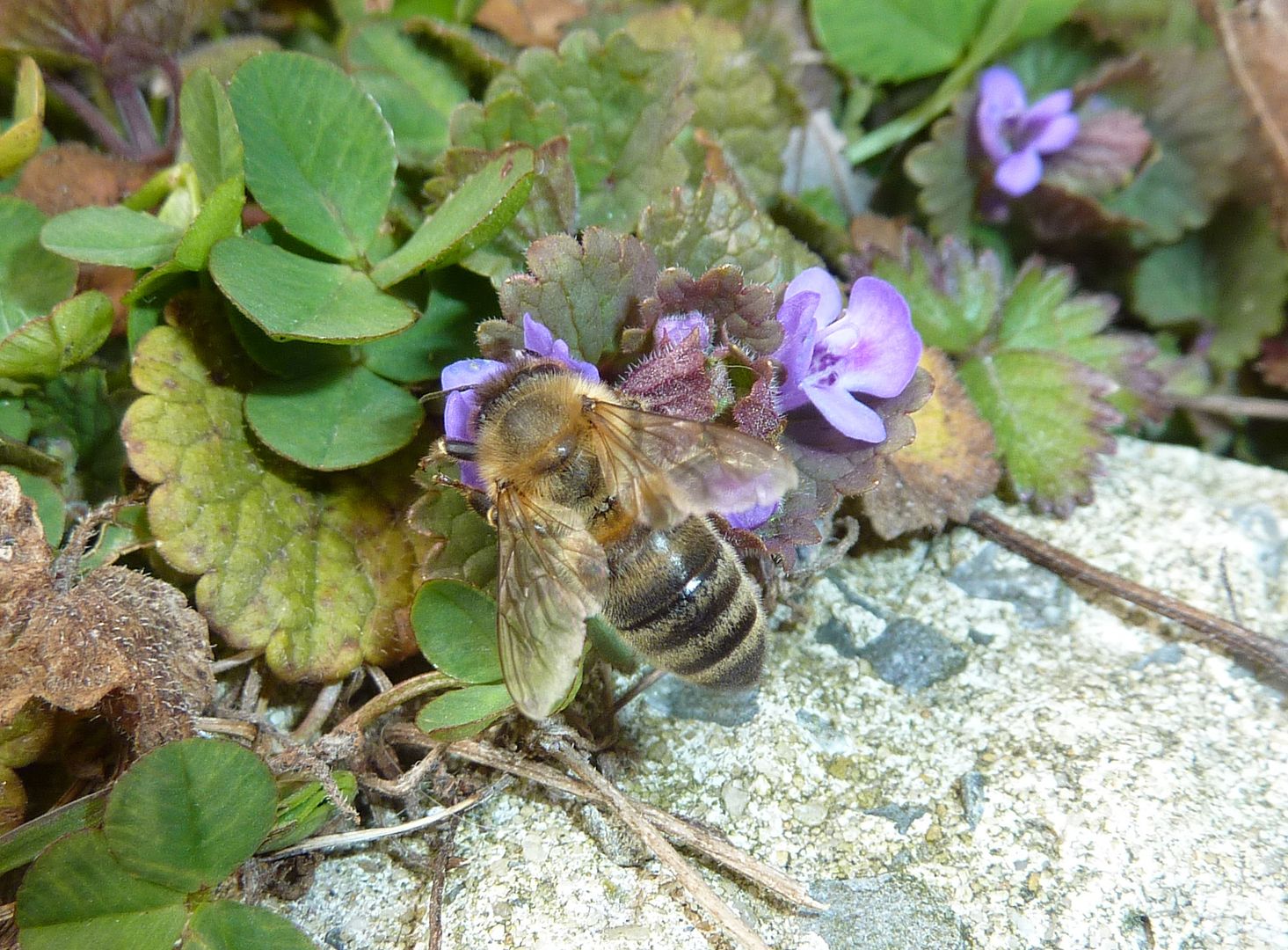
Alright, it's spring (he said tentatively). Even though the snow just melted, there's a surprising number of plants flowering. Creeping Charlie is among the earliest of our nonnative lawn weeds. Honeybees love this plant for nectar but to my knowledge it's an awful source of pollen. It's a fast spreading running weed, that's really easy to remove, but it's also in the mint family which is notorious for it's weediness.
Honeybees and other early pollinators were also buzzing around the Red Maples, Acer rubrum. Unfortunately most of the action took place up at the top of the tree, which is odd considering how windy of a day it was. Also in my walk around the neighborhood, I found Honeybees were more common around trees that were closer to my hives.
While Maples produce a good amount of pollen they're also balanced in producing nectar. However they were not the highlight of bee activity. That honor falls to the Willows.
Willow trees are wind pollinated and there are a number of them around the neighborhood. Pollen is important now because the queen bee is greatly expanding the size of the brood nest. All winter she'd held back to produce just enough bees to keep them warm.
The Willows were absolutely swarming with bees.
Some of them were becoming covered in pollen all over their bodies.
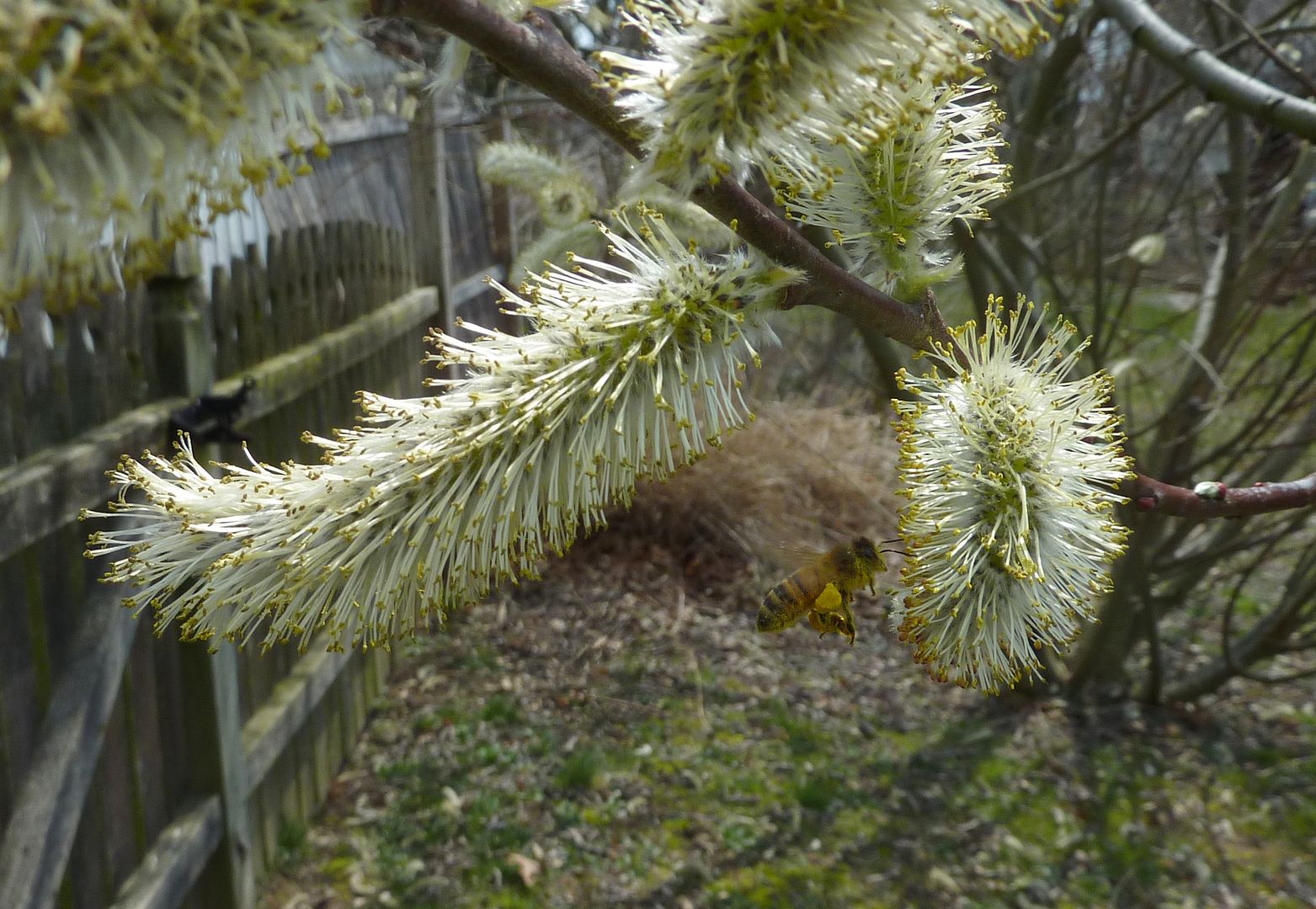
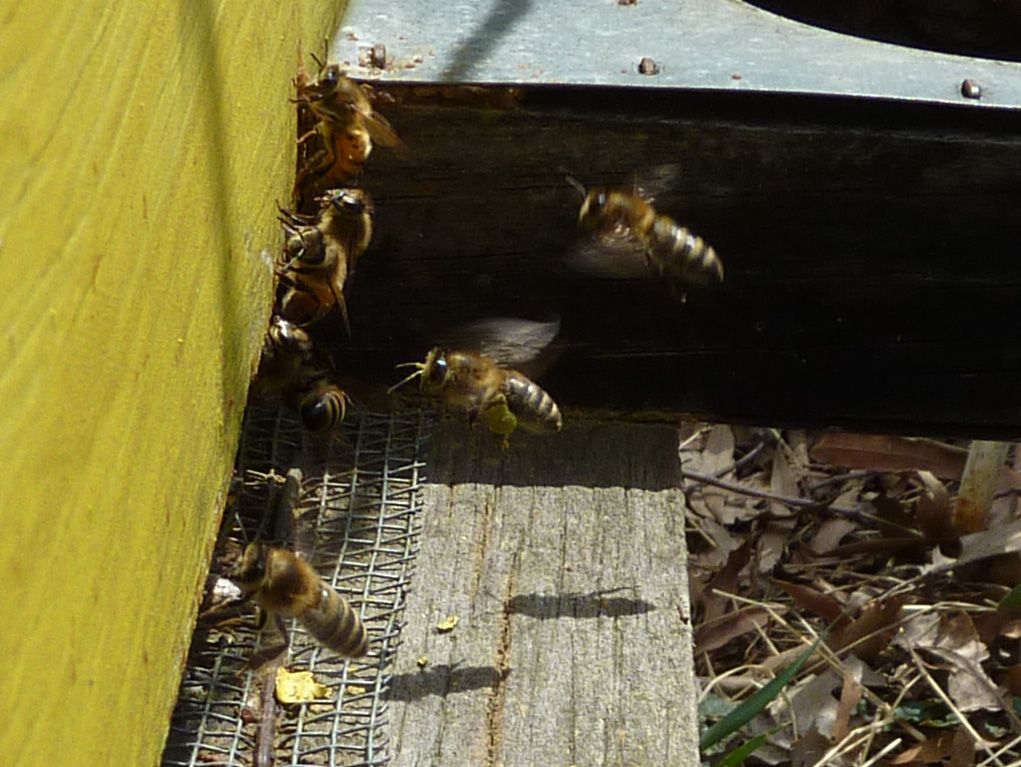
And it didn't take long me long to find bees covered in this pollen making it back to my hives.
Honeybees and other early pollinators were also buzzing around the Red Maples, Acer rubrum. Unfortunately most of the action took place up at the top of the tree, which is odd considering how windy of a day it was. Also in my walk around the neighborhood, I found Honeybees were more common around trees that were closer to my hives.
While Maples produce a good amount of pollen they're also balanced in producing nectar. However they were not the highlight of bee activity. That honor falls to the Willows.
Willow trees are wind pollinated and there are a number of them around the neighborhood. Pollen is important now because the queen bee is greatly expanding the size of the brood nest. All winter she'd held back to produce just enough bees to keep them warm.
The Willows were absolutely swarming with bees.
Some of them were becoming covered in pollen all over their bodies.
And it didn't take long me long to find bees covered in this pollen making it back to my hives.
Subscribe to:
Posts (Atom)