Showing posts with label Gooseberry. Show all posts

Friday, April 25, 2014

Spring Pollinators

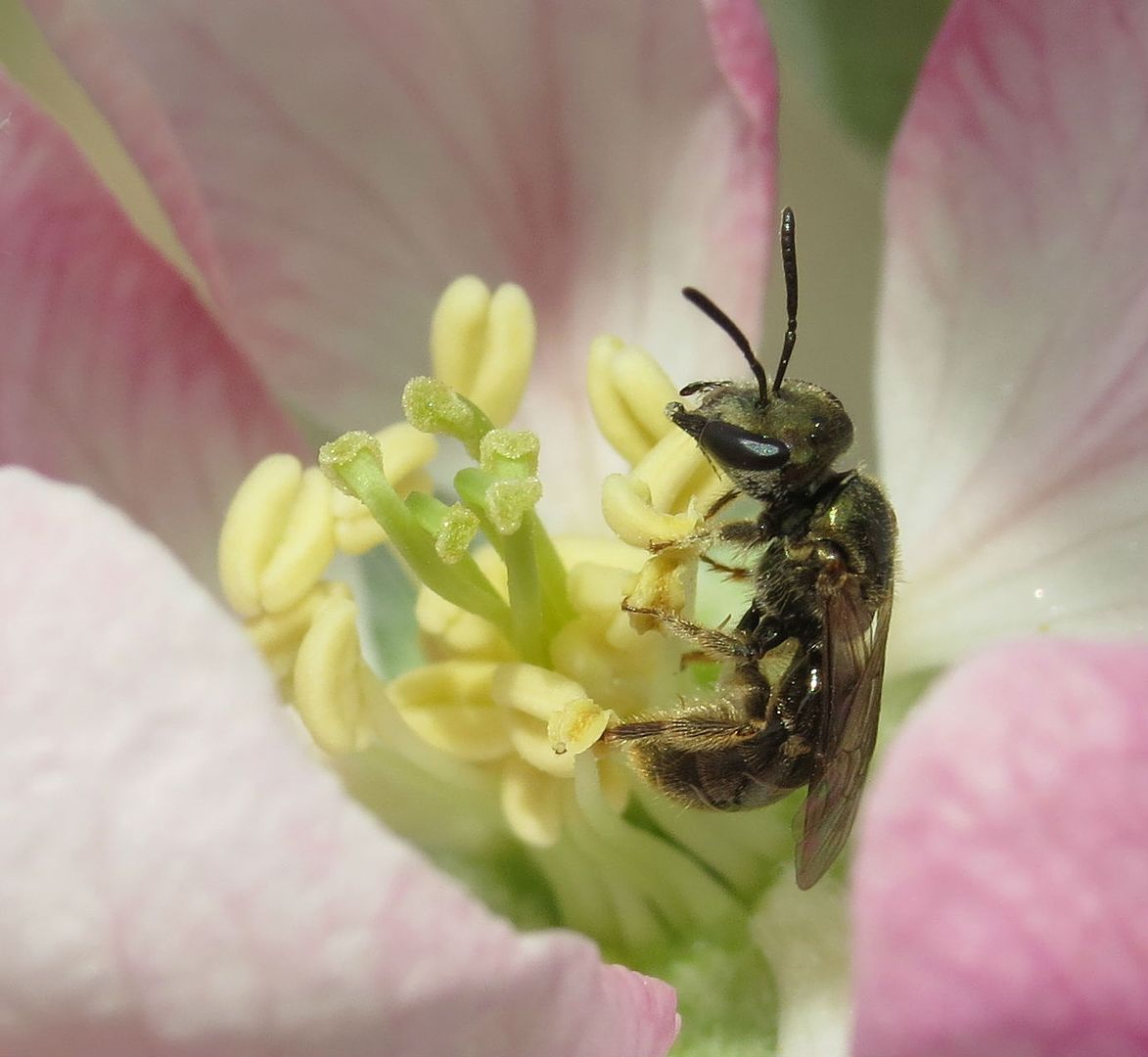
Although it was a breezy cool day in the 60's, I managed to have some fun with my camera today. Here is a sweat bee taking refuge from the chilly air in the flower to an apple tree. They were collecting pollen but a few, (males?) that were hanging out in the flowers. Apples aren't quite at their peak here. 

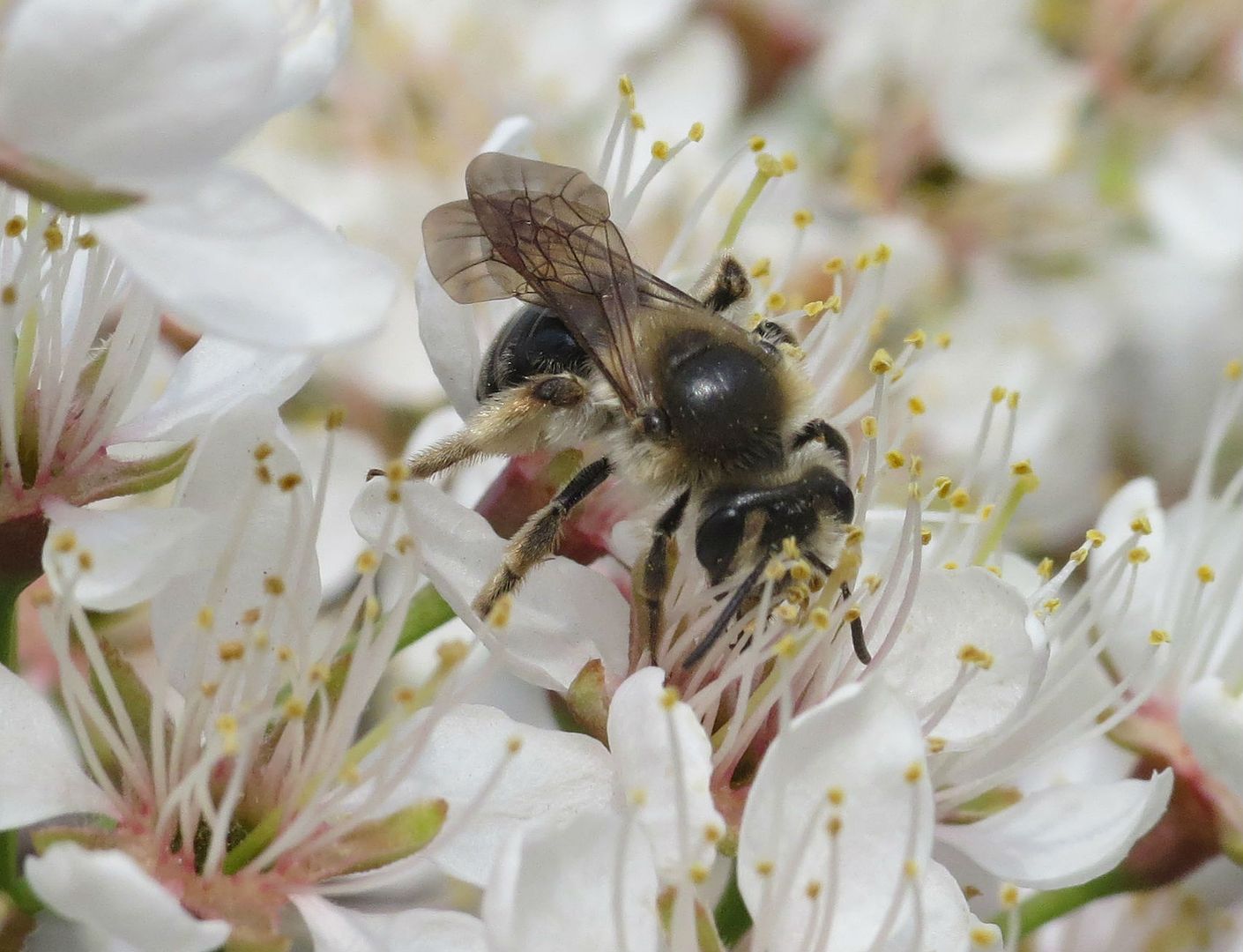
Here is what I believe is a mining bee working the native plum trees. There are tons of flowers on the trees this year so I should get another bumper crop like I did two years ago. I was pulling 800+ plums off of each tree, though native plums are small and bite sized. Still though, it was quite a lot of fruit for a first year's flowering.

These types of bees like to burrow in sandy hillsides usually clear of tall foliage; often in full sun, though the early species/generations work do full shade just fine because the trees haven't filled in yet. I'm not sure how successful these shaded burrows turn out though compared to ones in full sun. But of course tall grasses and forbs may grow more abundantly on sunny locations.

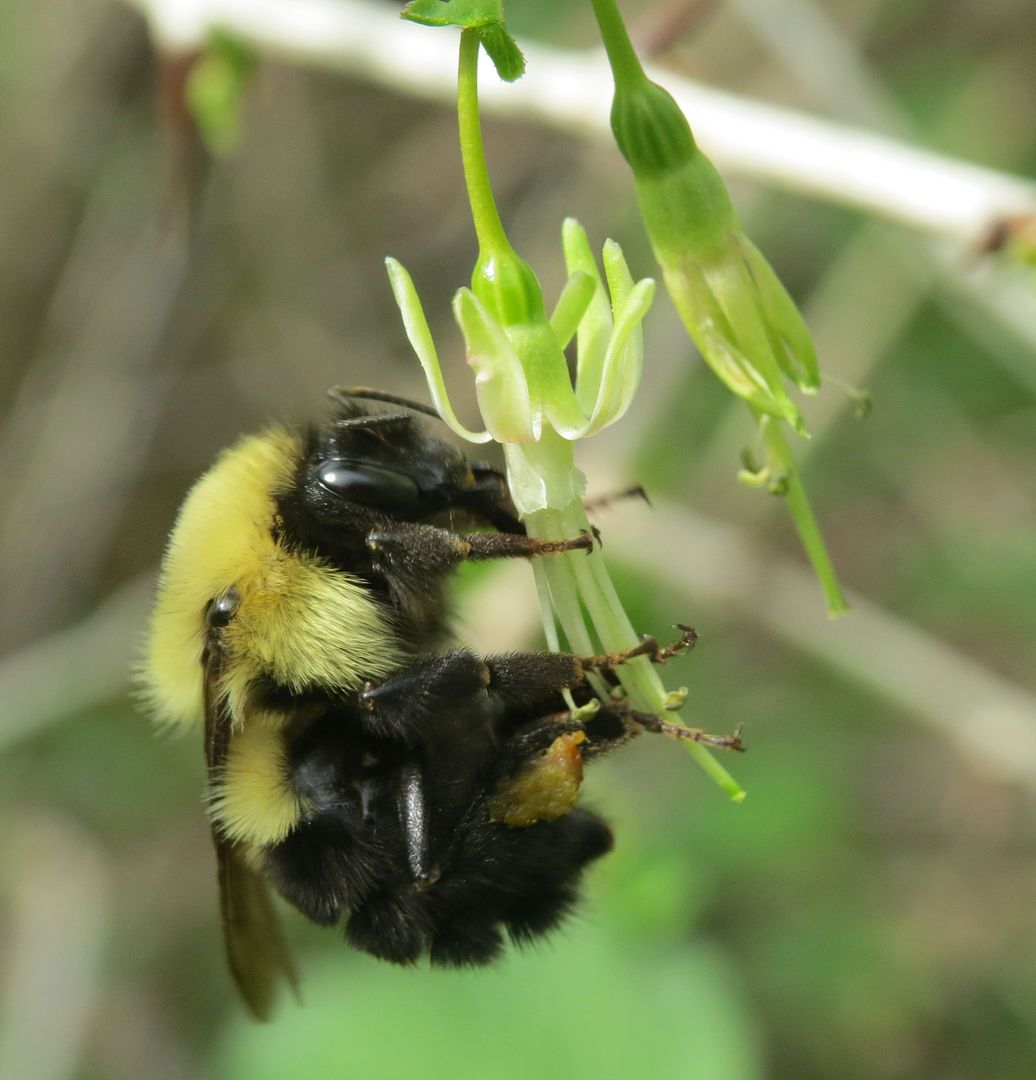
Last week I saw all the queen bumblebees flying about looking for nest locations. And now I see they've all settled in it seems. Bumblebee queens that are collecting pollen are committed to starting a nest. Pollen if fed to developing brood while the nectar of the flower feeds the adults. Some nectar is turned into honey too and also fed to the brood but bumblebee honey is runny and contains high amounts of pollen anyway. 

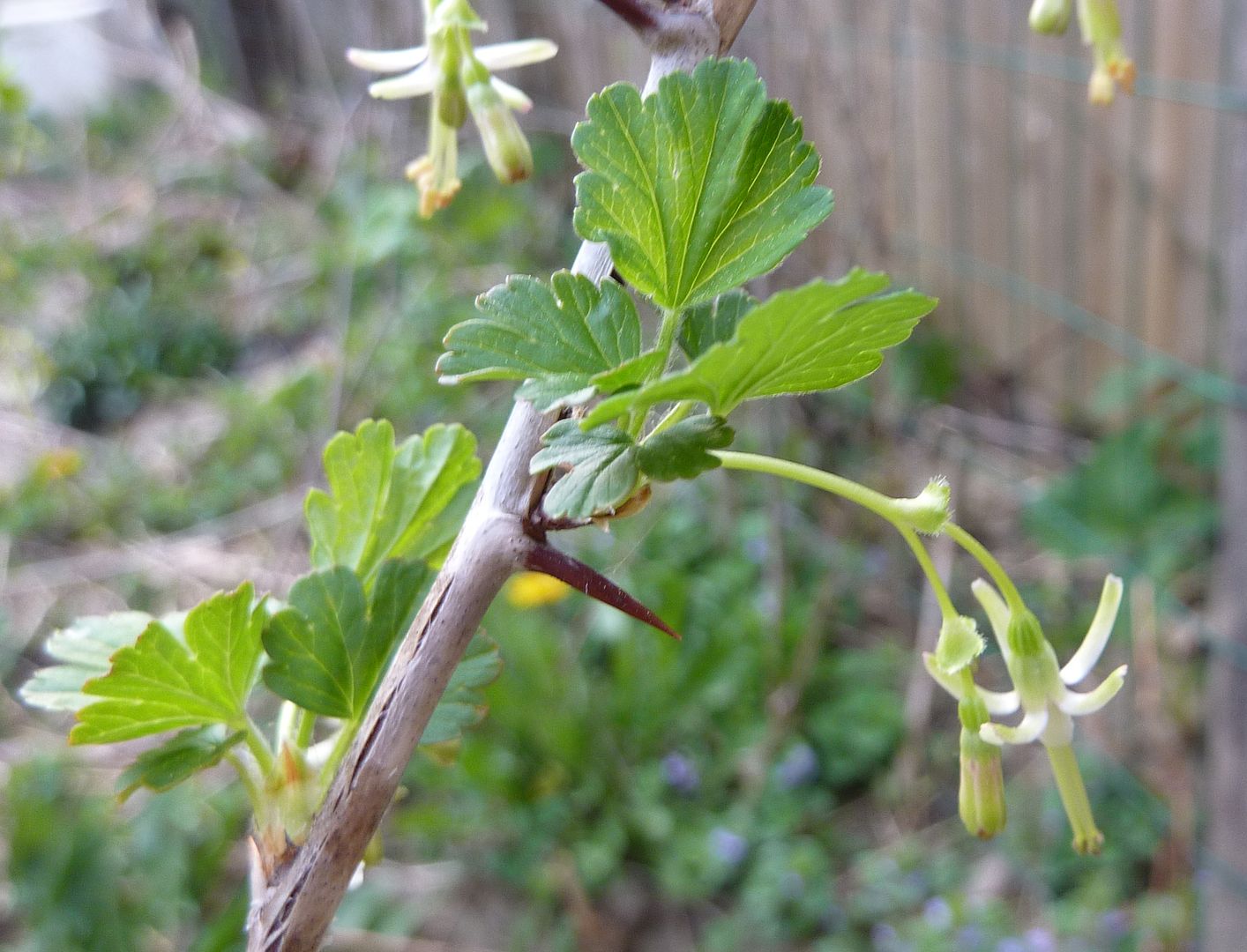
Here I watched a queen visit the flowers to our gooseberry/currant. It was neat watching her work these small, inconspicuous flowers, when the native plum, apple, and peach trees are all right beside them. She was devoted to visiting each and every flower on this shrub, ignoring ones she already visited. I did see her fly to the plum tree once, but that was very clearly an accident on her part, as she virtually walked right over the flowers in search of the gooseberry she'd been working. Bees are often devoted to the pollen of the type of plant they work because the nutritional value can vary greatly from plant to plant. It's best to raise brood on one type of pollen to perhaps judge the results, or maybe it's detrimental to mix and match pollen types? Whatever the case, this devotion to one type of plant is what makes them excellent pollinators.

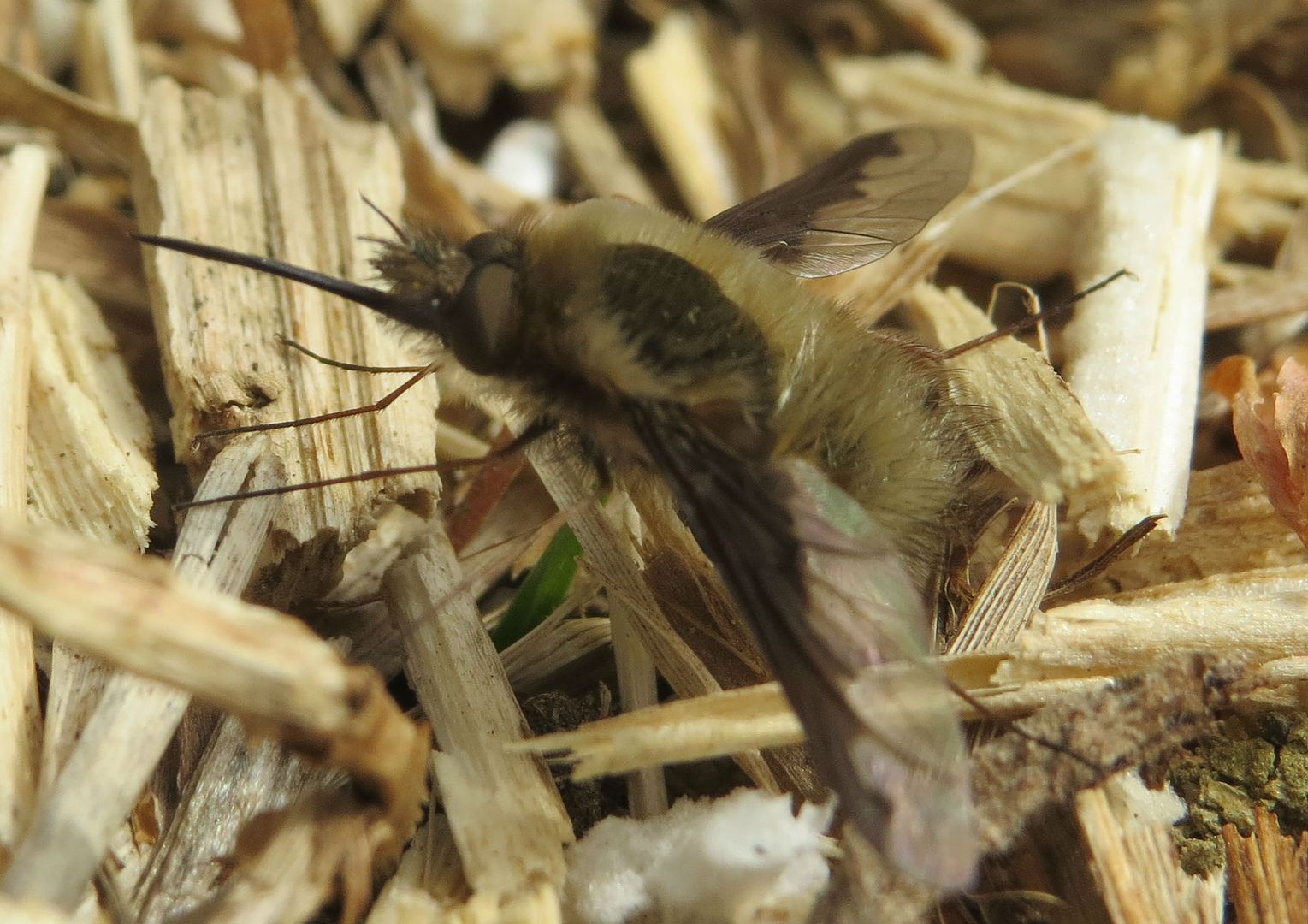
Also buzzing about were the beeflies. These do visit flowers, though the ones I saw seemed to be more interested in sunny themselves on the mulch. These mimic bumblebees to gain entry into the nest and lay their eggs in the hive. I don't believe all beeflies do this, others simply lay their eggs adjacent to the nest and the resulting maggots crawl inside, or have some other host/parasite relationship worked out with other things. I don't see them that often honestly. 

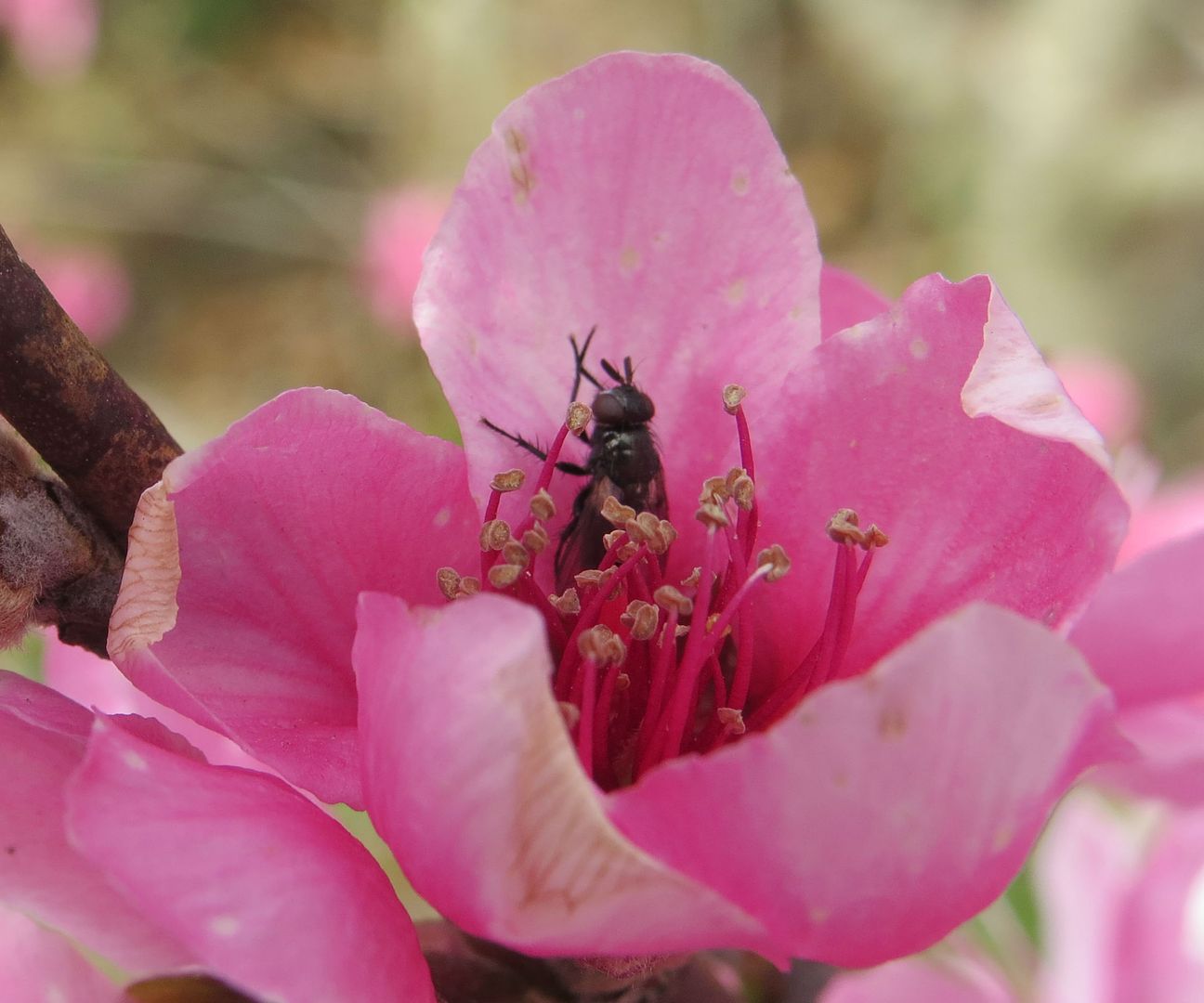
And lastly I thought it was interesting to see some actual flies doing some pollinating. This was on our peach tree, which the honeybees were also working in favor of the plum and apple. However, it was just cold enough that the honeybees weren't out in abundance for me to photograph. Flies though seem better weathered about the cold and were flying from flower to flower. This one was sipping at the nectar in the flowers it visited before turning around and darting off. To be honestly though it reminds me of a parasitic fly, so perhaps they were laying eggs or something as they visited the flowers. 

Friday, May 10, 2013

Some Native Berry Plants

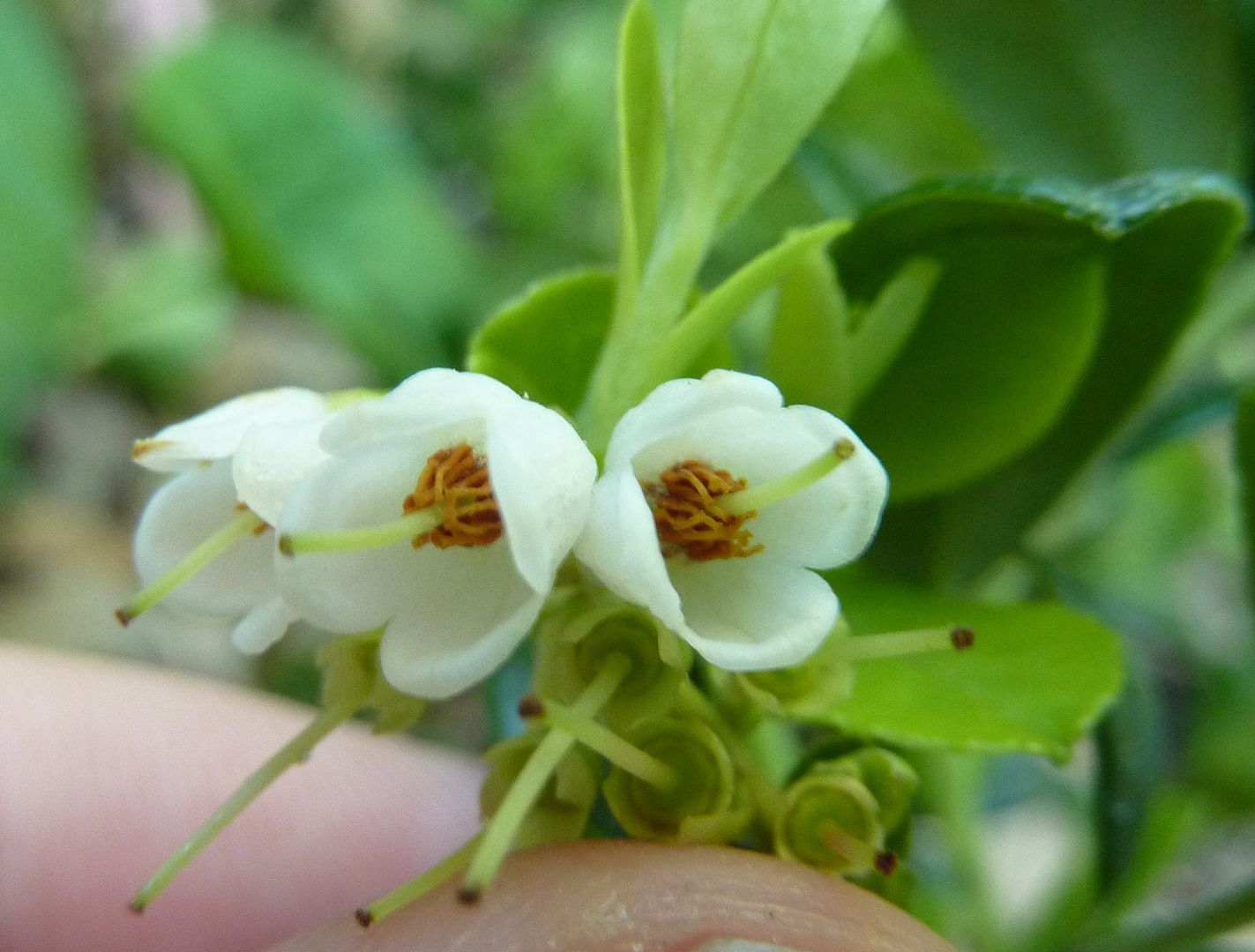
I'm giving Lingonberries, Vaccinium vitis-idaea, another try. Years ago I planted some next to the Gooseberry/Currant shrubs but the area proved to be too dry over the summer time and they were dead within the year. They were just four plants that came in 4" pots but were obviously recent cuttings that had rooted because it was just one little stem poking out of the ground. So I decided to try them again, and somehow or other I ended up buying 18 of them! This is excessive even for me and my plant spending habits, though I want to say the bill was something like $60 in total so that's at least an okay deal. The plants arrived in 4" pots (from a different nursery) and looked like very healthy Box Wood-like plants. So I'm very happy with what I got in the mail. From planting them I see they spread some by underground runners so they might eventually pay for themselves. I've planted them into two groups, one is sunny and damp, while the other is shaded, slightly dryer, and also right next to the garden hose. Their flowers are very much like the white bells we see on blueberries, but with earthy orange and red pollen inside. 

Lingonberries are native to the US, despite how prized they are in Scandinavia. Though I'm sure some variation of them must occur in northern Europe and Asia. Basically they're like a cranberry and I'm told with a similar flavor. Unlike cranberries though, these should flower twice a year and produce two crops of berries each year! I had thought this was universal but I notice it's not listed for all varieties making me think it could have been bread out of some cultivars or not a trait in all species, hmm.... 

My Blueberry shrubs are also flowering, though I don't believe I'll be getting as many berries as I got last year. One of the six plants actually died. The ones that remain have dead limbs on them that I believe I should prune off. For as much as I love blueberries, I sure wish I could grow them better. I do add acidity to the soil each spring and autumn, but it doesn't seem to be enough. Hopefully it's just them establishing their first year.

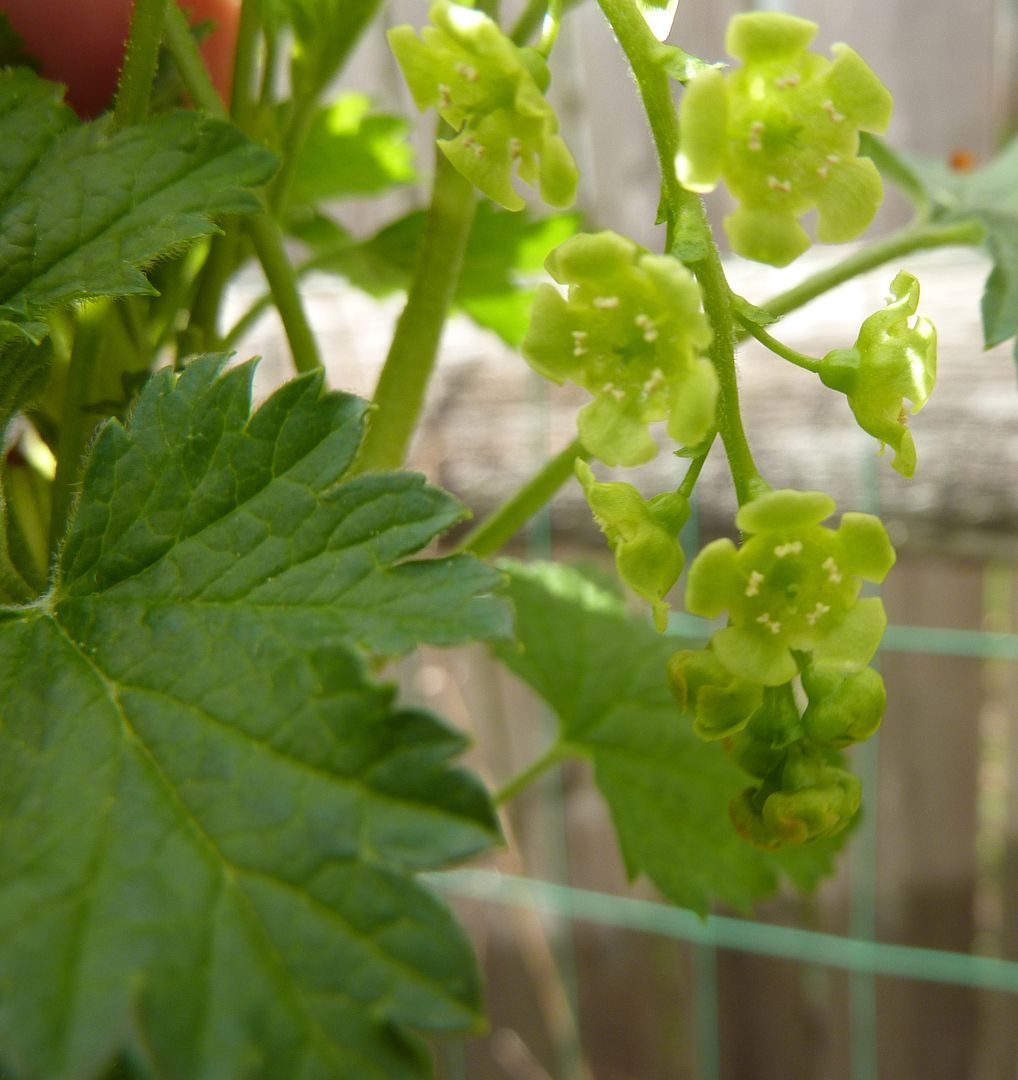
The Gooseberry/Currants flowered too. I think this is one of the western varieties I bought a few years ago. They really took their sweet time just growing to be waist high, but are now flowering at pretty much everywhere that pushed out a leaf. They're very productive plants when they get going.   

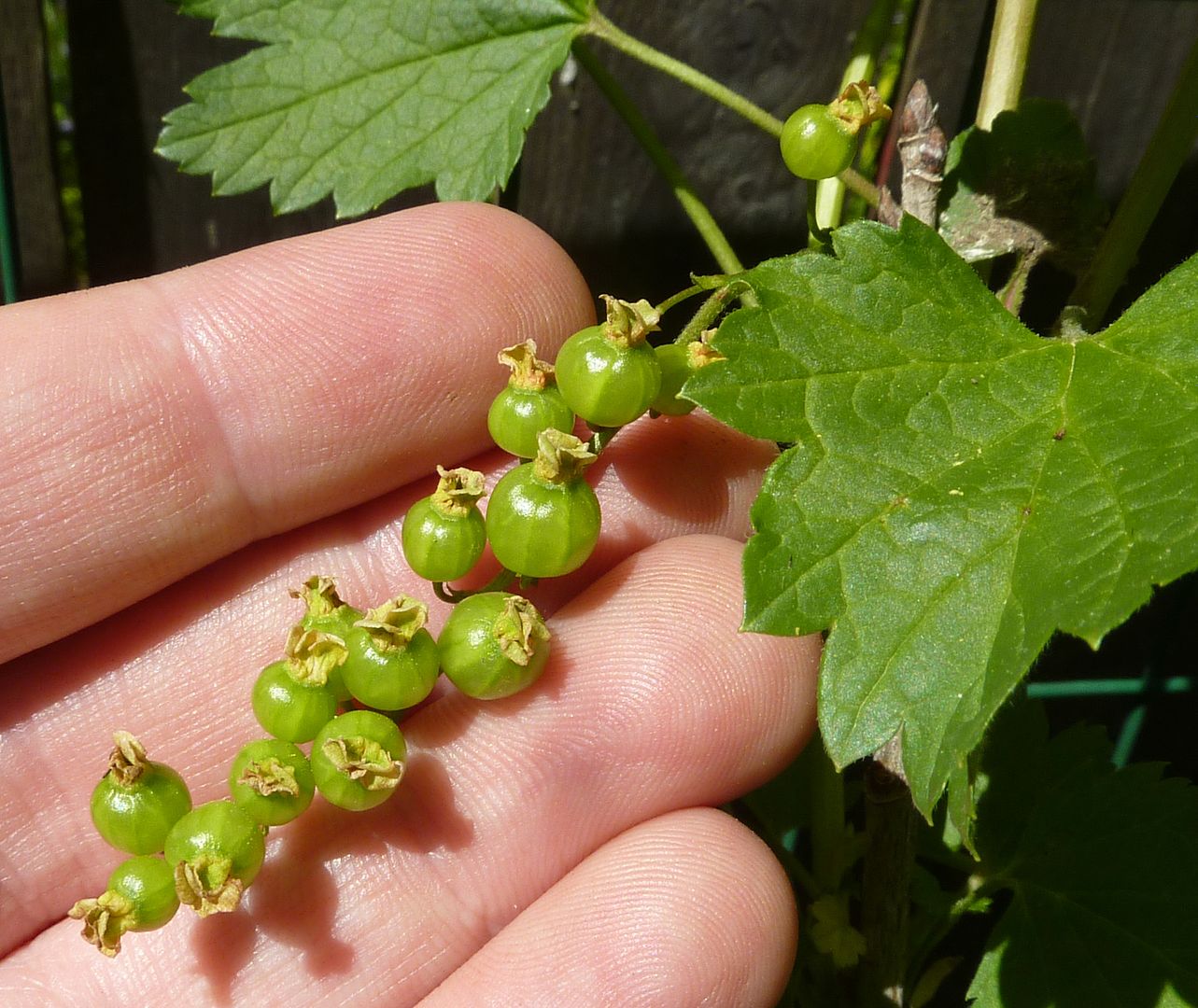
One variety that was supposed to be 'Pixwell' but clearly isn't, is already puffing up its berries. These turn into bright red orbs like Red Currant if I recall right. I'm reasonably sure this is Red Currant, which is probably one of the few plants I complain about the most. Their berries are very tart and sometimes bitter, and yet they're addictive. In other words the perfect plant for your masochistic grandmother.

Wednesday, April 17, 2013

Some Early Blooming Trees


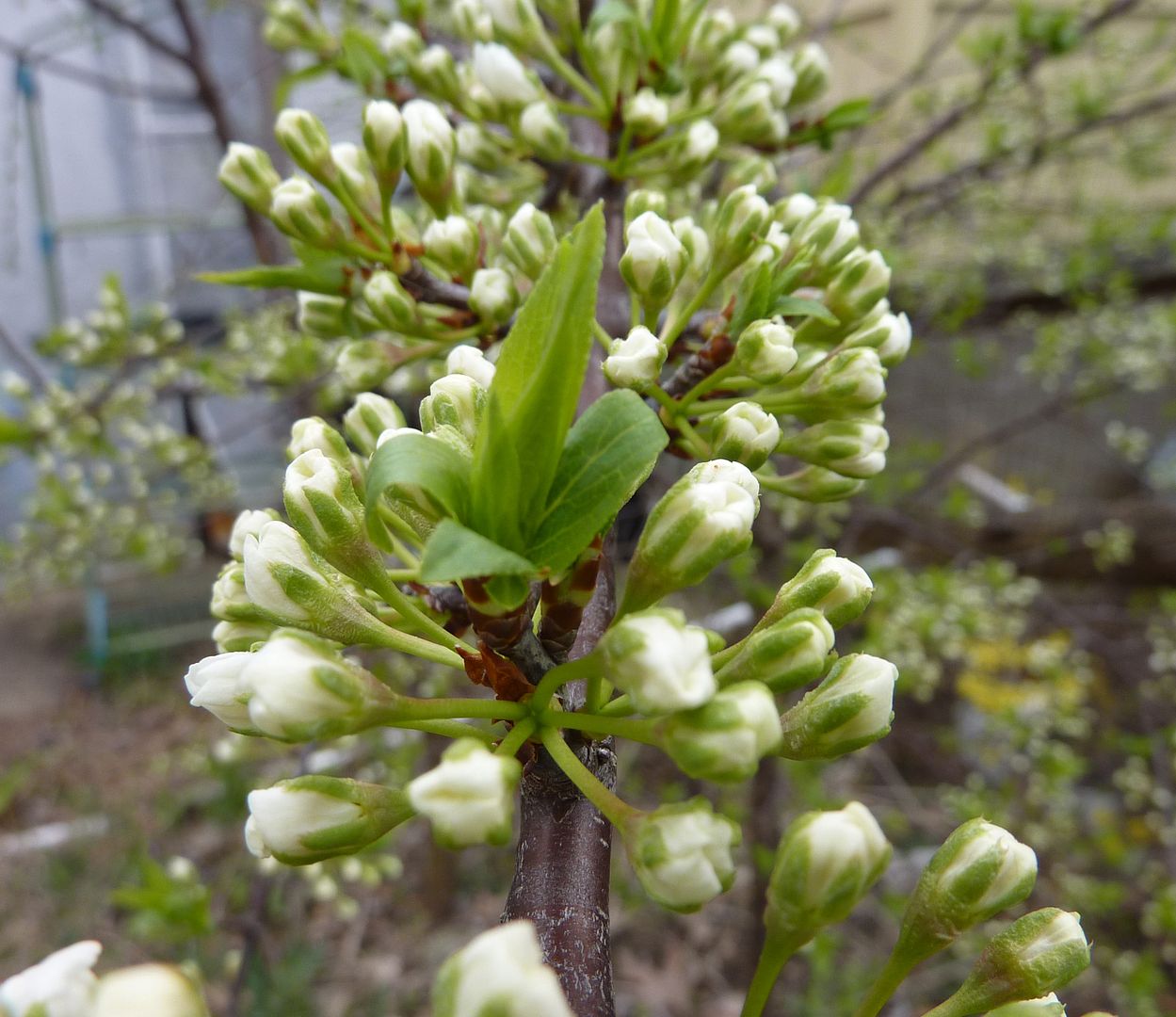
Of the four Native Plum Trees, Prunus americana, I have planted, this one seems to be flowering the best. Two others seen to be susceptible to biannual blooming which also happens in Apple trees, and I'm sure others as well. Generally the flowers from one year release a chemical that tells the tree to produce fewer of them next year. The solution is simply to remove half the buds and this should even things out. Whatever the case, it seems I won't be getting the crazy yields I got last year. The fourth tree had never been good at flowering and I might remove it entirely in favor of another Prunus species.

Viburnum trilobum, is called Highbush Cranberry, though it's not a cranberry at all; it's a viburnum. Apparently the berries to all viburnums are edible, but whether or not they're palatable is yet to be discovered. It seems this year I'm going to find out. My little plant here it only a knee high stick in the ground and yet it's flowering. I've had it for four years I think, and sadly had to transplant it once, and the spot it's in now isn't what I'd call ideal as it gets pretty dry and shady there. I'll have to take care of it some I think. V. trilobum is sold and marketed as an edible berry producing plant that "tastes good" but they also said that about Red Current, and frankly I don't find true Cranberries all that appealing to eat. Some of my friends are disgusted by Blueberries though so I guess it's all a matter of taste.

The Gooseberry Bushes, Ribes species, are also flowering too. An issue though is that these were sold to me as the cultivar 'Pixwell' which are supposed to be big and green to a red-brown color berries. But last year they produced tiny red pearl sized berries that were more like Red Current without some of the bitterness. I'm not sure what to call them but they're at least in the genus and I can eat them, so that's a plus.  

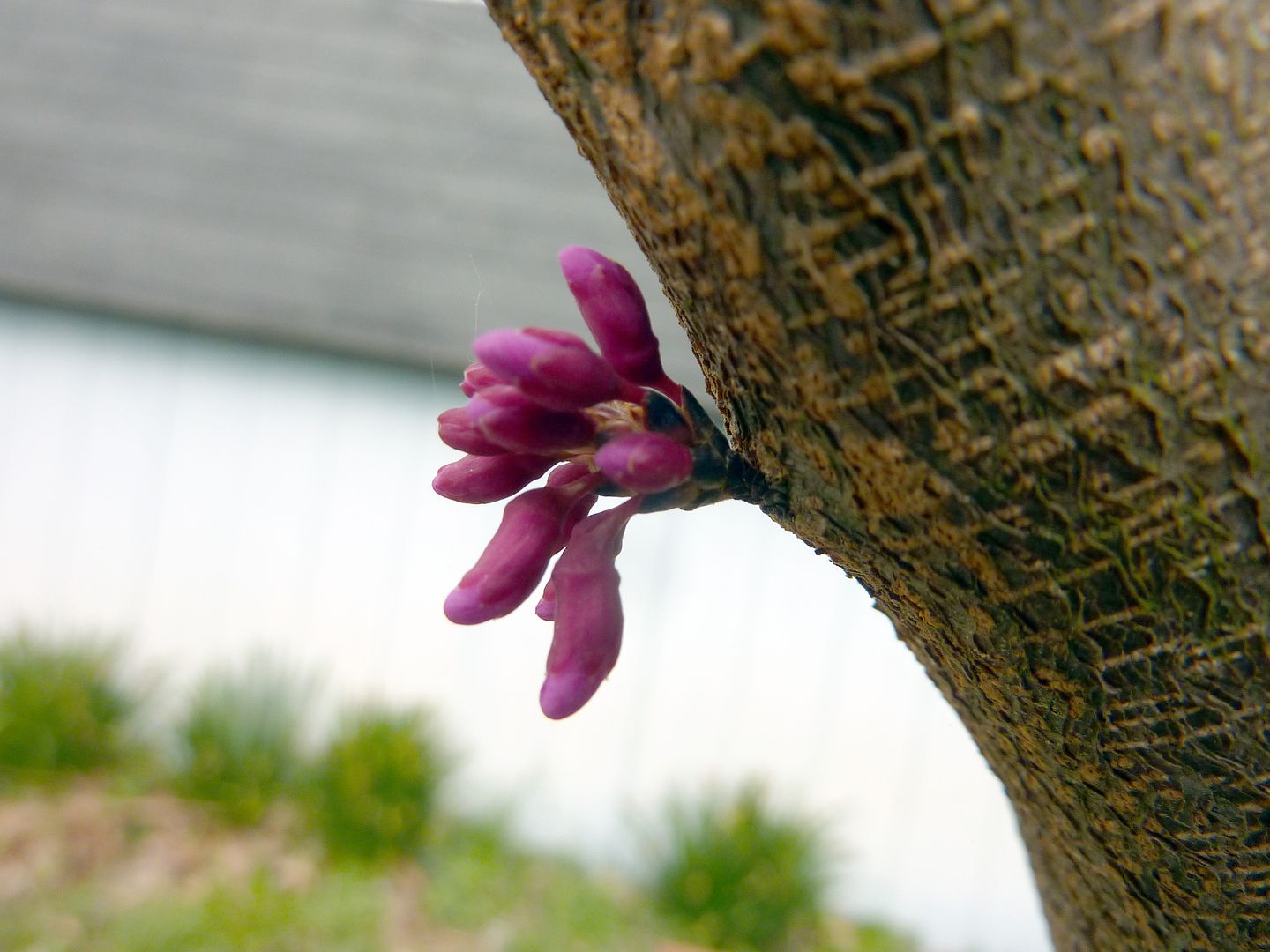
Eastern Redbud, Cercis canadensis, is budding now and will be flowering in a week or so. I love this tree. This was a sapling I got from the Arbor Day Foundation as a 10 pack with other trees too. It took about 4 years to start flowering for me and might be something to look into for those seeking ideas on celebrating Earth Day (April 22) this year.

A trait I love about Redbuds is that they eventually flower in random locations all along the trunk. And these go on to produce seed pods as the other flowers do as well. As the tree grows and gets a larger trunk, these flowering patches expand and in some cases the flowers almost look like a magenta lichen or moss growing up along the trunk. Most of the flowers do occur at growth points as seen in most other trees, but I always found this random flowering to be a striking feature.

Tuesday, November 13, 2012

Fall Color

I'd love to have shown off the bright orange persimmons our tree produced this year but hurricane Sandy seems to have blown them away. (I can only hope they managed to hit some politicians house.)

Any who, I've never been a huge fan of fall color though some of the brilliant yellow and brilliant red trees have impressed me. These scenes are few and far between though and only last a few days before they're gone. What's happening here is that insects can't see red as well as other colors. The plants are purposely producing this pigment to discourage aphids from laying eggs around them. In this way they won't be the first trees infested with them come spring. How effective this is is debatable though especially with yellow being such a common fall color.


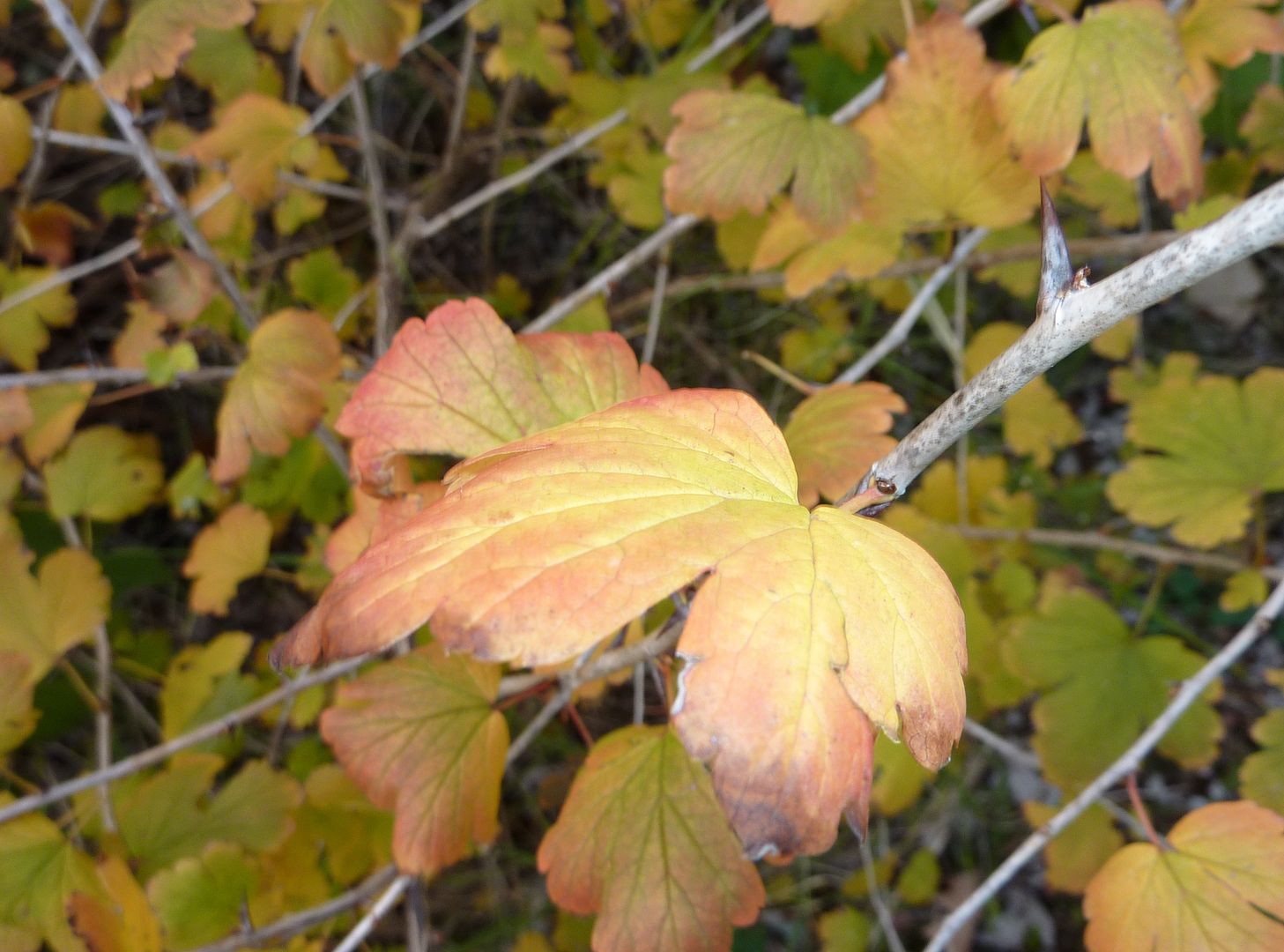
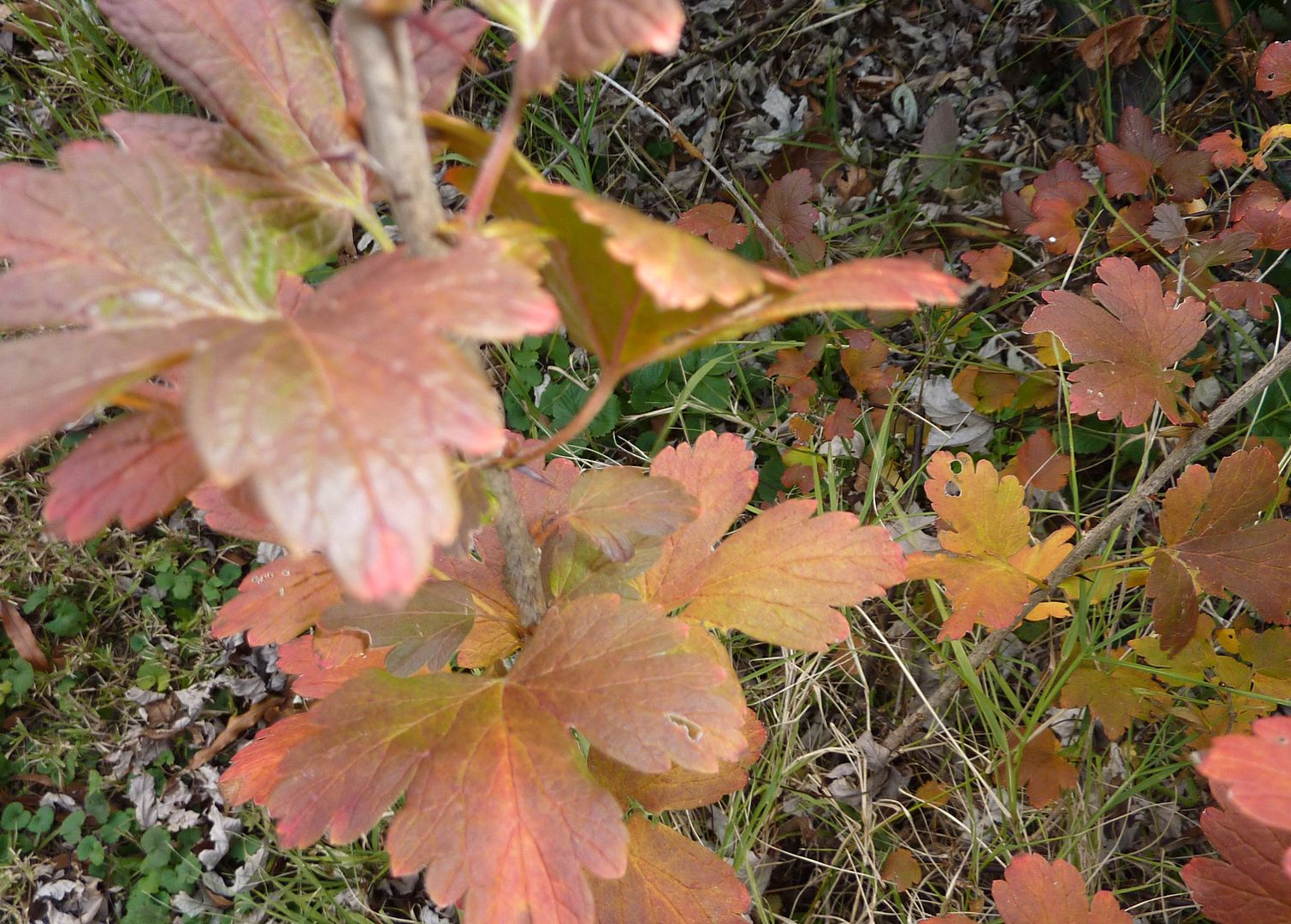
Our Gooseberry plants seem to be all over the place with colors. Fall color varies from cultivar to cultivar, species to species, and plant to plant as with the flavor of the berries. Some species growing in the same field can vary dramatically. It makes me wonder if any of the vendors selling Gooseberry/Current in the US knows what they're doing.

From the same nursery this was sold as Red Gooseberry.

And so was this, but it has a different fall color, different branching habit, the leaves are slightly larger, and even the thorns were different. Next year I'll see about getting these identified to species level. 

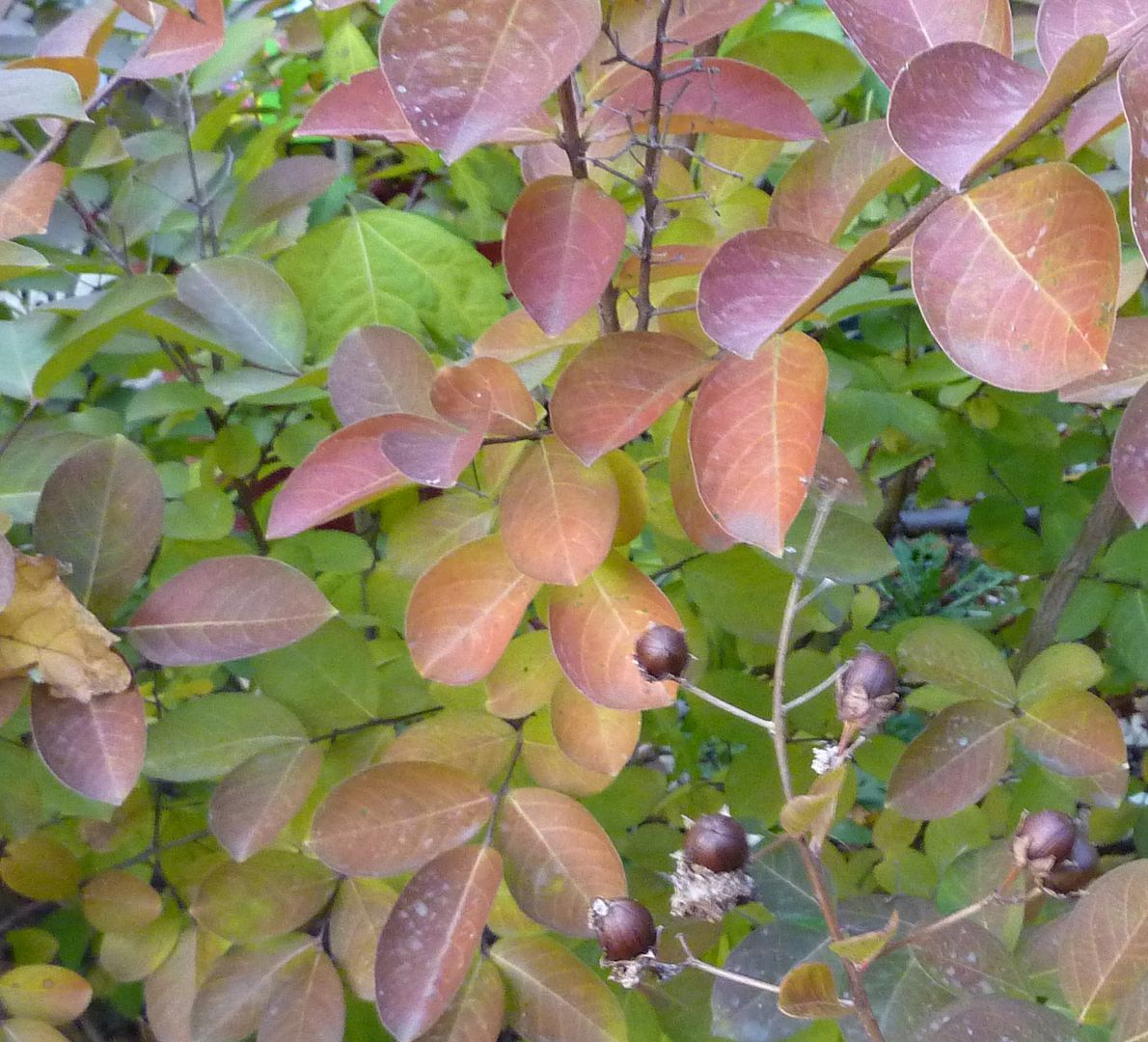
 Crape Myrtles seem to sport every color in the rainbow.

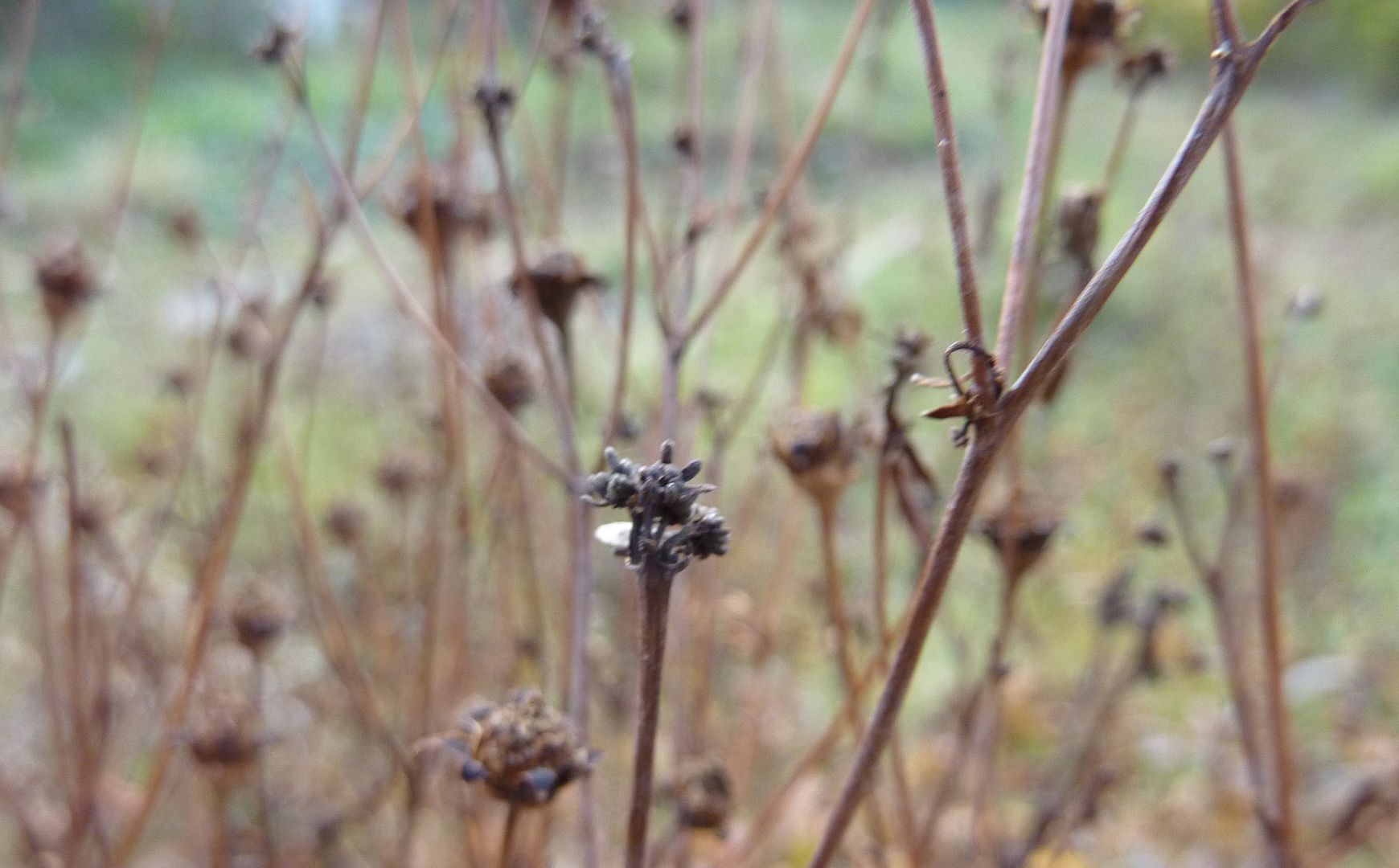
Here I found the blurry view of our lawn through the stems of the Tall Tickseed to be an interesting composition. 

 
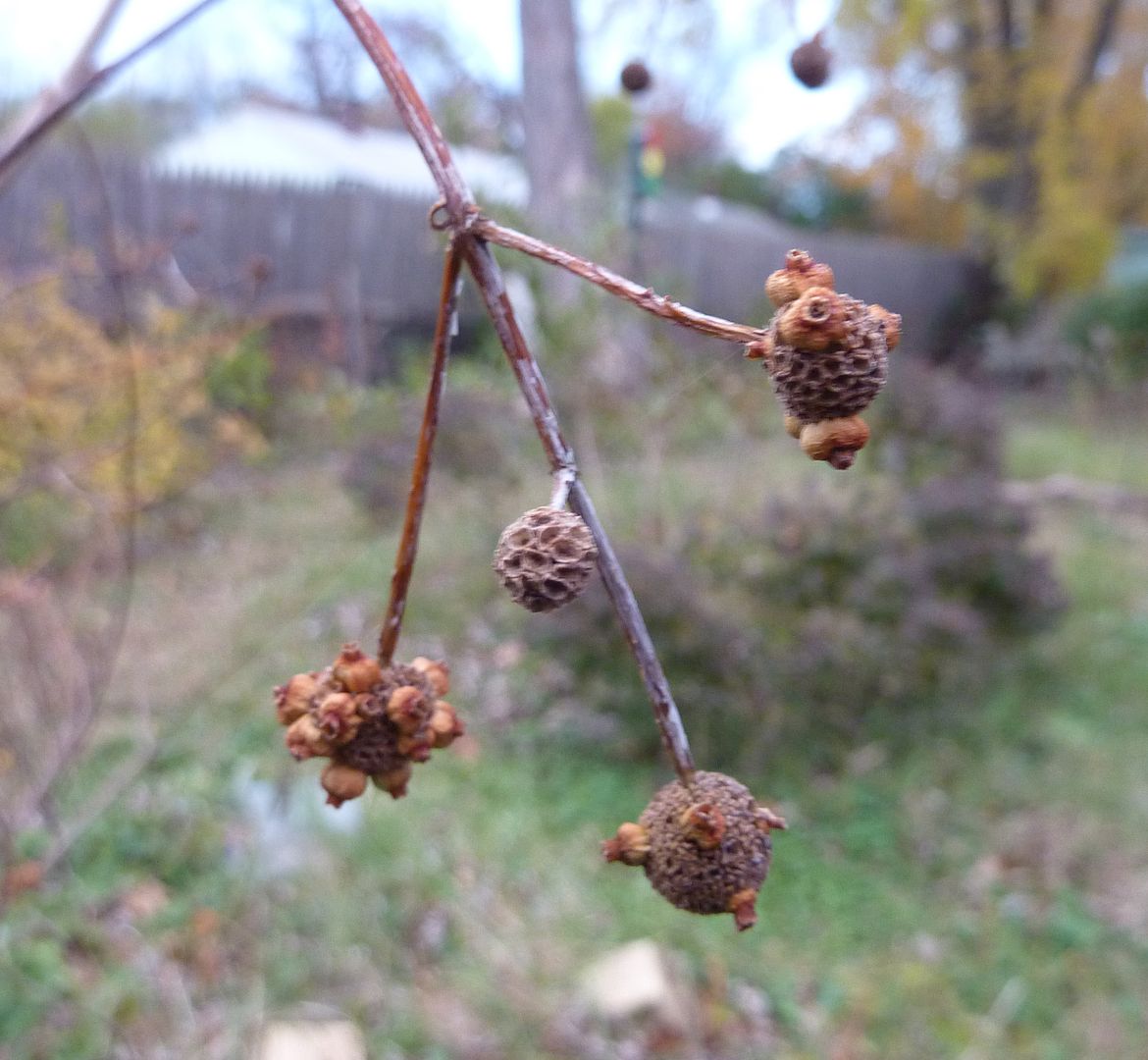
The nut-like seeds to our Buttonbush. It's nice to see some of these developed from all the attention the bees gave it this year.

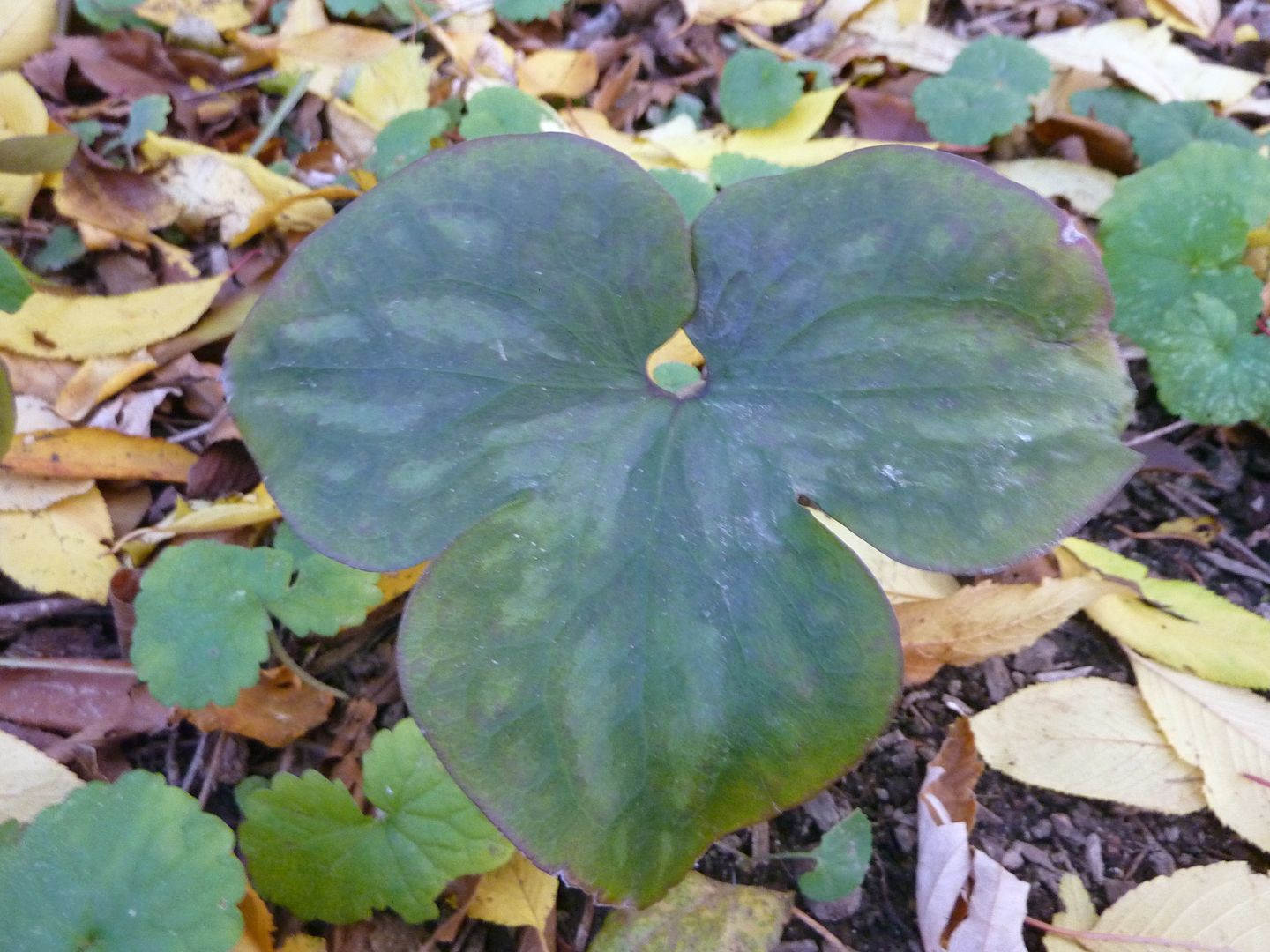
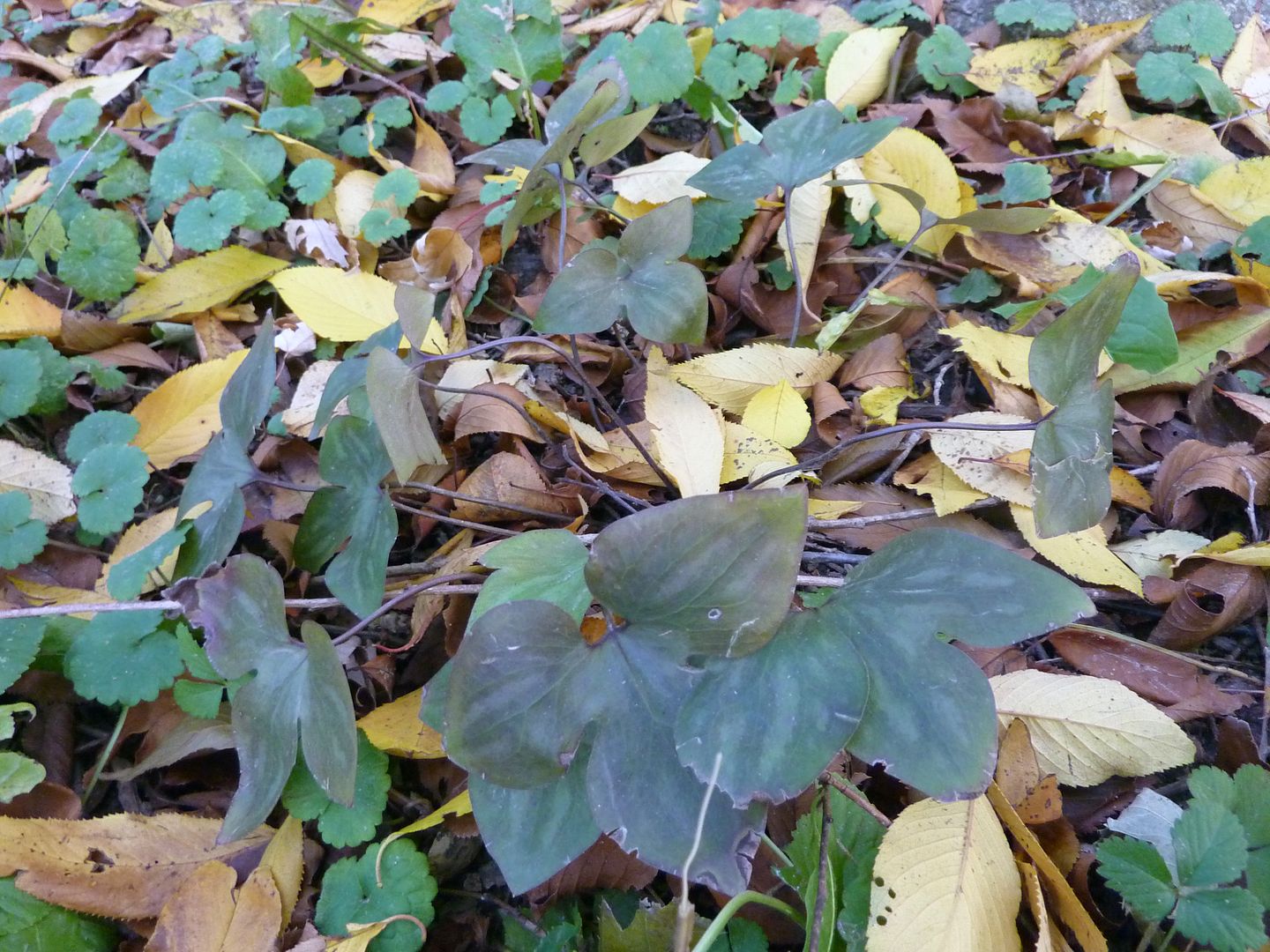
Mixed among the leaf litter is a couple of my Hepatica plants, which are semi-evergreen.

Hepatica leaves last the winter and finally die off right when it flowers in the spring. New leaves are produced just as the old ones have all broken off.

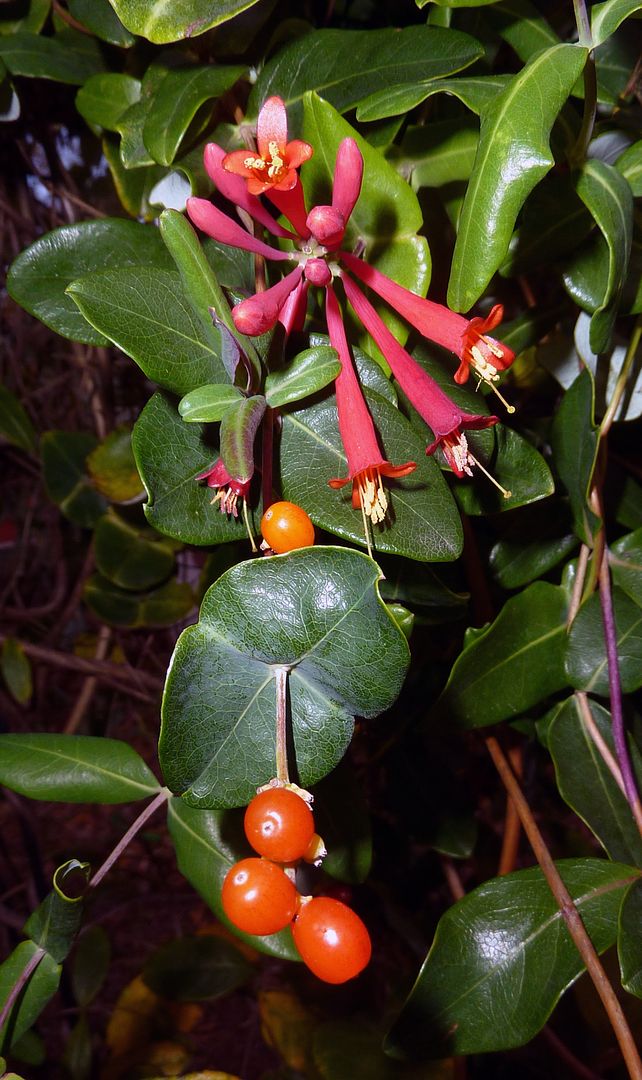
Coral Honeysuckle, does not care that its winter or not. I've always been impressed by how cold tolerant this plant is. Barely any of the leaves have started turning yellow and it still has unopened flower buds to go! I swear this vine must drop its leaves for only two months of the year, and each spring it makes up for lost time by quadrupling the number of flowers it produced all last year. It's never been a heavy fruiting plant but there's always a berry or two where the flowers used to be.

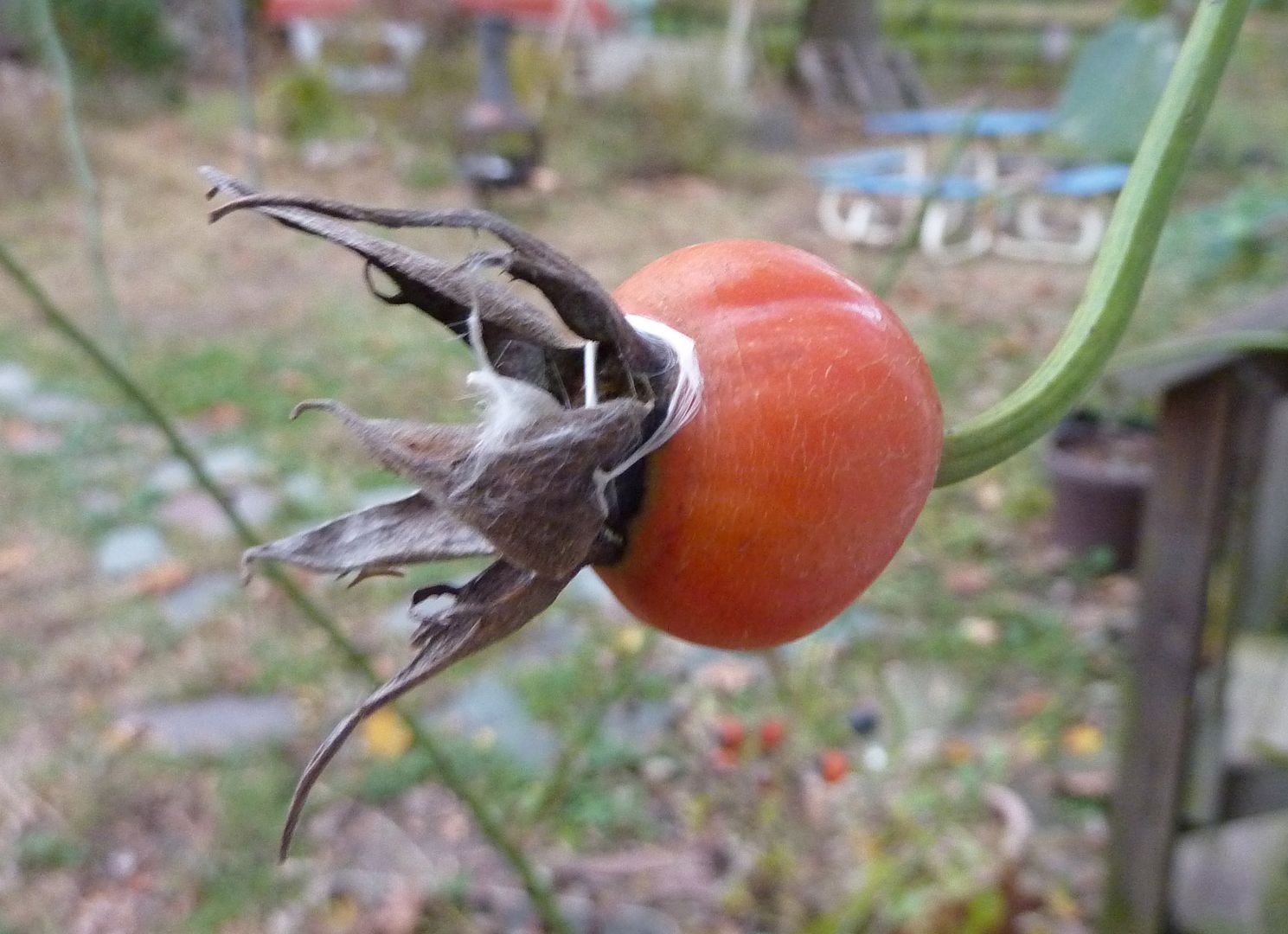
Rose hips are another fruit showing off right now. I'm told these are edible, but honestly I wouldn't know what to do with them.
Friday, June 11, 2010

Gooseberry Bushes

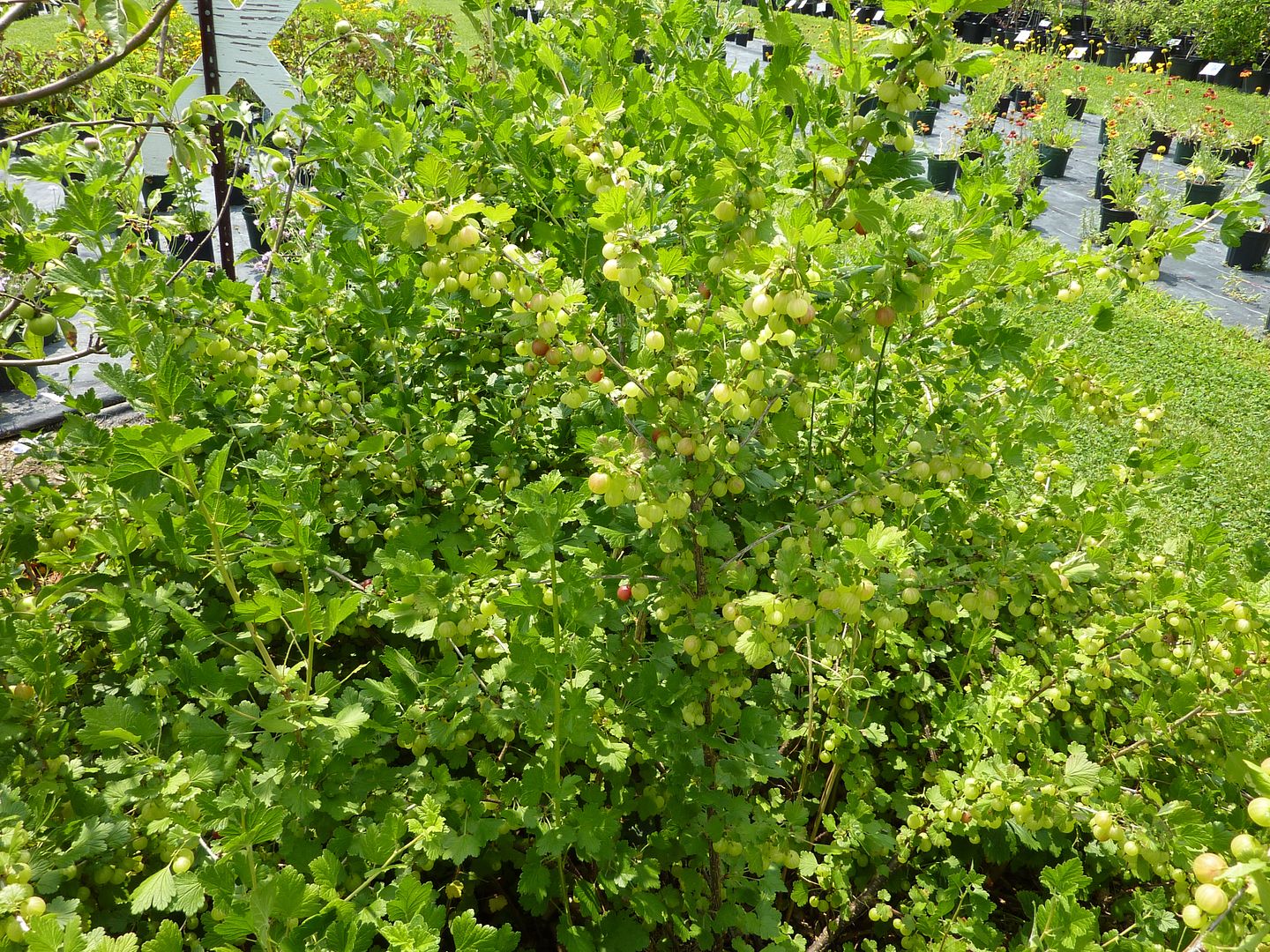
This is a gooseberry bush. All of the hard to see light green things along the leaves are berries. This plant was at a nursery I love because it's the size of a farm, has a huge selection of plants, and for the most part sells things at wholesale prices. 

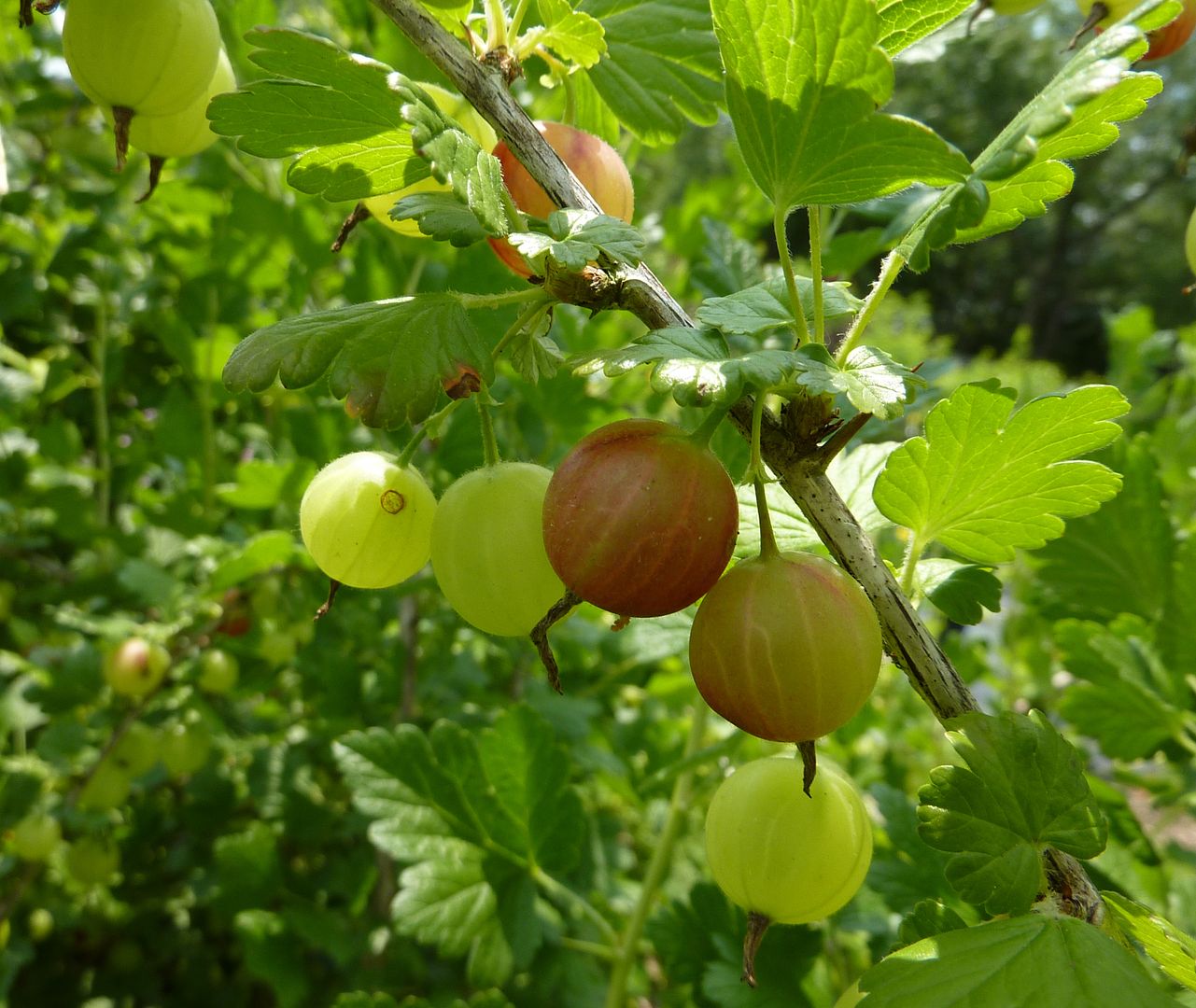
Up close they look like little beach balls. Depending on the variety they ripen a pinkish green, shades of red or brown, or very dark red almost black. Taste varies somewhat too. I've read they range from "desert quality" to unpalatable.

One variety I just bought this year is called Pixwell. It's one of the greenish fruiting ones but has a taste in the middle. The skin has been described as leathery. I wouldn't say that ever, mostly because it's a turn off for most people to try the fruit. I would say chewy is more accurate but you're not supposed to chew the skin at all. Bitting into the berry releases the sweet flavor into your mouth but there is a bitter flavor that comes from the skin. Chewing only makes it worse.

The plants I have all decided to flower at 6 inches tall which makes them incredibly easy to grow. So far this is one of the easiest fruits I've grown. I can't wait for next year when I get a bigger harvest.

Thursday, April 8, 2010

Gooseberry Flowers

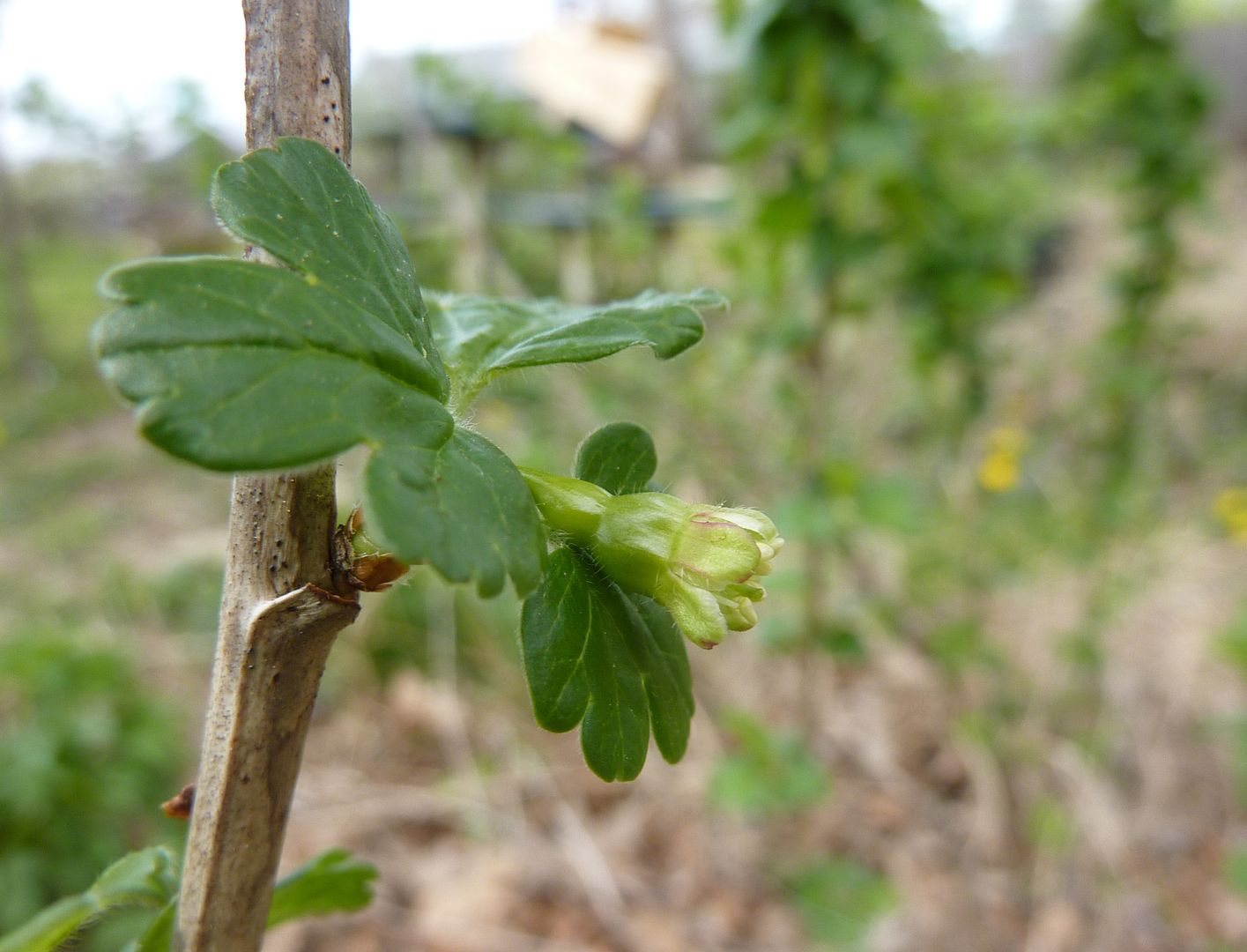
I bought a bunch of Gooseberry plants maybe three weeks ago. They're planted in the ground and shockingly enough flowering plentifully. Pictured above is a Red Gooseberry plant, Ribes species. It's not like me to buy something I don't know the species of but my understanding is Gooseberries are native to both North America, and Europe and species have been mixed and matched and hybridized for several hundred years now. At one point there were over 50 varieties of this fruit growing in the US the progeny of which came from only a dozen or so species. This is a food crop, which implies the person who planted it will keep it under control, so native or not isn't as big an issue.

Because of a disease that uses this plant, and later white pines, often resulting in killing the tree, the timber industry helped pass legislation to have gooseberry irradiated. Modern cultivars have been found to not spread the disease so they're fine to plant, but some states still have it banned from planting. Considering this native food source was almost irradiated it's a wonder how anyone can tell what cultivar is what now.

This is another type of Gooseberry. The fruit will be green and turn slightly pink when ripe. I'll try and find the tag it came with later on. I would like to point out, I just planted these, this one is 4 inches tall, and it's flowering... Assuming I get a harvest from these plants without a hitch, and the fruit tastes good, I will be requesting every garden hit themselves up side the head for having over looked such an easy to grow beneficial food crop. We're not there just yet but keep your hands ready all the same.

The ant on the flower is a Formica species in case you were wondering. Very common across the US and reasonably hard to ID.