While touring New Moon Nursery I couldn't help but notice the alarming amount of Scoliid Wasps on their Goldenrod. I believe this is the cultivar 'Fireworks' but these are only plugs so they're not really representative of the adult plants. But even in flats, you can see a lot of these plants still try to flower.
Scoliid Wasps are parasites of beetle larva, including the nonnative Japanese Beetle. The adult form though is a pollinator that's fond of generalist composites and mint. Goldenrod, Aster, Mints and a few others are all good at attracting them to your yard. And because the larval stage consumes beetle larva they're beneficial to lawn health too.
Showing posts with label Wasps. Show all posts
Showing posts with label Wasps. Show all posts
Wednesday, October 1, 2014
Wednesday, July 17, 2013
New Camera
Canon PowerShot SX50 HS 12MP Digital Camera with 2.8-Inch LCD (Black)
Which I bought because it topped the list of a few macro point and shoot though really it seemed to be a narrow margin between that and the next four below it. Sadly it doesn't have any port to plug in a portable flash, (at least not that I've found).
Also it does NOT come with the USB cord required to get images off of the camera and onto the computer! Thankfully my first camera years ago was a Canon and I still had a cord laying around.
Raynox DCR-250 Super Macro Snap-On Lens
I also bought this which might have been the better buy because it's almost universally able to attach to any point and shoot camera.
All of which came at the recommendation by Alex Wild, a professional photographer in the scientific world who teaches classes around the world with emphasis on photographing insects. (Though he's more so a professor at one of the Universities I believe.)
So after a day of shooting here's some of what I came up with.


Which I bought because it topped the list of a few macro point and shoot though really it seemed to be a narrow margin between that and the next four below it. Sadly it doesn't have any port to plug in a portable flash, (at least not that I've found).
Also it does NOT come with the USB cord required to get images off of the camera and onto the computer! Thankfully my first camera years ago was a Canon and I still had a cord laying around.
Raynox DCR-250 Super Macro Snap-On Lens
I also bought this which might have been the better buy because it's almost universally able to attach to any point and shoot camera.
All of which came at the recommendation by Alex Wild, a professional photographer in the scientific world who teaches classes around the world with emphasis on photographing insects. (Though he's more so a professor at one of the Universities I believe.)
So after a day of shooting here's some of what I came up with.
Saturday, April 20, 2013
Beware Wasp & Hornet Queens
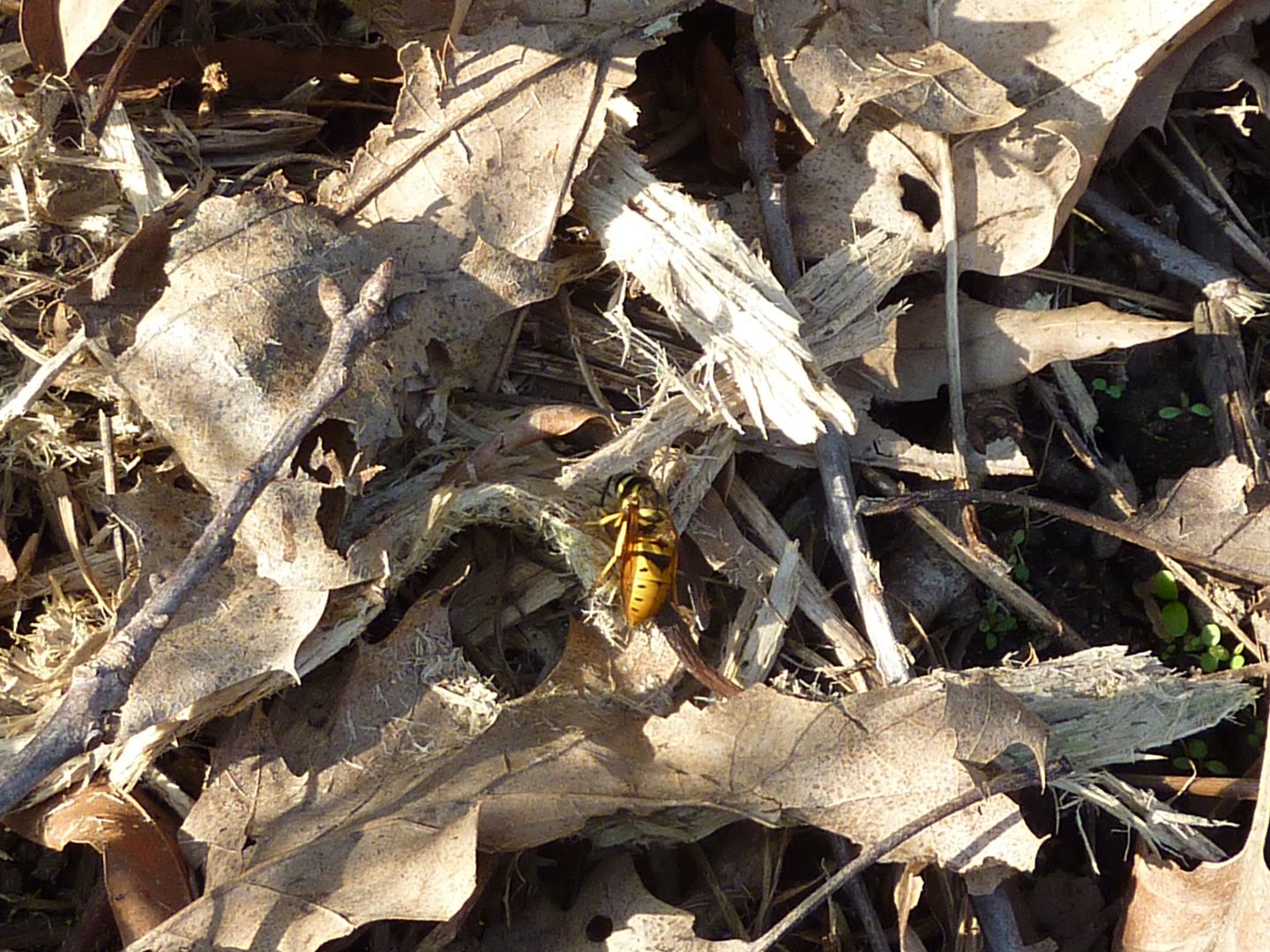
Along with yellow jackets, keep an eye out for European Hornets which are also scouting around now. Queens are about twice as big as a Boring Bee, and seem to rival the size of a Hummingbird.
While a few wasps aren't bad, they can be devastating to butterfly gardens and will clear out all the caterpillars on your host plants.
Wednesday, December 7, 2011
Best of Bees and Wasps 2011
I was a little surprised this year that I've only taken 45 pictures total in this catagory. I did do more videos though.
 The year starts off with Honeybees bringing in the usual black yellowish green pollen. I suspect it's from Maple trees.
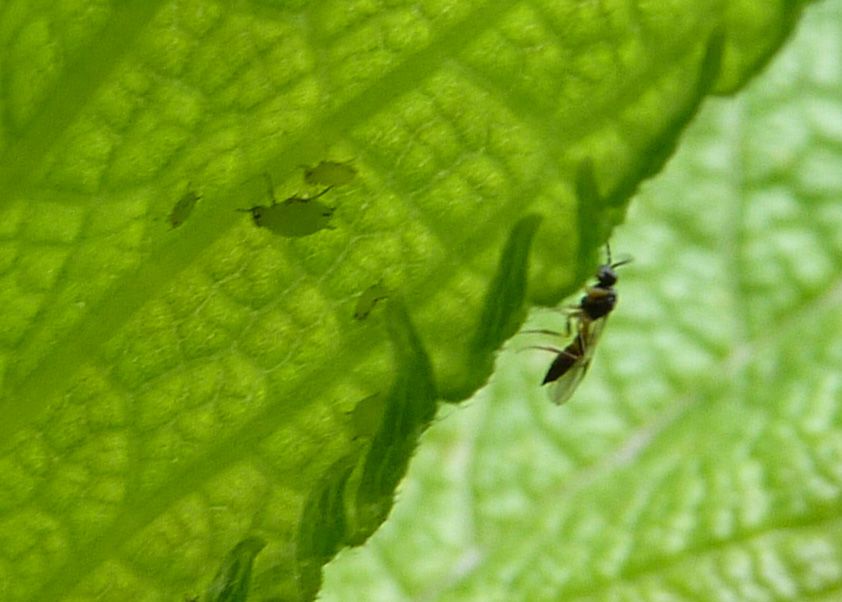 This tiny wasp here is a parasite of aphids. As I recall I witnessed it injecting eggs into multiple aphids that day but was unable to get pictures of the deed in action. I'm not sure whether I tried doing video but I don't seem to have one on hand.
Bees working an apple tree in April.

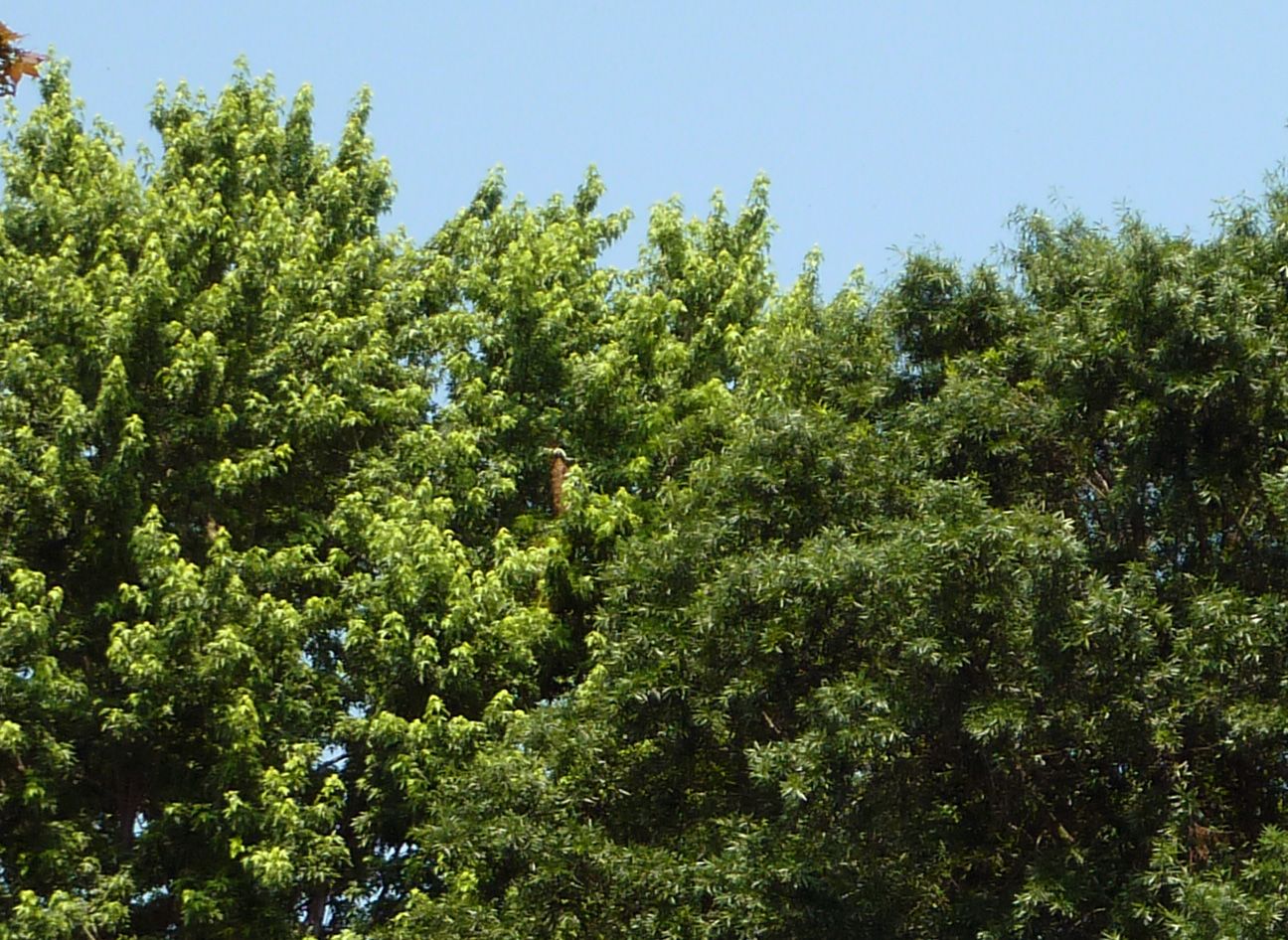 Each May our Honeybee hives swarm and land nearby to start out. This brownish blob in the tree here is a swarm of ~40,000 bees. They later took off and I never saw them again.
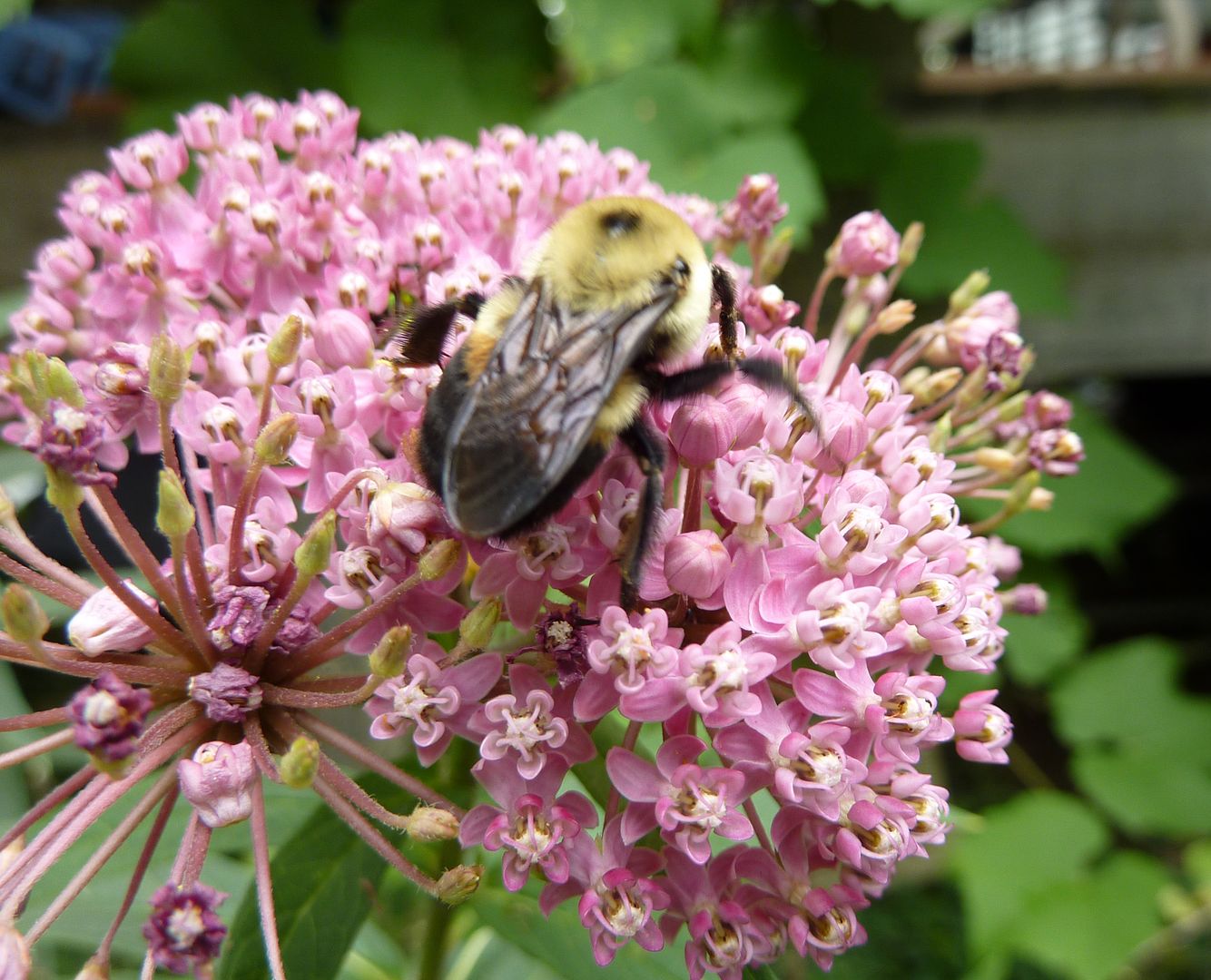 Even in May and June, Bumblebee hives are still starting up. Here a queen is collecting nectar on some Swamp Milkweed, Asclepias incarnata.
Wasps or some Mountain Mint in July.
More wasps on a stunning specimen of Swamp Milkweed, Asclepias incarnata.
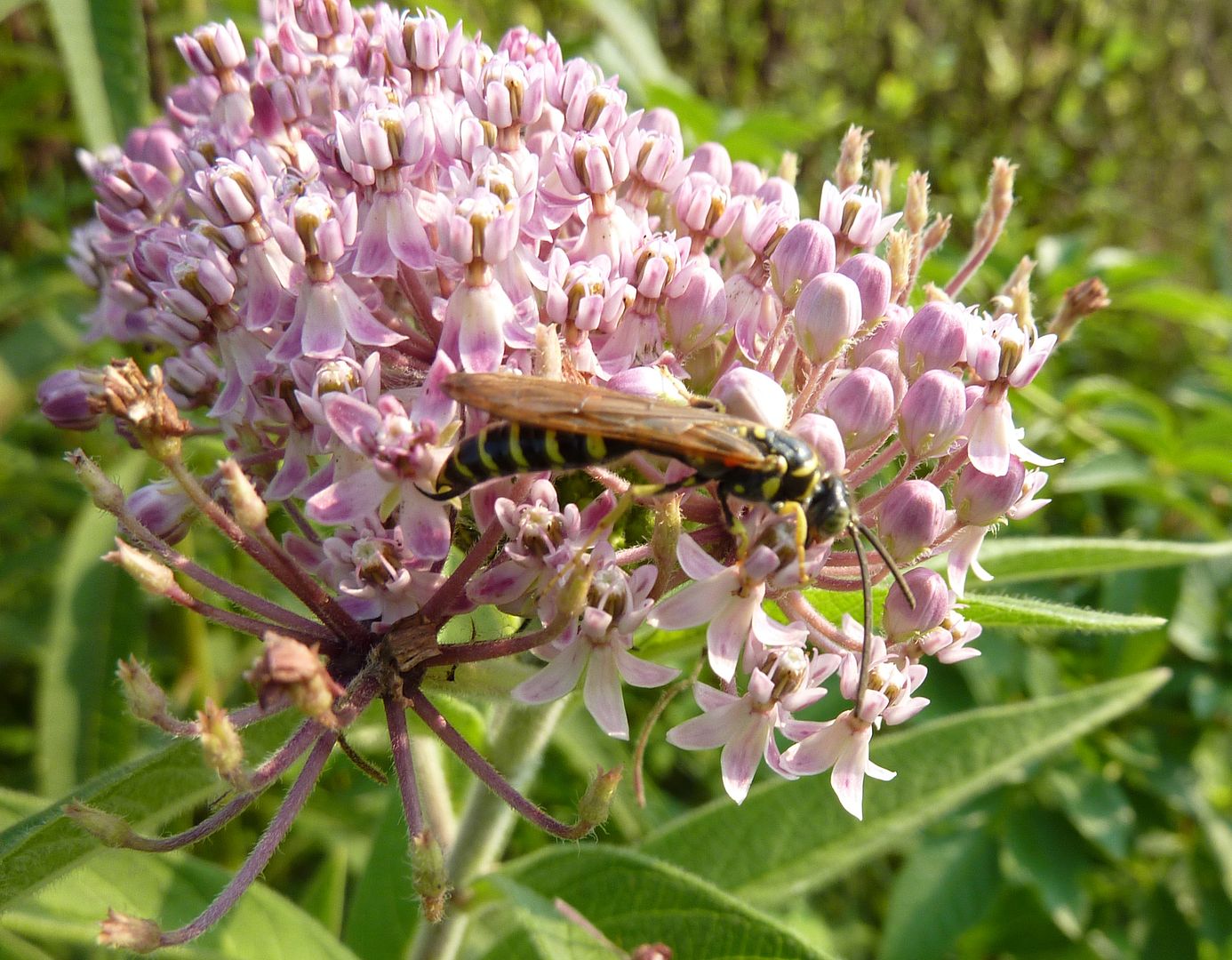 An unknown wasp on Swamp Milkweed flowers.
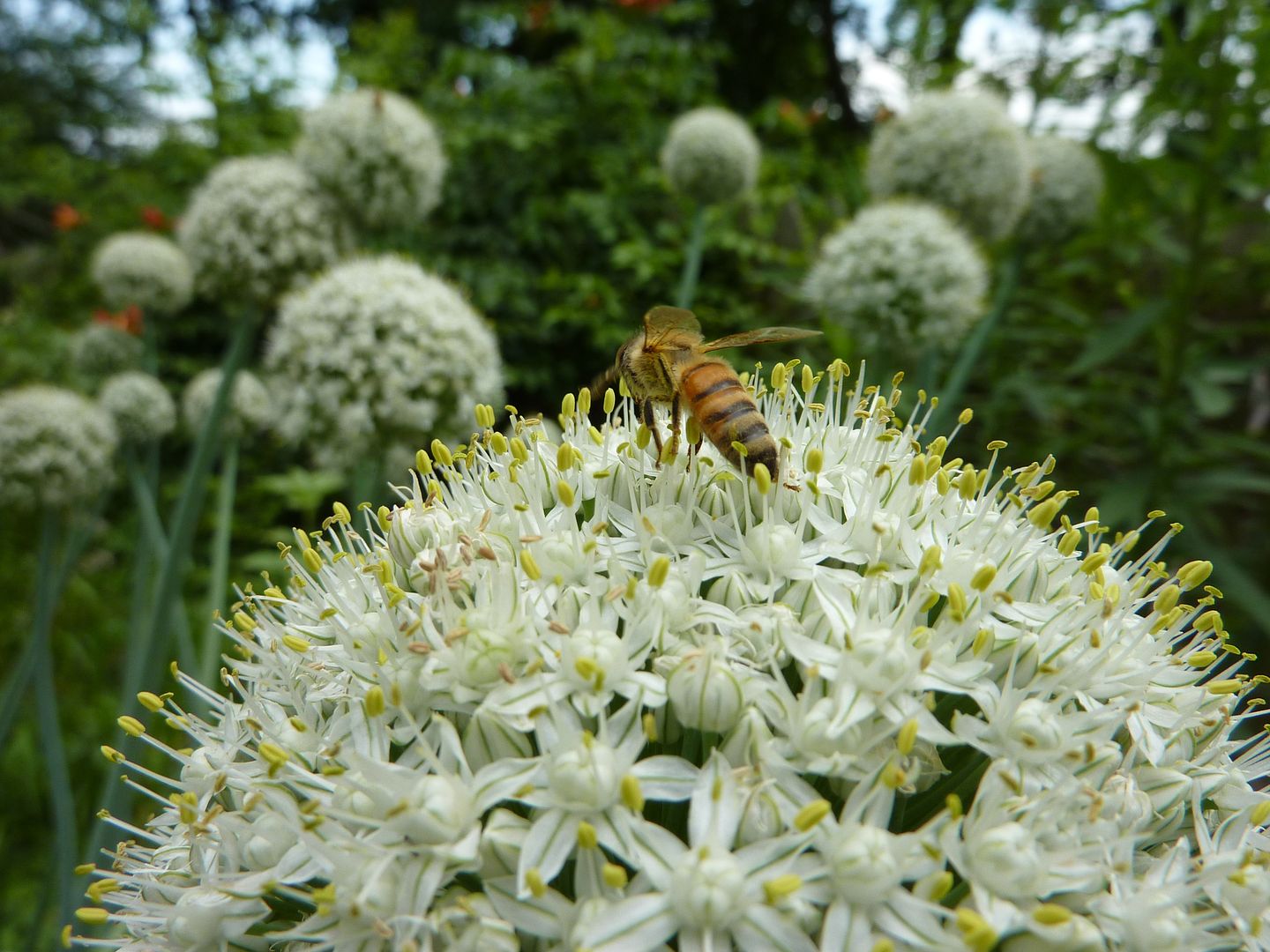
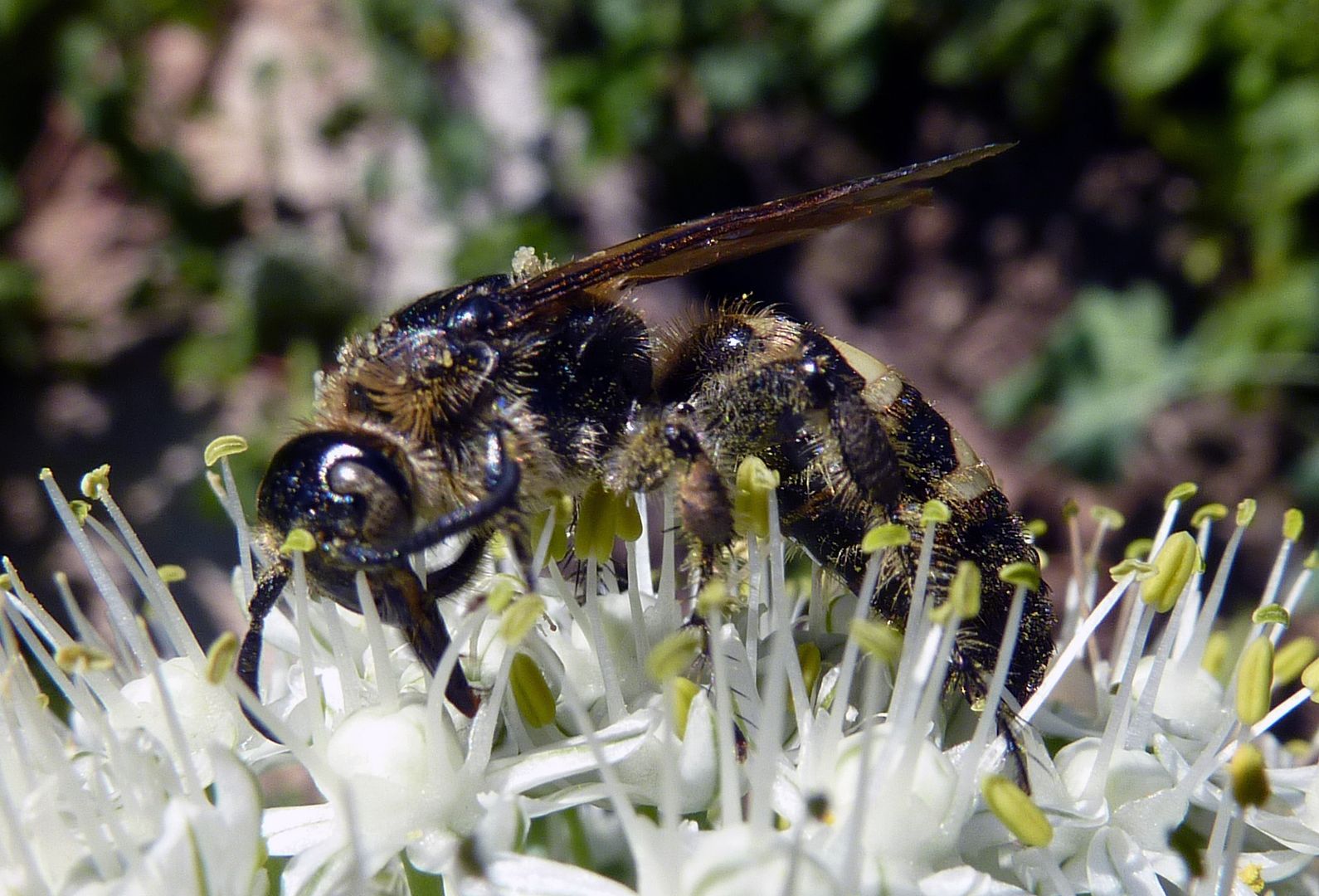
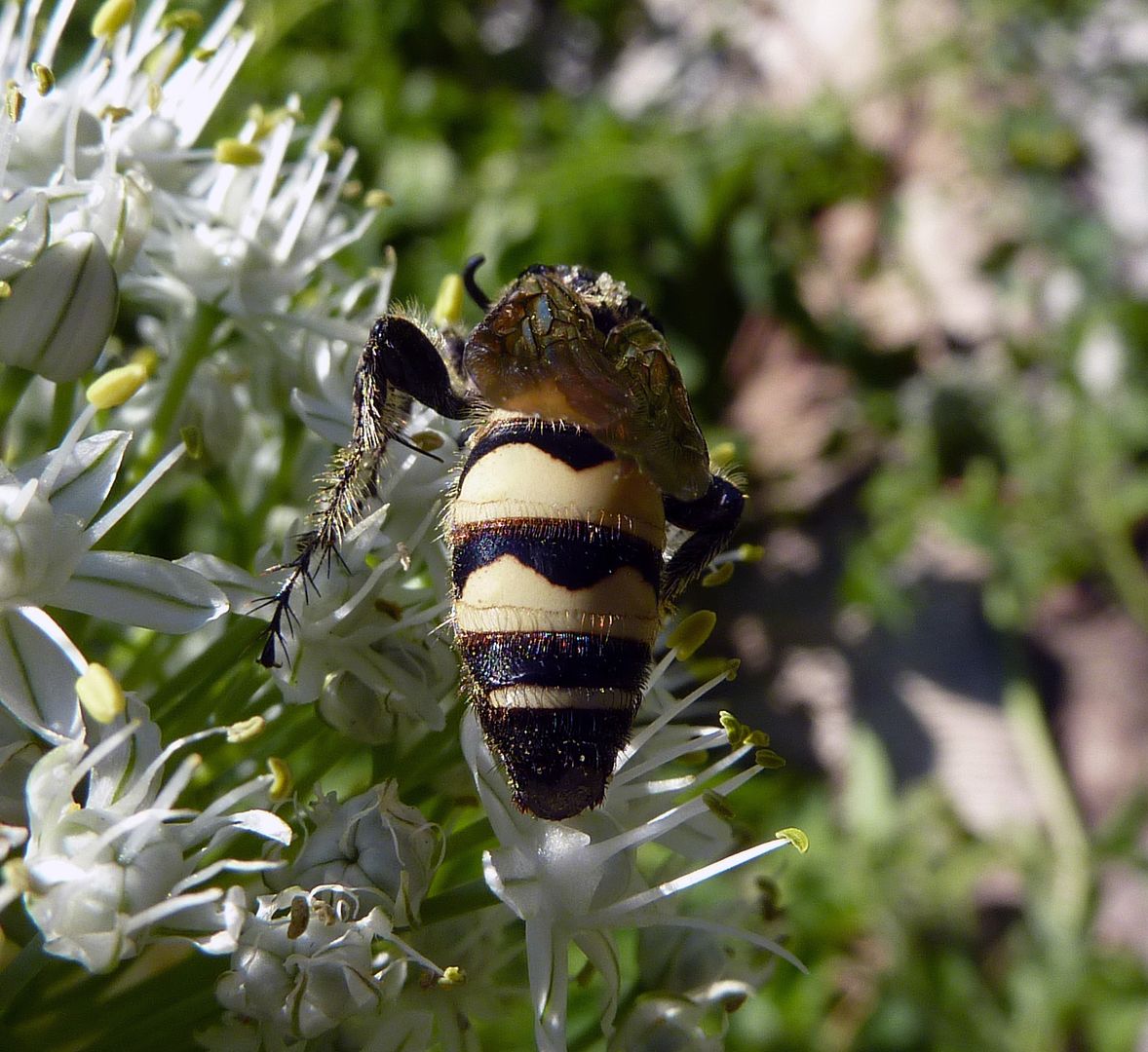 The large white globes of onions provide nectar to lots of bee species.
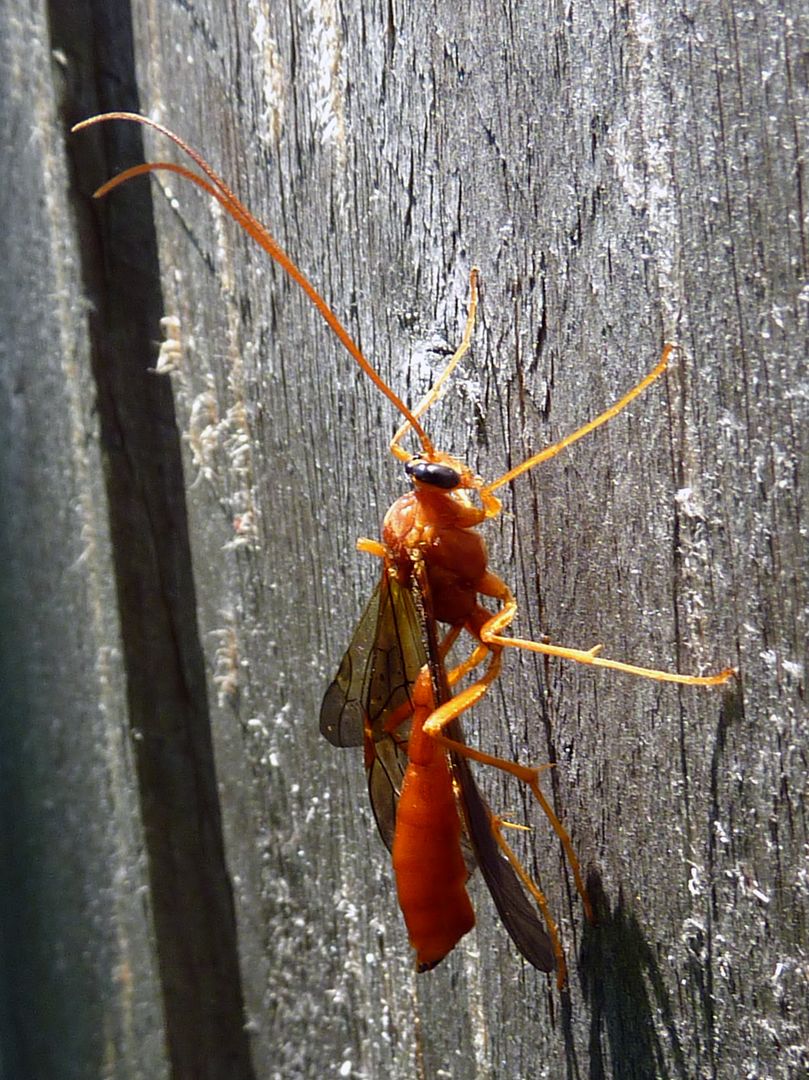 Colorful Ichneumon wasps emerge in mid to late summer. They're harmless to humans but can often be the cause of bee phobias. Their abdomen contains a long coiled up egg laying syringe (which I forget the name of). When exposed it becomes several times longer than their body, about the length of an average pen, and it's used to drill into trees in search of beetle grubs which are already damaging the tree. Here is a video on youtube showing this aspect off. Some species of Ichneumon wasp specialize in caterpillars, beetles, or mason bees.
 Honeybee on Cup Plant flower. Notice how the flowers in the disk are opening from the inside out.
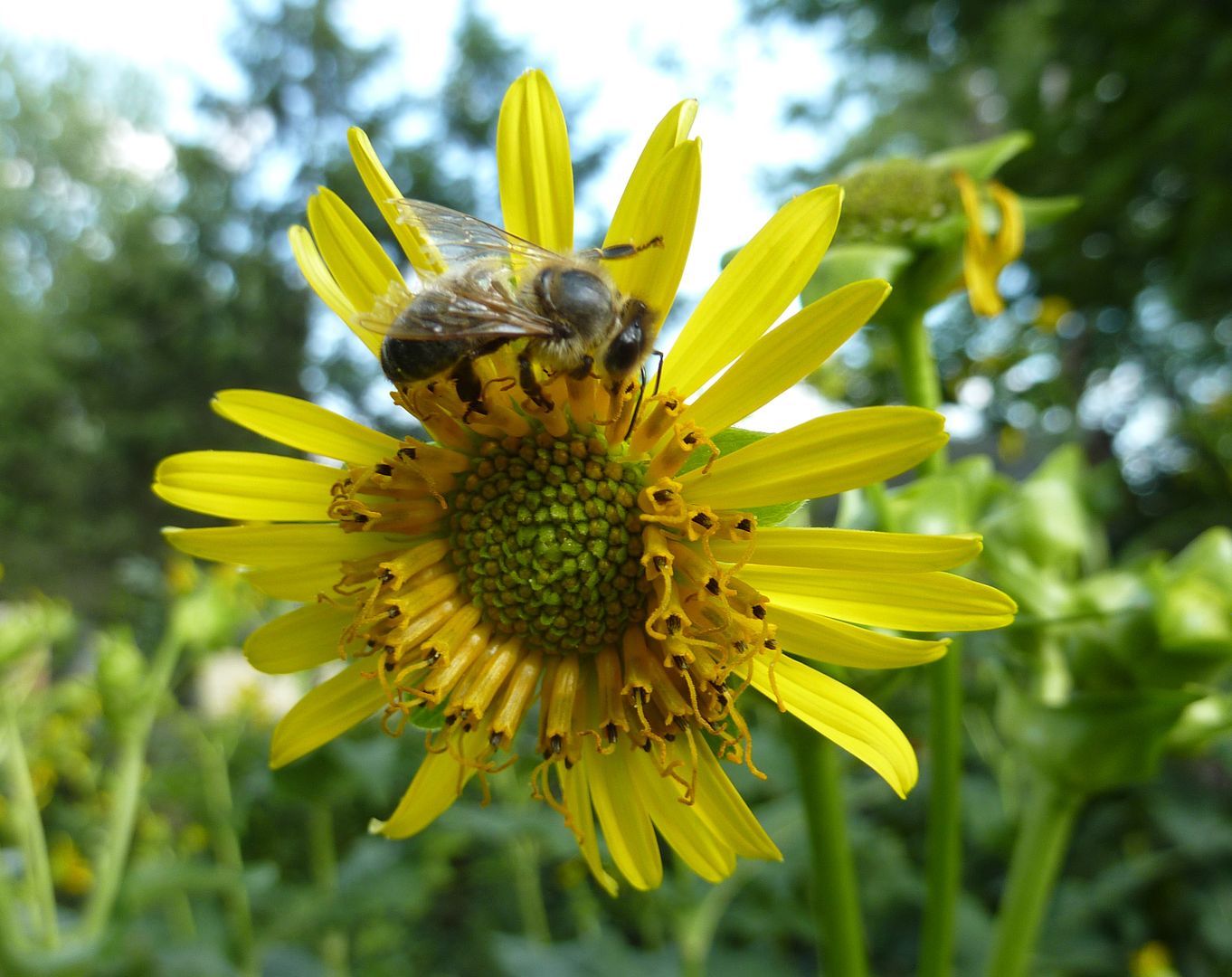 Honeybee on a Cup Plant flower. Notice how the flowers in the disk are opening from the outside in.
Cup Plants are notorious for having flowers that do that even on the same plant, between flowers growing next to one another.
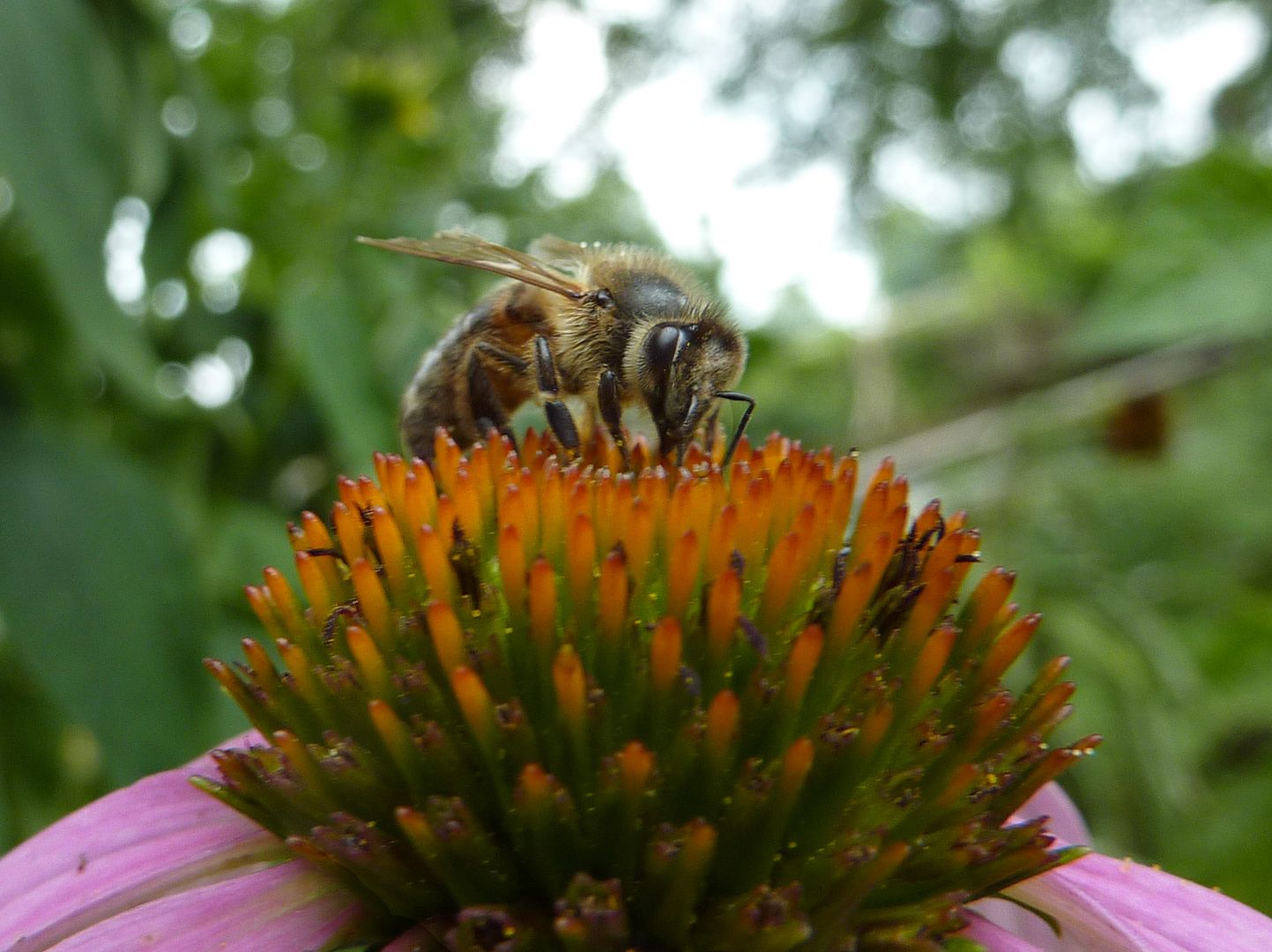 Honeybee on Coneflower.
 Bumblebee on Butterfly Weed, Asclepias tuberosa.
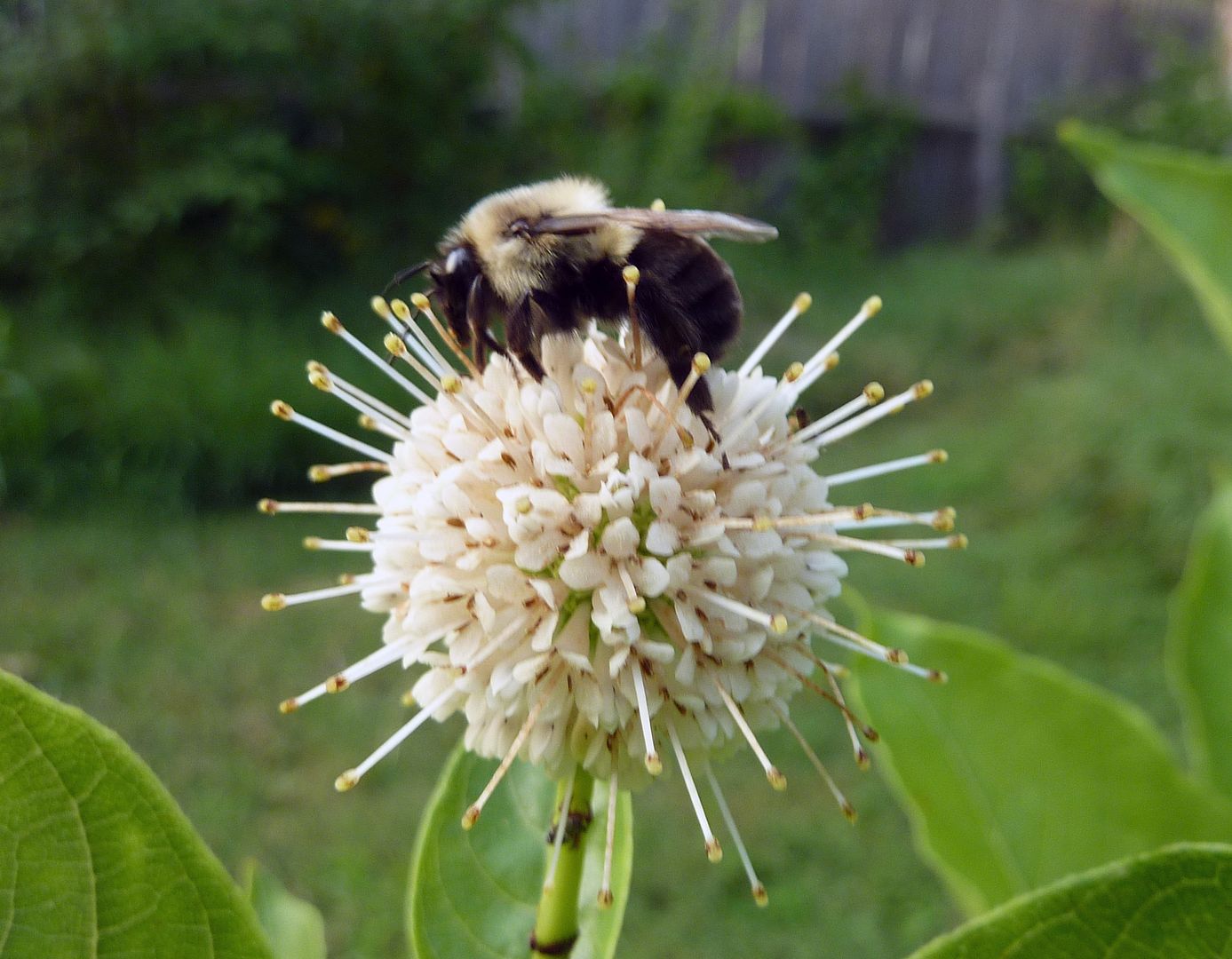 Bumblebee on Button Bush flowers.
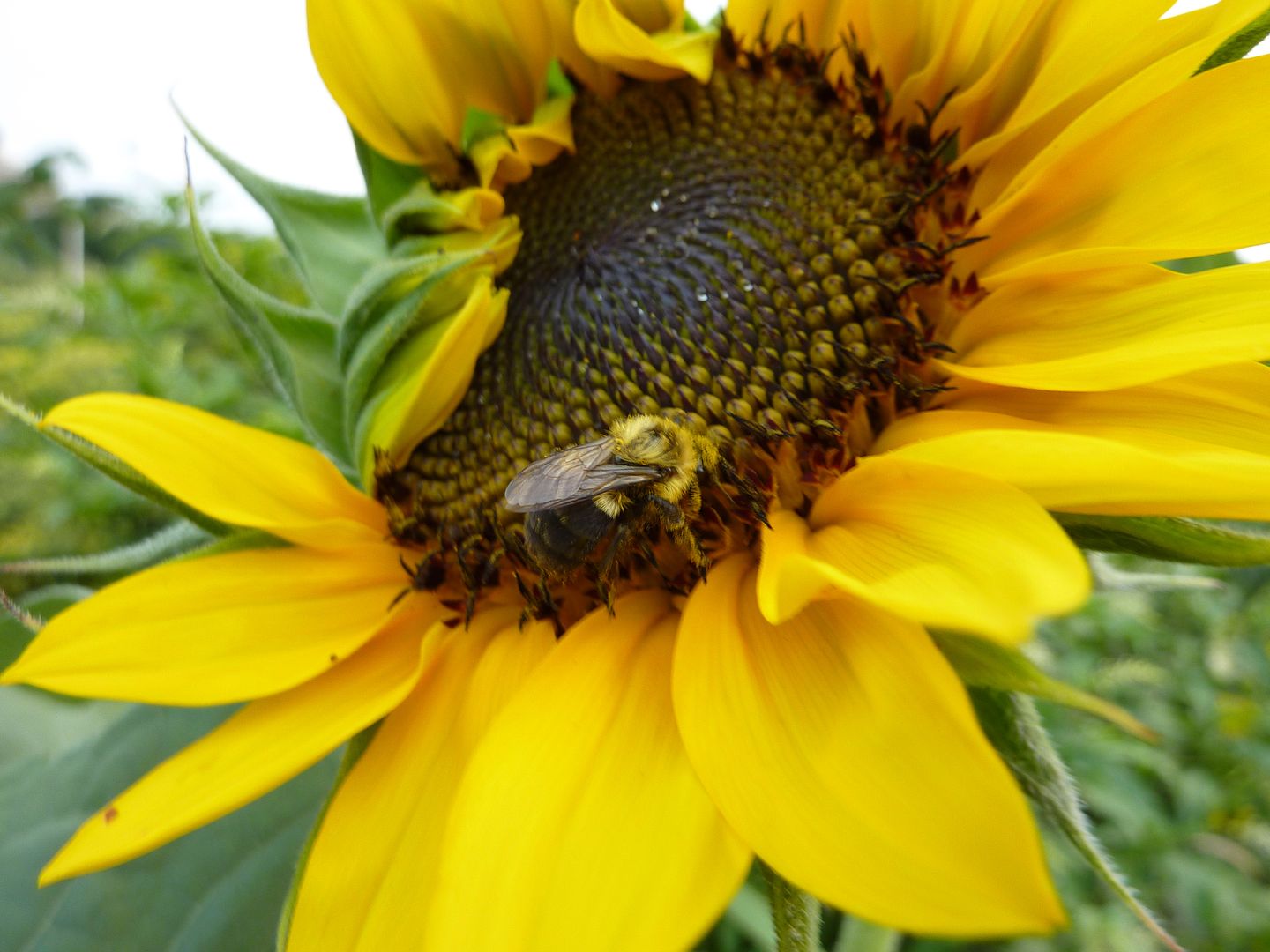 Bumblebee on a sunflower.
Some Honeybees working Liatris microcephala. This was at a nursery I was touring. The overpowering music was great to drown out the sounds of the tour guide talking.
 Bee specimens arranged in a cup.
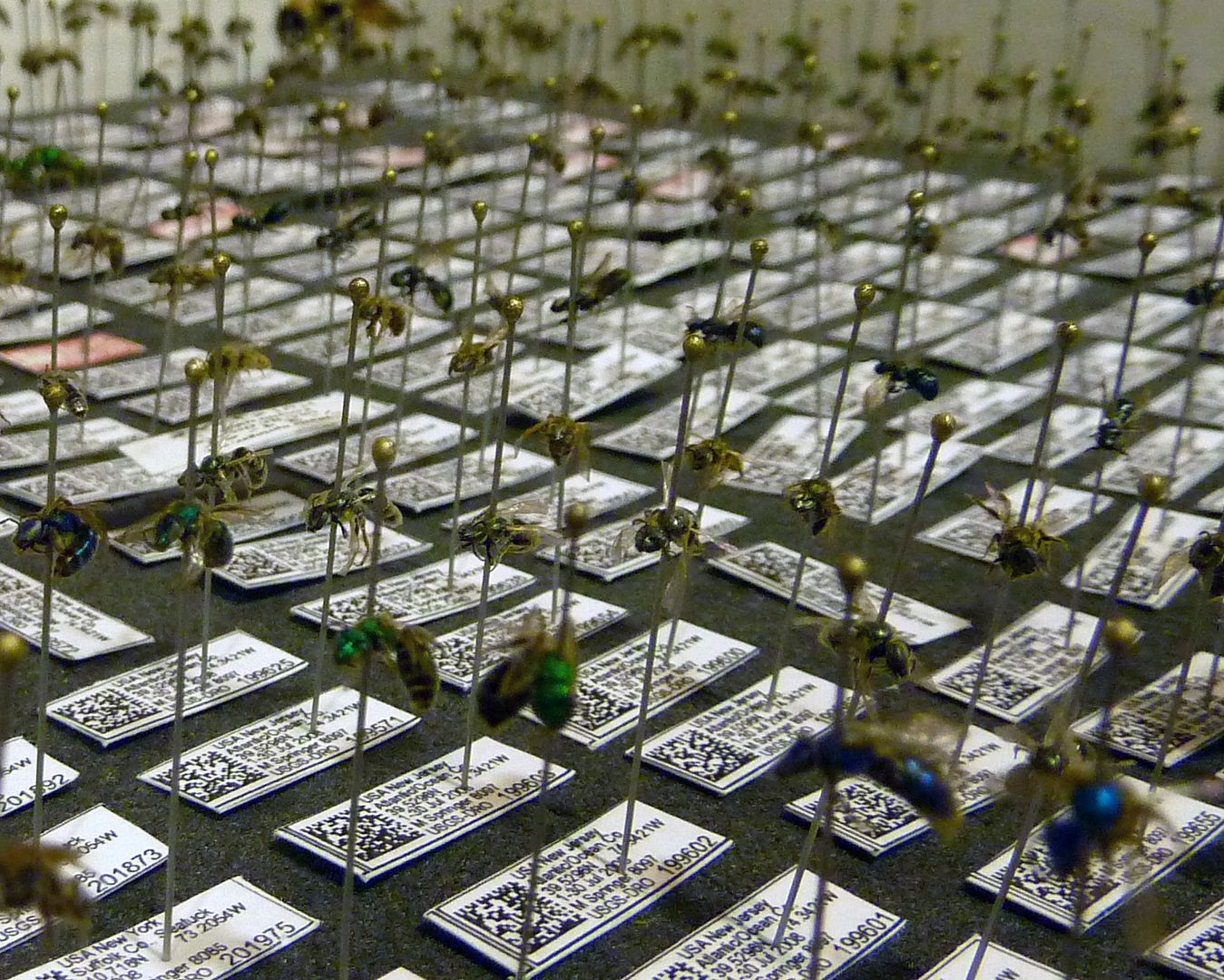
 Bee specimens pinned in a box.
Lastly who could forget the massive goldenrod plant I have. The species is Solidago altissima, Tall Goldenrod, and it's a food source to just about anything that's alive for the first frost later to come. It's also a good nectar source for next years queen bumblebees; one is featured in the video at 2:35.
Bees working an apple tree in April.
Wasps or some Mountain Mint in July.
More wasps on a stunning specimen of Swamp Milkweed, Asclepias incarnata.
Cup Plants are notorious for having flowers that do that even on the same plant, between flowers growing next to one another.
Some Honeybees working Liatris microcephala. This was at a nursery I was touring. The overpowering music was great to drown out the sounds of the tour guide talking.
Lastly who could forget the massive goldenrod plant I have. The species is Solidago altissima, Tall Goldenrod, and it's a food source to just about anything that's alive for the first frost later to come. It's also a good nectar source for next years queen bumblebees; one is featured in the video at 2:35.
Thursday, July 28, 2011
Mountain Mint Madness
About a month ago the honeybees and bumblebees lost interest in the Mountain Mint, Pycnanthemum sp. presumably to take nectar from bigger and better things. In their absence some of the more obscure pollinating wasps have taking their place.
A lot of these wasps refuse to stay still for pictures so a short video was needed to capture them in action. The rather colorful stripped scoliid wasp was the only that I couldn't get at least a decent picture of. Others were more cooperative.
Another plant I've seen some of these on was the Rattlesnake Master, Eryngium yuccifolium. Last year I had four of them, but only one has come back. I have seen the longer of the two thin dark mud wasps on other kinds of mint as well.
A lot of these wasps refuse to stay still for pictures so a short video was needed to capture them in action. The rather colorful stripped scoliid wasp was the only that I couldn't get at least a decent picture of. Others were more cooperative.
 |
| Mud Wasp of some sort. |
 |
| Mud Wasp of some sort. |
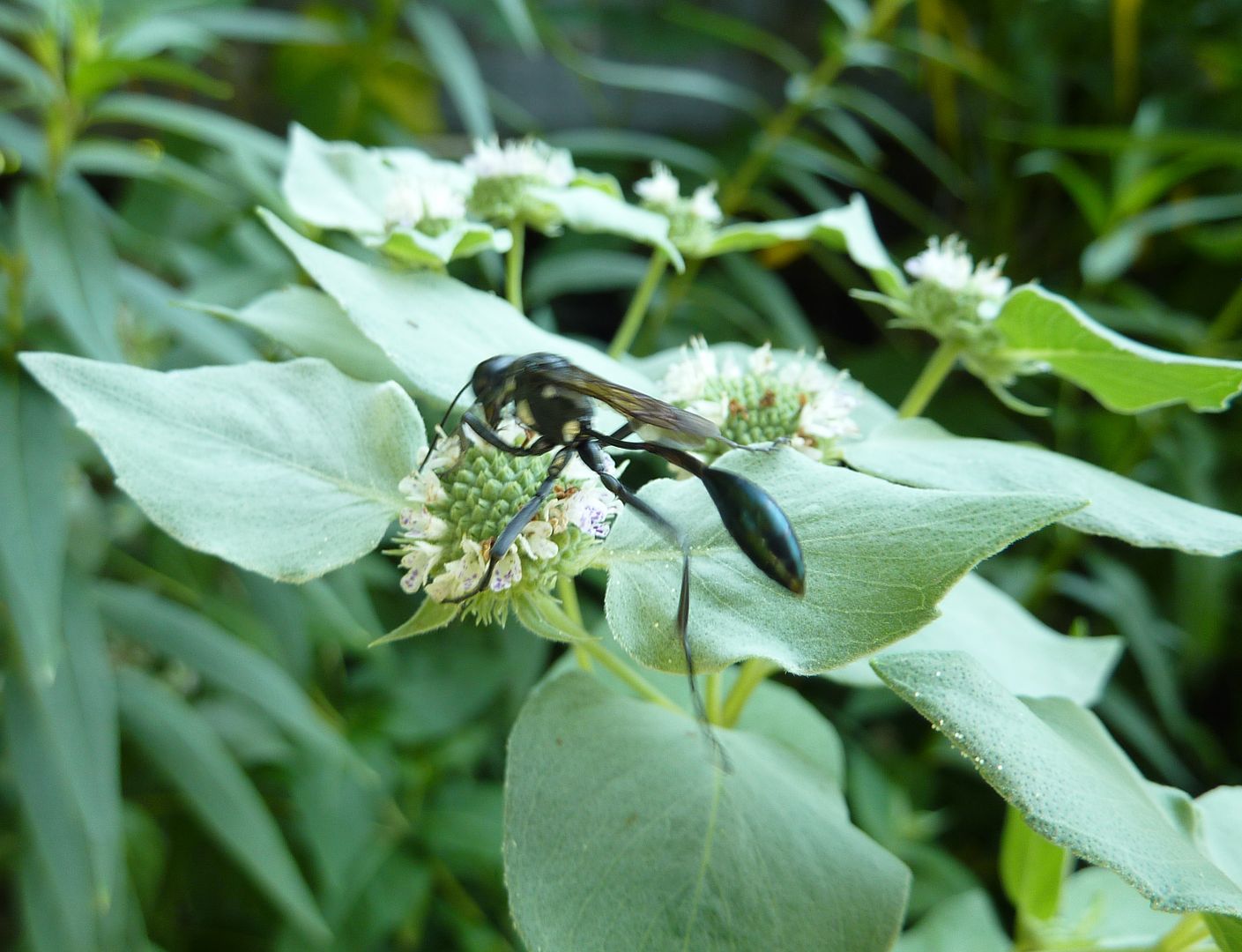 |
| Mud Wasp of some sort. |
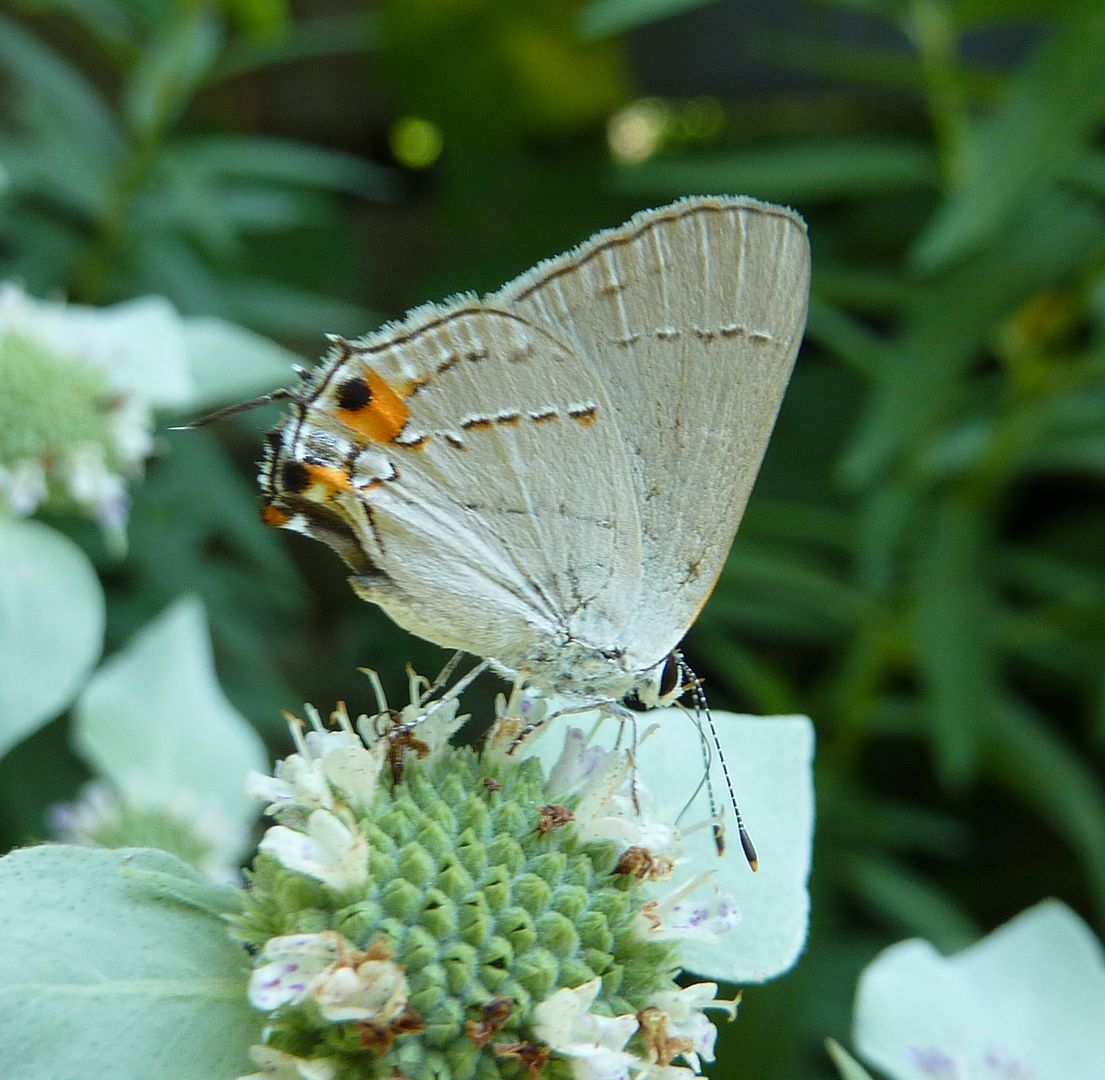 |
| Summer Azure of some sort. |
Thursday, July 22, 2010
Memories of Summer Sweet
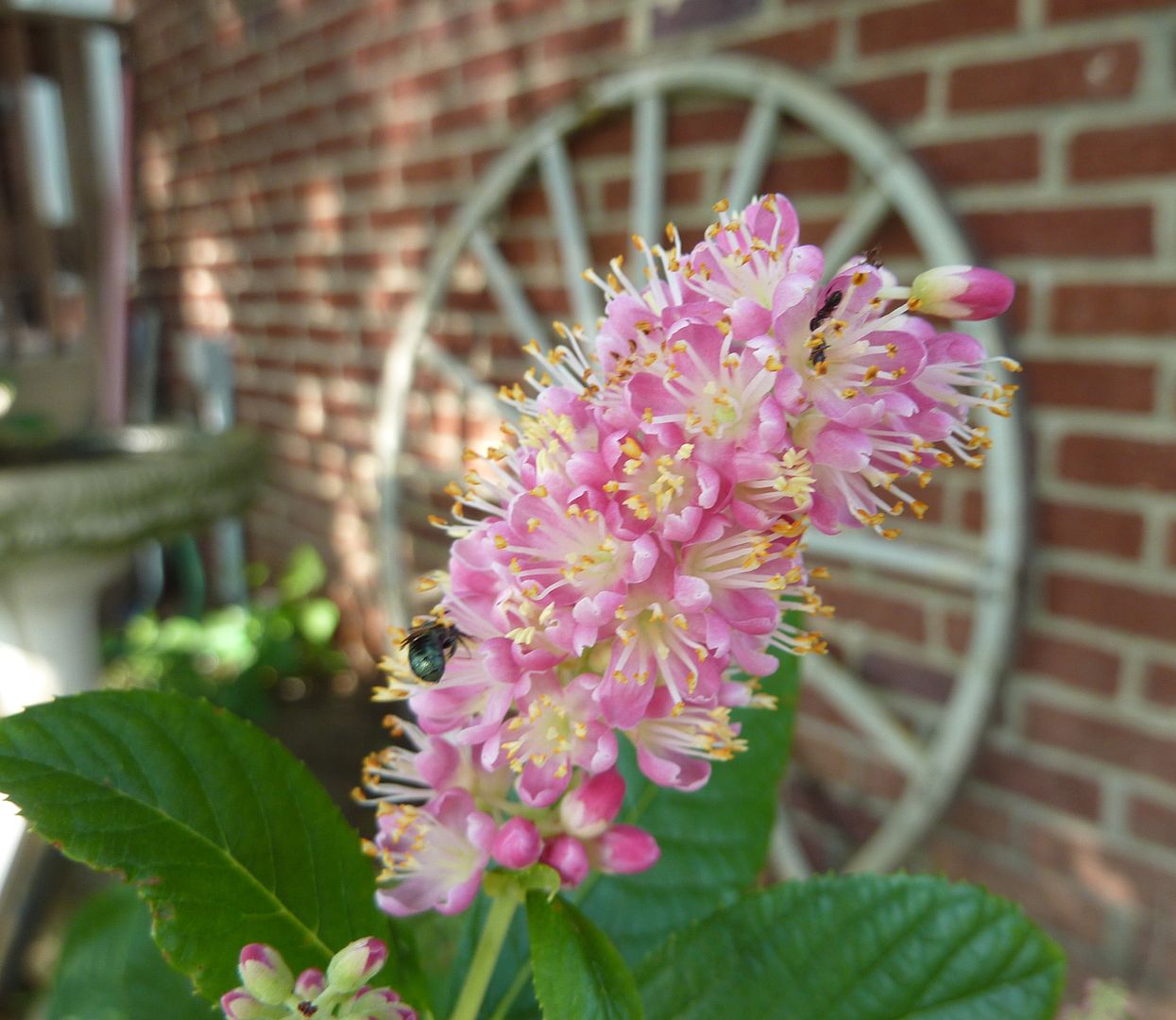
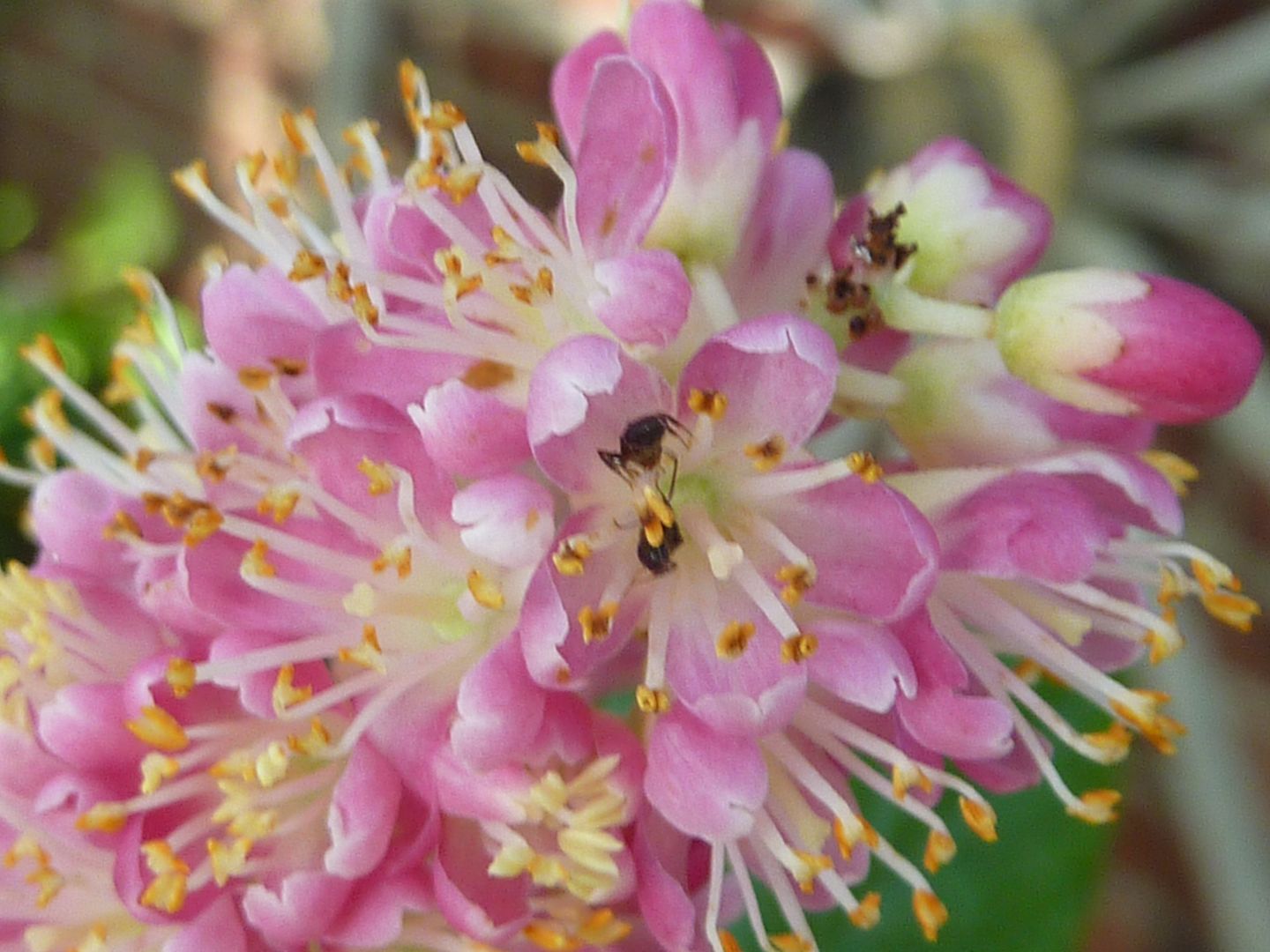
My friend was on vacation and I was looking after his garden. I didn't know what the plant was at the time. I entered the garden immediately smelling something incredibly sweet. It was a wonderful smell and I looked around at what on earth it could be. I finally homed in on in more than 30' away from the garden gate as the strange shrub by his garage. By then my jaw had dropped at the extreme array of pollinators working the shrub. Many of these insects I'd never seen before and several to this day I've never seen since. Enormous black wasps that are bulky like a Cicada Killer, on par with that of a Hummingbird flew over the thing. They were not Hummingbird moths... those I could recognize on the plant. A huge array of Scoliid Wasps flocked around the plant among tiny metallic green and gold sweat bees. To my surprise Honey Bees and Bumblebees weren't that common at all.

Tuesday, July 20, 2010
More Reattlesnake Master
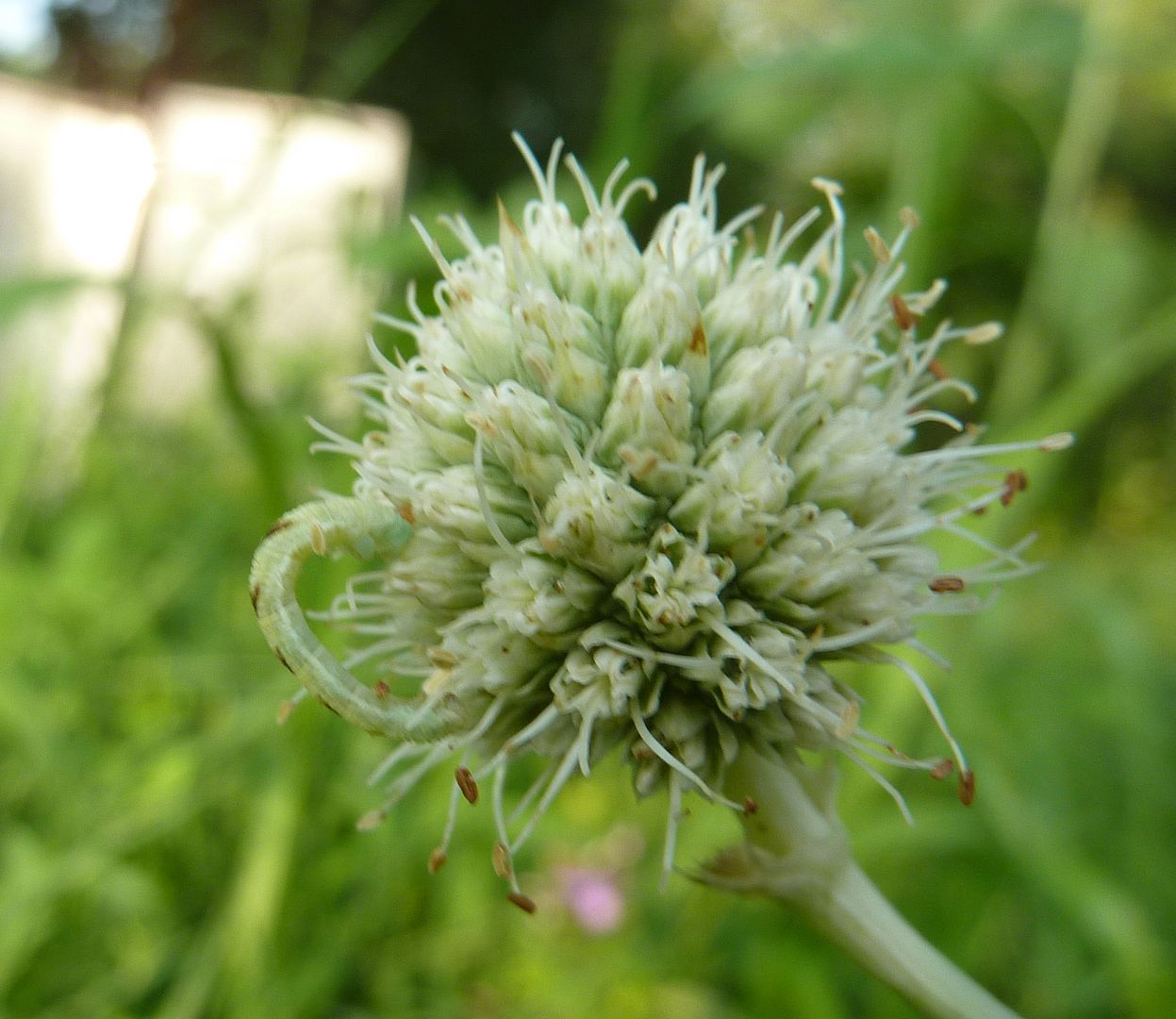
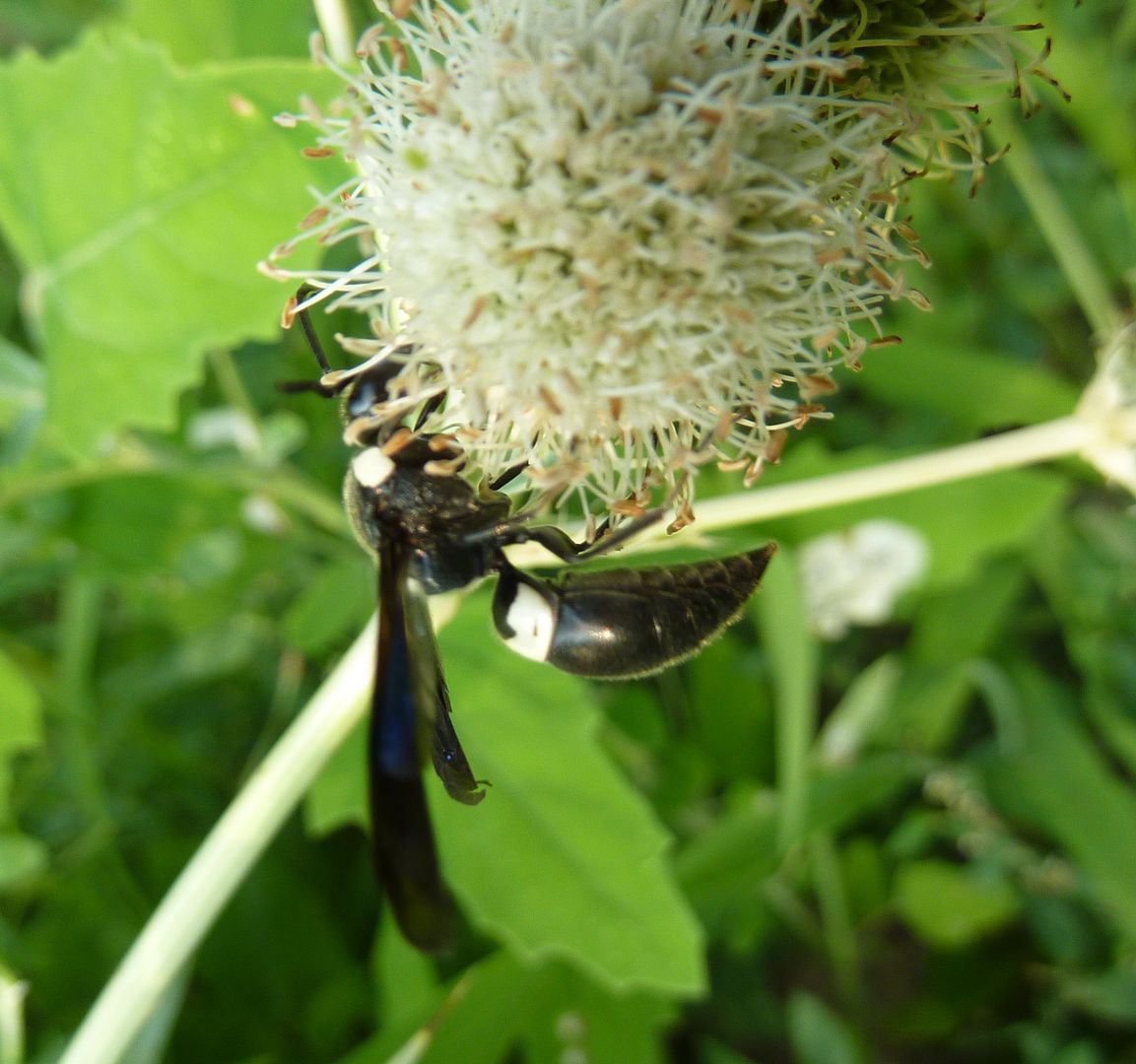

Here's part 3 of the videos I've been doing. Wasps are very easily spooked. So often I'll go out to film the wasps only have have half of them fly off the plant. This time though they were all fairly well behaved.
Monday, July 19, 2010
Rattlesnake Master, Eryngium yuccifolium
A Mud Dauber and Scoliid Wasp working the Rattlesnake Master blooms. This is one of the odder looking natives I planted last fall. I'd read it's pollinated by wasps but had no idea it would actually attract them. I don't normally see Scoliid Wasps until the fall time when Sedum blooms. The Mud Dauber I sometimes see working Raspberries but not often. I see Potter Wasps more commonly working those along with bumblebees.
Wasps of course are very beneficial. Though they are somewhat counterproductive in a butterfly garden. Turns out they're to good at their job. I have loads of violets that are nibbled to bits by caterpillars, and likely hosts to some pretty butterflies. That said I've only been able to see one caterpillar this year and that was picked off shortly after by a paper wasp. When we get outside the realm of common paper wasps and yellow jackets though, we start to find more specialized predators. Many Mud Daubers specialize in hunting spiders. Scoliid Wasps burrow into lawns to inject their eggs in root eating beetle grubs.
The adults feed on nectar like bees do, and it takes certain plants to get their attention. It's the only way to really admire the color patterns. Scoliid Wasps in particular are very pretty.
Wednesday, May 26, 2010
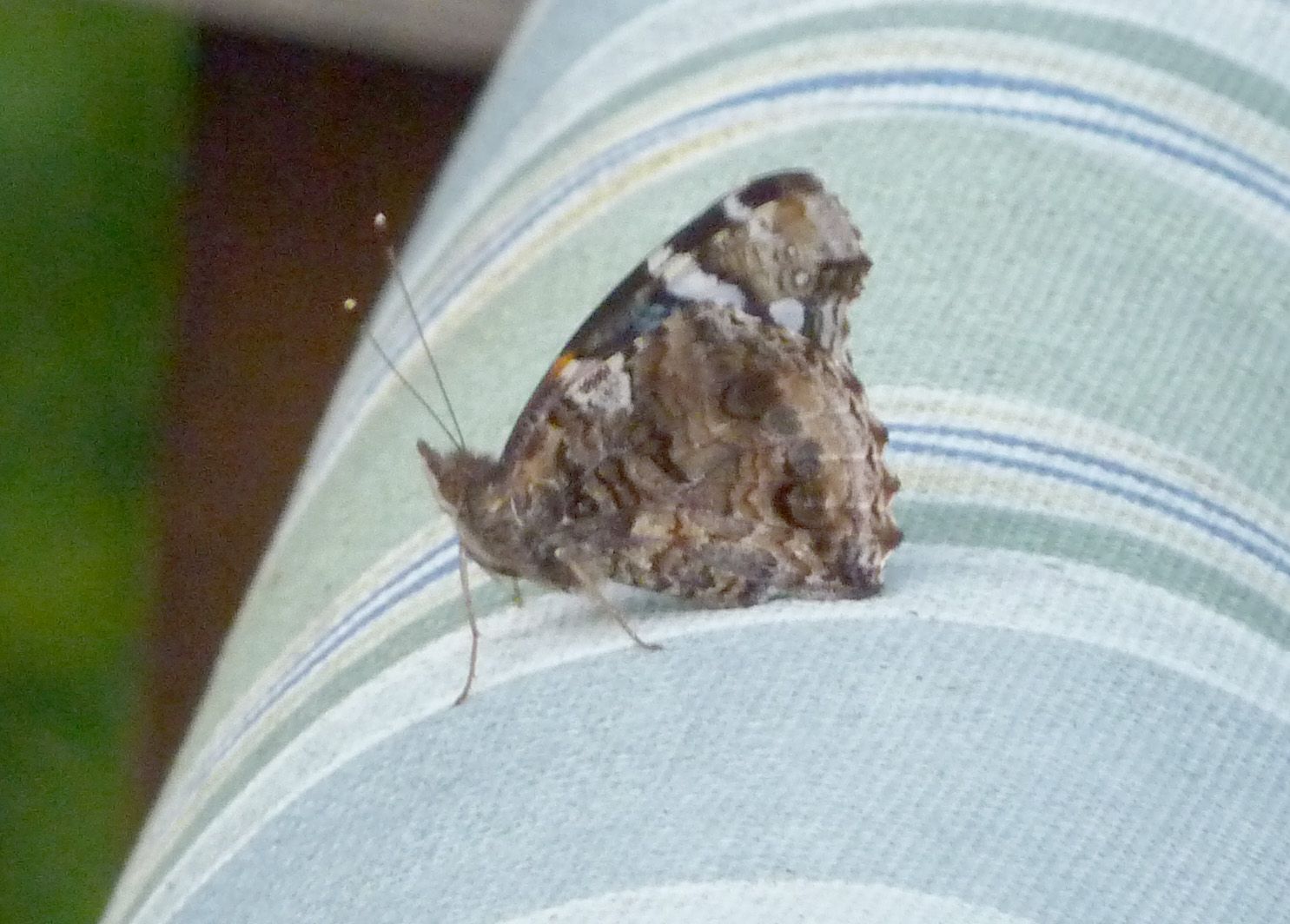
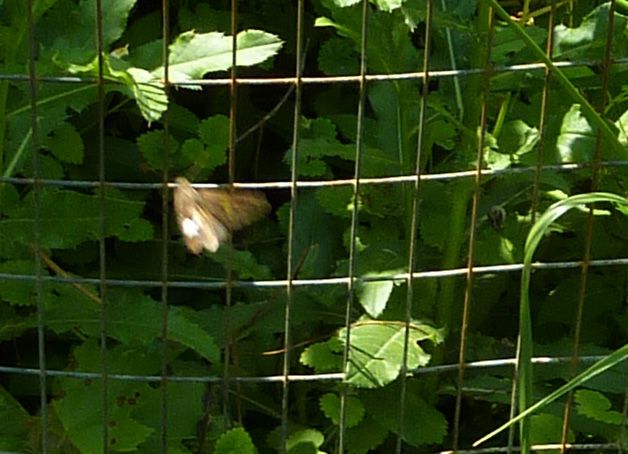
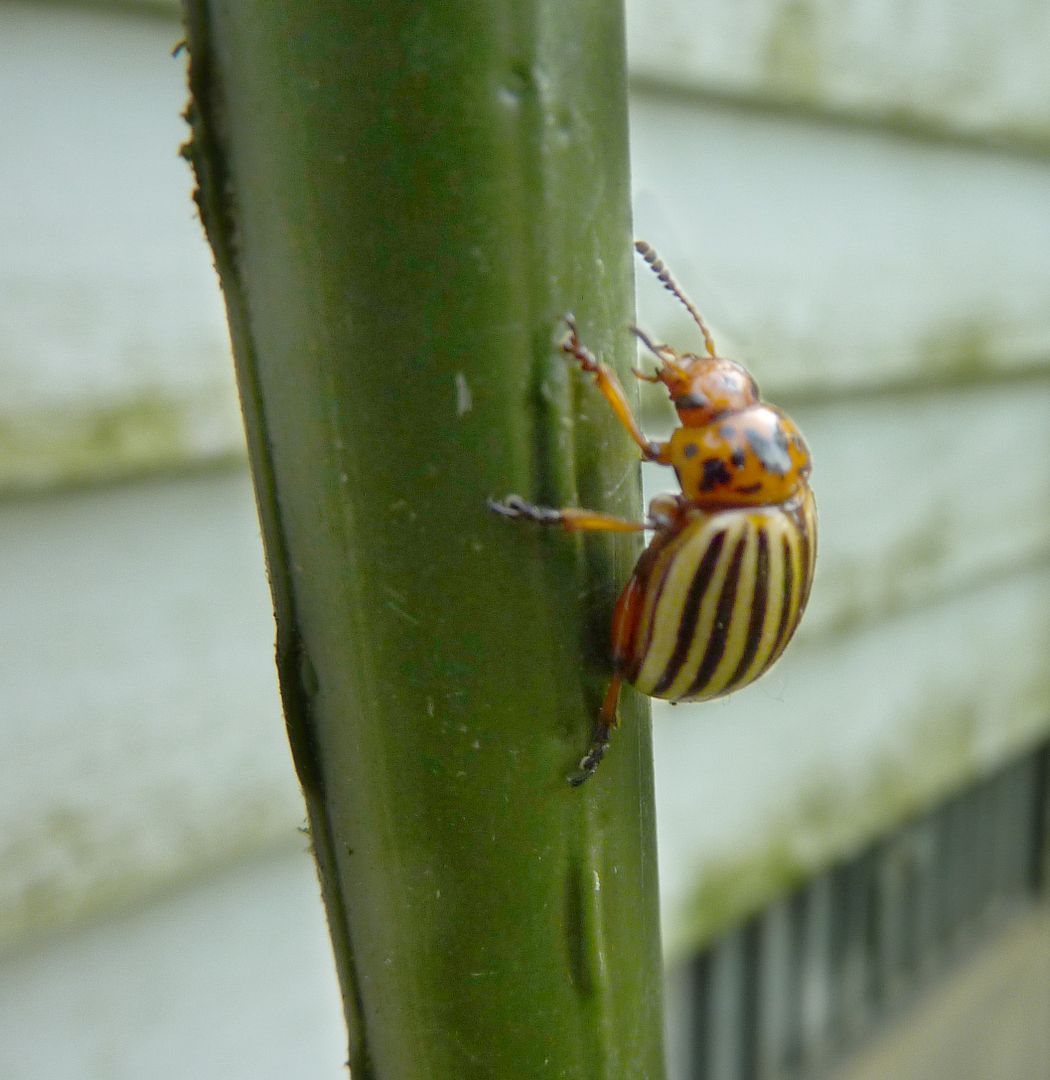
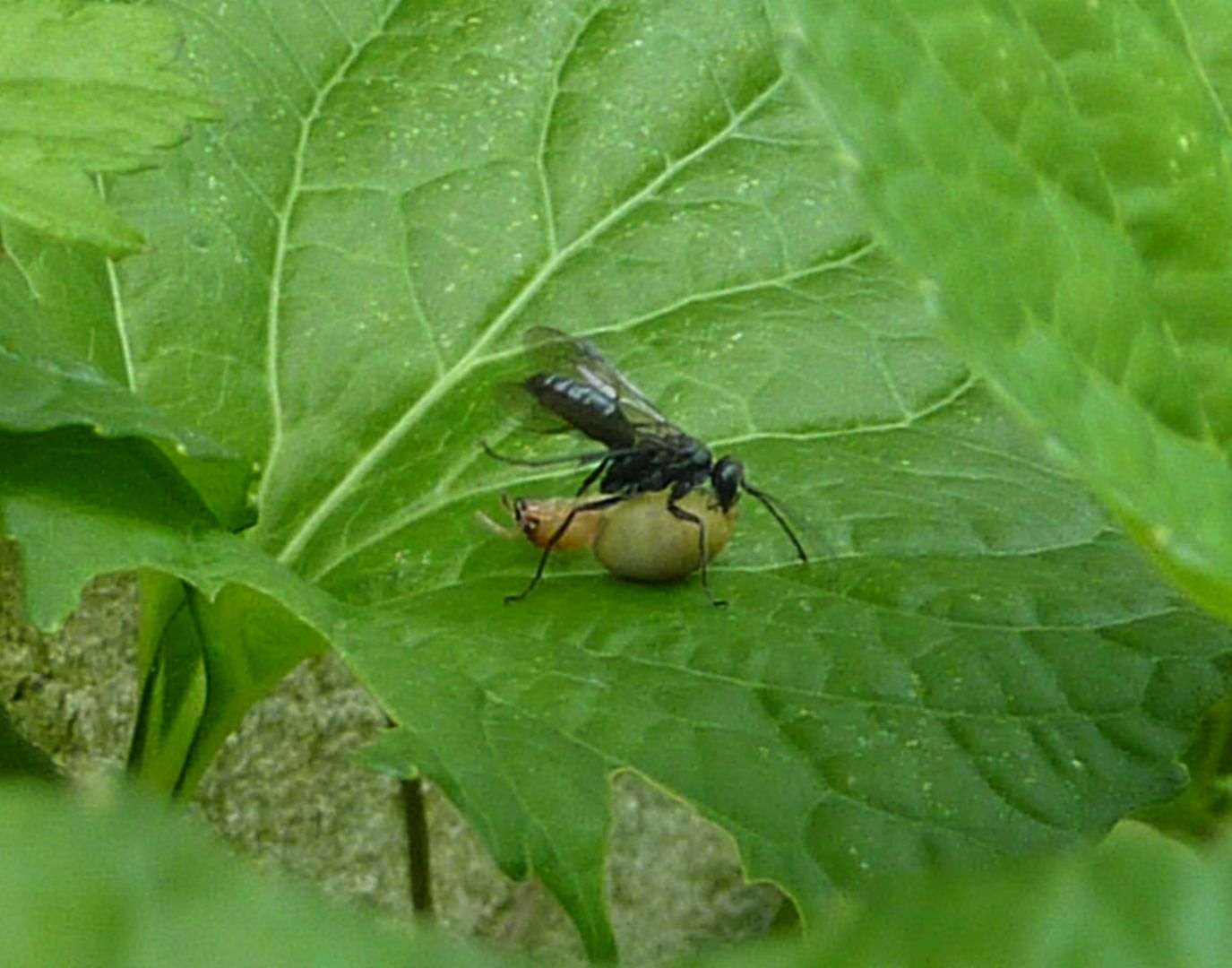
Some Bugs
Subscribe to:
Posts (Atom)