With the majority of summer blooming flowers going to seed or fruit, there's now a new cast of flowering plants coming into bloom. And the Mt. Cuba Center is nothing if not inspiring to see what's flowering and when. I strain to think of species they don't have growing somewhere on their property;
Campanula americana comes to mind but really few others. In fact I'd say going there has broadened my knowlage of plant species. At times it feels as though I'm walking through Donald Leopold's "Native Plants of the Northeast" which few other gardens can do.
I've been to Longwood Gardens several times and they should really change their name to Long Lawn Gardens. They have long pathways that go on quite a ways with flowers lining the side, but the trouble is it's the same 5 to 10 species or cultivars repeated over and over again, making it about as exciting as watching a copy machine pump out page after page. Their green house has an impressive collection of plants but are setup like museum dioramas without the fake cave men and stuffed animals. Their meadow is the only real highlight I'd say worth going to because of the wildlife factor which at times even out shines the Mt. Cuba Center.
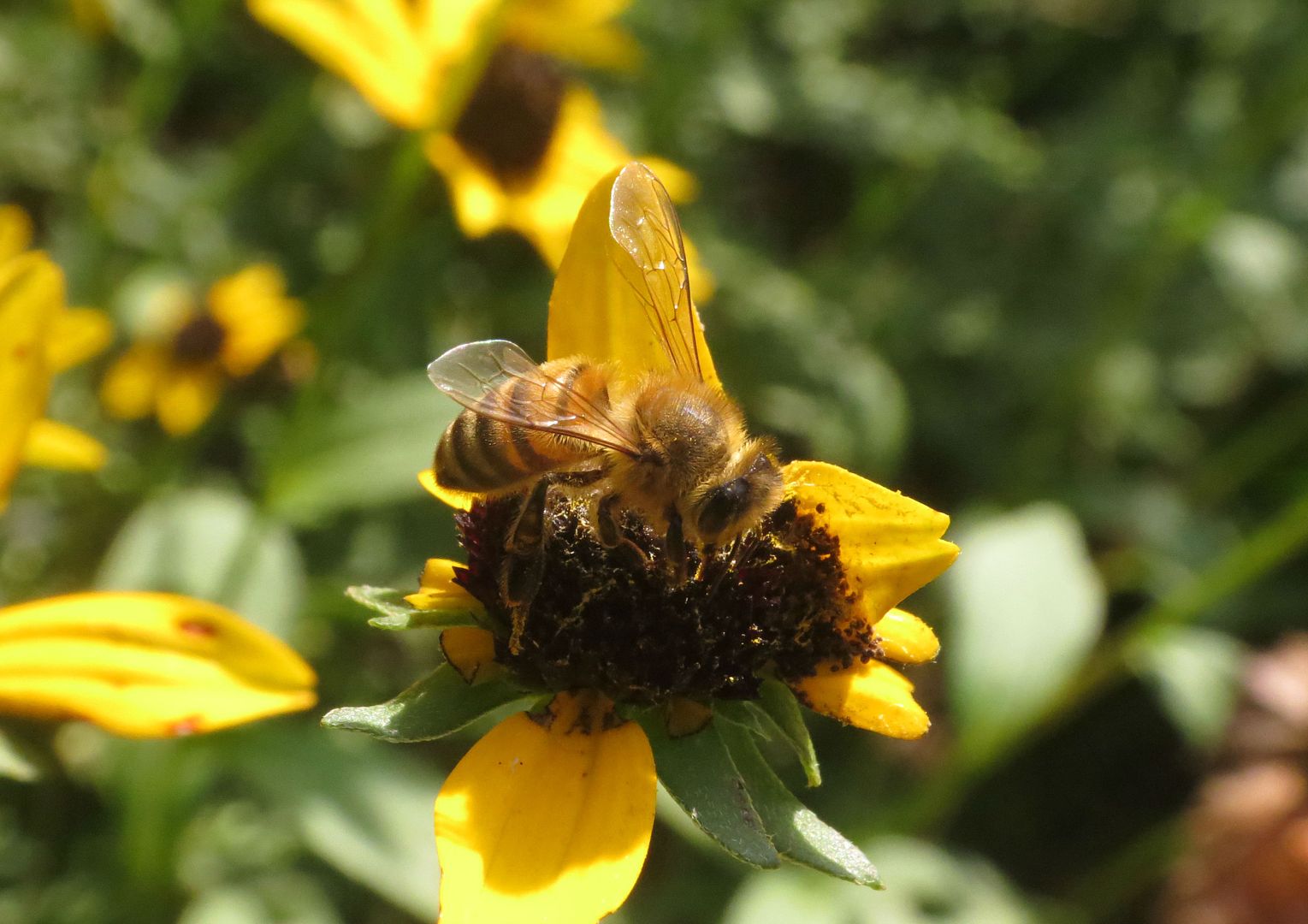
At the Mt. Cuba Center meadow there's still plenty of wildlife flying around but mostly in bug form.
The natural approach looks better, though I know lots of people won't like this. I just love the sweeping effect of color and the movement of the grass as the wind blows over the field. They do have sections where they specifically put in a plant so when they do tours they can show it front and center.
The late Mrs. Copeland strongly believed that a meadow should primarily be made up of grasses. I do see the beauty in that, but frankly I find such meadows to be boring. Grasses are almost exclusively wind pollinated so you don't get the bees and butterflies that you get when incorporating wildflowers.
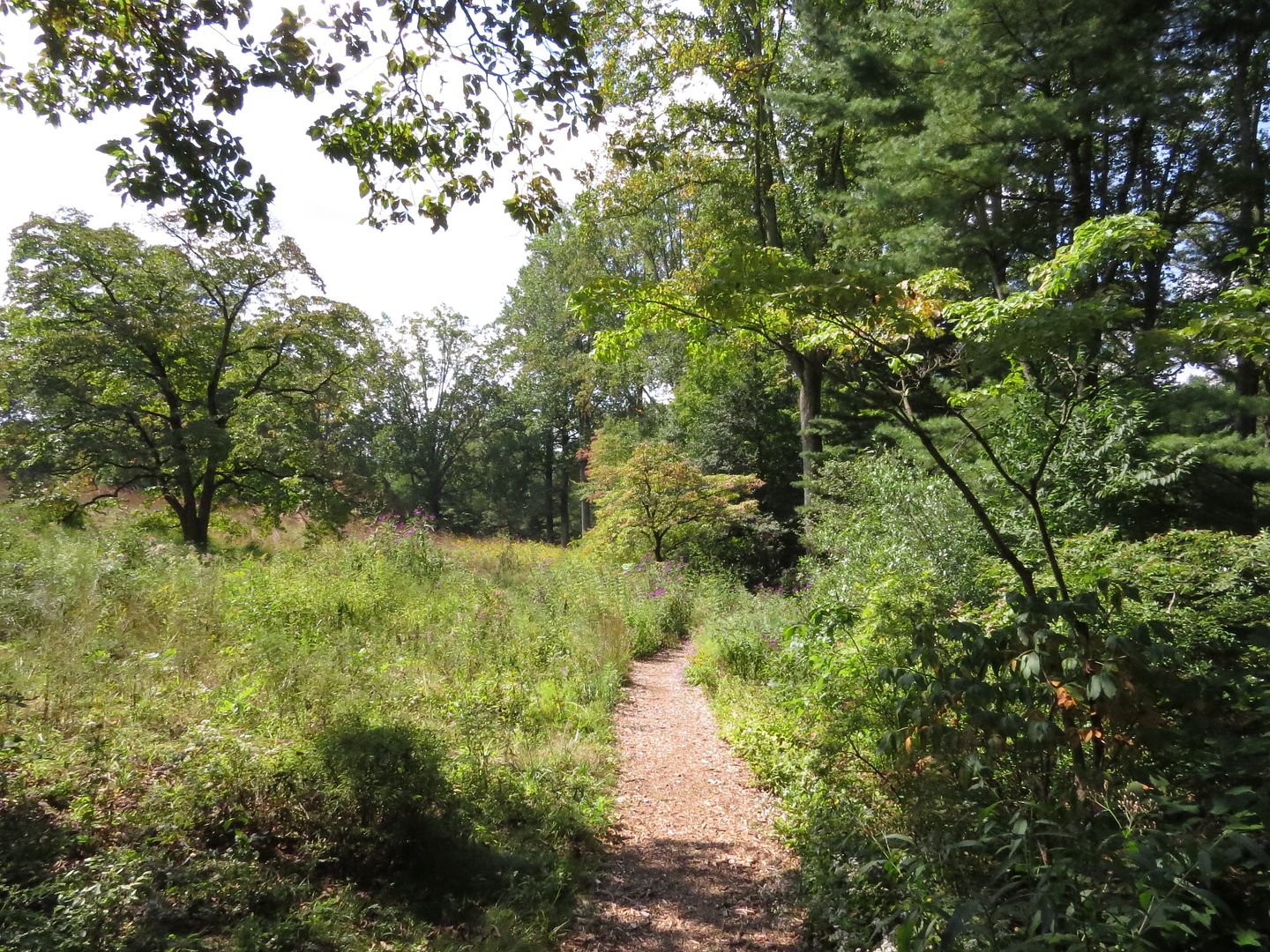
At the top of the meadow is the wildflower bed, which you can't see from the bottom. Beyond that line of tall grasses is a hill that gradually slopes down to the ponds where there is a gazebo for sitting. The meadow looks wonderful from that spot, and they try to maintain the primarily grass feel of it down there.
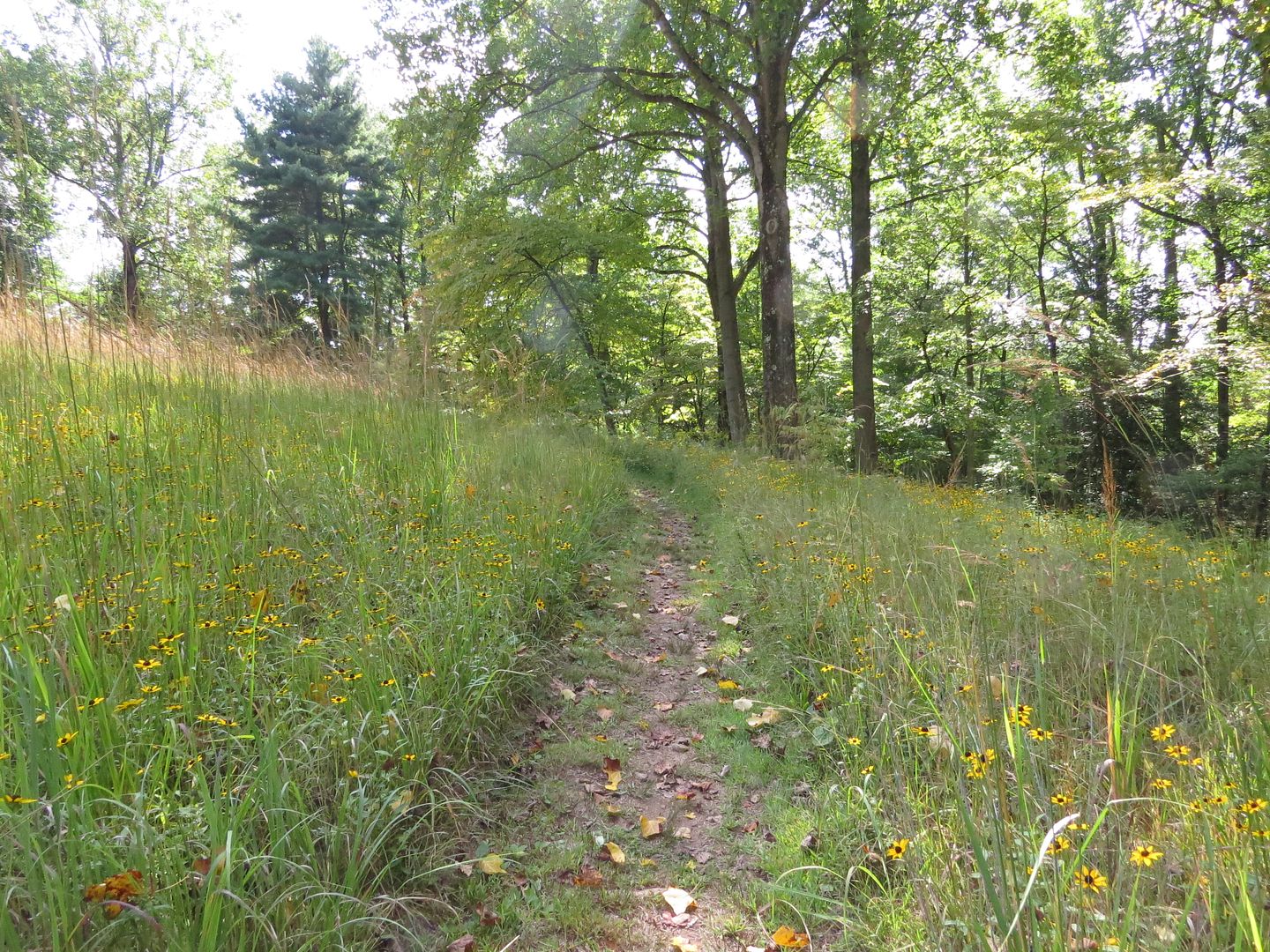
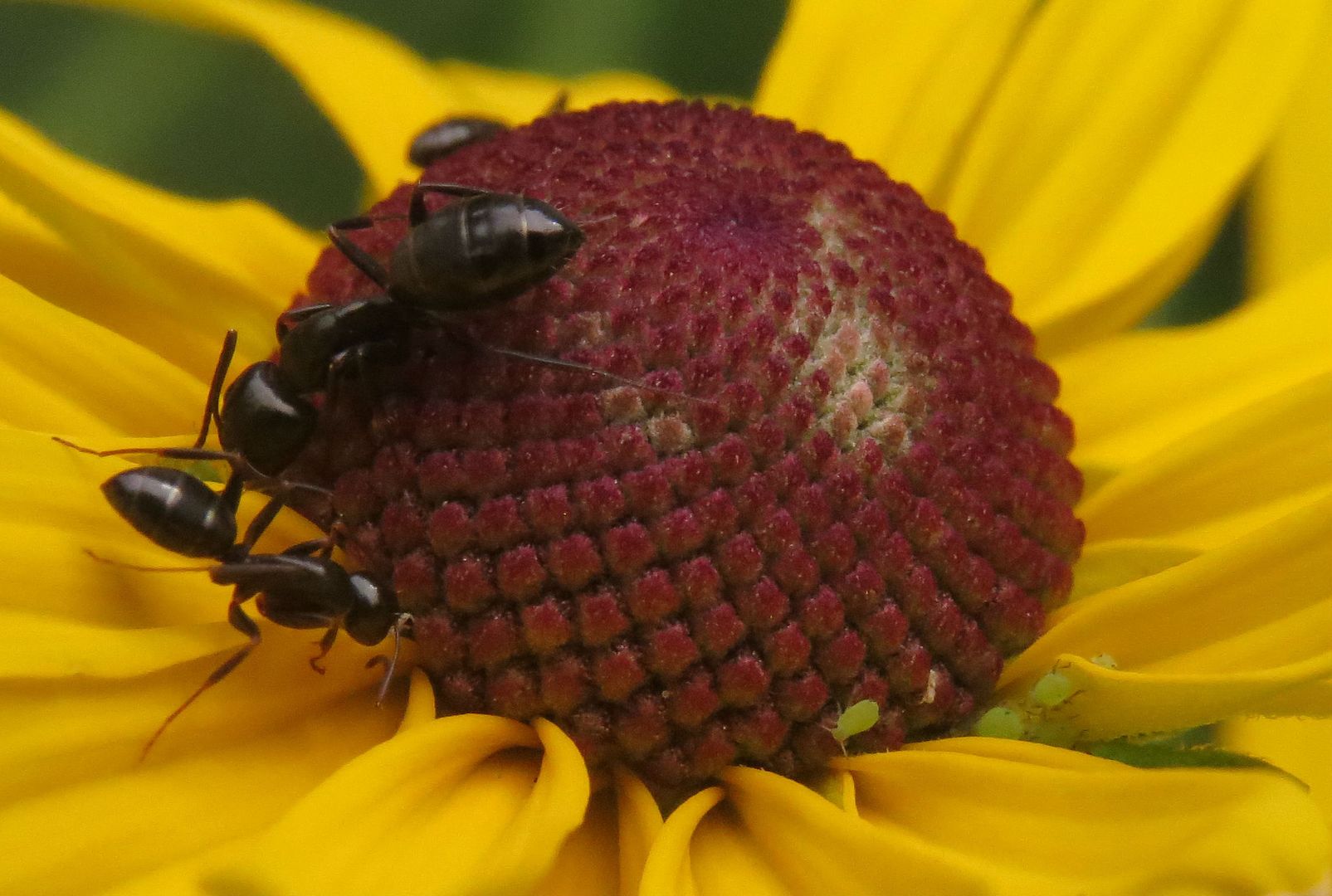
Upon closer inspection though it becomes obvious that several wildflowers have crept down the hill. Black-eyed Susan primarily but also a small amount of Butterfly weed. Both of which I believe were intentional.
Pearl Crescents, common in some gardens, rare in others. These are one of the few butterflies I find drawn to Black-eyed Susans. They host on an assortment of Asters. I believe they're in the habit of laying a single egg here and there, thus it takes a lot of Asters scattered around a forest edge to get them to flourish.
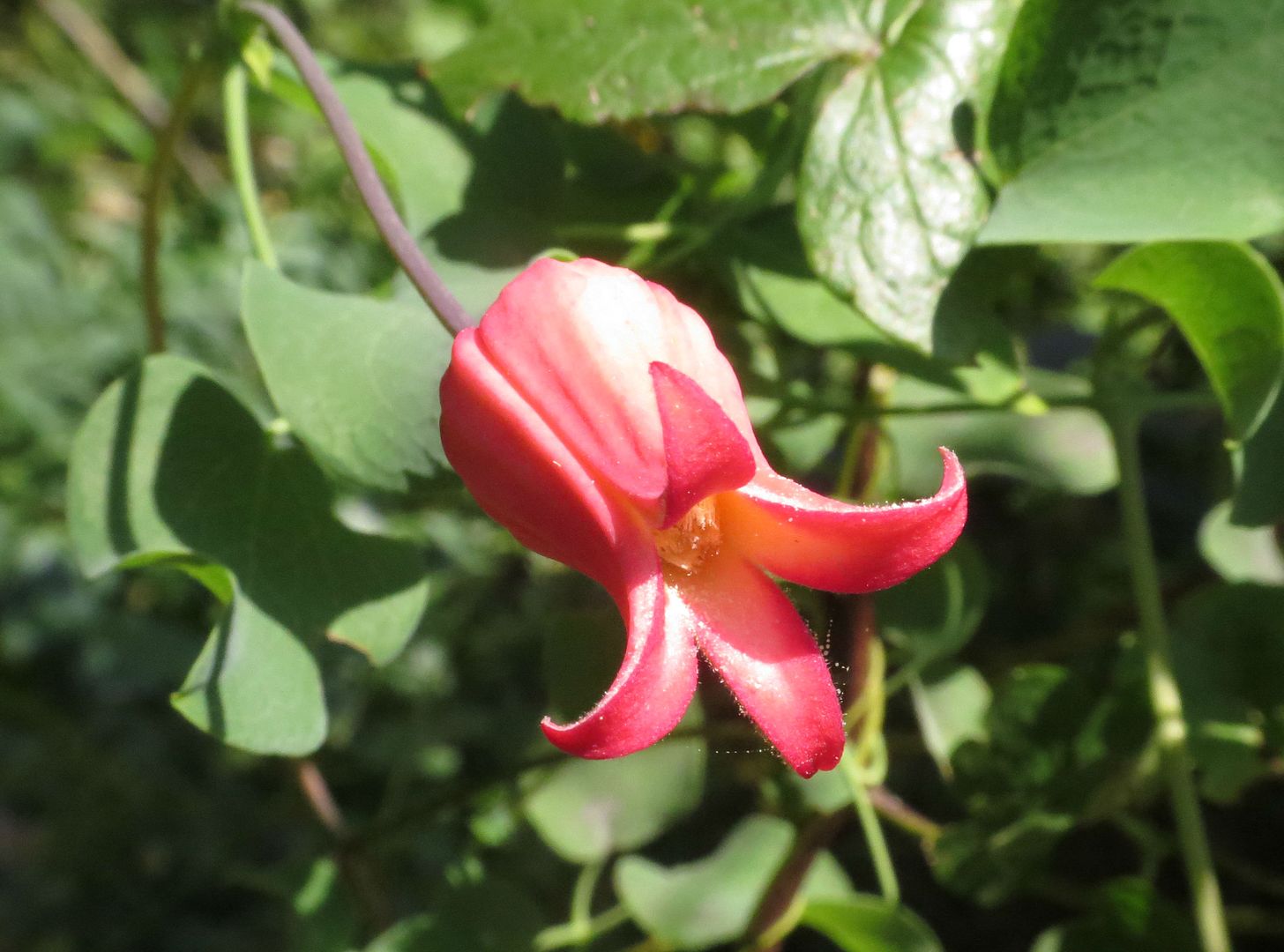
The Mt. Cuba Center was where I first learned what a Leather Flower was. Turns out our native Clematis are rather pretty-looking. They're almost like a fat honeysuckle, and they're good about growing through other plants. Unlike a lot of vines, I believe they die back to the ground each year.
Jewelweed grows like a weed all along the roadsides of that part of Delaware. They include a few plants in their gardens, but I'm sure they also must weed a fair amount of it out.
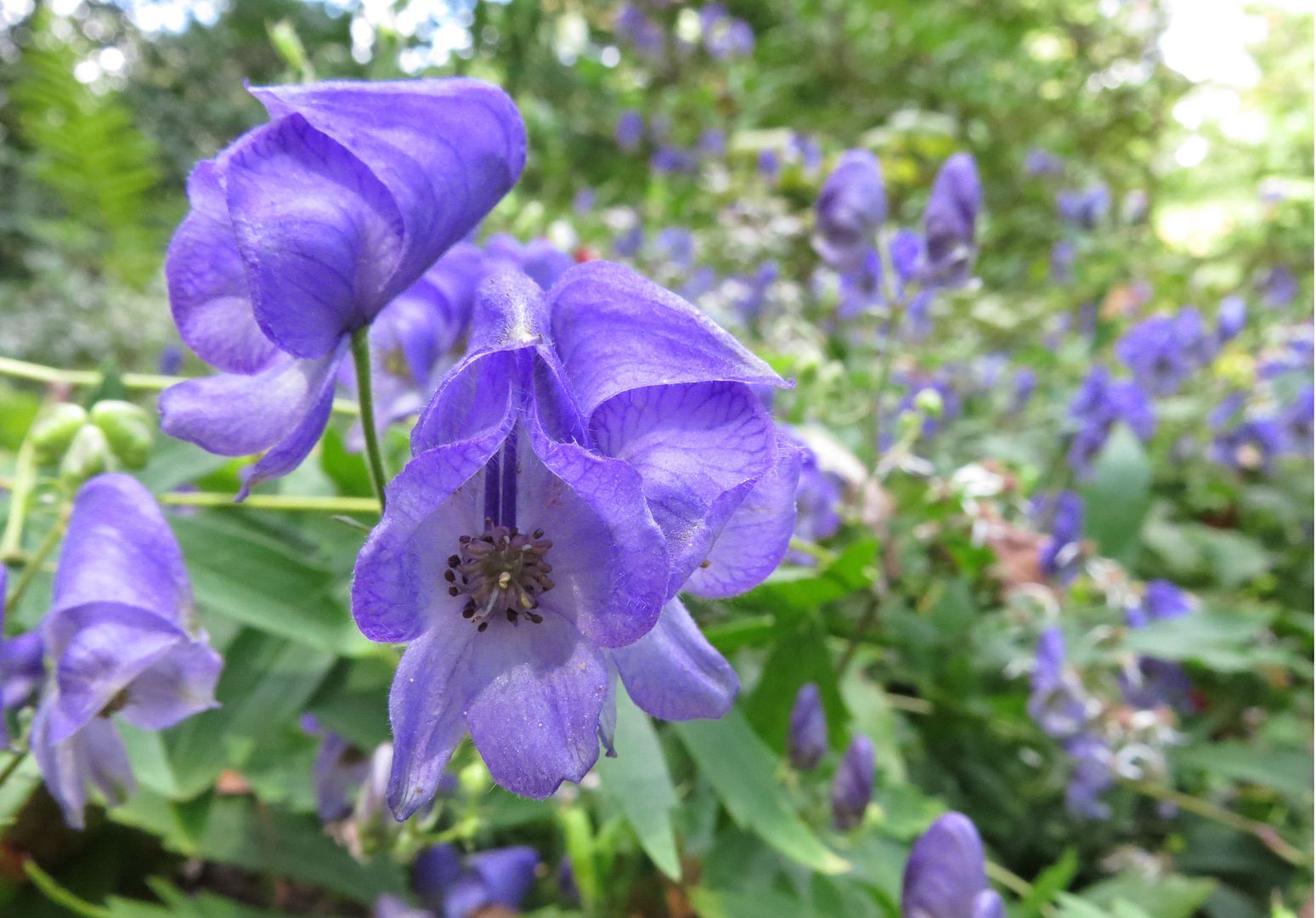
They make Southern Blue Monkshood look so easy to grow.
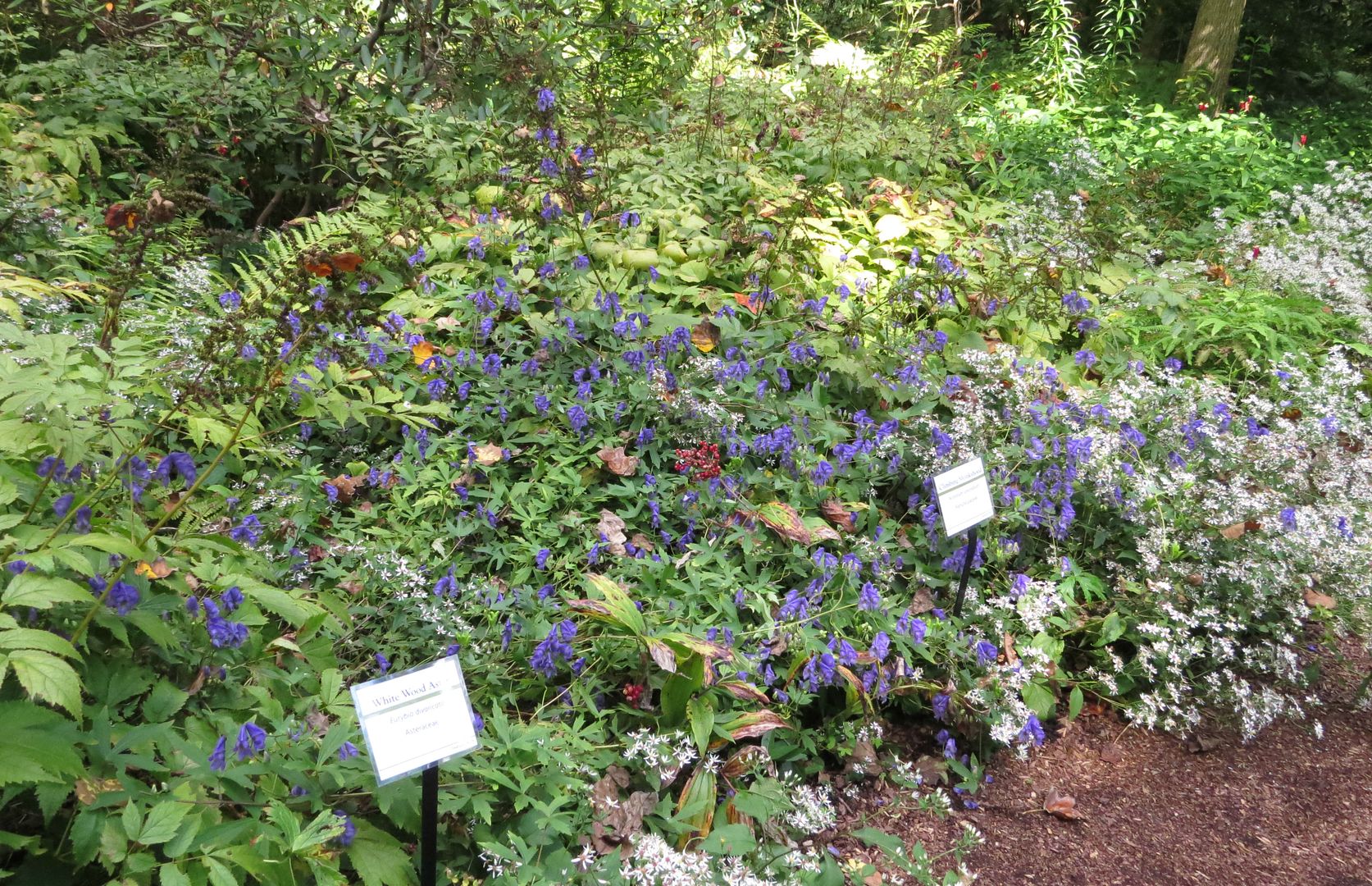
Aconitum uncinatum, is another vine that dies back to the ground. They have it growing in patches and individual specimens, each time though the foliage is usually hidden with whatever plant they're growing up, through, or laying on. It's only after the plant flowers that anyone really bothers to notice it.
The plant I have in my garden is maybe a single stem with a single cluster of flowers at the end of it. Here though, they have plants that send up dozens of stems that spread out and climb up other plants to bloom all over the place.
This is also one of those deadly plants native Americans used to poison their arrows with so maybe it's good that it's not growing in big patches in my yard.
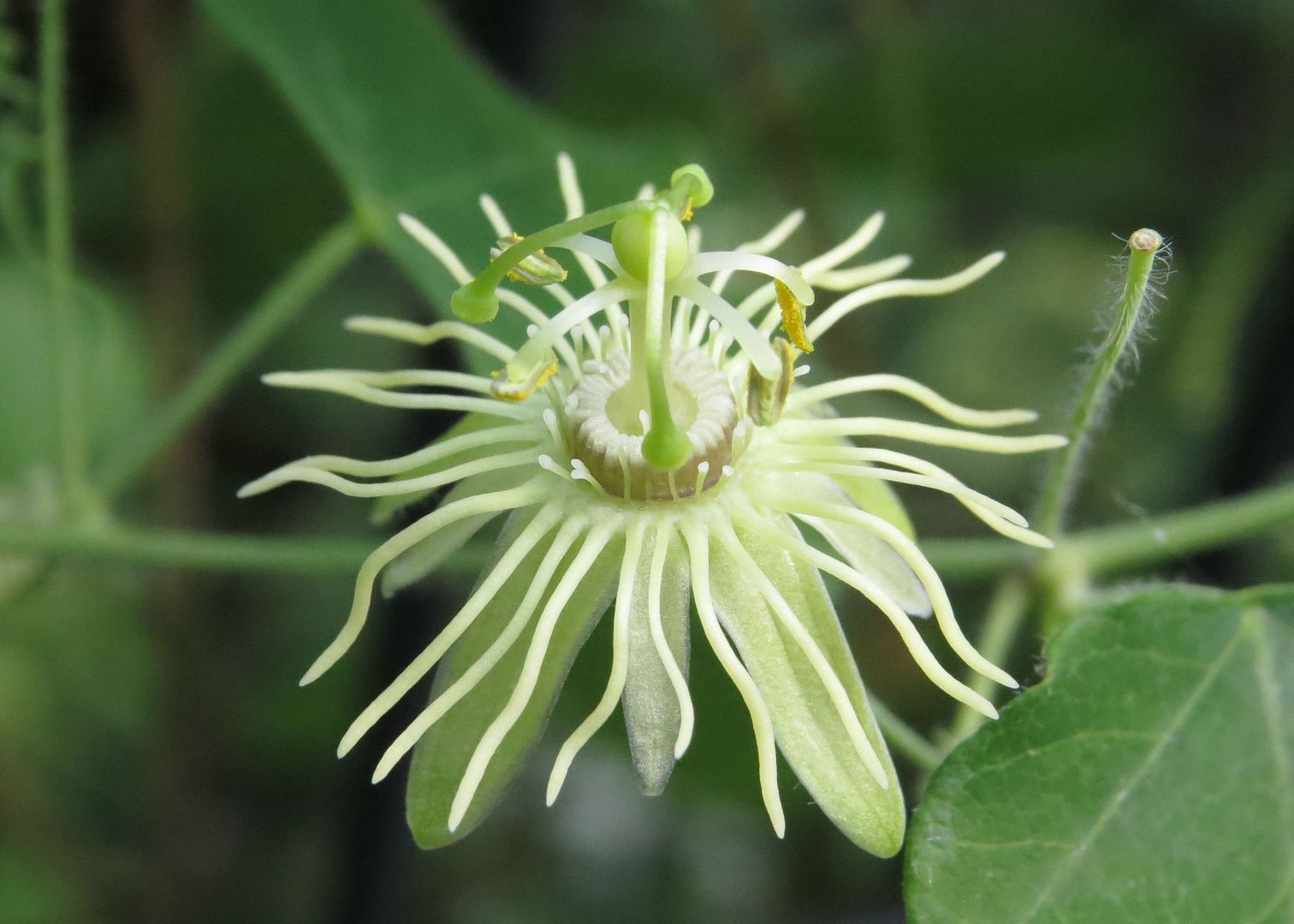
Yellow Passionflower,
Passiflora lutea. This plant has the most
charming little leaves I've ever seen on a plant, and the flowers are so tiny compared to other passion vines. This could be replacement for English Ivy in some scenarios.
I had a Yellow Passion plant in my garden that would come up as a single stem, make a few flowers and die off. The Mt. Cuba Center though has one that's taken over the corner fence of their Trial Garden and is loaded with blooms and berries.