Showing posts with label fall color. Show all posts

Tuesday, November 13, 2012

Fall Color

I'd love to have shown off the bright orange persimmons our tree produced this year but hurricane Sandy seems to have blown them away. (I can only hope they managed to hit some politicians house.)

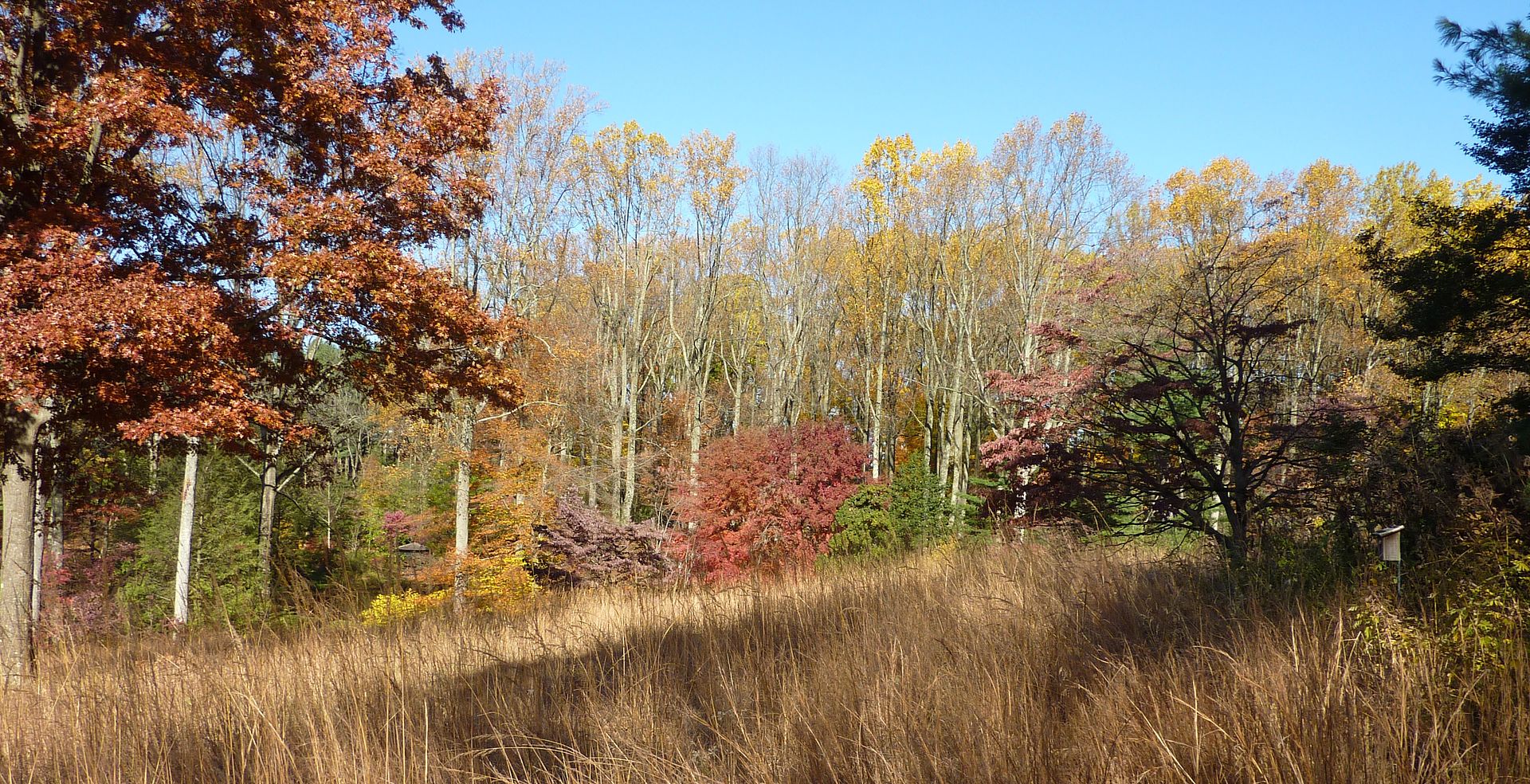
Any who, I've never been a huge fan of fall color though some of the brilliant yellow and brilliant red trees have impressed me. These scenes are few and far between though and only last a few days before they're gone. What's happening here is that insects can't see red as well as other colors. The plants are purposely producing this pigment to discourage aphids from laying eggs around them. In this way they won't be the first trees infested with them come spring. How effective this is is debatable though especially with yellow being such a common fall color.


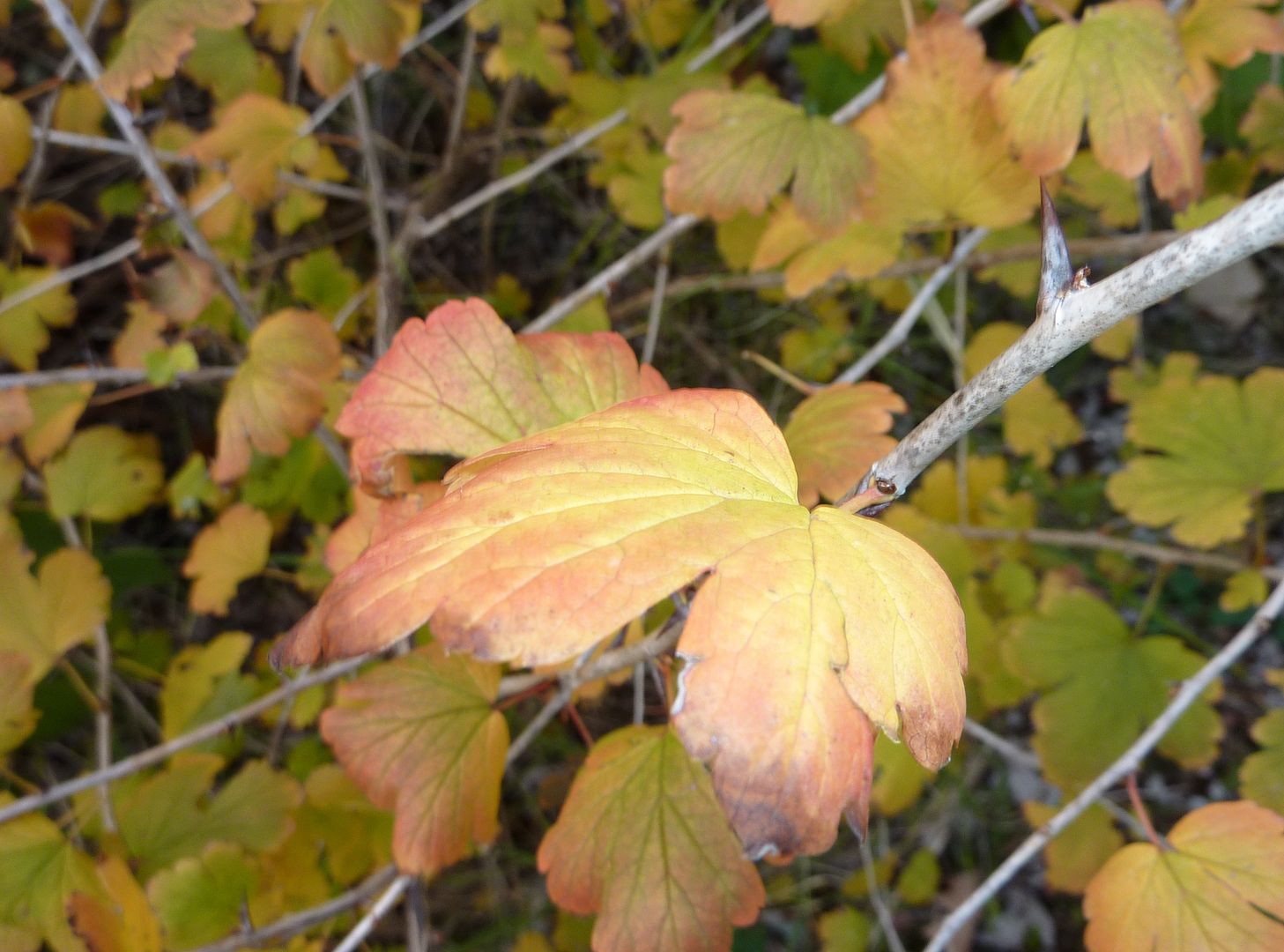
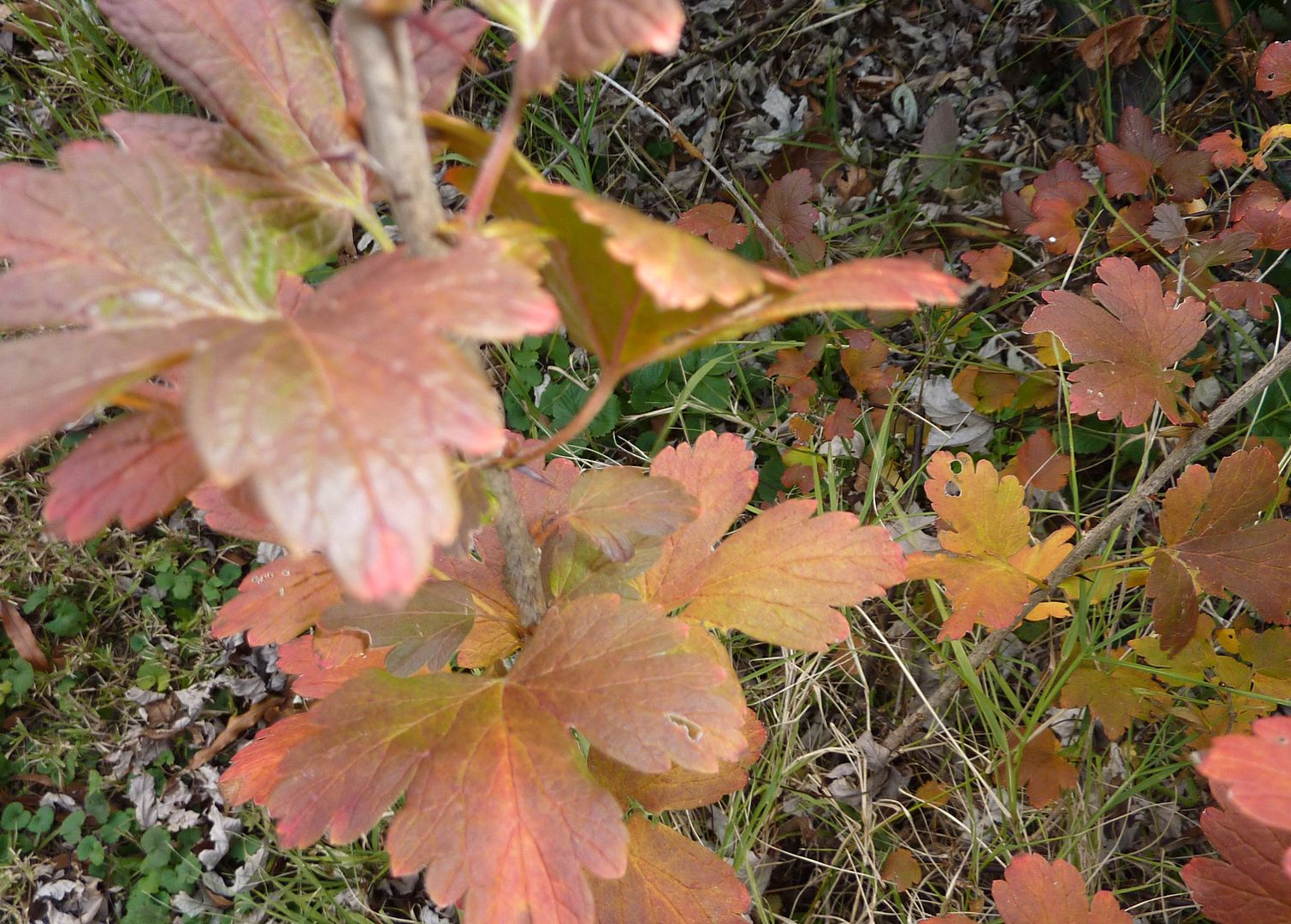
Our Gooseberry plants seem to be all over the place with colors. Fall color varies from cultivar to cultivar, species to species, and plant to plant as with the flavor of the berries. Some species growing in the same field can vary dramatically. It makes me wonder if any of the vendors selling Gooseberry/Current in the US knows what they're doing.

From the same nursery this was sold as Red Gooseberry.

And so was this, but it has a different fall color, different branching habit, the leaves are slightly larger, and even the thorns were different. Next year I'll see about getting these identified to species level. 

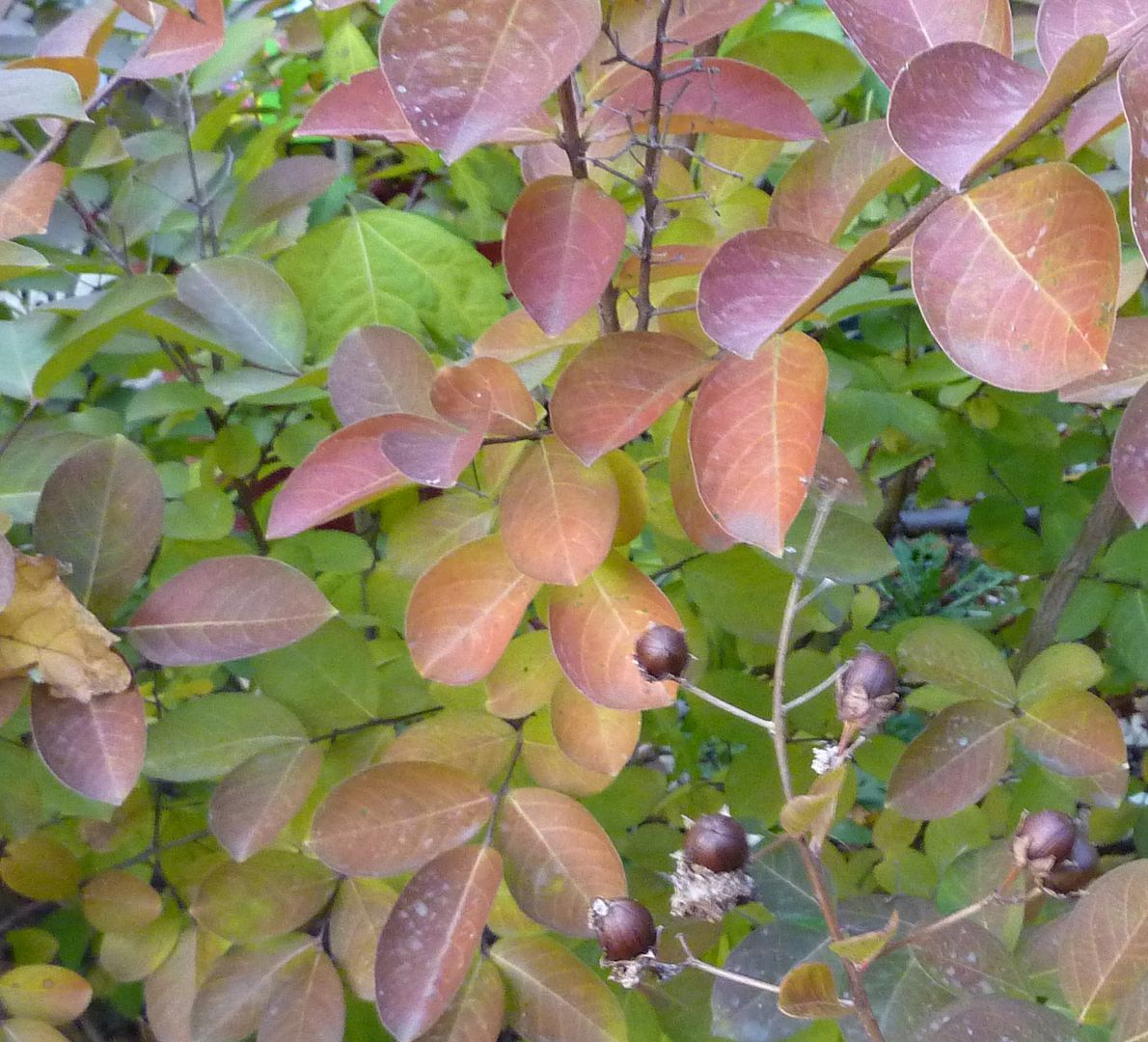
 Crape Myrtles seem to sport every color in the rainbow.

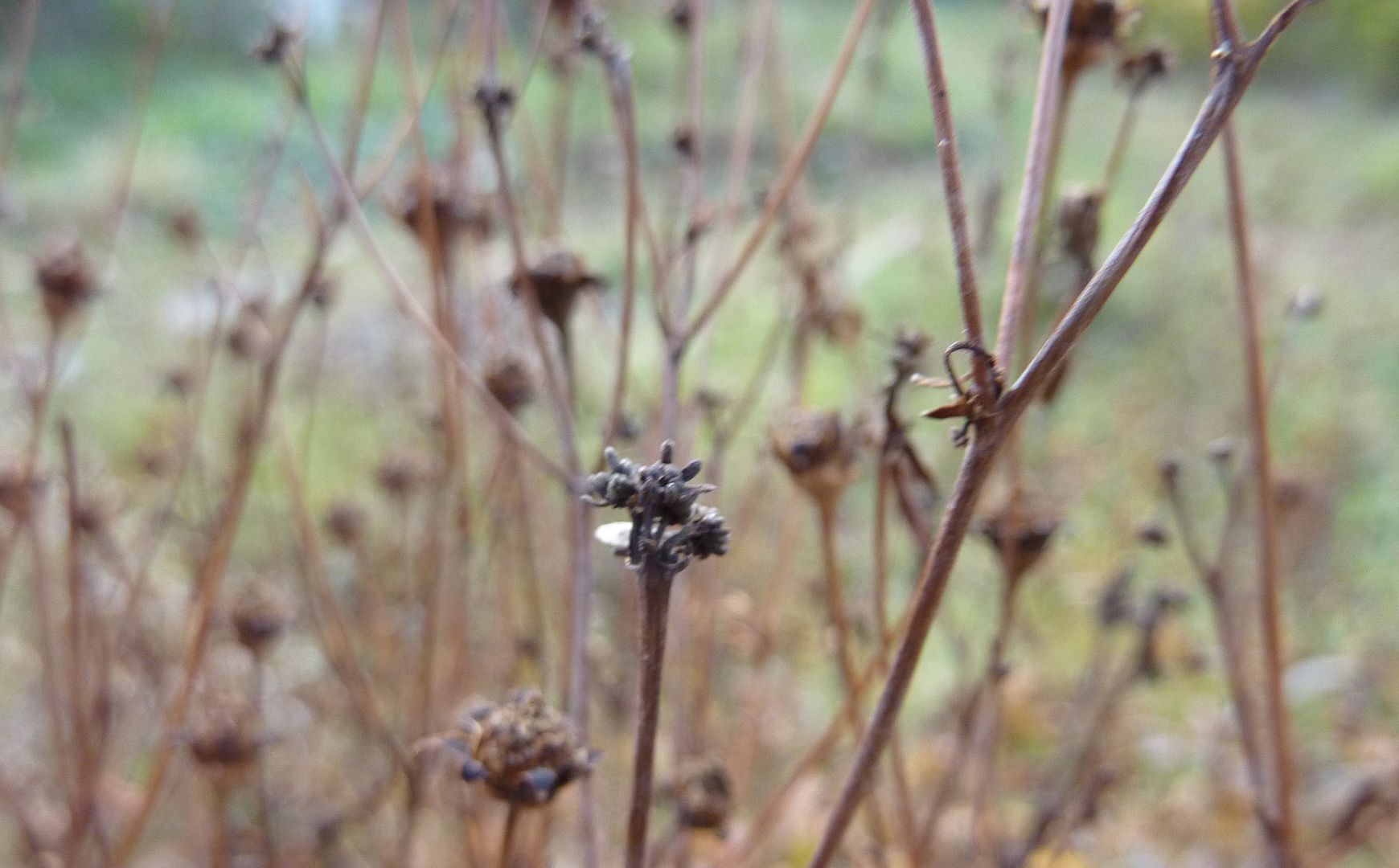
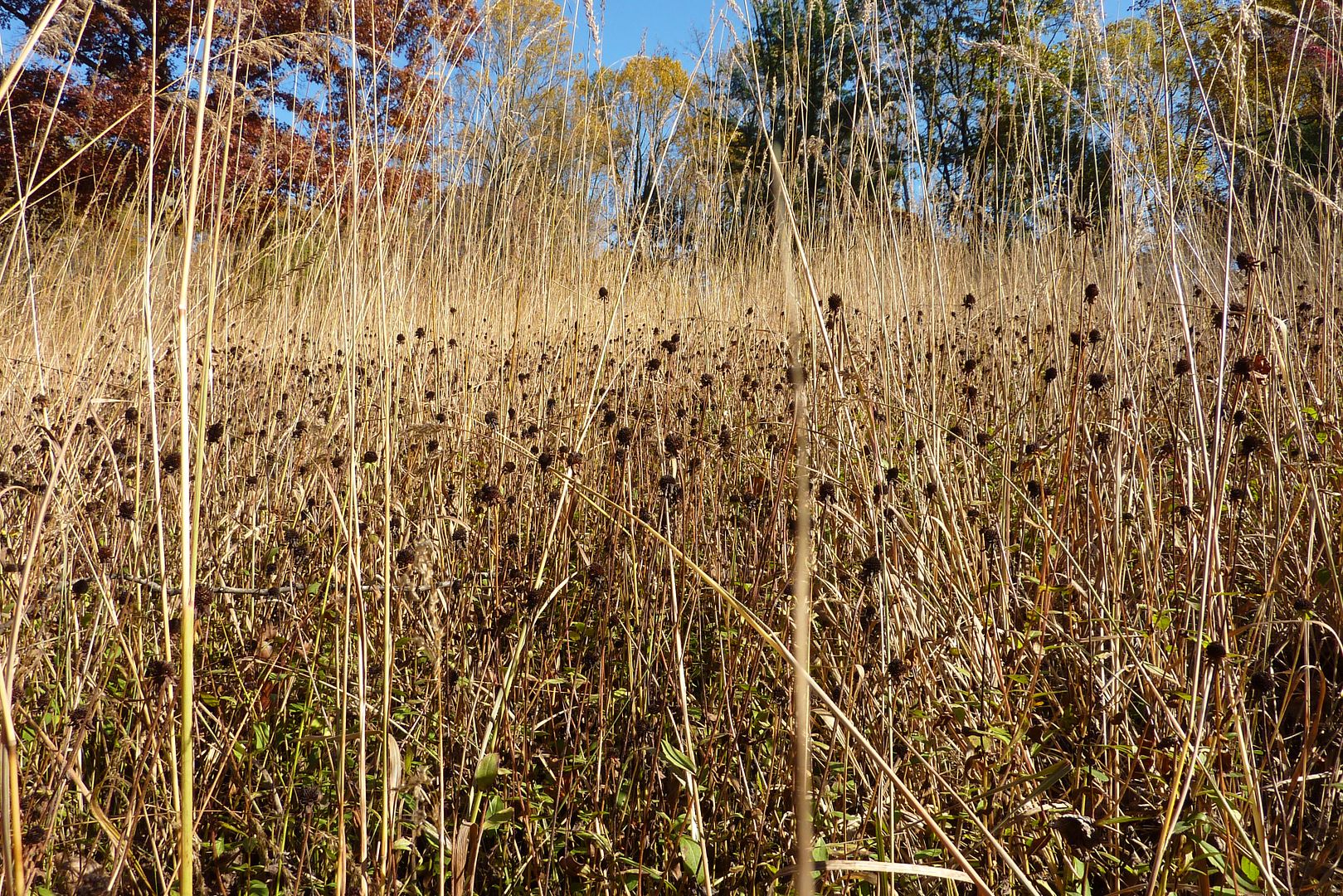
Here I found the blurry view of our lawn through the stems of the Tall Tickseed to be an interesting composition. 

 
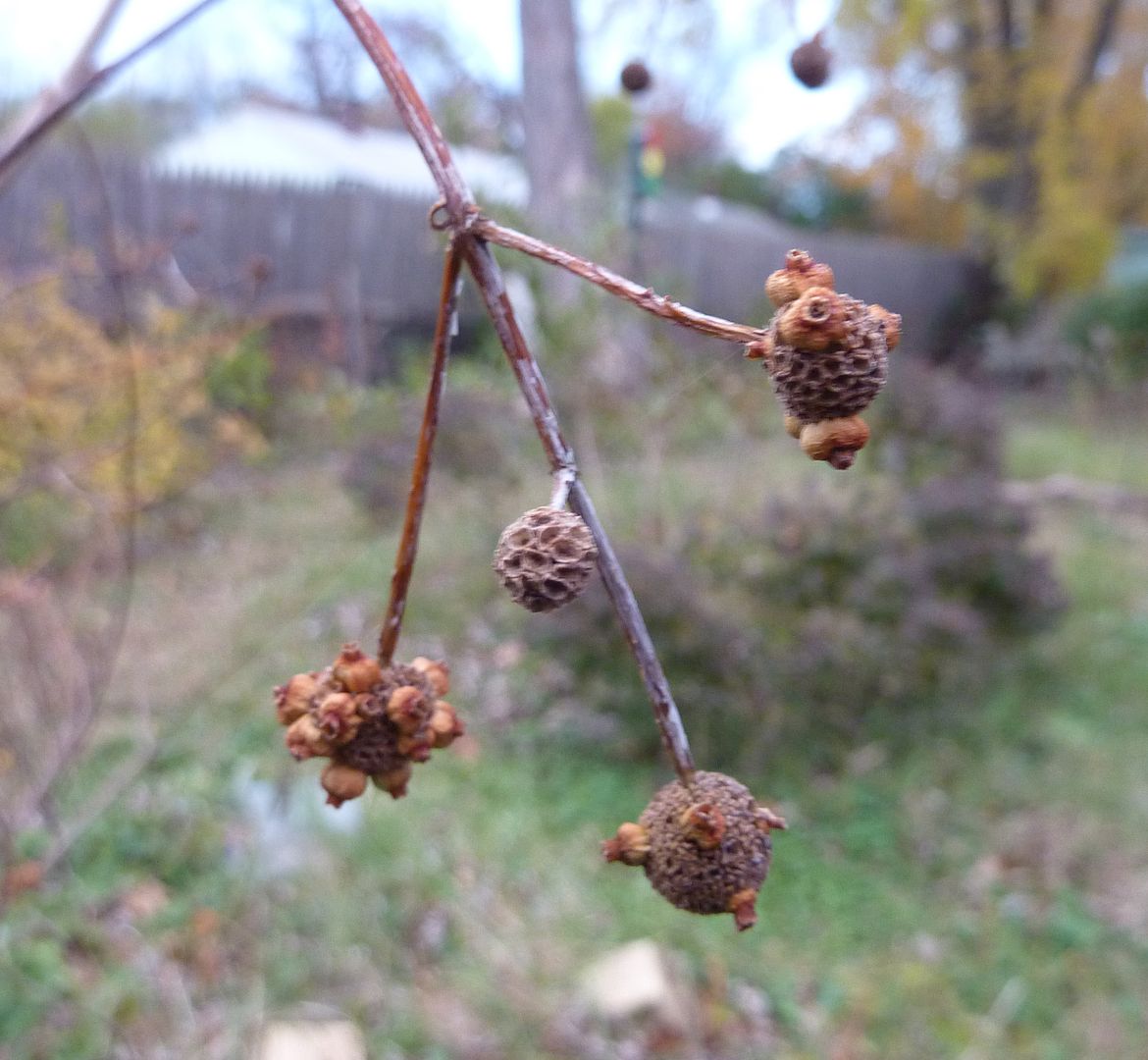
The nut-like seeds to our Buttonbush. It's nice to see some of these developed from all the attention the bees gave it this year.

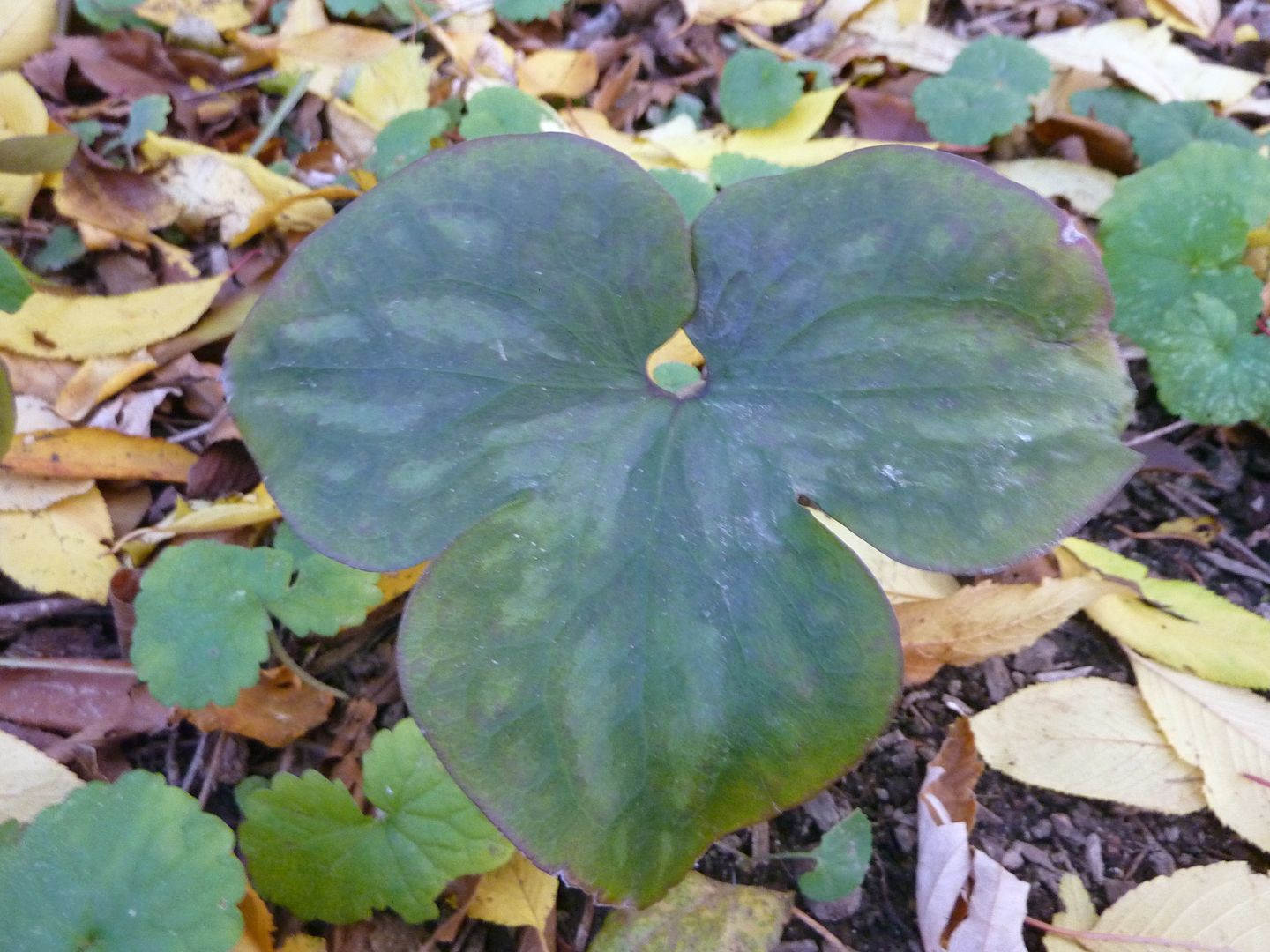
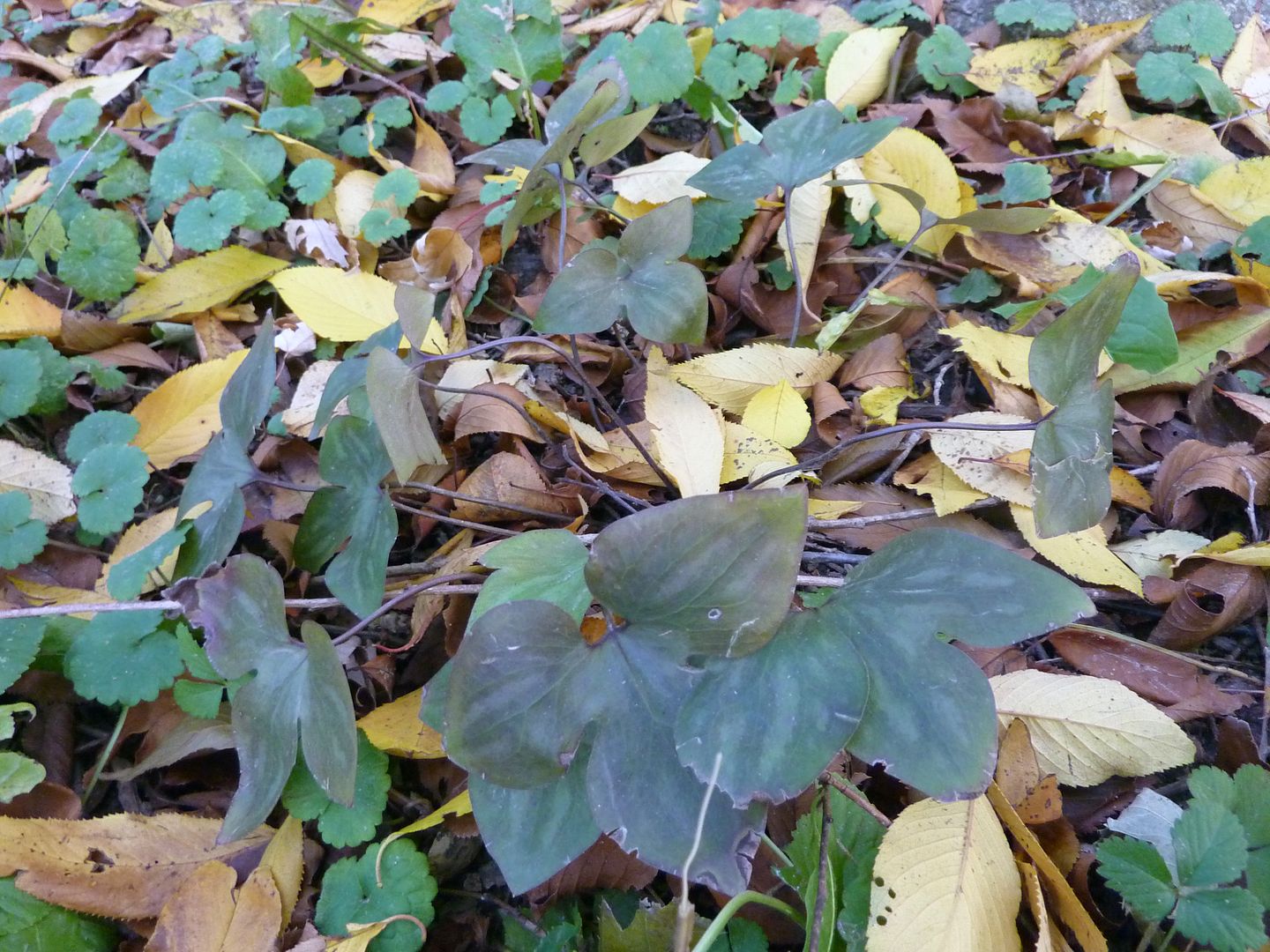
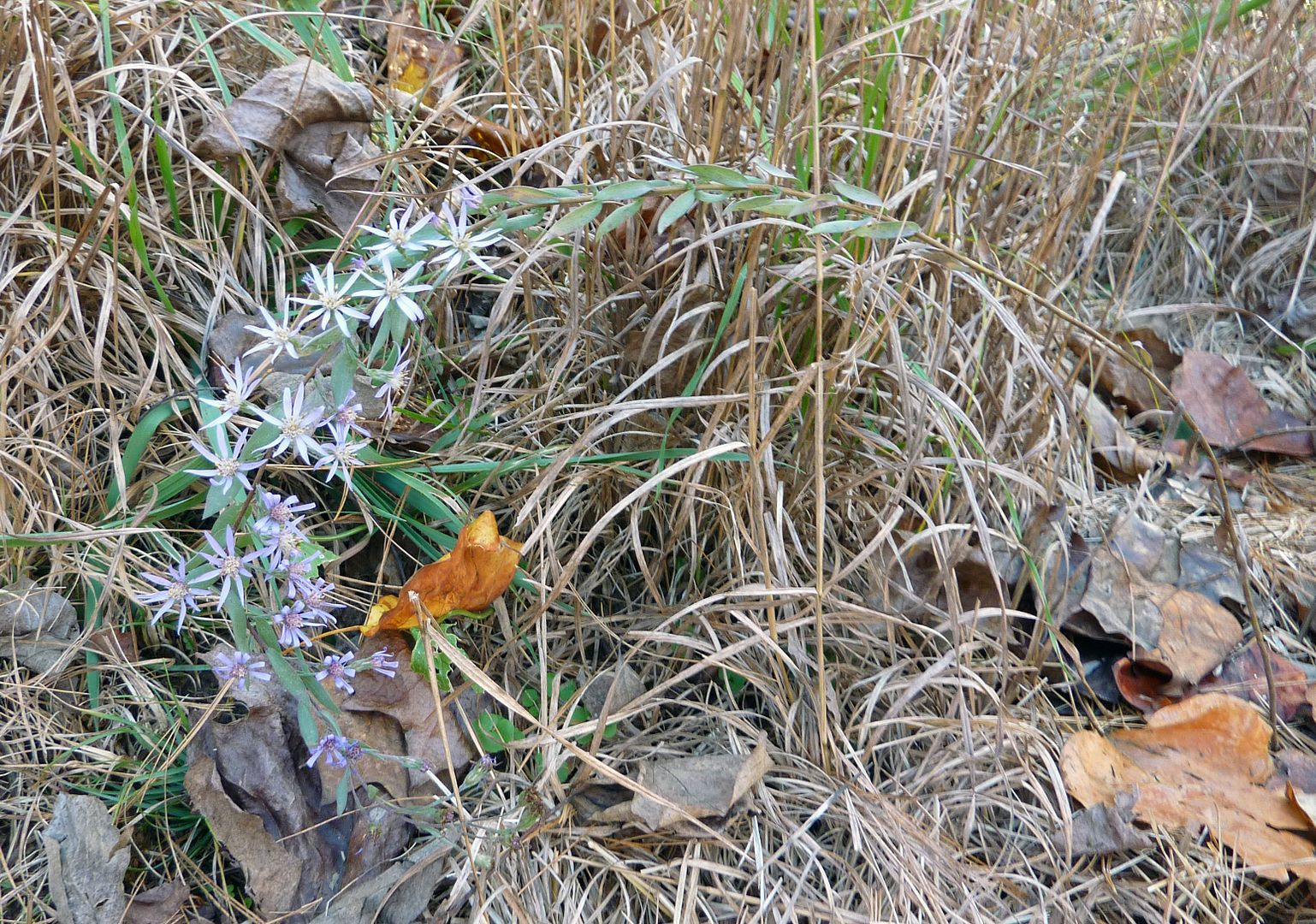
Mixed among the leaf litter is a couple of my Hepatica plants, which are semi-evergreen.

Hepatica leaves last the winter and finally die off right when it flowers in the spring. New leaves are produced just as the old ones have all broken off.

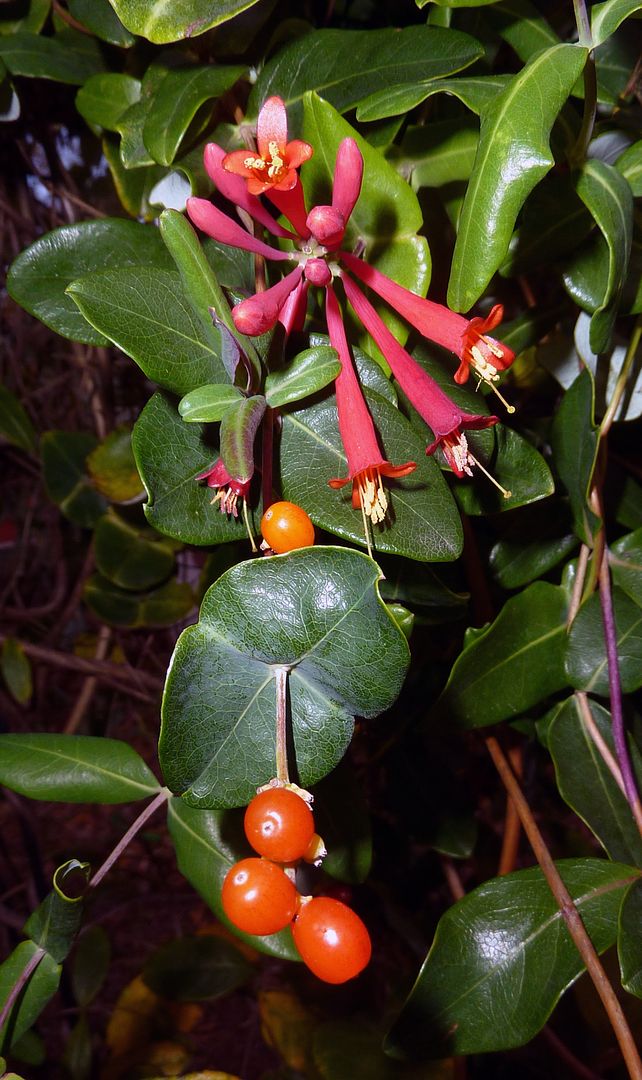
Coral Honeysuckle, does not care that its winter or not. I've always been impressed by how cold tolerant this plant is. Barely any of the leaves have started turning yellow and it still has unopened flower buds to go! I swear this vine must drop its leaves for only two months of the year, and each spring it makes up for lost time by quadrupling the number of flowers it produced all last year. It's never been a heavy fruiting plant but there's always a berry or two where the flowers used to be.

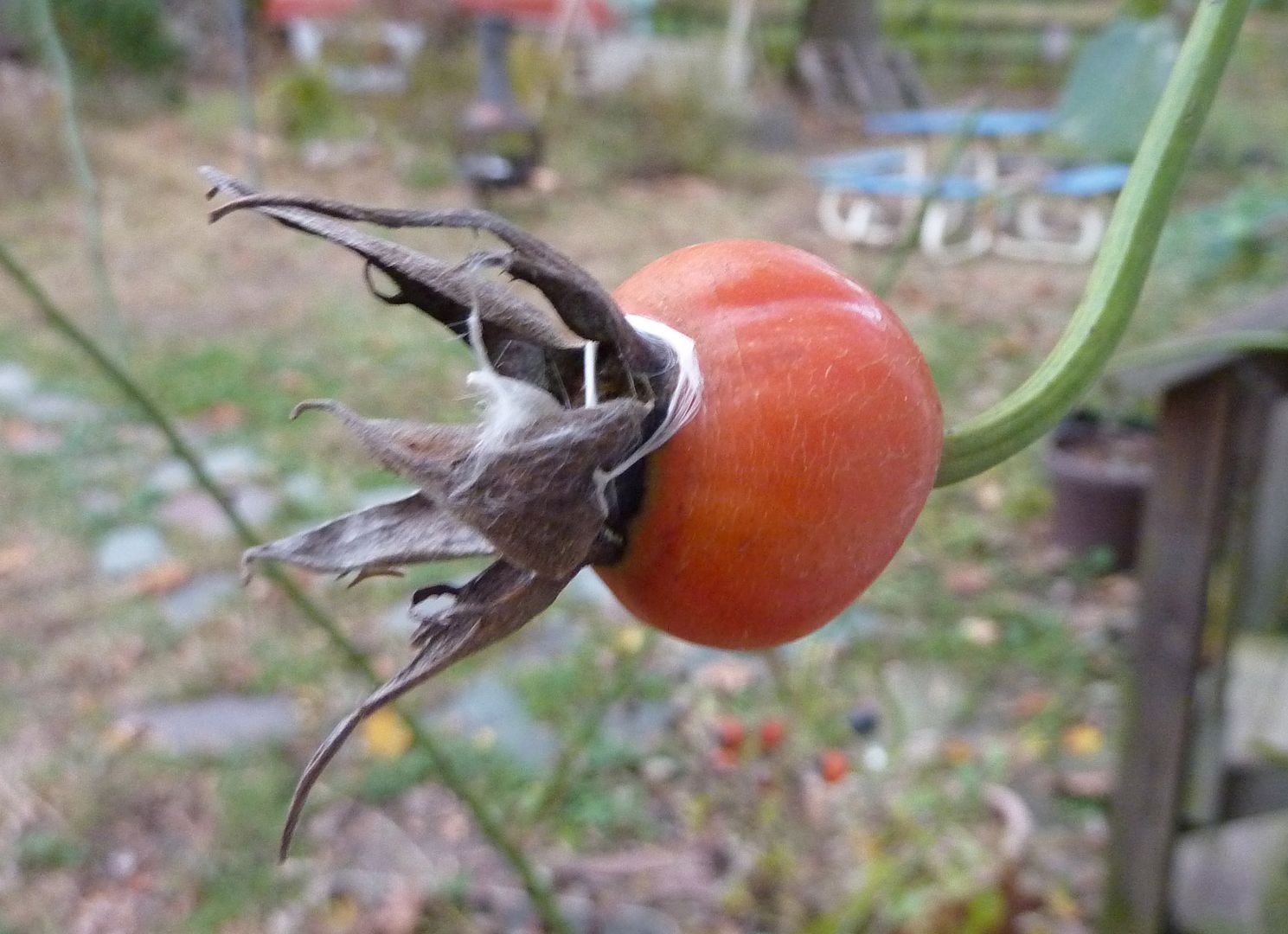
Rose hips are another fruit showing off right now. I'm told these are edible, but honestly I wouldn't know what to do with them.

Sunday, November 6, 2011

Fall Color Around the Prairie

I happened to be off last Saturday which happened to be the last day the Mt. Cuba Center was offering the Meadow Studies class for the year. I figured I wasn't doing anything so why not drive an hour to Delaware (after registering online of course).

They offer Meadow Studies as a one day course 5 times a year. I went to the first two, missed the next two, so this is my third. Overall I'm happy with them but they weren't what I had expected. Emphasis is more on how they maintain it each year and what plants are showy at the particular time of year. The second half of the class is a nice tour mostly of the meadow itself but also other plants they have elsewhere on the property that might fit the theme of a meadow setting.

The autumn is easily the peak of a grassland meadow's grandeur. The fall colors are setting in, the seed heads glinting in the sun, and gusts of wind create visible waves of movement. It's not the largest prairie in the world, but it's still impressive in it's own right.

Their meadow is mostly composed of Little Bluestem, Big Bluestem, and Yellow Indian Grass. Before the tour began we were give the option to collect seeds in a paper bag. I thought this was a great idea, but if only the course were focused more on installing a meadow. This would have been a great starting point. 

Hair Awn Murhly, Muhlenbergia capillaris, features fluffy pink stalks which seem to float over the plant.

Prairie Dropseed, Sporobolus heterolepis, slowly transitions into it's fall color. It ends up being a brighter yellow than most other grasses, but in the mean time it puts on an almost tie-dyed effect.

Most of the wildflowers have finished their show for the year and take a back seat to the grasses which now tower over most of them.

Rose Hips to one of our native roses are hidden in clumps of grass. Birds will likely eat them over the winter. 

A few years back, the Mt. Cuba Center did a study on Asters species and cultivars to see which were garden appropriate, disease resistant, had nice form, long bloom period and such. The eastern Silver Aster, Symphyotrichum concolor, was one they tried out. I don't think it's one they recommend thought. I could be wrong but it certainly wasn't doing much for me. Generally anything flowering at this time of year is a plus but the plant is a little unimpressive.

I noticed how Liatris-like it is with all it's flowering coming out so close to the stem. The full plant was actually several stalks, just like a clump of Liatris, all coming out of the ground. It was very neat but I was mostly disappointed nothing was pollinating it.

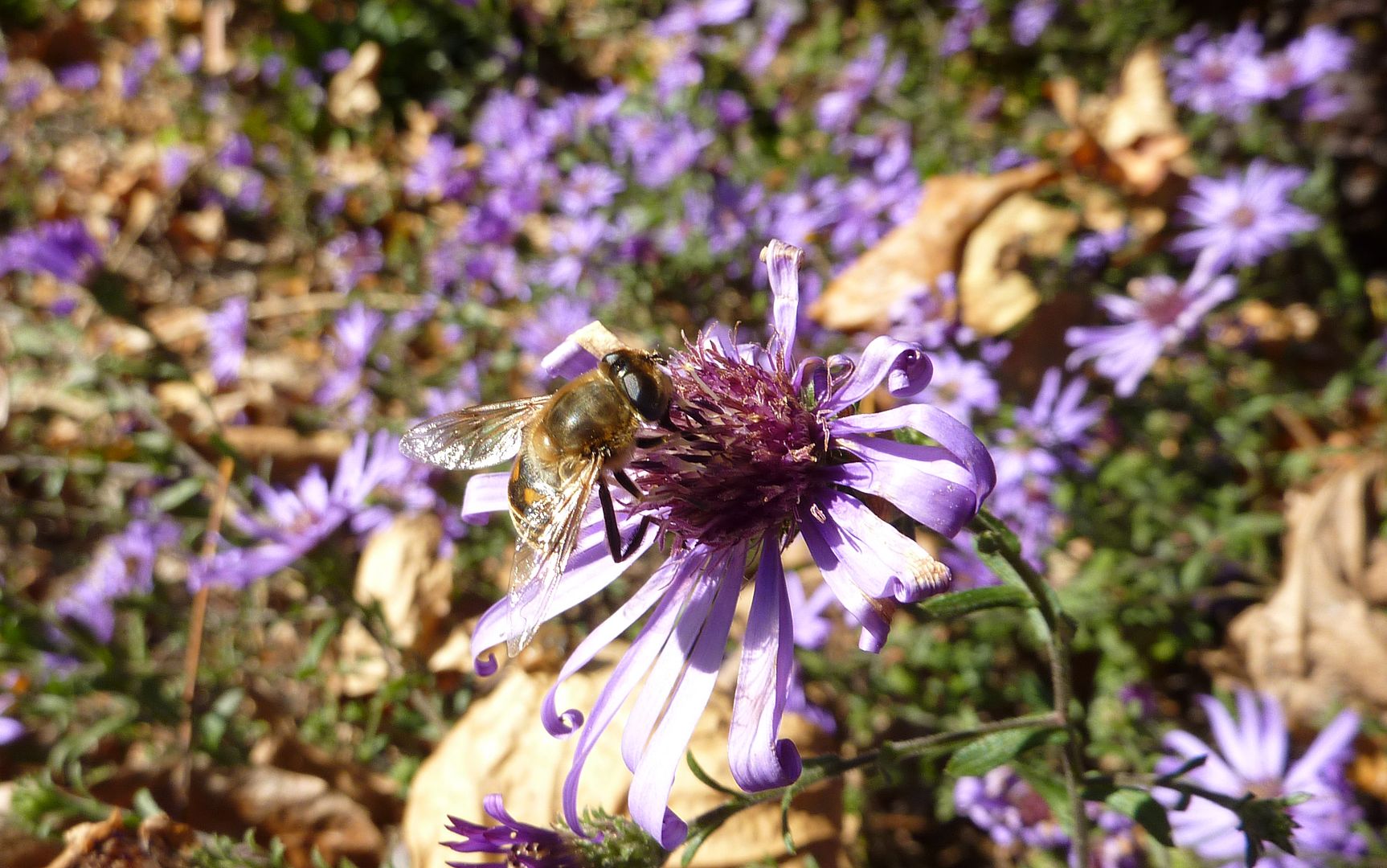
The Georgia Aster, Symphyotrichum georgianmum, was another one blooming now, though clearly a few days past it's peak on most plants. I'm sure this is closer to being a species they'd recommend. Though I don't think it's native to Delaware it's surprisingly hardy.

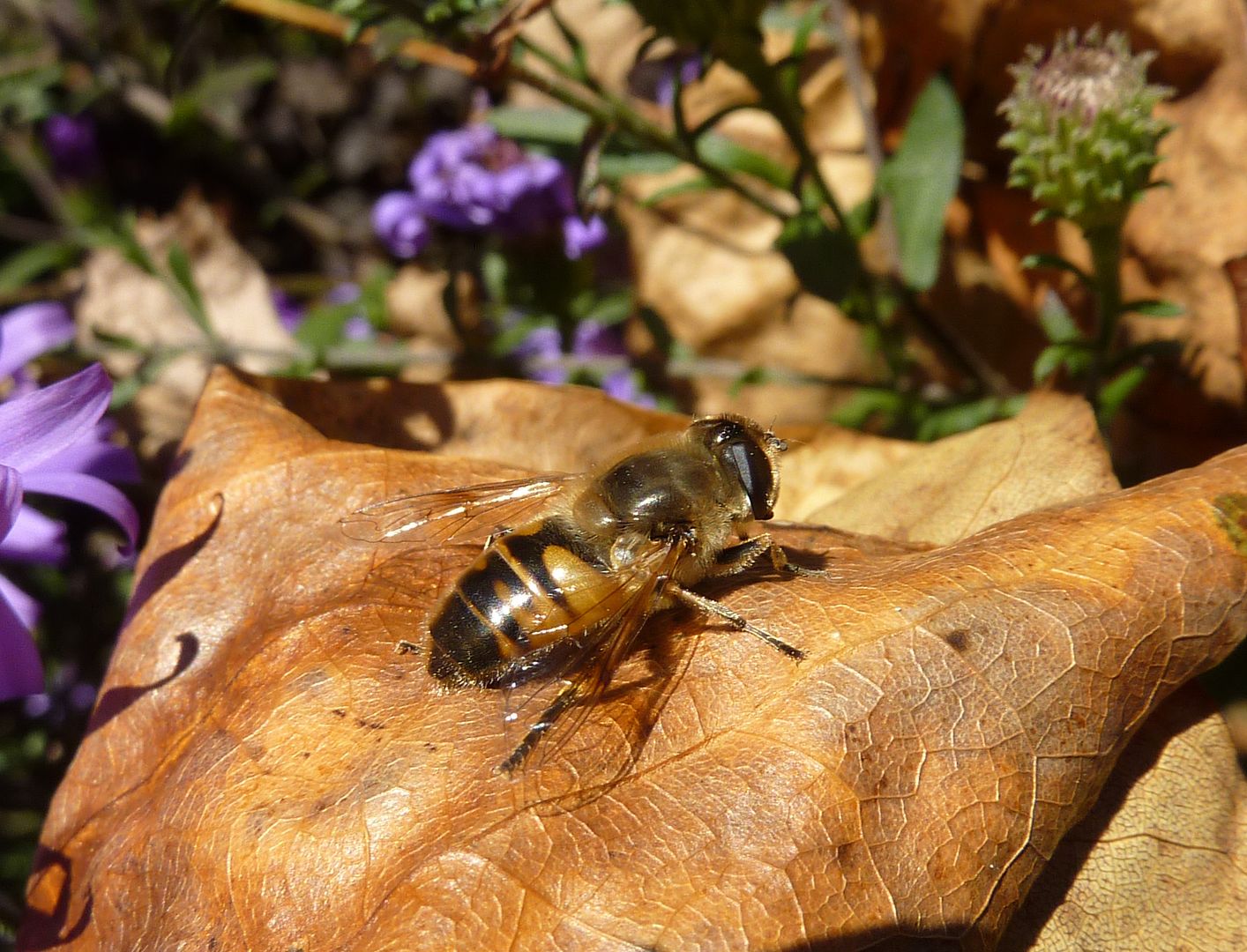
Georgia Asters that were growing in full sun were absolutely loaded with bees and flower flies (seen above) which mimic bees. The one above is doing a great job.

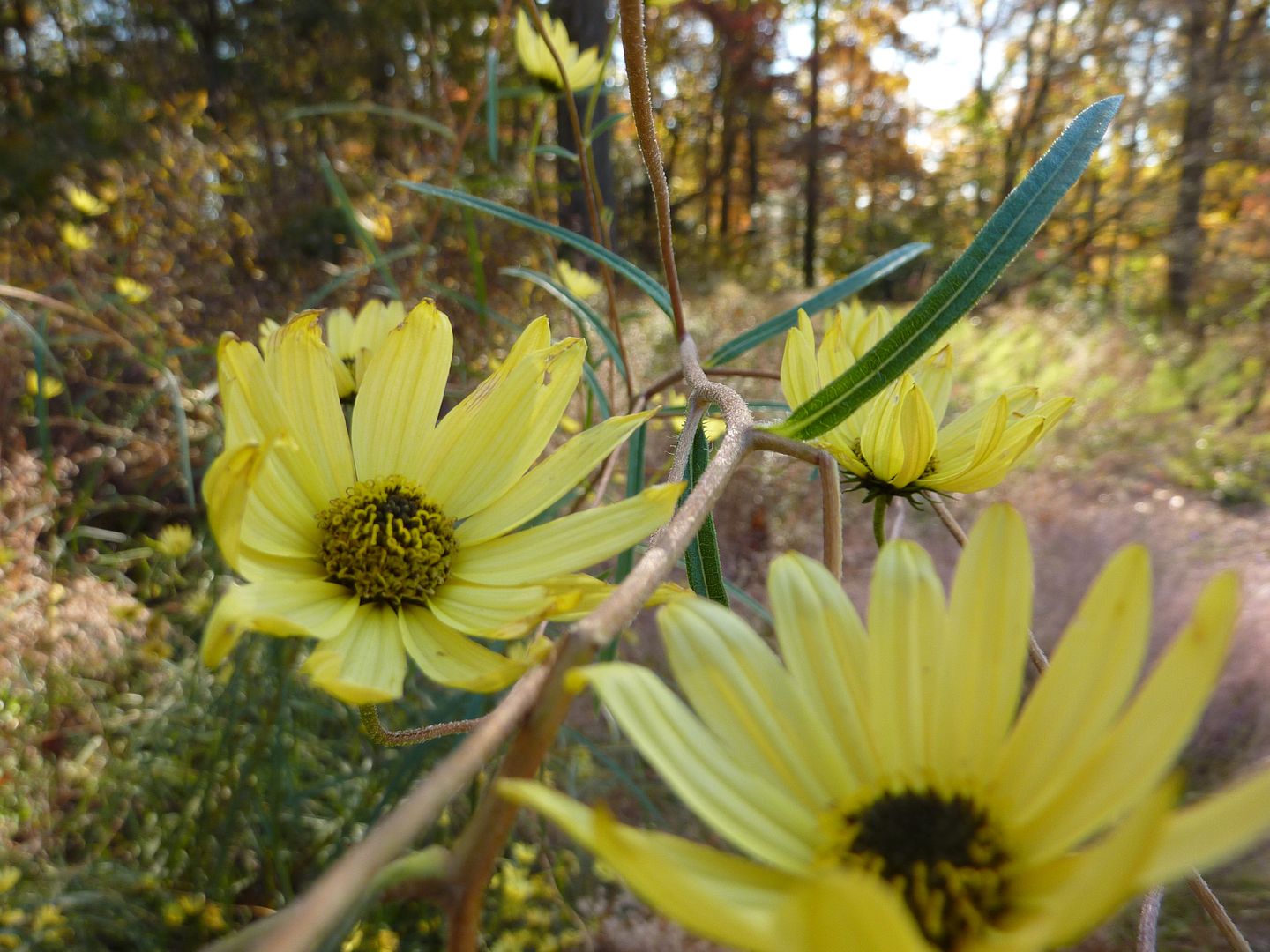
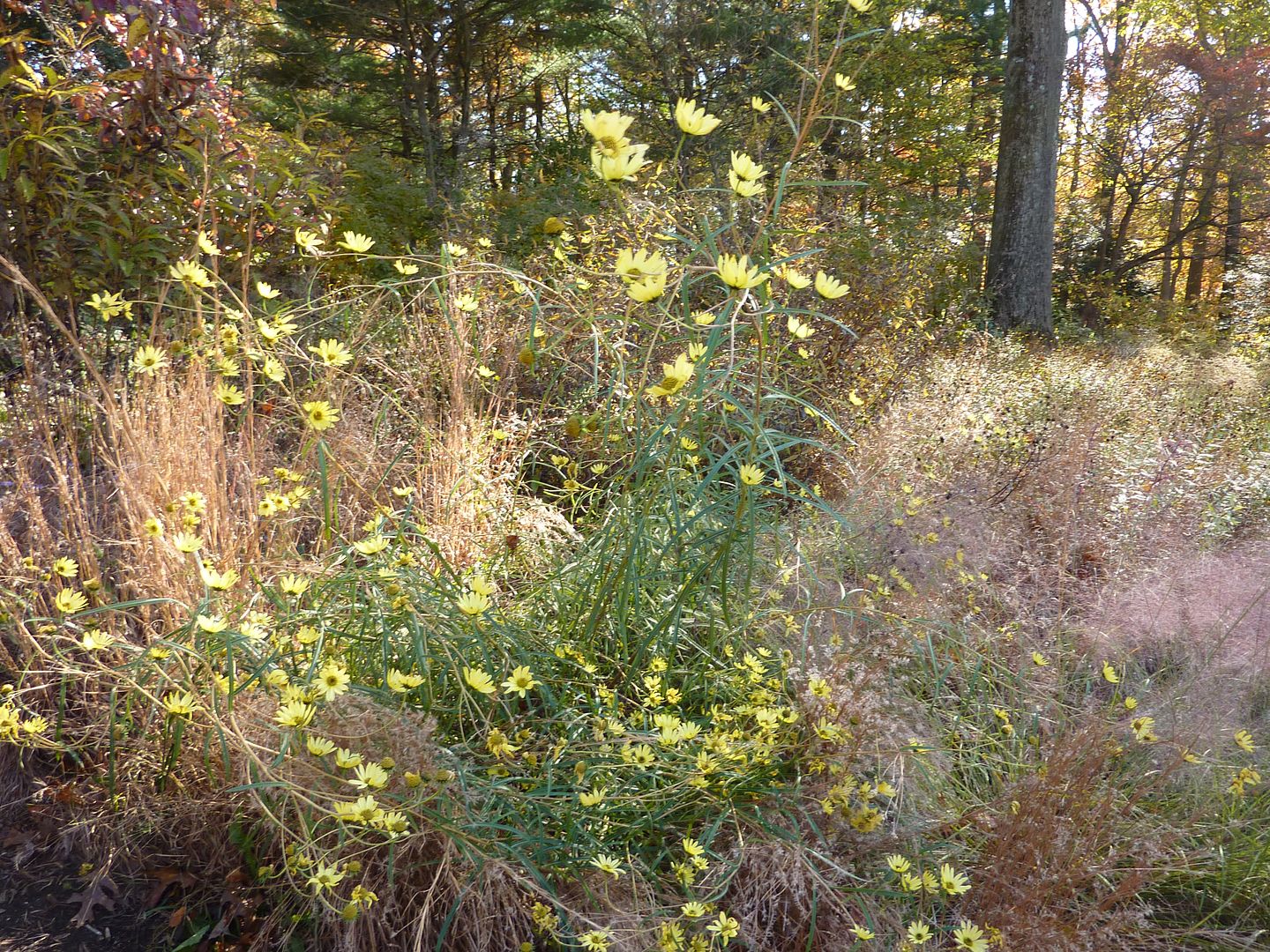
Narrowleaf Sunflower, sometimes called Swamp Sunflower, or Helianthus angustifolius, was also flowering. They favored the narrowleaf common name because it grows fine in non swampy conditions along side several species of Joe Pye Weed, Wild Senna, Prairie Onion, and so on. The leaves have a very rough feel to them.

This is actually the cultivar 'Mellow Yellow' which has paler yellow flowers. The true species is as bright as the sun and impossible to miss from across a field. 

The plant has a slightly messy look to it, but I've found that's the case with most perennial sunflowers. Lord only knows how the annual varieties keep from falling down. I guess when you only have one year to live it pays to get it right the first time.

 
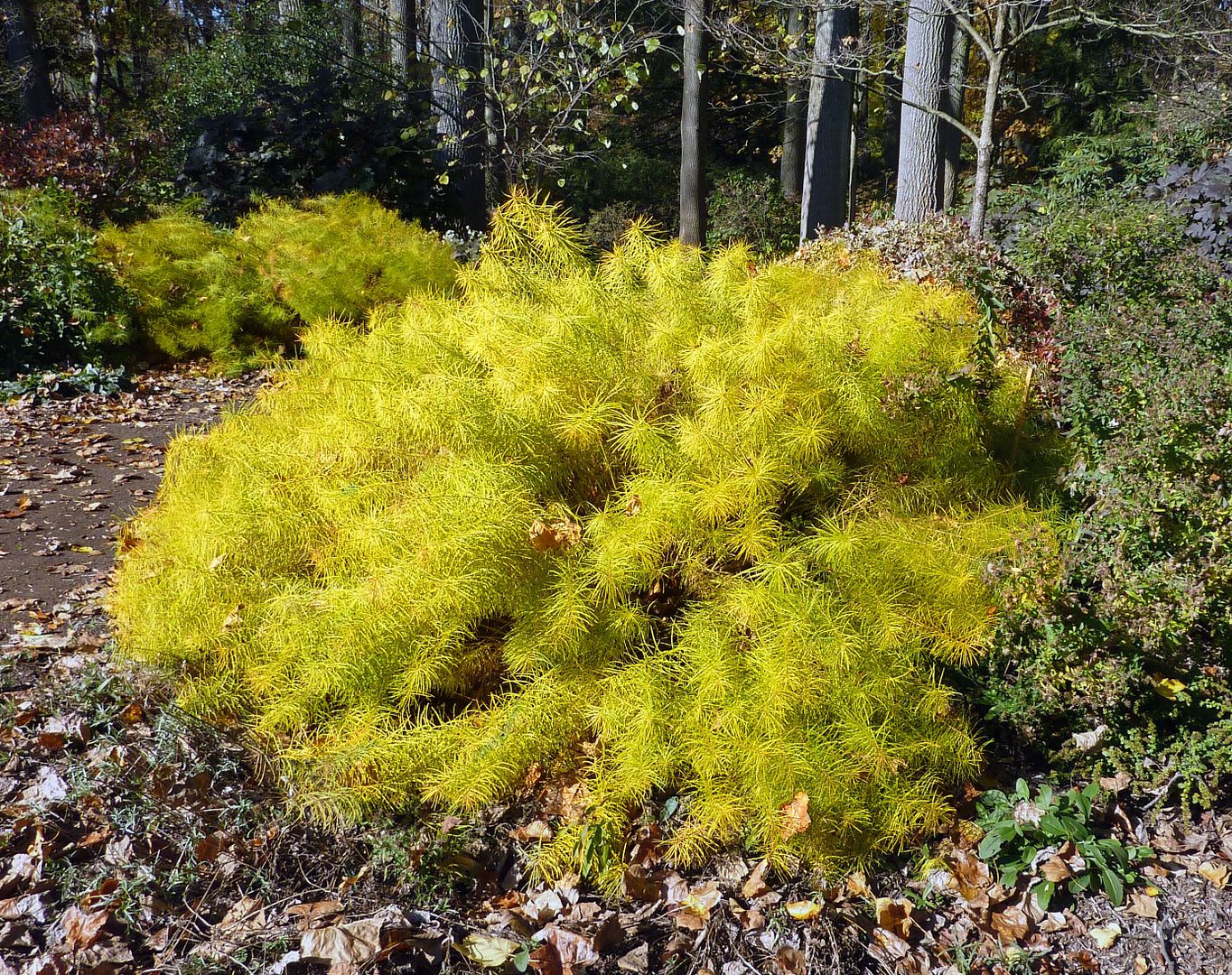
Lastly they had multiple specimens of Arkansas Blue Star, Amsonia hubrichtii, showing off their fall color.

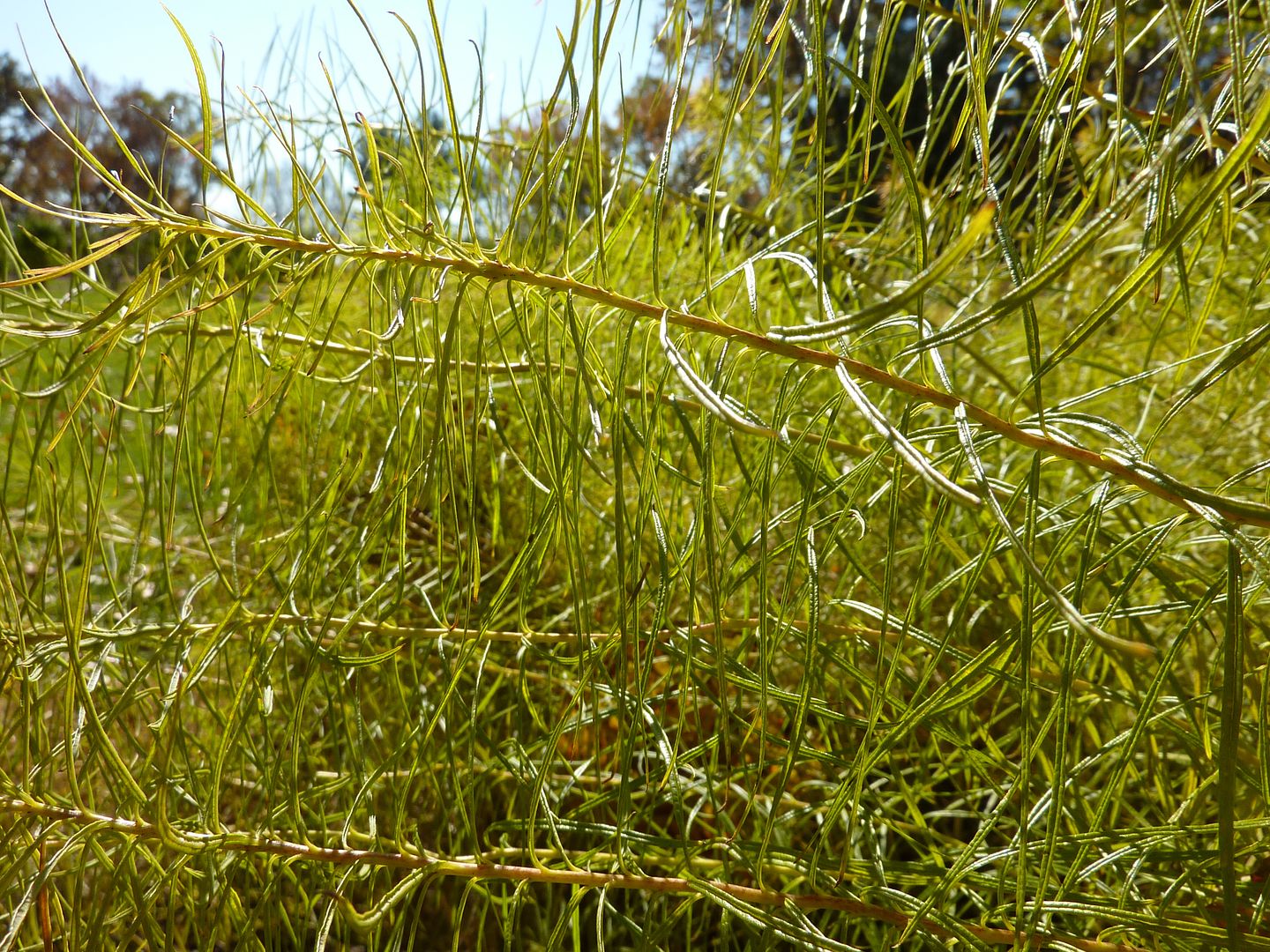
This particular species has very thin Pine-like leaves. Common Blue Star, Amsonia tabernaemontana, has more normal looking leaves but the same fall color. I think people prefer Arkansas Blue Star more because they look puffy and cloud-like. While I don't recommend sleeping on one, maybe plant something prone to falling over right next to it. 

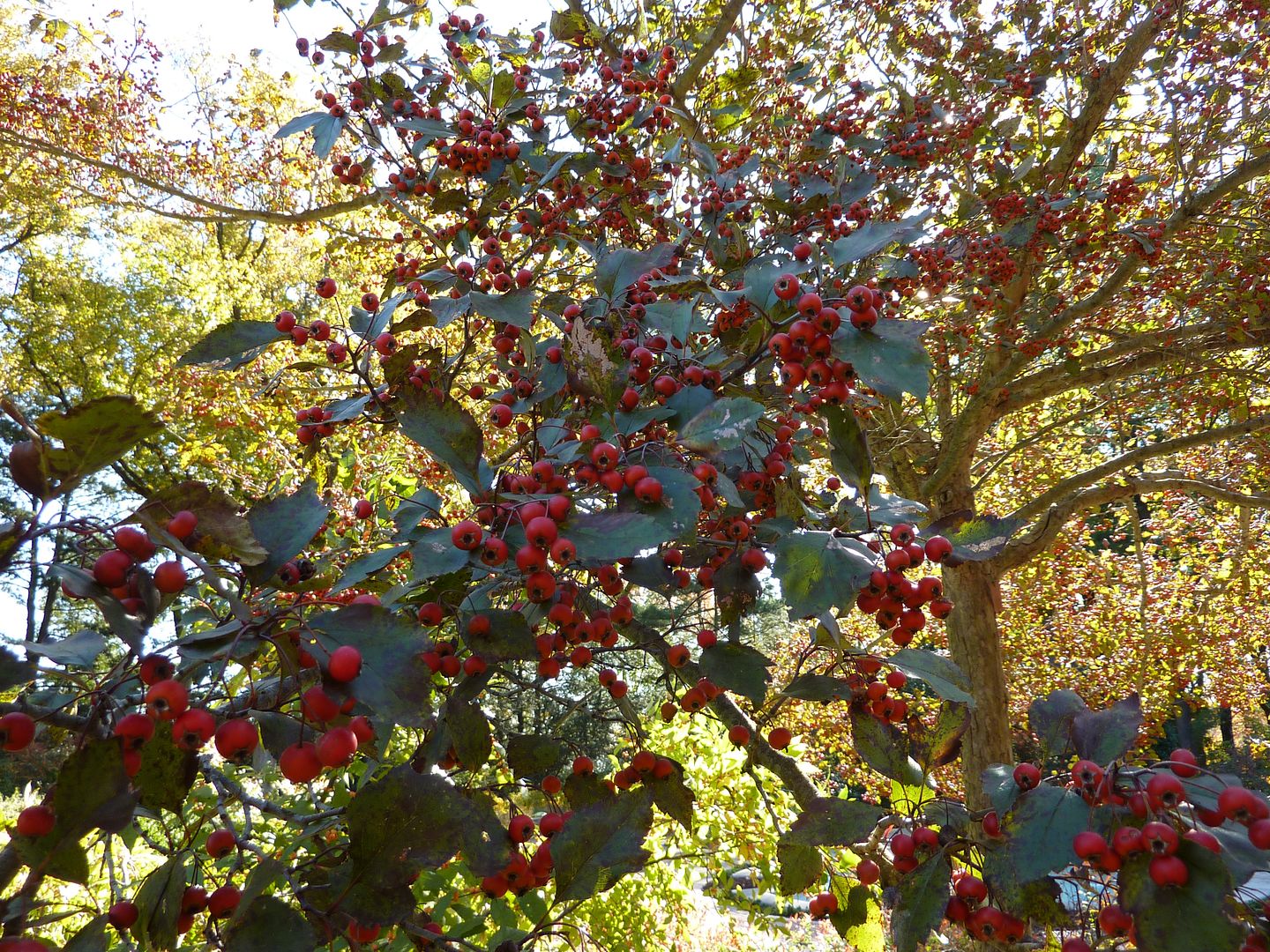
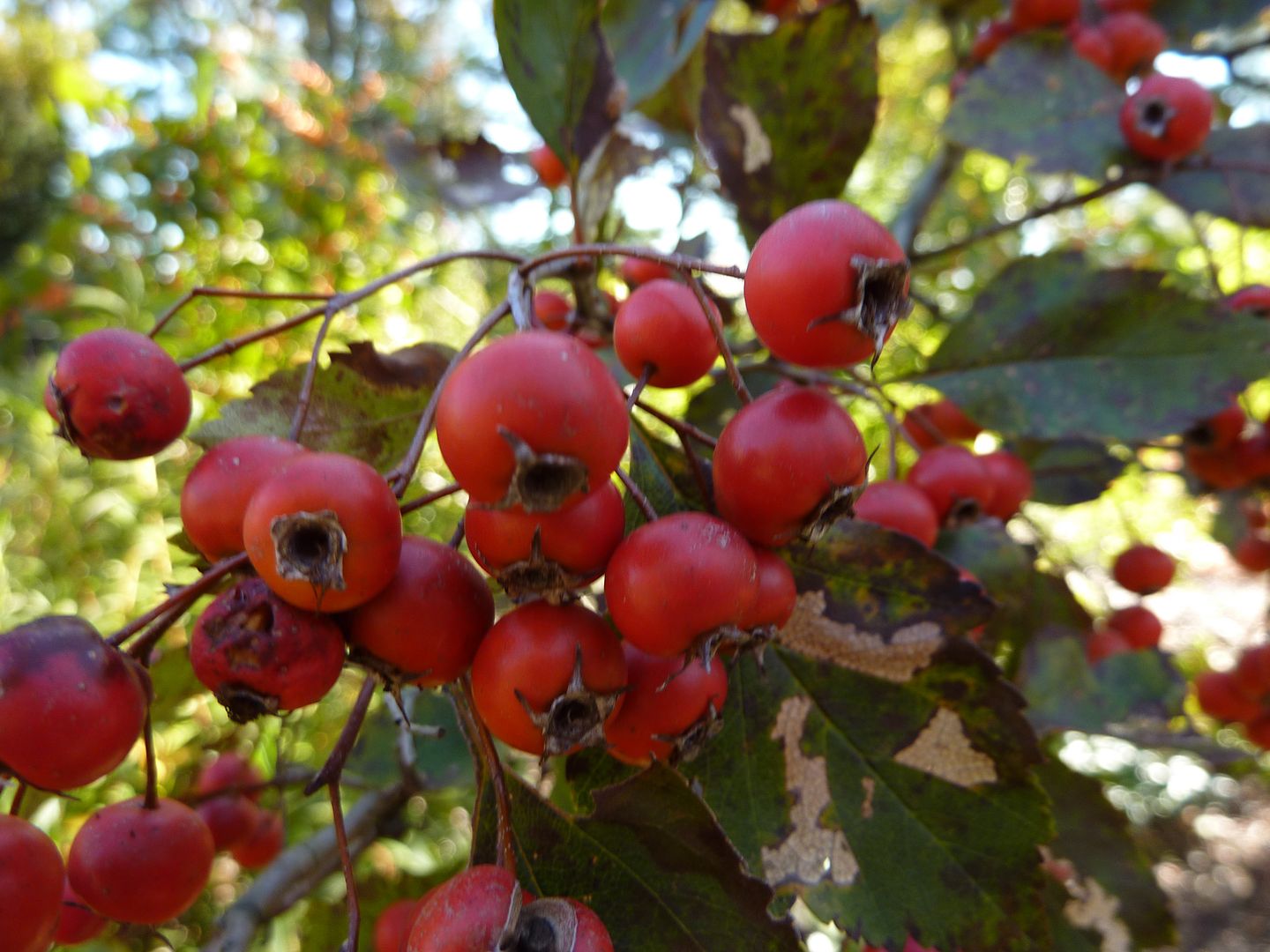
While walking back up to the house I noticed a Hawthorn Tree that probably had more berries than leaves on it. The birds will be well fed this year.

Before leaving everyone was given a plant of Tufted Hair Grass, Deschampsia cespitosa, which is a nice cold season grass that can be planted at this time of year. Warm season grasses do all of their growing over the summer and aren't very successful when planted after soil temperatures get below 60F. So I understand why they gave us a cold season species.

One Saturday well spent.

Tuesday, November 23, 2010

Hungry Birds

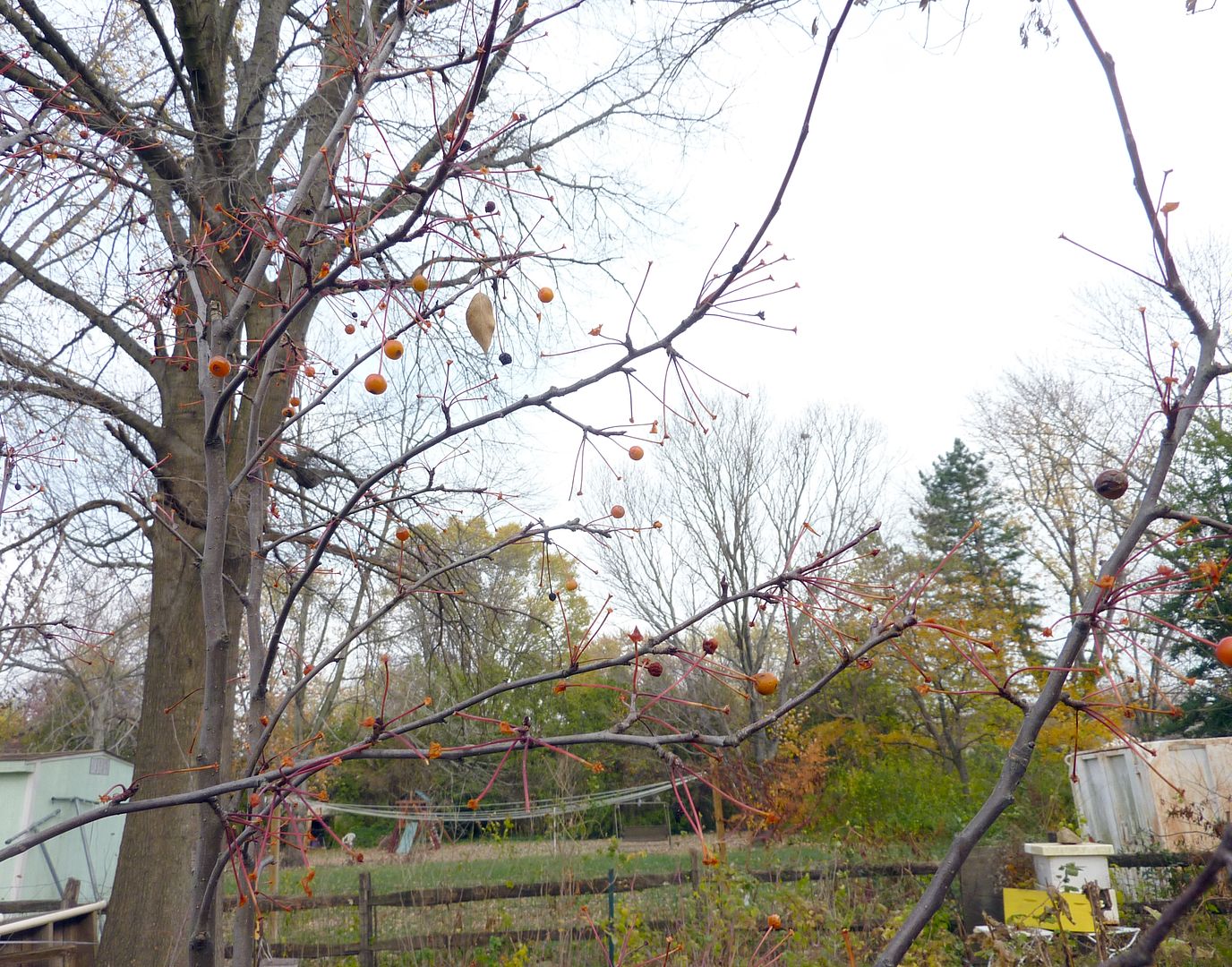
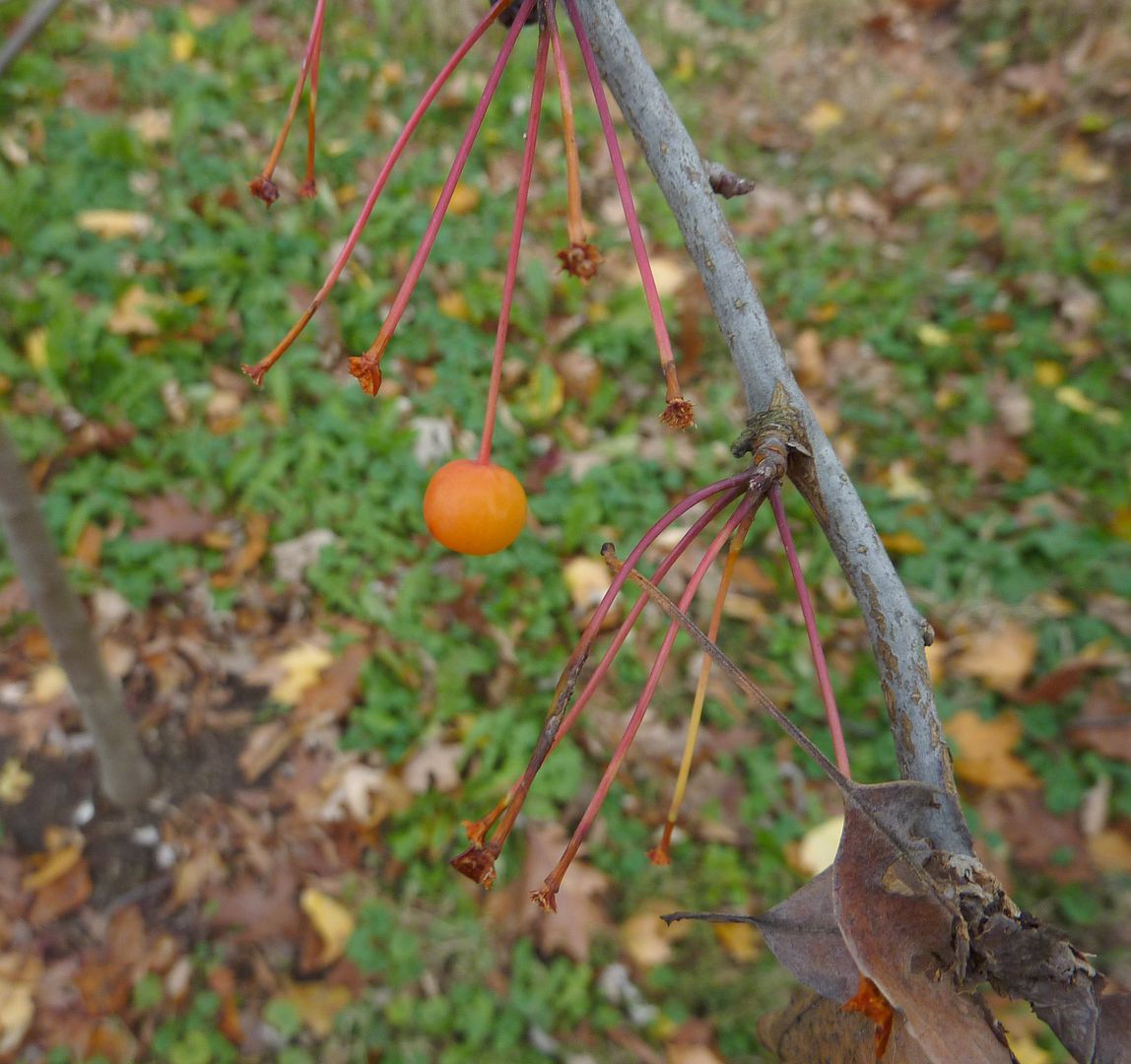
So normally the crabapple tree would be covered in these bright red-orange berries but it seems the birds have taken a liking to them early this year.

What I'm left with though are brightly colored stems. These won't look as pretty when the tree is covered in snow but we'll see what happens.

This is a shame that the birds got a little greedy as the crab apples covered in snow is really charming in the winter time. I suppose any berry plant in the winter would be charming to see. Oh well.

Friday, October 29, 2010

Unexpected Fall Color

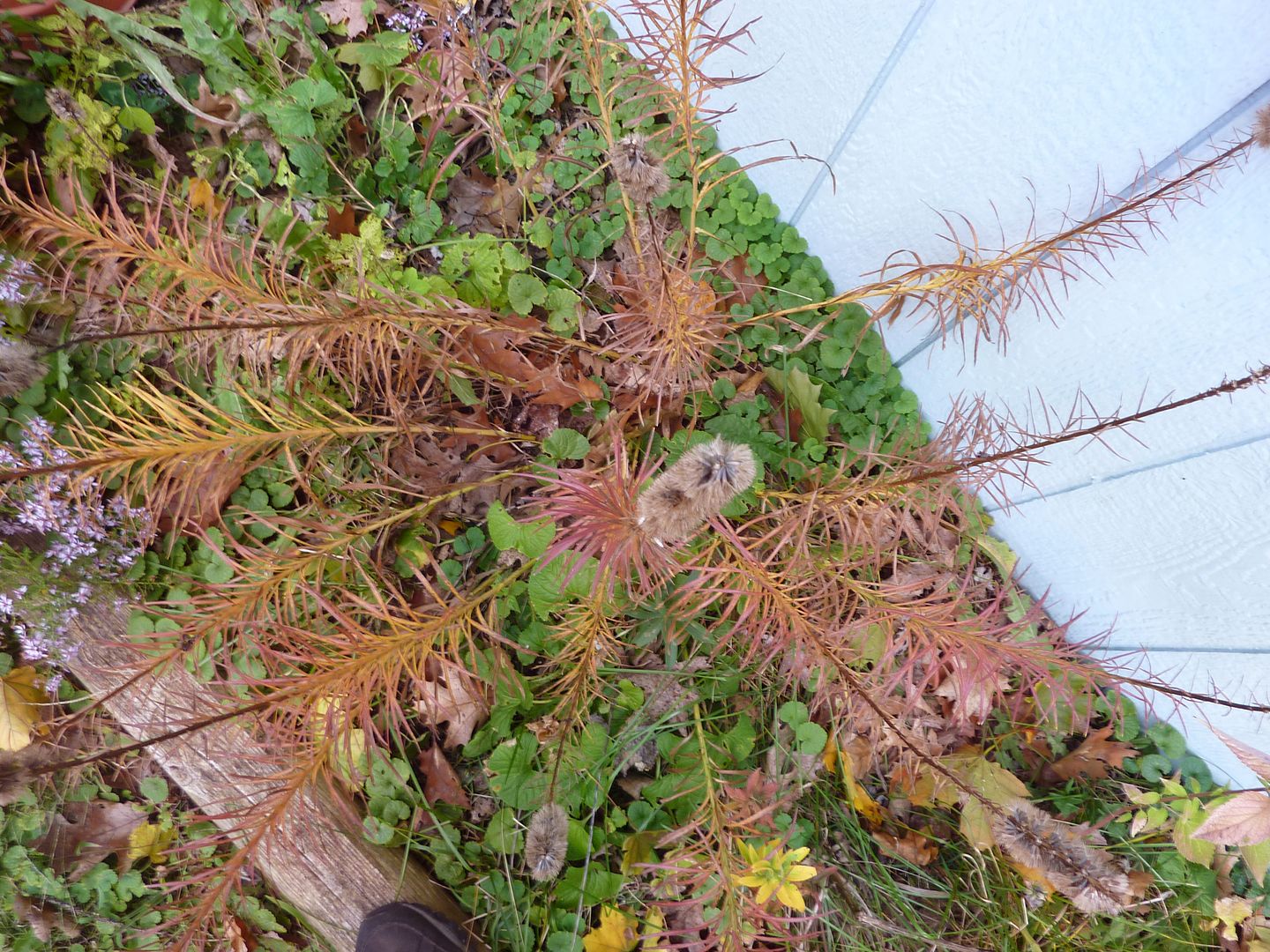
Some unexpected fall color has sprung up in the garden. This is the really common Liatris you can buy corms of by the bag at generally any garden center that sells bulbs.

When fall color applies to forbs normally it's about the flowers, such as with Asters, and Goldenrod. Foliage isn't talked about much with forbs. They should really put this sort of info on the bag they come in.

Friday, October 8, 2010

Busy Bees on New England Aster


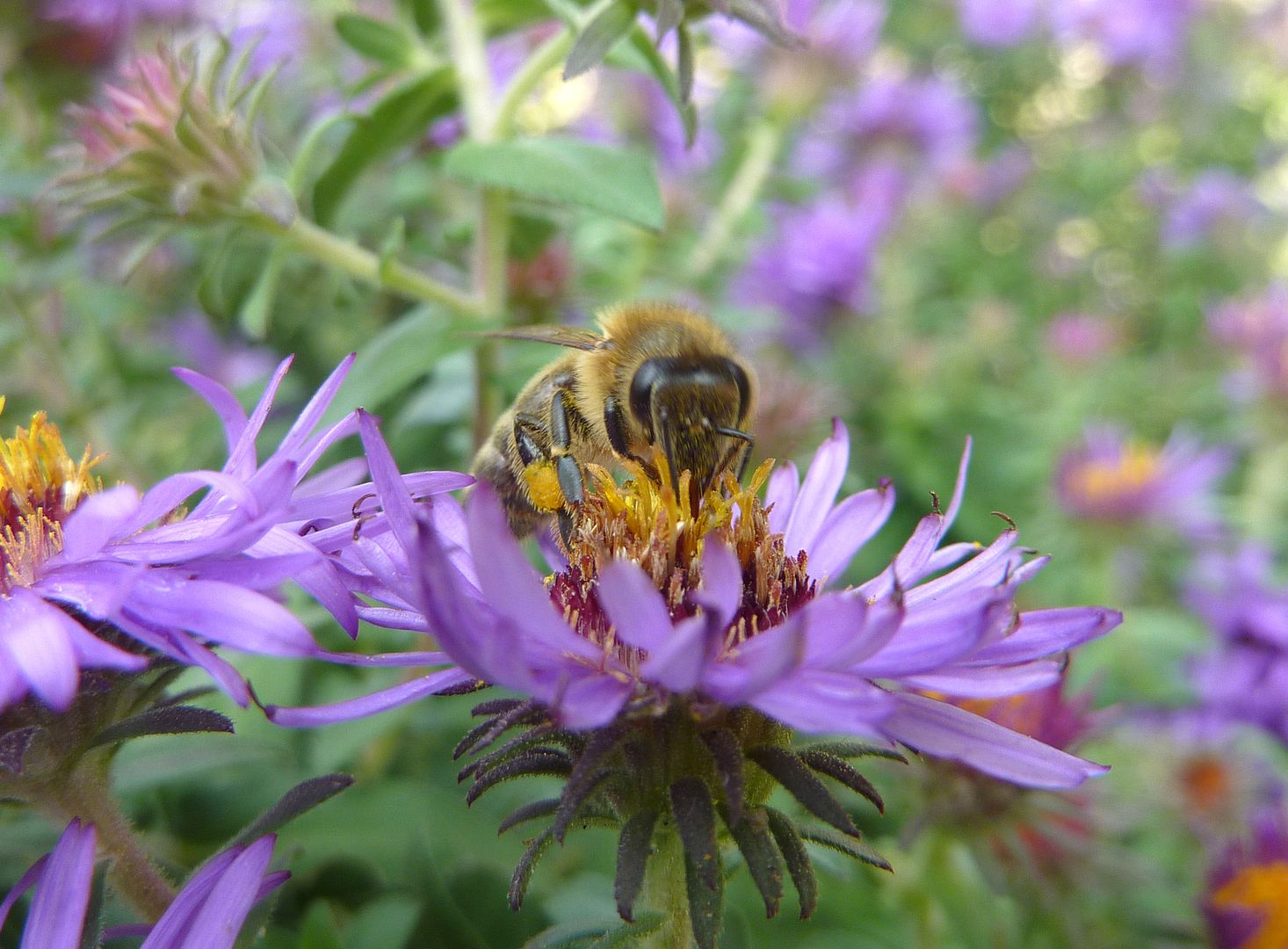
Well the New England Aster, Symphyotrichum novae-angliae, has started blooming up a storm. This plant comes in other colors as well including red, pink, purple and pale or intense versions of those. What's great though is you always get the intense yellow anthers inside the flower that play off the color so nicely, even against spent flower heads that are brown and going to seed. The only down side as you can see in the video is the plants can get to tall and fall over. This is usually avoided at the nursery because the plants will have been cut back to a few inches in June or July. This promotes the compact flowering part to form closer to the ground.

A Honey Bee working a New England Aster


A Honey Bee working a New England Aster
A Green Sweat Bee working a New England Aster

Thursday, November 19, 2009

Aster novae-angliae fall color


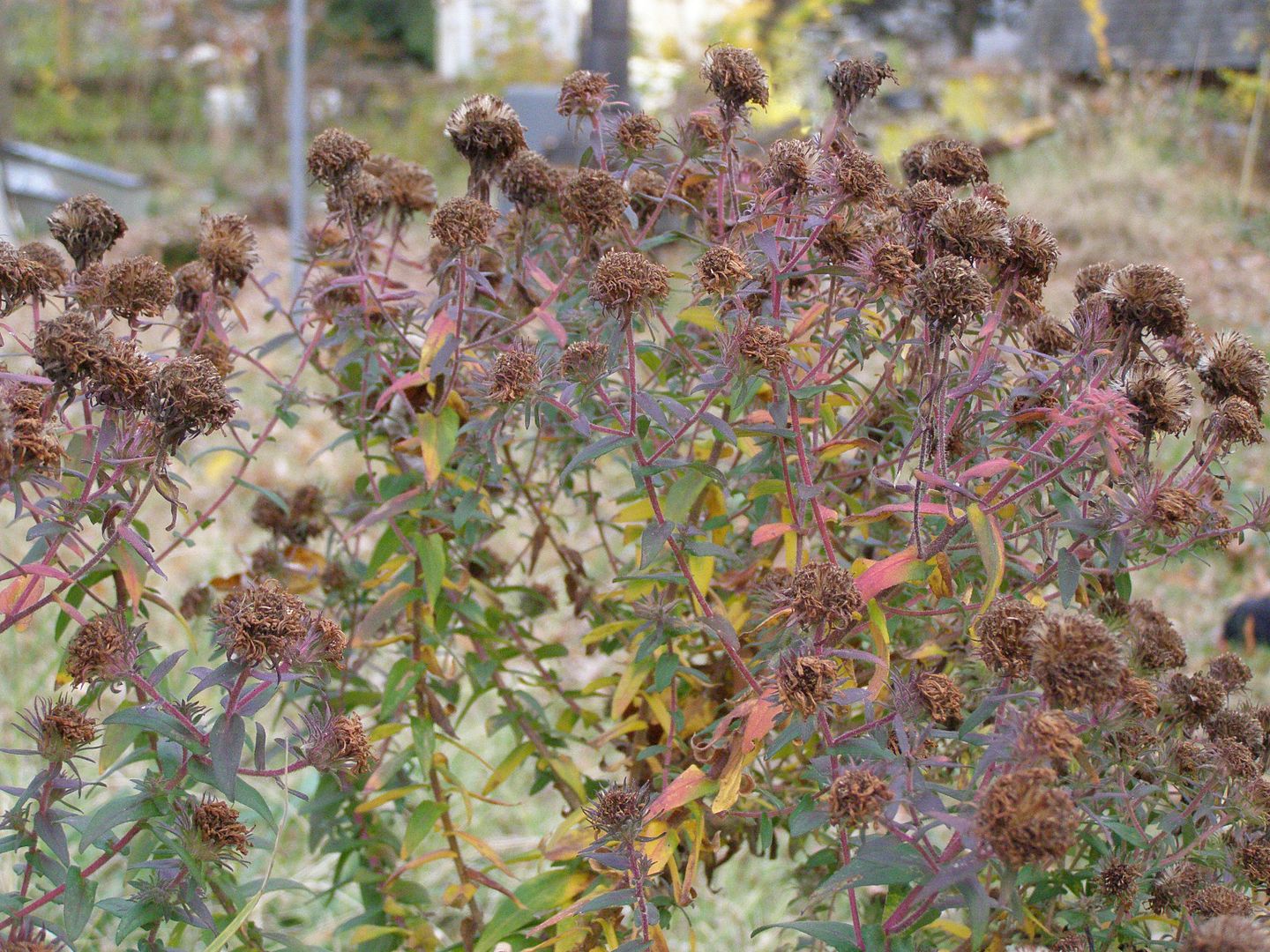
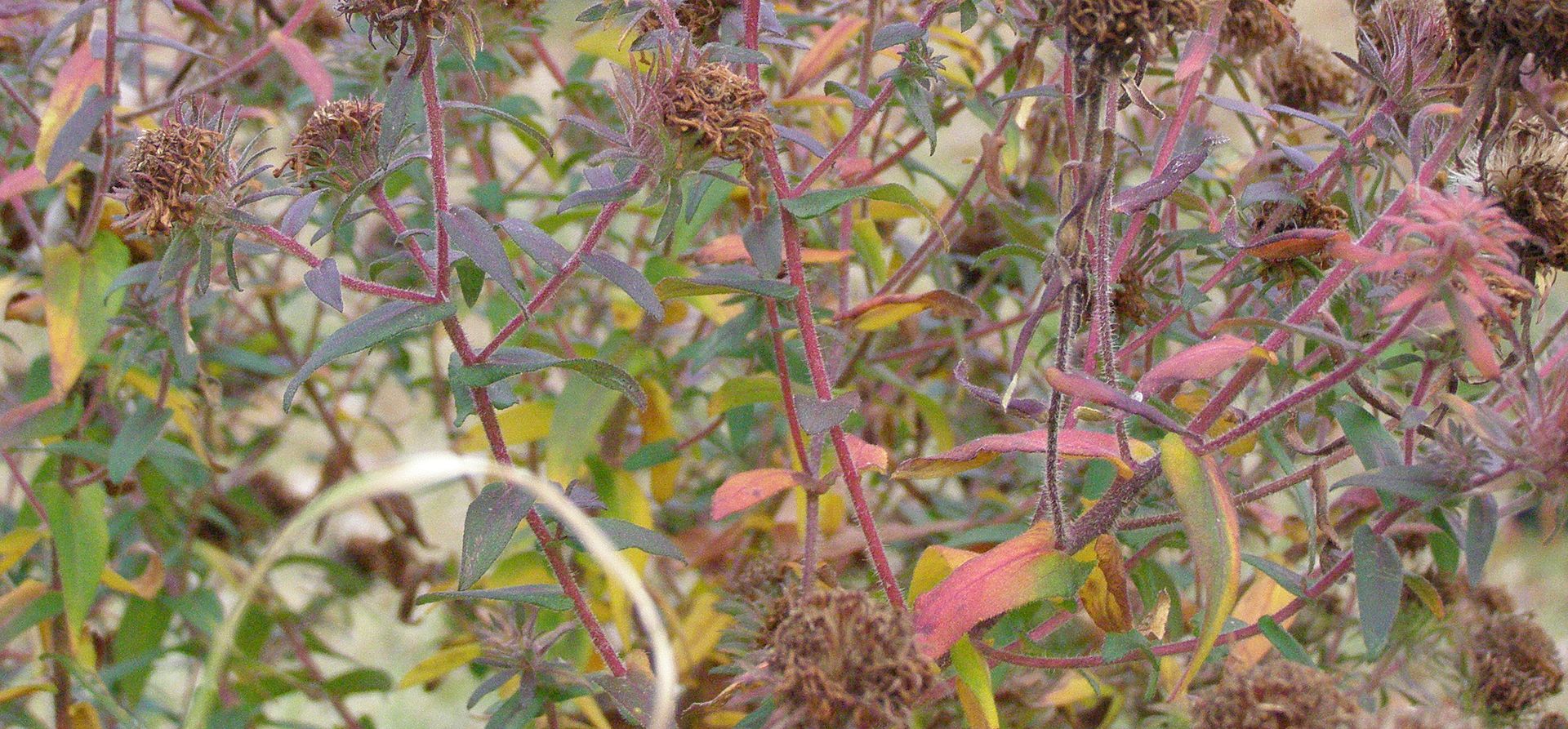
The brilliant fall colors aren't just up in the trees or down in the bushes. Aster novae-angliae is a New England aster that looks like it was tie-dyed.


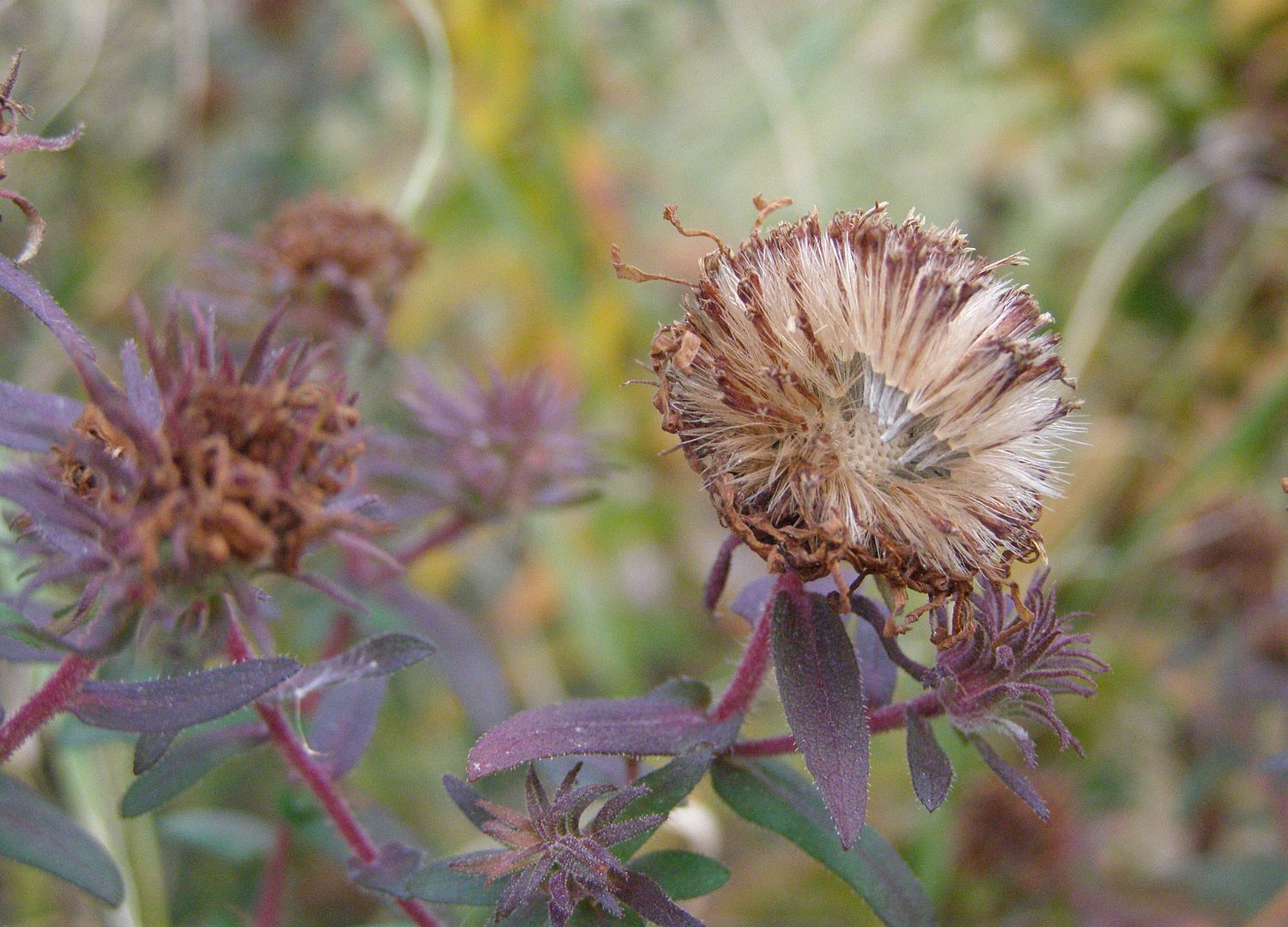
The red stems, the dark purple/brown seed heads, the multicolored leaves all look fantastic against the backdrop of our dormant lawn. It's just another reason I'm hoping this plant spreads like a weed.


Here's another reason to not clear out the garden until next March. Colors aside, the seed heads are up off the ground where birds can easily get at them. After it snows over the winter all the lower growing plants become covered. The upper growth to herbaceous perennials keep the seeds up above the snow line and offer them up to birds. The snow melts off the top of the plants first and reveals the seeds when they're needed most.