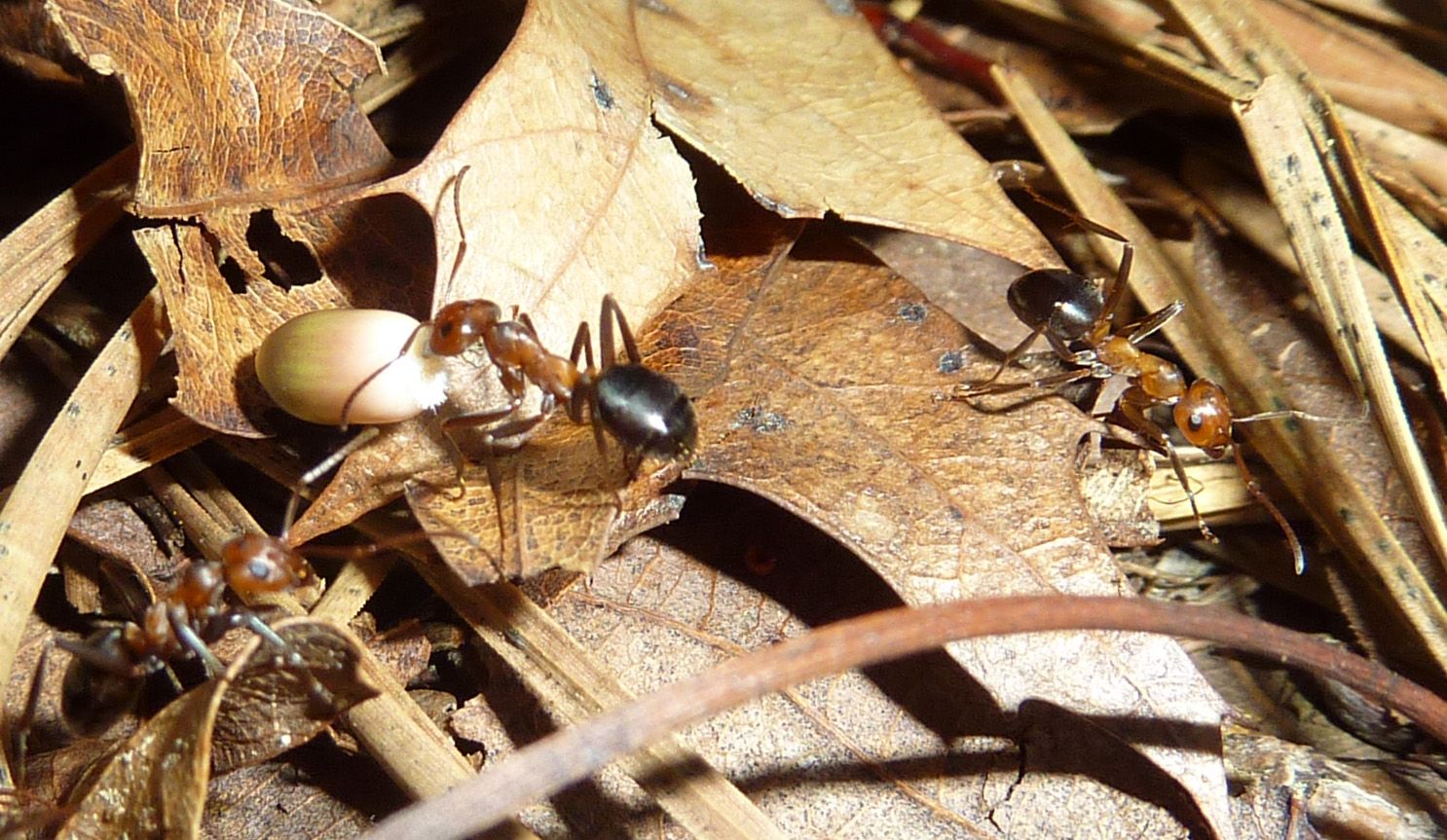
We spent most of the day at Rancocas where we found a lot of the usual suspects among ants. Camponotus chromaiodes, C. pennsylvanicus, assorted Aphaenogaster, Formica and Lasius species. Most of these are ants you can find in your own backyard or local park provided there are trees around, dread wood present, or rocks to look under.
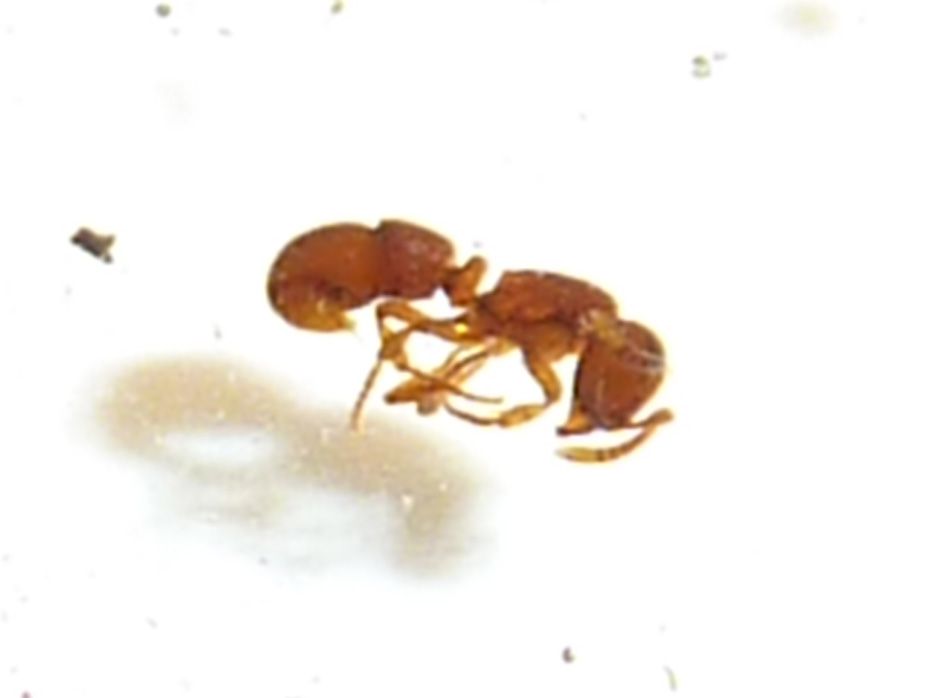
Some of the rarer ants though included a Pyramica colony, which are specialized predators of springtails and only found in leaf litter and rotting wood.
The Pyramica colony we found in better detail thanks to Matt.
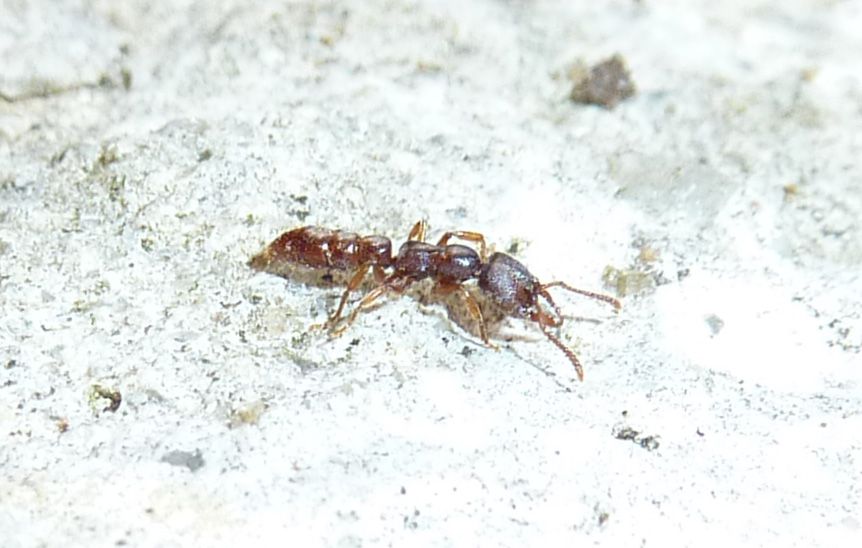
Proceratium is another such specialized predator. The end of the gaster in its normal state curves around to point forward. This allows the ant to sting pray items in the tightest of spaces. This is not an ant one typically finds without sifting through leaf litter and dead wood.
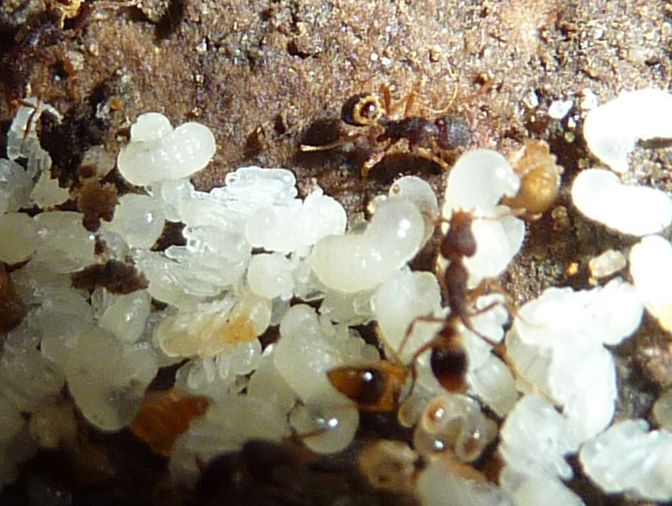
Stigmatomma pallipes, (formerly Amblyoponera) is a specialized predator of centipedes. After taking down a pray item they haul it back to the nest for their larva to devour. In normal ant societies the larva would then regurgitate the digested food for the workers, however these ants don't do that. Their common name Dracula Ants because the workers will puncture their own larva in nonlethal ways to feed on the hemolymph (insects blood) within. A pretty cool find if I do say so myself.
Polyergus lucidus was another cool find, and somewhat more common. They're parasitic ants that raid Formica colonies for developing cocoons. Brought back to the nest the young Formica workers are born into the Polyergus colony and go about their normal tasks of foraging and maintaining the nest. Polyergus are sometimes called slave raiding ants because of this but the term isn't all that accurate. The Formica workers are doing what they would do naturally had they been born into their own Formica colony.
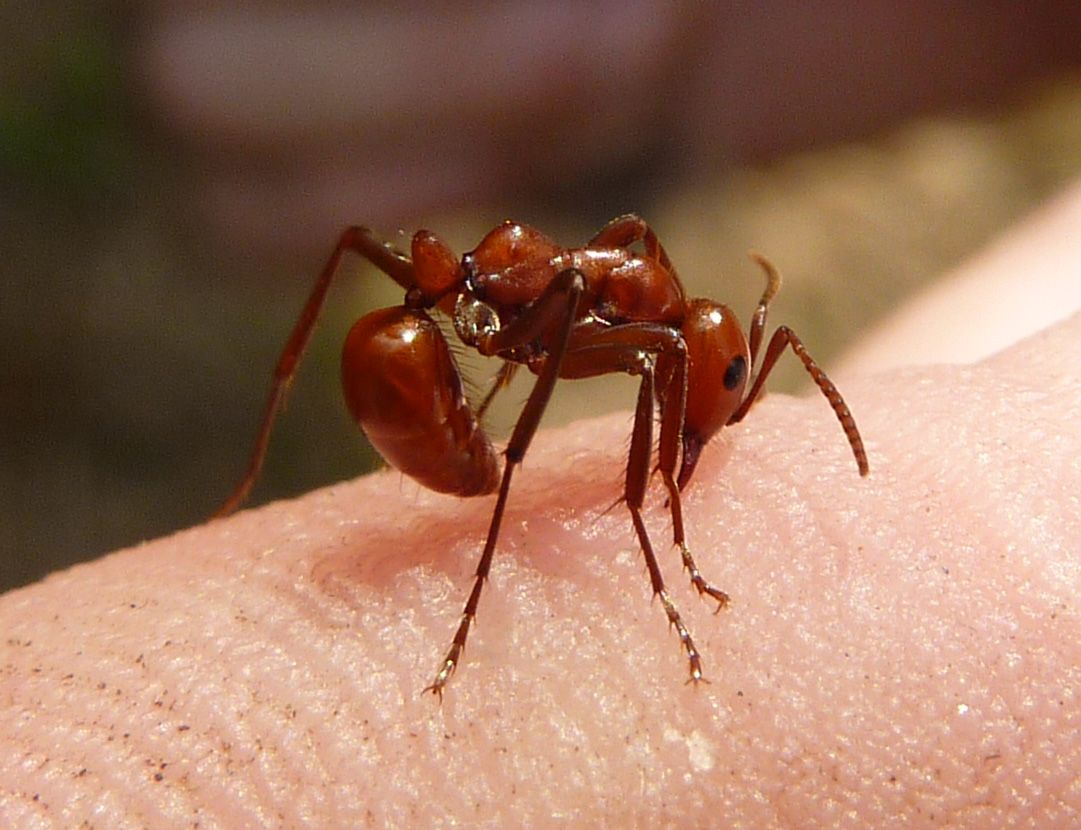
Formica exsectoides by far was the most impressive ant I've seen to date. Their mounds are massive, they forage a good 60 to 90 yards away, they setup sub colonies pretty much wherever there is sun, and you can hear them rustling through the leaves of the forest floor. They spray acid to fend off bear attacks on their mounds! These ants are awesome!
Overall this was a successful ant trip, and I hope to do this again next year.
These three genera represent the subfamily Amblyoponinae in North America. All of the members have a poorly defined postpetiole that connects to the gaster with a large surface area. They tend to be specialized predators and, as that implies, are equipped with with a stinger and well defined mandibles.
Key
These are rarely encountered by the general public. Encountering these ants can perhaps be a mark of achievement for ant enthusiasts. Stigmatomma pallipes is by far the most common and widely distributed member of this family. Reproductives have not been found for most species but it's likely queens are similar looking to the workers in appearance. Males are perhaps more often encountered but to which species they belong to can be puzzling.
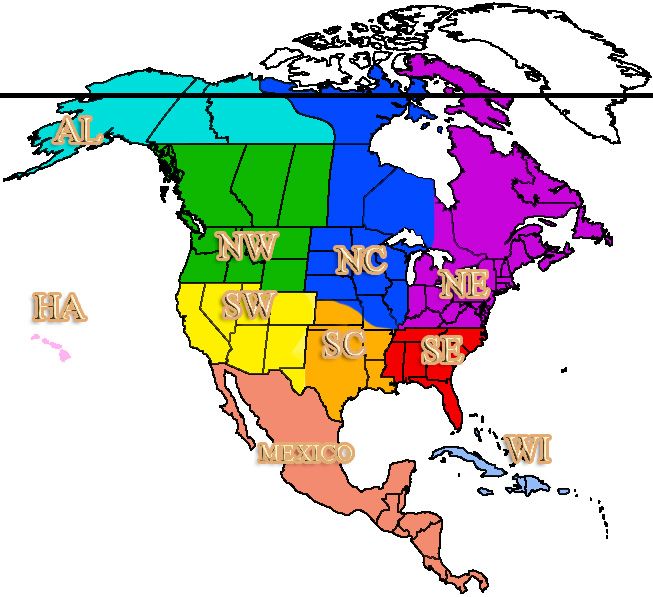
Stigmatomma pallipes(2) SW, SC, SE, NC, NE
The most common and wide spread species in Temperate and subtropical parts of North America. Nests have been found in rotting wood and stumps. Morphologically a good sign of this species is the mandibles widen in the middle with a curve on the inside along the teeth.
Stigmatomma oregonensis SW, NW Eyes... though incredibly hard to make out on all Amblopone species, are distinctly larger, especially on queens. Mandibles are even in thickness with 9 or 10 teeth.
Stigmatomma zwaluwenburgi HA
The
only member of this genus found in Hawaii. How it got there and where
it's really from are still unknown as far as I can tell. This ant is
small at around 2mm long and paler than most other species.
Stigmatomma trigonignathum SE
Thinner than A. pallipes. Mandibles are wide in the middle too, but more exaggerated and fleshed out. The curves follow the lower head margins more before curving back to the tips of the mandibles.
Stigmatomma orizabanum SW, Mexico
Nest have been found undertones in fields or forests, typically at elevations around 2700 and 2800 feet. Local flora comprises mostly of temperate tree species, especially Carpinus (Hornbeam) and Pines. (It's likely Hornbeam distribution continues down into Mexico where this ant is found.) Morphologically this ant is said to be smaller and paler than most other Amblyopone. However A. degenerata is even paler. Both species are around 2mm long or less.
Stigmatomma degeneratum Mexico, Costa Rico
A ghostly white color and relatively few teeth identify this species.
Prionopelta antillana(2) SE (Florida)
This species is only found in Florida. Unlike Amblyopone this genus is only represented by one species in the US. They differ from that genus by having smaller mandibles with only 3 teeth while the former has lots of teeth. The scape and antenna proportions differ as well; they're clubbed. There's probably differ in other ways too but most of the scientific work about them is written in Spanish. They are normally from South America and it is strange they haven't been reported on various islands such as Costa Rico or Jamaica. These are specialized predators that nest in both soil and in dead wood. Colonies are small, fewer than 1000 ants.