Showing posts with label Video. Show all posts
Showing posts with label Video. Show all posts
Sunday, April 4, 2021
Easter Garden Tour 2021
No ants this time. Just a quick garden tour. This was recorded the day before Easter. Additional Daffodils and Easter Lilies and Tulips were set out in the garden afterward. Several plants featured in the garden had to be replanted because squirrels had removed them, mostly hyacinths and pansies, over night. Not in the video was an Easter Egg hunt I arranged with my niece who had a great time finding them all among the flowers.
Saturday, September 26, 2020
Jewelweed Setting Seed
Impatiens capensis, Jewelweed or Spotted Touch-me-not has exploding
seed pods that cast the next generation far and wide. Though an annual,
they can aggressively take over damp sites usually along forest edges.
It can be weeded out or thinned easily, however; seeds will sometimes
take up to three years to germinate, leading to small patches of plants
returning. While flowering though it is treasured by bees and
hummingbirds.

The nectar is kept all the way in the back of the flower, right in the back of the tube there so that only long tongued bees and hummingbirds have access to it. This one however has been chewed open by a carpenter bee.

Jewelweed is a prolific flowering plant though and seems to bloom well after the life cycle of most carpenter bees, thus pollination still occurs.

Seedpods, when ready, explode on a hair pin trigger. Just the slightest disturbance to the tip and they pop open, flinging seeds several feet away.

They produce air roots too which pull nutrients from the air.

One plant in the patch I have suffered something that caused it to become variegated above a certain point.
Thursday, March 26, 2020
Ant Chat: 2020 Winter Ant Flight
Prenolepis imparis, The Winter Ant, was flying here last week. This was the first main flight for the species in my area. This wasn't as nice a video as it could have been partly because I'm getting over Bronchitis and with the current COVID-19 pandemic going on it's not a good thing to be sick in general. Thankfully the ants were good enough to hold a flight in my yard so I didn't need to venture off to a park to find them.

In General, you're looking for a warm day. Queens don't fly unless it's 68F or above out and days when it just hits 68 really aren't good enough. You'll find colonies sending queens up but very few of them are taking off. Days well into the 70's are much much better because as soon as the wind blows or the queens fly off they're not immediately getting chilled.
The next thing to look for are trees, or large wooden structures. The days when this species flies tend to be windy and they need to forage on aphids and scale insects that feed on trees so plants are kind of important with this species. Swarms of males will gather around the trunks of large trees and tall shrubs which is easily seen when looking up towards the sun. Their wings glitter and reflect the sun's rays. I say "wooden structures" because friends in Philadelphia, PA. once reported finding a swarm along a tall wooden fence near one of the many parks they have there in the city. So even in an urban setting you can find this ant.
Once a swarm has been located you want to hang out a few minutes. Males greatly out number the queens of this species a good 200 to 1 or so. Often there will be several trees near one another so spend a few moment casually walking around the trunk to each and repeat. If there's leaf litter by the trees you may want to kick it away as the queens tend to blend in with it almost perfectly.

Monday, April 1, 2019
This Week in Anting 04/01/2019 Winter Ants Flying
Sorry about the wind in some scenes. These ants don't mind flying on days with 60mph gusts. Indeed it's probably part of why their swarms gather around trees with large trunks, or shrubs or fences and so on. The males gather around these wind breaks to better establish a swarm that attracts the queens.


Saturday, September 16, 2017
This Week in Anting 09/16/2017
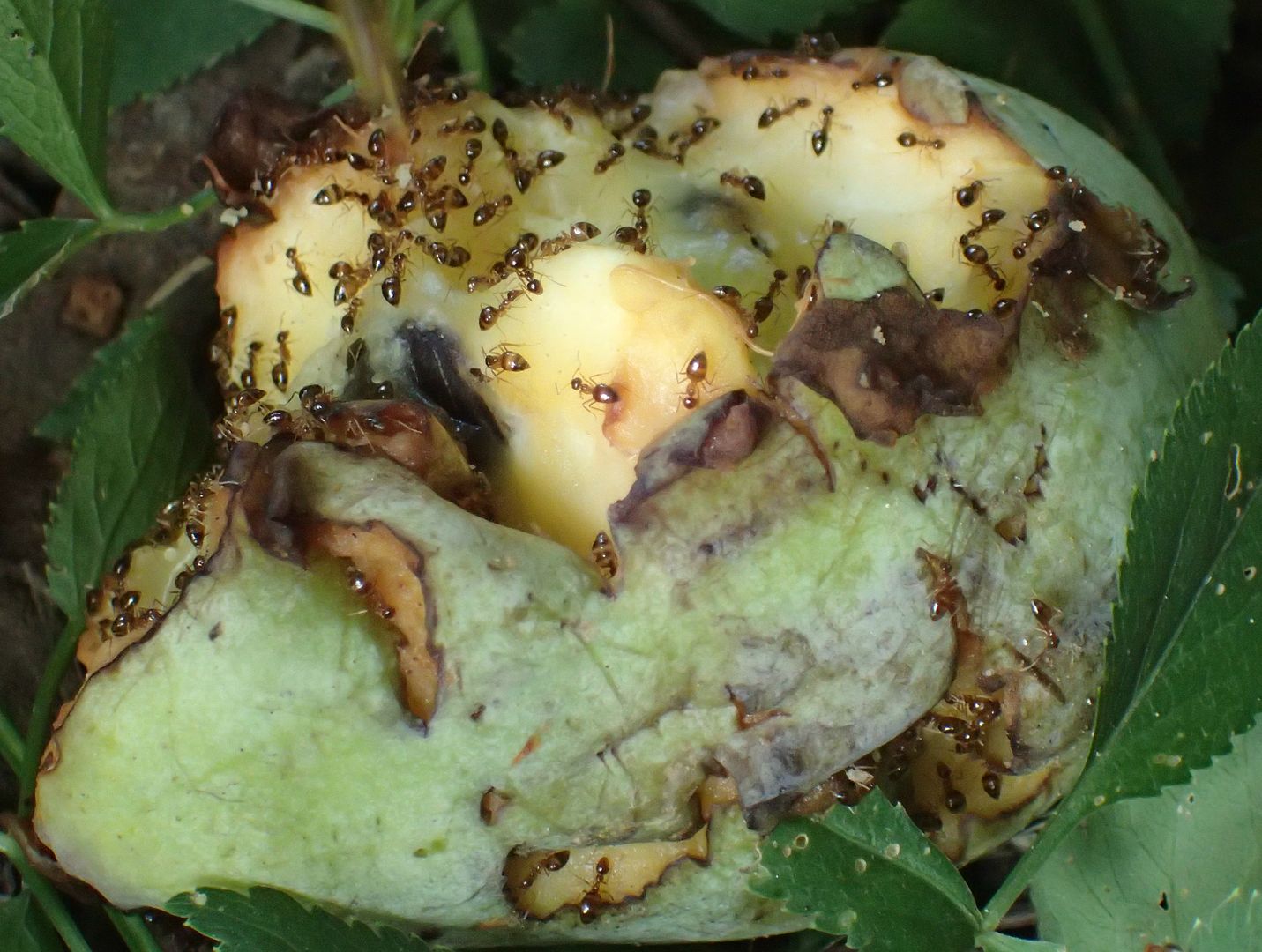
This week I got to try PawPaws for the first time ever and Lasius neoniger flew!
Asimina triloba is the northern most member of the custard apple family which is largely tropical. This is the only species native to the United States and one of the few host plants to the Zebra Swallowtail Butterfly. The flowers are pollinated by small vinegar flies and are supposed to require a second cultivar or genetically different tree of the same species in order to produce fruit.... but this is the only tree in my yard and probably the only tree in the whole county. It would seem this cultivar is semi-self fertile. The tree is roughly 12' tall and produced 12 sizable fruits though not on every branch that flowered. Presumably had there been a genetically different tree nearby it would have made even more fruit. (It's either 'Sunflower' or 'Pennsylvania Gold')
The smell is amazing when ripe or slightly damaged. The fruits perfume the air with a fragrance that leaves one assuming some sort of Banana and Orange factory has exploded somewhere. It's very potent and alerts the homeowners, hikers, and wildlife that the fruit is ready.
The inside texture is somewhat gooey verging on vanilla pudding except for the fairly large and flat seeds with are like skipping stones or pebbles. The taste of a slightly unripe one is that of bananas with hints of cantaloupe (or musk melon as it's known in most of the world). A fully ripe one tastes more like a really sweet banana with a candy-like quality to them. It's a shame this fruit has such a short shelf life of about a day and a half because that's been the main reason it hasn't become main stream. (When they are for sale they can sometimes go for $15 a pound!)
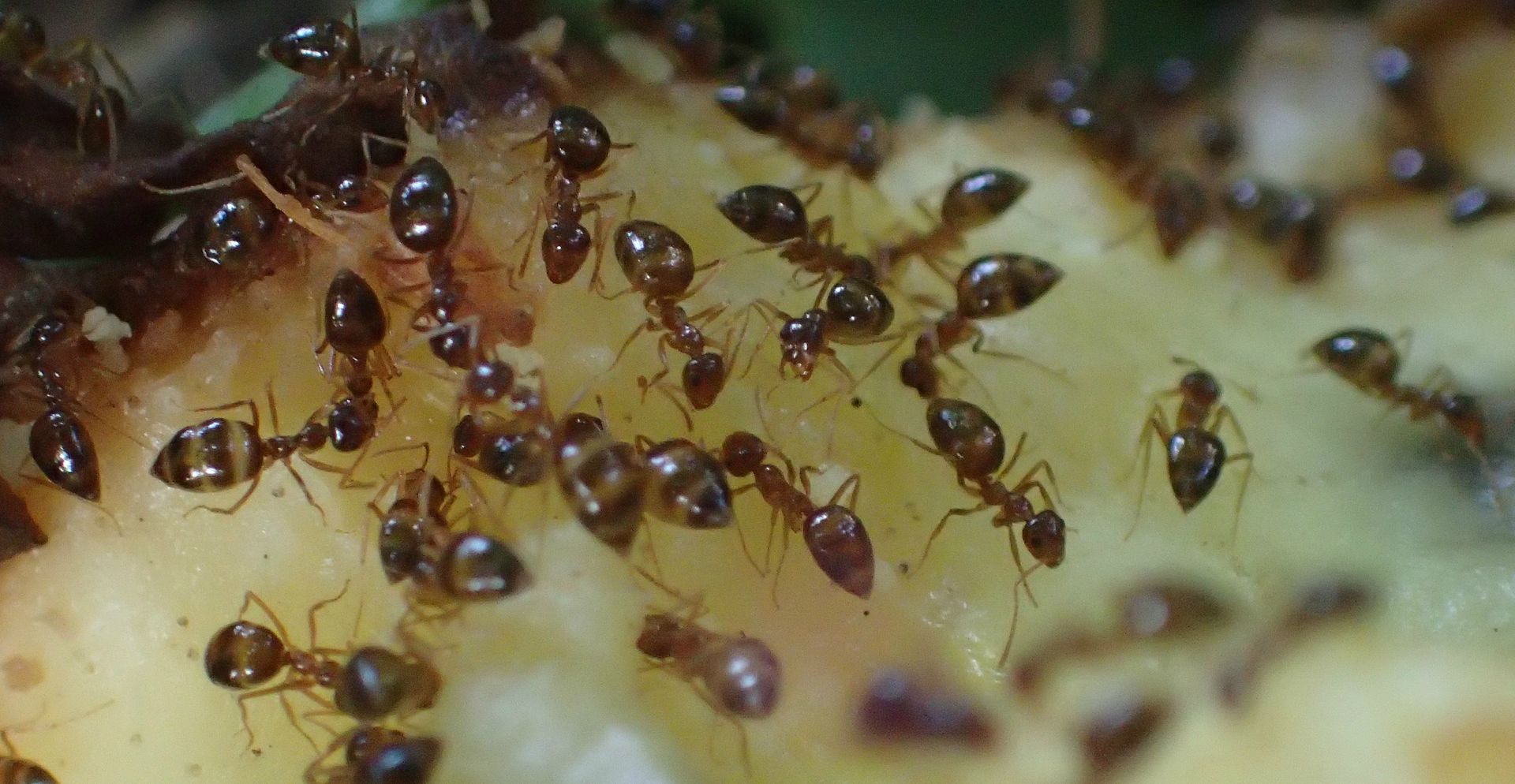

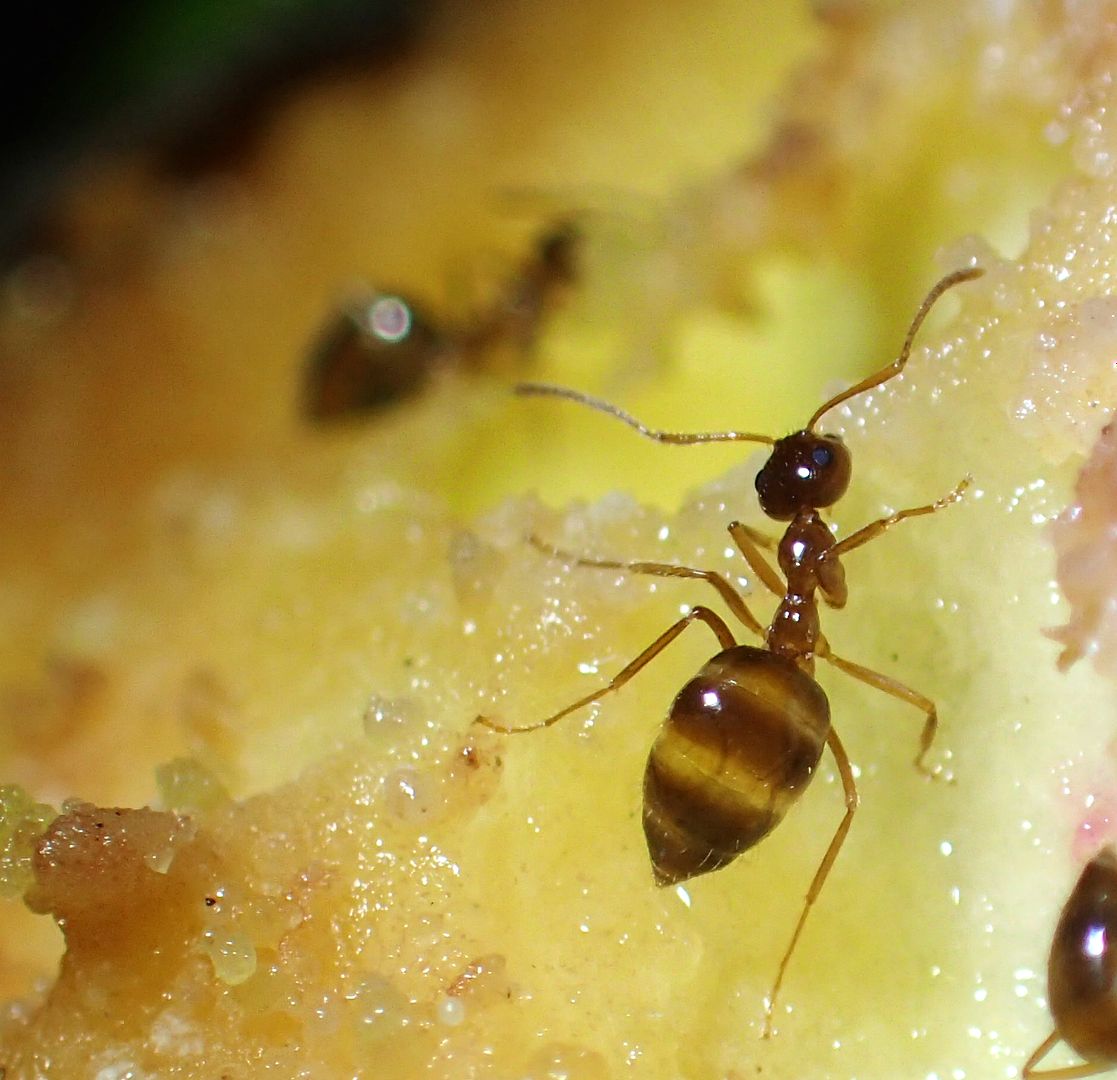

A fairly decent anatomy pic showing off the acidopore, a slightly tuft of hairs at the tip of the gaster/abdomen. This is a key trait when identifying ants in the subfamily Formicinae and a conclusive way to tell them apart from members of Dolichoderinae.
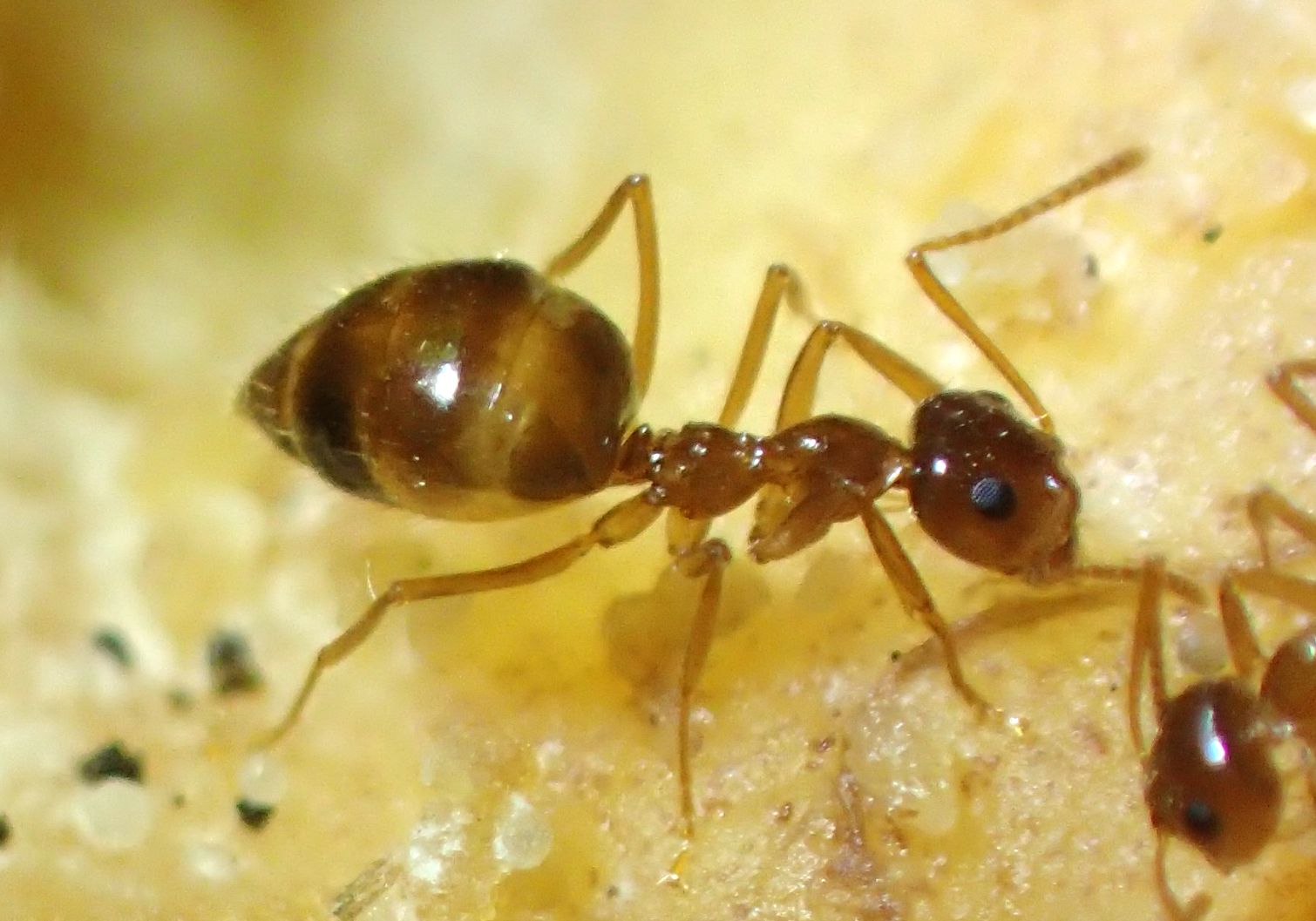
Another good anatomy shot. Here the tiny waist segment is clearly visible separating the gaster from the mesosoma.
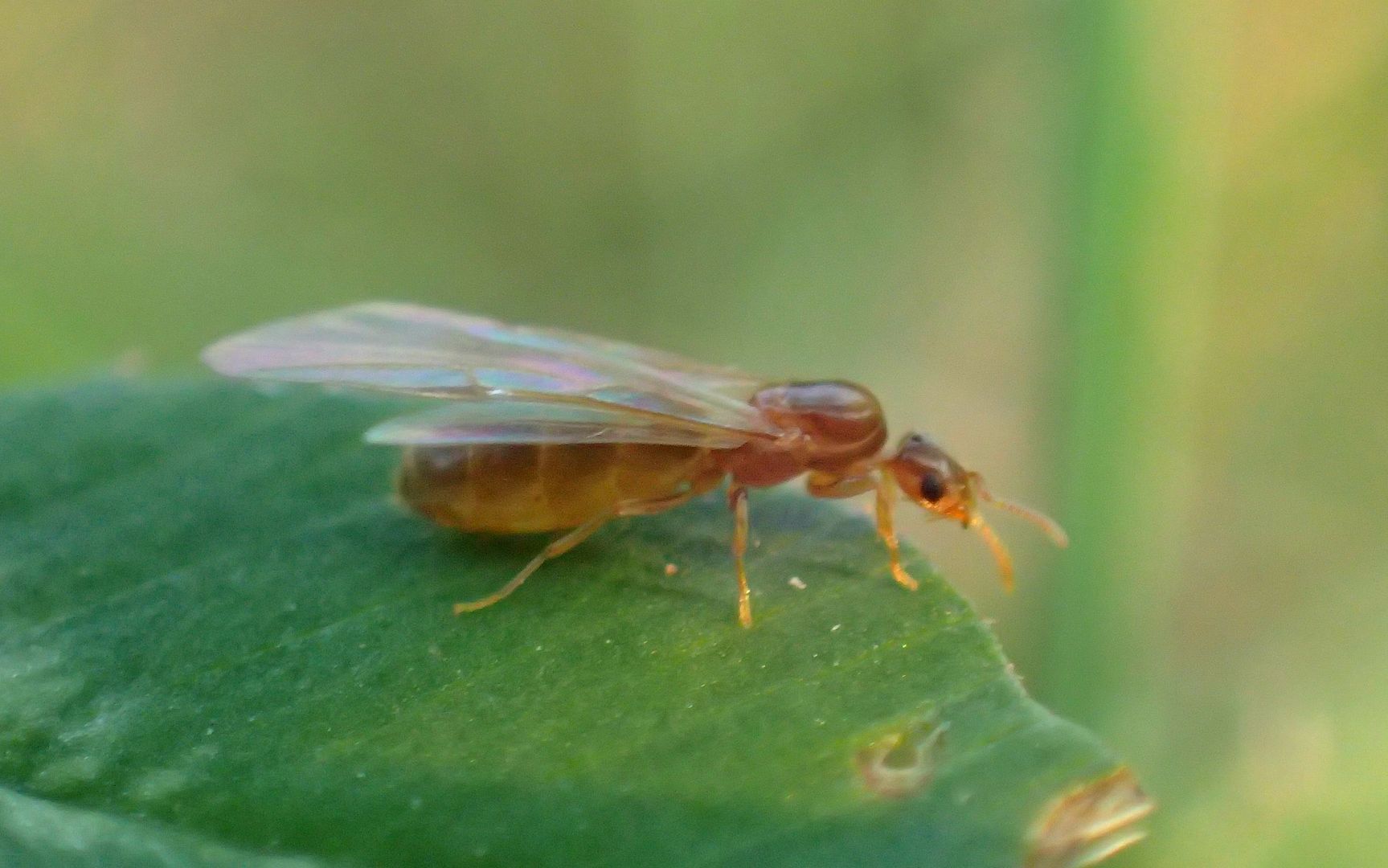
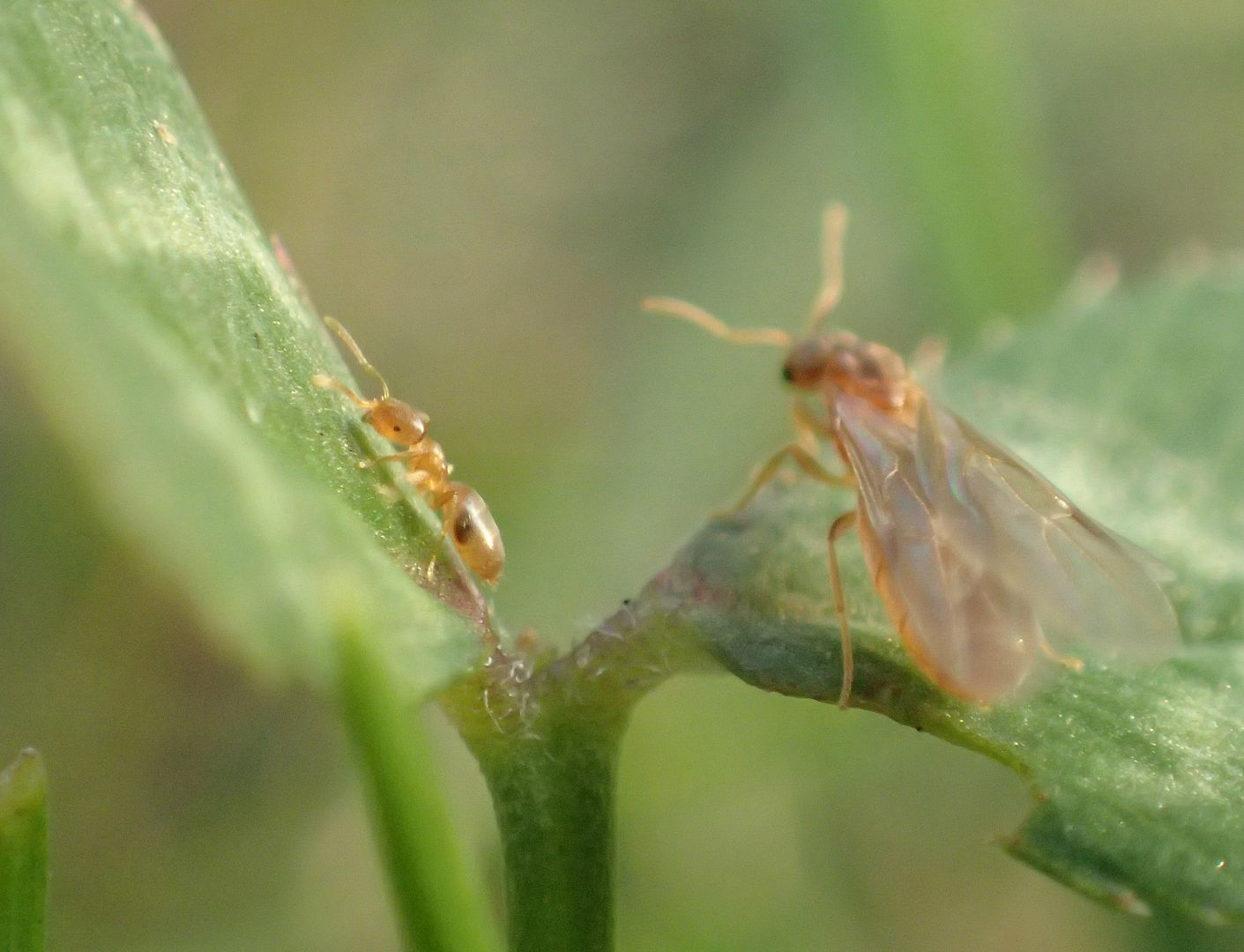
Brachymyrmex dipilis was also flying that day. This is one of the smallest ants in the U.S.
Tuesday, August 29, 2017
This Week in Anting 08/28/2017
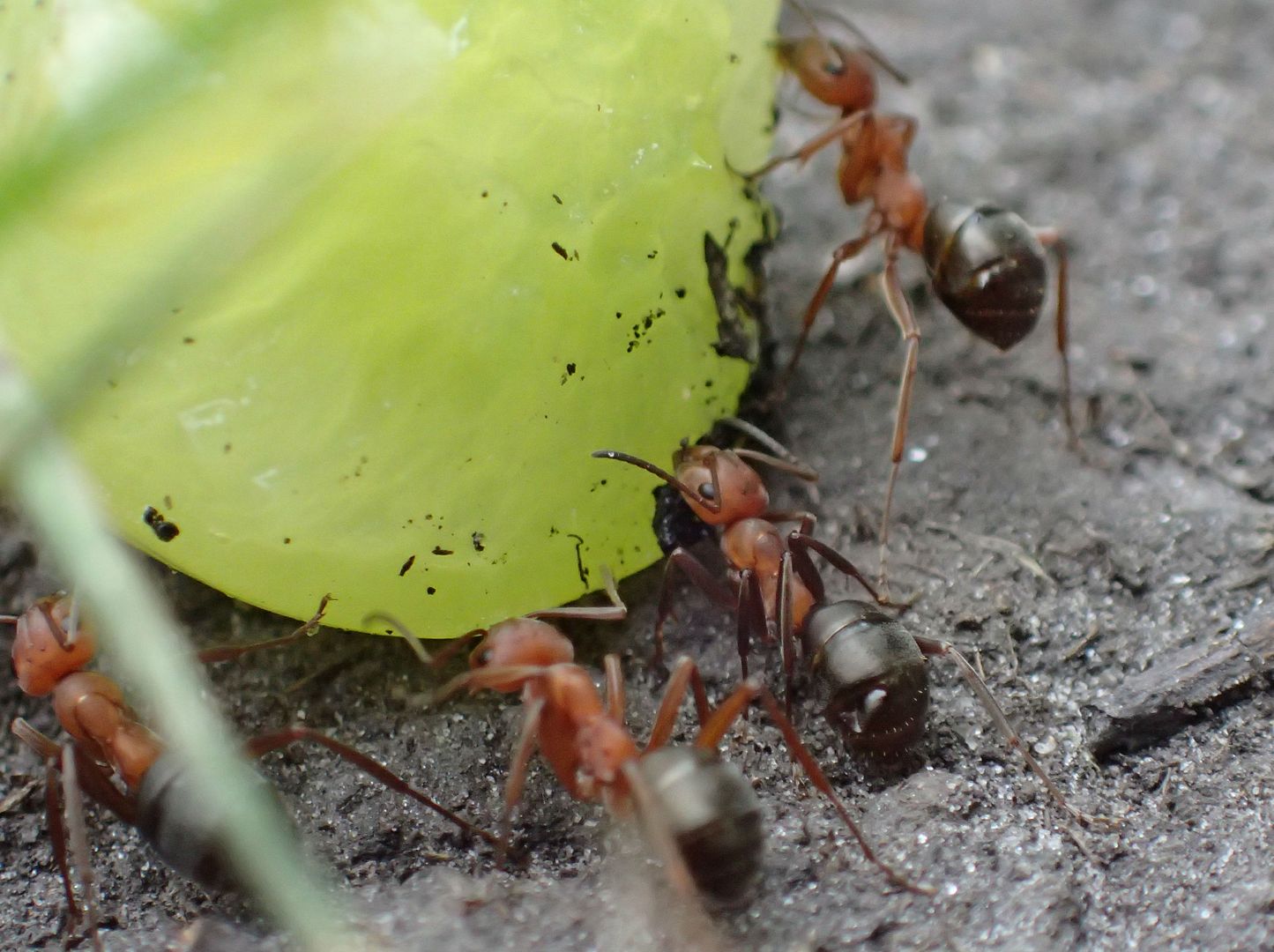
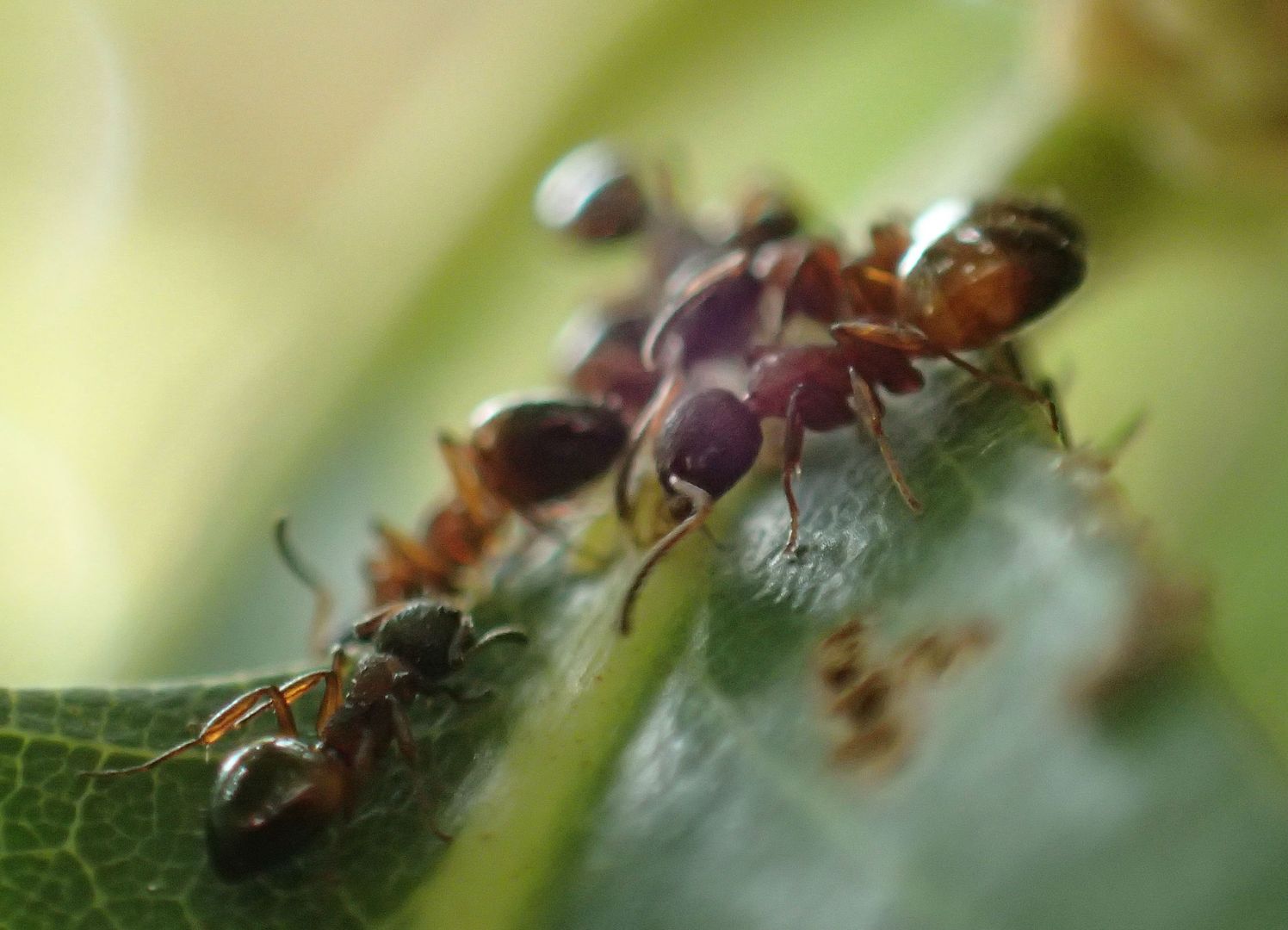
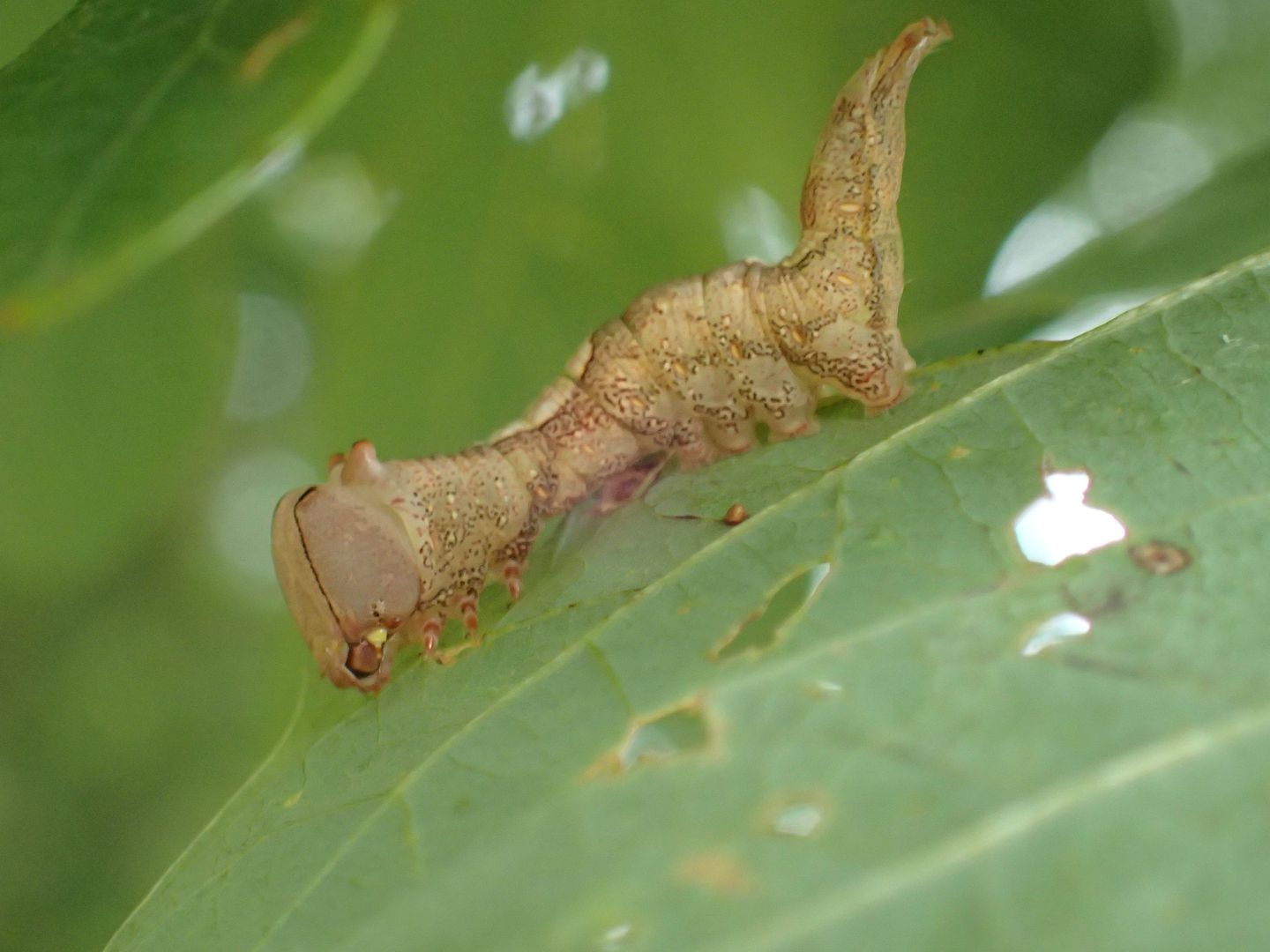
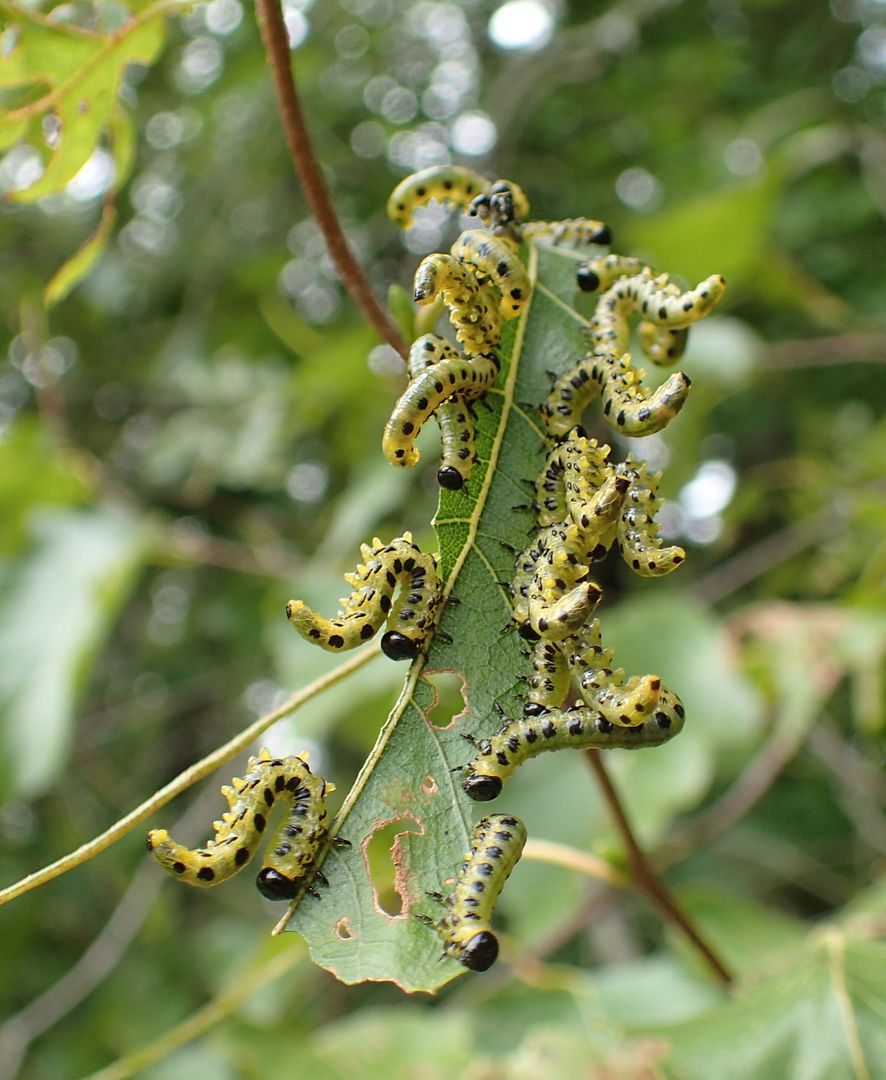
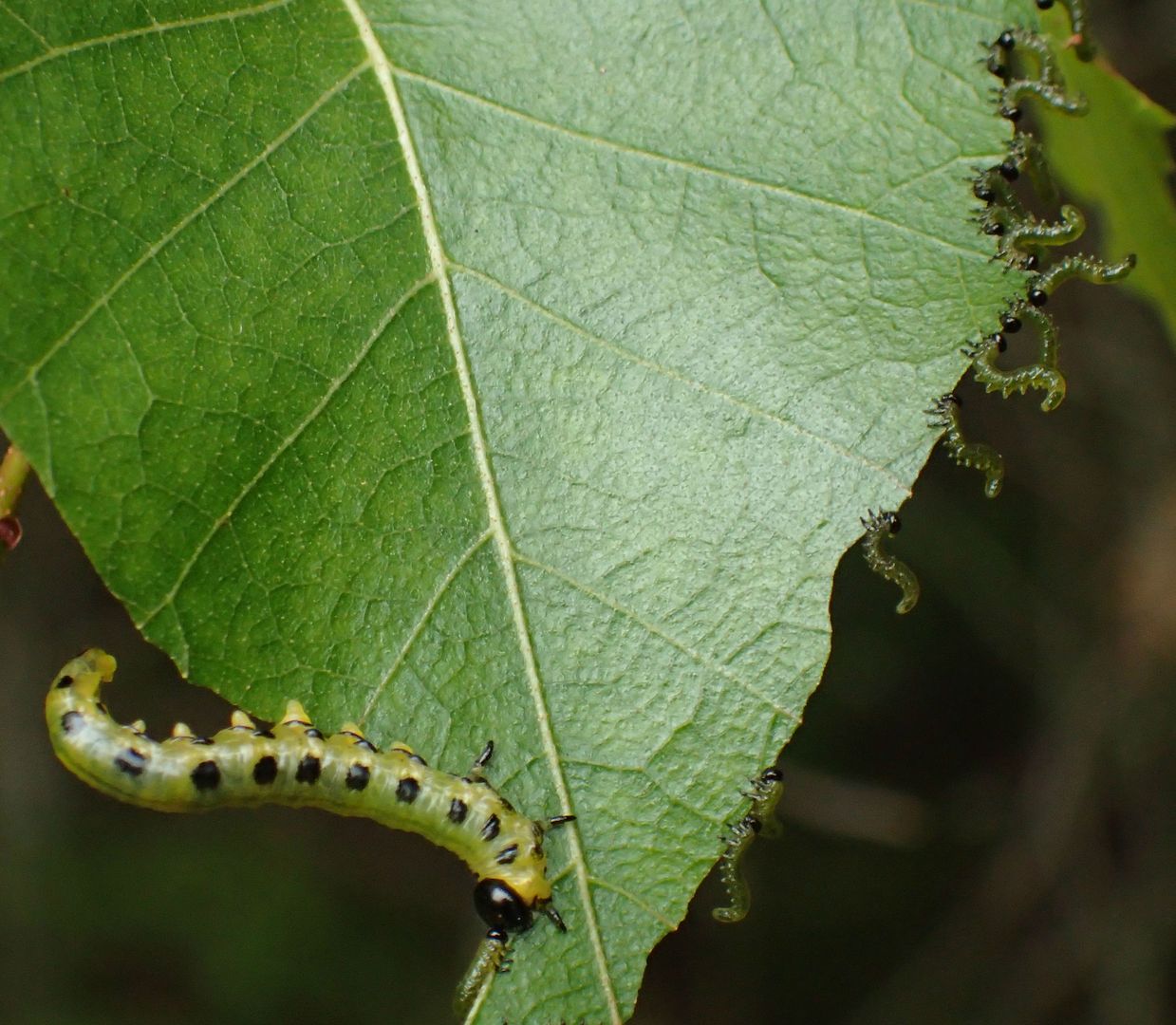
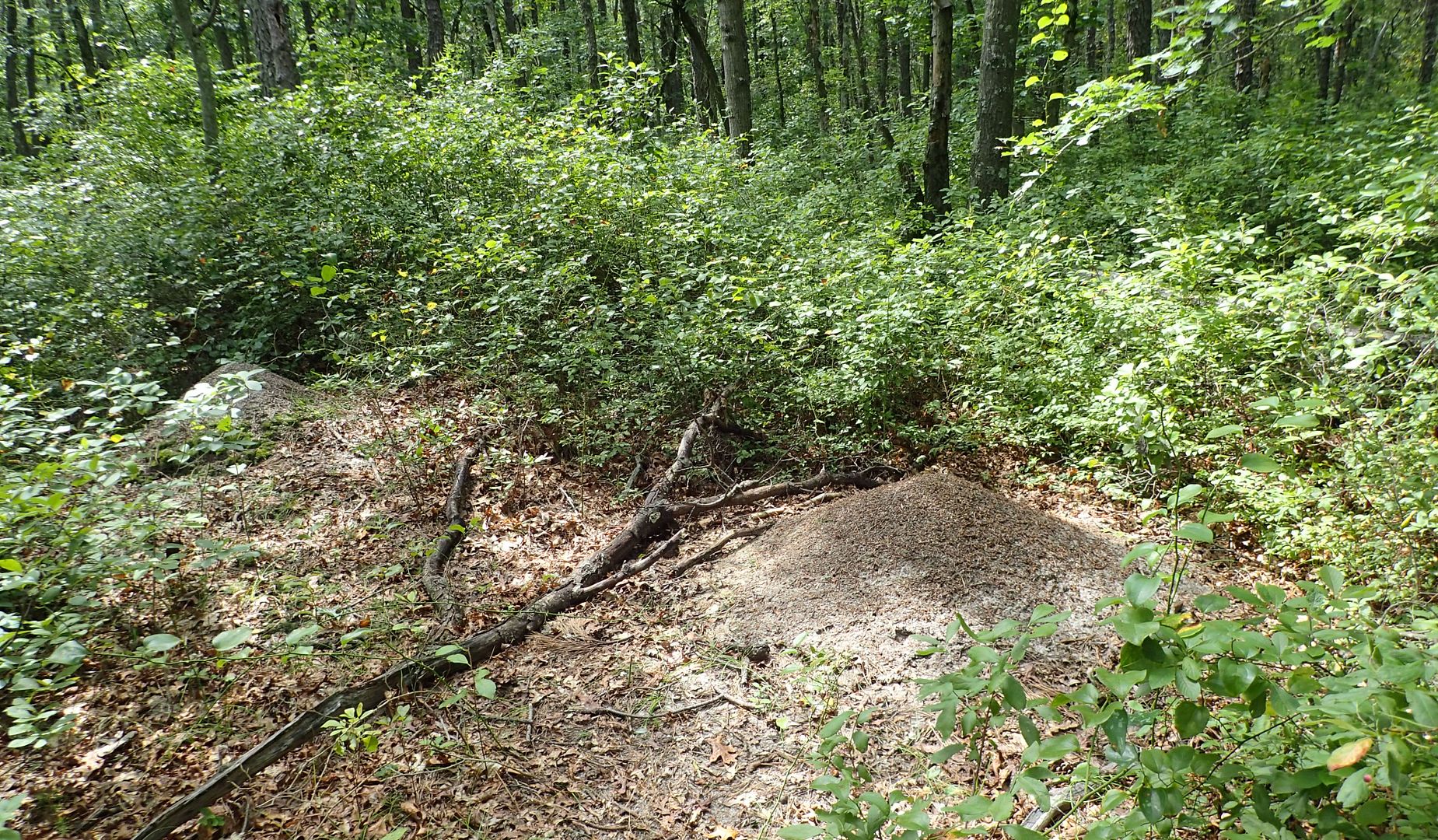
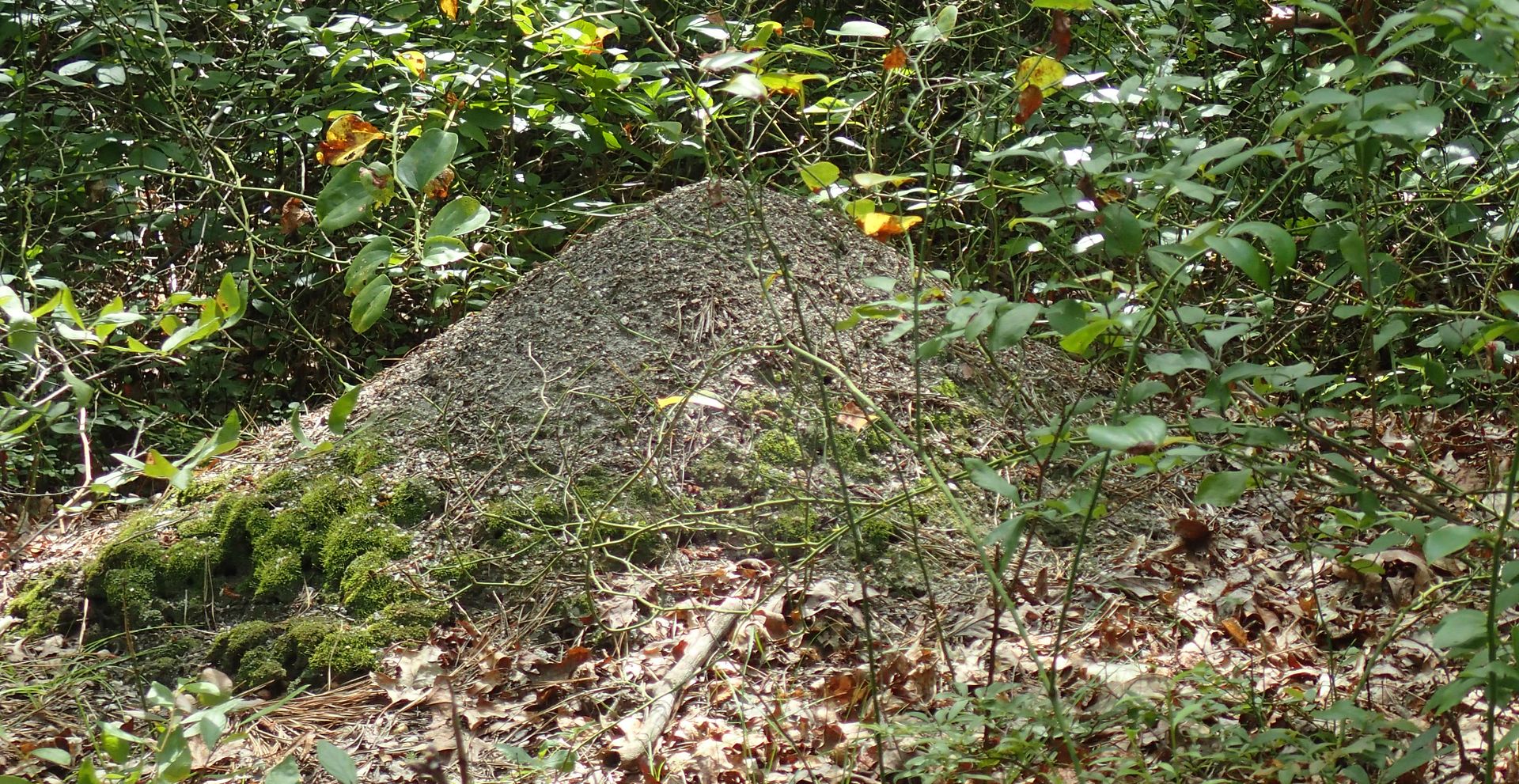
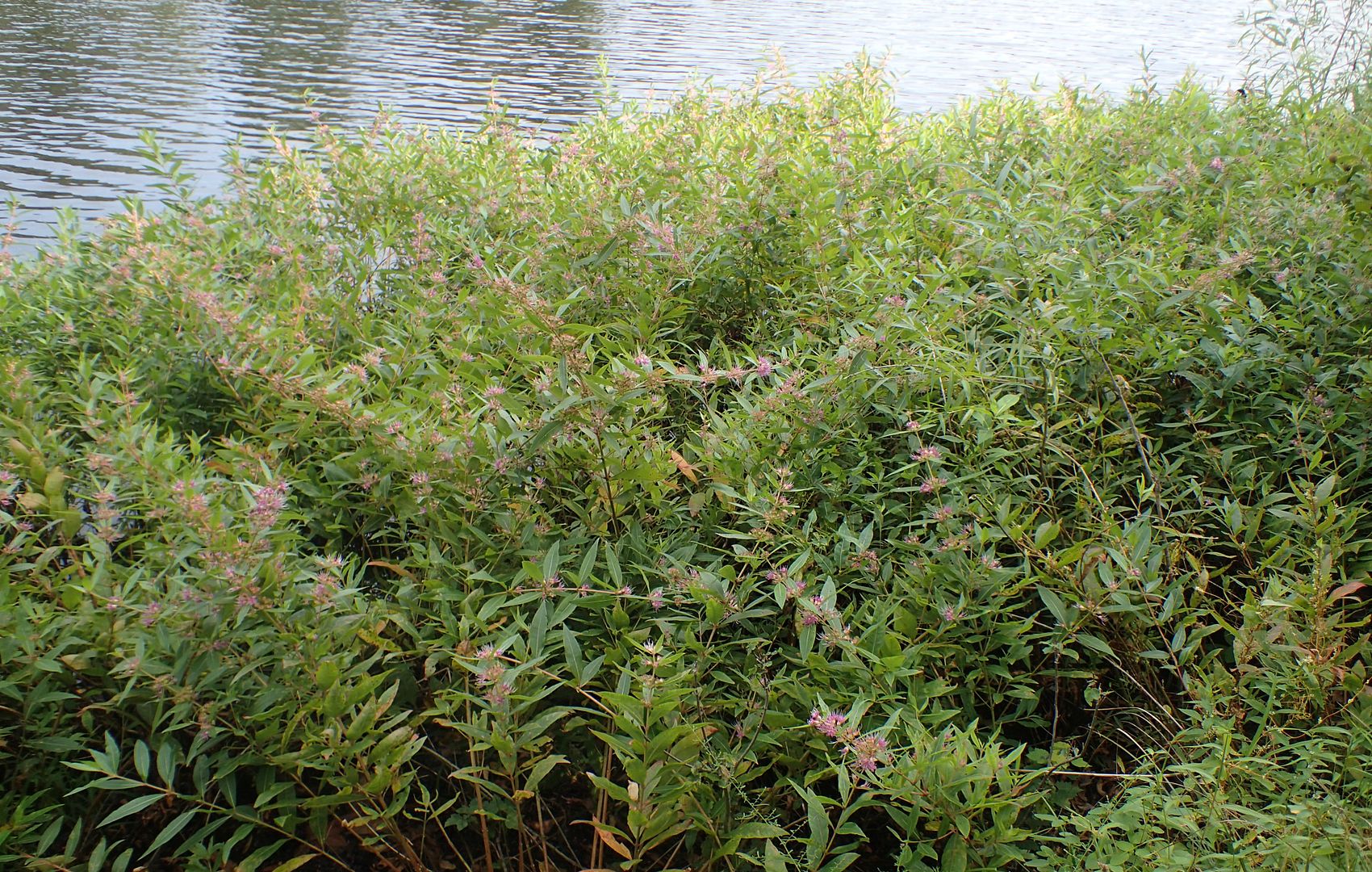
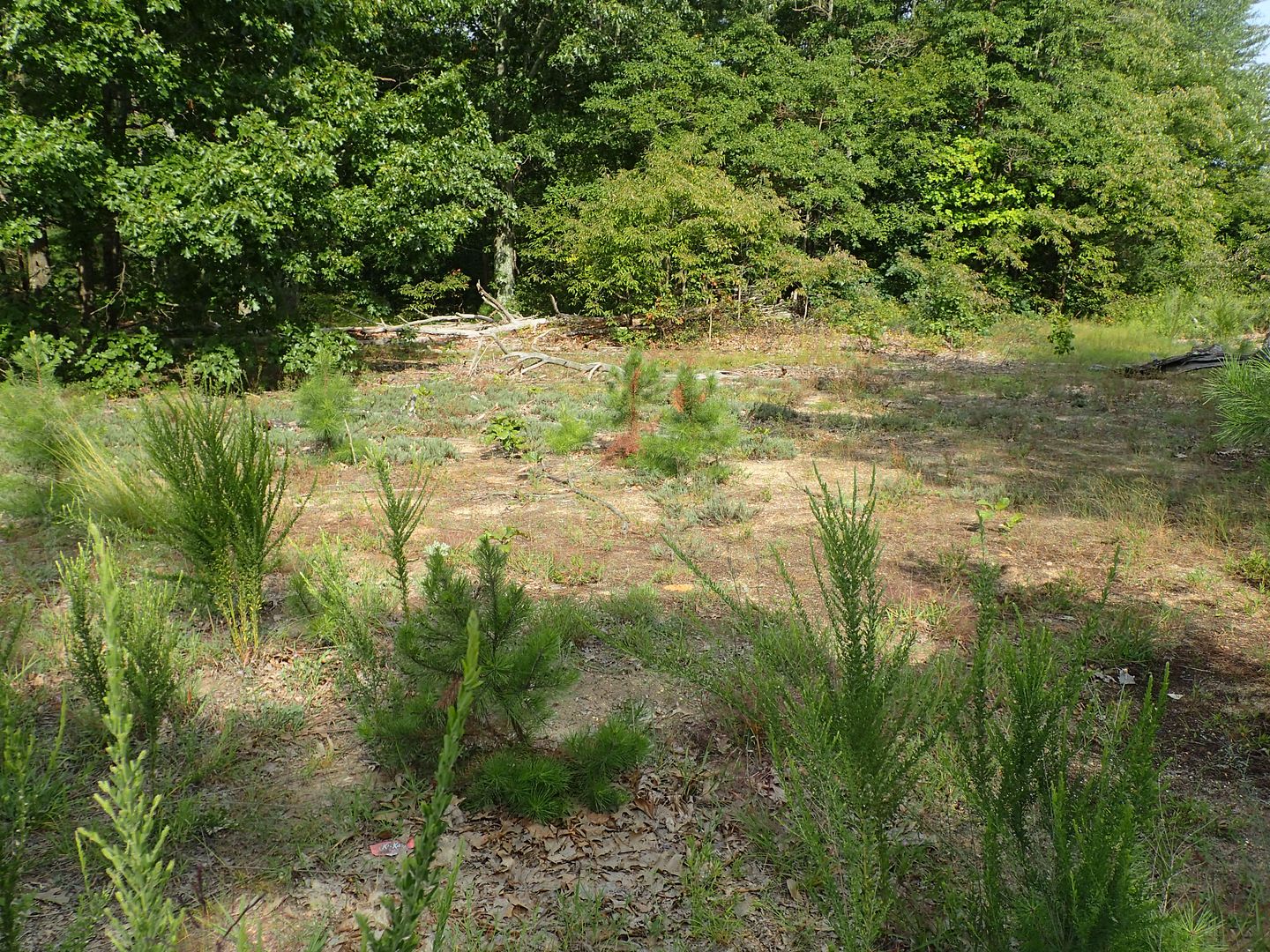
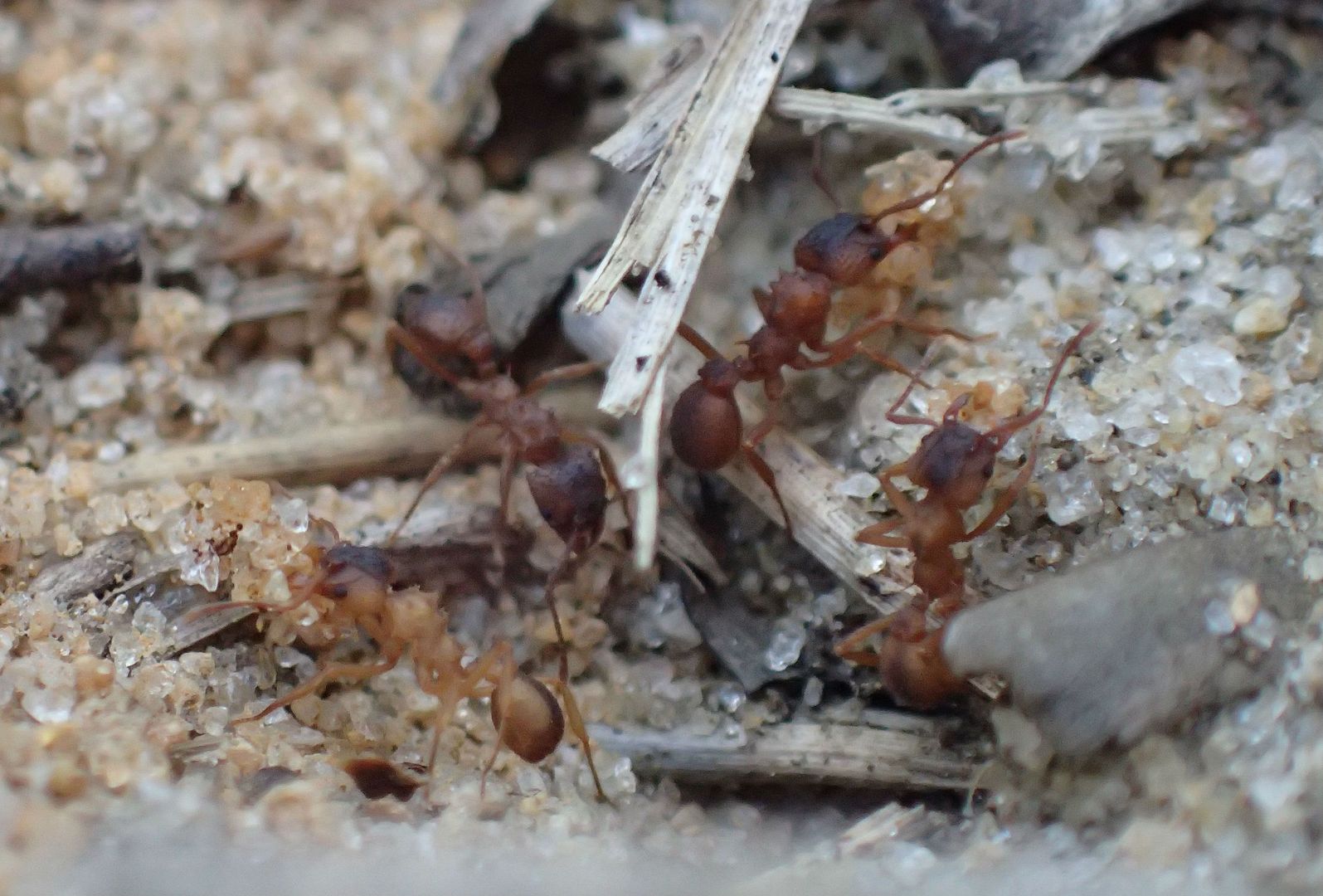
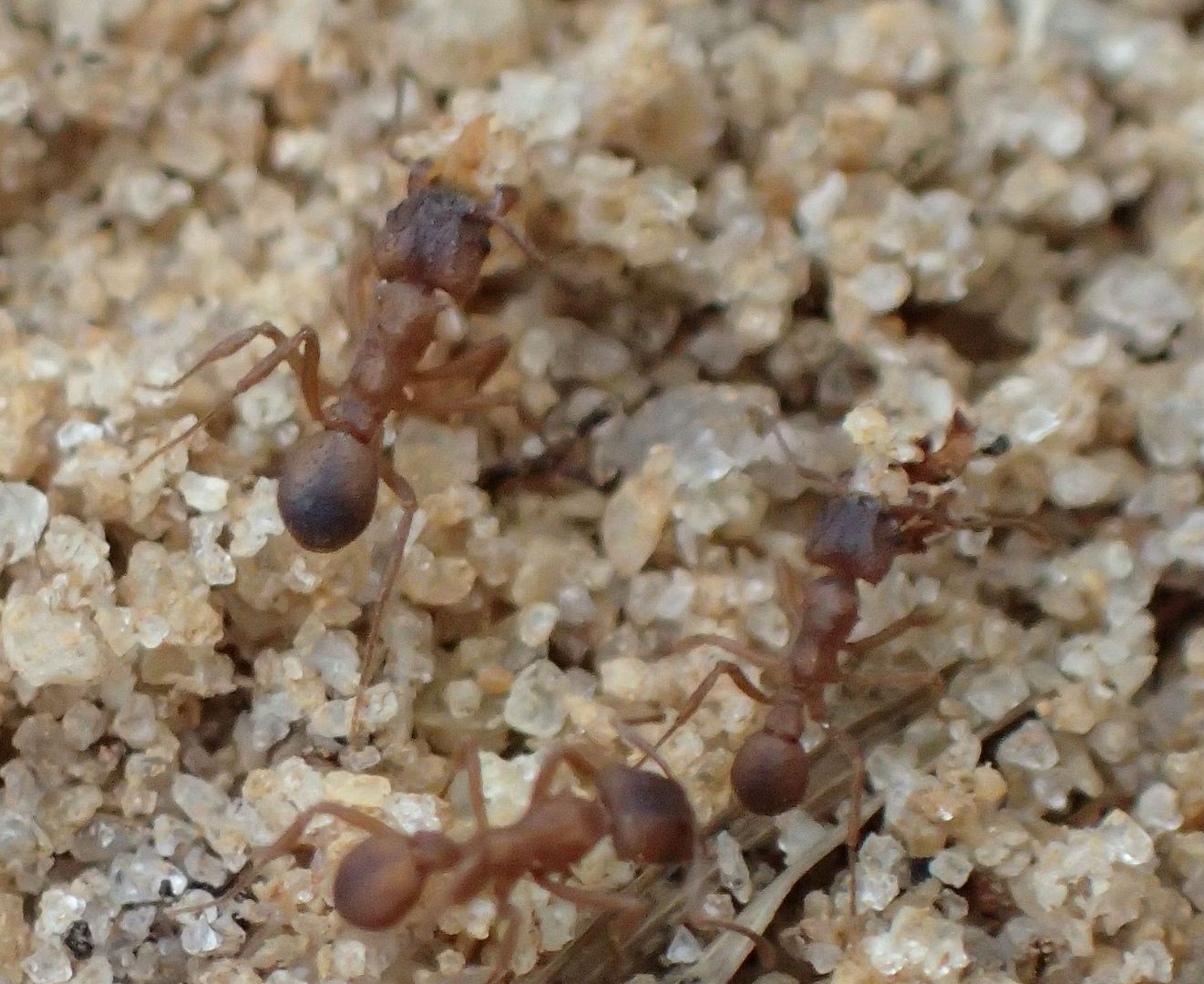
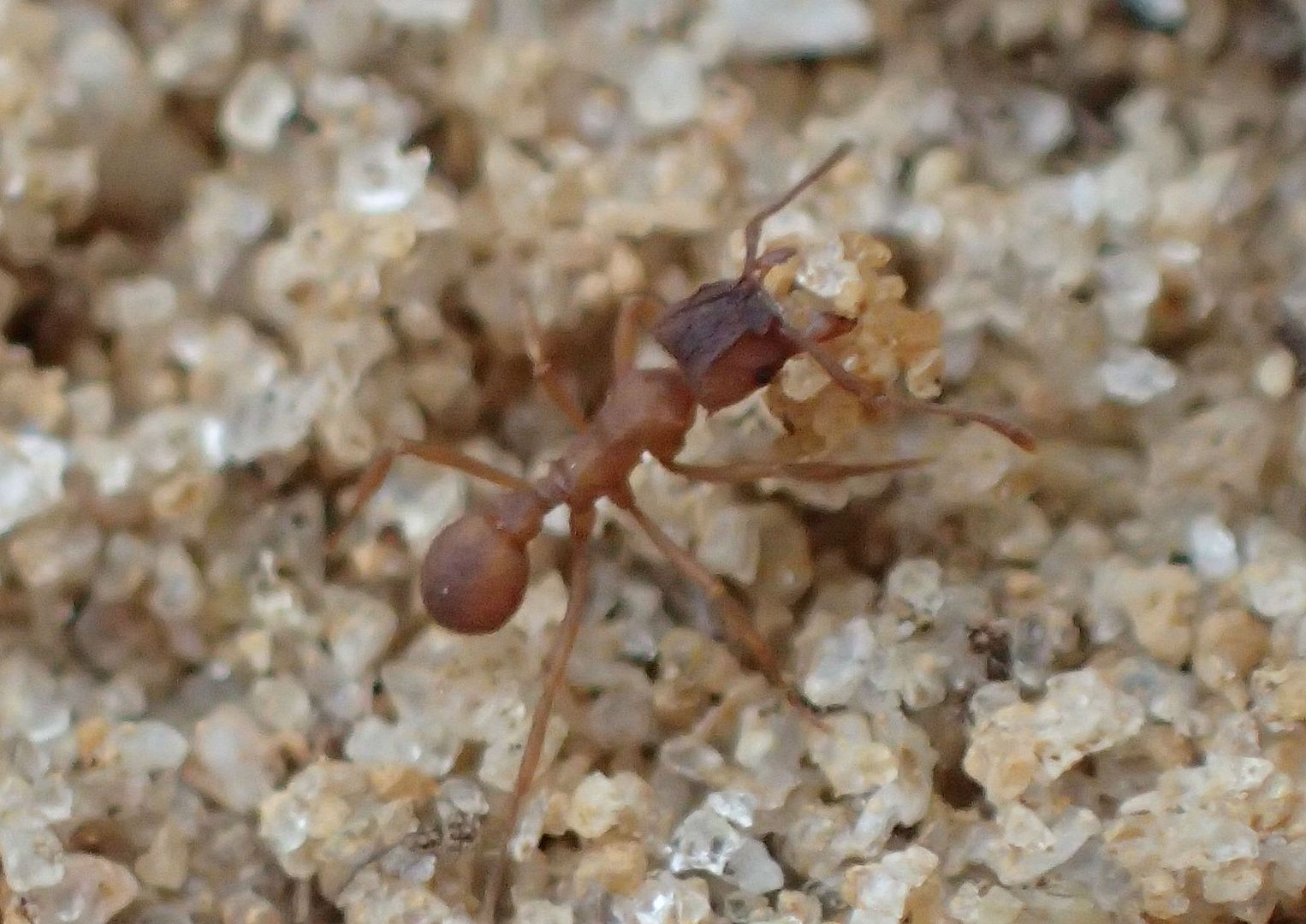
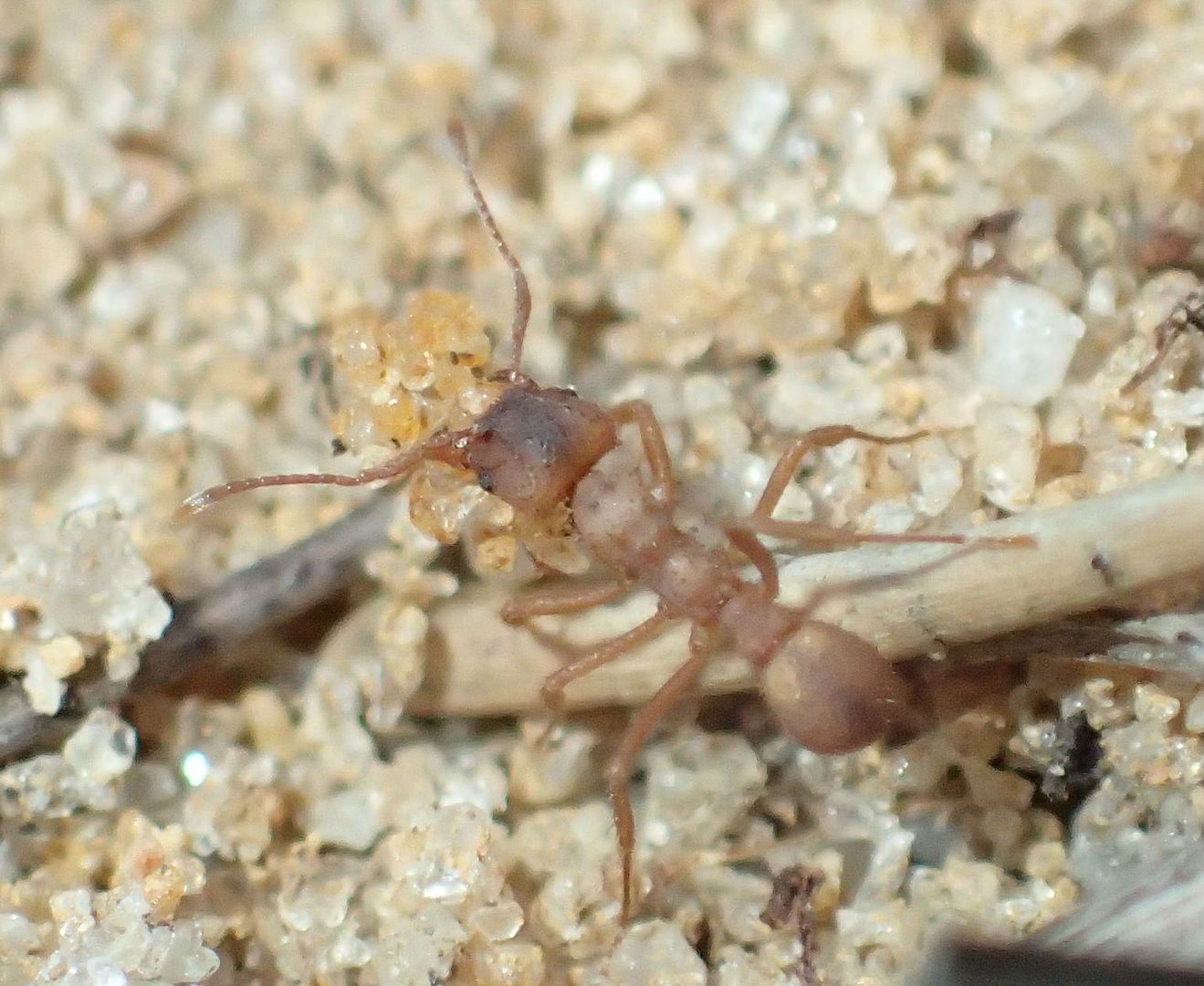
Finally got around to visiting Turkey Swamp Park this year and a few other locations around that county.




Sunday, July 2, 2017
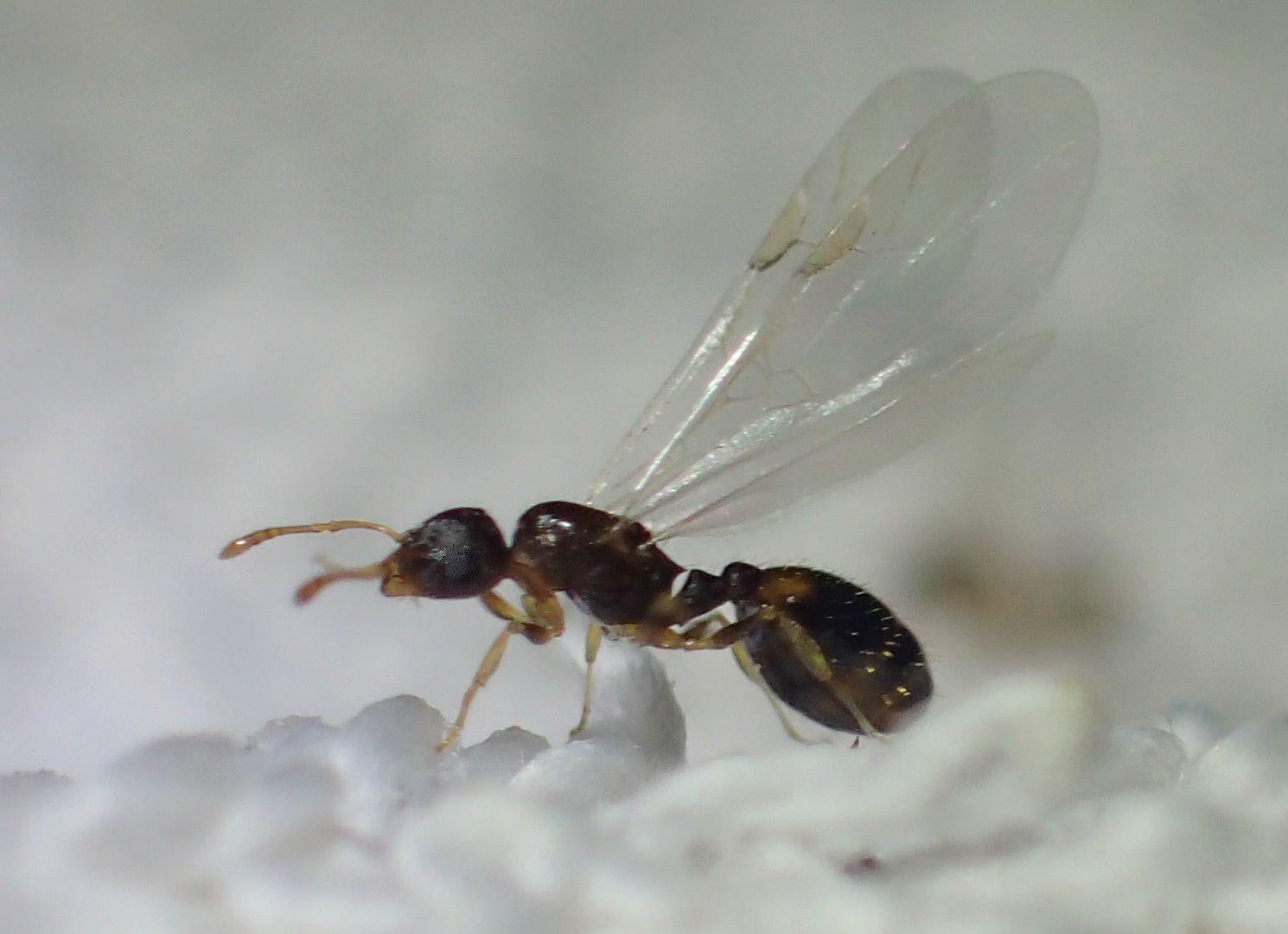
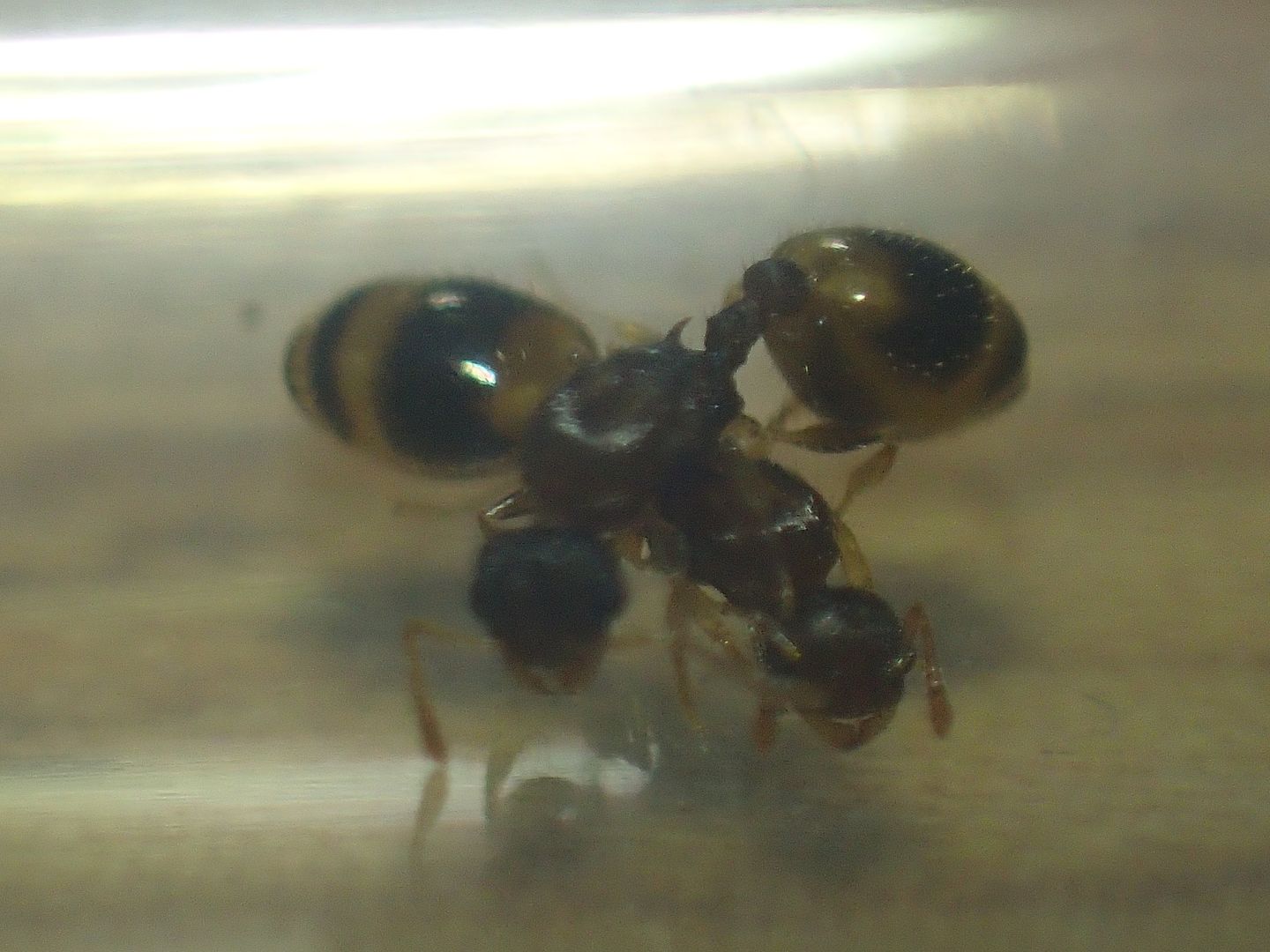
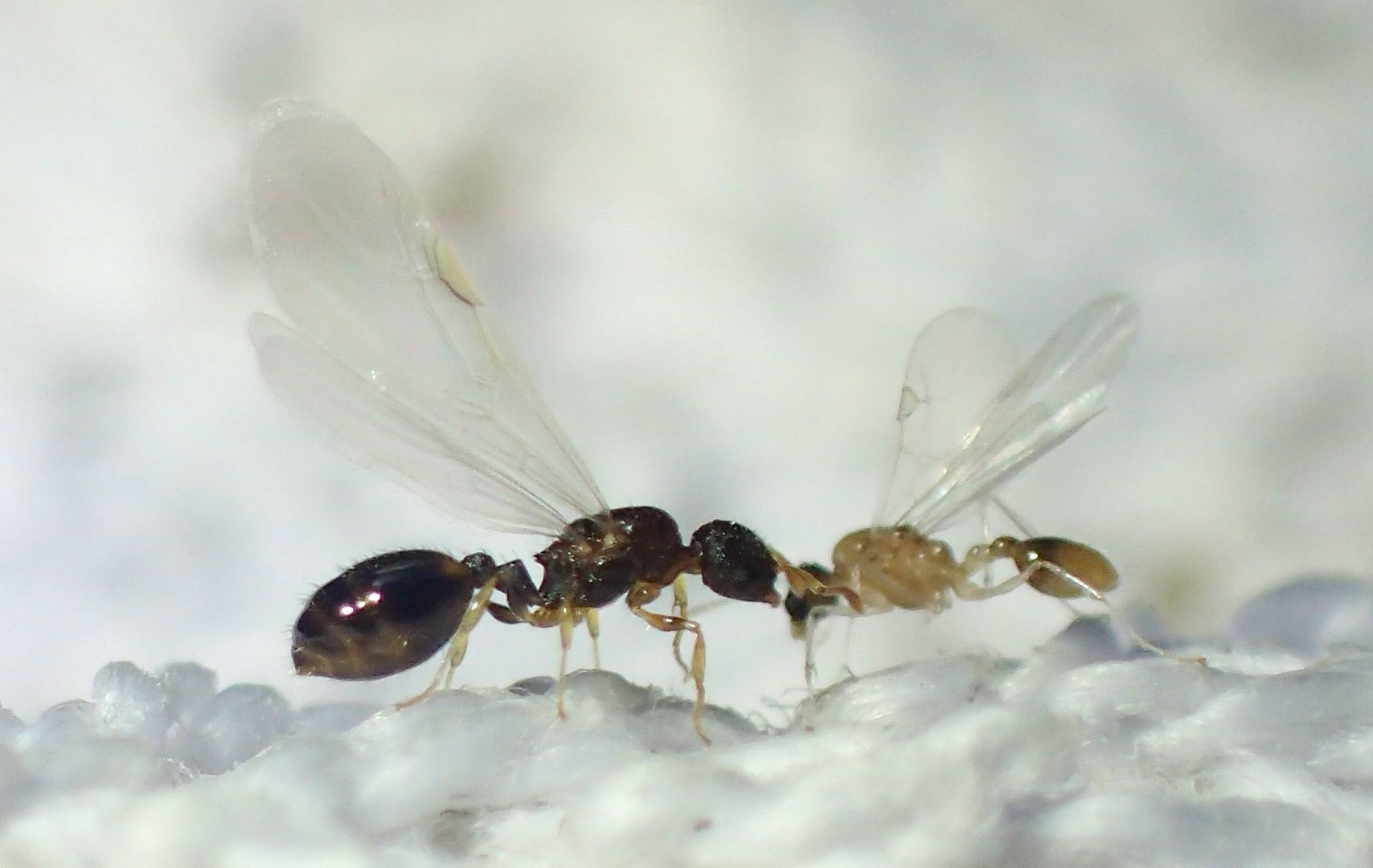
This Week in Anting: Black Lighting
Had the black light on almost every night this week and saw lots of Acorn Ant activity.
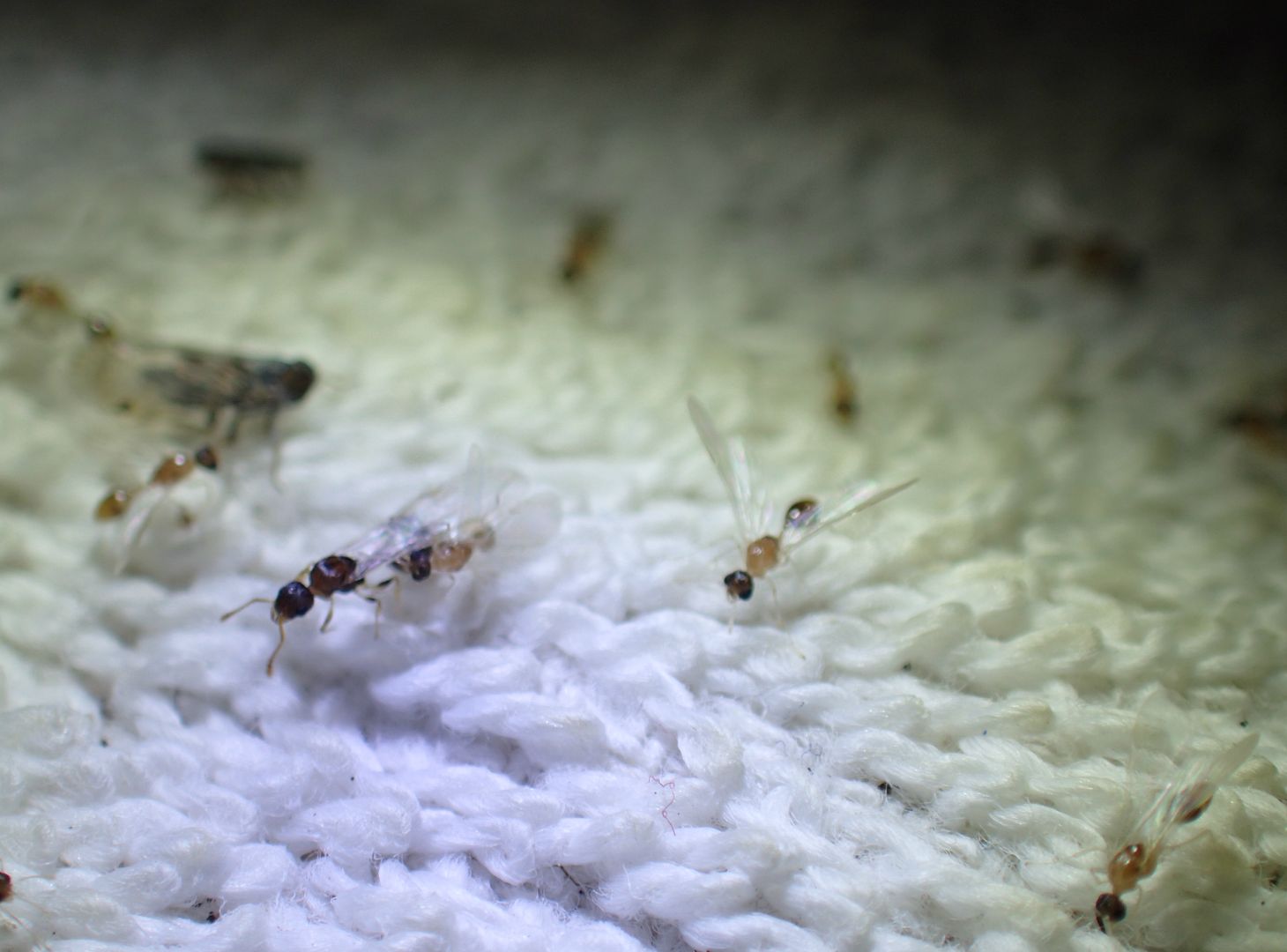
I've come to learn that identifying queens in this genus should never be done at a glance because there are some oddities I've never seen before.



Monday, June 26, 2017
Monday, June 19, 2017
This Week in Anting: Exploring the Mt. Cuba Center
This week I got to explore the ants at the Mt. Cuba Center, a former DuPont estate located in Delaware. Today it's a ~600 acre native plant preserve of which about 45 have been turned walkable gardens.
PLEASE NOTE: this is not a place you would ever bring a shovel to dig for ants. It is an actual garden, you need to stay on the paths, there's no flipping logs or rocks or ripping the bark off of trees as is typically done when looking for ants, and of course this survey was done with permission.
Samples collected are going to be shipped off to AntWeb.org, run out of the California Academy of Science, and School of Ants, a citizen science project based in Florida.
Most Common Species Found: Formica subsericea, Aphaenogaster rudis, Lasius alienus, Temnothorax curvipinosus, Solenopsis molesta, Camponotus chromaiodes, Camponotus pennsylvanicus, Camponotus americanus, Nylanderia flavipes, Tetramorium caespiteum
Unidentified species: Monomorium sp., Formica cf. pallidefulva, Nylanderia sp., Lasius cf. neoniger, (Might have collected Tapinoma sessile and a Myrmica sp. but unsure as of now.)
Ants Seen From Past Trips but not Collected: Prenolepis imparis, Dorymyrmex sp.
Observations: (1) With hundreds of colonies of Formica subsericea in their meadow one slave making species or Polyergus colony could seriously change the power dynamic of their meadow garden. The invasive Tetramorium caespitum had surprisingly uncommon.
(2) Digging into the soil and flipping logs especially in the wild woodland areas would likely yield additional species such as Lasius clavigar, Lasius interjectus, and Lasius umbratus. All three are subterranean aphid farmers that rarely come to the surface for food. Further diligence would likely produce species of Strumigenys and Proceratium as well.
(3) It's odd no Crematogaster species were found. Likewise none of the smaller Camponotus species were observed. Tapinoma sessile should have been more common too given the amount of leaf litter and dead wood used in the gardens, I'm not even certain it was collected or that I even saw it there. All three are notorious nectar thieves of flowers so it's strange to have not seen any of these.
Saturday, June 3, 2017
This Week in Anting (Myrmecochory)
This week Woodland Poppies and Bloodroot went to seed. Both plants have elaiosome on their seeds which entice ants into dispersing them.
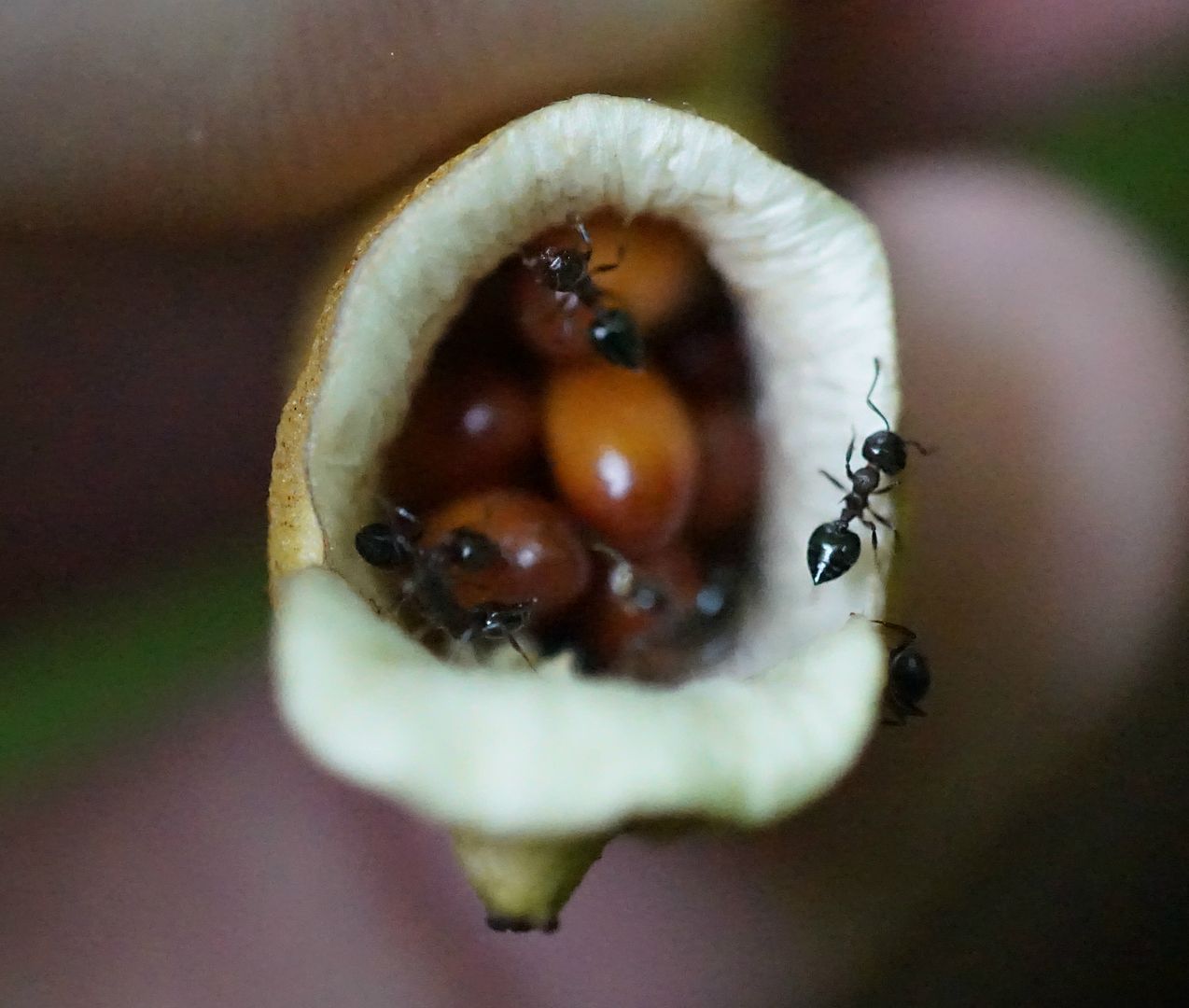
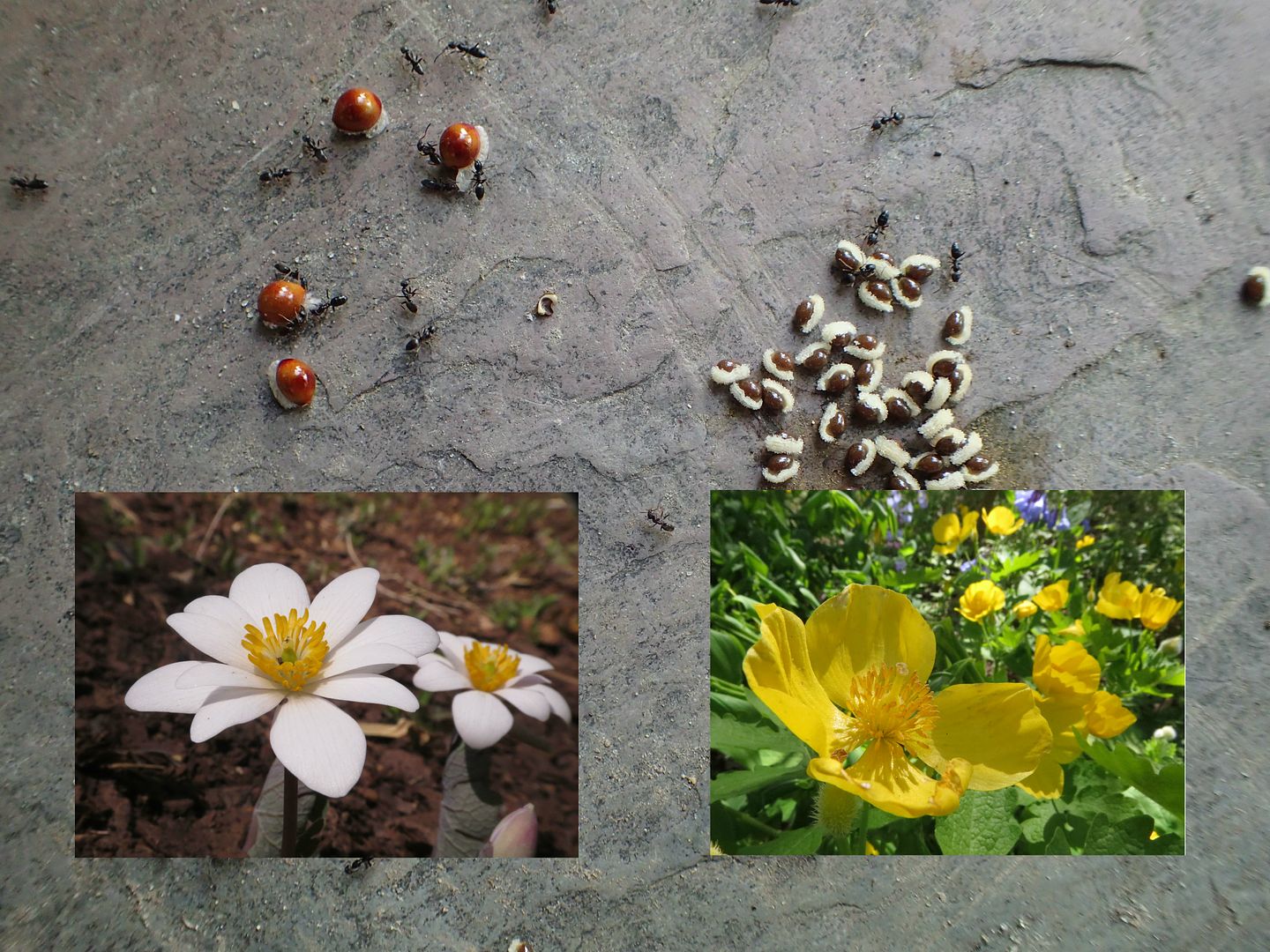
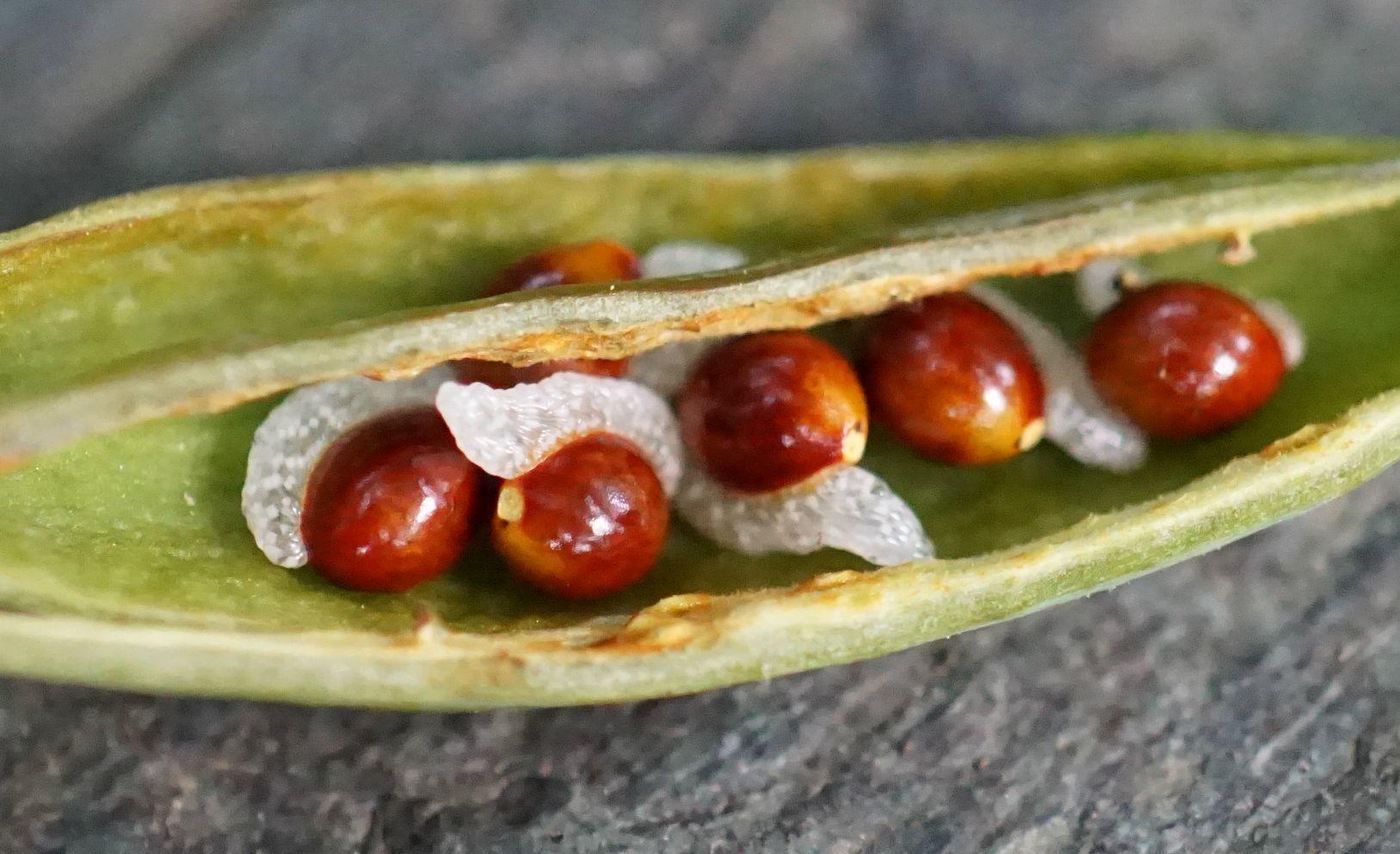
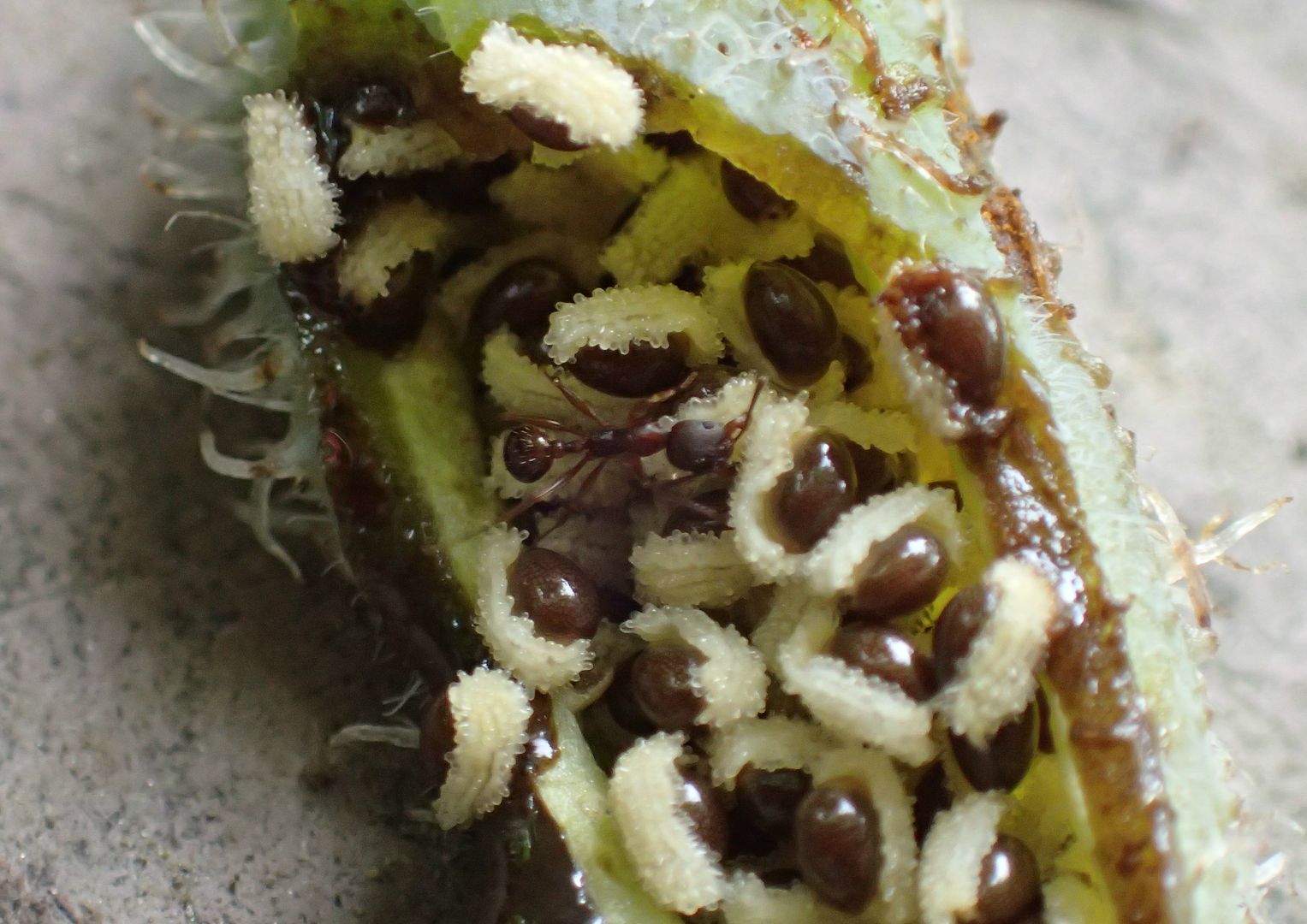
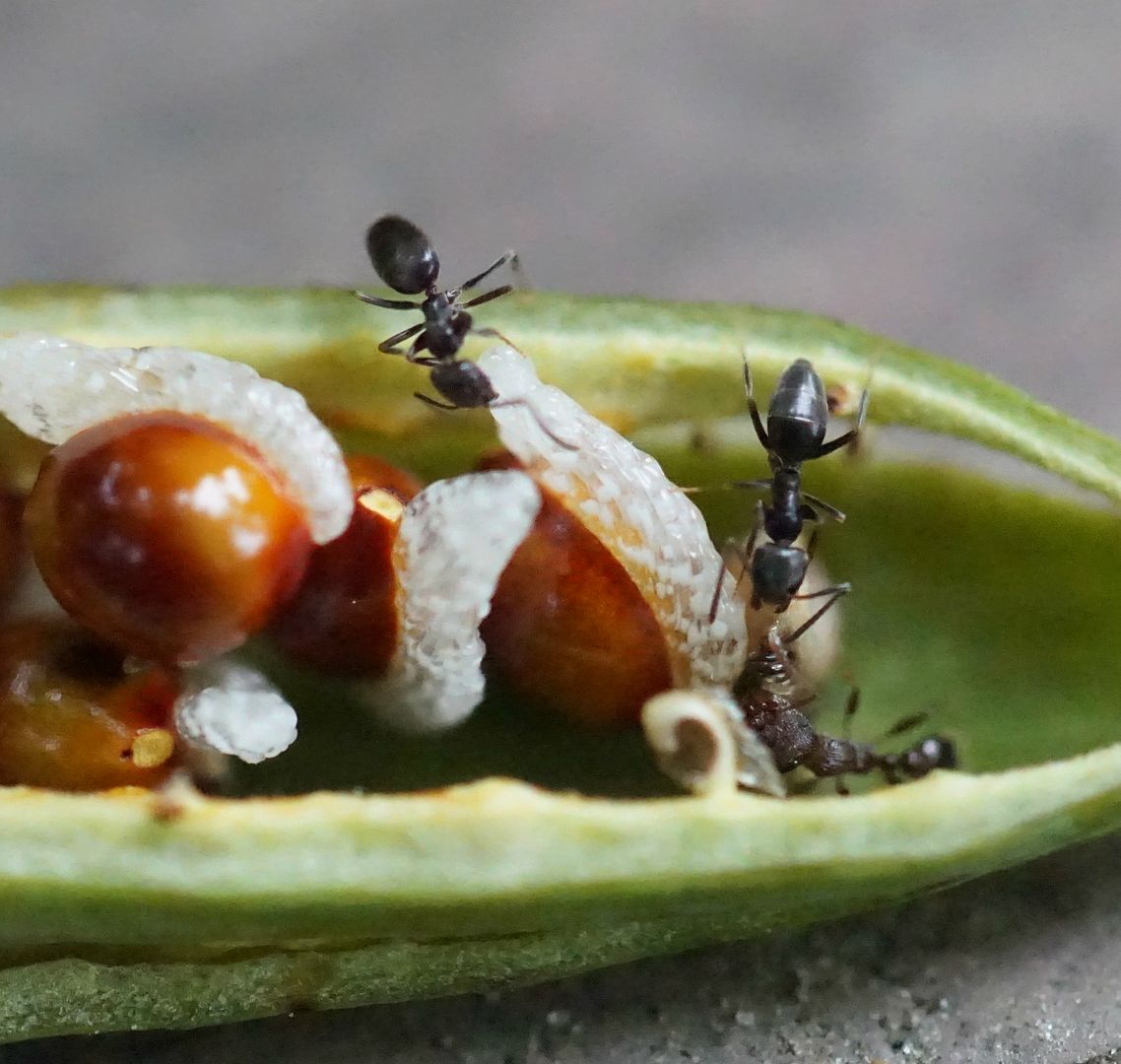

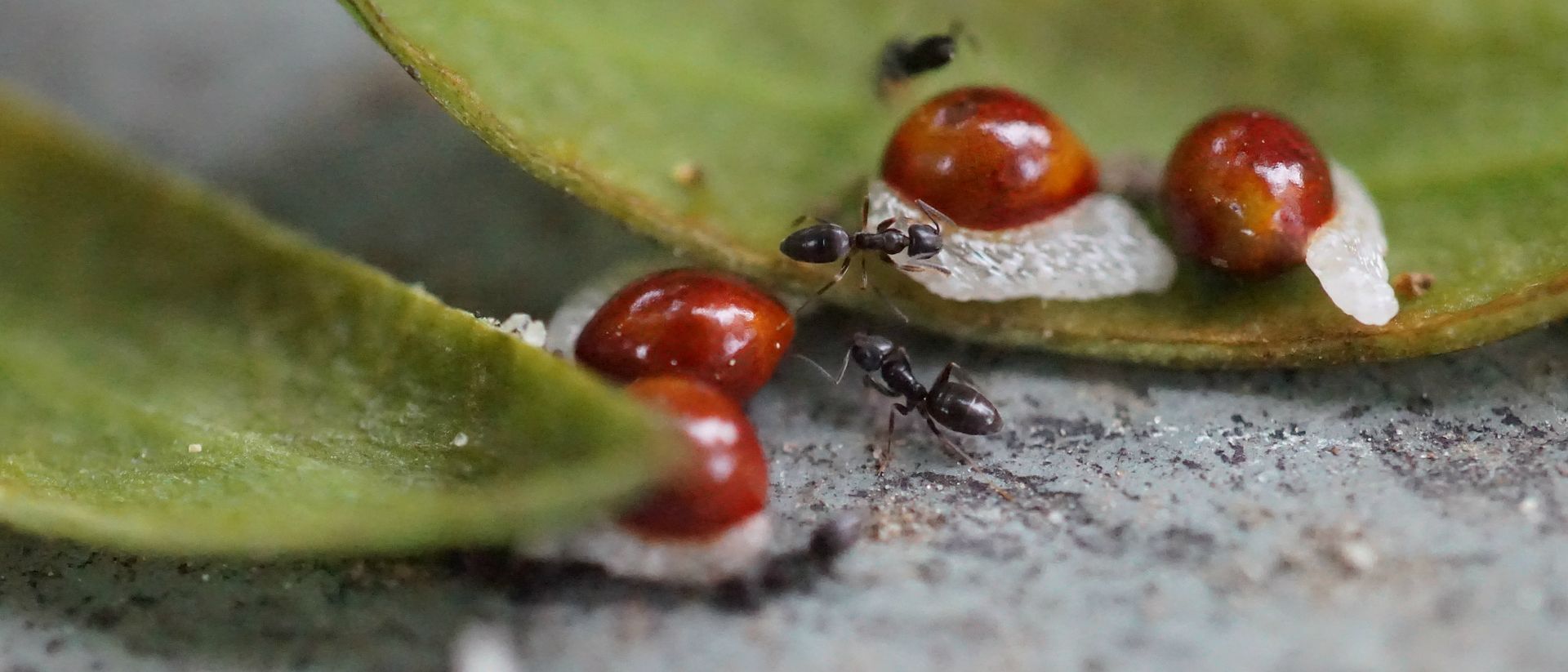
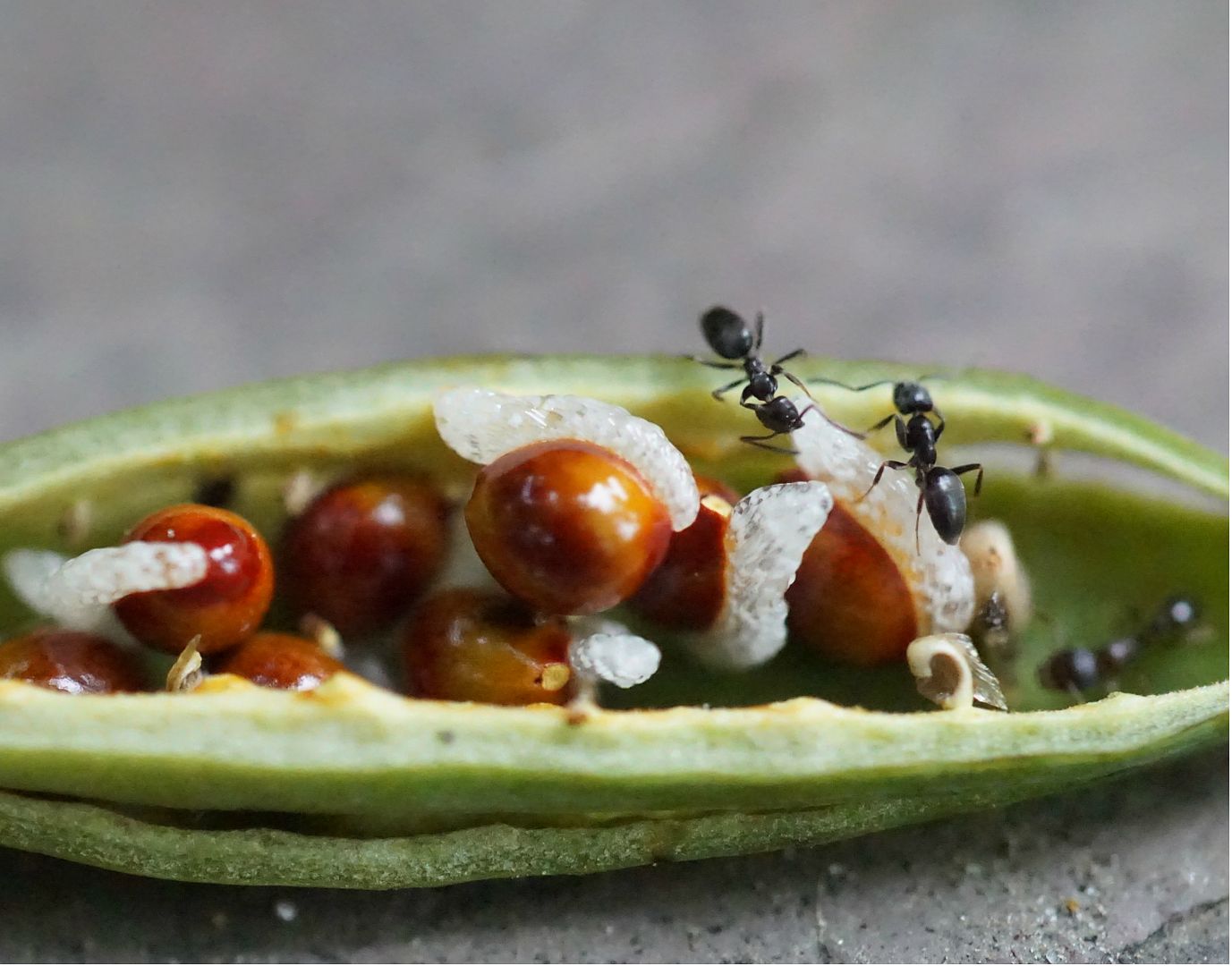
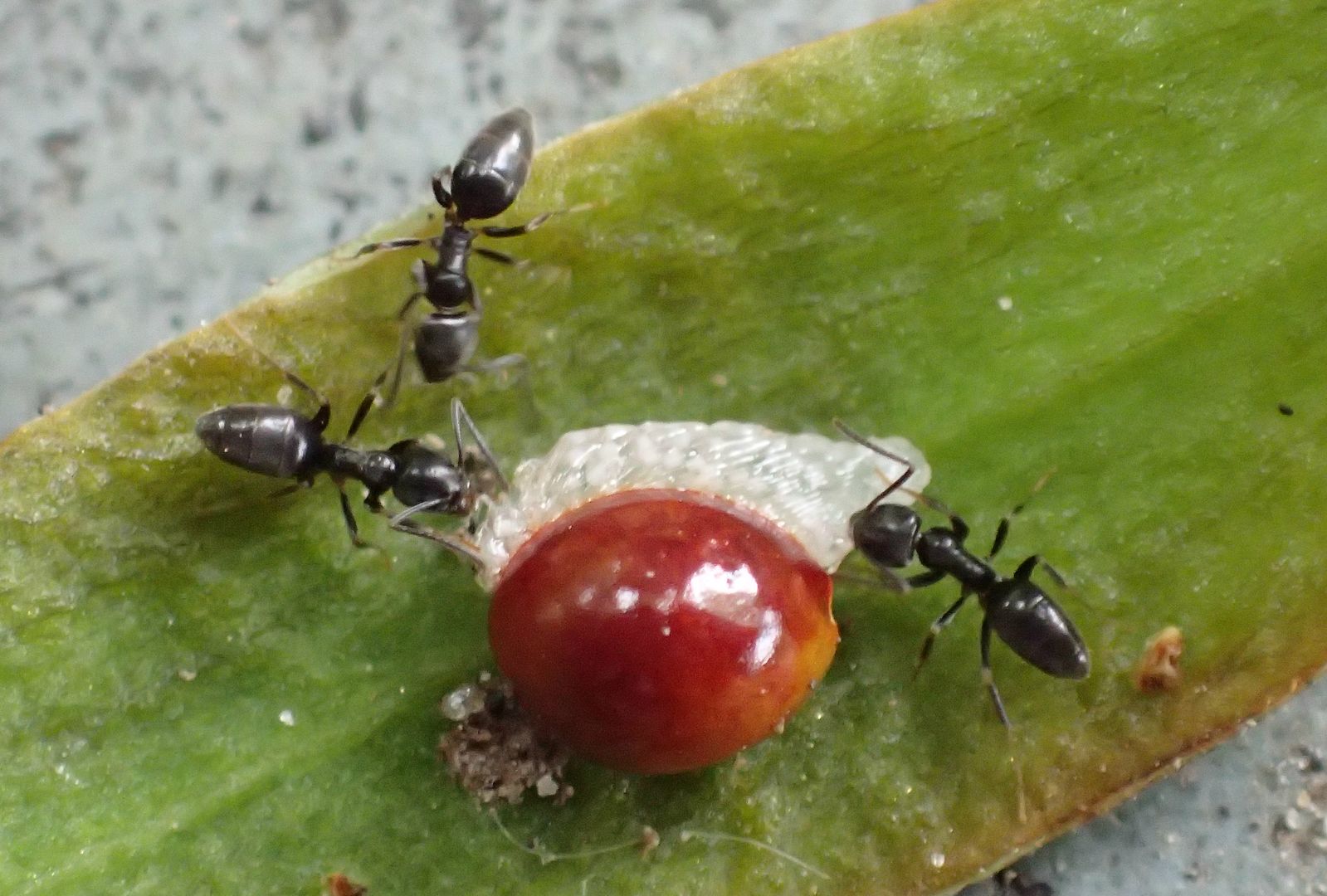


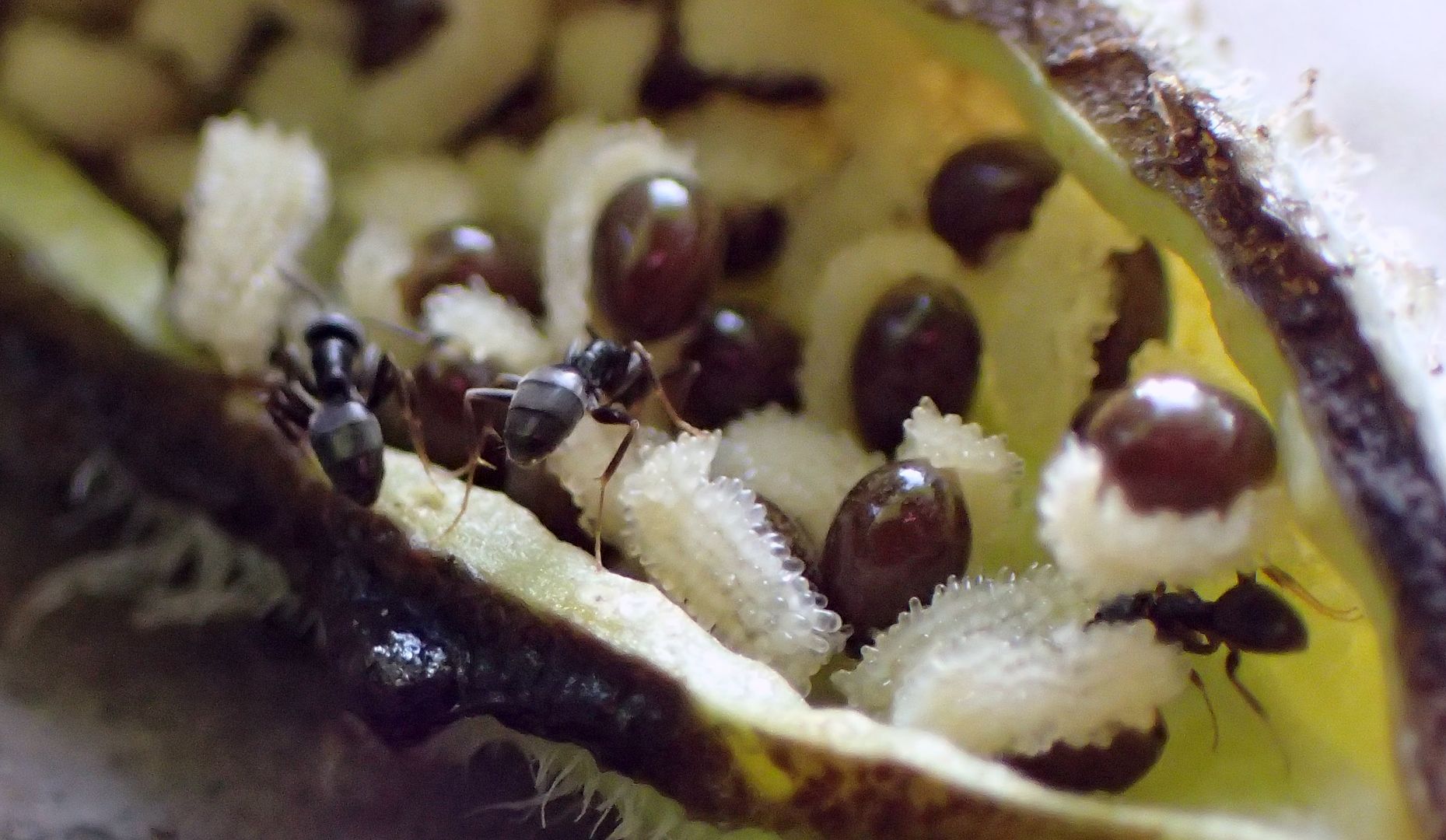
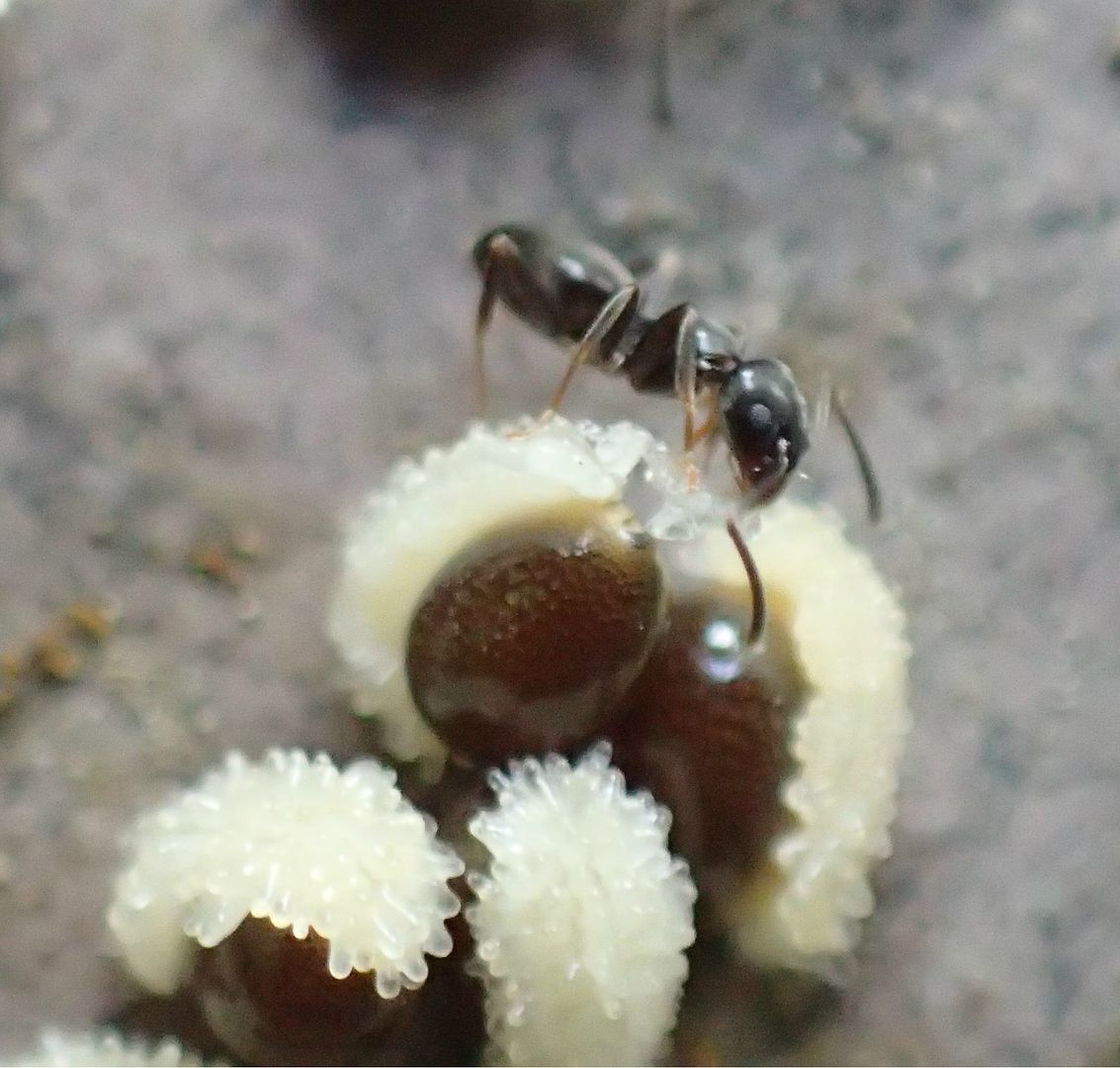
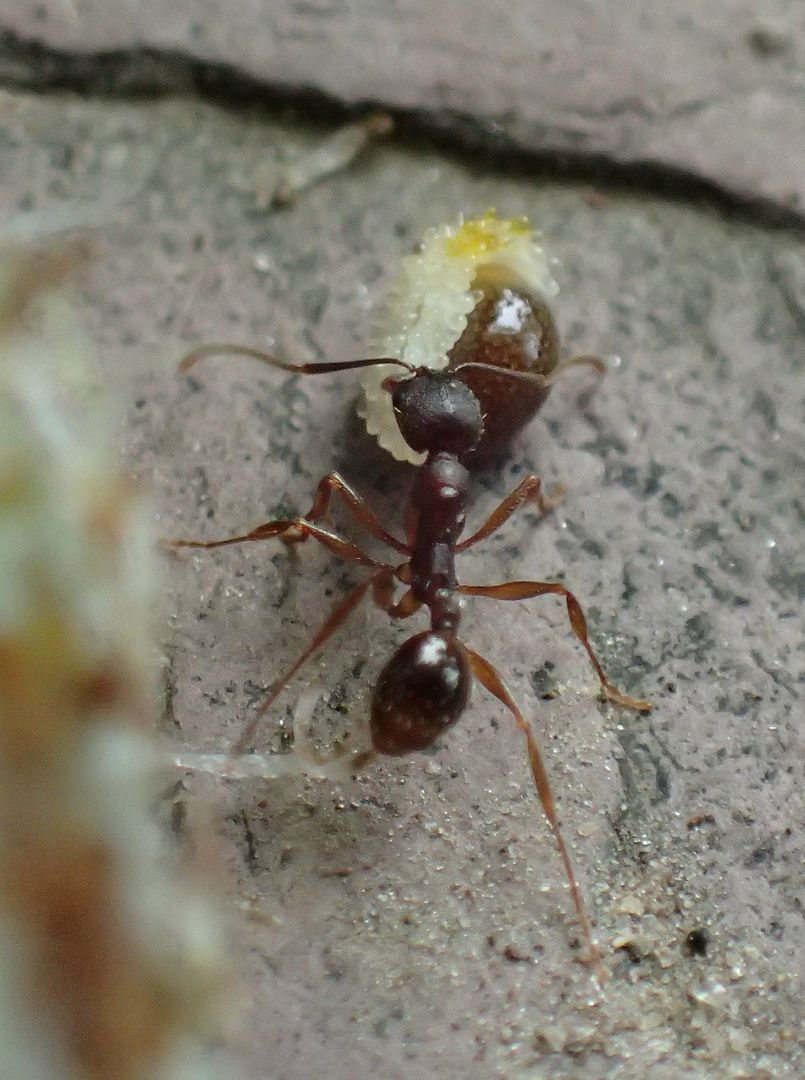
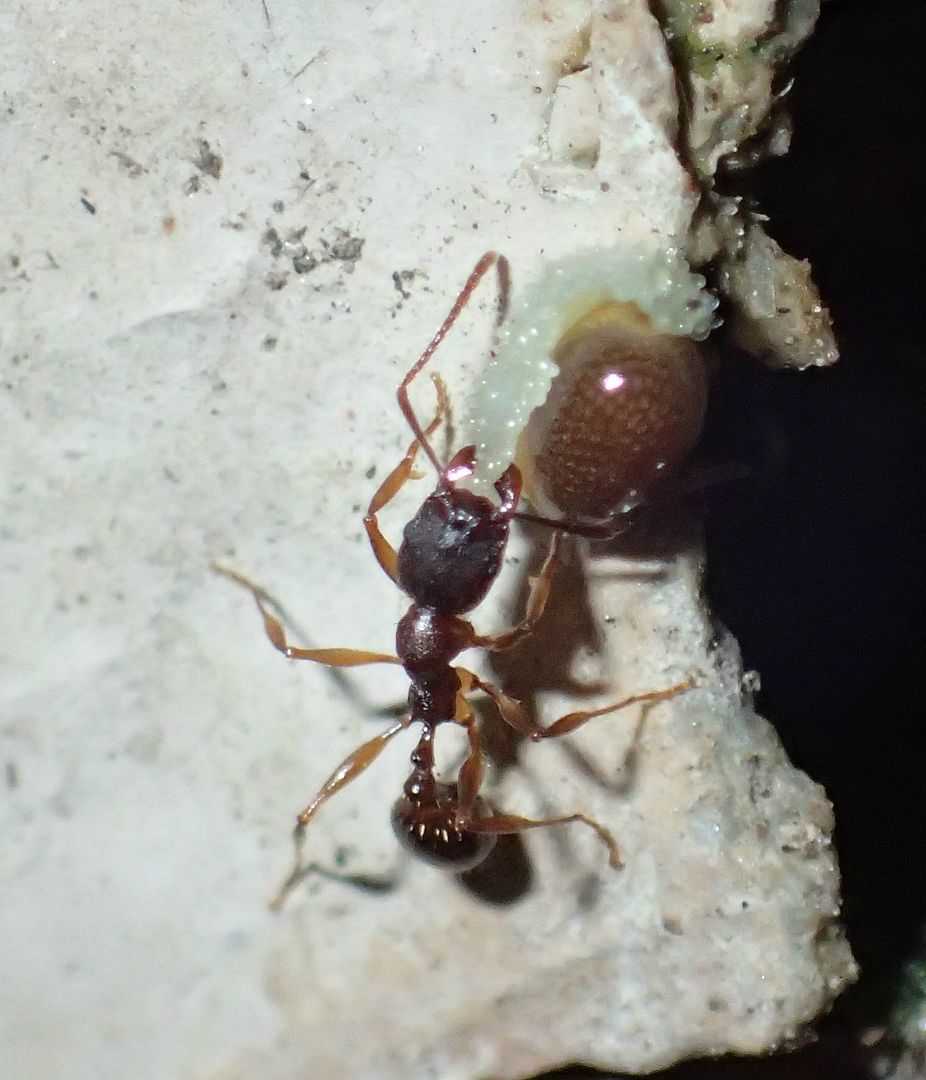

Midden piles are where ants put their garbage. Old insect carcasses, dead workers, spent cocoons, general roughage and things to be discarded all get piled up here. In deserts of the South West they're very noticeable around ant nests but here in the forests of the North Eastern United States they're often hidden under leaf litter.
Overall were it not for the ants dispersing these seeds they wouldn't have gotten very far. New plants would try to germinate just inches away from the old ones and the patch would move at a snails pace and only on the rarest of occasions would they travel up hill. Thanks to the ants carrying the seeds off, even if they're dropped or discarded shortly after, new populations of these plants can spring up to 24' away, potentially more if colonies fight over them or raid the midden piles of other colonies they often do for dead ants.
Other ants that also showed:
Prenolepis imparis - single worker that did not recruit other nest mates.
Nylanderia flavipes - even smaller than Tapinoma sessile in size. Barely able to remove elaiosome. did not disperse seeds.
Temnothorax curvispinosus - even smaller than Nylanderia flavipes. Incapable of recruiting nest mates as they don't use chemical trails.
Subscribe to:
Posts (Atom)