Spring
Beauty, Claytonia virginica. It's actually started flowering here so let's start there. The thing is, only one or two of them are blooming and the patch now is turning into it's own sort of lawn. So better photos will be on the way instead of this edited one. It's a small grass-like plant right now
but each of these strands continues to grow and unfurl through the
garden/lawn and produce lots of little flowers along the way.
Fernleaf
Phacelia, Phacelia bipinnatifida. I have finally gotten this god dam
plant somewhat established in my yard! This is a biannual that only
flowers on it's second (and last) year of life! Also they have to cross
pollinate from a plant that wasn't related to their parent. Between
driving to Delaware each spring and dealing with what has to be one of
the worst online nurseries on the internet I'm glad to see these coming
up on their own.
Giant
Waterleaf, Hydrophyllum appendiculatum. This plant lived up to its name
the first year I planted it growing a good 3' tall and wind. Subsequent
generations though have either been annual or biannual growing only a
few inches tall, flowering and then death. They keep coming back though.
Hydrophyllum
virginianum, more of a late spring bloomer. It's just a little tuft of
leaves now but the patch quickly expands to fill up the garden.
Golden
Alexander, Zizia aurea. This is a native carrot though I don't think
the roots are meant to be eaten. I think it's a biannual too but I'm not
certain. Some years the patch is lush and full with plants but others
there are bare spots. This is a host plant to the Black Swallowtail but
I've found they only lay eggs on the flowers in the spring time, and
plants are largely ignored over the summer in favor for non-native like
Parsley and Queen Anna's Lace.
Jacob's
Ladder, Polemonium reptans. This plant is semi-evergreen, maintaining a
rosette of leaves all winter. Light blue is more true to their normal
bloom color.
Roundleaf Ragwort, Packera obovata. This plant suffers from having one of the worst common names ever. It's actually one of the more striking yellow flowering plants of spring.
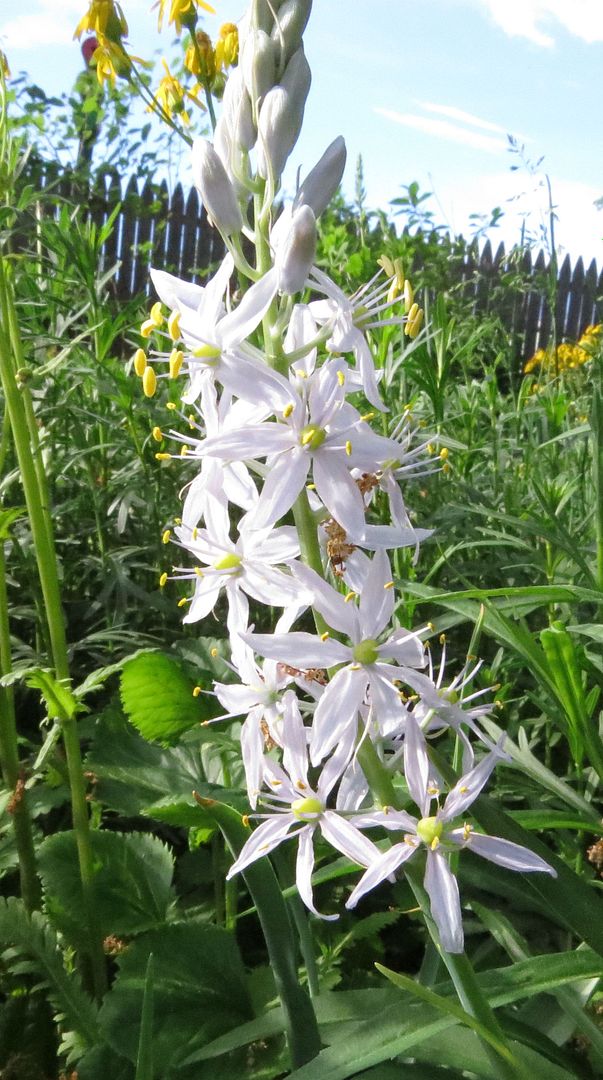
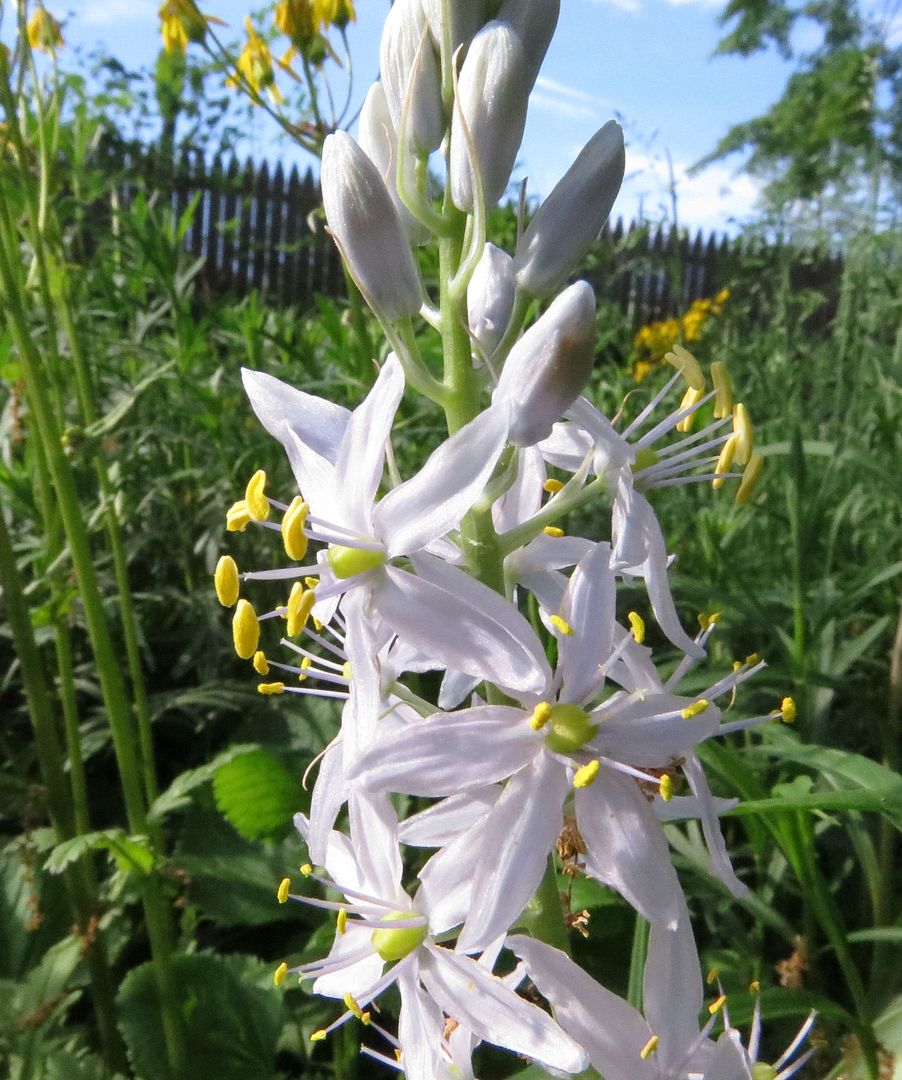
Wild Hyacinth, Camassia quamash, a native bulb that should be planted along side Easter Flowers.
Woodland
Phlox, Phlox divaricata. I think this is a cultivar with thicker petals
called 'Blue Moon' but I'm not certain anymore. Patches of this plant
only come back when there's no mulch or barely any leaf litter.
Originally the plant was fragrant but for the past few years I haven't
noticed any fragrance, making me think the original plant has died out
and these are all seedlings.
Showing posts with label Camassia. Show all posts
Thursday, March 26, 2020
Saturday, March 24, 2018
Winter 3 Finally Coming to an End
A week ago the weatherman announced "Winter is coming... again!" and we got a nor'easter that brought up to 18 inches in some places. Between my home in Somerdale, NJ and where I work in Cinnaminson we got between 4' and 12'. What makes the storm odd though is because we're so late into March, the next three days had a high above 50 degrees Fahrenheit. So this was something of a freak, late season storm. In spite of this though not much was damaged.
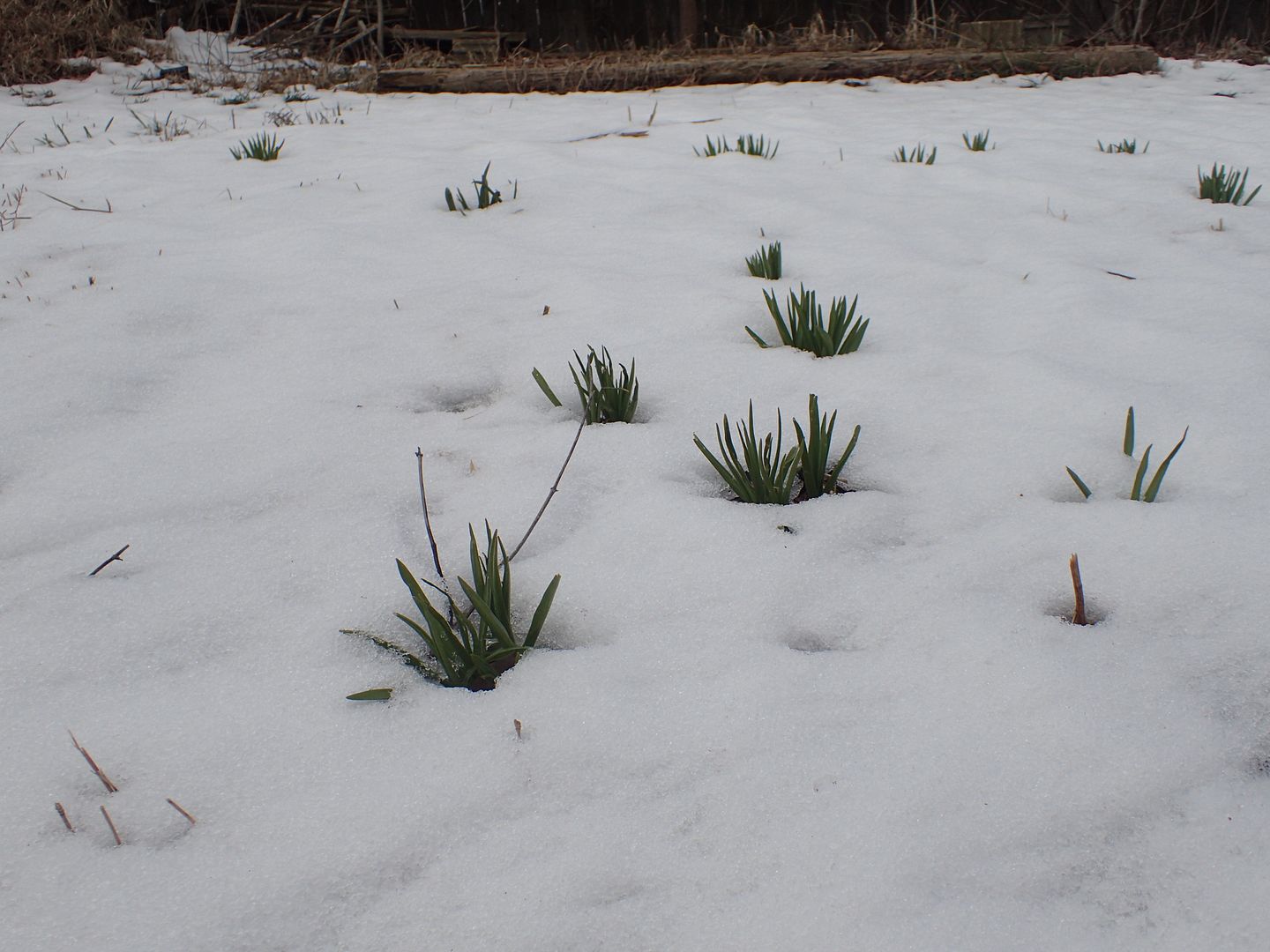
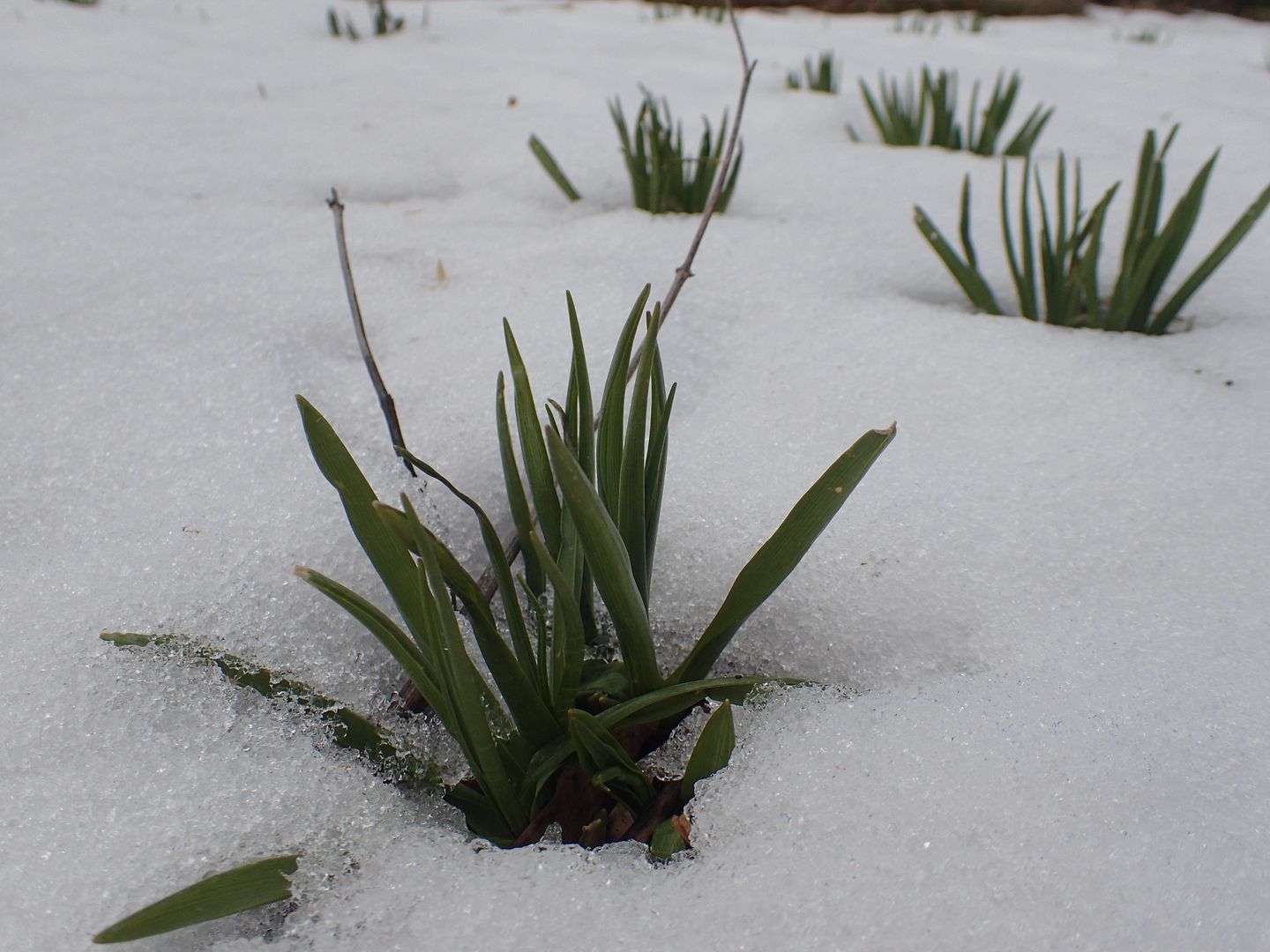
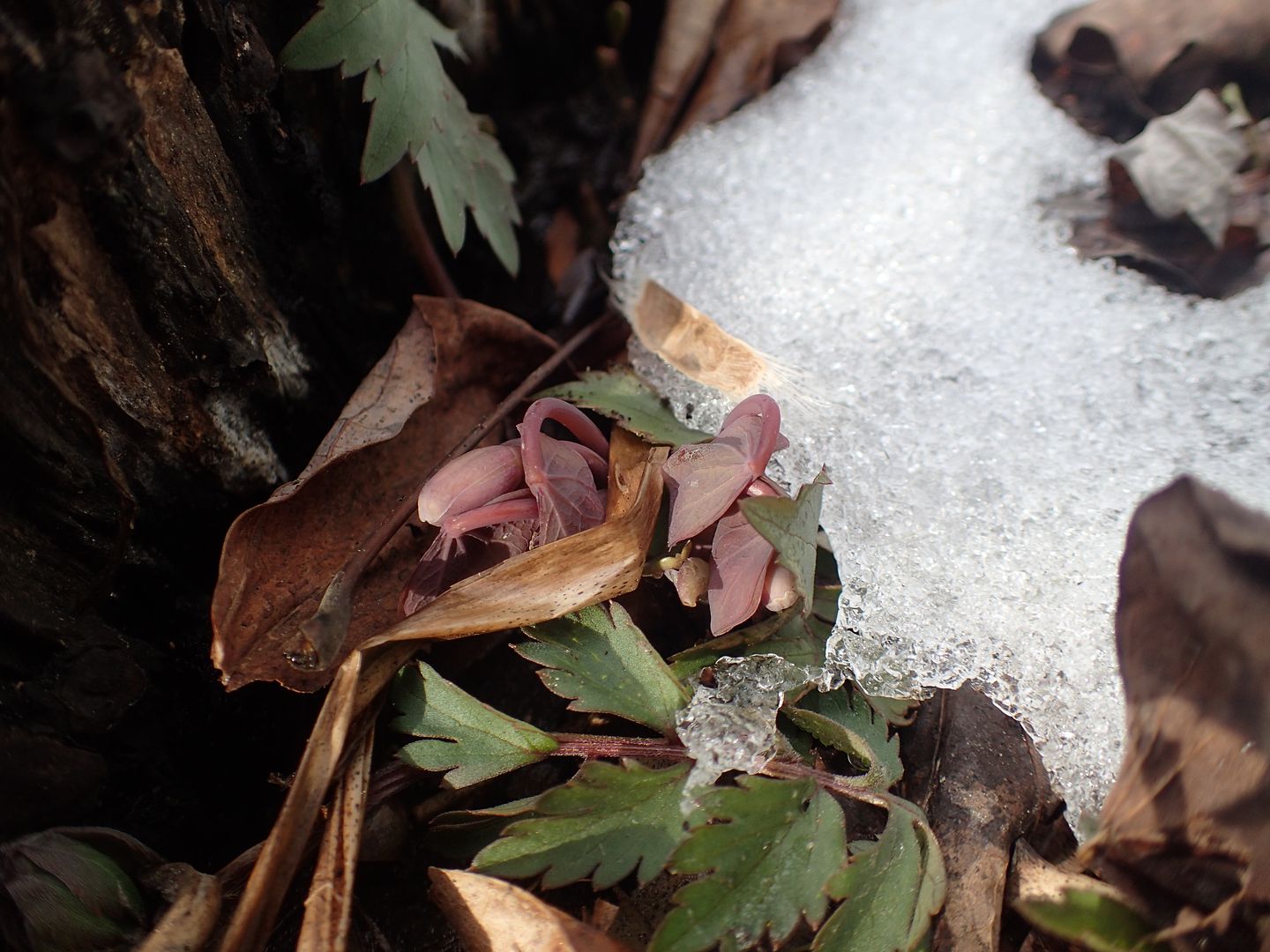
Out in the meadow garden the Camassia, Wild Hyacinth, have been giving off their own heat and melting the snow around them.
Once the ground is exposed around them the snow will melt more quickly as the ground warms up.
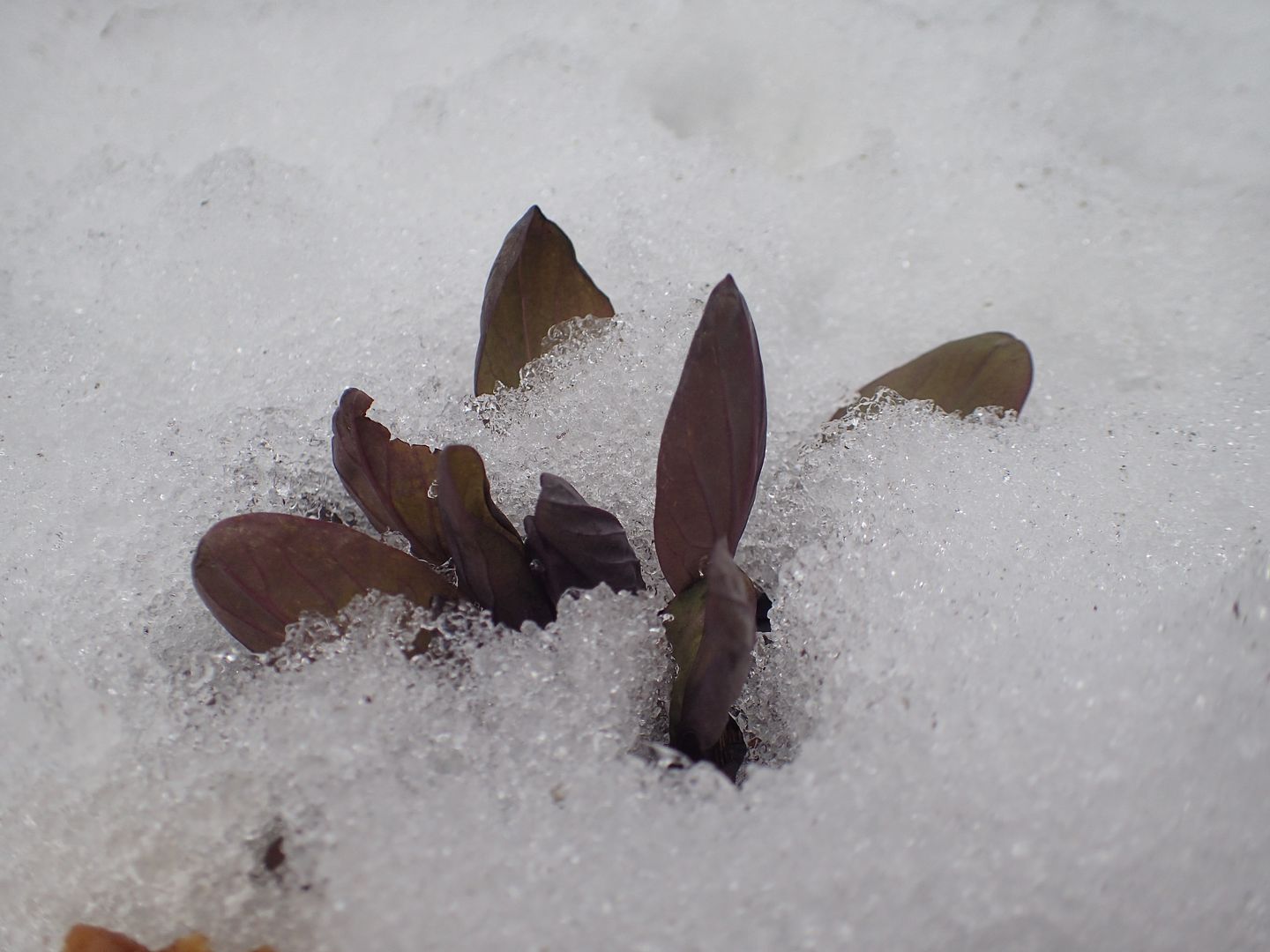
Virginia Bluebells, Mertensia virginica, doesn't do this as well but also doesn't seem that effected by the snow.
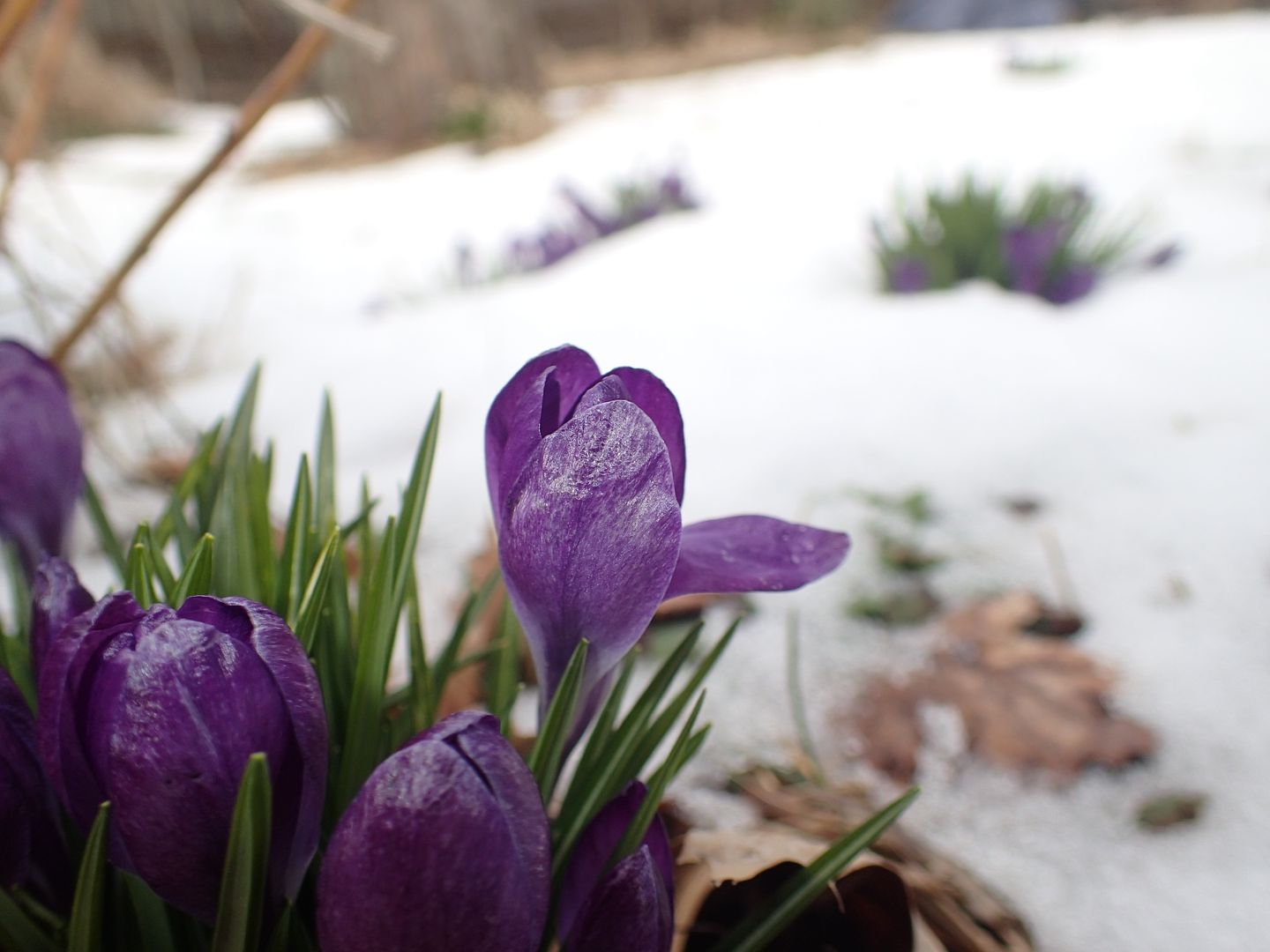
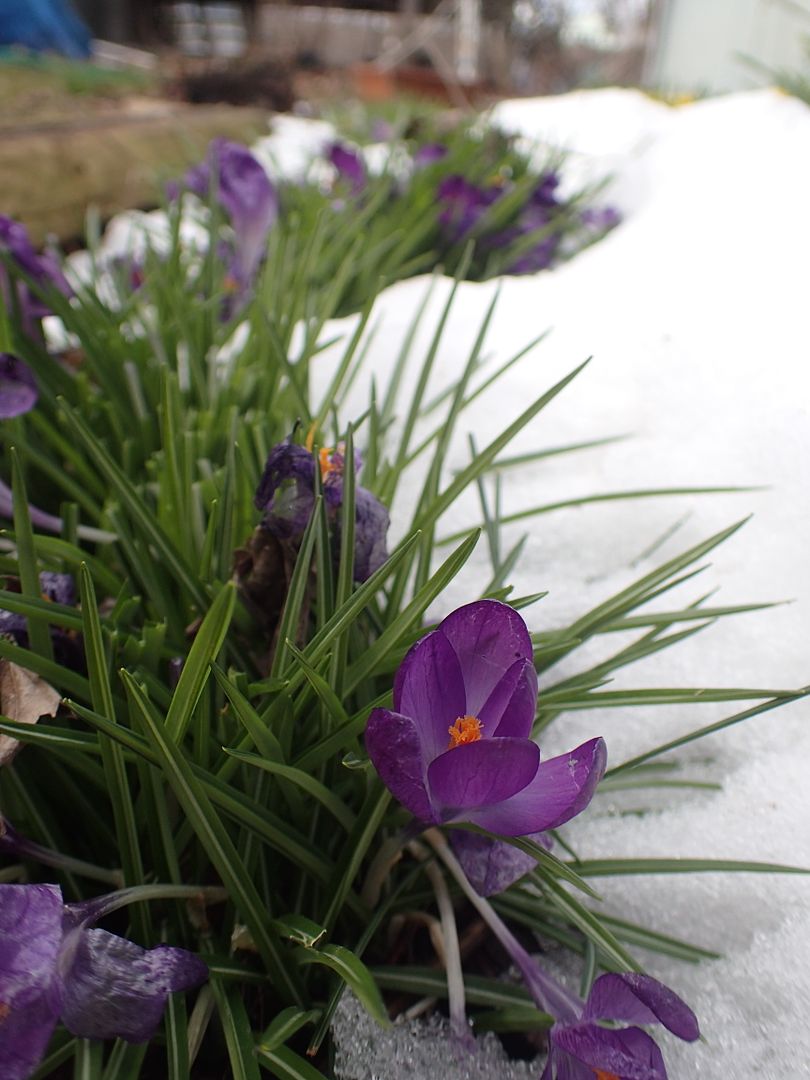
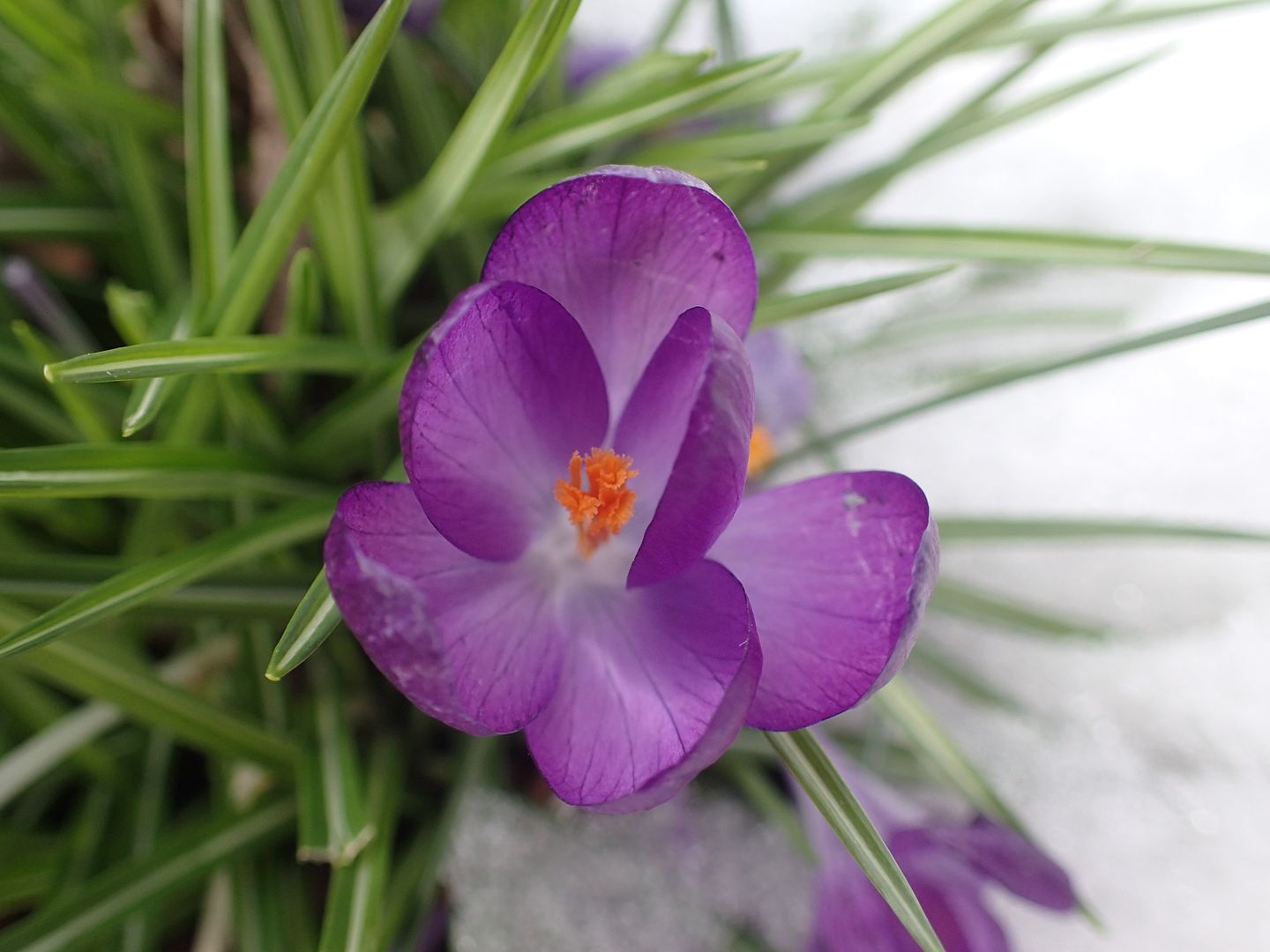
Crocuses have been flowering in force and were in full bloom when the snow started to fall. Most of the flowers were damaged to some degree as they had to remain closed up until the snow melted around them.
They're not native to North America but do well here in both lawns and gardens. They're indigenous to the mountains of northern Europe and are often seen flowering when early in the season when weather conditions force other plants to stay below ground.
Though pretty, at some point I intend to move them all out of the garden and into the lawn. After flowering their grass-like foliage blends right in with the other grasses. And they hold up to mowing for a time as well. Eventually they do go dormant over the summer but in the spring time the foliage gets in the way of other plants I'd like to be growing and need to find space for.
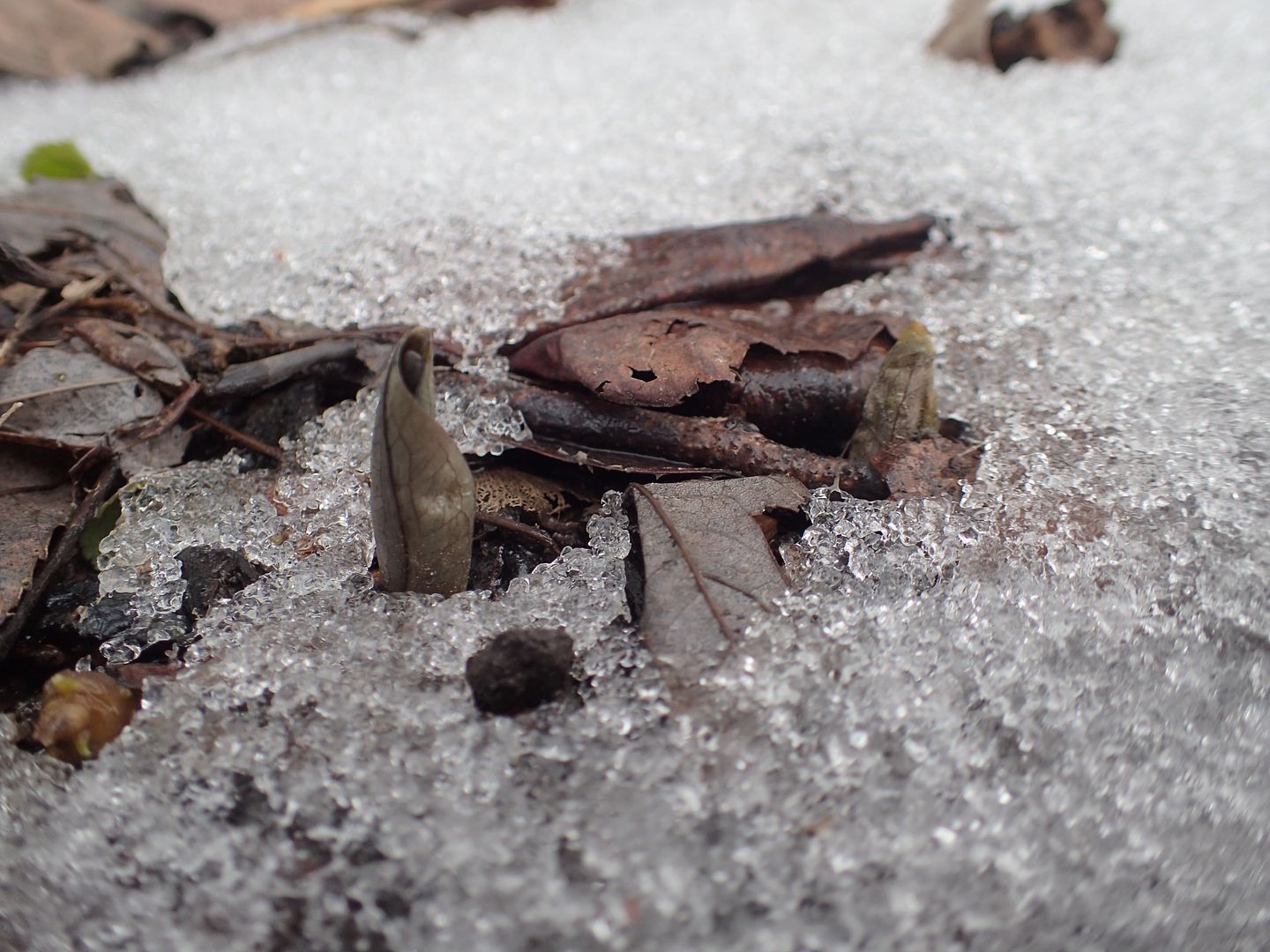
Trilliums are one such plant I think are more worthy of the garden and have been coming up through the snow just as well. The three leaves to each plant remain tightly coiled around the precious flower bud within. They're mono-floral, meaning one flower per plant, per year so it's protection is of the upmost importance.
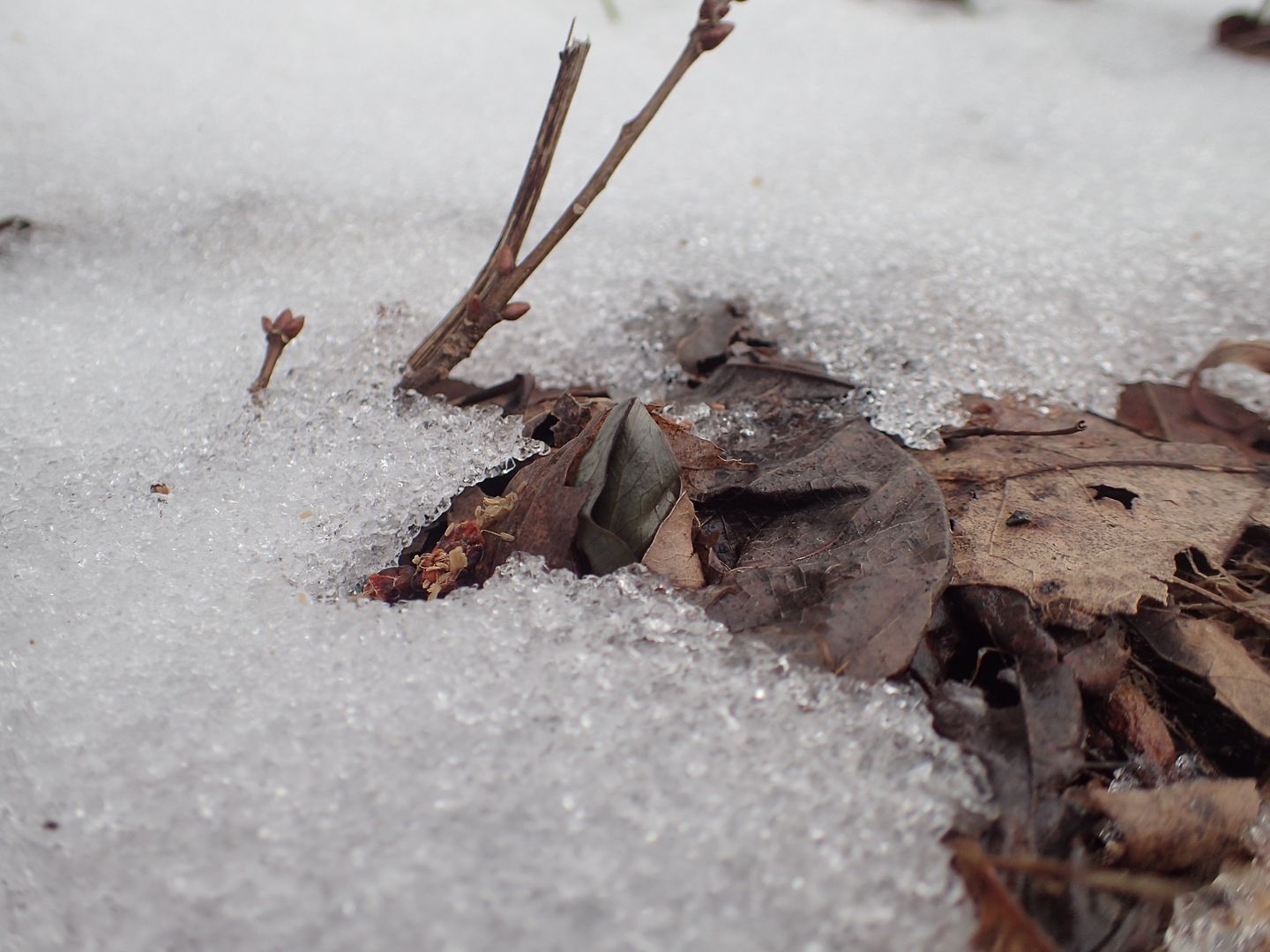
Another Trillium bravely poking its head out through the snow. They won't really be flowering until the first or second week of May here but just south of us at the Mt. Cuba Center in DE they'll be blooming around the last week of April.
Another native that's an early bloomer is this Twinleaf, Jeffersonia diphylla. It's a short lived flower but a pretty one.
Out in the meadow garden the Camassia, Wild Hyacinth, have been giving off their own heat and melting the snow around them.
Once the ground is exposed around them the snow will melt more quickly as the ground warms up.
Virginia Bluebells, Mertensia virginica, doesn't do this as well but also doesn't seem that effected by the snow.
Crocuses have been flowering in force and were in full bloom when the snow started to fall. Most of the flowers were damaged to some degree as they had to remain closed up until the snow melted around them.
They're not native to North America but do well here in both lawns and gardens. They're indigenous to the mountains of northern Europe and are often seen flowering when early in the season when weather conditions force other plants to stay below ground.
Though pretty, at some point I intend to move them all out of the garden and into the lawn. After flowering their grass-like foliage blends right in with the other grasses. And they hold up to mowing for a time as well. Eventually they do go dormant over the summer but in the spring time the foliage gets in the way of other plants I'd like to be growing and need to find space for.
Trilliums are one such plant I think are more worthy of the garden and have been coming up through the snow just as well. The three leaves to each plant remain tightly coiled around the precious flower bud within. They're mono-floral, meaning one flower per plant, per year so it's protection is of the upmost importance.
Another Trillium bravely poking its head out through the snow. They won't really be flowering until the first or second week of May here but just south of us at the Mt. Cuba Center in DE they'll be blooming around the last week of April.
Another native that's an early bloomer is this Twinleaf, Jeffersonia diphylla. It's a short lived flower but a pretty one.
Monday, May 11, 2015
Wild Hyacinth
Wild Hyacinth, Camassia scilloides, is quickly becoming one of my favorite plants. At least it better be because I forgot I planted bulbs last years. I then ordered a flat of it on Prairie Moon Nursery... sometime during the winter lull, couldn't find it in my purchase history and saw it was no longer being offered in flats, so I assumed they canceled my order so I ordered another 32 bulbs. Planted the bulbs, had another 32 show up already growing in flats... and also the plants from last year came up and are flowering. So in theory I have 96 plants somewhere in the yard.
The ones I had forgotten I planted last year are doing the best. I wasn't 100% sure where they'd do good in my yard though so they're occurring in scattered clumps, and I'm certain the rodents have eaten some. This is one of those loves being wet, but not soggy, but needs to be well drained, and can't freeze in the winter plants. So good loose garden soil ideally on a slope... where good loose garden soil likes to erode away.
The best patch I have is in a pit I dug and filled completely with sand. Everything I put in here is immediately shocked and stressed out looking, until they get enough of their roots pressed down into the layer of clay below. It's otherwise been a huge success of a garden. Pictured above and below is one that is growing along the edge of my meadow garden. The plants are hard to focus on as most of the foliage is grass-like down below with a single flowering stem standing erect on top.
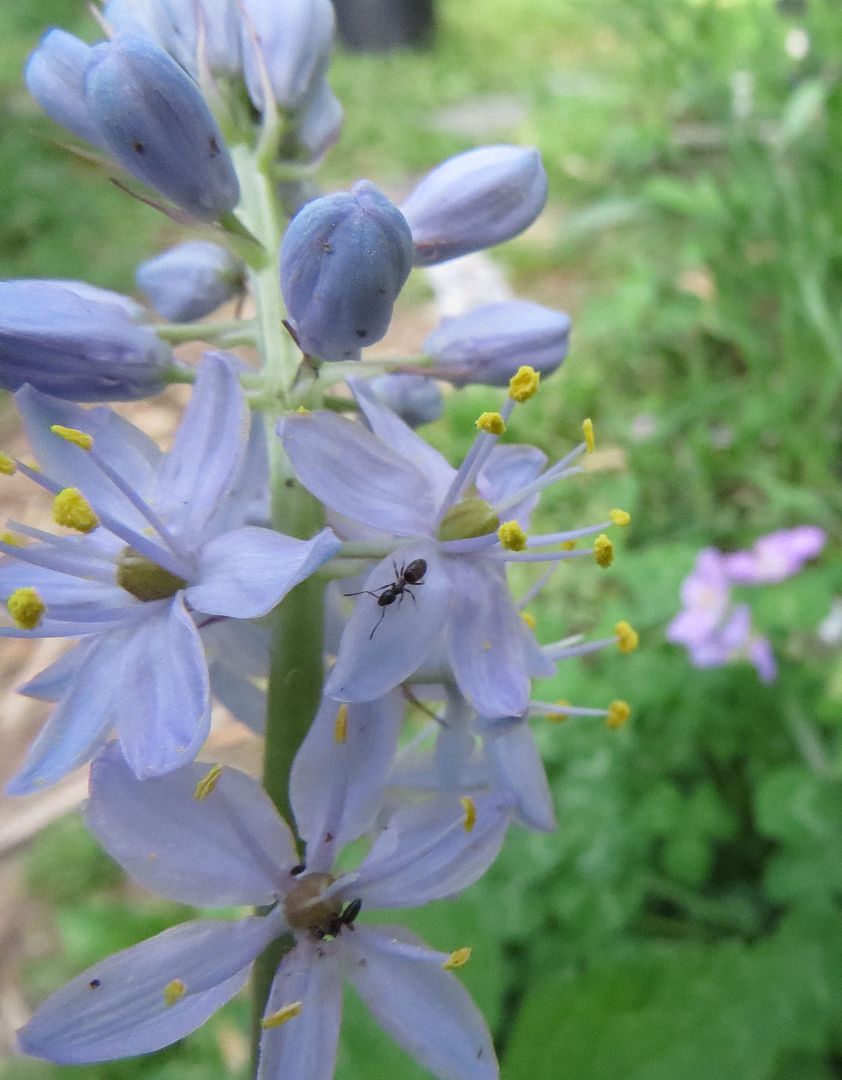
What's really got my attention is the fact that the flowers all began opening as white, then something triggered them all to fade blue, so now the new ones that are opening are opening up as blue instead of white. And not all of them are doing this, some still open as white. So wherever they're growing in mass you get this neat effect of a light mixing of colors and transitioning. I also love their color directly next to some other natives such as Wild Geranium, Jacob's Ladder, Bluets, Waterleaf.
And of course what would a wildflower be in my garden without ants stealing nectar from the flowers. Growing in the background is a Wild Geranium which also has some color variance between old and new flowers.
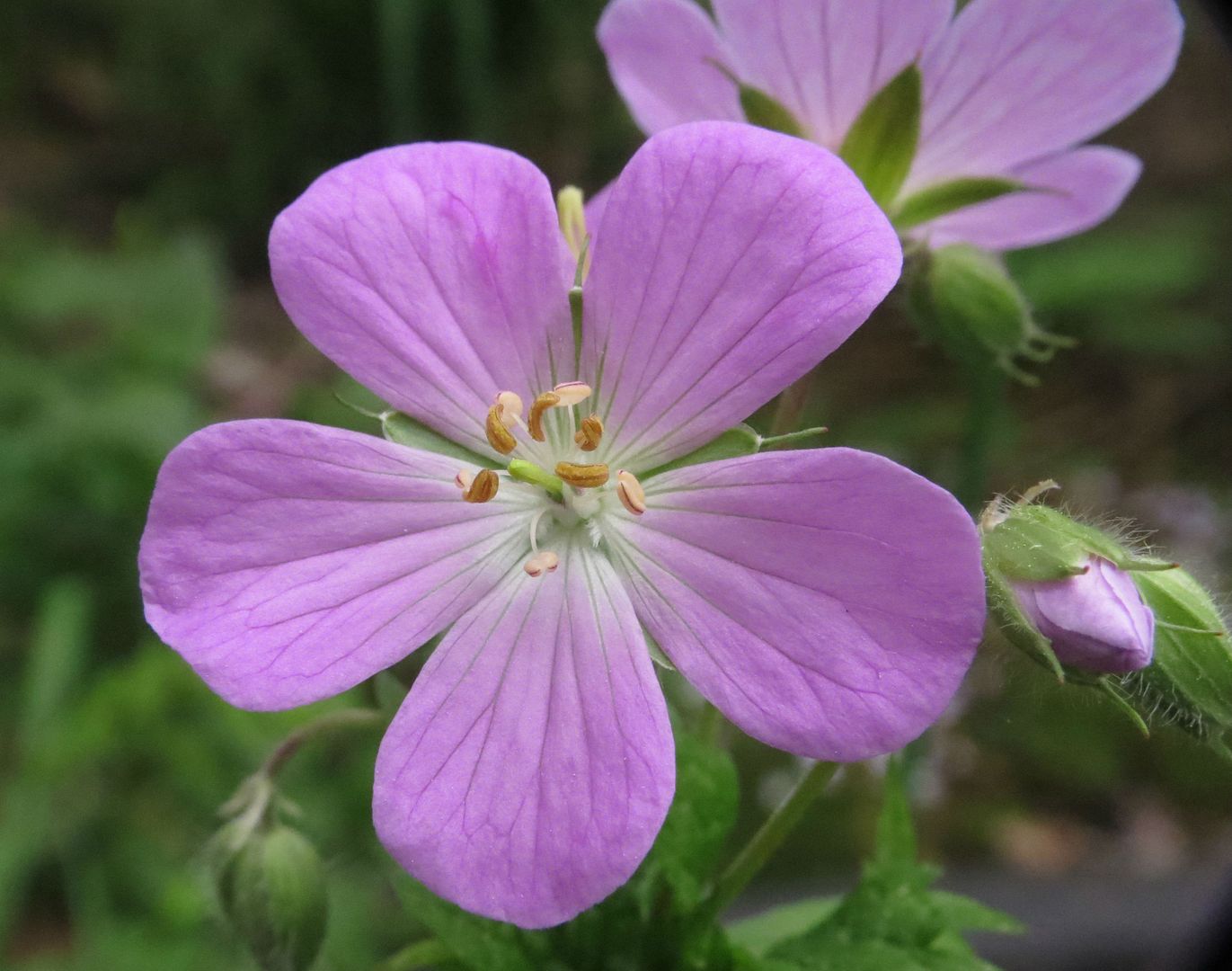
A Wild Geranium for color comparison.
Assuming the ~96 Wild Hyacinth I planted all flower next year I should be in for a spectacular floral display. My only complaint with them so far is the individual flowers are short lived, so the smaller flowering stalks are almost finished flowering for the year already.
The ones I had forgotten I planted last year are doing the best. I wasn't 100% sure where they'd do good in my yard though so they're occurring in scattered clumps, and I'm certain the rodents have eaten some. This is one of those loves being wet, but not soggy, but needs to be well drained, and can't freeze in the winter plants. So good loose garden soil ideally on a slope... where good loose garden soil likes to erode away.
The best patch I have is in a pit I dug and filled completely with sand. Everything I put in here is immediately shocked and stressed out looking, until they get enough of their roots pressed down into the layer of clay below. It's otherwise been a huge success of a garden. Pictured above and below is one that is growing along the edge of my meadow garden. The plants are hard to focus on as most of the foliage is grass-like down below with a single flowering stem standing erect on top.
What's really got my attention is the fact that the flowers all began opening as white, then something triggered them all to fade blue, so now the new ones that are opening are opening up as blue instead of white. And not all of them are doing this, some still open as white. So wherever they're growing in mass you get this neat effect of a light mixing of colors and transitioning. I also love their color directly next to some other natives such as Wild Geranium, Jacob's Ladder, Bluets, Waterleaf.
And of course what would a wildflower be in my garden without ants stealing nectar from the flowers. Growing in the background is a Wild Geranium which also has some color variance between old and new flowers.
A Wild Geranium for color comparison.
Assuming the ~96 Wild Hyacinth I planted all flower next year I should be in for a spectacular floral display. My only complaint with them so far is the individual flowers are short lived, so the smaller flowering stalks are almost finished flowering for the year already.
Subscribe to:
Posts (Atom)