Showing posts with label Rattlesnake Master. Show all posts

Thursday, July 28, 2011

Mountain Mint Madness

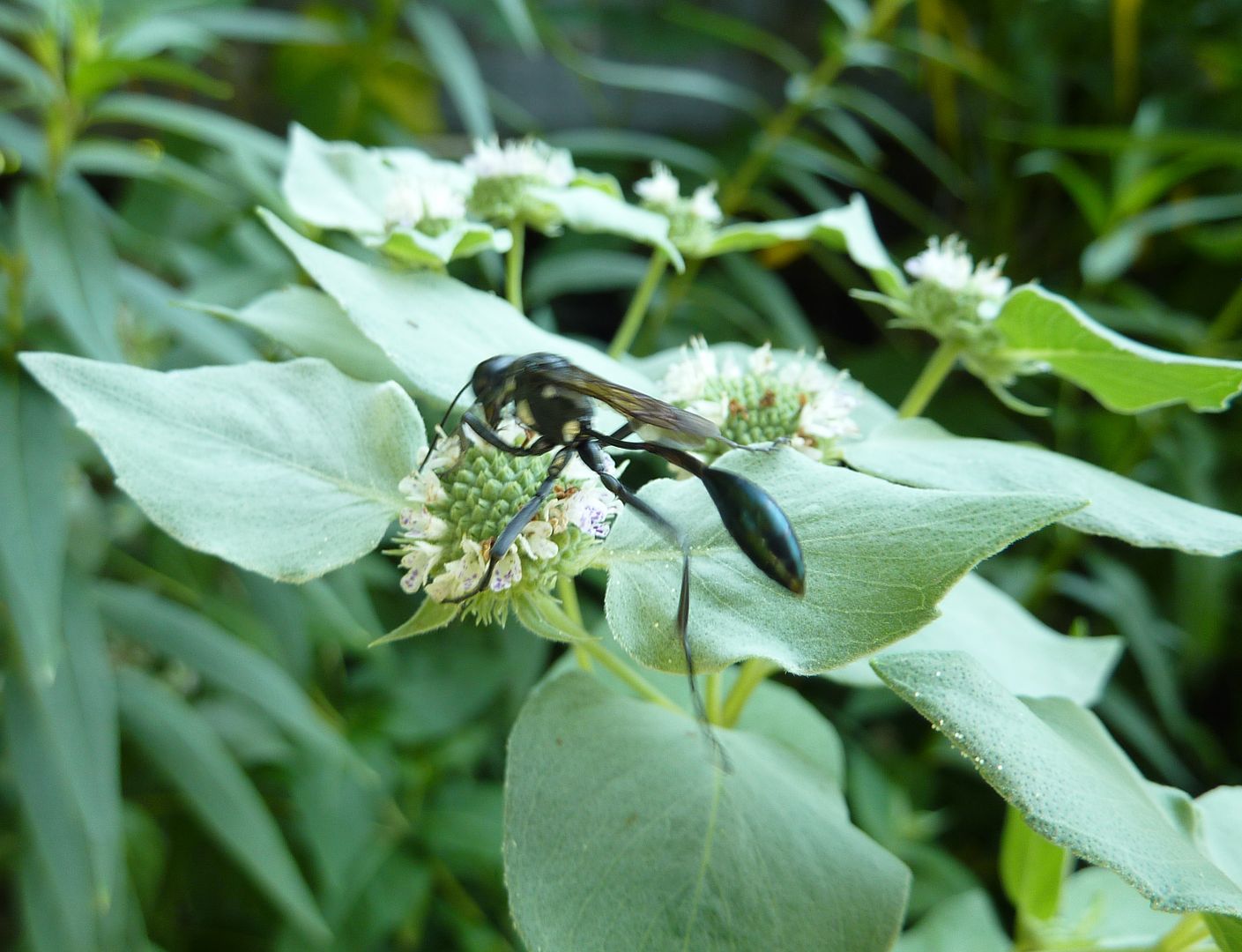
About a month ago the honeybees and bumblebees lost interest in the Mountain Mint, Pycnanthemum sp. presumably to take nectar from bigger and better things. In their absence some of the more obscure pollinating wasps have taking their place.


A lot of these wasps refuse to stay still for pictures so a short video was needed to capture them in action. The rather colorful stripped scoliid wasp was the only that I couldn't get at least a decent picture of. Others were more cooperative.

Mud Wasp of some sort.
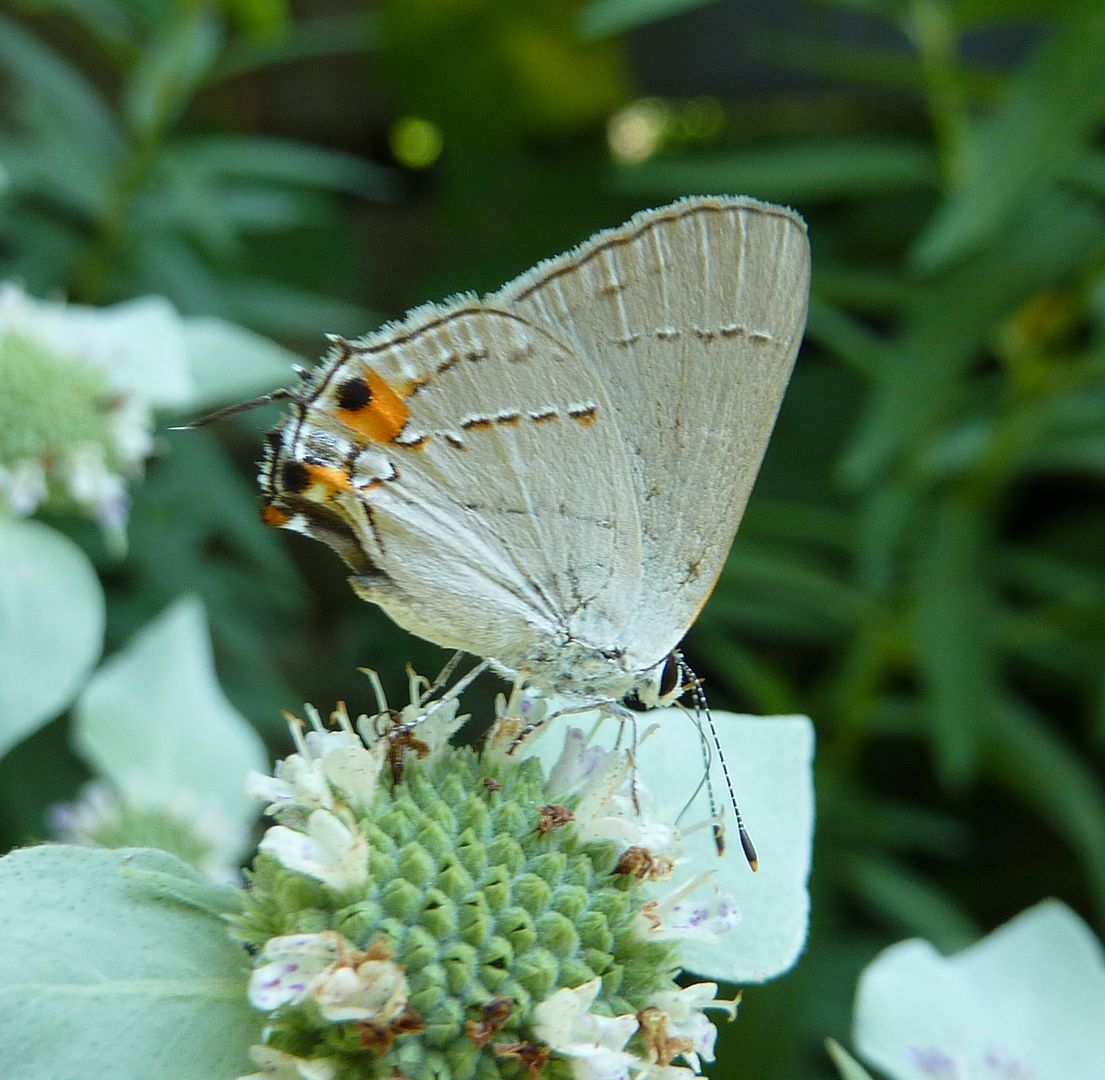
Summer Azure of some sort.
Another plant I've seen some of these on was the Rattlesnake Master, Eryngium yuccifolium. Last year I had four of them, but only one has come back. I have seen the longer of the two thin dark mud wasps on other kinds of mint as well. 

Tuesday, July 20, 2010

More Reattlesnake Master

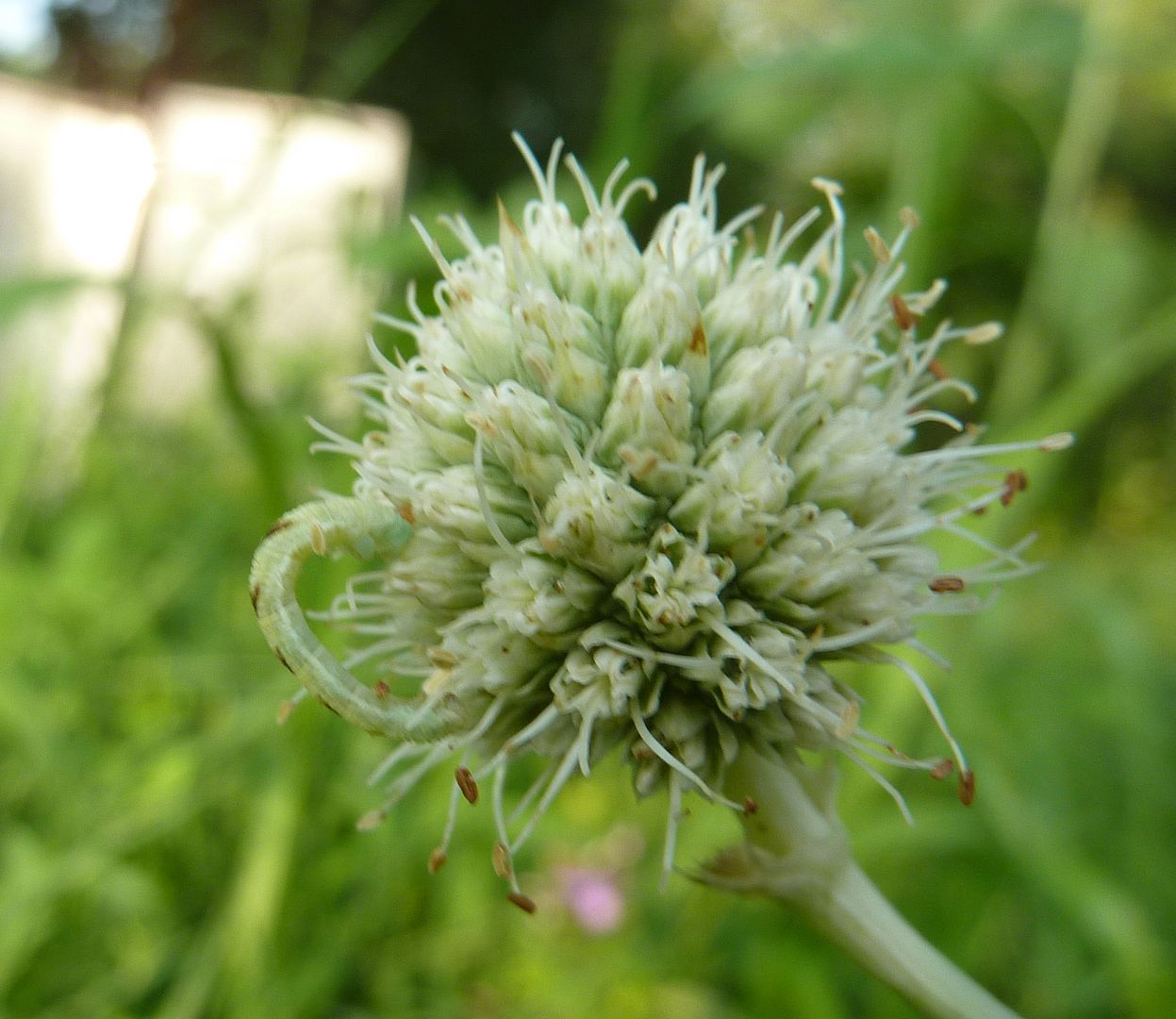
This little inch worm is either very smart or very stupid. On the blooms to Rattlesnake Master is about the last place I'd expect to find a caterpillar. I've seen nothing but assorted wasps pollinating that plant.

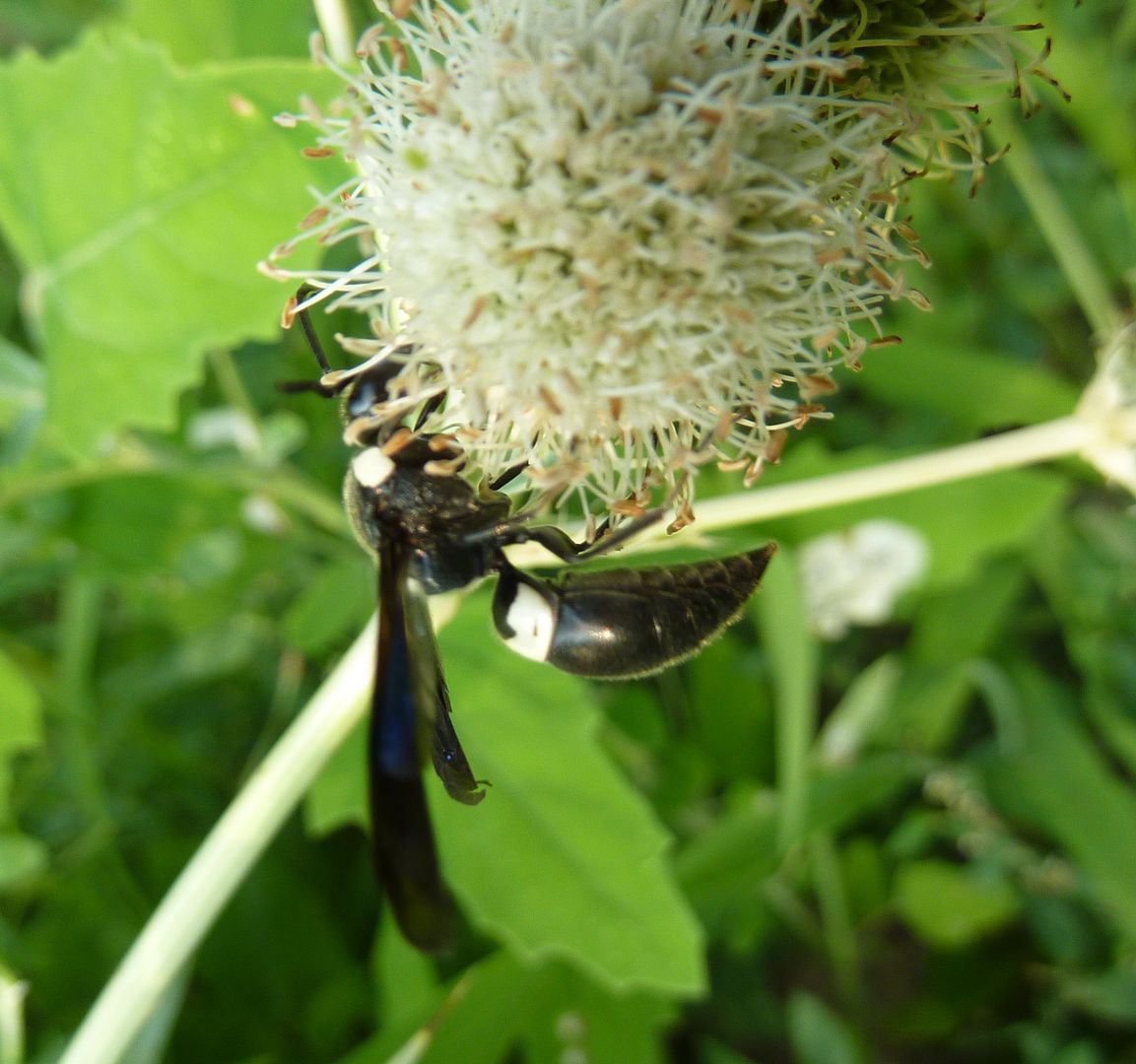
At least two are species of Scoliid wasp. This plant is beneficial in how many specialized predatory wasps it attracts alone.


Here's part 3 of the videos I've been doing. Wasps are very easily spooked. So often I'll go out to film the wasps only have have half of them fly off the plant. This time though they were all fairly well behaved.

Monday, July 19, 2010

Rattlesnake Master, Eryngium yuccifolium


A Mud Dauber and Scoliid Wasp working the Rattlesnake Master blooms. This is one of the odder looking natives I planted last fall. I'd read it's pollinated by wasps but had no idea it would actually attract them. I don't normally see Scoliid Wasps until the fall time when Sedum blooms. The Mud Dauber I sometimes see working Raspberries but not often. I see Potter Wasps more commonly working those along with bumblebees.

Wasps of course are very beneficial. Though they are somewhat counterproductive in a butterfly garden. Turns out they're to good at their job. I have loads of violets that are nibbled to bits by caterpillars, and likely hosts to some pretty butterflies. That said I've only been able to see one caterpillar this year and that was picked off shortly after by a paper wasp. When we get outside the realm of common paper wasps and yellow jackets though, we start to find more specialized predators. Many Mud Daubers specialize in hunting spiders. Scoliid Wasps burrow into lawns to inject their eggs in root eating beetle grubs.

The adults feed on nectar like bees do, and it takes certain plants to get their attention. It's the only way to really admire the color patterns. Scoliid Wasps in particular are very pretty.