Showing posts with label Cup Plant. Show all posts

Sunday, January 5, 2014

2013 Best of Bees

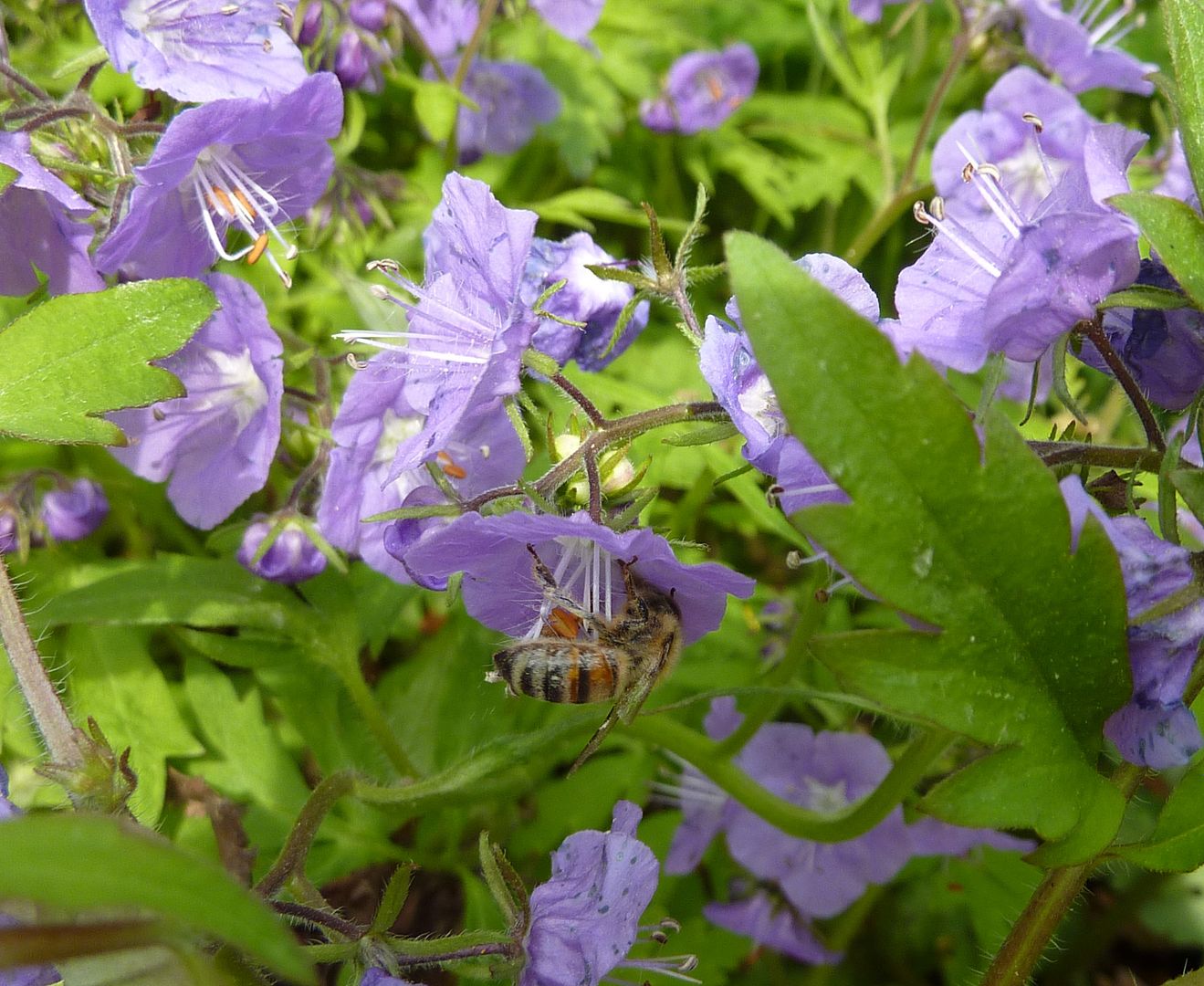
For bees I was thrilled to find Honeybees working Fern Leaf Phacelia this year. Beekeepers are always gushing over the Phacelia flowers for their bees but always had to rely on the western native annuals. Phacelia bipinnatifida, is an aggressive biannual that grows abundantly in woodlands, going as far as carpeting the forest floor with puffy clouds of purple flowers. This shot was at the Mt. Cuba Center and I picked up a few plants to hopefully establish in my yard but I'm not entirely confident it's going to work. Here's hoping I can get a population going.

I noticed a queen bumblebee earlier in the year. Honestly I can't remember where this image was taken or what she's even on. On a positive note though this was a stellar year for bumblebees. They were easily the most abundant pollinator in my garden this year.

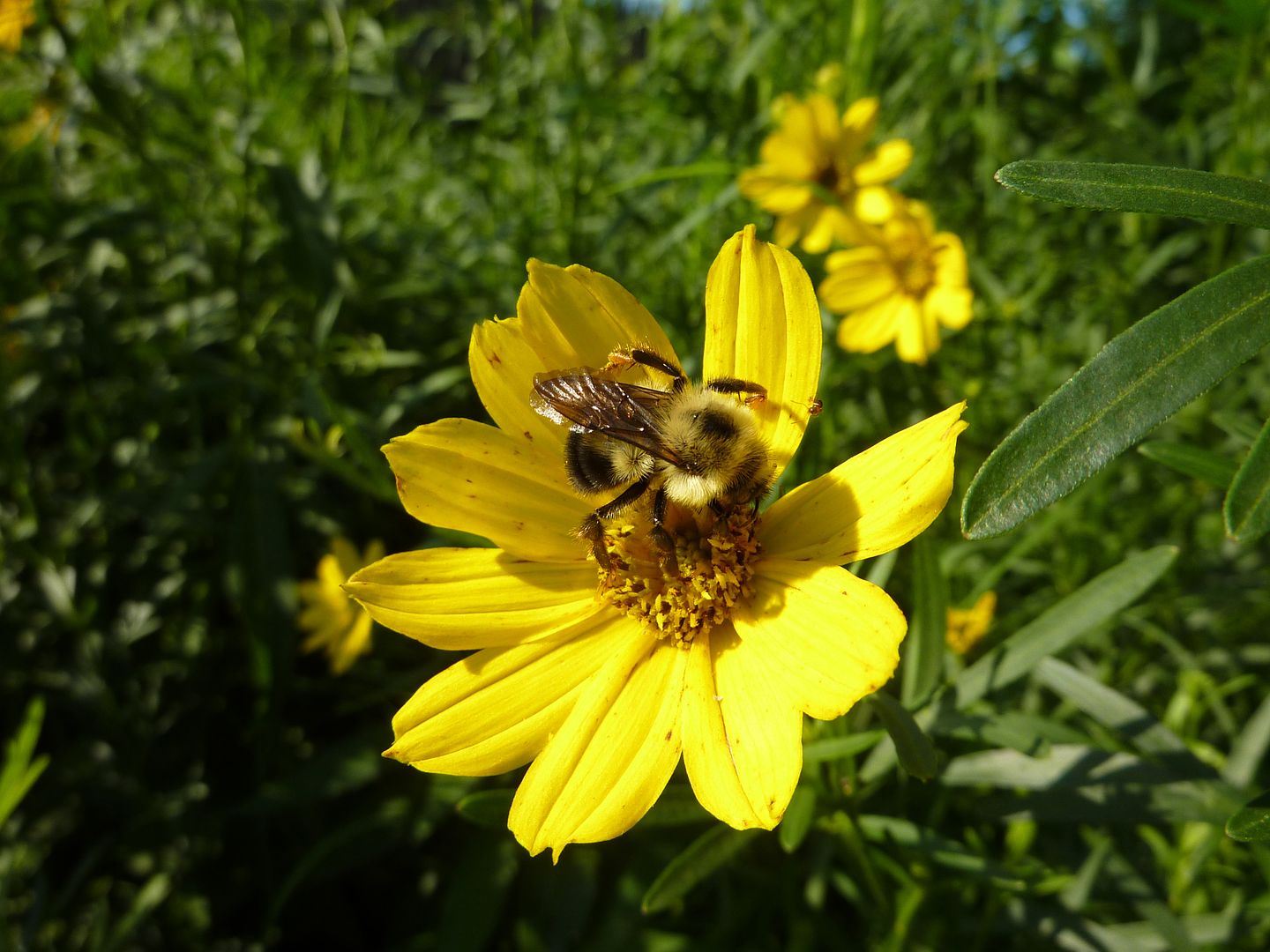
Stiff Coreopsis put on a huge display. This is a slightly aggressive species which spreads by root suckers out in all directions, though they invasion is slow going. They really just push out 3 to 6 inches. They're not as floriferous as I would like them to be, other species of Coreopsis can be covered in flowers where as these seem to space it out.

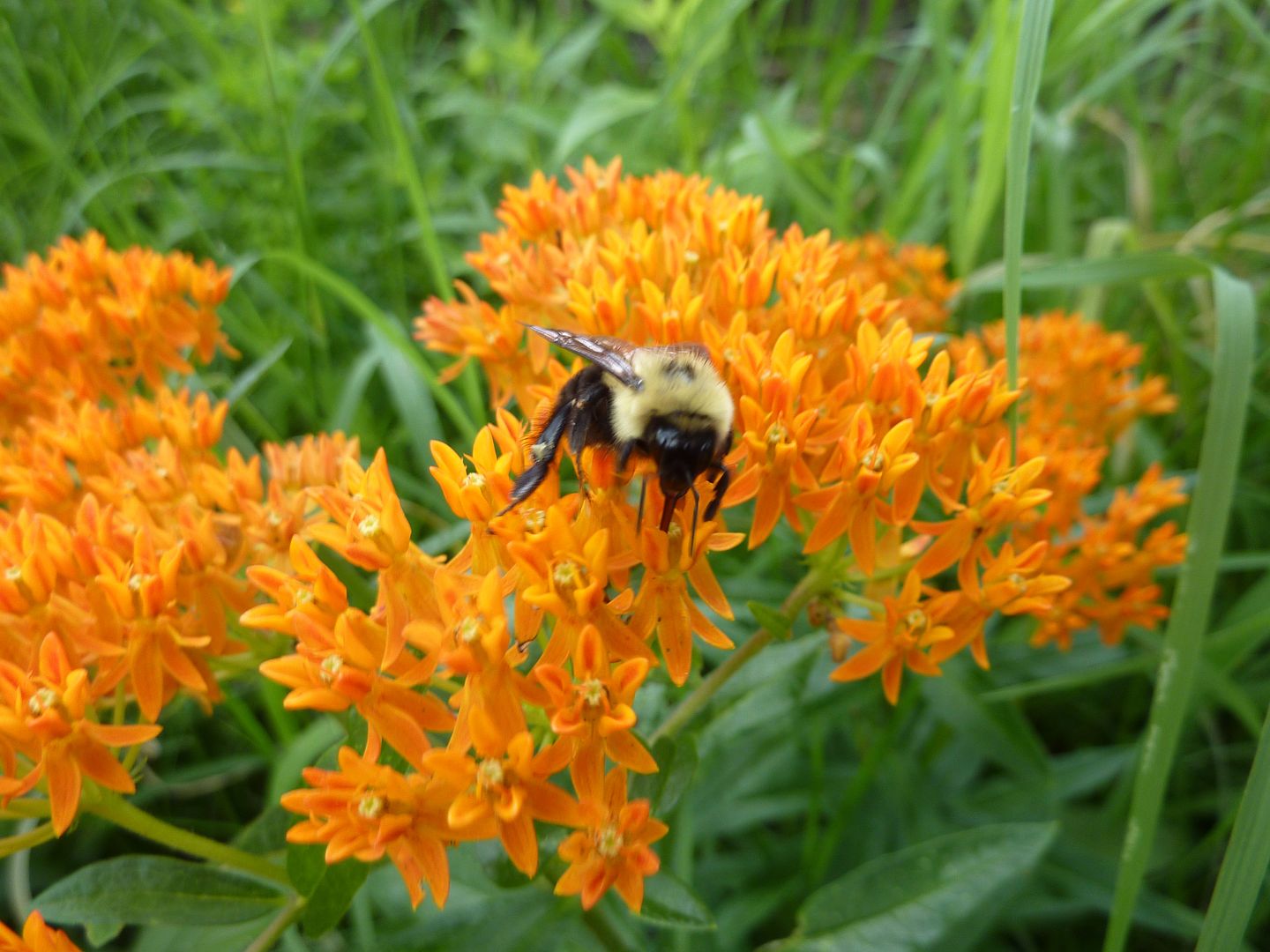
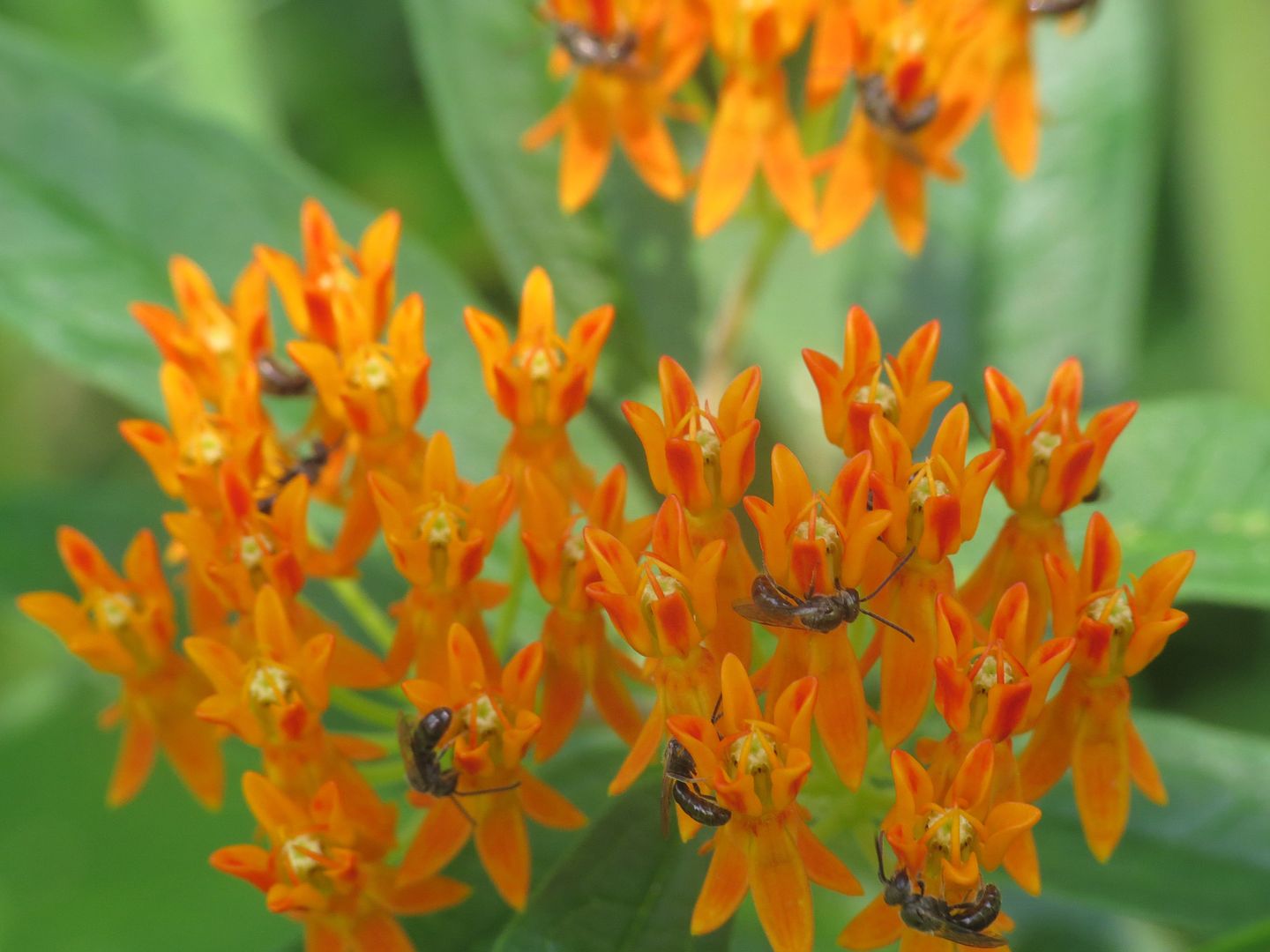
Another queen out on Butterfly Weed, Asclepias tuberosa. Eventually they stop foraging all together but this year I was seeing them well into the end of June and mid July.

This is the yellow variety of Butterfly Weed. It seems to be a bigger hit with pollinators.

Honeybees go to the yellow ones more it seems. I have seen patches of orange Butterfly Weed that were covered in honeybees but none of my plants seem to have any luck.

A sweat bee on Stiff Coreopsis.

Here another species of Bumblebee is working one of my rare plants, Asclepias rubra. This is called Red Milkweed but annoyingly enough I believe Prairie Moon Nursery has started calling Swamp Milkweed Red Milkweed. This demonstrates how unreliable common names are.

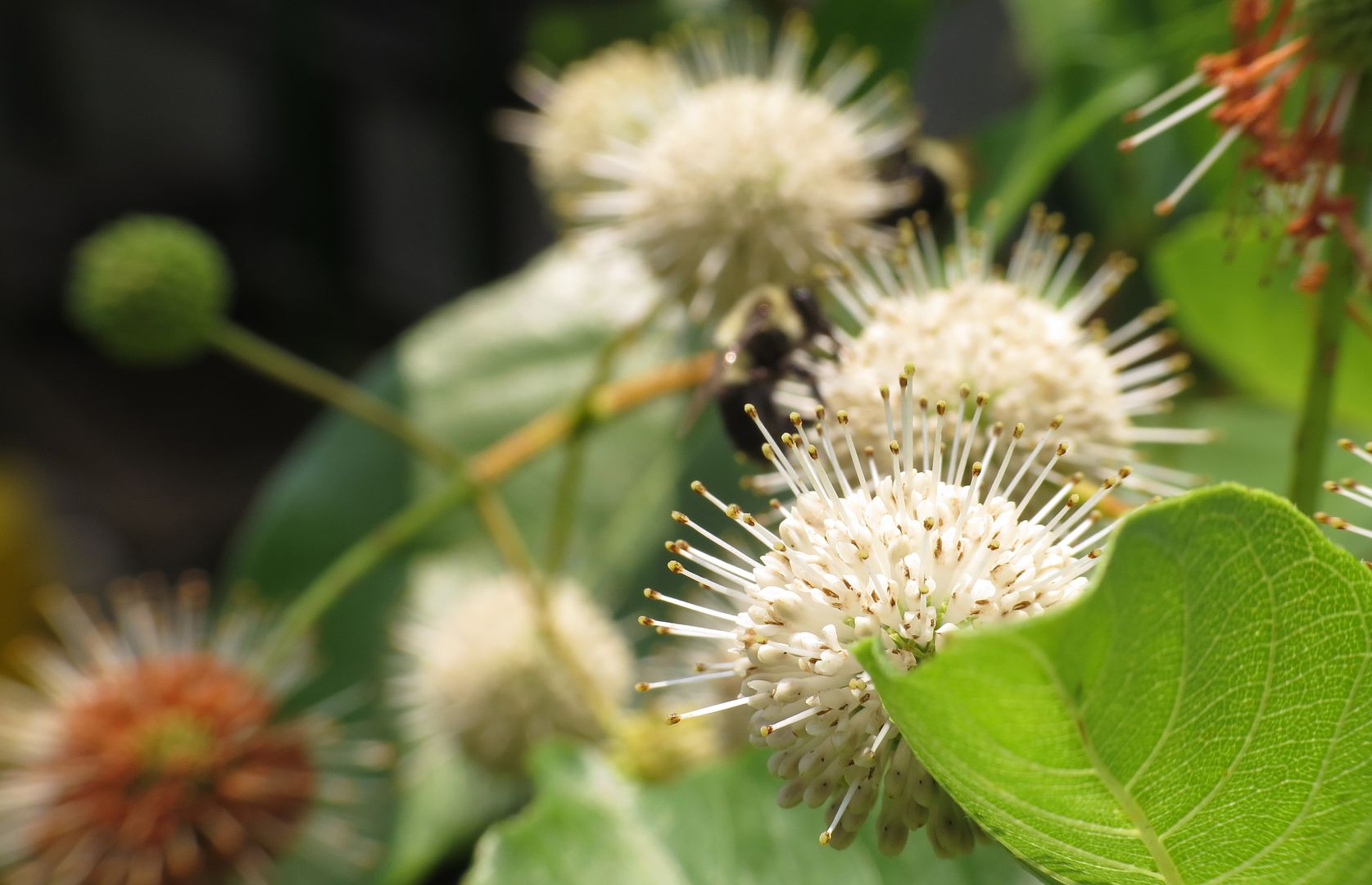
Bumblebees bustling around the Buttonbush.

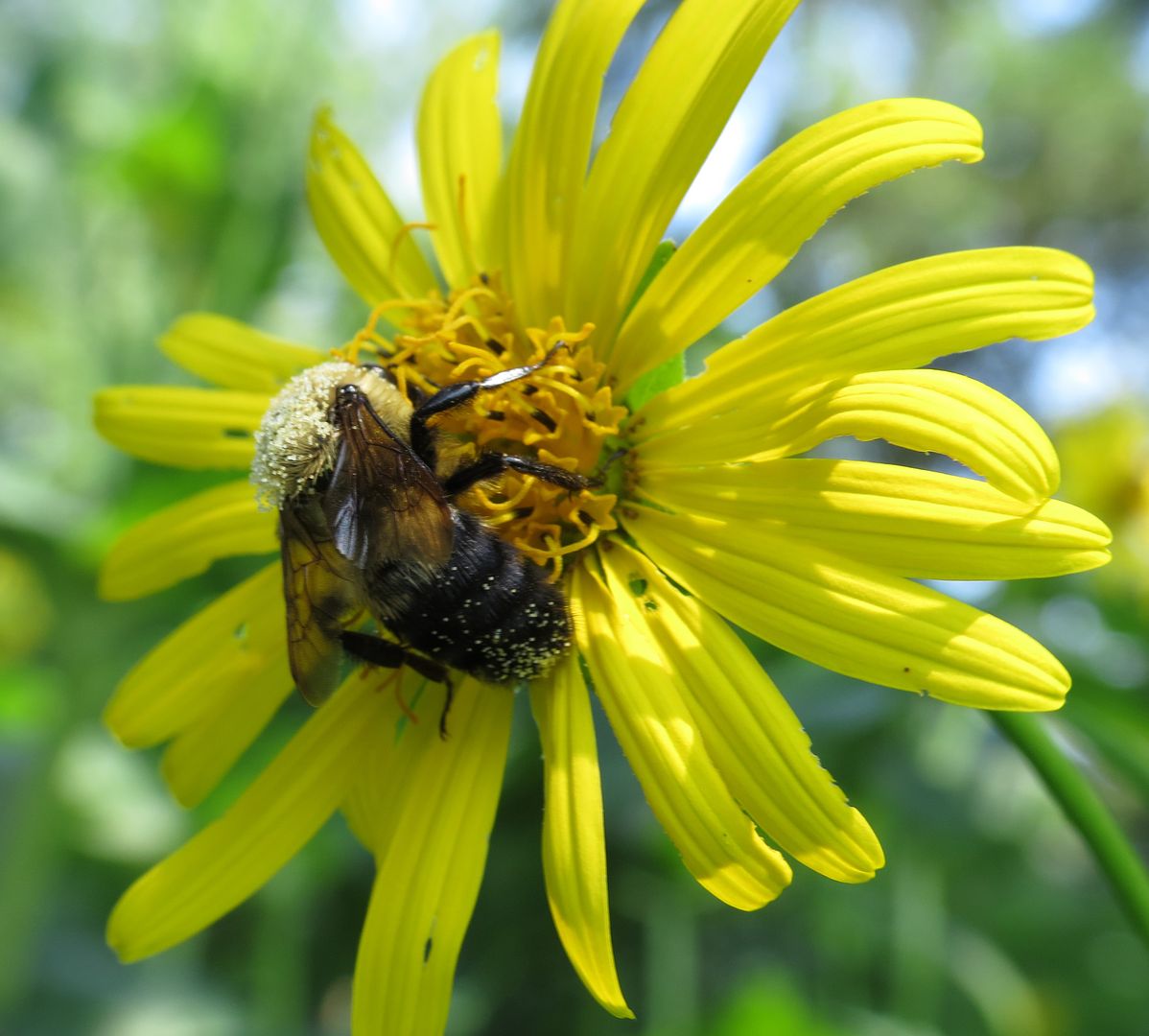
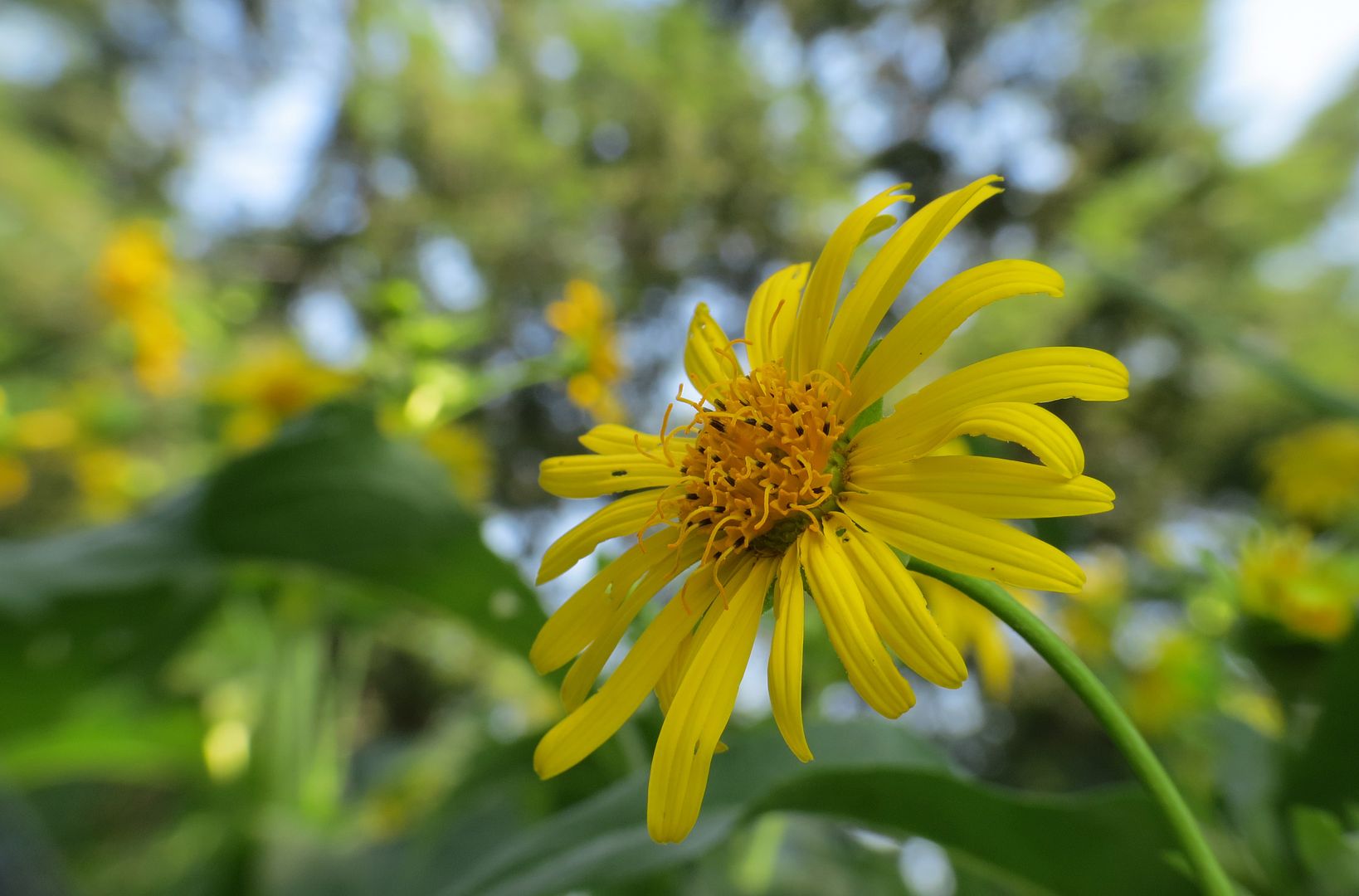
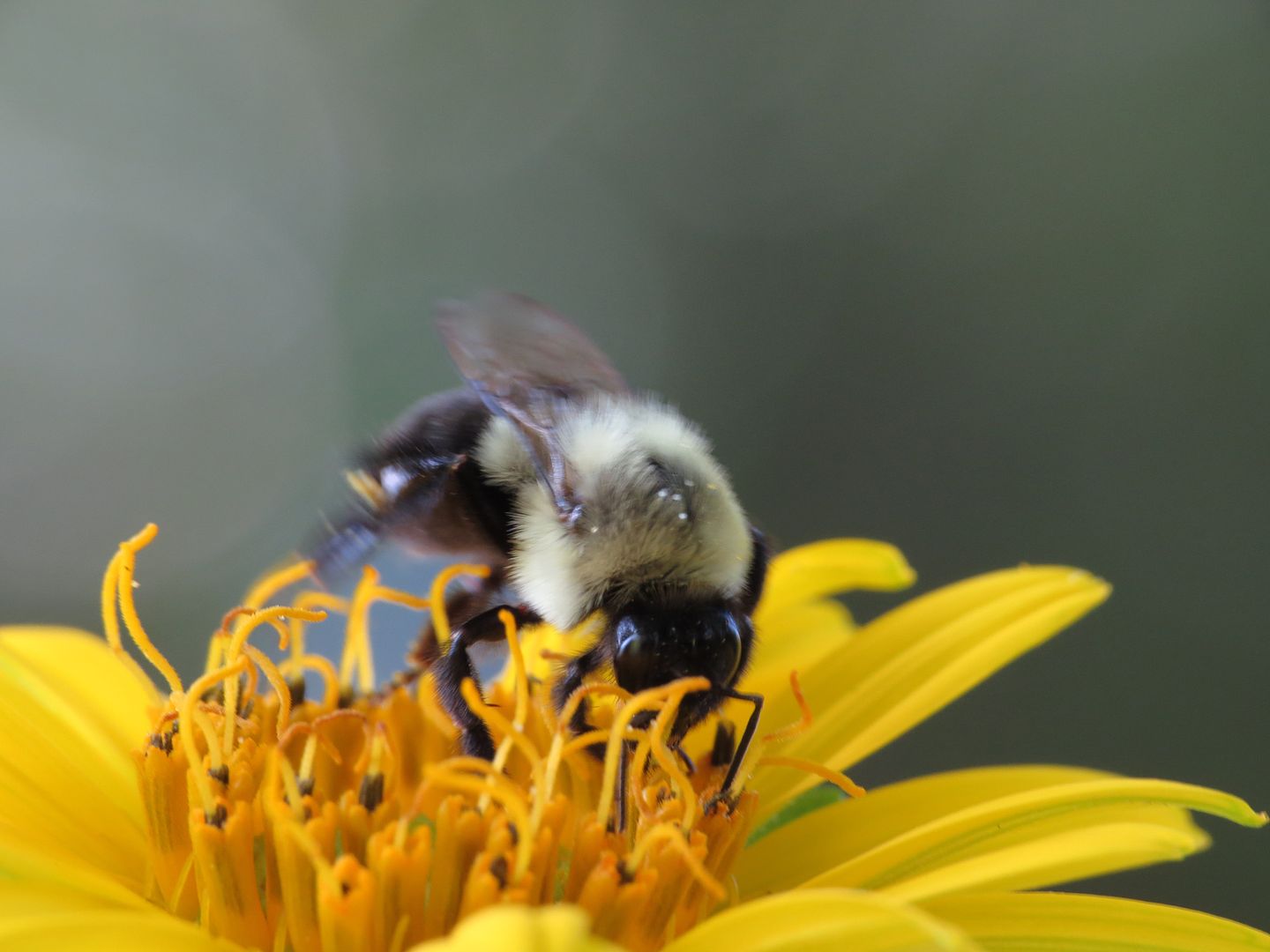
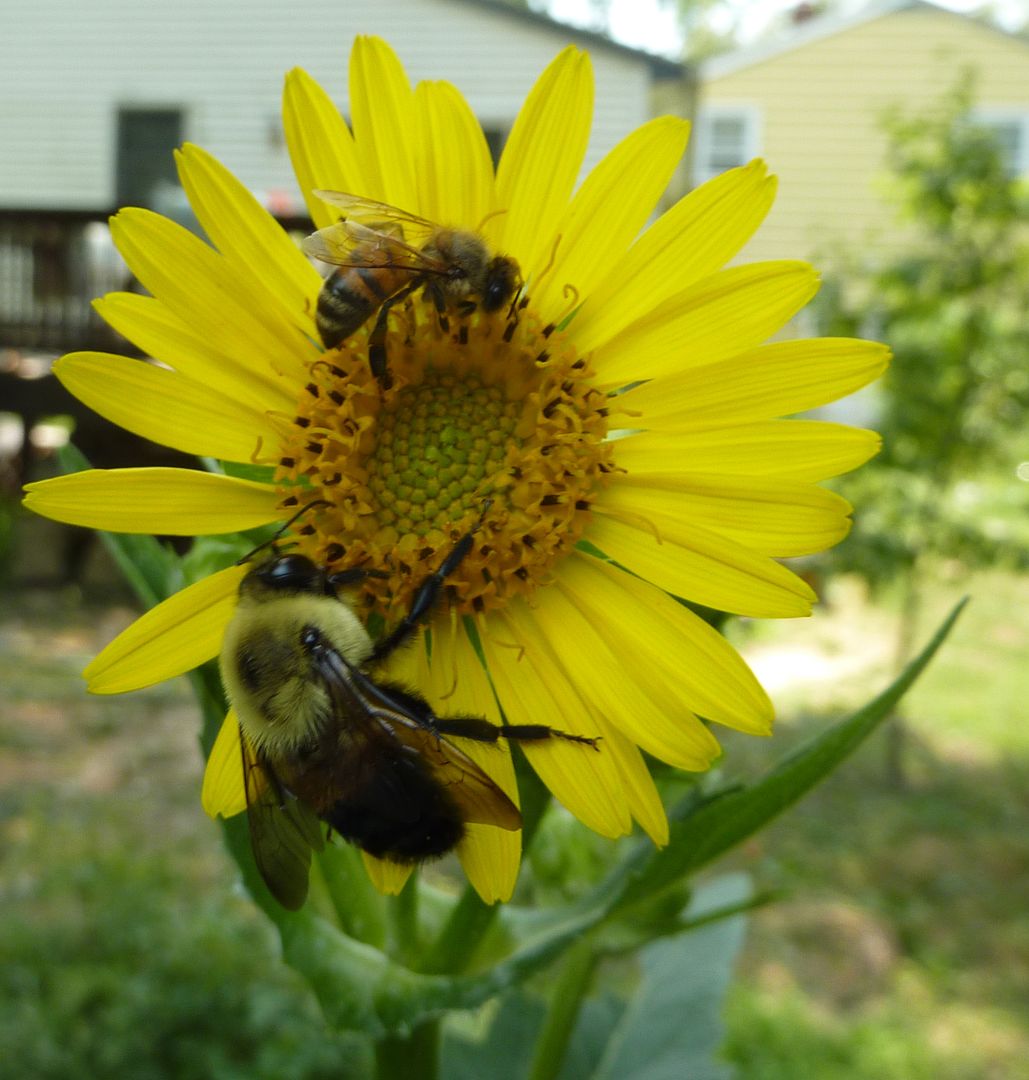
Cup Plant. This is when I got my new camera. Notice how much clearer the subject is and how much more blurry the background appears.

A group of sweat bees socially foraging on Butterfly Weed.

Joe Pye Weed.

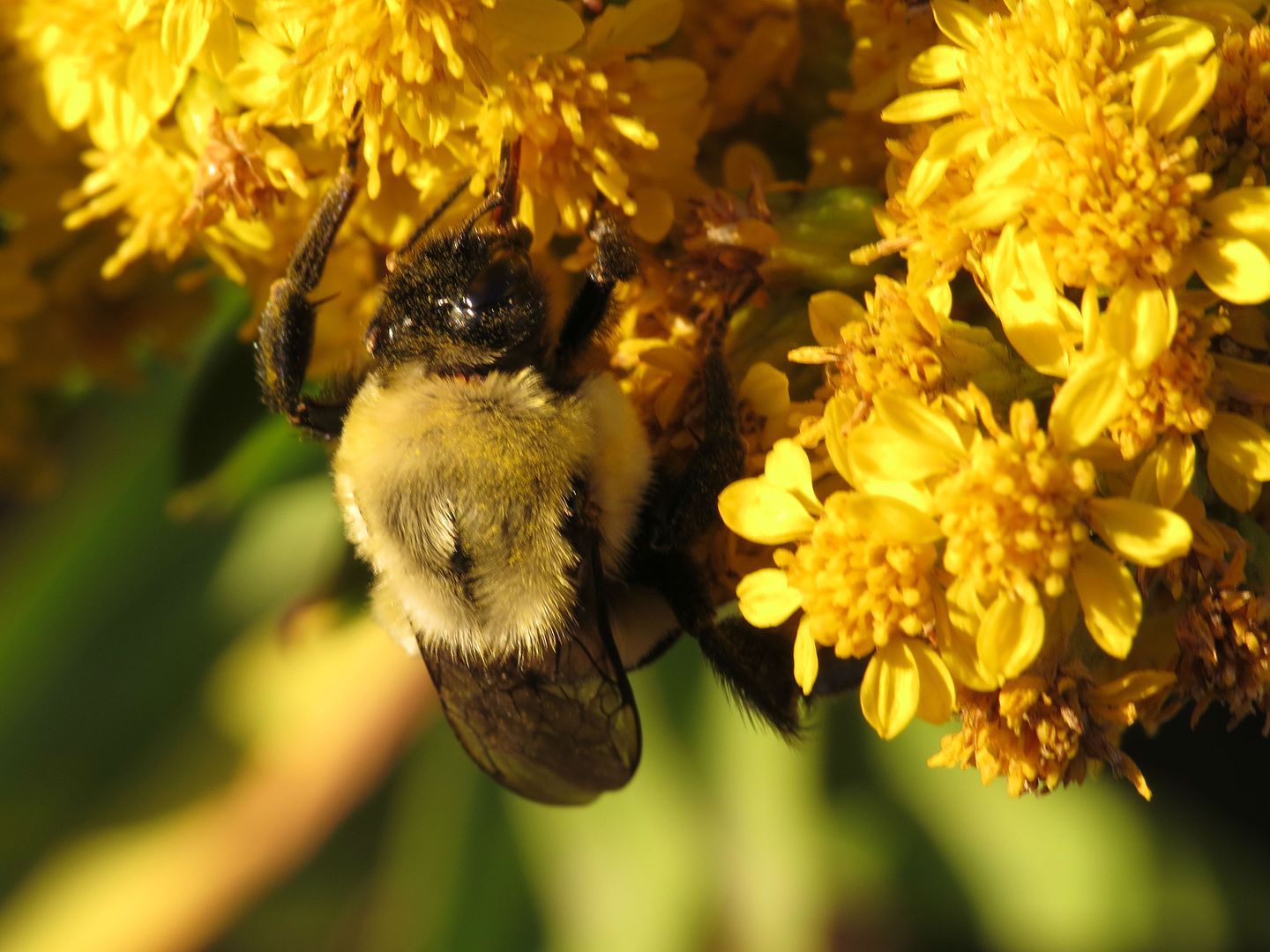
Another Oh HA! moment when my new camera became worth every penny. Now if only the darn bee were facing the camera.

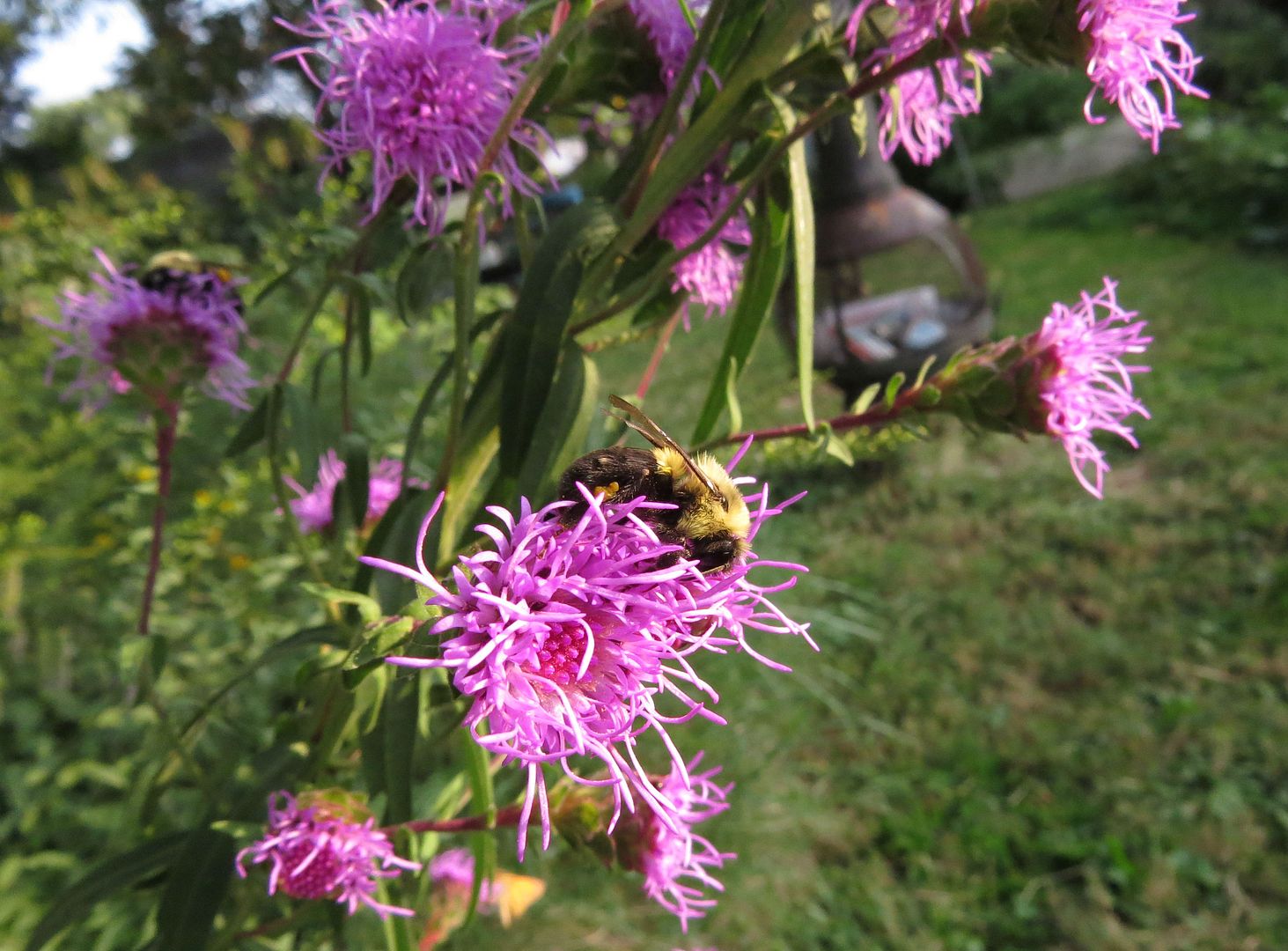
Here a few bumblebees work a species that I think might have been mislabeled. It's supposed to be Northern Blazing Star but I'm not so sure anymore. It's supposed to only reach 3' but this one shot up to 5'.

And lastly I was down at the shore later in the year where stands of Seaside Goldenrod provided food for migrating Monarchs and next year's generation of queen bumblebees.

Tuesday, July 16, 2013

Cup Plant Flowers

Cup Plants, Silphium perfoliatum, have started blooming this week.

A bumblebee working a Cup Plant flower.

I'm a little preoccupied with testing out my new camera to post much though. Needless to say I'm happy so far.

Saturday, July 16, 2011

A Class on Milkweed

Once again I took a class up at the Mt. Cuba Center. To their credit, this is a wonderful place and really is one of those hidden treasures few people take advantage of. This week's class was on the wonders of milkweed. It was a good course as expected, however they lack enough milkweed species on display in the gardens to really make the course worth it. The specimens they did have mostly were either not blooming or not interesting enough to stand out in any meaningful way. Many of them are not even sold in the nursery trade despite their beauty. There was emphasis on companion planting but even this fell short, and mostly repeated information from last week's meadow studies course.

I feel like the lecture could have been improved with more pictures of milkweeds being used in people's gardens. This way they could show off more companion plants not on display.

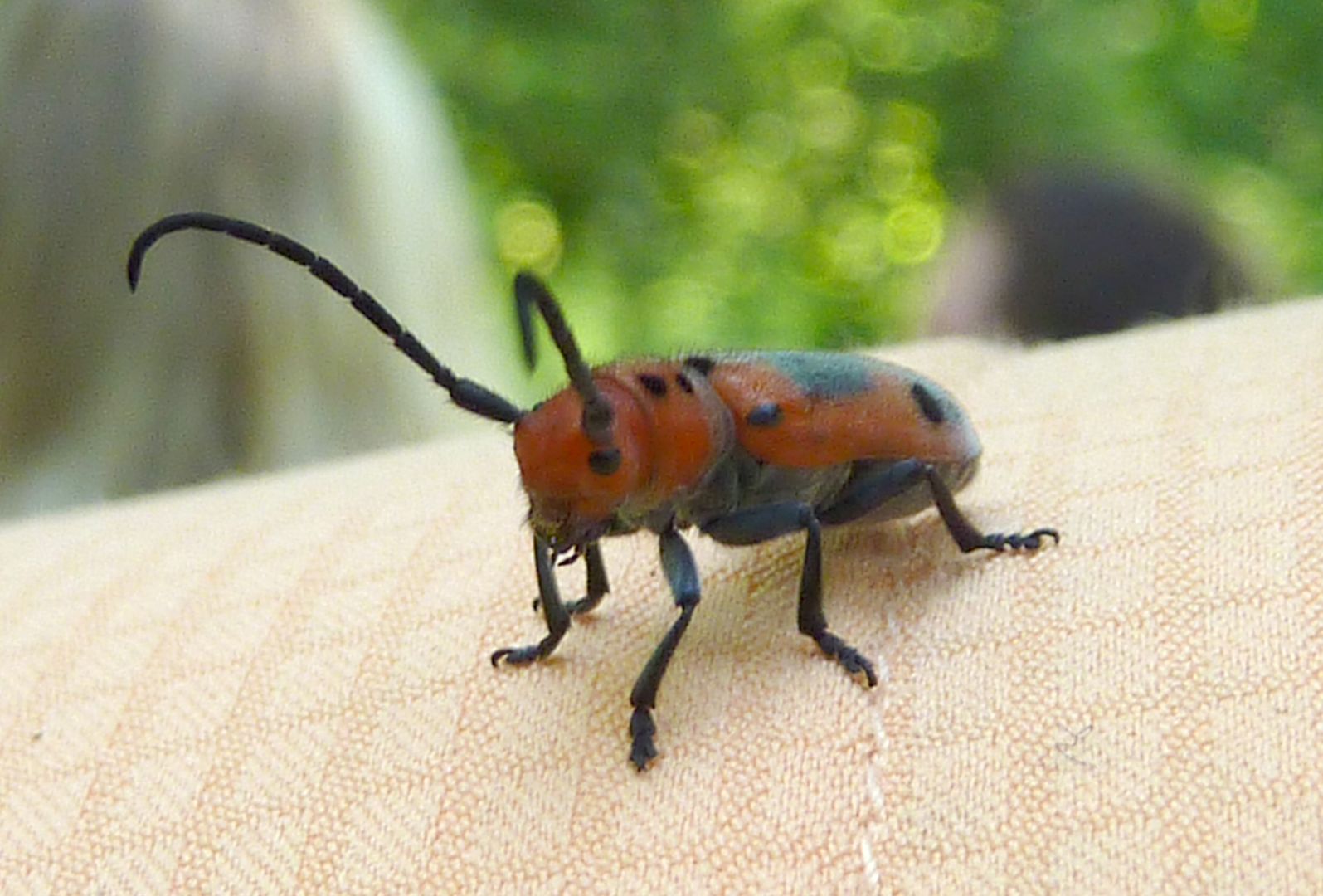
There was mention of some fauna associations such as the Red Milkweed Beetle, Tetraopes tetrophthalmus, pictured above. And it was neat finding one out in their gardens doing it's thing. But at no point did anyone really talk about the neat thing about this beetle, and my photo doesn't portray it accurately either. It's other common name is Four Eyed Beetle because it has eyes both above and below the antenna socket. This is one of those neat facts gardeners might enjoy.

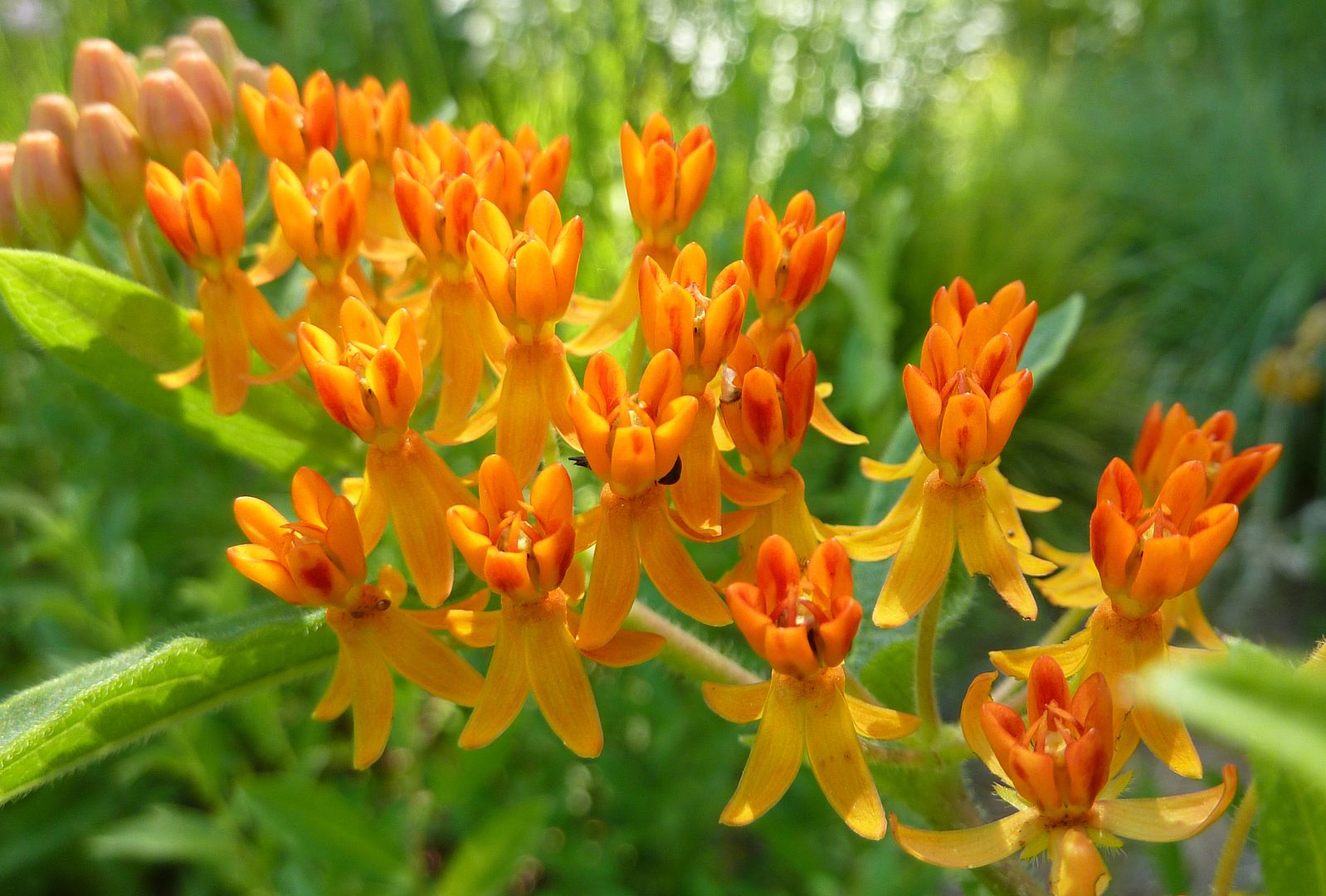
Asclepias tuberosa, Butterfly Weed, was the natural highlight of the meadow garden. It's completely over used and among the more common species you can buy in the nursery trade. Seeing it in their meadow was a little boring (as I'd seen it the week before) but they did have it in a variety of it's color forms: solid orange, some with red stripes on the inside, some red on the outside, red both in and out, yellow petals, overall pale orange, solid red flowers, and lots of combinations there above. So this species was well represented.

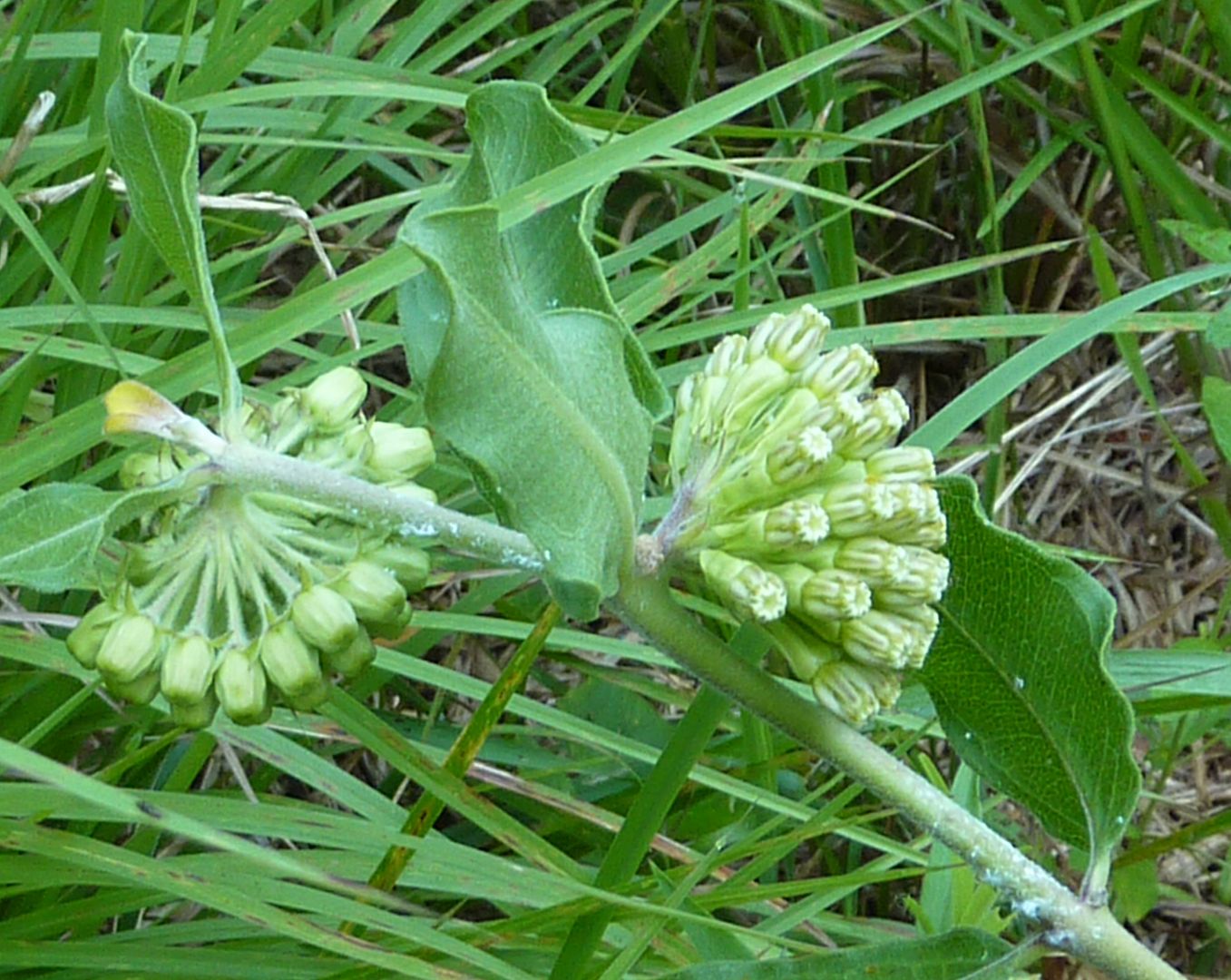
Asclepias virvidiflora, Green Milkweed, did not stand out at all. We almost walked past the entire patch. Granted we were in the meadow garden and it's setup to be a meadow but I feel like this and other species should be represented in a more formal looking garden somewhere, just to show off how the green color can be brought out somehow and used.
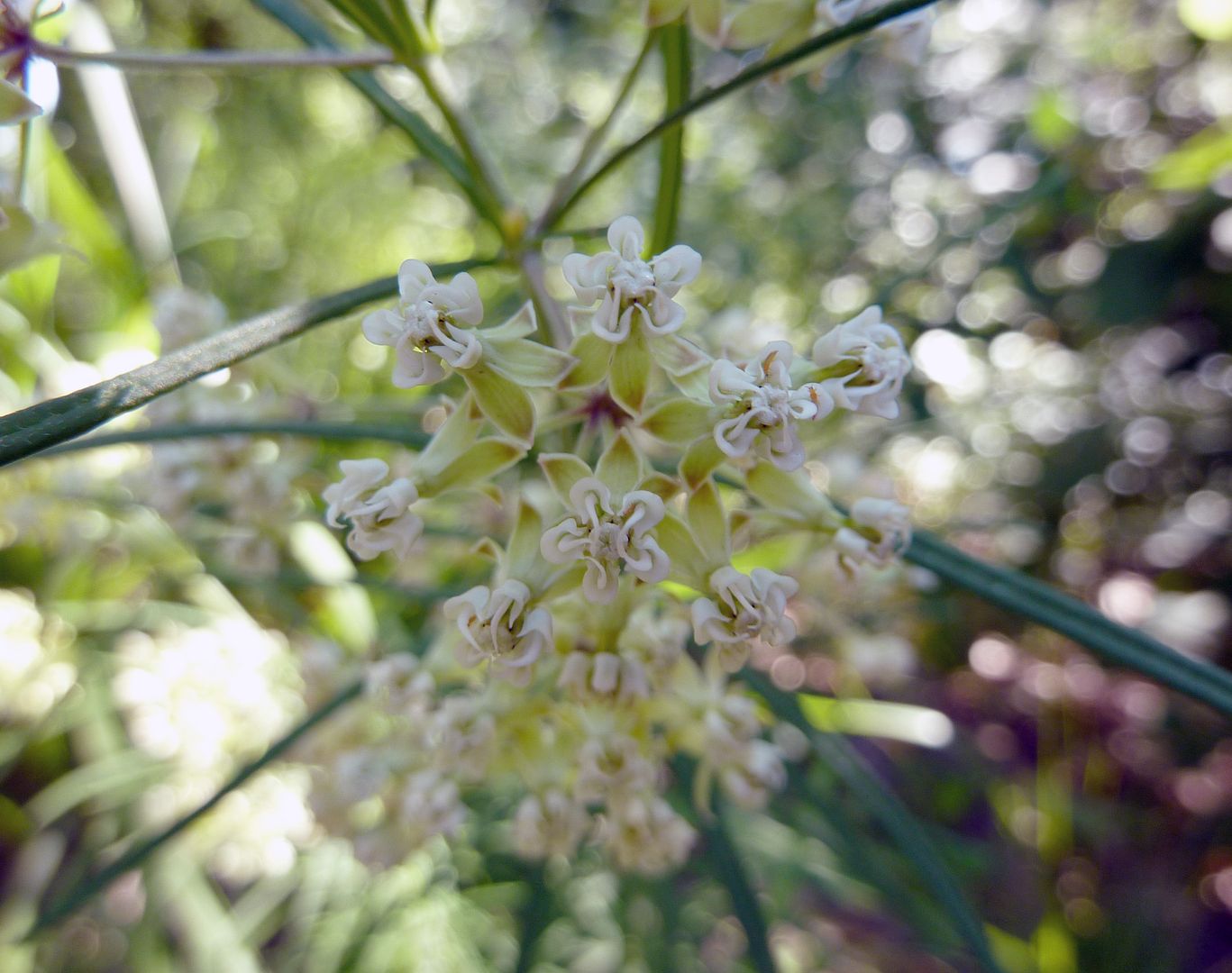
Asclepias verticillata, Whorled Milkweed, was interesting to see in person. I swear I read somewhere that this particular species, with it's grass-like leaves, has nectar that's poisonous for humans to consume. I might be mixing this up with a species out west though. I remember white flowers and grass-like leaves. I could be wrong of course and I can't seem to find a reference for it being poisonous anywhere. But anyhow, this is a rather short species that generally hates being watered or being anywhere near it, especially over the winter. You find this growing in places that have completely nutrient-less, infertile soil where nothing else seems to grow. The instructor said they used to have a patch of about 20 plants there but they all died from to much snow staying on the patch over the winter.

Overall the course was well put together but would have benefited from more gardens where milkweed was being used, maybe with better companions. Growing it all out in the meadow and forest edge where assorted plants are almost growing randomly makes for a harder sell on getting people to grow this. The green milkweed in particular was dying for a companion to bring out the color, as it's otherwise lost against the grass. I was amazed to learn that A. incarnata, Swamp Milkweed is actually fragrant. But not in the sense that it's producing to attract insects, but more from the sun heating up the flower. It smells like dessert with hints of wax and nectar mixed in. Very pleasant indeed and something I never knew before.
Monday, July 11, 2011

Some Summer Forbs

The major bloomers of summer have finally started up here. My honeybees have finally noticed! Yeah know I spend like $500 a year on plants specifically to boost honey yields and it almost never works until summer hits. Now I doubt there are many forbs that literally add a jar of honey onto what I pull out, a tree maybe, but not a single forb. So along with being a good nectar source I think it's important the plant be native, drought tolerant, and able to spread around if only to one day sell them to others and get your money back. So here are the highlights the honeybees seem to be loving outside right now. 

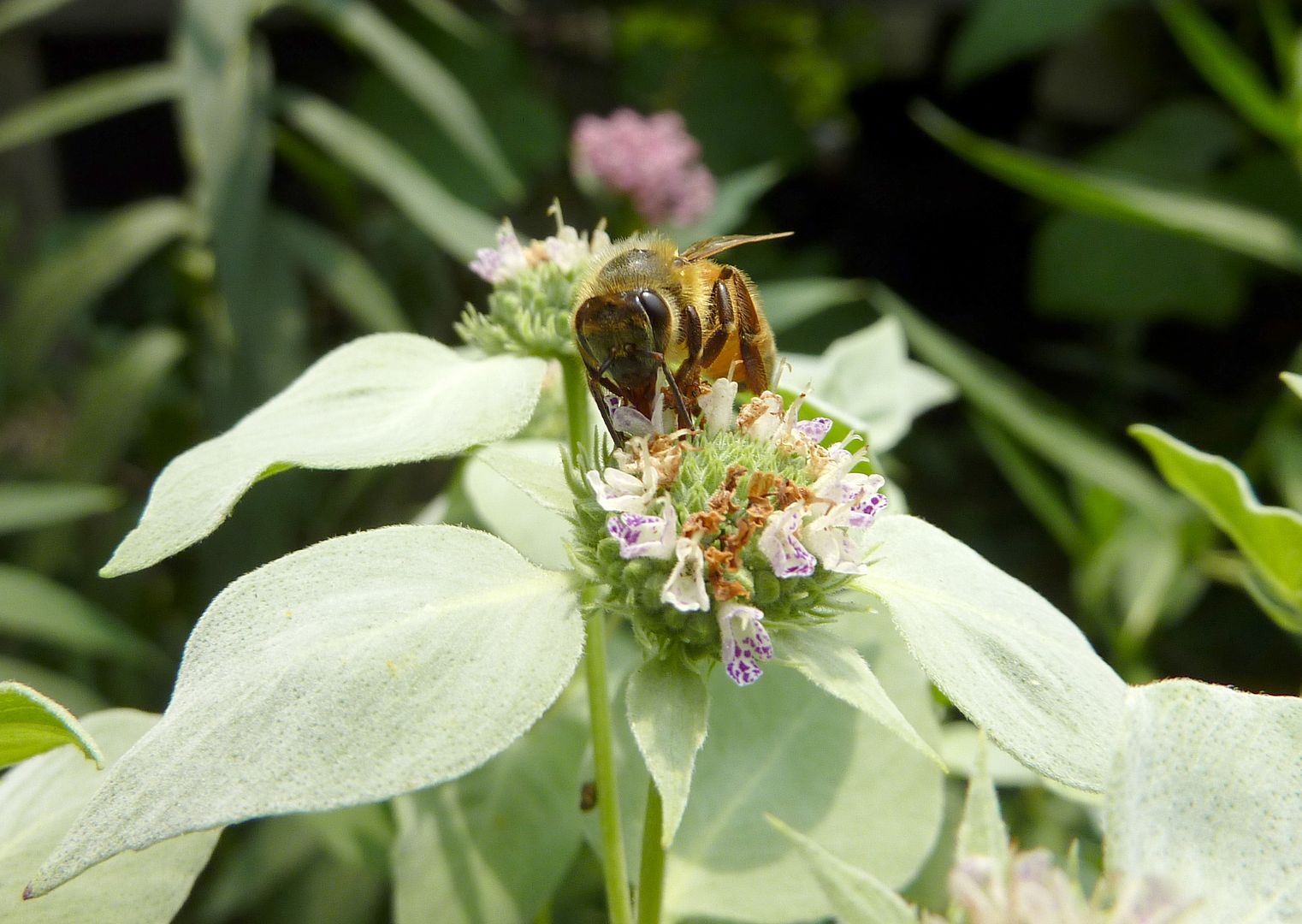
Pycnanthemum sp. Mountain Mint. The very tiny flowers to this plant emerge randomly out a domed cluster lined with special leaves that are naturally covered in a white dust. Bees can not resist. 


I find about four honeybees working a single plant nonstop and that's typically for the whole day. Mint plants are certainly a favorite among bees and I hope this native spreads itself around some.

Asclepias tuberosa, Butterfly Weed. This is a garden staple of any butterfly garden, not because the flowers get lots of butterflies on them but because it's the host plant to the Monarch Butterfly.

These are all plugs I installed this year and they're producing some nice flower heads. I haven't seen any honeybees on them yet but I know from experience that they'll eventually find them. They started flowering in June and next year each plant should send up more stems to fill in brilliantly.

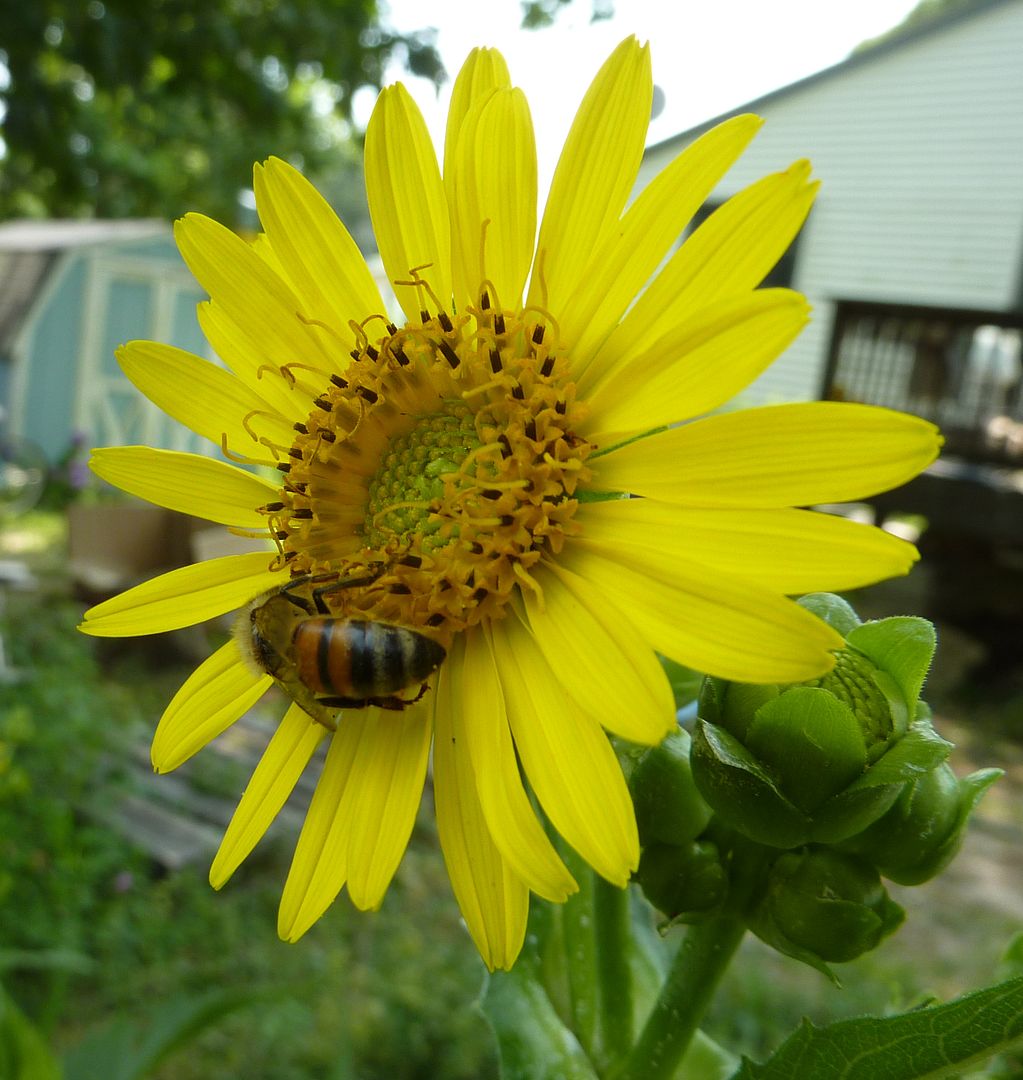
Cup Plant, Silphium perfoliatum. The fun thing about this plant is the leaves form a small cup at the stem, and the flower have the option of opening either from the middle out or from the outside in. Bees love this plant and surprisingly it's good at attracting butterfly too.

I have these plants forming a wall right out front of my hives. I'm happy to see they haven't spread as much as I thought they were. I started with 4 plants and each one is pretty much taking up a 2' by 2' area with multiple stems. I'm getting lots of flowers and already some  butterflies have stopped by. 

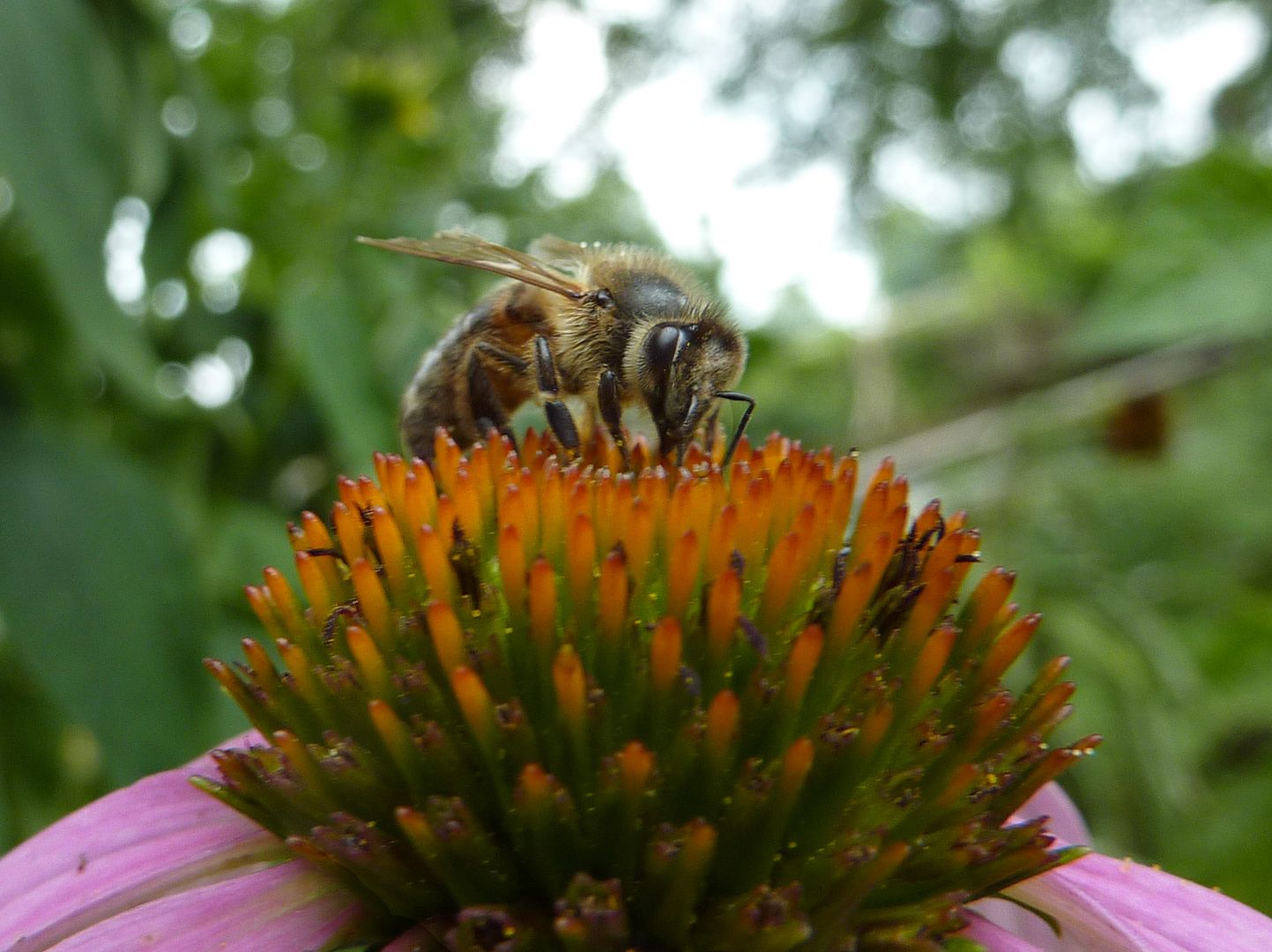
Echinacea purpurea, being pollinated by a honey bee. I don't have as many of these plants as I used to but I'm hoping that will change. This plant came up from a seedling I had several years ago and it's starting to seed itself around.

Ironweed, Vernonia sp. I'm not sure of the ID yet. This is a rather small clump of flowers that a hummingbird moth was all over. I like to think of Ironweed as a hornless kind of thistle topped with Liatris-like flowers. As it is only a small clump I don't see much on it but I'm sure that will change later on. As it turns out I was accidentally mailed a dozen or so species of Ironweed, different than what's above.

Thursday, December 2, 2010

Sticking Out

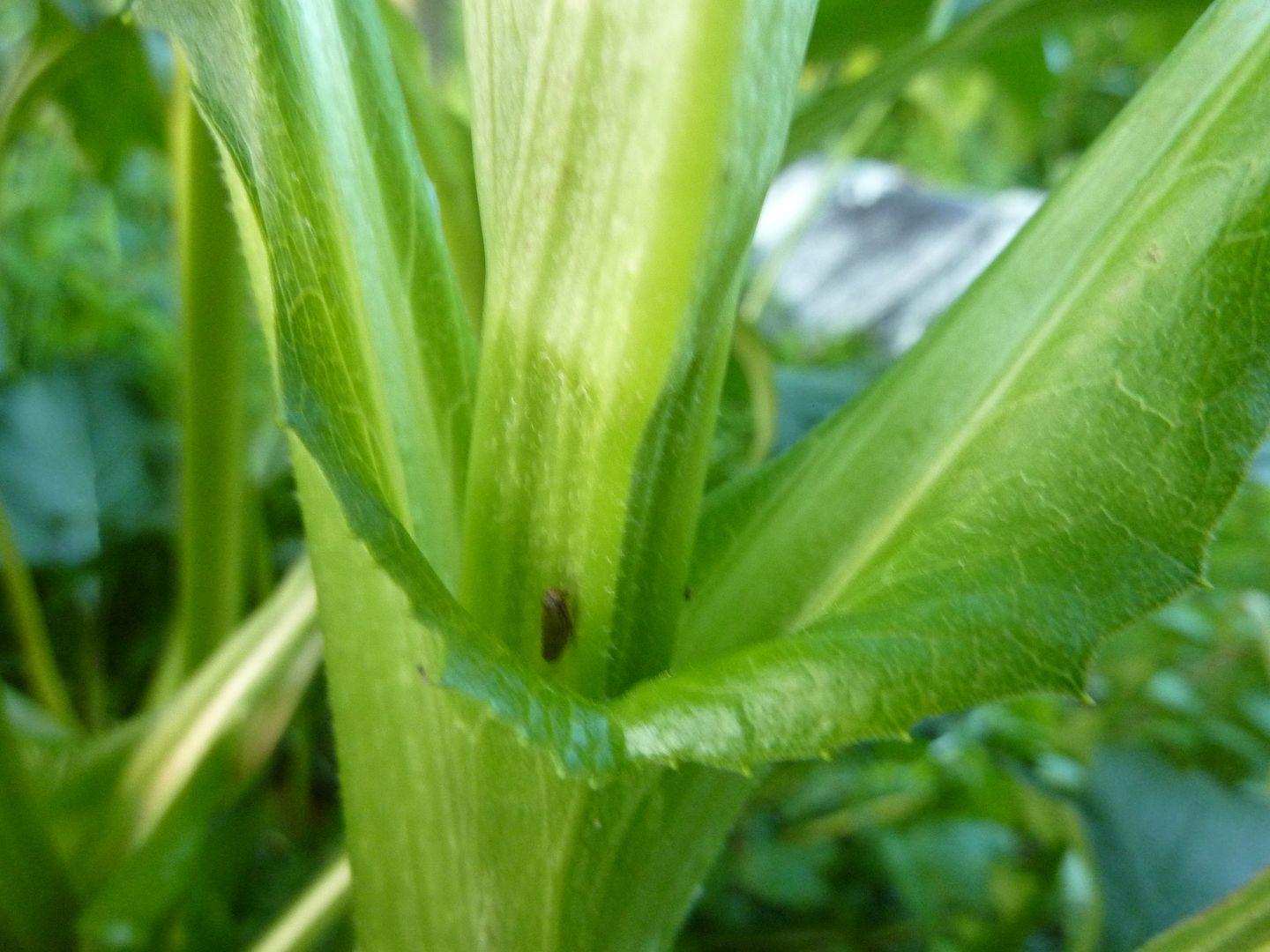
The stems to the Cup Plant, Silphium perfoliatum, are perfectly square with each side lined with a pale blond line. (not sure what the insect is in the middle, I didn't notice it when taking this picture.) They don't appear to be hollow, not that I've broken one open.

As you can tell form the lack of posts lately, there isn't much going on. At least not much that's photogenic going on. I will be trying to get some sort of content up to continue posting here a few times a week, but eventually I'm going to have to start raping youtube for content. Please try to bare with as we pass though the next few months.

Sunday, August 1, 2010

Falling for Joe Pye Weed


Hollow Stem Joe Pye Weed is one of my favorite plants. But the one thing I hate about it is it can fall over.


Here is a video from two years ago of the same plant just to prove it can stand up and behave. 

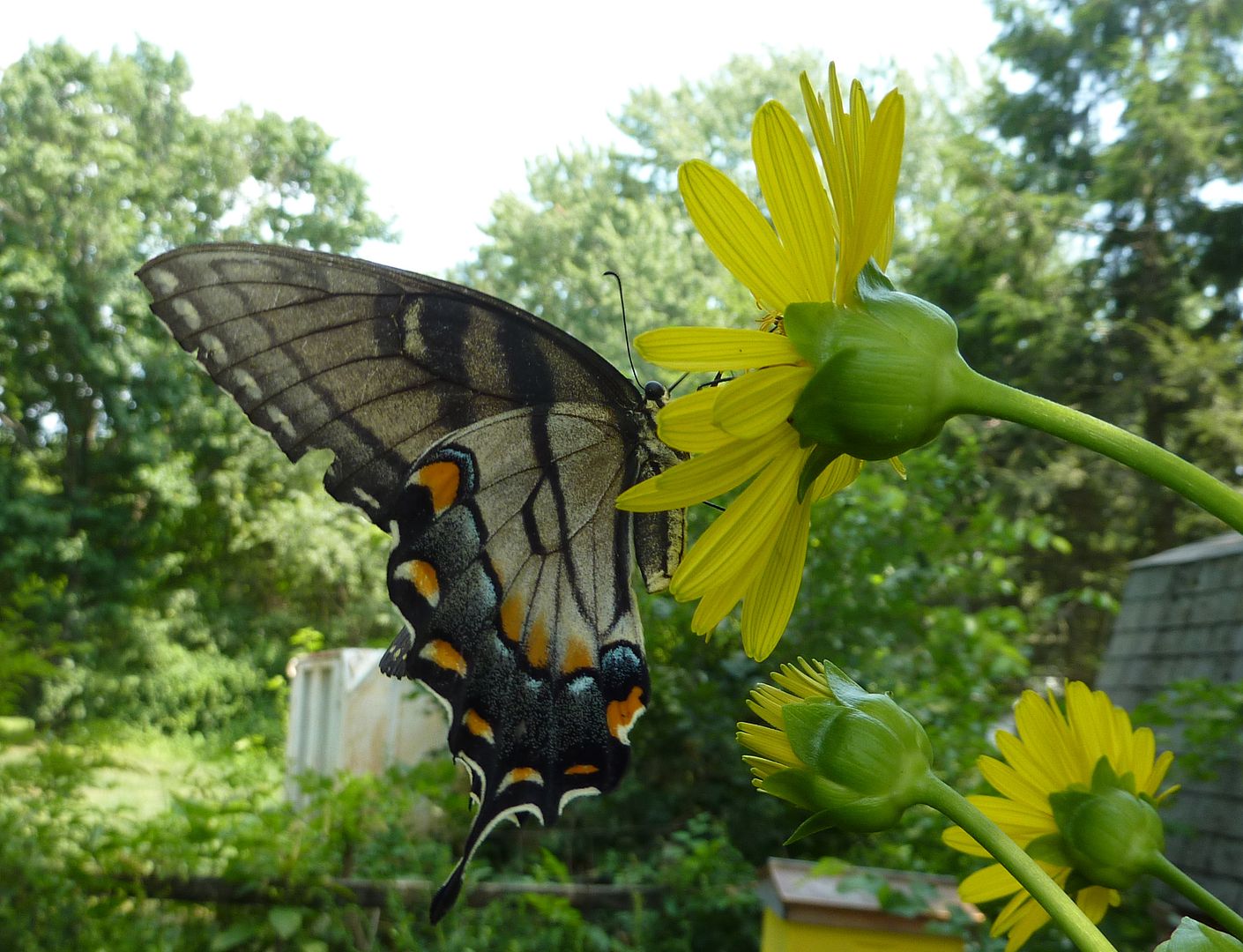
As you can see it's a good nectar plant. I wish it was slightly more diverse than just honey bees but I won't complain that much especially after harvesting 78 jars (final count) of honey from only two beehives. I usually get a lot of swallowtail butterflies on it too but this year they're going for the Cup Plant, Silphium perfoliatum. If you have a full sun spot I defiantly recommend this plant.

Friday, July 16, 2010

Good Pollinator Plants for the Summer


Though not native and the very definition of "weedy looking," Blue Globe Thistle, Echinops ritro, gets a fair amount of pollinator action. That said it's an awful weed and serious measures should be taken to dead head the things. Those leaves are razer sharp and can draw blood. You don't want this escaping into your yard. It really raises a lot of questions as to how it ended being sold as an ornamental. I guess blue flowers are so prized that exceptions are made in the otherwise well manicured ornamental industry.


Cup Plant, Silphium perfoliatum, is native but it's also pretty weedy. Plant with caution. a good alternative would be the classic patch of Sunflowers. To give you the idea of how weedy this plant is, I only had 4 of these plants last year.... As you can see they've spread out to form their own clumps just as Goldenrod does.


Swallowtail butterflies also love them.


Anise Hyssop, Agastache foeniculum, is by far one of the best sources at this time of year. They're a native perennial, will reseed in the right type of soil, and look great in the garden.

Sunday, July 11, 2010

Cup Plant

Announcement: Feel free to comment now, you should be able to do so.


Well the Cup Plants are blooming, Silphium perfoliatum. In many ways it's similar to a perennial sunflower. Grows tall, flowers look about the same, has a habit of falling over sometimes, forms a nice sized, down right invasive clump, and I'm probably going to remove it from my yard before it escapes.

Though this plant is native to the US, saying it's native to the Midwest prairies and water ways is more accurate. As the trend of planing natives in the garden grows I foresee this plant becoming a real problem this side of the Appalachian Mountains. It's already spreading like an invasive in New York water ways. And I've even found huge clumps of it at the community garden water way I visit. 

Part of it's success is the wonderful sunflower-like blooms that bees seem to fight over.  This dies down after a few days and it's become just another perennial in my garden to them.

A few of the odder, somewhat less seen pollinators go to them as well. I can never remember the name to this thing but it's a fly that mimics a wasp for some reason.

Supposedly the seeds are loved by Goldfinches.


But then of course so are sunflowers, which have the benefit of being annuals and fairly easy to control. I couldn't get a patch of these started this year with the extreme heat the month of May brought. So hopefully the Cup Plant is as loved as it's said to be by these birds.

Bottom line, the second the Cup Plant goes invasive in my garden it's gone!

Friday, May 28, 2010

Cup Plant (Silphium perfoliatum)

Behold the cup plant. It gets it's name from the fact it has cups where the stems touch the leaves. These collect water and probably help prevent insects such as ants from climbing up to the flowers and stealing nectar or certain herbivore insects doing what they do best.  

Getting past this defense is a simple hop away but it deters enough to make a difference. Other insects are thrilled to find their small pools of water. I want to say I've read something about frogs using them for tadpoles but I'm probably thinking of another plant from the tropics. Even so they are vernal pools of water, all be it shallow one, that are ideal for certain insects. The mosquito comes to mind but frankly I haven't seen any in the cups which is baffling.

This plant is not for everyone! Yes it gets 10' tall, has lots of tiny sunflower-like flowers, and produces seeds Goldfinches supposidly love. But this plant can also be invasive and it spreads by rhizomes to form a small clump. This is only the second year I've had this plant and it didn't flower that well last year. I'll be sure to post back how true this is. All the images I see of it online depict it as clumps in fields growing randomly but spread out from one another. I also see some butterflies and bees on the flowers too!