Egg Case in Winter
He talks about Polyphemus Moth cocoons and Praying Mantis Eggs. He's also on Facebook.
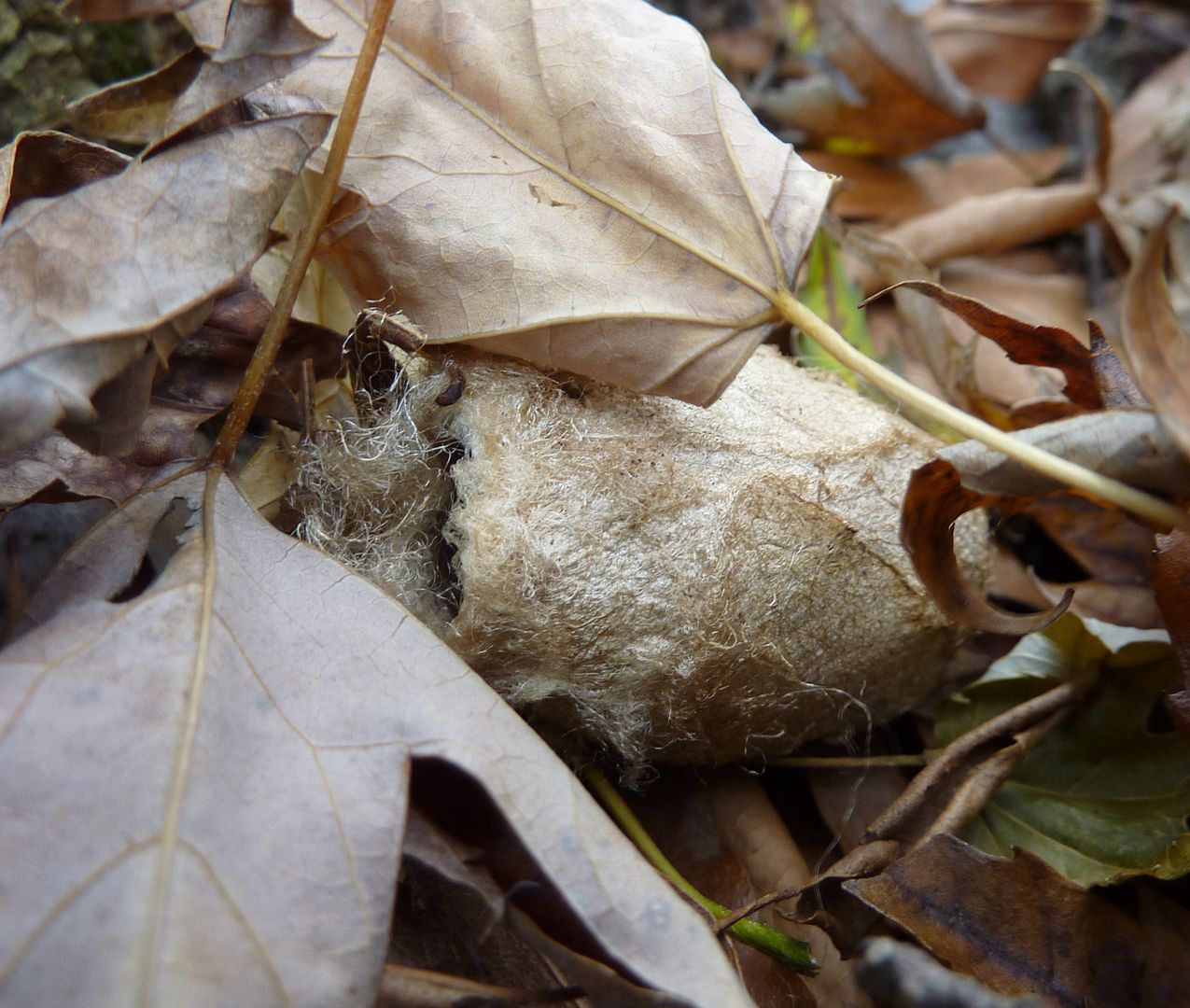
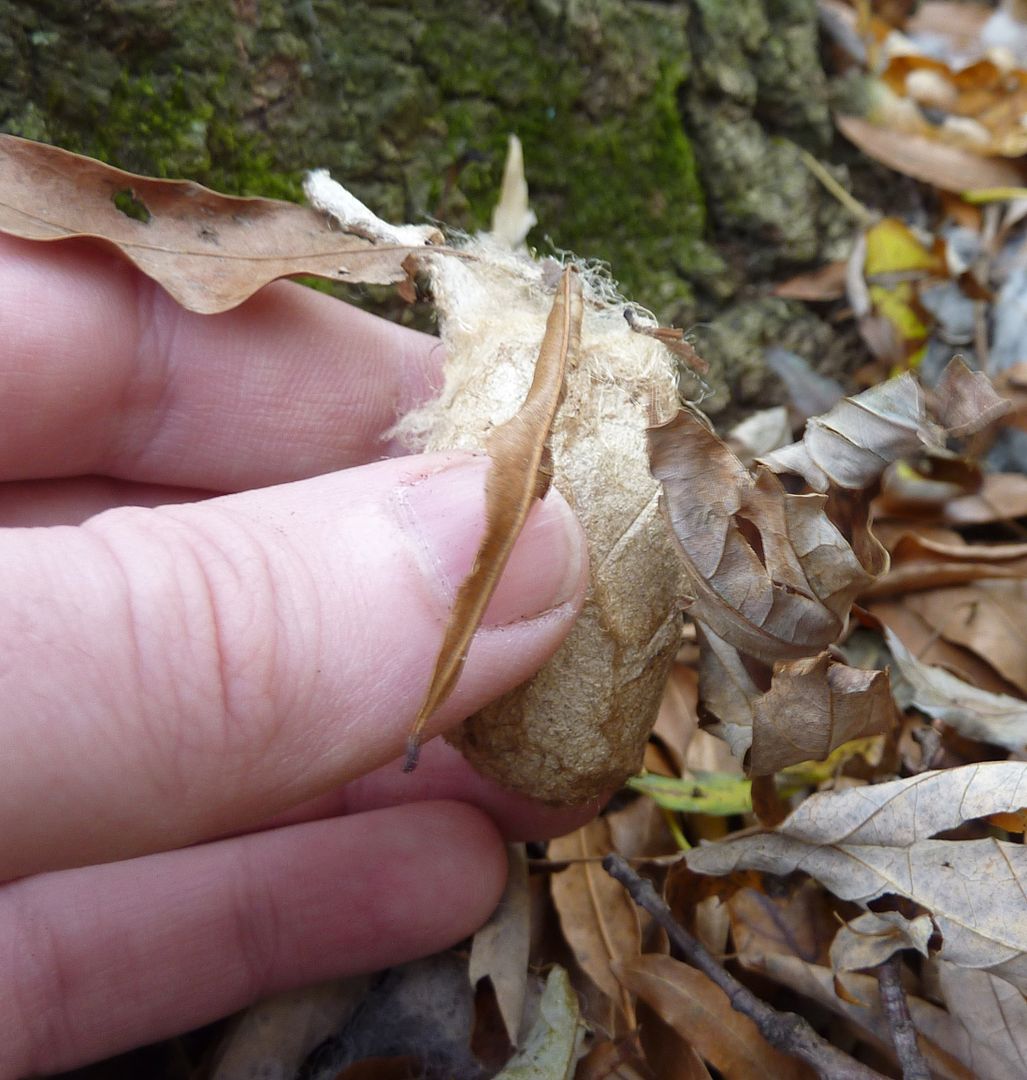
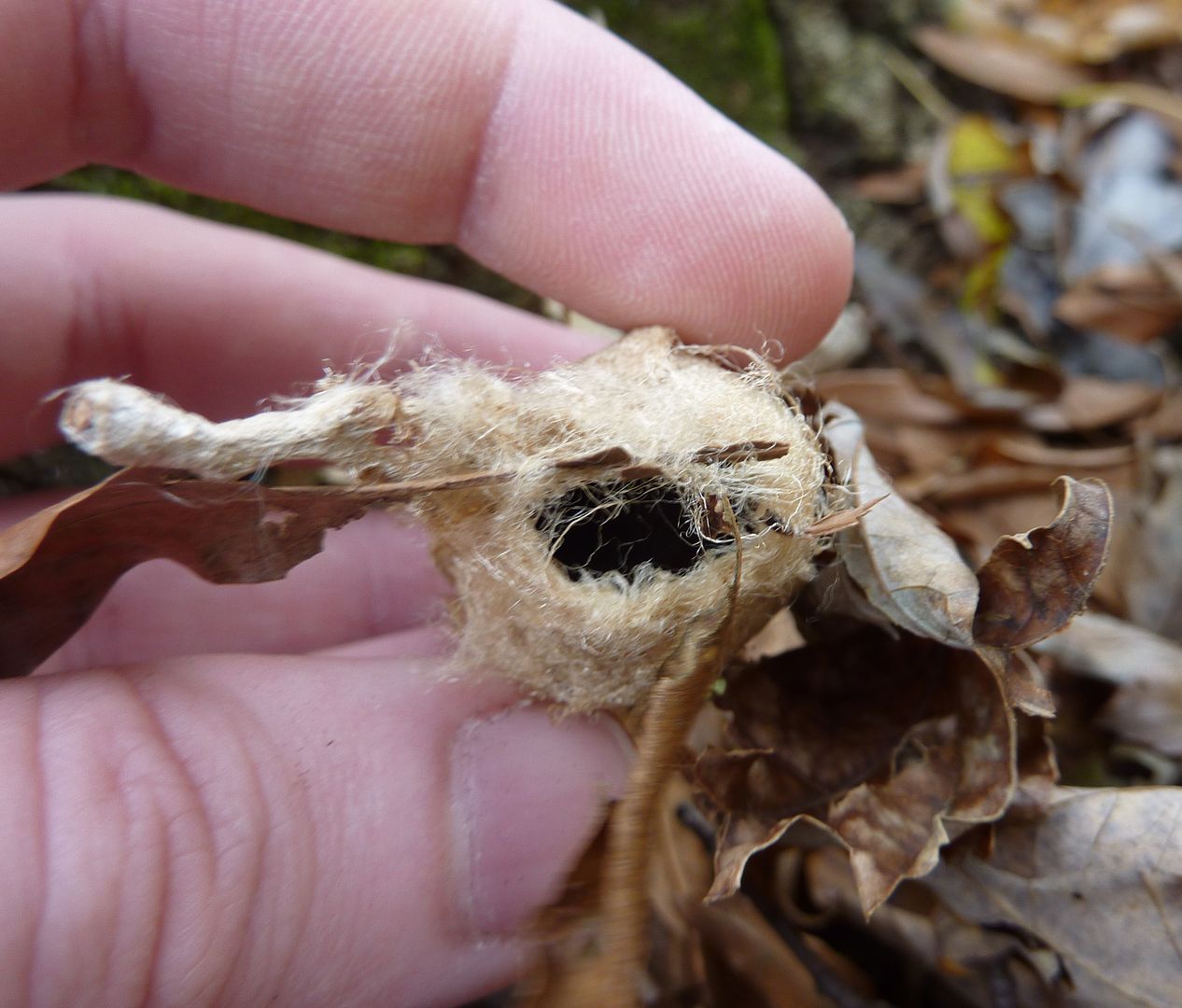
Without doing to much exploring of the yard this year I've already managed to find two egg cases of Praying Mantises. One year I found a hatched Polypheumus Cocoon on the ground, so I know they're out there. I know other giant silk moths certainly make cocoons such as the Cecropia silkmoth, Hyalophora cecropia.
Other species such as the Imperial Moth, Eacles imperialis, burrow in the ground before forming a chrysalis. I had a friend call me over the summer because she kept finding these "things" emerging from the ground. When they first emerge their wings are as limp as a silk swatch used to clean eye glasses, so they don't look much like a moth at all. Thankfully she sent me some pictures and I told her not to kill them. They turn into something quite pretty.
So the cocoons and eggs are out there. Time to start looking. Should you find a giant silk moth cocoon, perhaps a sheltered cage placed just outside the window or inside a shed, or unheated garage would work best. Praying mantis eggs are fairly common along forest edges and among tall grasses in sunny locations.
Showing posts with label Cocoons. Show all posts
Showing posts with label Cocoons. Show all posts
Friday, February 3, 2012
Sunday, November 21, 2010
Polyphemus Moth Cocoon


Sunday, March 21, 2010
Mason Bee Cocoons
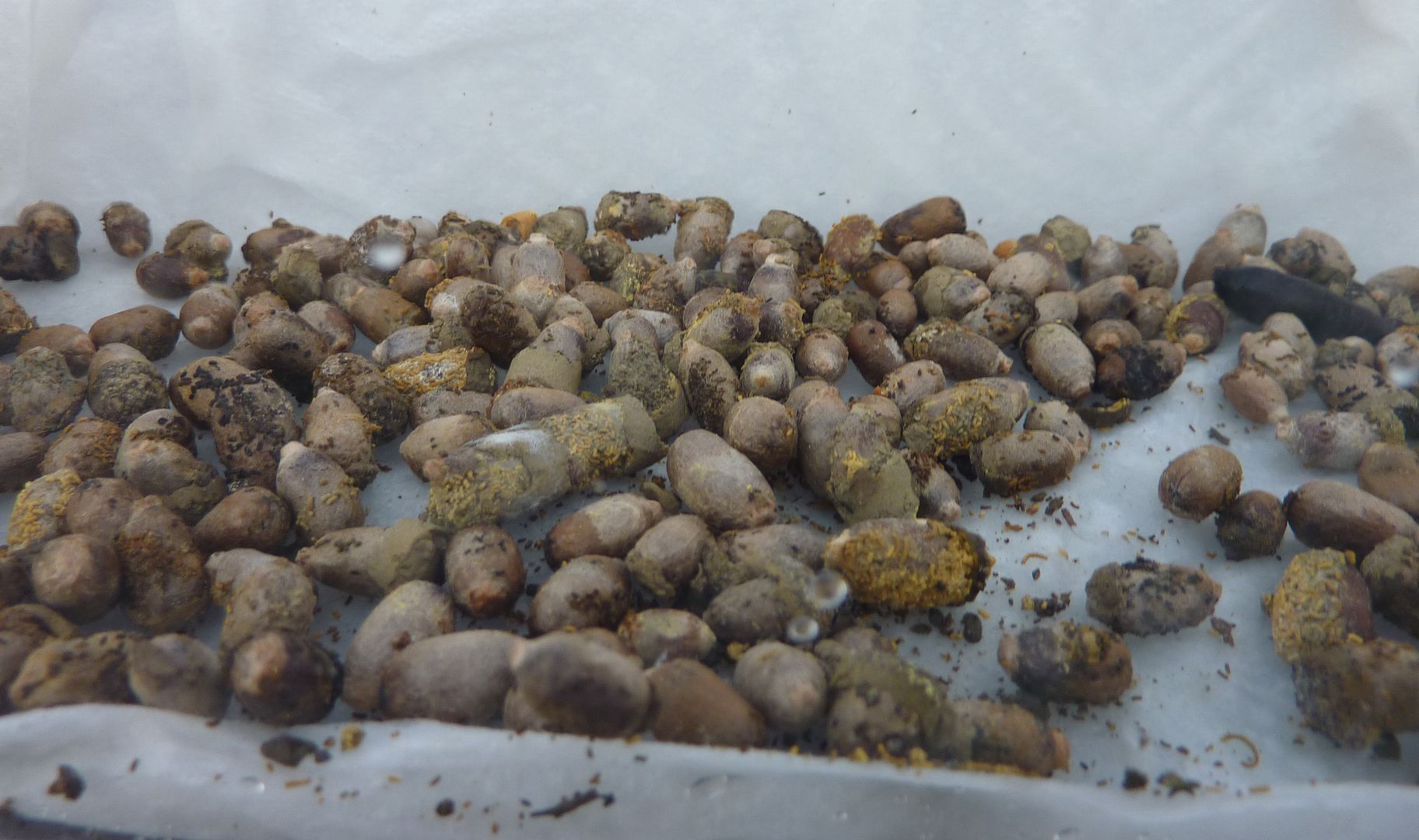
I wasn't sure if they survived though so I attempted to remove one from it's cocoon. While holding it between my fingers I scratched at it with a needle. Scared the hell out of me when it started buzzing, vibrating, and then after I'd dropped it, rolled around on the table some. Yep they're alive.
So I'll keep them in this plastic container until I see some fruit trees blooming. Then it's out they go. They're active for about the time when blueberries start blooming.
Friday, November 20, 2009
Overwintering Caterpillars
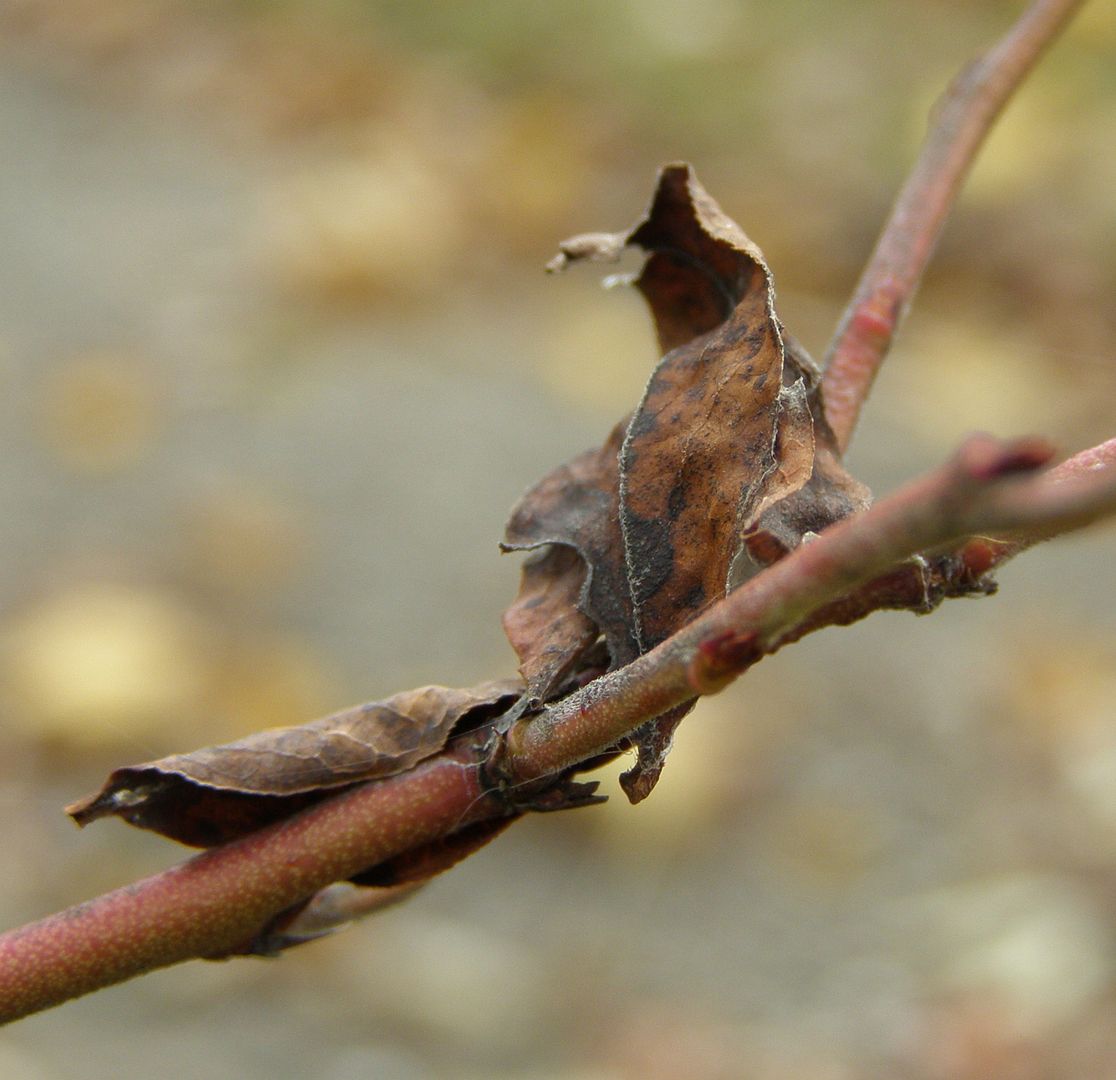
Seeds are one thing to find in winter but caterpillars are quite another. Even though they're still developing it's still possible to find them. I doubt they're worth eating at this time though. On our blueberry bushes all of the leaves have fallen off ... with the exception of these two or three.
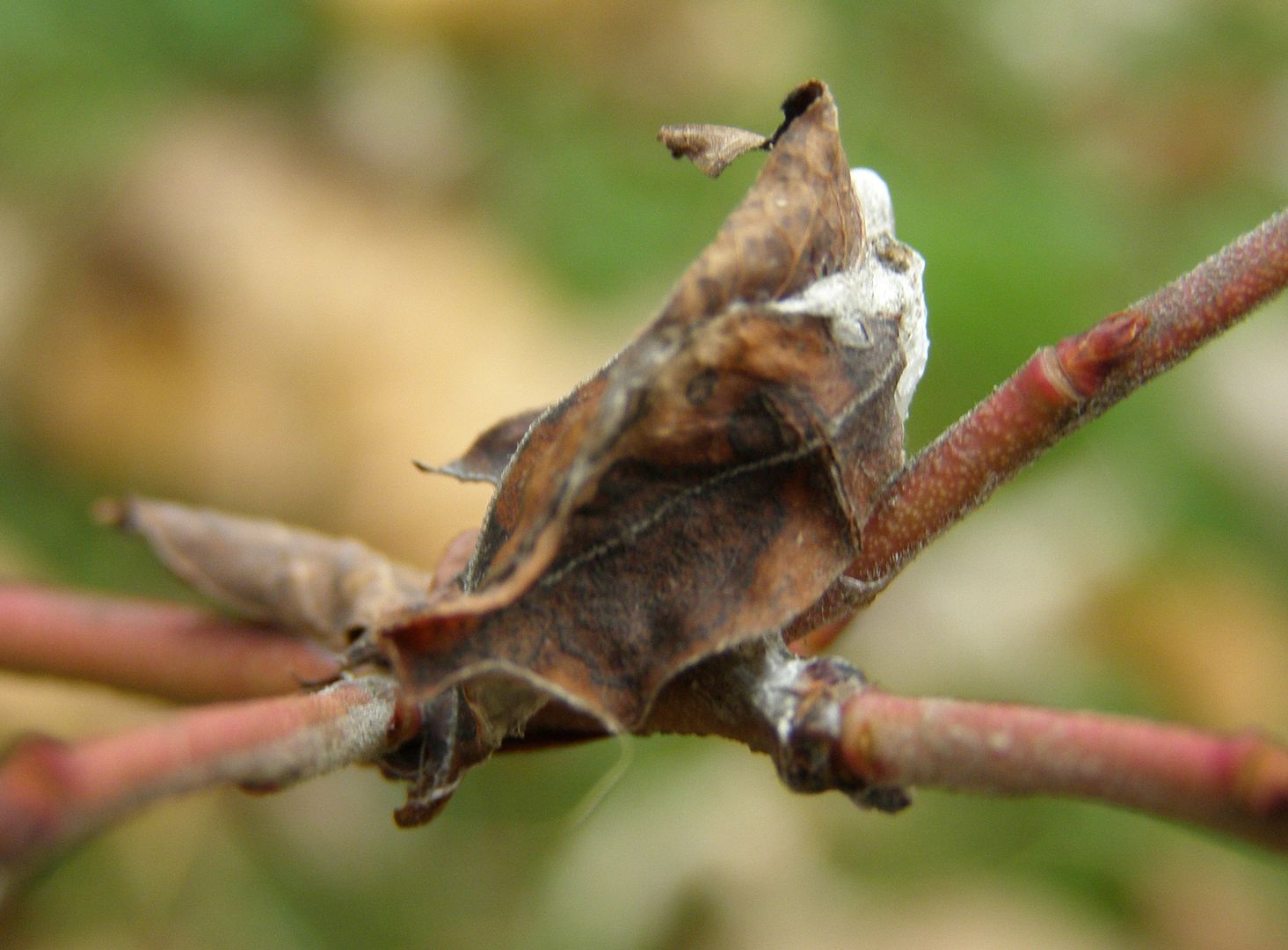
From another angle the silk is more easily seen. Within this cluster of leaves is a caterpillar of some overwintering species. Mostly likely a moth of some kind. They'll remain attached to the plant until the spring time when it will hatch and start the cycle all over again.
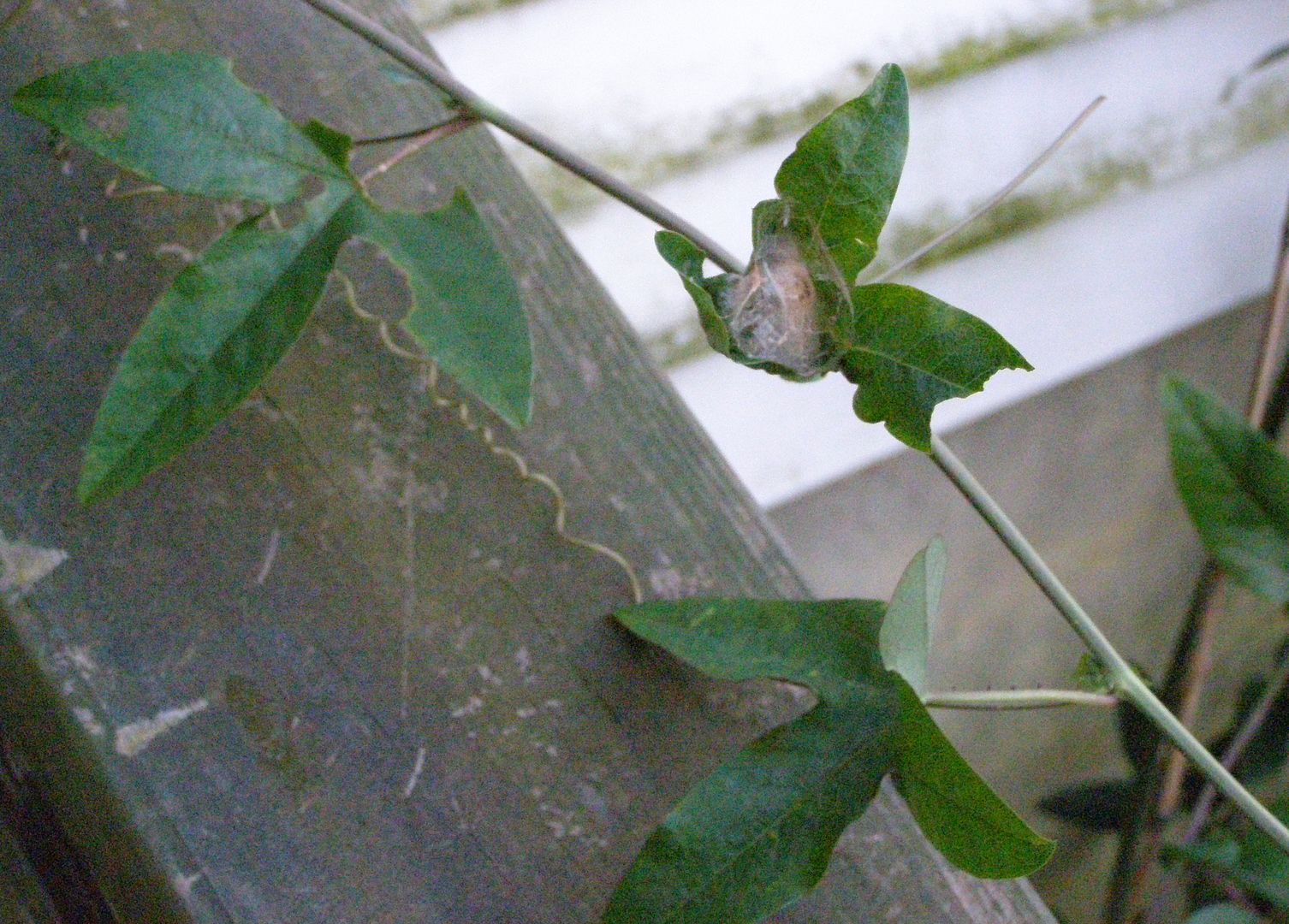
Our Passion Fruit Vine also houses a caterpillar. Passiflora incarnata is surprisingly native considering how exotic looking it's flower is. This is the first year I've had this plant and it hasn't flowered yet. So for flower pictures I turn to Google Search. The fruit is supposidly edible too. However I'm told this is considered a noxious weed. Not only does it spread by seed but it sends up suckers up to 15 feet from the parent plant. Thankfully I'm at the norther most part of this plant's range so hopefully it will play nice.
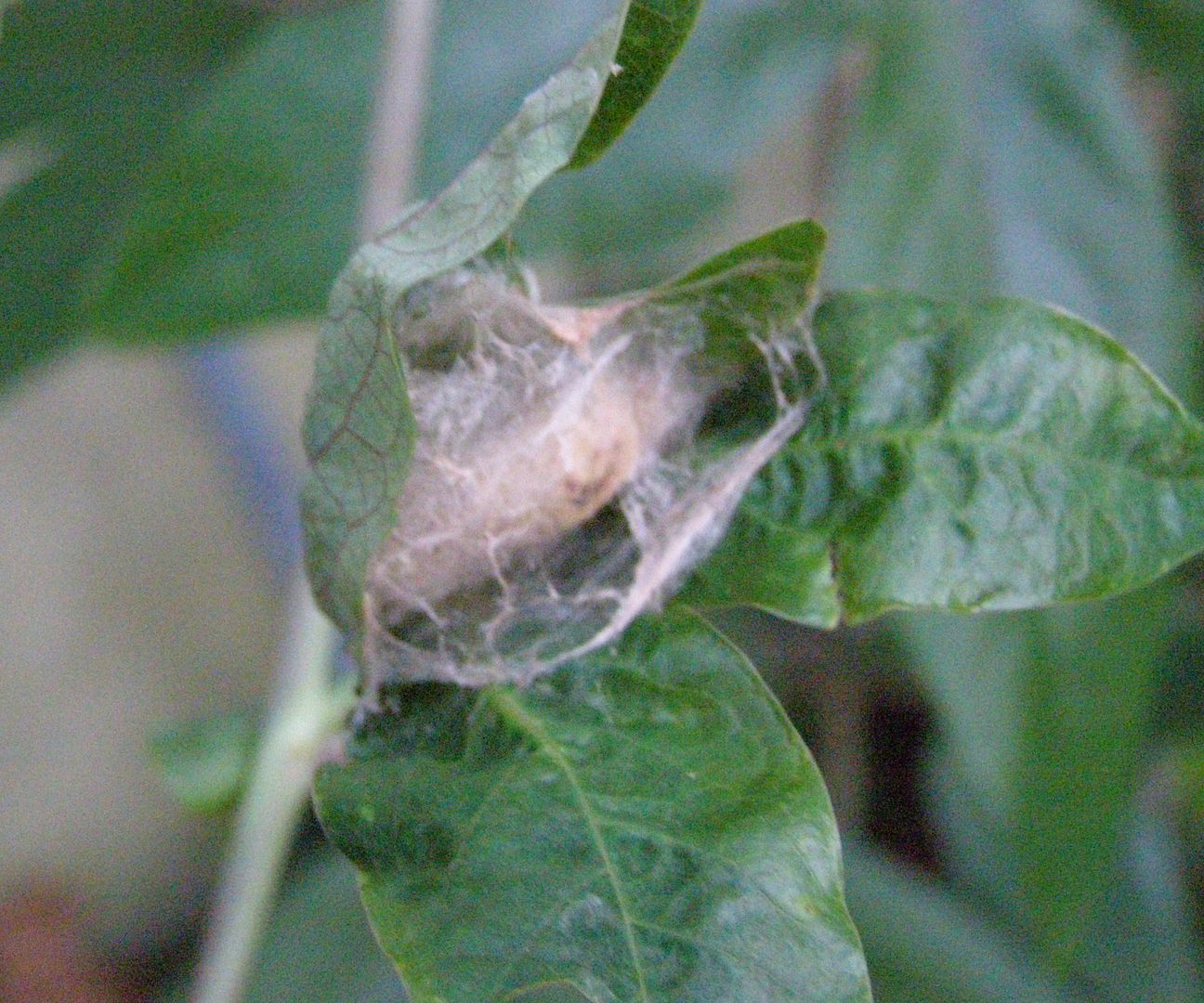
Considering how pretty the butterflies are it might be worth having such a plant around. Agraulis species are among the prettiest North America has to offer. The only other butterflys that have the intense orange colors I can really think of are all Milkweed Butterflies like the Monarch. Here's hoping for some bright colors next spring.
Subscribe to:
Posts (Atom)