Showing posts with label Nature. Show all posts
Showing posts with label Nature. Show all posts
Tuesday, July 1, 2014
Introduction to Natural Pools - a film by David Pagan Butler
Quite possibly my next project to contemplate. My only worry with these is wildlife using it as their toilet. Obviously you don't introduce fish but things like racoons and opossums have some pretty nasty bacteria in their fecal matter. Even if I never swim in it though, it sounds like a fun thing to design.
Thursday, October 17, 2013
The Wildlife Gardener's Meetup (Part 2)
Wildlife Gardener's Forum,
On the second location we were in a park somewhere in Maplewood, NJ. I'd describe it as a Piedmont area which is not quite mountainous but rocky enough to not be considered coastal. There were tons of large boulders and rocks all over the place. It was clear that in some places the park designers had just given up trying to remove them and simply placed pick nick tables in the middle of the most uneven and treacherous terrine imaginable. It would not surprise me in the least to learn we'd walked over the breeding tunnels to countless snakes and other critters that crawled from Pandora's box.
 The forest here seemed to be in good health. I can't say we noticed any major invasive at all. I recall a few of the highways on the drive up there even had wildlife corridors built as over passes over the road.
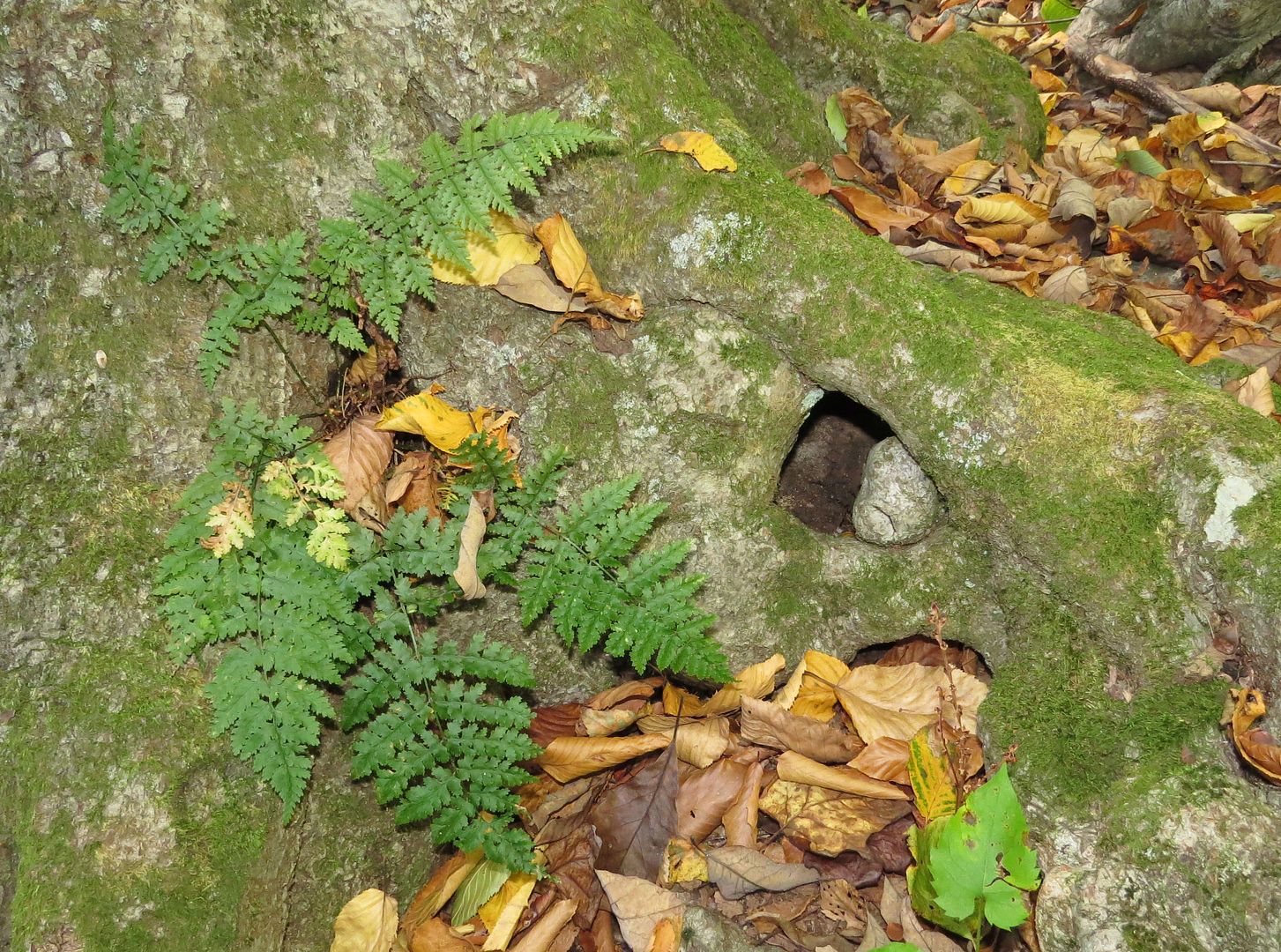 Ferns grew almost everywhere that had view of the water.
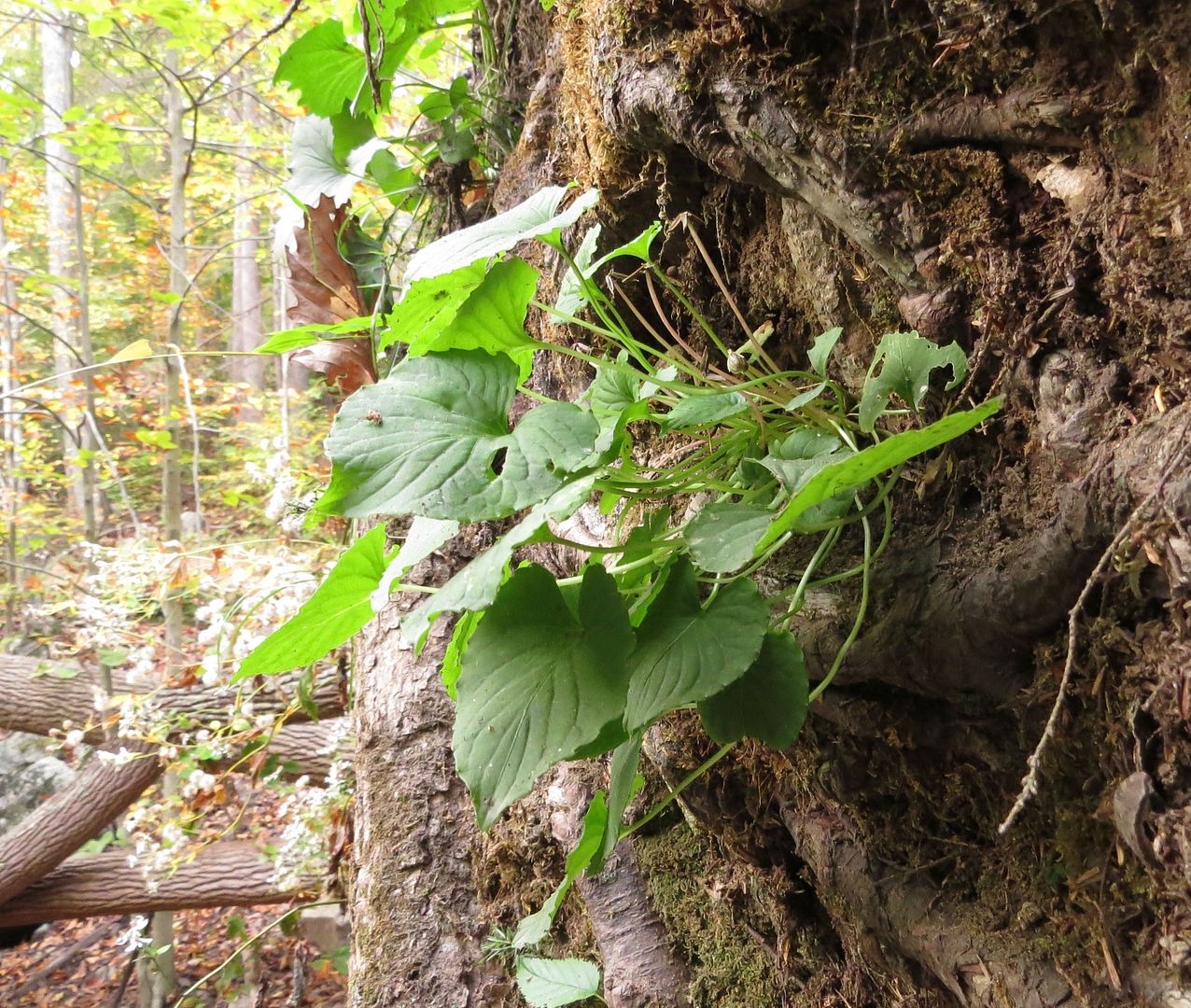 Violets were here and there too and were even sprouting up among the roots of fallen trees.
 Hepatica was growing wildly there too. This is a wonderful spring ephemeral that blooms around March and April that few travelers get to see. It's often still too cold out to really venture into the wilderness. The leaves are semi-evergreen which is uncommon for an ephemeral.
 There were a few Asters about too but they were all mostly small plants that each had only a few flowers. They were certainly nothing like the New England Asters I have in my garden.
 This is where the troll lives. Actually believe it or not this is a pathway. You have to scale the rocks and climb your way through this slope. Some of the trails there are not for the faint of heart and certainly not handicap assessable.
 Waterfalls were the real highlight of this place. A few streams come through it and the main trails lead you right along them.
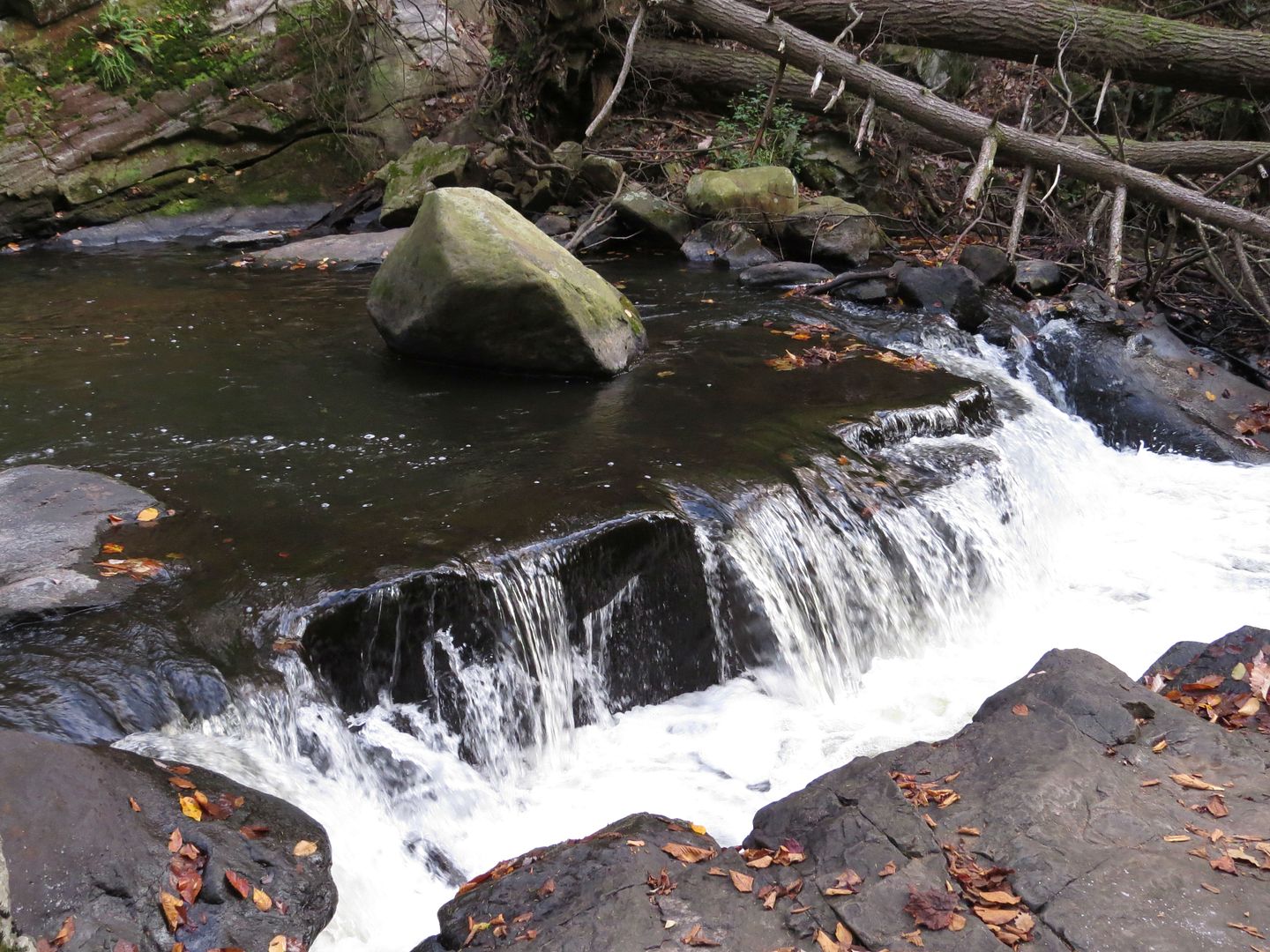 It's better to walk a trail that takes you all the way to the end of the park, one not near the river; so this way you walk up stream facing all the waterfalls, as opposed to having to turn around always to look at them.
 The river never seemed to be all that deep, but it did widen up a bit here and there. I can't imagine anyone kayaking down it for very long. The picture above aside, there are too many rocks everywhere and you'd likely bust your head open going down some of the falls.

There were several benches setup, sometimes in odd places, but often highlighting a particular view or vista.
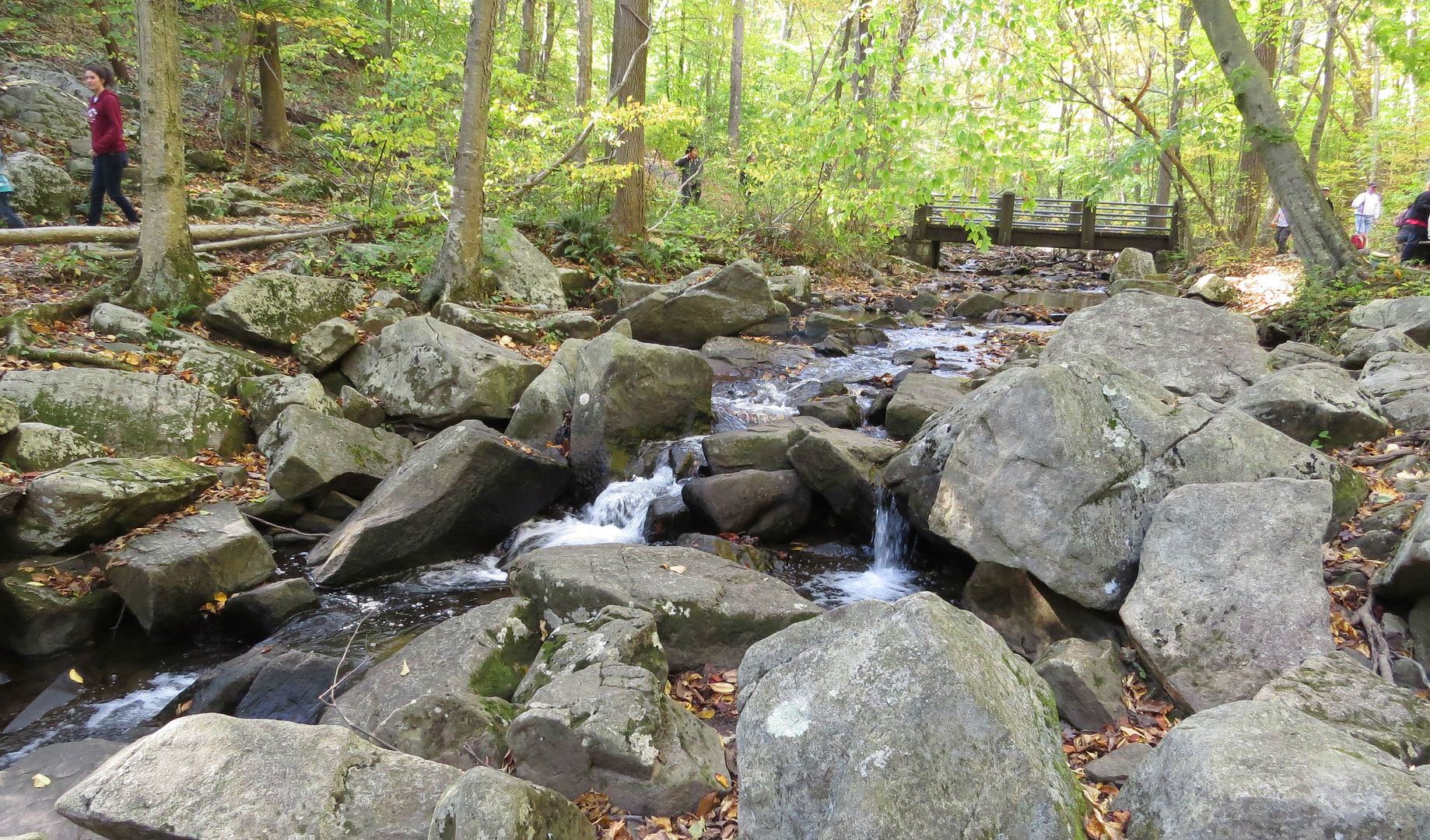 Looking forward.
 Looking back.
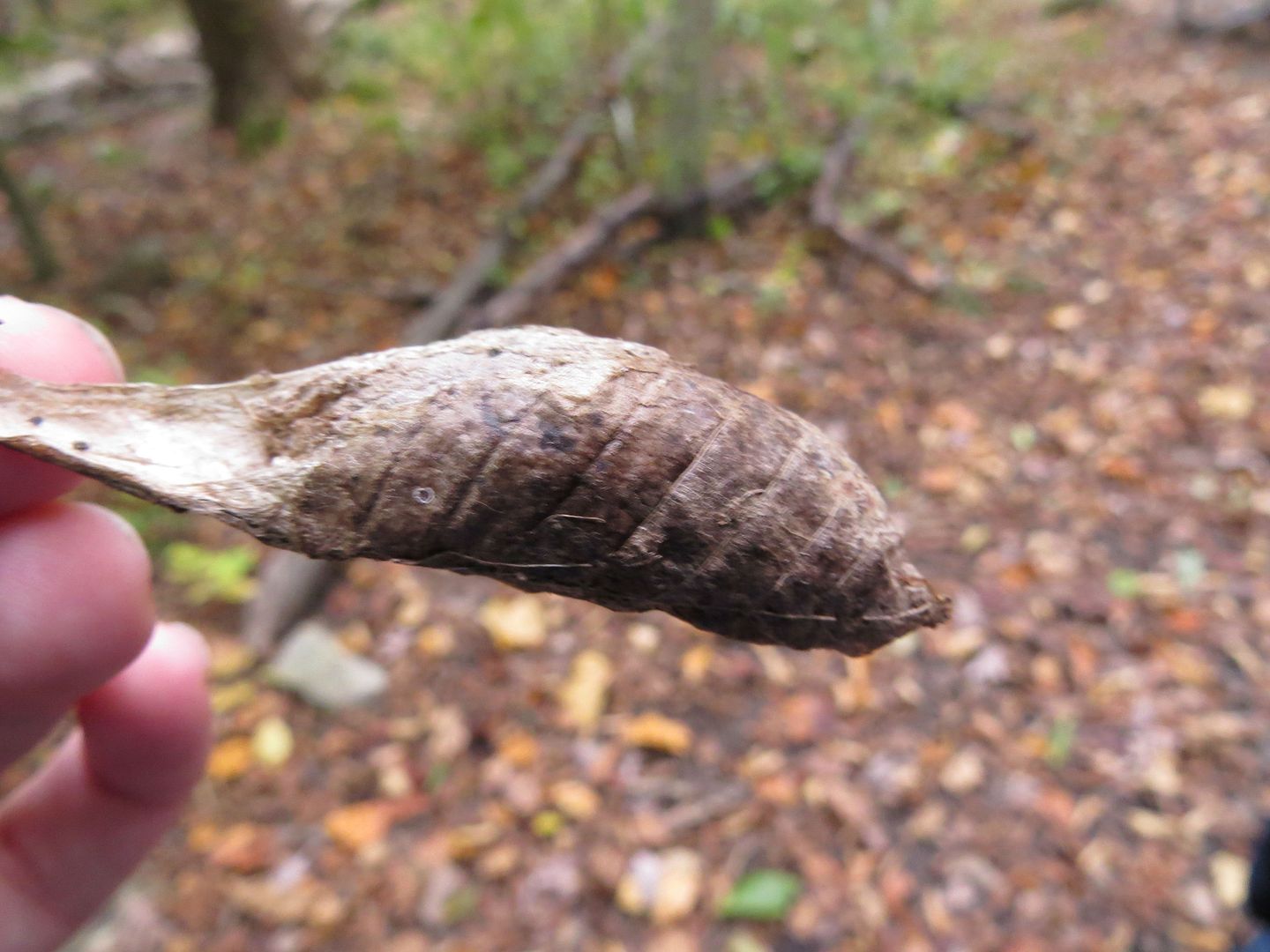 On the way out, I spotted what I think is a Cecropia moth cocoon all bundled up within a leaf.
On the second location we were in a park somewhere in Maplewood, NJ. I'd describe it as a Piedmont area which is not quite mountainous but rocky enough to not be considered coastal. There were tons of large boulders and rocks all over the place. It was clear that in some places the park designers had just given up trying to remove them and simply placed pick nick tables in the middle of the most uneven and treacherous terrine imaginable. It would not surprise me in the least to learn we'd walked over the breeding tunnels to countless snakes and other critters that crawled from Pandora's box.
There were several benches setup, sometimes in odd places, but often highlighting a particular view or vista.
Wednesday, April 24, 2013
Great Smoky Mountains Wildflower Video
Another video that about the Great Smoky Mountains and some of the wildflowers that grow along their trails.
Friday, March 8, 2013
Allan Savory on How to Green the Deserts
At a recent TED talk Allan Savory spoke on How to Green the Deserts and reverse climate change.
Basically Allan concludes that life stock moved in a migratory manner is the way to go. I sort of agree with this logic, but he's a little too quick to dismiss the benefits of fire. Chris Helzer talks a lot in his book, and on his blog, about the benefits of combining fire with live stock grazing. He found that animal grazers tended to favor eating forbs (wildflowers) and would leave prairies rich with grasses but almost devoid of wildflowers. Not that grasses are a bad thing, but so much more plant diversity can be had by including wildfires into the mix. Keep the animals anywhere long enough and they'll eat the grasses too, but most of them favor forbs first and then go onto grasses second. Wildfires do release carbon into the atmosphere, but Allan is forgetting about the root mass that can be as much as 10 times the green of the plant. Wildfires are a natural process too, and many wildflowers and even tree seeds benefit from the extreme temperatures they bring.
Allan's conclusions also goes against some of the methods used by John D. Liu who promotes restrictive grazing to let the land heal for 3 to 5 years, and Geoff Lawton who promote the benefits of permaculture which often includes nonnative plants, but more often than not they're at least food plants or nitrogen fixing. The issue with permaculture is occasionally invasive species are used and that has a negative effect on the local biodiversity. The areas that Allan seems to be looking at are perhaps flatter terrine so there's less ability to manipulate the land besides digging out ditches.
All very interesting topics. A balance between biodiversity and food production needs to be found.
Basically Allan concludes that life stock moved in a migratory manner is the way to go. I sort of agree with this logic, but he's a little too quick to dismiss the benefits of fire. Chris Helzer talks a lot in his book, and on his blog, about the benefits of combining fire with live stock grazing. He found that animal grazers tended to favor eating forbs (wildflowers) and would leave prairies rich with grasses but almost devoid of wildflowers. Not that grasses are a bad thing, but so much more plant diversity can be had by including wildfires into the mix. Keep the animals anywhere long enough and they'll eat the grasses too, but most of them favor forbs first and then go onto grasses second. Wildfires do release carbon into the atmosphere, but Allan is forgetting about the root mass that can be as much as 10 times the green of the plant. Wildfires are a natural process too, and many wildflowers and even tree seeds benefit from the extreme temperatures they bring.
Allan's conclusions also goes against some of the methods used by John D. Liu who promotes restrictive grazing to let the land heal for 3 to 5 years, and Geoff Lawton who promote the benefits of permaculture which often includes nonnative plants, but more often than not they're at least food plants or nitrogen fixing. The issue with permaculture is occasionally invasive species are used and that has a negative effect on the local biodiversity. The areas that Allan seems to be looking at are perhaps flatter terrine so there's less ability to manipulate the land besides digging out ditches.
All very interesting topics. A balance between biodiversity and food production needs to be found.
Sunday, December 23, 2012
Best of Nature 2012
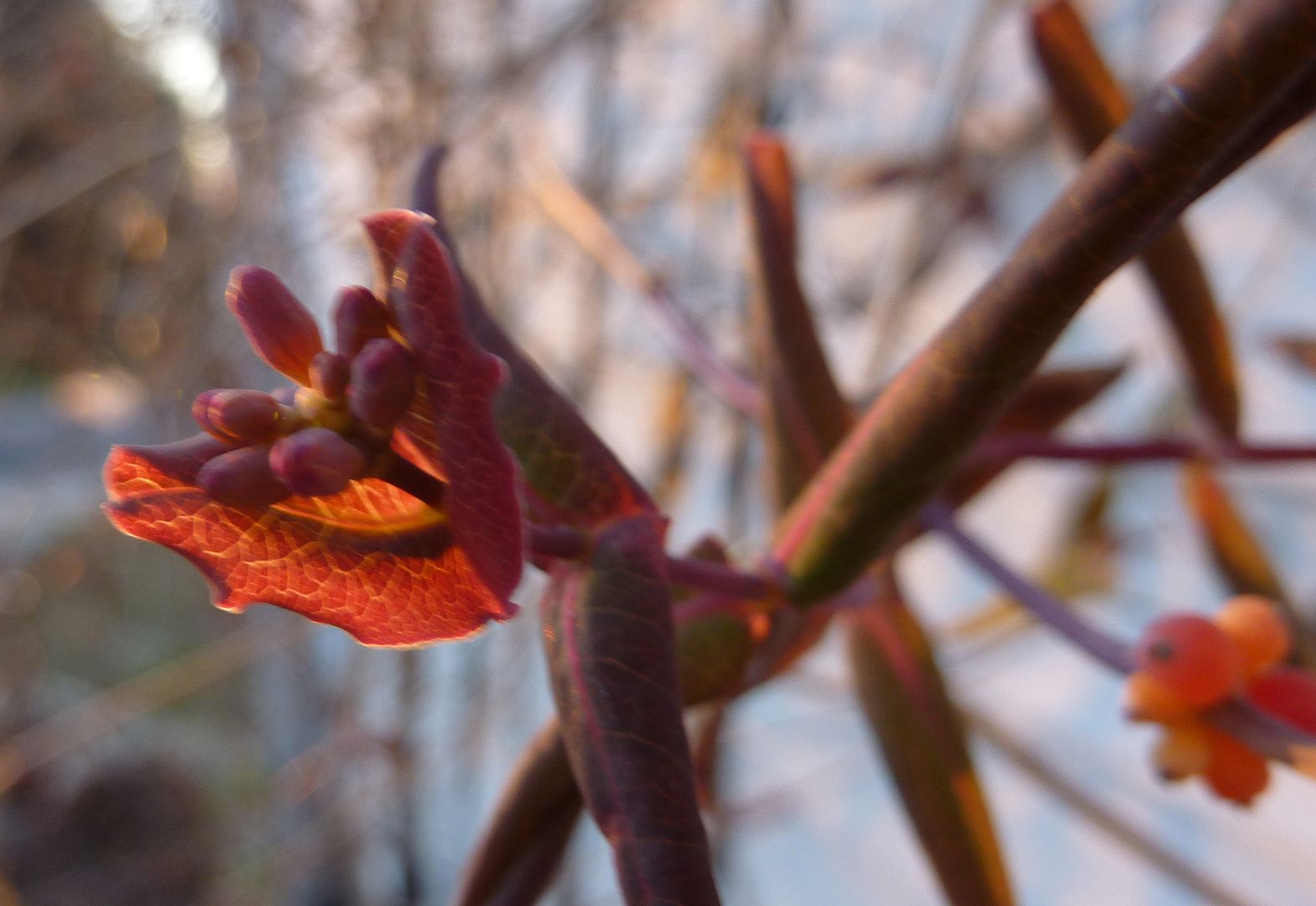

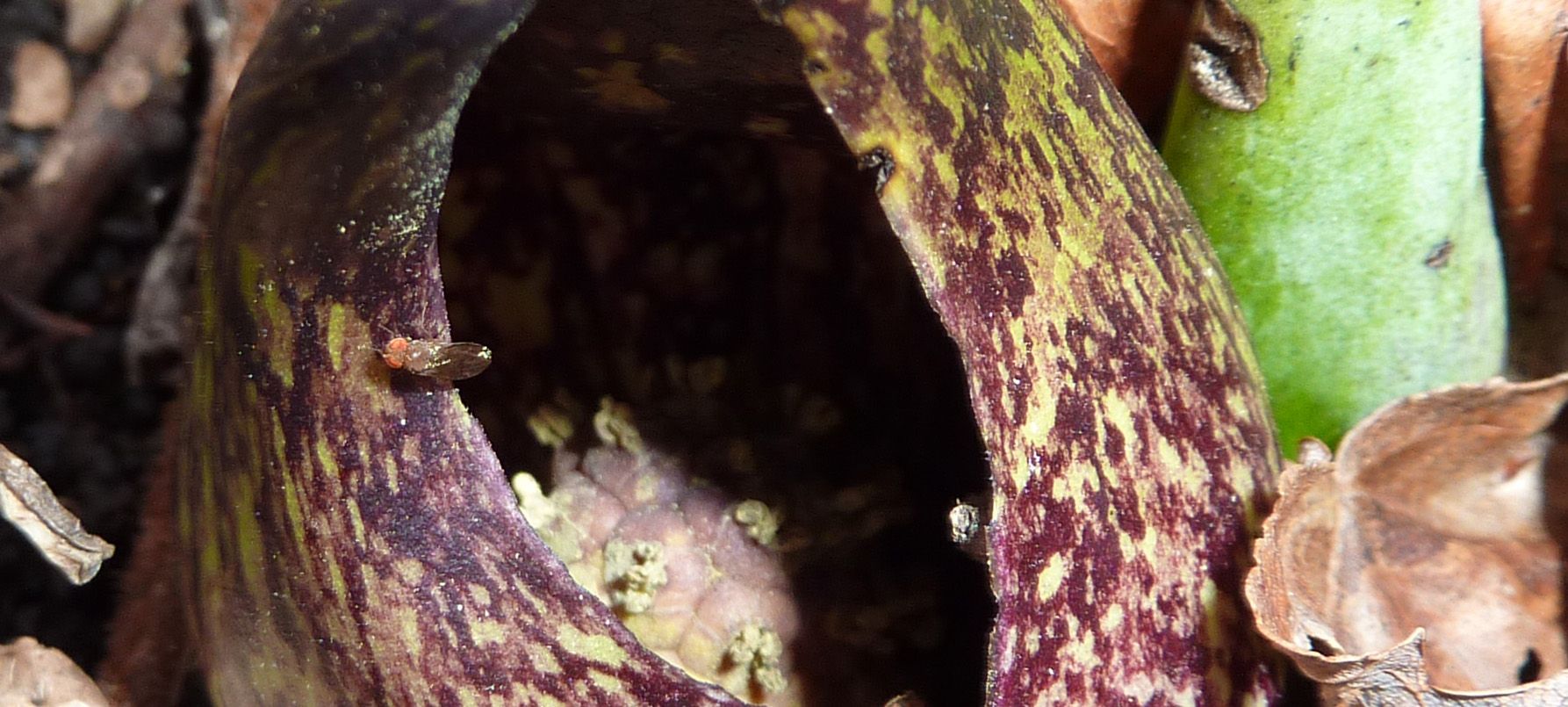


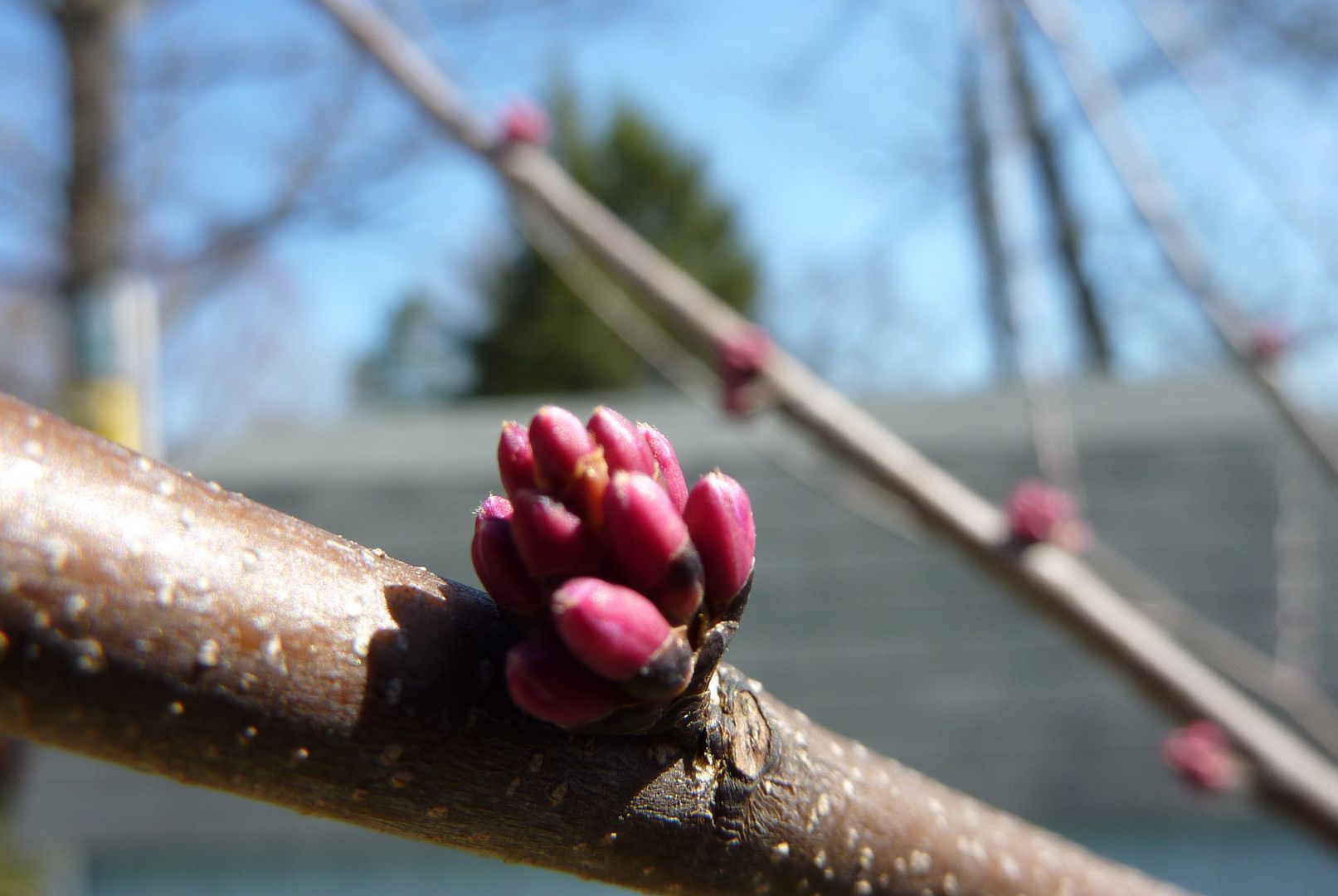
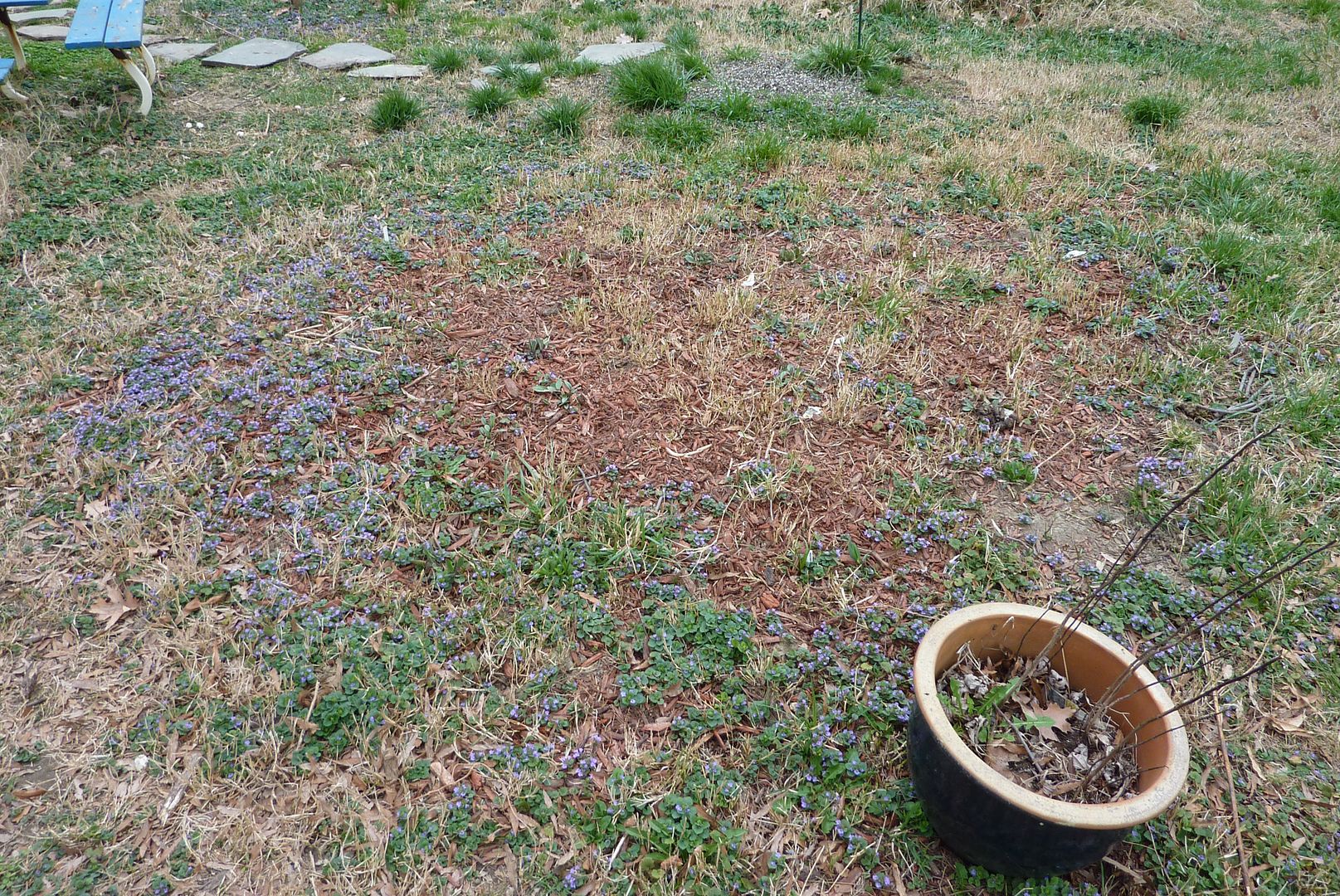


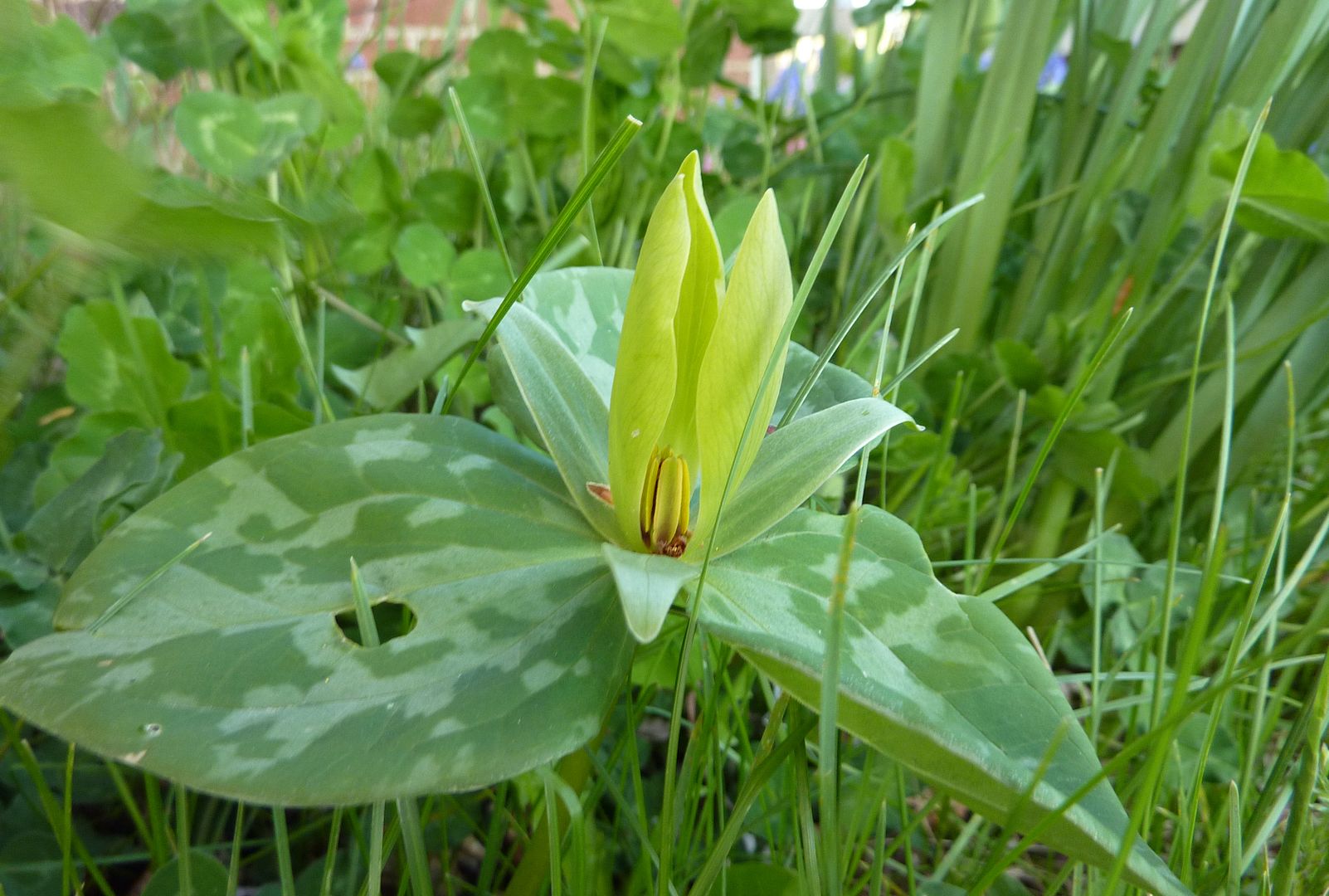


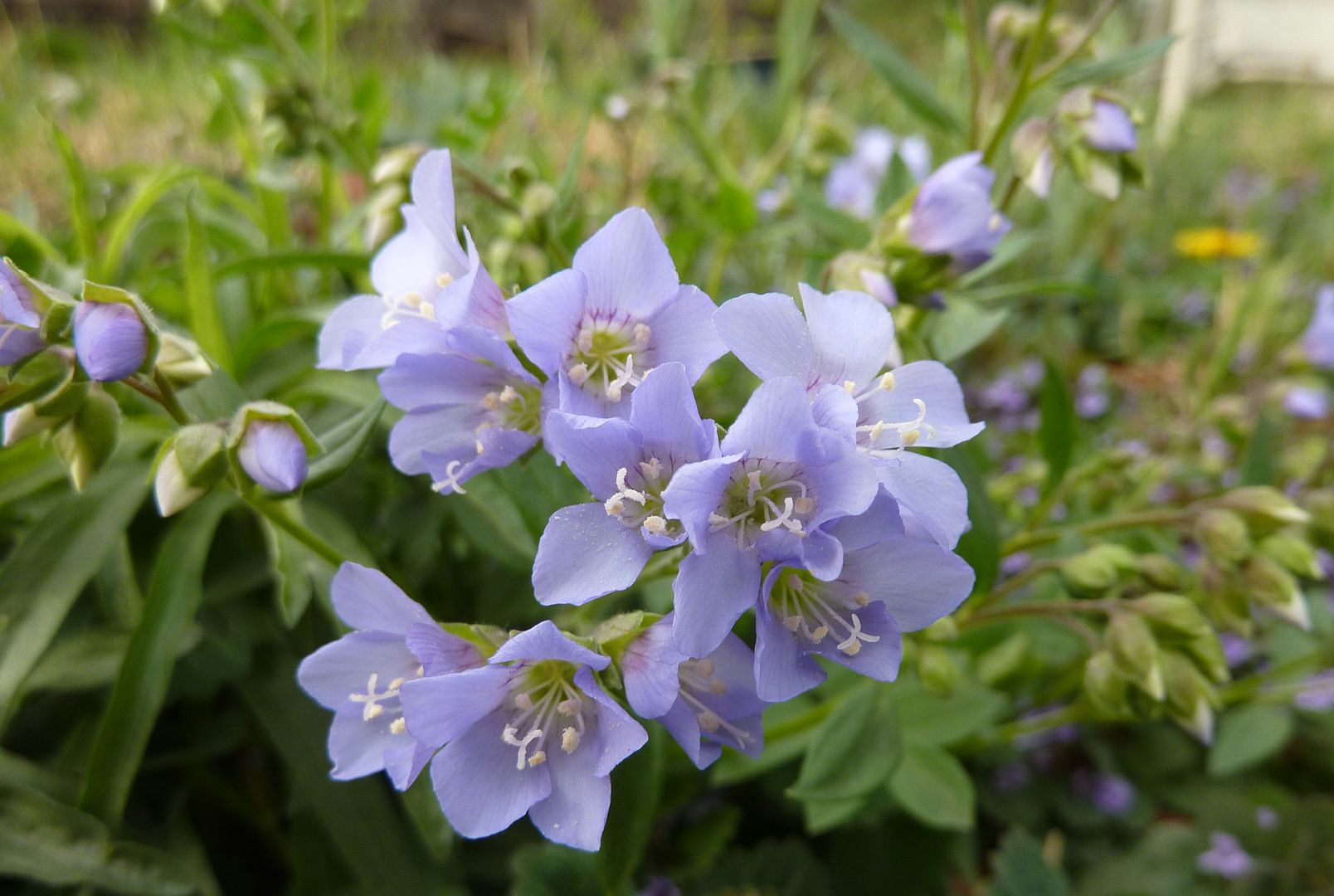
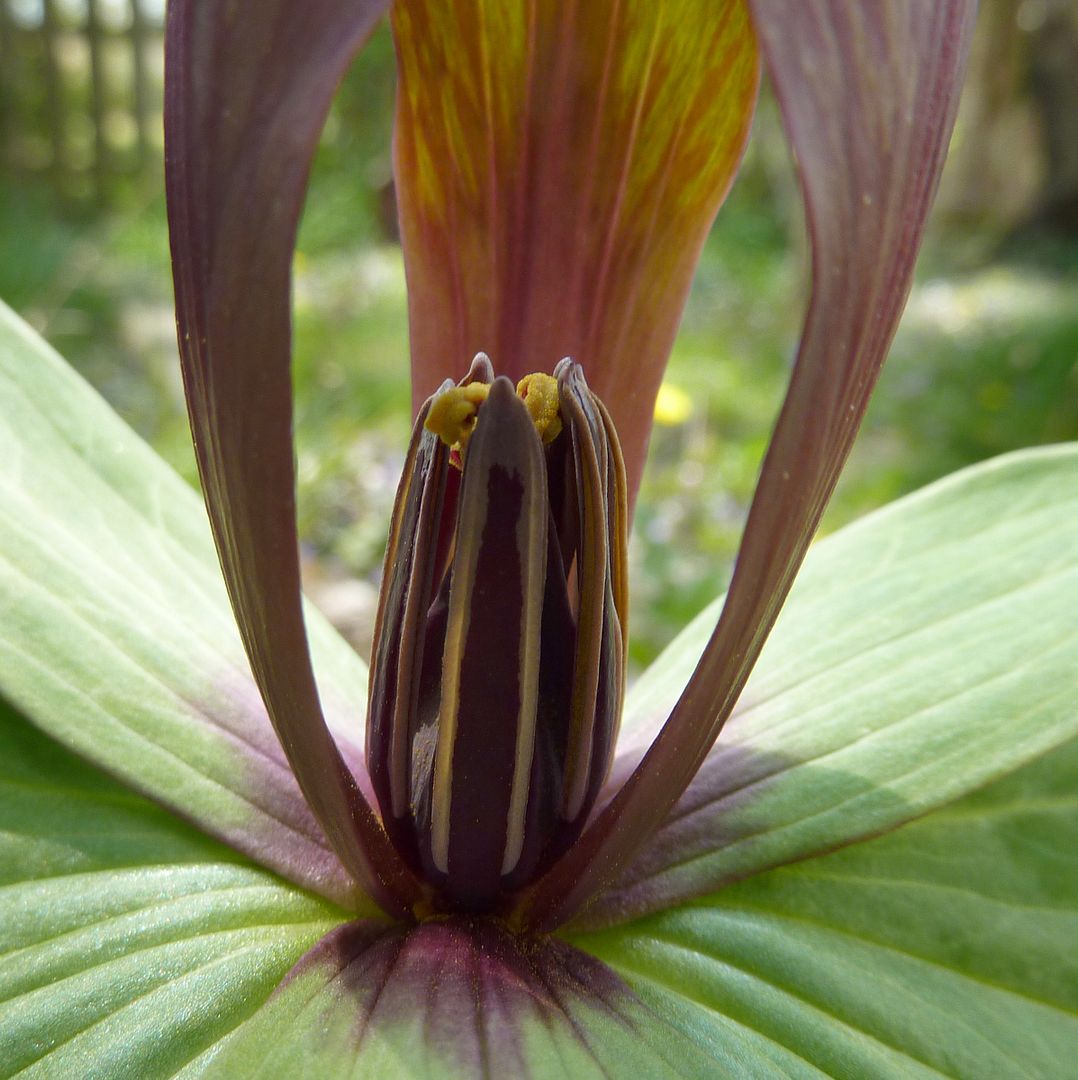
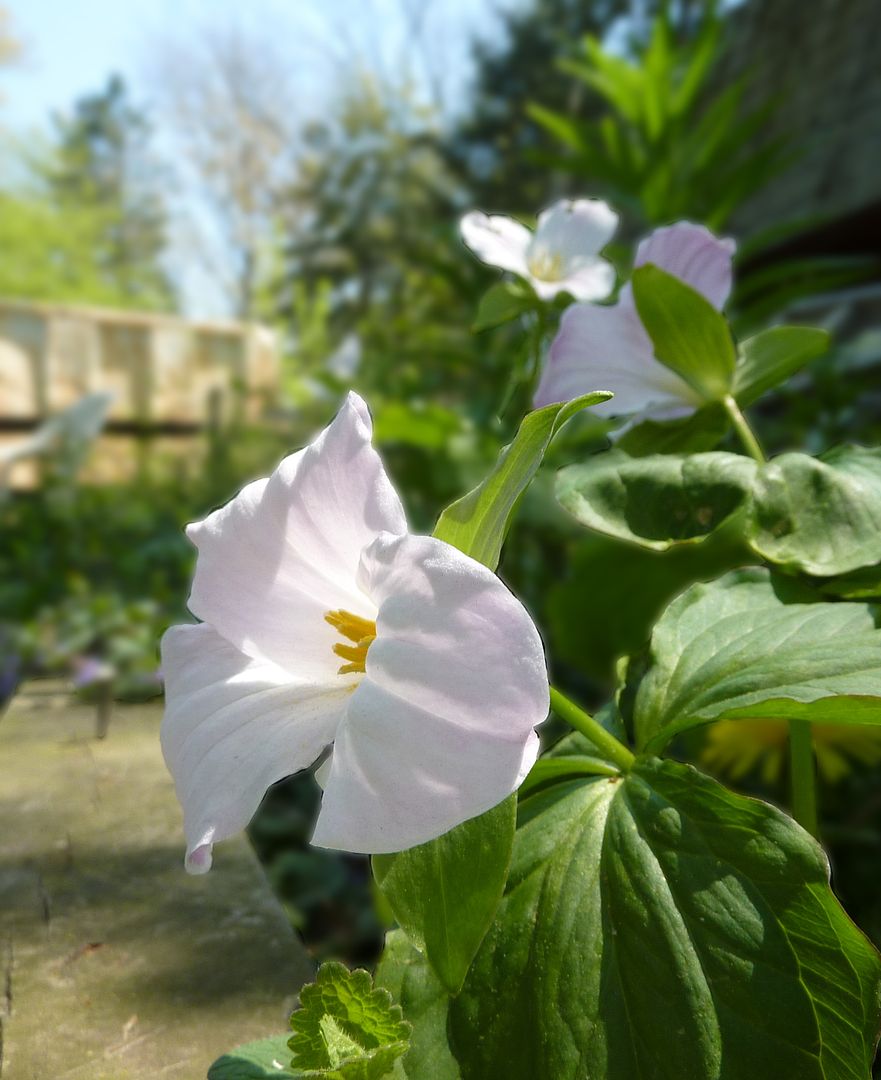


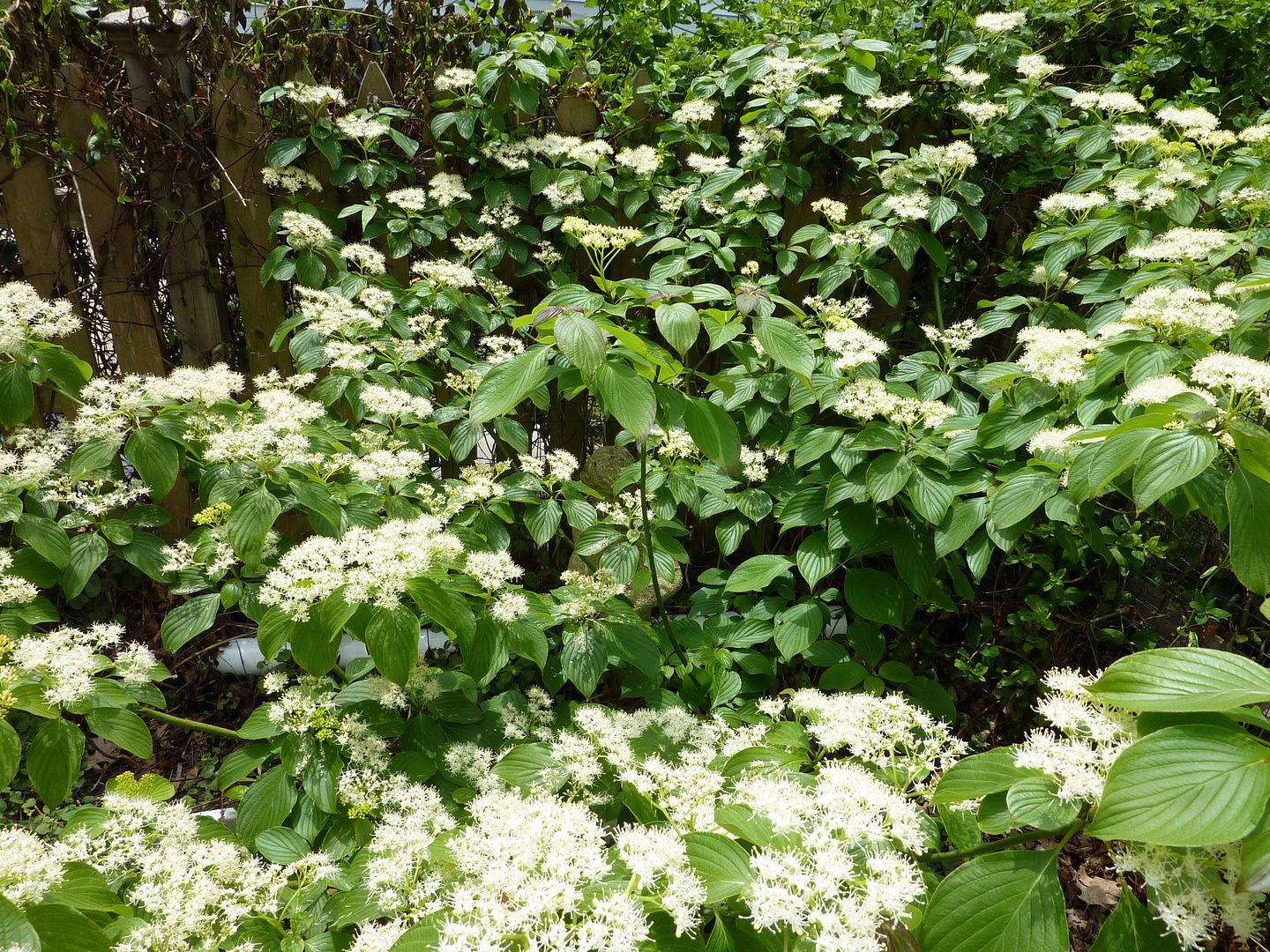
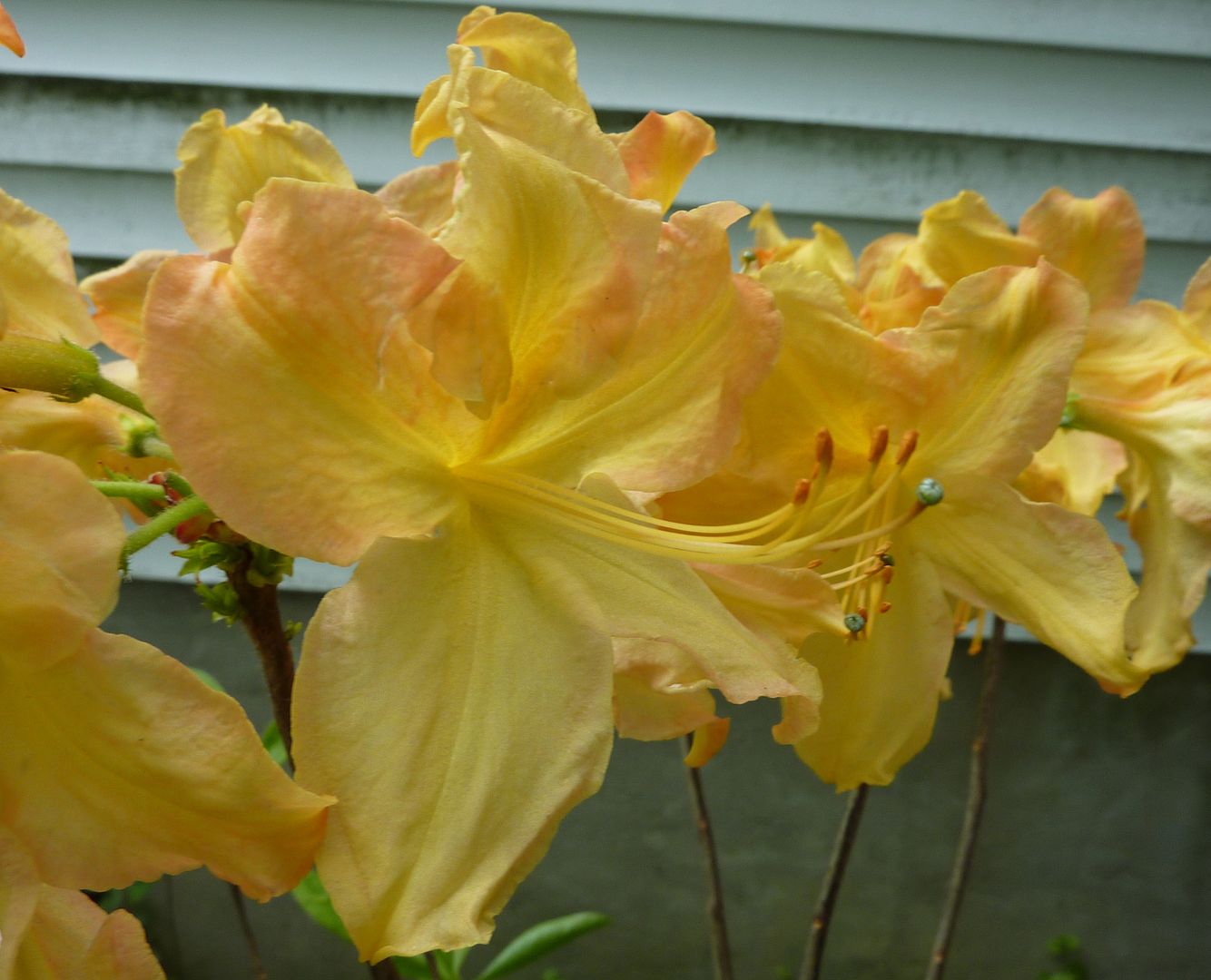
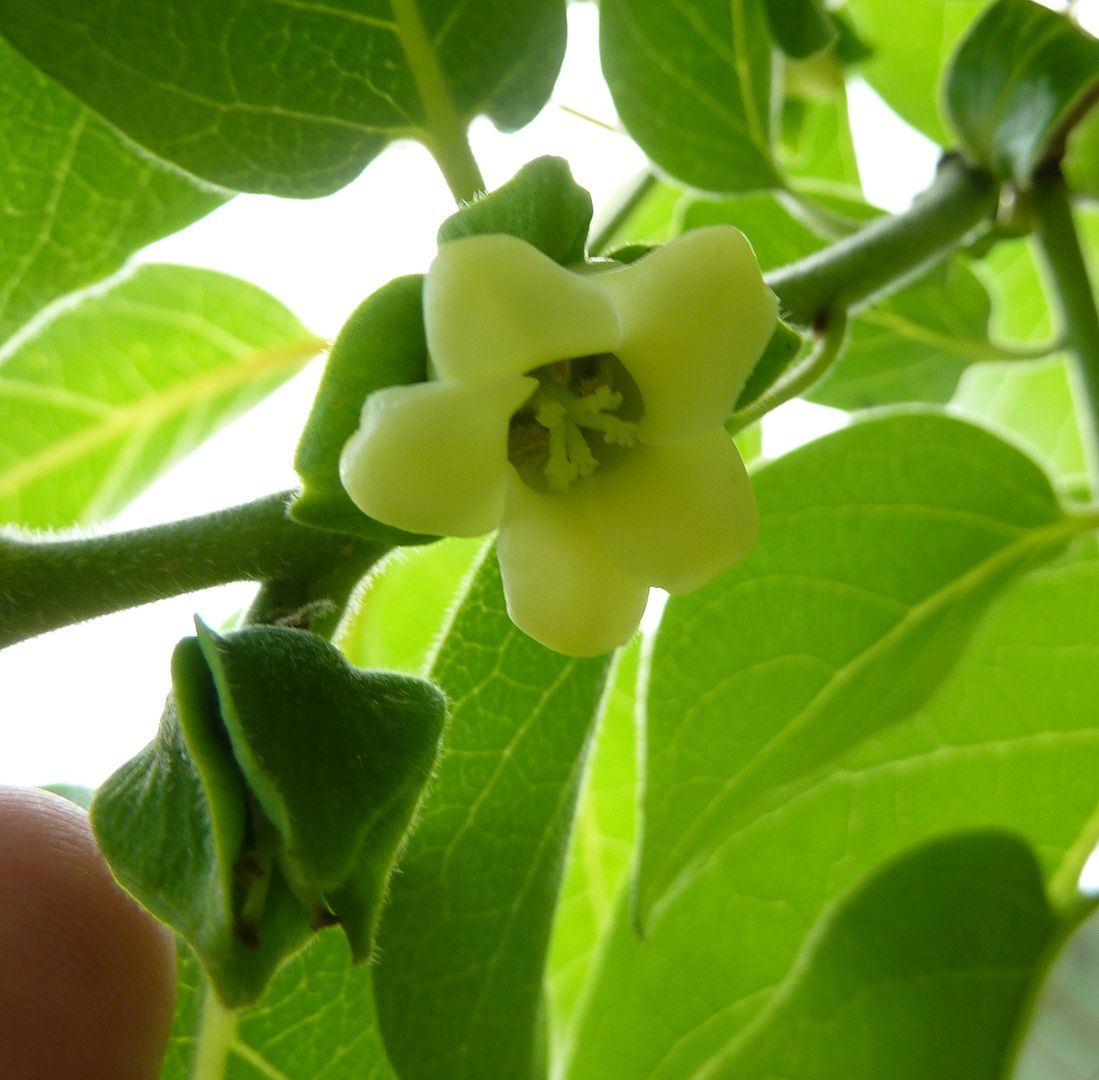
The Persimmon Tree also flowered, and I'd have taken pictures of the fruit and gotten to taste one if not for Hurricane Sandy.
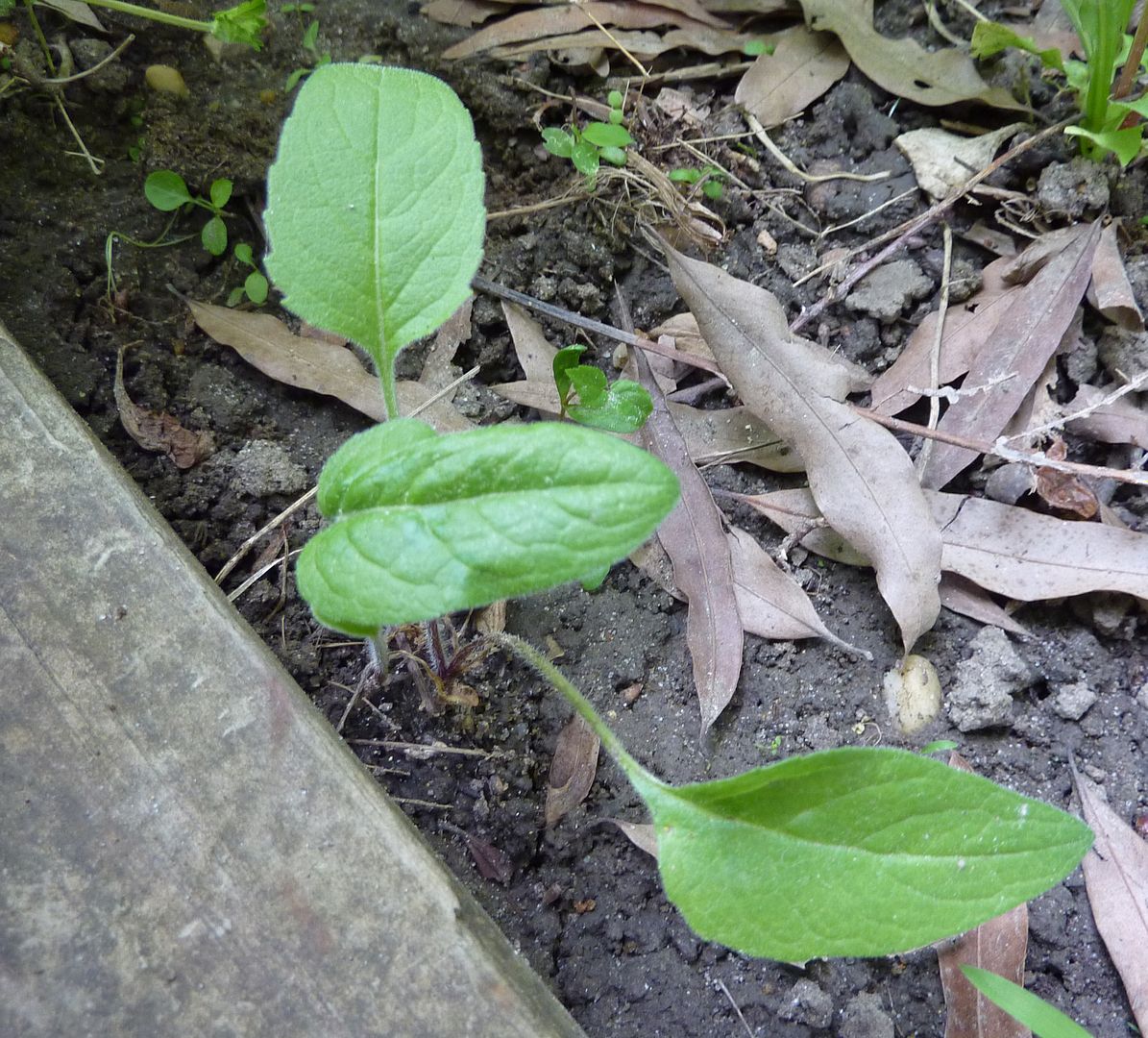
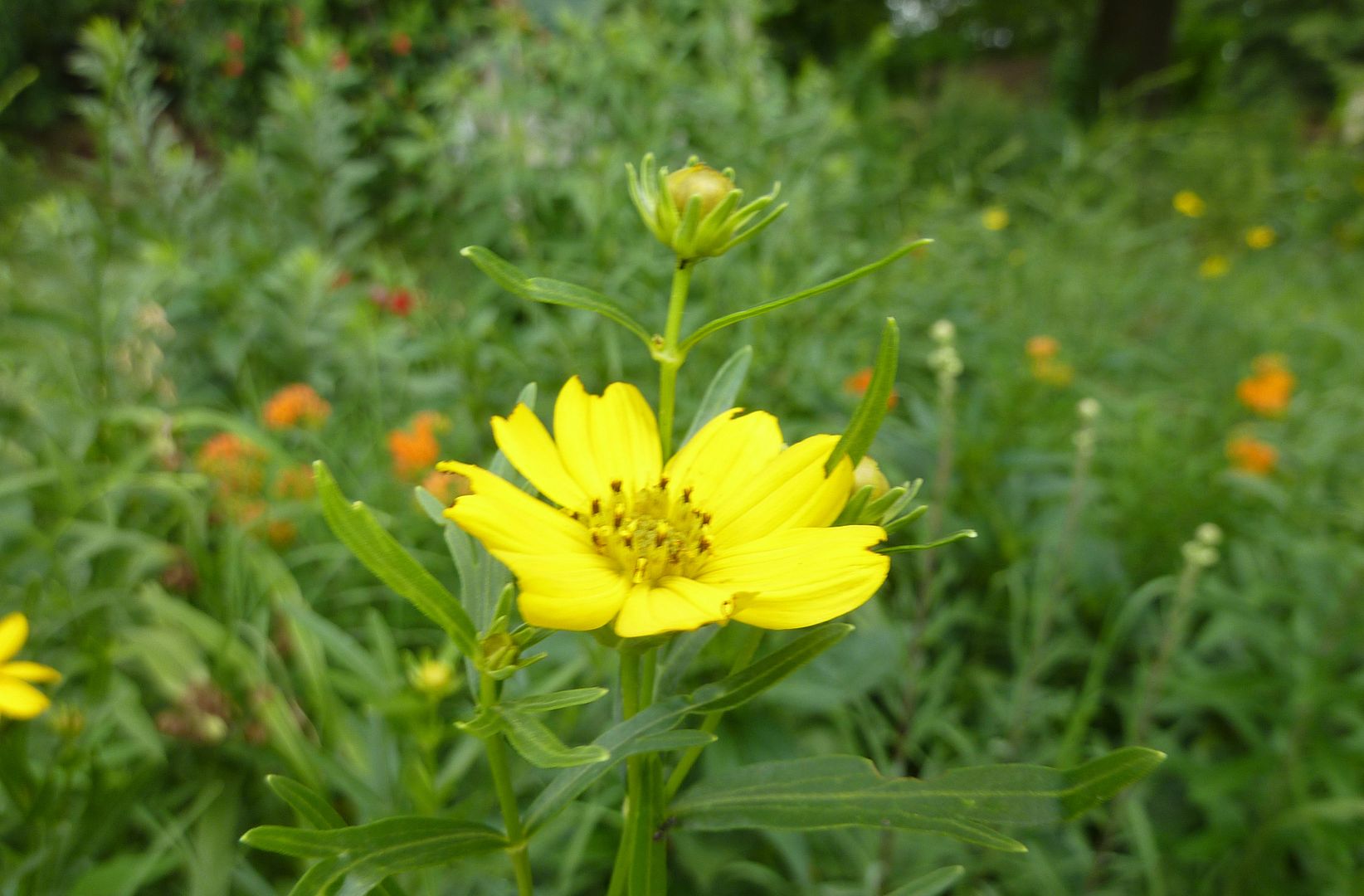
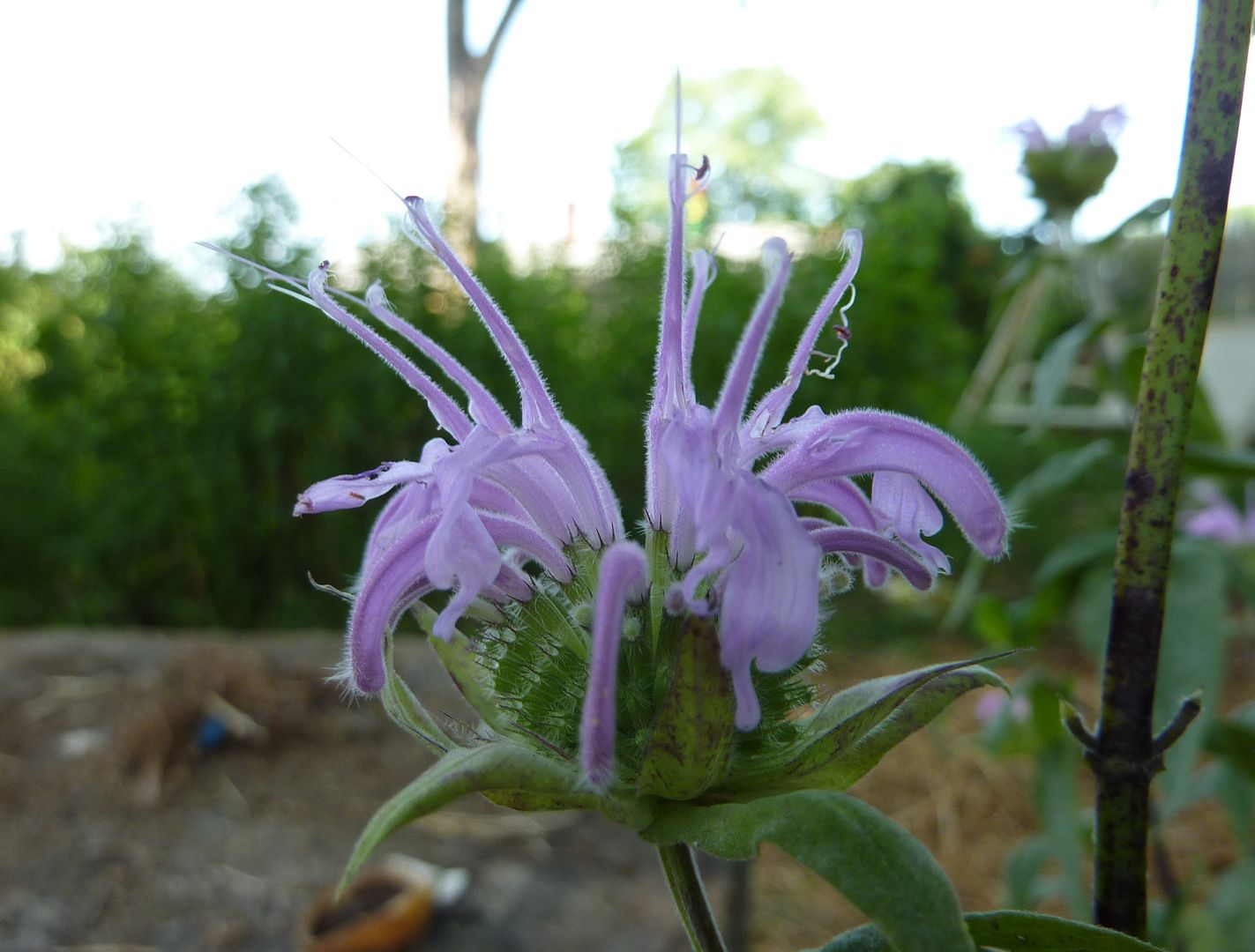
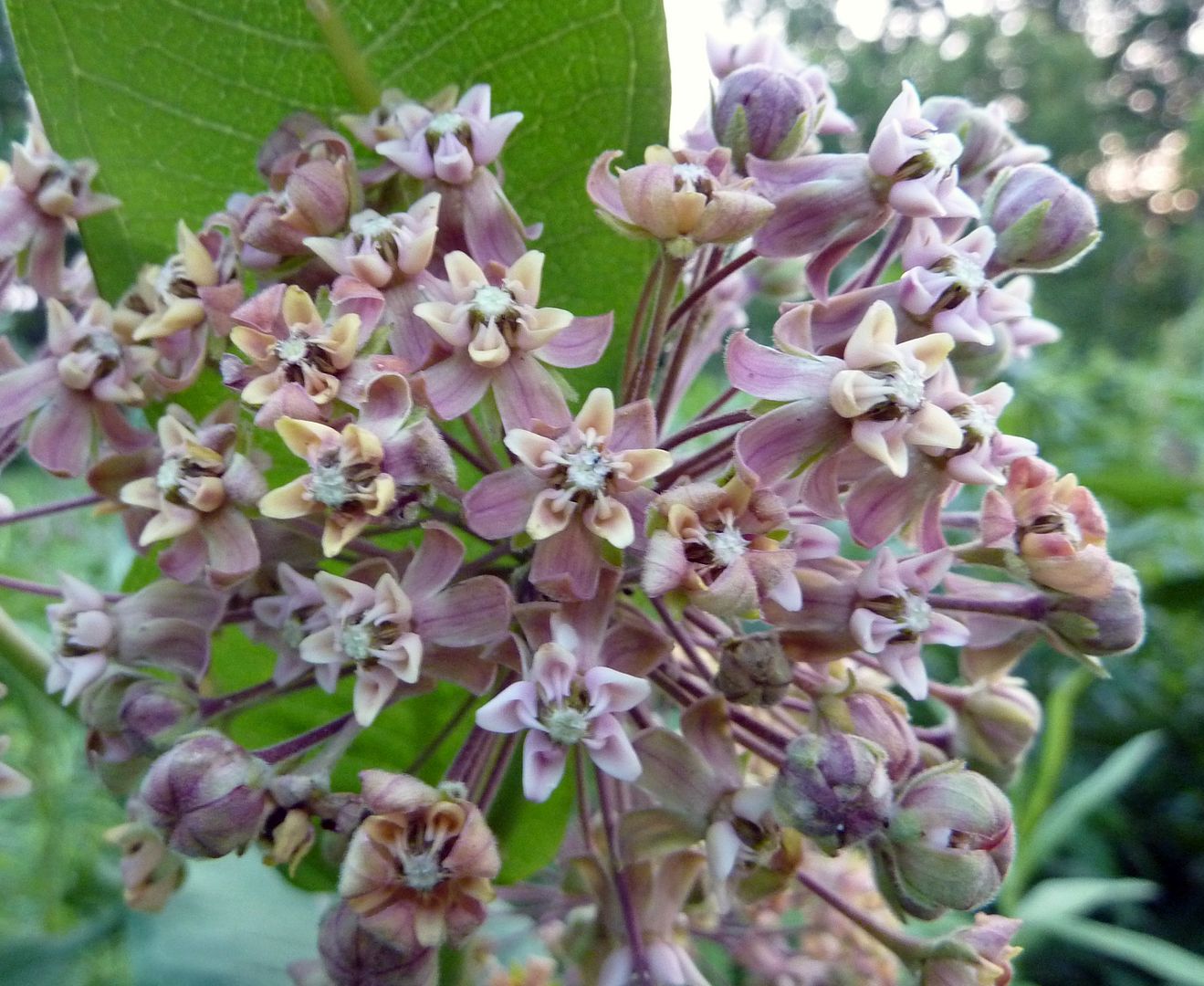
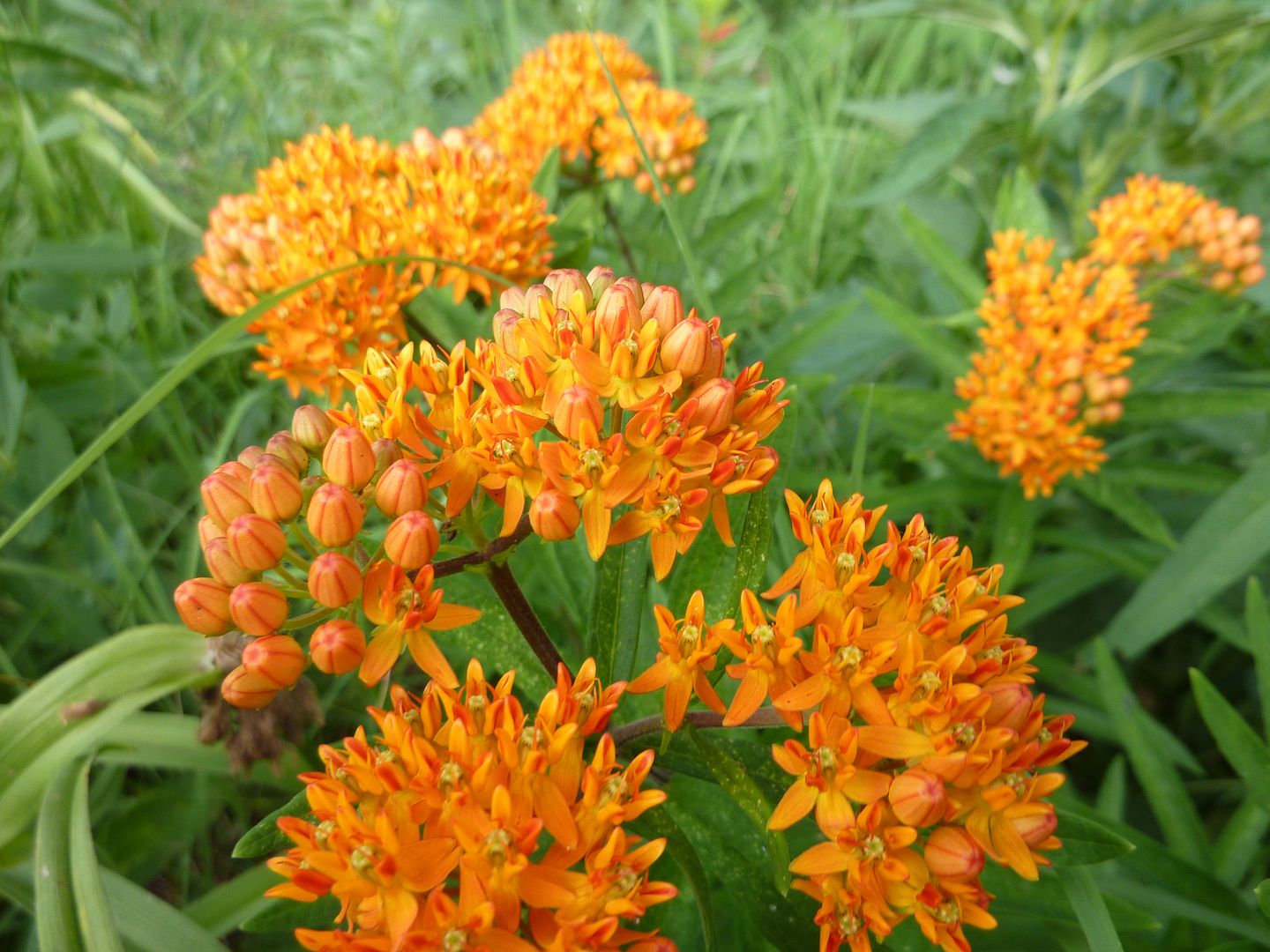
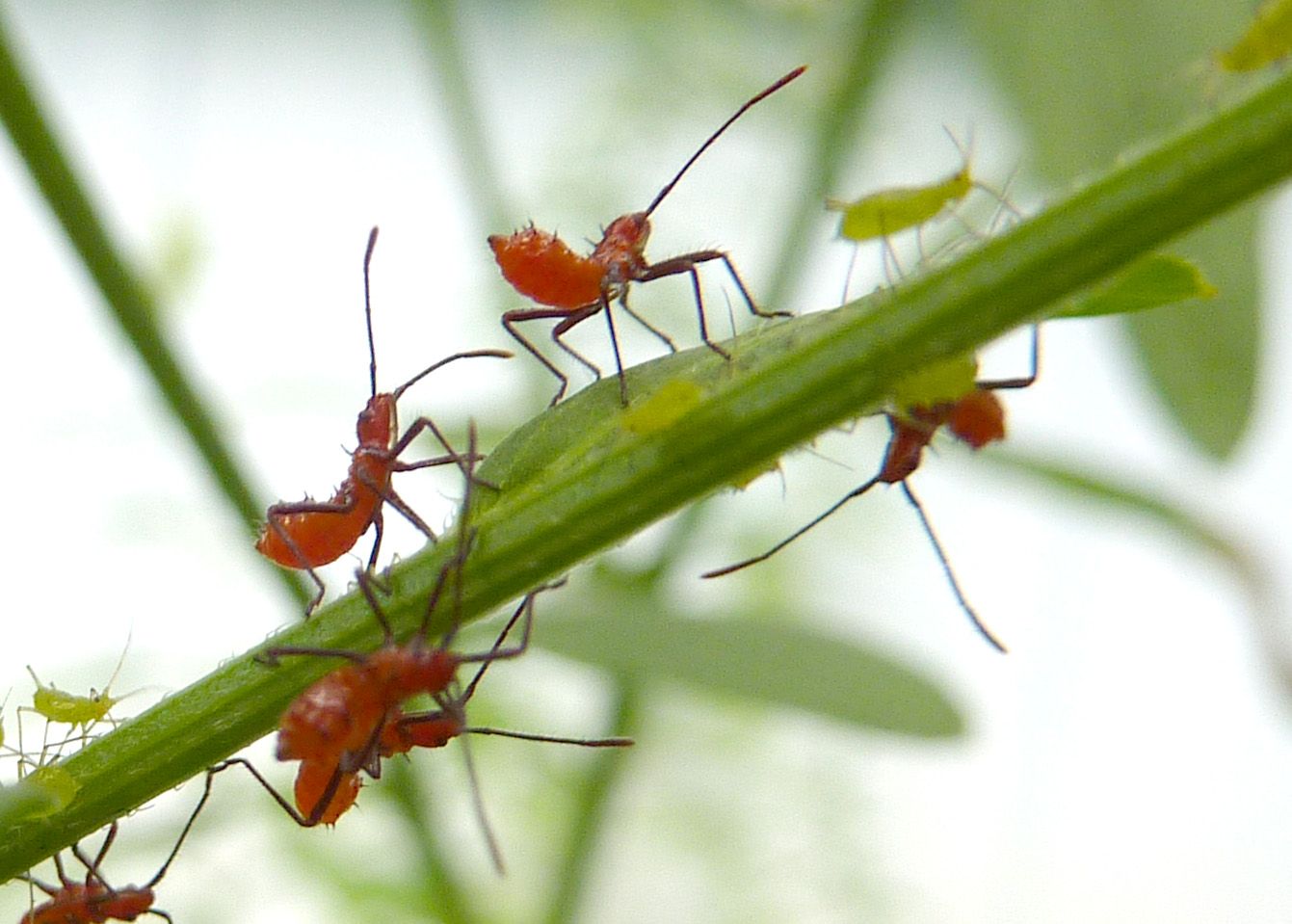
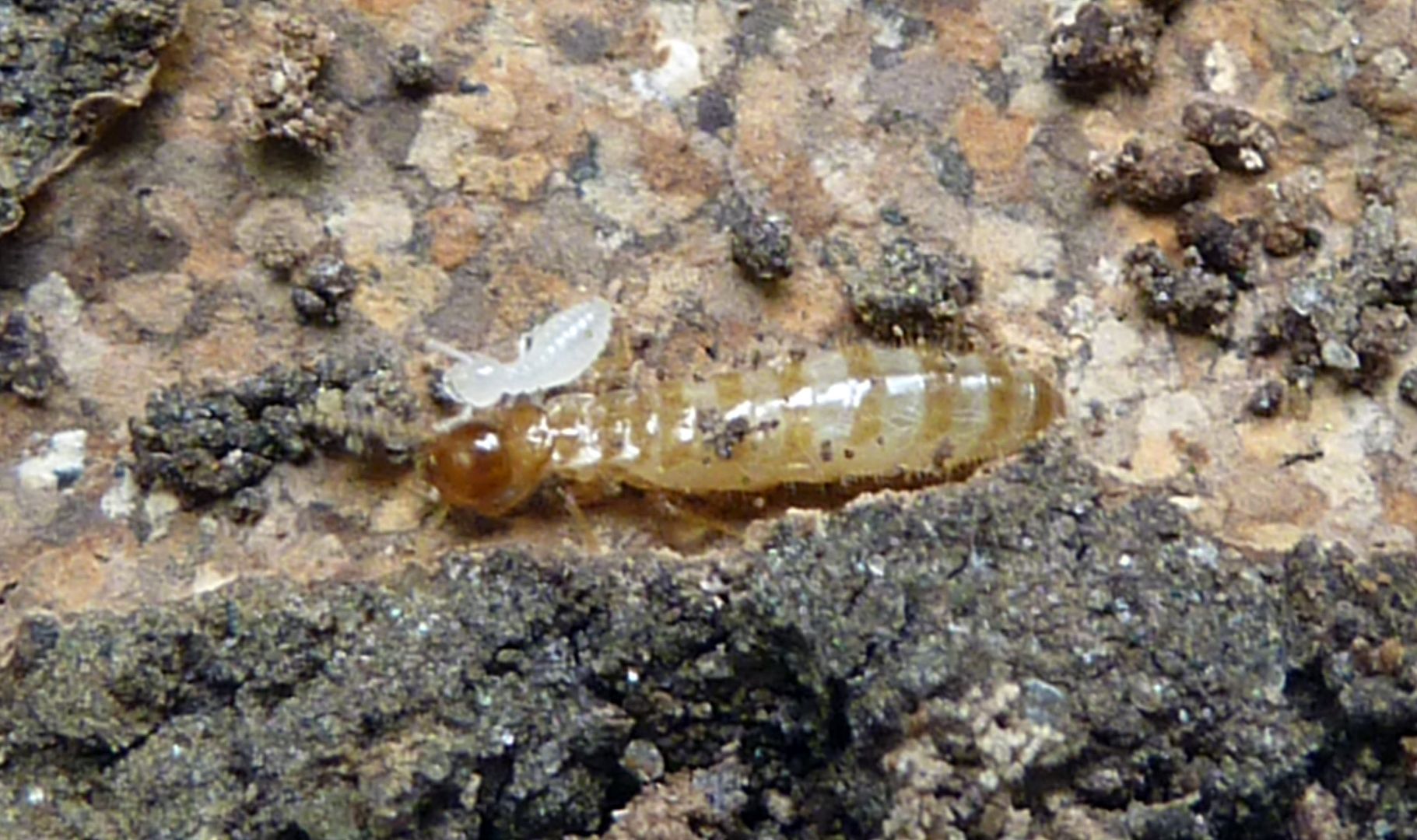
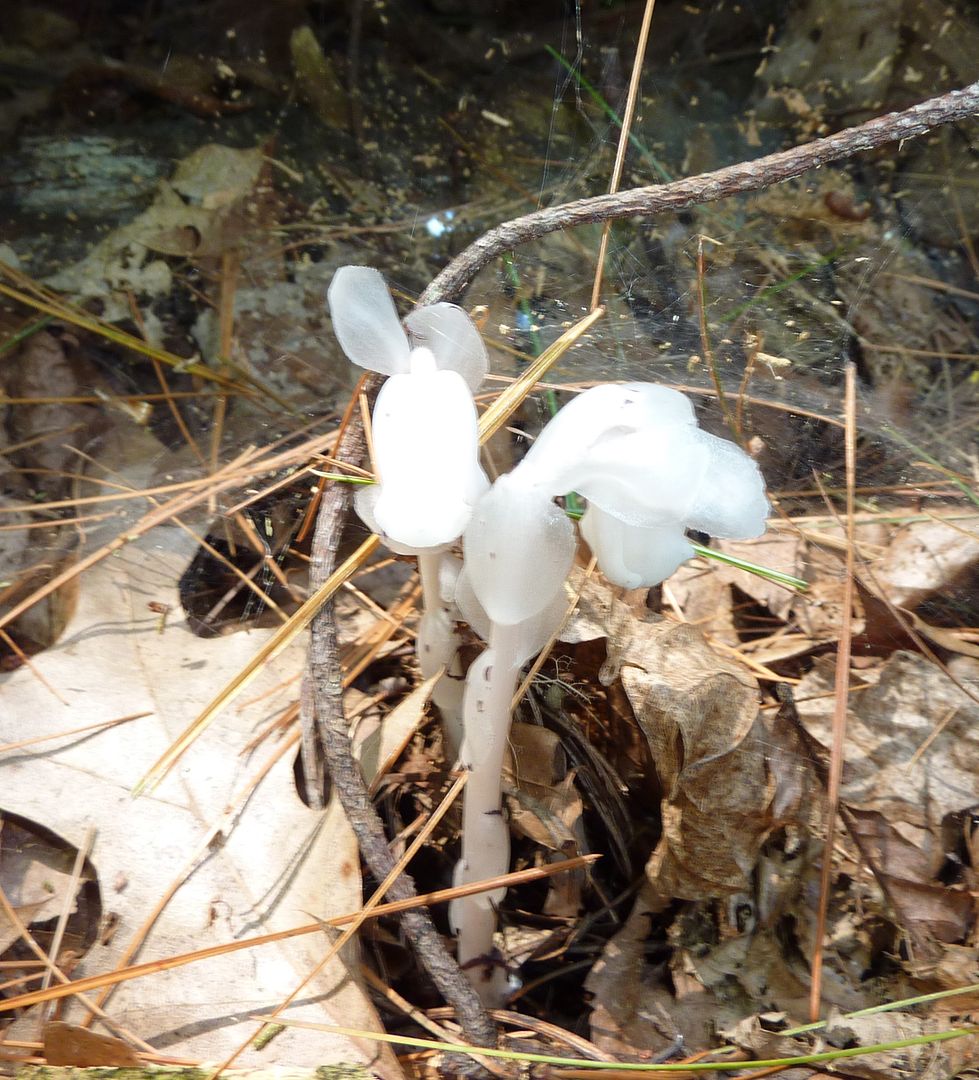
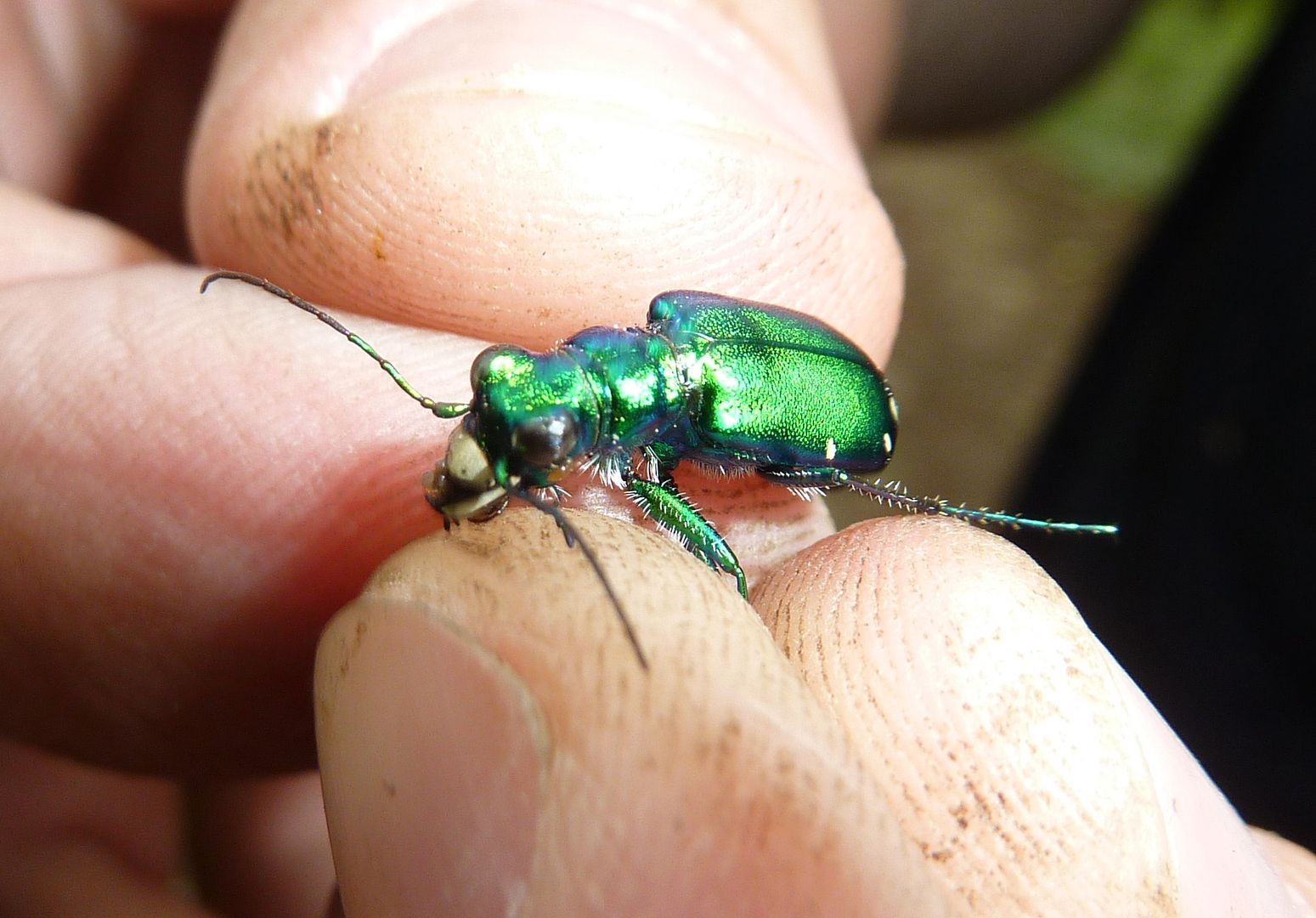

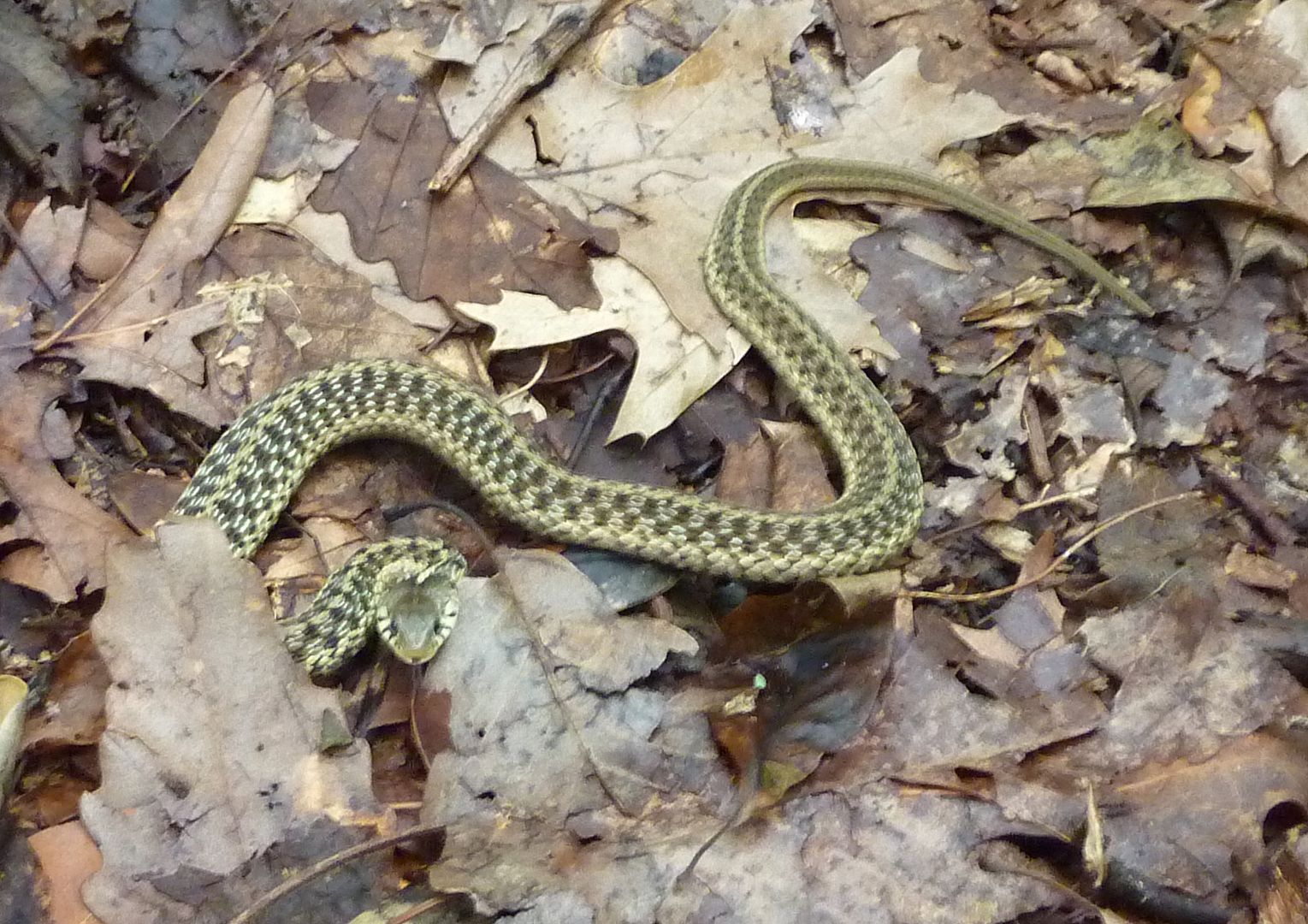
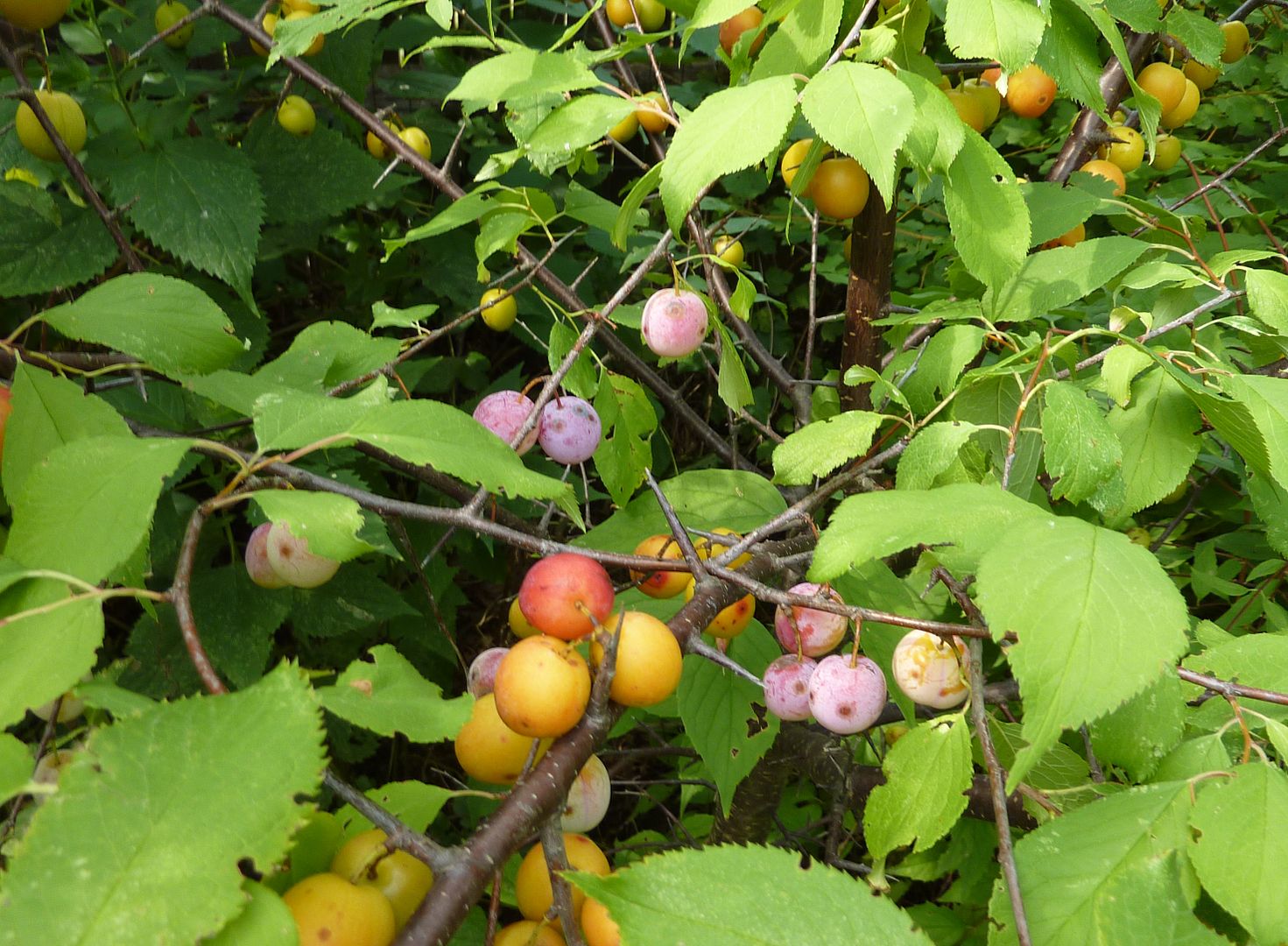
The Native Plums ripened with good force. The only spraying I did to the trees was a fungicide once every 14 days (they recommend once every 10 on the bottle). I'm not sure that I needed to but I know our Peach and Nectarine Trees are in the same genus and I never get any fruit off of them partly because of a fungus that makes crystal-like structures on the skins and then later squirrels get them. The squirrels didn't touch the plums so that's a blessing.
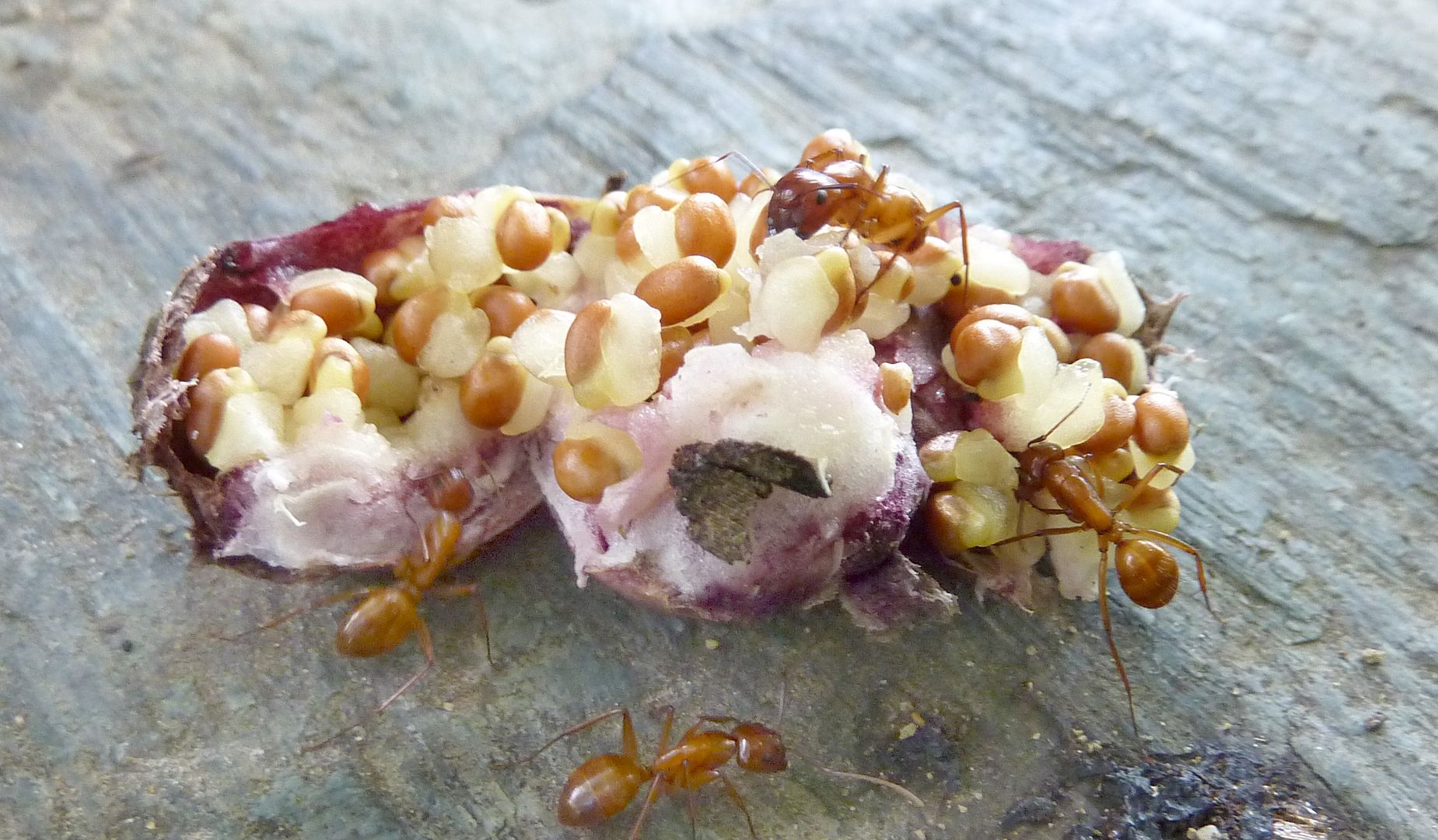
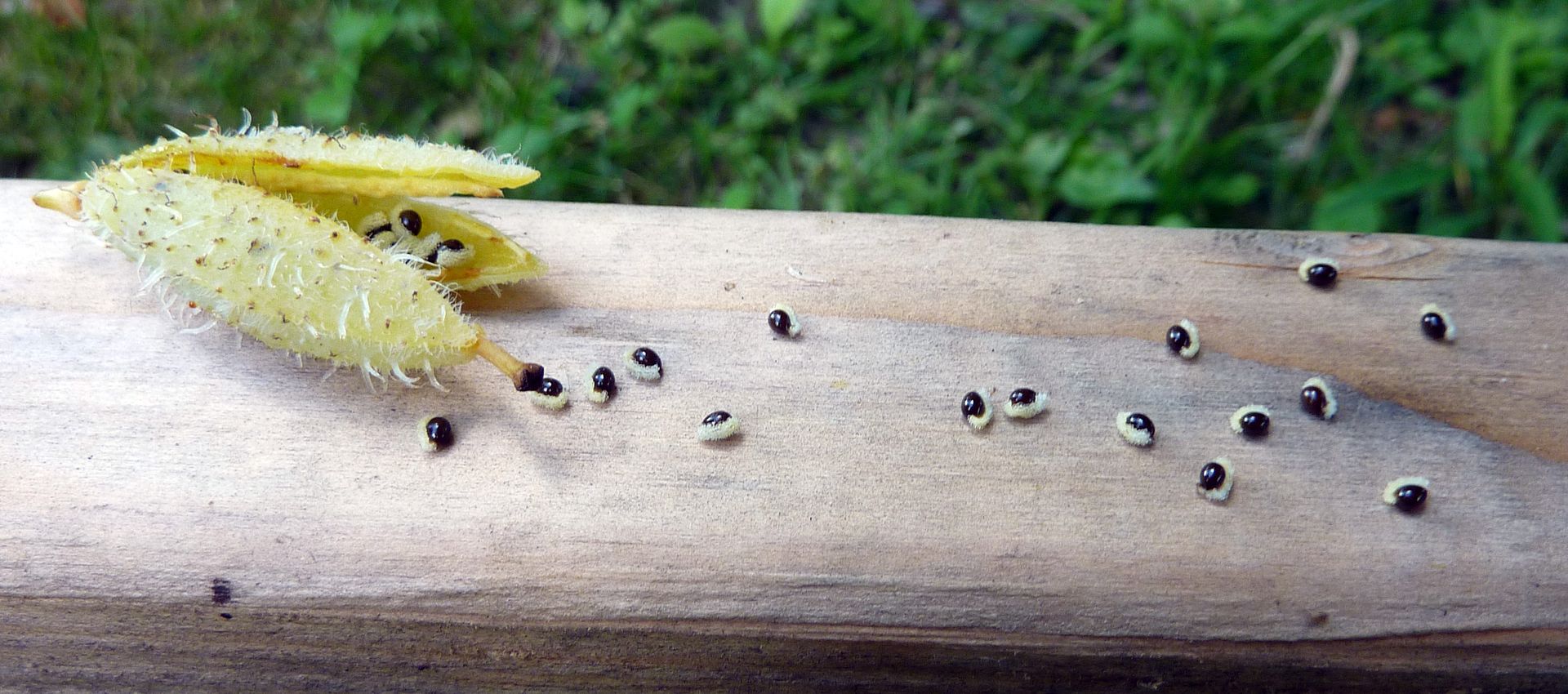
Playing with Trillium seeds is something I look forward to each August. The ants are always fascinating to observe.



Subscribe to:
Posts (Atom)