Showing posts with label Moth. Show all posts

Saturday, June 29, 2013

Yellow Flowers

Between work and these thunderstorms we've been getting on a daily basis it's hard keeping up with everything that's flowering. Although the other issue might be that Yellow is probably the most over used color of our native wildflowers.

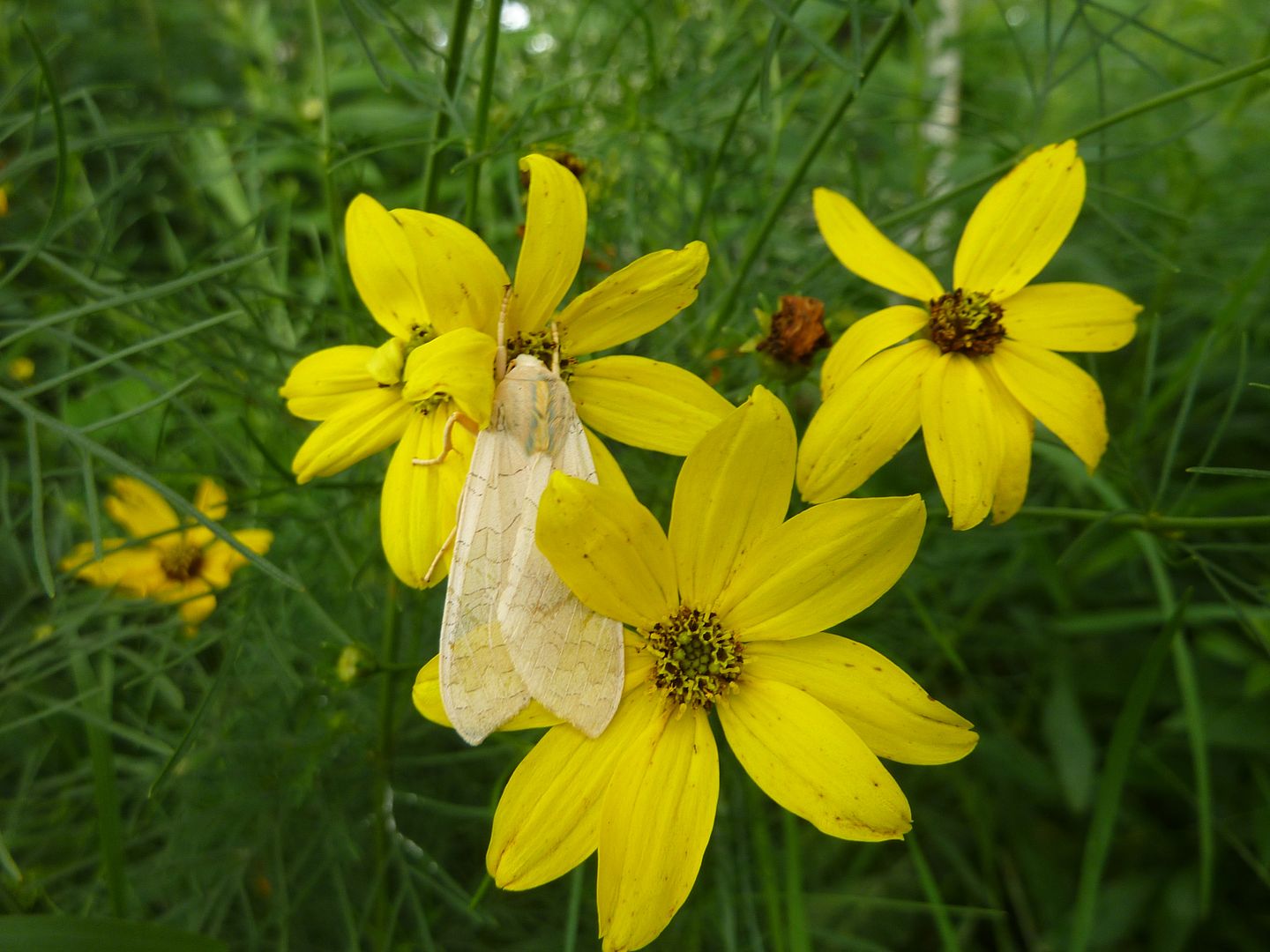
Whorled Coreopsis, C. verticillata, with what's been identified as a Banded Tussock Moth, Halysidota tessellaris, clinging to stay out of the rain to one of the flowers. The host plants to these are basically all the hardwood trees in the forest and the Willow-leaf Oak tree behind the garden was likely the host plant. The fun thing is I've actually found caterpillars of this species and not even realized it. They're basically white Woolly Bears with tufts of longer black hairs here and there.

Stiff Coreopsis, C. palmata, has really been kicking but these past few weeks. They're not forming a carpet of yellow but it's enough that I'm seeing bees work them on a daily basis now.

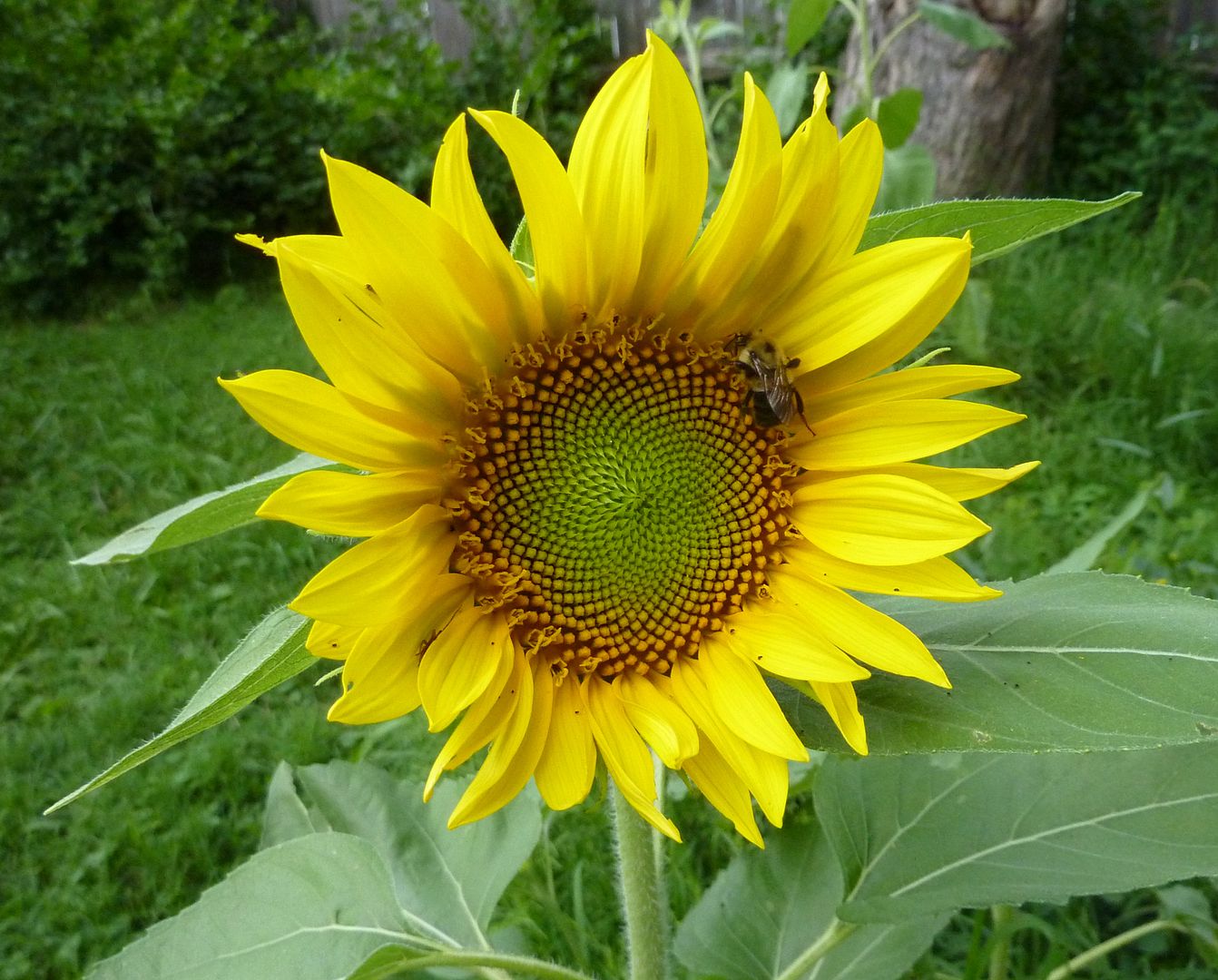
Annual Sunflower, Helianthus annuus, planted courtesy of messy birds at our bird feeder. I insist on only feeding them sunflowers because it's a native seed.


Prairie Coneflower, Ratibida pinnata, isn't a coneflower but close enough. They're not officially open yet but the petals are starting to push out and look nice on some of them.

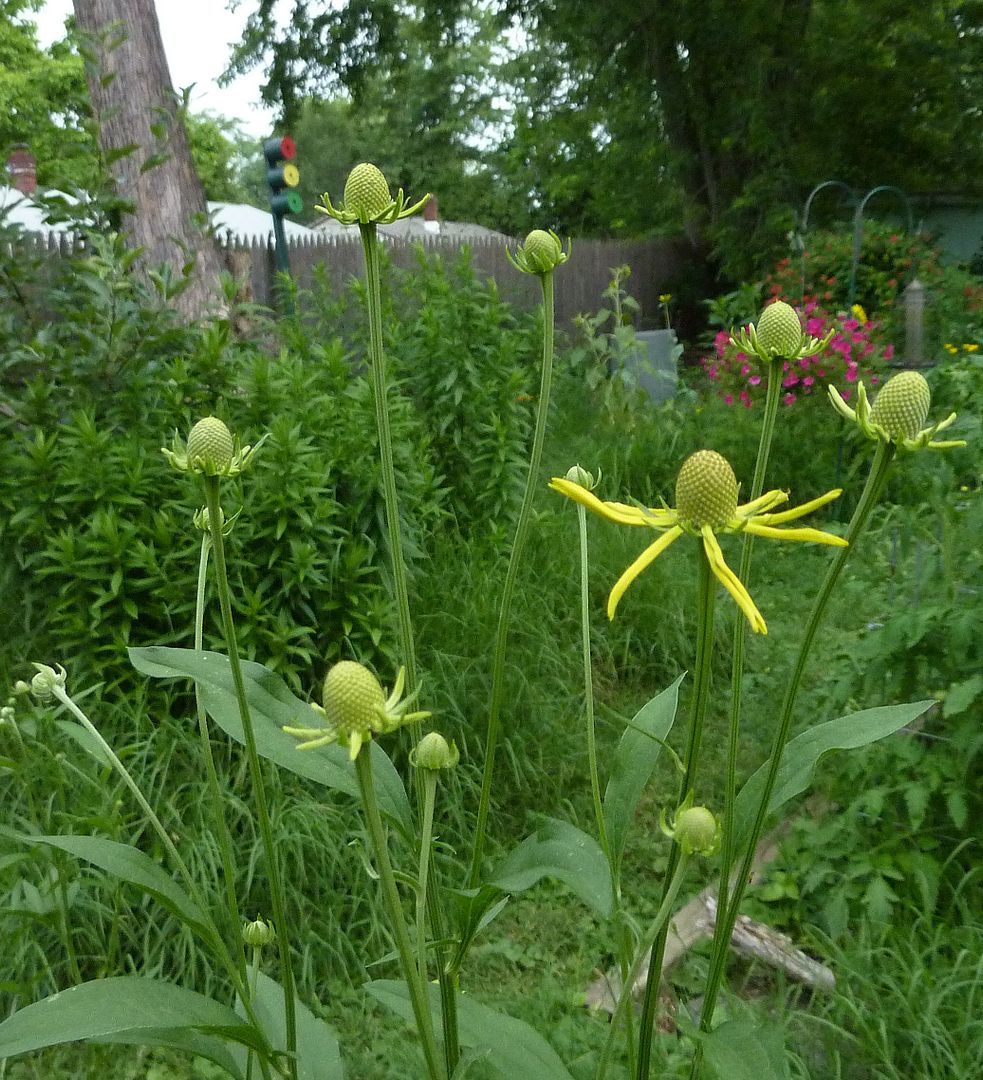
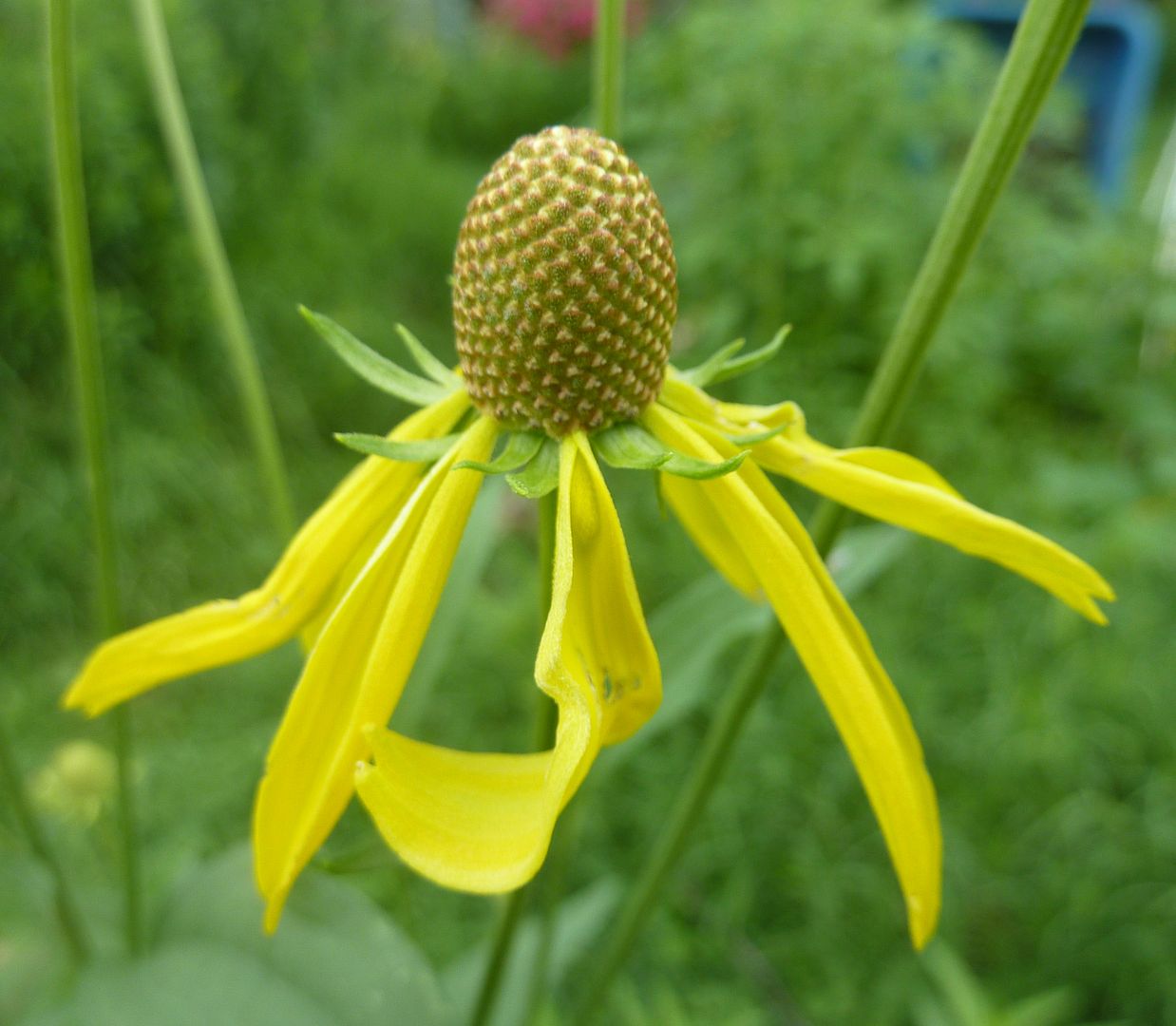
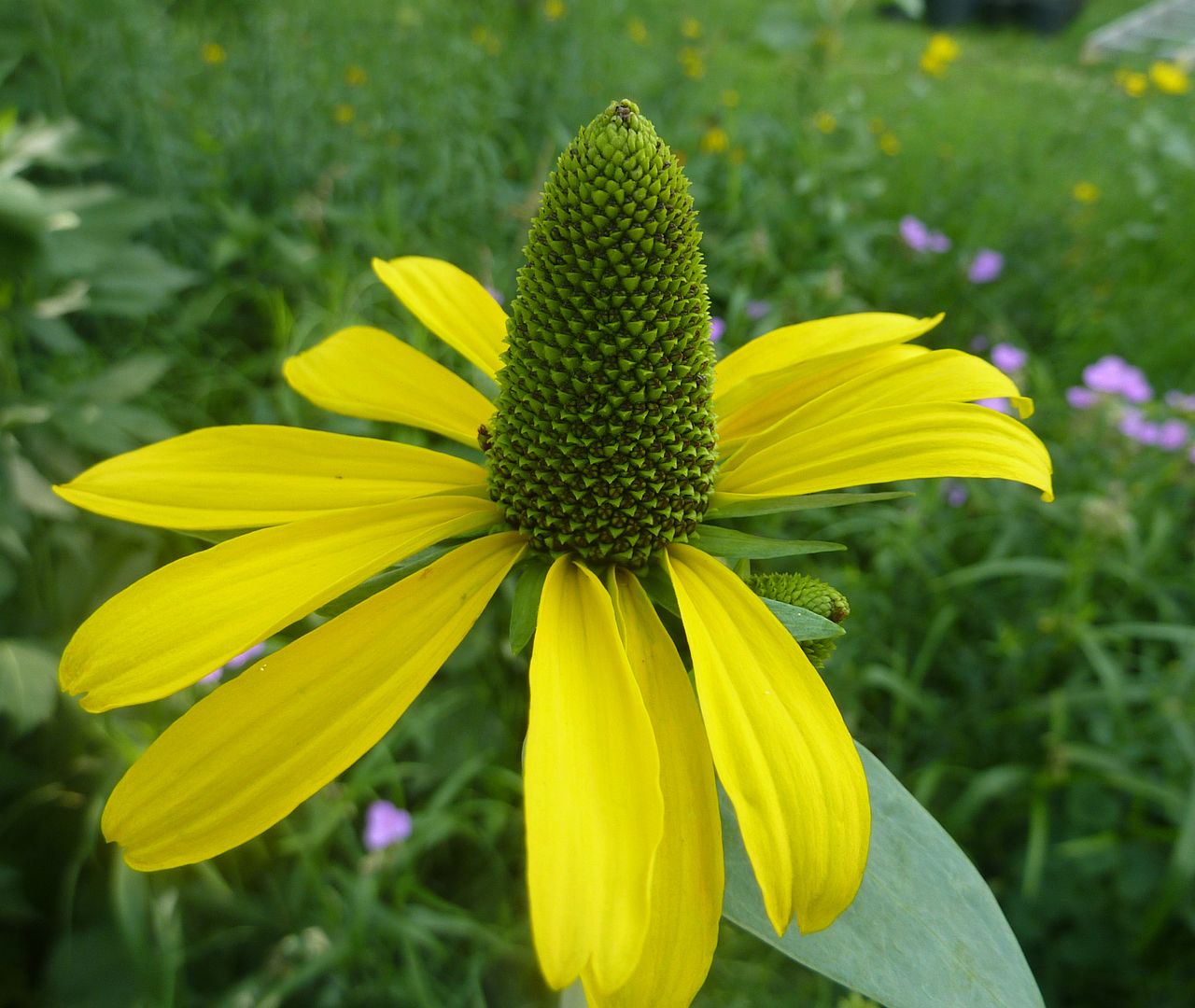
Greater Coneflower, Rudbeckia maxima, also not officially open yet, and also not officially a coneflower but close enough. As it's in the Rudbeckia genus that makes it more closely related to the Black Eyed Susan, which is strange becuase they're 5' tall, have blue/gray foliage, and bloom earlier than any other Rudbeckia species at least in my garden. 

Saturday, June 9, 2012

Abbott Sphinx

Ohh Abbott Sphinx, Sphecodina abbottii. That's what was eating my concord grape vine. The skin eventually turns brown leaving large evenly spaced green spots all along its body. I suppose it's mimicking a snake that way.

Since the day I took this photo I haven't been able to find it again so hopefully a bird didn't get it. I've read they can be very uncommon in their range, but I know the forests here are all abundant with grape vines. I'd say most forests have a Vitis species in them it's just that they don't produce a lot of fruit unless you prune them severely each spring.

Monday, July 25, 2011

Catching and Release Giant Silk Moths

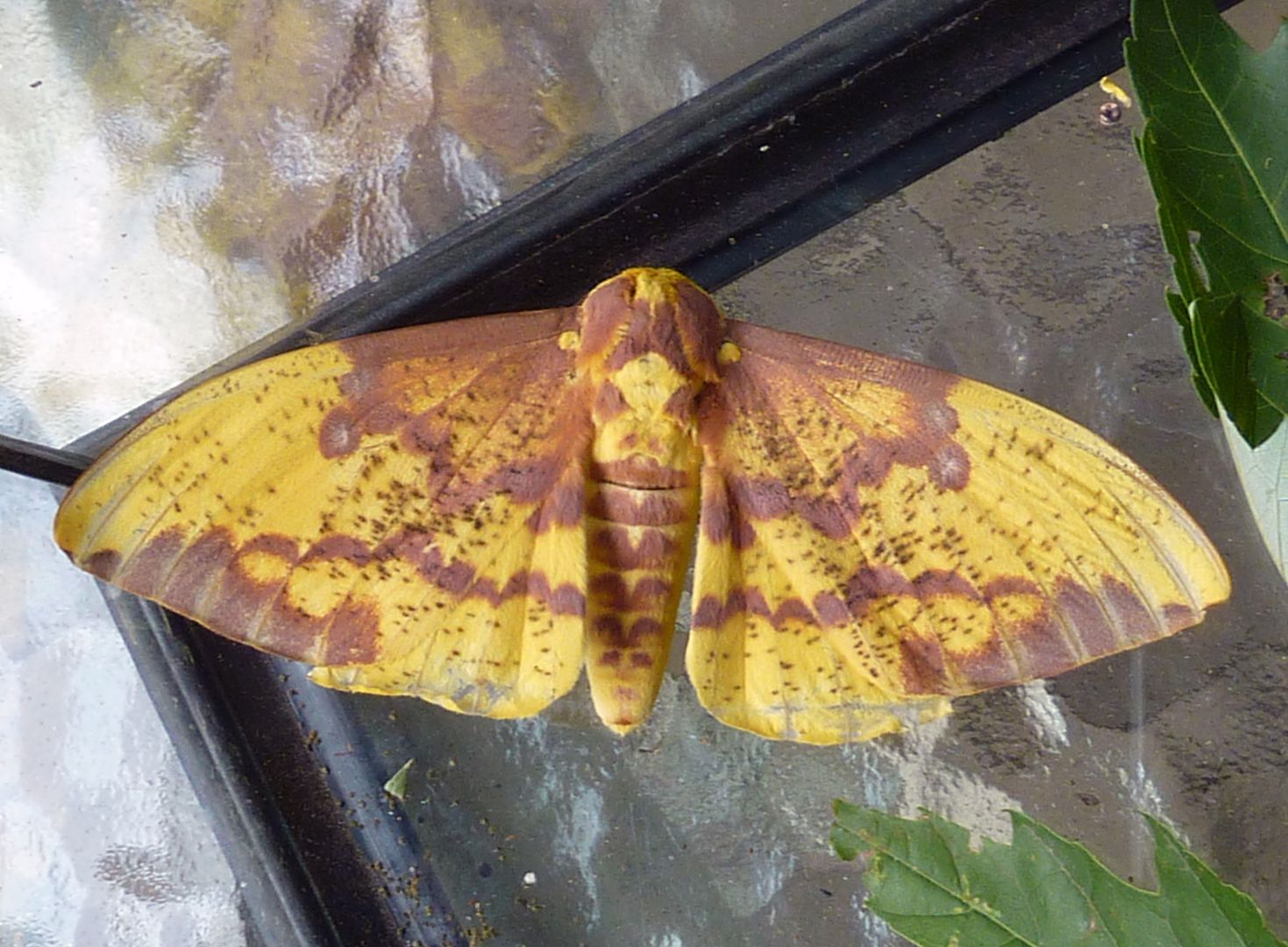
After two attempts trying at catch and release with Eacles imperialis, Imperial Moth, I have no eggs to show for it. The idea with catch and release is as you can imagine. Catch and store in a dark place where they can spend the night. Sheltered outside in a birdcage or screened terrarium will work. There's no way to tell if they're mated with from looks alone but if they're mated they should start laying eggs in the darkness (leaves to a host plant are optional). If they're not mated with then there's the potential to attract a male right up to the cage and it's a simple matter of sticking him inside with her. They're quite easy to handle.

Telling the two genders apart as I recently learned from a friend isn't as you might read in books. Typically males are darker and have more brown/purple color, while females tend more towards the yellow. I'm told this is inconsistent, and it's "easier" to judge gender based on the antenna. Males have fluffier antenna, while the female is thinner, and more strand-like.

If there's no eggs in the morning, then it's best to release them later that night, or at least leave the lid off the cage while outside just before dark. The life cycle to these moths is something like 2 weeks in the adult stage. Weather pending that's not a lot of time to get stuff done.  

I'm not sure how successful this method is with other moths. Polyphemus moths are the only one I'm confident enough to say, "they will lay eggs in the dark, even in the absence of a host plant." I would assume other giant silk moths would do the same, especially because they all seem to be generalist foragers using most tree genera in the average forest as host plants. Females are commonly mated with just after they've come out of their cocoon, or crystals, during the late afternoon hours. As darkness rolls in she almost doesn't need to care where she deposits her eggs in a forest full of host plants. This makes sense in my mind at least. Other moths who have more specific host plants or lay eggs at different times of the day might not be as receptive to this method.

Upon success: young caterpillars should be divided into small groups (10 at most) in containers they can't escape from. They should be fed their host plant into adulthood, and perhaps bred in captivity before releasing into the wild again. This can be harder than it sounds, especially when a single female to one of these species can lay some 400 eggs over night. If that's to much to handle, consider sharing the wealth with others, or releasing the young caterpillars on host plants as they're born.

I had success getting a Polyphemus moth to lay eggs last year, and she deposited ~200 eggs. I released her into the yard afterward and found she'd laid eggs in our oak tree where I discovered a cocoon to at least one successful individual. The mistake I made with that generation was keeping all the caterpillars together in the same cage, and eventually moving them to a setup where they started escaping. Sadly not one of them made it past the second or third instar. They kept wondering off away from their host plant leaves, I think attempting to disperse, and the AC did them in shortly after. Once they get beyond this wondering stage I'm told they settle down and play nice.

This year I'm going to try keeping them all inside on a heating pad in small groups. Once they're old enough I have a larger setup outside on our covered deck. A friend mailed me eggs to two species and hopefully I'll be able to update you all on their progress.

Friday, August 13, 2010

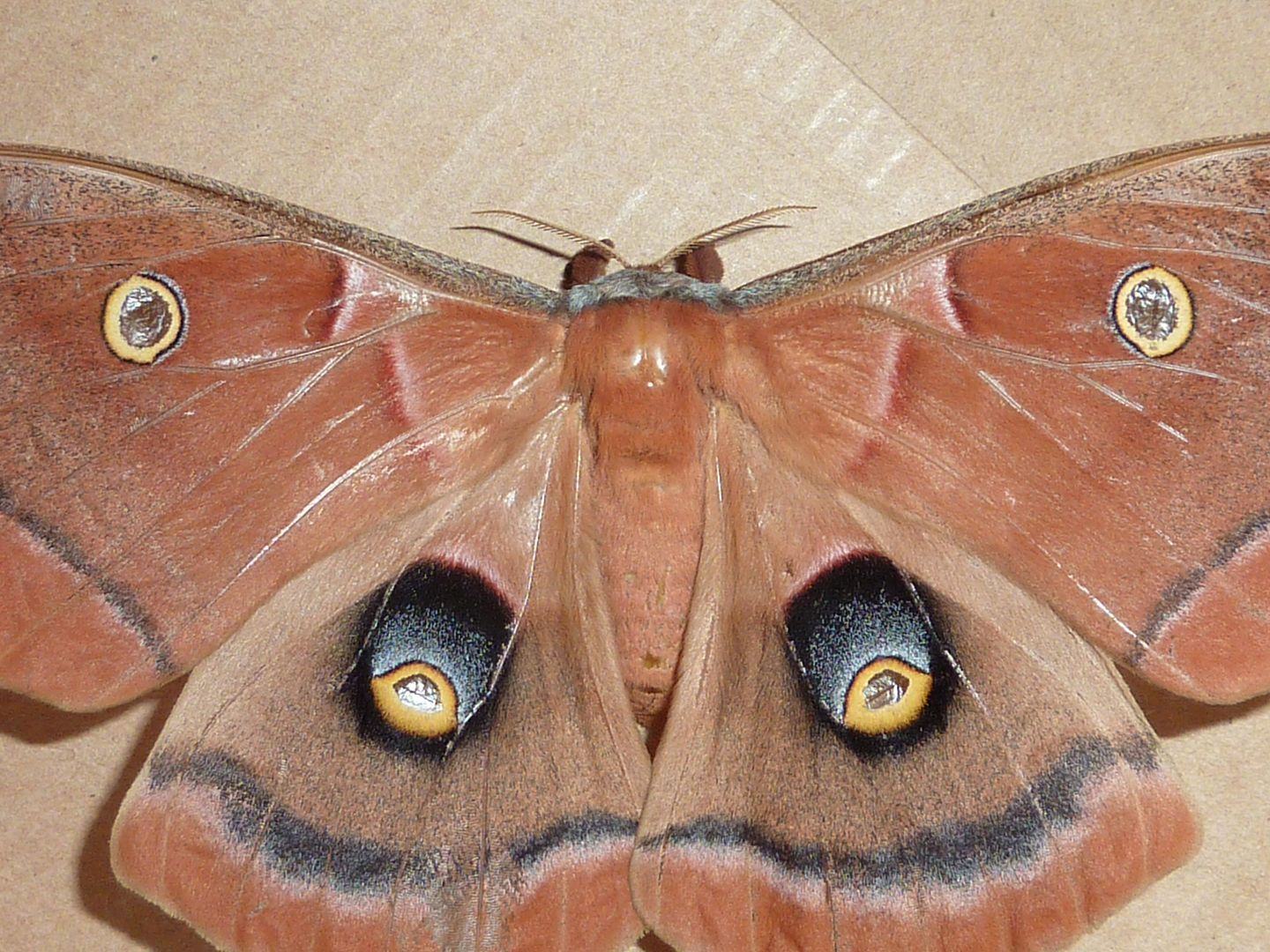
Found a Polyphemus Moth

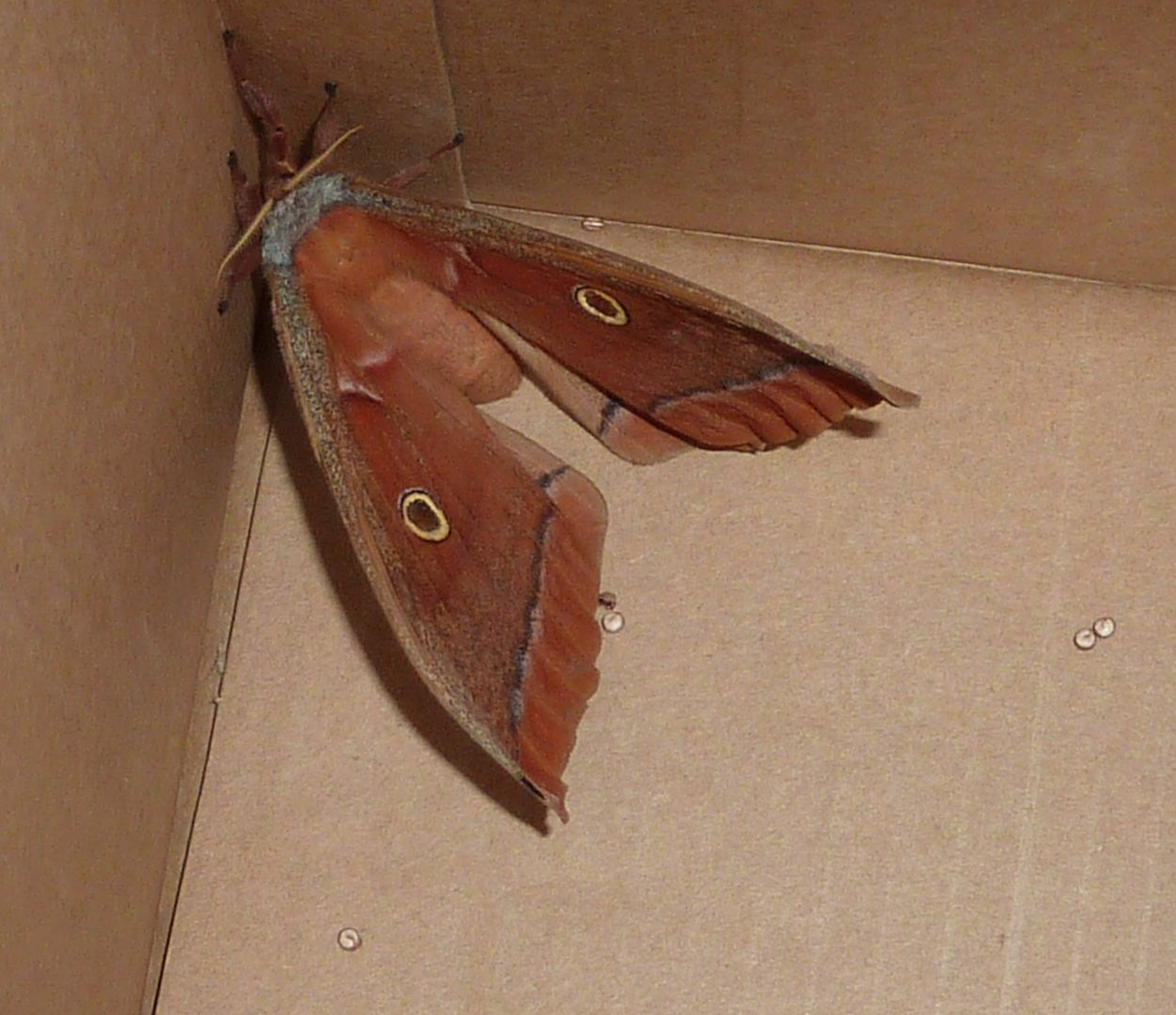
Last night while leaving work I discovered a Polyphemus Moth. Actually I discovered two but the other one was scurrying away up the wall. It was the kind of situation I feel where had I been a half hour earlier I probably would have discovered the two mating.

Acting on impulse, I once again put a giant silk moth in the car as I drove home to take pictures. The last time I did this it was with a Luna Moth and the damn thing flew up on my nose while driving! Had I been in an accident I'd have smashed the thing to my face against the air bag leaving paramedics to wonder why I was wearing a cabaret mask.

Thankfully the Polyphemus moth was more cooperative. And what's more, upon getting home I reached down between the driver's side door and driver seat. Apparently Big Moth-e wants Out-e. I discovered she had started laying eggs!

I have read that if you put them in a "paper bag" over night they'll deposit some eggs. Well apparently it's not so much the texture of the bag as the moth naturally reacting to complete darkness! So I put her in a box for the night and sure enough she laid eggs.


I'll be letting her go later tonight just as it gets dark. My yard is after all full of host plants for her though I do wish I had some Birch trees. Apple, Maple, Ash, and according to Doug Tallamy, Button Bush are all used as host plants. Now that I have a few dozen eggs to toy around with I'm thinking I'll try and rear some caterpillars if they hatch. I do have the leaves for this after all. I'm just not sure what to do about winter. hmmm. 

Monday, July 5, 2010

The Regal Moth and the Ant

image
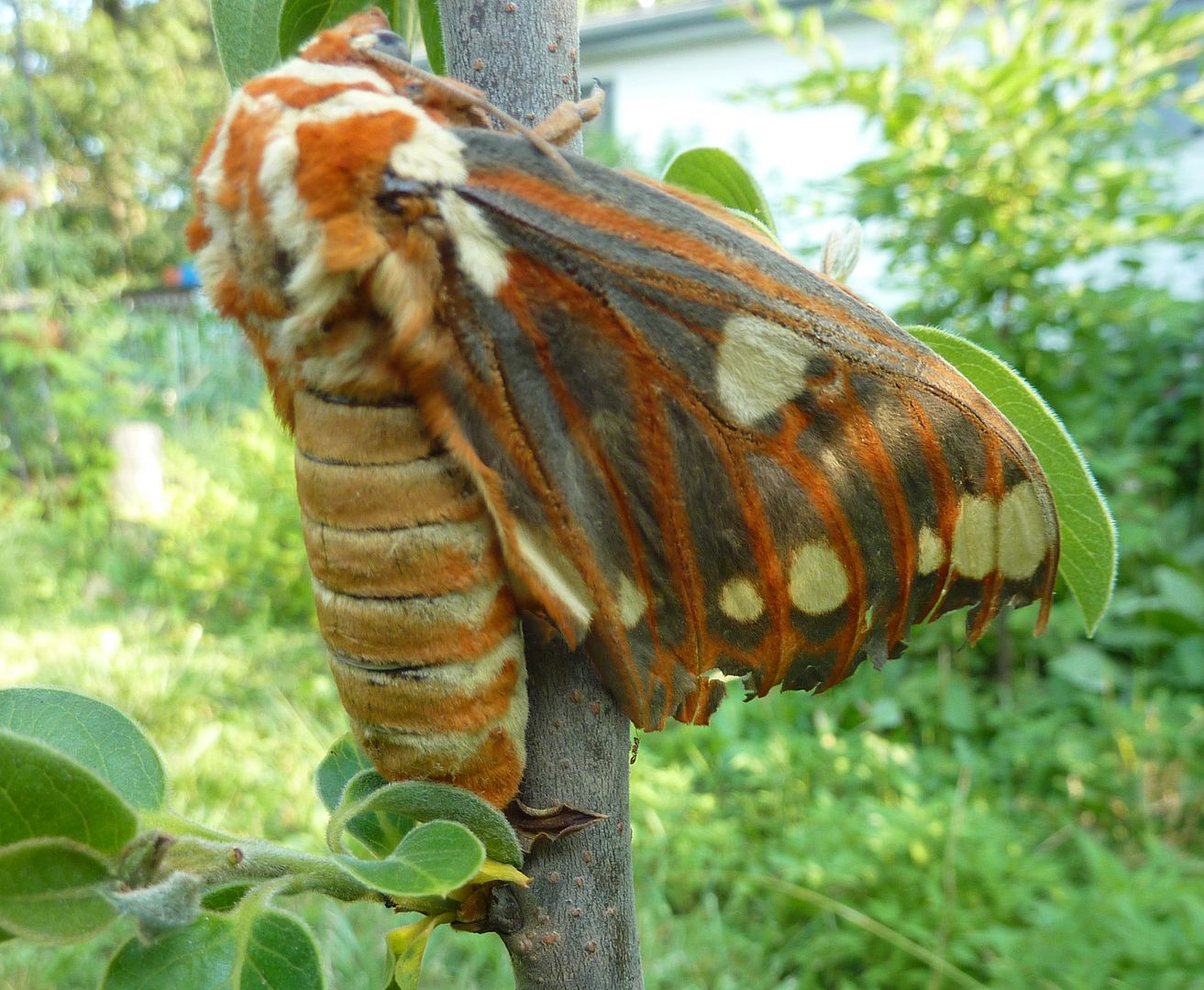
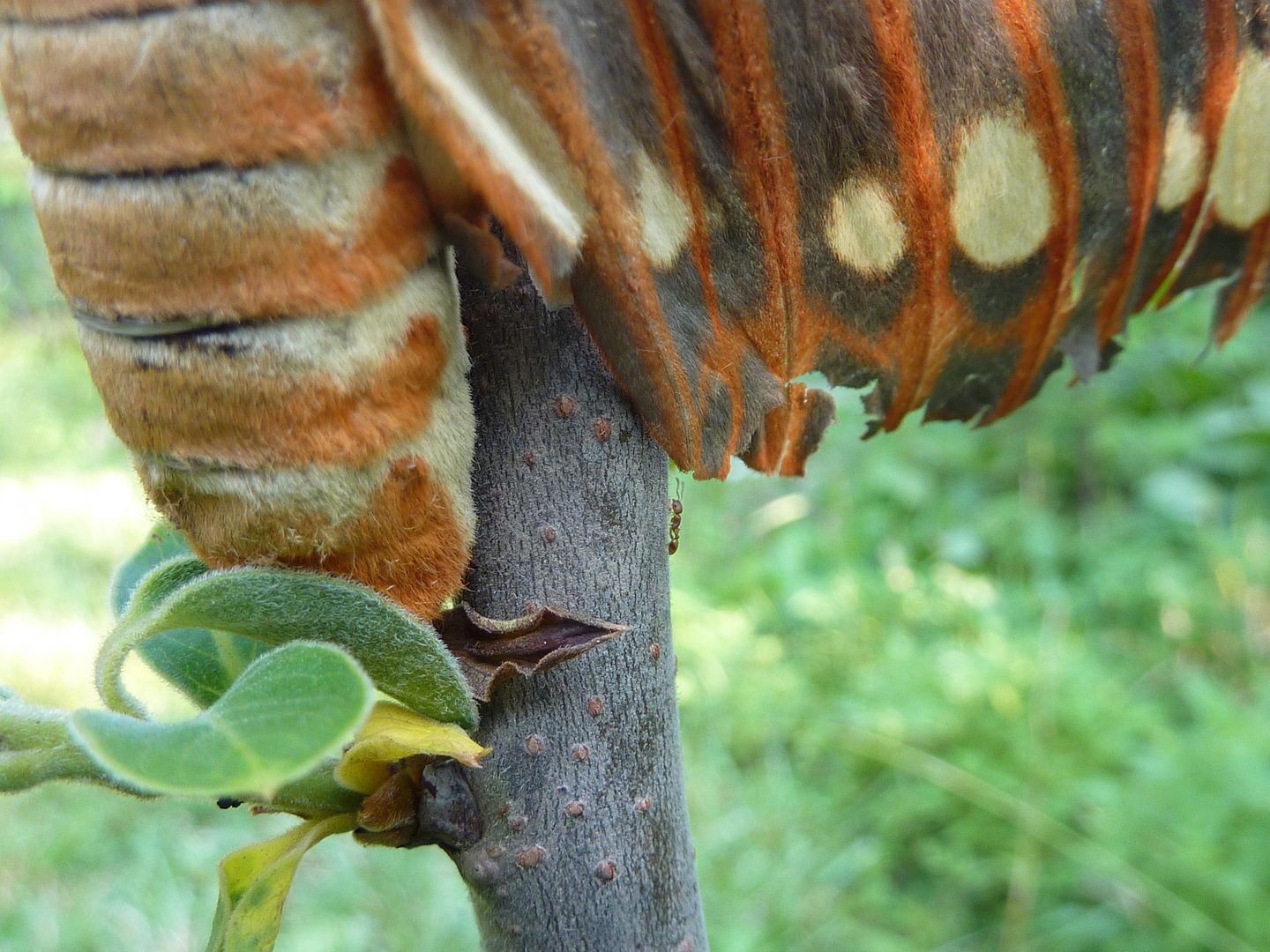
Meet Citheronia regalis, aka The Regal Moth, aka The Hickory Horned Devil who's caterpillar stage can reach close to 5 inches long. Note the tiny Acorn Ant, Temnothorax sp., in the picture... if you can find it.

image
There she is! A colony of these ants could sooner live inside it than even dream of dragging it home.

image
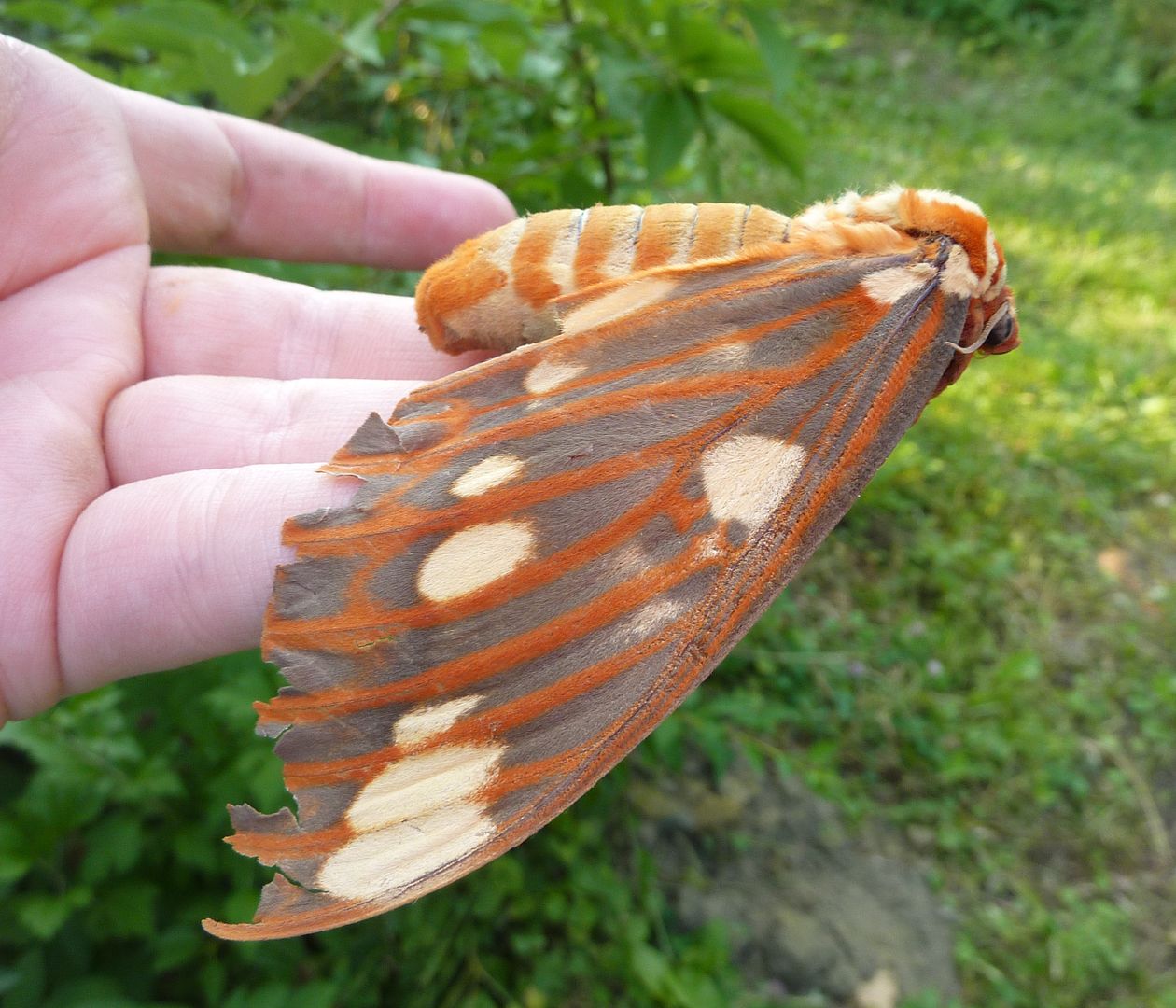
For a better comparison here is my hand. The wingspan measured 6 inches from tip to tip. The above photos were staged. My brother who works down at the shore found this moth in a state near death and brought it home. In a vane attempt to get it (him? her?) to lay eggs I placed it on the Persimmon tree. (I've found Persimmons take forever to leaf out in the spring time.) Mothra died shortly before posting this... I think. It's actually yard to tell as it's in an almost catatonic state only moving the head muscles.

Monday, December 7, 2009

Best of Butterflies 2009

I don't actually take a whole lot of butterfly pictures. Of all the pretty wonders fluttering around North America only a handful can actually be found in my yard. I'm hoping to change this of course and help demonstrate how much life can live in a small space. With all the native plants I have there has already been a dramatic increase in caterpillars. This should really be called Lepidoptera because both Moth and Butterflies are represented. So I've thrown in some caterpillars and added little comments here and there.
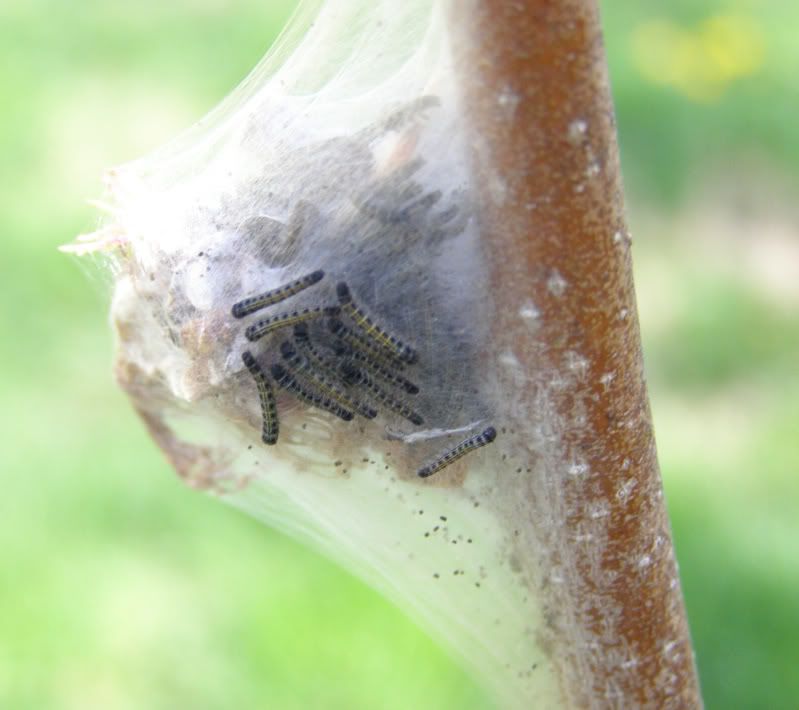

Waking up is hard to do. Tent moths hatching in early April.
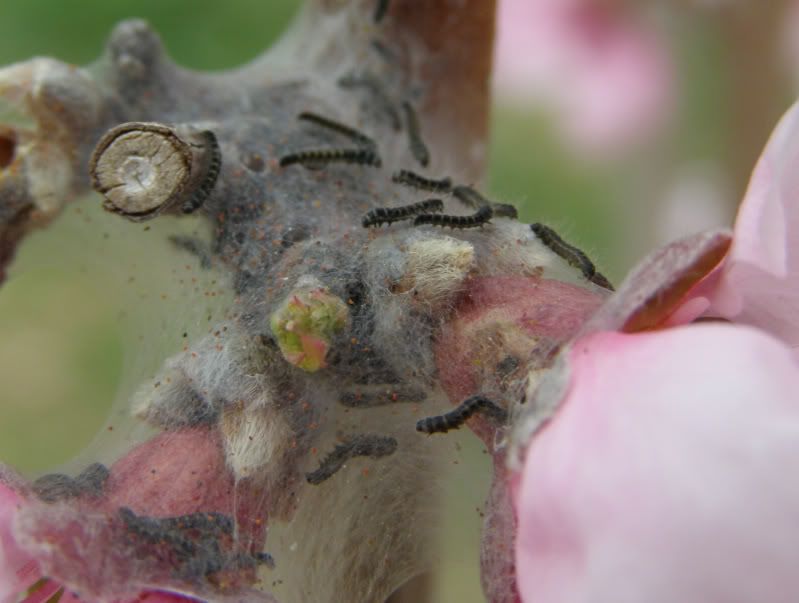

Fruit trees taste delicious.
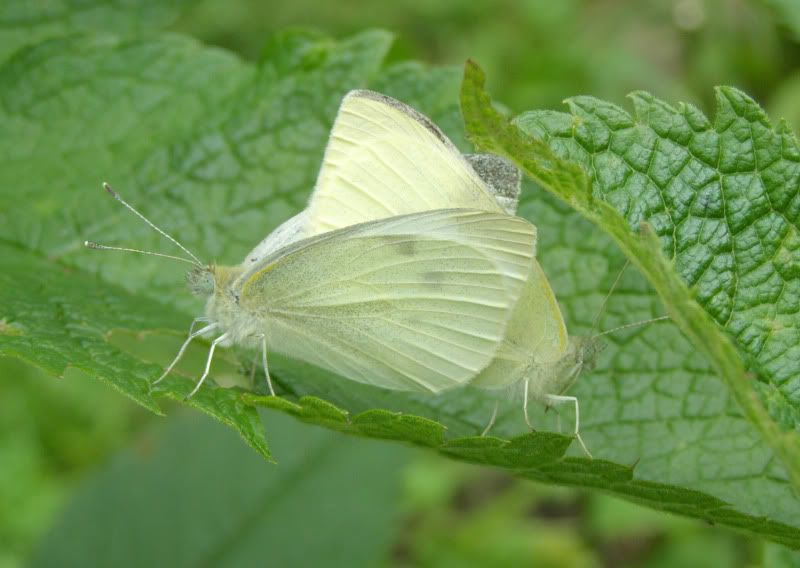

Mating can be awkward for butterflies. And what's worse is the female started flying with him still attached. Owww!
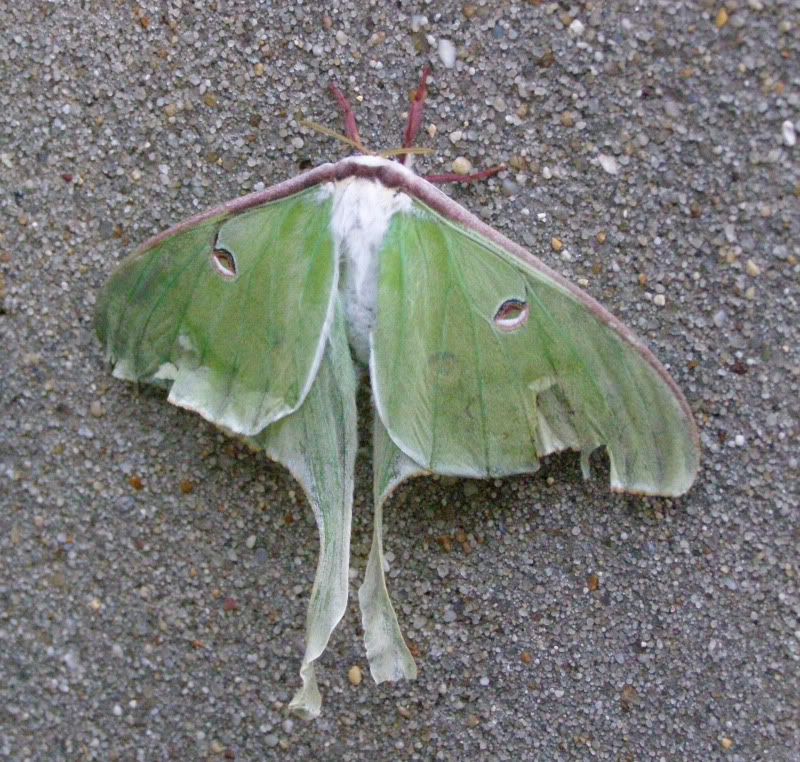

Though not in the best condition the Luna Moth is one of the prettiest of our Giant Silk Moths. The color green is actually kind of rare with Lepidoptera, and I wish I saw these giants more often.
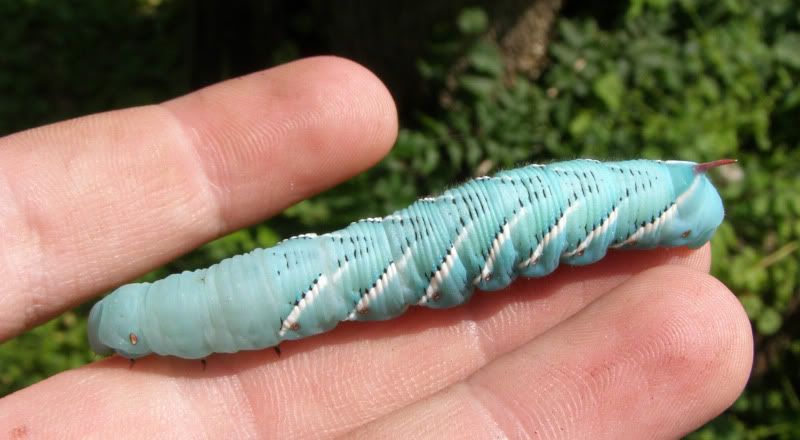

Tobacco Hornworms also come in blue! They're normally green like the plants they eat but that's only because of what they're eating. When bought at the store they're a a neat electric blue color.


Caterpillars can be suicidal. This was a bird's lucky day.


Leaves don't have enough windows.


Couldn't identify either of these, and as far as I can find nothing uses Stokes Aster as a host plant.
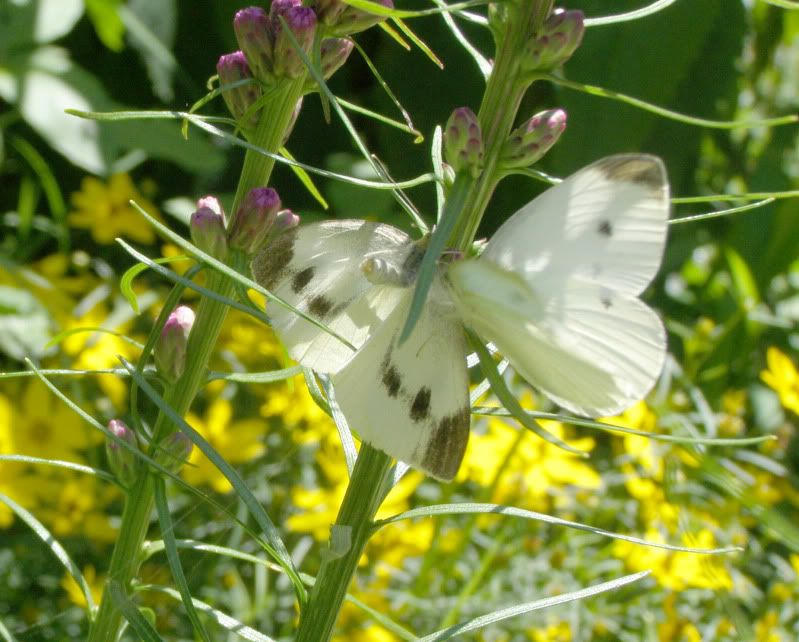

I saw a lot of Cabbage Butterflies and Skippers doing this but very few of anything else.
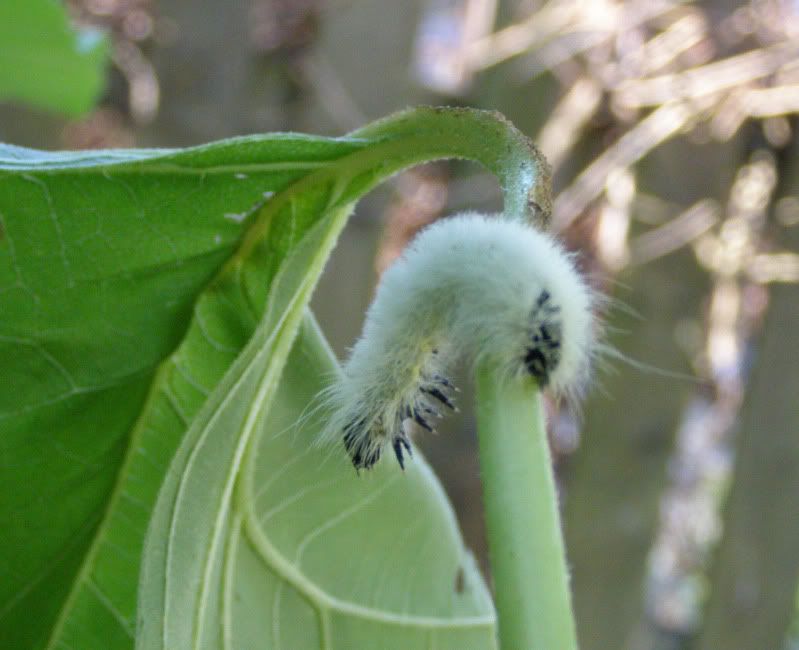

Woolly Bears also come in white. Actually it's not the Woolly Bear but I'm sure it's something related.
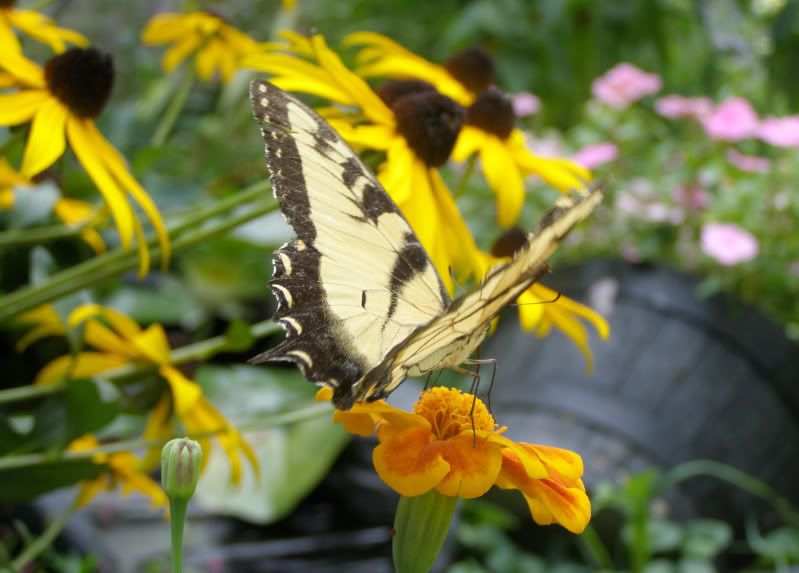

And then August hit. Finally! A swallowtail.
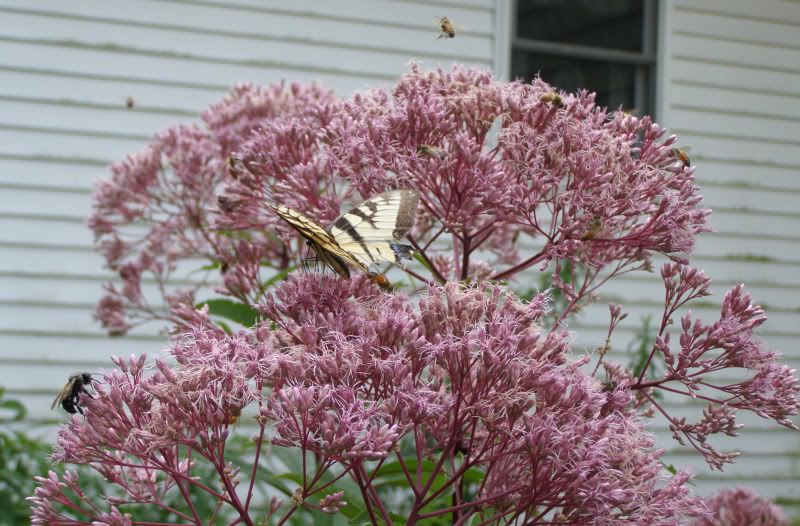

Right in time for the Joe Pye Weed.


An endangered species, The Regal Moth, also called The Hickory Horned Devil. It died shortly after my friend took this picture. Even so, it's great to see they're still around.
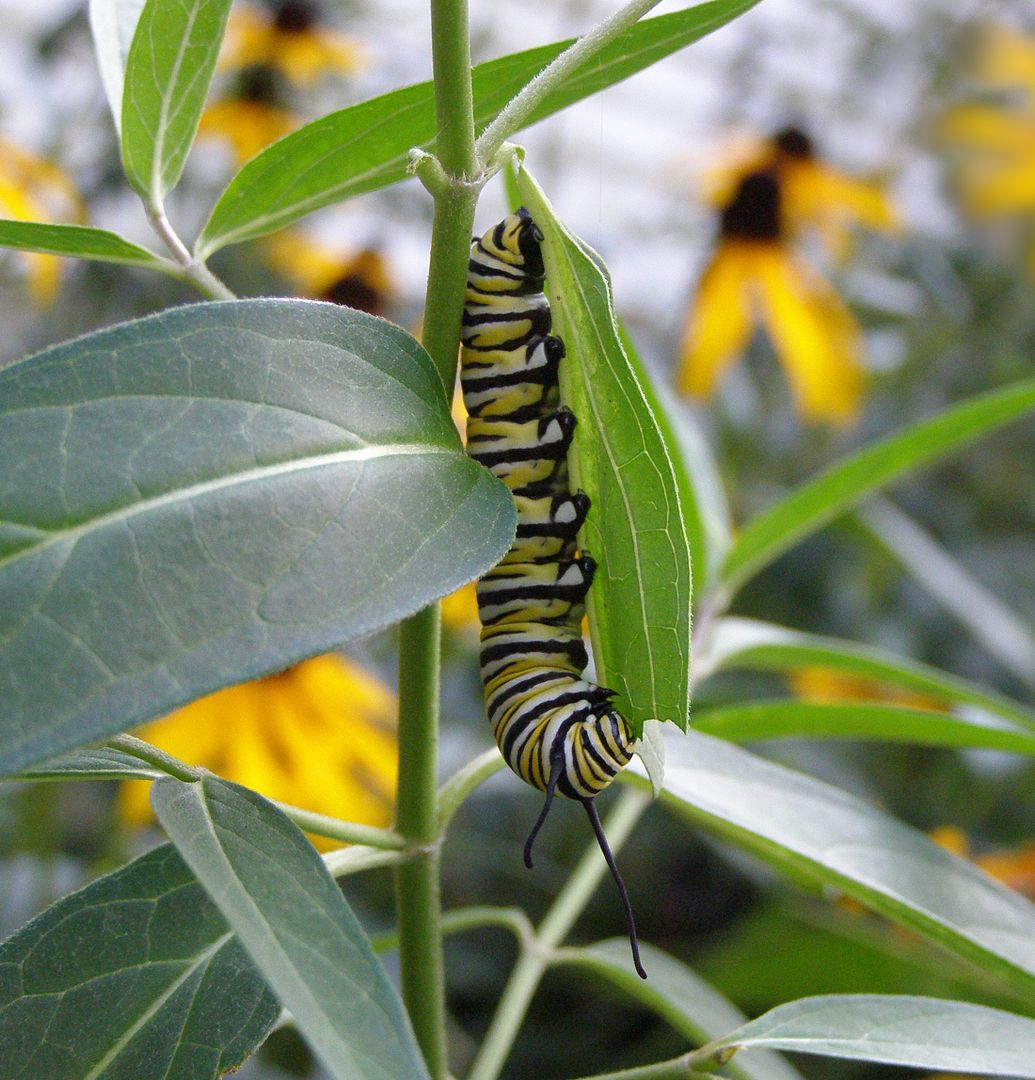

Monarch nibbling on some Milkweed. Just hanging out.


Skippers colonizing the Black Jack Sedum.
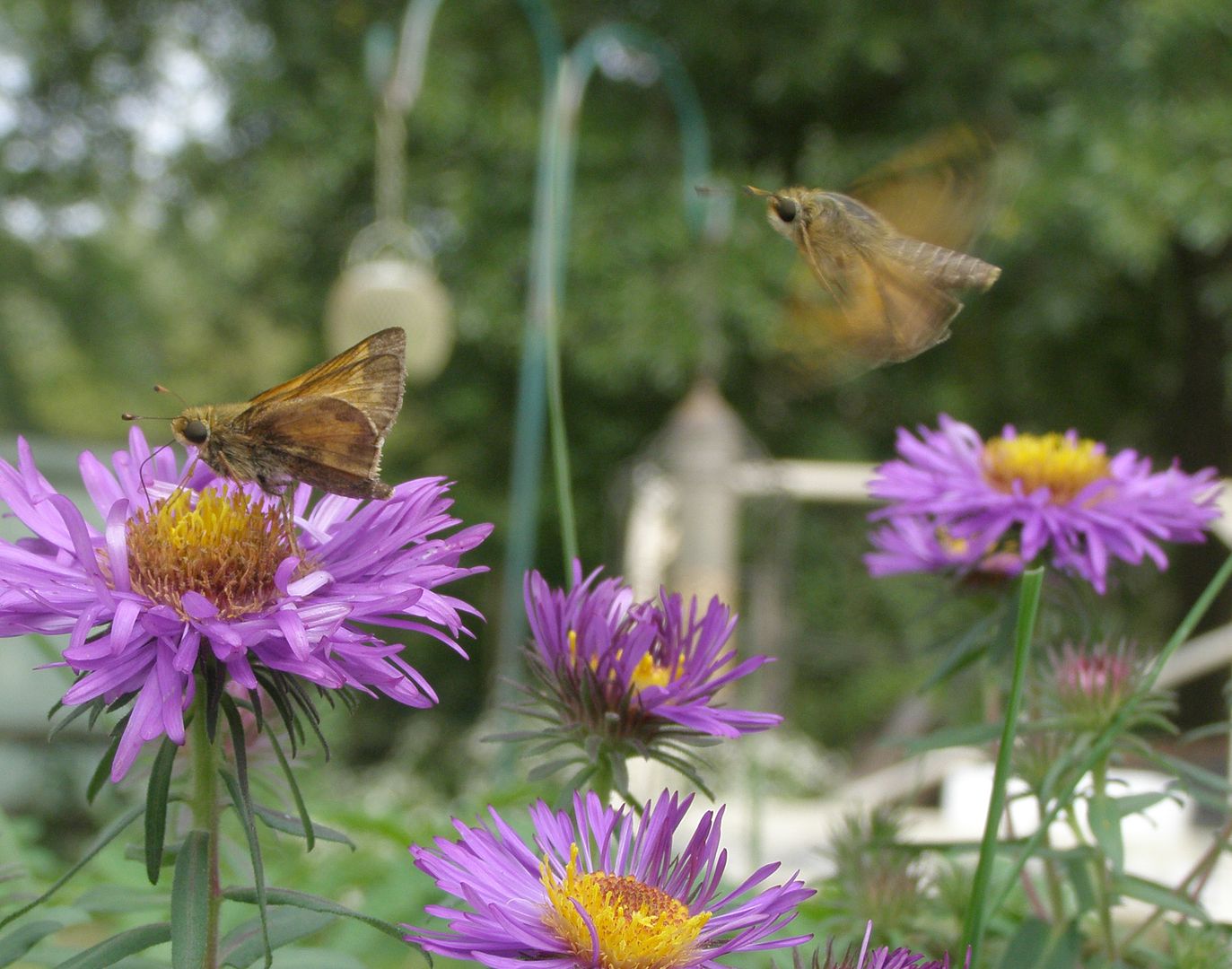

Boy meets Girl.
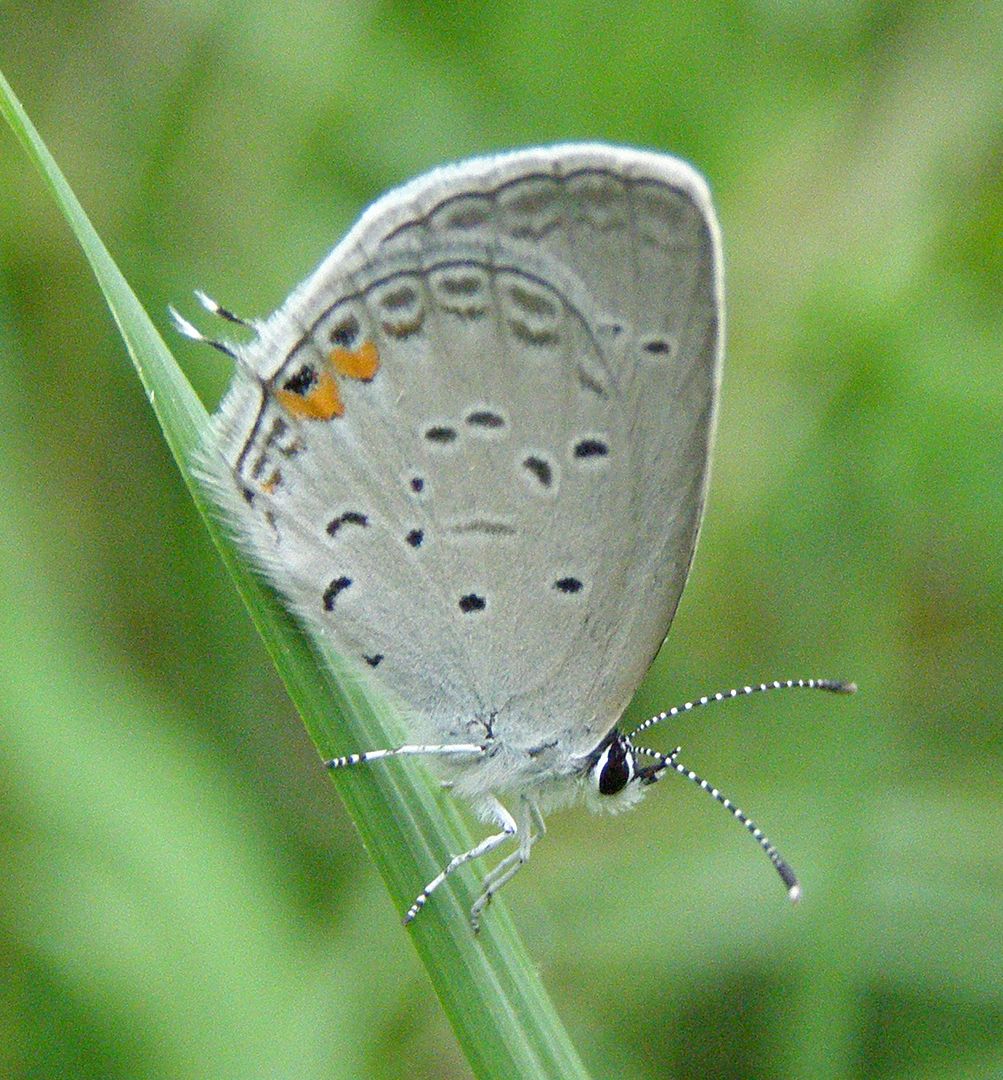

This one was about the size of a dime.
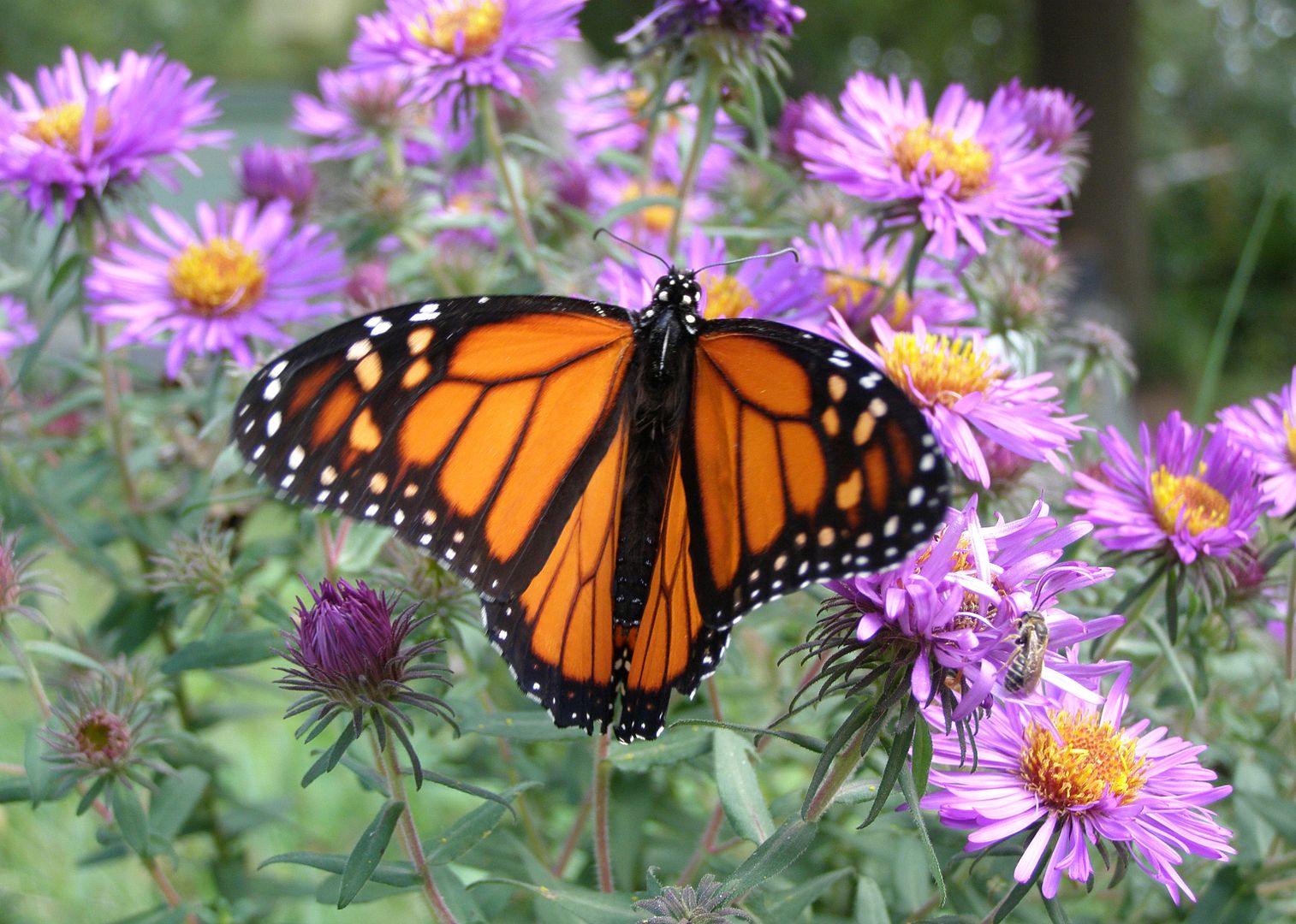

A Monarch filling up for her migration south.
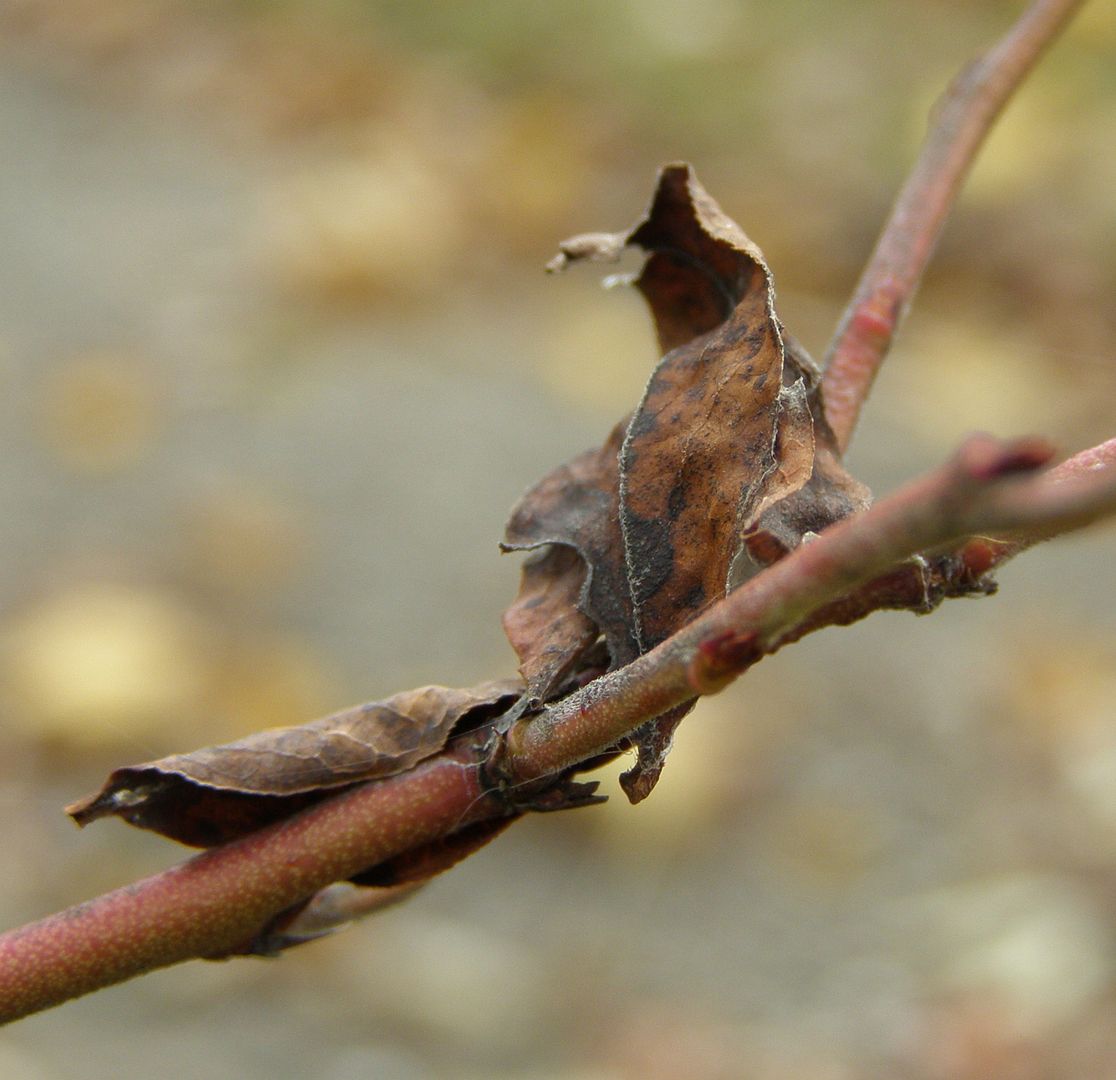

Wake me when Spring is here.