Showing posts with label Currant. Show all posts

Friday, May 10, 2013

Some Native Berry Plants

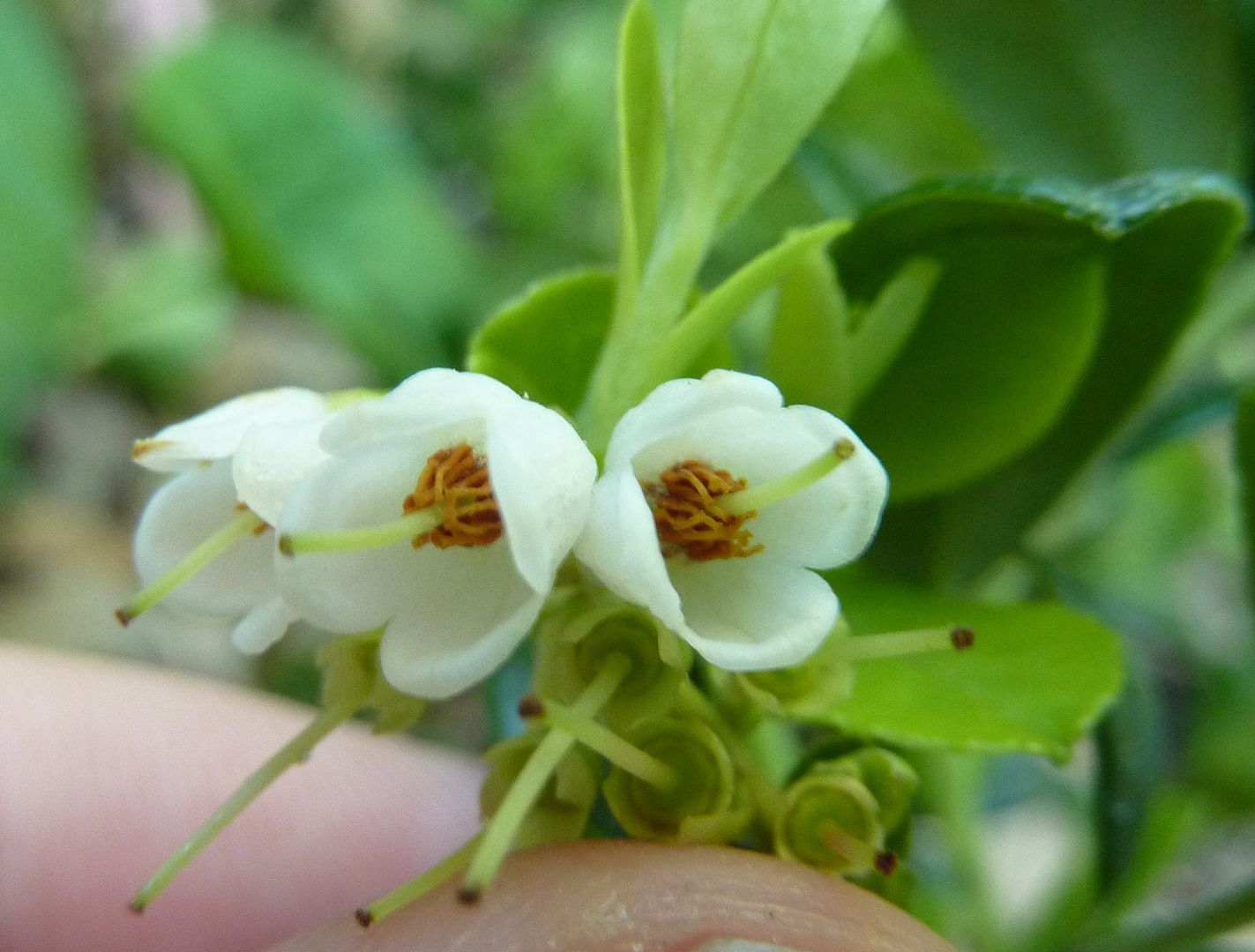
I'm giving Lingonberries, Vaccinium vitis-idaea, another try. Years ago I planted some next to the Gooseberry/Currant shrubs but the area proved to be too dry over the summer time and they were dead within the year. They were just four plants that came in 4" pots but were obviously recent cuttings that had rooted because it was just one little stem poking out of the ground. So I decided to try them again, and somehow or other I ended up buying 18 of them! This is excessive even for me and my plant spending habits, though I want to say the bill was something like $60 in total so that's at least an okay deal. The plants arrived in 4" pots (from a different nursery) and looked like very healthy Box Wood-like plants. So I'm very happy with what I got in the mail. From planting them I see they spread some by underground runners so they might eventually pay for themselves. I've planted them into two groups, one is sunny and damp, while the other is shaded, slightly dryer, and also right next to the garden hose. Their flowers are very much like the white bells we see on blueberries, but with earthy orange and red pollen inside. 

Lingonberries are native to the US, despite how prized they are in Scandinavia. Though I'm sure some variation of them must occur in northern Europe and Asia. Basically they're like a cranberry and I'm told with a similar flavor. Unlike cranberries though, these should flower twice a year and produce two crops of berries each year! I had thought this was universal but I notice it's not listed for all varieties making me think it could have been bread out of some cultivars or not a trait in all species, hmm.... 

My Blueberry shrubs are also flowering, though I don't believe I'll be getting as many berries as I got last year. One of the six plants actually died. The ones that remain have dead limbs on them that I believe I should prune off. For as much as I love blueberries, I sure wish I could grow them better. I do add acidity to the soil each spring and autumn, but it doesn't seem to be enough. Hopefully it's just them establishing their first year.

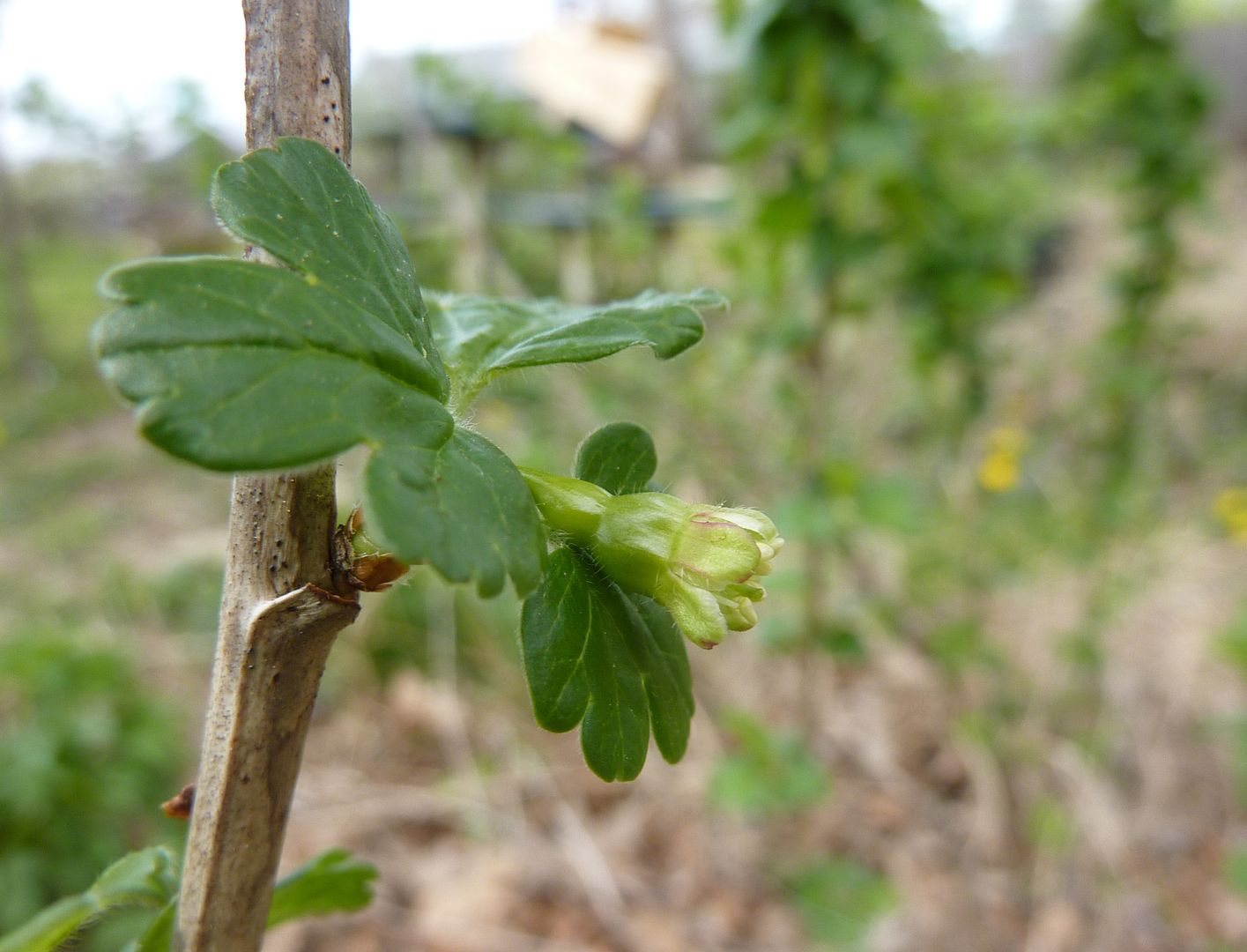
The Gooseberry/Currants flowered too. I think this is one of the western varieties I bought a few years ago. They really took their sweet time just growing to be waist high, but are now flowering at pretty much everywhere that pushed out a leaf. They're very productive plants when they get going.   

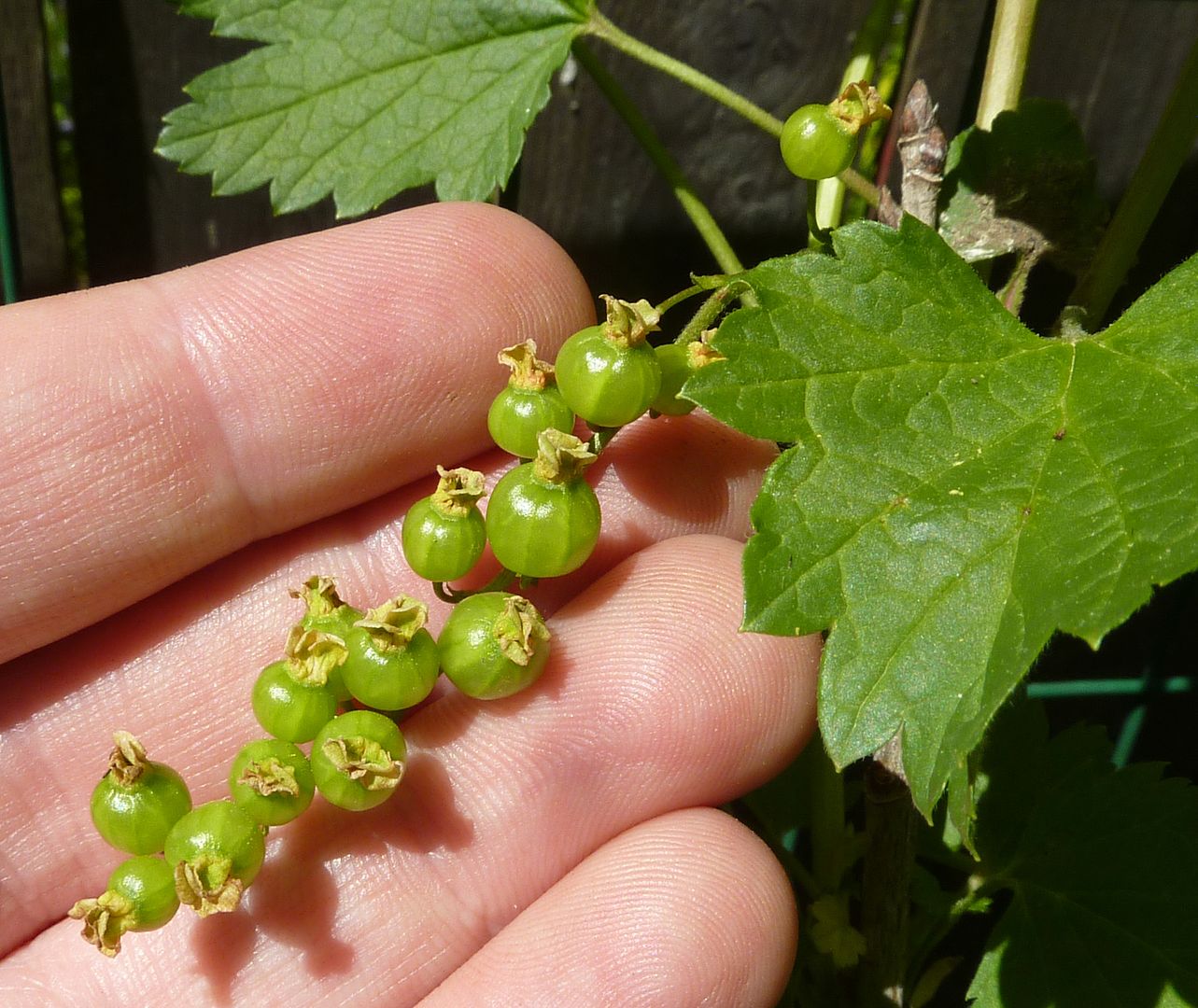
One variety that was supposed to be 'Pixwell' but clearly isn't, is already puffing up its berries. These turn into bright red orbs like Red Currant if I recall right. I'm reasonably sure this is Red Currant, which is probably one of the few plants I complain about the most. Their berries are very tart and sometimes bitter, and yet they're addictive. In other words the perfect plant for your masochistic grandmother.

Monday, April 22, 2013

Happy Earth Day

I don't really celebrate Earth Day by doing anything special. In my mind I think I celebrate the earth every day that I'm able to walk around and enjoy the outdoors. As a compulsive gardener though I can say one again I've splurged or didn't know when to stop and gone ahead and bought $800 worth of plants from almost a dozen nurseries that sell native plants.

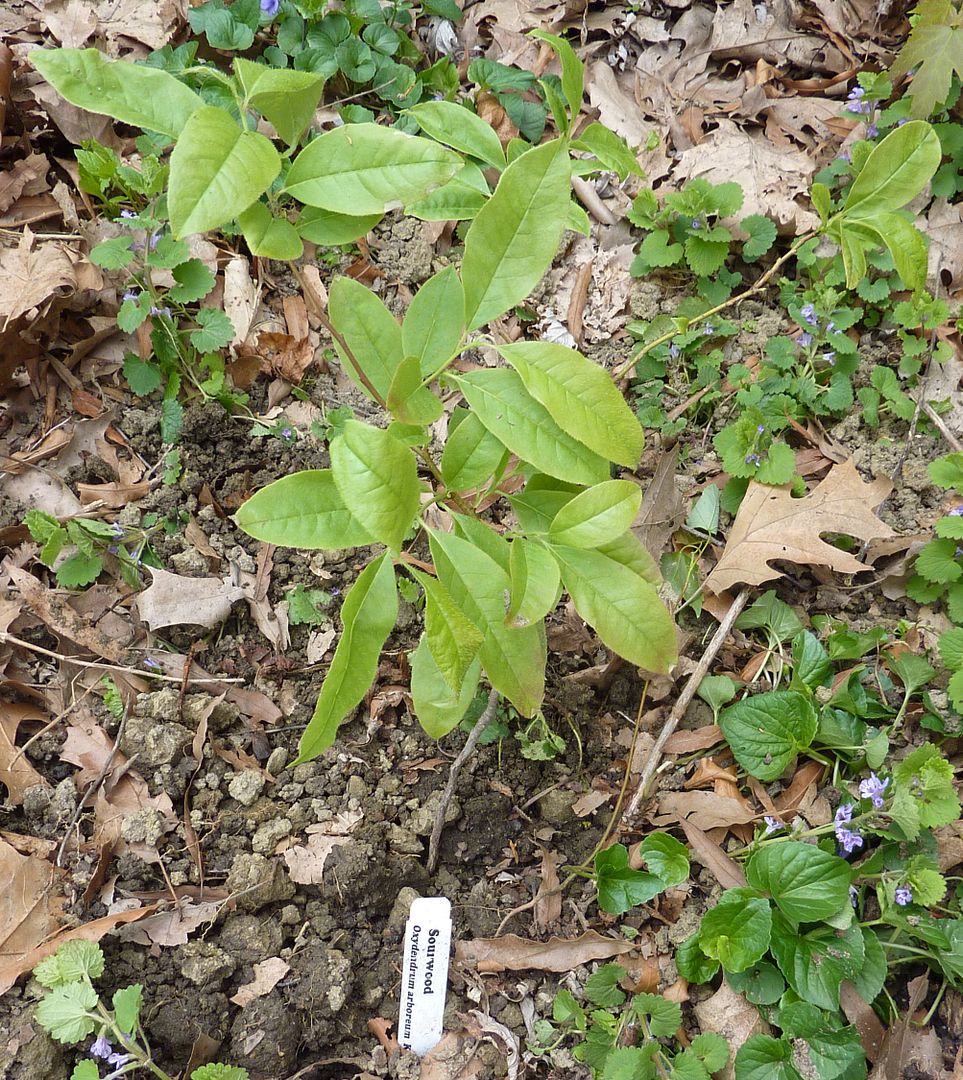
Sourwood, Oxydendrum arboreum, is probably going to end up being the prettiest tree I'll have planted. They produce bell shaped flowers that aren't entirely showy but they're arranged like exploding fireworks scattered throughout the tree. In the autumn time these seed pods occur in the same locations and the red foliate makes them pop out even more.

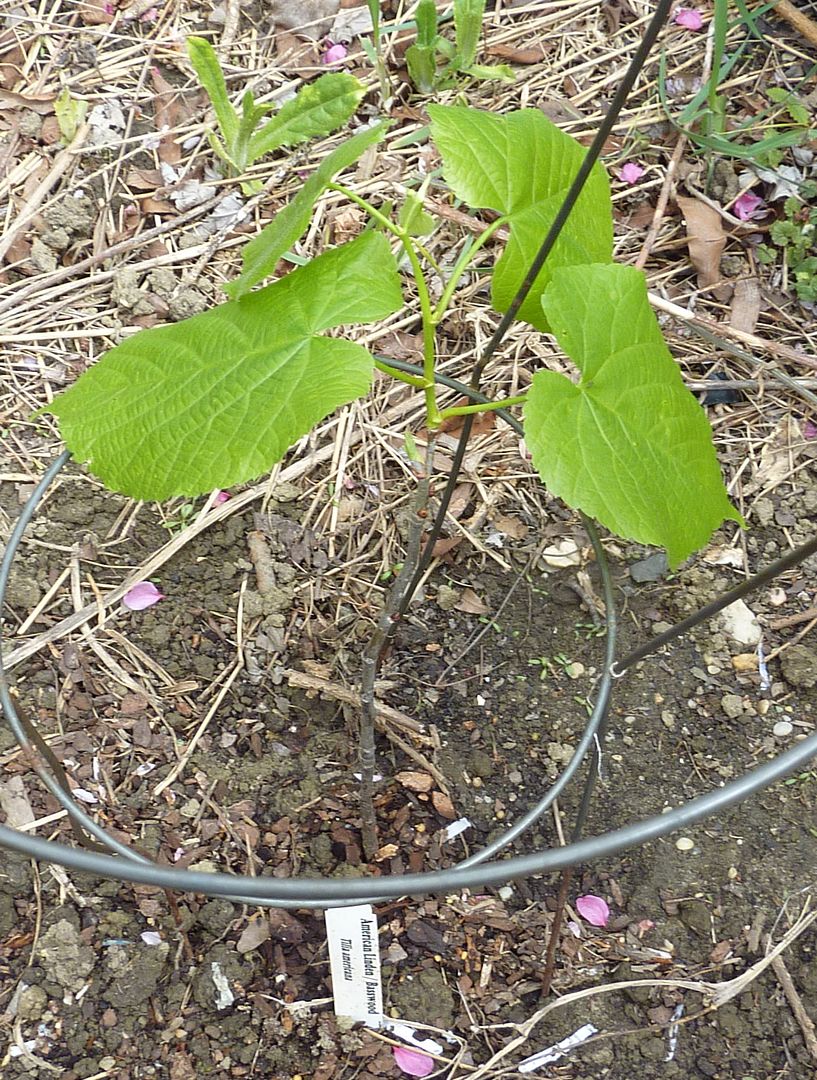
American Linden (aka Basswood), Tilia americana, also has red foliage in the fall time, which is pretty but they lack the seed pods of the Sourwood. Their flowers are slightly noticeable as a pale yellow or blond color. Bees really love them.

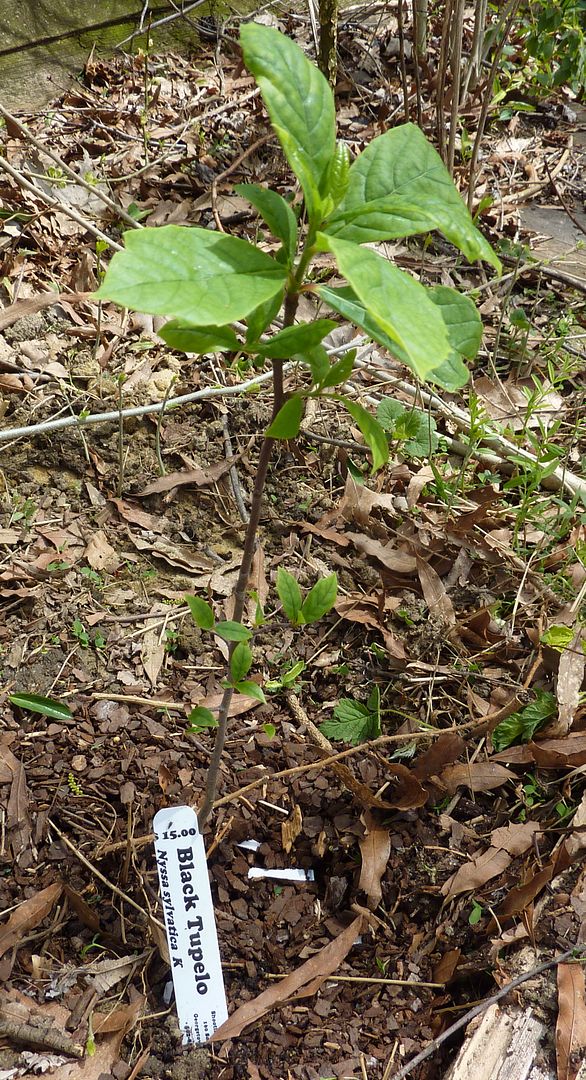
Black Tupelo (aka Black Gum), Nyssa sylvatica, is another red leaf tree in the Autumn. The flowers aren't showy in that they're green balls of blooms, but bees absolutely love them and they go on to produce tiny blue berries that birds love.

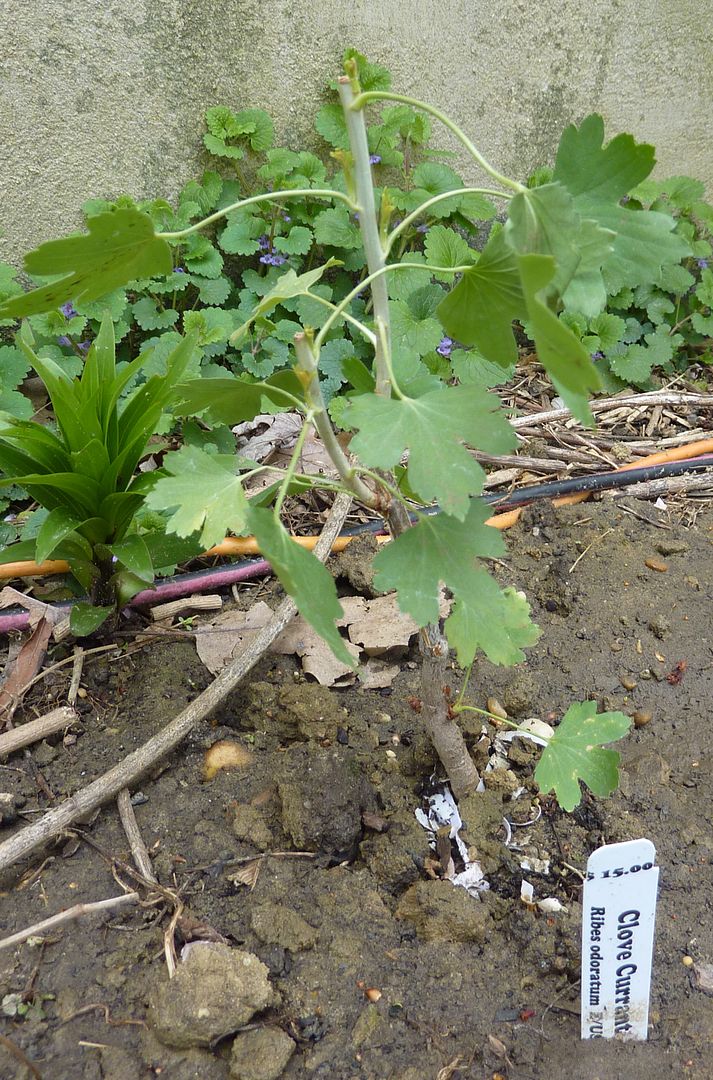
Clove Currant, turns into a shrub up to 10' tall and around.

Helianthus salicifolius 'First Light' is a more floriferous cultivar to the true species. Online images show them absolutely covered in flowers.

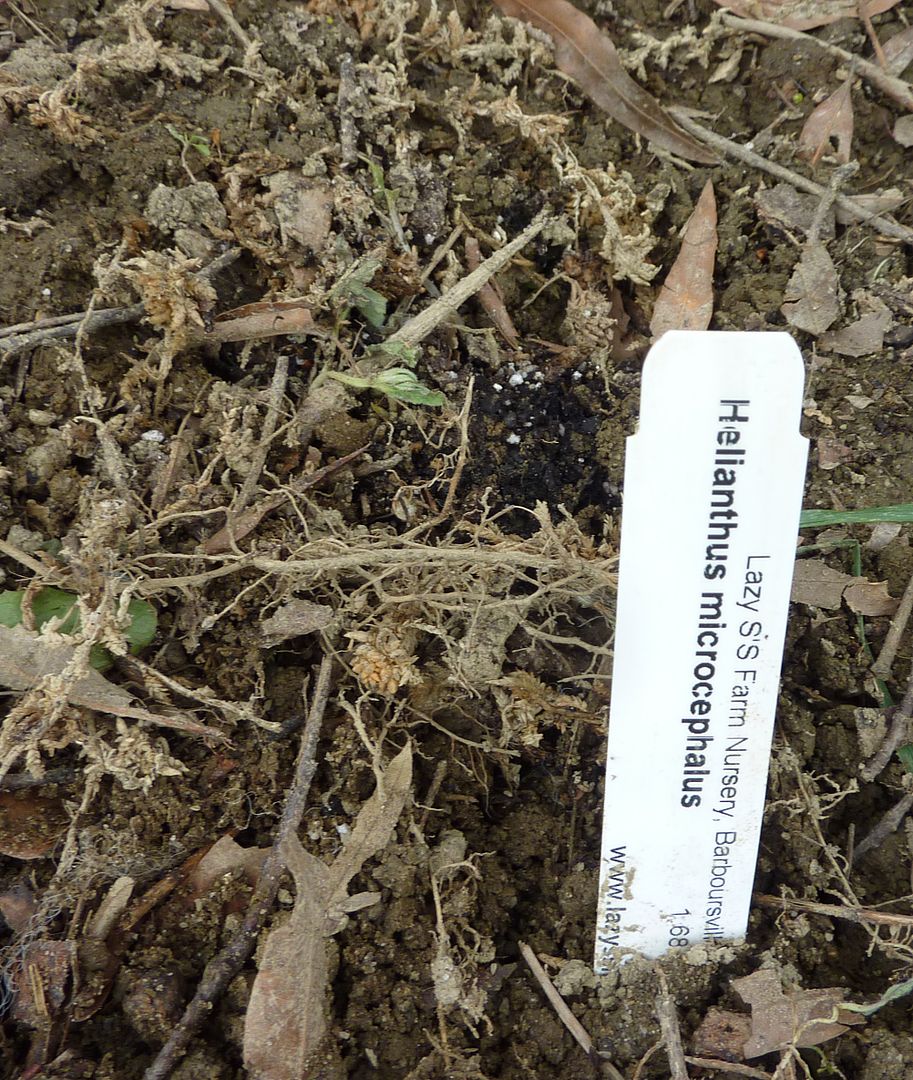
Helianthus microcephalus, is a small headed sunflower. Yesterday when I planted it, it was green and growing up a storm, but it seems a squirrel decided to eat off the stems, Bastards. I do wish to eventually find some plant that would kill the squirrels someday as they do stand in the way of a lot of my gardening exploits. 


Liatris mucronata, which produce a sort of thick and tuffy looking stem with flowers in the late summer and autumn months.

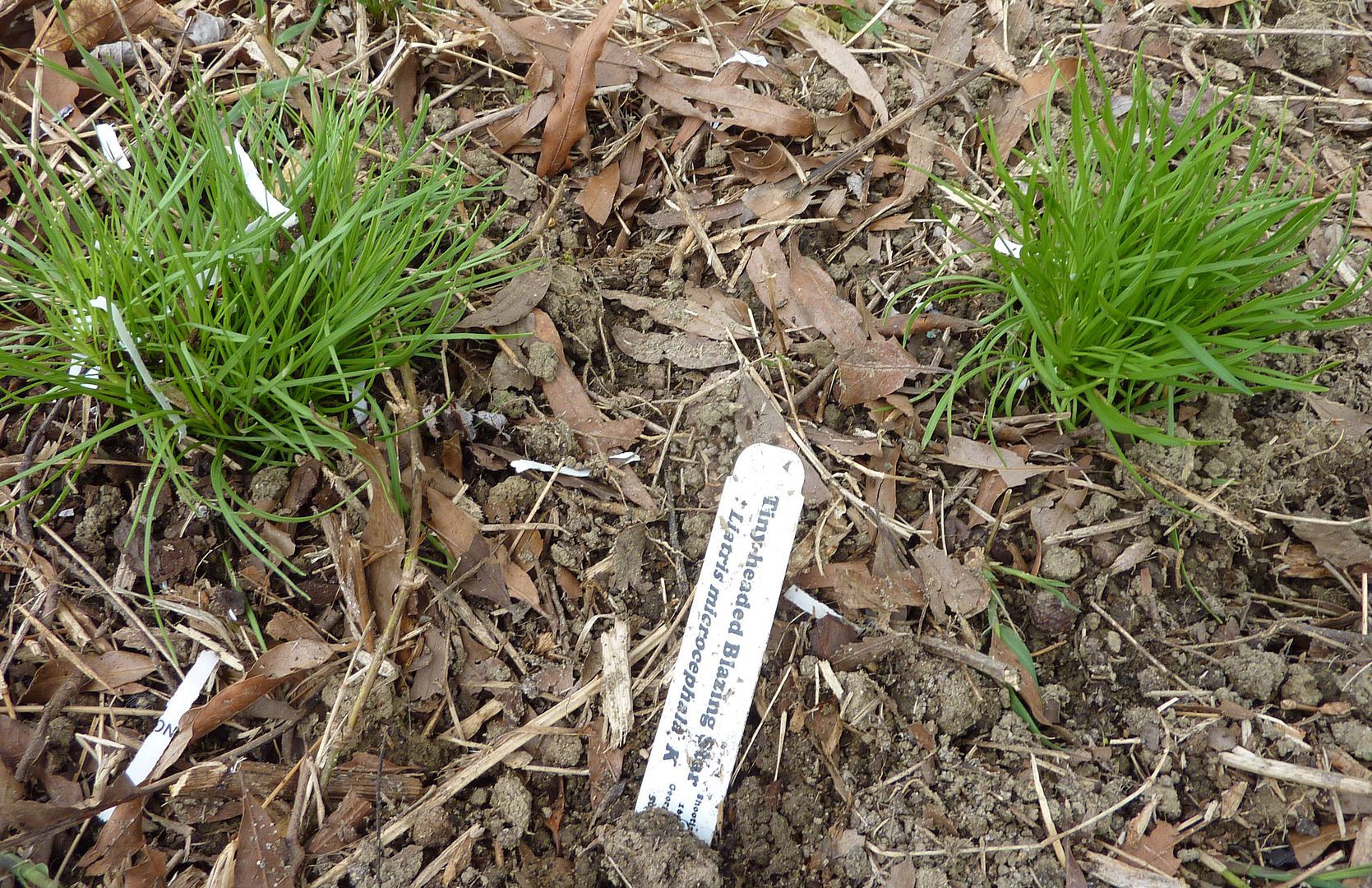
Liatris microcephala, which seem to make really tiny corms or at least send up dozens of stems out of one big one. These grow out very tight and grassy looking until they flower in the late summer and autumn months.