
An issue though is I understand female box turtles leave the forest around now to lay their eggs out in fields. The resulting babies live underground for the first few years feeding on god knows what.
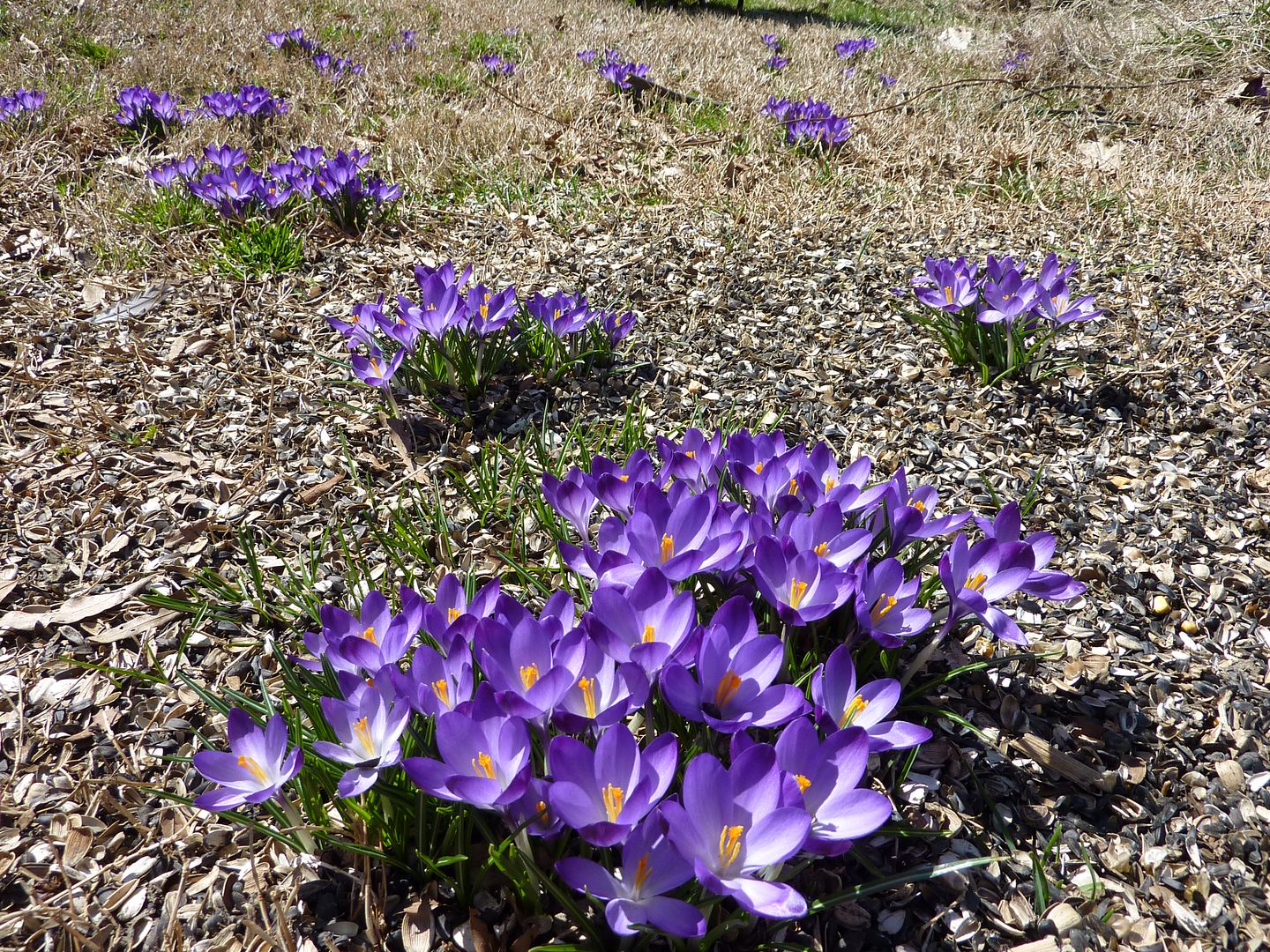 |
| When I planted a few Crocuses in the lawn three years ago, I had no idea they'd each divide and multiply into their own clump. They are getting to the point where I could harvest certain groups and sell them. |
 |
| Maple Tree in bloom. So many of my friends scratch their heads when I mention that Maple Trees have flowers. I don't know what it is that makes these so hidden. I think they're confused by all the Magnolia trees that scatter the neighborhood. |
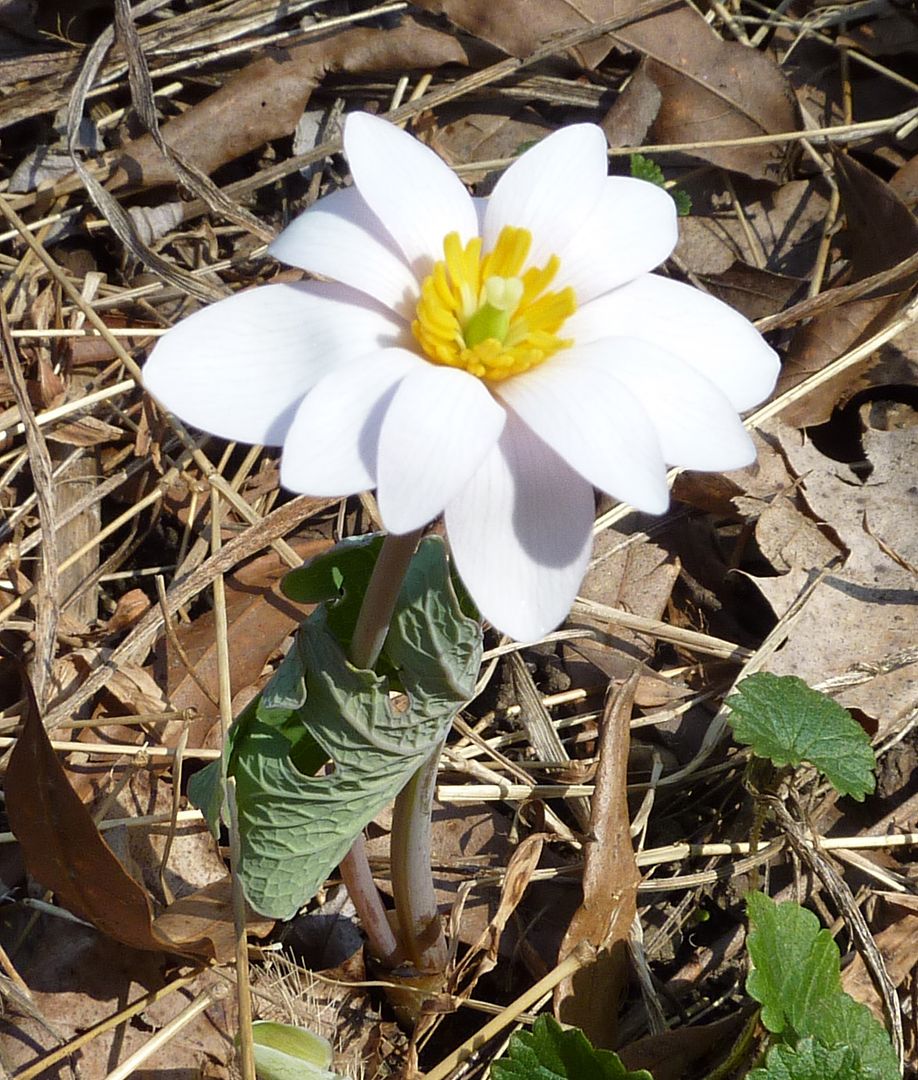 |
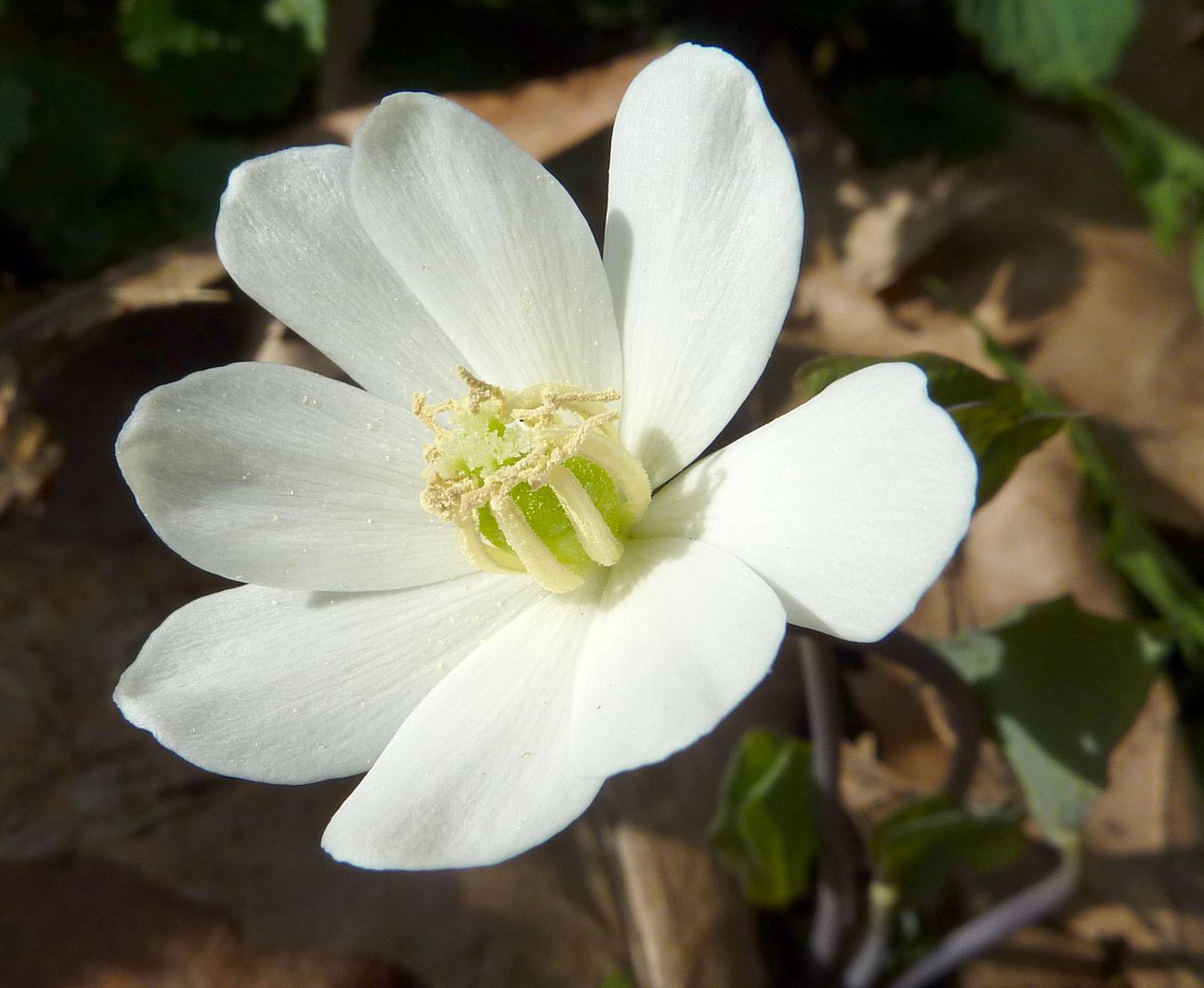
| Bloodroot, Sanguinaria canadensis, in flower. I planted 3 of these last year. Unfortunately only one has come back. |
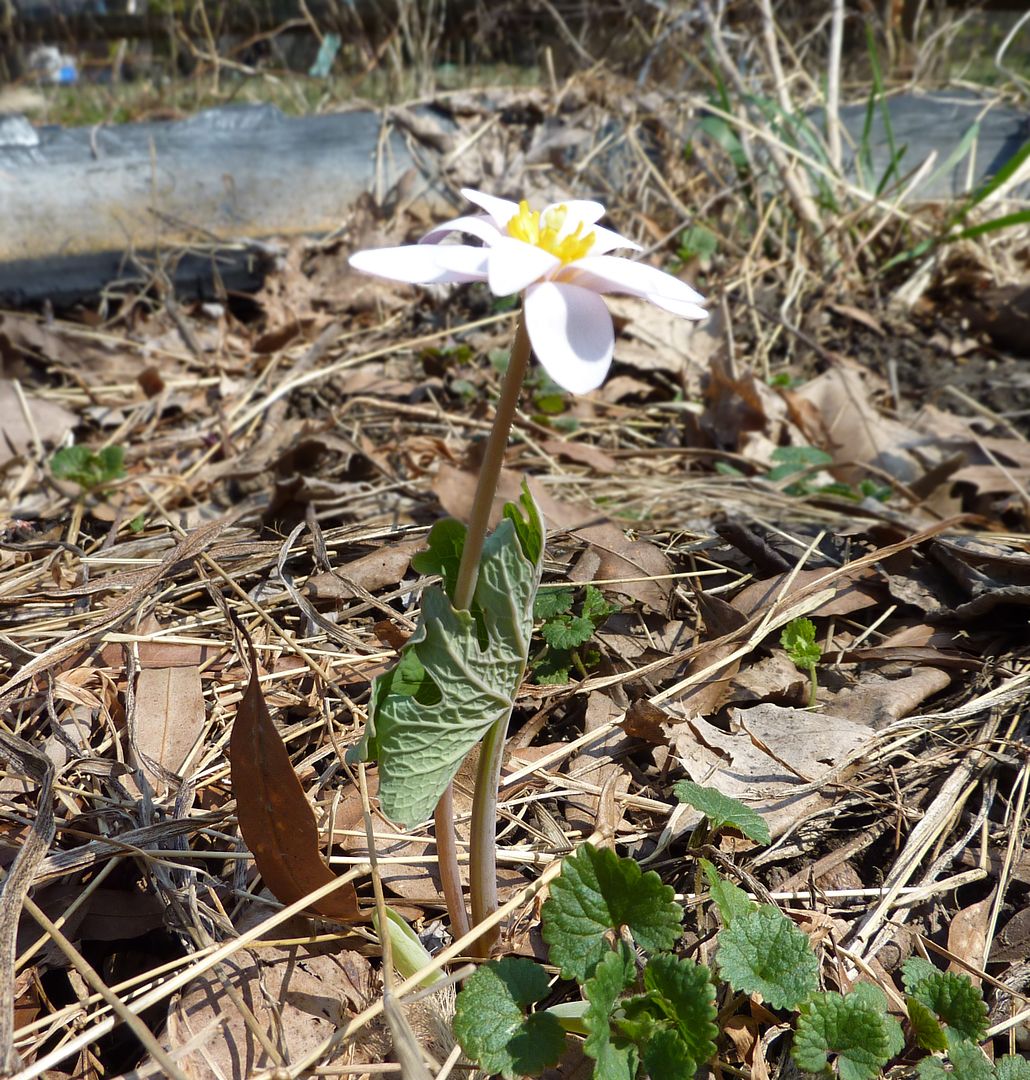 |
| I love how the leaf clasps around the flower stem for added support. |
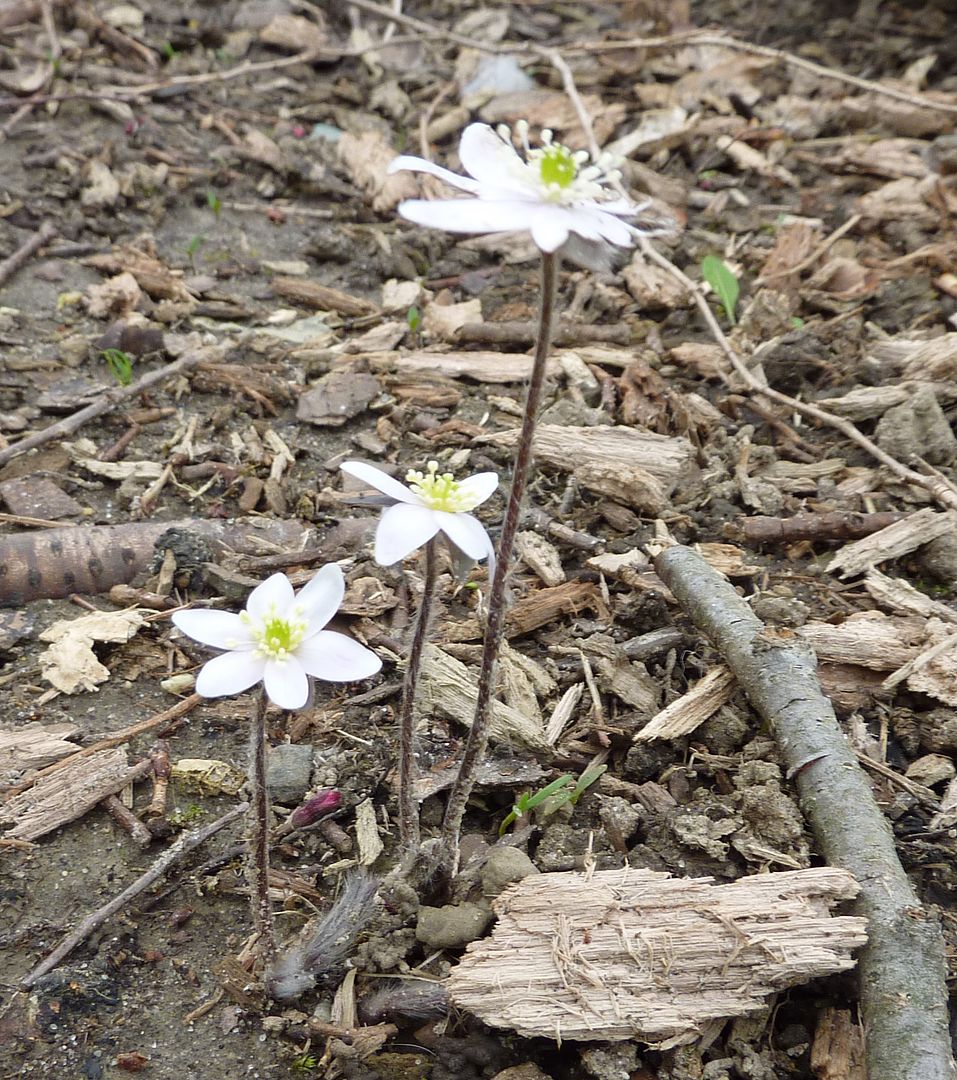 |
| Hepatica sp. This is one of the earliest and smallest wildflower. The tallest one here is maybe just shy of a U.S. dime. |
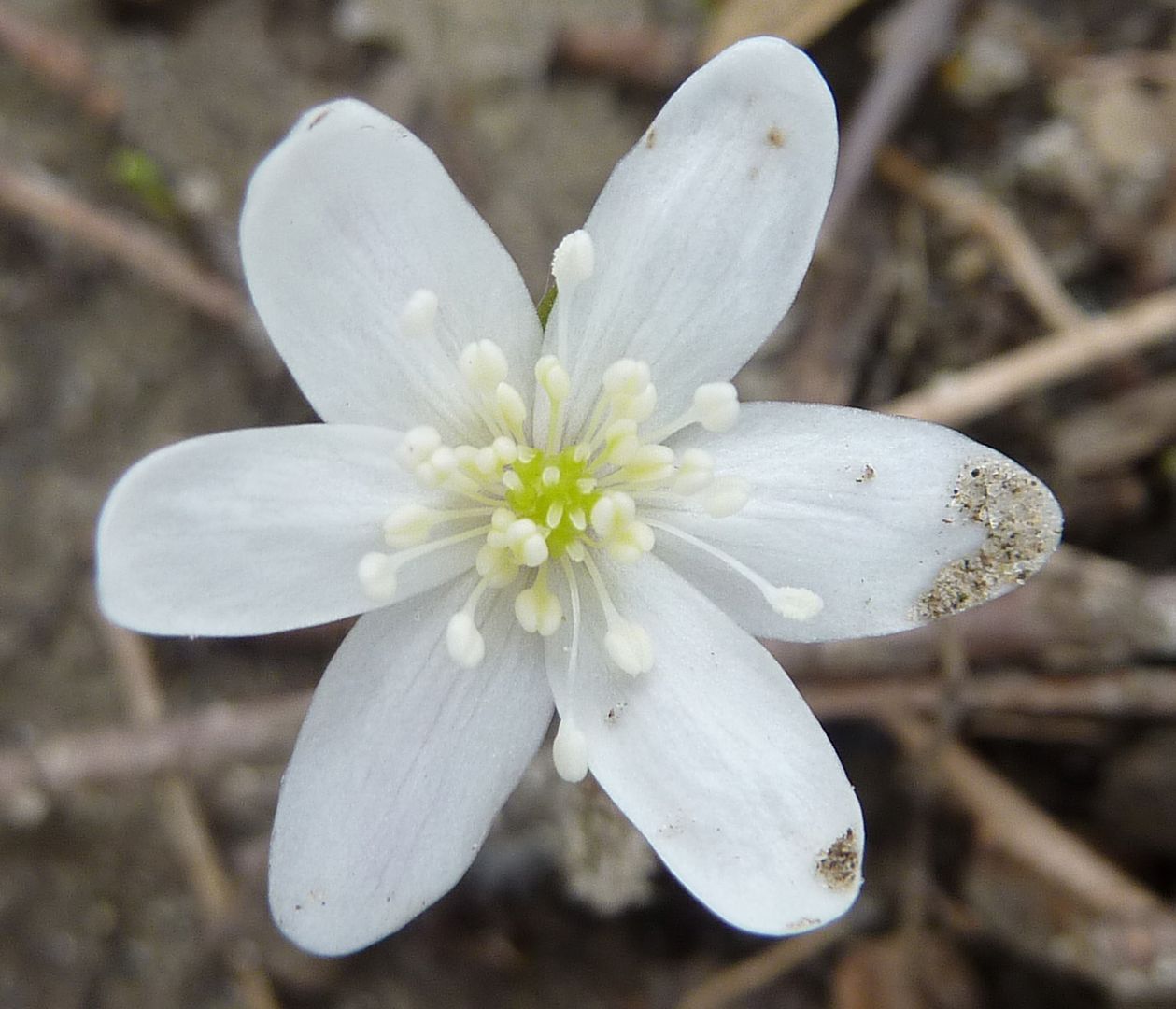 |
| Hepatica sp. up close. |
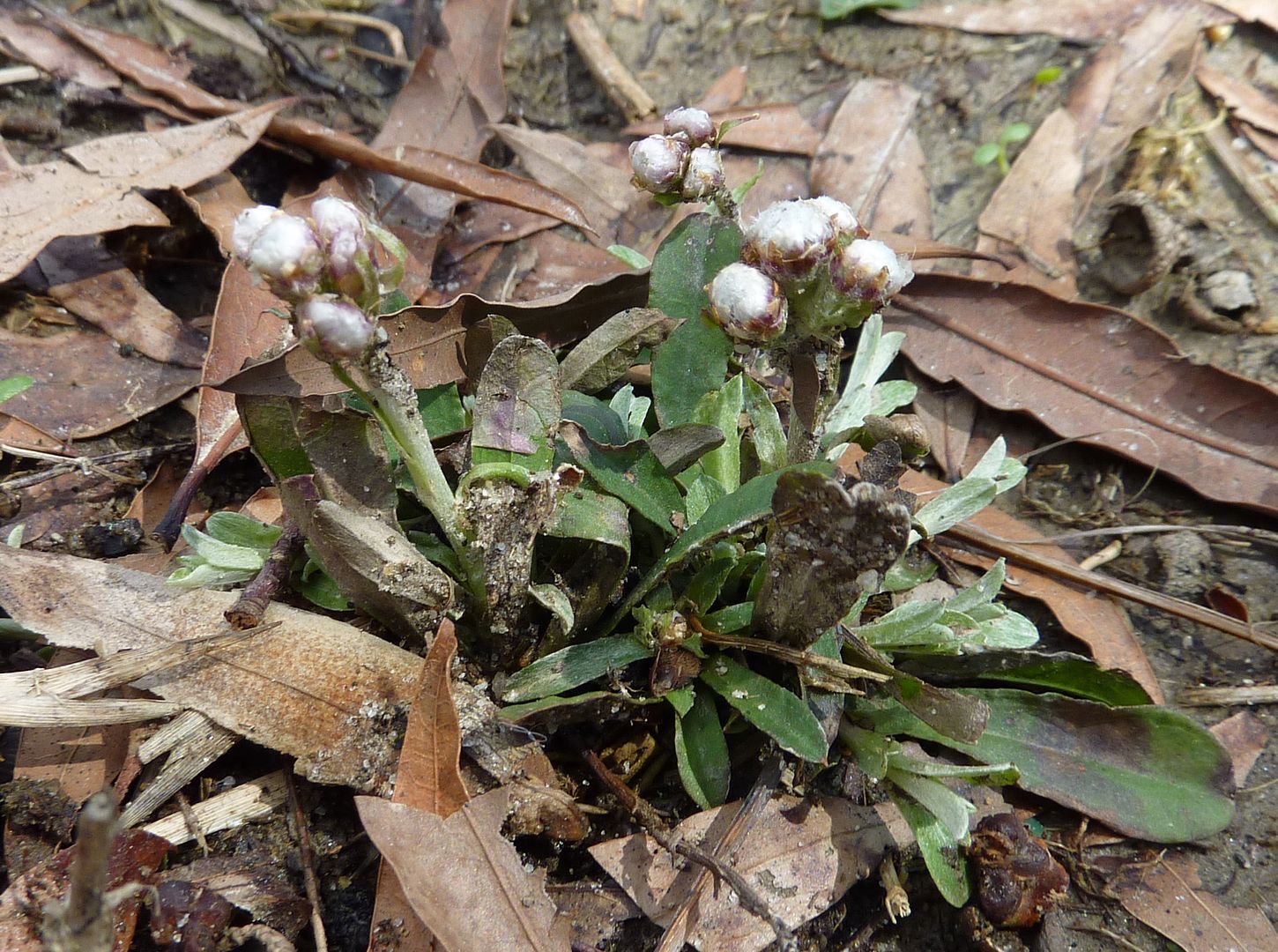 |
| The plant with one of the worst common names I've ever herd; Pussytoe, Antennaria neglecta, this short plant is easy to over look except when in flower. This species though only has blooms that reach 4 inches at most. Other species can reach 18inches high above the plant.They spread by touching down runners, just as certain strawberries do. |
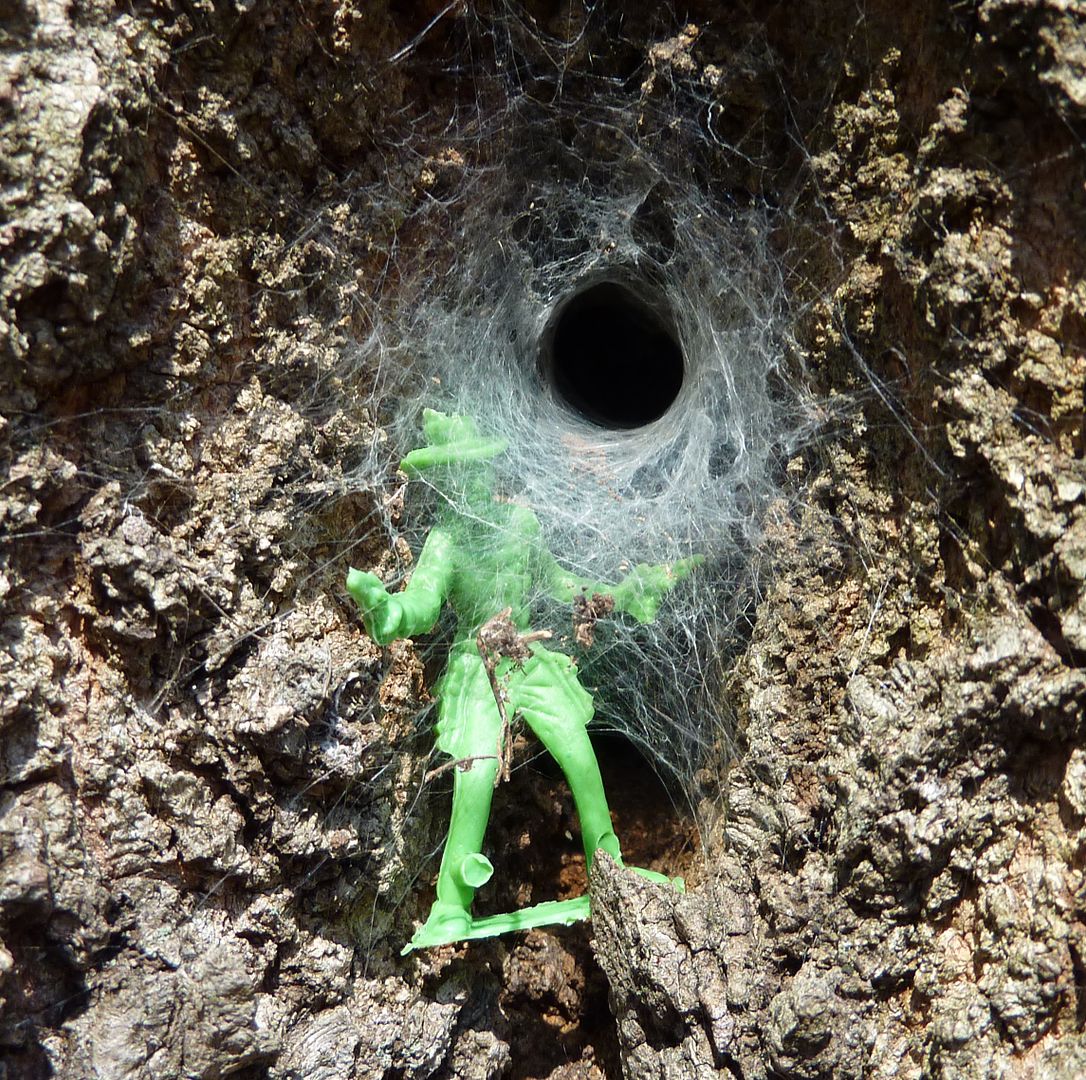 |
| Somewhere in the forest has a good sense of humor. |
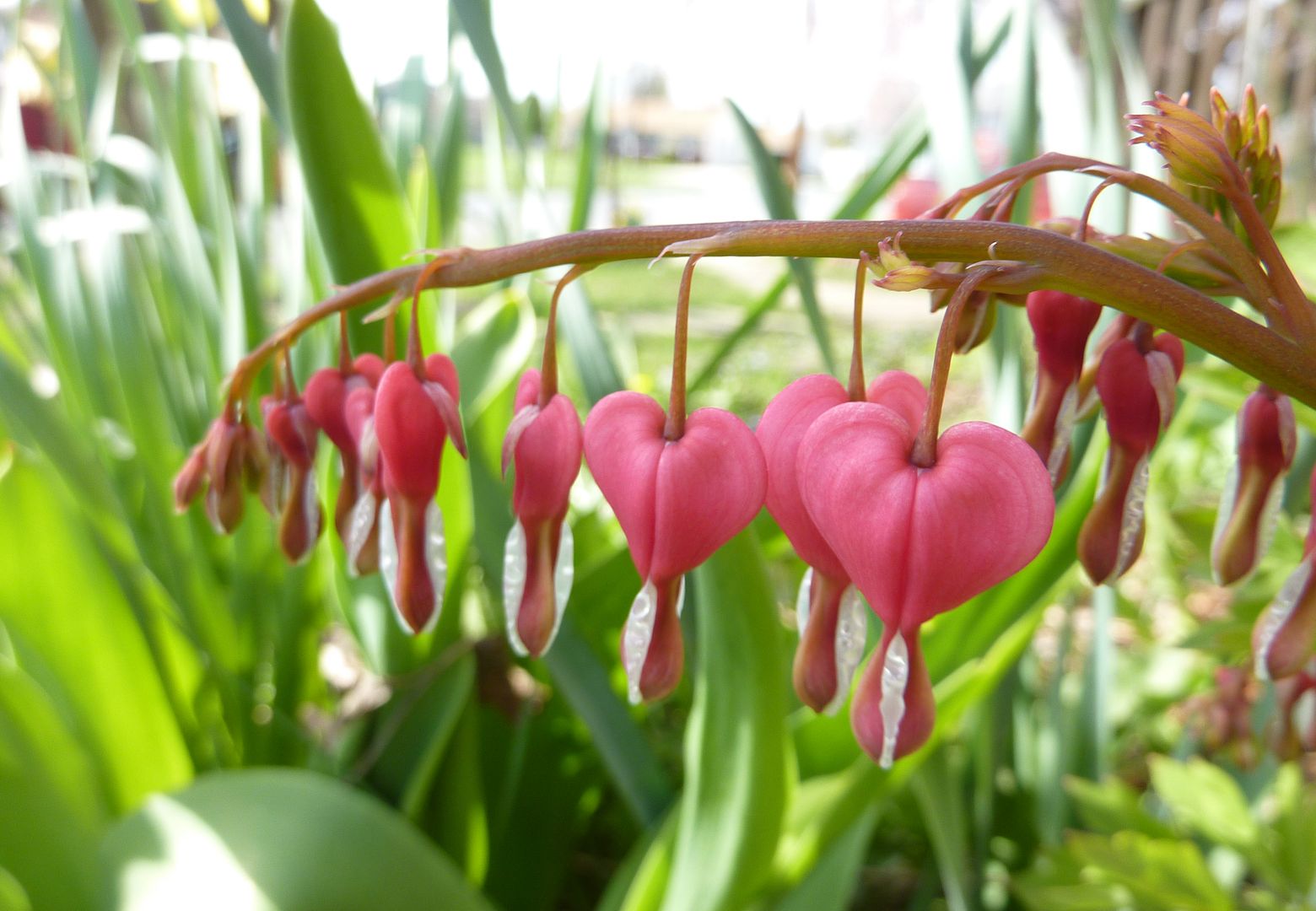 |
| Bleeding Hearts. A native plant you can actually find at a fair amount of nurseries. |
 |
| Take a picture of this picture! This is the flower to Twin Leaf, Jeffersonia diphylla. The flower is up and gone in less than a day. This one started opening in the early morning, finally opening fully after about 6 hours... 2 hours later all the petals fall off! I hope this one comes back next year, and the others I'd planted actually flower. |
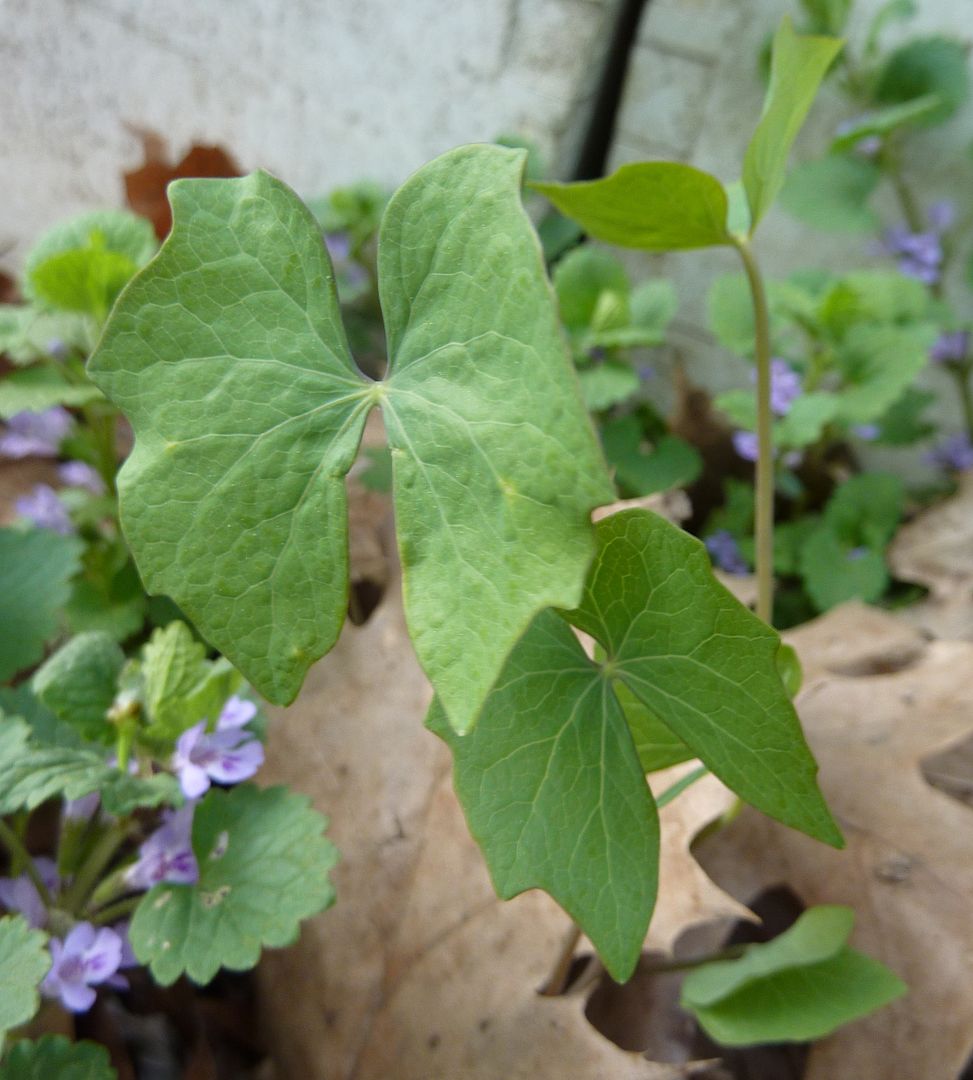 |
| Twin Leaf, Jeffersonia diphylla. Common name kind of says it all. I've herd it called Elephant Ear too but another and much larger plant has that common name too. |
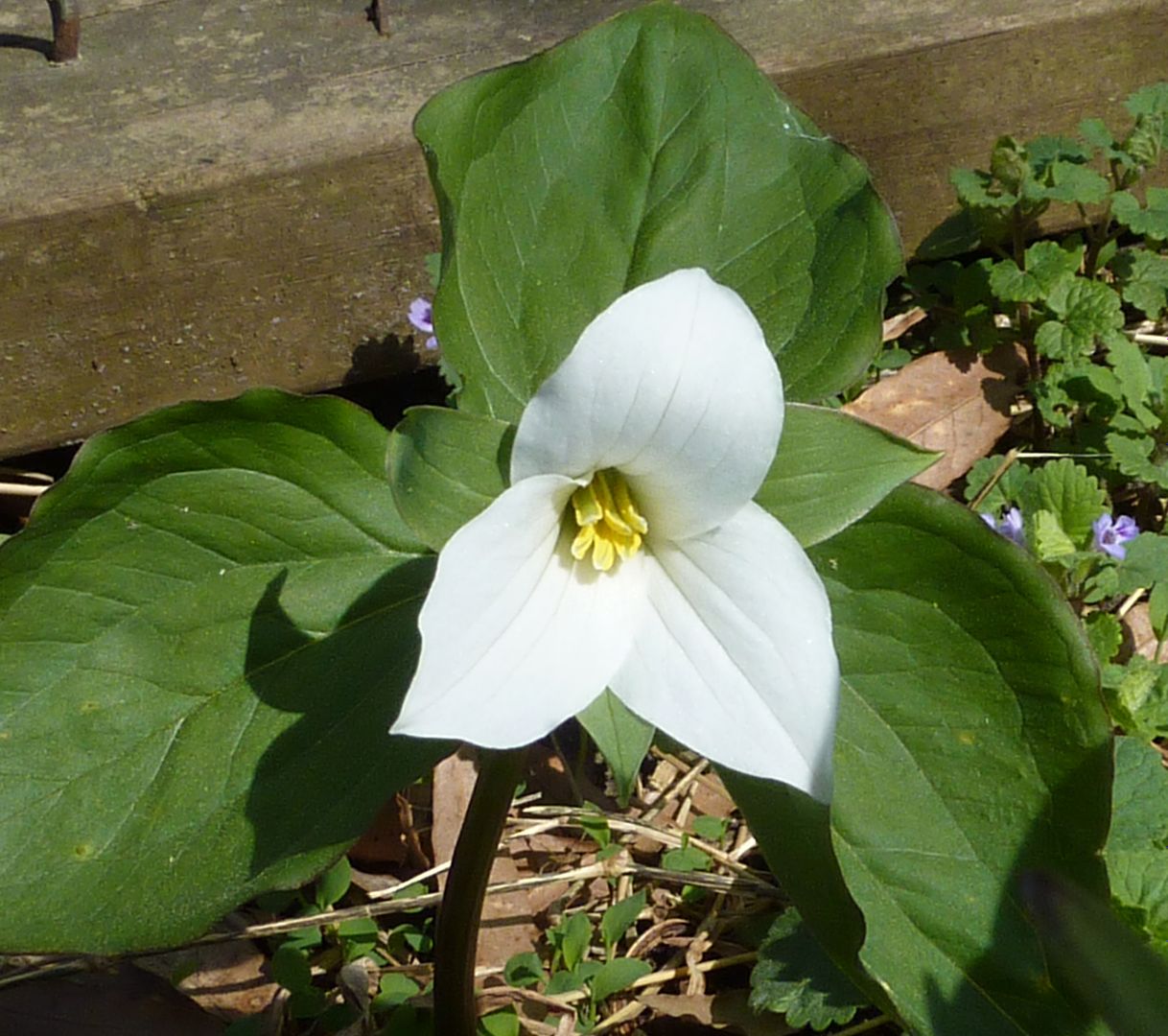 |
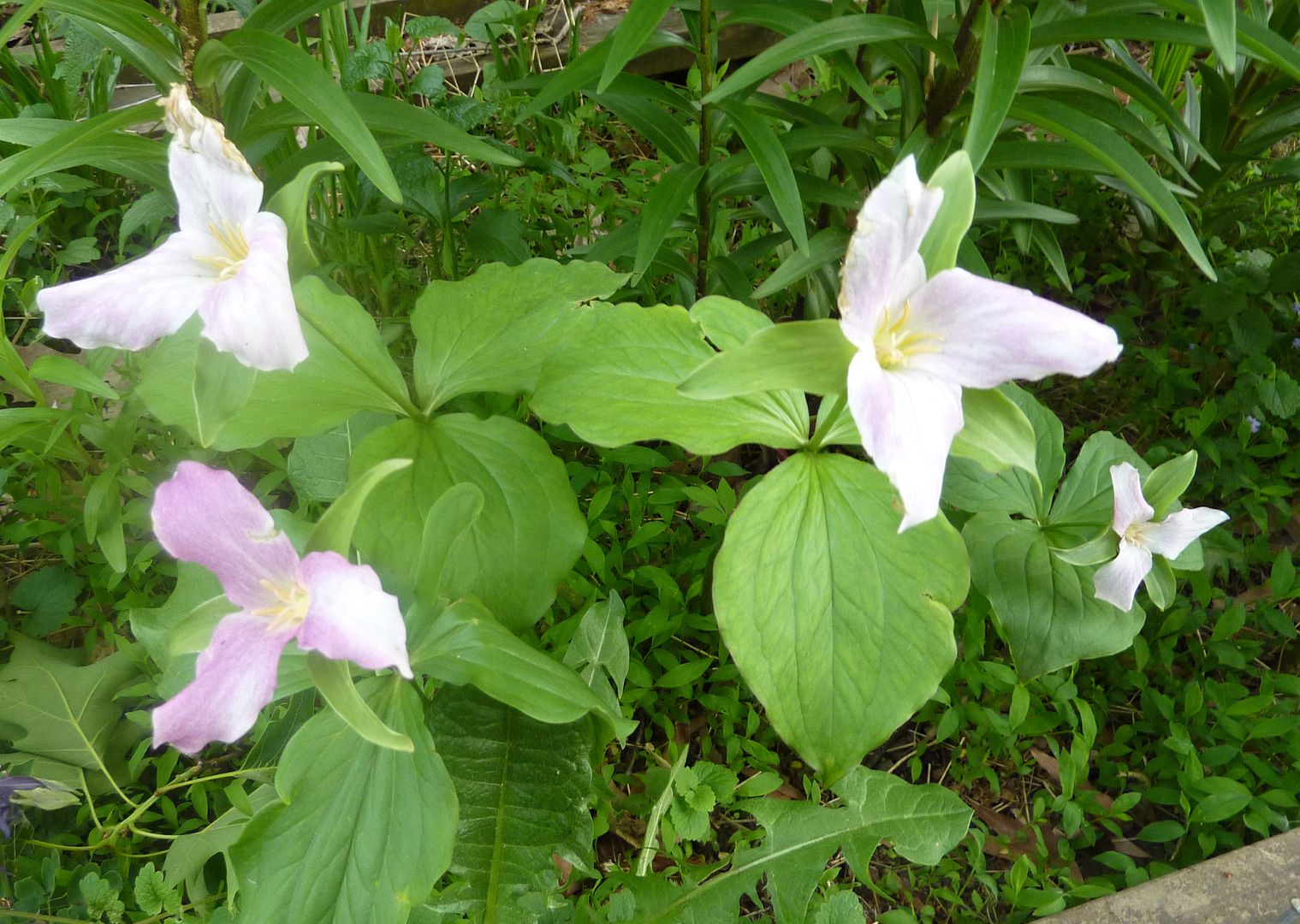
| Trillium grandiflorum. I'm so happy that these started blooming. I started planting these every year since 3 years ago. Finally a few are of flowering age. They're long lasting and very elegant. Besides taking the better half of a decade to flower (I planted adult rhizomes) there's no reason people shouldn't be planting more of this. |
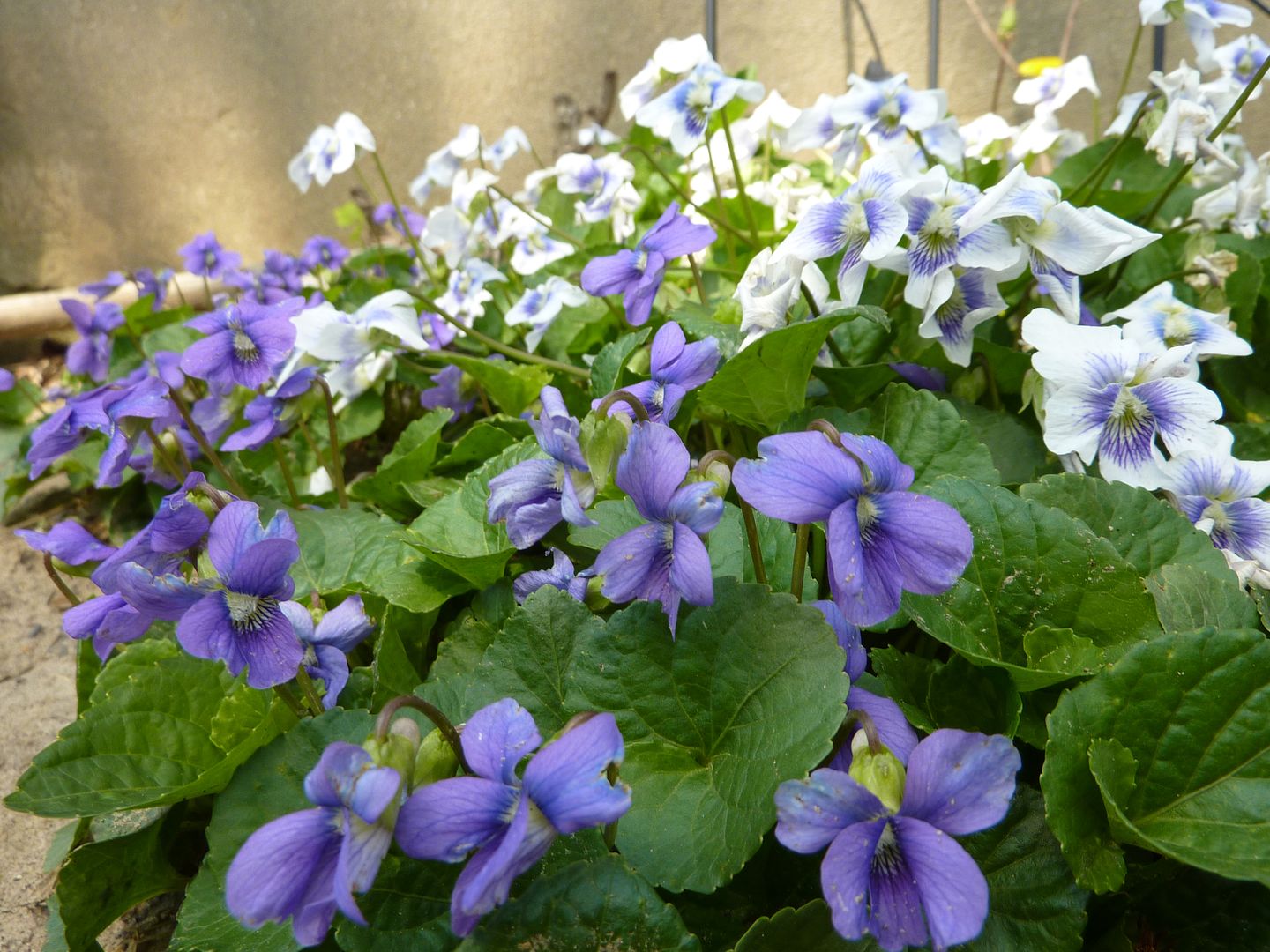 |
| Violets! |
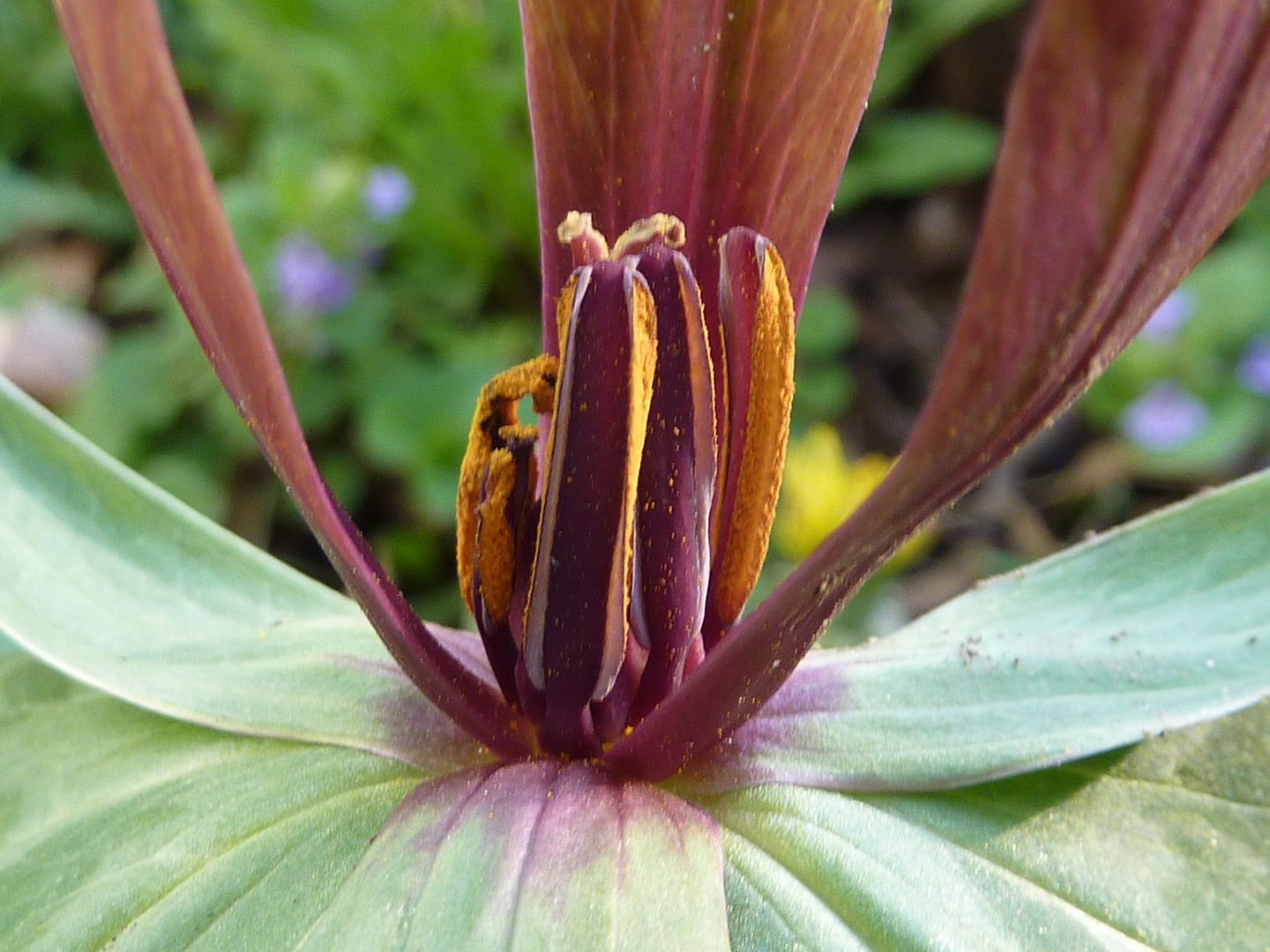 |
| Trillium cuneatum anthers close up. |
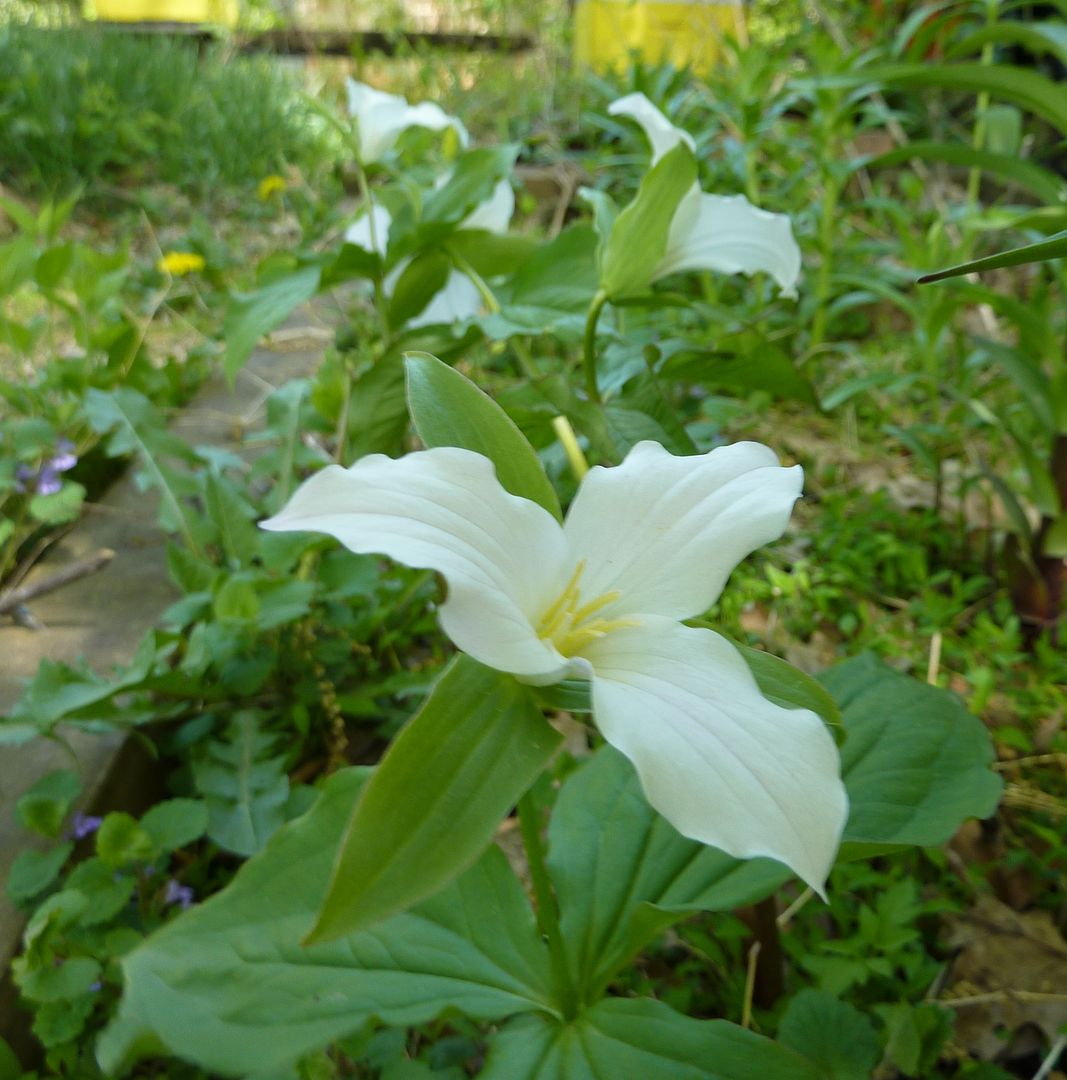 |
| More Trillium grandiflorum. |
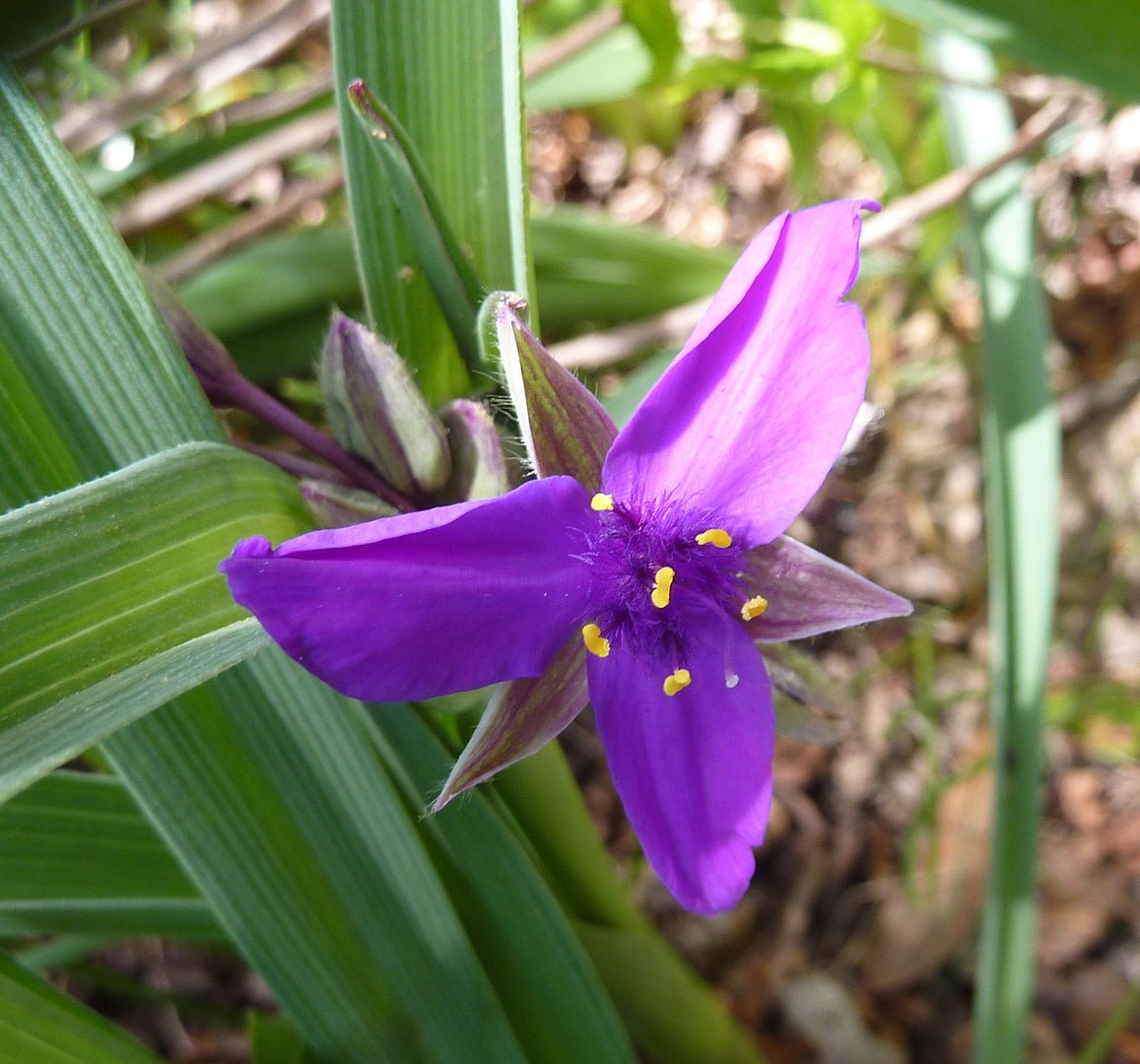 |
| Spider Wort, they only flower in the morning. But do so abundantly. |
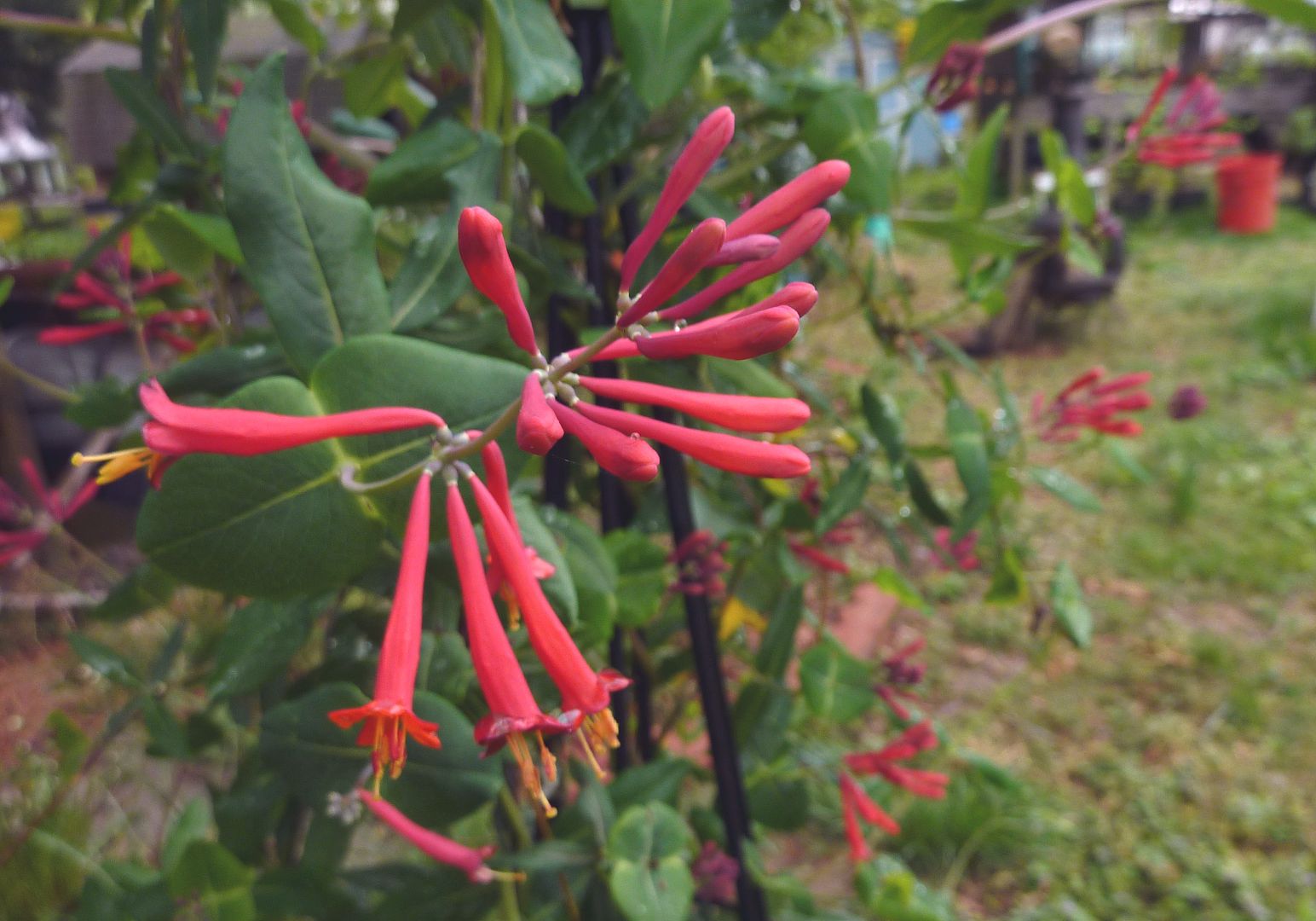 |
| Coral Honeysuckle, Lonicera sempervirens. Unlike the invasive Japanese kind this actually gets the attention of hummingbirds, and 0 carpenter bees. |
 |
| Trillium grandiflorum. After about a week and a half the white fades to a purplish pink color. When these blanket the forest floor they're so pretty to see in all different stages of changing color. |
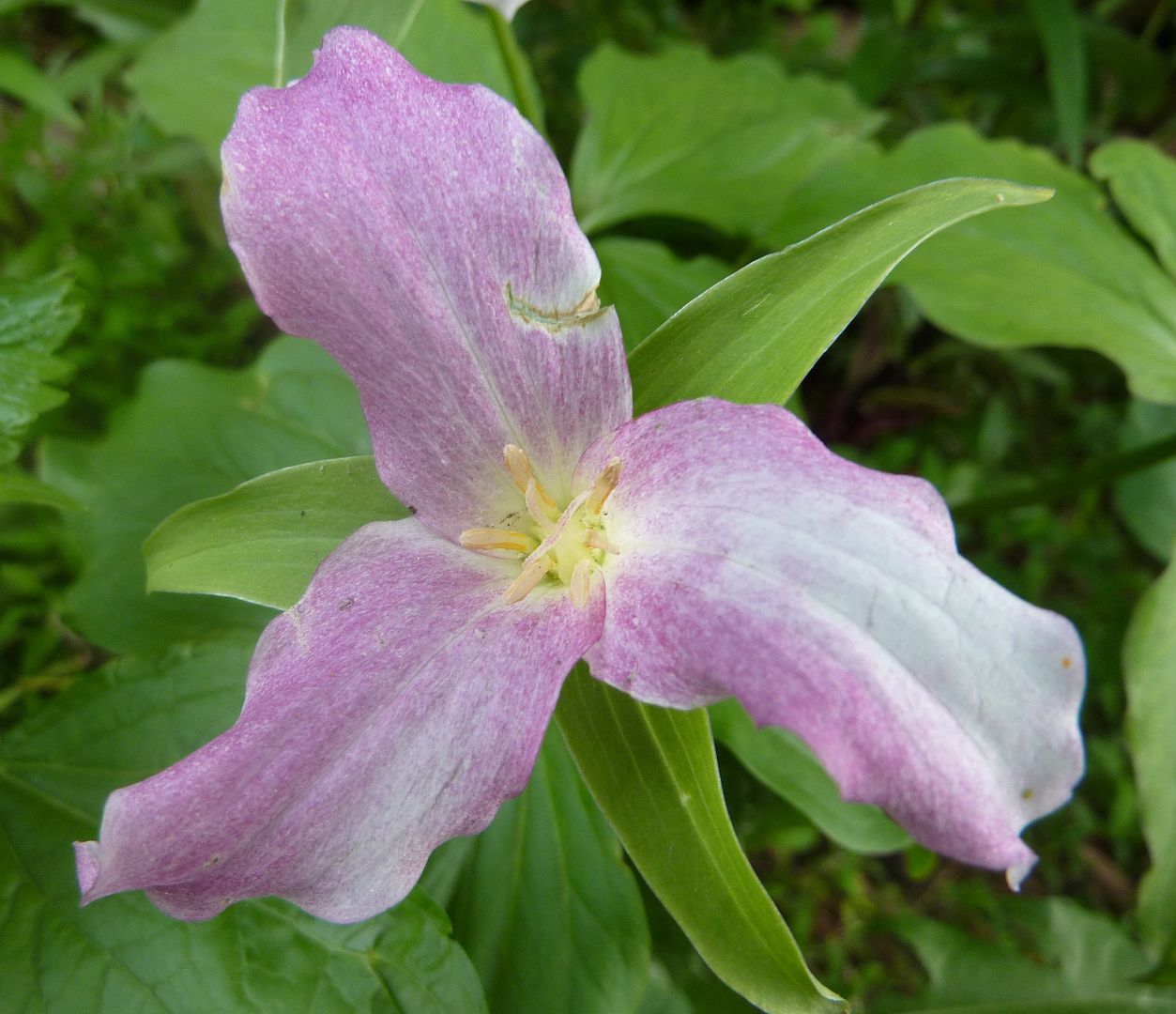 |
| Trillium grandiflorum. After about a week and a half the white fades to a purplish pink color. |
 |
| Chives in flower at a community garden. |
 |
| Flame Azalea! Yes somehow the vibrant colors of our native Azaleas/Rhododendrons just never made it to the US. ornamental industry. Rhododendron calendulaceum comes in yellow, orange, and a blood red. Other native Rhododendrons are the classic white, pink, salmon, and purples everyone clings to. |
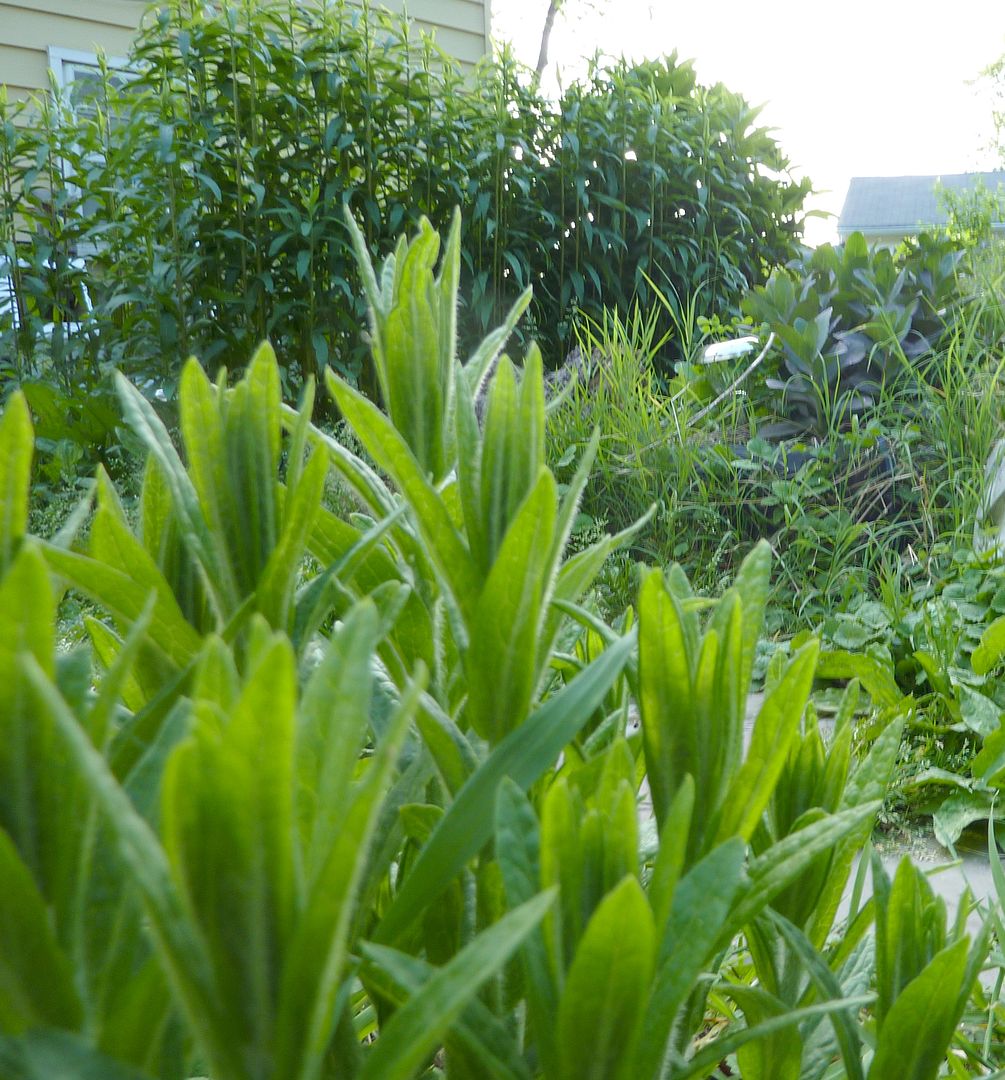 |
| Summer rolls in and already the full sun prairie plants show extreme differences in height. In the foreground Butterfly Weed, Asclepias tuberosa, grows to be only 3' tall. The purplish Sedum, in the mid-ground isn't much taller. In the background to the left Solidago altissima is already as tall as I am and won't flower until it reaches 10' in the autumn. |
 |
| A Praying Mantis. |
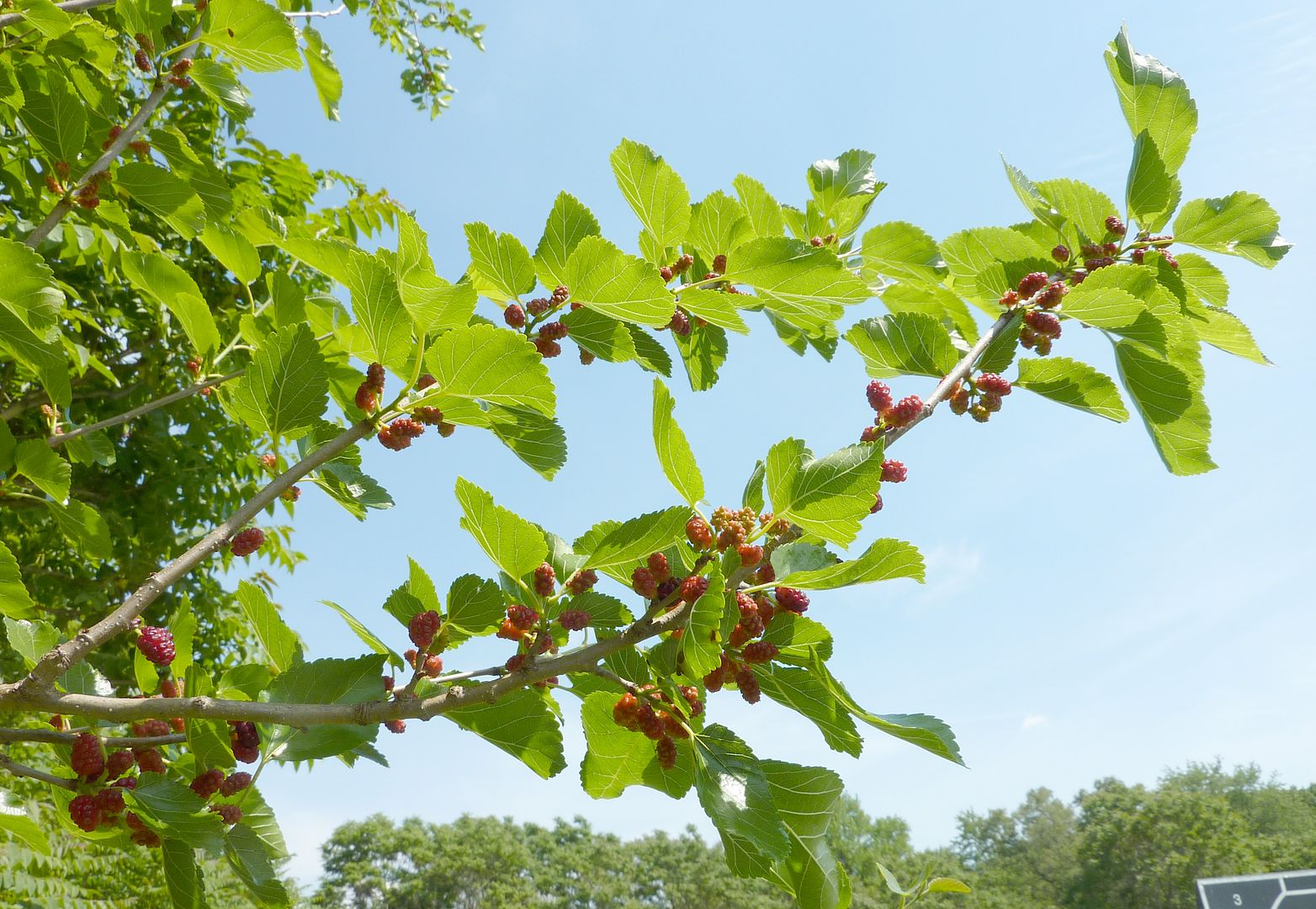 |
| Mulberry already fruiting. |
 |
| Pawpaw, asimina triloba, sapling. |
 |
| A robin getting a drink from our pond. |
 |
| A white squirrel, gray is the most dominant color form here so this was a surprise. |
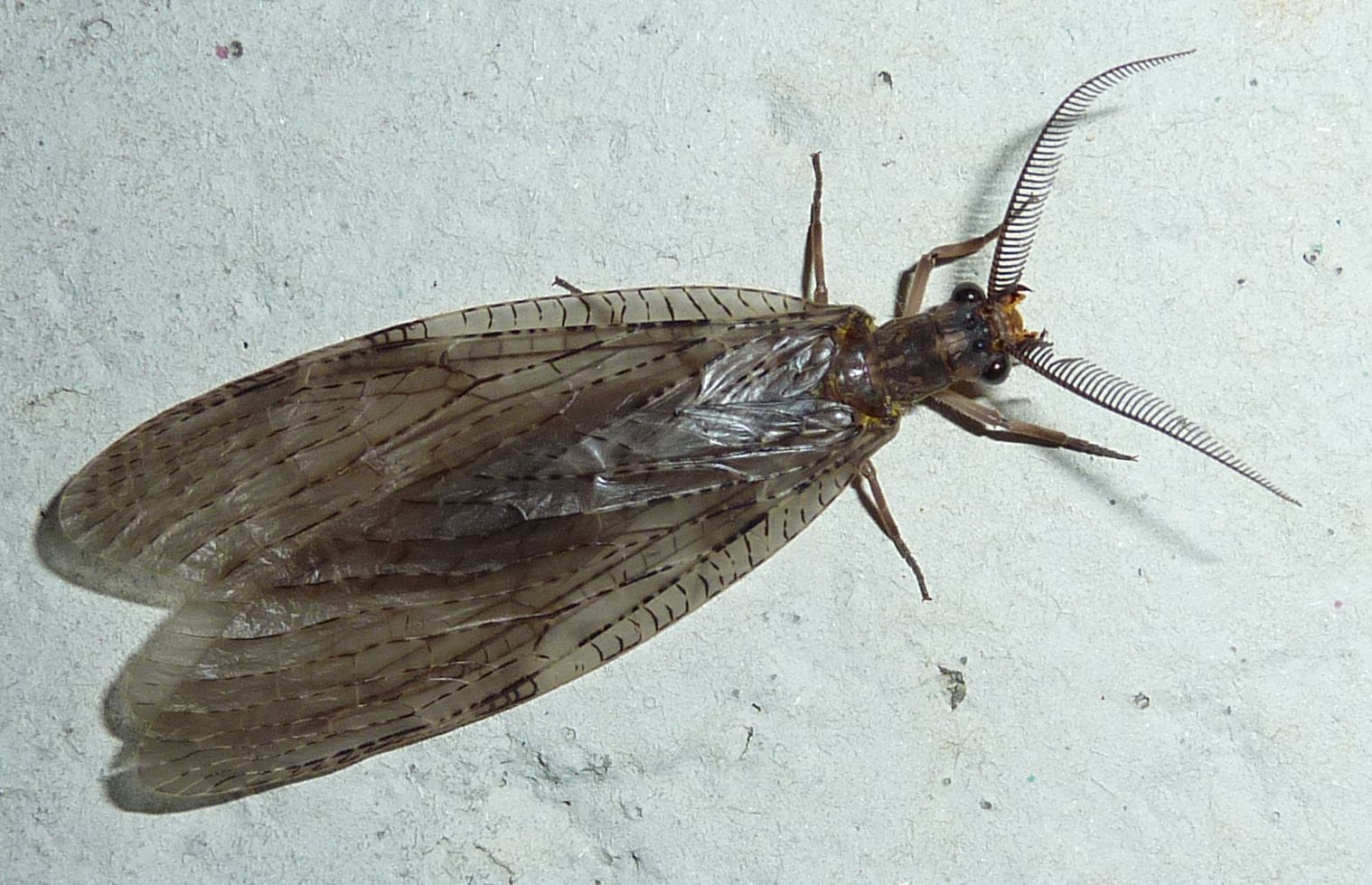 |
| A Dobsonfly, Corydalus cornutus. This is easily one of the evilest looking insects that is perfectly harmless provided you don't mess with it. Males have two long menacing looking horns that they use to grasp the female while mating. Here is a video from youtube (not of me!) of a man holding one. |
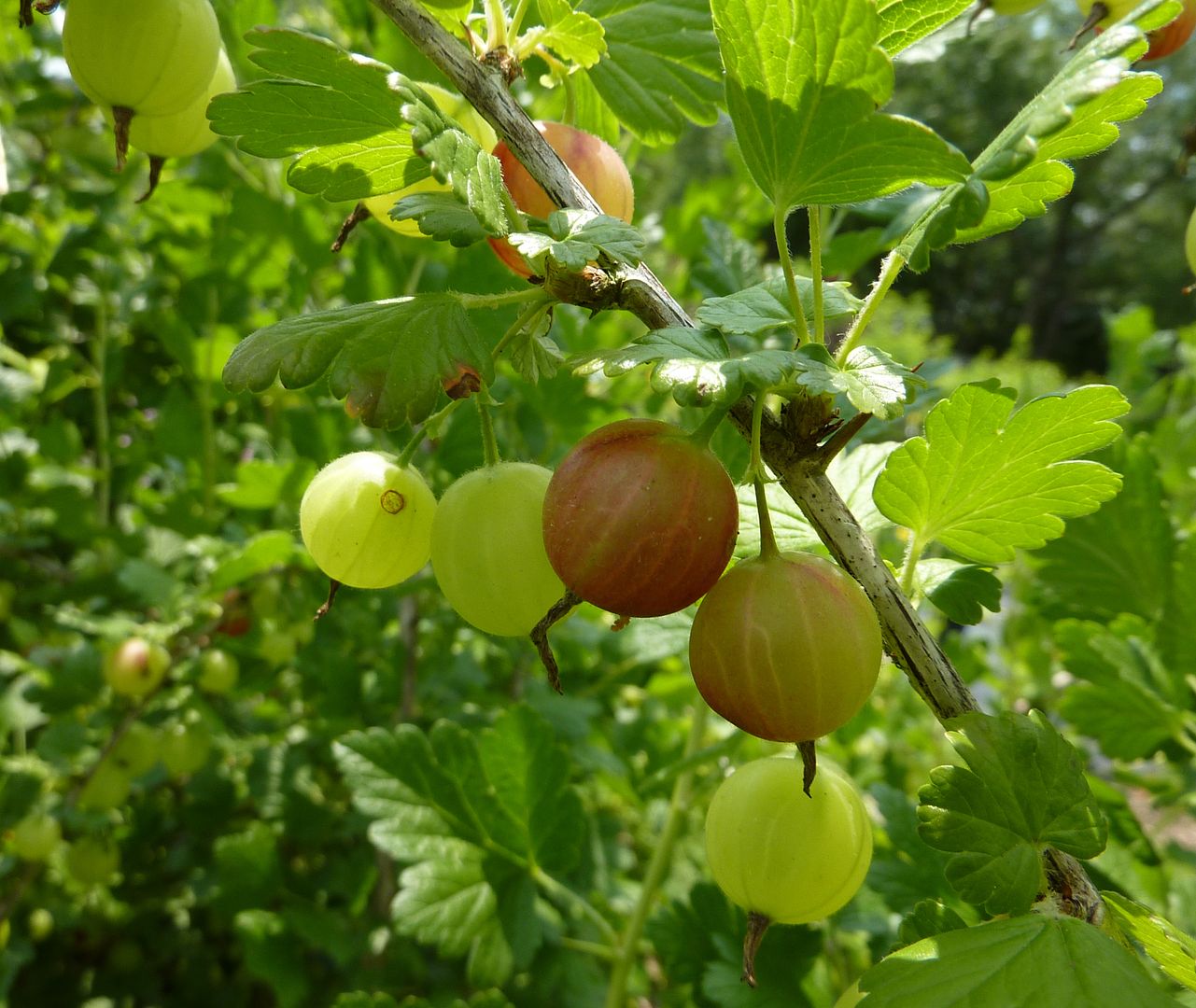 | ||
| Gooseberries! Ribes sp. These are illegal to grow in most states. Despite being a native species they supposidly spread an odd disease that requires two host plants to complete it's life cycle. After using the Gooseberry it will target White Pine Trees which the Timber industry didn't like. People actually got paid to destroy Gooseberry plants both in the forest and in neighbor's gardens, which is one of the earliest cases of people trying to control a disease of this kind. Sadly we almost lost a native food sources in the process. Modern cultivars don't spread the disease (supposidly). I've seen pictures of Gooseberry and White Pine growing together and both looked healthy. Even when they spread the disease though, under good conditions it can spread 100 miles away. Despite this, Gooseberries are still so unknown that in many states it's still technically illegal to grow any of them. The inside is juicy and sweet tasting, but the skin is bitter and makes the taste more sour the more it's chewed. It's best to either make jam or to spit the skins out while eating. Because this is still a wild food source taste can vary dramatically from one plant to the next, even in the same species! Modern Cultivars are slowly fixing this though. |
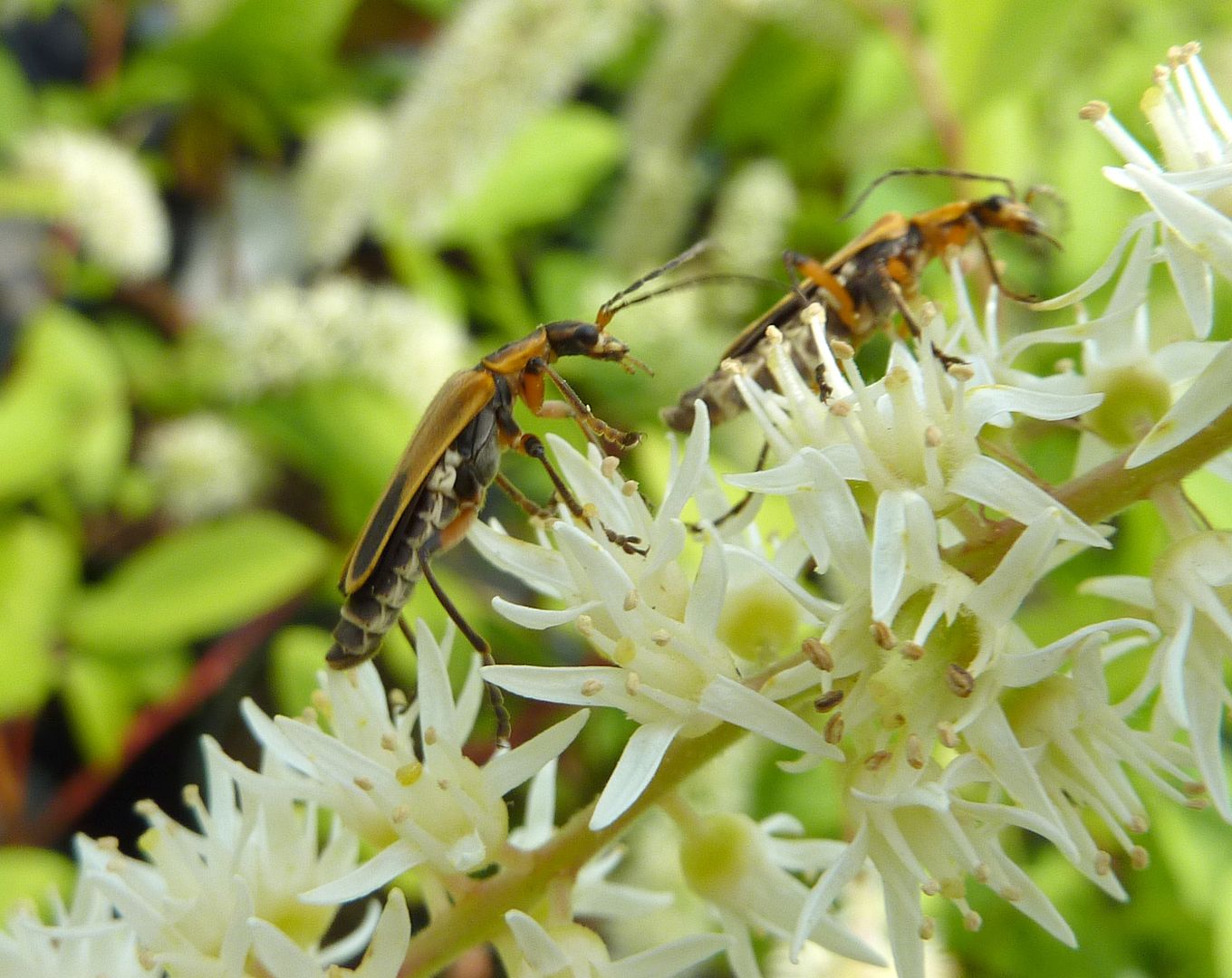 |
| Soldier Beetles. |
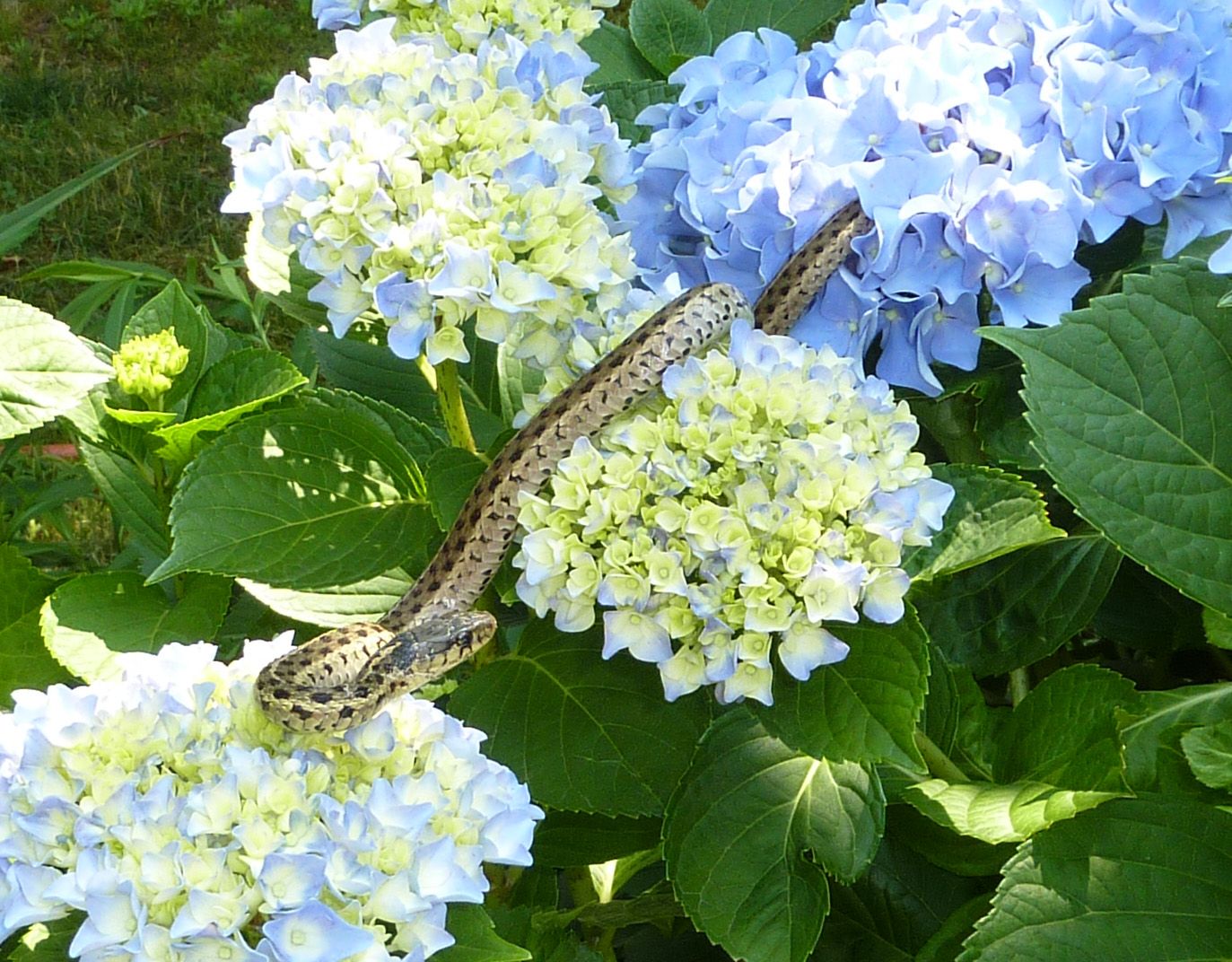 |
| Not what most people expect to find on their Hydrangeas in the morning. |
 |
| A poor shot of a Red Milkweed Beetle, aka Four Eyes. Tetraopes tetraophthalmus. The name Four Eyes comes from the fact the antenna scape protrude out from the compound eyes, thus dividing each eye in two for a total of four. |
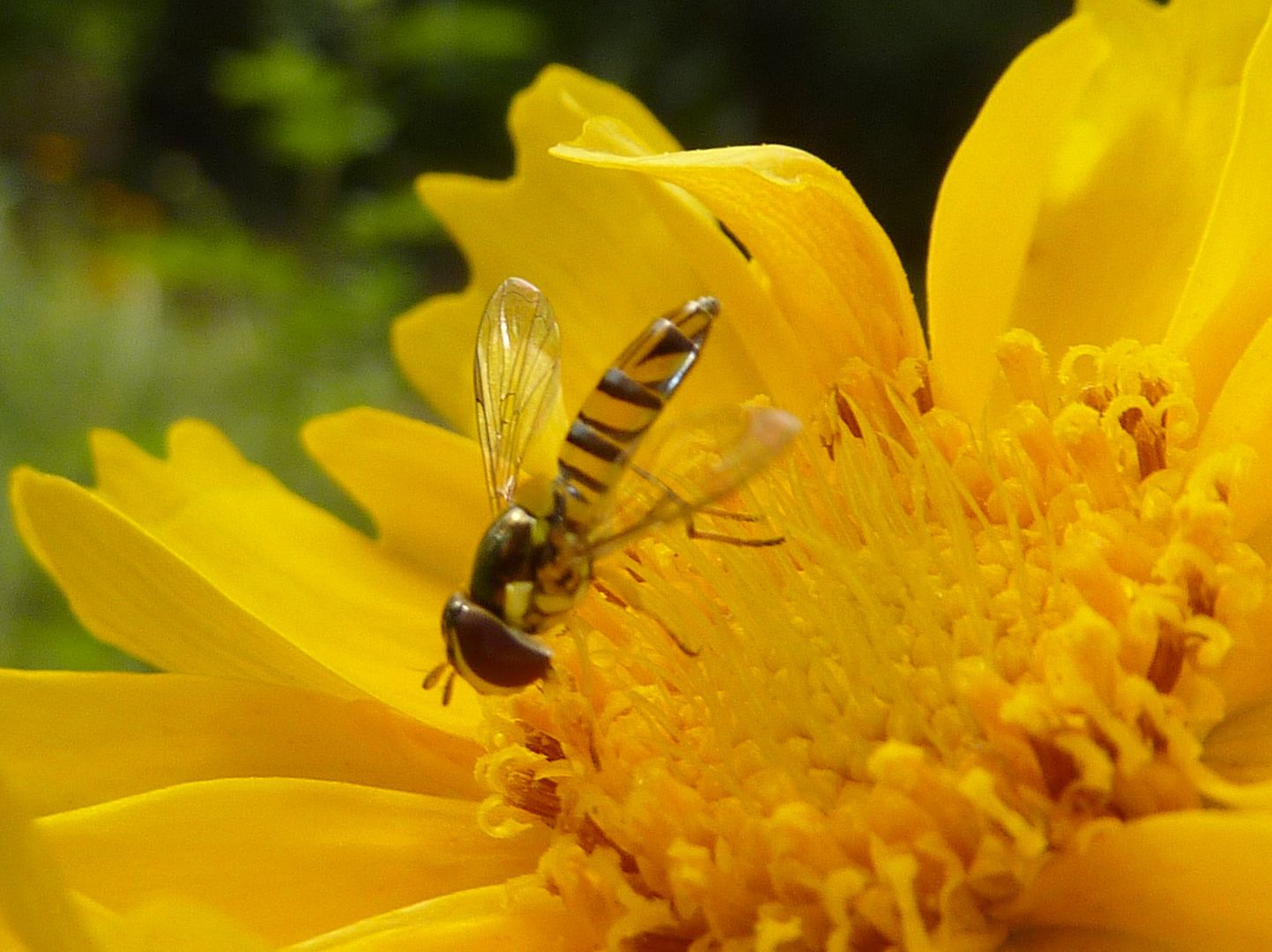 |
| Hoverfly on Coreopsis. |
 |
| Goldfinches on a Sunflower. I loved this sunflower so much. See more of it here. I just love how this one plant produces multiple flowers on each leaf facing multiple directions. I should have collected seeds. If anyone knows the name of this variety please comment below. |
 |
| Indian Pipe, a parasitic plant. |
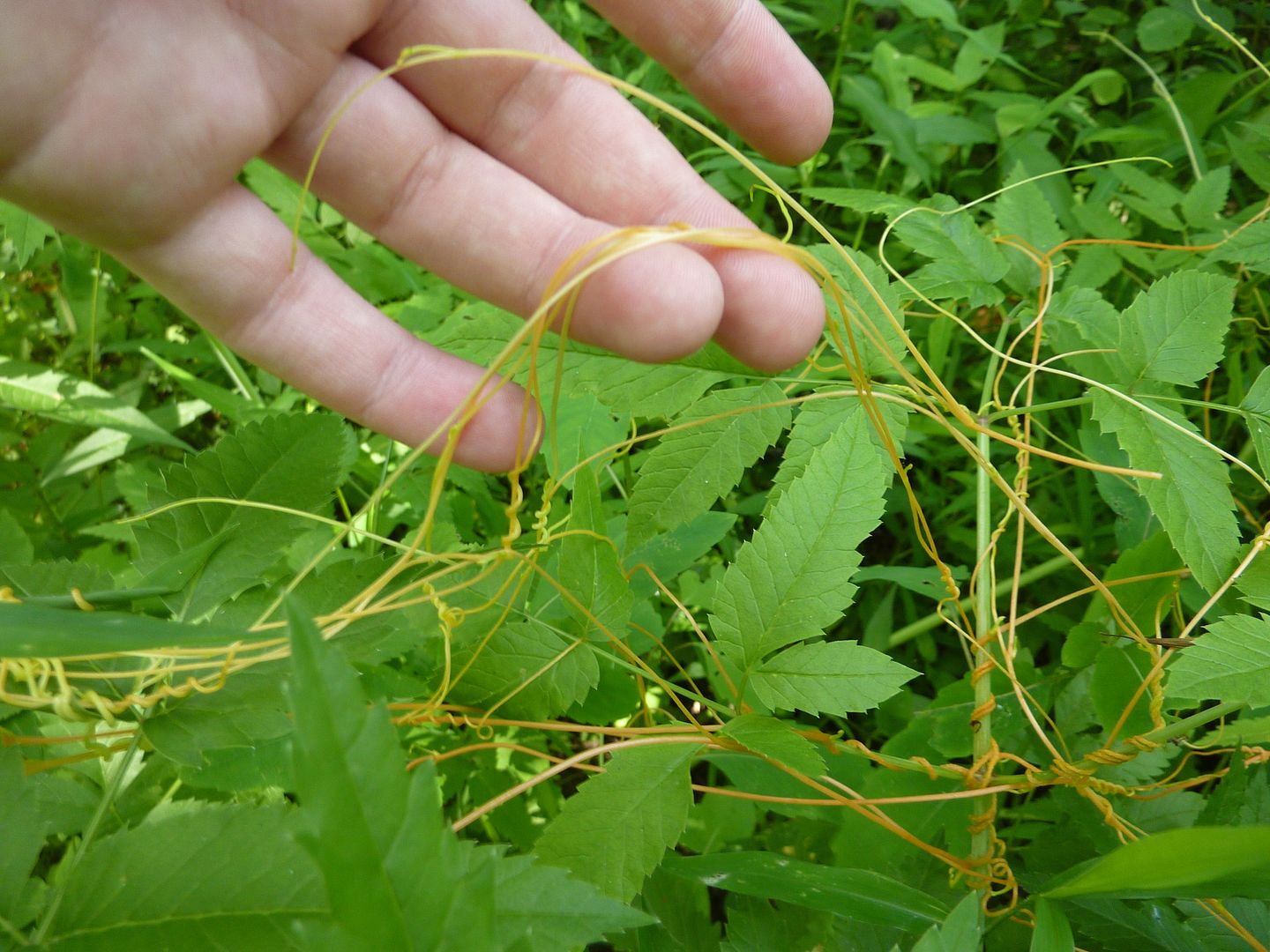 |
| Dobber, another parasitic plant. Basically it causes the host plant to burst out in orange or yellow silly string. |
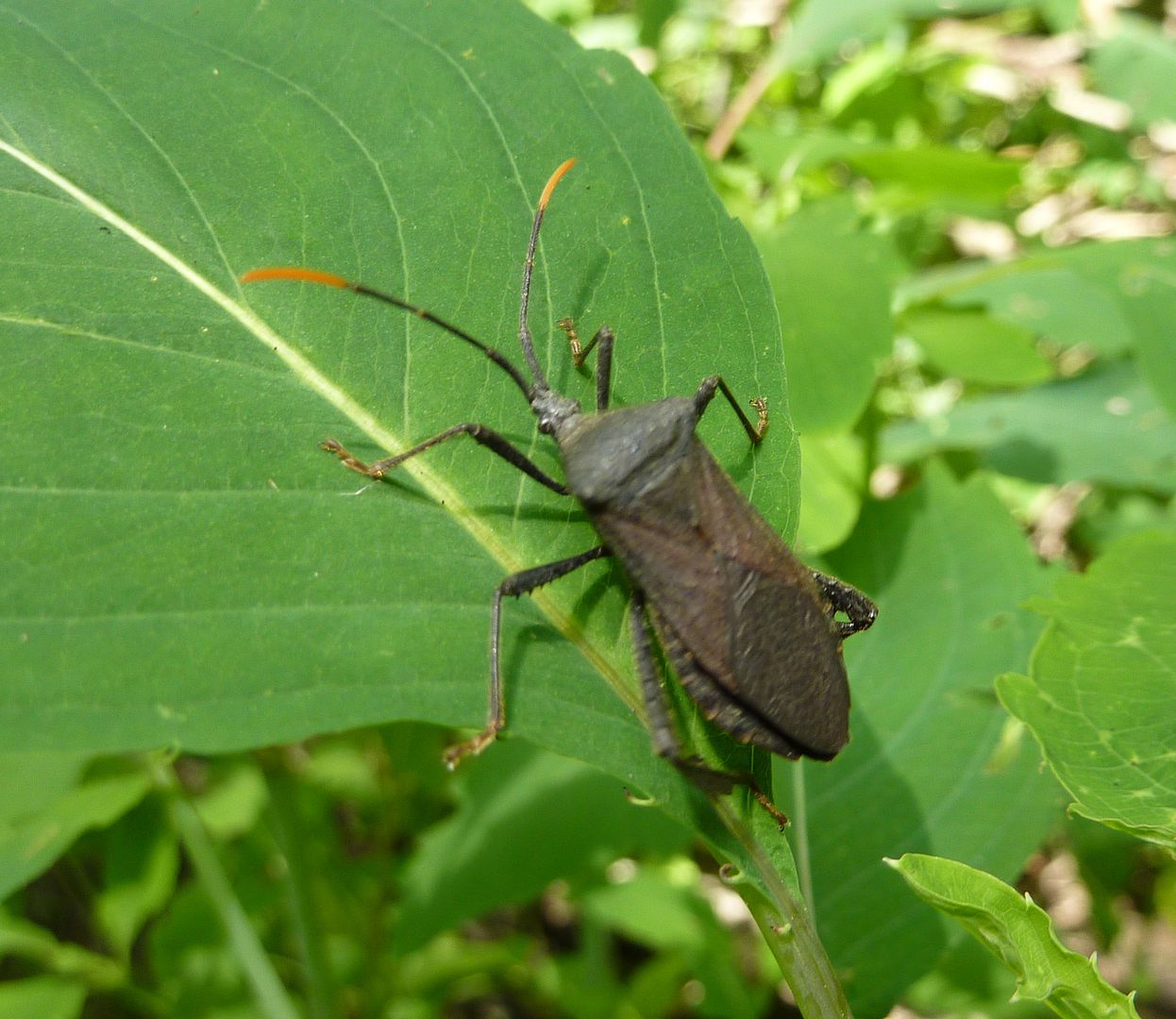 |
| One of the largest stink bugs I've ever found. This one puts all the dead ones currently in the windowsill to shame. |
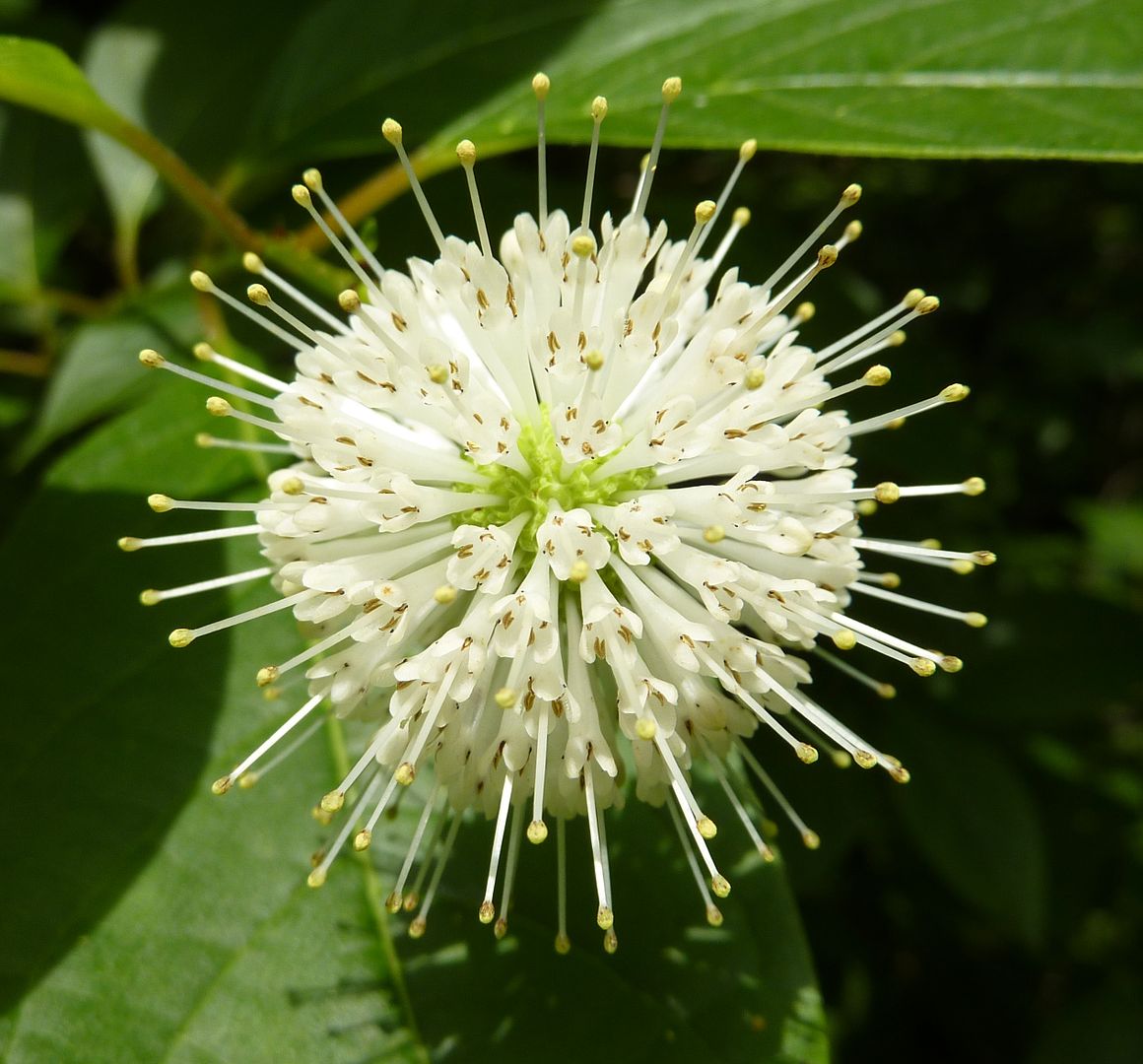 |
| Button Bush! Cephalanthus occidentalis. This is basically our native version of a butterfly bush no one is planting. They do great in full sun or partial shade and can handle being planted in up to 4 feet of water! As you may guess they like it wet. |
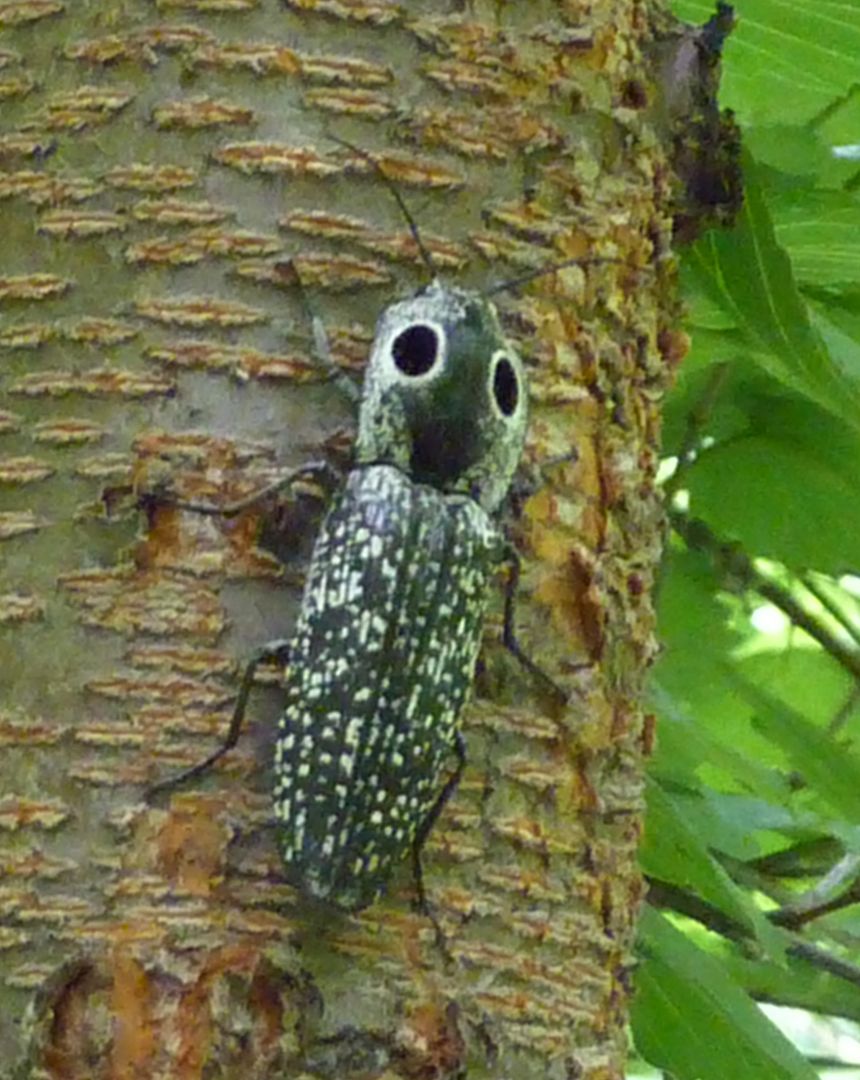 |
| Eyed Click Beetle, Alaus oculatus. This click beetle puts all the other click beetles that are dead in the window sill to shame. |
 |
| A woolly aphid. They shed fluff to make themselves less appetizing... and perhaps hidden. |
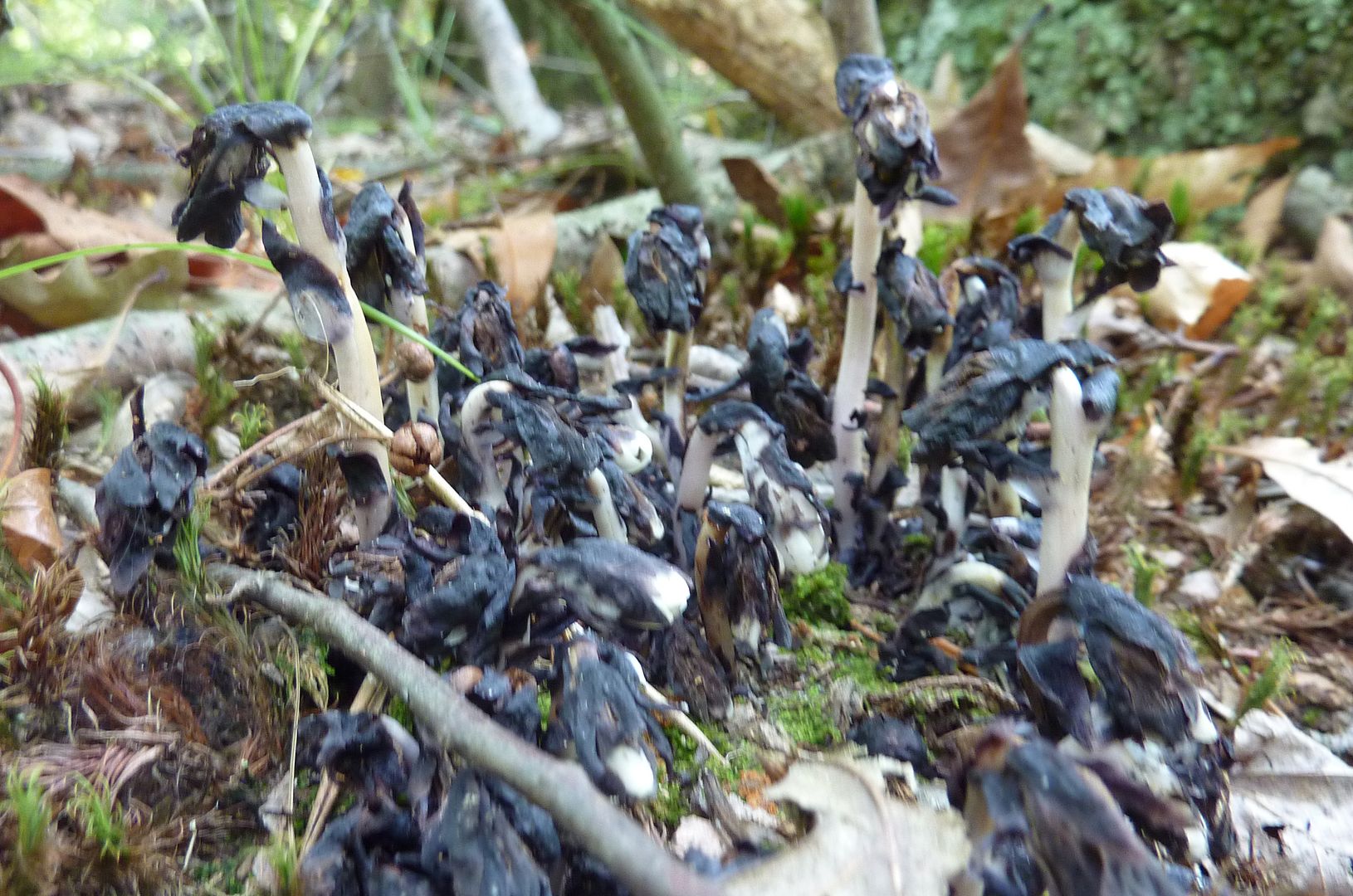 |
| Indian Pipe slowly melting away. |
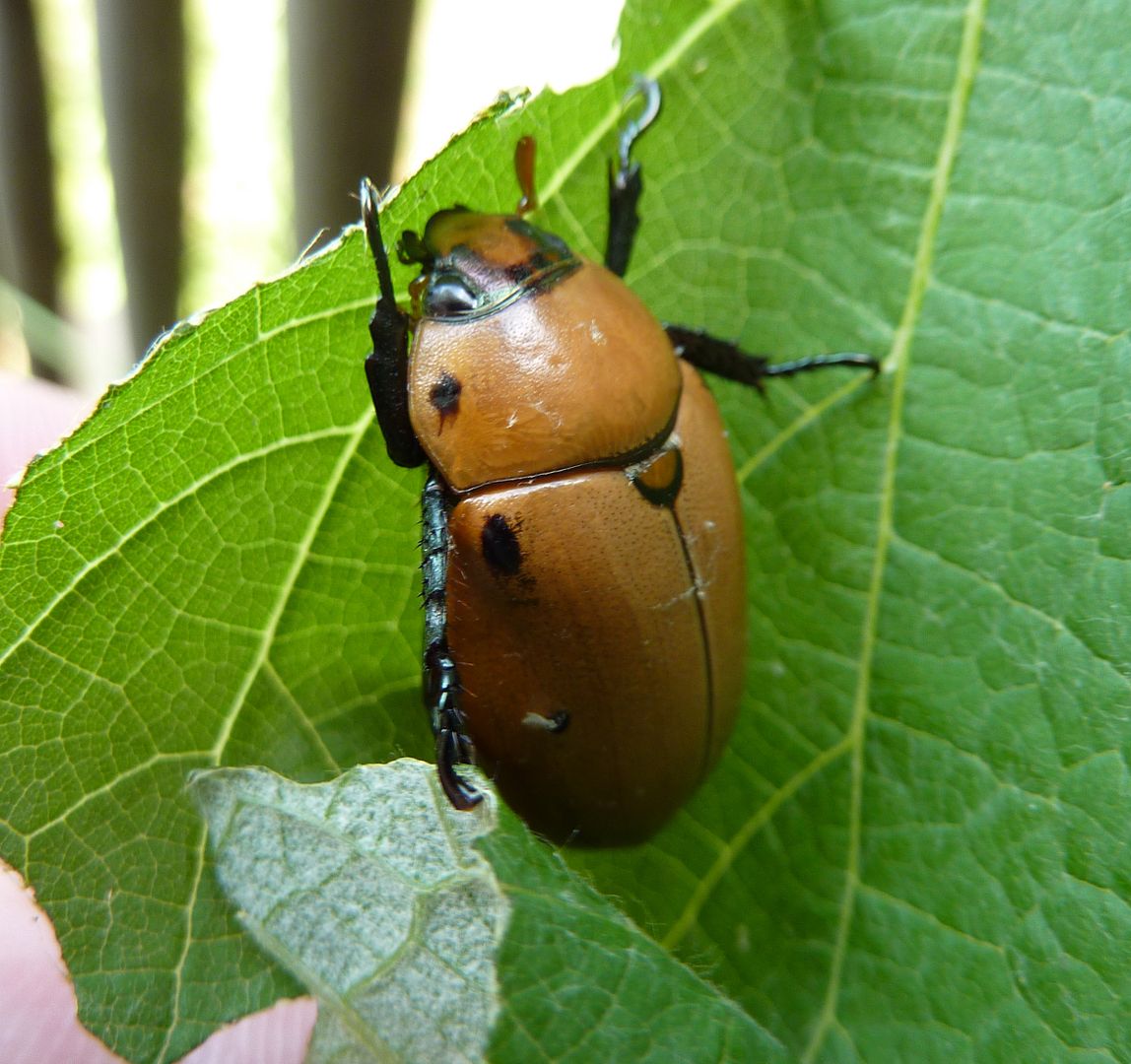 |
| Grape Vine Beetle, Pelidnota punctata. I found this huge thing eating our grape vine. |
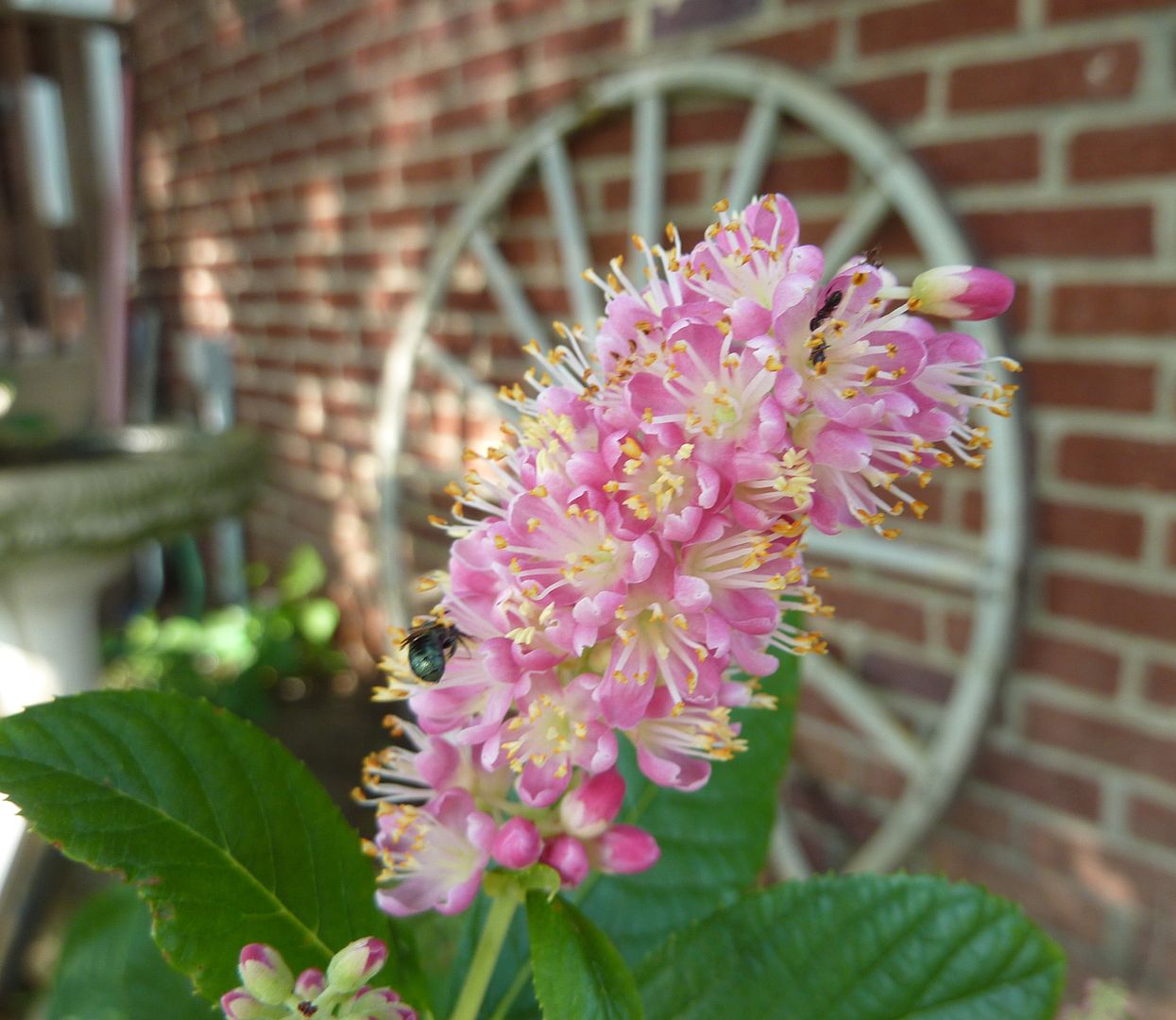 |
| Clethra alnifolia, aka Summersweet. This is another beauty no one seems to be planting. The fragrance on a good day is powerful and potent, and I want to harness it into little crystals to snort off a mirror... or maybe scent a candle with. Whichever is easier. |
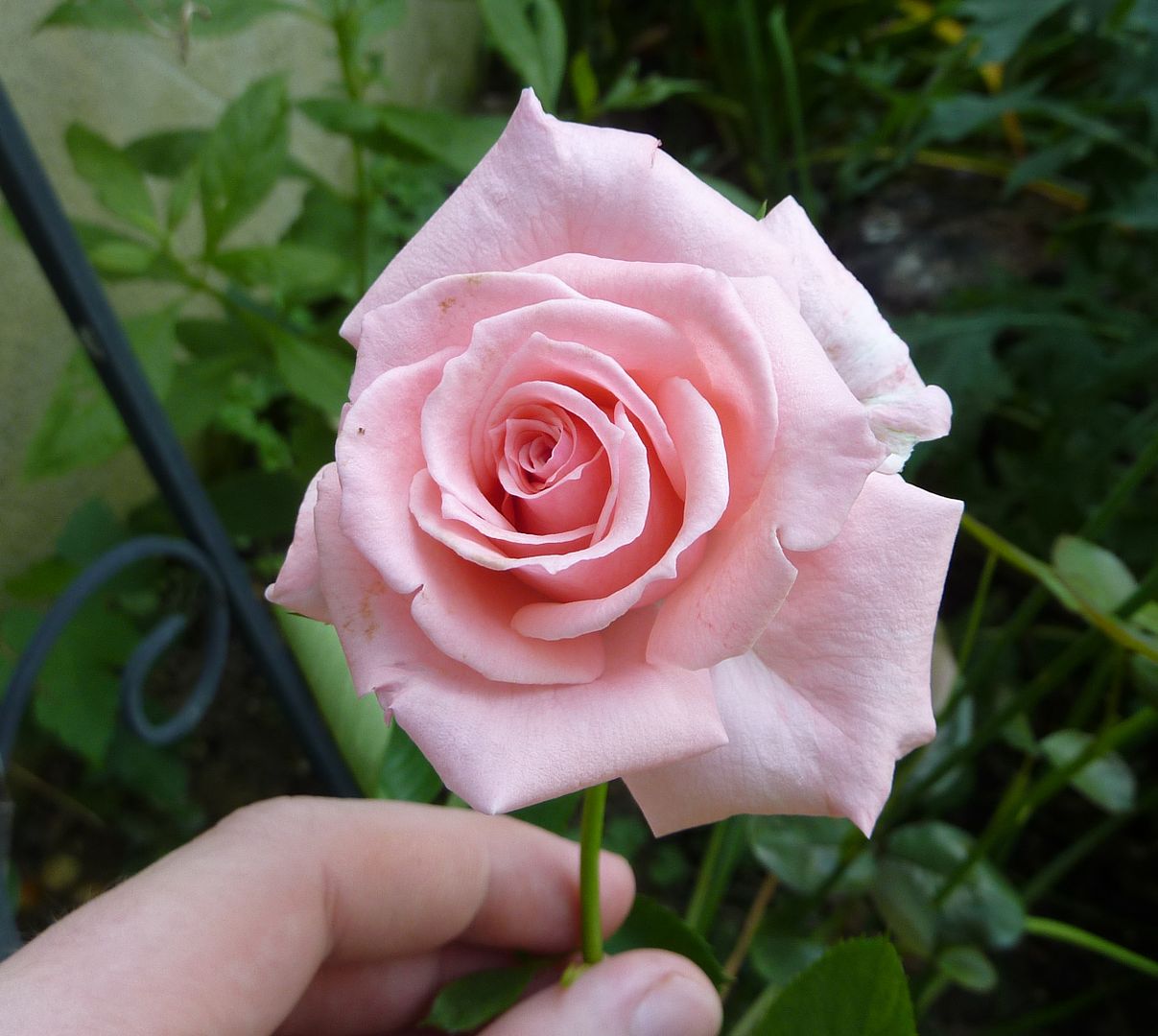 |
| I planted a few roses this year. This one is named after my favorite author, Agatha Christie. It's a climbing variety of a more common one I forget the name of. Not sure how Rose Identifying works. |
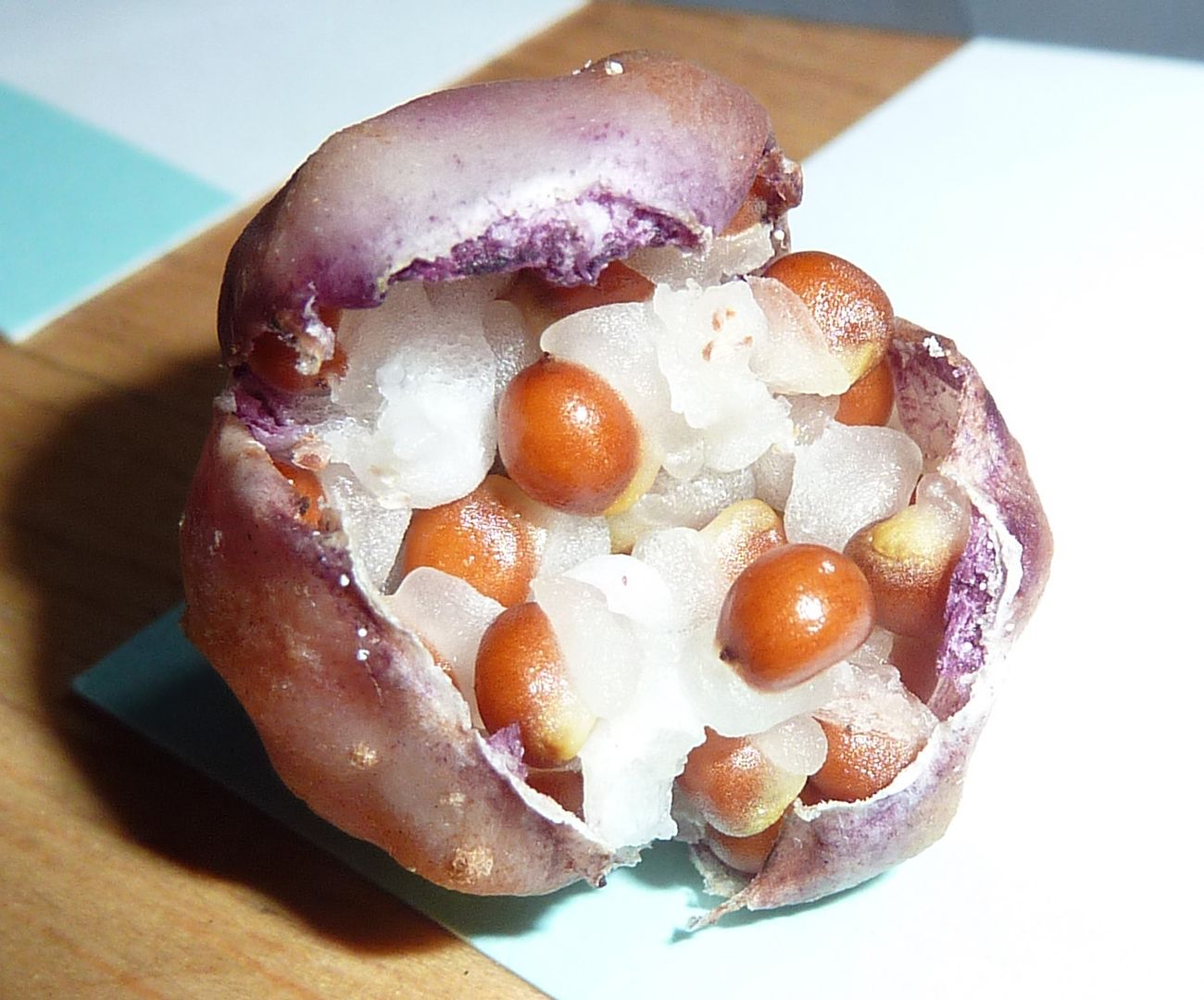 |
| Seeds of Trillium cuneatum. Note the packets of elaiosome on each one. These lipid rich bodies have more in common with insect tissue than plant tissue and ants find it irresistible. See my video on Myrmecochory for more. Supposedly in some species it can cause more of the brood to develop into alate queens instead of workers. In some species though they have the opposite effect. |
 |
| A damselfly. Since we installed our little pond ... maybe 7 years ago, we've been getting more and more of these. The top section of our pond doesn't have fish in it. So they could potentially be reproducing there. |
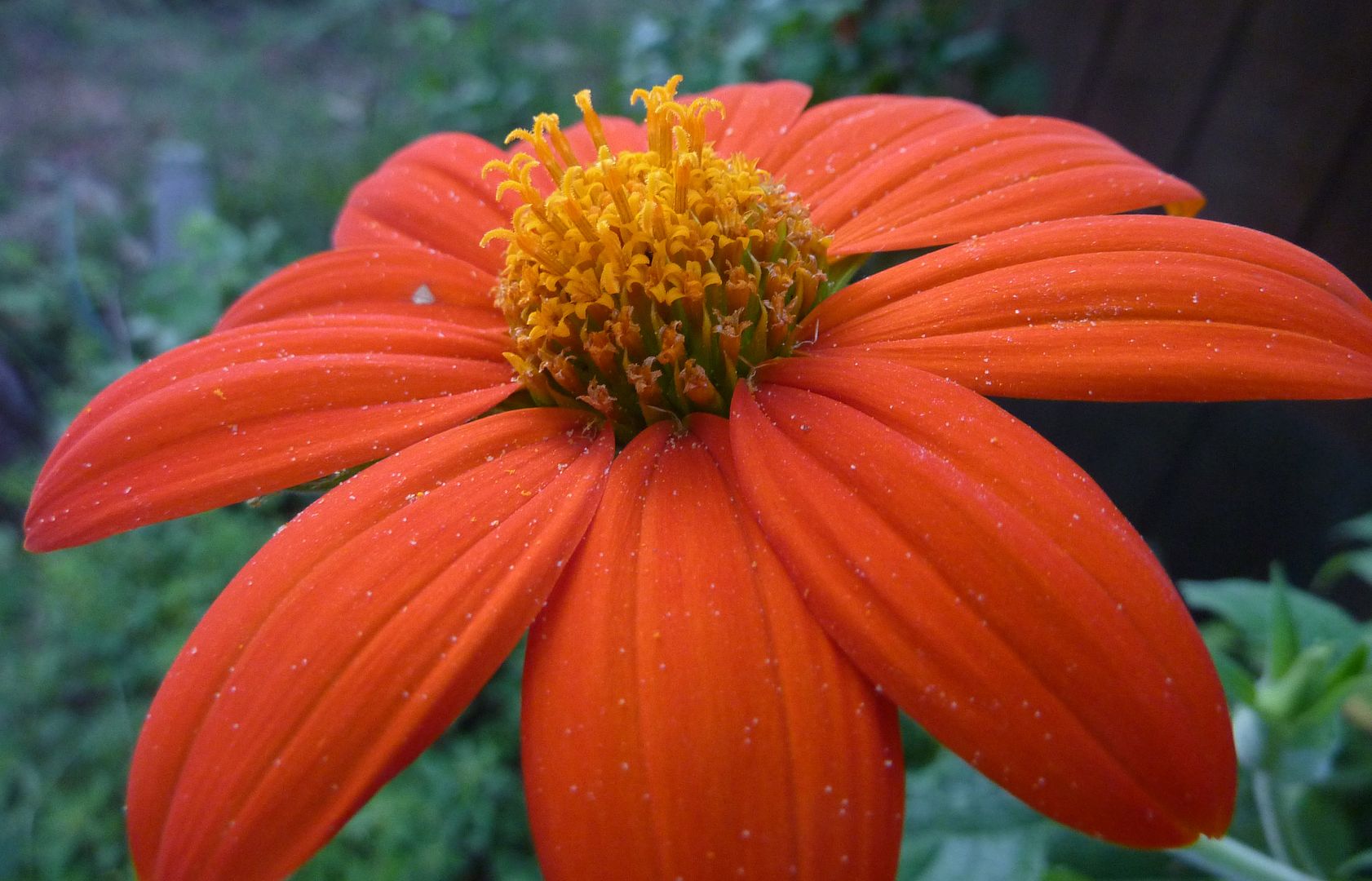 |
| A Mexican Sunflower. |
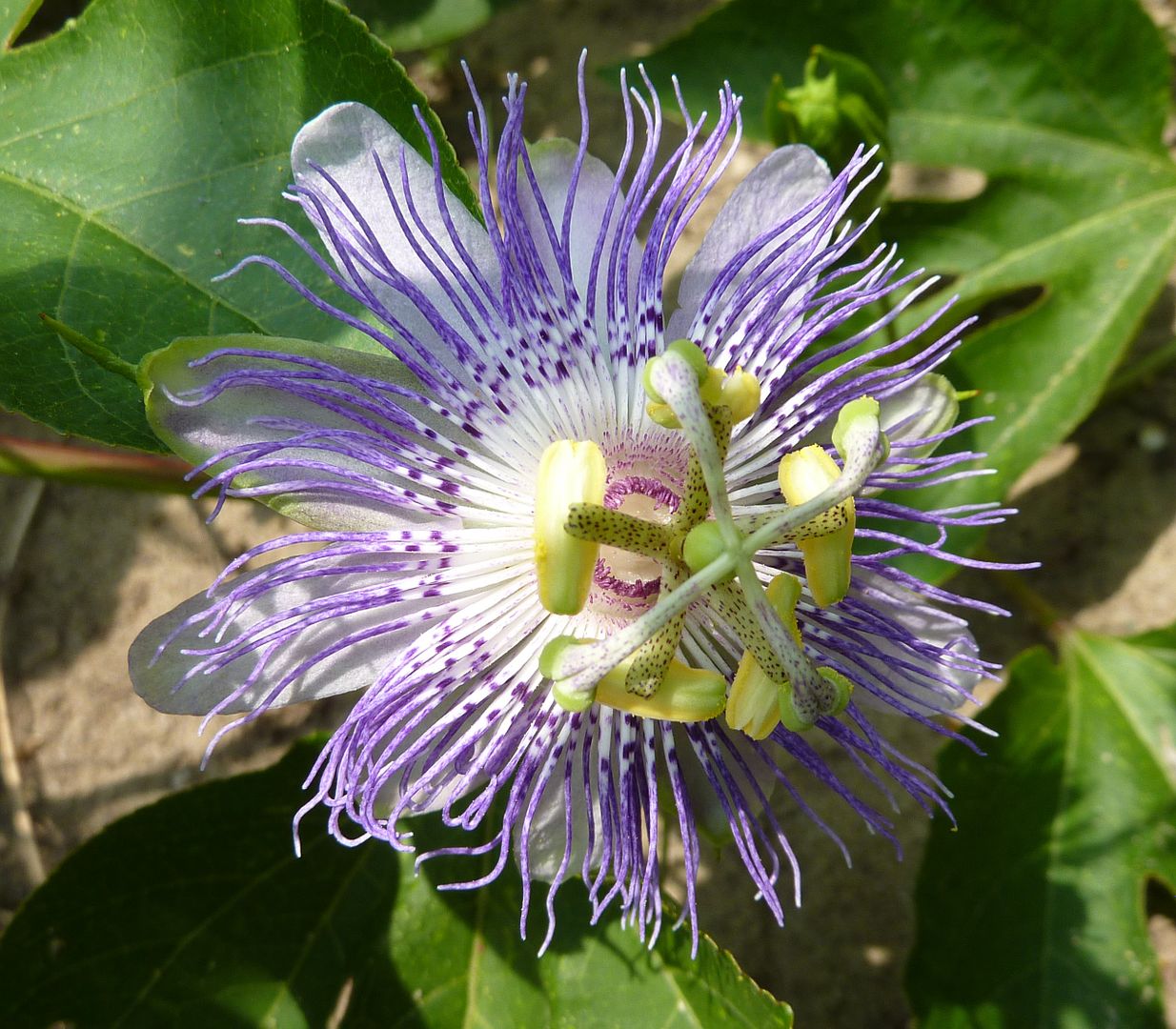 |
| Native Passionflower, Passiflora incarnata. |
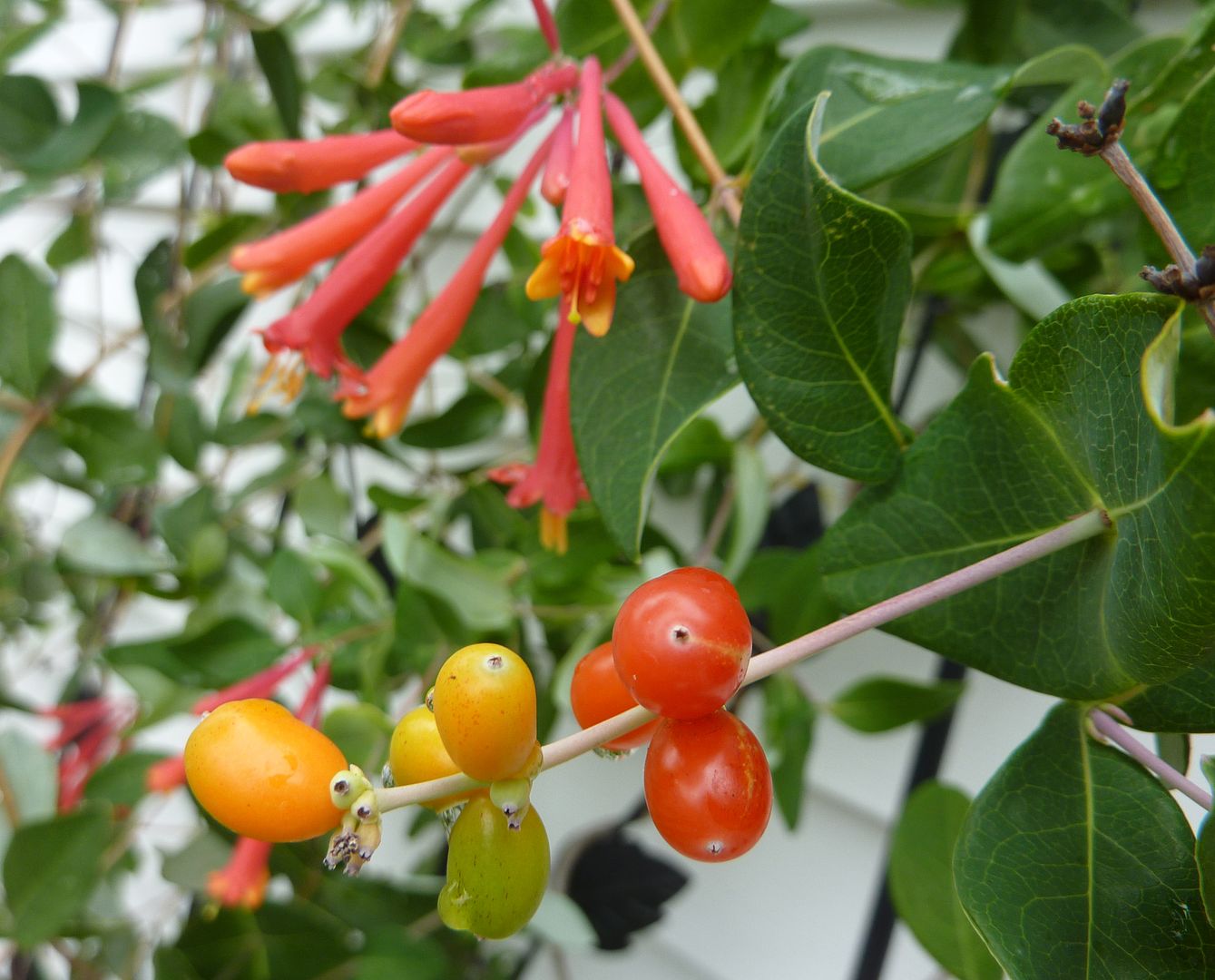 |
| Coral Honeysuckle in bloom and berry. |
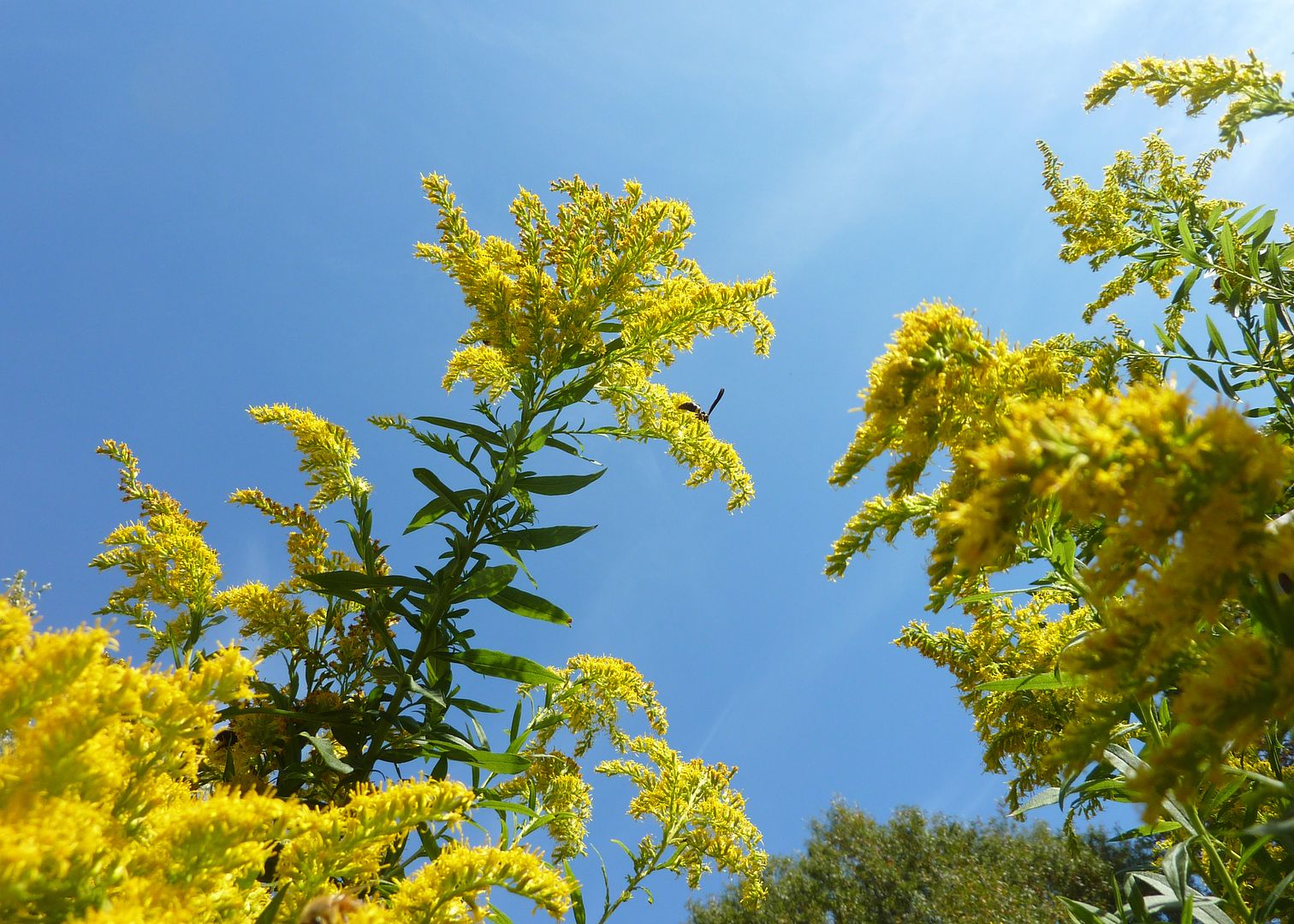 |
| The towering Tall Goldenrod in flower, Solidago altissima. See my video here. |
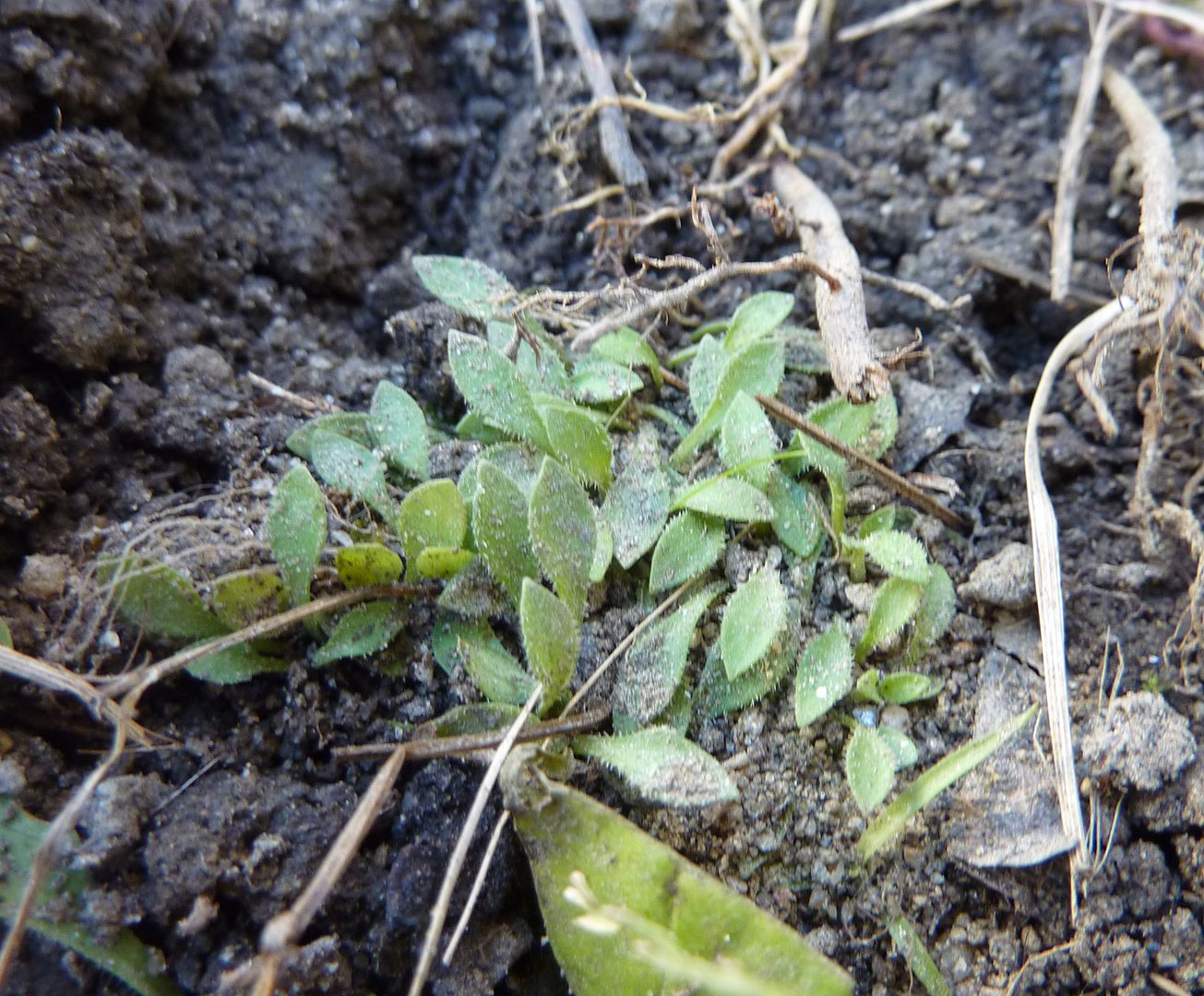 |
| Bluets! aka Quaker Ladies! I'm looking forward to these hopefully flower next spring the most. |
 |
| Despite the cold killing the top growth to many plants. New growth begins sooner than later. |