Showing posts with label Meadow. Show all posts

Saturday, July 5, 2014

A Trip to Longwood Gardens

I spent yesterday, July 4th, at Longwood Gardens, though not for the fireworks. Really the place was a bit of a disappointment and ran differently than I expected.

For starters the ticket system is confusing. You buy tickets to arrive at a specific time in half hour intervals but you can stay as long as you want and I didn't understand why this was necessary at all. What's wrong with just selling tickets and having a recommended time of arrival? Their parking lot is big enough for special events like the 4th of July, there were even people setting up camp outside on the hills around the parking lot having little BBQ's of their own.

Getting inside and walking the gardens for a day I started to realize why they limit the number of tickets they sell in half hour intervals. There is ONLY ONE place that sells food and drinks for people to eat lunch or dinner. Now they were holding a special event for fireworks and additional vendors were setup but they were all in one area! So you can't get a drink if you visit the entire right side of the facility or walk all the way out into the meadow garden other than a public water fountain they have hidden way back in this end building. I almost died of dehydration walking around this place.

Finally I found some sort of delicious-looking BBQ happening but this was only for people who spent the money on the fireworks show happening later that night. I asked the girl if I could upgrade to get some real food, and she said Nope! So inside the regular building I went where I paid $8 for the smallest peperoni pizza in the world that tasted like air. And the glass they gave me was tiny, like what they sell as a Small everywhere else, which was only about $2 though. And it came with "unlimited refills" but frankly there didn't seem to be anyone watching the drink area; it's all self serve so I could have fill up a 2 liter for all they knew. 

They should be selling collectable water bottles that come with free refills the day you buy it and setup more stations around the park where people can buy and refill them, similar to how an amusement park does it. I should be able to upgrade my dinning choice right then and there to special BBQ's, Buffets, and wine tastings etc... instead of having to walk all the way back to the main entrance for a wrist band.

I would have voiced all this to the little suggestion survey card but someone made off with the pen or pencil for doing so... so I just tossed a blank card inside to show what I thought of the place which was not much.

Most of the gardens were vast stretches of lawn with plantings only right next to the pathways. These plantings did look nice and worked well with a corridor effect (looking down the hall). There were points of interests such as sculptures and fountains and the occasional neat plant they highlighted but the amount of lawns this place has really drags the whole place down.
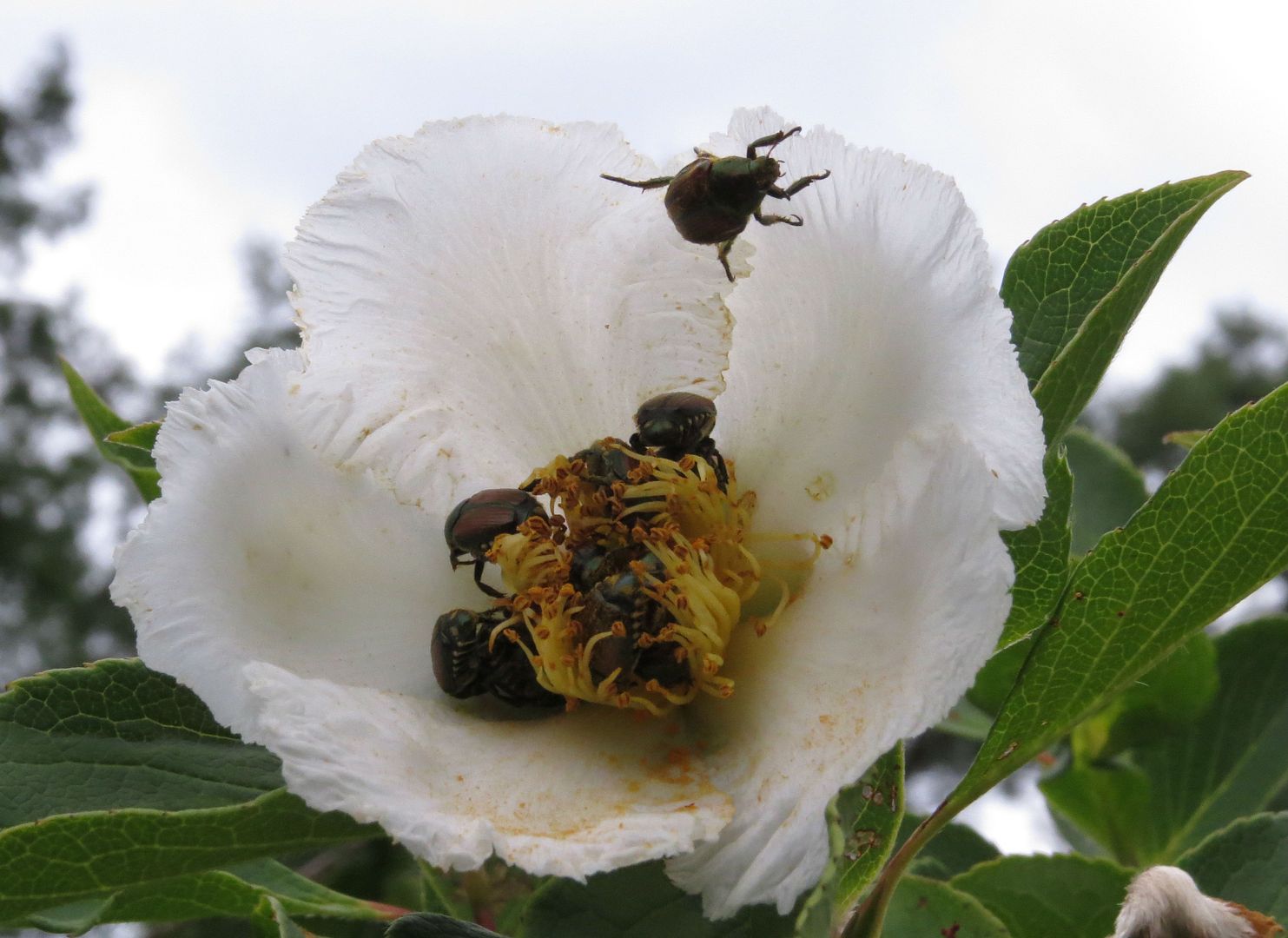
There was a Japanese Stewartia that was absolutely infested with Japanese Beetles.. which might not be a bad thing but generally no one wants this pest insect.

There's a main conservatory that's full of all sorts of tropical plants, and even included a rather nice pond section but it would have benefited from a guide or two or audio tour like a museum exhibit to highlight what I'm looking at and why it's important. 
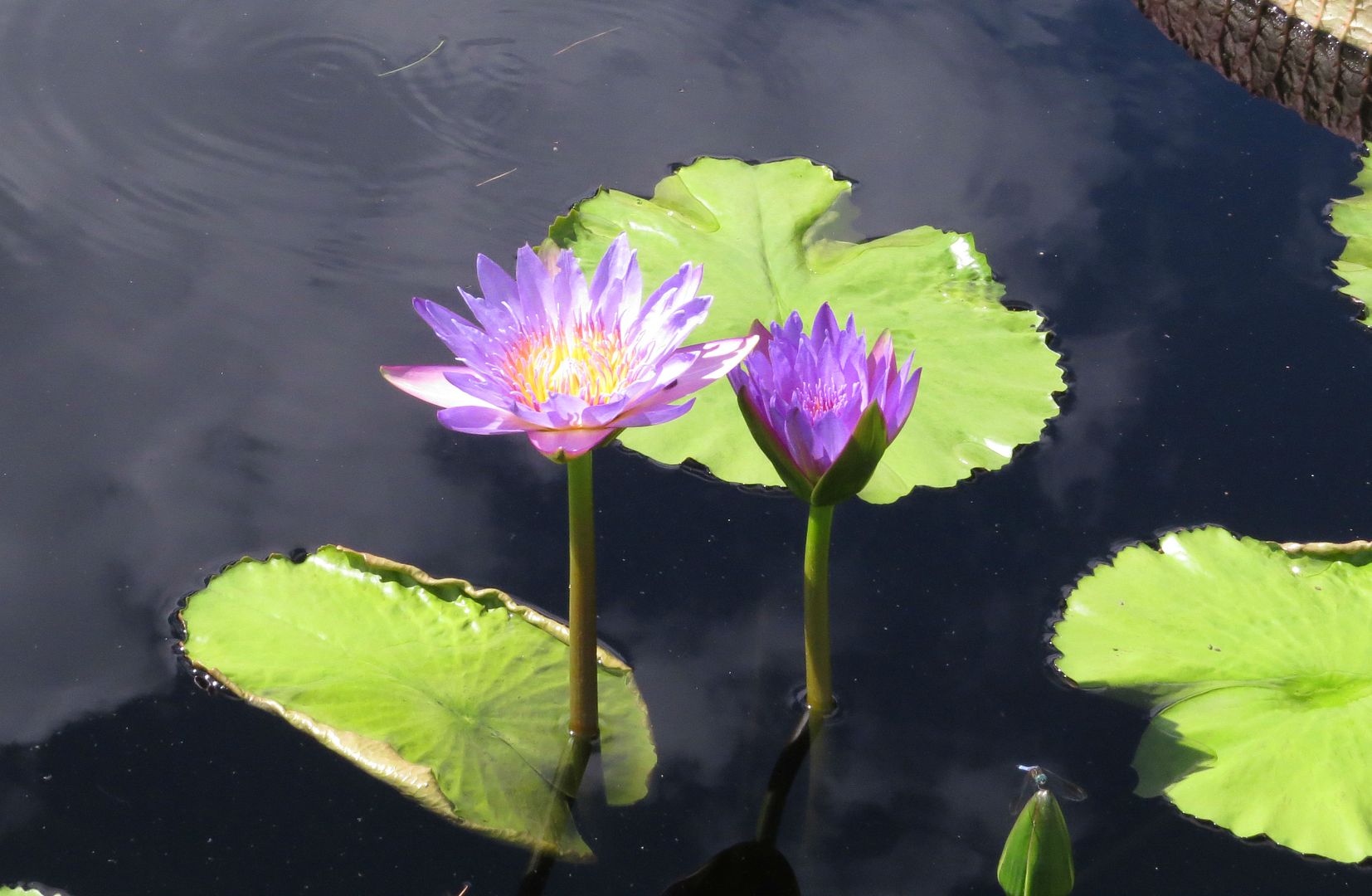
Something where they'd put a number on the plant tag and you could listen to a botanist, curator, landscape designer, translator, or voice actor, talk about why the plant or feature is so impressive. They could rotate which ones are of interest in and out or limit it to specific gardens. Generally without the information and history behind it, it's really just another pretty flower among hundreds. 
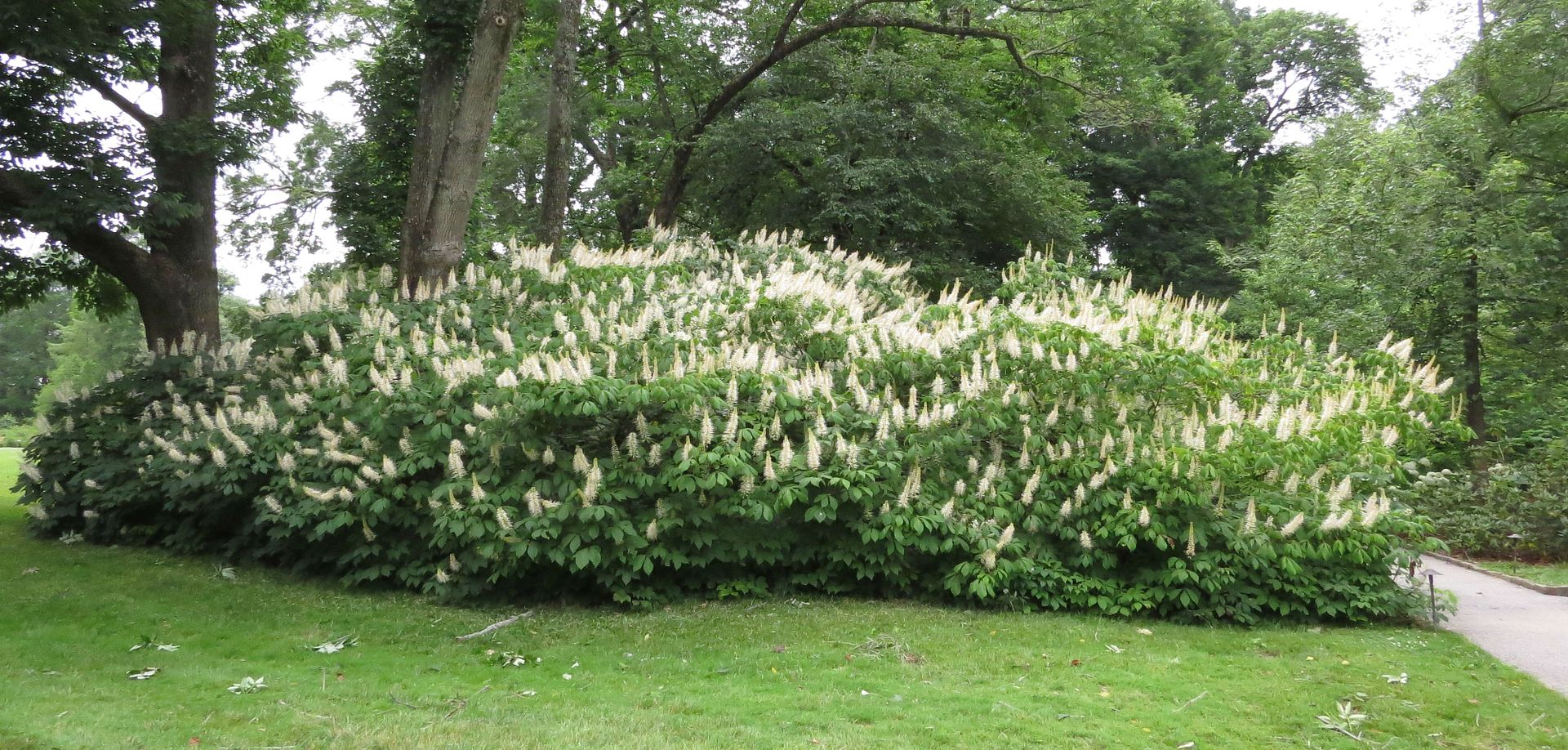
I was happy to see a grove of Bottlebrush Buckeye but disappointing to see absolutely nothing was pollinating them. Actually there were almost no butterflies flying about at all. The only ones I saw were out in the meadow garden and I know from the Mt. Cuba Center that this plant is normally covered in hummingbirds, and large butterflies. They're growing it correctly at least. The plant wants to push up an army of suckering stems to form it's own grove which was extensive. The photo above was taken at the top of a hill and they extended all the way down around the pathway.
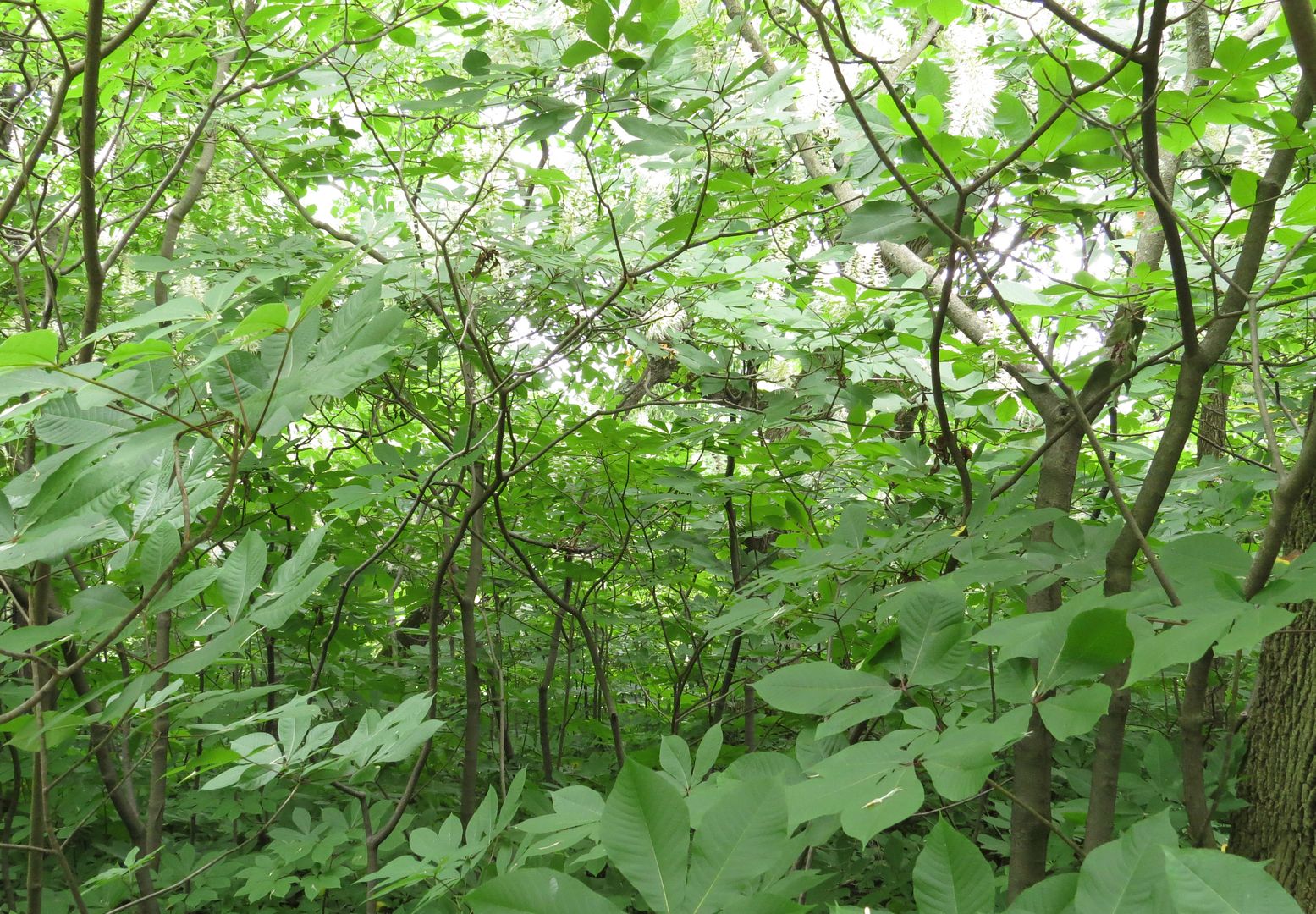
This is what it was like looking in. 
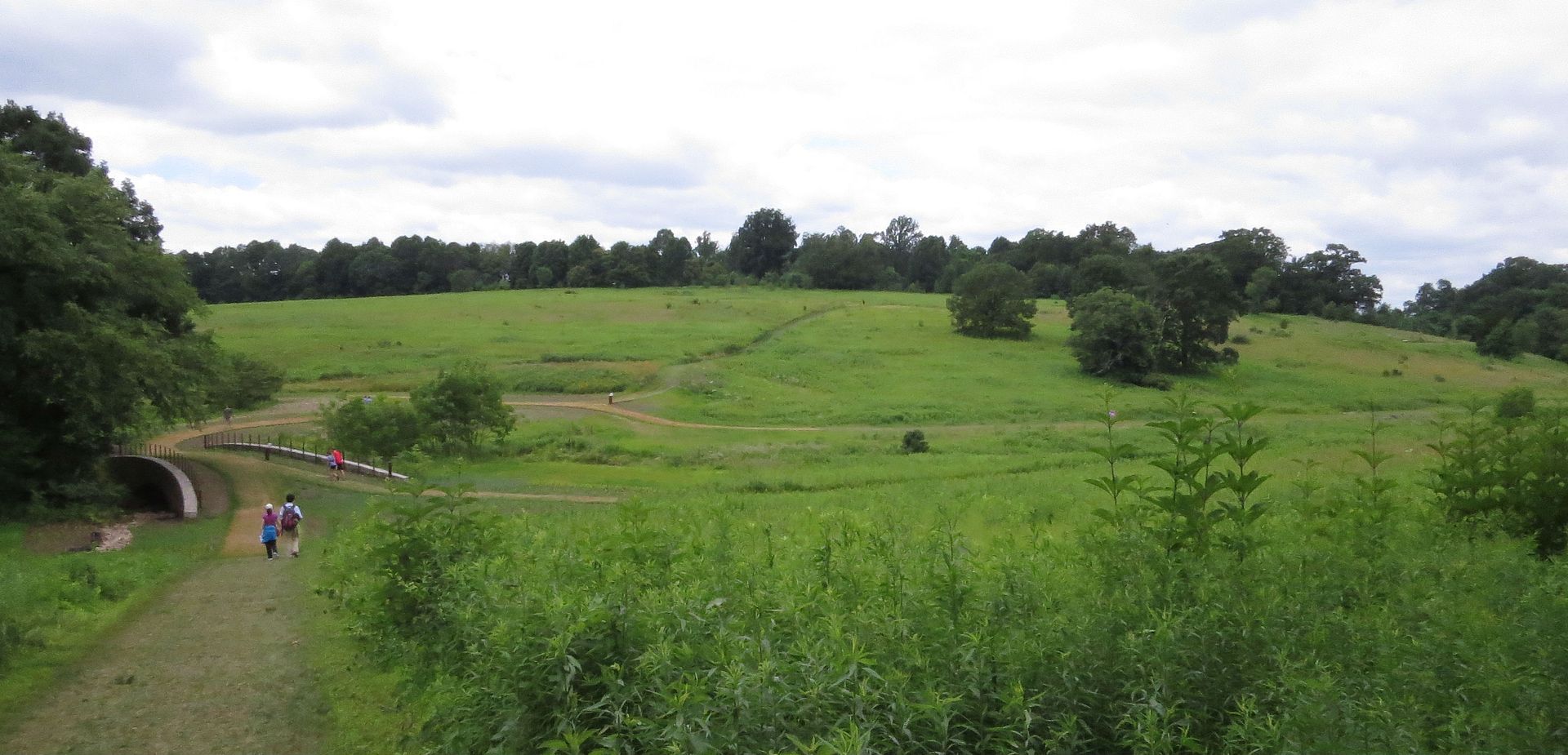
But the real reason for going was for the newly installed Meadow Garden, which I'm happy to say was drawing a decent crowd. All of the bird watchers and generally non-handicap guests were at least giving one pathway a stroll. 
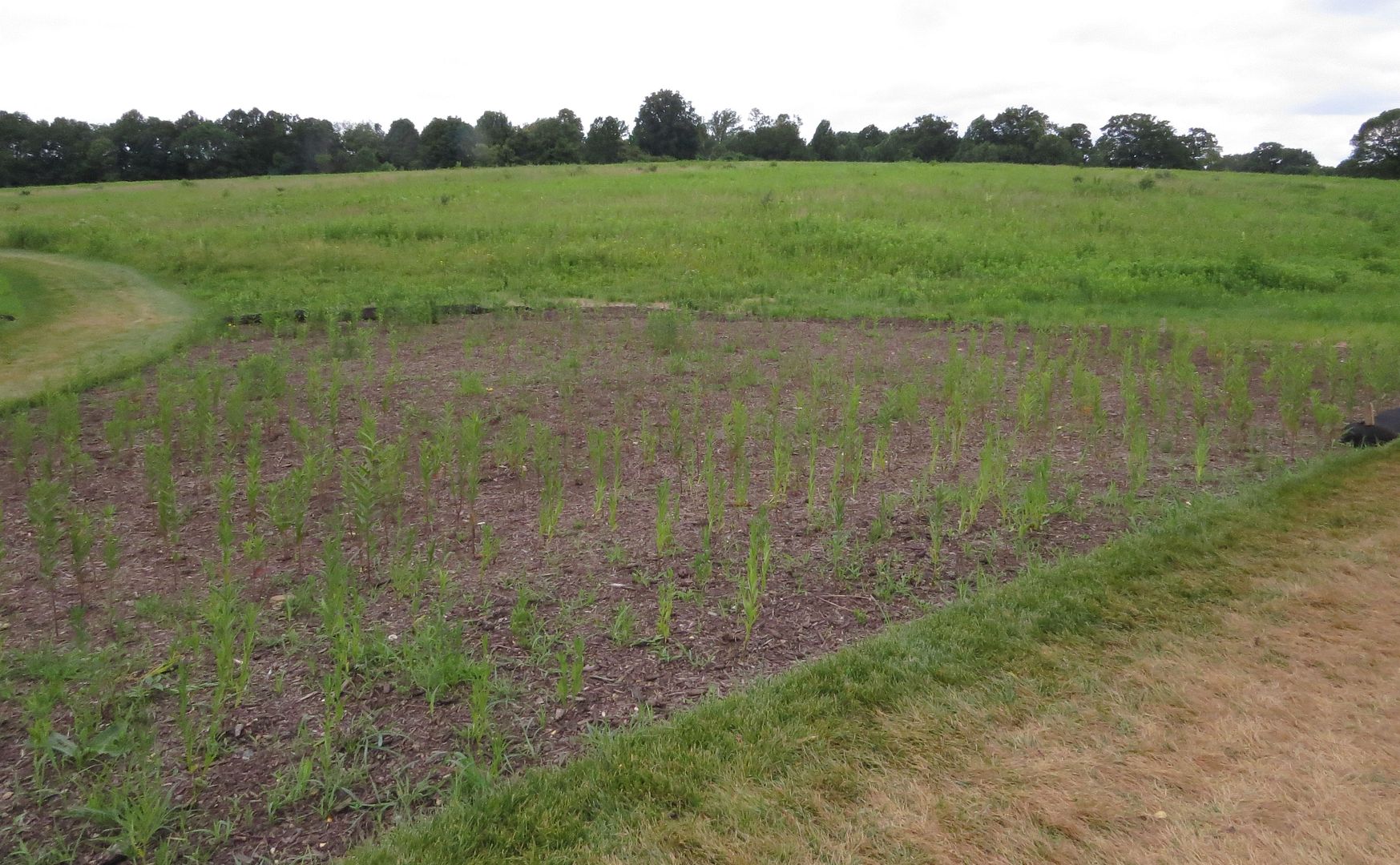
Early on I was a little confused though. I thought they had sprayed Round UP on the pathways which is why they looked like dead grass but then I realized, nope, someone started to roll out the sod for god knows why and it's just dying from lack of water. A bizarre choice but perhaps it was something left over from last year. A good design choice I thought were these corner sections where instead of seeding in plants randomly, they had plugs to specific plants. Eventually this will ensure guests get to see specific plants up close and personal.
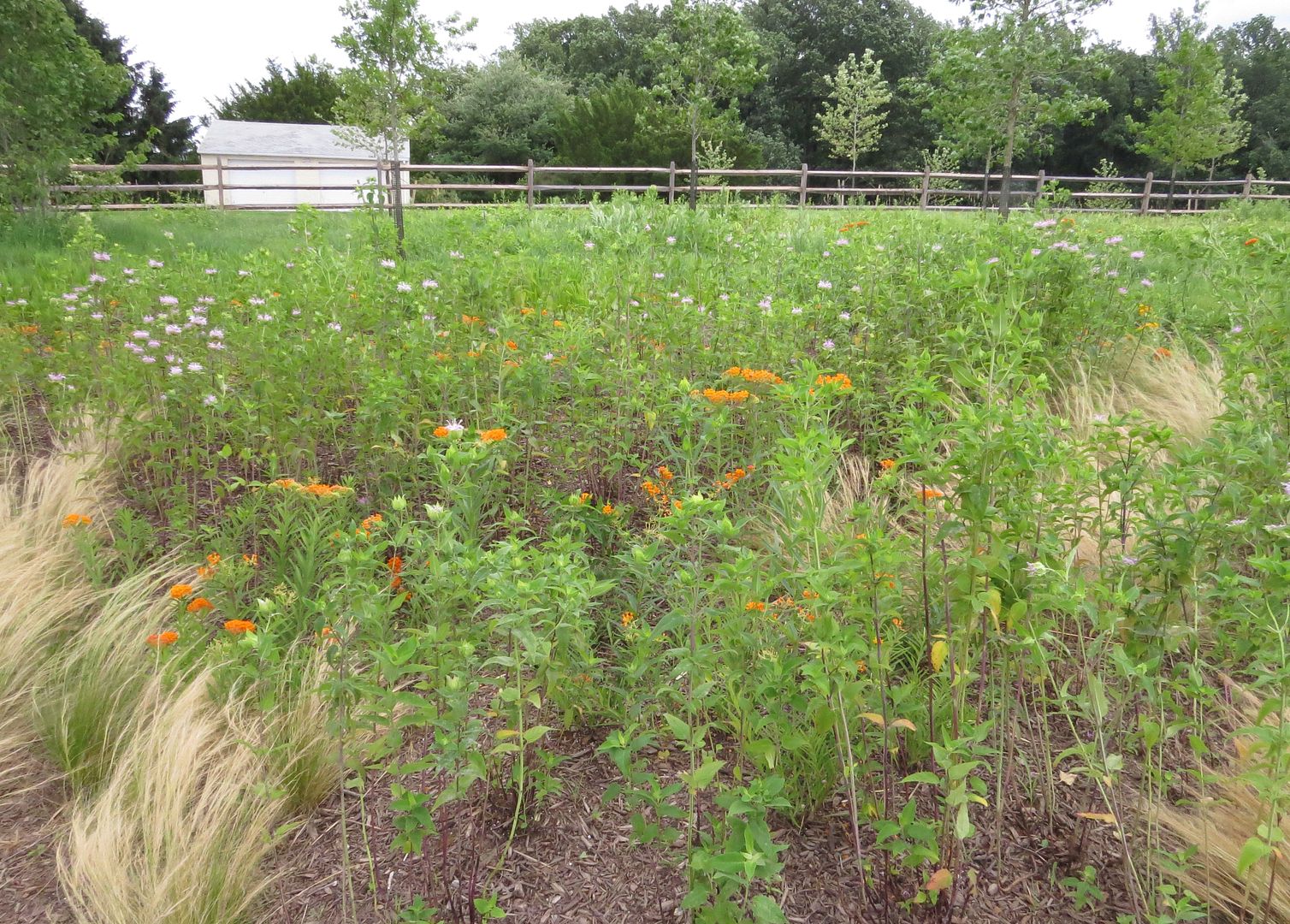
Another specific plug planting next to one of the rest and viewing areas. Behind me there were some benches, sheltered by the sun with built in telescopes for everyone to look out upon the meadow. 
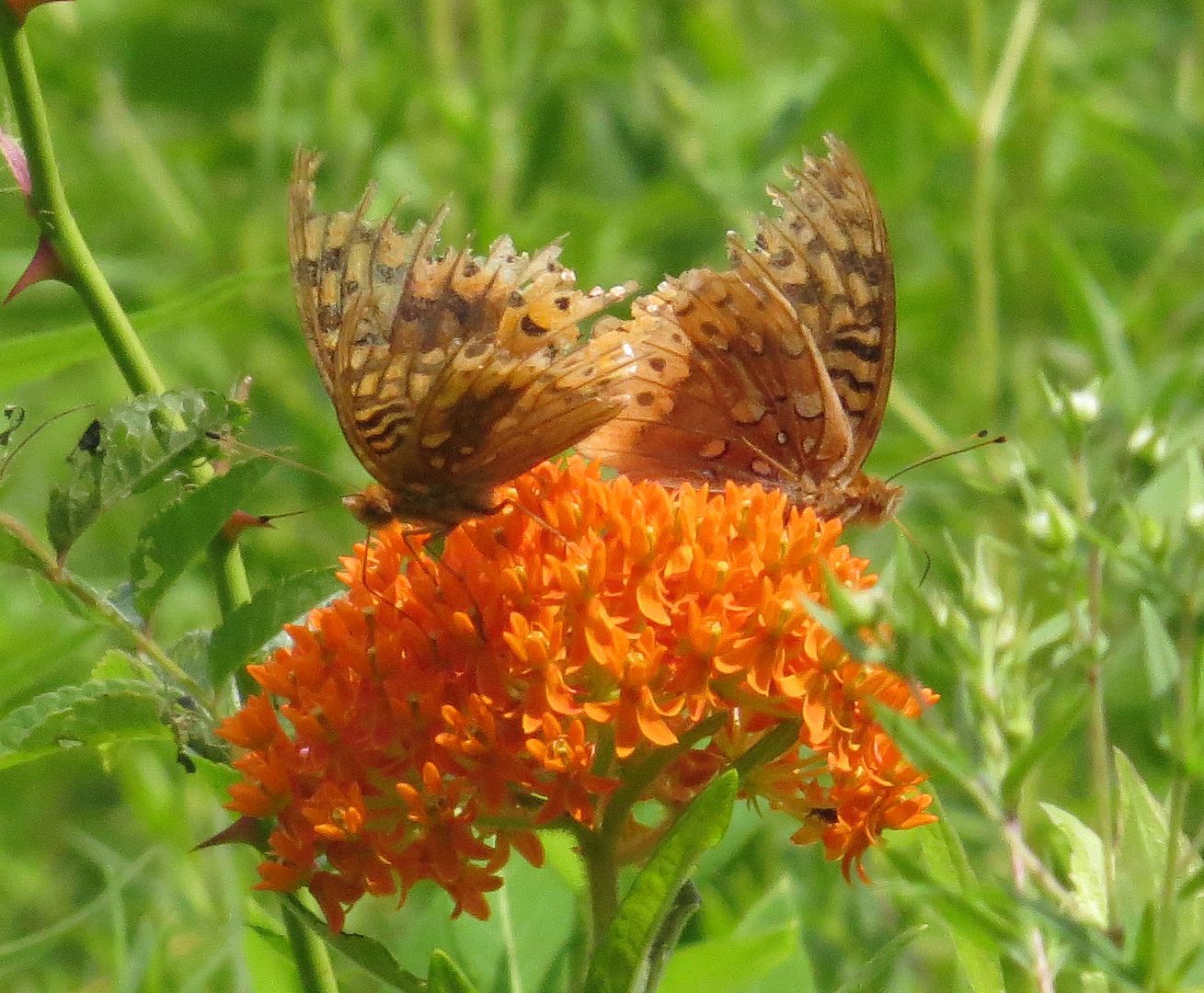
The occasional butterfly would flap about but for the most part they found a bit of butterflyweed and clung to it.

Black-eyed Susans speckled parts of the meadow with their little yellow disks.
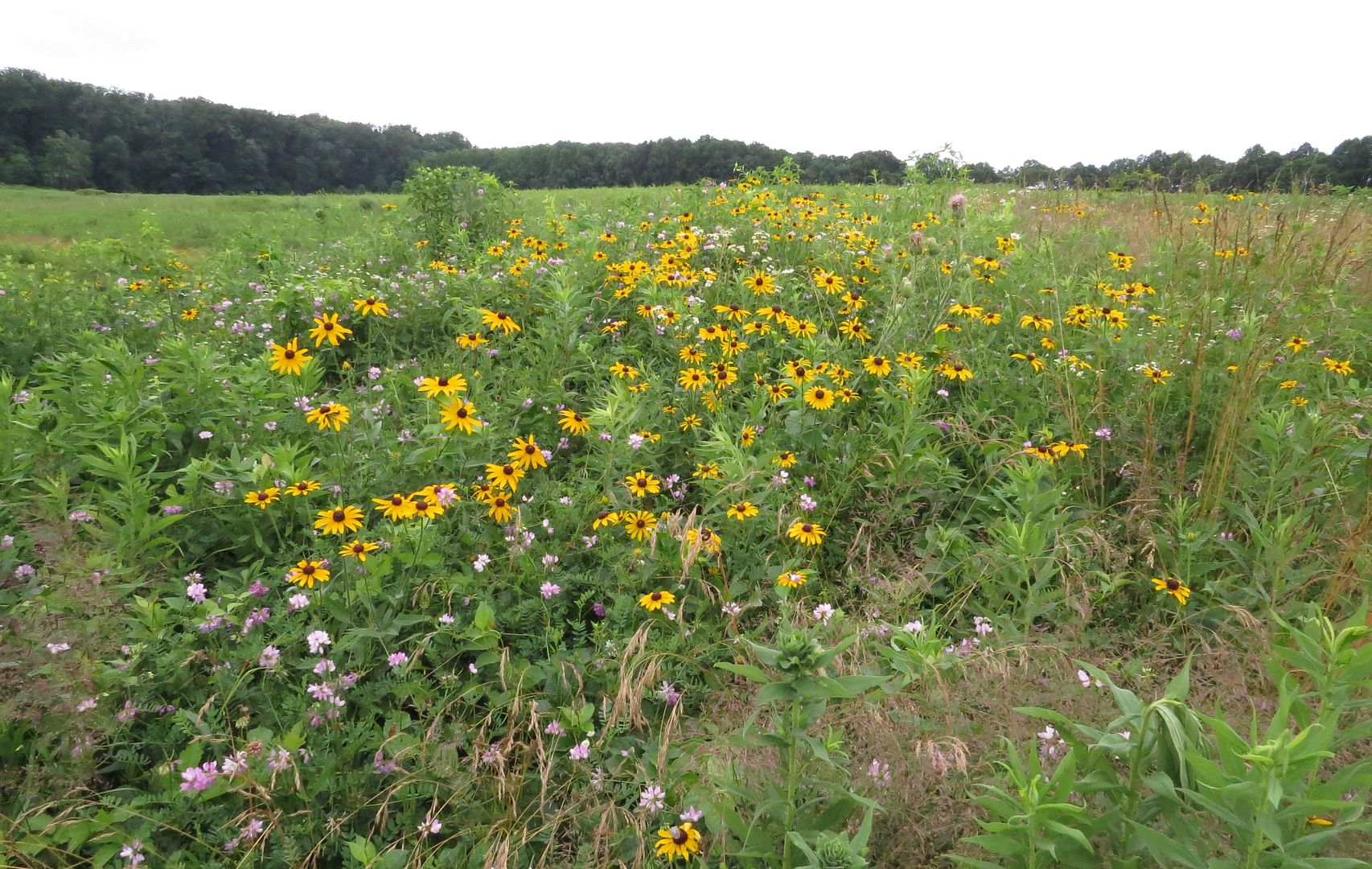
There were a few places where they seemed to be better established and taller.


Red-winged Blackbirds fluttered about the meadow and all the bird watchers seemed to enjoy them particularly. I accidentally interrupted more than one person trying to take a photo I'm sorry to say.
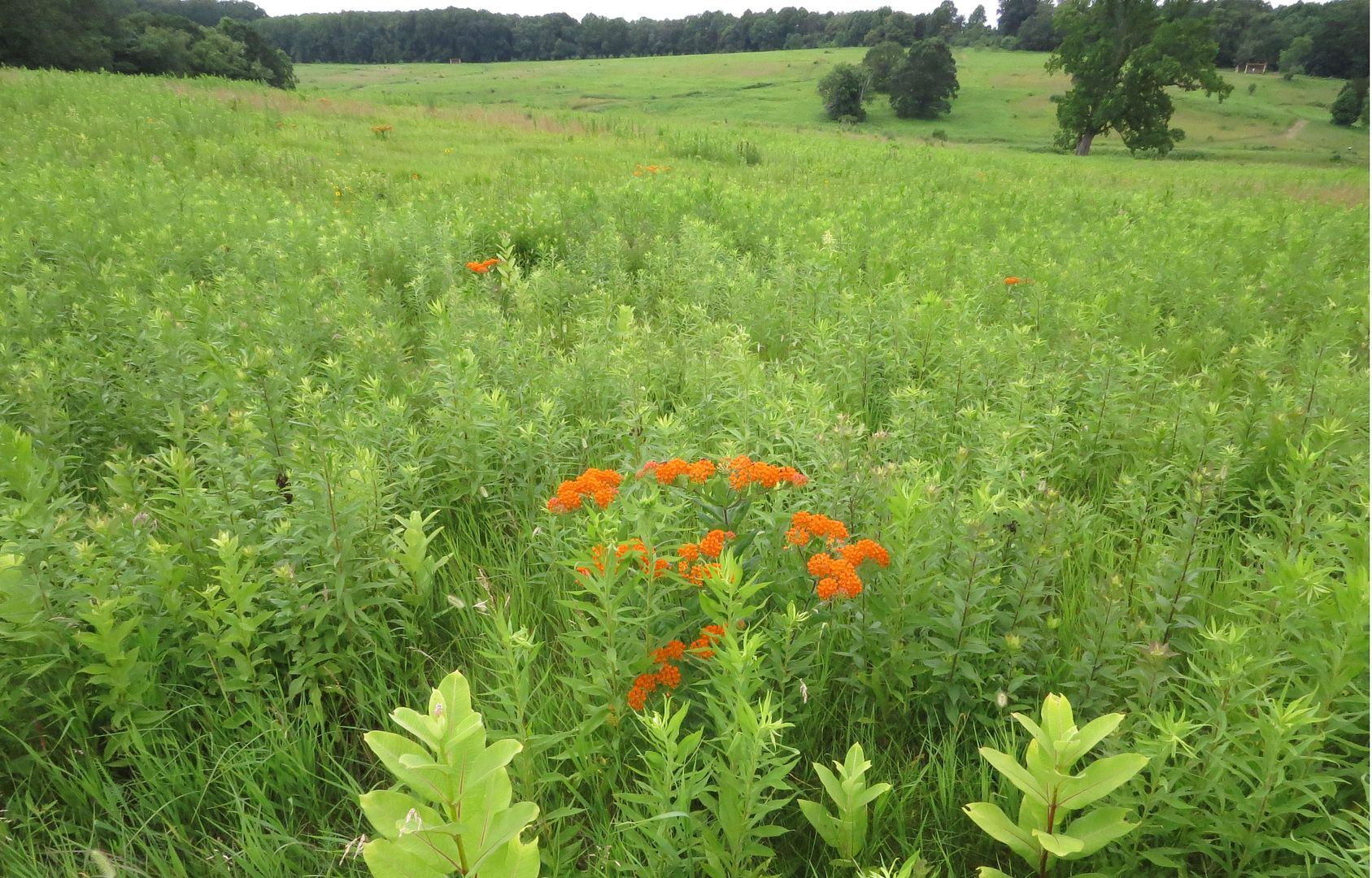


Butterflyweed, Asclepias tuberosa, was a real highlight here.

I love the way the color of the dried grasses adds to this, still blowing with the breeze along with the green, and still with yellow flowers dotting all over.

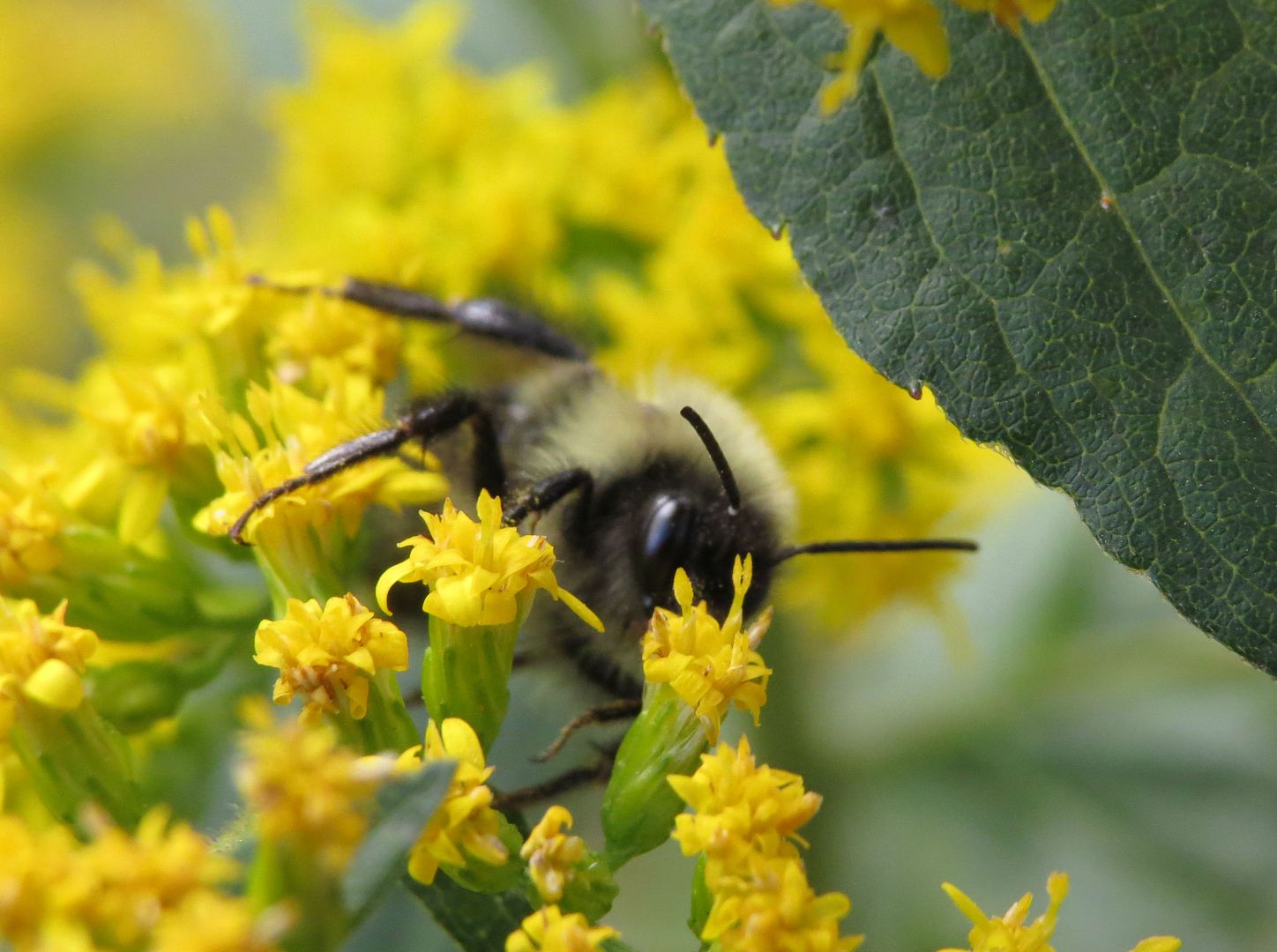
False Sunflower, Heliopsis helianthoides, was another draw but mostly for bumblebees.

I really enjoyed the meadow garden a lot because there weren't big boring patches of lawn. If you're going to have big sweeps of lawn, at least do something with them; maybe even take that "golf course look" literally and maybe a mini-golfing or croquet. Or even make it more perfect than it already looks? A large carpet of moss maybe?

So the Meadow garden has my interest enough that I think I'll return sometime, maybe in September and I'll be sure to give the whole place another chance.
Tuesday, October 15, 2013

The Wildlife Gardener's Meetup (Part 1)

So I'm a member of the Wildlife Gardener's Forum, and I think for the past two or three years now a few of the members have arrange a yearly meetup or road trip or combination there of to get various forum members involved. This year I decided to participate in a few of the trips which happened to be here in my home state of New Jersey. I wasn't expecting much though because of the time of year. We're not really at the peak of the "leafing" season and most of the wildflowers have finished flowering.

I can't quite remember the name of the first place we visited but it had a bustling dog park and multiple trails leading through woodlands and what may eventually become nice meadow. As I said though most of the wildflowers weren't flowering so it was hard to judge. Almost all of the goldenrod was finished for the year up there so we're pretty much at the end of the flowering season. One thing I noticed was that they had almost too much goldenrod up there. It's a mid to late stage meadow plant which will usually push out milkweed species. (This doesn't always happen, and there are old fields where goldenrod mysteriously never takes over but it tends to be the norm.) There were a lot of trees and even a few nonnative plants about. There's almost too much work there to be done for what they have, but most of the problems seemed to be in the meadow and forest edge areas which accounted for maybe 1/4th the park that we saw. They just need to come up with a treatment strategy to hopefully get things under control. I recommended having it mowed once a year to get rid of the woody tree species but they were afraid of killing butterfly chrysalises. A valid concern, but removing tree seedlings manually will eventually become an impossible task, so maybe only mow half the meadow each year, and alternate from there. Even haying the field (cutting it to knee high) can be beneficial. 

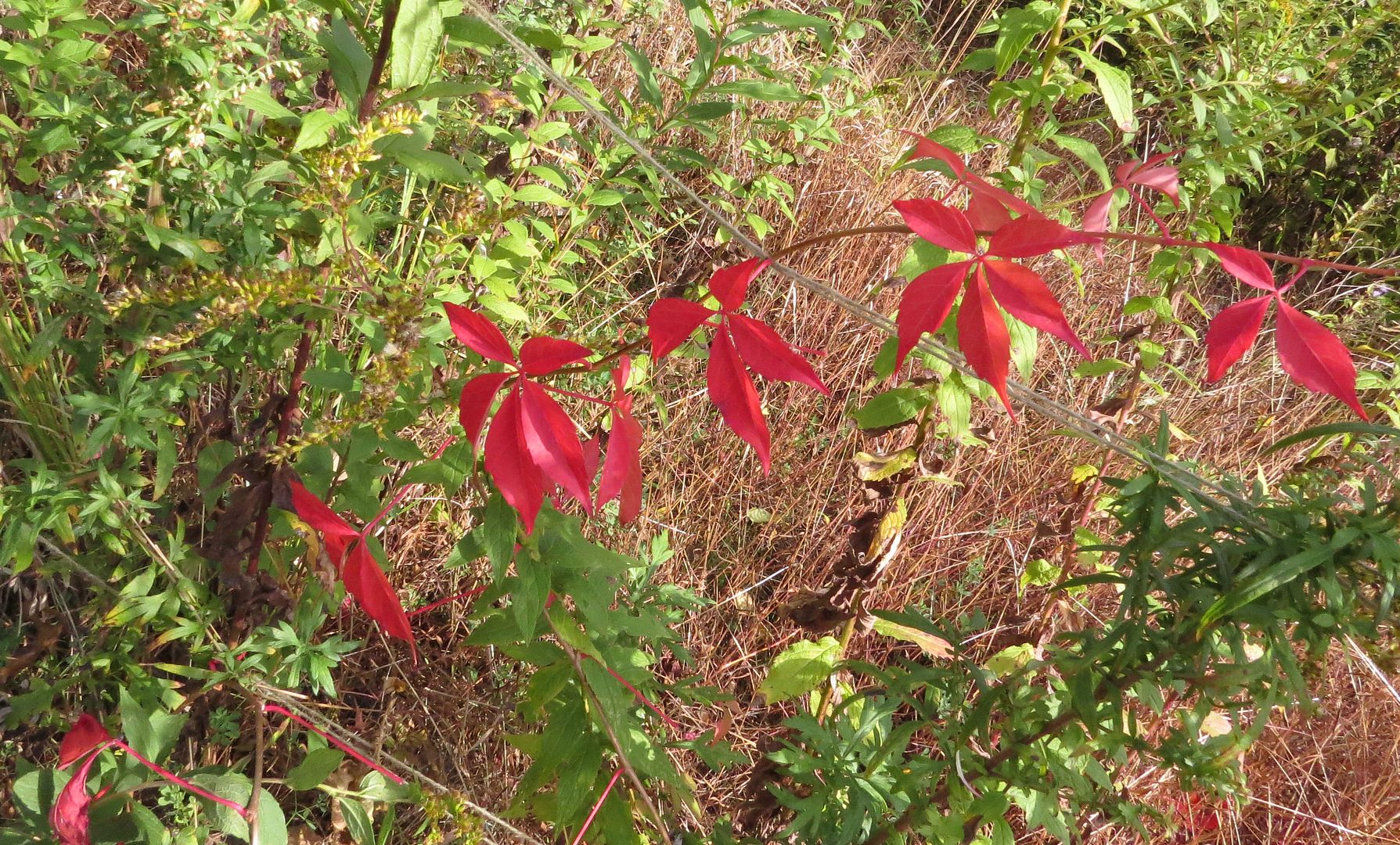
Virginia Creeper, Parthenocissus quinquefolia, was showing off its fall color in a brilliant shade of red.


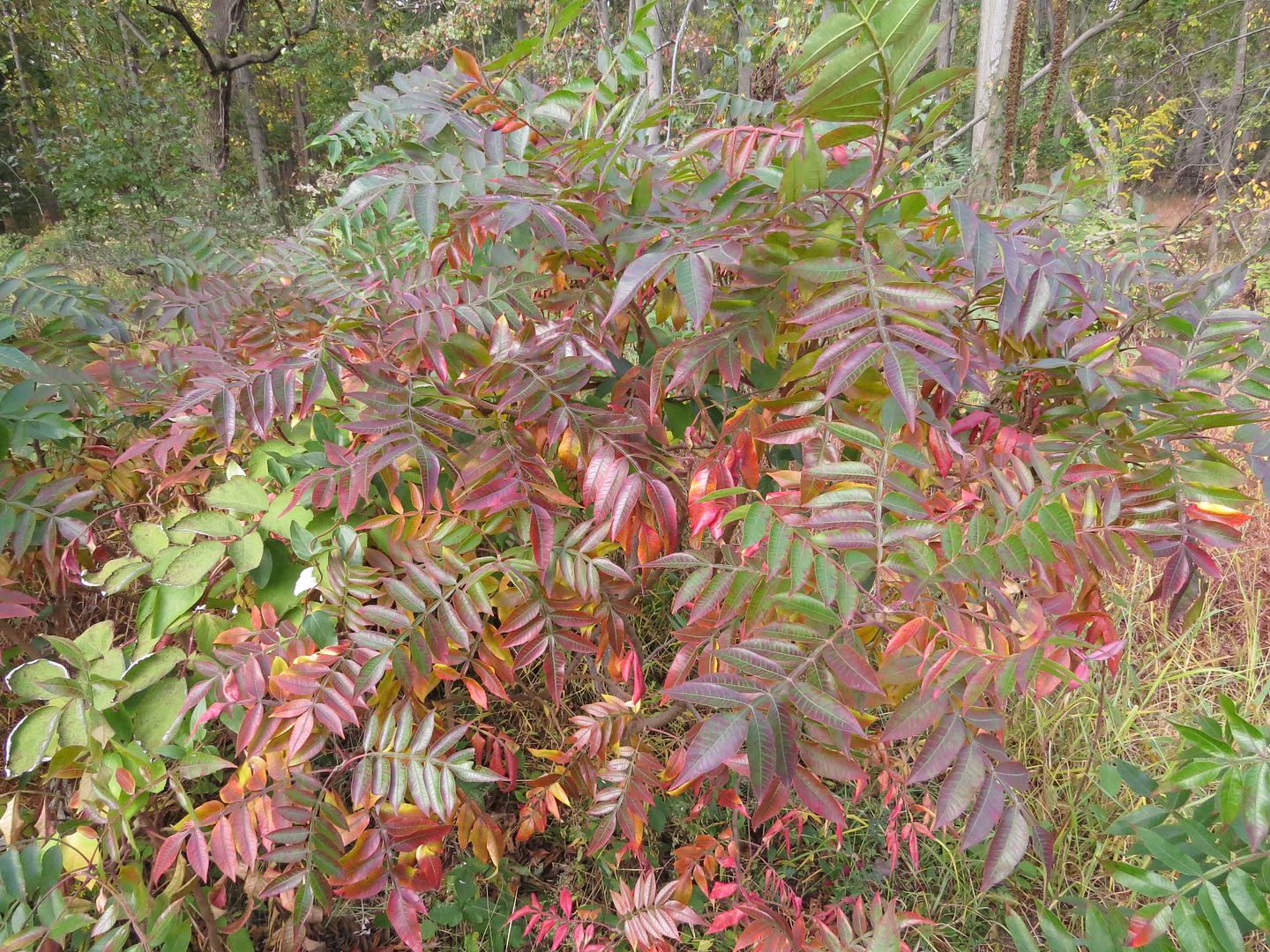
Winged Sumac, Rhus copallina, eventually also turns this brilliant shade of red. A failing though is that this species spreads by root suckers to form it's own grove. Mowing is just about the only way to keep these suckers under control.


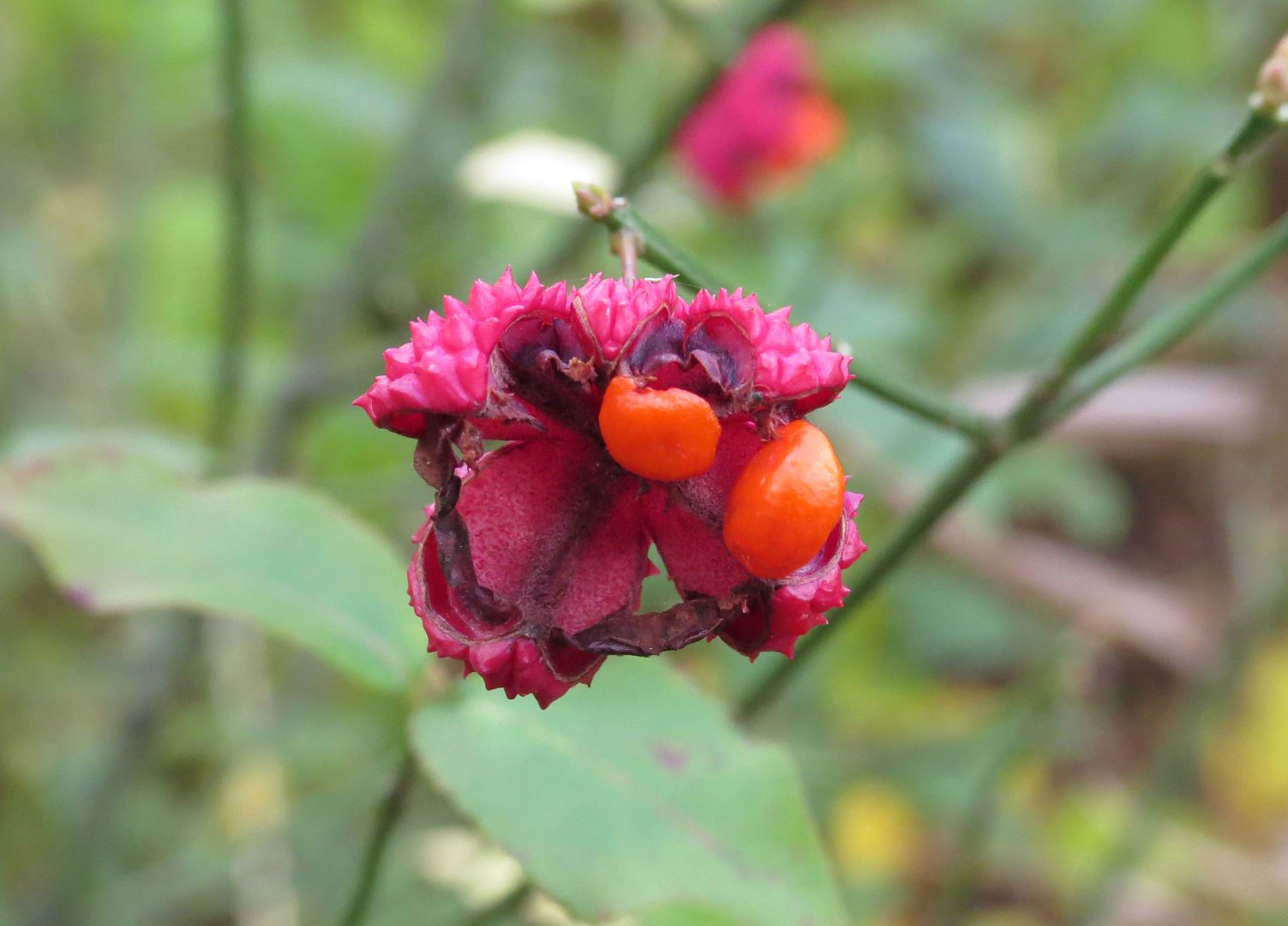
Strawberry Bush, Euonymus americanus, was something of a highlight because almost none of us had ever seen it before. The common name is misleading because it has nothing to do with the edible runner vine people are so fond of. I believe the name comes from the seed pod resembling a strawberry before it opens to reveal the nut-like fruit (as seen above).

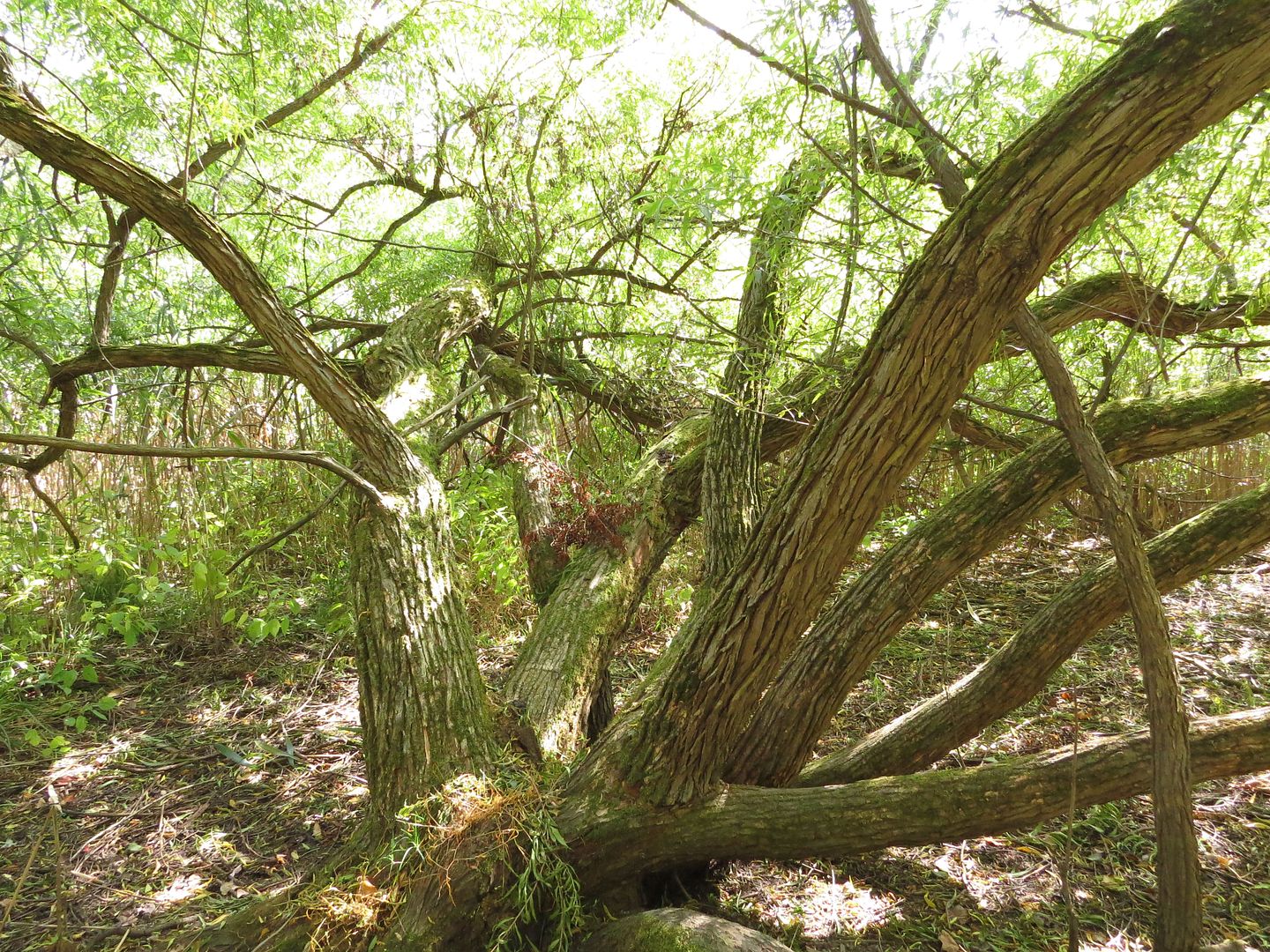
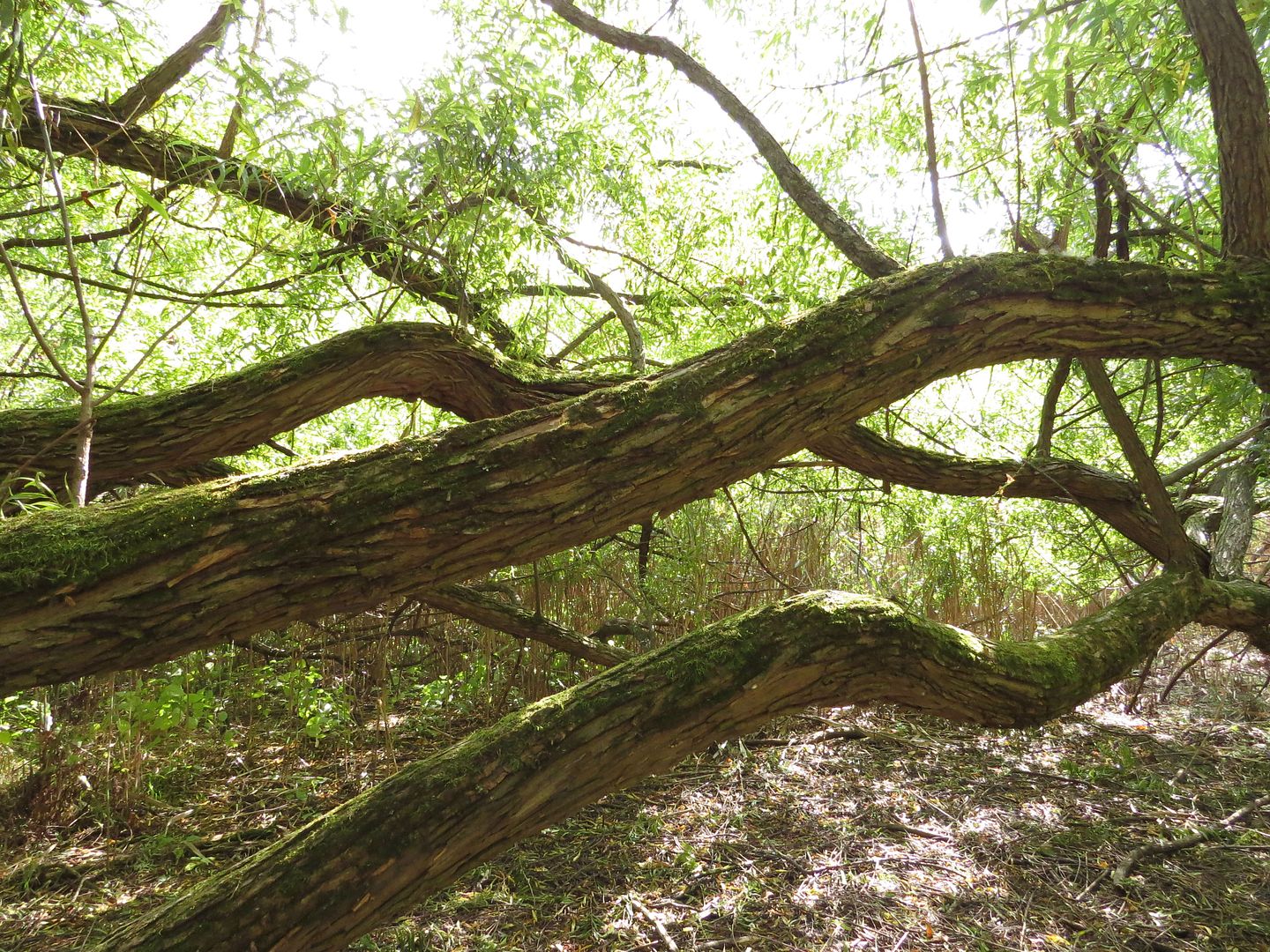
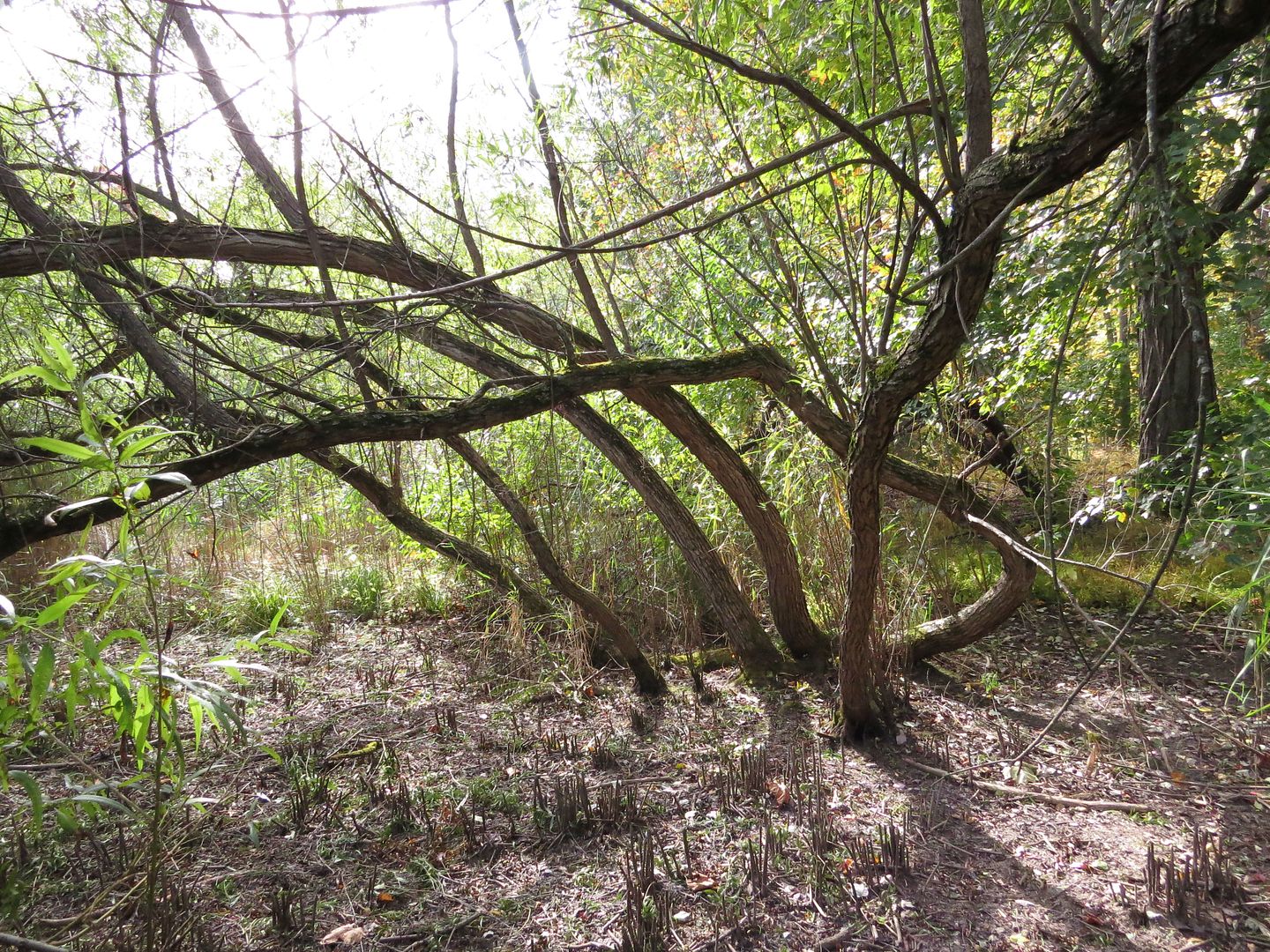
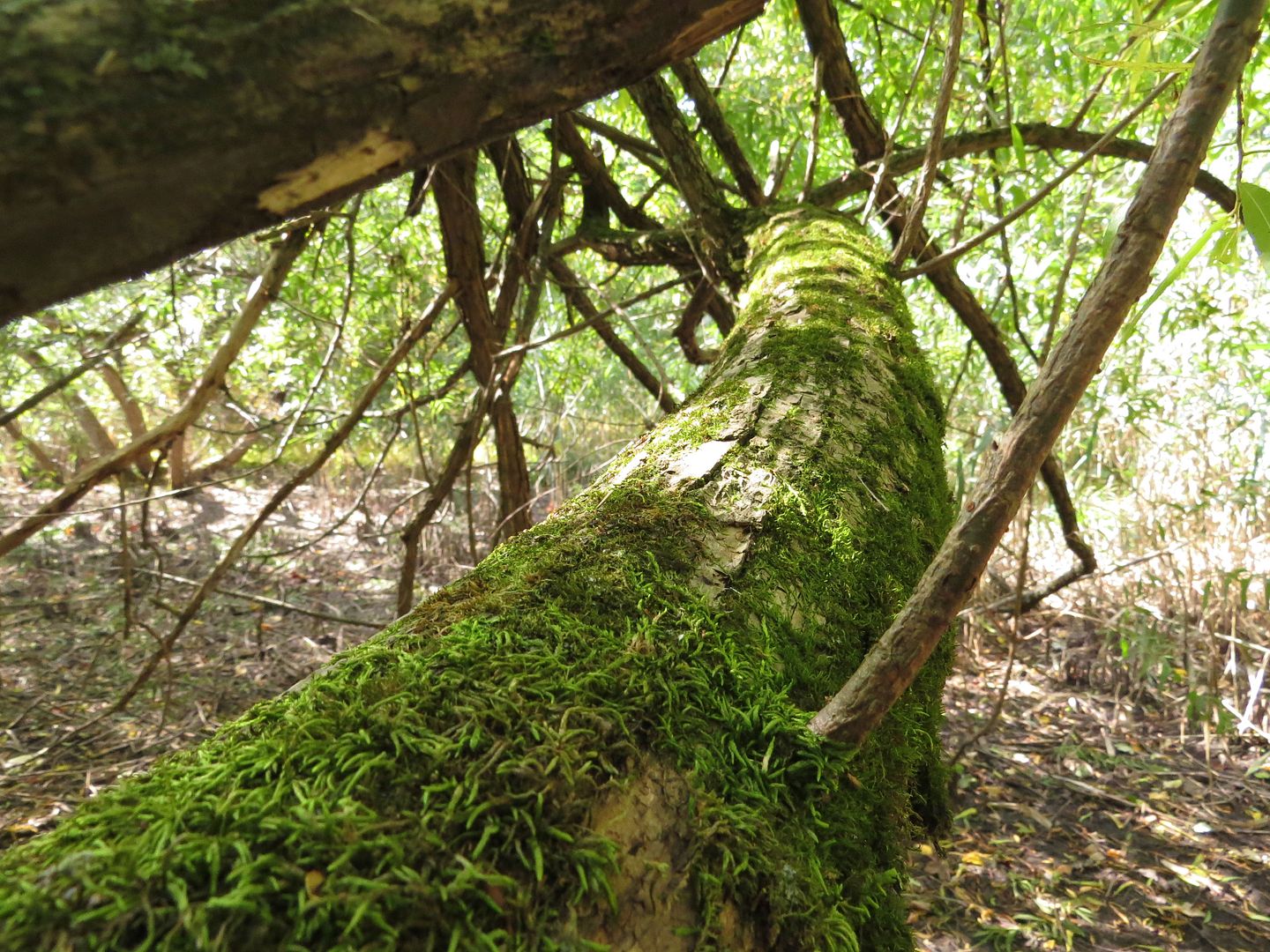
Venturing into the woods the real highlight of this place were a few Black Willow, Salix nigra, trees they had growing there. My camera really doesn't do them justice though. 


The dappled shade underneath and the low winding branches make you feel like a kid again, getting tangled up in shrubs and makeshift club houses designed by nature.

They're growing in an area that clearly flood when it rains which prevents most types of plants from growing there. But this particular species is well suited to the location. The ground was mostly stable enough to walk in too and not muddy at all, though I'm sure just after a storm that could be a problem. 

Moss was growing all up and down the trunk and branches. They seemed to be in very good health. This is probably the closest thing have to Mangroves which grow down in the tropics, of course the two are in no way related. 

Sunday, June 16, 2013

My Meadow Garden

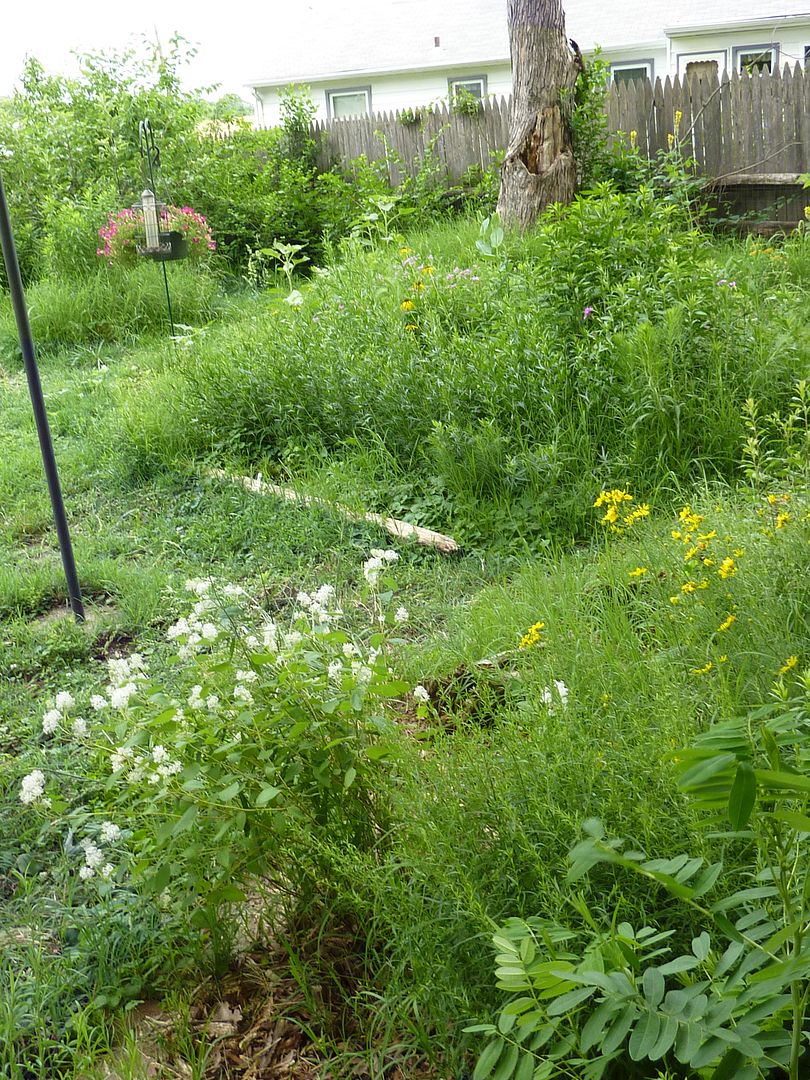
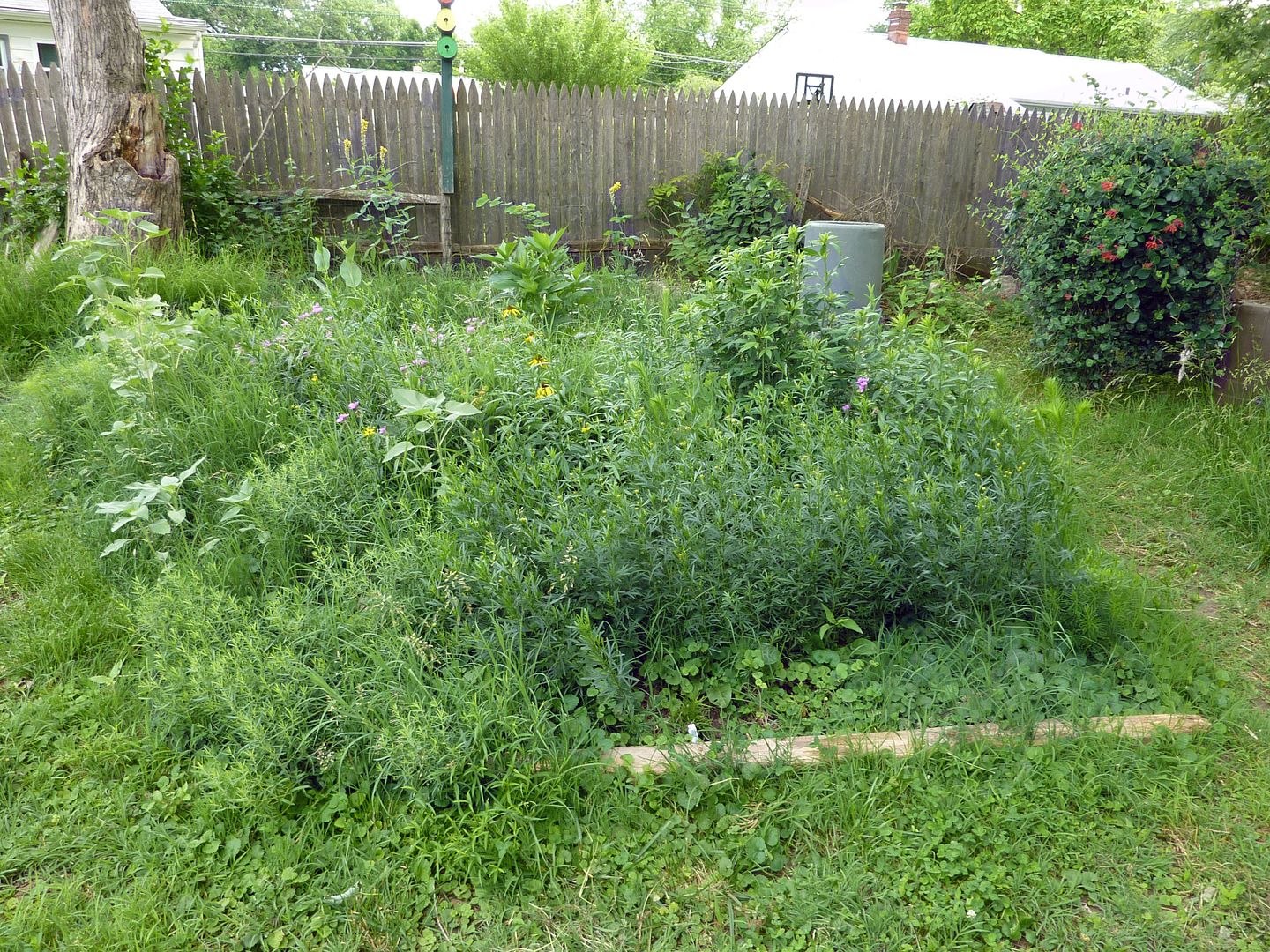
 Being the compulsive plant shopper that I am, I'm so thrilled with the way the meadow garden has turned out this year. I started this project back in 2011, and they say it takes three year before a meadow really takes off. What's odd though is they say that about meadows started by seed because nothing really flowers until year two or three and then some don't flower until year seven or beyond. Meadows otherwise look like a bunch of weeds their first, and sometimes second year.

To avoid the weedy look, I decided to skip seeds and jump right into plugs. Presumably this would let me skip that first weedy year and jump right into to the more established second and third year. While many of the plugs did flower the first year, I have to say it still took three years before the meadow really became thick looking, full and established.

Another reason seeds wouldn't have worked was that my lawn is basically made up of crab grass, which my dad "thinks" he may have planted on purpose years ago becuase it naturally spreads by runners and fills in an area. His theory being that this would lead to a nice thick lawn. While many lawn grasses do this, this crab grass in particular is the most annoying plant I've ever had to deal with. Along the roots it produces corms that are thorn shaped thus pulling them out of the ground often results in me being stabbed and pricked in uncomfortable ways.

To it's benefit though, it does fill in, my meadow is lacking grasses, and it basically marks where I haven't planted things yet.

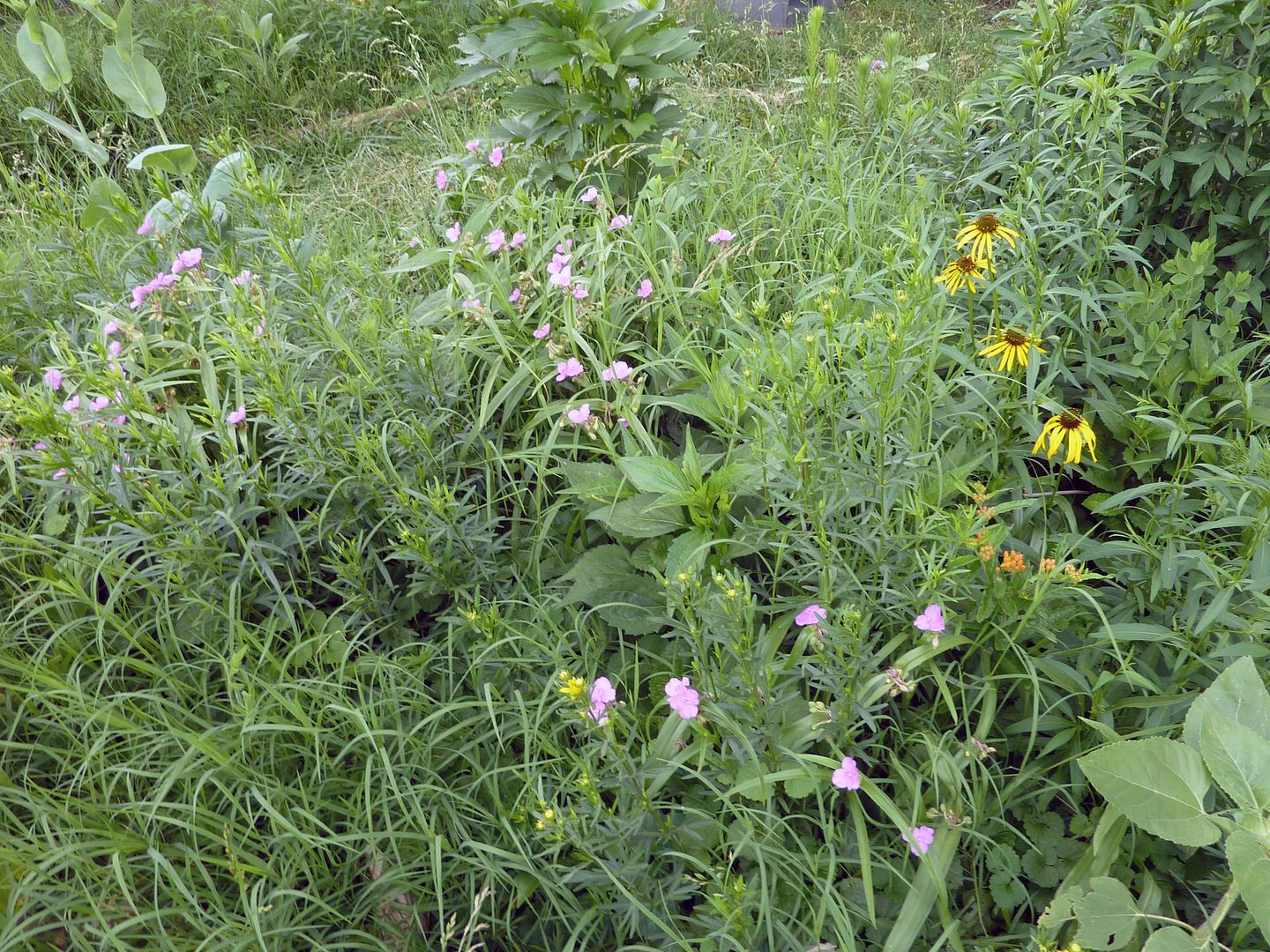
So here's a short list of what's blooming now.

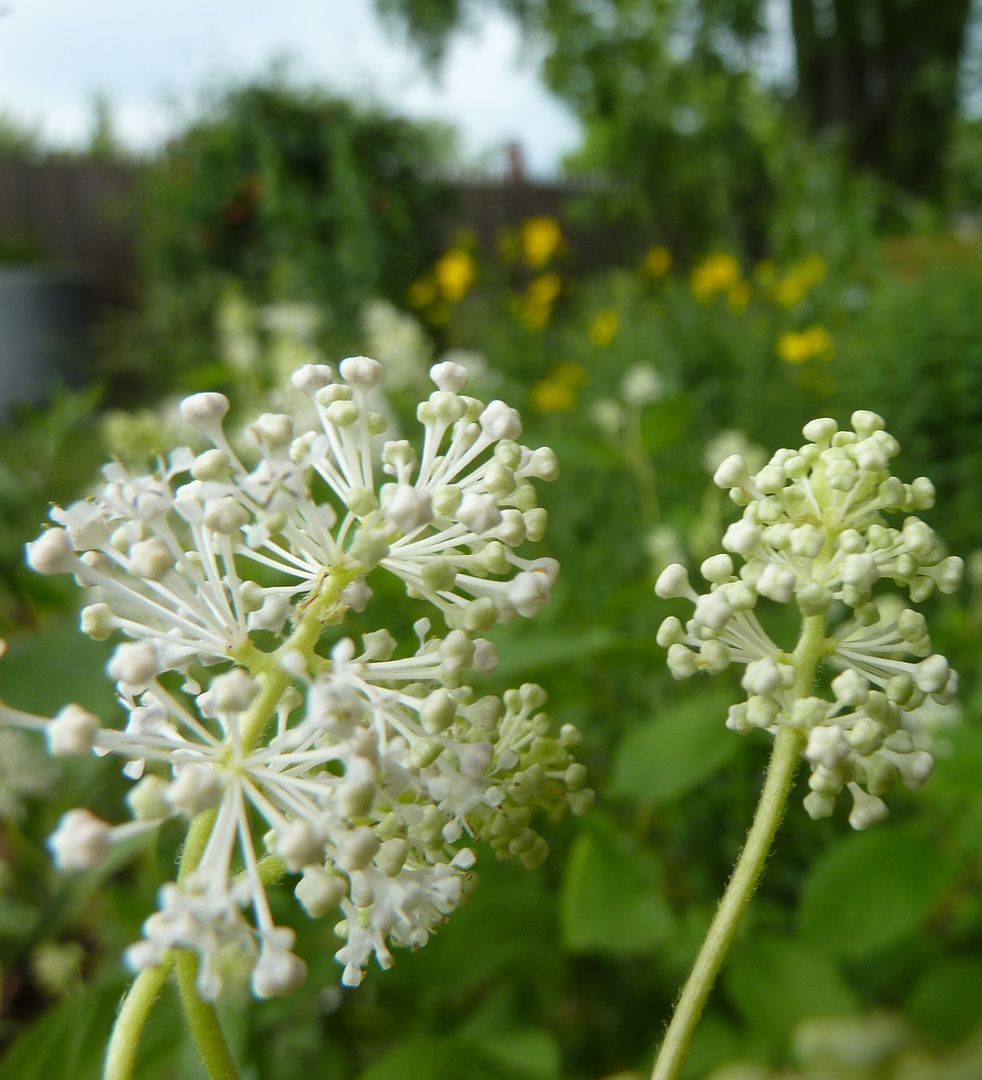
New Jersey Tea, Ceanothus americanus, which is actually a low 3' tall shrub that's covered in little white puffs of flowers. This is the only plant I need to remember not to mow over with the lawn mower each year and it's bright yellow stems really make it stand out. It's often praised as a good hummingbird plant, not because of the flowers, but because of the swarms of tiny bugs that go for the flowers. It's taken three years but sure enough I'm starting to see in the late afternoon this plant is bustling with tiny gnat-like insects. I haven't seen hummingbirds going for them yet but I'm sure it's only a matter of time. During the hotter times of the day nonsocial wasps tend to pollinate it. These types of wasps are beneficial because they're often specialized predators or parasites of beetle grubs, spiders, and caterpillars.

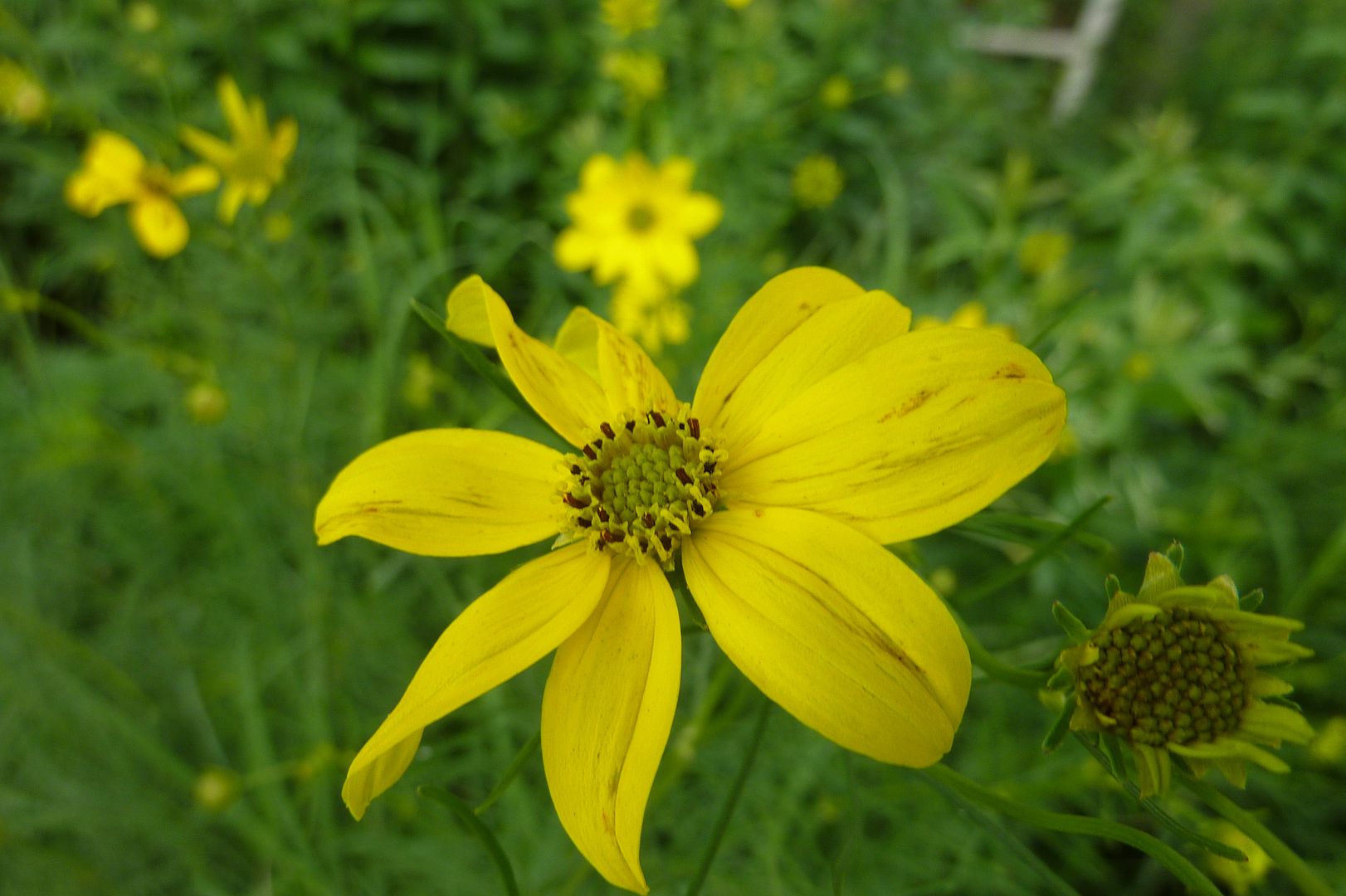
Whorled or Thread-leaf Coreopsis, Coreopsis verticillata, is growing right behind it. It doesn't get that much attention but I'm sure that may change in a few years. This started out as one plant, that is to say one stem that grew up to about 3' tall and produced maybe four flowers in it's first year. It's since reseeded in a non-aggressive way onto adjacent bare soil. This was the first of my native plants that I realized was not only growing happily but also self seeding around. Before then there had been this fear that maybe I'll rip up the lawn, plant everything, but only to watch it all die out slowly over the next ten years. This plant cured me of that fear.

Butterfly Weed, Asclepias tuberosa, these flowers are now open but I thought it was a neat shot. This is the host plant to the Monarch Butterfly among a few other things we don't hear enough about. Drought tolerant, loves growing in dry locations, and boasts brilliant orange flowers.

Ozark Coneflower, Echinacea paradoxa, this was a surprise this year because I'd planted this species a year or two ago and it died out. Coneflowers have never done well in my meadow and I'm not sure why that is. So this year I ordered Pale Purple Coneflower, Echinacea pallida, to give that species a try. Well what arrived grew better than anything had before, and when I saw the flower buds I was thrilled... but then the petals were yellow! So so one of the nurseries I ordered Pale Purple Coneflowers had mix up and they'd sent me Ozark Coneflower instead. 

I'm not complaining. These plants seem to be a lot healthier than the first batch of Ozark Coneflowers I tried years ago. I initially wanted that species because the yellow went so well with the orange Butterfly Weed. We'll see if these are better able to establish.

Sunday, June 2, 2013

Western Spiderwort

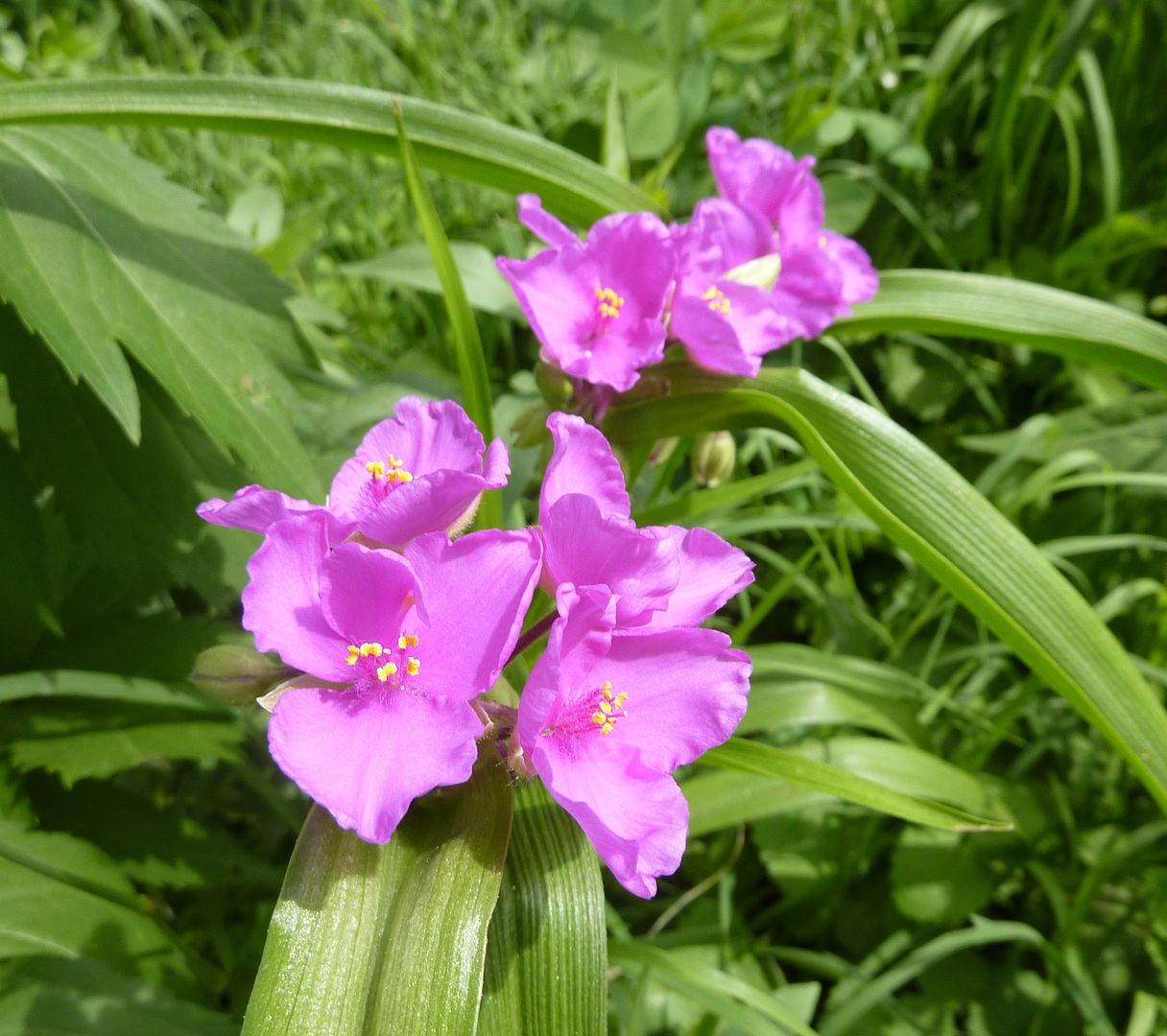
The Western Spiderwort, Tradescantia occidentalis, has really come a long way since I initially planted them. Back in 2011 these little plugs pushed out maybe one flower and that was it, a simple short lived bloom that faded after only one day.

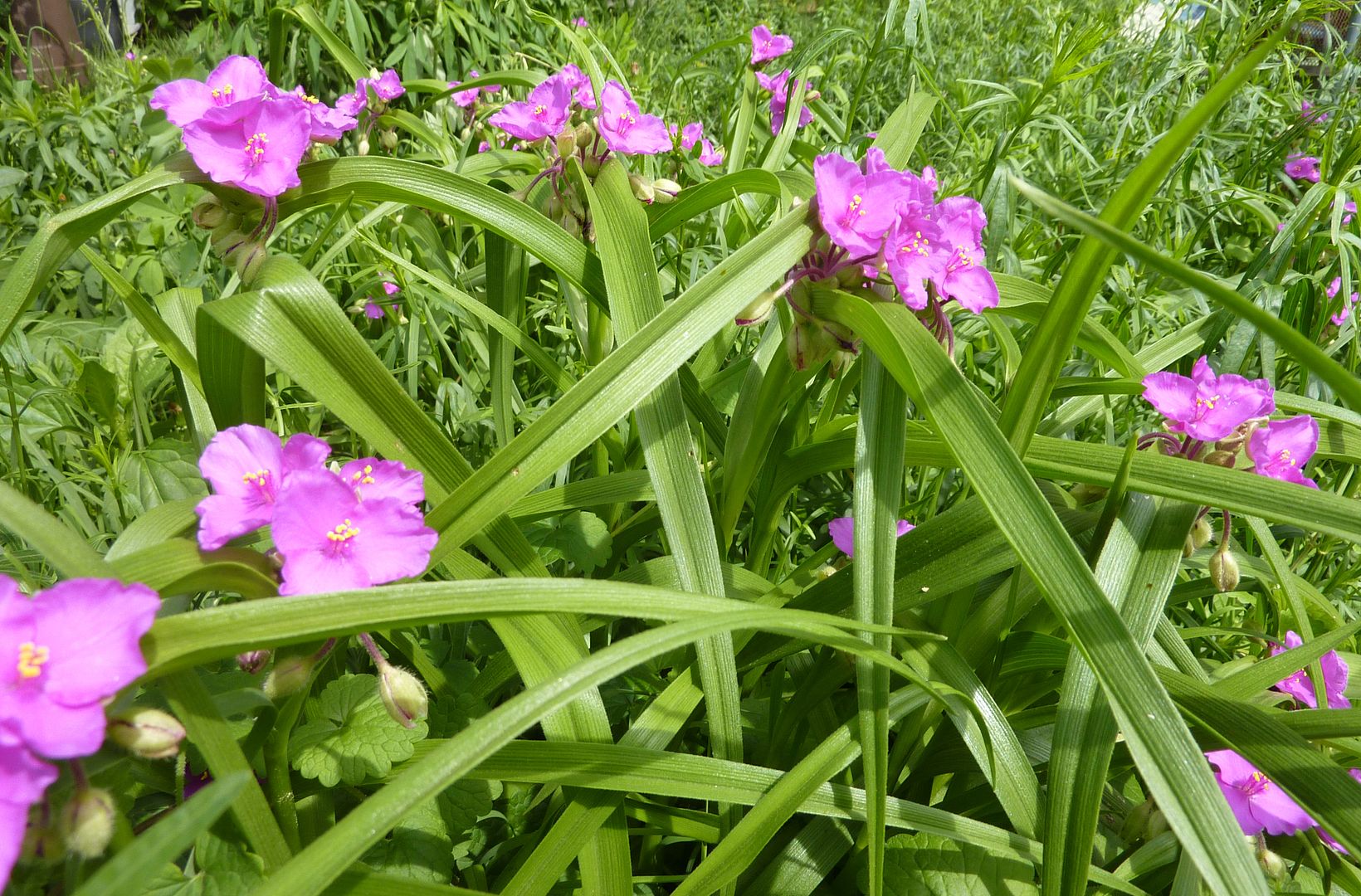
But now each has spread out into its own clump, pushing out several short lived flowers each day. If I recall right this plant dies back in the summer to make room for other meadow plants, but at it stands they're doing an okay job of suppressing the weedy sort of crabgrass I hate so much.

I see early bumblebee workers working them along with our thorn-less blackberries.

Tuesday, May 21, 2013

Life in the Meadow Garden

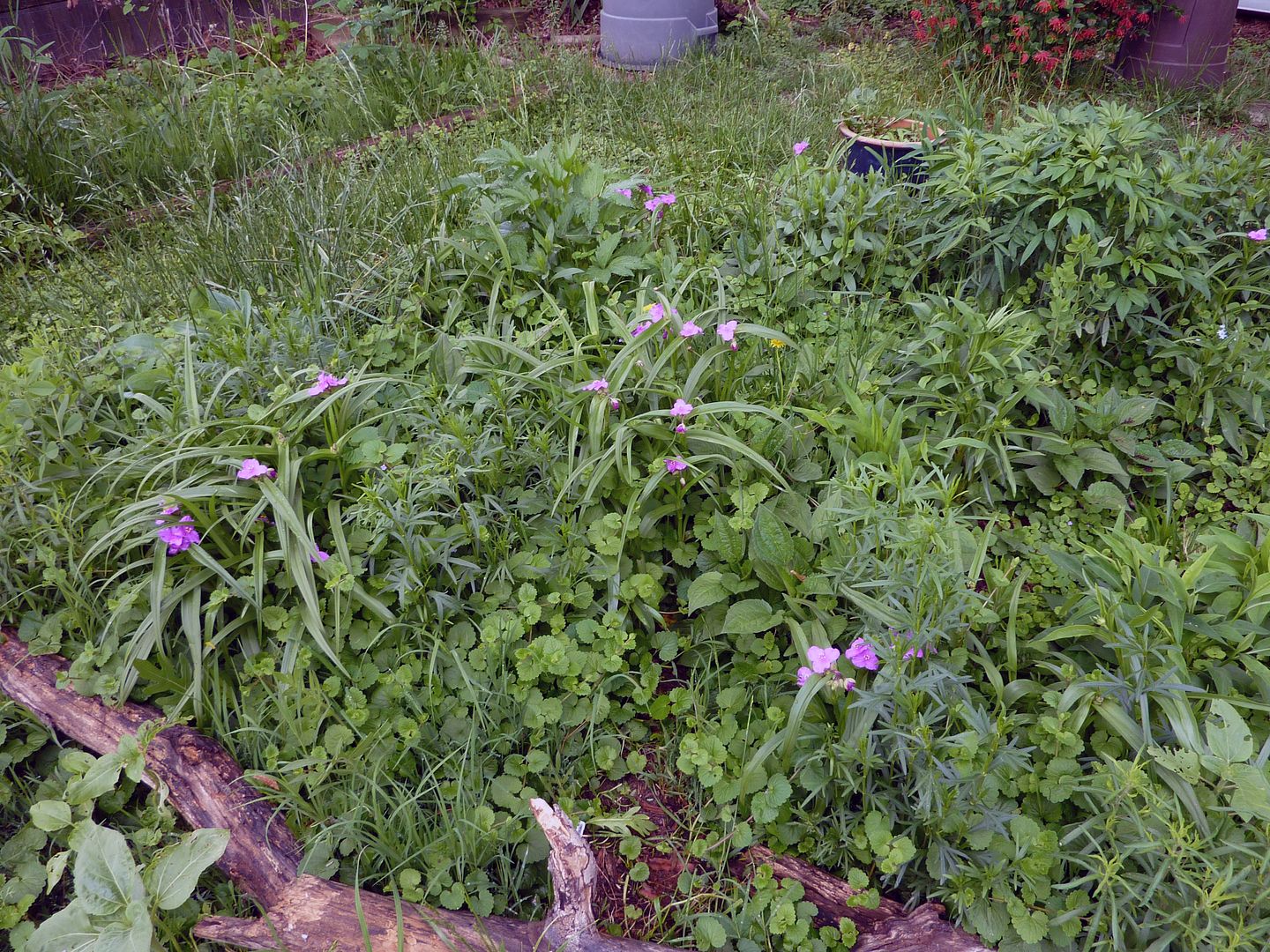
My little meadow garden is much farther along this year than it was this time last year. Mostly this is due to plants spreading both by seed and underground rhizomes, bulbs, and other such root divisions. I need to weed out some of the Creeping Charlie becuase it's climbing all over everything. But otherwise it's fairly weed free. Rudbeckias are coming up all over the place and should form a nice carpet of yellow later in the year, but for now I have the bright pink blooms of Western Spiderwort, Tradescantia occidentalis, to enjoy.

The earliest bumblebee workers as well as an assortment of hover flies have been pollinating them. I love how soft looking the pollen anthers look; as if they were made out of foam or something.


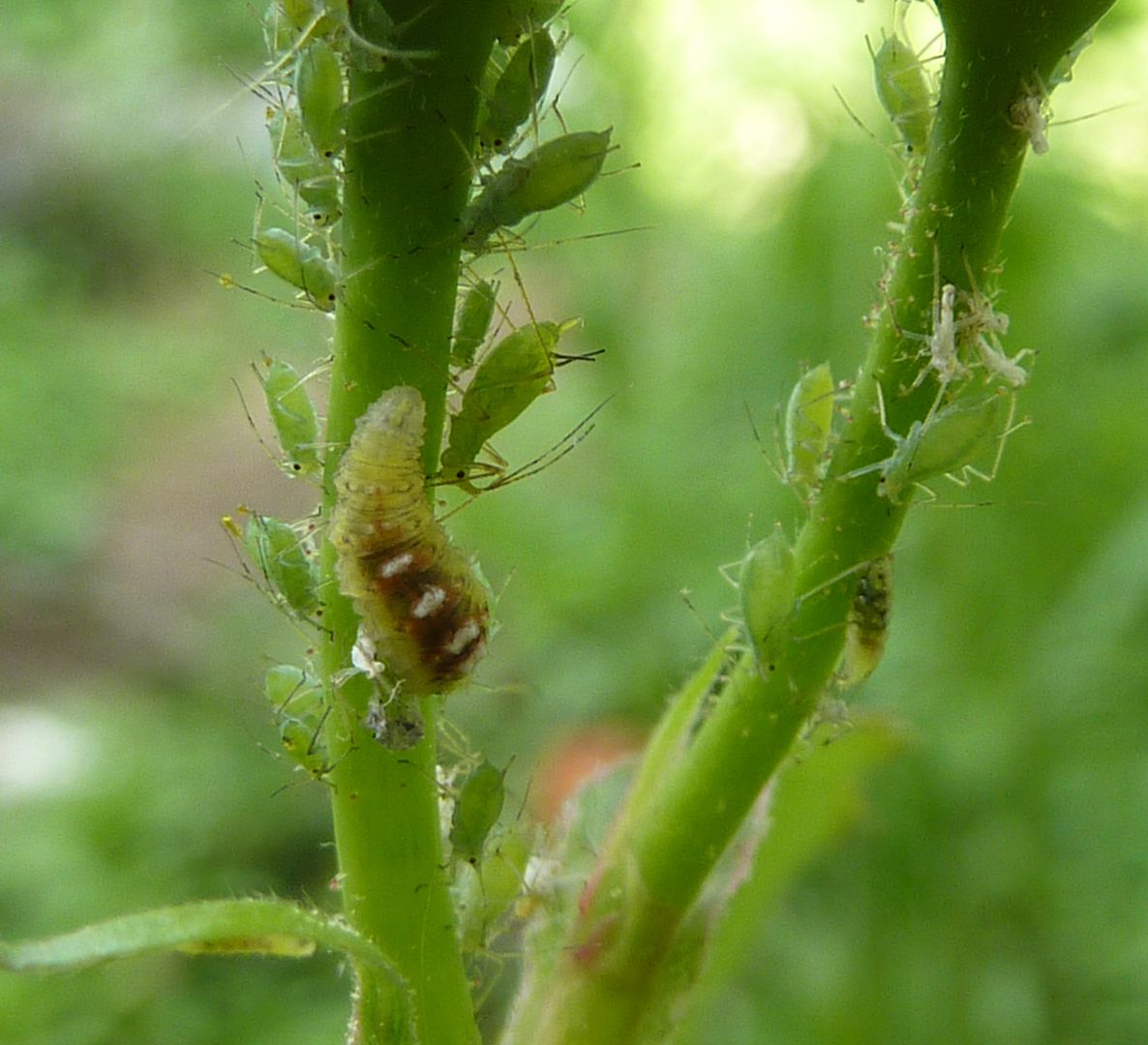
Elsewhere in the garden hover fly larva feed on aphids, and somehow go unnoticed by ants or even other aphids.

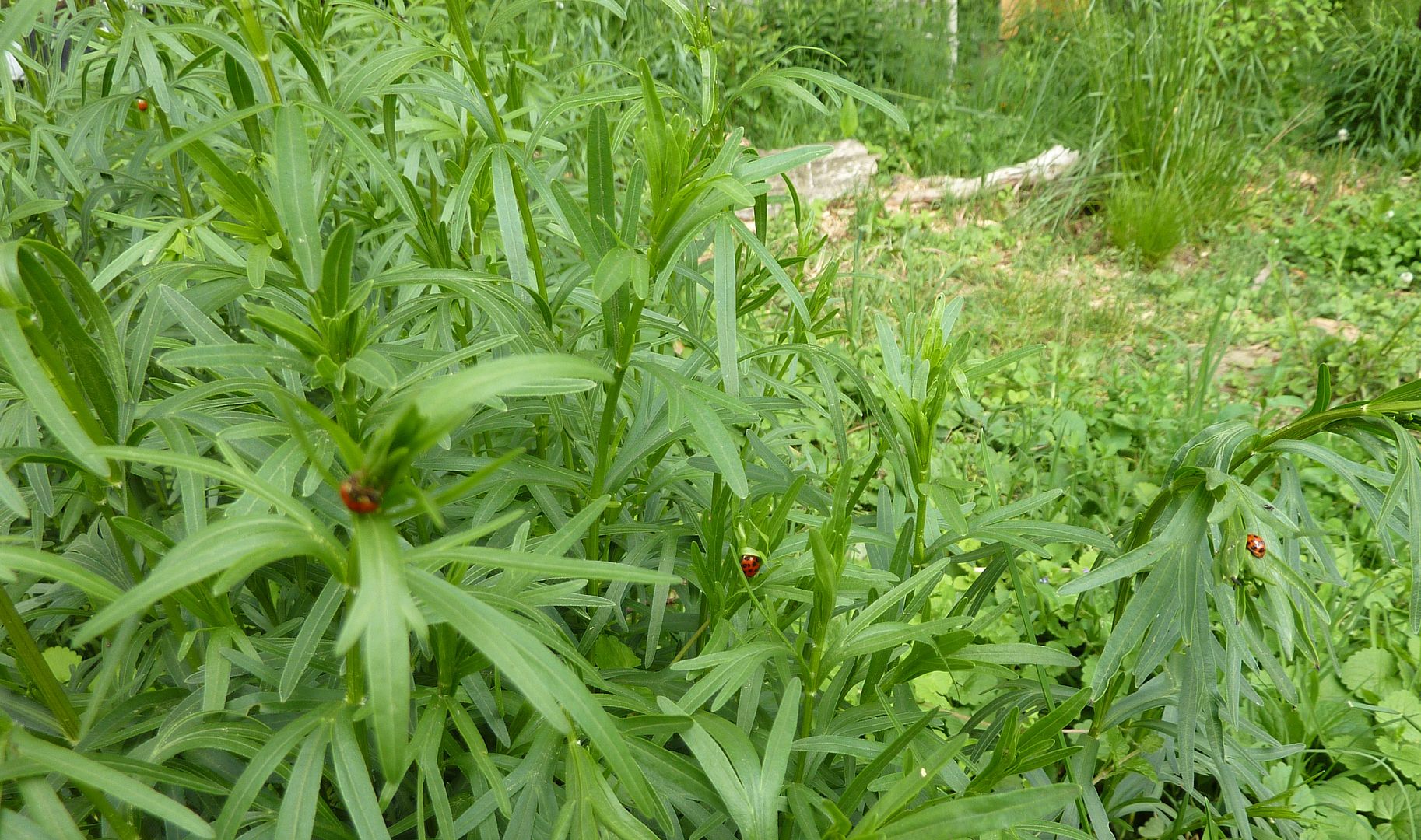
Along the Coreopsis tips a plethora of lady beetles have landed (free of charge) and help to control the aphid numbers. There are four of them in this picture alone.

Pavement Ants, Tetramorium species E. have taken to tending some of the aphid herds. This is somewhat unusual becuase pavement ants don't usually climb plant life to obtain a meal, at least it seems less in their nature as seen in other ant species.


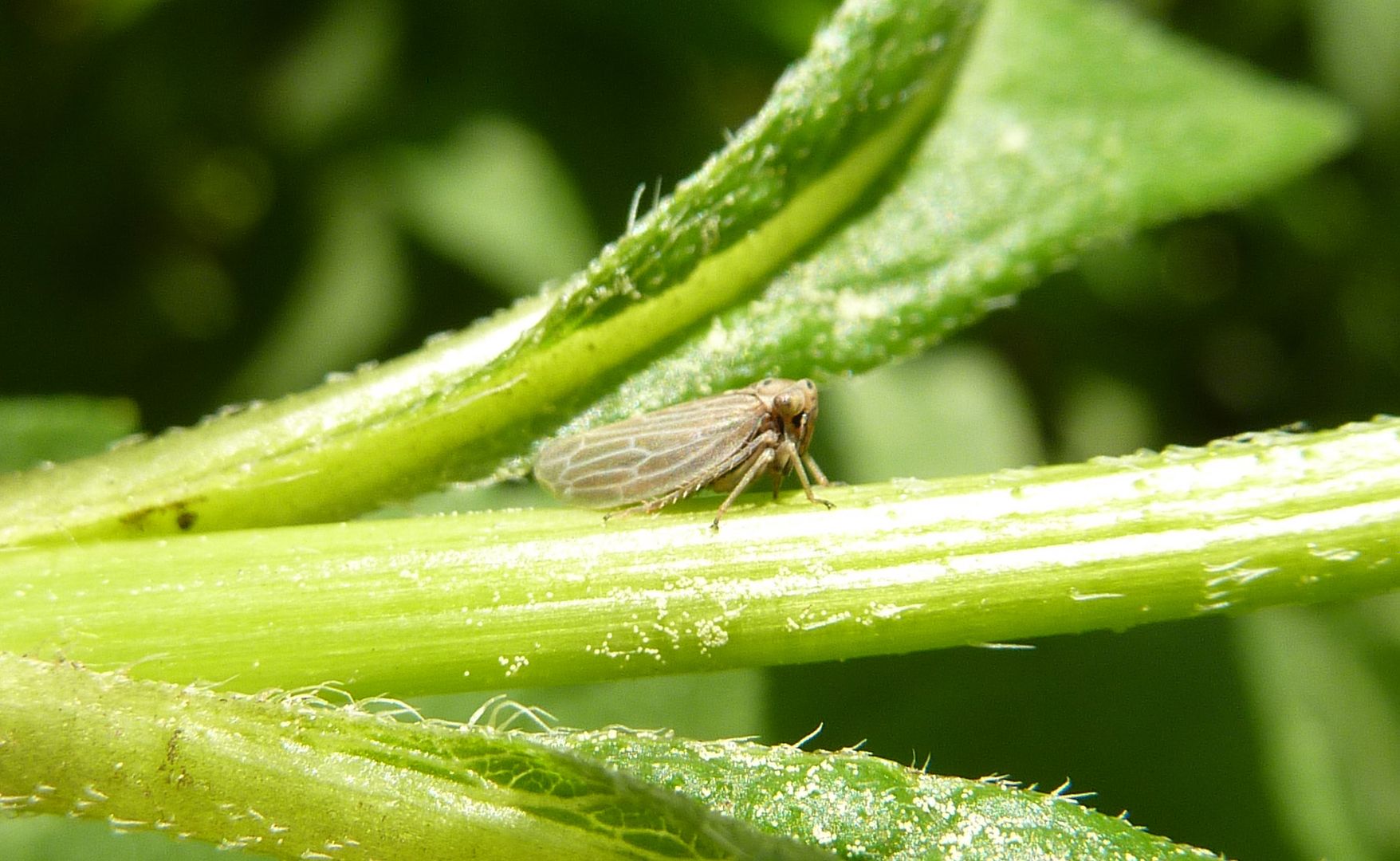
Leaf Hoppers are a distant cousin to the aphid, but they've opted for mobility and don't have as many associations with ants.

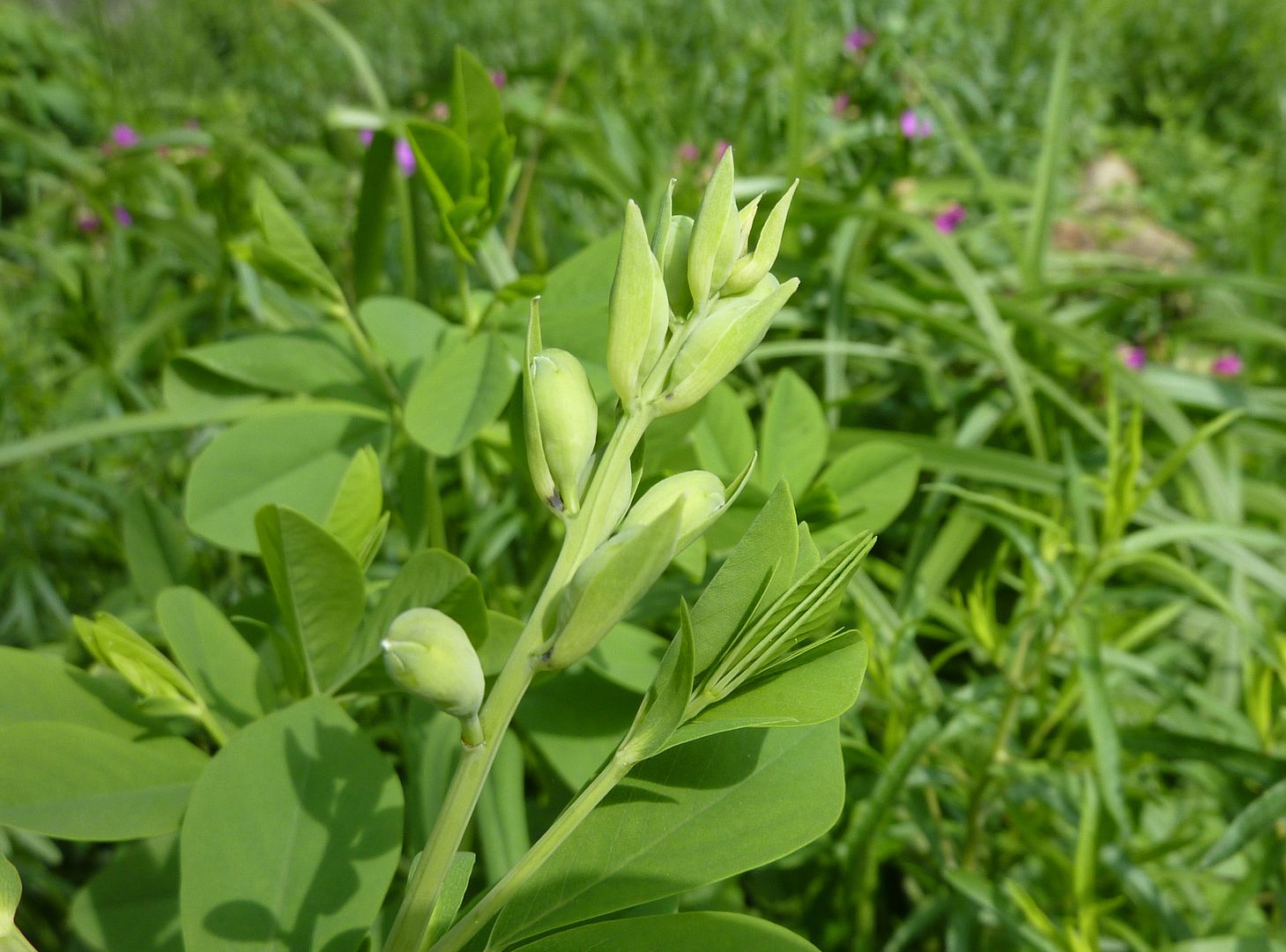
Young Baptisia alba, plants I'd started as plugs when I first planted the meadow garden three years ago are finally going to flower. I'm not sure if the addition of this plant was a good idea or bad. Because they produce their own fertilizer, they're nitrogen fixing, and encourage certain types of plants to grow better than others.

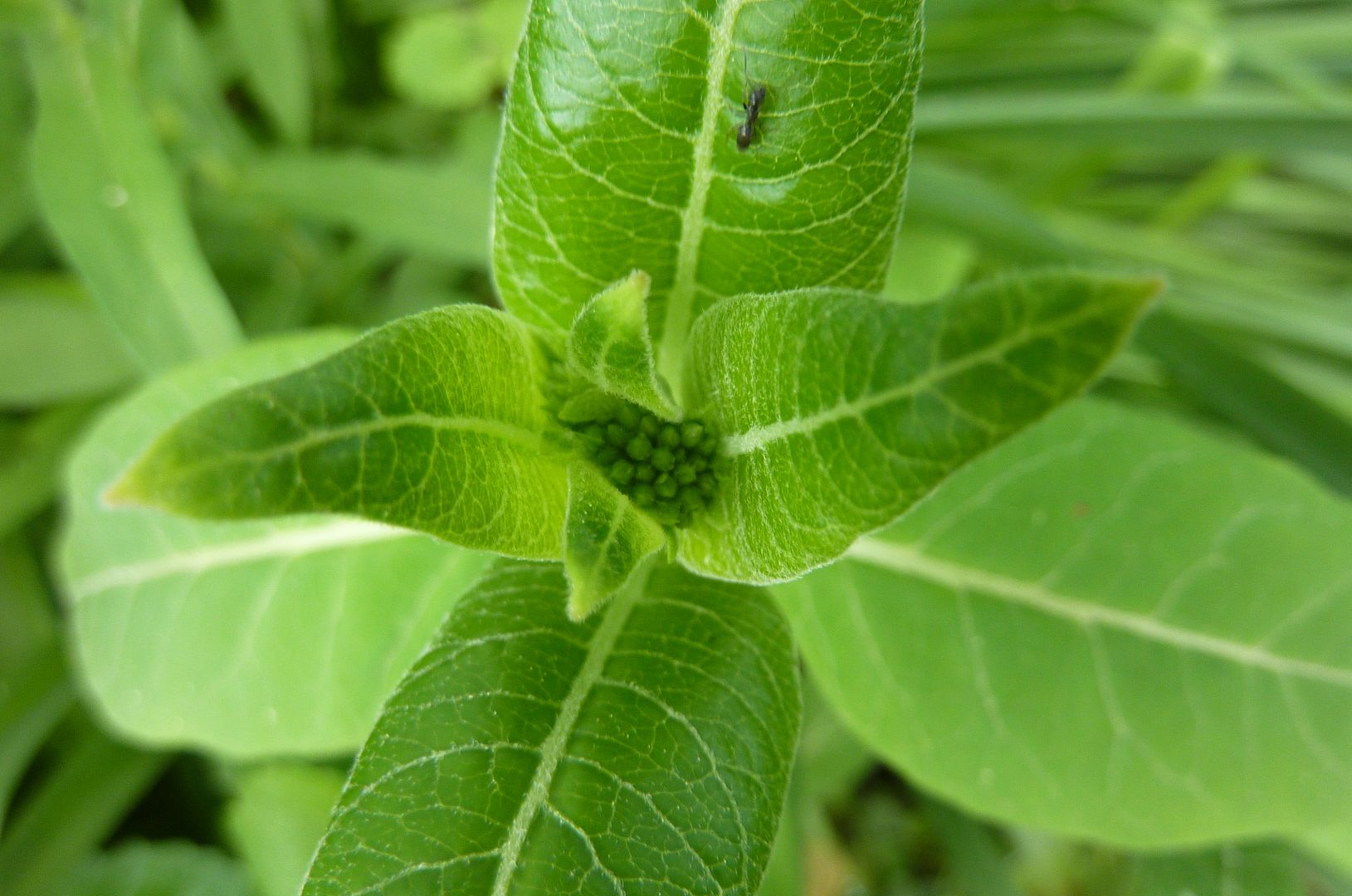
Also flowering for the first time this year is Purple Milkweed, Asclepias purpurascens.

Tuesday, April 23, 2013

Some Meadow Musings

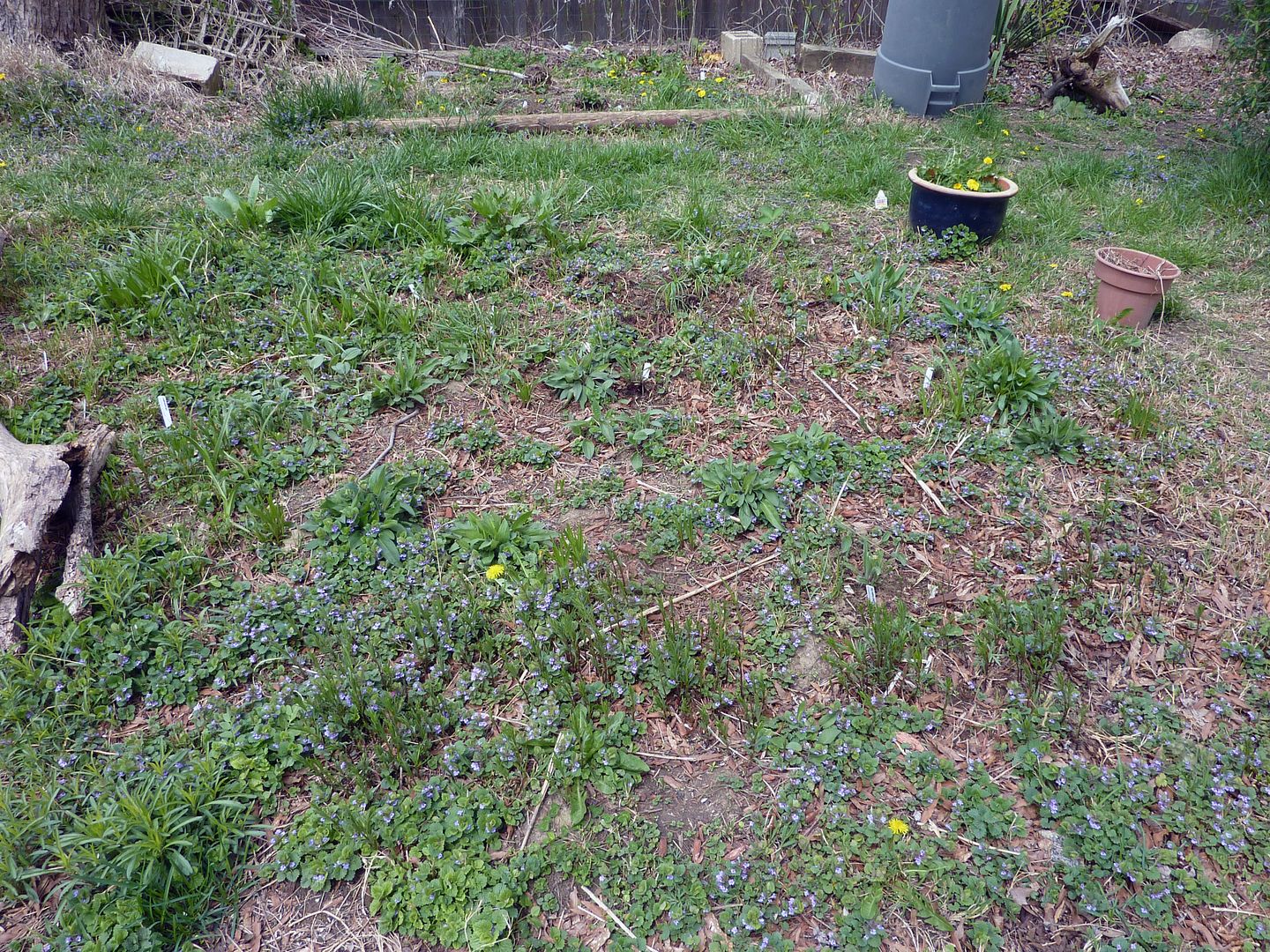
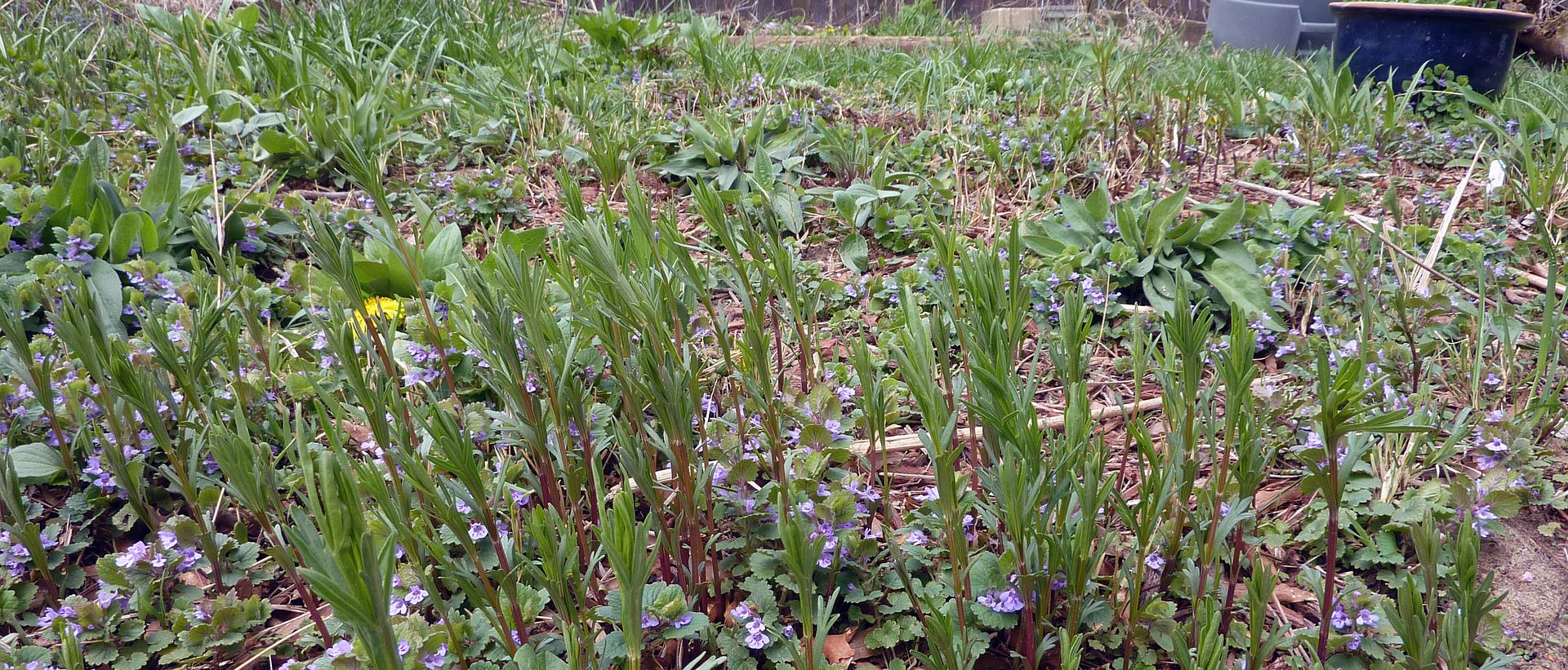
My little meadow garden has been waking up the past few weeks. Milkweeds aren't up yet and False Indigo has just poked out but Coreopsis, Spiderwort, assorted Rudbeckia and Asters have all started growing. There are plenty of weeds in there too such as Dandelion,  Creeping Charlie, and a rather aggressive spreading grass. I find these weeds useful because they mark where I haven't planted natives yet, and it's usually easy enough to replace the unwanted plant with a plug or something that I bought. 

Stiff Coreopsis, C. palimata, is particularly abundant thanks to underground rhizomes. It's a Midwest native that's been spreading steadily. They tend to flower before all the Black-Eyed Susan's do which is handy but they're never as dense or showy looking. What I find neat is that I started with maybe 10 plants and they've spread pretty well on their own. Black-Eyed Susans have seeded prolifically too, despite the slight amount of wood mulch. Neither is pushing out the unwanted weeds yet but they're approaching the point where I may have to start thinning them out or transplanting. 

Monday, March 11, 2013

Time to Mow the Meadow

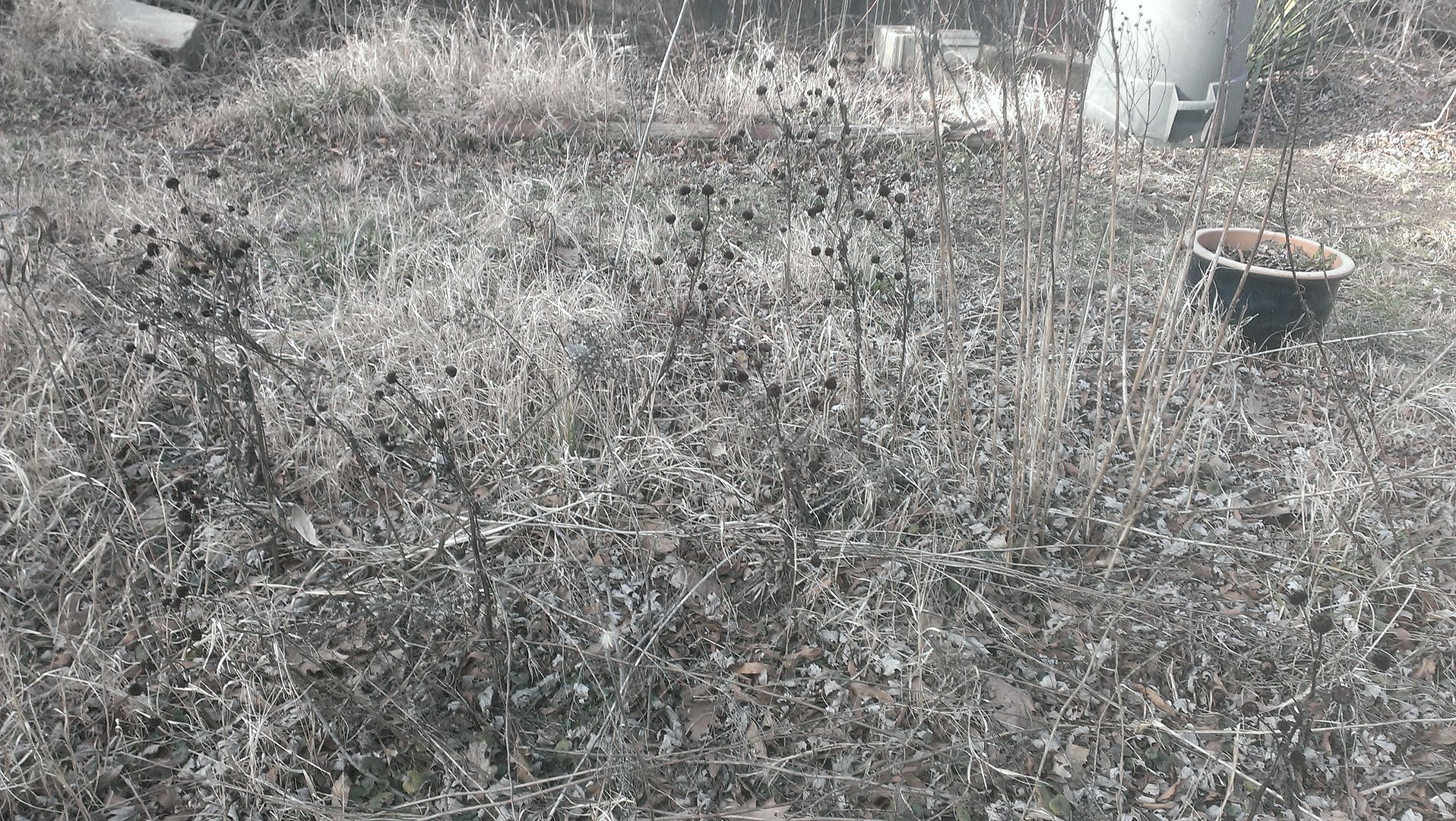
Once again it's time to mow the meadow. Actually I could have done it several weeks ago or even last December but there are things to consider as to when mowing should be done. Do it too early and you might kill some animals such as turtles and birds. Do it in January and you shred up the seeds (and rose hips) that birds like to eat over the winter. I wait for the Maple trees to start blooming because it shows that insects are around once again. They're mostly bees, gnats, flies, and a few butterflies that over winter as adults. Some Lepidoptera (moths and butterflies) are in the chrysalis stage now and there's always the fear of mowing them down some butterfly. I don't think anyone has an answer to this other than to say only mow half the meadow, but then what do people who burn their meadows do? I know large meadows often have patches that don't burn but generally the whole field will go up in flames. It's not something I worry about becuase my little meadow garden is only 10' by 15' or so, and there are other native garden patches that I don't mow at all.

Even in this small space it filled our lawn mower twice. Really there's not need to collect it other than to compost or mulch something. Most of the seeds that are going to germinate or grow, likely fell out of the plants last year. Rudbeckia seems to always grow this way. However, it's likely something may grow, and the same effect is why they tell you to use Straw instead of Hay when mulching. The process of haying a field happens during the growing season, and is when the farmer cuts everything to a certain height, and the resulting hay bales are almost always guaranteed to have weed seeds mixed in them. 

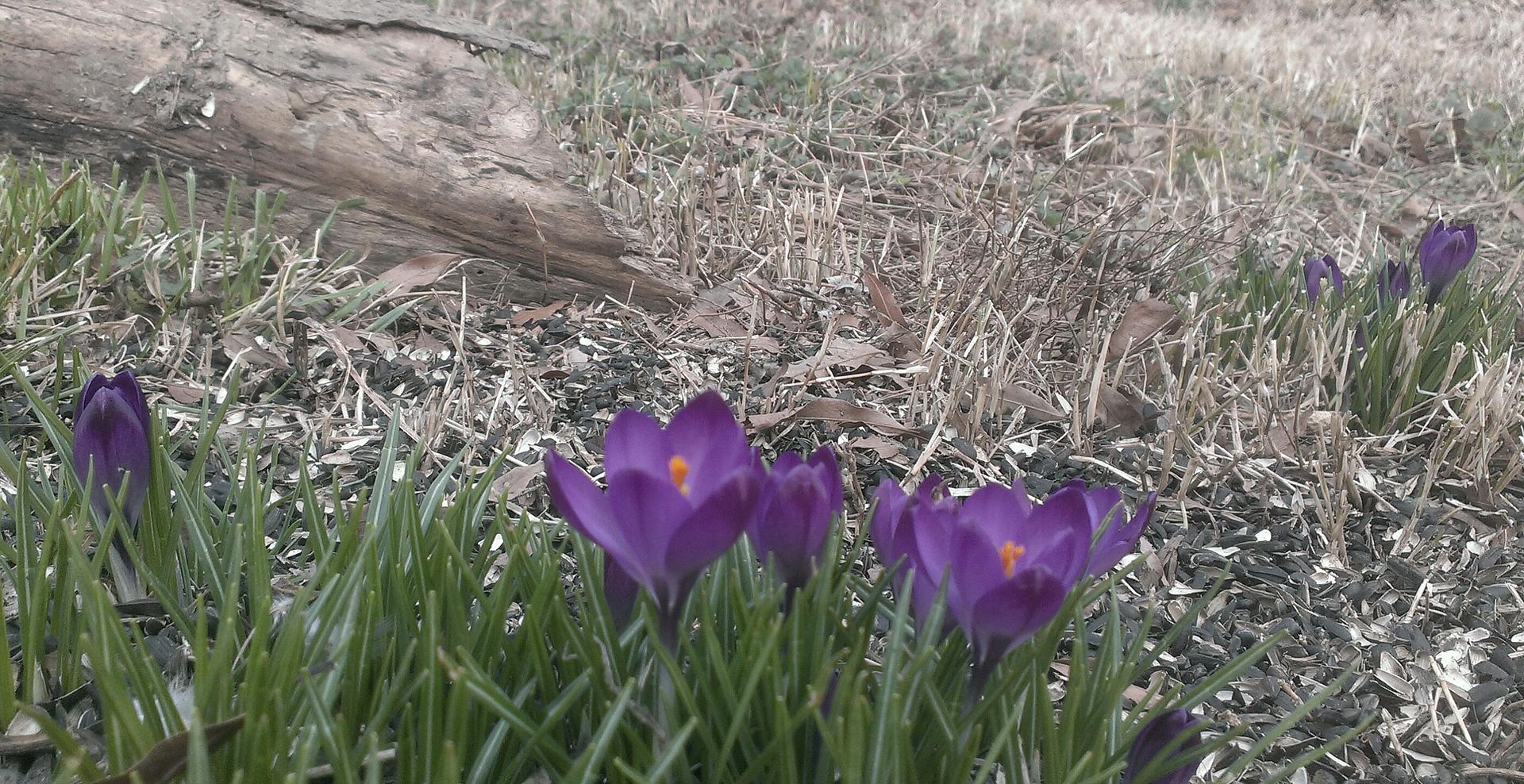
I mowed just in the nick of time though. All our crocuses are starting to open and my beehives are starting to forage again. I'm currently harvesting honey from the hive that passed away. It's a thick and rich, dark brown honey one gets from autumn flowering plants such as goldenrods and asters. Unfortunately the winter chill has sucks a lot of the moisture right out of it and it's flowing at a snails pace.

Monday, September 17, 2012

Praying Mantises in a Meadow


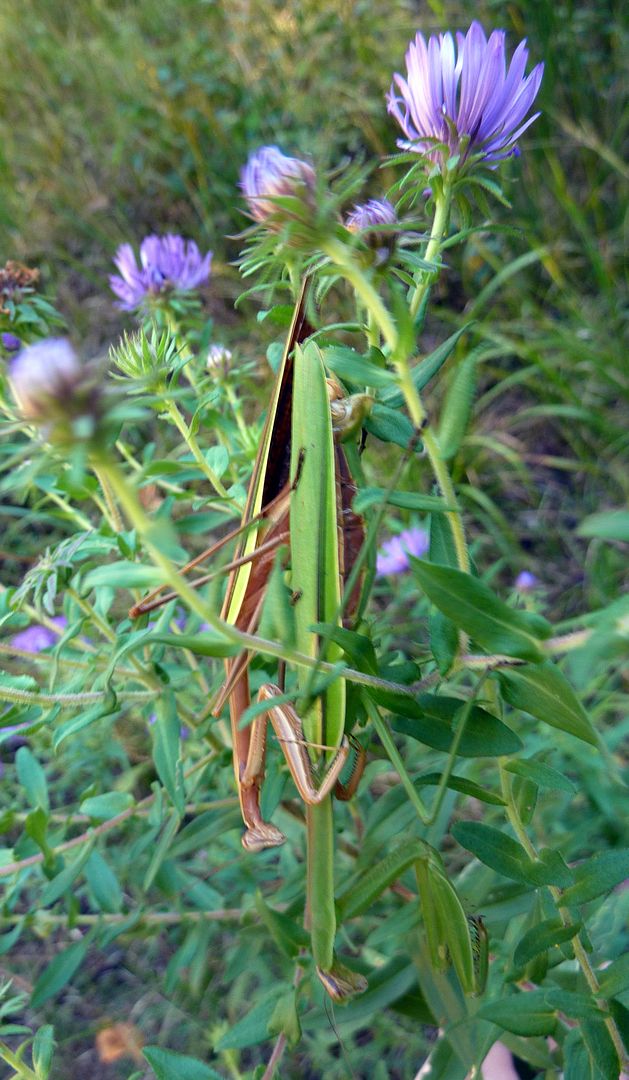
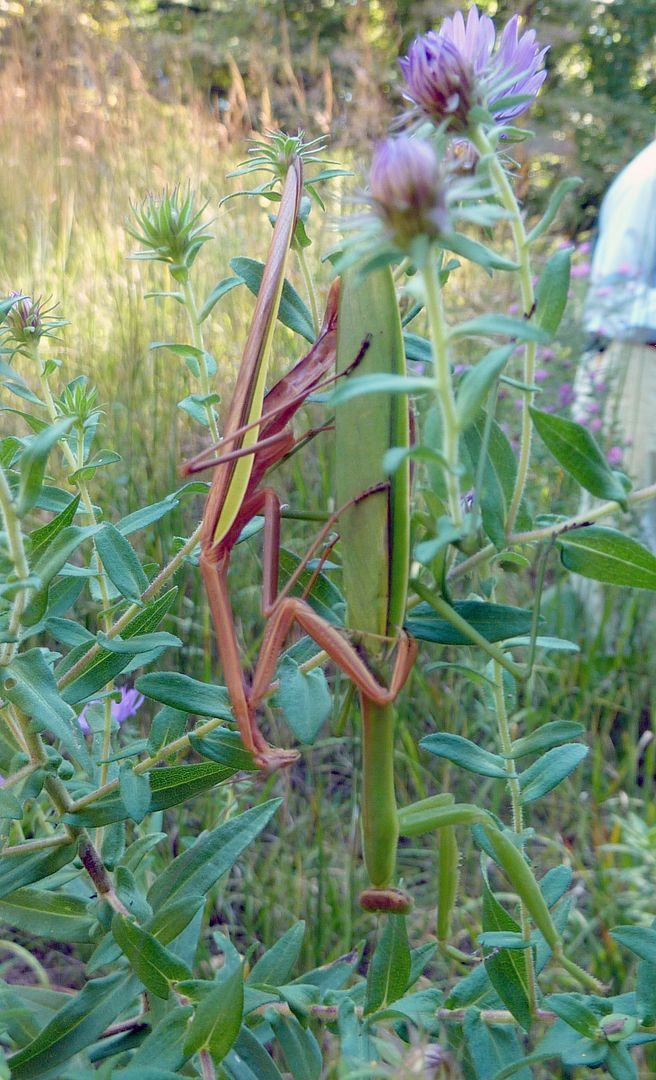
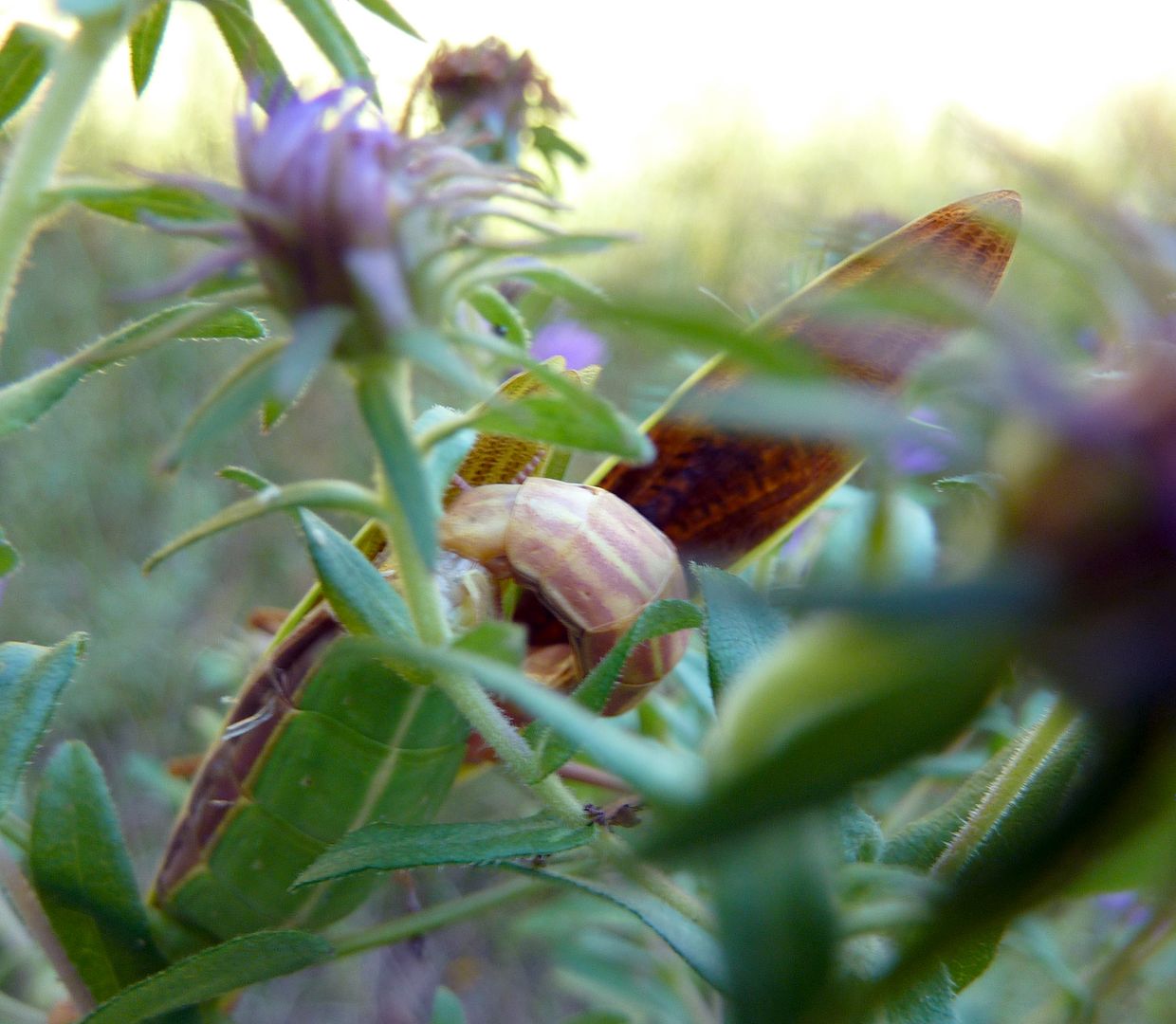
Two Chinese Mantises, Tenodera sinensis, mating on a New England Aster. I actually like both of these pictures. The one on the right for the inclusion of the blue flowers, and the one on the left for the golden meadow background and better stance of the male. Yes the brown one is the male in this case.

At least I'm assuming that's the case here.

I took these while at the Mt. Cuba Center on Saturday. Around this time of year mating and laying eggs is just about all mantises are doing. Eggs are laid on tall grasses or plant stems in sunny spots, often along a forest edge. And maybe a higher concentration next to late flowering perennials who's pollinator activity sustained the female during her last few days.

Saturday, September 8, 2012

Monarch Release and Meadow Tour Video


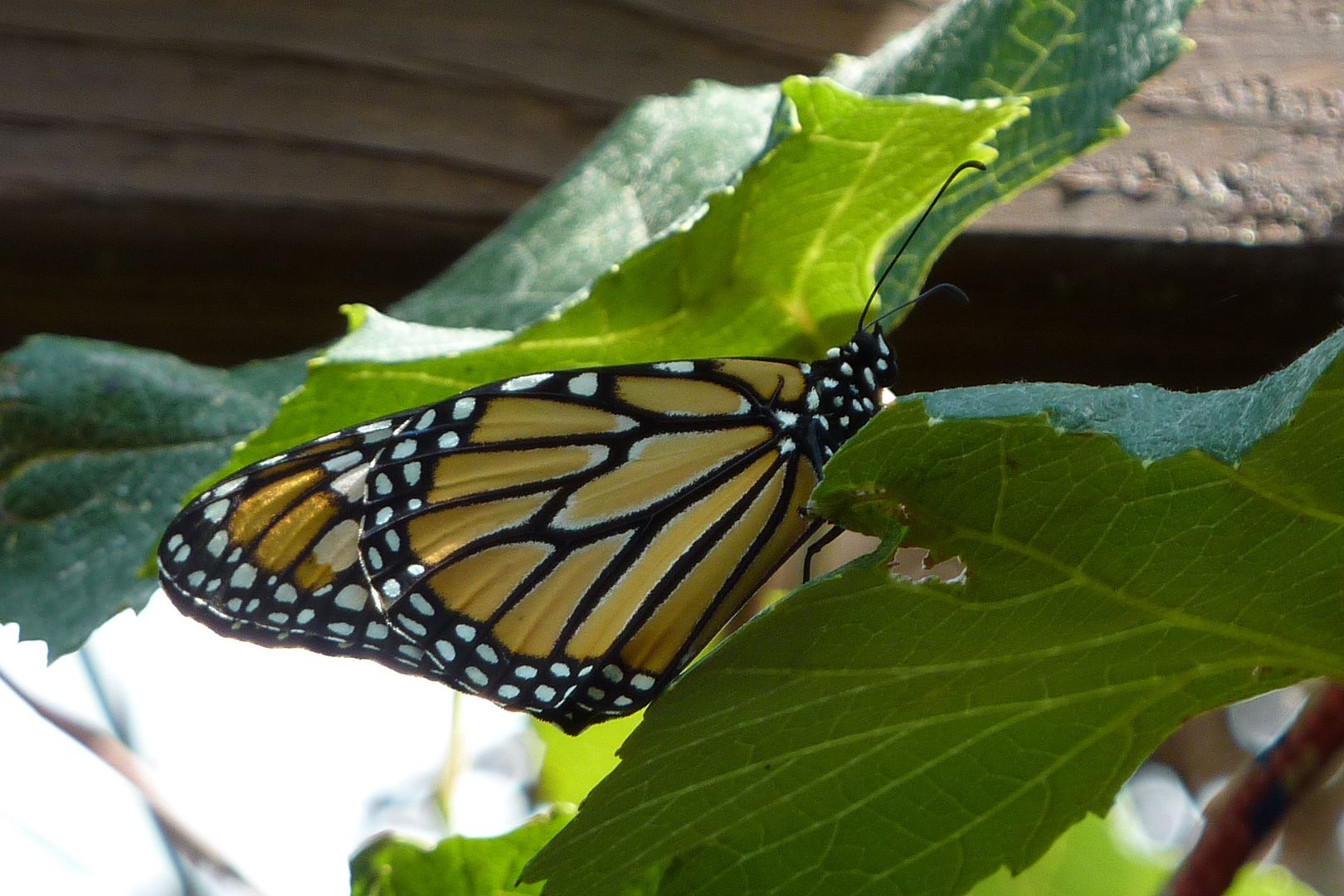
I released a Monarch Butterfly this morning before a storm rolled through. She took off kind of quick though so I decided to walk around the garden first. Lots of things in bloom. The seed heads to butterfly weed look really showy next to the asters in bloom, though I never really stop to focus on that in the video.

After walking around I found her on our grape vine sun bathing. Hopefully she makes it to Mexico as I didn't get any females laying any eggs in the garden. I've seen Monarchs flying about but they really haven't taken advantage of my yard.

Saturday, September 1, 2012

Black Swallowtail Before the Meadow

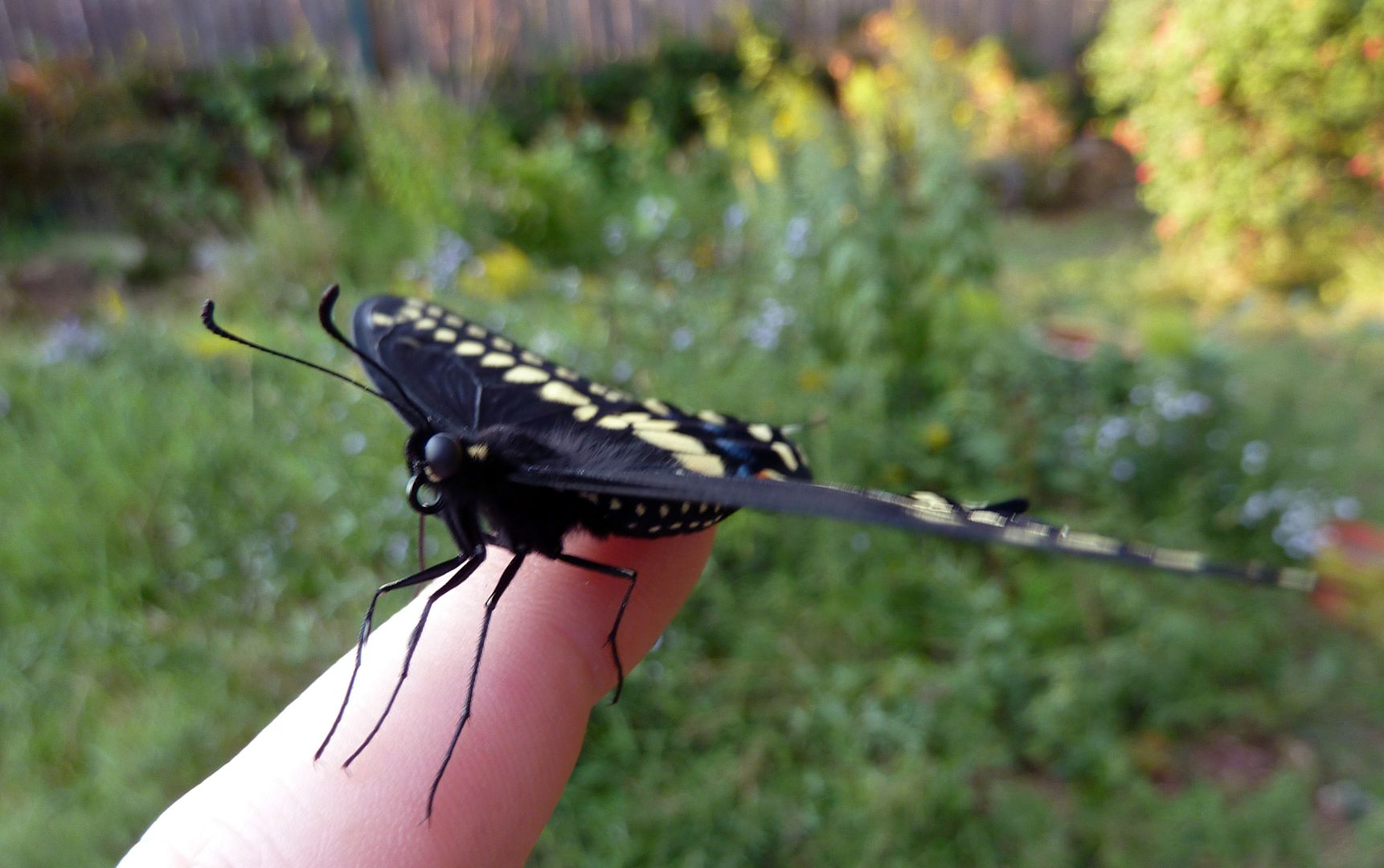
Another Black Swallowtail, Papilio polyxenes, hatched today. This time it's a male. What surprises me though is this was the third one to form a chrysalis but the second one to hatch. I'll give the other one a few more days before jumping to conclusions but there's a chance it will wait until next spring to emerge. I have another 5 caterpillars waiting for make their own chrysalises, and I think that's it for this species this year. The females lay eggs on the Parsley, and the resulting caterpillars are surprisingly conservative eaters. Compared to other cats out there these barely nibble the plant early on. Later instars will consume whole sprigs in a day but you get a surprising amount of caterpillars per parsley plant. I've taken to collecting them once they're an inch long and feeding them Golden Alexander, Zizia aurea, in captivity. Golden Alexander is a host plant but the females will only lay on the tender new growth... once they're done flowering they're pretty much done growing, thus this is only a spring time host plant. The caterpillars are happy to eat it all the same.

Also note the meadow garden in the background. I haven't been updating over the summer that much because the orange coneflower, Rudbeckia fulgida, and butterfly weed, Asclepias tuberosa, weren't as showy overall. The Sky Blue Asters, Symphyotrichum laeve, and Symphyotrichum azureus are starting to fill in nicely against the Showy Goldenrod, Solidago speciosa, and Coreopsis tripteris. The two aster species look way to similar to really tell apart, but that's okay as S. laeve tends to bloom a few weeks sooner than S. azureus, creating the illusion of a prolonged bloom.