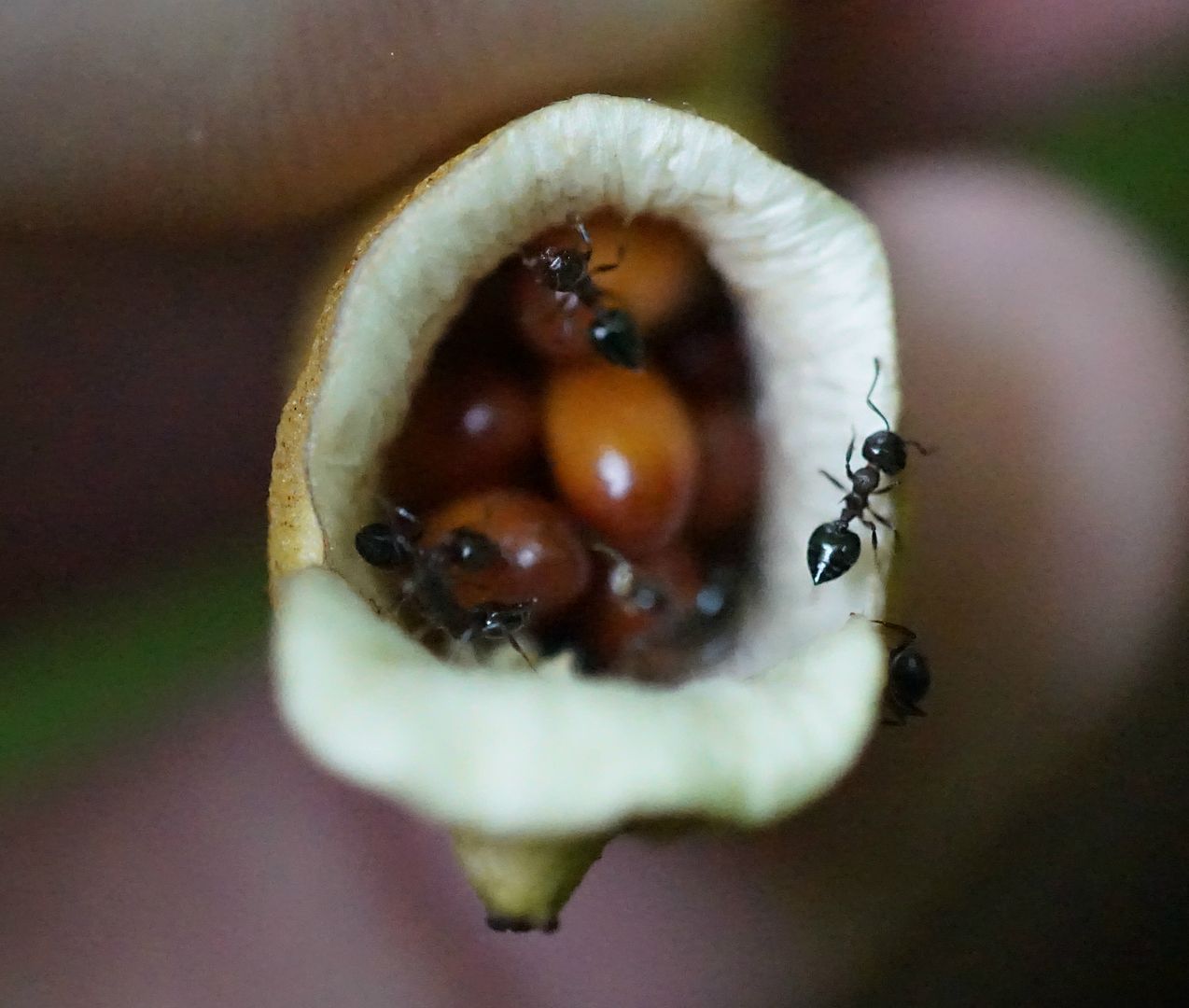
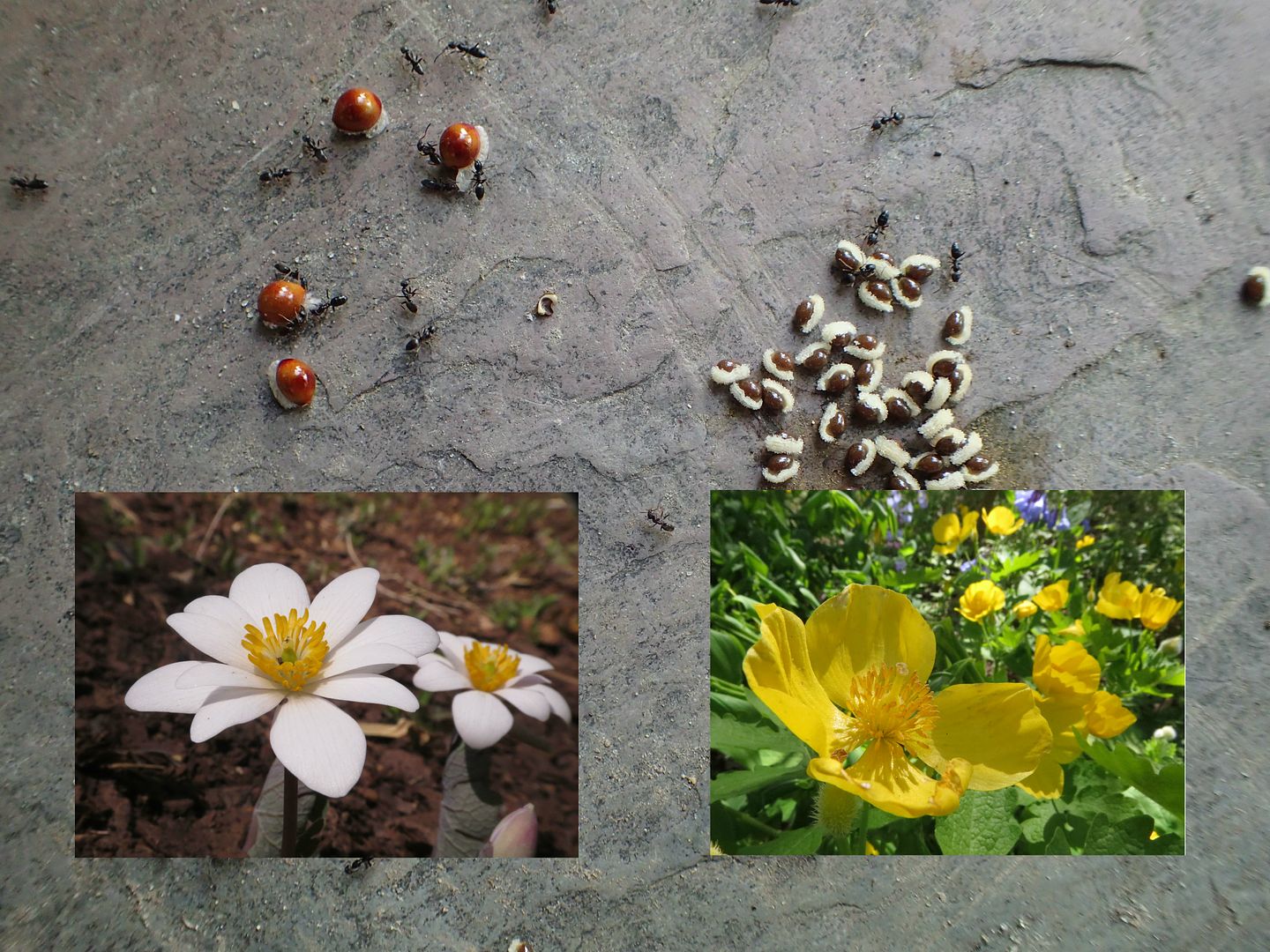
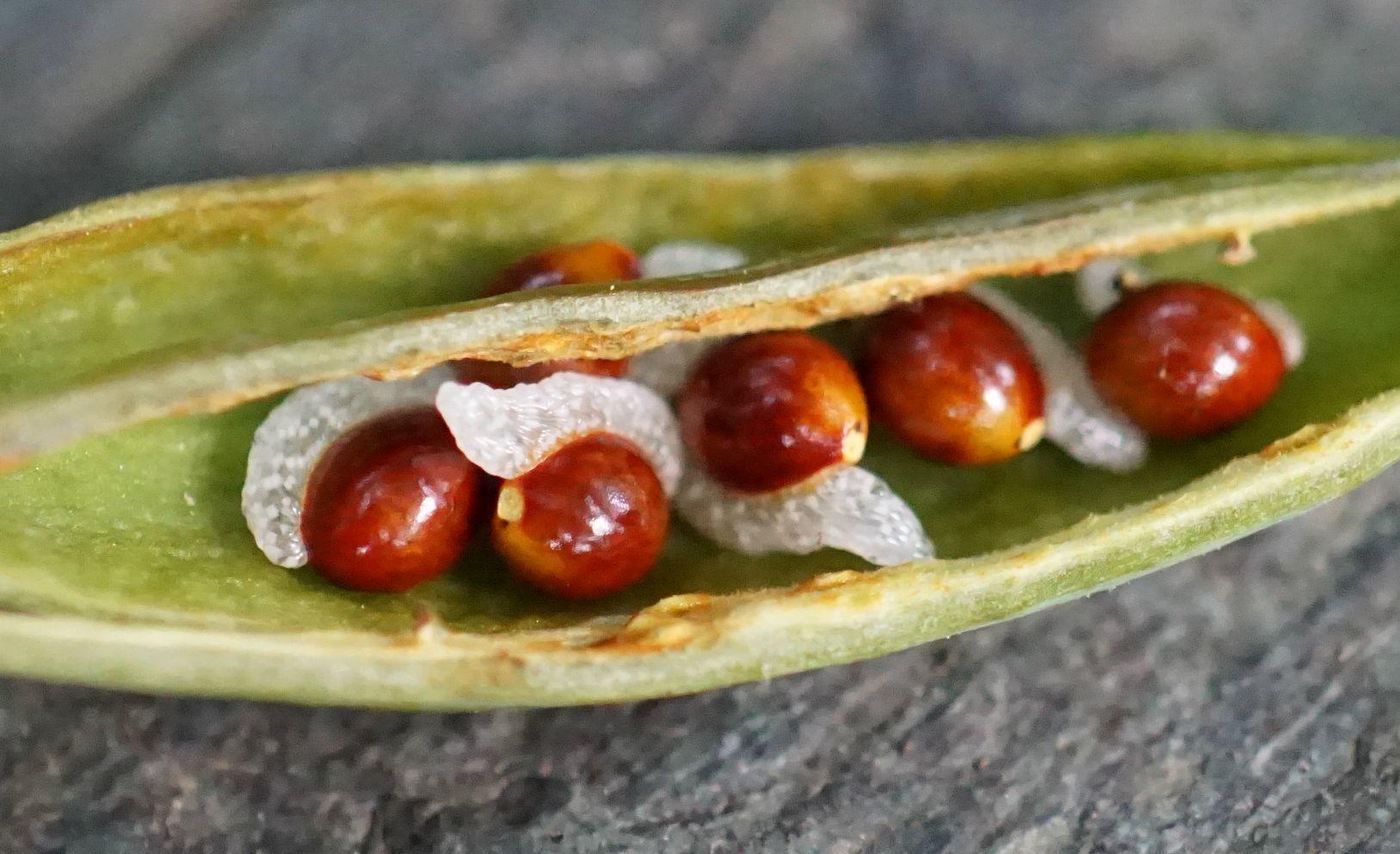
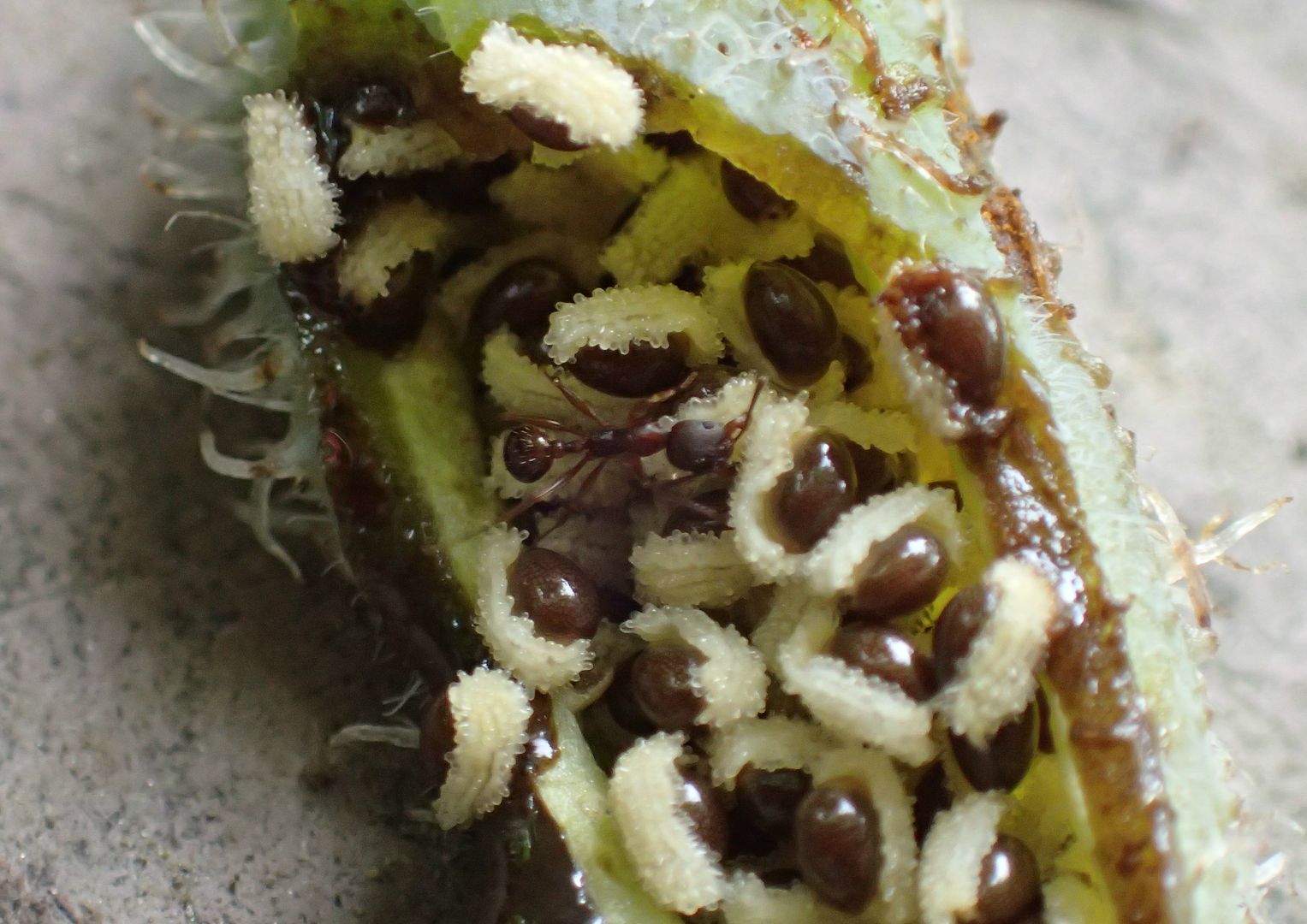
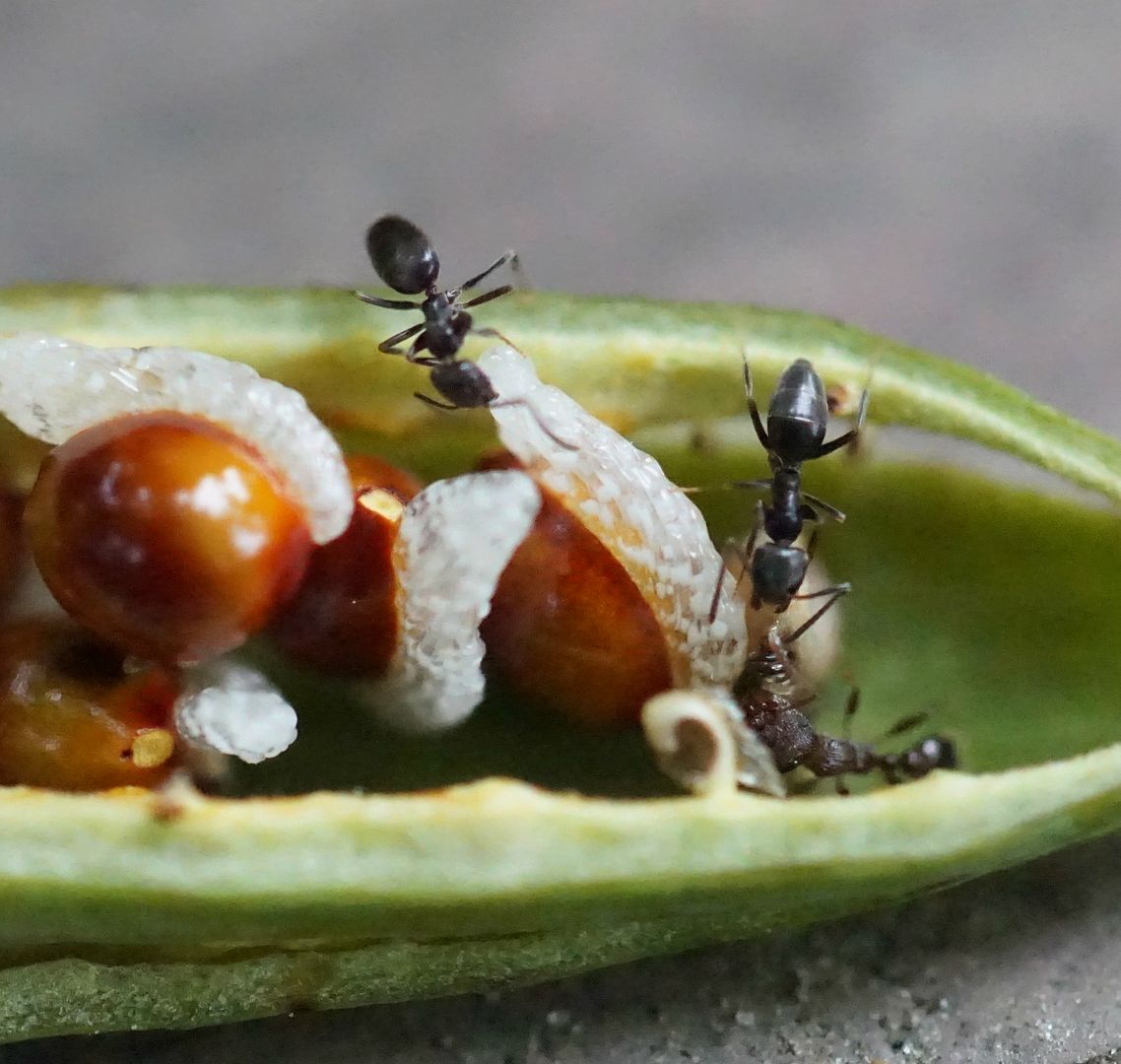
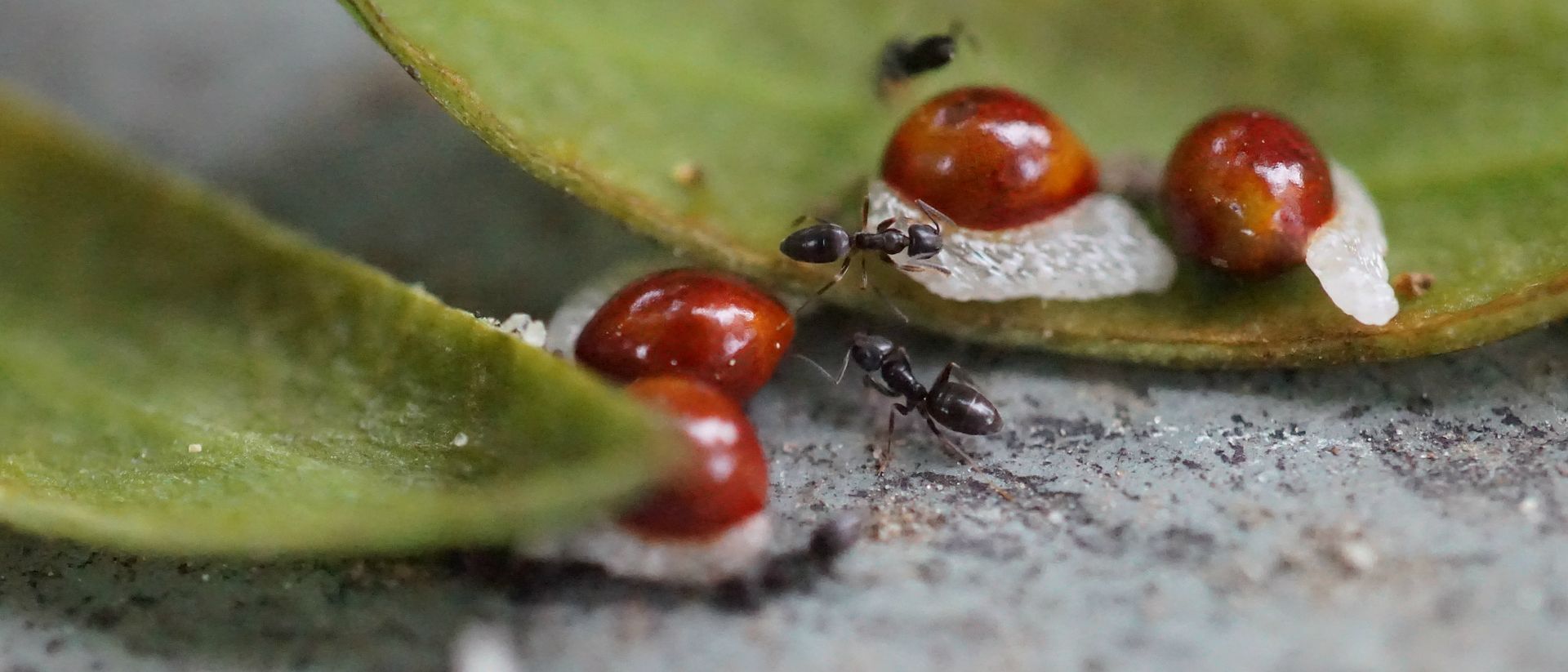
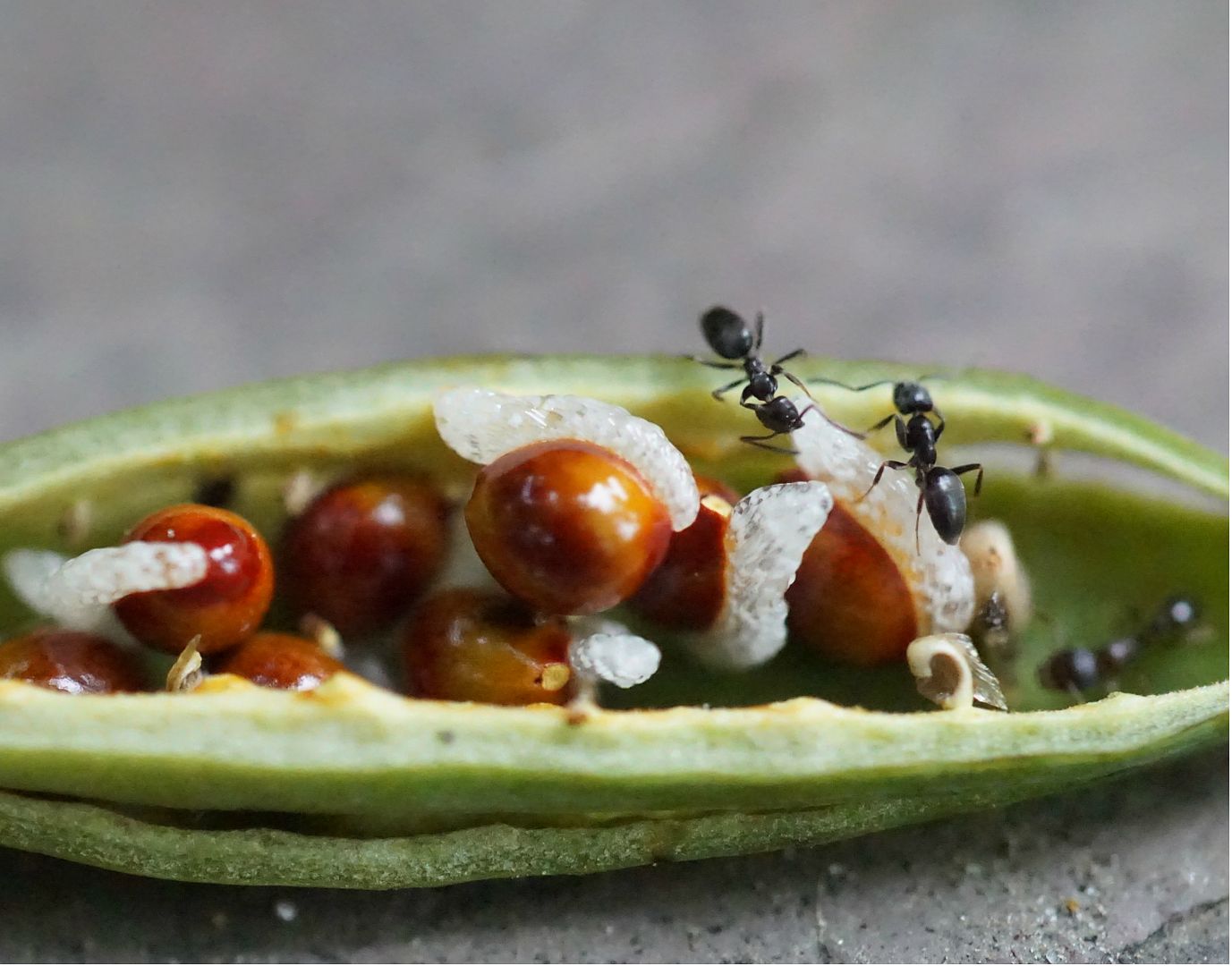
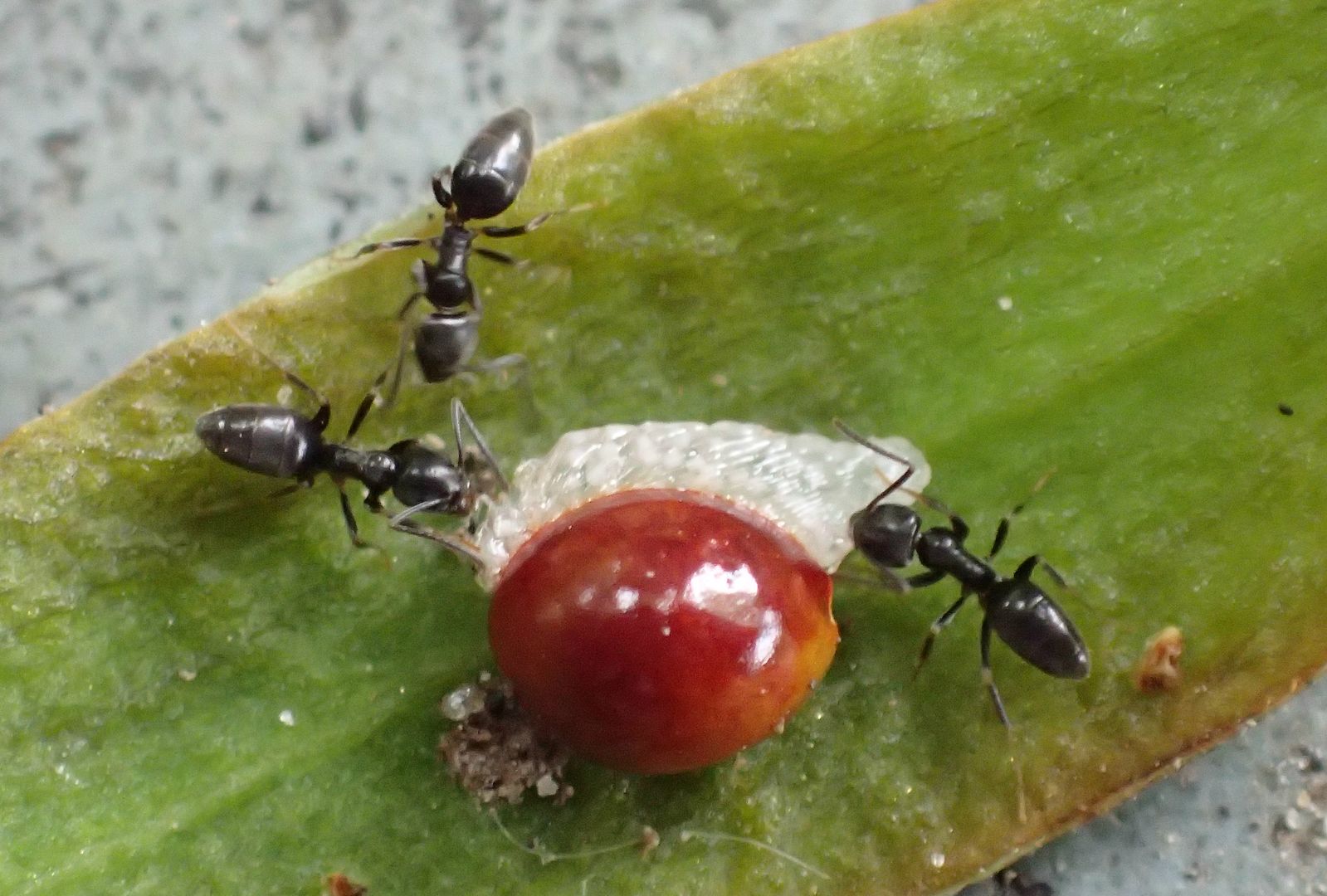
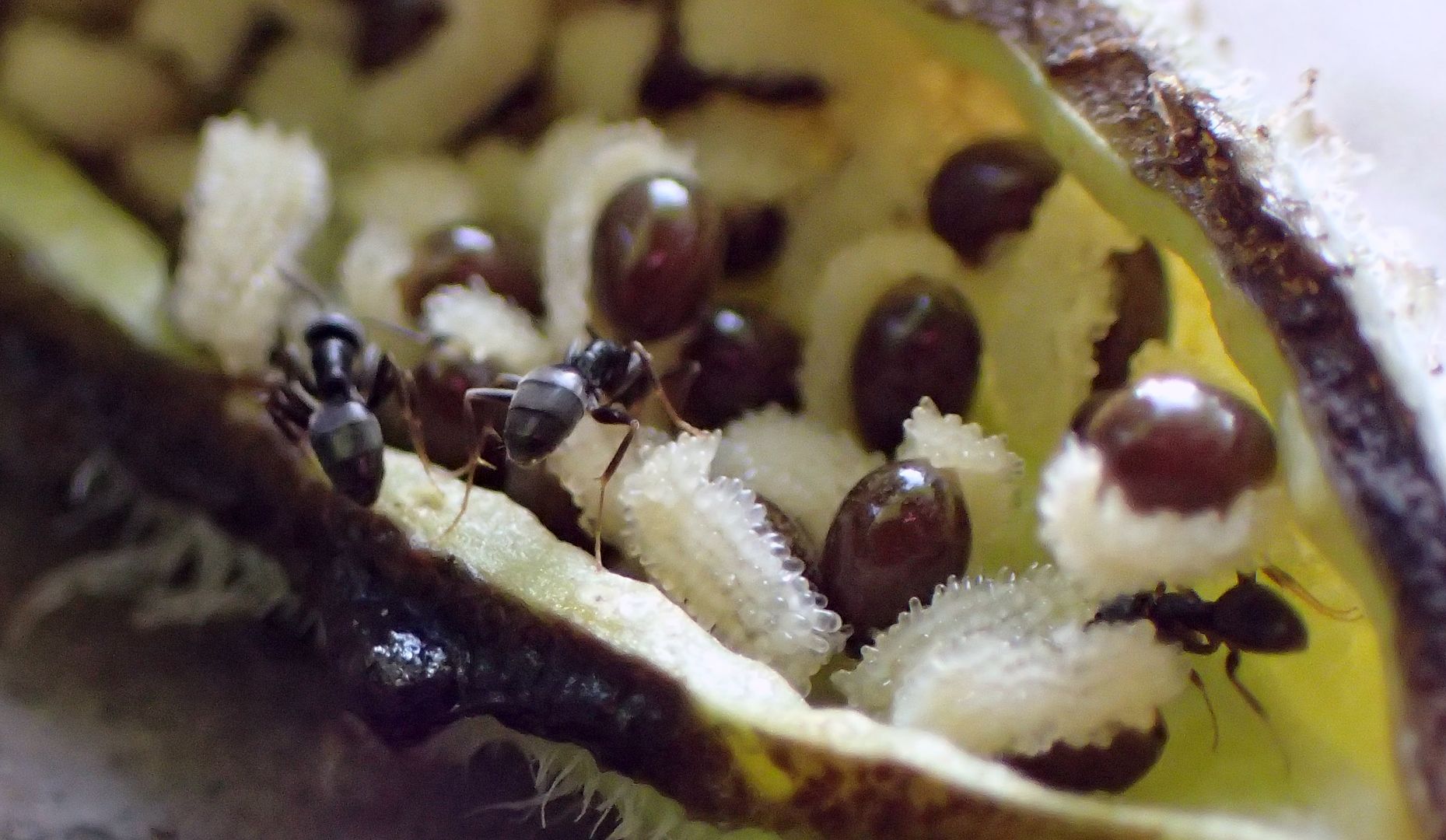
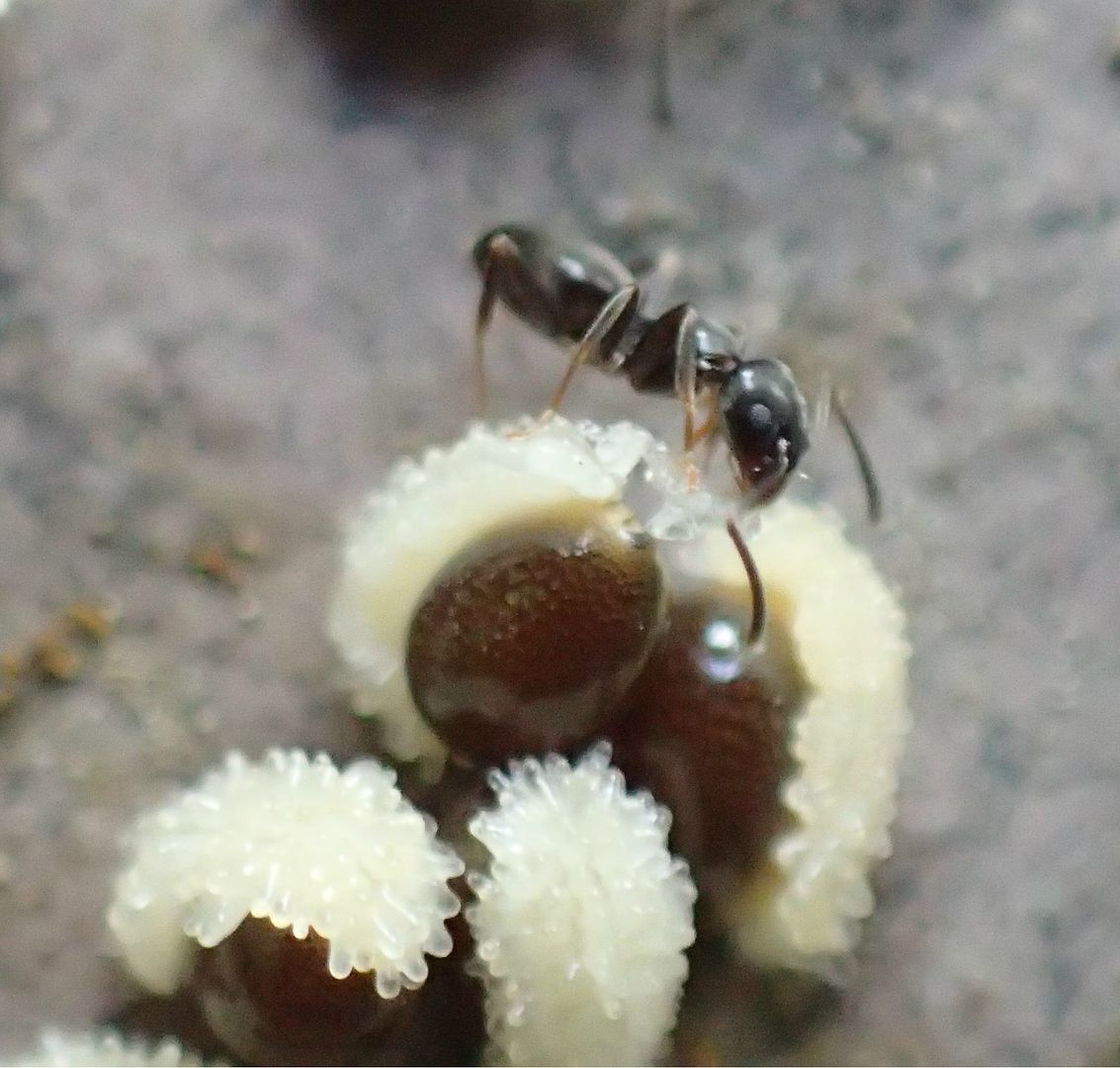
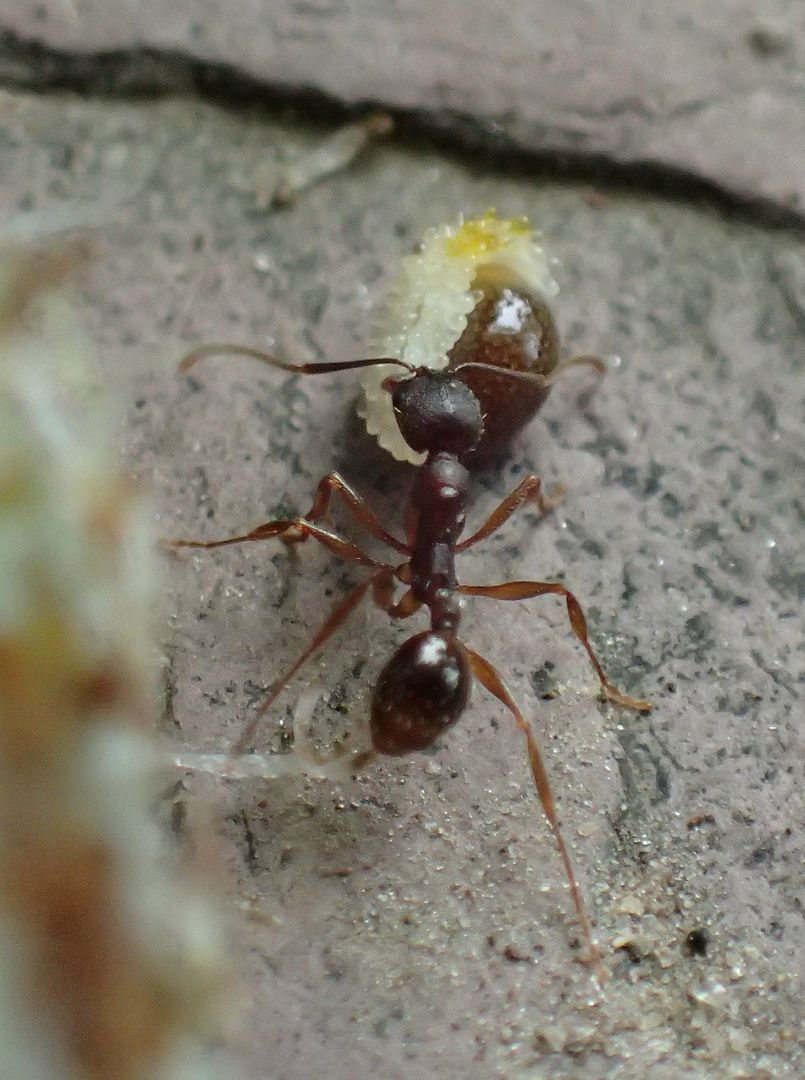
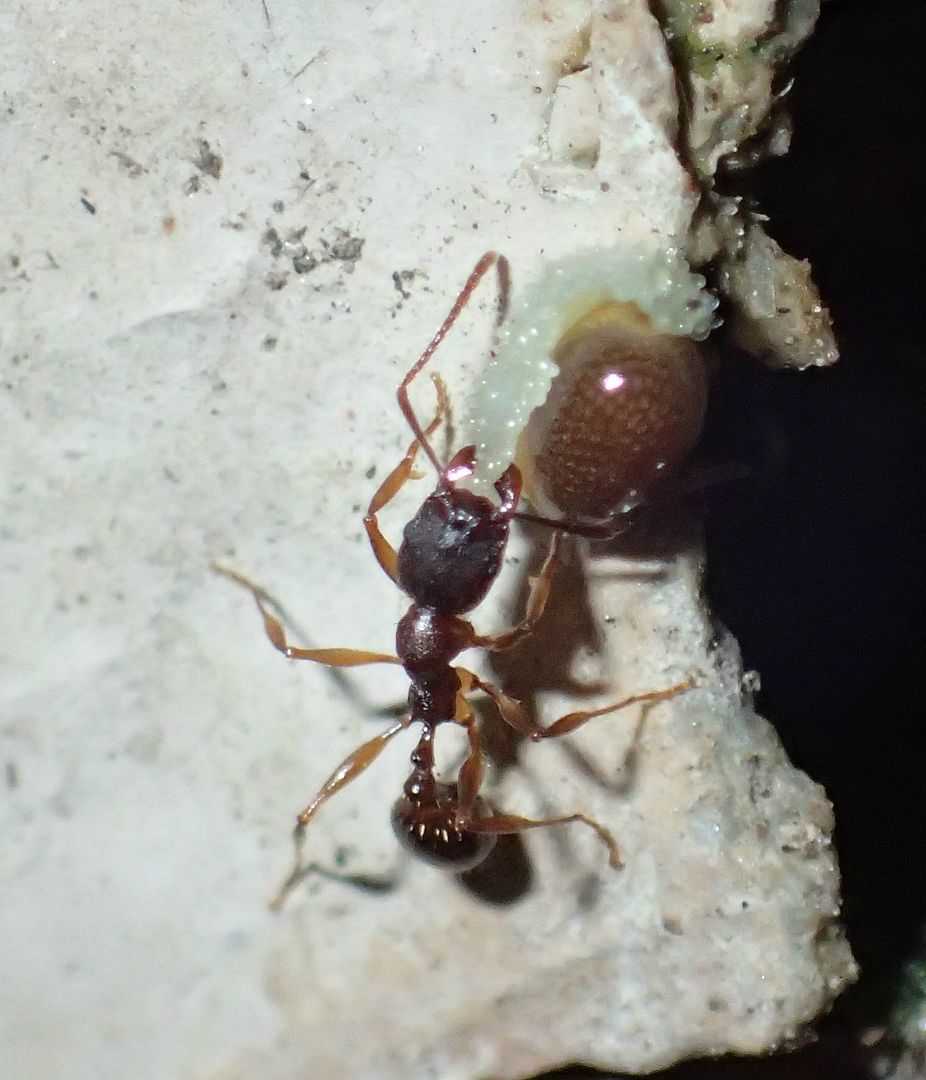
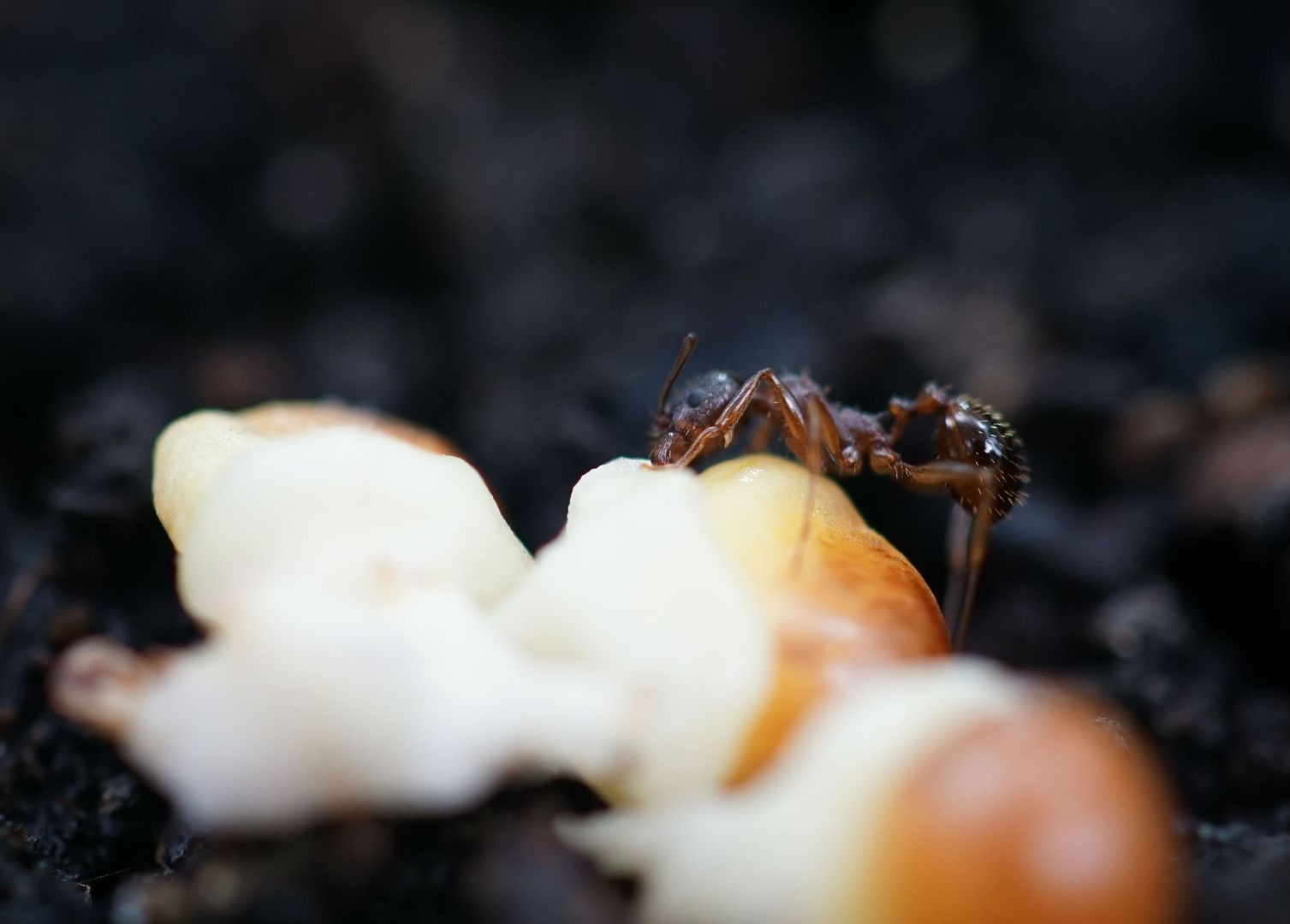
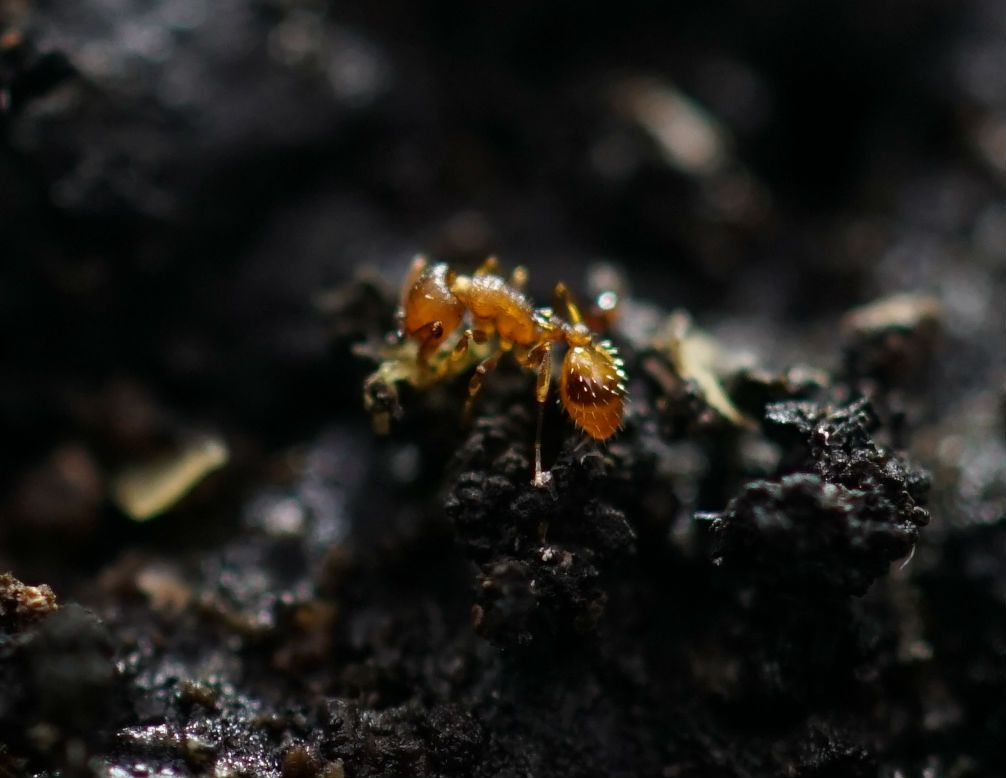
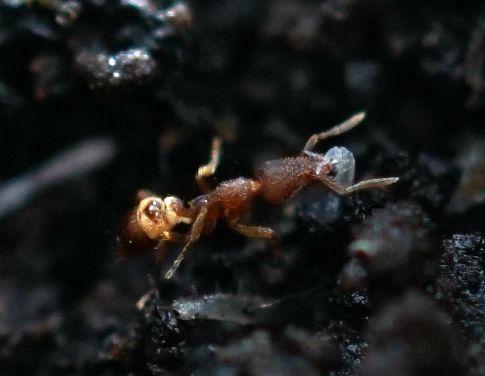
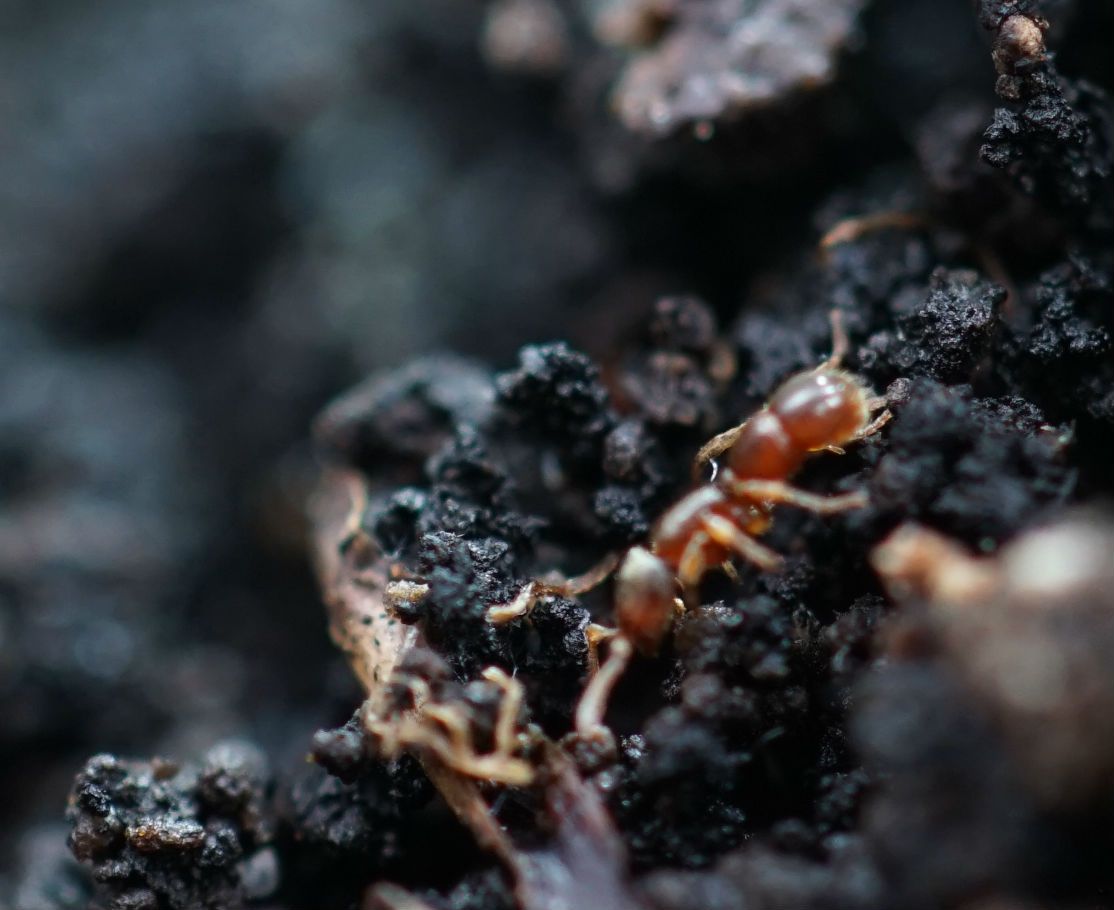
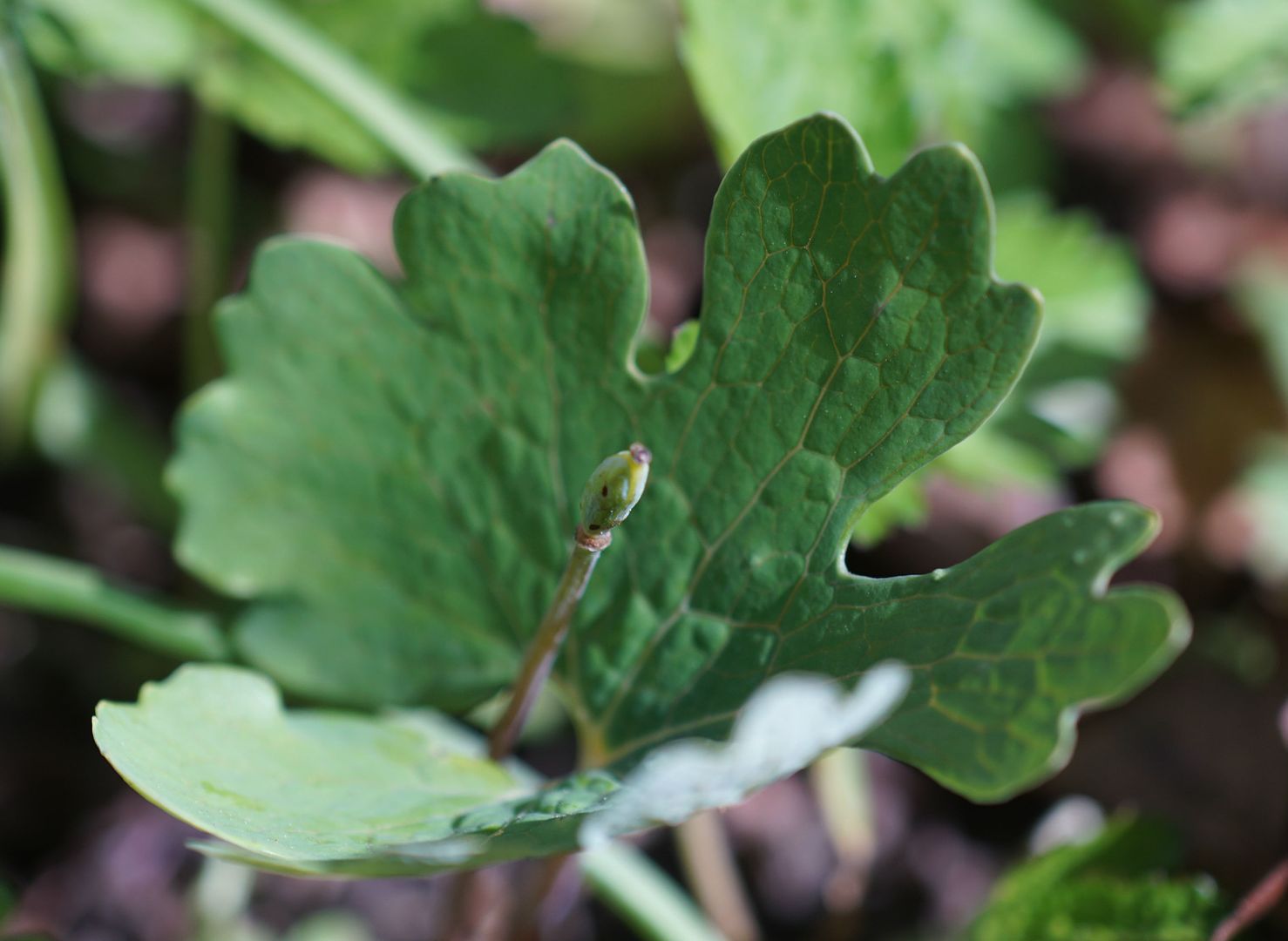
This week Woodland Poppies and Bloodroot went to seed. Both plants have elaiosome on their seeds which entice ants into dispersing them.
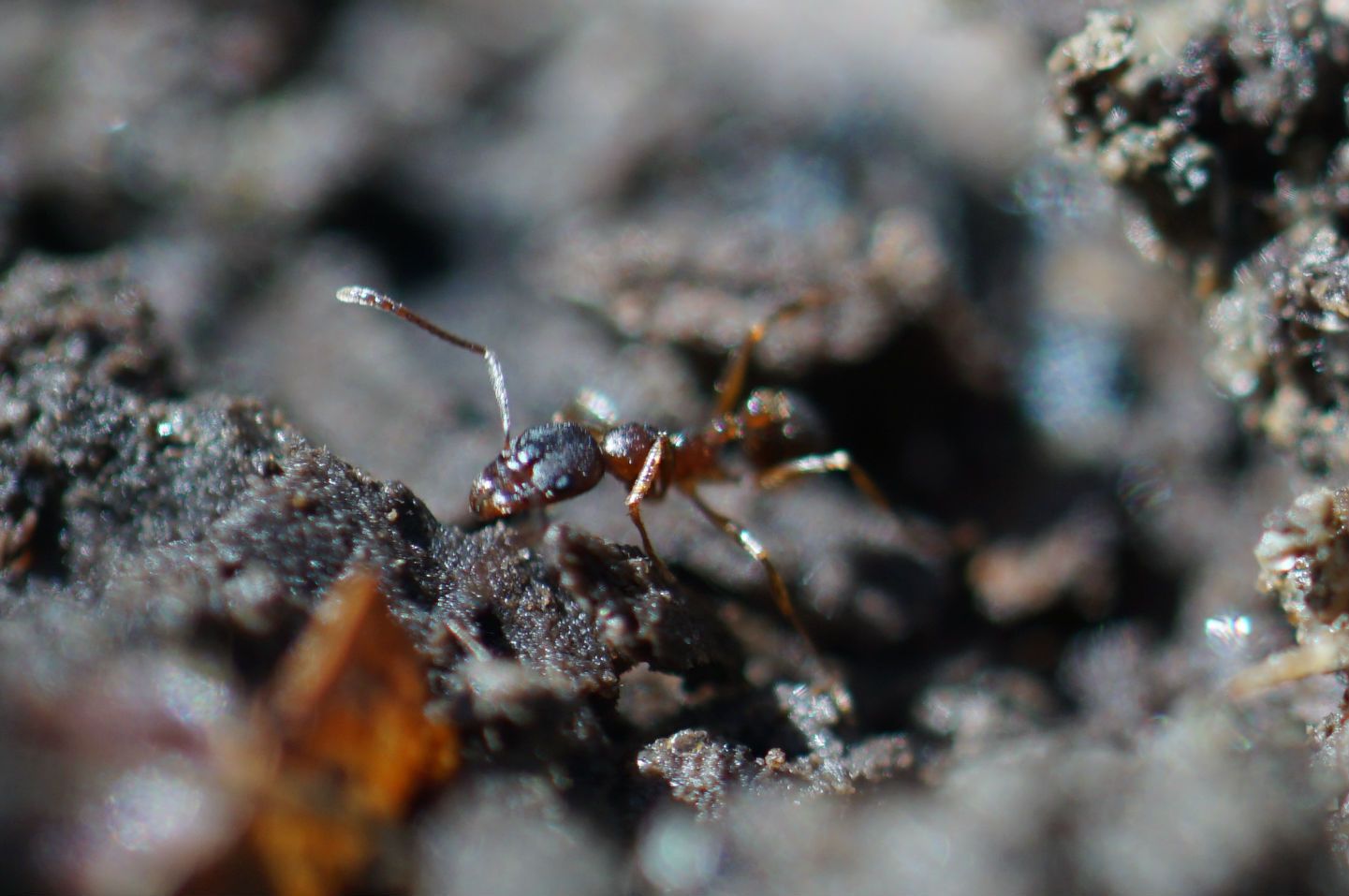
Twinleaf also went to seed but none of my plants flowered at the same time as one another. Presumably the lack of crosspollination means the packets of elaiosome on the seeds are smaller, and they're already pretty tiny on these plants as it is. Pictured above is Crematogaster cerasi which isn't strong enough to physically lift the seeds. Even the seeds that fell out of the pod naturally from the wind blowing it around were practically unmoved.
So the focus was on the Bloodroot and the Woodland Poppy. Both have great big packets of elaiosome on their seeds. I would love to include Twinleaf one year but they're tricky; seedpods can seem ripe but the seeds inside might still be soft.
Bloodroot seeds are about the same size as Twinleaf, and the packets of elaiosome are huge by comparison.
Woodland Poppy seeds are smaller but also have tons of elaiosome on them, though they look different. Actually the seeds to this pod are just shy from being ripe as they're normally black colored, but these should be dark enough that they'll still grow.
The two main ant species attracted are the Odorous House Ant, Tapinoma sessile, and....
... Aphaenogaster rudis. This ant for the most part doesn't have a common name. In "A Field Guide to the Ants of New England" they're referred to as "The Rough Aphaenogaster" which refers to a rough spot on the thorax that set it apart from other Aphaenogaster. The problem here though is the genus name is in the common name so why bother? Also A. rudis has been found to be a HUGE species complex! I forget the exact number but I recall a study saying there was something like 8 or 16 nearly identical-looking species that all fall under the A. rudis blanket. Each one has a different number of chromosome in their DNA so you actually have to look at their blood to tell them apart. I don't have access to that kind of tech so for convenient sake they're all A. rudis, and to be honest they're all pretty similar to one another. I've found a few colonies before that have multiple queens and others that only have just one, some colonies seem to divide, but all pretty much nest in forests with colonies of ~2,000 ants.
Tapinoma sessile are either incapable or unwilling to transport Bloodroot seeds.
The seeds overall are too large and bulky for them to lift so they spent the whole time just nibbling at the elaiosome.
They started to bite pieces off and carrying them back to the nest bit by bit. At no point did they actually move the seeds other than to accidentally jostle one or two of them free of the pod.
Aphaenogaster rudis on the other hand was more than happy to haul the seeds off.
They would latch hold of the elaiosome and drag them back to the nest that way.
With Woodland Poppy, I was amazed to see Tapinoma sessile workers actually carrying them back to the nest. Most of their time was spent on removing the elaiosome from the seeds within the pod but several of the workers actually did disperse them... the colony is nesting in a soliar light but they're still dispersing them.
This is a native ant species so it's not too surprising to see them dispersing a native plant species but there is still a problem. The Odorous House Ant is often the little black ant seen running around your bathroom and kitchen counter. They nest opportunistically in mulch, under tree bark, and in man made structures. So they're not the best ant to be dispersing seeds because they can end up in the walls of your home, in foundation bricks, or under loose bark, but also in the mulch of your garden, and in flower pots. So it's the flip of the coin as to whether they end up in a spot they can grow.
Aphaenogaster rudis is better at the task.
They're generalist scavengers more in the habit of bringing food items back to the nest.
They nest under logs, in leaf litter, or along clumps of grass.
At no point during my observations did I witness any try to remove the elaiosome from the seeds outside of the nest. Actually shortly after bringing them into the nest the seeds were quickly discarded out to the colony's midden (trash) pile which was hidden among leaf litter.
Midden piles are where ants put their garbage. Old insect carcasses, dead workers, spent cocoons, general roughage and things to be discarded all get piled up here. In deserts of the South West they're very noticeable around ant nests but here in the forests of the North Eastern United States they're often hidden under leaf litter.
Overall were it not for the ants dispersing these seeds they wouldn't have gotten very far. New plants would try to germinate just inches away from the old ones and the patch would move at a snails pace and only on the rarest of occasions would they travel up hill. Thanks to the ants carrying the seeds off, even if they're dropped or discarded shortly after, new populations of these plants can spring up to 24' away, potentially more if colonies fight over them or raid the midden piles of other colonies they often do for dead ants.
Other ants that also showed: Prenolepis imparis - single worker that did not recruit other nest mates. Nylanderia flavipes - even smaller than Tapinoma sessile in size. Barely able to remove elaiosome. did not disperse seeds. Temnothorax curvispinosus - even smaller than Nylanderia flavipes. Incapable of recruiting nest mates as they don't use chemical trails.
While trying to photograph Aphaenogaster dispersing Trillium seeds I chanced upon a few unexpected surprises. The only colony I was able to find actively foraging happened to be in an old stump, a former Norway Maple we had had cut down many years ago. To set the scene properly this was in the shade of an Eastern Redbud Tree and the stump is now used as a perch for a Mason Bee box as well as a stone dish we use as a bird's bath. Naturally we flush out the water every day or so to keep the mosquito larva down and the stump has been getting soaked for many years. The result seems to be idea for a surprising amount of ant diversity.
The stump is absolutely teaming with decomposing arthropods. Here an Acorn Ant, Temnothorax curvispinosus, has found one. Small soft bodied creatures such as this, especially ones smaller than the ants themselves make excellent ant food. It's likely several colonies of Acorn Ants are also nesting within the log.
Here a Strumigenys pergandei has also caught something, I believe it's a spring tail. These ants are rarely seen because the only nest in shaded places that are "cold and damp." Cold refers to when they nest in soil, usually under a rotting log. Generally the soil will be cool to the touch, even in summer. They hunt and forage in rotting wood and leaf litter, often where decomposing insects and arthropods are abundant enough to have turned much of the dead plant matter into soil. Supposedly the yellowish structure on their waist segments, as well as the petal-like structures on their head and body are to help camouflage them from prey items.
This is an awful shot of a Proceratiumsilaceum but they were there too. Even more cryptic than Pyramica, they have a front facing stinger on the end of their gaster (abdomen) so they can sting prey that's in front of them, in tight closed spaces, as opposed to having to turn around. They're worth a google image search to get the idea.
It's nice knowing these uncommon ants can still be found in my yard, because this is the first time in several years that I've seen either in my yard. Now I know where to look!
I was out messing around with my new camera and lenses today. And I got enough good photos that I can reasonably tell a story with.
Pictured here is an ant, Apheanogaster rudis, which is a common "woodland" species though you can certainly find them nesting anywhere there's hardwood trees such as Oaks and Maples about. For years I've been feeding this colony Trillium seeds along with other ephemerals that engage in Myrmecochory, ant plant seed dispersal. Basically the plant has packets of elaiosome on the seeds which the ants find tasty and bring back to the nest, thus dispersing the seed away from the parent plant.
As I said, with this colony I've been the one giving them the seeds. However, I've witnessed other colonies in my yard showing up to damaged Trillium seedpods and making off with them too, so it does happen naturally. For the purpose of taking photos though it's so much easier to just shoving the seed in the ant's mouth and saying "Hold This!" so I can get a shot or two of it.
While Myrmecochory is a natural process, it is not a requirement for seeds to be successful. Gardeners can just as well plant the seeds themselves as they would a packet of tomatoes. They take two years to germinate, and the better half of a decade to flower after that, but the planting them on your own is just that easy. In nature though it's to the plant's benefit that these seeds germinate far away because their rhizome (root) is going to expand and send up new shoots to form a clump in a few years, and it's no good having tons of seedlings trying to grow in their way. Actually it's even easier for the gardener to dig up the rhizome either while they're flowering or a few weeks before (Yes, while they're flowering!) and shake or cut the rhizomes apart that way. Each individual rhizomes wants to grow into its own clump anyhow so it's worth it to break them up every few years.
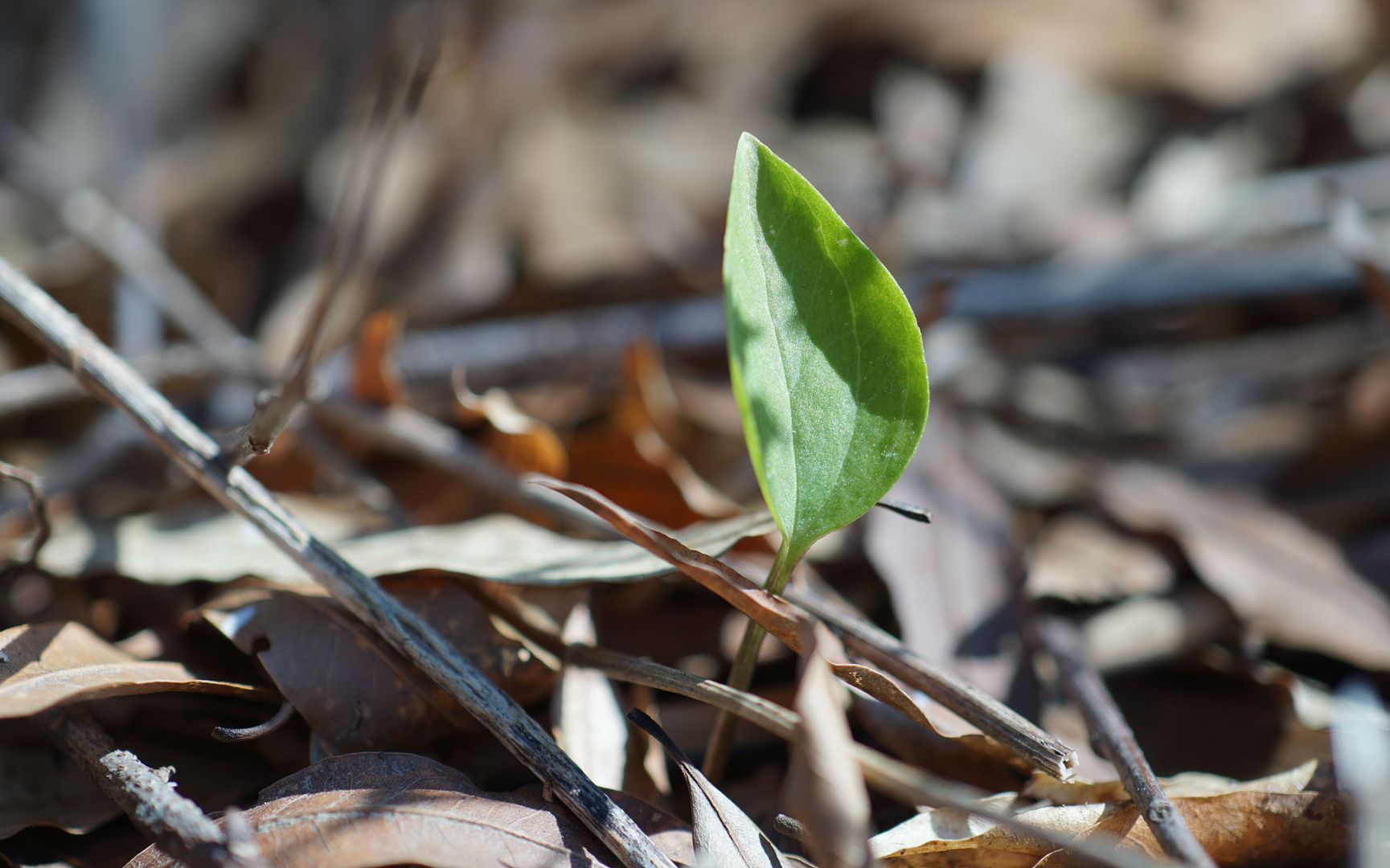
Well, I checked the colony of Aphaenogaster rudis today and found this poking up right next to the nest. It's a first year Trillium grown from seed. They send up a simple leaf and that's it for the whole year. Next year it should be two leaves, and then three after that, and then possibly flowering or a second shoot after that and so on. It's likely in years to come I'll find more of these around the nest as I've literally been dumping Trillium seedpods on this colony for the past five years.
An issue though is it's not an ideal place for Trilliums to grow. It's just too dry in that part of the garden so even if they do flower, I'll have to work hard to keep them watered or they'll go dormant before setting seed. This is likely why I haven't seen any seedlings growing until now. Another thought is the soil might not have been right. We were always in the habit of removing leaf litter from the gardens, but in recent years I've started leaving the leaf litter where it falls, sometimes even raking it off the paths and right into the garden for extra winter coverage. In theory this should help build the soil as the leaves break down, and the new leaves added add insulation for the plants below.
Another thing I'd like to mention is Blood Root. This ephemeral has been strangely missing from my garden. A few years back I bought a seed pack from Prairie Moon Nursery and tossed them out into the front garden. I hadn't thought anything of them because the leaves that came up last year were all the size of a dime, (tiny). Well this year it seems one not only decided to produce a great big leaf, but also flowered... and I missed it!