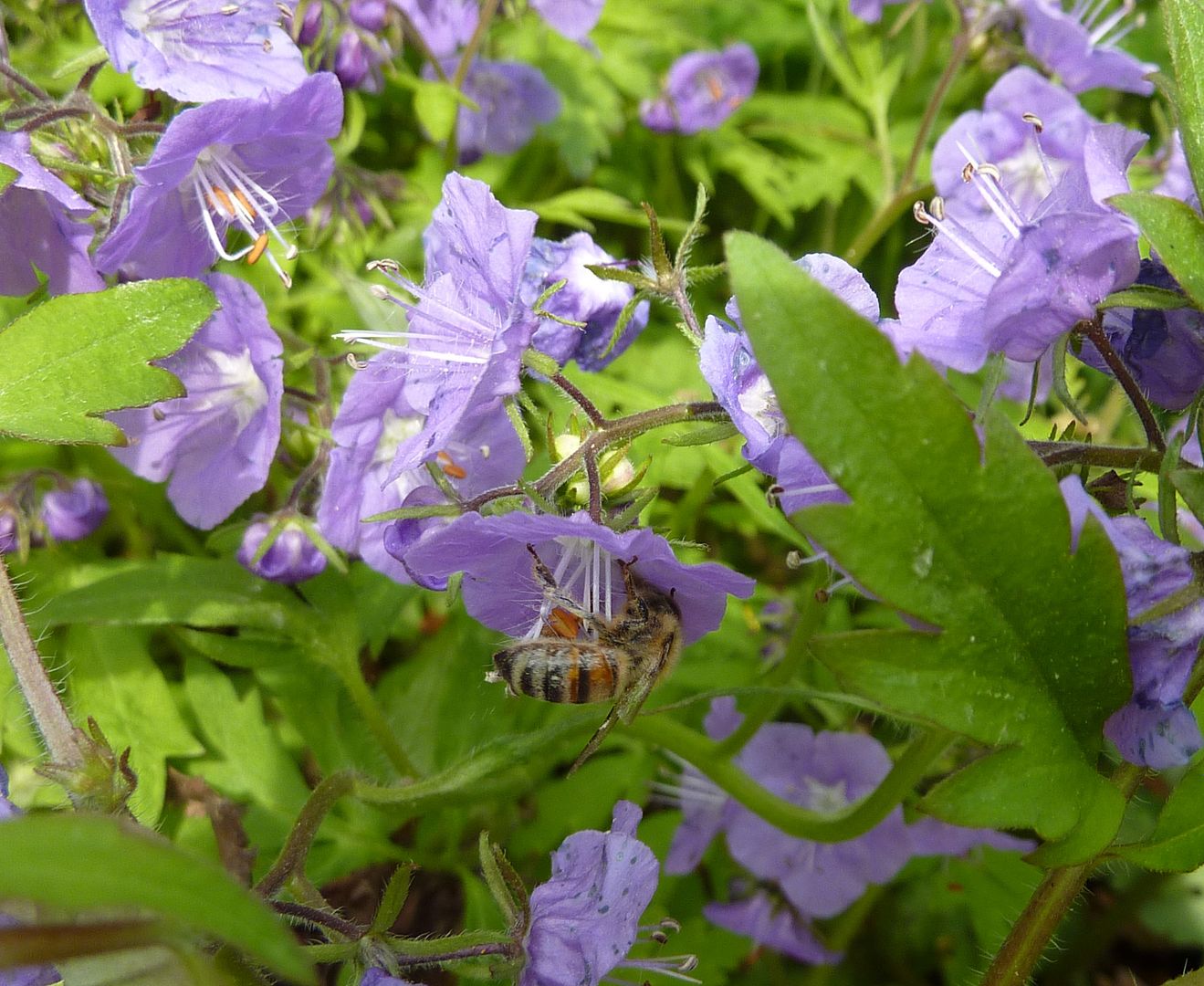
For bees I was thrilled to find Honeybees working Fern Leaf Phacelia this year. Beekeepers are always gushing over the Phacelia flowers for their bees but always had to rely on the western native annuals. Phacelia bipinnatifida, is an aggressive biannual that grows abundantly in woodlands, going as far as carpeting the forest floor with puffy clouds of purple flowers. This shot was at the Mt. Cuba Center and I picked up a few plants to hopefully establish in my yard but I'm not entirely confident it's going to work. Here's hoping I can get a population going.
I noticed a queen bumblebee earlier in the year. Honestly I can't remember where this image was taken or what she's even on. On a positive note though this was a stellar year for bumblebees. They were easily the most abundant pollinator in my garden this year.
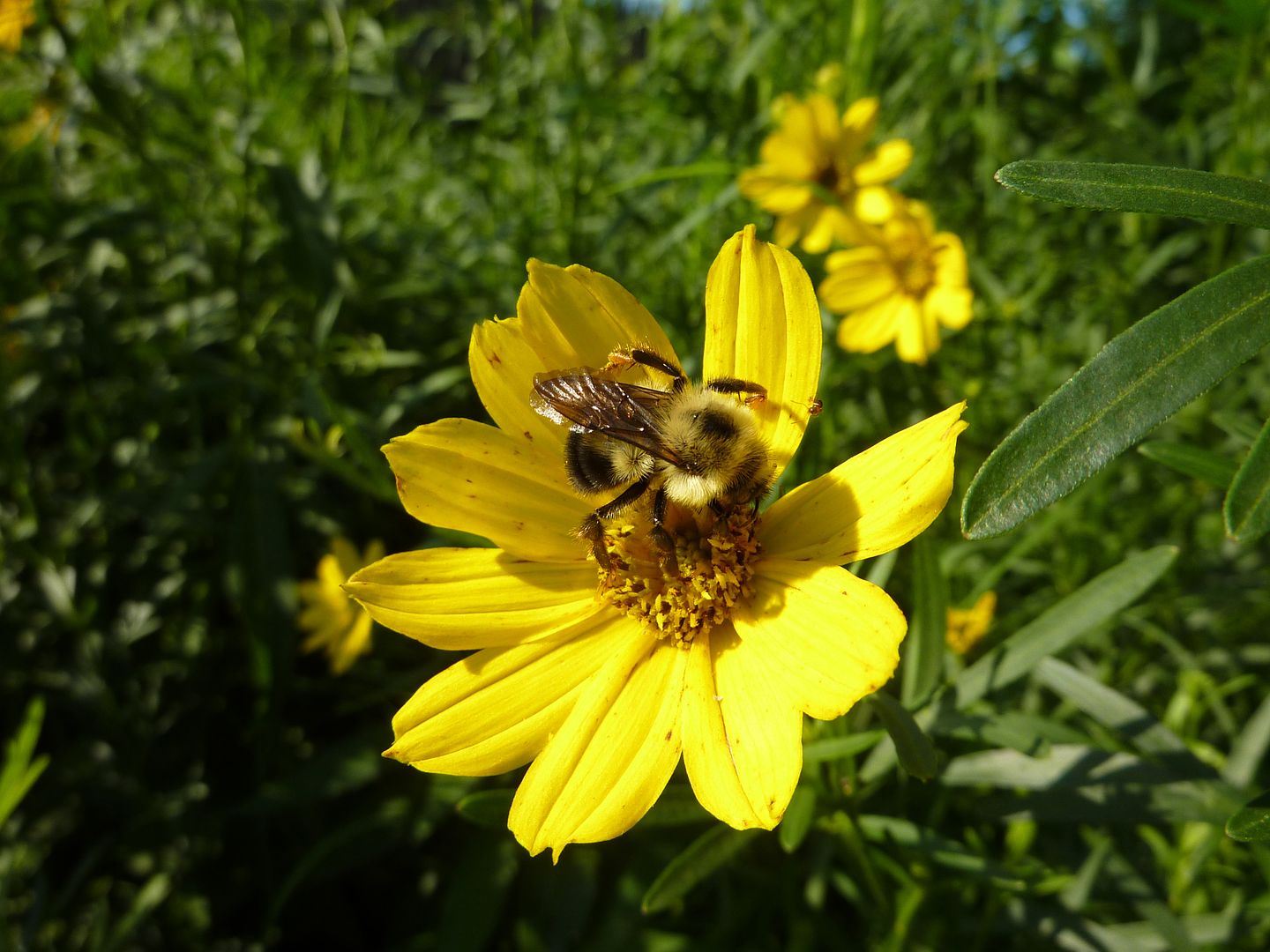
Stiff Coreopsis put on a huge display. This is a slightly aggressive species which spreads by root suckers out in all directions, though they invasion is slow going. They really just push out 3 to 6 inches. They're not as floriferous as I would like them to be, other species of Coreopsis can be covered in flowers where as these seem to space it out.
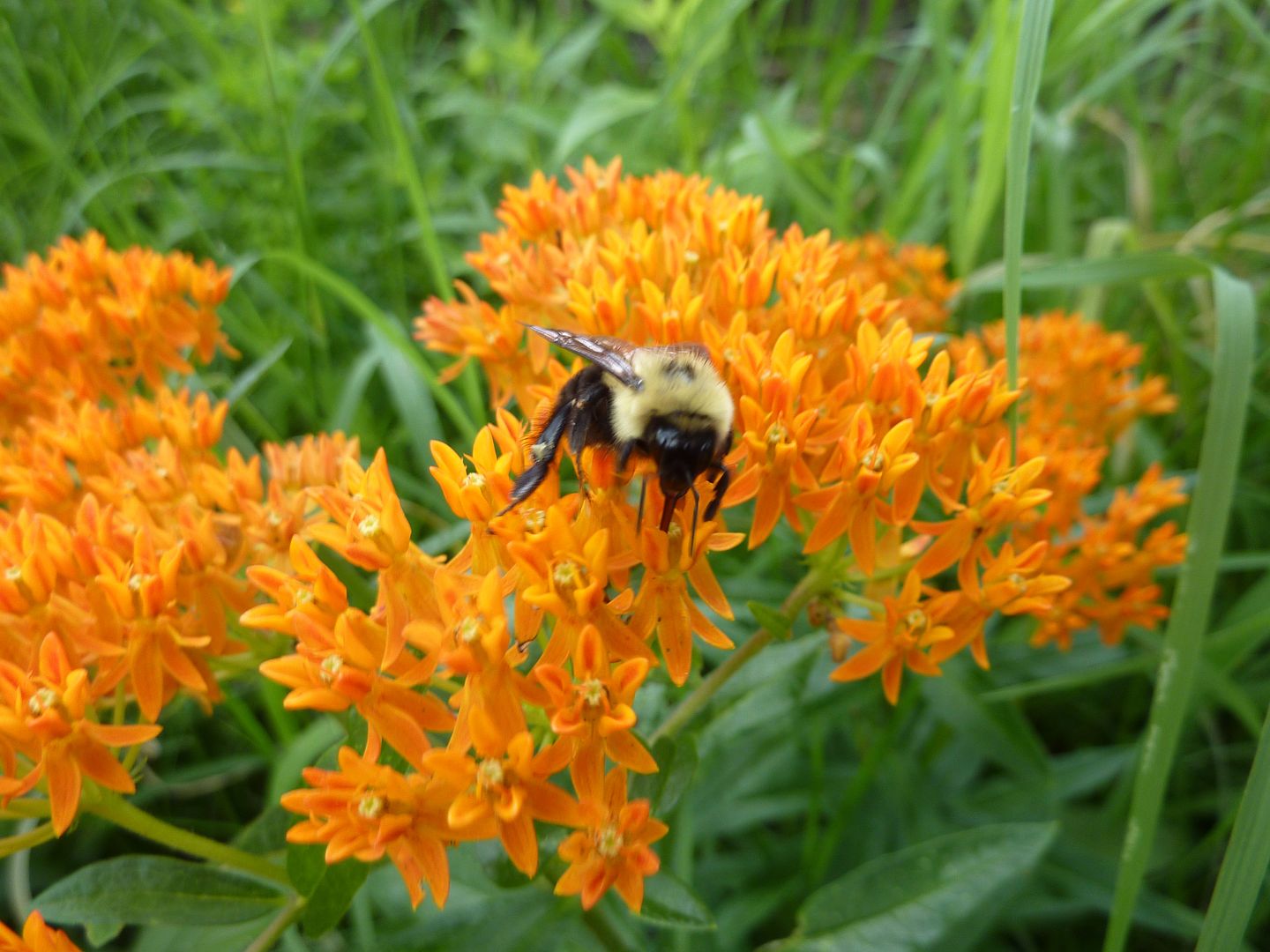
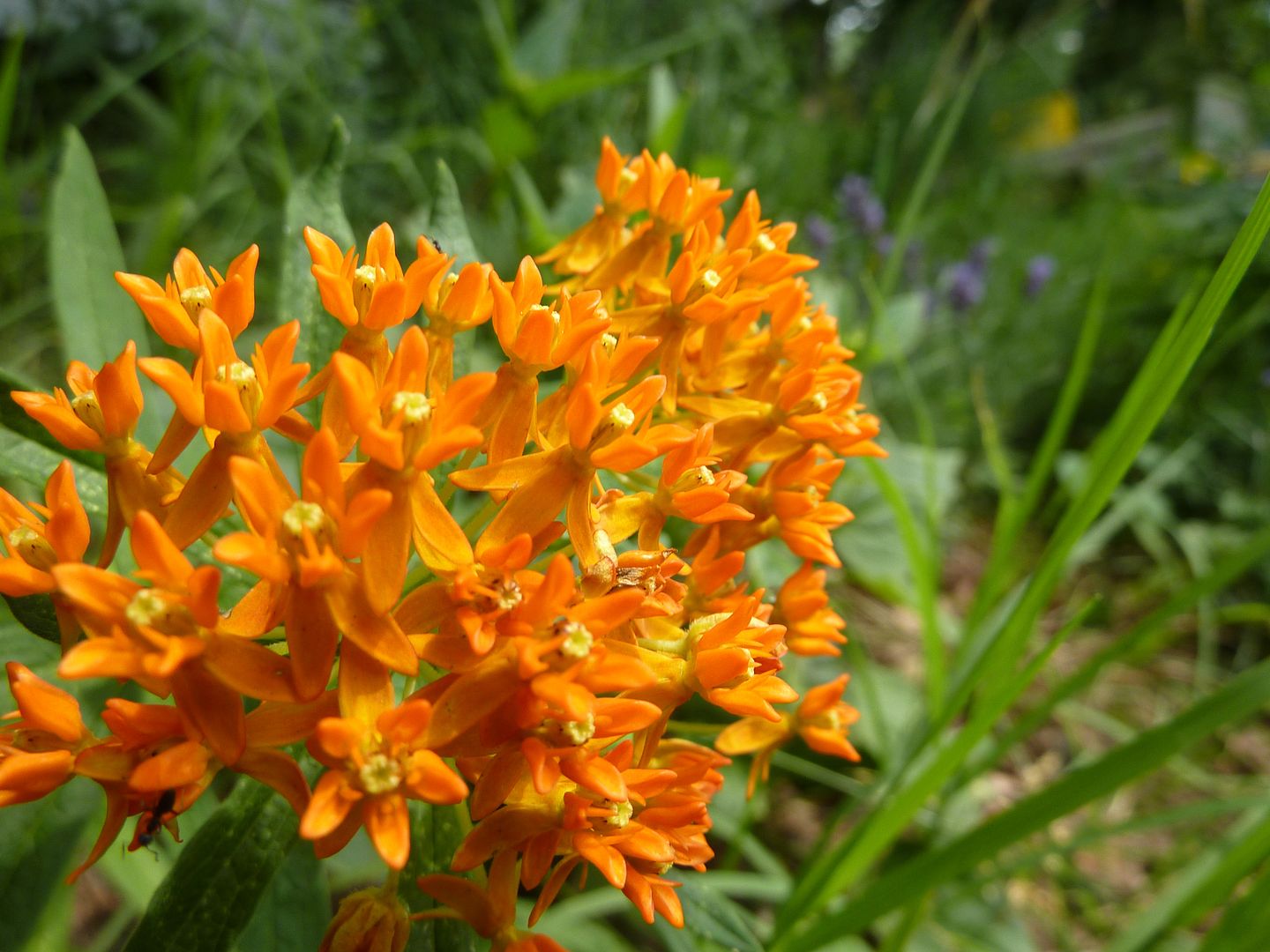
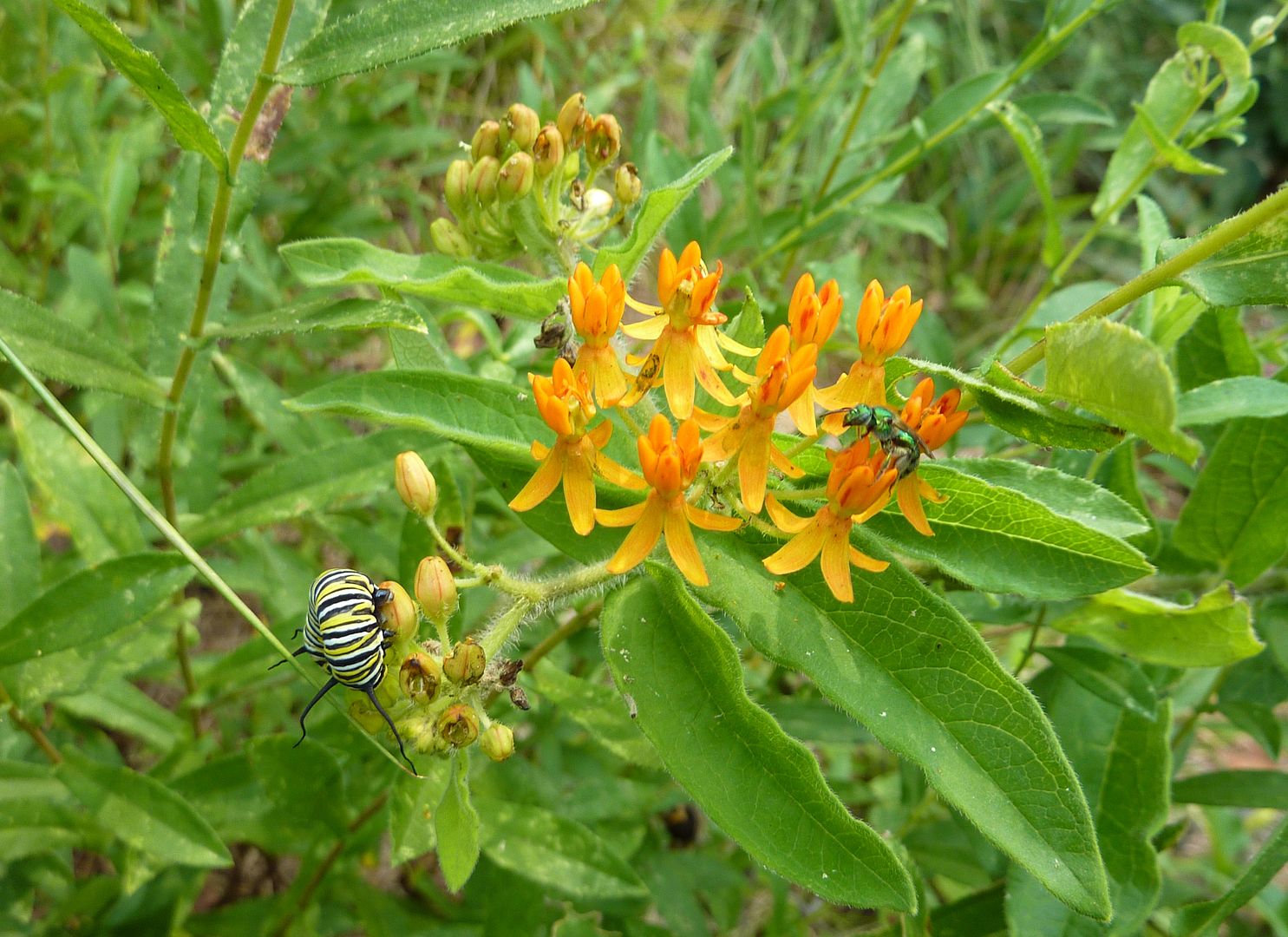
Another queen out on Butterfly Weed, Asclepias tuberosa. Eventually they stop foraging all together but this year I was seeing them well into the end of June and mid July.
This is the yellow variety of Butterfly Weed. It seems to be a bigger hit with pollinators.
Honeybees go to the yellow ones more it seems. I have seen patches of orange Butterfly Weed that were covered in honeybees but none of my plants seem to have any luck.
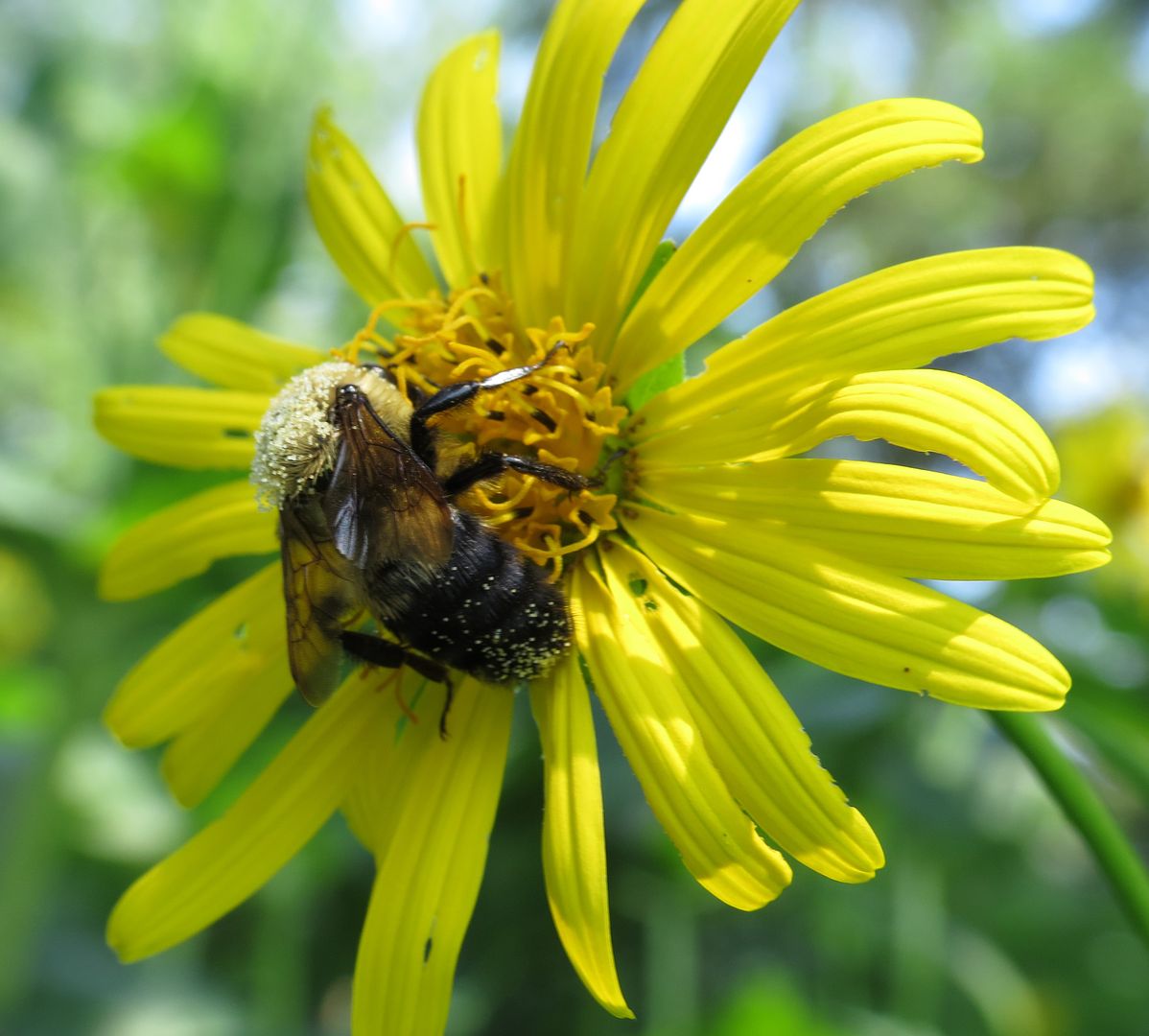
A sweat bee on Stiff Coreopsis.
Here another species of Bumblebee is working one of my rare plants, Asclepias rubra. This is called Red Milkweed but annoyingly enough I believe Prairie Moon Nursery has started calling Swamp Milkweed Red Milkweed. This demonstrates how unreliable common names are.
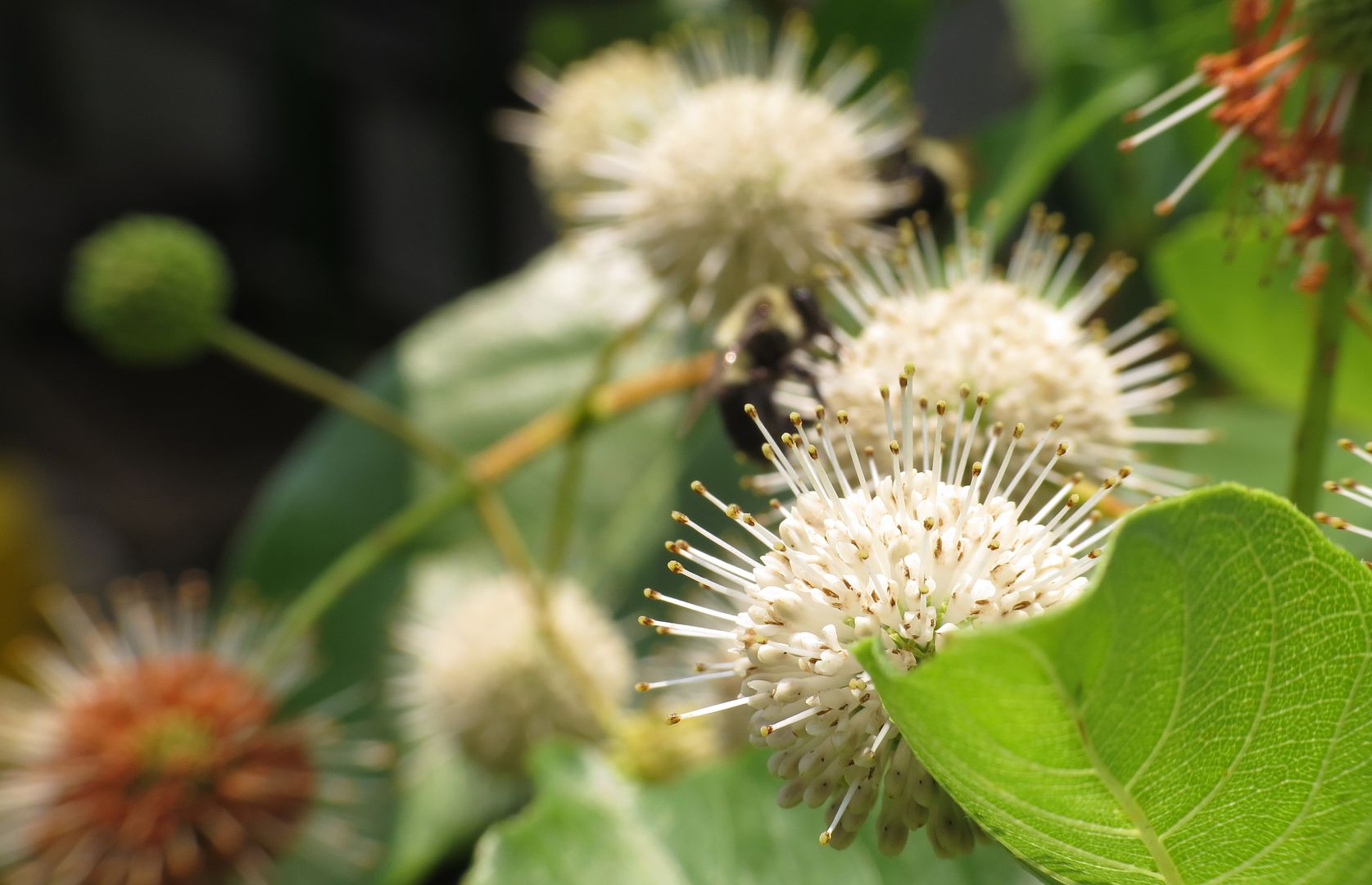
Bumblebees bustling around the Buttonbush.
Cup Plant. This is when I got my new camera. Notice how much clearer the subject is and how much more blurry the background appears.
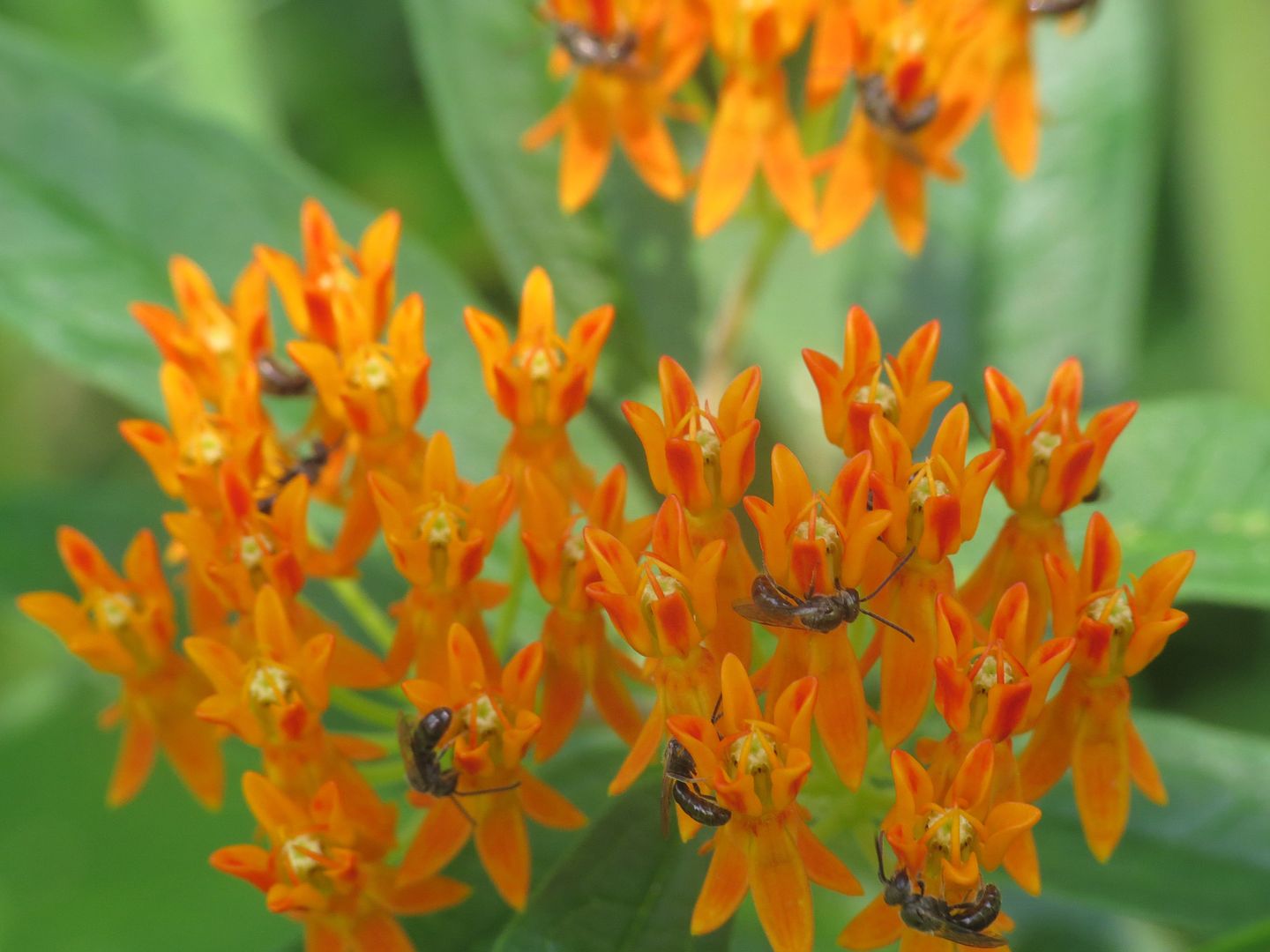
A group of sweat bees socially foraging on Butterfly Weed.
Joe Pye Weed.
Another Oh HA! moment when my new camera became worth every penny. Now if only the darn bee were facing the camera.
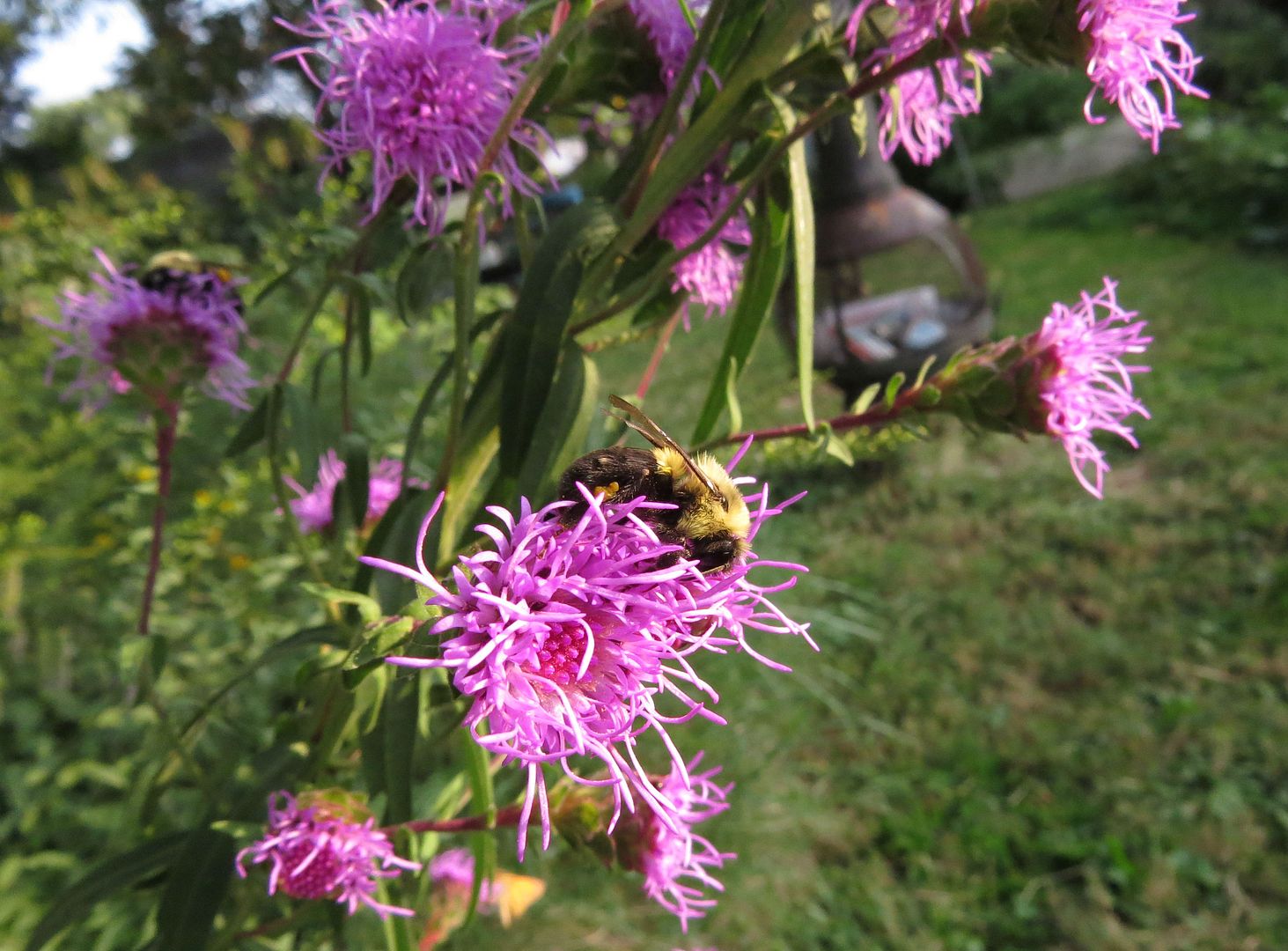
Here a few bumblebees work a species that I think might have been mislabeled. It's supposed to be Northern Blazing Star but I'm not so sure anymore. It's supposed to only reach 3' but this one shot up to 5'.
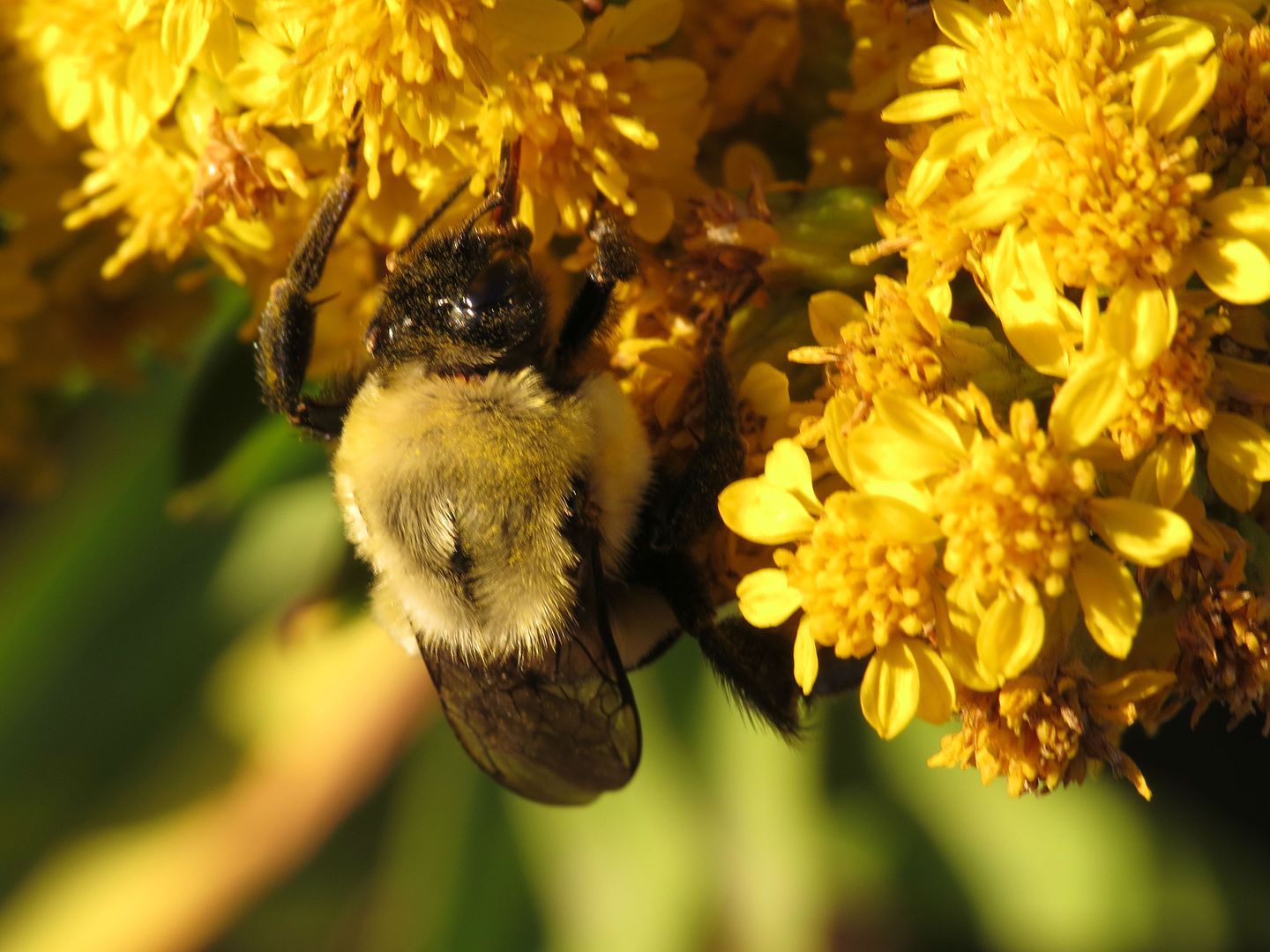
And lastly I was down at the shore later in the year where stands of Seaside Goldenrod provided food for migrating Monarchs and next year's generation of queen bumblebees.
So my garden is probably at its peak bloom right now, as far as species diversity goes that is.
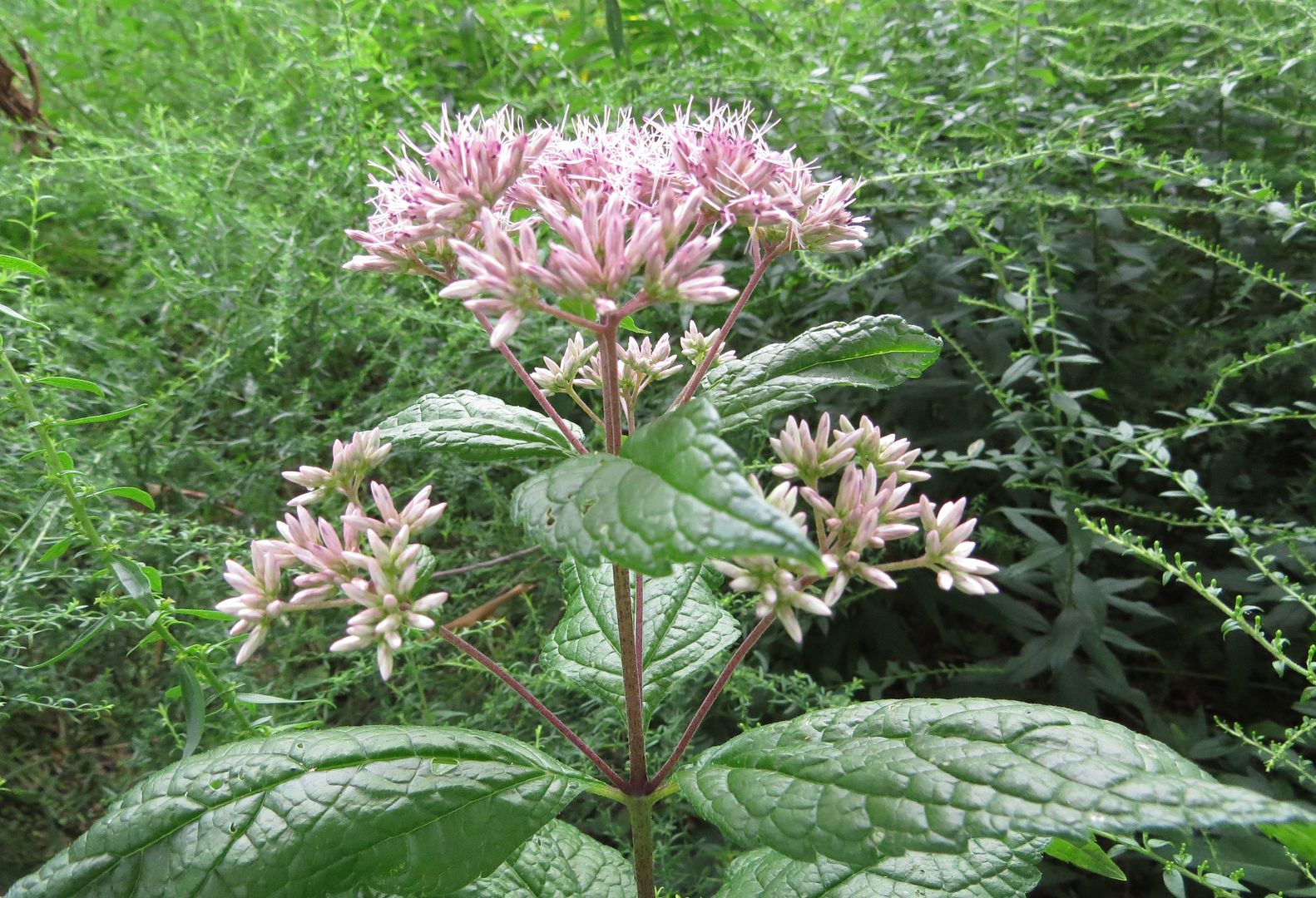
Sweet Joe Pye Weed, Eupatorium purpureum, is slightly more shade tolerant than I expected. It's still in a partial shade condition but also dryer than most of the Joe Pye Weeds I grow.
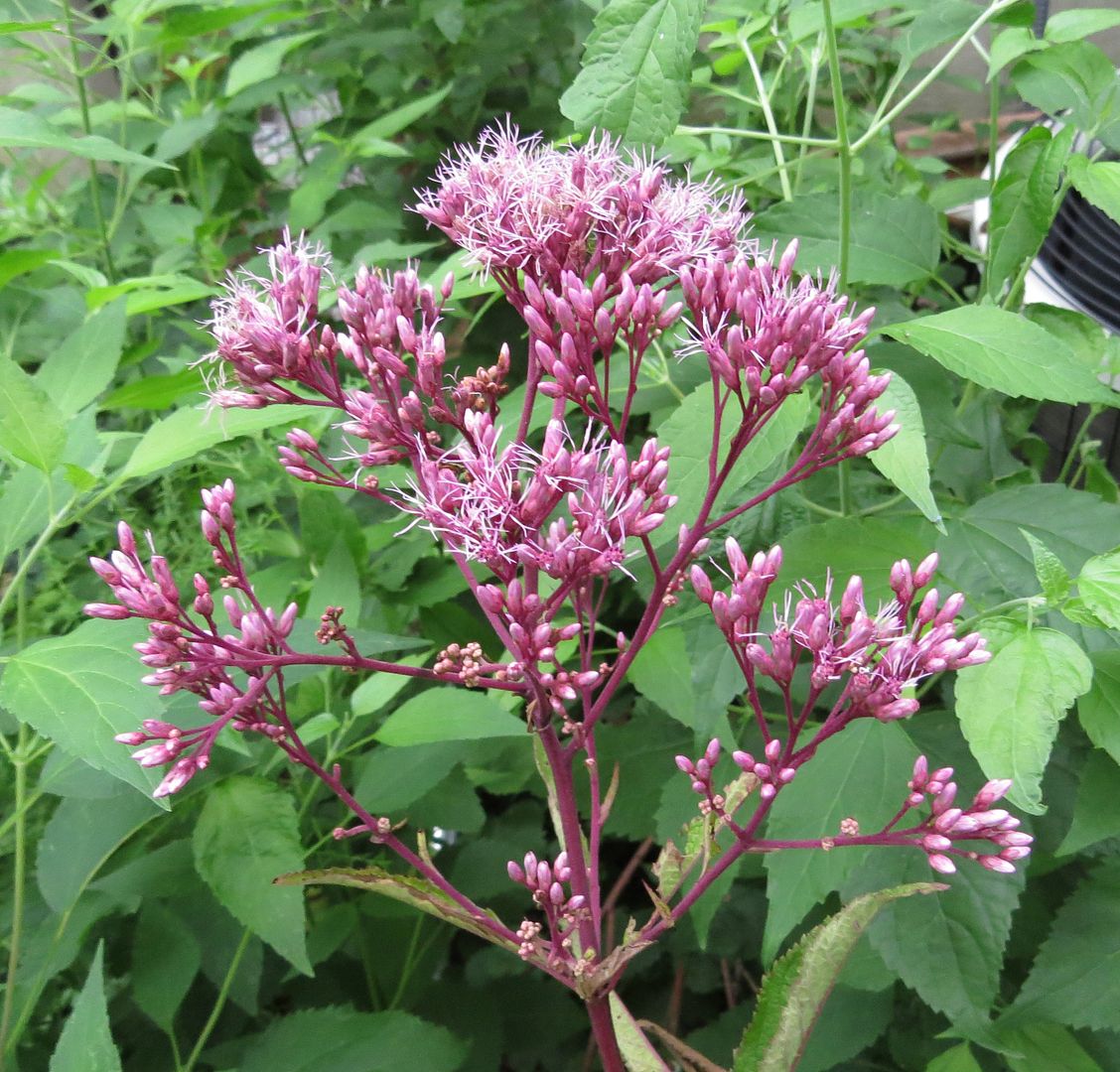
Spotted Joe Pye Weed, Eupatorium maculatum, is a new addition to the garden this year. Lower on the stem there are tiny spots which are lacking in other species, hence the name. I have it growing in a bit more shade than it can probably handle to I might have to move it.
Hollow Stem Joe Pye Weed, Eutrochium fistulosum, is sadly growing old. This is one of the tallest and more impressive species I have, but also one of the first natives I planted. The rhizome in the ground seems to be dying out in the middle, resulting in an uneven ring of stems emerging from the ground each year. I may need to divide it up next year.
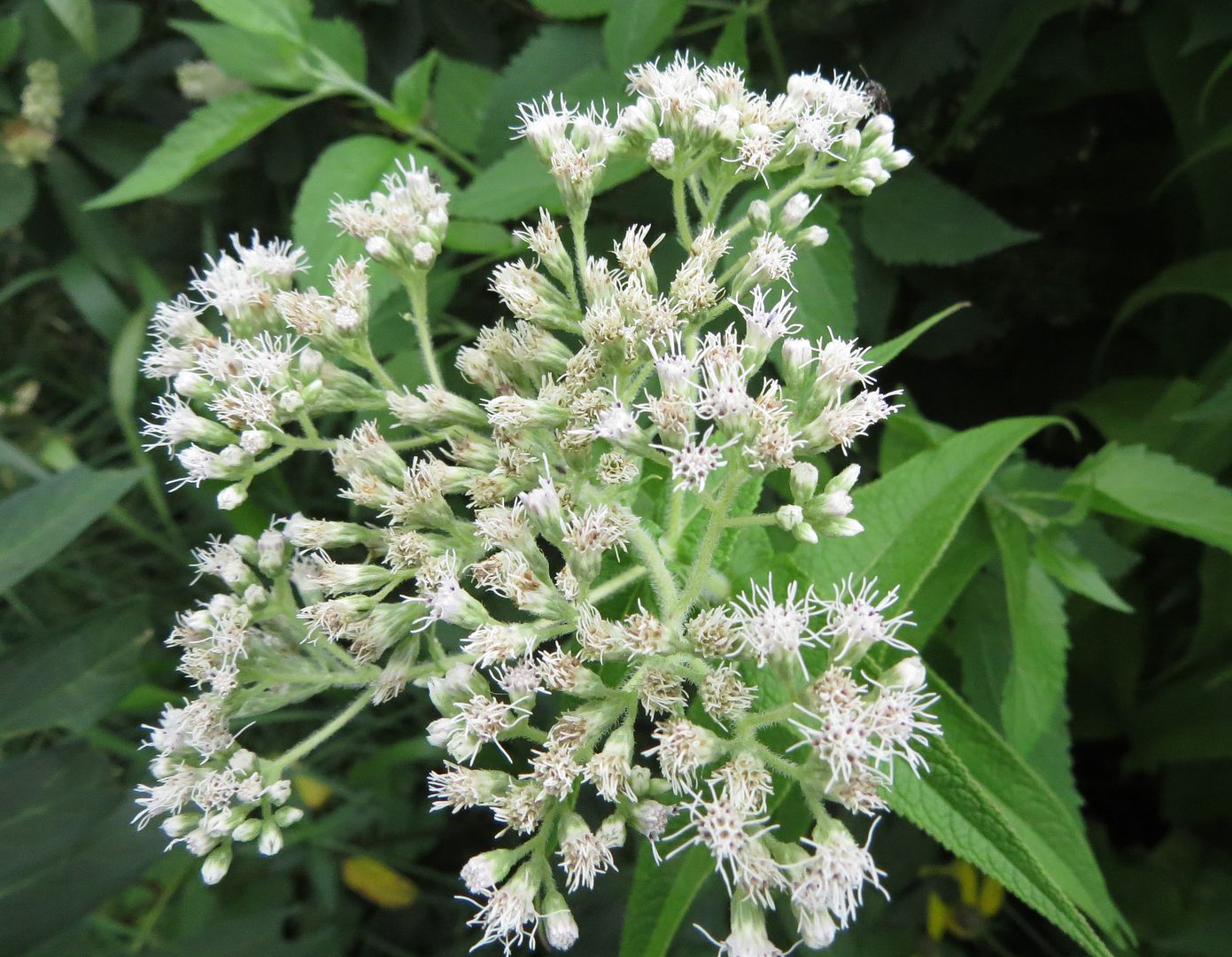
Common Boneset, Eupatorium perfoliatum, is another new plant for the garden. My yard has an abundance of Boneset but not this species. Unlike the ones that grow wild in my yard, this species actually gets a fair amount of bee attention.
Giant Blue Lobelia, Lobelia cardinalis. Normally I stay away from "hummingbird plants" but I was stricken by how adorable bees look when they try to work the flowers enough to give it a try. Lobelias regardless of the species, all tend to be short lived plants so it's important to let them set seed each year.
Liatris pycnostachya and Liatris spicata are both blooming out in the meadow. This is an image of L. spicata which tends to shade a hue or two brighter with slightly paler leaves, while L. pycnostachya is more magenta-like. Honestly though I can't tell either apart all that well.
Anise Hyssop, and a bumblebee I caught mid flight with my new camera. Coneflowers, Liatris, Black Eyed Susan, and Rudbeckia laciniata are all flowering in the background.
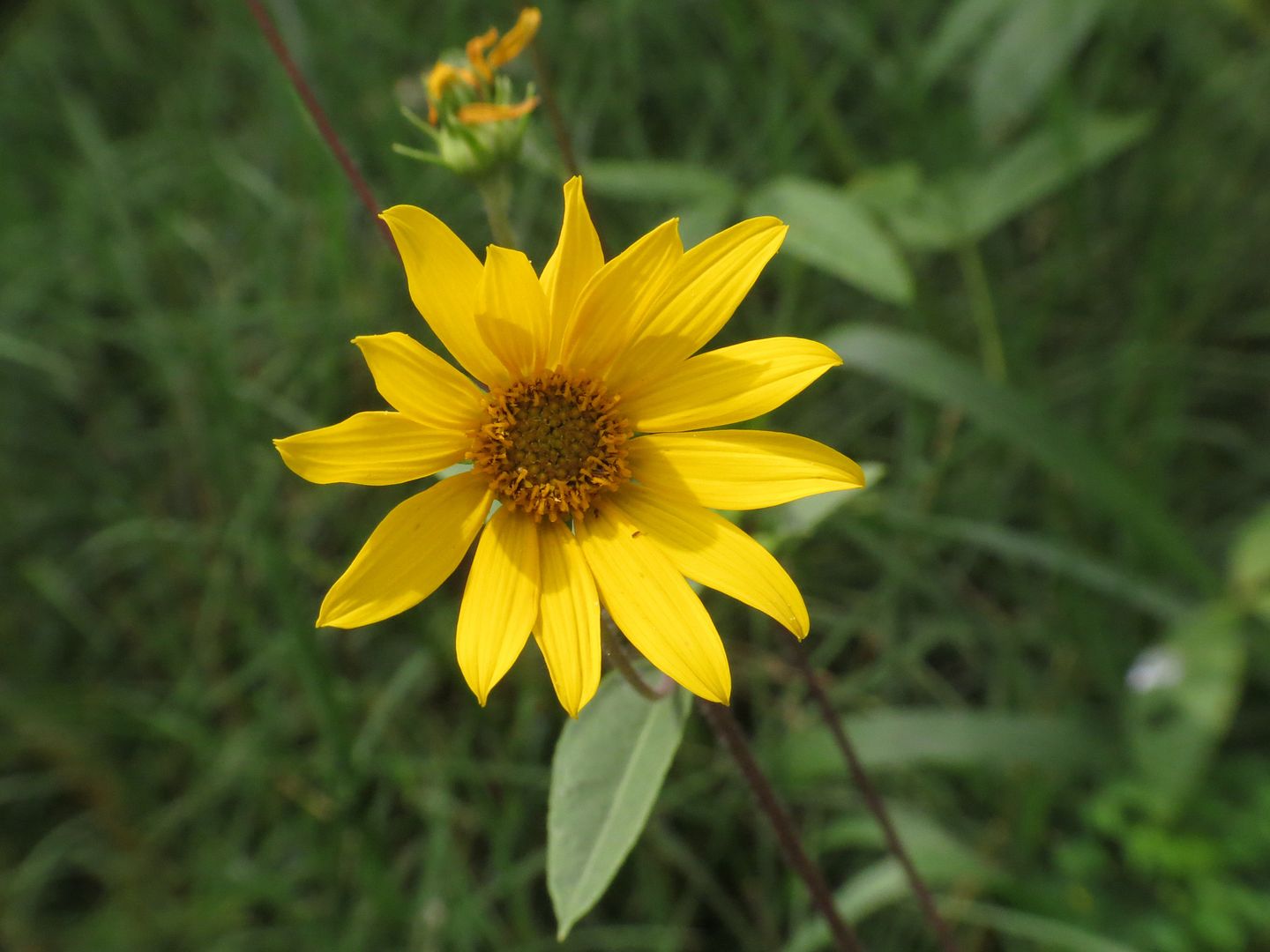
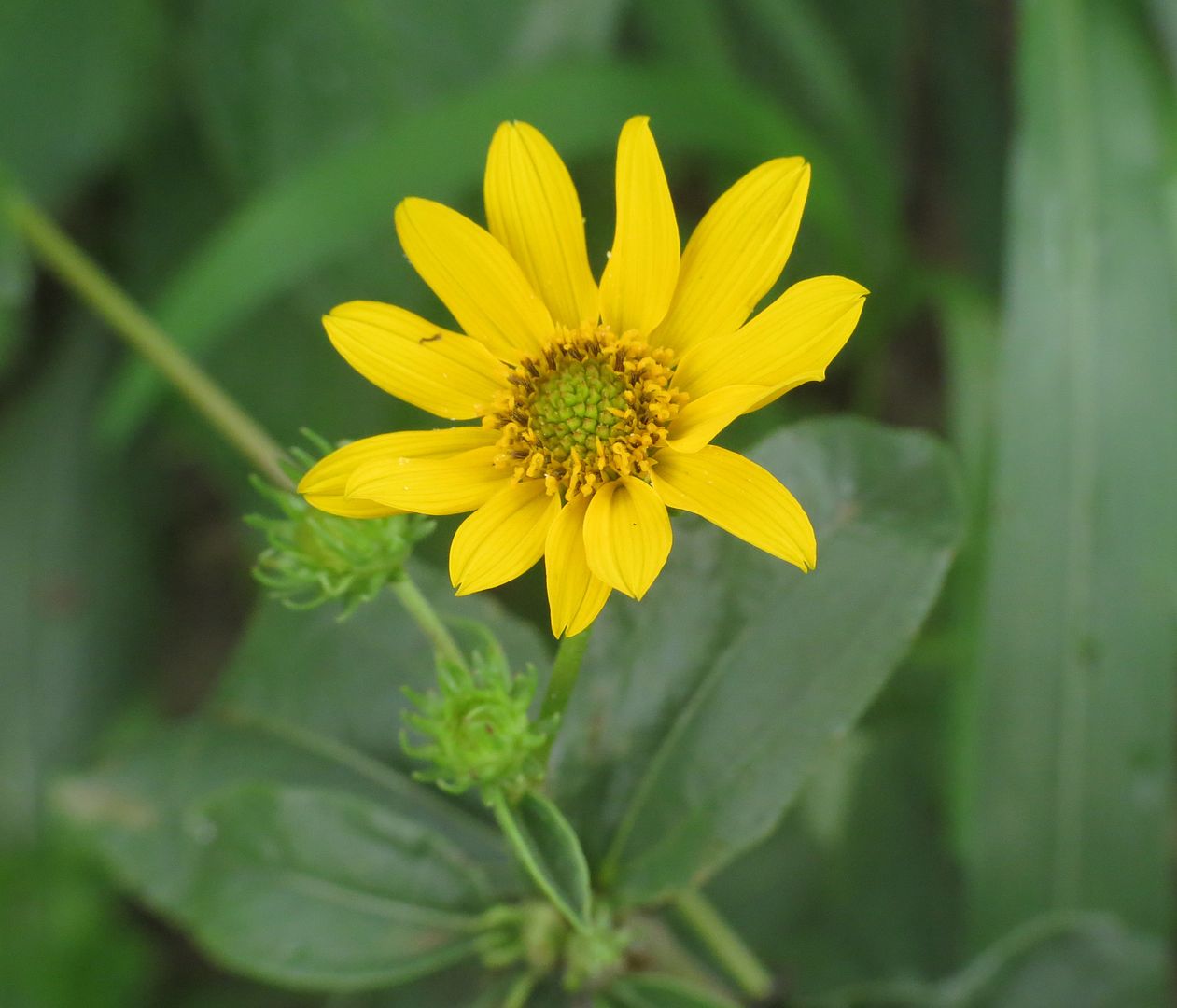
Western Sunflower, Helianthus occidentalis, was a fun addition this year. All the green growth is at the base of the plant with relatively few leaves occurring on their red stems which part a few times to sport a flower atop of each tip. The flowers are otherwise average in size given the genus.
Appalachian Sunflower (becuase Purple Disk Sunflower so far doesn't make any sense) Helianthus atrorubens, grows in much the same with but with more leaves hugging the green stem. Leaves are also fleshier and thicker looking. The flowers are fairly similar to Western Sunflowers in size and appearance. Maximilian Sunflower, Helianthus maximiliani, has also just started to bloom. It's a much taller plant, much more aggressive (though less so than any goldenrod with new stems occurring closer to the parent plant) and with flowers that are two to three times bigger.
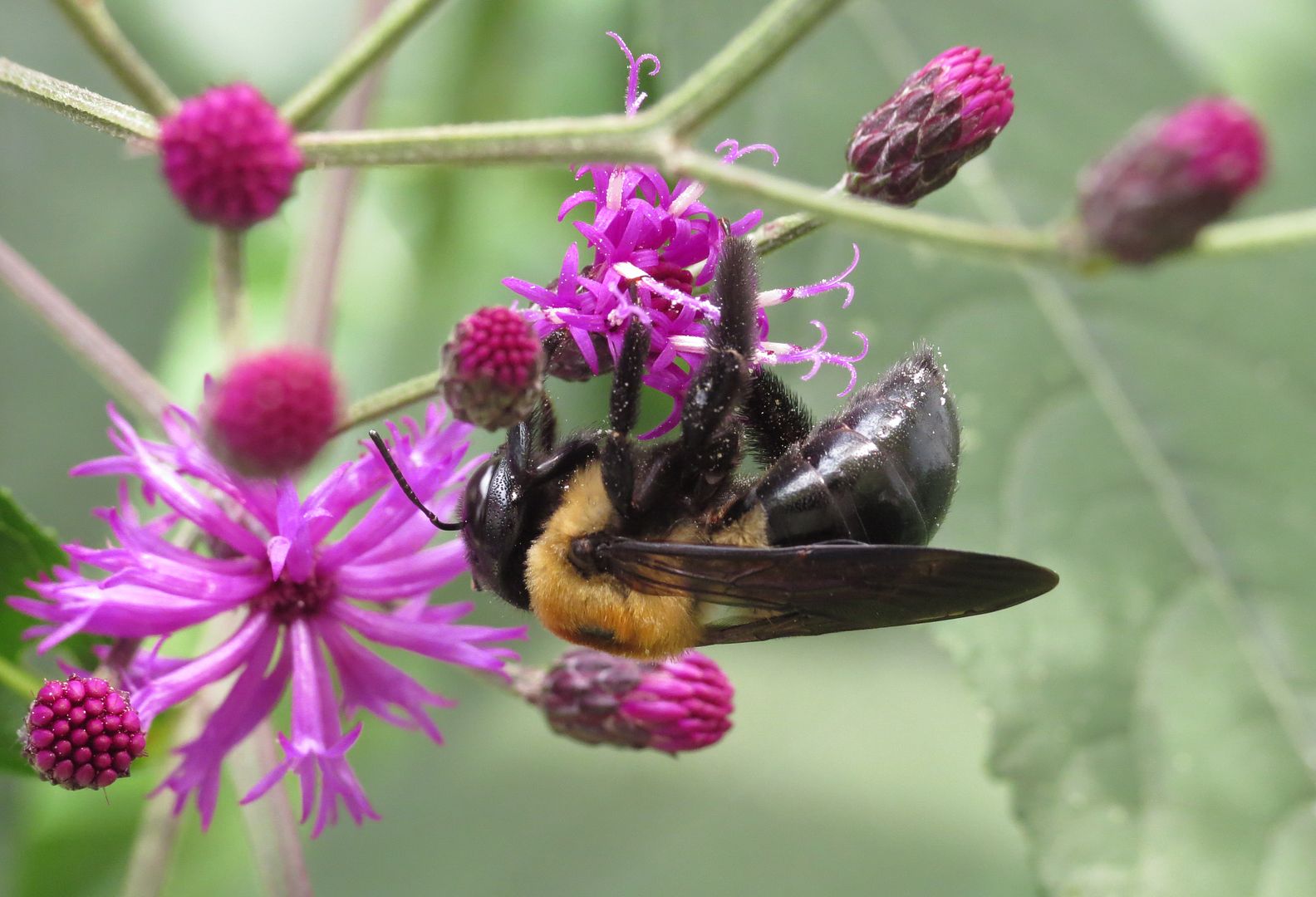
Ironweed, Vernonia sp. I have a bunch of species of this. The biggest one blooming now I acquired on accident thanks to a nursery mix up, so I'm not 100% on the species.
The internet is in a somewhat shortage of Eutrochium fistulosum seedling images. Actually I think the plant here is at least two years old. THIS was the only source I could find to that had pictures of seedlings.
I've had a few plants for a few years now and seedlings have started springing up. I would never call this plant weedy but if you live on a water front property that opinion may vary. Newer plants seem to only germinate where it stays wet for most of the year. In this case the garden that the rain spout drains into.
This catagory is generally reserved for plants and animals that don't fit in the other areas. This past year was a big one for this group as I decided to install a small prairie and visited the Mt. Cuba Center far more often.
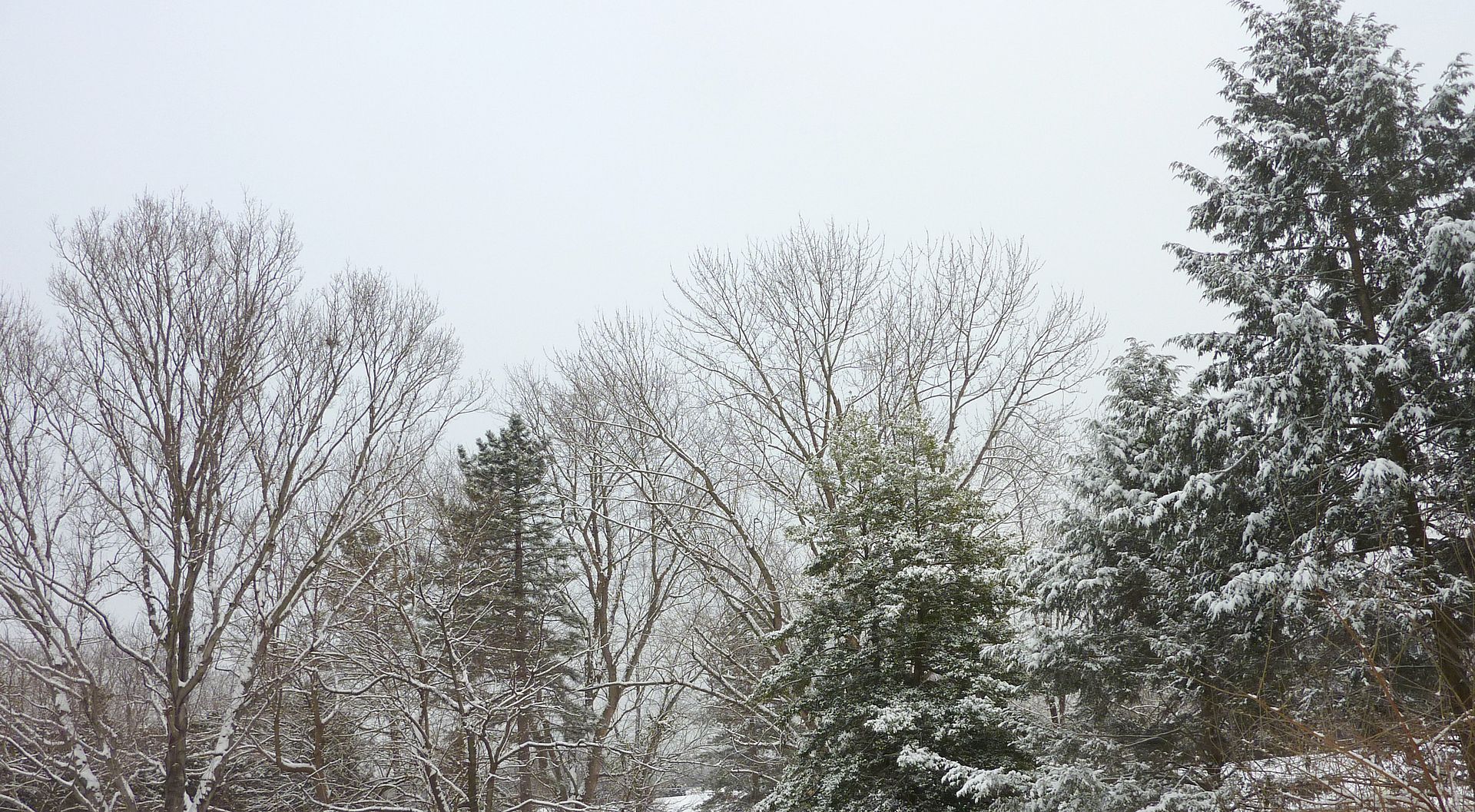
The trees in winter. This is just behind my house.
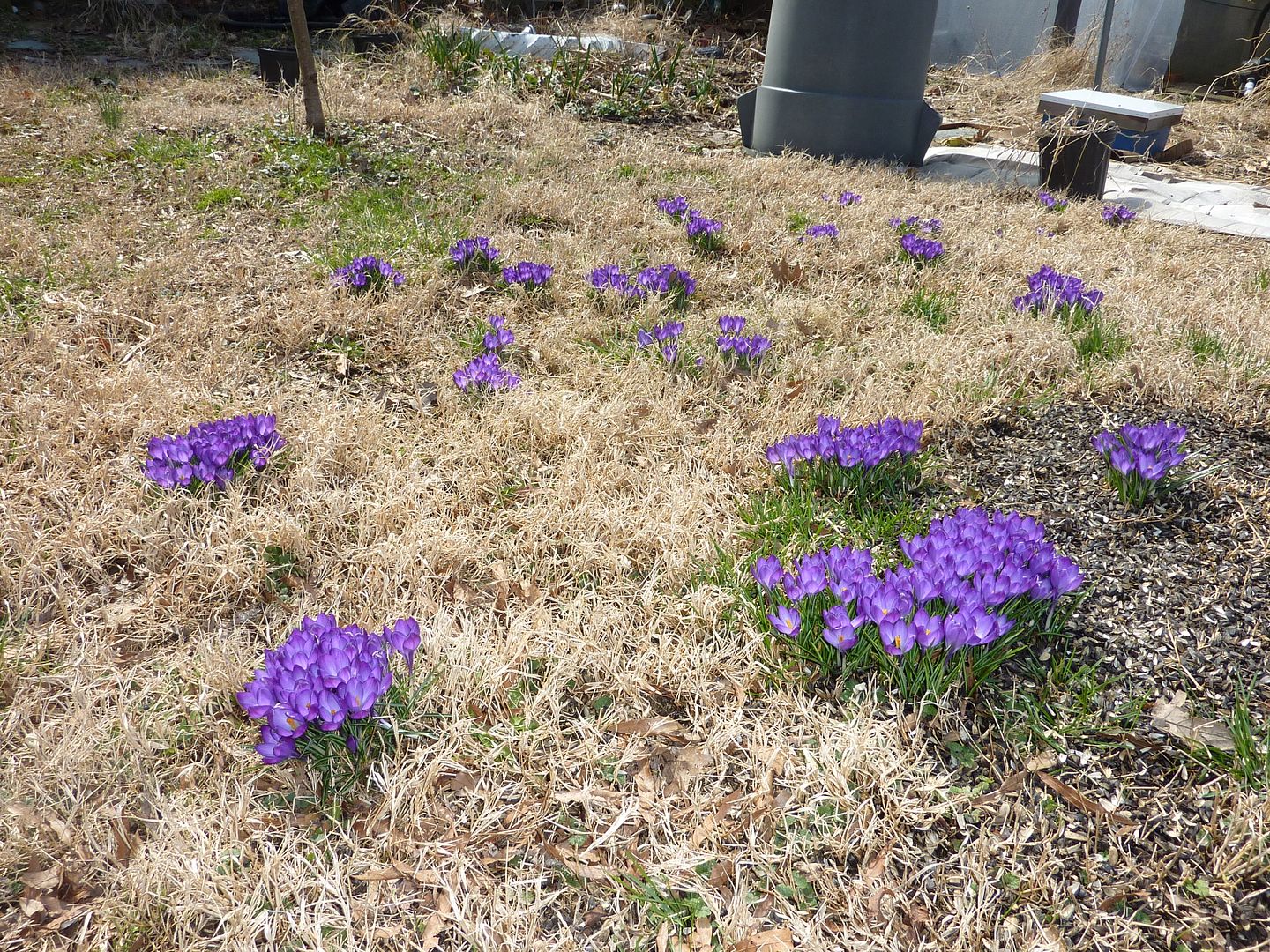
Crocuses in our lawn provide an early splash of color. They do best in the driest parts that are otherwise bone dry over the summer. They're not native to North America and I'm at a loss to name anything flowering when they do that would work well in a lawn setting.
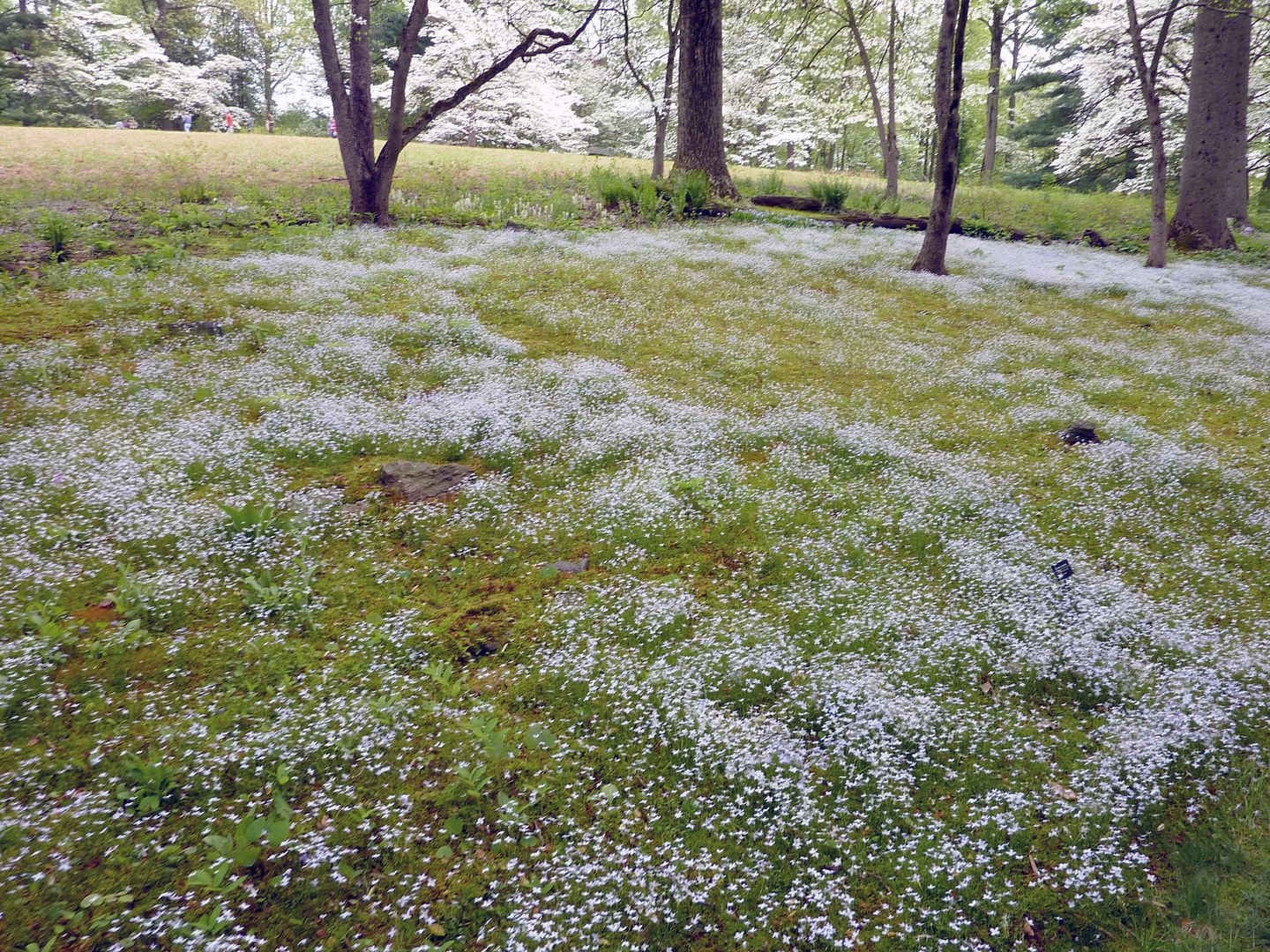
Bluets, Hedyotis caerulea, would be a nice choice but this is my first year with them. What they need to grow seems to be questionable. Pictured above is the patch at the Mt. Cuba Center which seem to grow great in partial to full shade among the moss. Other sources tell me they need to be bone dry and in full sun. Regardless, they actually don't do that well in areas where grasses will out compete them. I actually don't know what pollinates them.
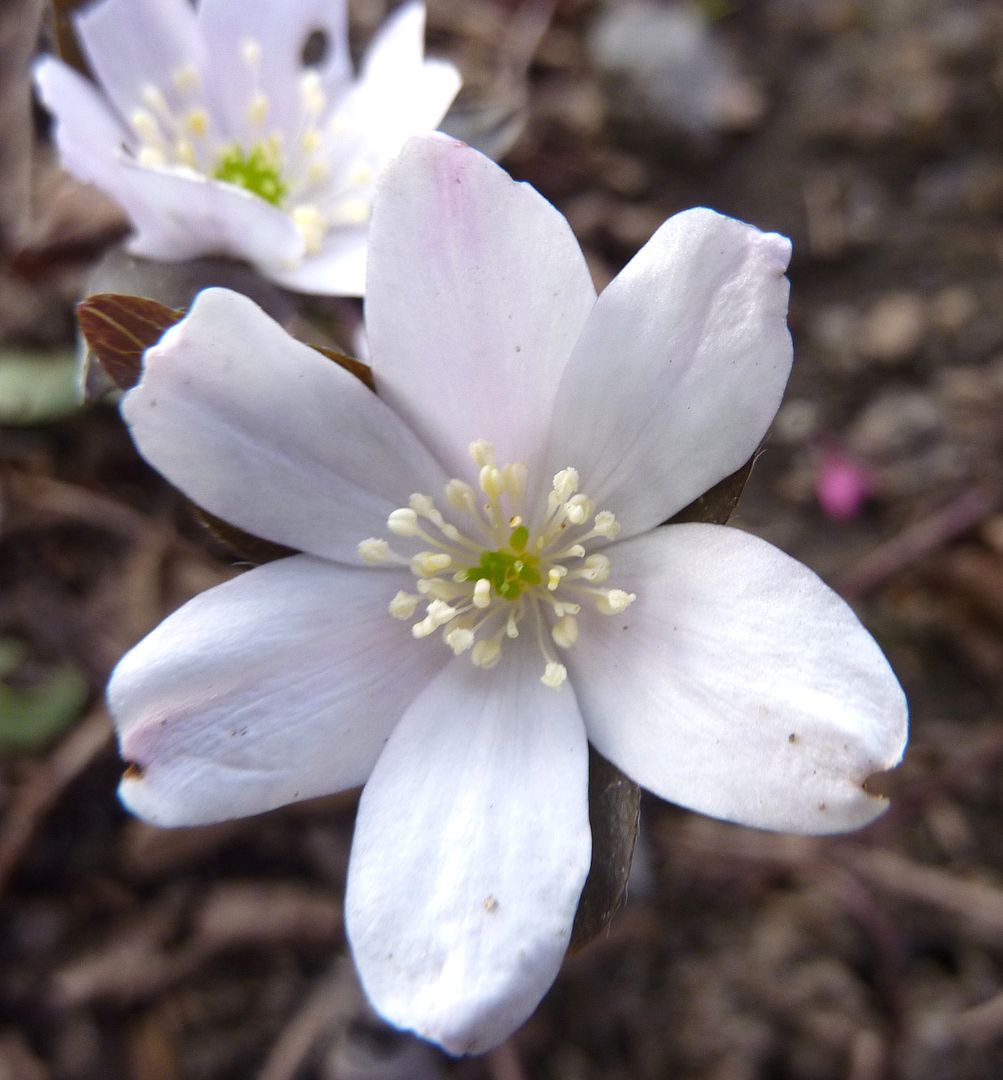
Hepatica is quickly becoming one of my favorite spring blooms. They're kind of like bluets but the flower is larger. They have semi-evergreen foliage too, where new leaves are produced every spring to replace older ones.
Twinleaf, Jeffersonia diphylla. If I were rich, I'd plant more of these. Of three plants only one flowers, and that flower only lasts 8 hours at most. Online pictures show that multiple plants will all flower on the same day so I'd be curious to find out if different patches of these plants would bloom on different days. That is to what degree do they synchronize their bloom? It's pretty for a day but not something I'd recommend starting out. They're really more of a collector's item.
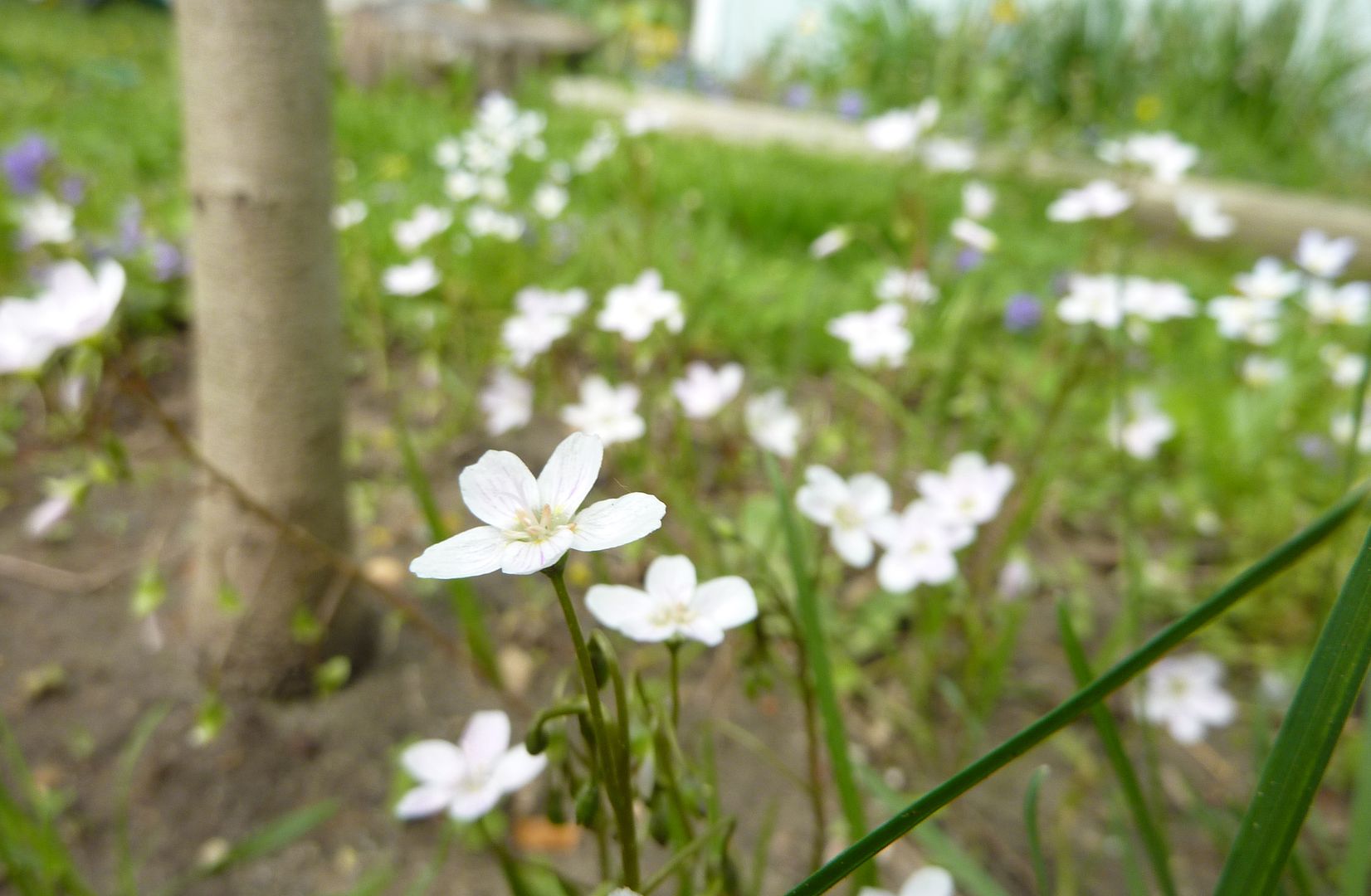
Spring Beauty, Claytonia virginica, flowering among some bluets. They're not as pink as I expected them to be.
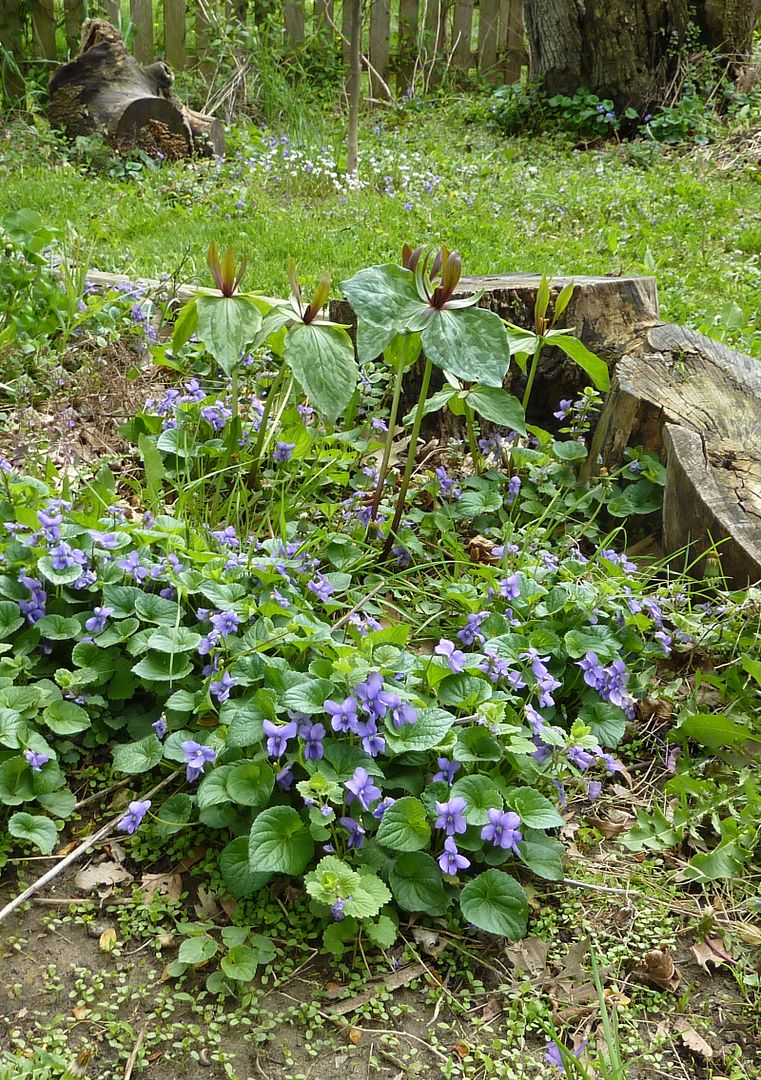
Violets and Trilliums. Violets are supposed to have ants carry their seeds off... clearly the ants aren't doing a good job. All of the small green sprouts in the lower portion of the pictures are violets. Trilliums on the other hand take 5 years before they really get as big. I've found the two can grow well together as most Trilliums are taller than the clumps of violets growing below.
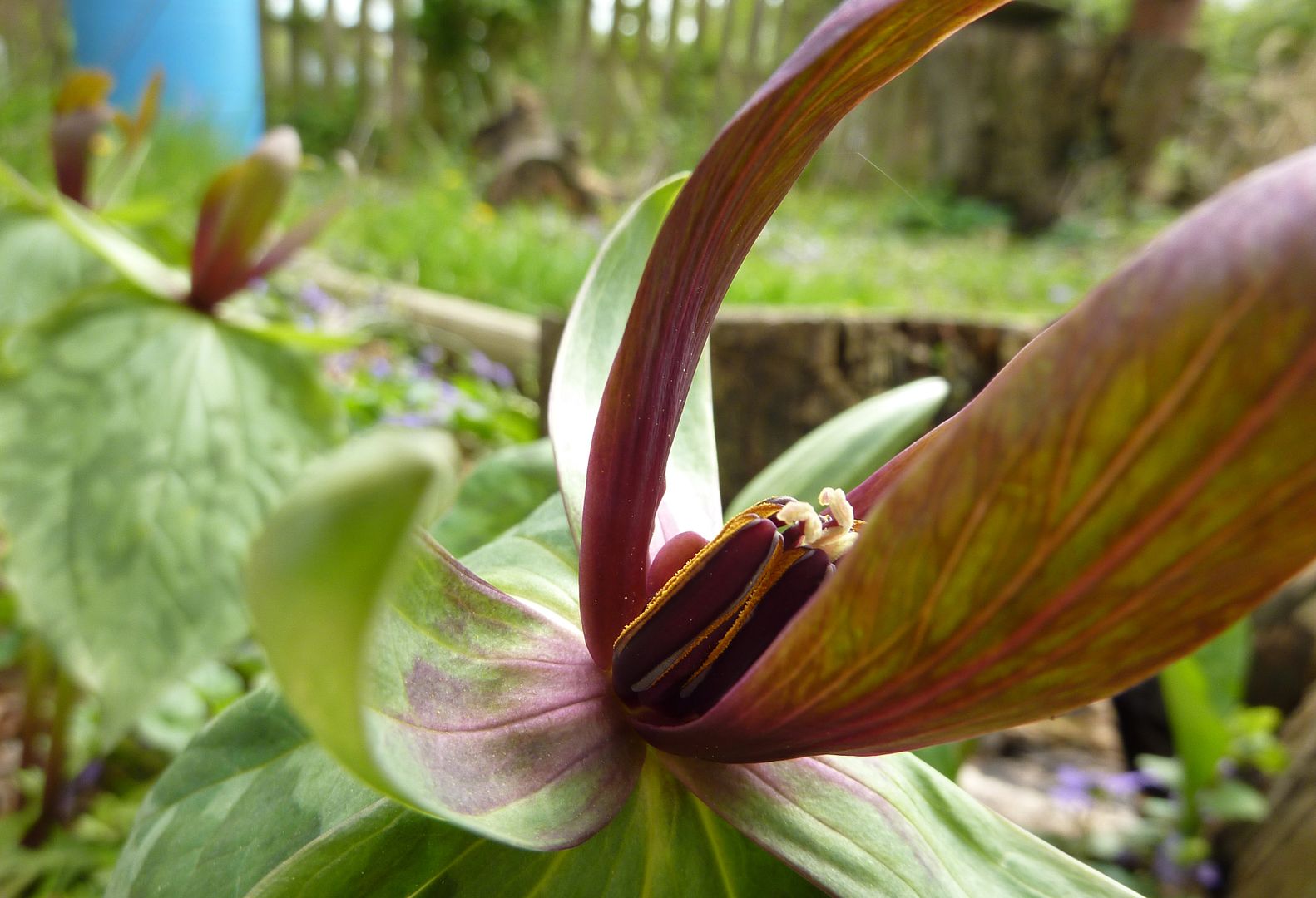
Playing with angles and the Trillium flowers.
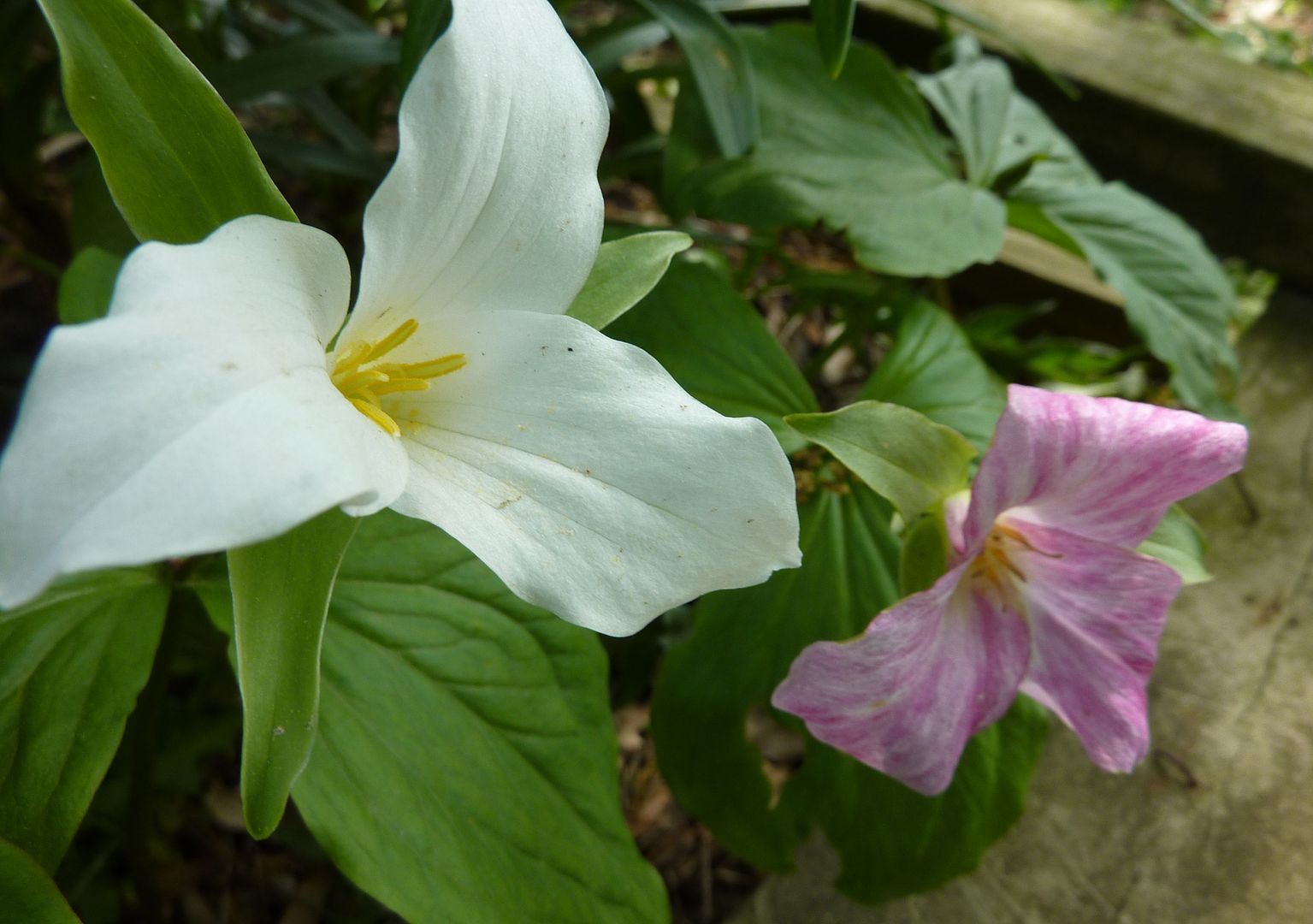
Trillium grandiflorum is an excellent spring ephemeral. For the first week of flowering they are all white. Slowly over the second week, depending on age and pollination, the flowers fade pink and magenta.
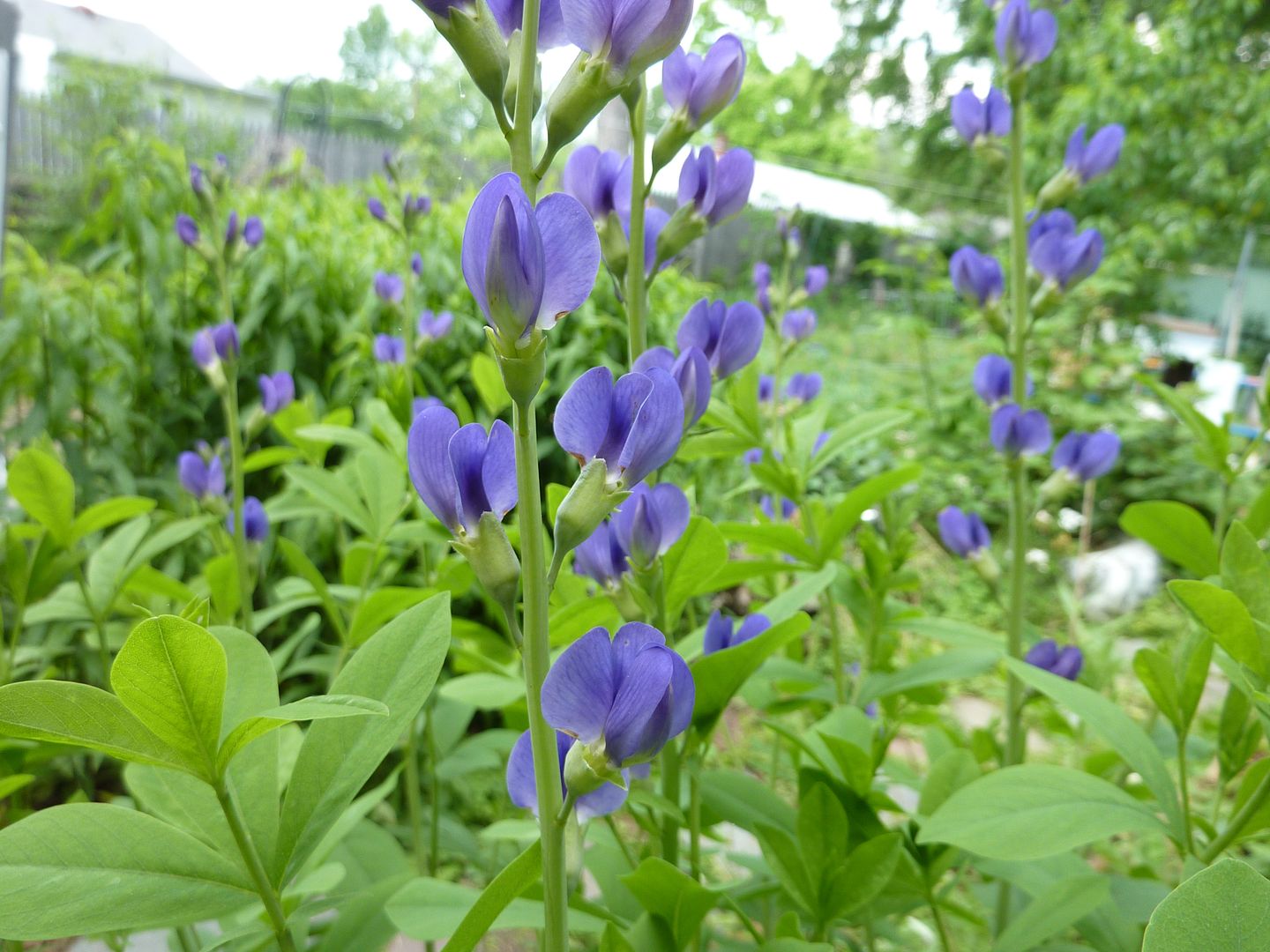
Blue False Indigo, Baptisia australis. This flowered much sooner than I expected it to. The flowers are almost exclusively pollinated by bumblebees. Despite this though they are a very stately plant, good as a hedge, a clump of 3 or more, or specimen.
New Jersey Tea, Ceanothus americanus. I have 4 of these small shrubs which are all nowhere near their full size, but I'm happy to see say all of them are flowering this year. This shrub is in something of a nation wide decline and the range to the dozen or so Lepidoptera that depend on it have been suffering for it. Some of these are endangered species. I encourage anyone willing to give this shrub a try. The flower clusters are small but supposidly buzz with insect activity when in abundance. None of my plants are old enough for that activity yet but hopefully I'll get to see it in years to come.
If nothing else, let it be known that this was the year I went nuts with milkweed. I bought a couple dozen plants from either Prairie Moon Nursery or Prairie Nursery. I forget exactly which one provided these plants. (I have an awful habit of spending ~$500 every year on plants.)
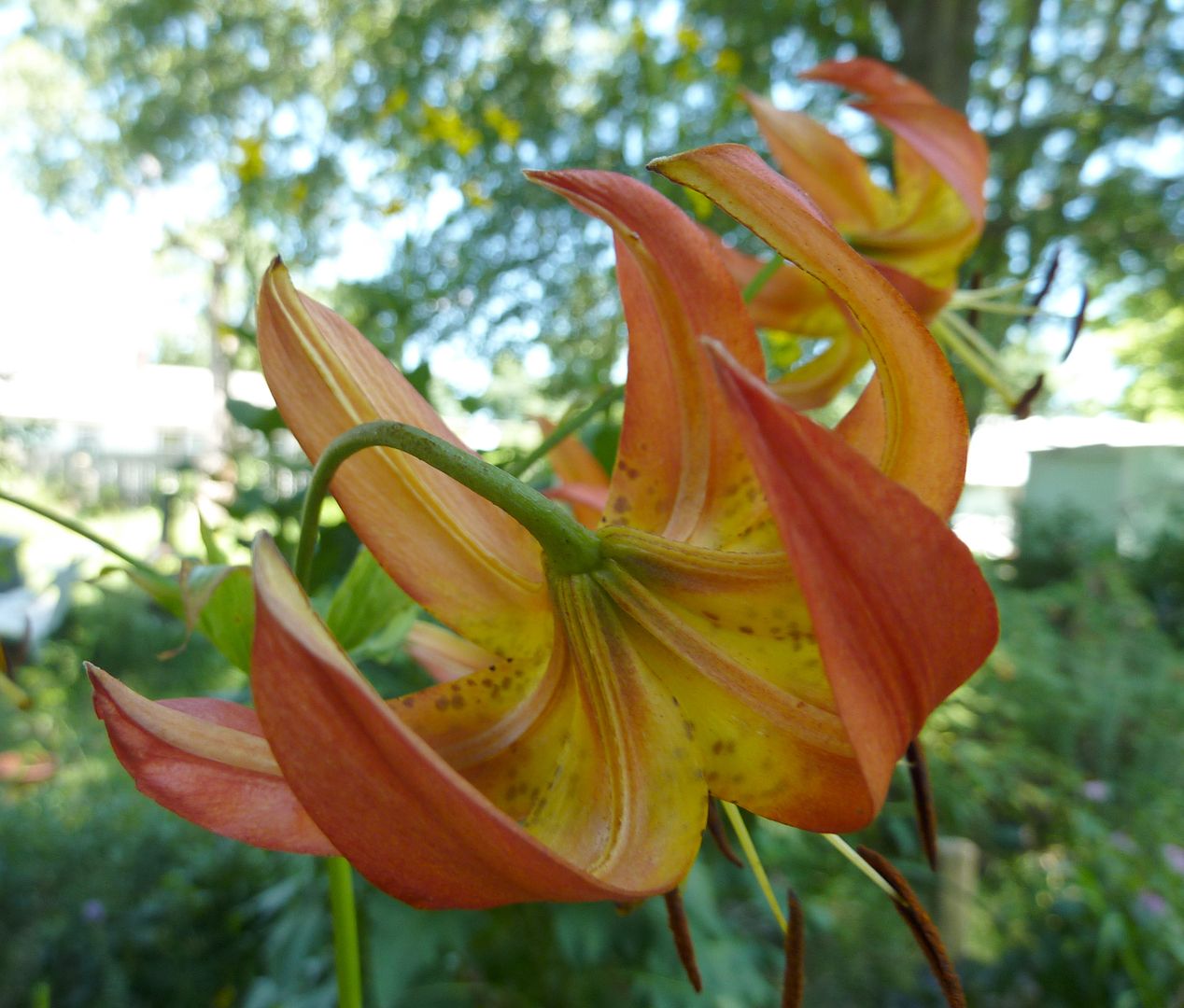
Turk's Cap Lily, Lilium superbum. I'm thrilled to see not only are my plants producing more flowers but they also seem to be reproducing a little. Lilies are one of those weird flowers that require a swallowtail butterfly to hang upside down from them in order to pollinate it. This isn't a common sight so having more flowers increases the chances of it happening while I'm around.
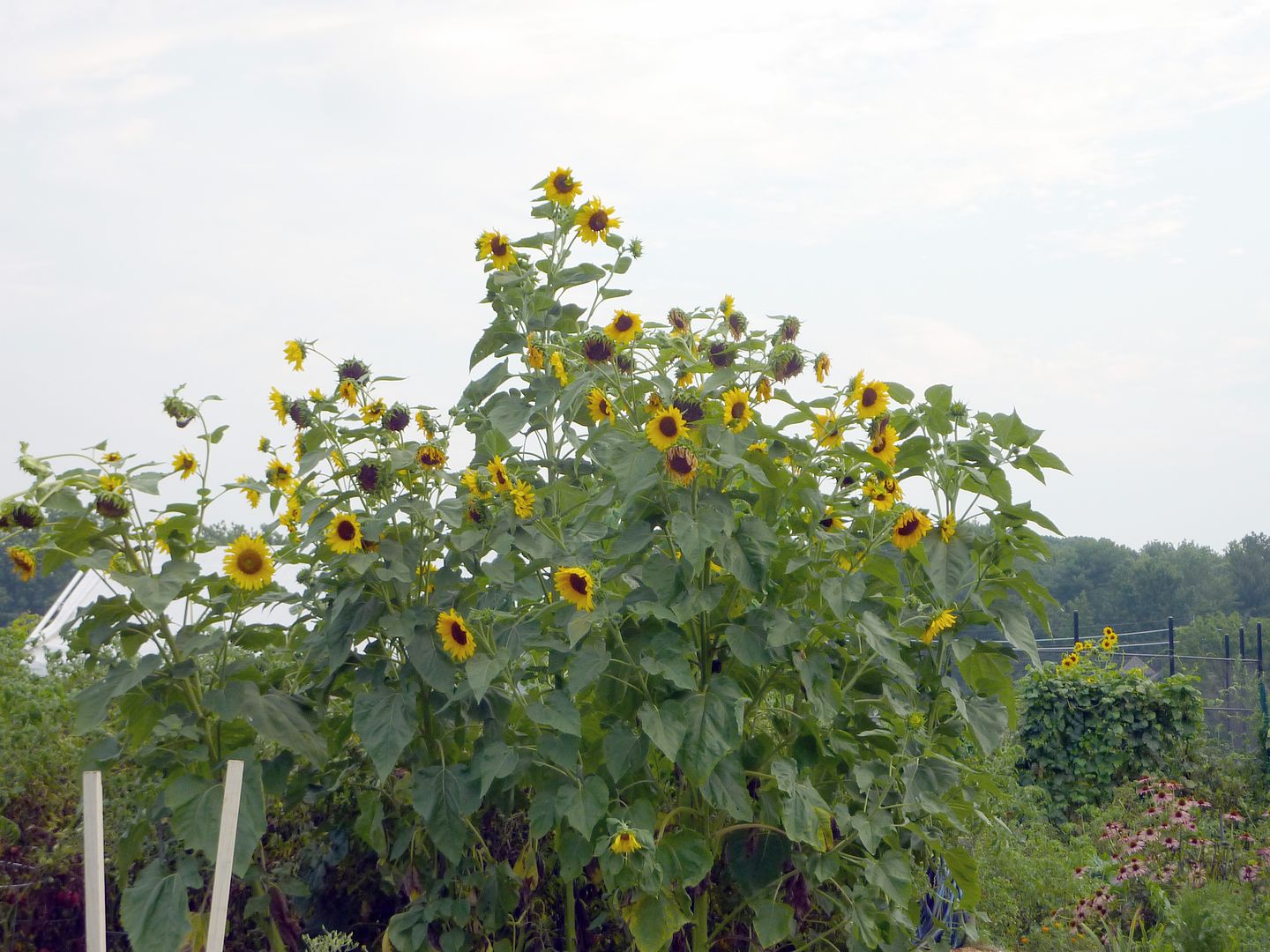
I wasn't very successful with sunflowers this year but at the local community garden they've mastered growing them. Most of these flowers are coming off of 3 or 4 plants. Some of them there had 50 flowers open at a time. The structure looked more like a Christmas tree than your typical annual sunflower.
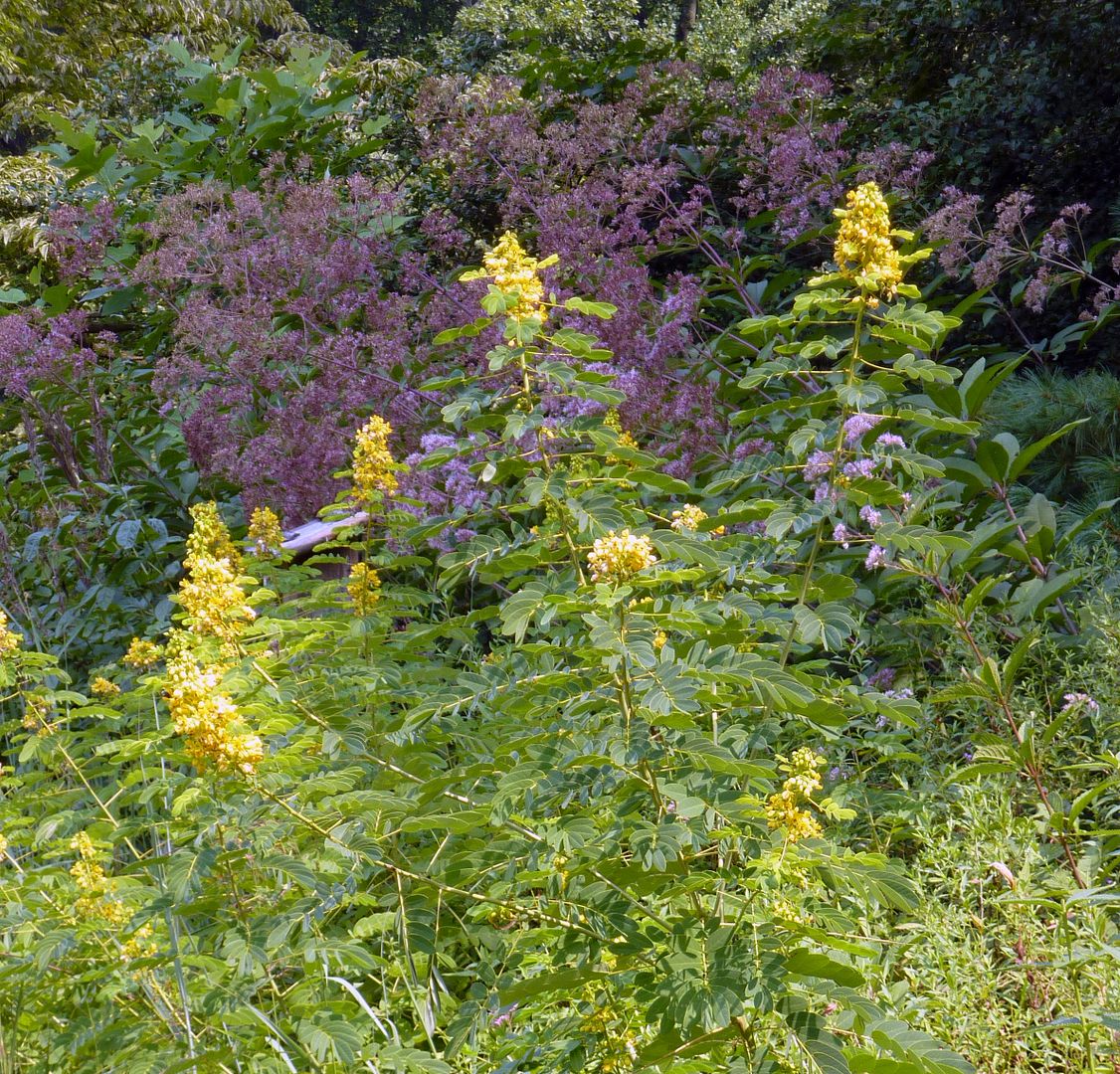
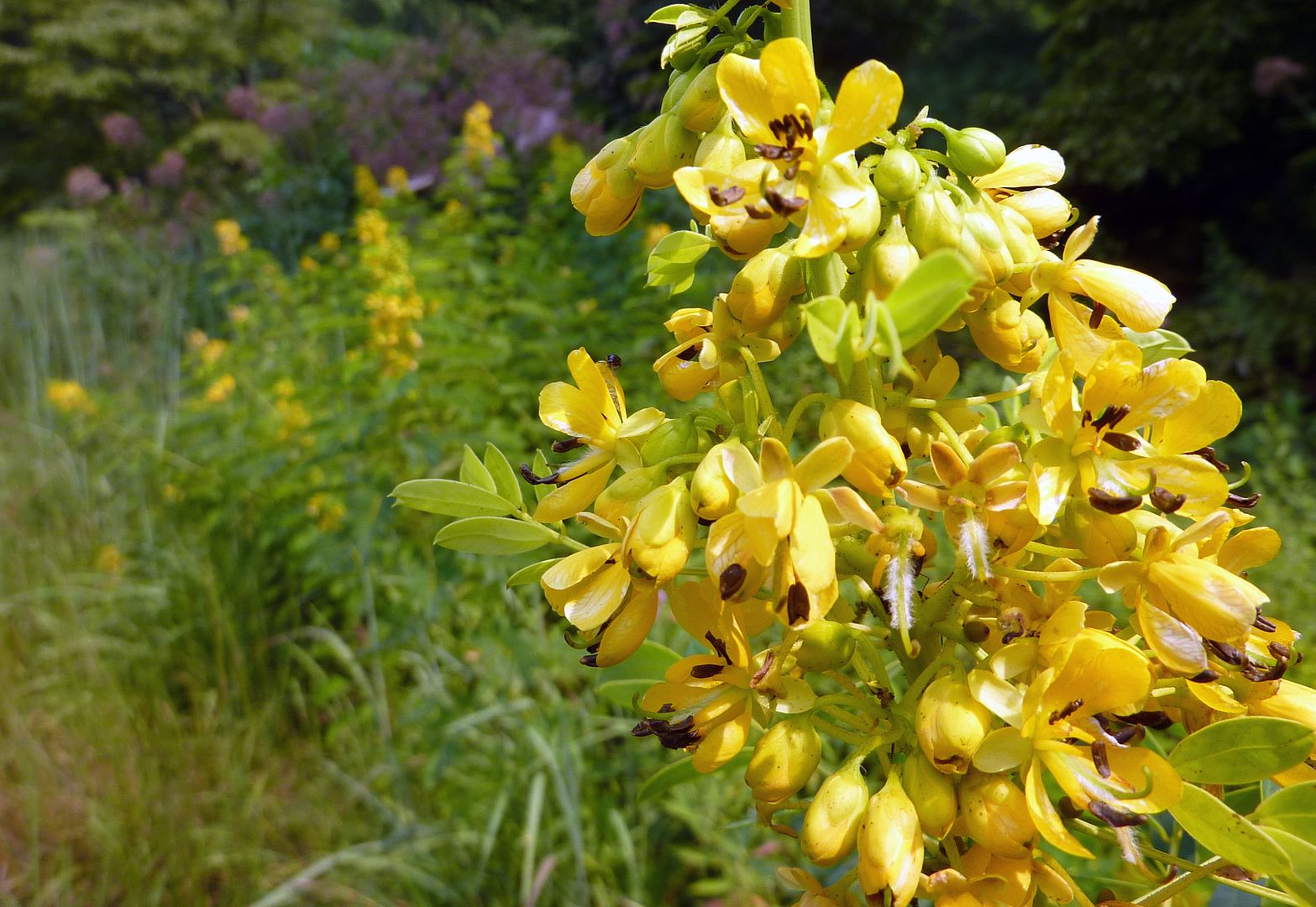
Wild Senna, Senna hebecarpa, growing in front of Joe Pye Weed, which are now in the genus Eutrochium.
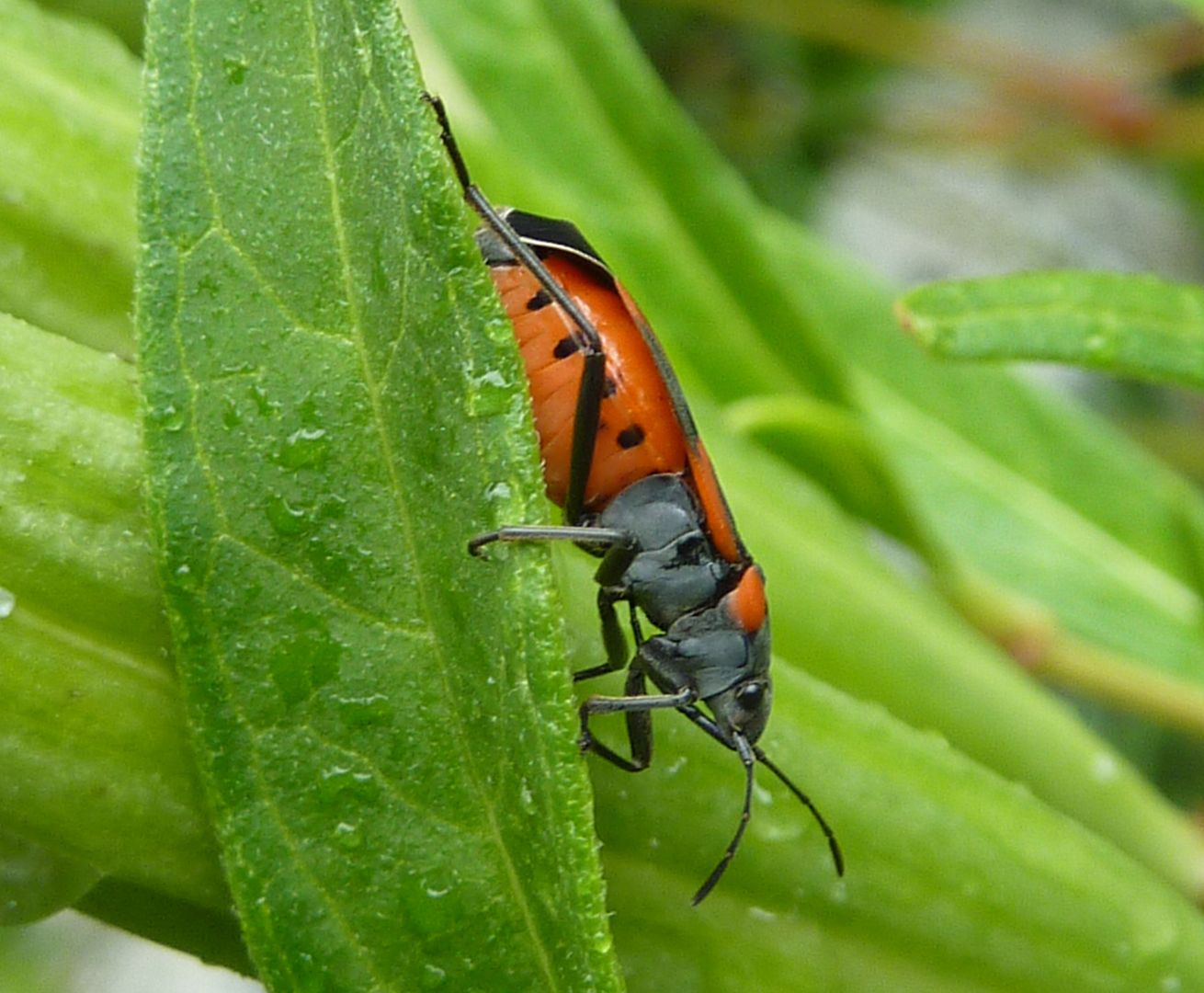
Nymph Milkweed Bugs, Oncopeltus fasciatus, huddling together on their host plant. None of my plants seem to get swarmed the way I see some do. I've seen plants that were overrun with these bugs. It got to the point where they were spilling off onto other plants.
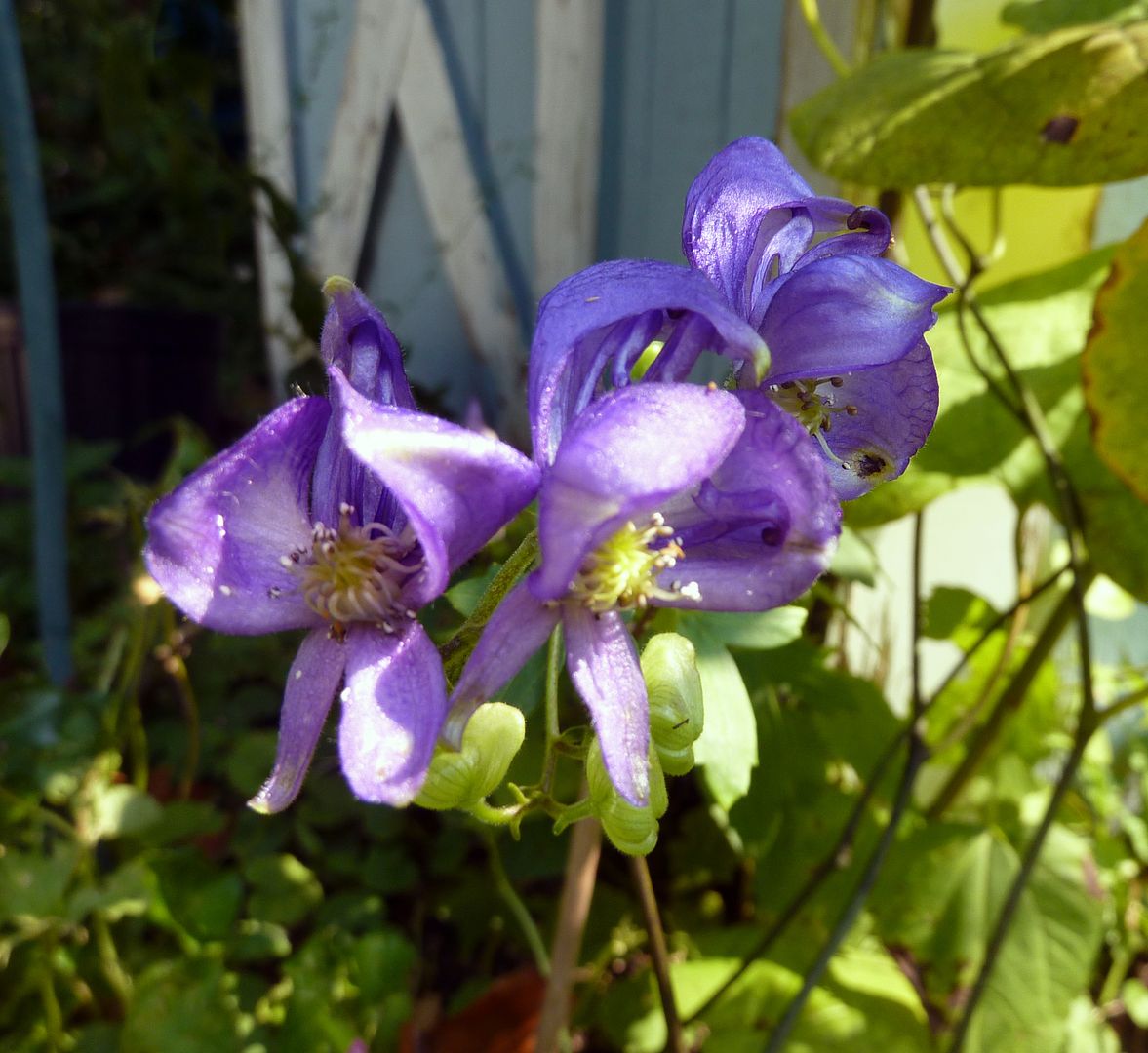
Blue Monkshood, Aconitum uncinatum. When people think of monkshood usually they think of an upright perennial. North America has a species or two of it's own though. This species in particular grows as a vine that only reaches 5' tall. They die back to the ground each year so they stay in check. In the absence of anything to climb on they'll grow along the ground. They don't set down roots as they like but the rhizome will send up more and more shoots each year as an expanding clump. For most of the year they're nothing special. When they flower in late summer though they have loads of flowers all over.
Something I noticed with the Mt. Cuba Center, They seem to be going a little nuts with these plants, along with Bugbanes, Cimicifuga species. There aren't a whole lot of flowering perennials for full shade in the summer months so they are almost stock piling these plants in their wooded area. Personally I'd love to include more of both in my garden.
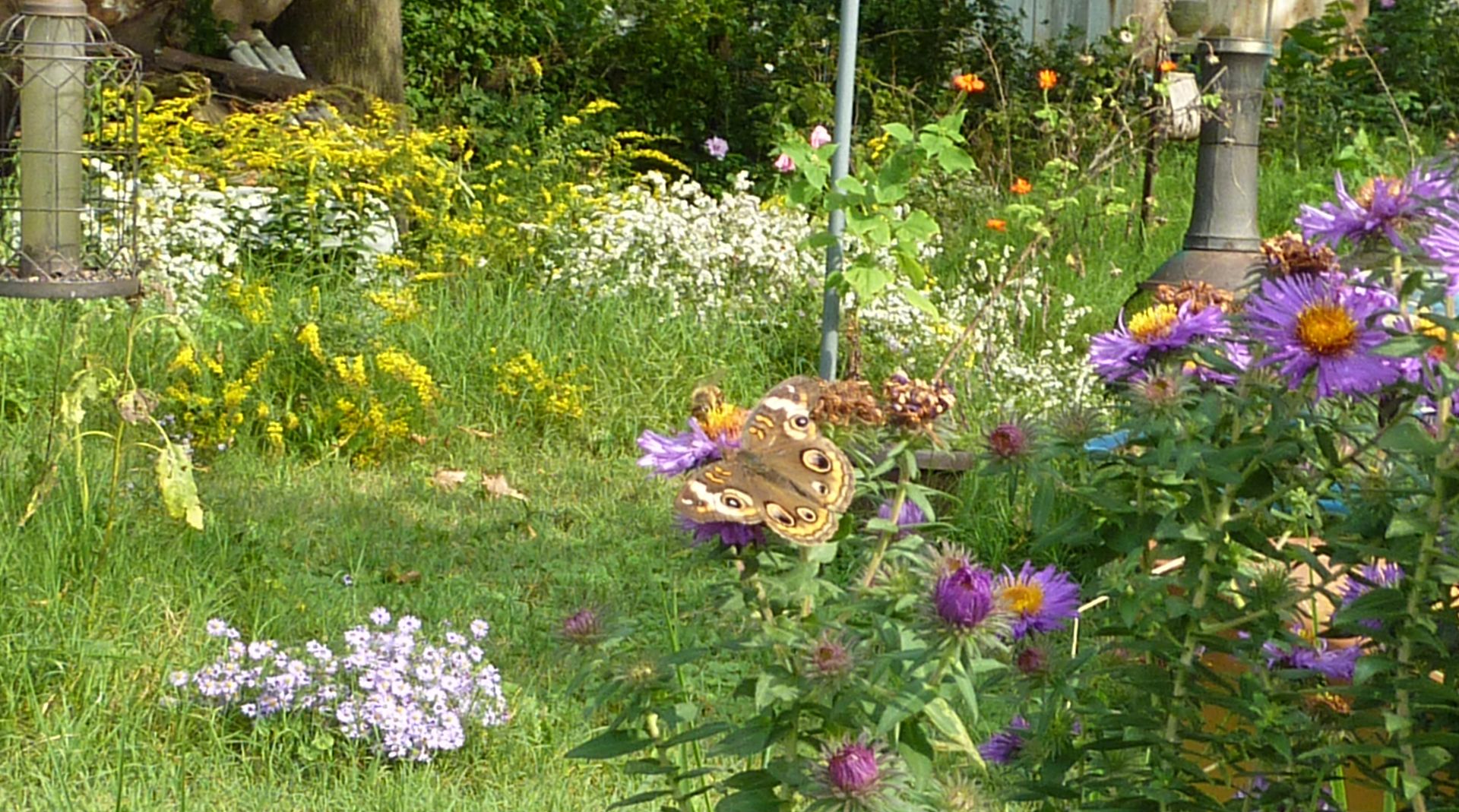
Full sun areas over the summer show a different story. Flowering plants are abundant and in assorted colors.
This was a great year for Monarchs as well as Hummingbirds. Both took to the plants I started growing this year nicely.
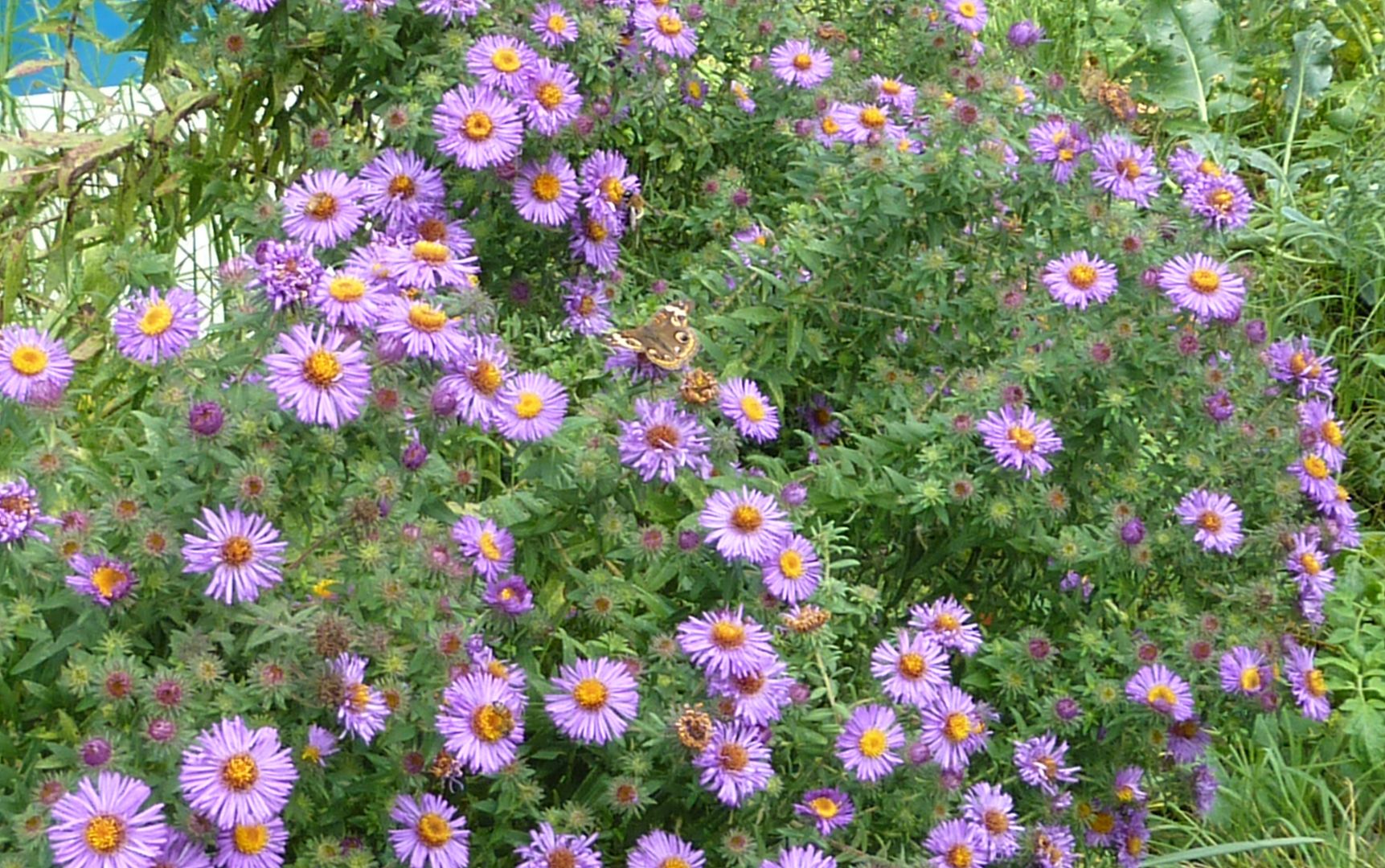
As autumn rolls in the asters bloom out. New England Asters, Symphyotrichum novae-angliae, are among the best at getting pollinator activity.
And so is the goldenrod. This is the first year I've ever seen a Monarch on my Tall Goldenrod, Solidago altissima. Normally it blooms to late in the year, just after most of the Monarchs have passed through my part of New Jersey.
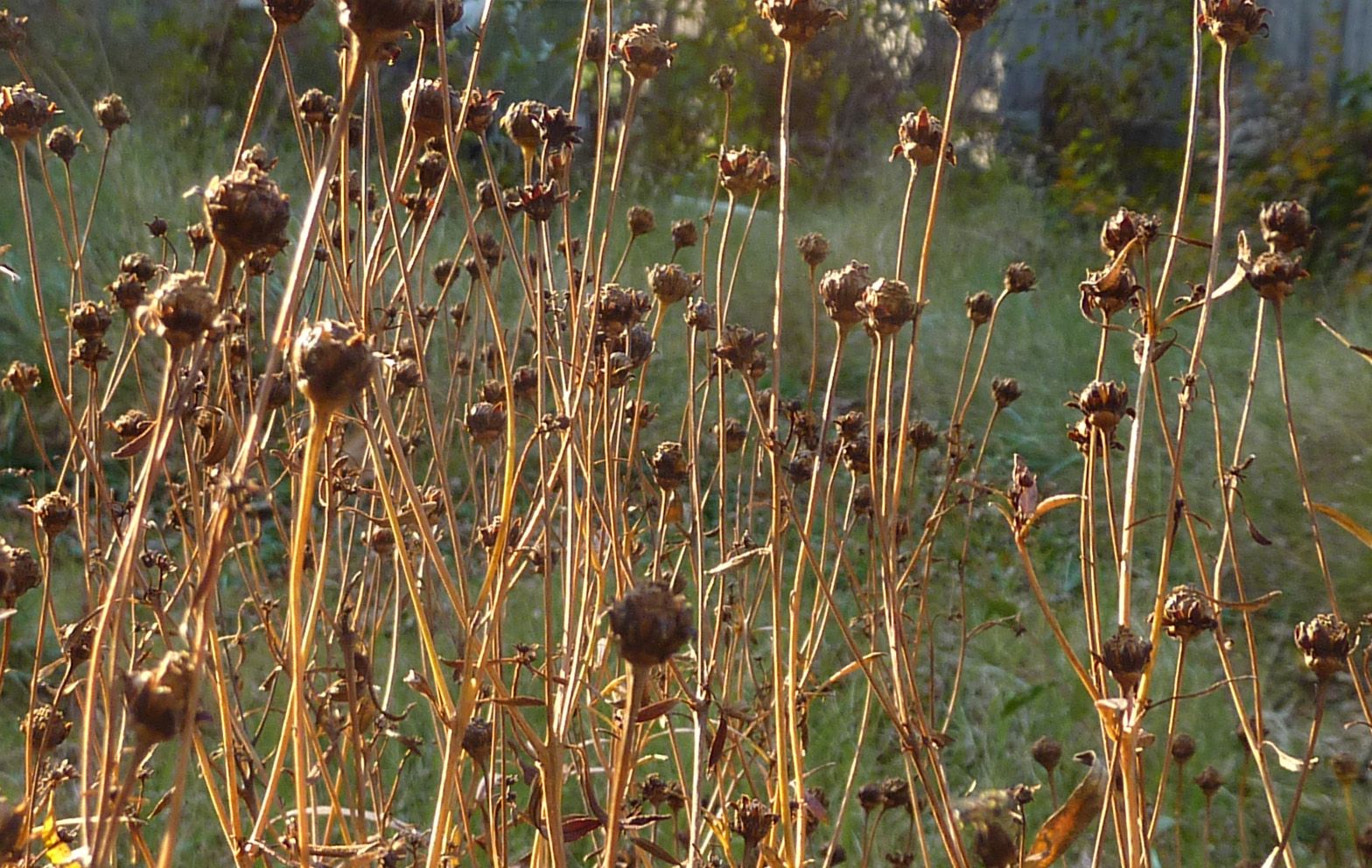
The seed heads to Tall Coreopsis, Coreopsis tripteris.
I attended another Meadow Studies class at the Mt. Cuba Center this month. The previous one from last month I found to be a little boring. Their their meadow is primarily grasses, and rather few plants were blooming at the time. To their credit I am bias against grasses, and generally anything wind pollinated. Lush grassy meadows have their place, but during the month of July they look like a lawn in desperate need of mowing. As the year progresses though species like Big Bluestem, Andropogon gerardii, and Yellow Indian Grass, Sorghastrum nutans, come into their own. These tall grasses grow to be 6' high and there's nothing more majestic looking that watching their seed heads flowing with the wind. The whole meadow comes alive swaying with every gust like an ocean of plants. Unfortunately the effect doesn't photograph well, at least not with my camera, and the perspective seems to always be off somehow.
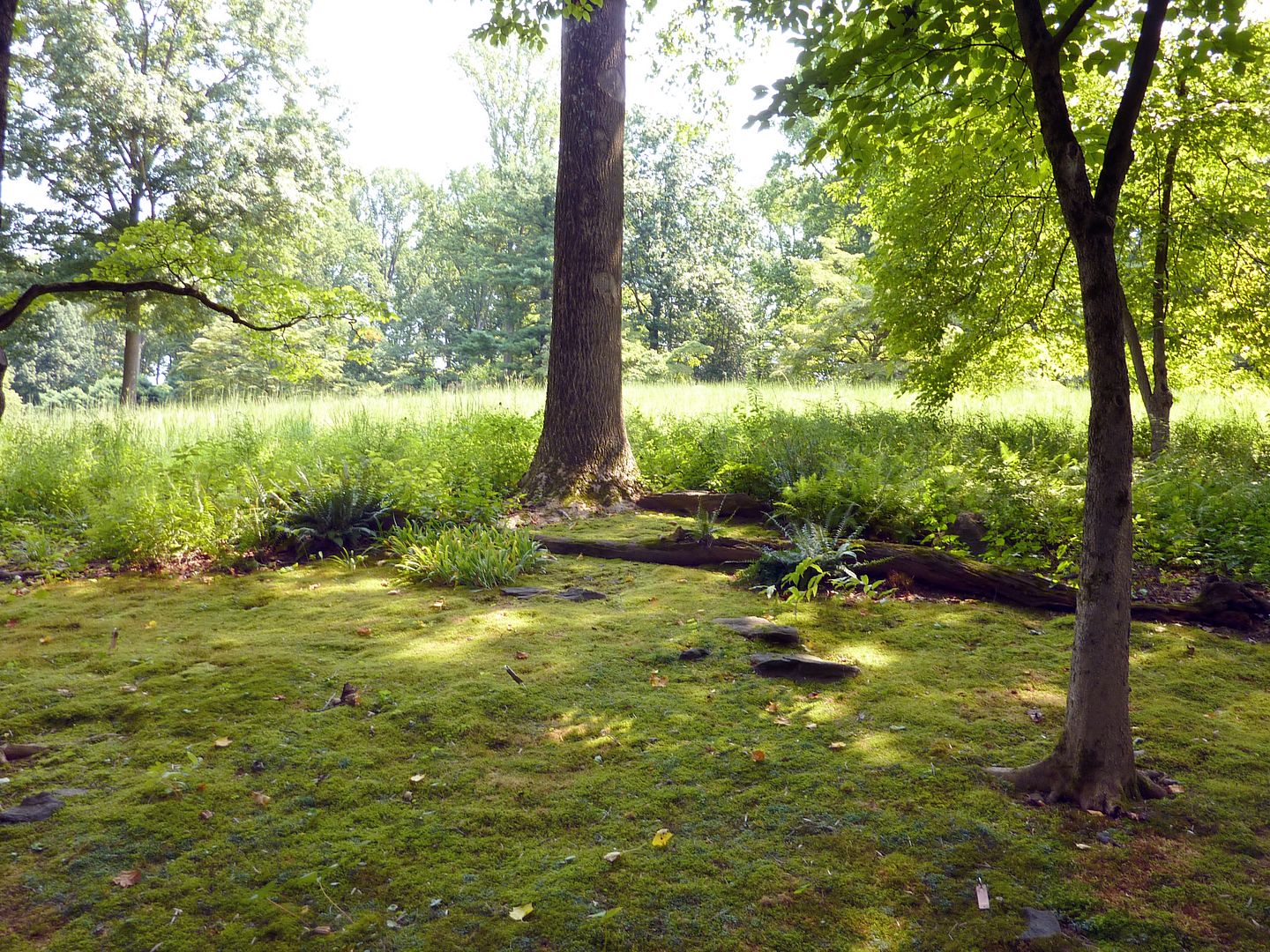
Even here peering through a mossy clearing the grasses barely look 3' tall. As the grasses grow taller they become easier to appreciate.
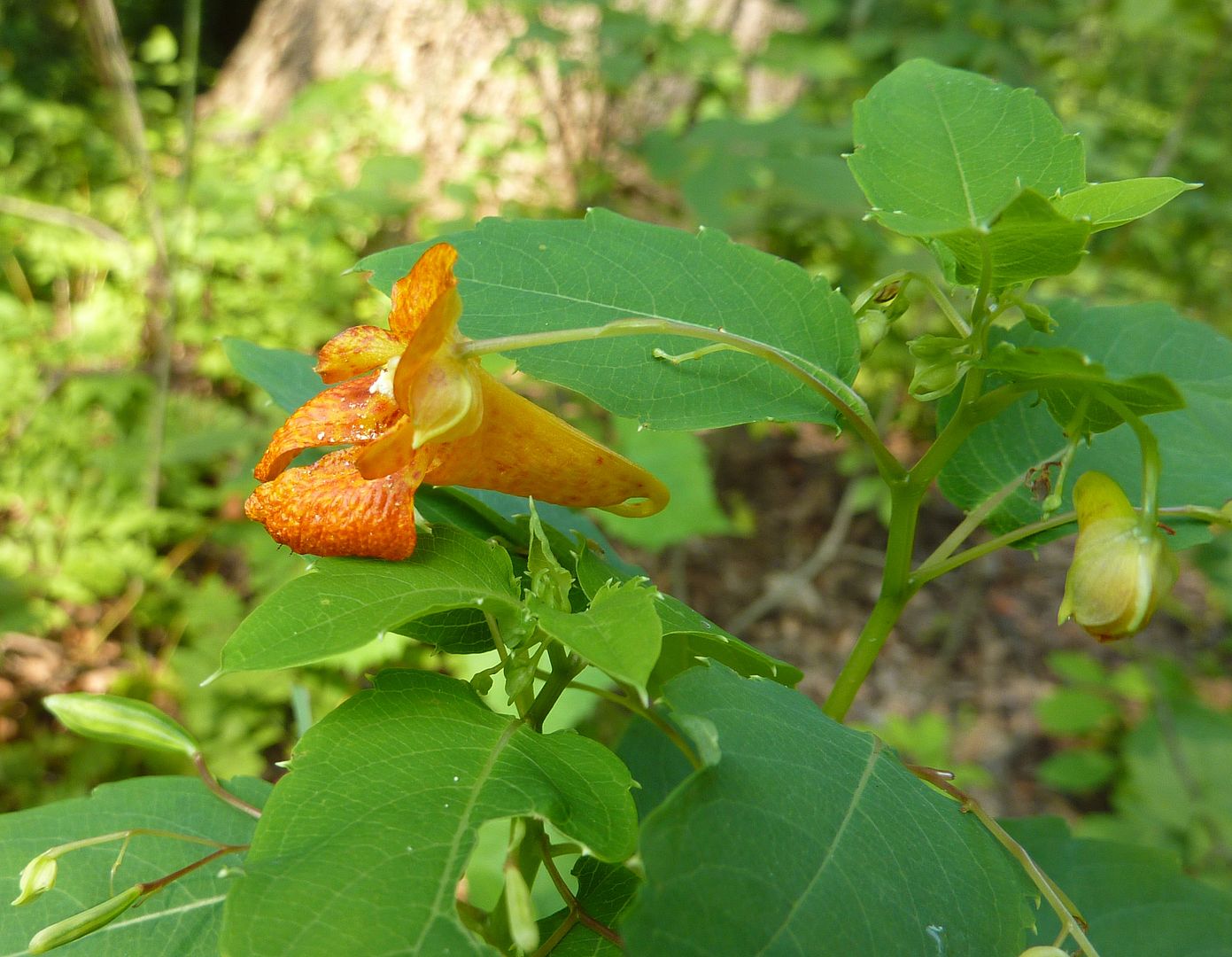
Before going to the meadow they had patches of Spotted Touch-me-not, Impatiens capensis, flowering. This native Impatient is anything but. Seeds germinate after 2 winters and the resulting plant is an annual. They're fun plants because of their exploding seed pods, but if you're looking for any sort of predictability as to where they'll come up, you need to plant seeds in the same spot 3 years in a row. From there they're a delightful weed, growing in wet spots, and attracting hummingbirds. (Supposedly the sap helps clear up poison ivy but I'm not advocating holistic remedies. I would be willing to try it out though.)
Bottle Gentian, Gentiana andrewsii, was also in bloom. These flowers are fussy and hard for most bees to open. The idea with the tight petioles is to discourage ants from stealing nectar. As you can see, carpenter bees and perhaps others, have little issue just cutting holes right through the flowers to get the nectar. This happens to a lot of tube and bell shaped flowers.
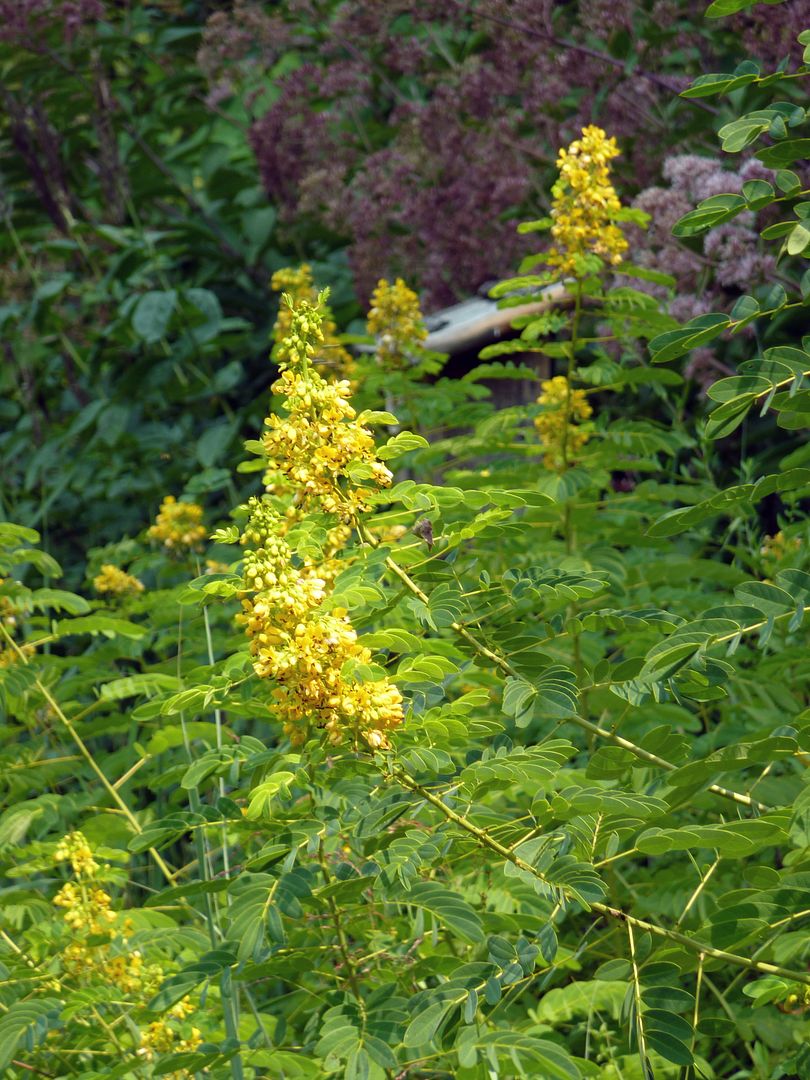
Moving out into the meadow, the real highlights were the Wild Senna, Cassia hebecarpa, and assorted Joe Pye Weeds, Eutrochium fistulosum and Eutrochorium maculatum.
Note: Joe Pye Weed was formerly in the genus Eupatorium. That genus still exists but I believe it consists mostly of the taller white flowering species that aren't Boneset. Eutrochium includes all purple/pink flowering members of Eupatorium now. Personally I think this is a conspiracy concocted by the plant labeling community.
Anyway, I feel like they understated their Wild Senna a bit. It was in full bloom and not really mentioned until I asked. They did this with a number of plants but it's not like it was a bad tour. Actually we got up close and personal with 25 meadow species with lots of other goodies along the way. The instructor was more than happy to talk about all plants in the gardens people asked about.
This is the host plant to the Cloudless Sulphur, Phoebis sennae, which isn't the most common butterfly around, but it's certainly unique enough looking to warrant their host plant in any butterfly garden. The pea-like seeds are also an excellent food source for certain birds.
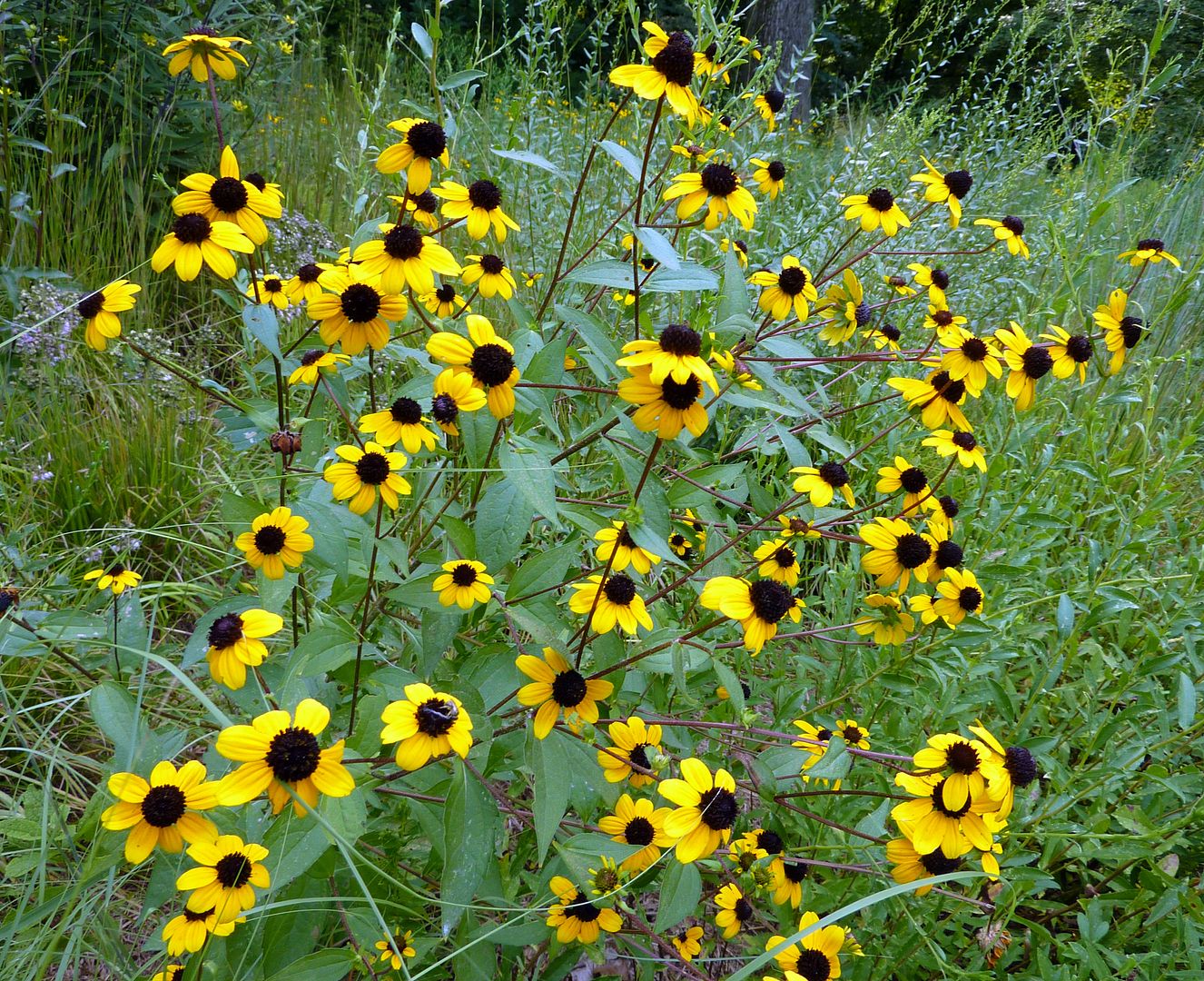
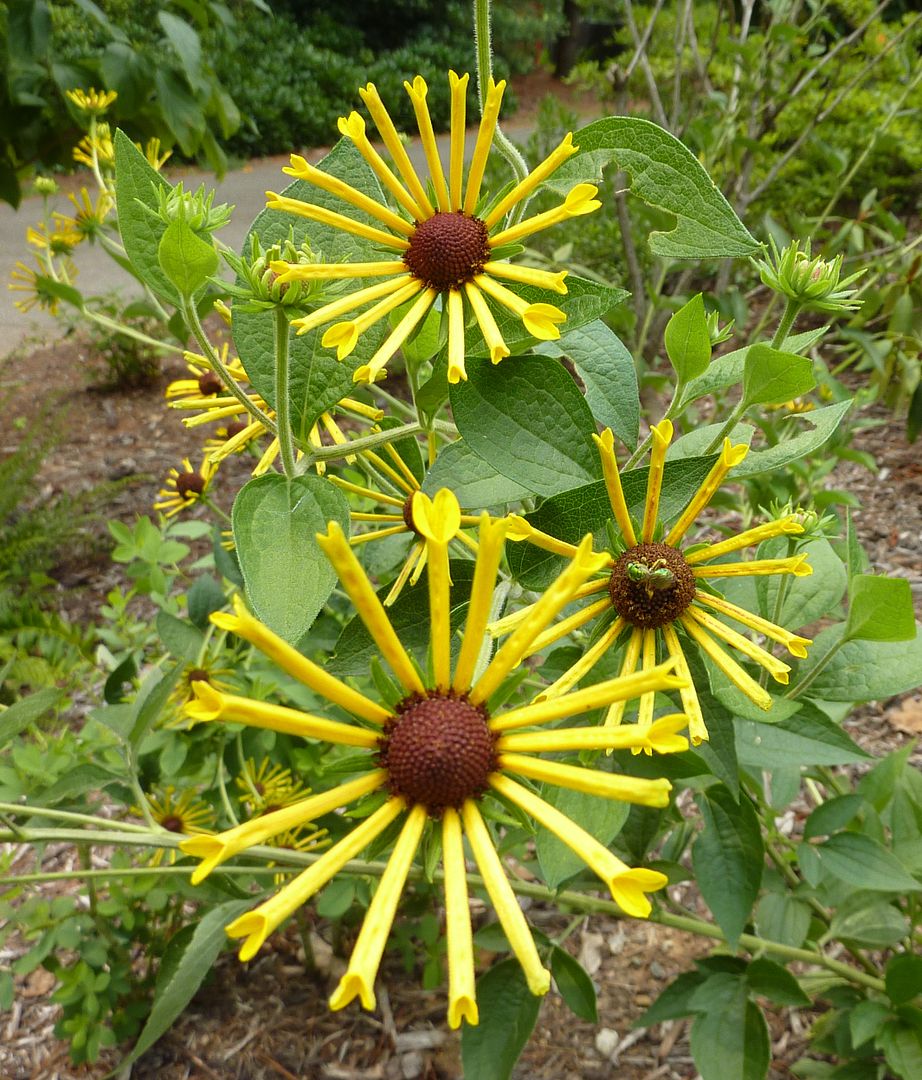
Brown-Eyed Susan, Rudbeckia triloba. This is also called Thin-leaved Coneflower, but I feel that implies a different genus. It didn't seem to be spreading around like the other Rudbeckia species in their meadow.
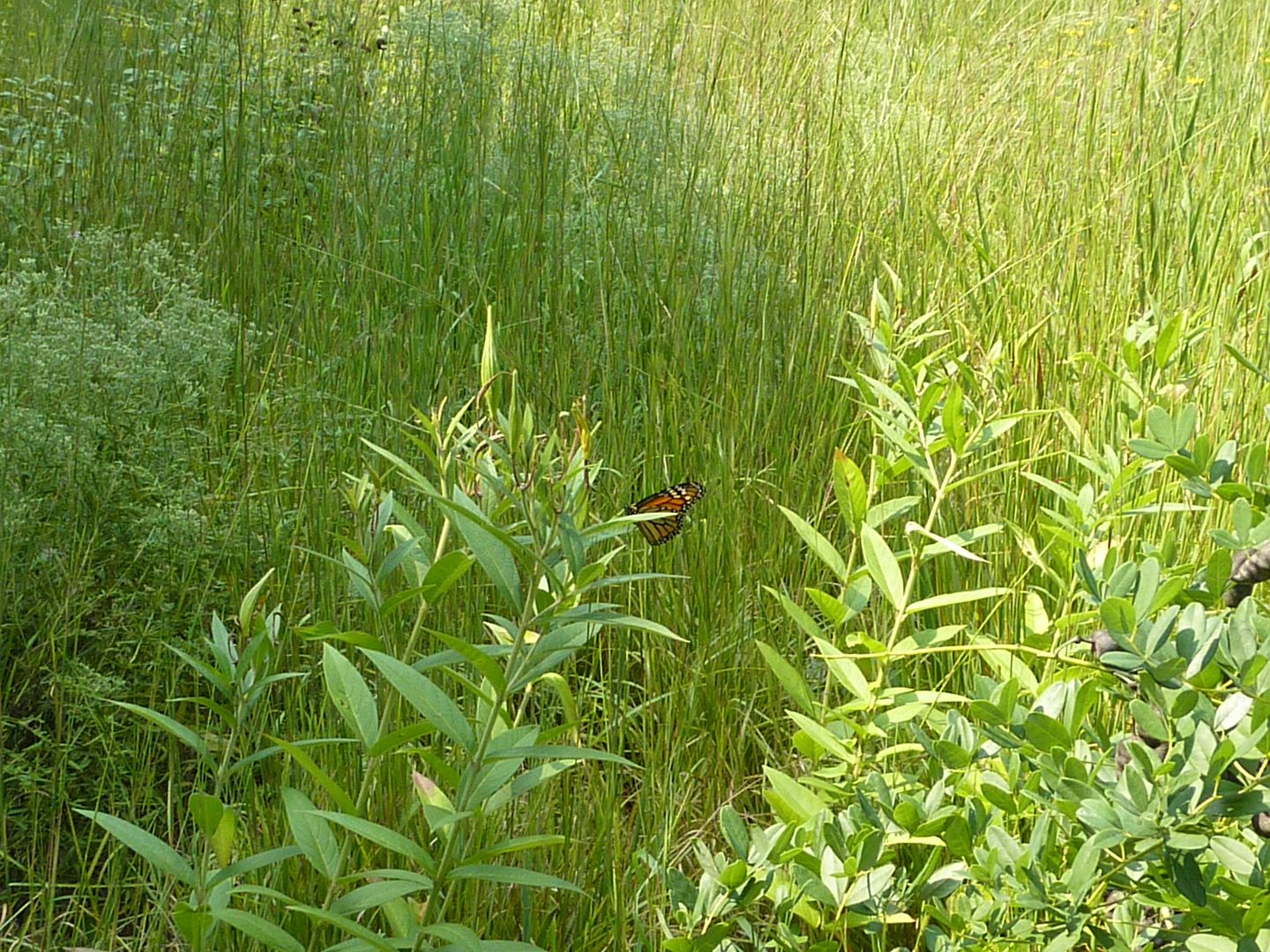
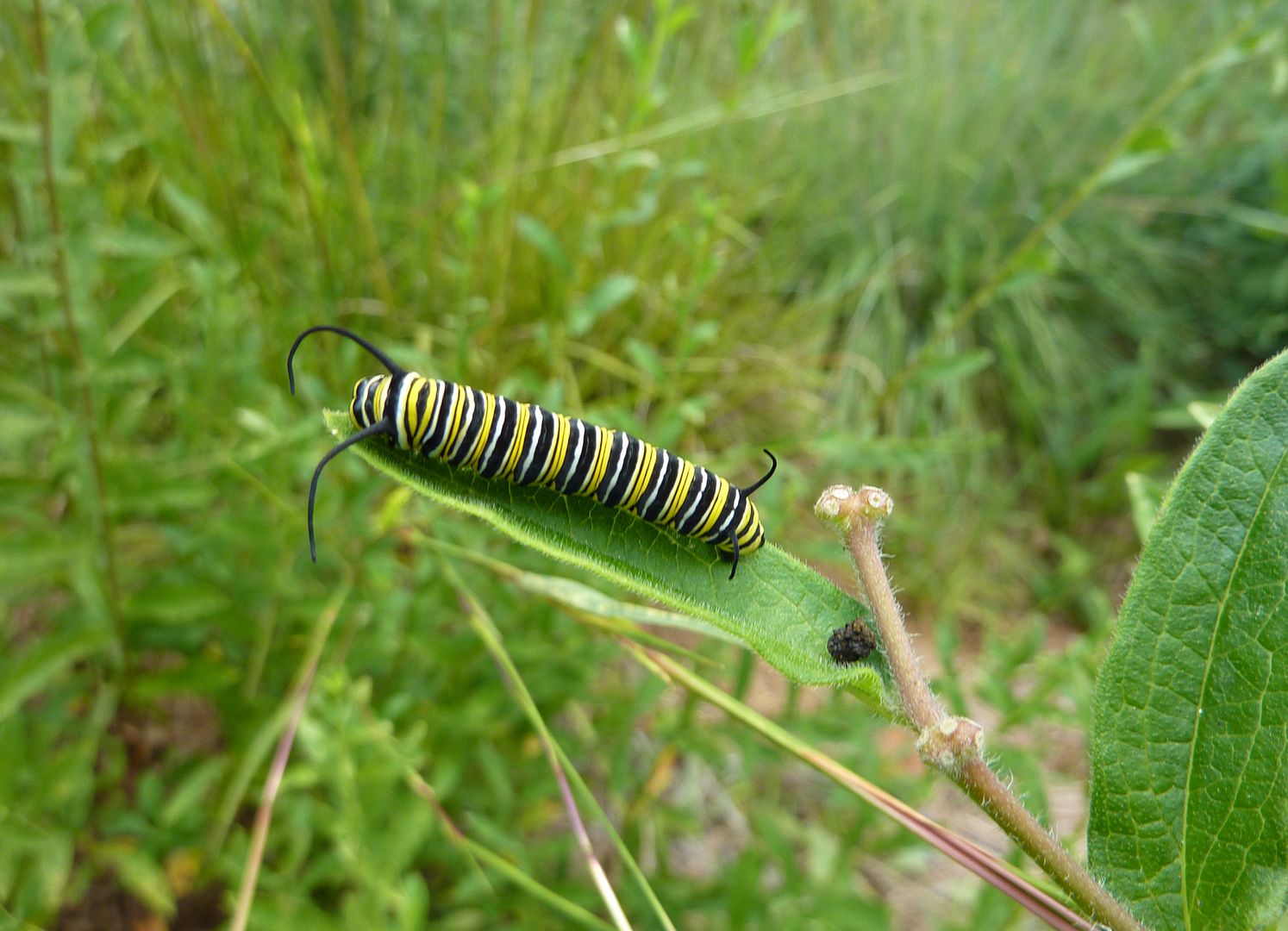
Monarchs were all over their milkweed. They have lots of species of milkweed there but most of it is well past flowering. Also an abundance of insects that help nibble the plants to the ground were starting to show up.
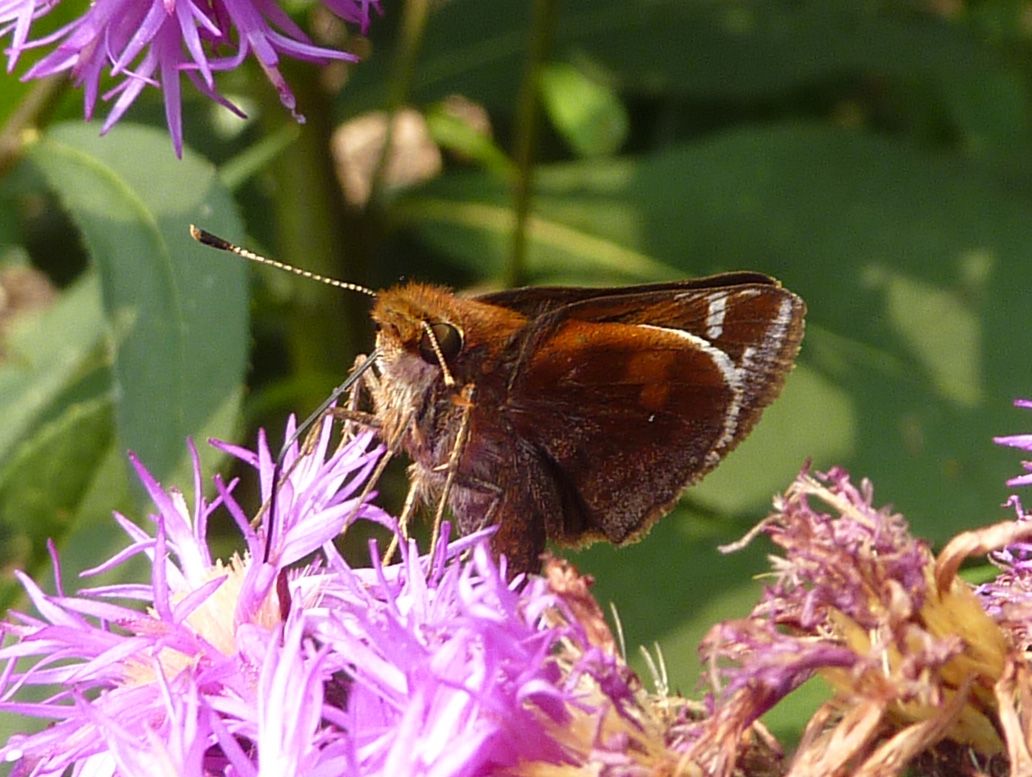
I found this skipper on their Ironweed, Vernonia noveboracensis, to be rather attractive. The colors reminded me of a robin or some sort of bird.
Here is a some type of cultivated Coneflower from one of their other gardens. The tube shaped flowers almost imply hummingbirds should drink from them.
There were many other things flowering in their meadow, it's just I'm not into things like Obedient plant, Physostegia virginiana, and some type of perennial sunflower, Helianthus microcephalus. There were some early Goldenrods too.