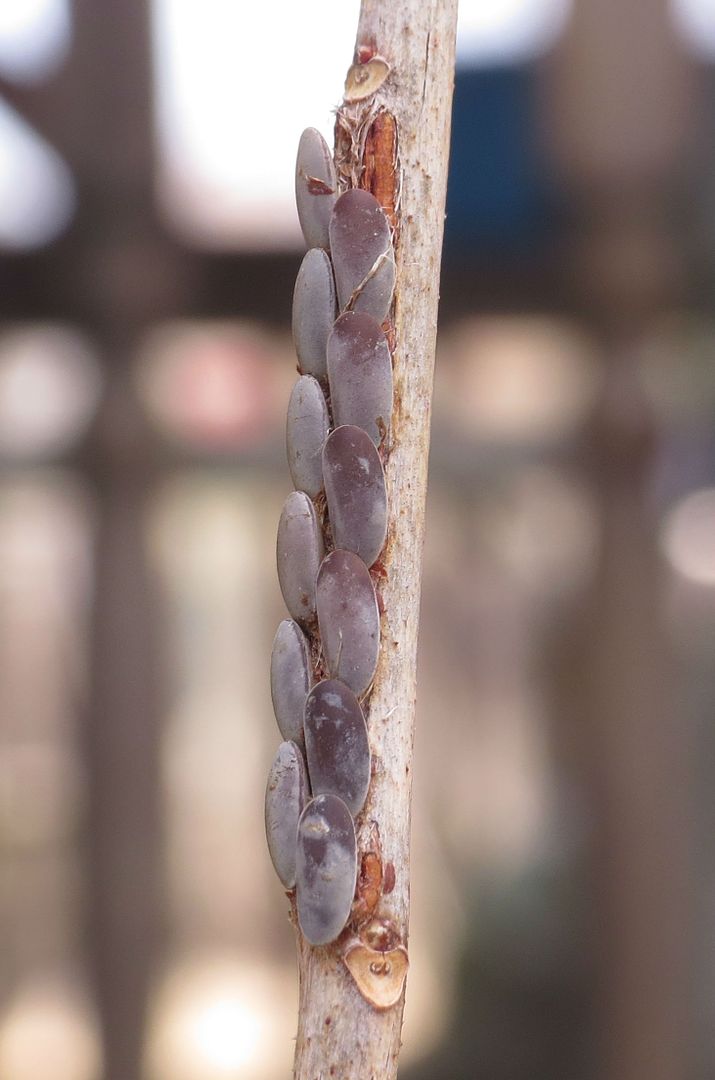
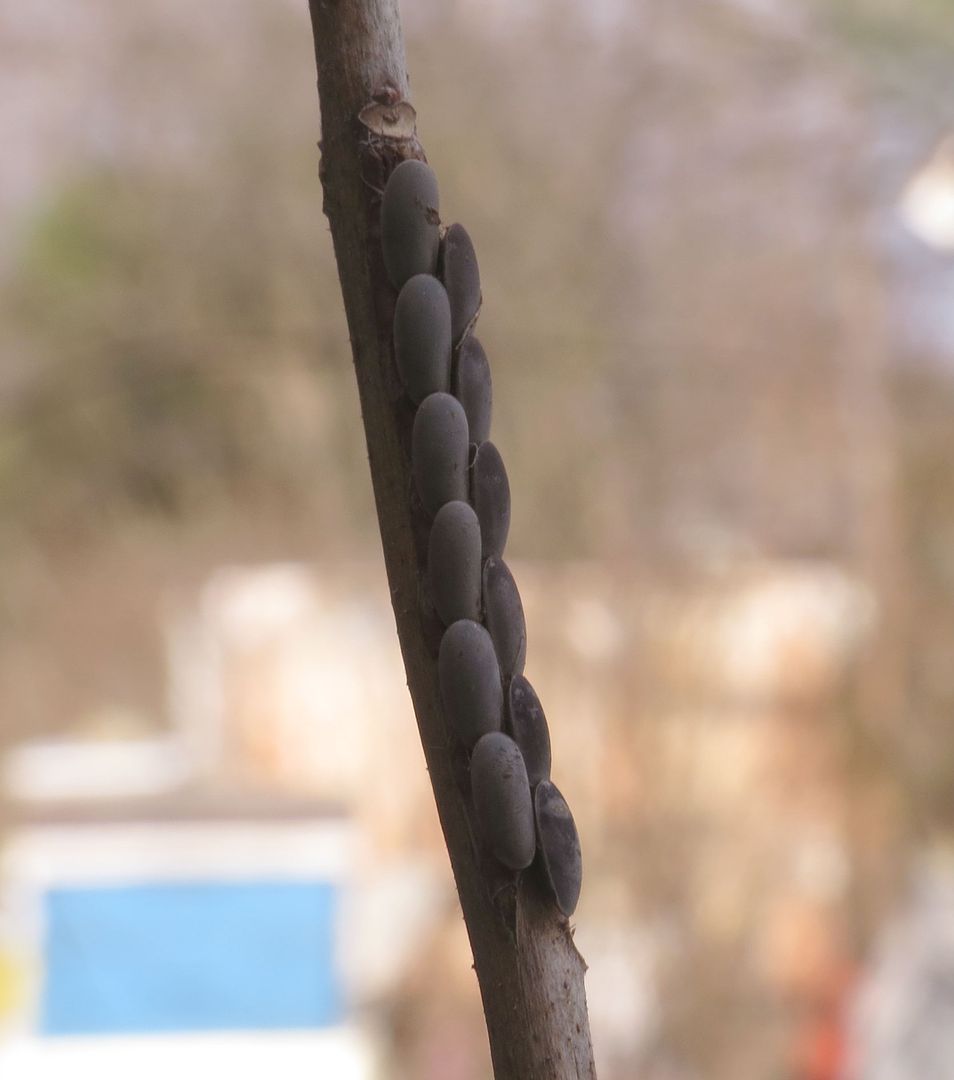
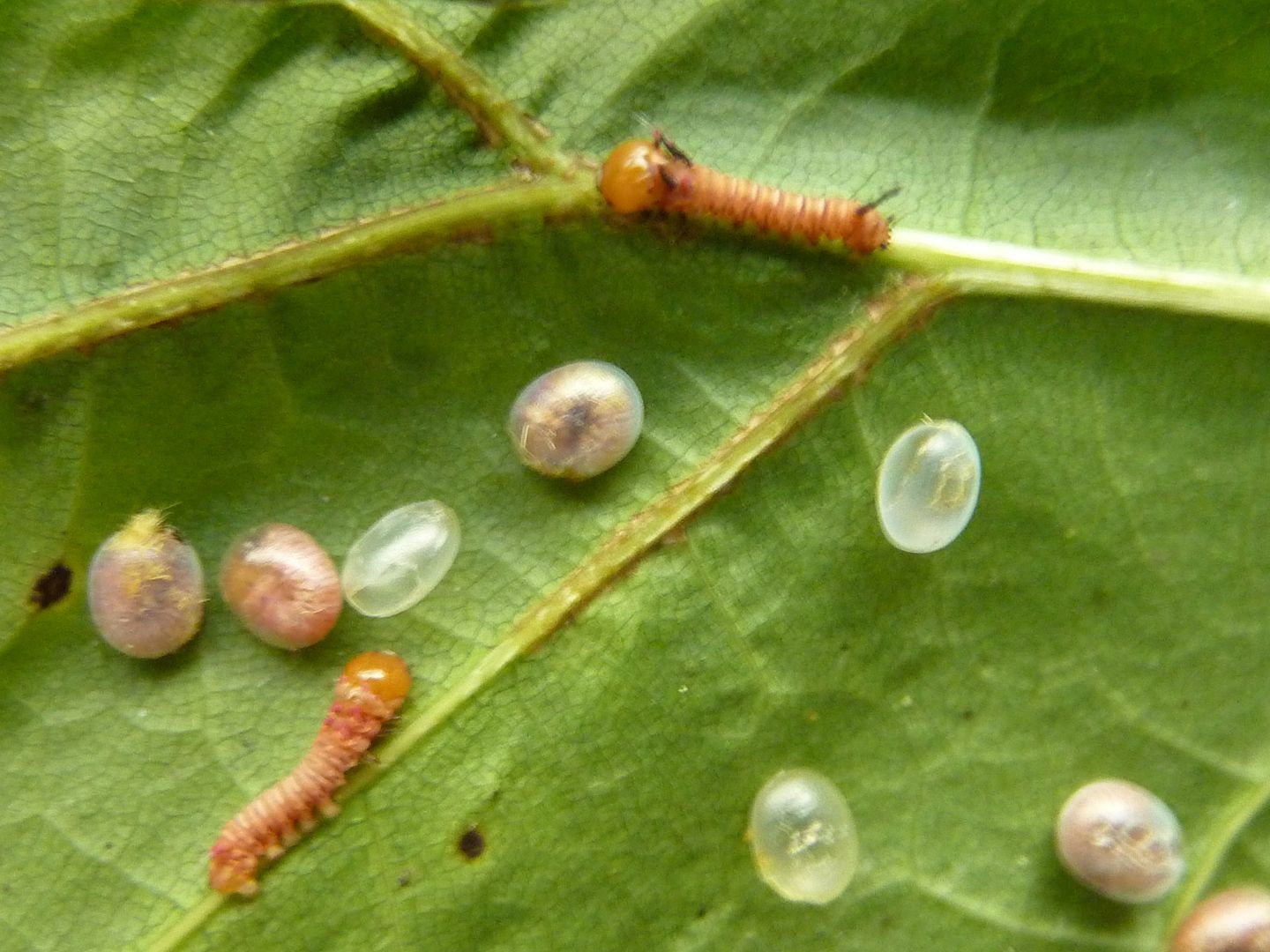
I was just out inspecting some of the shrubs in the yard when I came across some Katydid Eggs. These will eventually become the great big (usually green) grasshopper-like insects that hang around trees and make noises at night over the summer. Click the link for more True Facts about the Katydid.
I found them on one of our Flame Azaleas, Rhododendron calendulaceum.
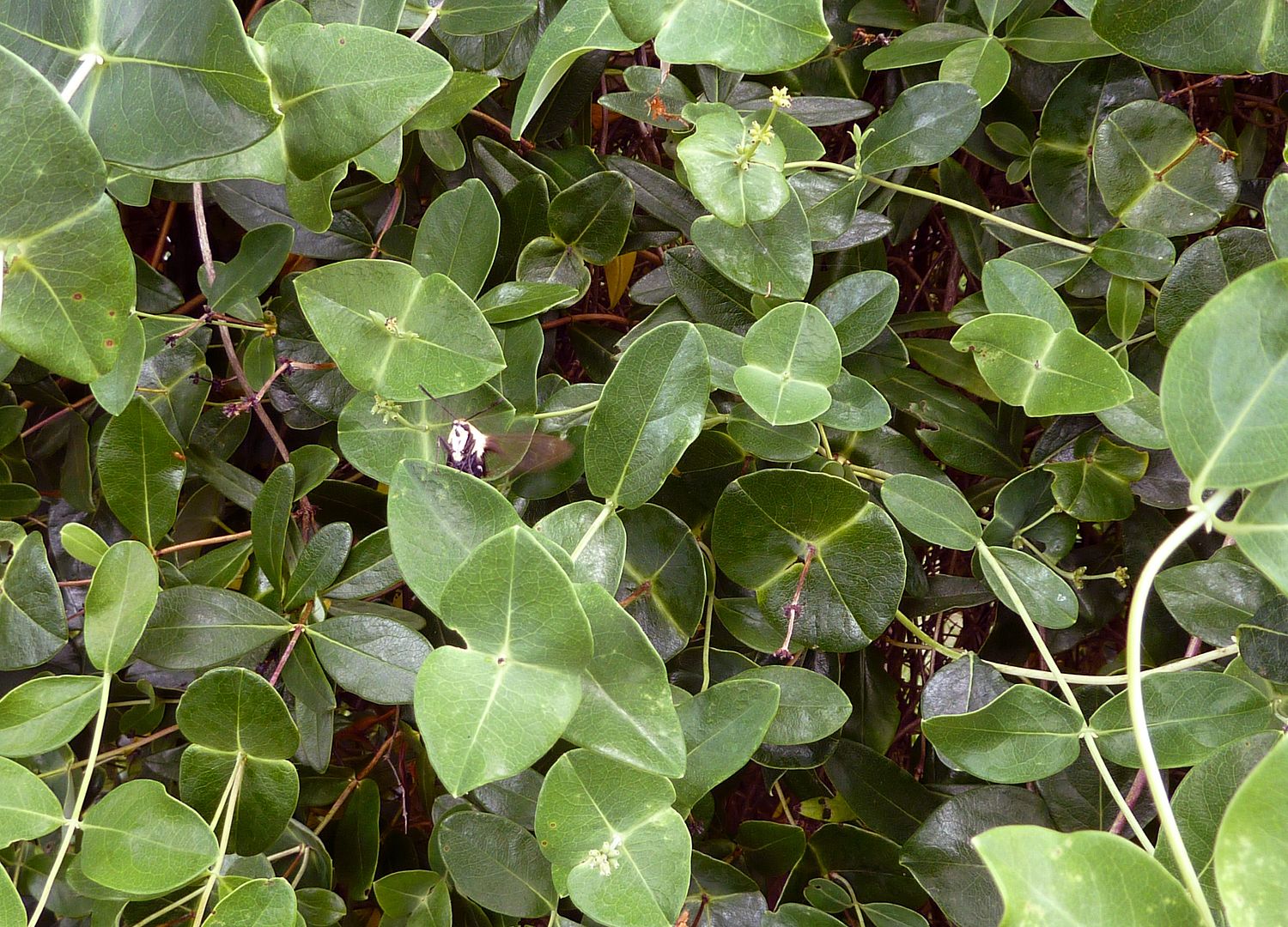
I was out in the garden yesterday and spied a Snowberry Clearwing, Hemaris diffinis, laying eggs sporadically all over the Coral Honeysuckle, Lonicera sempervirens. She flew around sampling leaves and would occasionally place one on the under side before flying off to locate another spot. I'll have to keep an eye out for caterpillars in the next week or so assuming the ants don't remove them first. I occasionally get sudden bursts of these hummingbird moths in my yard, usually groups of 12 or so all at once and I always wondered where they were coming from.
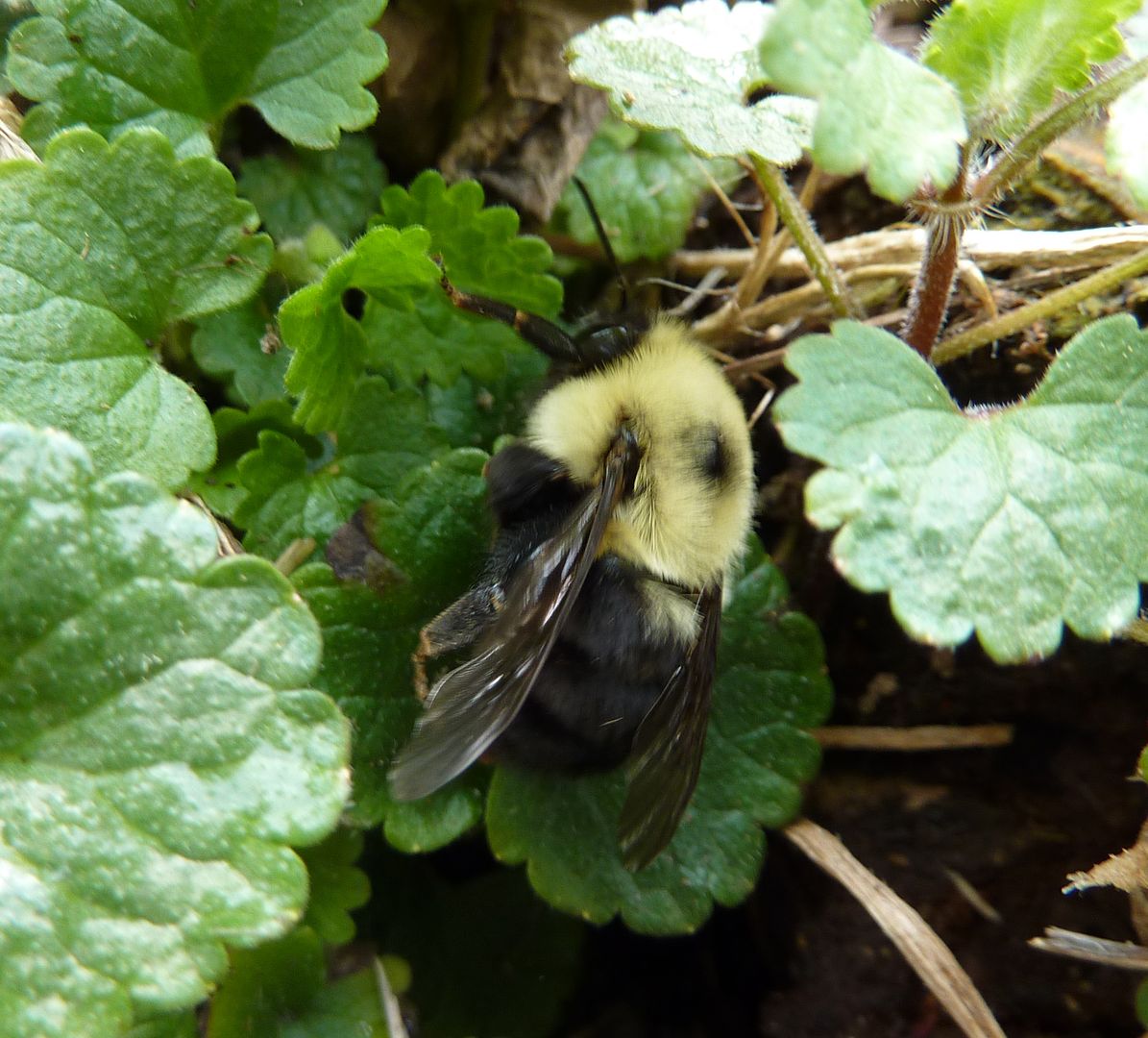
I found a Bombus impatiens queen buzzing around inside the green house. It's a very common species in the eastern US. and Canada. After helping her find her way out she started preforming nest finding behavior. She'd land along a log and explore holes among the plants and leaf litter leading under it. In nature they often take advantage of rodent burrows. Once she stars making a nest she'll more or less stay committed to that spot.
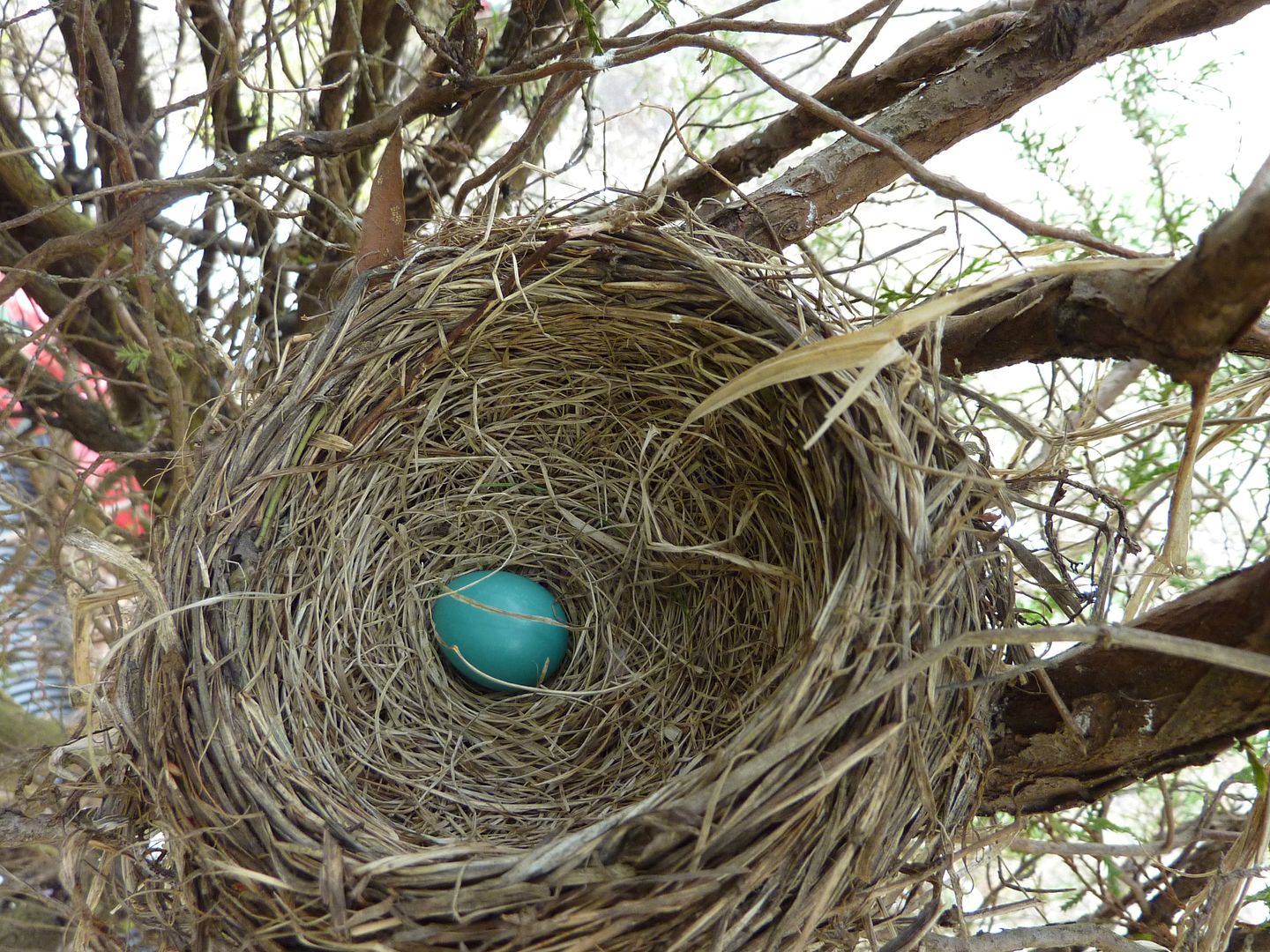
A robin has started already started her nest and laid an egg. I believe I interrupted her while trying to lay another, or maybe she'll only do one a day or something. I'll be sure to check back in a few weeks.
Yesterday was finally warm enough for me to break hibernation, get outside and do some yard work.
I discovered a mantis egg right on the Alternate-leaf Dogwood.
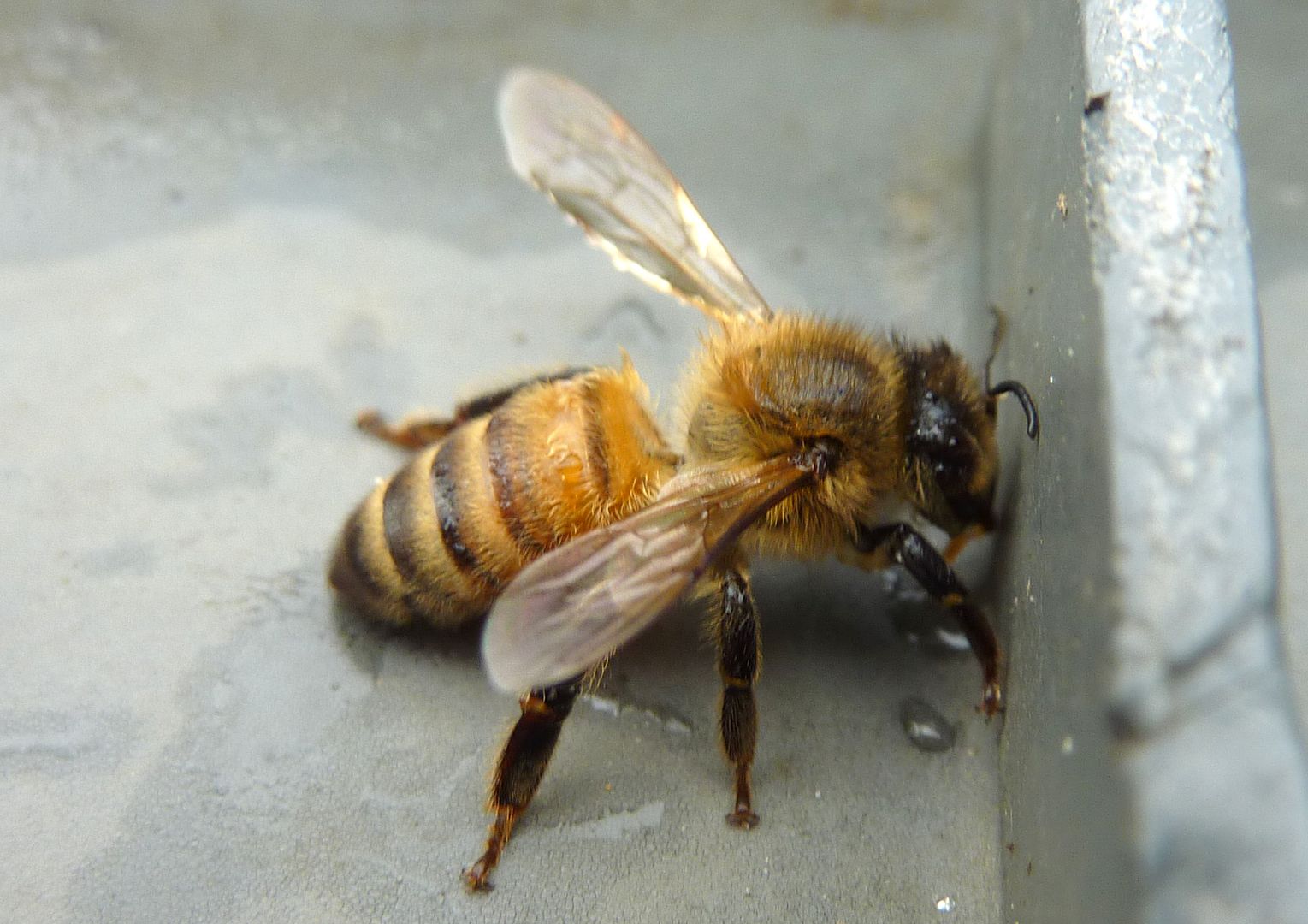
My honeybee hives were active and buzzing around. This one was drowning so I saved it and thought the colors and hairs looked great. There aren't to many bright colors to photograph at this time of year.
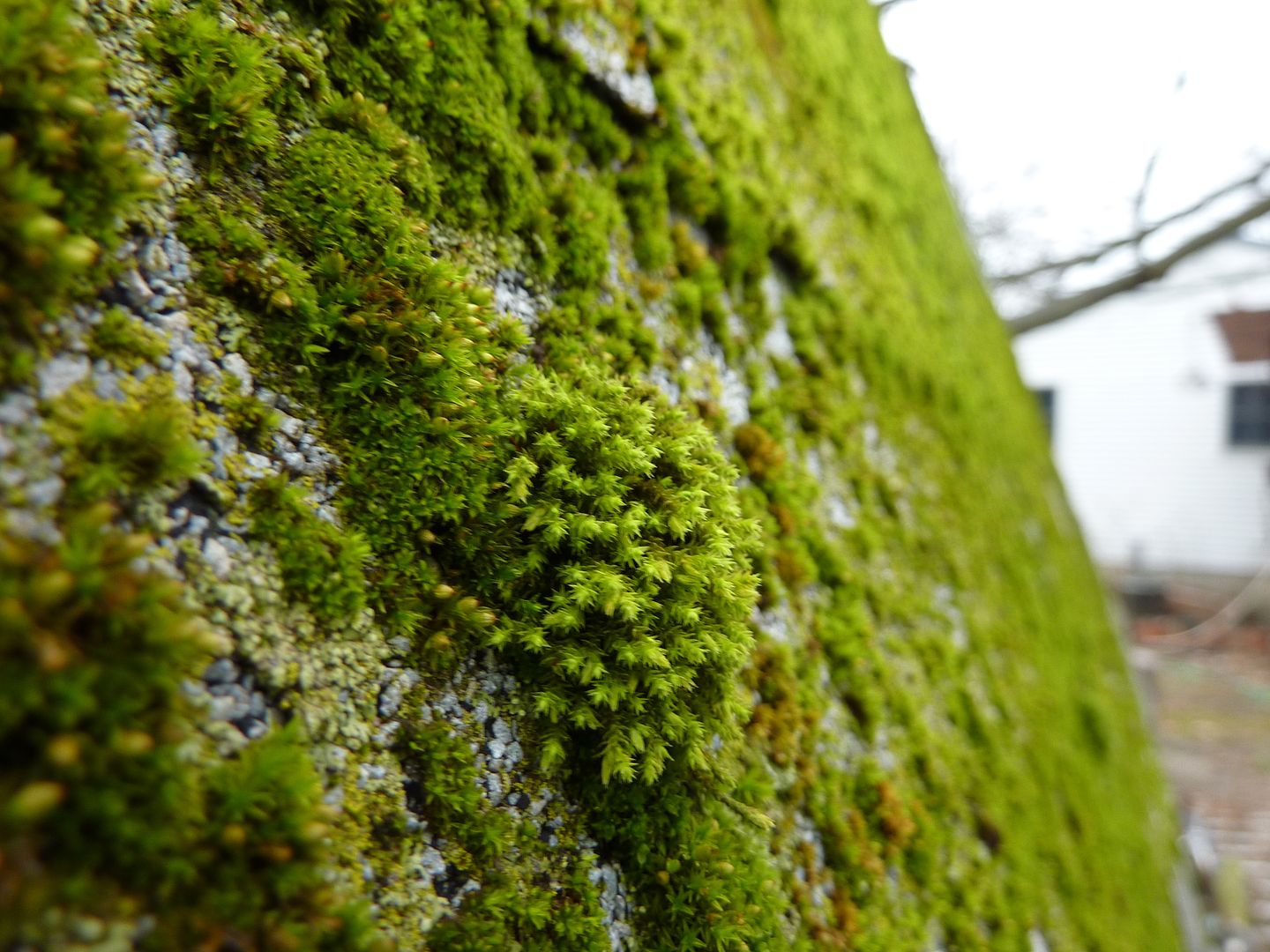
I was near the hives putting sugar water on them when I realized the moss on our shed has grown out of control. I'm not sure if that's bad or not but I think I could probably transplant some of it elsewhere.
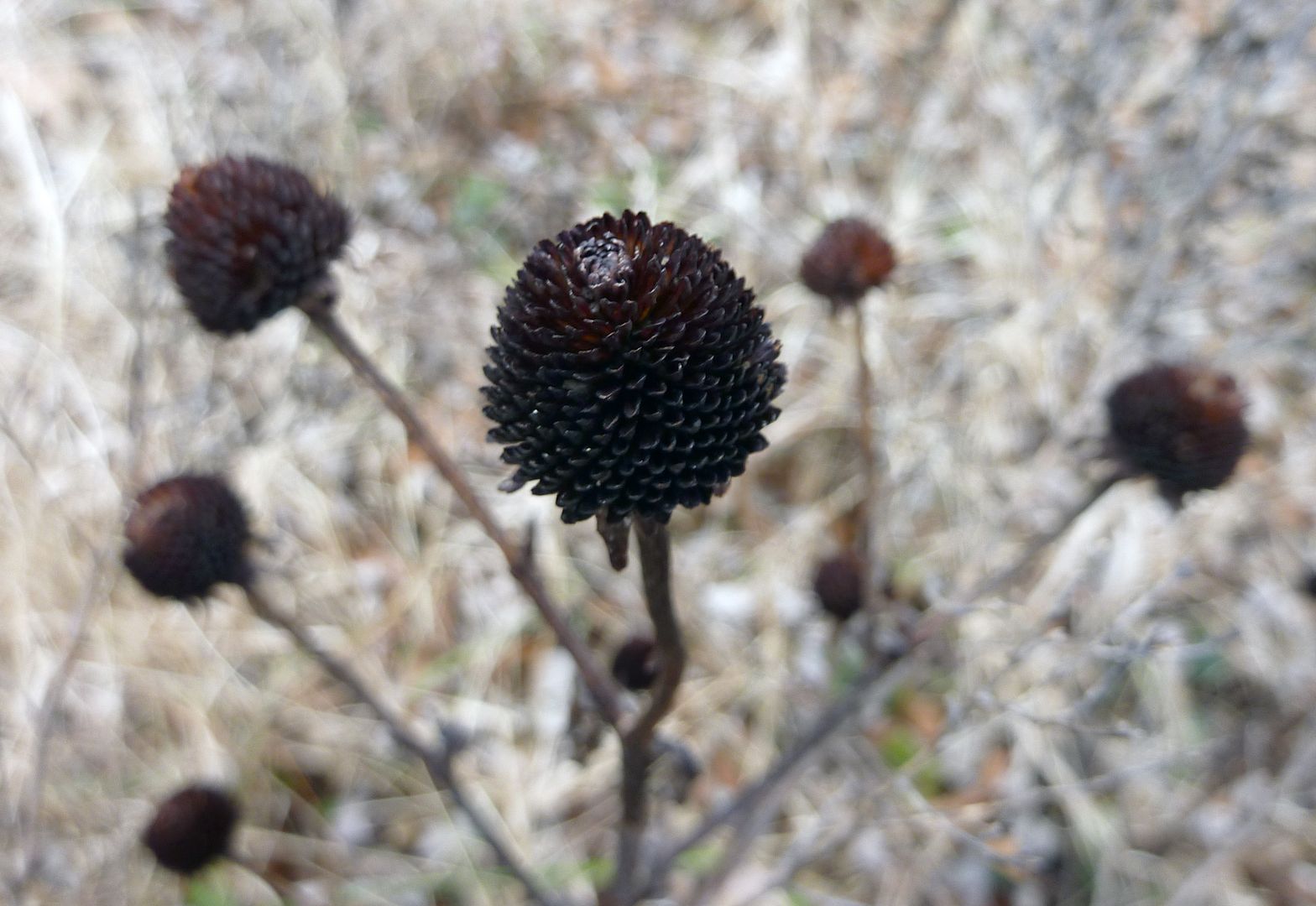
As much as I dislike Rudbeckia plants, I actually think their seed pods are a highlight out in the meadow garden. They're a nice easy filler plant with a good burst of color, but I roll my eyes at the lack of pollinators they get. Maybe that will change as they spread, and I look forward to them spreading, but right now I just think of them as being only pretty and not good for anything else.
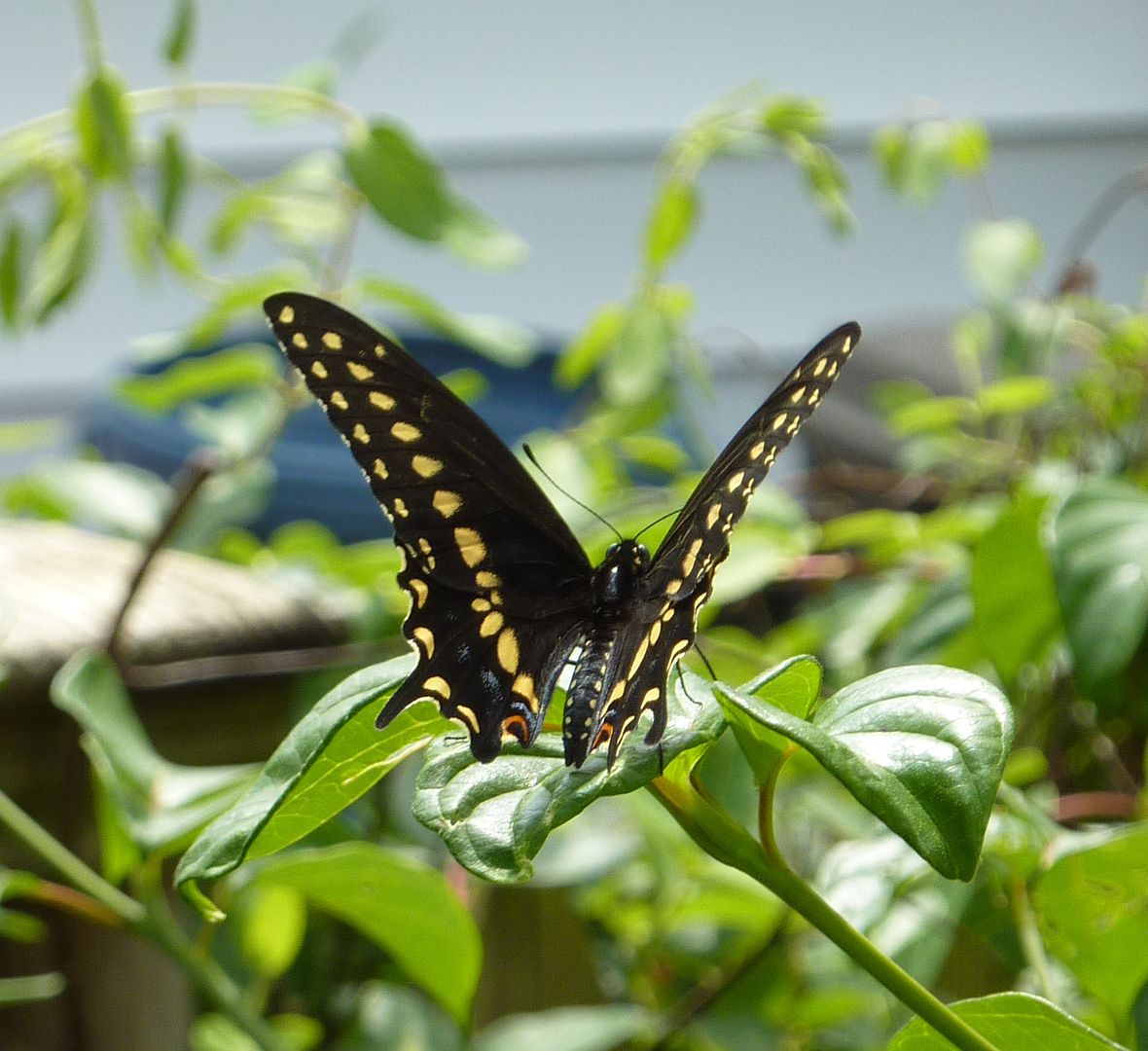
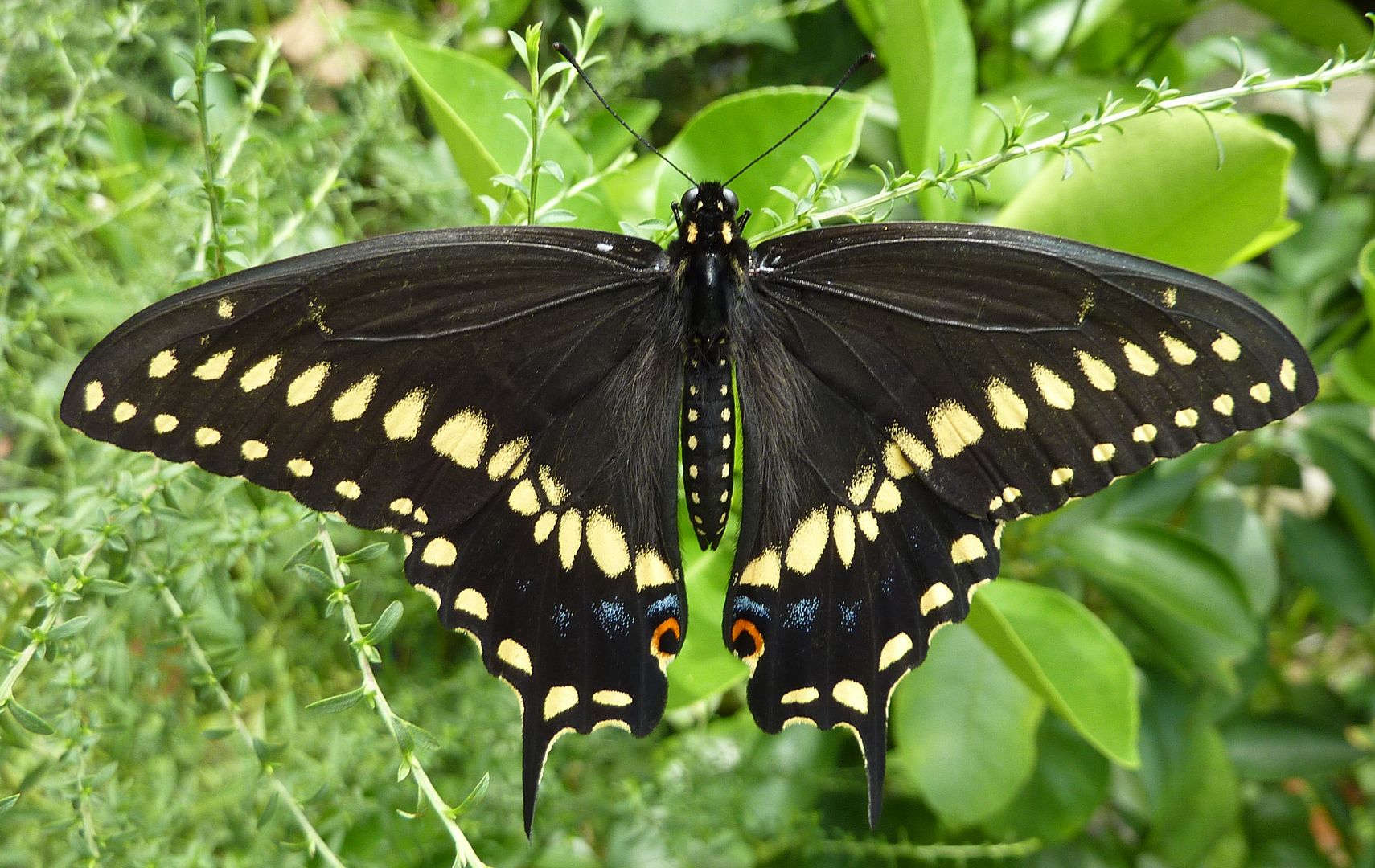
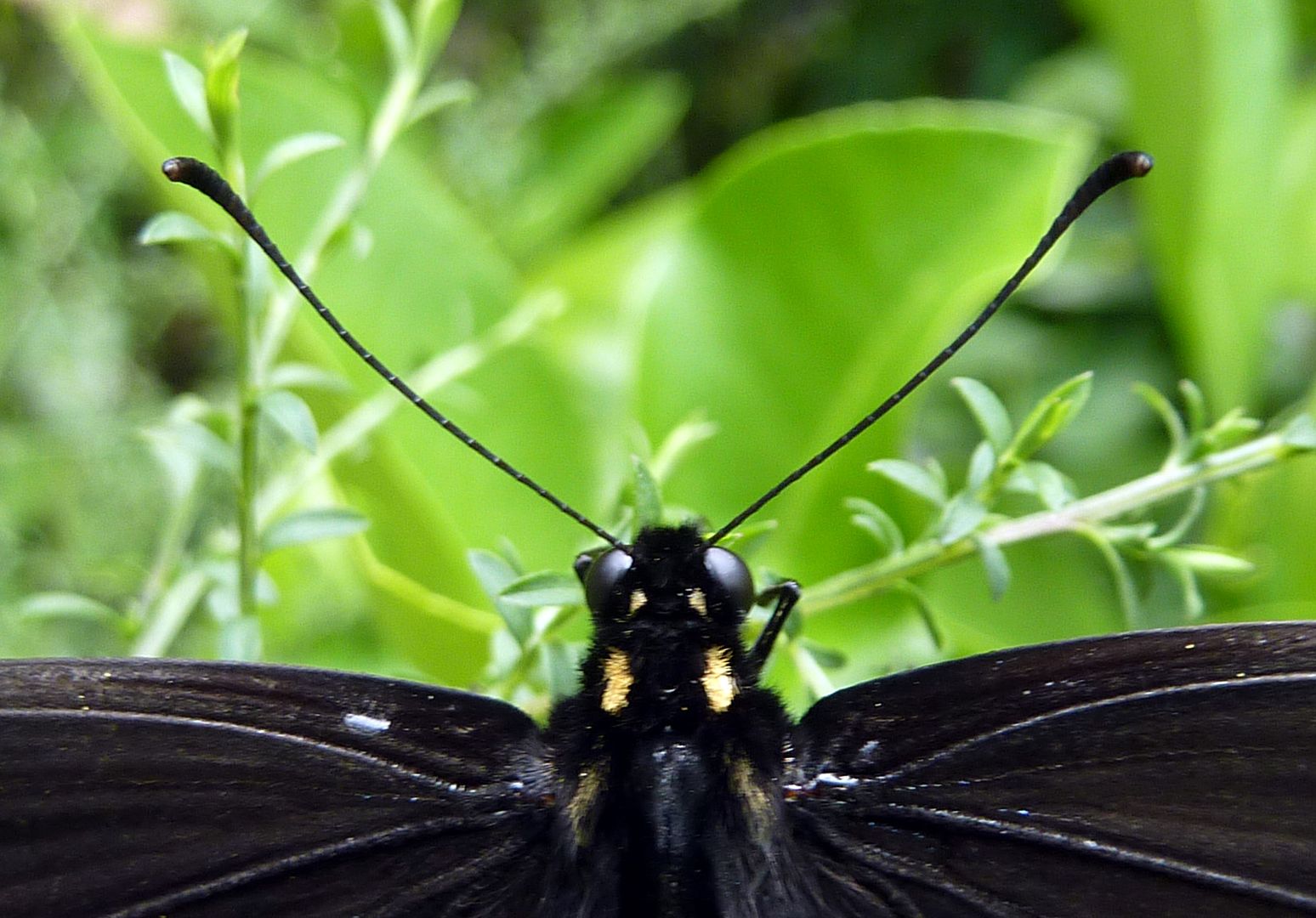
A few days ago I noticed a male Black Swallowtail fluttering around my yard. The species name is Papilio polyxenes, as Black Swallowtail hardly describes anything in that swallowtail family accurately. 90% of them are black swallowtails, because they all happen to be mimicking the Pipevine Swallowtail, Battus philenor which is poisonous. Anything that causes a mother bird to regurgitate all the food for her babies prematurely is not something any mother bird would dare eat again.
Males of this species have the long line of yellow dots all along the wing. Females have these dots less pronounced, and with more blue along the rear of the wings.
For whatever reason this male was unusually cooperative for me taking photos.
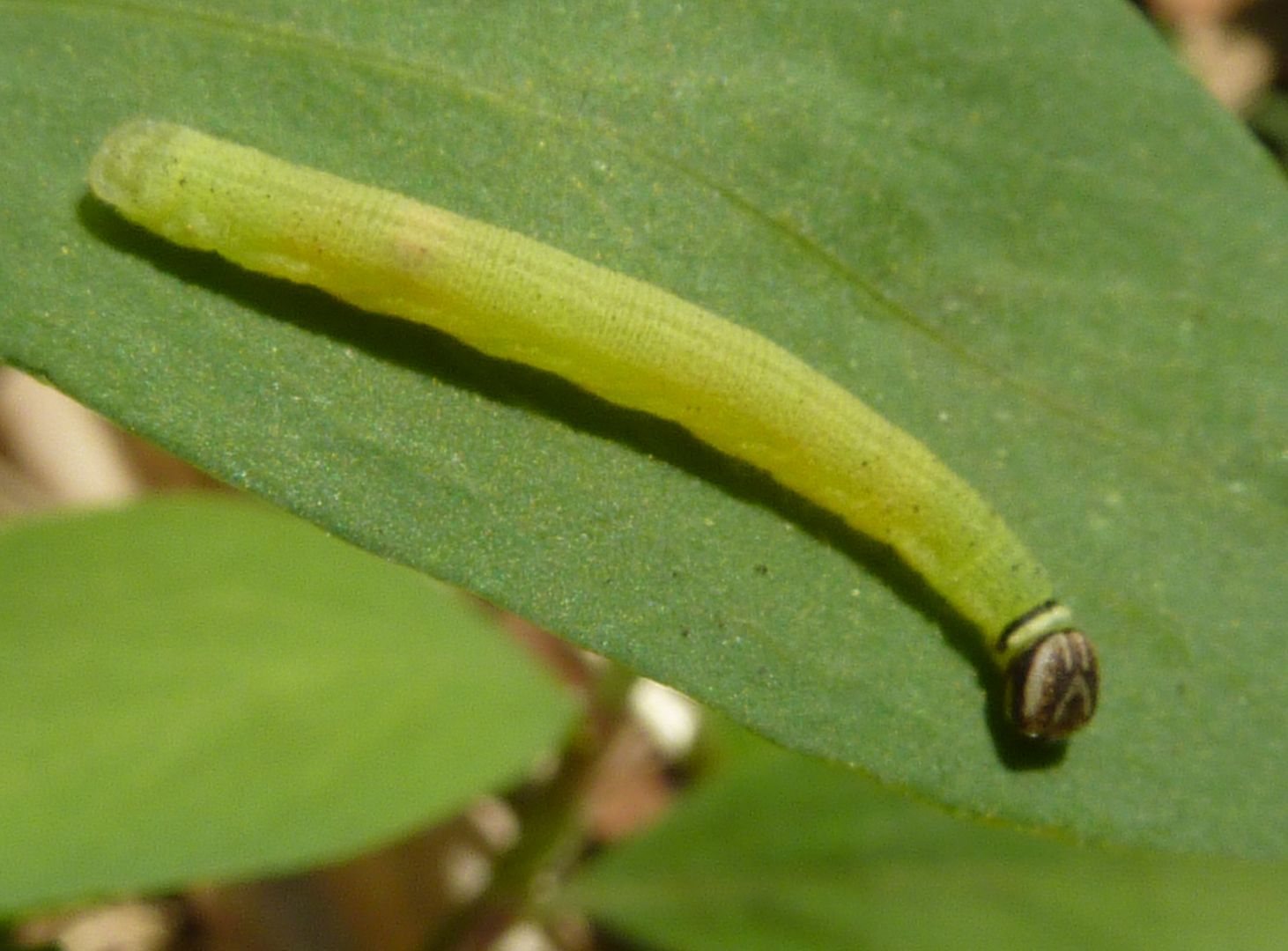
Knowing the species was hanging about the yard I knew to check various host plants for eggs. Sure enough it seems our parsley was dotted by a female. I'll keep checking on these little eggs as they develop.
Without doing to much exploring of the yard this year I've already managed to find two egg cases of Praying Mantises. One year I found a hatched Polypheumus Cocoon on the ground, so I know they're out there. I know other giant silk moths certainly make cocoons such as the Cecropia silkmoth, Hyalophora cecropia.
Other species such as the Imperial Moth, Eacles imperialis, burrow in the ground before forming a chrysalis. I had a friend call me over the summer because she kept finding these "things" emerging from the ground. When they first emerge their wings are as limp as a silk swatch used to clean eye glasses, so they don't look much like a moth at all. Thankfully she sent me some pictures and I told her not to kill them. They turn into something quite pretty.
So the cocoons and eggs are out there. Time to start looking. Should you find a giant silk moth cocoon, perhaps a sheltered cage placed just outside the window or inside a shed, or unheated garage would work best. Praying mantis eggs are fairly common along forest edges and among tall grasses in sunny locations.
I've been noticing a trend with the Lepidoptera (Moths and Butterflies) in my area. As the flowers all come out each spring we get an assortment of small tent caterpillars. Their mother moth had attached the eggs to the tree the previous autumn. Once they hatch the caterpillars begin nibbling away at the tender new flower petals to mostly fruit trees. At the same time migrations like the Red Admiral, Painted Lady, and American Lady start up, all of whom fly lightning fast and are easy to miss if you're not looking. Eastern Commas and Mourning Cloaks come out of hibernation and flutter about with the newly emerged Swallowtails, of which there are incredibly few at the start of the year.
After this initial boom we enter something of a drought with butterflies. This all changes come June, July, and August, as things have gotten into full swing. Generally any butterfly worth its salt will be flying around at this time of year. During the heart of summer they almost completely disappear during the hottest part of the day. Come 4:00pm though they'll be back out in full swing. The Monarch for the most part hasn't had its population explosion yet, so this is really the time when Swallowtails steal the show. Giant Silk and Royal Moths can be found around lights at night.
Once we hit August we're overtaken by orange and black. The Monarch population is approaching its peak for the year and their migration south begins. A few others migrate at this time but they're not as well known by the general public.
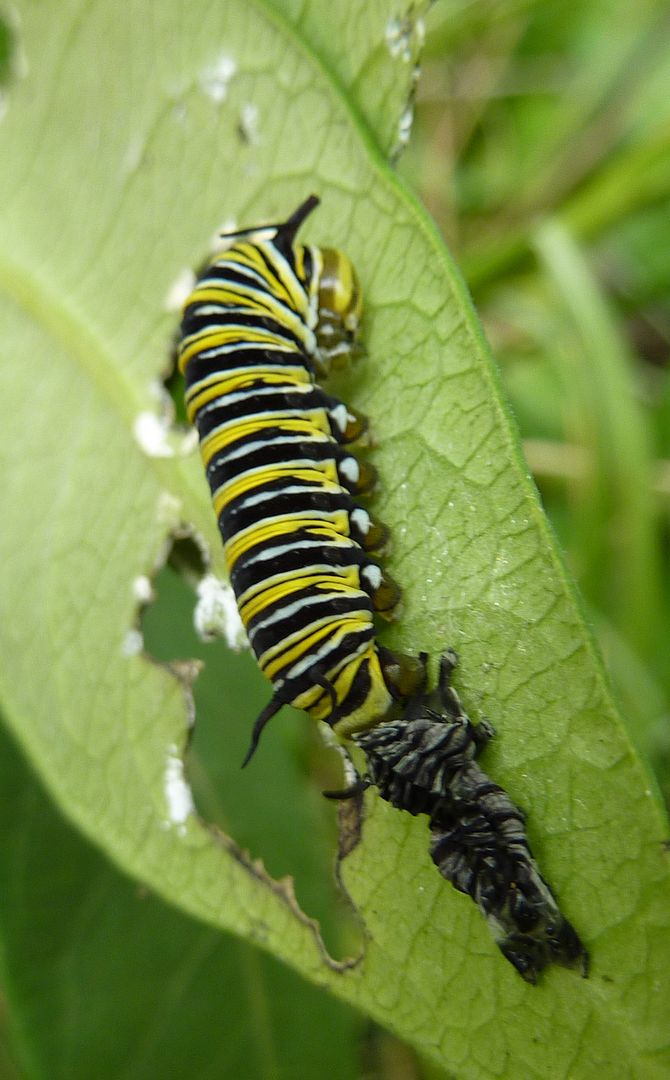
I often feel that the Monarch gets too much attention in butterfly gardens. It really is the only species the general public seems comfortable enough discussing. This is on par with the Honeybee hogging all the spotlight in the "Save the Bees" movement. Monarchs are almost too easy! You plant milkweed and you're almost assured to get some caterpillars. And not just any caterpillars, ones that are fearless out in the open nibbling away on host plants in the middle of the day. They're a big middle finger to anything trying to eat them, though I guess the 1 in 25 survival rate makes up for it.
By comparison the lengths swallowtail caterpillars go to not get eaten seem extreme. Early on most species are disguised as bird dung, wet bird dung! During the day most of them are not out eating, though a few species are more fearless than others. The cowards are tucked away under leaves or among the bark. After nibbling on a leaf, they will cut that leaf off at the stem to hide evidence of caterpillar nibbling! The spicebush swallowtail is mimicking a snake and even it hides during the day! (Here is a video of this in action where. Those tube like structures on the head along with releasing an odor will rub right into the bird's eyes.)
An excellent second species to go for besides the Monarch would be the Pipevine Swallowtail. Because they're poisonous to eat, just like the Monarch, their caterpillars can afford to be out eating during day light hours. Here is a video demonstrating that.
Anyhow here's how I did this year.
The caterpillar to some kind of Lepidoptera. It might be to a Duskewing skipper or something else. I honestly don't know. I found it nibbling on some type of small weed that I frankly have never paid any attention to until I found this caterpillar on it.
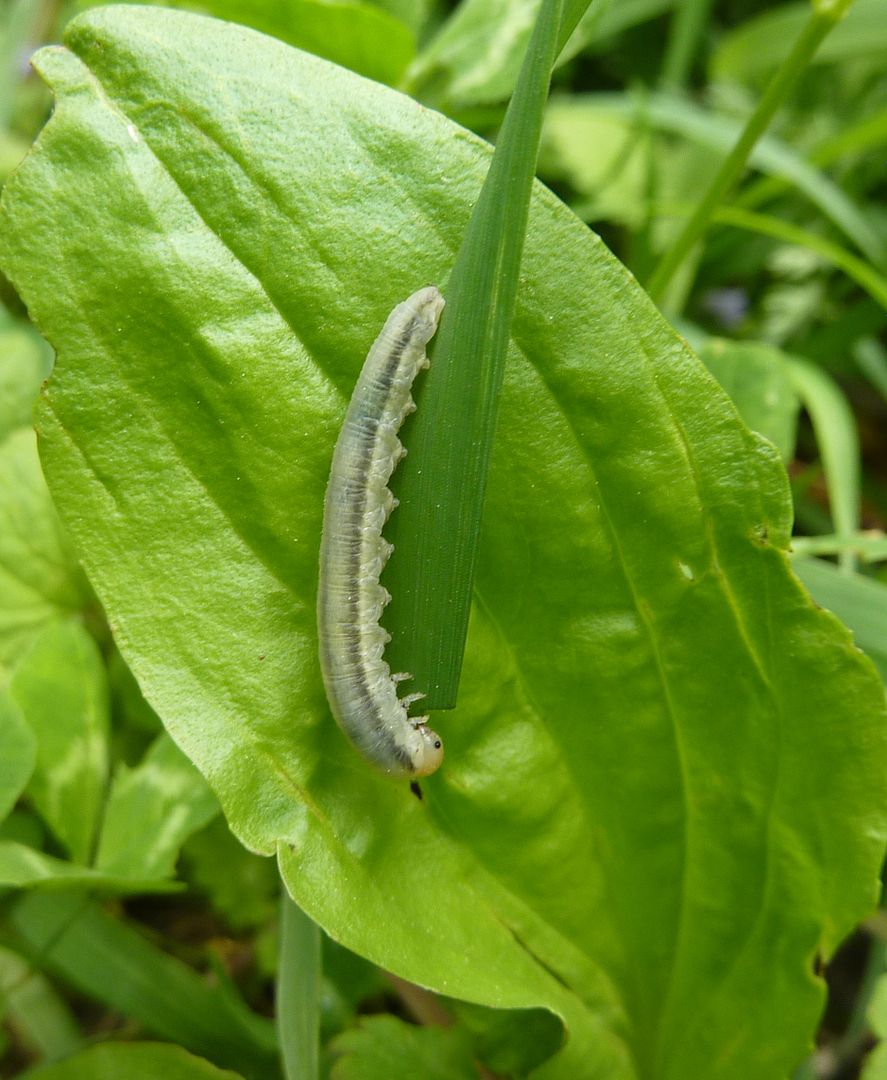
This might be some kind of sawfly larvae or a caterpillar to some moth I've never paid any attention to. What's neat is I learned they all come out at dusk to nibble on a type of grass we have growing all over. And I was a little surprised to find my yard had lots of them munching away.
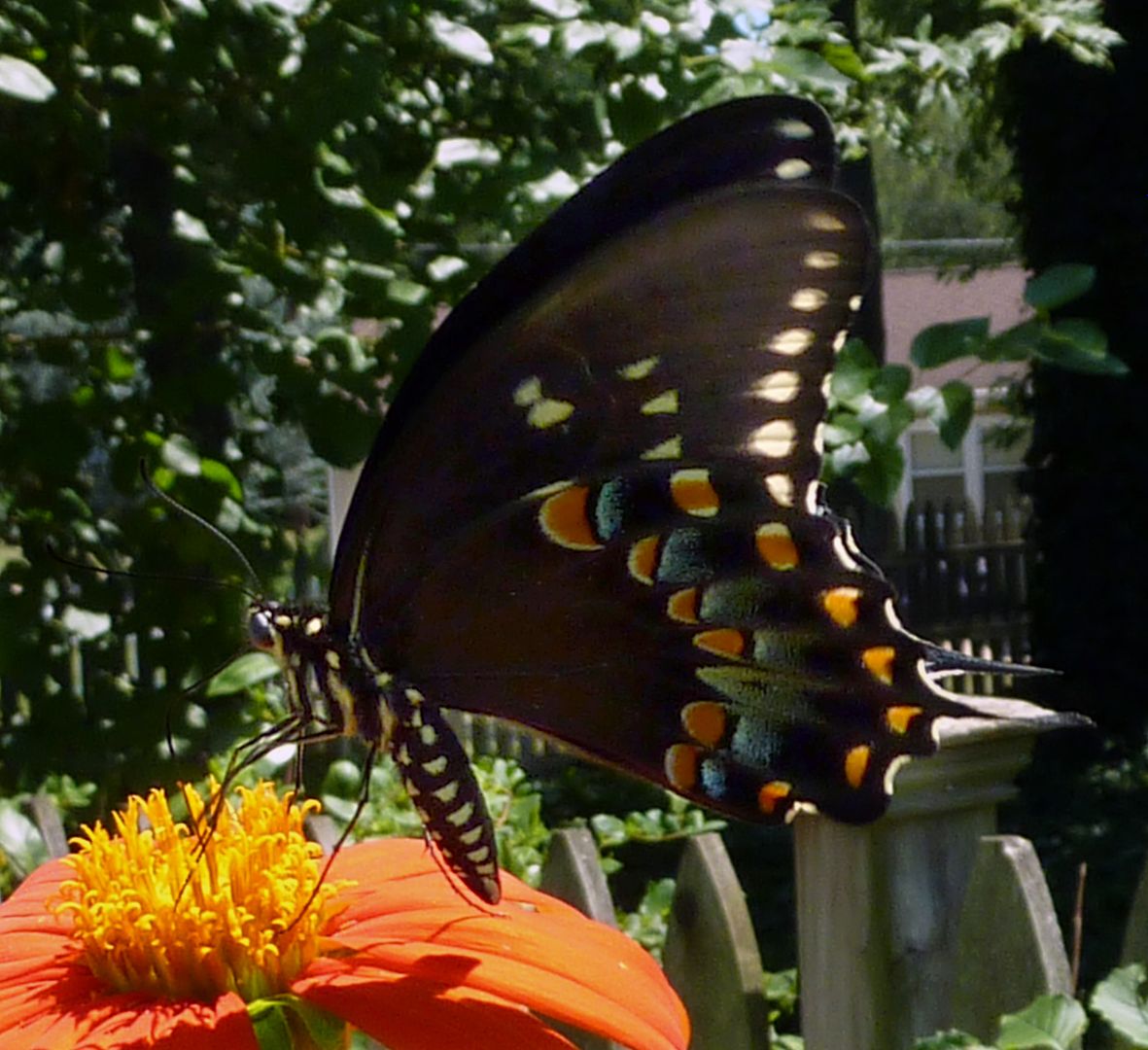
I finally figured out how to tell the Spicebush Swallowtail, Papilio troilus, apart from other Swallowtails. Note the line of large orange spots under the wing. One of the spots is missing and replaced by a blue streak.
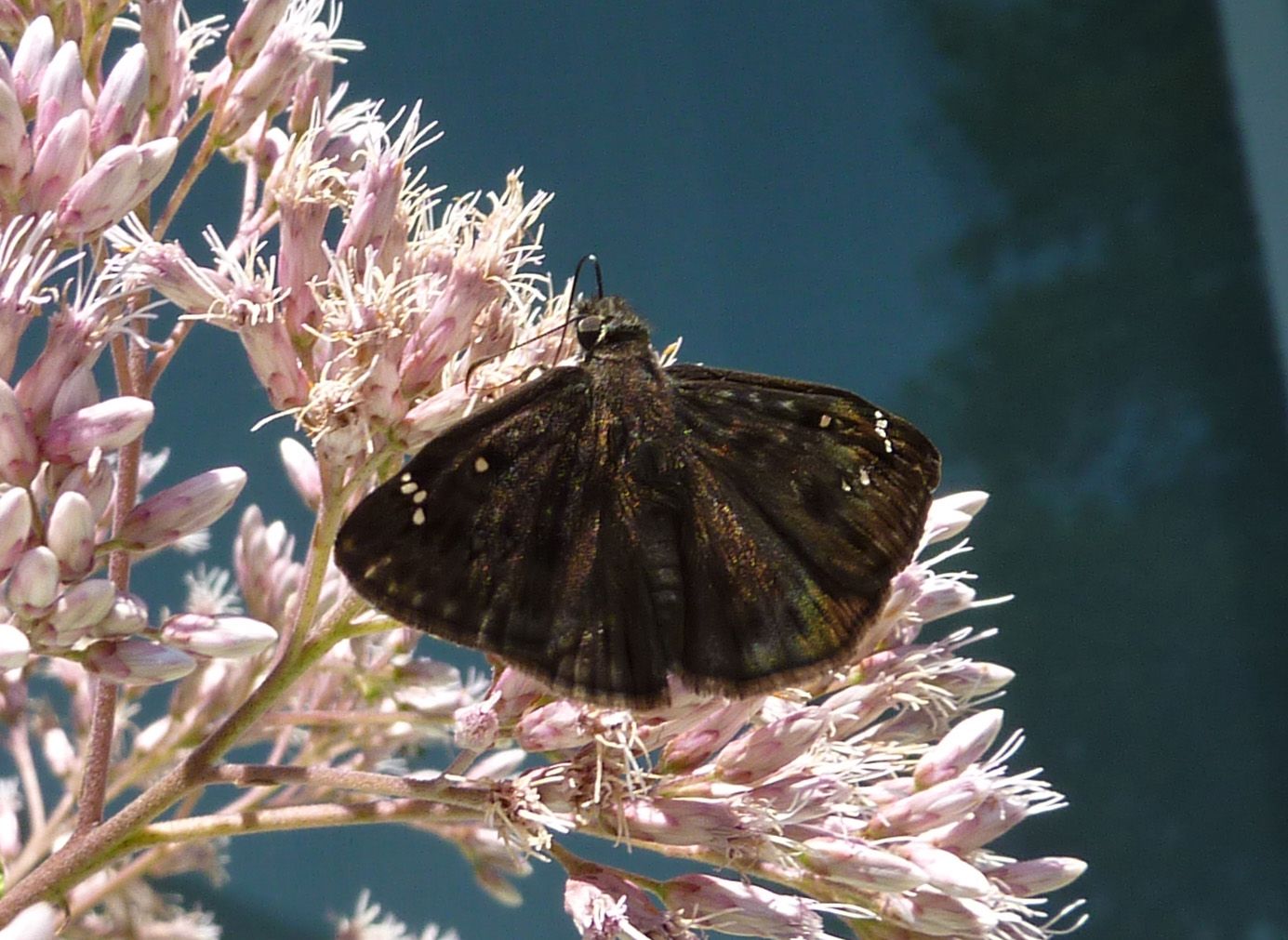
A Duskywing Skipper of some kind.
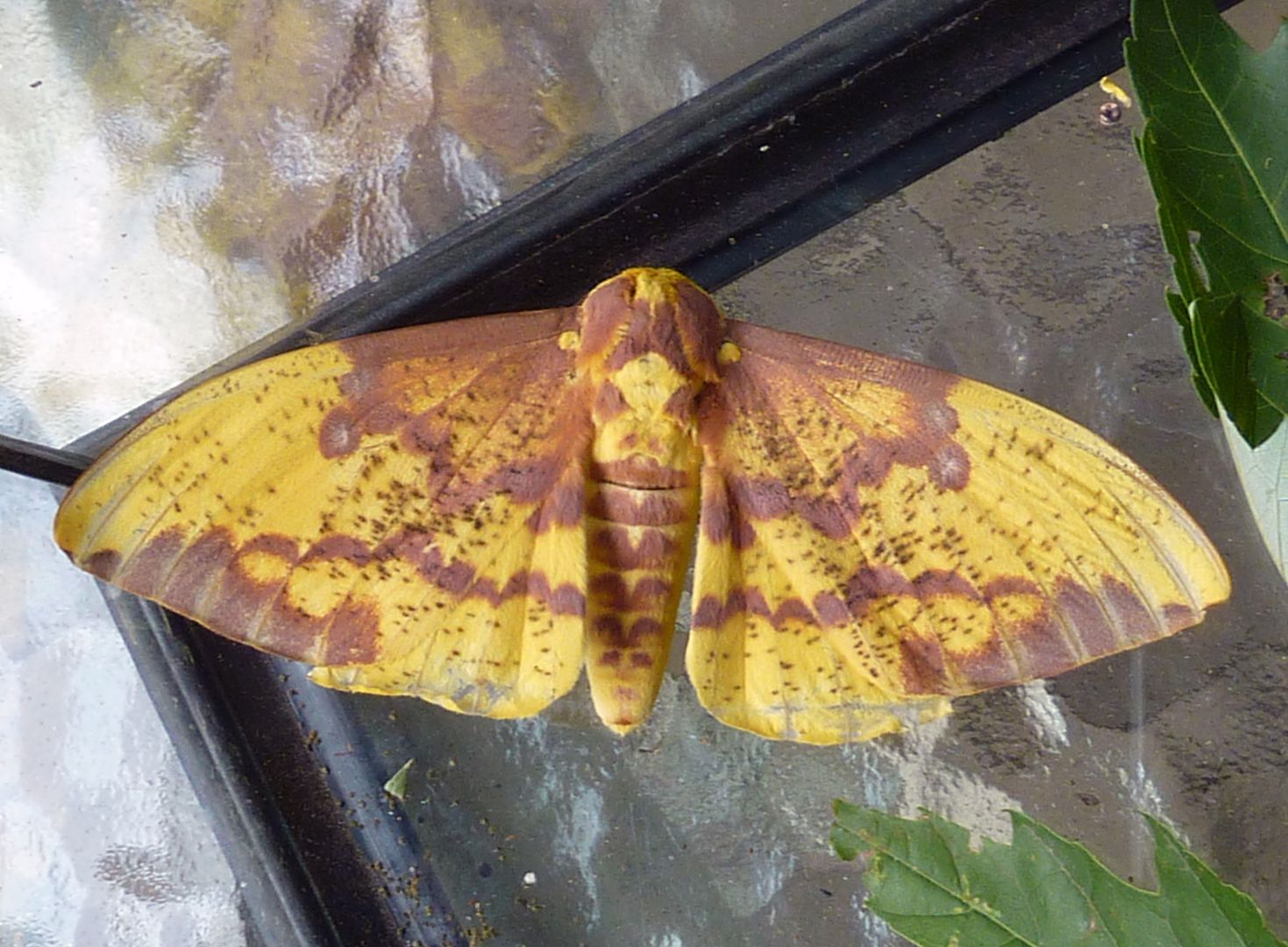
Imperial Moth,Eacles imperial, is I caught several of these this year. I always keep over night then release them immediately. I know how time sensitive their life cycle is. These giant silk and royal moths are about the size of my hand.
I even tried rearing them in captivity. Sadly my ability to do this successful is lacking and I've yet to raise one to adults.
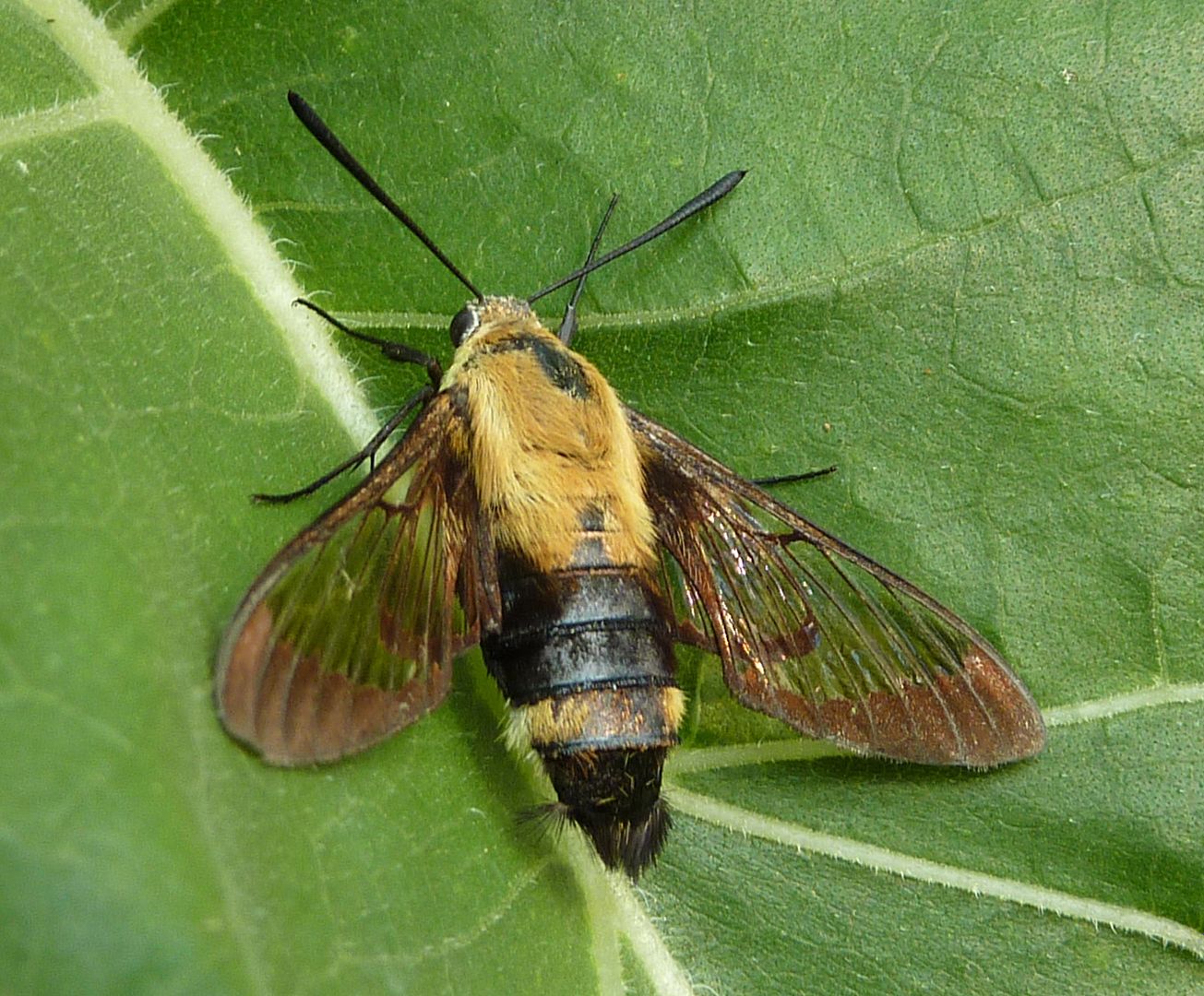
I finally got a Snowberry Clearwing Moth, Hemaris diffinis, to hold still. Our honeysuckle plants were teaming with these.
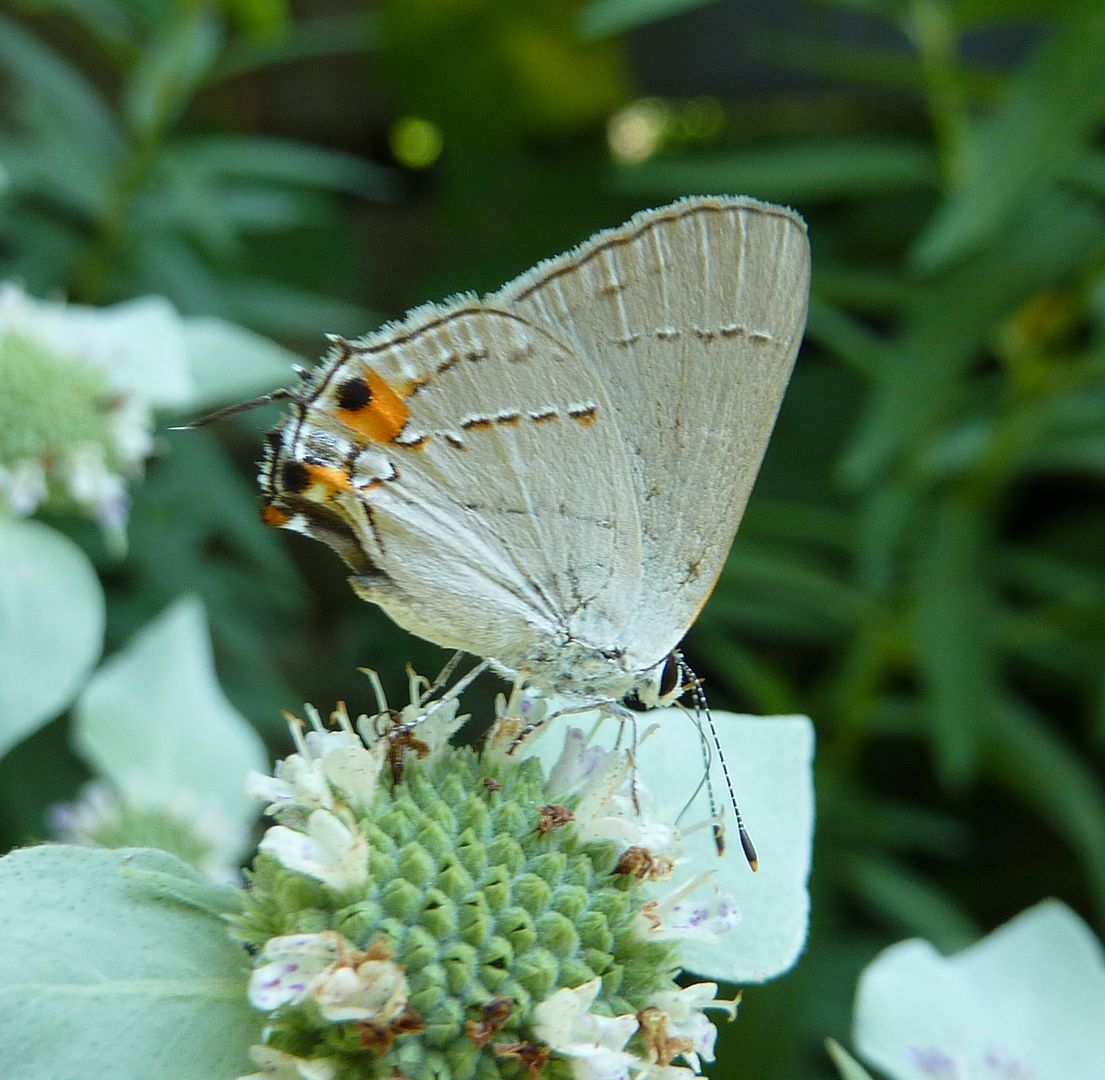
Some type Elf or Blue or something. This group of Lepidoptera I'm not very familiar with.
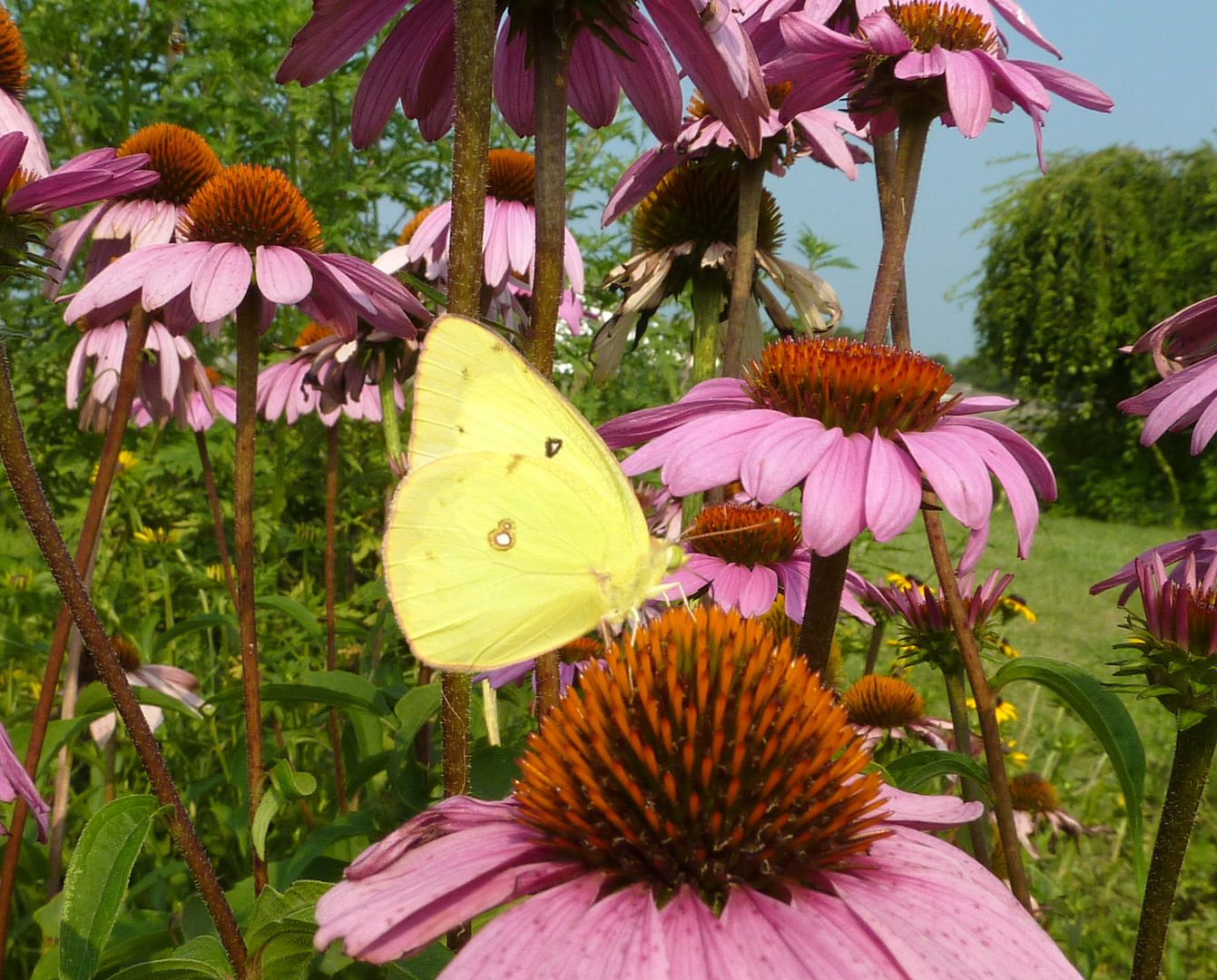
A Cloudless Sulphur, Phoebis sennae. I've been trying my best to make these more common in my yard. There's also a relationship between this species, their host plant, and some ants I hope to someday document.
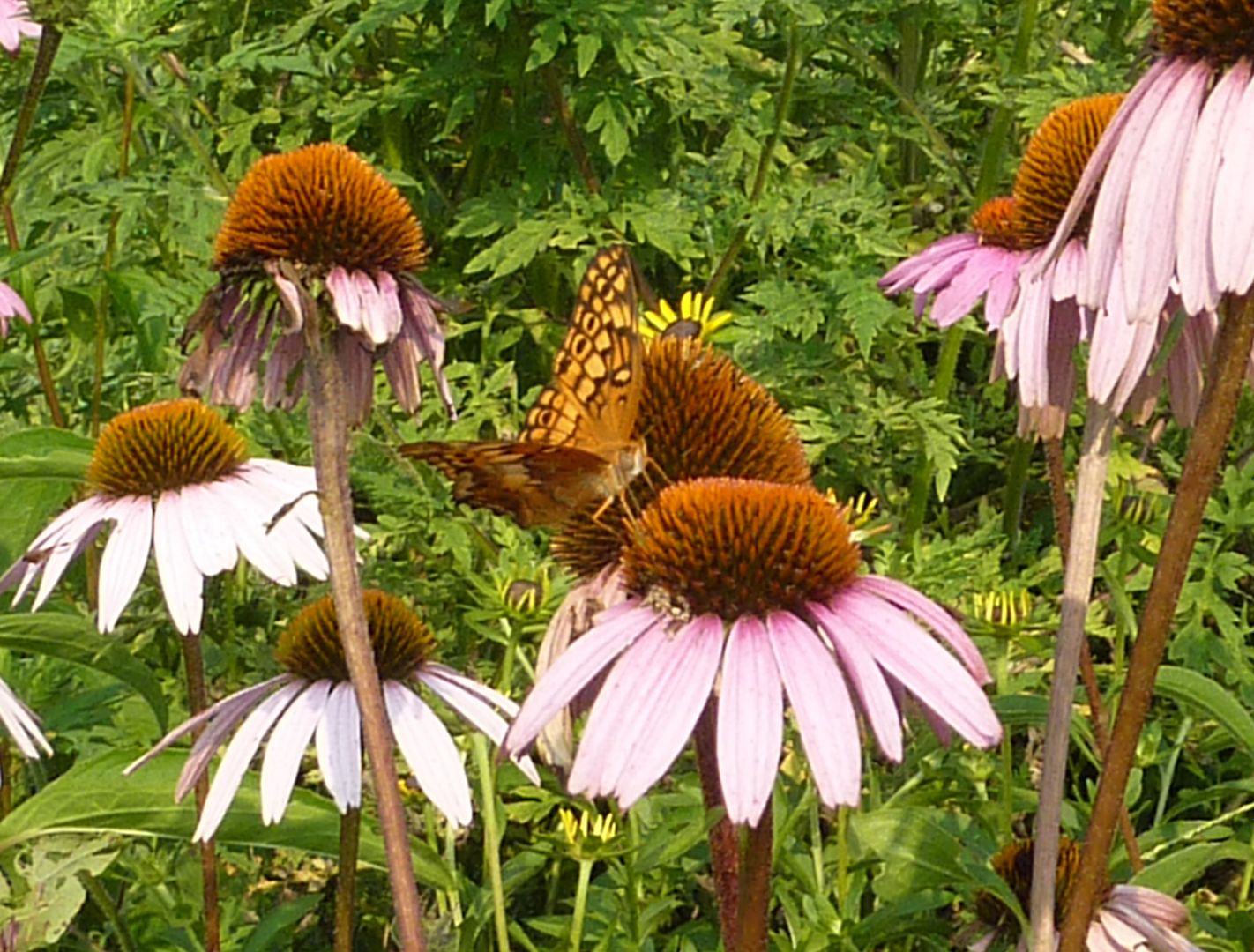
Fritillaries are another group of Butterfly that I'm just starting to learn about. From what I can gather they don't travel that much at all. People with these in their gardens should feel honored as many species are restricted to only a few fields and are often considered a mark of quality.
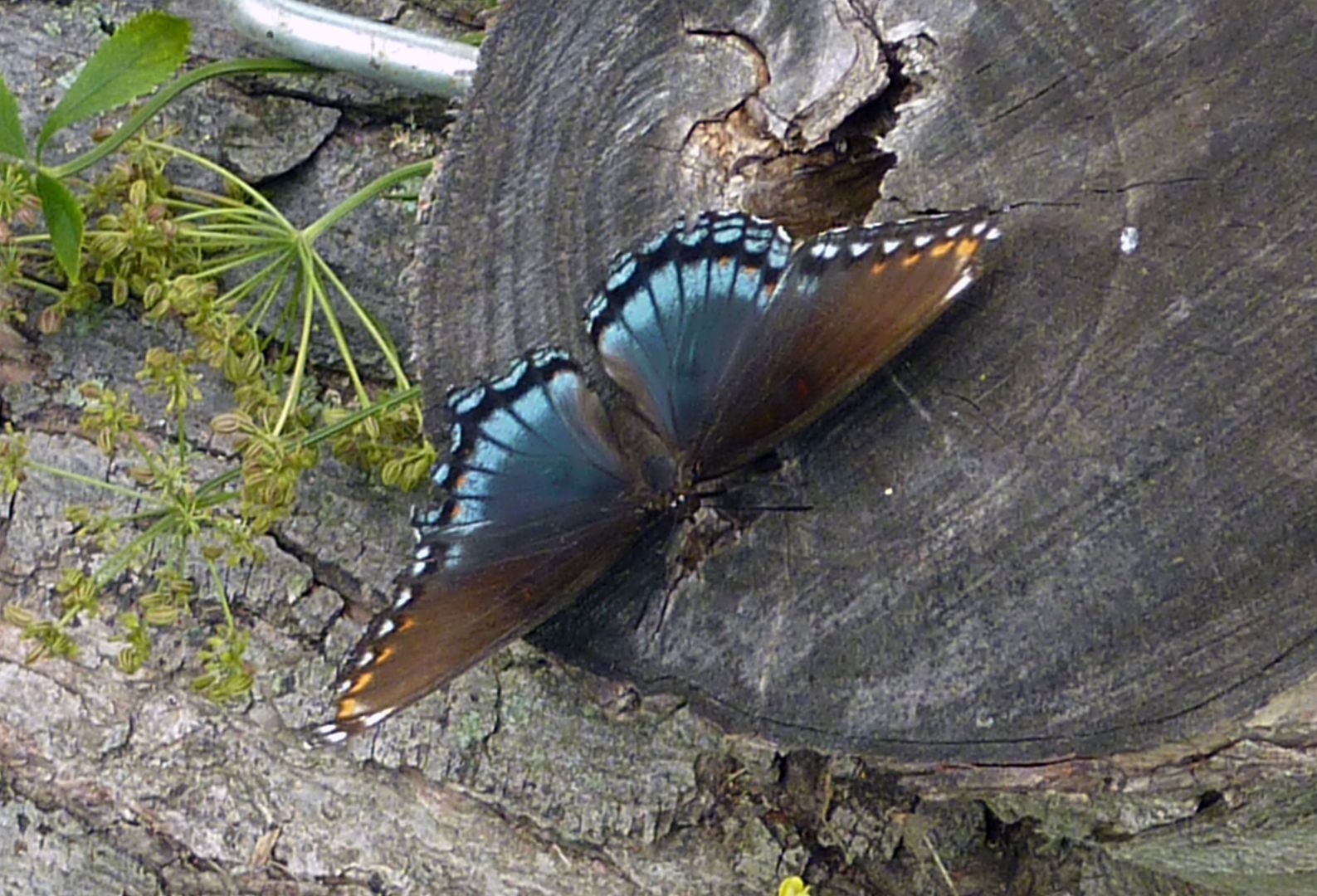
A little upside down, but, this is a Red Spotted Purple, Limenitis arthem. And you can see from the smooth curve on the rear wings that it is not swallowtail. It is mimicking a swallowtail as are many other swallowtails, who all strive to look like the Pipevine Swallowtail, Battus philenor.
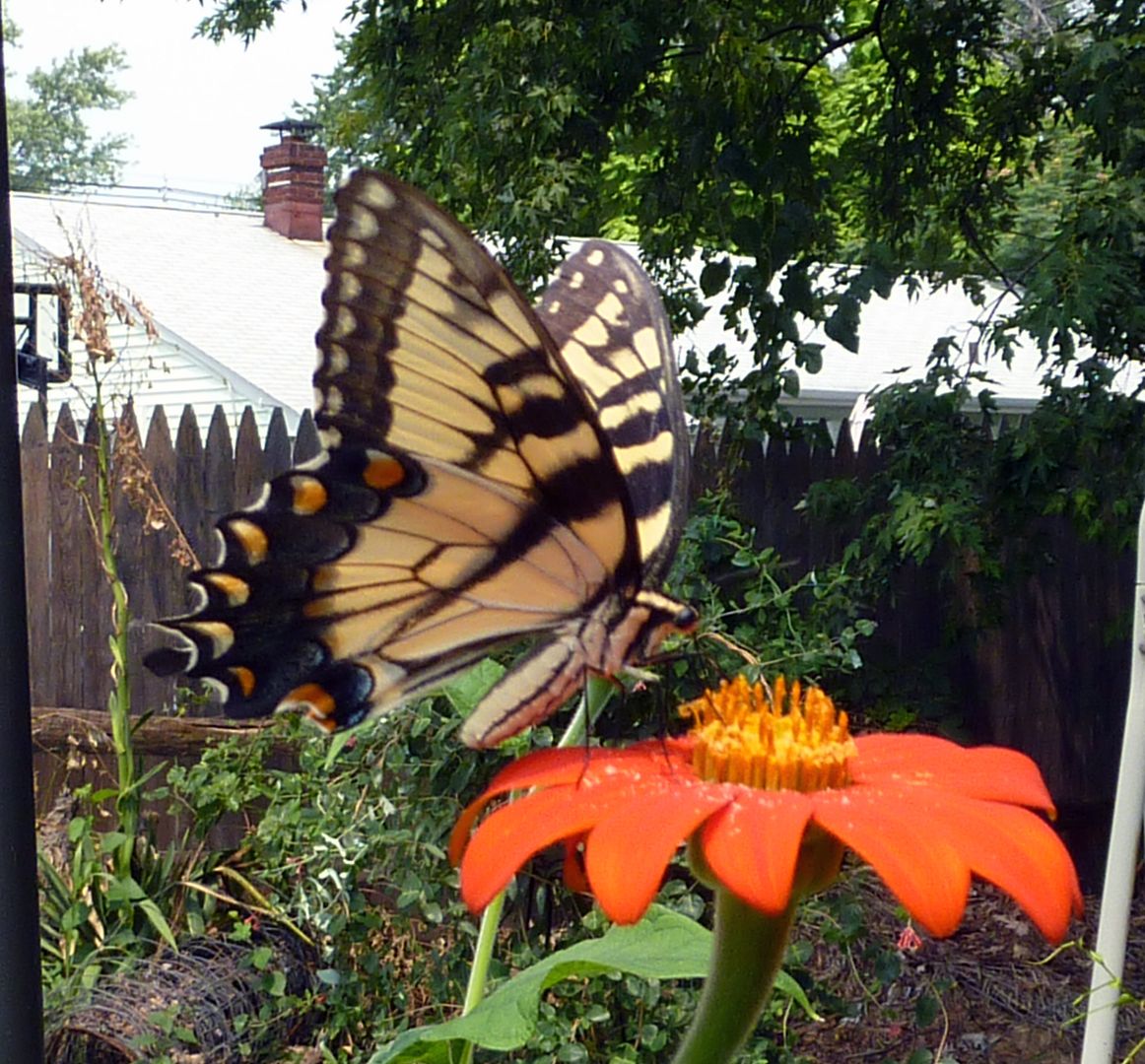
The Eastern Tiger Swallowtail, Papilio glaucus, (and maybe a few others) don't really try to mimic their Pipevine cousin at all. Only 1/3 females are born black, though when the Pipevine Swallowtail is prescient in the area that number can jump much higher. Males for whatever reason are always yellow and seem to proudly patrol from host plant to host plant, typically tall trees in the Cherry, Ash, Tulip and other genera. I'm not sure how they get away with being so showy and not poisonous. Perhaps their size allows them to break this rule, or perhaps the stripes remind birds of cats?
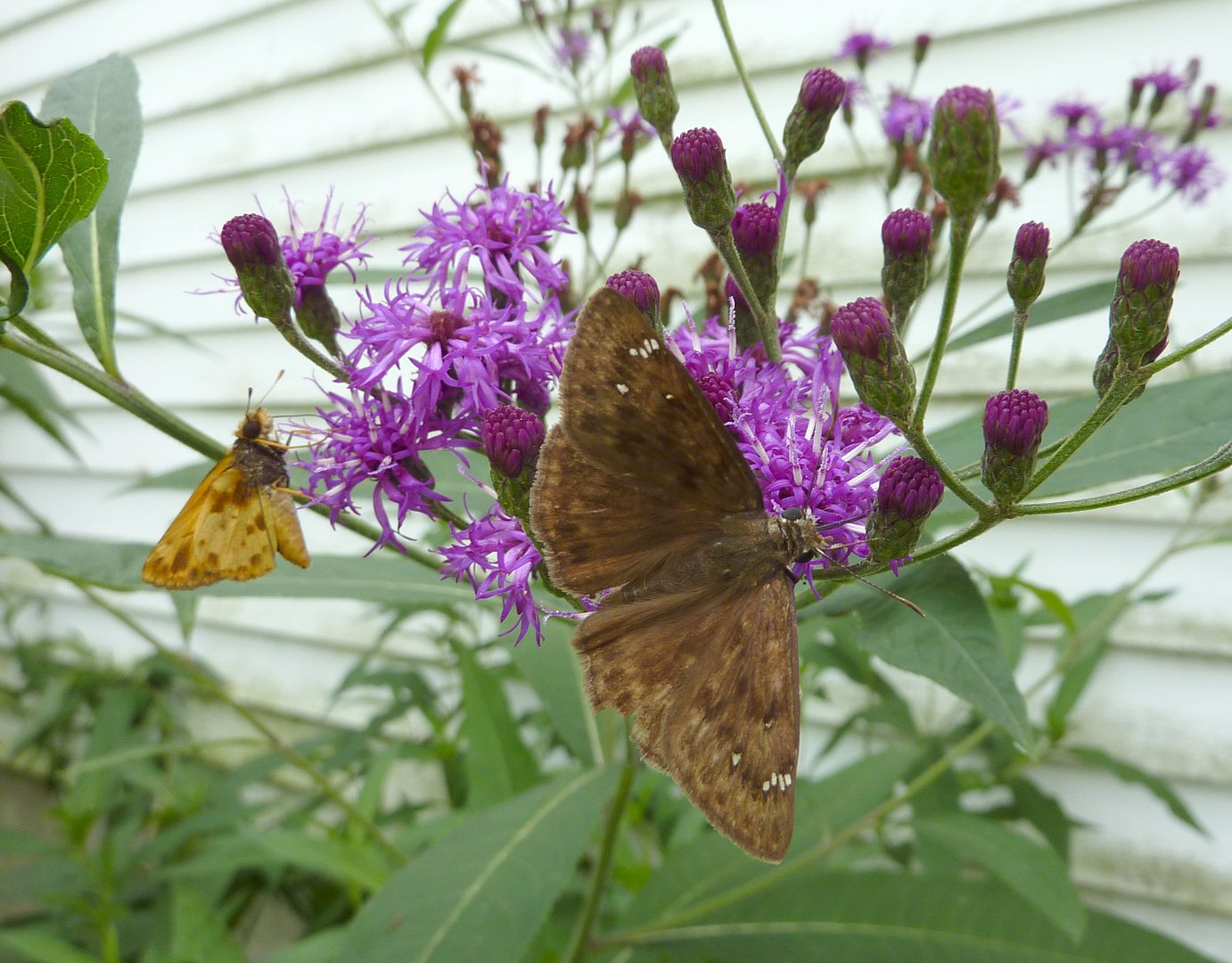
A skipper in back, and a duskywing in front on some Ironweed.
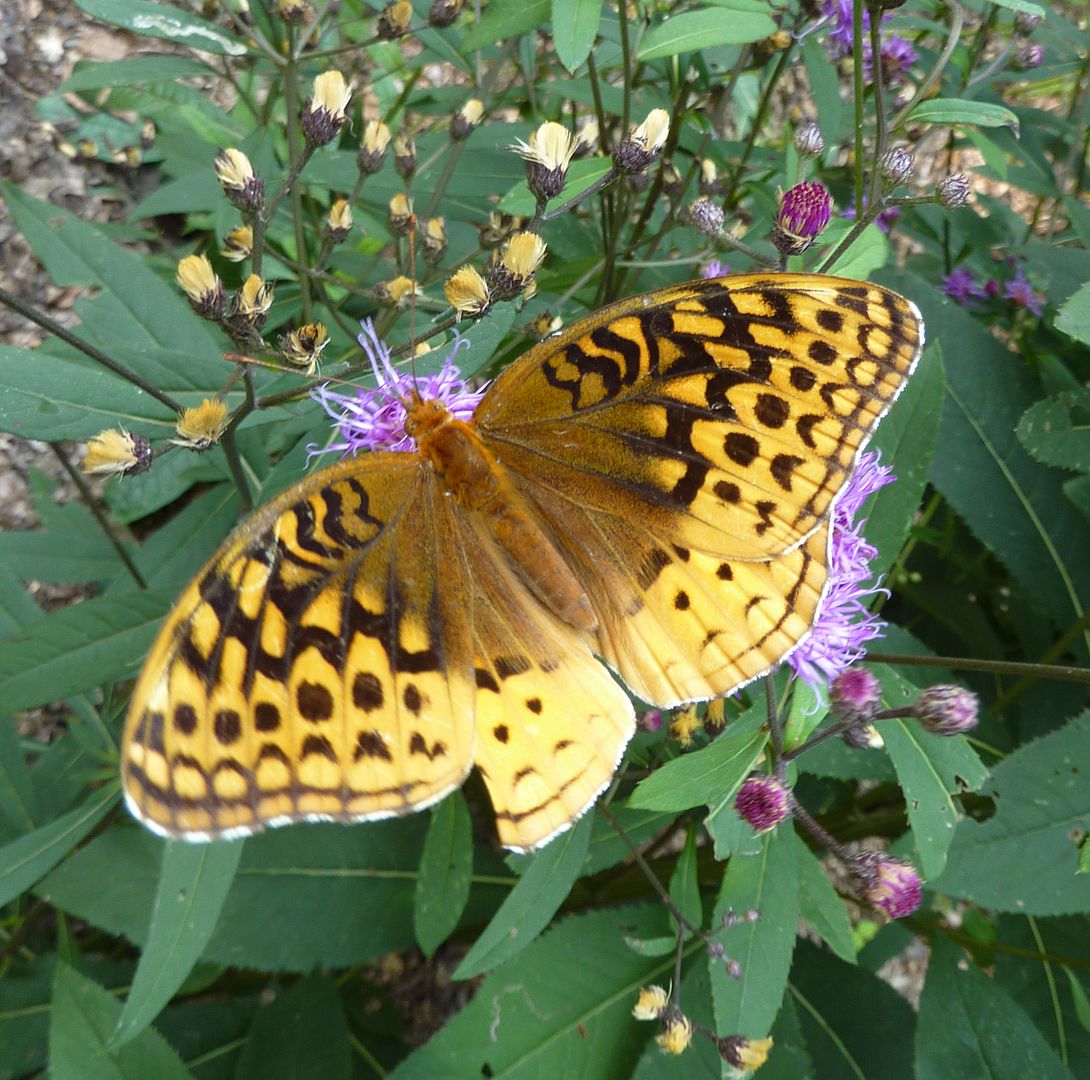
The Great Spangled Fritillary Butterfly, Speyeria cybele, is slightly larger than a Monarch Butterfly. As with other Fritillaries I read that females haphazardly lay eggs each autumn without any real regard for host plants. The resulting caterpillars are born and over winter without eating for ~7 months. Their host plants are Violets, which can be very common thankfully. Caterpillars that are successful at staying alive will develop quite an appetite and eat two whole plants everyday.
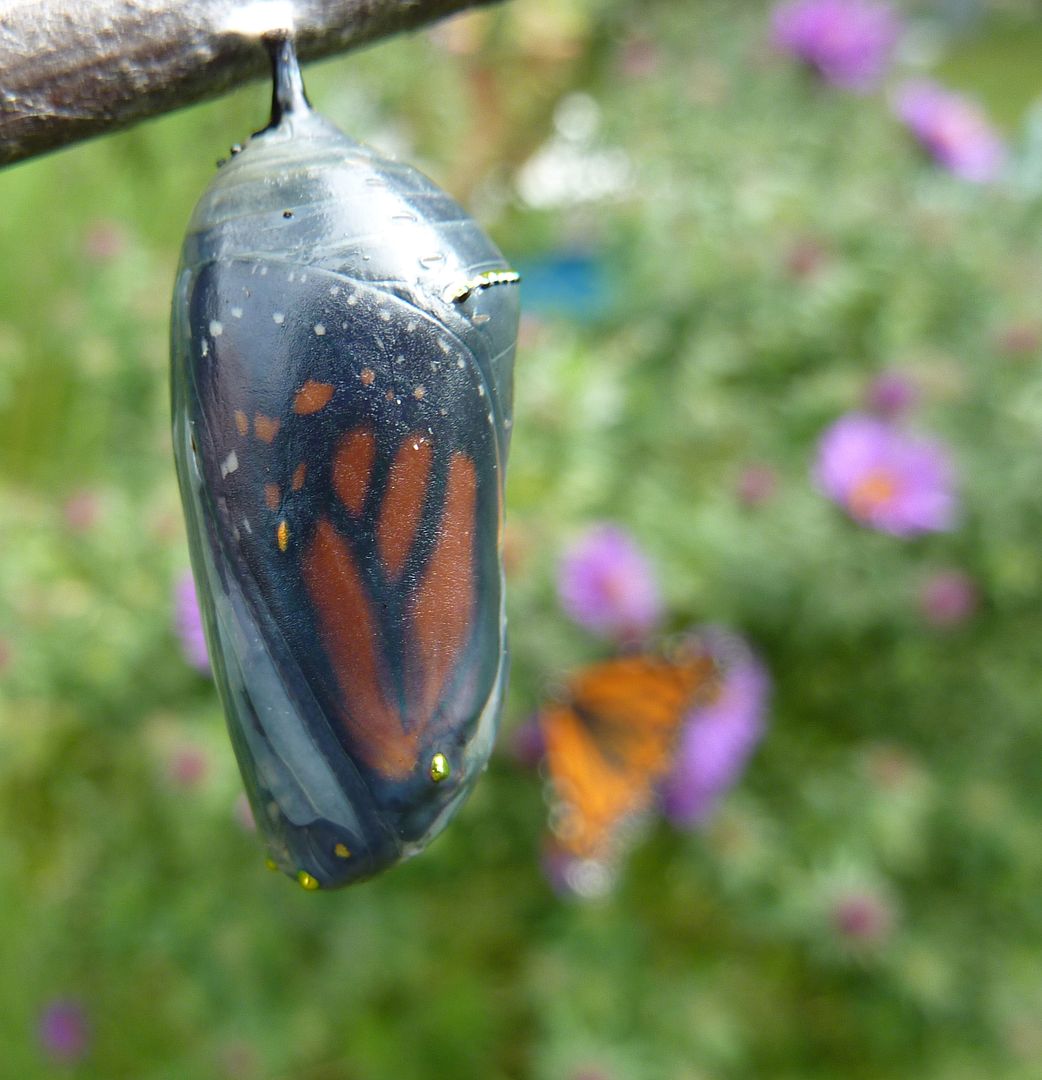
Butterfly season comes to its close here in August as the Monarchs start their migration south. Danaus plexippus.
This year I raised several caterpillars in captivity and made a video of the process.
You may look but don't eat.
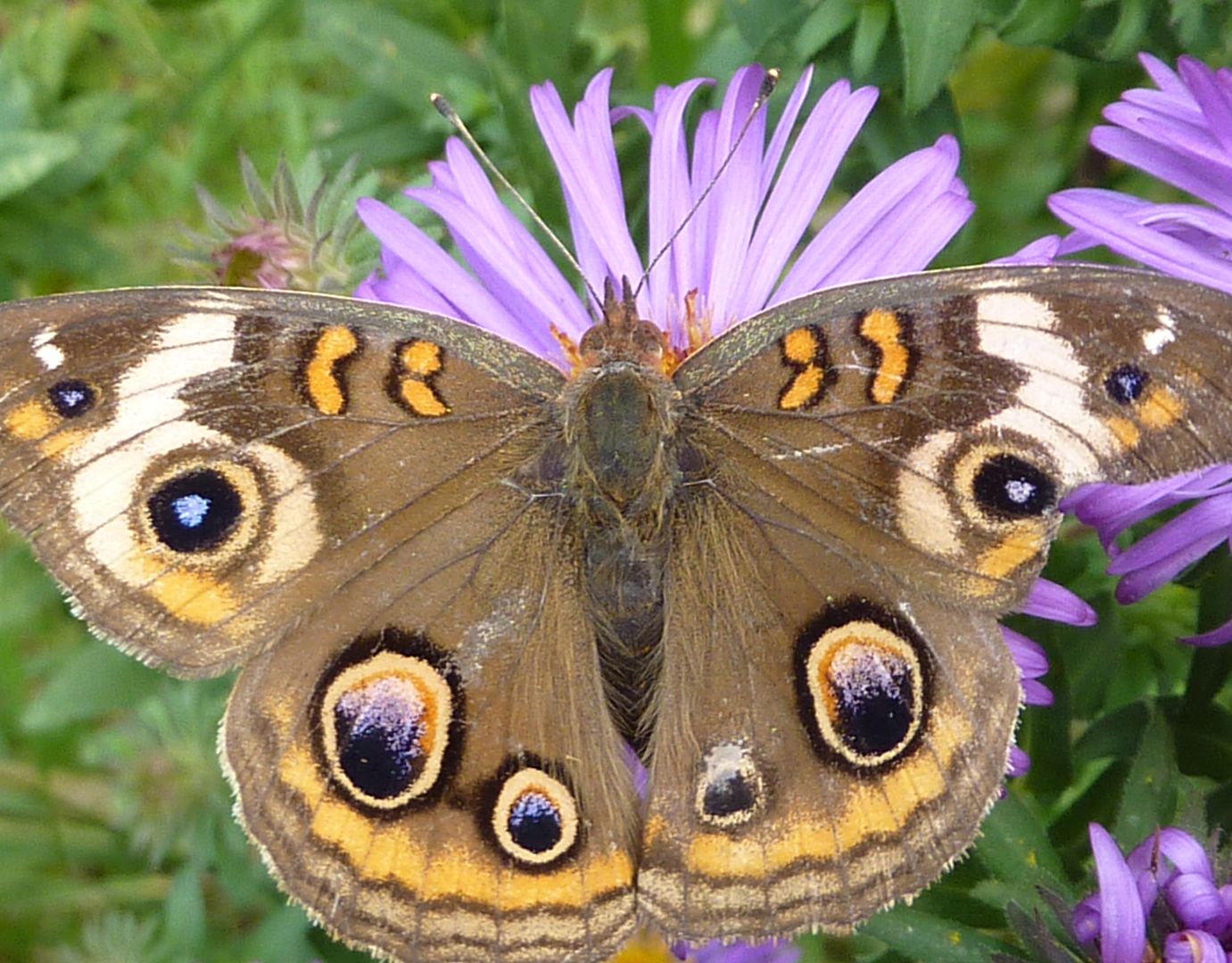
Another migration happening at the same time is that of the Common Buckeye, Junonia coenia.
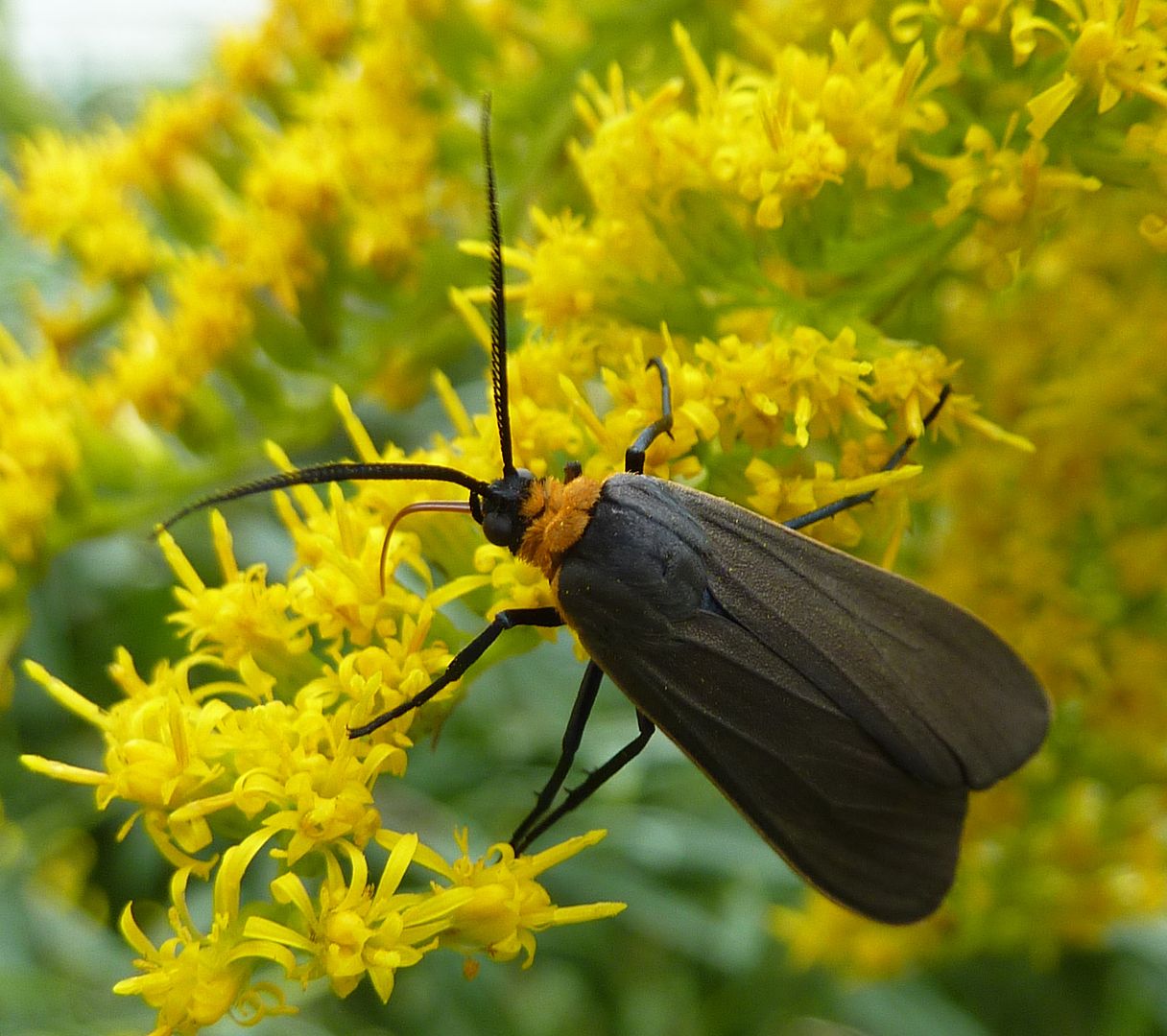
The last of the Lepidoptera for the year was this Yellow-Collared Scape Moth, Cisseps fulvicollis.
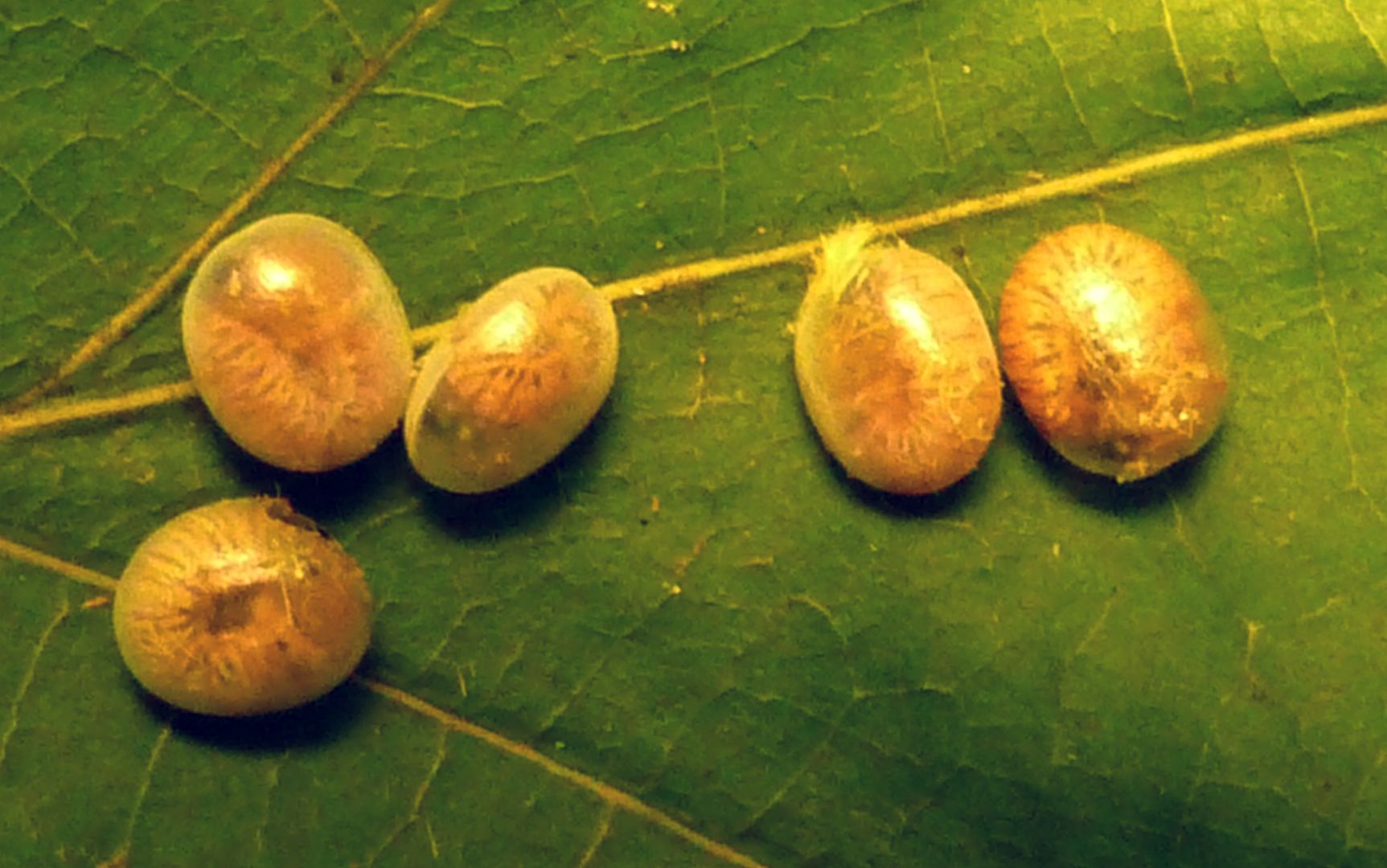
A friend mailed me some Imperial Moth eggs last week, Eacles imperialis. They were quick to turn from a light green to transparent.
Within a few days of arriving they've started hatching. After a few quick nibbles they hold still a while, waiting for their spines to inflate (emerge?) and harden. These hard spikes will be their only protection early on.
I was also sent some Polyphemus Moth eggs so hopefully I'll be able to update on those too.
So when I was first told that some groups rent helicopters to drop eggs for children on easter I thought "Wow is there anything helicopters can't do?" Followed shortly by "Wait, they're plastic eggs right? And these are not over neighborhoods?" Thankfully, yes, they are plastic, and they are dropped over a field. Let's take a look at one of these events in action.
Wow this totally required the use of a helicopter. They're hovering about 6 feet off the ground to drop a couple thousand eggs in an area that looks smaller than a football field. They get points for creativity and I'll admit the helicopter probably draw a crowd, but I feel something is lost with the use of the helicopter. Like, it should be higher off the ground, it should be a wider area, perhaps more efforts should be put into people manually hiding them along trails that connect fields the helicopter scattered eggs over. Also, Pinatas!
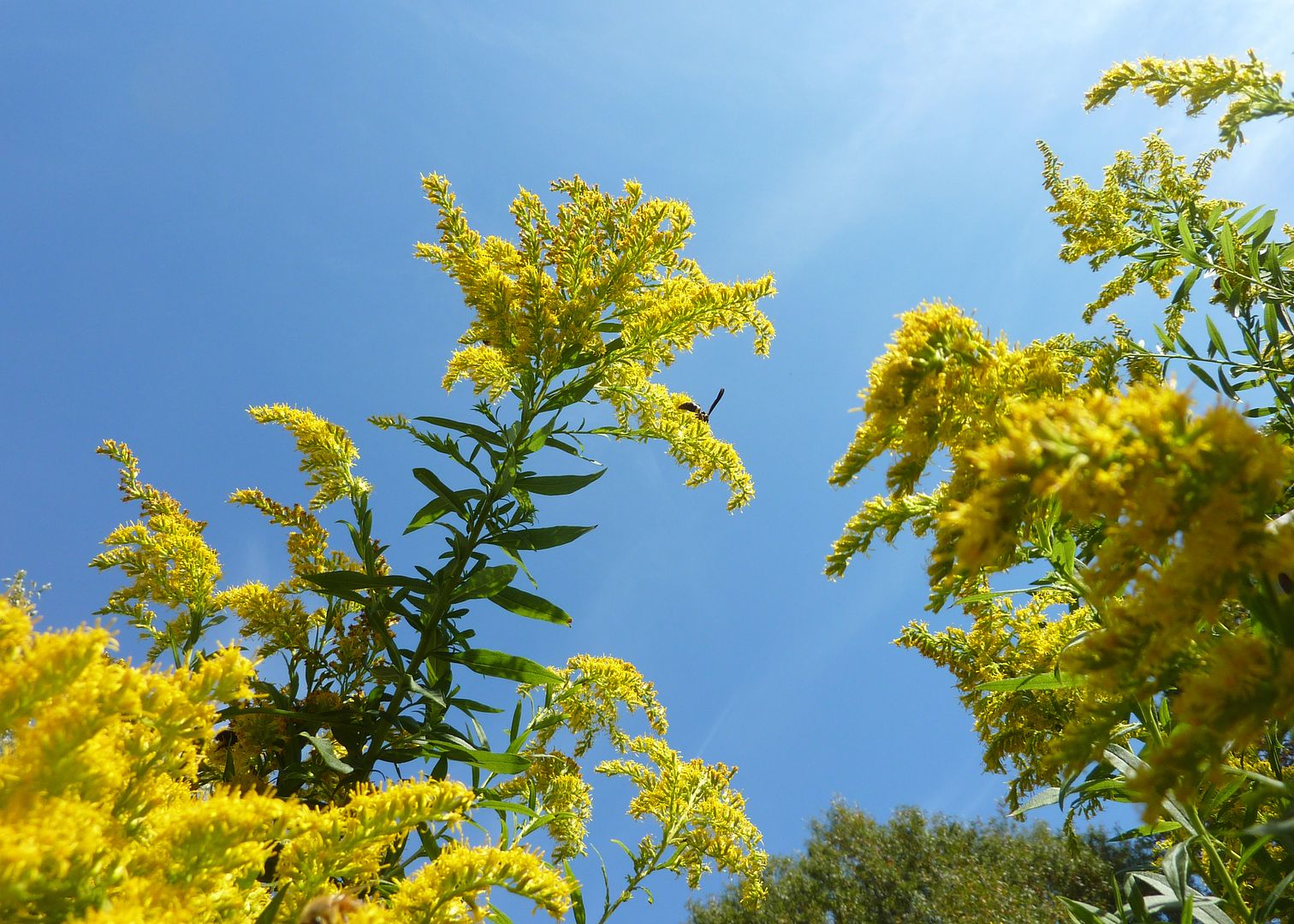
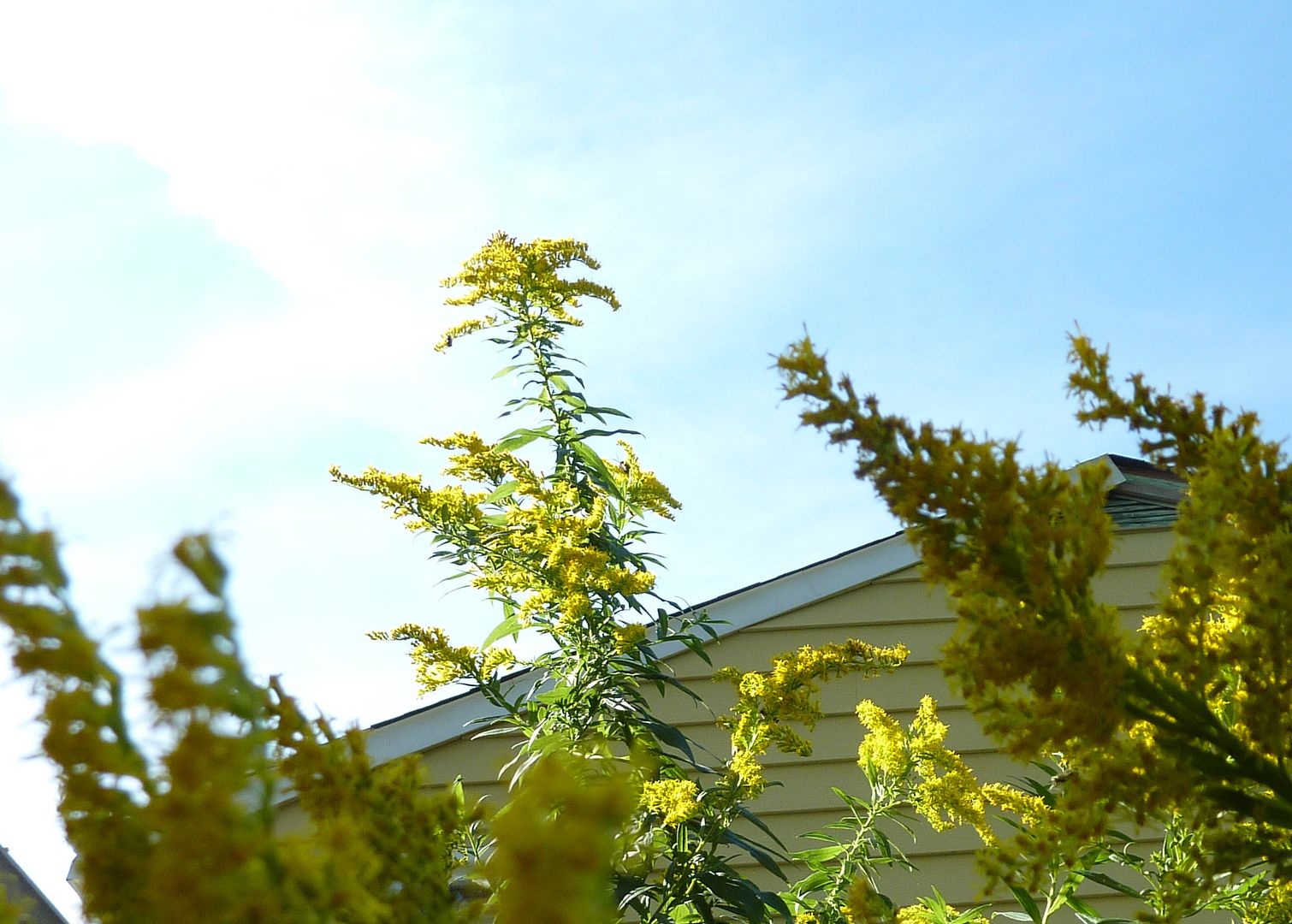
So this is the Goldenrod monster that lives in my backyard. Solidago altissima, Tall Goldenrod is identified as growing 5' tall, though this plant is a noted exception at 10' tall.
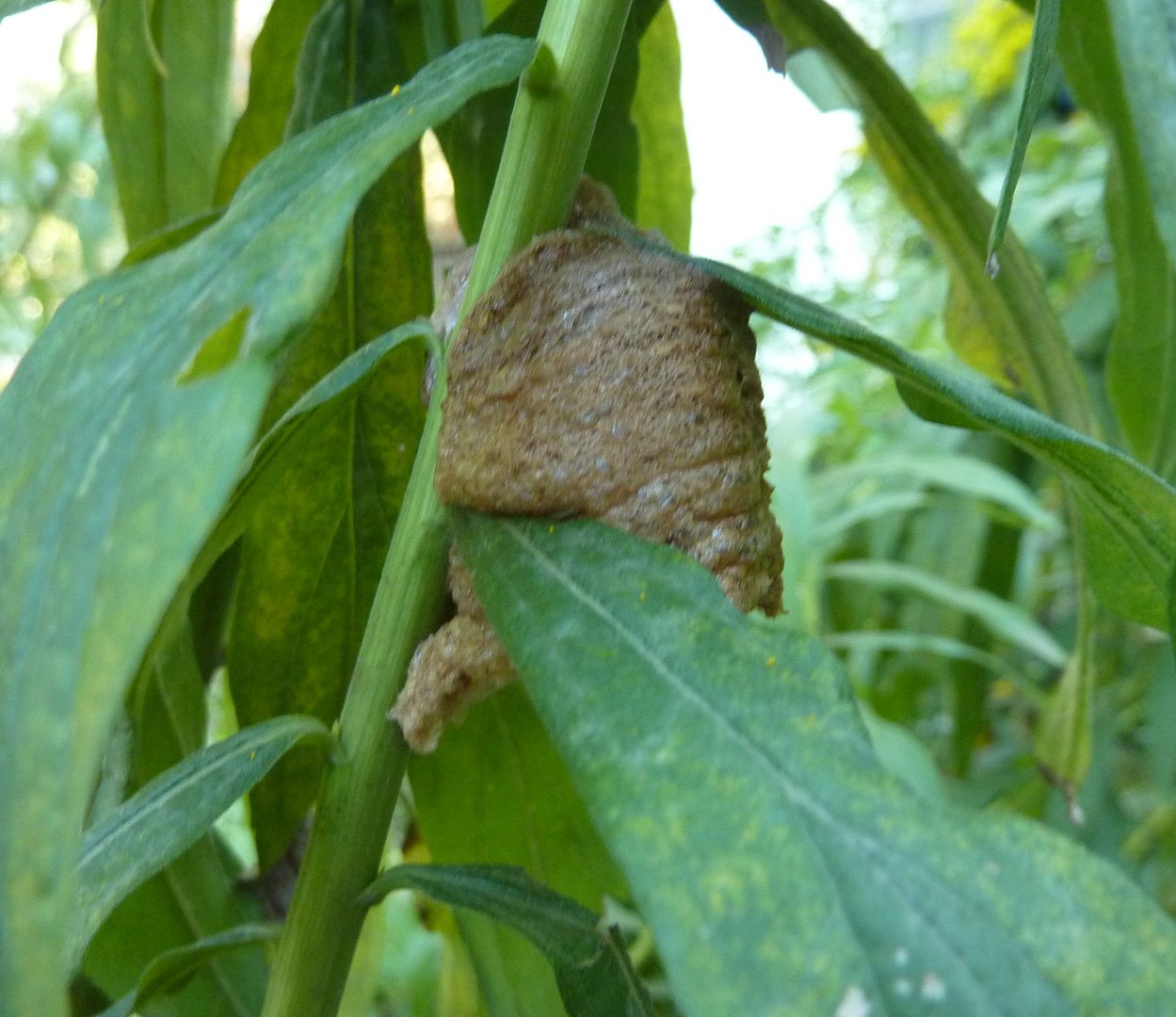
The leaves are narrow, long, and few if any teeth on them, and when present they're not long or clearly noticeable. They're more like small points than teeth. (presence of a mantis egg is optional.)
For those gardeners who love having really tall perennials this is a must have. My only complain is this year the storms were harsh enough that it fell over. Thankfully though this plant flowers late enough in the year that it doesn't matter to much. Considering most other perennials are dying back for fall, somehow a 10' tall plant shading them out isn't so bad.
Although this year I've resorted to using two ladders to prop these plants up, on other years they stand tall and flower beautifully. A diversity of insects use this plant as one last taste of pollen and nectar before winter sets in.
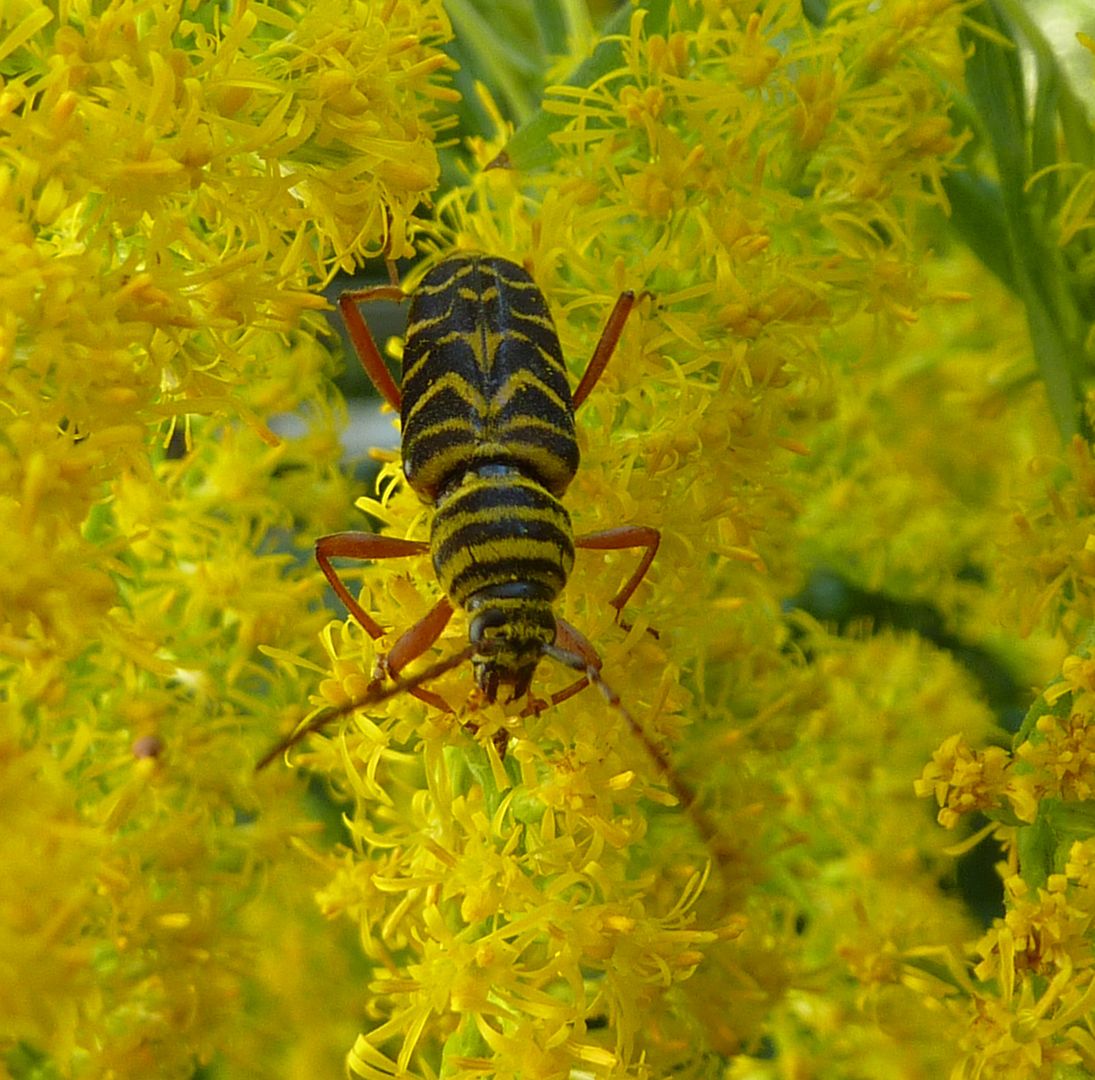
Megacyllne robiniae, The Locust Borer. Goldenrod is a common food source for this beetle. Though considered a pest it's a native species that feeds on a native tree, Robinia pseudoacacia, Black Locust Trees. It makes sense that they're around here as all the beekeepers look forward to the Locust bloom as a major boost in honey flow. The larva feed on the tree wood itself boring tunnels through the trunk. This makes them susceptible to wind storms and breaking and that can lead to disease setting in and shortening the life of the tree. Thankfully there's also the Honey Locust Tree, Gleditsia triacanthos, which is not effected by this beetle.
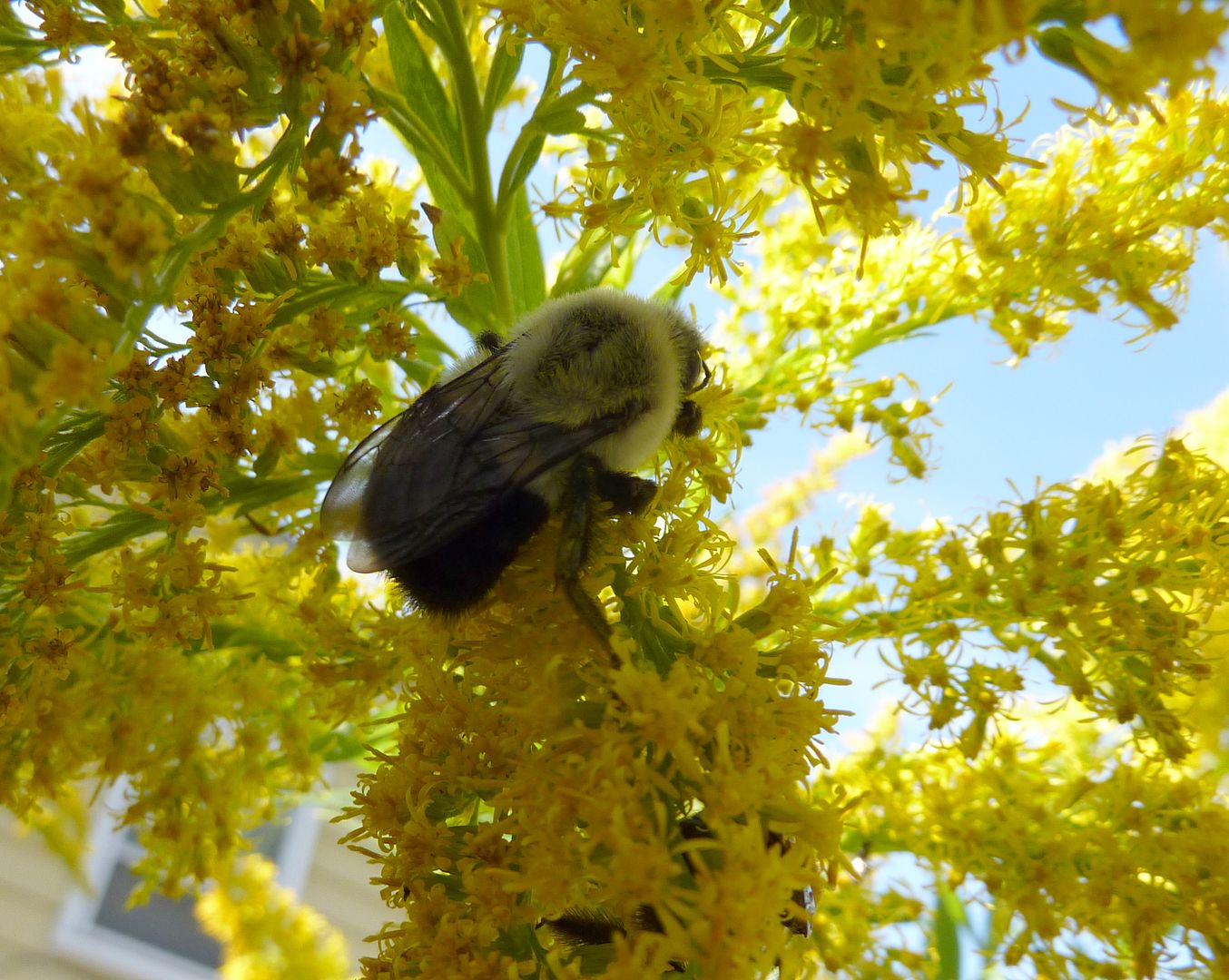
Buzzing around is what's likely one of next years Bumblebee queens. I think the species is Bombus impatiens.
Here they get one last taste of nectar before having to hibernate over the winter and trying to found a new hive next spring.
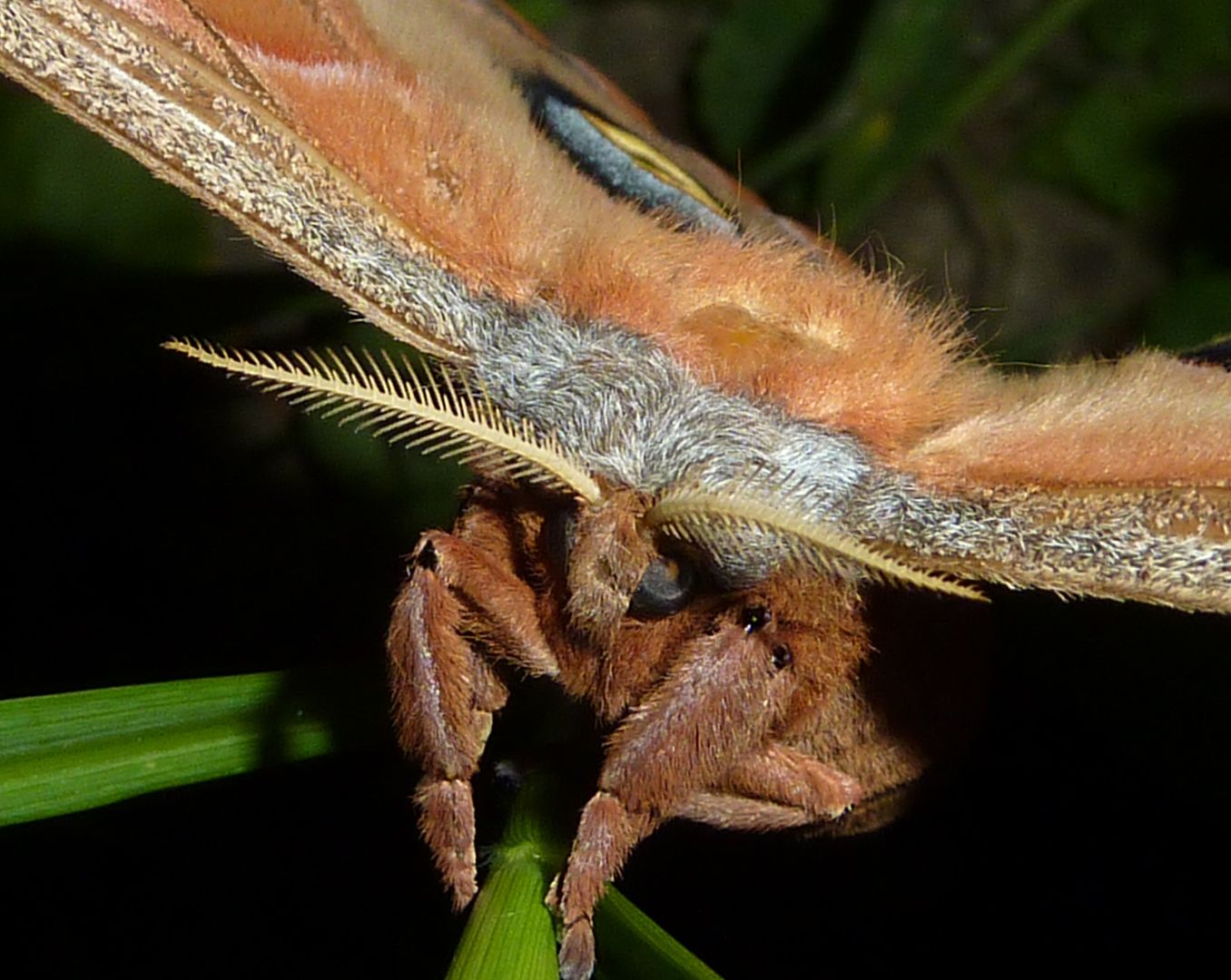
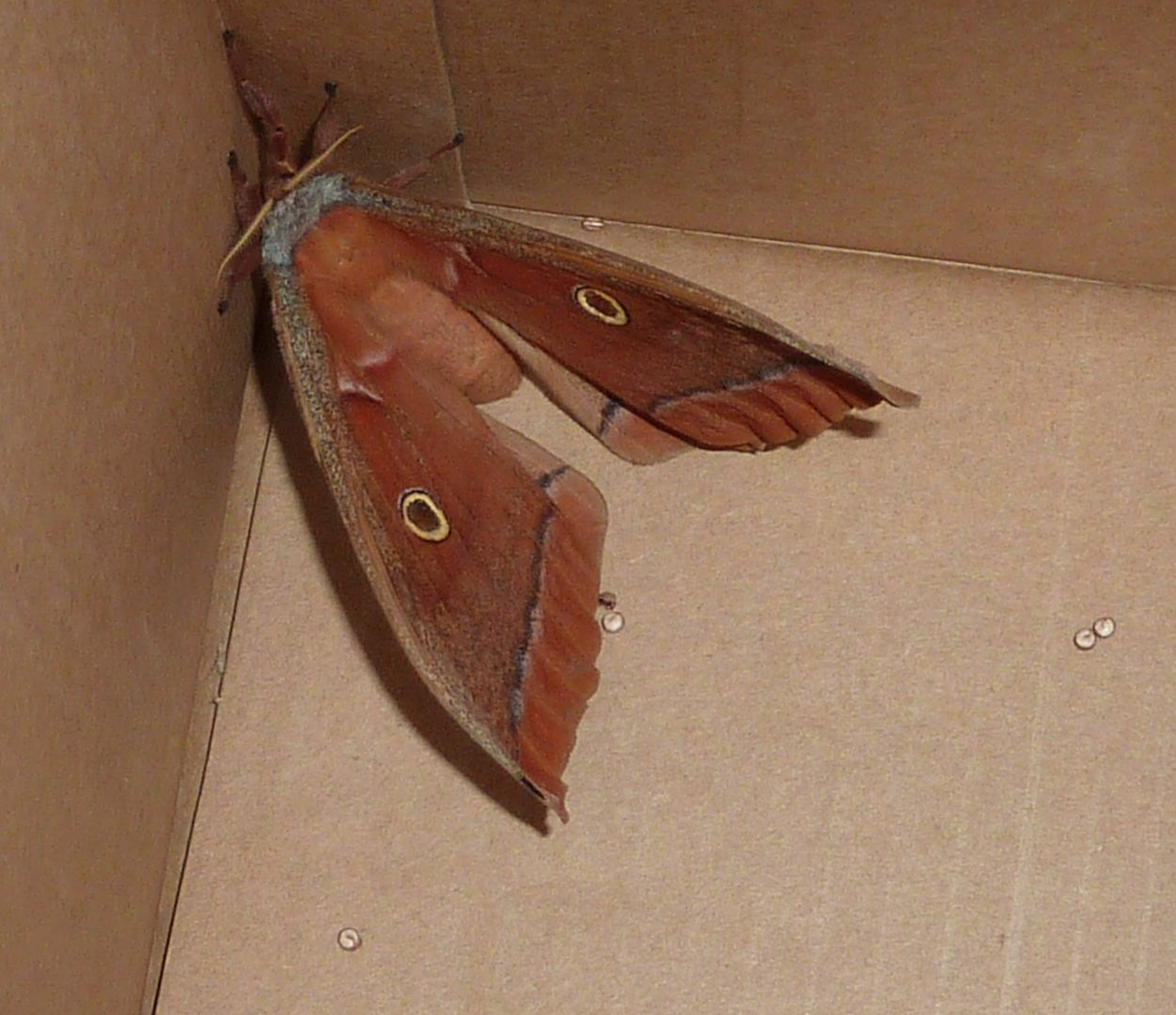
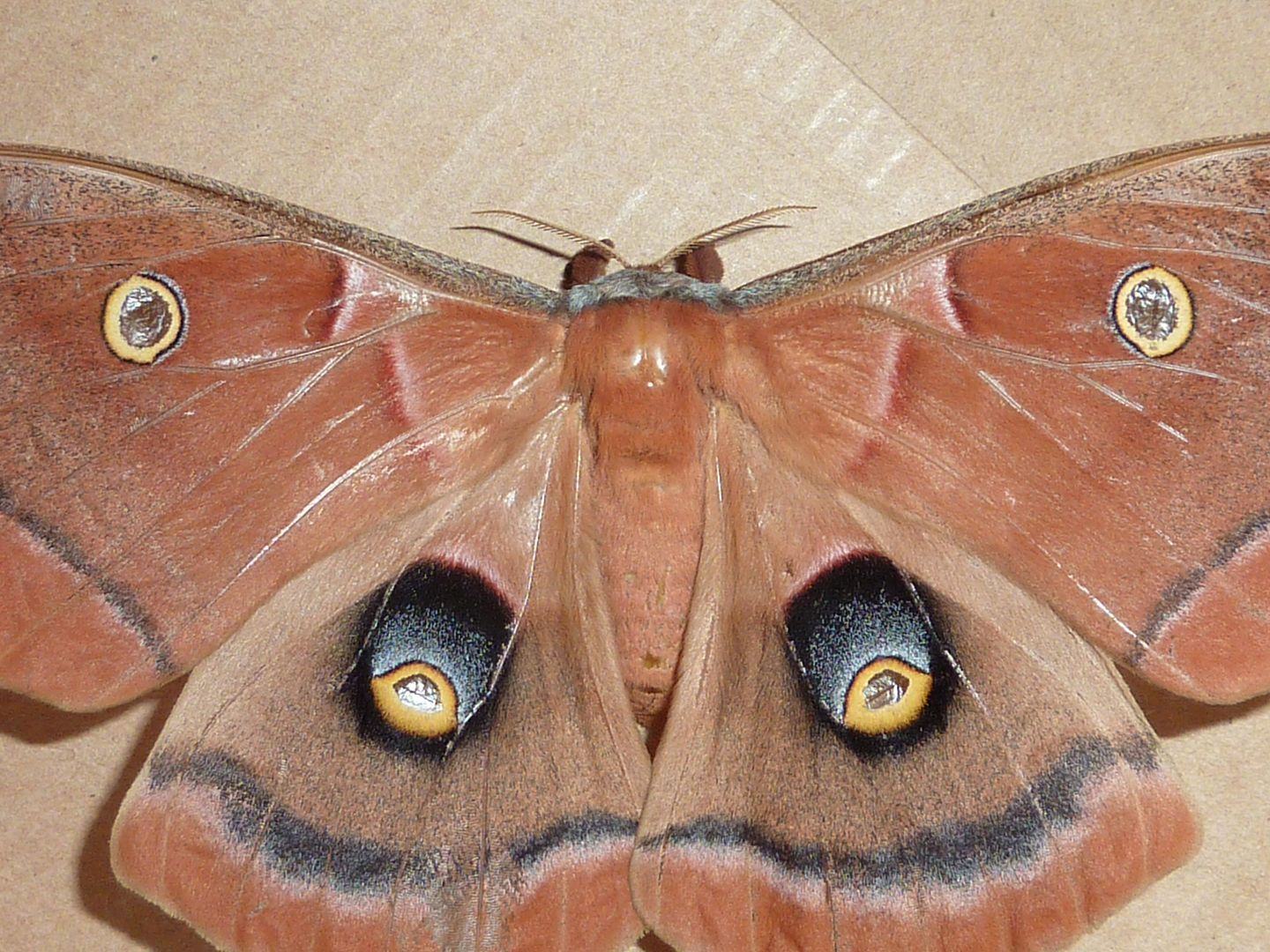
Last night while leaving work I discovered a Polyphemus Moth. Actually I discovered two but the other one was scurrying away up the wall. It was the kind of situation I feel where had I been a half hour earlier I probably would have discovered the two mating.
Acting on impulse, I once again put a giant silk moth in the car as I drove home to take pictures. The last time I did this it was with a Luna Moth and the damn thing flew up on my nose while driving! Had I been in an accident I'd have smashed the thing to my face against the air bag leaving paramedics to wonder why I was wearing a cabaret mask.
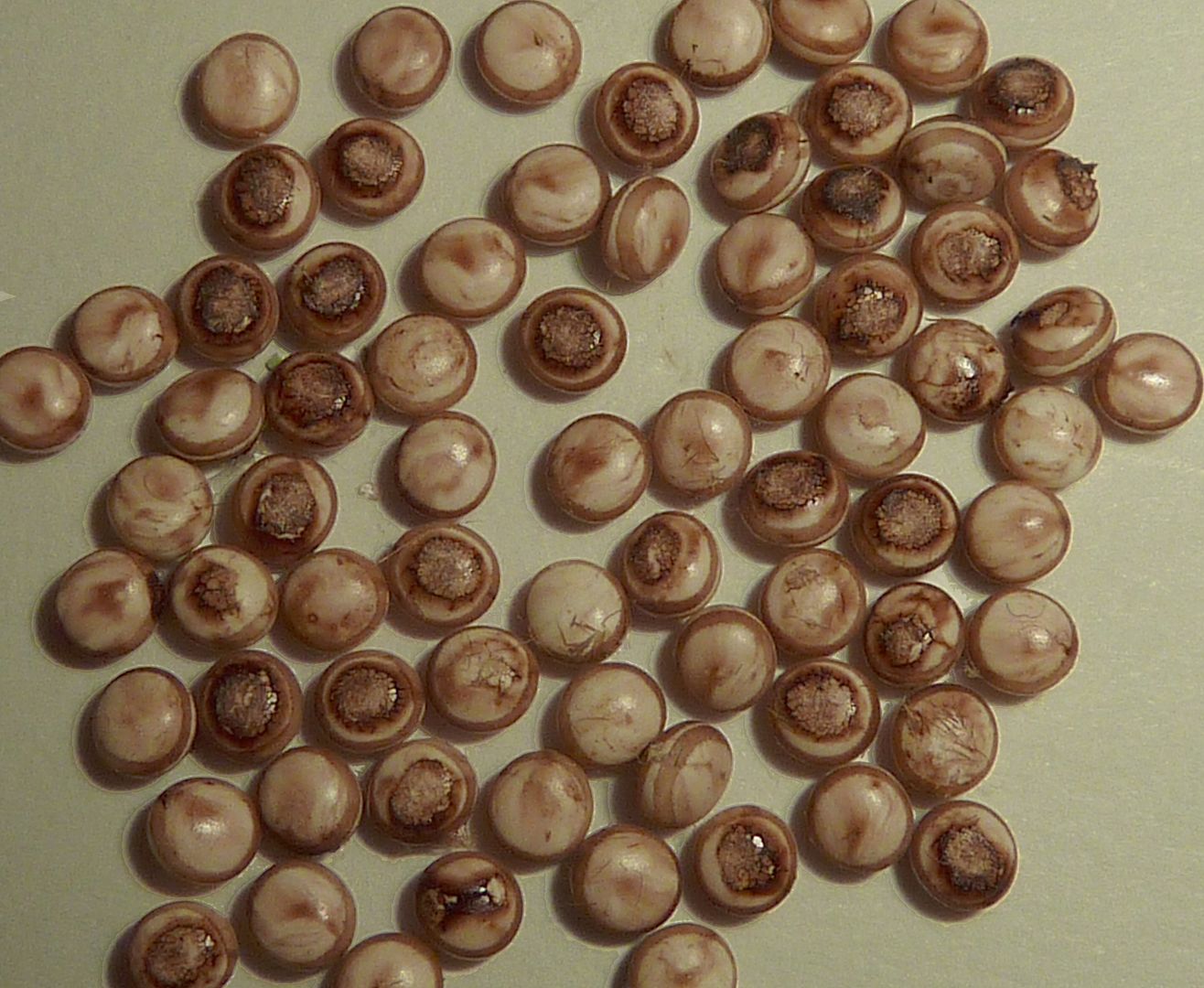
Thankfully the Polyphemus moth was more cooperative. And what's more, upon getting home I reached down between the driver's side door and driver seat. Apparently Big Moth-e wants Out-e. I discovered she had started laying eggs!
I have read that if you put them in a "paper bag" over night they'll deposit some eggs. Well apparently it's not so much the texture of the bag as the moth naturally reacting to complete darkness! So I put her in a box for the night and sure enough she laid eggs.
I'll be letting her go later tonight just as it gets dark. My yard is after all full of host plants for her though I do wish I had some Birch trees. Apple, Maple, Ash, and according to Doug Tallamy, Button Bush are all used as host plants. Now that I have a few dozen eggs to toy around with I'm thinking I'll try and rear some caterpillars if they hatch. I do have the leaves for this after all. I'm just not sure what to do about winter. hmmm.