So I'm a member of the
Wildlife Gardener's Forum, and I think for the past two or three years now a few of the members have arrange a yearly meetup or road trip or combination there of to get various forum members involved. This year I decided to participate in a few of the trips which happened to be here in my home state of New Jersey. I wasn't expecting much though because of the time of year. We're not really at the peak of the "leafing" season and most of the wildflowers have finished flowering.
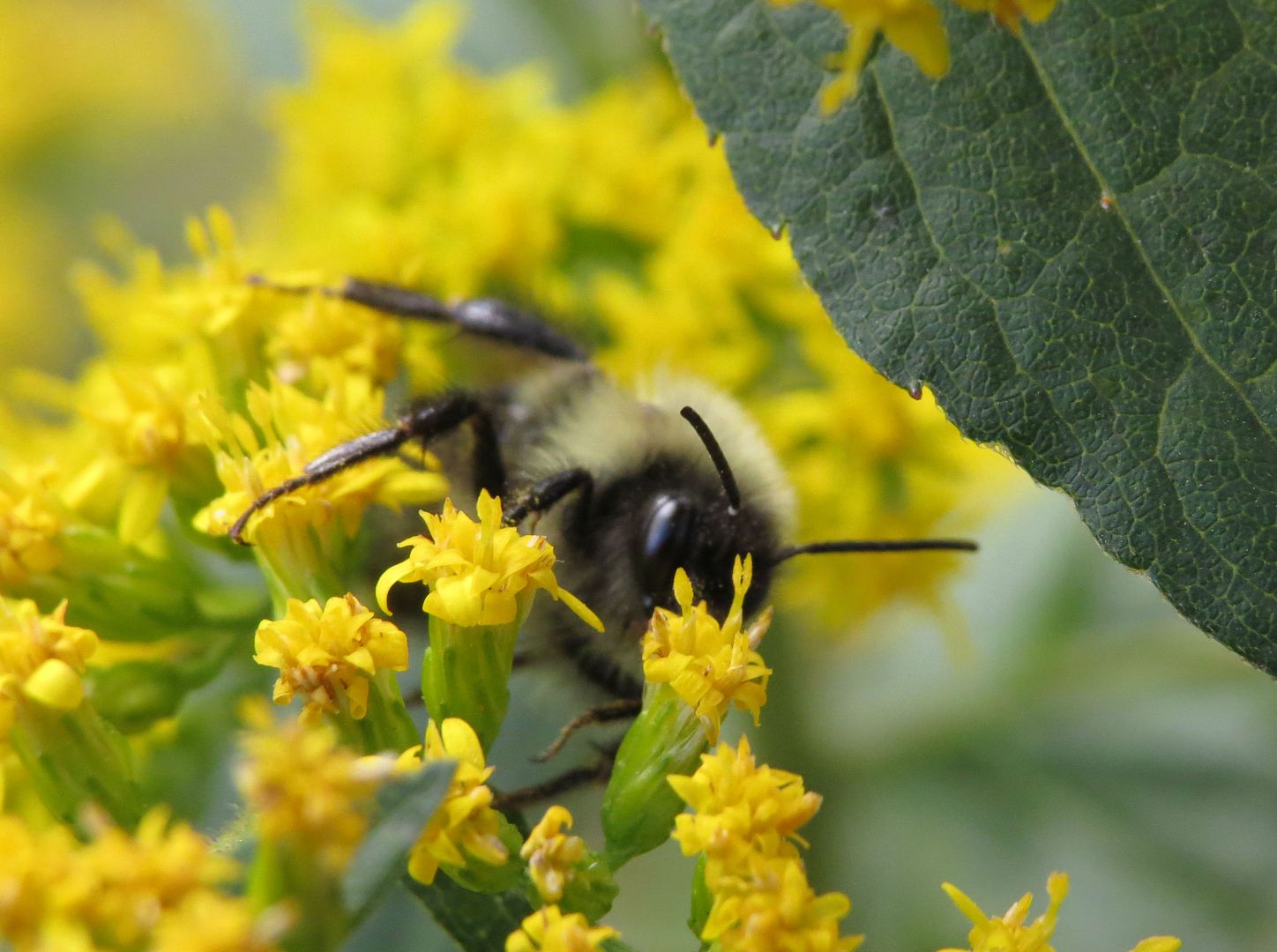
I can't quite remember the name of the first place we visited but it had a bustling dog park and multiple trails leading through woodlands and what may eventually become nice meadow. As I said though most of the wildflowers weren't flowering so it was hard to judge. Almost all of the goldenrod was finished for the year up there so we're pretty much at the end of the flowering season. One thing I noticed was that they had almost too much goldenrod up there. It's a mid to late stage meadow plant which will usually push out milkweed species. (This doesn't always happen, and there are old fields where goldenrod mysteriously never takes over but it tends to be the norm.) There were a lot of trees and even a few nonnative plants about. There's almost too much work there to be done for what they have, but most of the problems seemed to be in the meadow and forest edge areas which accounted for maybe 1/4th the park that we saw. They just need to come up with a treatment strategy to hopefully get things under control. I recommended having it mowed once a year to get rid of the woody tree species but they were afraid of killing butterfly chrysalises. A valid concern, but removing tree seedlings manually will eventually become an impossible task, so maybe only mow half the meadow each year, and alternate from there. Even haying the field (cutting it to knee high) can be beneficial.
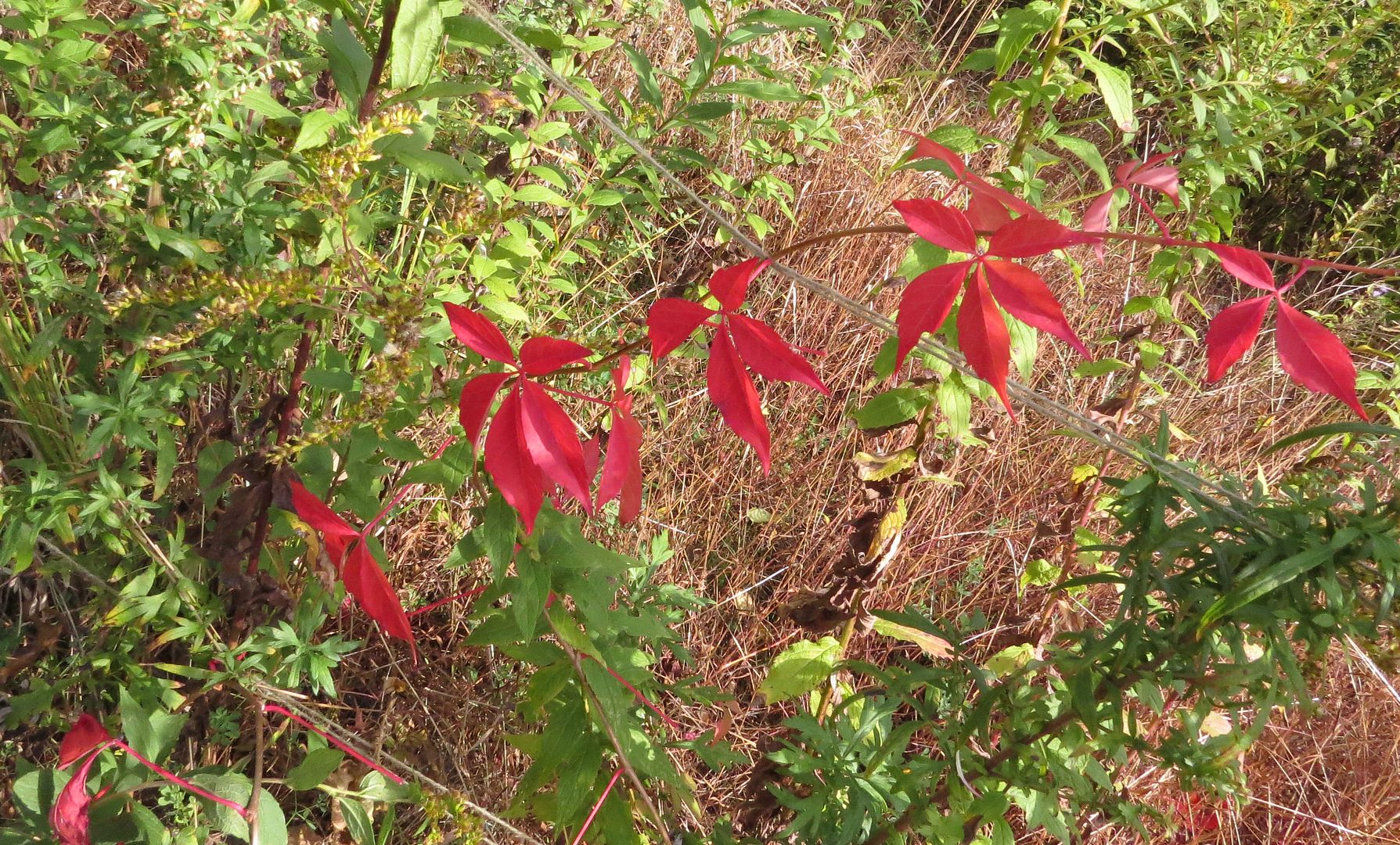
Virginia Creeper,
Parthenocissus quinquefolia, was showing off its fall color in a brilliant shade of red.
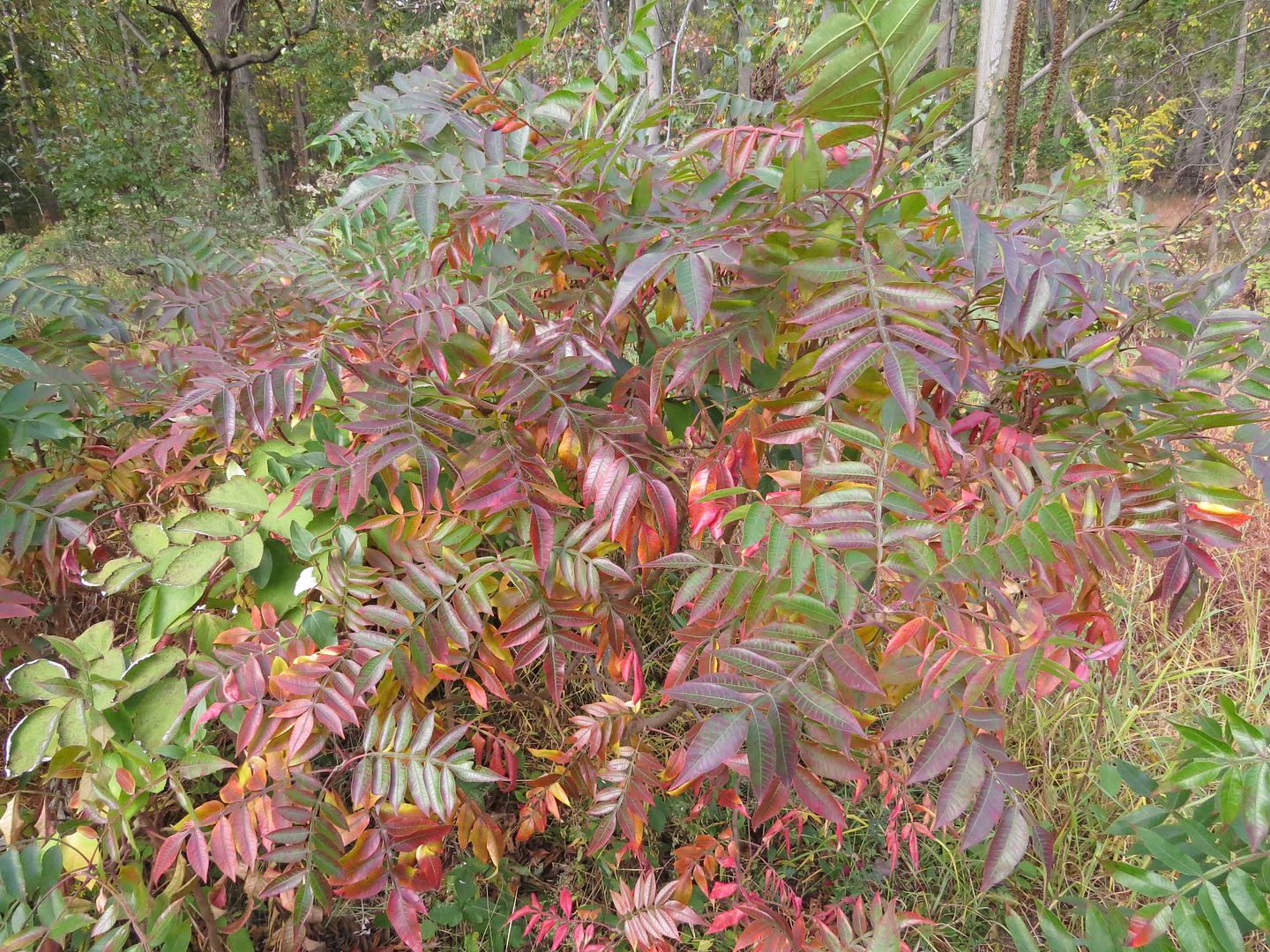
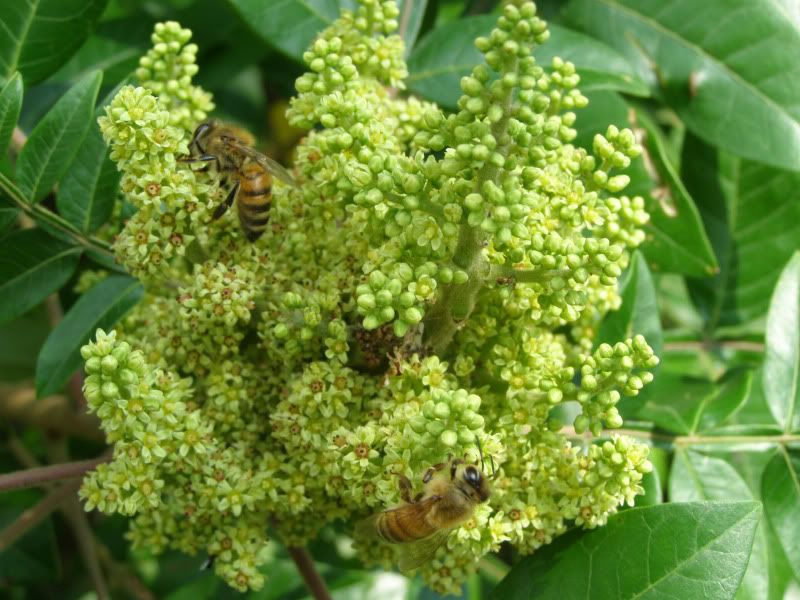
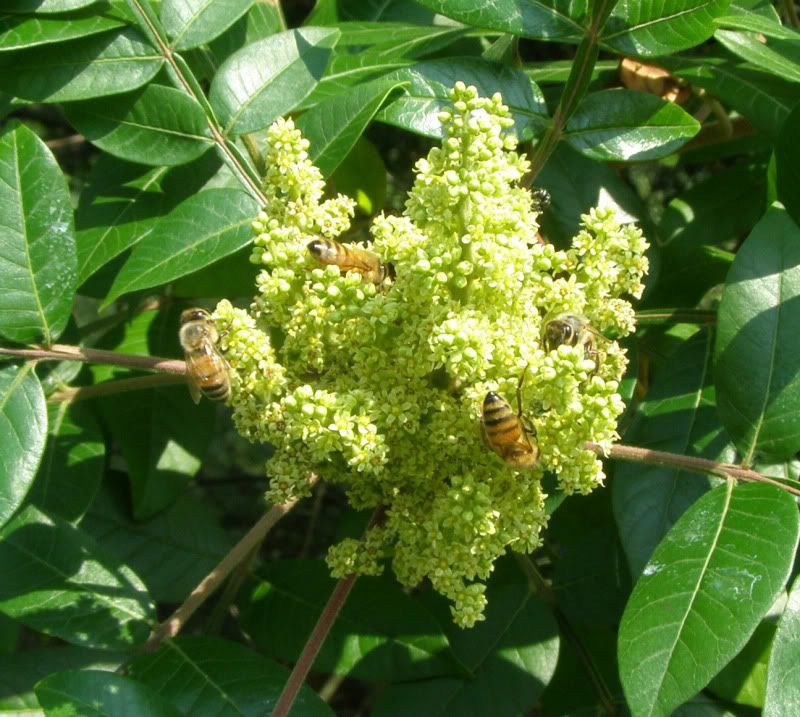
Winged Sumac,
Rhus copallina, eventually also turns this brilliant shade of red. A failing though is that this species spreads by root suckers to form it's own grove. Mowing is just about the only way to keep these suckers under control.
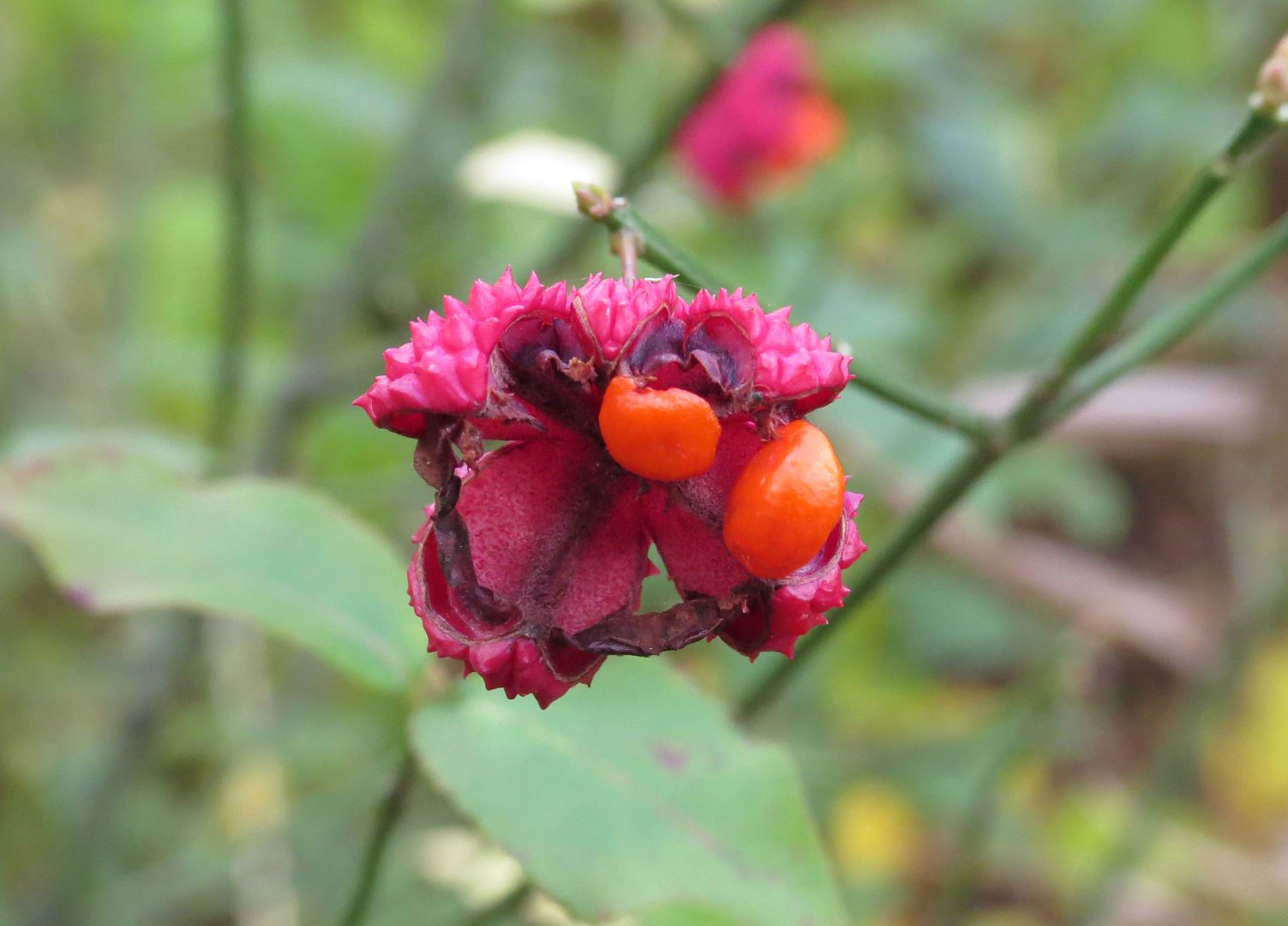
Strawberry Bush,
Euonymus americanus, was something of a highlight because almost none of us had ever seen it before. The common name is misleading because it has nothing to do with the edible runner vine people are so fond of. I believe the name comes from the seed pod resembling a strawberry before it opens to reveal the nut-like fruit (as seen above).
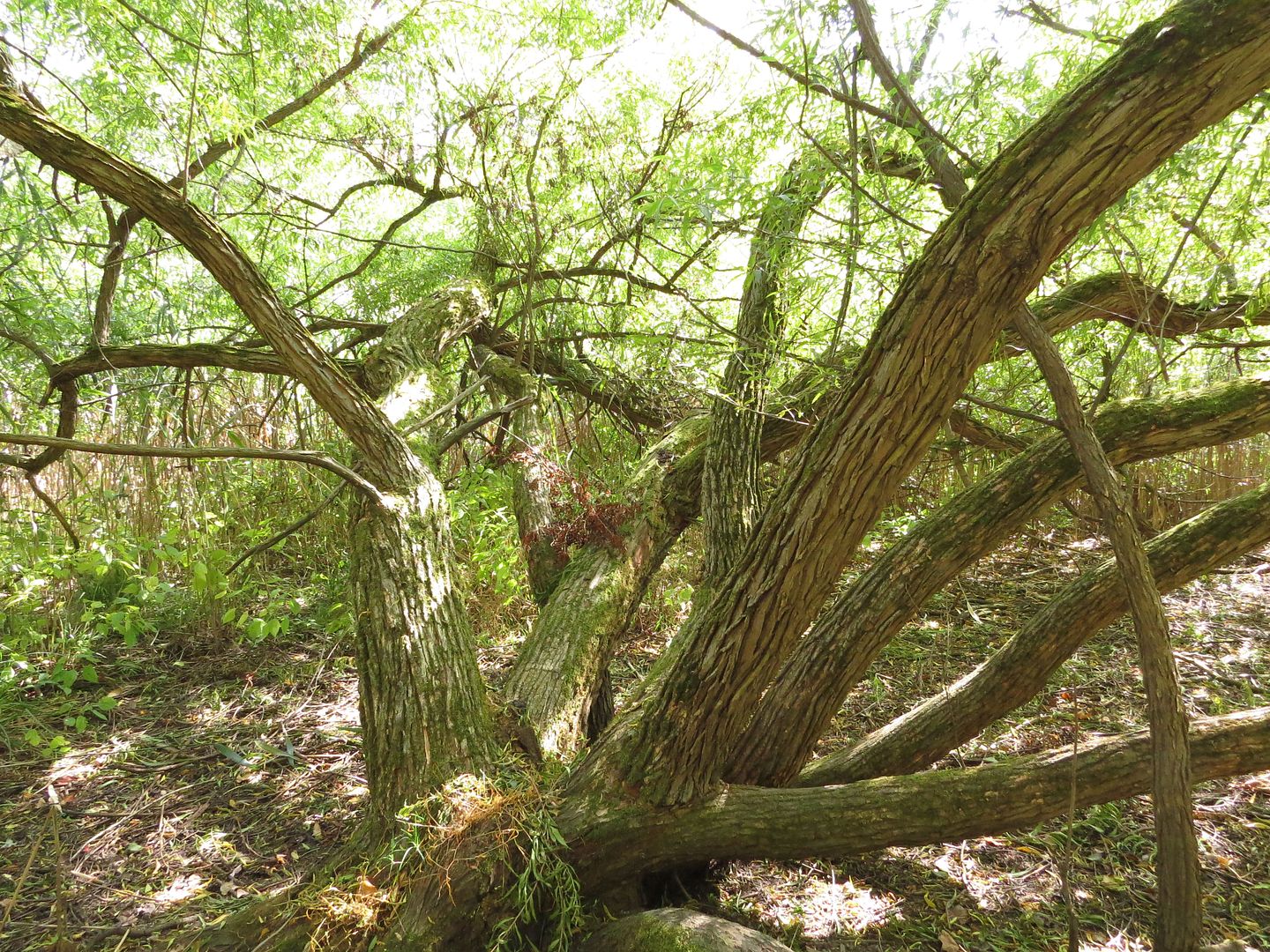
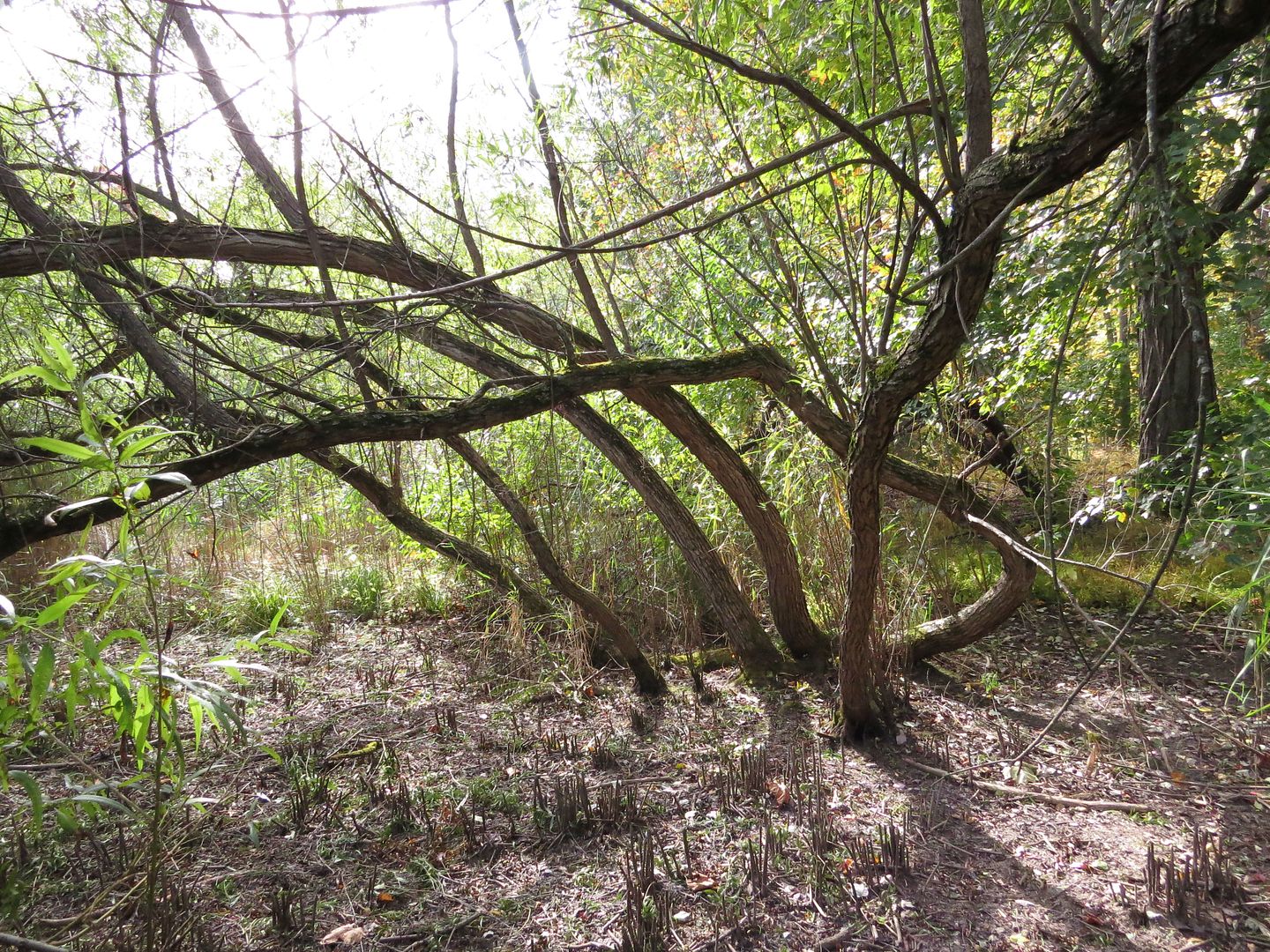
Venturing into the woods the real highlight of this place were a few Black Willow,
Salix nigra, trees they had growing there. My camera really doesn't do them justice though.
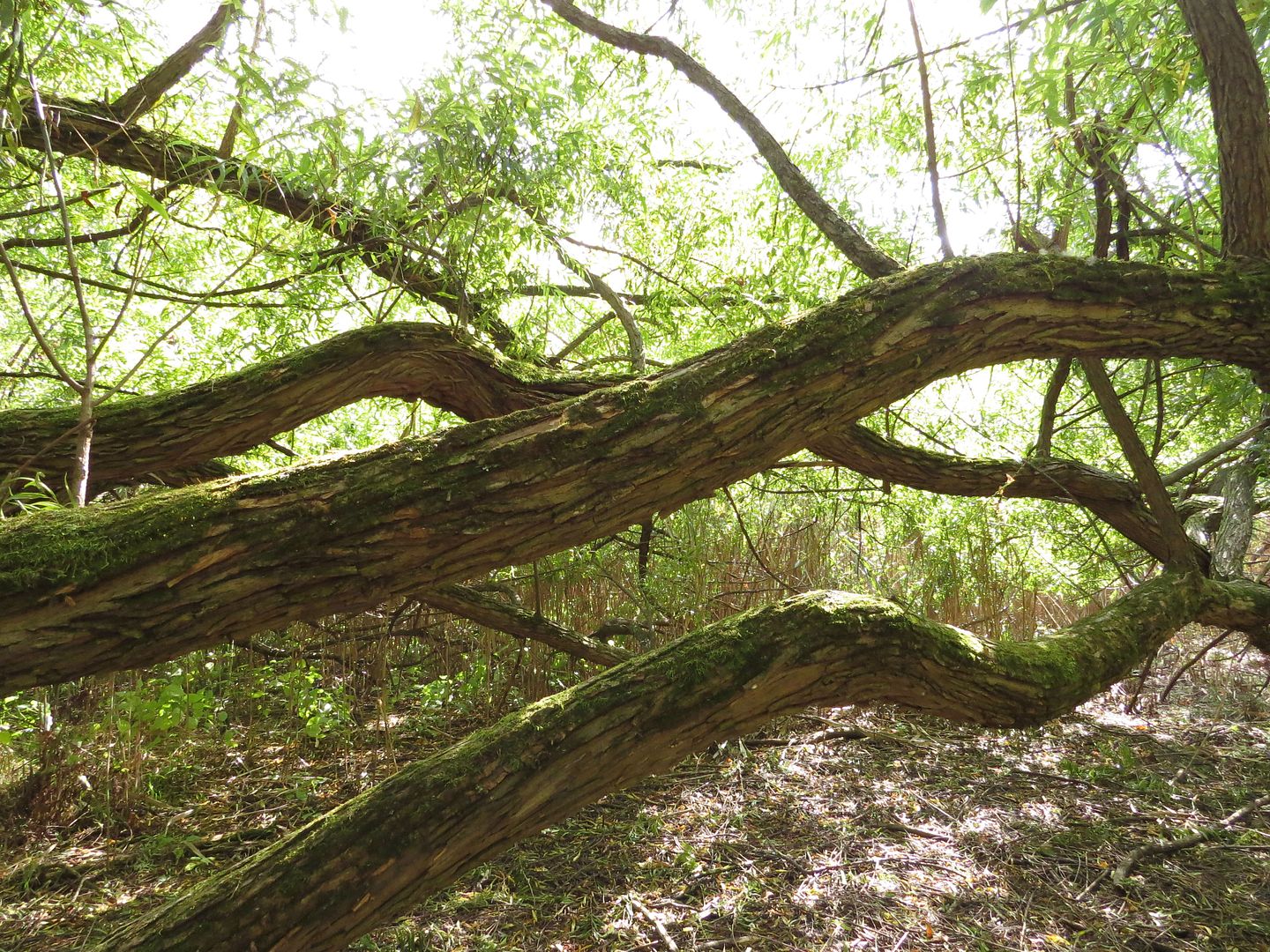
The dappled shade underneath and the low winding branches make you feel like a kid again, getting tangled up in shrubs and makeshift club houses designed by nature.
They're growing in an area that clearly flood when it rains which prevents most types of plants from growing there. But this particular species is well suited to the location. The ground was mostly stable enough to walk in too and not muddy at all, though I'm sure just after a storm that could be a problem.
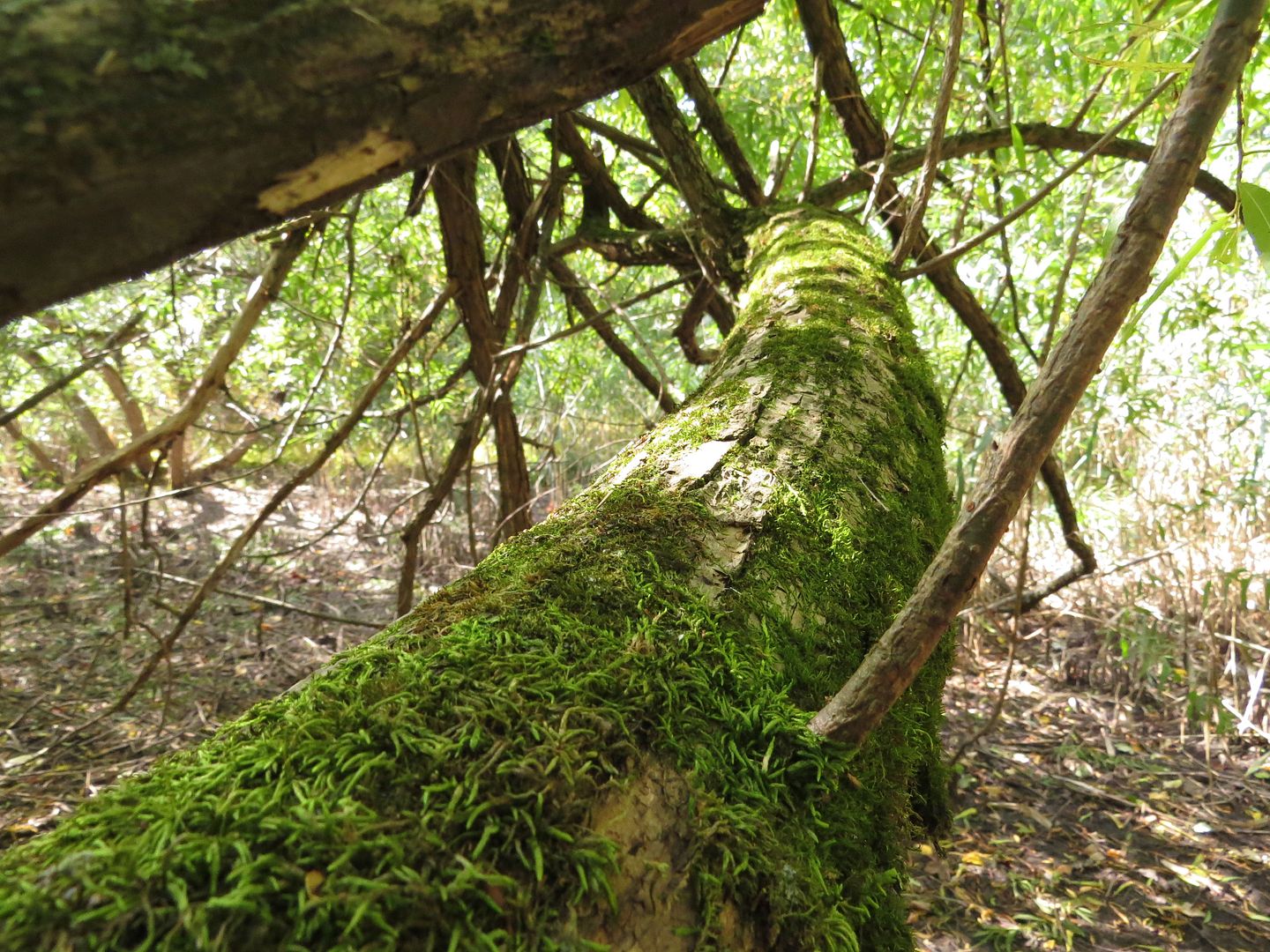
Moss was growing all up and down the trunk and branches. They seemed to be in very good health. This is probably the closest thing have to Mangroves which grow down in the tropics, of course the two are in no way related.