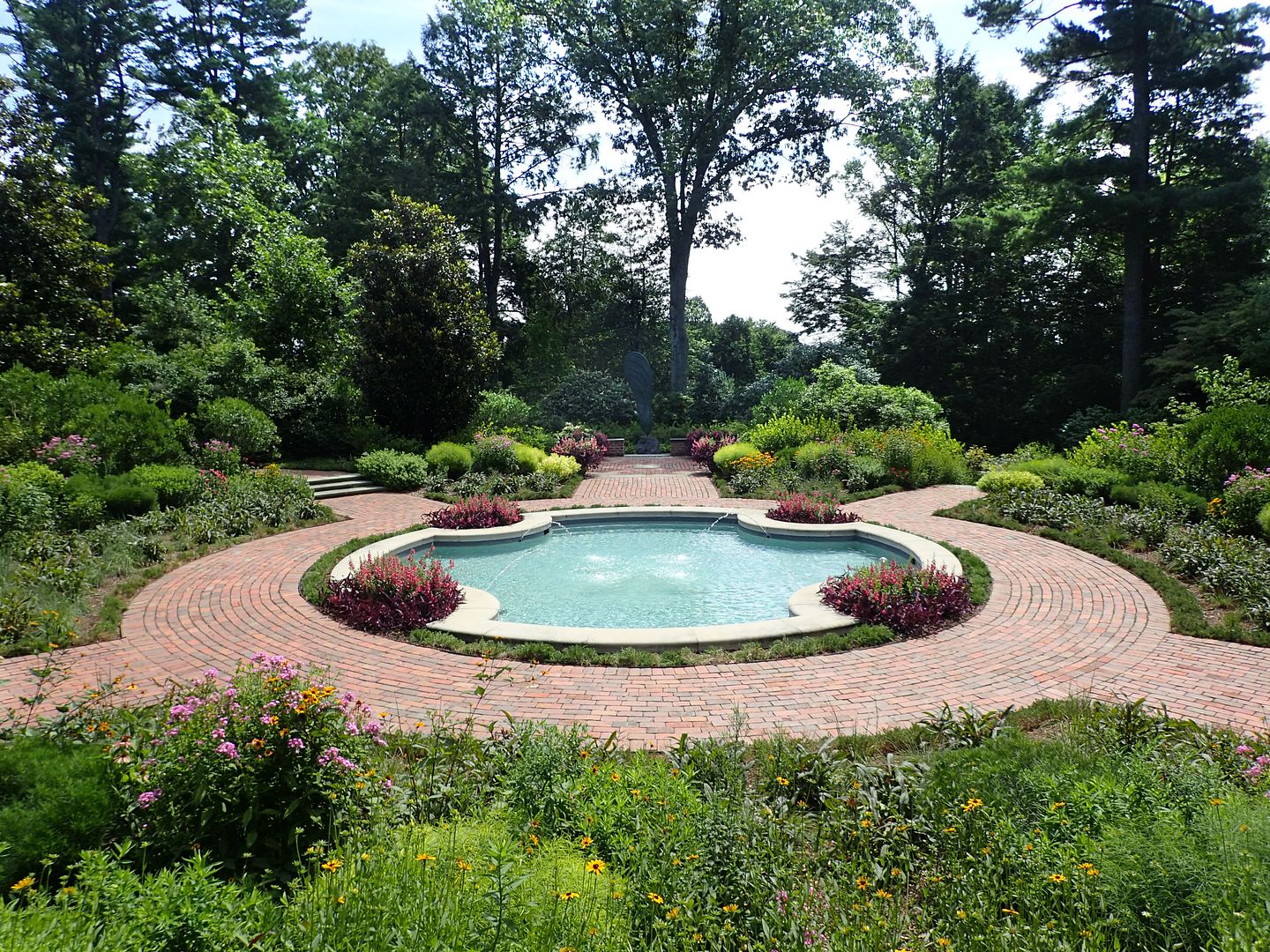
I was at the Mt. Cuba Center a few weeks ago and was glad to see all the different plants in bloom. Some of these I had never seen flowering before and was quite amazed to realized I'd been walking past shrubs and plants at the Mt. Cuba Center I'd never seen flowering all because I'd never visited on a certain week.
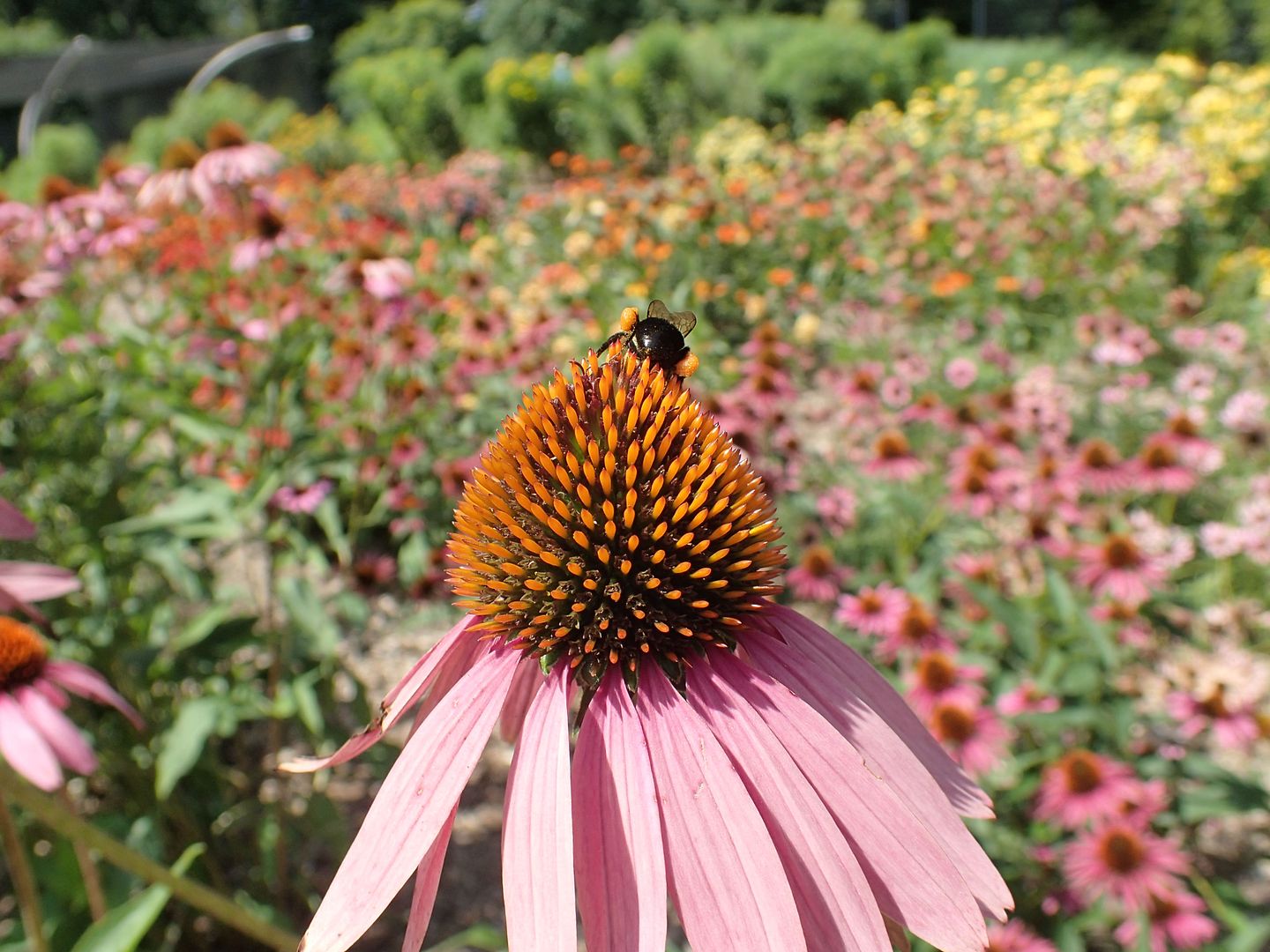
First though, while around the Round Garden, I paid a visit to the adjacent Trial Garden where they seem to be revisiting Coneflowers. They had already done these a few years back but I think they had different criteria back then. I know in recent trials with Monarda, and Phlox, they mention which ones Hummingbirds, Butterflies, and Bees favor so that would be a nice thing to know when deciding which of the hundreds of different Coneflower varieties they like.
So this is a fairly standard coneflower. I don't know if it's the true species or a cultivar but it's close enough. I recall looking around at all the colorful and wondering why they hadn't included 'Rainbow Marcella' which I bought this past spring.
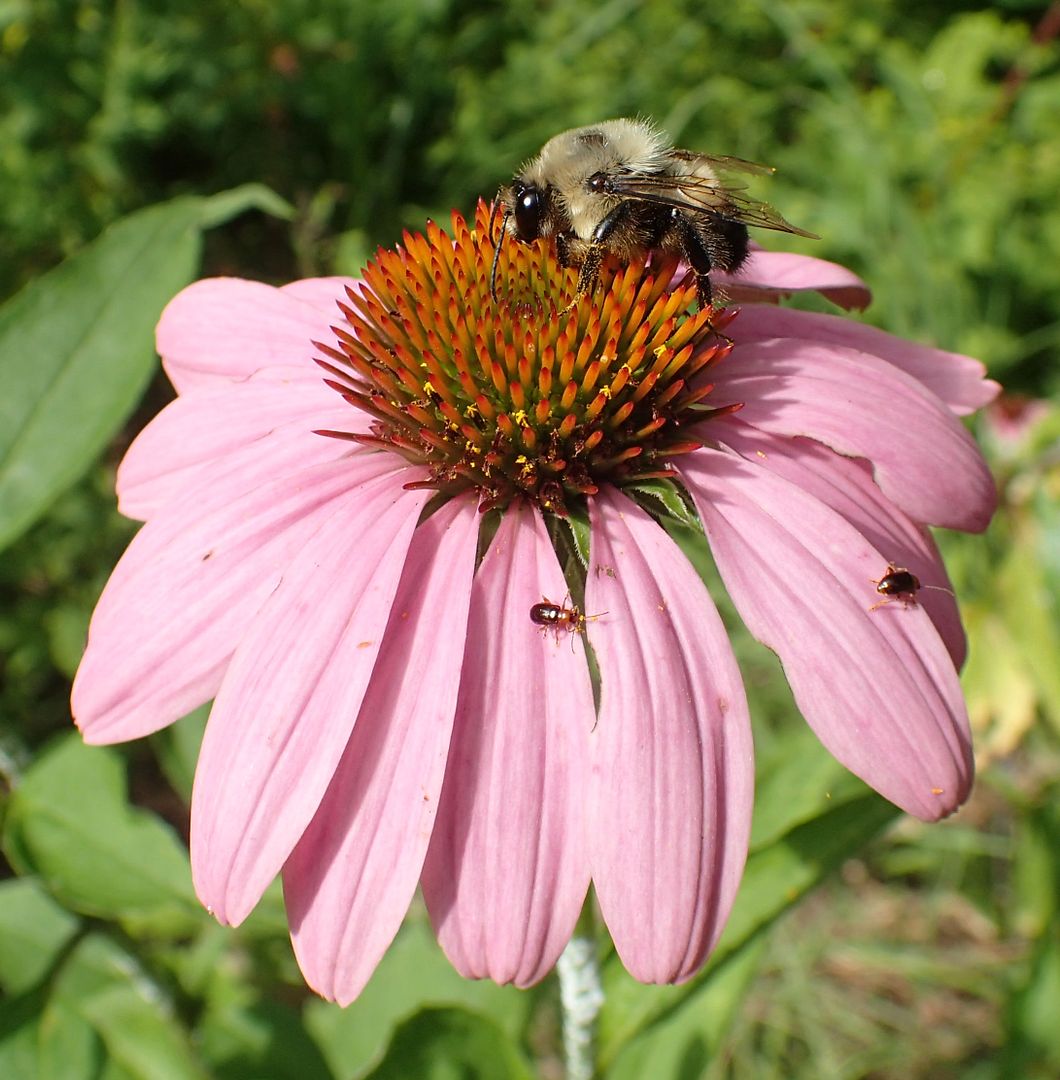
This is a plant back in my garden and the flower which the squirrels damaged but I was otherwise pleased with them. Now of 6 plants only 4 have flowers but only 1 of them has the cultivar color as advertised. I'd been thinking I was ripped off.
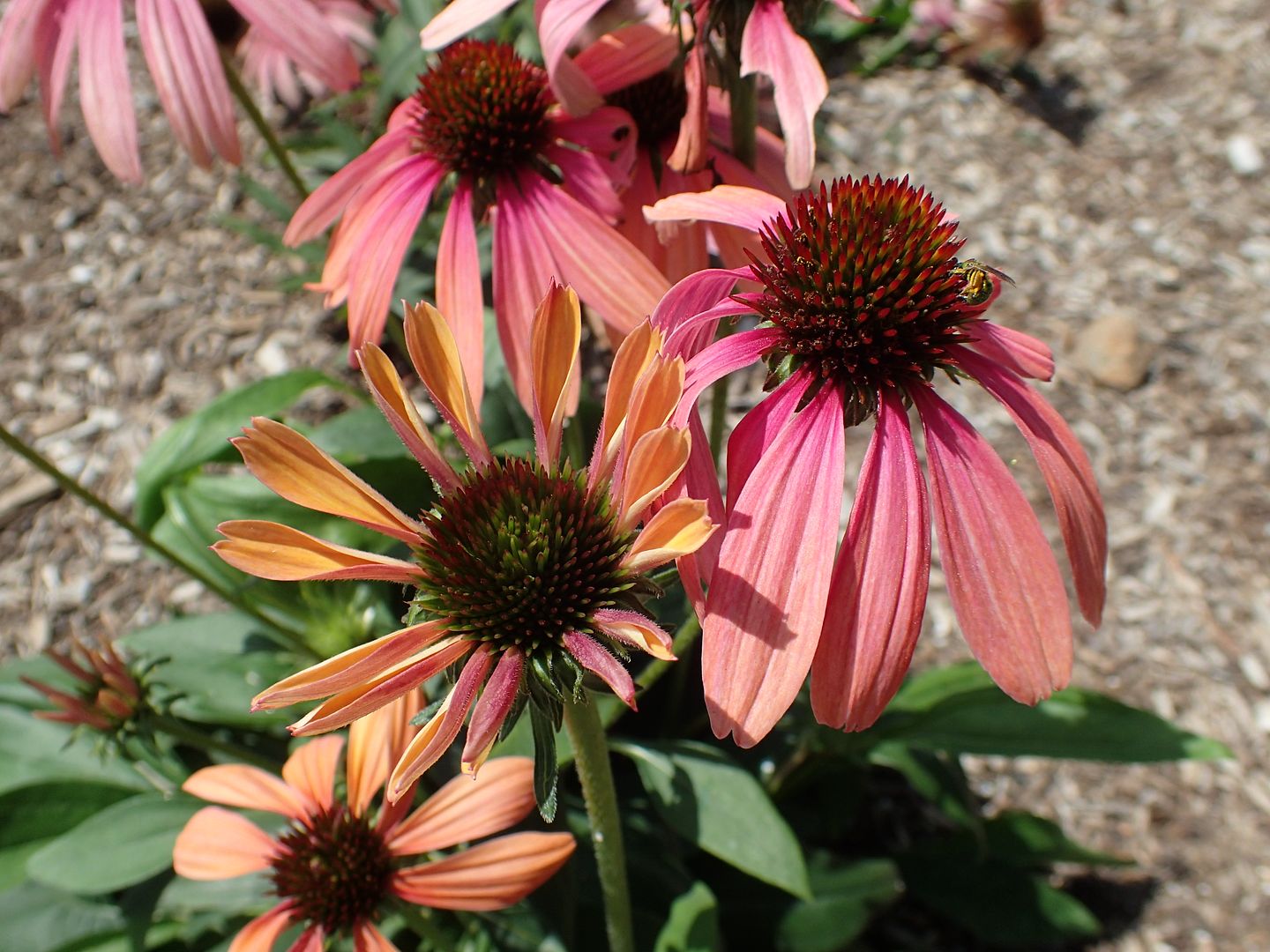
Well then I found it in the Mt. Cuba Center trial garden and realized the orange in the petals quickly fades out of the flowers. Also of all the cultivars in their trial it was among the shortest and I believe 1 of the 5 plants they had was already dead. :(
But once their trial ends, I'll be sure to read over the results carefully and if there's a particular cultivar or true species that does well I'll be sure to add it.
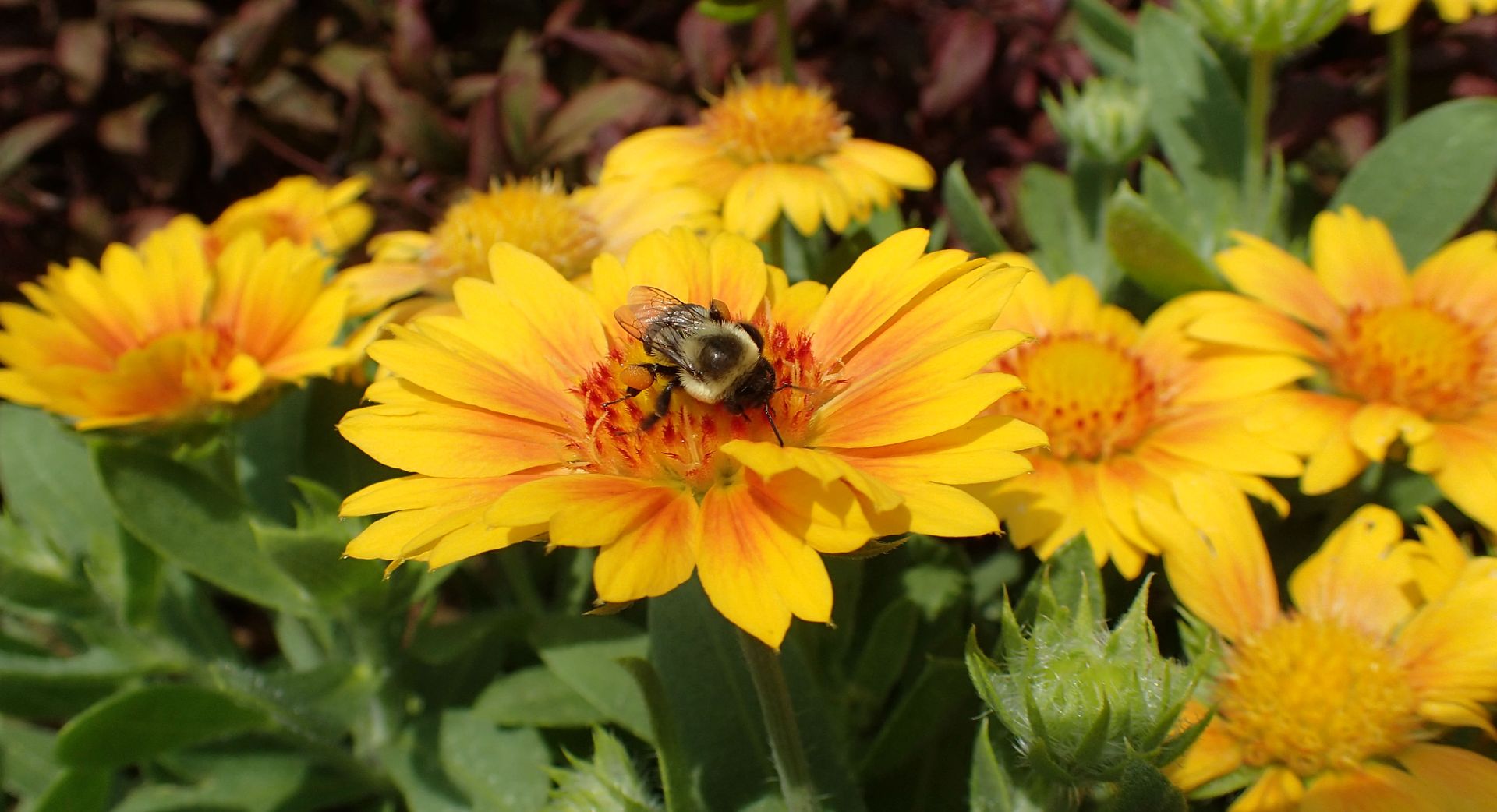
Two natives I've overlooked in my perennial garden are Blanket Flower (seen above) and Stokes' Aster which I wasn't able to photograph well. I installed a perennial garden in the front yard this year, right up against the side walk so people walking by can admire the flowers. If it were just a little bit longer I would fill it in these two plants for sure.
There were lots of different Silpheum species flowering there. Many of which I can't identify off hand, and actually I was surprised to learn there were more than 4.
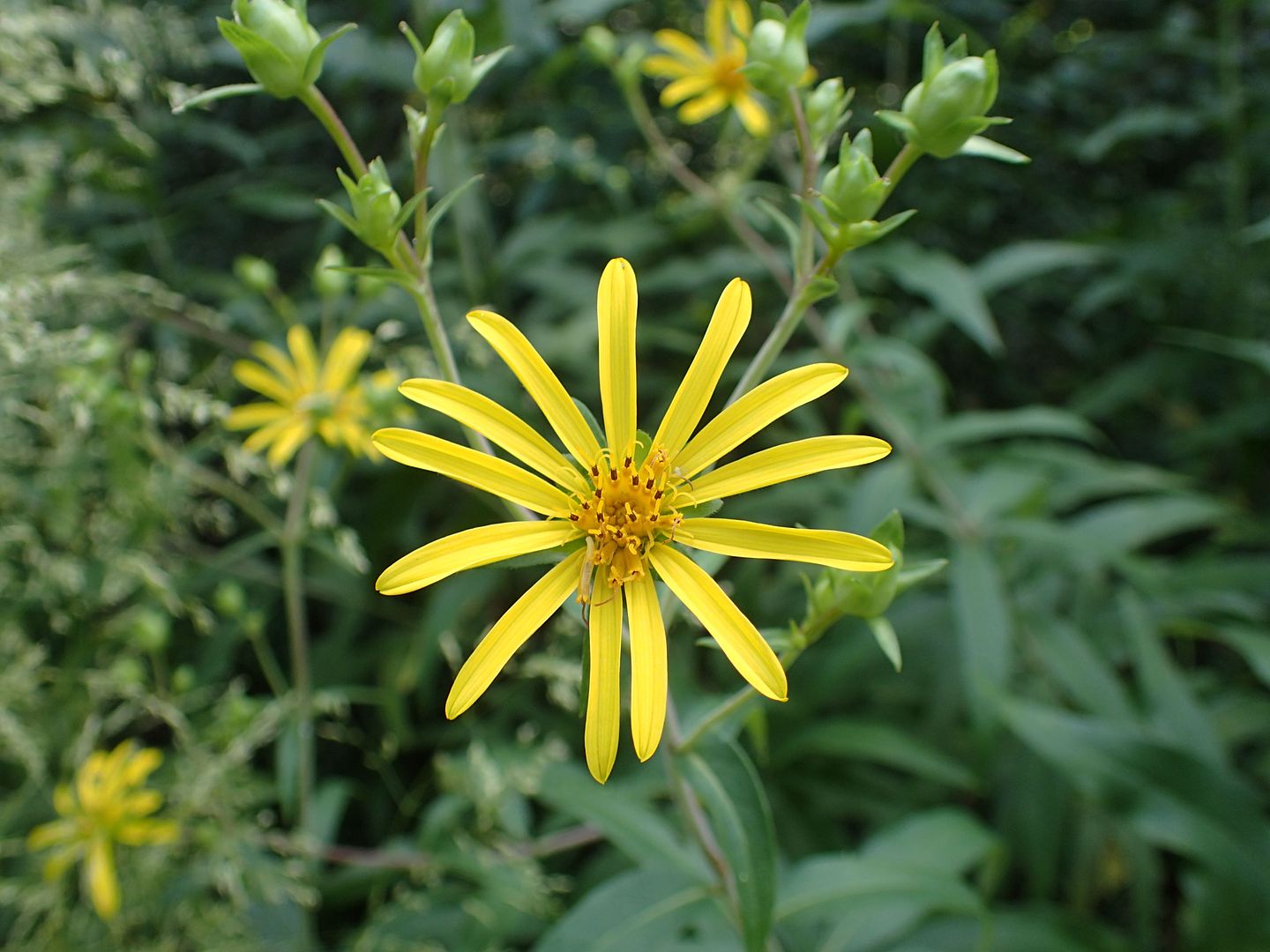
Mohr's Rosinweed I did recognize though. Silphium mohrii has lighter yellow flowers and the foliage has white hairs too, giving the stem and leaves a pale appearance. This was also the first place I ever encountered the plant. On previous visits with actual classes the gardener, David, had been reluctant to point this very obvious plant out. It's not exactly native to Delaware nor commercially available. It was a gift from someone which they planted and grow in the meadow. Considering the norther most range for the species is a population in Tennessee I imagine they were surprised to discover it's cold hardy.
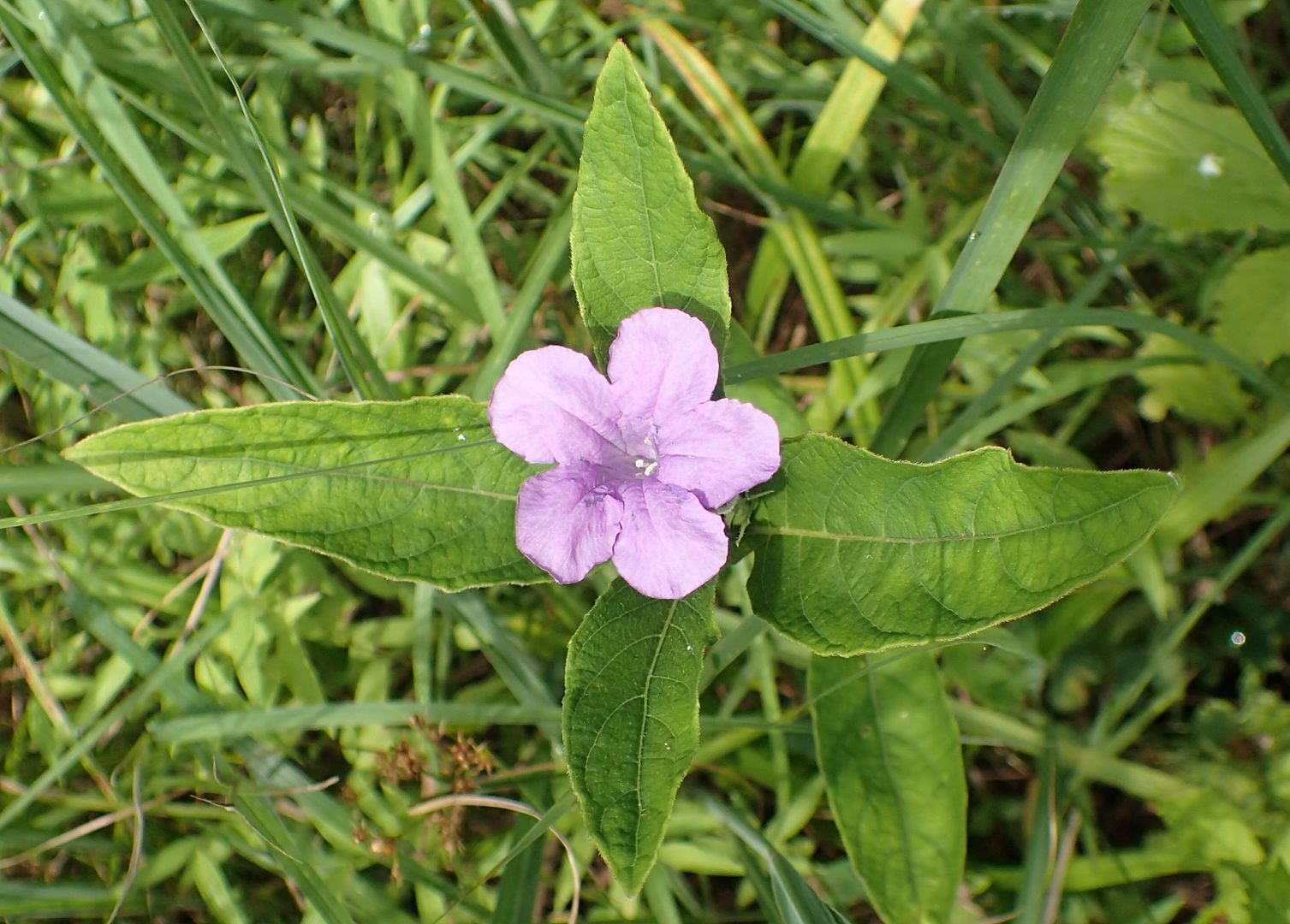
Wild Petunia, Ruellia humilis. To be perfectly honest, if this wasn't flowering I'd have never even noticed it. This is one of those native plants that you have to plant ~25 of right next to one another to form any sort of an impact because each individual plant on it's own is kind of pathetic. Sometimes they'll have a cluster of 4 flowers on them but that's about the most they'll ever have at one time. So when grown as if it were a clumping aster the impact is easier to appreciate. This one may have been a seedling that came up on its own.
Meadow Beauty, Rhexia virginica. I wish I could say more about this one because the flower is interesting. It's a pond plant, or maybe riparian plant that has a wonderful pink flower.
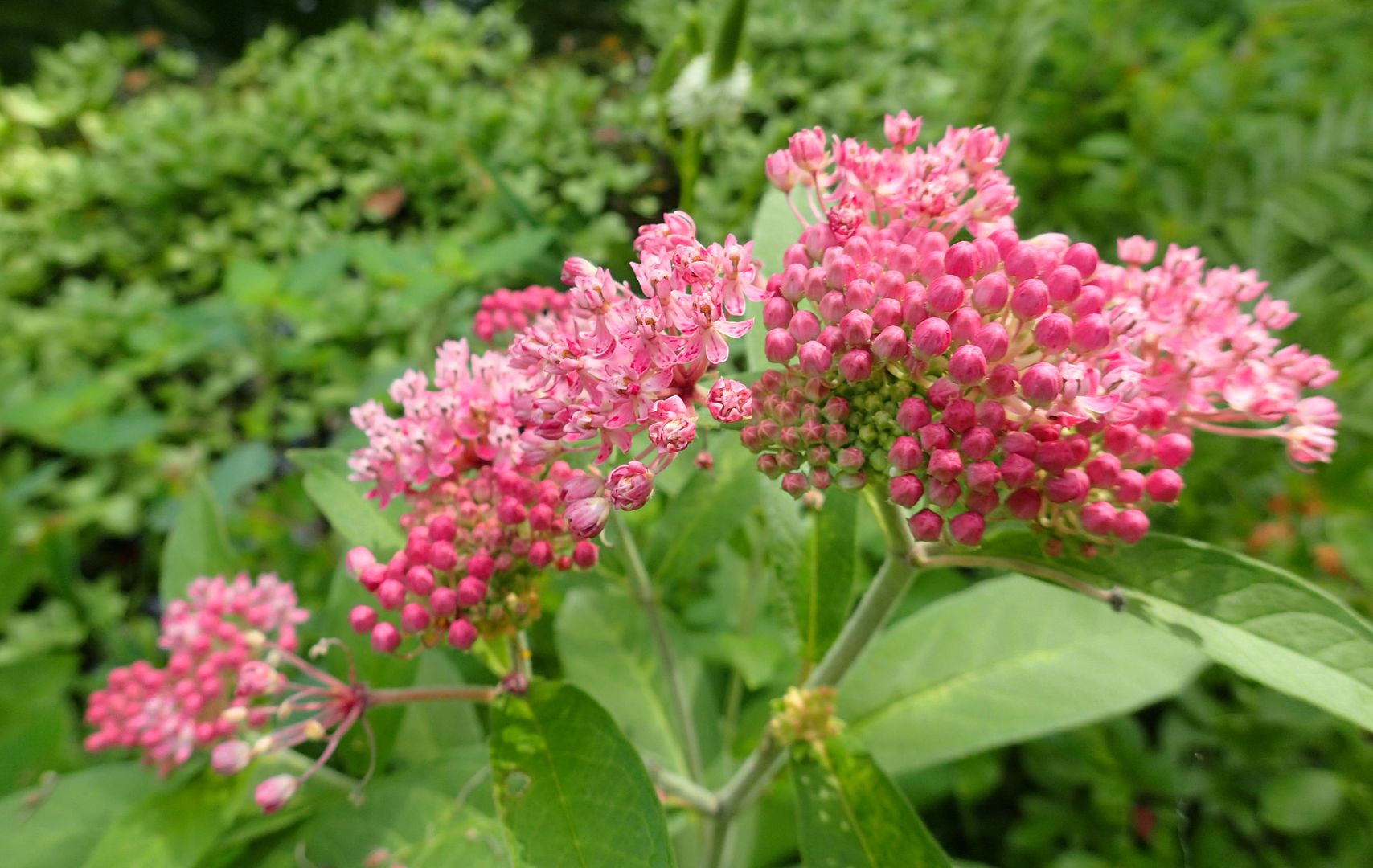
Asclepias incarnata. I always love wild strains of Swamp Milkweed. They seem to grow more vigorously and branch out more at the top of the plant than traditional plants sold in stores. Also the flower color is more wild. Some of this one even has pink spots on the flowers while other parts of it are more uniformly patterned.
And of course there were Monarchs swooping about along with Tiger Swallowtails, Red Admirals, and a few other butterflies. I found a Monarch Caterpillar chomping away on a plant of milkweed.
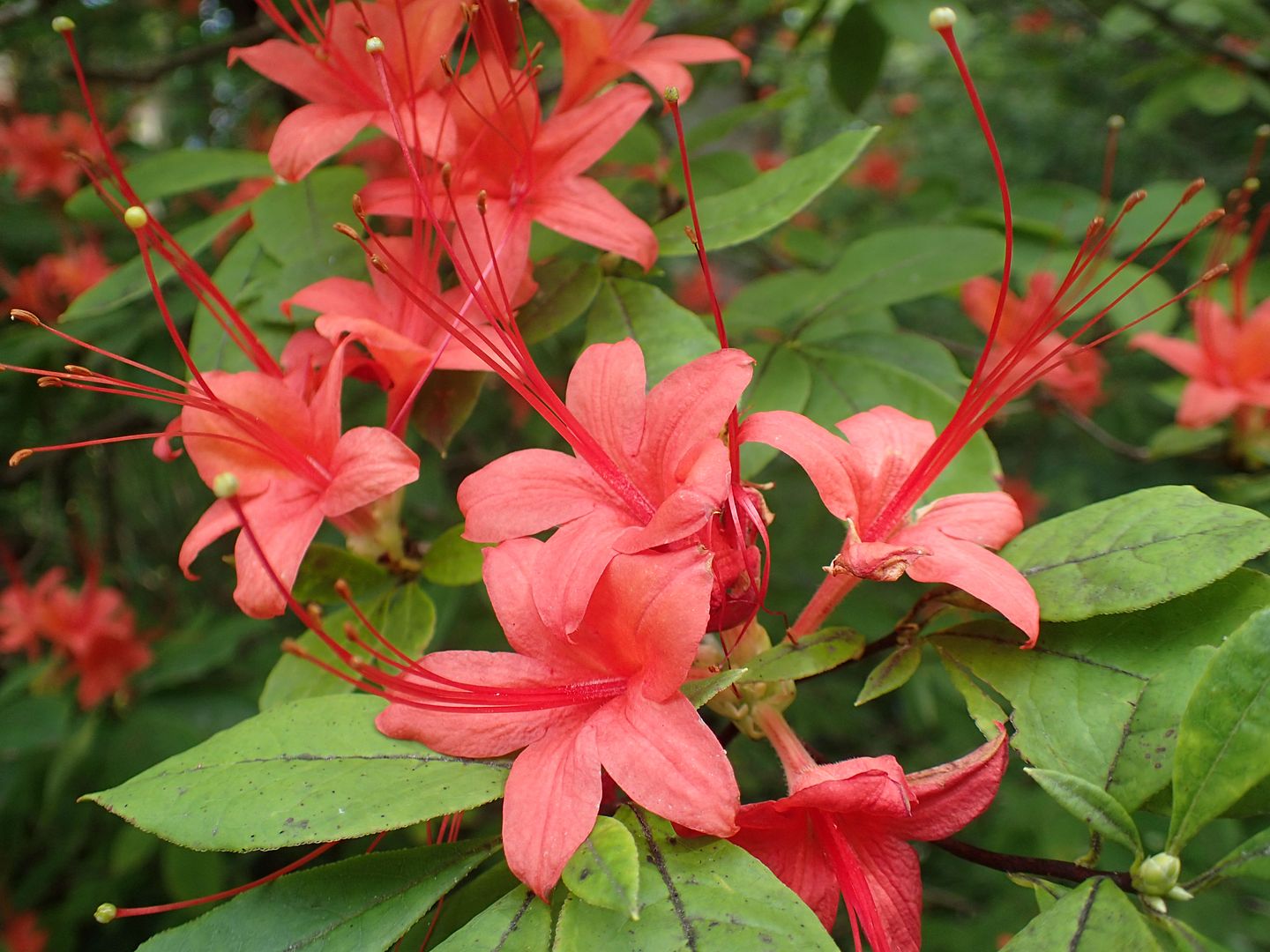
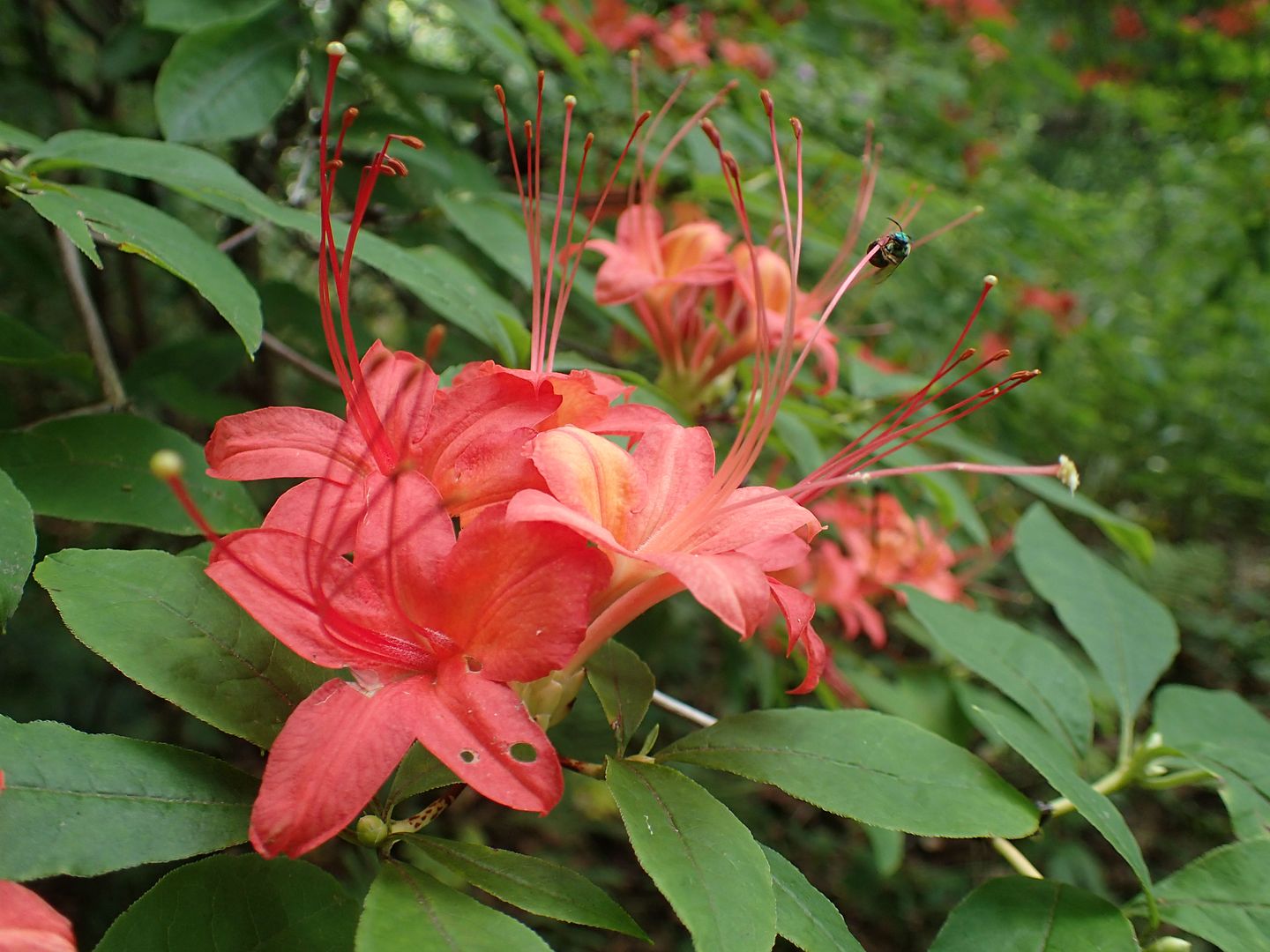
Plum Leaf Rhododendron, R. prunifolium, was a real stand out at the gardens. Partly because of their size and partly because of the display they were putting on. This is a species native to a very narrow strip between Georgia and Alabama and yet they still manage to achieve 10' tall growing in Delaware. (I've purchased two of these via an online dealer to see if they're hardy in zone 7).
The Mt. Cuba Center has about a dozen shrubs planted around its property and each one was covered in large clusters of orange/salmon-colored flowers. Some hued more red while others were orange but salmon-ish was the norm.
There wasn't a whole lot of pollinator activity with them but that's generally the case with Rhododendrons. They're ideally pollinated by large swallowtail butterflies who's wings rub against the pollen anthers and then the stigma to ensure pollination. Hummingbirds might also do something similar but I don't think this has been scientifically proven (though it likely happens).
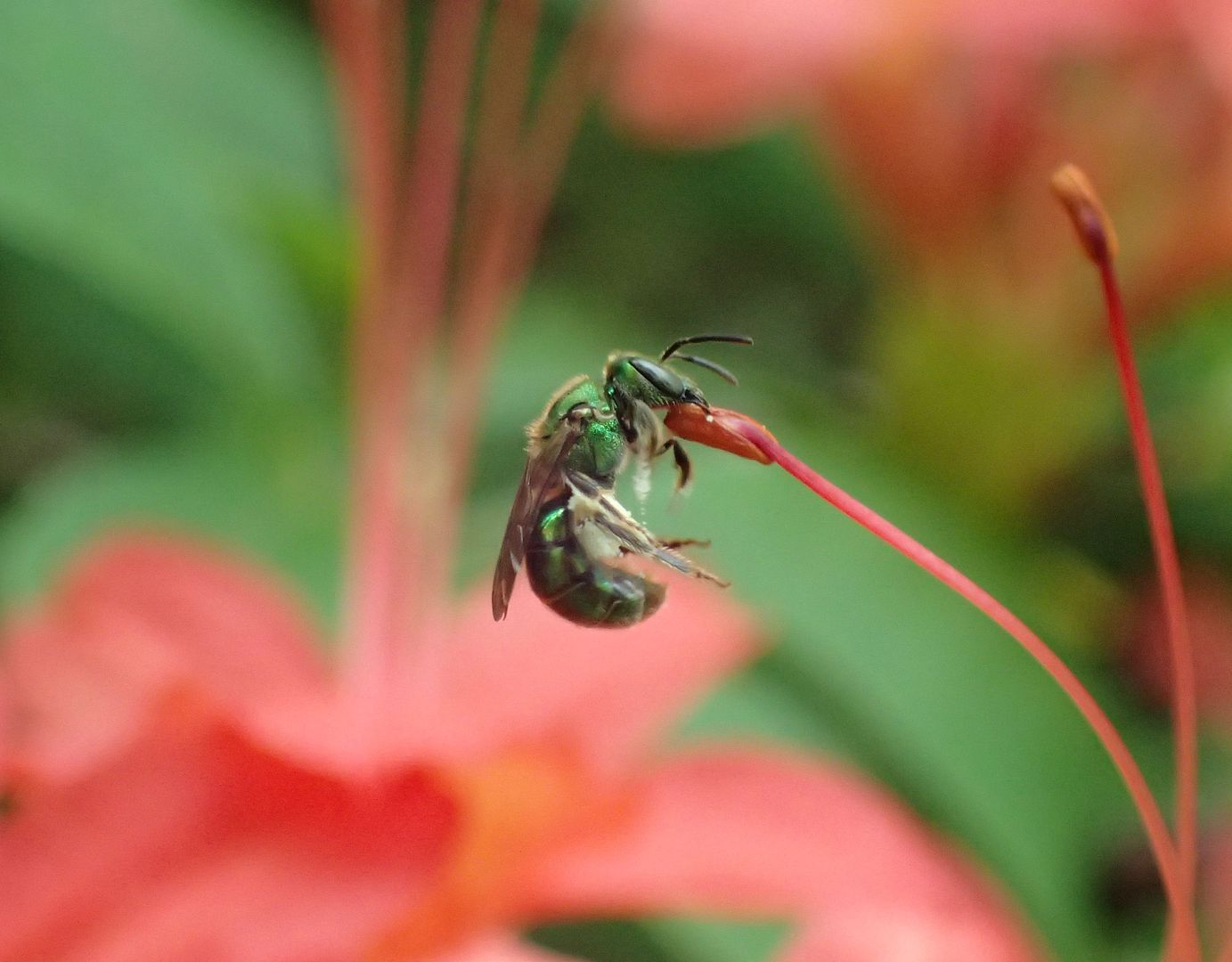
The only bees I saw taking an interest in the flowers were these tiny sweat bees who couldn't help but take advantage of all the pollen being offered.
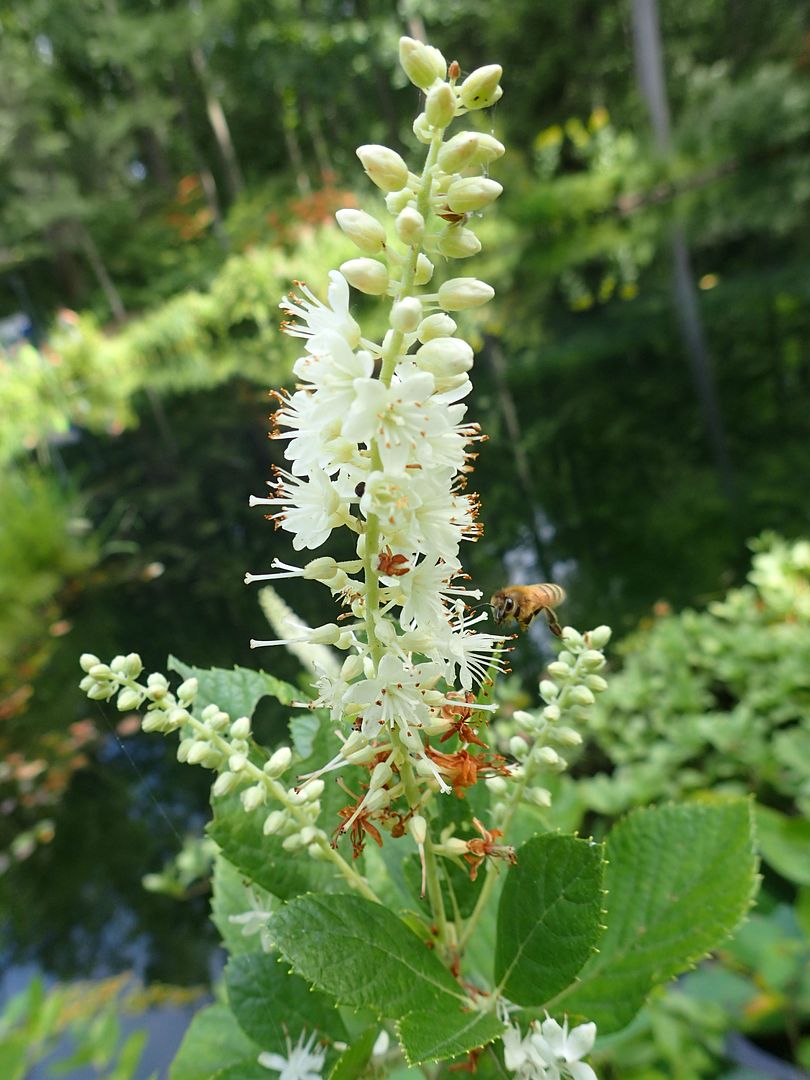
Another large shrub that was flowering heavily was Summer Sweet, Clethra alnifolia which is seen here on the background with all the white flowers.
Summer Sweet is sometimes called Sweet Pepper Bush because of the seed heads looking like peppercorns waiting to be ground, though you'd never want to do that with Clethra. It's not poisonous but isn't pepper either.
Another name it goes by is Sailor's Delight referring to it's sweet
fragrance which is know to travel a great distance in the right
conditions. This plant is at home in a damp forest understory or along
water ways and like filtered to full sun.
I couldn't tell if this was Bugbane or Doll's Eyes. Both are fairly similar-looking and I think in the same genus, Actaea. Some of these used to be in Cimicifuga but I believe they've been consolidated.
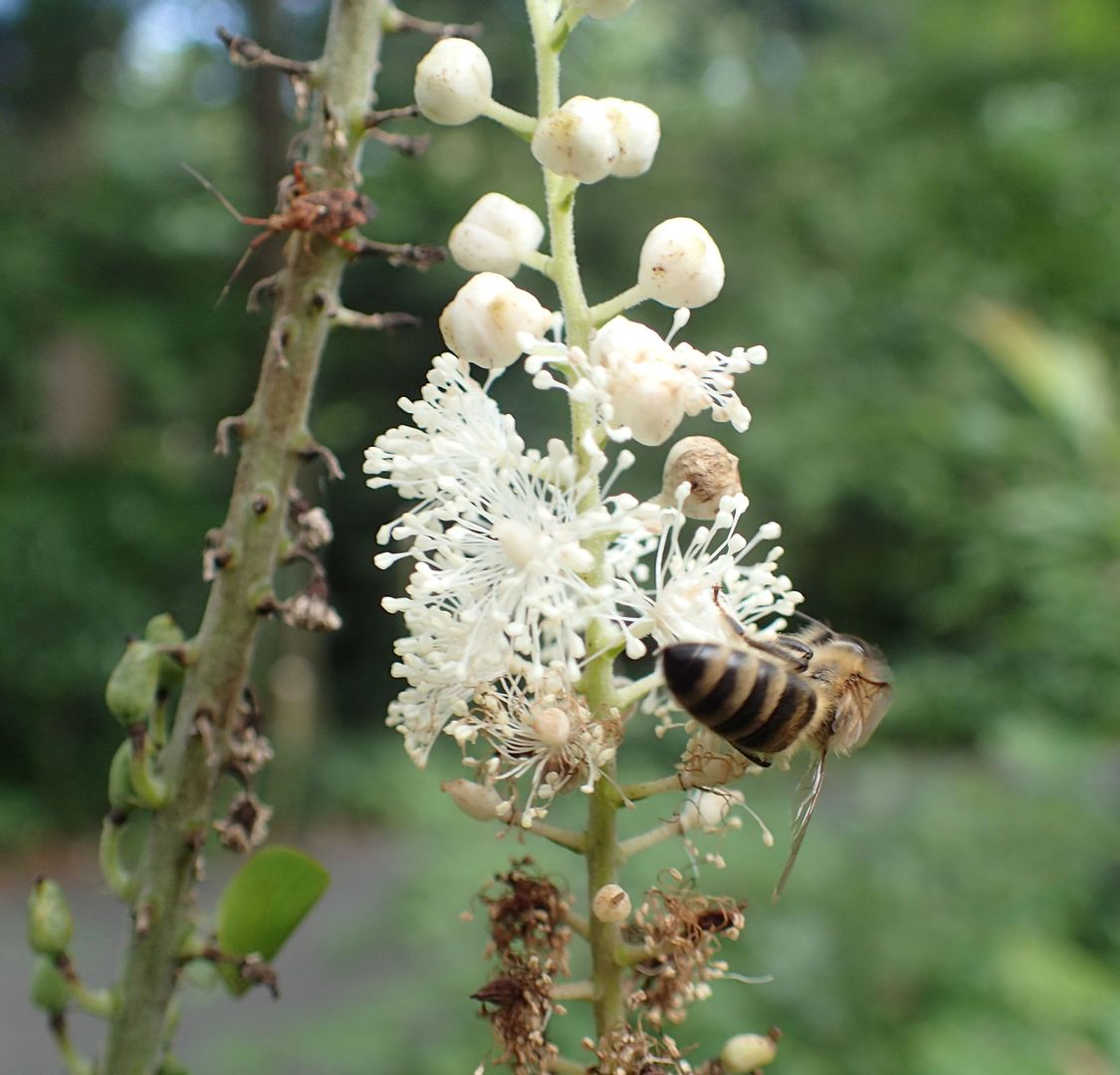
Honeybees work both Clethra and Actaea but I don't think they're very happy about Actaea. Likely something about the irritating smell of Actaea seems to make them angry while working this plant. They are obviously more on edge and seem to fly directly into other bees working the flowers. Things are more calm and easy going around Clethra.
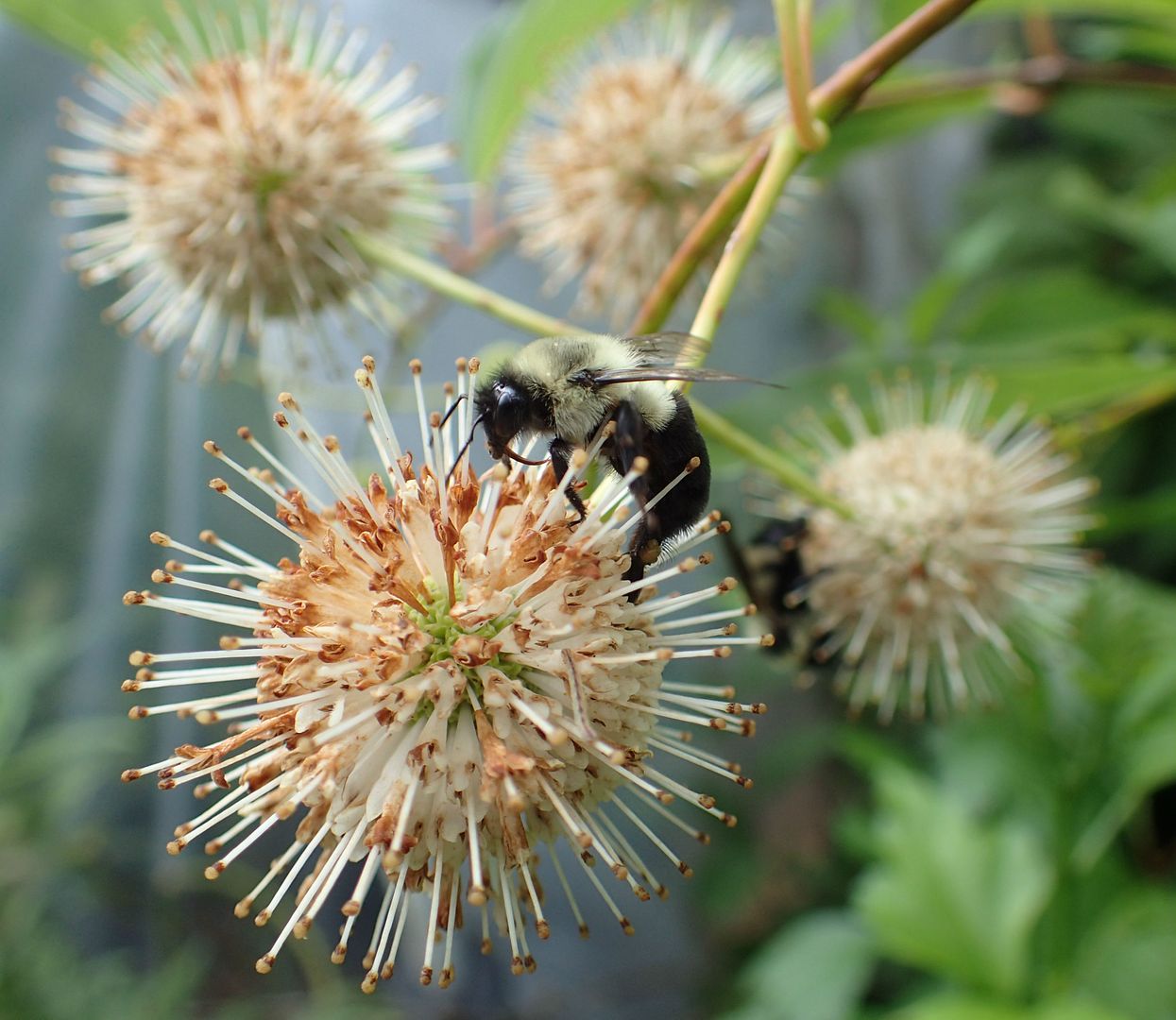
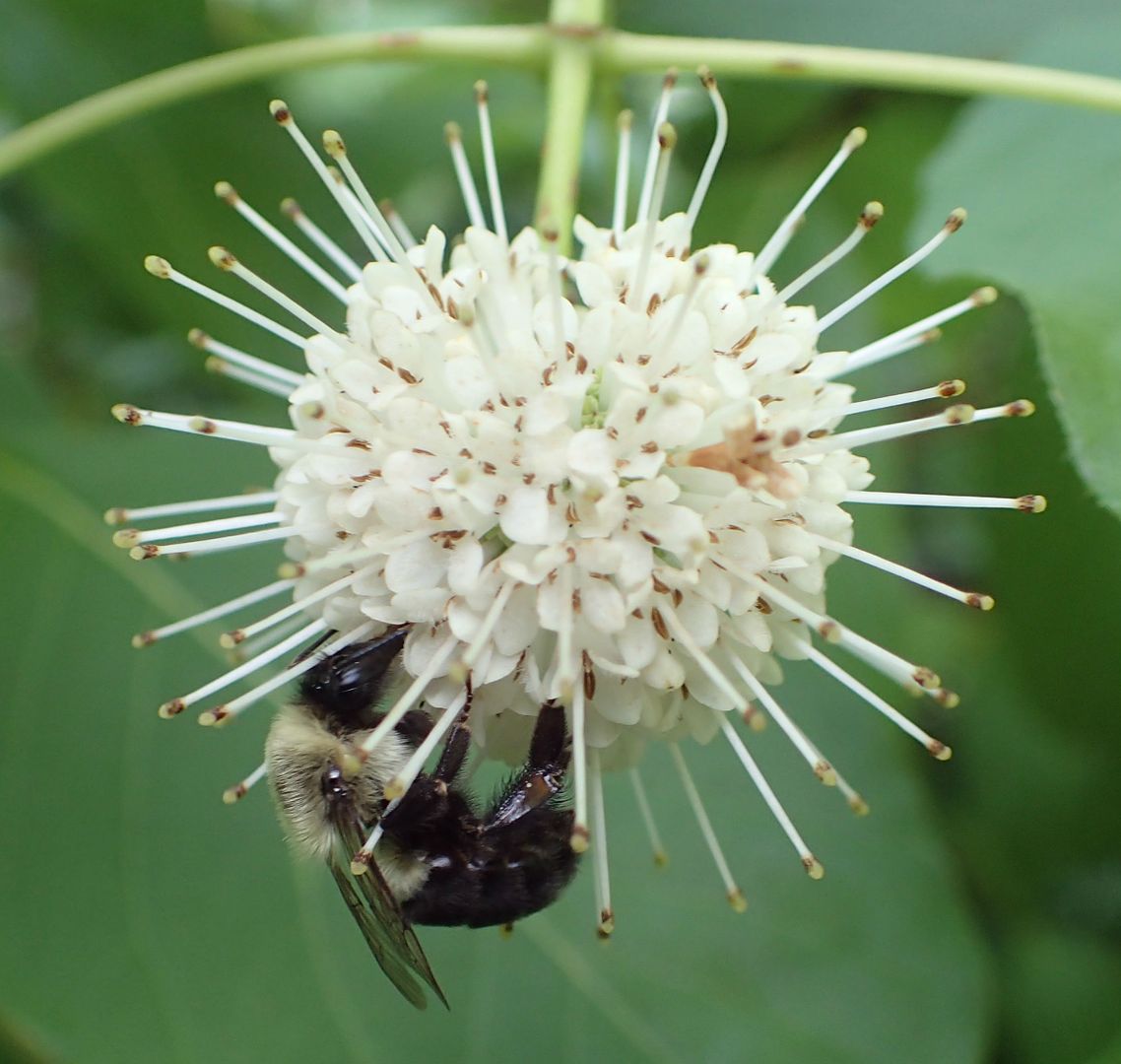
Buttonbush, Cephalanthus occidentalis, was another bustling hub of bees. These photos were actually taken at my house where I grow 3 of these wonderful shrubs. In talking with the gardeners at the Mt. Cuba Center I often ask them why they don't have certain things. And walking the gardens this past weekend I was happy to see they have added this one!
I took pictures of the flowers from the shrubs in my yard in New Jersey though because curiously enough they weren't flowering there in Delaware... So next weekend I'm sure their button bush plants will be blooming.
Although I have to say they weren't planted where I would have planted them. They're at the top of their meadow garden. (top of a hill that is.) Whereas in nature they usually occur growing along the banks of lakes and streams. Where they have them isn't a bad location, just not where they'd be found in the wild. Their meadow garden, I believe because of the slope, allows them to grow things that like water along it. For example they have Joe Pye Weed at the top too as well as by the ponds and it does fine in both locations.
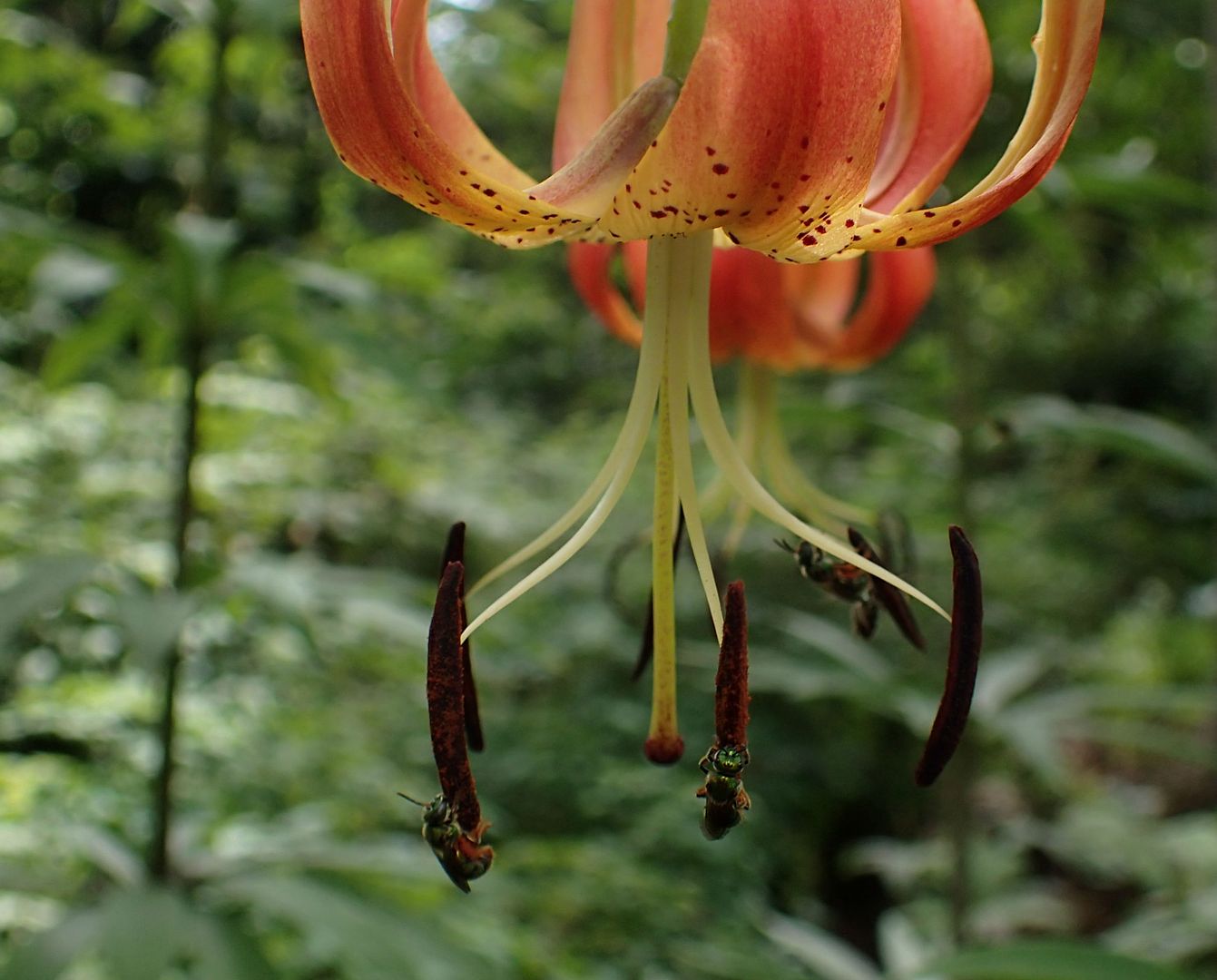
Along their forest path they had some native Lilies growing. And these are some of the harder ones to grow in my experience. The Mt. Cuba Center makes it look easy as they have several nice big plants, each with lots of blooms to them. In general the plant opens one flower at a time, but because a plant might have 15 flower buds on it, this prolongs the bloom.
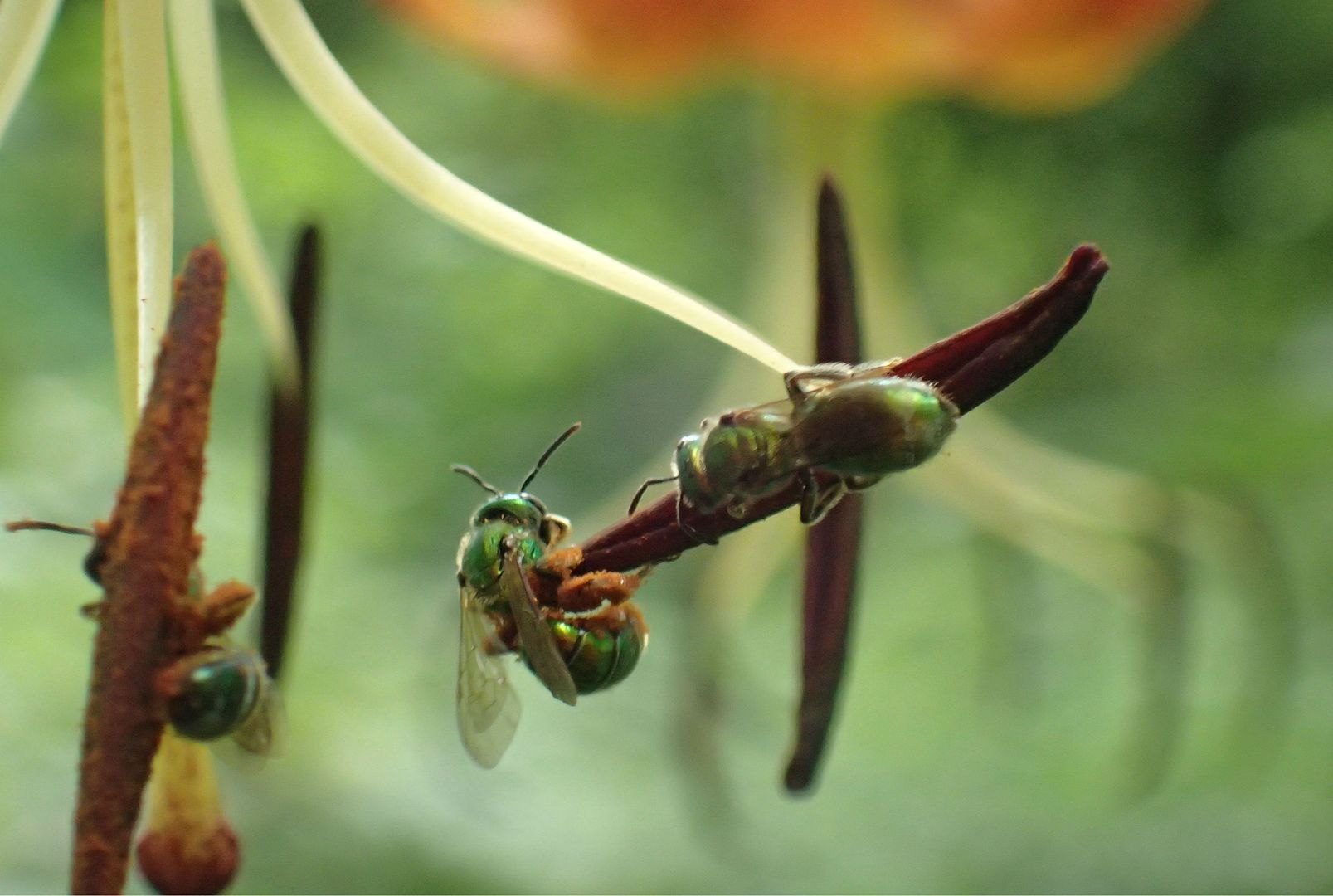
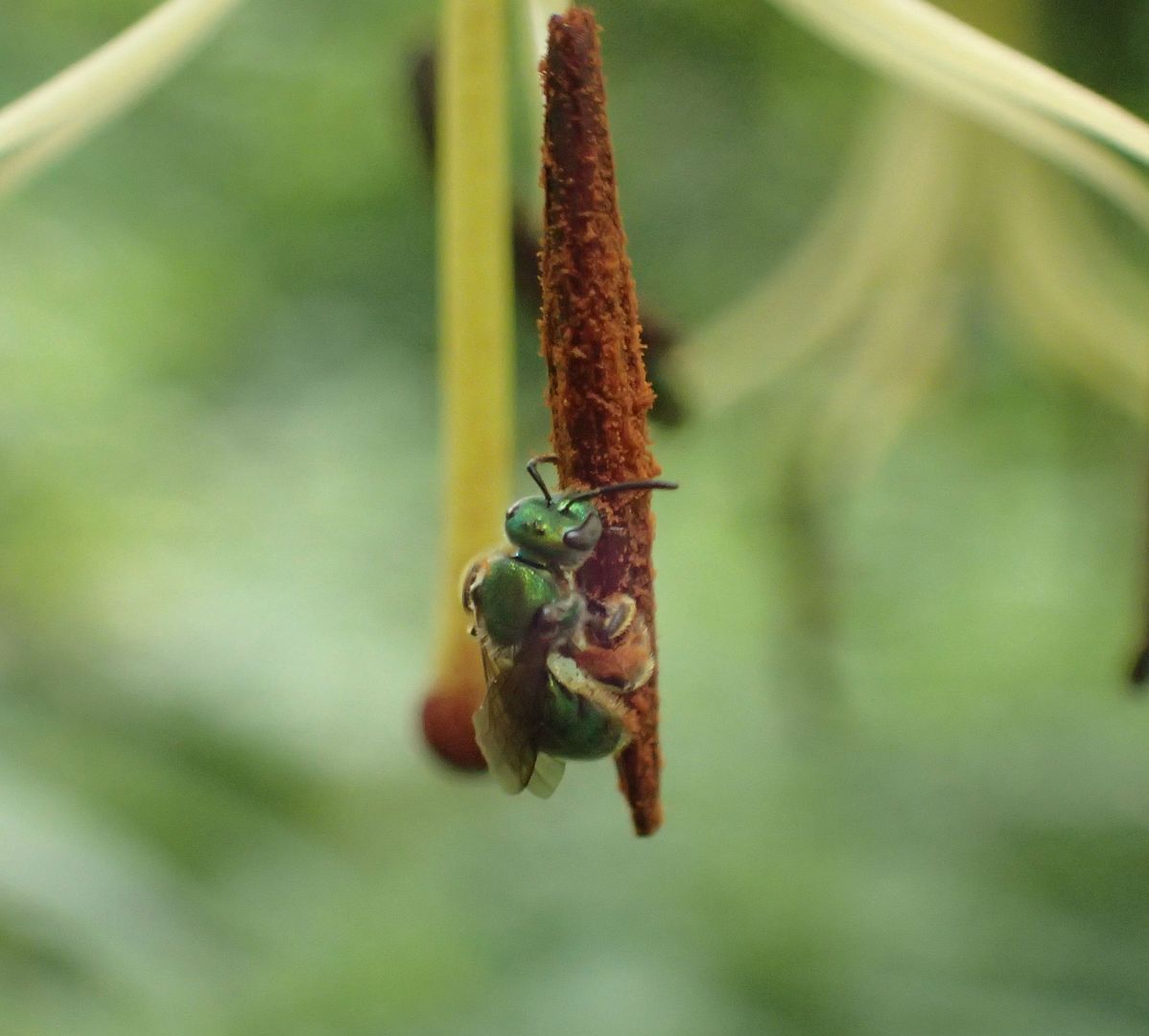
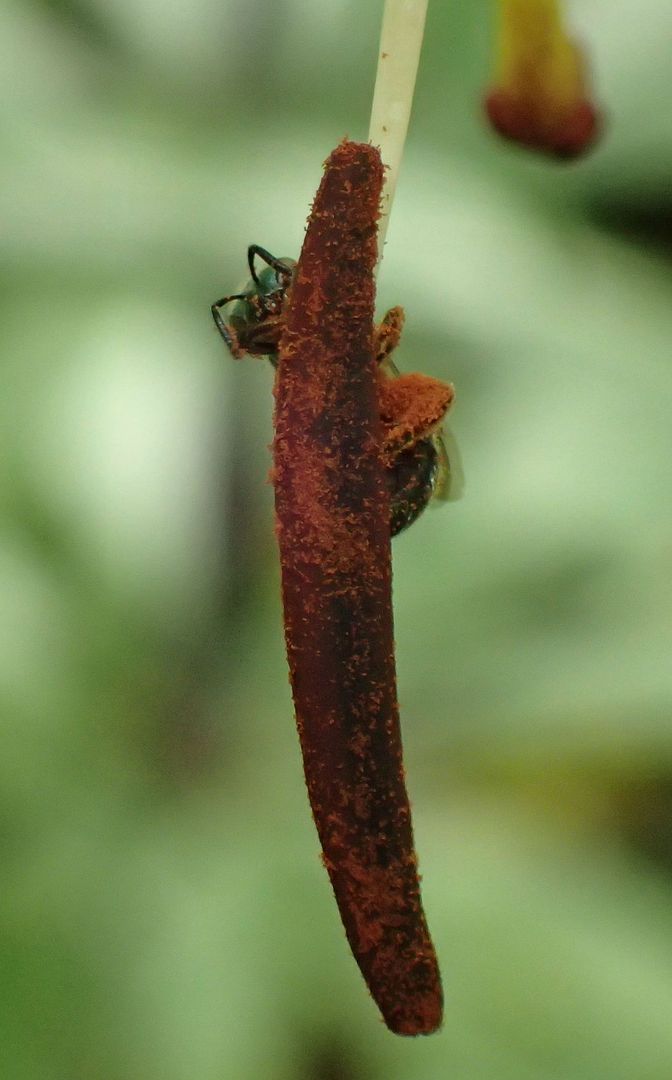
Ideally they're pollinated by large swallowtail butterflies and possibly hummingbirds whose' wings and feathers brush up against the pollen anthers and make contact with the stamen. While I didn't witness that I did see loads of little sweat bees stealing the pollen. What were clearly females were becoming covered in pollen and what were likely males kept pouncing upon them to mate.
These actually aren't pollinating the flowers because they're not making any contact with the stamens.
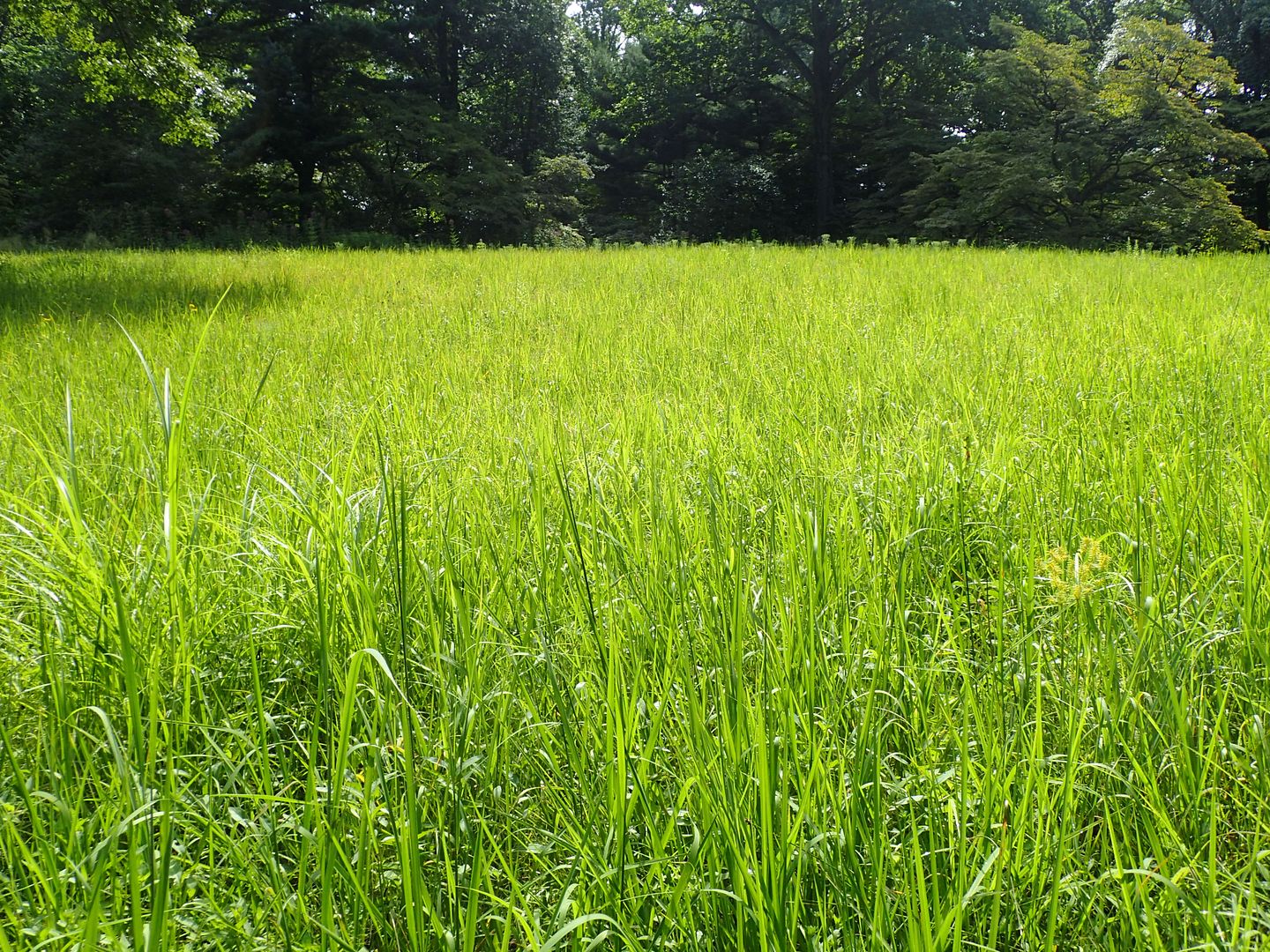
Their meadow garden was growing nicely. This is a combination of Little Blue Stem, Big Blue Stem, Indian Grass, and a few dozen others. This main section is mainly comprised of grasses though. Flowering plants were kept to a minimum on purpose because the late Mrs. Copeland felt there were few things as calming as seeing the wind casting waves across a grassy meadow. And honestly I think she was right.
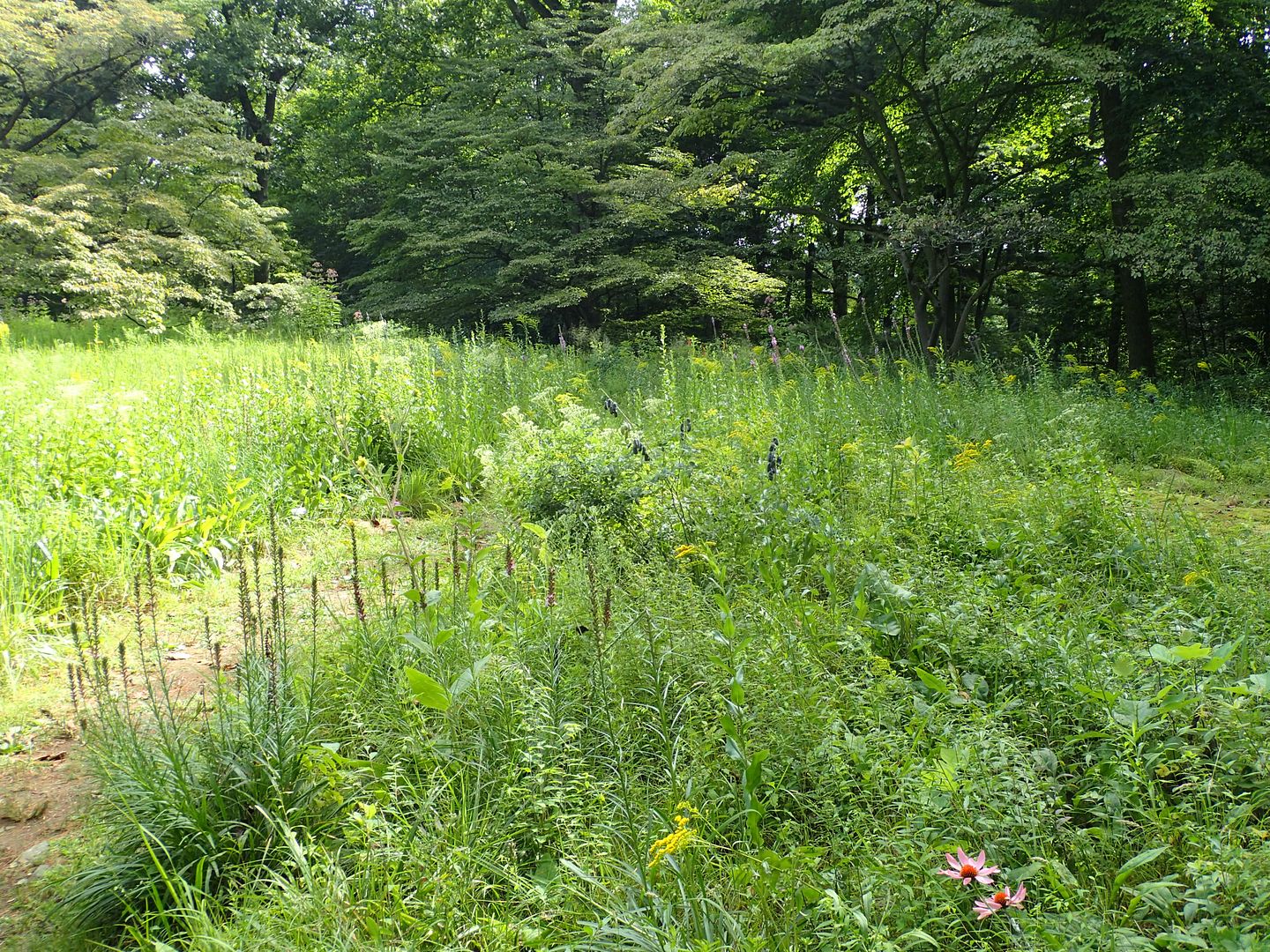
Becasue flowering plants are obviously a big part of a meadow they're grown mostly at the top of the hill, out of view from the lower areas. They have a great collection here but early summer isn't the best time to view them. Goldenrods, Liatris, Perennial Sunflowers, Wild Senna, Black-eyed Susans, Joe Pye Weed, Milkweeds and loads of Asters all grow among the grasses.
Showing posts with label Clethra alnifolia. Show all posts
Wednesday, August 29, 2018
Wednesday, December 18, 2013
Ant Chat Episode 40: The Second Annual New Jersey Ant Together
This is the video supplement to the Second Annual New Jersey Ant Together, a yearly event where we get together and look for ants. This year were were delighted to find Trachymyrmex septentrionalis which is the northern most fungus growing species in North America. Unfortunately summer is not their active period. The dark form of Formica pallidefulva was also present and had me confused because I live only a few miles south and they're more of a dull brass color. Aphaenogaster treatae was another new species to us, which is a lot bigger than either of us were used to seeing Aphaenogaster species. Dolichoderus plagiatus were another new species for the both of us. Another highlight was revisiting the Formica exsectoides mounds we saw last year.
Plants:
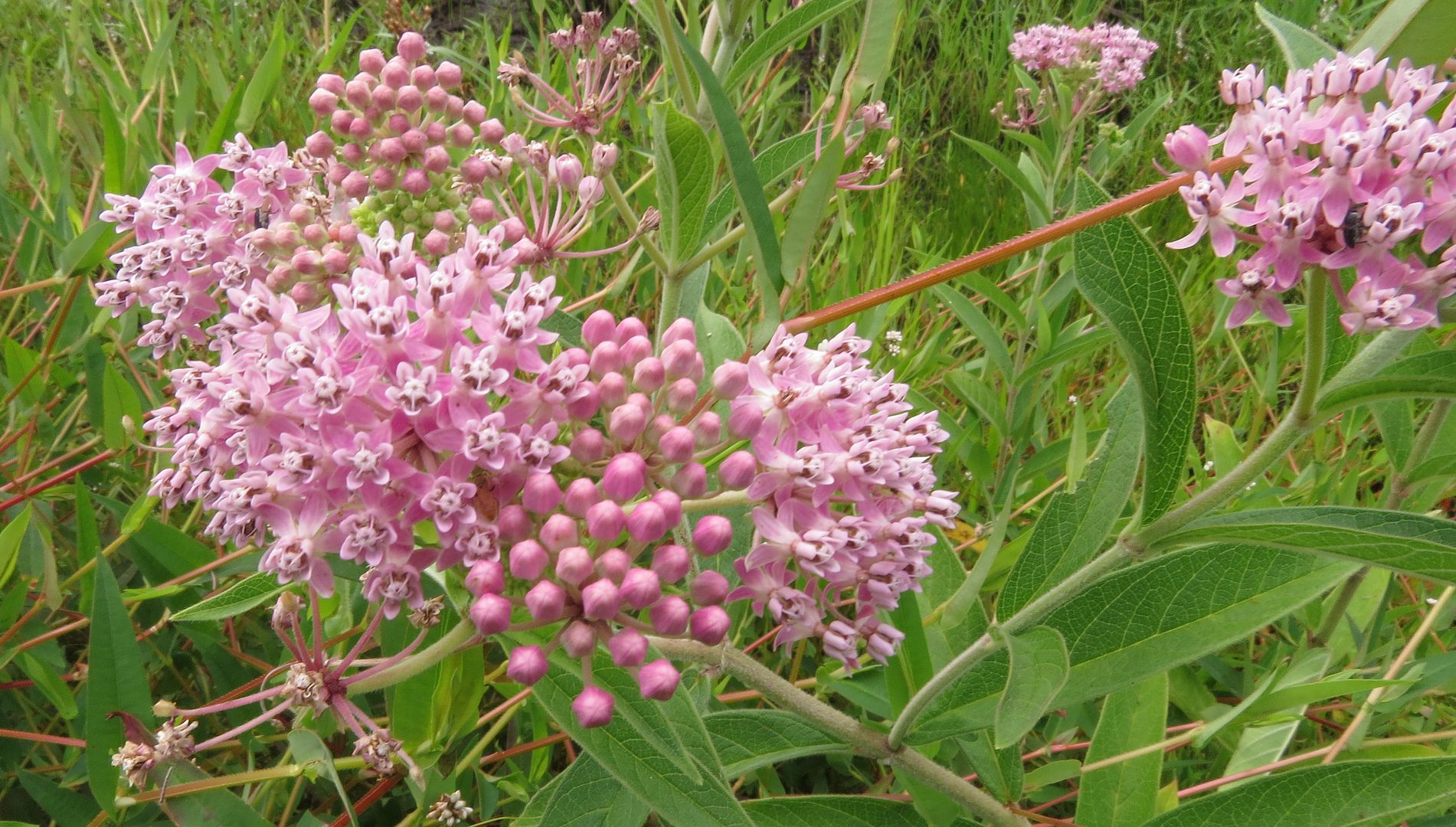
Hairy Swamp Milkweed, Asclepias incarnata ssp. pulchra
Summer Sweet, Clethra alnifolia
Sunday, July 21, 2013
The Second Annual New Jersey Ant Together
So yesterday was the second annual NJ Ant Together. The title is a play on words; birders have birding so ant people have anting. So now we can just look for ants, together.
I always hesitate to make the event public for fear of someone showing up thinking this would be great for their children to do. It's NOT! This is a hiking/nature walk that lasts the better half of the day in tick and chigger filled fields and forests. Though this year despite walking through waist high grass I barely got any chiggers, and despite finding deer tracks through the woods our total tick count was 3 plus some really pale and young "baby ticks" which I'm not familiar with.
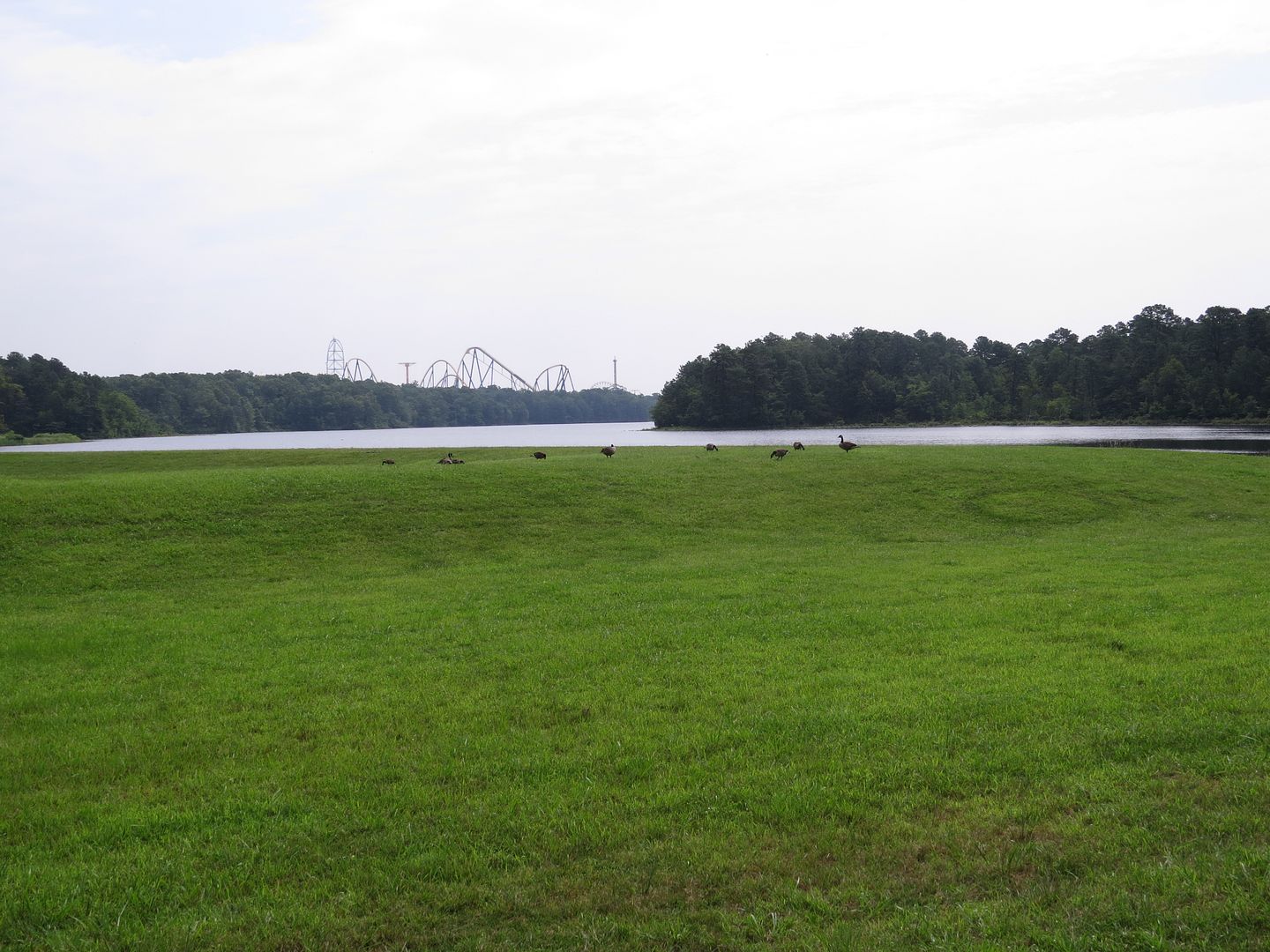
Our first location was Prospertown Lake, the parking lot of which is located down the street from Six Flags Great Adventure. The cool breeze over the lake, and cloudy over cast kept what should have been 95F degree weather feeling more like it was 80 outside. (There are a number of SPF and Bug Repellents that have anti sweat additives to them.)
Upon walking around we were treated stands of Prickly Pear, a type of cactus that's found throughout the United States.
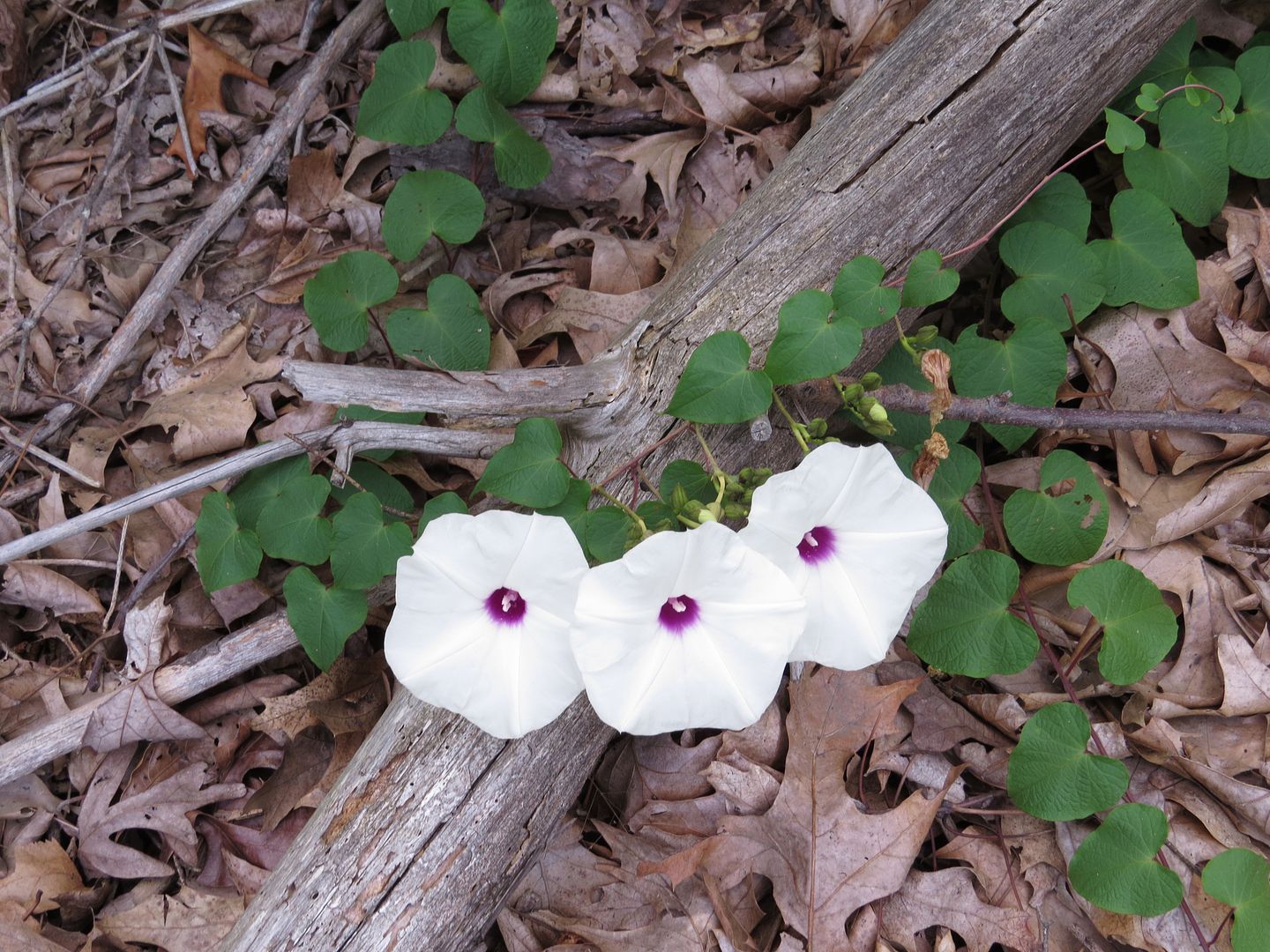
There was also some type of creeping morning glory that I thought was neat.
As luck would have it one of the first ants we found was one I've been looking for for the past five years or so.
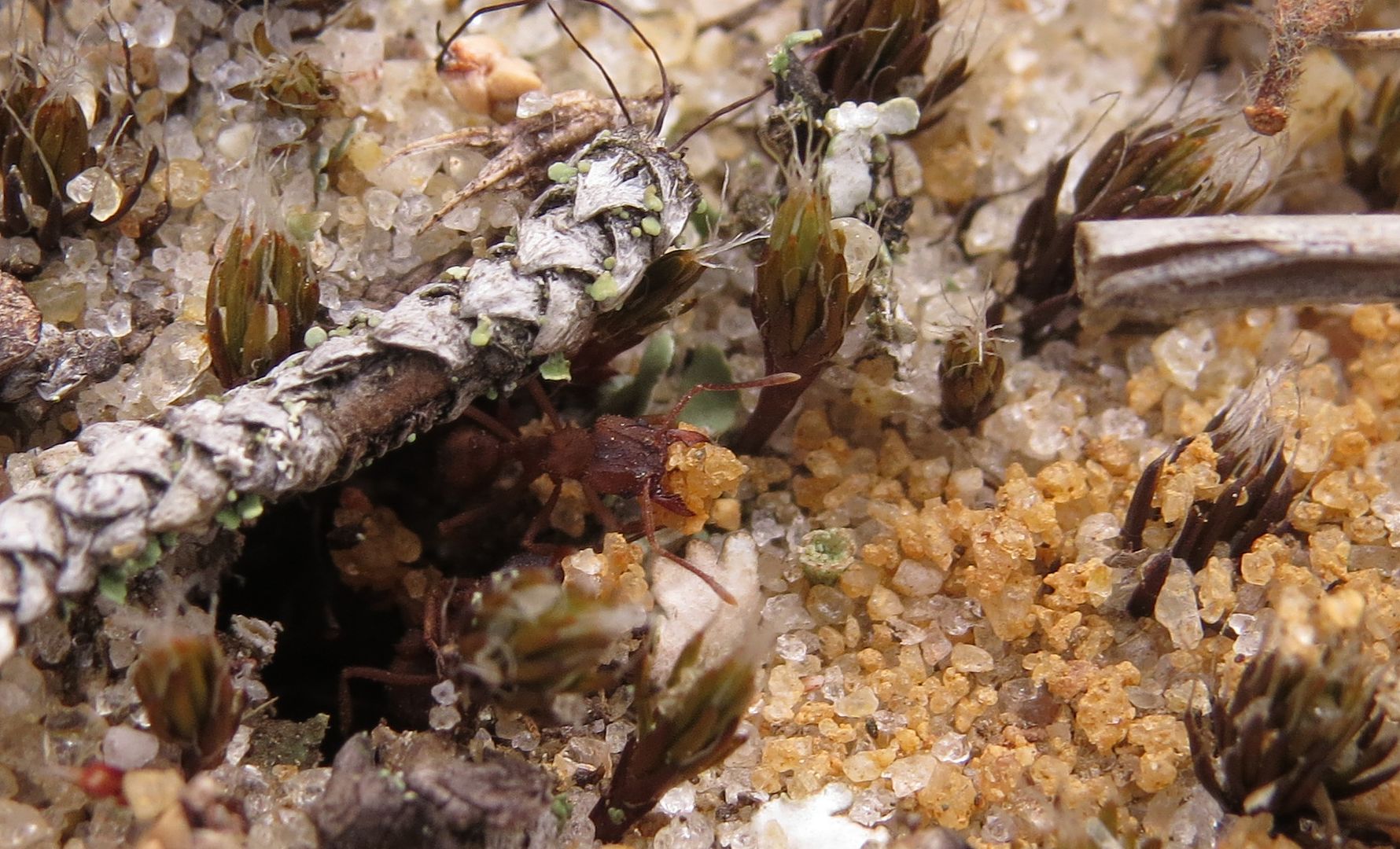
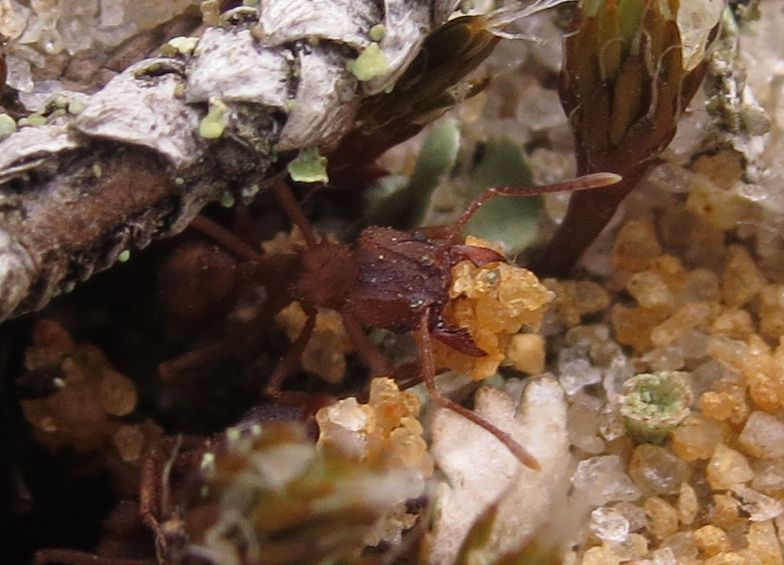
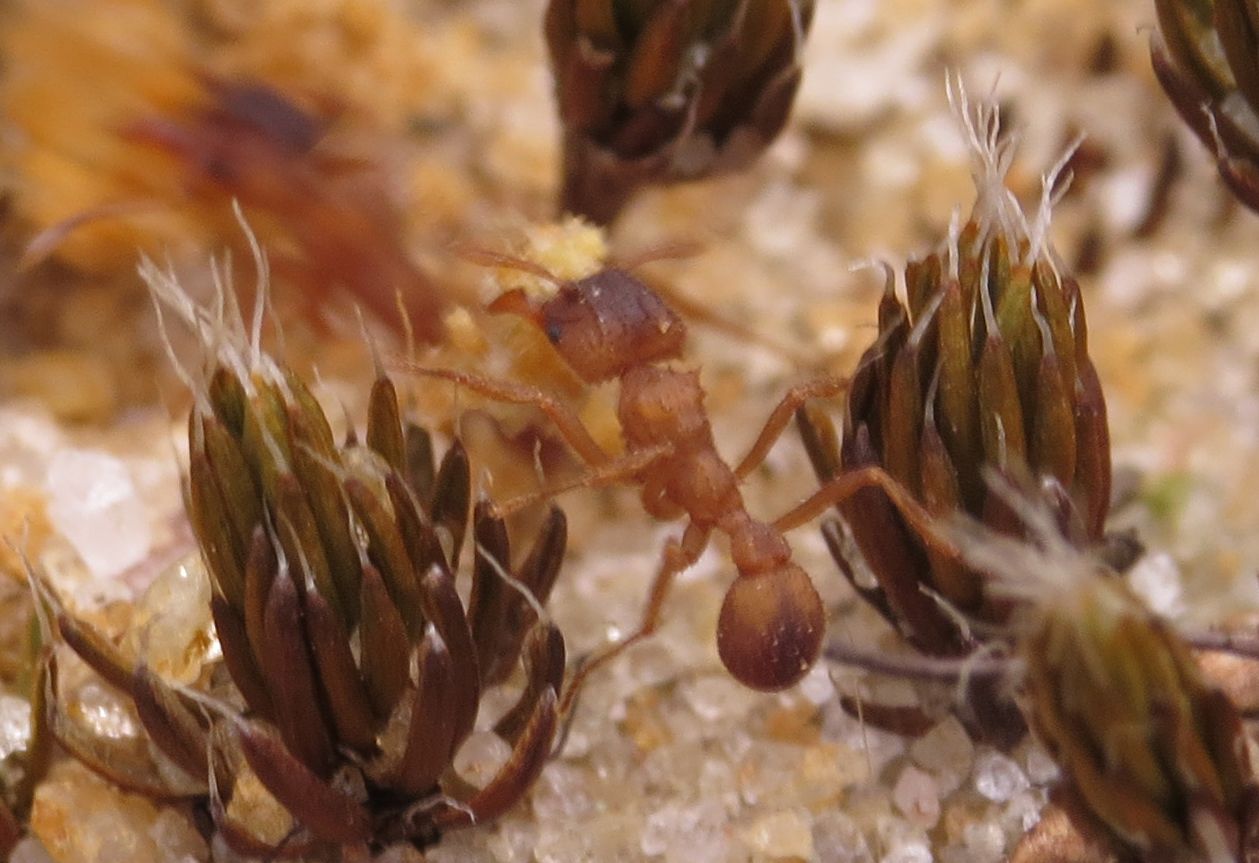
Trachymyrmex septentrionalis, a North American fungus growing ant.
These ants forage for fallen leaf litter and flower petals as well as the frass to caterpillars, grass hoppers and other plant chewing insects to fertilize their underground fungus gardens.
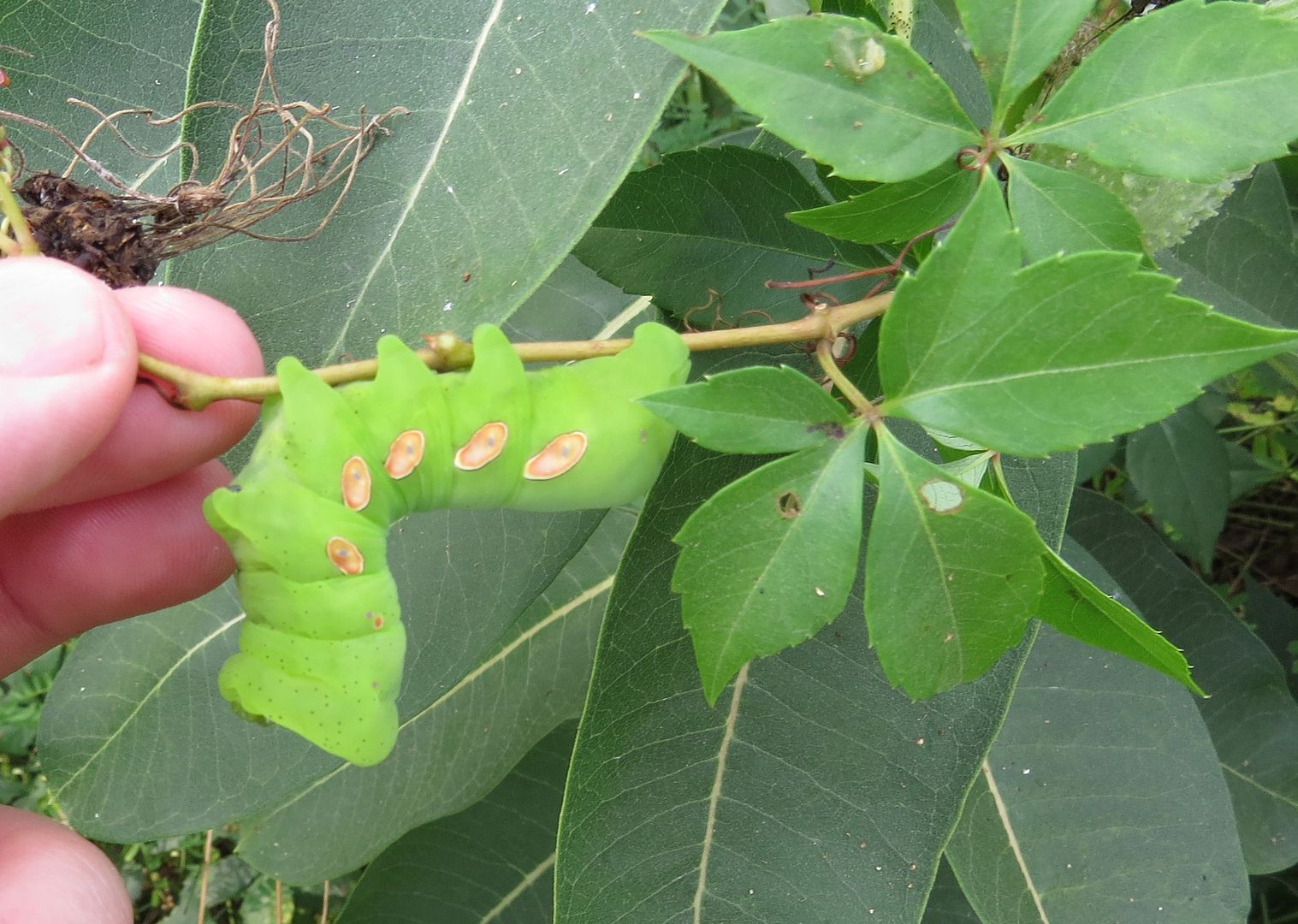
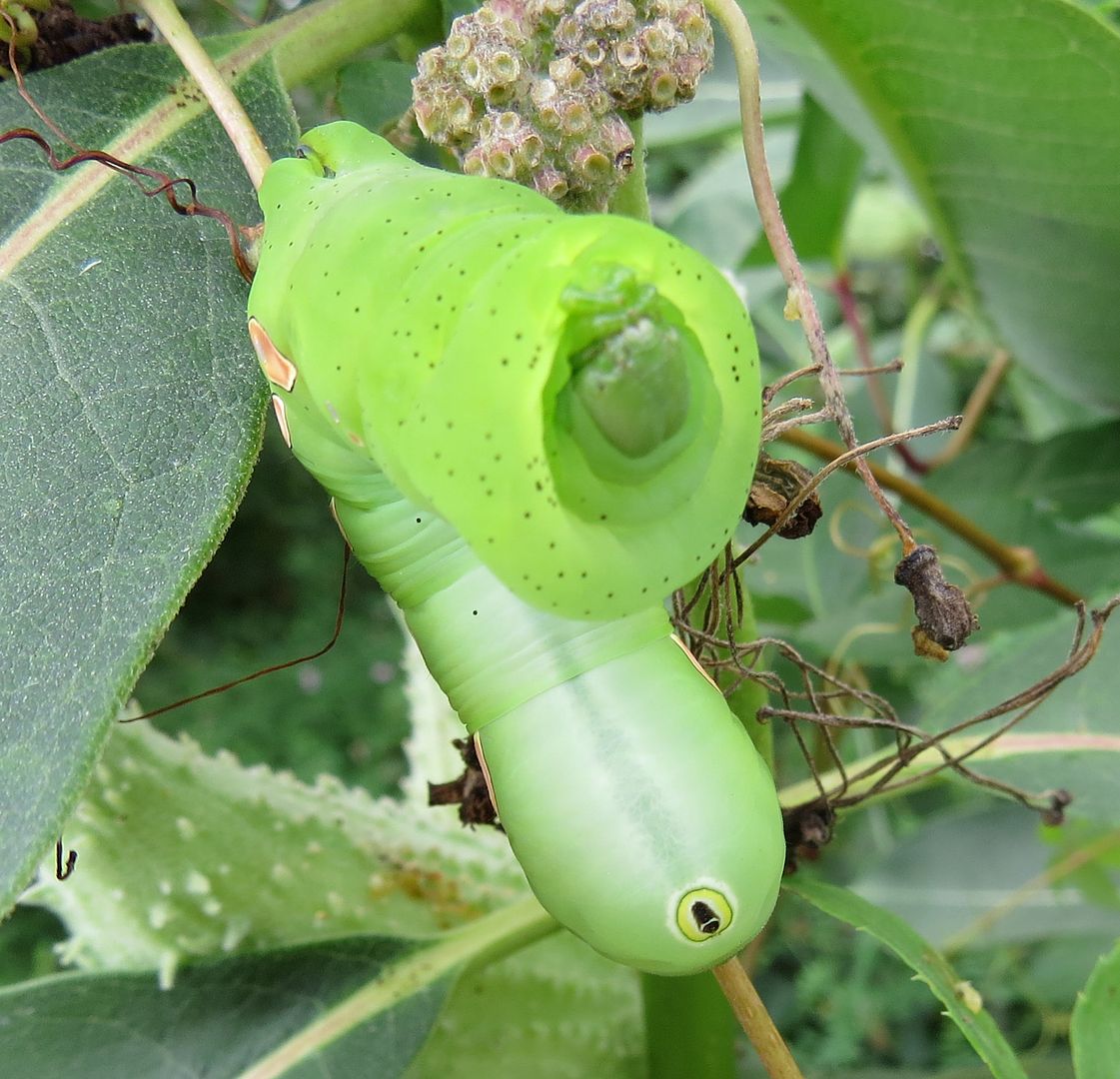
Not far away I found one such fertilizer factory nibbling on some Virginia Creeper. This turns into a Sphinx Moth of some sort.
When we spooked him I though it was funny how he sucked his head in to look like an ass, and made sure to show off the fake eye spot at his rear.
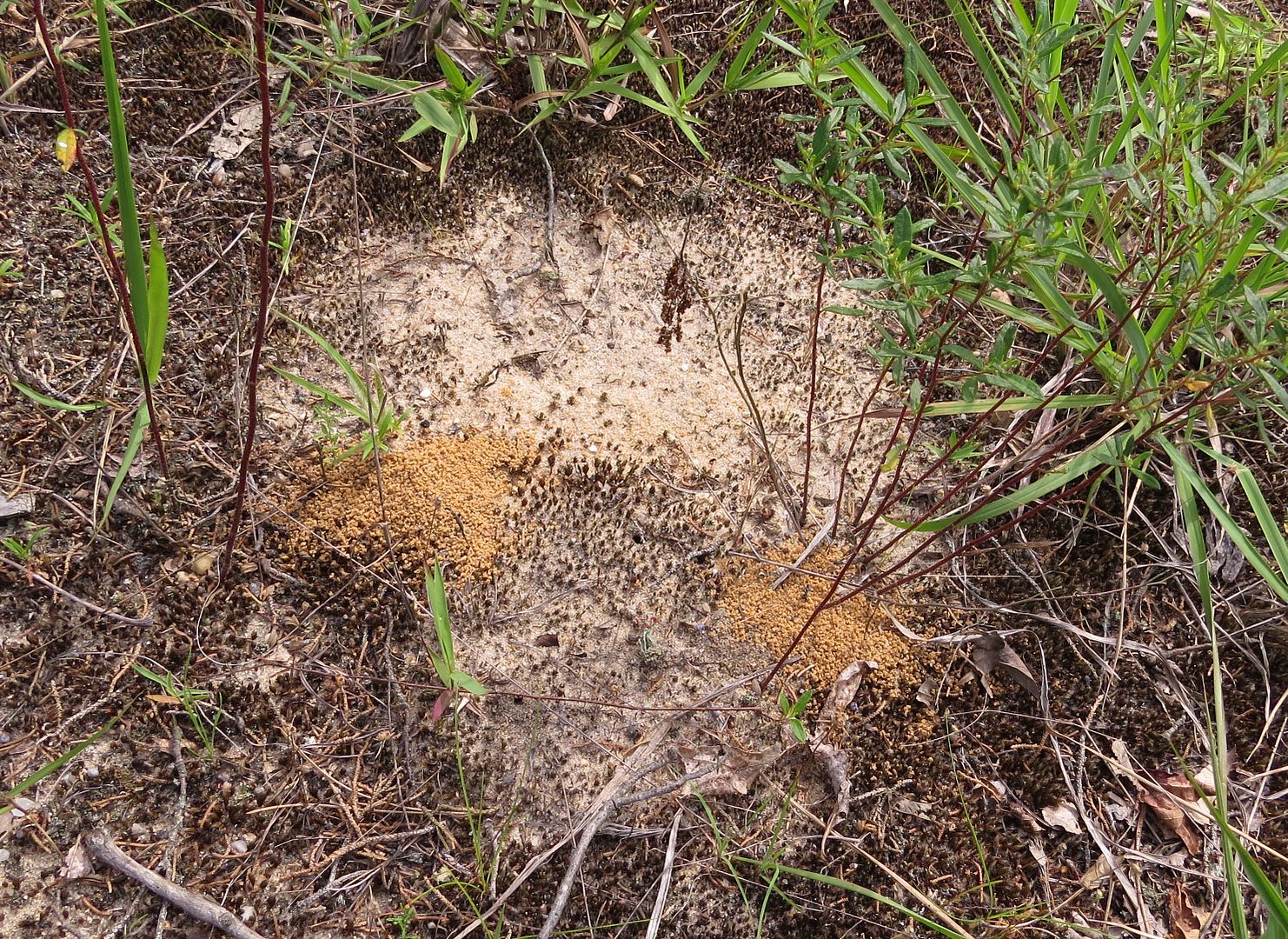
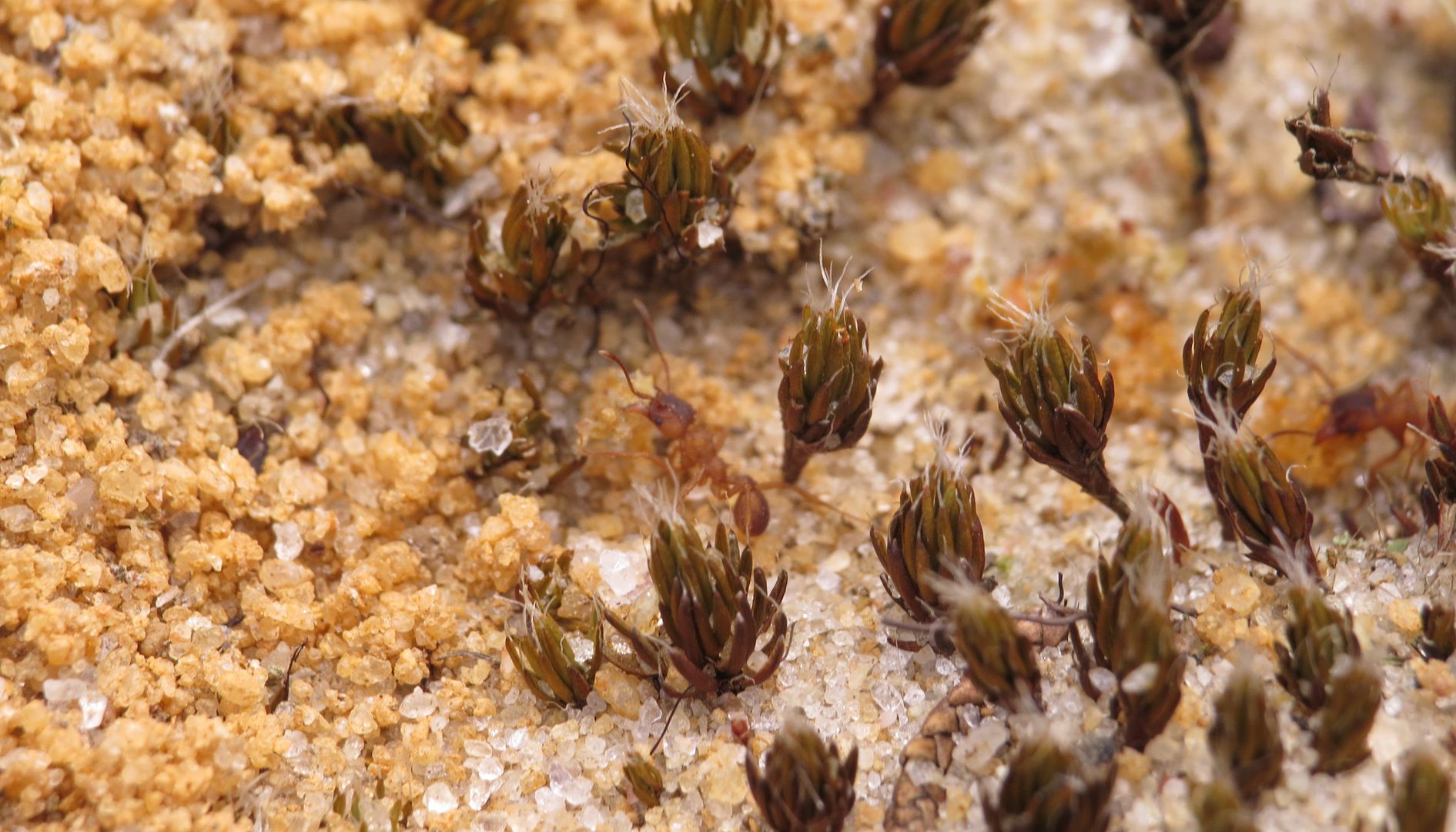
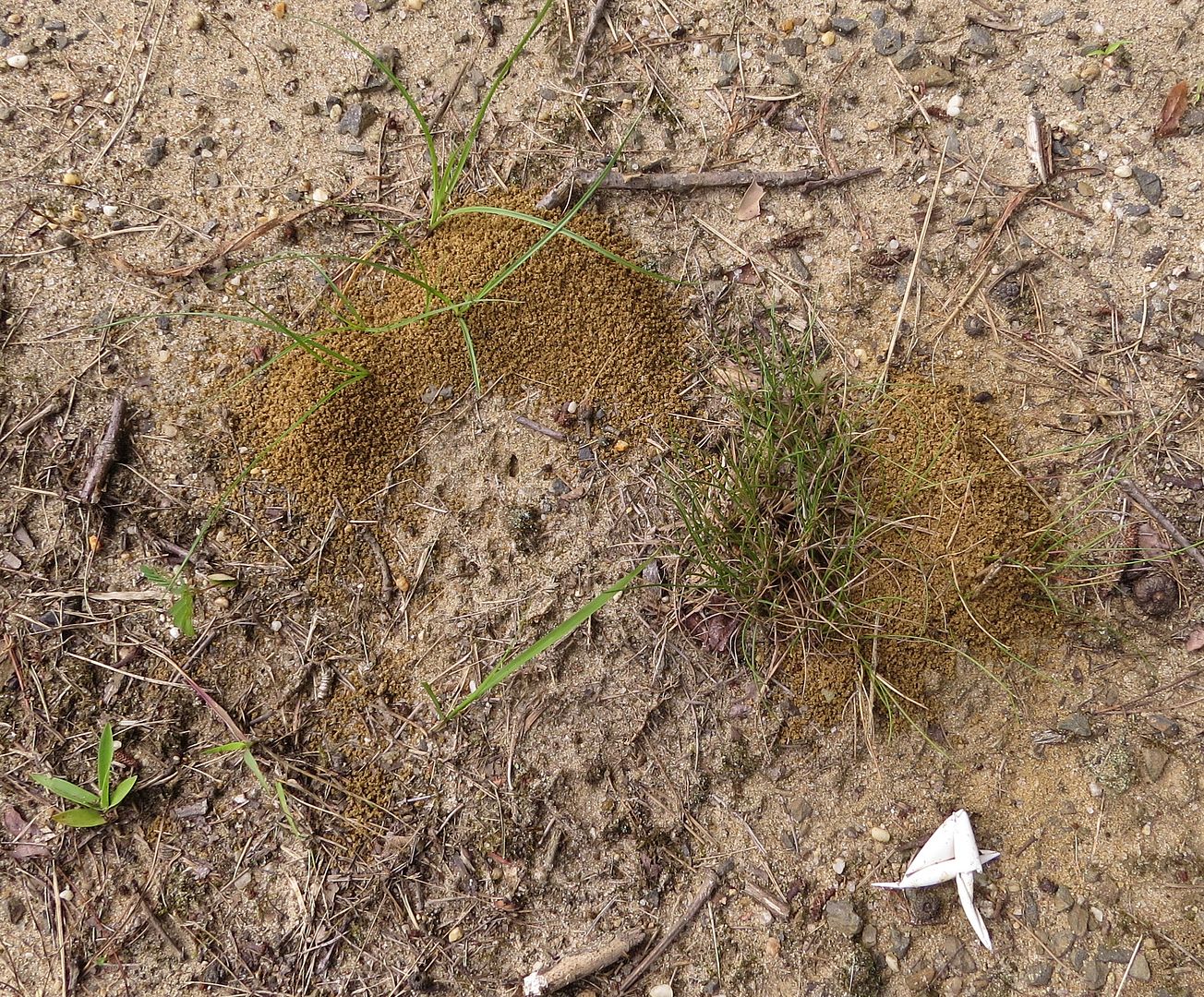
Unfortunately most colonies we found were inactive. But once we found one still digging, it became apparent that they were locally abundant wherever there was sand.
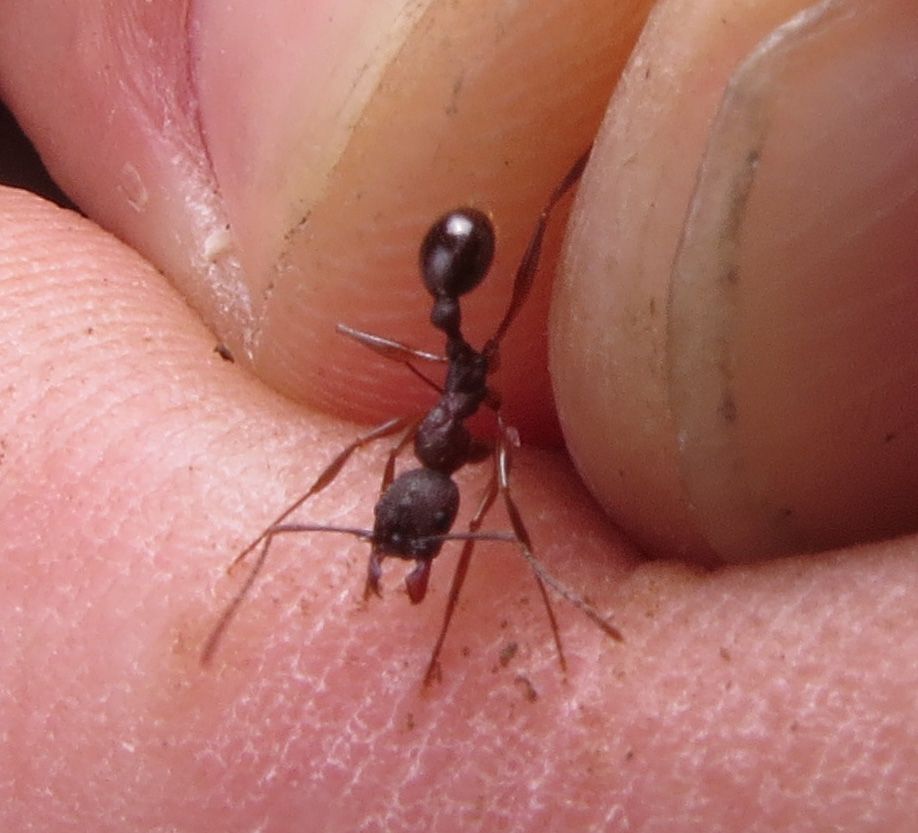
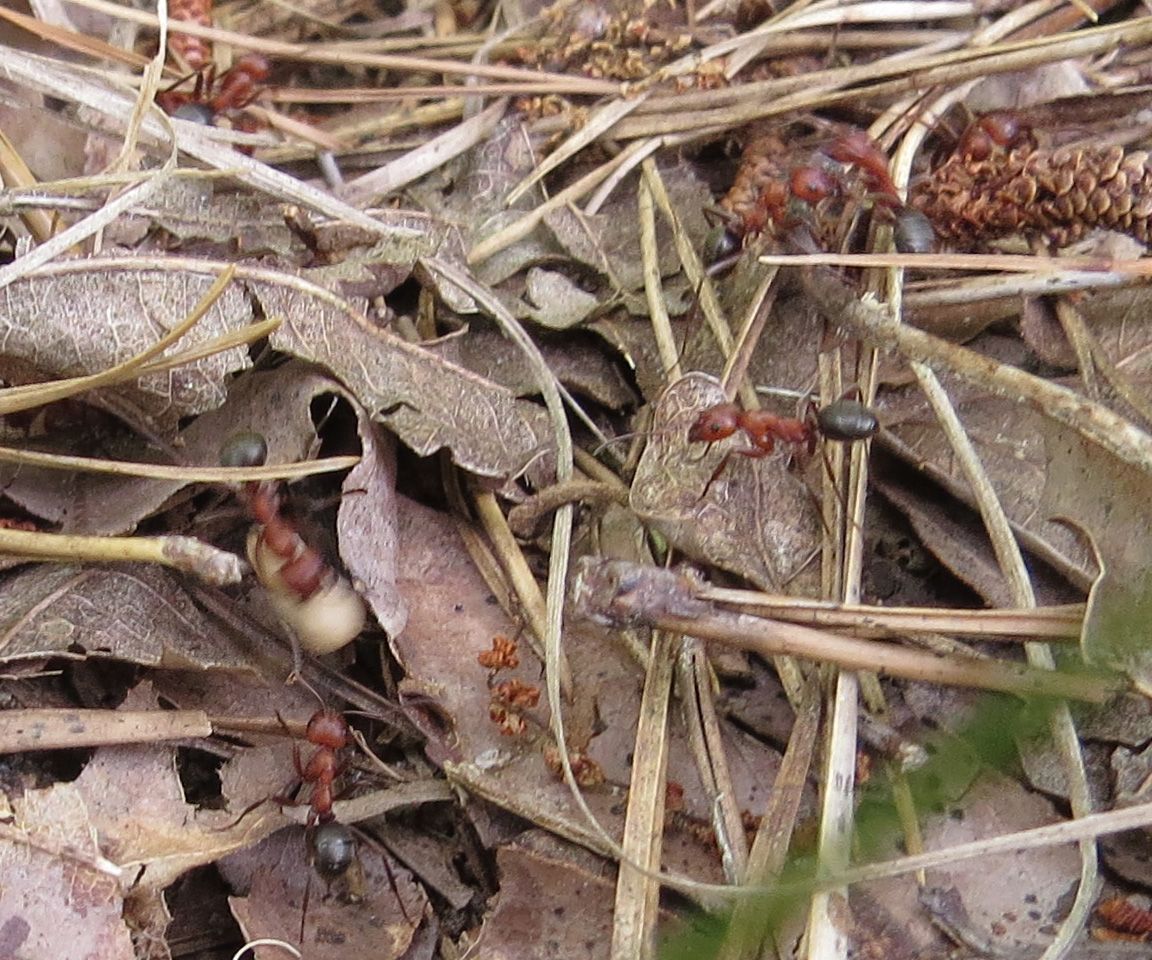
Aphaenogaster treatae colonies were abundant along the forest edge. This is one of the largest Aphaenogaster species in the region. They're just shy of being the same size as Formica pallidefulva, a common lawn species.
This darker Formica threw me off at first. To get them to be more active we gave them a cricket.
I believe this is actually a darker color form of Formica incerta, which can also look identical to Formica pallidefulva. I'm so used to seeing these two species as the same color, that I found it odd that one would be different looking in another environment but not the other. Ignoring color, these two species differ in the amount of hairs on the mesosoma, queen number, and general colony size.
Just in the forest we located a different species of Formica, this time something in the sanguinea group, which are slave making ants of other Formica species such as the two already mentioned.
We weren't actually sure what we were witnessing. The colony appeared to be transporting cocoons to another location some 100 yards away; which we thought to be an outrageous distance for an ant line to travel. They were either moving the nest, or conducting a raid on one of their host species which we were unable to see.
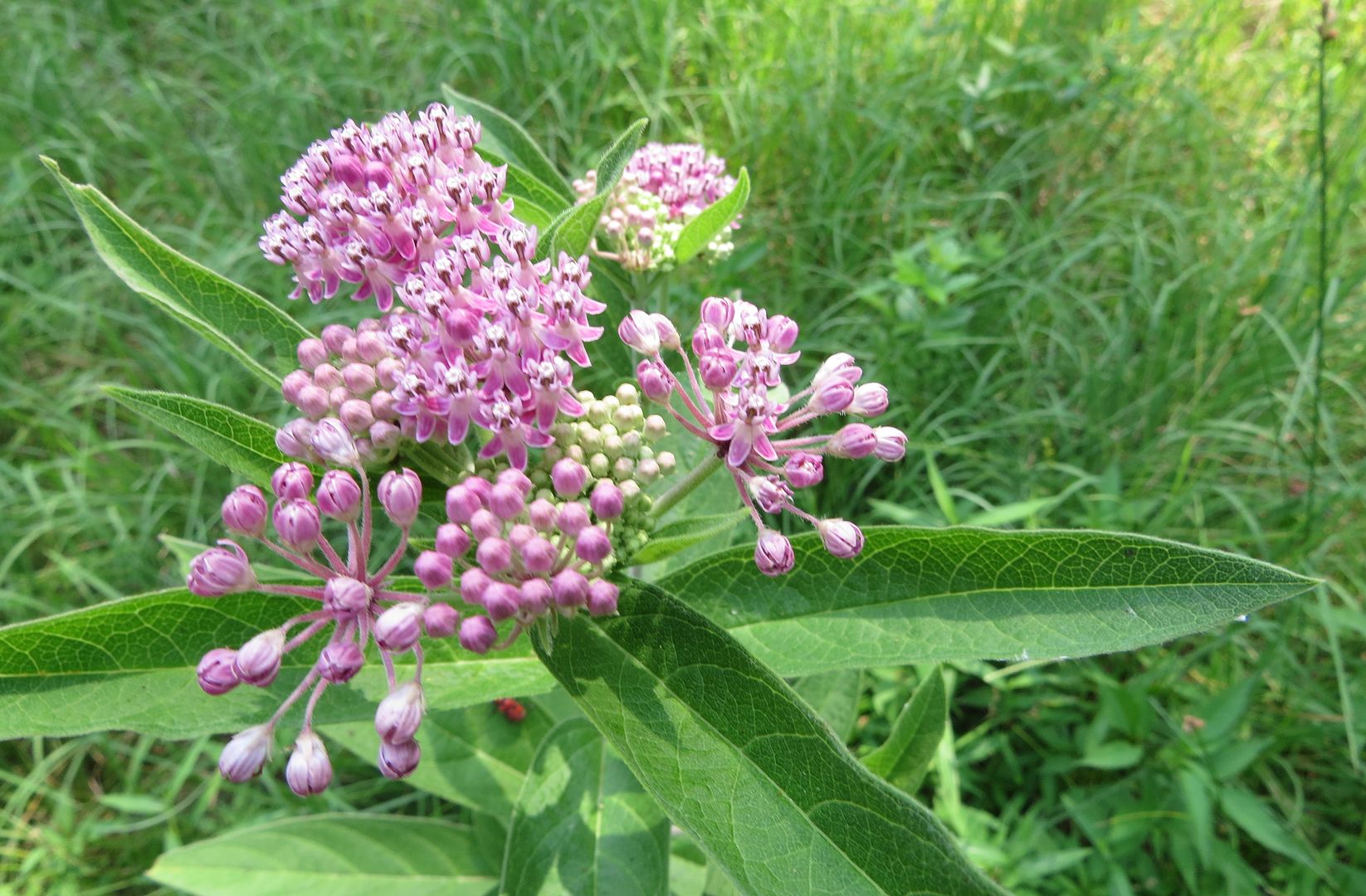
Before leaving that location, I found a population of Asclepias incarnata ssp. pulchra. Basically this is a variety of Swamp Milkweed that has hair all over the stem and leaves. The flowers are also a delightful shade of pink.
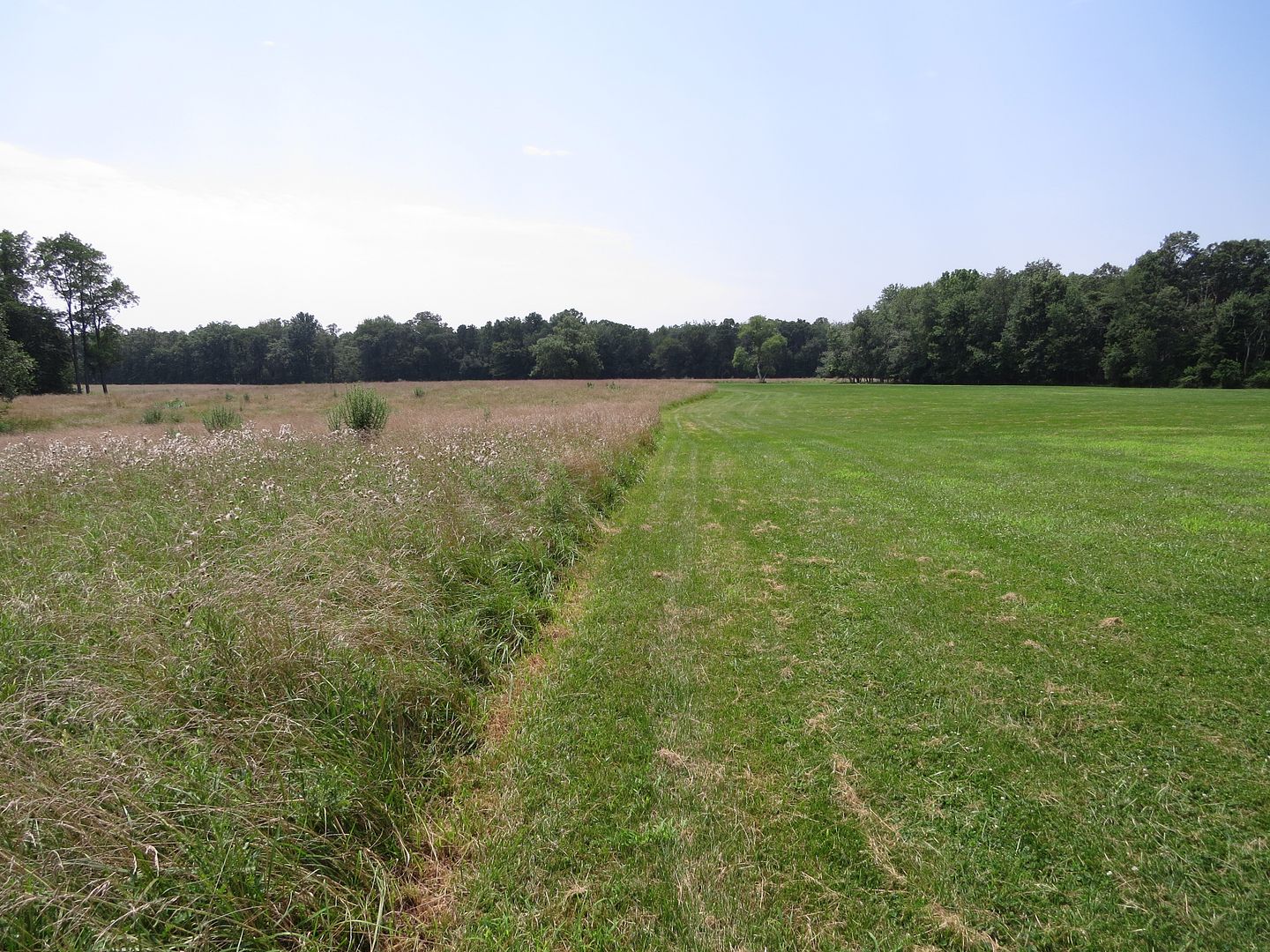
Next we went to Turkey Swamp Park to revisit the mounds of Formica exsectoides. Getting there requires you to walk through two great big open fields that are mowed for acres and acres. The second field has a very small patch of land that's not mowed at all. And I can't help but view this as a huge waste of space. One field... okay I get it, but to have two of them and only feature a little bit of ... I can't even call it a meadow. I think their lawn mower just ran out of gas. They could install a meadow garden here and offer path ways through sweeping drifts of native grasses and wildflowers.
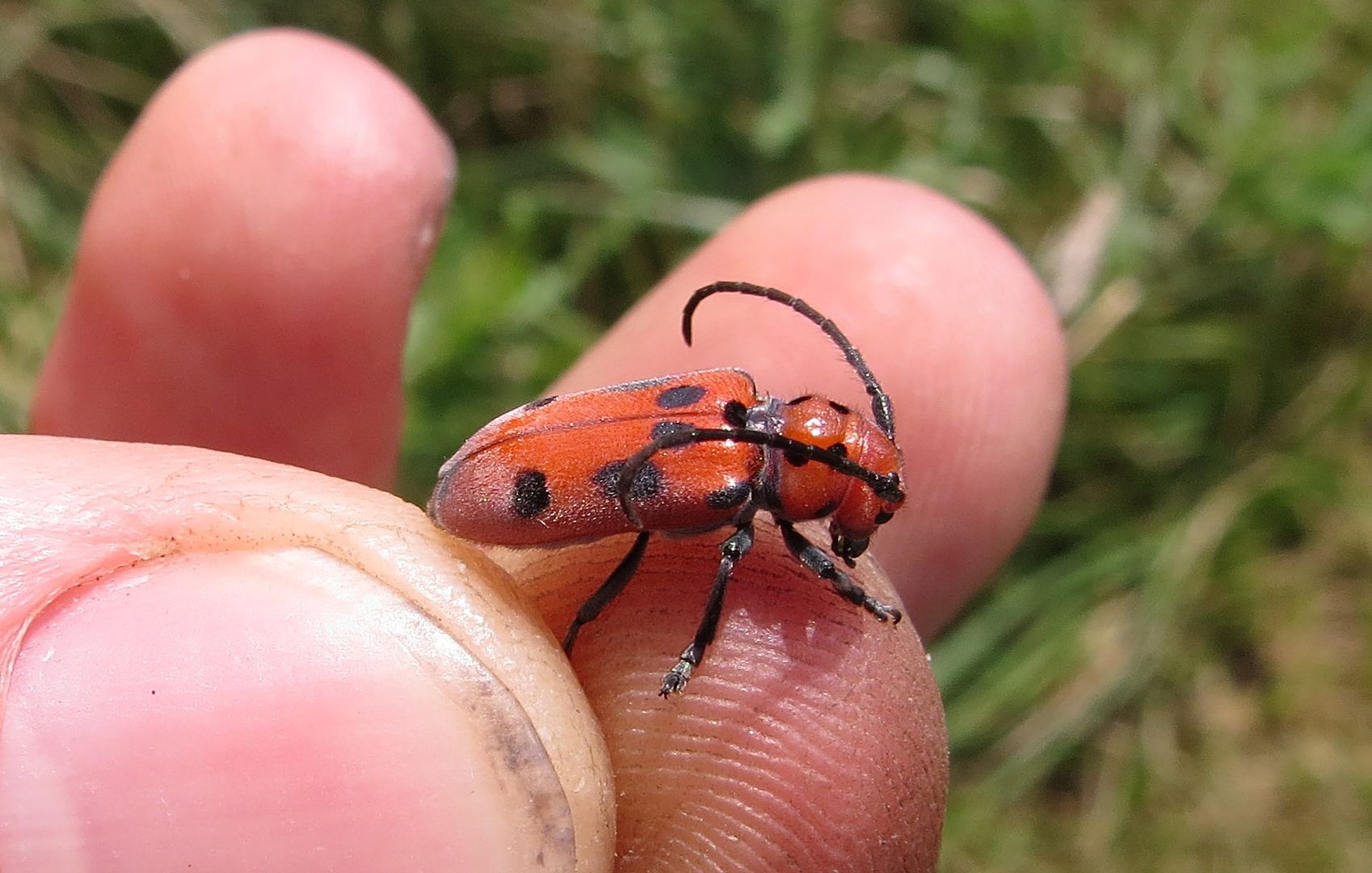
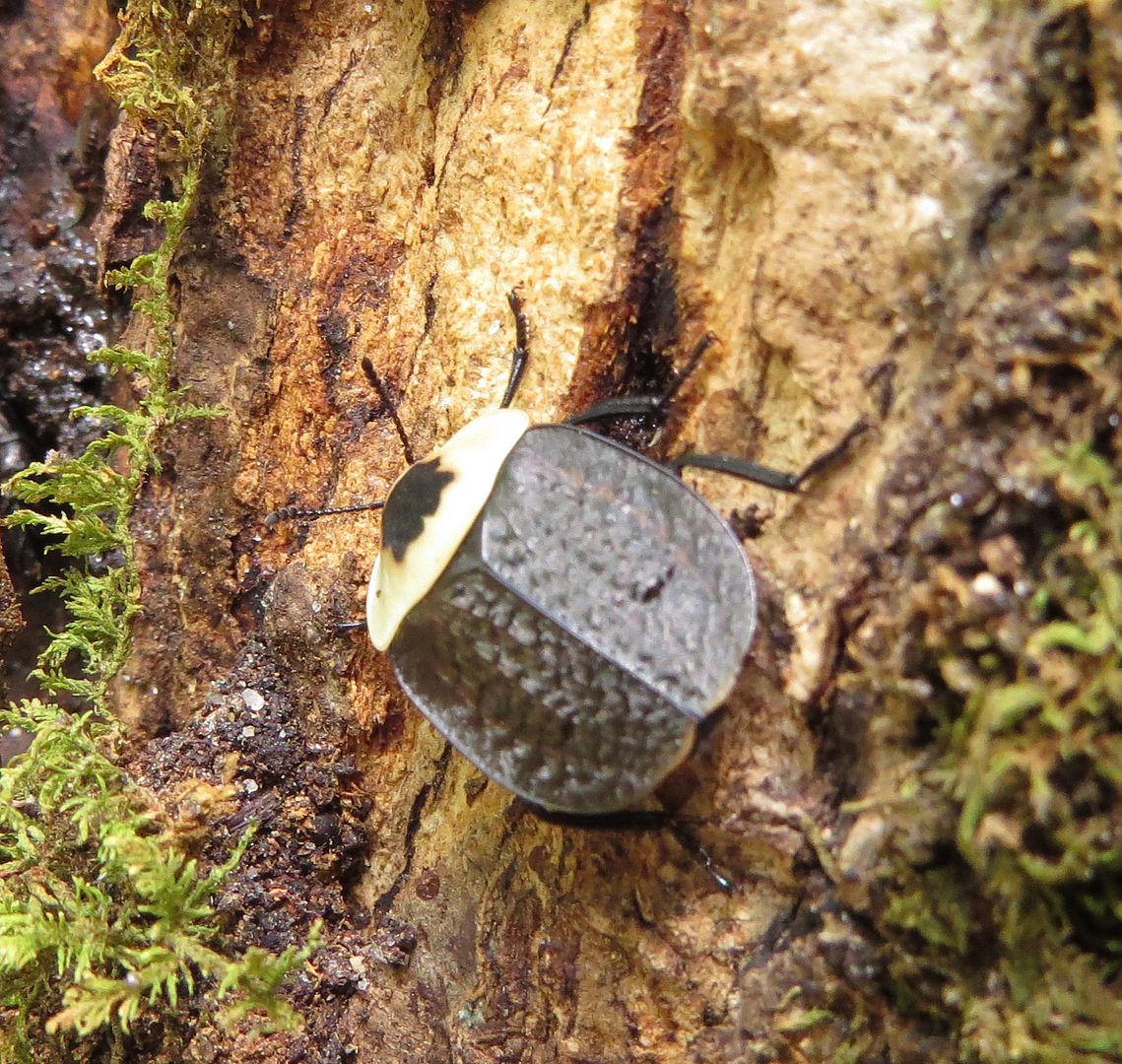
There were stands of Common Milkweed there but no Monarch butterflies at all. Other milkweed using insects such as this Four Eyed Beetle were making use of the milkweed but Monarchs seem to be in short supply this year.
We came across an ant that I'd never seen before. The sensation didn't really strike me until I went to save them onto my computer and I didn't even know the genus, or what to call them.
These are Dolichoderus plagiatus, which I found out later after having them ID'd.
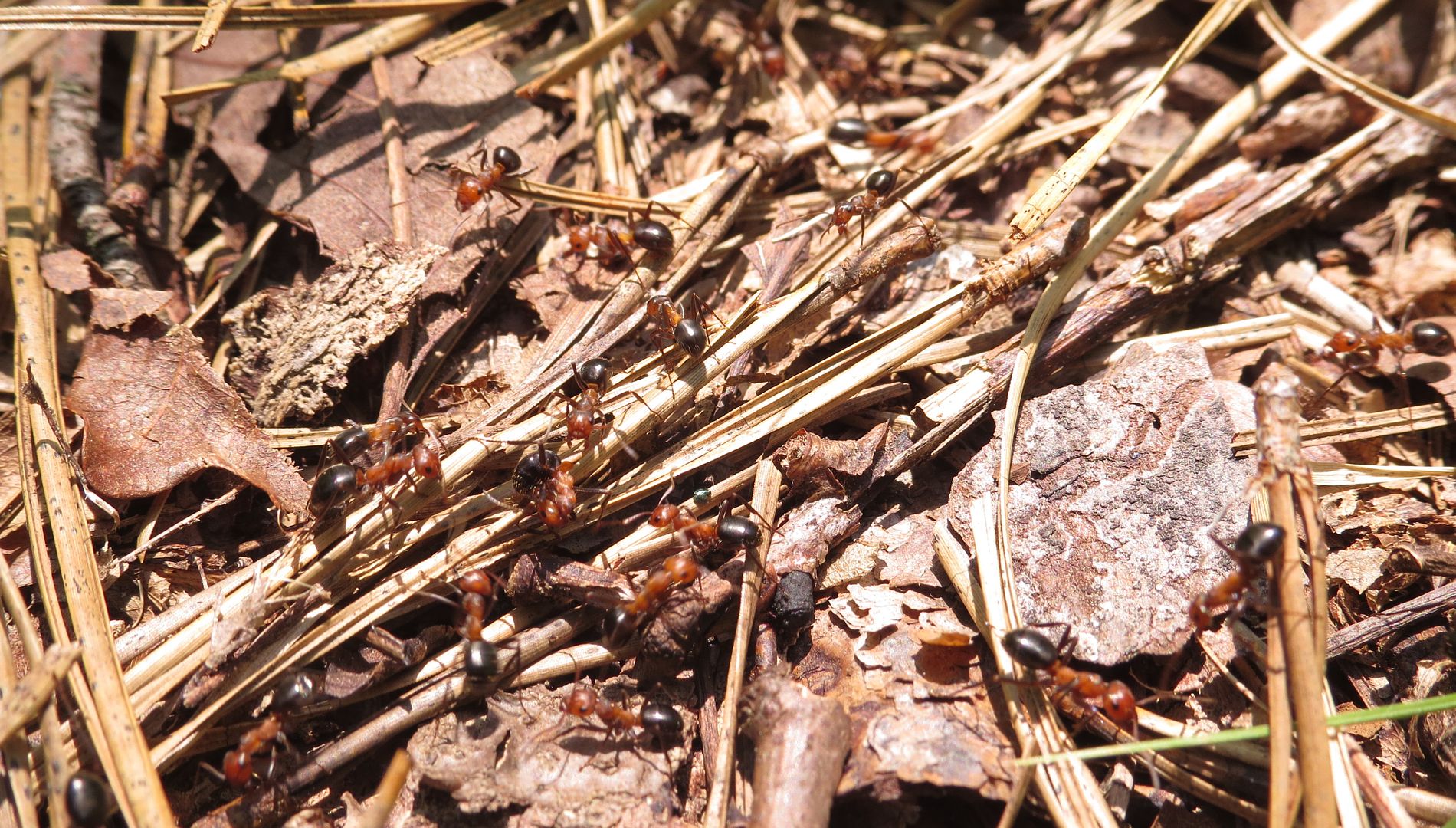
Here I am standing on a Formica exsectoides mound. It's a little deceptive how high it actually is. The lighter colored tops of them are this year's excavated soil. There is then a lower layer that's a more gradual incline outward. And then an even more gradual slope around that from where the ants have tracked dirt and such around. Behind the mound in the back it's about 3' to the forest floor, whereas looking at it this way they seem shorter.
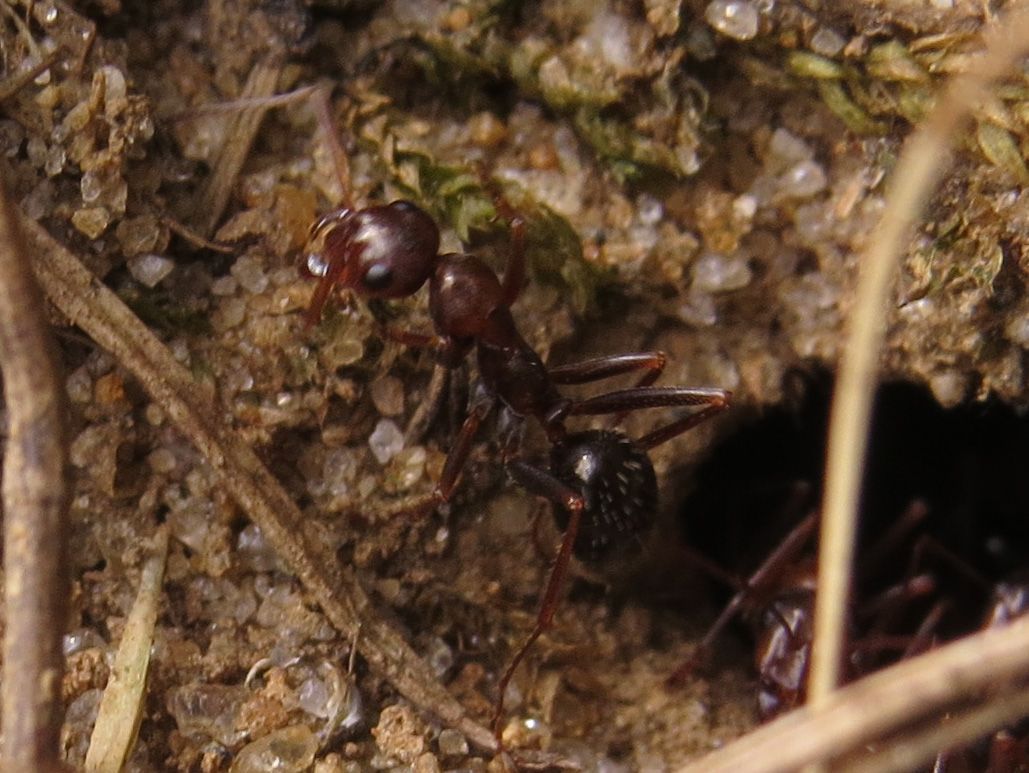
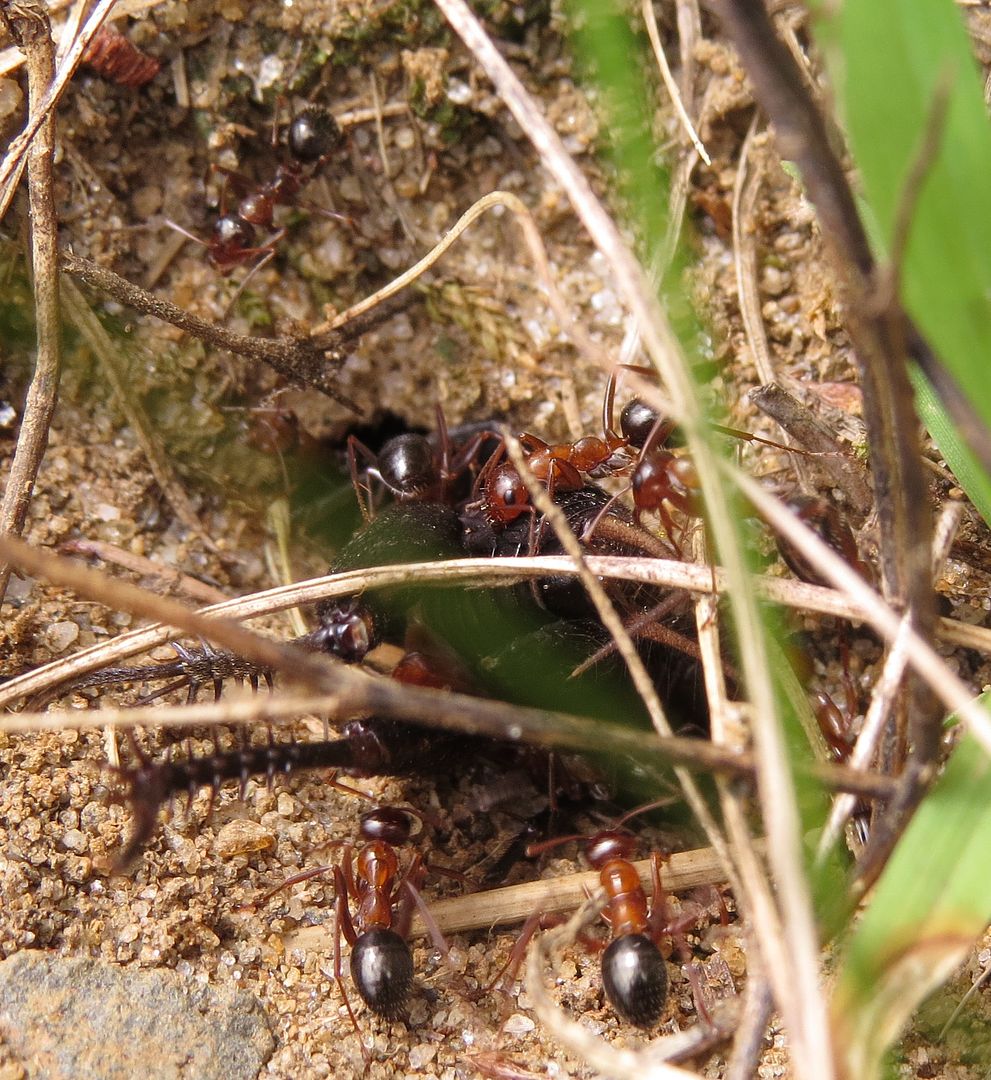
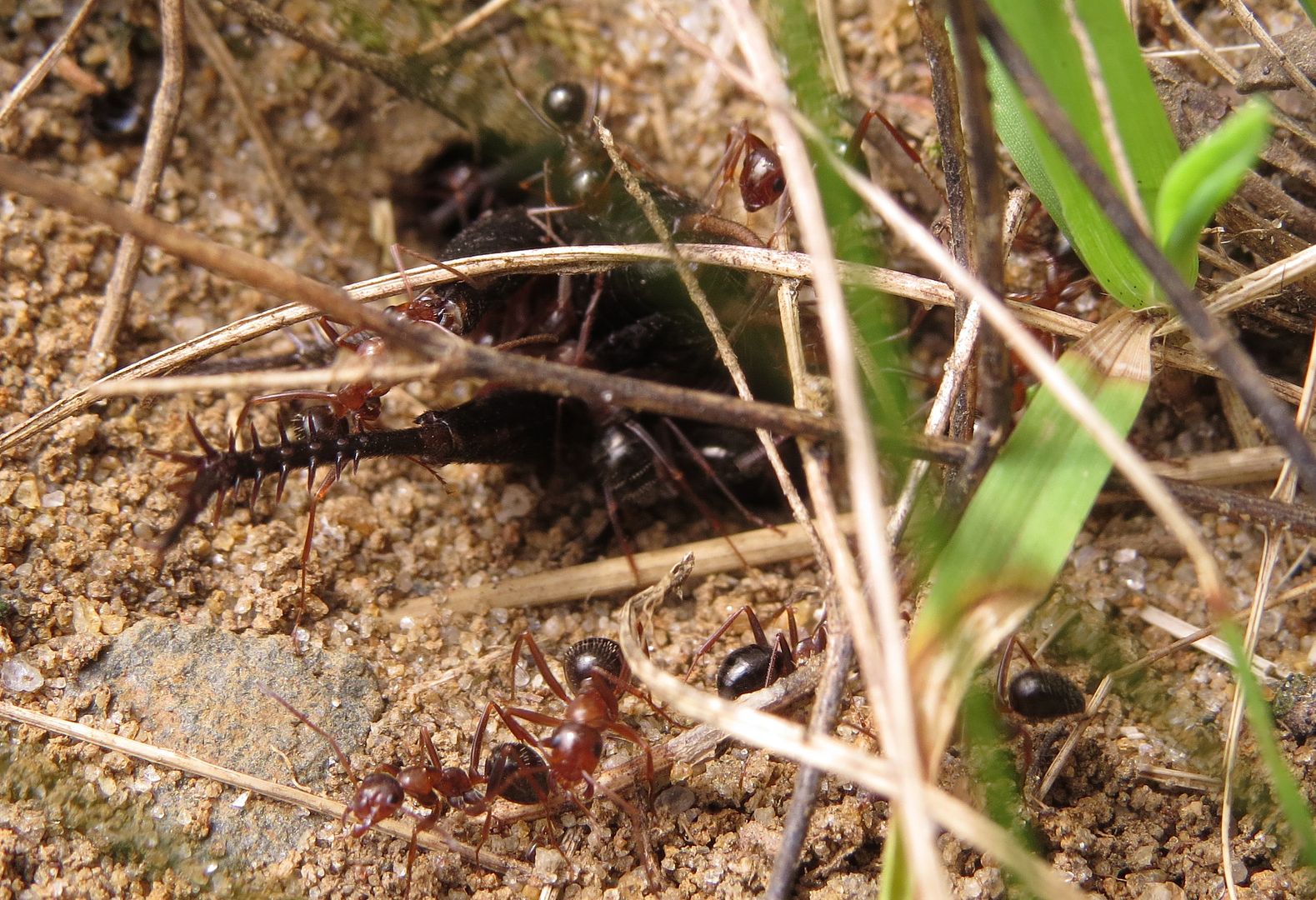
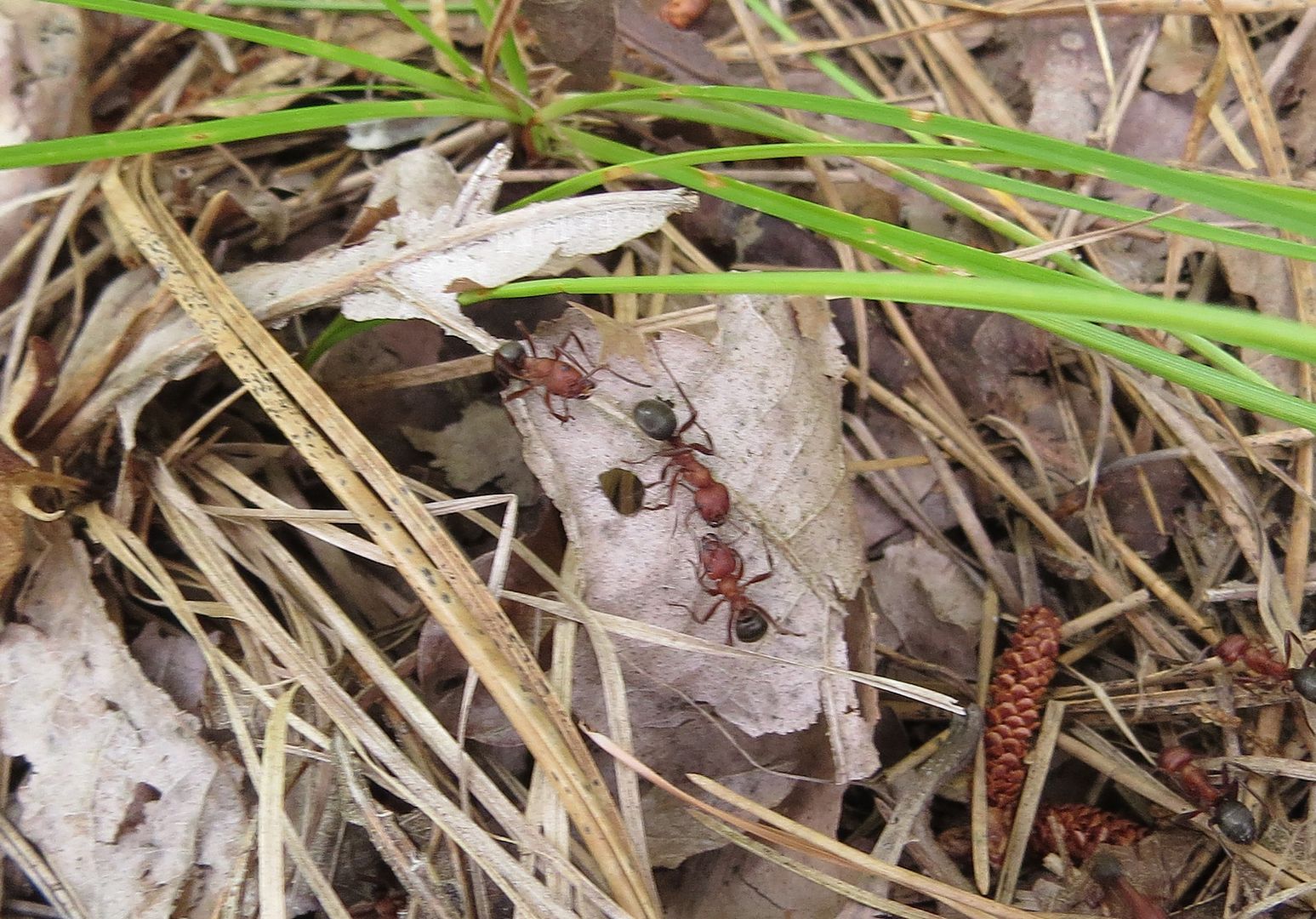
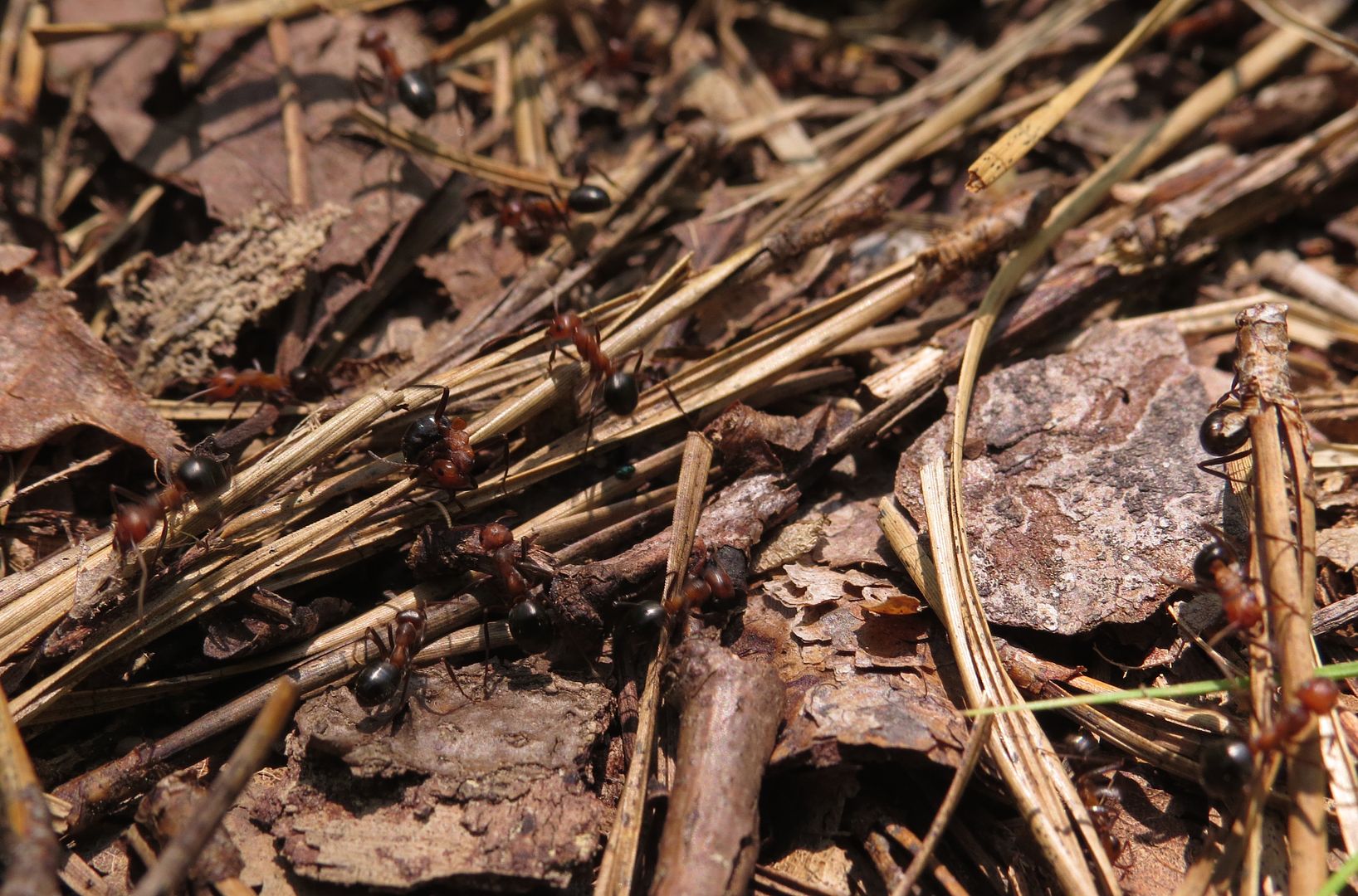
This species is very aggressive. Mobs of alert workers gathered just about everywhere that we stepped. As I took pictures and recorded them, they started attacking my shoes and climbing up my legs.
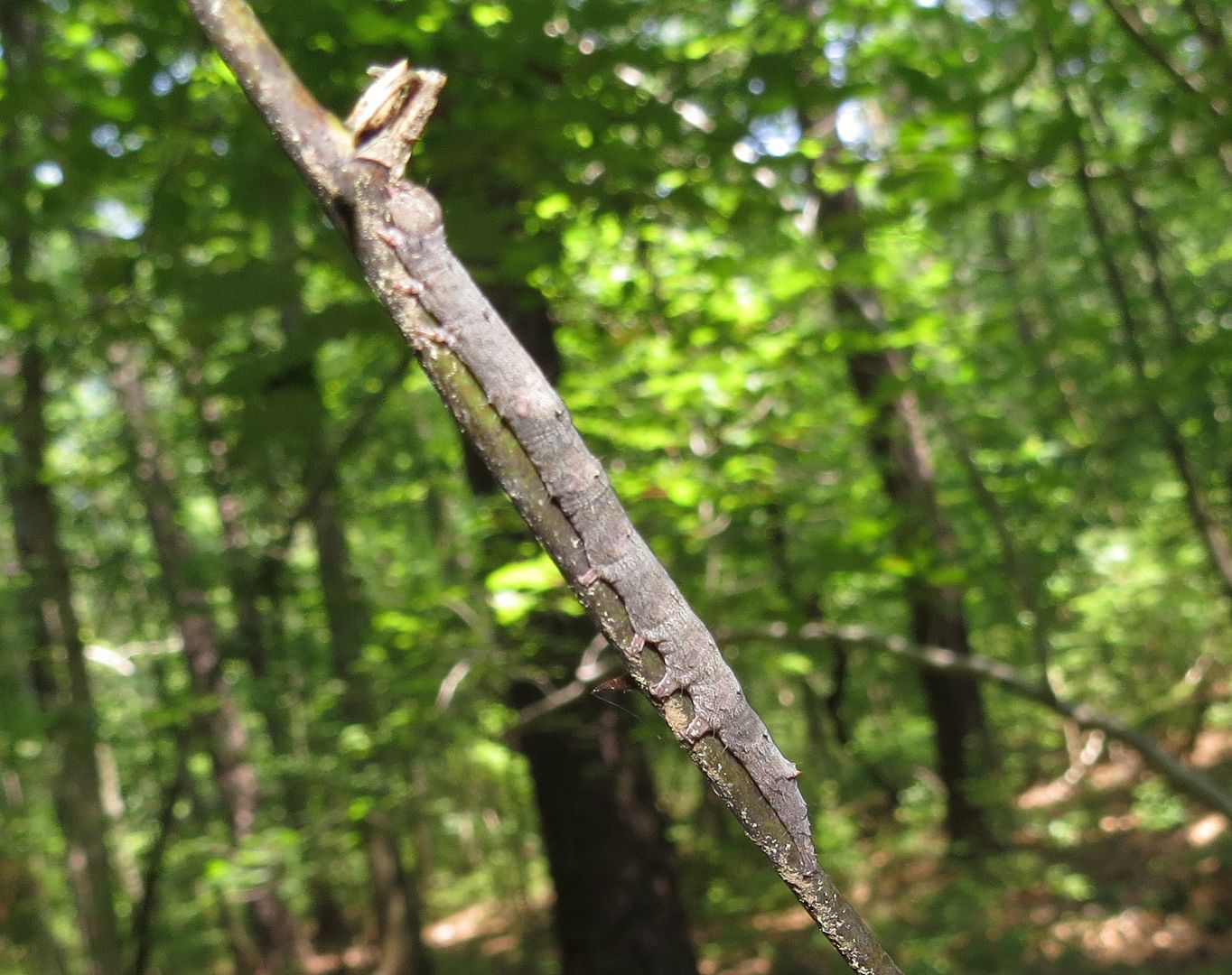
You have to be very good at hiding to live around ants like this, such as this caterpillar that blends in with a stick.
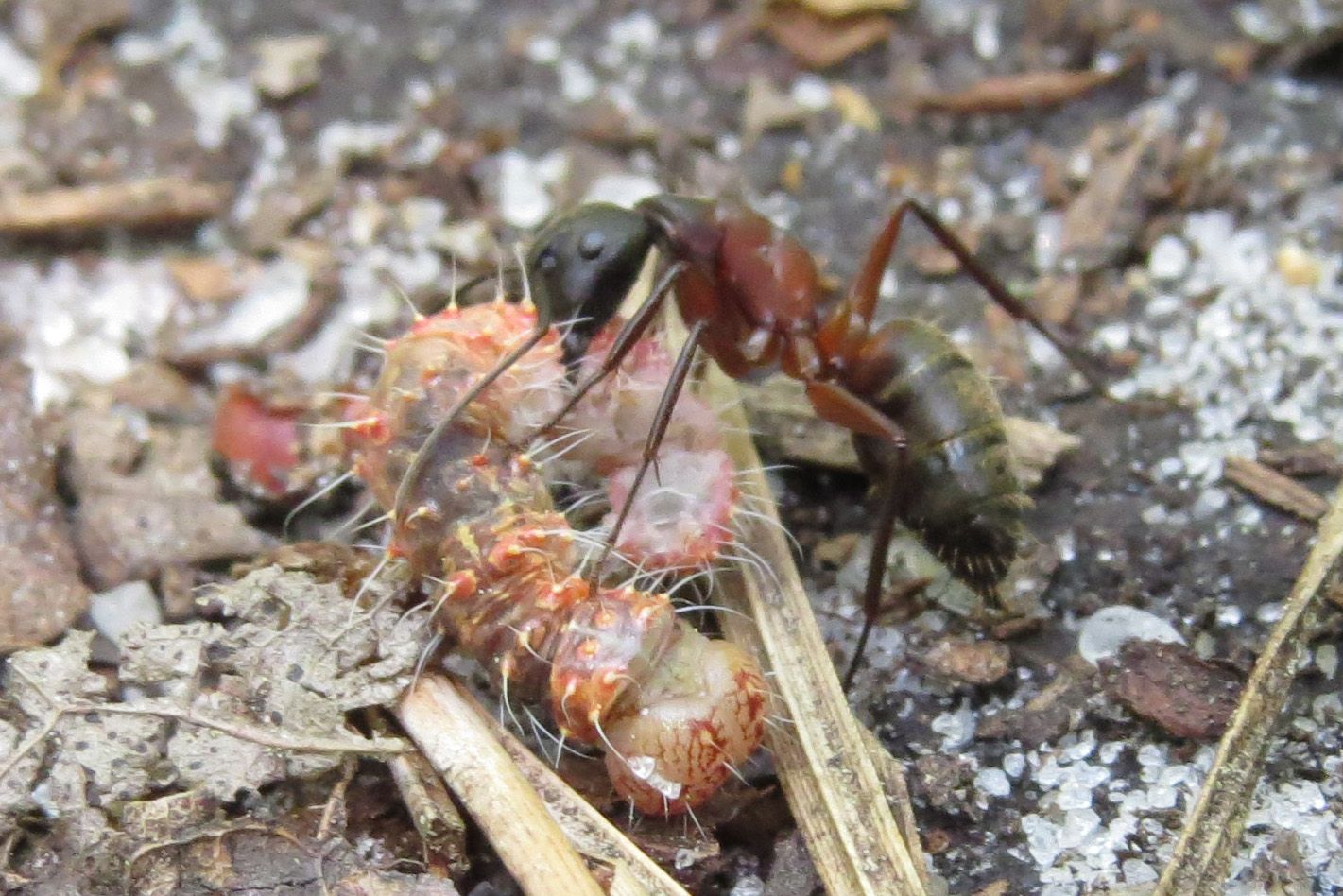
As we got away from the colonies, roughly ten minutes of walking, we finally started to see other ants. Camponotus chromaiodes, which typically dominates forests is pushed off to the sides and occurs in places where Formica exsectoides doesn't inhabit.
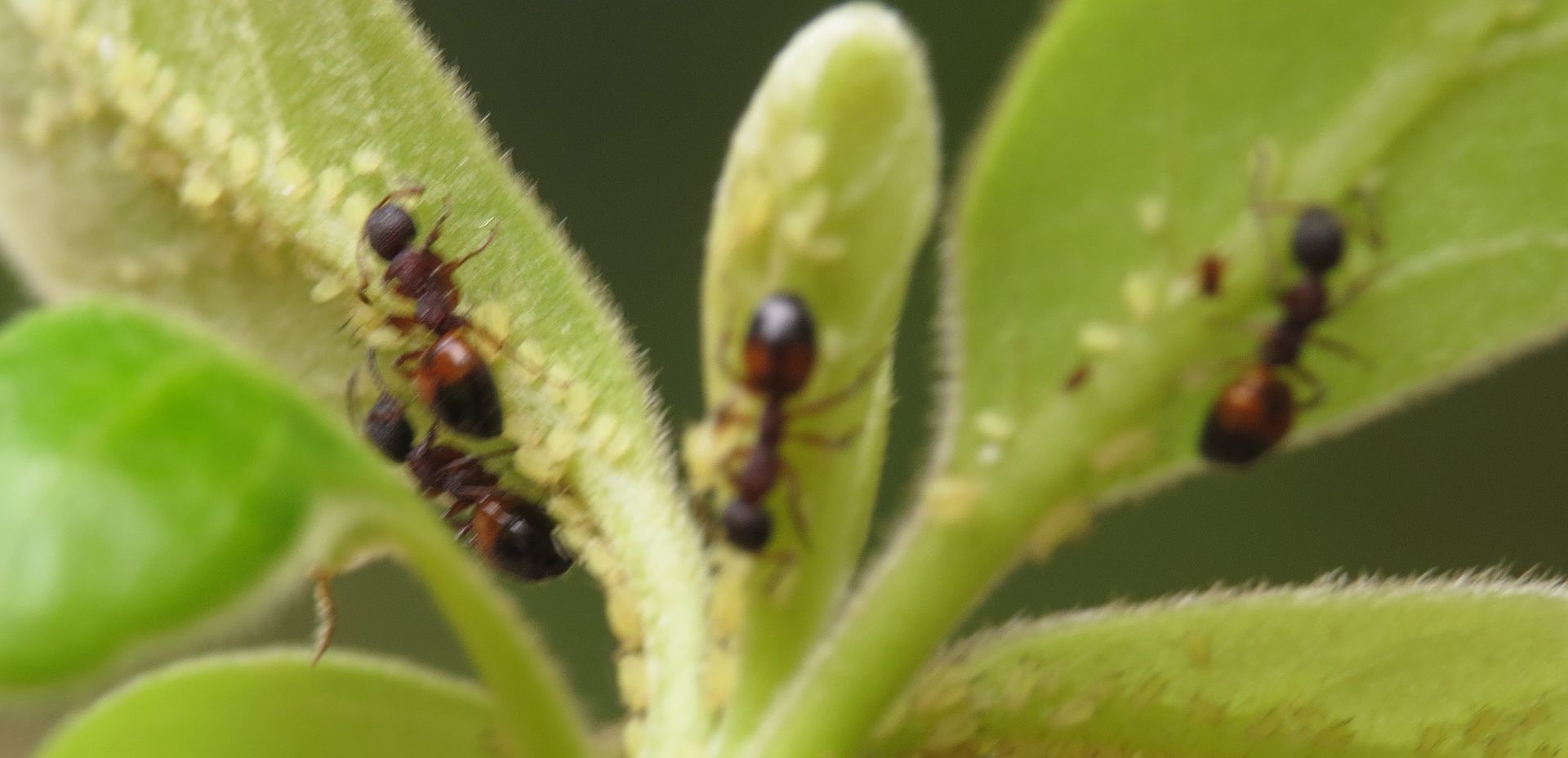
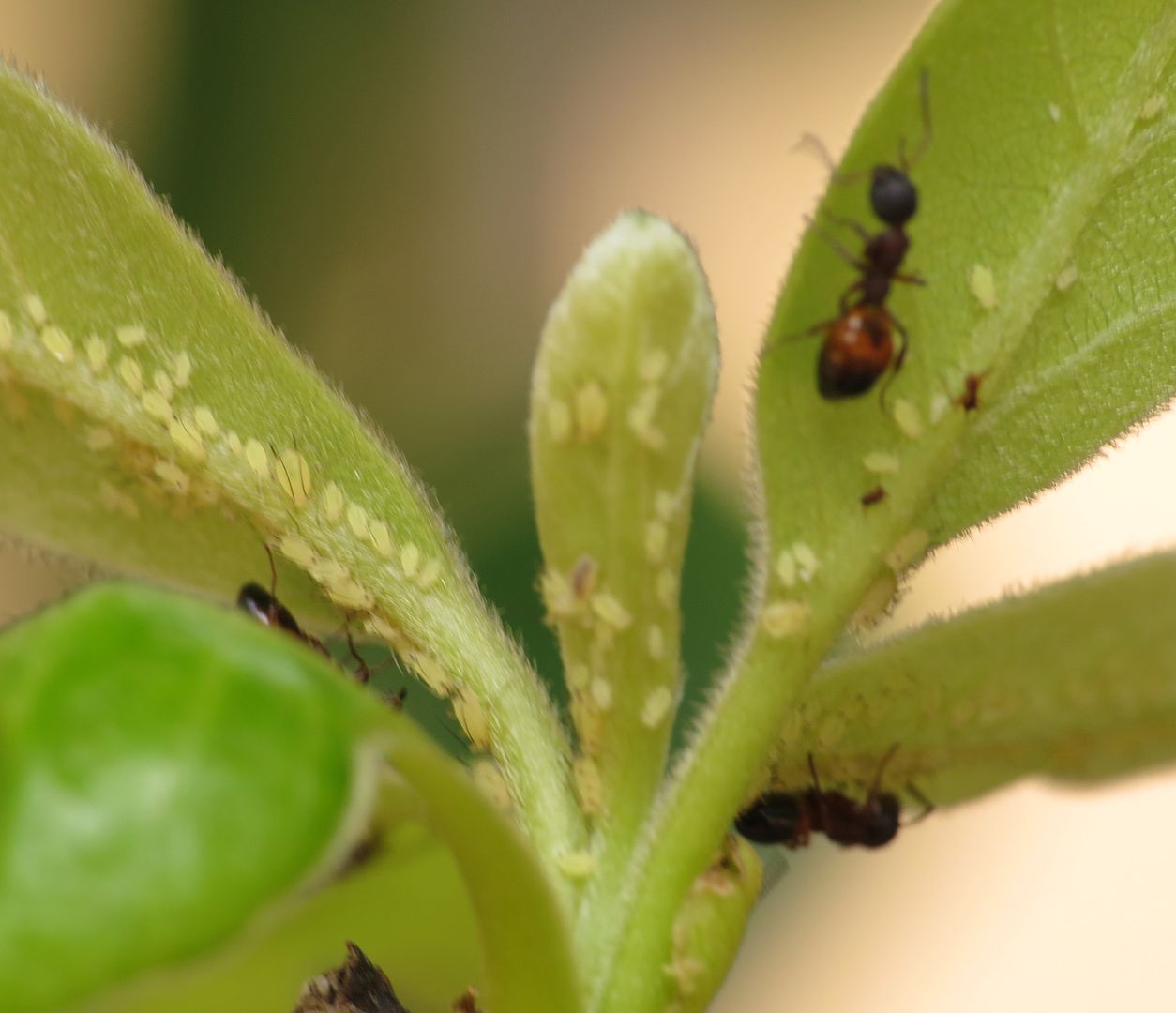
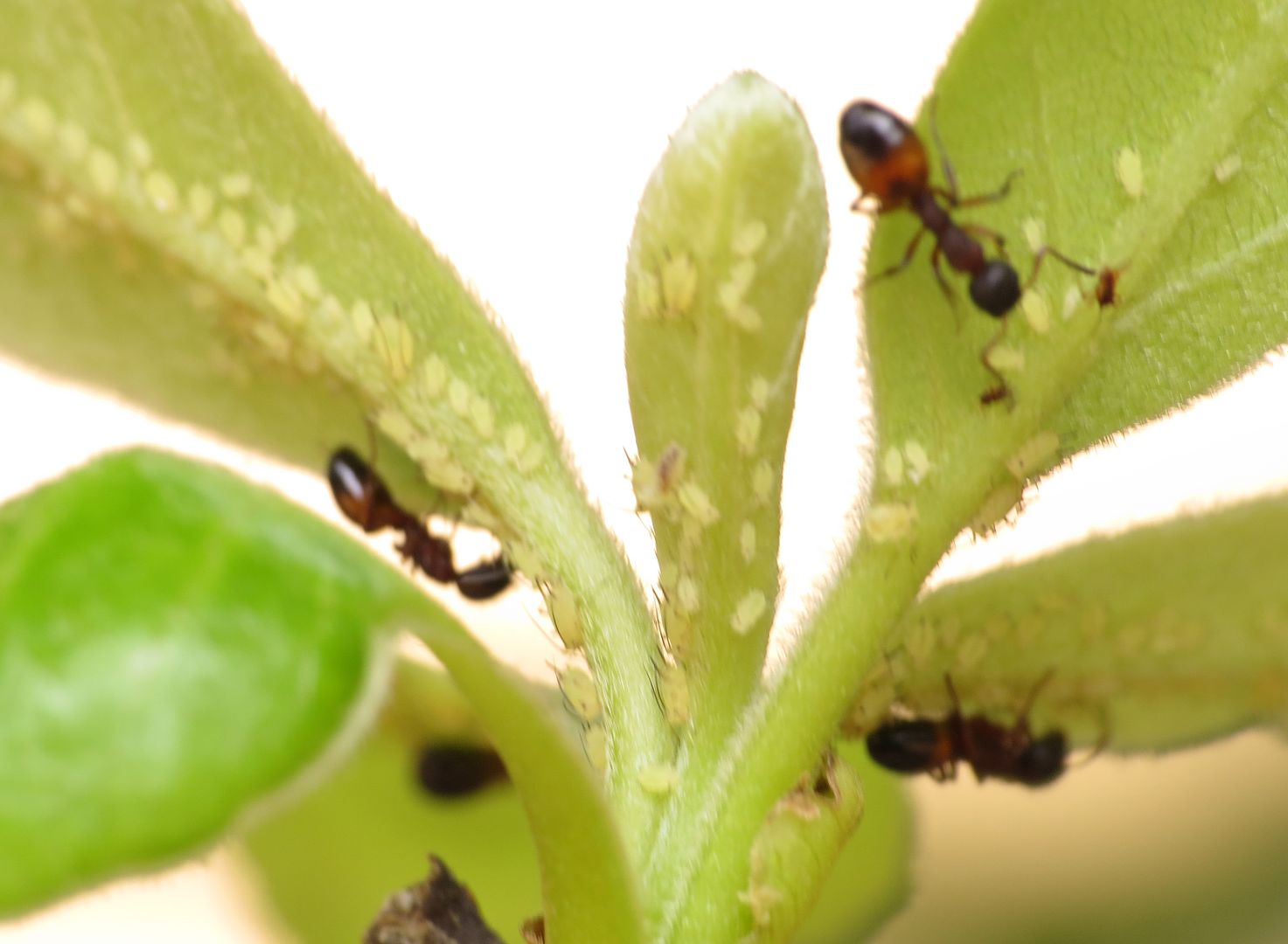
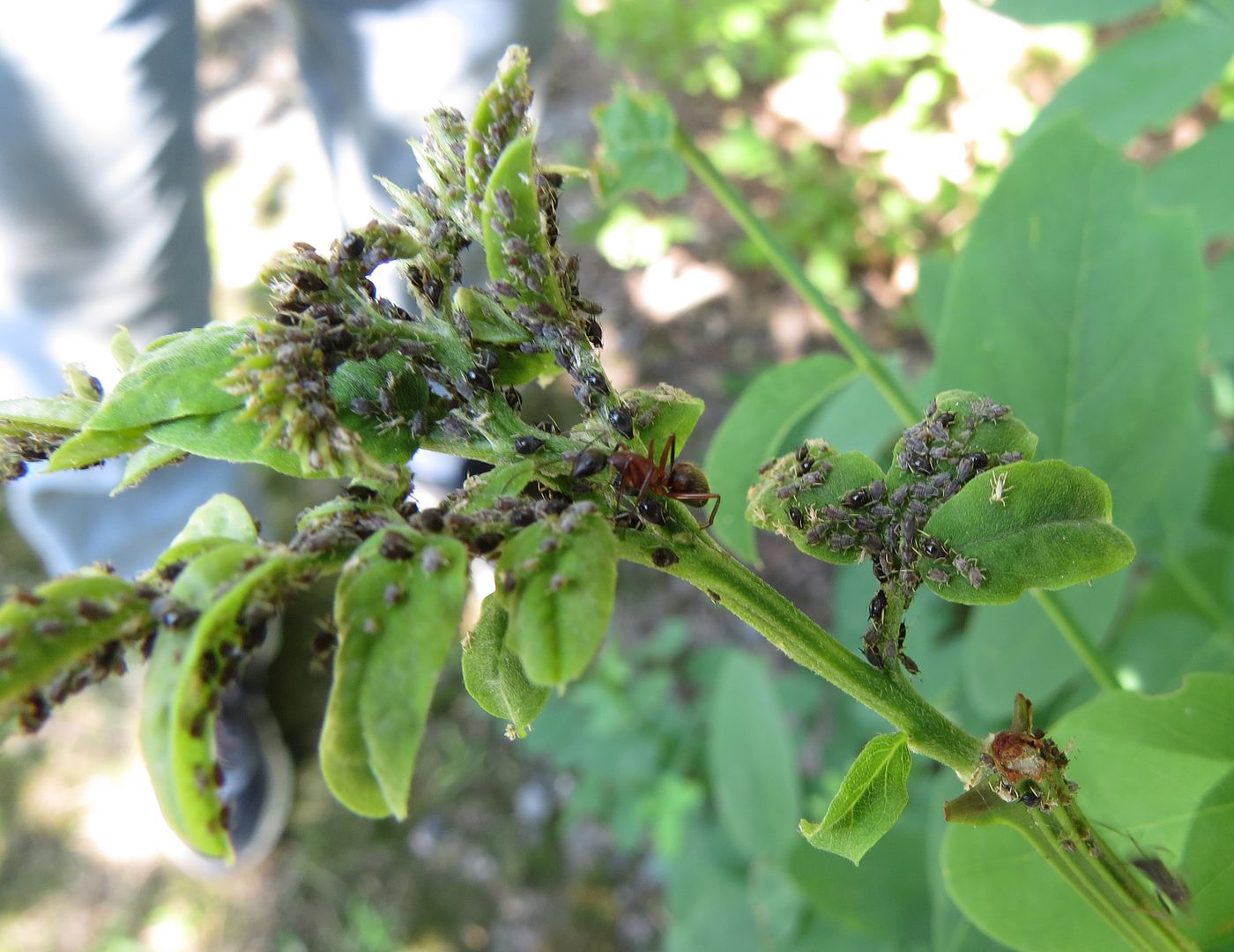
A C. chromaiodes worker tending aphids. I actually thought the aphids were being tended by Crematogaster at first then I realized that wasn't the case. It's just some of the aphids are really dark and shiny like a Crematogaster's gaster (abdomen).
Damaged trees oozed sap and were attracting different types of ants as well as these sap beetles.
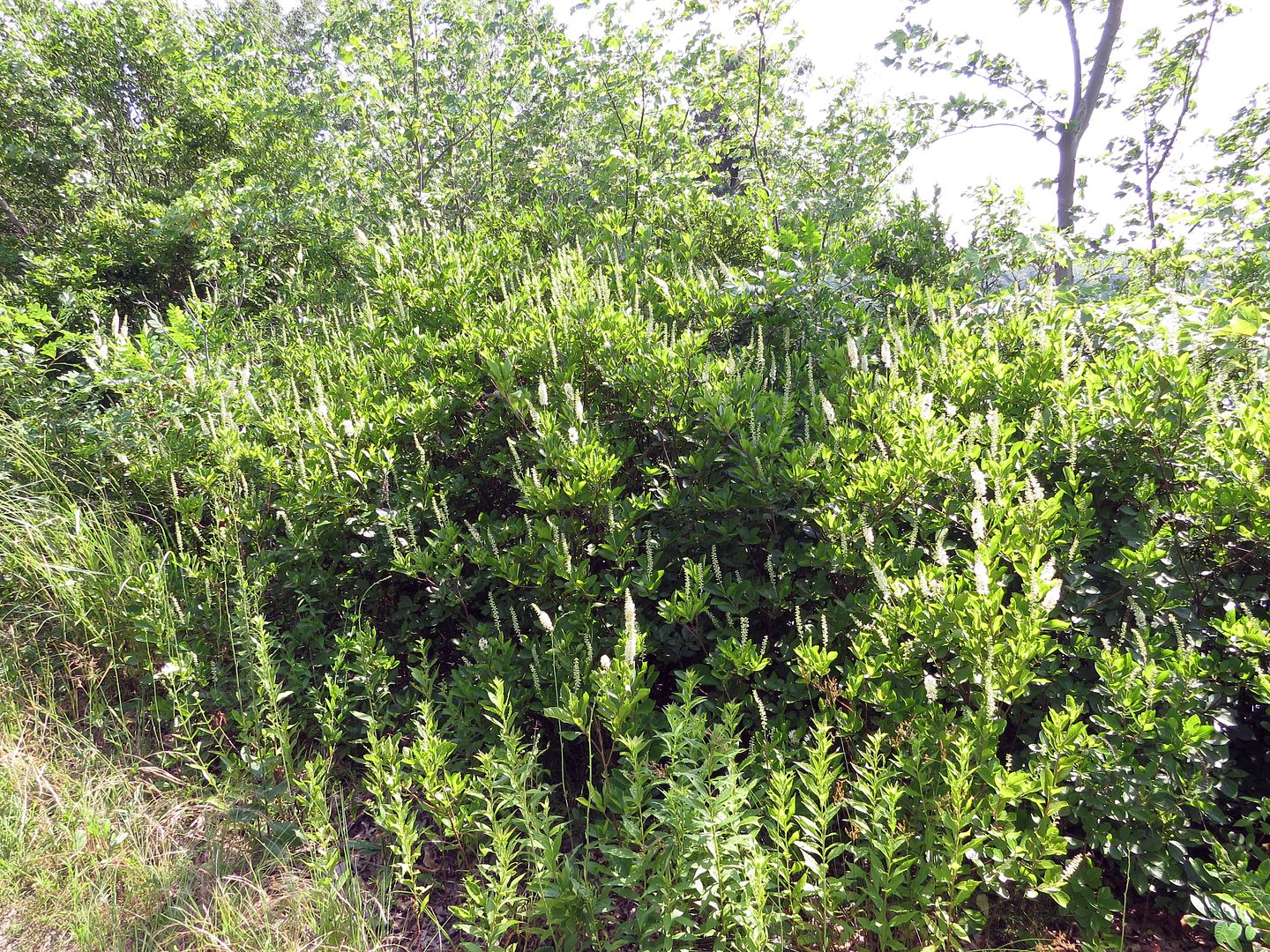
At a third location there were stands of Clethra alnifolia in flower. This is an amazingly fragrant plant that bustles with pollinators.
I also located a second population of the Hairy Swamp Milkweed.
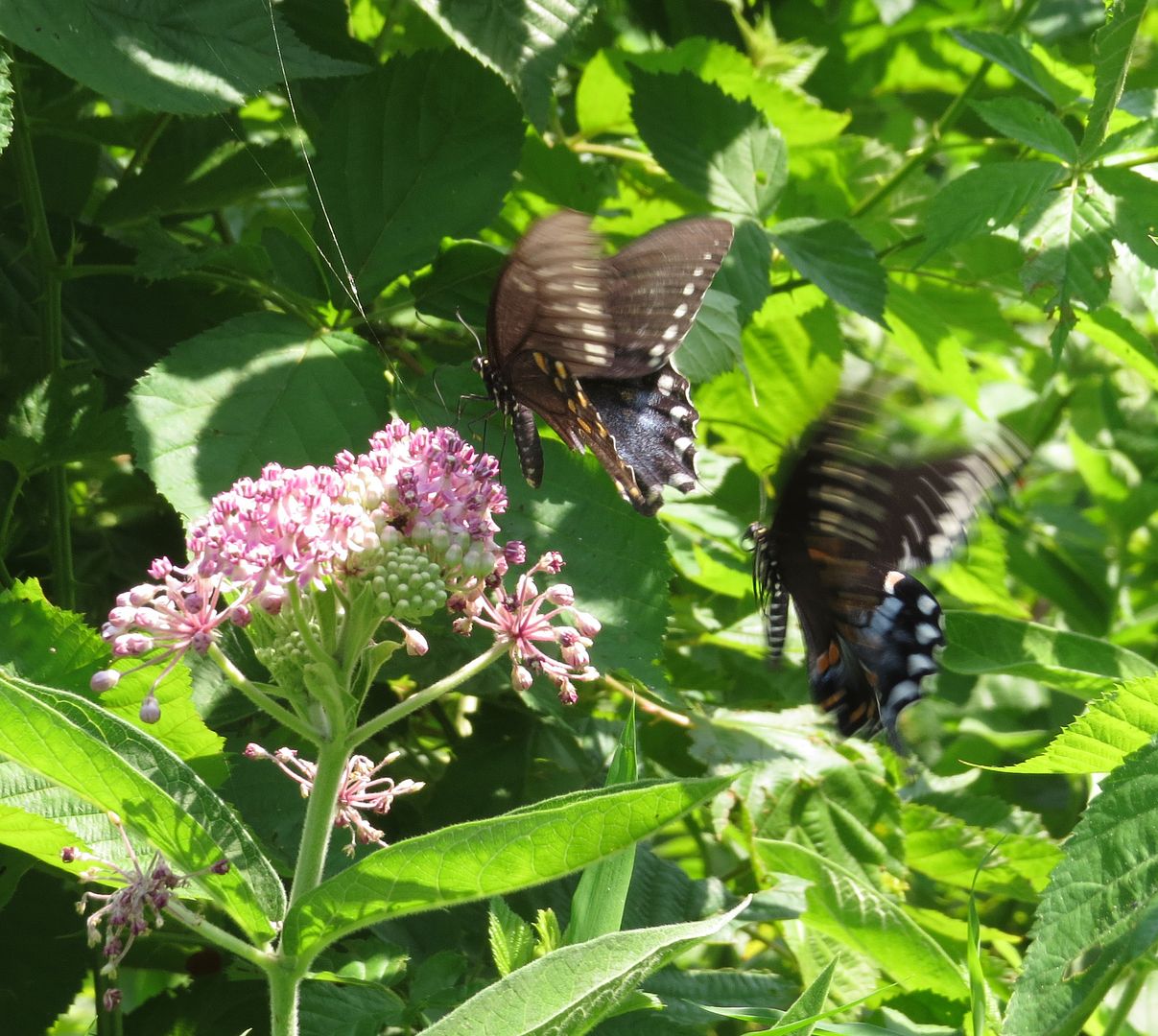
Courting pairs of Spice Bush Swallowtails fluttered about them all.
This last location was a man made lake to support the county water supply. But in its construction they'd flooded much of the adjacent forest, creating a swamp of dead trees.
I always hesitate to make the event public for fear of someone showing up thinking this would be great for their children to do. It's NOT! This is a hiking/nature walk that lasts the better half of the day in tick and chigger filled fields and forests. Though this year despite walking through waist high grass I barely got any chiggers, and despite finding deer tracks through the woods our total tick count was 3 plus some really pale and young "baby ticks" which I'm not familiar with.
Our first location was Prospertown Lake, the parking lot of which is located down the street from Six Flags Great Adventure. The cool breeze over the lake, and cloudy over cast kept what should have been 95F degree weather feeling more like it was 80 outside. (There are a number of SPF and Bug Repellents that have anti sweat additives to them.)
Upon walking around we were treated stands of Prickly Pear, a type of cactus that's found throughout the United States.
There was also some type of creeping morning glory that I thought was neat.
As luck would have it one of the first ants we found was one I've been looking for for the past five years or so.
Trachymyrmex septentrionalis, a North American fungus growing ant.
These ants forage for fallen leaf litter and flower petals as well as the frass to caterpillars, grass hoppers and other plant chewing insects to fertilize their underground fungus gardens.
Not far away I found one such fertilizer factory nibbling on some Virginia Creeper. This turns into a Sphinx Moth of some sort.
When we spooked him I though it was funny how he sucked his head in to look like an ass, and made sure to show off the fake eye spot at his rear.
Unfortunately most colonies we found were inactive. But once we found one still digging, it became apparent that they were locally abundant wherever there was sand.
Aphaenogaster treatae colonies were abundant along the forest edge. This is one of the largest Aphaenogaster species in the region. They're just shy of being the same size as Formica pallidefulva, a common lawn species.
This darker Formica threw me off at first. To get them to be more active we gave them a cricket.
I believe this is actually a darker color form of Formica incerta, which can also look identical to Formica pallidefulva. I'm so used to seeing these two species as the same color, that I found it odd that one would be different looking in another environment but not the other. Ignoring color, these two species differ in the amount of hairs on the mesosoma, queen number, and general colony size.
Just in the forest we located a different species of Formica, this time something in the sanguinea group, which are slave making ants of other Formica species such as the two already mentioned.
We weren't actually sure what we were witnessing. The colony appeared to be transporting cocoons to another location some 100 yards away; which we thought to be an outrageous distance for an ant line to travel. They were either moving the nest, or conducting a raid on one of their host species which we were unable to see.
Before leaving that location, I found a population of Asclepias incarnata ssp. pulchra. Basically this is a variety of Swamp Milkweed that has hair all over the stem and leaves. The flowers are also a delightful shade of pink.
Next we went to Turkey Swamp Park to revisit the mounds of Formica exsectoides. Getting there requires you to walk through two great big open fields that are mowed for acres and acres. The second field has a very small patch of land that's not mowed at all. And I can't help but view this as a huge waste of space. One field... okay I get it, but to have two of them and only feature a little bit of ... I can't even call it a meadow. I think their lawn mower just ran out of gas. They could install a meadow garden here and offer path ways through sweeping drifts of native grasses and wildflowers.
There were stands of Common Milkweed there but no Monarch butterflies at all. Other milkweed using insects such as this Four Eyed Beetle were making use of the milkweed but Monarchs seem to be in short supply this year.
We came across an ant that I'd never seen before. The sensation didn't really strike me until I went to save them onto my computer and I didn't even know the genus, or what to call them.
These are Dolichoderus plagiatus, which I found out later after having them ID'd.
Here I am standing on a Formica exsectoides mound. It's a little deceptive how high it actually is. The lighter colored tops of them are this year's excavated soil. There is then a lower layer that's a more gradual incline outward. And then an even more gradual slope around that from where the ants have tracked dirt and such around. Behind the mound in the back it's about 3' to the forest floor, whereas looking at it this way they seem shorter.
This species is very aggressive. Mobs of alert workers gathered just about everywhere that we stepped. As I took pictures and recorded them, they started attacking my shoes and climbing up my legs.
You have to be very good at hiding to live around ants like this, such as this caterpillar that blends in with a stick.
As we got away from the colonies, roughly ten minutes of walking, we finally started to see other ants. Camponotus chromaiodes, which typically dominates forests is pushed off to the sides and occurs in places where Formica exsectoides doesn't inhabit.
A C. chromaiodes worker tending aphids. I actually thought the aphids were being tended by Crematogaster at first then I realized that wasn't the case. It's just some of the aphids are really dark and shiny like a Crematogaster's gaster (abdomen).
Damaged trees oozed sap and were attracting different types of ants as well as these sap beetles.
At a third location there were stands of Clethra alnifolia in flower. This is an amazingly fragrant plant that bustles with pollinators.
I also located a second population of the Hairy Swamp Milkweed.
Courting pairs of Spice Bush Swallowtails fluttered about them all.
This last location was a man made lake to support the county water supply. But in its construction they'd flooded much of the adjacent forest, creating a swamp of dead trees.
Subscribe to:
Posts (Atom)