One of the plants featured in the upcoming book is the American Elderberry,
Sambucus canadensis. As it so happened I was looking for plants to put in when I got a newsletter from the
Mt. Cuba Center telling me about a class that weekend on Elderberries. And upon researching Elderberries apparently Honeybees help pollinate the flowers to increase yields at the end of the year. How could I say no?
Probably the most valuable thing I got from the class was what they meant by it being a "Suckering Plant." Elderberries are among the most vigorous growing plants you'll ever grow. They seriously push out 6' long stems in a year, and they don't stop growing until they reach 12' or so. Most places on the internet praise this plant for how "aggressive" it is at growing. HOWEVER! This is a very friendly plant and appropriate for any garden needing a large shrub.
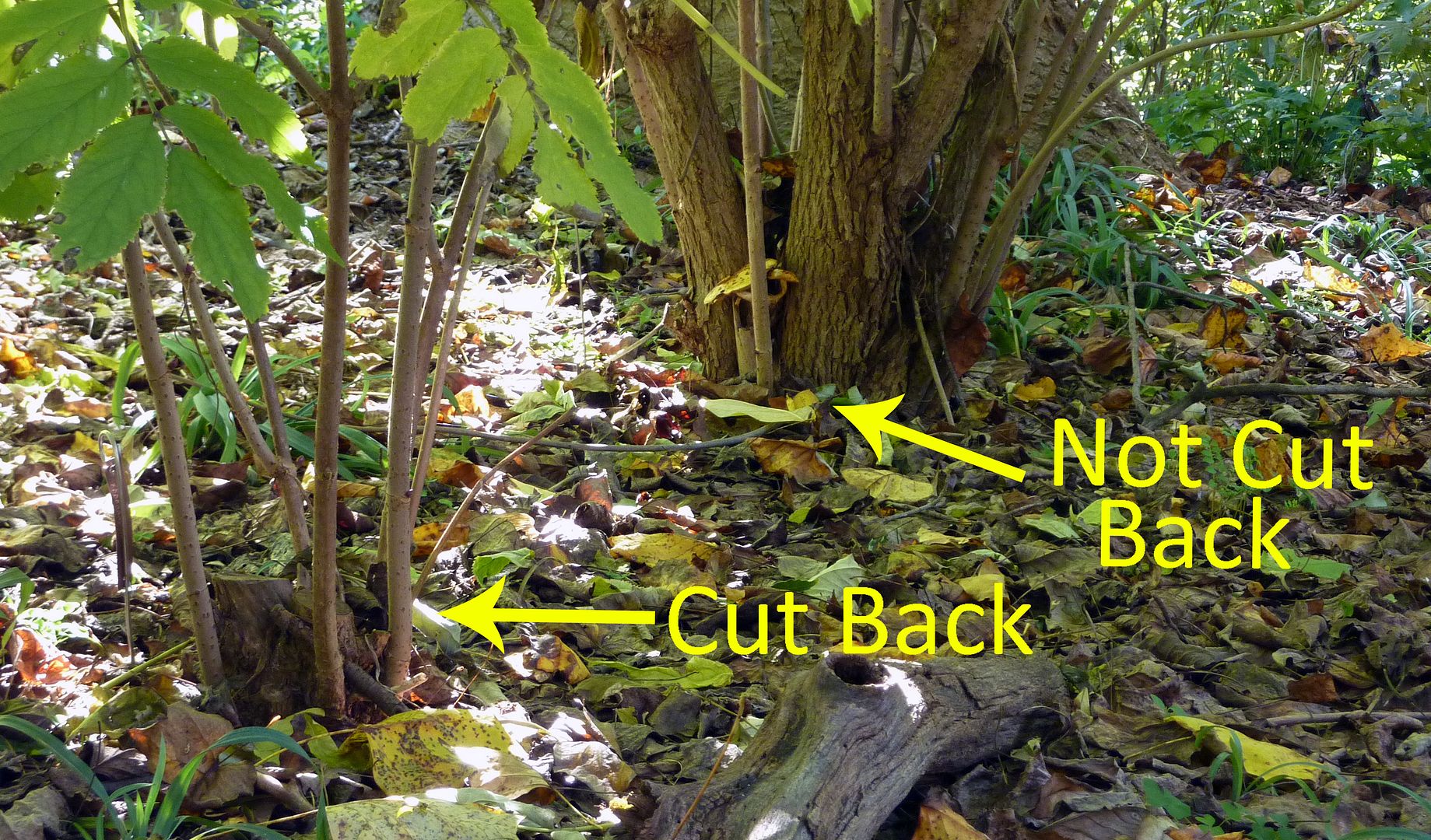
All of the sucker come up at the trunk or close to the root ball.
They do not come up anywhere that the roots have spread out to! Treat this plant like an ordinary shrub. (If you want an awful plant that does spread aggressively by root suckers along the roots, I recommend Trumpet Vine.) Pictured above are two Elderberry plants. One is allowed to grow into a 12' shrub. The other is cut back every year and is kept short to 6' as a result. Flowers occur on both new growth and old, the more sunlight the better, the more plants around, the better your fruit yields. If they get too much shade they won't fruit at all.
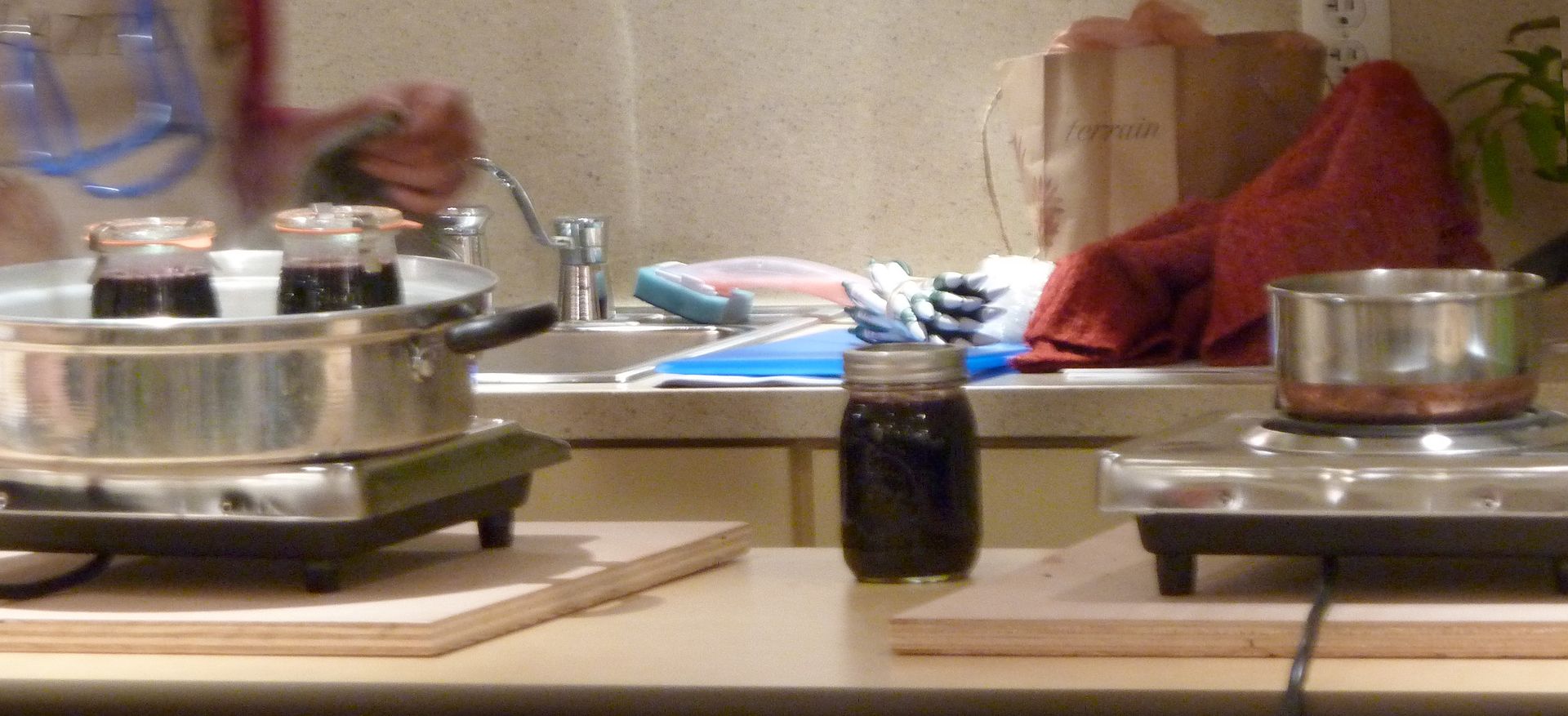
A fair amount of the class was devoted to jam making! This was the Mt. Cuba Center's first attempt at a food demonstration and boy was it a success.
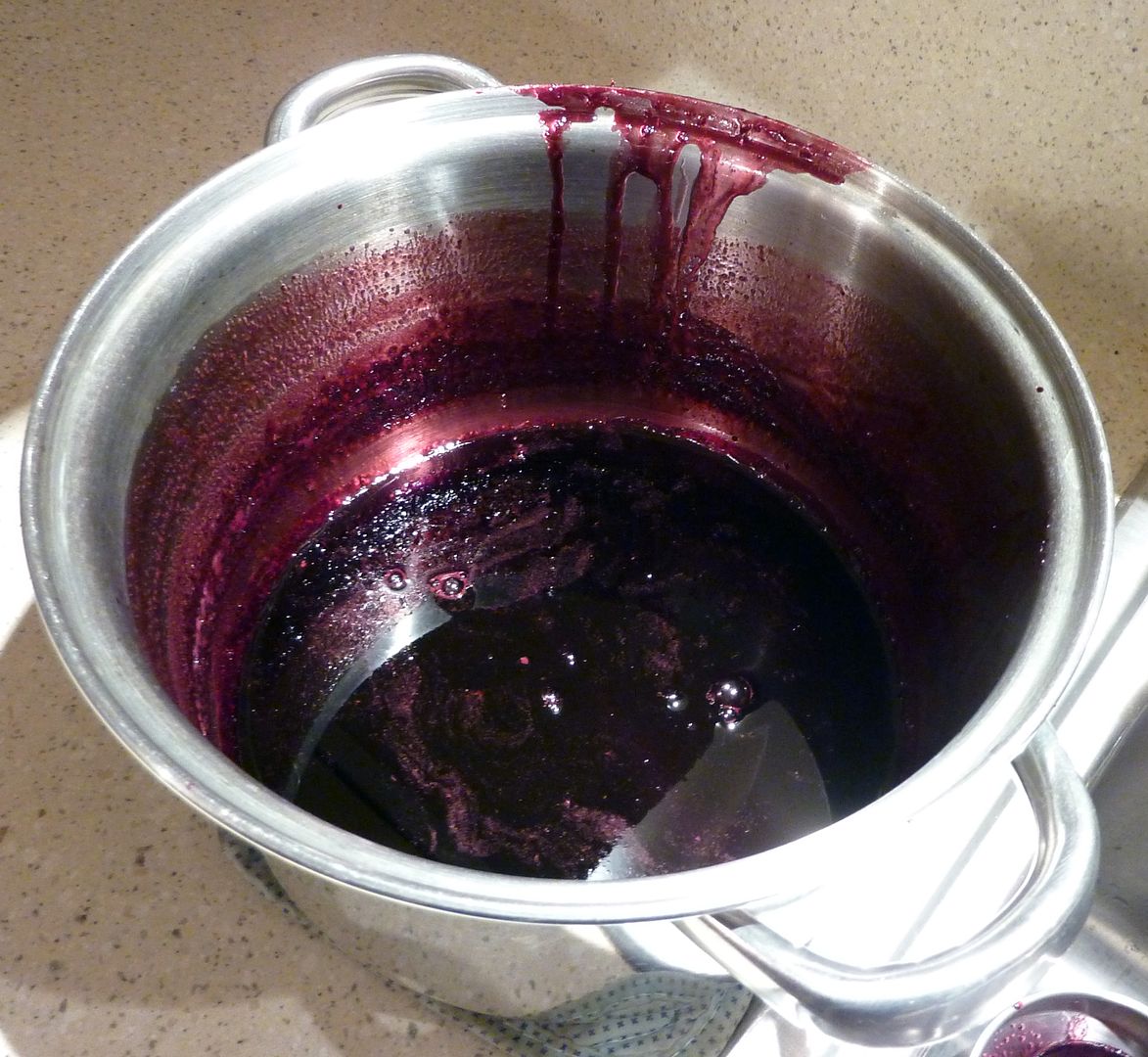
Elderberries can produce anywhere from 12 to 15lbs of fruit each year. If you're able to harvest them before the birds do, making jam is probably the best application. They showed us everything except for sterilizing the jars.
Sadly they don't have a food license and we weren't able to take any home.
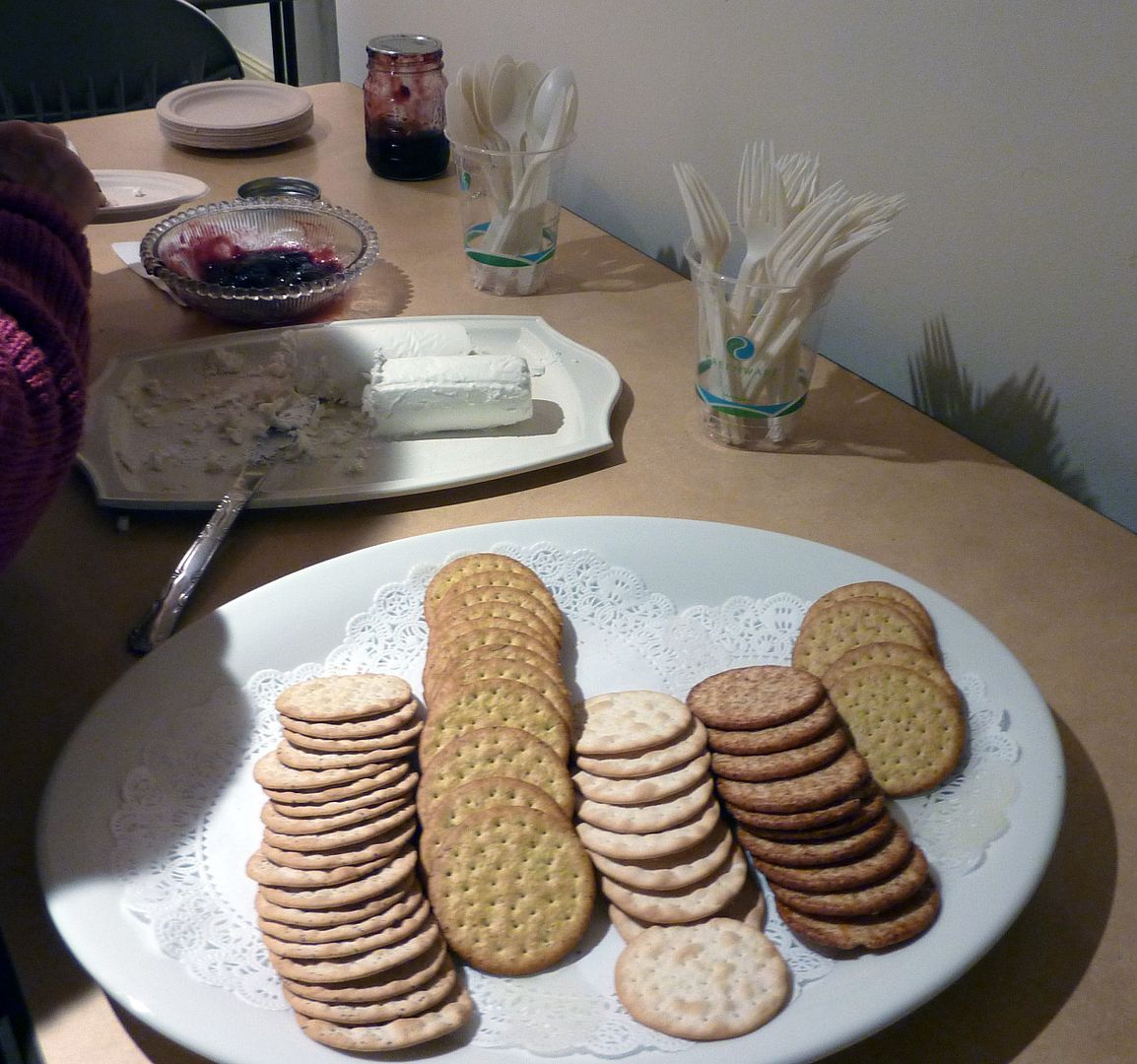
So while we waited for things to be made, they fed us! Elderberry jam tastes just like Grape Jelly but without the grape flavor. Same texture and everything just not that acidic grape taste. It goes great with crackers and goat cheese.
After such a wonderful course I really didn't care that the plant I was give barely fit in my car. Pot included, the elderberry plant I got to take home was around 5' tall (6 months worth of growth, I'm told). Assuming it produces fruit next year you can bet I'll be making jam, or jelly, or a mess or something, next year!