Showing posts with label Apple. Show all posts

Friday, April 25, 2014

Spring Pollinators

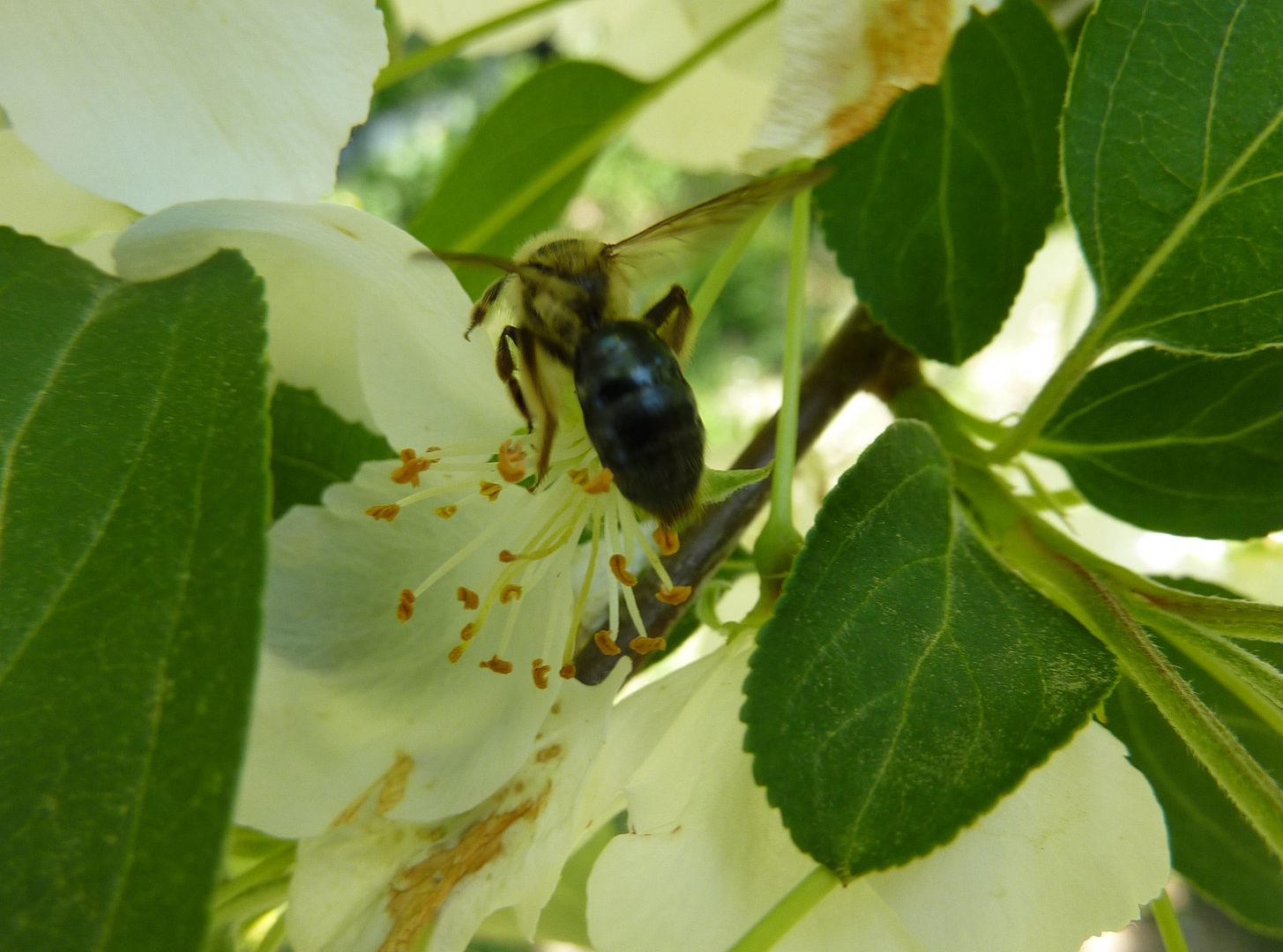
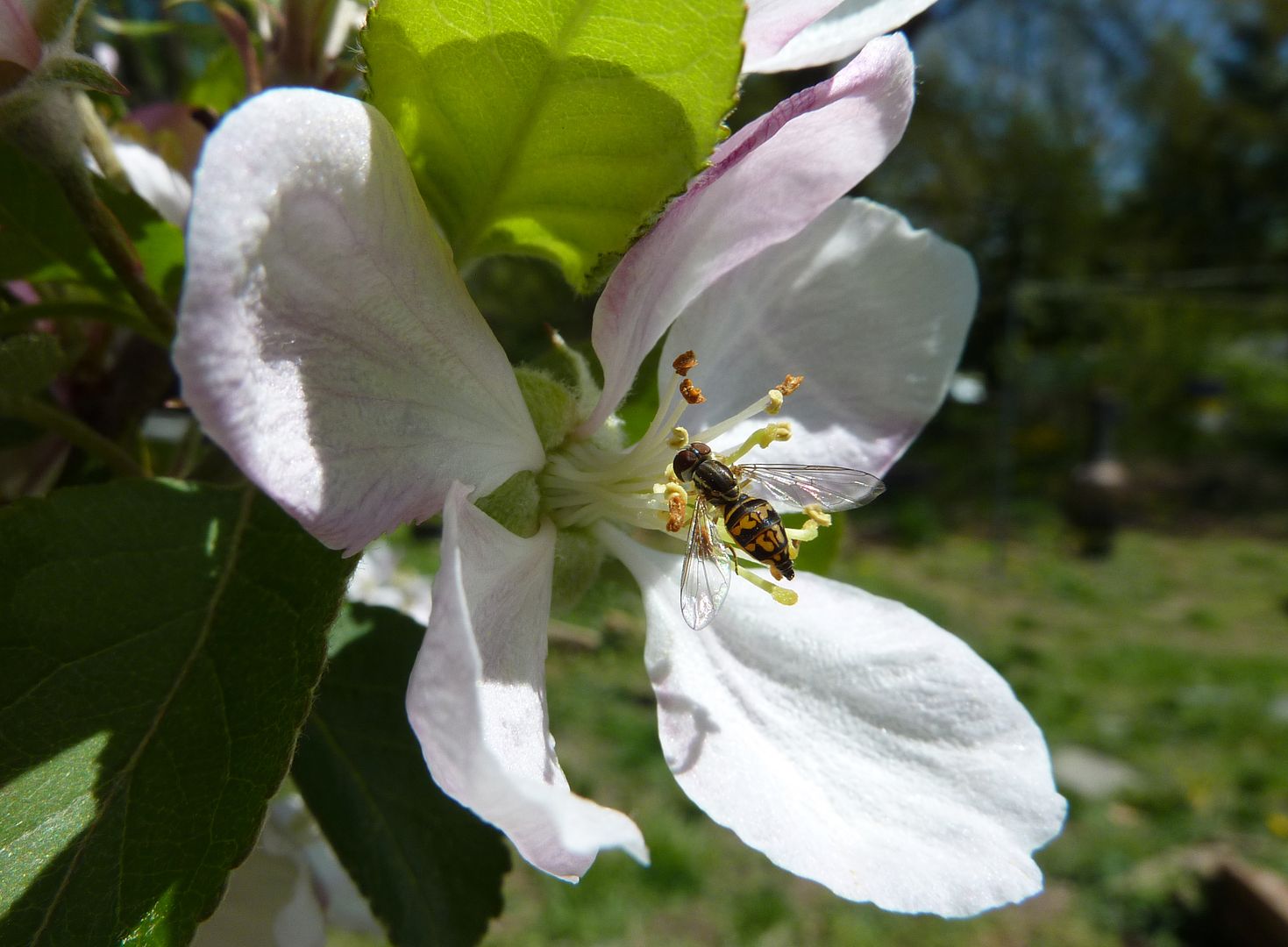
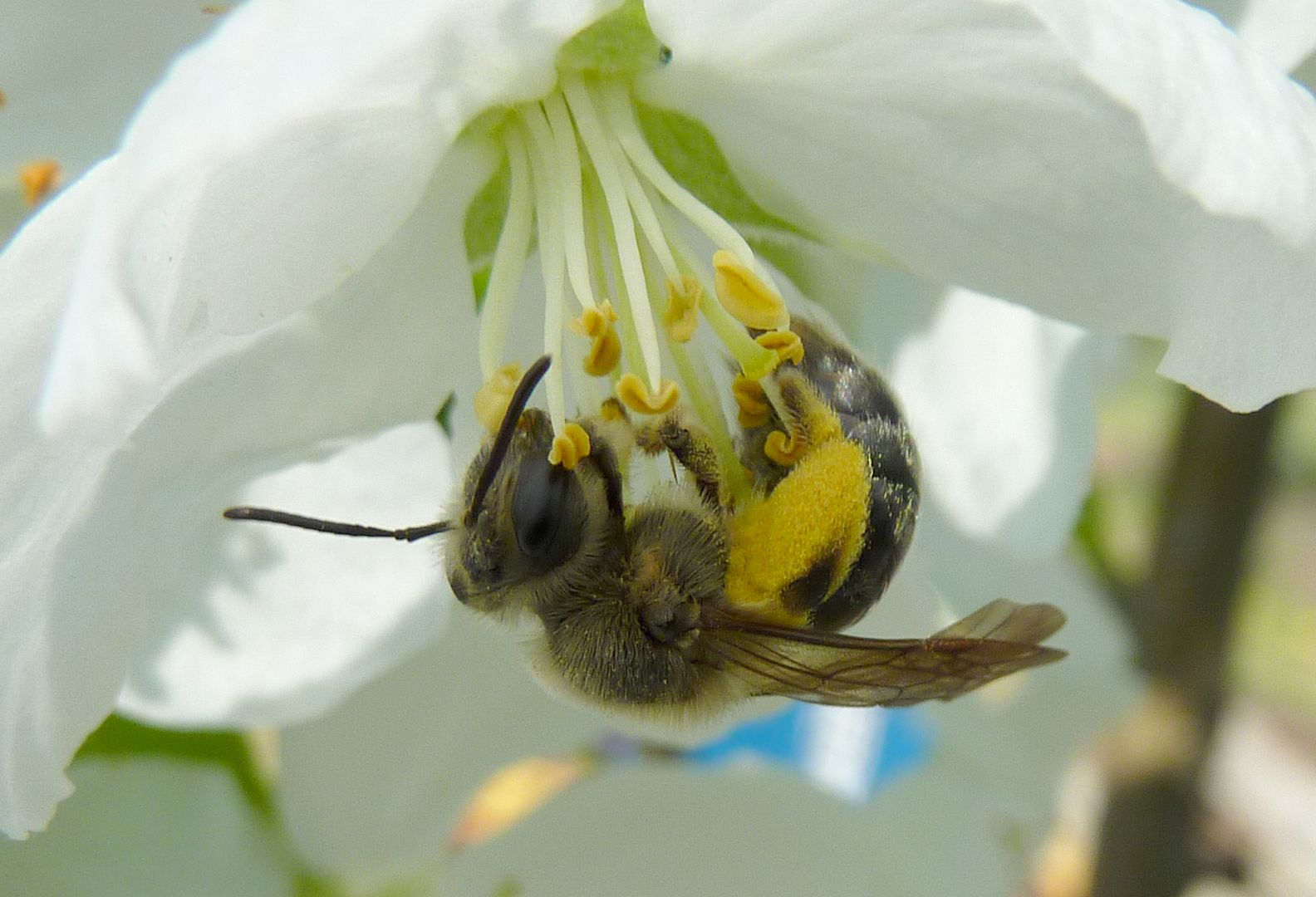
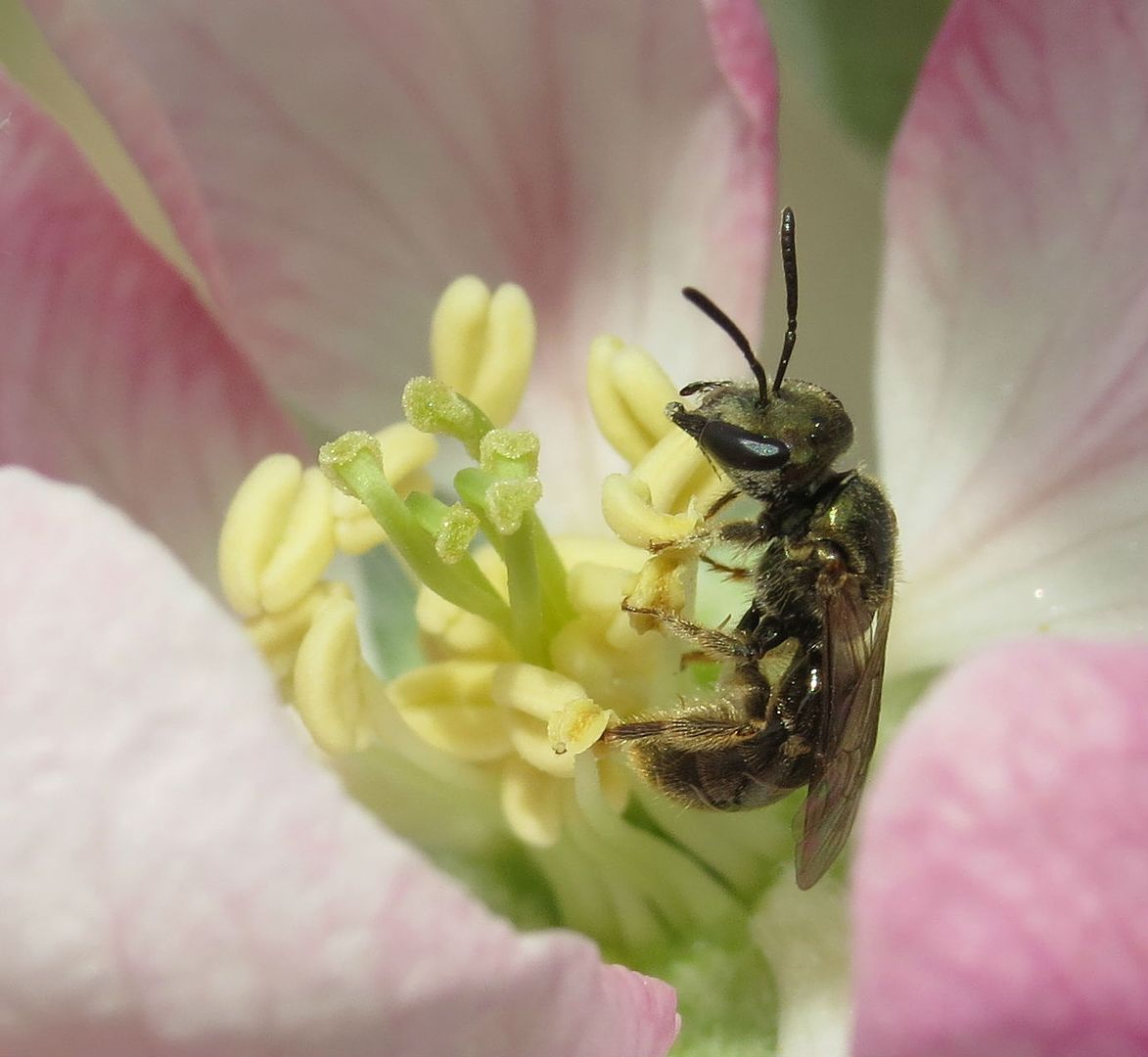
Although it was a breezy cool day in the 60's, I managed to have some fun with my camera today. Here is a sweat bee taking refuge from the chilly air in the flower to an apple tree. They were collecting pollen but a few, (males?) that were hanging out in the flowers. Apples aren't quite at their peak here. 

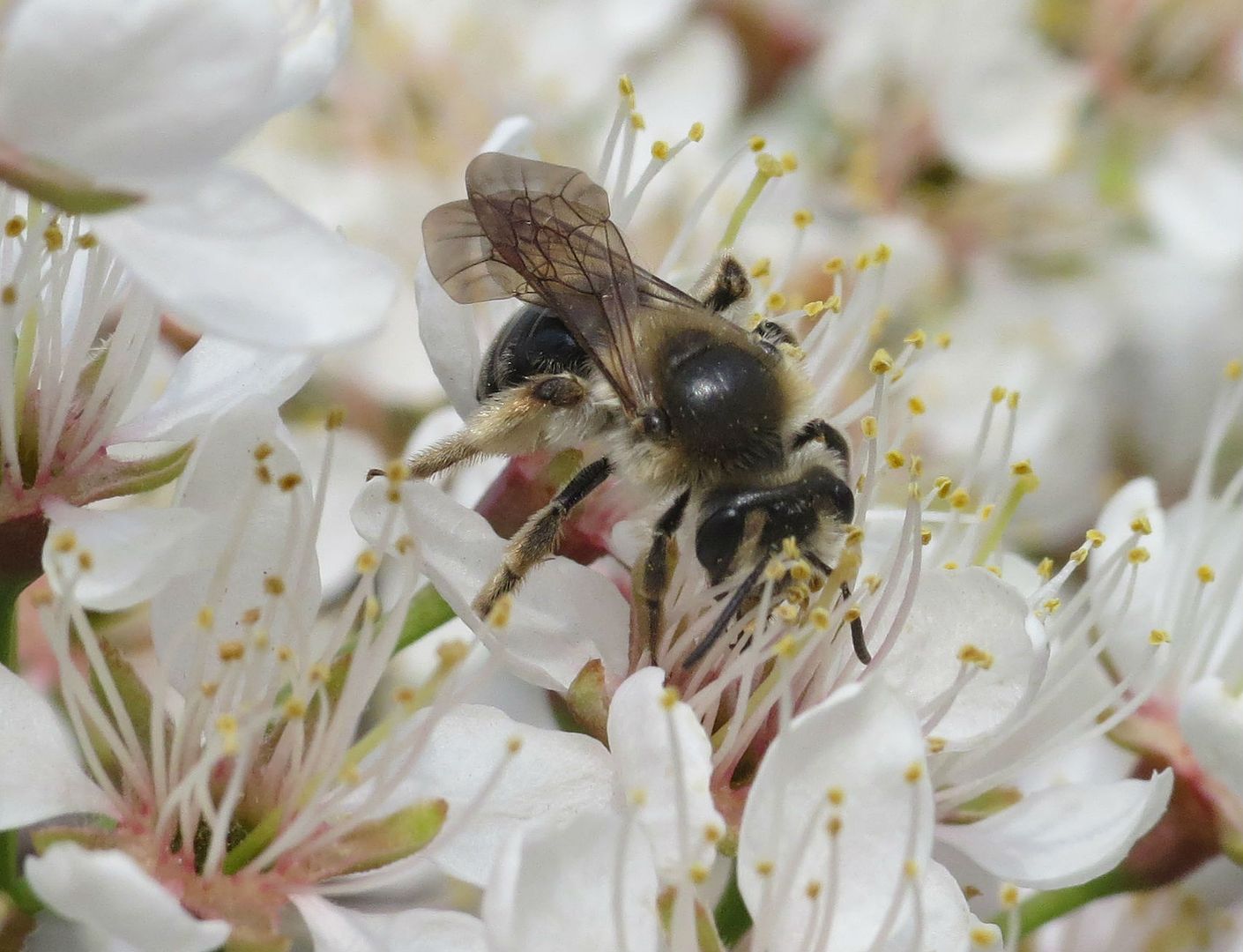
Here is what I believe is a mining bee working the native plum trees. There are tons of flowers on the trees this year so I should get another bumper crop like I did two years ago. I was pulling 800+ plums off of each tree, though native plums are small and bite sized. Still though, it was quite a lot of fruit for a first year's flowering.

These types of bees like to burrow in sandy hillsides usually clear of tall foliage; often in full sun, though the early species/generations work do full shade just fine because the trees haven't filled in yet. I'm not sure how successful these shaded burrows turn out though compared to ones in full sun. But of course tall grasses and forbs may grow more abundantly on sunny locations.

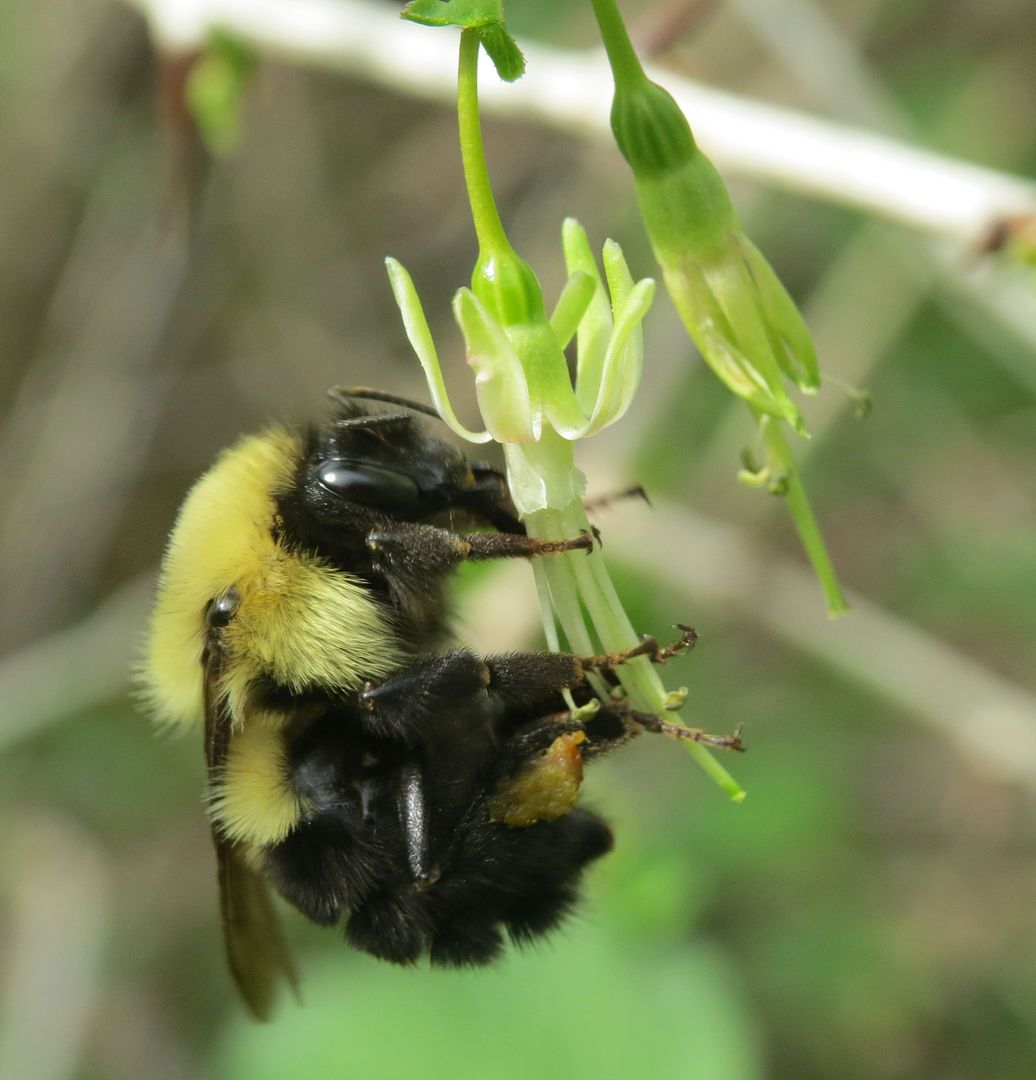
Last week I saw all the queen bumblebees flying about looking for nest locations. And now I see they've all settled in it seems. Bumblebee queens that are collecting pollen are committed to starting a nest. Pollen if fed to developing brood while the nectar of the flower feeds the adults. Some nectar is turned into honey too and also fed to the brood but bumblebee honey is runny and contains high amounts of pollen anyway. 

Here I watched a queen visit the flowers to our gooseberry/currant. It was neat watching her work these small, inconspicuous flowers, when the native plum, apple, and peach trees are all right beside them. She was devoted to visiting each and every flower on this shrub, ignoring ones she already visited. I did see her fly to the plum tree once, but that was very clearly an accident on her part, as she virtually walked right over the flowers in search of the gooseberry she'd been working. Bees are often devoted to the pollen of the type of plant they work because the nutritional value can vary greatly from plant to plant. It's best to raise brood on one type of pollen to perhaps judge the results, or maybe it's detrimental to mix and match pollen types? Whatever the case, this devotion to one type of plant is what makes them excellent pollinators.
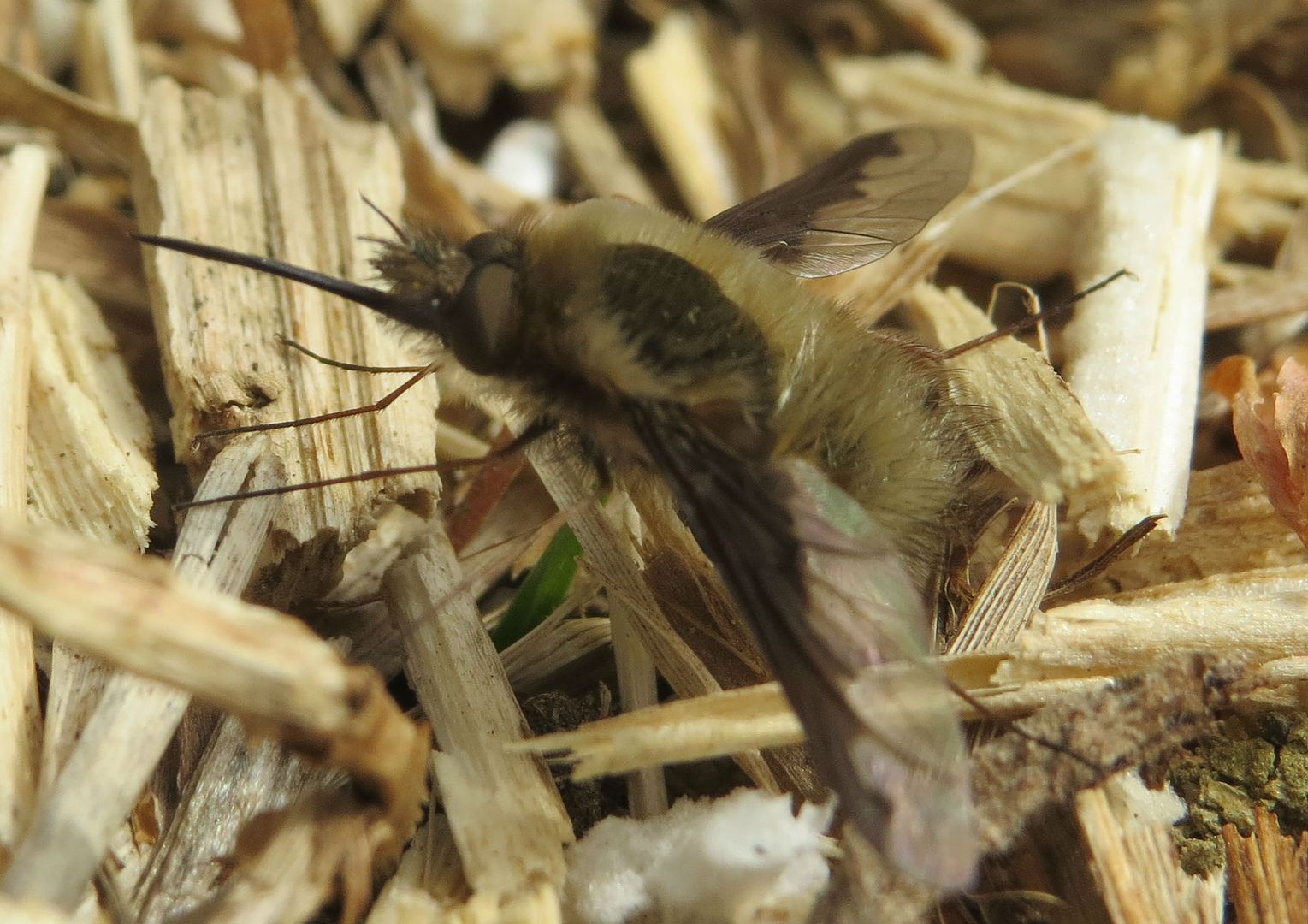
Also buzzing about were the beeflies. These do visit flowers, though the ones I saw seemed to be more interested in sunny themselves on the mulch. These mimic bumblebees to gain entry into the nest and lay their eggs in the hive. I don't believe all beeflies do this, others simply lay their eggs adjacent to the nest and the resulting maggots crawl inside, or have some other host/parasite relationship worked out with other things. I don't see them that often honestly. 
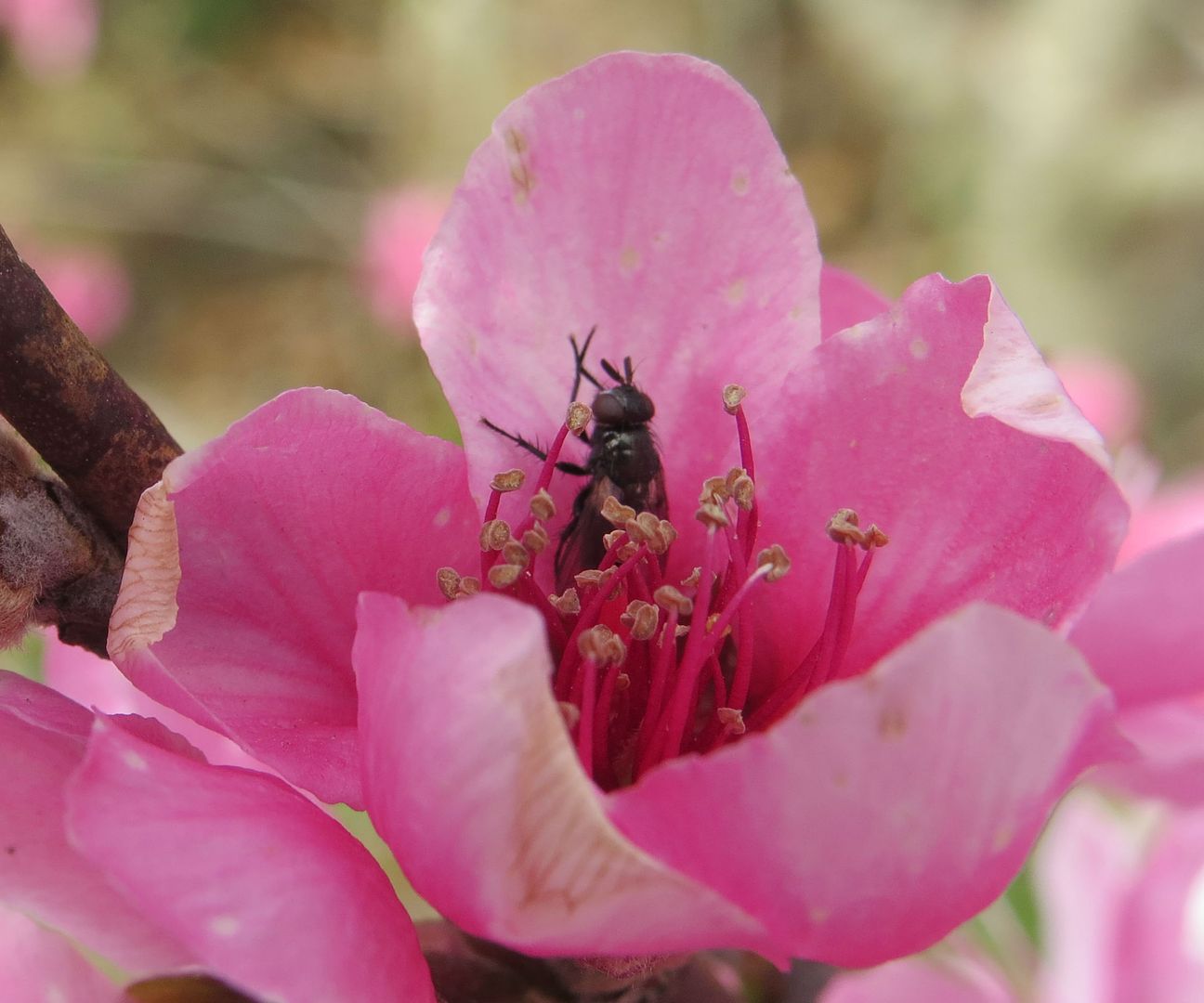
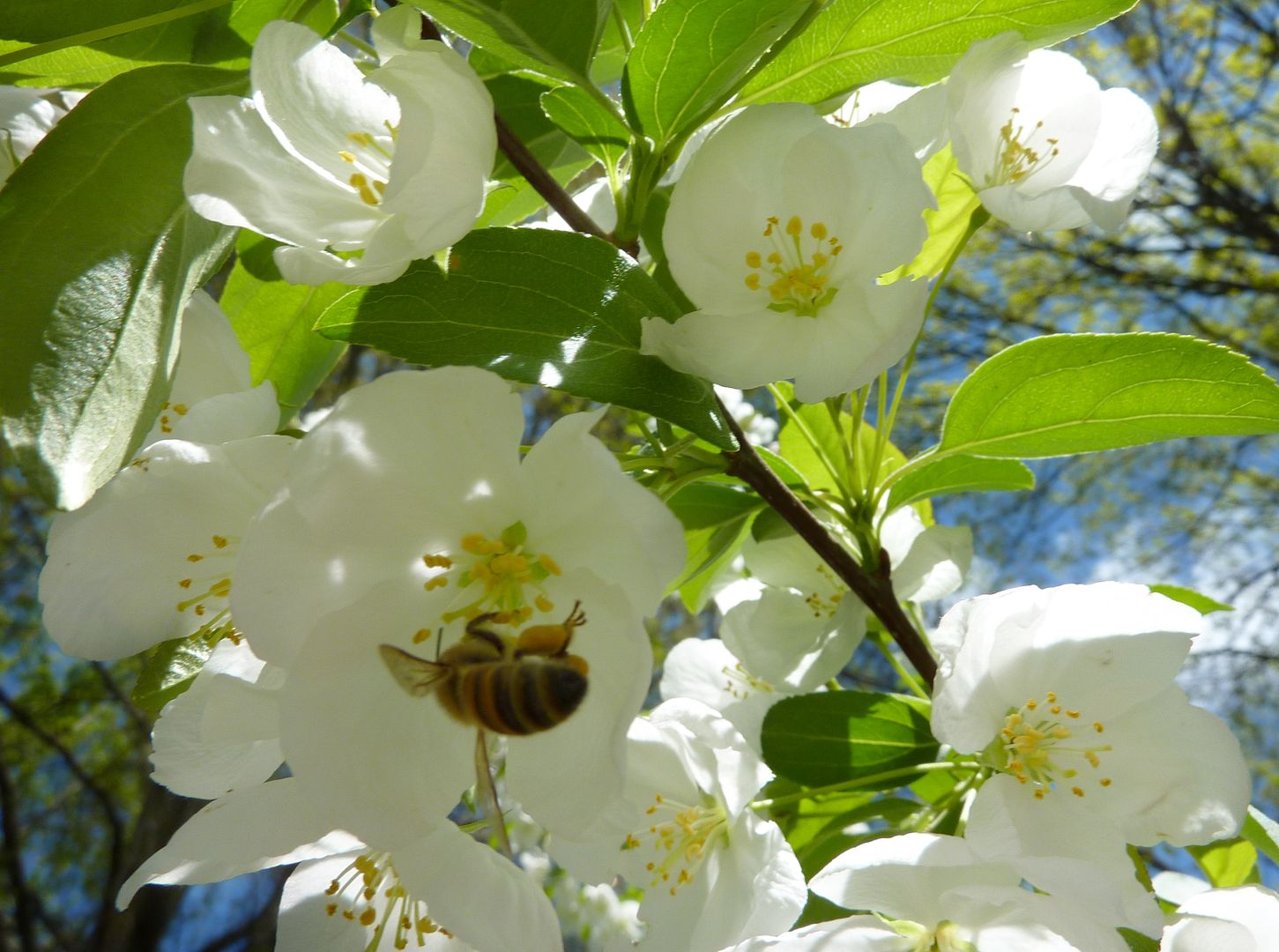
And lastly I thought it was interesting to see some actual flies doing some pollinating. This was on our peach tree, which the honeybees were also working in favor of the plum and apple. However, it was just cold enough that the honeybees weren't out in abundance for me to photograph. Flies though seem better weathered about the cold and were flying from flower to flower. This one was sipping at the nectar in the flowers it visited before turning around and darting off. To be honestly though it reminds me of a parasitic fly, so perhaps they were laying eggs or something as they visited the flowers. 
Friday, May 17, 2013

Bees and Apple Trees

The apple trees have finished flowering but while they bloomed I was happy to find a diversity of bees about pollinating them.

Mostly these little digger and mason bees buzz about from bloom to bloom.

Among the mix this year I was delighted to finally see some of my honeybees joining in.

A Hover Fly was also dabbling about. Along with minor pollinator their larva are predators of aphids.

Tuesday, April 23, 2013

There's More Than Worms in This Apple

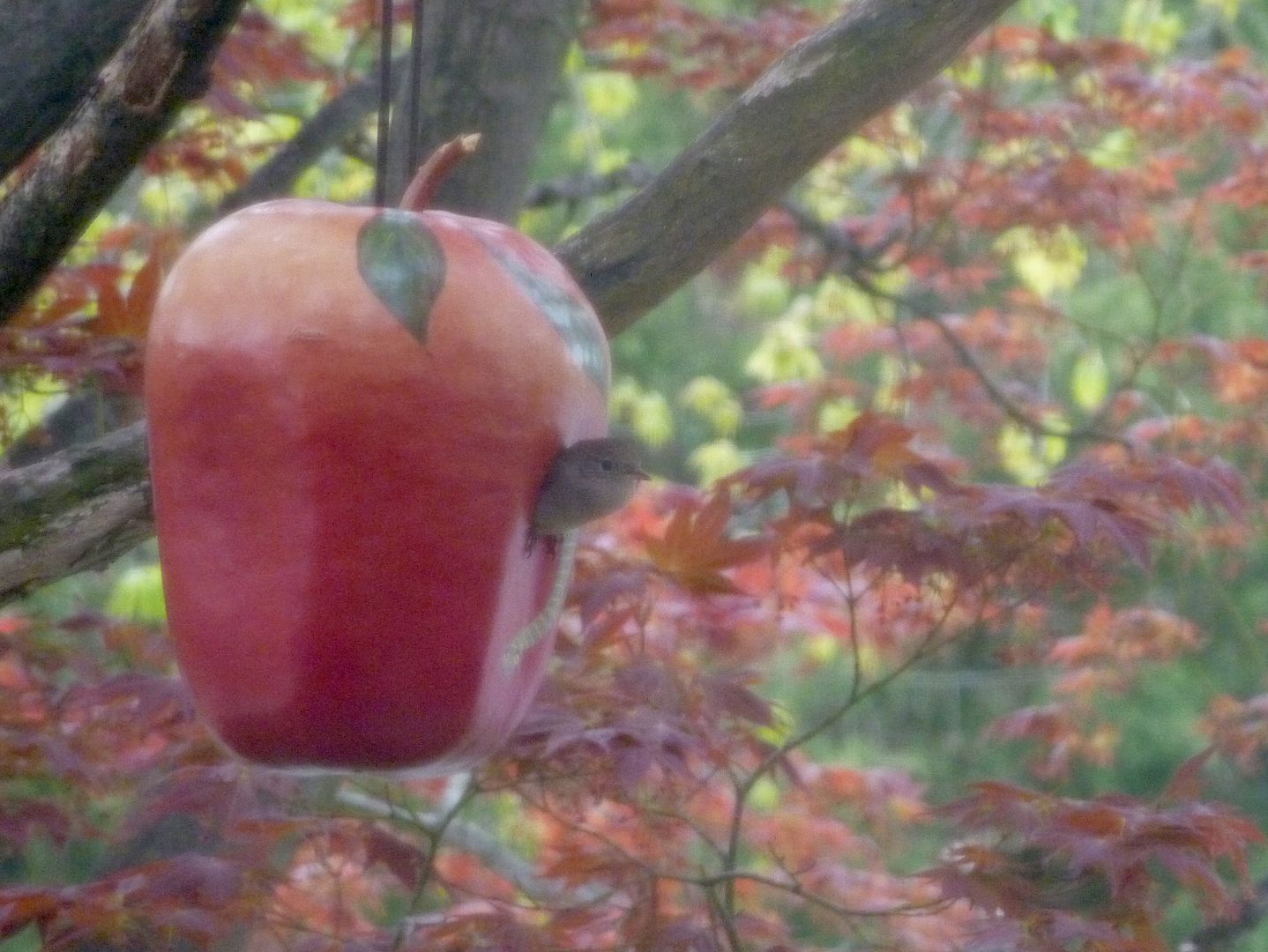
So last year I believe one of the prizes for a photo contest over at the Wildlife Gardeners Forum was a gourd birdhouse. The makers painted it like an apple to be cute and I love it. So I planted it in our Japanese Maple out front (for lack of a native tree with branches low enough) and sure enough a bird moved on in. I believe it's a wren but some sparrows seemed interested in it two weeks ago, I suspect the nonnative kind people don't like because they had issues fitting in the hole.

The Wildlife Gardeners Forum is a great place to hang out if you're part of the... movement, gardening trend, or just enjoy wildlife. They always have a photo contest going on, though not necessarily have prizes for ever one they hold. All prizes are donated to by members and I've even offered a jar of honey or two from my honeybee hives.

Sunday, April 24, 2011

An Apple Tree Buzzing


While spending Easter at my grandparents house I noticed their apple tree was in bloom. The fruit is a small green crabapple of some sort, not very edible at all. The flowers were being swarmed by bees though. Assorted Mason Bees were the main pollinator here. I hardly saw any Honeybees on it at all but they were there. I think they were more interested in my grandparent's flowering quinces (an Asian plant that can produce edible fruit farther south). Bumblebees were there too but they're not in as great of numbers at this time of year. 

Tuesday, November 23, 2010

Hungry Birds

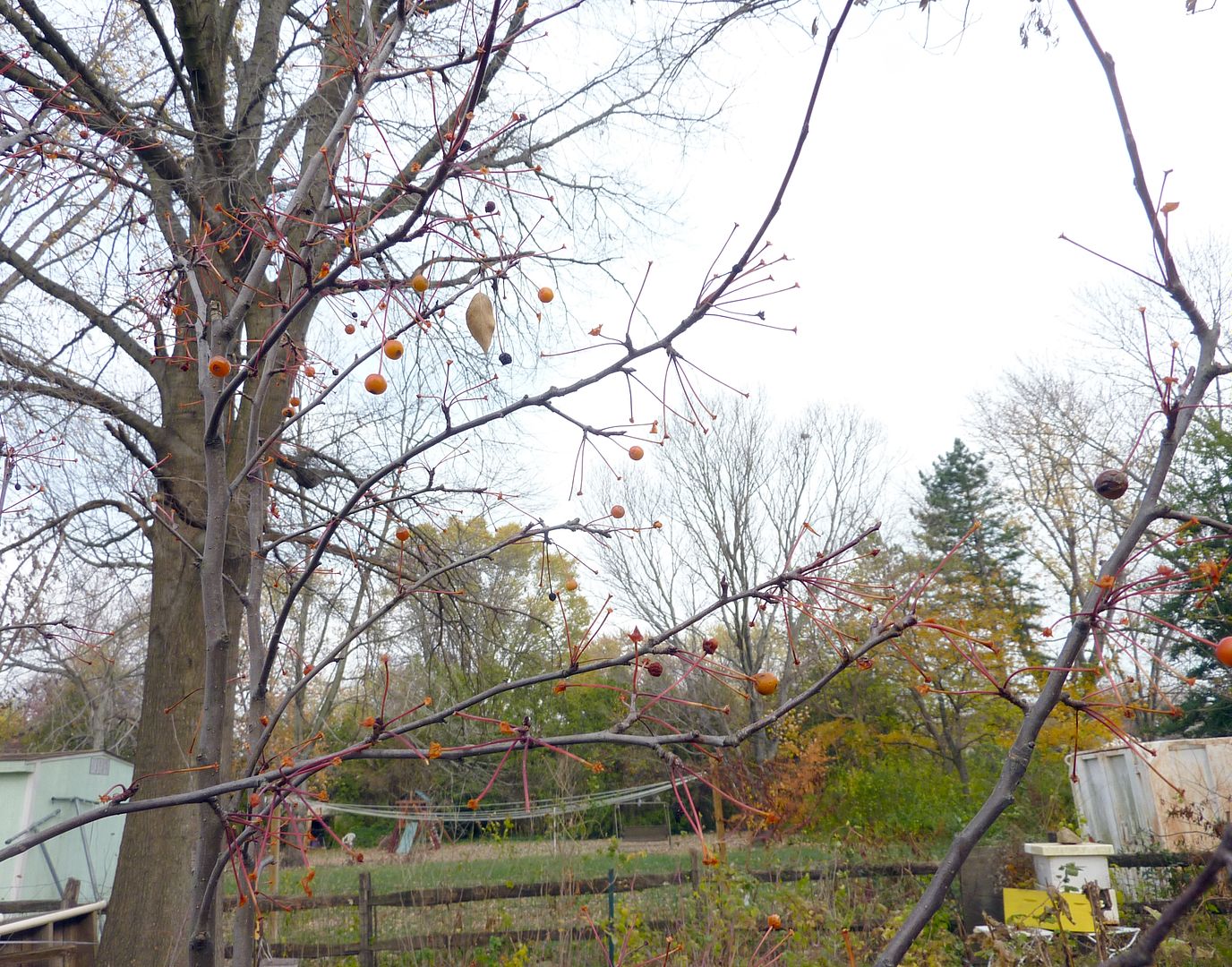
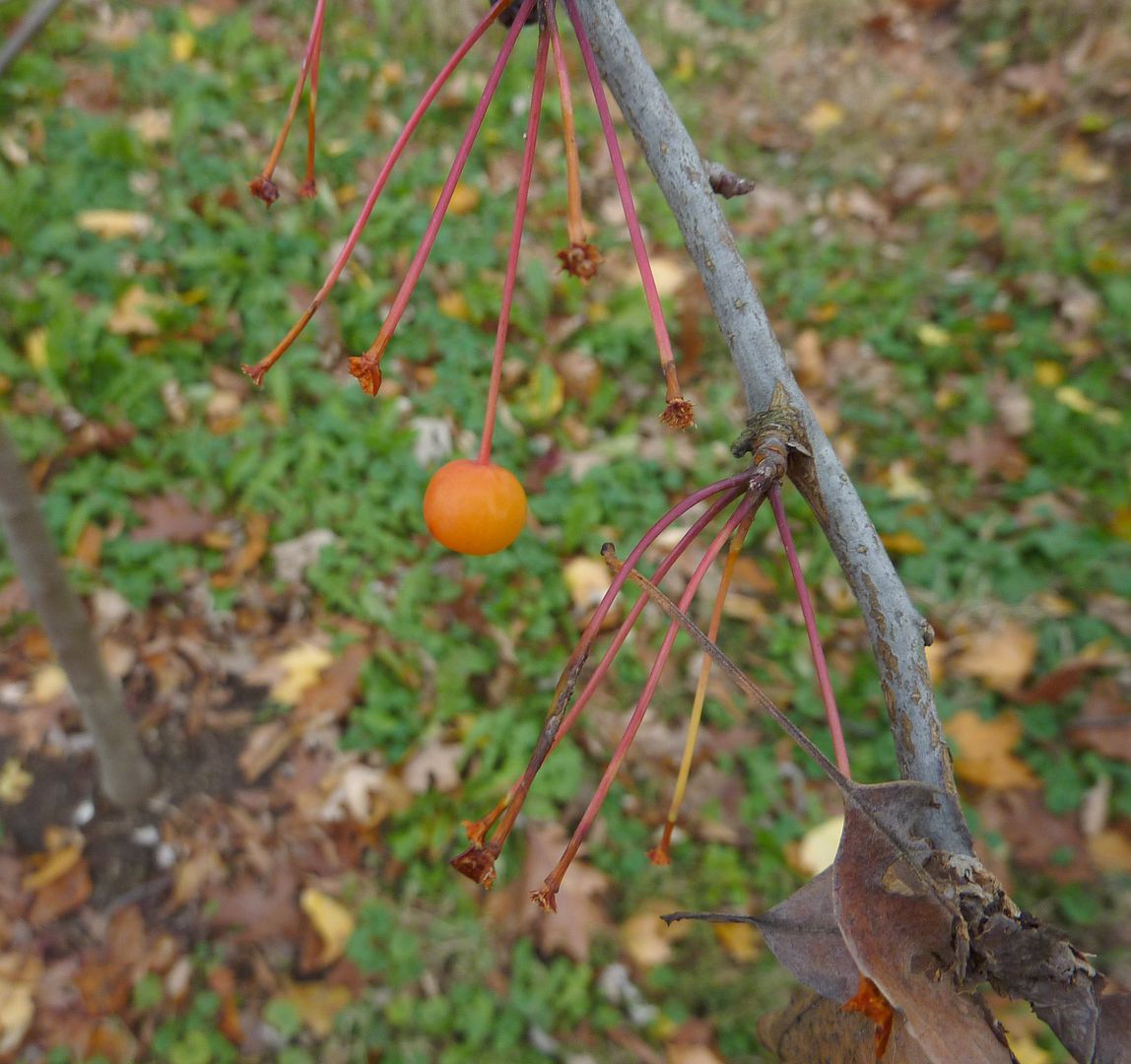
So normally the crabapple tree would be covered in these bright red-orange berries but it seems the birds have taken a liking to them early this year.

What I'm left with though are brightly colored stems. These won't look as pretty when the tree is covered in snow but we'll see what happens.

This is a shame that the birds got a little greedy as the crab apples covered in snow is really charming in the winter time. I suppose any berry plant in the winter would be charming to see. Oh well.

Thursday, April 15, 2010

Native Bees and Apple Trees

Native Bees and Apple Trees
Our surveys indicate that native bees may outnumber honey bees in many orchards and we are trying to determine what orchard management practices promote native bee abundance and diversity. Many local apple growers no longer bring honey bees into their orchards - they are relying increasingly on the naturally occurring native bees for apple pollination.
 Holy Cow! Farmers that don't use honey bees for pollination. It really is the future, and of course this supports my saying that honey bee hives should be viewed more as a crop, especially for the backyard beekeeper. They're still useful as pollinators for some crops. And where native bees aren't abundant they can easily be used for quick pollination services. One thing I've found that's needed to build a good native bee population is a healthy environment. Usually this would be the hedge, or forested water shed area surrounding the farm. Mainly an abundance of soil types, slopes, hallow stemmed plants, dead wood, with an abundance of native plants that flower when the bees are active are needed for these other pollinators to show up and establish themselves. This can be tricky though for farmers because they want the bees to focus on their crop most of all. Maintaining a patch of wildflowers and mowing it over when the crop starts blooming would solve this problem.

My apple trees have started blooming and there is an array of pollinators on them. This one in particular I believe is some type of digger bee. Though it looks a lot like a honey bee the proportions aren't quite right, the abdomen looks to thin, and the pollen on the legs isn't collecting as it would on a honey bee.

I was only able to get close ups of this one type of bee. There were several species working both of them that looked just like this but varied in size. Some where about as big as this bee's pollen sac. A bee fly or two was also buzzing around the flowers but all these other bees were so shy. All of them fly away. I'll try harder next time.

Fruiting apple trees seem to have larger flowers than crabapple trees. I encourage people to buy both for different situations. Both look pretty when flowering. Fruiting trees produce fruit (once you get past the laundry list of things that can go wrong with apples) and probably shouldn't be above a driveway, or near the street. Big falling apples can hurt and inspire ludicrous theories about gravity. Crabapple trees have lots of ornamental potential, especially in the winter. Many crabapple trees become loaded with red-orange berries that birds will eventually eat, but in the meantime they look pretty when the snow falls.


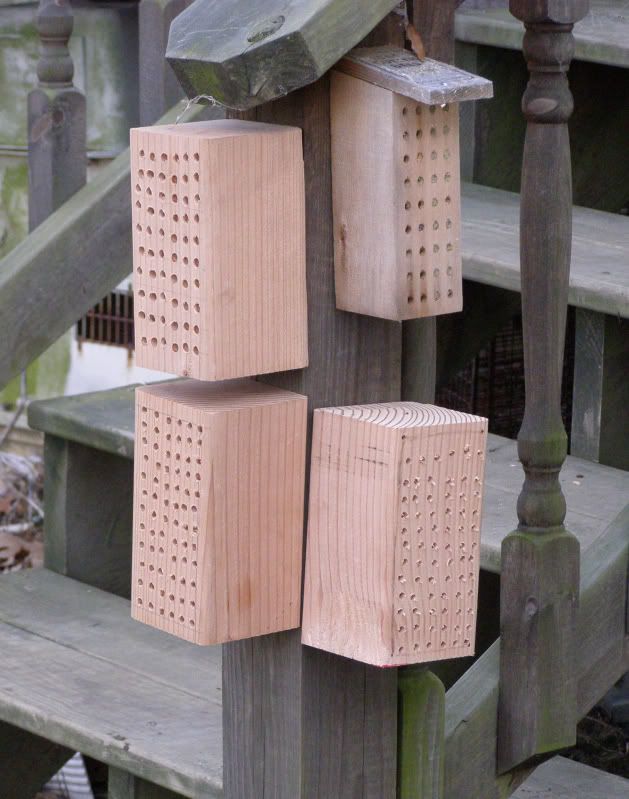
Remember though, a health population of bees are needed to get the fruit. Mason Bees are probably the easiest to house and I strongly recommend buying a product rather than making your own. Those Mason Bee blocks I made (the ones lacking a roof) took an hour to drill all the holes out, and 45 minutes once I got going. The bees mostly didn't use them and favored a system I bought from Knox Cellars. There are other providers on the web of course and a number of systems available on Amazon too.


Search Amazon.com for mason bee

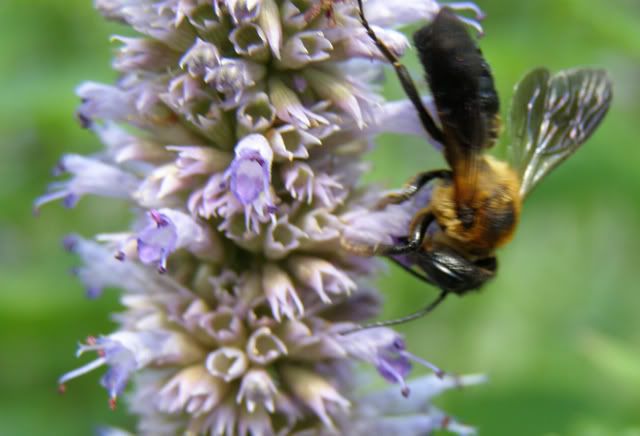
Mason Bee HouseI haven't tried them all of course but I can say this one here didn't work for me. It's made by an Asian company that uses bamboo sticks as tubes. It's likely intended to attract the Giant Resin Bee, Megachile sculpturalis, another import from Asia. Like the smaller mason bee they use tubes, usually the former nests to the Giant Carpenter Bees that they resemble.

I've seen them at a friend's house up the street a few minutes but have never found them on anything in my yard. Note the big eyes compared to the head and the elongated abdomen. These bees are huge like our Giant Carpenter Bees but they have the sliming qualities of a Mason Bee.