Showing posts with label Shrubs. Show all posts
Showing posts with label Shrubs. Show all posts
Monday, May 20, 2013
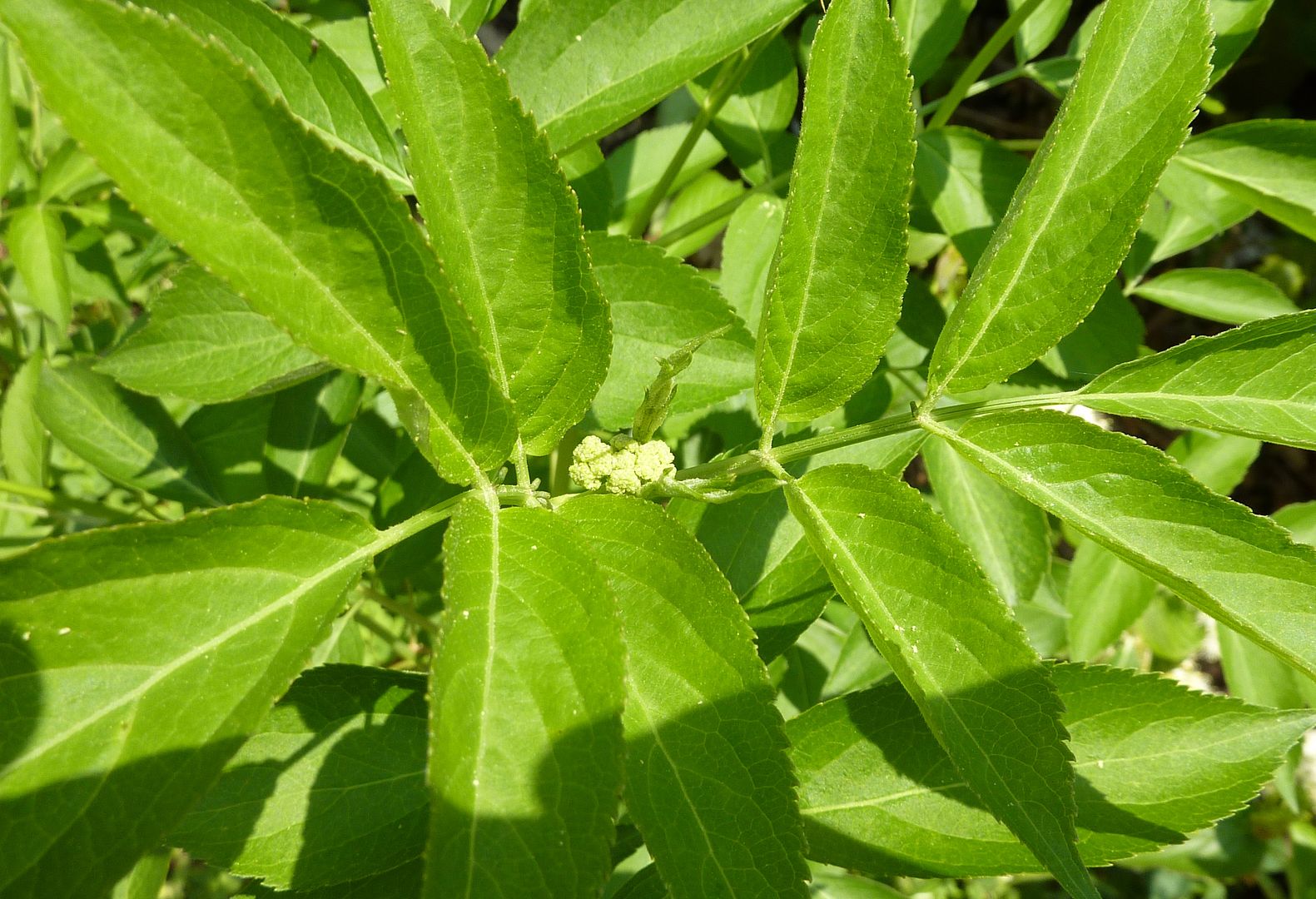
Elderberry going to Flower
Last year I took a course at the Mt. Cuba Center about growing our native Elderberry, Sambucus canadensis, which was very informative. They went over the folk lore, how to grow them, how to make jam/jelly out of the berries, lunch was served featuring Elderberry jam, and best of all everyone got to take home a plant. Truly I'm annoyed that I can't find such wonderful classes anywhere else in my area.
So here's the plant I took home today. And to my delight, it's going to flower on at least four stems. Now one of the things I learned is that this is a very vigorous growing shrub. They push out multiple 6' stems in a year, form that perfect V shape sought after in so many shrubs for landscaping purposes. Their only real issue is they can spread a little, mostly by new stems coming up on the lower trunk and adjacent roots, however one friend told me that their plants sucker out much farther away from the plant. But I have to say of all the plants I've seen, I've never found this plant growing in a colony or grove that such root suckering would create. Something brought up at the class were plants that look like Elderberry and there's a surprising number of plants with the same leaf structure such as Poison Sumac, Sumac Trees in general, and a few others too. Also it's not uncommon for Elderberries to reseed themselves naturally anywhere that birds perch. They also root well from cuttings which I think I'll experiment with as they only only live ~20 years or so before they peter out.
Friday, May 10, 2013
Some Native Berry Plants
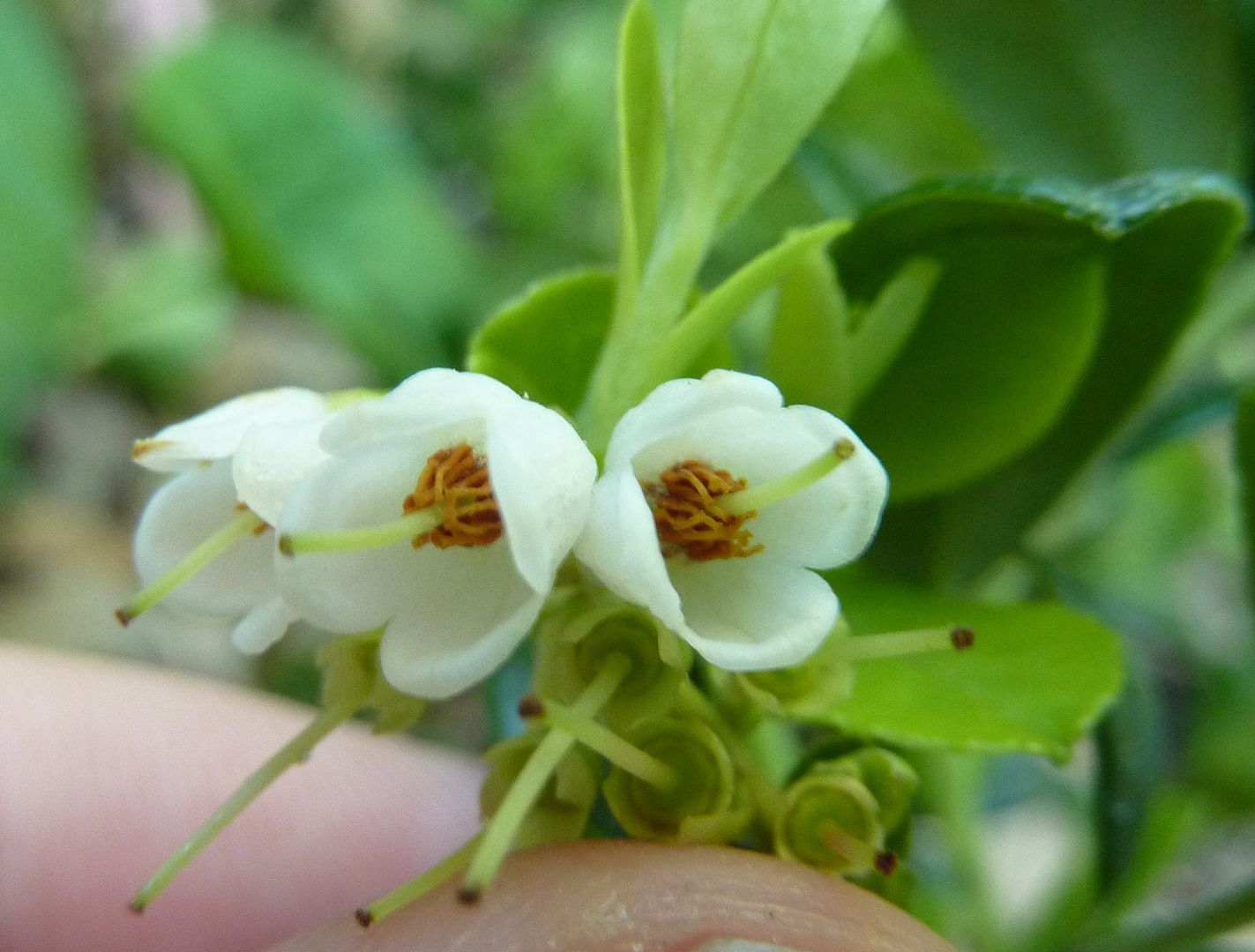
Lingonberries are native to the US, despite how prized they are in Scandinavia. Though I'm sure some variation of them must occur in northern Europe and Asia. Basically they're like a cranberry and I'm told with a similar flavor. Unlike cranberries though, these should flower twice a year and produce two crops of berries each year! I had thought this was universal but I notice it's not listed for all varieties making me think it could have been bread out of some cultivars or not a trait in all species, hmm....

Friday, April 19, 2013
It's Like Christmas Time
Boxes keep arriving full of plants for me to plant. Since I wrote my own book on "Native Plants for Honeybees" I figured I'd take my own advice and install so real treasures. That's not to say I didn't research at all, but I personally haven't some of them, and many of the good ones sadly I don't have photographs of.
These all just arrived from Shooting Star Nursery:
Basswood, Tilia americana, also called American Linden Tree. This is actually a common street tree in some neighborhoods, but I haven't seen any of it growing around here. I know someone who planted one but it didn't make it through the winter which is odd because they are hardy. This is one of those great summer nectar sources for honeybees to enjoy. The flowers are said to have a sweet distinctive scent (see Mitchell and Webb).
Fall Color is Red.
Sourwood, Oxydendrum arboreum, is another good summer-ish nectar plant. The flowers are bell shaped, like those of blueberries and heathers, and occur along horizontal "strands" almost like exploding fireworks which bees have fairly easy access to. It's said to be a high quality honey.
Fall Color is Red, with lines of yellow or blond seed pods all over.
Black Tupelo, Nyssa sylvatica, is a massive tree that grows in the bog and wetlands down south. This species, I've read, can tolerate growing in average moisture and should be somewhat drought tolerant onces it's established. Tupelo honey is said to be one of the best tasting in the world, and while I doubt one tree will be enough to get that pure tupelo honey, I look forward to adding it's flavor to the typical wildflower mix my bees produce. Great nectar plant.
Fall Color is Red.
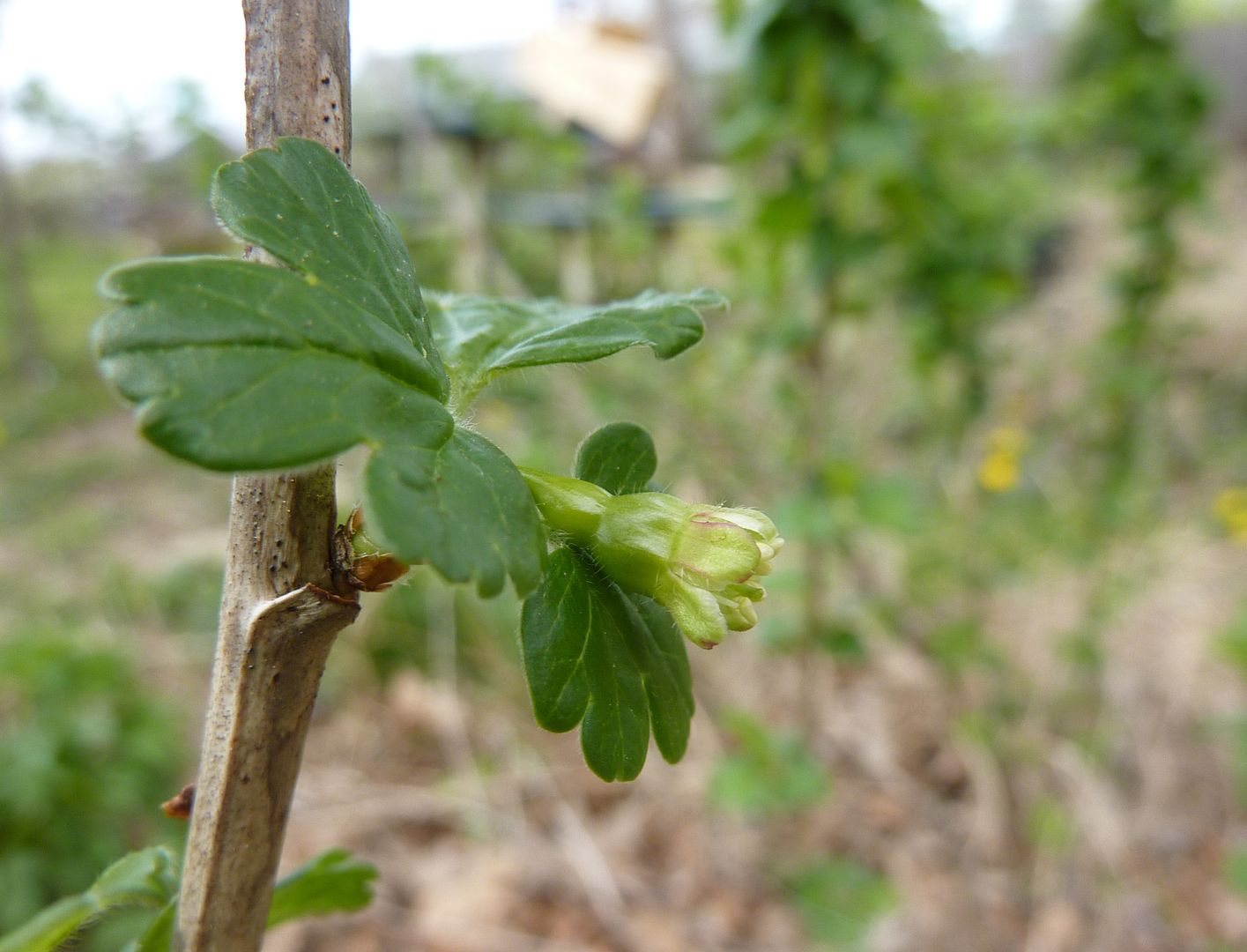
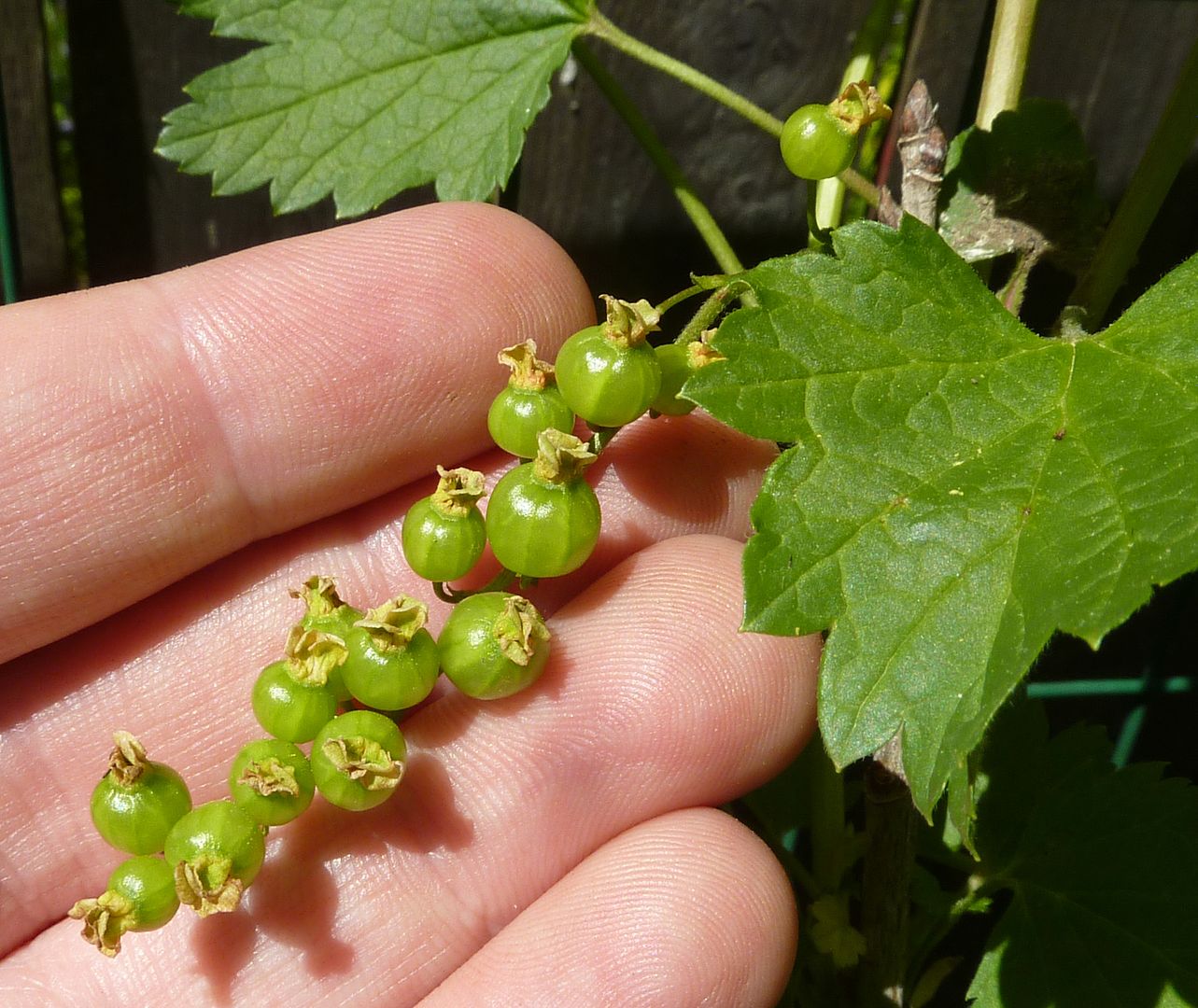
Clove Currant, Ribes odoratum, which I believe is a synonymy with Ribes aureum. Anywho it's an early blooming shrub with wonderful fragrant yellow flowers. Honeybees use it for both nectar and pollen, however it does have seperate male and female plants so you don't necessarily get both on one plant. Females that get pollinated will make berries that I read are tasty both for humans and the birds.
Purple Flowering Raspberry, Rudus odoratus, which has brilliant 2" red/magenta/purple flowers worthy of any rose garden, that go on to produce edible raspberries. I'm scratching the back of my head wondering why this isn't planted more often? And why isn't is more widely available? What's more, why haven't growers gone nuts breeding the flower traits into other varieties? At the very least you'd expect them to breed in the lack of prickers along the stem wouldn't you? Raspberries are good nectar and pollen plants for honeybees.
Prairie Rose, Rosa setigera, is a climbing or tailing rose with a vigorous growing habit. Native roses are often labeled as aggressive spreading both by seeds and by runner/root suckers. Well I can't argue the seed aspect but that's easily solved by dead heading. As for sending out new stems along the root system, in truth this varies from plant to plant and can even be bread out of them. Roses only produce pollen for honeybees, and if the bee doesn't have to dredge a labyrinth of 50+ petals all the better.
Blood Root, Sanguinaria canadensis, which is a native wildflower that only produced pollen. It's also one that I went a little nuts with and apparently ordered it from several other nurseries as well.
Tiny-Headed Blazing Star, Liatris microcephala, which is just to add to my collection of Liatris species. Liatris produce okay amounts of nectar but I don't believe it's ever collected in high enough quantities for it's only honey type. I find this strange though because I know honeybees love this plant, and there are defiantly fiends that are glowing with Liatris when they bloom. I suspect there's too much else flowering in the same fields when they are to narrow it down.
These all just arrived from Shooting Star Nursery:
Basswood, Tilia americana, also called American Linden Tree. This is actually a common street tree in some neighborhoods, but I haven't seen any of it growing around here. I know someone who planted one but it didn't make it through the winter which is odd because they are hardy. This is one of those great summer nectar sources for honeybees to enjoy. The flowers are said to have a sweet distinctive scent (see Mitchell and Webb).
Fall Color is Red.
Sourwood, Oxydendrum arboreum, is another good summer-ish nectar plant. The flowers are bell shaped, like those of blueberries and heathers, and occur along horizontal "strands" almost like exploding fireworks which bees have fairly easy access to. It's said to be a high quality honey.
Fall Color is Red, with lines of yellow or blond seed pods all over.
Black Tupelo, Nyssa sylvatica, is a massive tree that grows in the bog and wetlands down south. This species, I've read, can tolerate growing in average moisture and should be somewhat drought tolerant onces it's established. Tupelo honey is said to be one of the best tasting in the world, and while I doubt one tree will be enough to get that pure tupelo honey, I look forward to adding it's flavor to the typical wildflower mix my bees produce. Great nectar plant.
Fall Color is Red.
Clove Currant, Ribes odoratum, which I believe is a synonymy with Ribes aureum. Anywho it's an early blooming shrub with wonderful fragrant yellow flowers. Honeybees use it for both nectar and pollen, however it does have seperate male and female plants so you don't necessarily get both on one plant. Females that get pollinated will make berries that I read are tasty both for humans and the birds.
Purple Flowering Raspberry, Rudus odoratus, which has brilliant 2" red/magenta/purple flowers worthy of any rose garden, that go on to produce edible raspberries. I'm scratching the back of my head wondering why this isn't planted more often? And why isn't is more widely available? What's more, why haven't growers gone nuts breeding the flower traits into other varieties? At the very least you'd expect them to breed in the lack of prickers along the stem wouldn't you? Raspberries are good nectar and pollen plants for honeybees.
Prairie Rose, Rosa setigera, is a climbing or tailing rose with a vigorous growing habit. Native roses are often labeled as aggressive spreading both by seeds and by runner/root suckers. Well I can't argue the seed aspect but that's easily solved by dead heading. As for sending out new stems along the root system, in truth this varies from plant to plant and can even be bread out of them. Roses only produce pollen for honeybees, and if the bee doesn't have to dredge a labyrinth of 50+ petals all the better.
Blood Root, Sanguinaria canadensis, which is a native wildflower that only produced pollen. It's also one that I went a little nuts with and apparently ordered it from several other nurseries as well.
Tiny-Headed Blazing Star, Liatris microcephala, which is just to add to my collection of Liatris species. Liatris produce okay amounts of nectar but I don't believe it's ever collected in high enough quantities for it's only honey type. I find this strange though because I know honeybees love this plant, and there are defiantly fiends that are glowing with Liatris when they bloom. I suspect there's too much else flowering in the same fields when they are to narrow it down.
Wednesday, April 17, 2013
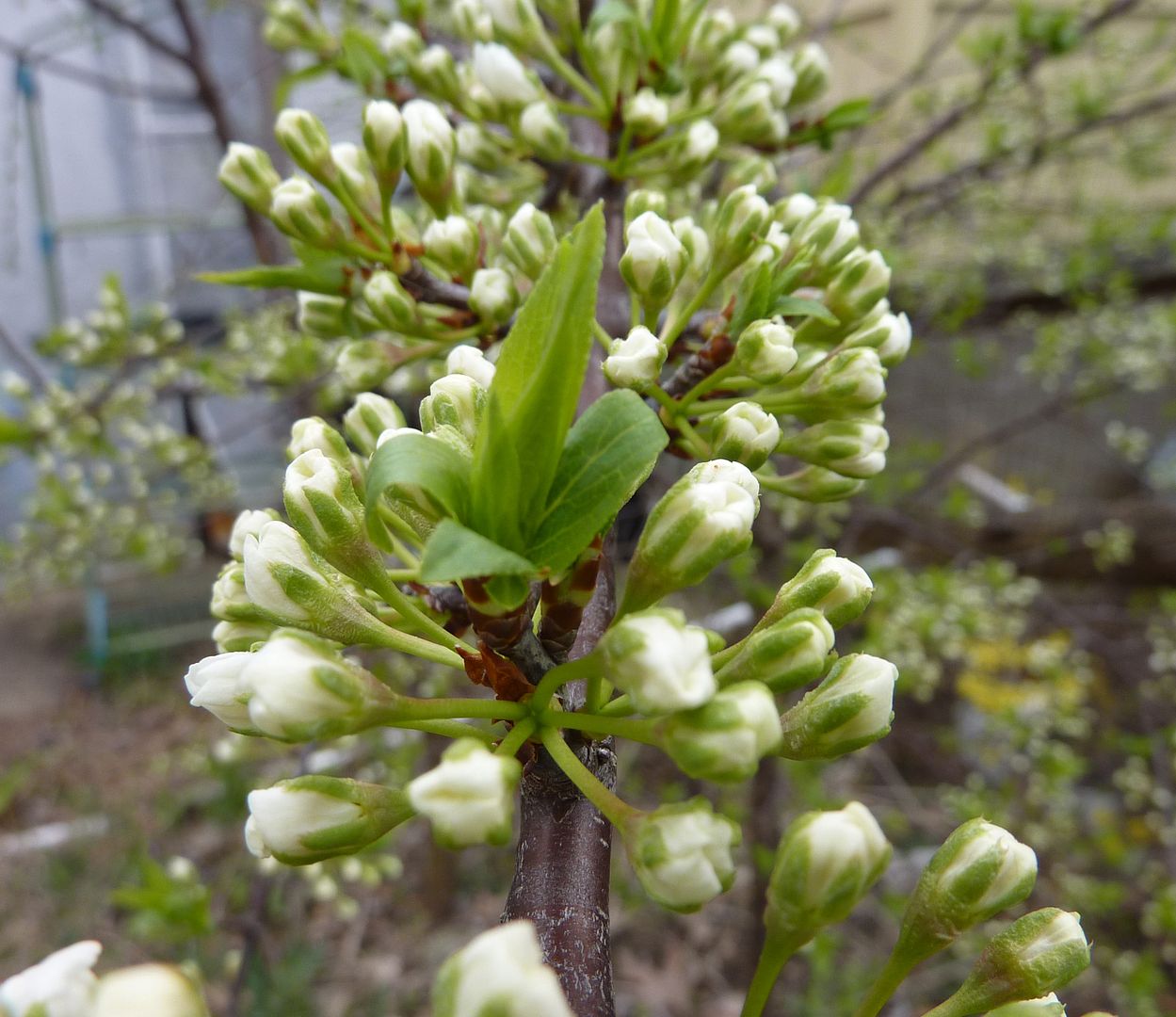
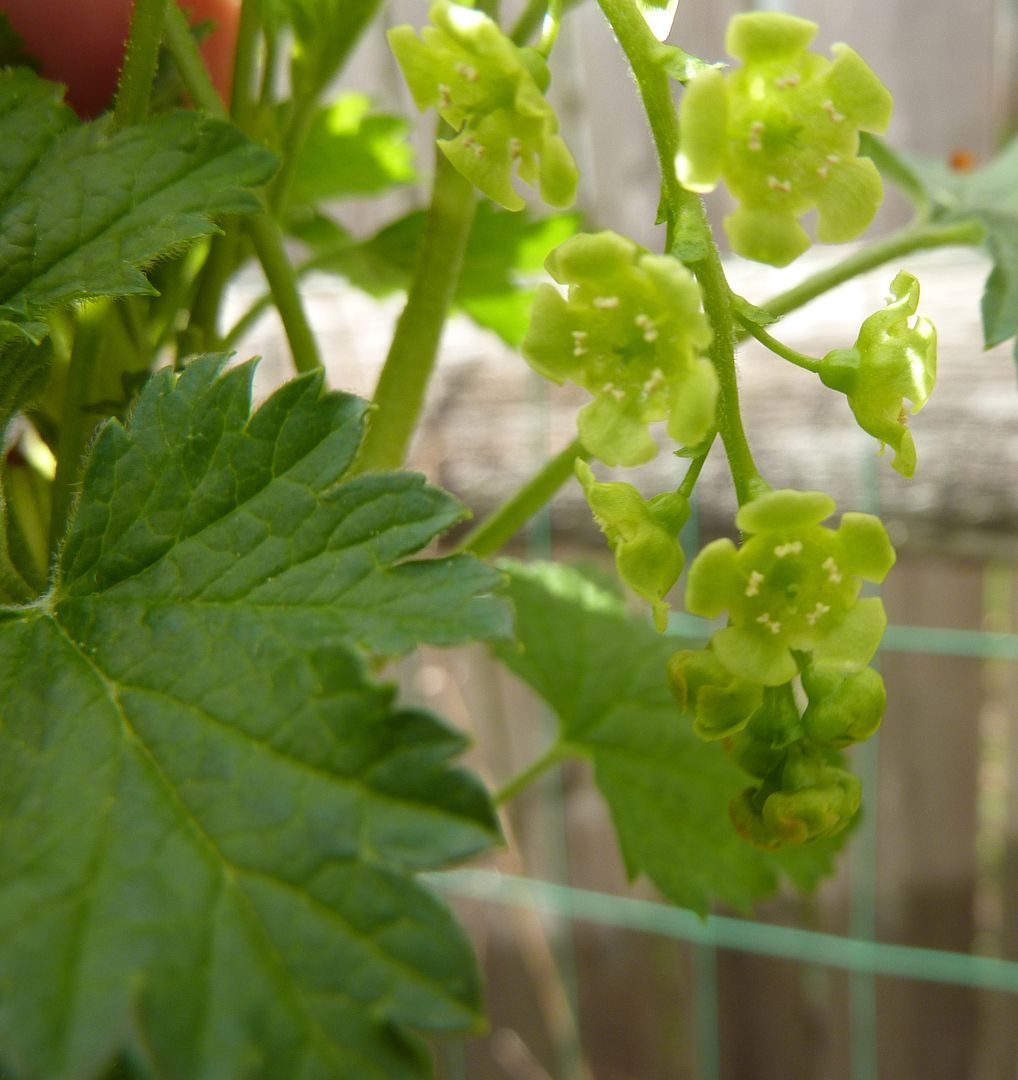
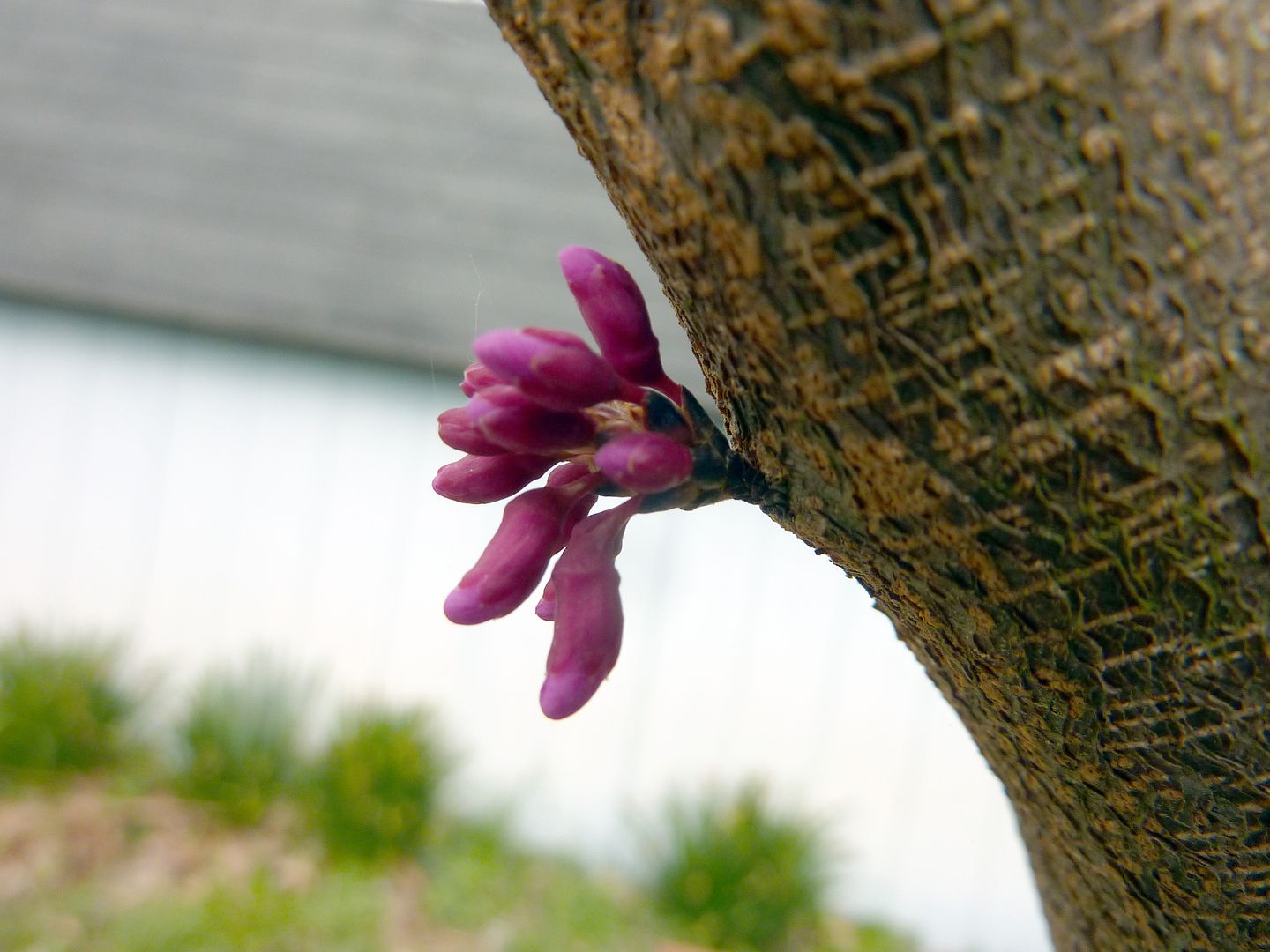
Some Early Blooming Trees


Sunday, September 9, 2012
The Plant List So Far
| Unfortunately Prairie Moon Nursery seem to be sold out for the year. I'm assuming their greenhouse plugs must have been effected by the drought. They're still selling seeds but that's what I'm wanting to try this year. As they were one of my main sources for native plants I've been forced to look elsewhere, and I'm happy with the nursery that I found. Shooting Star Nursery seems to have a wide selection of woody shrubs I've been looking everywhere for. Wild Black Cherry, Prunus serotina, is a small tree with fragrant white flowers in the spring time. The berries are devoured by birds over the summer or they can be used to make jam. Doug Tallamy praises this plant more than any other for the abundance of Lepidoptera that use it which include the eastern Tiger Swallowtail. I've always seen these shrubs growing around the neighborhood but could never find anywhere that sells them. | |
Indigo Bush, Amorpha fruticosa, is a very uncommonly sold plant. It's a nitrogen fixer which is good for the soil and has very interesting looking flowers. It's a host plant to the Silver Spotted Skipper, the Southern Dogface Sulphur, the California Sulphur, the Gray Hairstreak, and Hoary Edge butterfly. | |
Paw Paw, Asimina triloba, is a native food plant that I've been trying to establish for a few years now. I have one sapling established and growing but I've read they don't really flower or produce fruit until they're around 10 years old. Worse yet I've read they either have to cross pollinate with anther tree or are self pollinating but benefit from a second tree around. Zebra Swallowtails use it as a host plant. I'm actually out of their range but so is a college up in northern New Jersey where I'm told a population of Zebra Swallowtails flies around the paw paw trees growing on campus there. | |
| Spicebush, Lindera benzoin, is another native shrub I should plant more of. I've had one for a few years but it was planted in too dry of a location and wasn't expanding at all. Last year I moved it to a wetter location where it's established now and should start putting out more growth. It's the host plant of the Spicebush Swallowtail which I've found in my yard! However I don't think one shrub is enough for them to establish so I'm opting to plant more of them. | |
Wafer-ash, Ptelea trifoliata, is the host plant to the Giant Swallowtail. I've been so mistaken on the range of this butterfly because most of their host plants are in the citrus family, I would have never expected them to be found in Canada. Wafer Ash is also called Hoptree because it used to be used instead of Hops. The flowers in the spring time are fragrant and it's also a host plant to the eastern Tiger Swallowtail. | |
Prairie Willow, Salix humilis microphyllus. I'm not sure on the microphyllus subspecies but Salix humilis is one I've been looking everywhere for! This is one of the shortest growing shrugs of the willow family. They flower early in the year, bees love them, and they're a host plant to the Viceroy Butterfly. |
Subscribe to:
Posts (Atom)