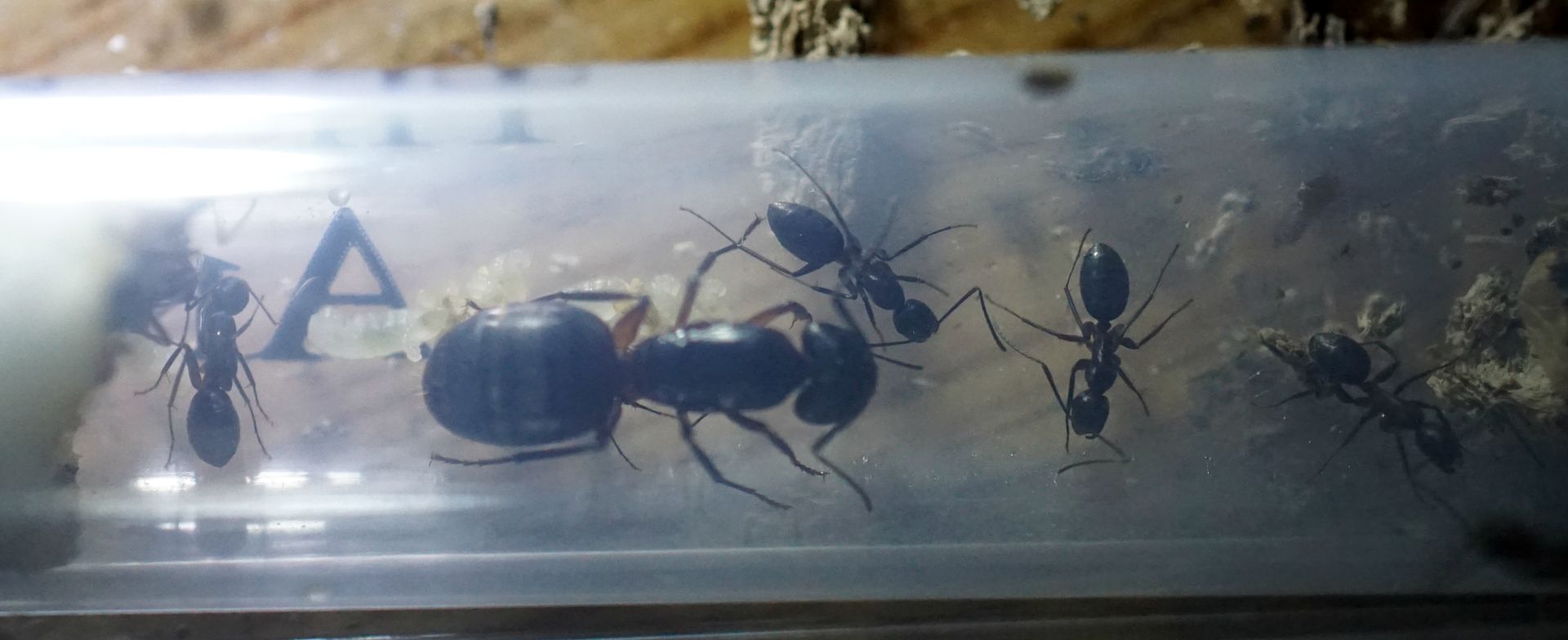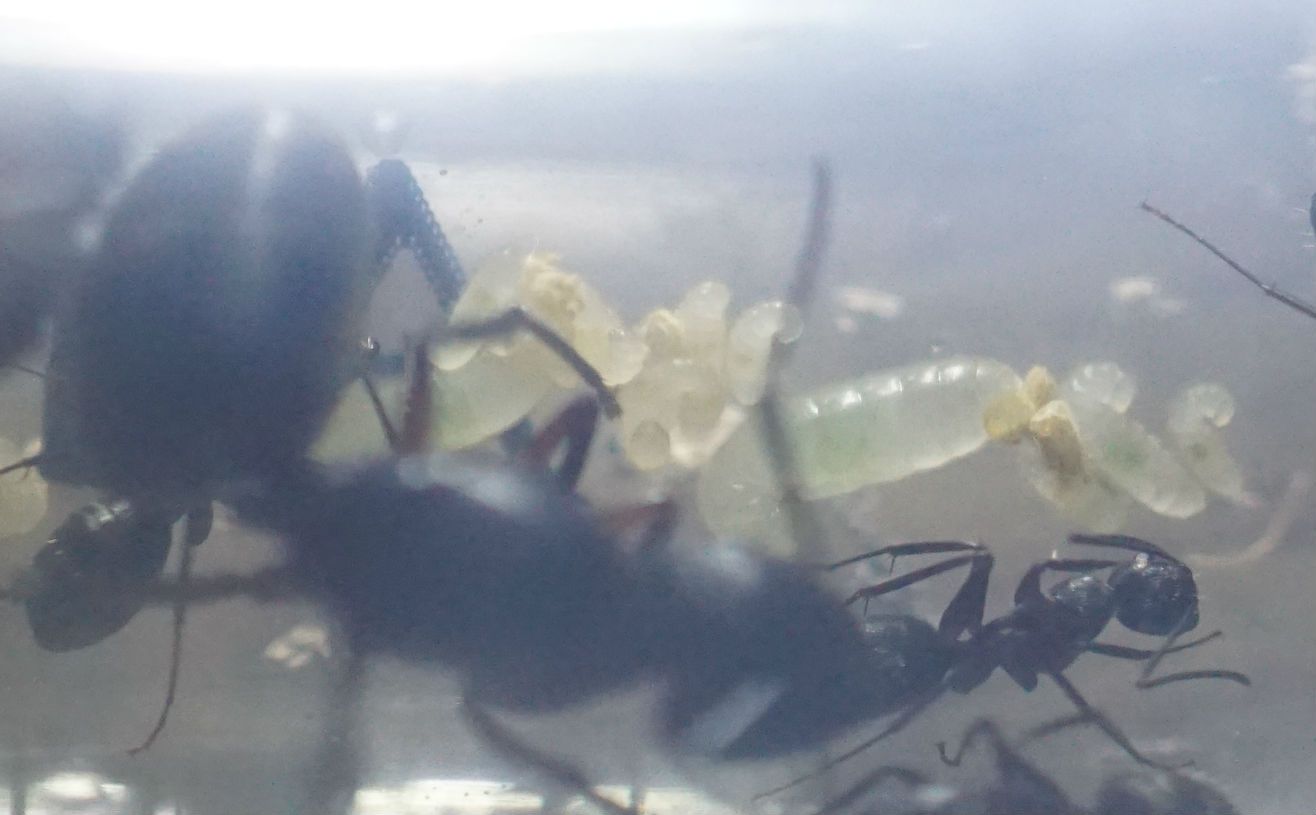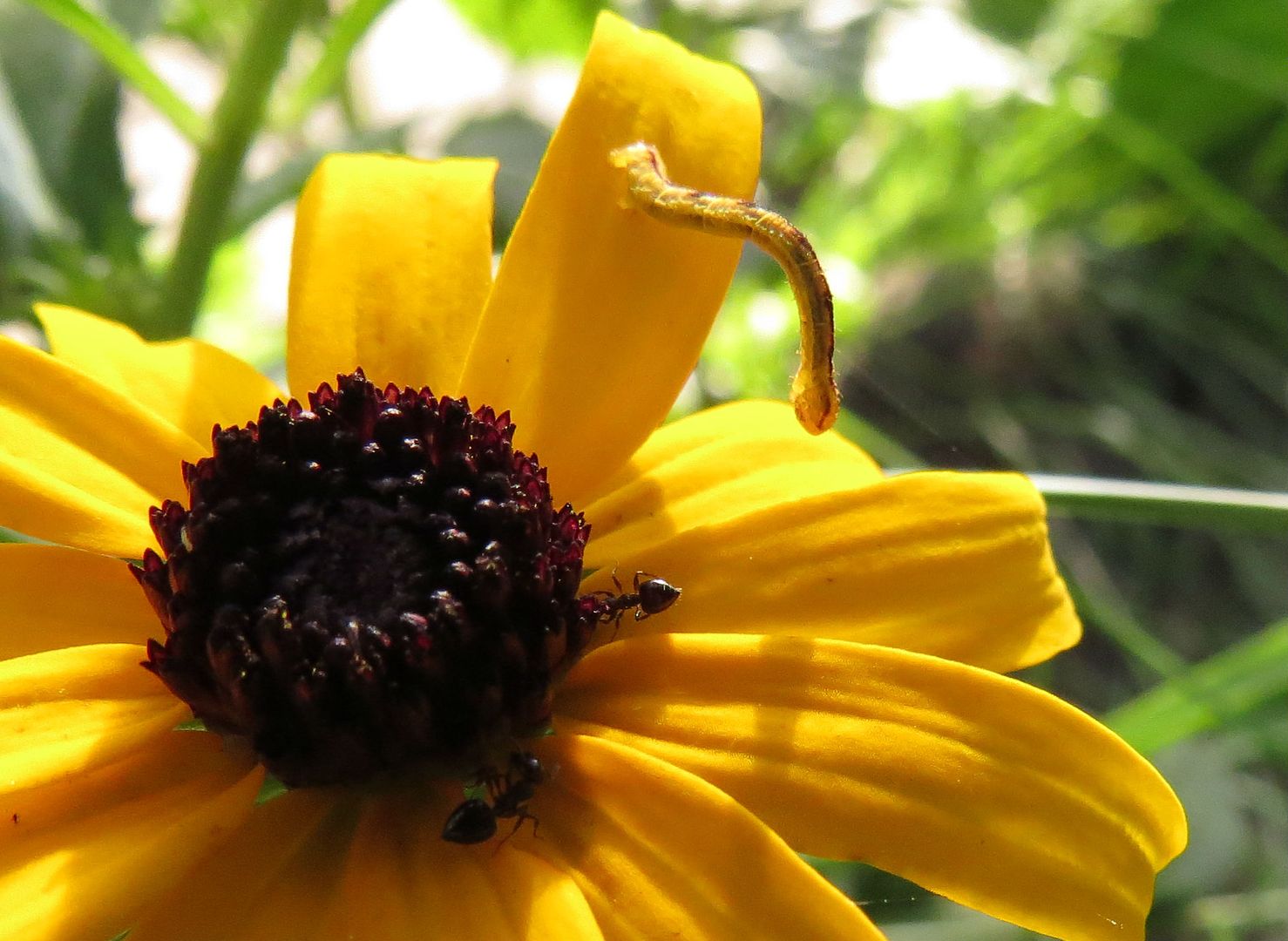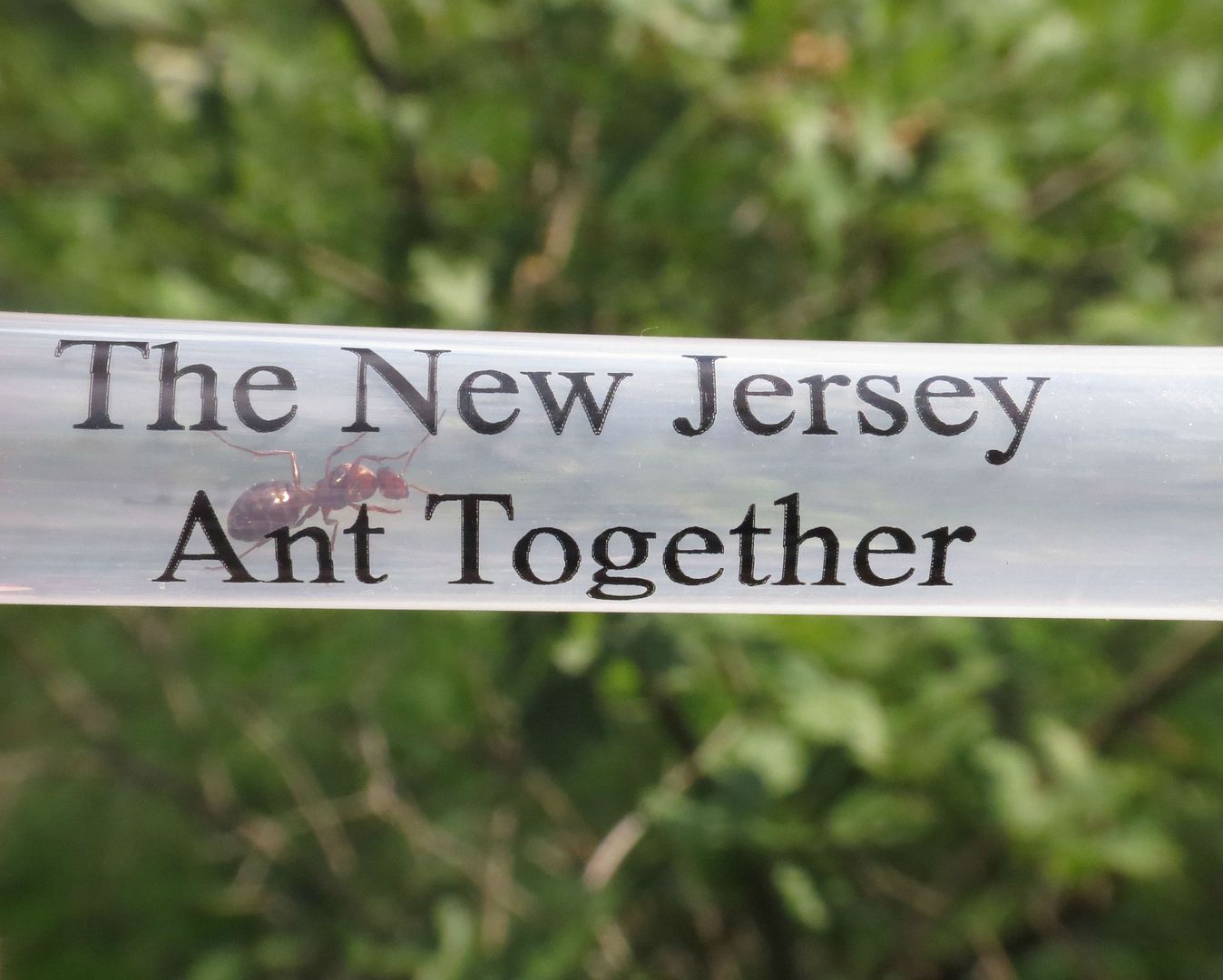
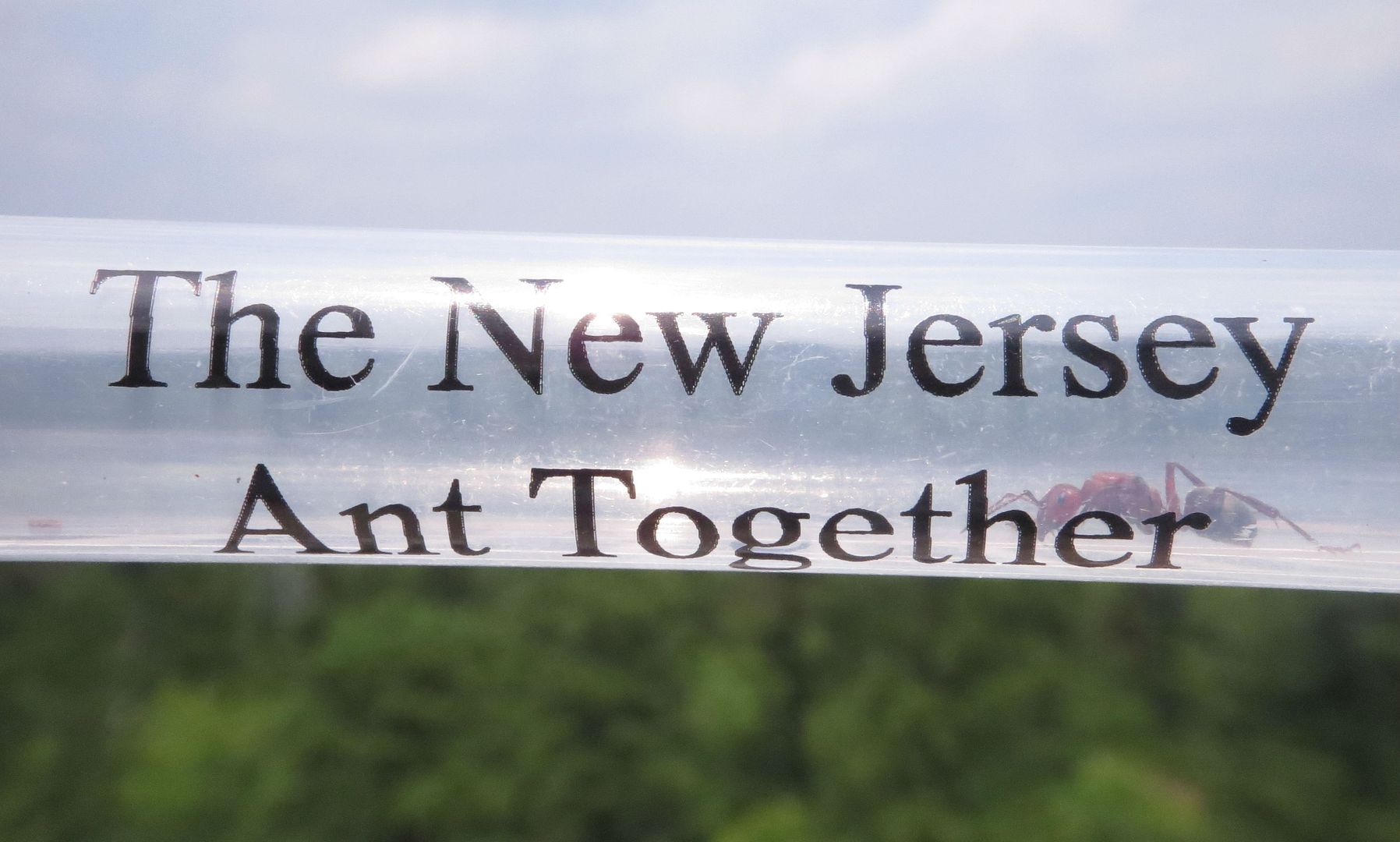
For the even I bought some specially labeled tubes which I intend to
hand out at these events. The idea being to put queen ants in them to
get what I refer to as the "money shot" and try to sell the event and
get more interest. I can use this as the banner image for future Ant
Togethers.... but dammit if I'm not the worst ant keeper in the whole
god dam world. Later on we're in the parking lot and of all the test
tubes to fall out of my bag.... I ran her ass over!

Somehow she survived and upon putting her in another tube she seems to
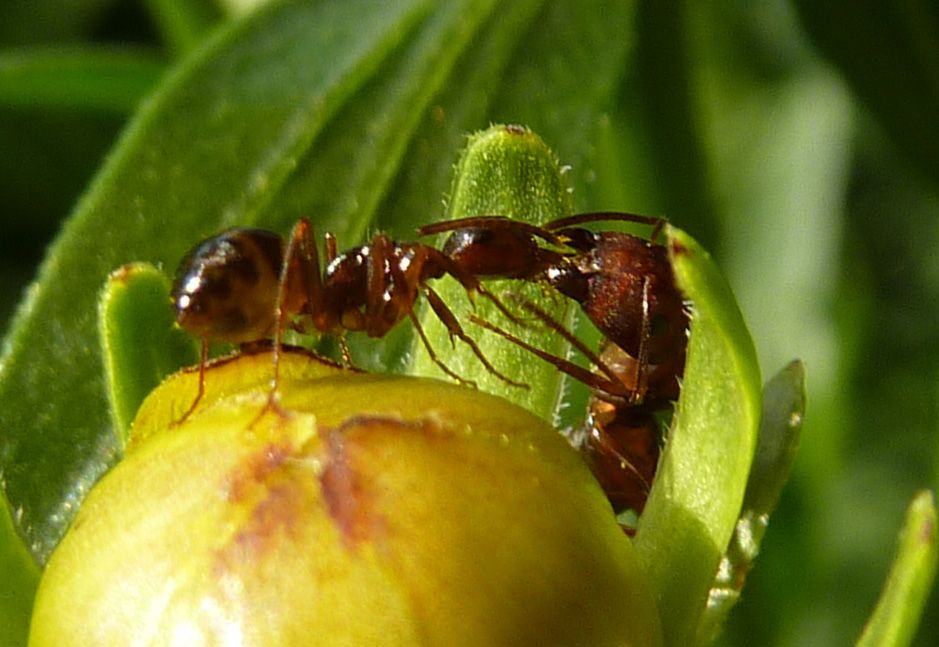
have recovered well, a little twitchy though. I believe she is the dark
form of
Formica pallidefulva which is more common in this part
of New Jersey. It's odd how just a little bit south this species becomes
a brassy brown tone. We found colonies of both color forms around but
the darker one was by far more common.
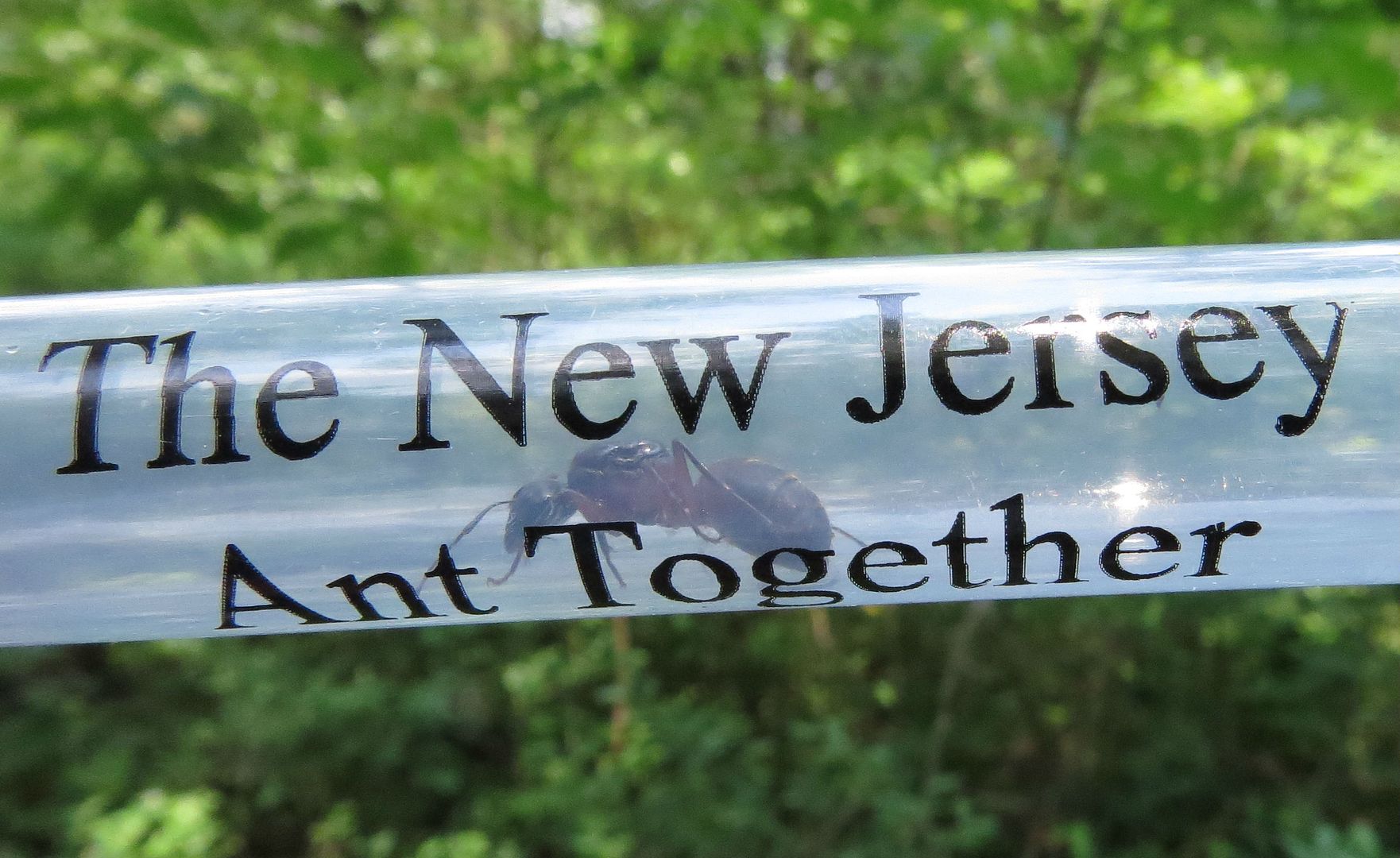
This one made it to the car!
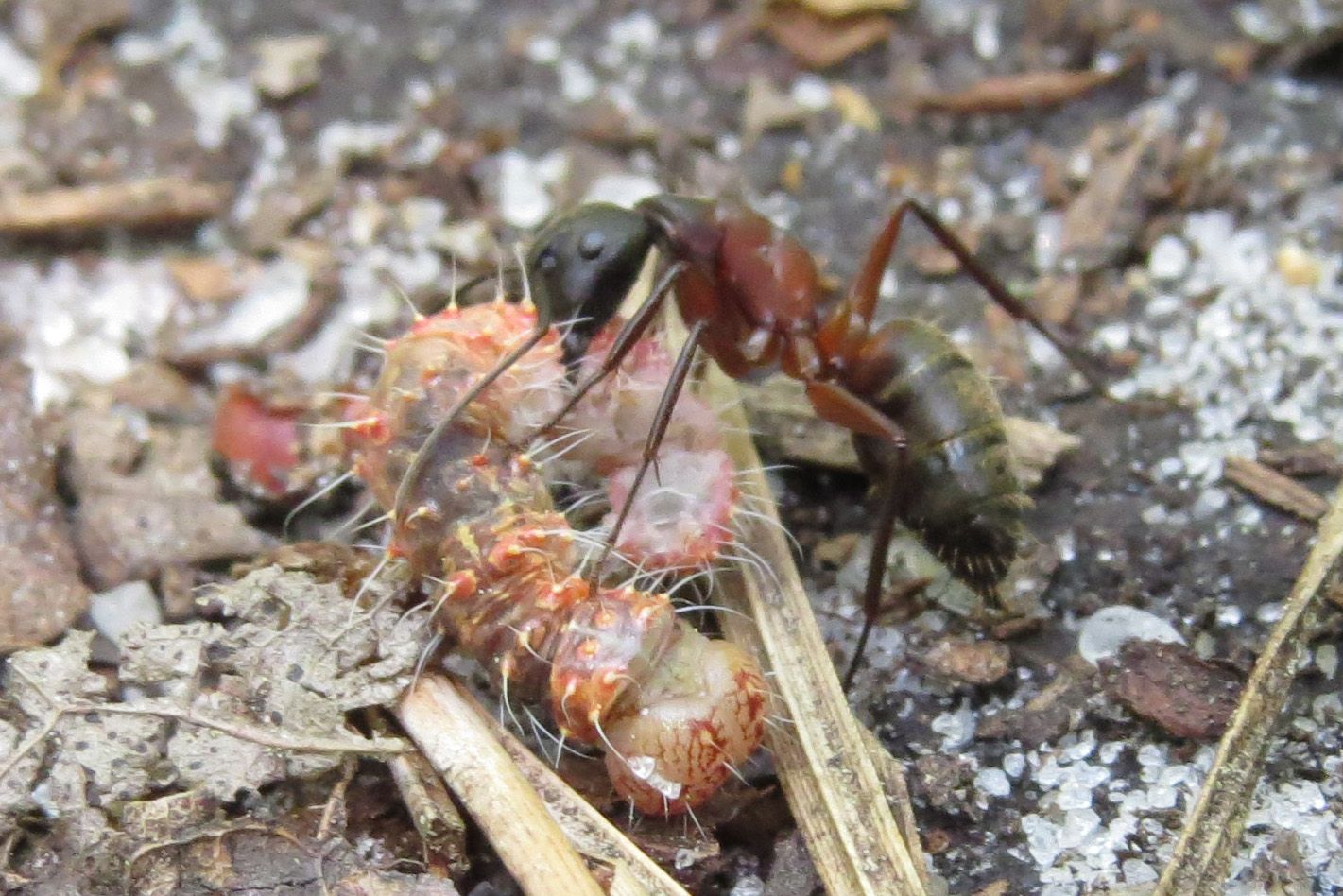
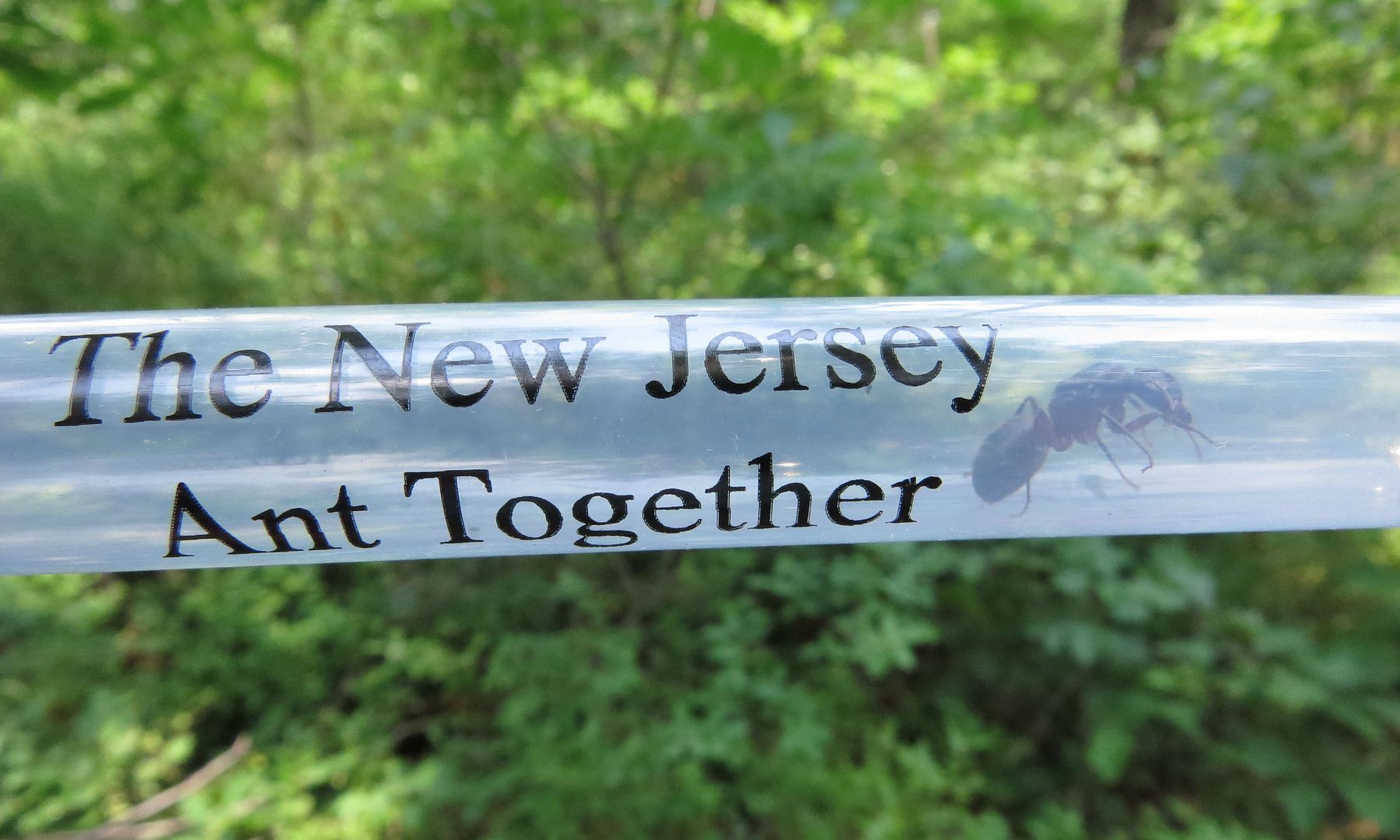 Camponotus chromaiodes
. (Same ant as seen above) This is typically the dominant
Camponotus species in the forests here.
We also found a parasitic
Formica wondering which I still
need to ID. We actually didn't find any colonies of this at that
location so it might be one of the more exclusive slave making kind such
as
F. pergandei. (Their colonies always require host Formica and never grow beyond what they can capture.)
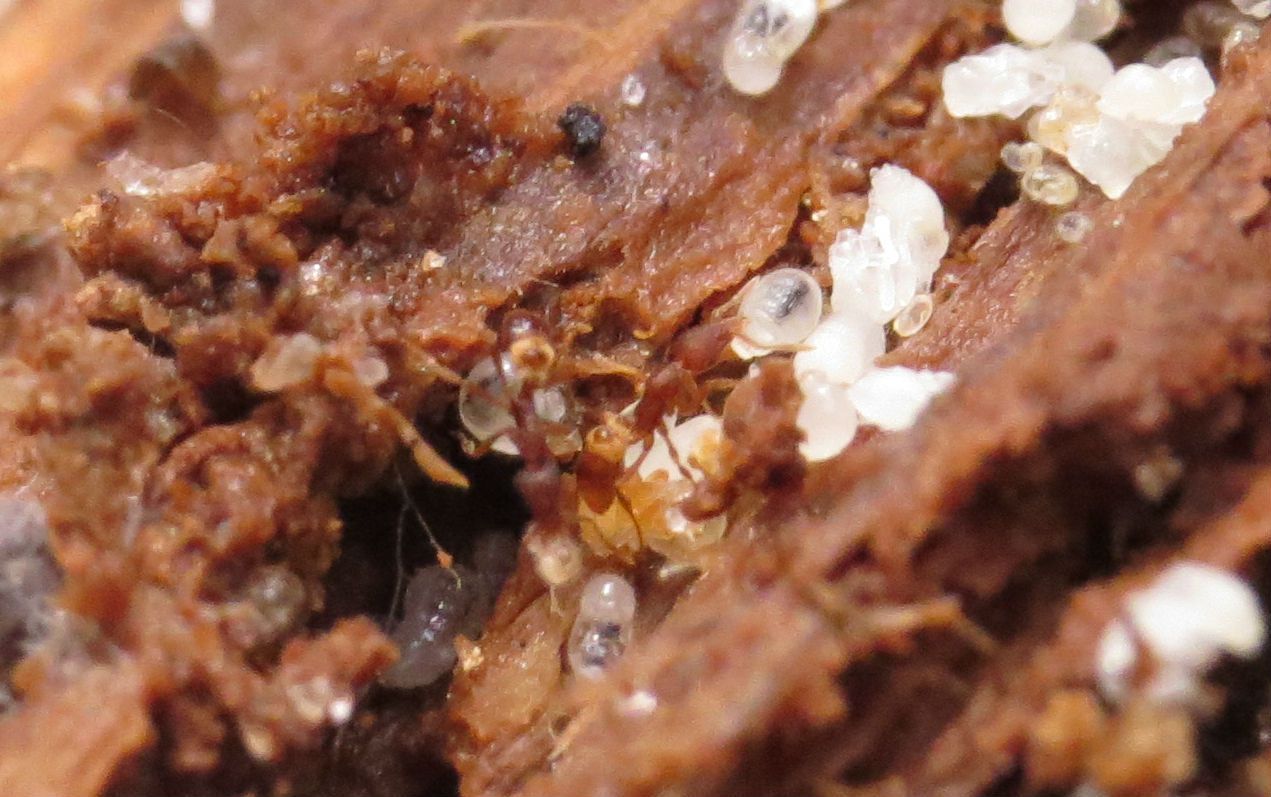
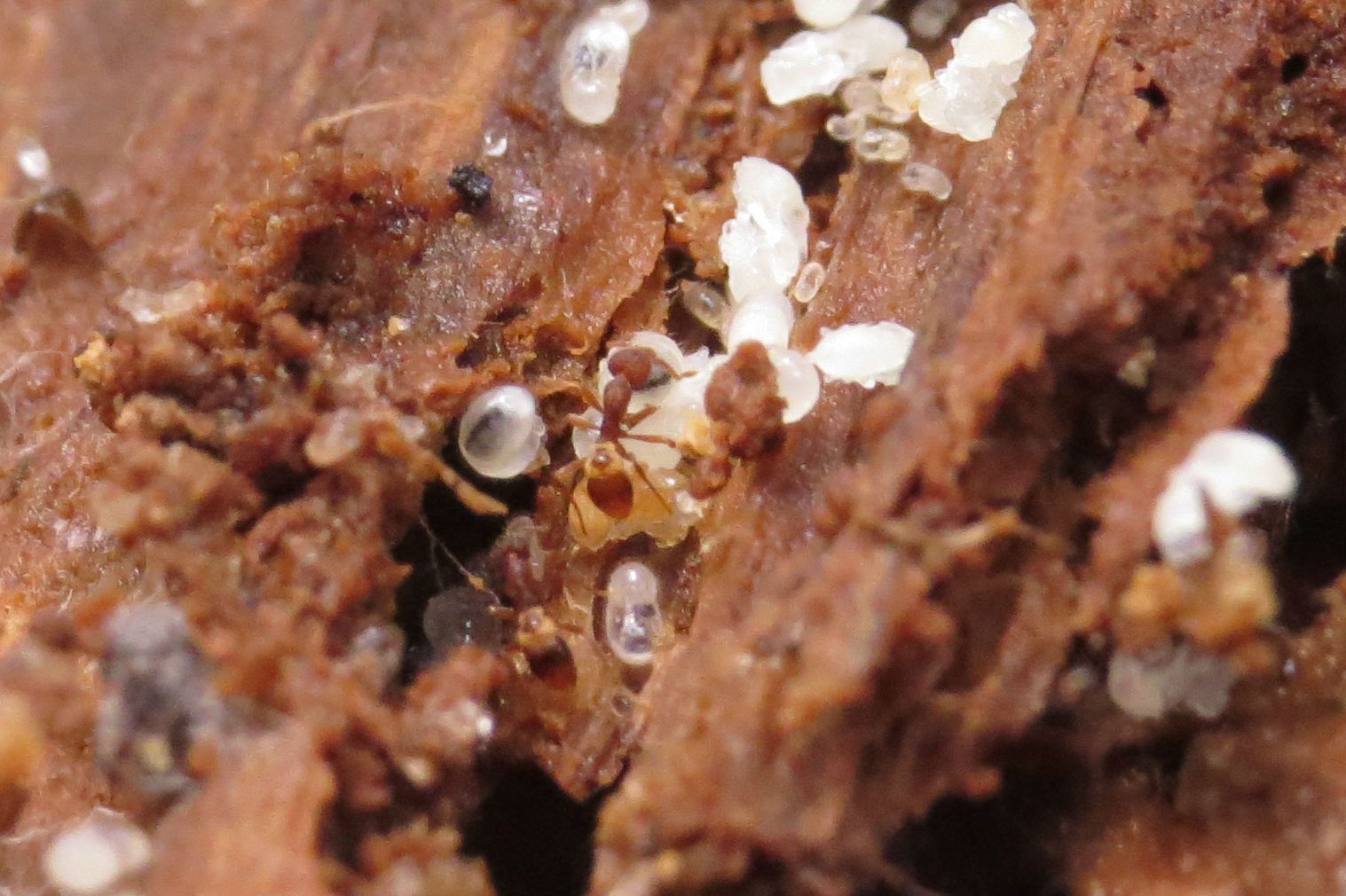
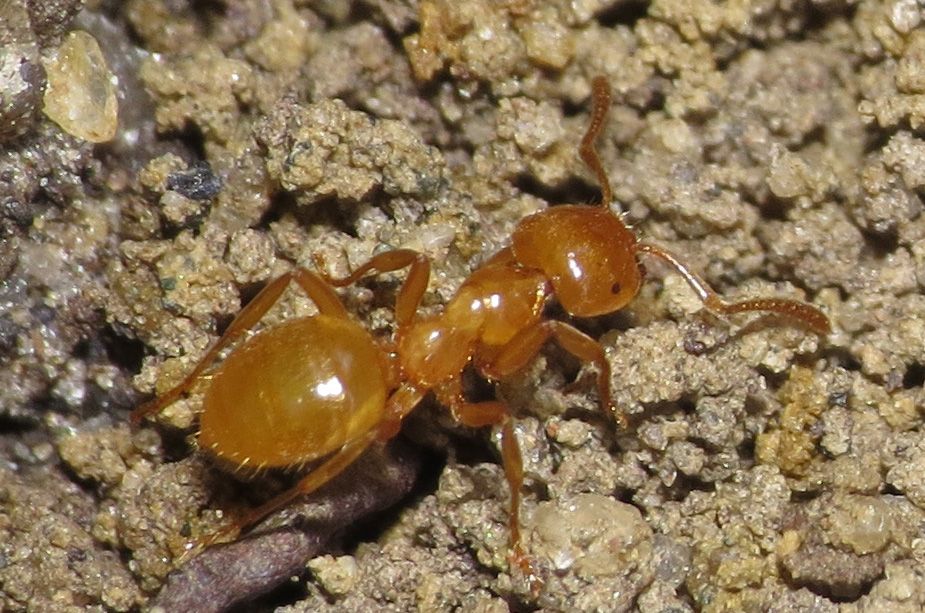
Finding a colony of
Pyramica was something of a highlight because it's not commonly found in suburban habitats.
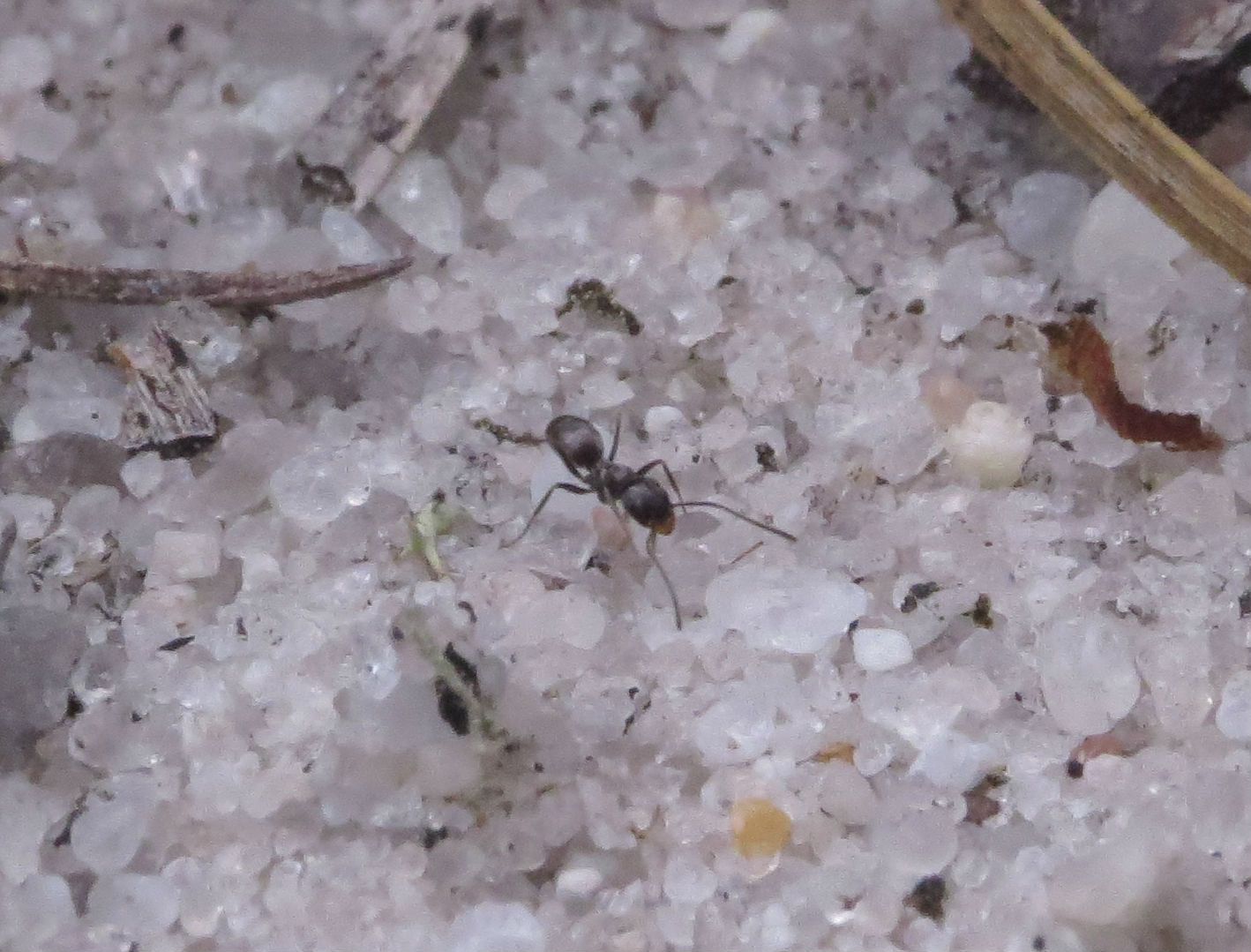
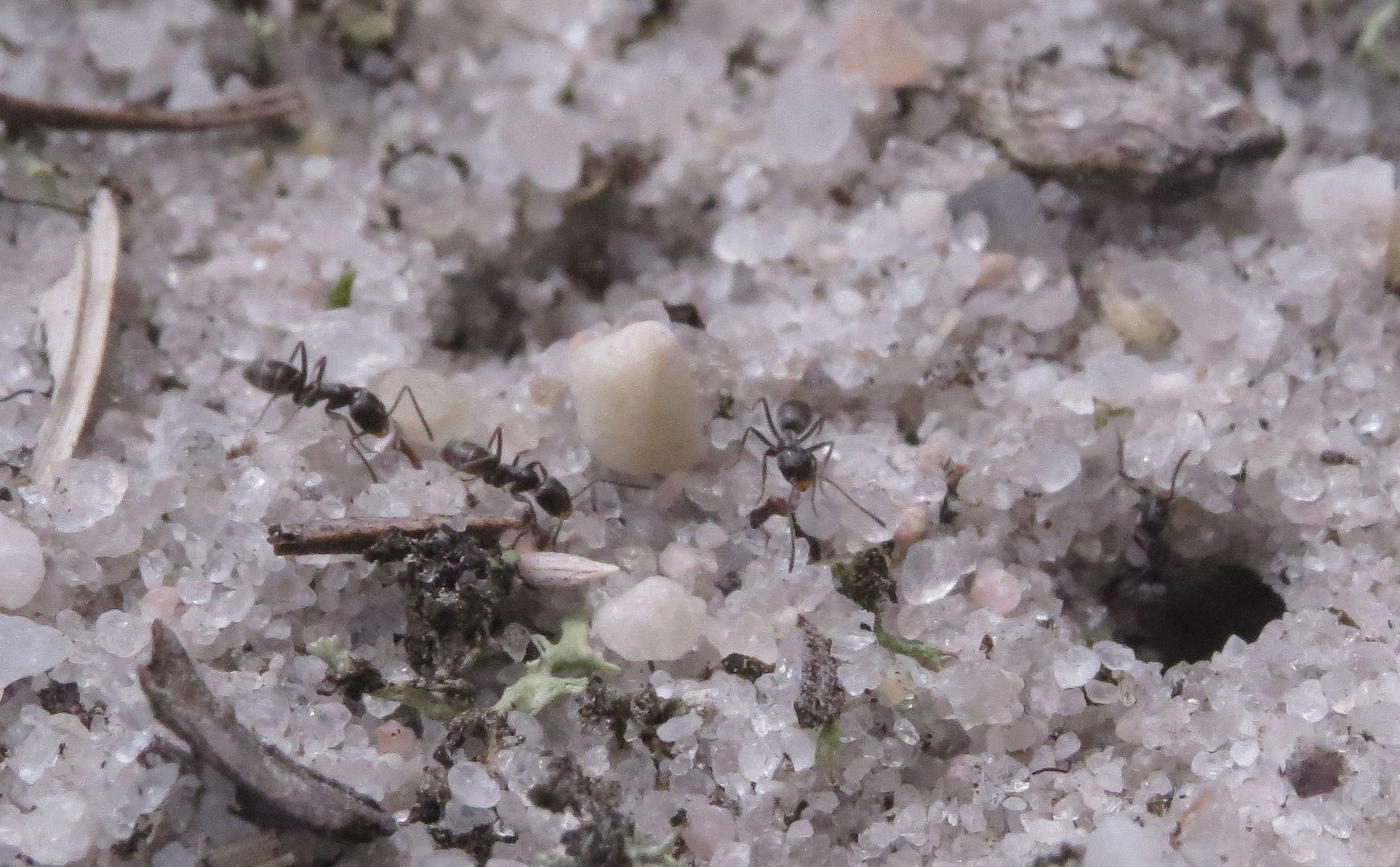
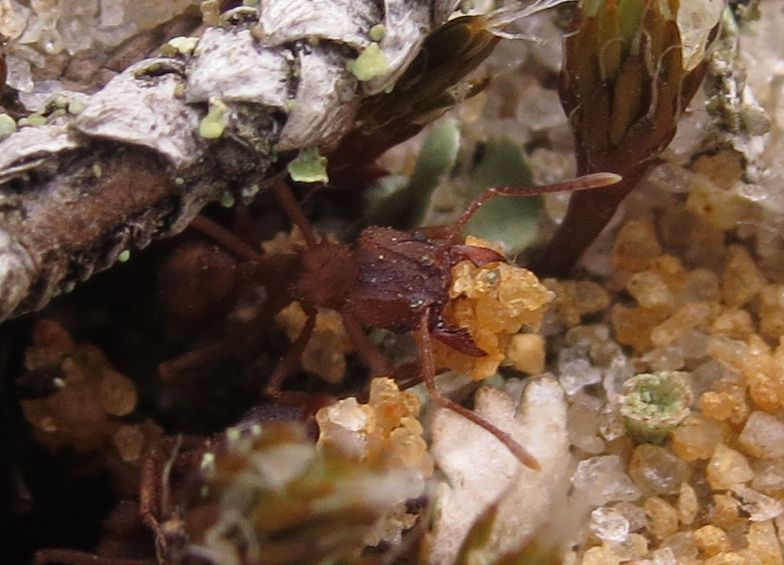
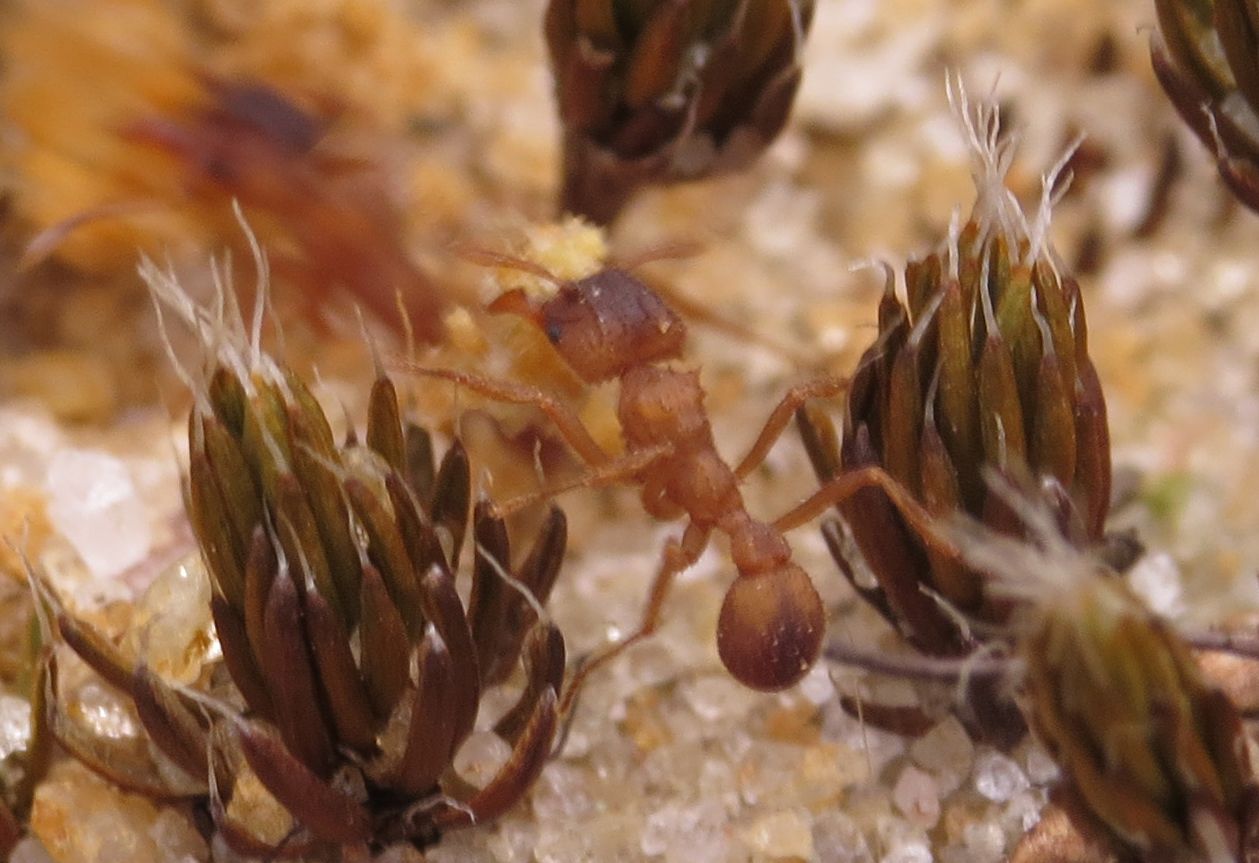
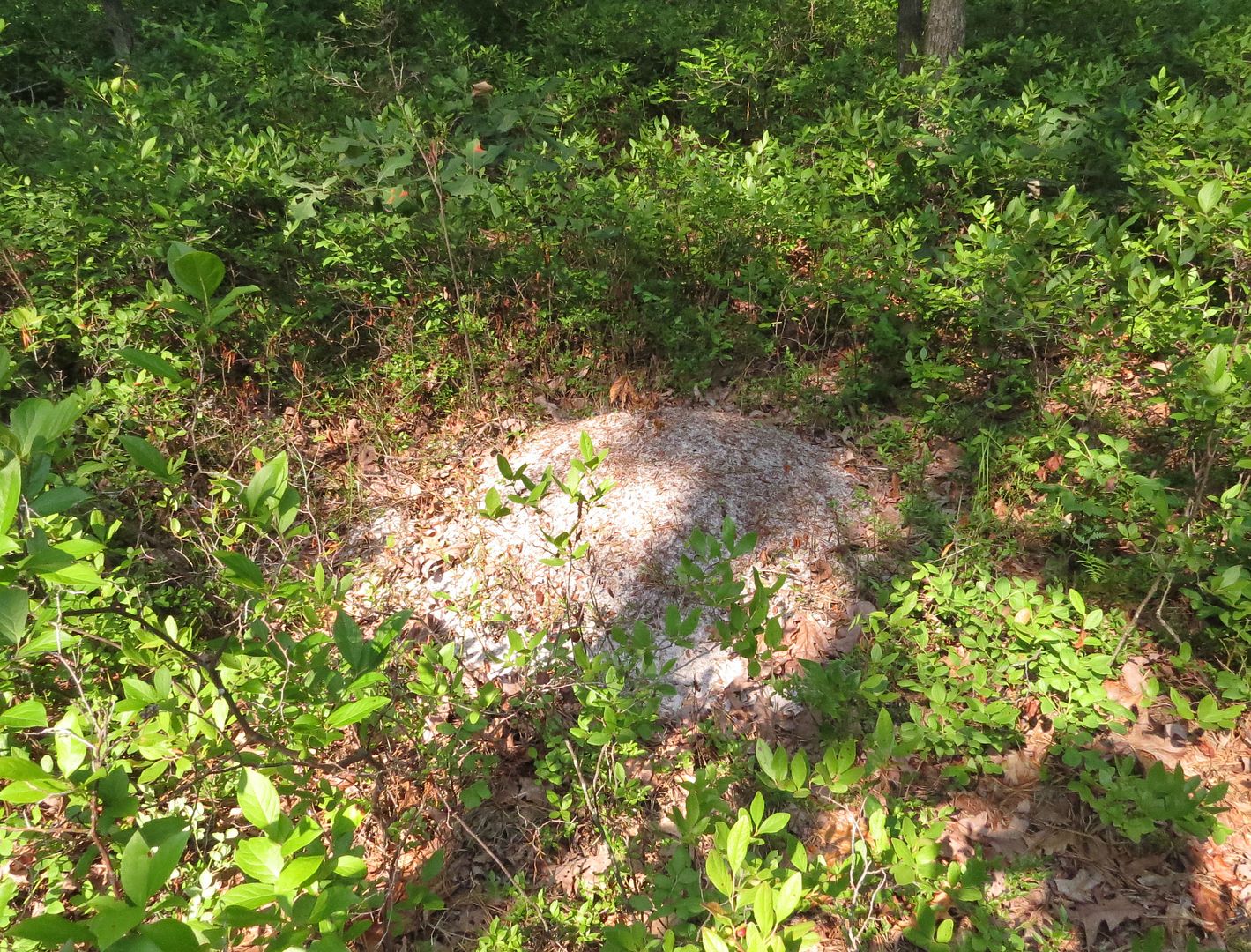
Slightly less of a highlight but still interesting was this patch of bright white sand where colonies of
Dorymyrmex were located.
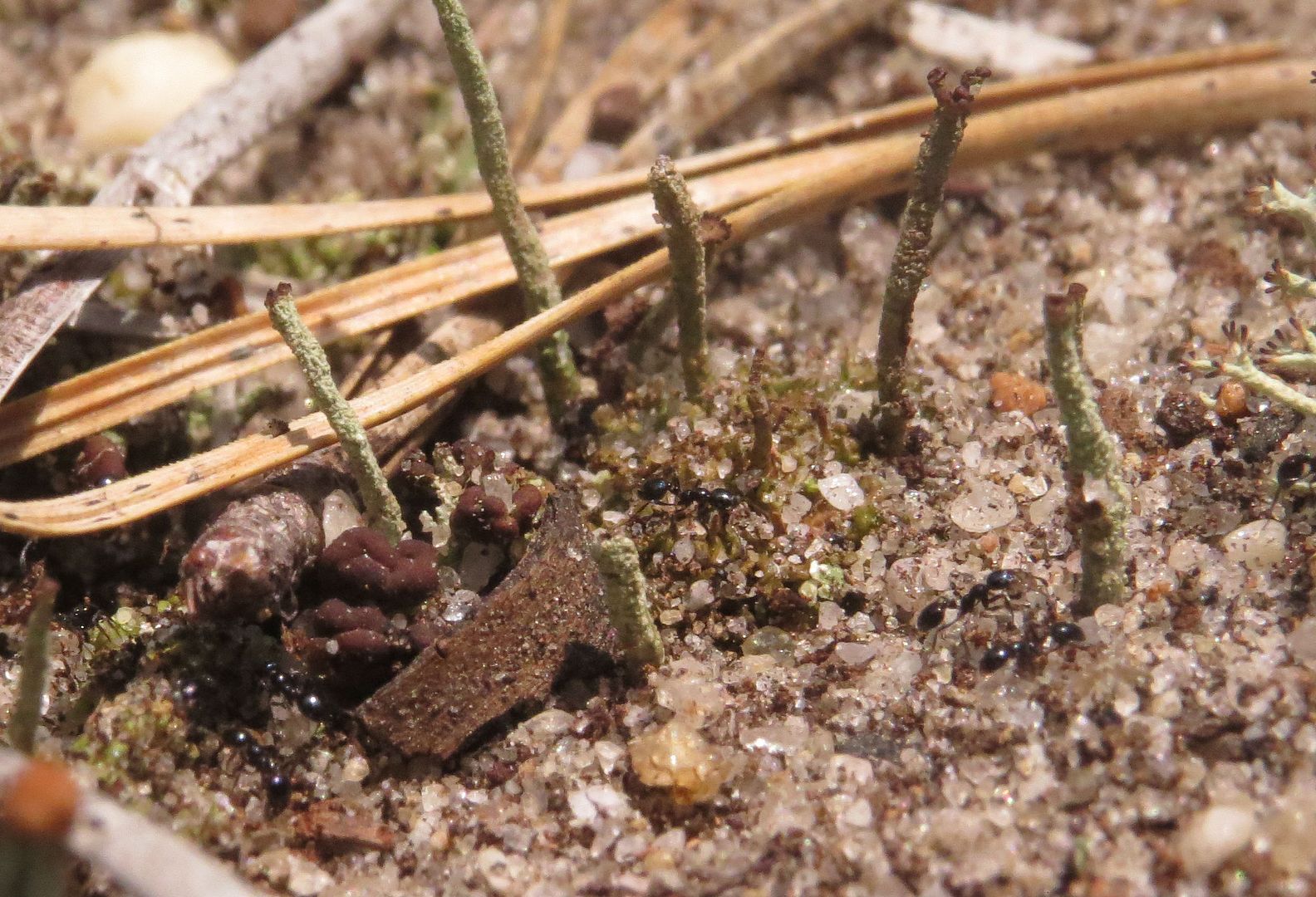
This sand patch is also where a dried out sort of sphagnum moss was
growing which we tried not to disturb. There were some large colonies of
Monomorium there too.
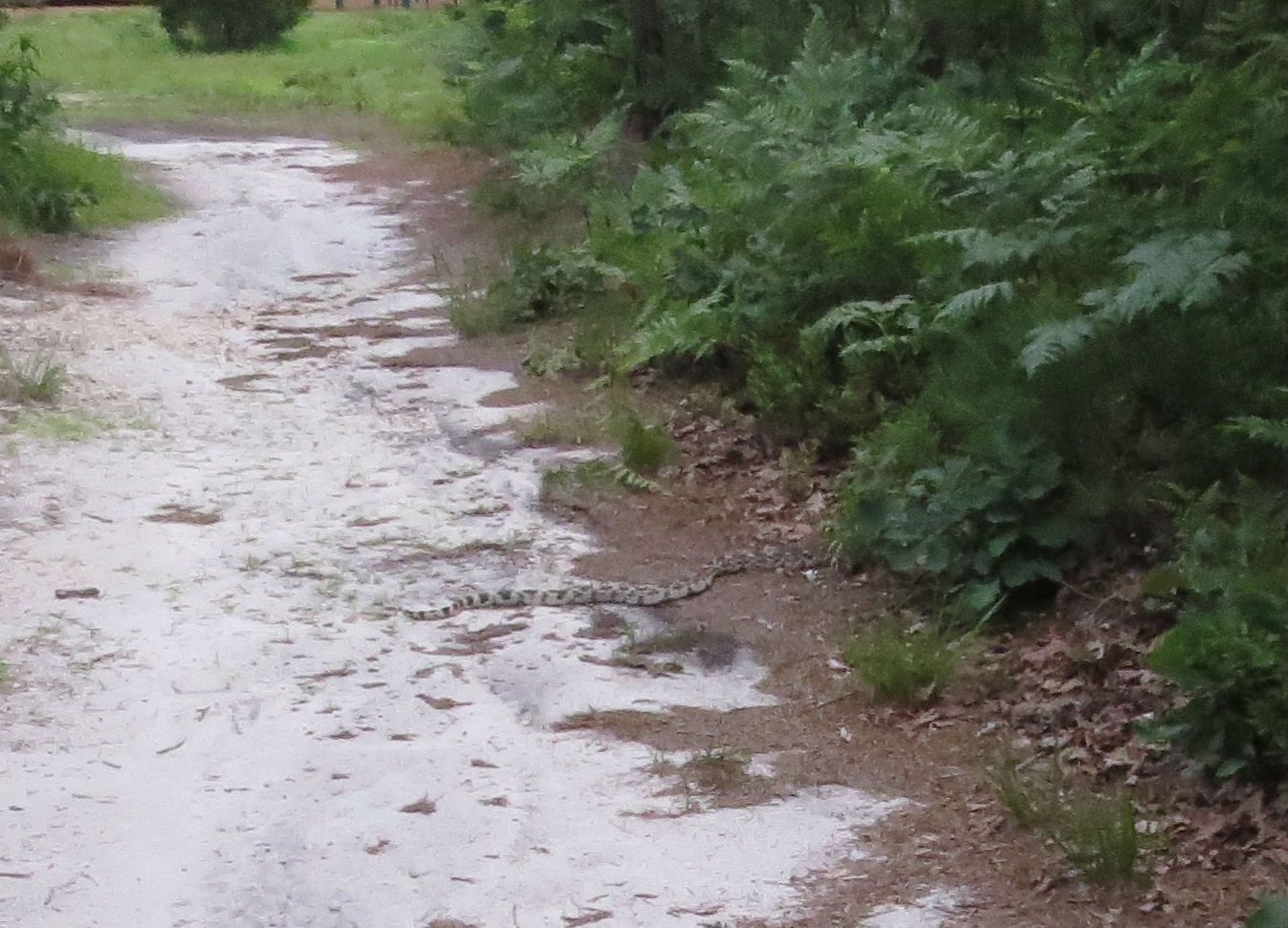
Just up the trail we found a Pine Snake.
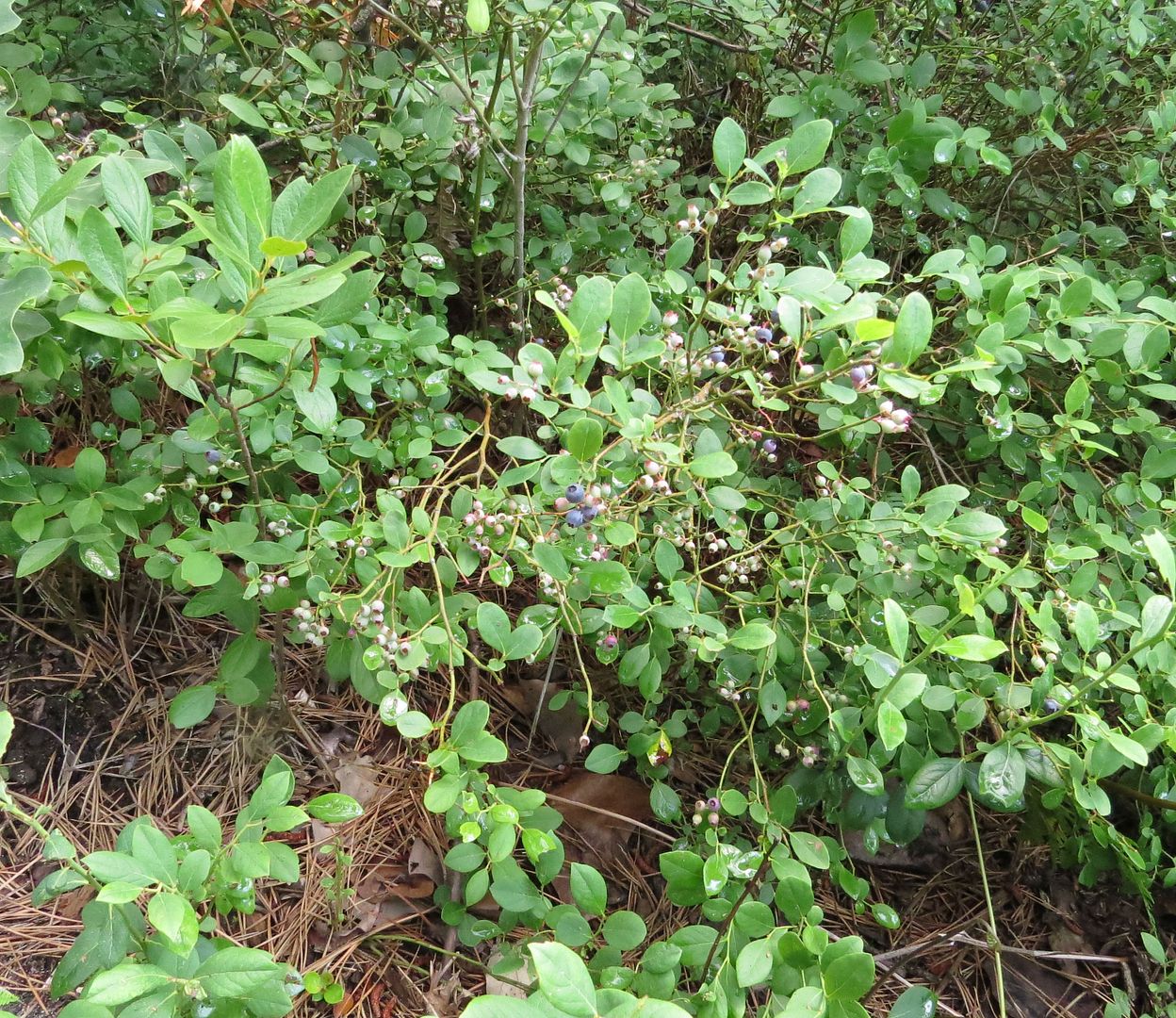
I liked our first location a lot because Wild Blueberries were coming
into season. I'd never realized how much better Low Bush Blueberry
tastes compared to High Bush because the plants grow in full shade the
berries are at a more reasonable temperature. High Bush blueberry is
more of a forest edge, full sun plant, thus the berries have a sharp
taste to them unless chilled.
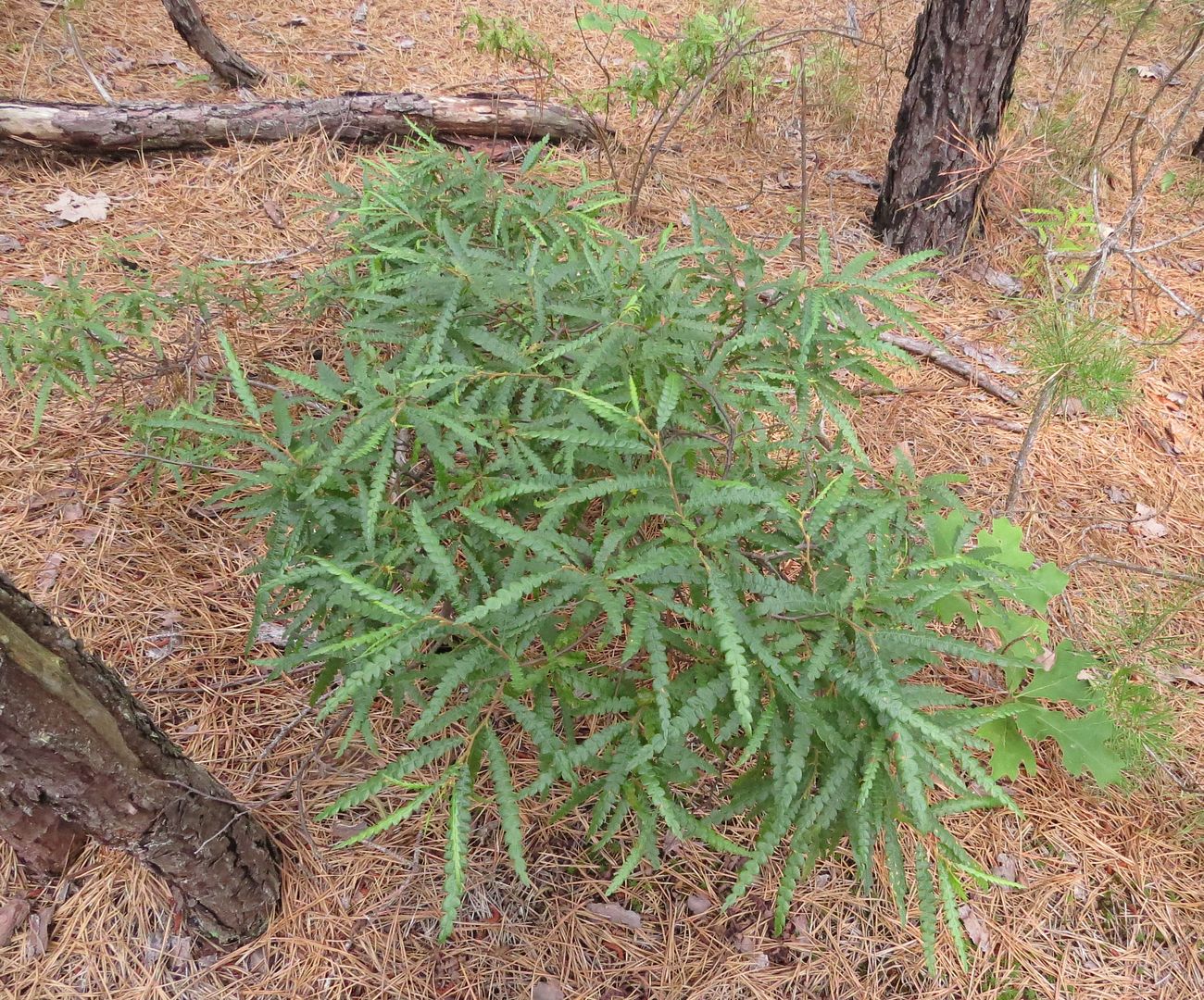
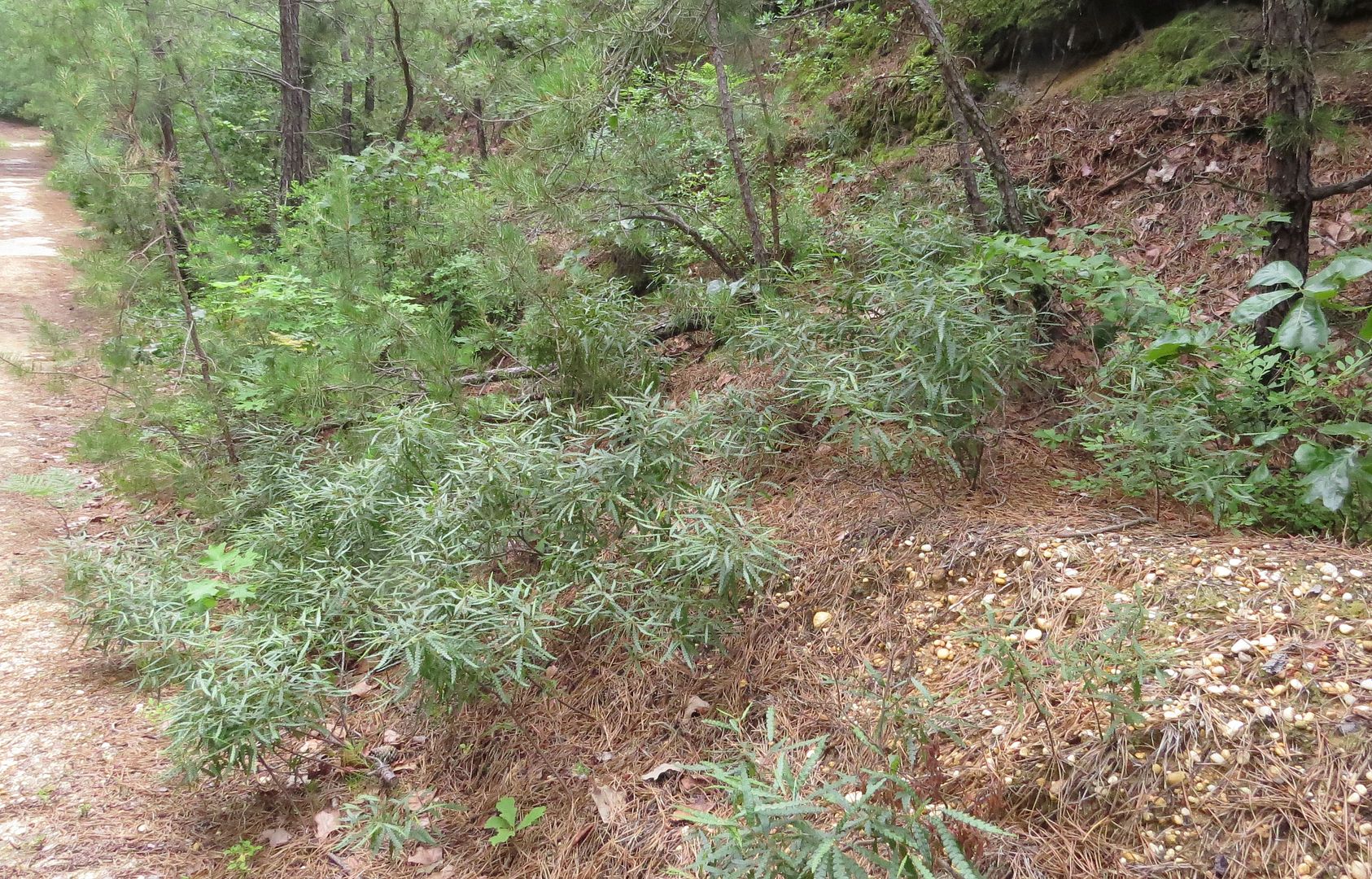
Sweet Fern was also growing all over the place along with droves of
other types of ferns. This one in particular is adored by gardeners
because the leaves have a pleasing smell to them.
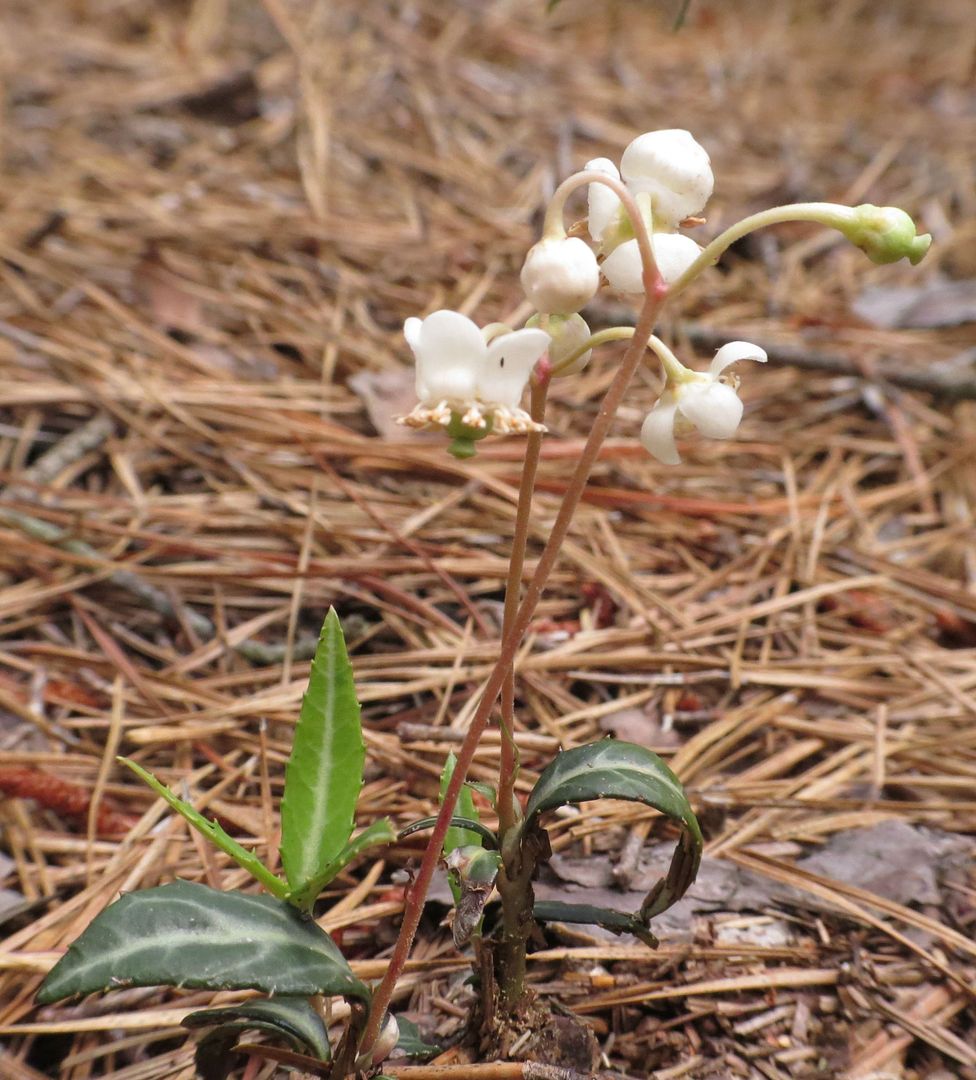
I was calling this Wintergreen all day but now that I google it I'm not convinced. Anyone know what this is?
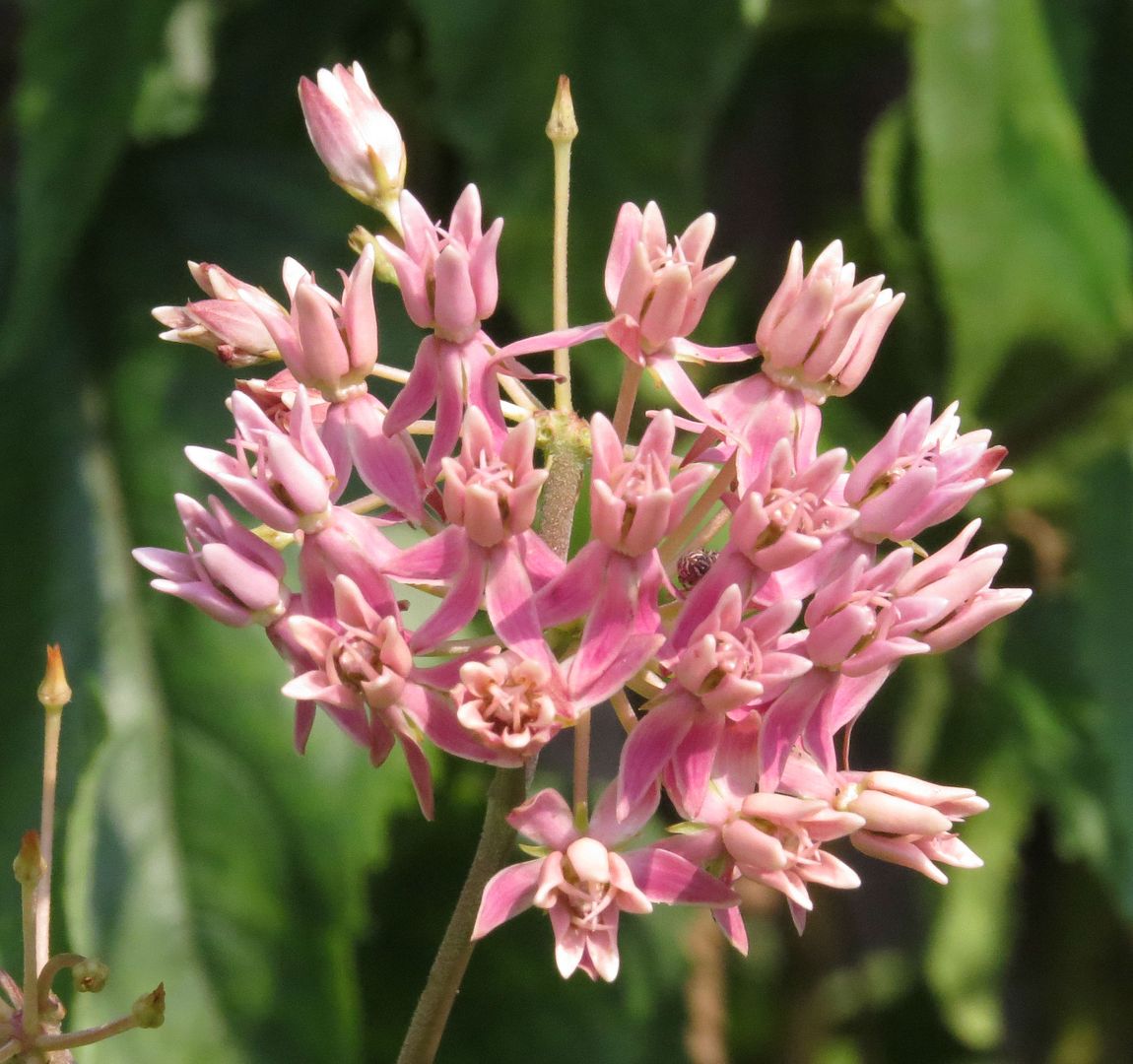
I also got to see Red Milkweed,
Asclepias rubra, which is
one of the rare species not yet in mainstream cultivation. It seems to
be a bog plant requiring constantly damp muddy soil to grow.
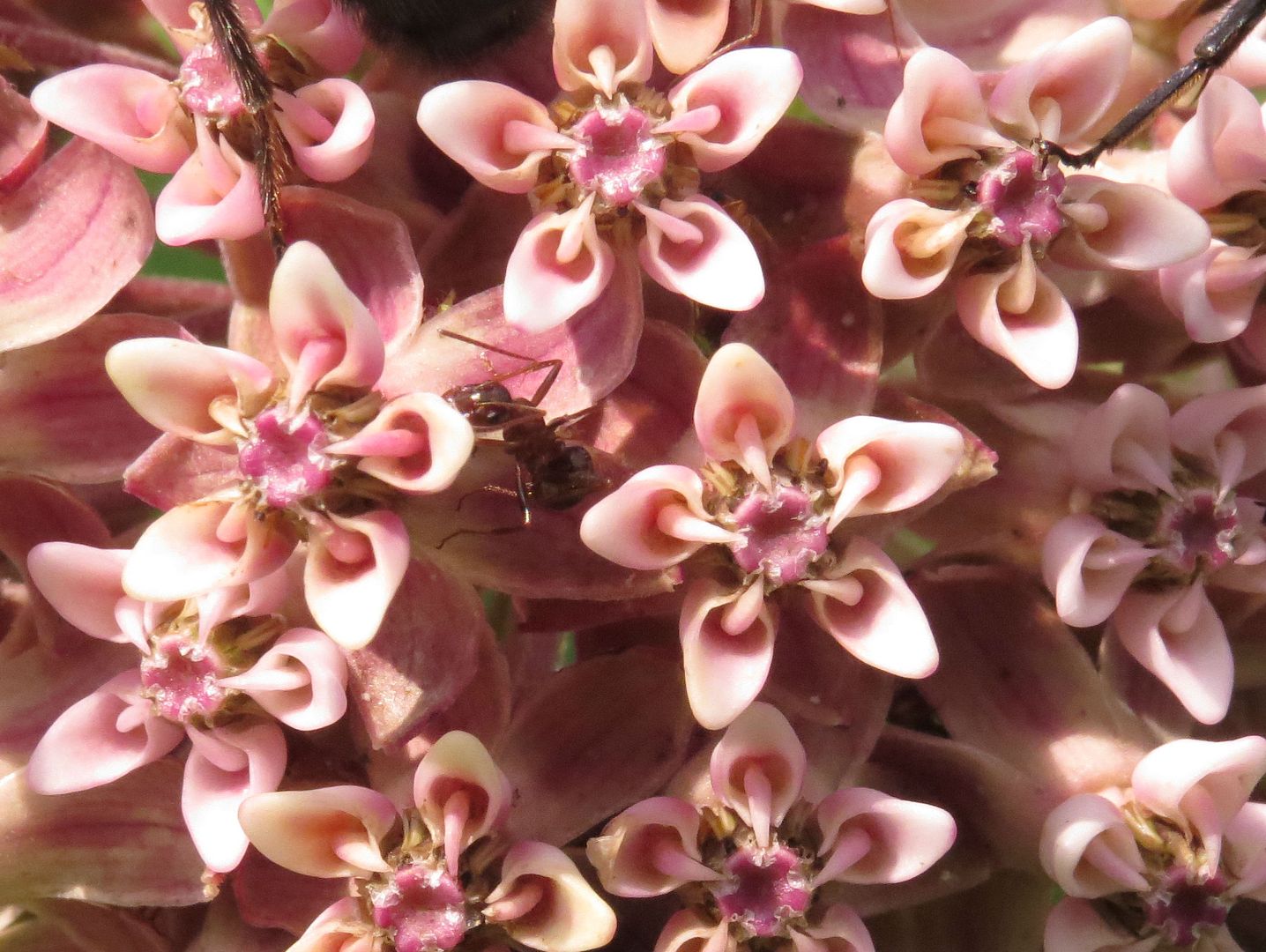
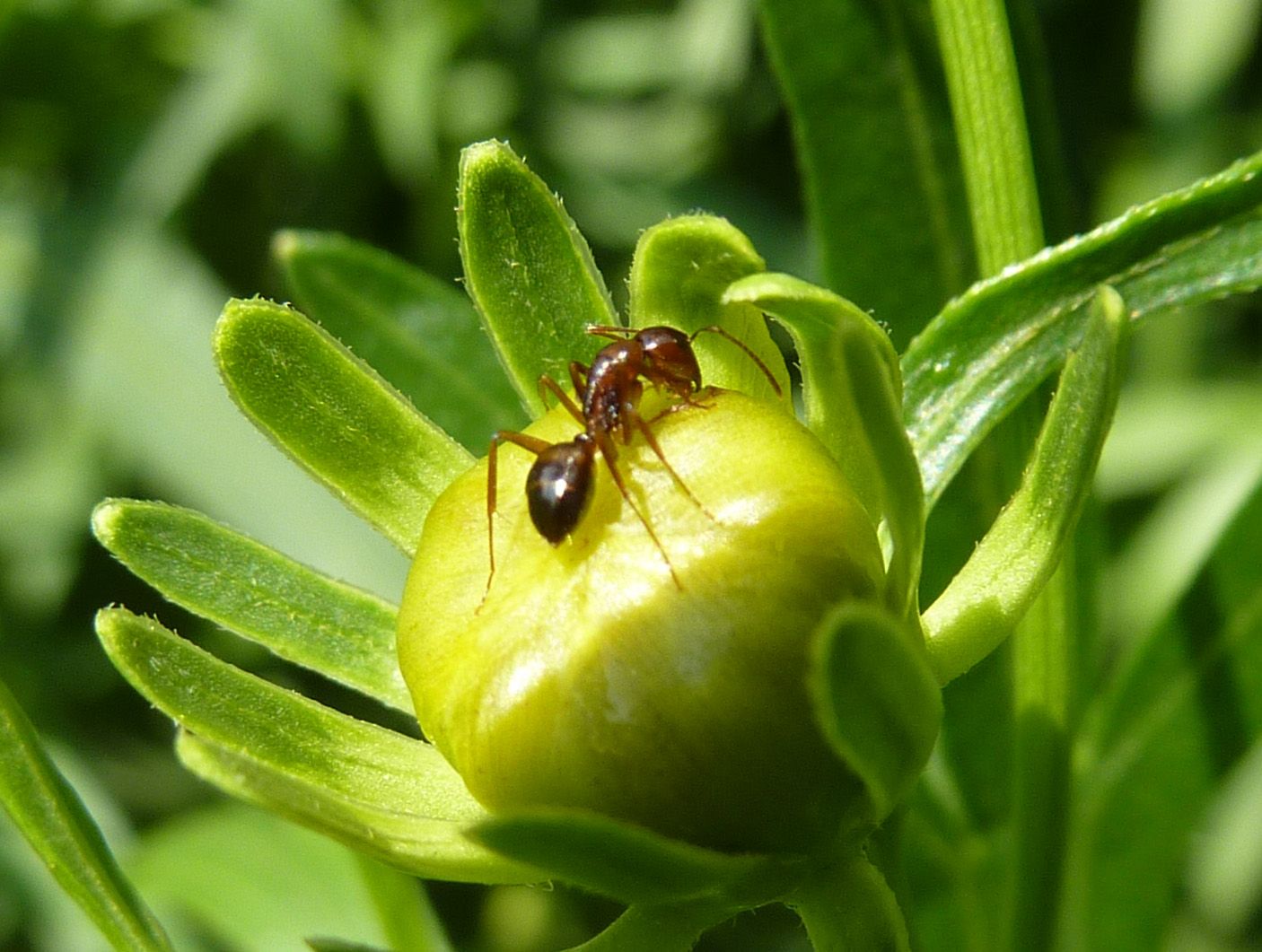
Ants actually really like Milkweed so it's one of the plants I pay attention to.
Formica especially seem to like stealing the nectar from Common Milkweed,
Asclepias syriaca.
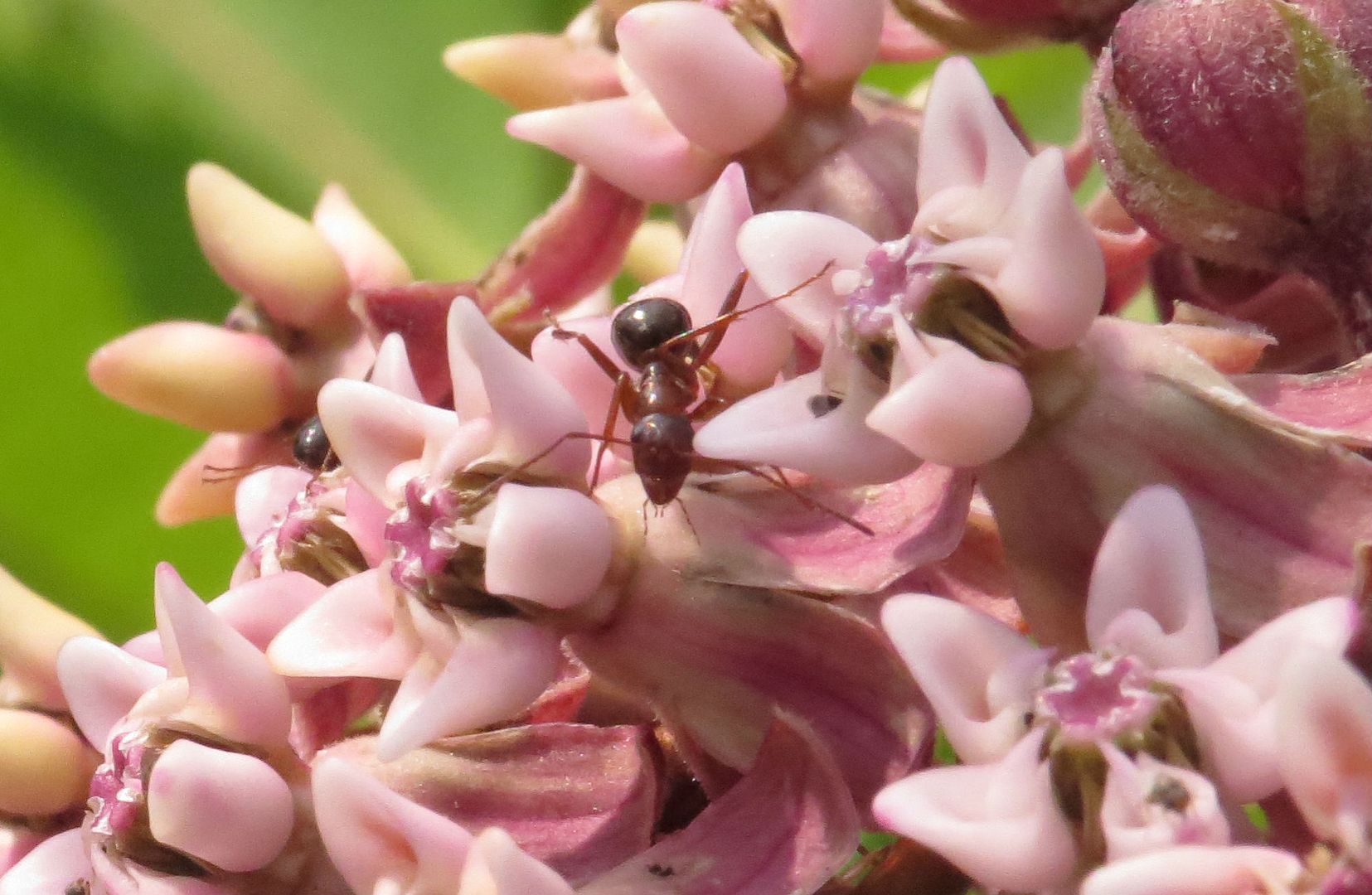
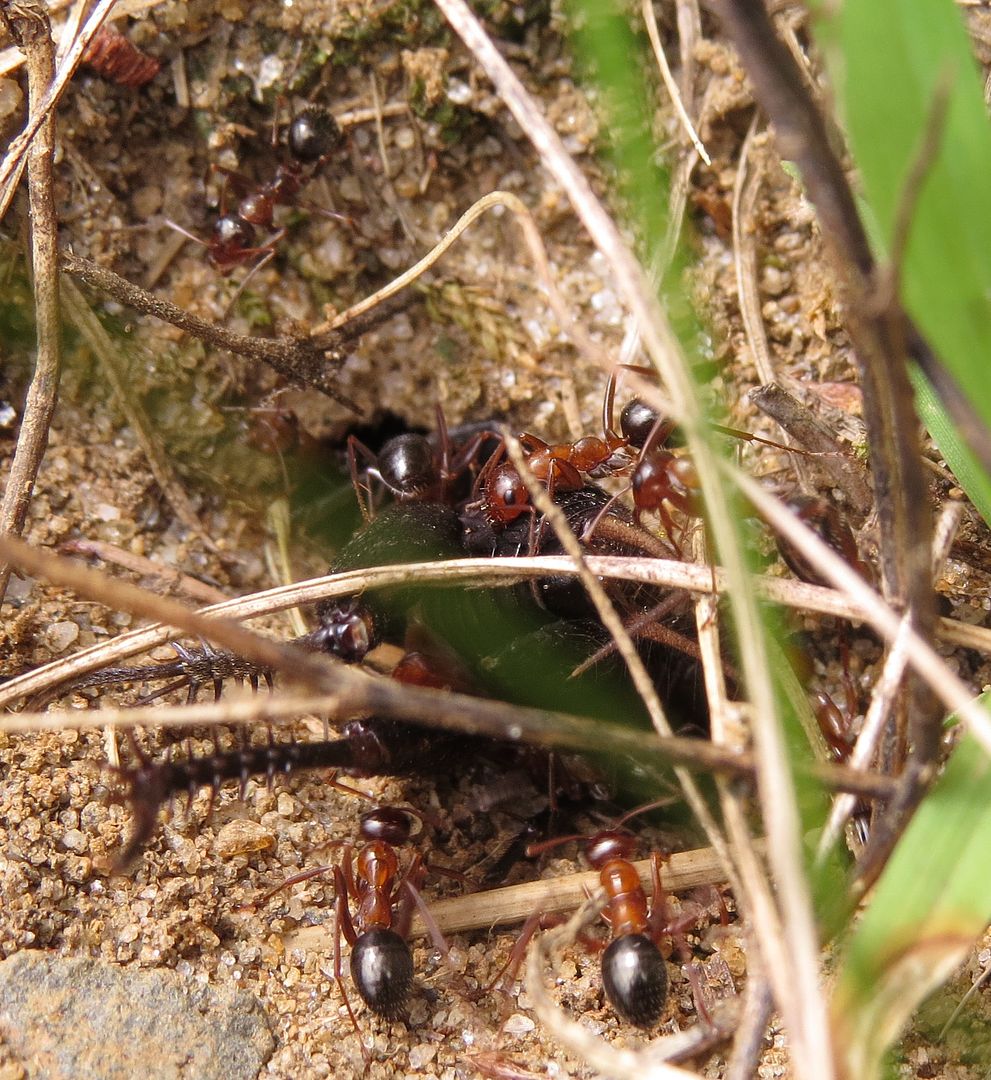
This is the dark form of
Formica pallidefulva I believe.
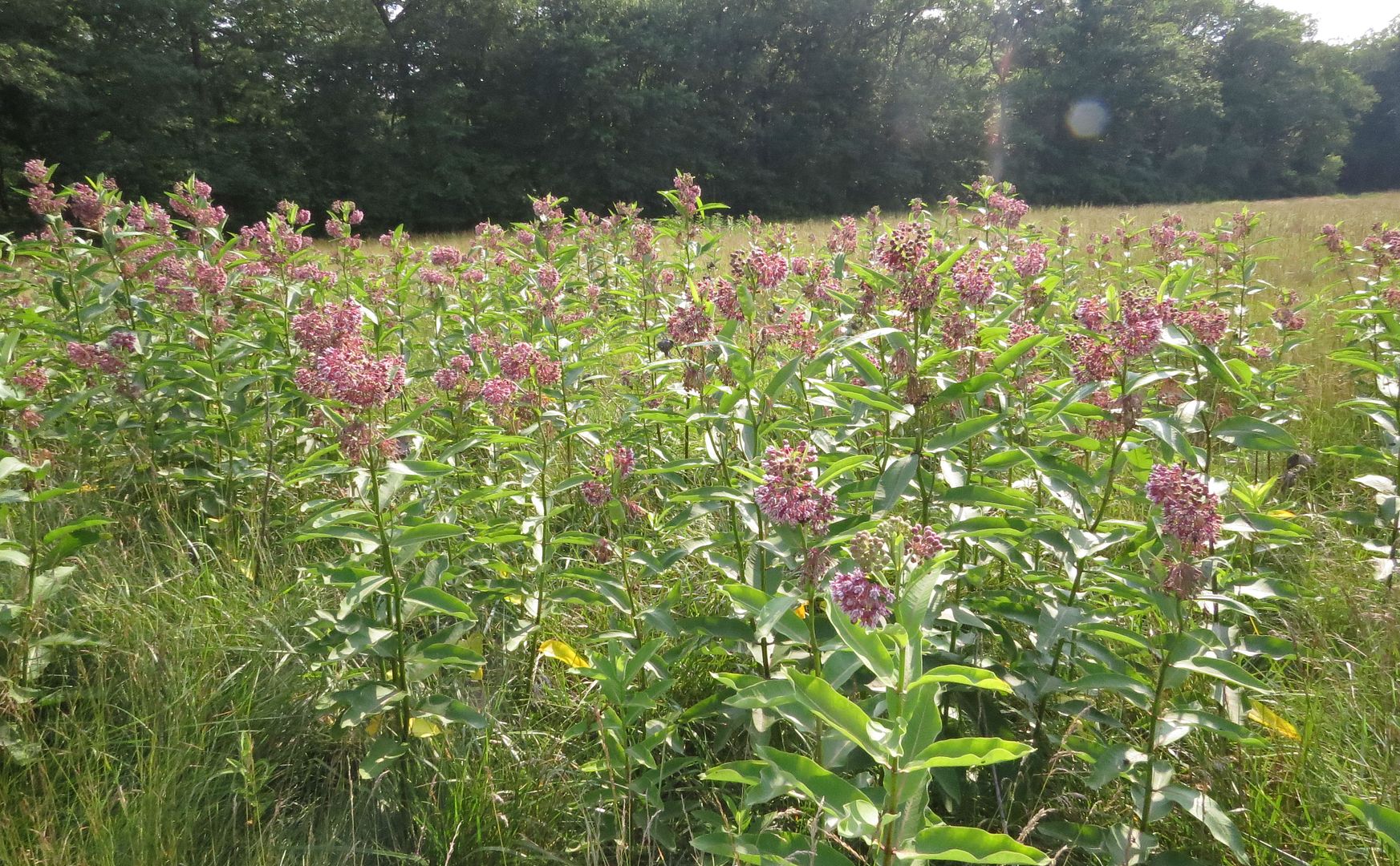
At our second location, Turkey Swamp Park, I'm happy to say they seem
to finally be doing something with that wide open field. Namely just
not mowing patches of it here and there so the milkweed gets to grow.
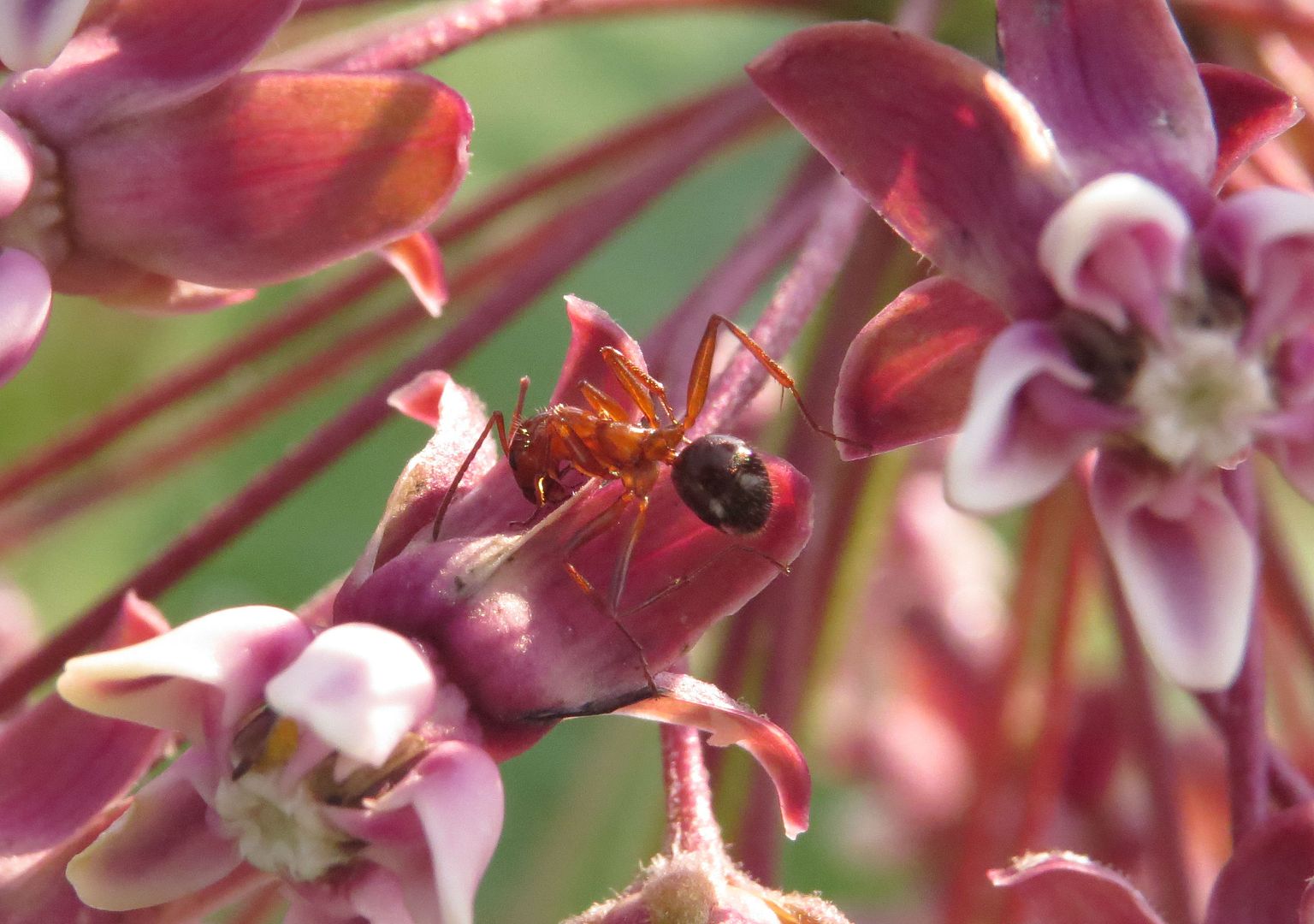
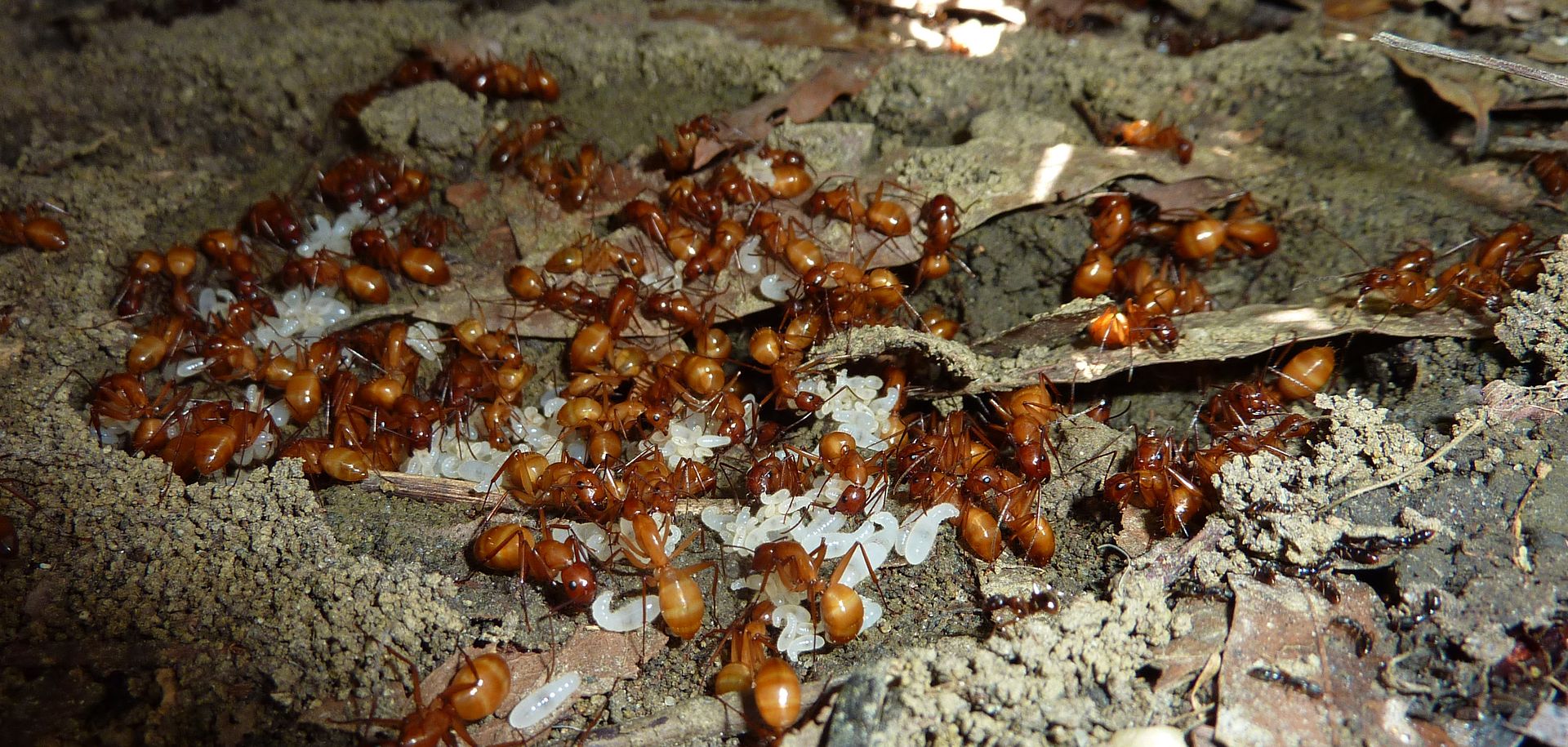
It's here where we found yet another species of
Formica all over the flowers. And I think this is the same as the next one below... this milkweed patch was right between the
F. exsectoides super colonies, and a population of some other
Formica who's majors rivaled the size of
C. chromaiodes majors.
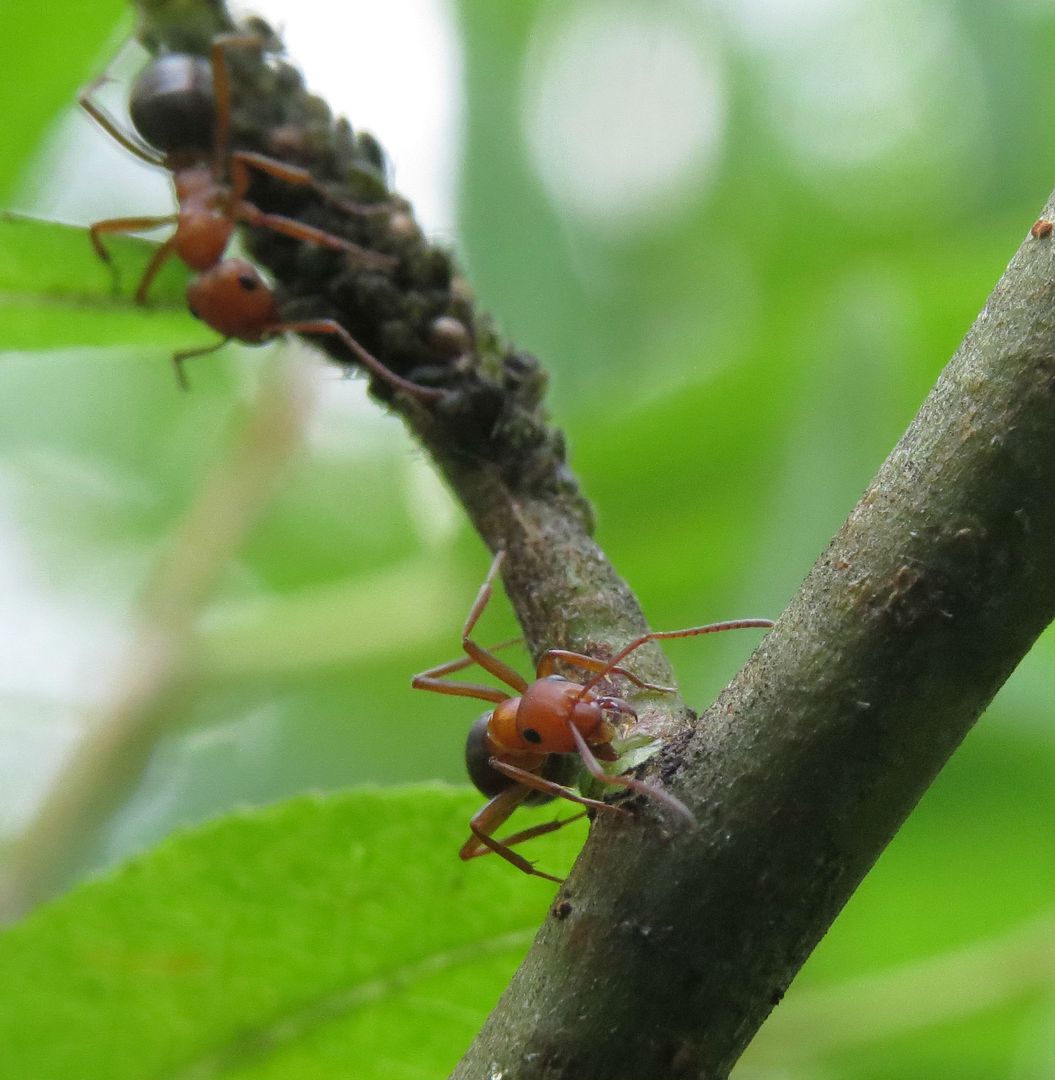
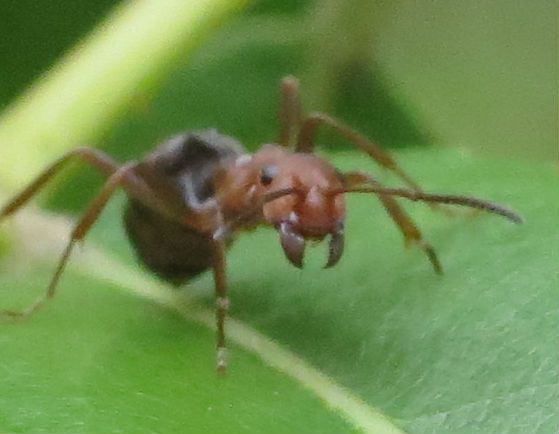
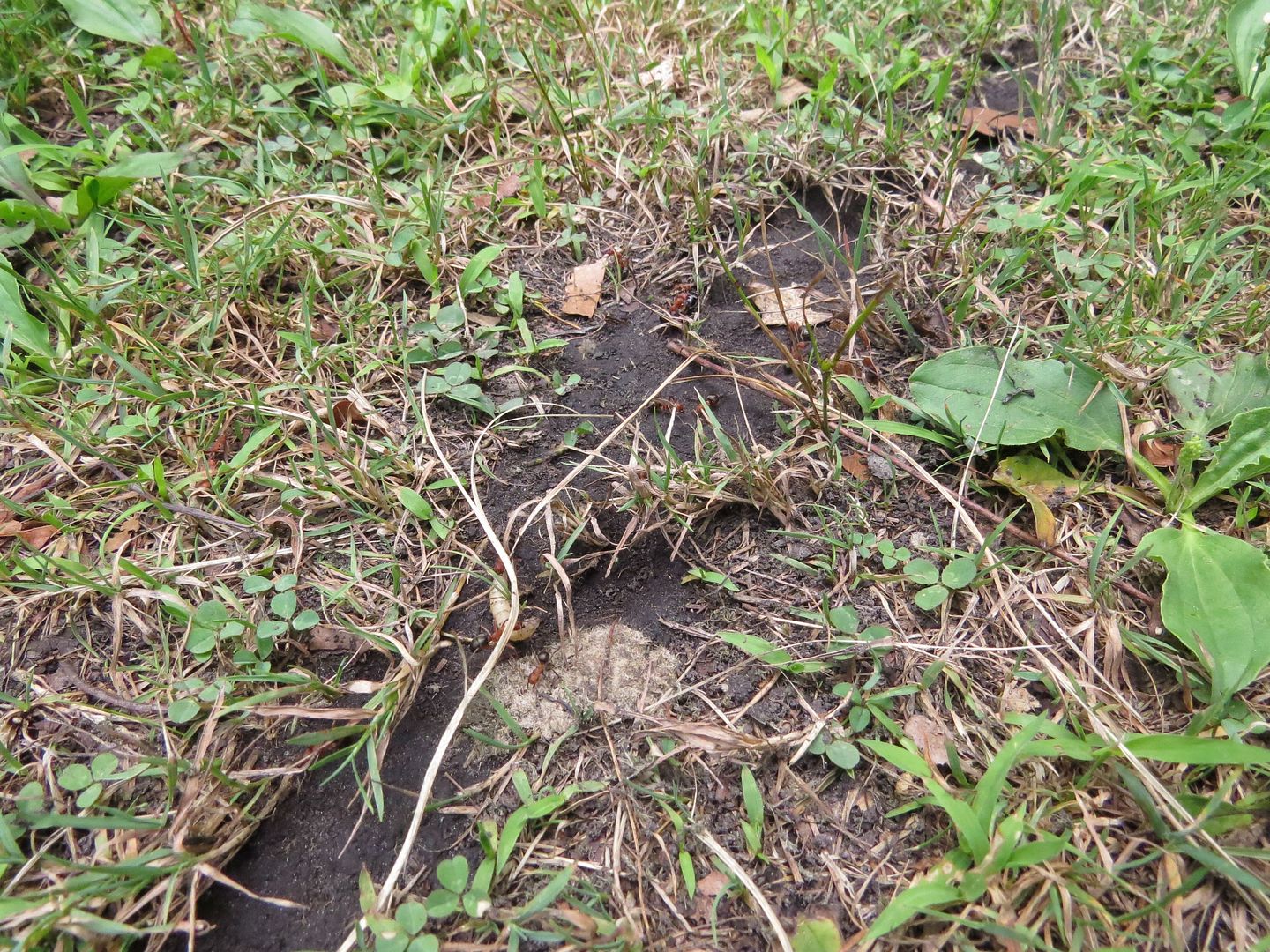
What's neat is they actually had foraging trenches dug out that
occasionally dipped down underground. And we found multiple trails like
this coming from the forest to some plants that were growing along a
lake/stream where they were tending to droves of aphids like an assembly
line.
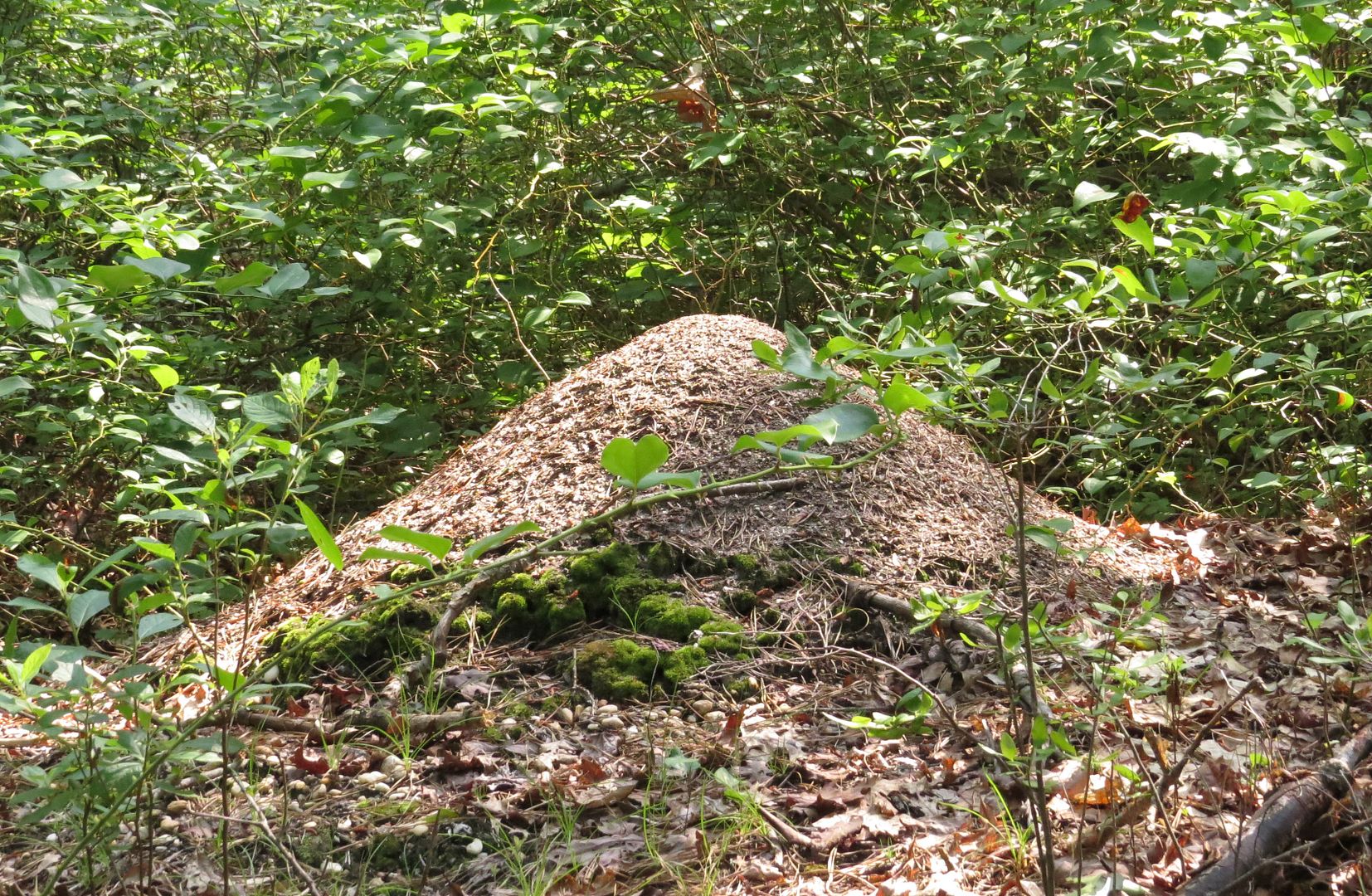
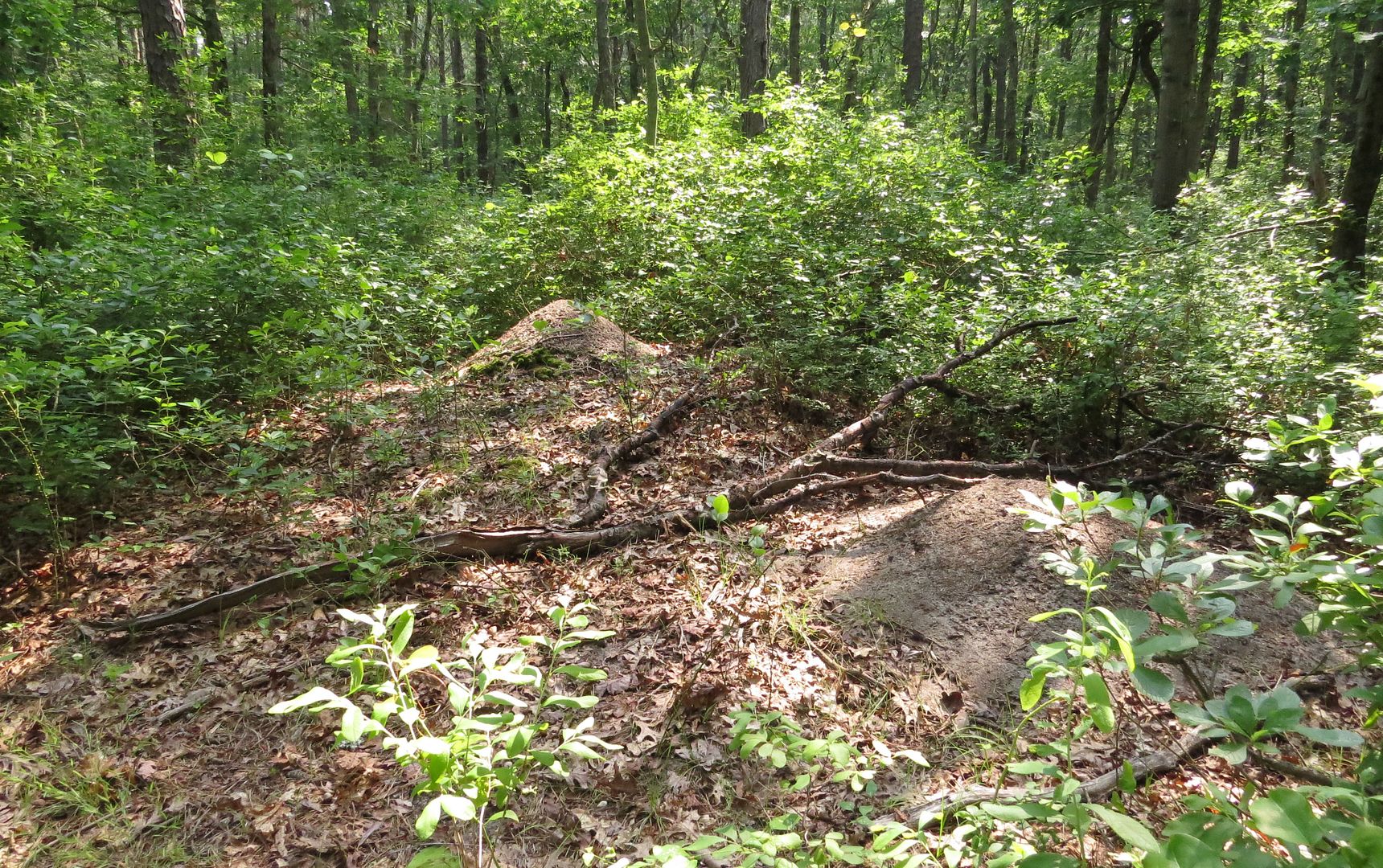
We found quite a few more
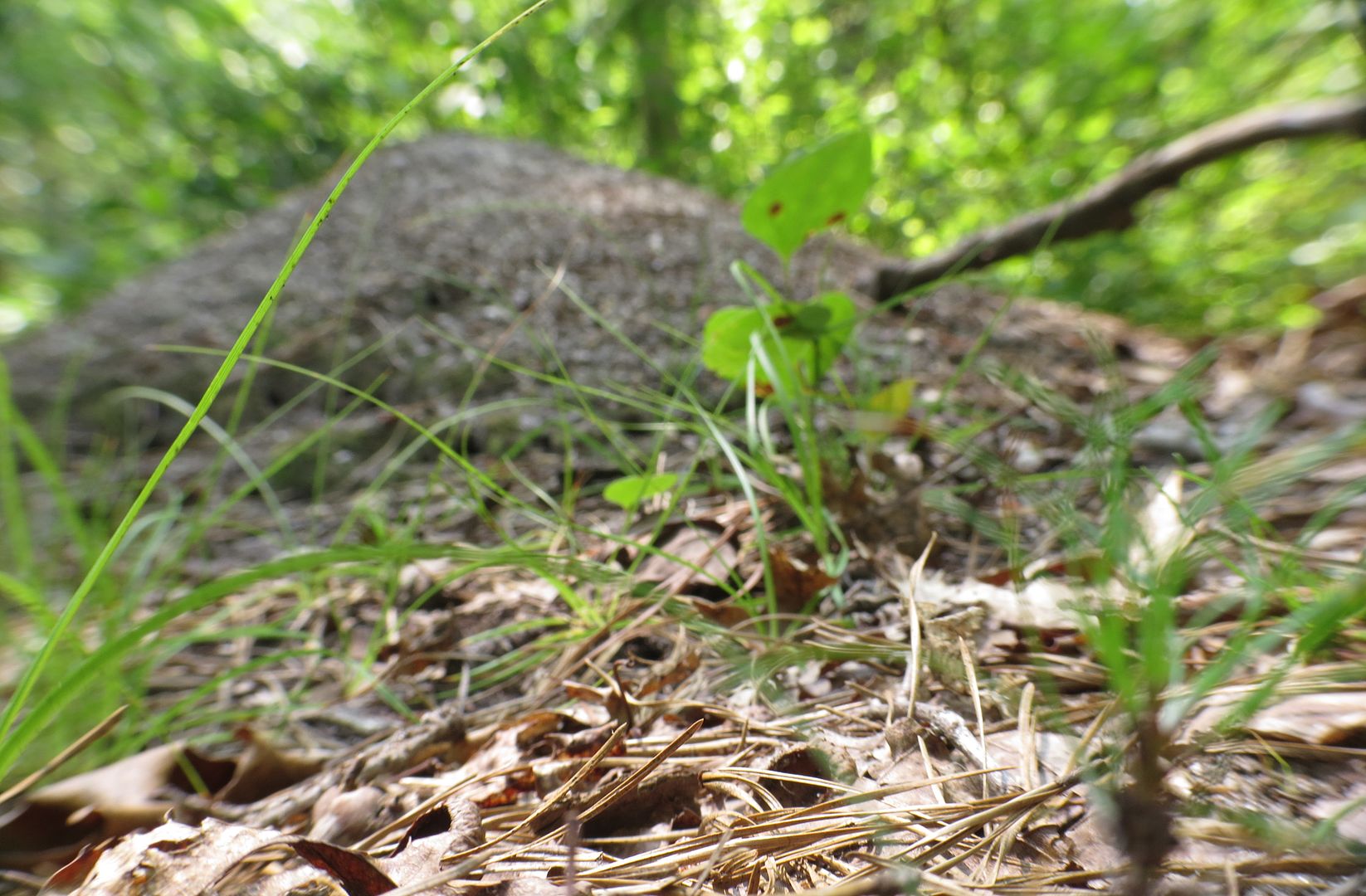
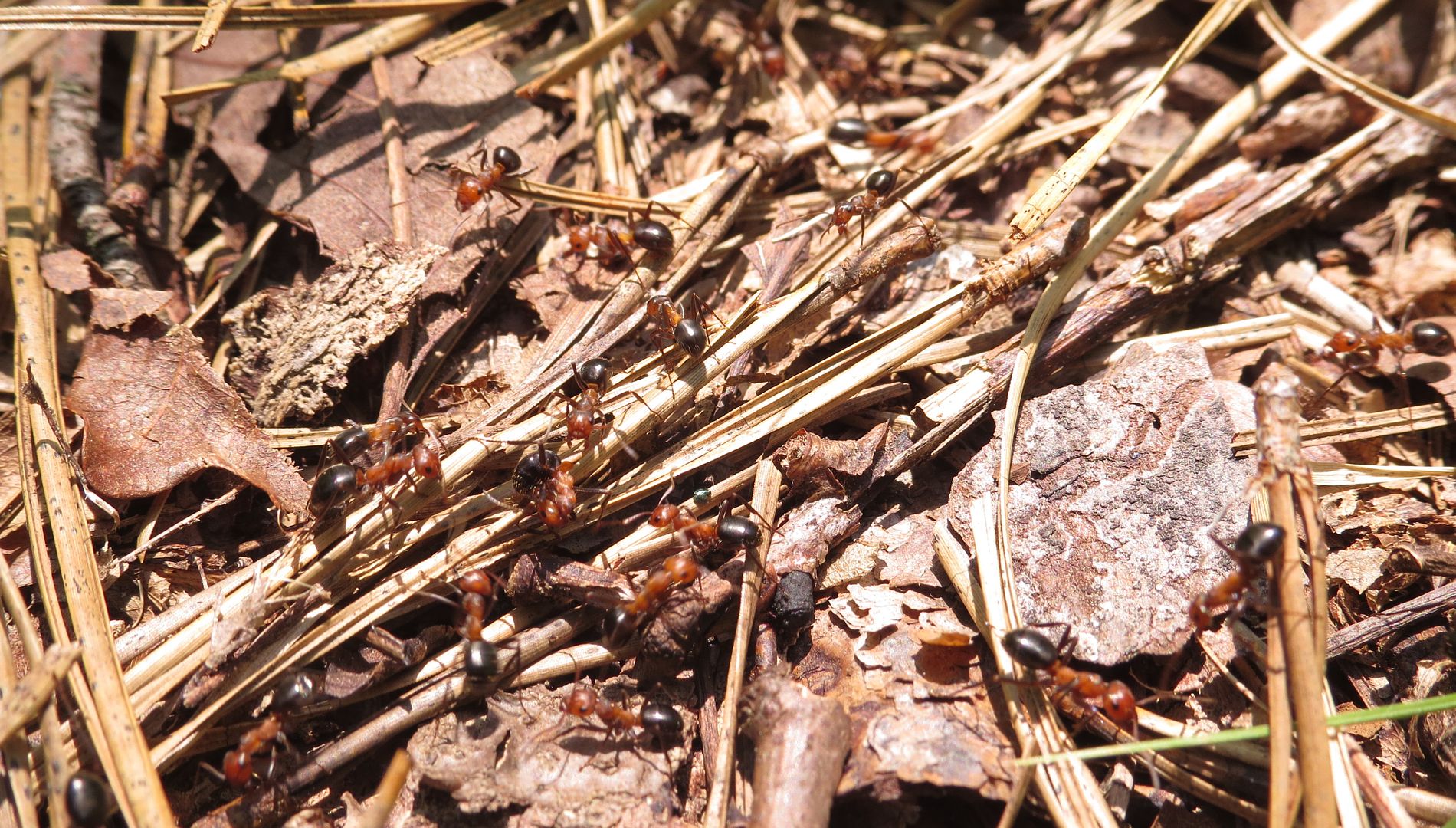
Formica exsectoides mounds this
years. They were far more active, like 10 times more aggressive, and
very pissed off that I inserted an endoscope into their mound. The video
didn't really come out though... kind of like a horrifying colonoscopy
video really.
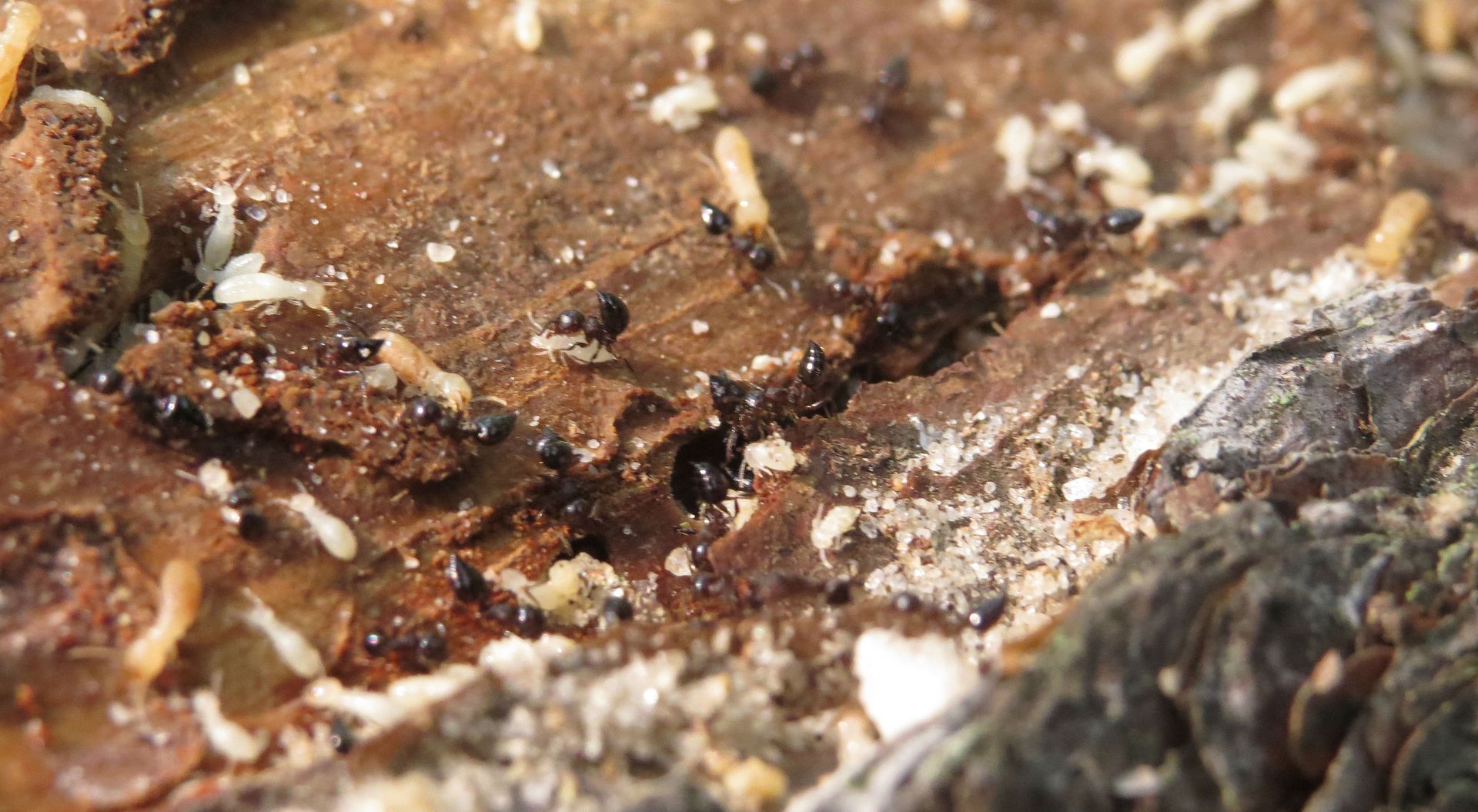
We also found Termites nesting just beneath the bark of a tree, and
just below that a Crematogaster colony had a brood chamber which we
broke into unexpectidly thus starting a small war.
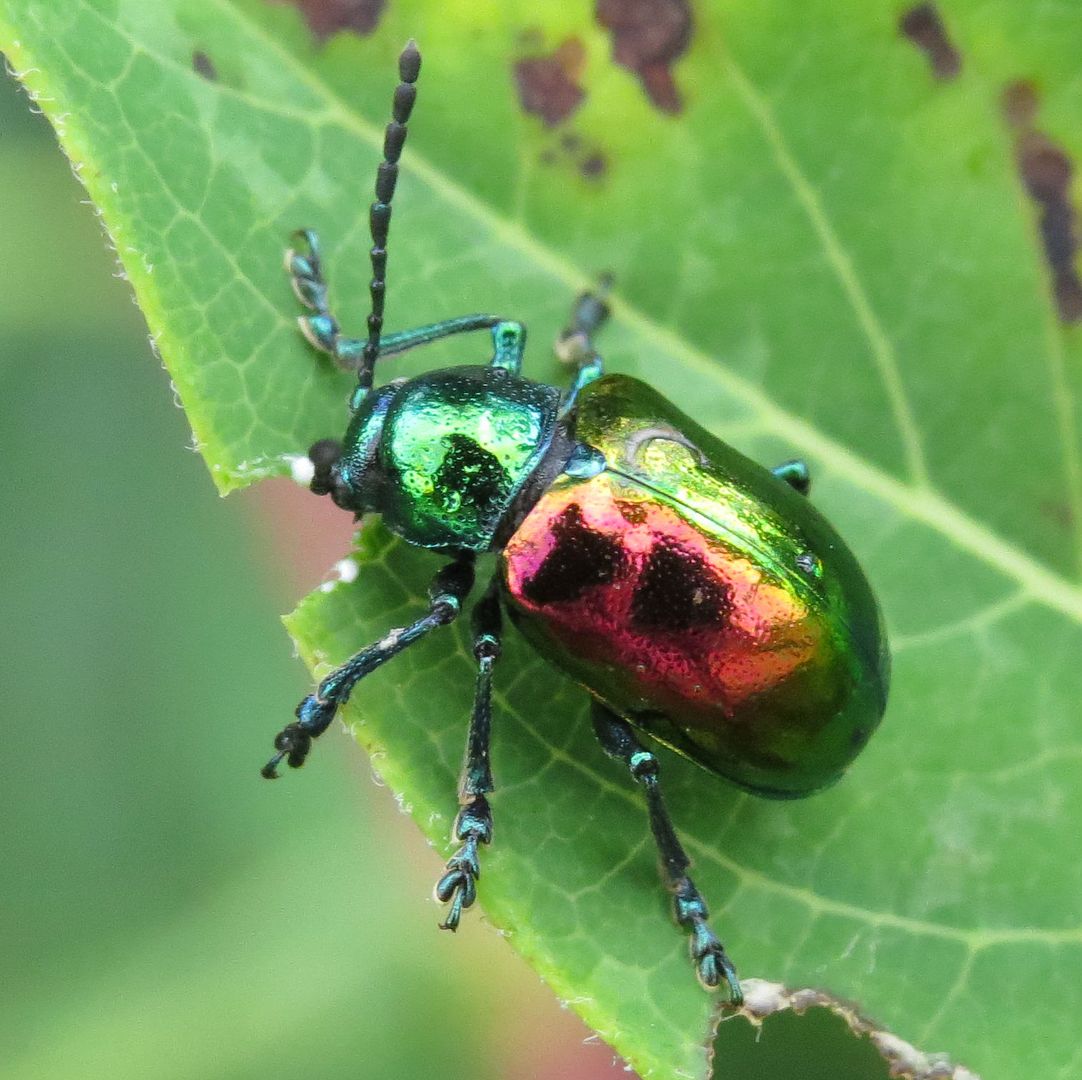
This is a Dog Bane Beetle. I like that their feet are blue.
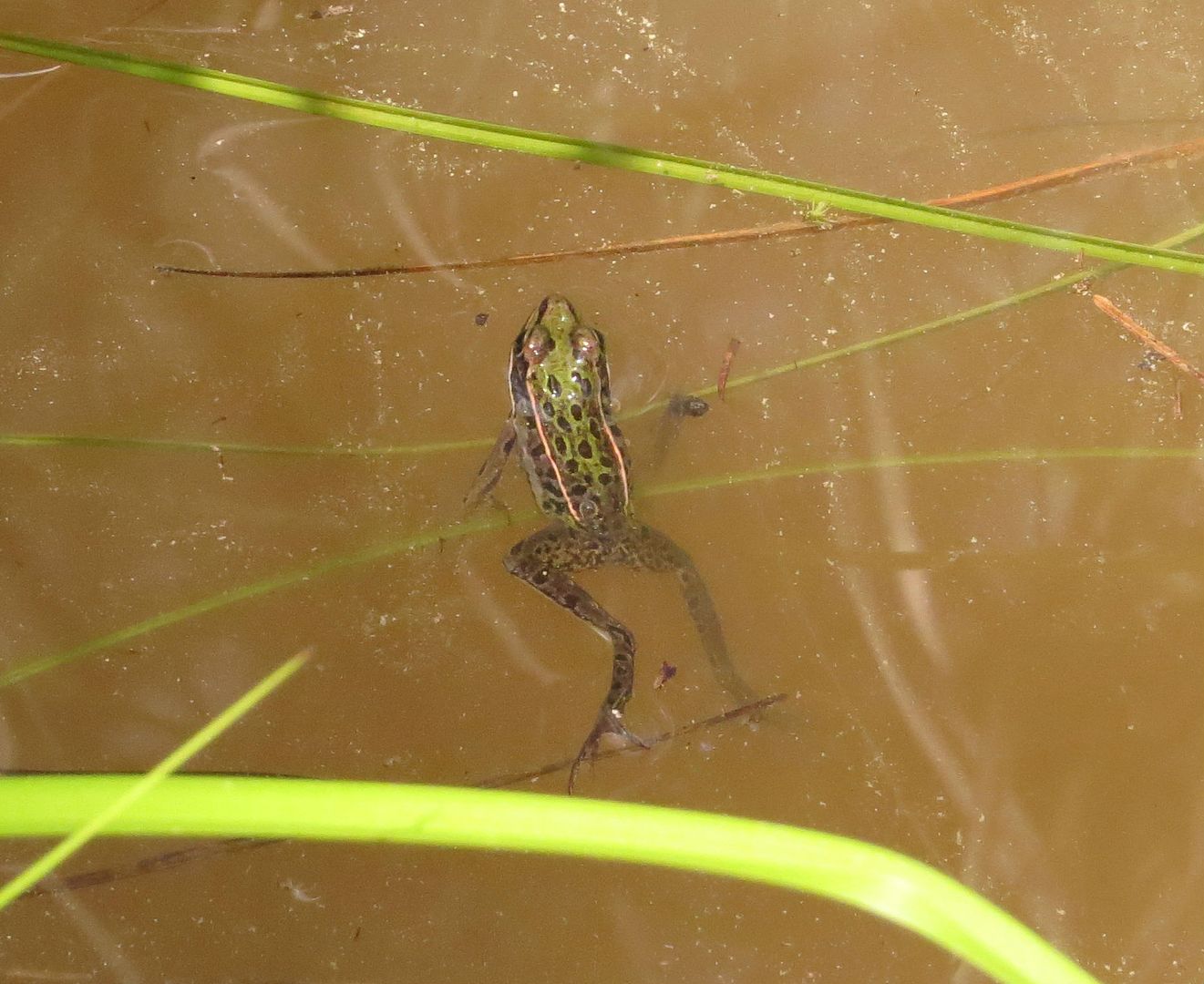
Frogs!
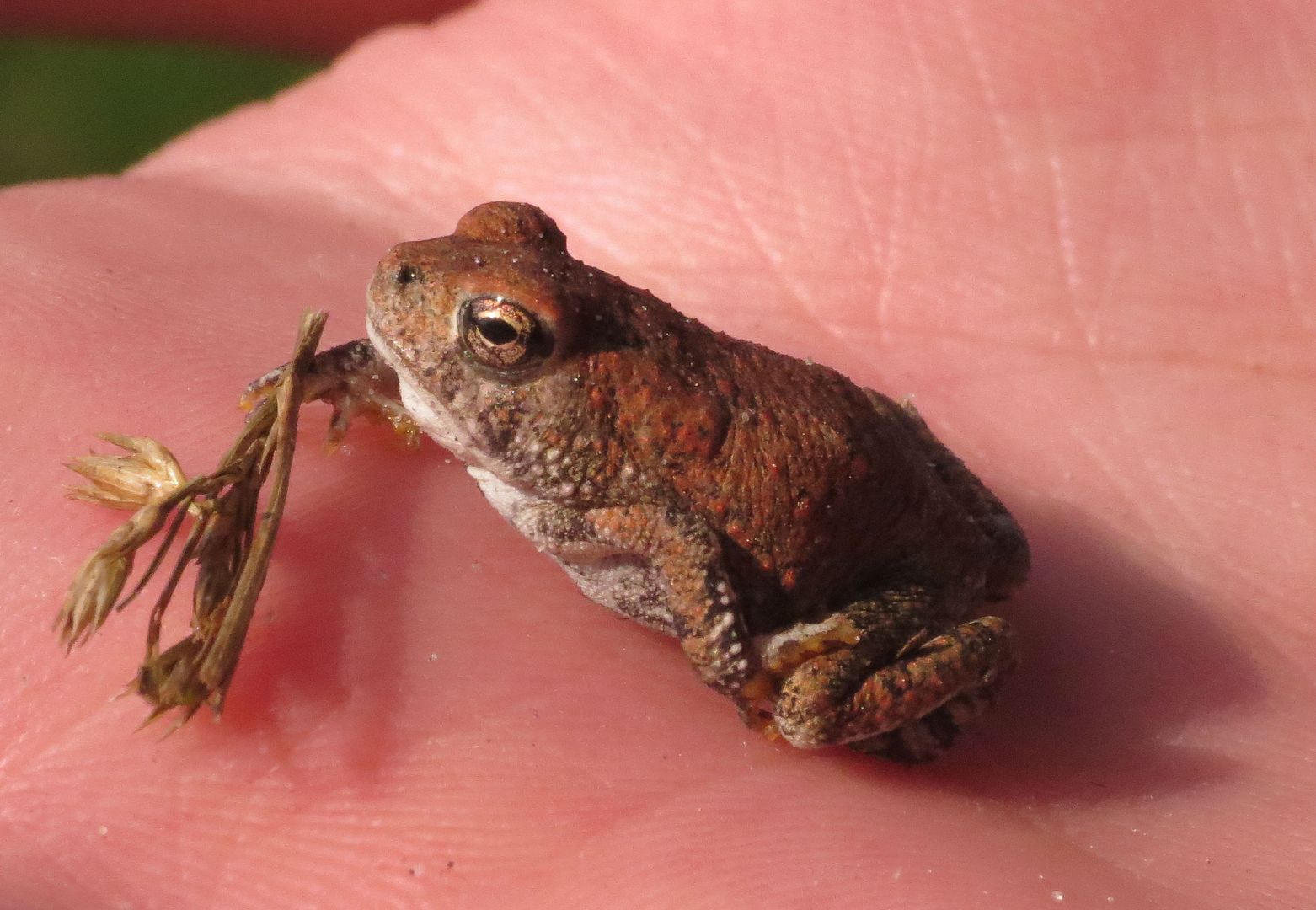
Frogs for days!
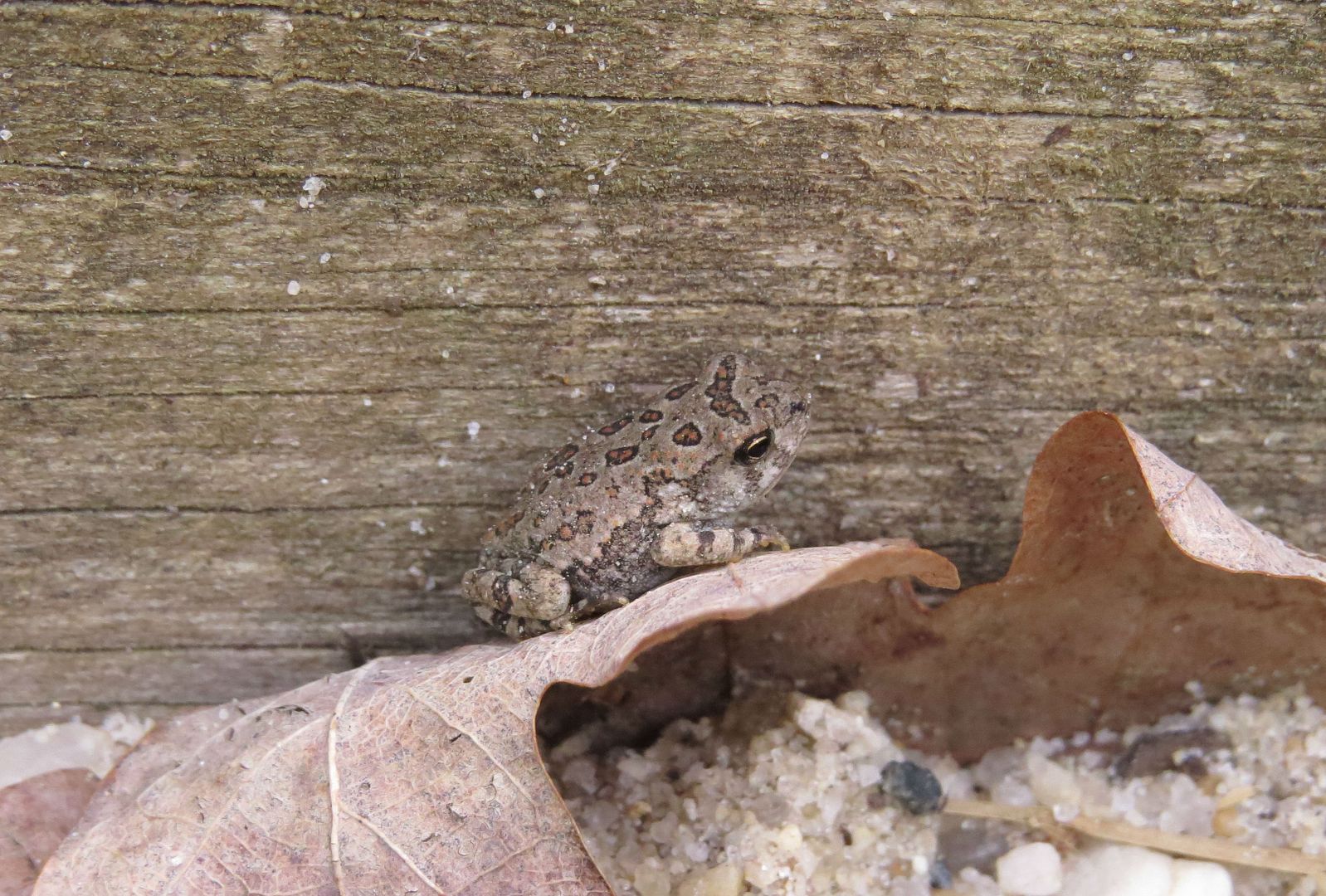
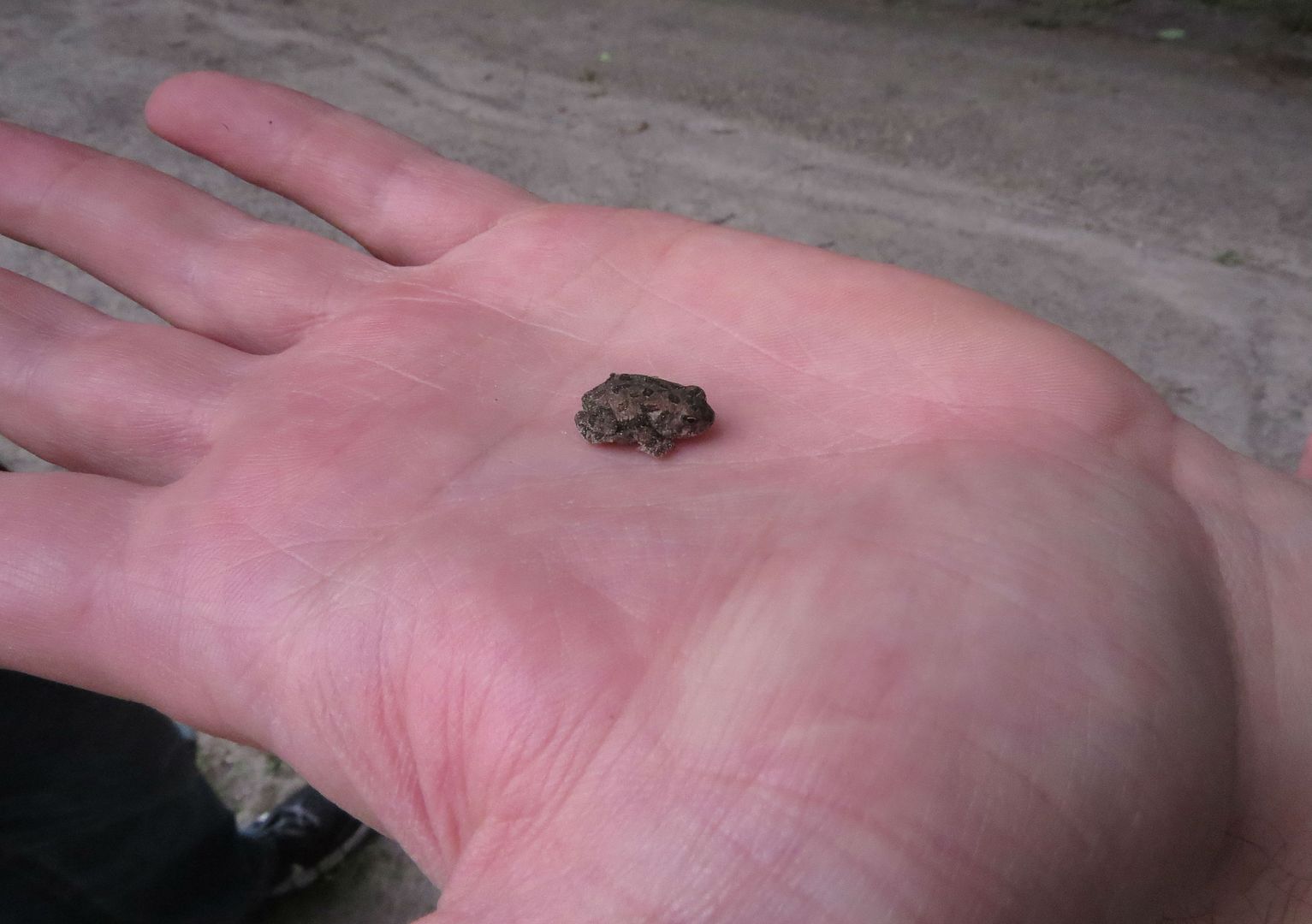
High Five?
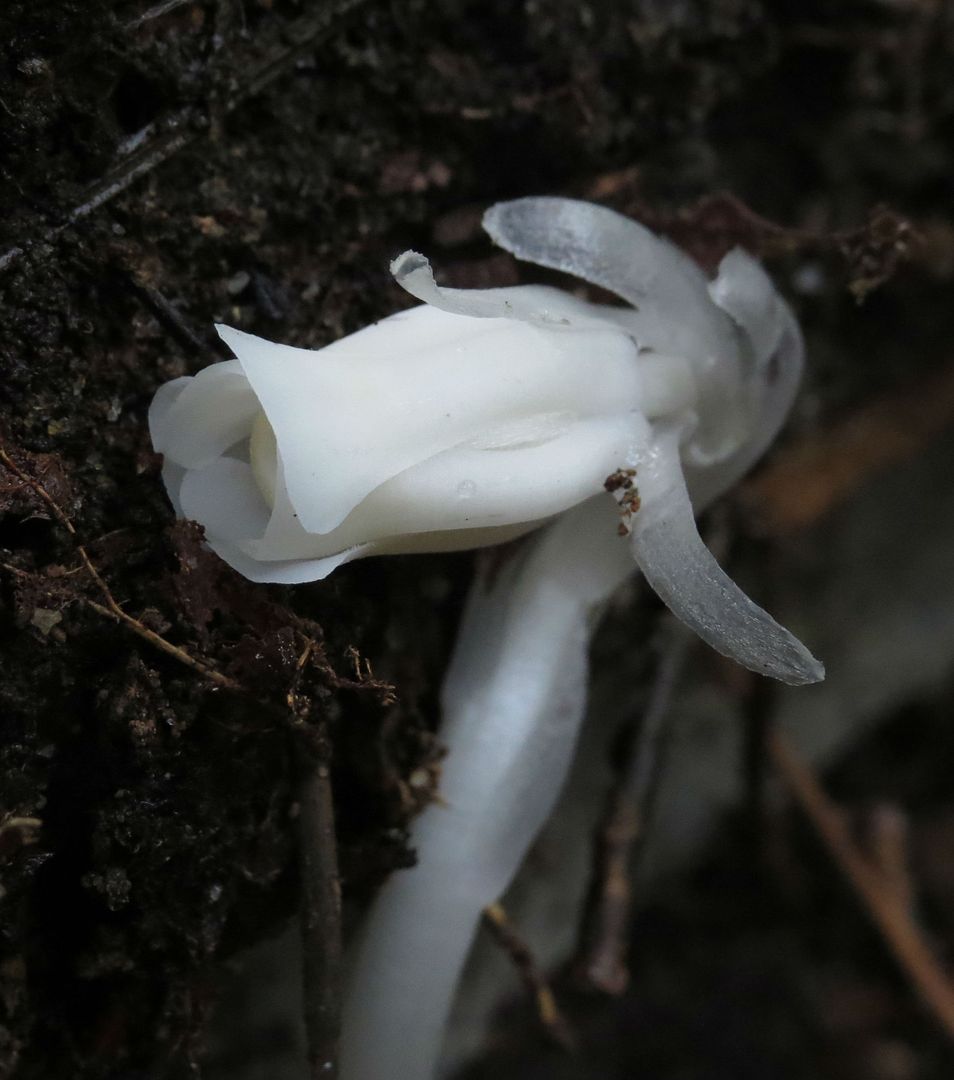
Last of all found this to be an ideal time to go looking for Indian
Pipe. This is a rare wildflower that you will only ever see growing in
the wild. It's a parasite that requires a beneficial fungi to be
prescient in the soil to exchange nutrients from an established tree,
typically a 60' tall Oak.

Oddly enough though we kept finding it trying to grow beneath logs.
Not just on one occasion but on several! Suggesting that the seeds
somehow find their way under dead wood structures, or maybe this is
where the beneficial fungus most often occurs?
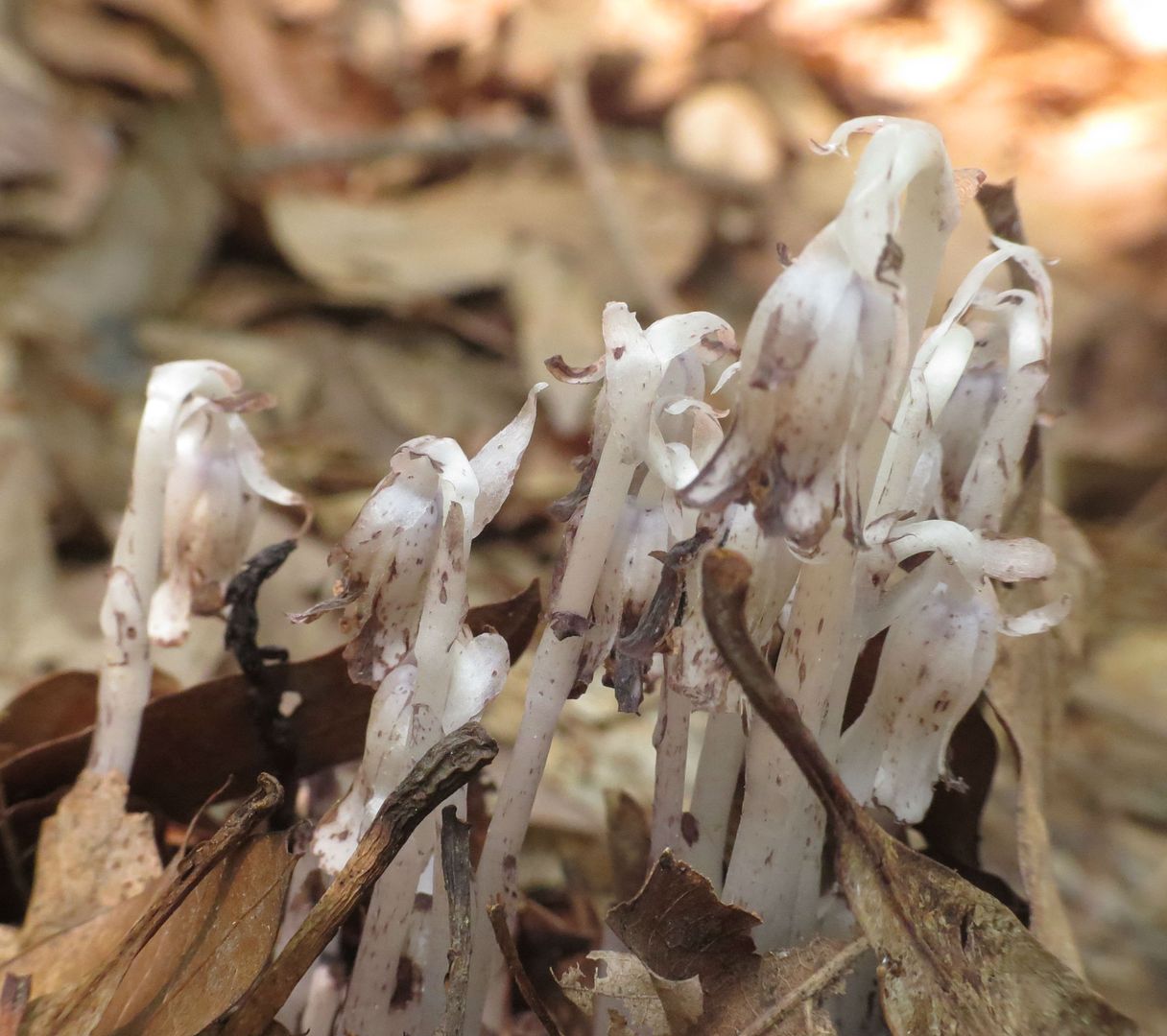
Basically because it's a parasitic plant, it doesn't produce any chlorophyll, thus it's not green but rather a frail white.
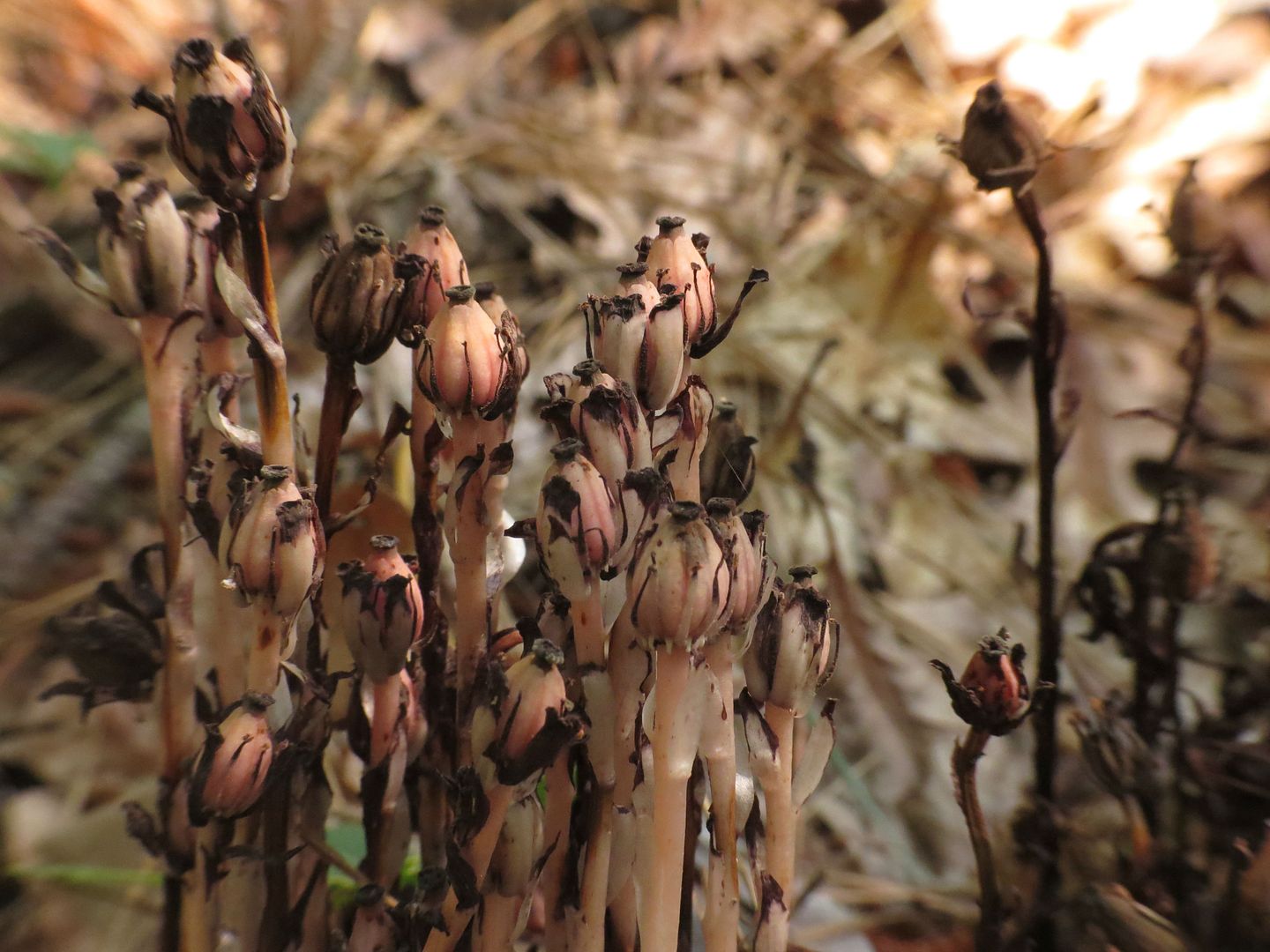
After flowering, the plant almost sorts of melts, and shrivels up into twig-like stems.
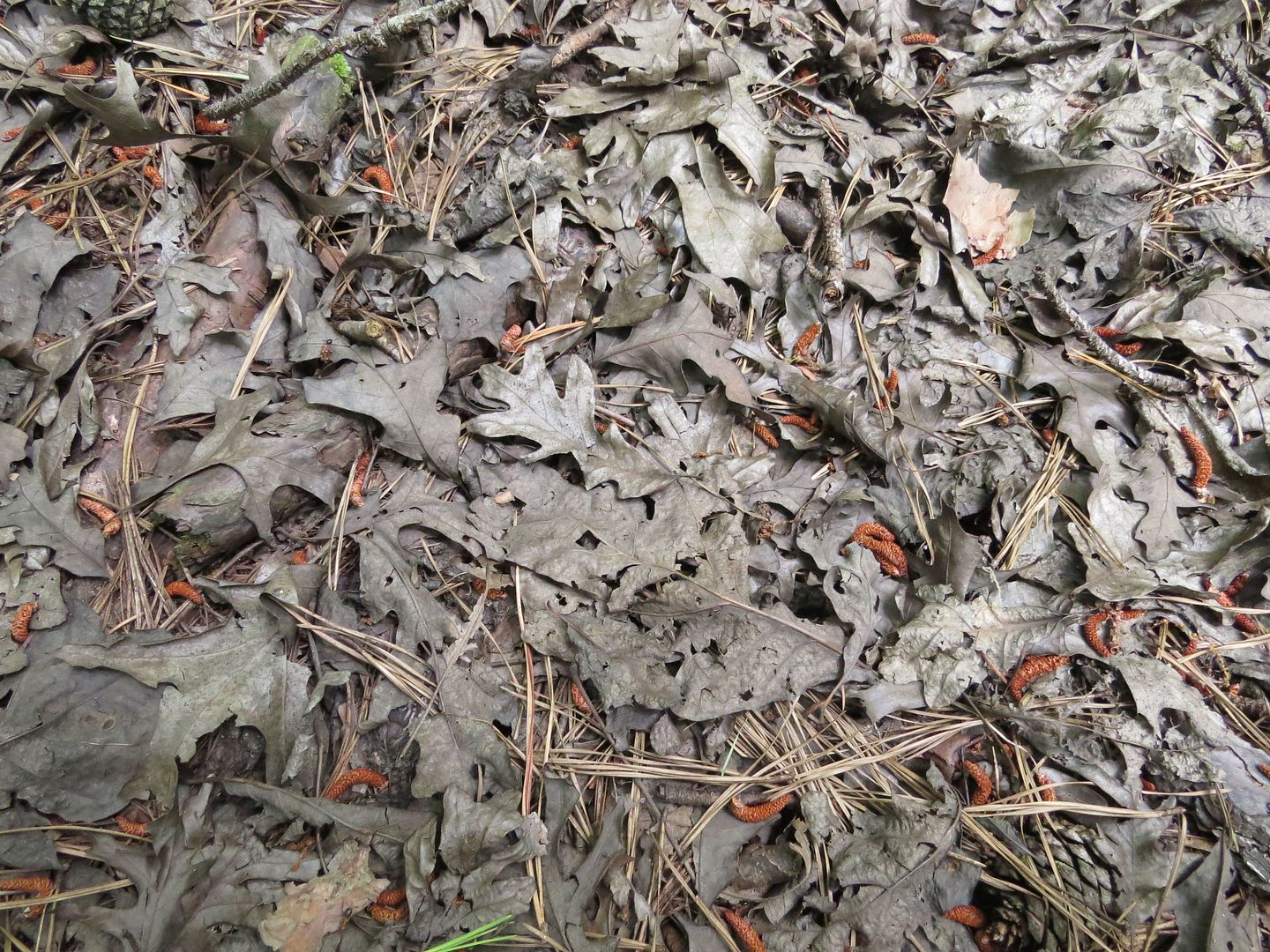
Fallen leaves in a spot that floods on occasion, apparently dyed a silver tone from the algae or something growing on them.