I saw a "meme" the other day... Basically it's a single picture usually with a sentence or caption to convey a quick thought. This one showed a whole bunch of different types of flowers and most of them had an X over them because they weren't native. This was intended to tell people to plant native plants for pollinators over nonnatives. But there was no rhyme or reason to what they'd crossed out. The only two they hadn't crossed out was the New England Aster and Sunflowers, and while these were the only two natives on the list, they hardly feed pollinators adequately through the year. I'd say the earliest either of them would flower was in July.
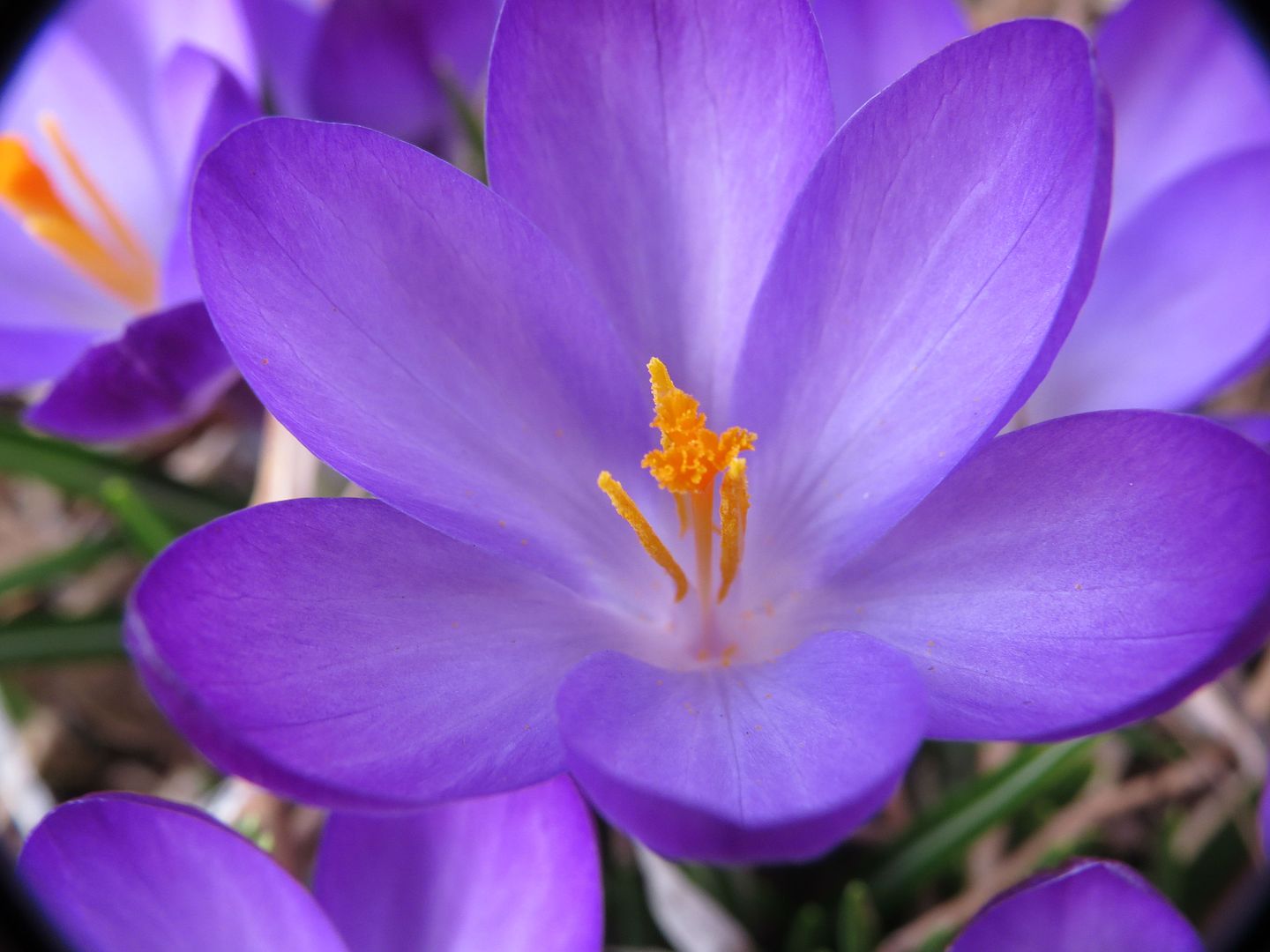
One of the plants crossed on was the Crocus. This is a nonnative bulb native to the mountains in northern Europe and Asia. To be perfectly honest, I don't know why they crossed it off. It's good to be a purest about natives and all but if your goal is pollinator diversity then surely planting anything that's pollinator friendly would work. What they should have done was listed a bunch of invasive plants with natives or even mixed flowers from around the world that aren't invasive and crossed out the bad ones.
Crocuses on their own are not invasive, barely reproduce by seed, and take forever to form a clump. What's more they're easier to grow and flower earlier than most of our native ephemeral. They're a bright source of pollen for honeybees on the warmer days of later winter into spring, and don't crowd out other plants. They can actually be planted right in your lawn and allowed to spread modestly. After flowering they form a low clump of grass that later dies back in the summer.
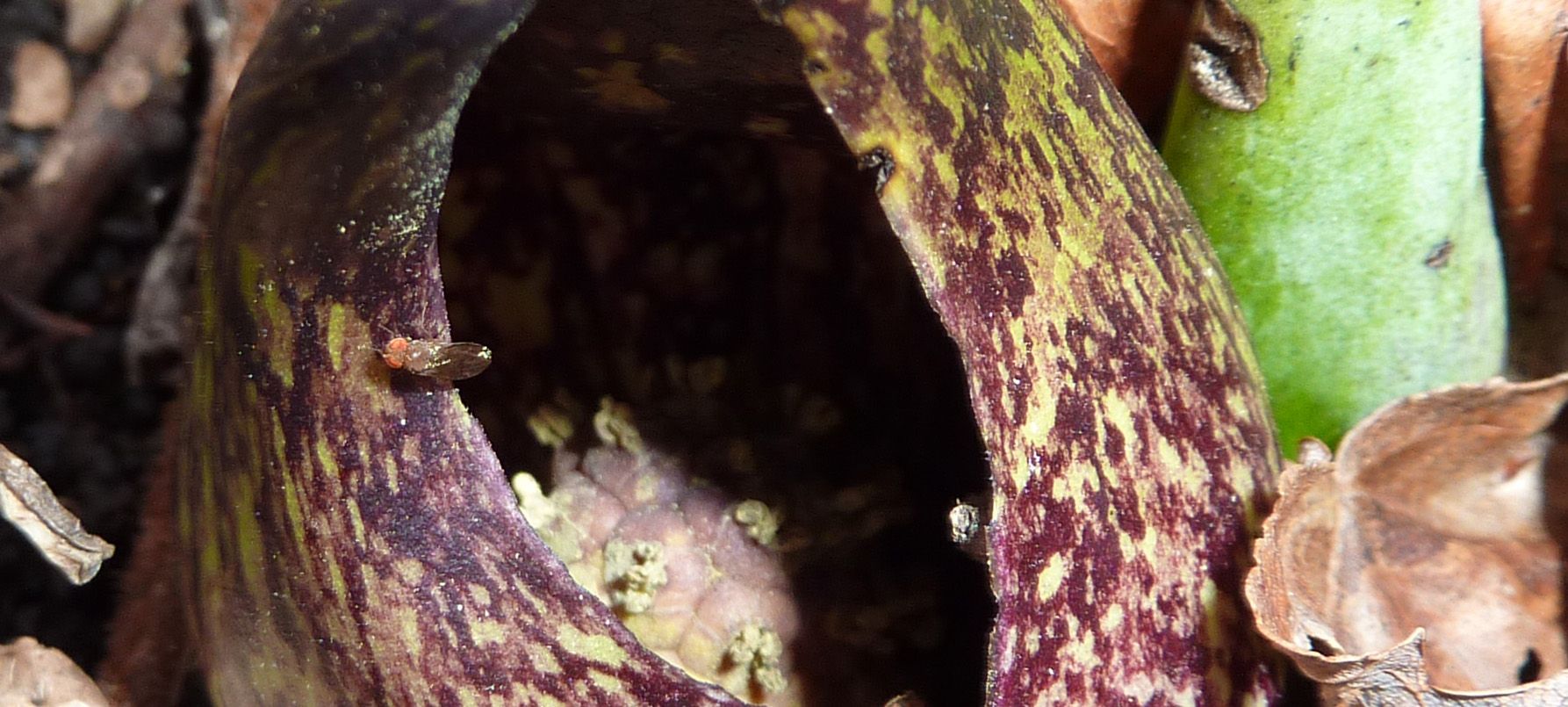
Natives blooming at this time are few and far between. Symplocarpus foetidus, Skunk Cabbage, is flowering out in the wetter parts of forests now but flies visit their foul smelling flowers more often than bees.
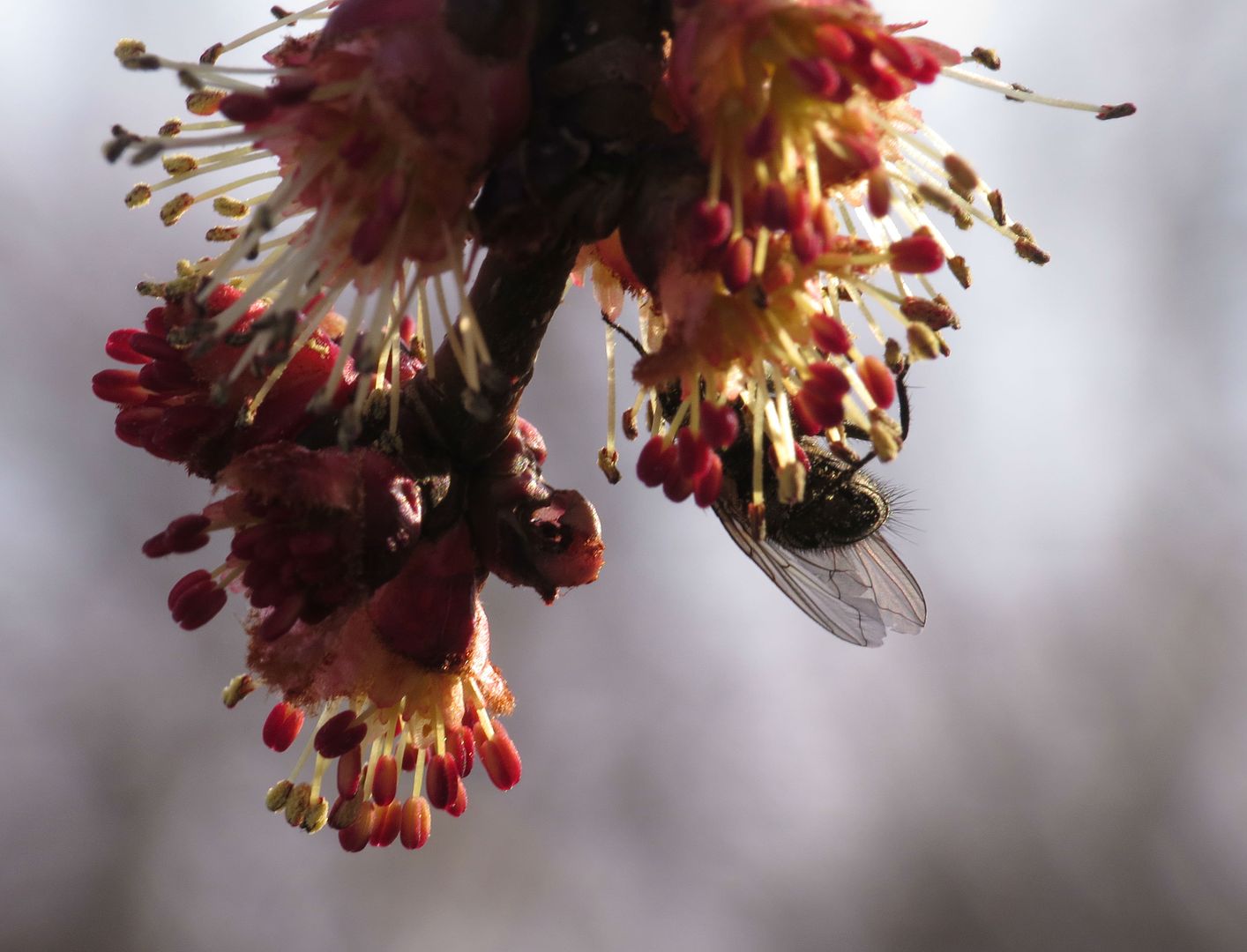
The earliest Maples, Acer sp, have also started flowering and will become the main source of early nectar in the coming weeks. Here I managed to find a common house fly pollinating the blooms on a low branch. There were a few bees about too but their images came out even worse than this one. Willows, Salix sp, have also been flowering for a few weeks now but are only a source of pollen. Most shrubs in the genus are wind pollinated but insects can't help but collect it anyway. So when it comes to pollinators we shouldn't be crossing plants off the list just because they're not native. The only ones that should be avoided are ones that are invasive, or perhaps double flowering and cultivated into sterility. Native alternatives to Crocuses would be either Pasque flower (native to the mid-west) or Hepatica, but neither are flowering at this time as far as I know.
Earlier in the week I took a walk through the woods. Normally on the first warm day of the year (70F or higher) the Winter Ant, Prenolepis imparis, is holding their nuptial flights. But it's been unseasonably warm here and fairly dry for the month. Normally melting snows and rains keep the ground moist so these ants can fly and have no fear of digging into hard soil. So it's looking like they're not going to fly until some rains move in.
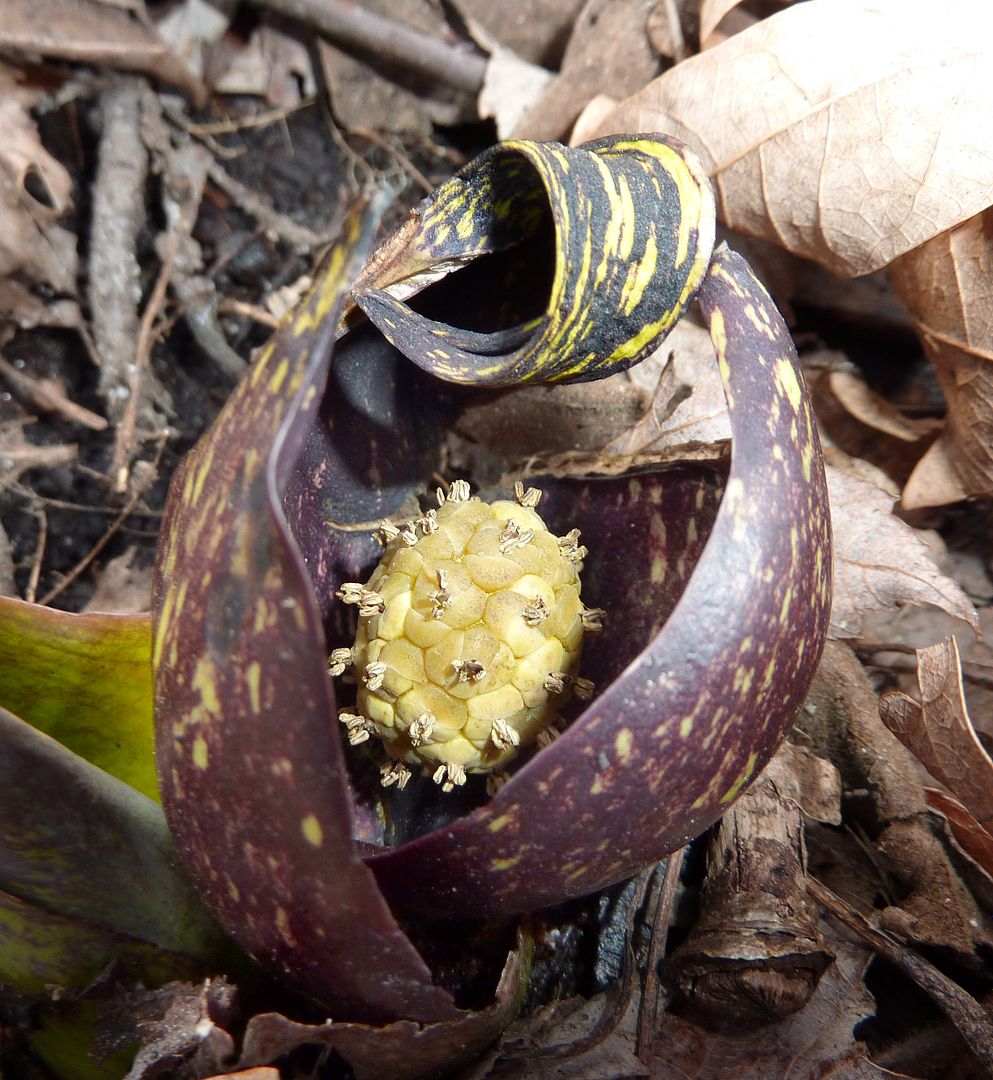
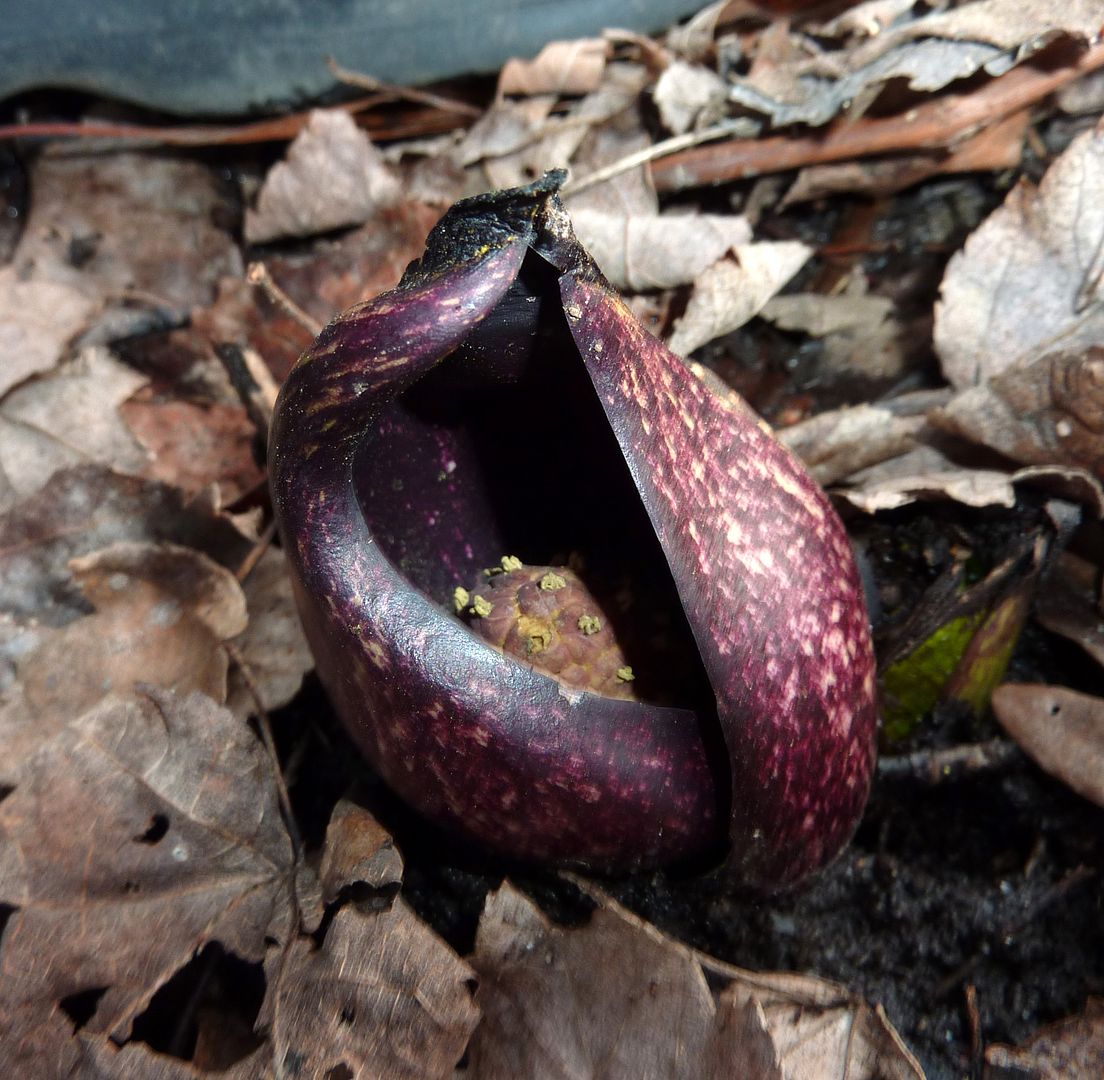
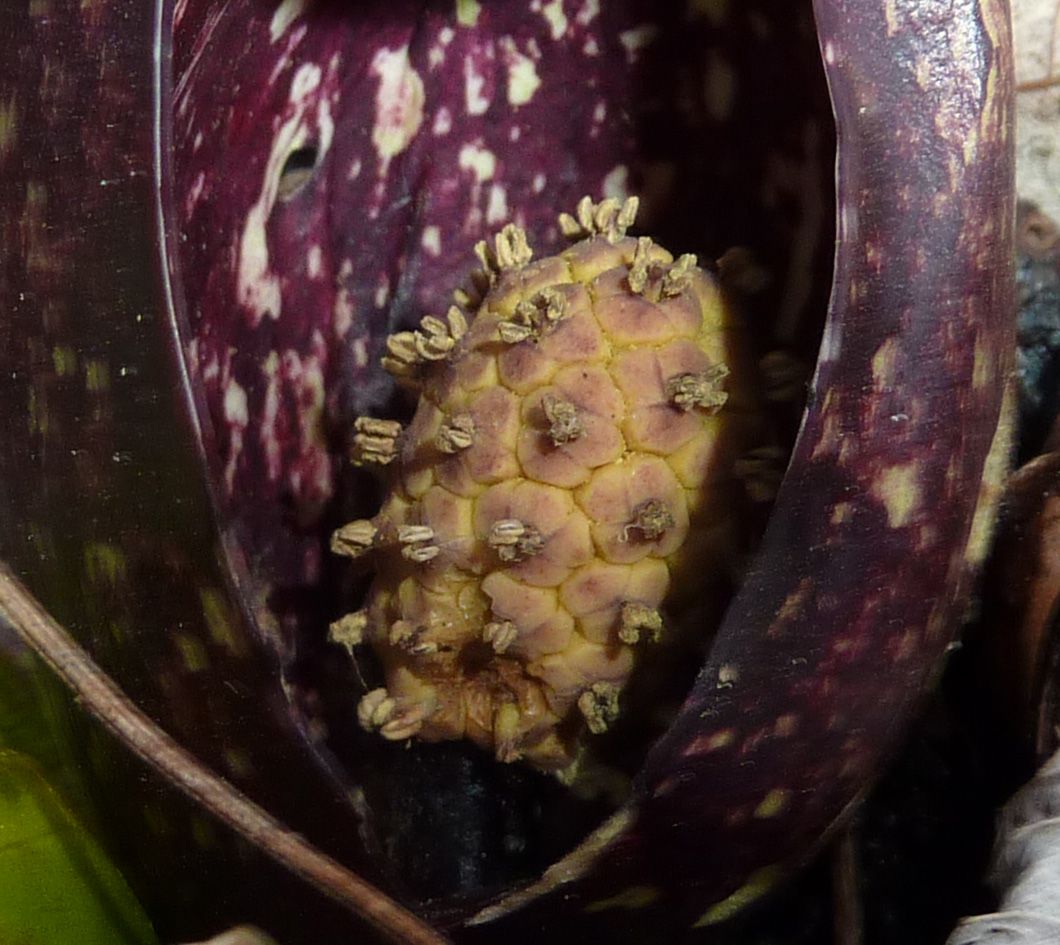
While I didn't find any ants, I was able to find some Eastern Skunk Cabbage, Symplocarpus foetidus, out blooming.
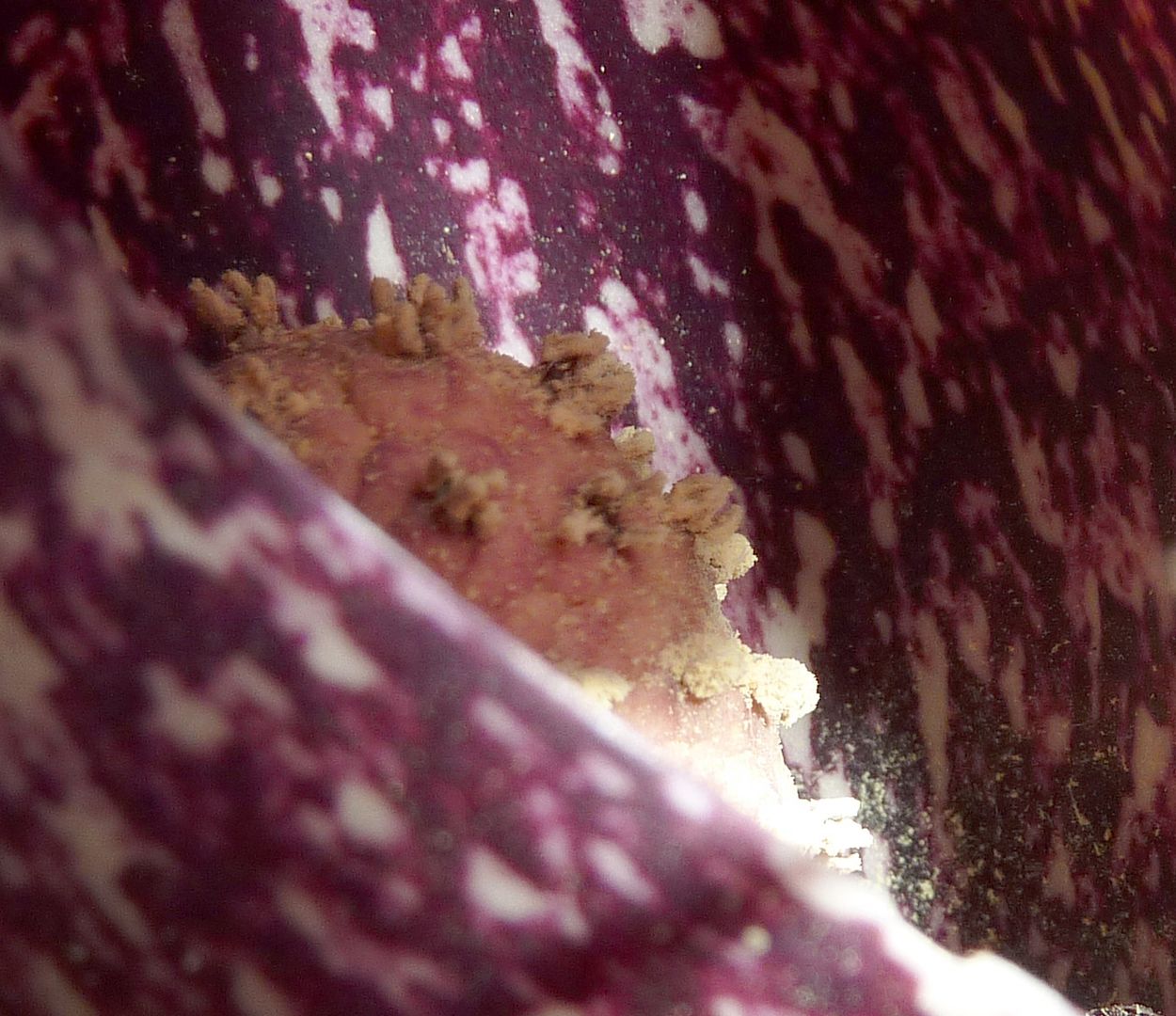
This plant is more easily recognized by its smelly cabbage-like leaves in late spring and summer (I'm not sure if it dies back or not). The flowers are among the earliest to bloom and produce their own heat to melt on through the snow. The hood around it provides shelter for early pollinators, mainly Bumblebee Queens, Honey Bees, Carrion Flies, and Beetles.
The flowers range from the size of a tennis ball to about that of a soft ball. They're also tricky to spot and if you're not careful you'll be walking through a patch of them without realizing it. They grow best next to creeks and wetlands, but not typically in the sandy banks; they're more a layer or two inward. Locating patches of black decaying muck (as seen above) is a good place to start. This type of area can be tricky to walk on so step with caution. They'll also be growing in areas around these muck patches. In the absence of sandy banks, plants may even be right in the water partly submerged.
The flowers open and close with the sun. In this way they can keep their pollinators nice and warm over night.
Folklore enthusiasts enjoy pointing out that after pollination the hood does not open up again and thus "becomes a tomb for any pollinators locked inside!" While I'm sure this does happen, I have to say of the patch I looked at I was having trouble finding flowers that didn't have some sort of tearing or damage to them. I'd go as far to say mining and carpenter bees could easily chew their way to safety.
One road block though might be the foul odor this plant is know for. The flowers don't omit it much but the fleshy parts of the plant sure do when broken off. (Maybe this has an adverse effect on insects chewing on the plant?) Once the green leaves grow in and the wind starts blowing, I recall it's hard to find plants that don't stink something awful. While it is native, I can't say I recommend it for the garden. Though it does have a Jack in the Pulpit quality to it.
The flies and beetles are attracted to this plant for the foul odor. Typically they want to get on with their life cycle and the well preserved corpses of animals that starved or froze to death over the winter offer the first meal for such insects. By smelling awful the plant attracts plenty of flies and beetles to it's bloom for pollination.
Bees are more drawn in by the abundance of free pollen the flowers are absolutely bursting with. Whether it's wind pollinated or attracting flies, bees can't resist pollen when the plant is offering it so freely.