Showing posts with label Autumn. Show all posts

Saturday, September 28, 2013

Are Nonnative Only Gardens Starving Fall Pollinators?


So on Facebook I follow the Monarch Butterfly Garden because they occasionally have articles I like to read. Most recently they had this little jewel, "Are 'Native Only' Gardens Starving Fall Pollinators?" I figure anything with an offensive title surely must be worth reading.

The author boasts that bees are working their Dahlias, they're on Tropical Milkweed, and Verbena. They state that these flower until the first frost. Then they have these pop out quotes in the middle of their article that I don't understand. I guess it's the title sentence to what they're going to talk about next.

If all we had was native plants to sustain the ecosystem, we wouldn’t be able to support the diverse wildlife population that still depends on us in early autumn.


I’m here to tell serious wildlife gardeners, that if you want to support fall pollinators, a native-only mentality will keep you from achieving that goal.


And then he goes on to list 5 plants: Tropical Milkweed because it's the ONLY milkweed that flowers until frost. I suppose that's true but milkweed nectar isn't really that vital to the ecosystem, especially in autumn when all their pollinators have gone dormant or flown south. He makes some interesting observations about Monarchs not finishing their migration because they hang around too long and get taken in by winter's chill or just expire. To be honest I'm on the author's side with this one not because it's a valid concern but because I don't know how anyone would judge that and not rule out climate change or something like that. He recommends cutting the plants down later in the year especially if you're in Florida or Texas, which makes sense to me, so good on him there.

Butterfly Bush is his second recommendation. This IS the plant that I am in awe of for it's long bloom period! I can't name a single plant that blooms as long as this one and gets the pollinators that it does. The problem I have with them though is they require way too much attention. Plants want to become 10 by 10 shrubs, but dwarf varieties are now available. The issue here is smaller plants produce fewer flowers, thus attracting less pollinators, so they're a silver medal but still good. The next issue is the flowers are short lived, seed pods are not showy, and they require so much pruning to prolong, making it impossible to keep them in a nice looking shape. There are non-aggressive varieties now available, but that's what they said about the Bradford Pear. The aggressive varieties of Butterfly Bush are still available for sale and take over wetland ares to the point where they exterminate wild communities of carnivorous plants, native orchids, and other rare bog plants. You basically have to go kayaking to see them at their worst but they're otherwise an ... okay ... shrub. Keep them in the formal gardens well away from the wetlands. That's why I don't plant them, and I hate promoting them. They're a novelty item at best and every gardener I know who's ever planted one has had it removed with in a few years because they just grow to be too much of a hassle.


Mexican Sunflowers... Good pick, great plant, I actually grow have them in my garden right now! I love the color, they're not aggressive... unless you live in Georgia or anywhere south. They do self seed a little in Florida where other members of the genus can be found. One is called Tree Marigold, Tithonia diversifolia, which I believe is a bit more of a problem but doesn't sound like anything more harmful than some of our perennial sunflowers.


Cramer's Amazon Celosia and Zinnias are the last two. Honestly I don't have an opinion on either. Zinnias are great nectar plants but you need a few dozen flowers to really get any attention. Some varieties get powdery mildew really bad too but not always.


So overall this was a nice little article that recommends some plants and throws in some minor concerns about the plants where needed. But that brings me back to the title, "Are 'Native Only' Gardens Starving Fall Pollinators?" The article didn't seem to mention any native plants. Really they just picked 5 nectar plants that bloom in the fall. When you're making such outragious claims like,

If all we had was native plants to sustain the ecosystem, we wouldn’t be able to support the diverse wildlife population that still depends on us in early autumn,

it begs the question if the author even grows any fall blooming native plants at all. I left a comment on the article (found below), as well as sharing it myself and the author did reply to me.

Chris, I do have fall blooming native plants and so do most people that have annual/exotic plants in their gardens. If you read the article, I'm suggesting that a mix of native and non-invasive exotic plants is capable of sustaining more pollinators.
 (I don't recall him mentioning any natives at all.)
Too often, native-only gardeners discount plant options solely on the basis of whether or not they're native. This isn't 1950. The landscape of North America is vastly different and trying to hold on to "what was" by turning a blind eye to reality isn't doing the pollinators any favors. In a time of unprecedented change, ALL options should be given fair consideration.

So basically he's giving me a gold star for having an opinion because deep down we're all winners, you know, the middle finger, but with your words. So he titles the article Native Only Gardens Starving Fall Pollinators and doesn't talk about whether or not that's true at all. He just lists his five plants, ant that's the end. I know the ecosystem isn't like it was in the 1950's, go watch the movie Mall Rats and hear Jay and Silent Bob discuss the delicate balance of the shopping mall ecosystem (that they build over the actual ecosystem). There are currently dozens of Asters, Bonesets, Goldenrods and Perennial Sunflowers currently in bloom that have sustained pollinators since before Europeans landed on this continent. Sure that flat of Zinnias or whatever you bought at the garden center might still be flowering and I'm sure they add a pop of color but don't assume they're single handily saving the world.
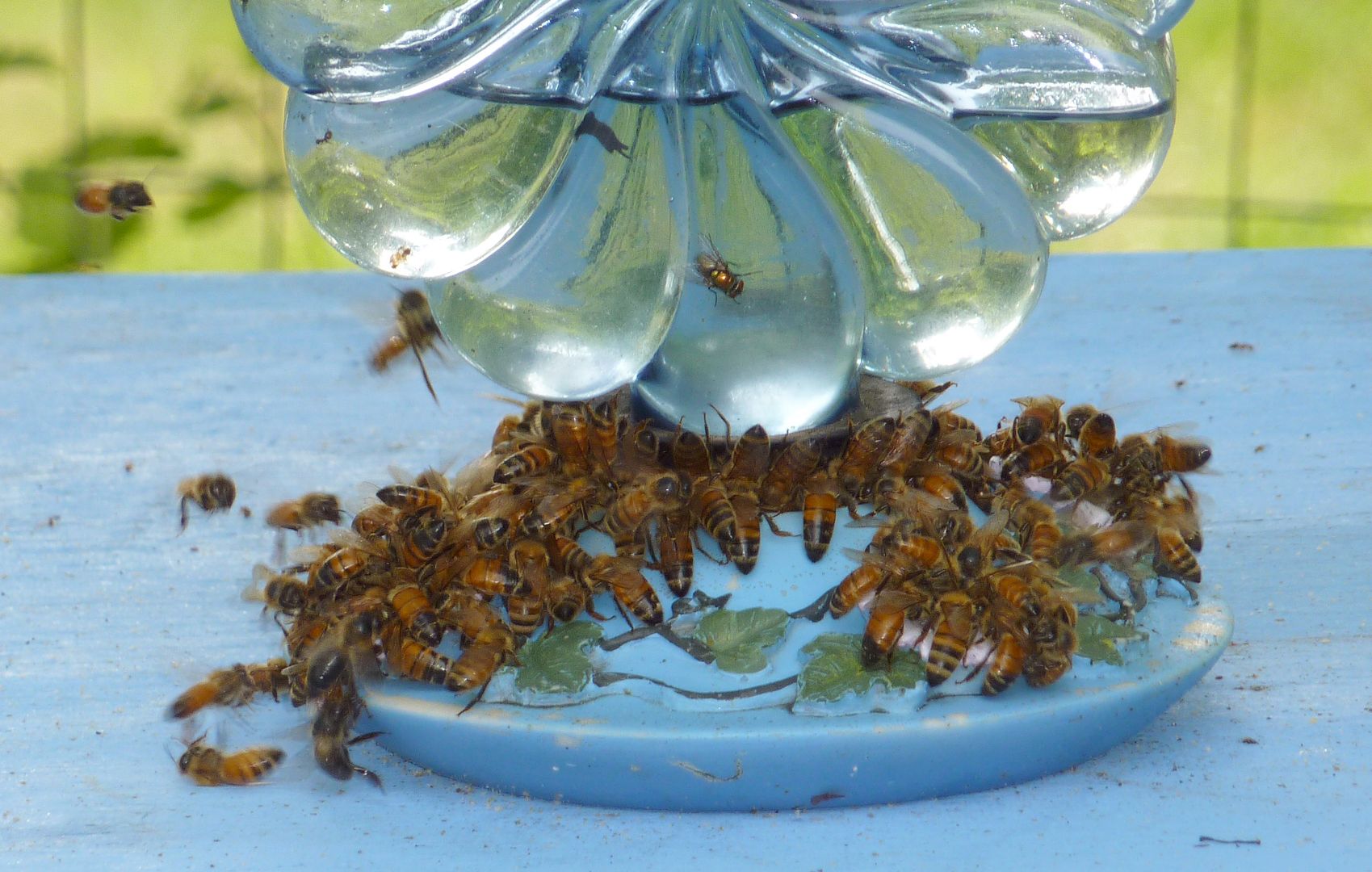
You know what butterflies love? Rotting Fruit, the more maggots the better. You got old cat food in the recycling bin? Bees love it! The bottom line is pollinators are just out to get a meal. It's basically sugar water, and the abundance of pollinators isn't really an accurate judge of what your garden is doing for the environment. Of course you need pollinators for plants to produce fruit and seeds but this is only a part of the equation. 

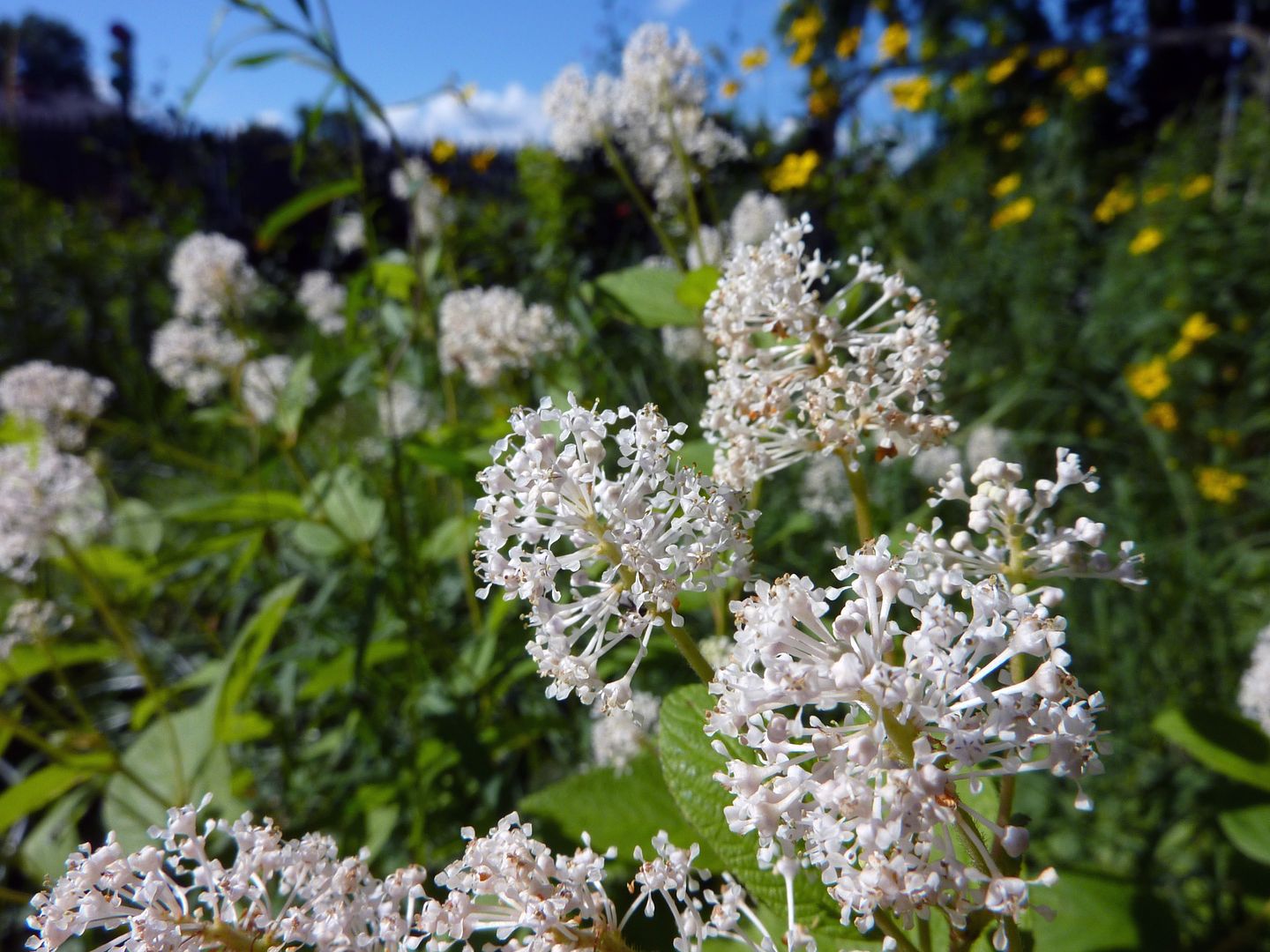
People boast about how New Jersey Tea, Ceanothus americanus, a native plant, as a great hummingbird magnet because they eat the small pollinators that tend to swarm around the plant. I have yet to hear of a nonnative plant that supports bird life in this way. I'm certain it happens, I'm certain that small bees are common pray items for birds, but overwhelmingly caterpillars tend to be more sought after. Usually Native Plant Gardeners immediately jump to quoting Tallamy and talk about caterpillar host plants which make up the majority of a baby bird's diet. This is where the beauty of native plants lay. It's hard to argue the benefits of pollinators because they're not as devoted to a particular plant the way Lepidoptera are. 


                                                                                        Specialist/Generalist,
Lepidoptera (Moths and Butterflies)                              90% 10%

Hymenoptera (Bees and Wasps)                                     25% 75%


When we talk about pollinator specialists we're not talking about nectar, we're talking about pollen. There is this assumption that pollen is pollen is pollen but that's wrong. By that logic, seminal fluid of a blue whale would be compatible with a field mouse. Insects of course aren't using pollen for its intended purpose of course, they're eating it! They feed it to their young and the nutritional value varies dramatically from each plant species. Because there's no point in foraging when their special diet isn't available, they time the adult stage of their life cycle to coincide with the bloom of their host plant(s). Now the author of the article does hint at this saying that climate change can throw off the bloom period and extreme weather is becoming a bigger issue, and the risk of a pollinator emerging at the wrong time is a very real issue. But I'll point out that more than 90% of bees and wasps (but not all of Hymenoptera) are not social and follow this annual life cycle pattern to partake of generally whatever happens to be in bloom. Here though it's a shot in the dark, because historically they've only been able to work the native plants that grew in North America before Columbus landed. Even when they're just given their native plants to pick from their larva received a different diet depending on what plant the parent worked. Some species can't develop on some plants while others had the opposite effect with the same plants. So they are specialized pollinators, but they still forage on whatever is flowering, the same way birds will happily eat seeds from your feeder but mostly can't raise their young on seeds alone.
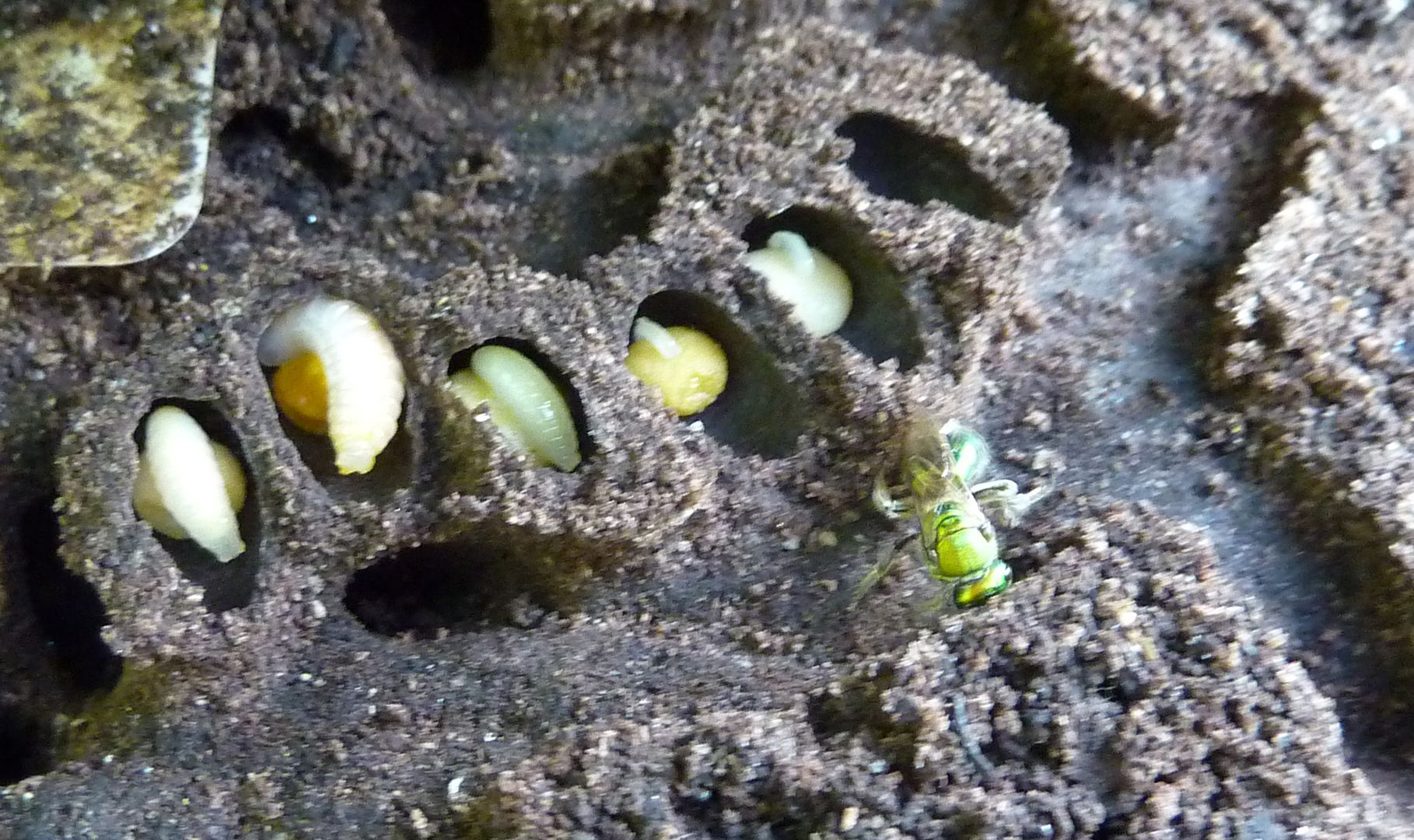
Here is the nest of a solitary bee. Note how each pollen ball in each cell is a different color. This indicates that the bee only collected pollen from one type of plant per pollen ball. By diversifying their pollen source they can help ensure at least some of their young will get an ideal diet and develop into full sized adults. It's wrong to conclude that by adding nonnative plants to the mix we increase those odds of success. Because this isn't a specialist species, they don't know what plant is ideal for their offspring to consume, it's also likely there are flowers out there mimicking those of plants theses bees want to pollinate. When we plant nonnatives this increases the competition at the local flower pageant and the best choice doesn't always get picked. Also, many solitary bees only make about 40 cells and that's it, the adult stage is dead for the year! This implies that each individual bee can choose somewhere up to 40 individual plants to work. 

Now chances are some of the nonnatives are perfectly fine for native bees to work. But as with judging whether or not a plant is invasive, it needs to be discussed on an individual basis. It may be good, it may be bad. Increasing the plant diversity just makes the issue more confusing, and replacing what used to work or might have worked with nonnatives is more than likely to have negative results in bee diversity. Though they may work these plants it doesn't mean it's good for them.


So here is my response to his initial post on Facebook. Pictures have been added in later.  

Me: Nectar isn't really a good judge of what adds biodiversity because you can often get the same results by spilling soda, or drilling bigger holes in your hummingbird feeder. A carbohydrate is a carbohydrate no matter what the source. Also Bumblebees will pretty much work anything so saying they will work something isn't really as impressive as a Monarch Butterfly. 
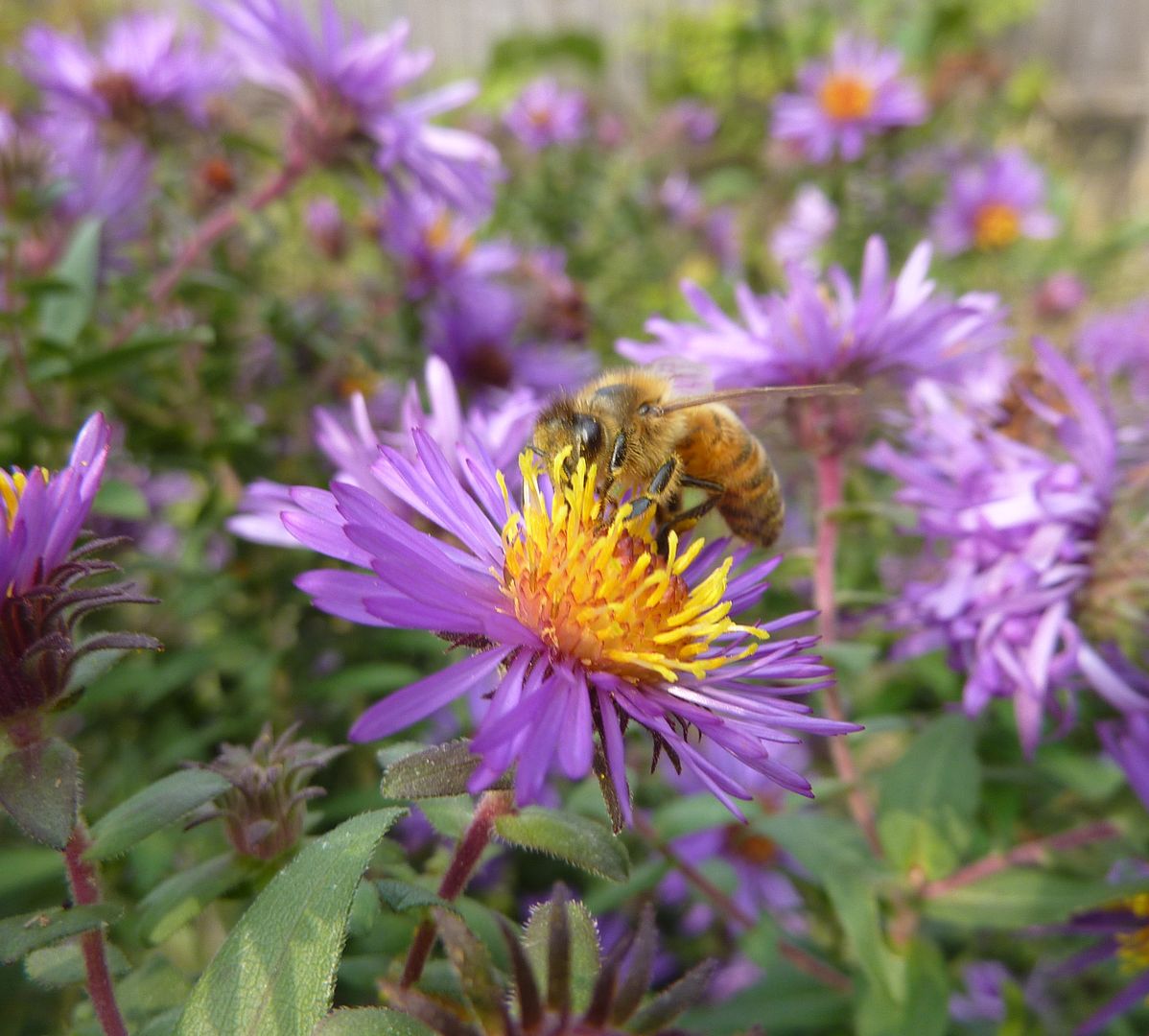


Symphyotrichum novae-angliae, is a great nectar plant for bees and butterflies. Can seed a little prolifically when more multiple plants are pollinated together.


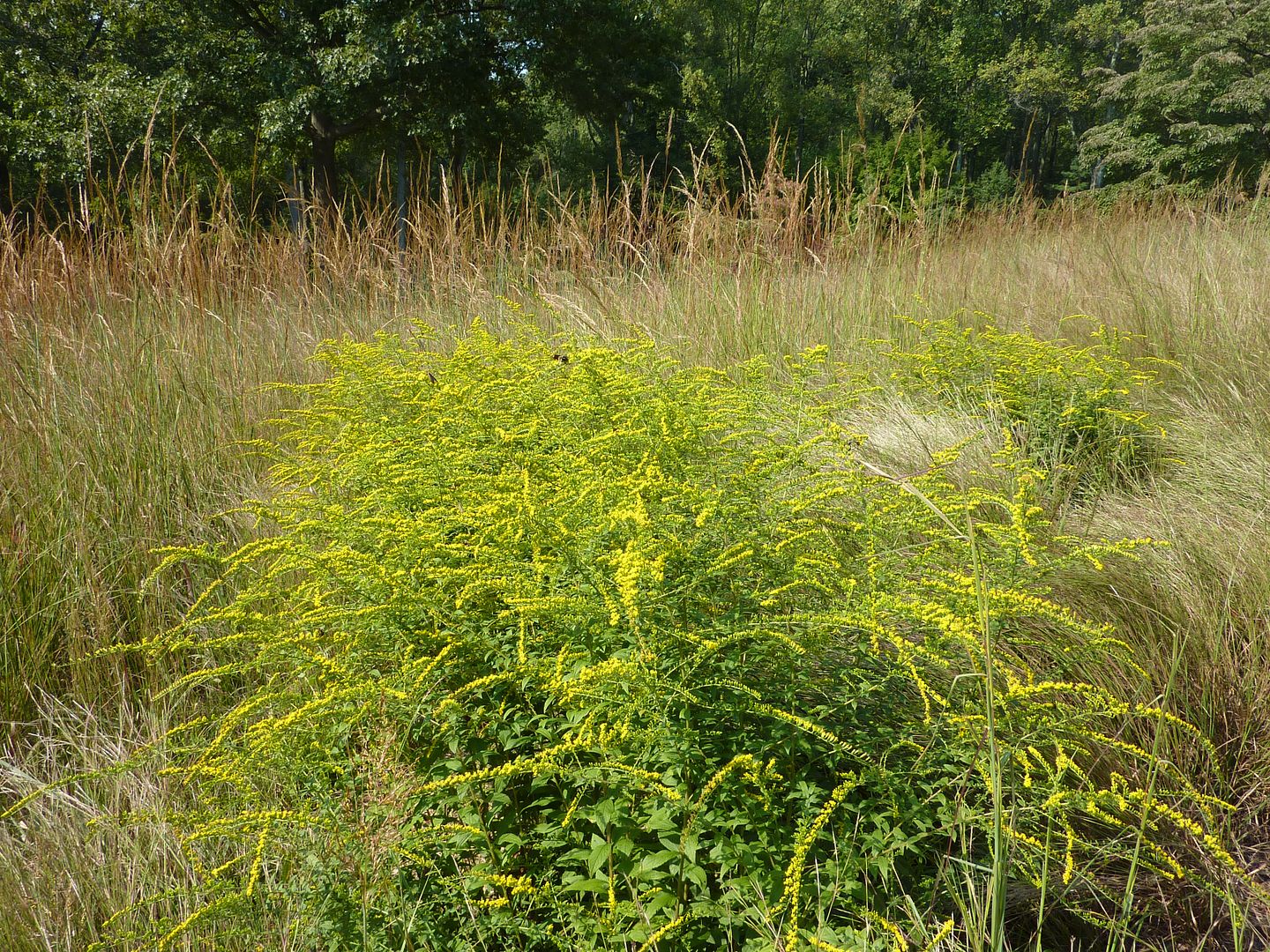
Solidago rugosa 'fireworks' starts flowering in September, not aggressive spreading either by runners or seeds as other Goldenrods tend to be.
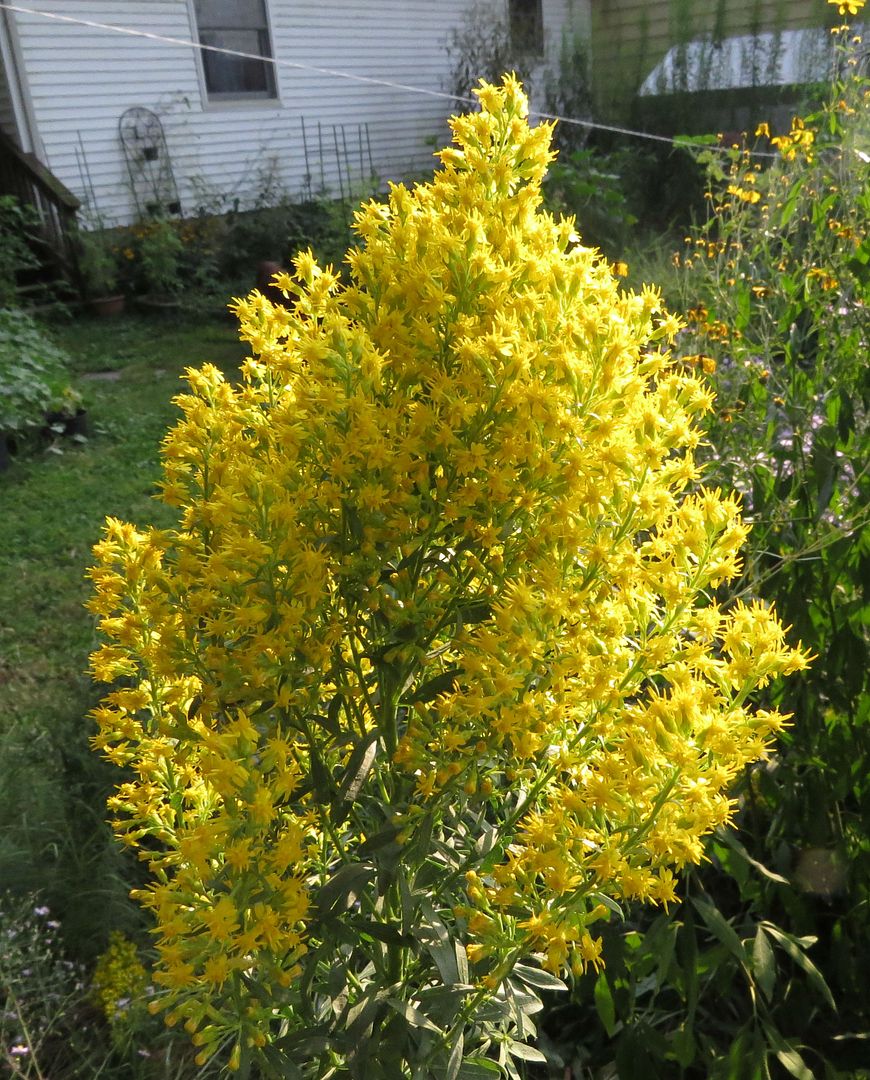

Solidago speciosa, a showy Goldenrod species who's flowers cluster at the top like a scepter.
 

Solidago drummondii, something of a newcomer to the ornamental trade, not aggressive and likes growing in those dry rocky trouble spots.
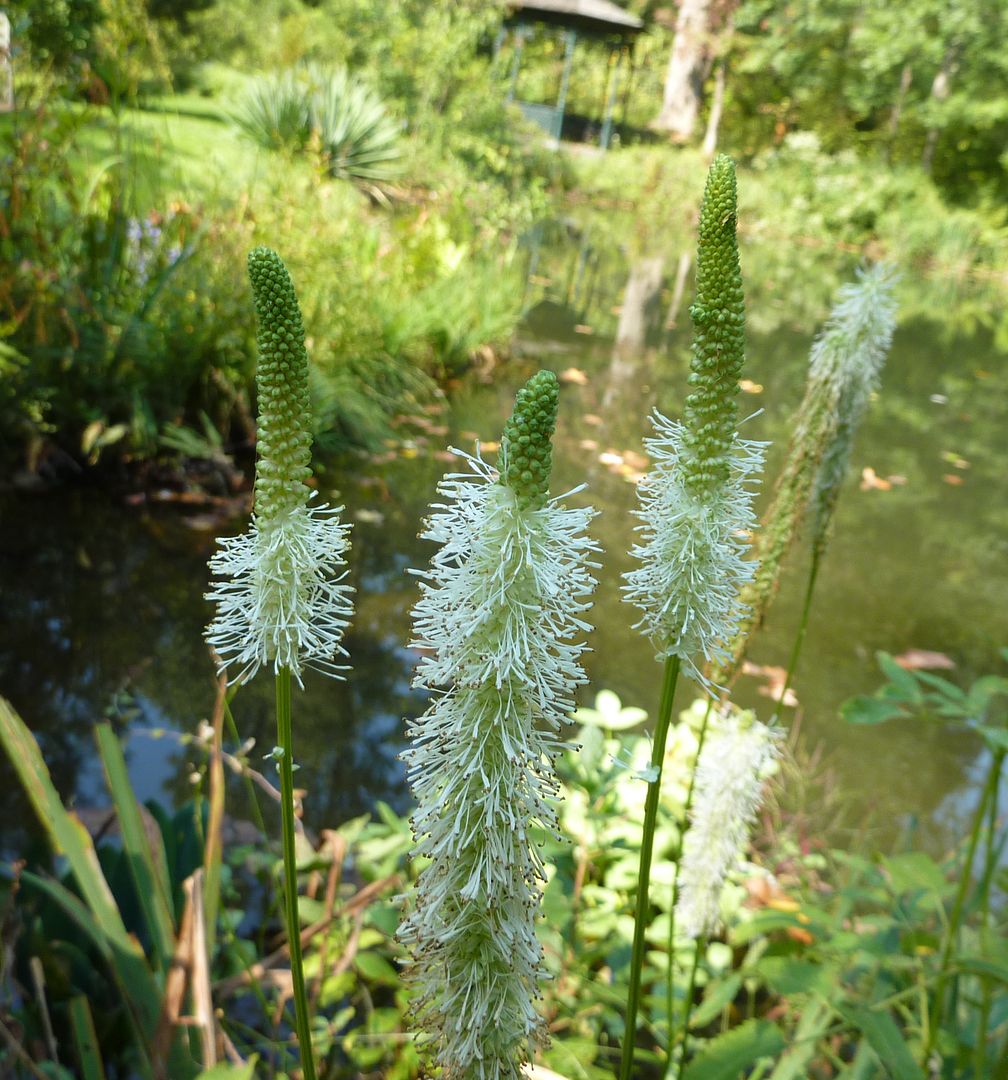


Sanguisorba canadensis, flower often survive the first few frosts!
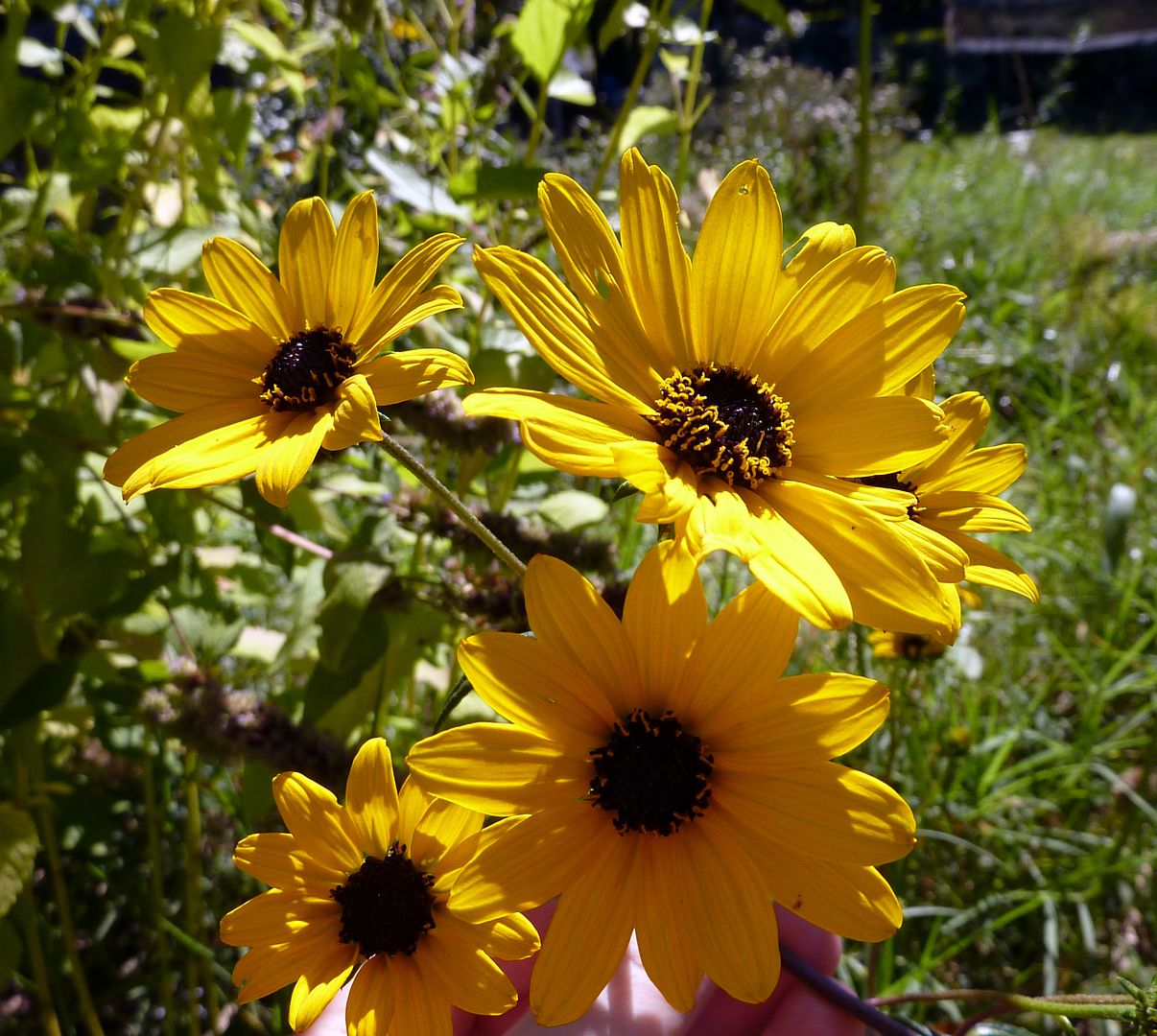
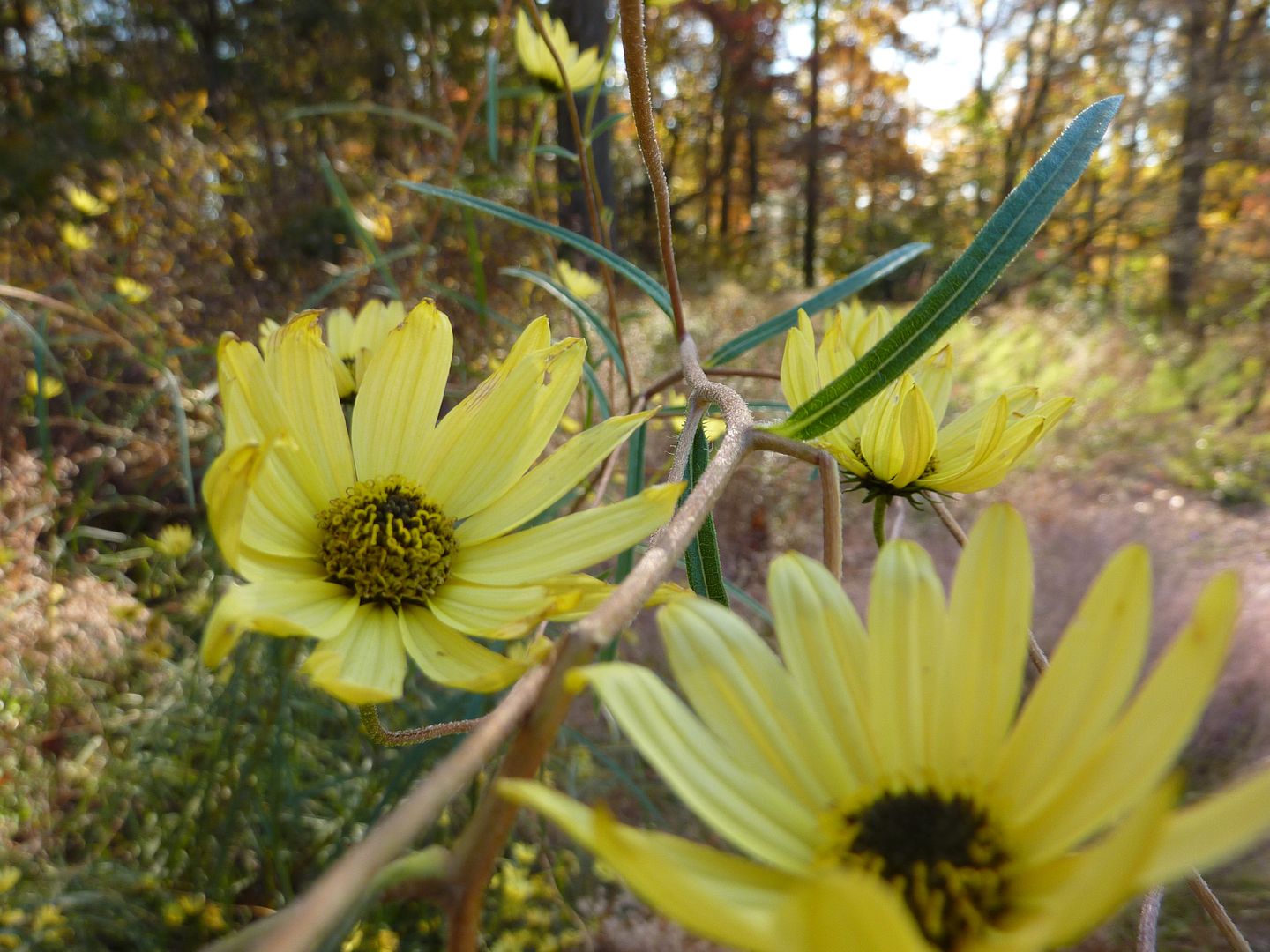
Helianthus angustifolius, starts flowering in October, though I'll admit perennial sunflowers can be a little aggressive spreading.


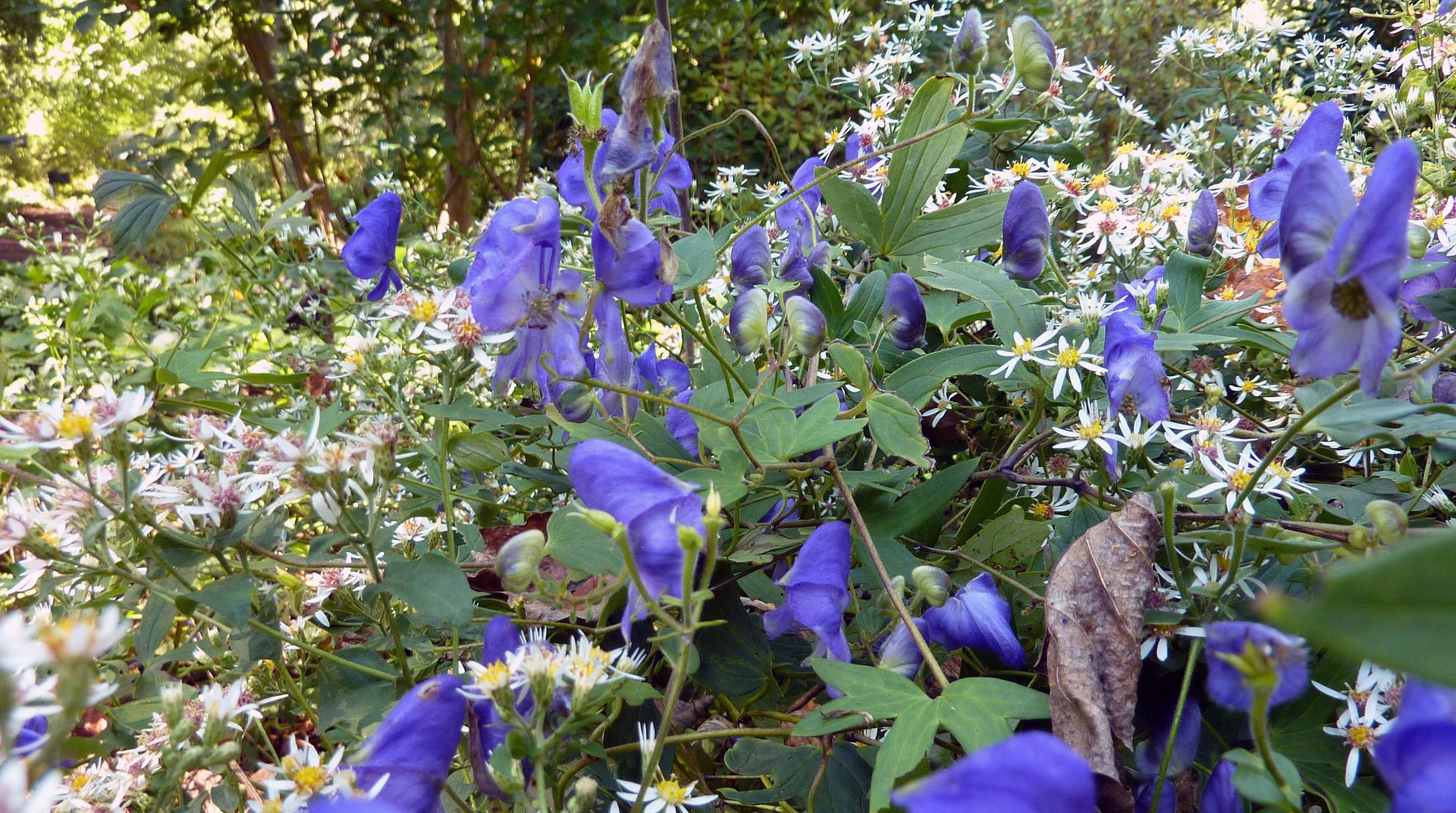
Aconitum uncinatum, though toxic to eat, the flowers are unusually good for Monarchs when grown in abundance.
 

Actaea racemosa, mostly attracts flies and pollinating members of the mosquito family but does an okay job with bumblebees too.
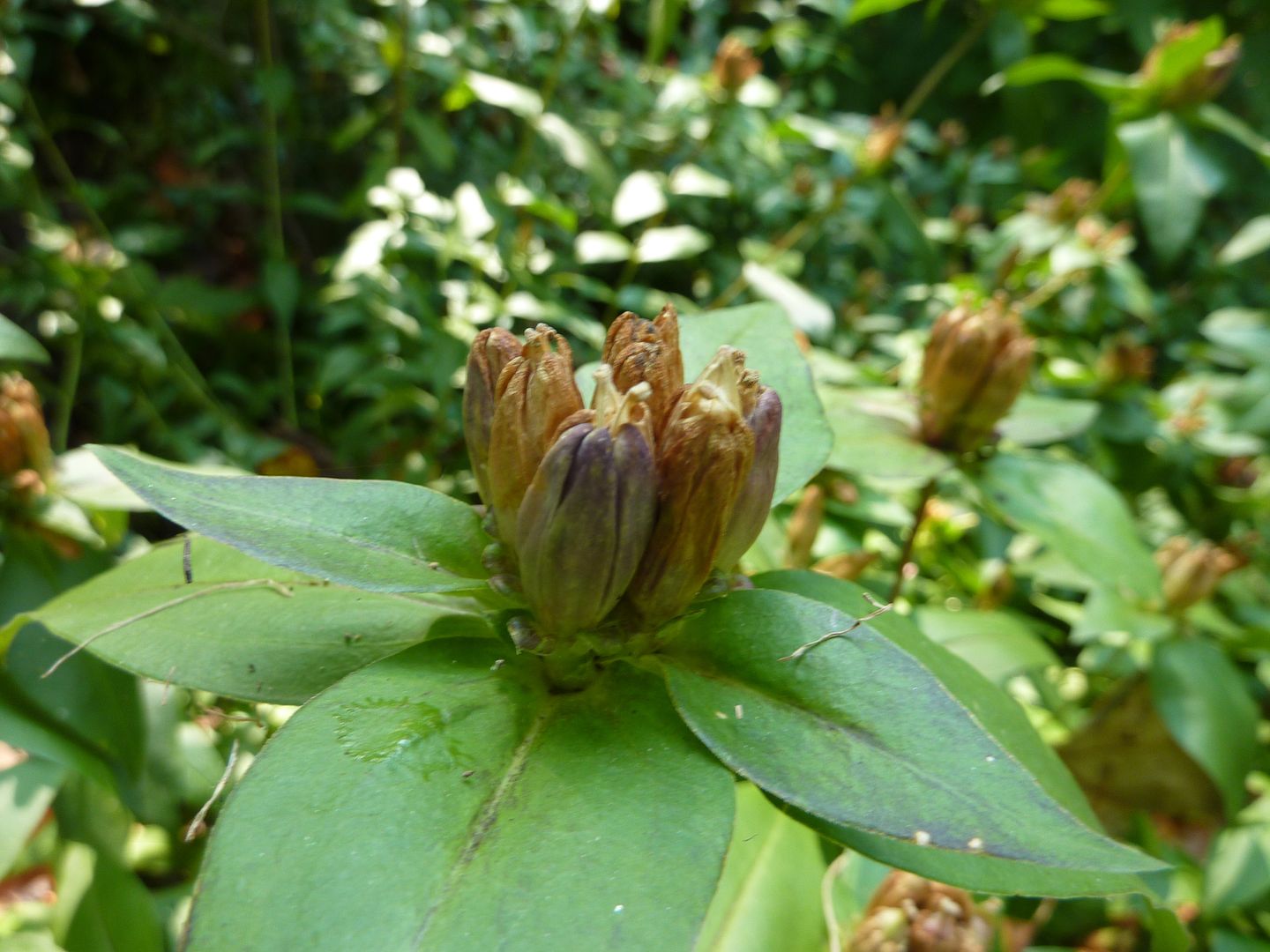


Gentiana andrewsii, only pollinated by bumblebees.


Georgia Aster, usually still flowering after the trees have dropped their leaves. (though there is the issue of them being covered in leaves).
 

Jewel Weed, an annual that attracts hummingbirds as well as bumblebees, and has exploding seed pods.
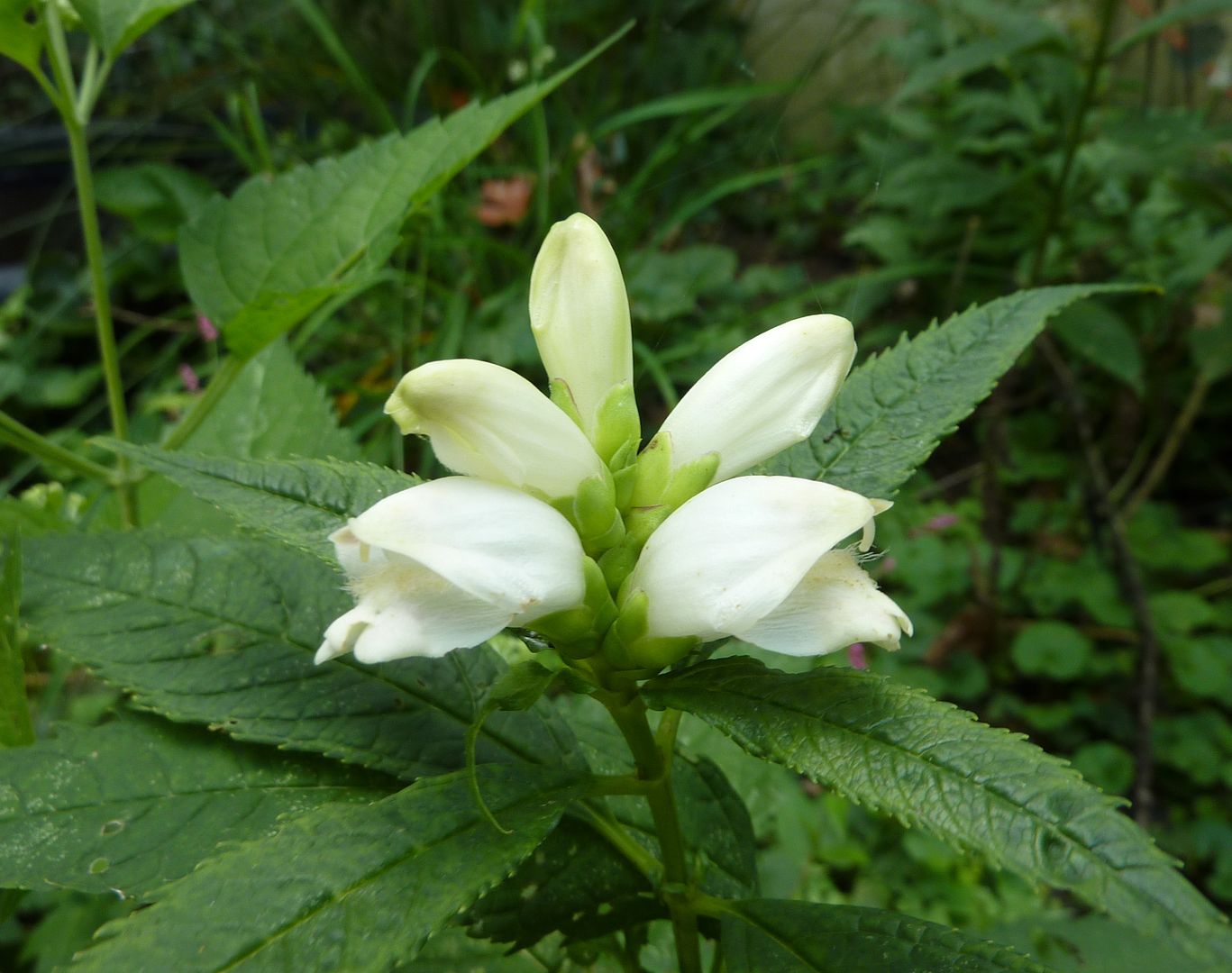


White Turtle Head, another one only pollinated by bumblebees.


At this point my comment ends. My intention was that by listing a dozen or so native plants that flower in the autumn I could imply the words. "They really are starving aren't they." I wish I could have posted more images with bees on the flowers but
Sunday, November 6, 2011

Fall Color Around the Prairie

I happened to be off last Saturday which happened to be the last day the Mt. Cuba Center was offering the Meadow Studies class for the year. I figured I wasn't doing anything so why not drive an hour to Delaware (after registering online of course).

They offer Meadow Studies as a one day course 5 times a year. I went to the first two, missed the next two, so this is my third. Overall I'm happy with them but they weren't what I had expected. Emphasis is more on how they maintain it each year and what plants are showy at the particular time of year. The second half of the class is a nice tour mostly of the meadow itself but also other plants they have elsewhere on the property that might fit the theme of a meadow setting.

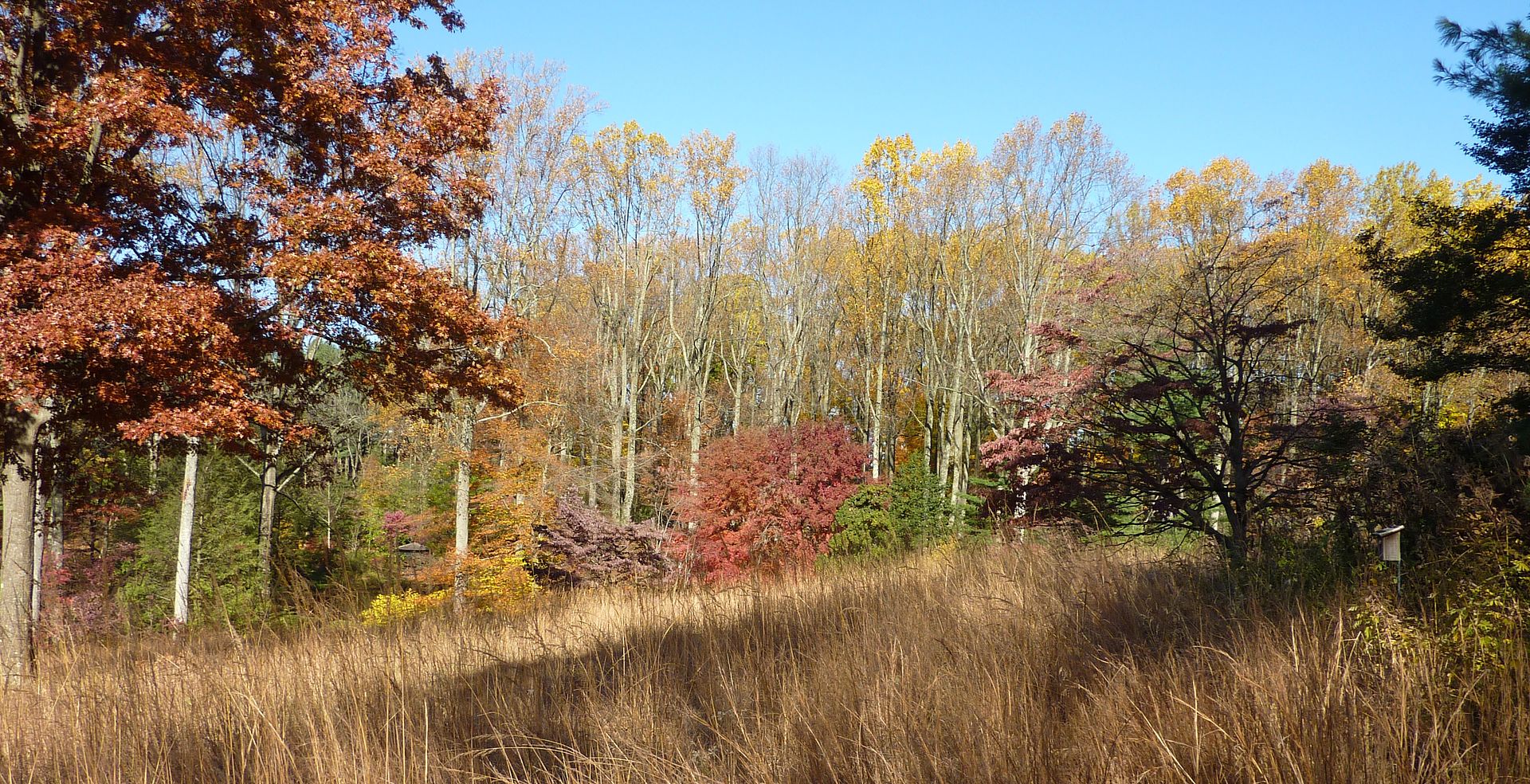
The autumn is easily the peak of a grassland meadow's grandeur. The fall colors are setting in, the seed heads glinting in the sun, and gusts of wind create visible waves of movement. It's not the largest prairie in the world, but it's still impressive in it's own right.

Their meadow is mostly composed of Little Bluestem, Big Bluestem, and Yellow Indian Grass. Before the tour began we were give the option to collect seeds in a paper bag. I thought this was a great idea, but if only the course were focused more on installing a meadow. This would have been a great starting point. 

Hair Awn Murhly, Muhlenbergia capillaris, features fluffy pink stalks which seem to float over the plant.

Prairie Dropseed, Sporobolus heterolepis, slowly transitions into it's fall color. It ends up being a brighter yellow than most other grasses, but in the mean time it puts on an almost tie-dyed effect.

Most of the wildflowers have finished their show for the year and take a back seat to the grasses which now tower over most of them.

Rose Hips to one of our native roses are hidden in clumps of grass. Birds will likely eat them over the winter. 

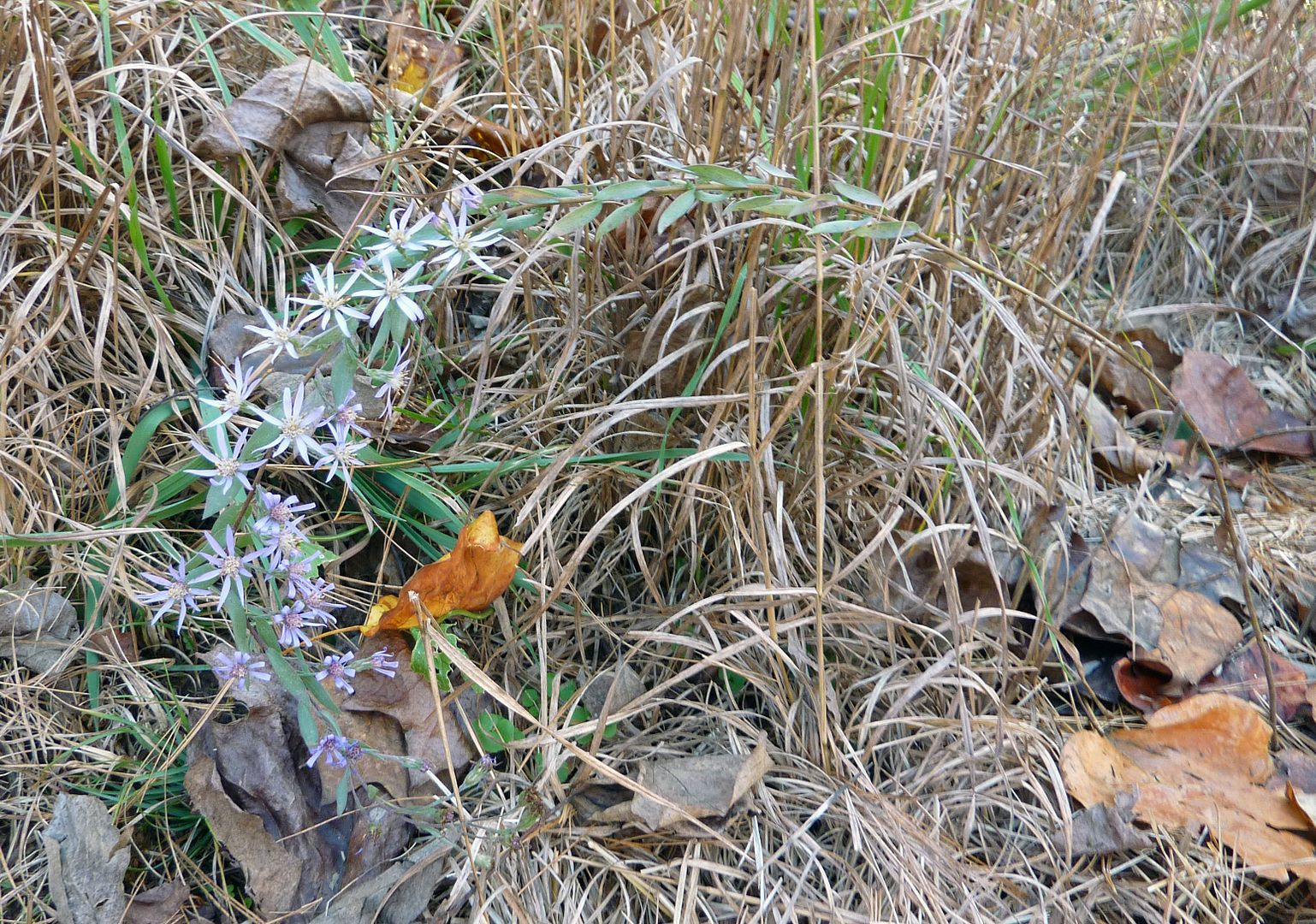
A few years back, the Mt. Cuba Center did a study on Asters species and cultivars to see which were garden appropriate, disease resistant, had nice form, long bloom period and such. The eastern Silver Aster, Symphyotrichum concolor, was one they tried out. I don't think it's one they recommend thought. I could be wrong but it certainly wasn't doing much for me. Generally anything flowering at this time of year is a plus but the plant is a little unimpressive.

I noticed how Liatris-like it is with all it's flowering coming out so close to the stem. The full plant was actually several stalks, just like a clump of Liatris, all coming out of the ground. It was very neat but I was mostly disappointed nothing was pollinating it.

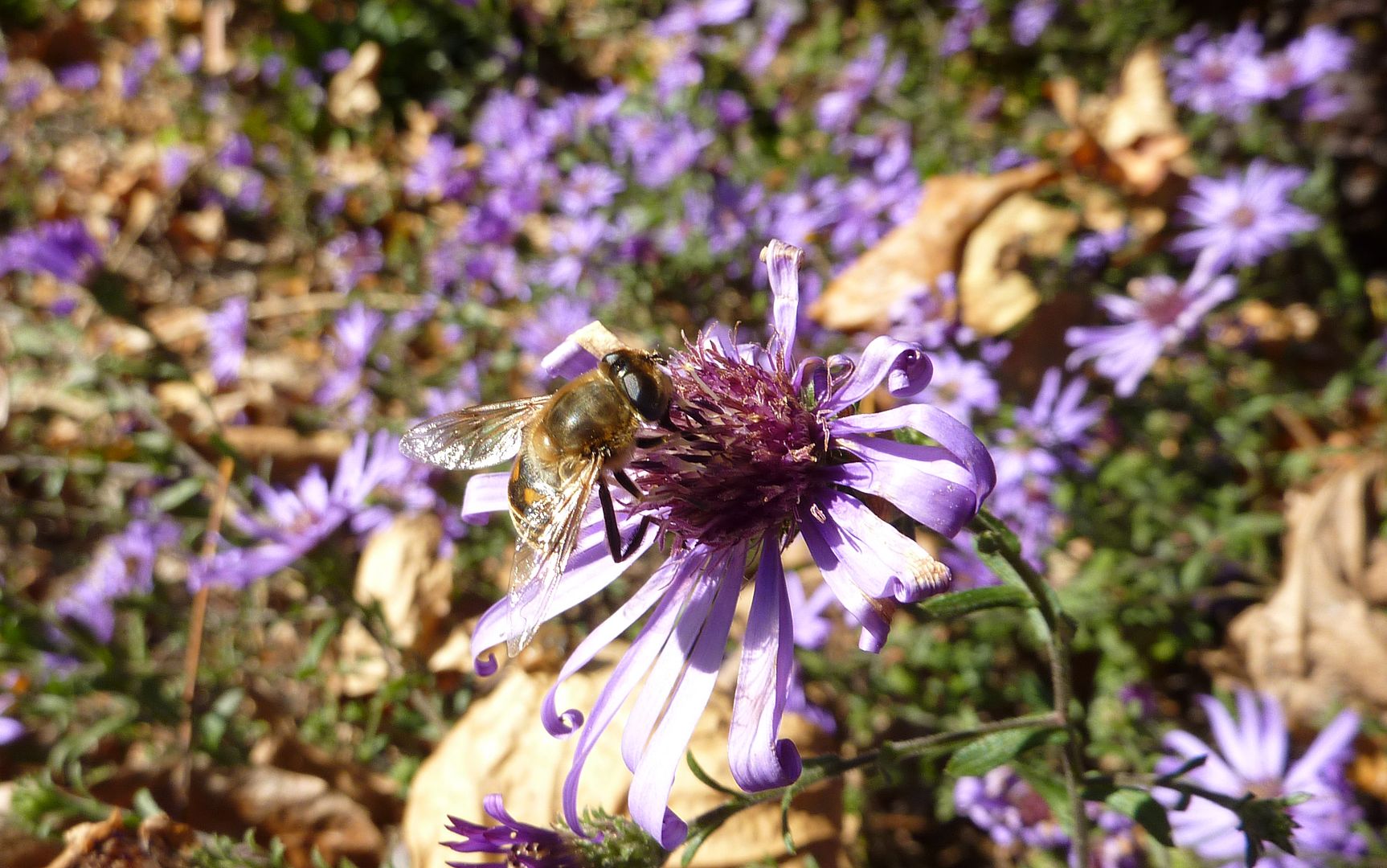
The Georgia Aster, Symphyotrichum georgianmum, was another one blooming now, though clearly a few days past it's peak on most plants. I'm sure this is closer to being a species they'd recommend. Though I don't think it's native to Delaware it's surprisingly hardy.

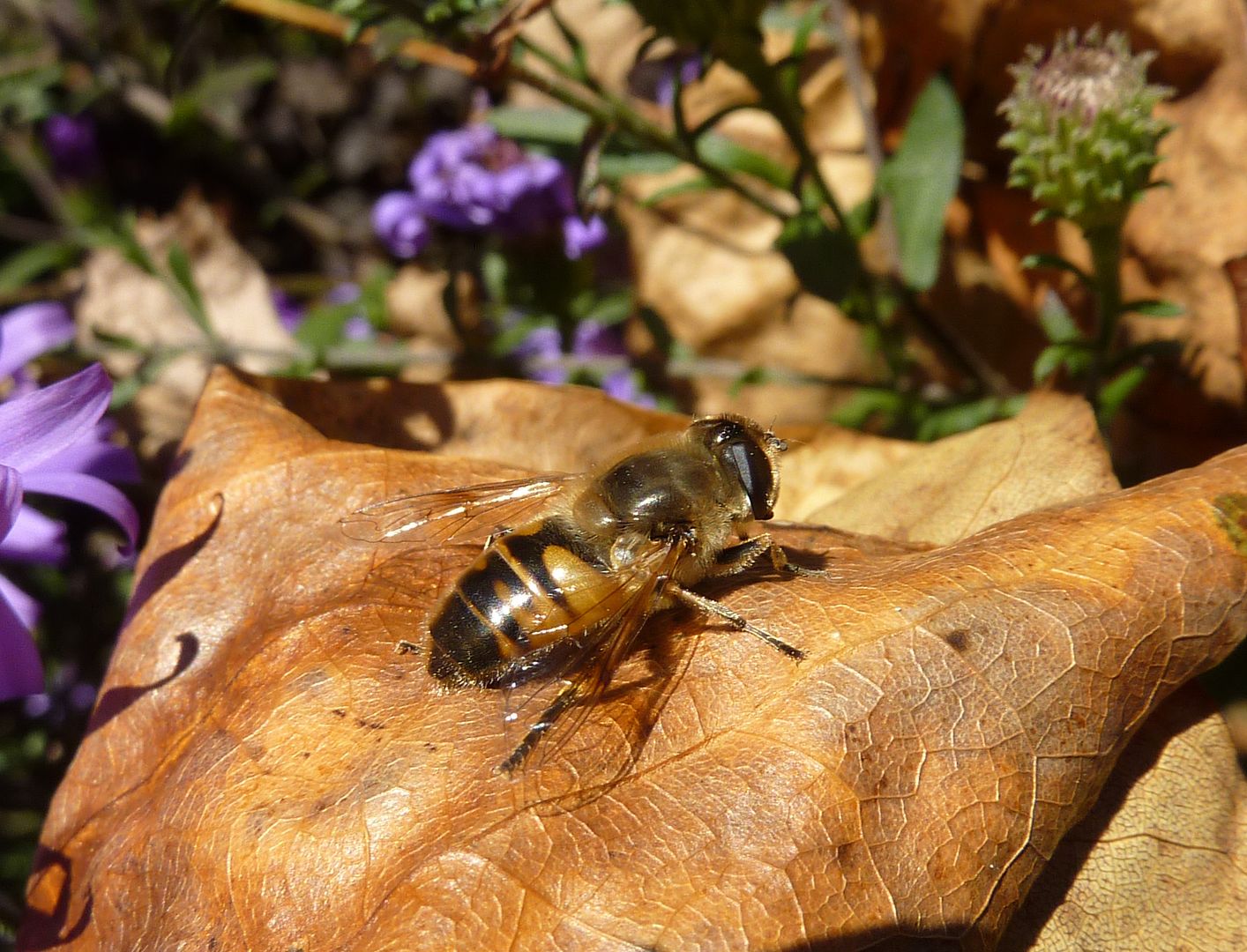
Georgia Asters that were growing in full sun were absolutely loaded with bees and flower flies (seen above) which mimic bees. The one above is doing a great job.

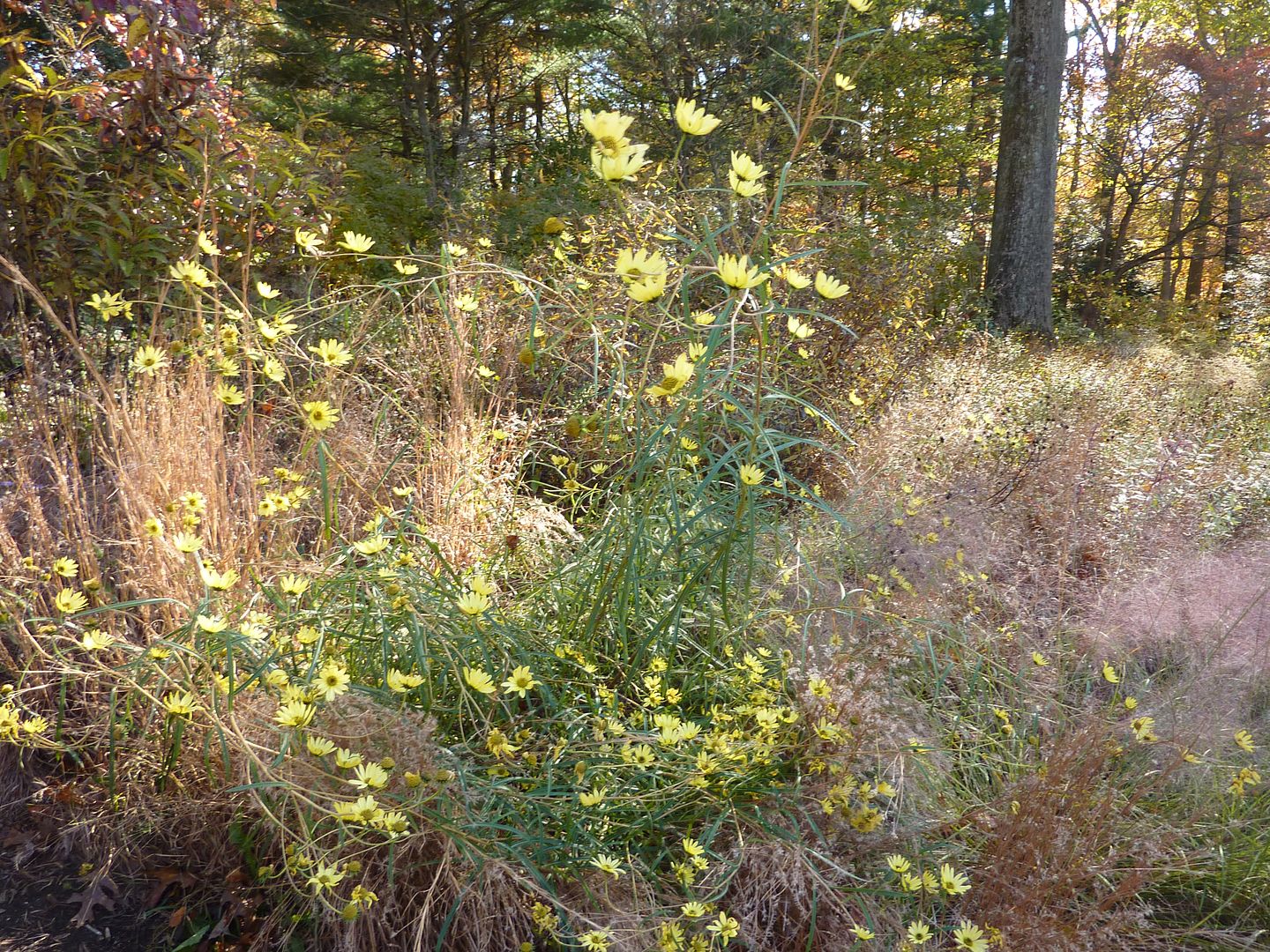
Narrowleaf Sunflower, sometimes called Swamp Sunflower, or Helianthus angustifolius, was also flowering. They favored the narrowleaf common name because it grows fine in non swampy conditions along side several species of Joe Pye Weed, Wild Senna, Prairie Onion, and so on. The leaves have a very rough feel to them.

This is actually the cultivar 'Mellow Yellow' which has paler yellow flowers. The true species is as bright as the sun and impossible to miss from across a field. 

The plant has a slightly messy look to it, but I've found that's the case with most perennial sunflowers. Lord only knows how the annual varieties keep from falling down. I guess when you only have one year to live it pays to get it right the first time.

 
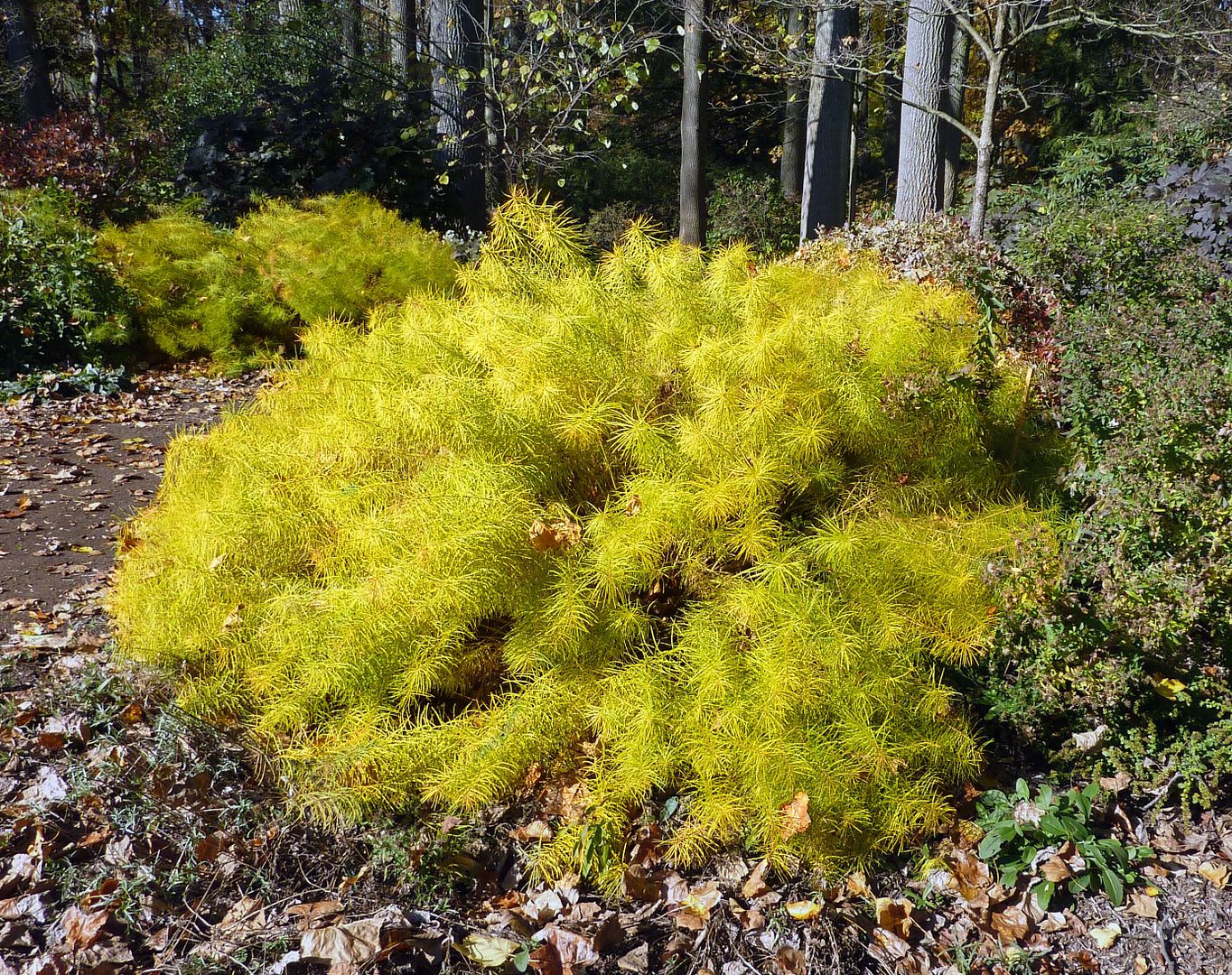
Lastly they had multiple specimens of Arkansas Blue Star, Amsonia hubrichtii, showing off their fall color.

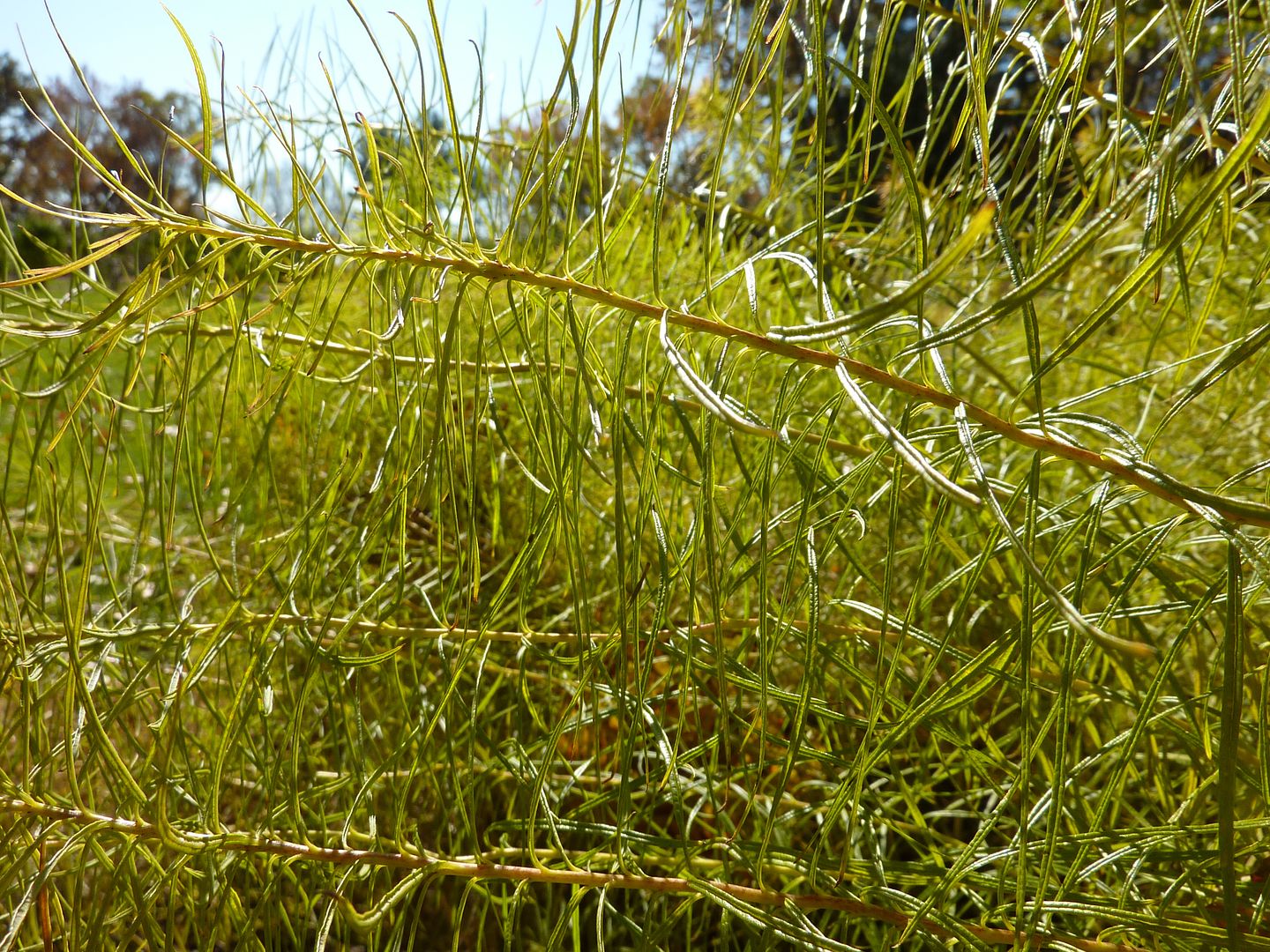
This particular species has very thin Pine-like leaves. Common Blue Star, Amsonia tabernaemontana, has more normal looking leaves but the same fall color. I think people prefer Arkansas Blue Star more because they look puffy and cloud-like. While I don't recommend sleeping on one, maybe plant something prone to falling over right next to it. 

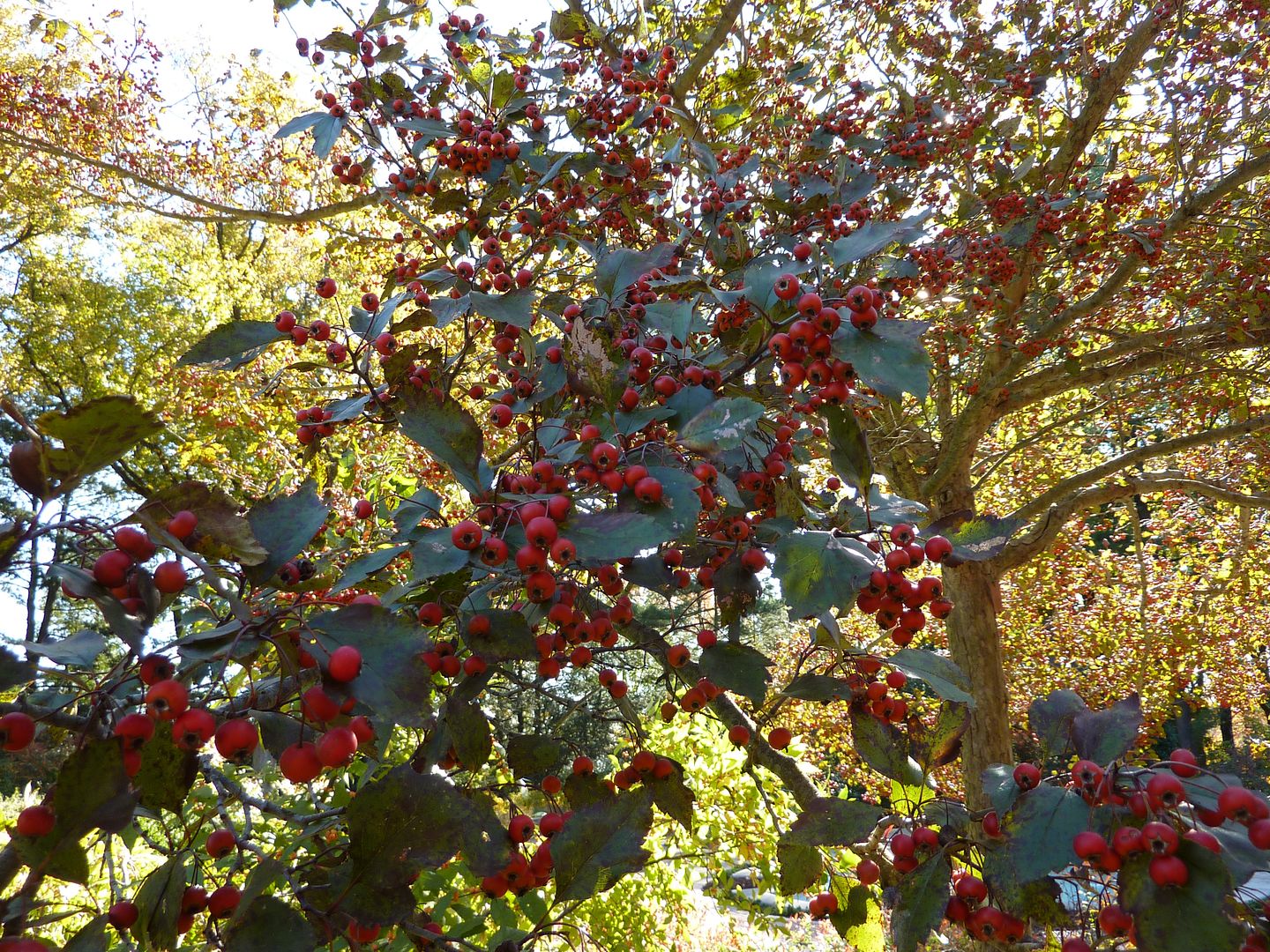
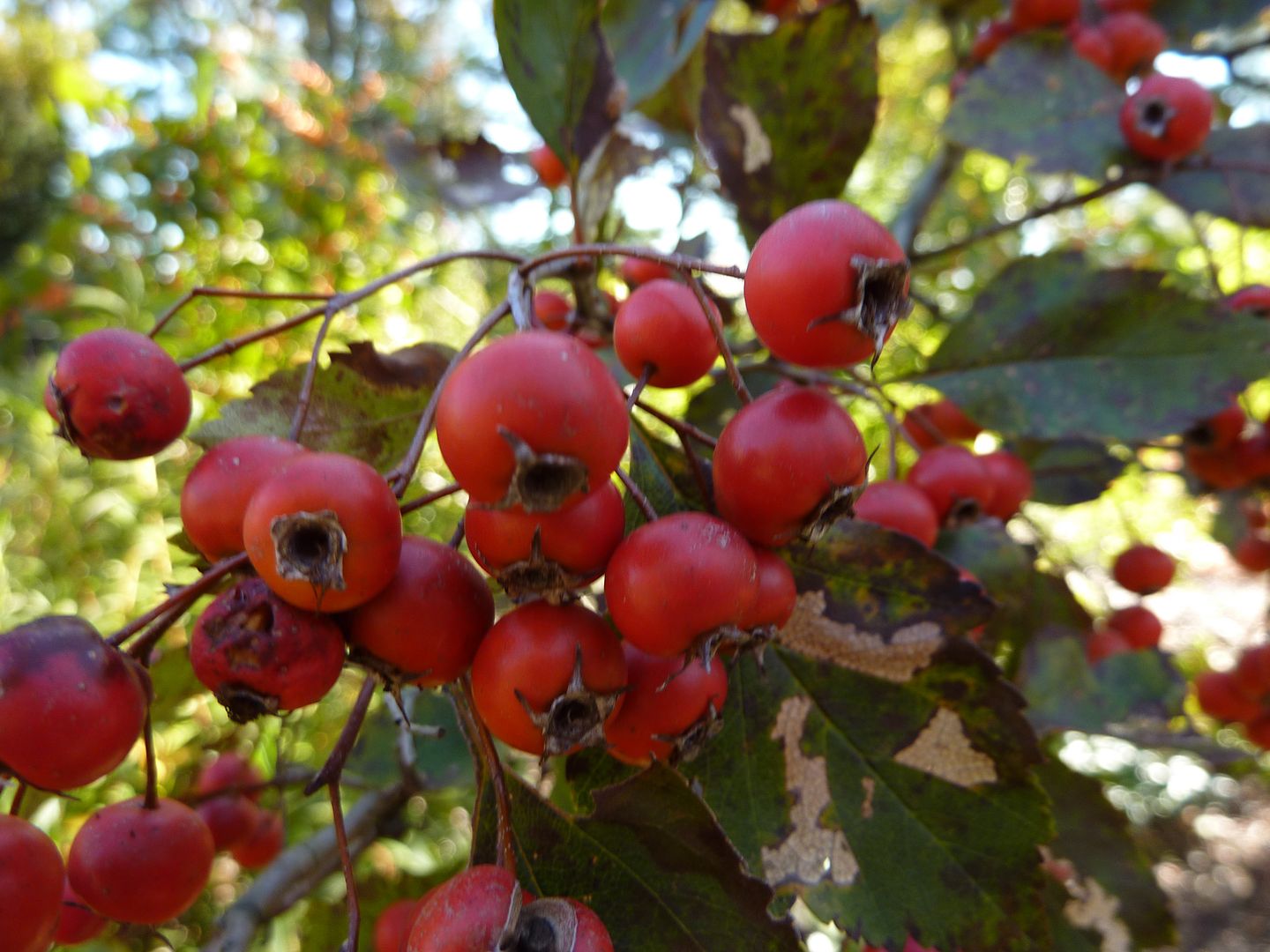
While walking back up to the house I noticed a Hawthorn Tree that probably had more berries than leaves on it. The birds will be well fed this year.

Before leaving everyone was given a plant of Tufted Hair Grass, Deschampsia cespitosa, which is a nice cold season grass that can be planted at this time of year. Warm season grasses do all of their growing over the summer and aren't very successful when planted after soil temperatures get below 60F. So I understand why they gave us a cold season species.

One Saturday well spent.

Saturday, November 20, 2010

Green Growth in the Autumn

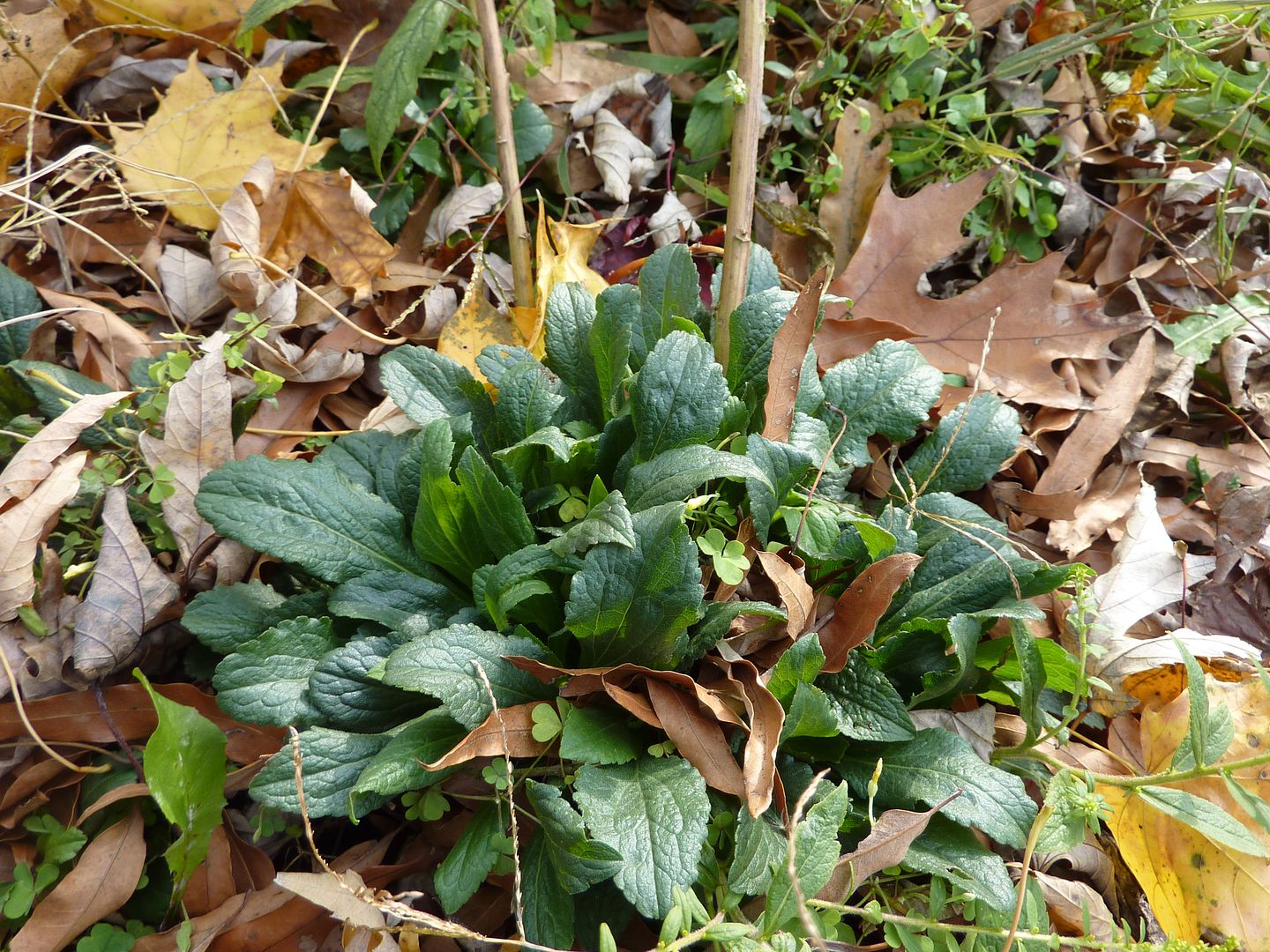
Despite winter's eminent arrival, some forbs push out new growth close to ground level. The towering stems shooting out of this plant have served their purpose. Over the past year this Goldenrod has leafed out, flowered, and is now setting seed. Despite this though, next year's growth has already begun.

This can be a good time to catch root suckering plants. If they're spreading in an undesired direction, transplanting or cutting the root at that point could be called for. Waiting until next spring will also work but it's best to catch it early. I'm leaving these here because it's a fairly young plant and I can stand it spreading a little.

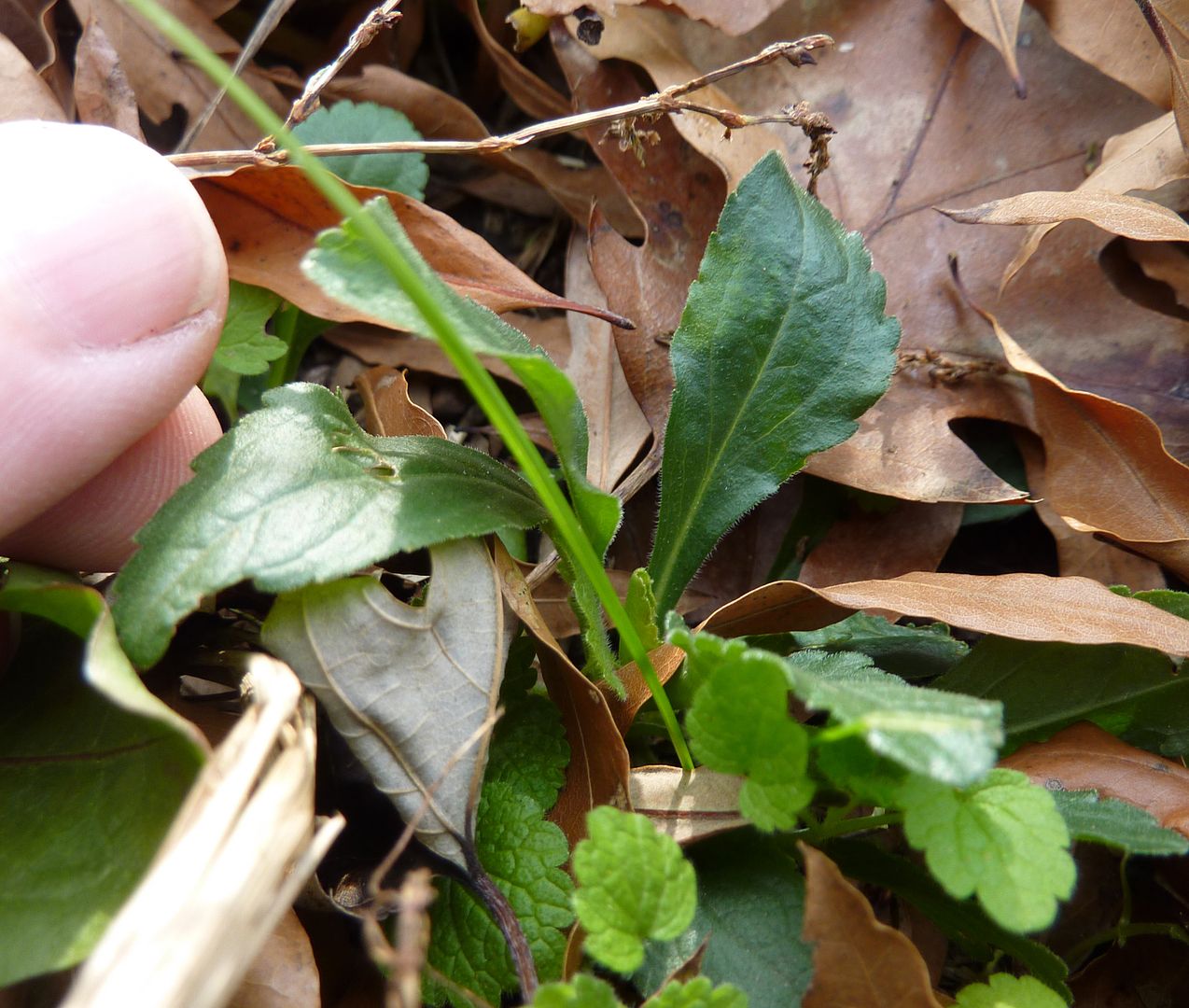
This can also be a good time to point out seedlings. Many seeds will germinate the same year and produce a small amount of growth. Here is a young goldenrod plant sprouting through the leaf litter. The contrasting fallen leaf color can help make them easy to spot. To the side of my house I've spotted a lot of thistle plants coming up from when I let it go to seed. I don't mind a thistle or two but there are dozens of plants coming up that I'll deal with next year.  

Some plants only produce the leaves to get extra energy. For many species the leaves are only temporary. Cold temperatures will damage a lot of the leaves and new ones will have to be put on next year when it's warmer.

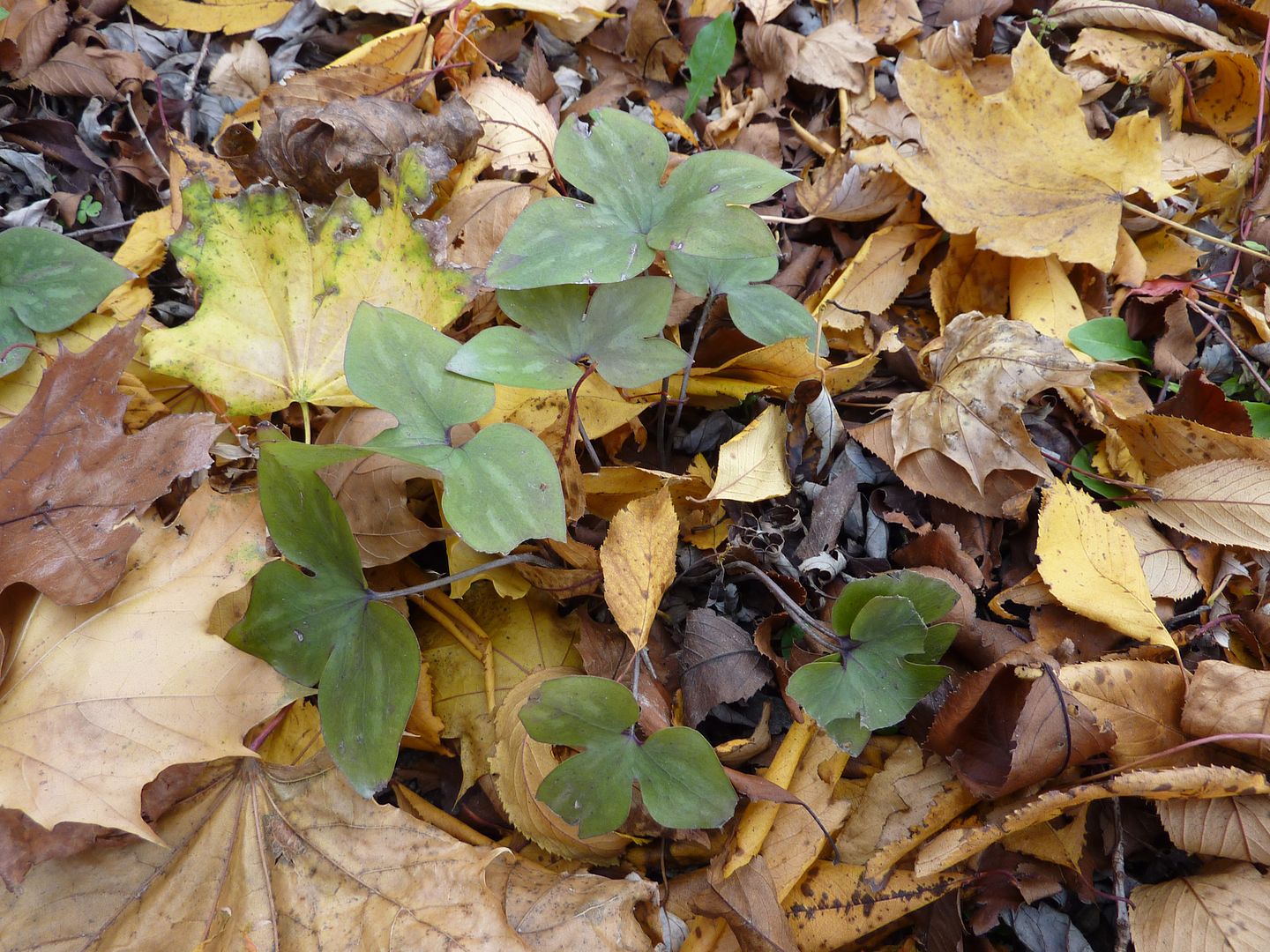
Here a Hepatica plant still has the leaves it's held onto all year. This plant is a semi-evergreen which means these leaves will last most of the winter but die off just before flowering next year. This is a nice plant to have around spring time wildflowers just because the growth helps mark where they're planted. Most spring wildflowers die back to the ground by the end of summer.