Showing posts with label Aphids. Show all posts

Wednesday, July 8, 2020

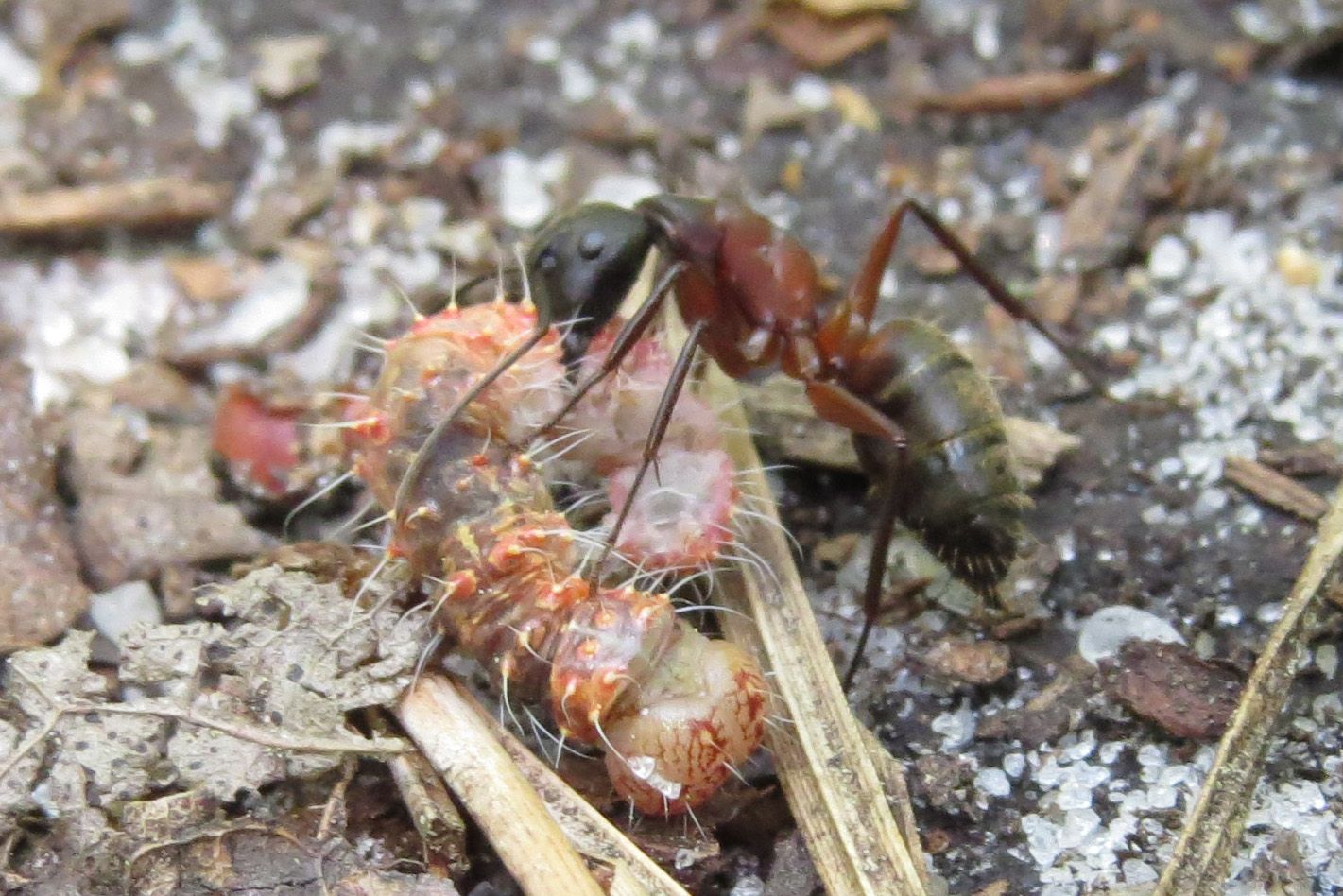
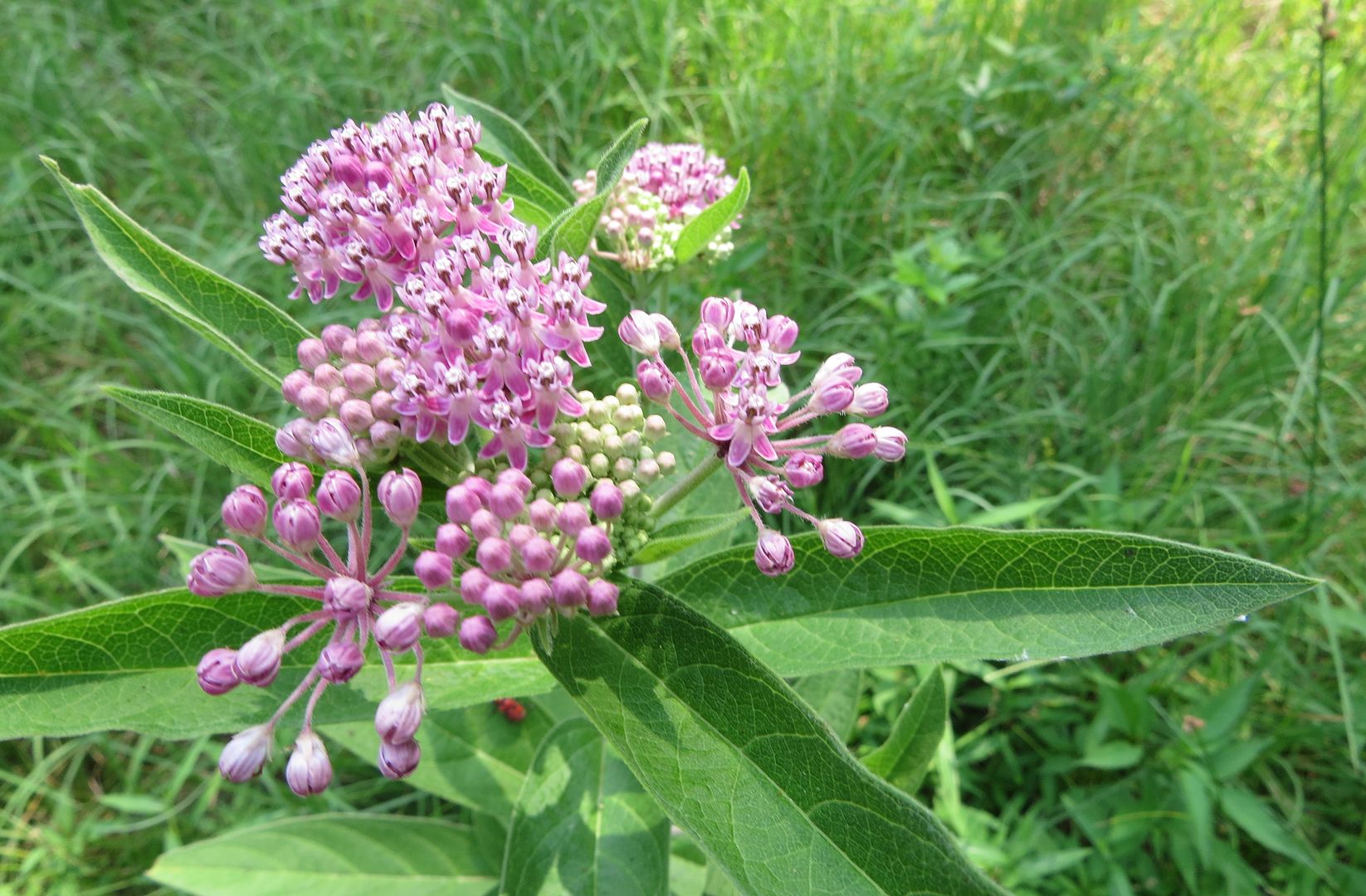
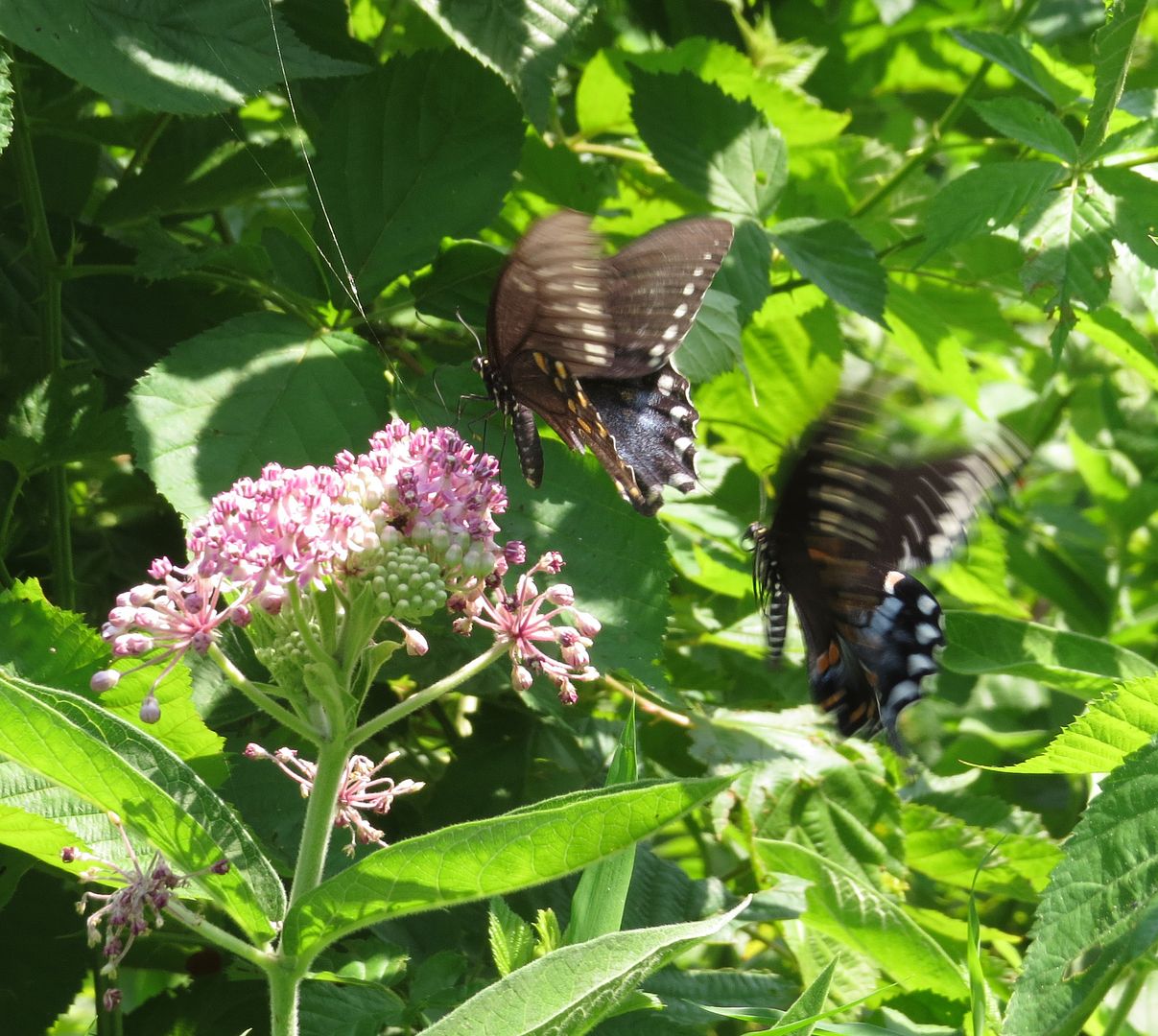
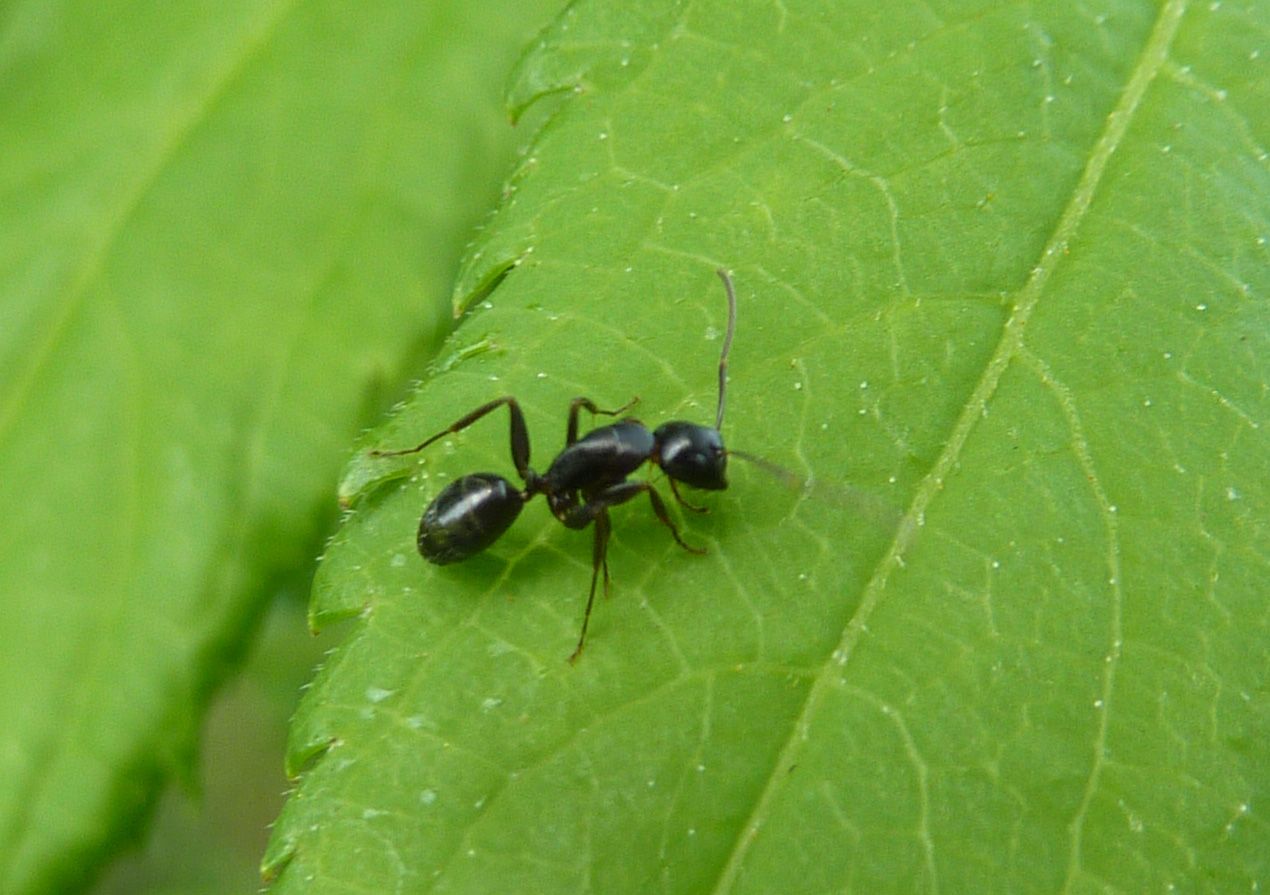
Ant Chat: Stealing Nectar from Milkweed


I realized I haven't posted in a while and I have some new editing software that I wanted to test out, so I made a video.

Asclepias sullivantii or Prairie Milkweed or Sullivan's Milkweed as it's known. This species is so timid compared to Common Milkweed, A. syriaca.

Common Milkweed form a lead tap root that every few inches sends out diagonally upward pointing roots that upon reaching the surface produces a new stem away from the main stem. This process repeats though for every new stem produced and the starting stem keeps on making them every few inches. So you can have a 6' deep root with dozens of these upward stems going back to the surface in all directions. And, especially in full sun settings, this can create a patch of Common Milkweed that's really not appropriate for most garden settings.

Sullivan's Milkweed doesn't do that. So you get a plant that looks fairly similar but isn't anywhere near as aggressive in a garden setting. My one complaint with it might be that it's too slow growing. Last year I only got one flower, one single flower, on the whole plant all because Monarchs had laid eggs on it and it the caterpillars ate them.

Asclepias incarnata, Swamp Milkweed, aka Fragrant Milkweed. Really most Milkweeds are fragrant but only at certain times of the day. This one though, right when the afternoon shade hits it, it smells like warm cupcakes right out of the oven, covered in honey. It's great. It's commonly sold at nurseries and has a number of cultivars. Sadly it's a short lived perennial lasting about 5 years, but it's pretty easy to grow from seed outdoors.

Asclepias purpurascens, Purple Milkweed. This species is not for everyone but by all means if you know a grower and have other species to fall back on give it a try. Basically this species likes some drainage in the soil, hates having its roots exposed, and might just randomly die if it's put in the wrong place. They're a little finicky. I've planted this all over my yard and most of them don't last long, but a few hold outs tell me the plant likely doesn't have a tap root. I don't think they're as drought tolerant as other milkweeds either. But the flowers are some of the prettiest in the genus. 

Asclepias tuberosa, Butterfly Weed. This is the most garden friendly of the bunch. It's one of the first native plants to really show the industry what native plants can do. There was a drought in the midwest and people noticed their gardens looked pretty dead but then looked out in the fields and roadside ditches and saw this plant still green and covered in bright orange flowers. While it's true this and many native plants are drought tolerant they also benefit from some watering in a garden setting. 

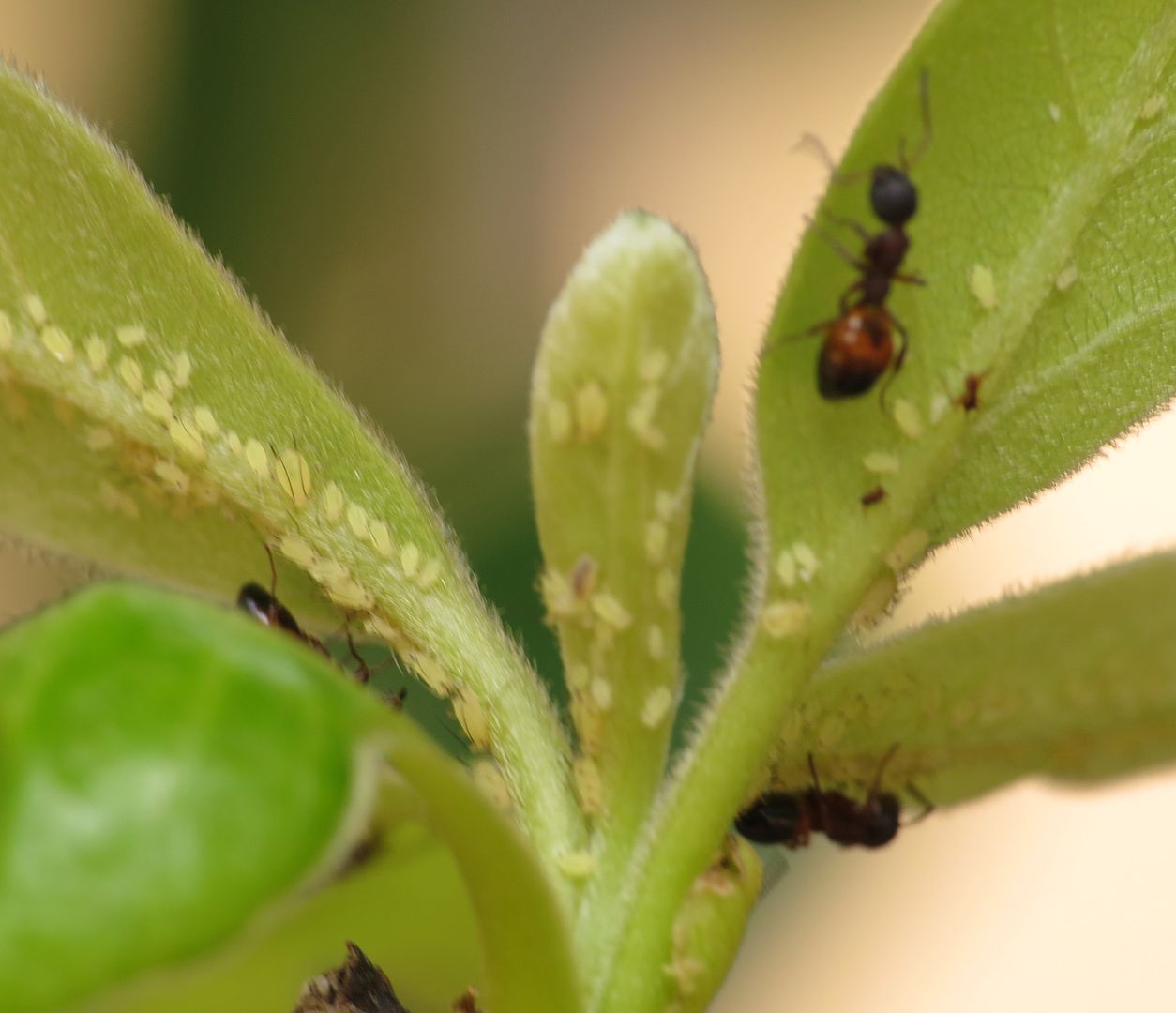
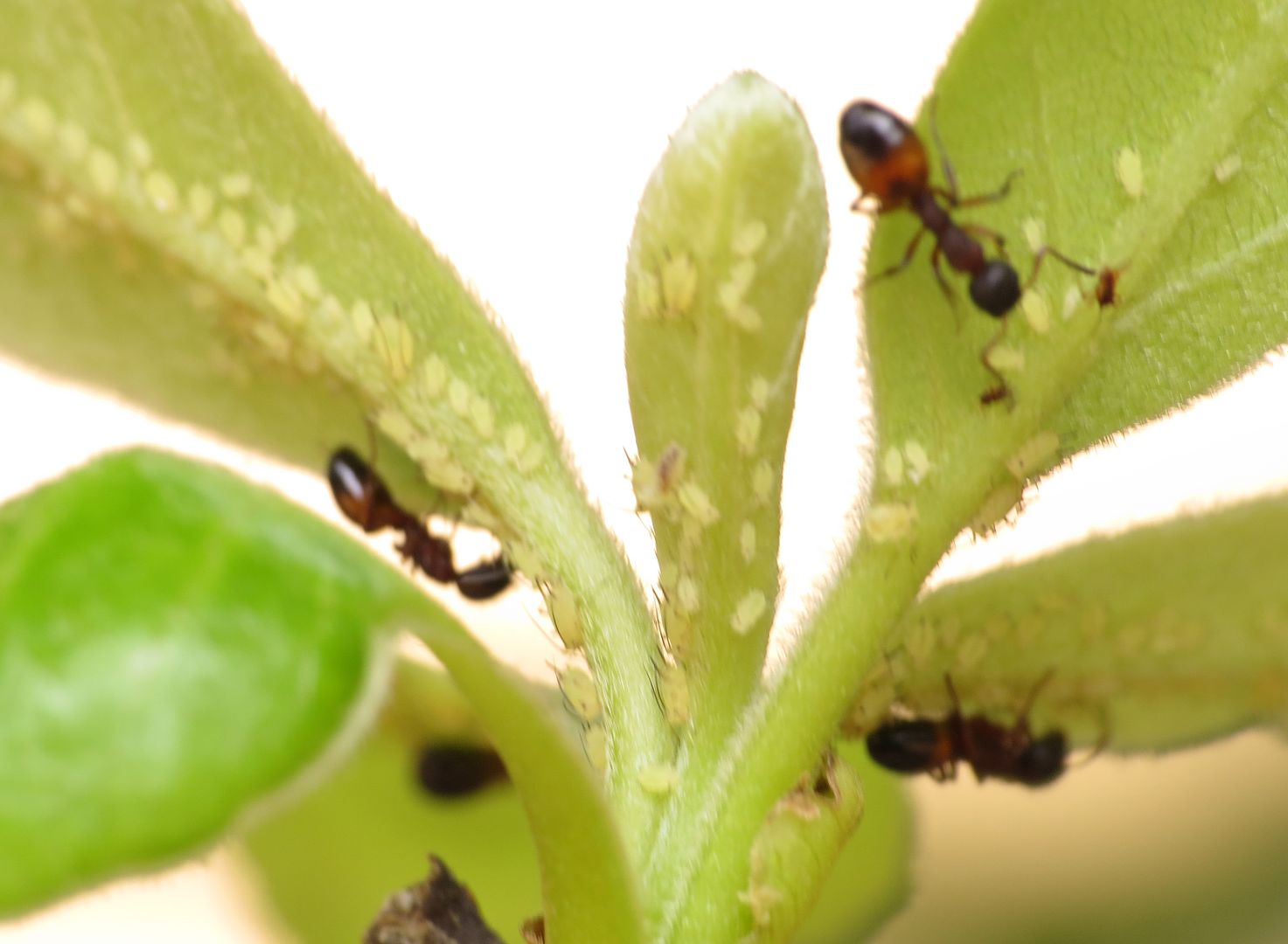
Also featured in this episode was Rudbekia hirta, the Black-eyed Susan. It's not flowering yet but I see them covered in aphids right near the flowers. This has never hurt their population and in fact they seem to be doing better than a hybrid I bought that didn't get any aphids. That's not to say aphids are beneficial, though having ants crawling all over the plant might have stopped some of the damage insect herbivores were causing, but more likely the hybrid cultivar was just selected for it's beauty and not its resistance to any of its natural pests.

Monday, November 11, 2019

Aphid Sex!!!

Aphid Sex!!! For most of the year aphids reproduce asexually, cloning themselves over and over again, occasionally producing winged forms that fly off to new host trees and start new clonal colonies. Well before winter sets in they change strategies and start producing sexual reproductive females and males. The males mate with these new females and instead of cloning themselves the females lay eggs which survive the winter and the cycle starts all over again next year.

Saturday, September 19, 2015

Honeybees on Black-eyed Susan


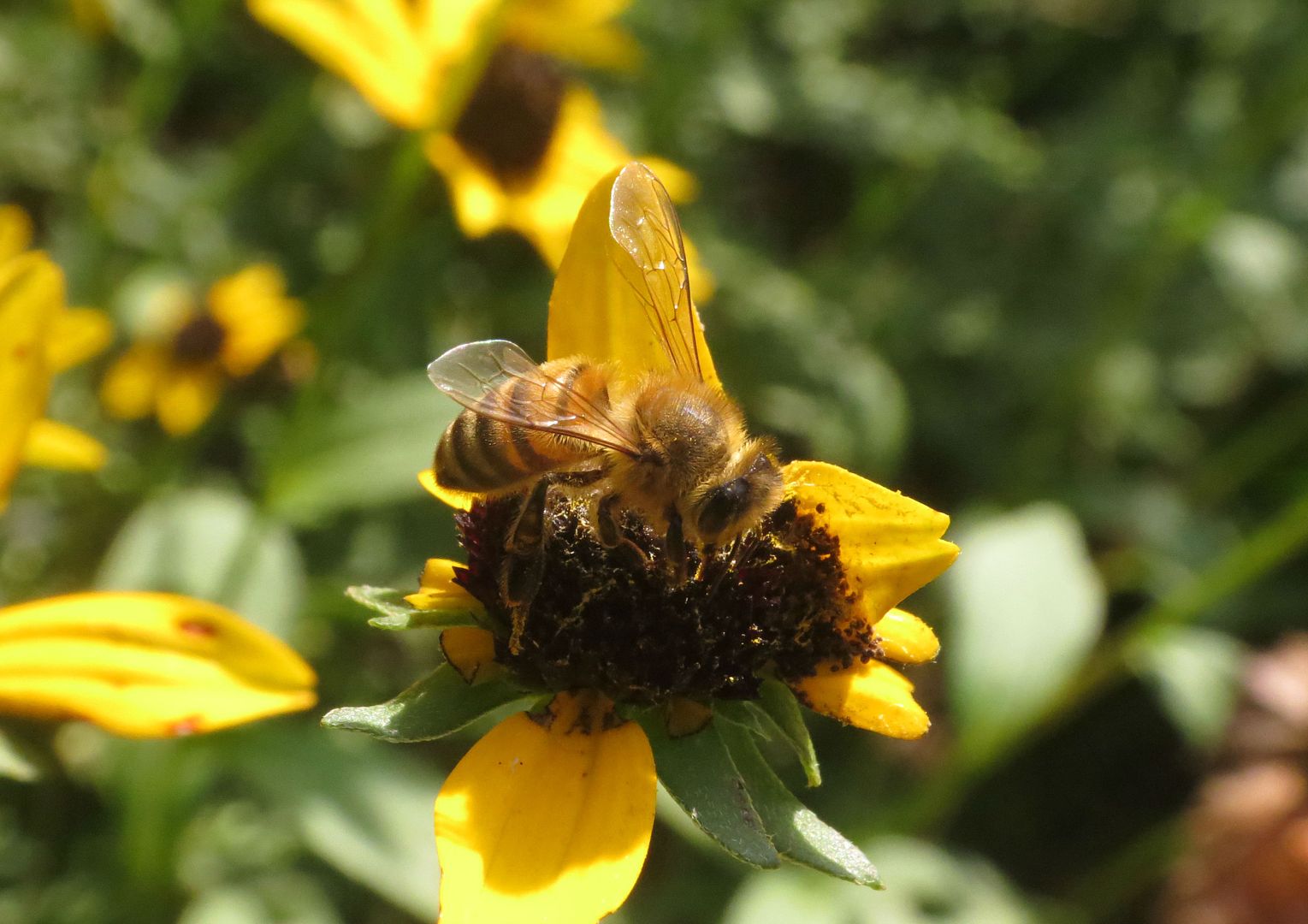
I've never seen Honeybees bothering with Black-eyed Susans before, even bumblebees won't bother with them. But on my recent visit to the Mt. Cuba Center in DE, sure enough I found some working the plants. But they were only working the ones in a huge patch at the top of the hill where assorted Asters and Goldenrod were planted around. Others planted out in the grassy meadow received no attention at all, though I'll concede they were not planted as densely. What I think is happening is the honeybees that found the asters took the sweet nectar home and did a waggle dance to tell their fellow bees where the sweet nectar was. So the new foragers coming to locate the source of the nectar mostly found the Black-eyed Susans instead of the Asters.


On rare occasions when I do find honeybees working Black-eyed Susans, away from other nectar plants, it's usually on the cultivars that have enormous flowers compared to the true species, seen above, which doesn't always have its petals.

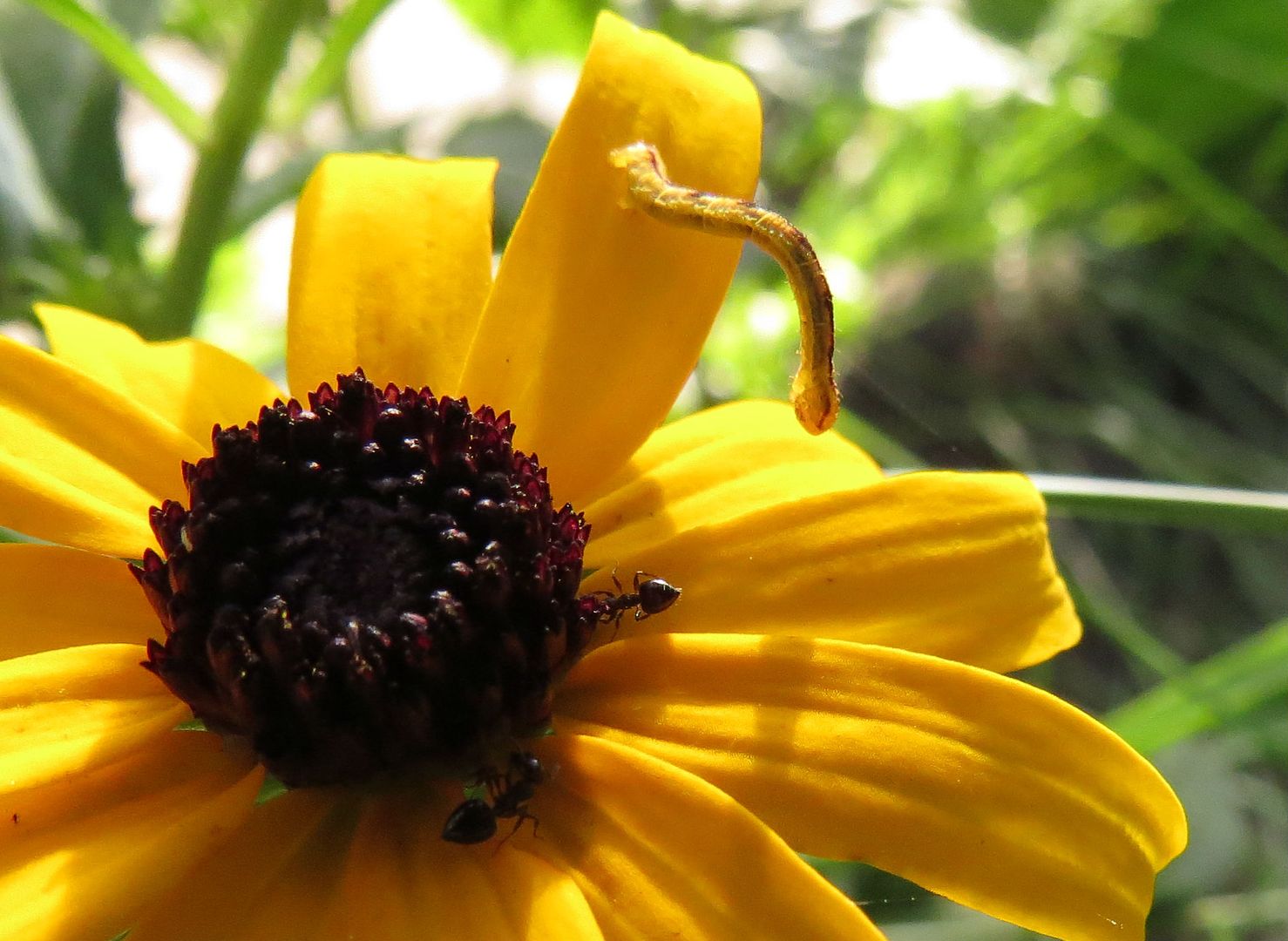
I'm half tempted to say the bees were tending aphids that sometimes infest the flowers to various Rudbeckia species but I know that wasn't the case.

I also spotted a Pearl Crescent fluttering about on the flowers. I wonder if the Mt. Cuba Center's new hybrid aster 'Bluebird' is a host plant for this species. It's a hybrid between two Asters but only Symphyotrichum laeve is listed as a host.

Monday, September 2, 2013

Rudbeckia Seed Aphids


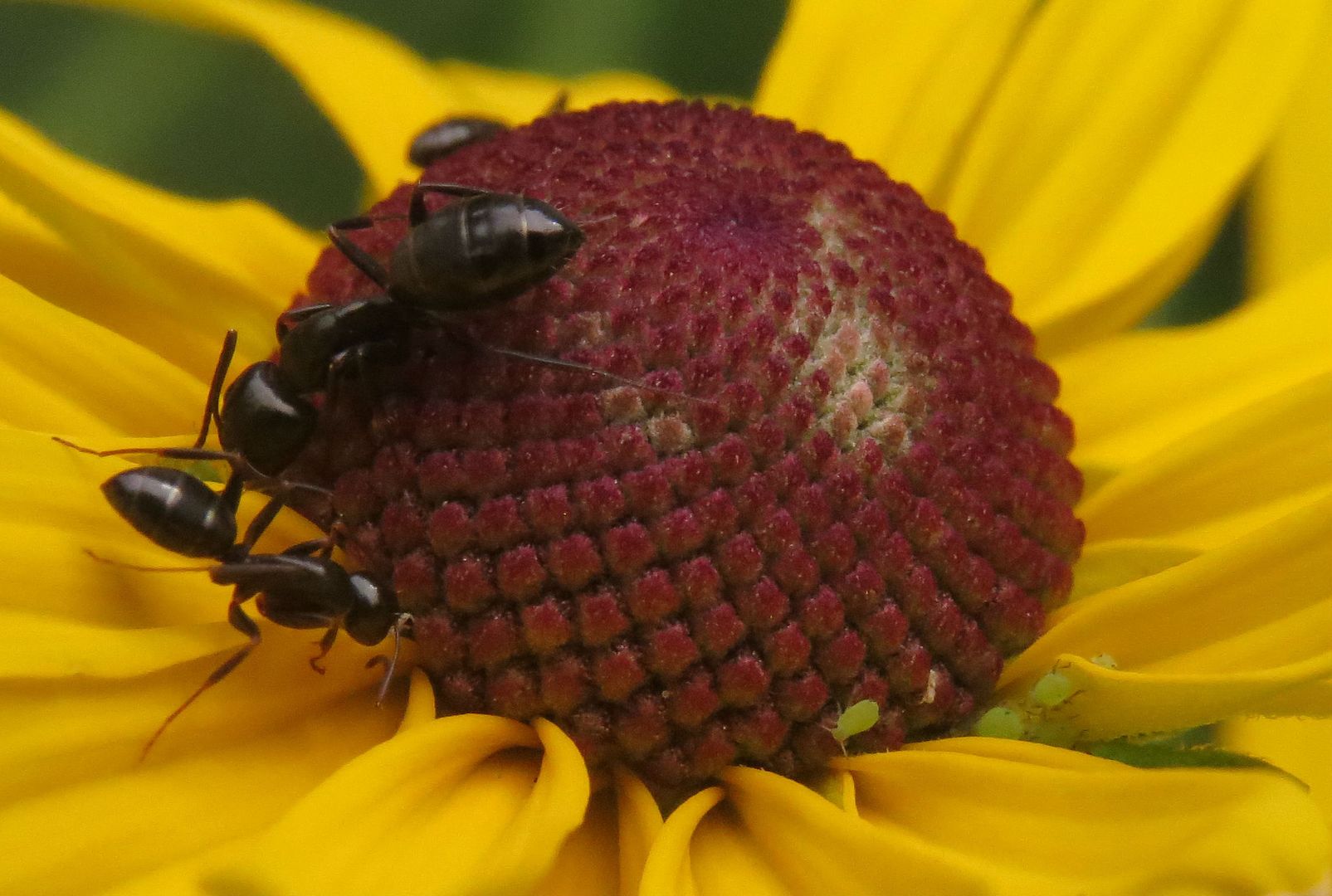
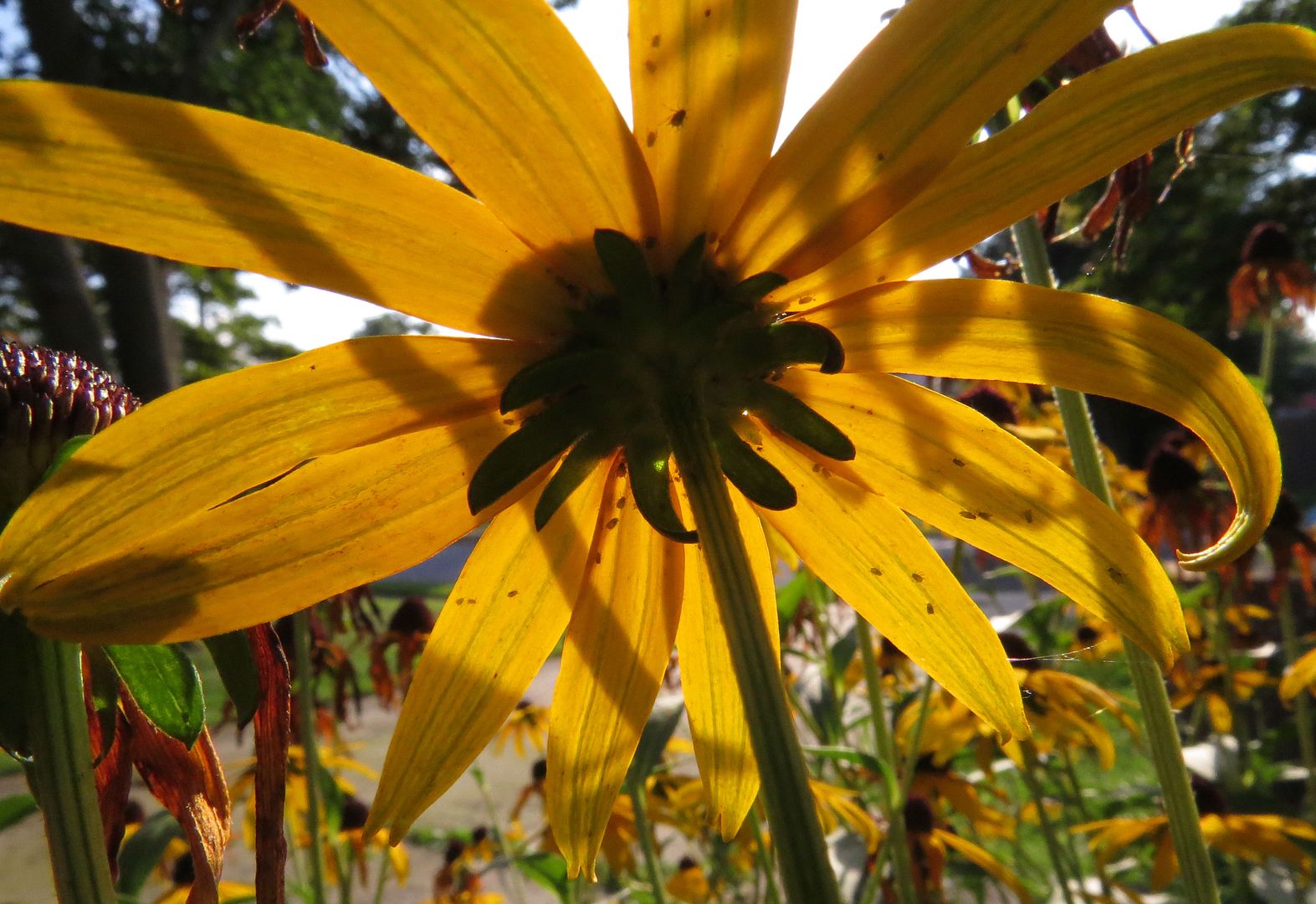
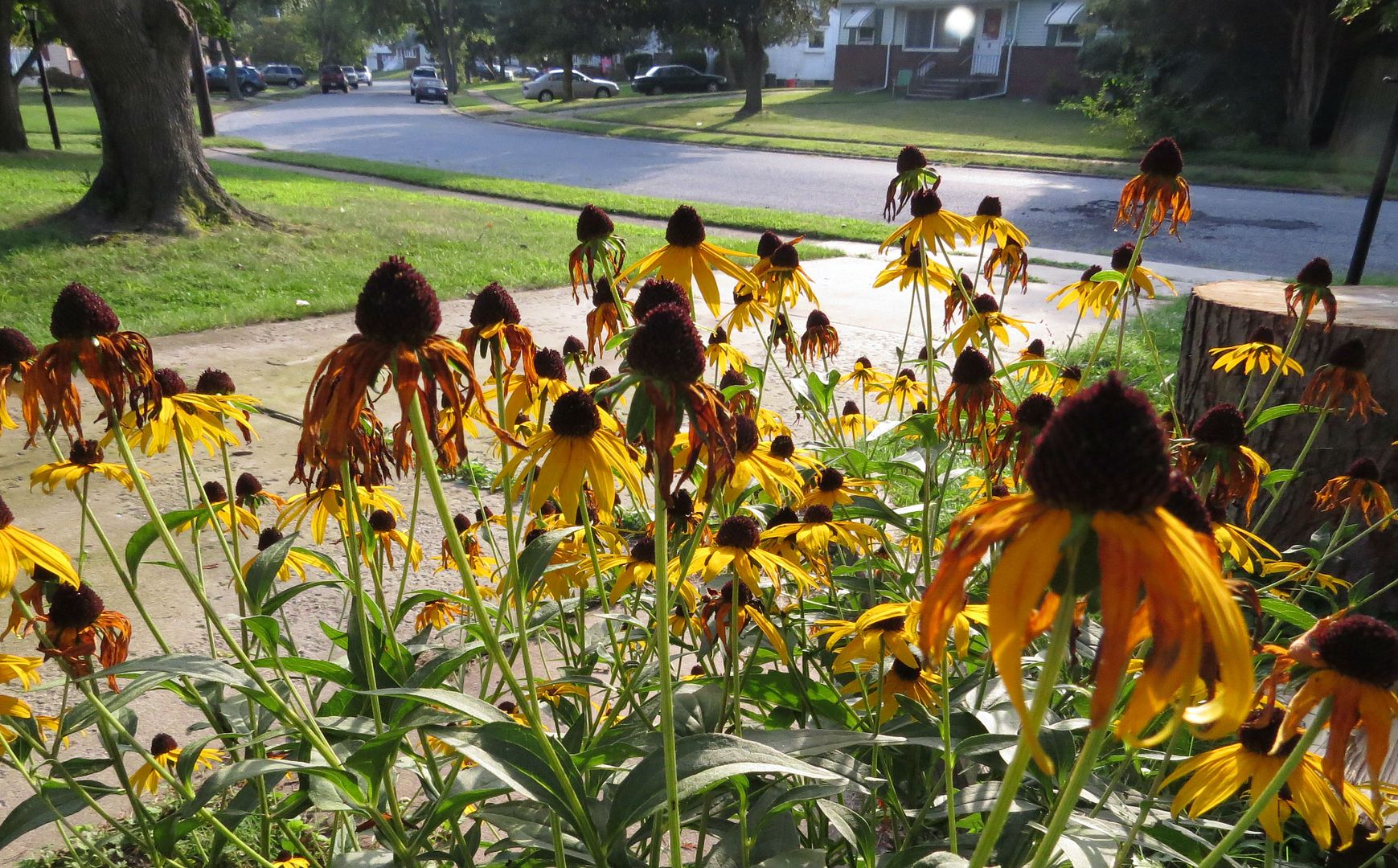
 I realized earlier that there were aphids on the developing seeds to the Black Eyed Susans I have in the front yard.

 They're also under the flower somewhat. They used to only be here but have since moved up to the seeds and within spent florets.

What's odd is that the ants are tending them and this is boarder line an in-between with tending aphids and nectar thieves. It's odd finding aphids filling this roll.

Sunday, July 21, 2013

The Second Annual New Jersey Ant Together

So yesterday was the second annual NJ Ant Together. The title is a play on words; birders have birding so ant people have anting. So now we can just look for ants, together.

I always hesitate to make the event public for fear of someone showing up thinking this would be great for their children to do. It's NOT! This is a hiking/nature walk that lasts the better half of the day in tick and chigger filled fields and forests. Though this year despite walking through waist high grass I barely got any chiggers, and despite finding deer tracks through the woods our total tick count was 3 plus some really pale and young "baby ticks" which I'm not familiar with.
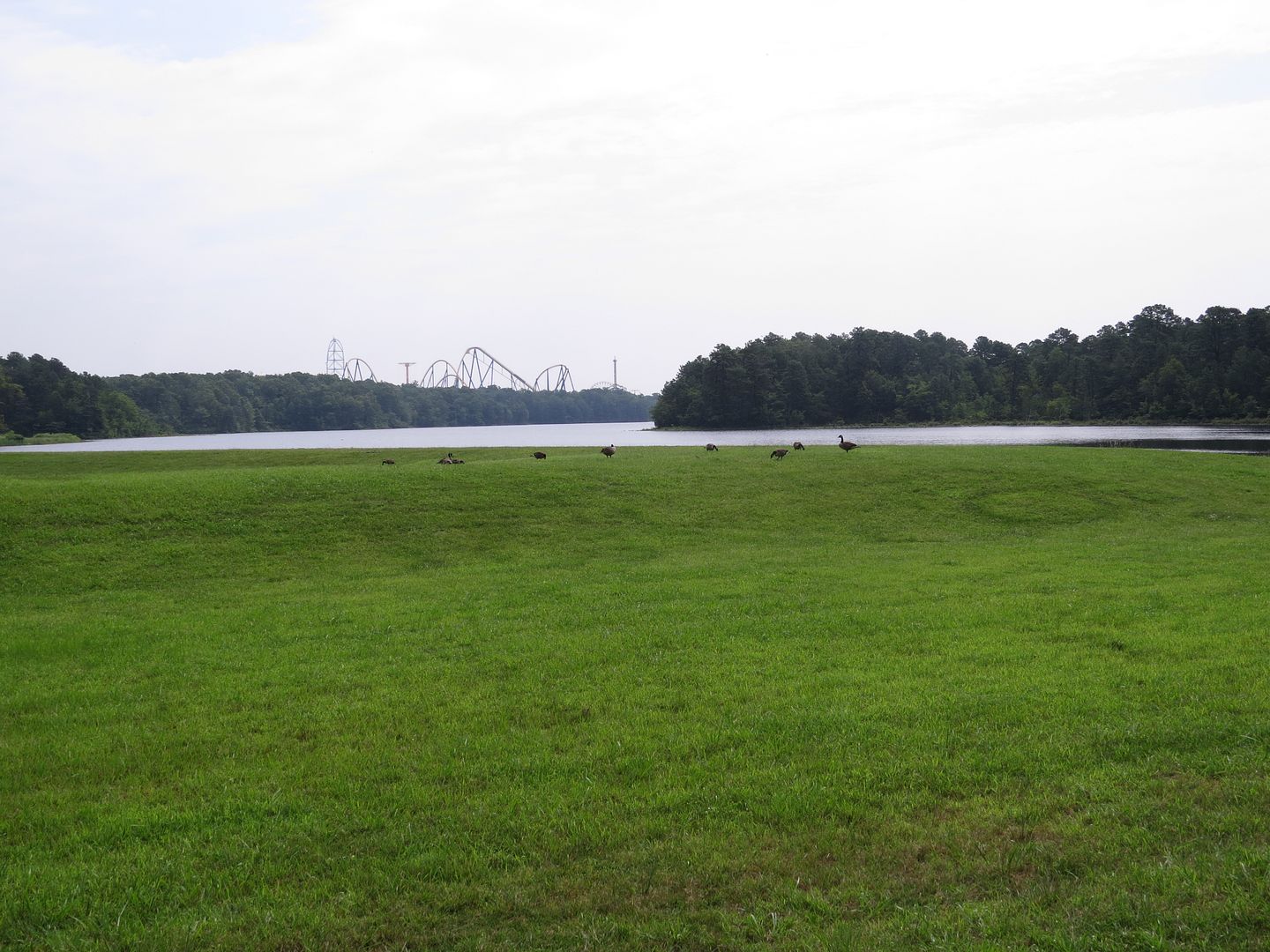
Our first location was Prospertown Lake, the parking lot of which is located down the street from Six Flags Great Adventure. The cool breeze over the lake, and cloudy over cast kept what should have been 95F degree weather feeling more like it was 80 outside. (There are a number of SPF and Bug Repellents that have anti sweat additives to them.)

Upon walking around we were treated stands of Prickly Pear, a type of cactus that's found throughout the United States.

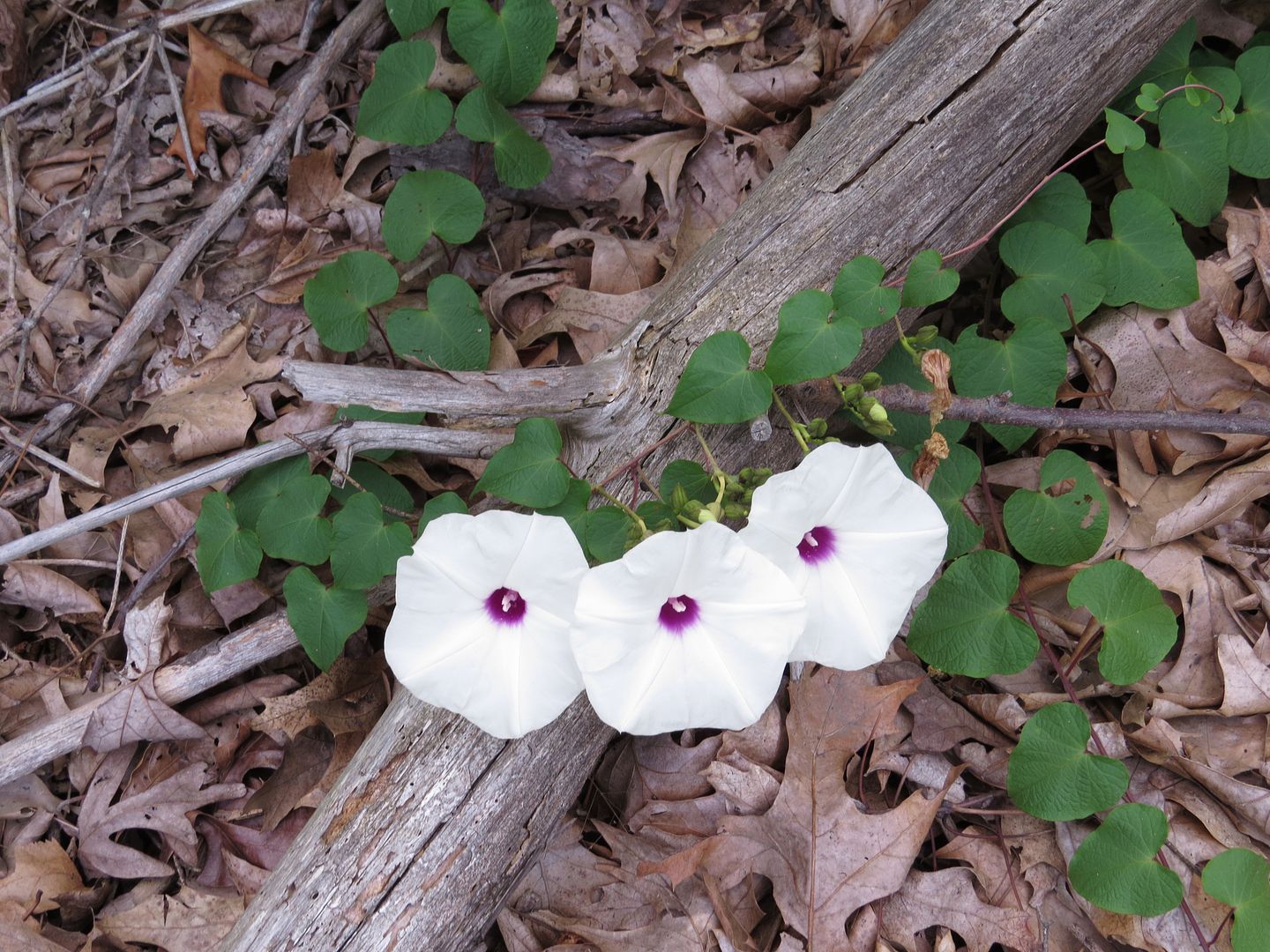
There was also some type of creeping morning glory that I thought was neat.

As luck would have it one of the first ants we found was one I've been looking for for the past five years or so.

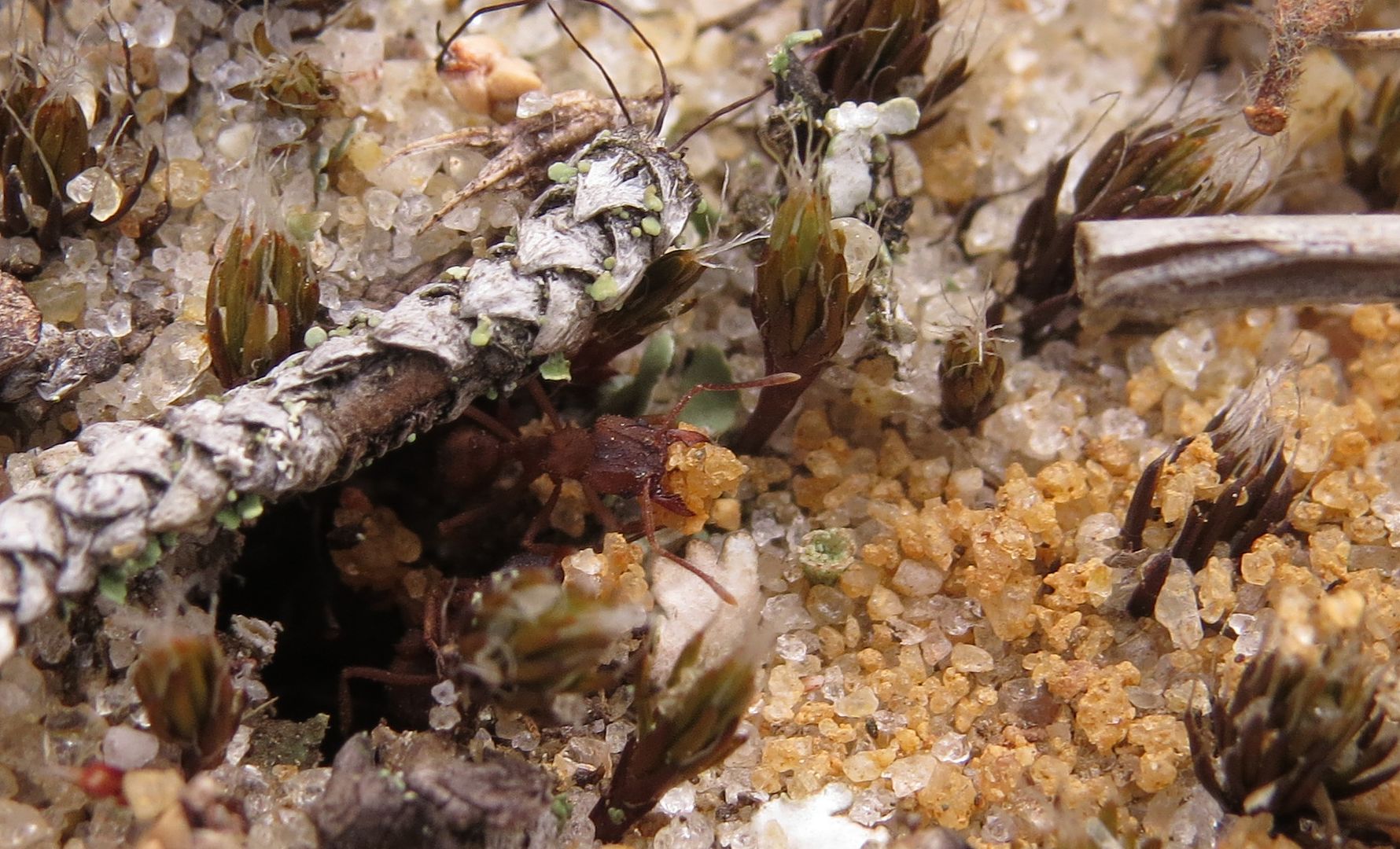
Trachymyrmex septentrionalis, a North American fungus growing ant.

These ants forage for fallen leaf litter and flower petals as well as the frass to caterpillars, grass hoppers and other plant chewing insects to fertilize their underground fungus gardens.

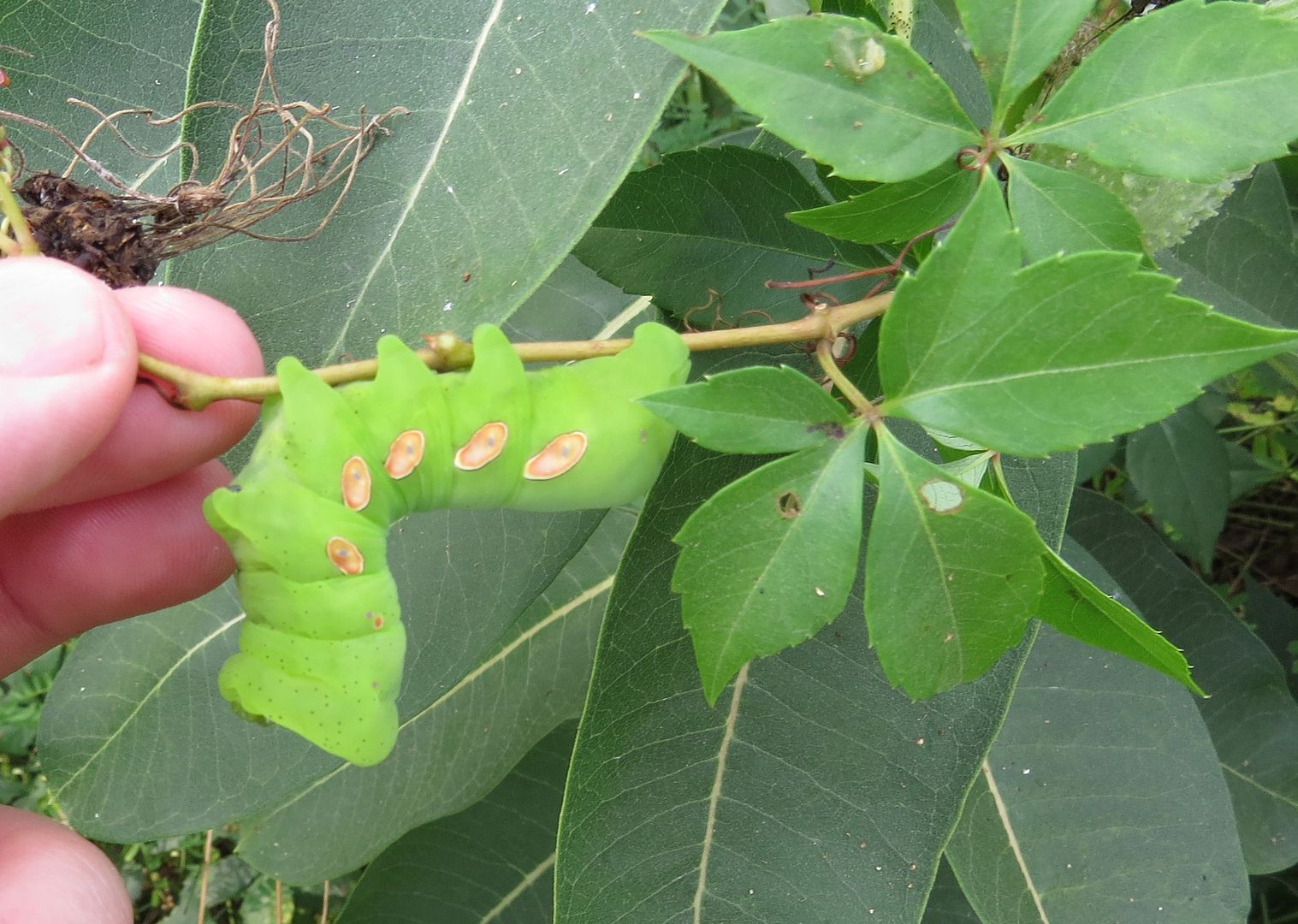
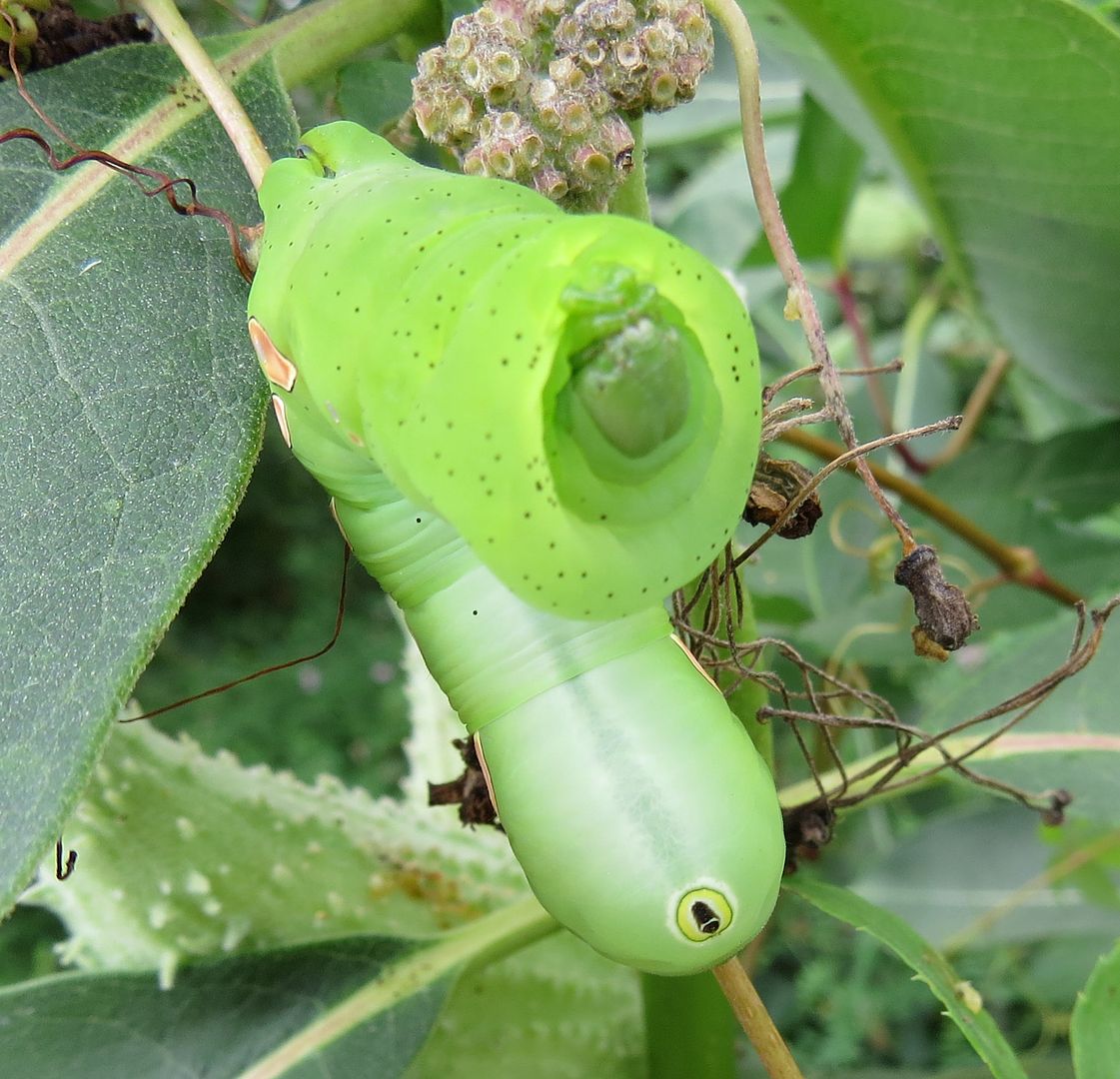
Not far away I found one such fertilizer factory nibbling on some Virginia Creeper. This turns into a Sphinx Moth of some sort.

When we spooked him I though it was funny how he sucked his head in to look like an ass, and made sure to show off the fake eye spot at his rear.

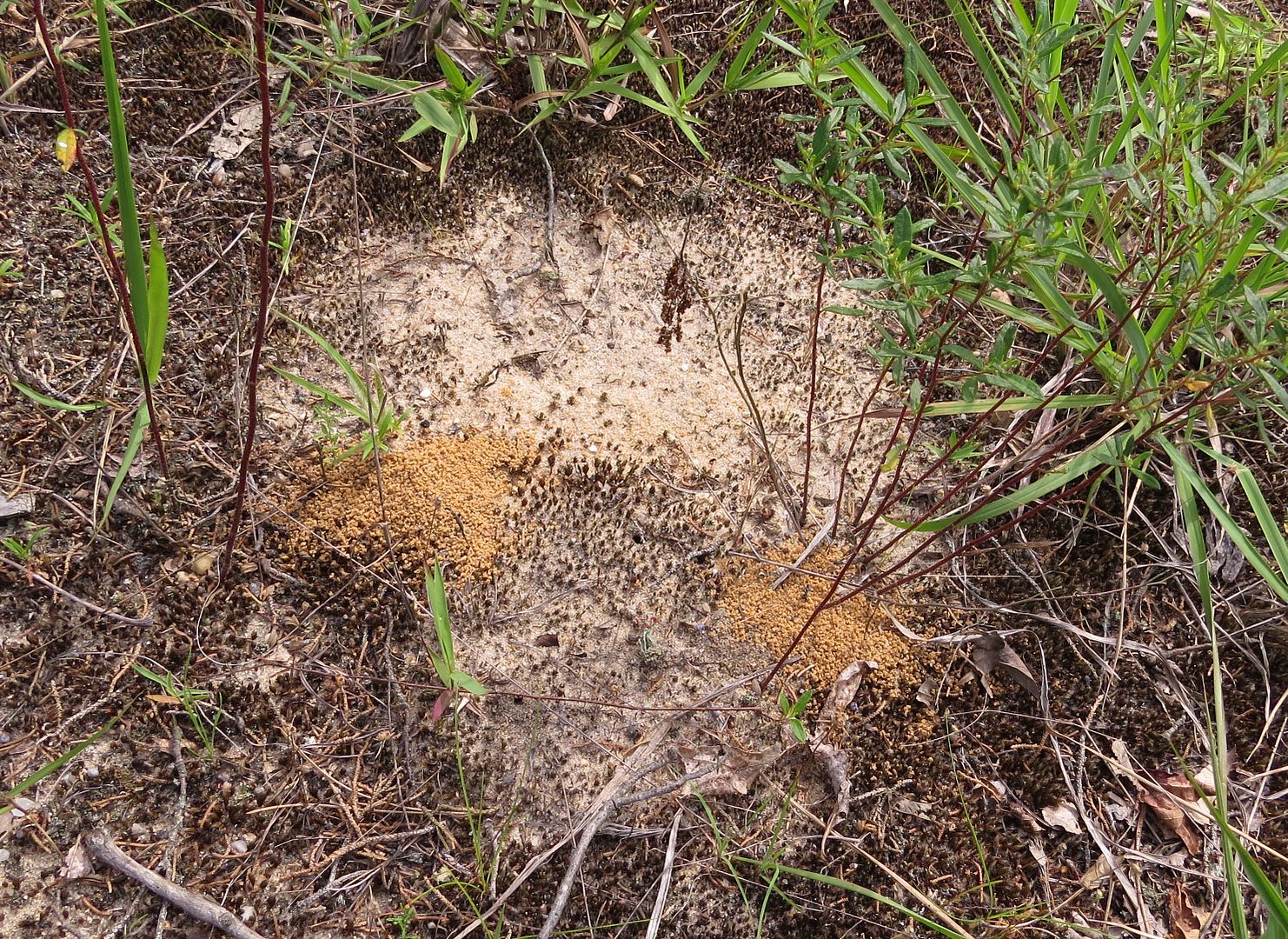
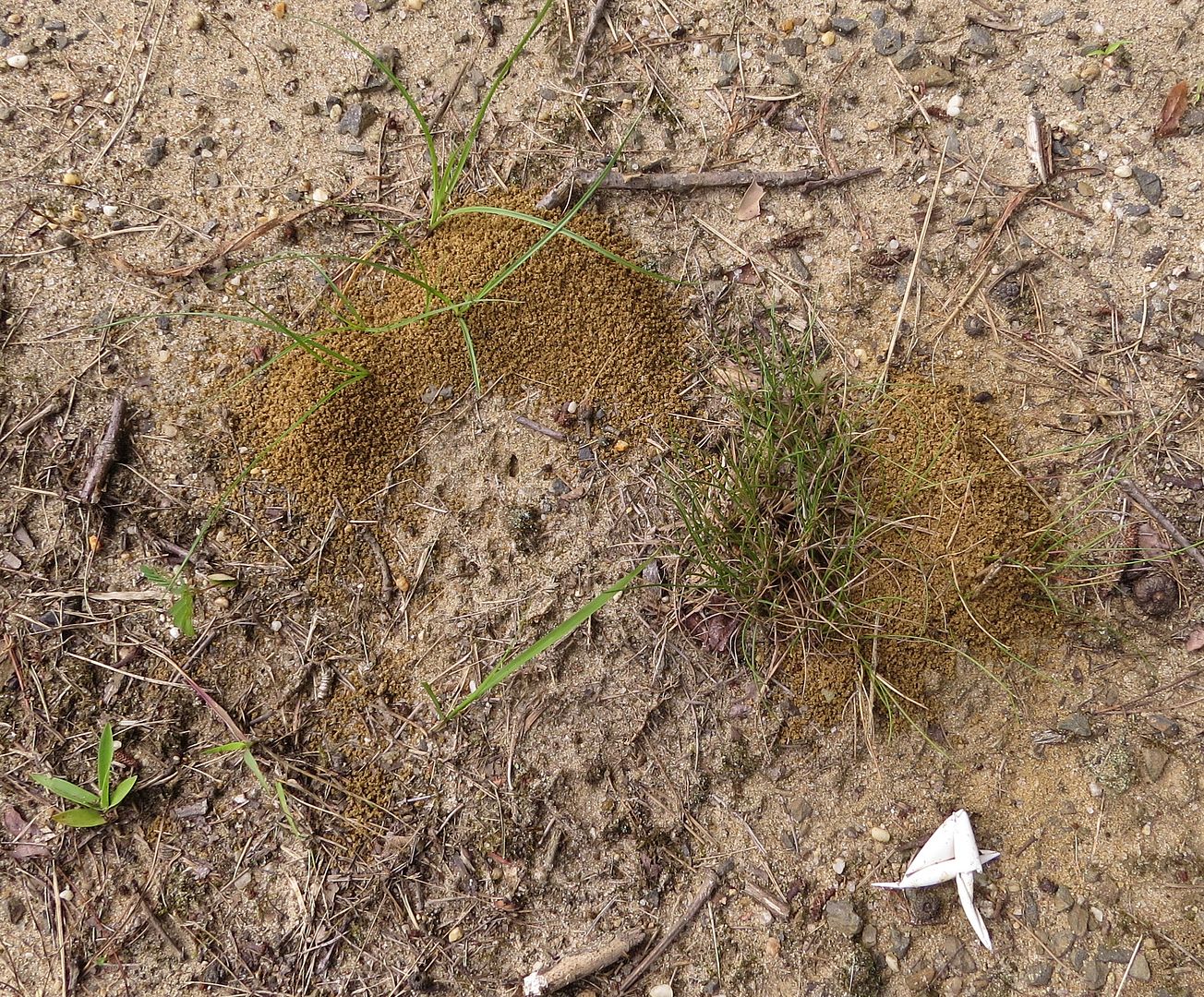
Unfortunately most colonies we found were inactive. But once we found one still digging, it became apparent that they were locally abundant wherever there was sand.

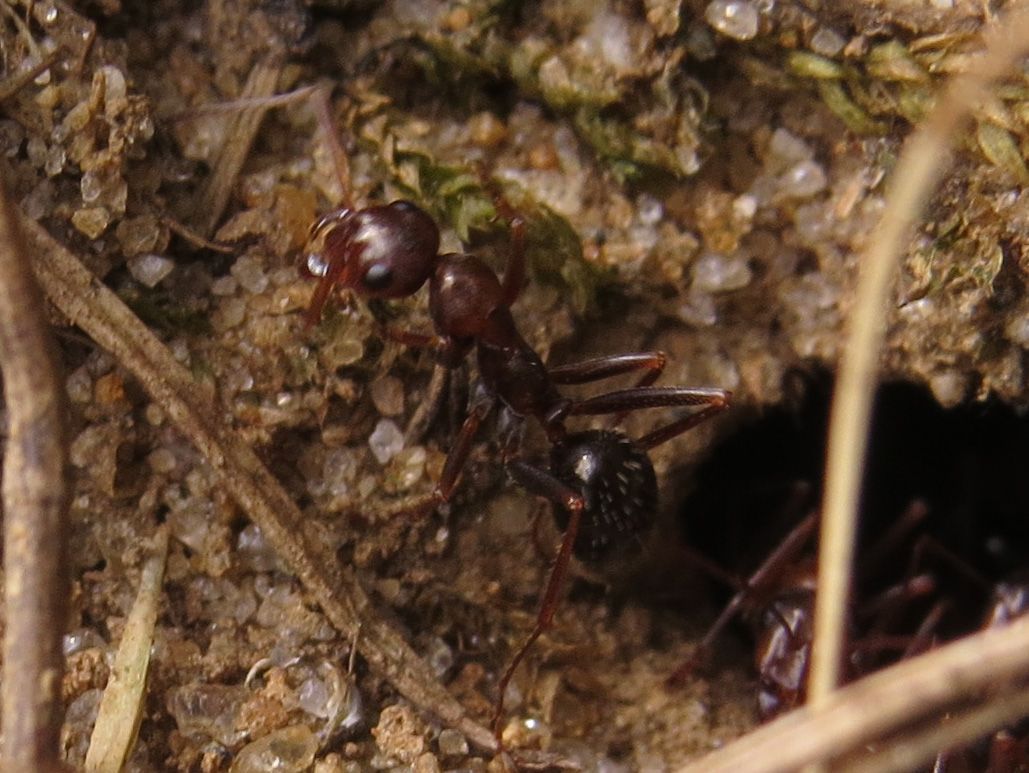
Aphaenogaster treatae colonies were abundant along the forest edge. This is one of the largest Aphaenogaster species in the region. They're just shy of being the same size as Formica pallidefulva, a common lawn species. 


This darker Formica threw me off at first. To get them to be more active we gave them a cricket.


I believe this is actually a darker color form of Formica incerta, which can also look identical to Formica pallidefulva. I'm so used to seeing these two species as the same color, that I found it odd that one would be different looking in another environment but not the other. Ignoring color, these two species differ in the amount of hairs on the mesosoma, queen number, and general colony size. 


Just in the forest we located a different species of Formica, this time something in the sanguinea group, which are slave making ants of other Formica species such as the two already mentioned. 

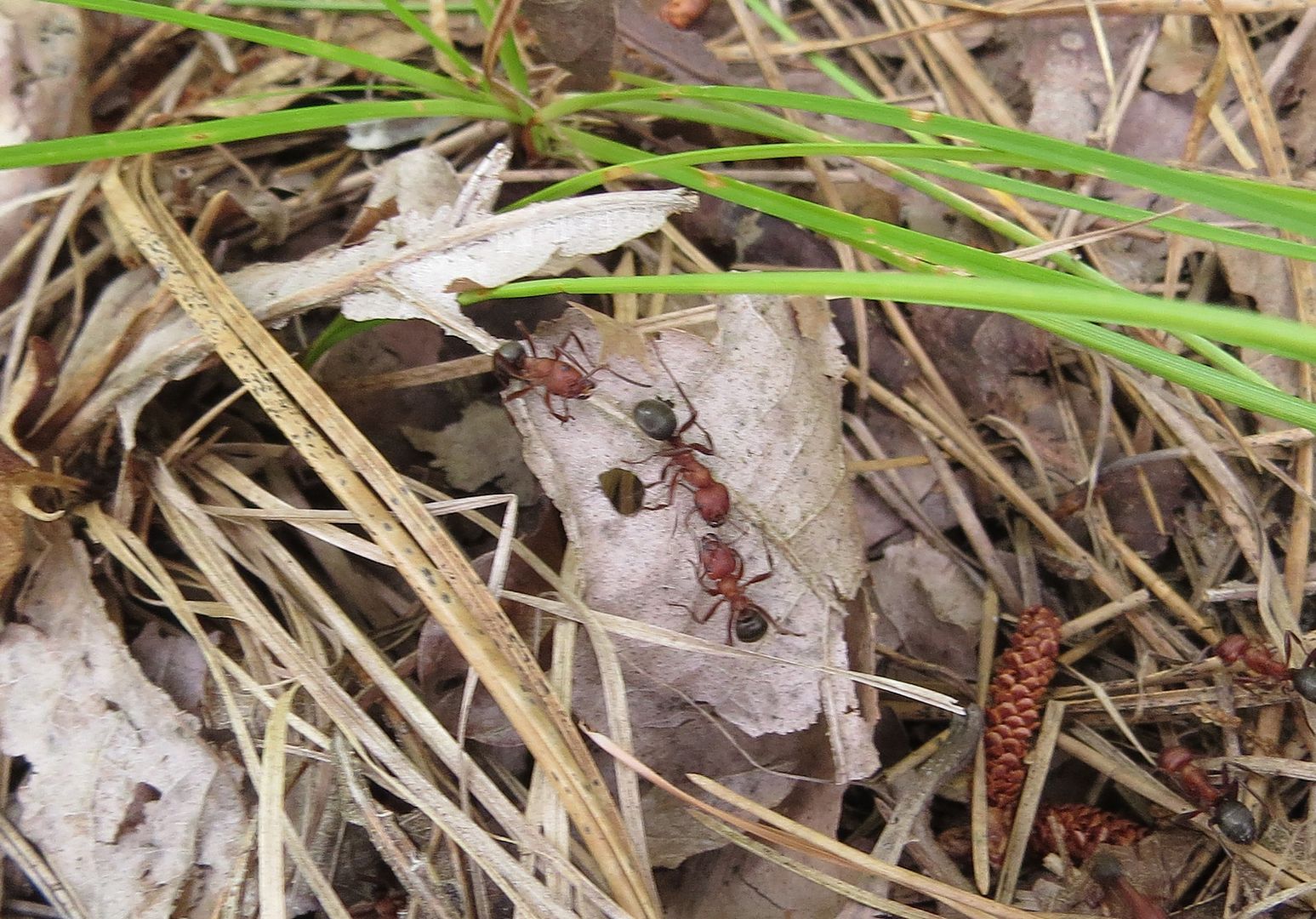
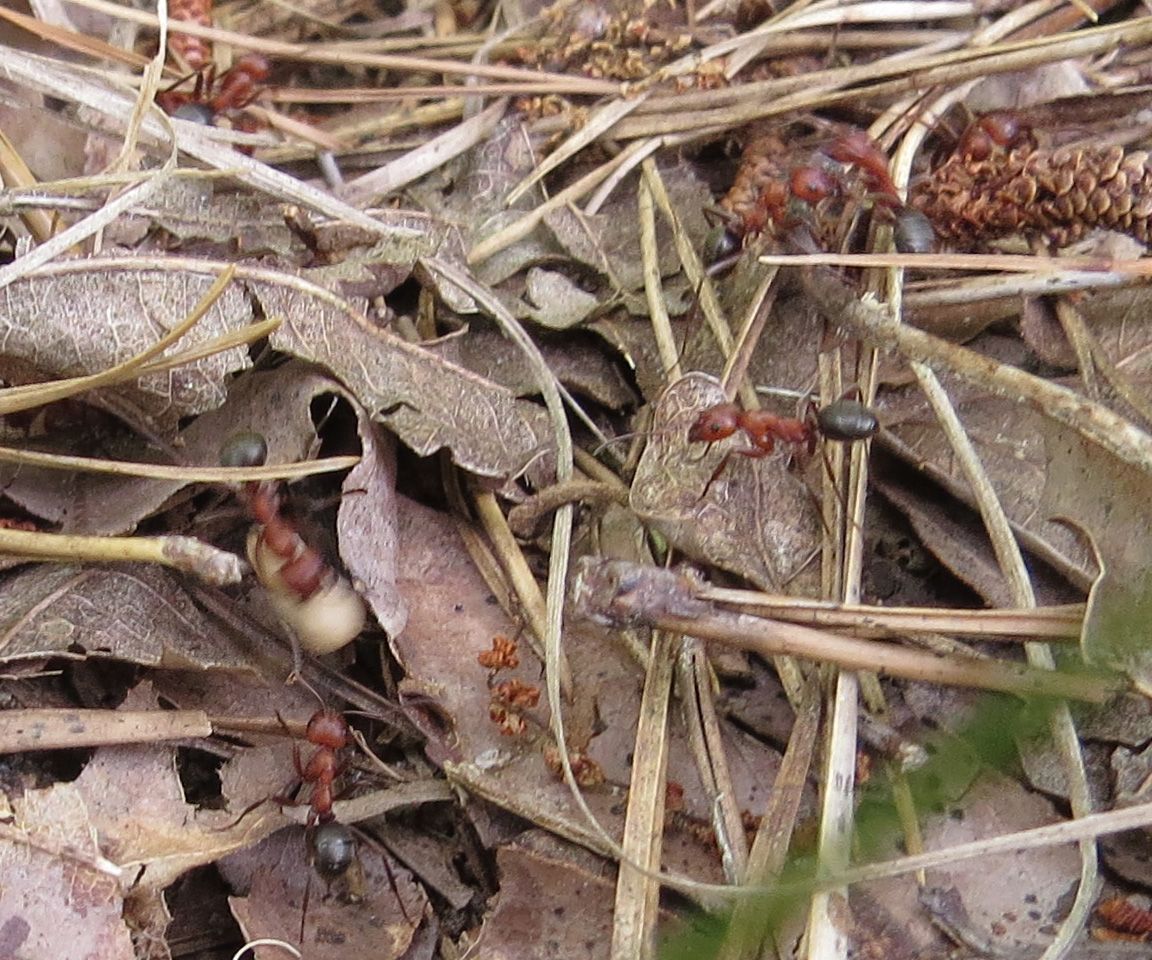
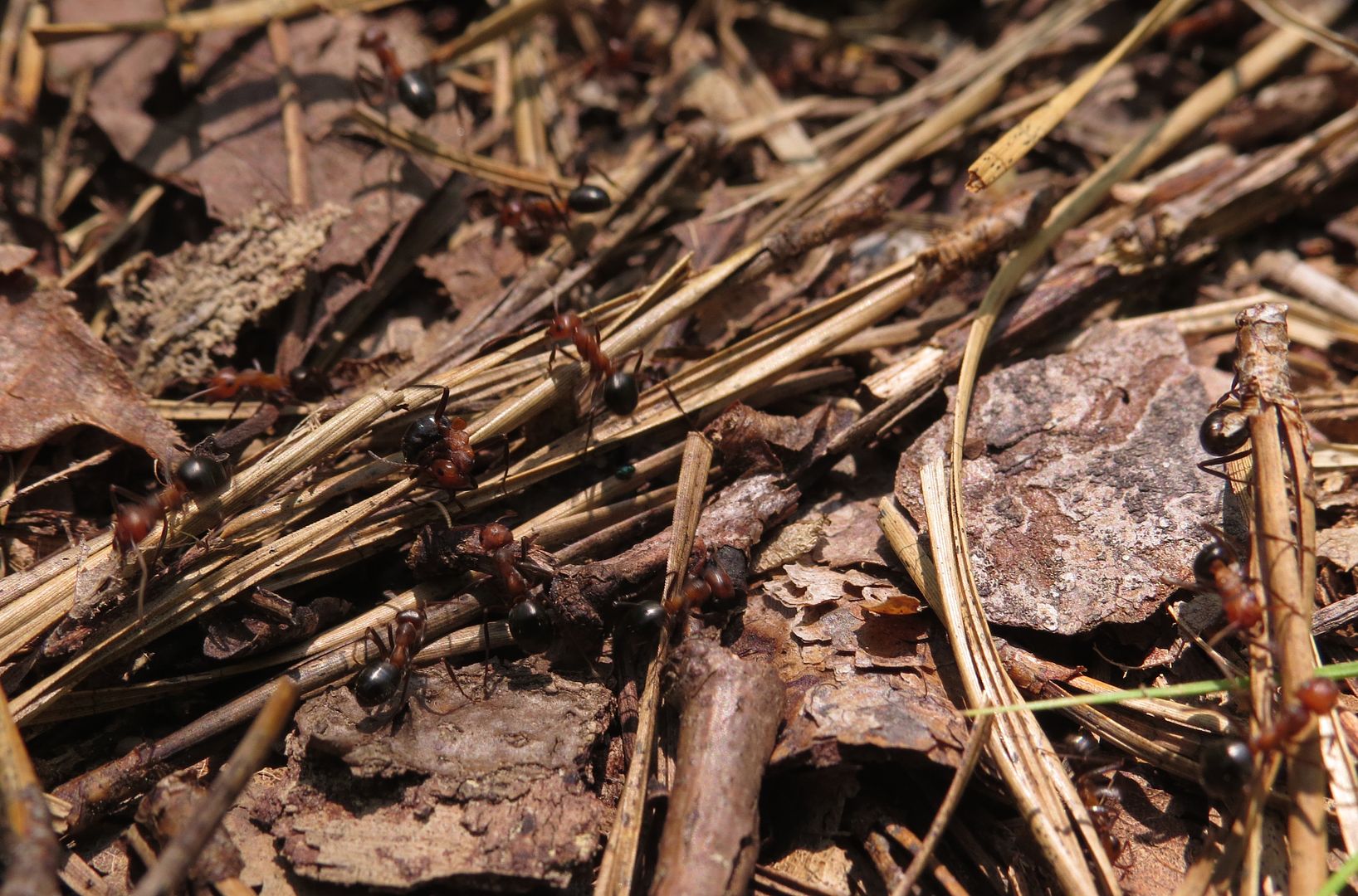
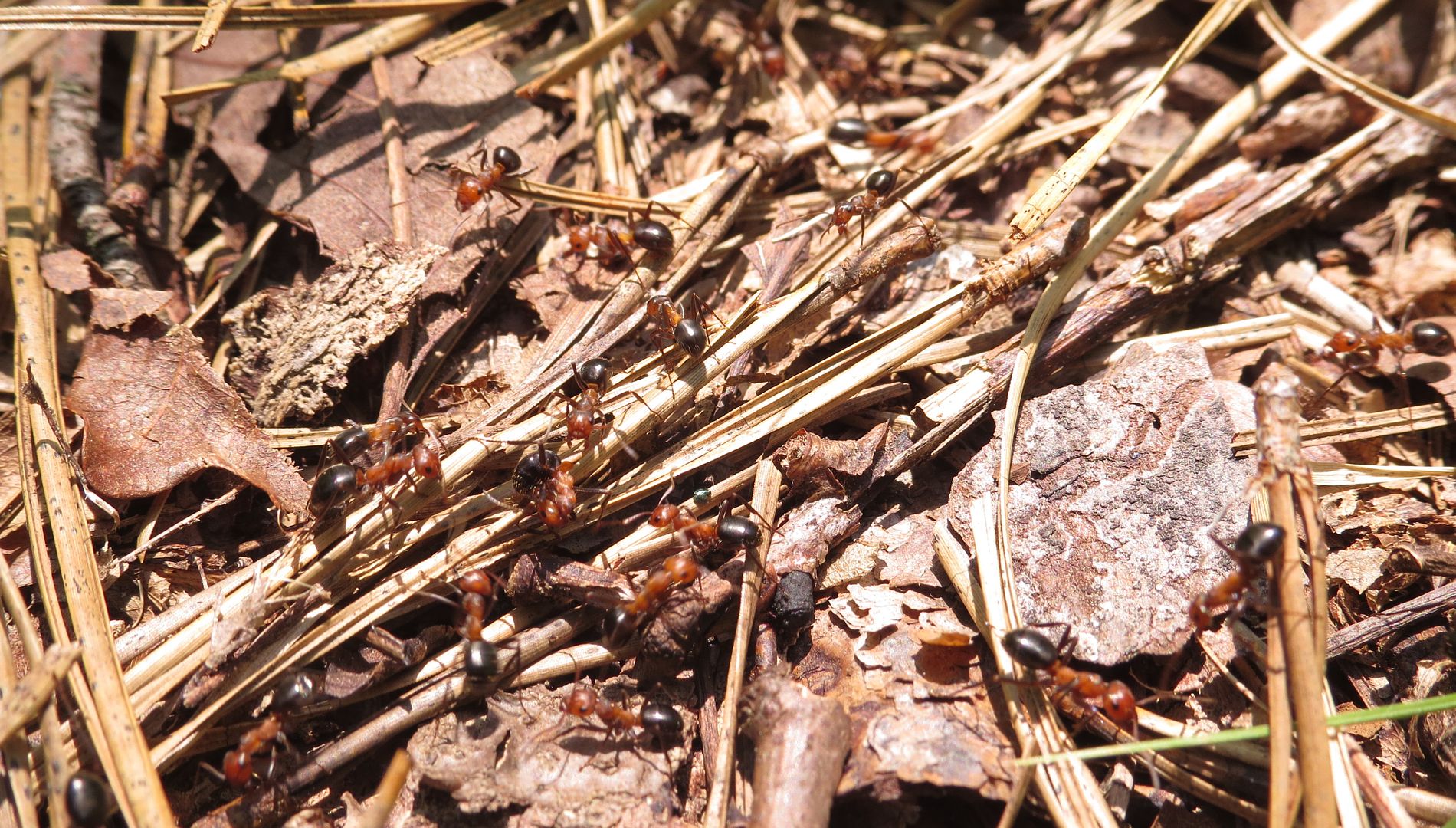
We weren't actually sure what we were witnessing. The colony appeared to be transporting cocoons to another location some 100 yards away; which we thought to be an outrageous distance for an ant line to travel. They were either moving the nest, or conducting a raid on one of their host species which we were unable to see. 


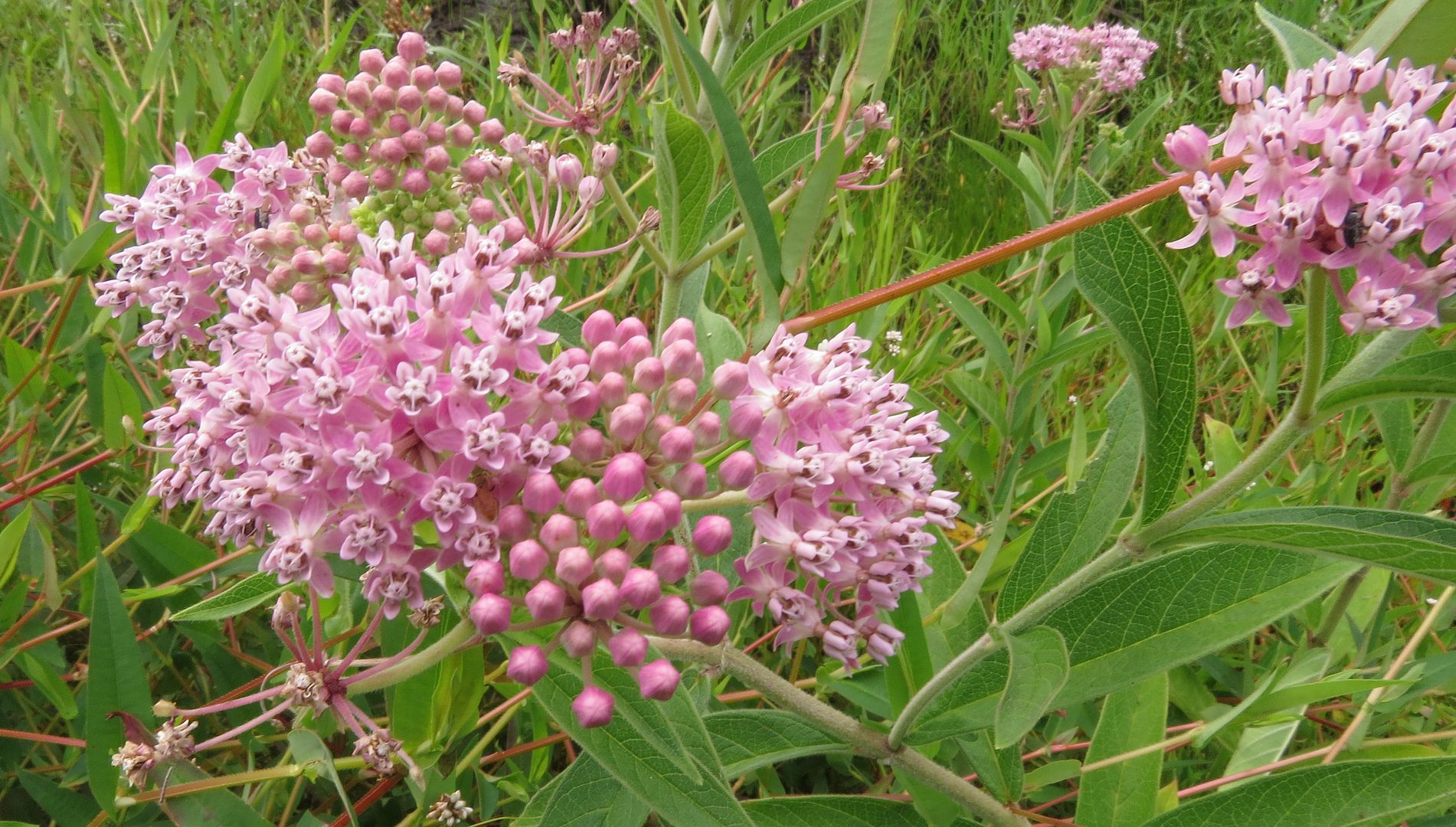
Before leaving that location, I found a population of Asclepias incarnata ssp. pulchra. Basically this is a variety of Swamp Milkweed that has hair all over the stem and leaves. The flowers are also a delightful shade of pink. 


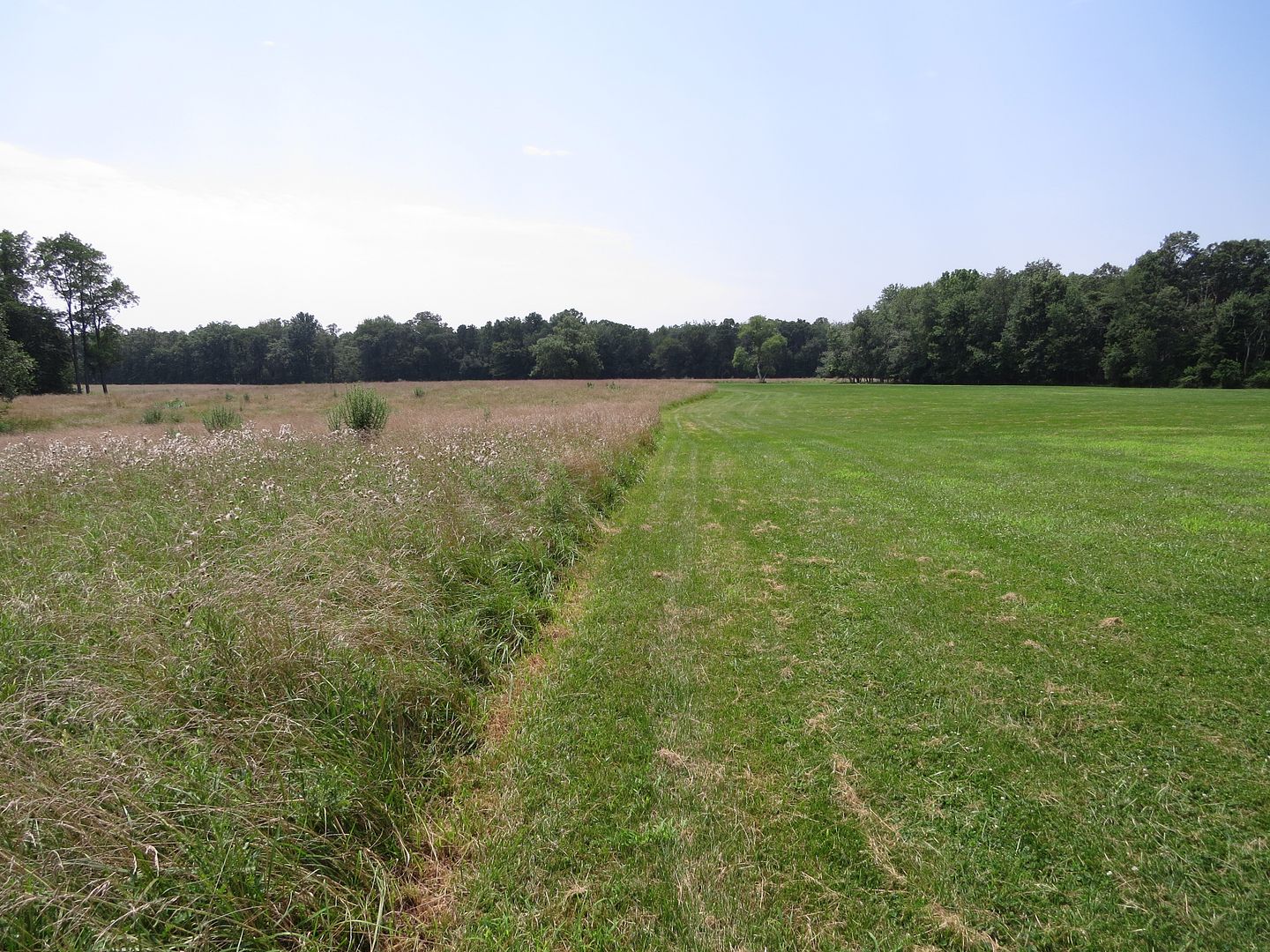
Next we went to Turkey Swamp Park to revisit the mounds of Formica exsectoides. Getting there requires you to walk through two great big open fields that are mowed for acres and acres. The second field has a very small patch of land that's not mowed at all. And I can't help but view this as a huge waste of space. One field... okay I get it, but to have two of them and only feature a little bit of ... I can't even call it a meadow. I think their lawn mower just ran out of gas. They could install a meadow garden here and offer path ways through sweeping drifts of native grasses and wildflowers. 


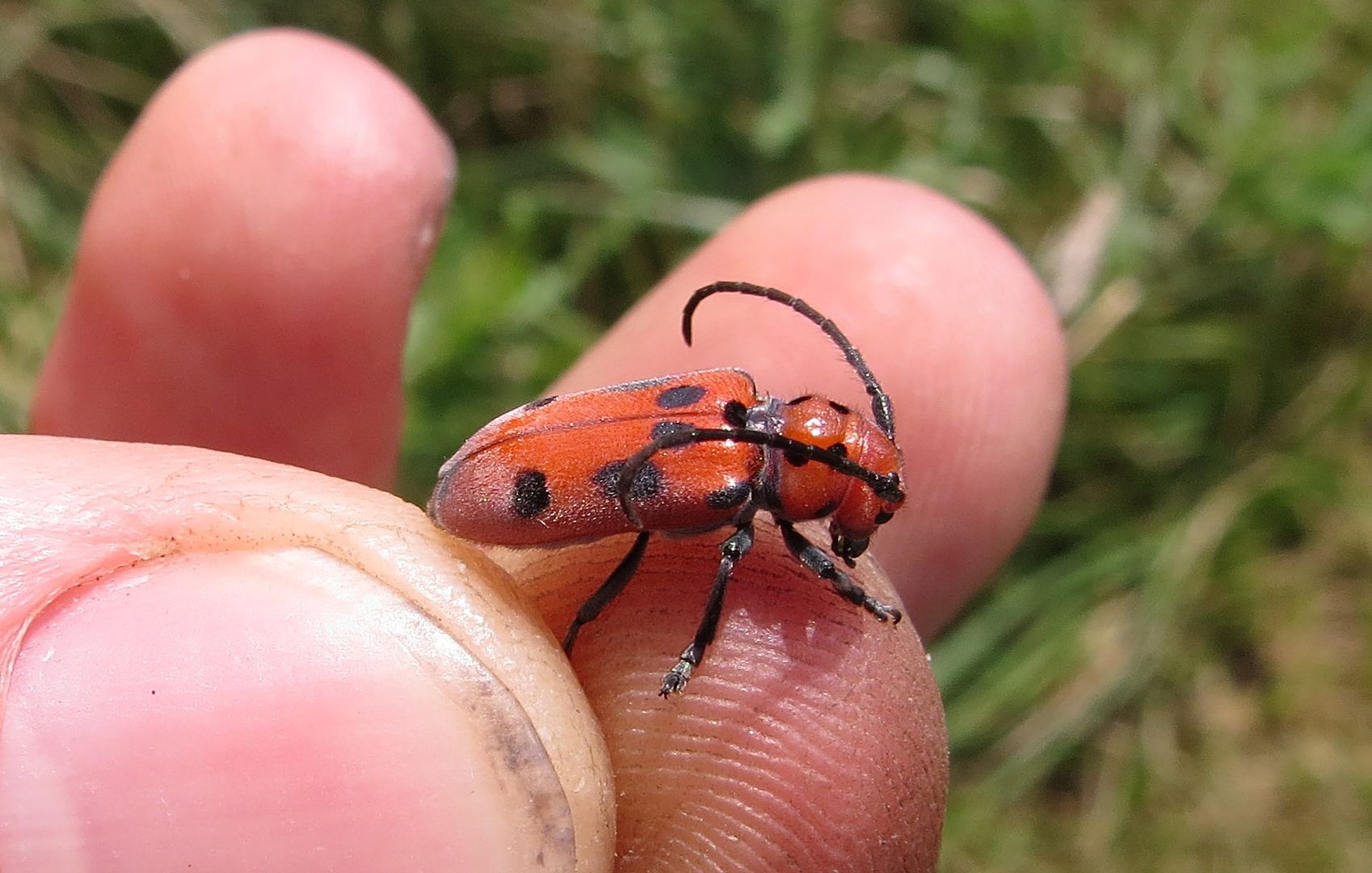
There were stands of Common Milkweed there but no Monarch butterflies at all. Other milkweed using insects such as this Four Eyed Beetle were making use of the milkweed but Monarchs seem to be in short supply this year. 

We came across an ant that I'd never seen before. The sensation didn't really strike me until I went to save them onto my computer and I didn't even know the genus, or what to call them.

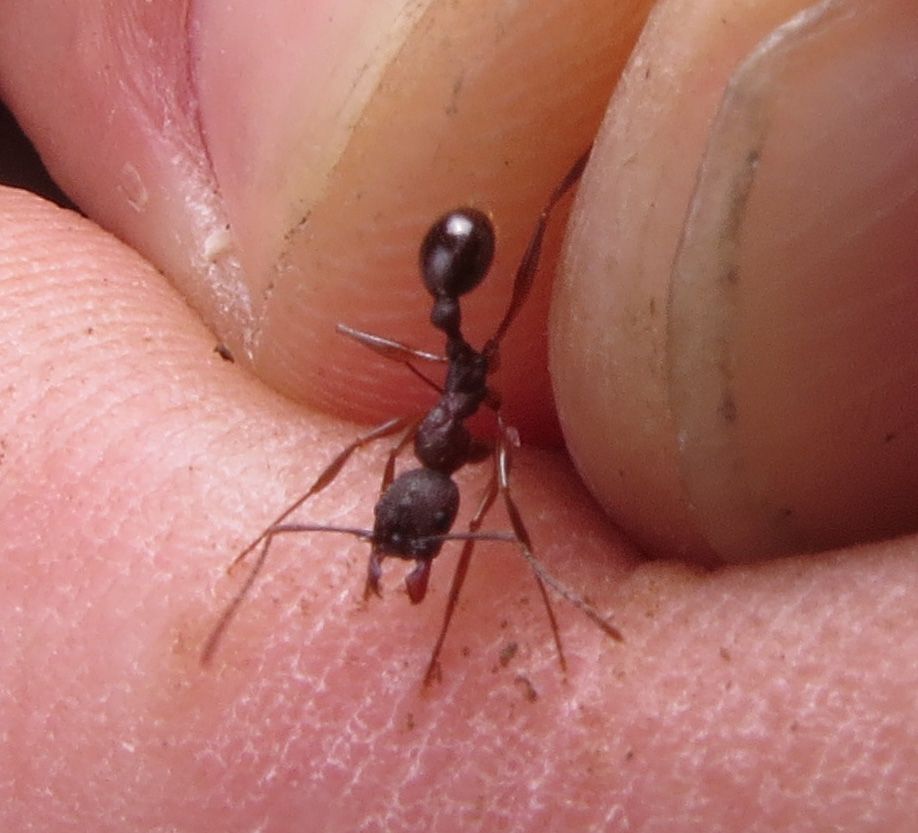
These are Dolichoderus plagiatus, which I found out later after having them ID'd. 


Here I am standing on a Formica exsectoides mound. It's a little deceptive how high it actually is. The lighter colored tops of them are this year's excavated soil. There is then a lower layer that's a more gradual incline outward. And then an even more gradual slope around that from where the ants have tracked dirt and such around. Behind the mound in the back it's about 3' to the forest floor, whereas looking at it this way they seem shorter.


This species is very aggressive. Mobs of alert workers gathered just about everywhere that we stepped. As I took pictures and recorded them, they started attacking my shoes and climbing up my legs. 


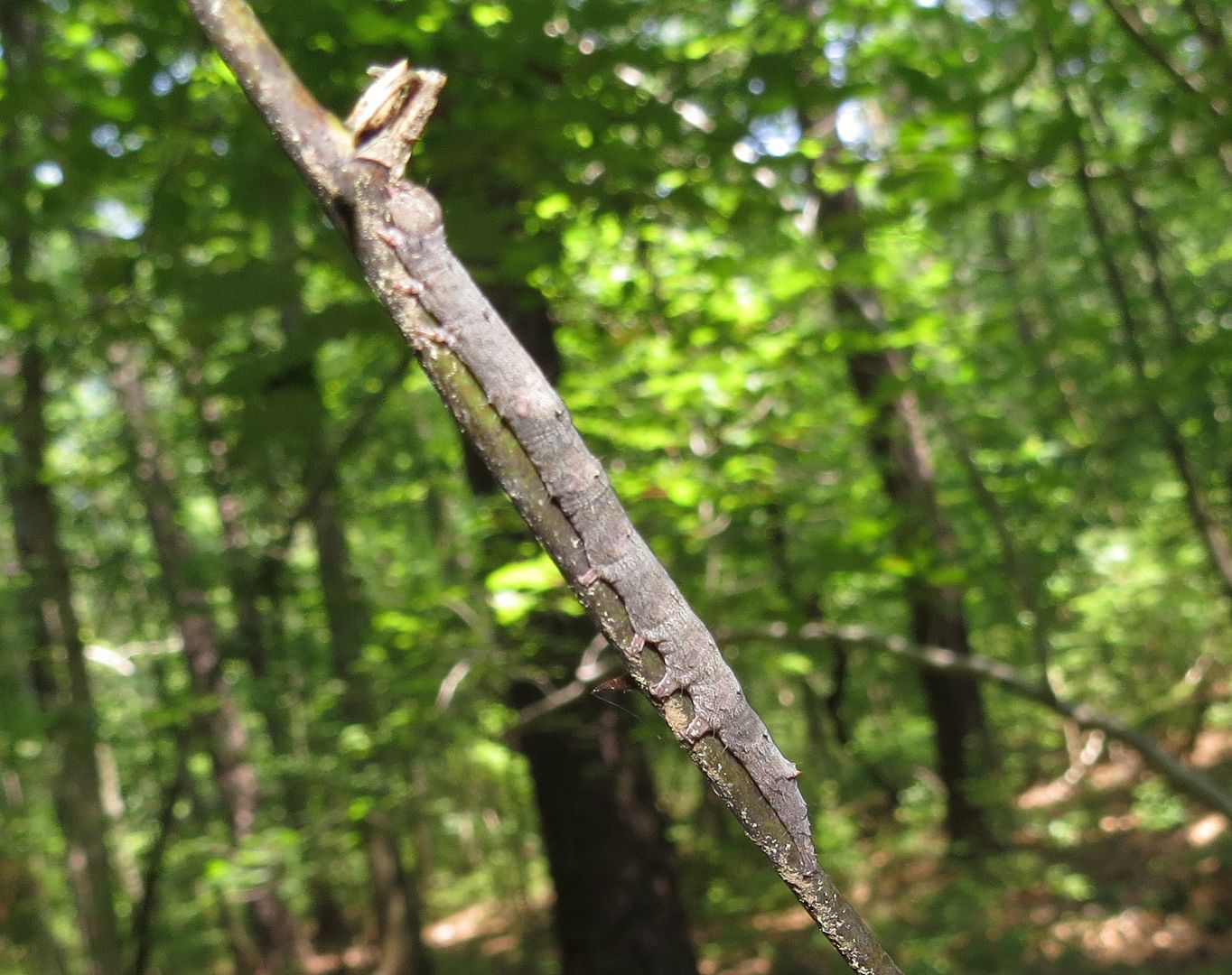
You have to be very good at hiding to live around ants like this, such as this caterpillar that blends in with a stick. 


As we got away from the colonies, roughly ten minutes of walking, we finally started to see other ants. Camponotus chromaiodes, which typically dominates forests is pushed off to the sides and occurs in places where Formica exsectoides doesn't inhabit. 
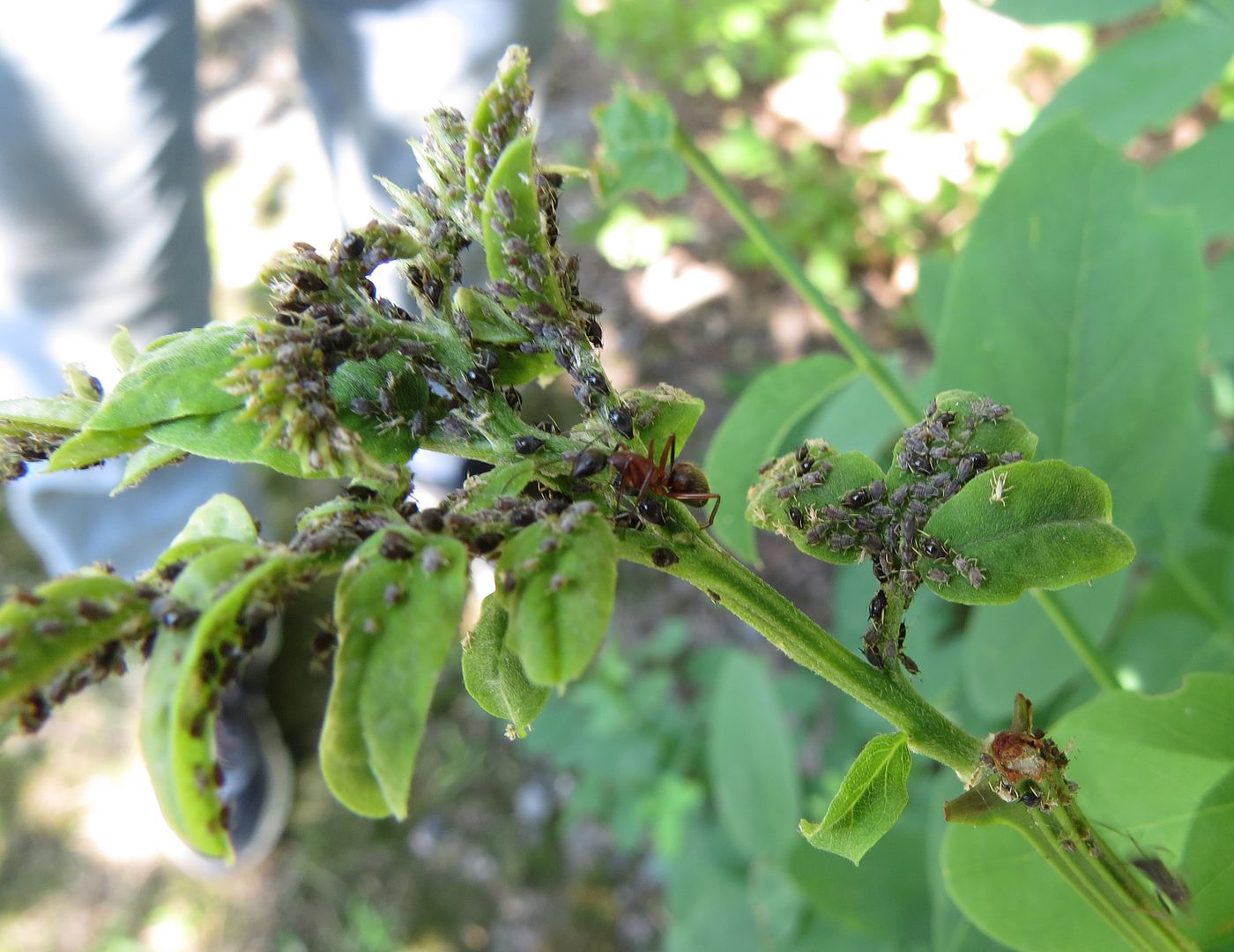
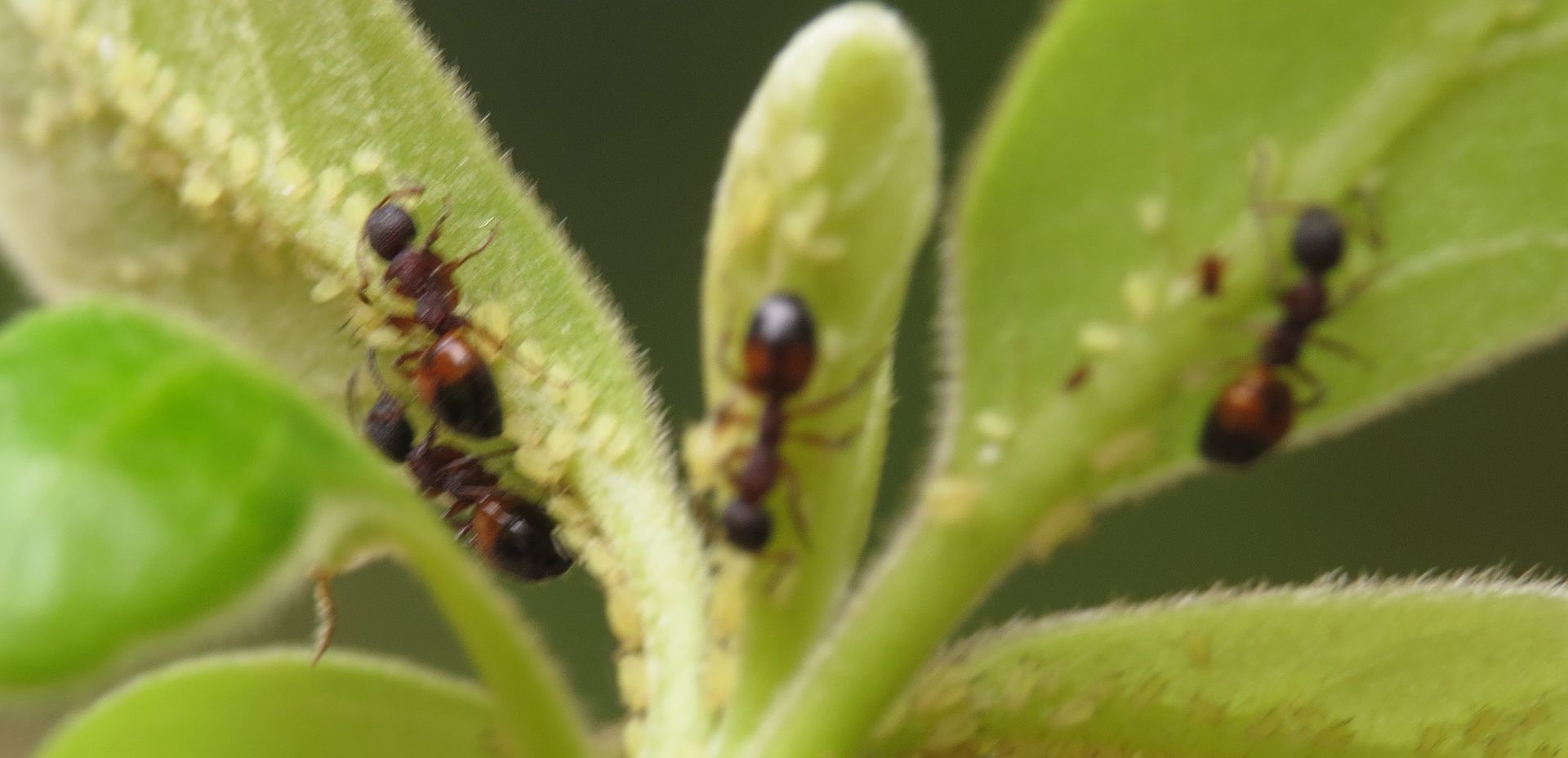
 A C. chromaiodes worker tending aphids. I actually thought the aphids were being tended by Crematogaster at first then I realized that wasn't the case. It's just some of the aphids are really dark and shiny like a Crematogaster's gaster (abdomen).
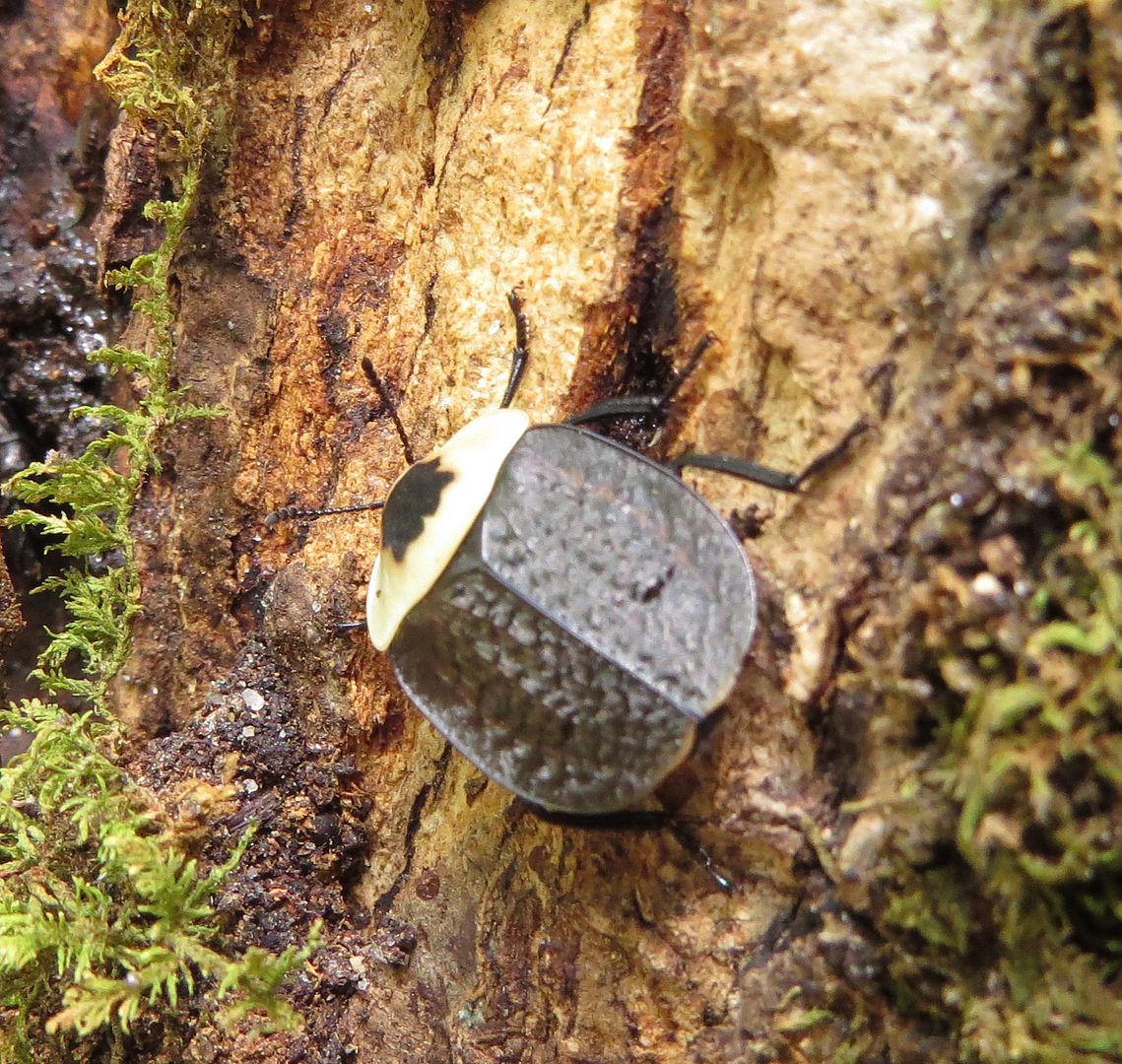

Damaged trees oozed sap and were attracting different types of ants as well as these sap beetles. 


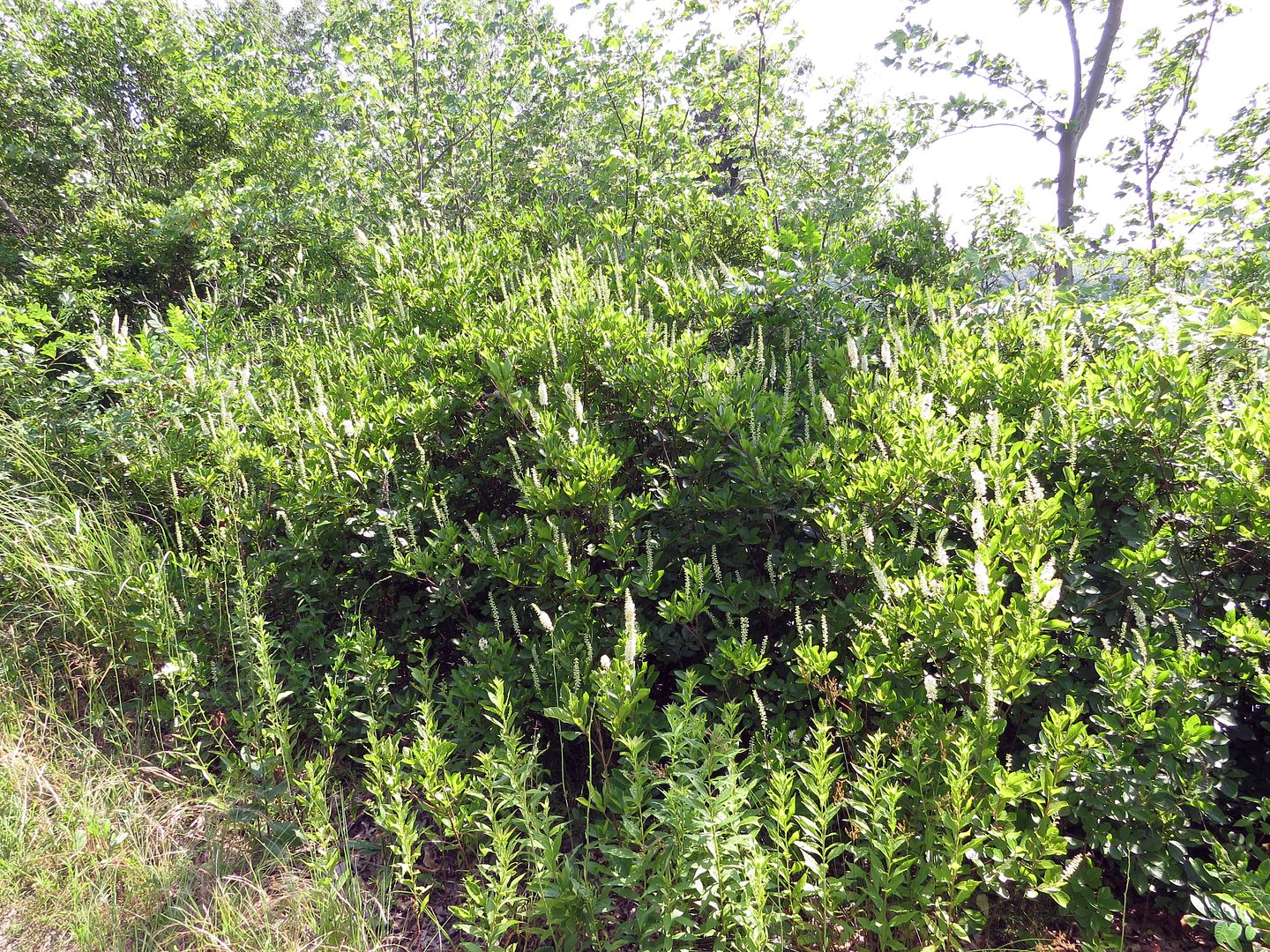
At a third location there were stands of Clethra alnifolia in flower. This is an amazingly fragrant plant that bustles with pollinators. 


I also located a second population of the Hairy Swamp Milkweed.


Courting pairs of Spice Bush Swallowtails fluttered about them all.


This last location was a man made lake to support the county water supply. But in its construction they'd flooded much of the adjacent forest, creating a swamp of dead trees.

Monday, July 1, 2013

More Ant Plant Relations

Ants marching around on plants is something of a common sight in my yard. 

Here a Camponotus nearcticus worker explores the leaves to a cup plant. Likely she's interested in small amounts of pollen or sweetness on the leaves or simply foraging for some insect or some other resource for the colony. Occasionally aphids will drip honeydew down onto lower leaves and it's this that ants go for, but that's not the case here. I've actually never found aphids on cup plants before. Cup Plants are related to Perennial Sunflowers which produce extra floral nectar so I suspect that might be what's going on.

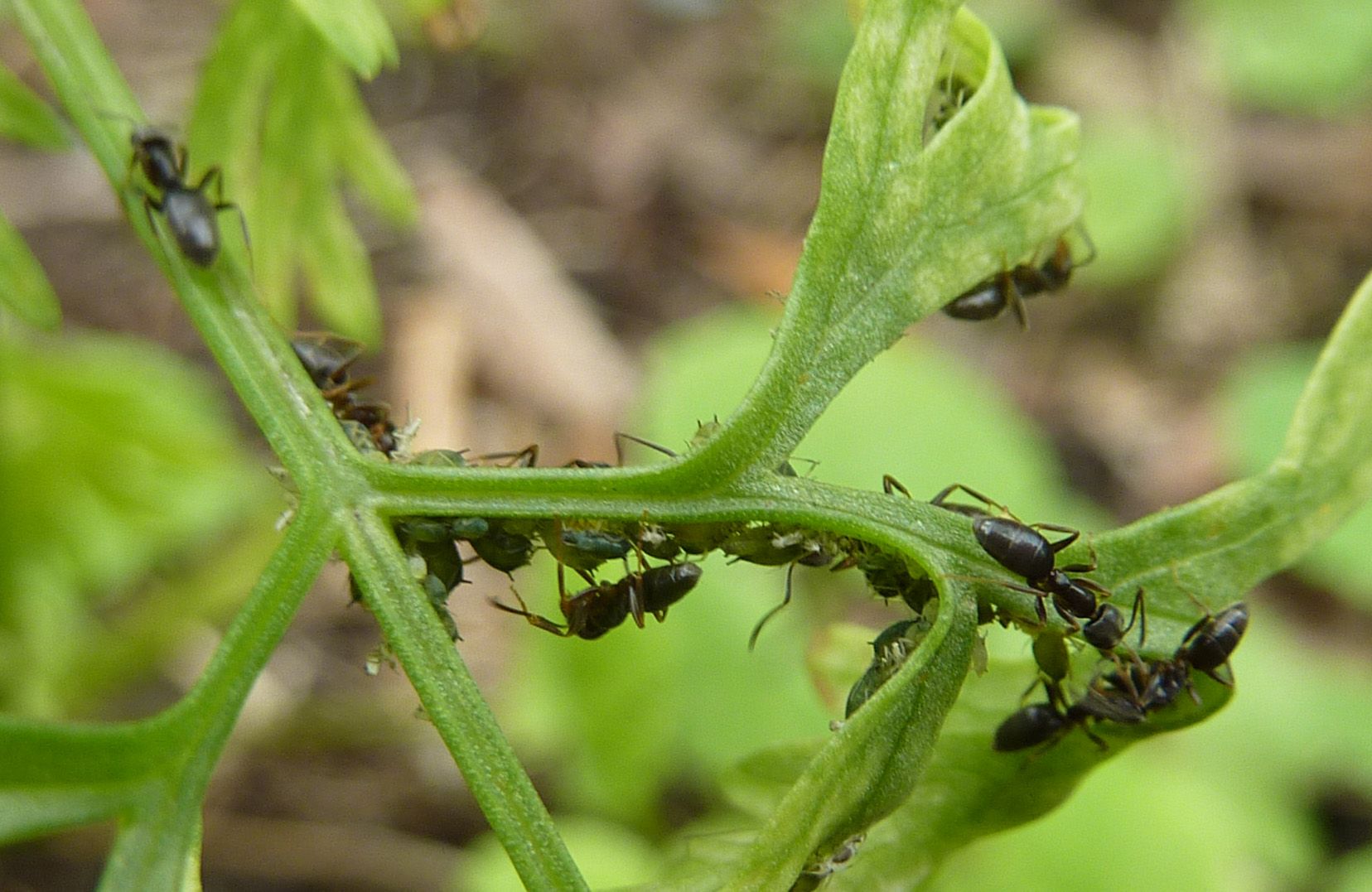
I'd never found aphids on parsley before either but that's happened this year. Sometimes aphids don't afflict the same host plants each year or at least don't do so as badly as on previous years. The ants here are Tapinoma sessile which has become one of the most common ants in my yard. I believe my use of a green house to grow seedlings is the cause. Because their colonies move into the flats I effectively divide the colony every time I plant something in the yard.

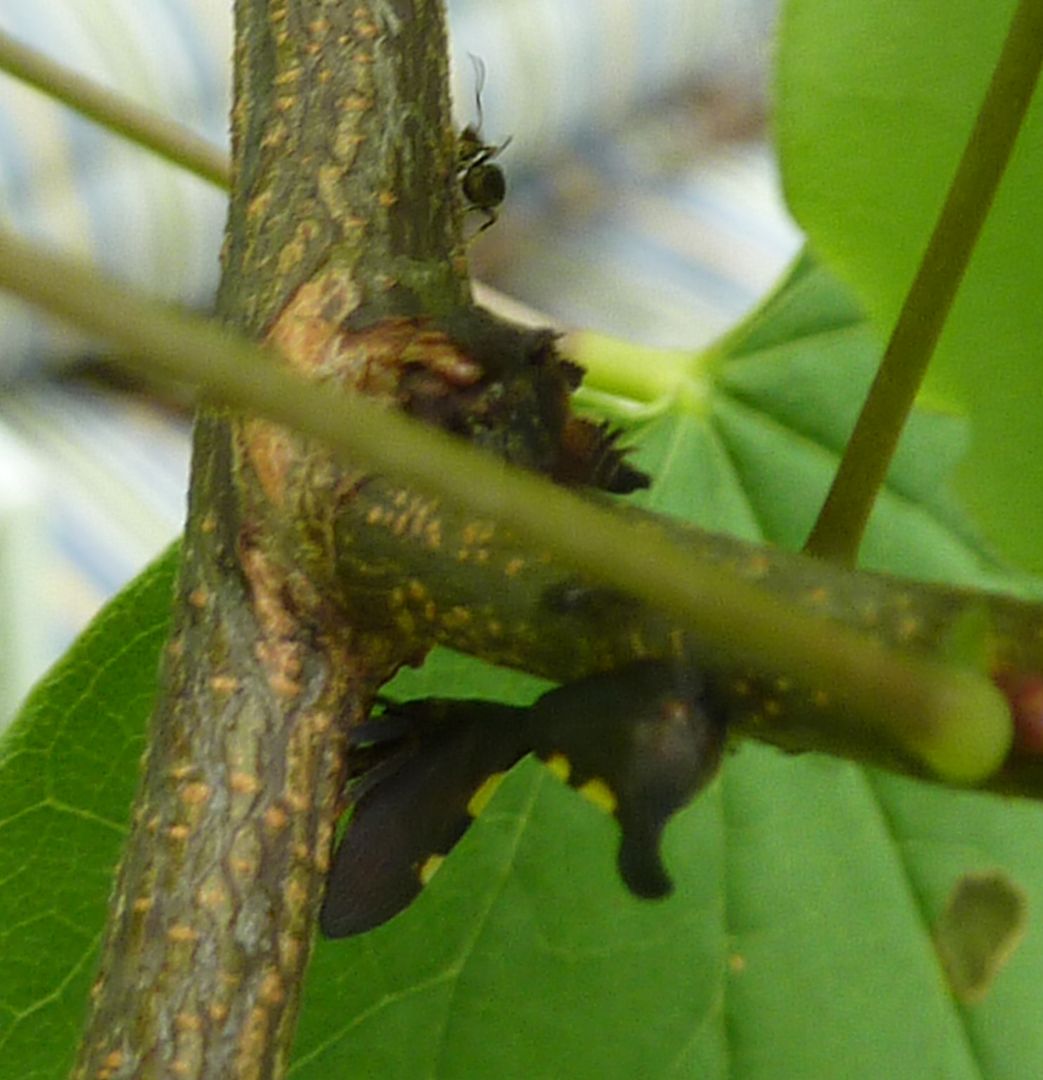
Some insects only require the protection from ants during the early stages. Here is a bad photo of some Leaf Hoppers. The younger nymphs are tended by ants but older ones, who've gained their hood, "wings", and brighter color, tend away from this relation. They become fidgety and are quick to flee when predators approach, something aphids don't do.

In the absence of aphids ants and free sources of nectar, ants will out right steal it from flowers. Here a tiny Nylanderia faisonensis worker explores the fanged flowers of an Asclepias tuberosa plant. They're a rather small ant that's able to get into the deep crevices. 


Oddly enough the flowers of Swamp Milkweed, Asclepias incarnatta, are even smaller and I found them being robbed out by a much larger species of ant, Camponotus pennsylvanicus. I suspect the large mandibles of this carpenter ant aid in their ability to get at the nectar somehow but I haven't had the time to inspect the flowers for damage.