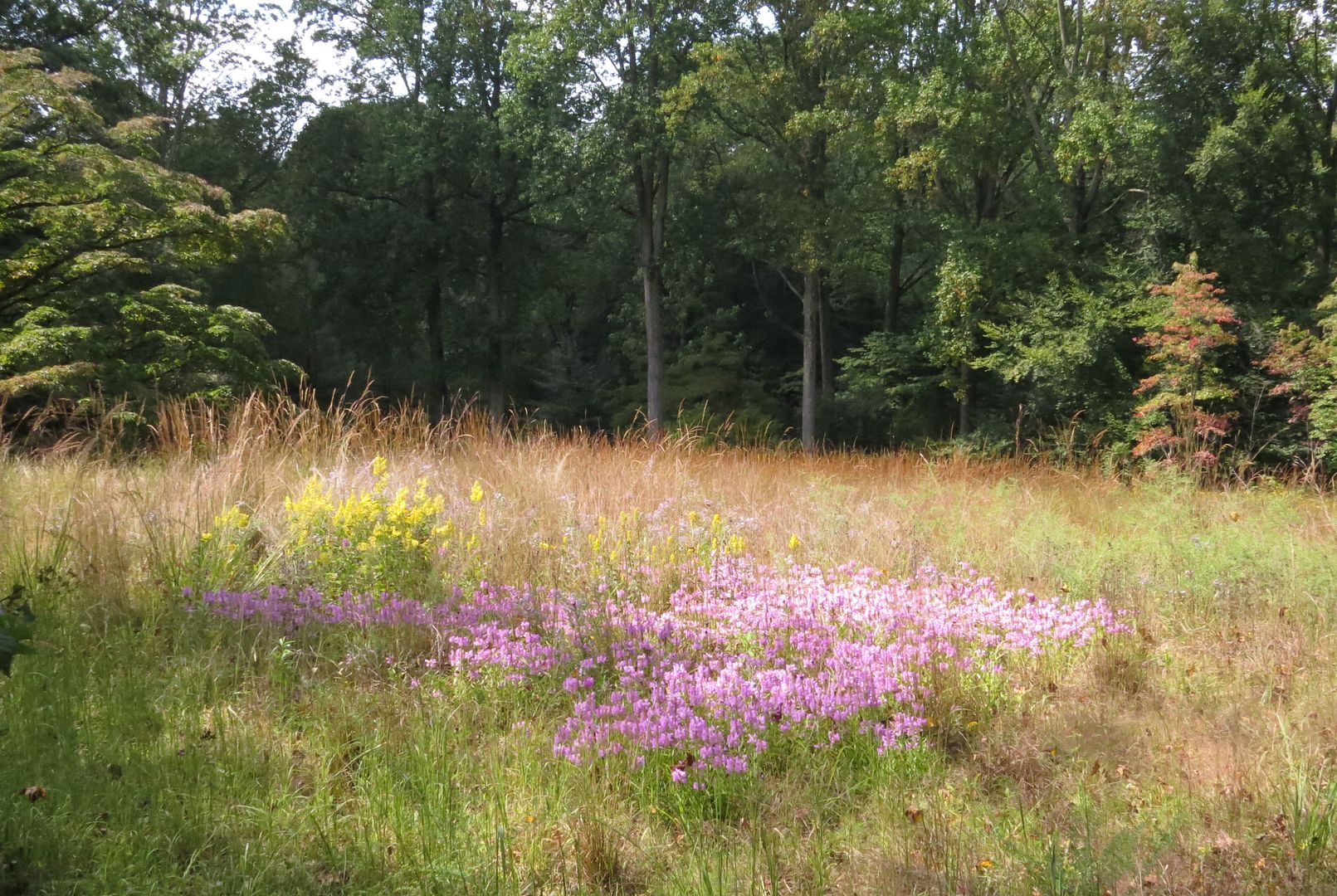
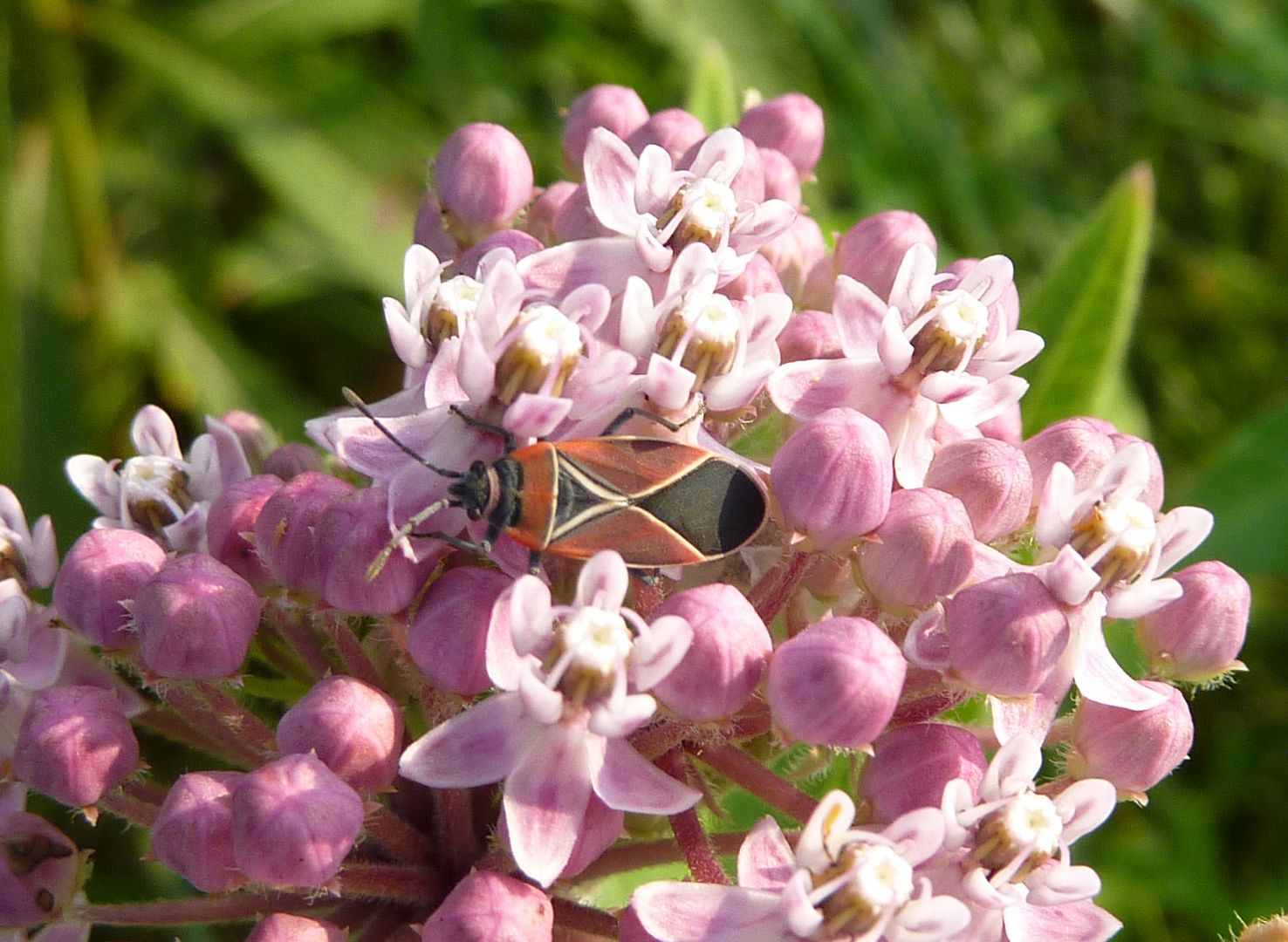
While visiting the Mt. Cuba Center this past weekend I was treated to a variety of fall wildflowers with fall colors right around the corner.
The gardeners there do such an amazing job, and they've introduced a number of cultivars over the years that I find well worth the effort in tracking down.
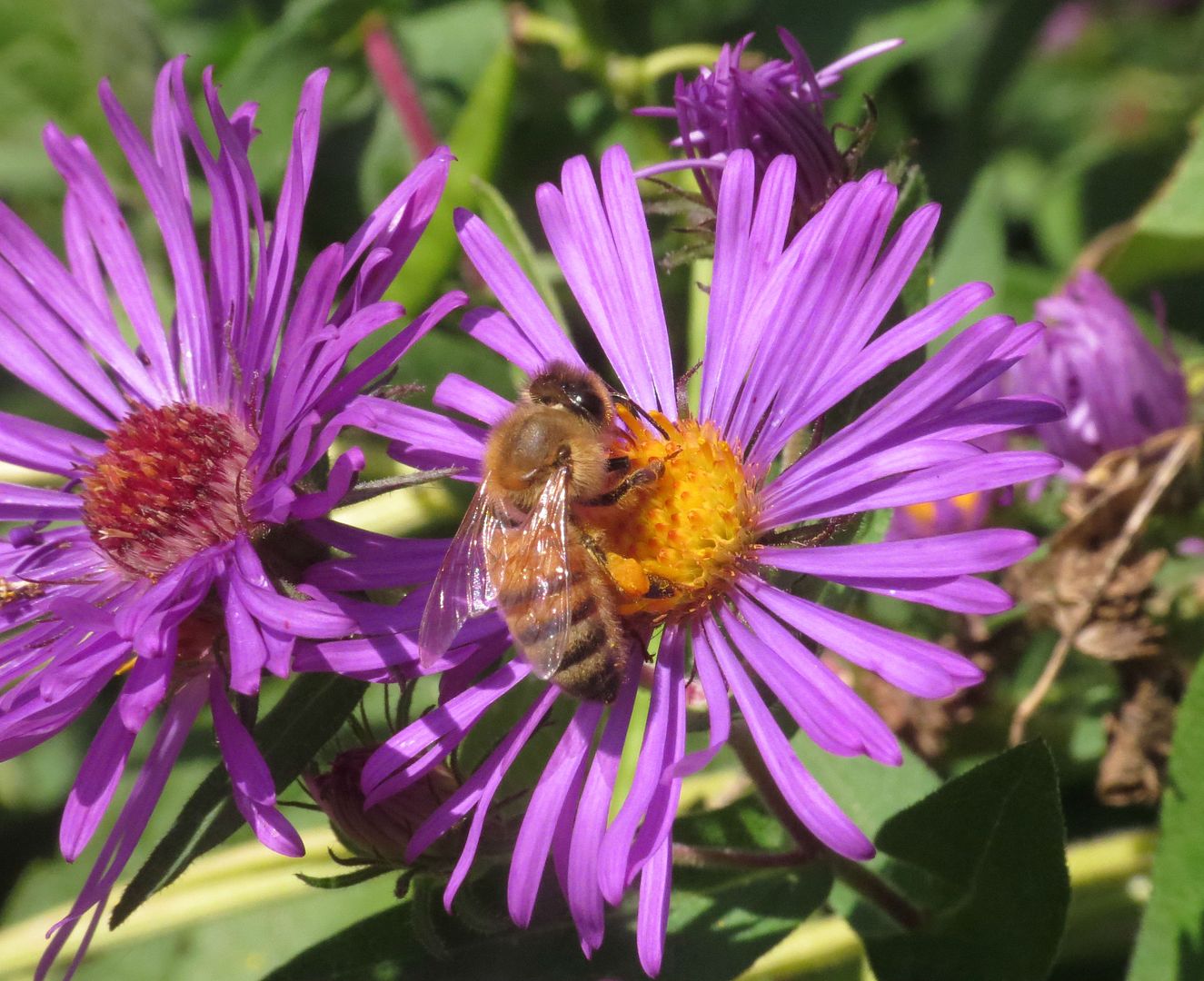
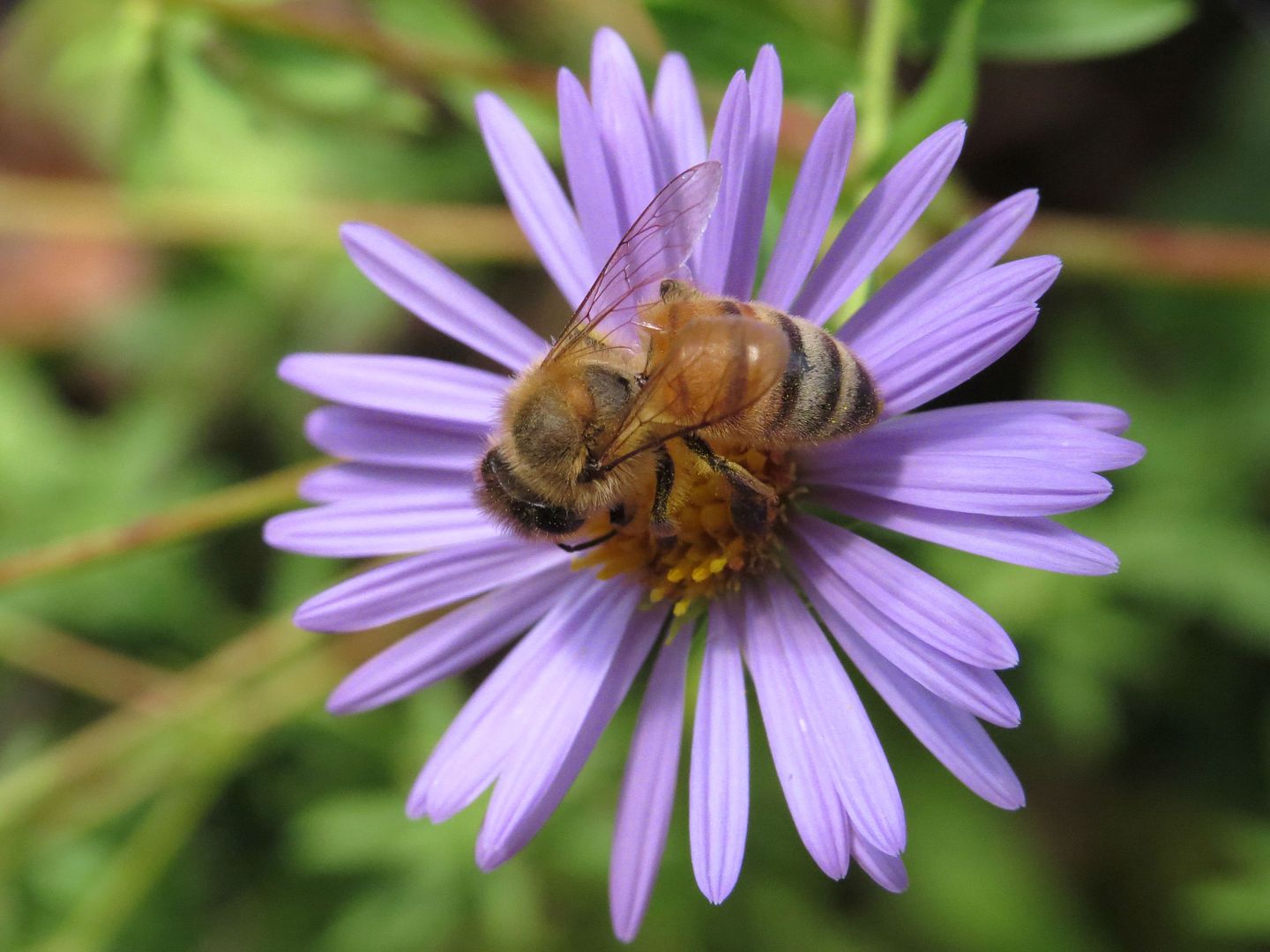
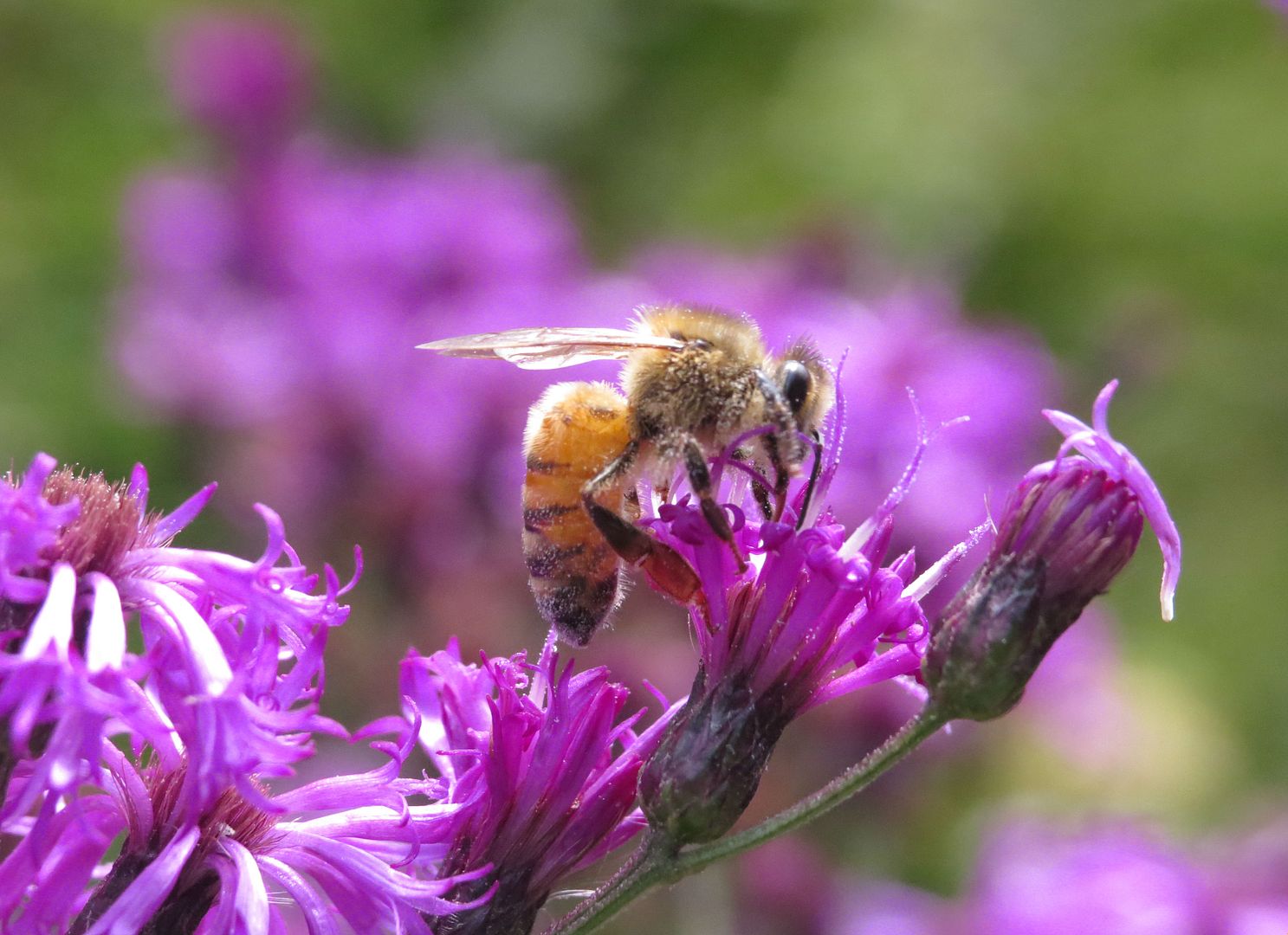
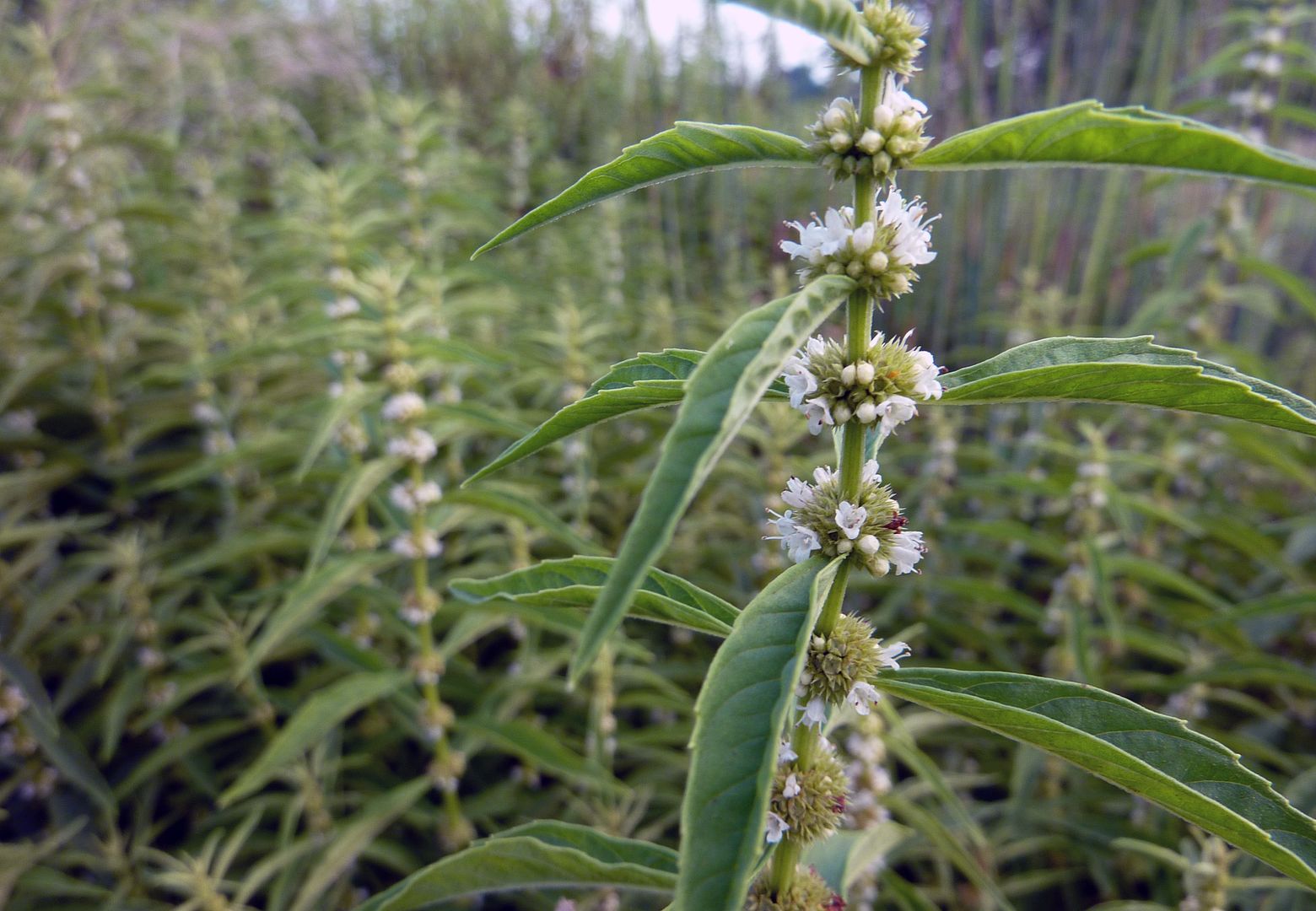
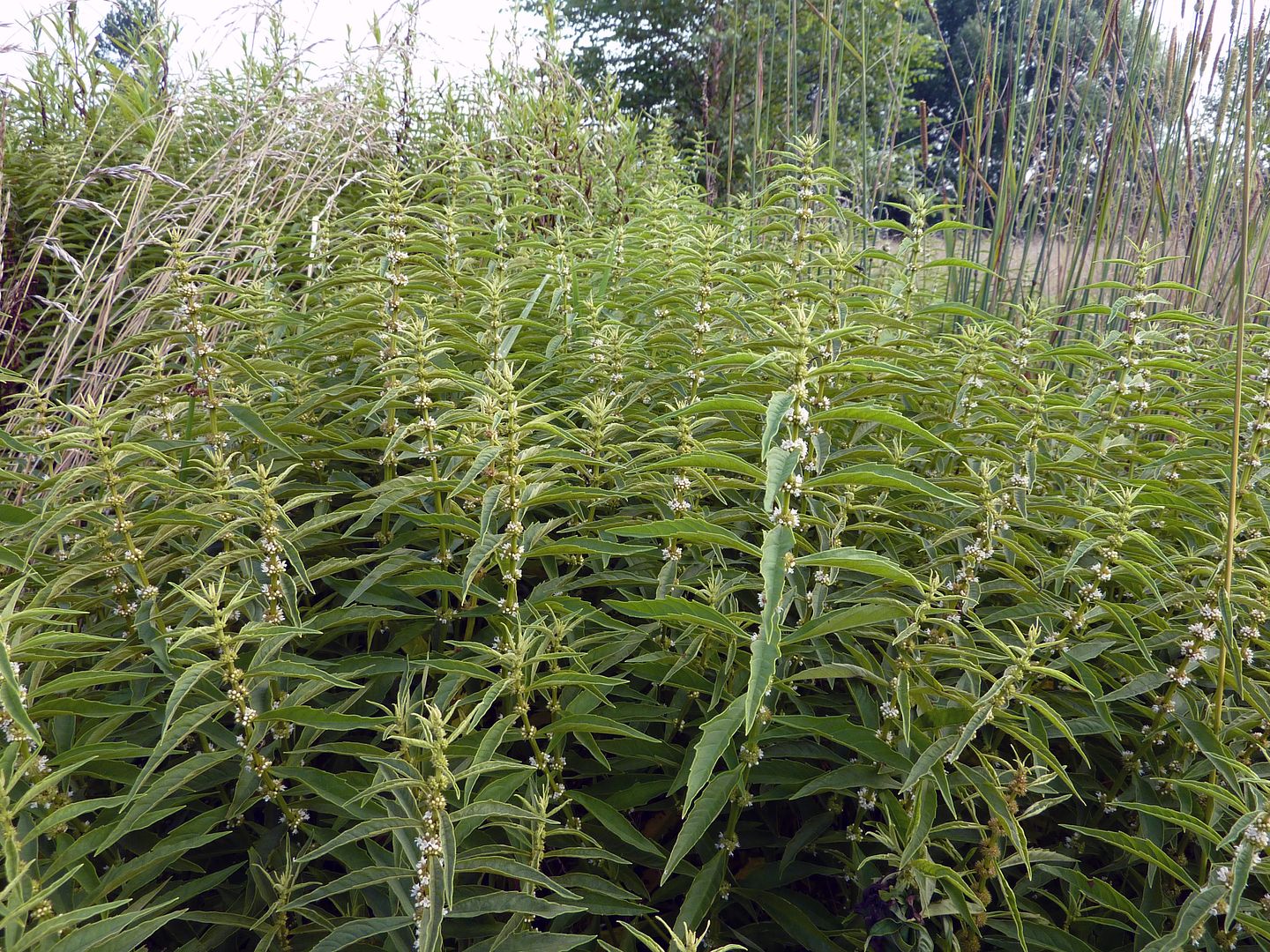
And of course now that they have a few honeybee hives on the property it's become far more apparent what native plants the bees really love. Now that Mountain Mint has finished blooming, I believe the winner of most perennial beds will be the common New England Aster, Symphyotrichum novae-angliae.
New England Asters come in a variety of colors but I've found the purple to be the most common. Pink, brilliant shades of Red, White and everything in between are also possible. Lost of cultivars are available on the market today and they're pretty easy grow by division or spreading seeds in pots of dirt outside over the winter. They can be slightly weedy but sometimes it's worth it to let them flower before pulling. A friend of mine had New England Asters take over his meadow garden but now he has every color in the rainbow.
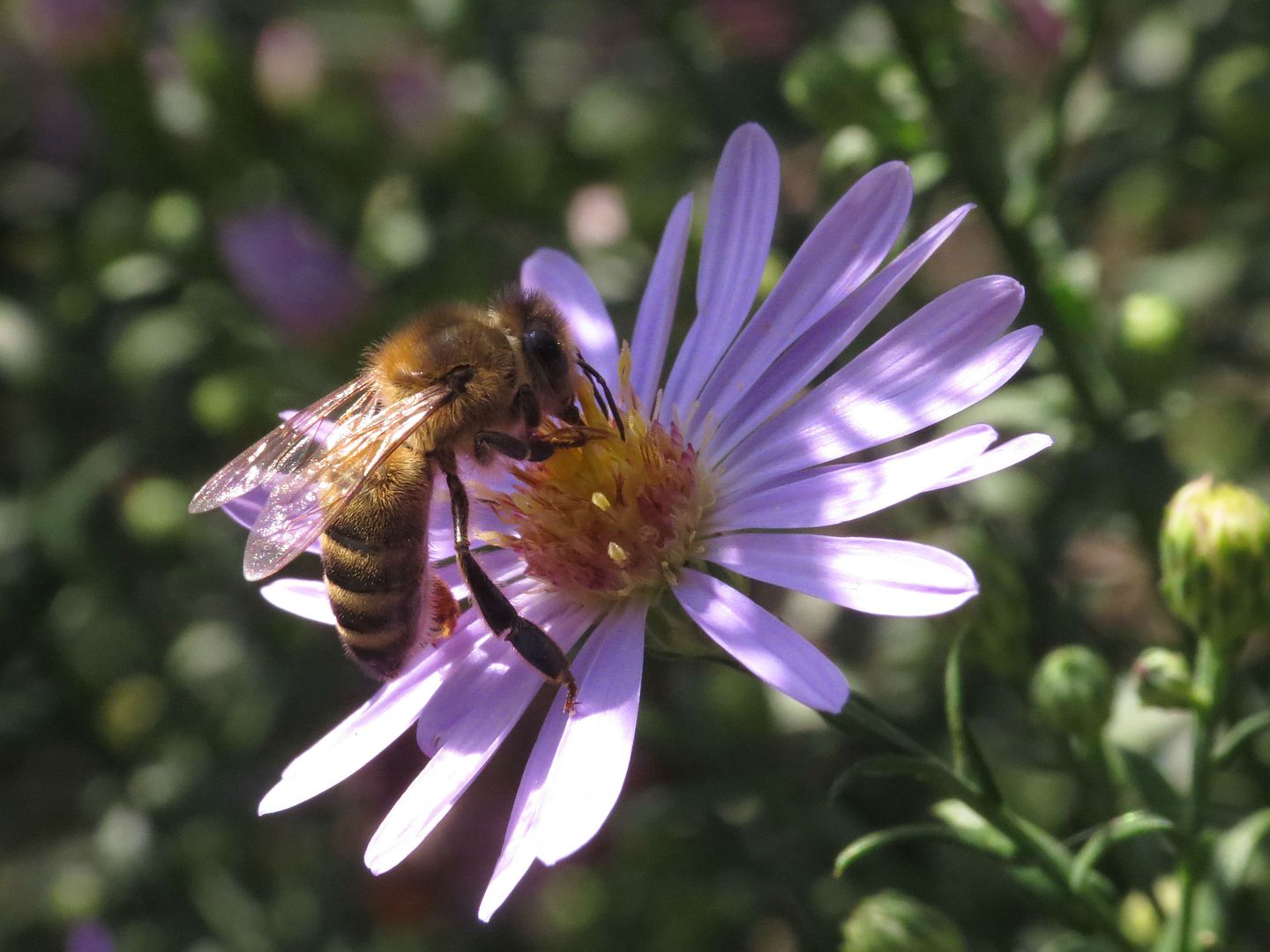
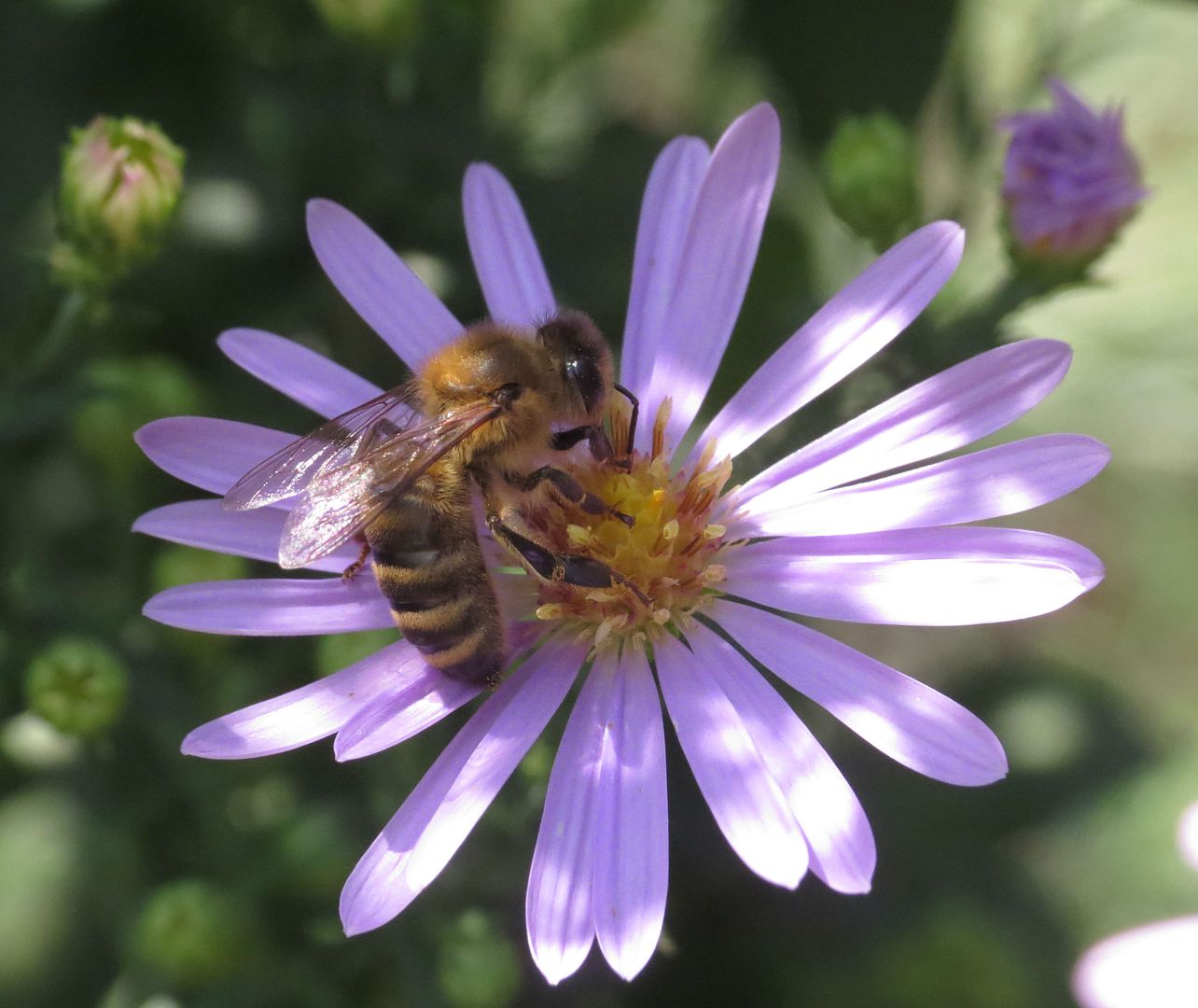
Symphyotrichum laeve 'Bluebird' is an up right perennial that grows more flowers than the true species. This is because it's actually a hybrid with another species, though I don't know the particulars on that. They look great if you can grow them. I've tried in the past and believe they benefit from regular watering, and or mulch, as opposed to testing out their drought tolerance. I don't believe this cultivar is prolific by seed, but they are pretty when grown beside other asters or goldenrod of similar height.
Aromatic Aster 'October Skies' is wonderful in mass plantings. A cultivar of Symphyotrichum olongifolium, this is a low growing aster which lays on the ground forming thick cloud-like pillows of flowers. Perfect at the edge of a flower bed or scattered among a meadow/garden of low plants.
White Woodland Aster... actually I'm a little unclear what species this one in particular is. It's one of the lower growing species with masses of white blooms. Oddly enough I have a species or two of these that come up wild in my yard and I only rarely see honeybees take a liking to them. At Mt. Cuba the clumps they had growing in the sparse woodland were getting a decent amount of attention. Not as much as any of the other asters but certainly more than anything else flowering in the woods.
Vernonia angustifolia 'Plum Peachy' is a form of Narrow-leaf Ironweed with darker foliage and is more compact than the wild species. I believe it may also have flowers more evenly spread around it as opposed to just at the tips of stems but I could be confusing that with another the Mt. Cuba Center has/is working on.
I didn't think to take photos of the foliage at the time but it has nice narrow leaves and looked similar to other cultivars of ironweed I'd seen in local nurseries. It was getting a decent amount of attention, slightly more so than the goldenrods growing around it but I know honeybees don't go nuts for goldenrod until after the peak Aster blooms. I'm planting three of these this fall and putting them right in next to my narrow-leaf Amsonia to see if they grow well at all.
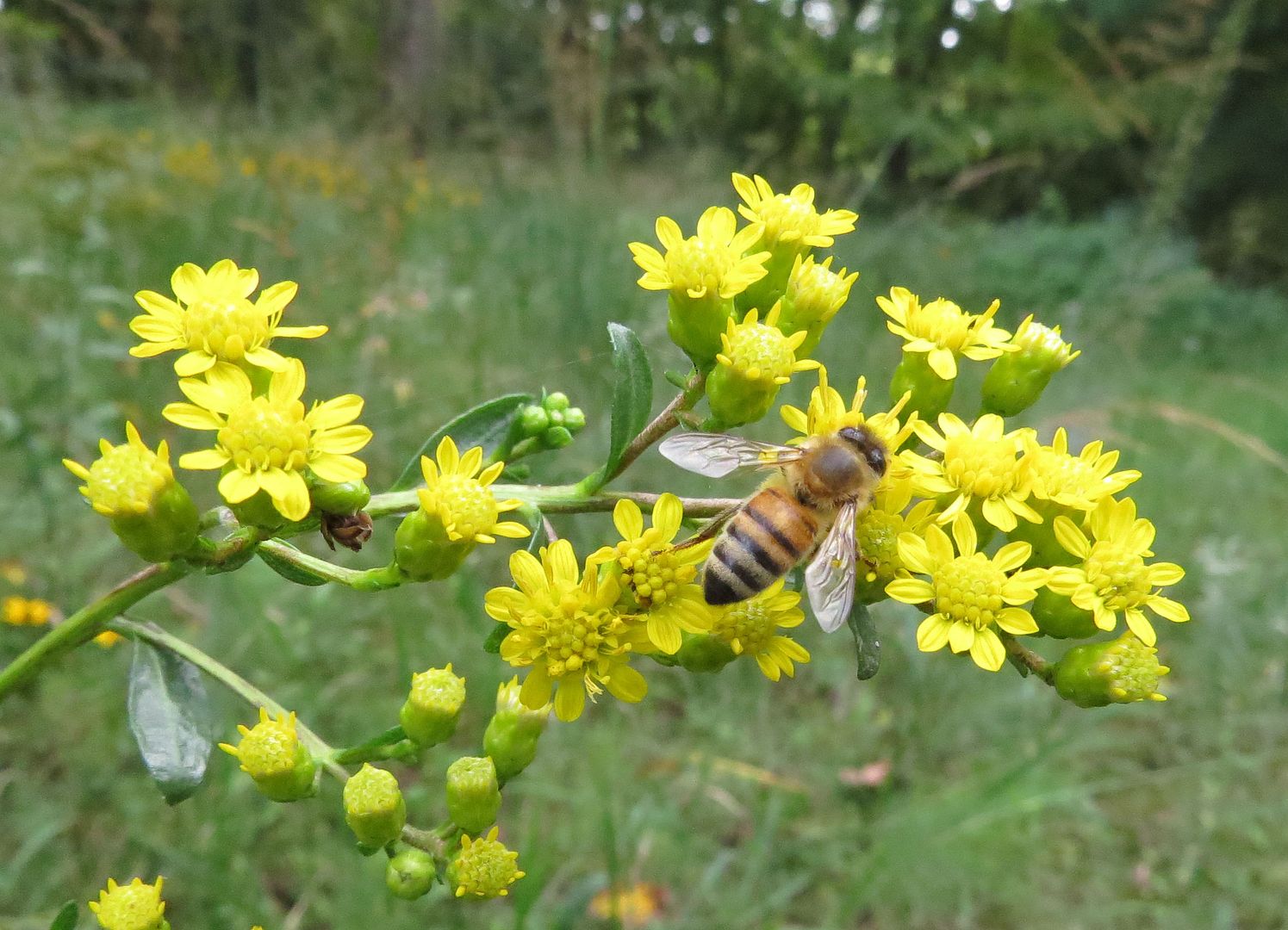
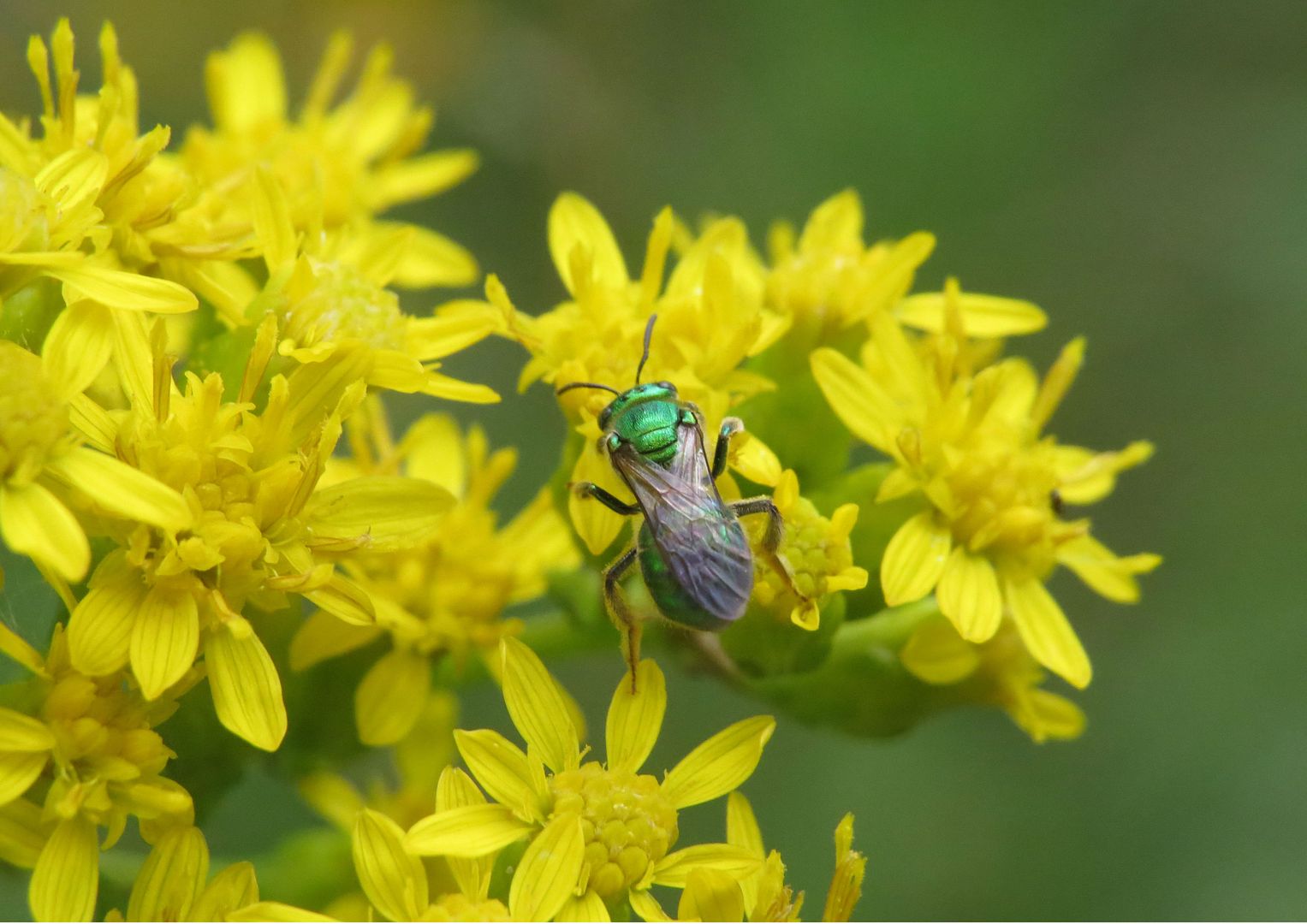
Stiff Goldenrod, Solidago rigida, was blooming well. This was the first time I've ever seen this species and I was taken by how big and fat the flower petals are which you usually don't even notice on Goldenrods. They had a patch of 50 or so plants, or at least that's about how many flowering stems there were.
Just thought this was a good shot. Had the bee been posed a little better I'd go as far to say excellent.
Noticed some spittle bugs on the stem. They produce a foam or "spit" to hide within while they feed on the plant much like an aphid.
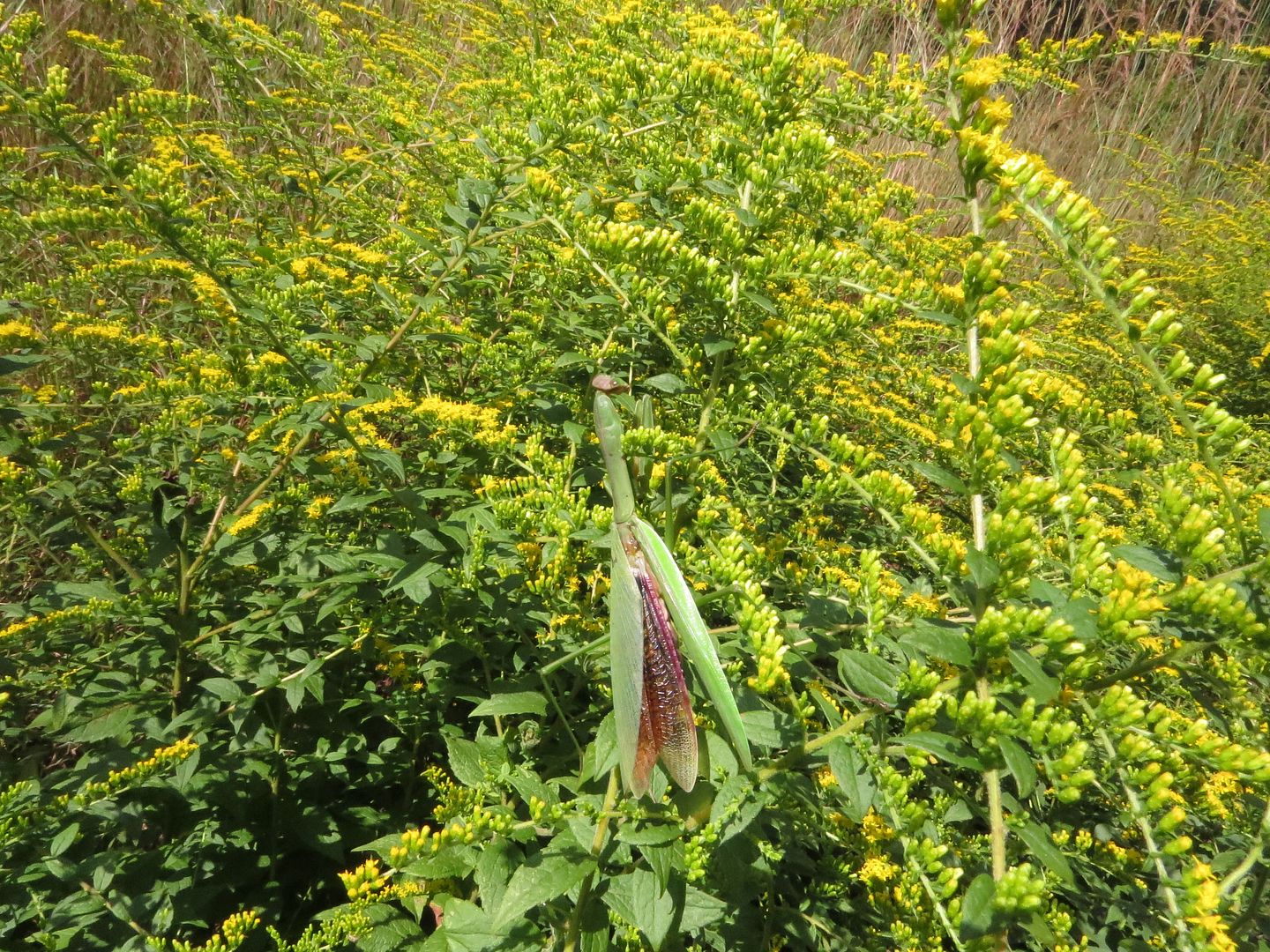
Solidago 'Fireworks' was also flowering, though not getting as much attention as I've seen it get in the past. (The huge hungry mantis about to lay an egg casing might have something to do with that.) It's also not quite at its peak bloom yet and that's really when honeybees tend to take over such nectar sources.
Obedient Plant is typically swarming with pollinators but I didn't find that to be the case that day. At least it wasn't for the patch that was next to the path. They also have it planted out in the meadow itself for a lovely pink effect but I didn't notice much flying around.
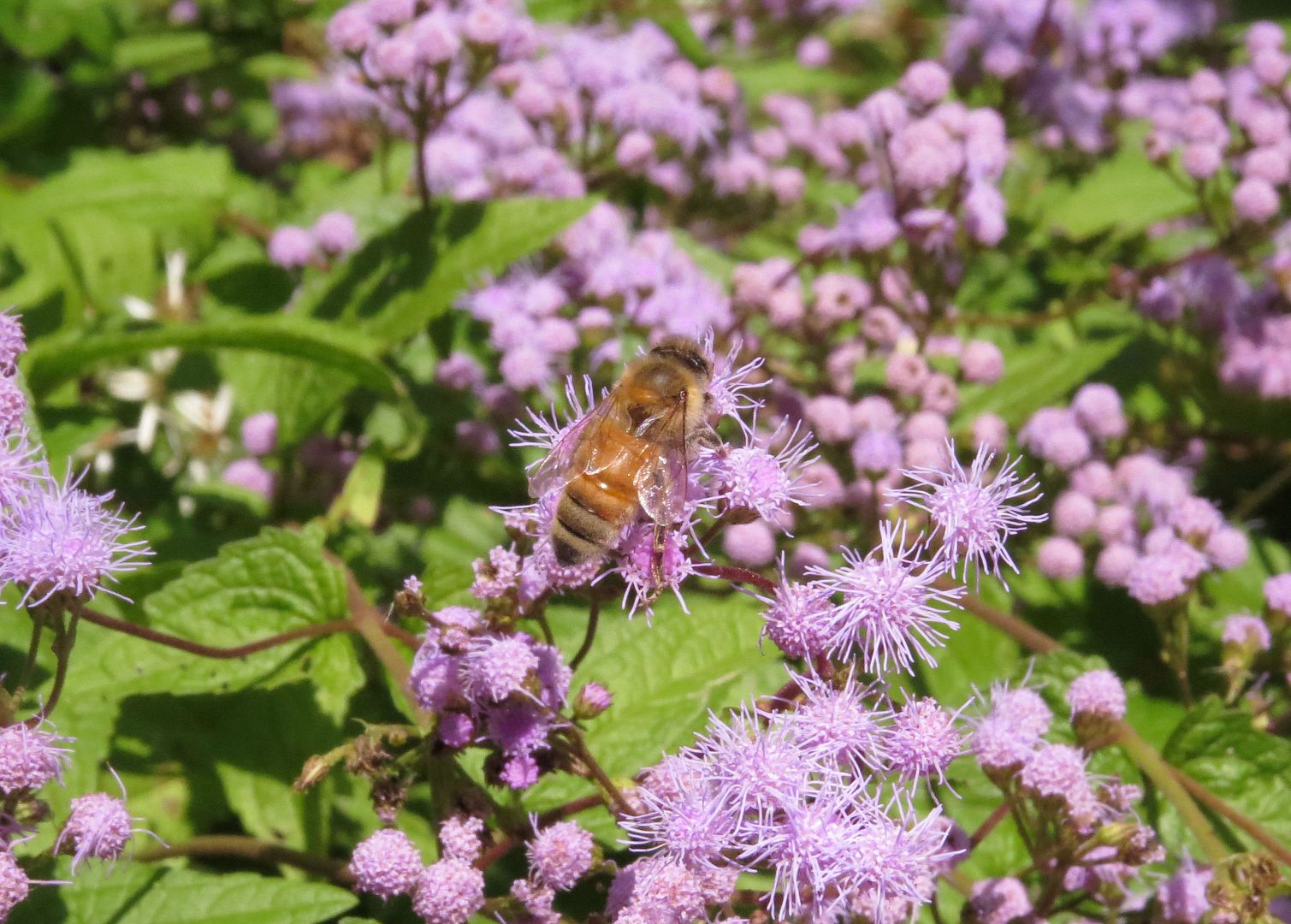
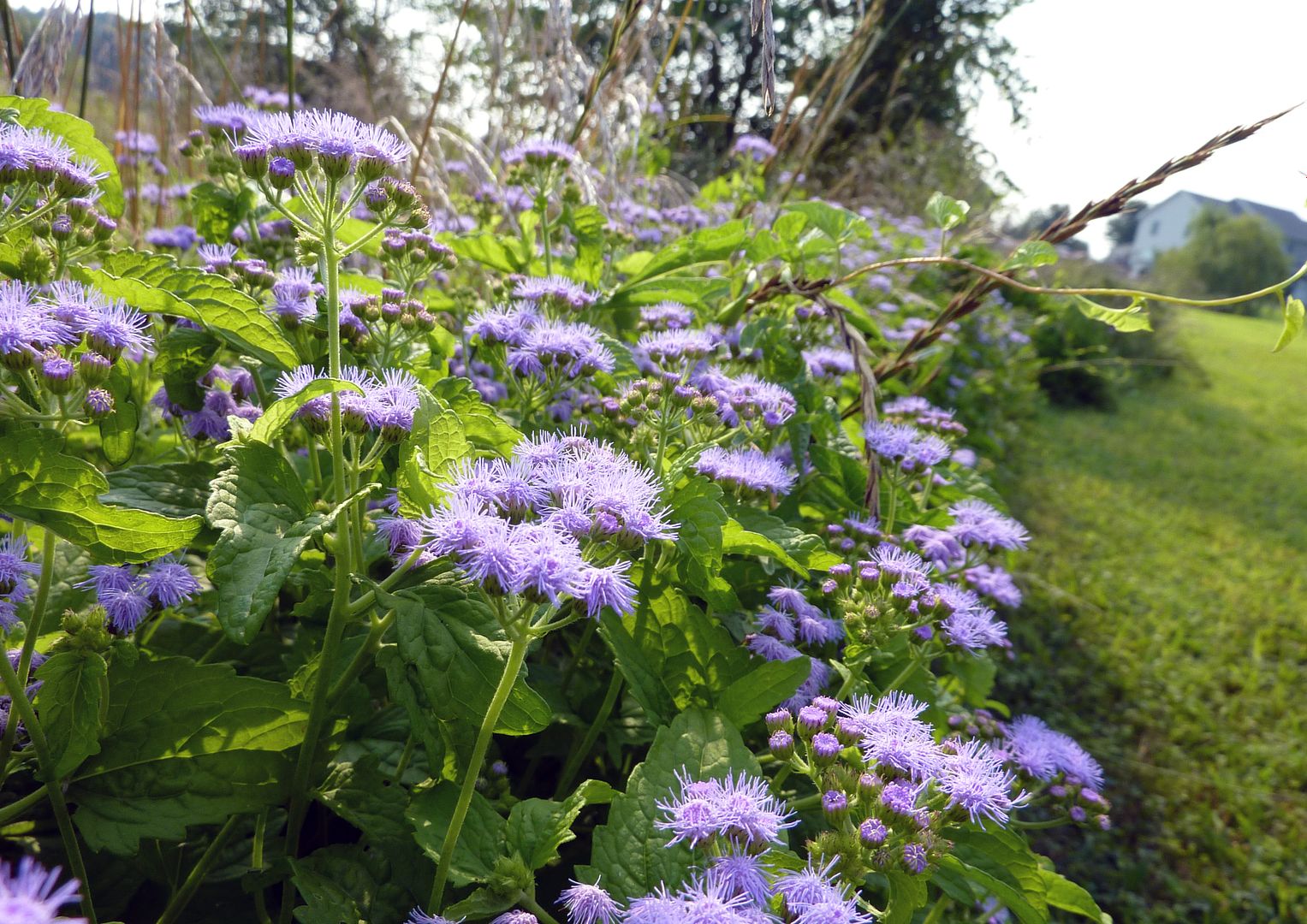
Mistflower, Conoclinum coelestinum. I was slightly surprised to see honeybees on this one. First off I've never been able to get this species to grow in my yard. They have water requirements that are somewhat finicky; too wet and they don't survive the winter, too dry and they won't reproduce. I read they're ideally a shade plant and the more sunlight they receive the more moisture they require. The Mt. Cuba Center had them in full sun, at the bottom of a slope.
Honeybees use other plants that were formerly in the Eupatorium genus. Pretty much all of Joe Pye Weeds are a hit with them, but only some of the Boneset species.
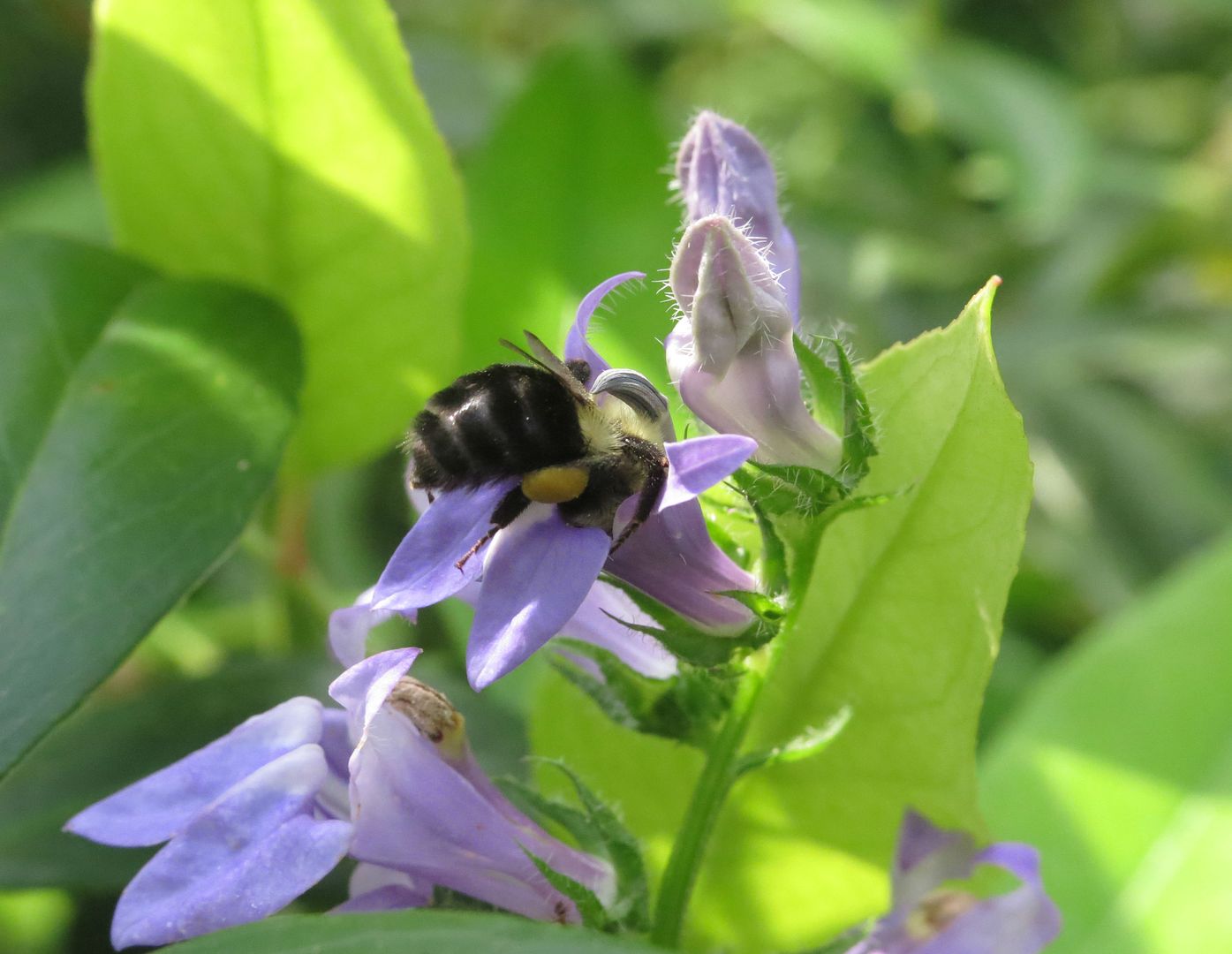
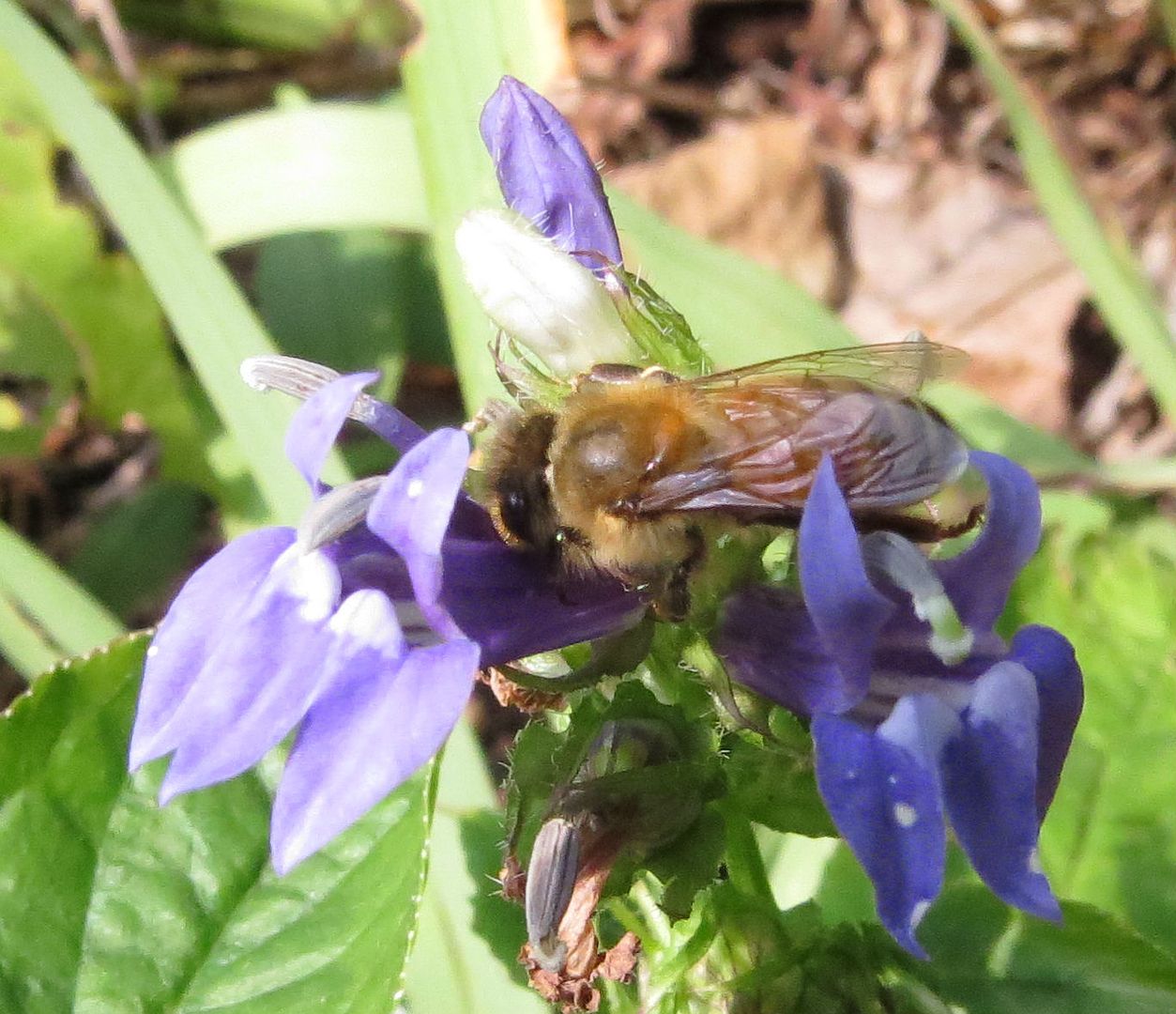
Our native Blue Lobelia, Lobelia siphilitica, is an upright, sometimes hard to establish and other times weedy perennial, with tube shaped pale blue flowers. I observe that while this is a wetland species, specamins growing closest to the water are among the shortest at around 2' at most while those growing farther away could reach up to 5' though 3 and a half certainly seemed more the norm.
Honeybees are perfectly capable of working the flowers but I noticed none of them were bothering to do so. The only flowers they visited were ones which carpenter bees had already chewed holes in.
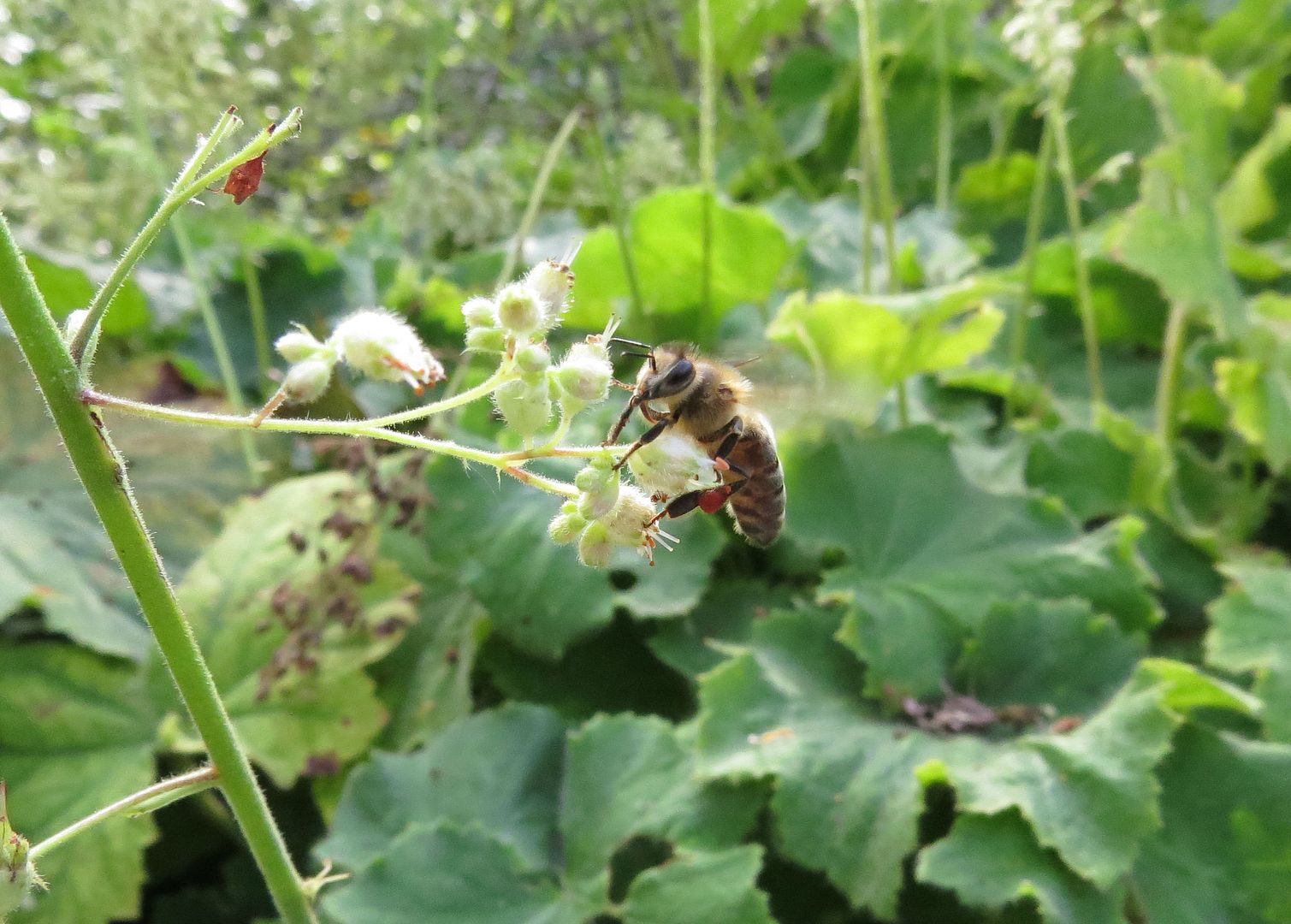
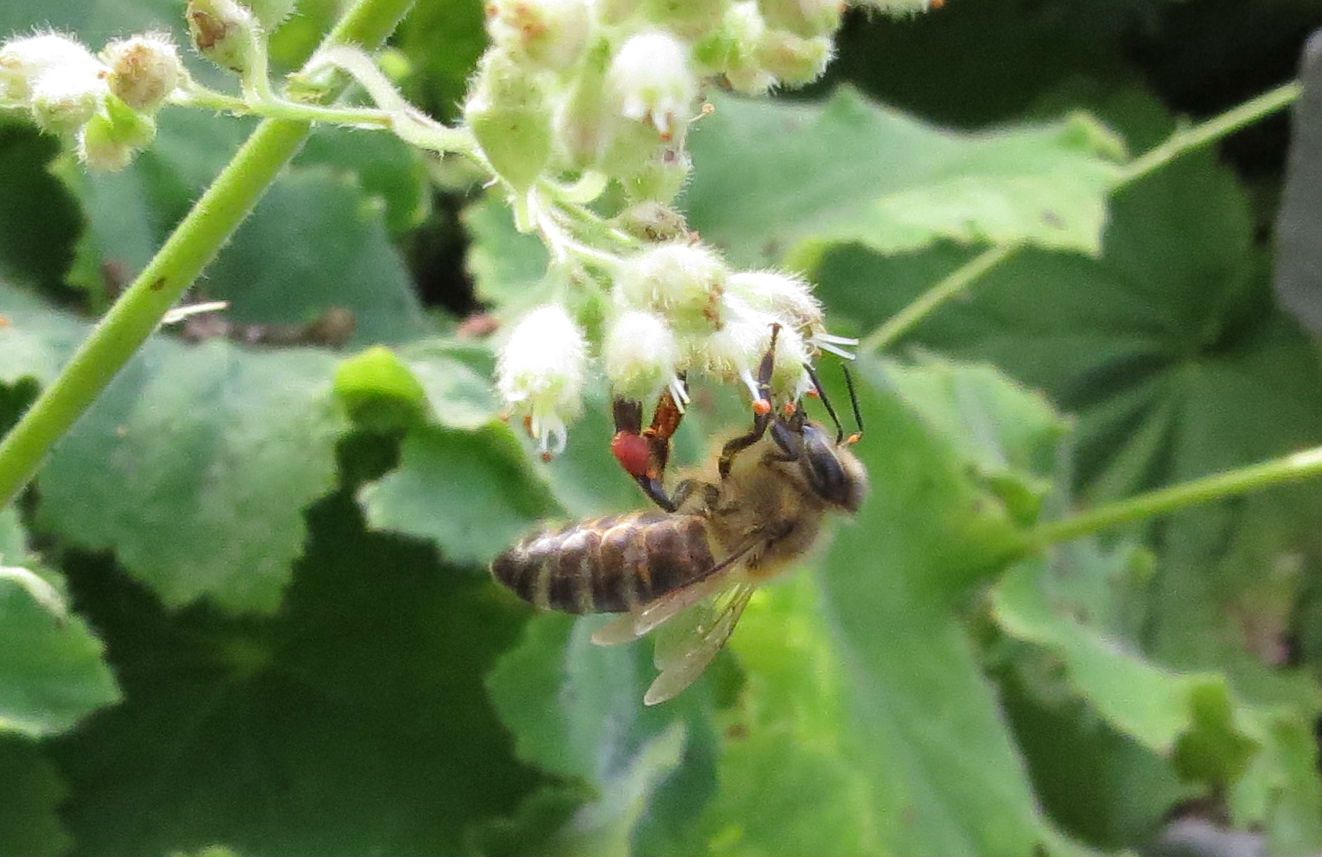
And lastly, I noticed honeybees working one of the Heucheras. This is a genus of plants with hundreds of cultivars that offer every color imaginable. They're mostly pollinated by flies but a certain few, typically ones with larger (for the genus) white flowers are visited by bees.
This particular species was mass planted near the Round Garden and the bees were gathering up nectar, and just look at that wonderful deep red pollen.
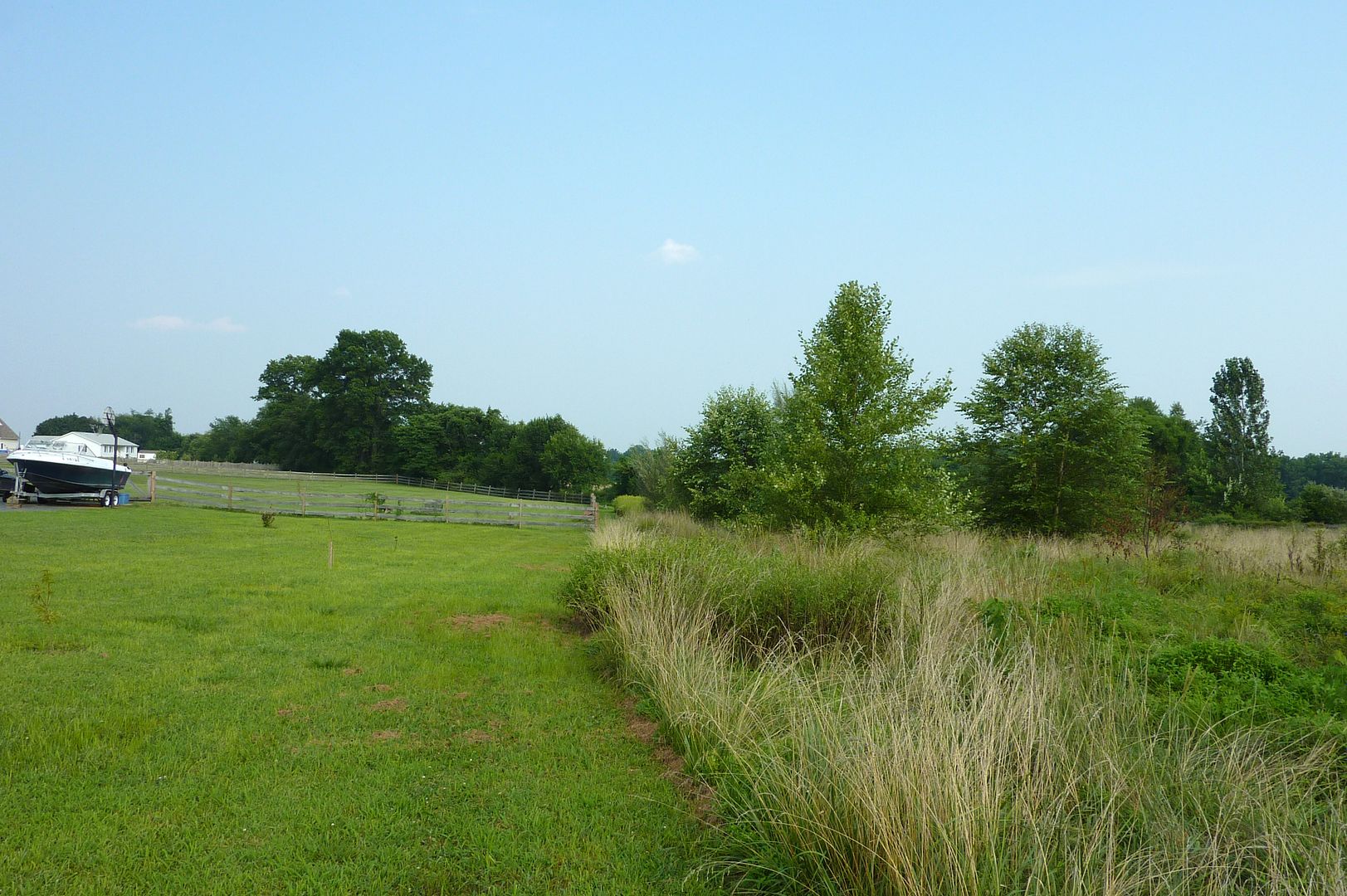
I was at my cousin's house yesterday. He's on 5 acres that form a slight slope with the bottom being a slight wetland area. He mows his entire property in an hour or two with one of those professional-looking riding mowers but can't do the wetland area for various reasons. The ground is to uneven, some woody snags here and there, some of the plants while low growing form woody thickets, it floods and fills a small pond area after rainfall. I don't blame him for not wanting to mow but his idea is to let it go wild so it turns into a slight woodland. I'm not 100% behind that idea.
At least the Field side has a boat.
So I explored his property for an hour and at the end he asked me what I thought. My response, "Well you have a great view from the house, your neighbor's horses are pretty to watch, I love this wetland area and how it's just teaming with life, but the rest of your property bores the hell out me."
My cousin isn't into plants, he has no knowledge that natives are better than non, and I wasn't in the right company to explain otherwise. My dad was also walking with us and he has a habit of "correcting" me. Actually it's more like voicing the opinions of late night infomercials. It's the kind of logic that changes the dynamic of the conversation onto something else. For example he believes nothing in the world can grow without fertilizer. Want to grow something in the middle of the desert? Just dump some fertilizer and your tropical oasis will magically appear. He doesn't understand that a lot of plants love growing in conditions that aren't bursting with nitrogen. Anyhow...
The overall issue my cousin has is owning to much land. He wants to install an in-ground pool with hot tub that waterfalls into it, but at the same time he's thinking about getting a few horses. He might eventually put an addition on his home, will probably need a barn for the horses or whatever other livestock he plans on keeping, and at the same time knows nothing about managing so much land other than to mow the lawn. Plant wise, he's planted some saplings but doesn't know what half of them are. To top that off, towards the end of my visit, he said he has the money to fund any sort of projects or ideas I have about making low maintenance planting.
For starters, before leavings I corrected him about a tree he thought highly of. He wanted a tree just like the one out front of his parent's home, and thought it was a Magnolia so he planted one. In actuality his parents have a Japanese Flowering Cherry, a double flowering one I think. So he was a little bummed about that.
That last part about wanting ideas for low maintenance planting really stuck with me on the ride home. The most obvious solution I think would be to install a Prairie seed mix but he has some nasty, evil looking weeds around his home!
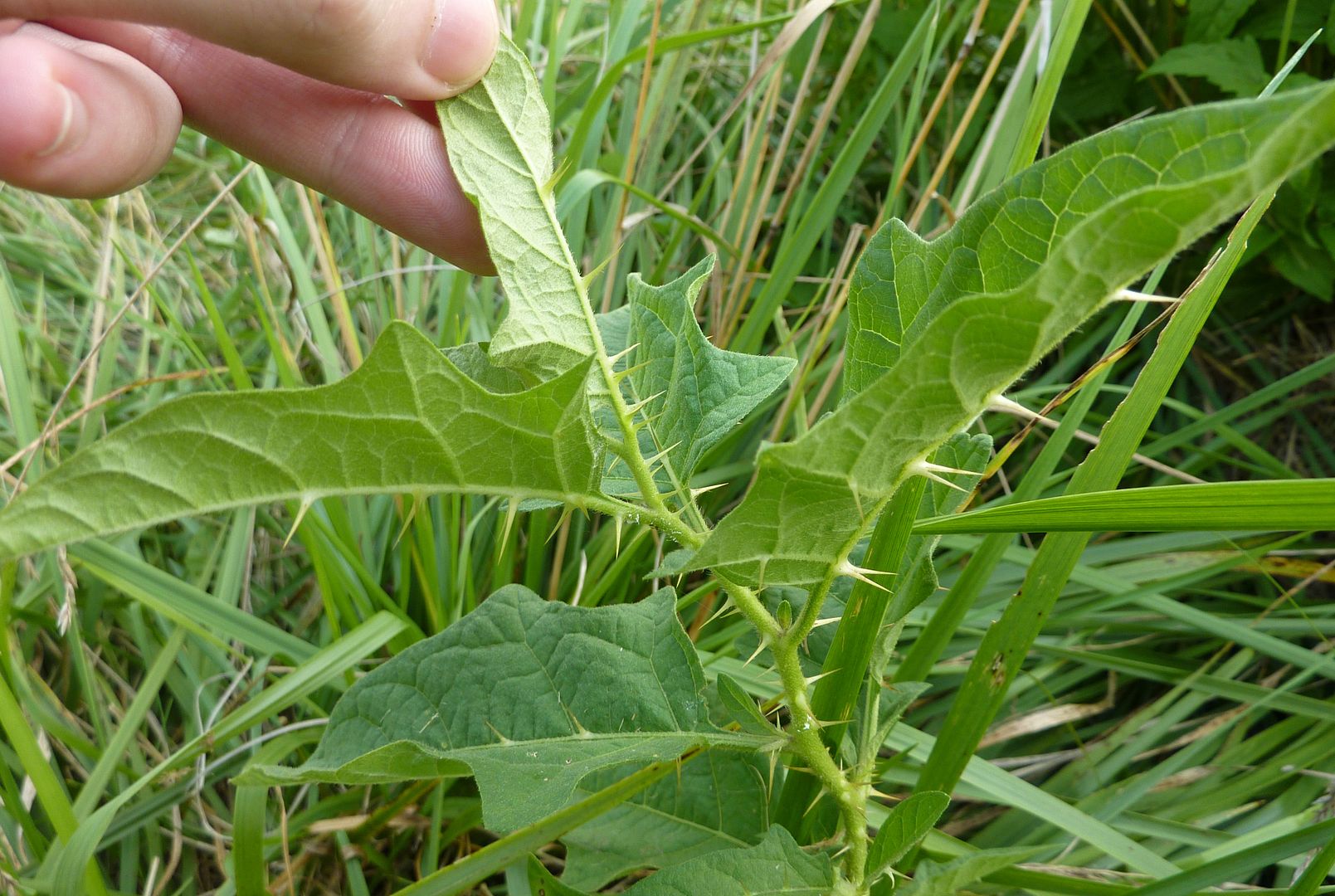
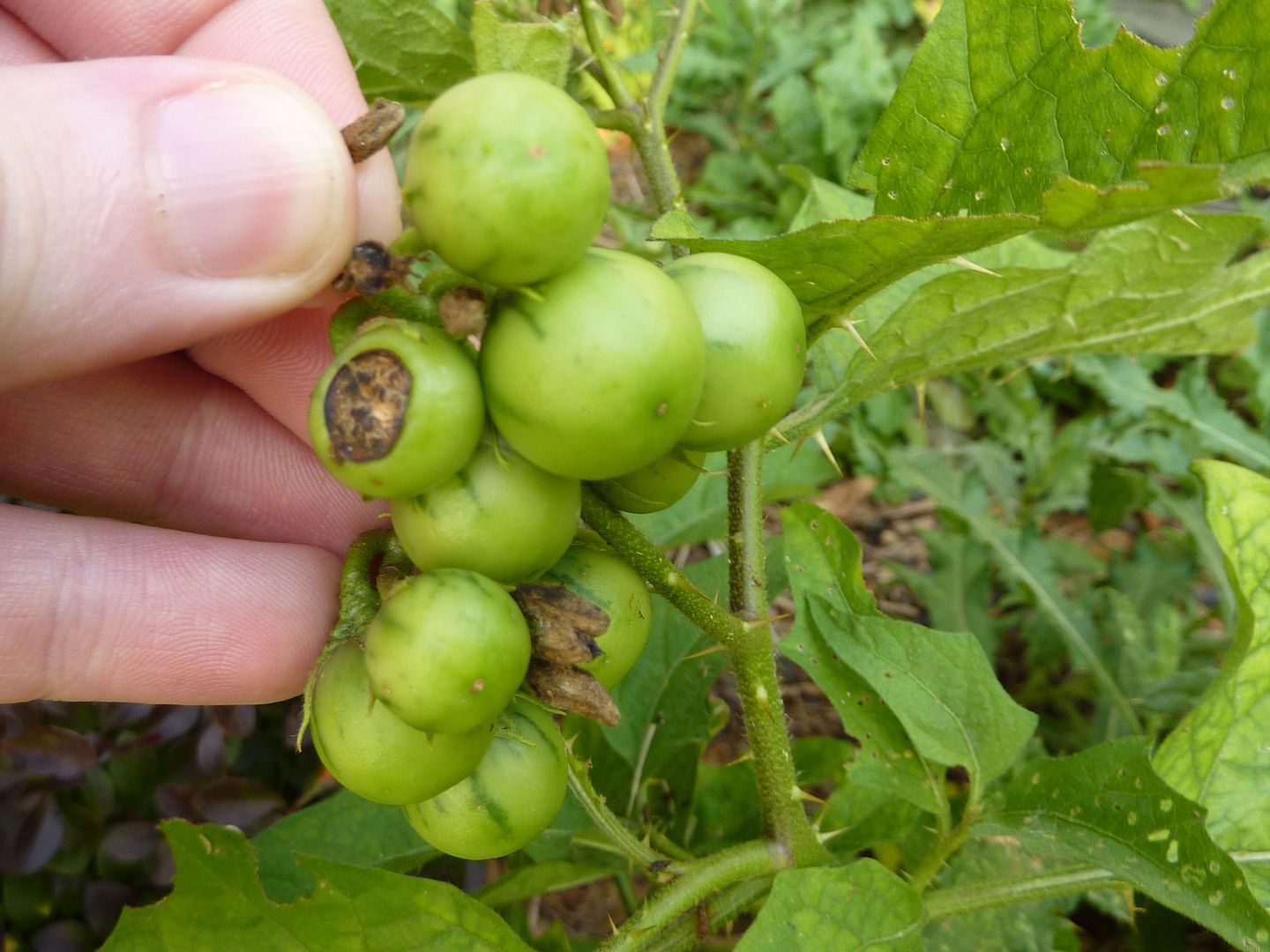
Solanum sp.
I have no idea what this little vine is but I gasped when I saw those thorns coming out from under the leaf vanes. One dug into my finger pretty bad when I went down to touch it. I was really caught off guard about there being thorns under the leaves.
Solanum sp.
I really want to recommend my cousin plant a seed mix with a lot of forbs in it so doesn't just look like the side of his house. We'll explore that later. The thing holding me back though is the abundance of weeds like the one above around his property. Thistle and pokeweed are the least of his problems. There are so many types of thorn covered vines around I'd be afraid that they'd seed themselves into the mix from the wind and take over. The thing about managing a backyard prairie is mowing/haying can only suppress so many weeds, not everyone is open to the idea of burning, and asking to barrow the neighbor's cow just sounds silly. In short, I feel I should consult an expert before recommending this as an option.
The benefit to installing a prairie is he'd only have to mow it once a year, but still have to do the perimeter of his fence as well any open lawn areas. I'm certain he's open to the idea of setting fire to the yard, I'd say he's attempted to do that once or twice from the look of his fire pit. Considering he's in farm country maybe borrowing some livestock, or even charging them for the survive could be done too, but their hooves would tear up his property a bit. These are all fairly big jumps for the average person to make.
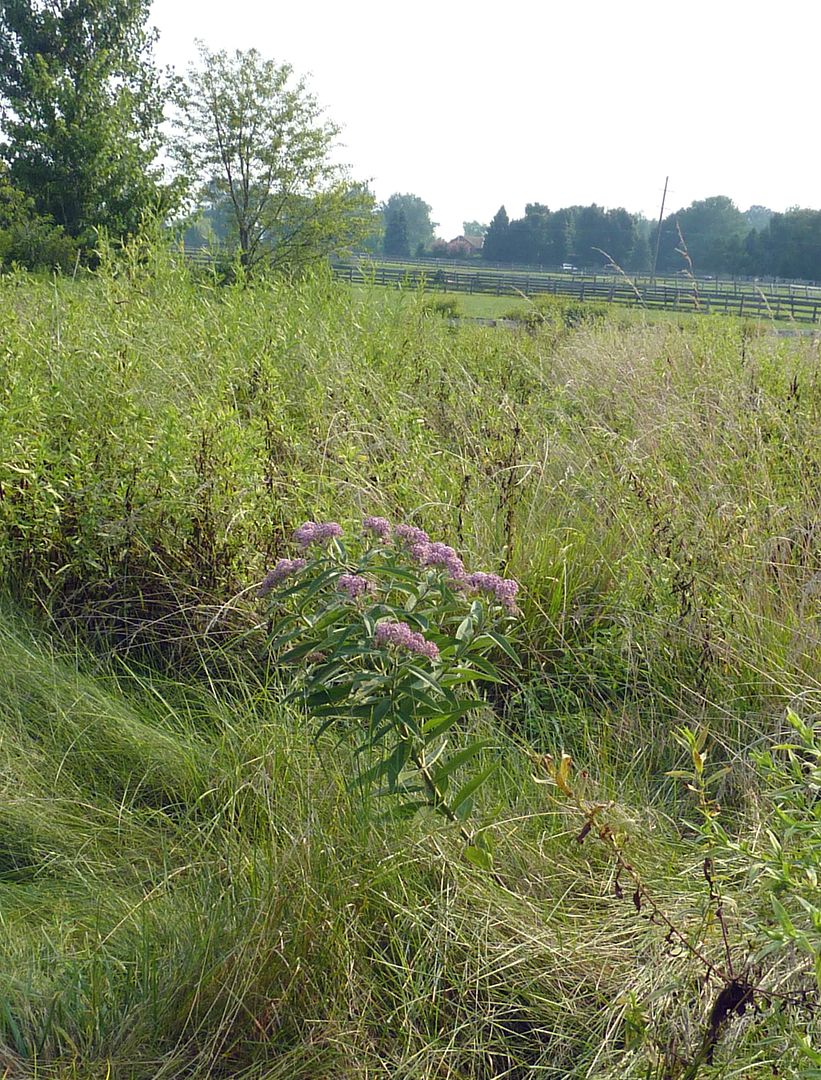
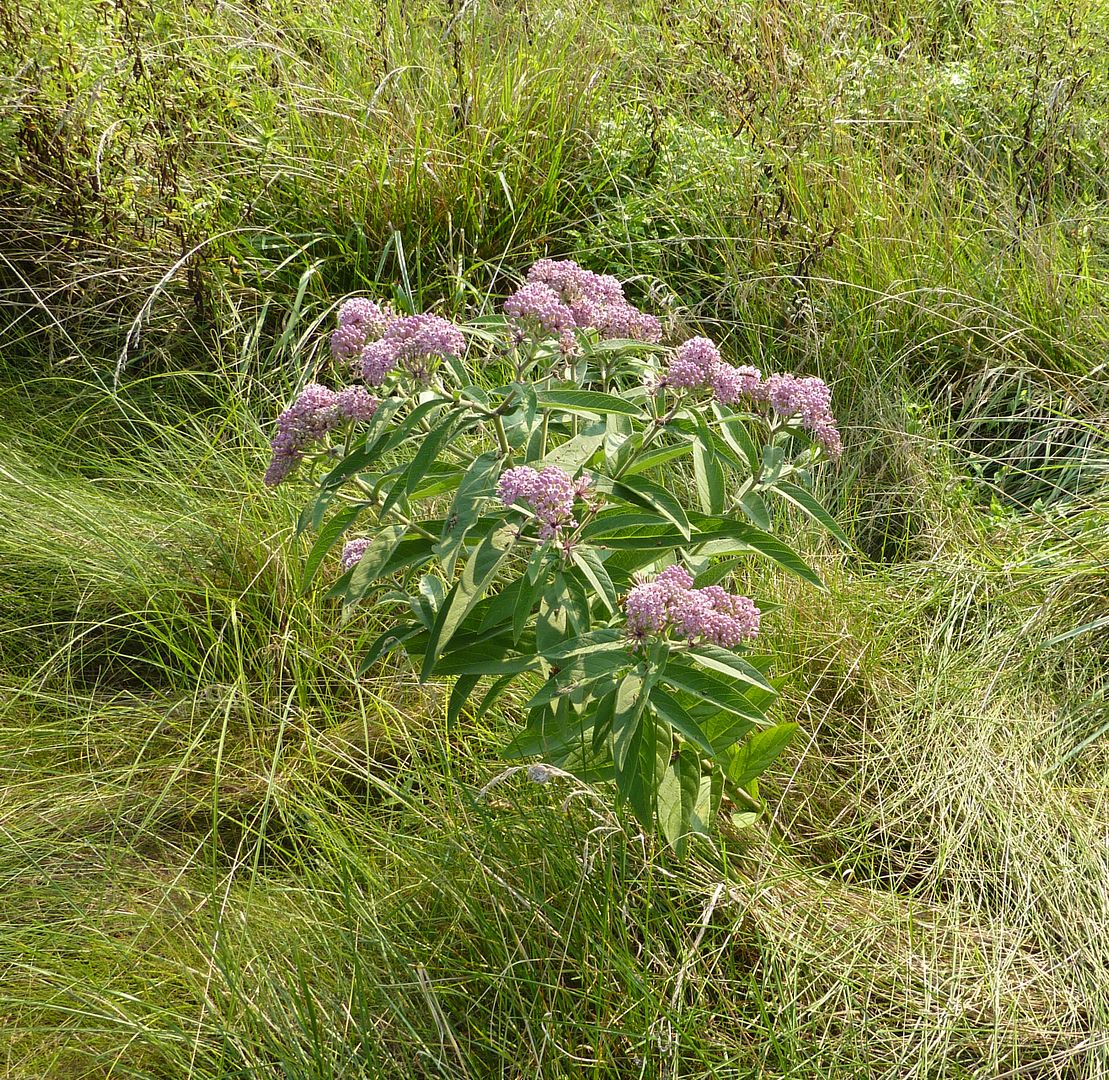
He didn't know what Milkweed was before today, and he has probably the prettiest specimen of Asclepias incarnata, Swamp Milkweed, I've ever seen growing in his wetland.
I wish I'd taken this picture at a slightly lower angle to take the focus off the grass behind the milkweed more.
It was just this one milkweed growing among this short grass. There were other Swamp Milkweeds about but this one stood out more than all the others.
It has a single stem, which I've never seen happen. And look how thick it is compared to my hand. The result was the thing being thicker than what the norm is all over the whole plant. All of the stems were engorged much thicker than they should be. It was enough to make me think twice about my ID. Other specimens in the wetland were more towards the norm though with multiple stems and closer looking to what most nurseries sell.
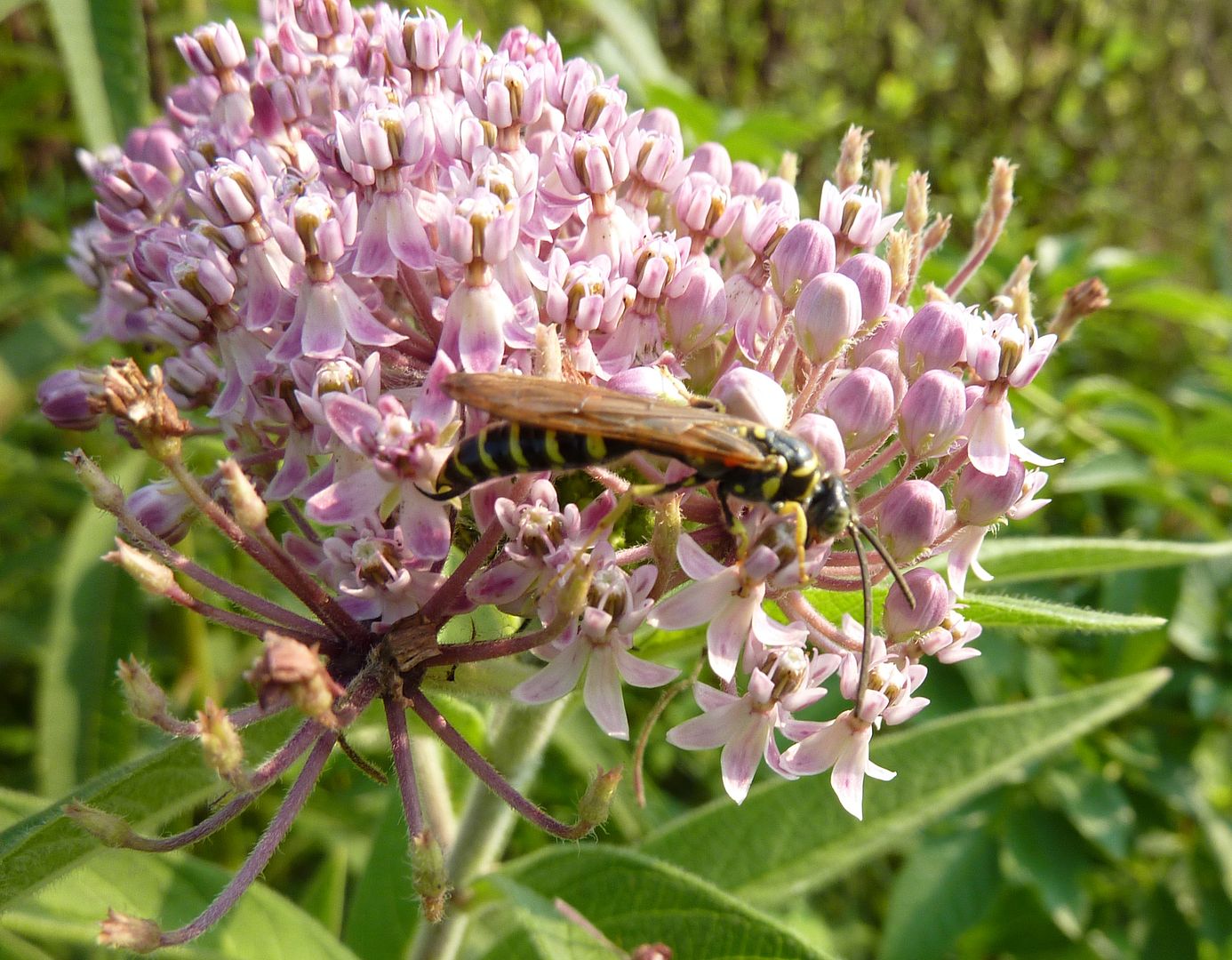
Pollinators were all over this thing. There were lots of Monarchs flying around but they were to busy having sex to be laying eggs it seemed. No caterpillars or nibbling at all, though I'm sure that'll change tomorrow.
Mist Flower, (The real one this time!) Eupatorium coelestinum, had a few patches here and there. I could see growing this for the sweeps of color their clumps offer.
What I think is Common Boneset, Eupatorium perfoliatum, was also growing there. Normally I don't like bonesets but this one was more like a white flowering Joe Pye Weed (same genus).
A neat looking kind of Wild Mint, Mentha sp. I think, also caught my eye. There weren't a whole lot of pollinators around it, which is shocking for a mint plant! but there is a lot to be said about the form and pattern all the stems create.
They spread by rhizomes I'm sure.
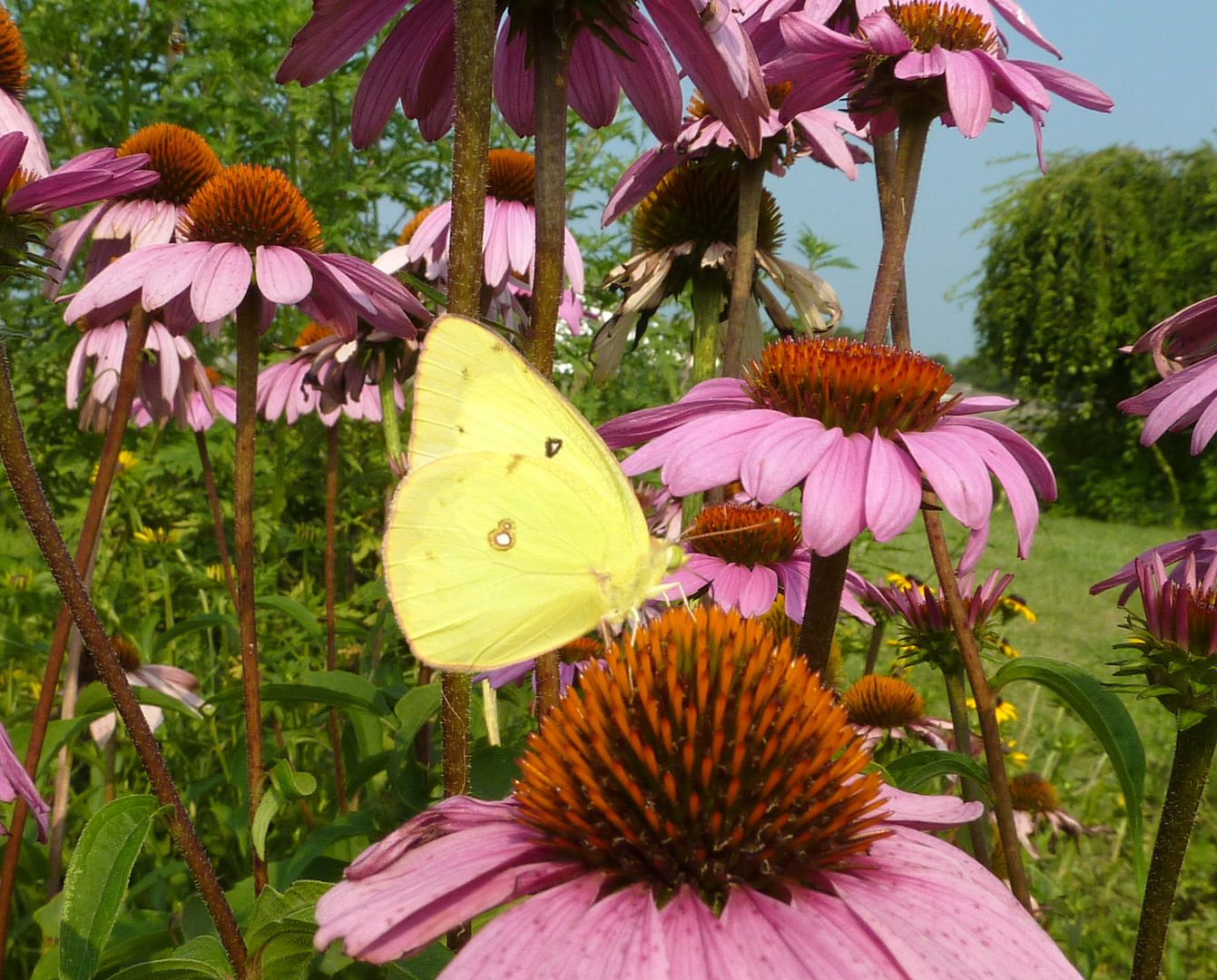
Cloudless Sulphurs, Phoebis sennae, were dancing around some Purple Coneflowers. This wasn't in the wetland at all. He has these planted as part of the landscaping (... I suspect something the former owners put in).
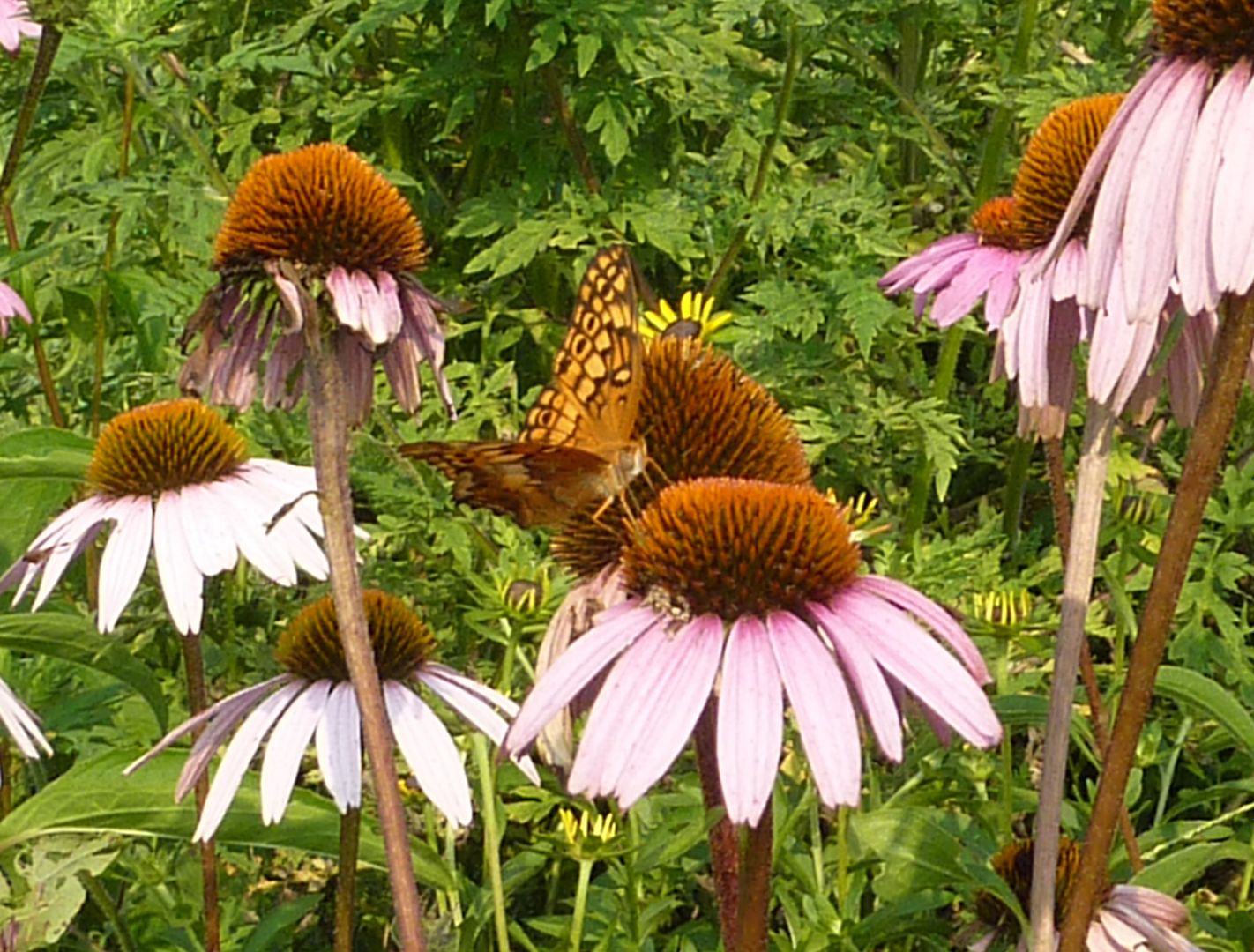
Fritillaries were also flying about both in the wetland and up by the house. I suspect the abundance of thistle and other unnamed host plants around have been supporting the population.
So I'm left with the conclusion that if all this wonderful nature can grow around his house without any care at all, then despite the weeds it should be worth it to install a prairie. And if he hates that idea then I'll just tell him what to buy and where to plant it!
This year's show in my opinion was awful. First and foremost I wasn't hit by that big overpowering burst of pollen the moment I entered the doors. Honestly in years past this was a huge problem. Cars featured at the show for you to win often had so much pollen coating them they emphasized every little finger print and flaw. So this year apparently they didn't bother using Hyacinths to their fullest potential. Or maybe someone changed the filter in the AC unit? Anyhow.
This year's theme was "Springtime in Paris," Now there are two major flaws with this title. The first being Springtime. So all you people expecting Grape Vines, Poppies, Lush Herb Gardens, boy are you wrong! The second being the word Paris, as in the city. So apparently this year's "Flower Show" consisted of Bulbs and Orchids, and for some reason Ferns.
All things considered, this year's theme could have easily been "The Moon Landing" and the exhibits would have made just as much sense.
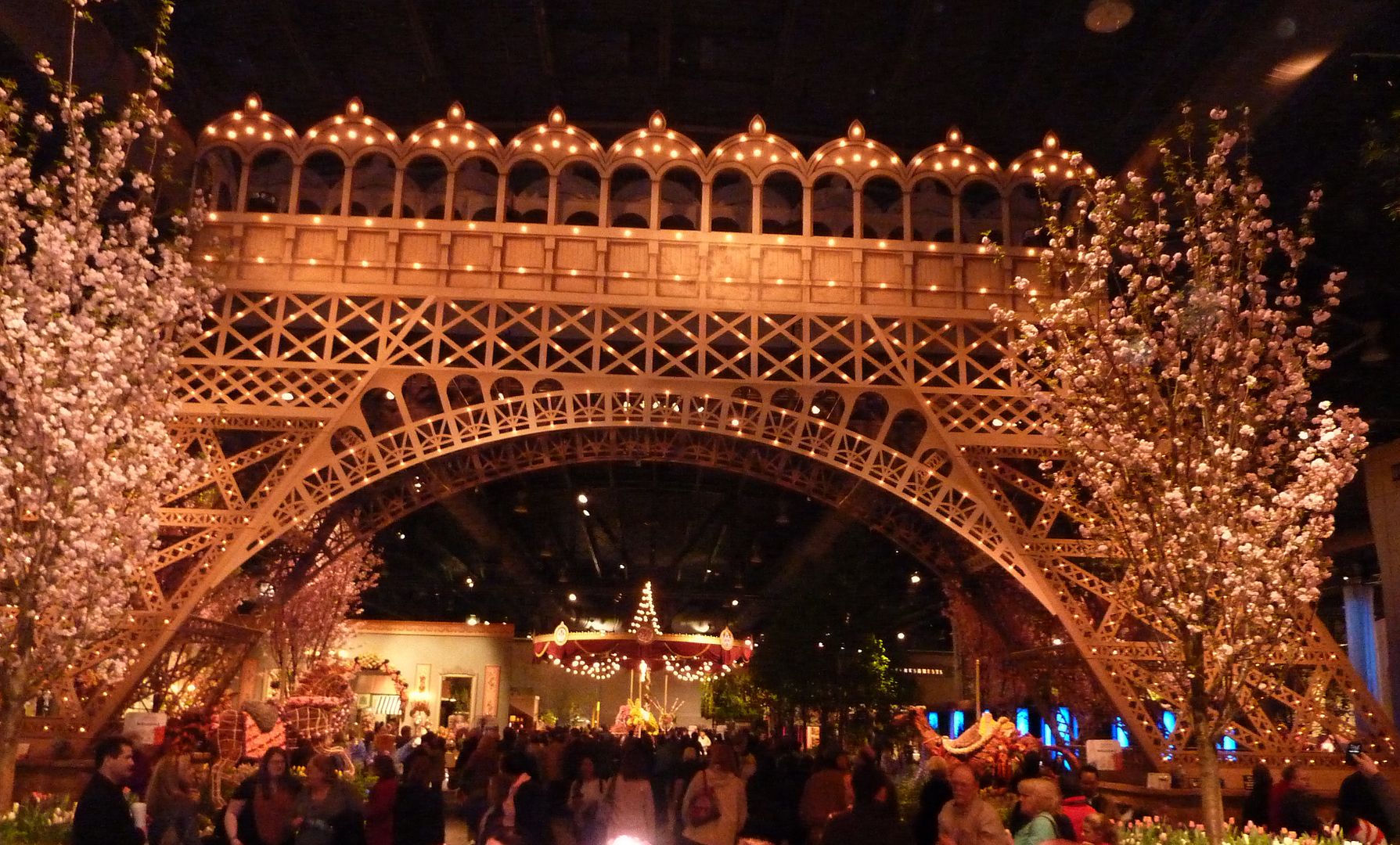
Okay so right when you walk in you're greeted with this Eiffel Tower looking theme, that supposidly has web cams on it. Okay I'm getting it so far. We're supposed to be in France.
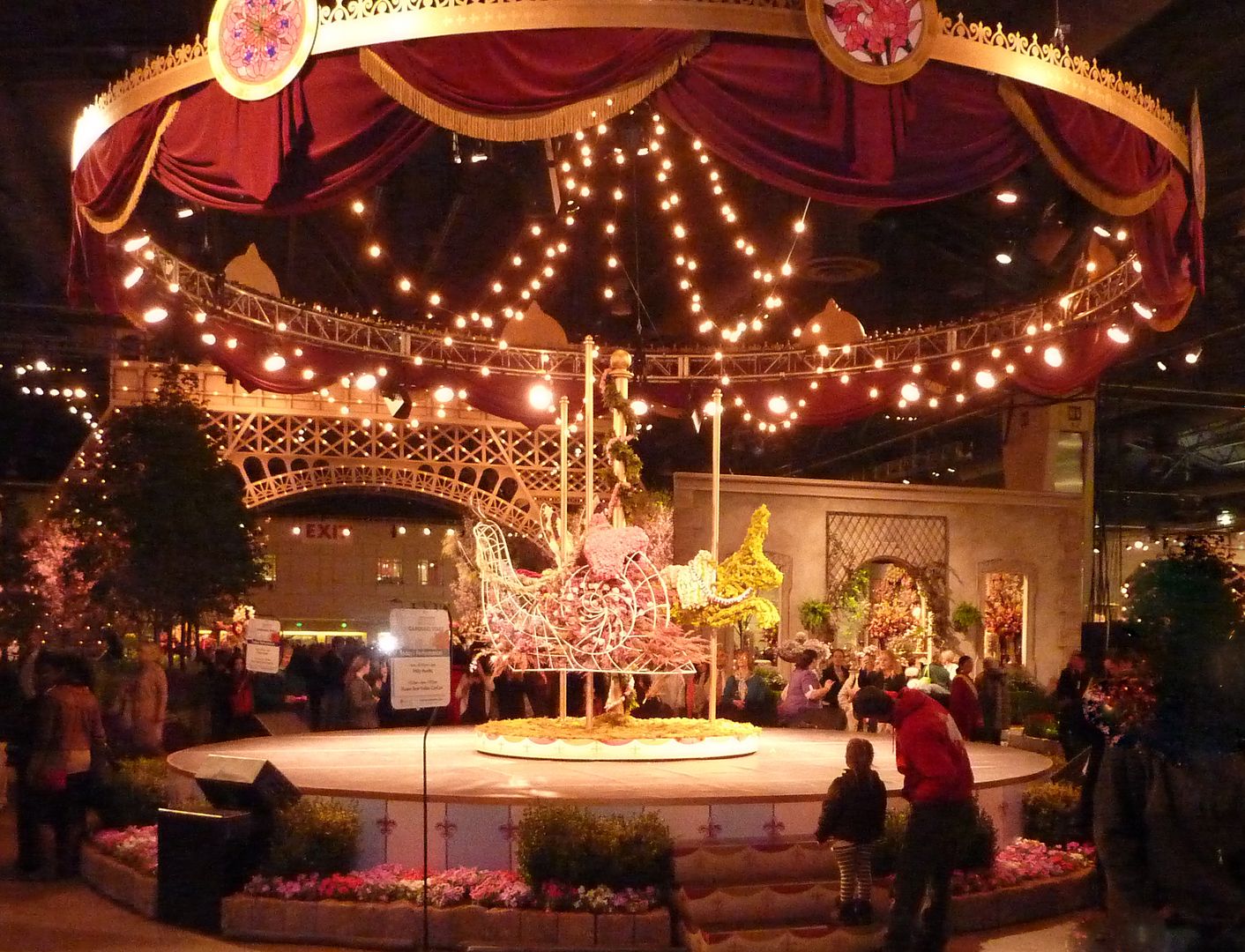
Umm... so behind that is a Marry-Go-Round. And they lost me.
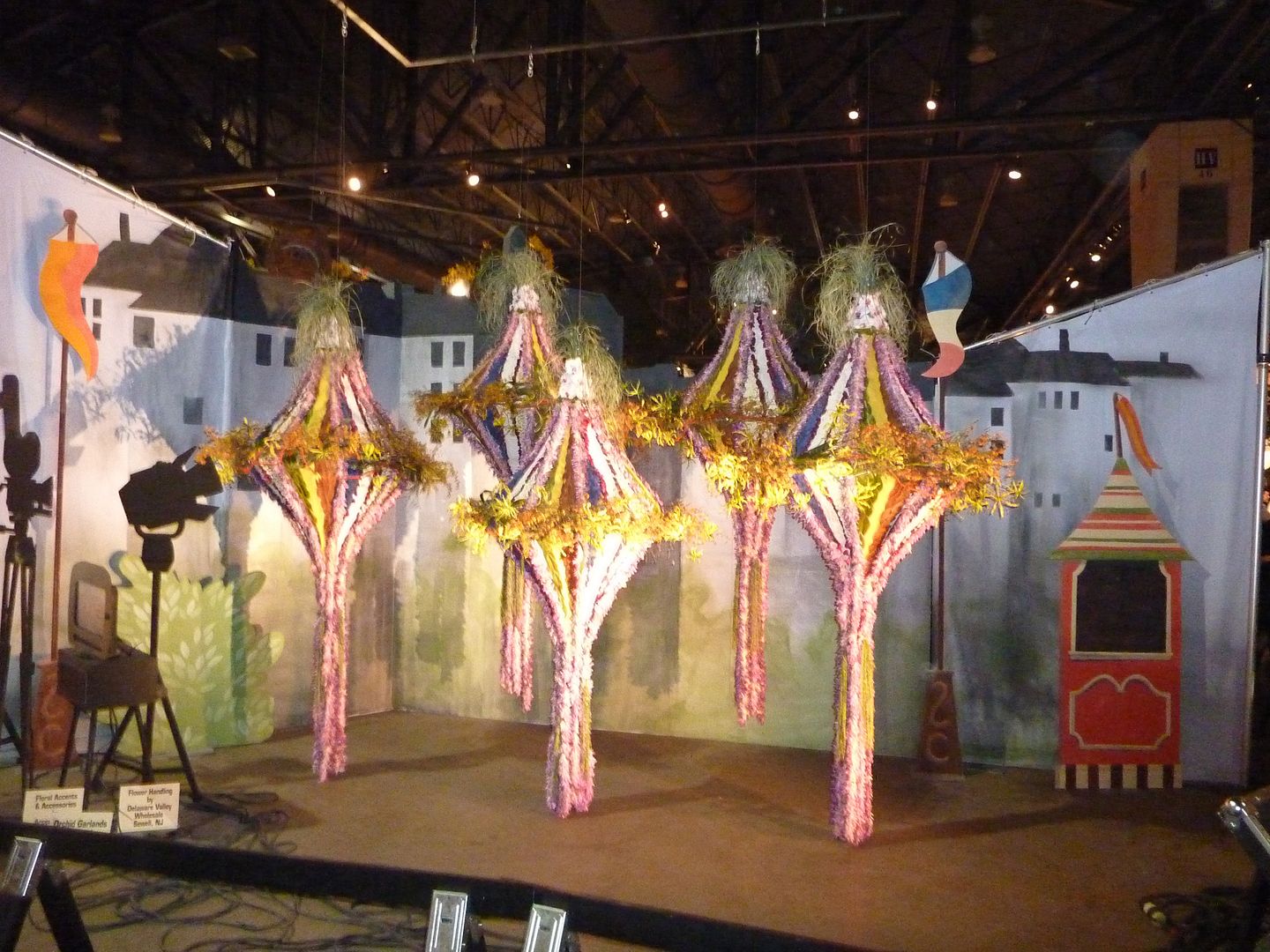
Oh here we go. This is really French, kind of a mix between new and the old. Though I have to say these are the most annoying bug zappers ever invented.
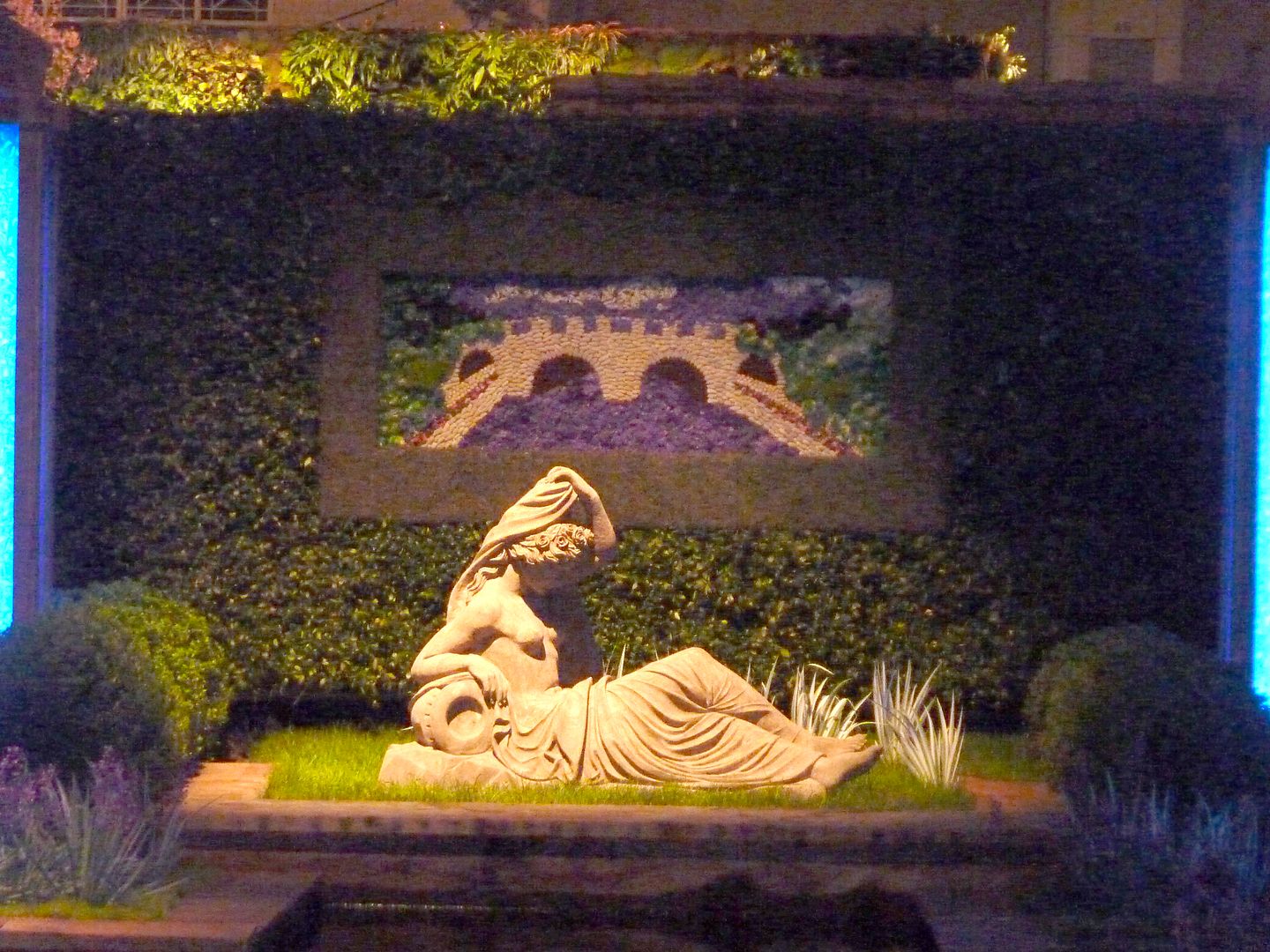
The centerpiece here is fantastic though. They get big points from me. My understanding is modern day France arose from the Roman Empire. So they got me with architecture with this one.
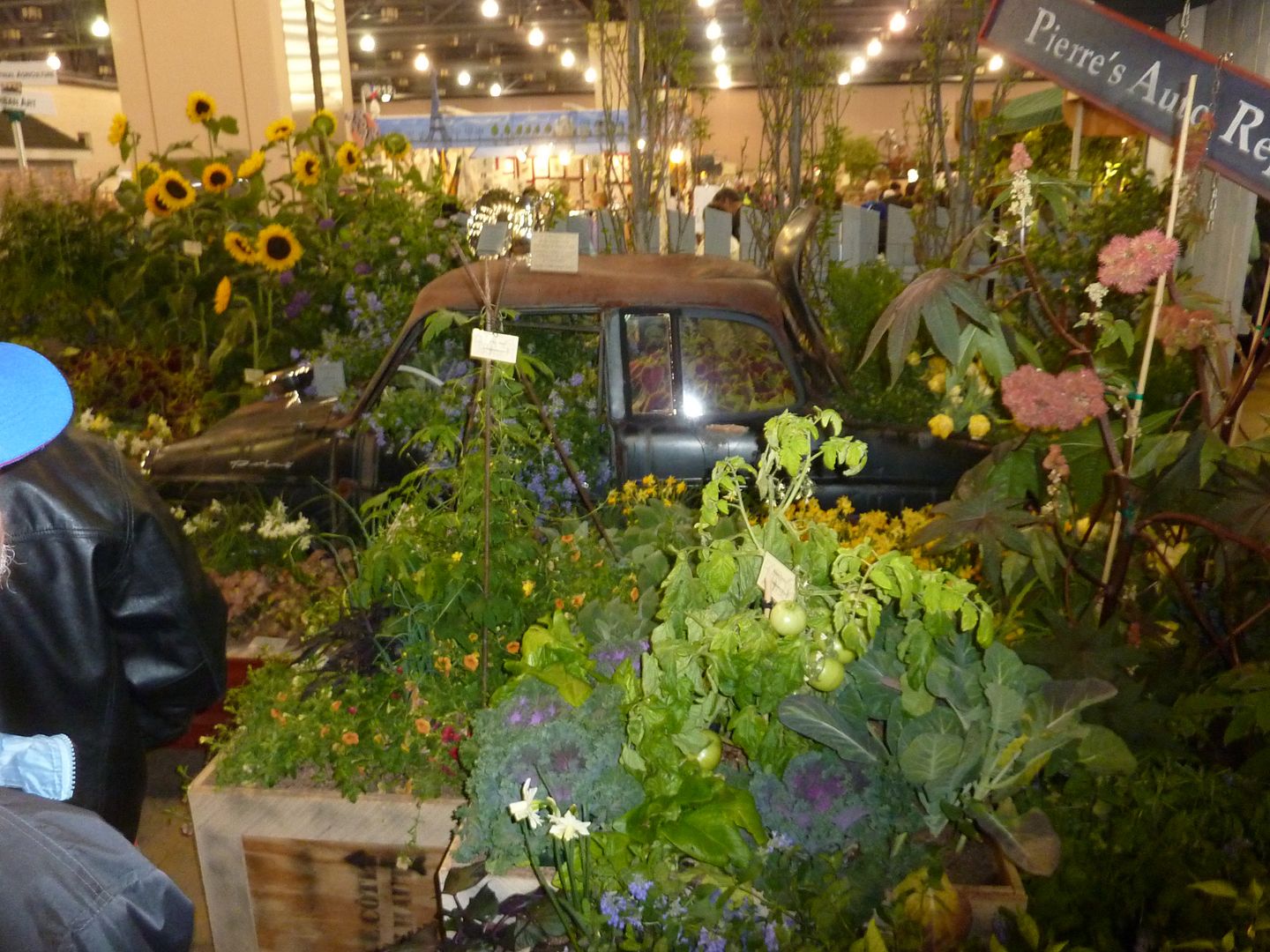
And we successfully end our French Theme here with this exhibit that actually had nothing to do with the main entrance way exhibits. Just about everything here is edible and herbs are what I think of when I think of the French.
Really what this show was lacking was a supermarket with fresh food in it. Seriously there are more note worthy greens in my local Walmart Food Section than in some of these exhibits.
To add to the French theme there were cooking demonstrations and wine tastings but these were events that only took place on certain days.
So how French was everything else? I'll let you be the judge.
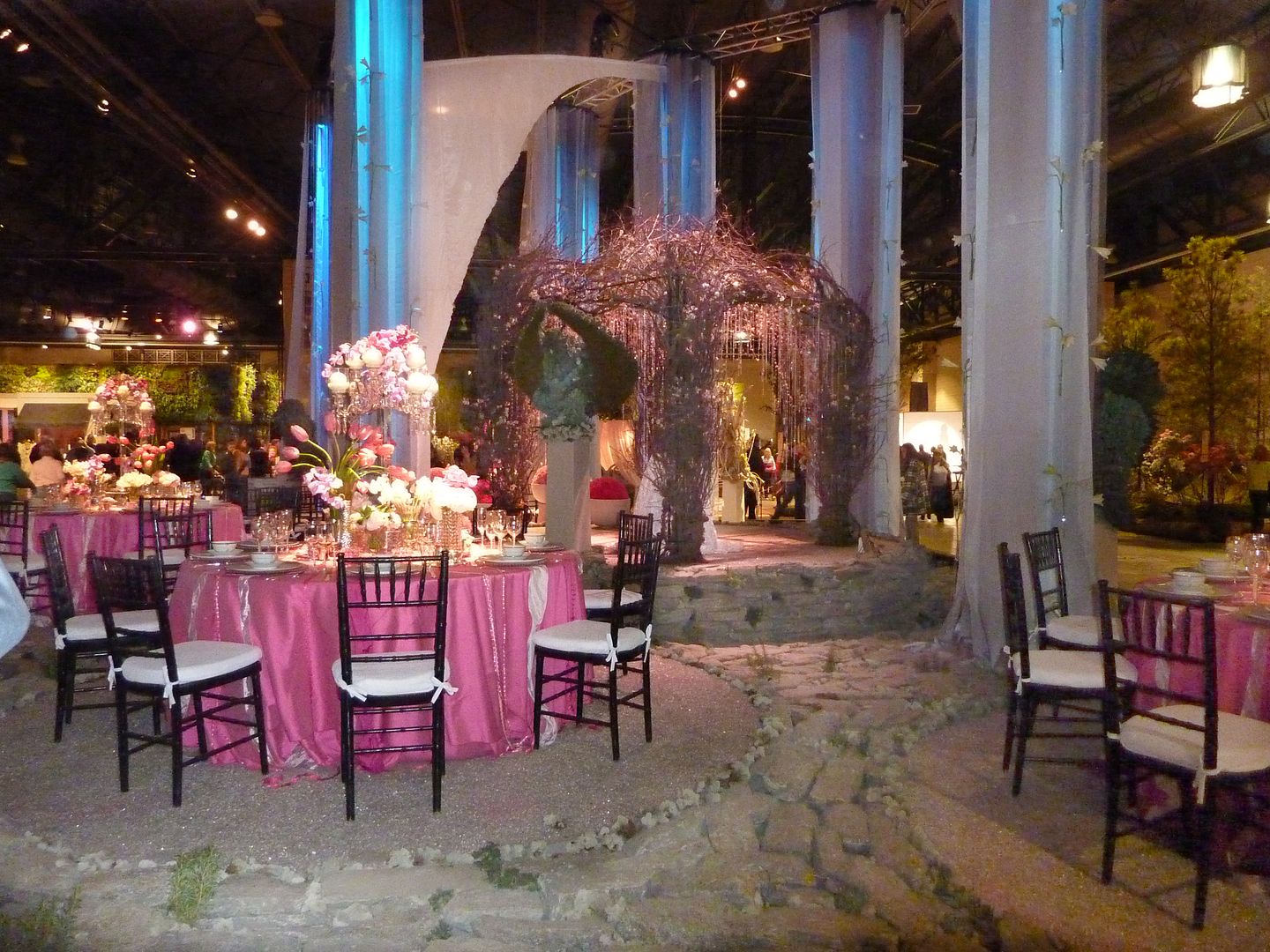
Really nice I could see this as a wedding setting.
It's a sale boat, and a table with an unfinished chess game on it.
Blind fold the children and hand them baseball bats?
What's French about this? My neighbor has most of these plants.
I actually like this one.
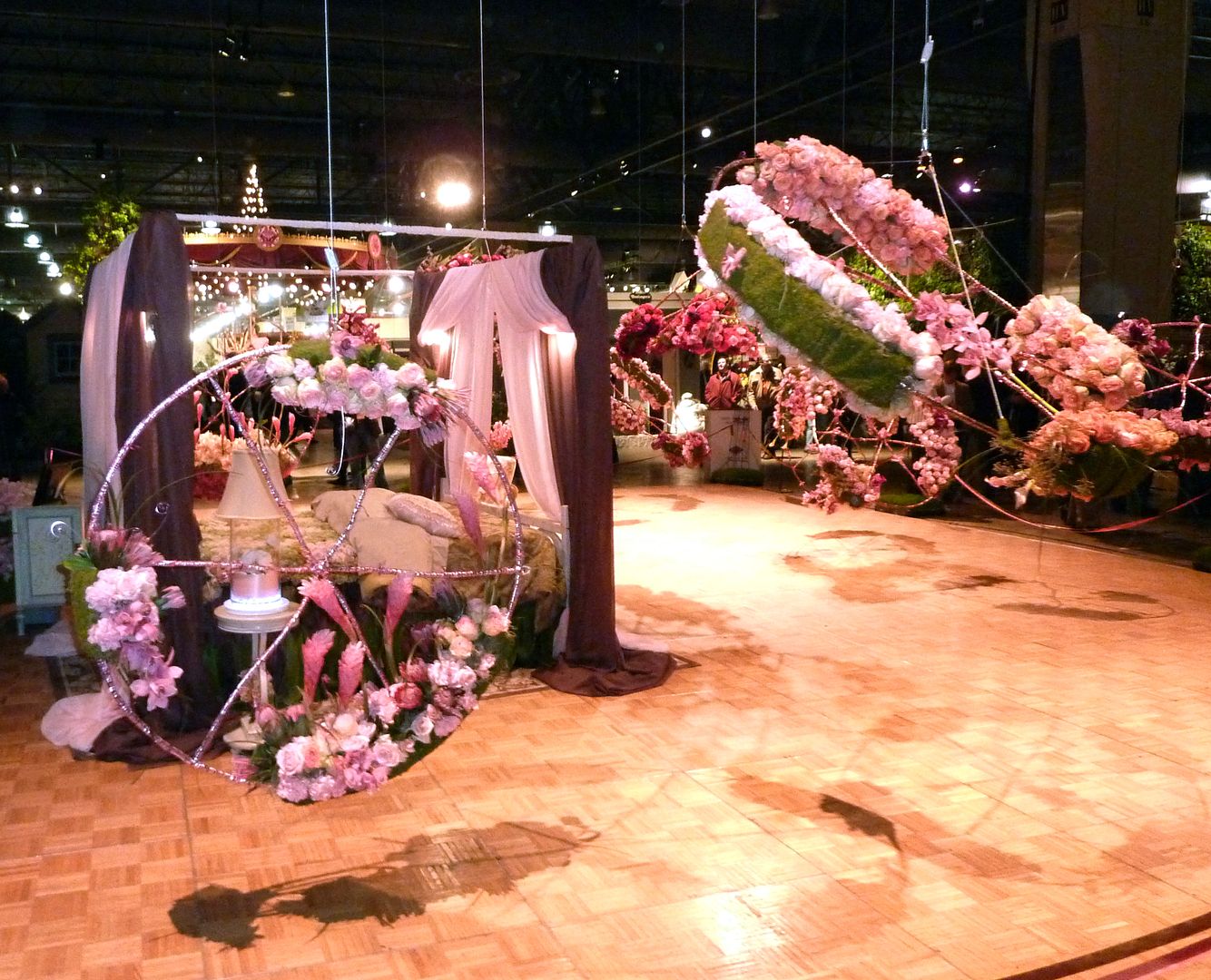
However, it's like I'm looking at Siegfried and Roy's bed room. They just make the tigers jump through the gay hoops before going to bed.
Realistically I could see these pink ring flower planters suspended in a stair tower. So there could be a practical use for these. It's just hard not to joke about them in a bedroom setting.
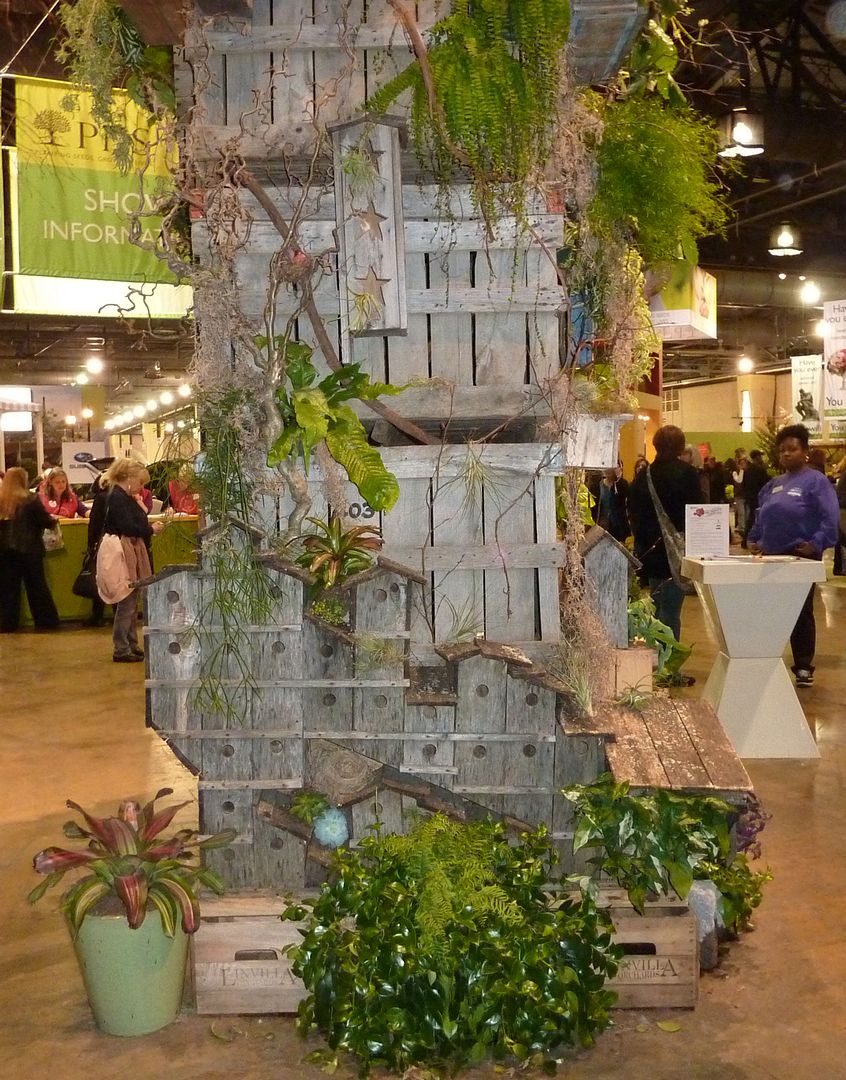
Someone went a little nuts building bird houses.
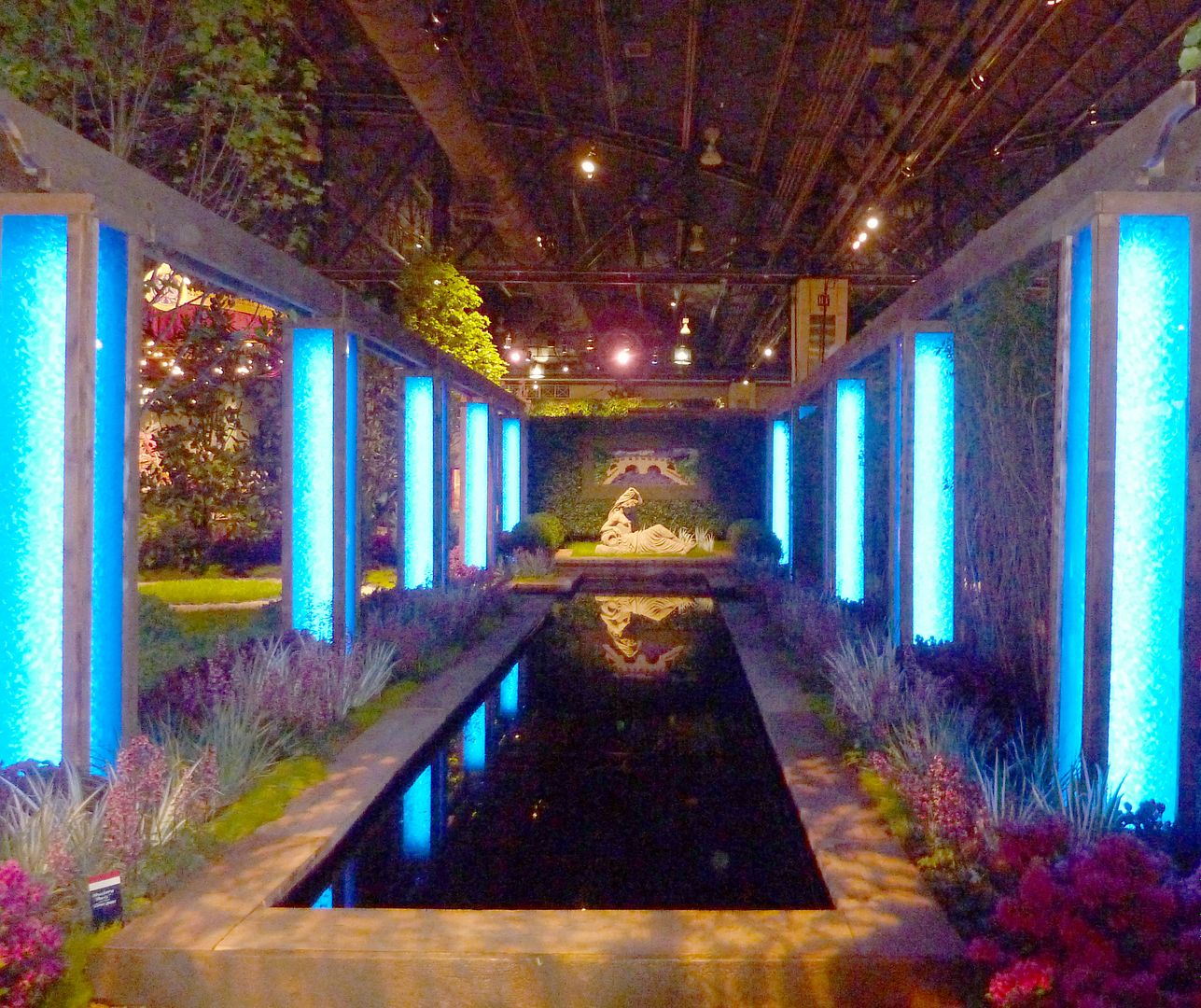
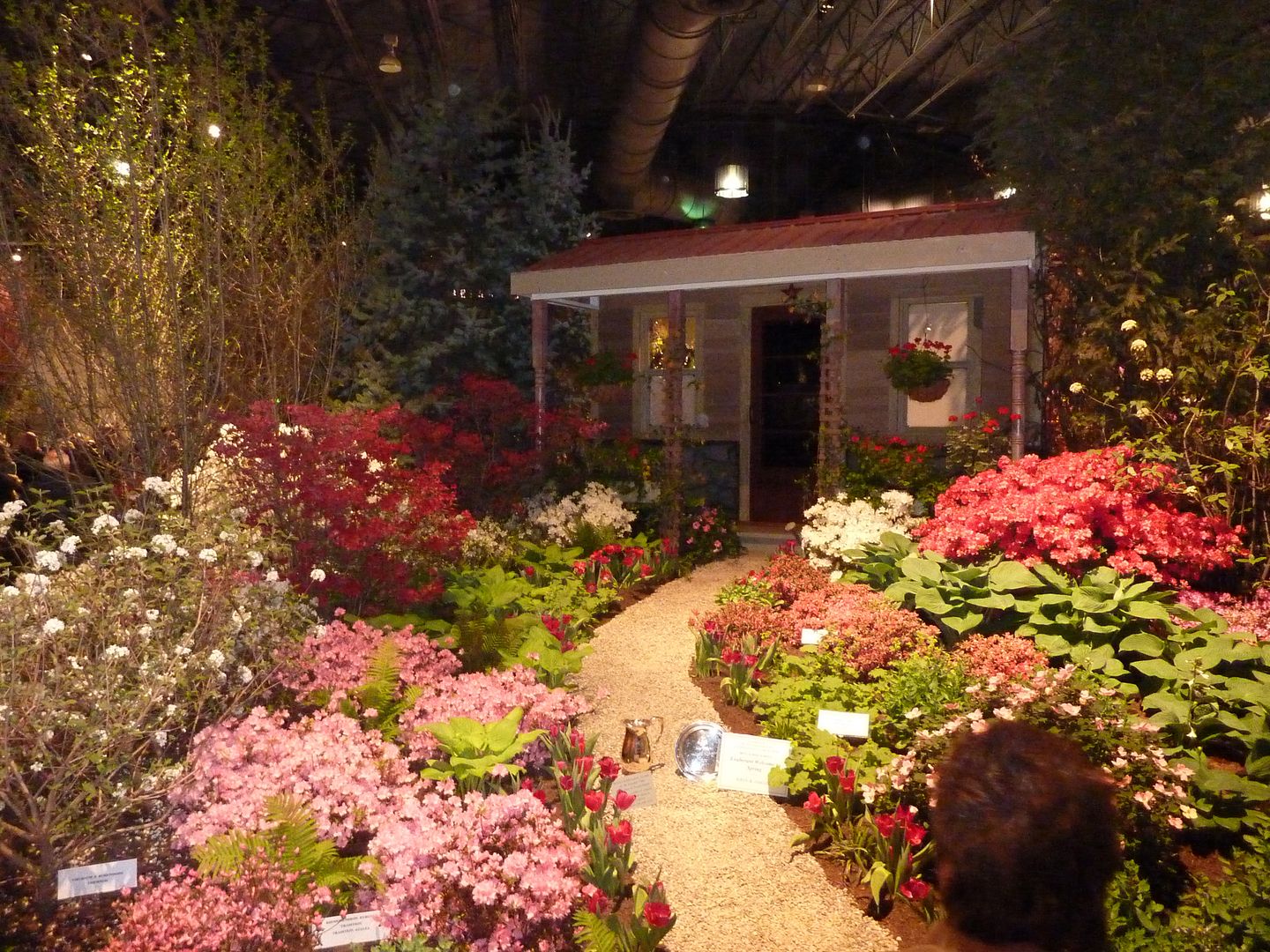
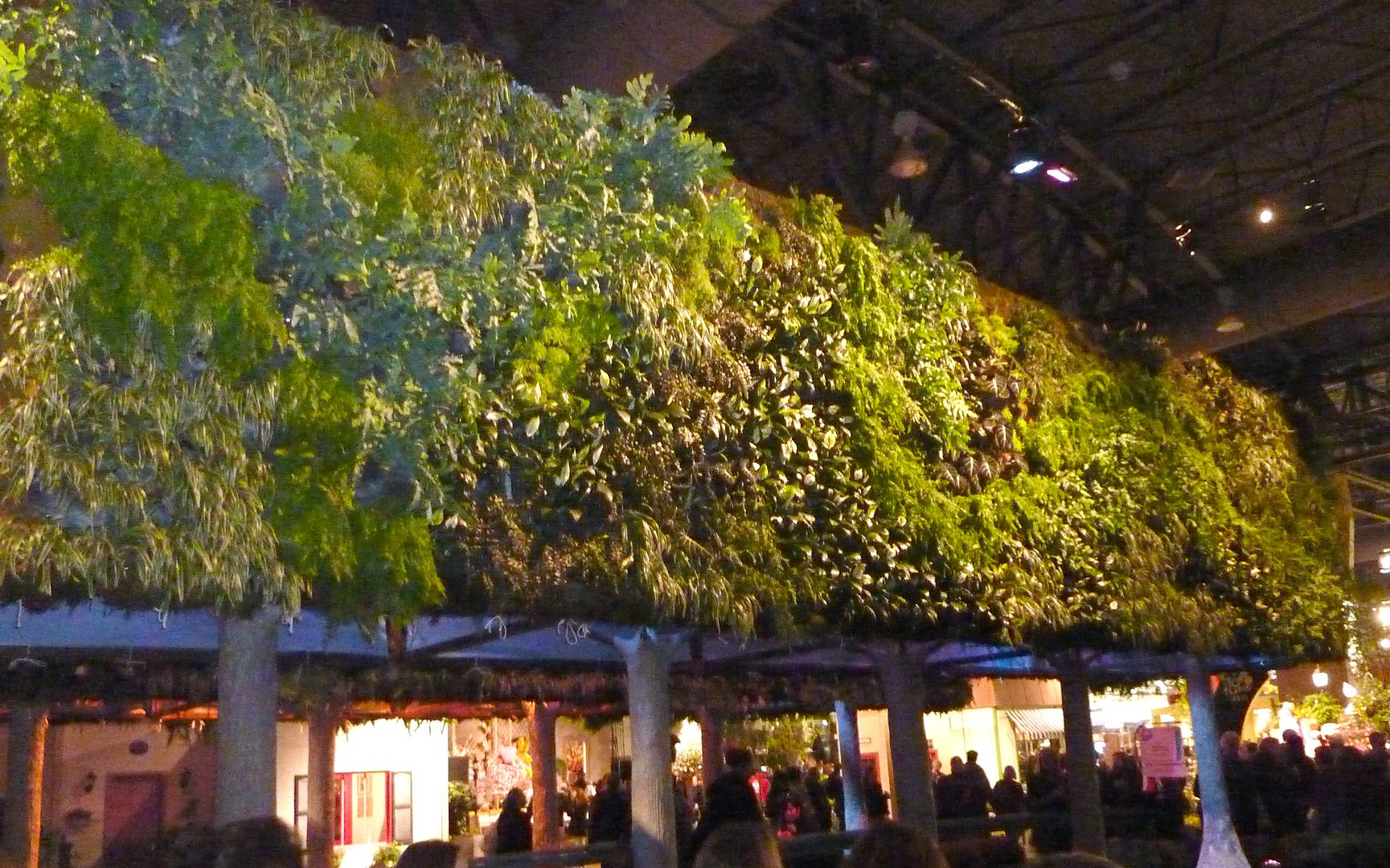
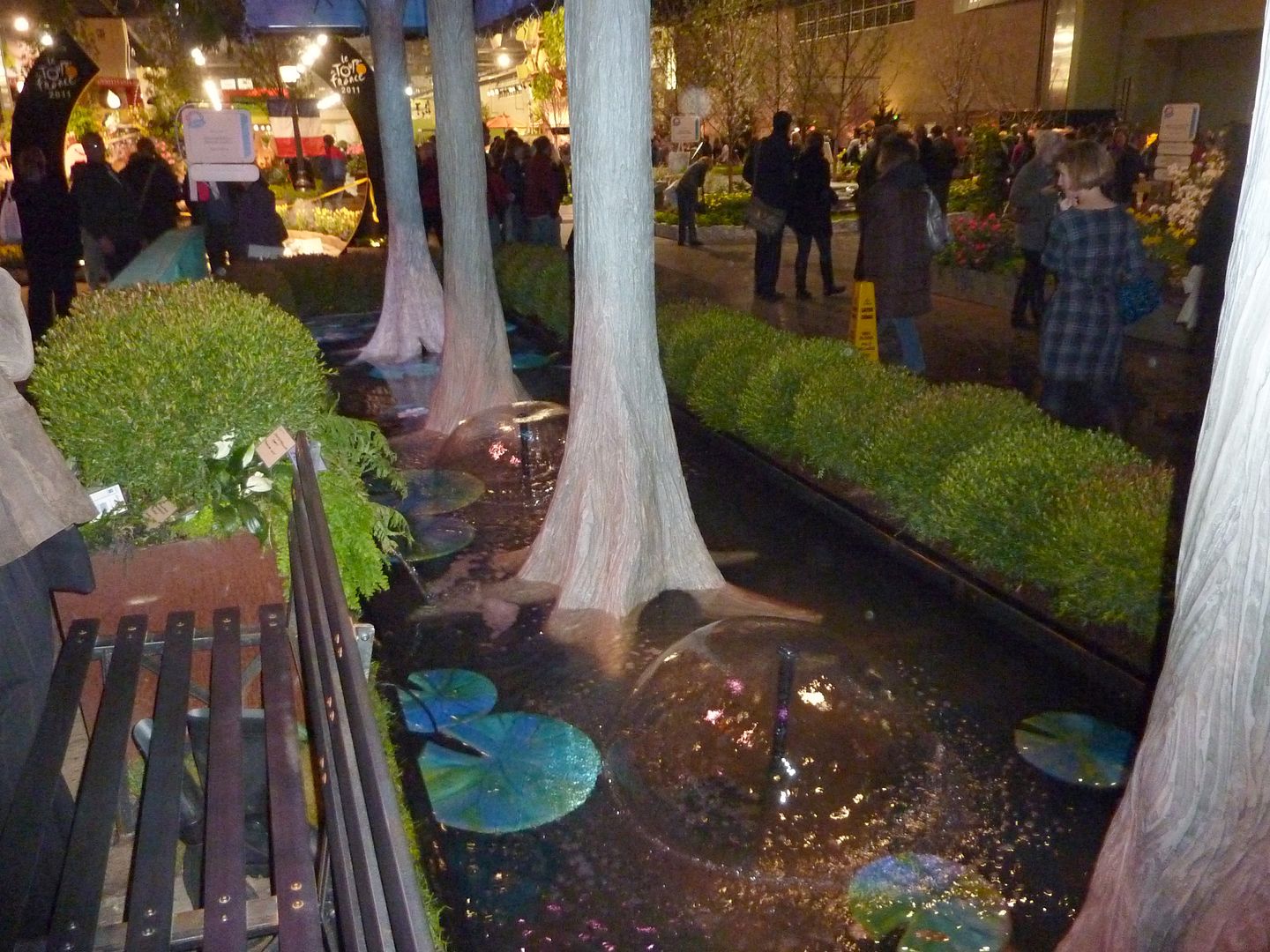
This year's Koi Pond was fantastic! It was a lot more creative than the past three years. And I liked that they had the living wall gardens mimicking the trees. I really liked this one.
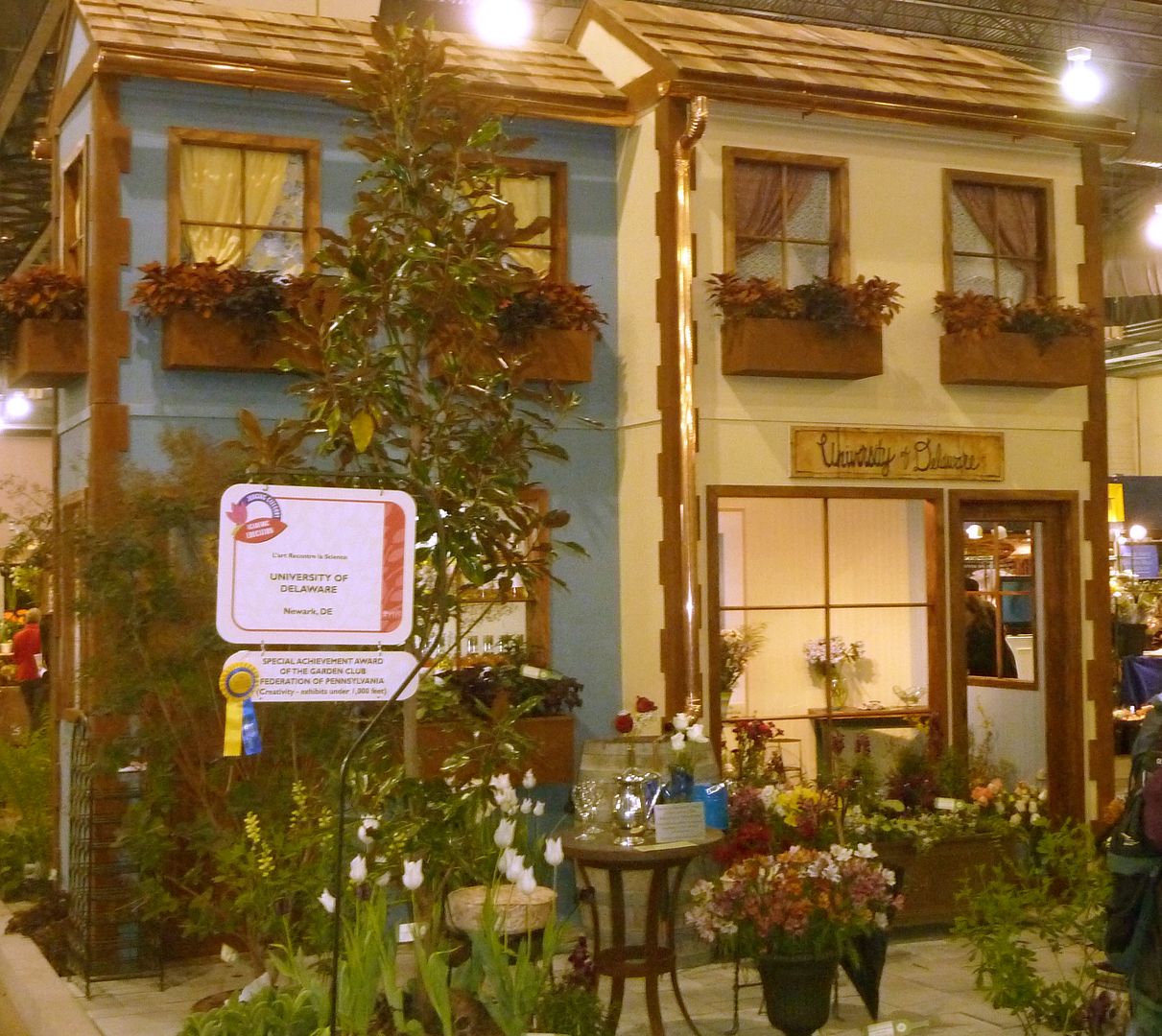
Another theme seemed to be the over use of copper in everything. This house display has a copper gutter system. If someone installed that in my neighborhood the scrap metal guys would ransack the house over night.
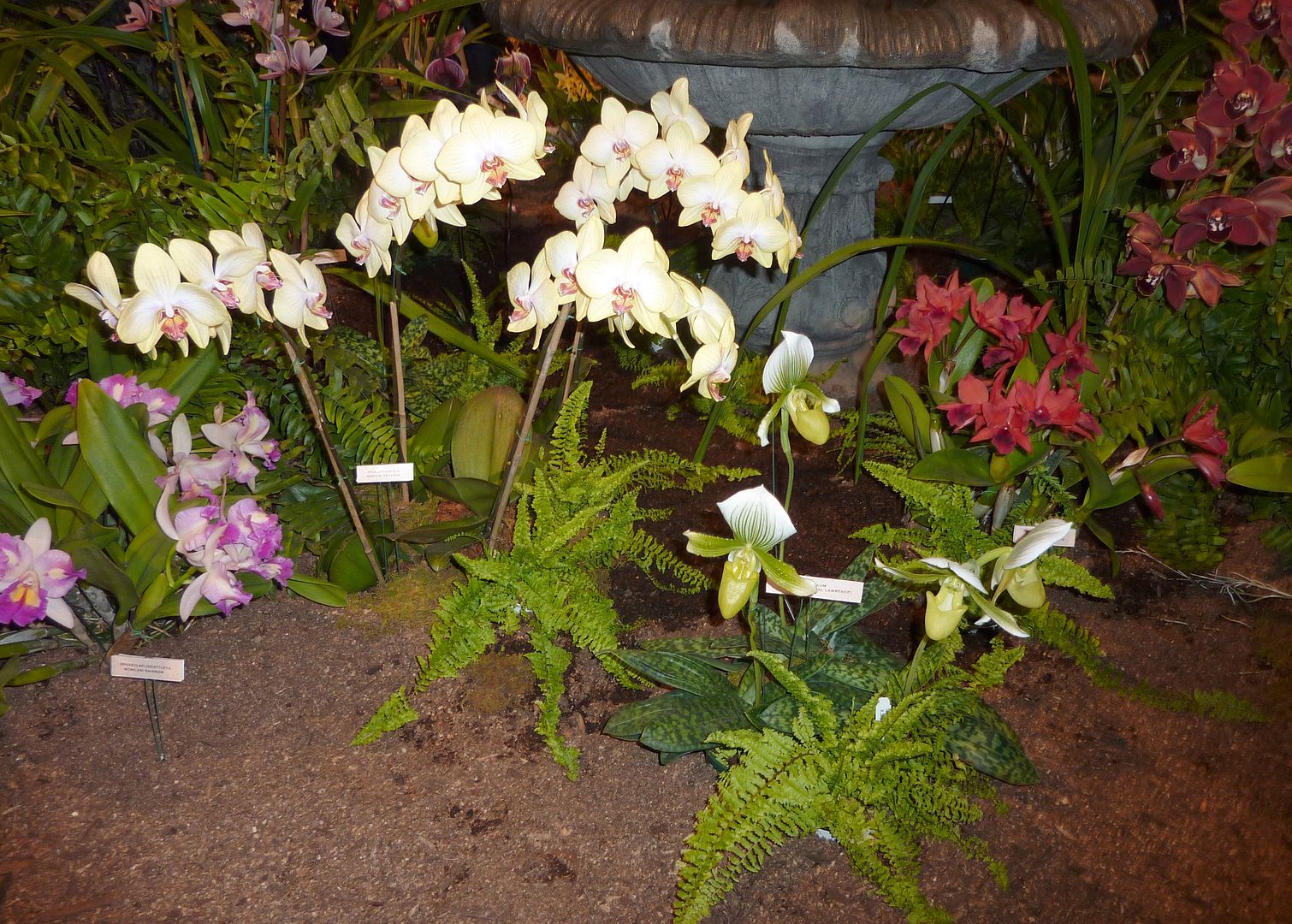
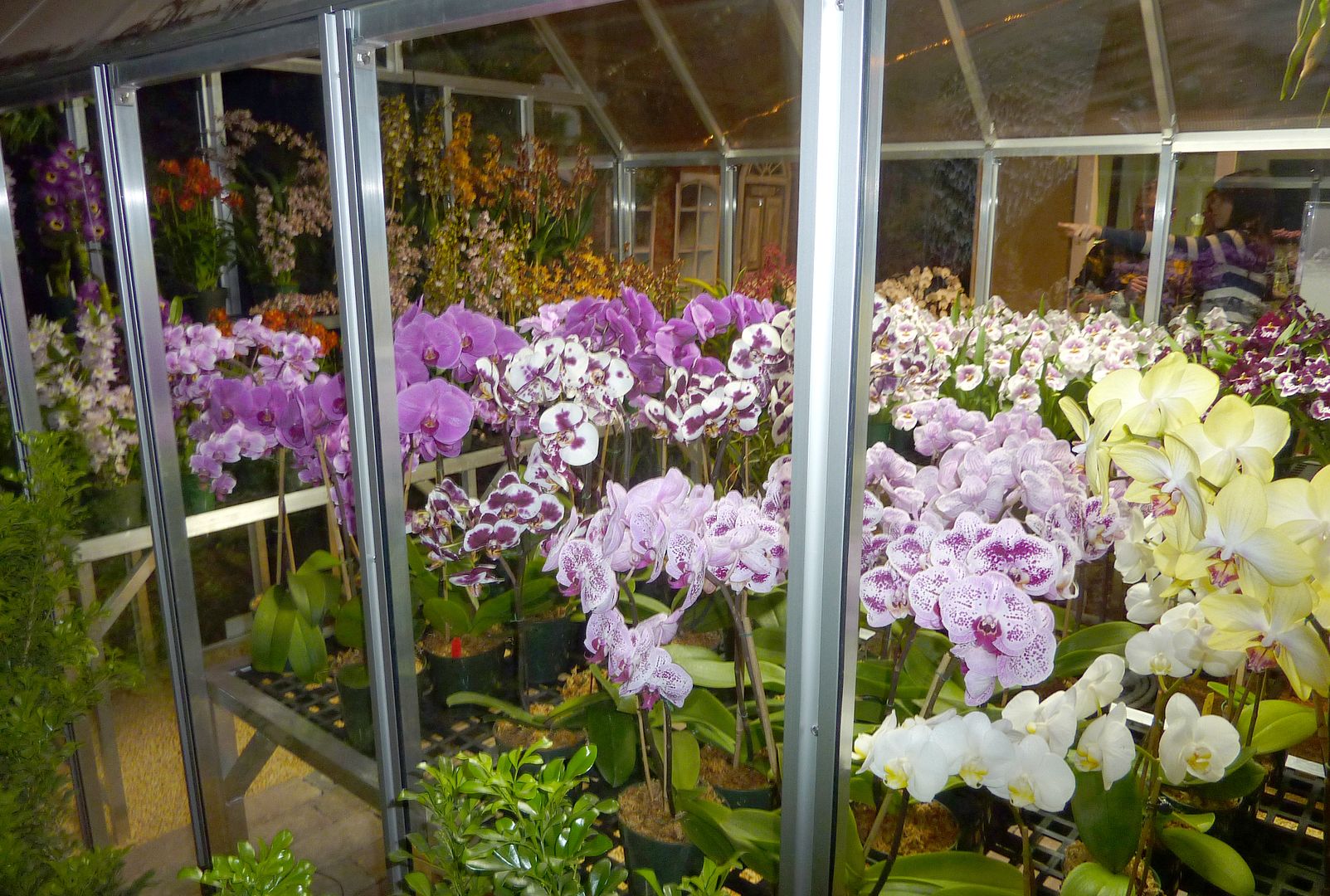
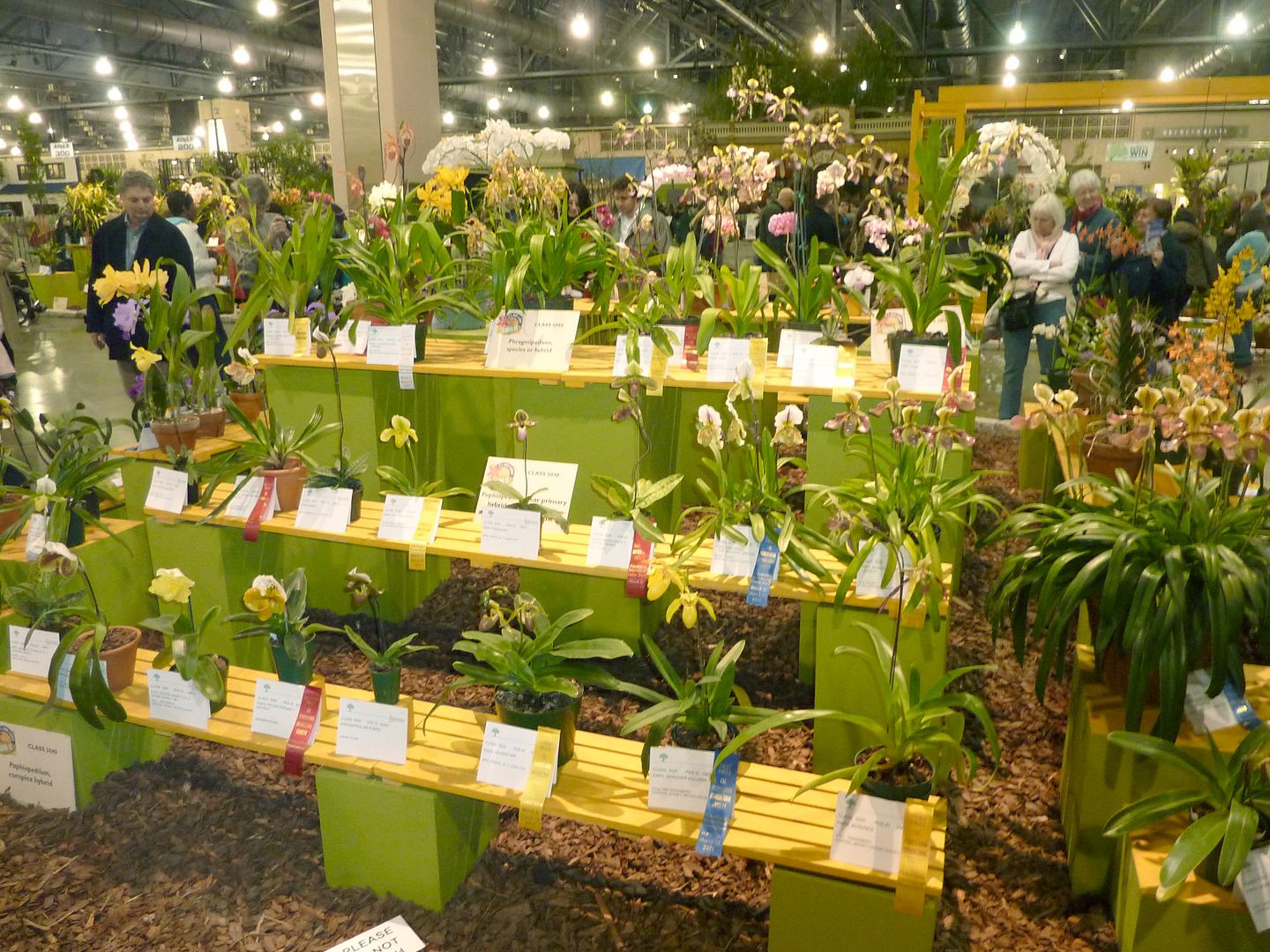
There were almost to many Orchids everywhere. I don't understand the appeal. Last year these were all over the South America and Africa exhibits.
A few Featured Plants that I really liked.
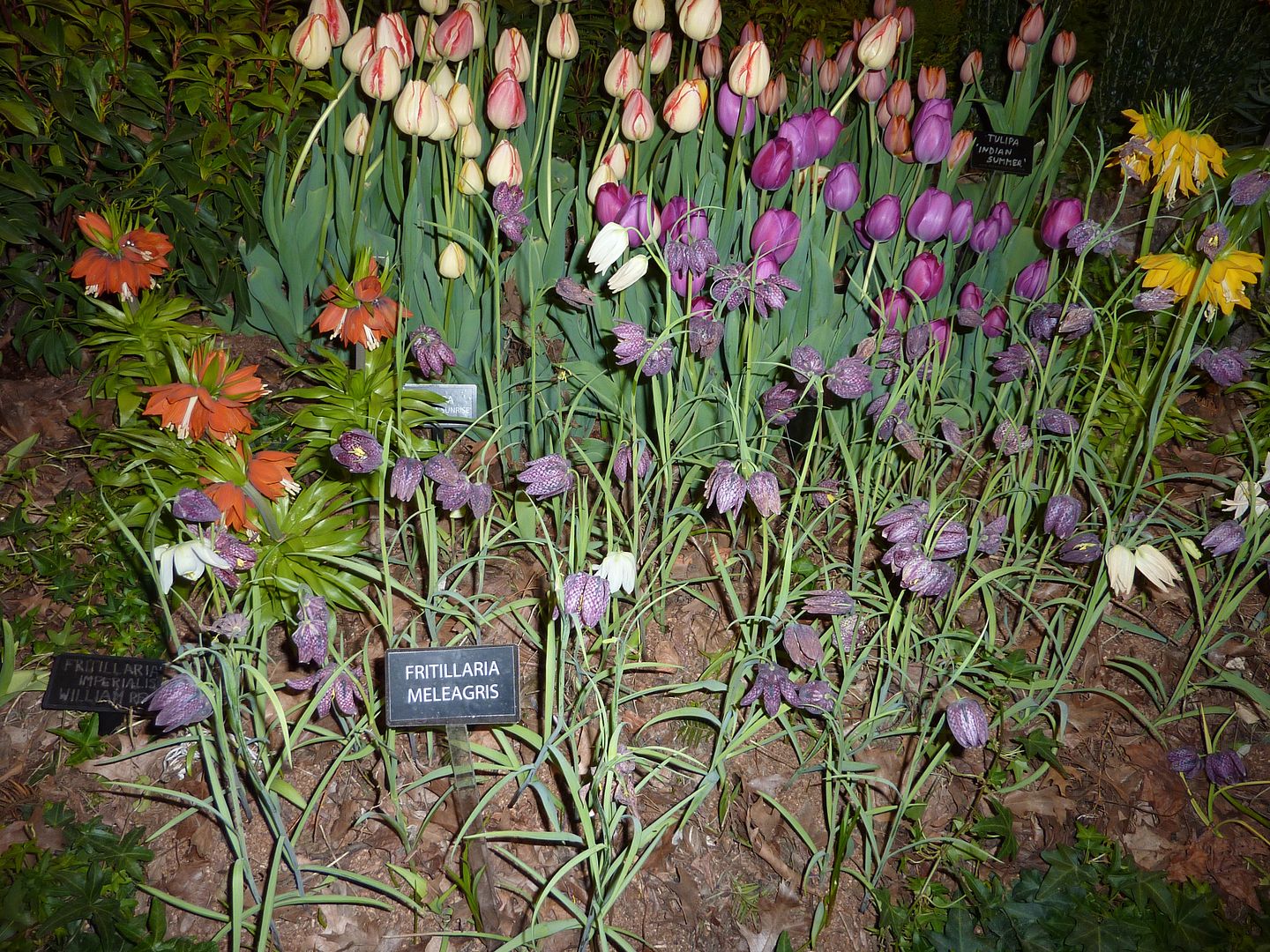
Fritillaria meleagris. These really caught my eye, and as it turns out they're native to the west coast.
I am not even certain of what this is. It looks a lot like a member of the pea family, and I know we have native plants that look just like this, but the flowers are yellow.
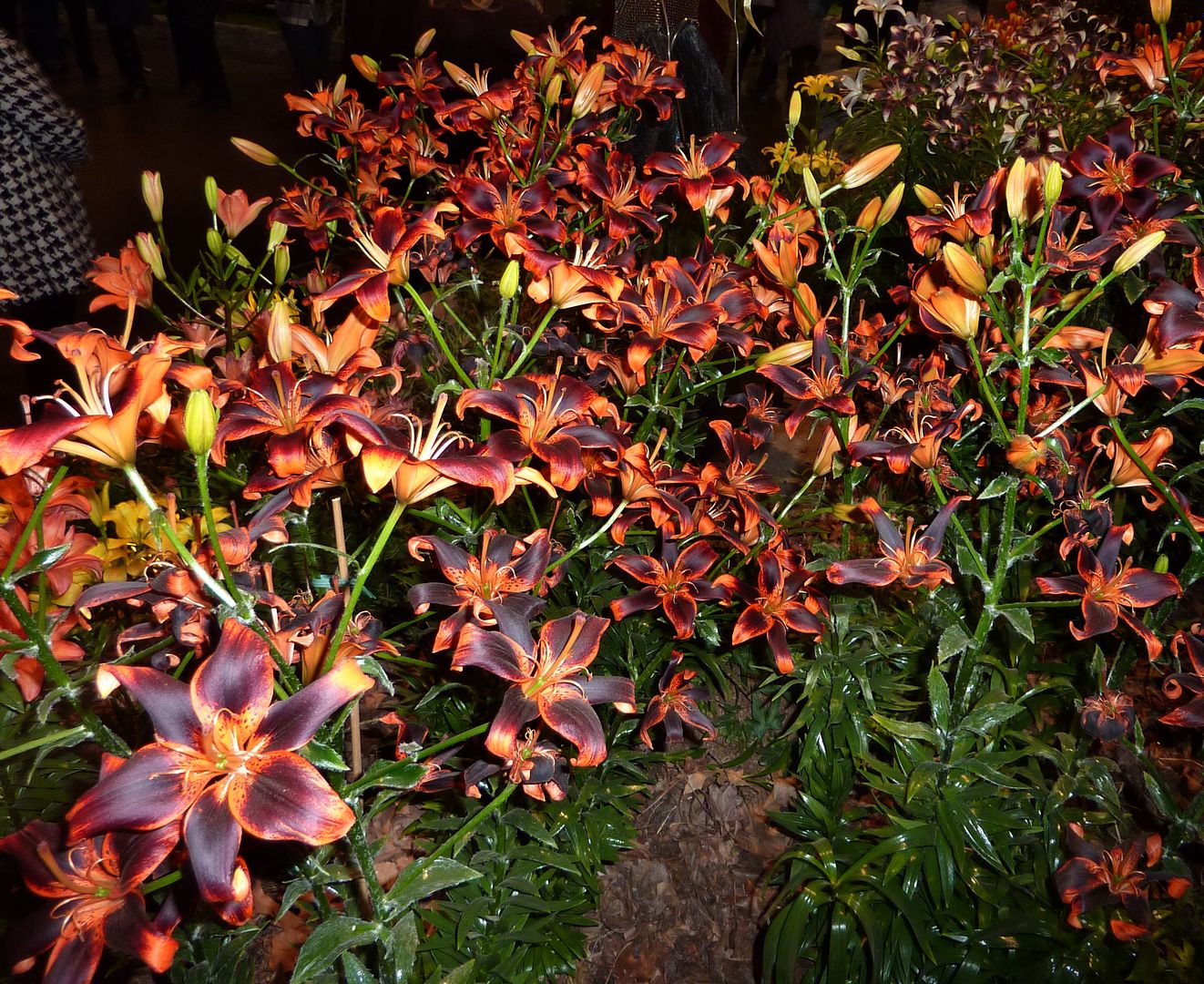
These lilies were actually orange and black. The black though reflects as a magenta.
I believe this is a False Indigo. Not certain what one yet.
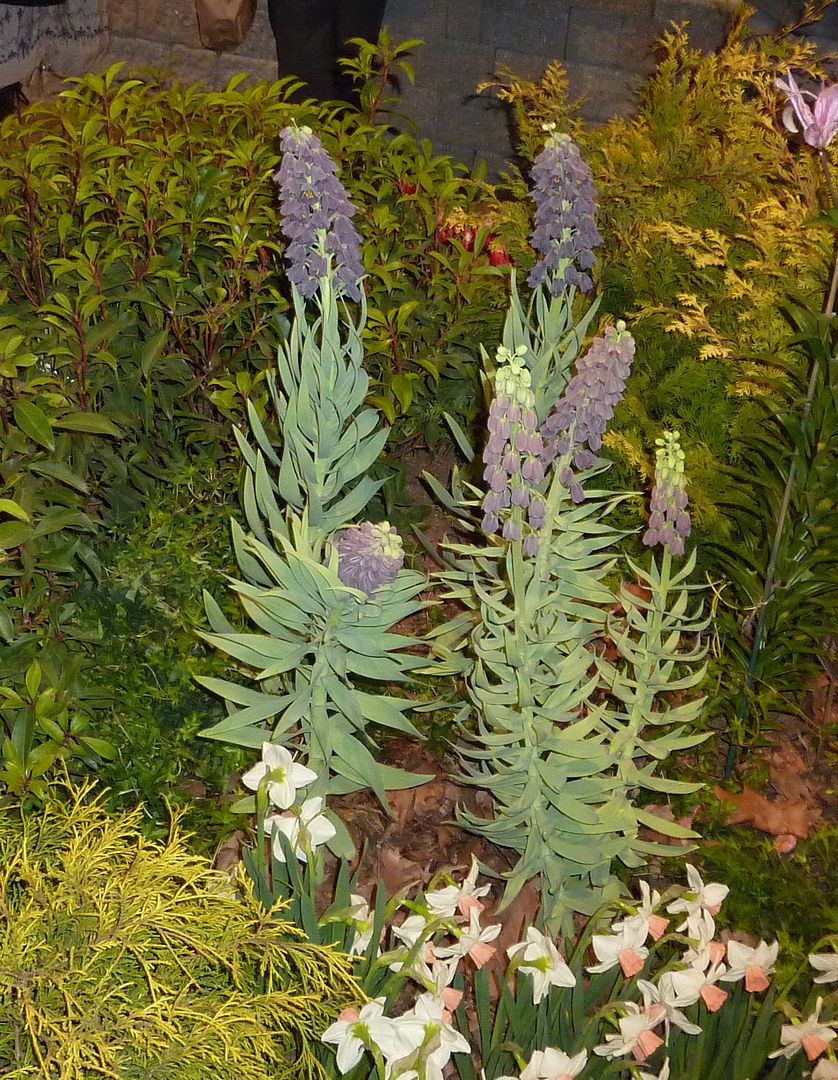
Amsonia sp. Not the Daffodils, the spunky blue stuff in the middle.
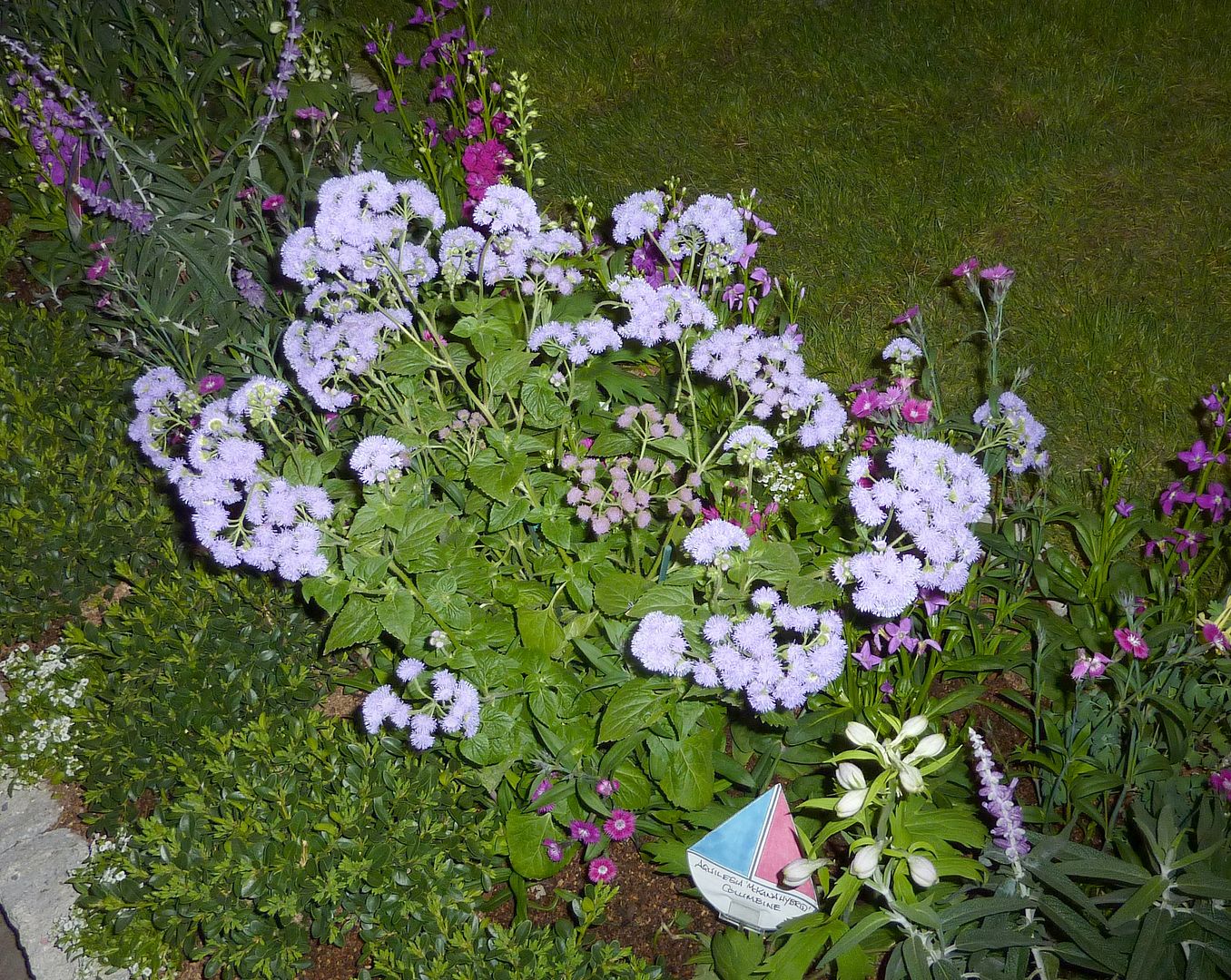
Mist Flower. A Eupatorium I recall. Not something I would ever consider blooming in spring time. I've always known it as a late summer bloomer.
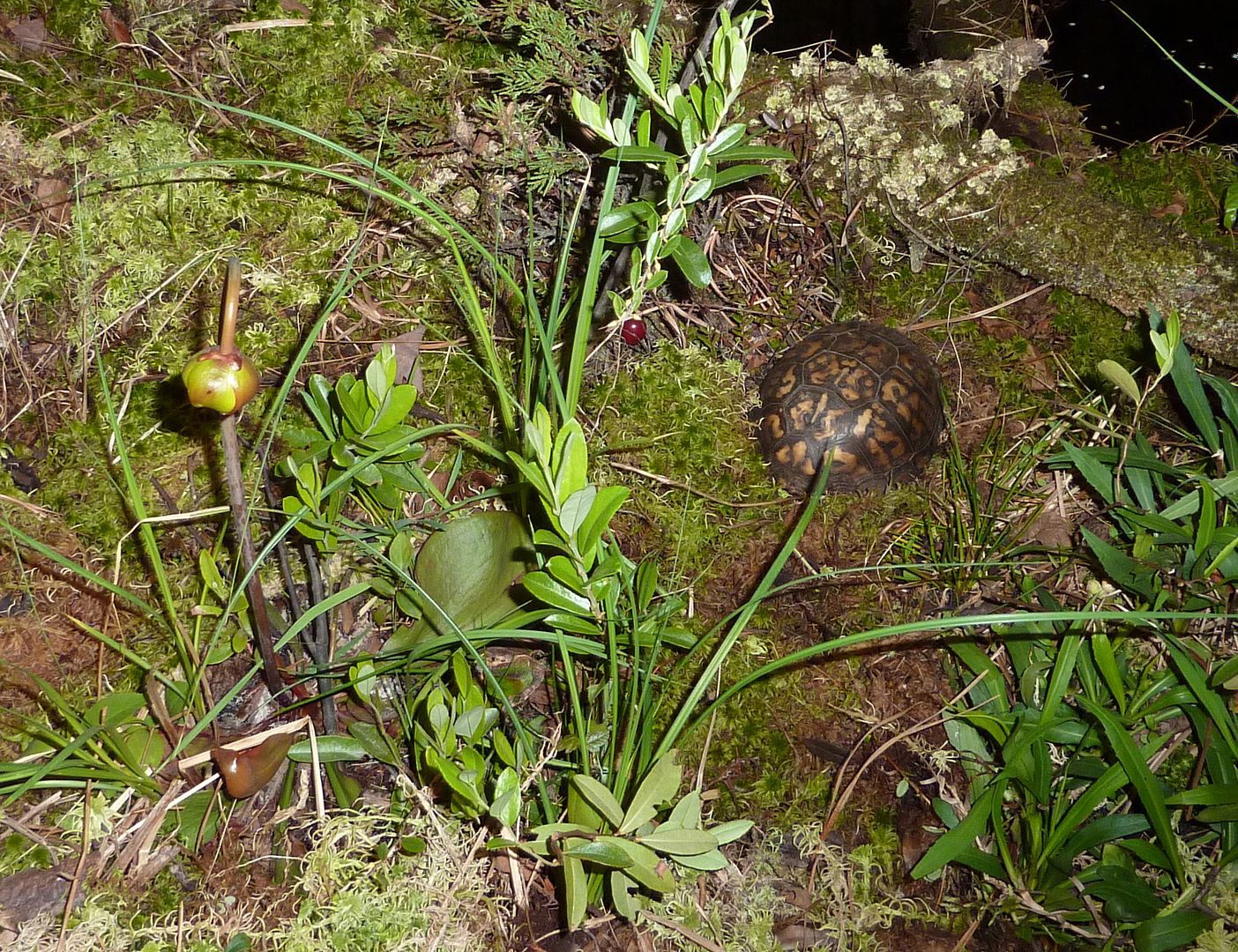
Pitcher Plant.
So my prediction for next year's theme is A Funeral.