Friday, August 22, 2014

Arizona Desert Aphaenogaster

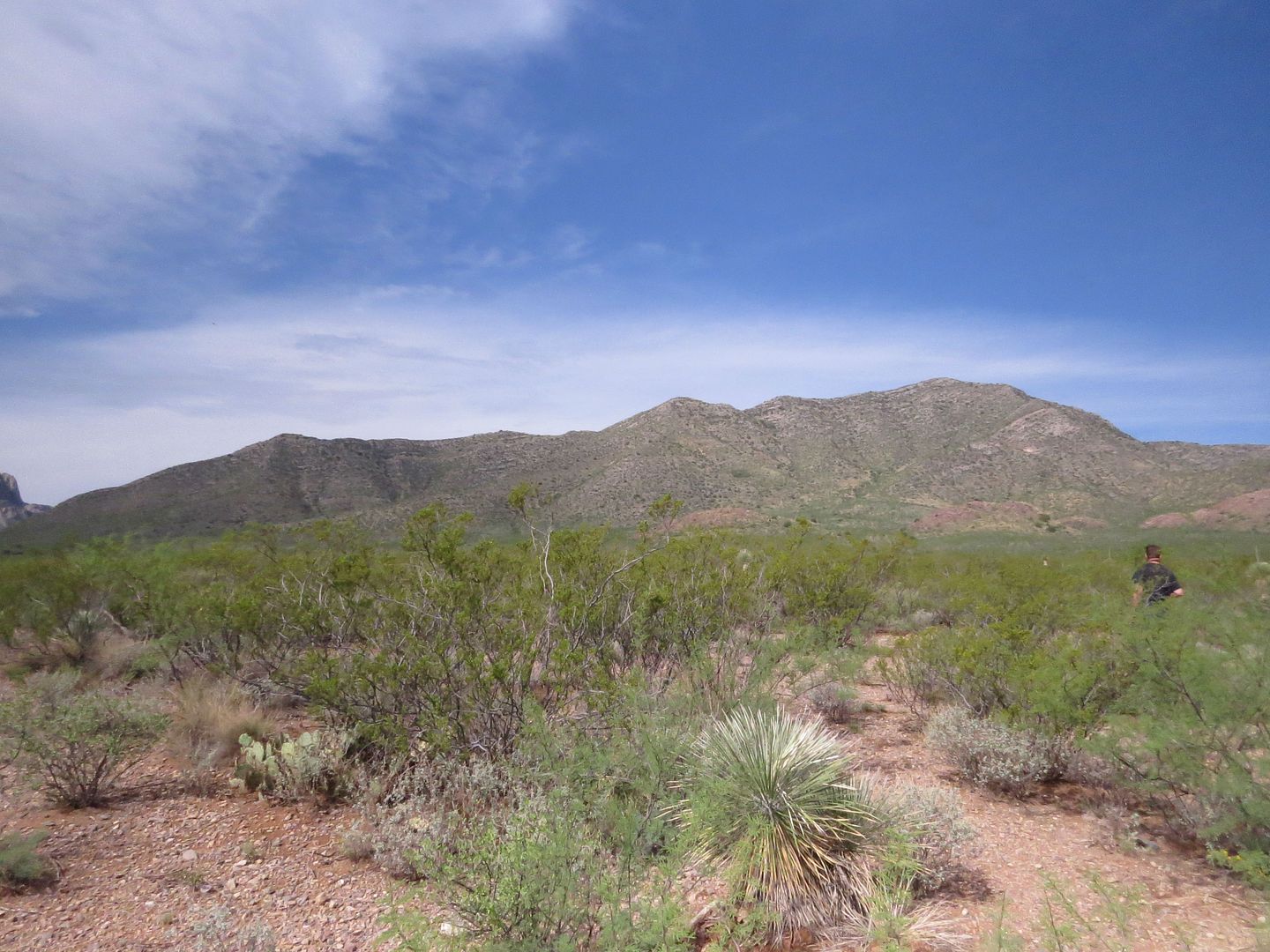
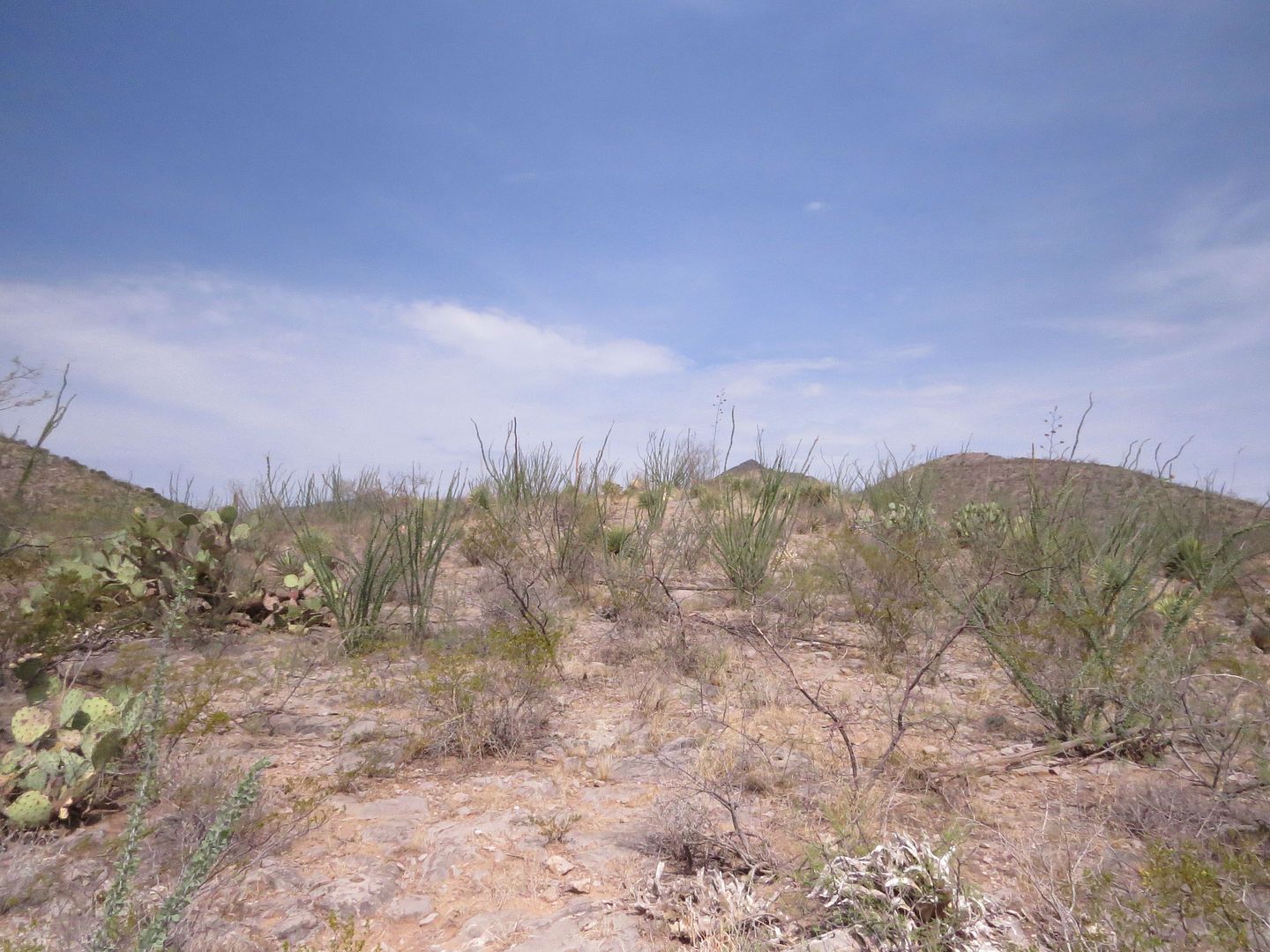
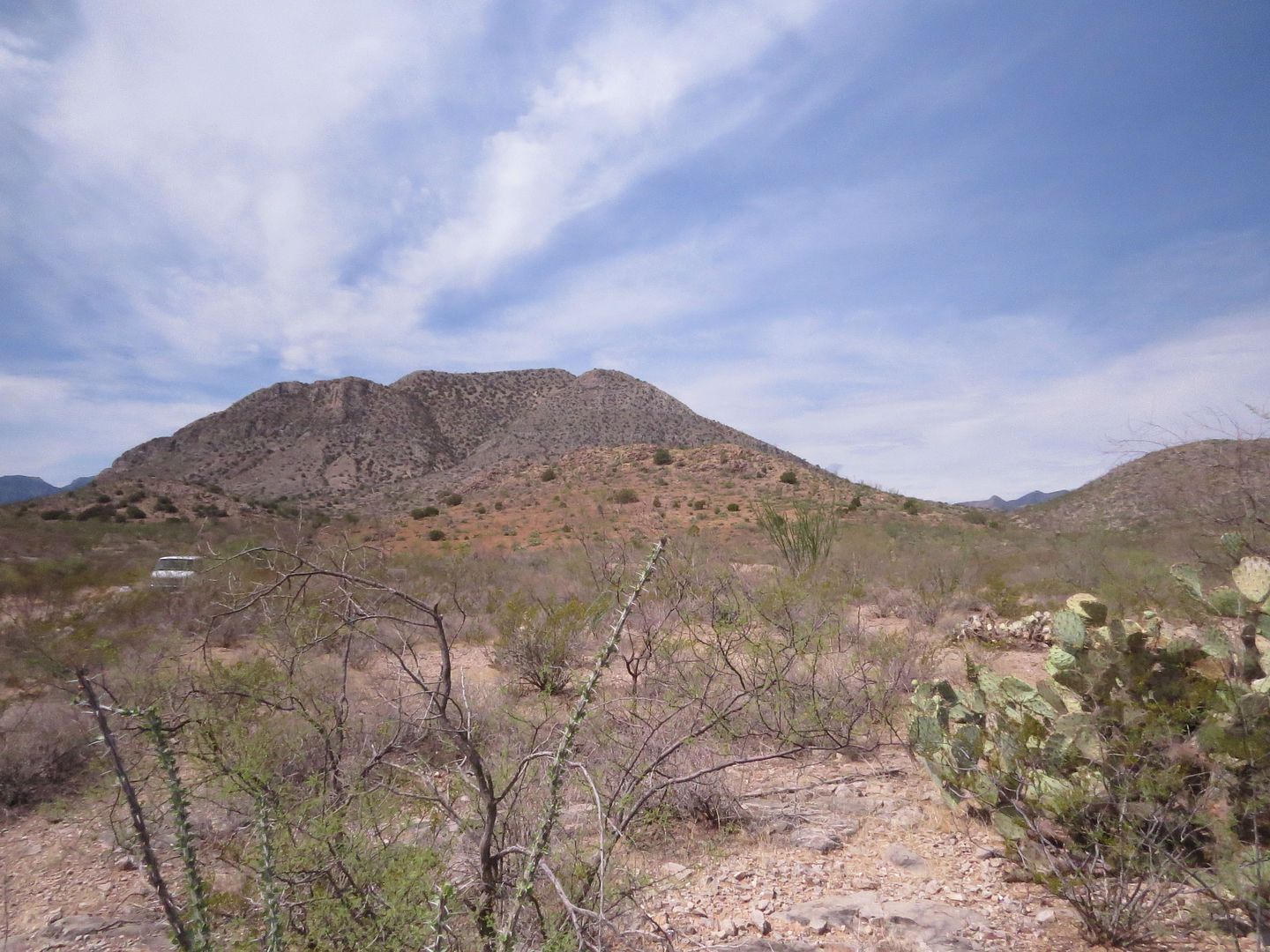
Plant life of the Chihuahuan Desert is almost like something out of a Dr. Seuss book. There's surprisingly little cacti here besides Prickly Pears and the very uncommon Barrel Cactus. Instead there are lots of these plants I can't ID. They are very tall with out stretched stems, like a series of V's, and while covered in leaves these hide some very sharp and evil-looking thorns. 

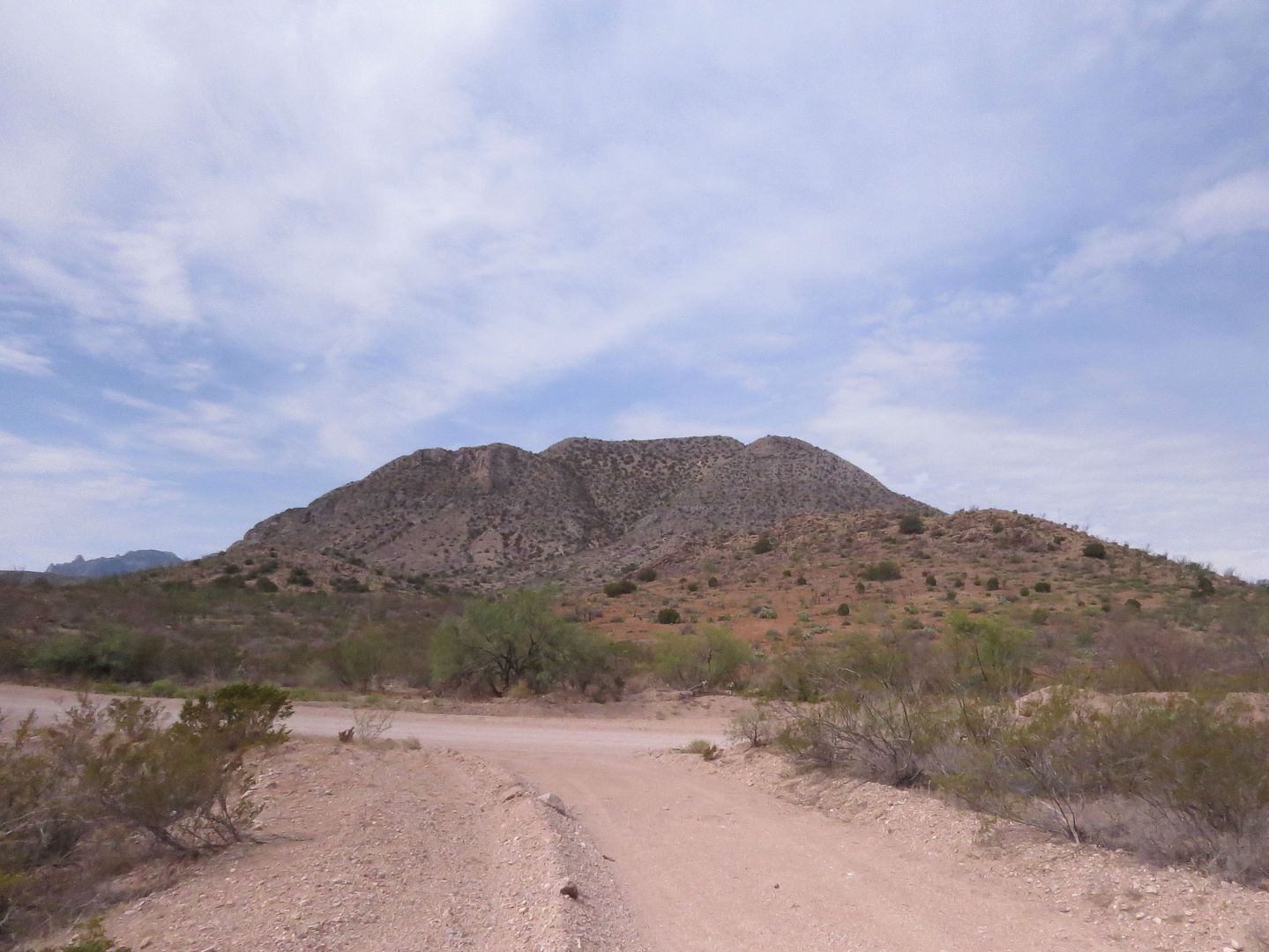
Different minerals show up on different hills and their colors stand out. Limestone and Granite were common along the location of our desert anting expedition.

On one side of the road the limestone was so thick that it formed huge sheets of stone, impenetrable to dig through besides the bits of pebbles and stone caught between their sides. Granite pebbles were more common on the other side and much easier to dig through.

Creosote, Larrea tridentata, is the dominant flowering plant of the area. There were a good deal of Honey pot ant nests here but those will wait for another post.

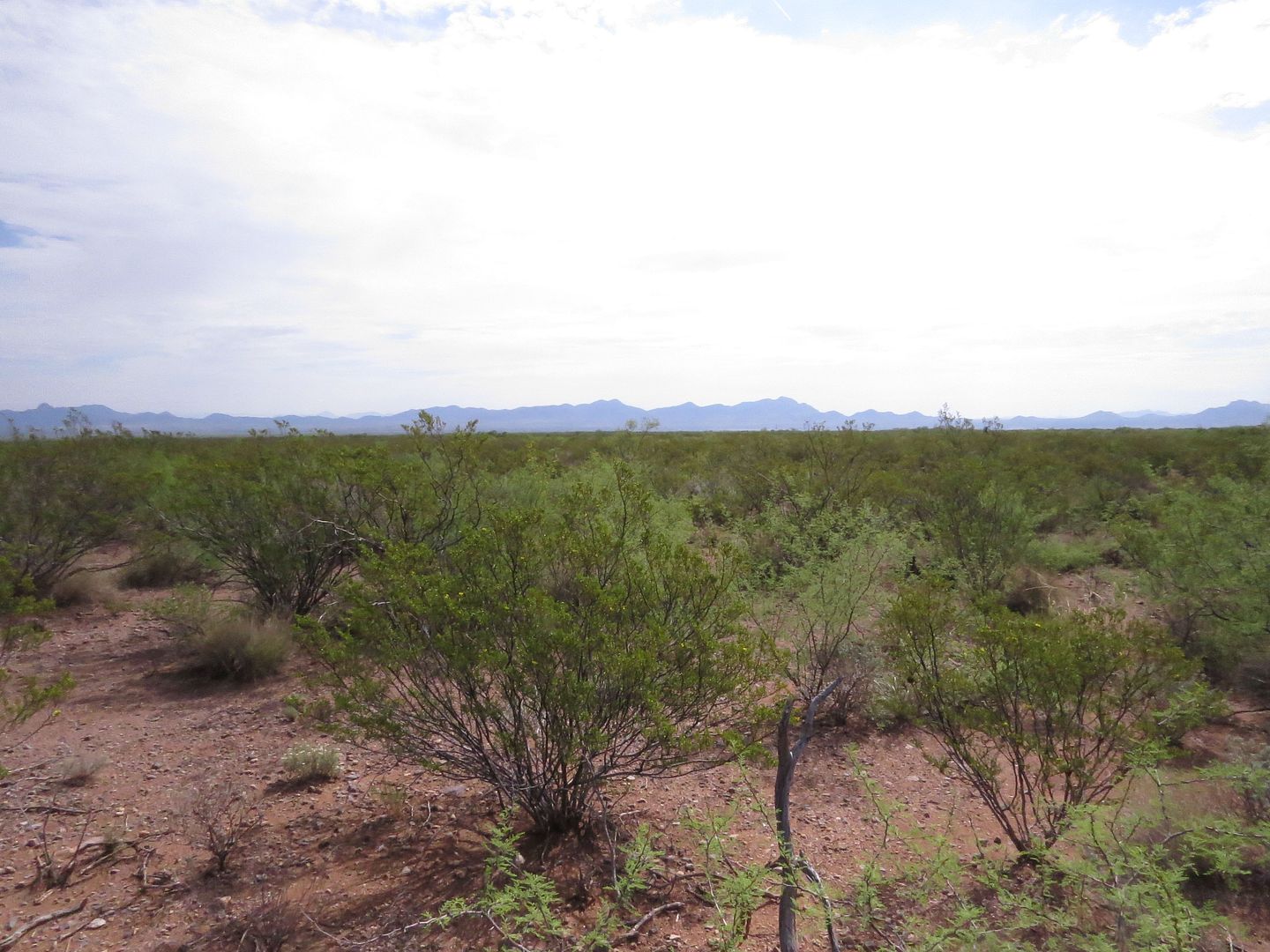
A misconception about deserts is that they are empty and lifeless waste lands of sand. But this is mostly untrue. Anywhere on earth that gets rain can support some sort of plant life, even if it's only a series of short lived annuals. Here several inches of rain are common as well as what washes down from the mountains through creeks and "washes" as they're called. There is almost no grass, at least not the thin narrow leaved kind one associates with lawns or prairies. It's mostly short shrubs spaced out with small toughed plants interspersed between. This environment makes anting almost ideal because one can very easily view the activity happening on the ground, and map out territories.

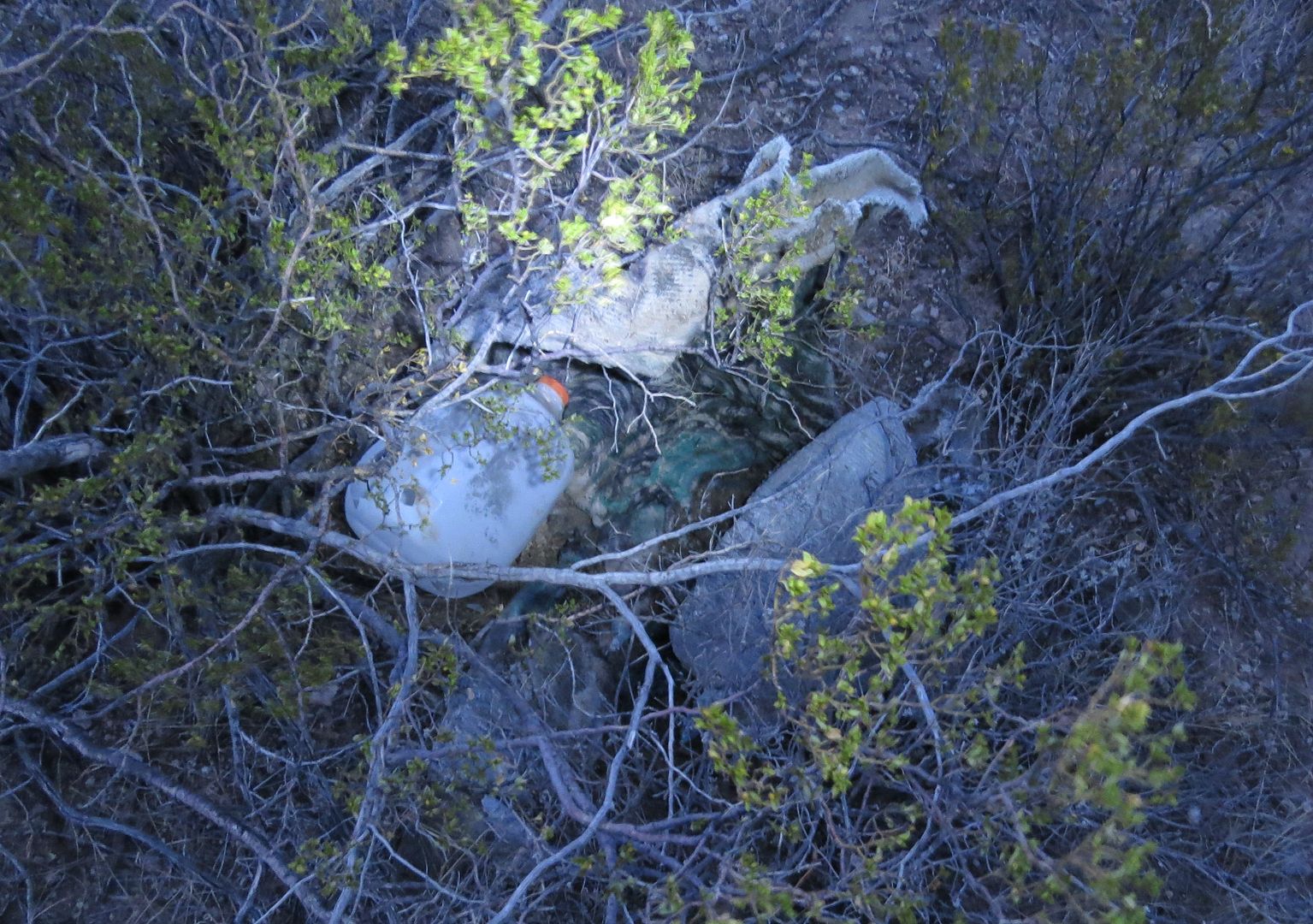
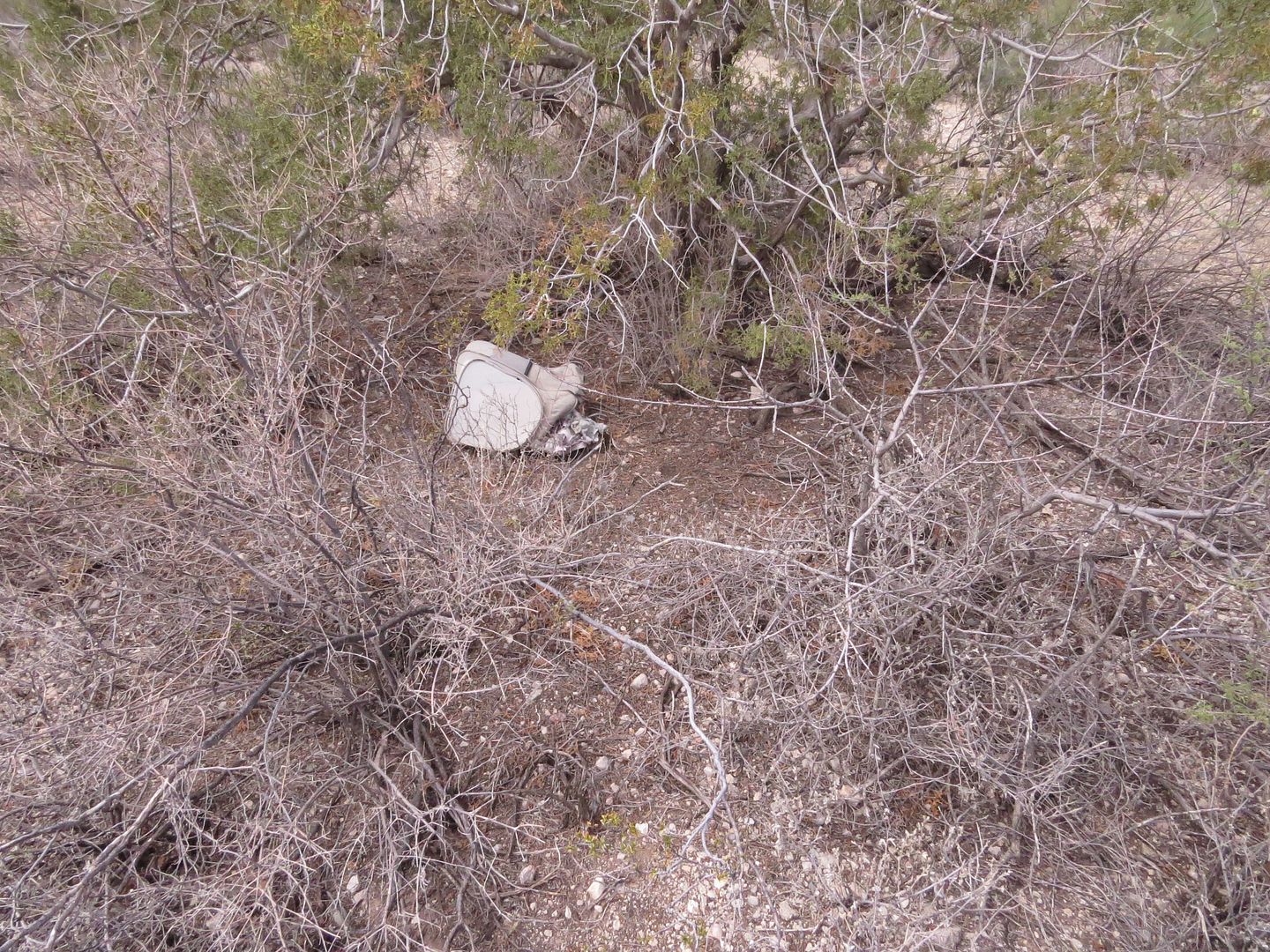
One of the things we were warned about was finding random containers, clothing, and backpacks in plane sight or hidden.

These effects are one of three things: The belonging of immigrants who didn't make it across the boarder (something like 800 people die every year trying to make the crossing). Water bottles hidden by the locals to help immigrants make the crossing, which they're not supposed to do, but it's the unfortunate answer to the problem of finding people dying of thirst on their property. And lastly, drug trafficking. They actually told us to simply ignore this, ignore people, ignore the things we find. Report it to someone later on but when finding the item, don't do anything. Don't take pictures of it (as I did above) because if it is drugs and you're viewed taking photos of their location these people might come after you.
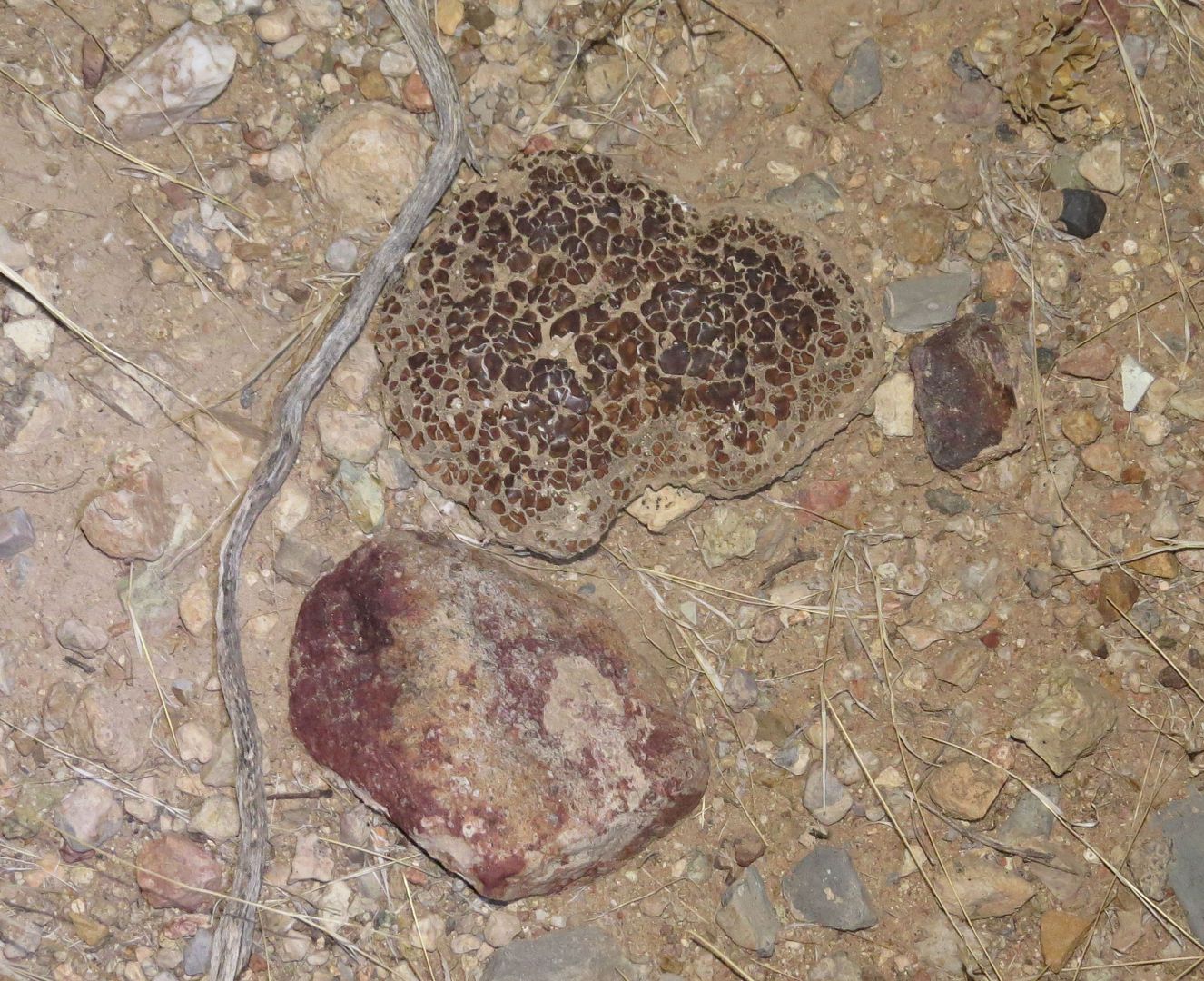

Instead we were supposed to pay attention to other things... like this desert lichen.

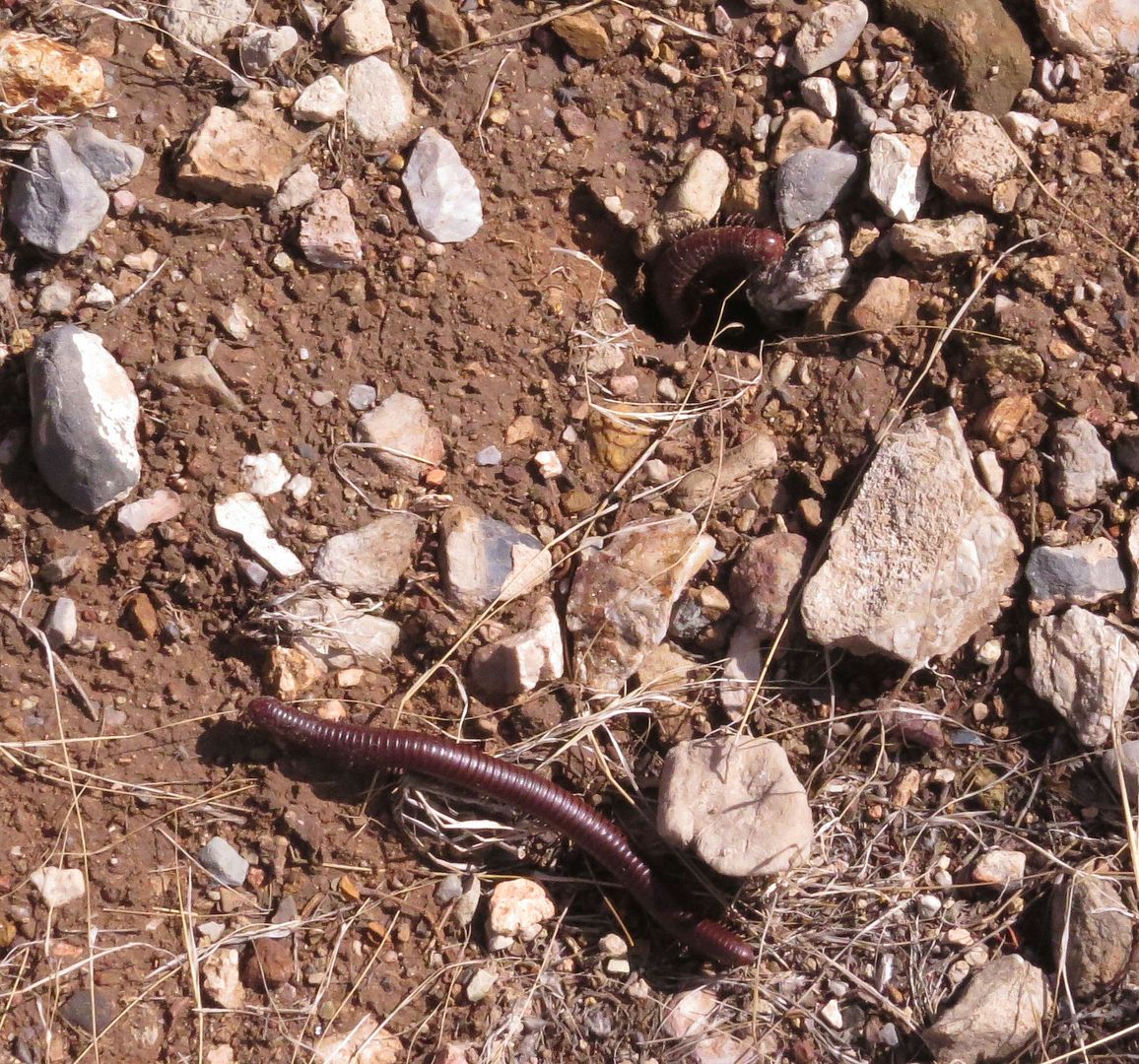
After rainfall the desert worms comes out and crawl all over.

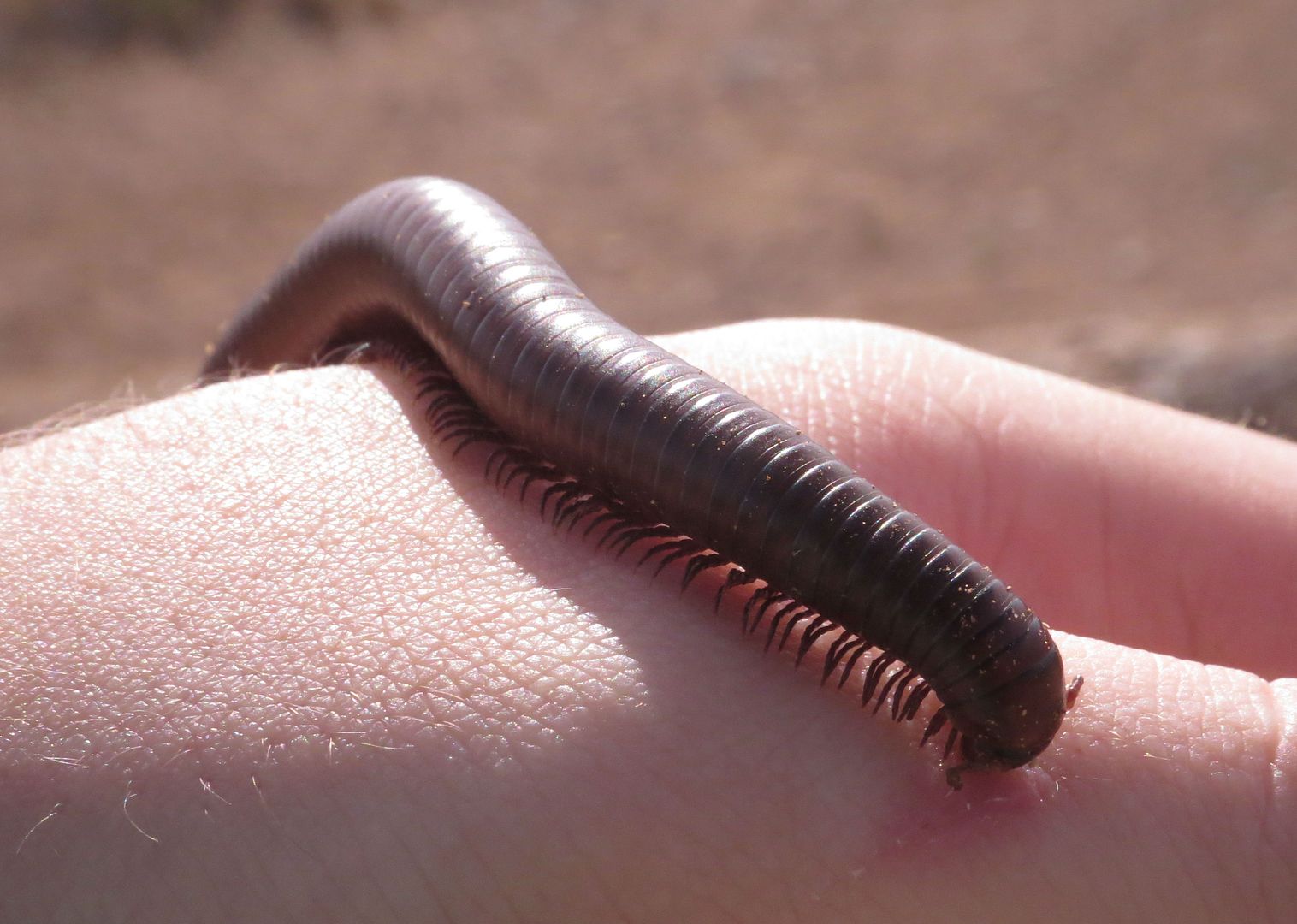
The millipedes out there are enormous. But as the instructors liked to point out, "That's a small one," despite it being longer than my fingers.

Also out was this Grub. I honestly forget what it was exactly, though we ID'd it in class. The grub form to this species of beetle is a specialized predator of giant millipedes.

And of course also out and about were the ants.

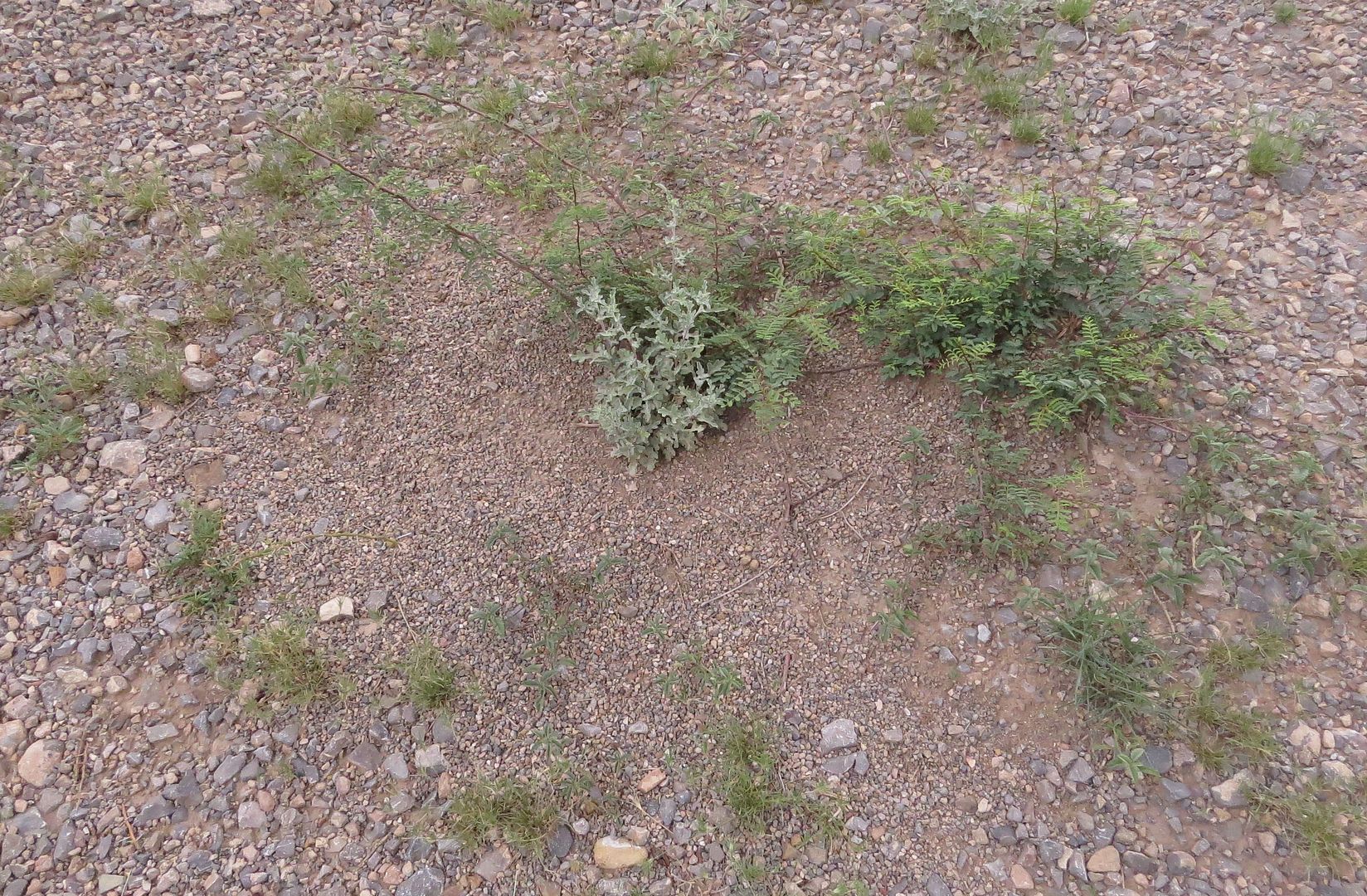
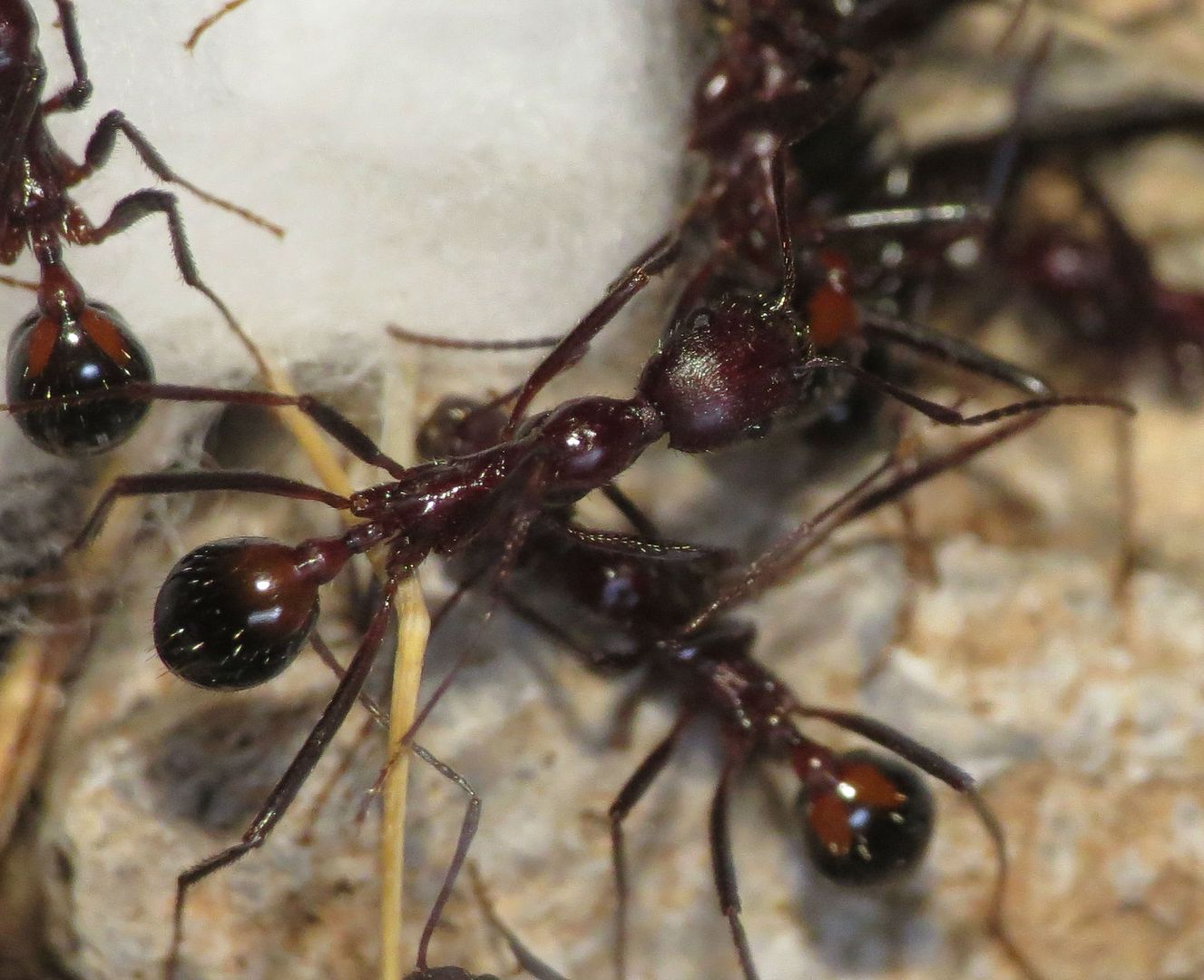
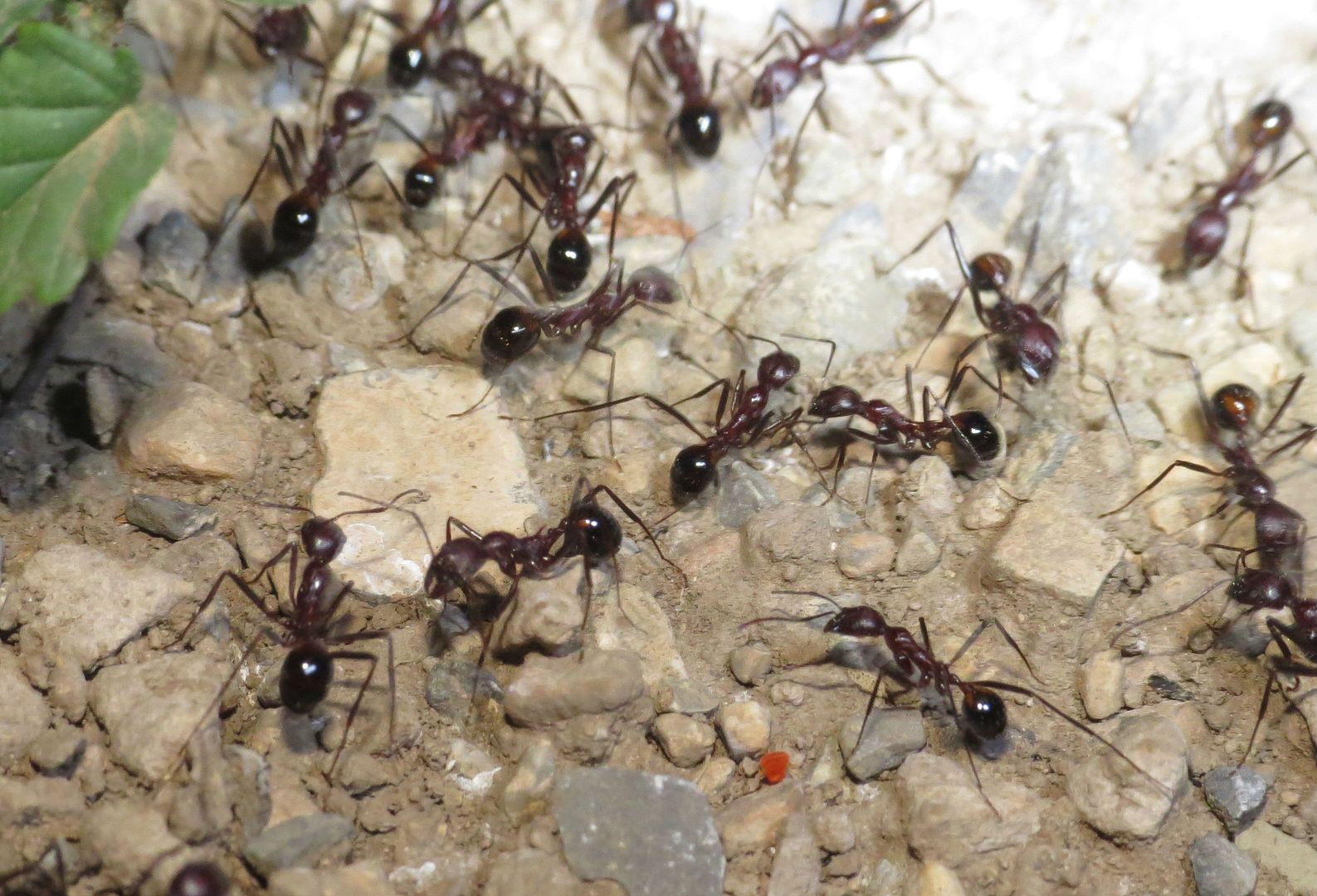
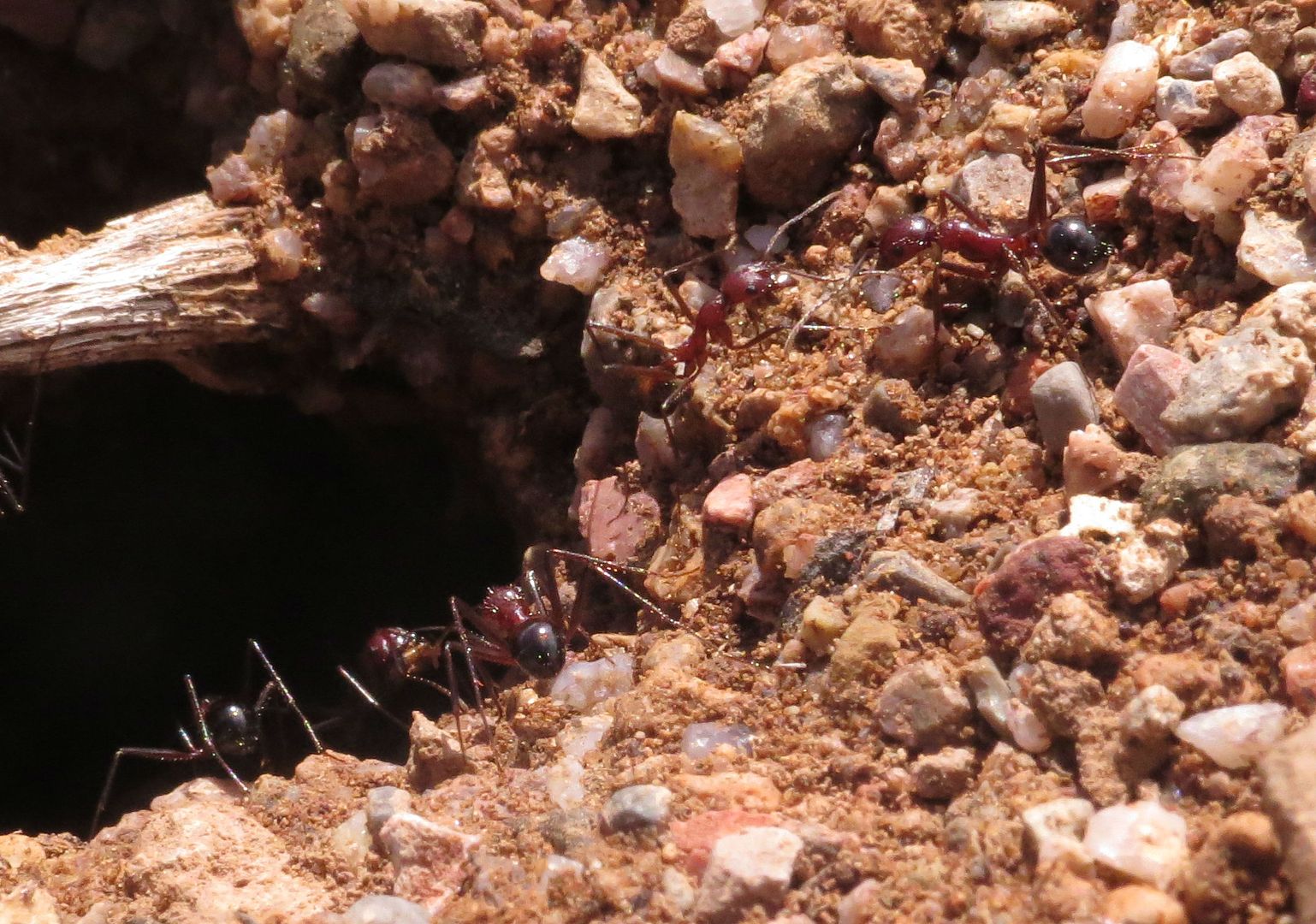
There were two main species of Aphaenogaster and both seem to live the same way. They build a series of different nests, or perhaps it's the same nest with multiple large hill entrances over the course of a few meters.

Aphaenogaster cockerelli and Aphaenogaster albisetosa are two very similar species. A. cockerelli have curved spines, while A. albisetosa have more erect spines. They are otherwise very similar looking and can have multiple color patterns depending on where the population was found.

While active in the day, they are rampaging at night. This is when they move their nest about. They seem to dig out new locations and possibly in advance of the move, and possibly connect the new location with the old by underground tunnels. They maintain three to five of these locations as their own, and abandon or add some as needed. This behavior of setting up satellite colonies is a defense against Army Ants, which are specialized predators of other ant colonies, and always attack underground.

Despite the huge size of the Aphaenogaster colonies here, my understanding is that they'll evacuate the nest at the first sign of invasion.

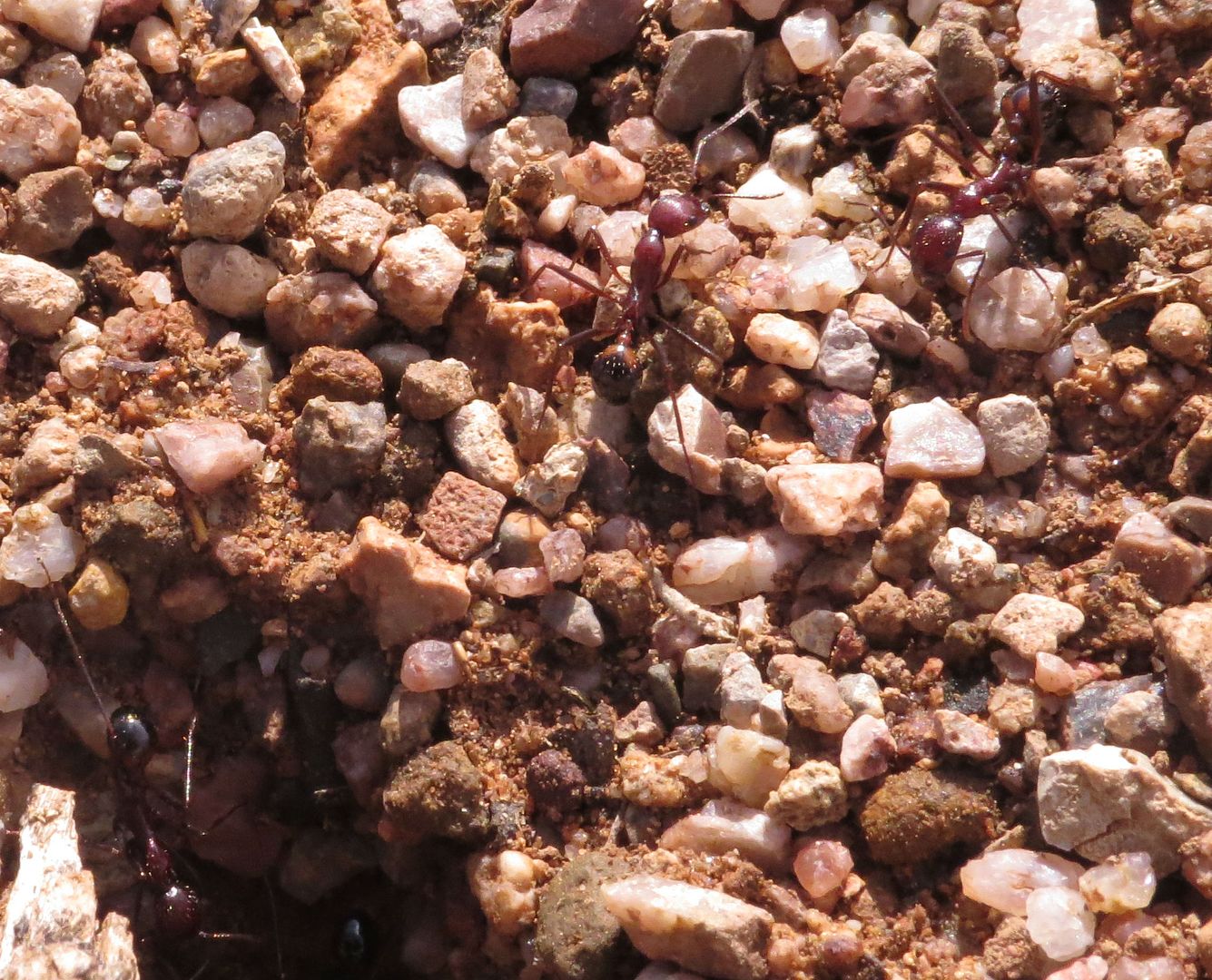
They gather stones of a specific size and place them all around the entrances of their nests. The reason for this is because of another genus of ant, Dorymyrmex, which are the annoying assholes of the ant world. Before sunrise, Dories will run to rival ant colonies and close up with dirt and debris. But they only do this if there's dirt around the entrance within a certain distance, otherwise it's not worth it for them to keep spilling dirt into the entrance at all. This kind of harassment continues for as long as they can, sometimes preventing the rival colony from doing most of their foraging for the whole day. So a lot of the desert ants will put these stones, which are just big enough for the Dories to not be able to lift, and this patch of stones usually extends 12" or more all around the entrance. Meaning if the Dories want to try and throw dirt down the enemy hill, they have to wonder 12" to locate the hole and then venture 12" back to find dirt, and then back again to drop it in the entrance. Now the Aphaenogaster, Pogonomyrmex (Harvester), or Myrmecocystus (Honeypot) workers simply needs to remove the dirt, so it becomes a question of who has more ants. Colonies that don't have these stones, or the stones were washed away or buried in the dirt from rain, have a harder time fending off the Dorymyrmex harassment because the Dories have less to walk, and can essentially push the dirt into the hole. 

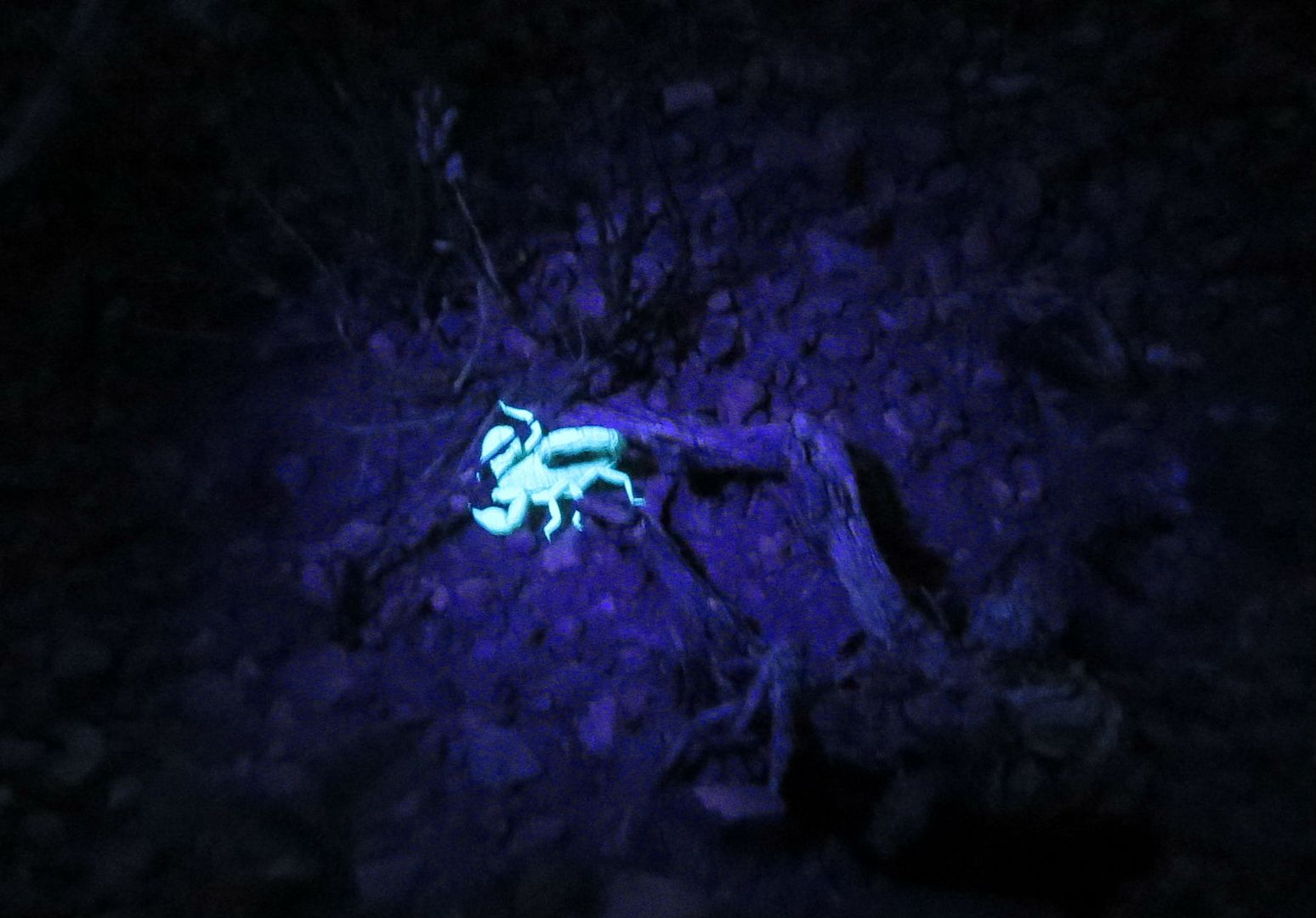
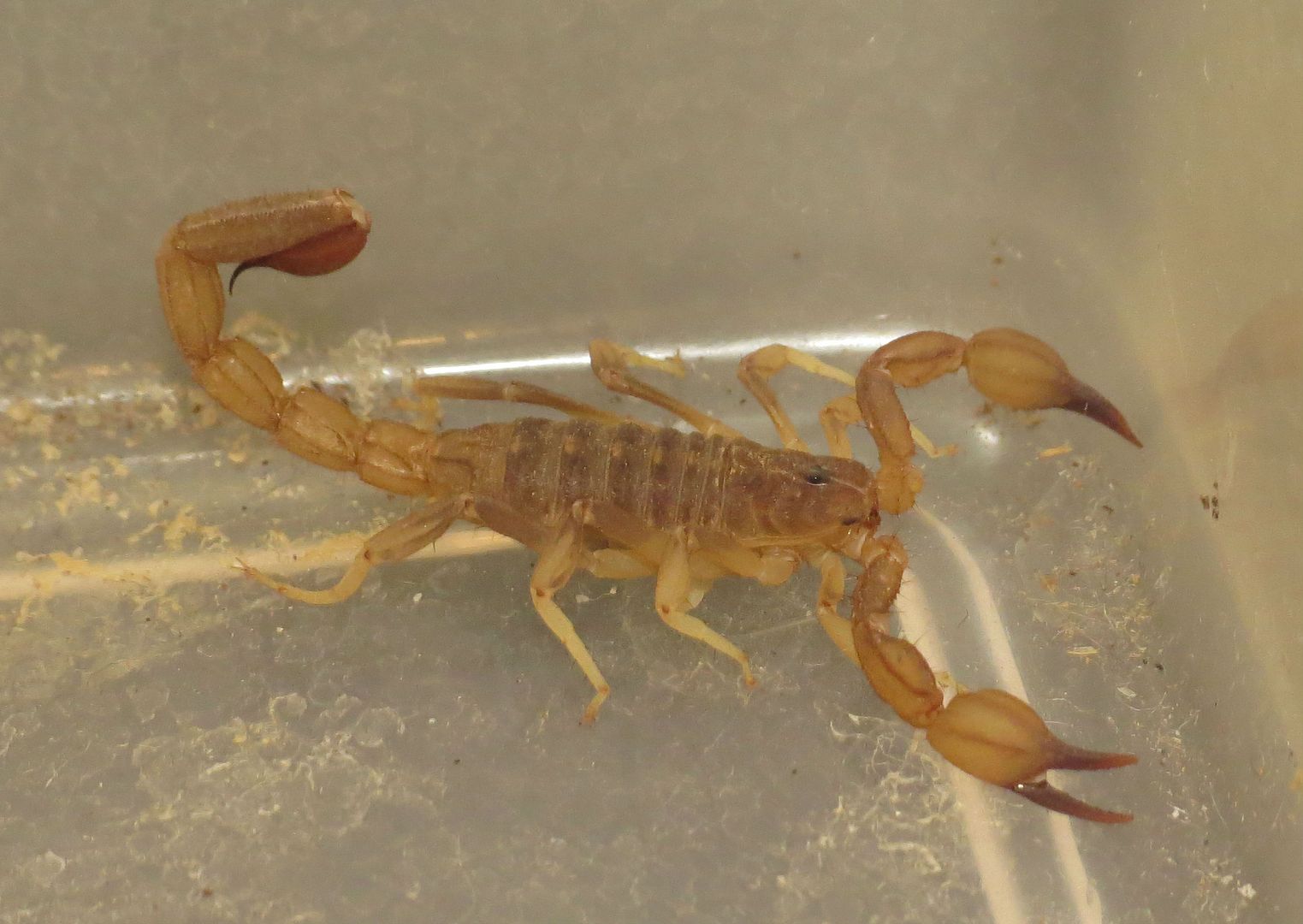
While observing a nest I noticed a scorpion right at the entrance. It was a very tiny one, as I learned pretty much all scorpions are out there, at only two ant lengths. The ants themselves didn't bother with it, in fact they walked over it as if it wasn't there. Shining a black light on them makes them glow in the dark and significantly easier to see against the pebbled soil.

This scorpion species is of some interest scientifically, because no one knows what the relationship is here. Are they too lazy to dig their own burrows? Is it just the females using the ant nests? Does it eat the ant brood? Does it eat the ants? Does it reproduce inside the ant nest? All of these are questions that no one knows the answer to.

So upon finding the one we were immediately told to catch it... and I replied "Aren't the little ones deadly?"

The response I got wasn't all that encouraging but I'm under the impression that it's like a bee sting. You have to be allergic to the venom for it to be serious. There is the Bark Scorpion is another story but they weren't reported in the area.

Deep within the Aphaenogaster nest there is a single egg laying queen. She has a more developed gaster (abdomen) and retains the thick thorax which housed her wing muscles when she flew off for her nuptial flight to start the colony.

Aphaenogaster become one of the more dominant foragers at night and occasional skirmishes happen among the more predatory insects. Here a Pseudo-scorpion has found a dead grasshopper which an Aphaenogaster test the waters to see if recruiting more workers could steal the prize away. The Pseudo-scorpion won in this case as it dragged the grasshopper out of the colony's range.
Thursday, August 14, 2014

Ants of the Southwest

Late last month I set out on a journey to attend Ants of the Southwest, a wonderful entomological course that is extremely underrated in comparison to Ant Course.

For those not in the know, Ant Course is geared towards Grad Students with a focus on Ant Taxonomy (identifying and classifying ants). Ant Course moves each year, (two years outside the US, one year in Arizona) so foreign students that might have trouble getting into the US can attend.
Ants of the Southwest is a toned down version of Ant Course with a more flexible schedule. There's more emphasis on ecology and finding ants in an array of different environments.

This was the first time I'd ever flown anywhere. Which was an adventure enough on its own. Being an overachiever I made the mistake of trying to arrive a day early. Also I didn't know that air line tickets are printed in the local time. So I assumed I'd land at 5:00pm instead of 8:00 as it was printed on my ticket. And then there's the two hour drive from the Tucson Air Port. So I was driving through the middle of nowhere in complete darkness instead of just getting a hotel and driving there the next morning like I should have.


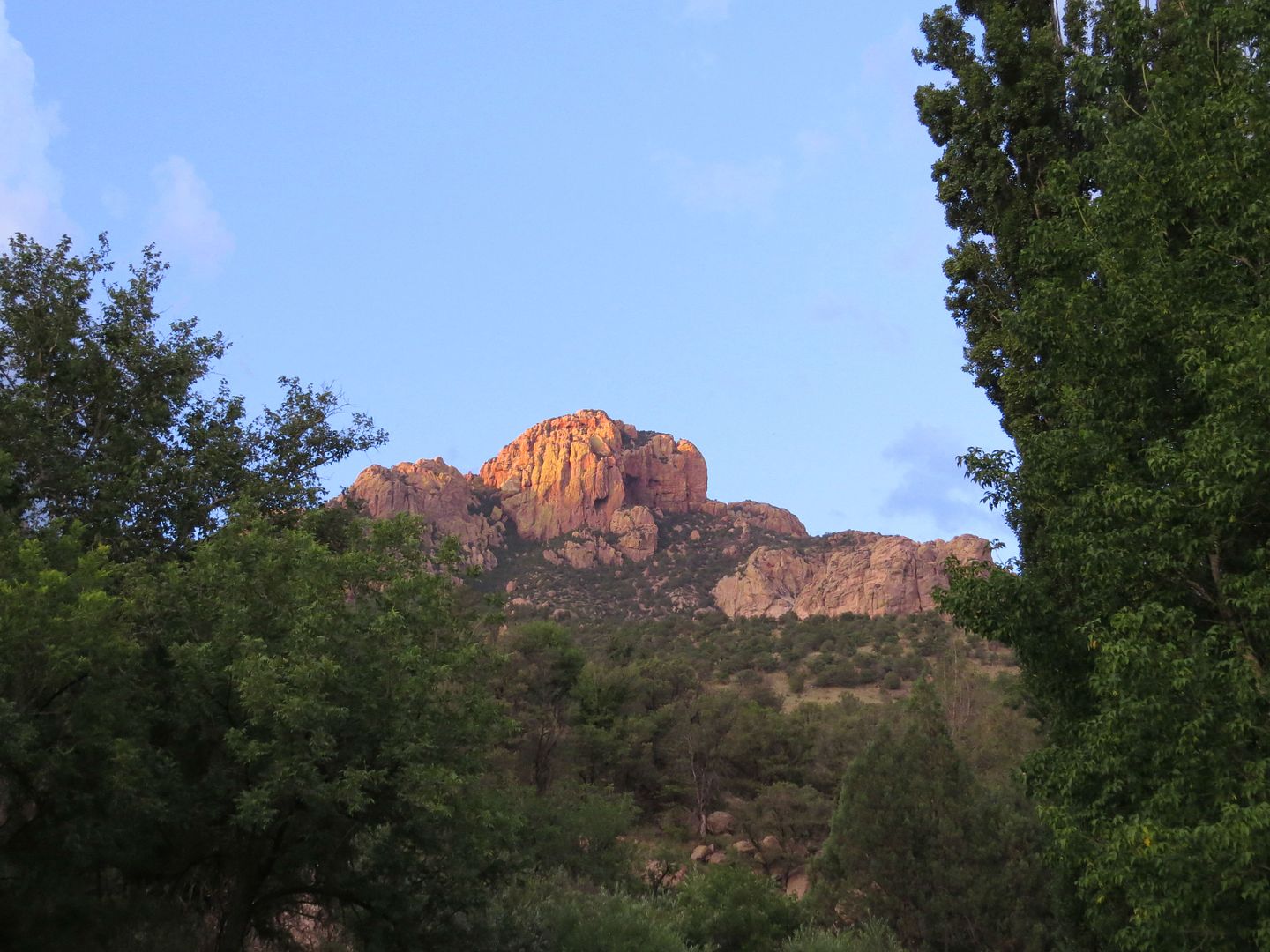
Do yourself a favor and just plan to arrive the morning of. Otherwise you'll be missing this! Lush desert vistas and mountains as far as the eye can see. Don't be swayed in by the idea of "Seeing the night sky without any light pollution." All photos that show the Milky Way and millions of stars in the night sky are the result of over exposure. Sure you will see a lot more stars than normal, I even saw a shooting star, but the experience doesn't live up to the photos.

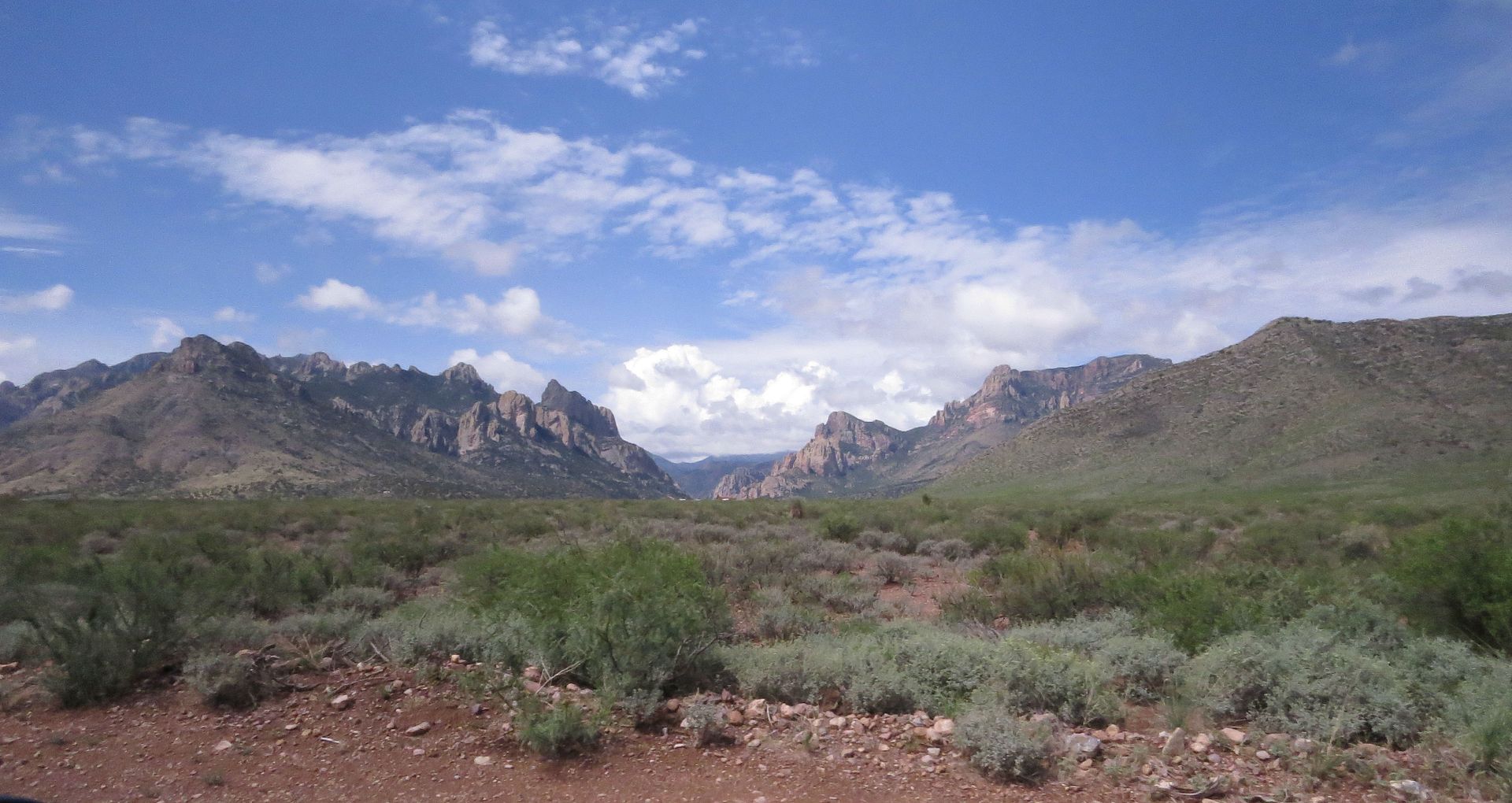
So why hold this thing out in the middle of nowhere? Because it's an ideal location. The Chihuahuan Desert (as seen above) meets with the Sonoran Desert (which is full of more cacti). There's an abundance of mountains in the area, so there's a lot of different elevations and micro-climates. Storms are constantly passing through at that time of year, and you can actually which hills in the desert have received more or less rainfall from how green or brown they look. It's the northern most point that a lot of tropical species make, as well the southern most point that temperate species travel to or migrate through. So there's a lot of overlap here that all attributes to species richness.

On the topic of "monsoons" I have to say I wasn't really impressed with them. I come from New Jersey and we have four seasons in a year, but down there, because it's tropical, they have the wet season and the dry season. Maybe monsoons are worse in wetter areas but a tropical desert isn't very wet. Actually there was only one day I was there where we got 2 inches of rain, 1/4th of what they had gotten that year all in one night. Dirt roads, and dry "washes" in the desert, would suddenly become raging rivers. 


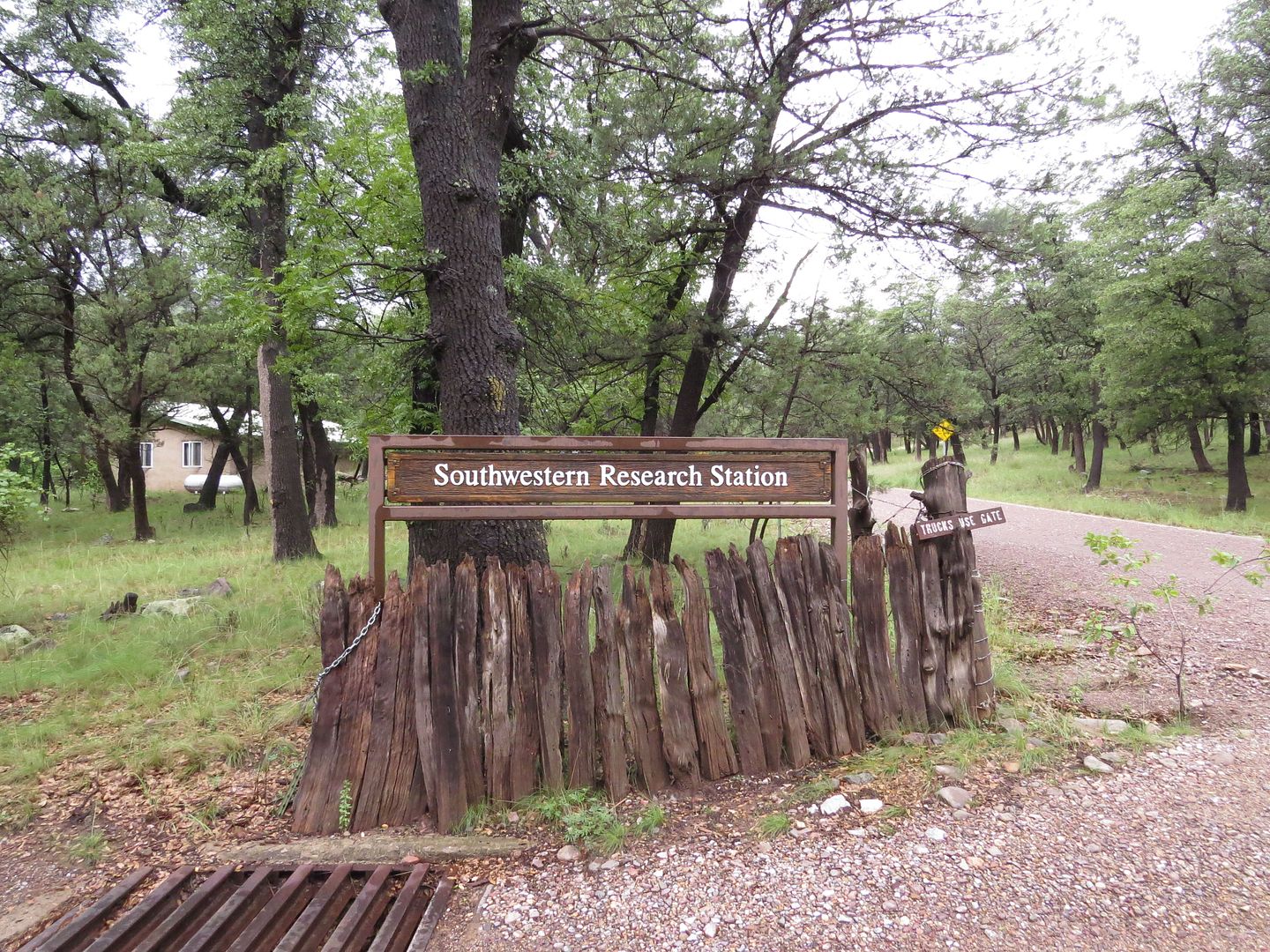
There is a paved road that takes you right up to just before the South Western Research Station. Sadly it does turn into a dirt road for the last five minutes and if it's rained it can be an issue pulling into the station, due to a creek that normally runs completely dry suddenly rushing with water.


There is a sign or two, but they don't face both ways. This is another reason to find the place during the day.

Upon arrival, it's very apparent that there's a lot more animal life here than in New Jersey.

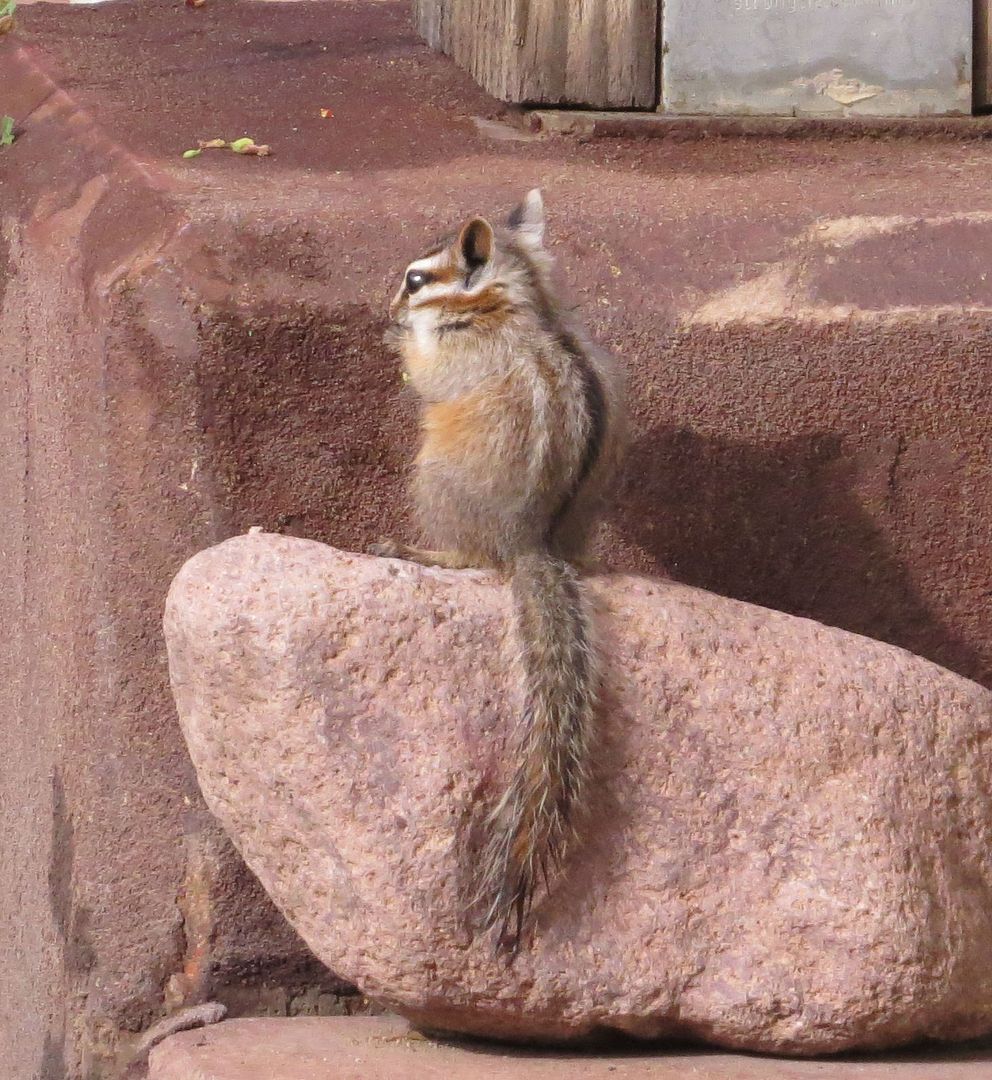
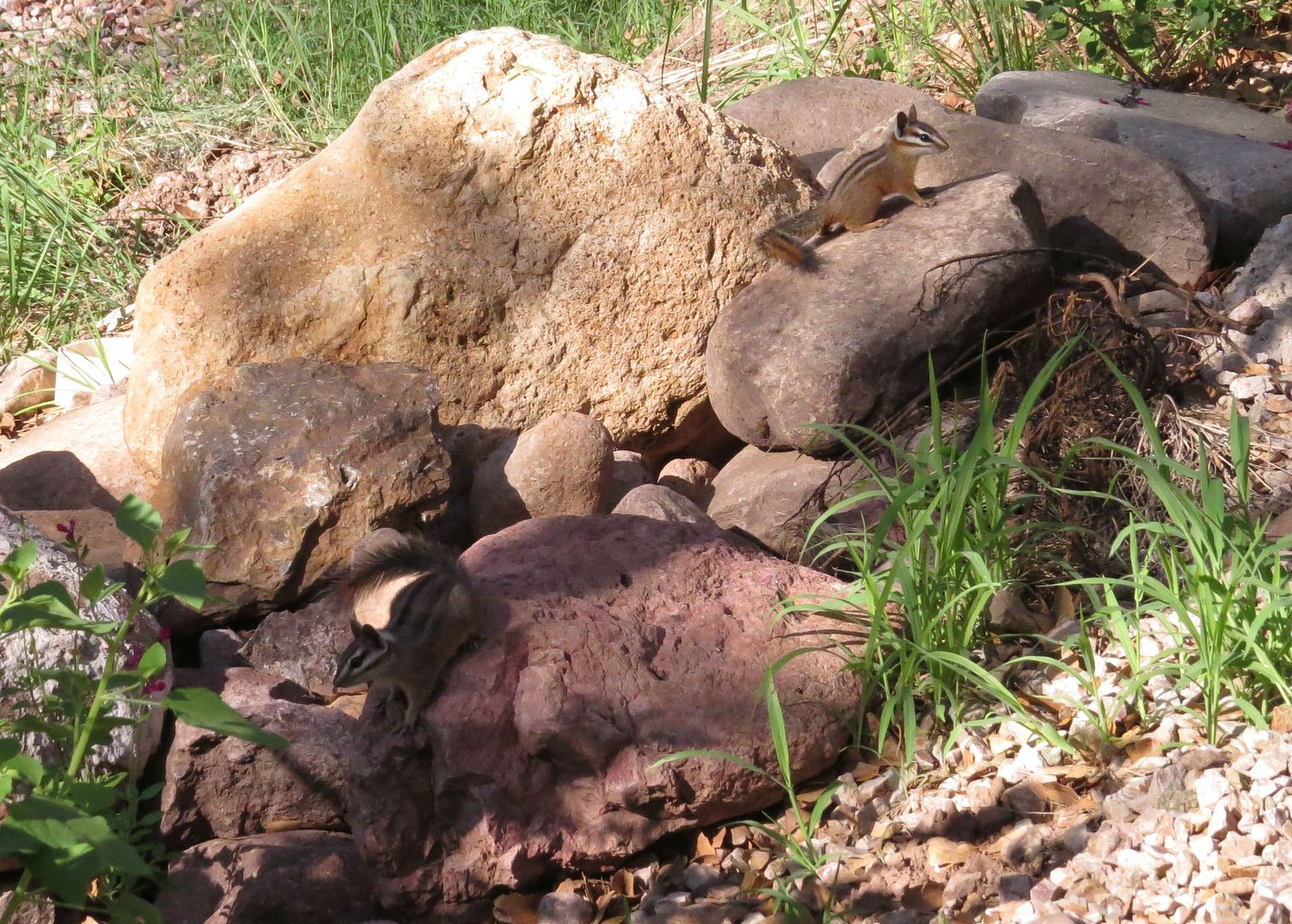
Varmints run around the station like they own the place. 

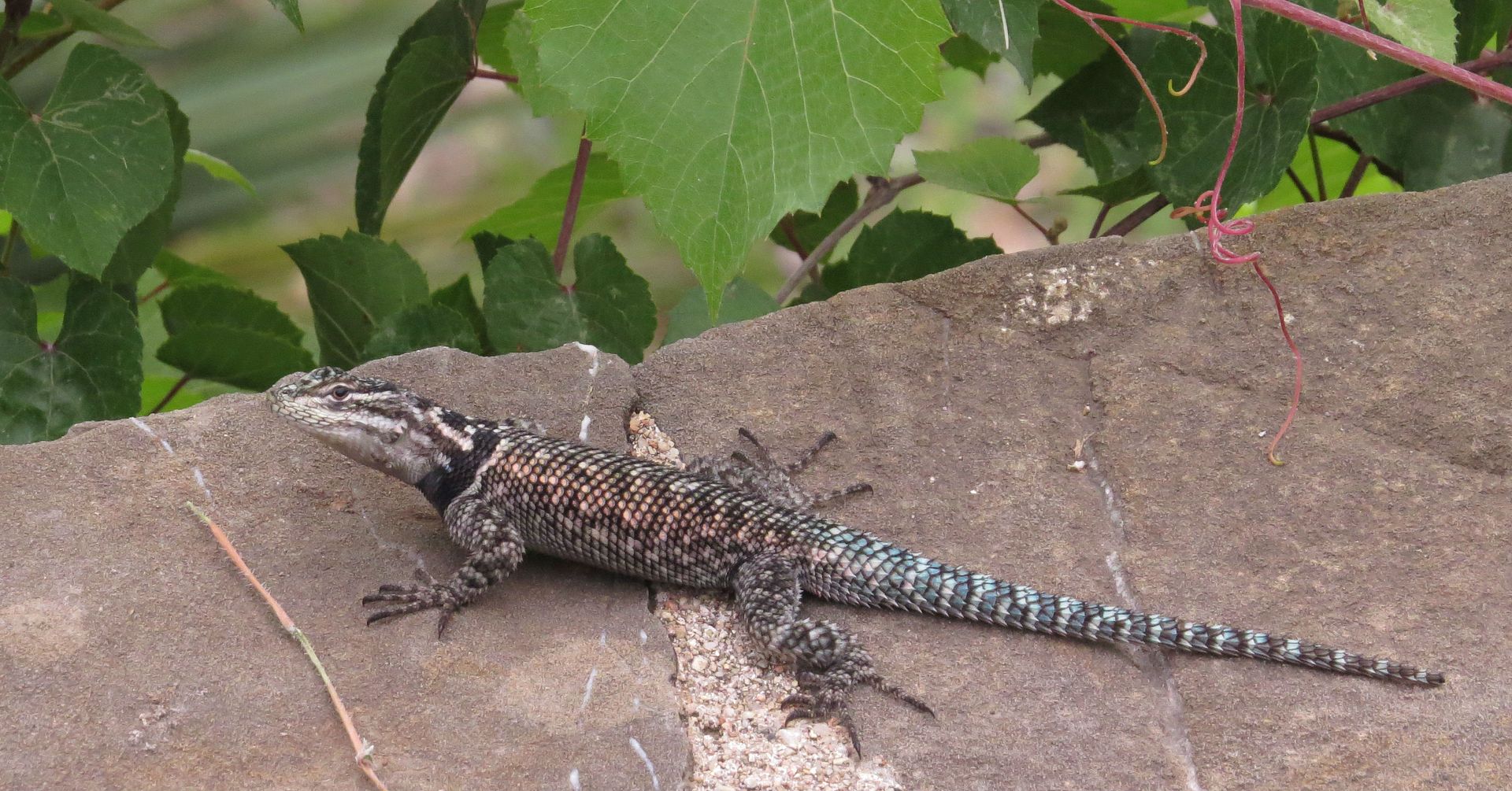
An assortment of lizards too.

There are droves and droves of them running around the place.


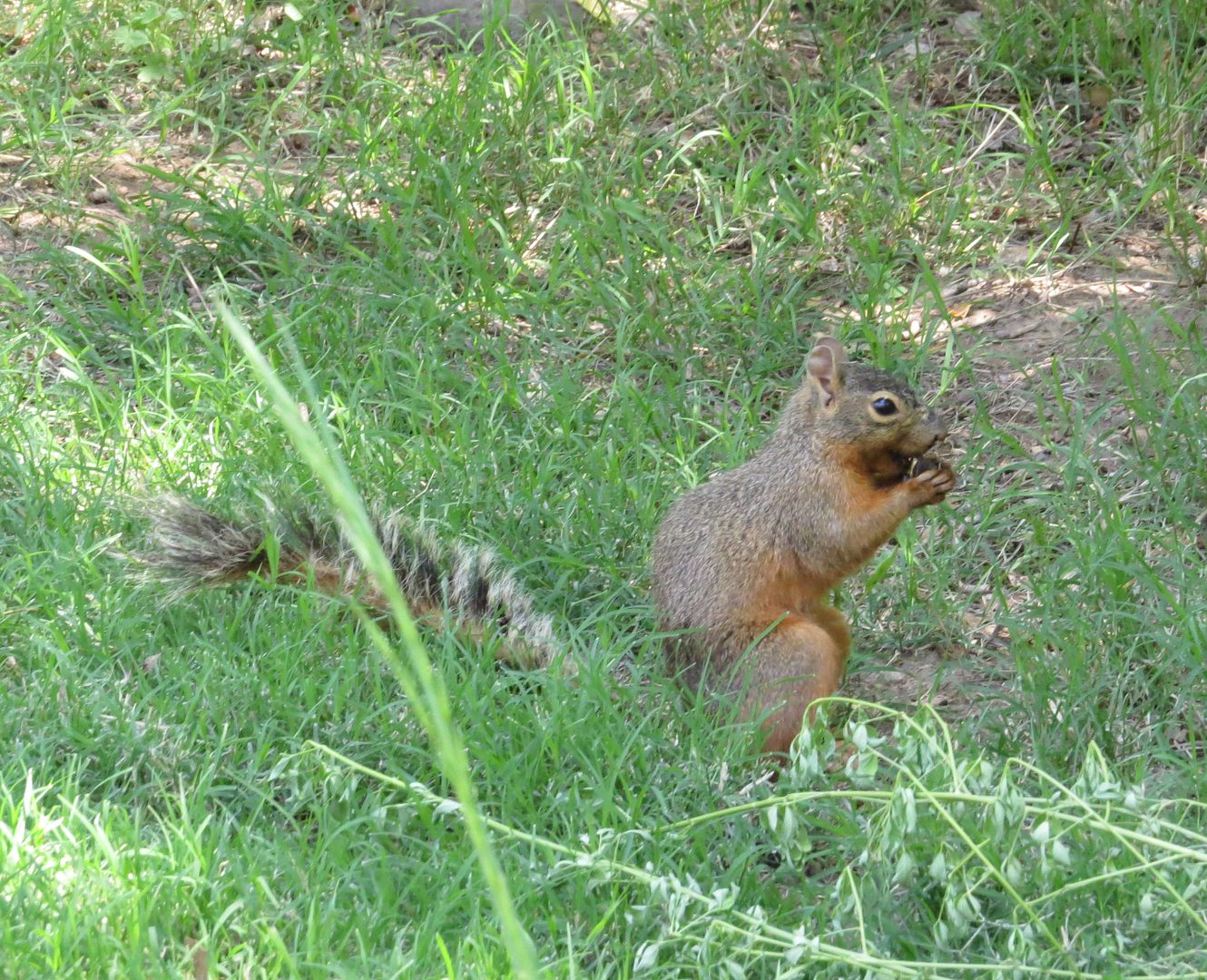
Even the squirrels down there are different. Their tails are shaggier, they're slightly bigger, and one started thudding its tail at me when I got too close. 

So in the weeks to come, I'll be posting about my trip to Arizona.


Monday, August 11, 2014

I'm Back, Also Monarchs!

I'm back! Stories of what Ants of the Southwest was like will have to wait a few days while I get my luggage and belongings mailed to me. I managed to fill up 2 memory cards with photos and videos. My short review is it was awesome, I had a great time, and highly recommend it to anyone with an interested in the topic of ants, or just looking for a vacation to one of the most biodiverse spots in North America. It's a happening bird and butterfly spot, and the whole place is crawling with lizards, toads, and assorted other kinds of creepy crawlies. 

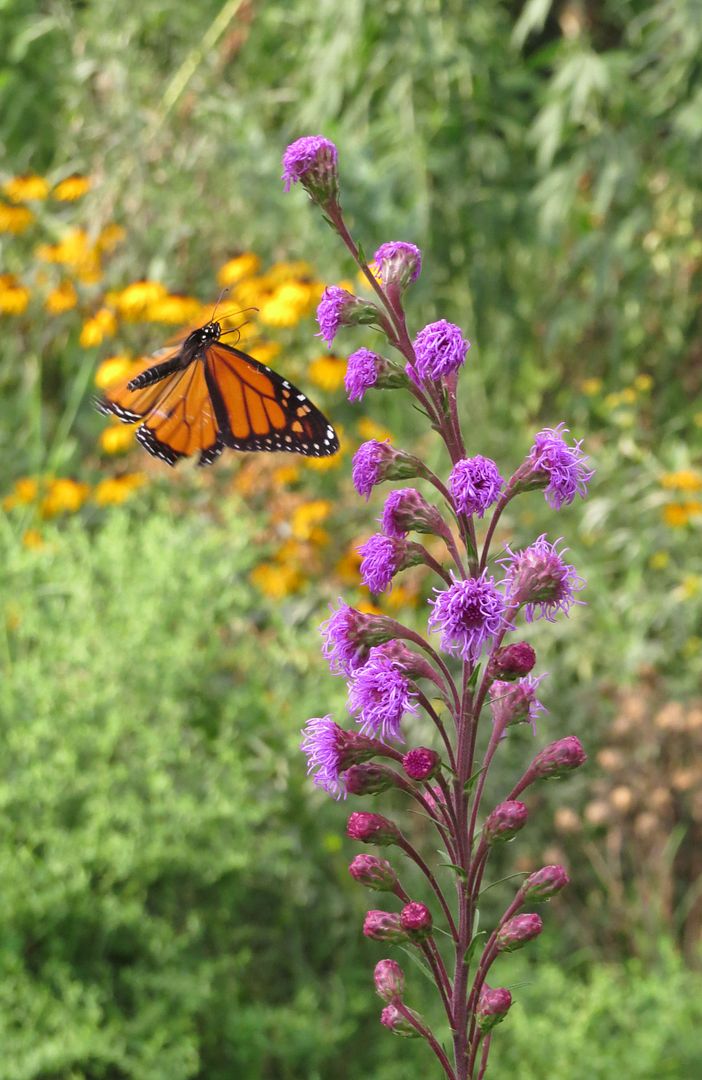
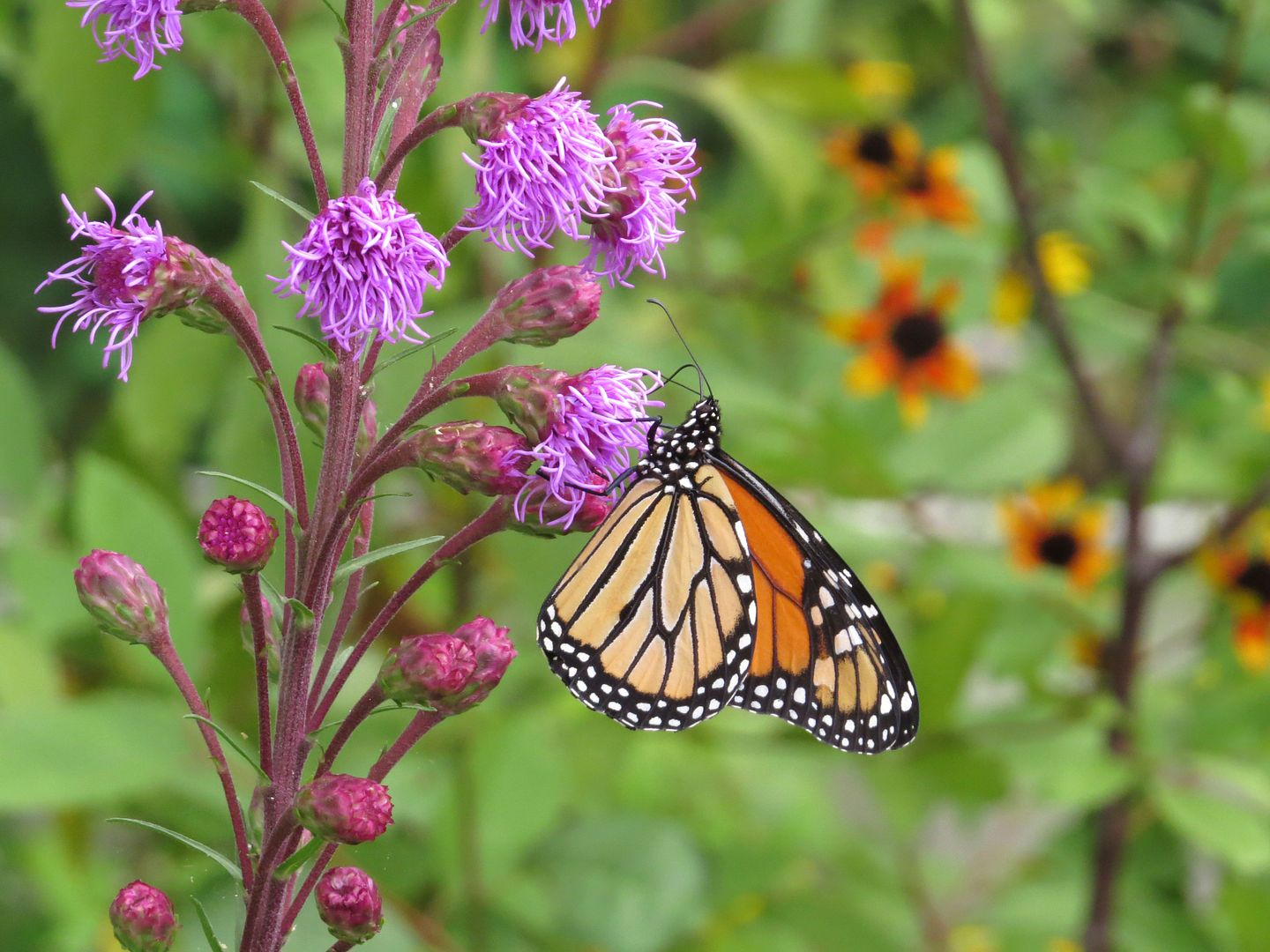
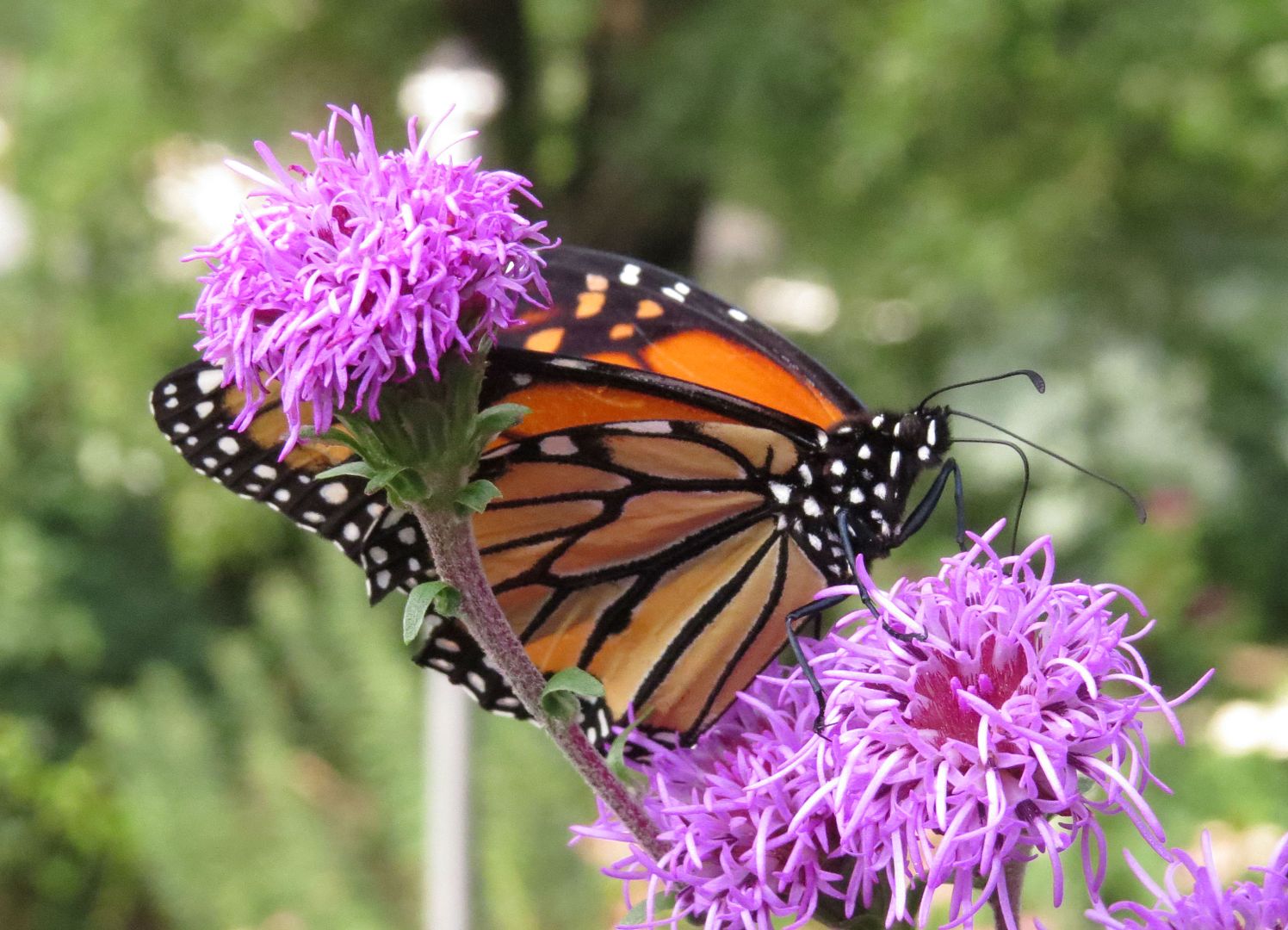
 I came home to find the garden completely overgrown, but also robustly flowering. I finally got the attention of some Monarchs this year.

Unfortunately they're getting harder and harder to attract it seems. I had to plant 24 more plants of the types of Liatris they like.

They're also on the New England Asters, but Meadow Liatris seems to be more of a magnet to them, and it's less aggressive than the asters, which I have plenty of at this point. 


Tuesday, July 22, 2014

Gone Ant'en

Later this week I'm heading out to Arizona for Ants of the Southwest, and I won't be back for a few weeks. So I probably won't be blogging for a few days.

Tuesday, July 15, 2014

Sourwood Tree


Sourwood, Oxydendrum arboreum, is an important nectar crop for honeybees. They make an excellent landscaping tree with their Lily of the Valley-looking flowers (which are very mildly scented) and their brilliant red fall color. Filmed above is a young sapling that only has 5 sprigs worth of flowers, for lack of a better term, and it's already getting a decent amount of pollinator attention. Sourwood honey is said to be a world class honey, making this tree an excellent choice for your landscape.


Saturday, July 5, 2014

A Trip to Longwood Gardens

I spent yesterday, July 4th, at Longwood Gardens, though not for the fireworks. Really the place was a bit of a disappointment and ran differently than I expected.

For starters the ticket system is confusing. You buy tickets to arrive at a specific time in half hour intervals but you can stay as long as you want and I didn't understand why this was necessary at all. What's wrong with just selling tickets and having a recommended time of arrival? Their parking lot is big enough for special events like the 4th of July, there were even people setting up camp outside on the hills around the parking lot having little BBQ's of their own.

Getting inside and walking the gardens for a day I started to realize why they limit the number of tickets they sell in half hour intervals. There is ONLY ONE place that sells food and drinks for people to eat lunch or dinner. Now they were holding a special event for fireworks and additional vendors were setup but they were all in one area! So you can't get a drink if you visit the entire right side of the facility or walk all the way out into the meadow garden other than a public water fountain they have hidden way back in this end building. I almost died of dehydration walking around this place.

Finally I found some sort of delicious-looking BBQ happening but this was only for people who spent the money on the fireworks show happening later that night. I asked the girl if I could upgrade to get some real food, and she said Nope! So inside the regular building I went where I paid $8 for the smallest peperoni pizza in the world that tasted like air. And the glass they gave me was tiny, like what they sell as a Small everywhere else, which was only about $2 though. And it came with "unlimited refills" but frankly there didn't seem to be anyone watching the drink area; it's all self serve so I could have fill up a 2 liter for all they knew. 

They should be selling collectable water bottles that come with free refills the day you buy it and setup more stations around the park where people can buy and refill them, similar to how an amusement park does it. I should be able to upgrade my dinning choice right then and there to special BBQ's, Buffets, and wine tastings etc... instead of having to walk all the way back to the main entrance for a wrist band.

I would have voiced all this to the little suggestion survey card but someone made off with the pen or pencil for doing so... so I just tossed a blank card inside to show what I thought of the place which was not much.

Most of the gardens were vast stretches of lawn with plantings only right next to the pathways. These plantings did look nice and worked well with a corridor effect (looking down the hall). There were points of interests such as sculptures and fountains and the occasional neat plant they highlighted but the amount of lawns this place has really drags the whole place down.

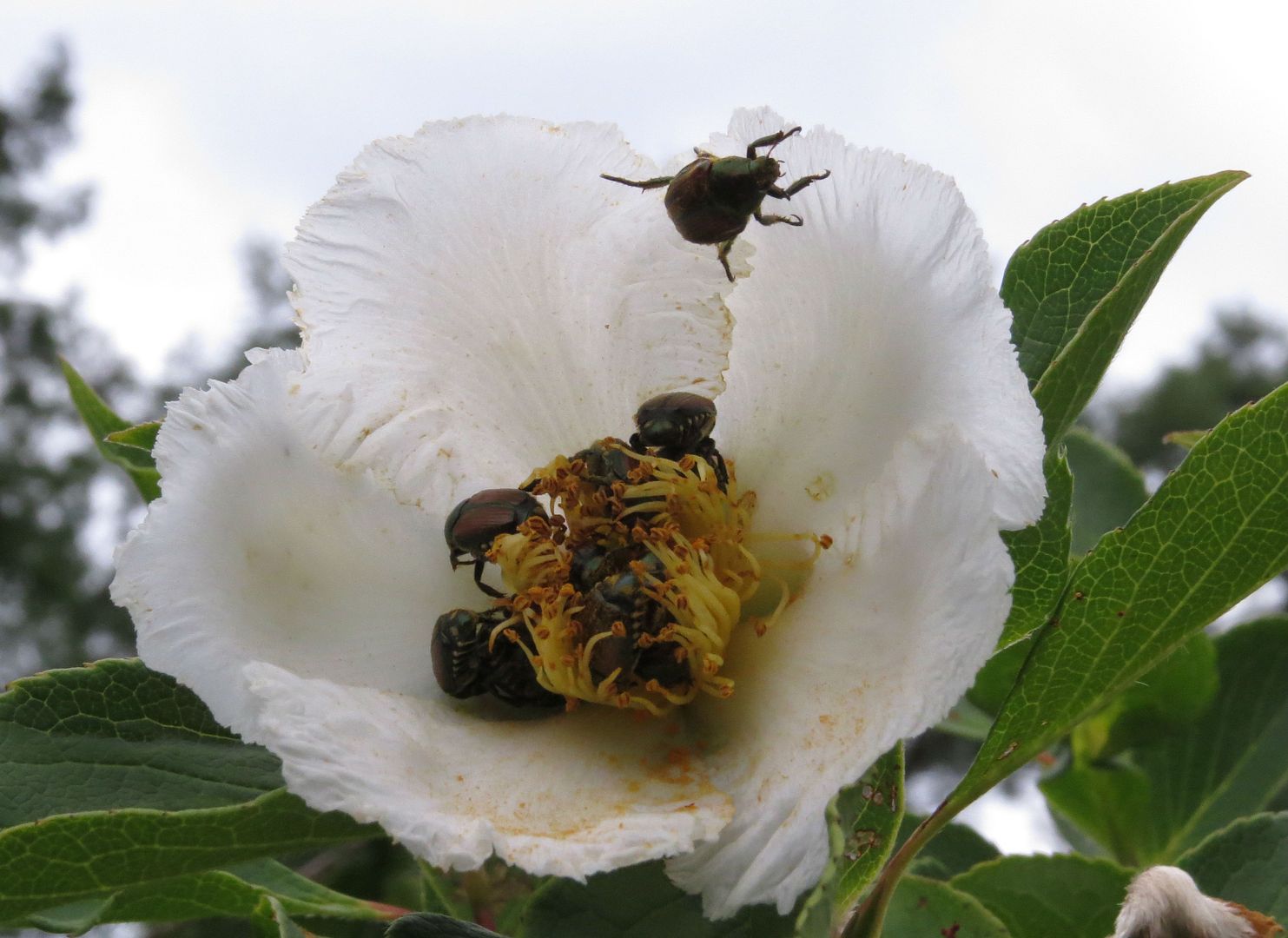
There was a Japanese Stewartia that was absolutely infested with Japanese Beetles.. which might not be a bad thing but generally no one wants this pest insect.

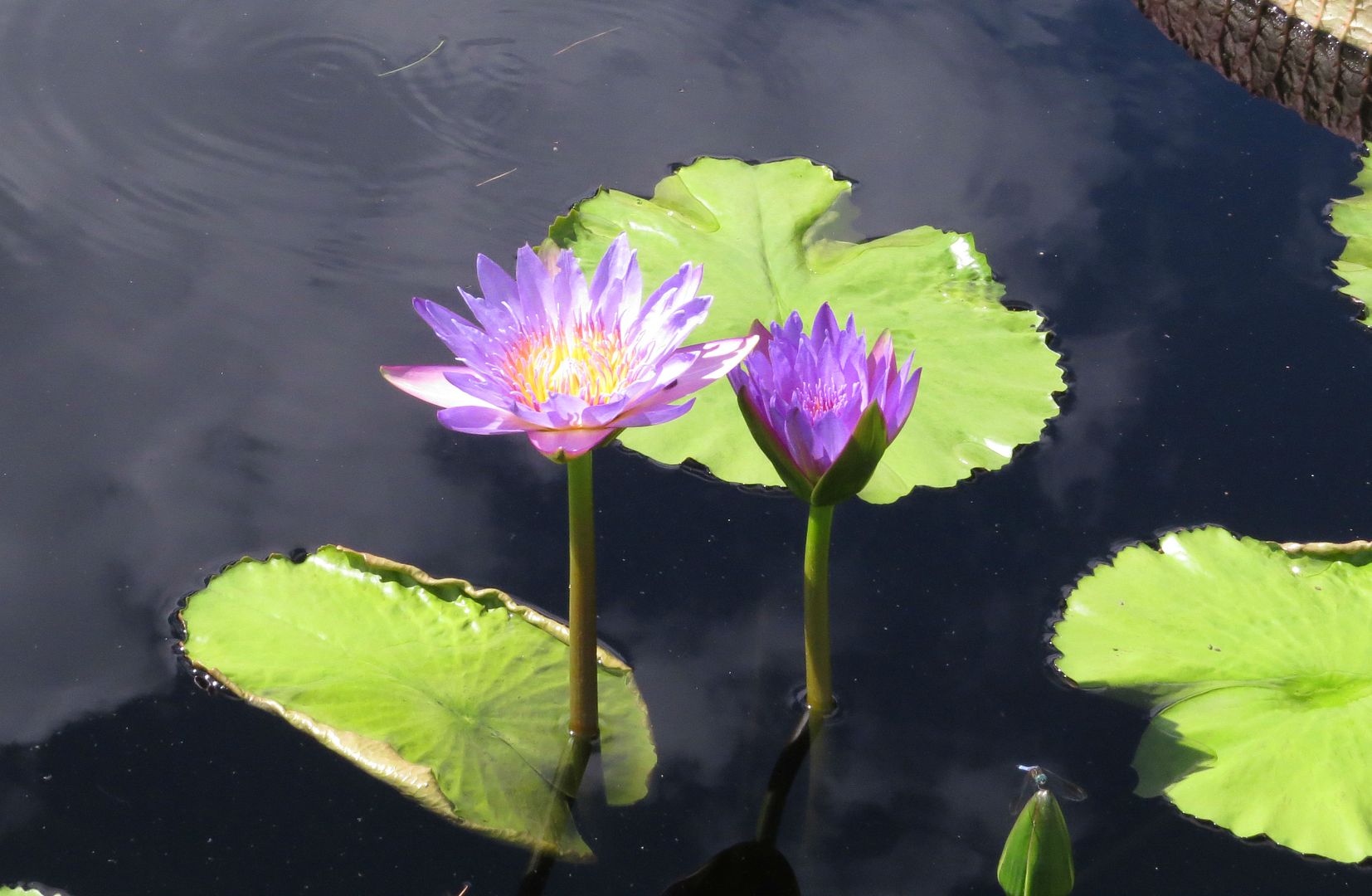
There's a main conservatory that's full of all sorts of tropical plants, and even included a rather nice pond section but it would have benefited from a guide or two or audio tour like a museum exhibit to highlight what I'm looking at and why it's important. 

Something where they'd put a number on the plant tag and you could listen to a botanist, curator, landscape designer, translator, or voice actor, talk about why the plant or feature is so impressive. They could rotate which ones are of interest in and out or limit it to specific gardens. Generally without the information and history behind it, it's really just another pretty flower among hundreds. 

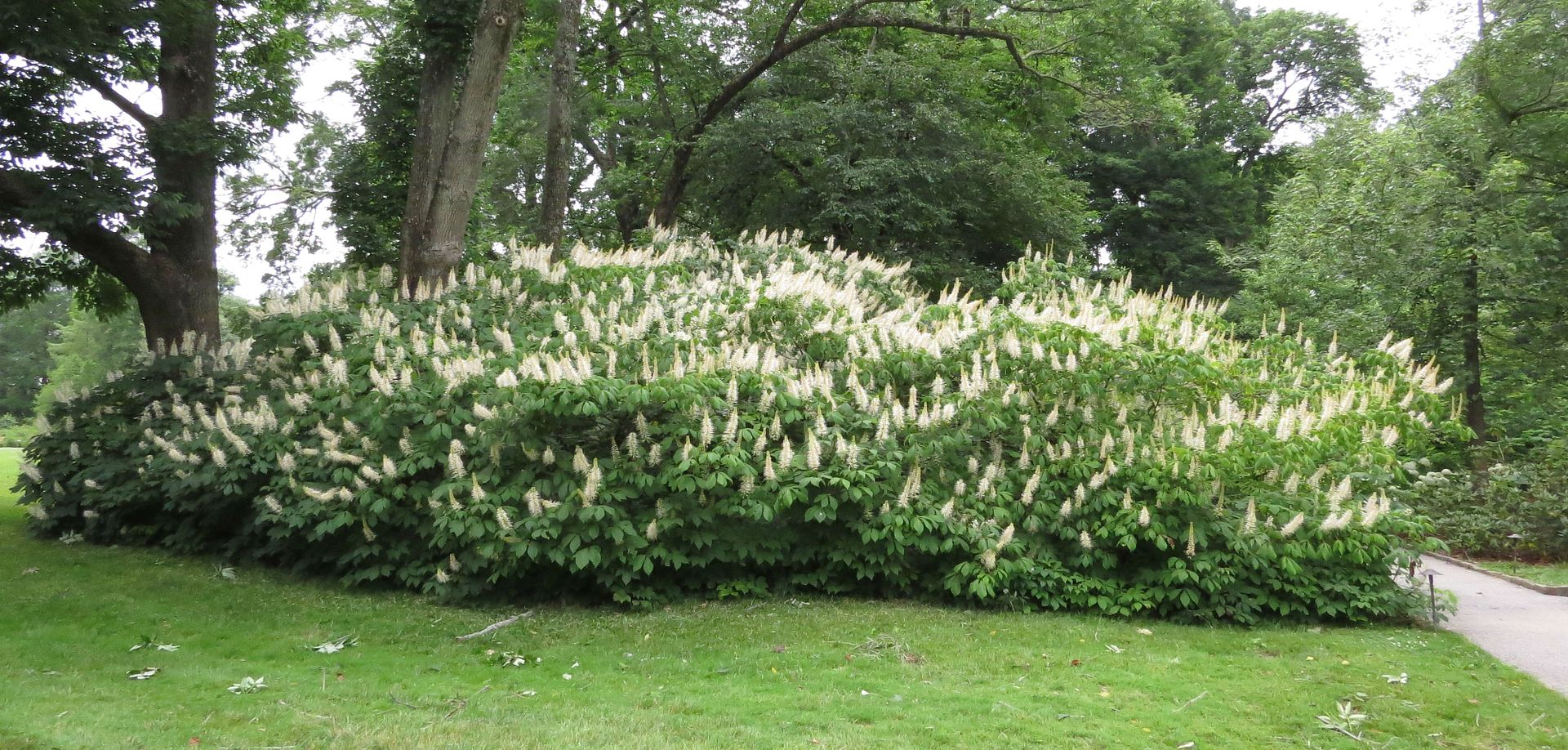
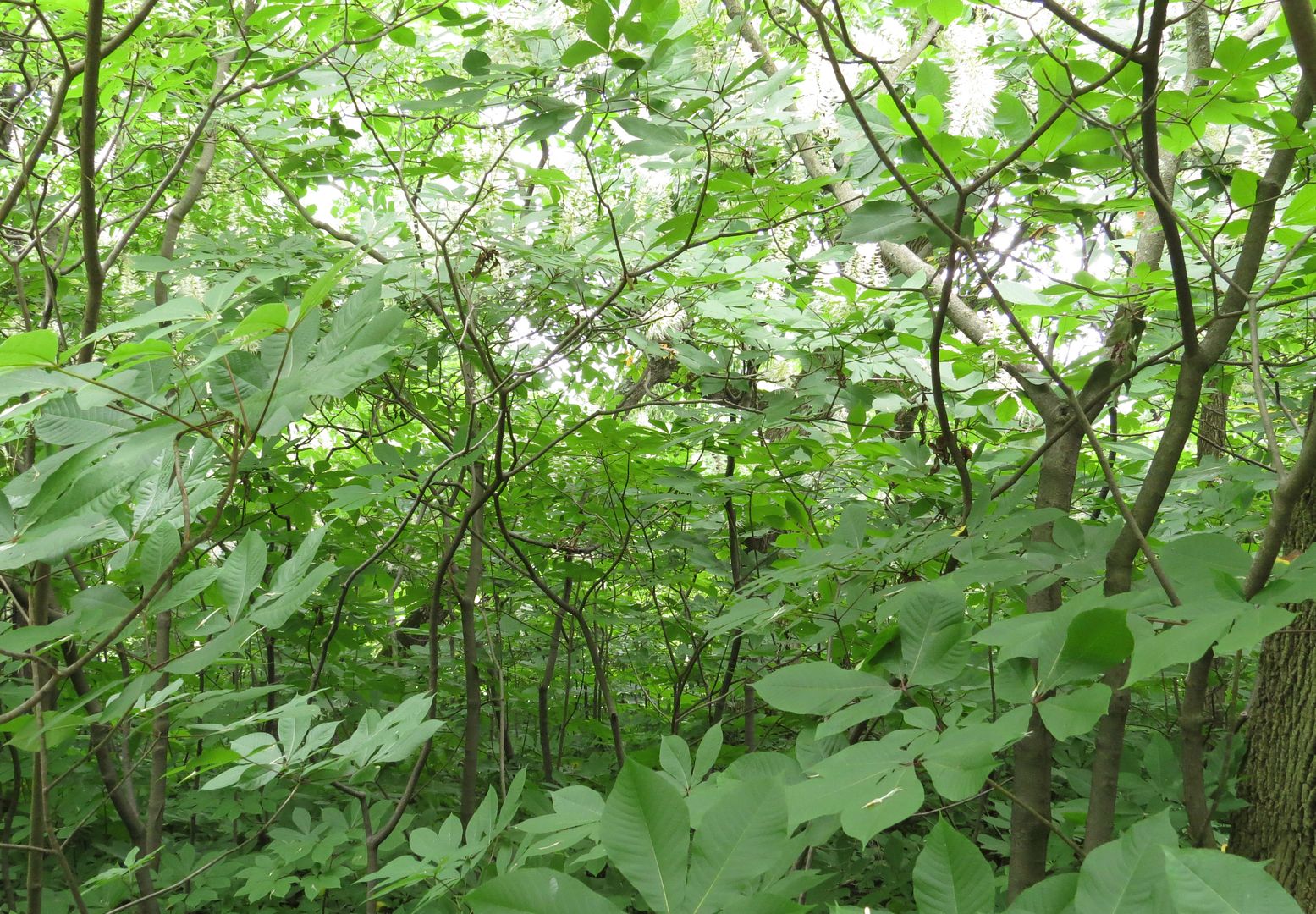
I was happy to see a grove of Bottlebrush Buckeye but disappointing to see absolutely nothing was pollinating them. Actually there were almost no butterflies flying about at all. The only ones I saw were out in the meadow garden and I know from the Mt. Cuba Center that this plant is normally covered in hummingbirds, and large butterflies. They're growing it correctly at least. The plant wants to push up an army of suckering stems to form it's own grove which was extensive. The photo above was taken at the top of a hill and they extended all the way down around the pathway.

This is what it was like looking in. 

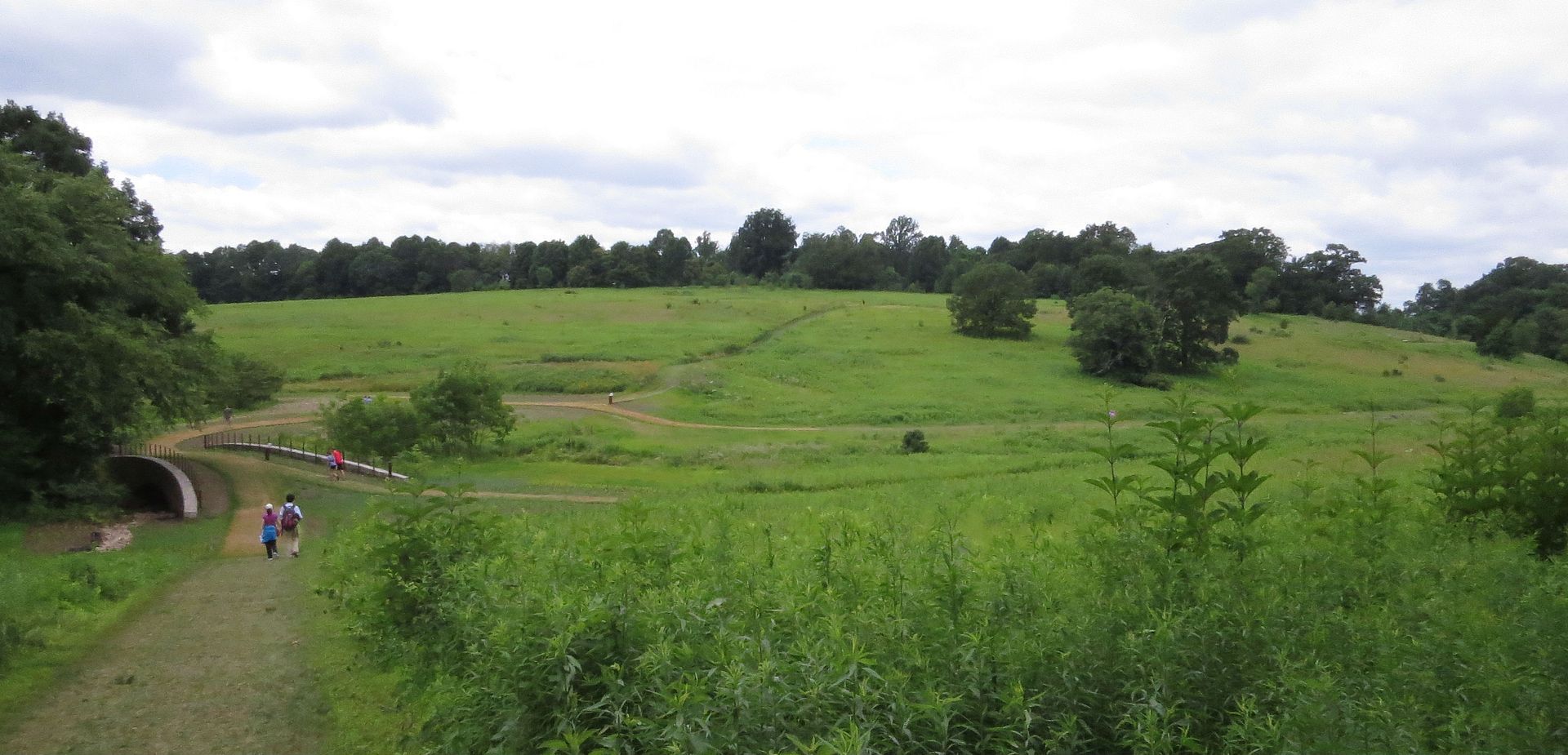
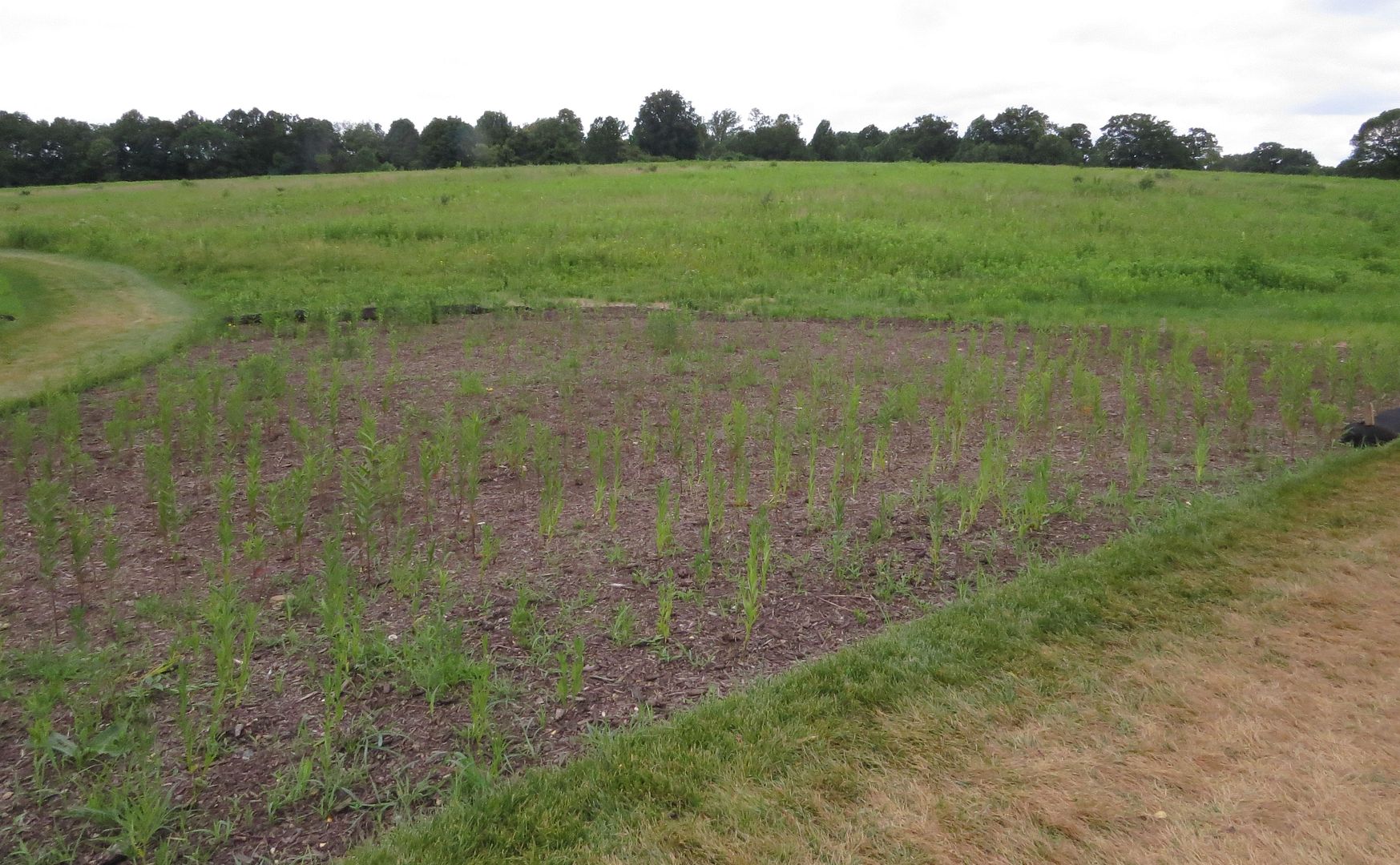
But the real reason for going was for the newly installed Meadow Garden, which I'm happy to say was drawing a decent crowd. All of the bird watchers and generally non-handicap guests were at least giving one pathway a stroll. 

Early on I was a little confused though. I thought they had sprayed Round UP on the pathways which is why they looked like dead grass but then I realized, nope, someone started to roll out the sod for god knows why and it's just dying from lack of water. A bizarre choice but perhaps it was something left over from last year. A good design choice I thought were these corner sections where instead of seeding in plants randomly, they had plugs to specific plants. Eventually this will ensure guests get to see specific plants up close and personal.

Another specific plug planting next to one of the rest and viewing areas. Behind me there were some benches, sheltered by the sun with built in telescopes for everyone to look out upon the meadow. 

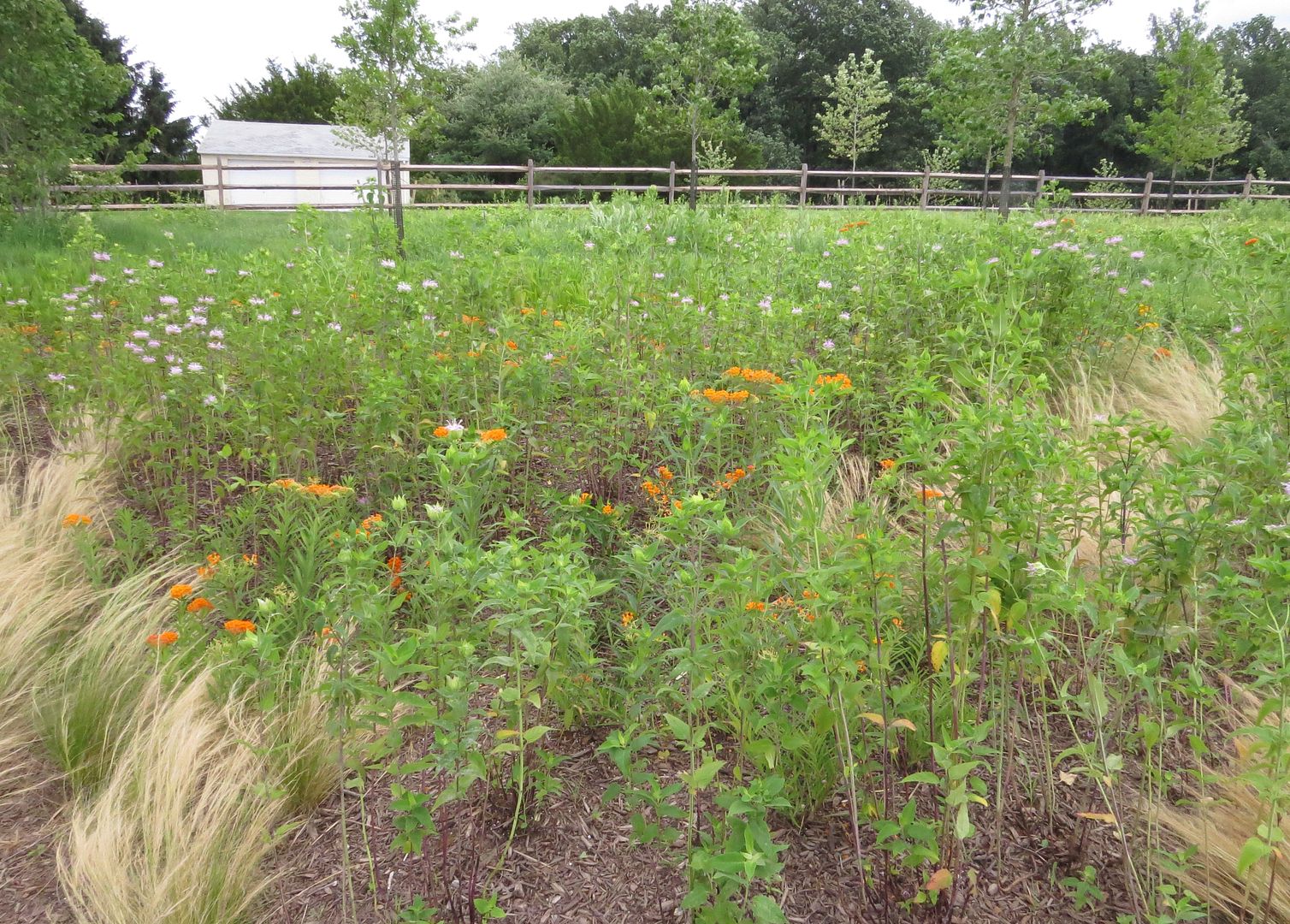
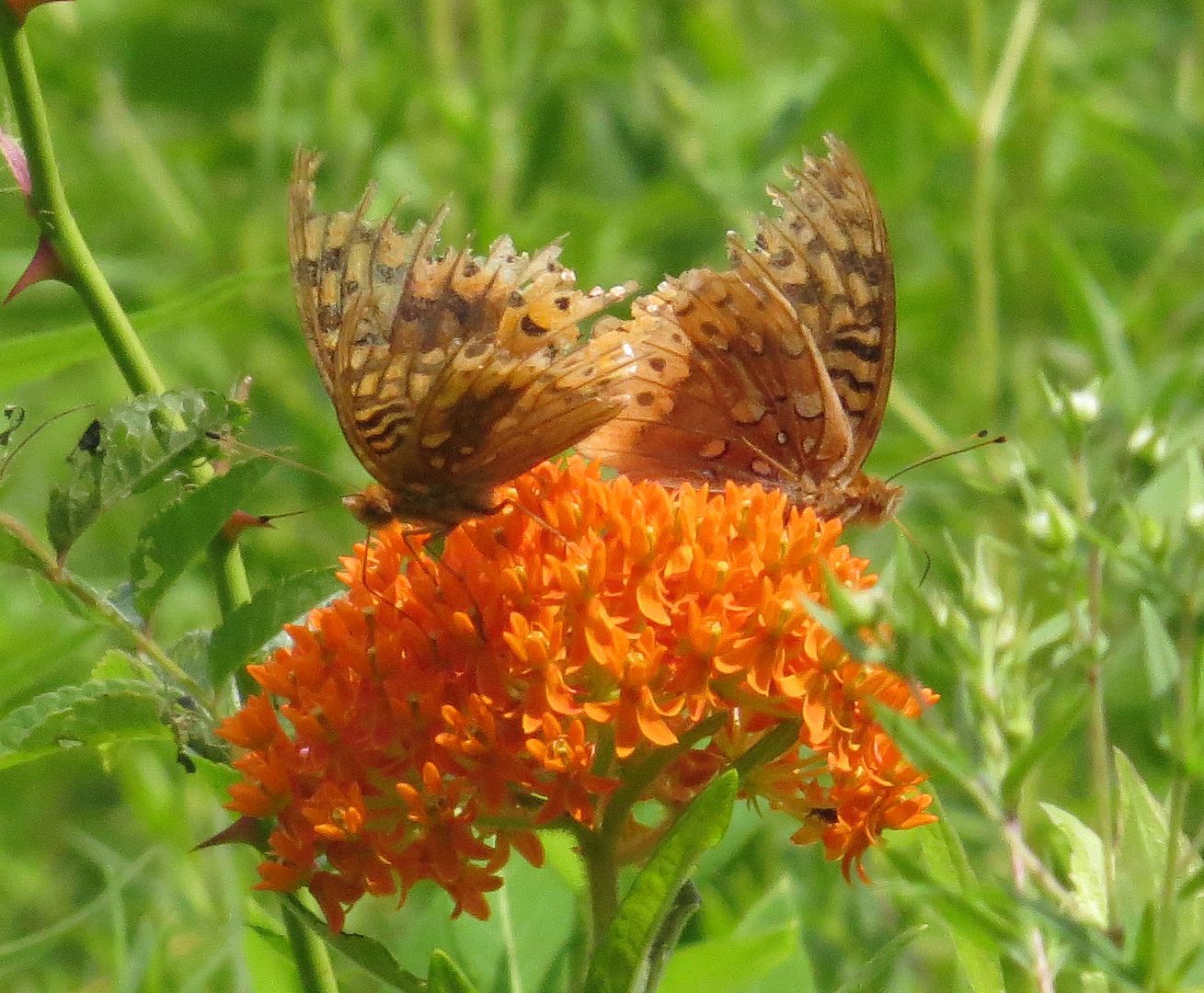
The occasional butterfly would flap about but for the most part they found a bit of butterflyweed and clung to it.

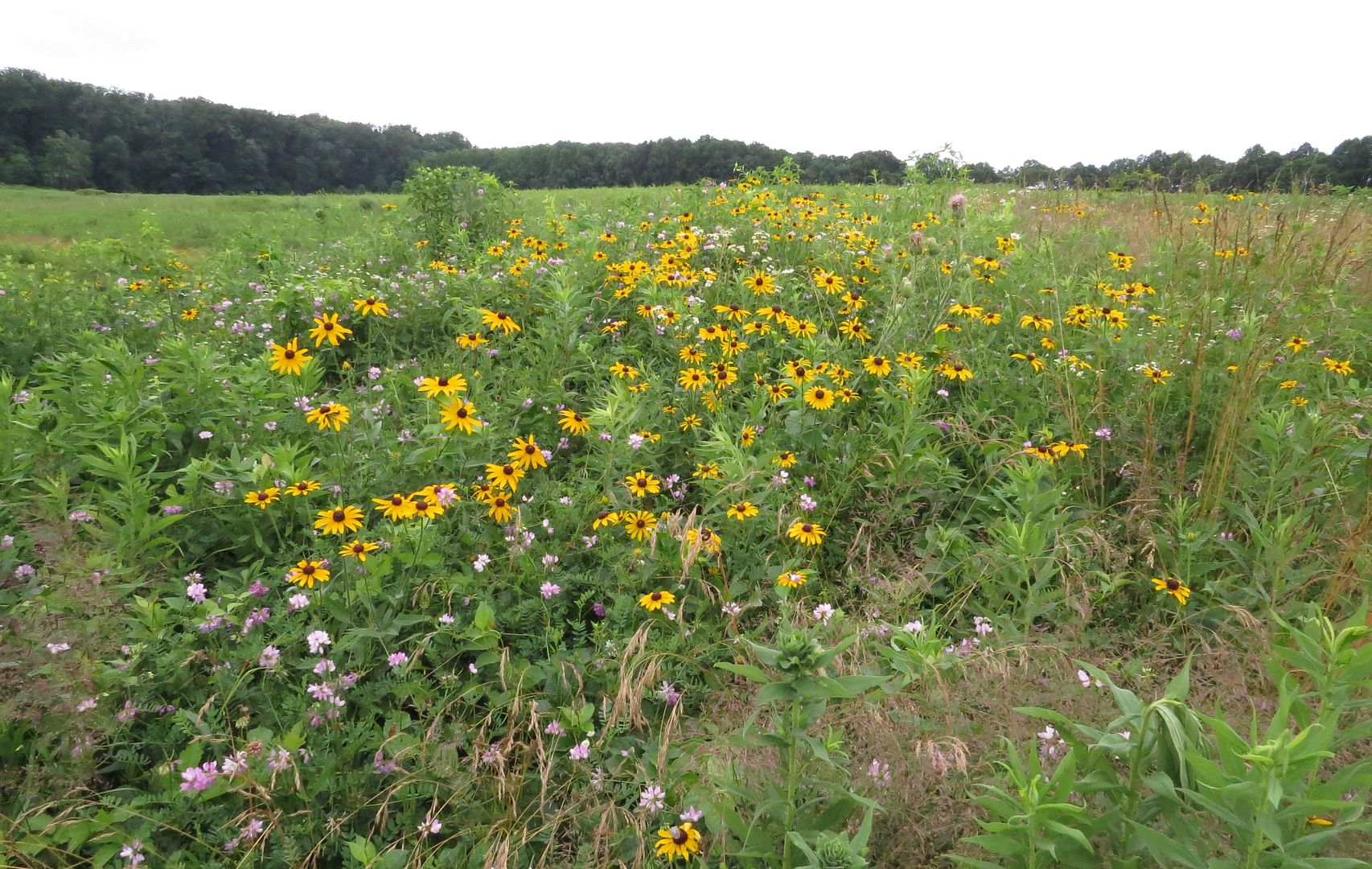
Black-eyed Susans speckled parts of the meadow with their little yellow disks.
There were a few places where they seemed to be better established and taller.


Red-winged Blackbirds fluttered about the meadow and all the bird watchers seemed to enjoy them particularly. I accidentally interrupted more than one person trying to take a photo I'm sorry to say.


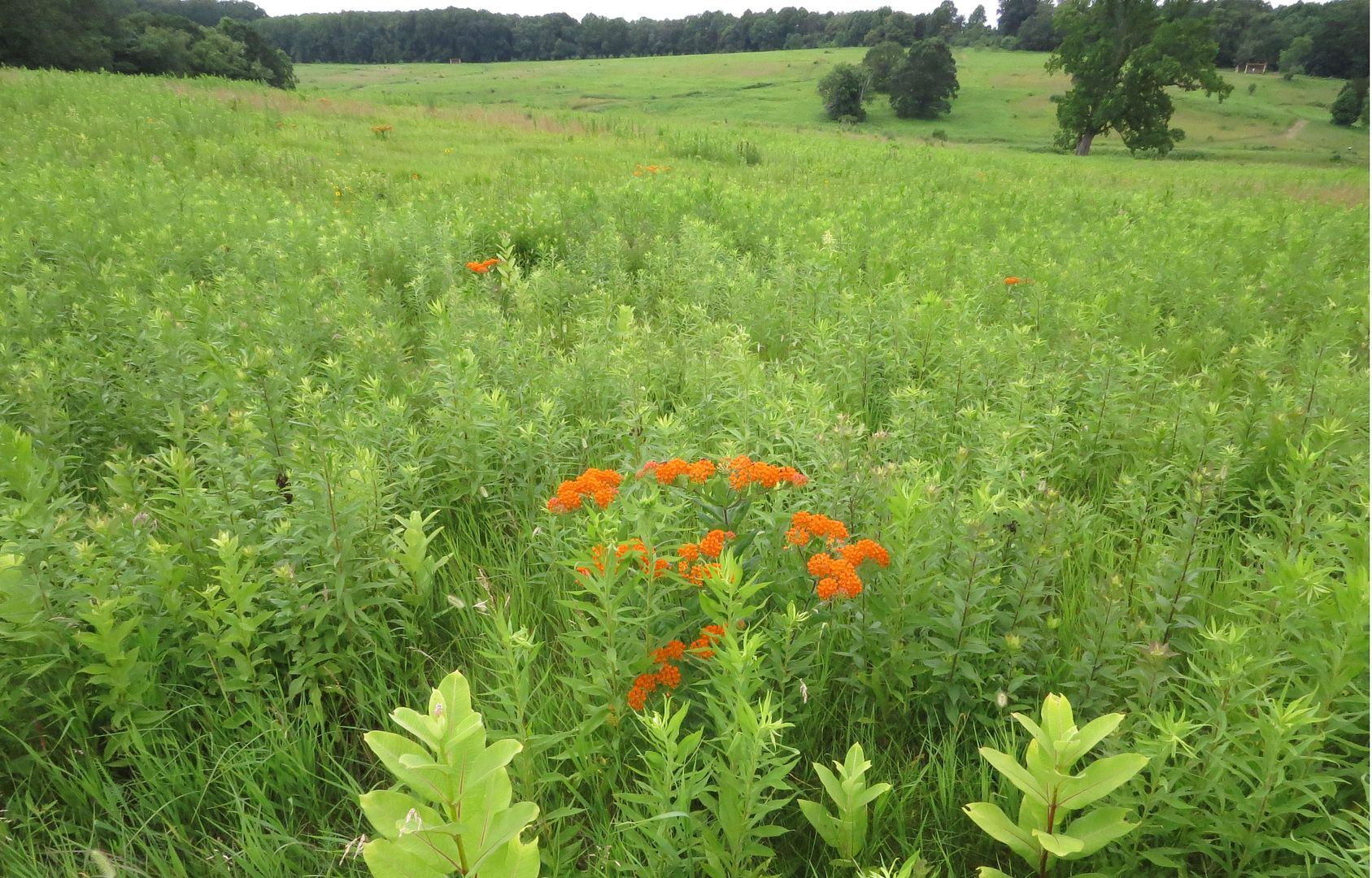
Butterflyweed, Asclepias tuberosa, was a real highlight here.

I love the way the color of the dried grasses adds to this, still blowing with the breeze along with the green, and still with yellow flowers dotting all over.

False Sunflower, Heliopsis helianthoides, was another draw but mostly for bumblebees.

I really enjoyed the meadow garden a lot because there weren't big boring patches of lawn. If you're going to have big sweeps of lawn, at least do something with them; maybe even take that "golf course look" literally and maybe a mini-golfing or croquet. Or even make it more perfect than it already looks? A large carpet of moss maybe?

So the Meadow garden has my interest enough that I think I'll return sometime, maybe in September and I'll be sure to give the whole place another chance.


Tuesday, July 1, 2014

Introduction to Natural Pools - a film by David Pagan Butler

Quite possibly my next project to contemplate. My only worry with these is wildlife using it as their toilet. Obviously you don't introduce fish but things like racoons and opossums have some pretty nasty bacteria in their fecal matter. Even if I never swim in it though, it sounds like a fun thing to design.