Showing posts with label Spring Beauty. Show all posts

Friday, March 27, 2020

Some Early Bloomers


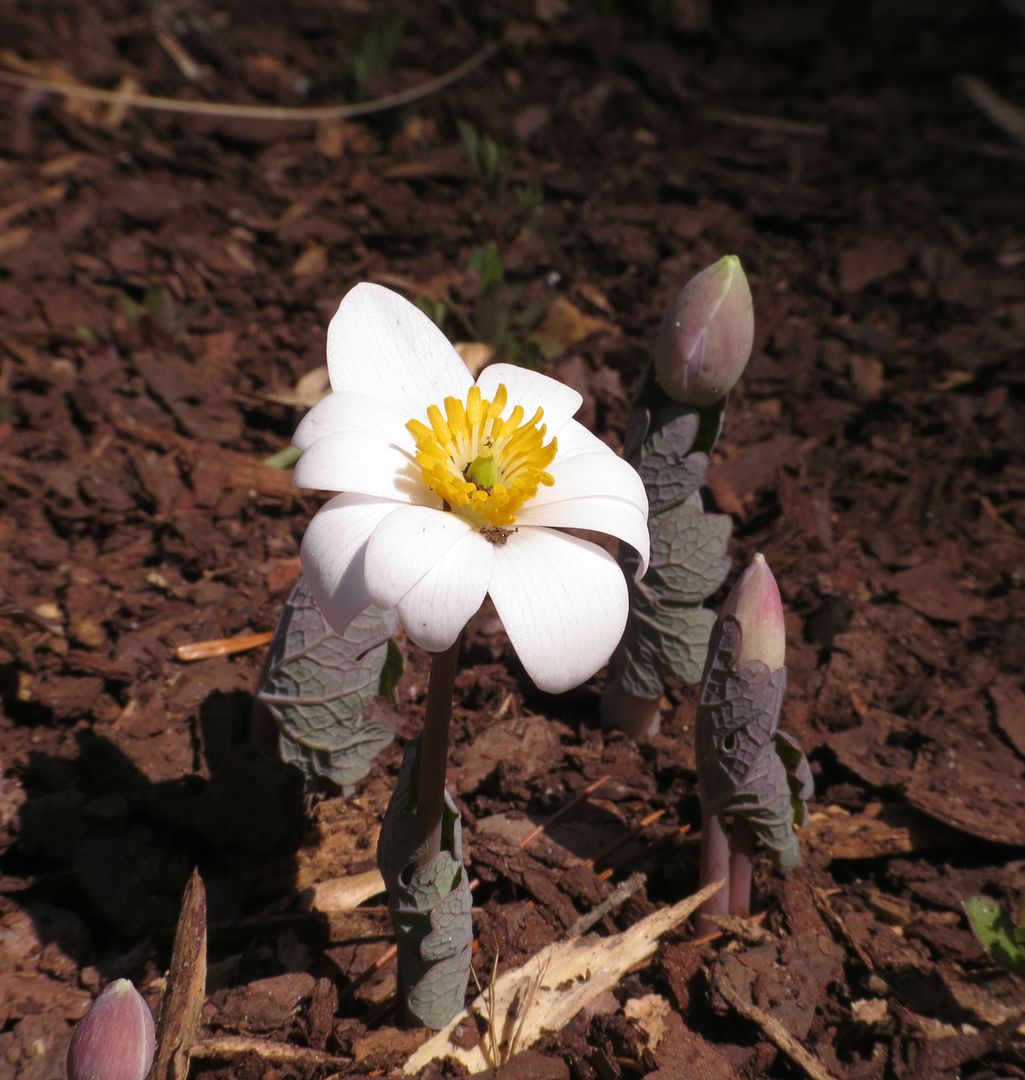
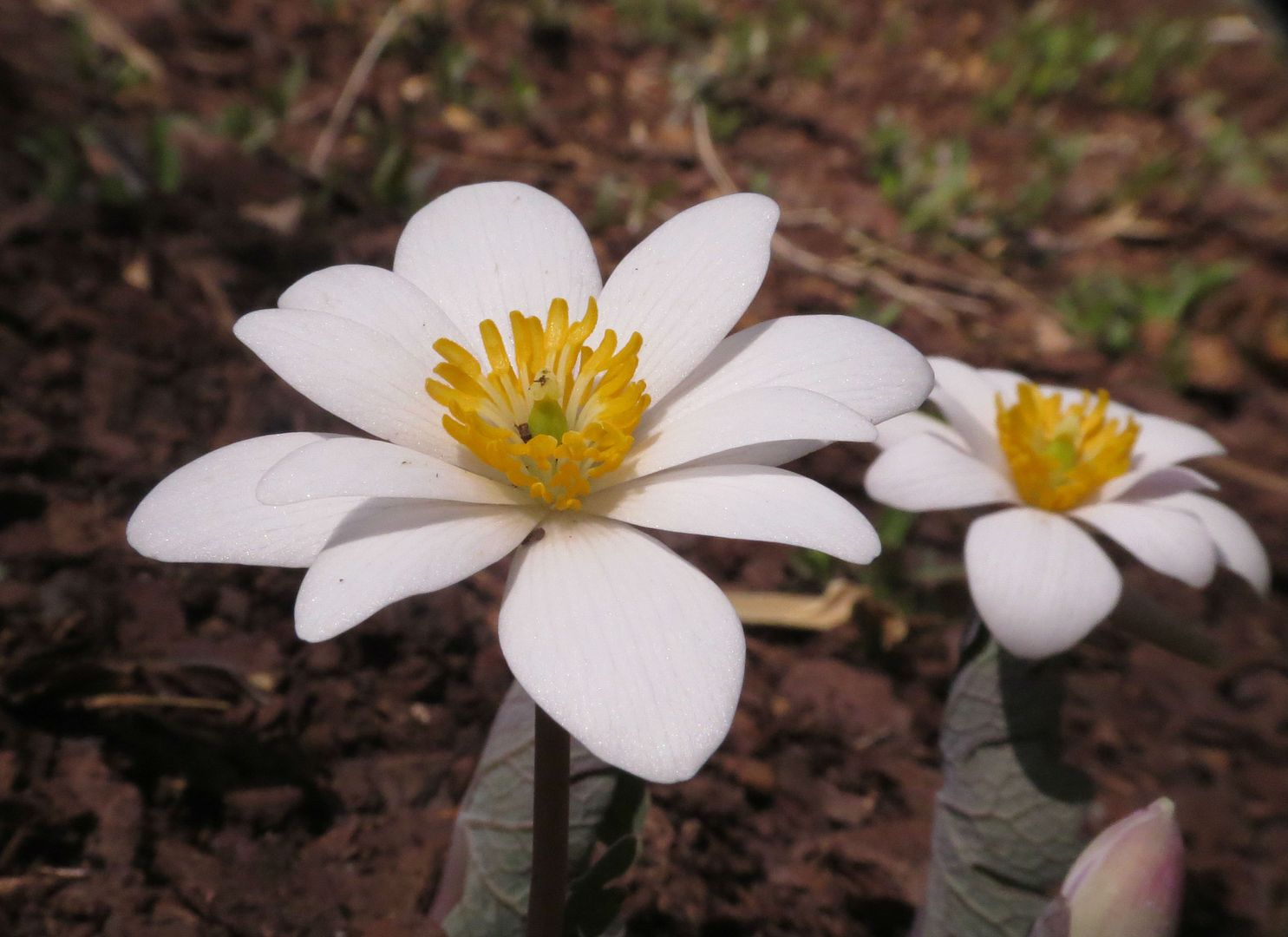
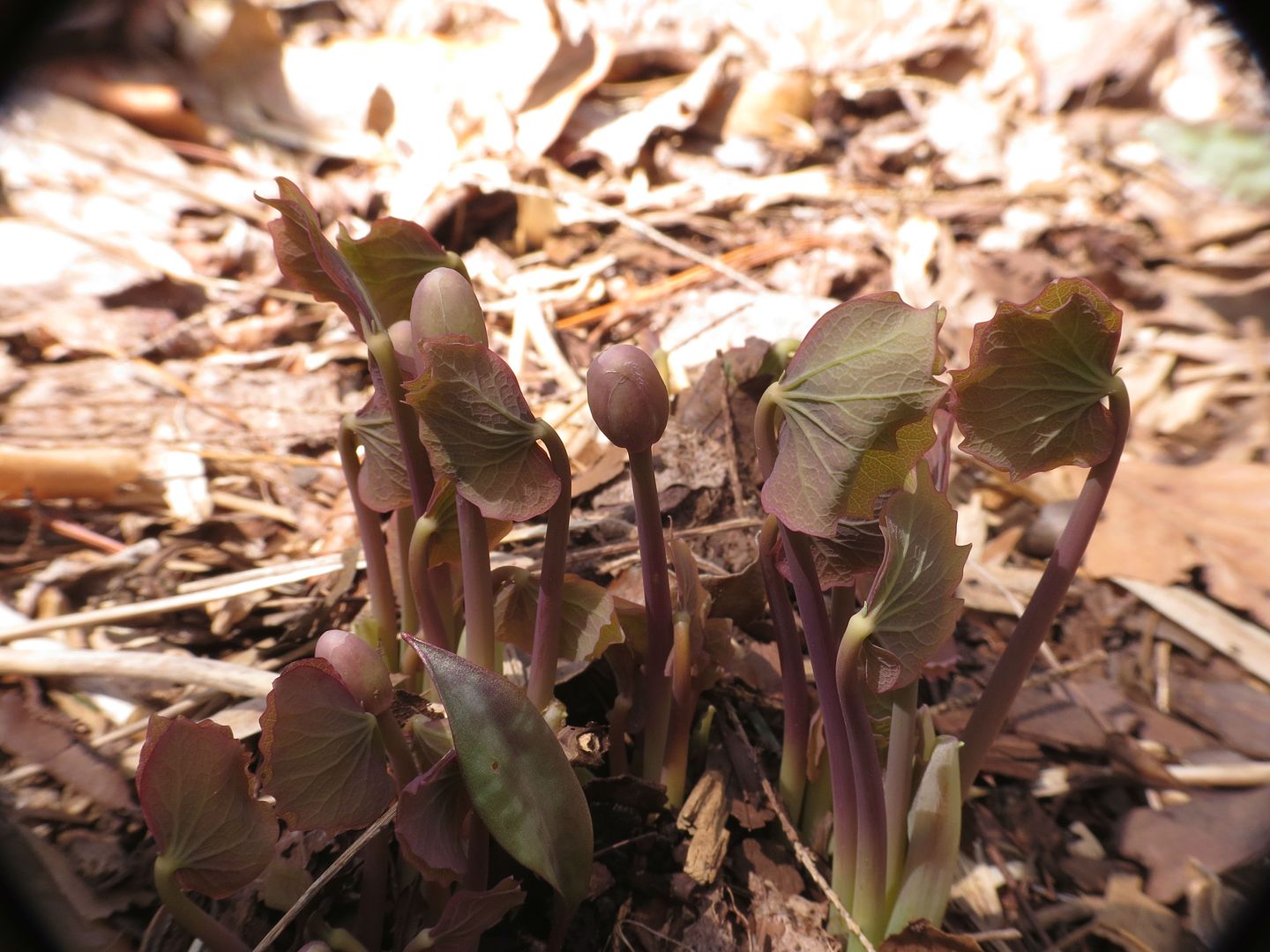
 Bloodroot, Sanguinaria canadensis, came up in the front garden again. I'm particularly proud of this patch because they're entirely grown from seeds I bought online. I believe it was Prairie Moon Nursery. They took two years to germinate. I dam near weeded out the very tiny first year leaves which are about the size of a quarter and barely an inch off the ground. The following year though they started making full sized plants and even had flowers!

The late winter days when they flower are often met with seasonal winds that topple other flowers that might be blooming. We have crocuses in our lawn for example and the wins flattened the flowering stems to several patches thus the flowers were destroyed. With Bloodroot though the first leaf forms gripping hold of the flower stem for added support, making wind damage less likely to happen. Eventually the flower fades and a seed pod forms which becomes heavy and falls out of the way for the leaf to take center stage. The seed pod lays on the ground or pretty close to it by the time the seeds are mature. Elaiosome on the seeds entices ants to carry them off and start new colonies of bloodroot elsewhere.


 Twinleaf, Jeffersonia diphylla, is another late winter/early spring bloomer. However it seems to embrace the fact that it's flowering at a horrible time of year. Blooms last anywhere from 8 hours to 4 good day and often the petals fall off simply by touching it.

By good days I mean it's warm enough for them to have opened. On bad days they have enough sense to close up so those days don't seem to count with their internal counter.

The name Twinleaf comes from their leaf formation which look like a set of elephant ears.

Later on the flowers turn into acorn-shaped structures that are supposed to spill open but more commonly break open and allow ants access before they get to that point. I often see ants going in and removing the elaiosome packets from the seeds without ever moving them.
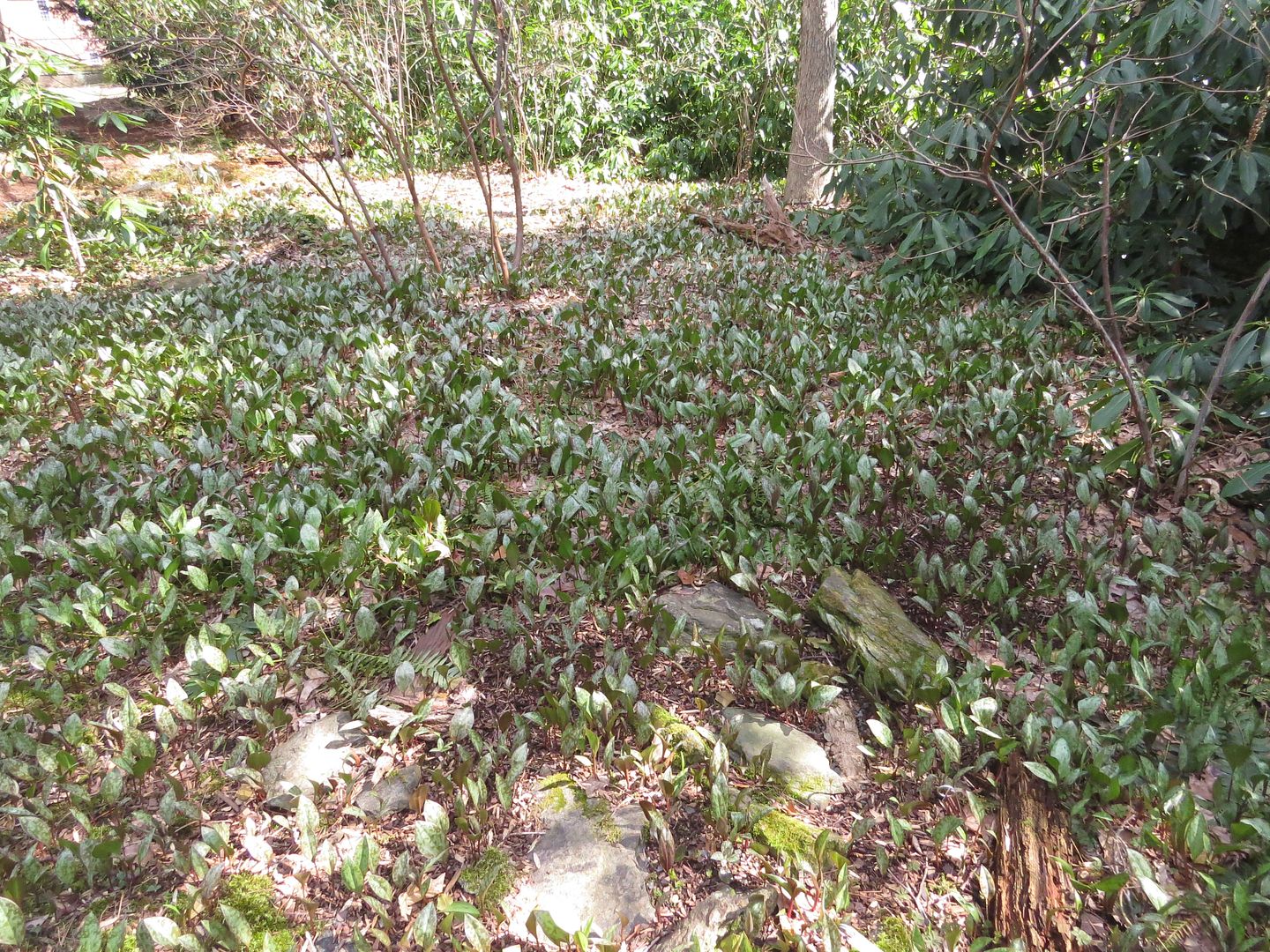
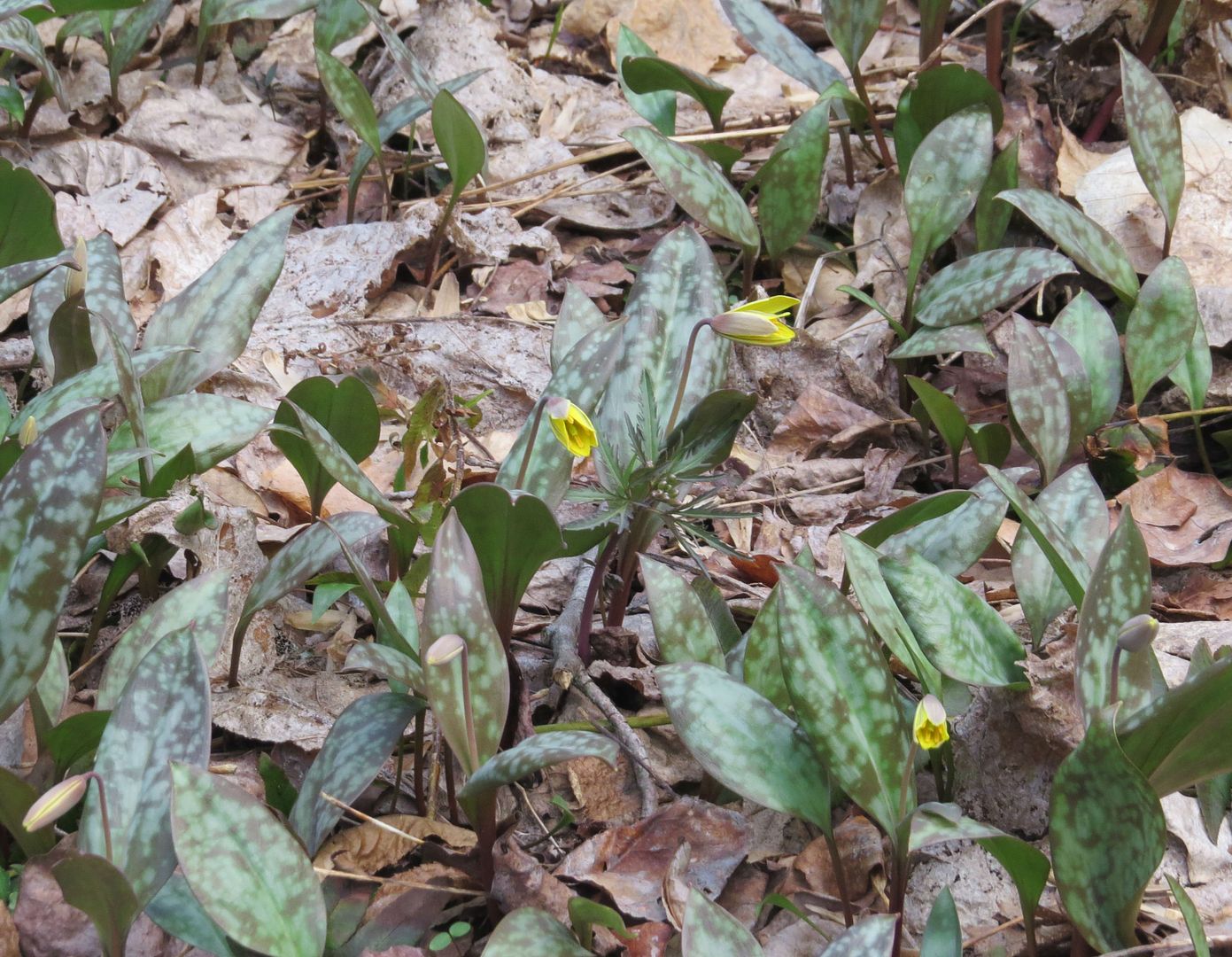
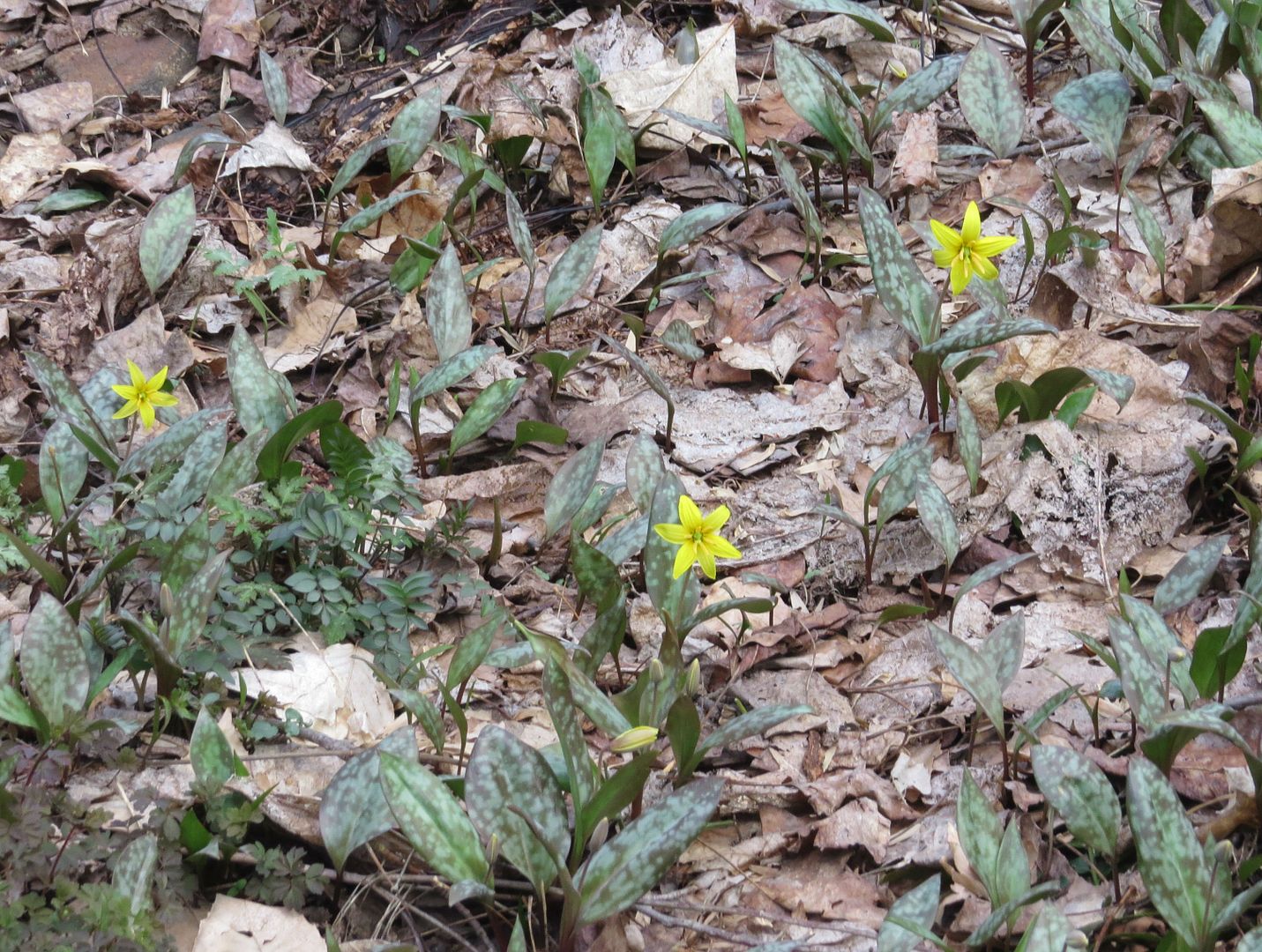
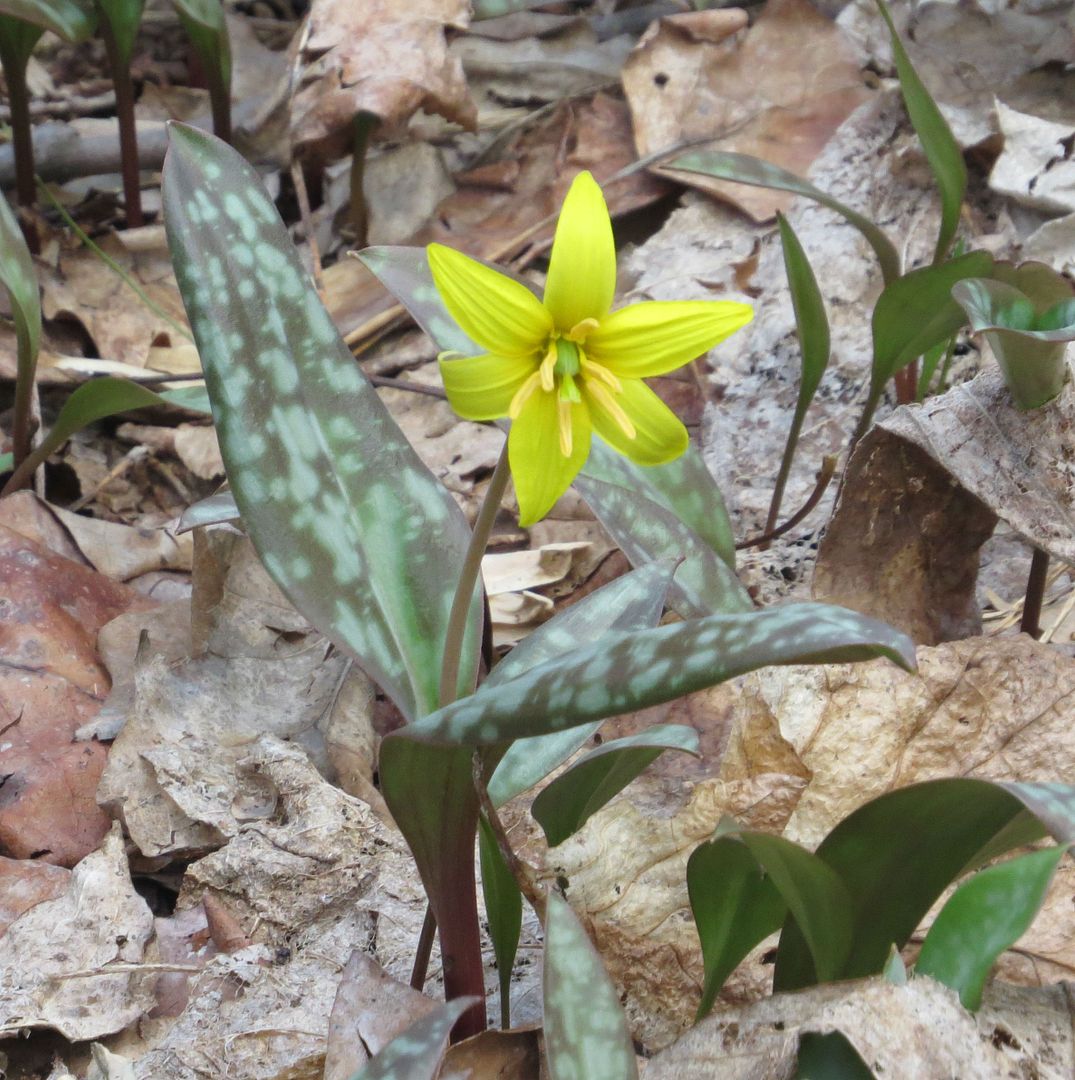
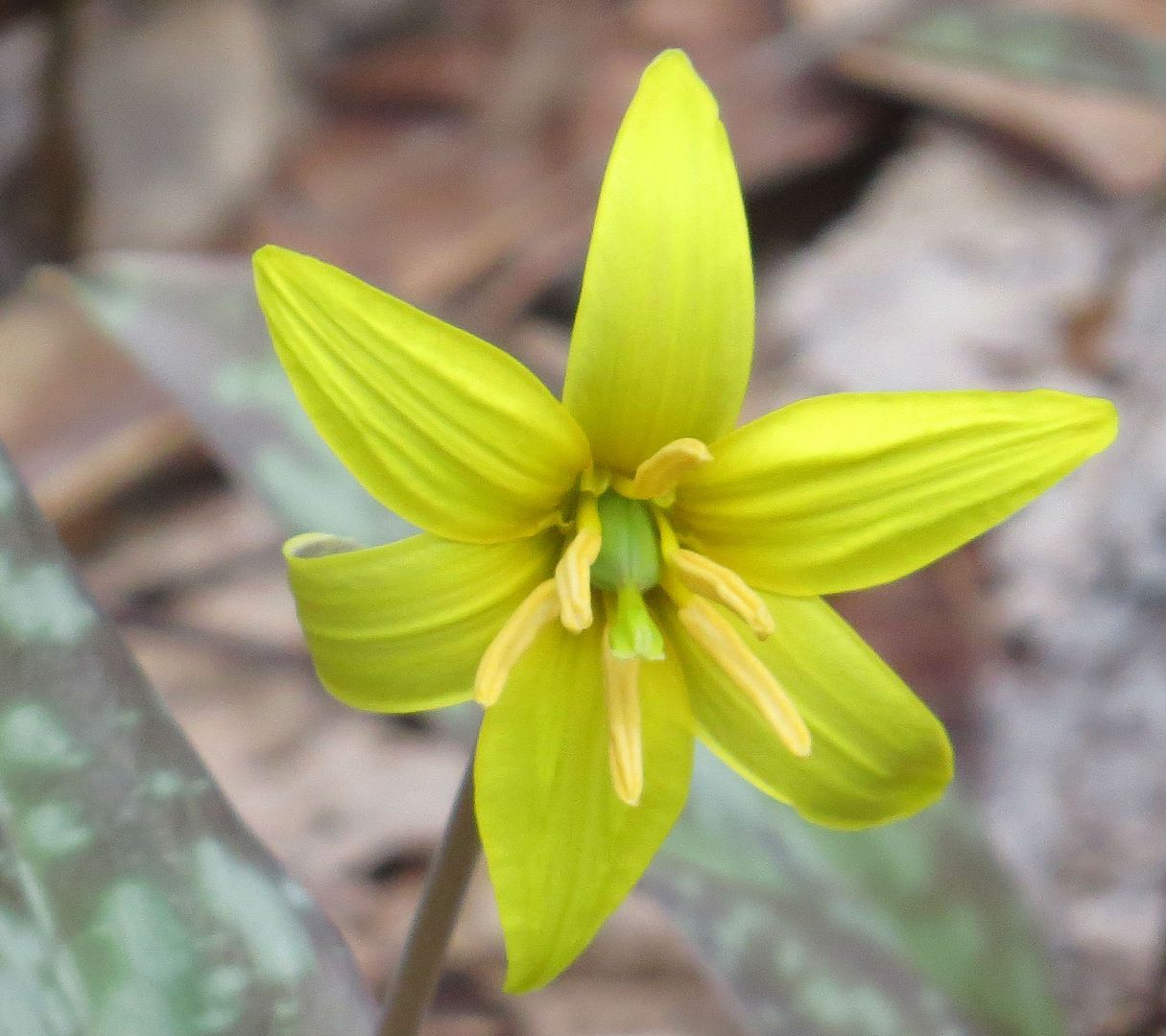
 Trout Lily. It's been so long that I put these in the ground I forget if the yellow or the white one. Regardless, these mostly form colonies of plants that produce single leaves sticking up all over the place. I'm told individuals that have two leaves coming out of the same hole "might" flower which would be nice. After a decade of growing these it would be good to finally see one bloom.


 Spring Beauty, Claytonia virginica, is a beautiful little lawn weed. There is quite a bit of diversity with this "species" which is more than likely a complex waiting to be unraveled. Basically it's been noticed that the length, width, and vanes on the leaves vary in populations as well as the flower shape and color... you know all the basic things that define different species.

The population I have going all have narrow grass-like leaves, and white flowers with pink vanes that slowly darken up to magenta as time goes on. And this is fairly typical for this species. There is a form in NJ that has yellow flowers though.

 Virginia Bluebells, Mertensia virginica. When I went to the Mt. Cuba Center the first time I heard one of the gardeners complaining about how weedy this plant was and what a pain it is to rip a clump of them out... A few years ago I bought a whole flat of these and put them all over the yard. Thus far they've spread a bit but not to the levels of Goldenrod or Monarda that I was expecting them to be. They don't seem to be reseeding either so hopefully that changes too.

This is another one with lots of mutations in the wild that aren't offered commercially. Some only have pink flowers, only white flowers, some hue purple or various shades of light blue; all of which have been photographed by random hikers on the internet but have yet to fall in the hands of a grower to propagate them for commercial sale. This is partly why I'm hoping my plants reseed and chance upon a prized mutation to disperse to friends or put in the hands of growers. 

 Jacob's Ladder, Polemonium raptans, is a different story. This is one I didn't see to much of at The Mt. Cuba Center so I thought it would be fairly innocent to grow. Well same story, I bought a flat of it and planted it all over the yard. I've found it's a bit more tolerant of dryer sites and does seem to be producing seedlings in these dryer sites. The established plants though are spreading out quite a bit from the tiny plugs they were just two years ago. They're doing wonderful things growing up into nooks of tree roots around the trunk but are quickly going to become a ground cover in a few years if left alone. I'll update and talk about this plant some more in coming weeks.

Thursday, March 26, 2020

Wildflowers Coming Soon

Spring Beauty, Claytonia virginica. It's actually started flowering here so let's start there. The thing is, only one or two of them are blooming and the patch now is turning into it's own sort of lawn. So better photos will be on the way instead of this edited one. It's a small grass-like plant right now but each of these strands continues to grow and unfurl through the garden/lawn and produce lots of little flowers along the way.

Fernleaf Phacelia, Phacelia bipinnatifida. I have finally gotten this god dam plant somewhat established in my yard! This is a biannual that only flowers on it's second (and last) year of life! Also they have to cross pollinate from a plant that wasn't related to their parent. Between driving to Delaware each spring and dealing with what has to be one of the worst online nurseries on the internet I'm glad to see these coming up on their own.

Giant Waterleaf, Hydrophyllum appendiculatum. This plant lived up to its name the first year I planted it growing a good 3' tall and wind. Subsequent generations though have either been annual or biannual growing only a few inches tall, flowering and then death. They keep coming back though.

Hydrophyllum virginianum, more of a late spring bloomer. It's just a little tuft of leaves now but the patch quickly expands to fill up the garden.

Golden Alexander, Zizia aurea. This is a native carrot though I don't think the roots are meant to be eaten. I think it's a biannual too but I'm not certain. Some years the patch is lush and full with plants but others there are bare spots. This is a host plant to the Black Swallowtail but I've found they only lay eggs on the flowers in the spring time, and plants are largely ignored over the summer in favor for non-native like Parsley and Queen Anna's Lace.
 Jacob's Ladder, Polemonium reptans. This plant is semi-evergreen, maintaining a rosette of leaves all winter. Light blue is more true to their normal bloom color.

Roundleaf Ragwort, Packera obovata. This plant suffers from having one of the worst common names ever. It's actually one of the more striking yellow flowering plants of spring.

 Wild Hyacinth, Camassia quamash, a native bulb that should be planted along side Easter Flowers.

Woodland Phlox, Phlox divaricata. I think this is a cultivar with thicker petals called 'Blue Moon' but I'm not certain anymore. Patches of this plant only come back when there's no mulch or barely any leaf litter. Originally the plant was fragrant but for the past few years I haven't noticed any fragrance, making me think the original plant has died out and these are all seedlings.

Sunday, April 7, 2019

The Early Bloomers Have Sprung

 Bloodroot, Twinleaf, Spring Beauty, Pasque Flower, and Trillium catesbaei all flowering.

 Bloodroot, Sanguinaria canadensis. Flowers just starting to open

The leaf always clasps the stem and flower early on to help protect it from strong winds.

They slowly spread by rhizomes sending up a larger clump of stems and flowers each year. Last year there were only 6 flowers, this year there are 10 with a few more yet to open. You can also tell which ones have been open for a day or two and which ones are just getting started by how far up the flower bud is from the leaf. 

 Close up of the inside.

It's hard to believe that I started these from seed. Friends of mine in Missouri say from seed it only takes 3 years from germination to flowering, and as far as ephemerals go they're reasonably fast spreading. Here though in NJ, more specifically the 12" by 12" spot in the front garden where I planted the seeds, they've taken about 5 years from germination to flowering. Actually it was really cute the first year they germinated because the first year leaves are like Bloodroot but for a doll house, like barely an inch tall. I wish I'd taken a picture of them. Then on the following year the produced normal leaves. They've flowers the last two or three years and I can't locate any new seedlings yet but hopefully that will change.

Twinleaf, Jeffersonia diphylla. I watched this thing like a hawk waiting for the flower to open. Sadly they only flower for a maximum of 4 days and if it's not above a certain temp out (I think 68F) they don't open at all. 

Better luck next year with this one. On the up side I accidentally took a picture of an ant. Looks like Tapinoma sessile.

Thankfully when I planted these I bought a flat of them and have numerous other plants scattered about the yard. It amazes me that just being planted a few feet away and they still come up and flower a week apart. Some of them are getting almost the identical amount of sun and water and still aren't going to have flowers open at the same time. Growing these things from seed must be a pain in the ass.

One did manage to open, so far, and still has it's petals but of all our native emphemerals this is the most finicky when it comes to flowering. The petals can fall off the flower after just 4 hours of being open.

Spring Beauty, Claytonia virginica. I planted about 6 corms several years ago and they've spread all over my little woodland garden. I've even had to transplant them into other situations where they've started to do the same. Online I read they're a common lawn weed but my population hasn't quite gotten that far yet. I'm looking forward to it though.

 The European Pasque Flowers I bought a few weeks ago are growing nicely in the front garden I installed last year. I believe they do flower around this time but won't know for sure until next year.

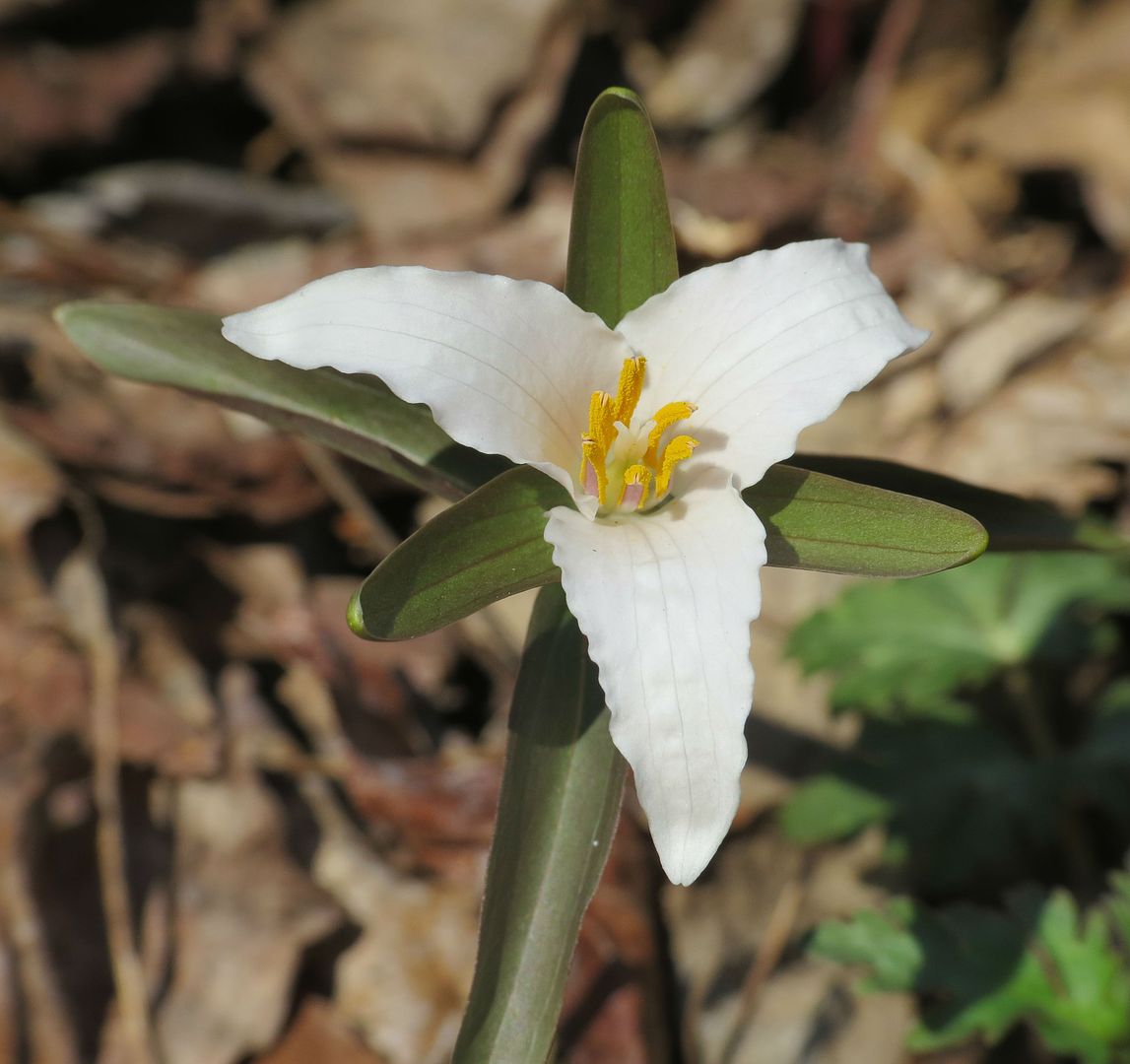
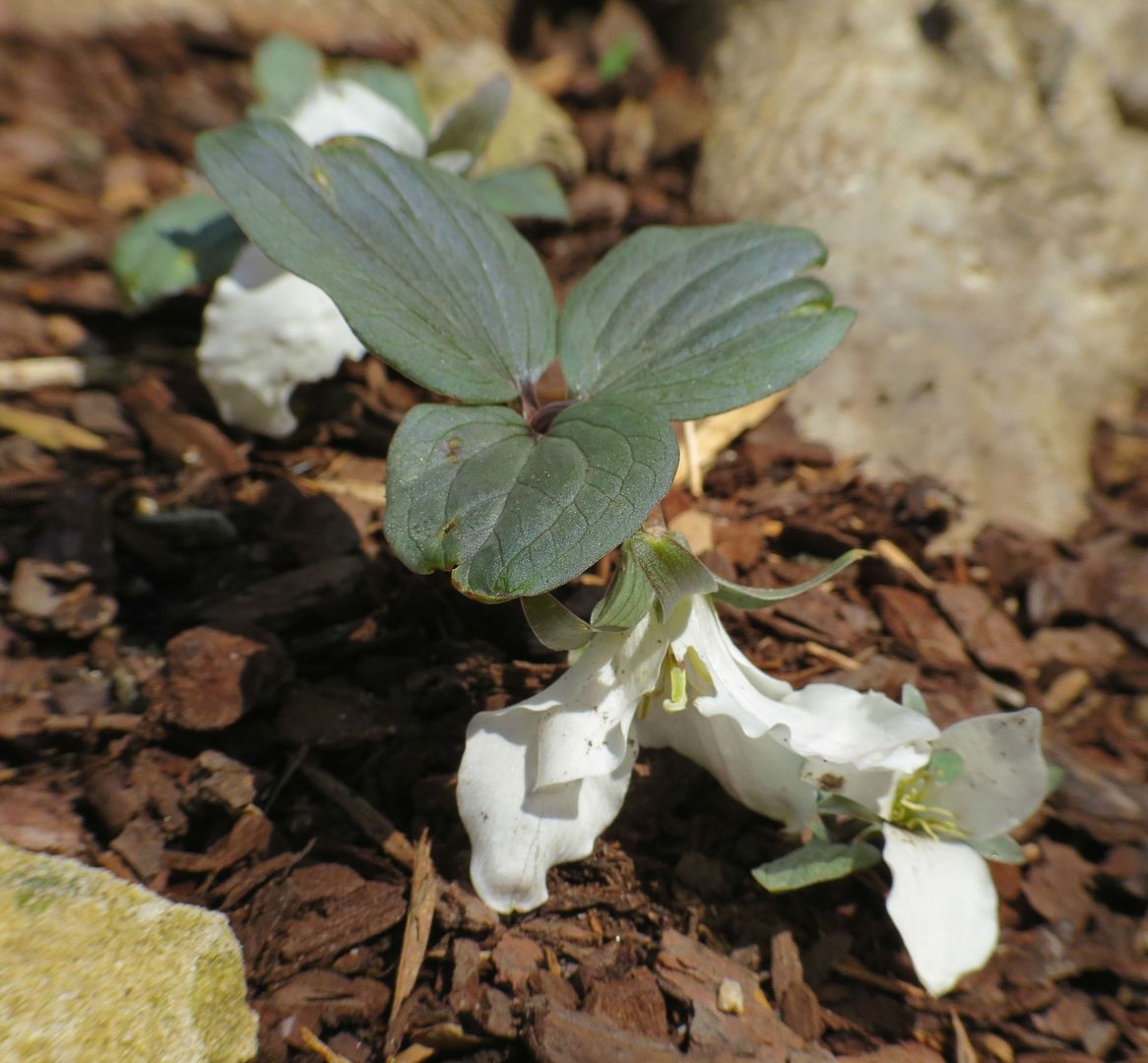
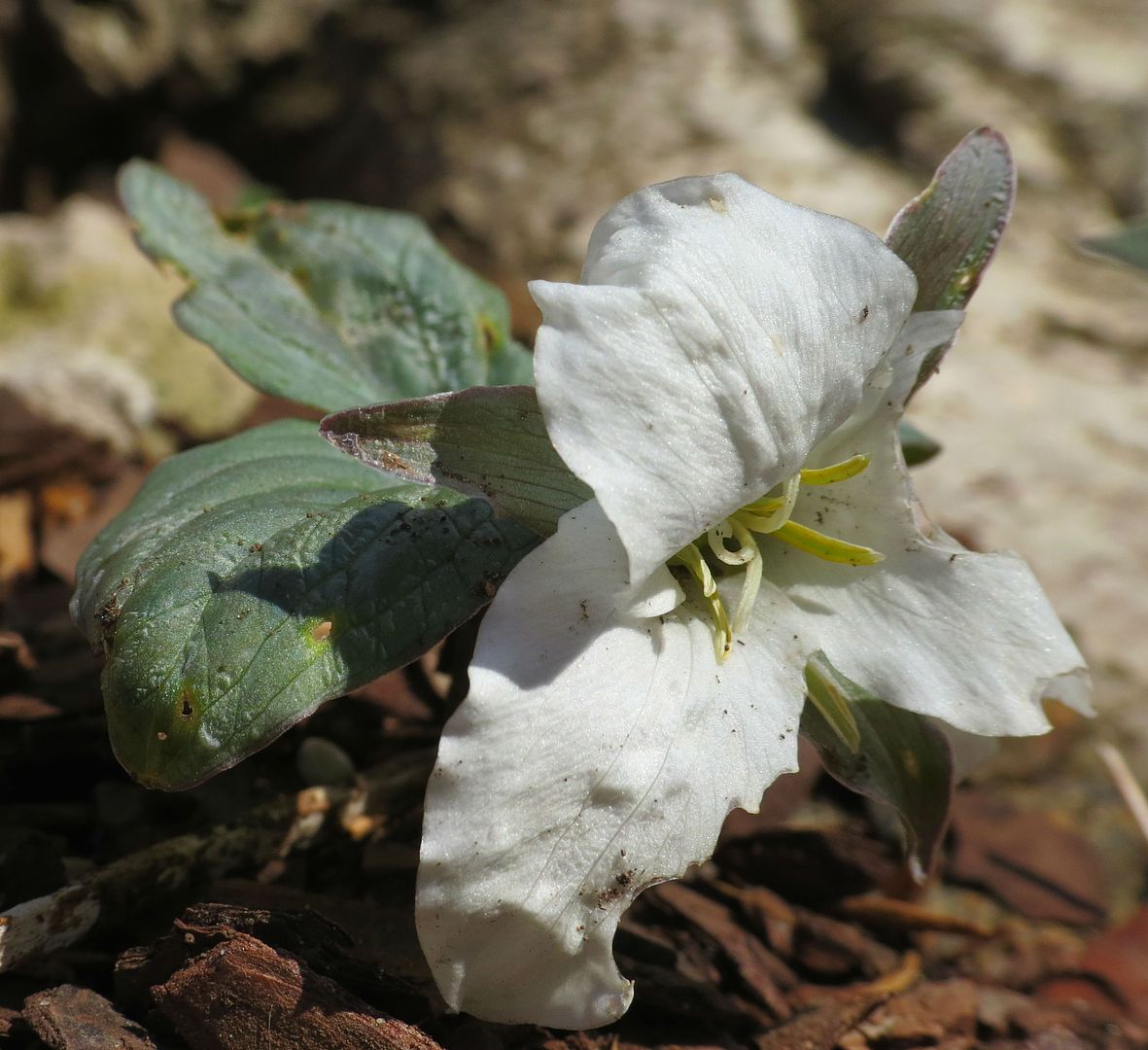
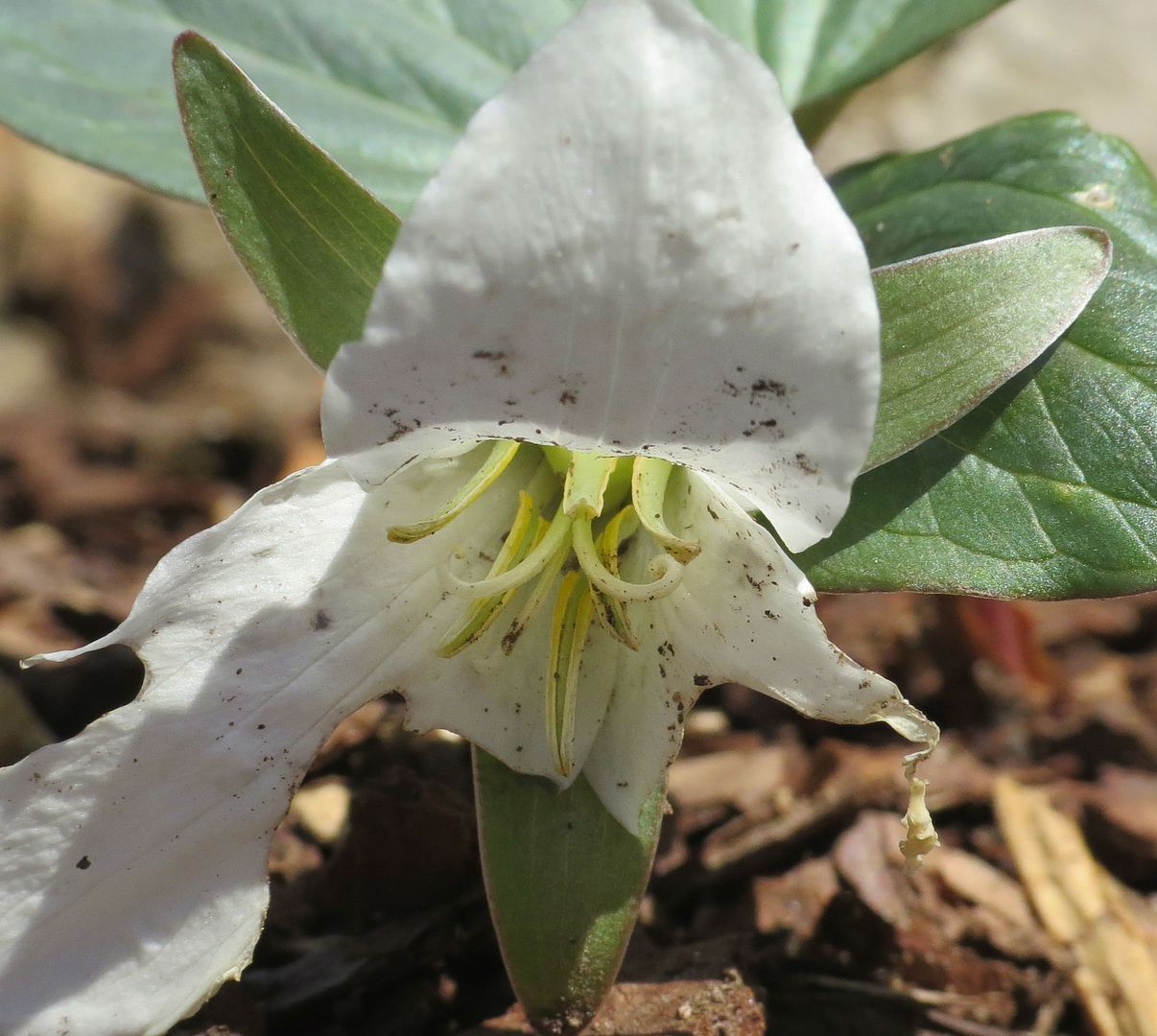
I grow many Trillium species in the garden. This is the first year one of this species has flowered. Blushing Wakerobin, Trillium catesbaei pusillum. Eventually the flower hangs down below the three main leaves to aim down at the ground.


It's a tiny little plant right now at about 3 inches tall. It's funny reading online they can get up to 8. 


Wednesday, April 9, 2014

Well Deserved Wildflowers

After the winter we had, it's time for some well deserved wildflowers.

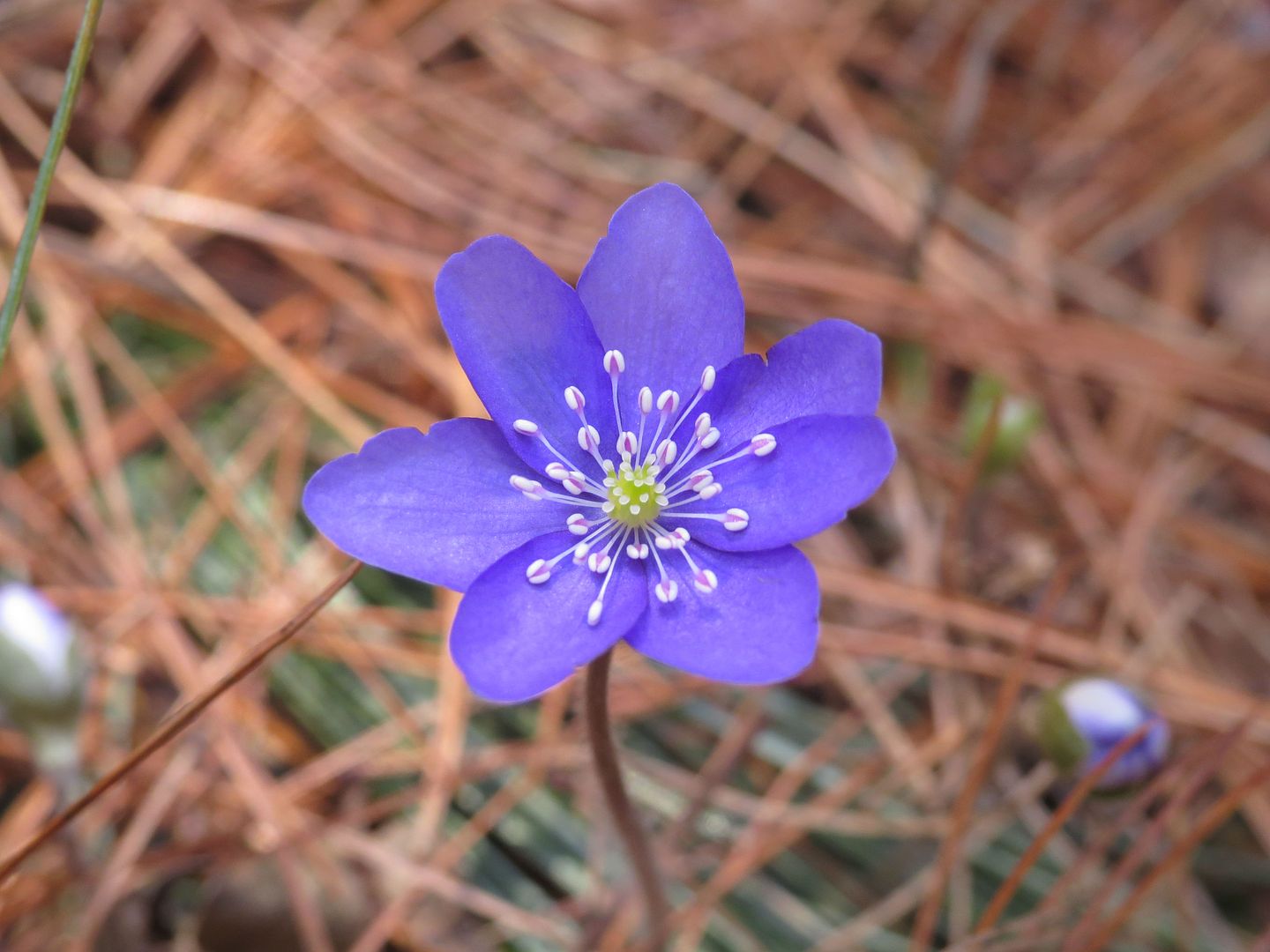
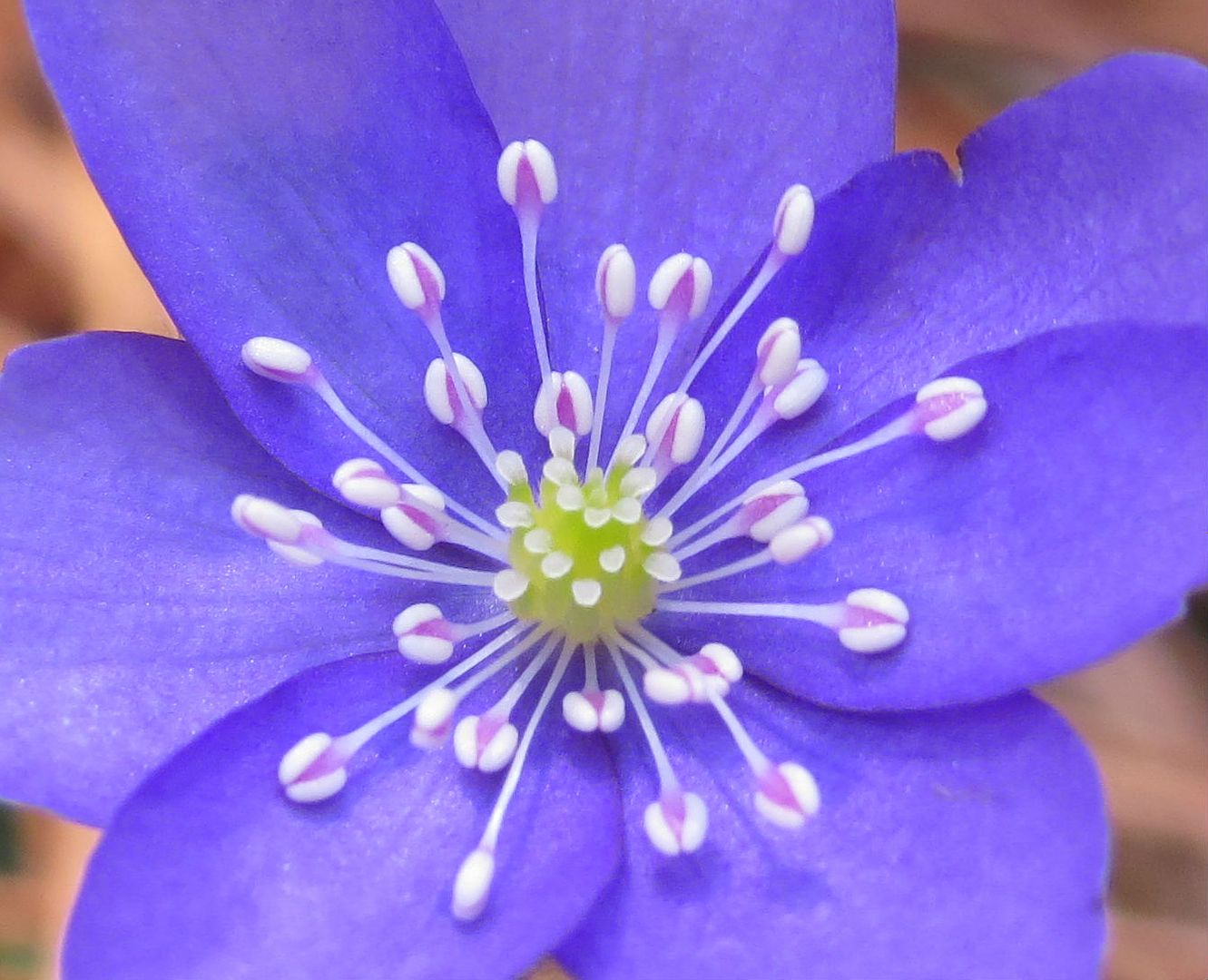
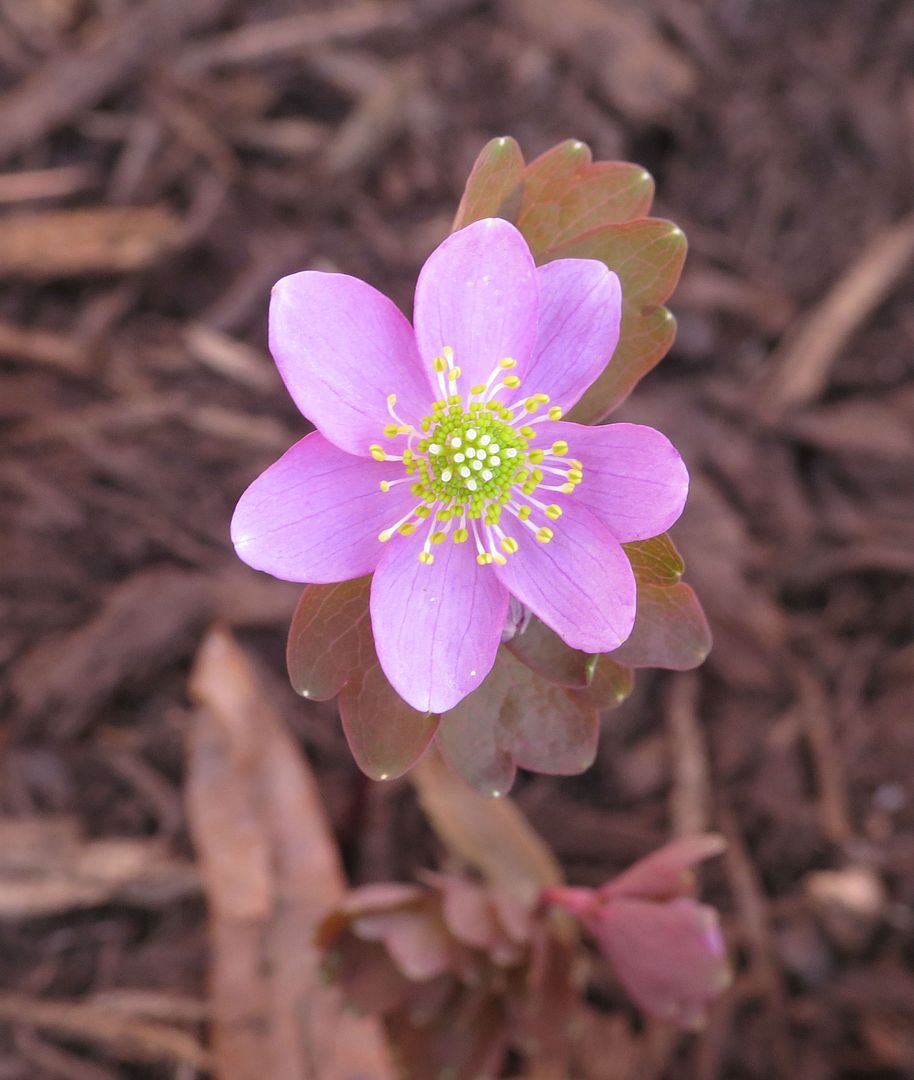
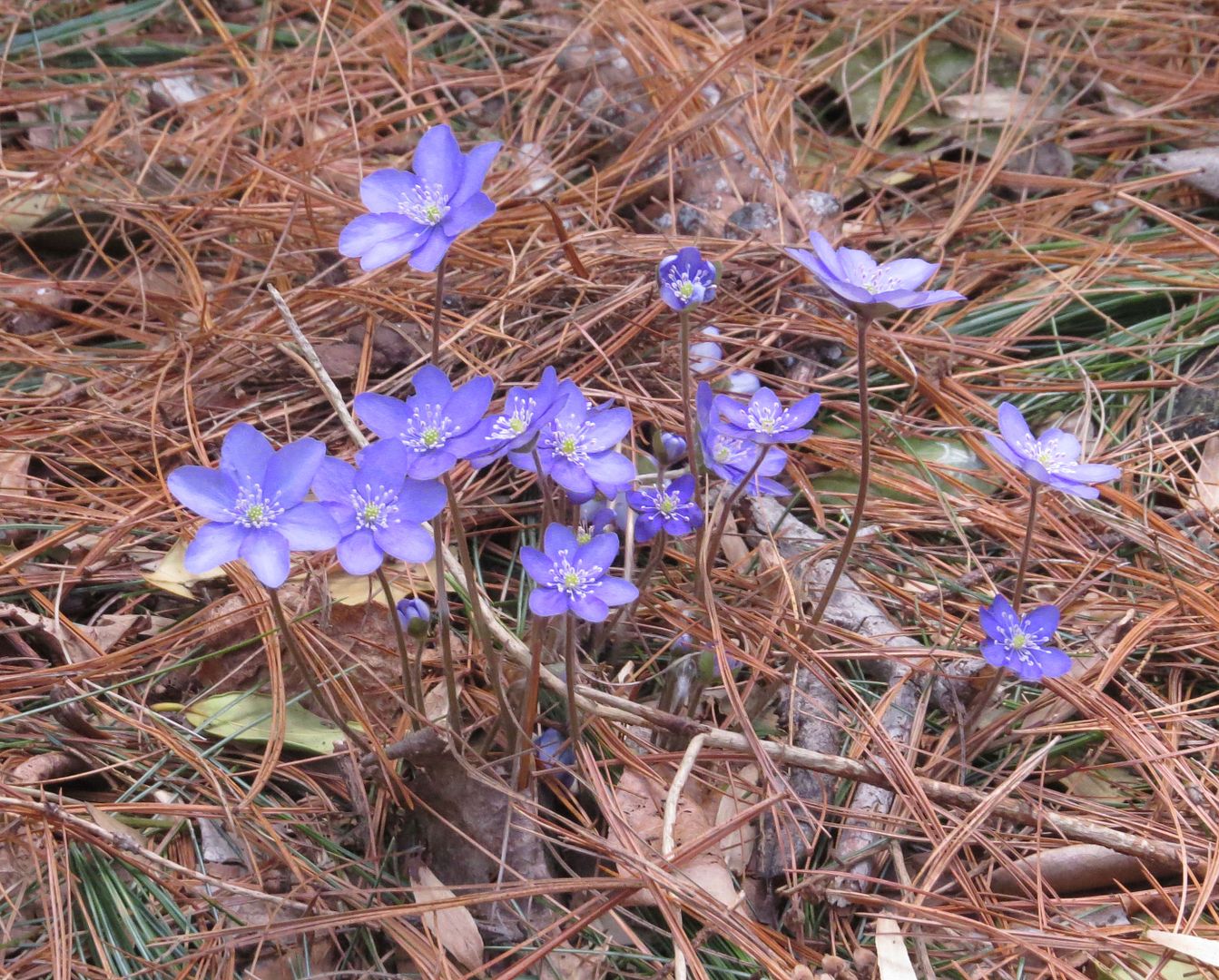
Hepatica sp., Liver Leaf, so named because of the shape and spotting on it's leaves. This is often a semi-evergreen with last year's leaves finally rotting away just as it flowers. New leaves will soon emerge.

They come in Pink, Purple, Blue, and White. This was the first time I'd seen anything other than white though.


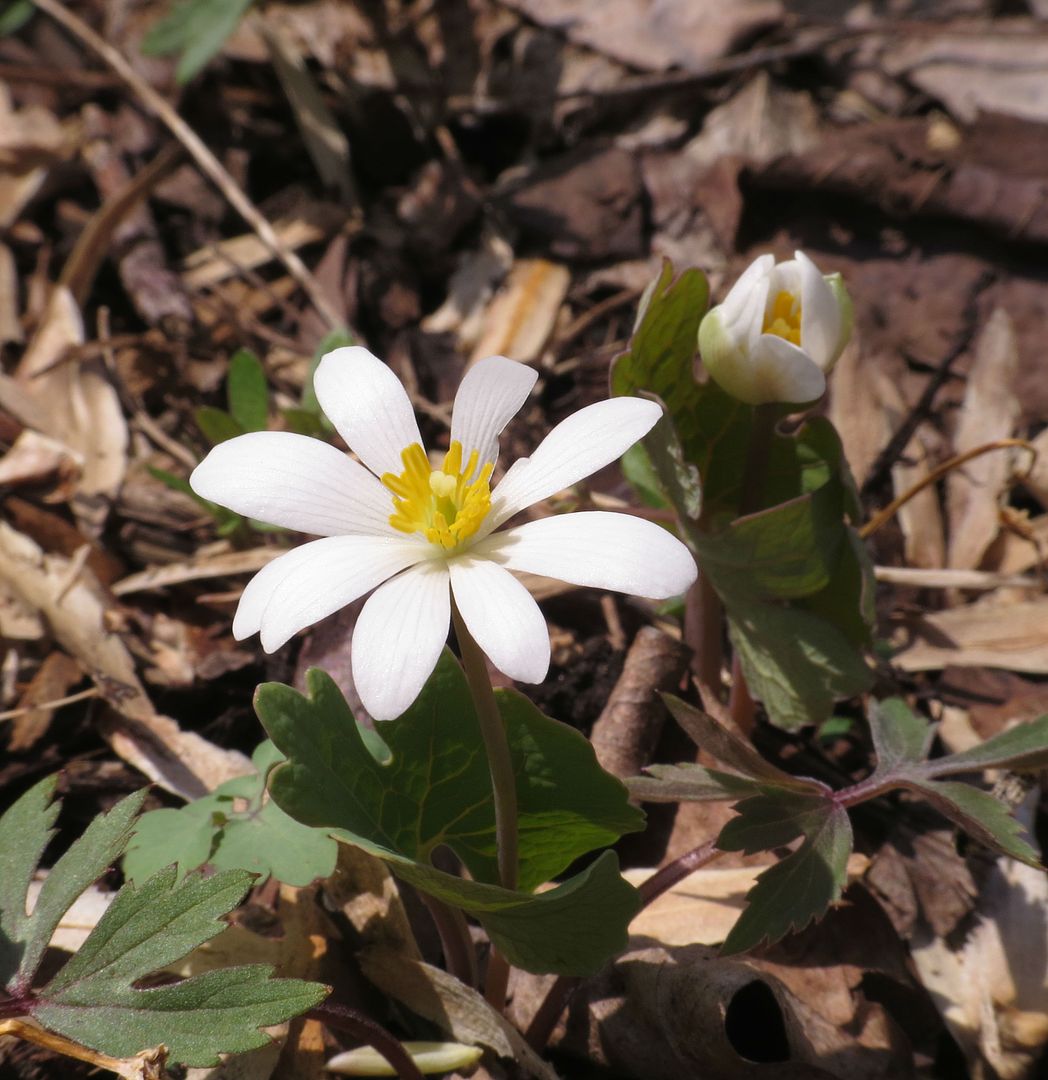
Bloodroot, Sanguinaria canadensis. A member of the poppy family. They flower before the leaf uncurls, clasping it perhaps to hold it up.

They offer an abundance of pollen to pollinators but are lacking in the nectar department. Note how few petals this one has.

Note how many petals this one has. There are double flowering forms that have twice the petals to them, though I'm not entirely certain this is a good example of that as I've seen them with more.


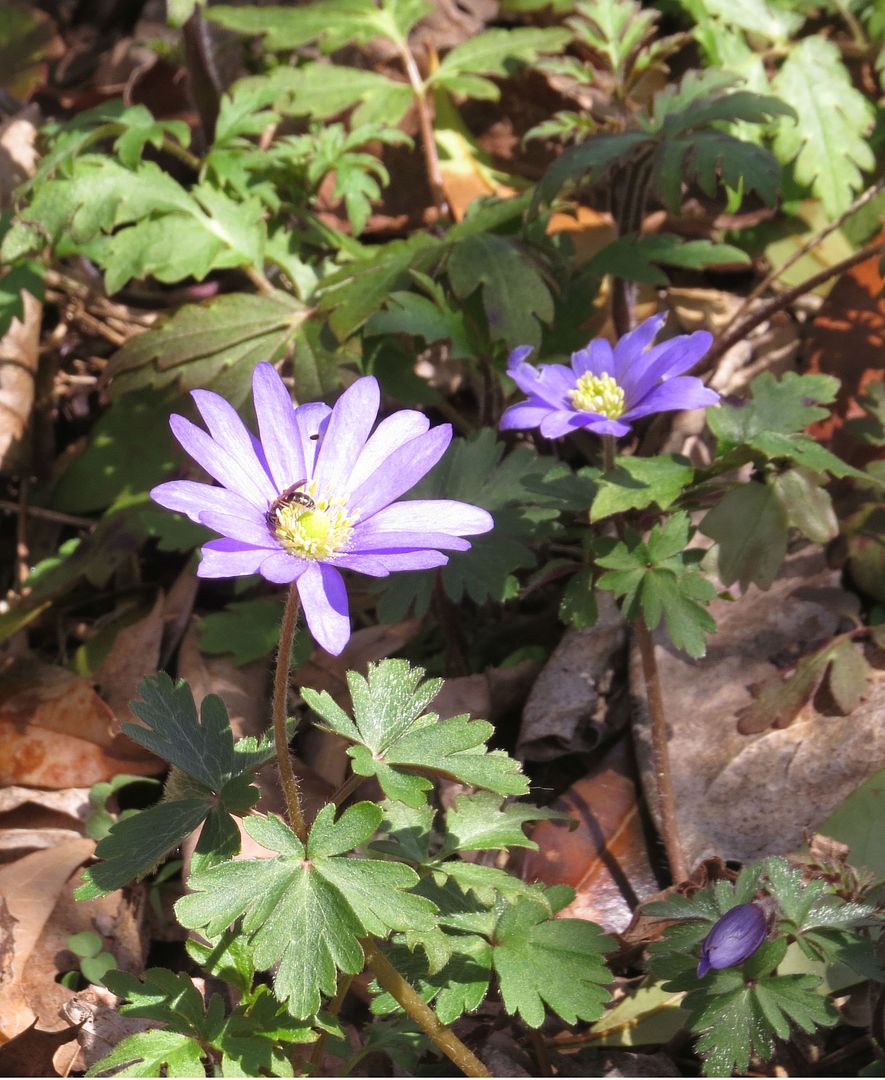
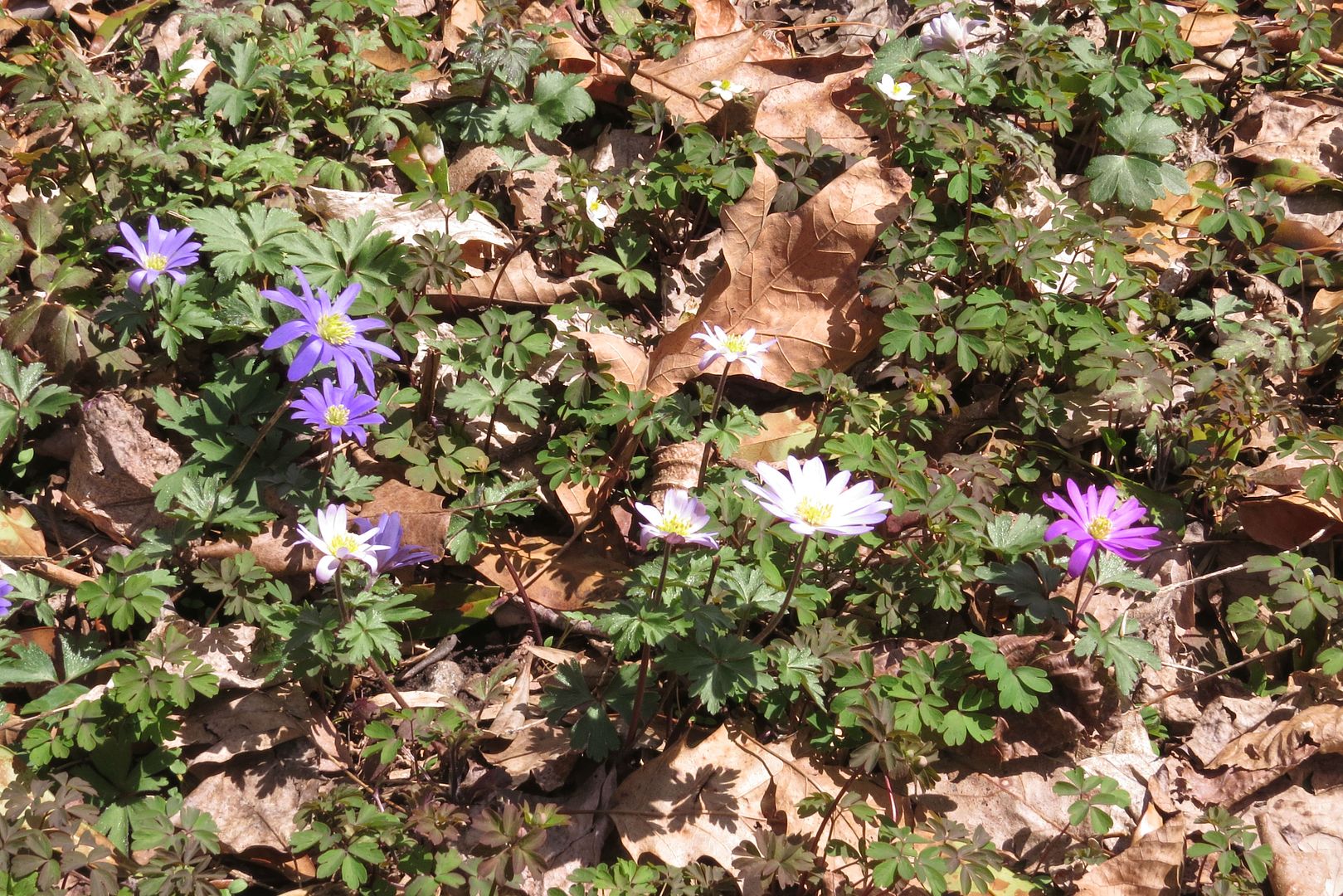
A non-native Windflower, Anemone blanda, I must admit these are very attractive.

They look similar to Bloodroot but come in the same colors as Hepatica.

Anemone blanda, is another nonnative that's a bit more colorful than the native counterpart.

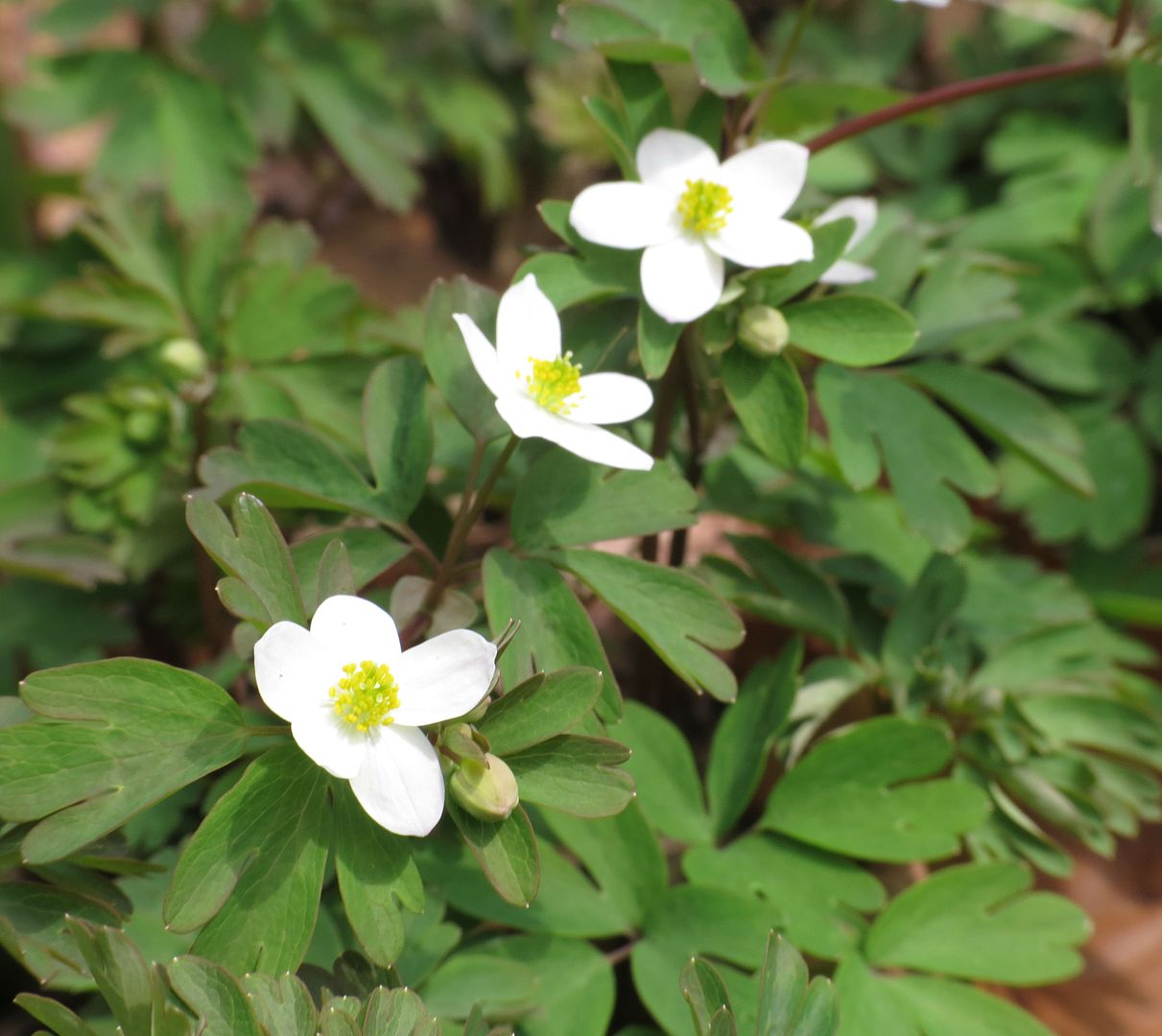
False Rue Anemone, Enemion biternatum, has an ordinary looking white flower but what it lacks in color it makes up for with thick foliage, forming a dense carpet of leaves with flowers all around.

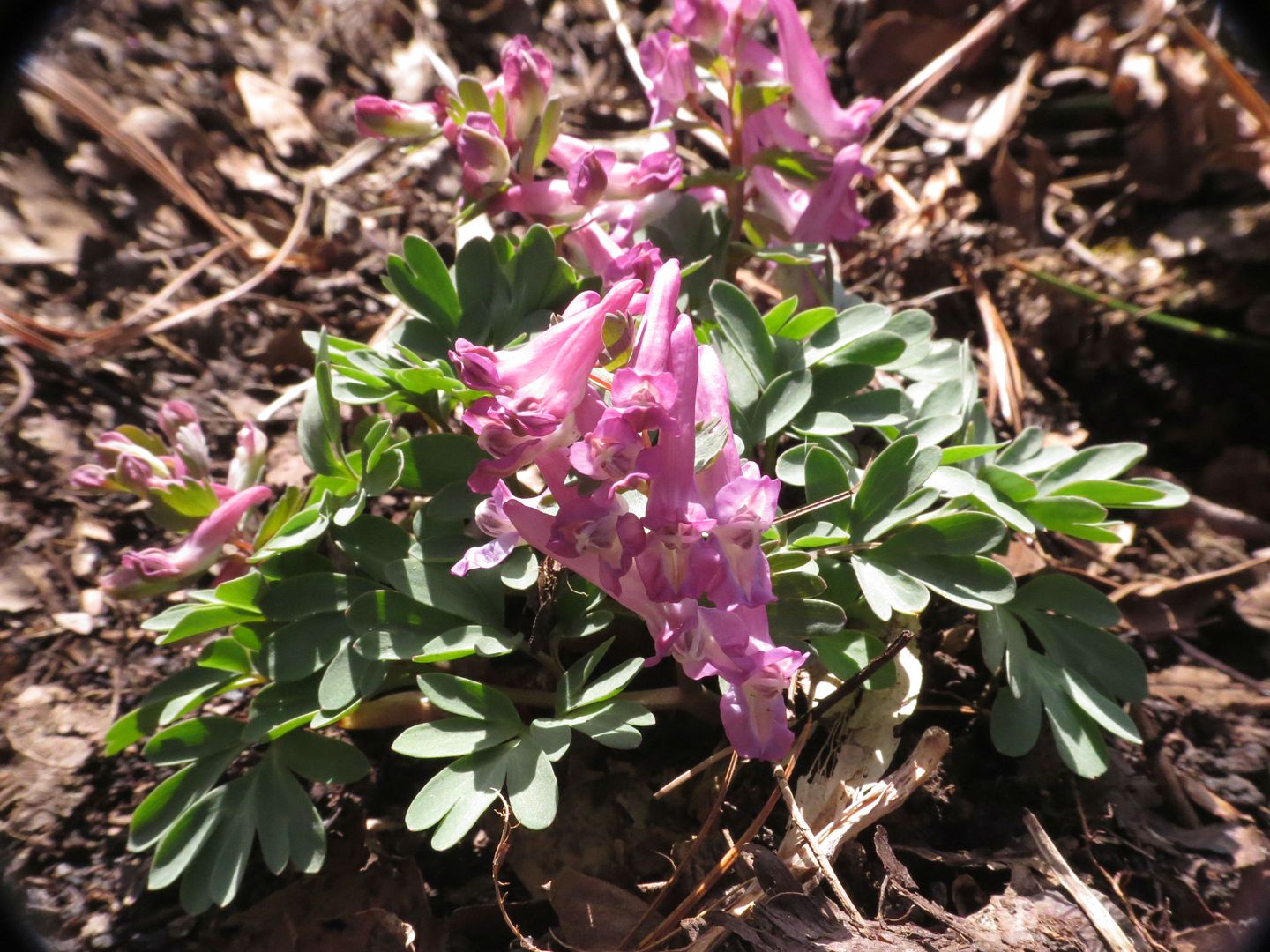
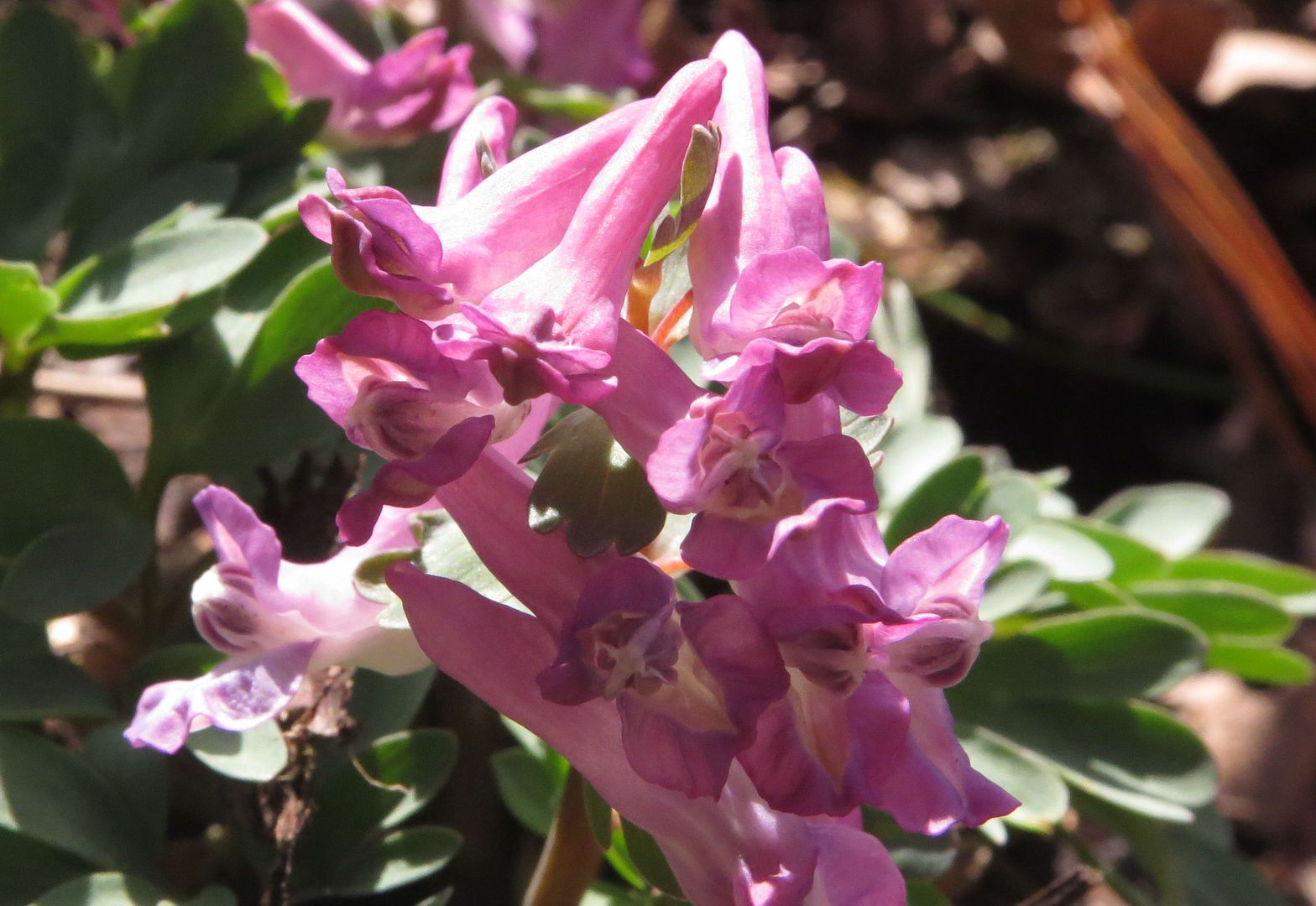
Corydalis sp. flowering unusually early.


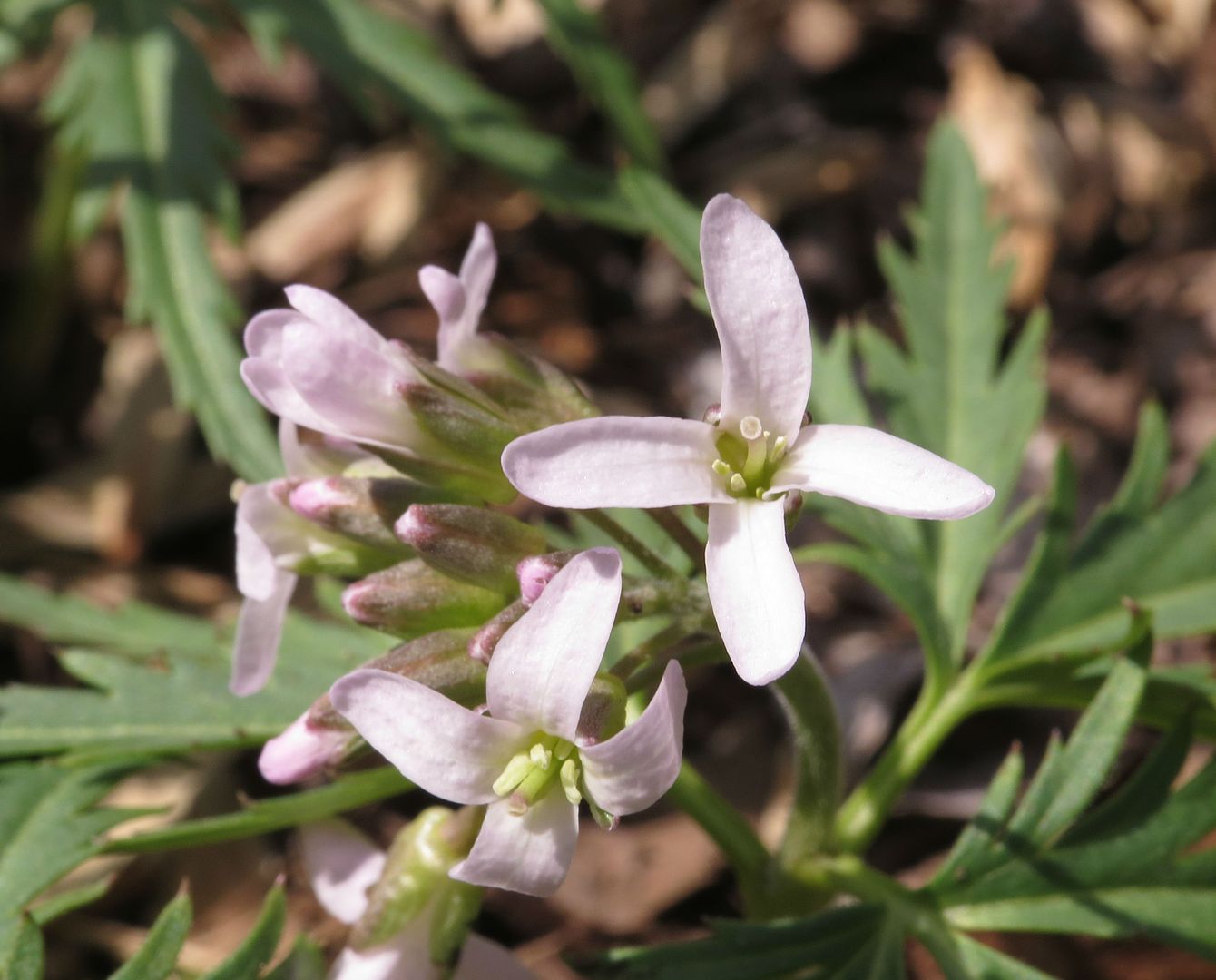
Cardamine diphylla, Toothwort.

Claytonia virginica, Spring Beauty.

Jeffersonia diphylla, Twinleaf. Among the hardest wildflowers to witness in bloom. The flowers open and quickly shed their petals 8 hours later.

Trout Lily, Erythronium americanum. These form vast colonies of mostly single leaves in the springtime. It's said that less than 1% of the population will flower on a given year. I'm told growing them on hard stones, so their roots can't grow too deep, is enough to stress them into flowering. Blooming can otherwise take 15+ years to happen! (For those that get tired of waiting, the bulbs are edible.)


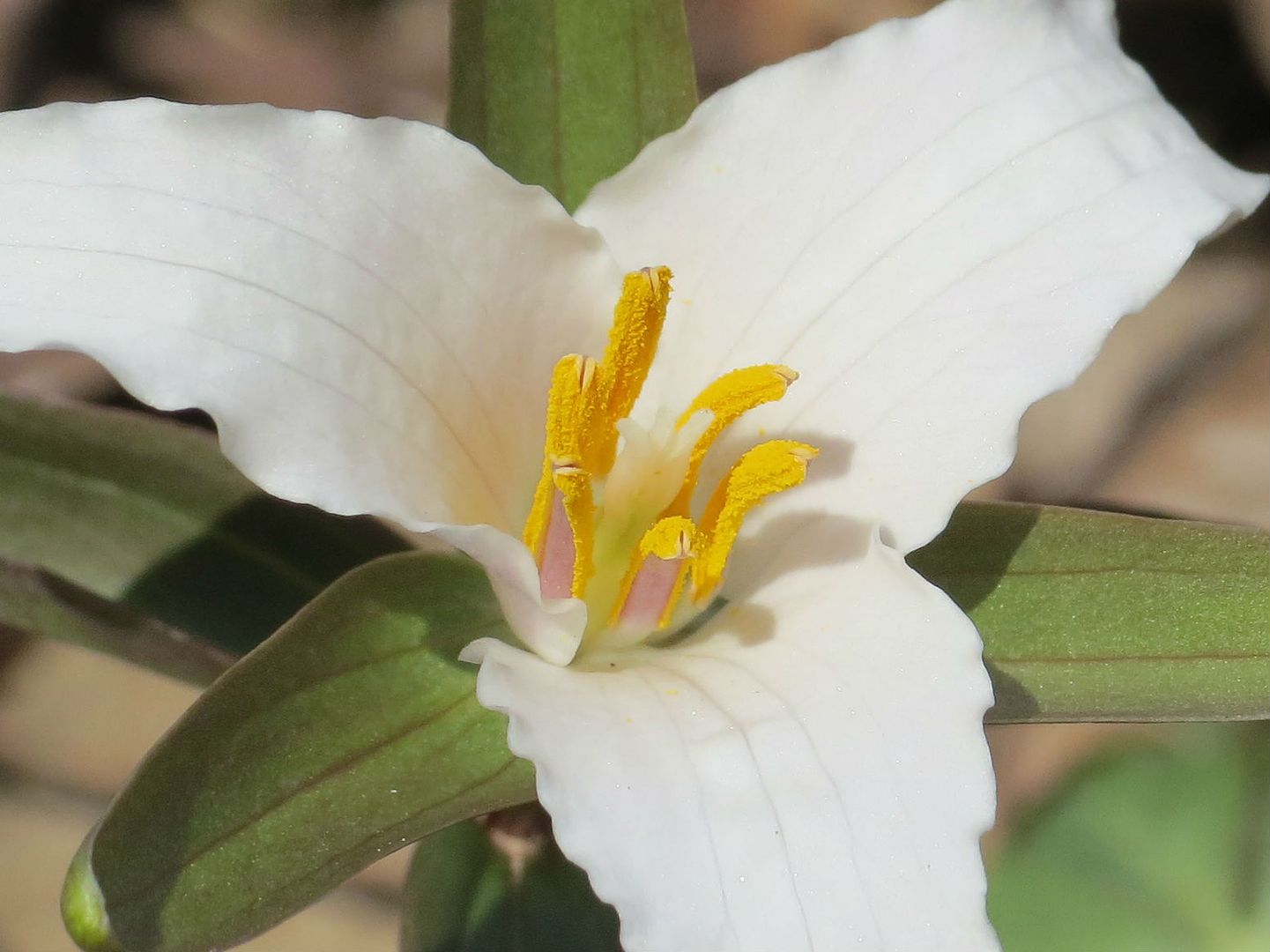
Trillium pusillum, Small Trillium... which is actually not the smallest species of Trillium but it is pretty small at around 6 inches.


I love the little hint of pink on the anthers.

Trillium nivale, Snow Trillium. This one is actually FINISHING it's bloom period!    

It's among the shortest species of Trillium there is, and pretty much after flowering it just wants to lay down.