Showing posts with label Pyramica. Show all posts

Saturday, July 30, 2016

Some Uncommon Ants In My Yard

While trying to photograph Aphaenogaster dispersing Trillium seeds I chanced upon a few unexpected surprises. The only colony I was able to find actively foraging happened to be in an old stump, a former Norway Maple we had had cut down many years ago. To set the scene properly this was in the shade of an Eastern Redbud Tree and the stump is now used as a perch for a Mason Bee box as well as a stone dish we use as a bird's bath. Naturally we flush out the water every day or so to keep the mosquito larva down and the stump has been getting soaked for many years. The result seems to be idea for a surprising amount of ant diversity.

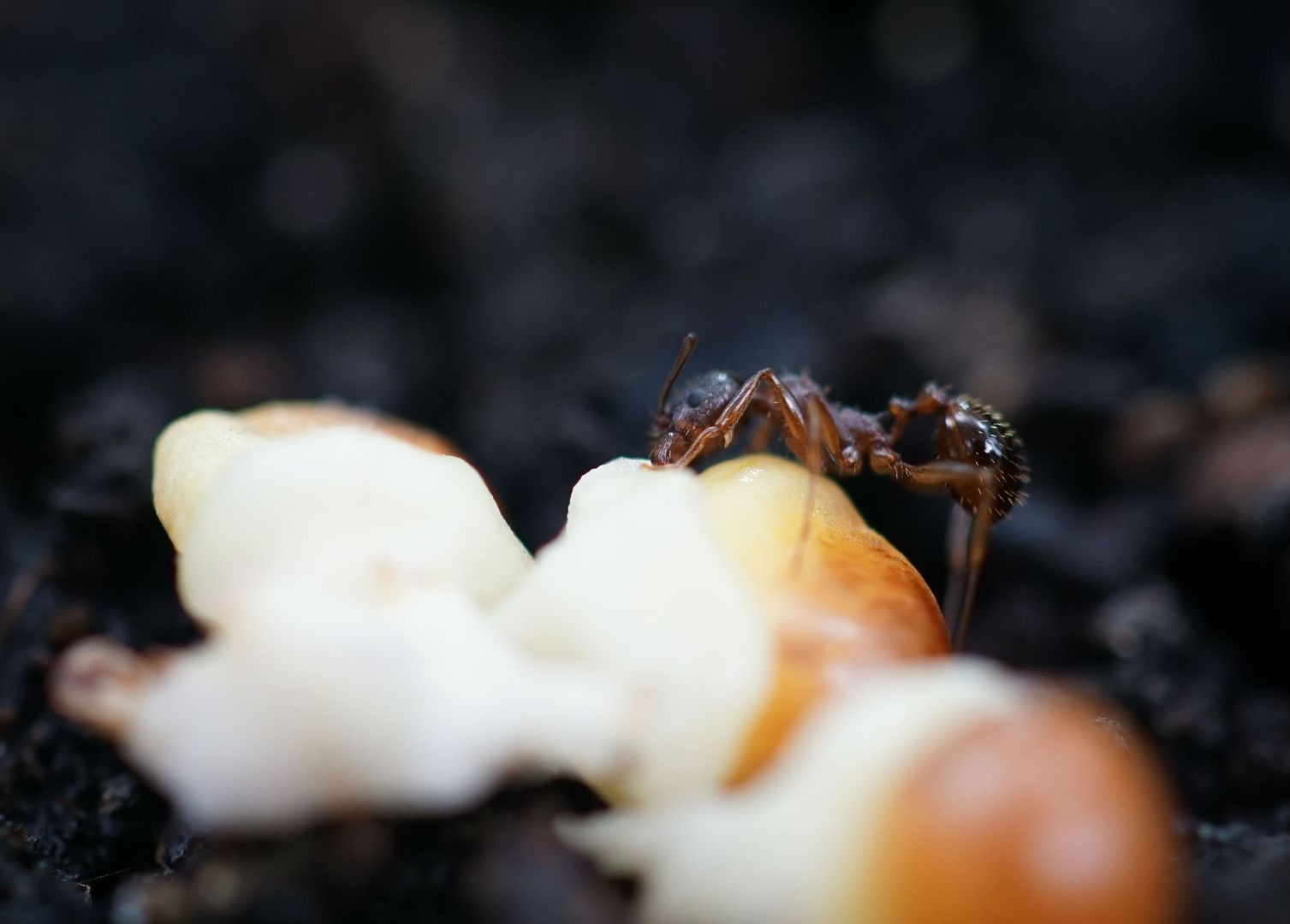
The stump is absolutely teaming with decomposing arthropods. Here an Acorn Ant, Temnothorax curvispinosus, has found one. Small soft bodied creatures such as this, especially ones smaller than the ants themselves make excellent ant food. It's likely several colonies of Acorn Ants are also nesting within the log.

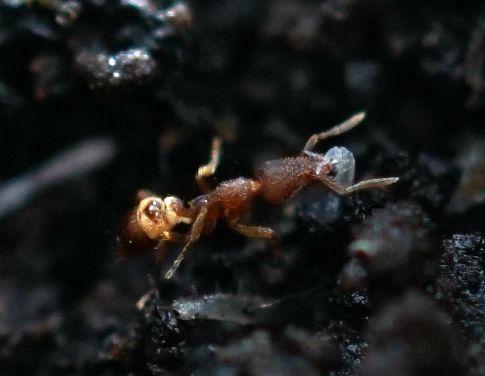
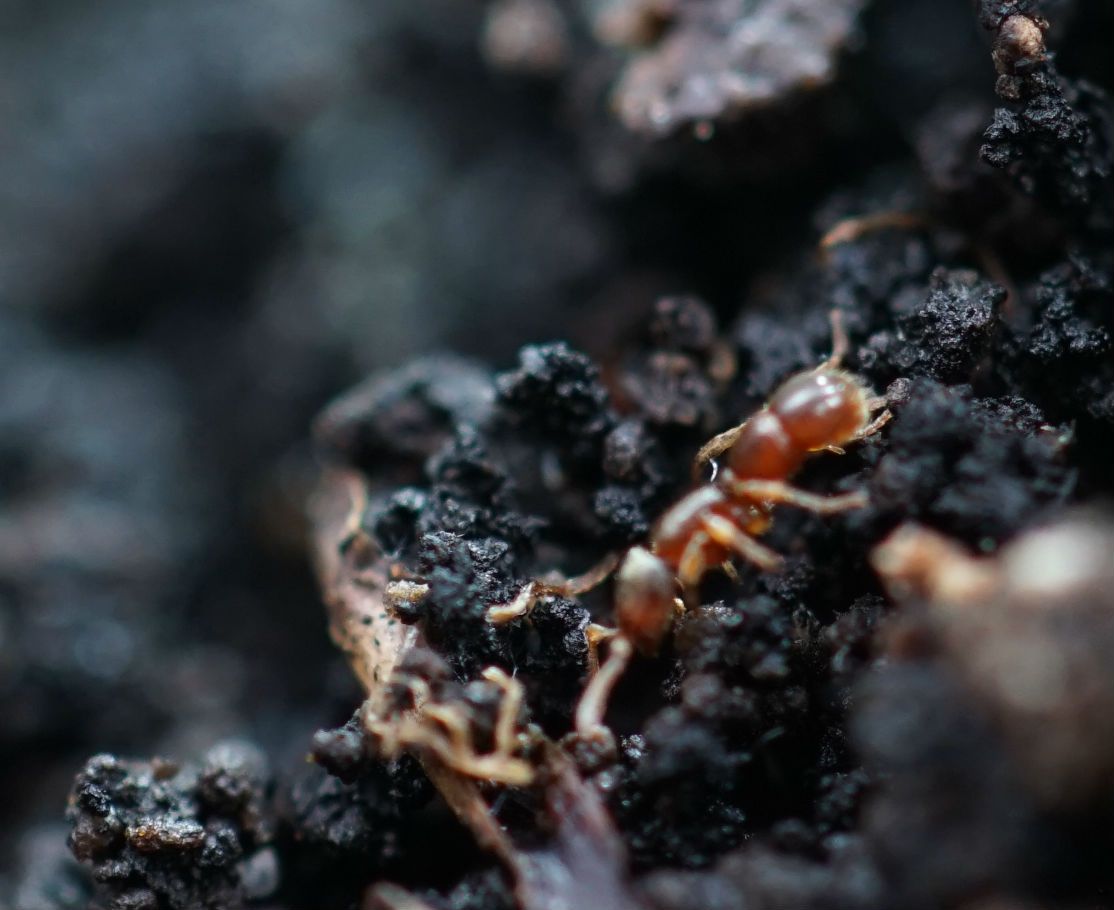
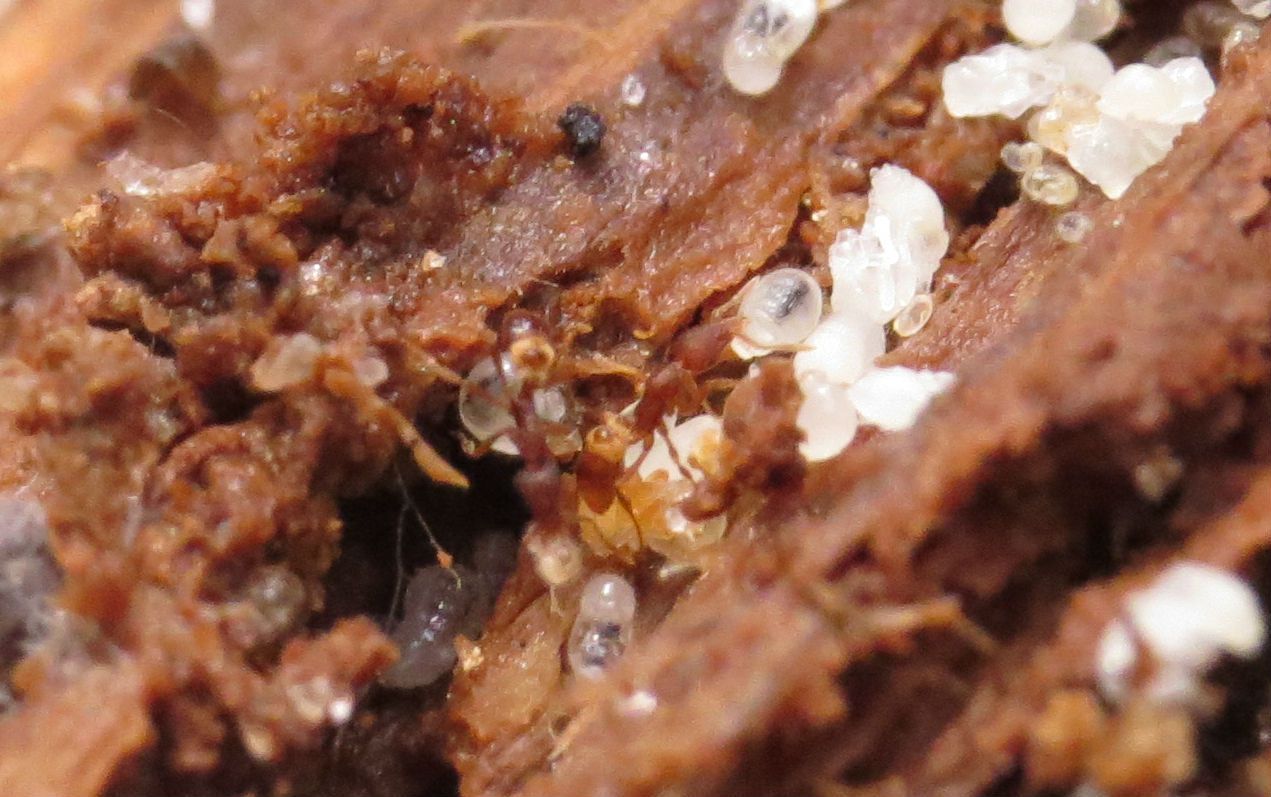
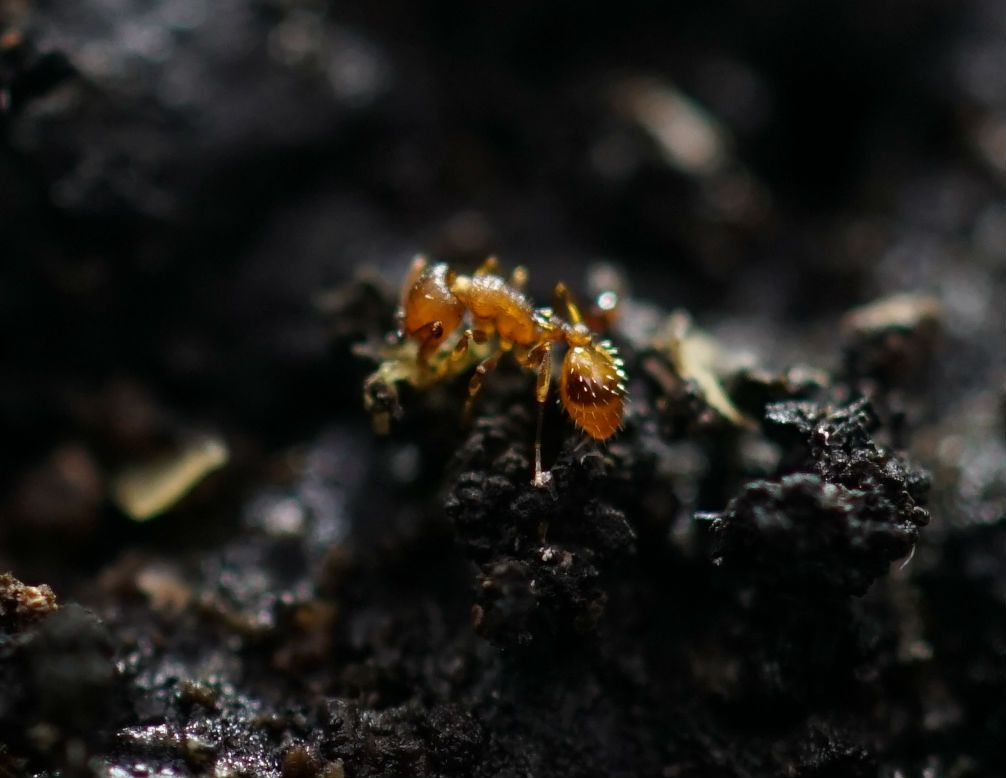
Here a Strumigenys pergandei has also caught something, I believe it's a spring tail. These ants are rarely seen because the only nest in shaded places that are "cold and damp." Cold refers to when they nest in soil, usually under a rotting log. Generally the soil will be cool to the touch, even in summer. They hunt and forage in rotting wood and leaf litter, often where decomposing insects and arthropods are abundant enough to have turned much of the dead plant matter into soil. Supposedly the yellowish structure on their waist segments, as well as the petal-like structures on their head and body are to help camouflage them from prey items.

This is an awful shot of a Proceratium silaceum but they were there too. Even more cryptic than Pyramica, they have a front facing stinger on the end of their gaster (abdomen) so they can sting prey that's in front of them, in tight closed spaces, as opposed to having to turn around. They're worth a google image search to get the idea.

It's nice knowing these uncommon ants can still be found in my yard, because this is the first time in several years that I've seen either in my yard. Now I know where to look!

Friday, July 3, 2015

The 4th Annual New Jersey Ant Together!

NJ%20Ant%20Together%20Formica%20pallidef
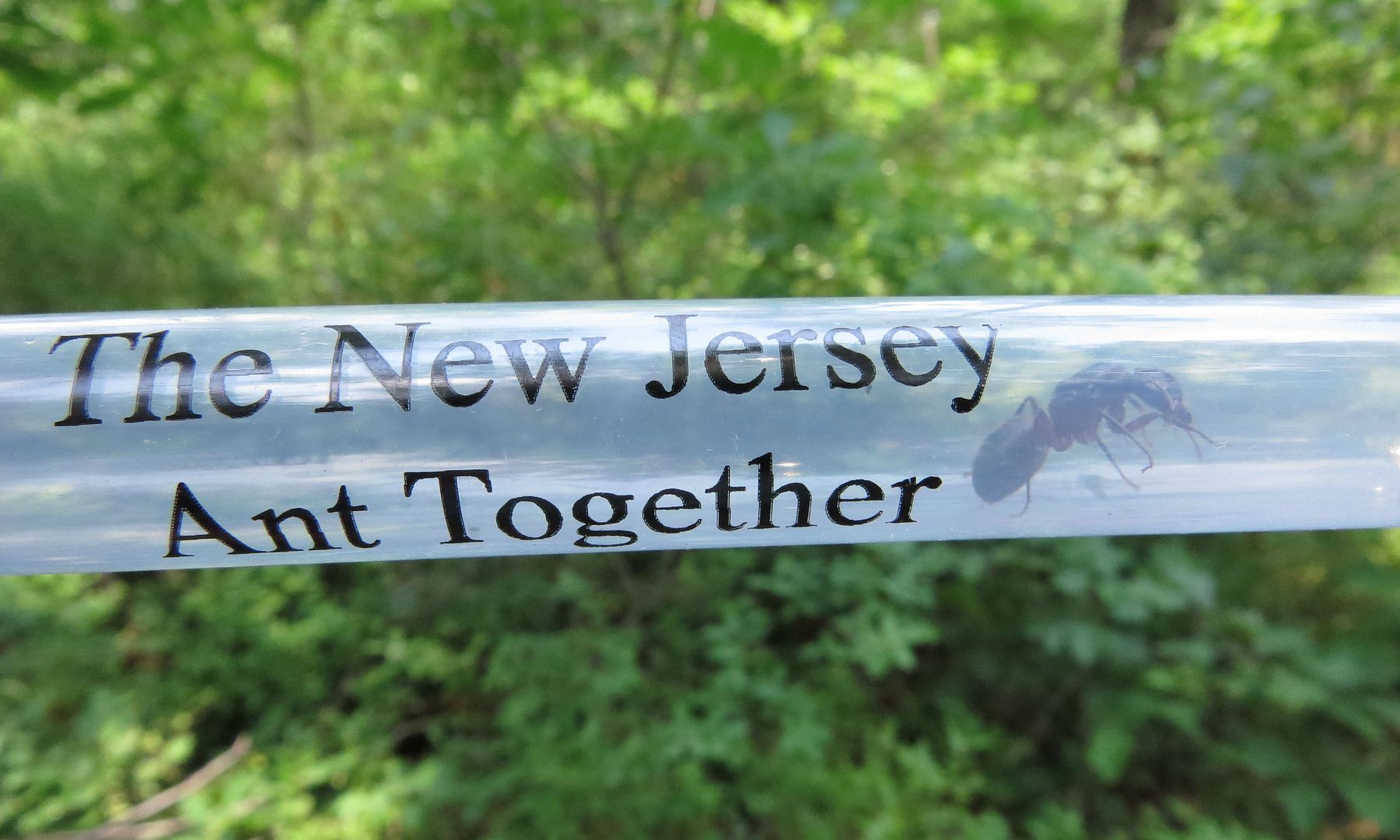
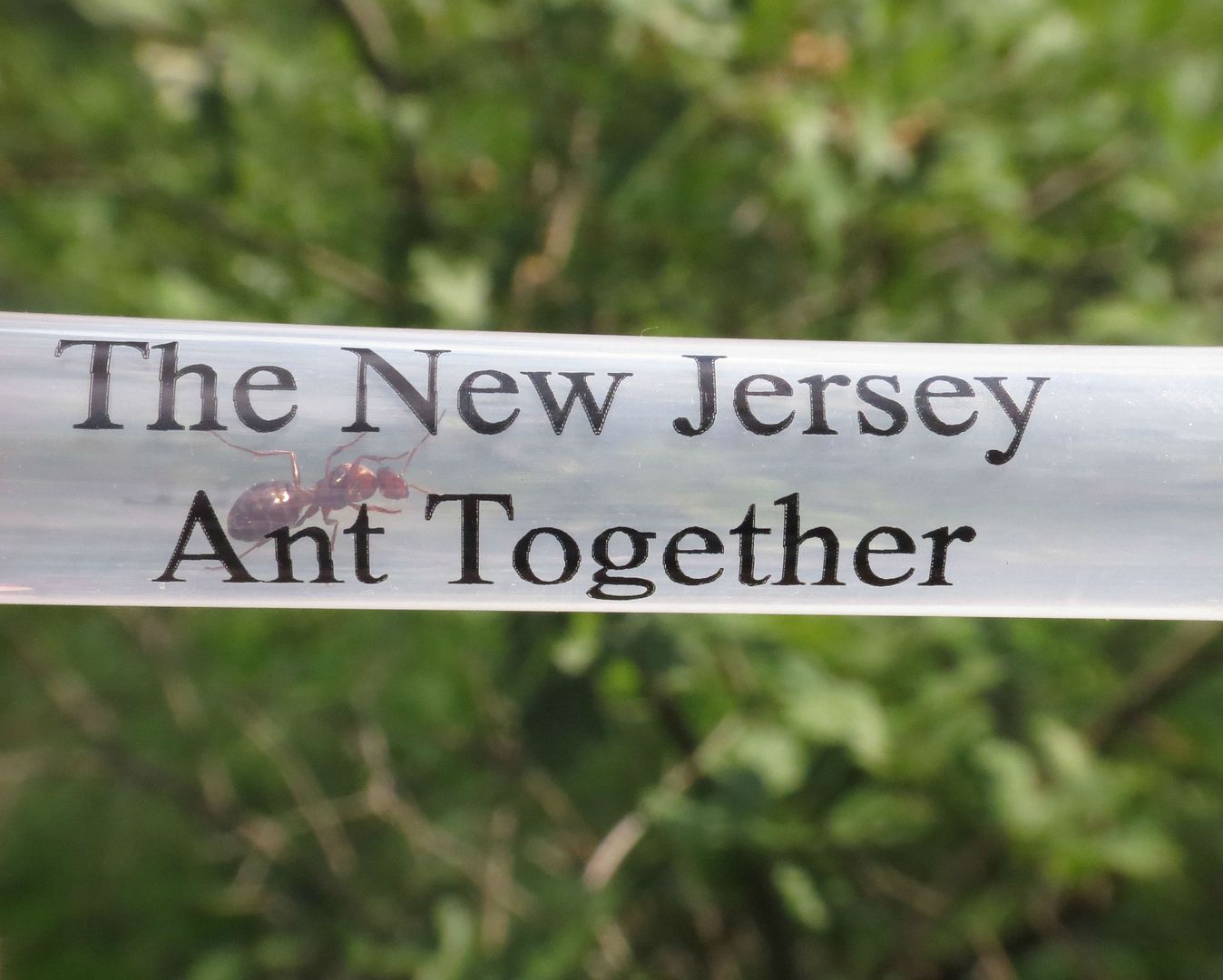
For the even I bought some specially labeled tubes which I intend to hand out at these events. The idea being to put queen ants in them to get what I refer to as the "money shot" and try to sell the event and get more interest. I can use this as the banner image for future Ant Togethers.... but dammit if I'm not the worst ant keeper in the whole god dam world. Later on we're in the parking lot and of all the test tubes to fall out of my bag.... I ran her ass over!  :dash:  Somehow she survived and upon putting her in another tube she seems to have recovered well, a little twitchy though. I believe she is the dark form of Formica pallidefulva which is more common in this part of New Jersey. It's odd how just a little bit south this species becomes a brassy brown tone. We found colonies of both color forms around but the darker one was by far more common.
NJ%20Ant%20Together%20Camponotus%20chrom
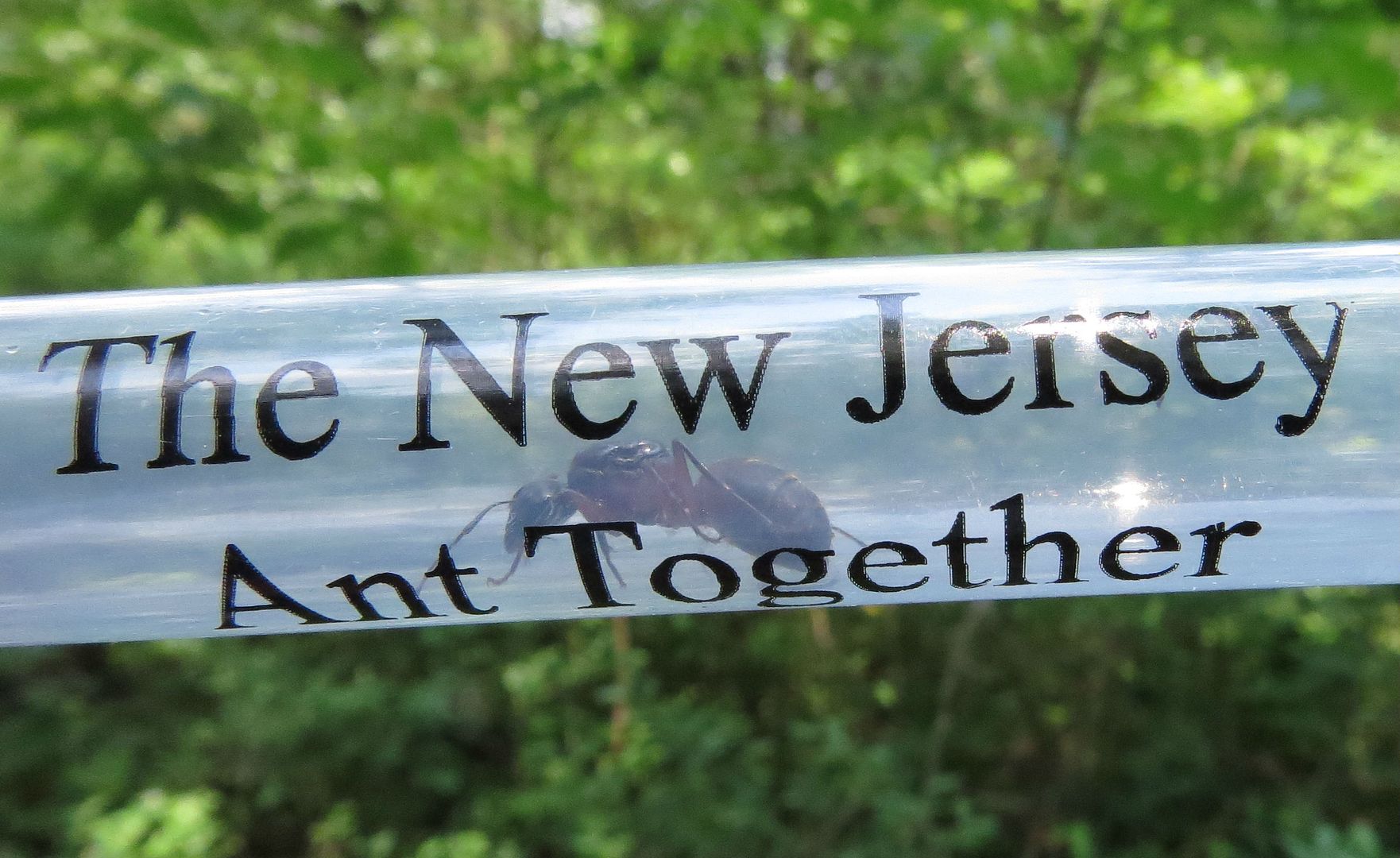
This one made it to the car!

NJ%20Ant%20Together%20Camponotus%20chrom
Camponotus chromaiodes. (Same ant as seen above) This is typically the dominant Camponotus species in the forests here.
NJ%20Ant%20Together%20Formica%20parasite
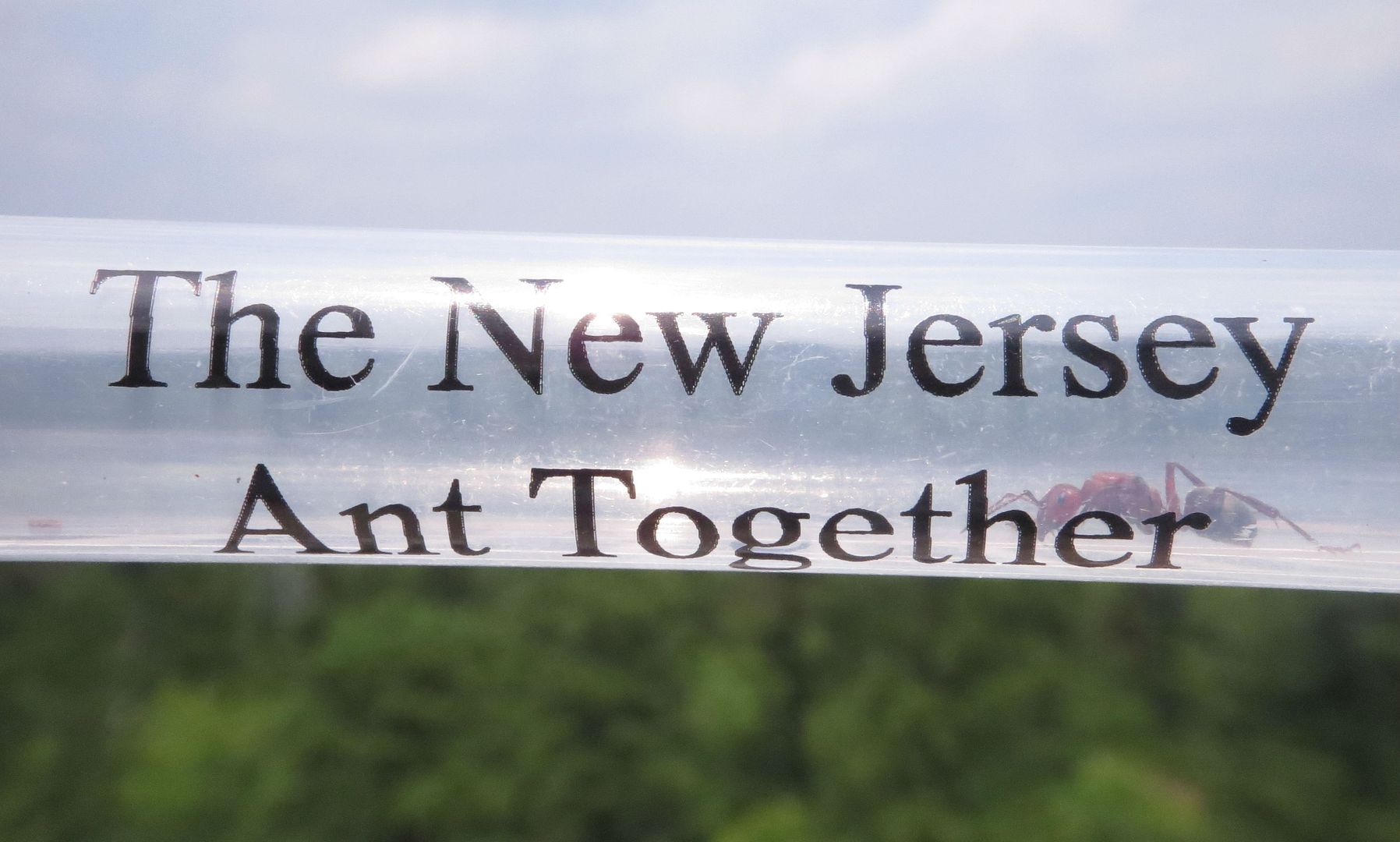
We also found a parasitic Formica wondering which I still need to ID. We actually didn't find any colonies of this at that location so it might be one of the more exclusive slave making kind such as F. pergandei. (Their colonies always require host Formica and never grow beyond what they can capture.)
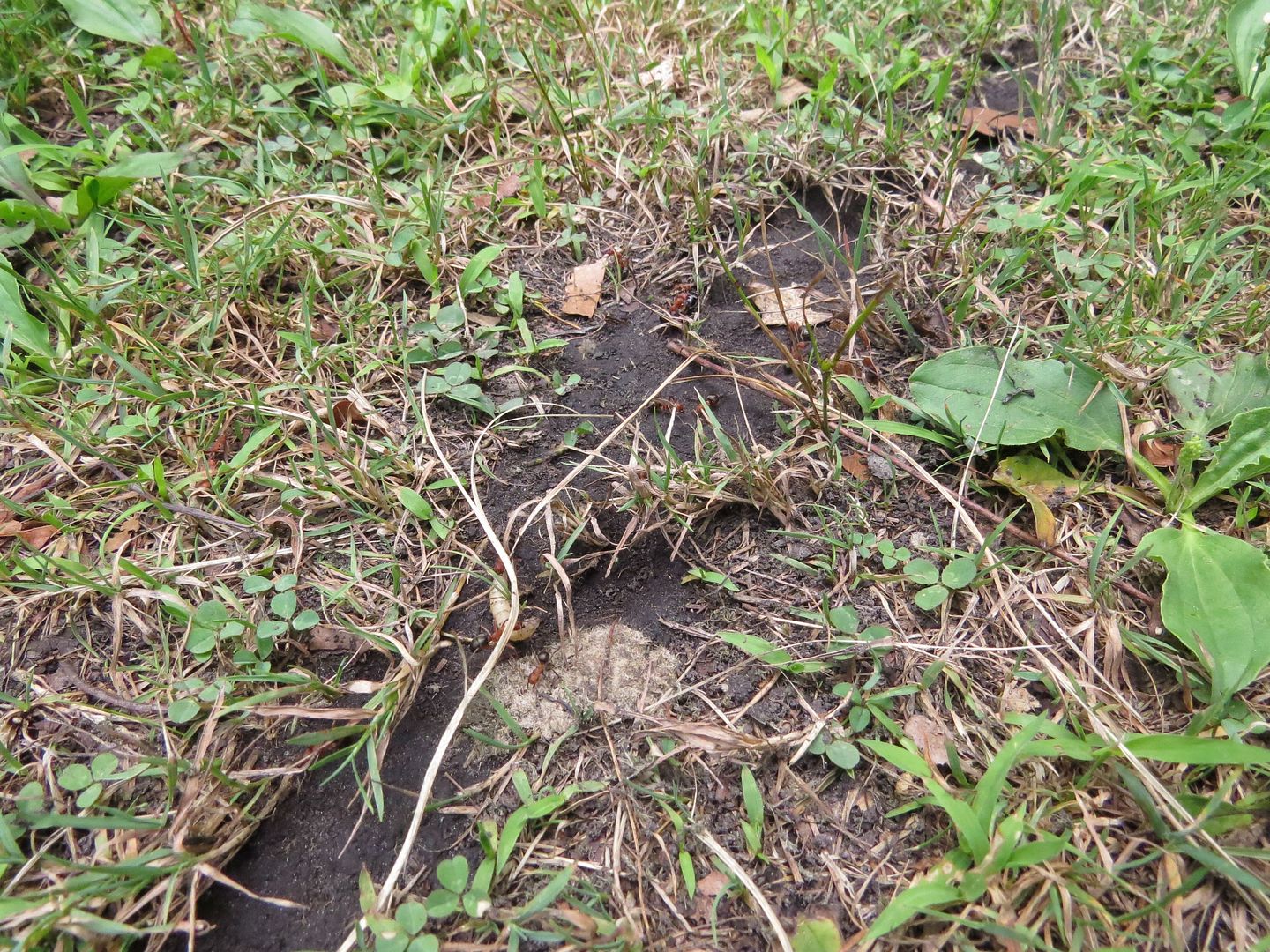
Pyramica%202.jpg
Pyramica.jpg
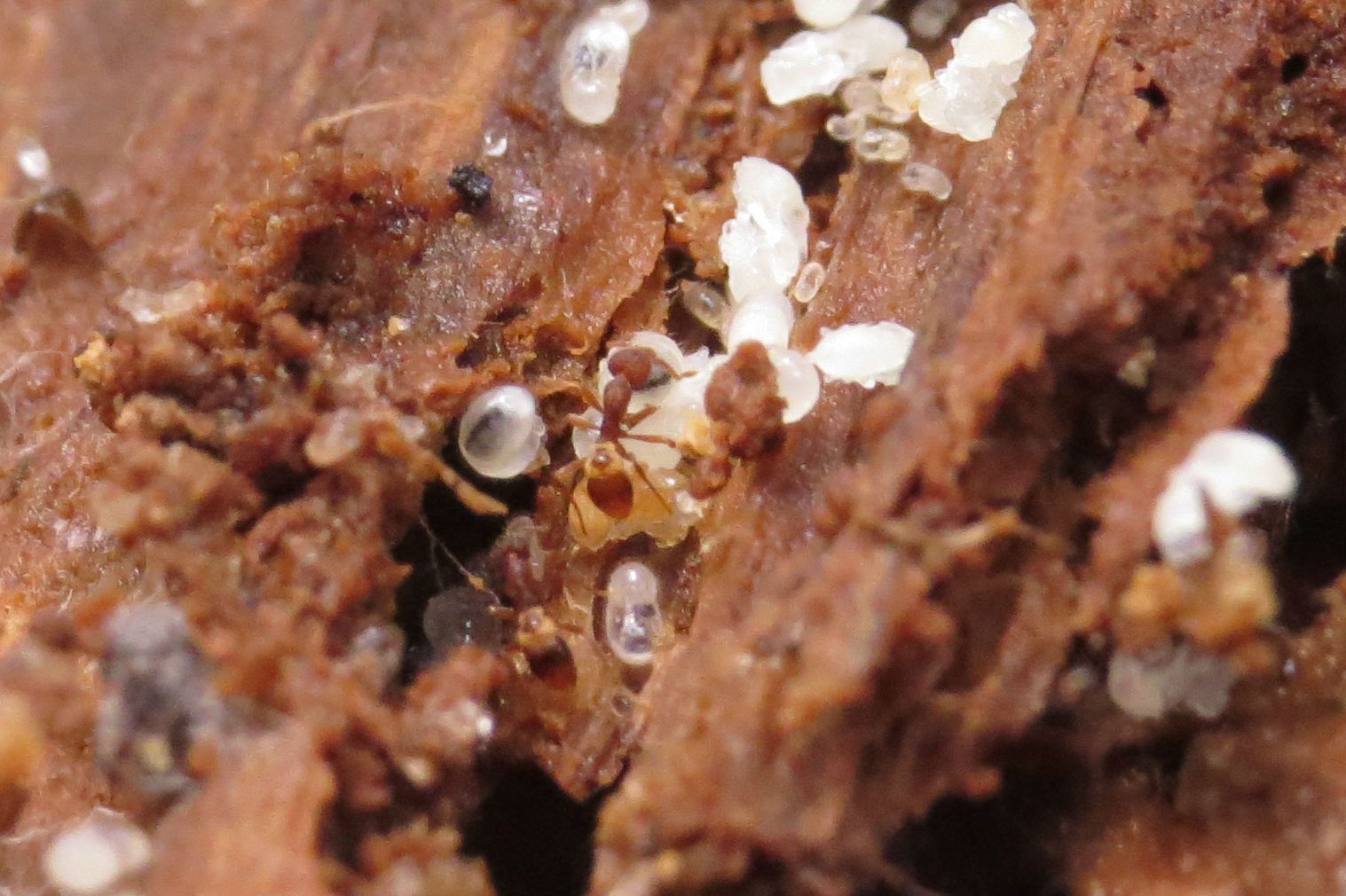
Finding a colony of Pyramica was something of a highlight because it's not commonly found in suburban habitats.
Dorymyrmex%20sp.jpg
Dorymyrmex%20sp%202.jpg
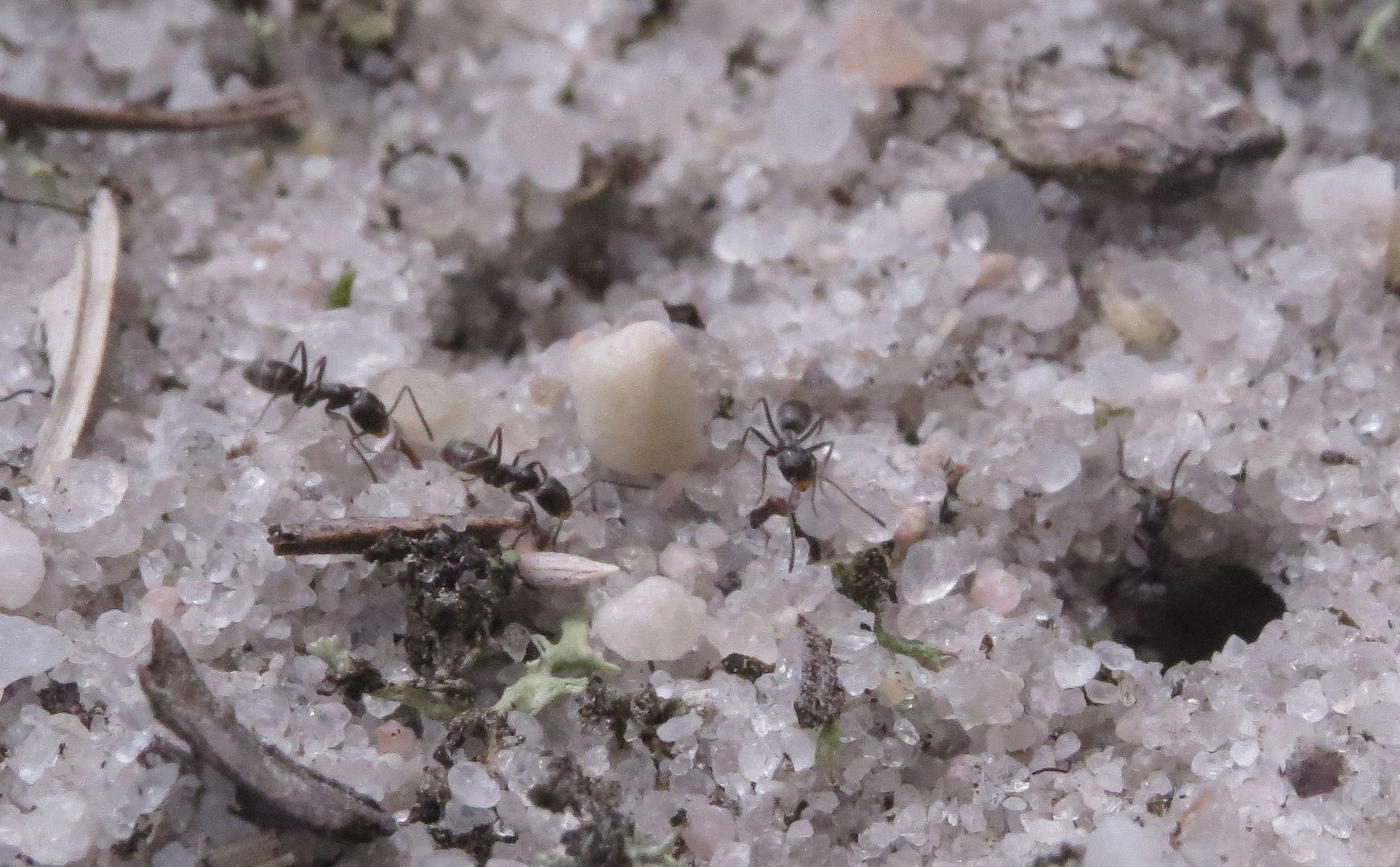
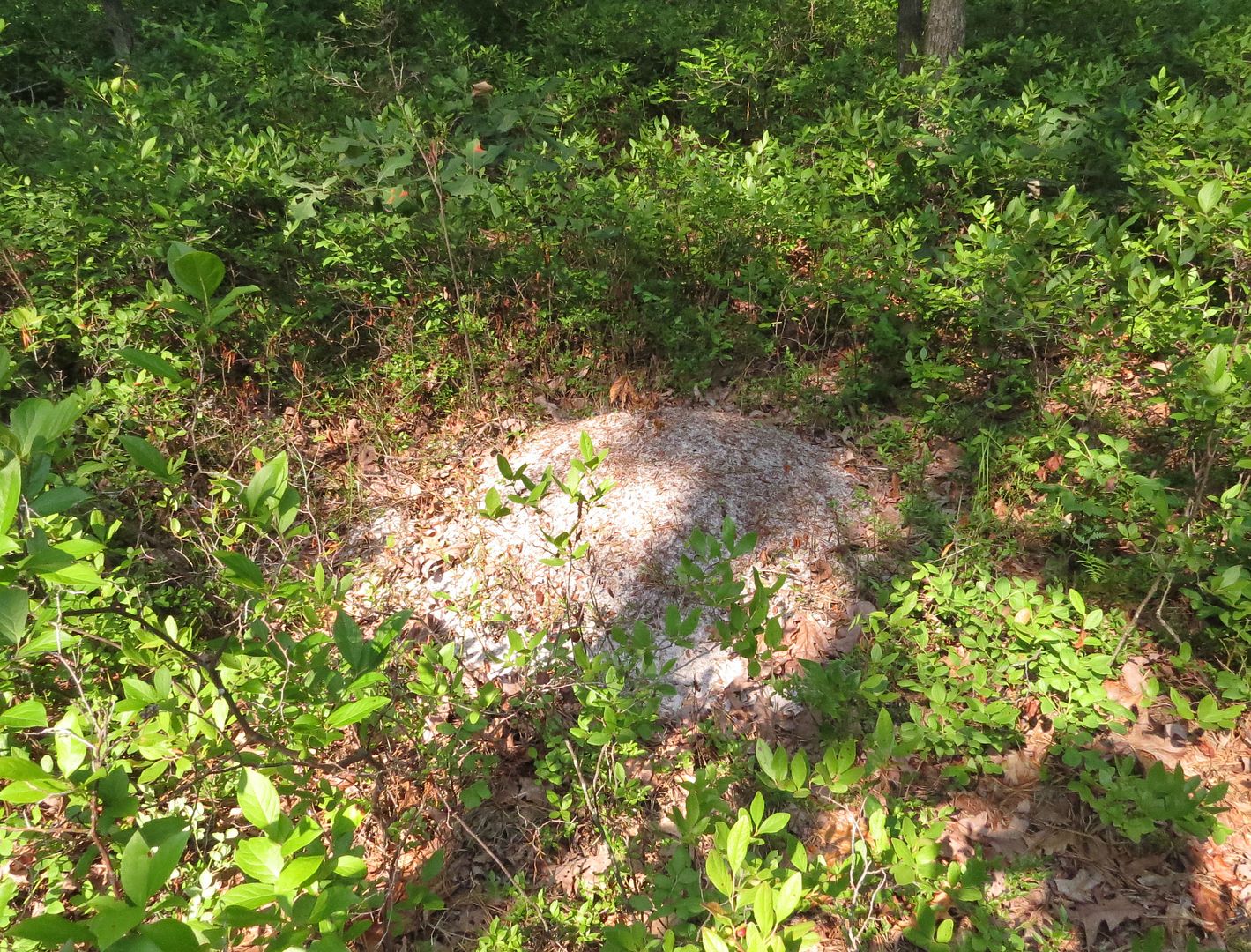
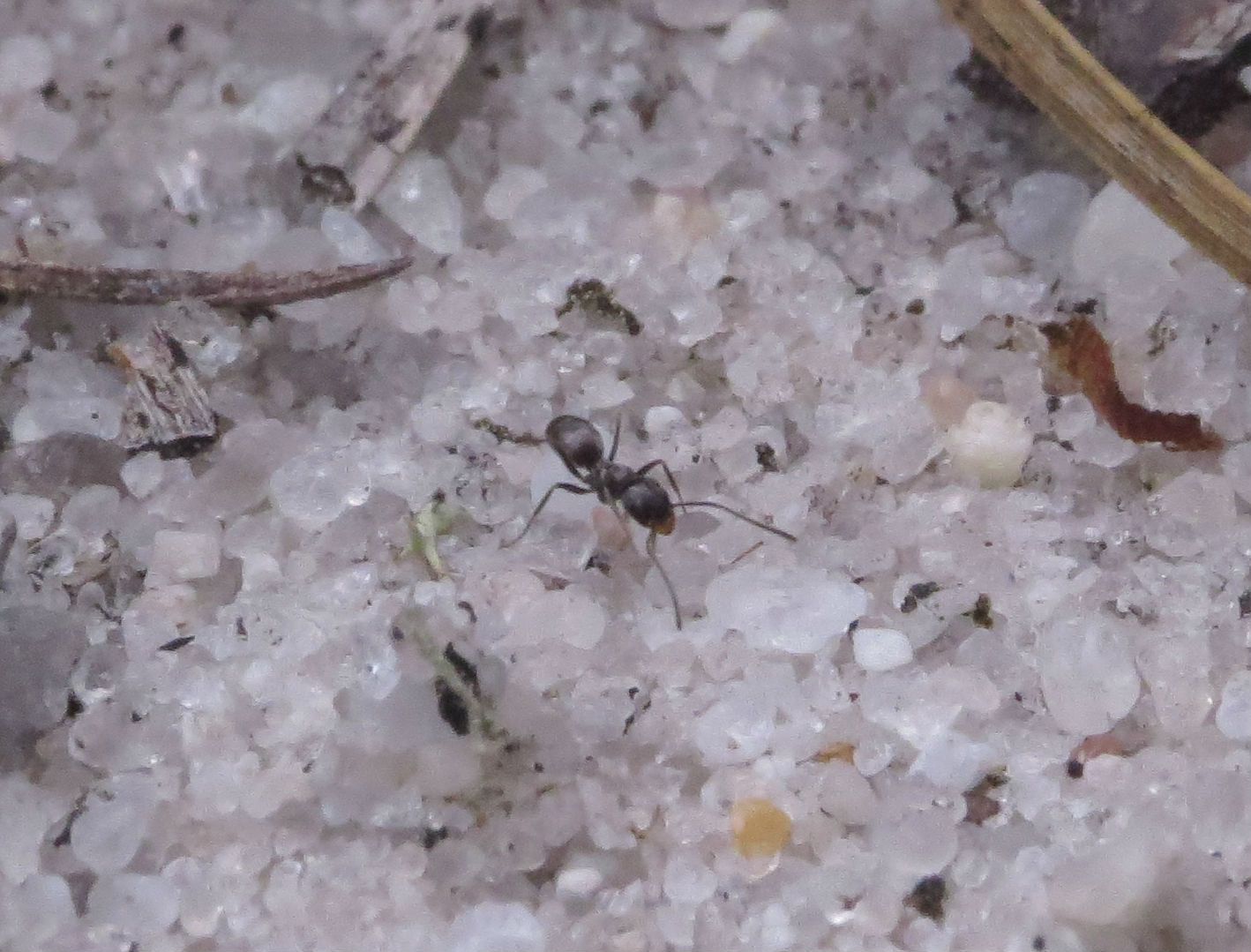
Slightly less of a highlight but still interesting was this patch of bright white sand where colonies of Dorymyrmex were located.
Monomorium%20LIchen%20cluster.jpg
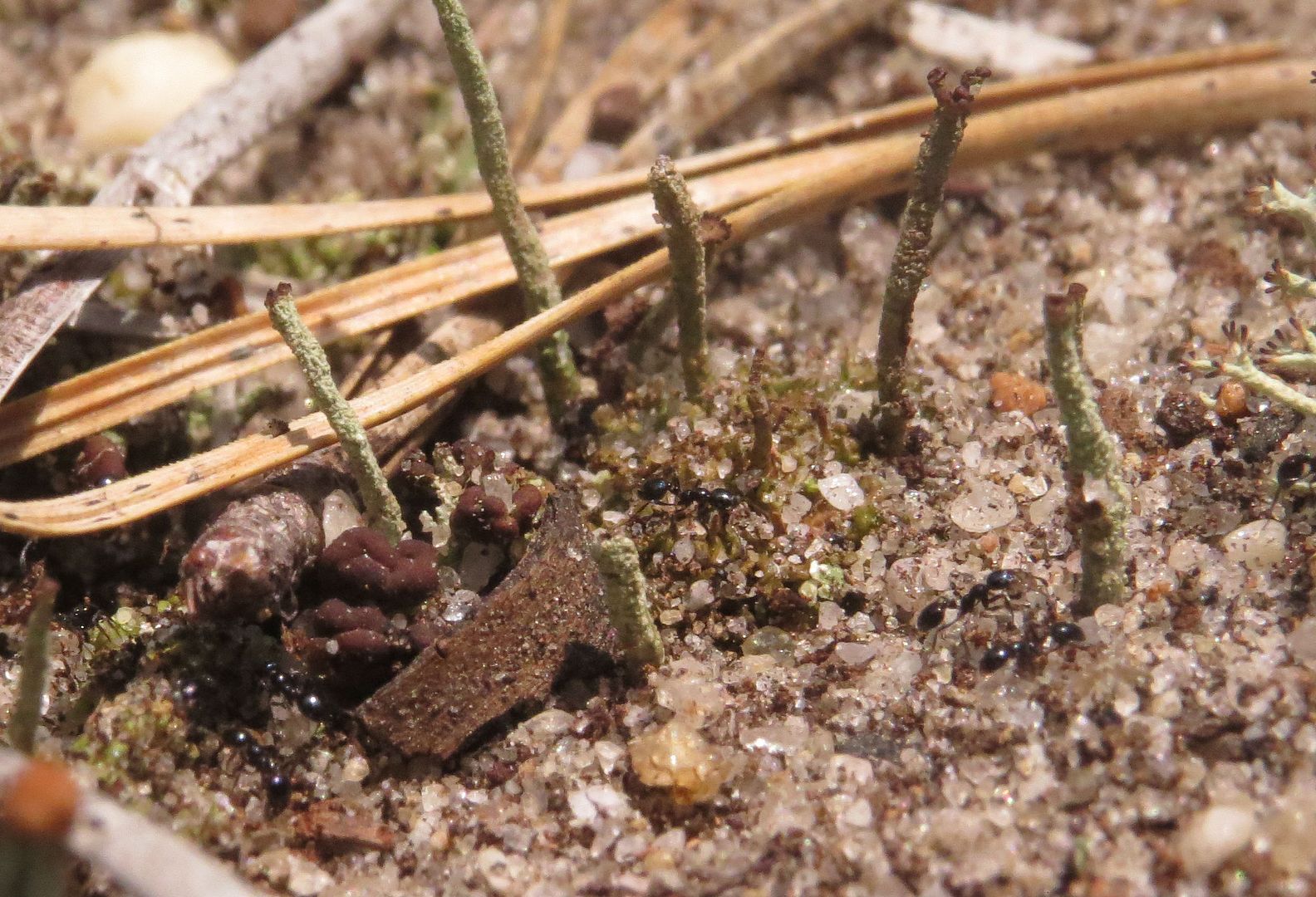
This sand patch is also where a dried out sort of sphagnum moss was growing which we tried not to disturb. There were some large colonies of Monomorium there too.
Pine%20Snake.jpg
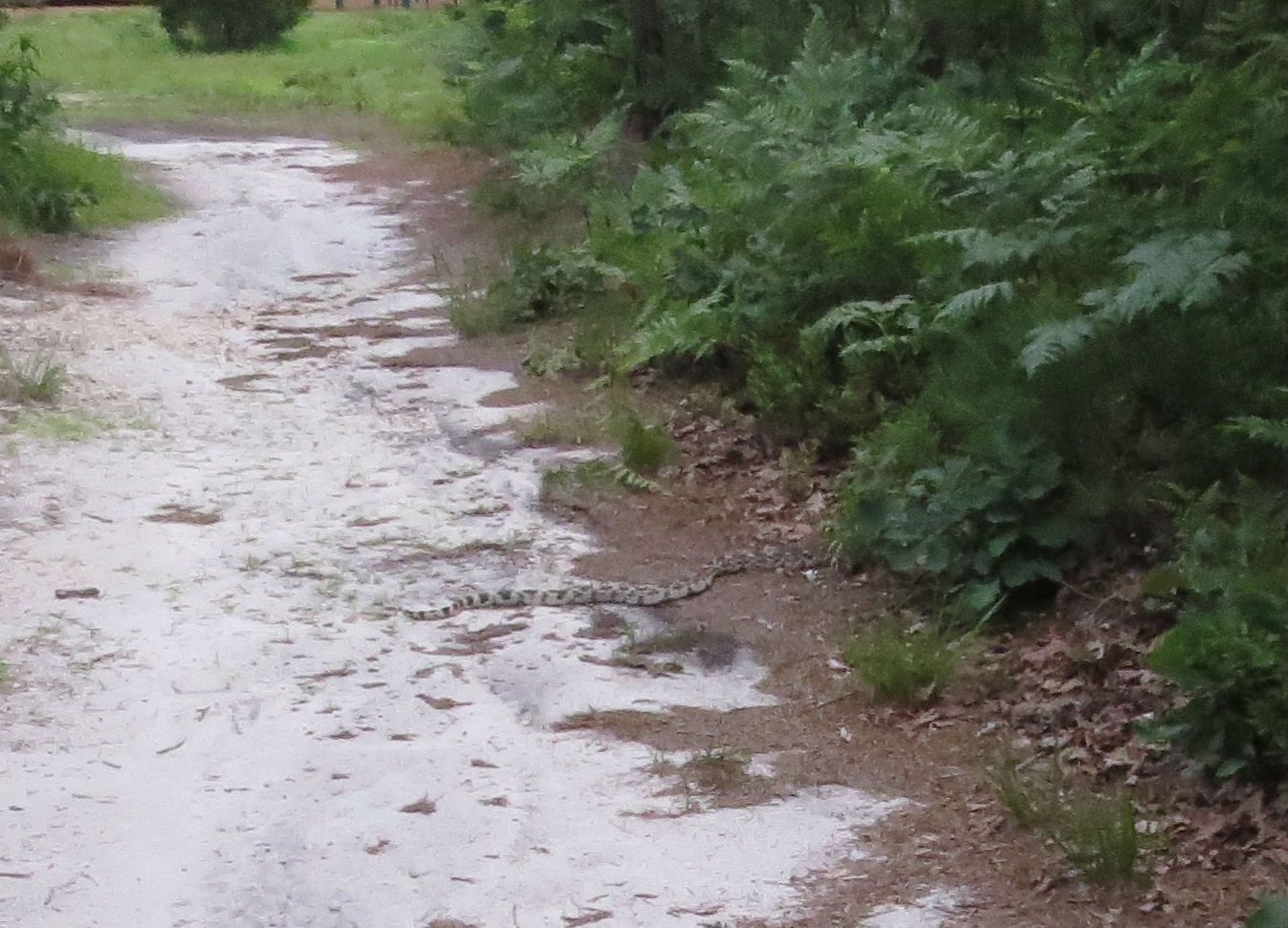
Just up the trail we found a Pine Snake.
Wild%20Blueberry.jpg
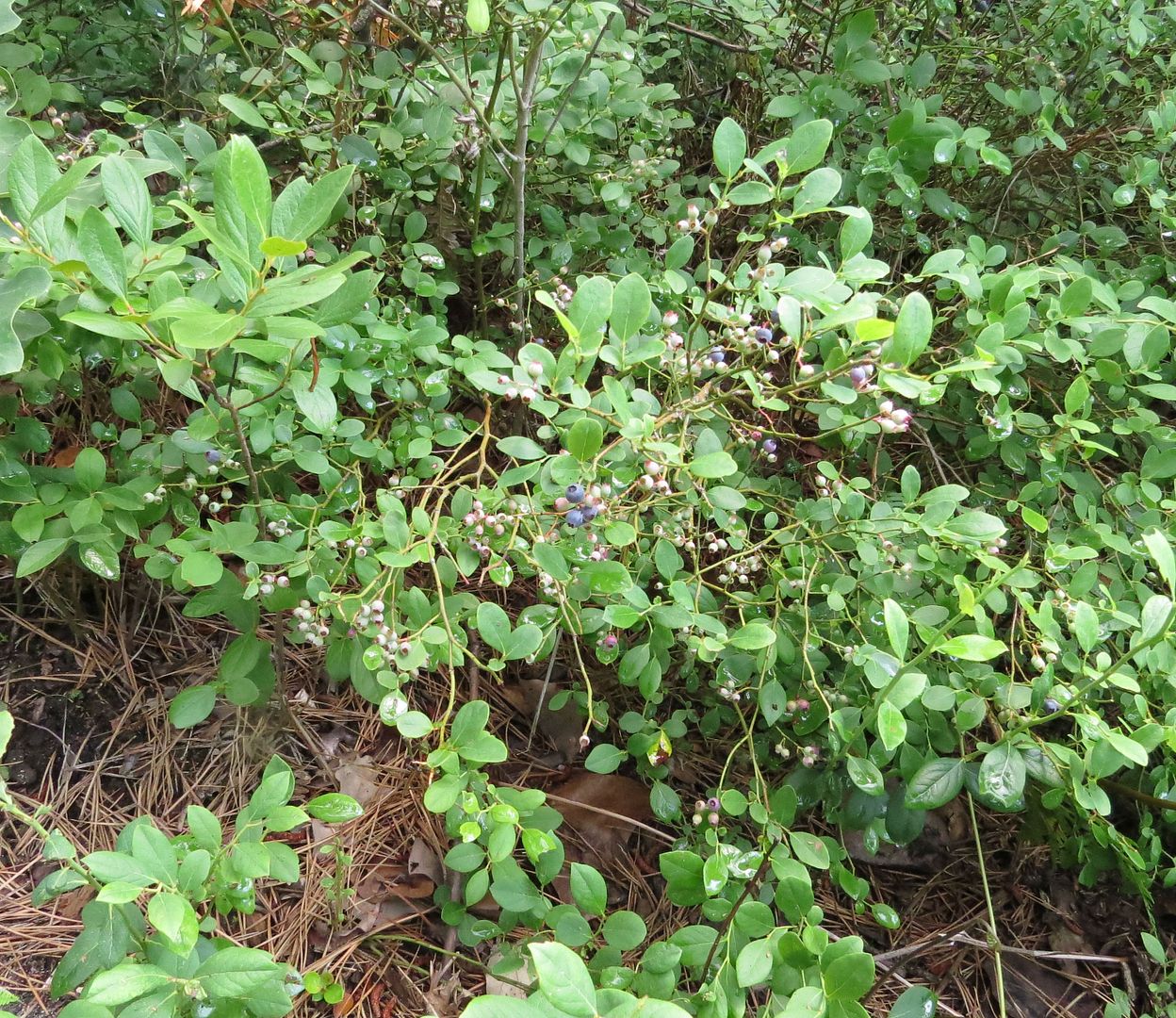
I liked our first location a lot because Wild Blueberries were coming into season. I'd never realized how much better Low Bush Blueberry tastes compared to High Bush because the plants grow in full shade the berries are at a more reasonable temperature. High Bush blueberry is more of a forest edge, full sun plant, thus the berries have a sharp taste to them unless chilled.
Sweet%20Fern.jpg
Sweet%20Fern%202.jpg
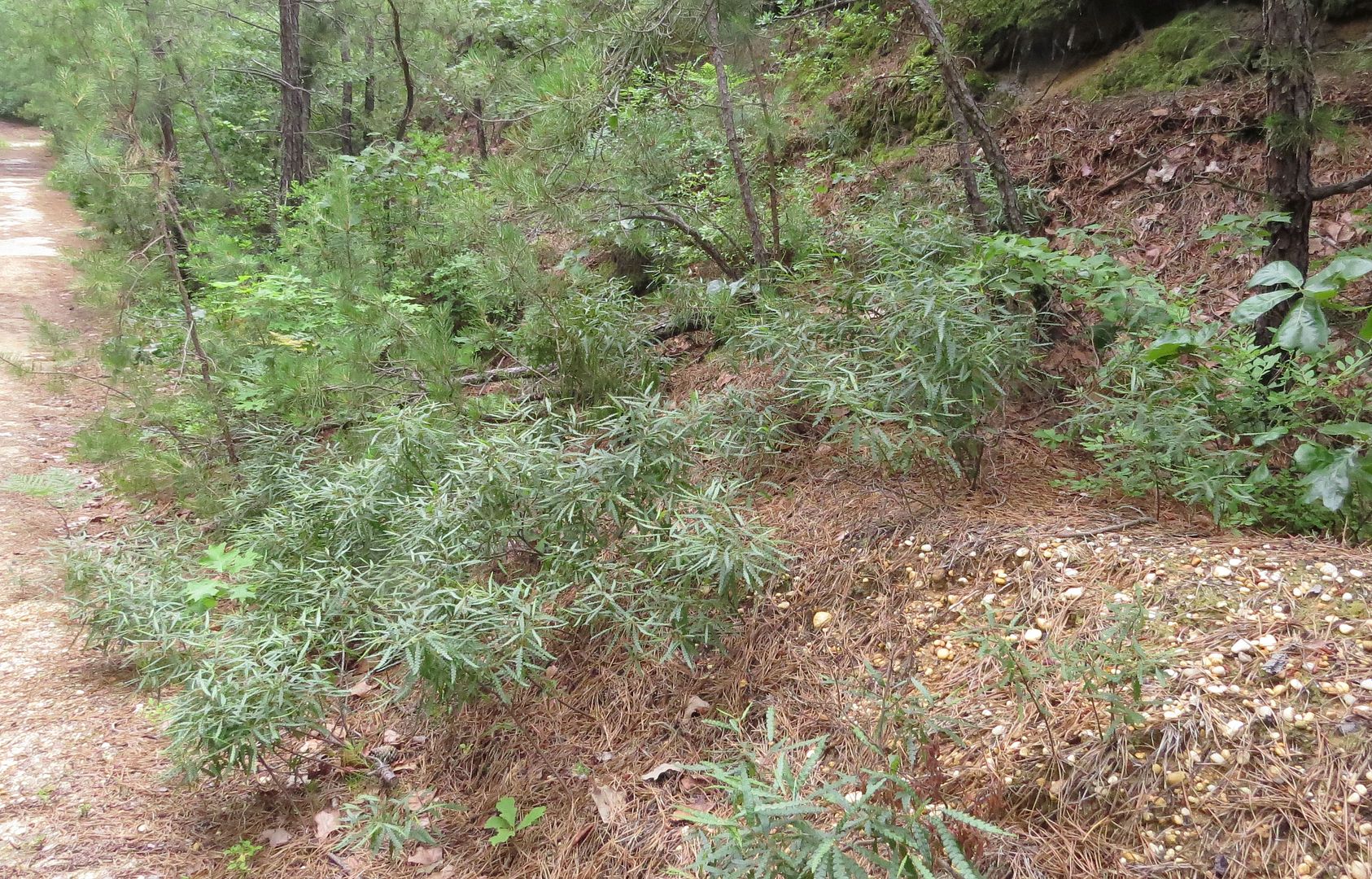
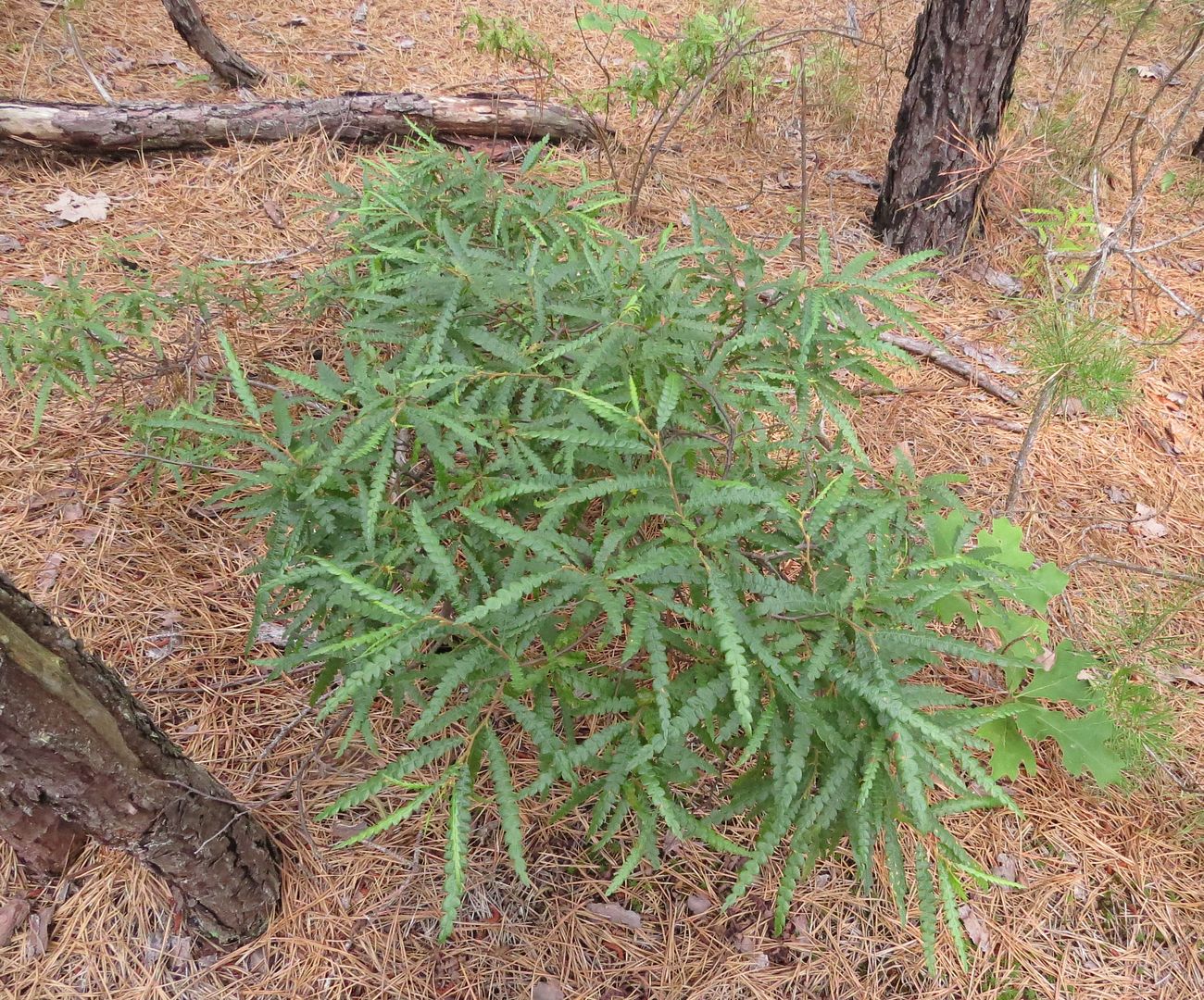
Sweet Fern was also growing all over the place along with droves of other types of ferns. This one in particular is adored by gardeners because the leaves have a pleasing smell to them.
Wintergreen.jpg
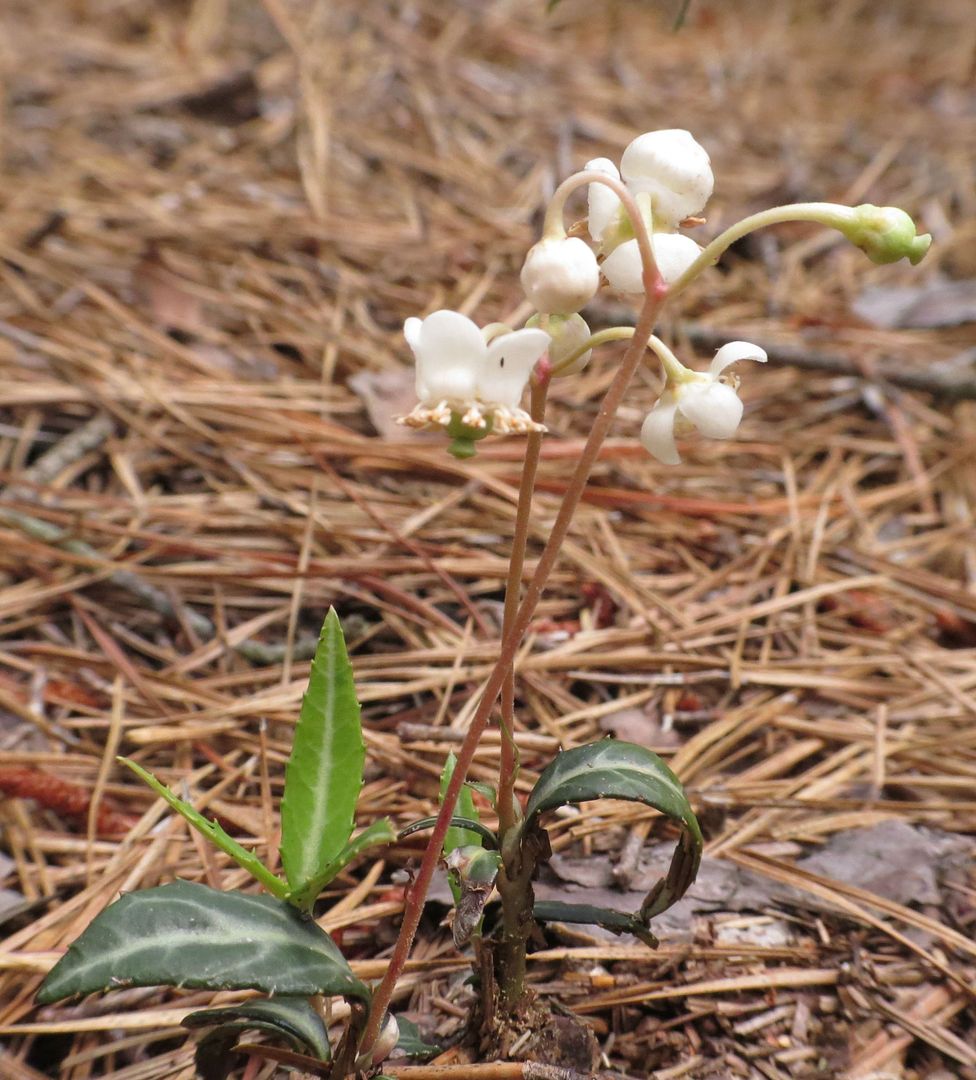
I was calling this Wintergreen all day but now that I google it I'm not convinced. Anyone know what this is?
Red%20Milkweed.jpg
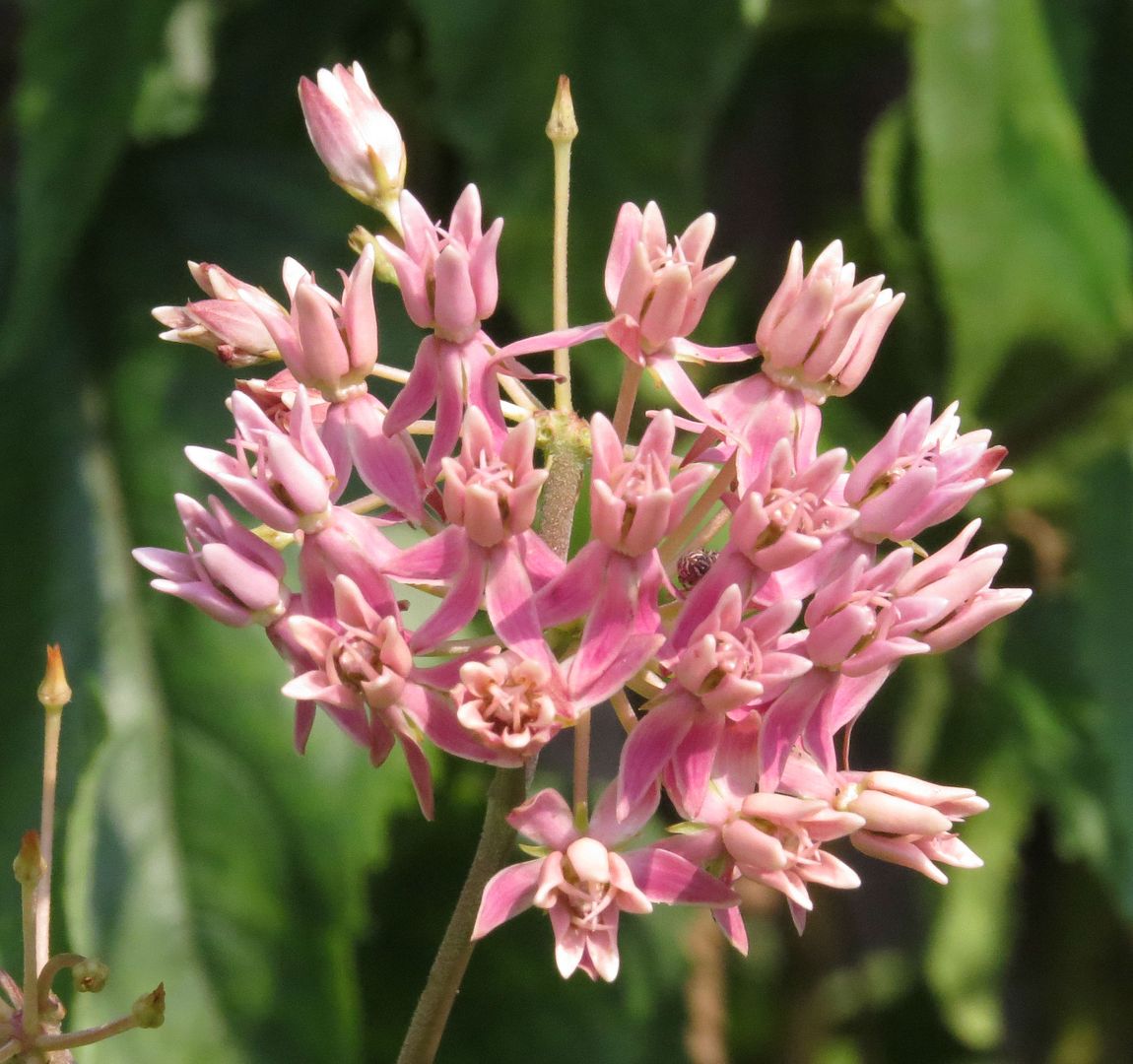
I also got to see Red Milkweed, Asclepias rubra, which is one of the rare species not yet in mainstream cultivation. It seems to be a bog plant requiring constantly damp muddy soil to grow.
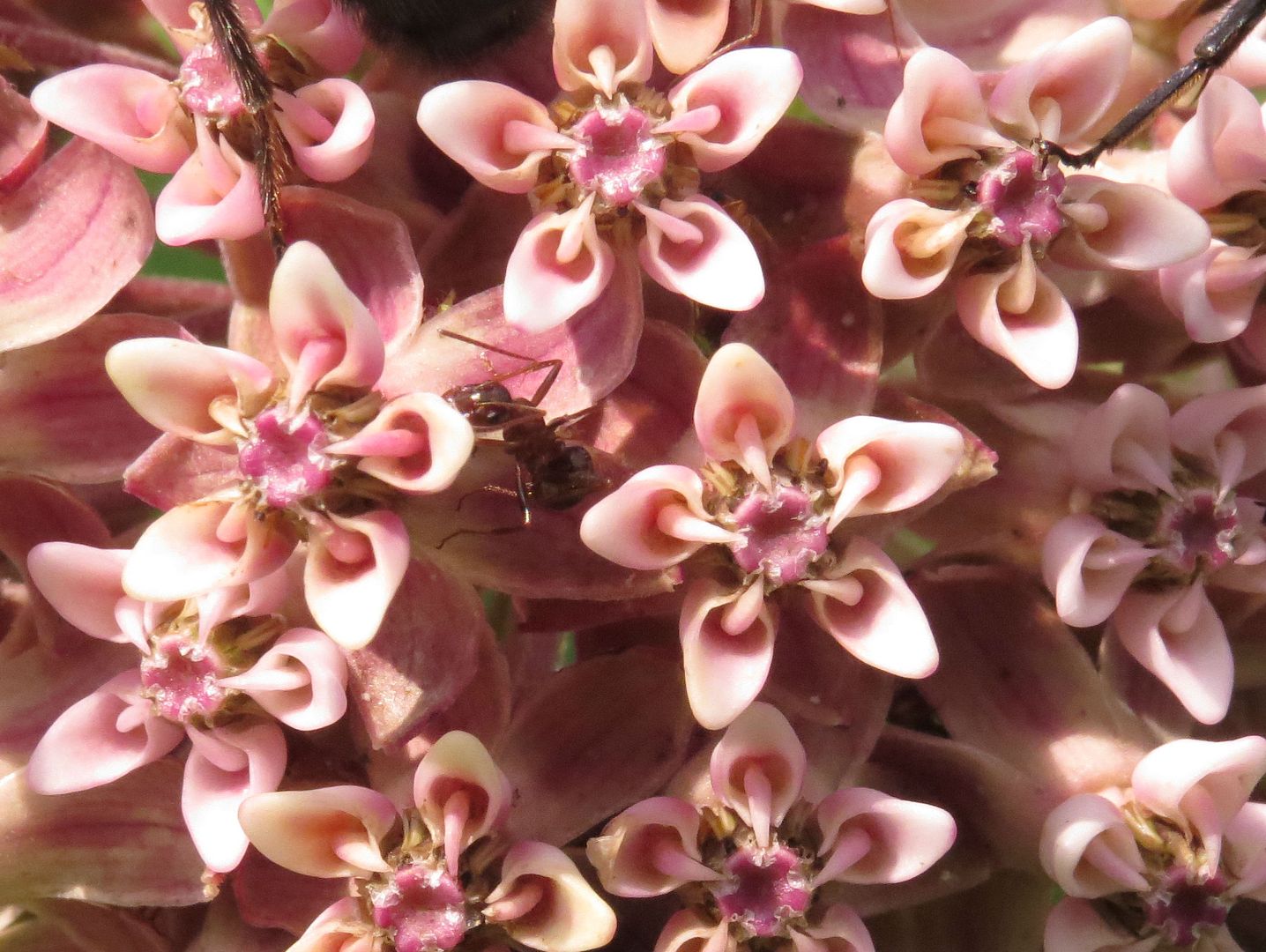
Milkweed%20Formica%201.jpg
Ants actually really like Milkweed so it's one of the plants I pay attention to. Formica especially seem to like stealing the nectar from Common Milkweed, Asclepias syriaca.
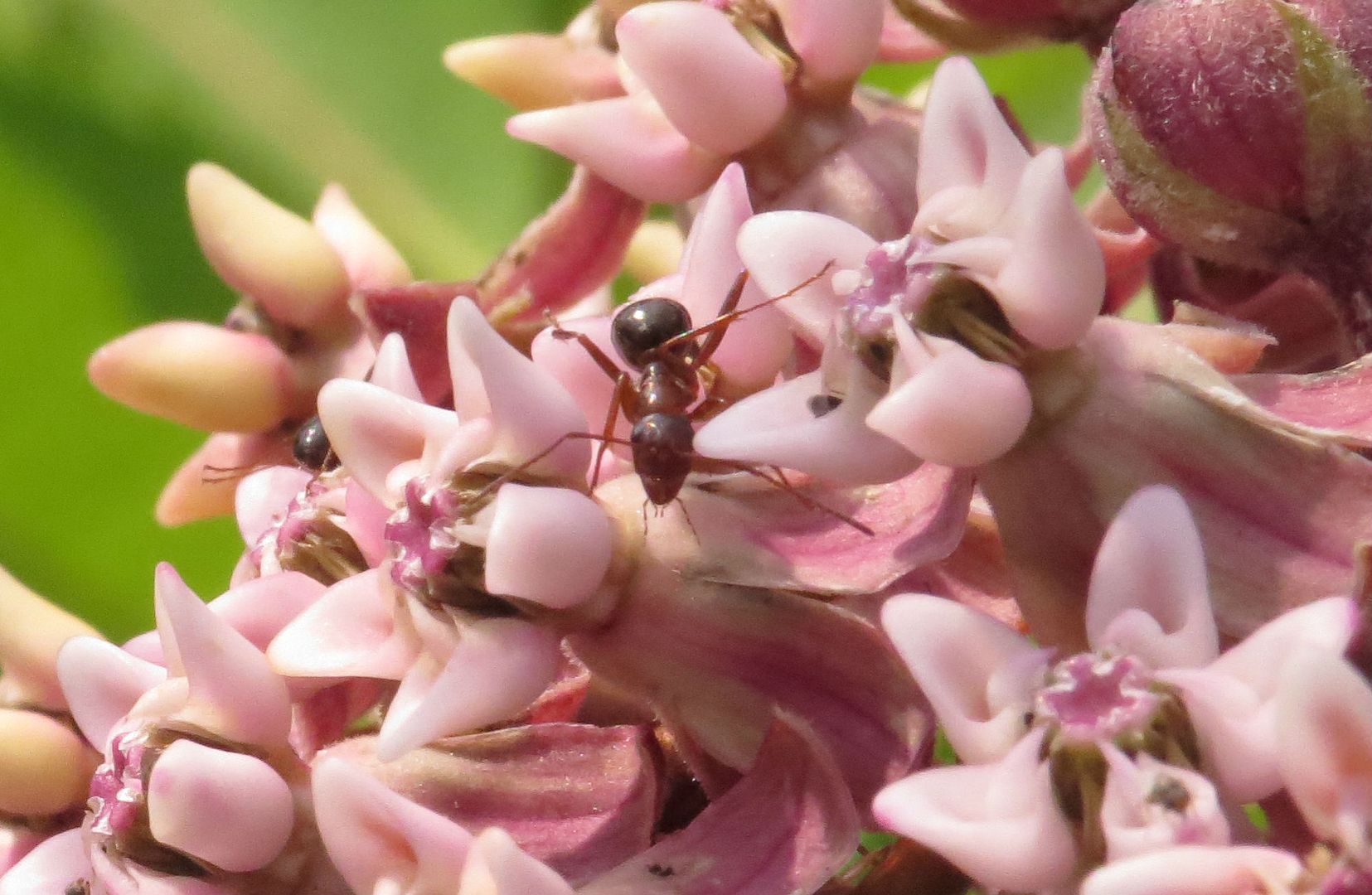
Milkweed%20Formica.jpg
This is the dark form of Formica pallidefulva I believe.
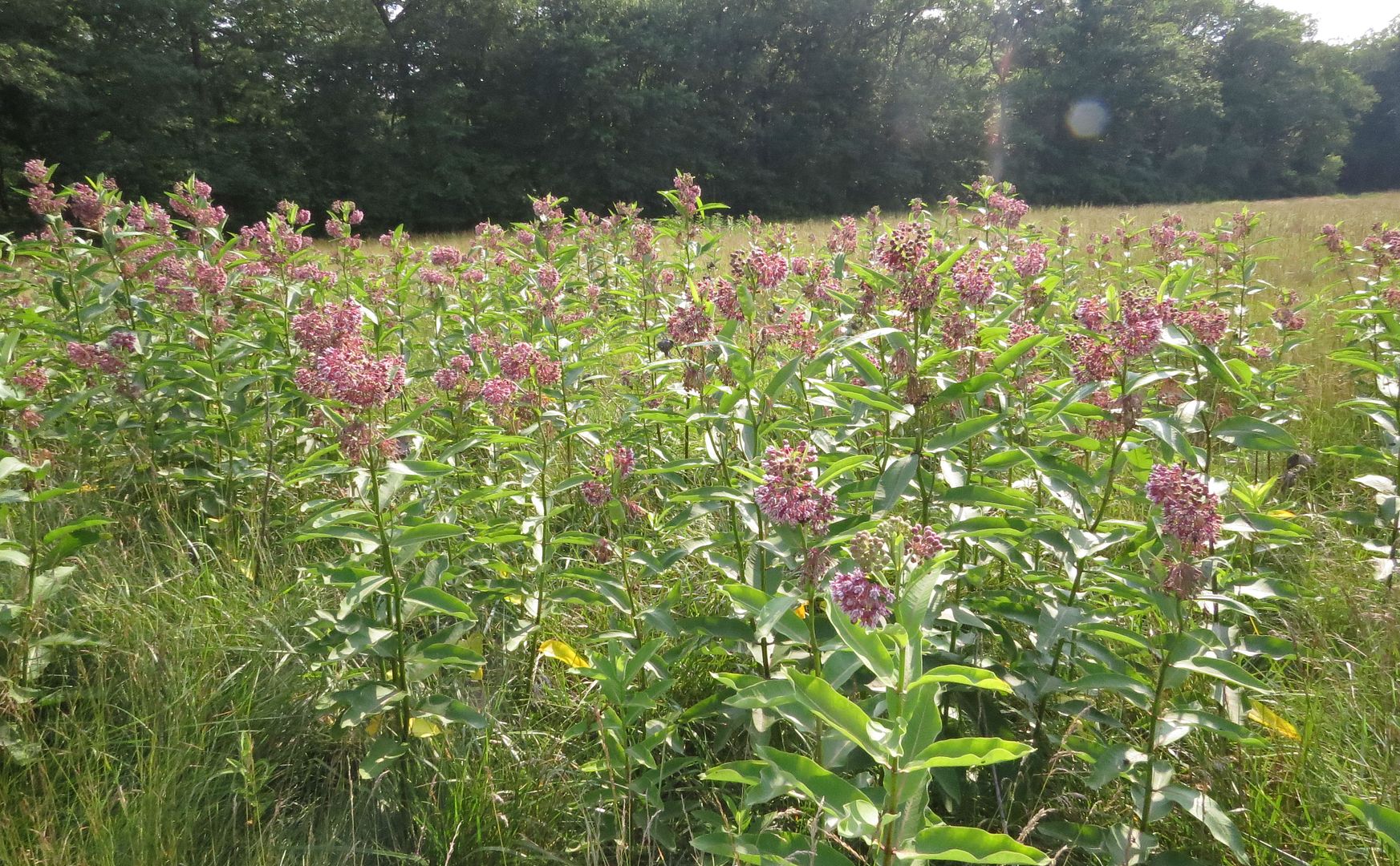
Common%20Milkweed%203.jpg
At our second location, Turkey Swamp Park, I'm happy to say they seem to finally be doing something with that wide open field. Namely just not mowing patches of it here and there so the milkweed gets to grow.
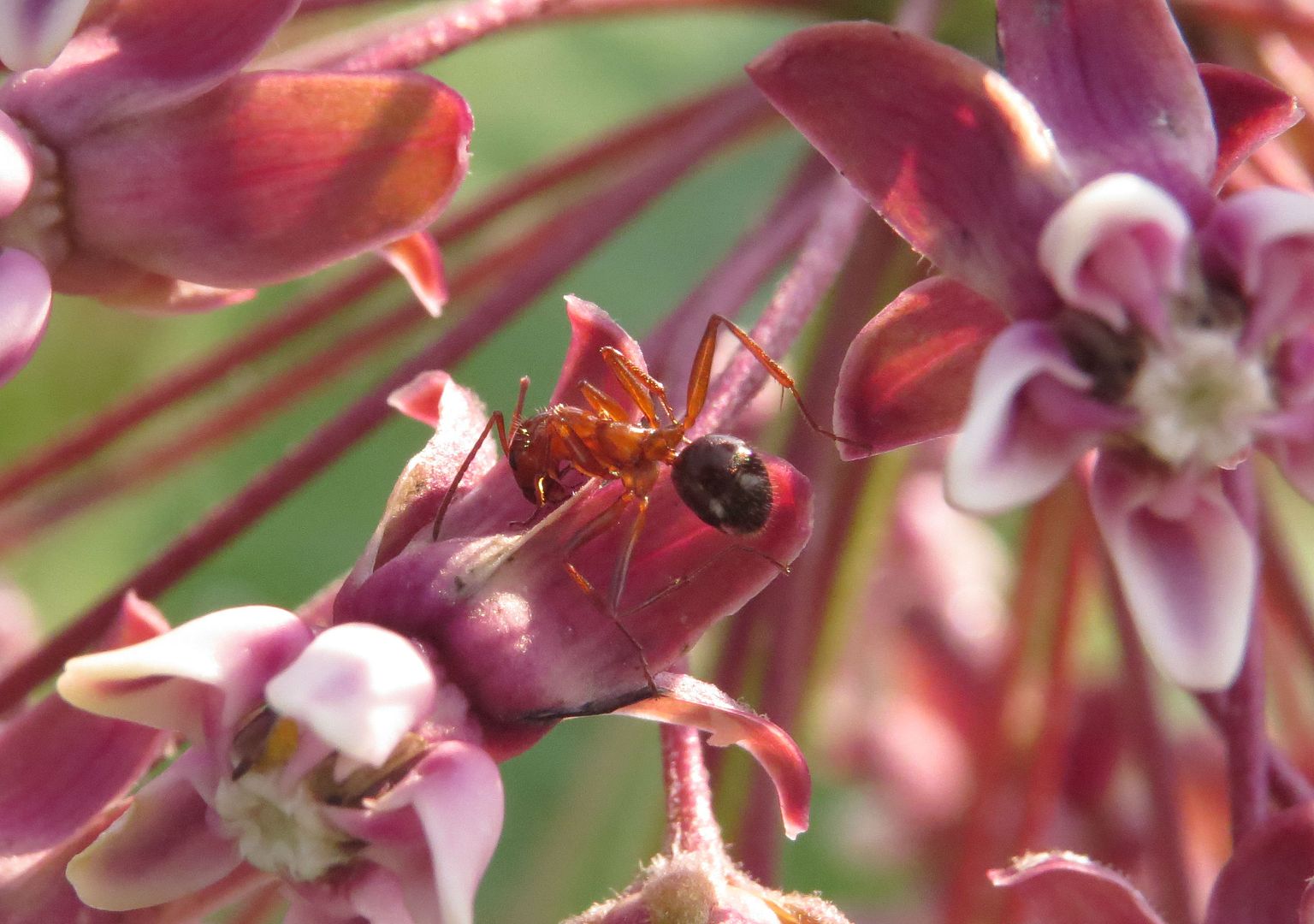
Milkweed%20Formica%202.jpg
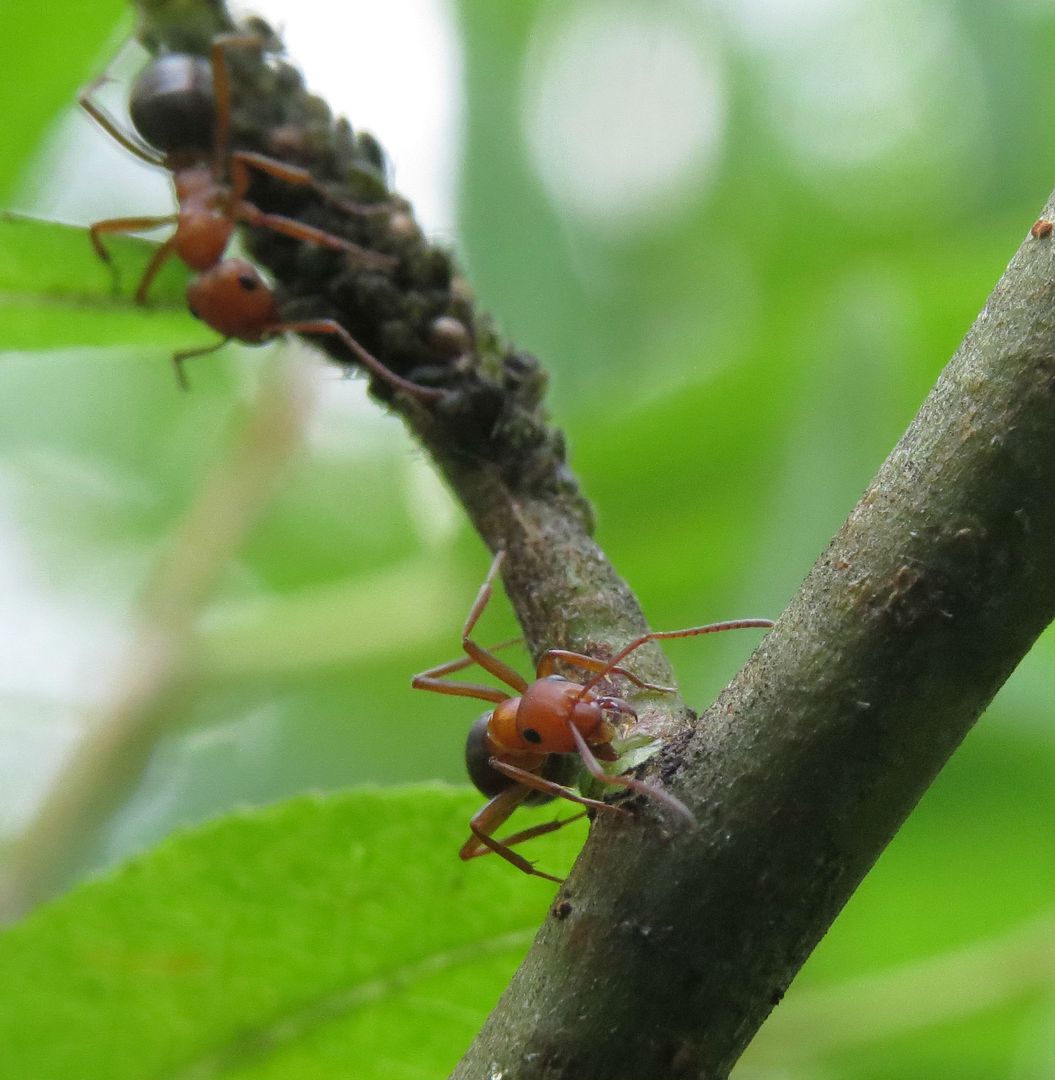
It's here where we found yet another species of Formica all over the flowers. And I think this is the same as the next one below... this milkweed patch was right between the F. exsectoides super colonies, and a population of some other Formica who's majors rivaled the size of C. chromaiodes majors.
Formica%20Big.jpg
Formica%20Big%202.jpg
Formica%20Foraging%20Trail.jpg
What's neat is they actually had foraging trenches dug out that occasionally dipped down underground. And we found multiple trails like this coming from the forest to some plants that were growing along a lake/stream where they were tending to droves of aphids like an assembly line.
Formica%20exsectoides%20Mounds%202.jpg
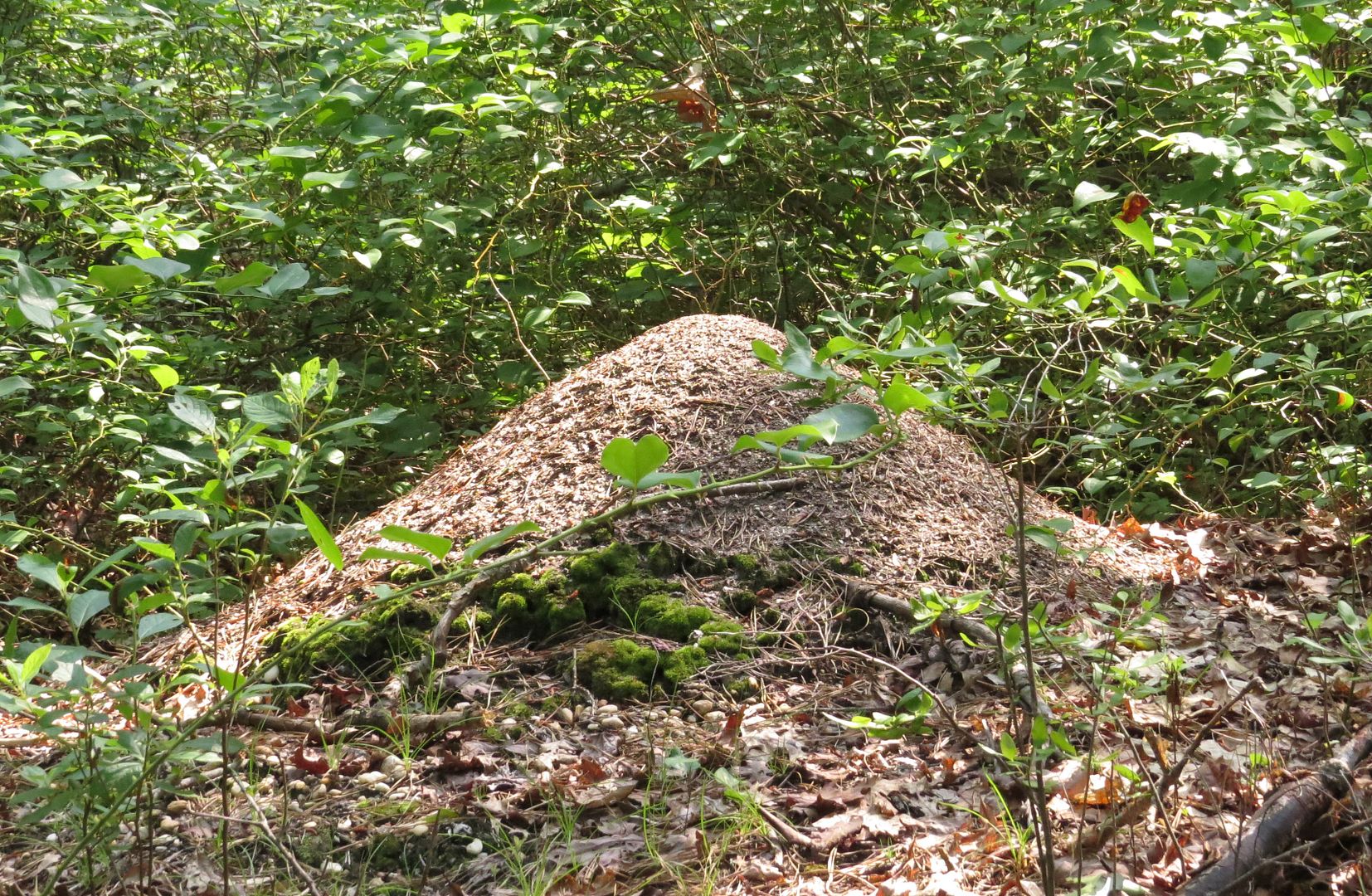
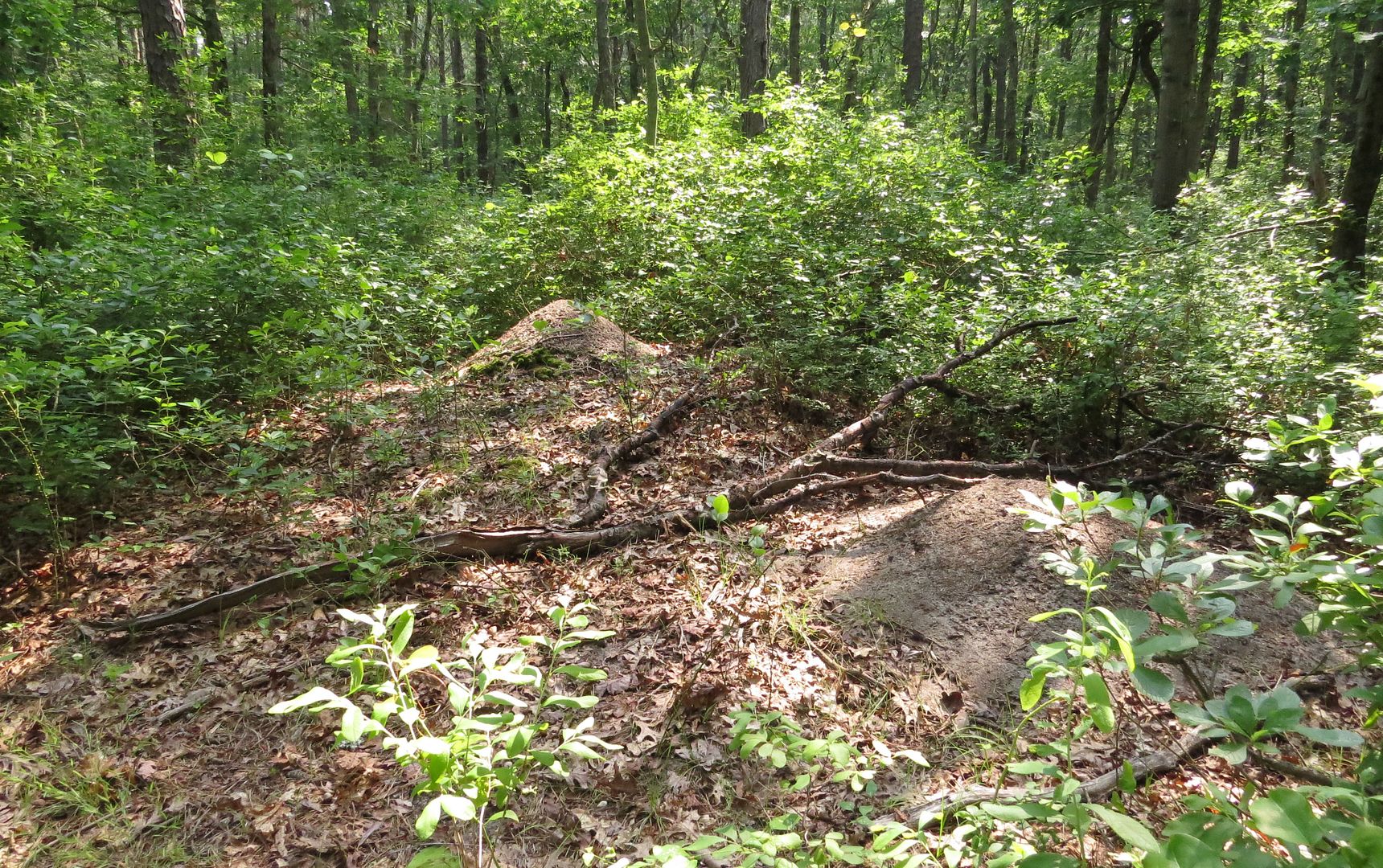
We found quite a few more Formica exsectoides mounds this years. They were far more active, like 10 times more aggressive, and very pissed off that I inserted an endoscope into their mound. The video didn't really come out though... kind of like a horrifying colonoscopy video really.
Formica%20exsectoides%20Mounds.jpg
Formica%20exsectoides%20Mounds%203.jpg
Crematogaster%20Termites.jpg
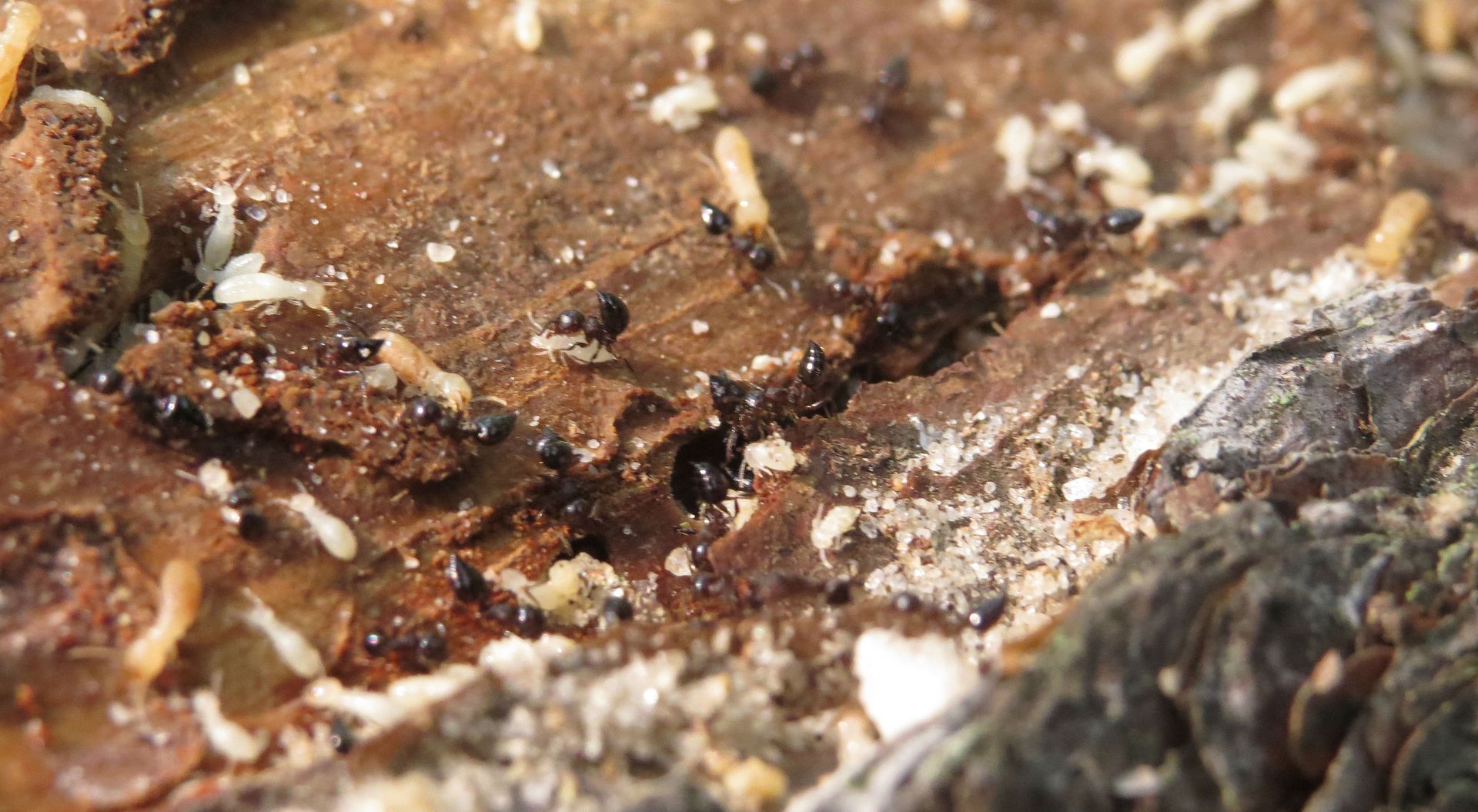
We also found Termites nesting just beneath the bark of a tree, and just below that a Crematogaster colony had a brood chamber which we broke into unexpectidly thus starting a small war.
DogBane%20Beetle.jpg
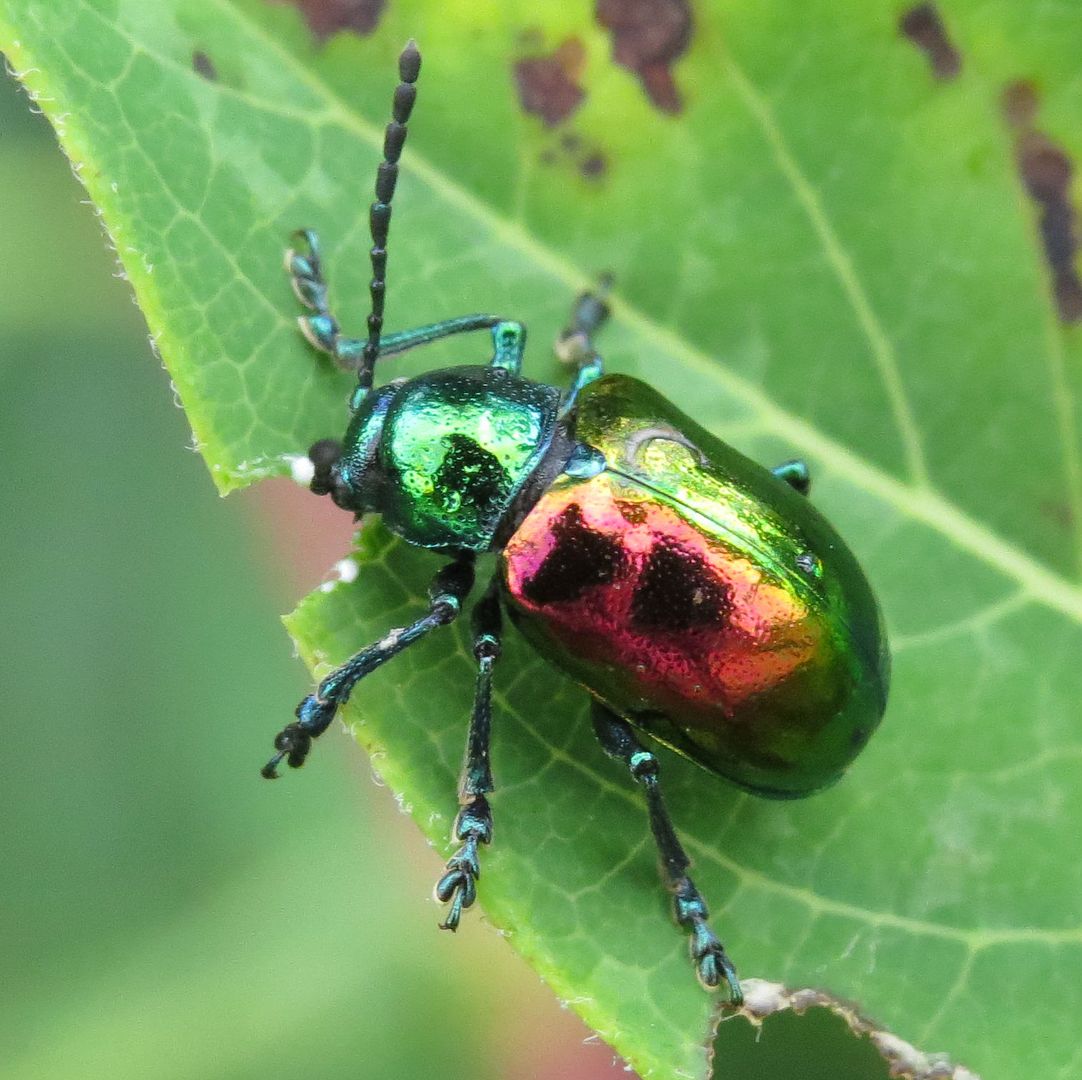
This is a Dog Bane Beetle. I like that their feet are blue.
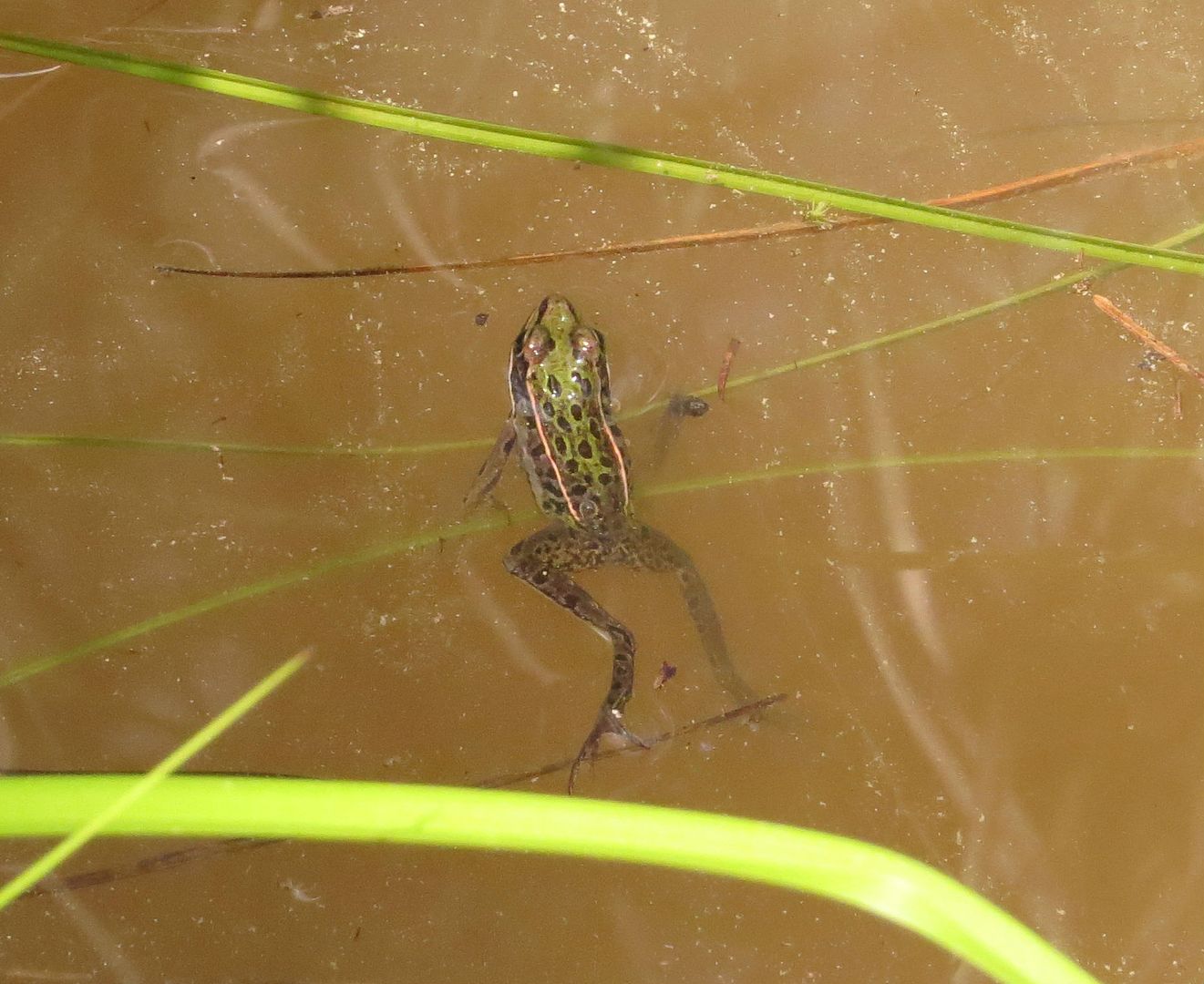
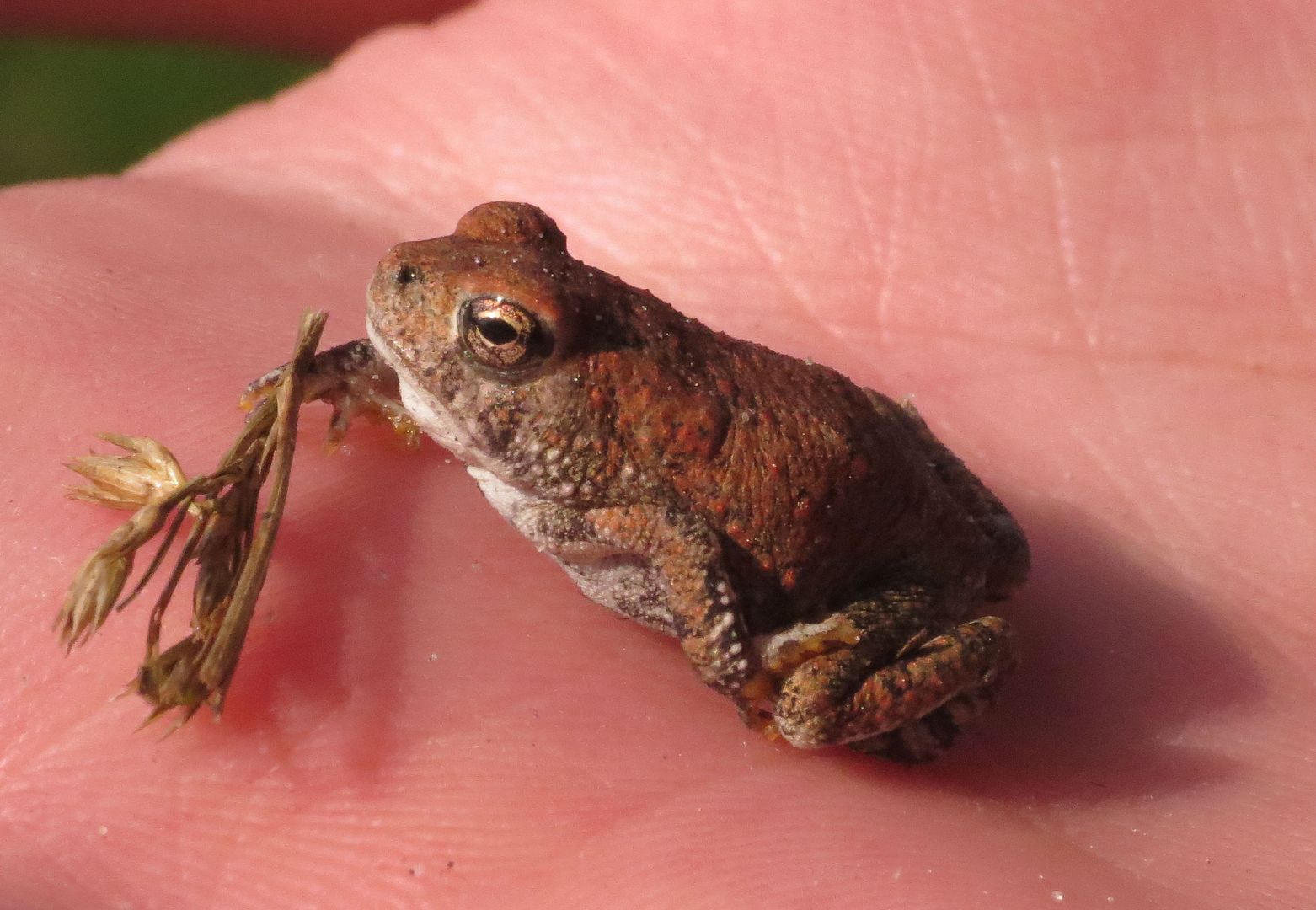
Frog.jpg
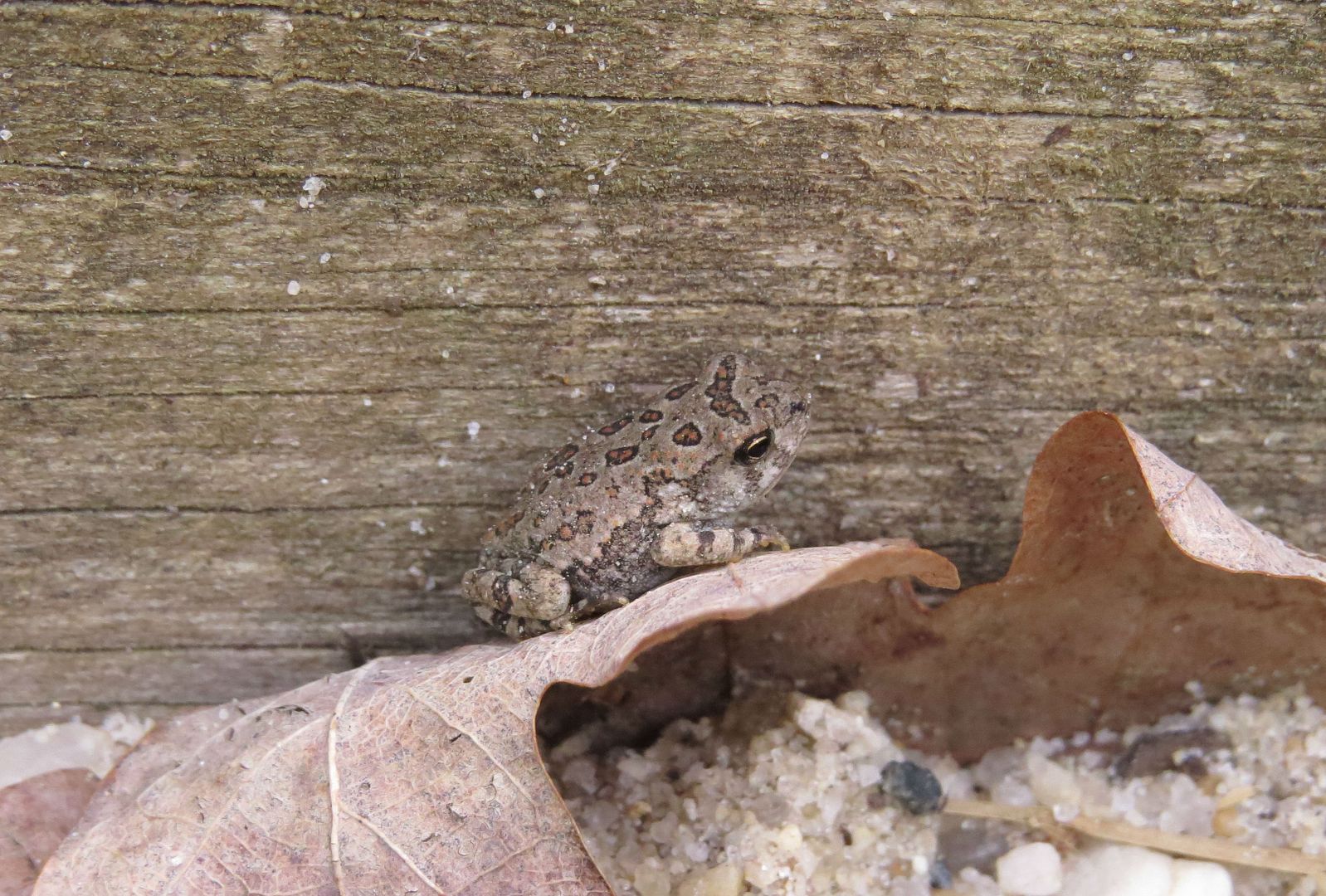
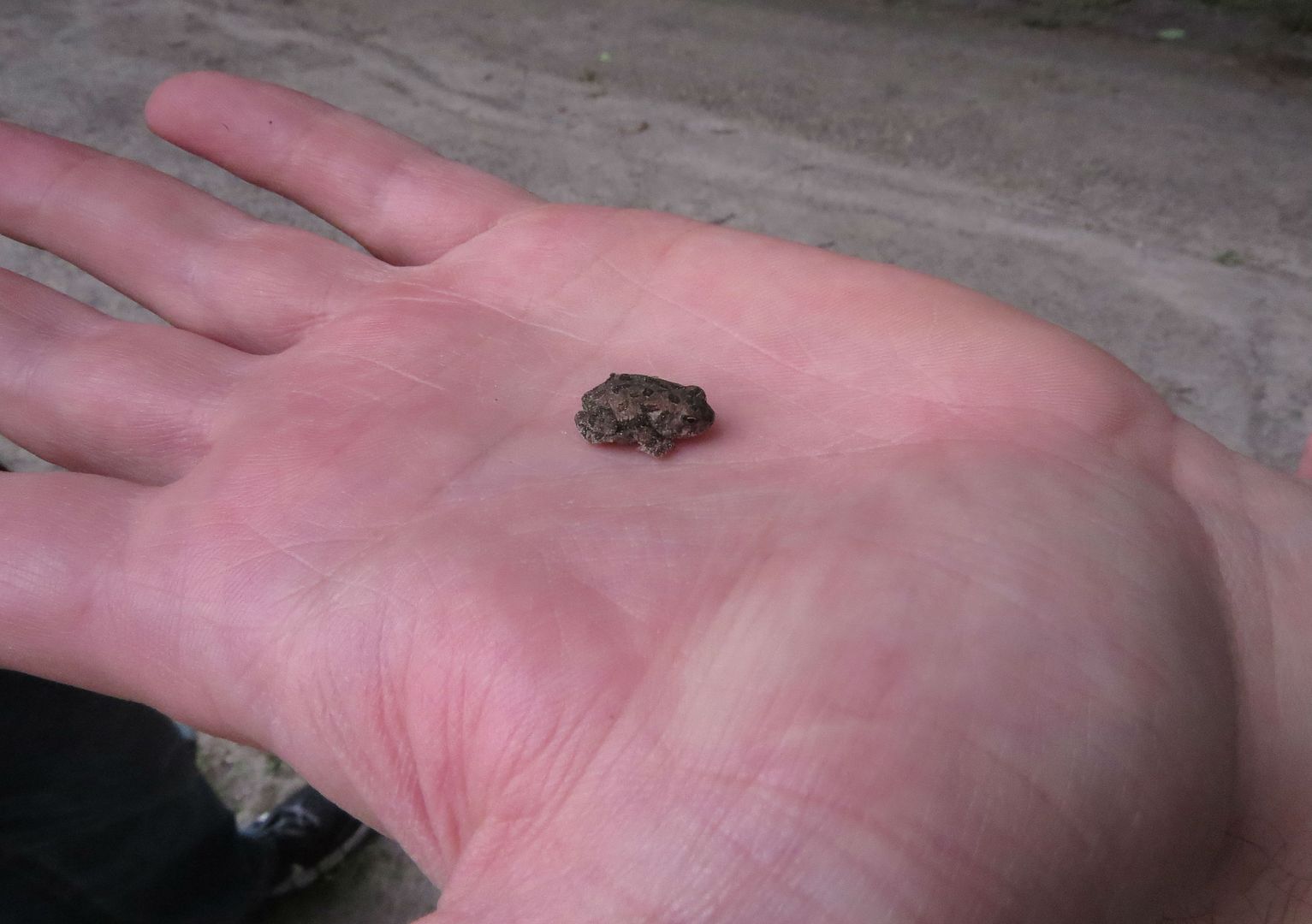
Frogs!

Frog%204.jpg
Frogs for days!
Frog%203.jpg
Frog%202.jpg
High Five?

Indian%20Pipe.jpg
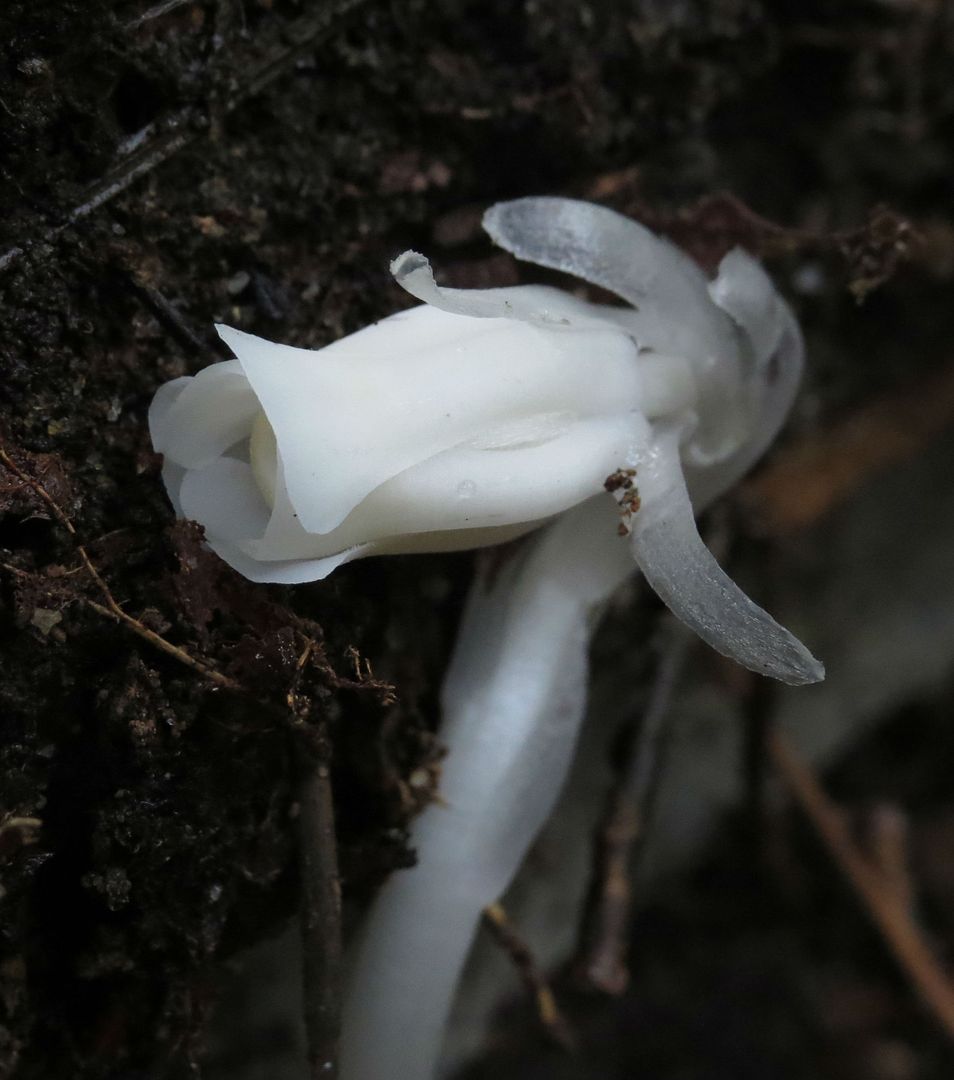
Last of all found this to be an ideal time to go looking for Indian Pipe. This is a rare wildflower that you will only ever see growing in the wild. It's a parasite that requires a beneficial fungi to be prescient in the soil to exchange nutrients from an established tree, typically a 60' tall Oak.

Indian%20Pipe%202.jpg
Oddly enough though we kept finding it trying to grow beneath logs. Not just on one occasion but on several! Suggesting that the seeds somehow find their way under dead wood structures, or maybe this is where the beneficial fungus most often occurs?
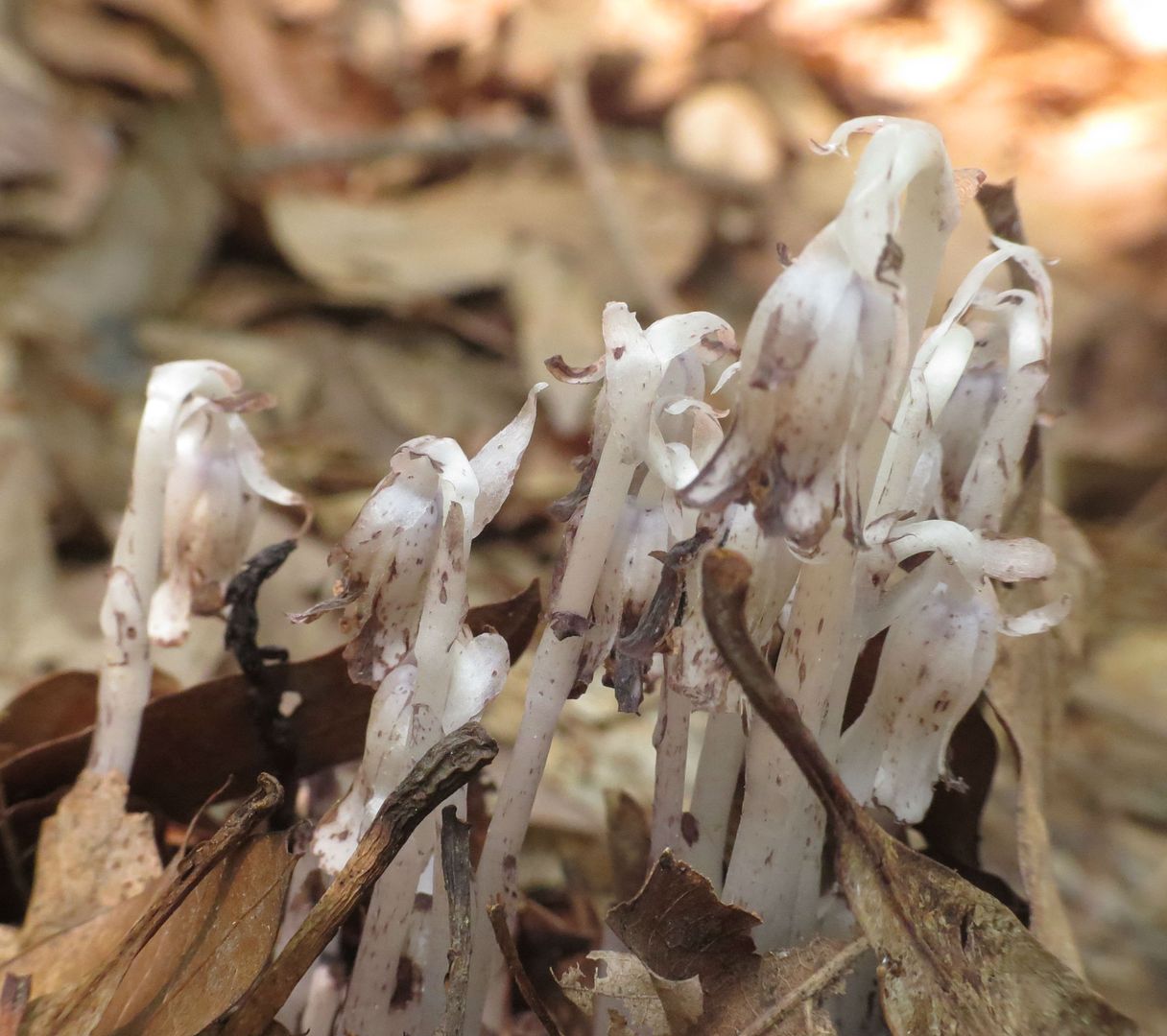
Indian%20Pipe%203.jpg
Basically because it's a parasitic plant, it doesn't produce any chlorophyll, thus it's not green but rather a frail white.
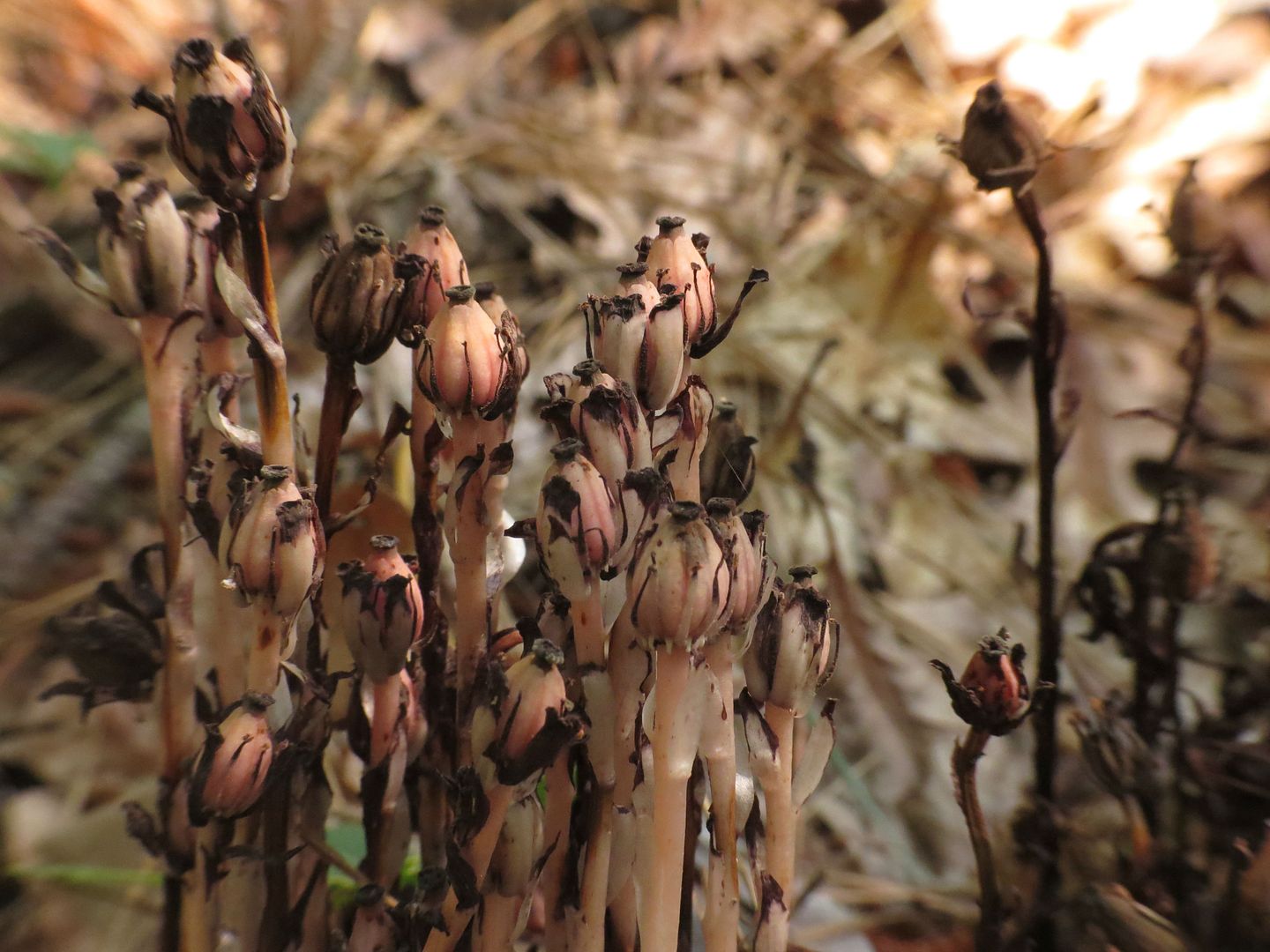
Indian%20Pipe%206.jpg
After flowering, the plant almost sorts of melts, and shrivels up into twig-like stems.
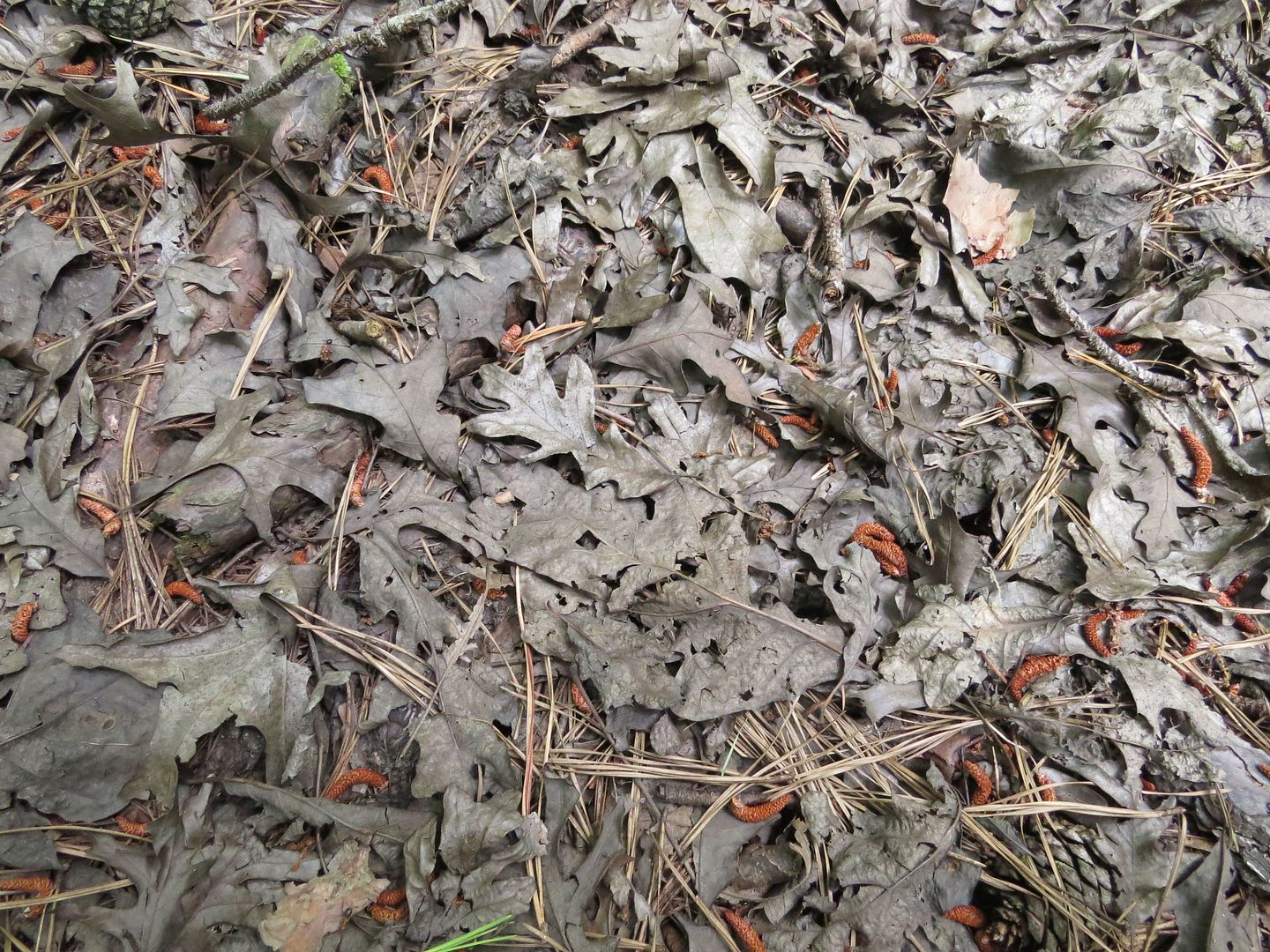
Leaves.jpg
Fallen leaves in a spot that floods on occasion, apparently dyed a silver tone from the algae or something growing on them.
Friday, December 7, 2012

Best of Ants 2012

Alright I do this every year. I go through the albums I made over the year on Ants, Bees, Butterflies, and Nature.

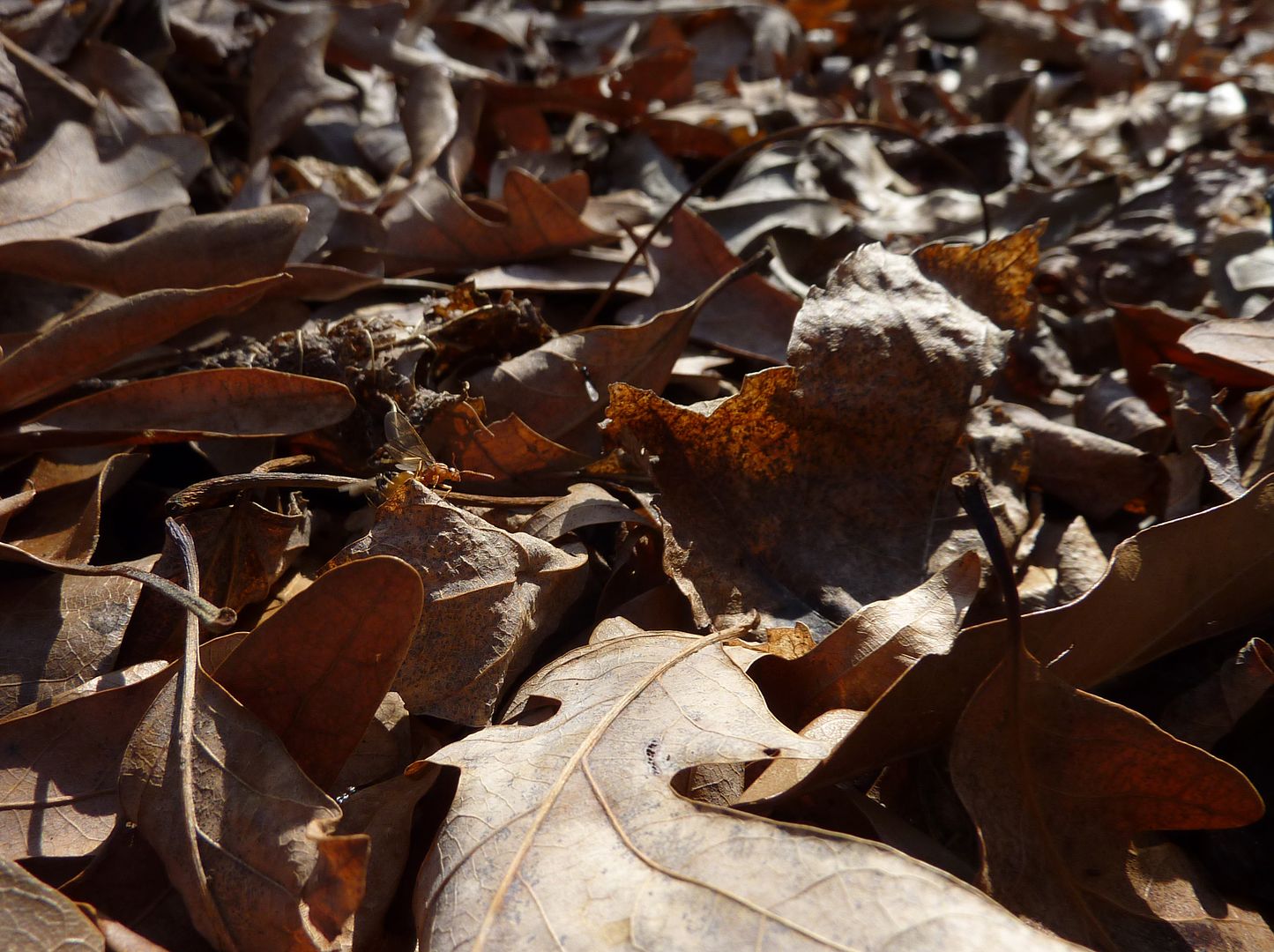
We start with an awful image of the forest floor I took back in March. Up in the trees the Winter Ants, Prenolepis imparis, were swarming. Normally they fly on the first warm day of the year above 70F, but this year they held off for some reason. Hidden among the leaf litter is a P. imparis queen and a few males. This sums up what a pain it is to find ants among leaves (and tall grass).

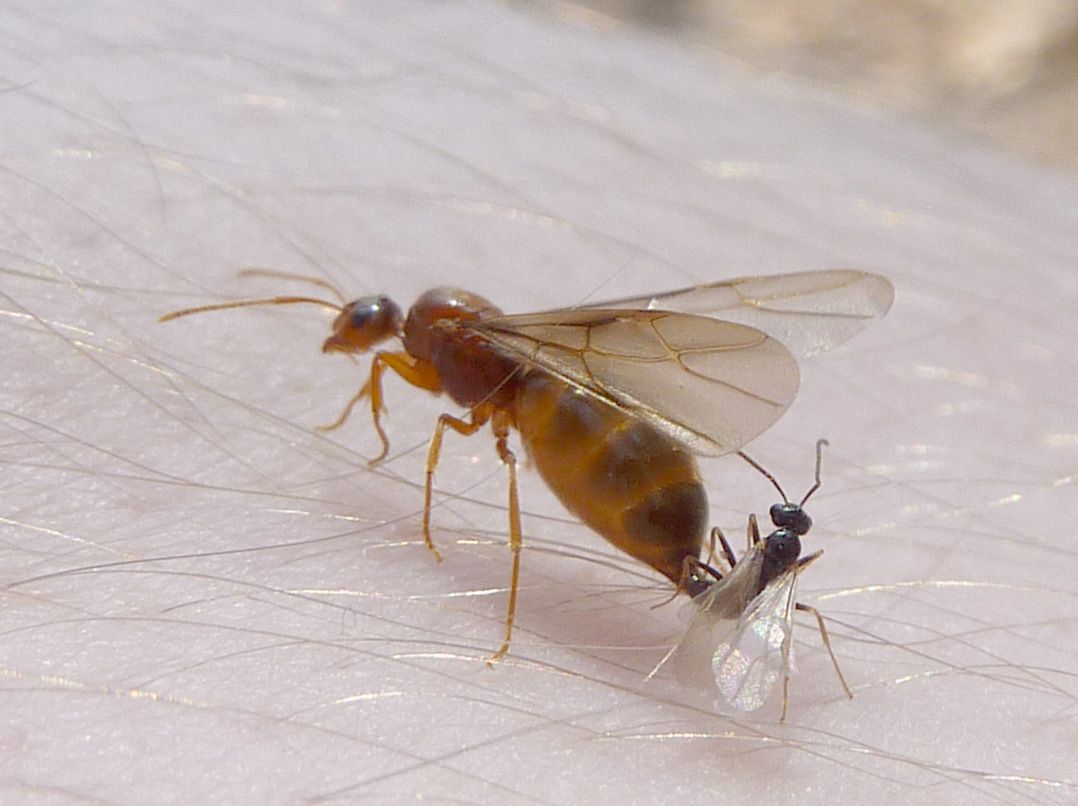
They're so much easier to photograph when they land on your arm.

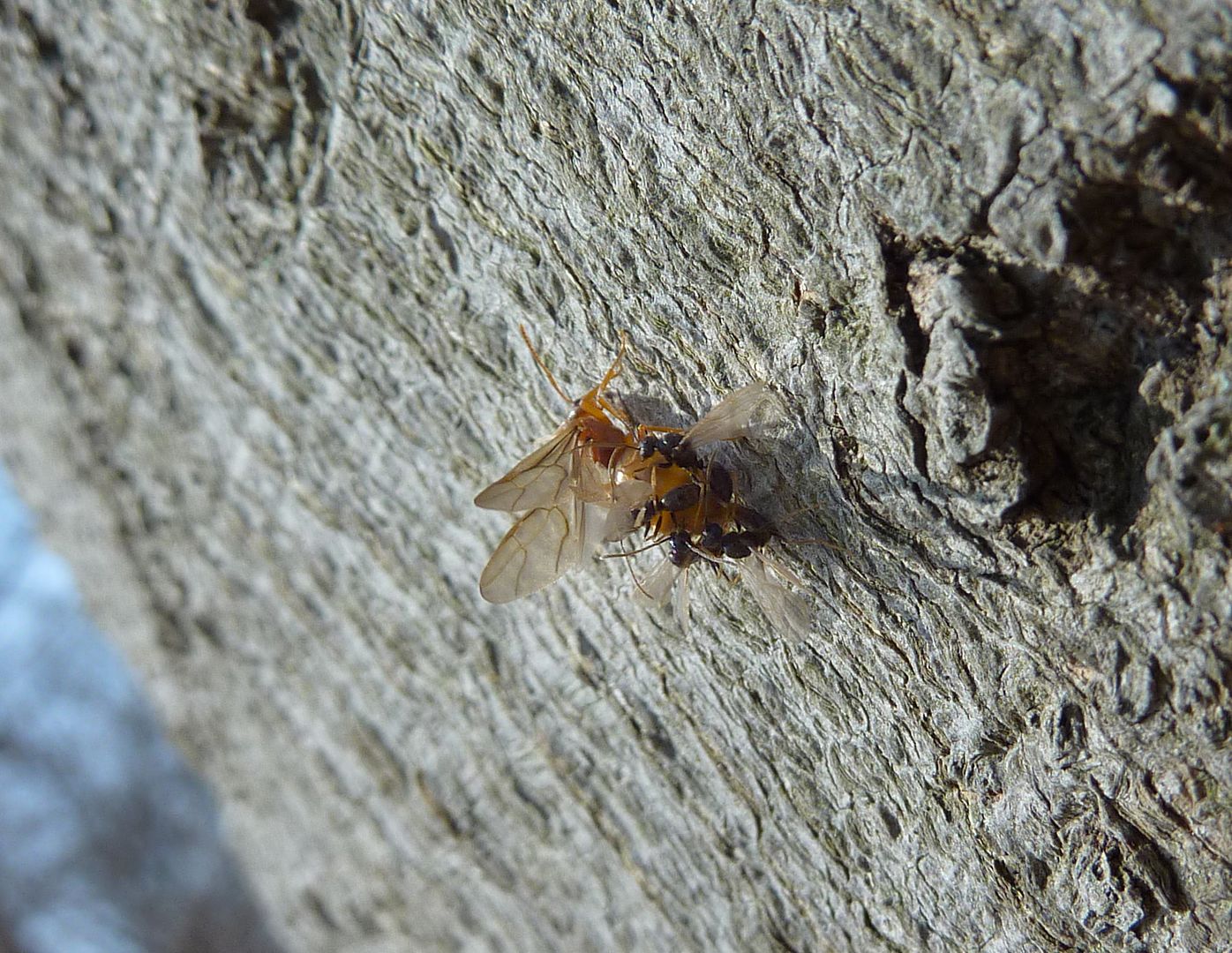
The males swarm around trees and wait for new queens to arrive. I like this because she actually made it up the tree to a considerable height. The swarms go all the way up the tree and usually queens get tackled by so many males they don't make it past 6' up.

 
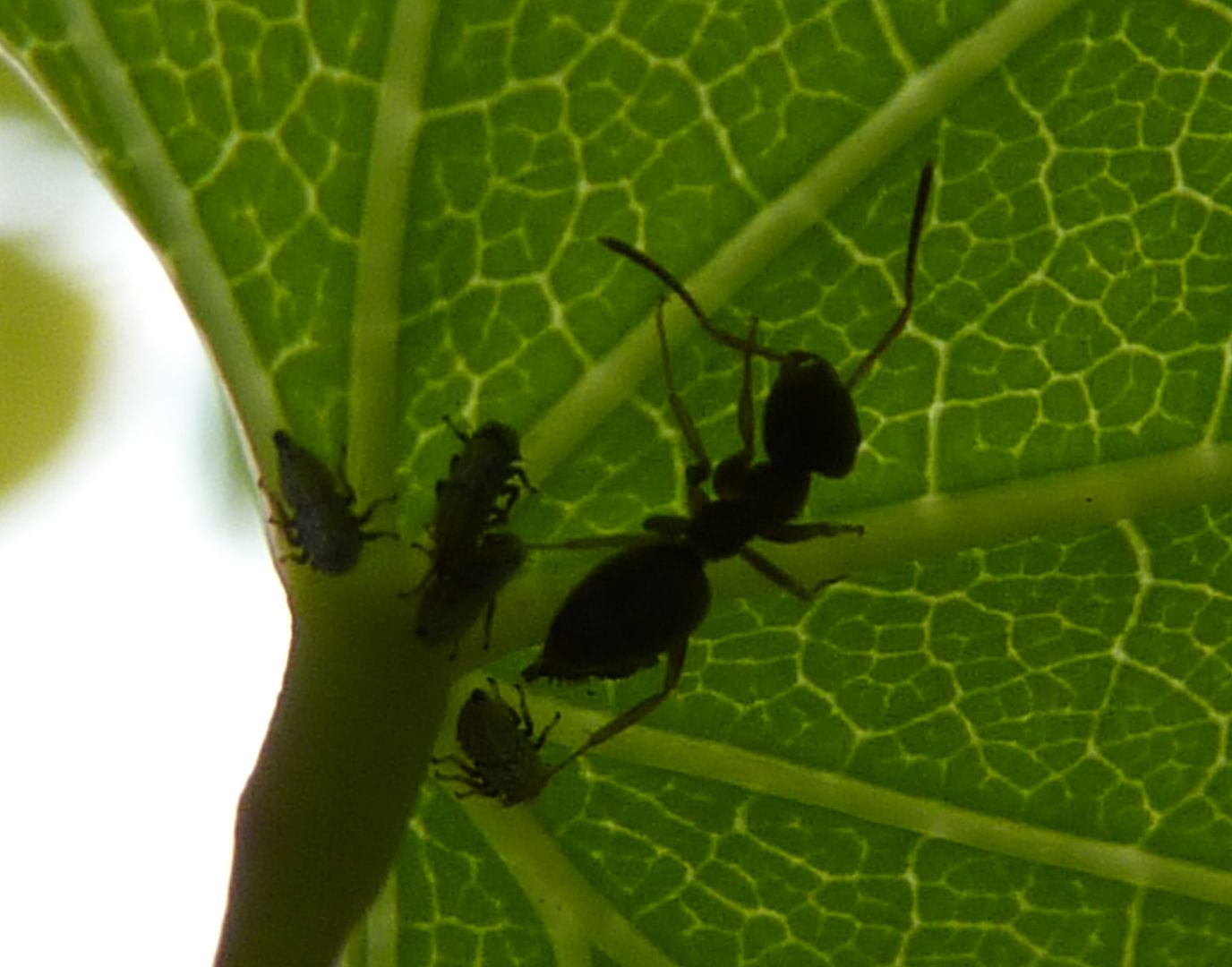
As plants leaf out, aphids, leaf hoppers, and scales become active and provide food for ants. In this case a Lasius alienus worker. This is on a redbud tree and I notice aphids seem to only take hold right at the node where the leaf attaches to the stem.

Stealing nectar from flowers is the other option. In this case it's the Odorous House Ant, Tapinoma sessile, which I've found to be notorious for stealing nectar. I find them in more flowers than any other species, even in those with noted defenses that evolved to prevent ants from stealing from their flowers.  

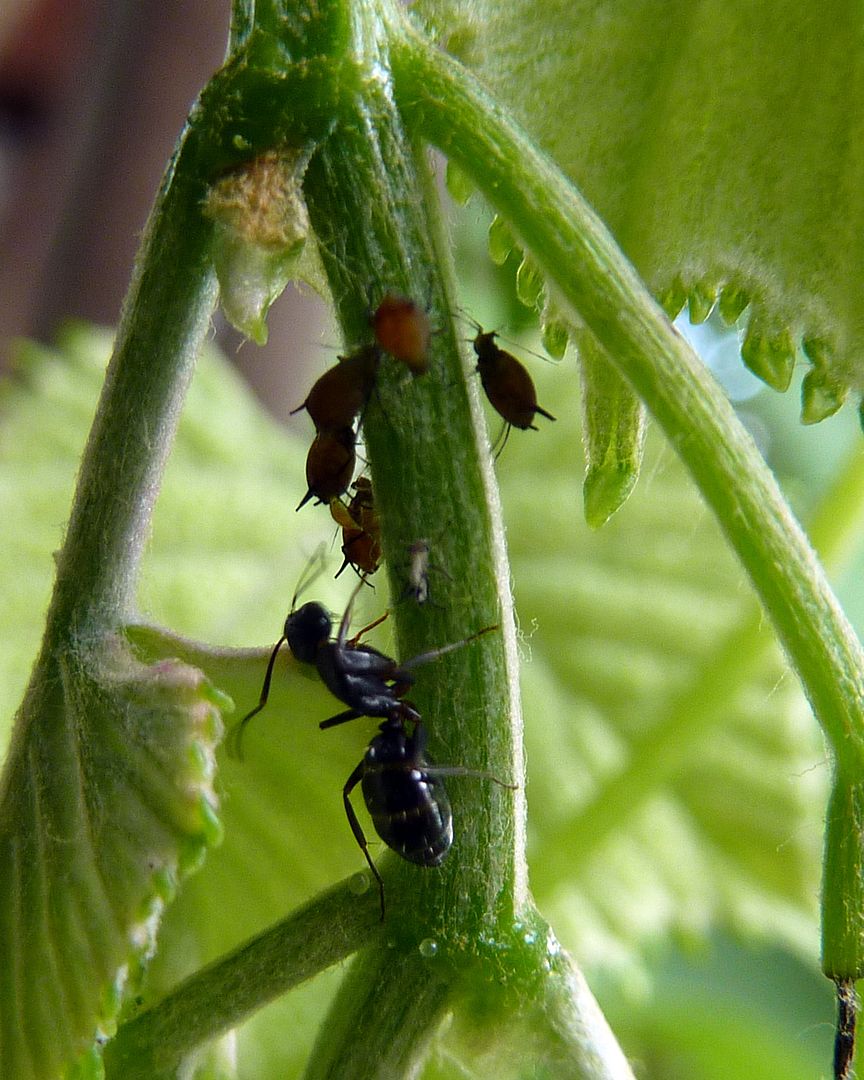
Aphids make ants so much easier to photograph. Any food really that has the ants holding still. Here a Camponotus sp. tends some on our grape vine.

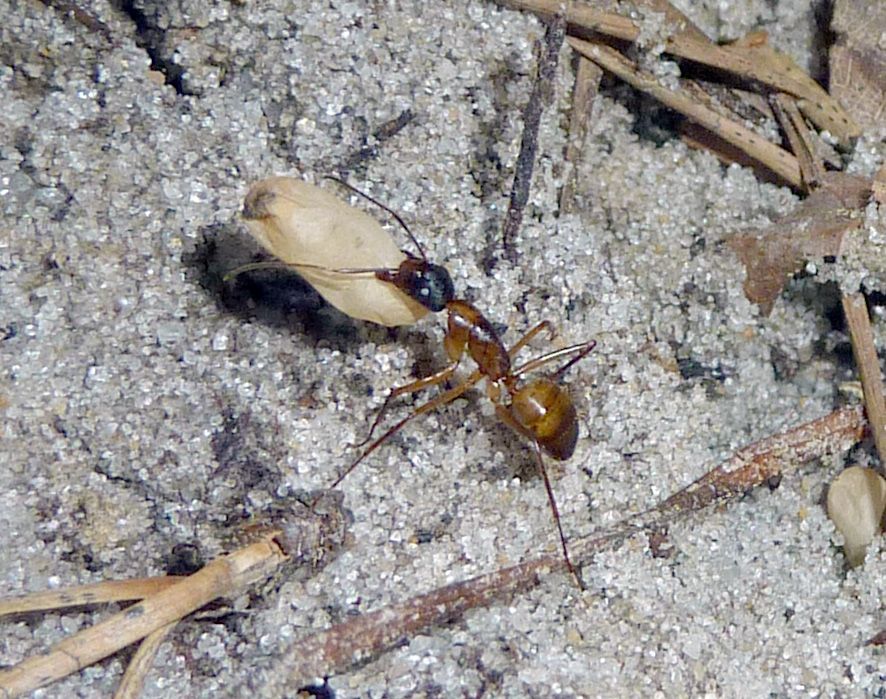
This year also marked the first time I Hosted/Attended the First Annual New Jersey Ant Together. We came across a Camponotus americanus colony which I don't encounter as much as the brighter colored Camponotus castaneus. So that was nice.

The Formica exsectoides mounds we encountered were awesome! The largest were two mounds next to each other that had to be 3' worth of mounded soil. Their mounds lined a pathway of considerable length all they way down at the Turkey Swamp Park here in NJ.

There were so many F. exsectoides workers pouring in and out of these mounds that you could actually hear the leaves rustling from them all rushing about.

Pheidole have always been a small mystery to me. Small ants in general always are. We have three species in New Jersey and they are all really tiny. This is a Pheidole bicarinata major worker. They're about three times as large as the workers which make them easier to identify of the three.

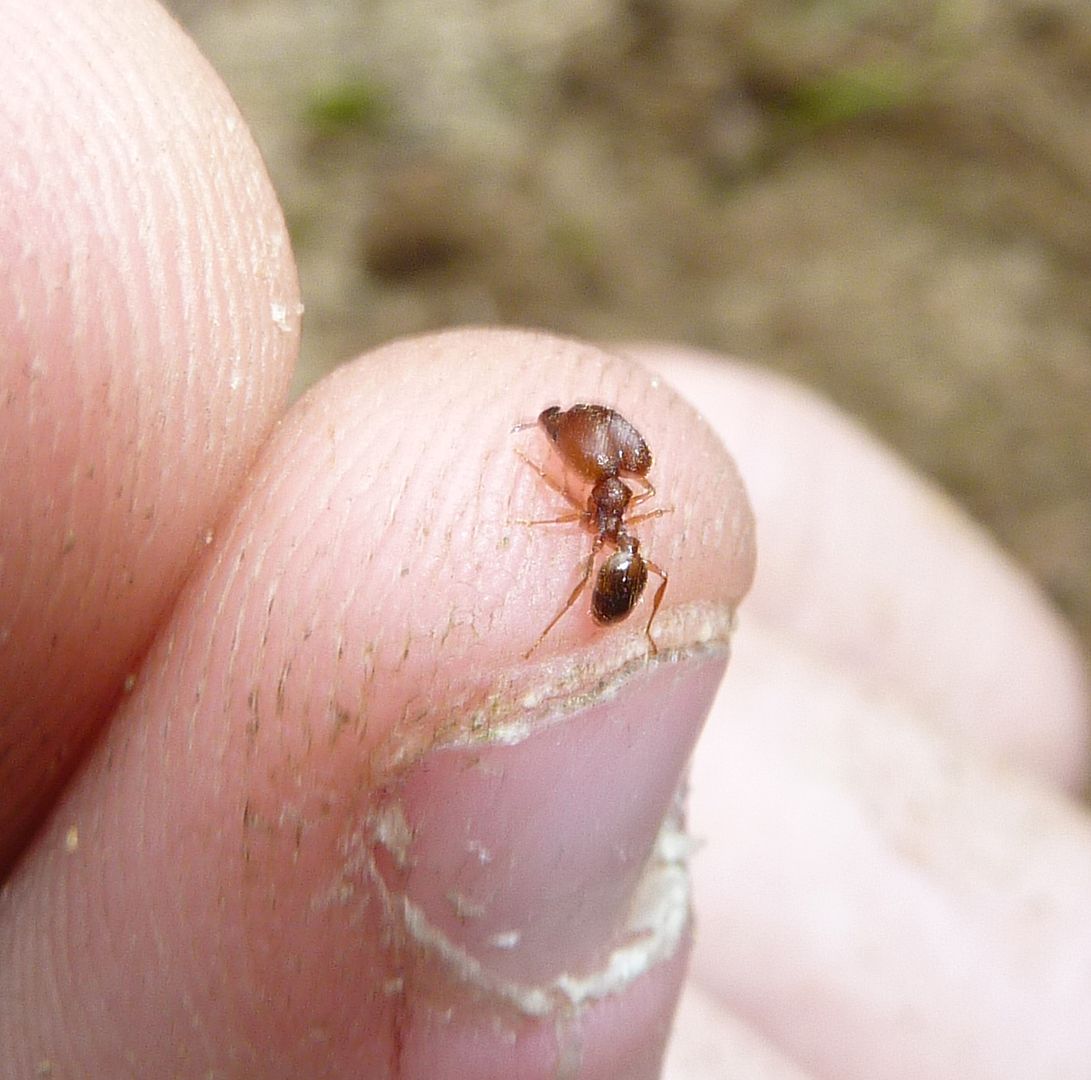
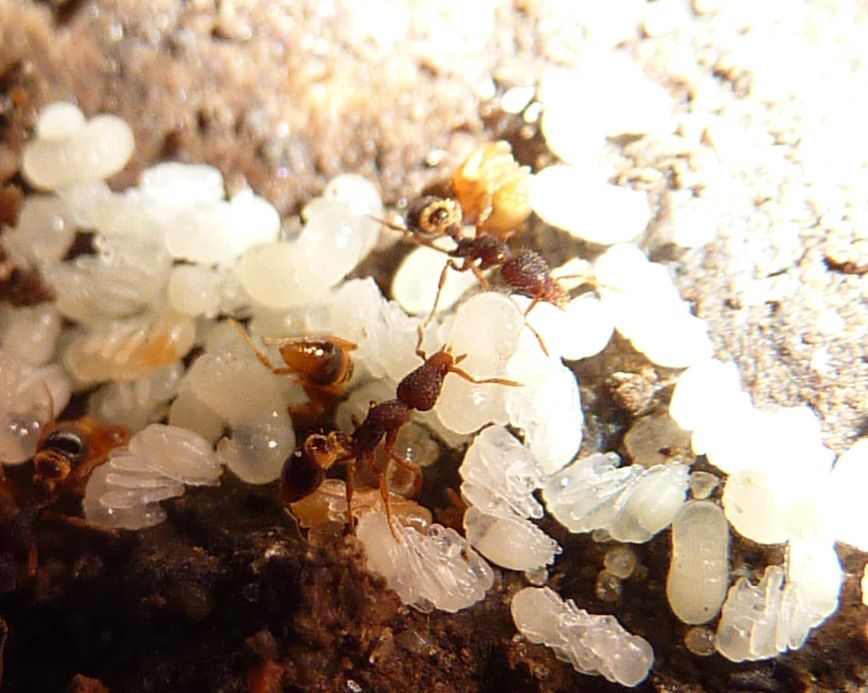
Pyramica is another rare ant almost never encountered. Seriously if you're not covered in chiggers, ticks, and poison ivy by the end then you're not looking hard enough typically. We found this colony under a rotten log that was near a creek and in a shady area. Apparently a problem with this species is they over heat easily in sunny spots so even dappled shade could be an issue for them. They're also predators of springtails so rotting plant matter is a must. I didn't expect to find an ant this cool after just 3 hours but there they were. I have occasionally found these in my yard.

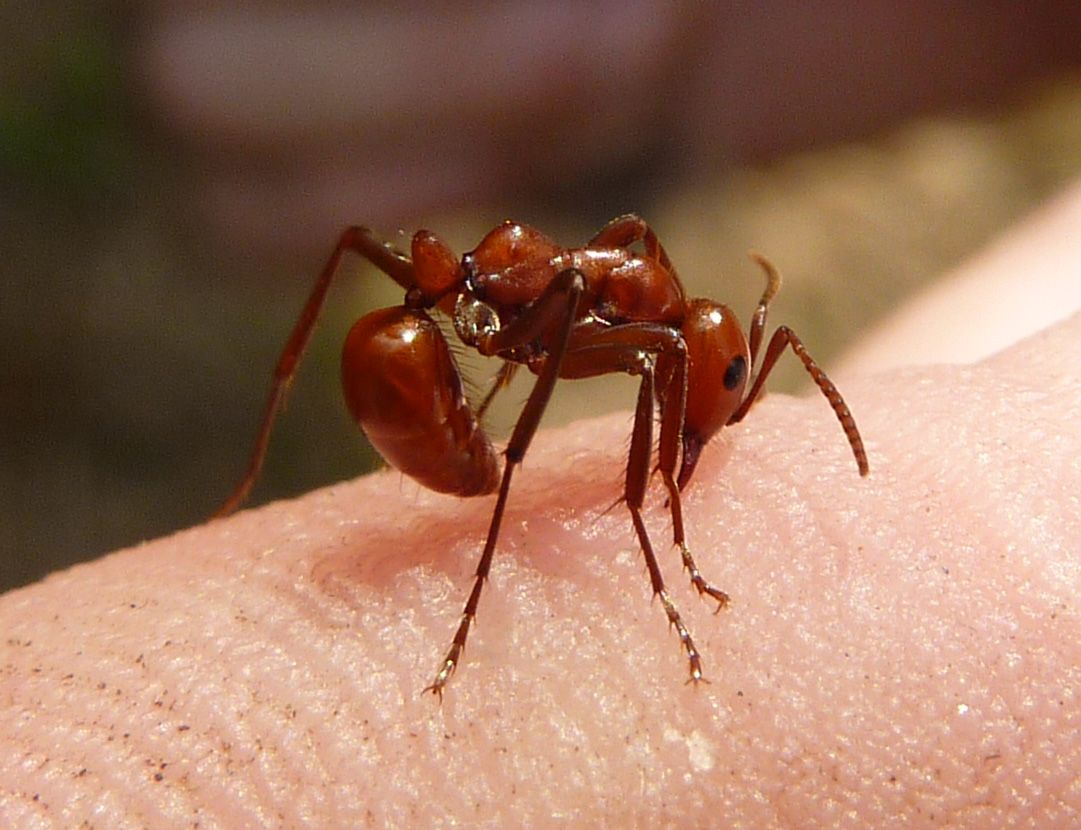
Polyergus is another fun find. They're not "uncommon" but you don't find them everywhere. They're slave making ants of Formica species, which happen to make them very common all over the US and Canada. This was a first time encounter for me.

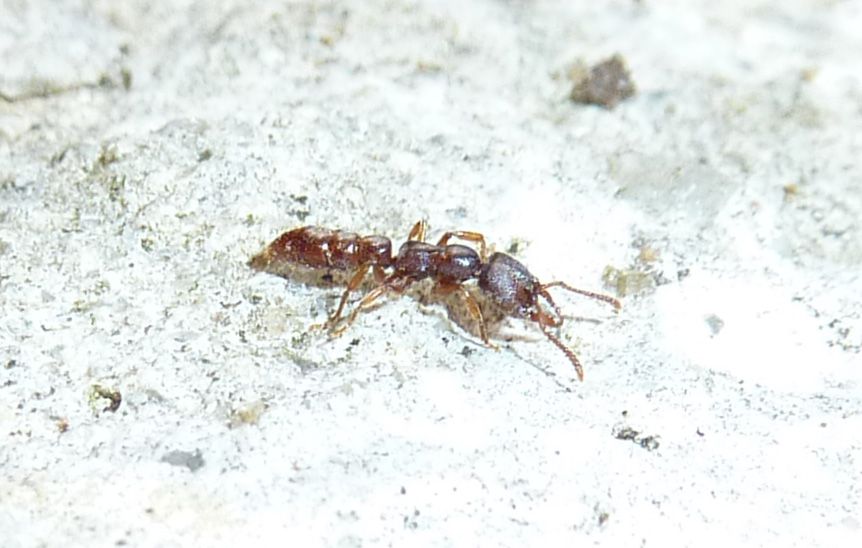
Amblyopone pallipes was another cool find, and a first for me. They're called Dracula Ants because they puncture their own developing brood in nonlethal ways to feed. Not a great photo at all compared to what's on the internet, but we held this thing for like 30 seconds before it crawled off and got lost in the pine brush.

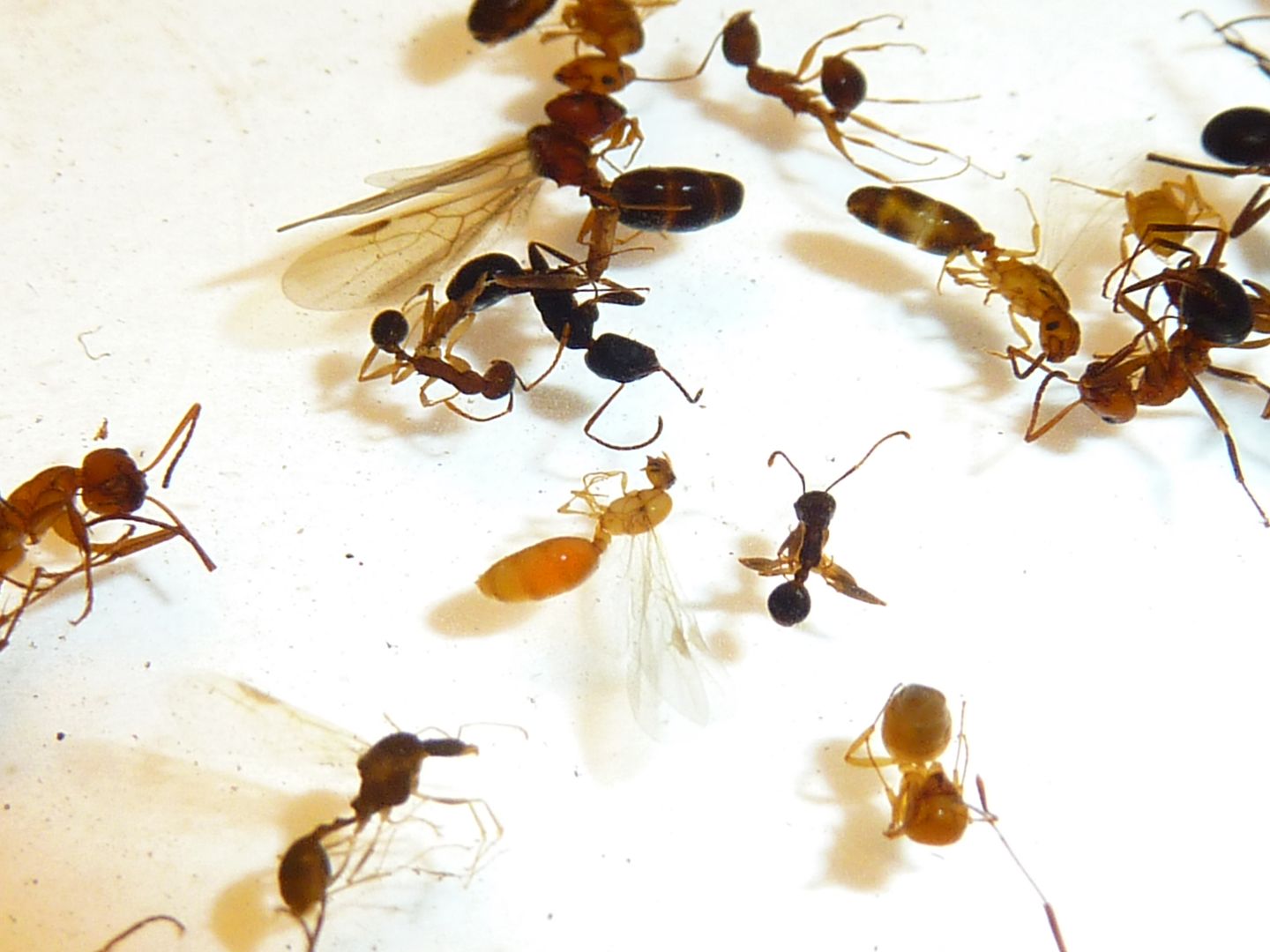
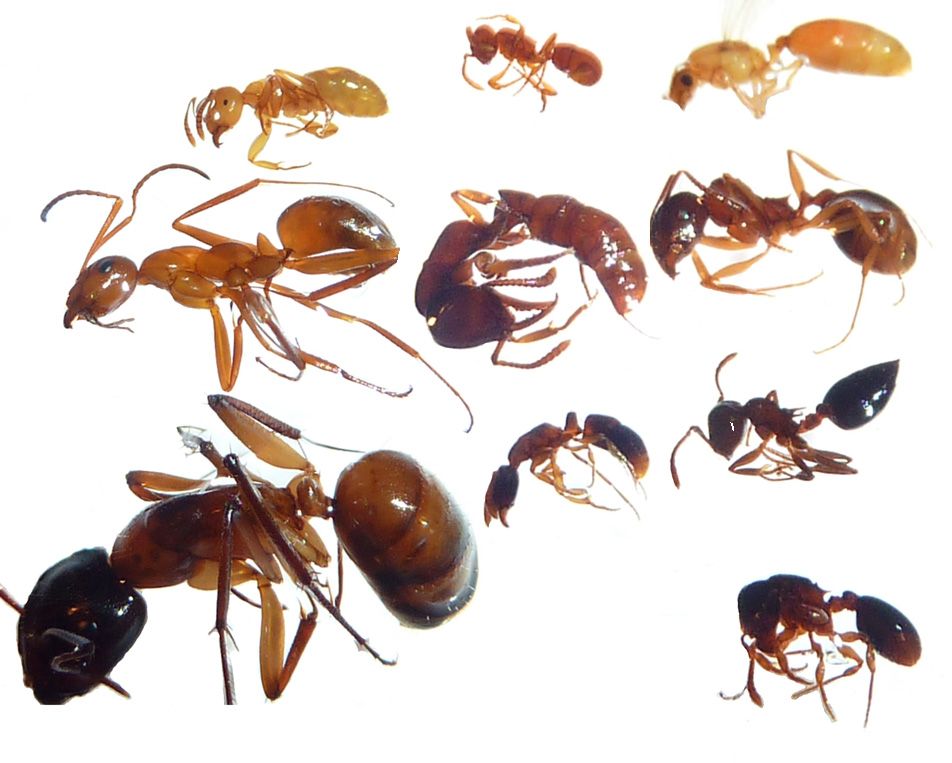
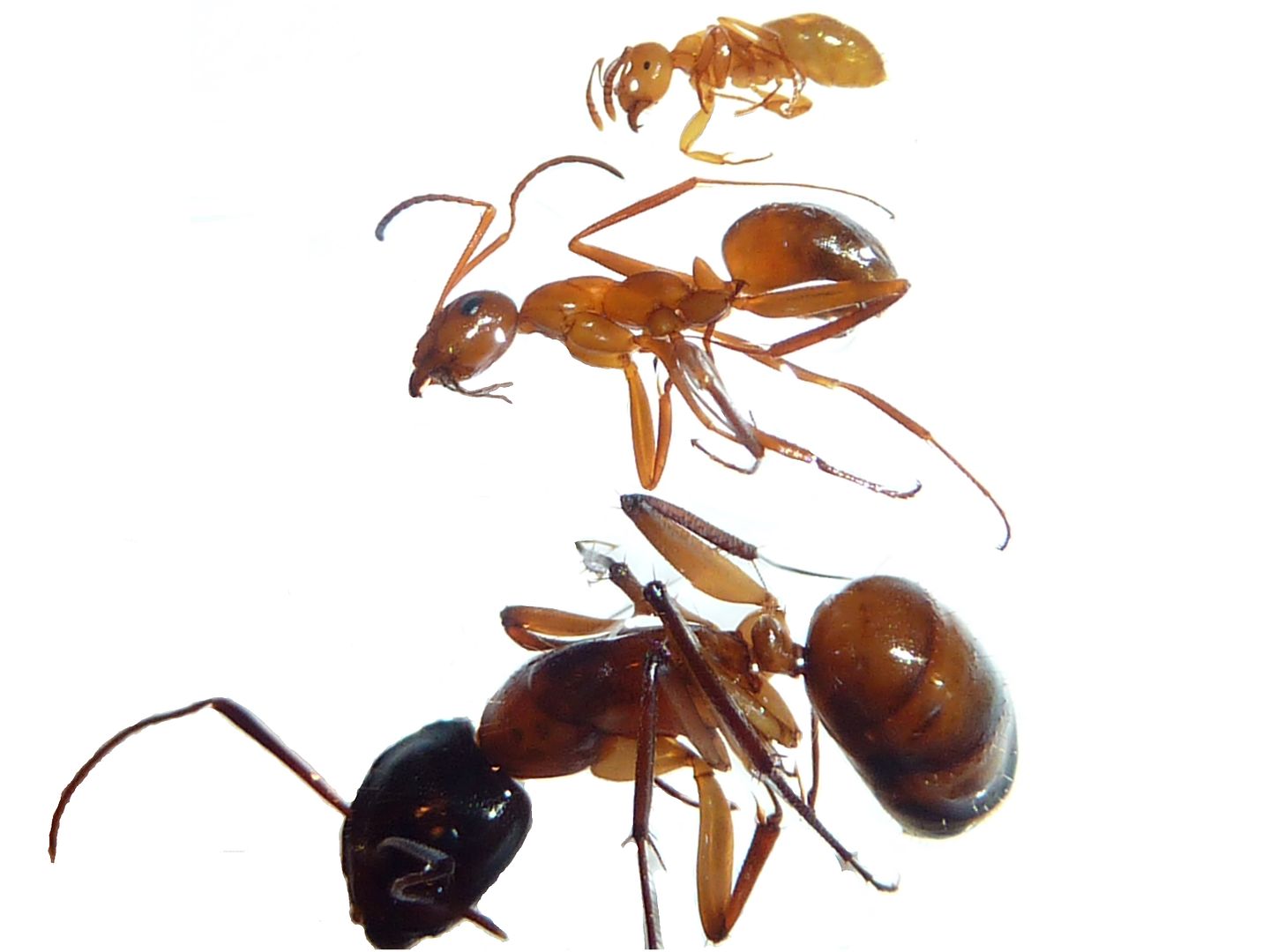
This is a distorted angle but these are some of the specimens we collected while on the trip. 

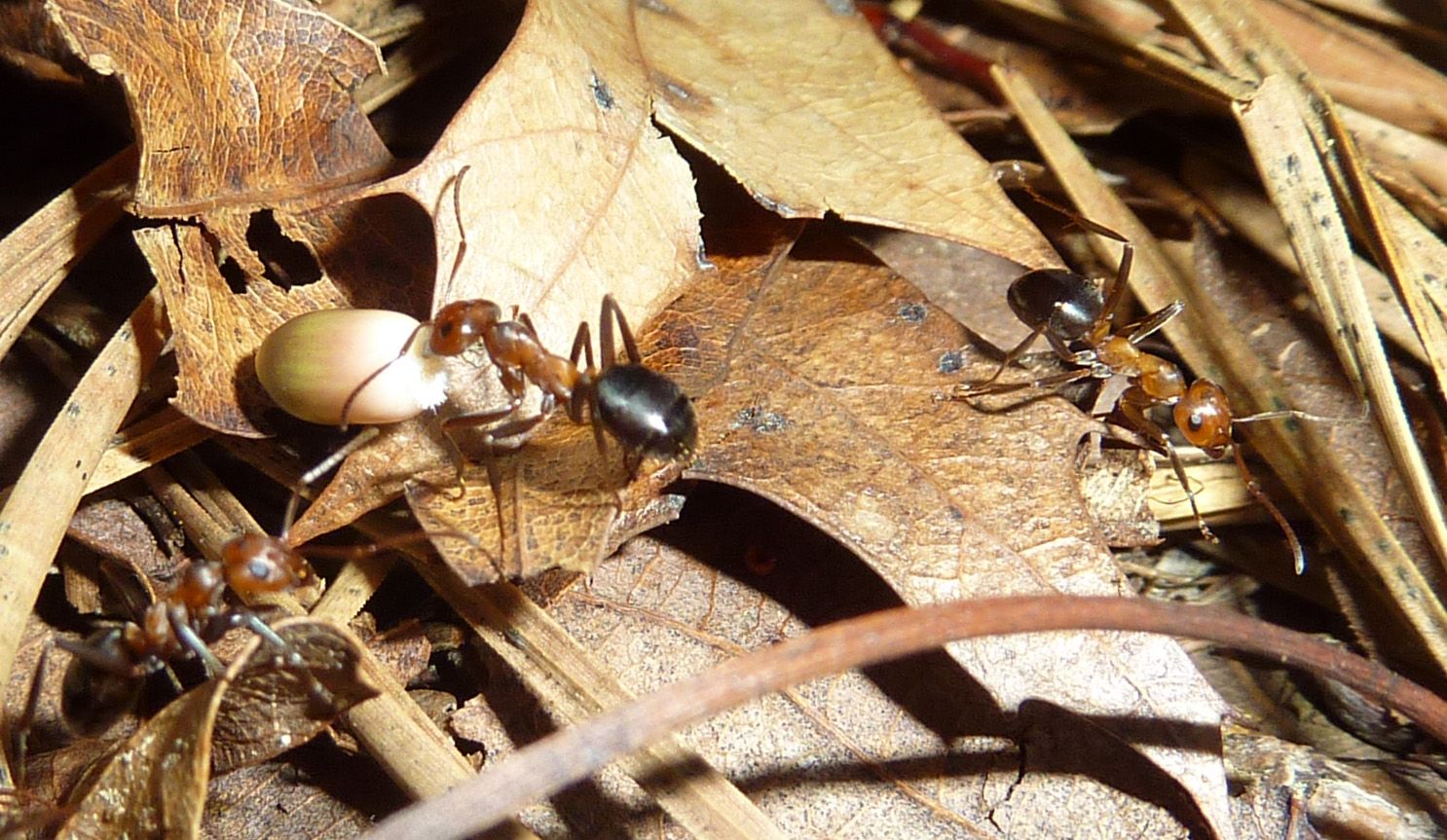
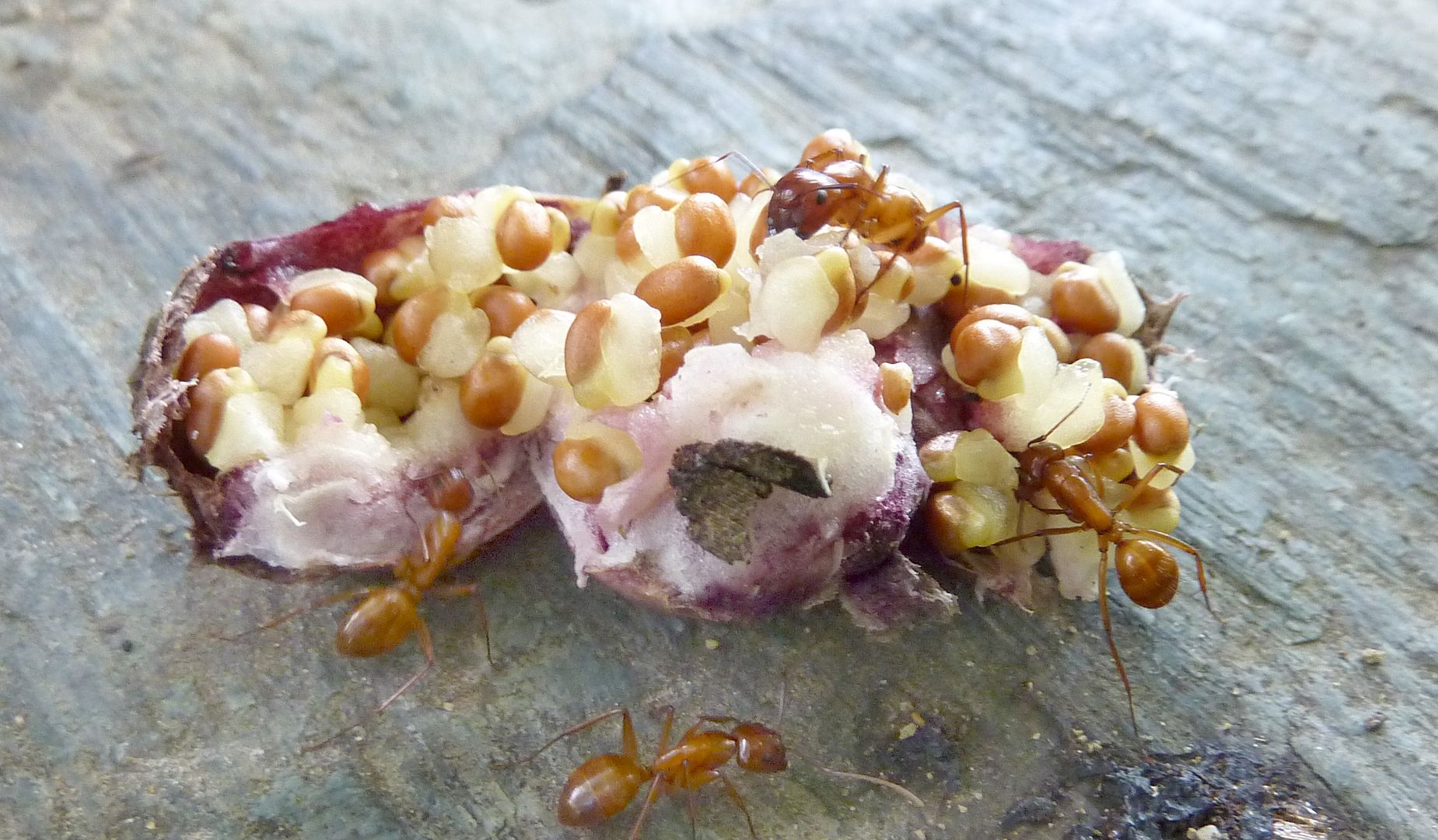
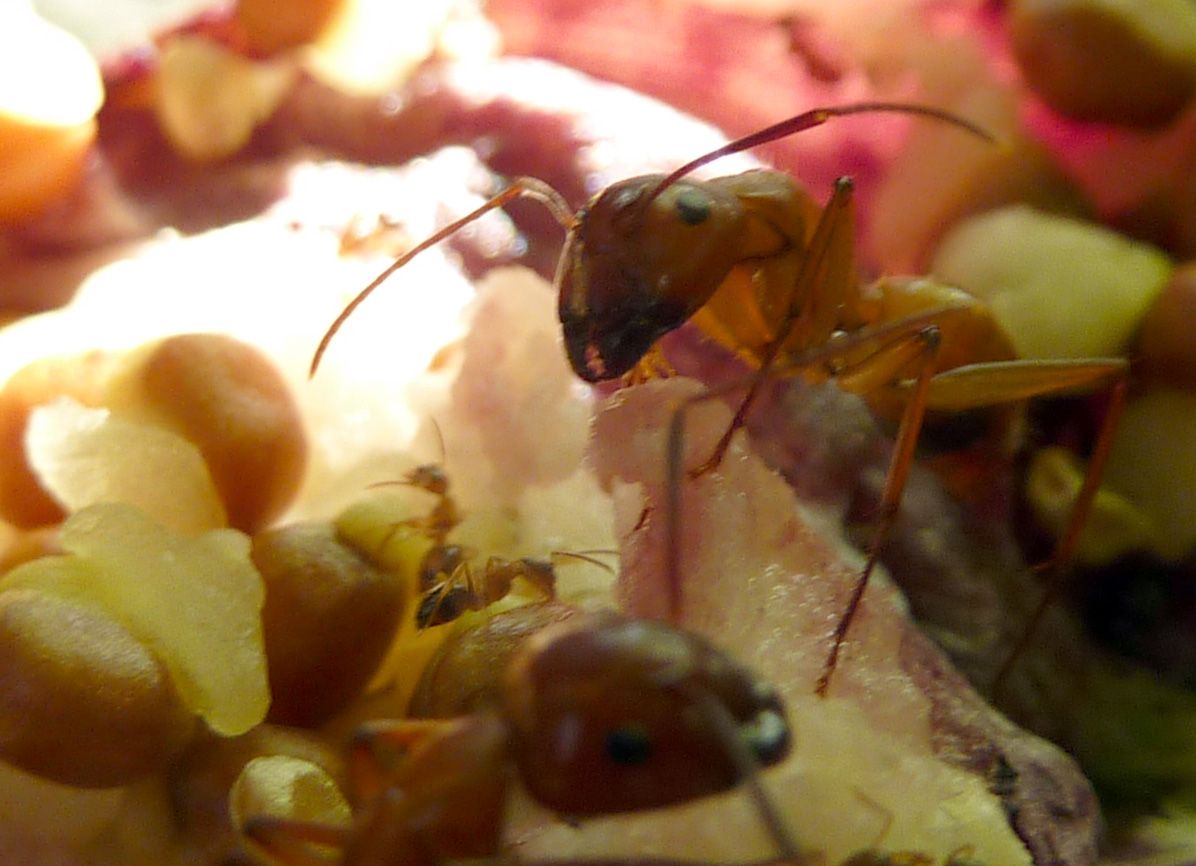
The droughts of summer always limit ant activity but one thing I've always looked forward to is harvesting my Trillium seeds and presenting them to the ants. This year I got a lot more Camponotus castaneus workers at them than ever before. Nylanderia flavipes workers also showed up as they always do. You can really see the drastic difference in size between the two species.


I started work making my own key but never got around to finishing it. The project was going to be an interactive video on youtube where I'd have arrows and Annotation Boxes you could click on to take you elsewhere in the video. It's quite an undertaking and I'm not up to finishing it this year. Hopefully in the future something will come of it.


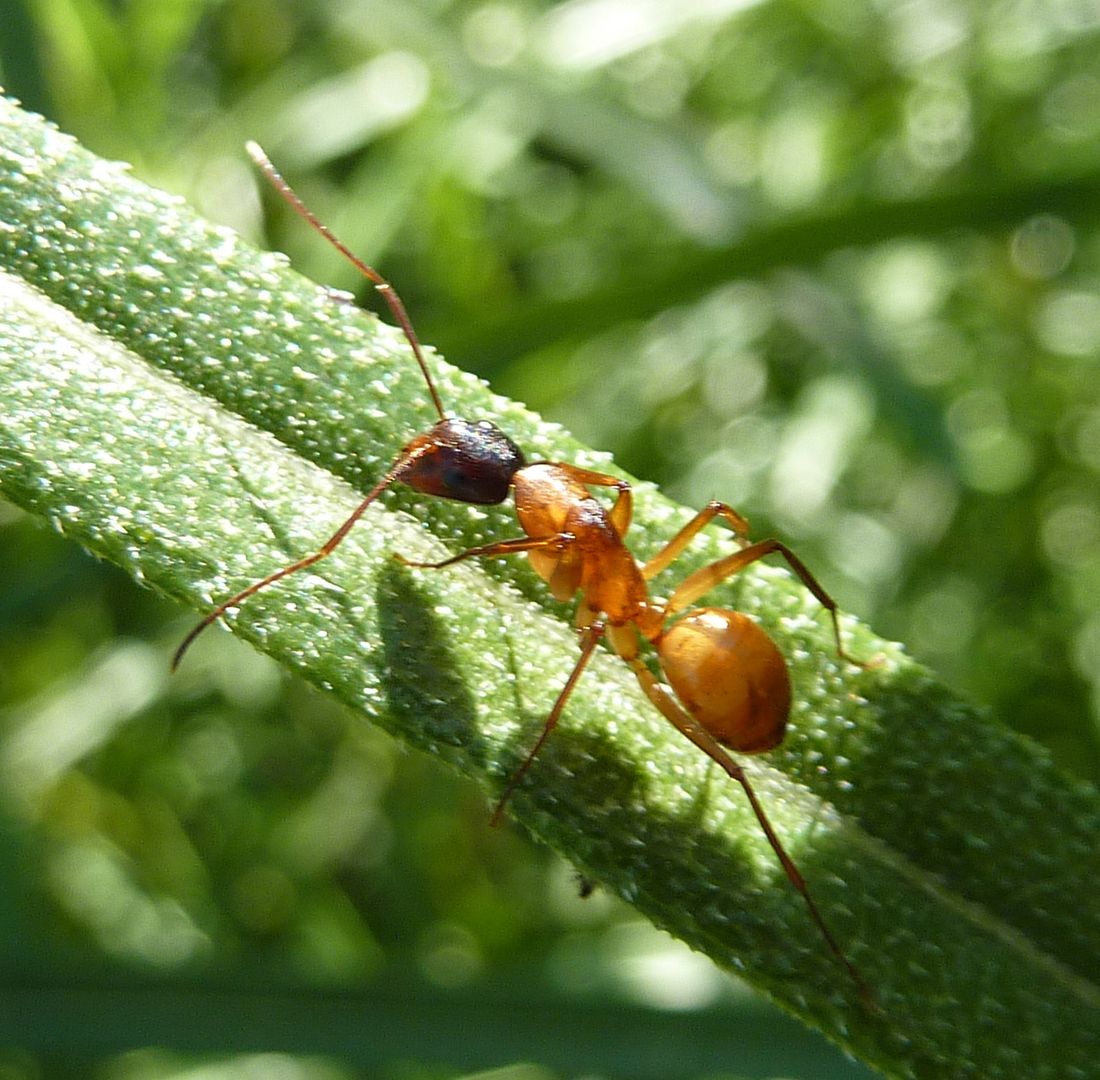
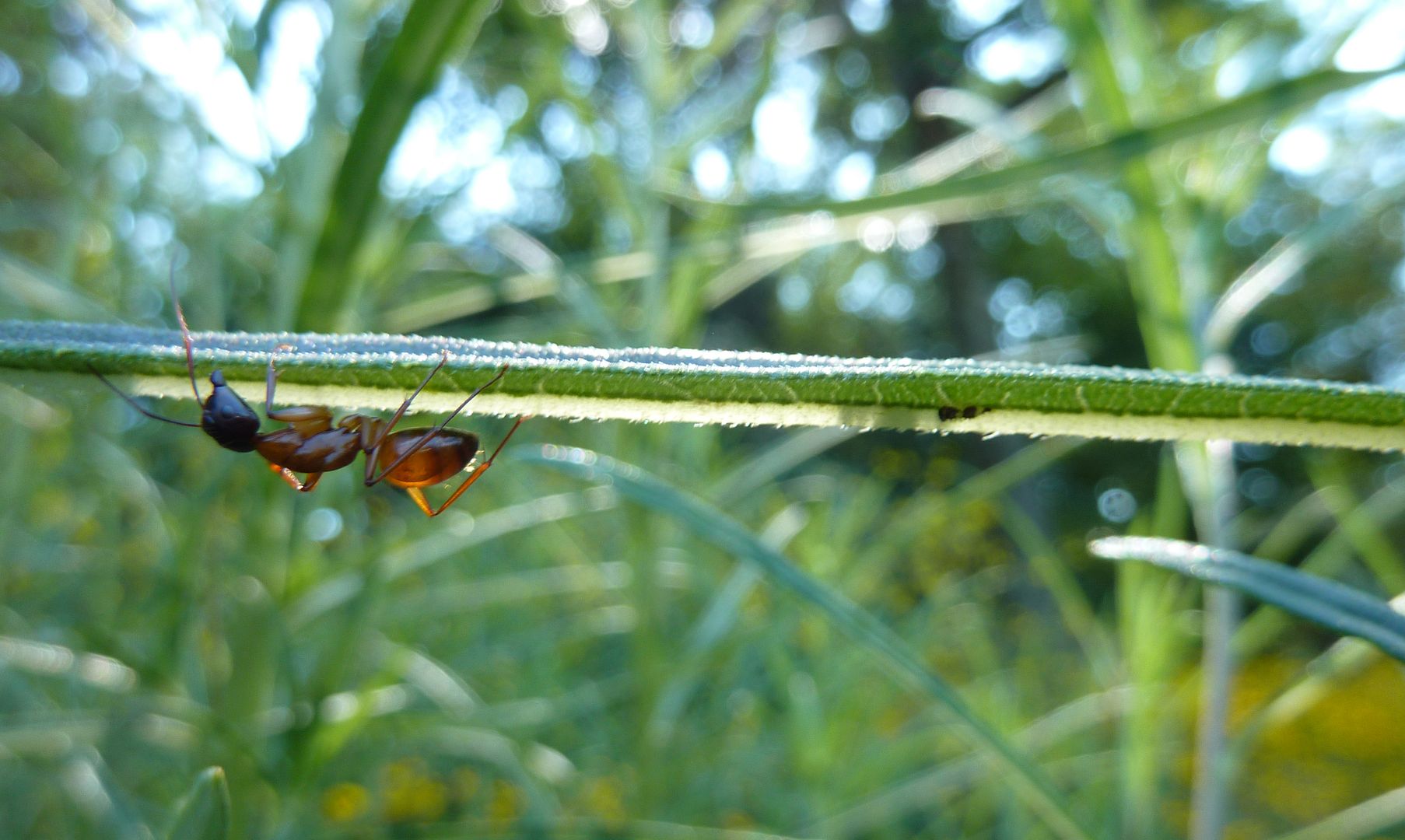
A Camponotus americanus worker on a Narrow Leaf Sunflower. Two of my most favorite things.

They were actually working tiny aphids but these weren't all that common on the plant. Despite the narrow leaves the aphids did a good job of hiding.

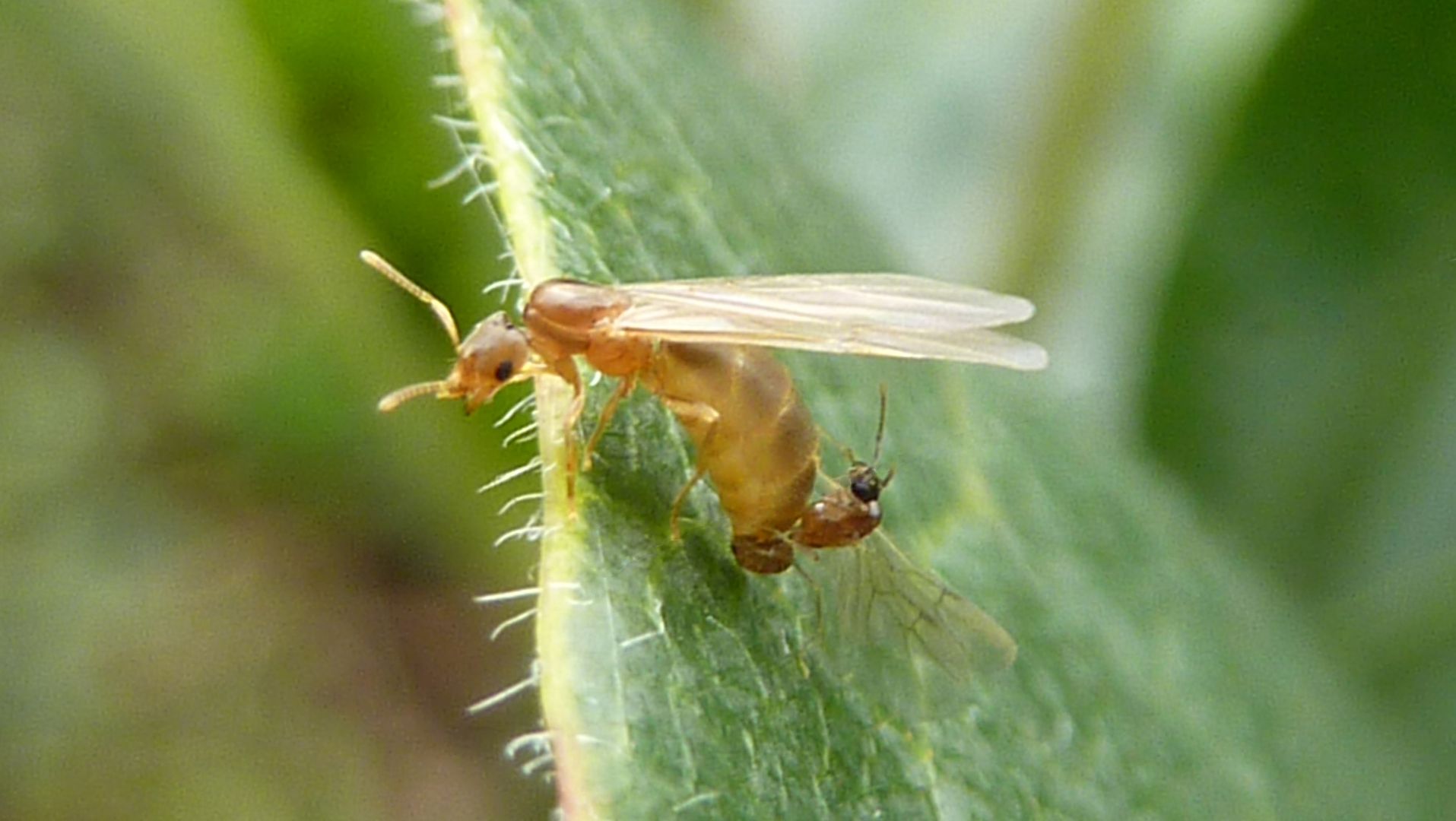
And the last ant photo I took this year that I'm really happy with is this Brachymyrmex queen and male, namely because of how tiny these ants are and how well this came out.