Friday, April 19, 2013

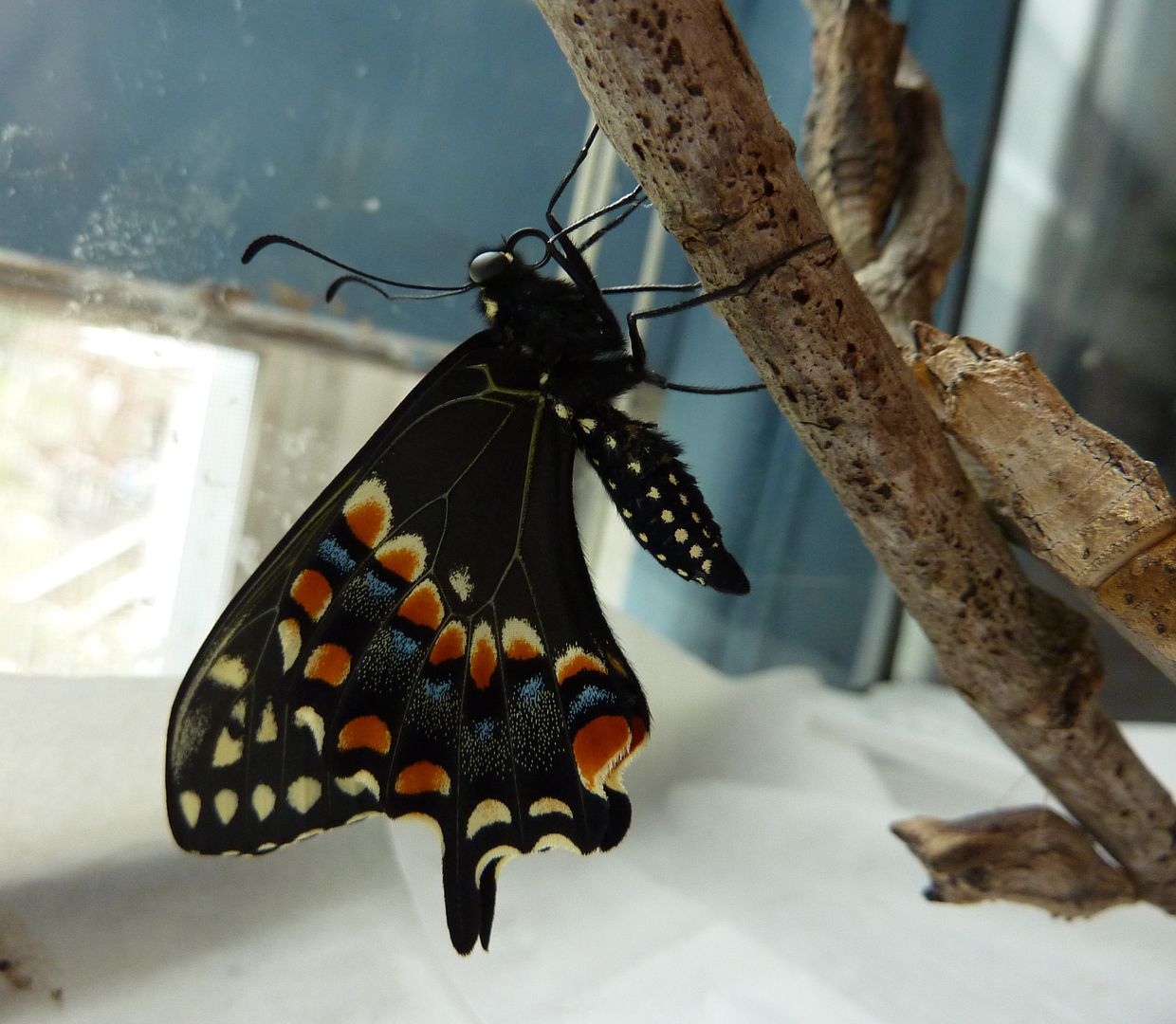
Swallowtail Number Three Emerges

Good Morning! 

The third Eastern Black Swallowtail emerged today. And unlike the second, his wings are perfect. I've since lined the bottom of the tank with tissue paper. While it felt clean to me, the second one's wings were apparently delicate enough to still get stuck on the trace amounts of stickiness. His wings were so messed up that he wouldn't stop trying to flap them and tragically he ran out of energy by the second morning.

I'll be feeding him room temperature Gatorade, once it gets to be room temperature that is. And hopefully this one will live long enough for me to release him into the wild. It's going to storm here later today and possibly tomorrow morning so hopefully he doesn't mind being cooped up a day or two.

Thursday, April 18, 2013

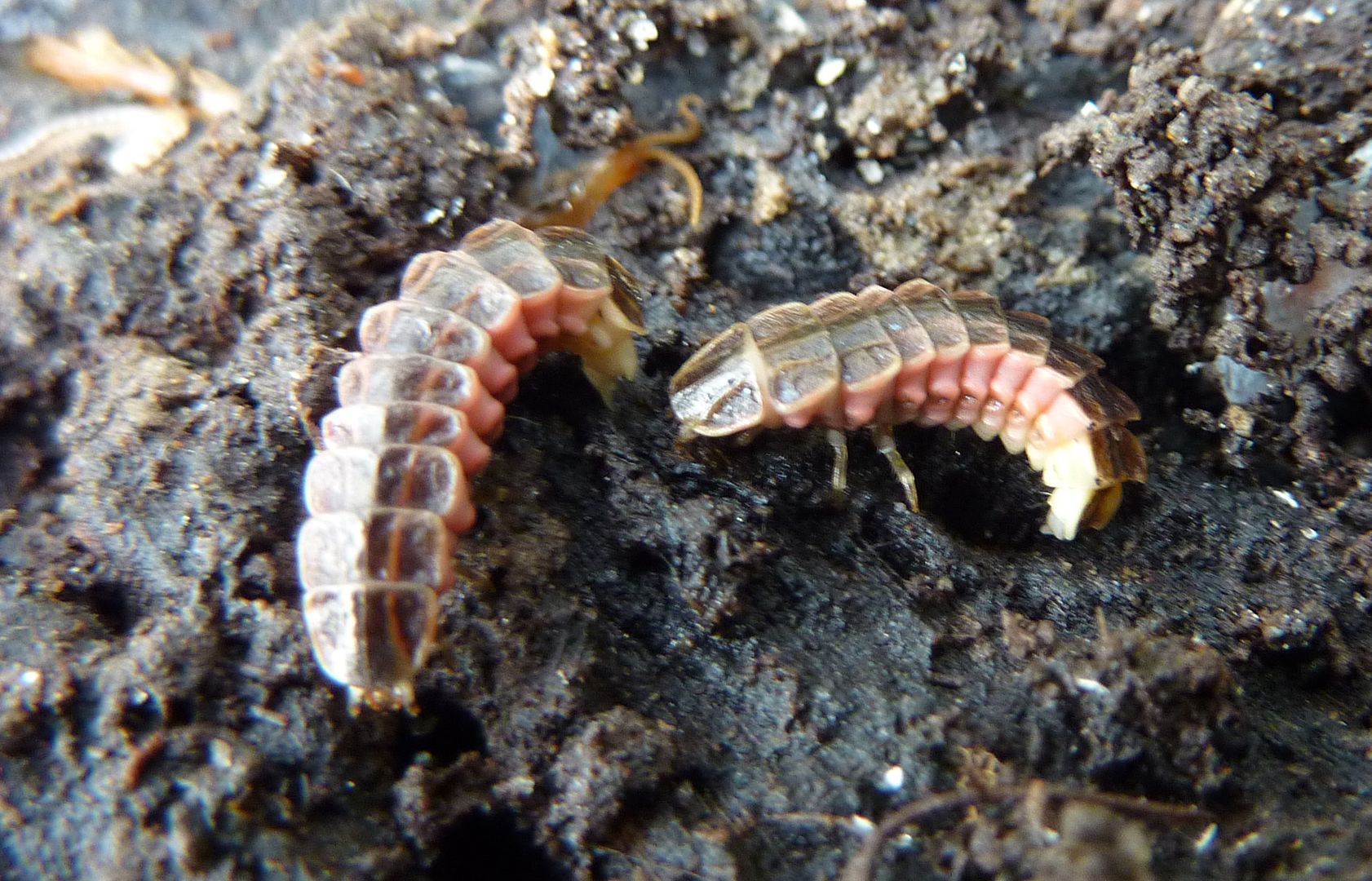
Lightning "Beetle" Larva

I found a few dozen of these in a general area under rocks and logs near our Redbud tree. Though there's also the rotting stump to a Norway Maple nearby to consider too. These turn into "Lightning Bugs" or "Fire Flies" when they grow up but they're actually Beetles, related to Clicks and Soldiers. The soil is damp there almost all year long and I'd consider it partly shaded. I mention these facts because Lightning Beetles are in something of a decline. Lights at night supposidly mess up their mating ritual, and they would seem to require damp forest floors to survive. They're overall beneficial because the larval stage is said to consume snails, which I know are a common complaint among gardeners. As far as beetle grubs go, they're surprisingly pretty.

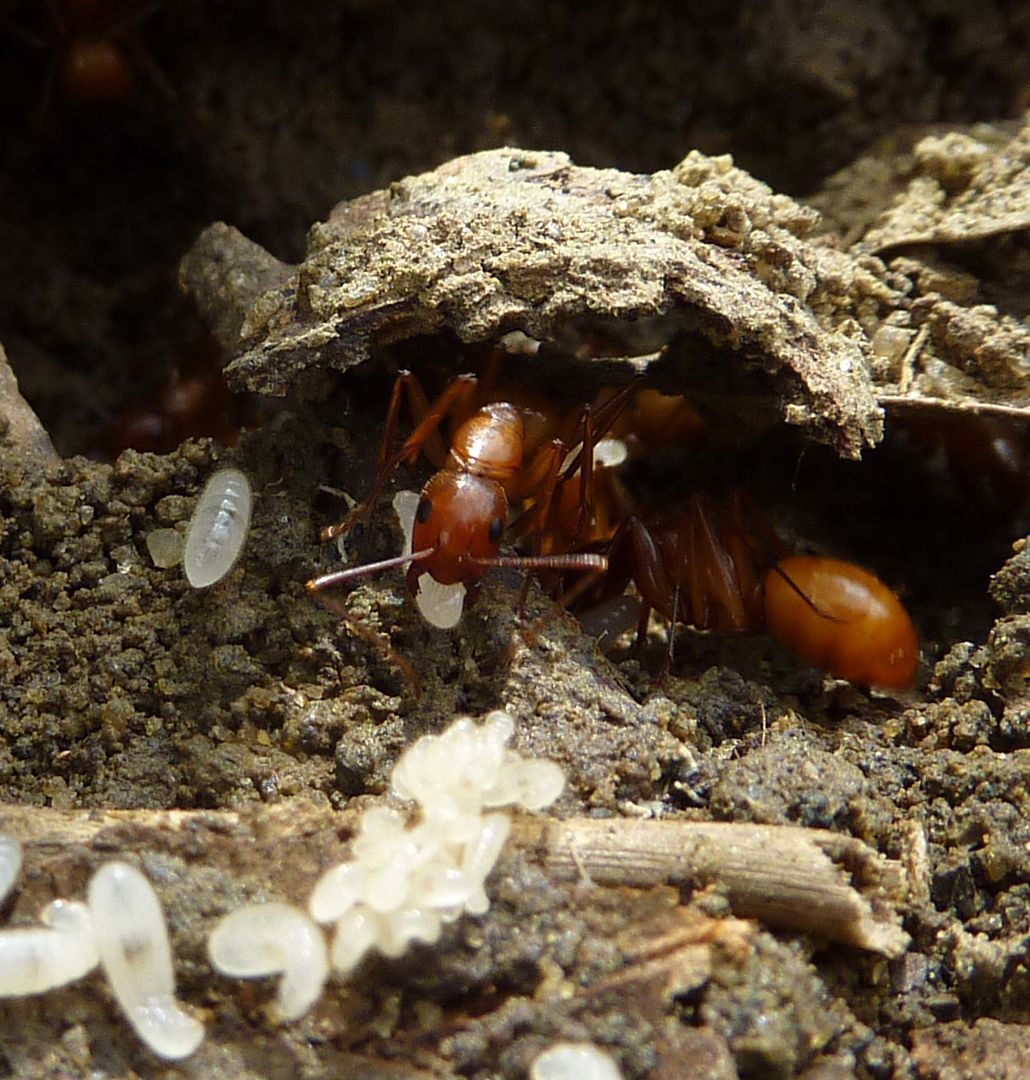
Camponotus castaneus Waking Up

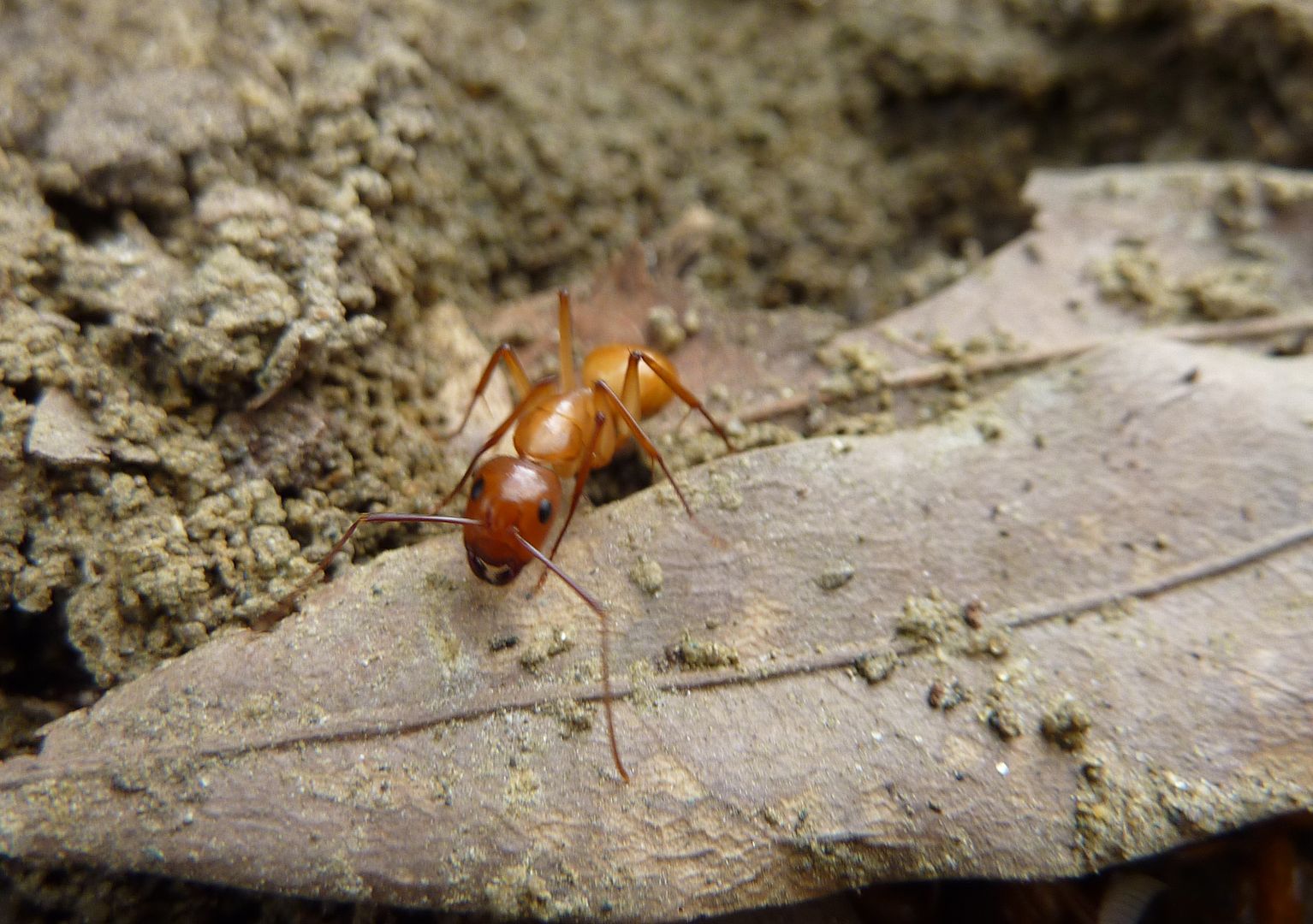
Camponotus castaneus has started laying their brood for the year it seems. I feel that this is one of those treasured species among ant keepers because of their brilliant orange color, and size 7mm to ~17mm long with queens up to ~17mm. They're among the largest ants in North America as with other true Camponotus species in the genus. It's a diverse genus among the largest in the world and also includes several smaller species who's workers are around 4mm to 7mm long and queens around 12mm give or take.

Along with having only one waist segment (note the ant in the lower left) Camponotus also have a domed mesosoma (thorax or middle section) with the three segments almost forming a smooth curve. This is the only color they come in too, the head is typically darker than the rest of the body but never black the way it is in C. americanus which also tends to have black all over it's body around joints especially.

Technically C. castaneus isn't a true Camponotus species, they fall in a subgroup within the genus known as Tanaemyrmex. Such species are supposidly identified in the genus as being large just like the true Camponotus, but also having elongated looking heads. The trouble I find with this rule is that the trait is only seen in established colonies, hard to see in the smallest workers, doesn't seem to apply to the major caste (the soldiers) and I really only see it in the in between workers. So you need to be looking at a well established colony that's past their first year just to find this trait.

It's one of those scientific facts that's good to know but frankly not practical enough to be useful, especially with a species you can identify at a glance if you're in the eastern U.S. and Canada.

A Field Guide to the Ants of New England lists their common name as "The Chestnut Carpenter Ant"

Brood 2: Electric Bugaloo

From The Colbert Report Tue, Apr 16, 2013

This cracked me up! For years I was a movie theater projectionist and we'd label every sequel as "Electric Boogaloo" in honor of the most notorious movie sequel of all time, Breakin' 2: Electric Boogaloo

In other news I'm apparently going to be in the middle of Brood 2 which should make for a particularly noisy summer.

Wednesday, April 17, 2013

What are Bees?

Un-bee-lievable: One in five kids has never seen a bee


‘I am shocked by the number of children who have never seen a wild bee,’ said Adopt-a-Hive founder Tony Gray....

 ... It’s not just kids in the dark either, with the poll of 2,000 parents showing around half of respondents did not know bees helped to pollinate crops, while around 20 per cent said summer would be better if there were no bees around.


Yikes! Looks like someone needs to sit down with these people and tell them about the birds and the bees, instead of "the birds and the bees."

Some Early Blooming Trees


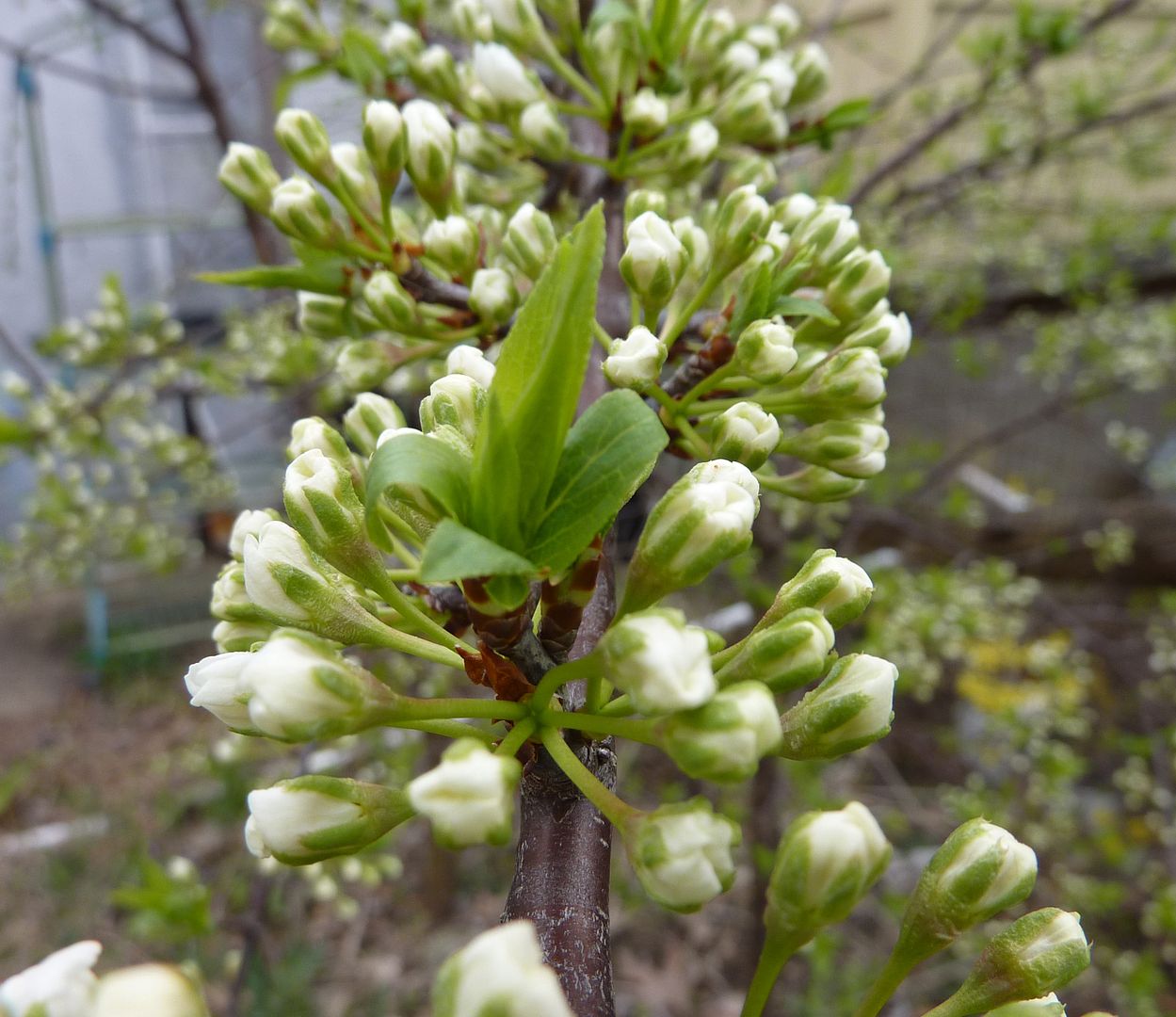
Of the four Native Plum Trees, Prunus americana, I have planted, this one seems to be flowering the best. Two others seen to be susceptible to biannual blooming which also happens in Apple trees, and I'm sure others as well. Generally the flowers from one year release a chemical that tells the tree to produce fewer of them next year. The solution is simply to remove half the buds and this should even things out. Whatever the case, it seems I won't be getting the crazy yields I got last year. The fourth tree had never been good at flowering and I might remove it entirely in favor of another Prunus species.

Viburnum trilobum, is called Highbush Cranberry, though it's not a cranberry at all; it's a viburnum. Apparently the berries to all viburnums are edible, but whether or not they're palatable is yet to be discovered. It seems this year I'm going to find out. My little plant here it only a knee high stick in the ground and yet it's flowering. I've had it for four years I think, and sadly had to transplant it once, and the spot it's in now isn't what I'd call ideal as it gets pretty dry and shady there. I'll have to take care of it some I think. V. trilobum is sold and marketed as an edible berry producing plant that "tastes good" but they also said that about Red Current, and frankly I don't find true Cranberries all that appealing to eat. Some of my friends are disgusted by Blueberries though so I guess it's all a matter of taste.

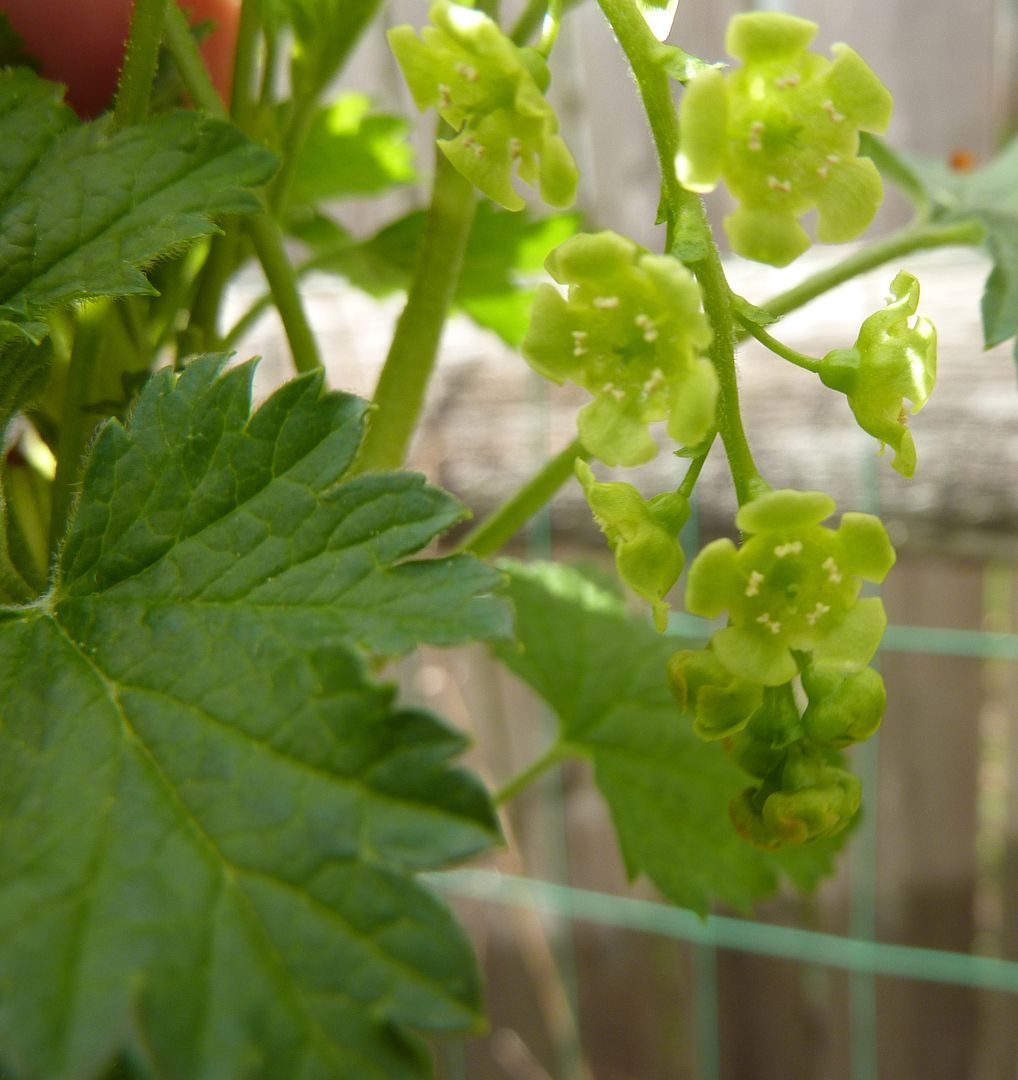
The Gooseberry Bushes, Ribes species, are also flowering too. An issue though is that these were sold to me as the cultivar 'Pixwell' which are supposed to be big and green to a red-brown color berries. But last year they produced tiny red pearl sized berries that were more like Red Current without some of the bitterness. I'm not sure what to call them but they're at least in the genus and I can eat them, so that's a plus.  

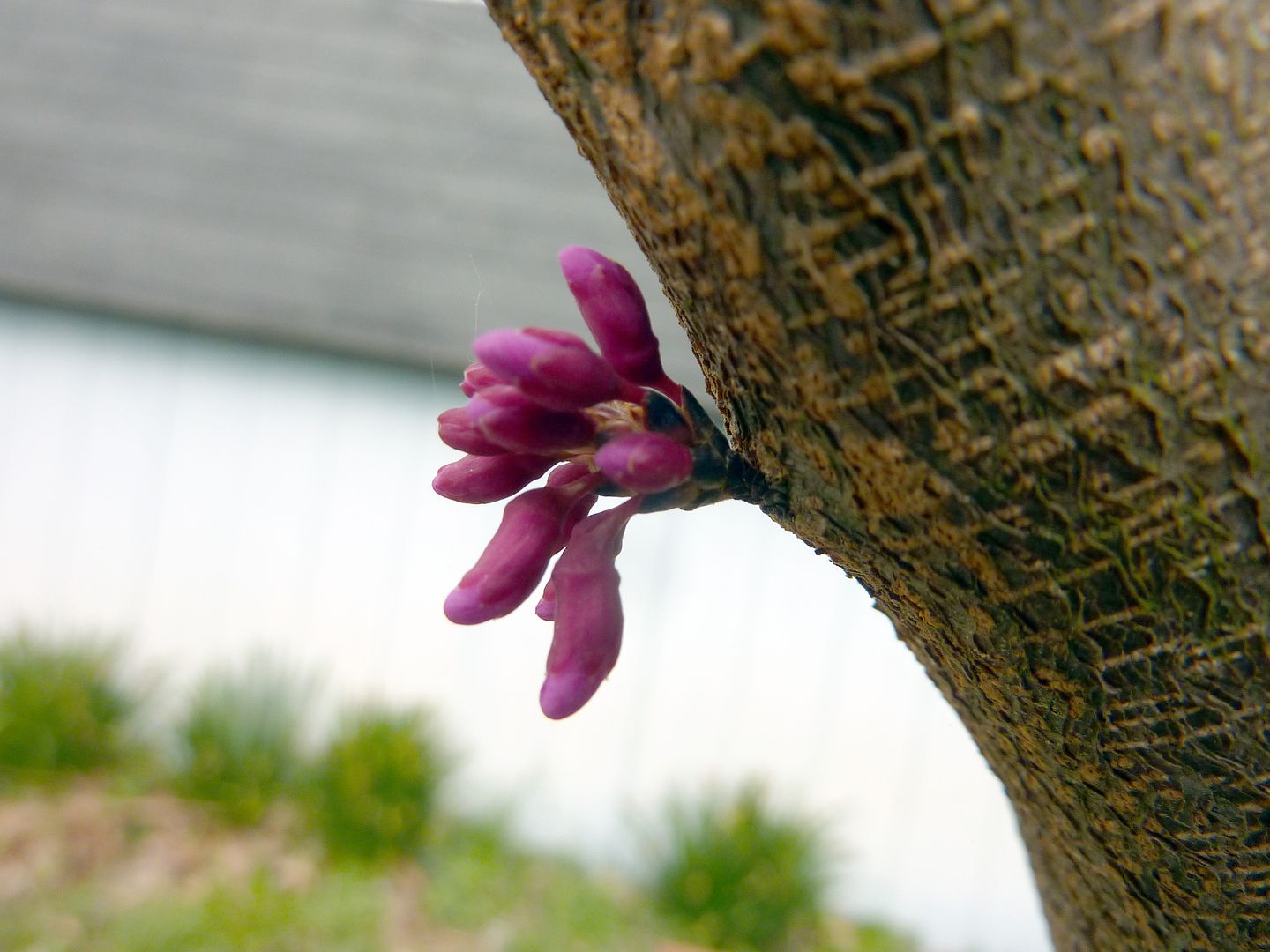
Eastern Redbud, Cercis canadensis, is budding now and will be flowering in a week or so. I love this tree. This was a sapling I got from the Arbor Day Foundation as a 10 pack with other trees too. It took about 4 years to start flowering for me and might be something to look into for those seeking ideas on celebrating Earth Day (April 22) this year.

A trait I love about Redbuds is that they eventually flower in random locations all along the trunk. And these go on to produce seed pods as the other flowers do as well. As the tree grows and gets a larger trunk, these flowering patches expand and in some cases the flowers almost look like a magenta lichen or moss growing up along the trunk. Most of the flowers do occur at growth points as seen in most other trees, but I always found this random flowering to be a striking feature.

Some Early Blooming Ephemerals

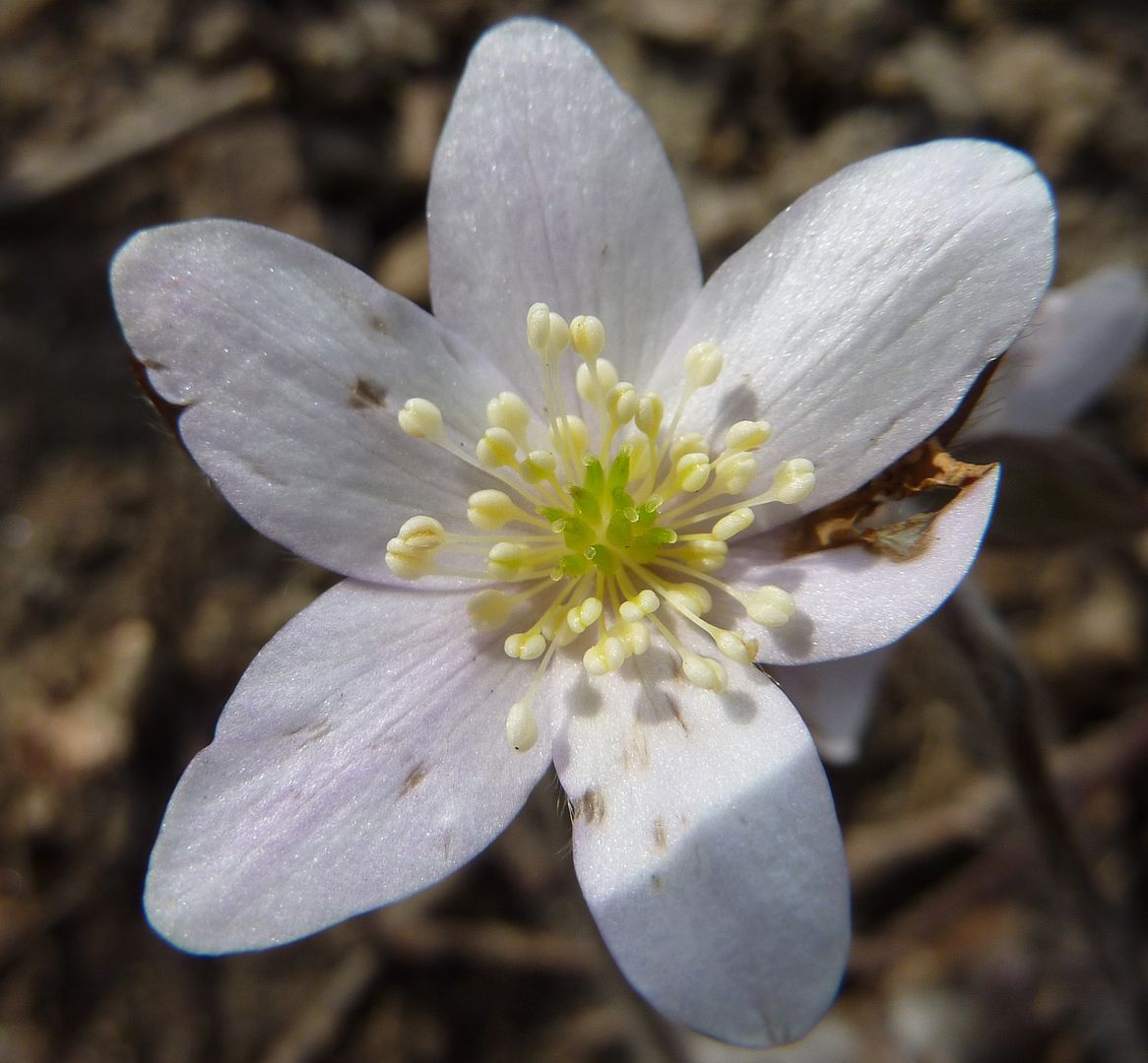
Hepatica has been flowering for a few weeks now and is finishing up now. I've ordered a few more from a nursery and hopefully I can get a population of them that's capable of spreading. As it is, the two plants I have only flower on occasion. One of them almost never flowers, while the other is more consistent with its blooming, but even the good one this year has focused more on green growth than blooms. They don't seem to be dividing at all, and I don't see any signs of their seeds having germinated either. What's more I've never been able to get ants to take any interest in the elaiosome on their seeds, which can be a sign of seed quality. Plants tend to put more effort in seeds that have resulted from good pollination, whereas others may only be duds. Hopefully all they need is just a little pollinating diversity and these issues will be fixed.

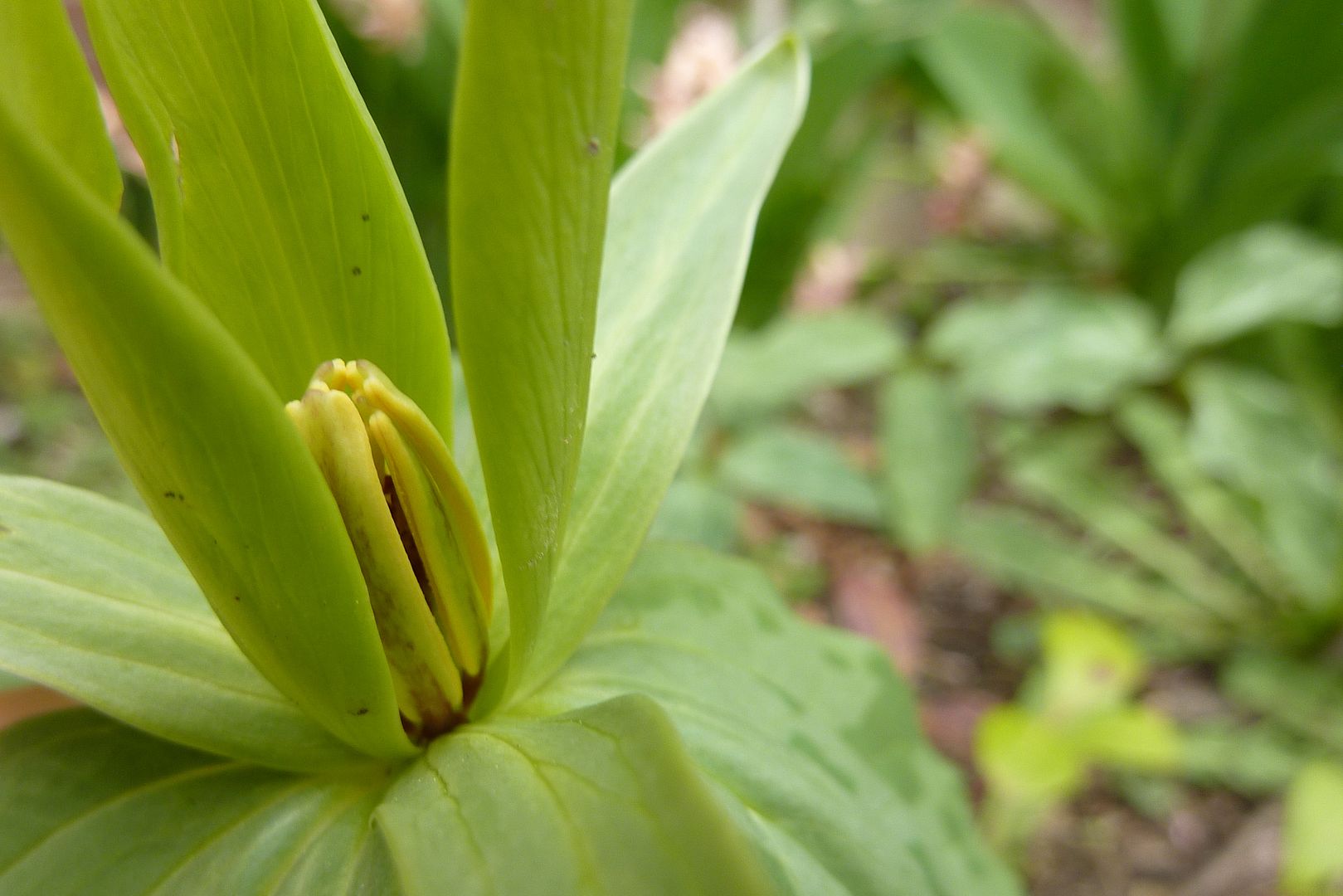
The Trillium luteum I have in the front garden is flowering earlier than all the rest I have in other gardens. It's petals are green now, but they should turn yellow in a week or so. They're fragrant if you put your nose to them too.

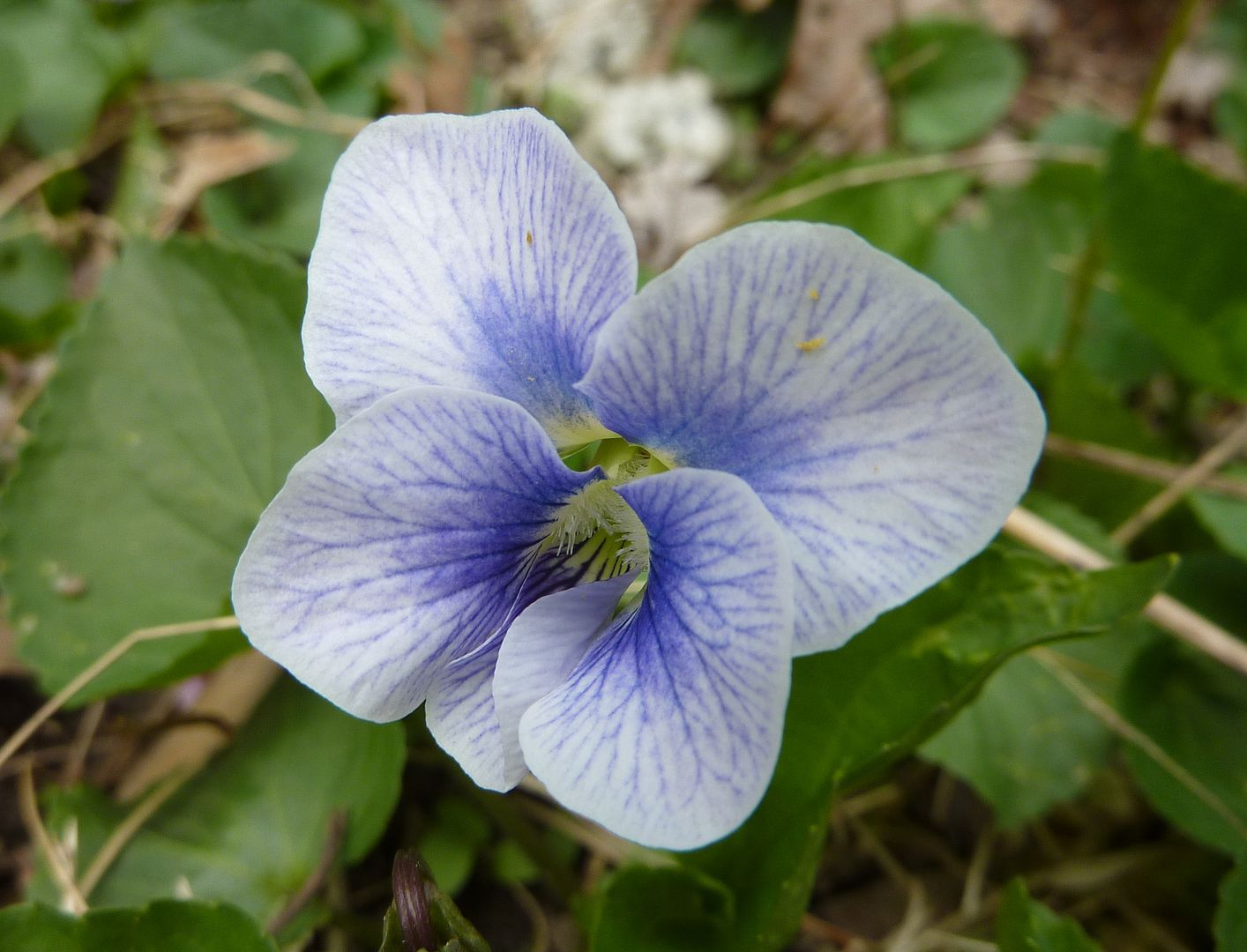
Violets were well established in my yard long before I started gardening. I'm not sure what to think of them honestly. I never see anything pollinating them, their seeds are ignored by ants despite having elaiosome on them, they reproduce likes weed but are surprisingly very well behaved. The rhizomes they form are easily removed and seem to die out after a few years but their seedling replace the mother plant easily enough. And they only grow where there's damp soil in partial sun or shade. They're a convenient ground cover that I started weeding out of the lawn areas and transplanted into the gardens.

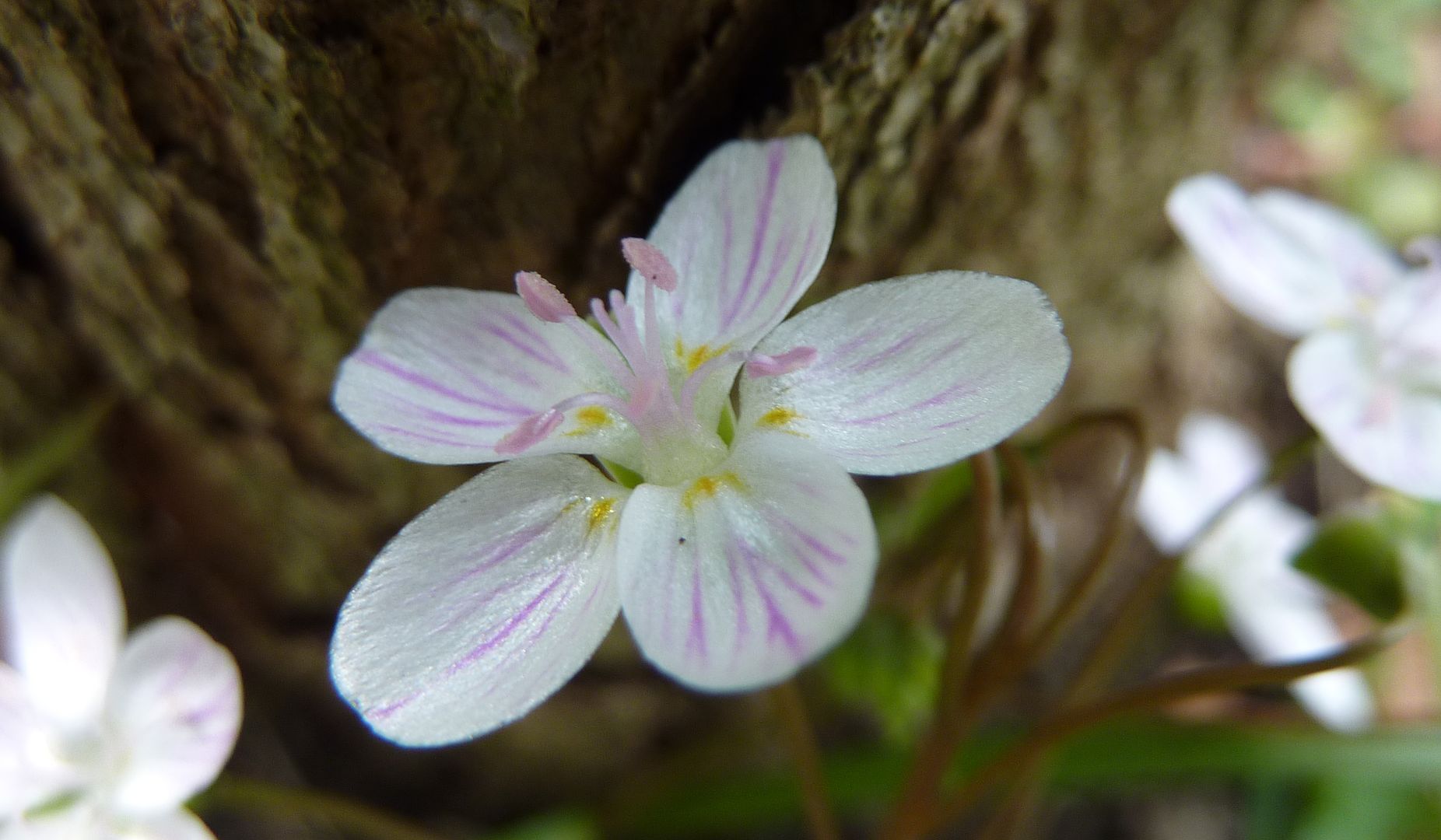
The Spring Beauty, Claytonia virginica, I planted around the redbud tree are doing great. I think I planted something like 12 or 20 corms, but they seem to be dividing slowly now and each produces more and more flowers with every passing year. I still don't see anything pollinating them, which is strange because they were named as a plant that gets the highest number of native bees pollinating it. Presumably the population isn't large enough yet. Another issue is despite my constantly telling her (my mom) not to mow around the tree, she does it anyhow, which shreds up seed pods they make. And she mows there even though the grass isn't tall enough to need mowing. You can barely fit a lawn mower in the space around the tree because of how close it is to the other gardens and yet she does it anyway! I clearly need to find a rock or garden ornament to put there as a reminder. (I do mow the lawn for her sometimes but I can't be there to stop her all the time.)

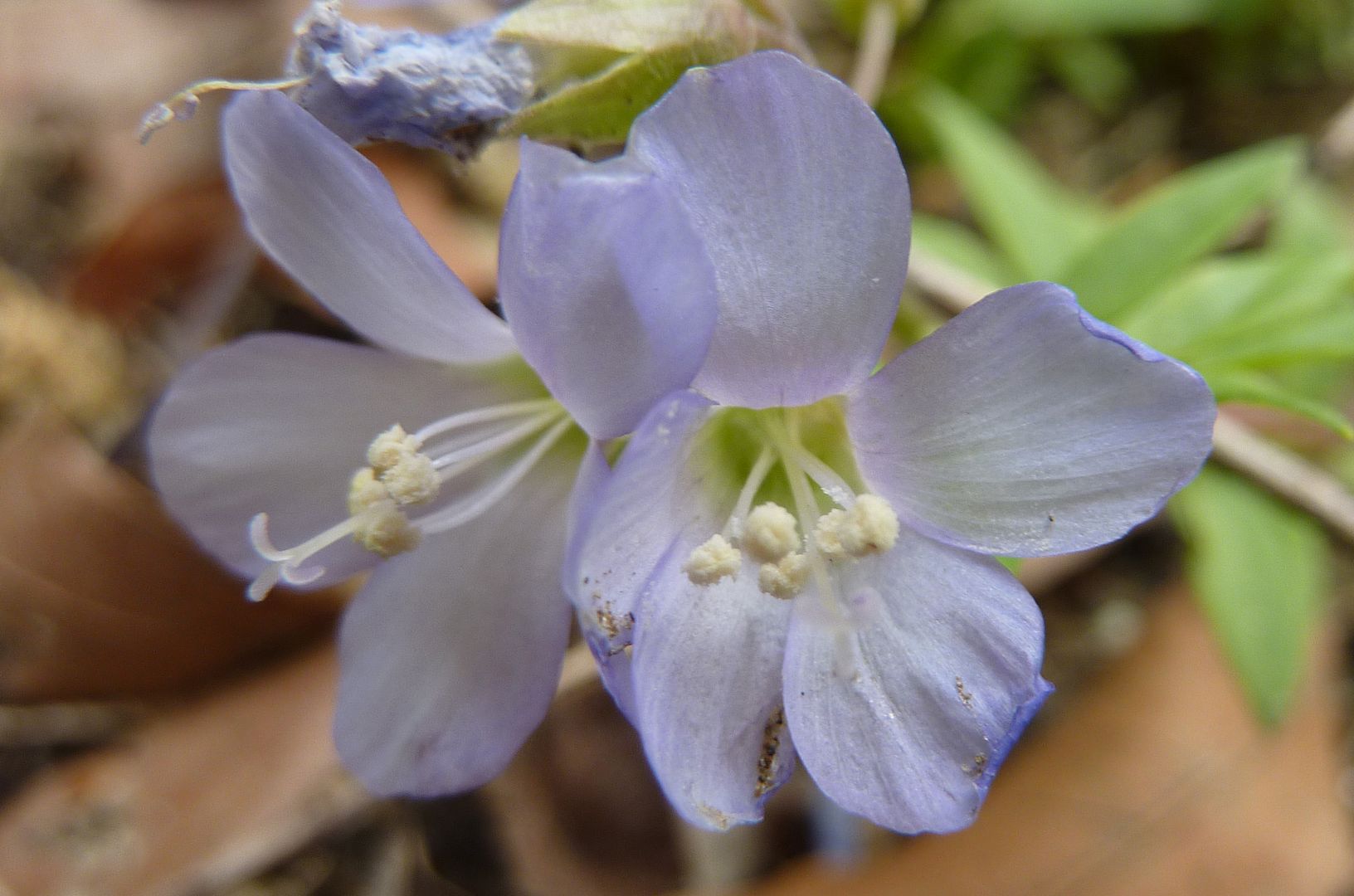
Jacob's Ladder, Polemonium caeruleum, were also flowering. Truth be told, the ones I planted in the meadow garden are either dead or haven't broken dormancy yet. These were new ones I'd ordered and all flowering right out of the box when it arrived. I have to have them shipped in because none of the local nurseries sell the true species, they're all stuck on the cultivar wagon and boast the variegated leaves and such... and honestly I don't care. It's actually cheaper this way. They're planted right next to our pond which will hopefully make them grow better. 

Tuesday, April 16, 2013

The Birds and the Bees

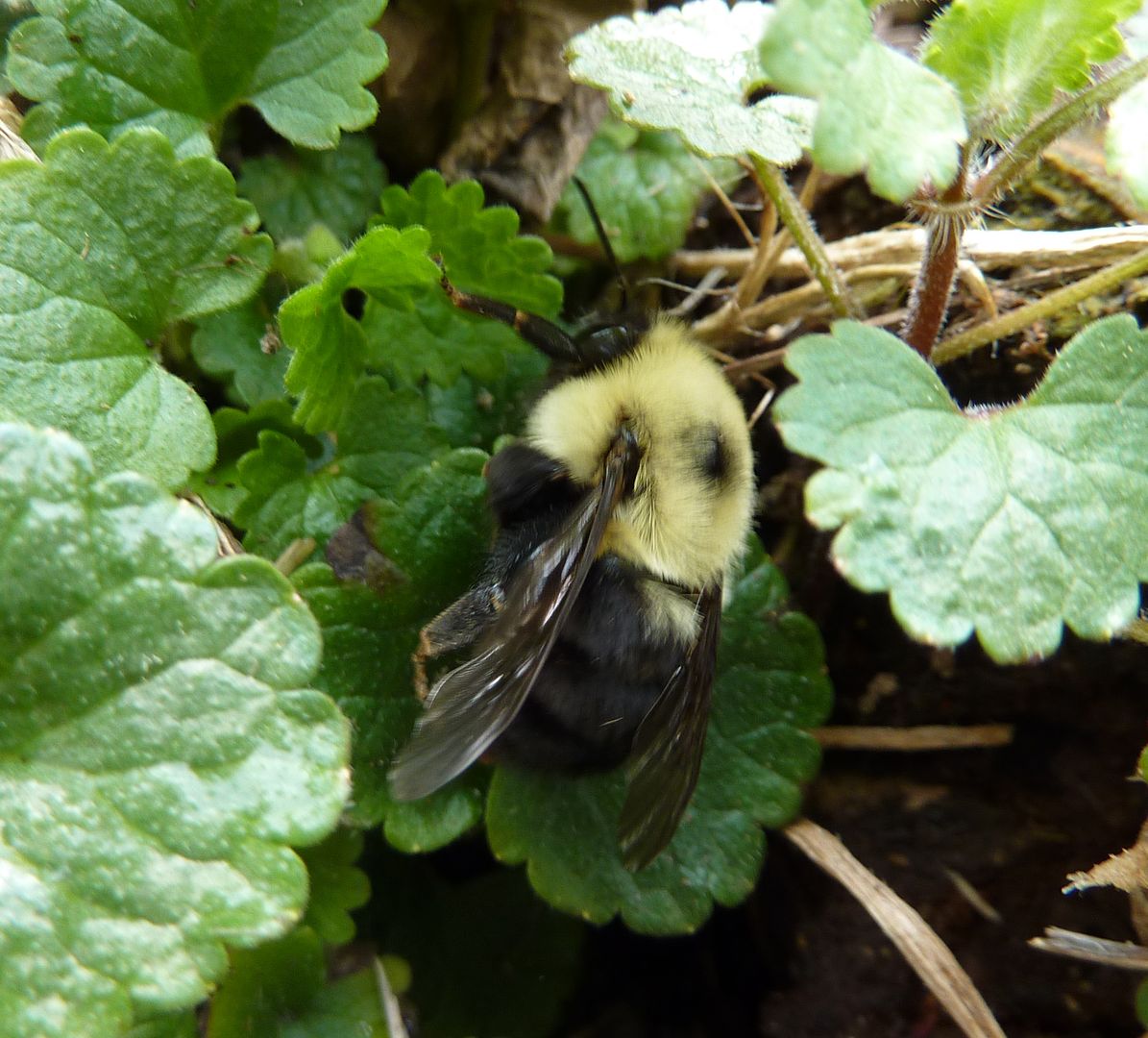
I found a Bombus impatiens queen buzzing around inside the green house. It's a very common species in the eastern US. and Canada. After helping her find her way out she started preforming nest finding behavior. She'd land along a log and explore holes among the plants and leaf litter leading under it. In nature they often take advantage of rodent burrows. Once she stars making a nest she'll more or less stay committed to that spot.

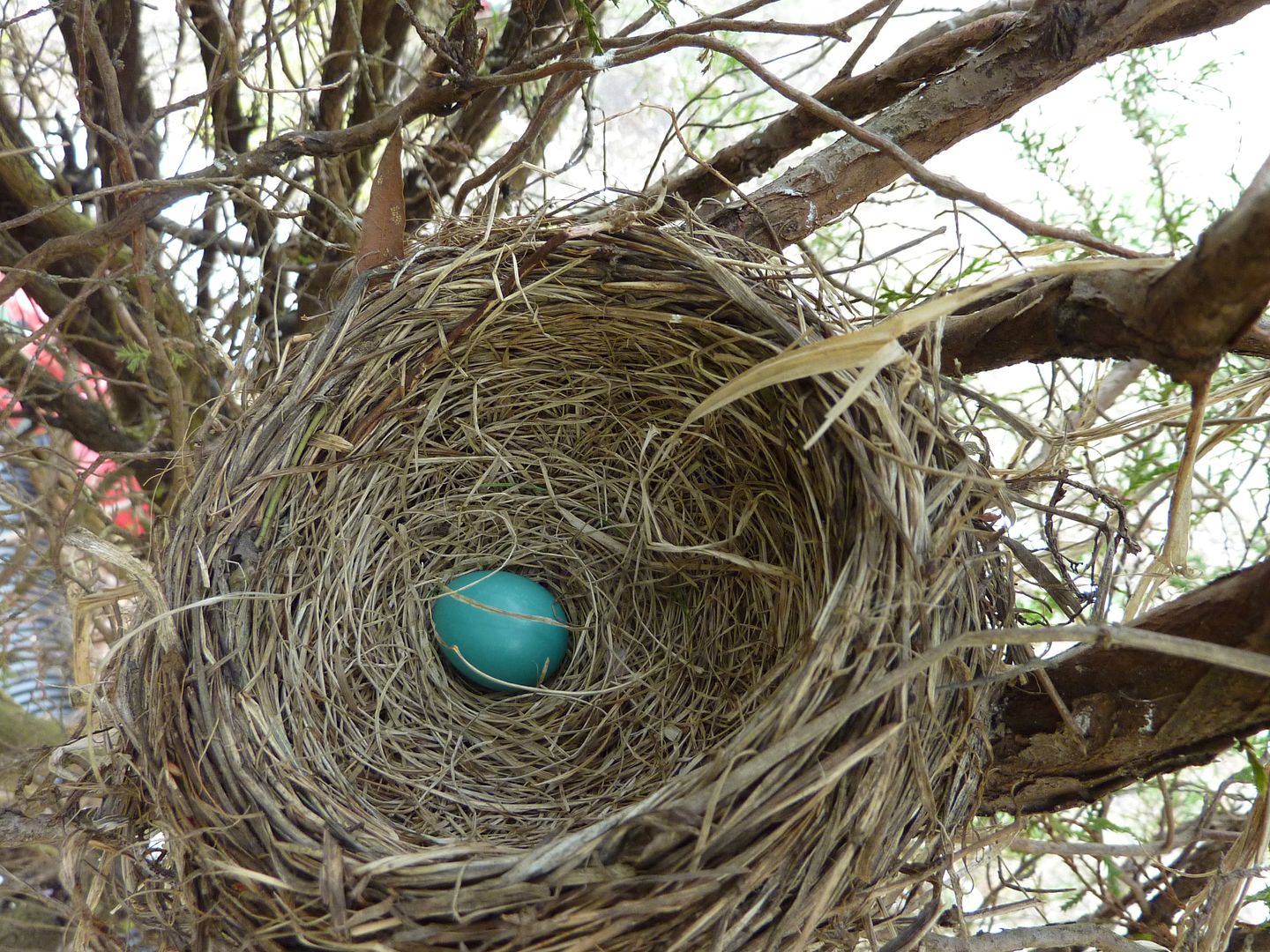
A robin has started already started her nest and laid an egg. I believe I interrupted her while trying to lay another, or maybe she'll only do one a day or something. I'll be sure to check back in a few weeks.

Tuesday, April 9, 2013

Nature and Some Ants

It's been warm for the past two days in a row, but I've had to work so I haven't been able to get out there and do much. Today I went for a short walk to see if I could find any Prenolepis imparis flying, but it seems I've missed the flight. There were a few males here and there, but nothing that impressed me enough to hang around and wait for queens to show up. (They may fly again after a brief rainfall in the coming weeks.)

image
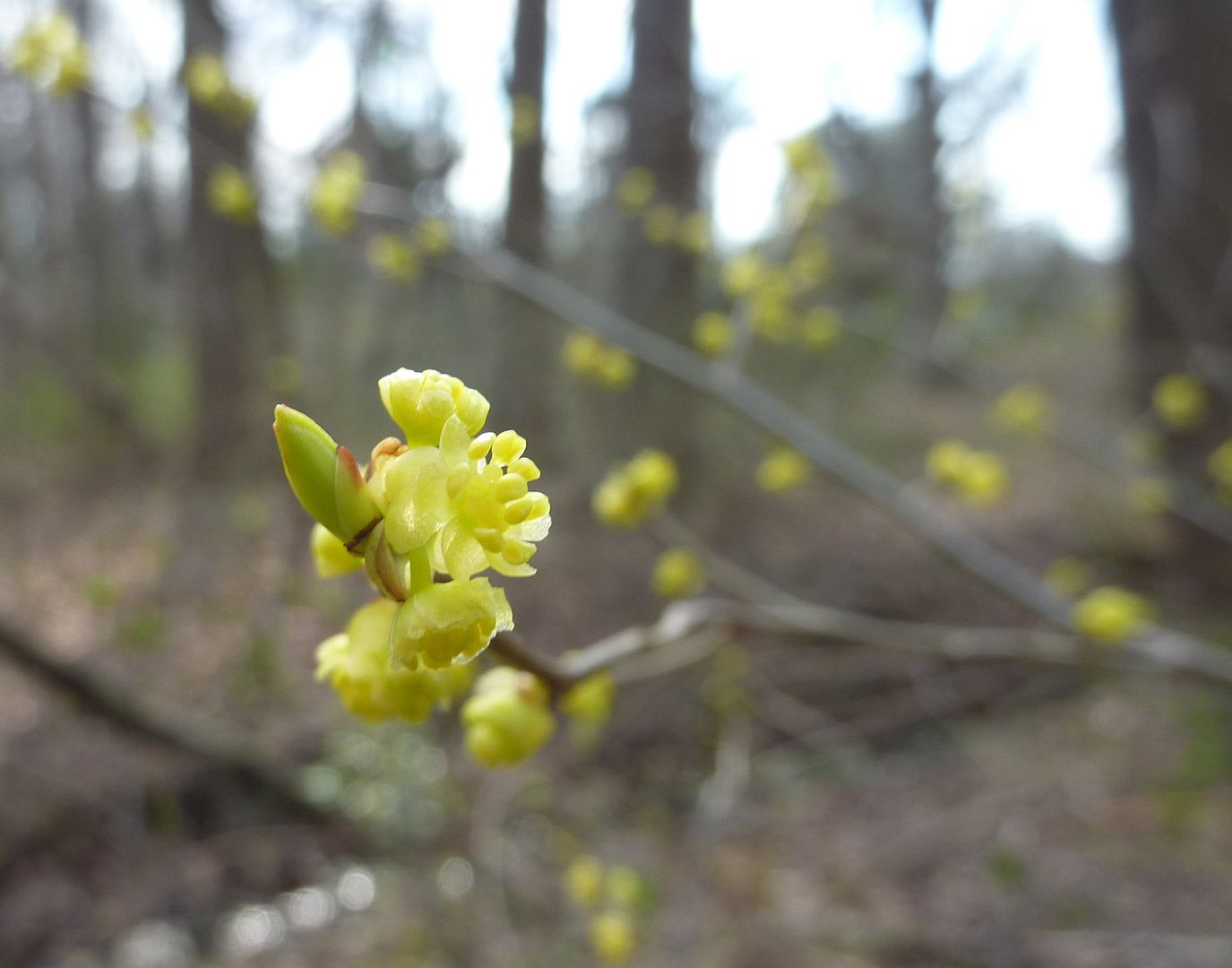
I did notice some Spice Bush, Lindera benzoin, flowering which I can now add to my collection of wildflowers photographed. This is the host plant to the Spicebush Swallowtail Butterfly who's caterpillar mimics a snake. I'll try and visit them later in the year to see if I can find any.

image
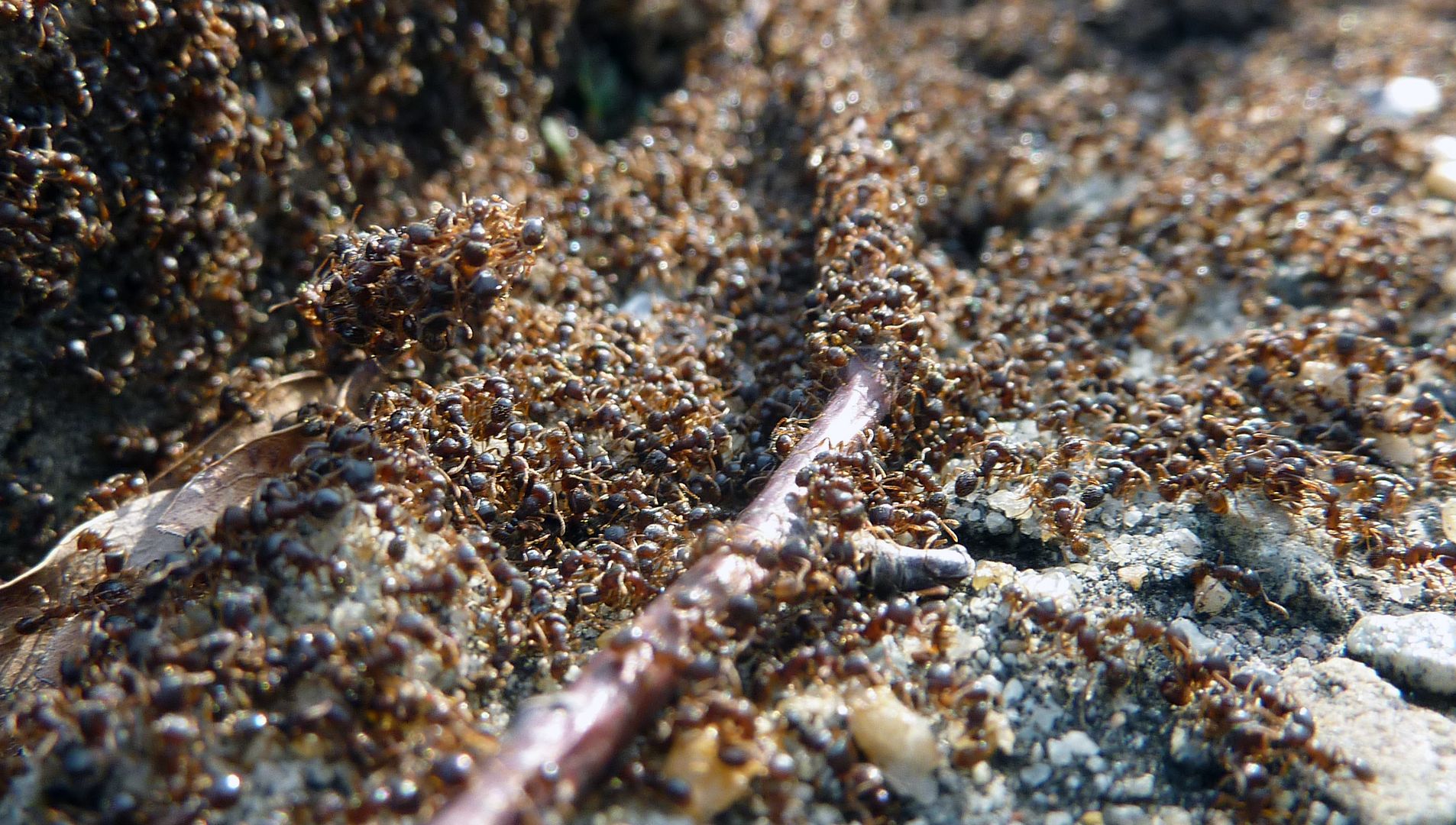
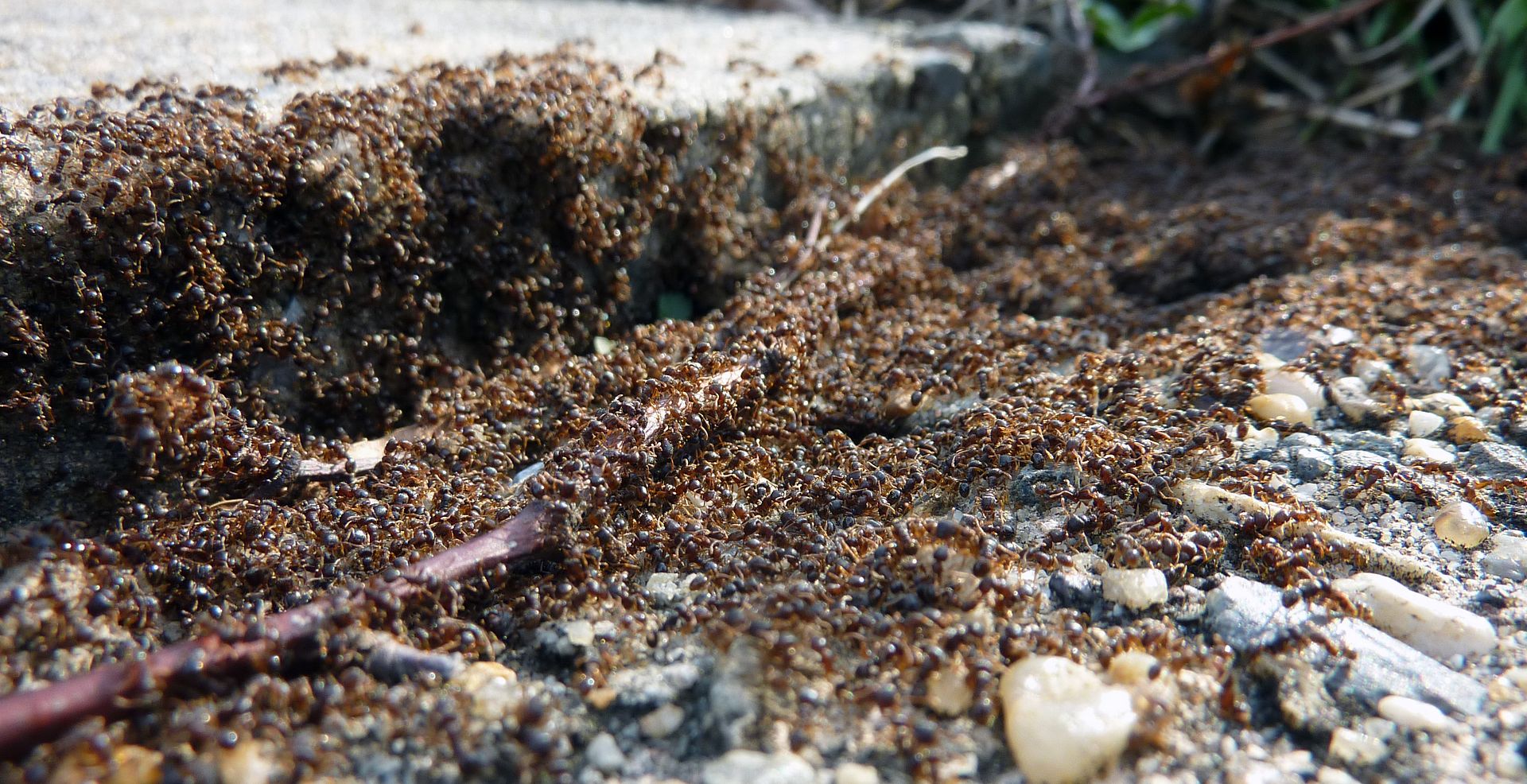
Along the way to the woods and back I came across a pavement ant war, where two colonies of Tetramorium cf. species E.were battling it out. A women thought I was recording this and commented "I'm sure that video will get like five million hits on youtube."

image
image

image
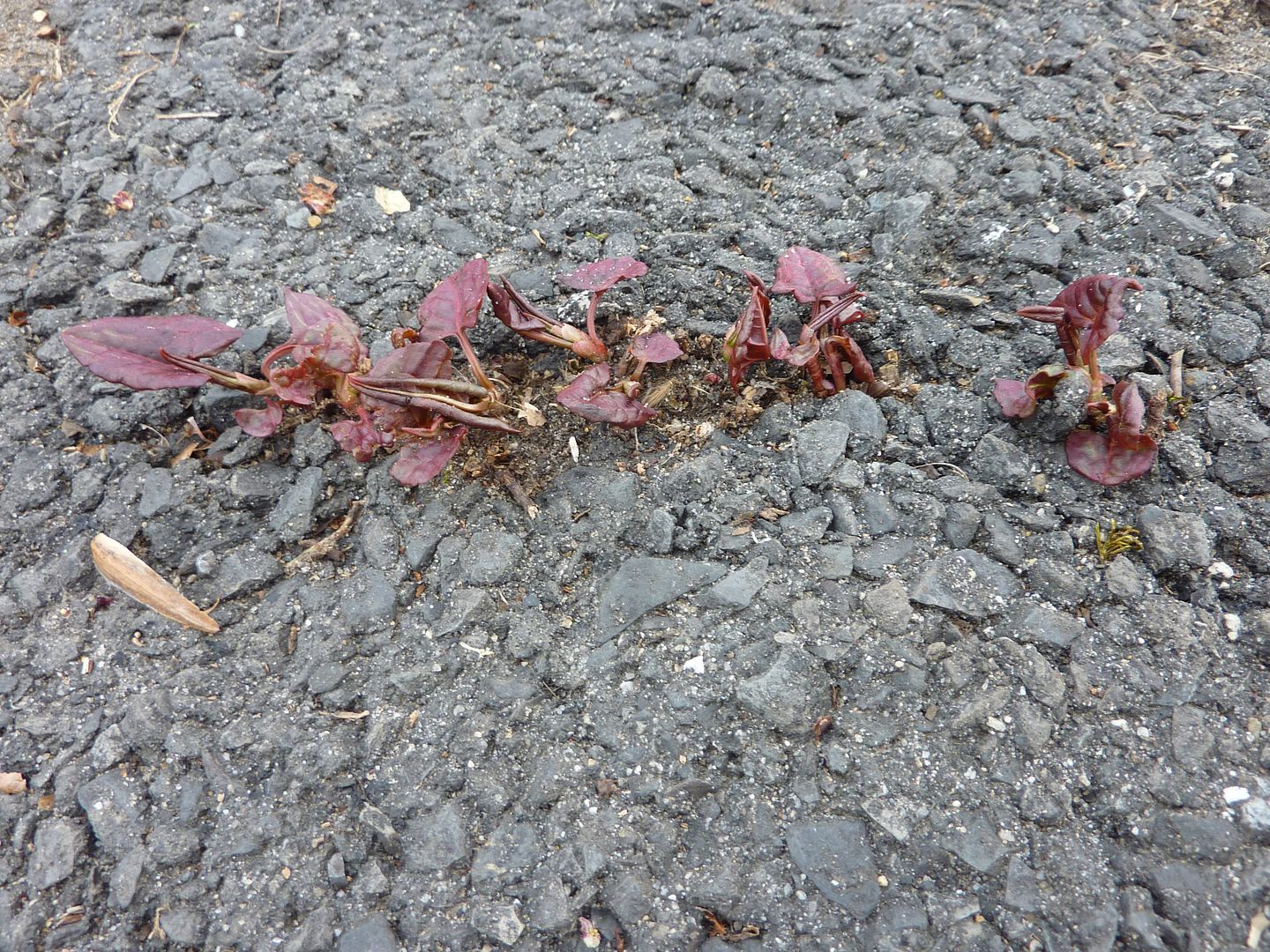
Also by the park there's a patch of Japanese Knotweed. This nonnative plant is so invasive that stems can actually push up through the road.

Monday, April 1, 2013

Early Nectar and Pollen for Bees

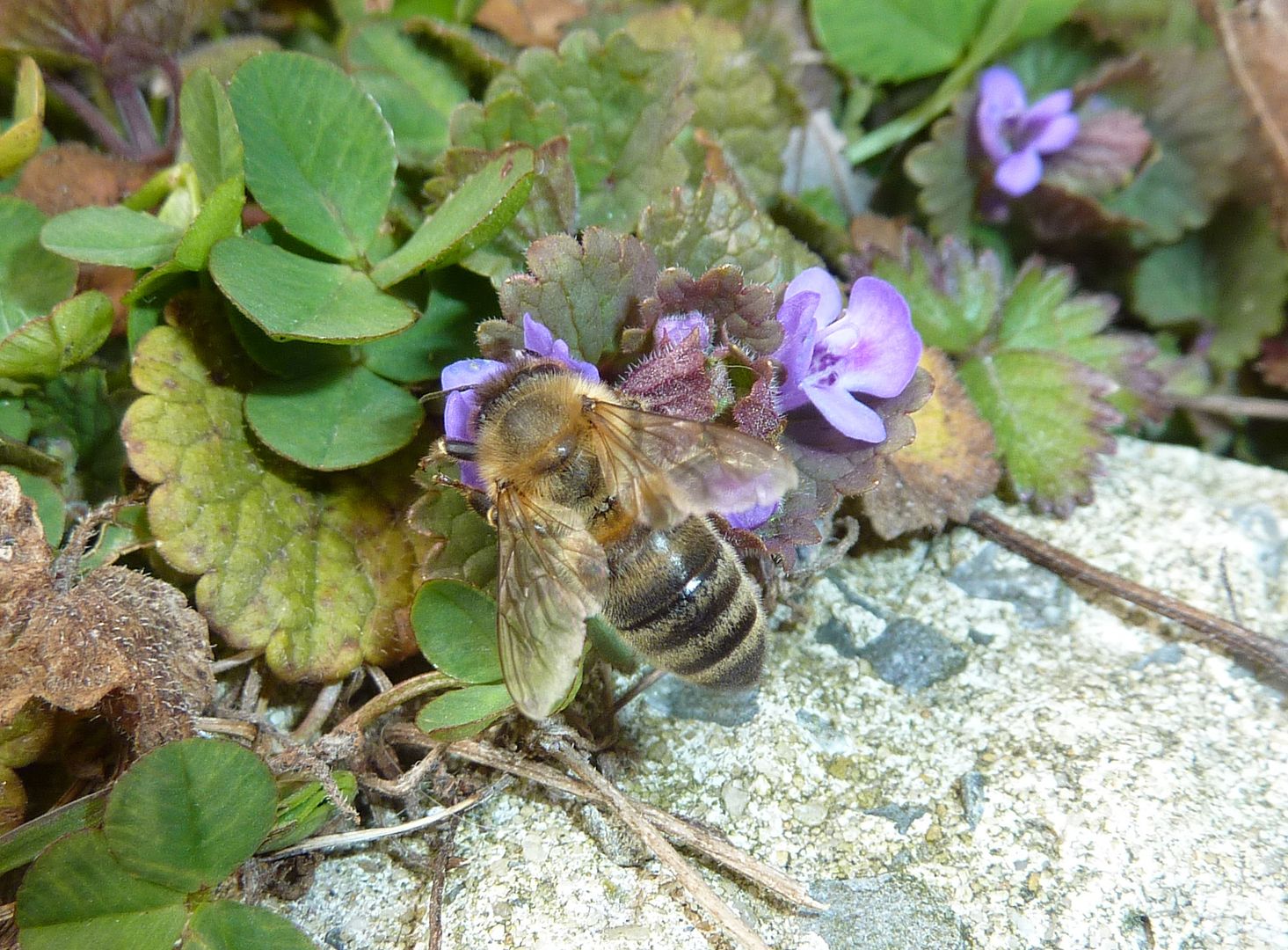
Alright, it's spring (he said tentatively). Even though the snow just melted, there's a surprising number of plants flowering. Creeping Charlie is among the earliest of our nonnative lawn weeds. Honeybees love this plant for nectar but to my knowledge it's an awful source of pollen. It's a fast spreading running weed, that's really easy to remove, but it's also in the mint family which is notorious for it's weediness.

Honeybees and other early pollinators were also buzzing around the Red Maples, Acer rubrum. Unfortunately most of the action took place up at the top of the tree, which is odd considering how windy of a day it was. Also in my walk around the neighborhood, I found Honeybees were more common around trees that were closer to my hives. 


While Maples produce a good amount of pollen they're also balanced in producing nectar. However they were not the highlight of bee activity. That honor falls to the Willows.


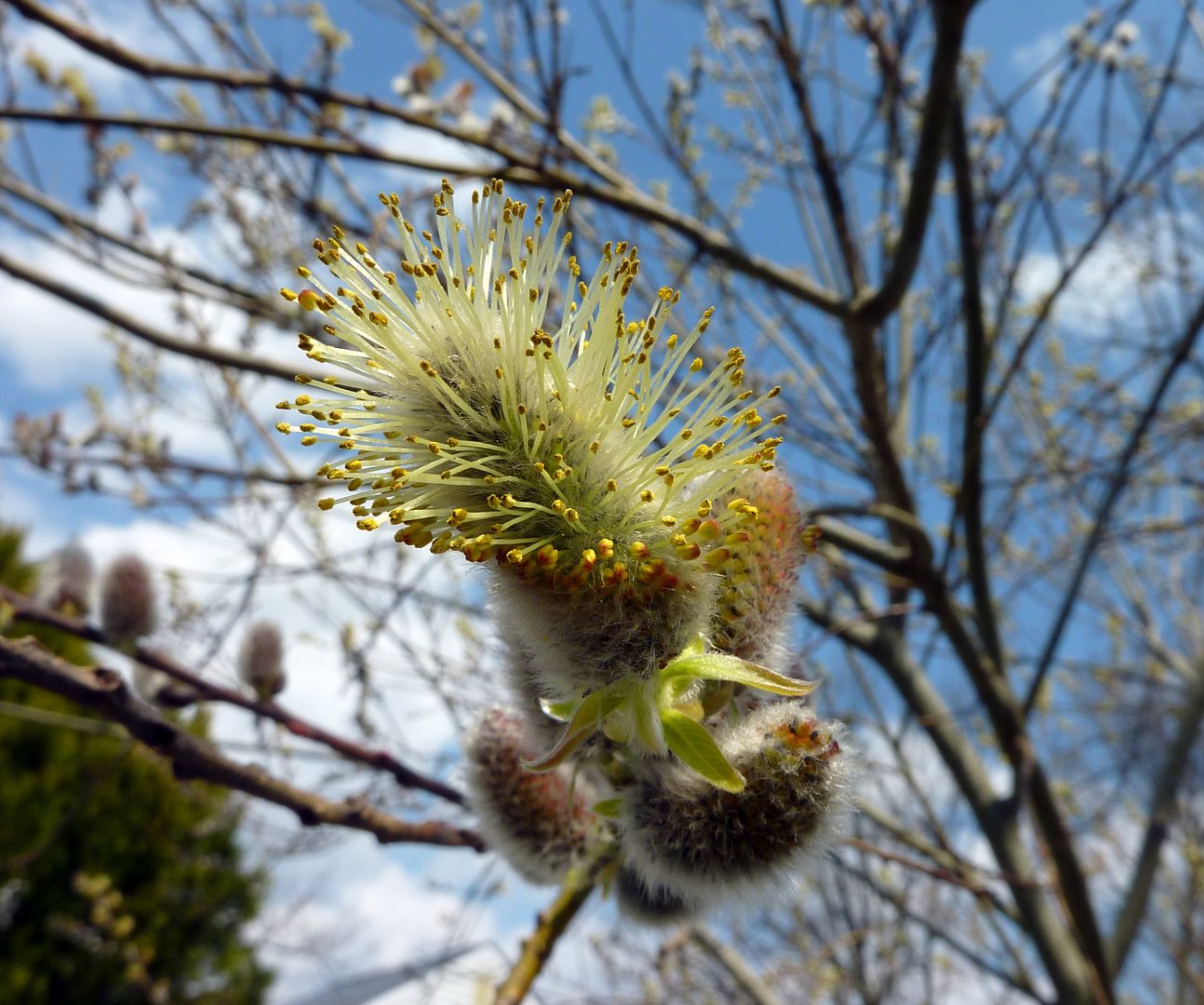
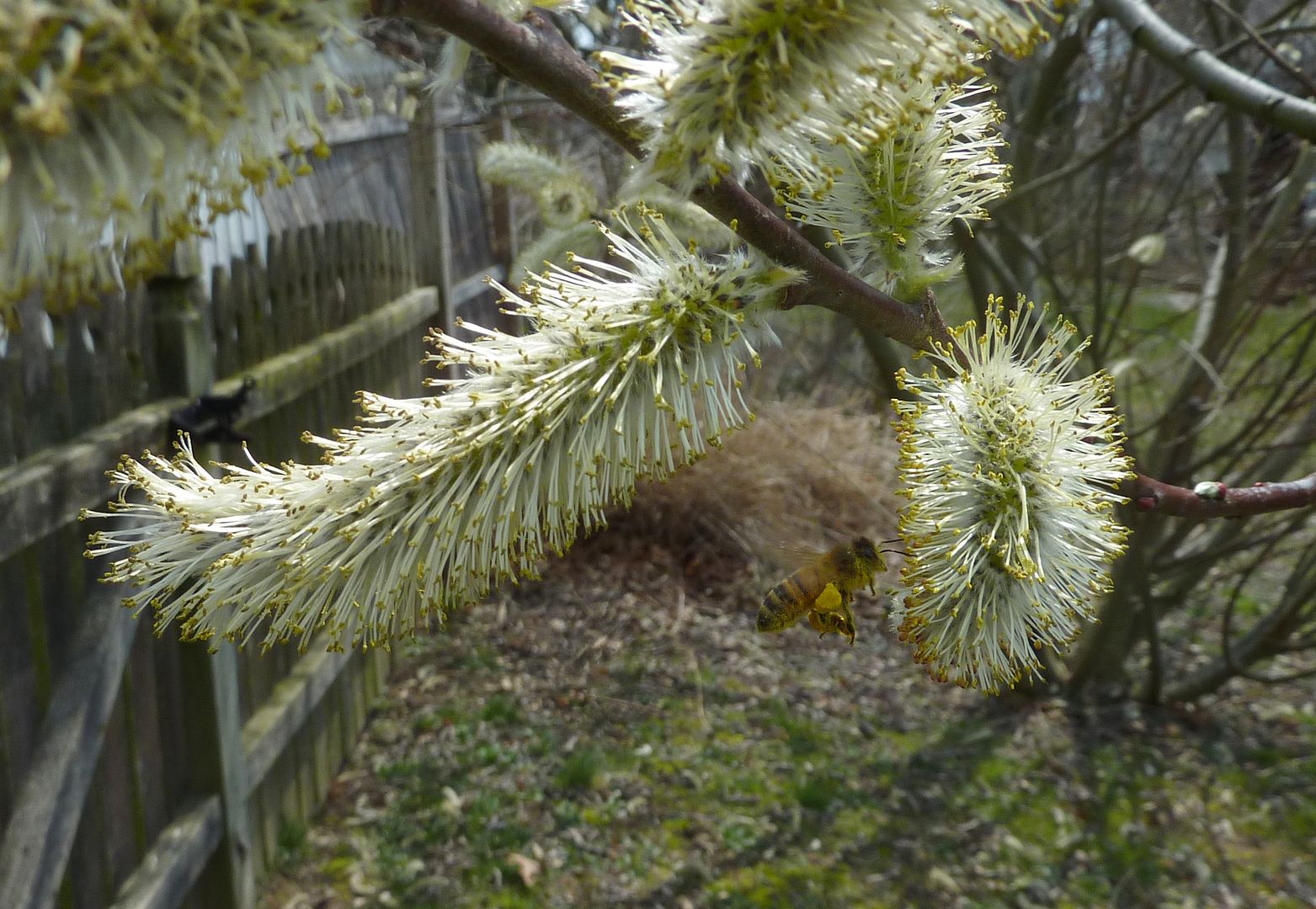
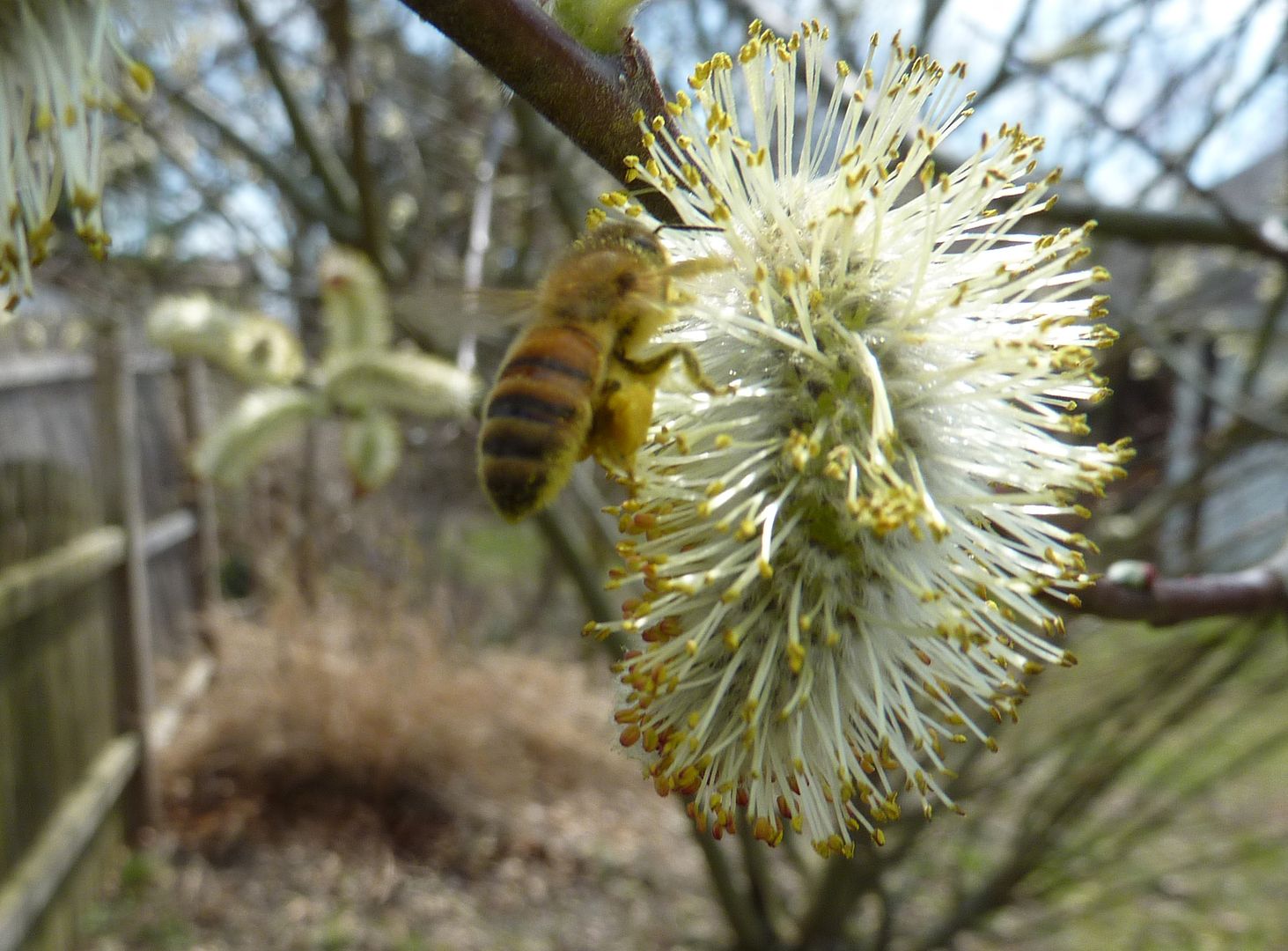
Willow trees are wind pollinated and there are a number of them around the neighborhood. Pollen is important now because the queen bee is greatly expanding the size of the brood nest. All winter she'd held back to produce just enough bees to keep them warm. 

The Willows were absolutely swarming with bees.

Some of them were becoming covered in pollen all over their bodies.

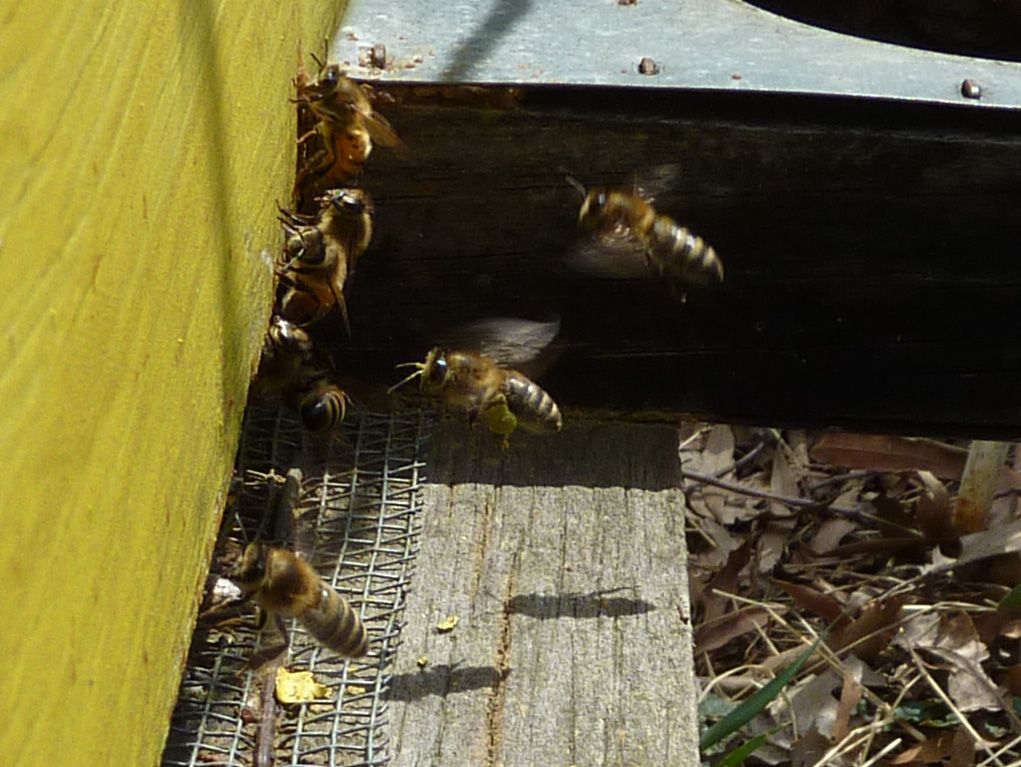
And it didn't take long me long to find bees covered in this pollen making it back to my hives.