Tuesday, November 20, 2012

Some Neat Natives

While researching plants for the book I've come across a lot of really cool native plants that are very much outside the norm of what's sold at native plant nurseries. (I get tired of constantly seeing the same plants year after year and frankly I wish they'd sell more than just the same 3 species of milkweed, to give you an idea of what I mean by norm).

Image from Wikipedia
Red Flowering Raspberry, Rubus odoratus, has gorgeous 2" flowers that come in a narrow range of purples pinks and reds. The fruit I read is either just as tasty or slightly less than the normal raspberries sold in stores. It's not often sold but I was able to find a few places selling it.

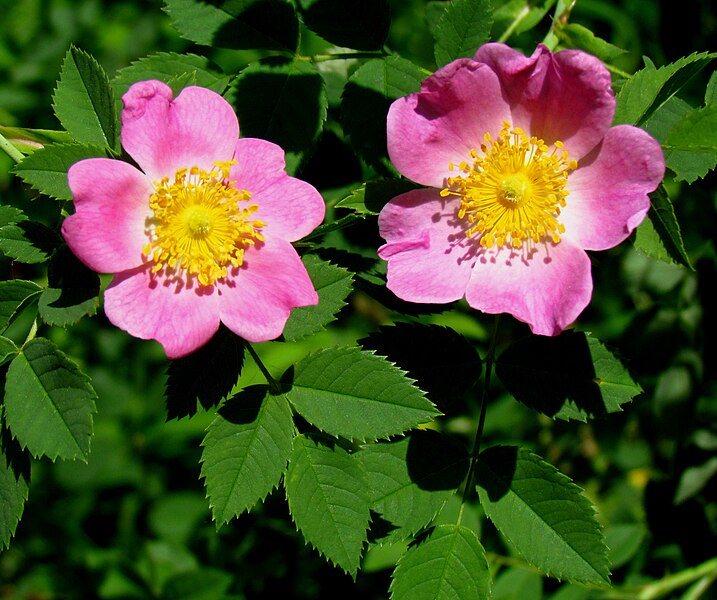
Image from Wikipedia
Compare that to our native Rose, and you can seem more than a passing resemblance; as far as the flower is concerned anyway. I've always wanted to grow one of our native roses but frankly I'm not open to the idea of eating rose hips and I think they're too thorny and aggressive of a plant to grow just for the birds. So growing the Red Flowering Raspberry is a handy food producing alternative. Both plants spread by root suckers/rhizomes, both have thorns or prickers on the stems, and both grow to be just about the same height. (I've never thought to use Raspberries as a cut flower before but they may even do good in a vase.)

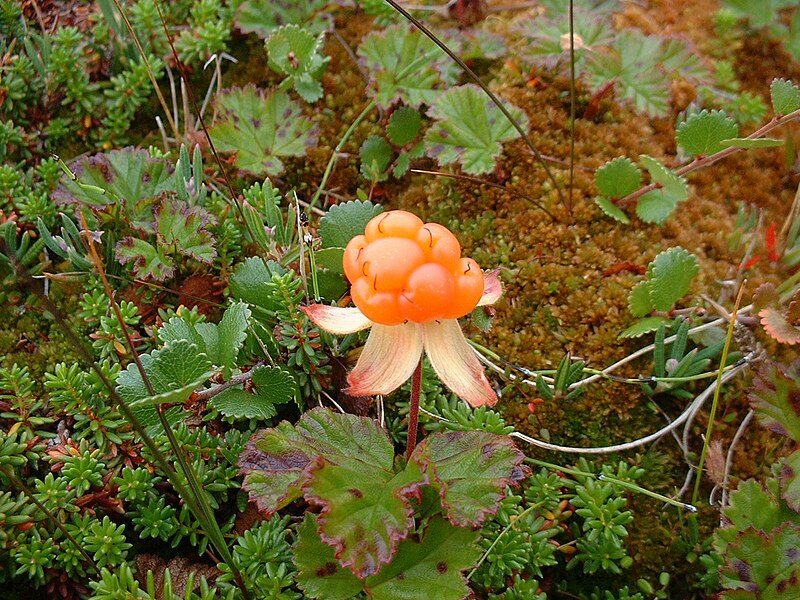
Image from Wikipedia
Cloudberry, Rubus chamaemorus, is a low growing alpine raspberry. This image doesn't do it justice compared to other google search images. They're low growing and are reminiscent of a strawberry patch. The fruit is said to taste a little starchy (lacking somewhat in flavor), but I just think the novelty of a dwarf yellow raspberry is neat. There are actual yellow fruiting raspberries that are probably better worth you time but this was an oddity I thought worth mentioning. 
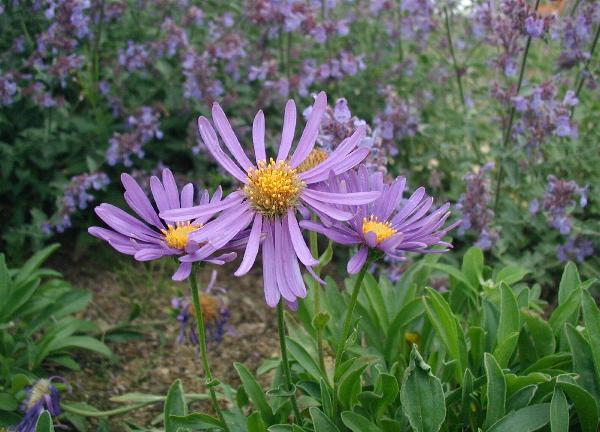
Image from Wikipedia
Alpine Aster, Aster alpinus, is a true aster that flowers in May! As far as I can tell this is the ONLY aster species native to North America that wasn't move out of the true Aster genus. And oddly enough this plant grows more like a spring bulb than a perennial you'd expect sold at a nursery. They emerge each spring and flower before going dormant sometime over the summer. It's a really bizarre growth habit for the genus... though I guess maybe it isn't. What are other true Asters like around the world? Seeds are available for sale but no one seems to sell the full plants. I'm tempted to buy some and give them a shot. Being an alpine plant I wonder if anyone can really grow them that far south of Canada. There is a patch of them in the rocky mountains though so maybe an ideal addition to a rock garden. Check them out on Google too!

Not to be out done, there's also the Climbing Aster, Symphyotrichum carolinianum, (which some people have labeled as Ampelaster carolinianus, not sure who's right but it looks like a Symphyotrichum to me. Maybe the climbing aspect is why its in a different genus but I still think Symphyotrichum is right). As the common name implies, this is a vine the rambles all over and grows into a massive 6' - 10' long clump of flowers. They seem to bloom unusually late in the year too, and prefer growing in wet sunny conditions. I believe this is one plant that shouldn't be cut all the way to the ground but rather trained up a fence or trellis and cut back as needed. 

So those are a few of the neat plants I found and I hope to add more later on.

Tuesday, November 13, 2012

Fall Color

I'd love to have shown off the bright orange persimmons our tree produced this year but hurricane Sandy seems to have blown them away. (I can only hope they managed to hit some politicians house.)

Any who, I've never been a huge fan of fall color though some of the brilliant yellow and brilliant red trees have impressed me. These scenes are few and far between though and only last a few days before they're gone. What's happening here is that insects can't see red as well as other colors. The plants are purposely producing this pigment to discourage aphids from laying eggs around them. In this way they won't be the first trees infested with them come spring. How effective this is is debatable though especially with yellow being such a common fall color.


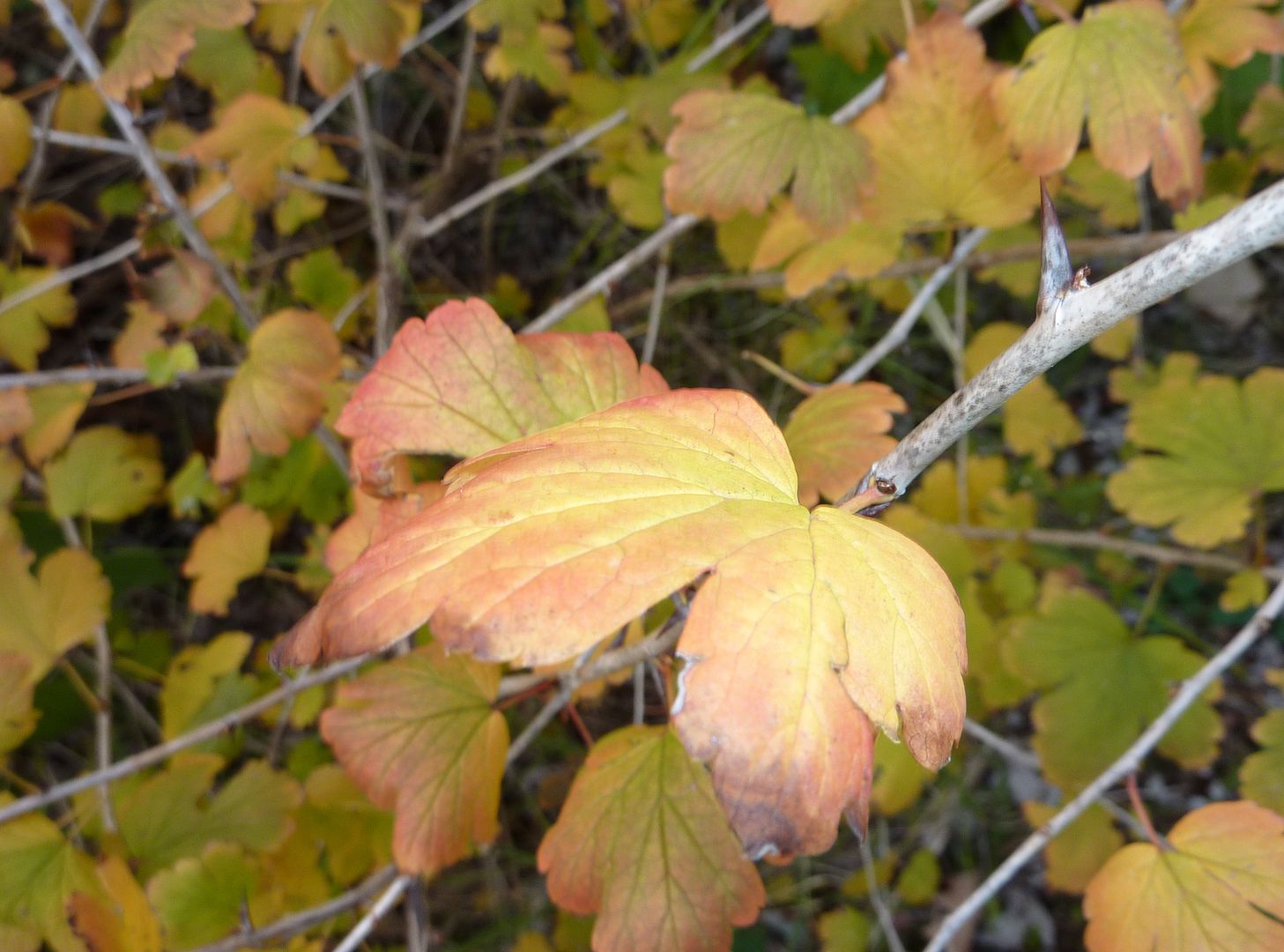
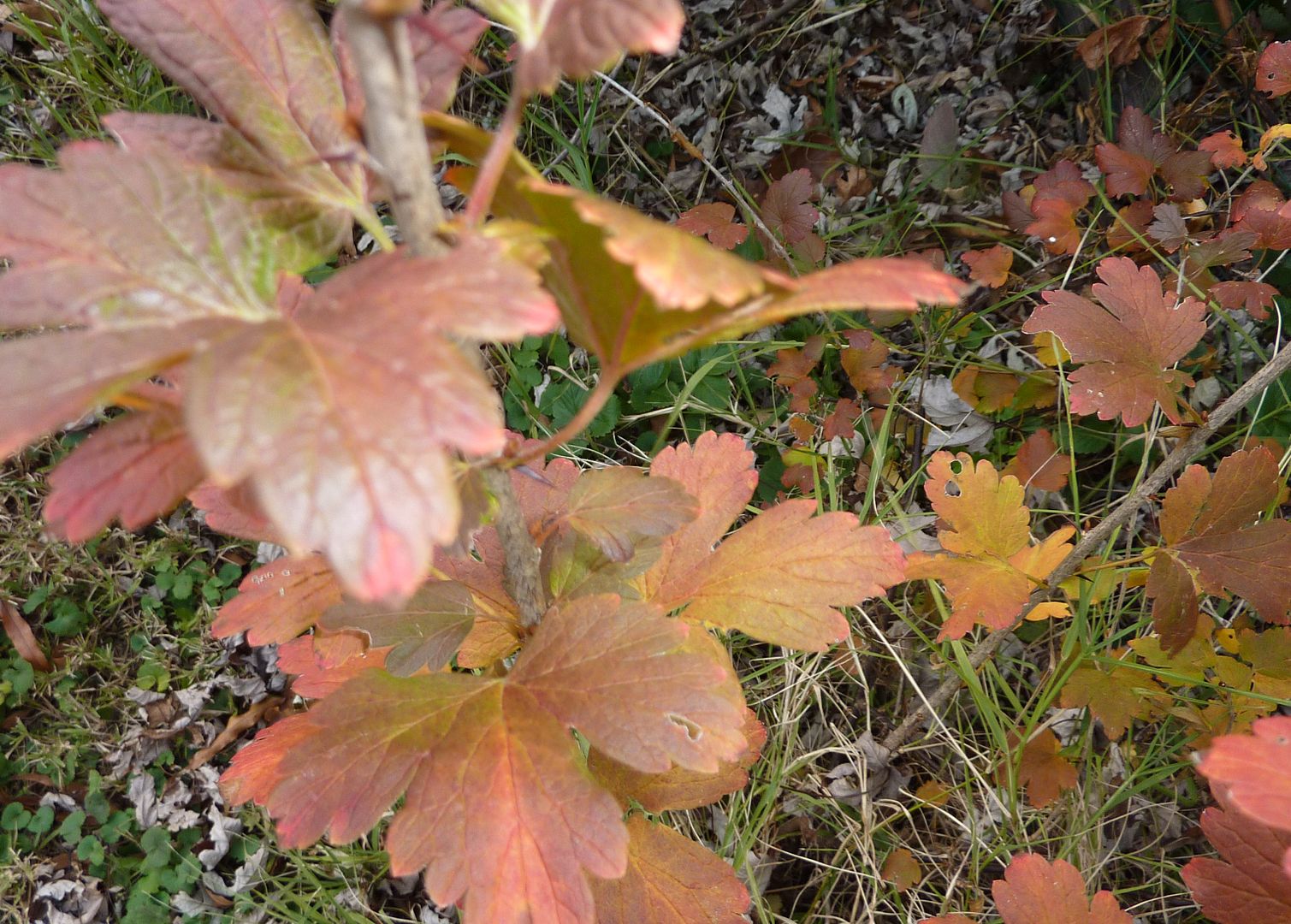
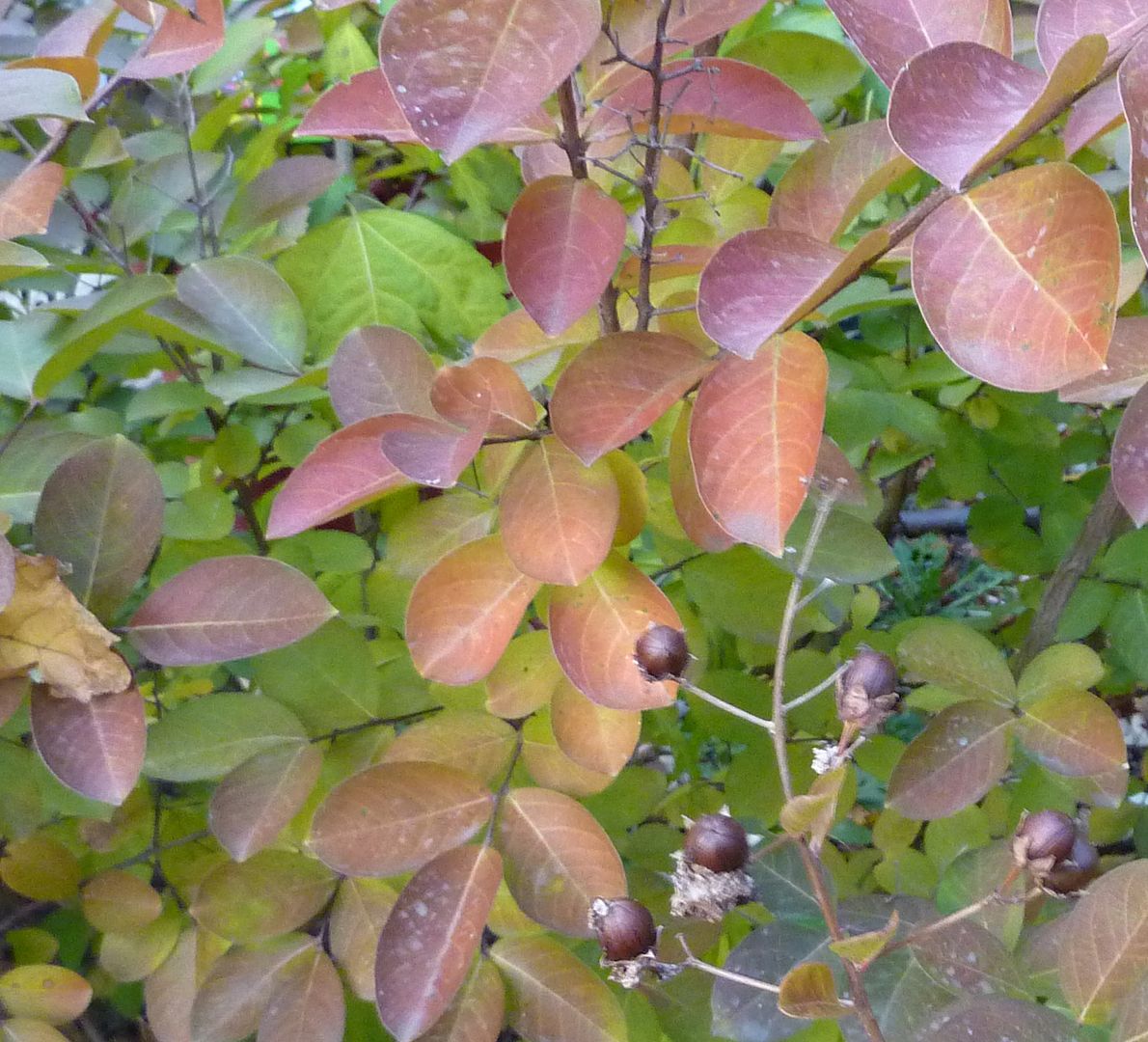
Our Gooseberry plants seem to be all over the place with colors. Fall color varies from cultivar to cultivar, species to species, and plant to plant as with the flavor of the berries. Some species growing in the same field can vary dramatically. It makes me wonder if any of the vendors selling Gooseberry/Current in the US knows what they're doing.

From the same nursery this was sold as Red Gooseberry.

And so was this, but it has a different fall color, different branching habit, the leaves are slightly larger, and even the thorns were different. Next year I'll see about getting these identified to species level. 

 Crape Myrtles seem to sport every color in the rainbow.

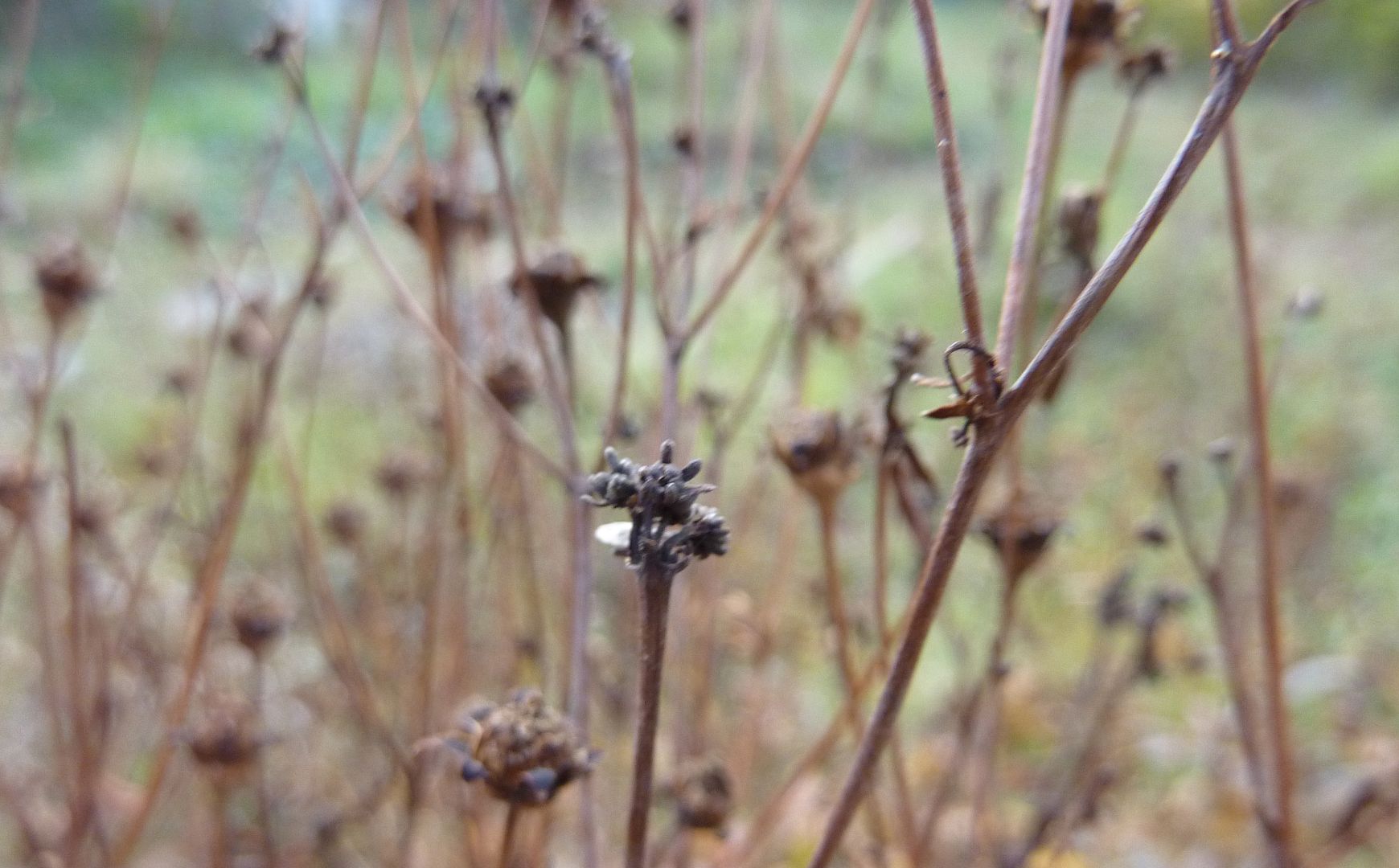
Here I found the blurry view of our lawn through the stems of the Tall Tickseed to be an interesting composition. 

 
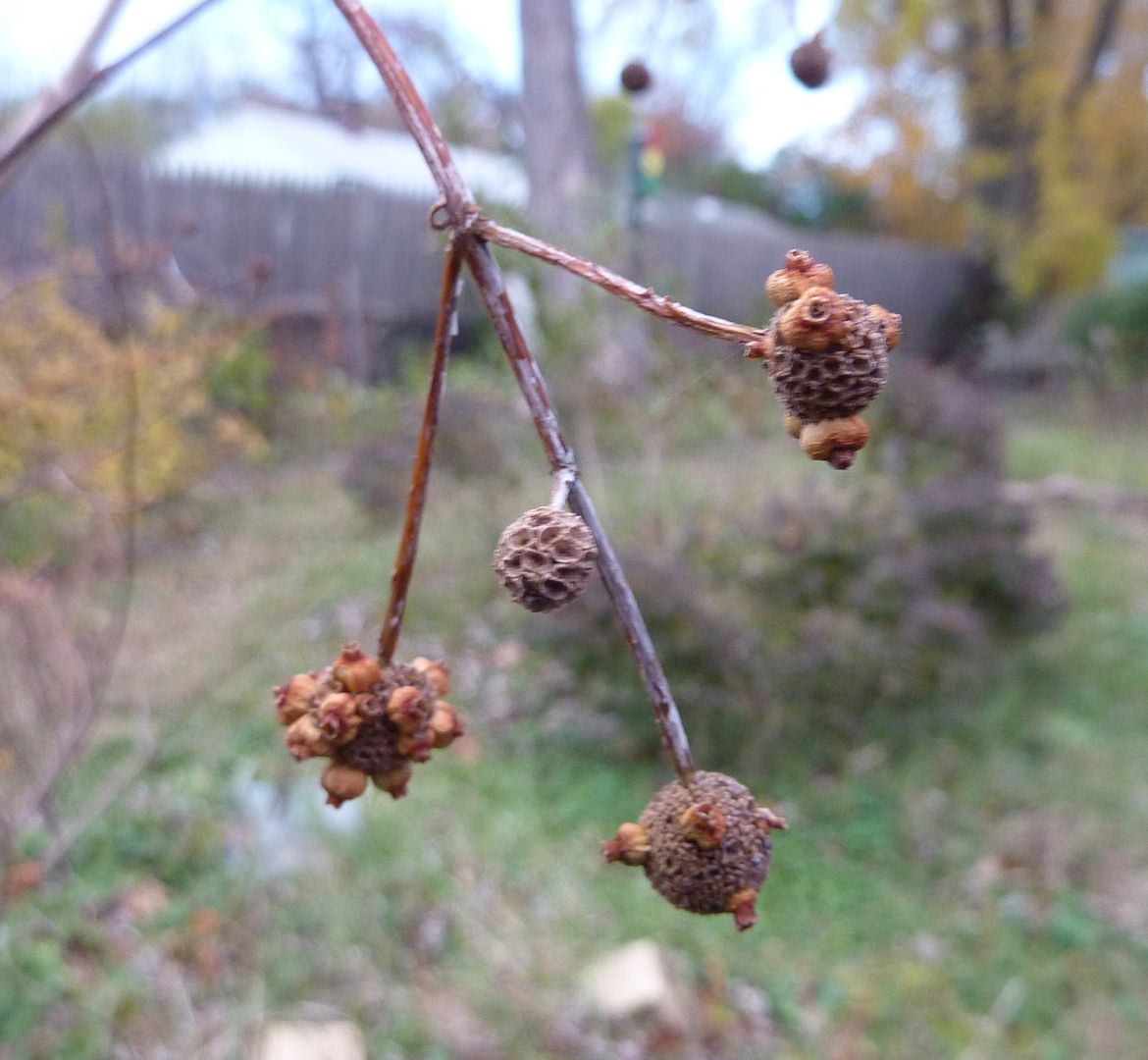
The nut-like seeds to our Buttonbush. It's nice to see some of these developed from all the attention the bees gave it this year.

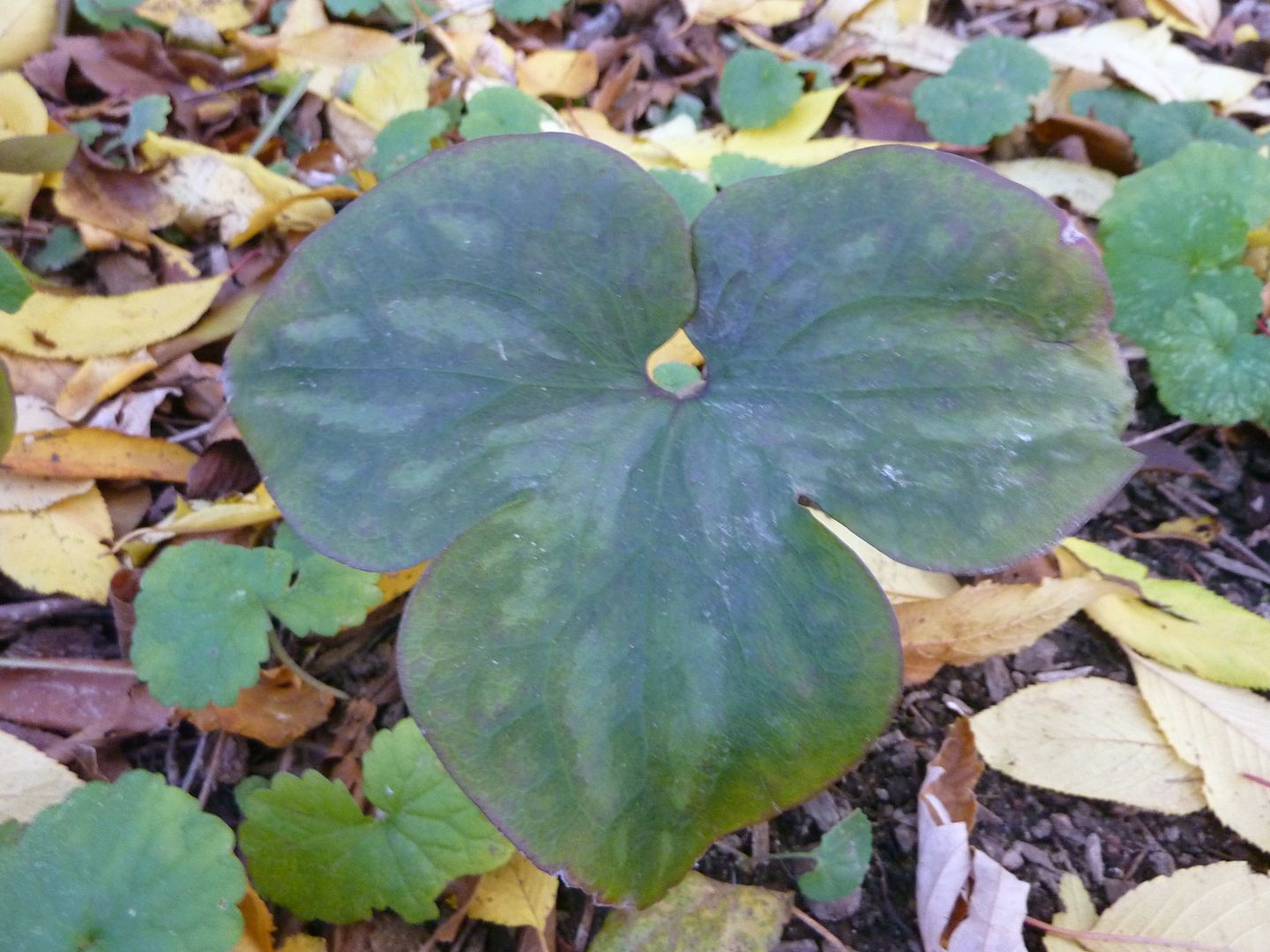
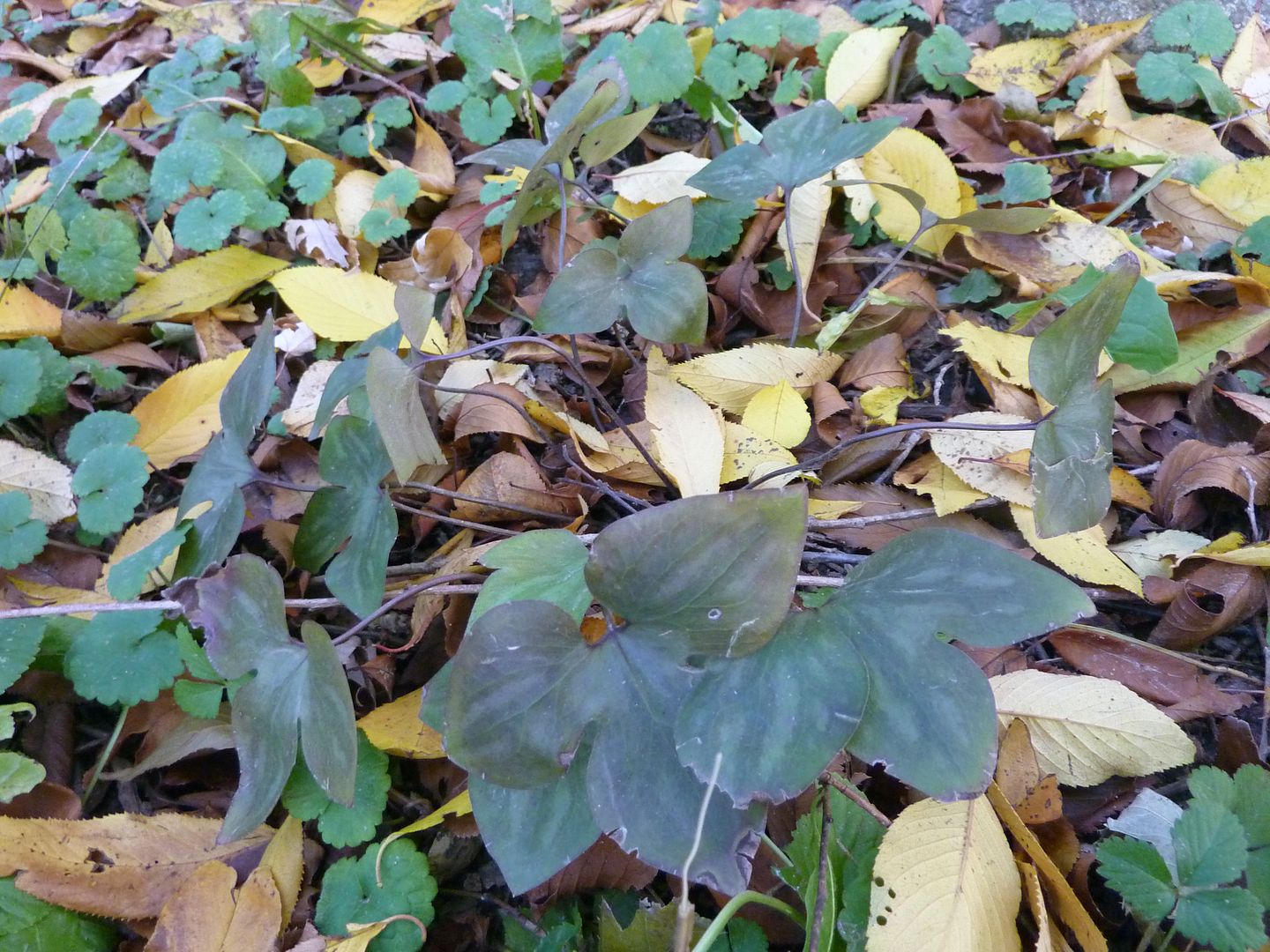
Mixed among the leaf litter is a couple of my Hepatica plants, which are semi-evergreen.

Hepatica leaves last the winter and finally die off right when it flowers in the spring. New leaves are produced just as the old ones have all broken off.

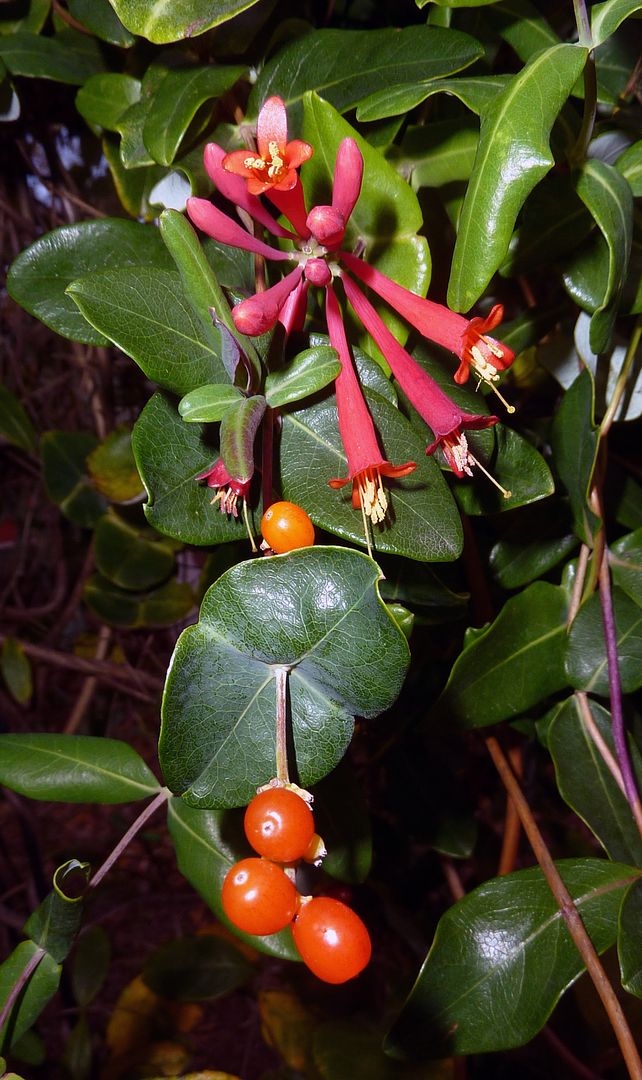
Coral Honeysuckle, does not care that its winter or not. I've always been impressed by how cold tolerant this plant is. Barely any of the leaves have started turning yellow and it still has unopened flower buds to go! I swear this vine must drop its leaves for only two months of the year, and each spring it makes up for lost time by quadrupling the number of flowers it produced all last year. It's never been a heavy fruiting plant but there's always a berry or two where the flowers used to be.

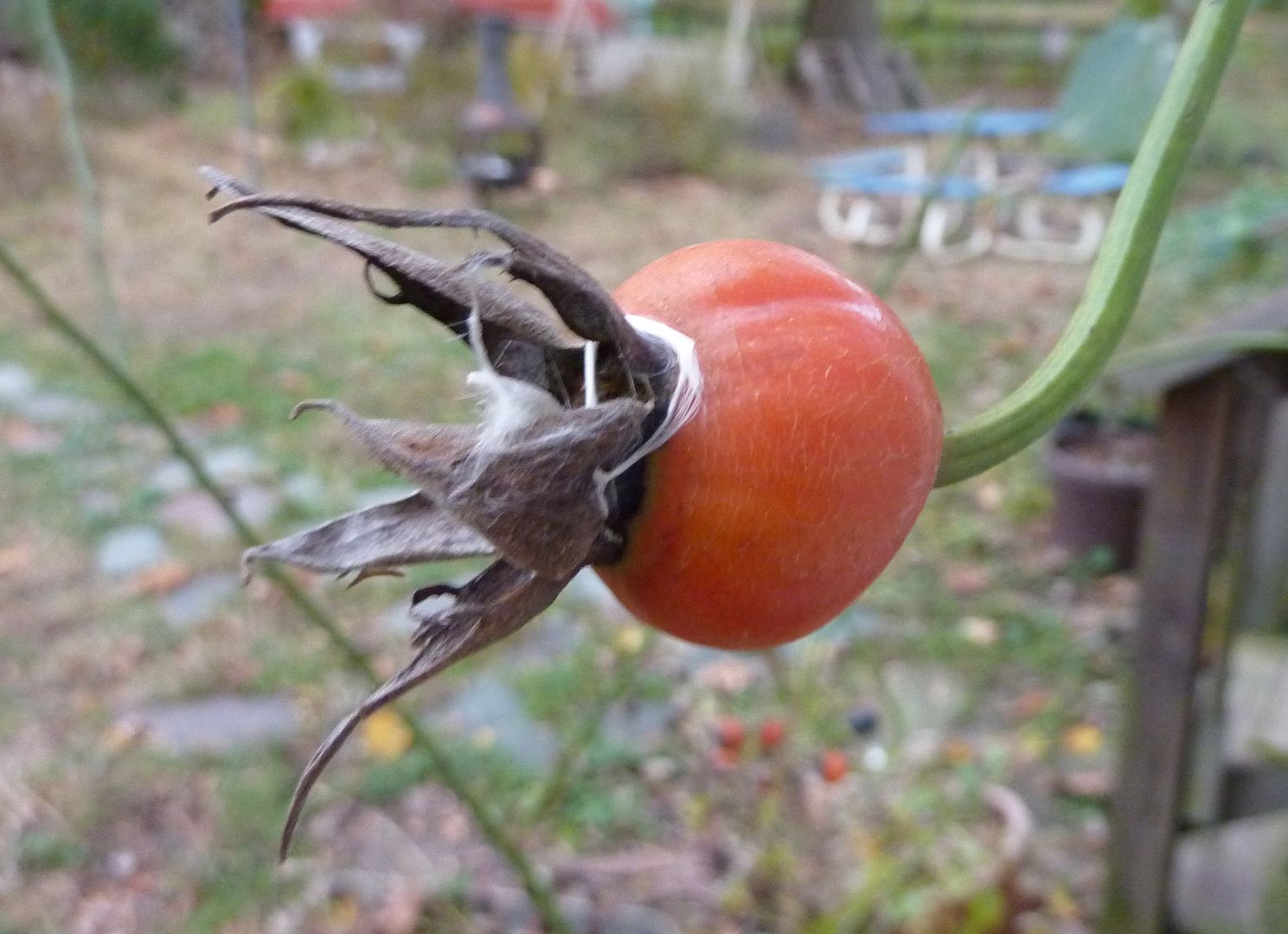
Rose hips are another fruit showing off right now. I'm told these are edible, but honestly I wouldn't know what to do with them.

Thursday, November 8, 2012

I'm Still Alive

I'm still alive. Between Hurricane Sandy, The rescheduling of Halloween, The Election, Writing a Book, and the weather we got last night, I've been a too busy to take pictures and blog about things.

So...

Hurricane Sandy didn't really effect me or my yard at all. Power went out for about 5 minutes but quickly shot back on. Neighboring towns weren't as lucky and were out of power for at least 12 to 24 hours. My bother who lives one town over was included in the blackout. Thankfully I was storing a Christmas gift for my dad at his house that came in handy.

Some Type of Hand Crank Lantern Gizmo that Charges Cell Phones.

My dad doesn't read my blog, so I don't mind telling you I bought it for $10 on clearance. My brother tells me this thing works great. I'm at a loss to recall which one I bought exactly but hand crank charger for lights and electronics such as cell phones sounds perfect.

Halloween got moved, several times. The paper said it was Friday in my town, Saturday in my brothers, and then Governor Christie got on TV and said it was Monday. Everyone went with the Monday thing making this probably the first time everyone in the state of New Jersey listened to anything he had to say. (I actually have a new found respect for him now that I see him praising Obama). 

So Halloween 2 finally happened earlier this week. We got about 30 trick or treaters at our door. My brother though, apparently a bus of Juvenal Delinquents showed up to his town and a group of 60 kids all showed up all at once. He was the only one home and almost out of candy so he called me up to buy some more. "Sure" I said, I'd be happy to. So I drove out to Rite Aid... apparently they didn't get the memo that Halloween was moved becuase there was nothing but Christmas Candy when you walked inside. So I went back to the junk food isle and came up with a huge grab bag of Reeses Pieces and Kit Kats. We watched Ratatouille and noticed... no one was coming to his door. Apparently after I showed up he didn't get another kid.

In my research for the book I've found several plants that I want to get next year. I'll be blogging about what they are going over best of photos as I always do at this time of the year.

Thanks for reading.

Wednesday, October 24, 2012

Turkey Vulture and the uhhh...

A Turkey Vulture landed out front of our house to partake in some road kill... and then our cat got out and was like "I'm so gonna eat that bird that's bigger than me." We did stop him before he did something stupid, both animals are alive and well... but the squirrel isn't.

Tuesday, October 23, 2012

Elderberry

One of the plants featured in the upcoming book is the American Elderberry, Sambucus canadensis. As it so happened I was looking for plants to put in when I got a newsletter from the Mt. Cuba Center telling me about a class that weekend on Elderberries. And upon researching Elderberries apparently Honeybees help pollinate the flowers to increase yields at the end of the year. How could I say no?

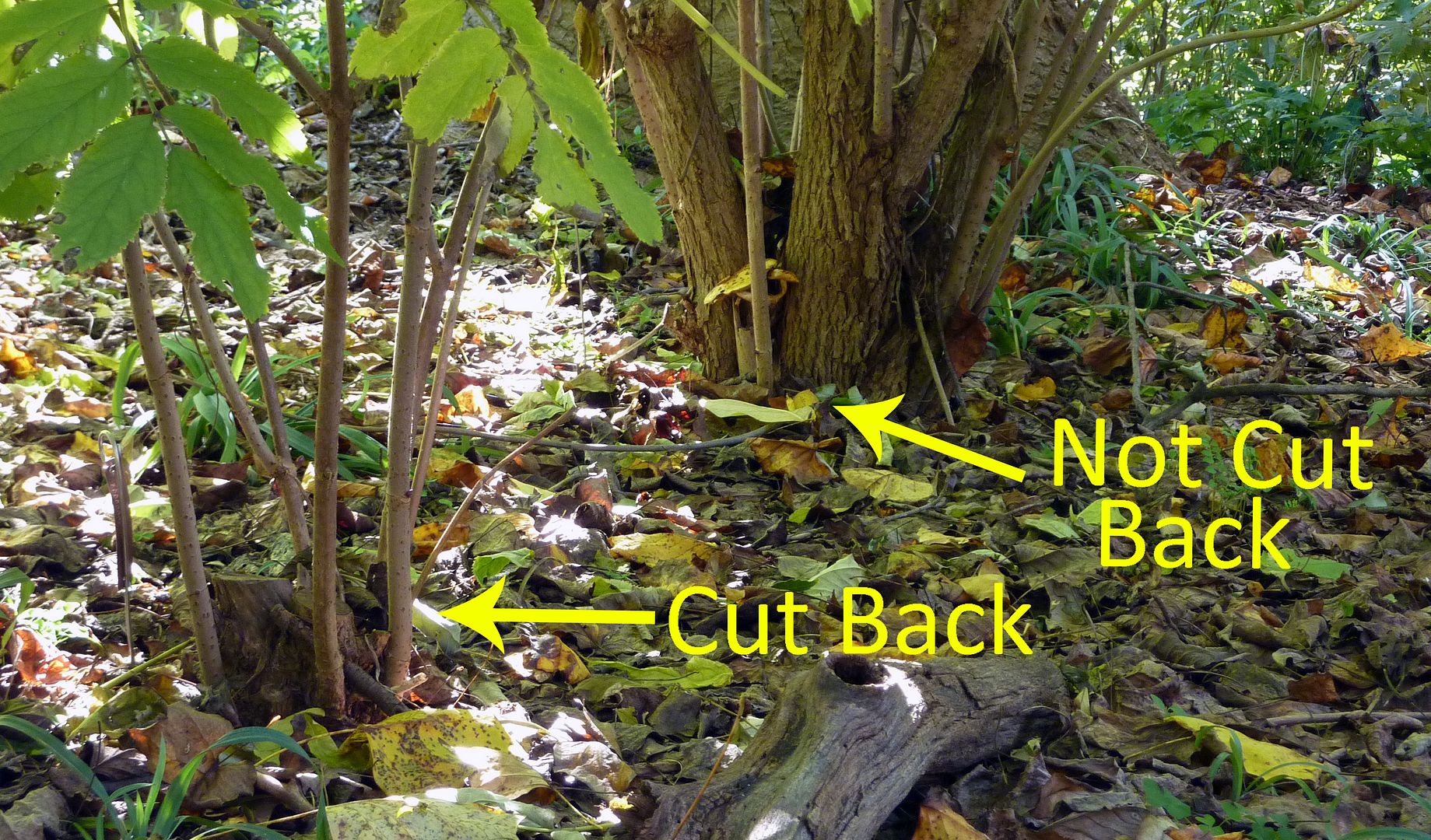
Probably the most valuable thing I got from the class was what they meant by it being a "Suckering Plant." Elderberries are among the most vigorous growing plants you'll ever grow. They seriously push out 6' long stems in a year, and they don't stop growing until they reach 12' or so. Most places on the internet praise this plant for how "aggressive" it is at growing. HOWEVER! This is a very friendly plant and appropriate for any garden needing a large shrub.

All of the sucker come up at the trunk or close to the root ball. They do not come up anywhere that the roots have spread out to! Treat this plant like an ordinary shrub. (If you want an awful plant that does spread aggressively by root suckers along the roots, I recommend Trumpet Vine.) Pictured above are two Elderberry plants. One is allowed to grow into a 12' shrub. The other is cut back every year and is kept short to 6' as a result. Flowers occur on both new growth and old, the more sunlight the better, the more plants around, the better your fruit yields. If they get too much shade they won't fruit at all.

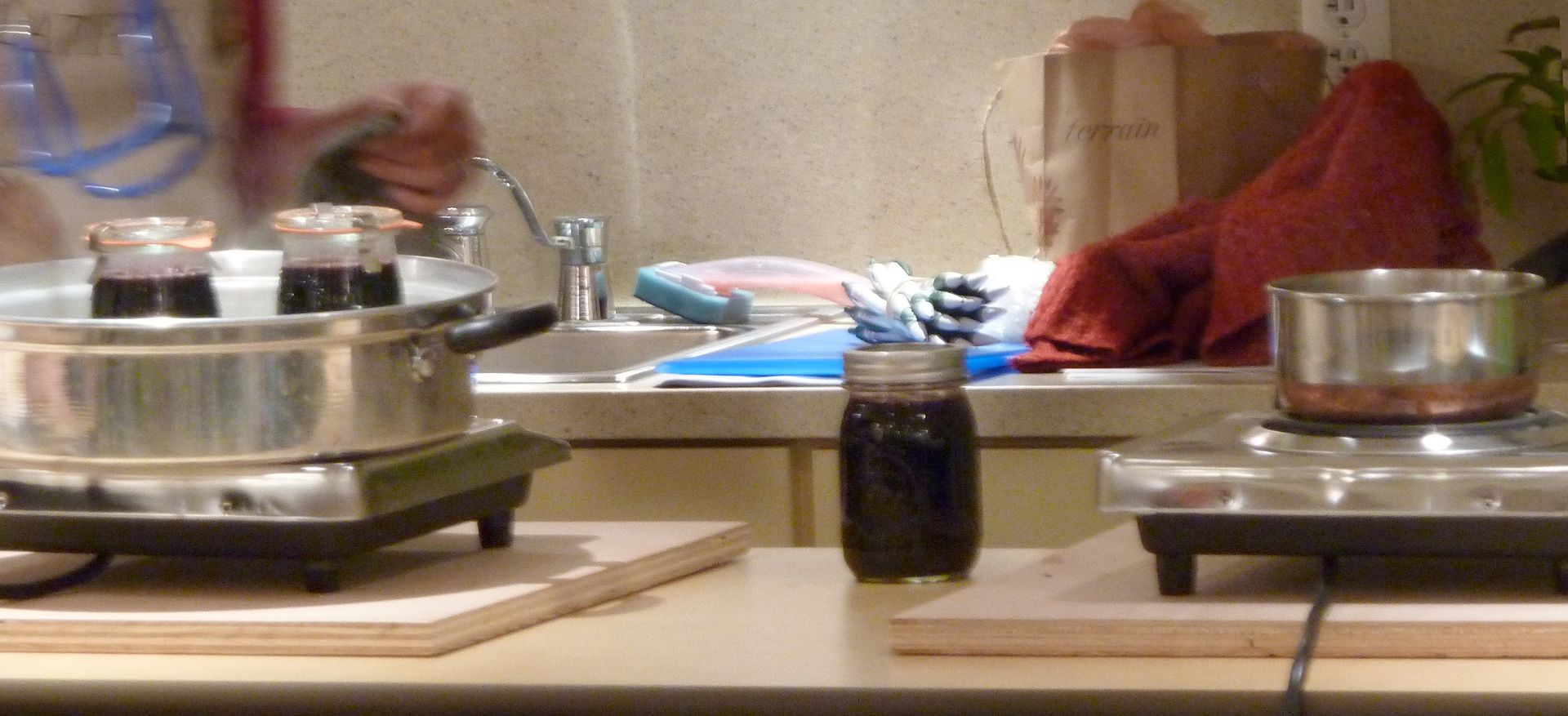
A fair amount of the class was devoted to jam making! This was the Mt. Cuba Center's first attempt at a food demonstration and boy was it a success.

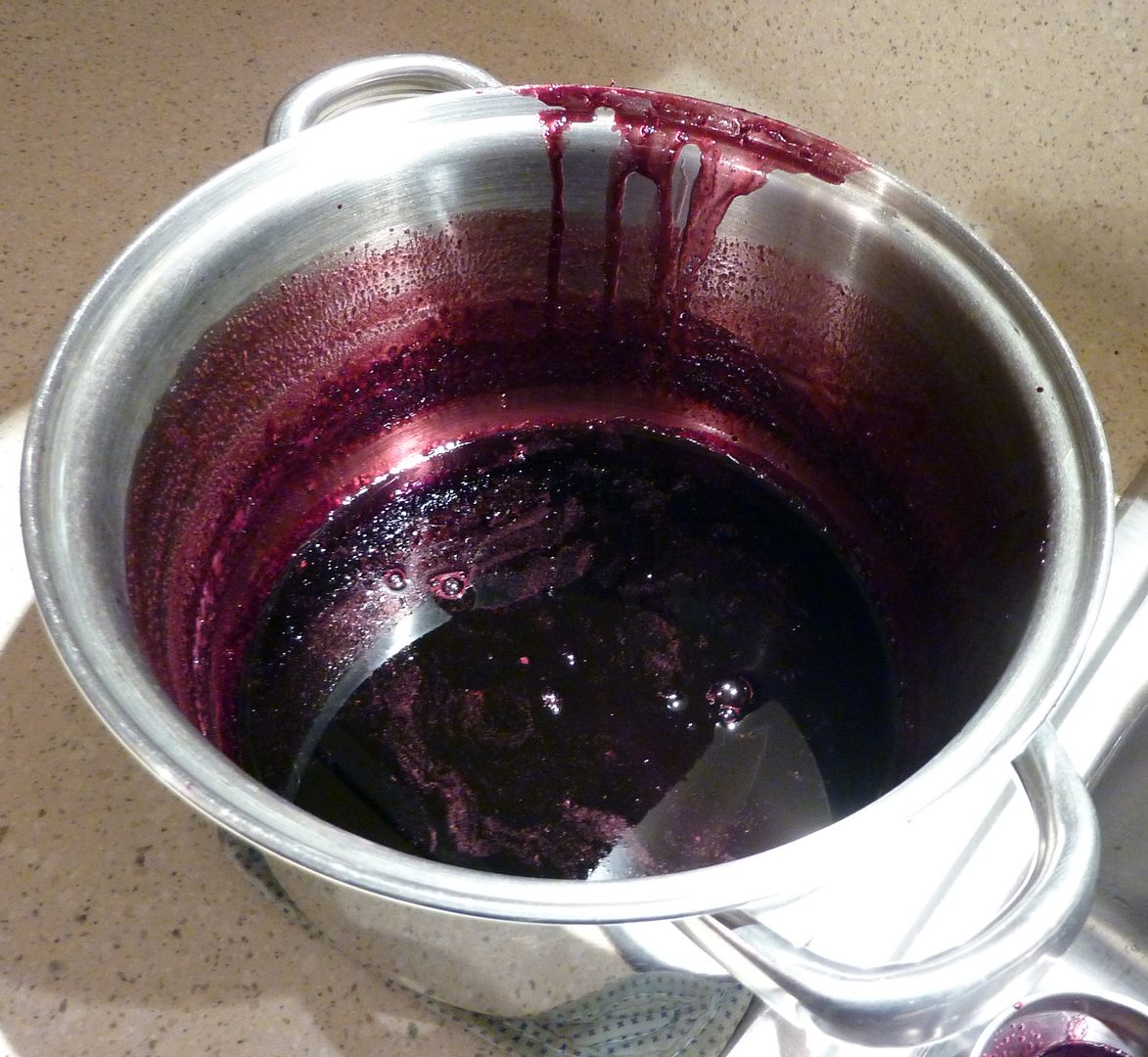
Elderberries can produce anywhere from 12 to 15lbs of fruit each year. If you're able to harvest them before the birds do, making jam is probably the best application. They showed us everything except for sterilizing the jars.

Sadly they don't have a food license and we weren't able to take any home.

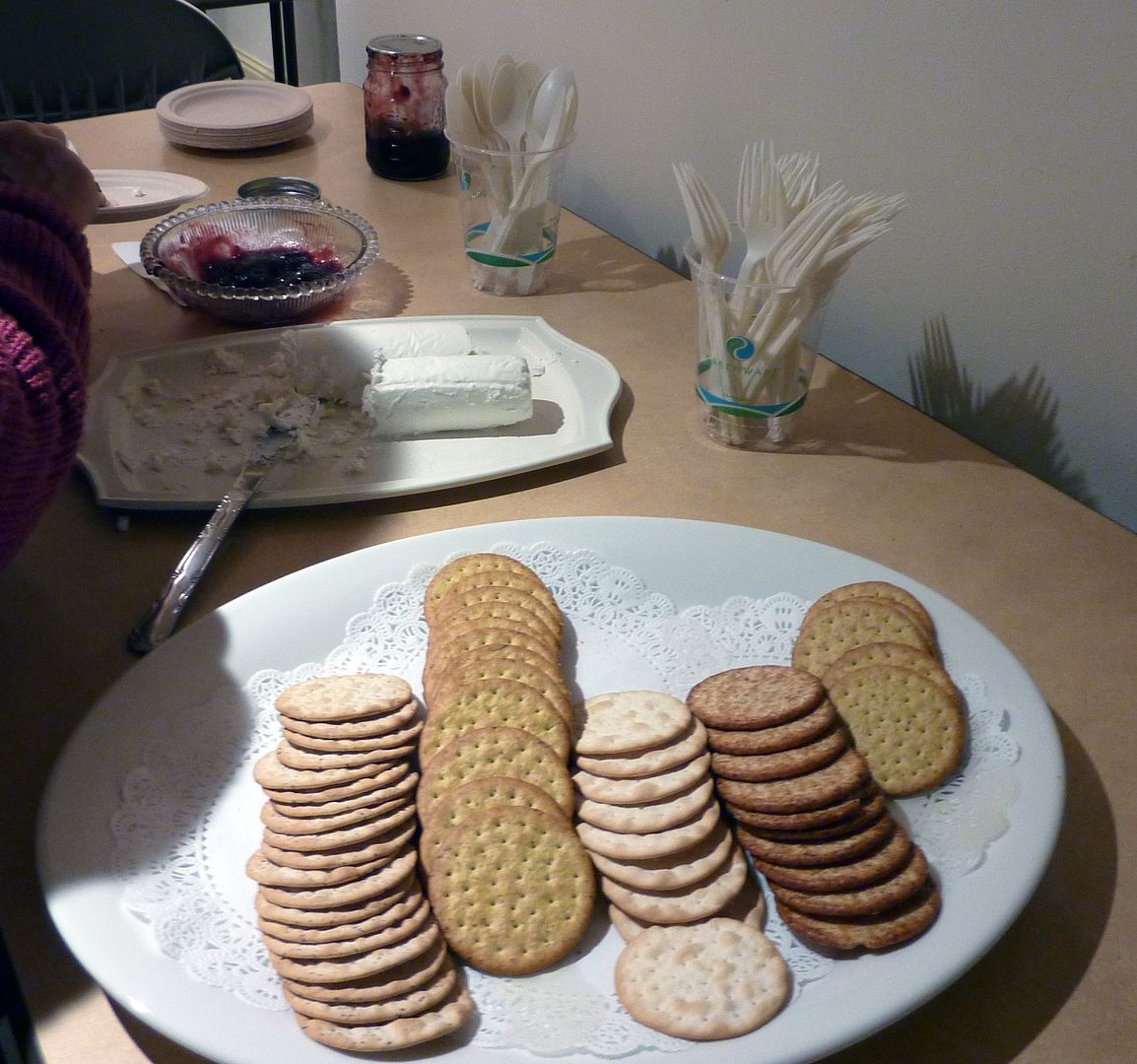
So while we waited for things to be made, they fed us! Elderberry jam tastes just like Grape Jelly but without the grape flavor. Same texture and everything just not that acidic grape taste. It goes great with crackers and goat cheese.

After such a wonderful course I really didn't care that the plant I was give barely fit in my car. Pot included, the elderberry plant I got to take home was around 5' tall (6 months worth of growth, I'm told). Assuming it produces fruit next year you can bet I'll be making jam, or jelly, or a mess or something, next year!

Monday, October 22, 2012

Monarchs Wave Good Bye

Now that I have a little break I might as well start posting again. Hopefully on a daily basis.

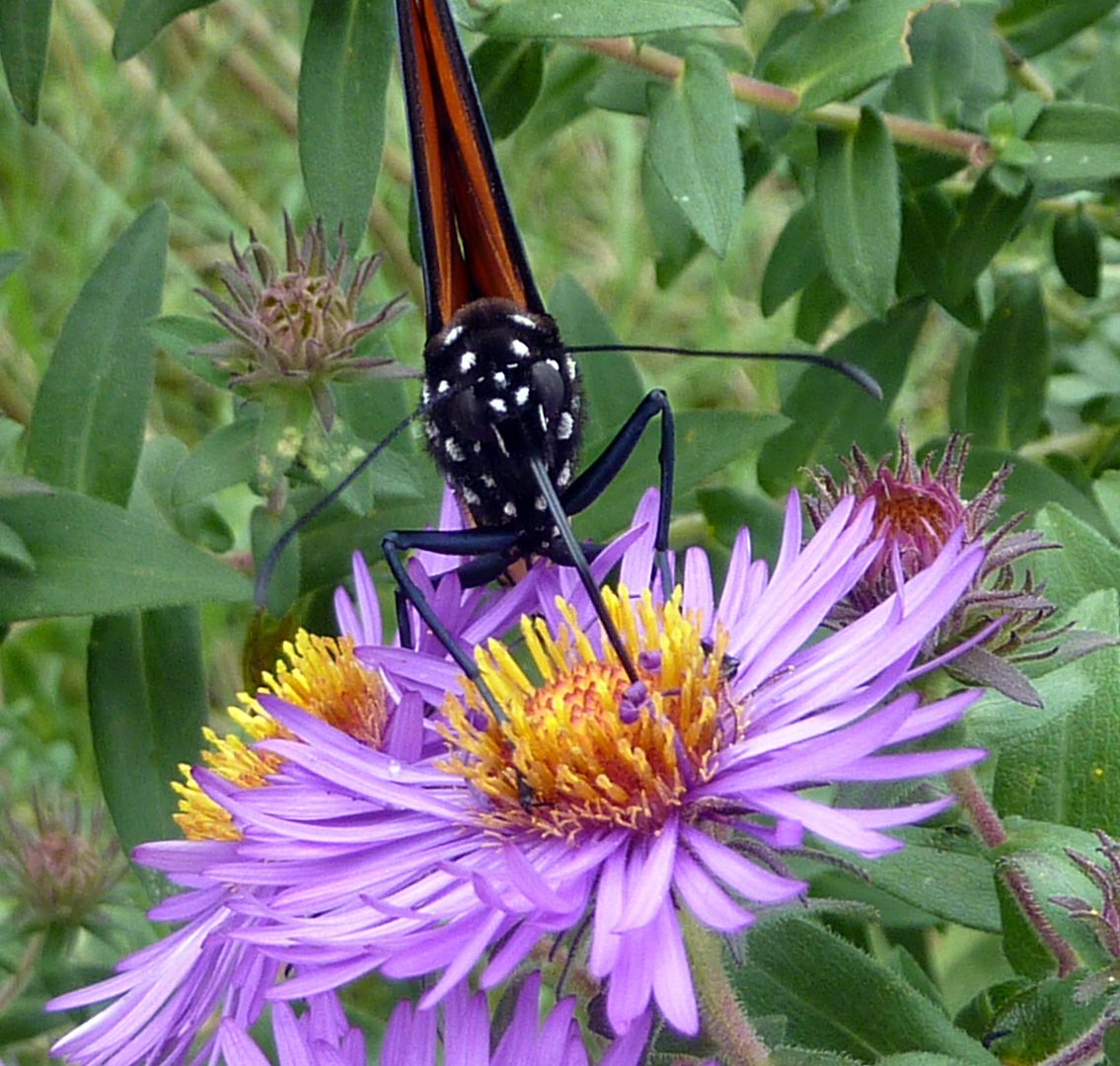
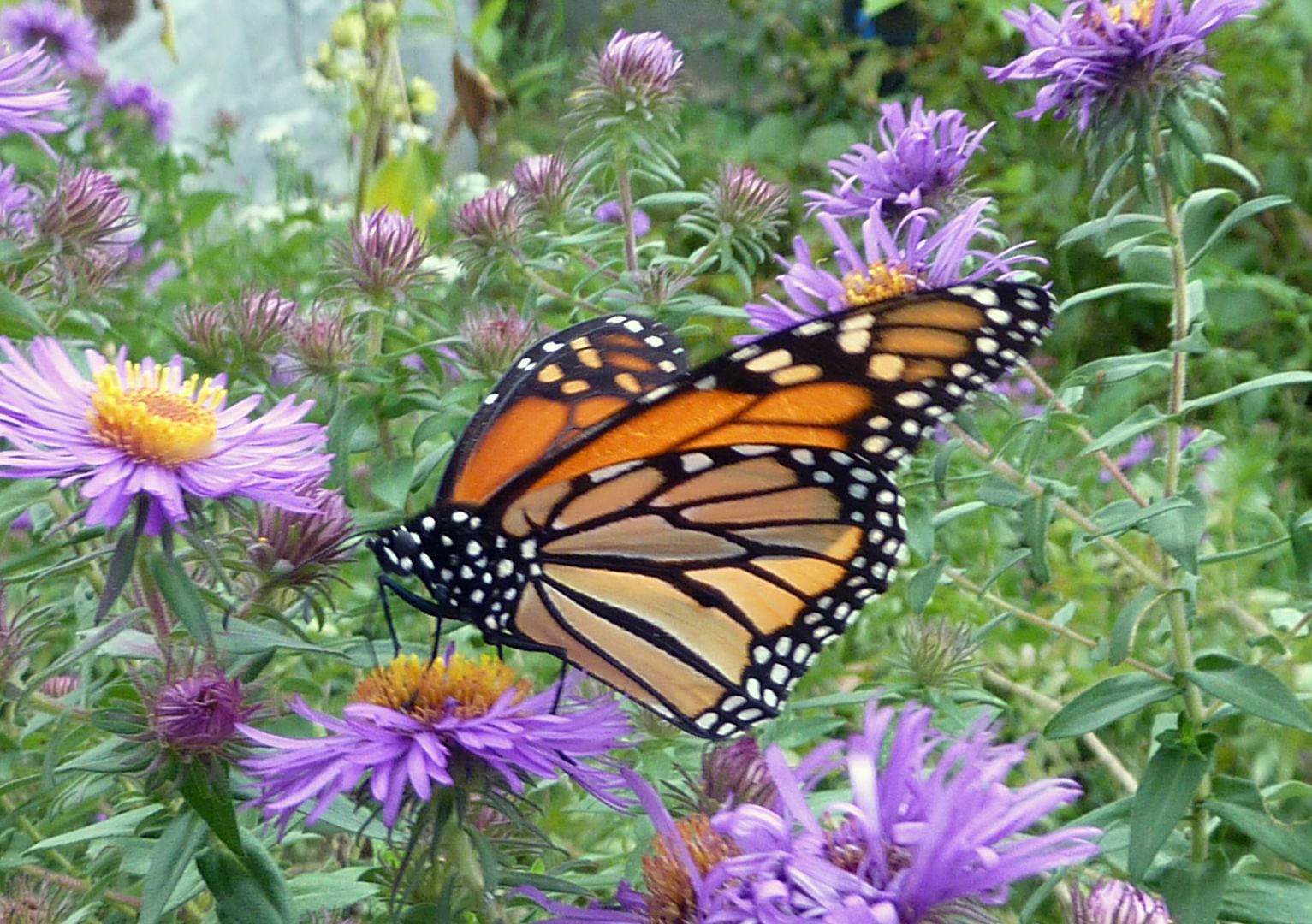
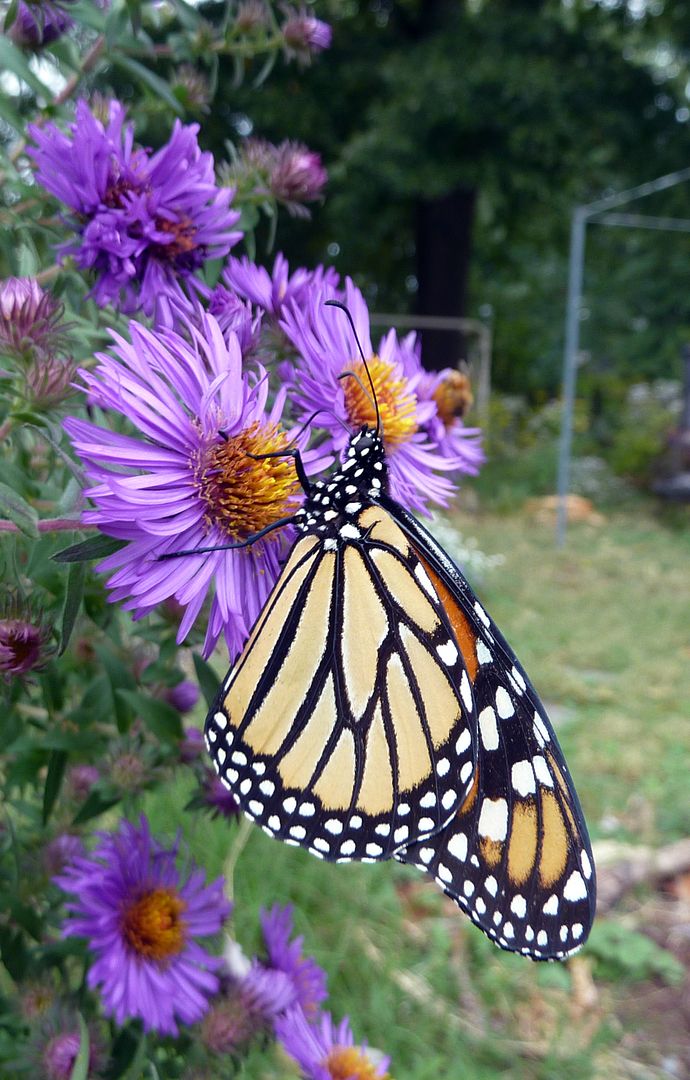
About two weeks ago I believe the last of the Monarchs passed through my area. I had a male and female on the New England Aster.

They weren't interested in one another at all, but sure loved the flowers.

Sadly I only got one Monarch caterpillar in my yard this year, and it did make it to adulthood. I'm not quite sure why though. Milkweed was the native plant I ever put in my garden and I've always had Monarchs visit. This year though I seemed to be seeing them everywhere except for my yard.

News of their migration this year has been confusing. Early reports varied from Record High Numbers to Record Low Numbers. Currently the Record Low reports seem to have won out.

Tuesday, October 16, 2012

Announcement

Sorry for the lack of posts lately. I've been hard at work expanding my article Native Plants for Honeybees into a book. I pretty much have it all written and just need to format it. I'm hoping to have it done by the end of this month or the next. Announcement

Tuesday, October 2, 2012

Honeybees on New England Asters

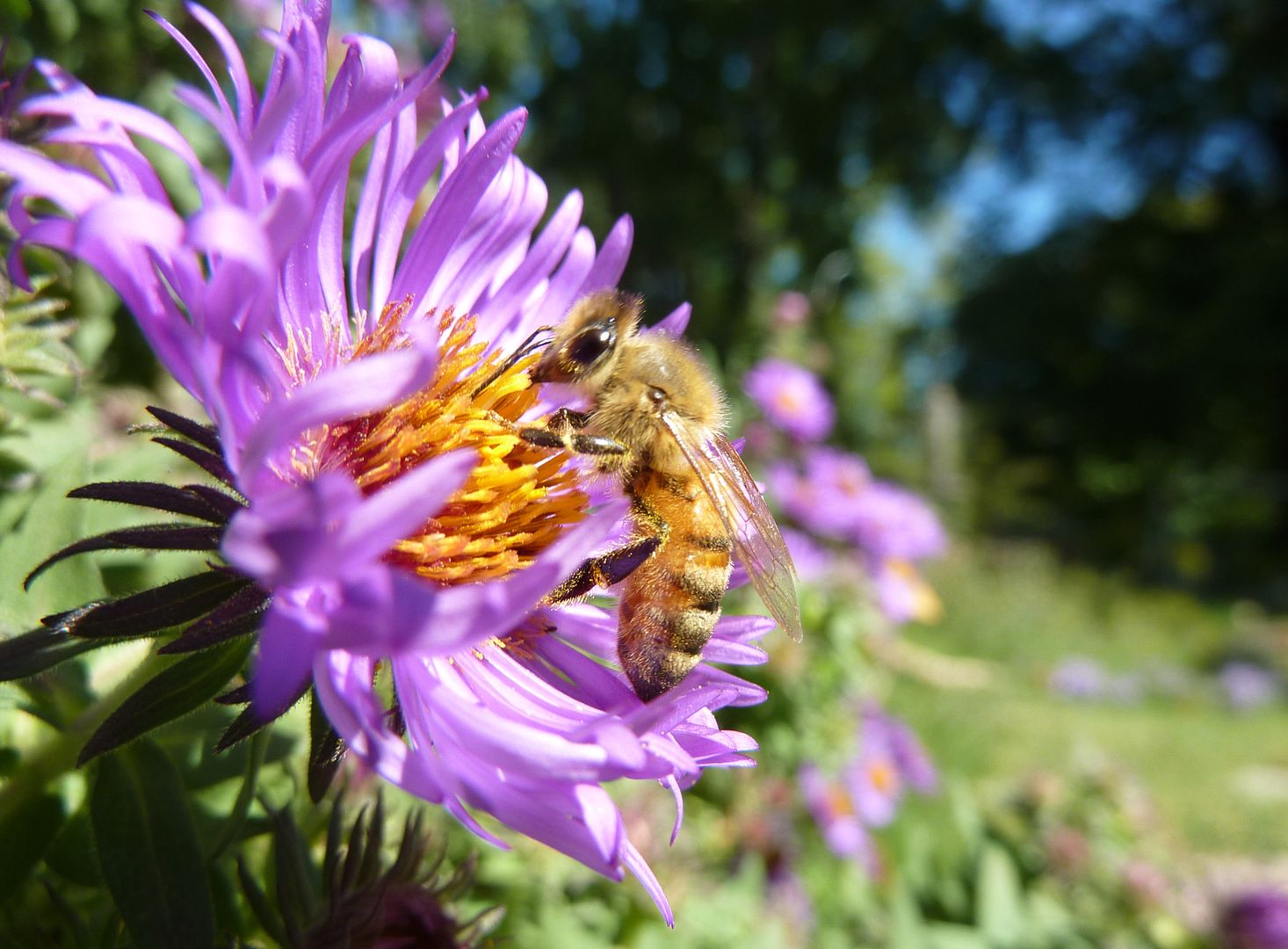
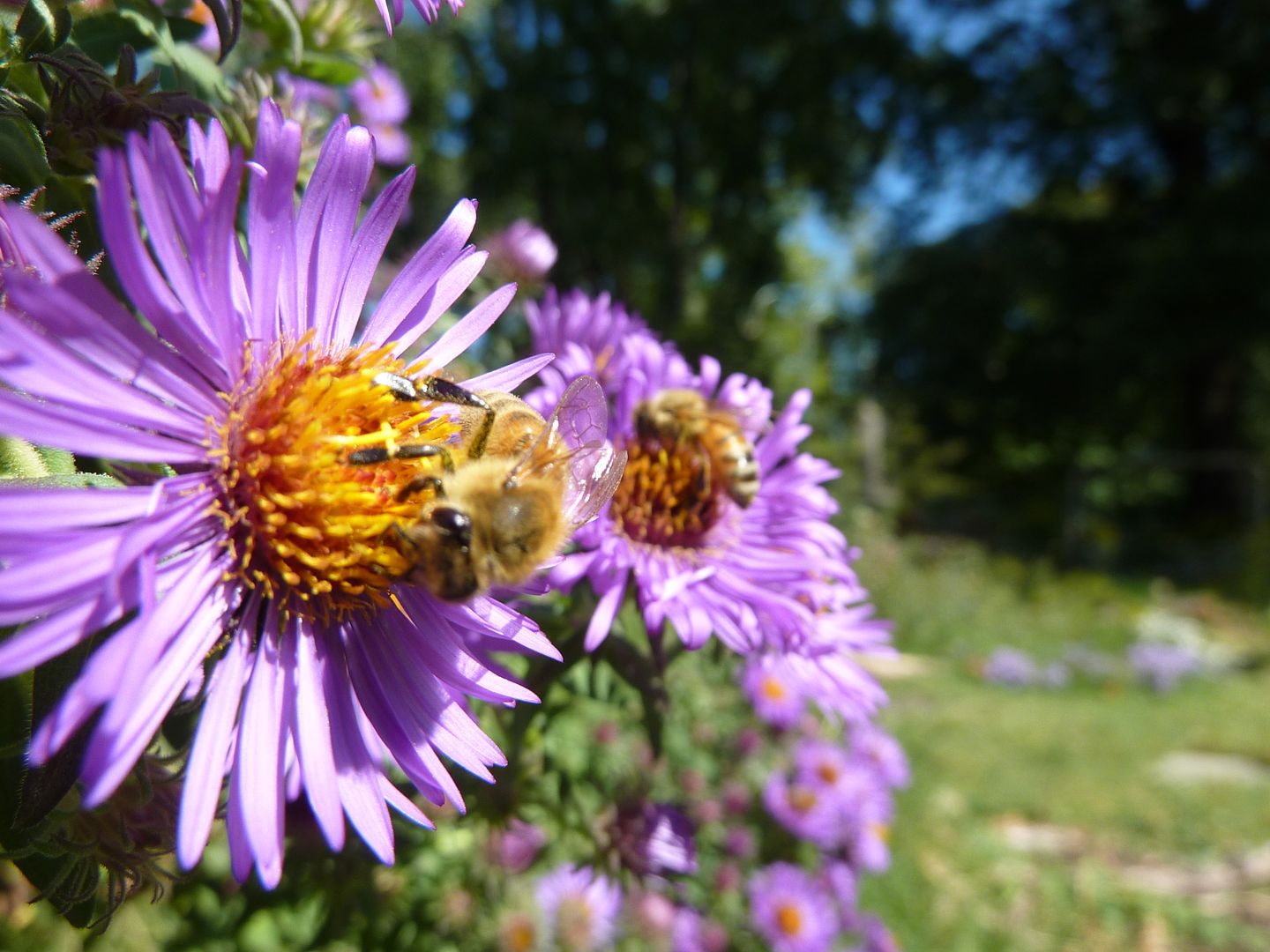
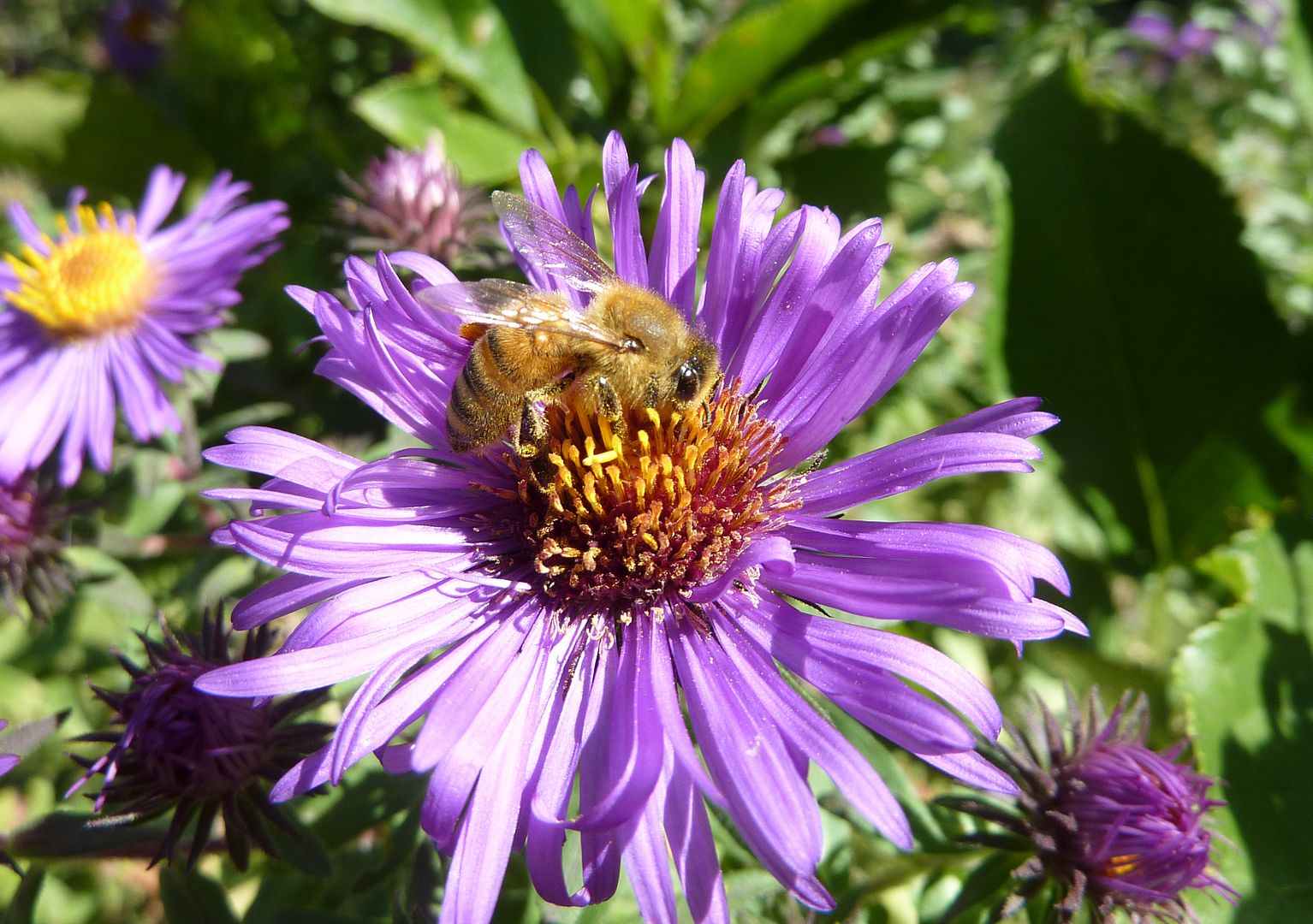
New England Asters, Symphyotrichum novae-angliae, seem like they were made for honeybees to pollinate. I sat down for five minutes today with mine and it didn't take long before I had this photo. Granted there's probably 20 shots I didn't use, but the bees were making it easy.

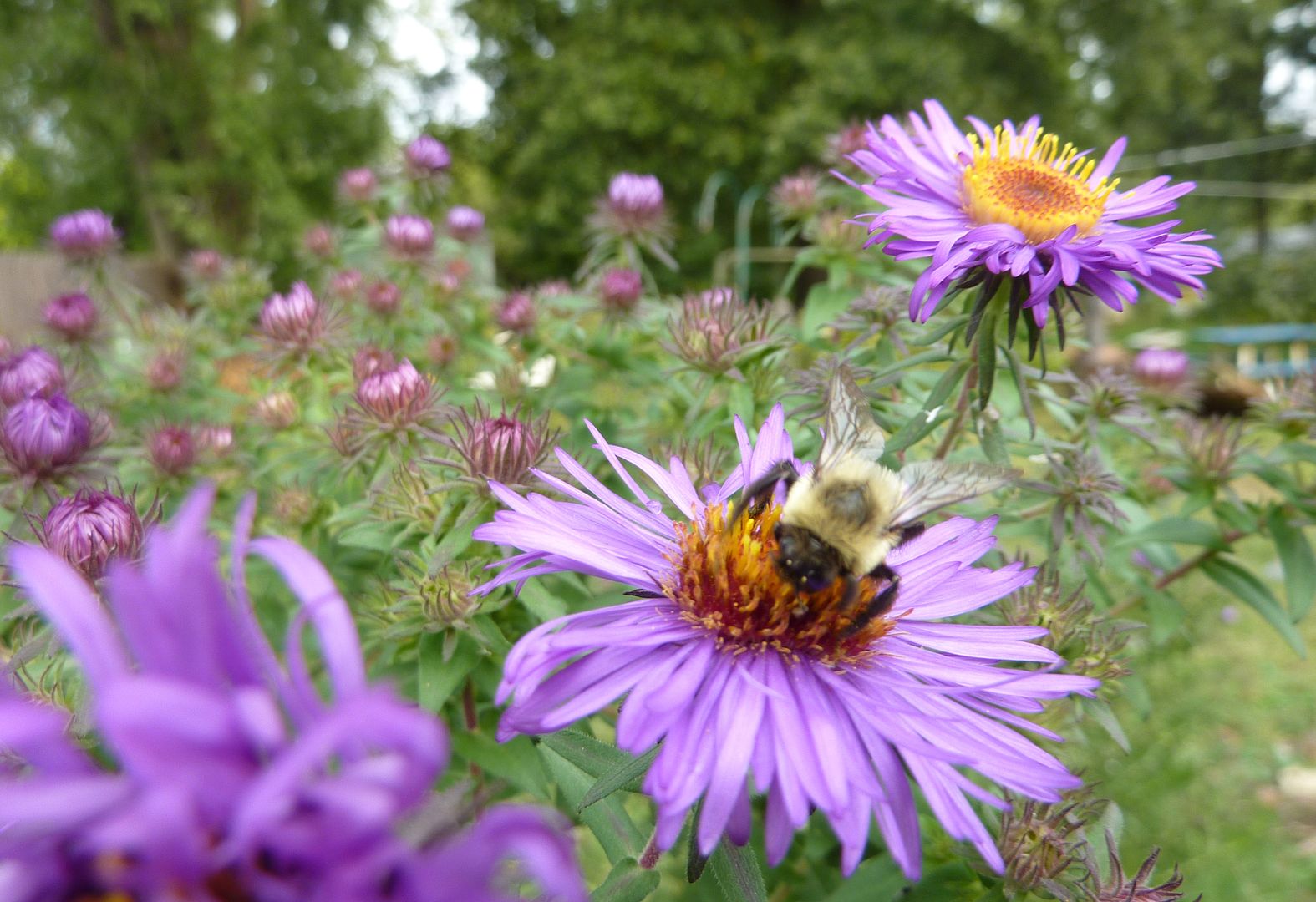
The one fault of the New England Aster is it's a top heavy plant that always seems to fall over. I'm seriously considering espaliering the apple tree around it to hold it up. On the up side, fallen over limbs lead to neat side view shots like this.


Monday, October 1, 2012

Swamp Sunflower

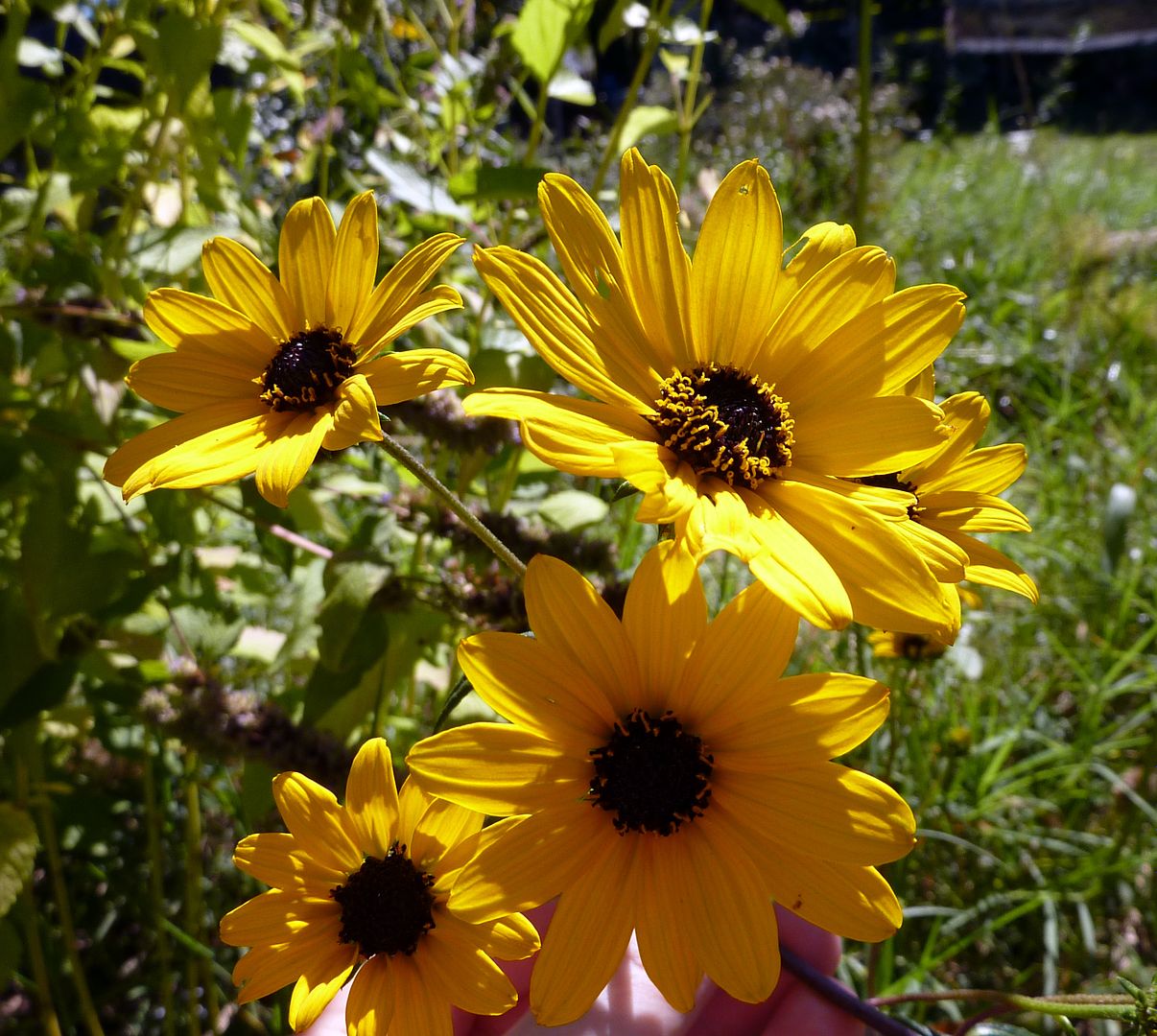
Swamp Sunflower, Helianthus angustifolius, started flowering today. This is the latest flowering of our native sunflowers. This is a young plant I got from my recent trip to the Mt. Cuba Center, but despite it's age and limited flowers finding bees on it isn't uncommon. Sadly it's still rare enough that I can't get a good picture. Flowers are about the size of a Black-eyed Susan but I've read the plant itself can grow to be around 8' tall. Next year I'm expecting this to be a real show stopper. The flowers are so bright and happy looking they stand out even more than the Goldenrods in my garden.

Another trait I like is the dark center of the flower. I also have Helianthus maximiliani but I find the flowers to be boring because the centers are either yellow, orange, or a pale brown at best.

This species also goes by the name Narrow-leaf Sunflower because the leaves are narrow and grass-like. Here you can barely make them out with some of the overgrown toughs of lawn along the garden boarder.

Seeds to perennial sunflowers are an important food sources to over wintering birds. Sadly almost all of our native sunflowers are aggressive spreading plants and may require thinning our ever few years.