Friday, February 17, 2012
Planting Forests for the Monarch Butterfly
This is an excellent video on the reforestation project that's been going on for the past few years to help preserve the Monarch Butterflies' over wintering ground. Here is a link to the organization's website, Forests for Monarchs.
Wednesday, February 15, 2012
Some Valentines Left Overs
The perfect idea on what to do with those old roses from yesterday's Valentines festivities. Actually I'm not sure what these ants are carrying but I know leafcutter ants will target roses when cutting for their fungus gardens.
Tuesday, February 14, 2012
Happy Valentines Day
Don't understand French? Here let's award winning actress Isabella Rossellini translate some of the video with her graphic reenactment.
Generally it's not uncommon for a queen honeybee to mate with 8 to 16 males during her nuptial flight. They pack her with enough ... we'll call it "energy" to lay roughly 1,500 to 2,000 fertile eggs per day for the next 5 years.
Generally it's not uncommon for a queen honeybee to mate with 8 to 16 males during her nuptial flight. They pack her with enough ... we'll call it "energy" to lay roughly 1,500 to 2,000 fertile eggs per day for the next 5 years.
Sunday, February 12, 2012

Wednesday, February 8, 2012
Moon Gardens
So I just realized this year that Prairie Nursery has greatly expanded their selection of gardens this year. One of which is call the "Moon" Garden. And I can't help but wonder if this is a friendly poke at Prairie Moon Nursery which doesn't have such a selection.
Not that this matters much. Moon Gardens consist of white or pale colored flowering plants which glow in the moon light at night. I think this is an over rated concept. Though it would be neat to see whether any of the plants bloom with the lunar cycle at all. Often white flowering plants are fragrant and pollinated by moths at night. From what I can gather online these gardens tend to focus more on having water features, nick knacks, stone work and such to go along with the plants.
I'm tempted to propose a Sun Garden but typically prairies are already over saturated with yellow flowering plants, especially in late summer.
Not that this matters much. Moon Gardens consist of white or pale colored flowering plants which glow in the moon light at night. I think this is an over rated concept. Though it would be neat to see whether any of the plants bloom with the lunar cycle at all. Often white flowering plants are fragrant and pollinated by moths at night. From what I can gather online these gardens tend to focus more on having water features, nick knacks, stone work and such to go along with the plants.
I'm tempted to propose a Sun Garden but typically prairies are already over saturated with yellow flowering plants, especially in late summer.
Monday, February 6, 2012
Winter Growth
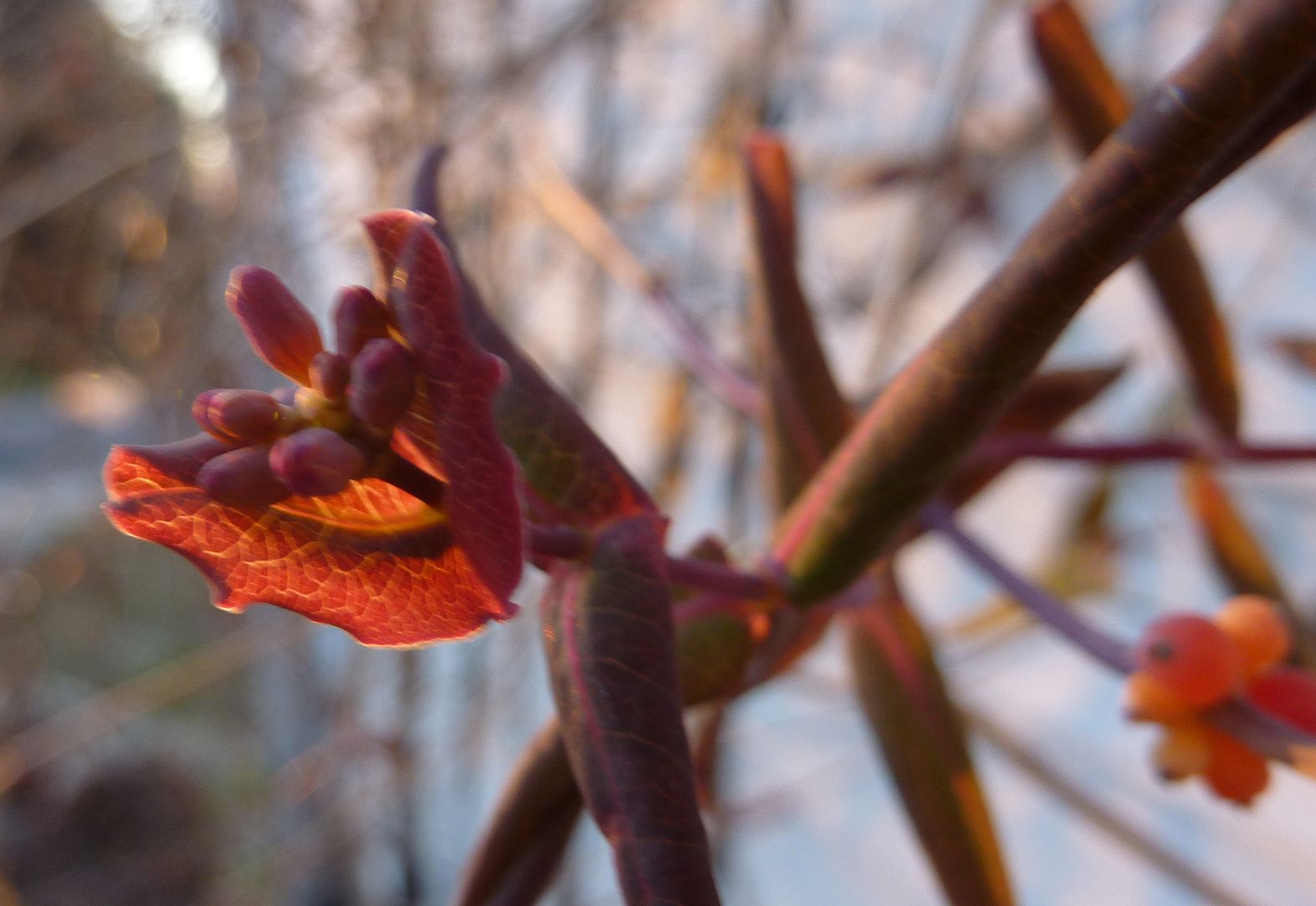
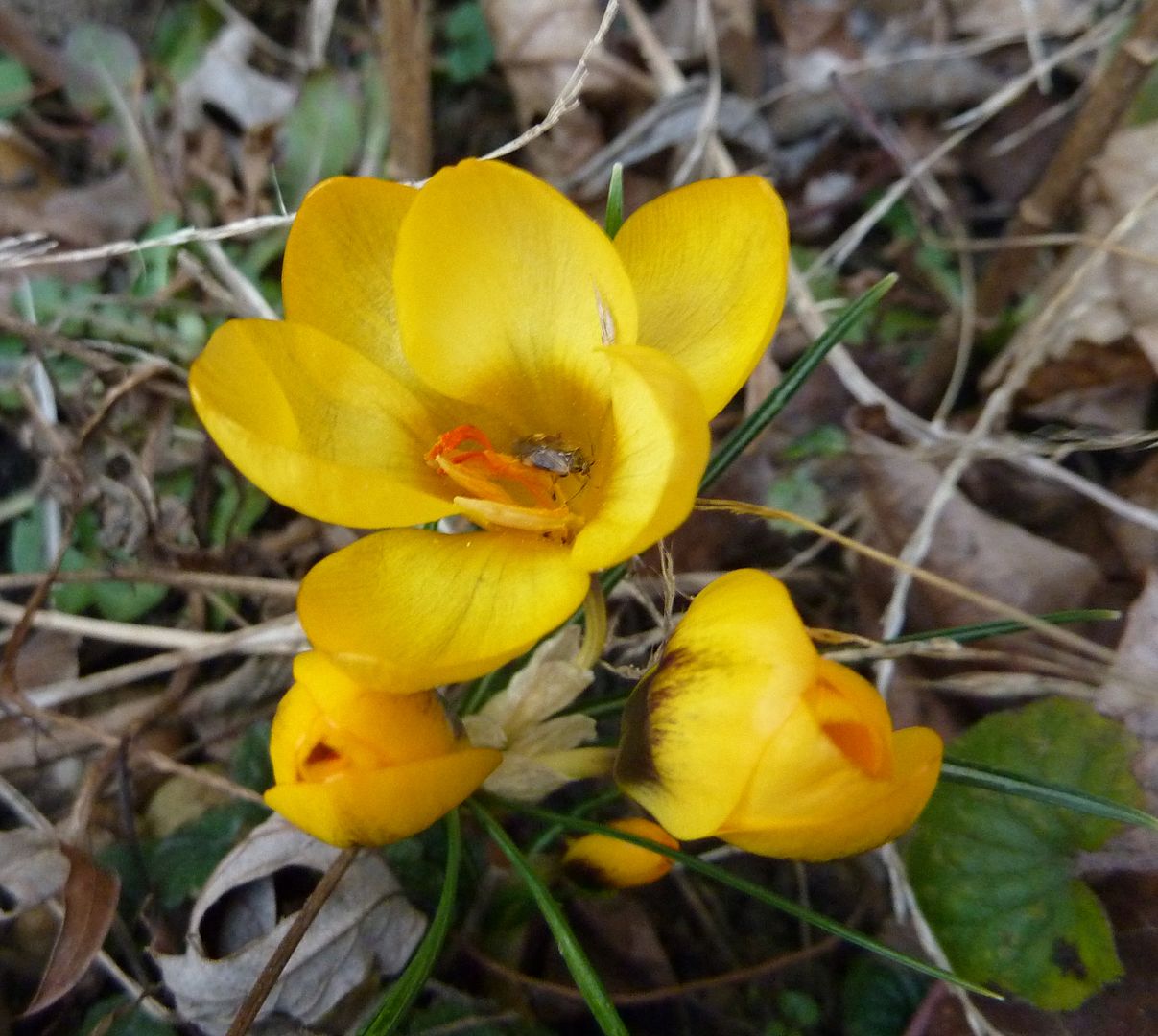
So all these early blooms got me wondering what else is pushing out new growth this early.

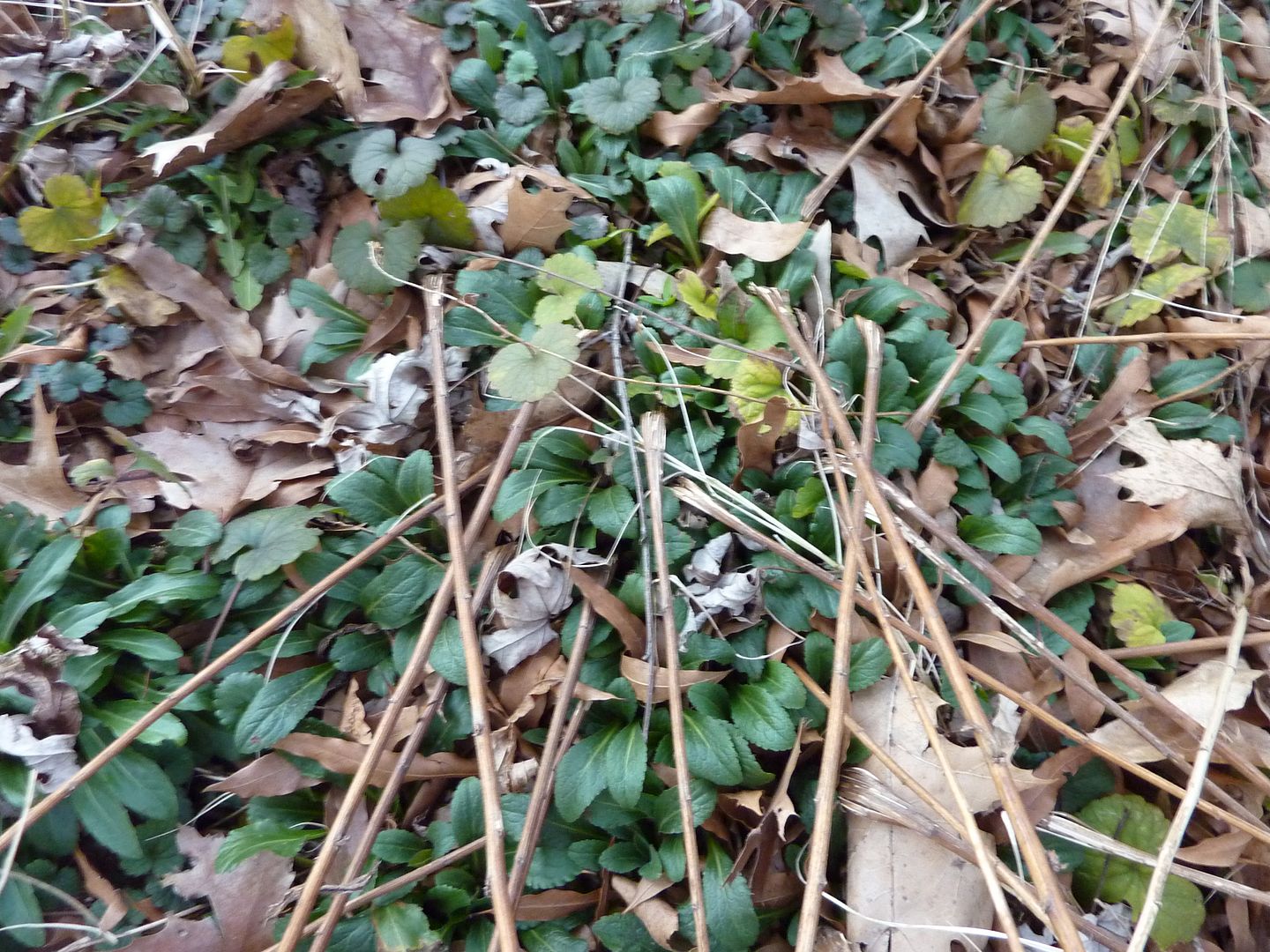
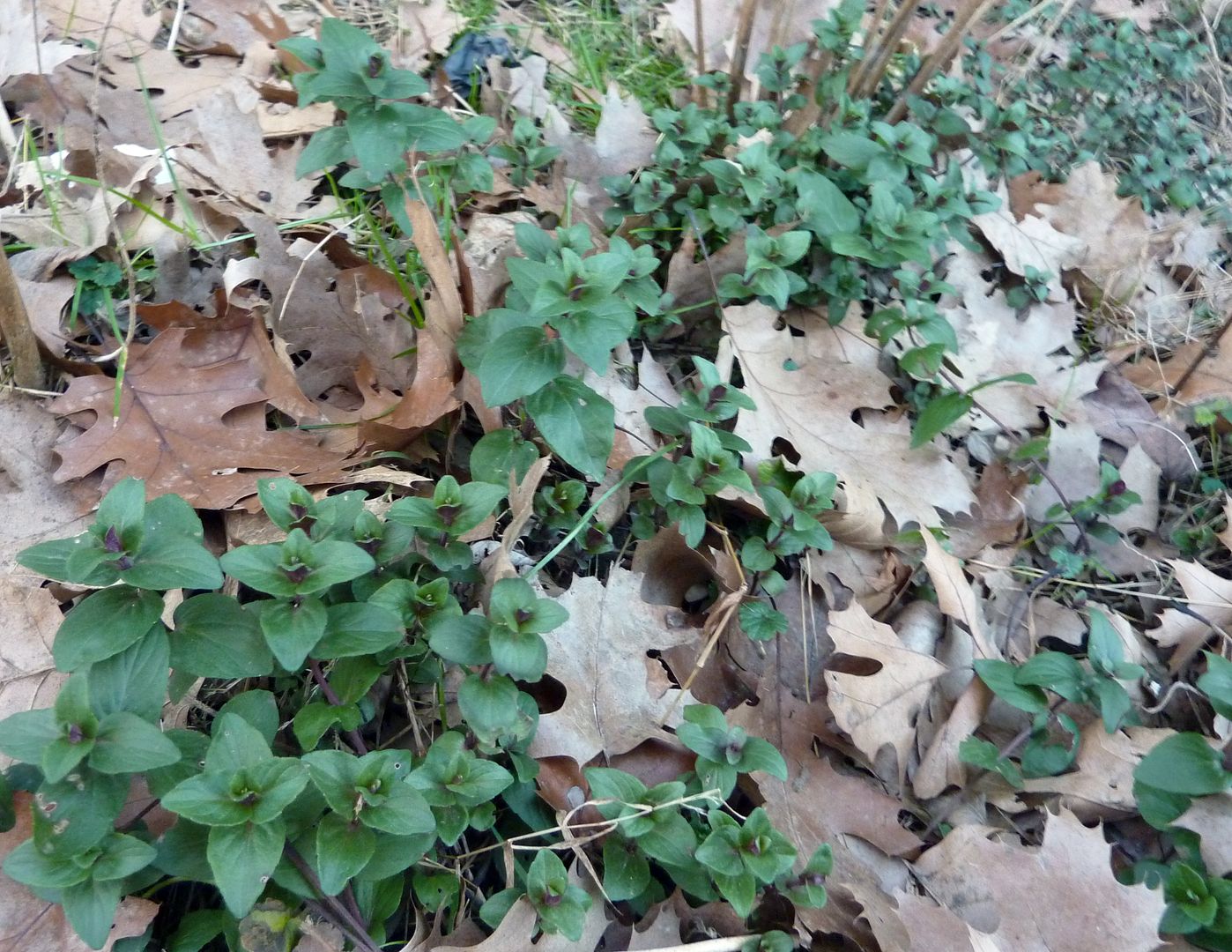
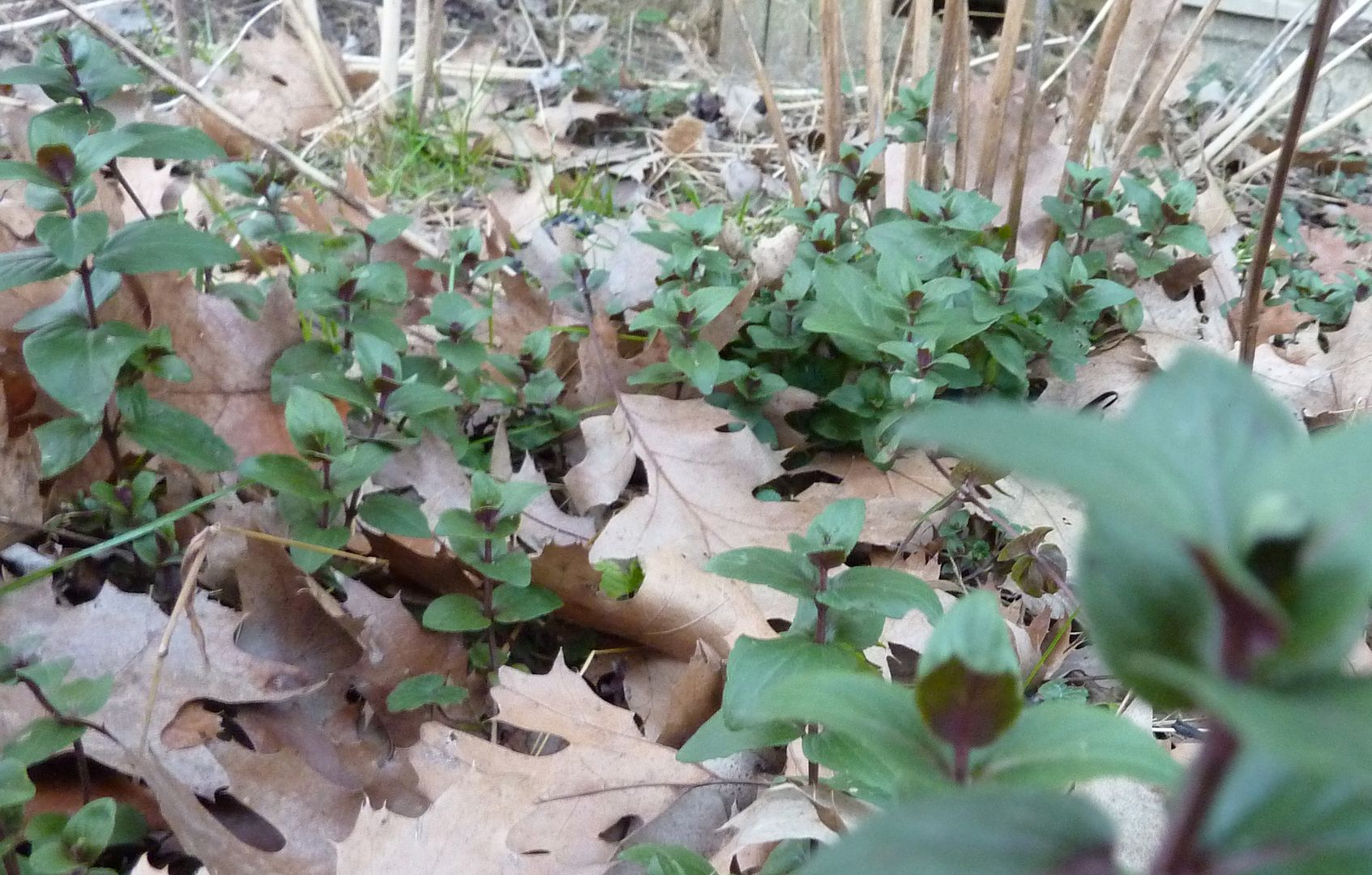
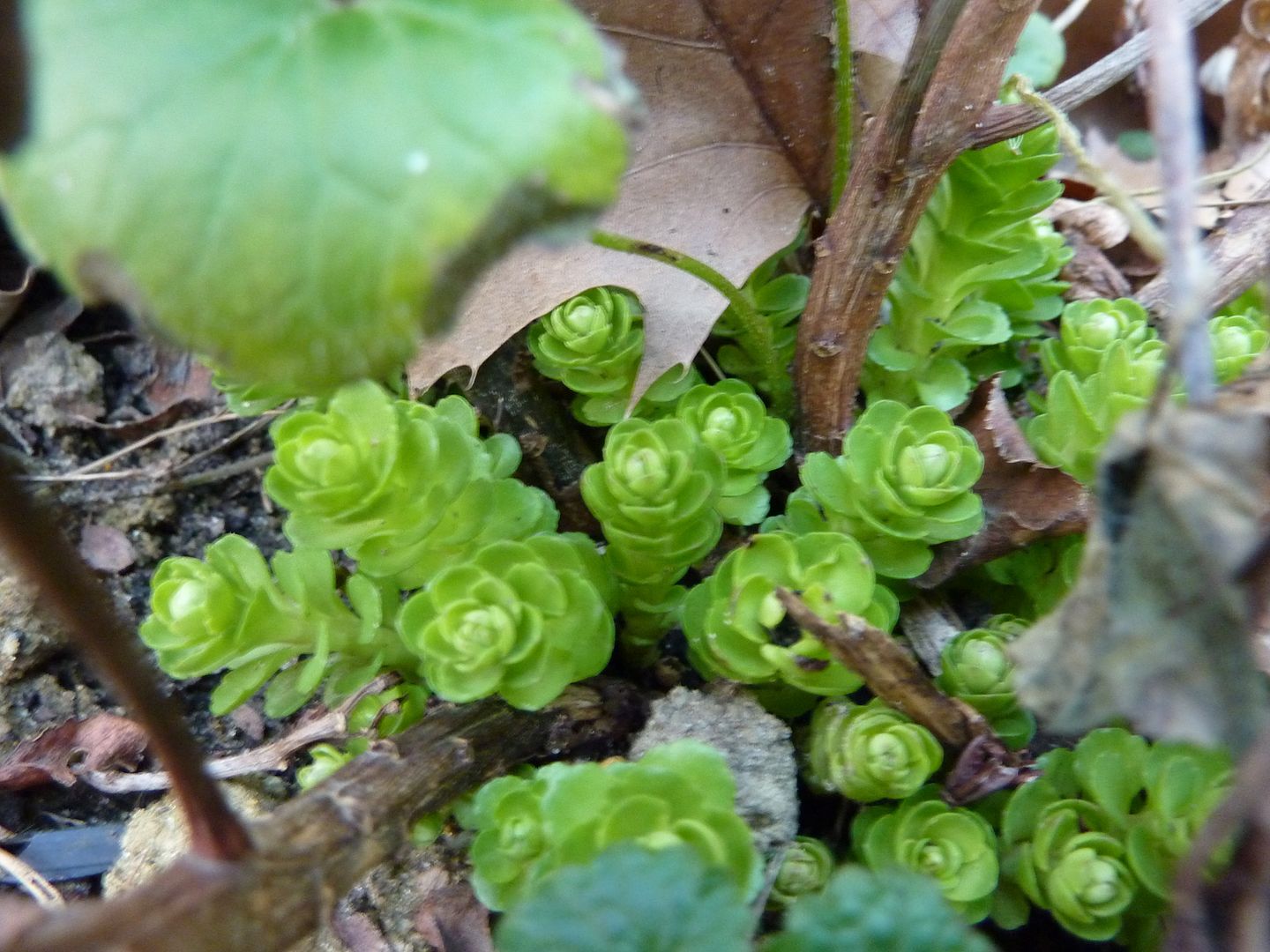
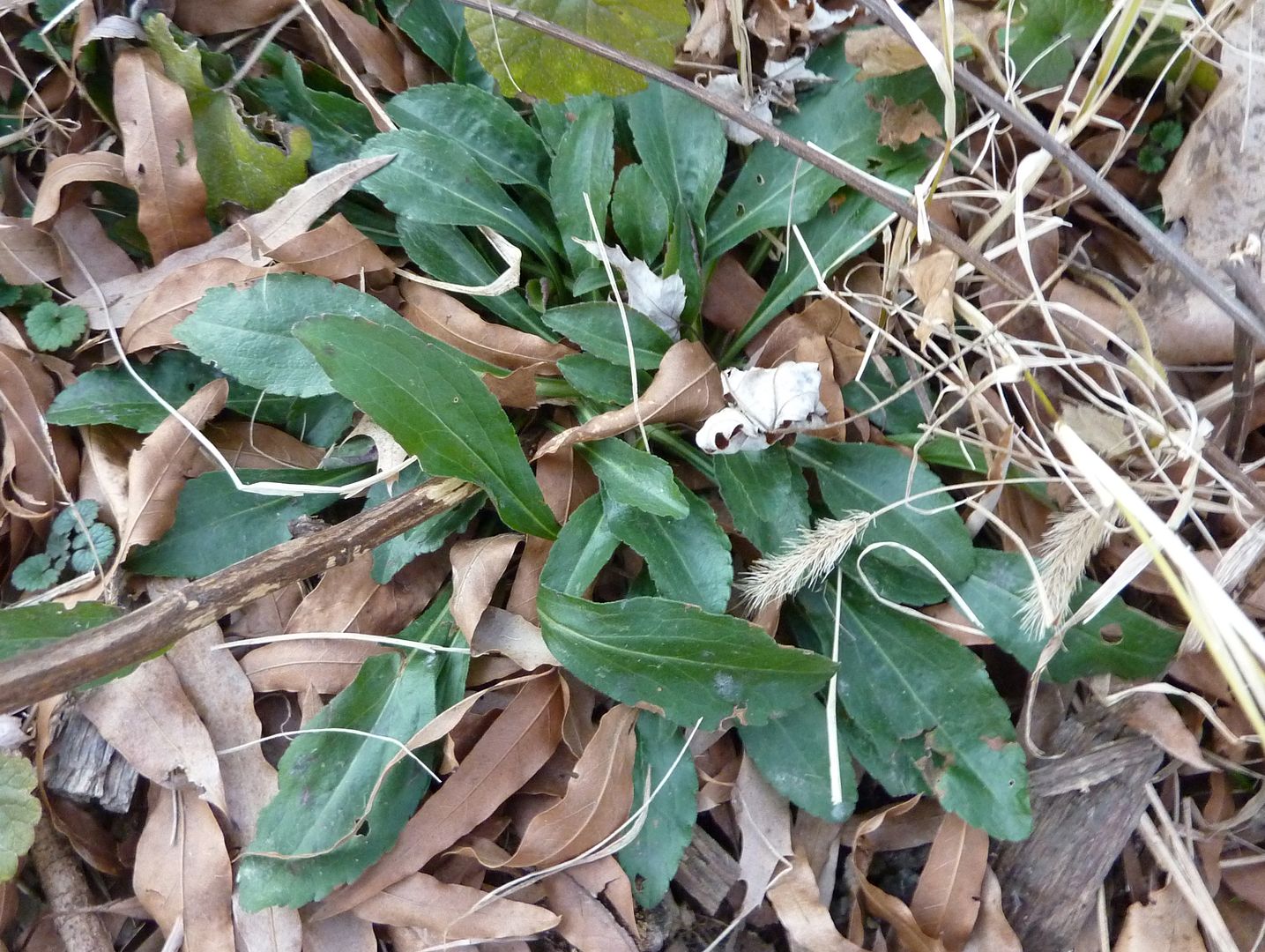
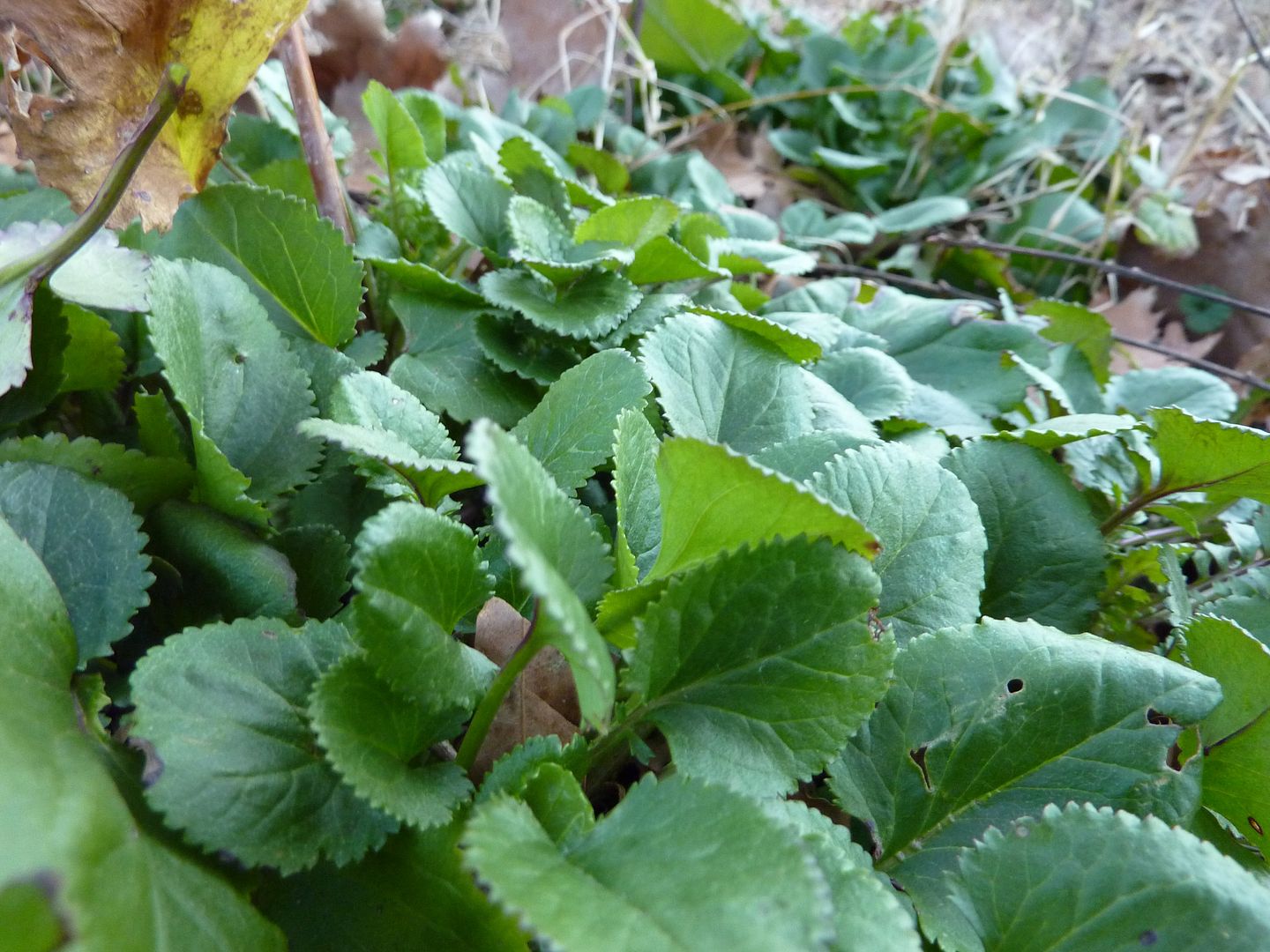
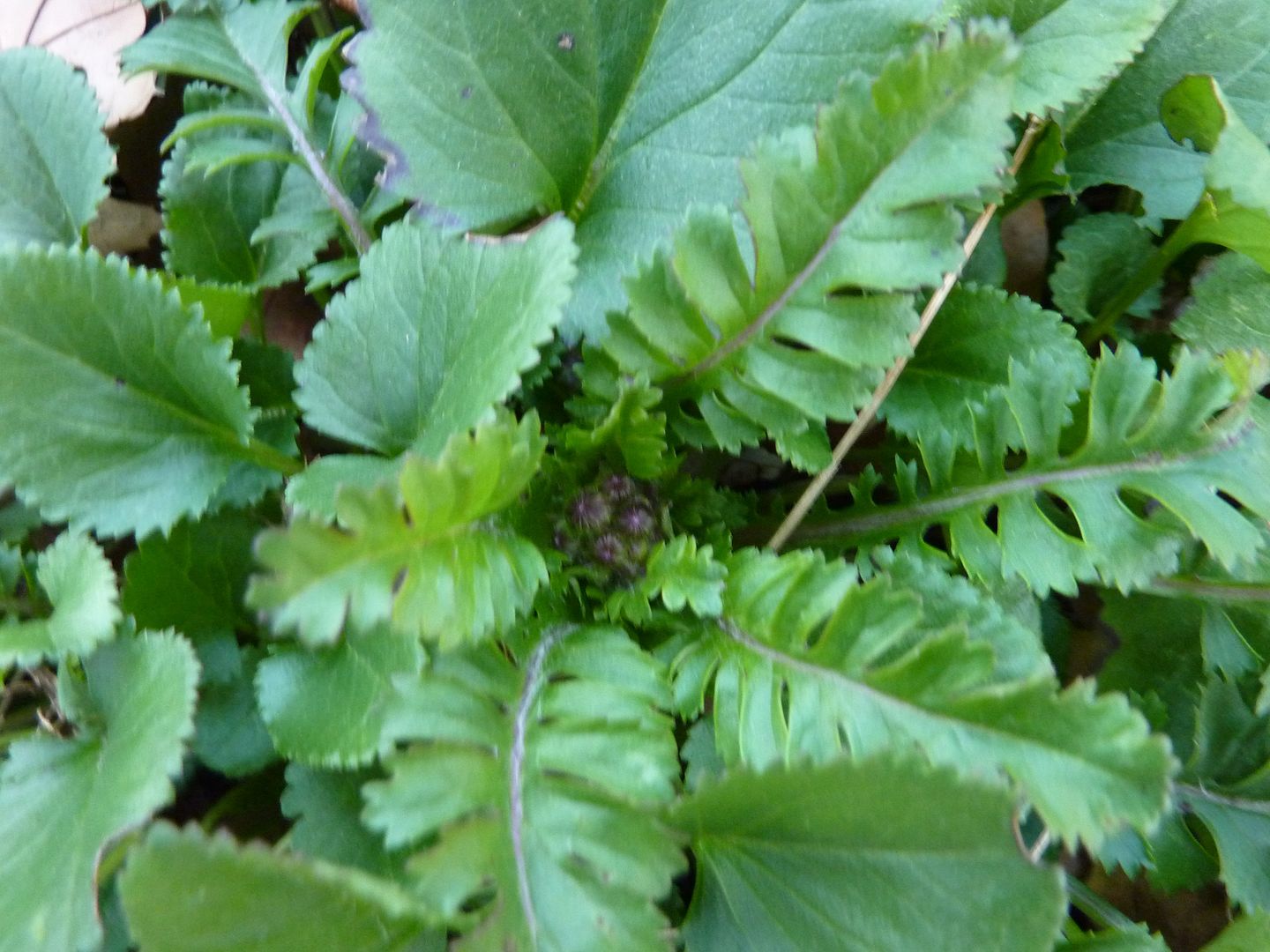
Roundleaf Ragwort, Packera obovata, is also spreading some. It's doing so in nice, garden friendly, tight clumps though. Despite it's seeds being transported by the wind it seems to be growing as a well behaved ground cover. I like this plant so much I'm thinking about spreading it around the yard everywhere. Note the flower buds starting to appear.
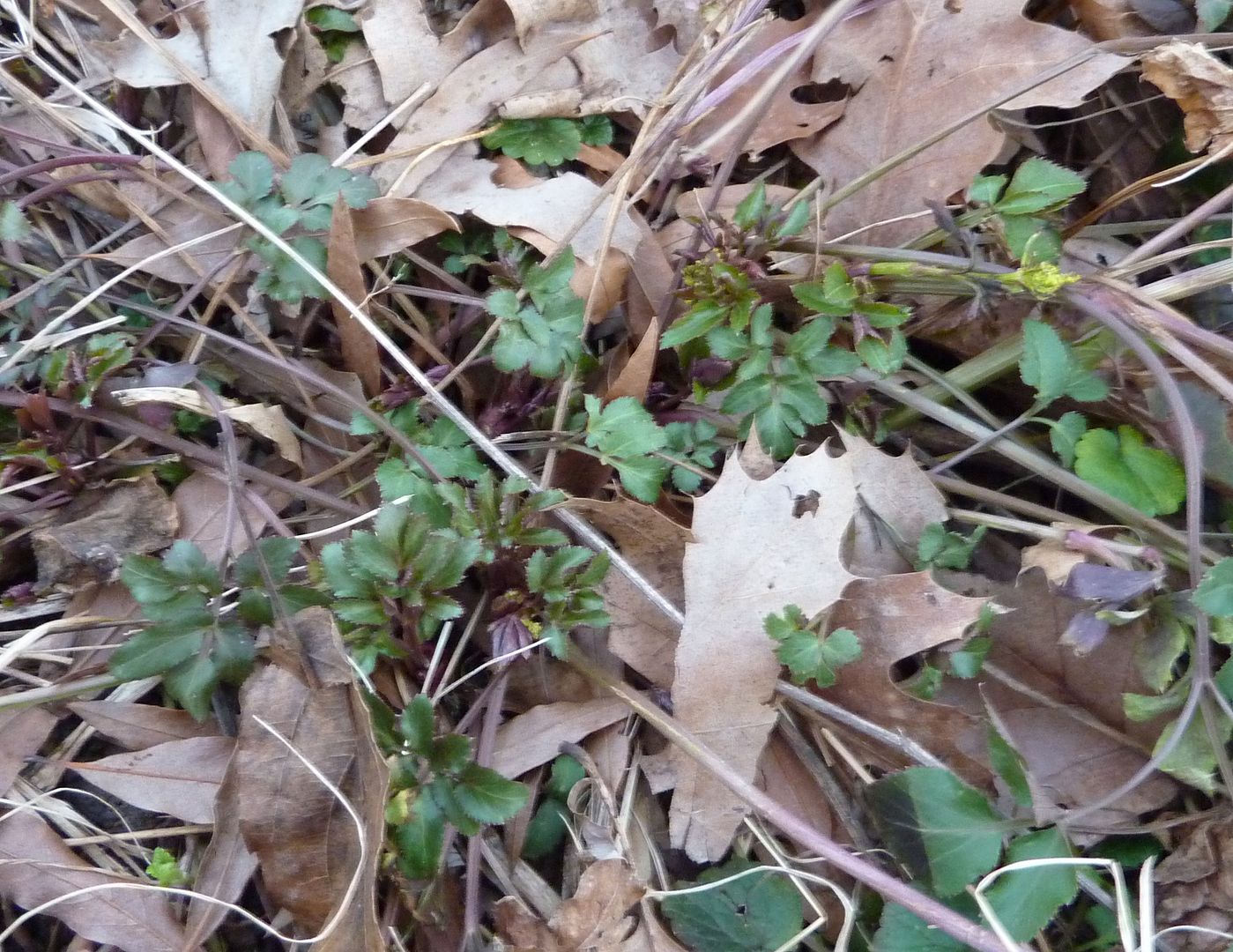
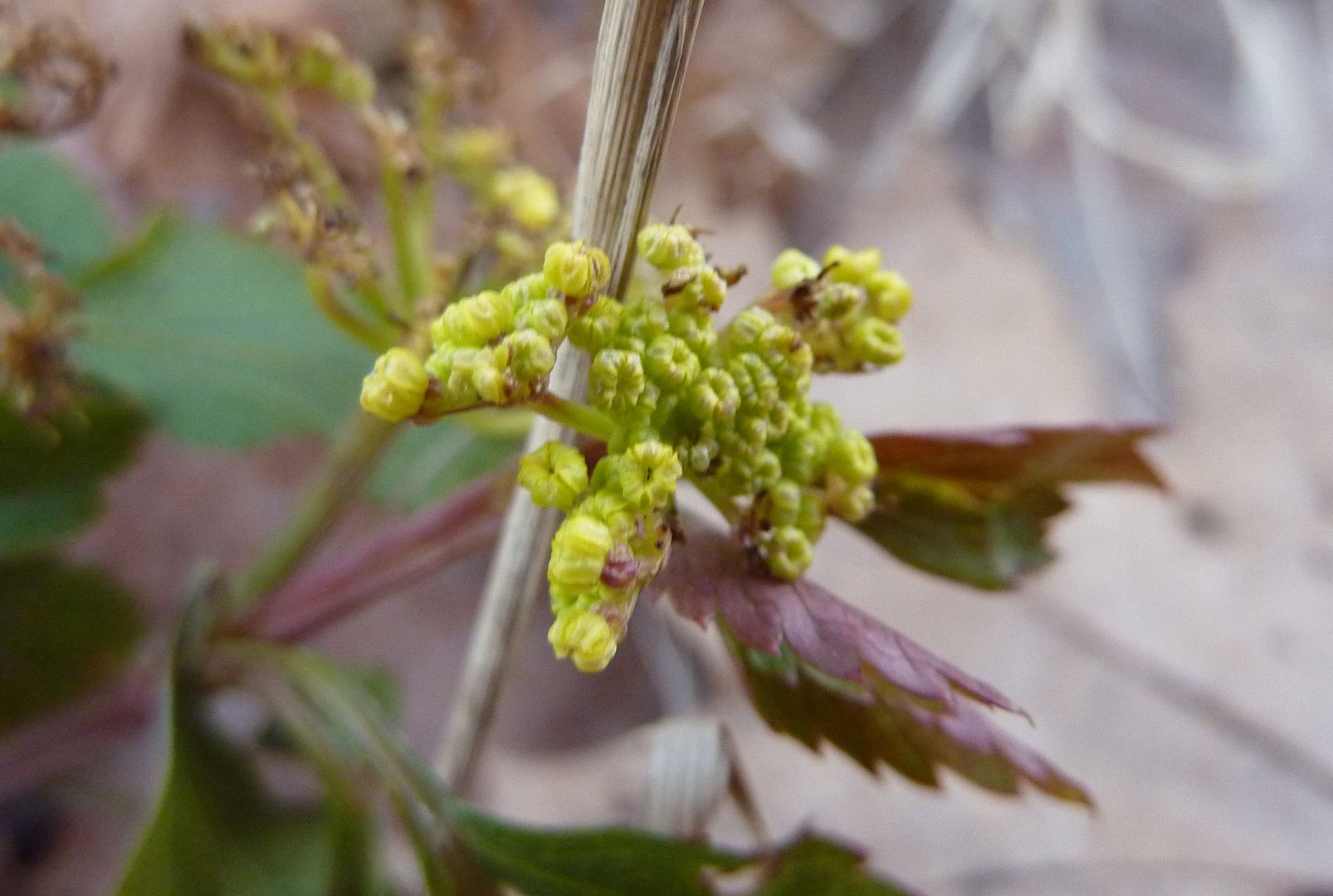
And then there's Golden Alexander, Zizia aurea. What this is doing with flower buds on it this early is a mystery to me. This is just one plant of the 4 doing it. Perhaps this is a seedling that's got its wires crossed somewhere.
Sunday, February 5, 2012
USDA Plant Hardiness Zone Map
The USDA has released a new hardiness zone map for the US. It's nice and interactive. At their site you can click on your state to enlarge. More information was taken into account in forming this map, such as proximity to bodies of water, and I believe even the micro climates found in heavily paved areas. People who live in cities can get temps 10F higher than what they're supposed to due to all the pavement around.

Despite the warming trend seen here this does not change your last expected frost date. I know a lot of people think it does though. And they might get away with planting things early but not becuase of this chart. Rather becuase we're in a La Niña year. Even so it's a good idea to protect your investment. Start saving plastic soda bottles or plastic containers and cut off the bottoms for a simple easy plant cover early on. This will protect from frost should a freeze head your way.
Happy Gardening.
Despite the warming trend seen here this does not change your last expected frost date. I know a lot of people think it does though. And they might get away with planting things early but not becuase of this chart. Rather becuase we're in a La Niña year. Even so it's a good idea to protect your investment. Start saving plastic soda bottles or plastic containers and cut off the bottoms for a simple easy plant cover early on. This will protect from frost should a freeze head your way.
Happy Gardening.
Saturday, February 4, 2012
Up Coming Philadelphia International Flower Show
Once again we're getting close to the Philadelphia International Flower Show, the largest indoor garden show of it's kind. Last year was a complete bore. The theme was "Spring Time in Paris" which basically meant metal lawn furniture sitting among bulbs and rhododendrons for god knows why. Lavender? Herbs? Grape Vines? Poppies? No sir, not in the Paris they're talking about!
Last year's show was a complete insult. In years past I'd walk in through the doors and get bombarded by the fragrance of pollen. The air had a strange dampness to it. This feeling just wasn't there that year.
There weren't any crazy plants there either. The first year we went the theme was Moss Gardens of Ireland, or something like that, and they had common every day snap dragons with flower stalks 5' tall! These are those same snap dragons you can buy in a flat at any garden center. I have never seen them so big anywhere else before in my life! Another year they had ferns from Australia which were 8' tall! The leaves cam up to form arch ways. There were carnivorous plants from around the glob being used in landscapes like wildflowers. There were orchids (the common type you see in hardware garden center) of assorted color. Virtually everything was a hybrid or cultivar, or being used in a creative way not just in gardens, but as living walls, and as living pieces of art, with varying functionality... All "Spring Time in Paris," had was a Mary-go-round no one was allowed to ride. And that brings us to this year's theme.
Hawaii: The Next Wave
Yes beautiful Hawaii, a land with less than 5% of it's native ecosystem in tact thanks to loose importation laws and active volcanoes. If I see something that's NOT invasive at this show I'm going to be very upset.
Normally I complain about the lack of native plants and over use of bulbs and rhododendrons at these things but this year seems like a way for them to get out of the norm. This is the year for them to go nuts with water features, bold colors, and expensive tropical landscaping that will freeze to death planted anywhere above the zone 8.
Last year's show was a complete insult. In years past I'd walk in through the doors and get bombarded by the fragrance of pollen. The air had a strange dampness to it. This feeling just wasn't there that year.
There weren't any crazy plants there either. The first year we went the theme was Moss Gardens of Ireland, or something like that, and they had common every day snap dragons with flower stalks 5' tall! These are those same snap dragons you can buy in a flat at any garden center. I have never seen them so big anywhere else before in my life! Another year they had ferns from Australia which were 8' tall! The leaves cam up to form arch ways. There were carnivorous plants from around the glob being used in landscapes like wildflowers. There were orchids (the common type you see in hardware garden center) of assorted color. Virtually everything was a hybrid or cultivar, or being used in a creative way not just in gardens, but as living walls, and as living pieces of art, with varying functionality... All "Spring Time in Paris," had was a Mary-go-round no one was allowed to ride. And that brings us to this year's theme.
Hawaii: The Next Wave
Yes beautiful Hawaii, a land with less than 5% of it's native ecosystem in tact thanks to loose importation laws and active volcanoes. If I see something that's NOT invasive at this show I'm going to be very upset.
Normally I complain about the lack of native plants and over use of bulbs and rhododendrons at these things but this year seems like a way for them to get out of the norm. This is the year for them to go nuts with water features, bold colors, and expensive tropical landscaping that will freeze to death planted anywhere above the zone 8.
Friday, February 3, 2012
Dr. Art Evens on Cocoons
Egg Case in Winter
He talks about Polyphemus Moth cocoons and Praying Mantis Eggs. He's also on Facebook.
Without doing to much exploring of the yard this year I've already managed to find two egg cases of Praying Mantises. One year I found a hatched Polypheumus Cocoon on the ground, so I know they're out there. I know other giant silk moths certainly make cocoons such as the Cecropia silkmoth, Hyalophora cecropia.
Other species such as the Imperial Moth, Eacles imperialis, burrow in the ground before forming a chrysalis. I had a friend call me over the summer because she kept finding these "things" emerging from the ground. When they first emerge their wings are as limp as a silk swatch used to clean eye glasses, so they don't look much like a moth at all. Thankfully she sent me some pictures and I told her not to kill them. They turn into something quite pretty.
So the cocoons and eggs are out there. Time to start looking. Should you find a giant silk moth cocoon, perhaps a sheltered cage placed just outside the window or inside a shed, or unheated garage would work best. Praying mantis eggs are fairly common along forest edges and among tall grasses in sunny locations.
He talks about Polyphemus Moth cocoons and Praying Mantis Eggs. He's also on Facebook.
Without doing to much exploring of the yard this year I've already managed to find two egg cases of Praying Mantises. One year I found a hatched Polypheumus Cocoon on the ground, so I know they're out there. I know other giant silk moths certainly make cocoons such as the Cecropia silkmoth, Hyalophora cecropia.
Other species such as the Imperial Moth, Eacles imperialis, burrow in the ground before forming a chrysalis. I had a friend call me over the summer because she kept finding these "things" emerging from the ground. When they first emerge their wings are as limp as a silk swatch used to clean eye glasses, so they don't look much like a moth at all. Thankfully she sent me some pictures and I told her not to kill them. They turn into something quite pretty.
So the cocoons and eggs are out there. Time to start looking. Should you find a giant silk moth cocoon, perhaps a sheltered cage placed just outside the window or inside a shed, or unheated garage would work best. Praying mantis eggs are fairly common along forest edges and among tall grasses in sunny locations.
Wednesday, February 1, 2012
Mowing the Prairie
This isn't worth taking any pictures of but today was so nice out I decided to mow my little meadow today. The overgrown grass and plant stems were so thick it had been creating a dense mat hiding the bare ground. I was surprised how many times I had to empty the lawn mower.
The two schools of thought here are to remove organic matter or to keep it.
Removing the grass and added plant stems is always advisable over the winter. But when mowing we're given the option of letting the organic matter chop up and lay on the ground as a mulch. This doesn't remove the organic matter but does aid in soil building (which is not needed for most prairie plants). This favors plants who's seeds might be tasty for birds and rodents. The organic matter hides them so they can germinate freely. However, this also encourages the existing plant community to come back and shade things out.
Removing organic matter entails controlled burns, and bagged mowing. The exposure to bare earth encourages germination to species that normally do so with more sun light. These tend to be plants with seeds the size of grains of sand or there abouts. Burning has the same effect but favors species that like the ashy (sulfur?) added into the soil. This burns off seed coats to some plants while destroying the seeds to others.
A sort of third option with removing organic matter would be grazing but I'm not a farm. This is normally done during the growing season. For a fascinating take on the benefits of grazing and the manure, I turn you to the Prairie Ecologist. Apparently the added fertilizer creates a noticeable healthier and greener plants. This encourages the grazing animal (in this case a Bison) to favor that plant when grazing for most of the year. To me, this could explain why deer favor certain plants in one's garden and overlook others, that is all things being equal with "deer resistance."
Not mowing at all eventually leads to shrubs and trees taking over.
So you see there are ways to encourage and sway a plant community over time. The trouble is everything you do will effect 1 to 3 years down the road.
The two schools of thought here are to remove organic matter or to keep it.
Removing the grass and added plant stems is always advisable over the winter. But when mowing we're given the option of letting the organic matter chop up and lay on the ground as a mulch. This doesn't remove the organic matter but does aid in soil building (which is not needed for most prairie plants). This favors plants who's seeds might be tasty for birds and rodents. The organic matter hides them so they can germinate freely. However, this also encourages the existing plant community to come back and shade things out.
Removing organic matter entails controlled burns, and bagged mowing. The exposure to bare earth encourages germination to species that normally do so with more sun light. These tend to be plants with seeds the size of grains of sand or there abouts. Burning has the same effect but favors species that like the ashy (sulfur?) added into the soil. This burns off seed coats to some plants while destroying the seeds to others.
A sort of third option with removing organic matter would be grazing but I'm not a farm. This is normally done during the growing season. For a fascinating take on the benefits of grazing and the manure, I turn you to the Prairie Ecologist. Apparently the added fertilizer creates a noticeable healthier and greener plants. This encourages the grazing animal (in this case a Bison) to favor that plant when grazing for most of the year. To me, this could explain why deer favor certain plants in one's garden and overlook others, that is all things being equal with "deer resistance."
Not mowing at all eventually leads to shrubs and trees taking over.
So you see there are ways to encourage and sway a plant community over time. The trouble is everything you do will effect 1 to 3 years down the road.
Subscribe to:
Posts (Atom)