Saturday, June 6, 2015

New Jersey Tea: Honeybees, and Holly Blues

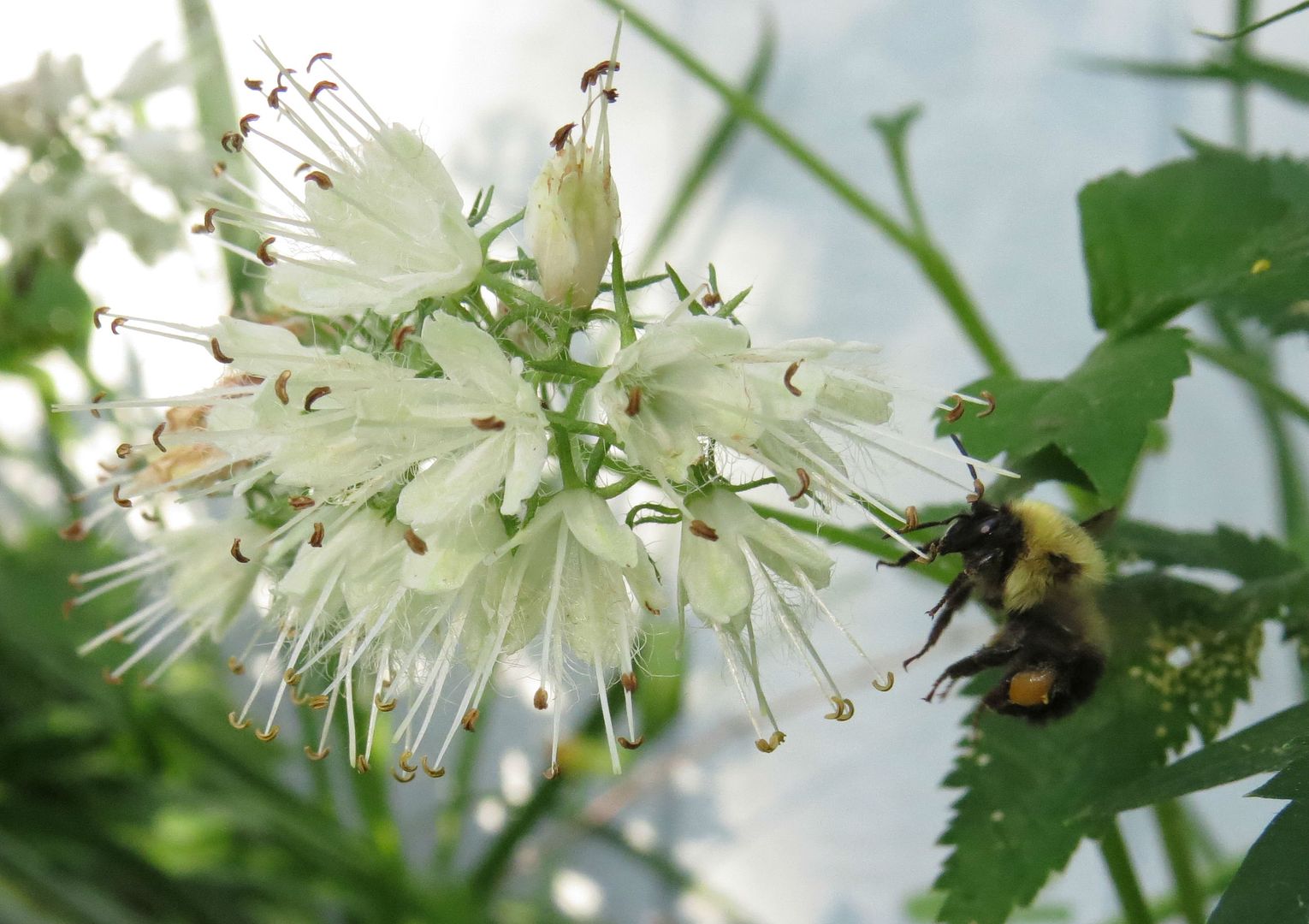
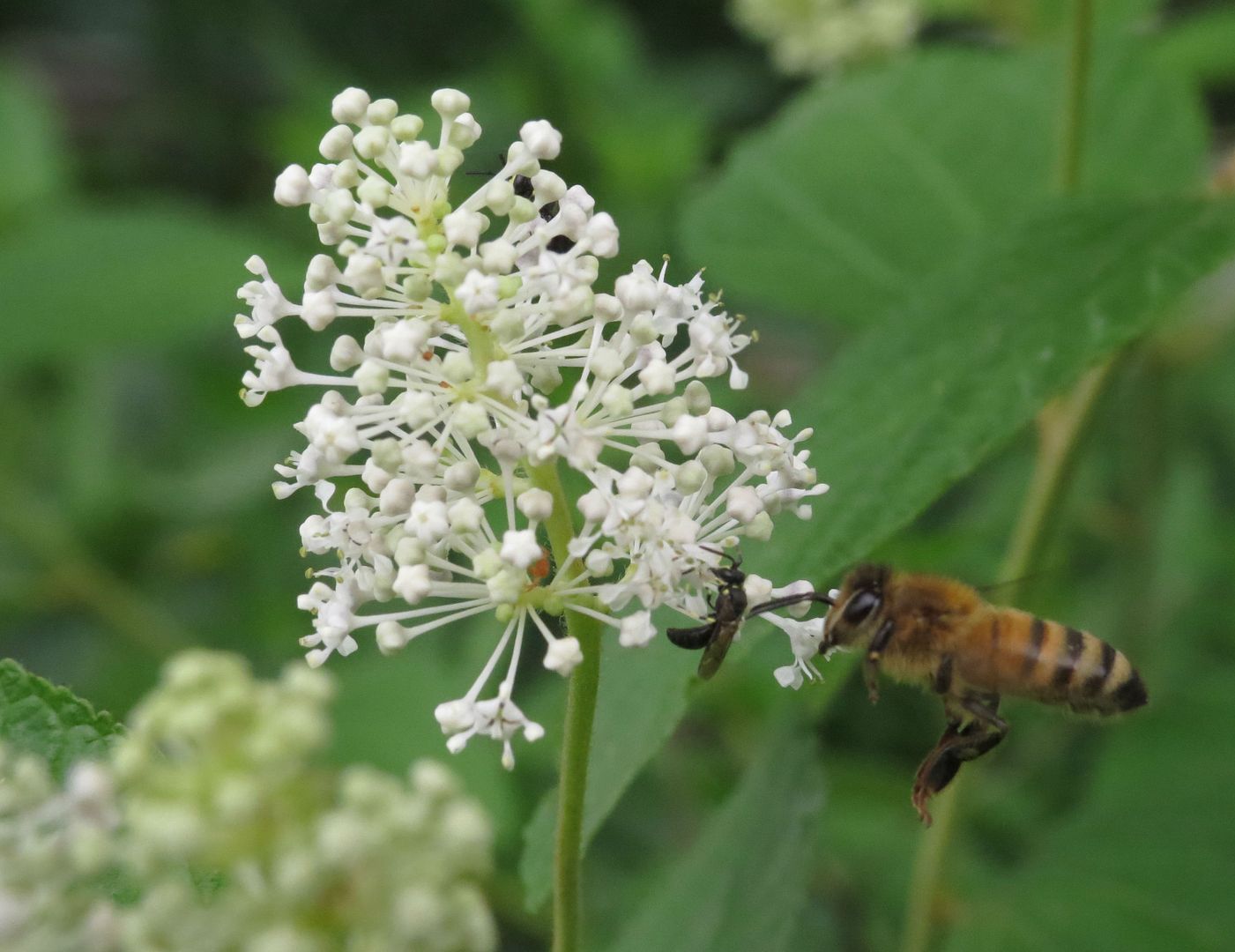
Years ago I planted a New Jersey Tea sapling, Ceanothus americanus. It's such a shame most of the mail order nurseries sell this shrub as a 4inch plug. It would really be nice to get it as a quart or gallon size pot instead of treating this like something you'd install in a meadow garden, to be mowed or burned at a later date. NJ Tea is a nice little shrub with a 2' to 3' round habit. It's touted as a hummingbird plant, not because of the flowers, but because of the droves of tiny insects that come to pollinate it. When flowering, these plants are absolutely swarming with little bees and solitary hunting wasps that are overall beneficial to have in the garden. Sadly, despite distribution charts showing how common this species is all across the eastern US, it's in something of a dramatic decline and becoming very hard to find in the wild. 

Part of the problem was that farmers used to believe this plant was a sign of good soil and bulldozed whatever habitats it grew in for farm land. Where it still grows today, it's easily shaded out by tall perennials and encroaching forest land.

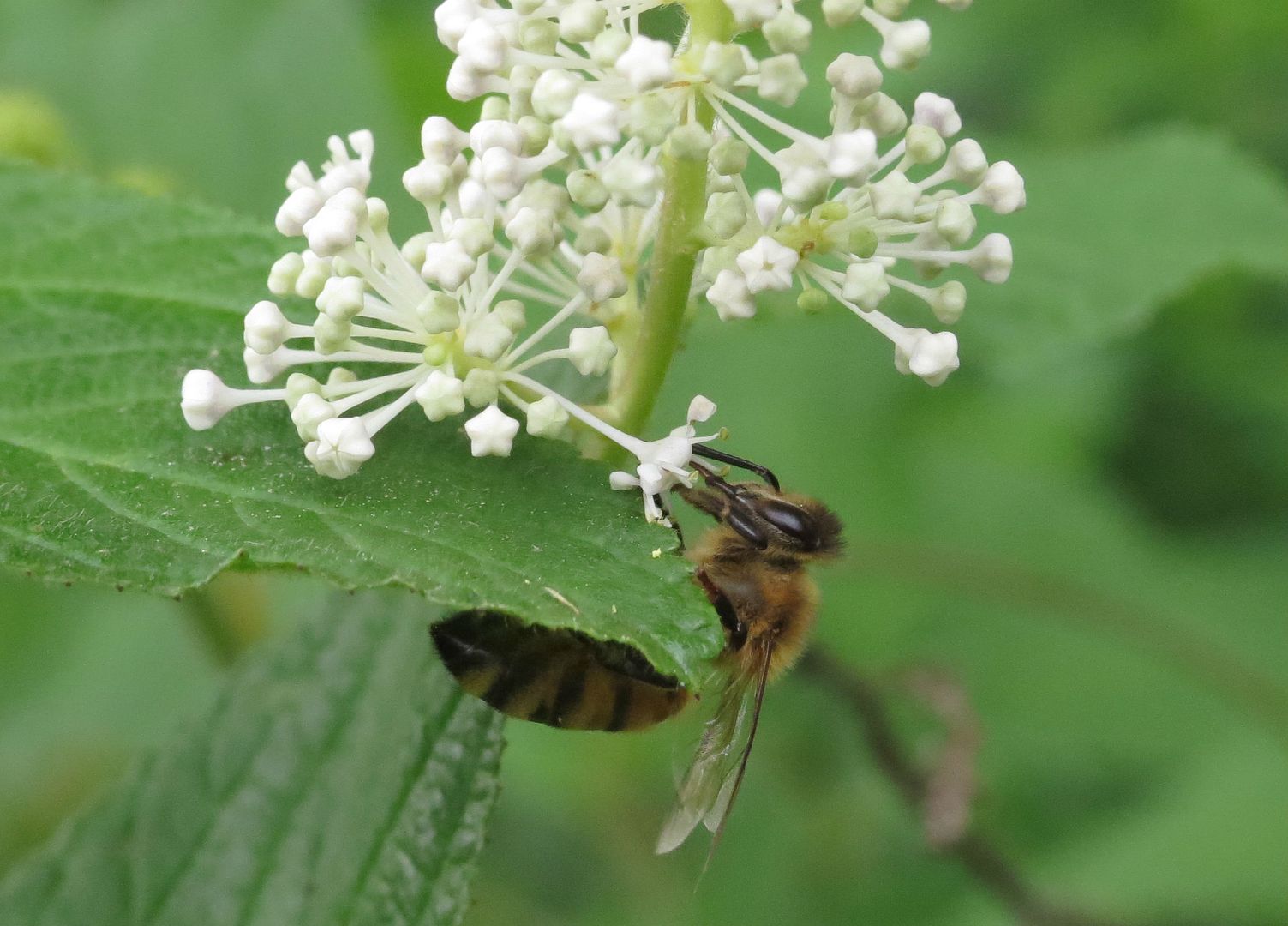
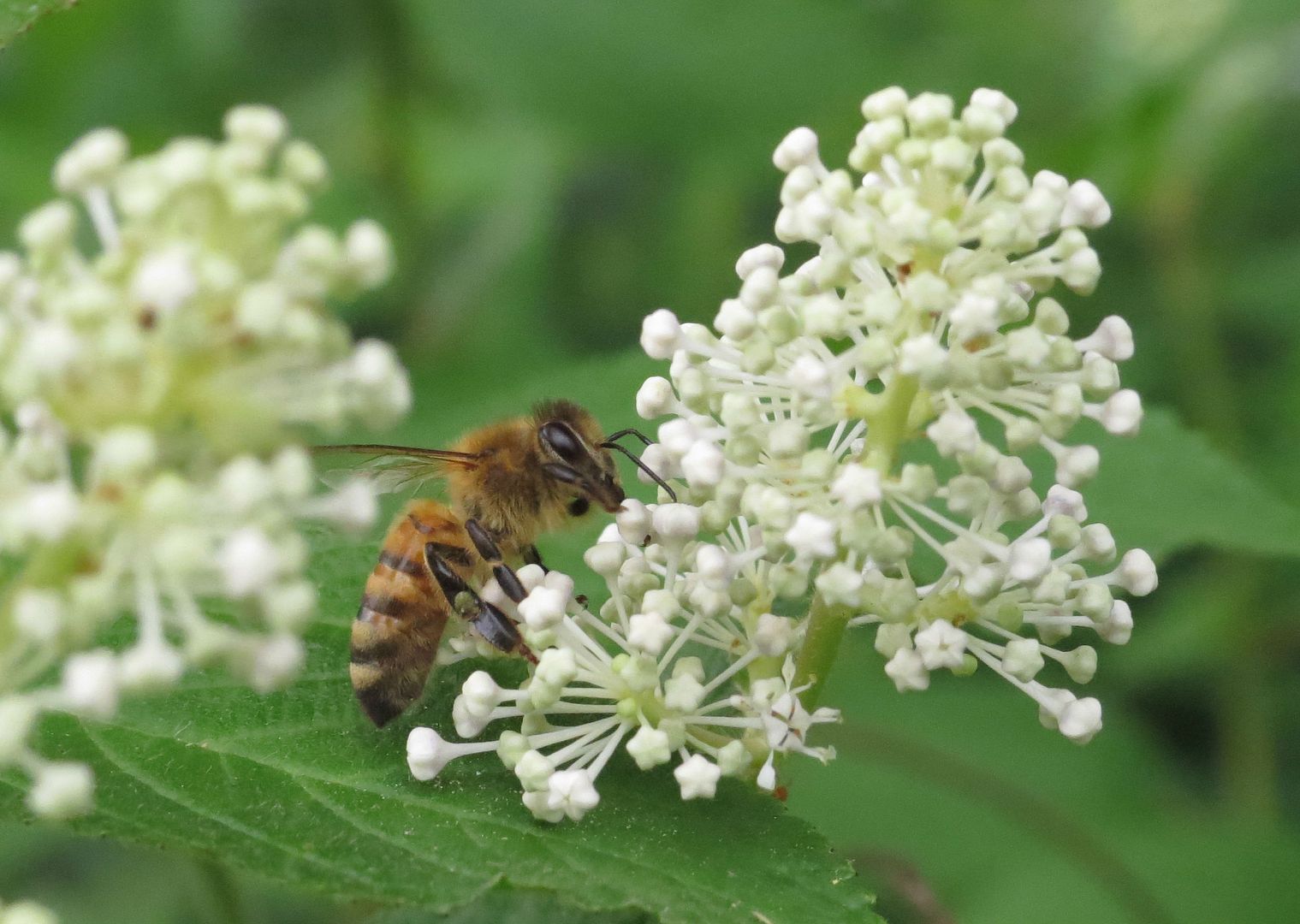
What makes it worth blogging about today for me is the fact that my honeybees started working it. This is odd because I almost never see honeybees bothering with plants who's flower shape and nectar is gear more towards wasps and smaller bees (as seen above).

Most of the flowers aren't open yet so it's not bustling with swarms of other pollinators just yet, (and I've never seen a hummingbird go near the thing,) so I'll see if this wasn't just a curious couple of foragers or if the honeybees really do want to work this plant.

Honeybees working a native plant isn't always a good thing for nature. Many conservationist view this as stealing food from the native bees. I'm not sure of any specialists pollinators of this plant though.

Western Ceanothus species and their bright blue flowers tend to get a lot more honeybee attention so I guess this isn't entirely unexpected. Sadly I don't know of any western Ceanothus that's hardy in New Jersey or I'd have tried growing it by now.

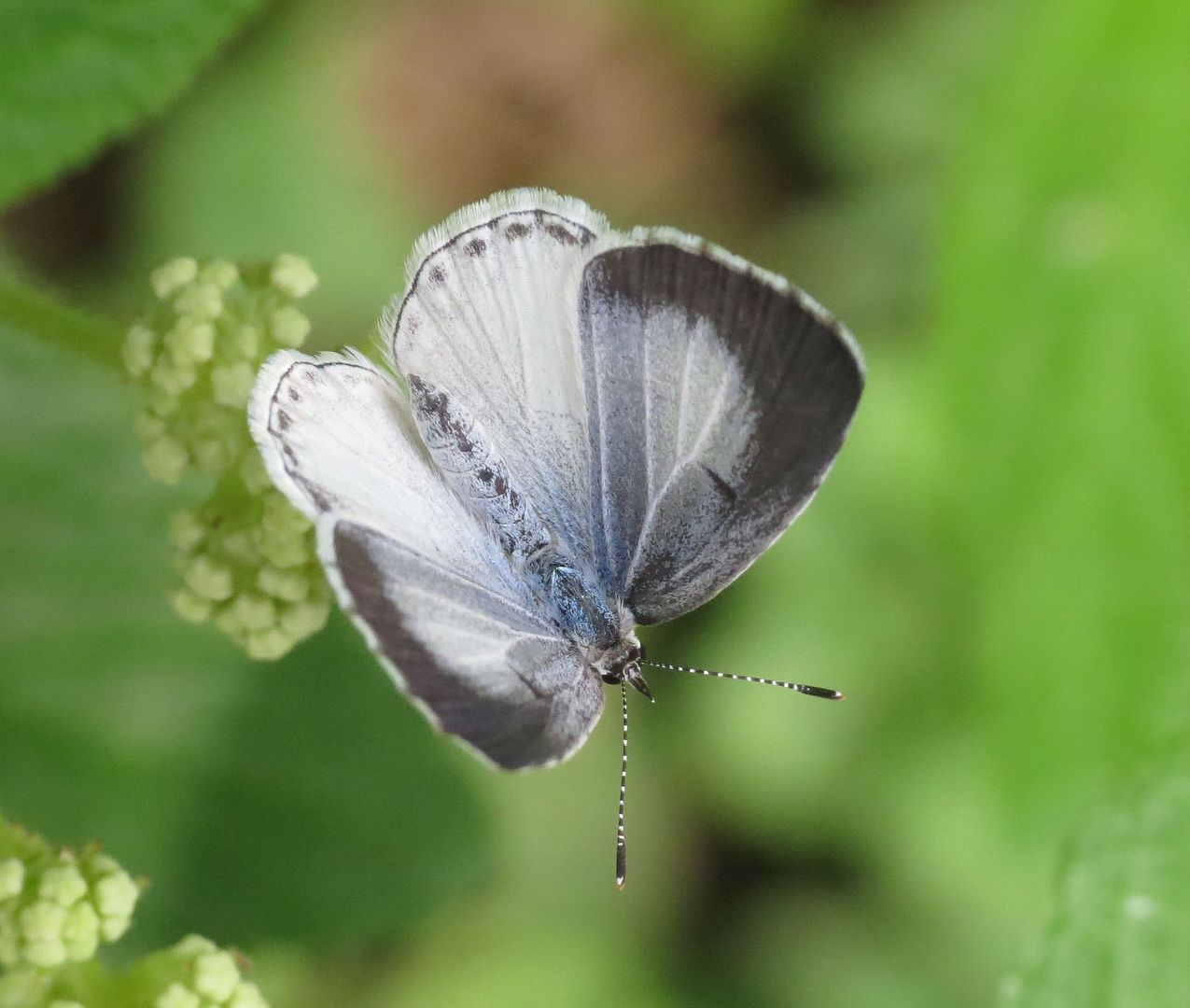
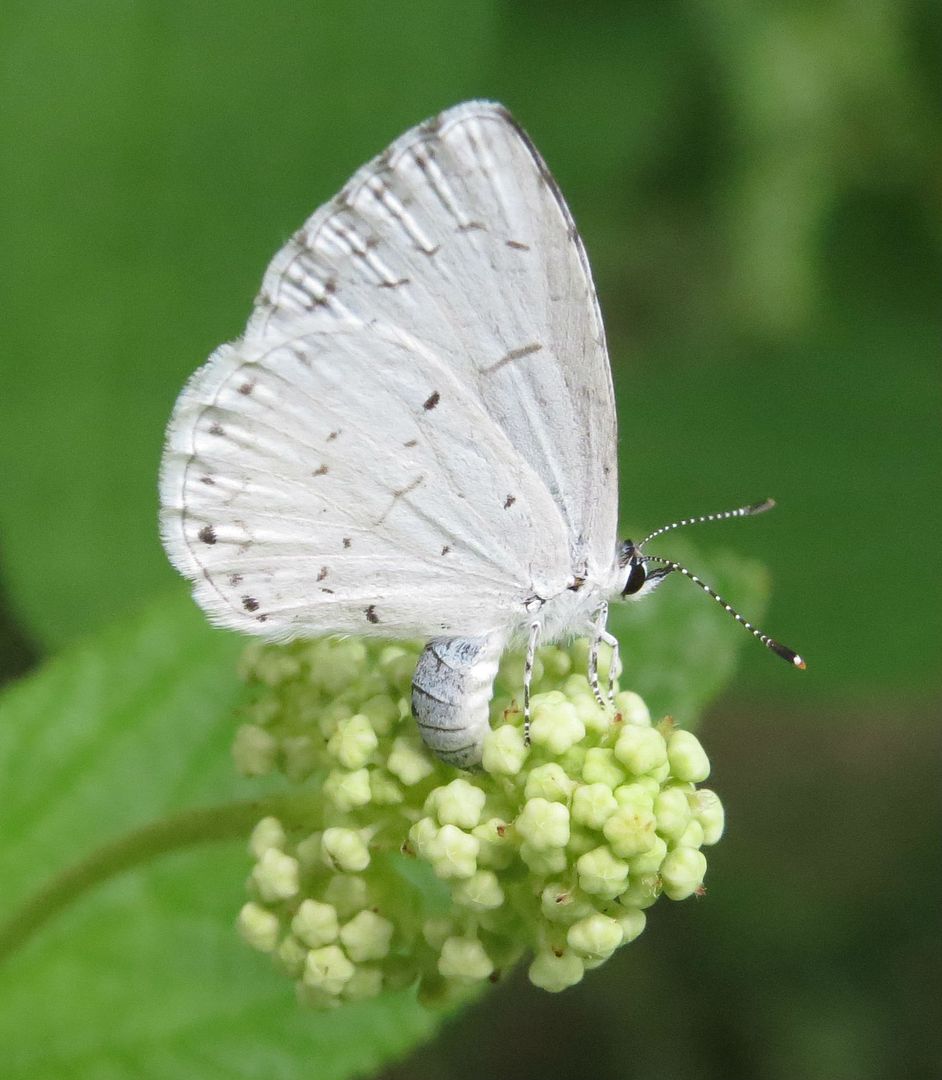
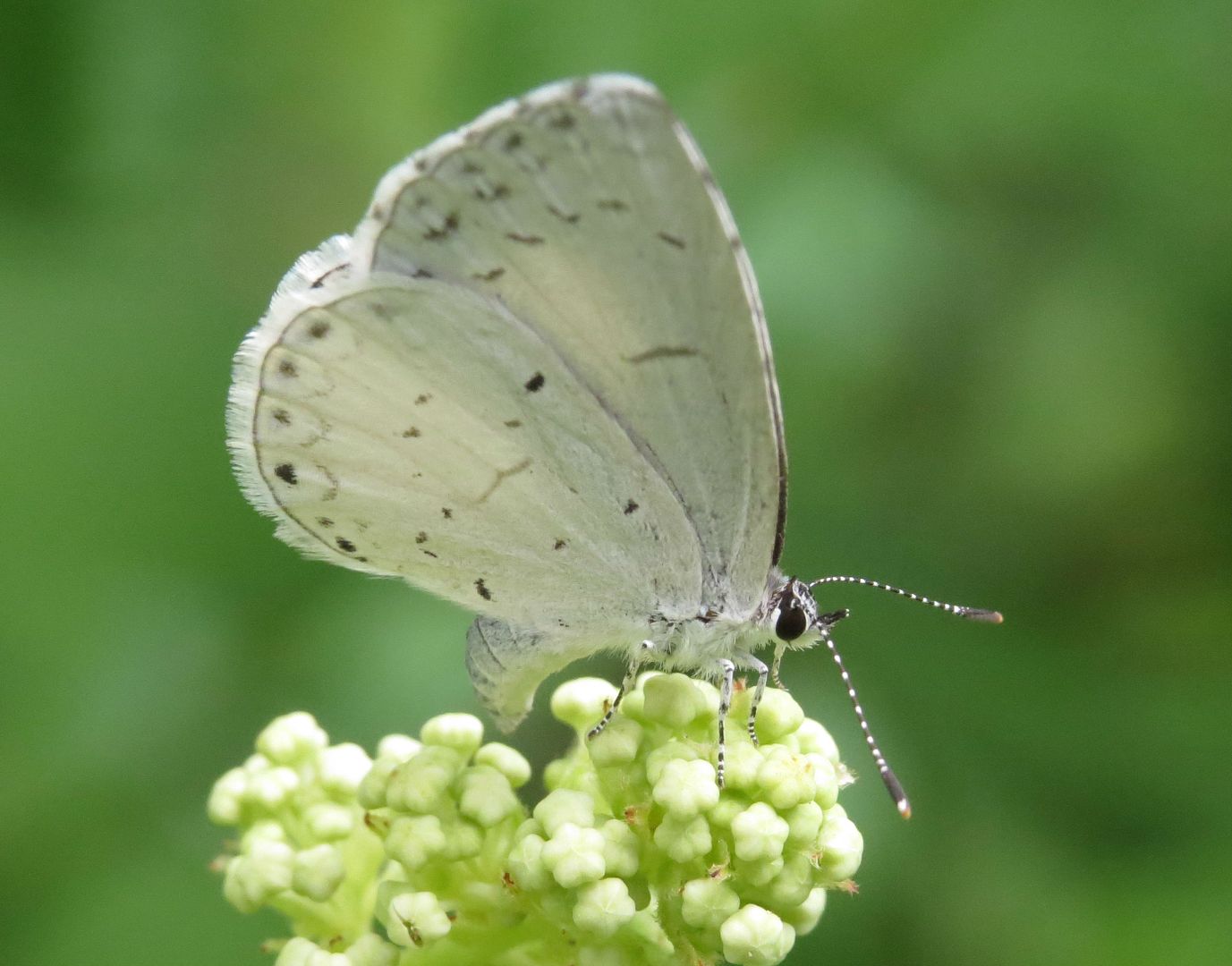
Also while photographing the honeybees I noticed what I believe to be a Holly Blue butterfly, and she was laying eggs!

Blue's and Azures are neat butterflies because the caterpillars have special relationships with ants. A failing of most butterfly species is they fall prey to ants all too often. They'll strip the eggs right off the host plant before they hatch, young instars which haven't developed a defense strategy or adaptation yet are an easy meal. I've seen whole clutches of hatching giant silk moth caterpillars get chewed up into a gooey pulp by a single carpenter ant which then carried the mess of caterpillar goo back to the nest. 

This genus (family?) has a different strategy though. For starters they lay their eggs among the unopened blooms on the plant, which is good enough camouflage. Early instars need to eat a little but quickly start to secrete a sugary substance to feed the ants. The caterpillar also "sings" to the ants, making sounds and vibrations like a queen ant might produce. The ants will hang around the caterpillar as it feeds and helps protect it against other predators. Some species will actually overwinter inside ant's nest, either mimicking the larva or a queen ant, which then pupates over the winter and emerges from the colony next spring. 

It's a complex life style for sure. I theorize that not all species of ants are ideal to overwinter inside of. Some of the species that are more finicky about their host plants are uncommon or endangered, such as the Karner Blue Butterfly, which only lays eggs on Lupinus perennis.

So if I get a chance to I'll try and photograph the caterpillars, ideally with ants tending them but I can't promise anything. The eggs she laid were almost microscopic and the caterpillars are absurdly small. Also later instars might prefer consuming ant eggs once they're inside a nest so I may have to setup a fragment colony.

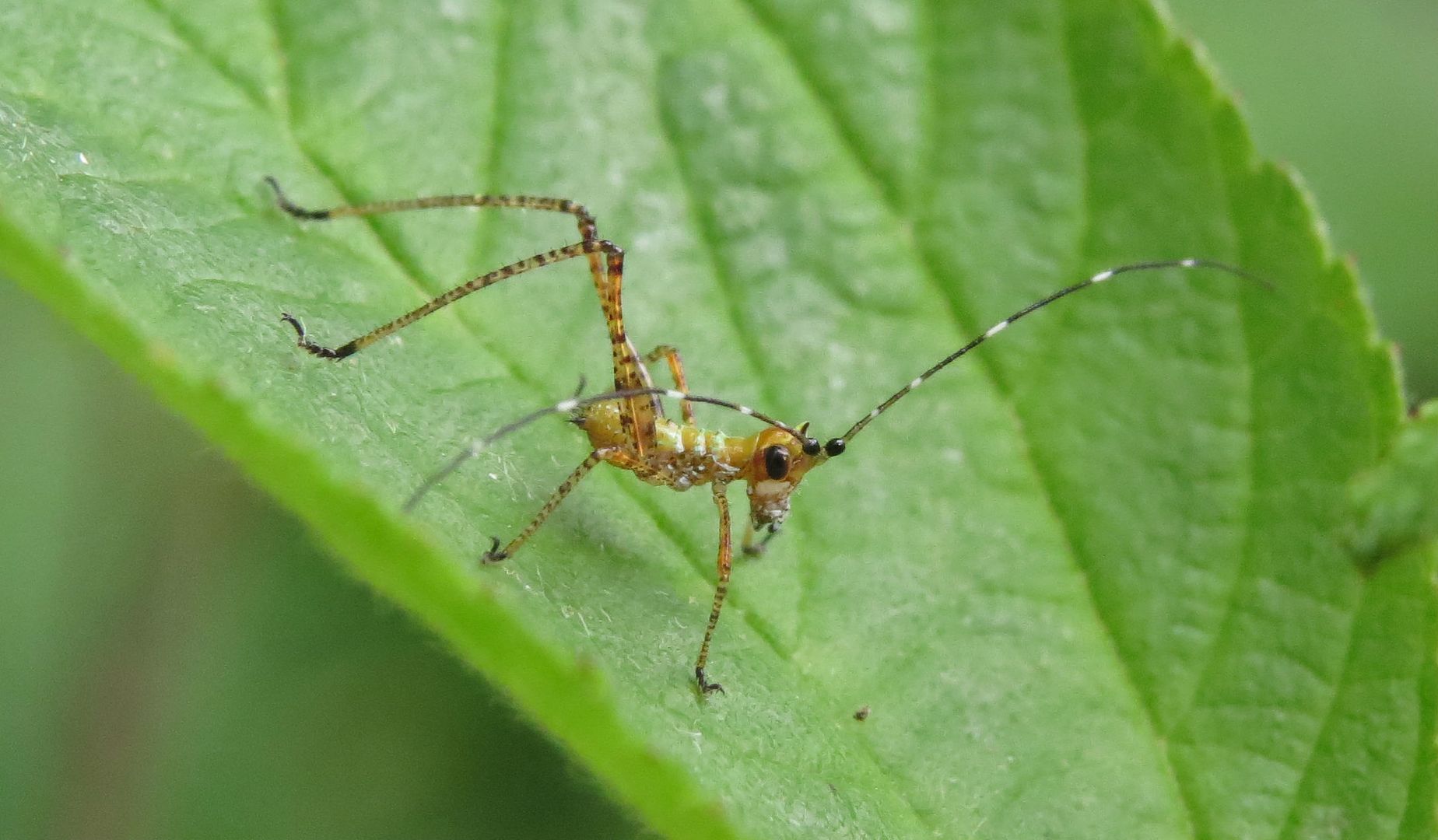
Keeping an eye out for chewed up foliage can help home in on where the caterpillars are. Though finding a Katydid nymph on the plant suggests that might not be the best strategy. I'm tempted to go out and snip off a few flower heads where I know eggs were laid and put them in the outdoor butterfly cage to raise myself. I've never kept a species so small though.  

Sunday, May 24, 2015

Some Early Myrmecochory Action

I so rarely get to see my specimens of Twinleaf, Jeffersonia diphylla, all flowering at once, let alone be pollinated by one another to see the seedpods. Normally the pods don't grow bigger than a nickle and shrivel up with nonviable seed inside. Today though I came across a fairly large seedpod. I reached down to see if it was soft enough to harvest and the darn thing broke right off the stem on me. Worst of all, the seeds weren't ready yet.... Waste not, want not.

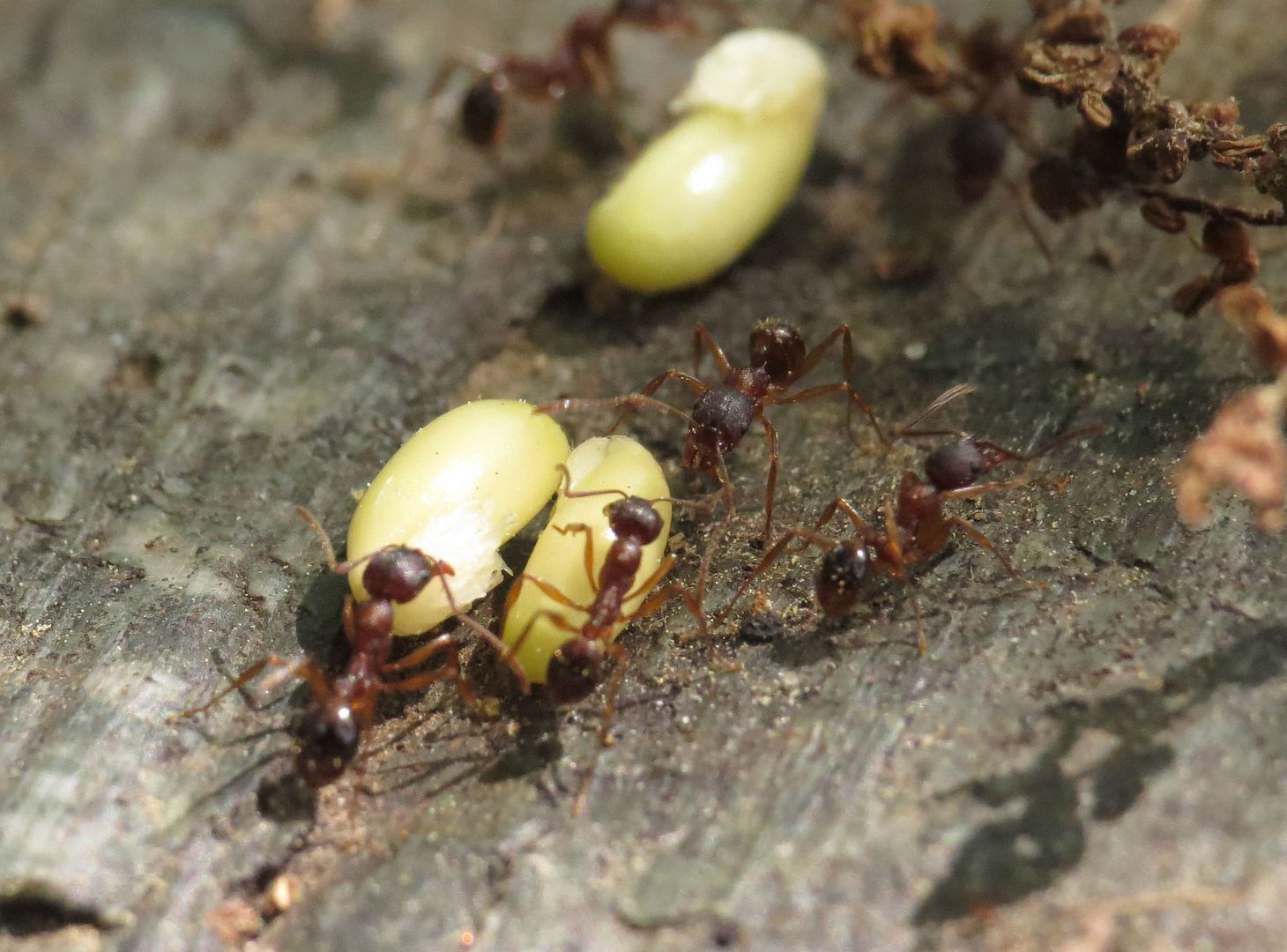
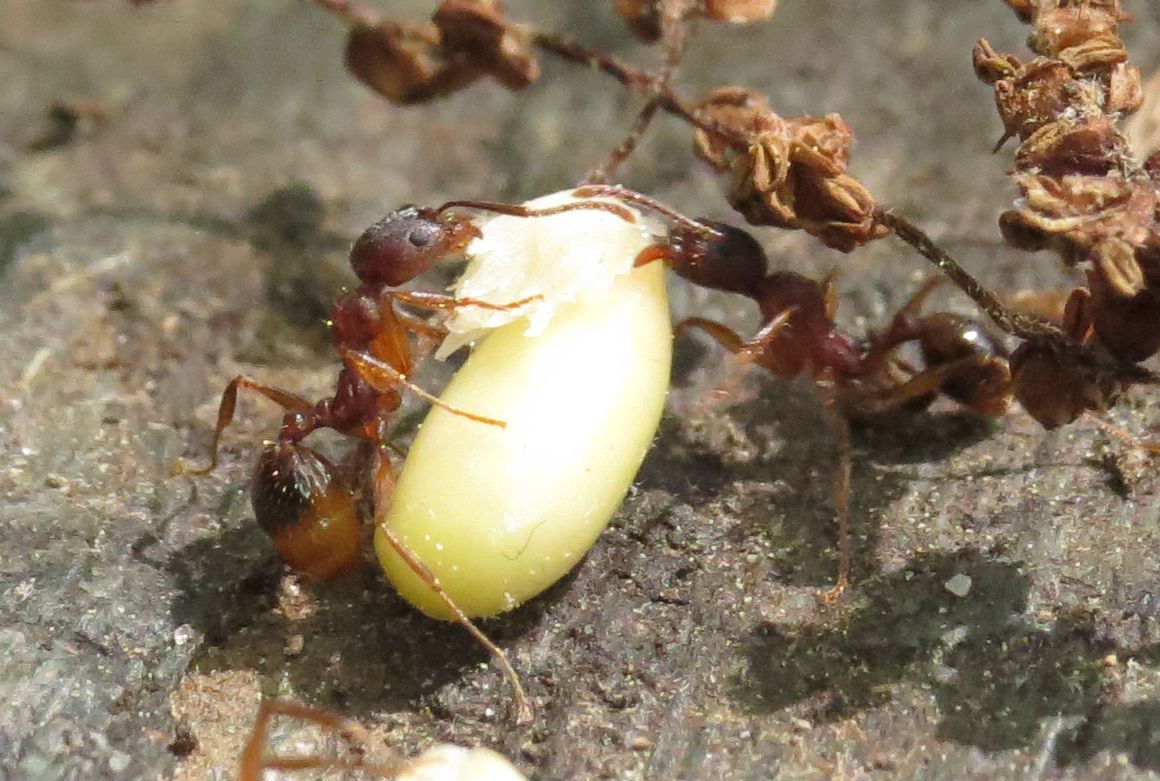
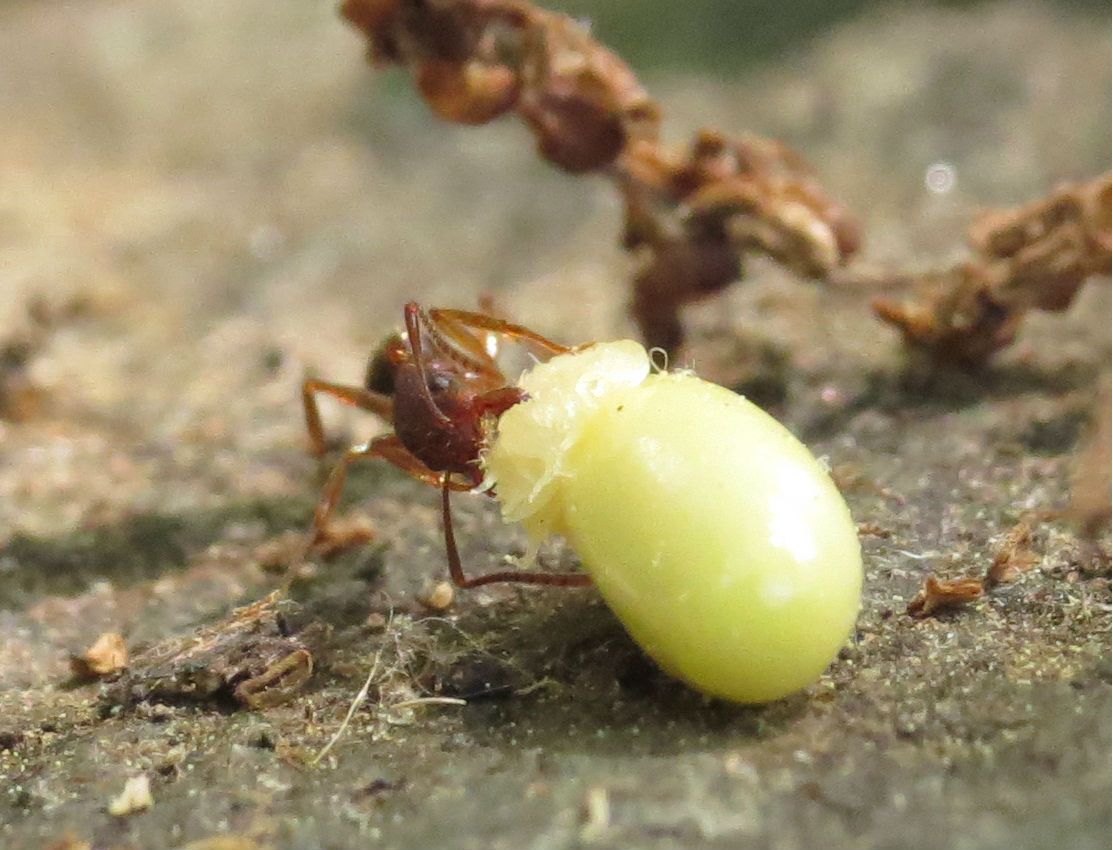
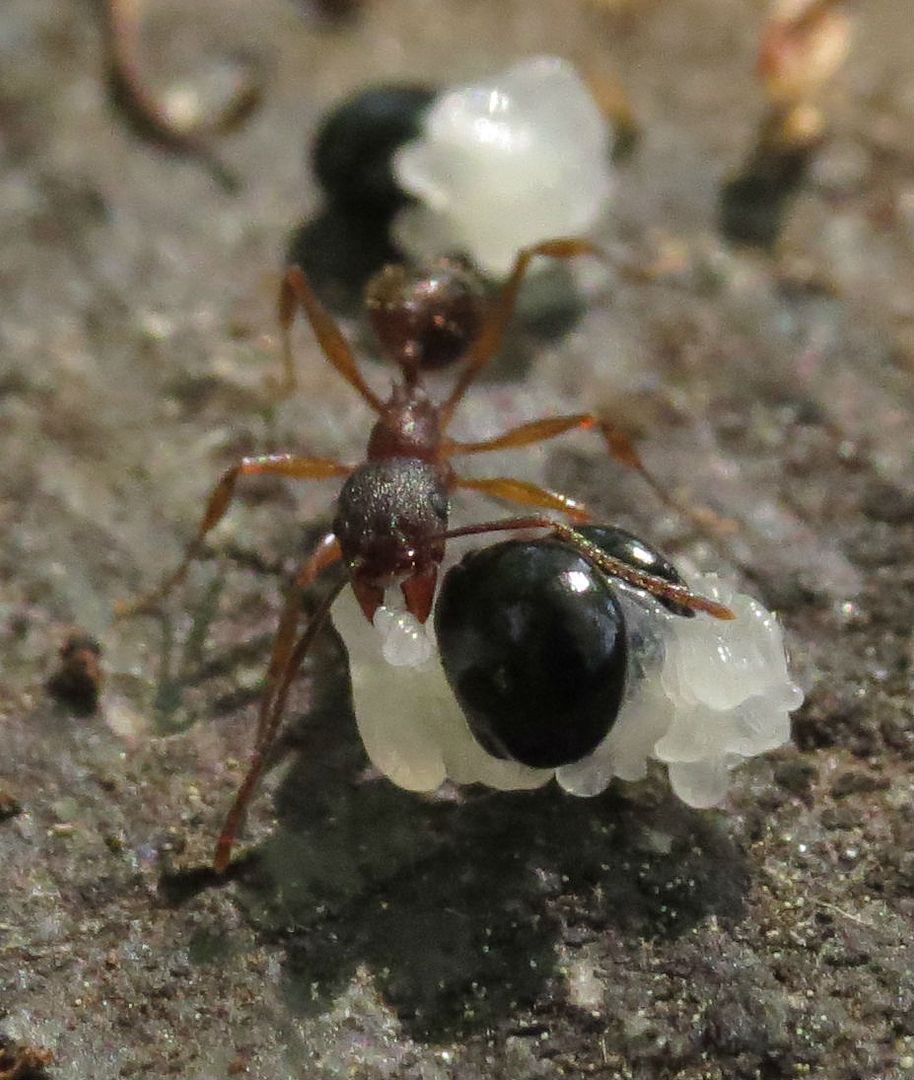
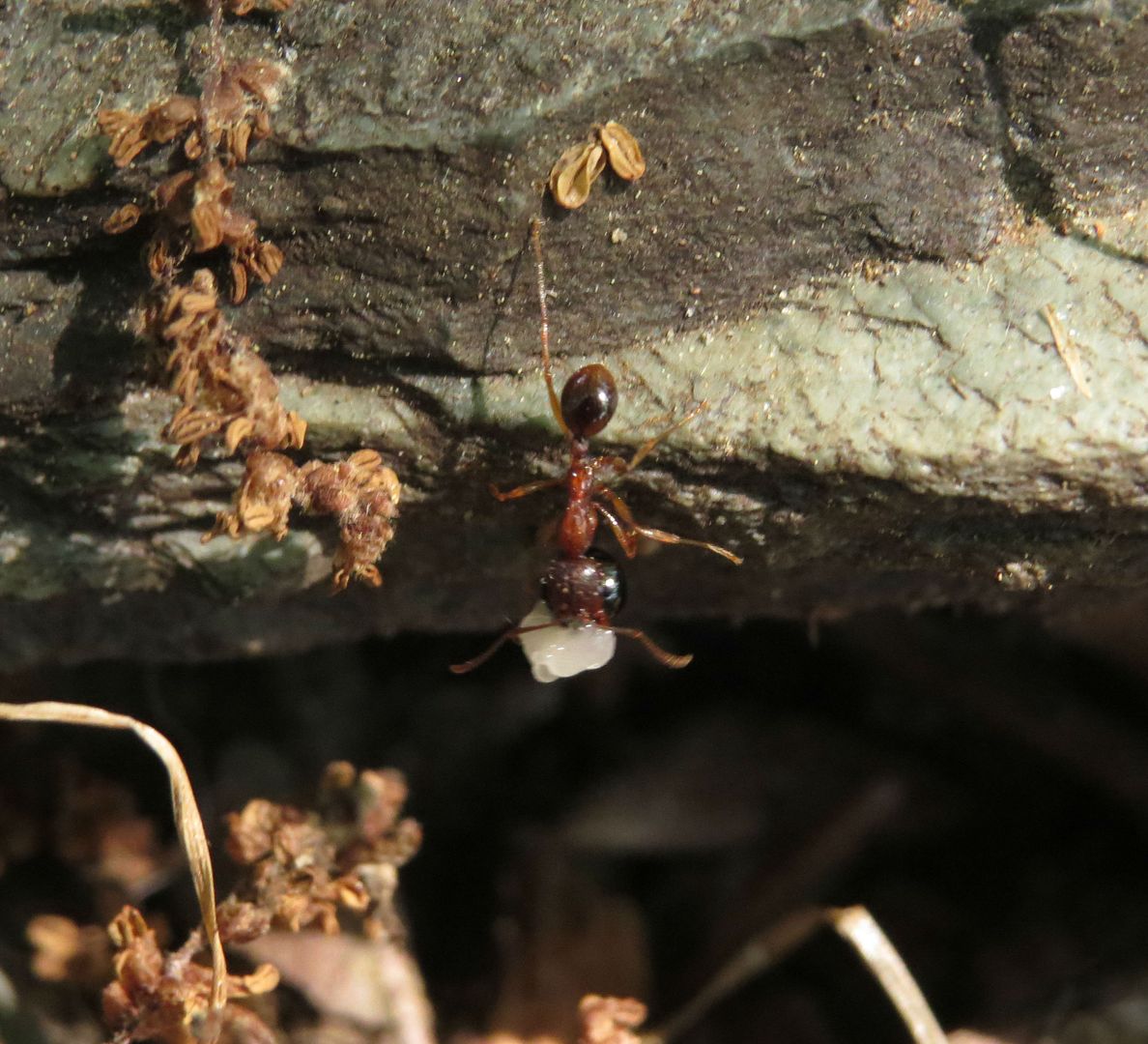
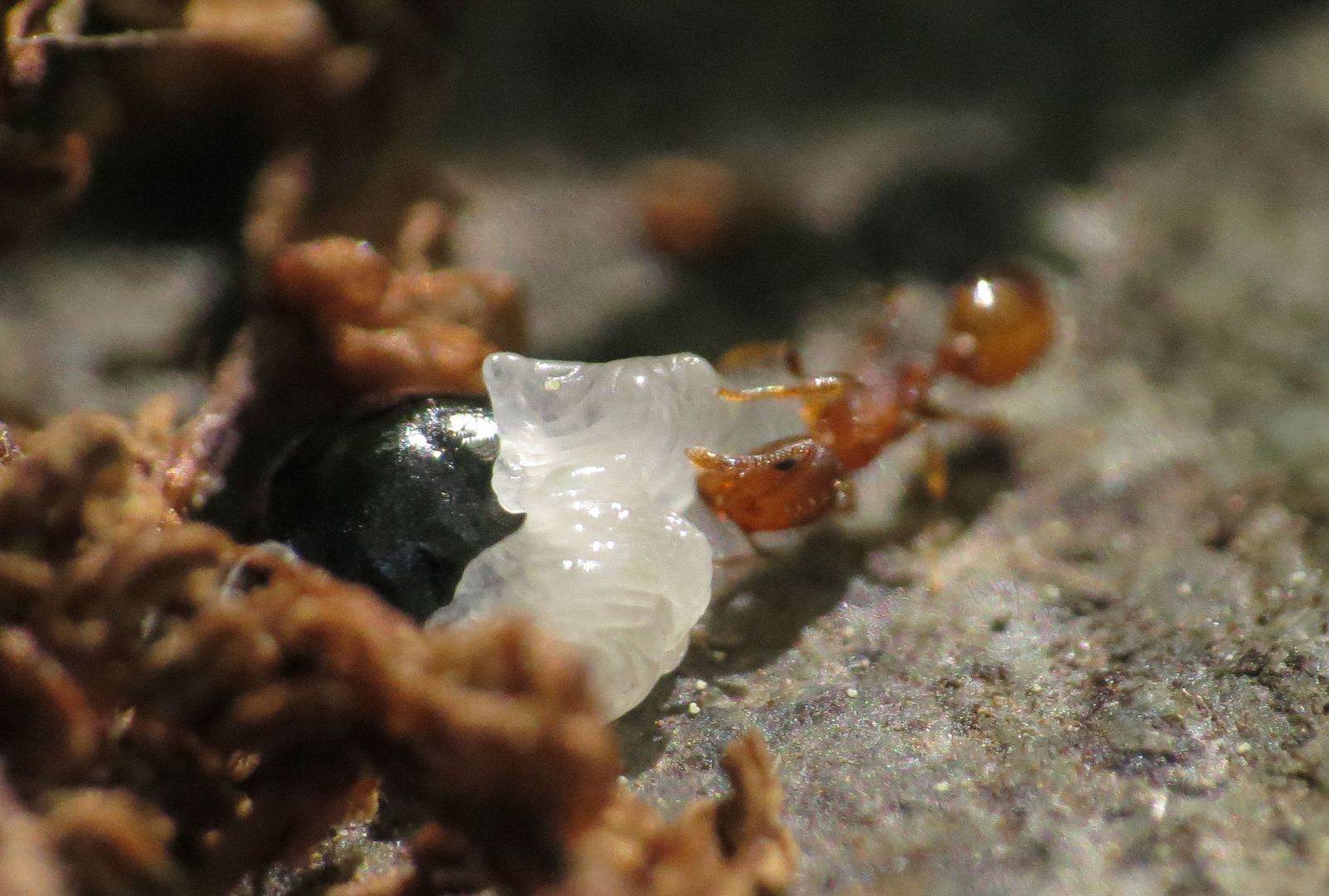
Twinleaf disperses its seeds with aid of ants. Normally the seeds are rock hard and brown very much like unpopped popcorn. These had their little bit of elaiosome formed but the seeds were soft and green, like peas or green beans. The ants didn't seem to mind this and carried them off all the same. 

The elaiosome is what's treasured by the ants but with the seeds still soft it's likely they'll be eaten too. This is just as well though. I doubt they would have grown in this early state anyway. 


The ants here are Aphaenogaster rudis, which is actually a complex of several species. DNA analysis to count the number of chromosomes is required for a true species ID but overall they're the same. The species names are more or less scientific codes instead of Latin names, so the blanket term A. rudis works fine. They're all commonly found in woodlands across North America, they all nesting in soil and sometimes rotten wood in contact to the soil. They all form colonies with populations ranging from 2,000 - 12,000 ants. Nests are small and move around on occasion, making them ideal seed dispersers, along with their size.

Ideally the seeds would be rock hard and either discarded in the nest, or hauled out to the waste or midden pile where it would be buried in dead insects and other discarded seed husks anyway. Often plant seeds like this require two winters to germinate, where it's more likely the colony of ants has moved on, and or the garbage heap has decomposed into plant fertilizer. Some plants such as Trilliums emit a terrible odor when they germinate which likely helps encourage the ant colony to move along. 


The ants find nourishment everywhere they can, even among the seedpod itself. If the ants didn't come along to clean out the seeds, rodents, birds, and wasps would have. Rodents and birds love eating the seeds. Wasps go for the elaiosome just like the ants, but are unlikely candidates for seed dispersal. They may drop them on the surface for birds and rodents to find, or bury them too deep within the earth, or the seed could end up within the dead branch of a tree.


One plant that was right on time was the Woodland Poppy, Stylophorum diphyllum. The same idea of seed dispersal applies, however I can't get it out of my head how much the elaiosome to this plant resembles ant brood. It just looks like clusters of eggs and larva, which ants are more than happy to eat, especially if it doesn't belong to them.

The seeds, being ripe, are rock hard and firmly attached to the elaiosome packet. I have trouble removing it and I'm a human! It's unlikely the ants will be able to chew them into dust or "ant bread" so they'll be discarded within the nest and in a few years I'll likely have a patch of woodland poppy growing here.

Where this strategy of seed dispersal can go wrong though is when the wrong sort of ant finds the seed. This is an Acorn Ant known as Temnothorax curvispinosus. They're adorably tiny, with small colonies of ~200 workers that all fit right inside a hollow acorn, hollow plant stems, or dead plant matter. Not only do they nest in the wrong sort medium for starting seeds, but also the workers are too small to carry the seeds off. They're more likely to just recruit more workers from the colony and deal with the elaiosome where they found it, and the seed is simply left where it was beneath the parent plant. 

As a disclaimer I will admit all of these photos were staged to a point. You'll notice I just opened the seedpods and spilled them on a stepping stone where an Aphaenogaster rudis colony happens to nest. I just don't have the time to wait for this to happen naturally in my yard, but trust me it does. There are plenty of Woodland Poppy plants with open seedpods on them right now that have spilled their seeds in the garden. I typically find Tapinoma sessile and Crematogaster cerasi stealing the elaiosome from the seeds where they fell and don't disperse them. The occasional Aphaenogaster forager does find a few though and bring them back to the colony. Since they've been self seeding in my yard for the past three years now I've been finding Woodland Poppies coming up in places where ant colonies tend to nest, and or have been dragged away from the parent plant a short ways at least. Sometimes the ant carrying the seed home gives up or gets disturbed by a spider or something. 

Turkey Corn, Dicentra eximia, will likely be the next plant who's seeds do this to ripen in my garden... sadly I missed my chance with Hepatica this year, but they seem okay about germinating where they fall anyhow. So though a plant uses this strategy to disperse its seeds, it's not always required for success, simply a way to give them a leg up.

Waterleaf Plants

Phacelia has been a genus I've become more and more interested in with each passing year. The issue is most members of the genus I'd like to grow are not commercially available as I'd like to buy them. Most are annuals or biannuals making seeds ideal, so why is it that all the biannuals are sold already germinated and flowering as though they were annuals. The stress of getting planted out of a pot makes them suddenly invest in making roots when they should be pumping out seeds to no end. As a filler though I've been coming to like Waterleaf more and more. 

They're generally easy to grow from seed in places lacking competition. They like moist soil and tolerate average soil with a little watering. It's harder to get them to self seed in dry places but it can be done. Shade to Part Shade is ideal, too much sun you'll have to water them almost daily. Rabbits, and one imagines deer too, like to eat them but in a diverse landscape their tastes venture from plant to plant. 


Virginia Waterleaf, Hydrophyllum virginianum, was the first species I've grown. Each plant is only a couple of stems making them somewhat thin and scraggly. They've been described as aggressive spreading which I agree with but only from their constant habit of self seeding all in one place. Droves of new plants come up in one huge clump from where the flower head laid. They're supposed to spread underground too by an expanding rhizome but I've found seed spreading to be far more aggressive. 

The rabbits did eat a few of my plants, but they only nibbled the leaves off, leaving the flowers in tact. New leaves grew back in a few weeks. This didn't interrupt flowering at all but they did look funny as just some stems with flowers on them. Bumblebees mostly go to them but there's also an Andrenid bee that's a specialized pollinator of Waterleaf plants, Andrena geranii. Though to be fair you'll also find that bee working Roses, Anemone, Raspberries, Geranium, Campanula and the occasional Violet.

By comparison Great Waterleaf, Hydrophyllum appendiculatum, is a robust flowering specimen that's full of foliage. The stems branch out making a single plant fuller looking almost like a small shrub.

This plant also goes by the name Broad-leaf Waterleaf becuase the leaves superficially resemble those of an oak or maple tree. However they're actually much much smaller than the leaves of any tree. An exception to this might be the early rosette of leaves that forms in late winter, which is absolutely spotted with little water stains members of this genus get their name from. New leaves formed in the spring and summer are lacking this trait and completely cover up the initial rosette.

I hadn't realized I'd already planted this species from a previous year, and some Phacelia spp. also have the waterleaf stains on early leaves. It's so easy to forget what's growing when you just throw out hand fulls of seeds mixed with dirt. So I already had a plant of this growing when I ordered more seeds to plant this spring.  

This is what the two year specimen looks like having expanded from the rosette to flower. Most of the seedlings I tossed around didn't produce much more than just a leaf, however one of these first year plants has gotten a little bold and is flowering at only 6" tall. 

My one regret with this species is not having planted it someplace where it would have more room. There's a few Indian Pinks, Stone crop, a patch of yellow Trilliums, Hepatica, and a Bleeding Heart growing there somewhere. And it's just shy of being as tall as the Rhododendron growing behind it. This is the perfect little perennial to put right up against a tree.

Great Waterleaf, along with having nicer flowers, also blooms longer than Virginia Waterleaf. Neither are a huge hit with pollinators but watch a plant long enough and bumblebees always seem to eventually show up. I'm not growing it in as grand a number to get honeybee attention but that should change in a few years.

Dissecting Ants (Video)


Some Black Cherry Diversity

A year or two ago I planted a Black Cherry tree, Prunus serotina. It has yet to flower and is only 5' tall but already it's attracting quite a bit of life.

I've actually read that these trees tend to be more popular with "pests" at this sage because trees of this size tend to be newer, representing the forest edge as it advances into meadow land. The lack of flowers means a lack of berries which are relished by birds. Adult trees of a flowering age get more bird attention because of the berries which perhaps makes young trees more tempting to certain bug species.

Another thought though is this might all be subjective observation. Younger trees still have their lower branches in tact and older trees form most of the new growth at the top, well out of view from the average person. Since caterpillars tend to target young growth more it could just be that we're not seeing it because it's up so high.

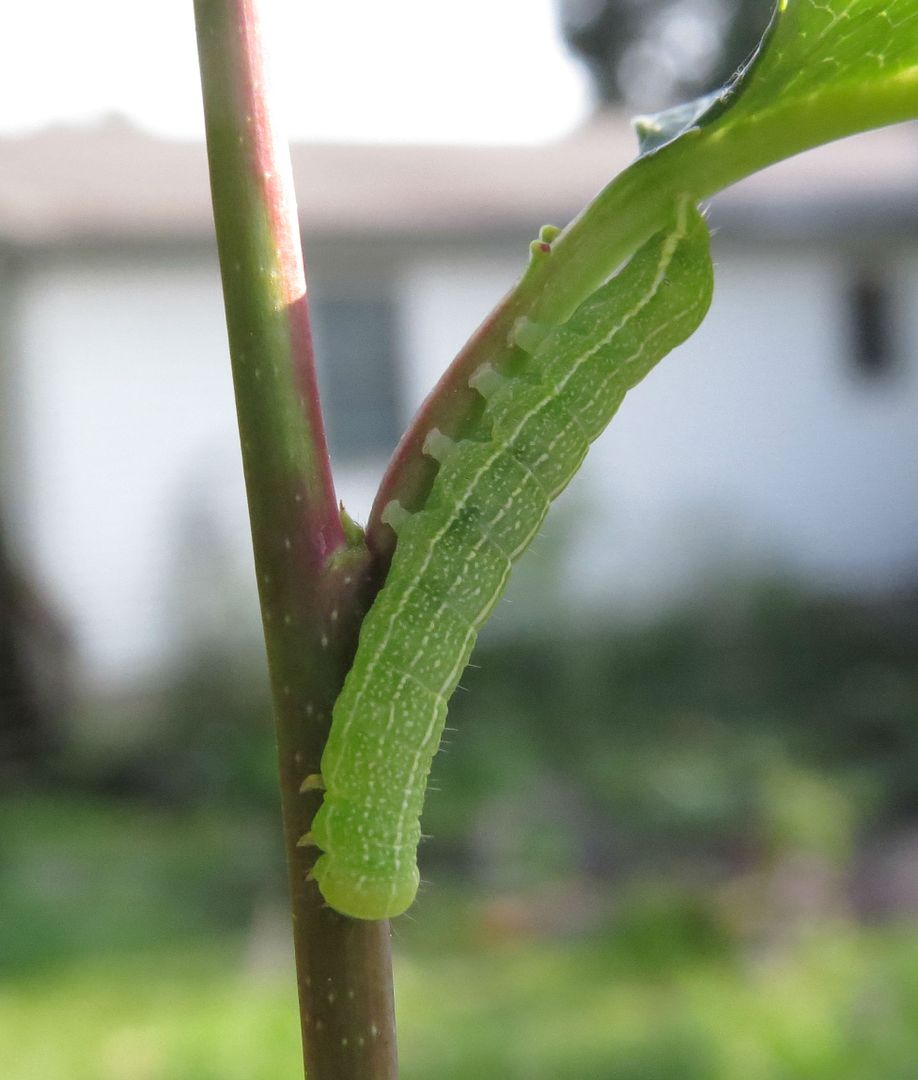
Sadly I'm not sure what species this is. There are so many green caterpillars to choose from but tentatively I'm calling this a Distinct Quaker, Achatia distincta. But it might also be a young instar to a Copper Underwing.

Some sort of leaf miner has infested a leaf or two. Without the sun back lighting this leaf it really just looks like the leaf dried out.

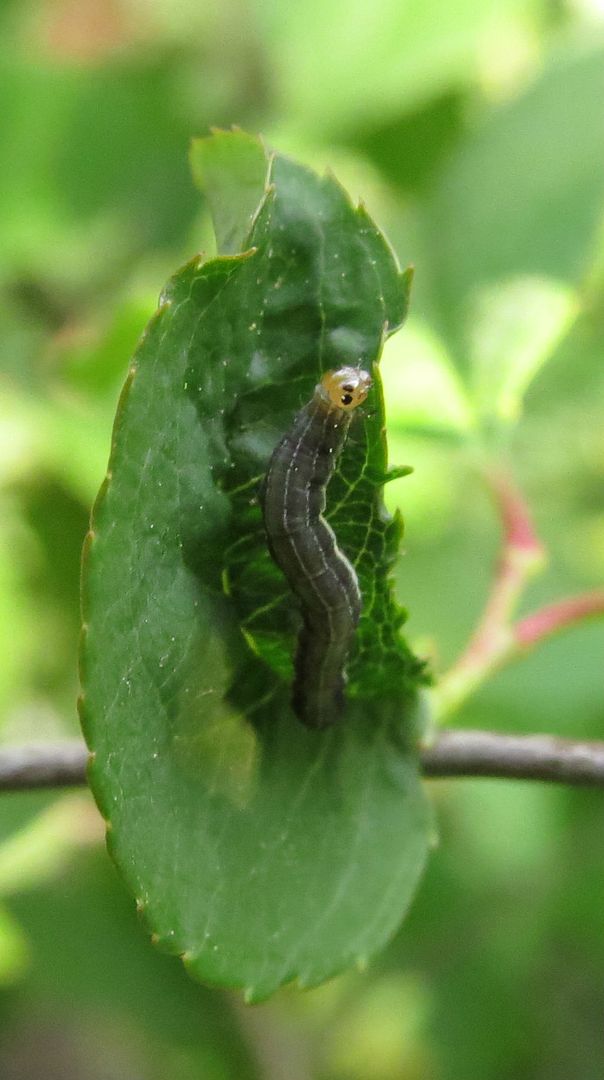
Here's another caterpillar that's not quite far enough along for me to ID. Looks kind of worm-ish so and I'm sure that stripe under the body is telling especially with the color but I just don't have the time to figure out what later instars will be.

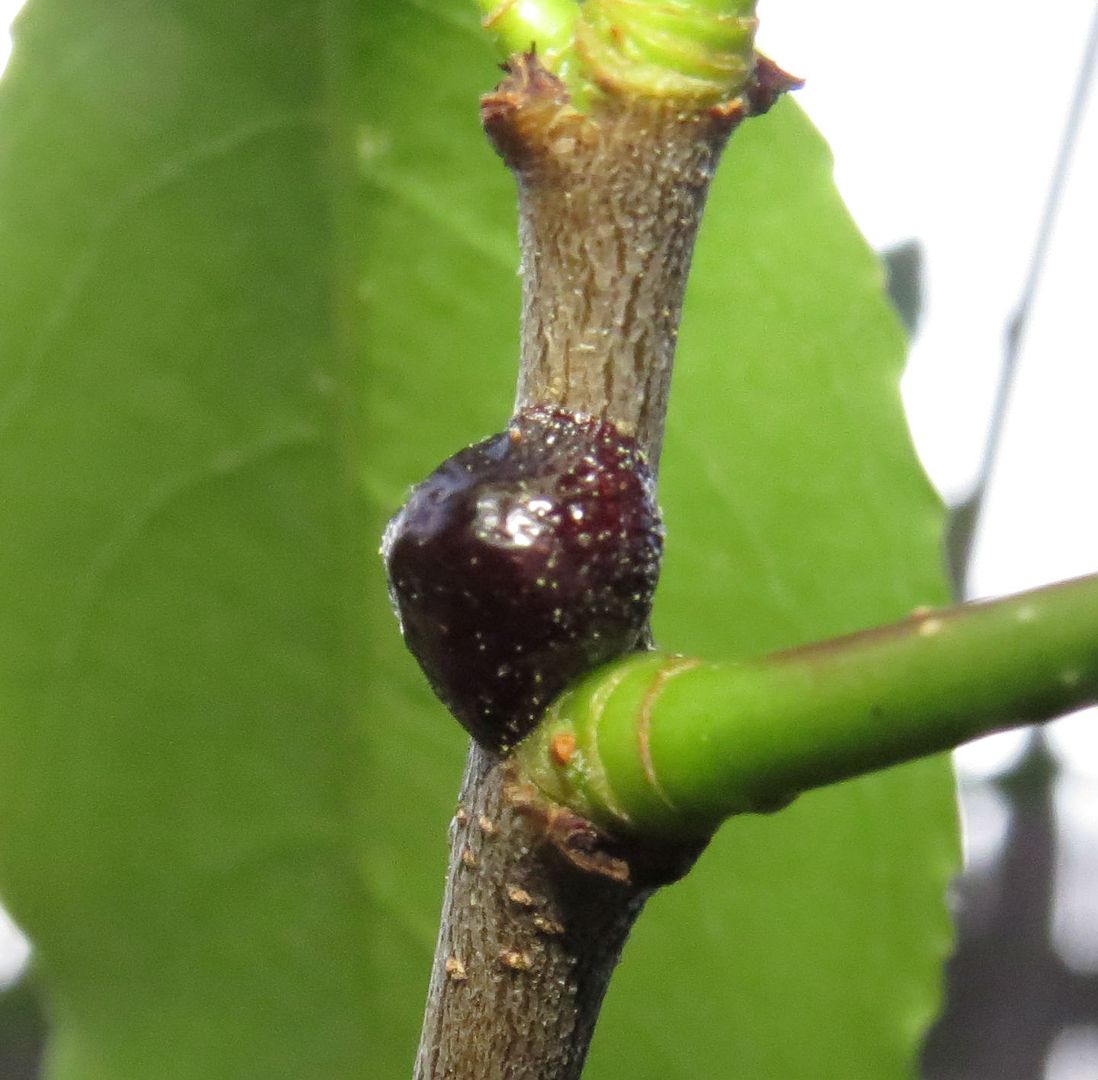
There's a few scale insects on the stems too. These are attracting in ants which are probably why I'm not finding more caterpillars on it.

Saturday, May 16, 2015

A Tour of Pinelands Nursery

As a birthday gift to myself, I signed up for a free tour of Pinelands Nursery and Supply as part of the Native Plant Society of New Jersey. They're a wholesale nursery who's doors are closed to the public except for the occasional gardening club and horticulture related events.

While on the tour though I was thrilled to learn that the owner's son is starting up a branch for smaller orders meant for the general public. It's called Pinelands Direct and I can happily say I'll be ordering from them in the future. Their website could use a little work and they don't have as big a selection as the main Pinelands Nursery, but they are selling some hard to find plants such as Seaside Goldenrod, along with more typical native plant nursery plants.

Regardless of which nursery you're buying from, though, you'll be getting plants grown from local seed stock native to New Jersey, PA, NY, DE, and generally a 250 mile radios around their nursery. Some native plant gardeners and conservationists find that important. Personally I don't, I'm not that picky but it is nice growing something that tends to be better adapted for the local area. 

Speaking from experience, I buy from a lot of online nurseries and sometimes when I order from a nursery based in Florida the plants don't always survive the winters. So growing from local genotypes has its benefits. When you do find success though it's sometimes fun to mix and match genotypes to extend the bloom or encourage fall color at different times of year. The Black Eyed Susans grown at the Mt. Cuba Center in DE bloom right alongside Symphyotrichum laeve 'Bluebird' (click more photos), whereas back at my house in NJ, they've finished flowering long before most asters have even flowered. However I do happen to have two genotypes of New England Aster. The local one found here in NJ blooms a solid month after the one I ordered from a Massachusetts nursery. Their bloom is so far off that one is setting seed while the other is flowering.

After the tour, there was a native plant sale. We didn't get full reign over the place like we did at the New Moon Nursery but I got my Seaside Goldenrod (and 8 other plants) so I was happy. The quality can't be beat for the price we paid. The plants are in a 4 inch square pot (I believe it's a quart) and they all had thick solid stems, they were very huge and overall healthy for the price paid. Some of the plants I got were a little root bound but frankly I get that from every nursery that sells anything larger than a plug size, and it's a simply fix too, just cut off the offending roots and loosen up the sides so I don't fault them for that. I'm very happy with the plants I got! (And added a link to their site on the side bar.)
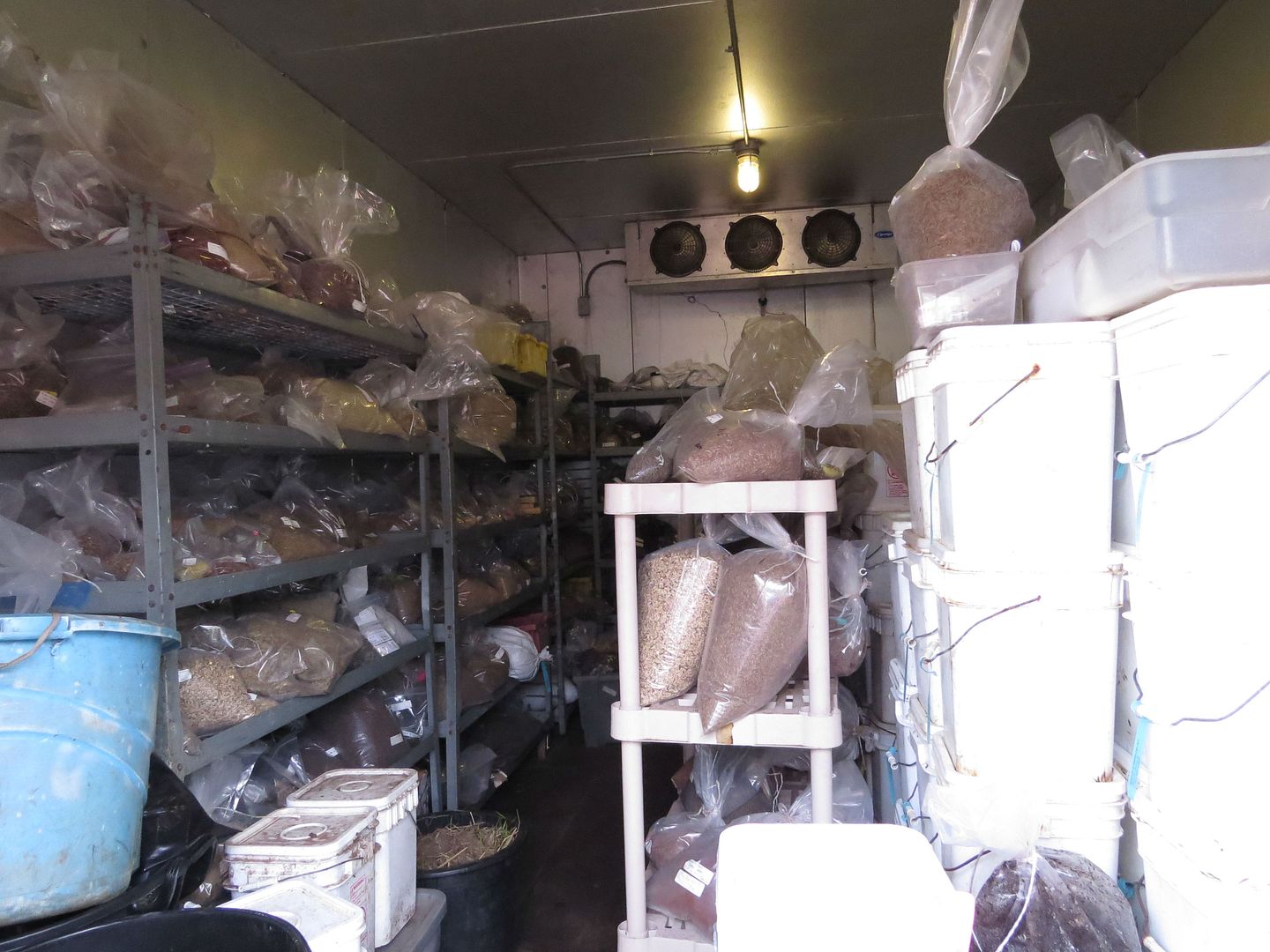
It was implied they take field trips and go well out of their way to collect seeds. Sometimes they're in boats. Each of the white drums (right) he said probably held a 1 to 3 thousand dollars worth of seeds depending on the species inside and how dense they packed it.  

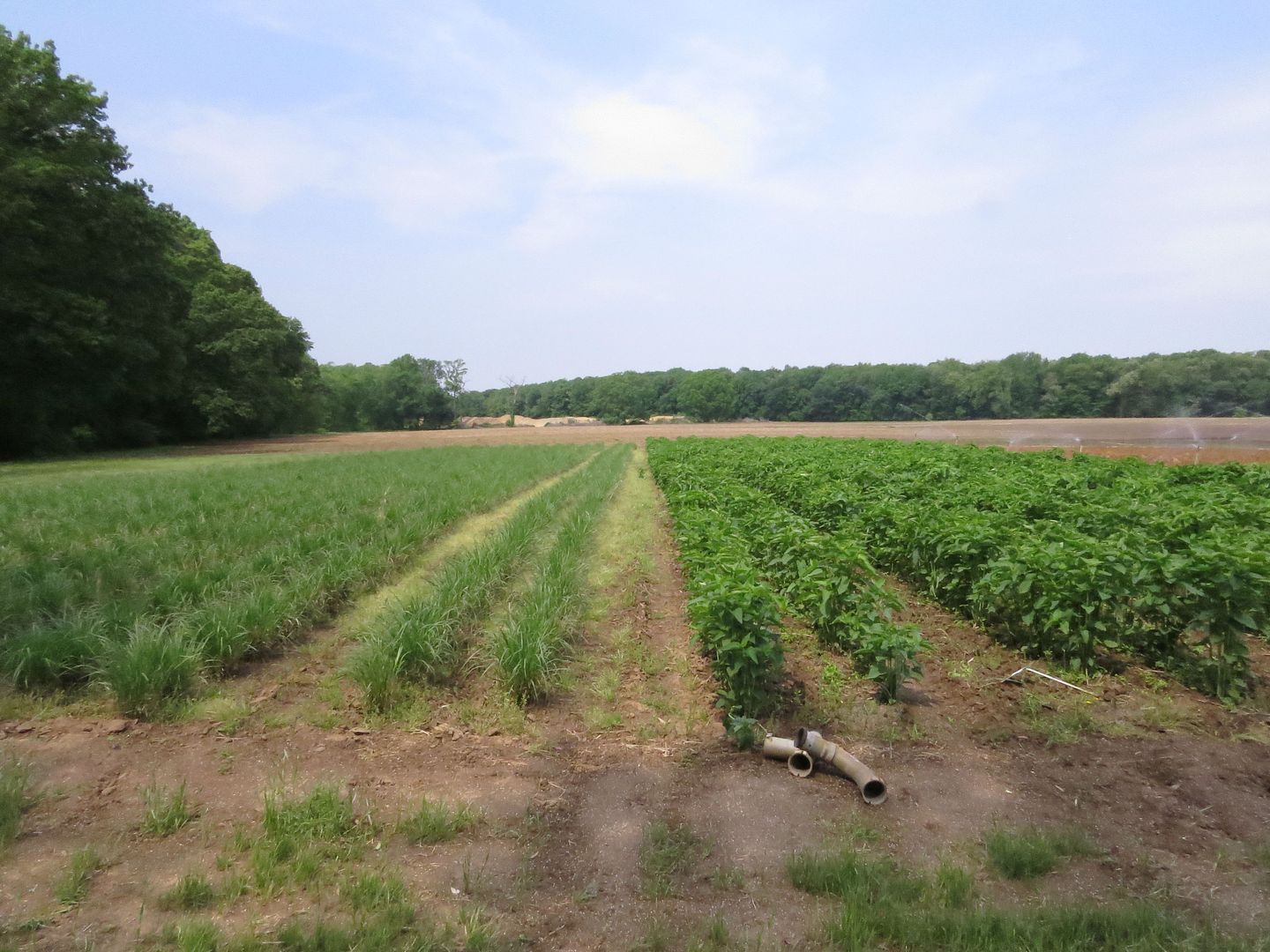
Several of the species they offer, they grow in fields to make seed collecting easier. He owns several farms for that purpose across multiple states. The deer are a problem for some of their sites but not this particular location. Apparently hunting is allowed in the forest pictured in the background.

One crop of some sort of grass looked to be dead and they were watering the hell out of it. I assume it's a warm season crop but the fact they were watering worried the owner quite a bit. It hasn't rained in NJ for a month now and he joked during the tour that if the skies suddenly opened and a torrential down pour happened he wouldn't exactly have been mad at the situation. 

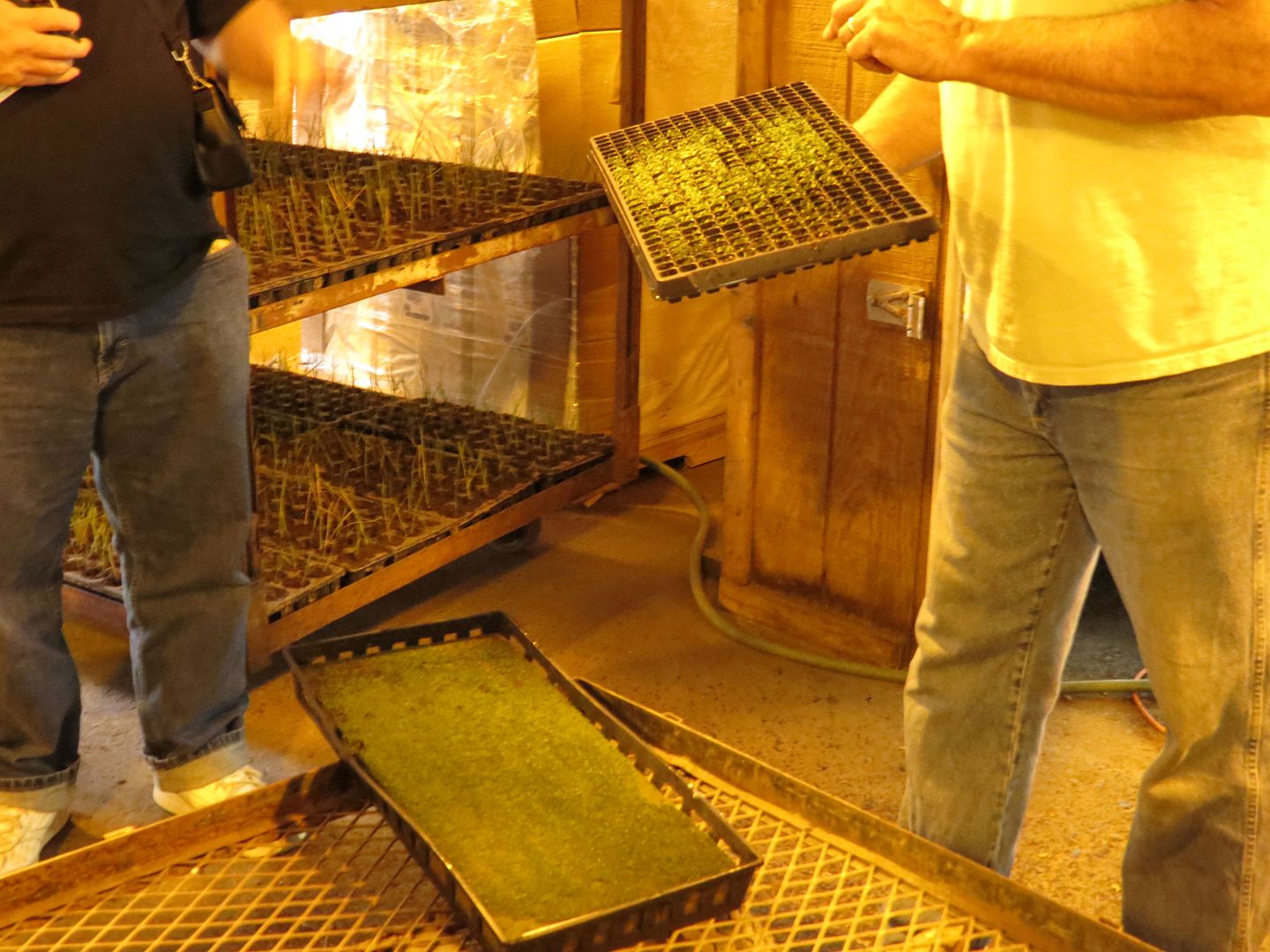
A mixture of sand, ground up coconut chips, wood bark, and maybe two or three other things I'm forgetting, go into the pots and plugs they use there. This is the "Pinelands" nursery after all so Sand is very important. Along with offering good drainage though it's also the heaviest medium to put in a pot, which I really hadn't though about. He also commented on how you'll see plants in nurseries, how the medium seems to have settled or sunken in a good inch or three. That's mostly because the medium they used decomposed which he viewed as not being good, though I'm note convinced it really matters.
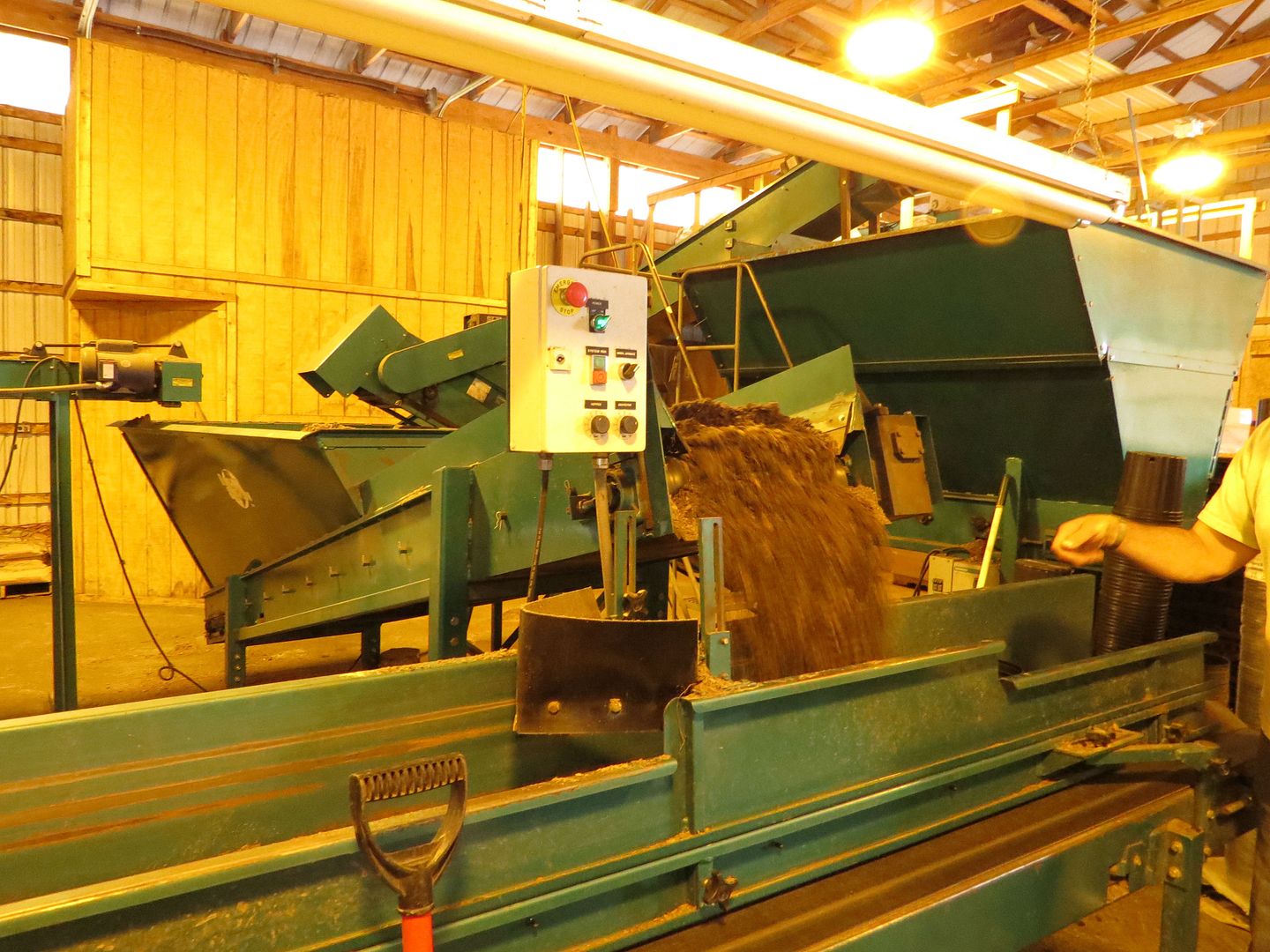
Depending on the size of the pot or flats they're filling the media gets mixed up and loaded into one of two machines. And he emphasized that they fill their pots up to the brim. This machine in particular is meant for size 1 or 2 pots... I say size 1 or 2 because apparently you can get sued for calling them 1, 2, or 3 "gallon" pots because they technically don't hold 1, 2, or 3 gallons of liquid. (Also a 5 dollar foot long may in fact not be a foot long.) So the wood in the back is a boxed in area where they mix the soil up. A conveyor belt takes it to the green bin (right) which then dumps it into the second bin as needed (middle) and that travels up another conveyor belt dumping down through a grate that the empty pots move under. The excess soil is scraped off the top and yet another conveyor belt collects it and sends it back up into the middle bin (left).
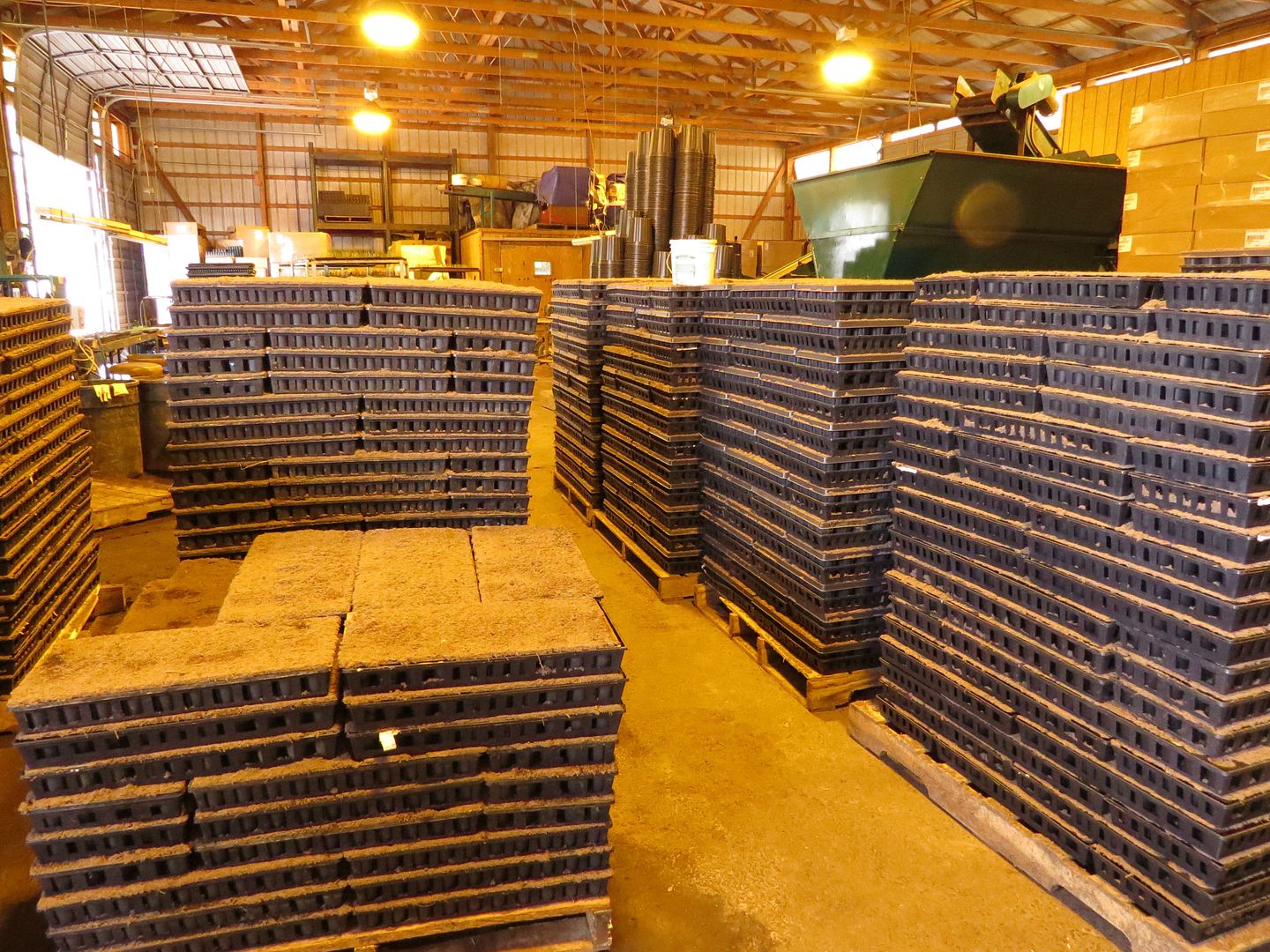

Here you can see the result of their machine that fills the flats up with dirt. For some species of plants they'll actually mix the seeds in with the soil and load it up into the flats (one assumes smaller flats than the ones pictured above).


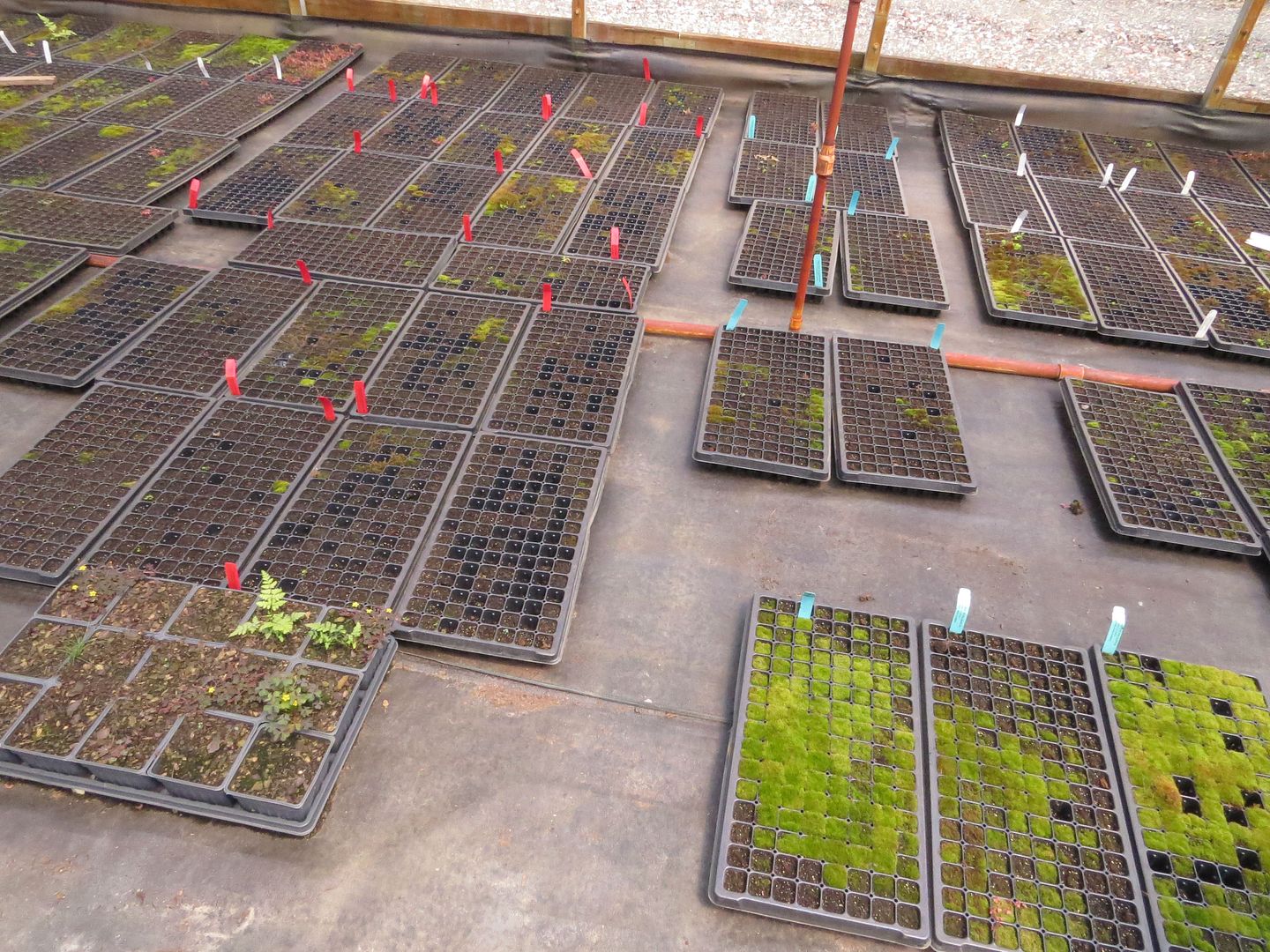
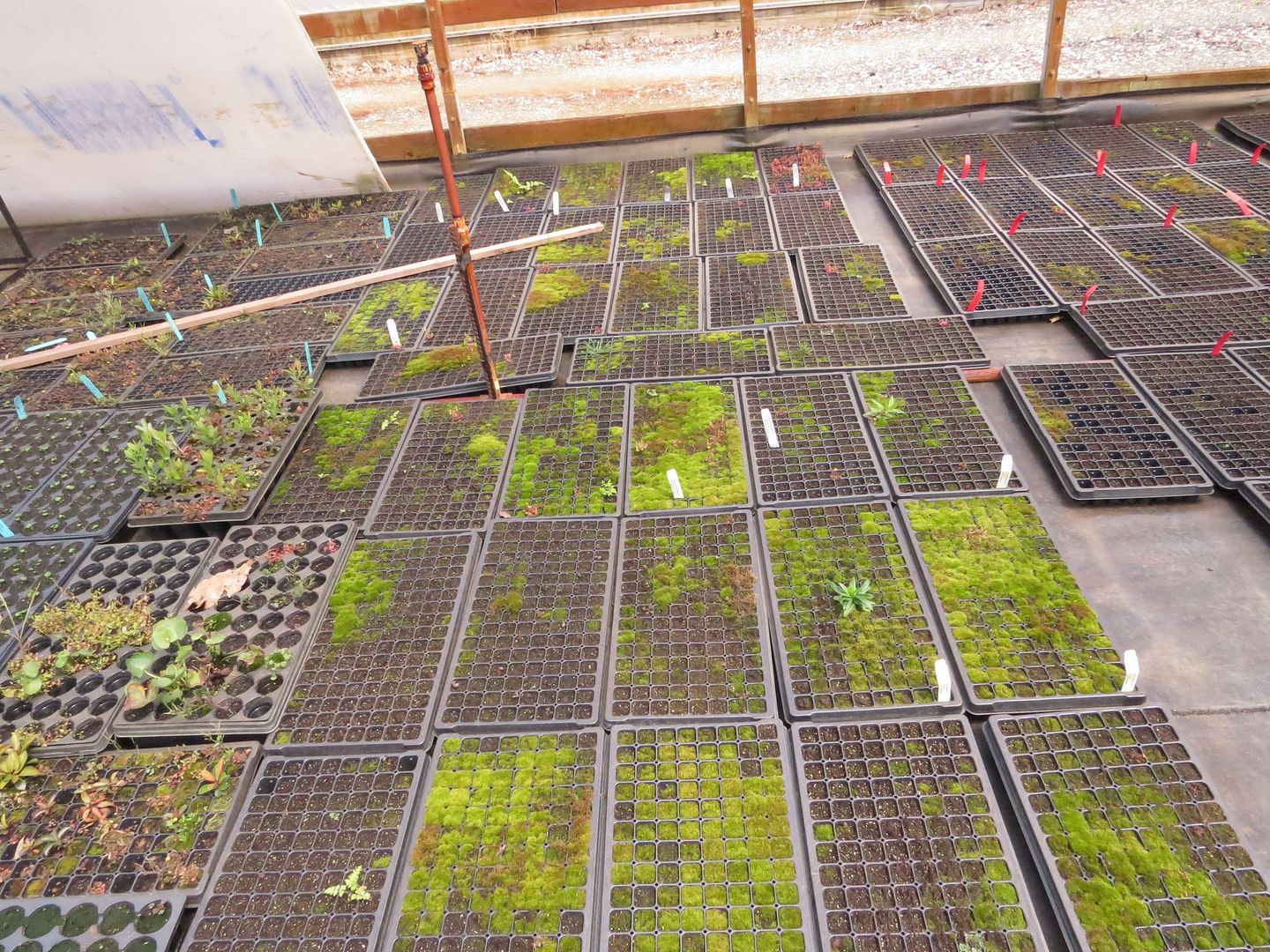
Here they were trying different methods to get Ferns to grow. Ferns reproduce by spores which have to develop into different types of microscopic organisms before what we would consider to be an adult plant forms. I'm not big on ferns and I don't particularly understand it but it sounded similar to getting Orchids to grow. This particular method involved collecting spores, sending them to a lab to be grown into tissue samples, putting them into a blender and then soaking the contents in a sponge material and then hope something grows. He's had a moderate amount of success with this method but believes he needs to get the price down somehow.

Flats of this that were placed outside in the greenhouses show some success, but it was unclear if these were from that method or something different. He did have greenhouses that were just filled with ferns as far as you could see so clearly something is working.


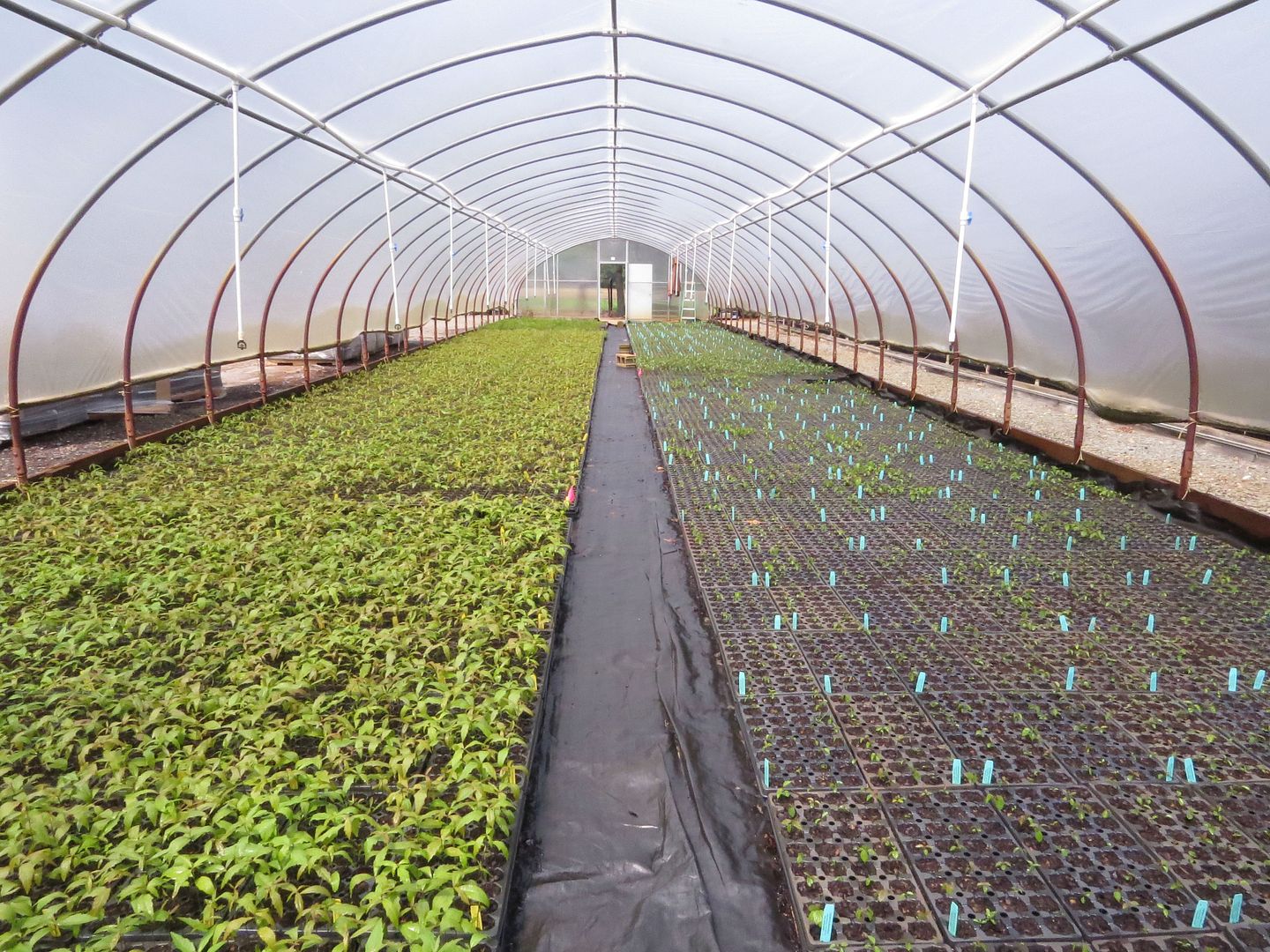
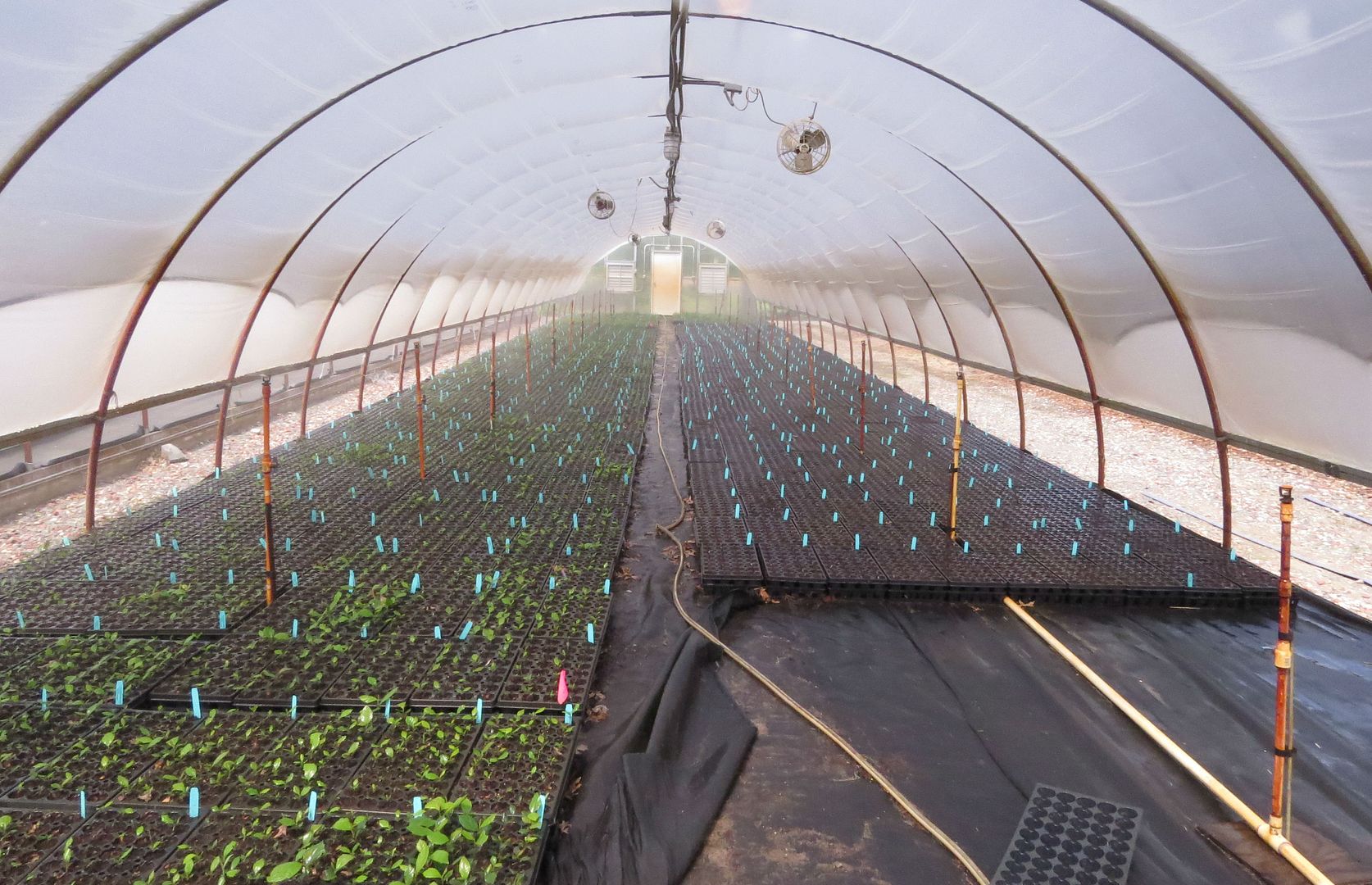
Of course all plants, whether seed or spore, get planted in a flat and taken out to one of the greenhouses.

It was neat seeing them being watered, and he actually runs heating coils underground. Other nurseries I've been to use gas boilers to pump in the heat manually. His watering method seemed more costly though but really I'm not sure. Some places I've been to had their own water towers setup and just use gravity to create water pressure.  

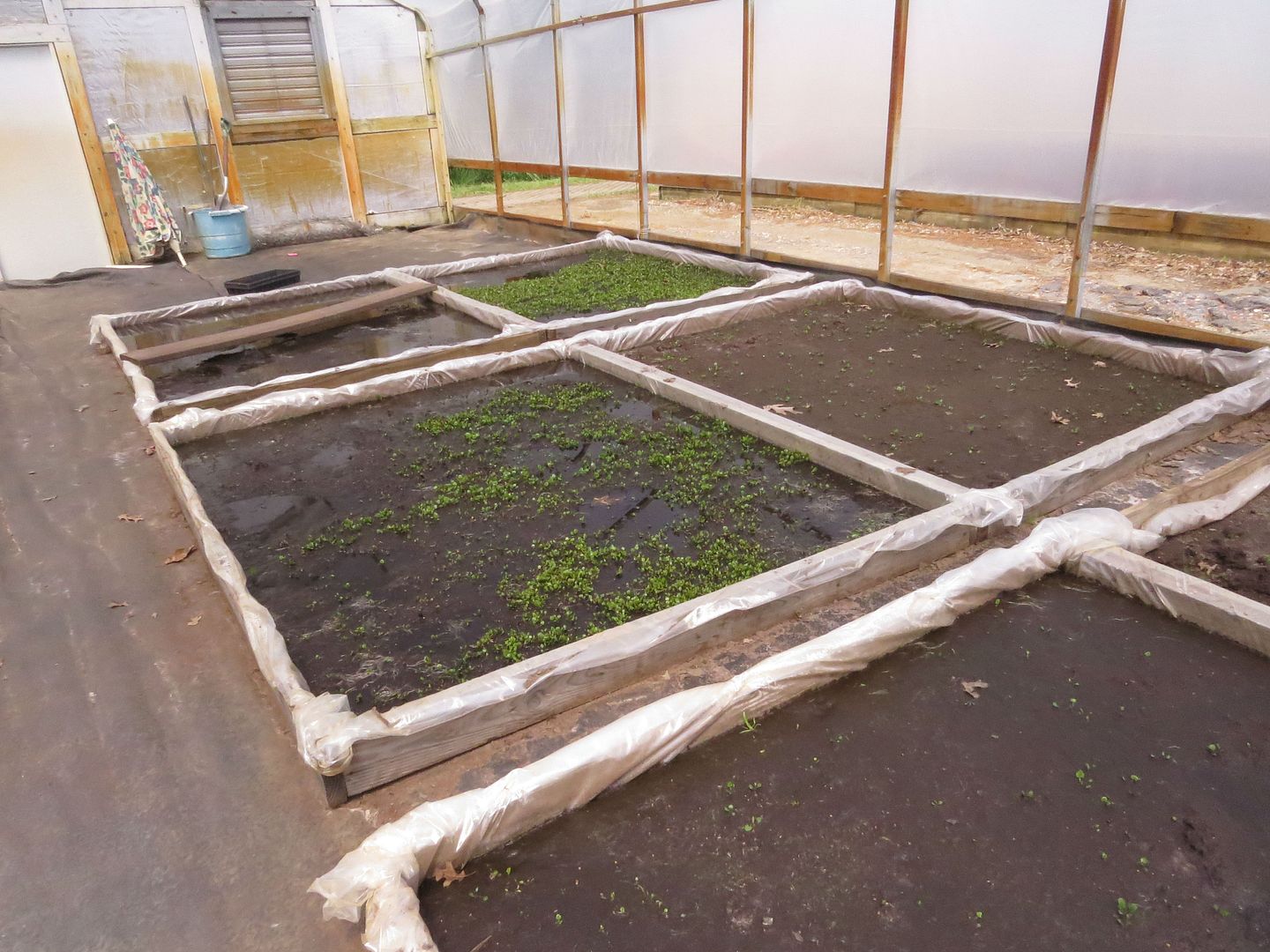
He grows aquatic plants too, mainly used for restoration projects. Their seed has to be submerged in water to germinate. Also I'm not sure what it is about the mud in these beds but they smelled awful but not unlike bogs I've been to in nature.

He talked a little about why he's not more open to selling to the public. The benefit of wholesale is how automated he can be. They collect seeds by the millions and germinate them all at once. He gets huge orders of plants. The minimum order is $1,000, and it's not uncommon for people or order plants 1,000,000 at a time. Taking the phone call for that order takes up about the same amount of time as it does for someone only ordering just 10 so it's REALLY not worth his time.

It was great seeing his son stepping up to the plate and running the retail side of things though. I wish his selection was as good as his the wholesale... actually I'm not sure why it isn't, (maybe those are the only plants they keep in stock year round?) whatever the case, I think they're the only nursery that really sells Seaside Goldenrod over the internet.   

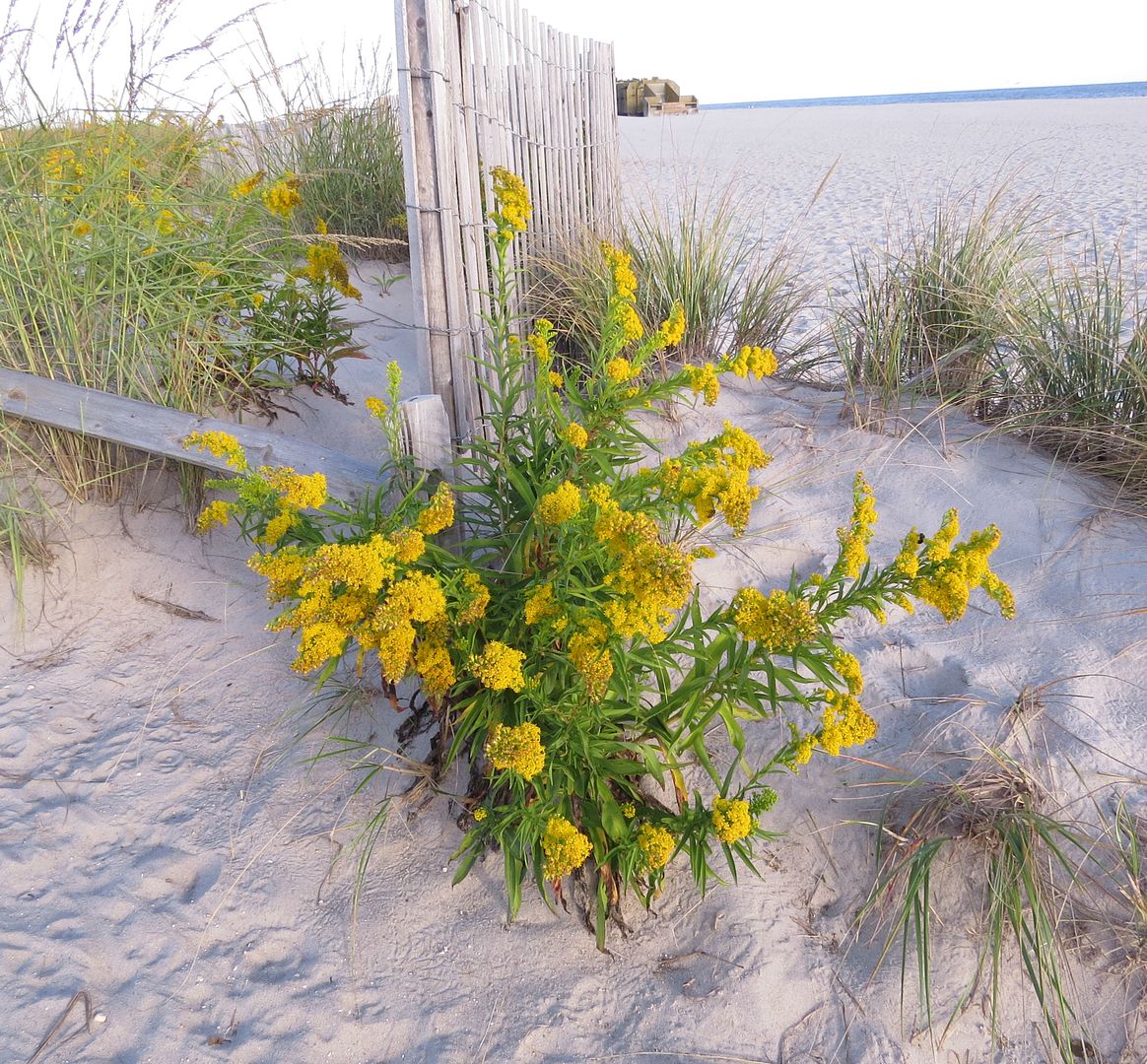
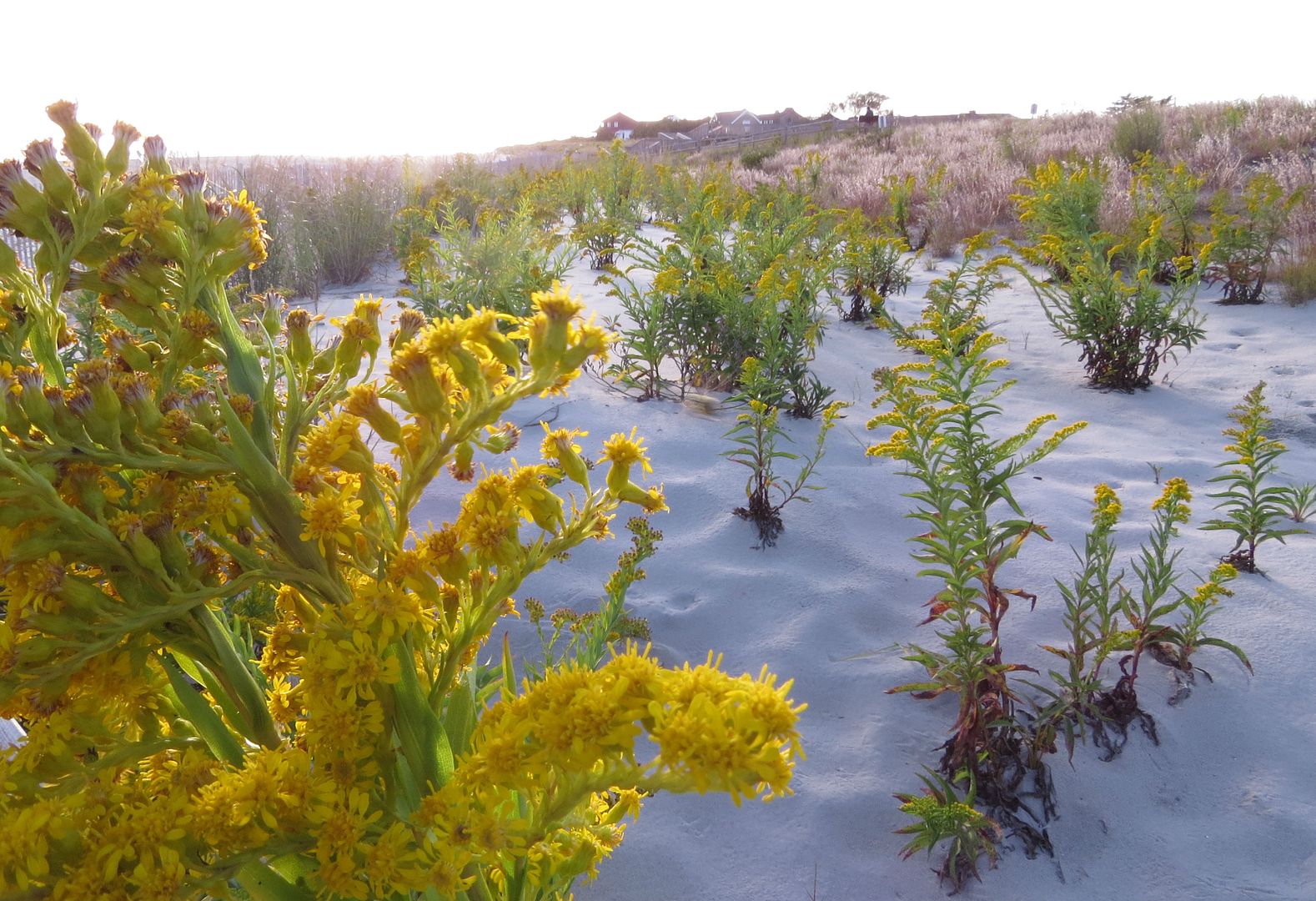
For those of you who don't know about Seaside Goldenrod, Solidago sempervirens, this is the last nectar plant Monarch butterflies get before leaving New Jersey and crossing the Delaware river in their migration south. That's the ocean in the background of this photo. This species grows in 100% sand, is extremely salt tolerant, and grows right along the beach.

Thousands of these plants were planted along the coastline of Cape May, NJ, as a restoration effort to help safe the Monarch. It's thanks to the tireless efforts of nurseries like Pinelands Nursery that thousands of these plants can be planted for that purpose, and thanks to Pinelands Direct I can finally plant this at my home. And it makes it extra special that I can do this with a local genotype too... although I don't live at the beach so now the fun becomes seeing how well this plant can tolerate clay soil and seeing if I need to add sand. (I dug a hole and filled it with play sand which other sand loving species seem to be doing alright in.)
Wednesday, May 13, 2015

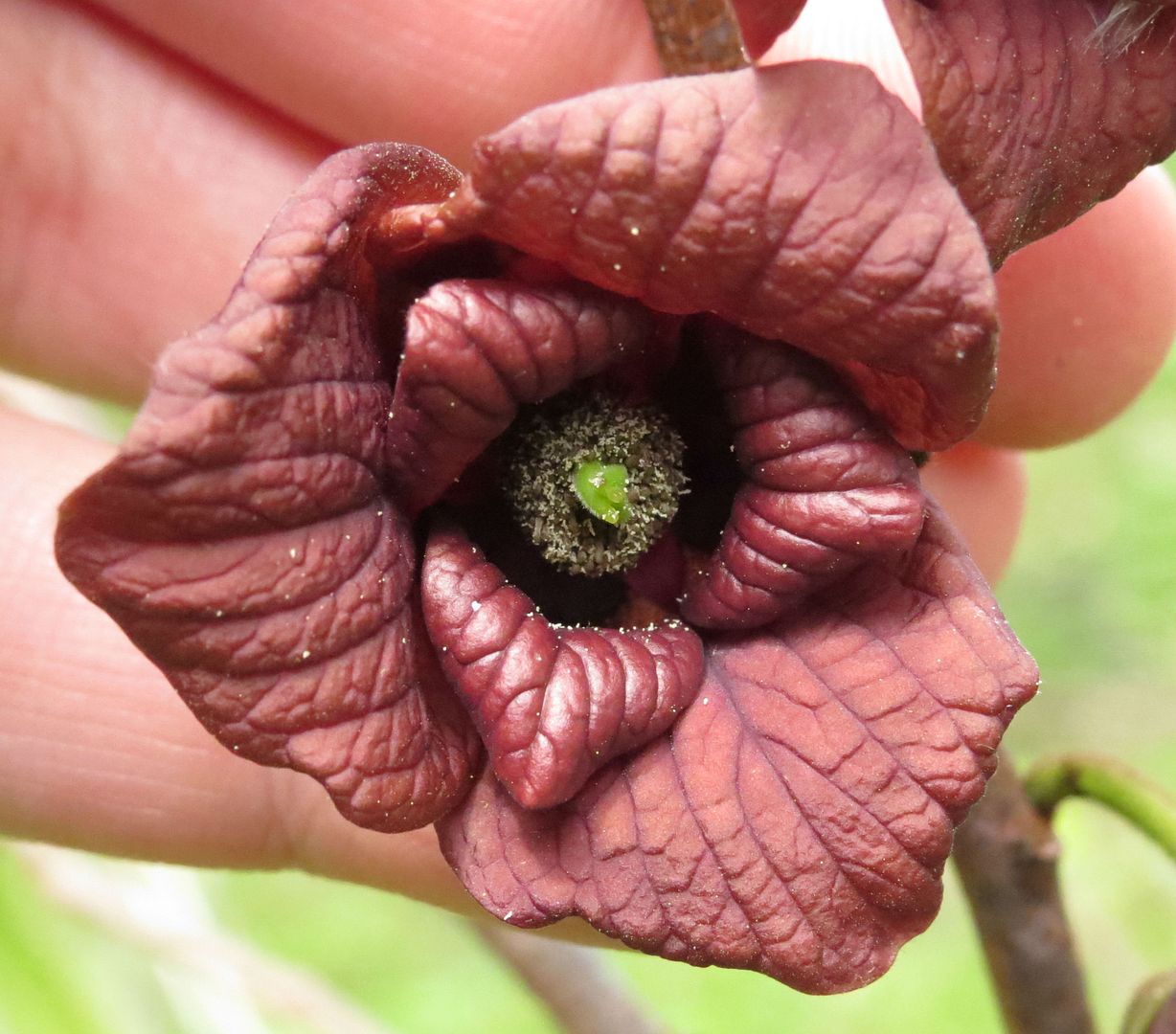
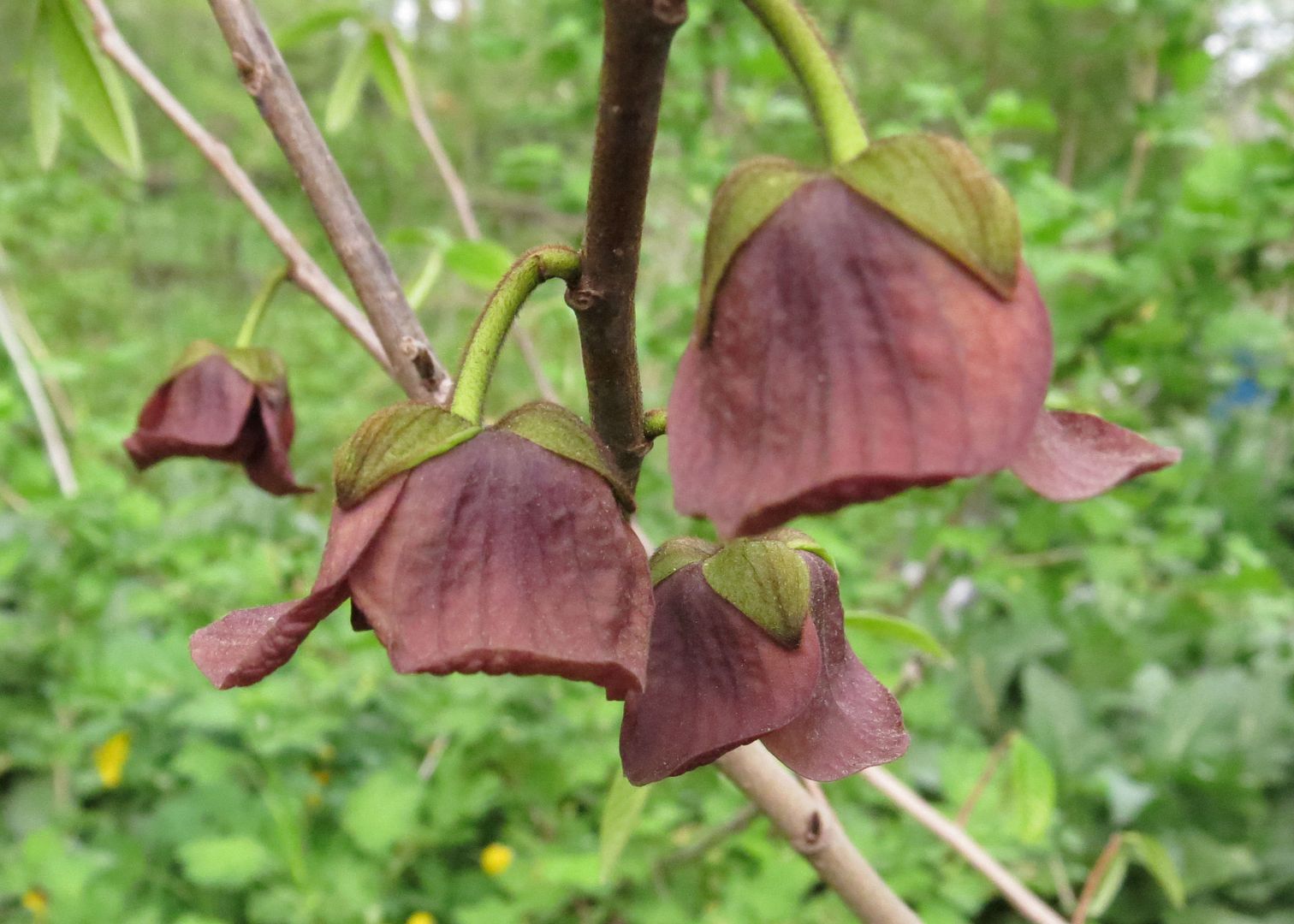
Pawpaw Flower

Pawpaw, Asimina triloba. I've had trees of this species for years now with mixed success. Basically I'd buy saplings and plant them in various places throughout the yard. Mostly the didn't survive the winter though and I'd have to start all over. I'm not certain on the reasons why they all died because I see images of them growing in full sun locations in yards, being used as a shade tree but it seems this really isn't where this tree wants to grow. It's likely the more sun they receive, the more water they require, and I just wasn't watering mine enough. When I finally got one to survive the winter it was situated beneath the shade of two oaks in the former vegetable garden before the oaks shaded that areas out. In nature this is an understory tree, sending up suckering stems to form its own grove. Cross pollination is essential to getting them to fruit, so once I'd found a successful location I planted a second sapling right next to it. I've read it can take up to 10 years before they flower but thankfully mine didn't take that long. It generally waited until it was 5' tall and will likely surpass that height this year. The second sapling is still only 3' and it's going to be a flip of the coin if it flowers next year which I hope it does because I'd love to finally taste this native fruit it's taken so long to grow. I believe you can get them to flower sooner if grown in containers.

The flowers are pollinated by carrion flies and beetles. The petals even resemble dead flesh a bit. Even with two plants flowering, I've read pollination can still be an issue. Those that grow them in containers swear by hand pollination which I might do to start. There was a tip posted somewhere saying to hang chicken skin among the branches... though that's just going to attract the neighborhood cats and other hoodlums to the yard. 

Each afternoon as the sun goes down, little flies and things start showing up at the flowers. At a lecture with Eric Toensmeier, who is a reasonably big name in the Permaculture field, I asked him if it's worth it to plant things like Trillium viridescens and other fly pollinated plants beneath these trees. They actually flower at the same time of year. His response was really it's best to manually pollinate them yourself. And his reasoning makes sense, why risk a poor crop that you've waited the better half of the decade to try. 

Another thing worth noting is that wildlife love the fruit even more that you do and often big bites are taken out of them before they're ripe. That's an issue I'll figure out how to tackle when that road comes. For now though I can simply enjoy the flowers... that smell of rotting fish.


Monday, May 11, 2015

Wild Hyacinth

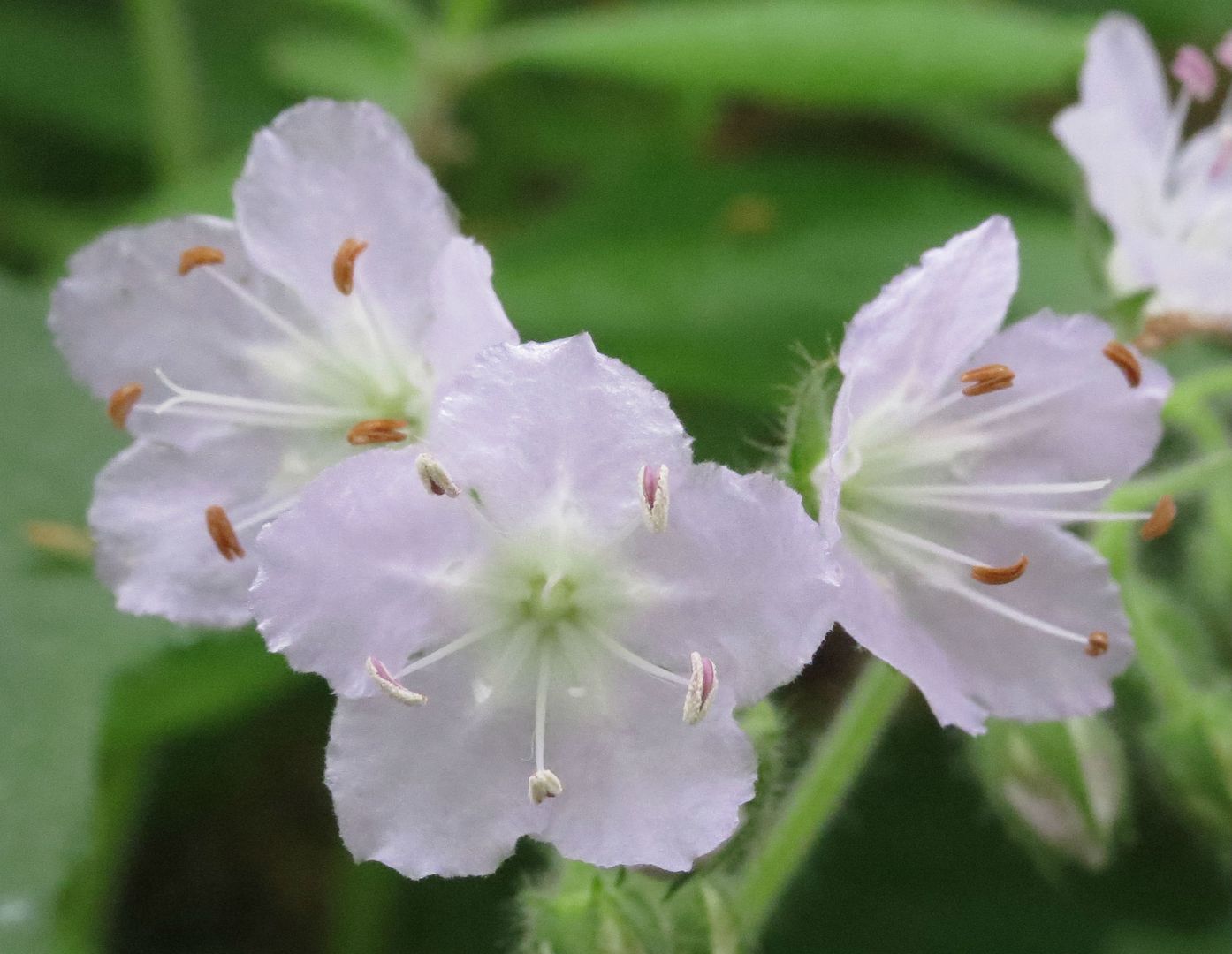
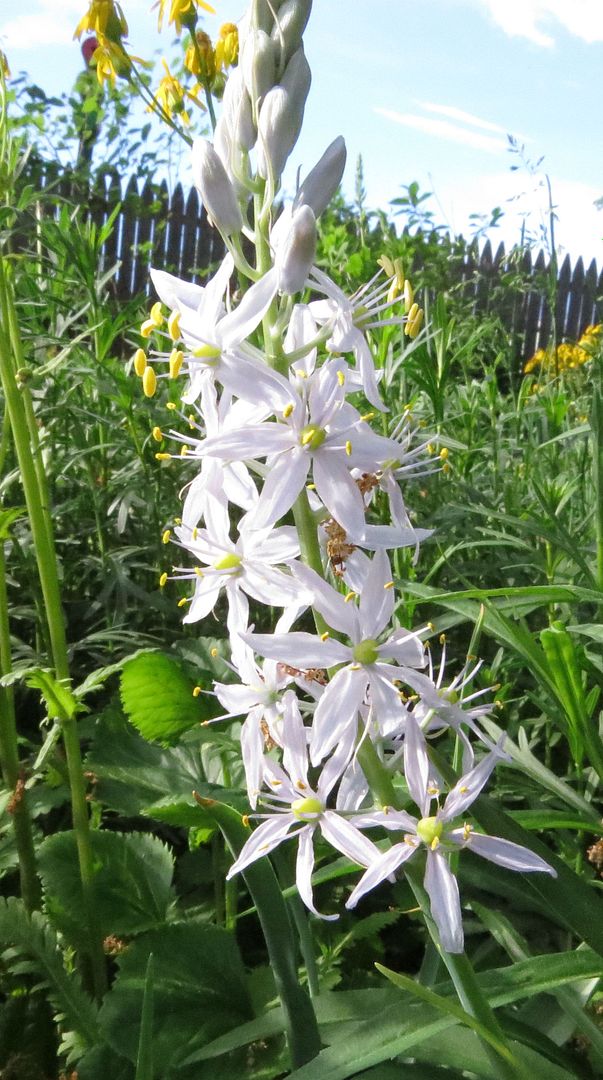
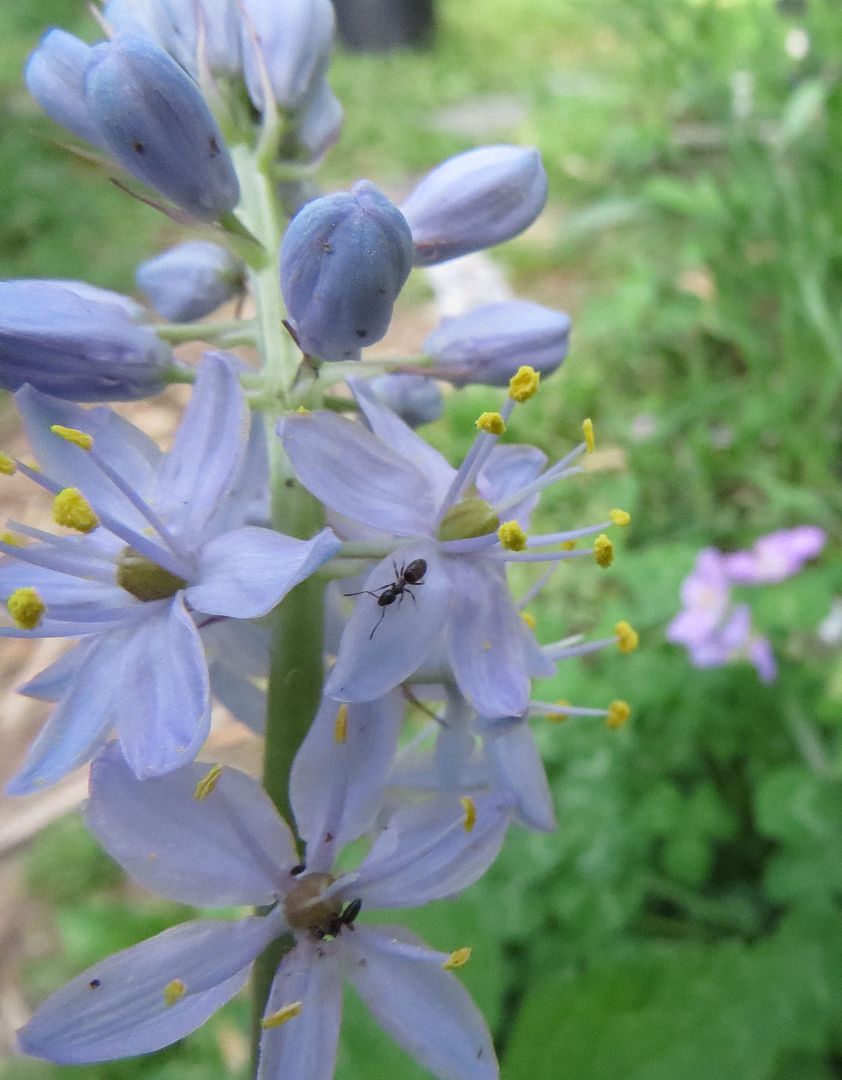
Wild Hyacinth, Camassia scilloides, is quickly becoming one of my favorite plants. At least it better be because I forgot I planted bulbs last years. I then ordered a flat of it on Prairie Moon Nursery... sometime during the winter lull, couldn't find it in my purchase history and saw it was no longer being offered in flats, so I assumed they canceled my order so I ordered another 32 bulbs. Planted the bulbs, had another 32 show up already growing in flats... and also the plants from last year came up and are flowering. So in theory I have 96 plants somewhere in the yard. 

The ones I had forgotten I planted last year are doing the best. I wasn't 100% sure where they'd do good in my yard though so they're occurring in scattered clumps, and I'm certain the rodents have eaten some. This is one of those loves being wet, but not soggy, but needs to be well drained, and can't freeze in the winter plants. So good loose garden soil ideally on a slope... where good loose garden soil likes to erode away.

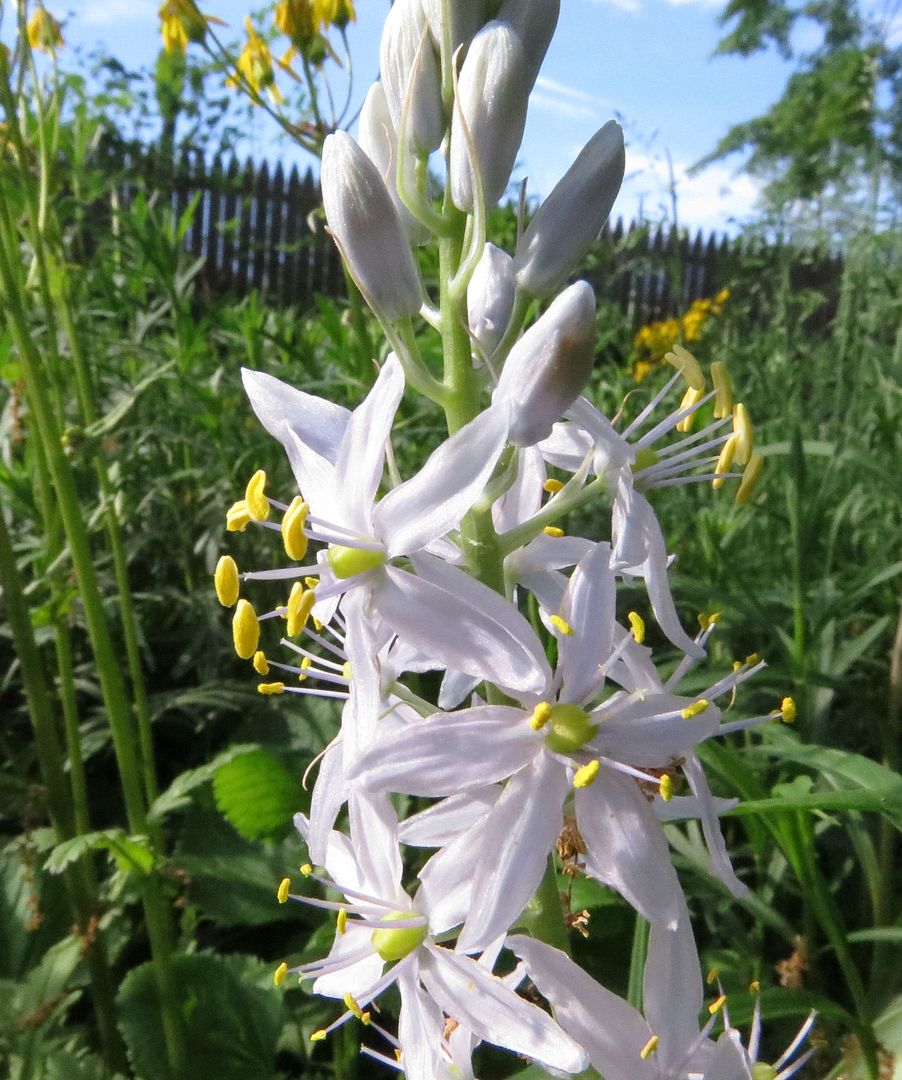
The best patch I have is in a pit I dug and filled completely with sand. Everything I put in here is immediately shocked and stressed out looking, until they get enough of their roots pressed down into the layer of clay below. It's otherwise been a huge success of a garden. Pictured above and below is one that is growing along the edge of my meadow garden. The plants are hard to focus on as most of the foliage is grass-like down below with a single flowering stem standing erect on top.

What's really got my attention is the fact that the flowers all began opening as white, then something triggered them all to fade blue, so now the new ones that are opening are opening up as blue instead of white. And not all of them are doing this, some still open as white. So wherever they're growing in mass you get this neat effect of a light mixing of colors and transitioning. I also love their color directly next to some other natives such as Wild Geranium, Jacob's Ladder, Bluets, Waterleaf.

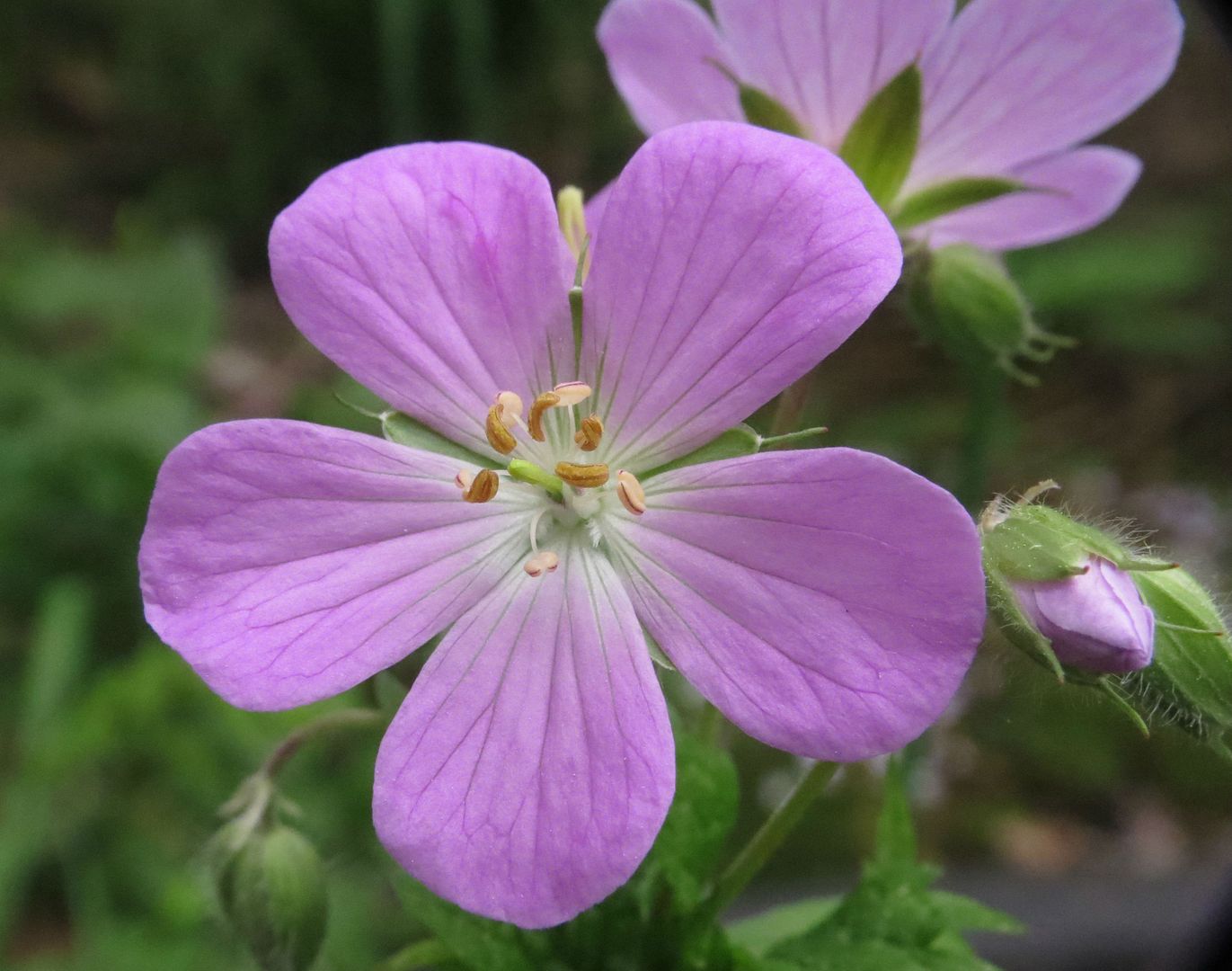
And of course what would a wildflower be in my garden without ants stealing nectar from the flowers. Growing in the background is a Wild Geranium which also has some color variance between old and new flowers.

A Wild Geranium for color comparison.

Assuming the ~96 Wild Hyacinth I planted all flower next year I should be in for a spectacular floral display. My only complaint with them so far is the individual flowers are short lived, so the smaller flowering stalks are almost finished flowering for the year already.

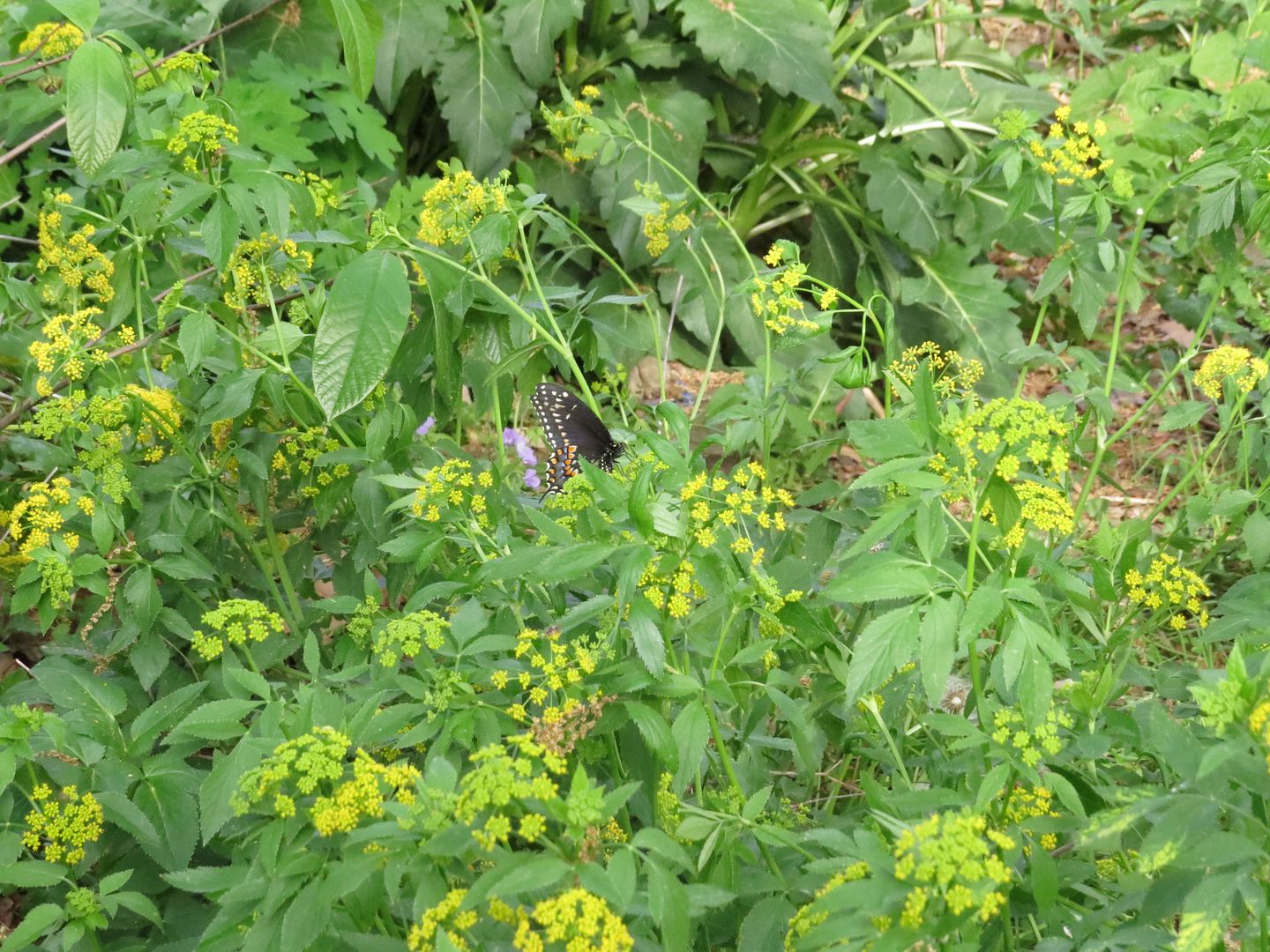
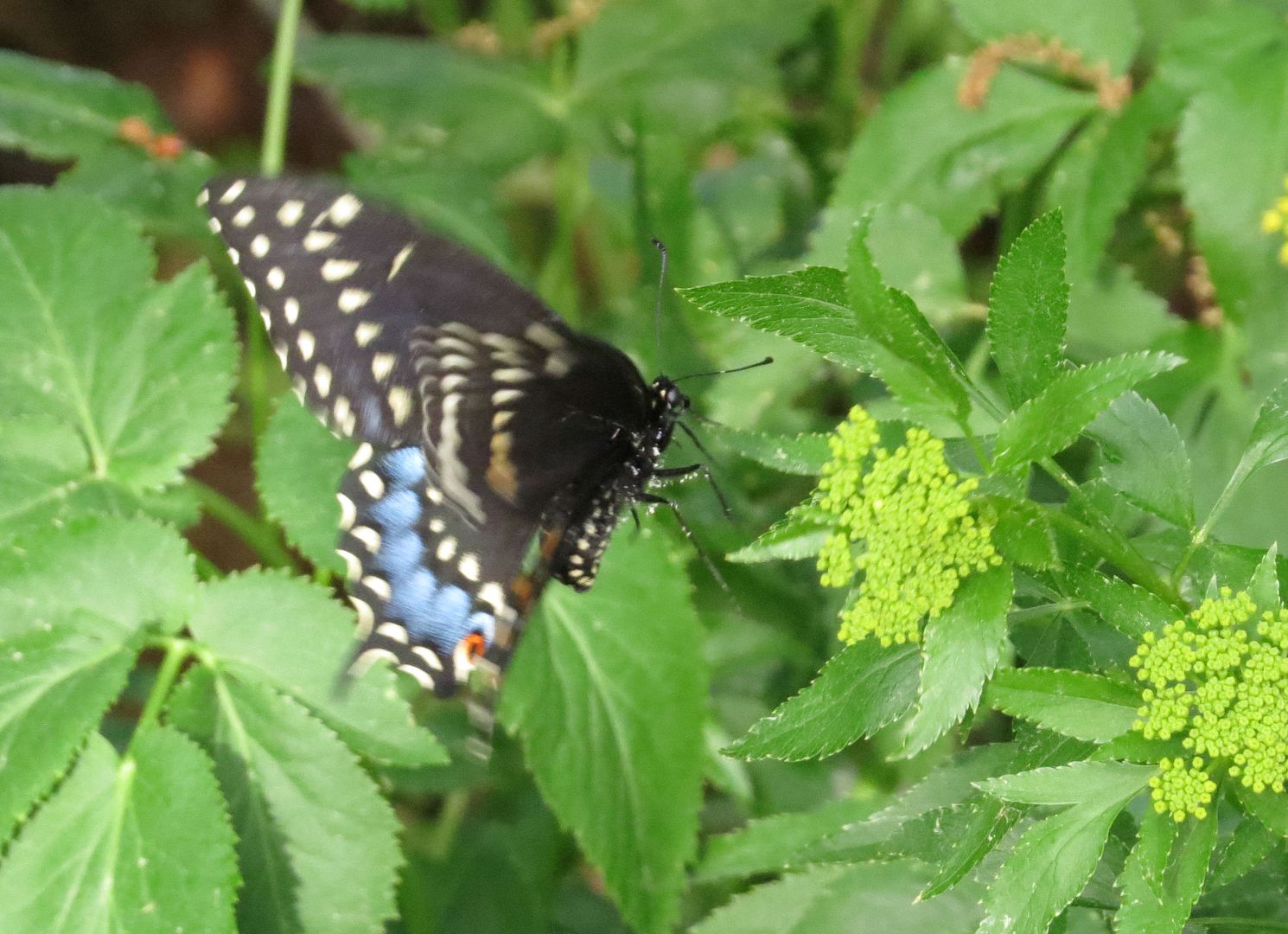
Black Swallowtail Laying Eggs on Golden Alexander


When Native Plant Gardeners decide to add Golden Alexander to their landscape, they're often disappointed to see a lack of Black Swallowtails. Perhaps Monarchs boldly laying dozens of eggs all over Milkweed and their easy to spot black and white caterpillars spoil them. A couple of things are going on here.

Firstly, Black Swallowtails are native to North America, so much so that they're sometimes referred to as the American Swallowtail. Golden Alexander was their primary host plant among a few other members of the carrot family, but when western settlers brought with them delicious Parsley, Dill, and yet more members of the carrot family, suddenly the American Swallowtail had a lot more hosts to choose from. Parsley and Dill in particular were bread for their pungent odor and flavor, and likely possess more of the chemicals in the plant Black Swallowtails use to make themselves bitter tasting. Not only do the caterpillars mimic bird shit in the first few instars, but they want to taste like it too! This is likely why Parsley and Dill tend to be heavily favored as host plants.

Monarchs are down right poisonous to consume, and they want to go out of their way to show themselves off. Causing a mother bird to throw up the contents of her crop is one less meal her baby birds will get. It's a swift lesson and birds quickly learn not to bother with black and white caterpillars.

Golden Alexander has other pest problems such as Aphids. Parsley gets aphids too but not the same kind. These aphids are better about attracting Ants, which are more than happy to consume butterfly eggs, as well as young instars caterpillars. The plant itself also excretes extra floral nectar on its leaves which ants will "nectar scrape" for food, to further get ants crawling all over the plant. Golden Alexander is also a more open, airy plant, which wasps have an easier time exploring to hunt. Some types of parsley are dense with leaves.

One thing Golden Alexander can boast though is that it's a spring ephemeral. Seen here at 2 - 3' tall it's produced almost all its foliage for the year, whereas Parsley and Dill flower in late summer and autumn, and thus have quite a bit of growing to do. So Golden Alexander is usually a better choice as a spring host plant because even nursery born Parsley and Dill are barely this tall.
 
Admittedly I can only recall two instances when a female has bothered to lay eggs on our Golden Alexander patch in the past 5 years. I'd probably do better to plant something else in the patch but I keep the plants around all the same. 

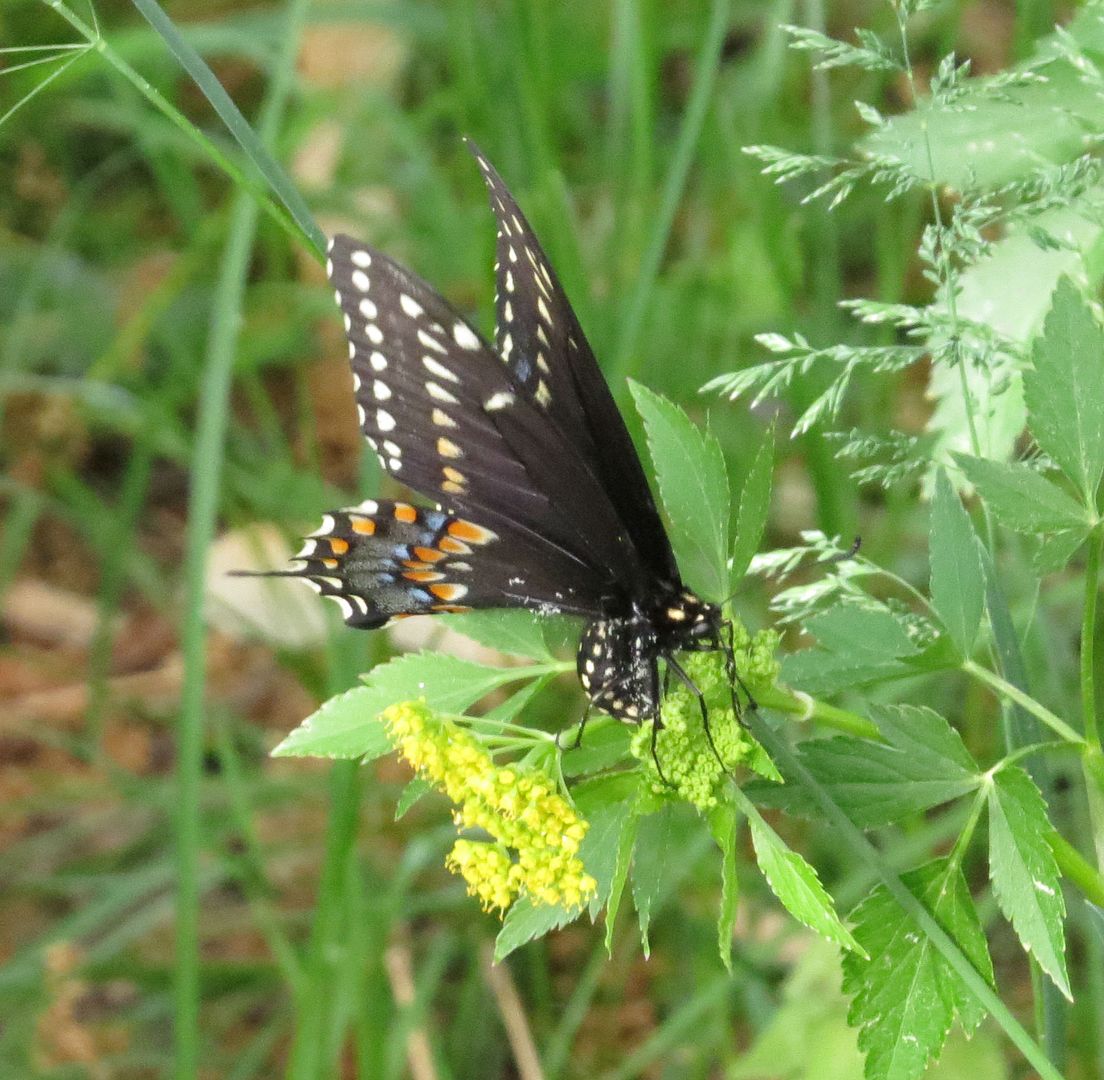
One thing I noticed was a preference to lay directly on the flower clusters as opposed to stems or leaves. There may be other reasons Golden Alexander is favored in the spring that I don't know about.

Either that or she's playing a clever game of Where's Waldo. Note the tiny egg planted among the flower buds.