Thursday, June 23, 2016

I Bug Shotted!

Bug Shot 2016 in Austin was a three and a half day course that took place at McKinney Roughs Nature Park. The course itself was really good and pretty well put together. It was organized, well put together, and you got time with each of the three main instructors. Everyone was knowledgeable on the topic and I learned a hell of a lot almost to an intimidating degree. Testimony from a few of the regulars who show up to these courses believe that this is one of the best insect photography classes out there.

Apparently there's been a need for a course like this for quite some time. Most photography workshops that deal with macro have people shooting things like coins and flowers, which are nice and I'm sure there's a market for, but few focused on just shooting insects. And what's more the few workshops that do focus on insects, aren't necessarily being taught by an entomologist. Some of the regulars who have been attending Bug Shot since it began 5 years ago, tell stories about courses where they were just in an annex room to some hotel and watched a man take pictures for a few hours with no hands on training what so ever. So Bug Shot is a great value for your money.

McKinney Roughs served as a wonderful biodiverse hot spot for our photographing needs. The buildings are landscaped with mostly native flora that drew in things like stick insects, black swallowtails, fire ants, and a whole host of spiders, dragonflies, bees, etc... They also have several patches of wildflower meadows setup which were teaming with other lovelies a lot of which were things rarely photographed, such as blind snakes, and a particularly fun lichen orb weaver.


Shots in the Field
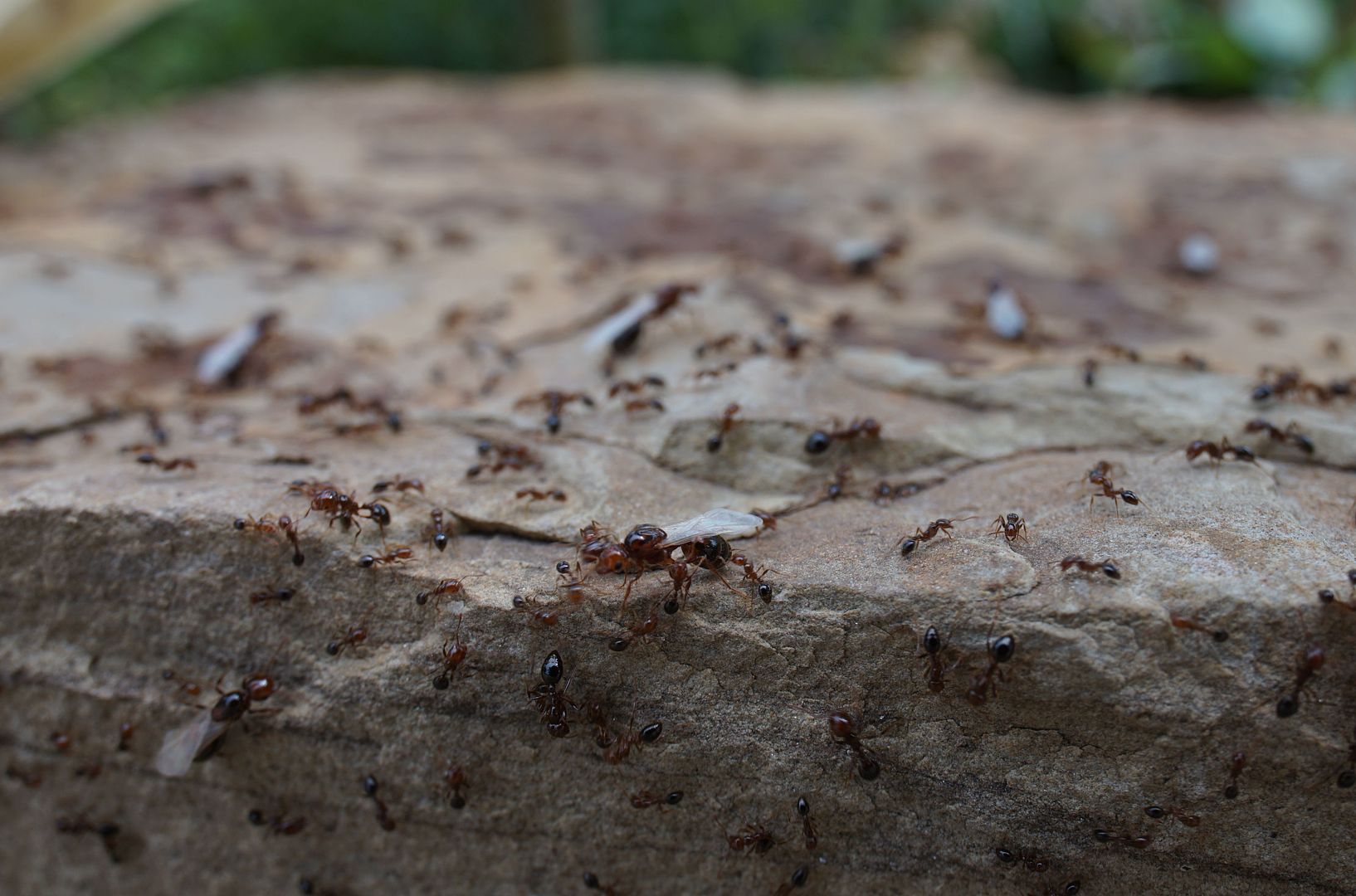
Solenopsis invicta, the red imported fire ant, was having a nuptial flights when I arrived the first day. I could have come collected several dozen queens of this species without even looking for them. That's about how many new founding queens of this invasive species I noticed over the weekend just walking on the ground. Had I started lifting rocks and dug up small holes I'd have likely found hundreds more.

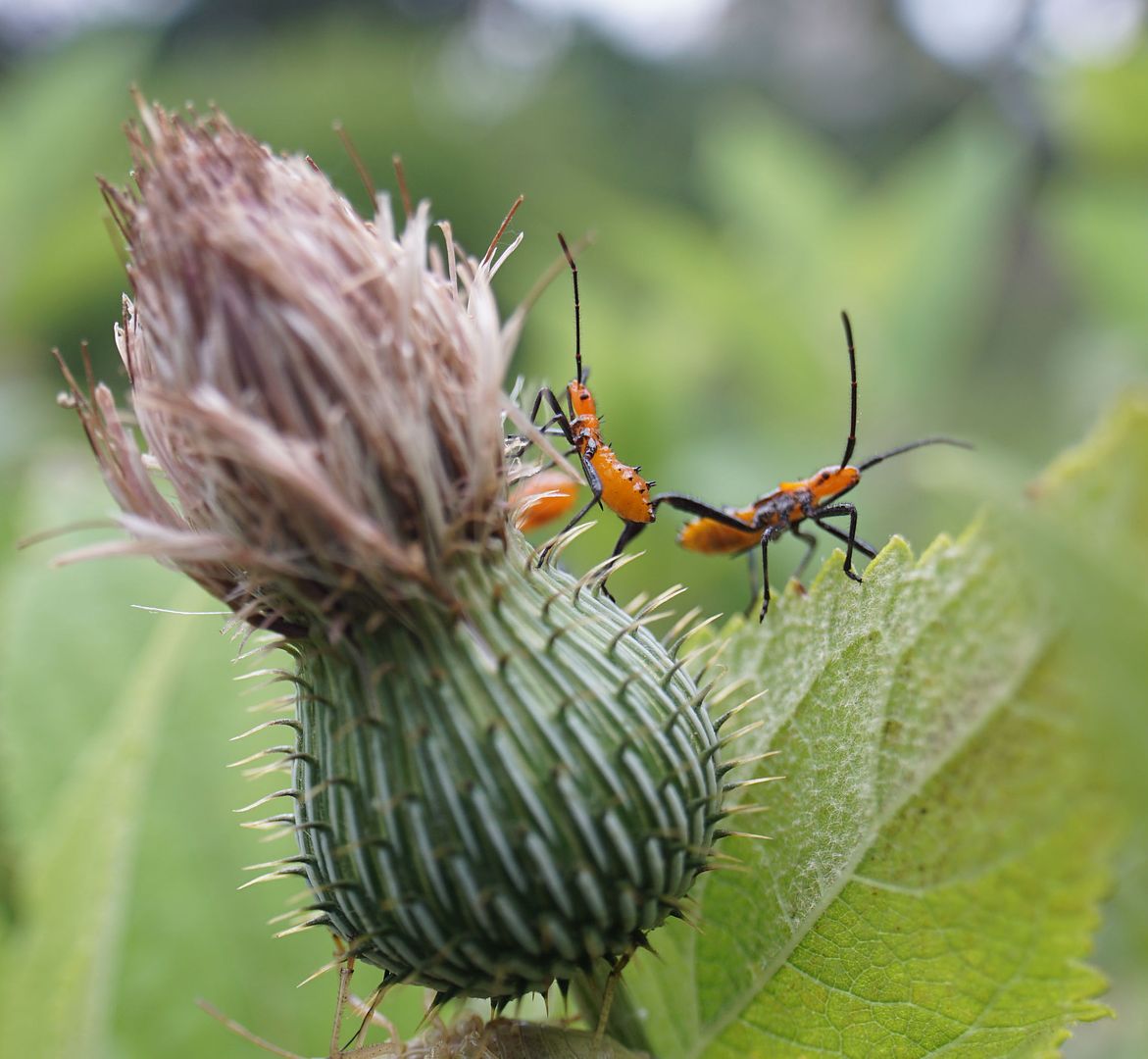
One of our first tasks was to go about and take photos of insects out in fields. We were also handed collection tubes for temporary captivity; things we wanted to photograph in light boxes later on. Here were some young assassin insects on a thistle plant. 

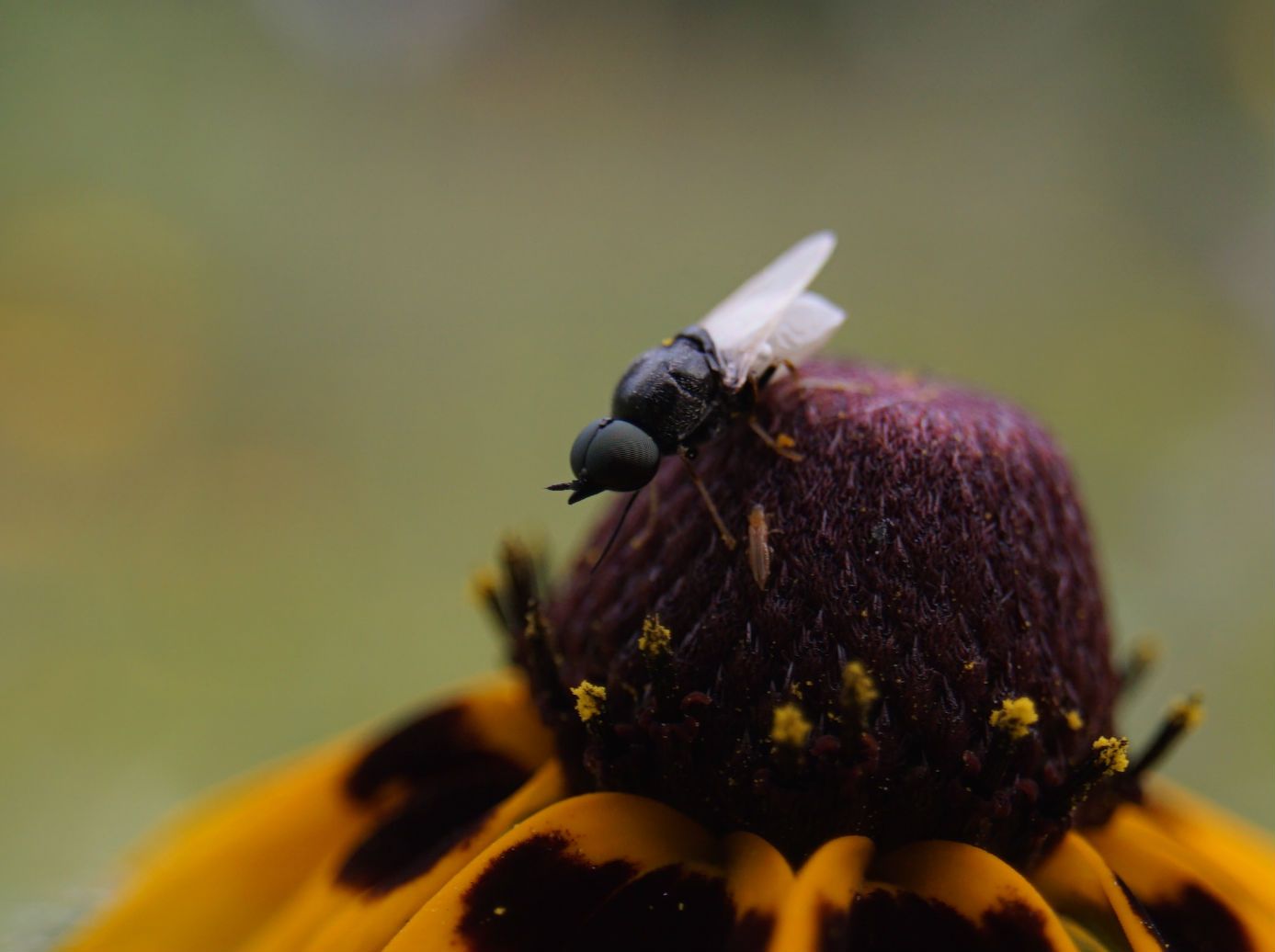
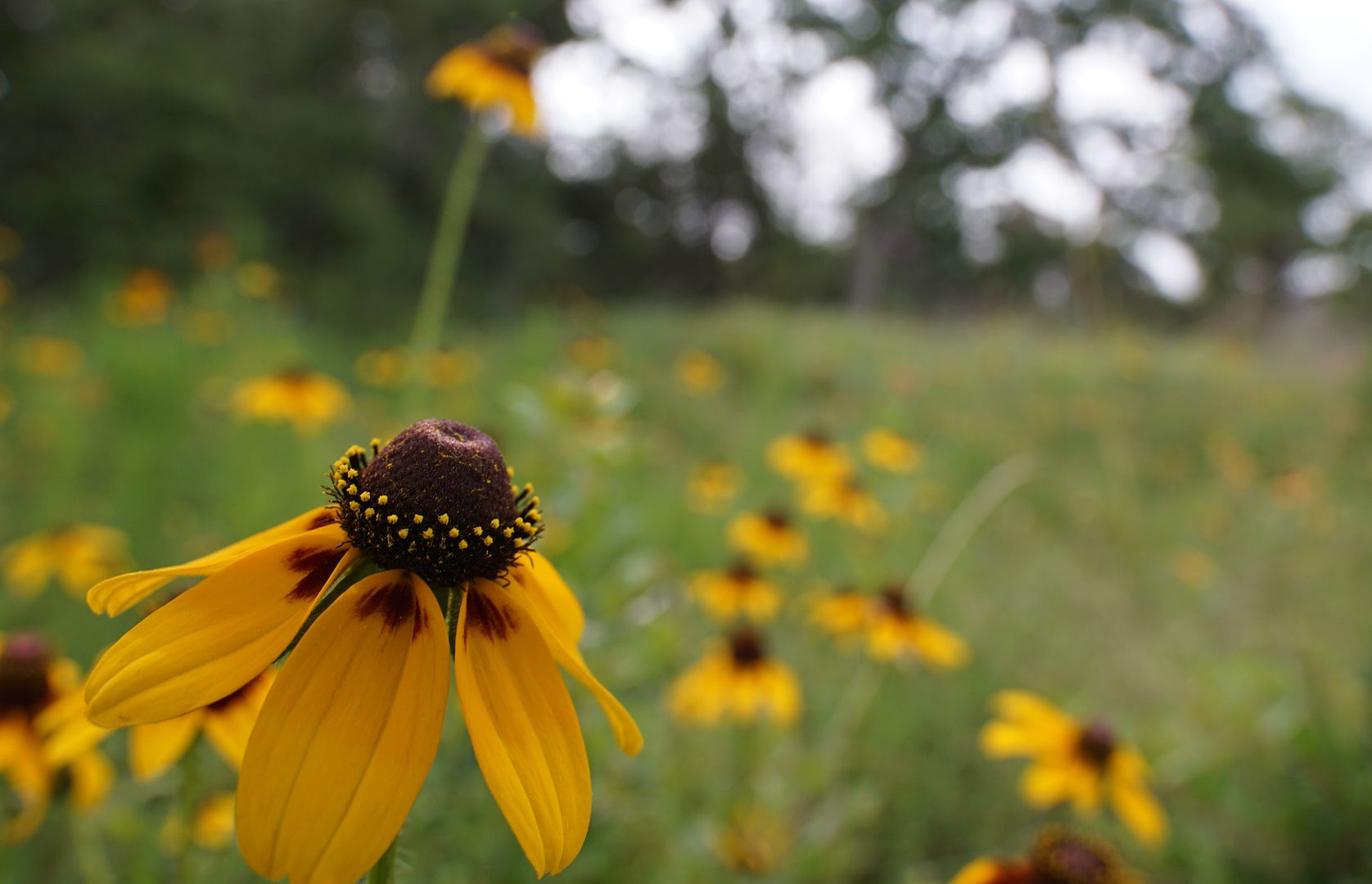
Some type of fly on a Black Eyed Susan. I noticed the dark patched form of Black Eyed Susan was more common down there than the solid yellow kind we have in NJ.

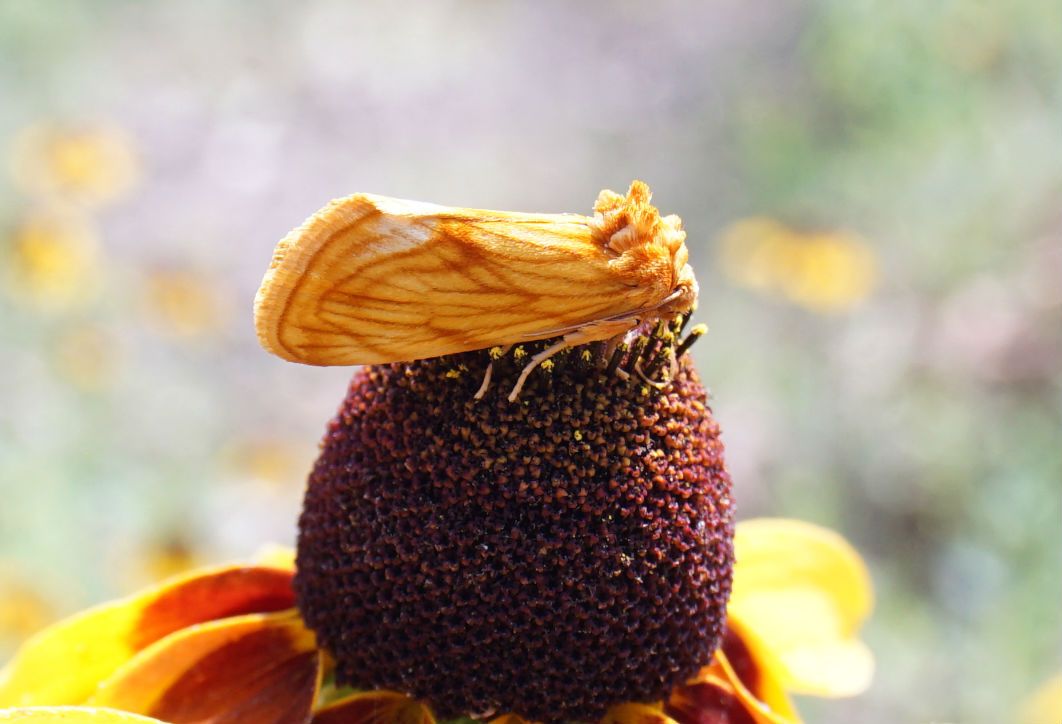
What I believe to be a Swift Moth, though I can't seem to match the vane coloration to any species.

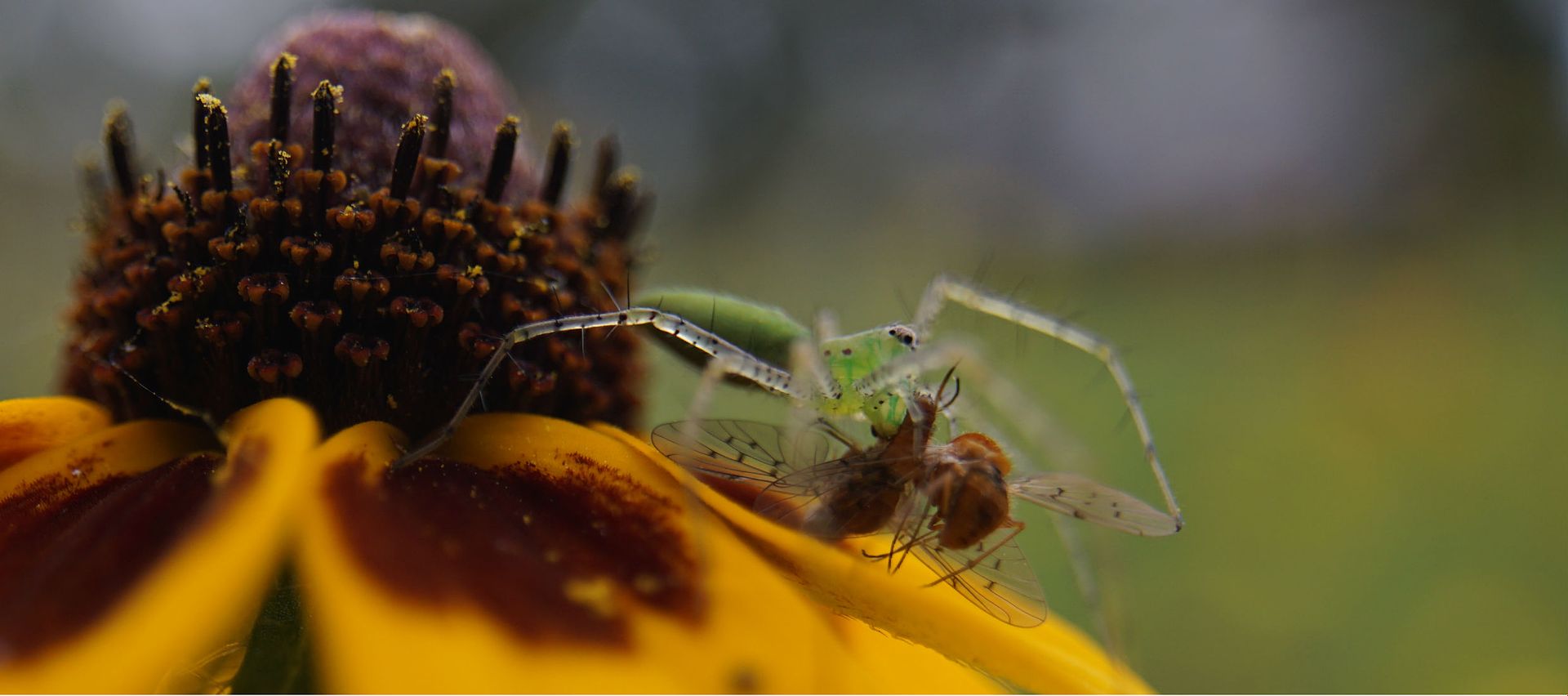
A Lynx Spider consuming two flies.

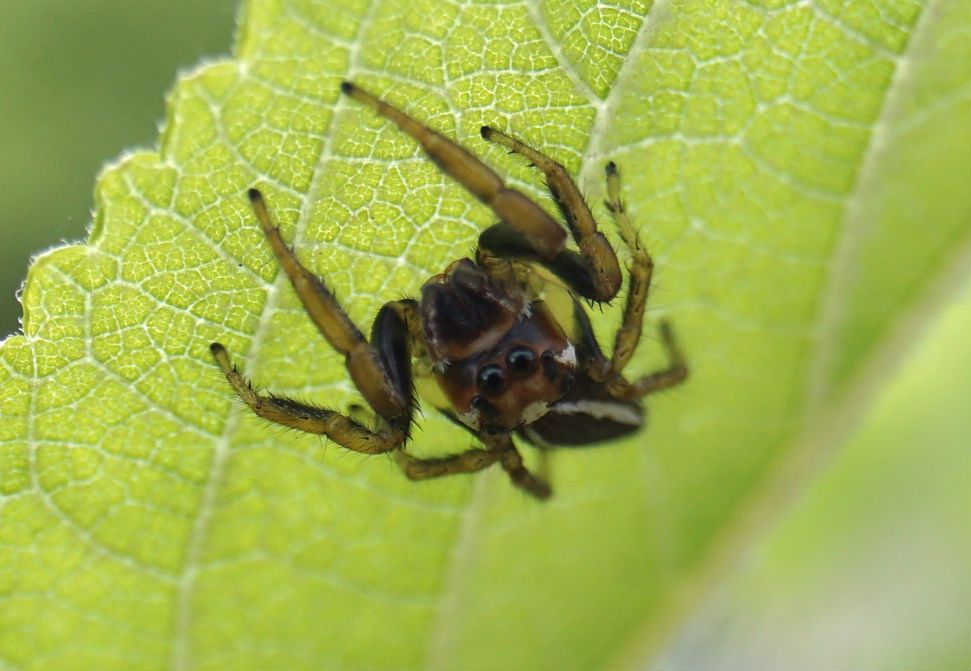
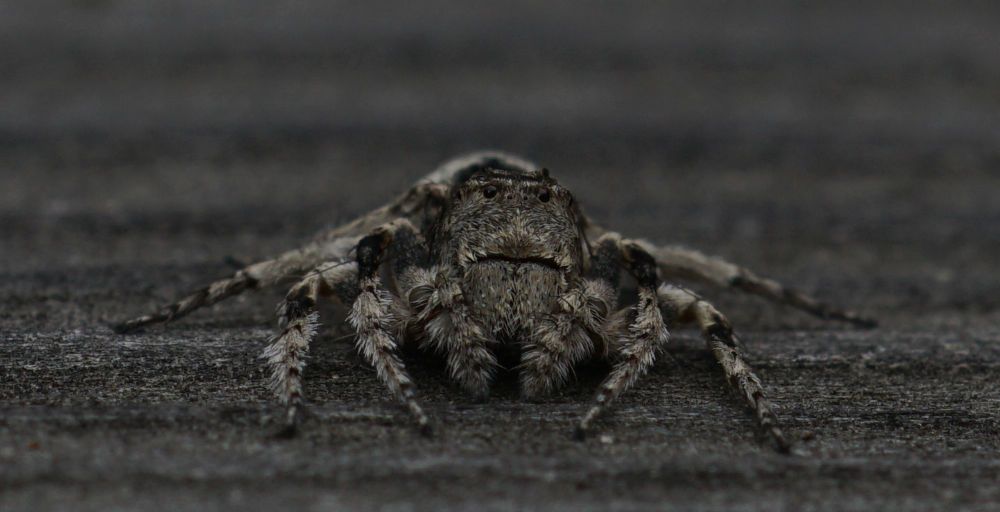
The obligatory Jumping Spider which all Macro Photographers have to photograph at one point or another.

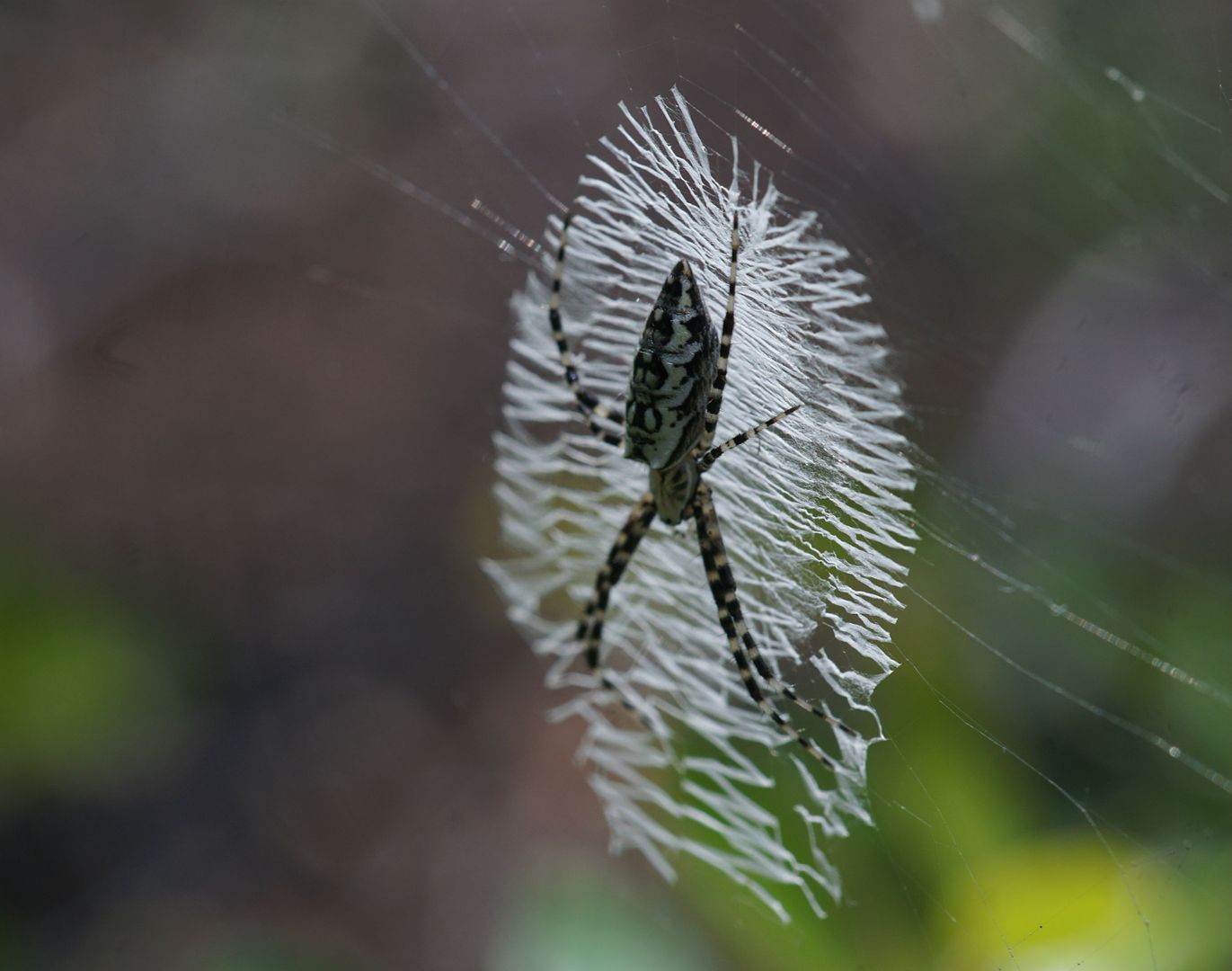
An Argiope Spider. I'm not sure which one as they all seem to be colored fairly similarly and change pattern a bit as they grow in size. It's a neat species because they build this solid thatching at the center of their webs so if a bird were to come along they simply crawl onto the other side of it to hide.

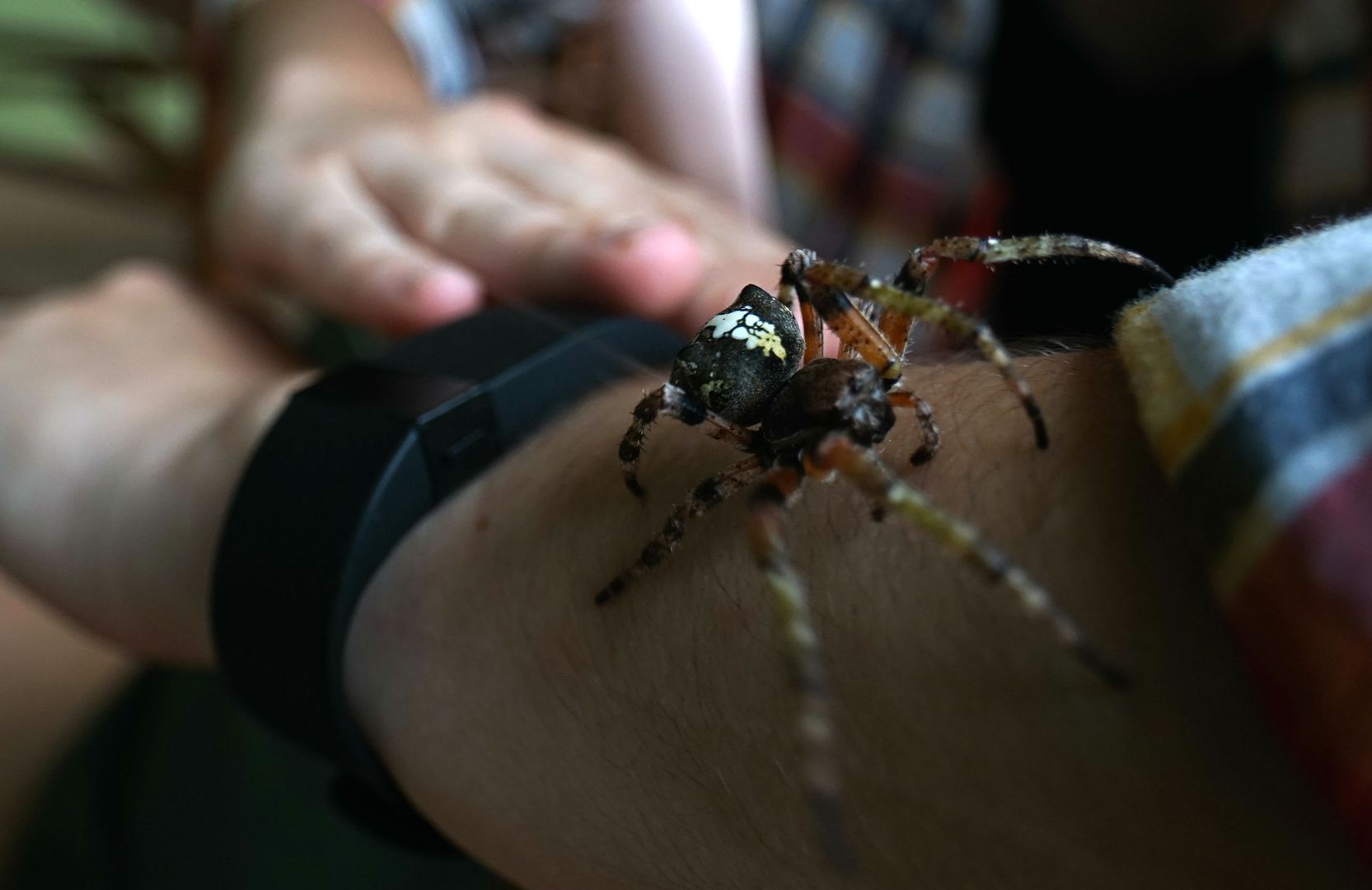
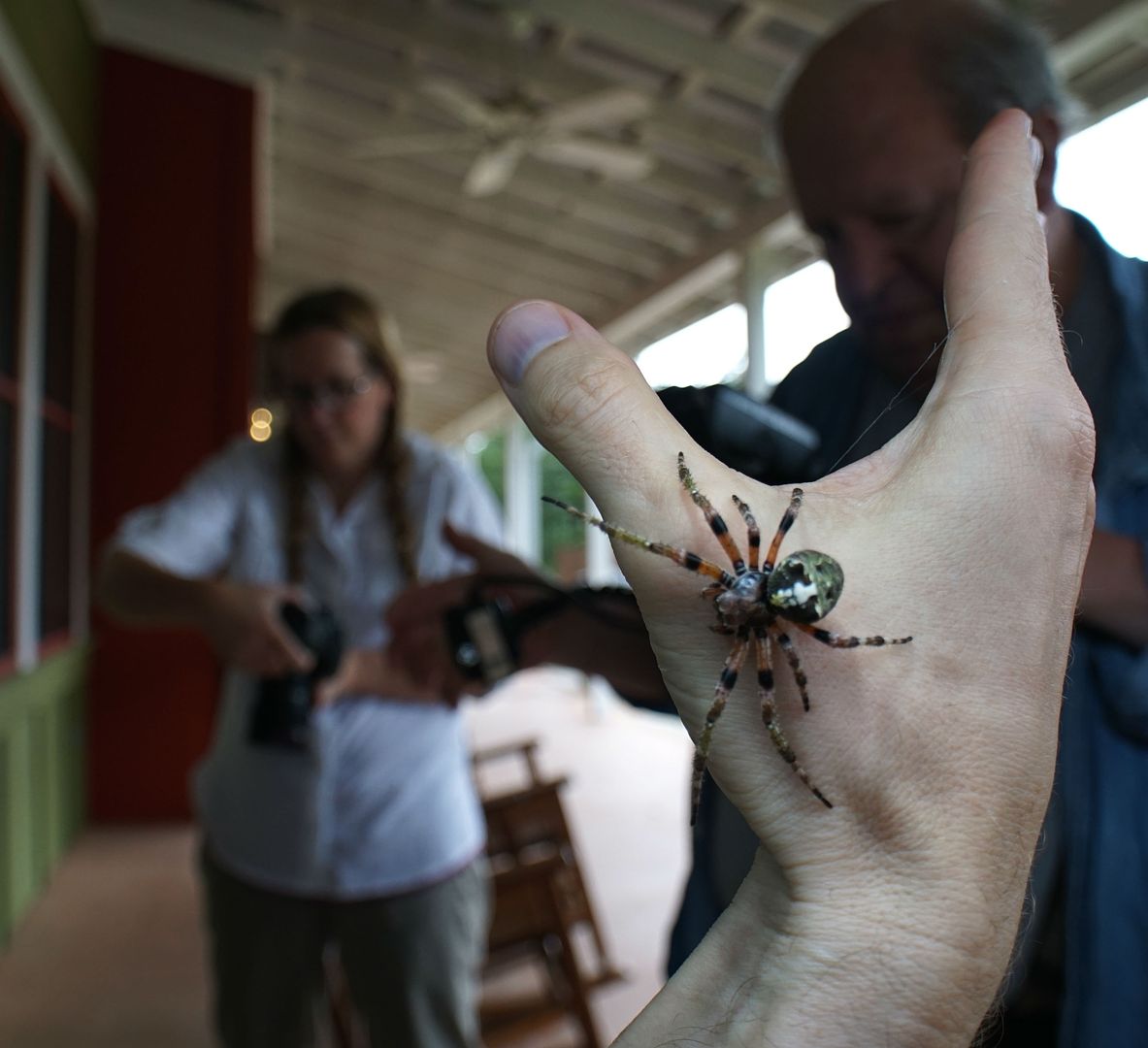
Nothing tests out a wrist heart monitor quite like having a Lichen Orb Weaver running up your arm. We were fortunate enough to have an experienced spider wrangler in the group. I had no idea spiders could preform tricks!

First he made sure the spider was fair tempered. Sometimes they're more than happy to bite at will though this one was very well behaved, though it never stood still long enough to photograph well! Basically the moment they're out of their container they want to build an 10' tall web... on your hand. So they attach a line to your fingers a few feet and let out a second line. If the second line attaches onto something, they will crawl over to it and start building their web, but if it doesn't then they'll climb back up to your hand, kind of like a yoyo.

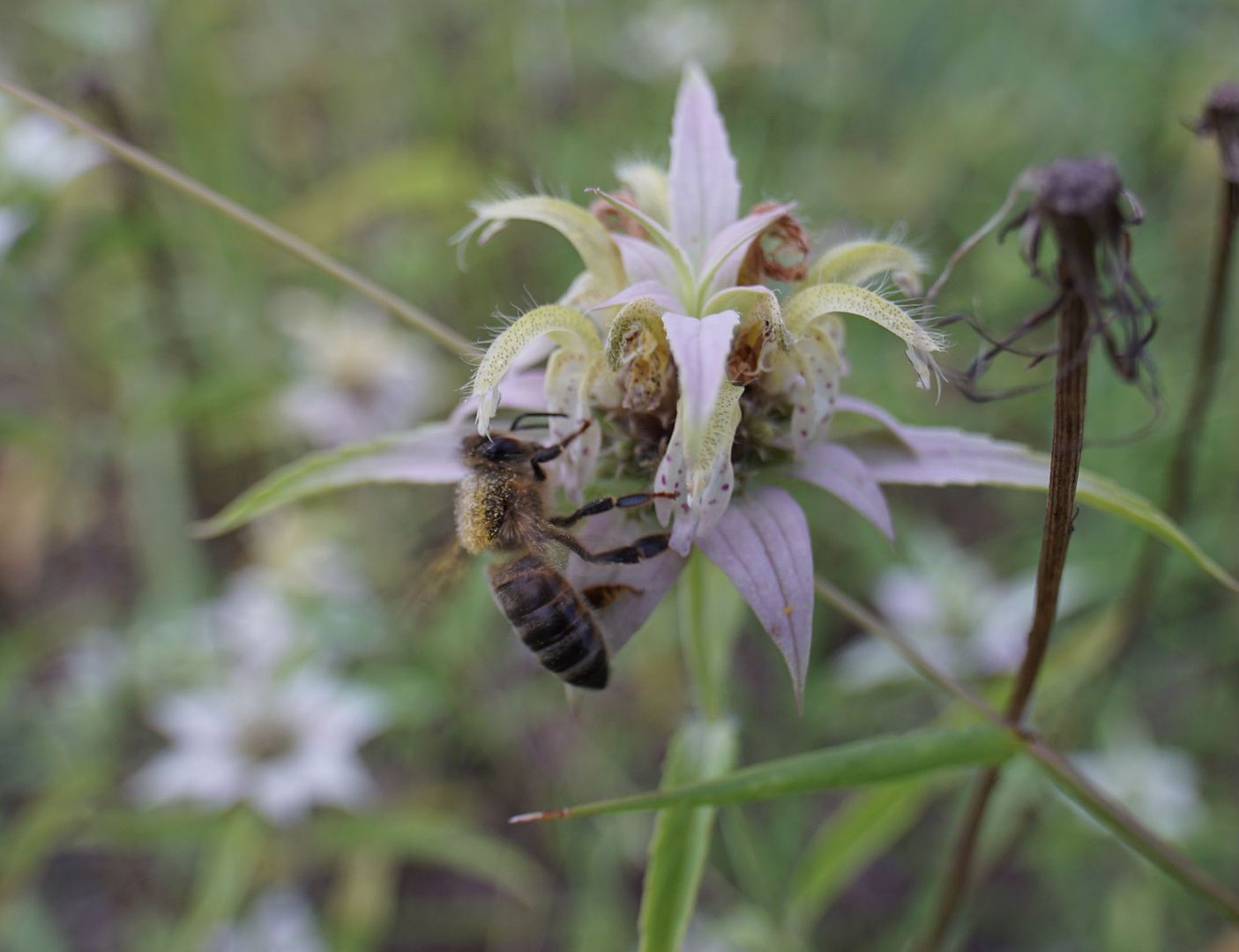
I noticed the Honeybees favored two wildflowers down there. Namely Horsemint, which did a good job of smearing pollen on their backs. 

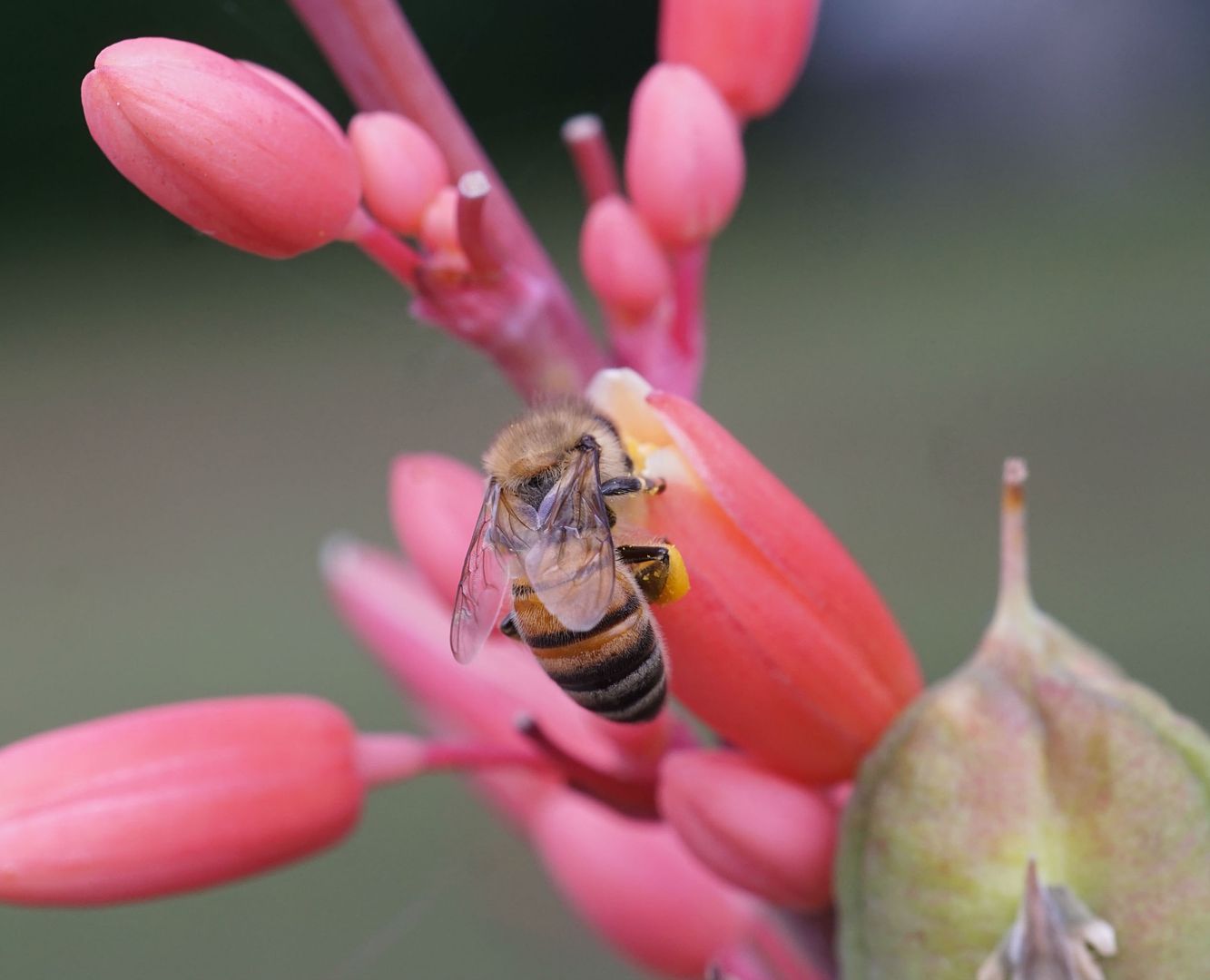
And a new plant to me called Red Yucca, or Red False Yucca as it's not technically a true Yucca. It's a type of grass that produces a very tall arching cane of soft red flowers.

Light Box Outdoor
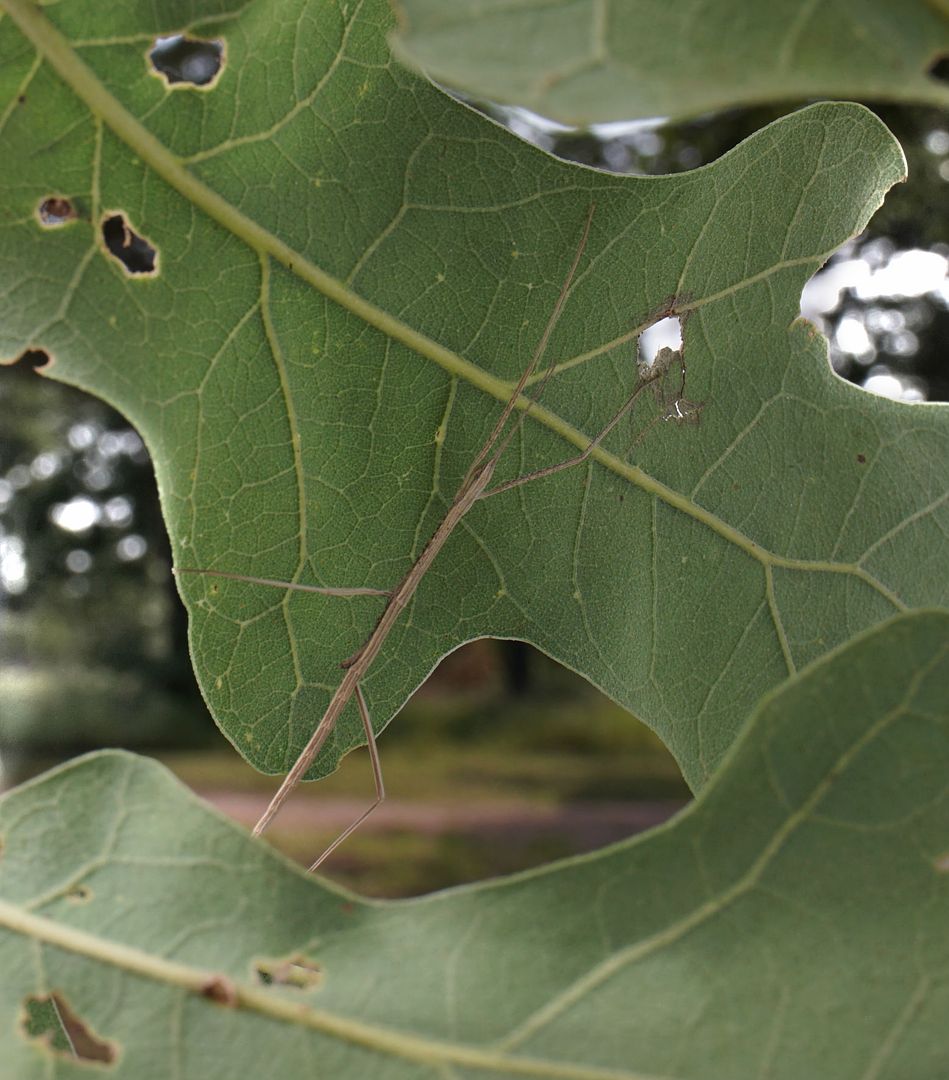
One of the workshops focused on using a light box outdoors. I provided a stick insect I caught for us all to photograph. While it made for a steady subject, the photos were lacking compared to some of the others bugs used, sadly. Another group had a Mantid Lacewing which seemed to be quite the performer. A day or two into the course I was starting to feel epileptic and had to med up and go to bed early. This was likely brought on by 4 hours of staring at a flash bulb go off in a light box the night before. 

Beside us on a pick nick table was some type of spider which had the spider people gushing... not being a spider person myself I have no idea what it is or the significance of it.

Actually that was kind of a problem the whole trip. I was the only ant guy there aside from Alex Wild, while most of the other students were general entomology majors. So I learned what it's like to be in a room full of people spouting Greek and Latin names and having no idea what they were talking about. At one point someone came in the room shouting, "Agkistrodon contortrix! Agkistrodon contortrix!" or as it's otherwise better known, A Copperhead Snake! which would have been beneficial to know before I started running out along a dark trail to find out what a Agkistrodon contortrix was. (There were people already there with flash lights pointed at it but you get my point.)


Black Lighting at Night
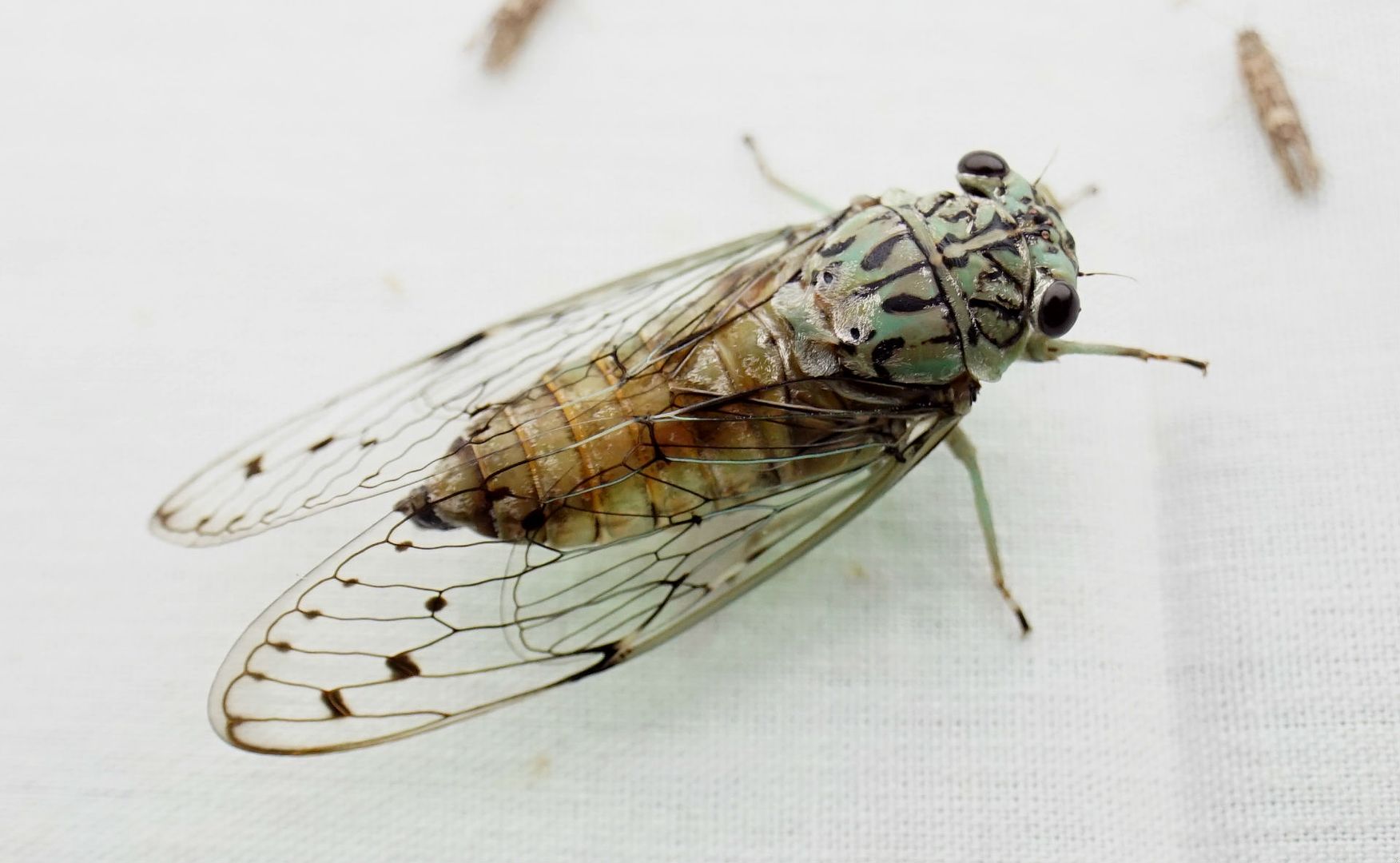
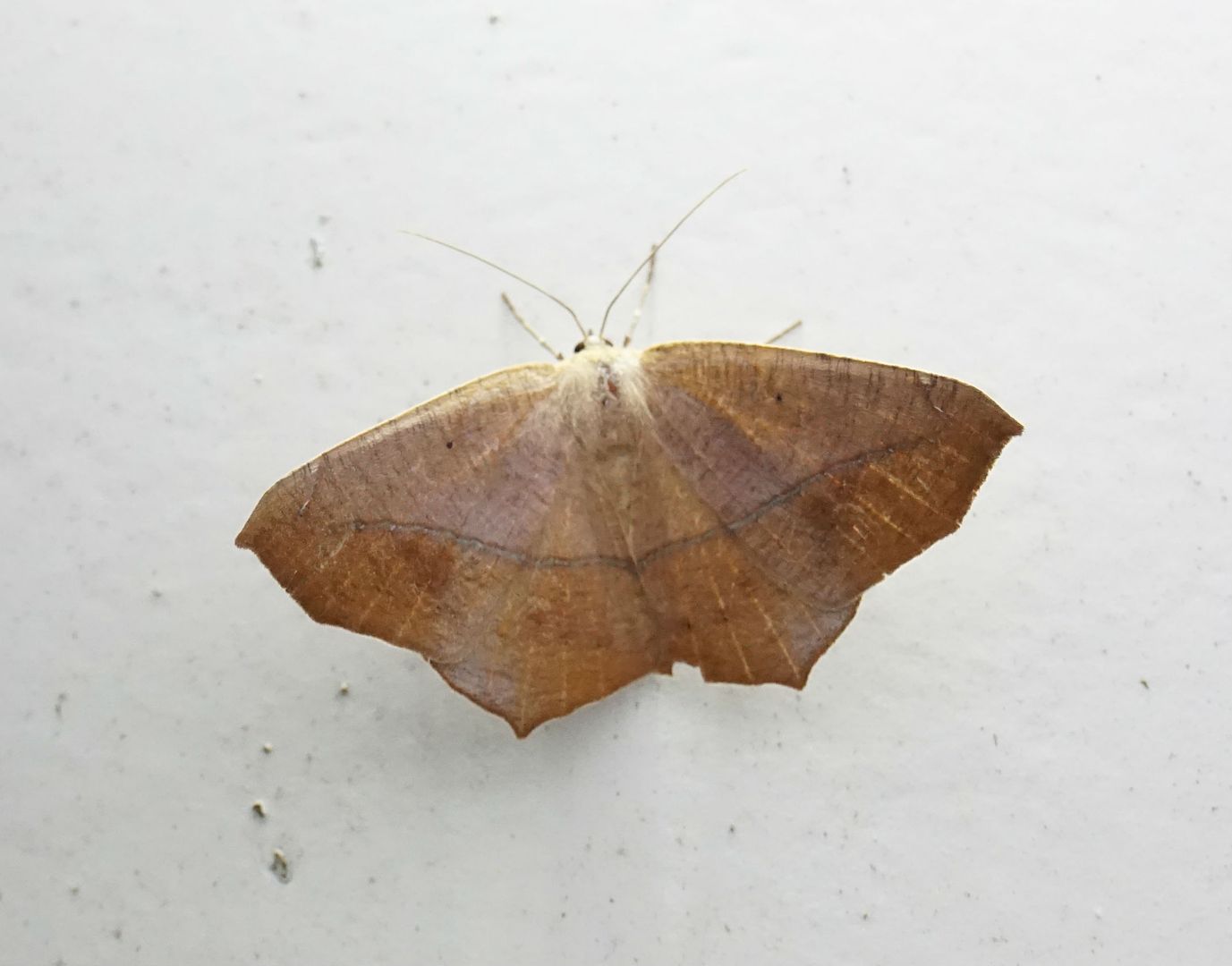
Each night, they setup special lights to attract insects onto a sheet. These weren't black lights, rather some other kind of light that I found completely irritating to look at, and didn't help at all with the way I was feeling the whole weekend. I pulled through though and got some of the best shots form my trip.

Hieroglyphic Cicada

Maple Spanworm


Light Box
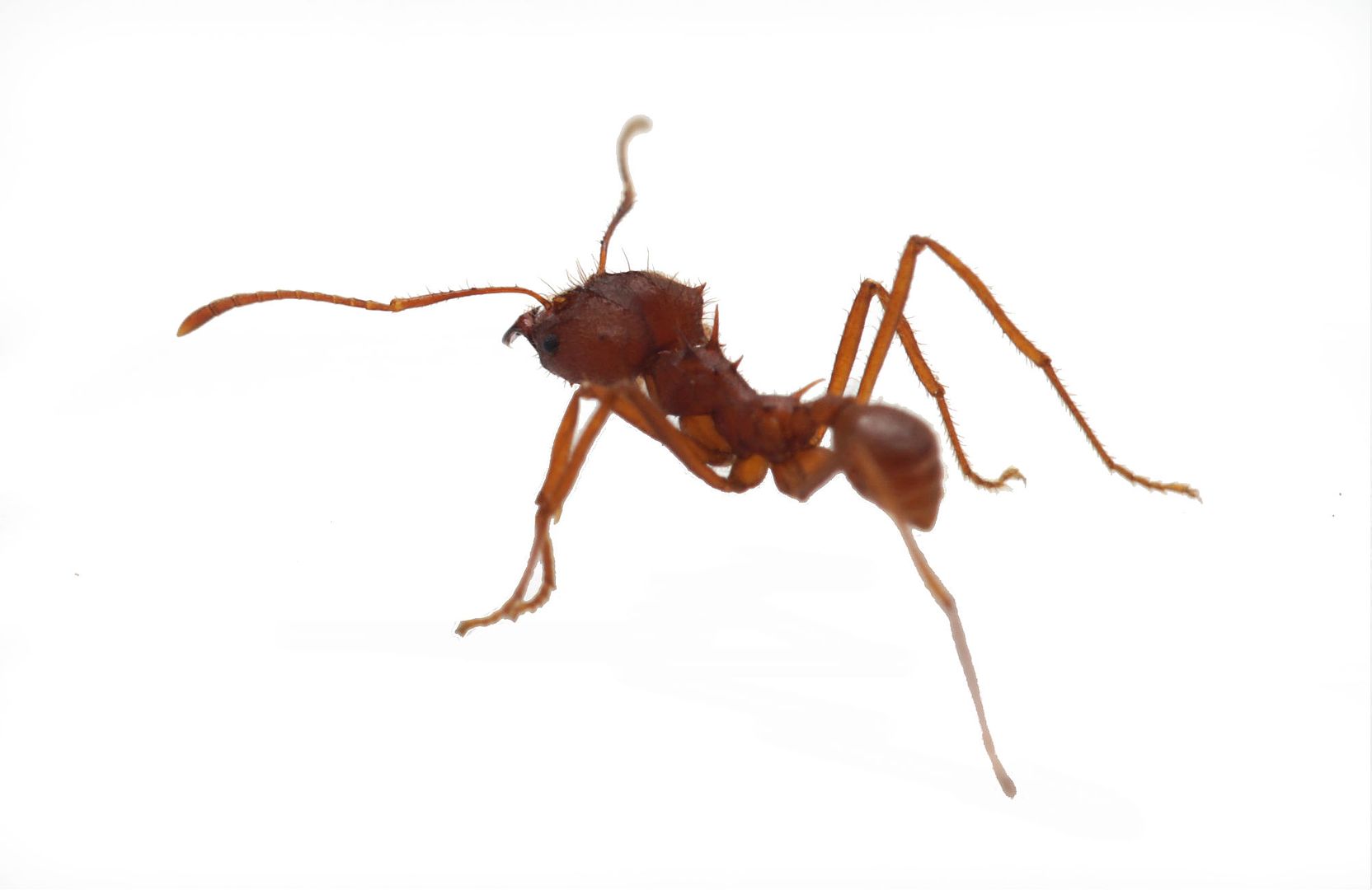
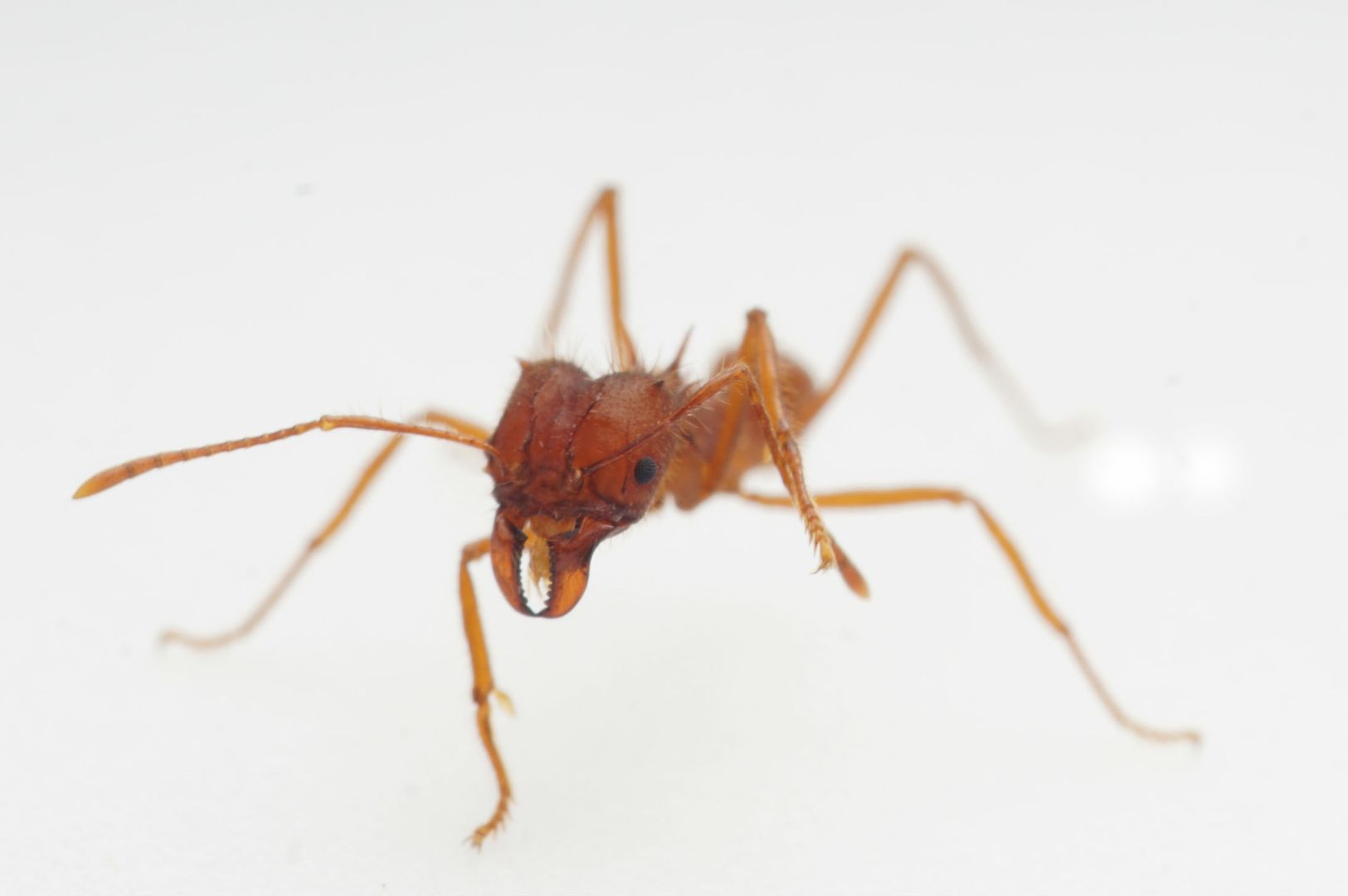
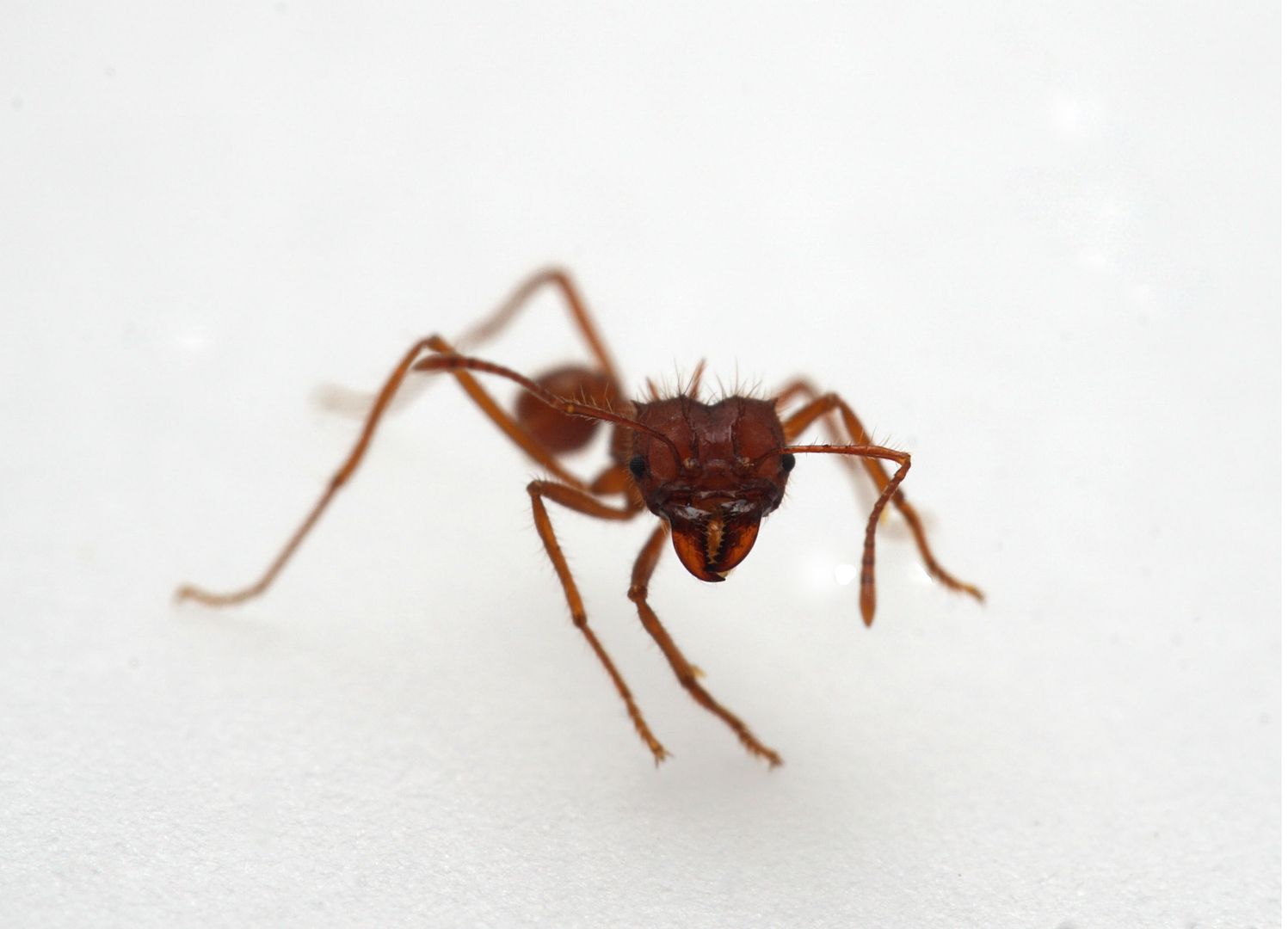
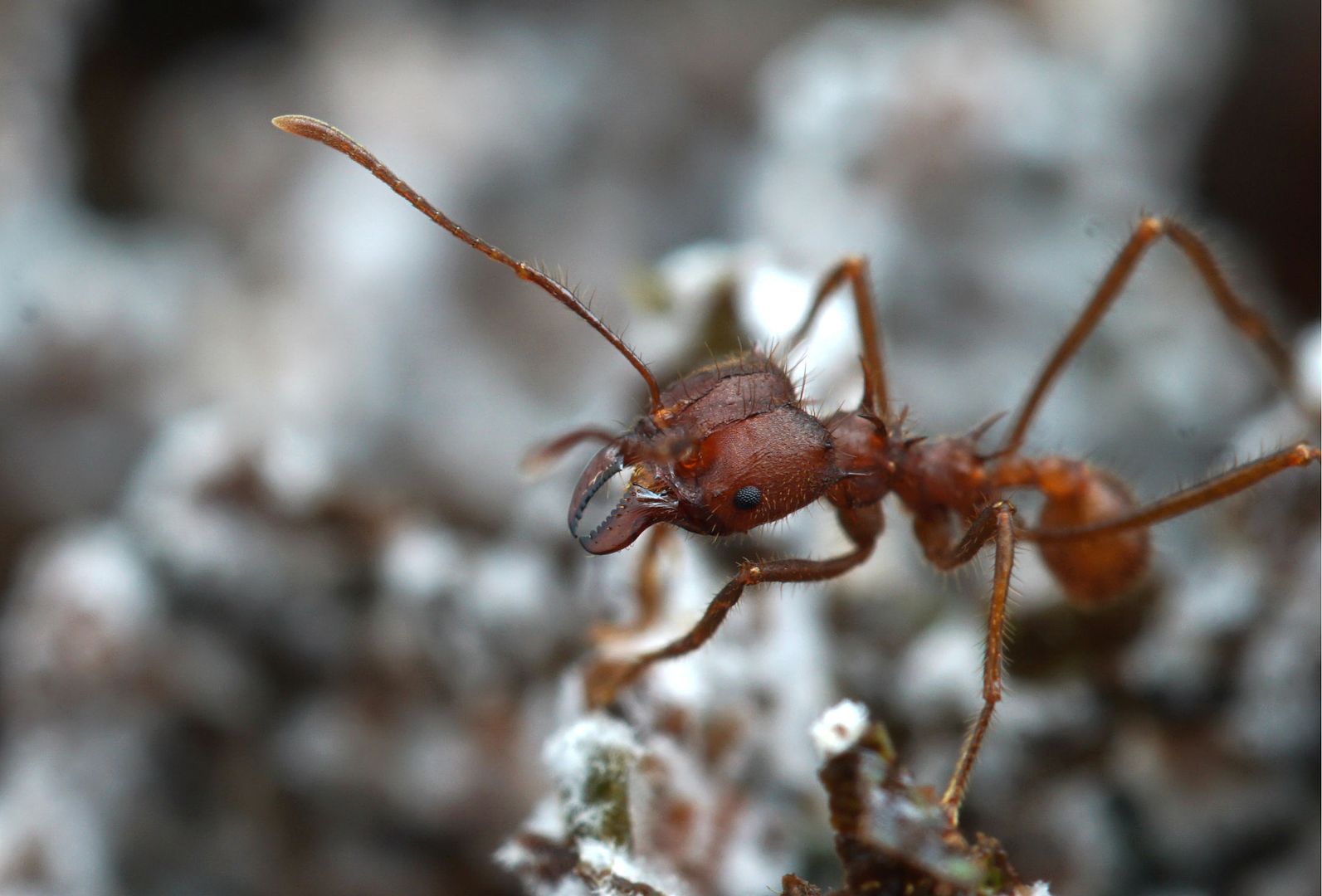
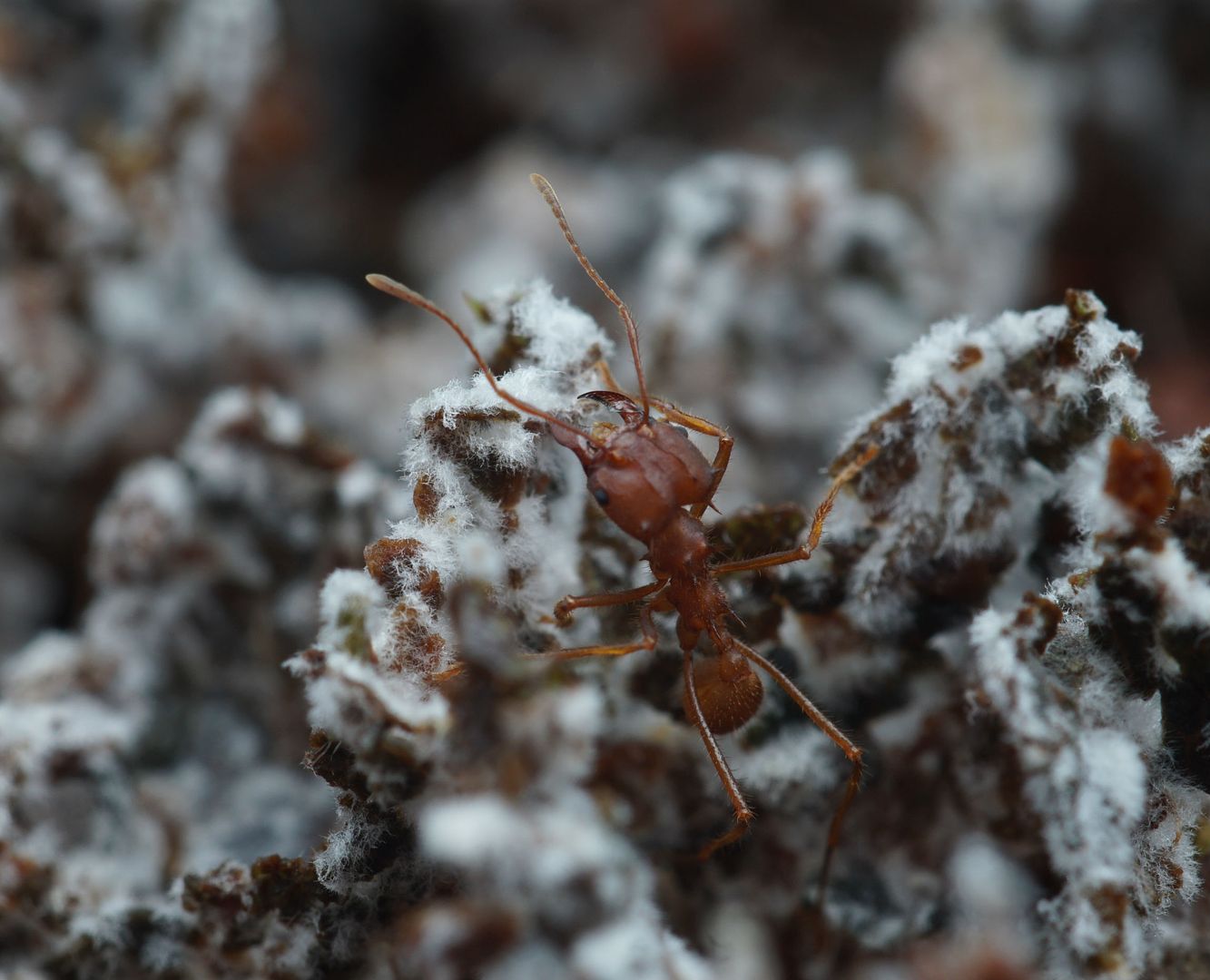
They showed us how to photograph things in a light box and explained the benefits of this. Here a leaf cutter ant, Atta texana, workers can be seen in full detail. It was taken in a white box with two flashes illuminating the whole area evenly with light. There's also the "Know Your Neighbor's" method which has one of the flashes under the subject as it walks on a fogged pain of glass or plastic. This removes the under shadow and can makes wings appear differently in photos. The benefit here is you only get the insect itself and magazine writers like these kinds of photos because they can just put the text right around the subject with ease.

I finally know the pain that Alex Wild (an ant photographer) goes through to get some of his shots. I have about 400 shots of this walking in circles, seemingly drunk, and almost none of them are in focus, centered right, or even have the ant in frame!

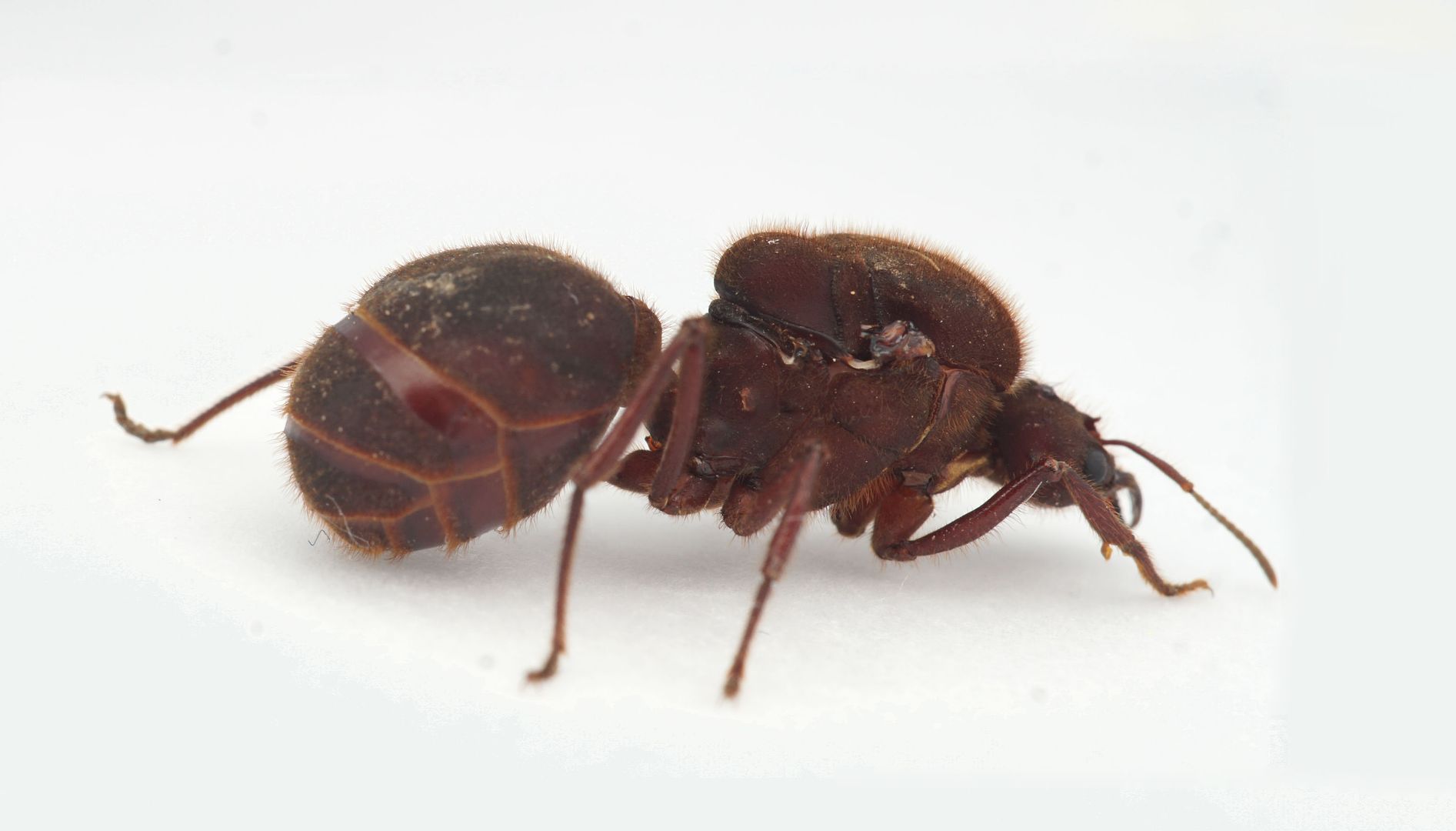
This is a queen to this species, Atta texana. She measures 3cm long! making this the largest ant in America, putting Camponotus pennsylvanicus to shame!

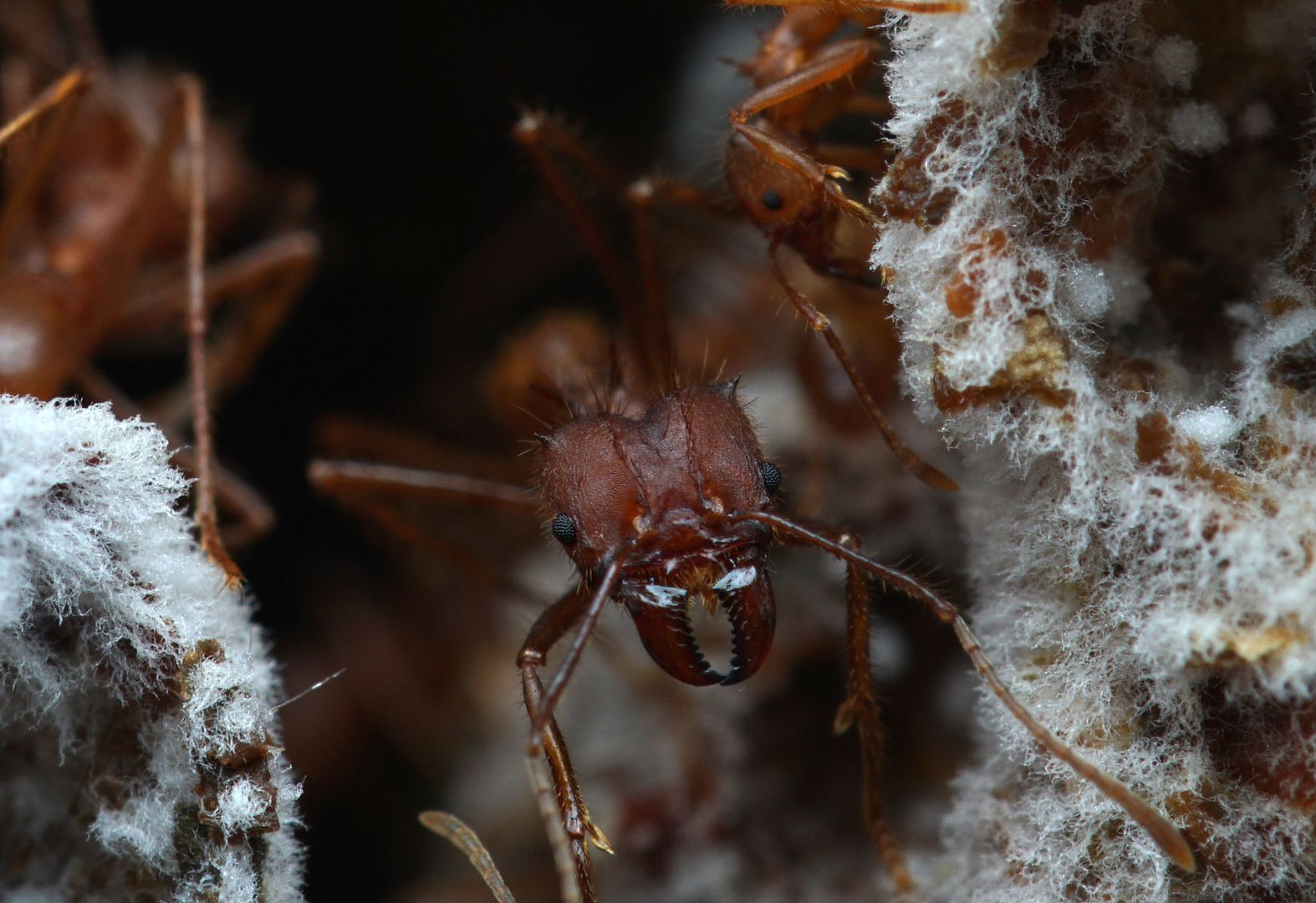
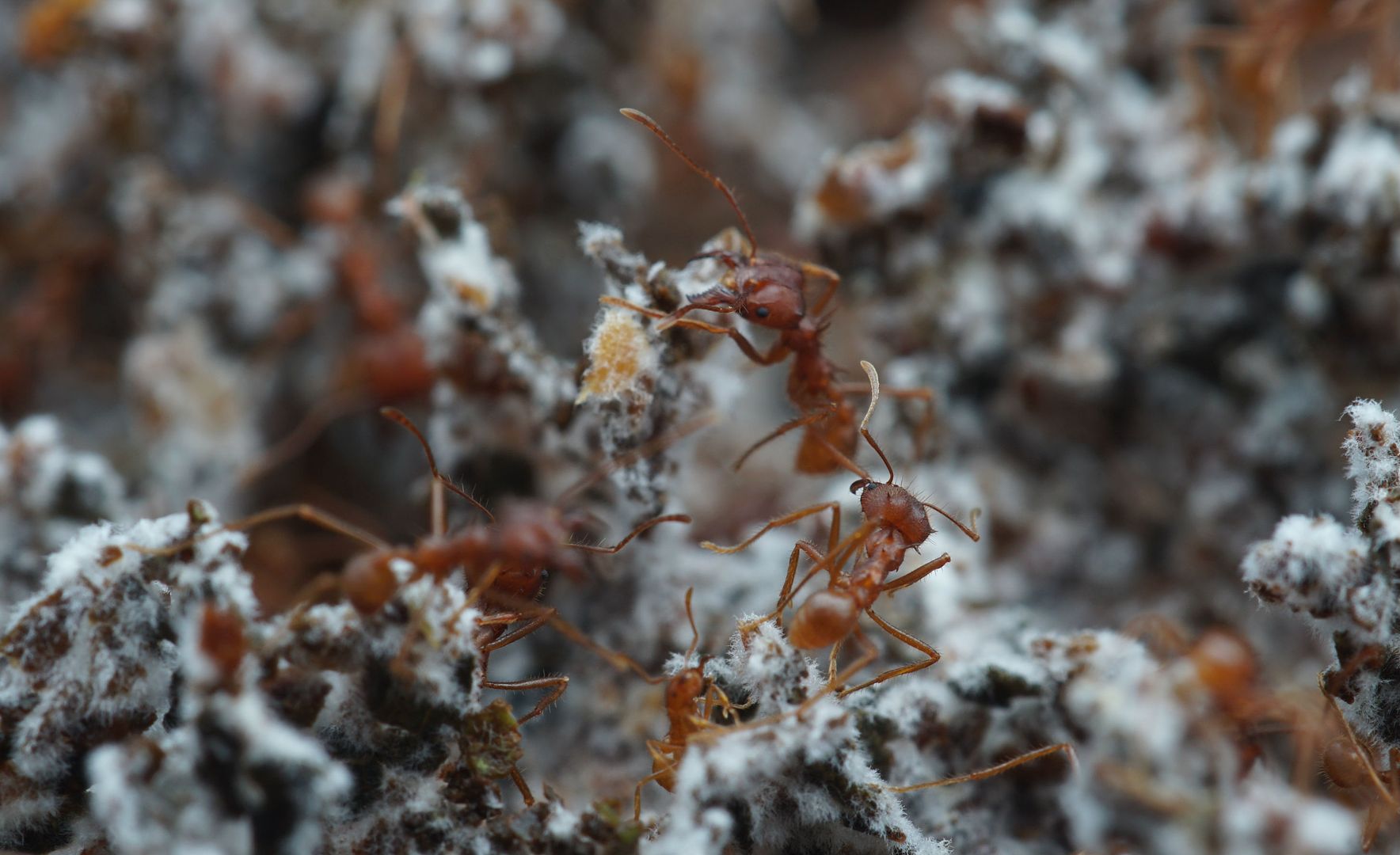
Alex brought along his laboratory colony for us to photograph. Being an ant guy I'd have loved to take this thing home with me, but they'd be harder to keep alive over the winter where I am.

Atta texana specializes on plants in the Rose/Apple family... so basically all fruit trees and roses, making this a huge agricultural pest, though there are plenty of plants in this family that occur in the wild.


Wild Flowers
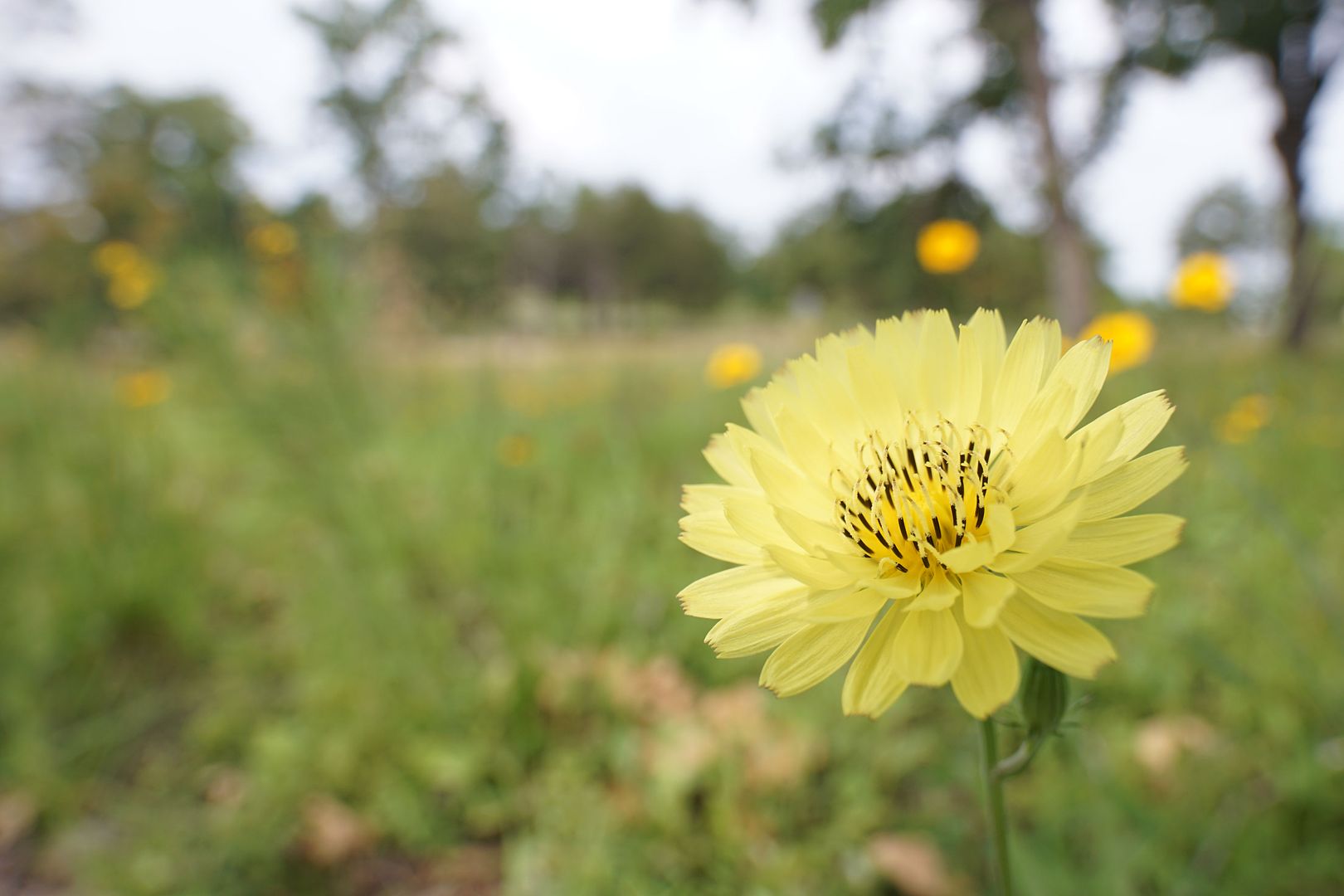
Texas Dandelion I'm told is treated just like our regular Dandelion, a weed. However something about the pale yellow flower, wider petals, and taller, more erect stance of the stem makes me want to grow it.

Black Eyed Susans were abundant in the meadows.

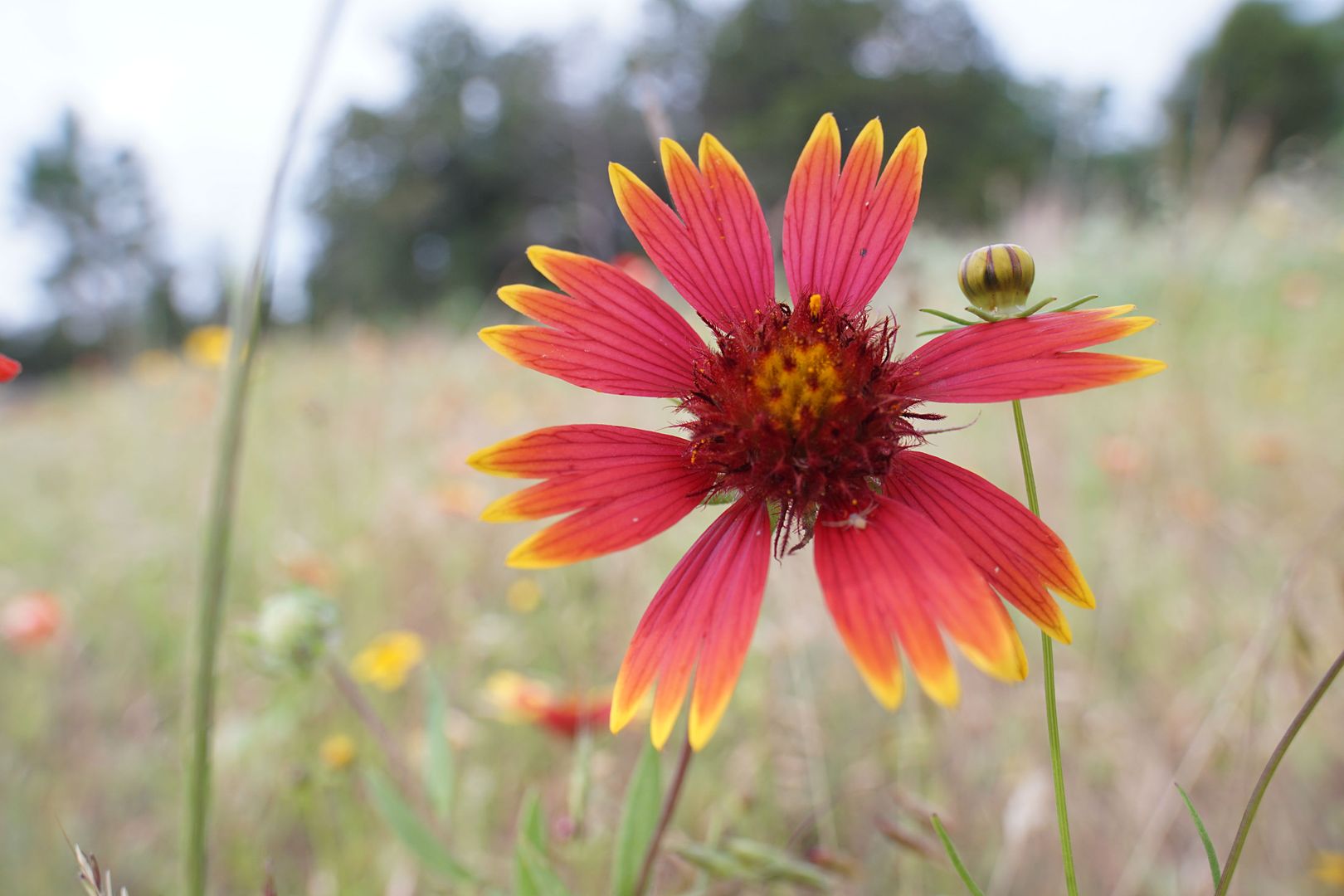
Blanket Flower, though not the most robust specimen. Actually I believe this is the annual species. There's also a biannual which is more commonly sold in the nursery trade.

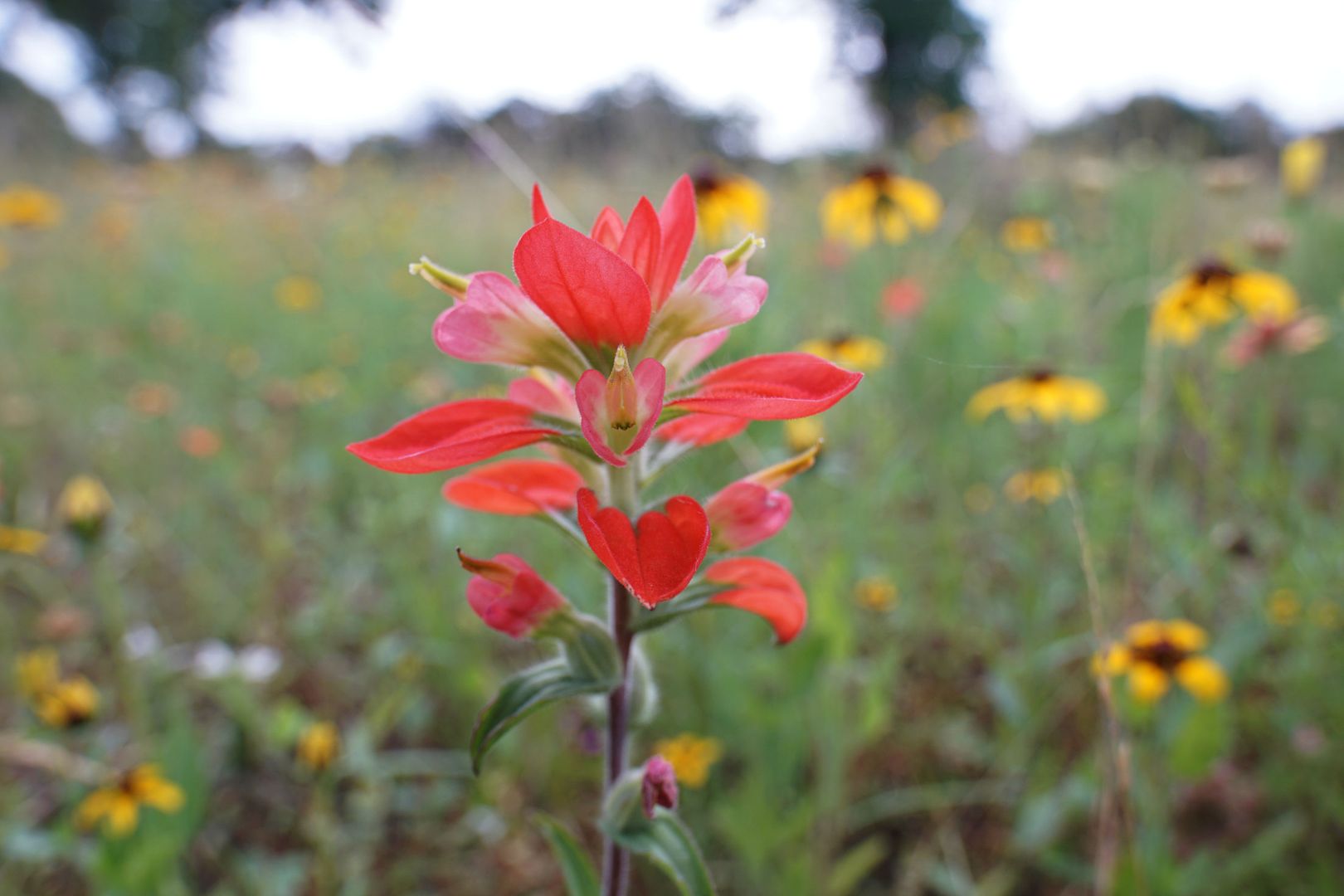
Indian Paint Brush, which is a parasitic plant on native grasses. The roots attach to their hosts and draw nutrients from them. I believe in some cases these types of plant parasites actually replace the top growth of their host plant.

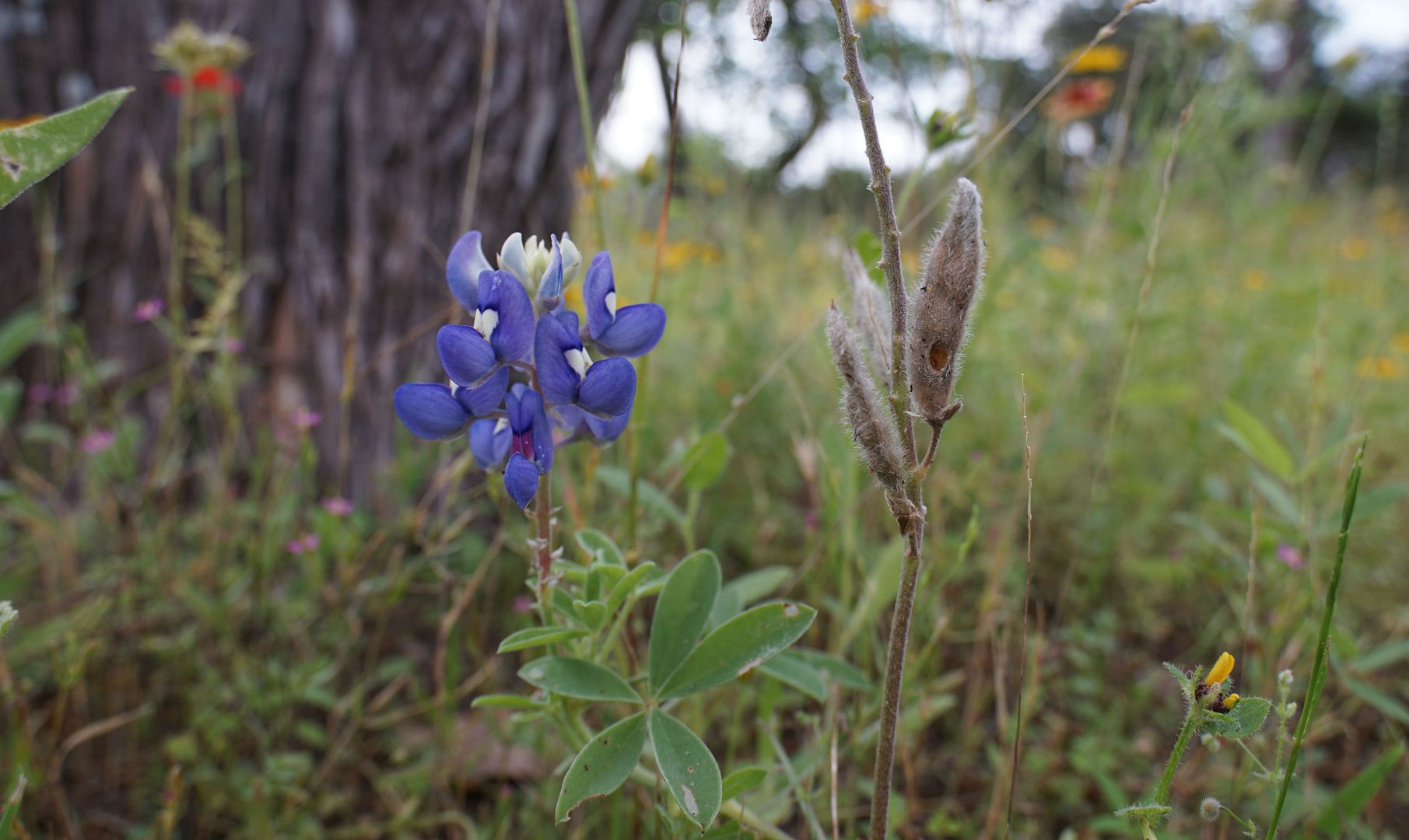
Texas Blue Bonnet, which I received a free seed pack of. I'll try planting them next year.

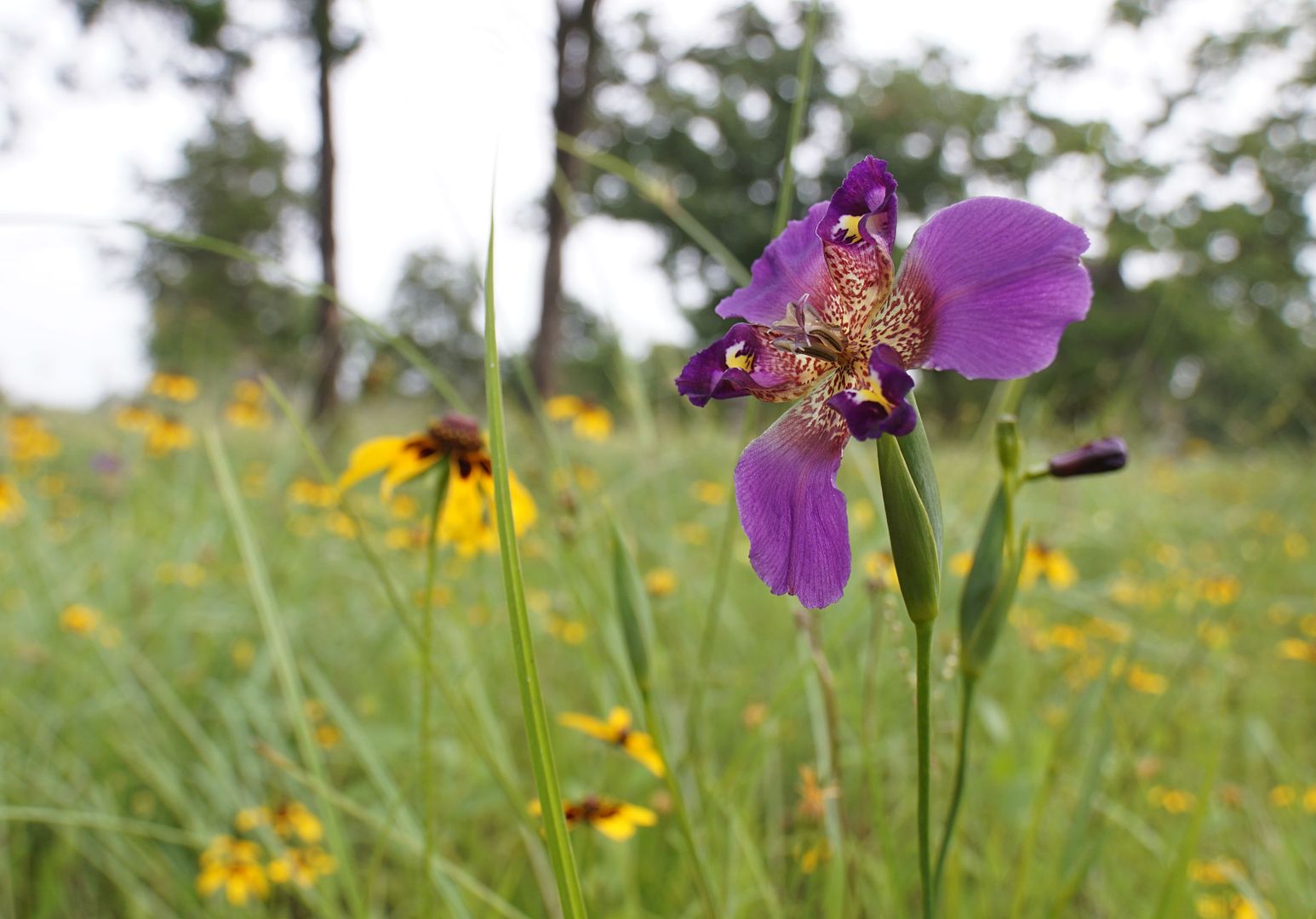
Lastly I thought this was an Iris at first. It's in the Iris family but not the main genus when we think of an Iris. The best I can tell is it's Alophia drummondii.
Friday, June 17, 2016

I'm Alive!

Sorry I haven't blogged in a while. Basically I went to Bug Shot 2016 in Austin and came back feeling overwhelmed. There's something about 4000+ photos waiting to be edited that makes me want to curl up a ball and cry.
I had a great and will be posting the best images I took while I was there. I got to meet Alex Wild which was probably the main reason that I went, and look forward to attending more Bug Shots in the future.

In a way my trip was a bit of a bust, as far as goals I wanted to achieve. I didn't really get to do any anting because I was too busy learning all the cool stuff my camera can do. Also I finally know what it feels like to be in a room with people spouting out scientific names... and not knowing any of them! When I went to Arizona I was in a course for ant people so we were all on the same page. A lot of the other students though were general Entomology majors fluent in the world of Spiders, Bugs, Beetles, and the more common insect families. 

One night I had to turn in early because my eyes were bothering me. Something about being in a room with 30+ flash bulbs going off all at once didn't agree with me. And the last two nights I was in Texas it rained.

I'll post more about my trip at a later date though.

Thursday, April 21, 2016

Ozark Trillium Pollinators


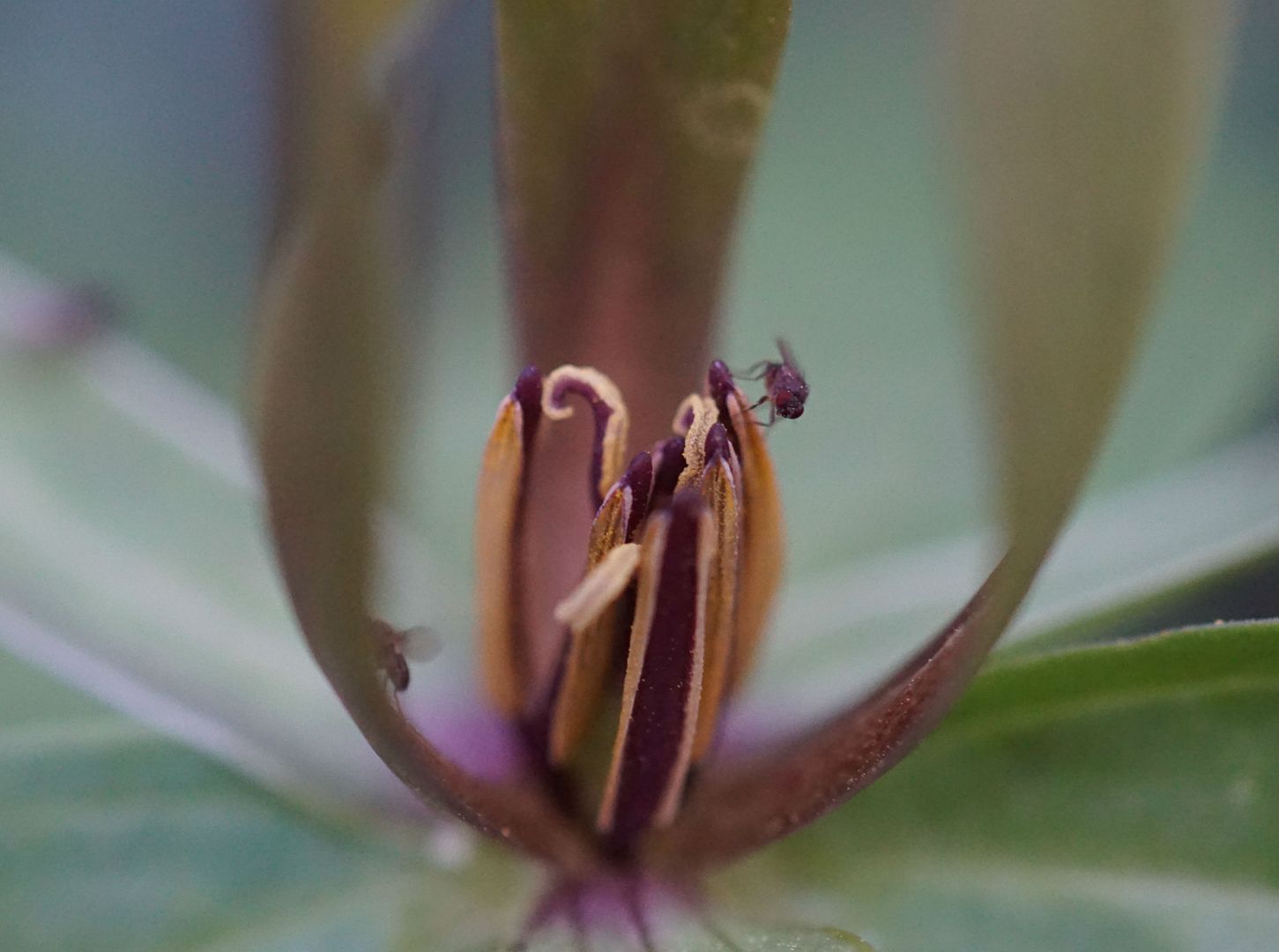
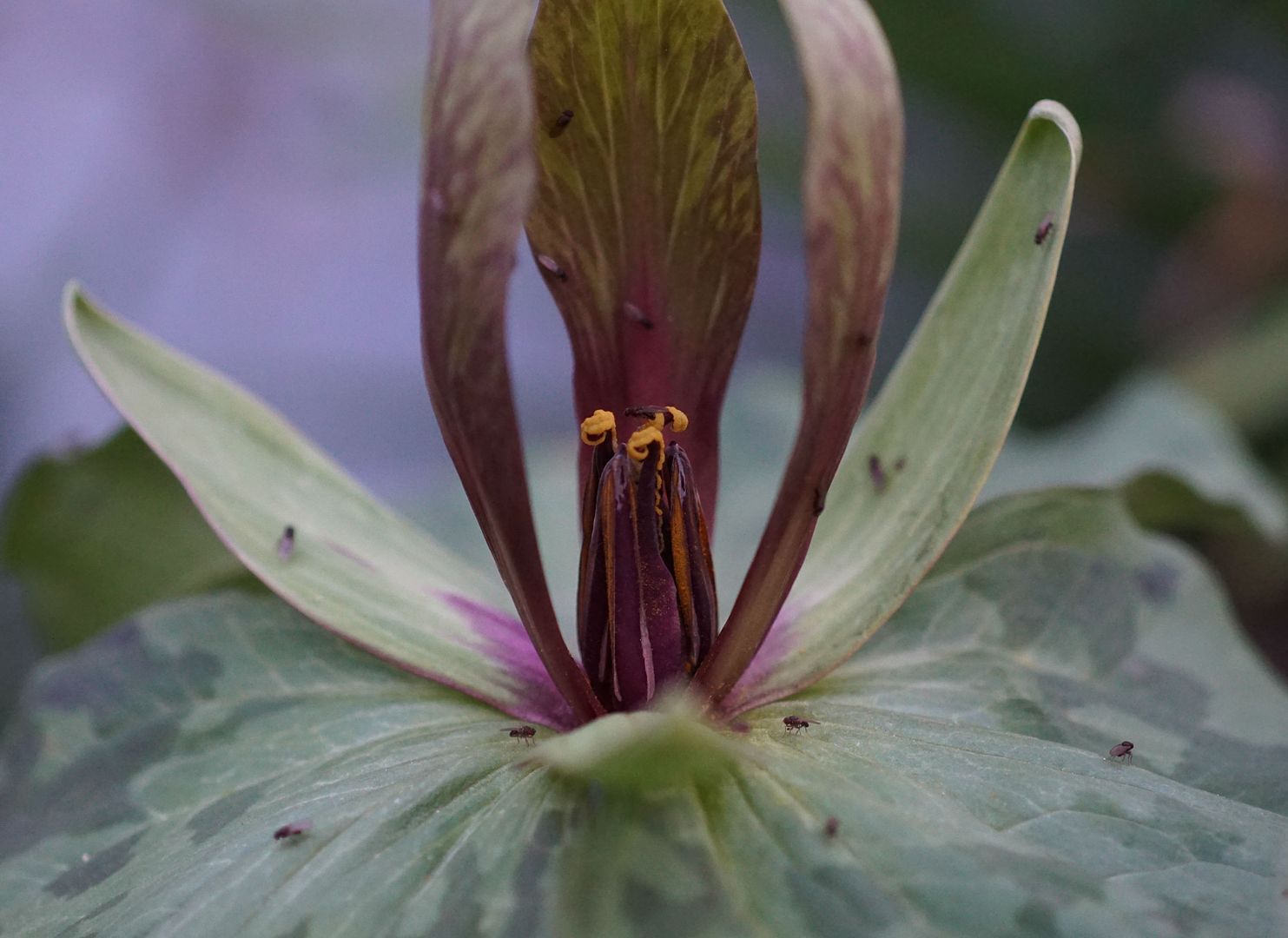
As the sun sets, the Ozark Trillium releases a pungent, rotting apple-like fragrance into the air to attract vinegar flies. As they walk around the flower their legs track pollen from one plant to the other.

Tuesday, April 19, 2016

Wildflowers Reaching Their Peak

The earliest ephemerals have started to fade away. Plants that pushed up their blooms first are now dropping their petals to make way for new sets of leaves to produce energy toward generating seeds. Here you see the last of my Twinleaf plants, which thanks to having multiple plants bloomed much longer than typical, though at no time was there more than one plant in flower. Clearly I need to plant them closer together so they flower within the same micro-climates.

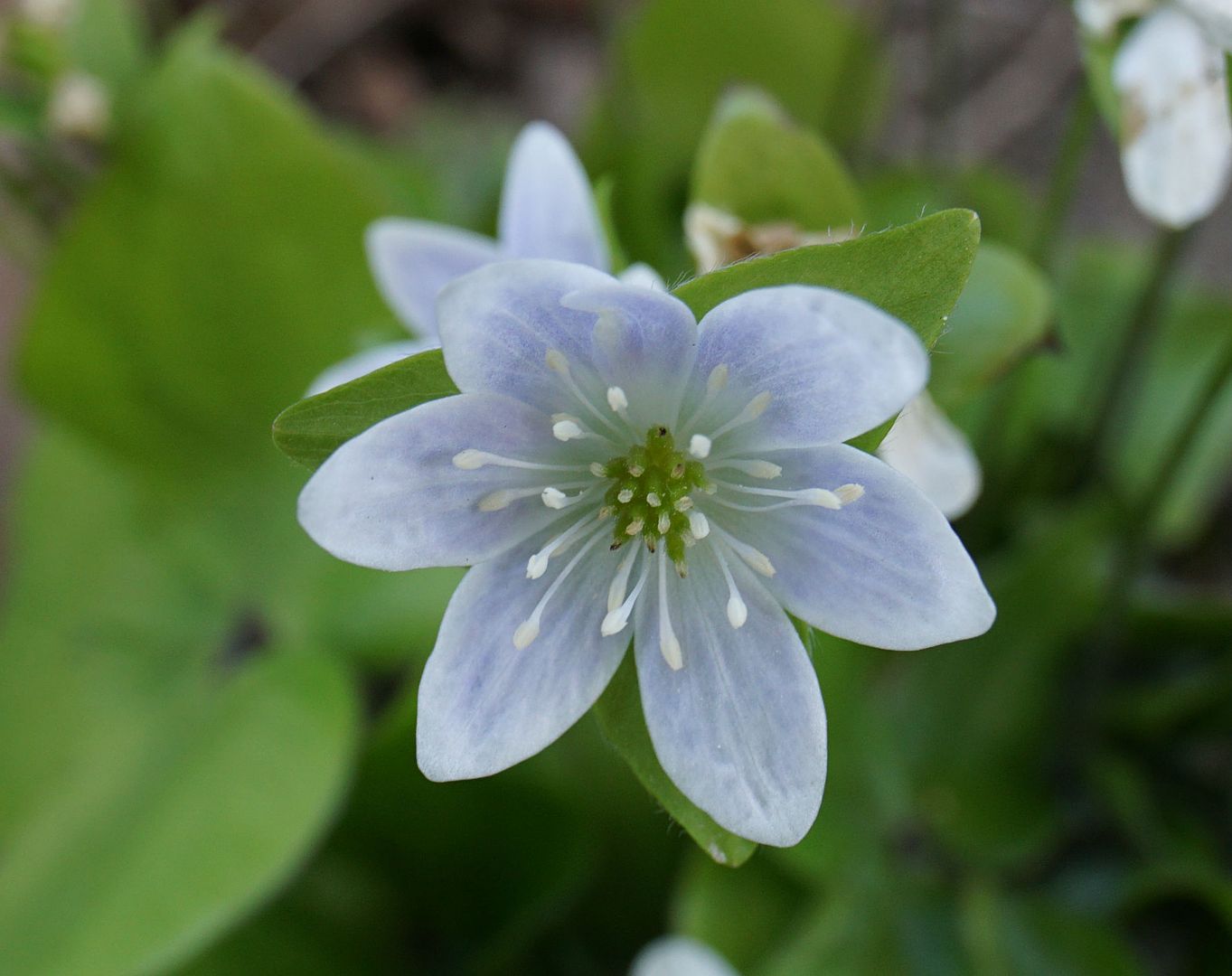
Hepatica is also saying goodbye to all of its petals. The green structures seen here in the center will inflate out into a sort of battle mace-looking structure, before falling apart into thin pointed seeds.

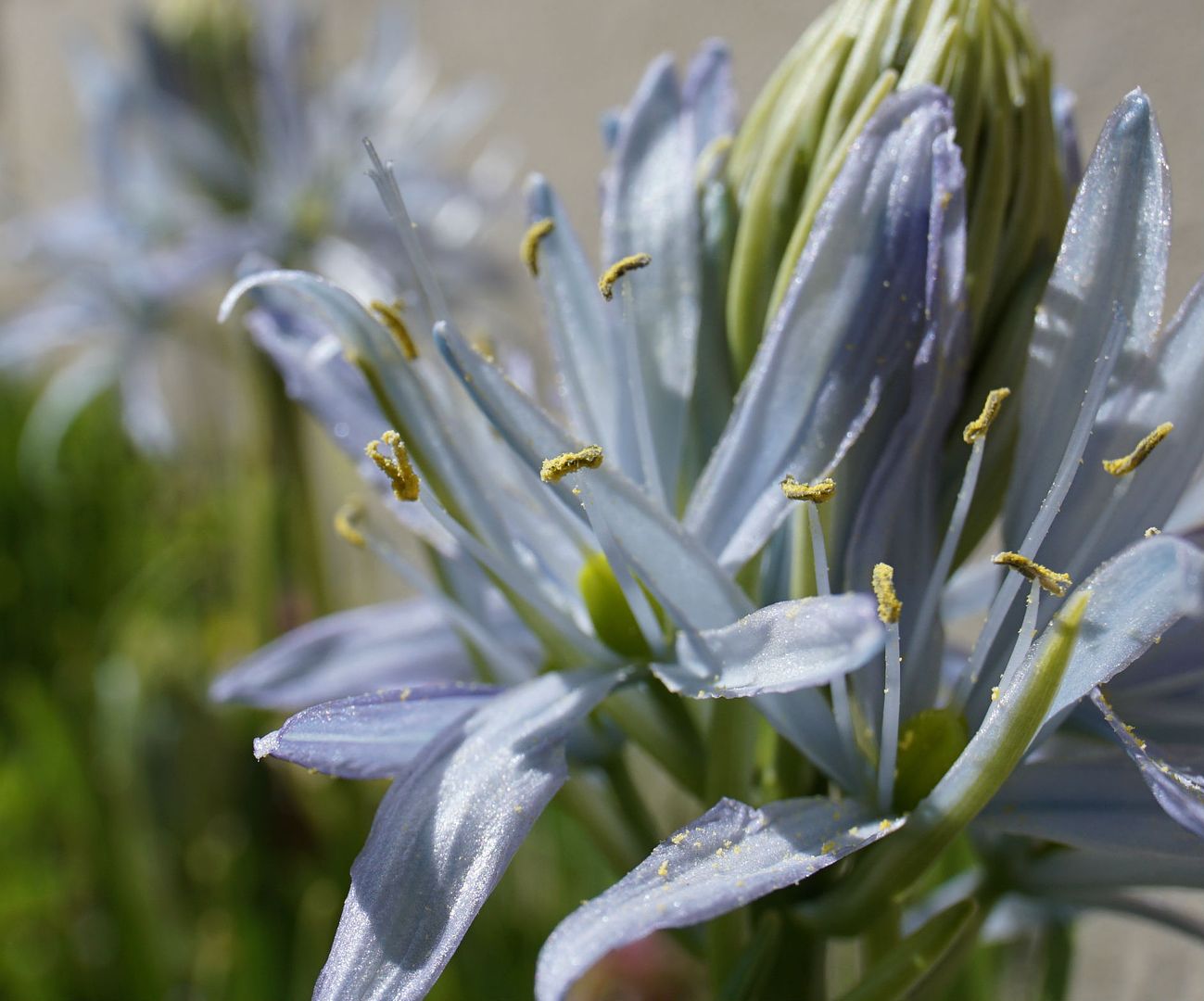
Wild Hyacinth is my new favorite bulb, and this year I went nuts planting it everywhere. We're still early in the bloom for this one so no pollinators yet. But I'm sure that will change when the several dozen or so that I planted out in the meadow garden start flowering along with the other patches I have about.

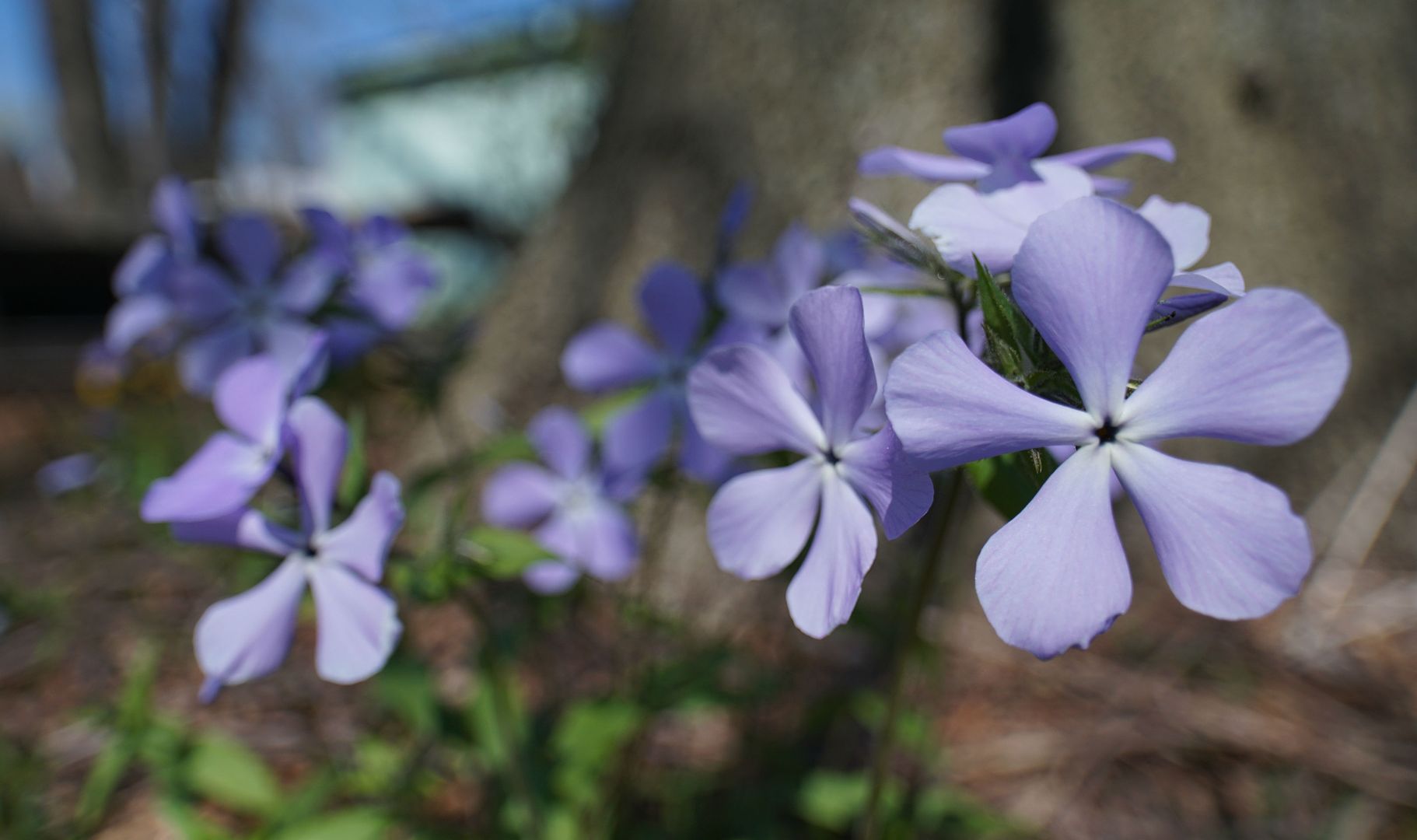
Woodland Phlox is one of our native plants welcomed by the horticultural industry. Many cultivars sold are actually quite fragrant and pleasing to have in mass.

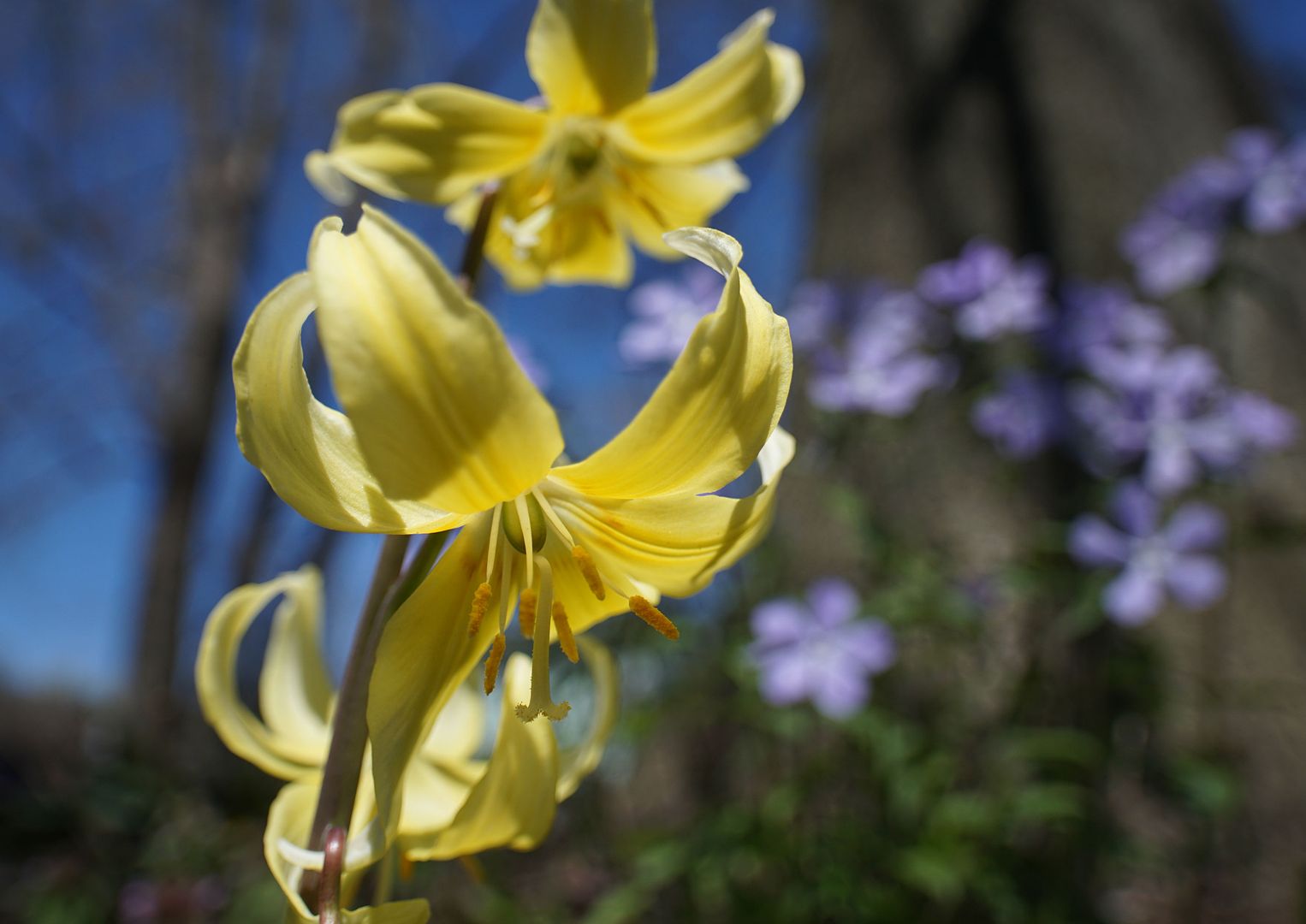
The Western Trout Lily is still going strong and many of the plants now have their flowers pointed outward making them easier to enjoy.

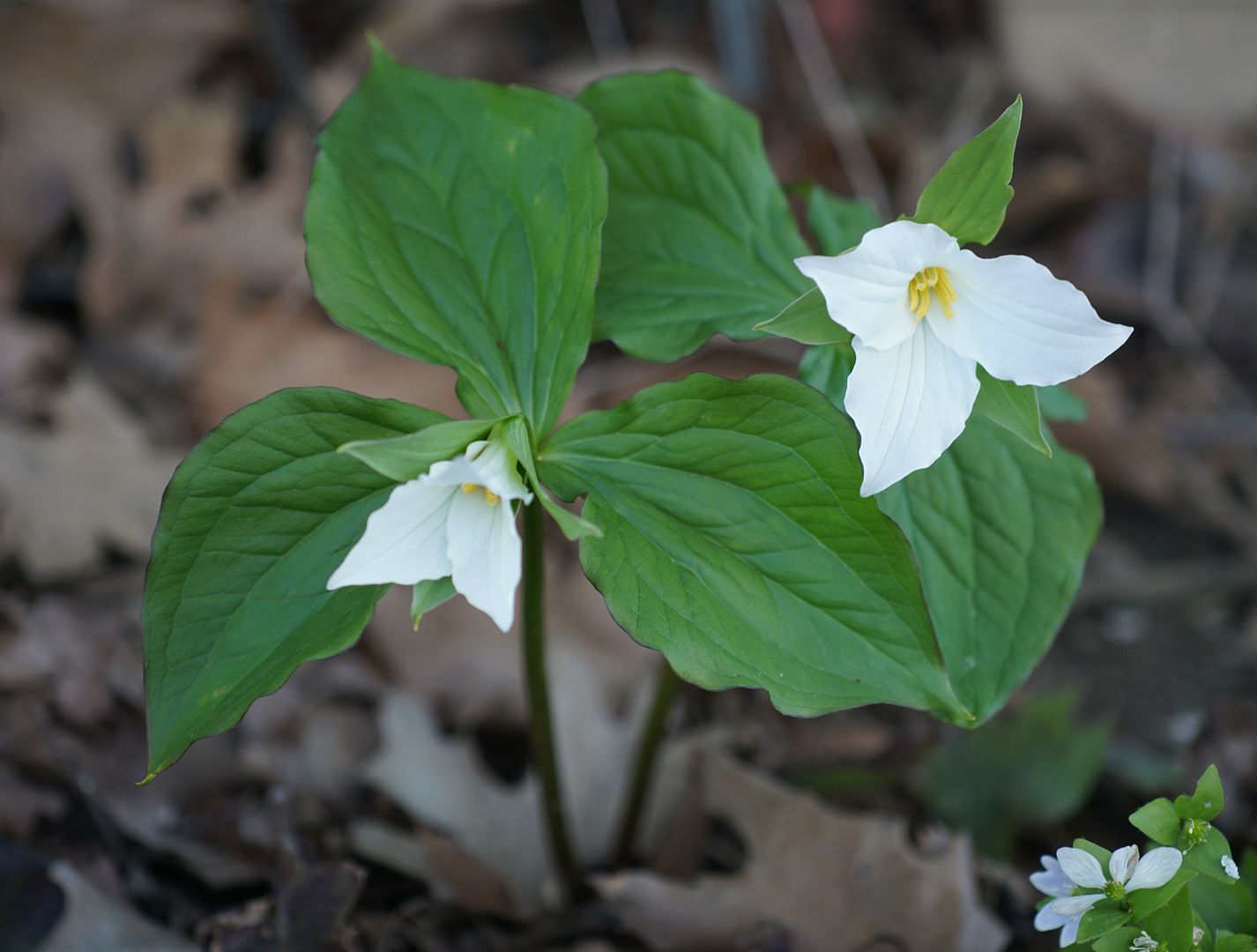
Trilliums have joined the show now and will be flowering for the next couple of weeks. Here the common Trillium grandiflorum is putting on a good show. Also I'm impressed that I was able to take this shot without the need for any editing. I'm not sure I like the effect though.

Trillium luteum has been going strong for a whole week now and the petals are starting to turn yellow. This is one of my favorite species because of its heavenly citrus scent. Despite the fragrance though, I've yet to see anything bother pollinating them.

Trillium viridescens, from the Ozark, has no issues attracting pollinators what so ever. It does this by releasing a fowl odor I'd liken to rotting apples. It's not all that displeasing but it is very pungent.

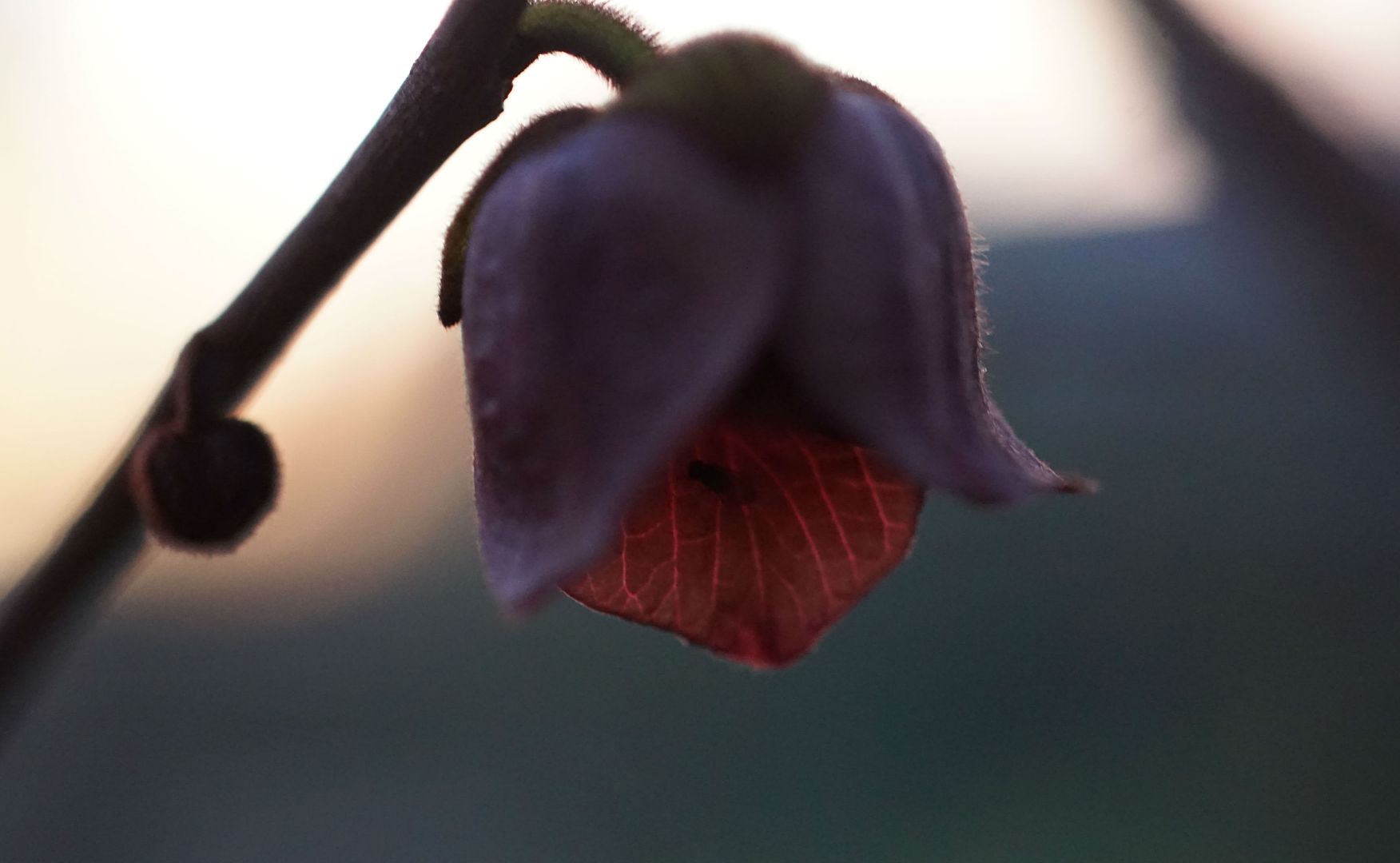
Paw Paw flower smell similar. Again only one of my trees has flowered, and a frost this year has killed a fair amount of the blossoms before they opened. Some that weren't as far along though survived the cold and are now opening.

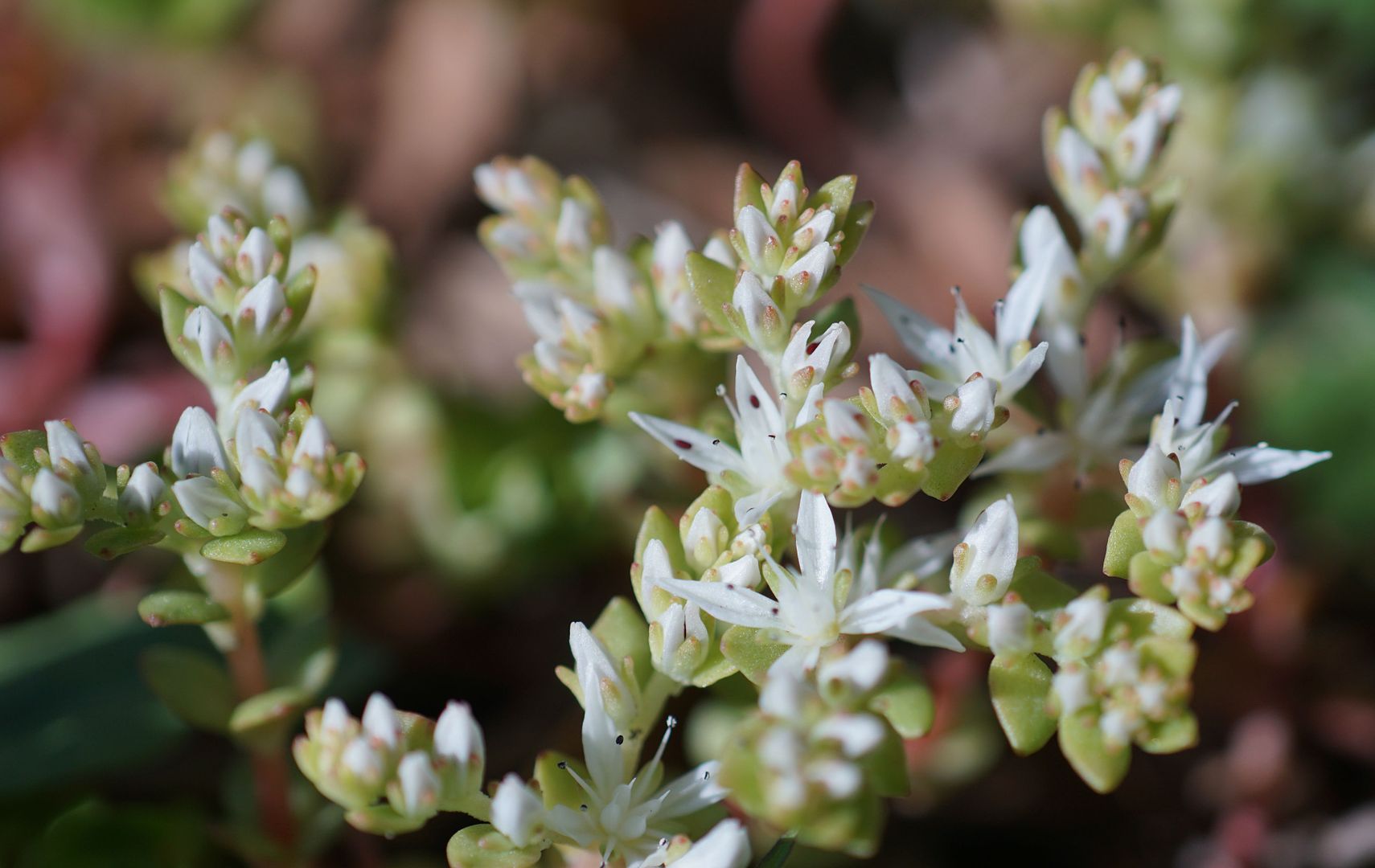
Stone Crop is a succulent ground cover that I'm starting to realize the charm of. For year I've tried getting carpets of Bluets to establish in patches of moss and under trees but to no avail. Stone Crop produces a similar effect, spreads more readily, and is far easier to grow! I've yet to see an pollinators taking a liking to them though but we're still early on in their blooming. Normally Sedums get tons of pollinators to them, though mostly ones that bloom in the autumn. Hopefully I'll get a nice big patch of these going in a few years and I'll be able to see what they attract.

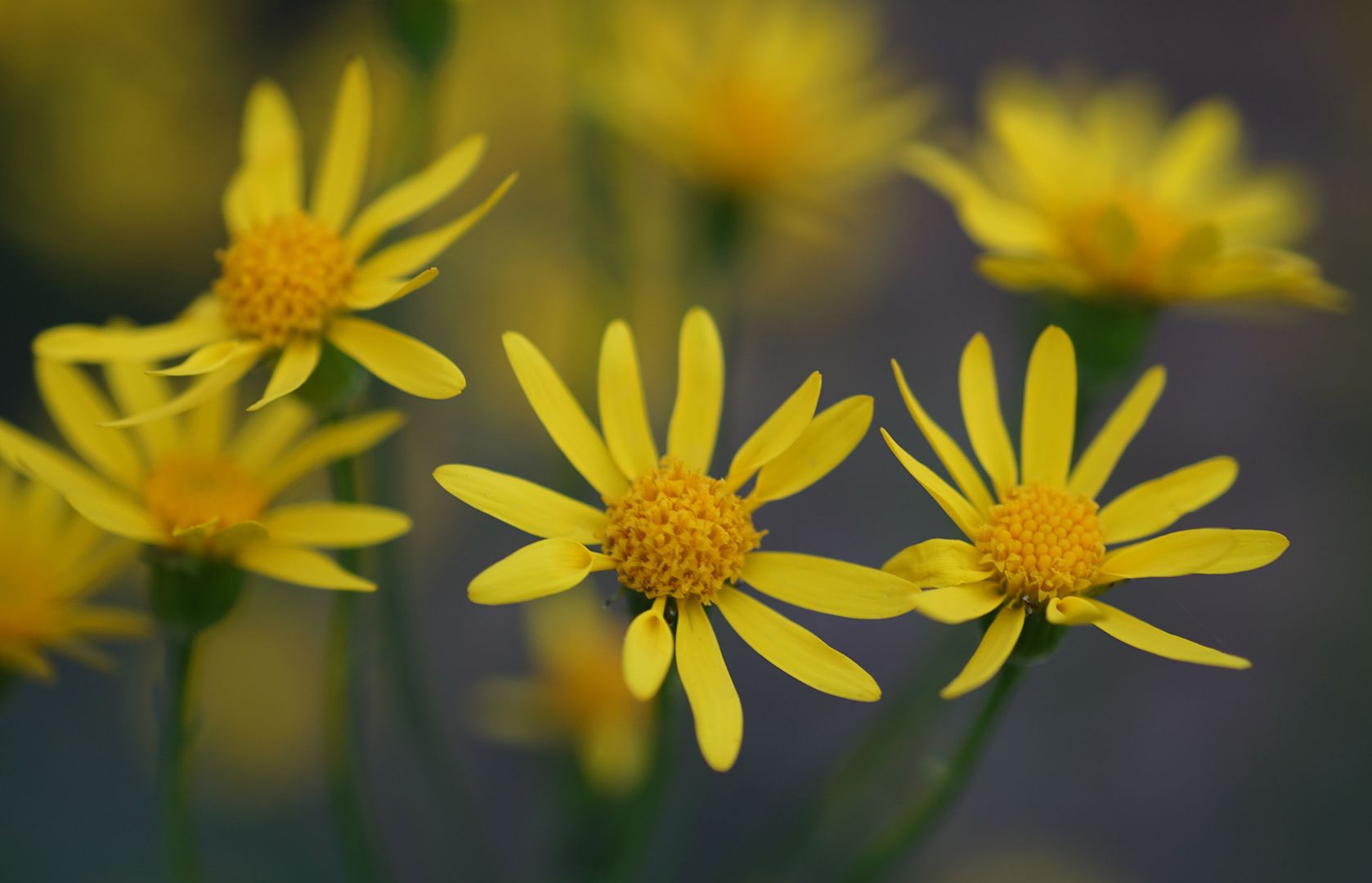
You'll be hard pressed to find a flower with such an intense shade of yellow that blooms happily in full shade as Ragwort. Despite the name, it's actually a very pleasing ground cover that gets a fair amount of pollinator action. Mostly its visited by flies but I see many sorts of small bees visiting them off and on, and even a honeybee or two now and then.

This year one of the patches has gotten an infection of aphids which I had never noticed before. I grow two or three species of this plant and they only seem to go after one of them. 


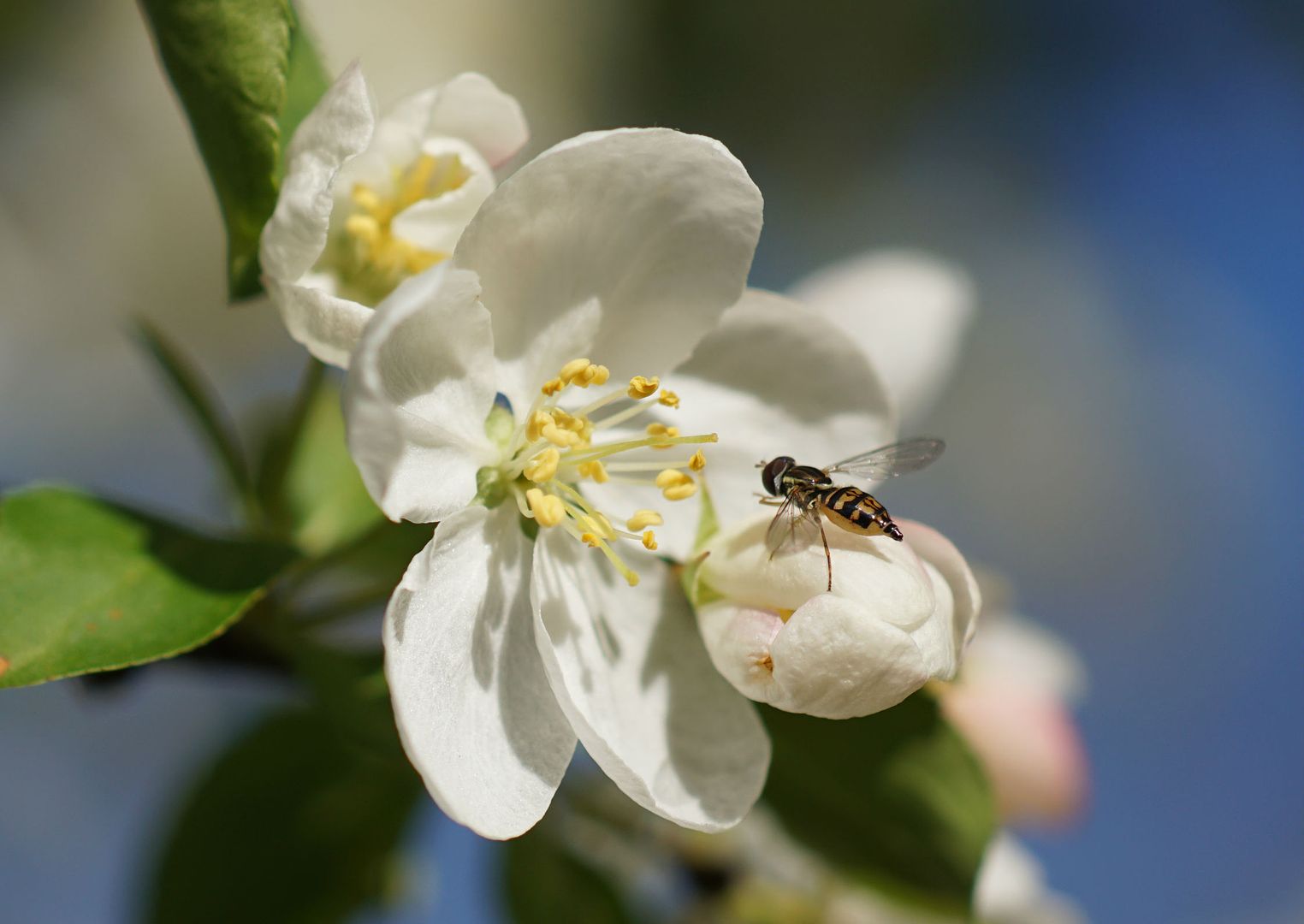
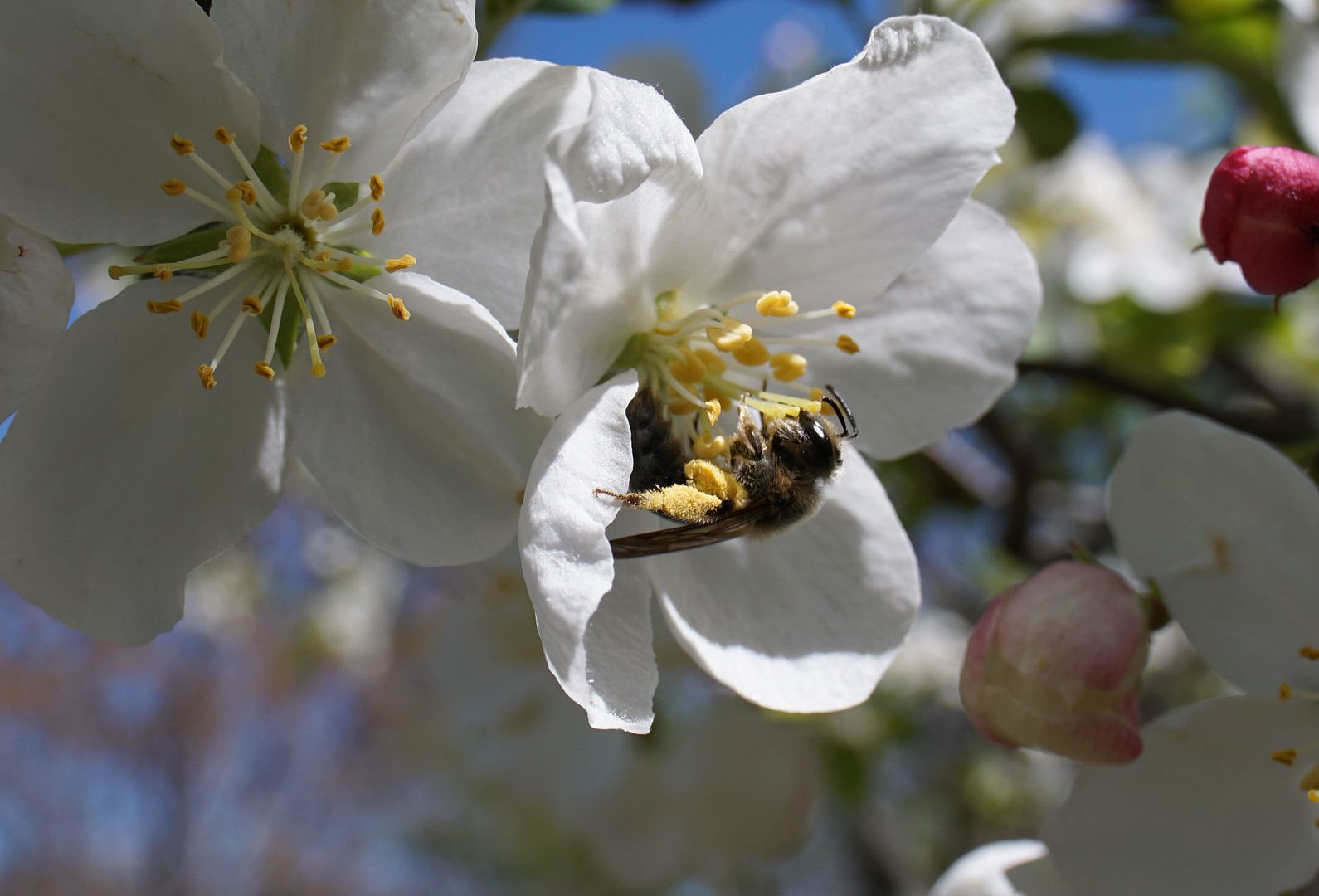
The apple trees are absolutely buzzing with all manner of bee at this time of year. Beeflies, hover flies, carpenter bees (big and small), honeybees, bumblebees, mason bees, and an assortment of digger bees are all over the trees this year.

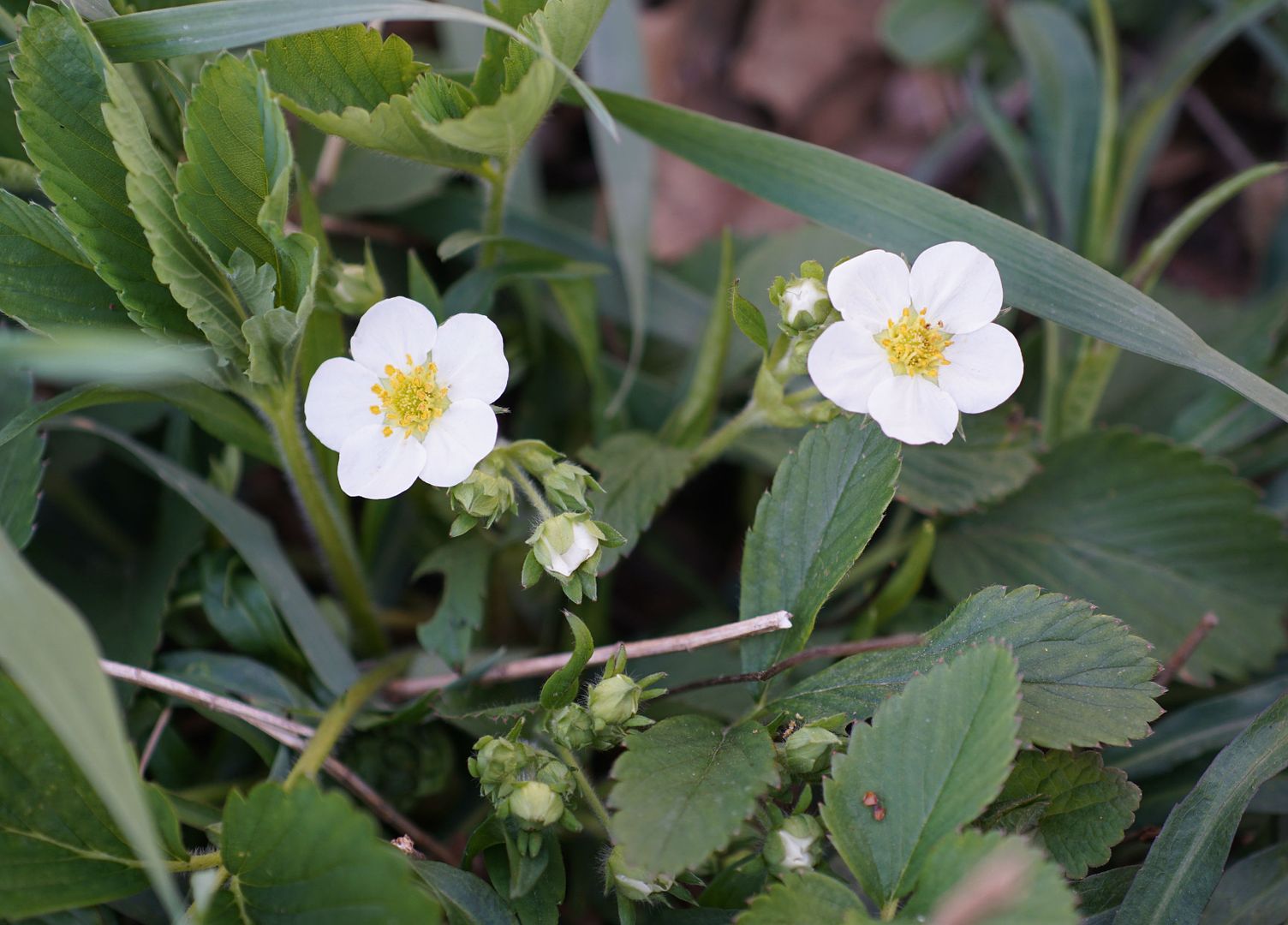
And lastly (for pictures anyhow) the wild strawberries I planted are starting to flower.

Jacob's Ladder, Woodland Poppy, Spring Beauty, Trillium flexipes, Foam Flower, and Virginia Bluebells are also flowering along with my Easter Redbud.

Friday, April 15, 2016

Ants and Ephemerals

I was out messing around with my new camera and lenses today. And I got enough good photos that I can reasonably tell a story with.

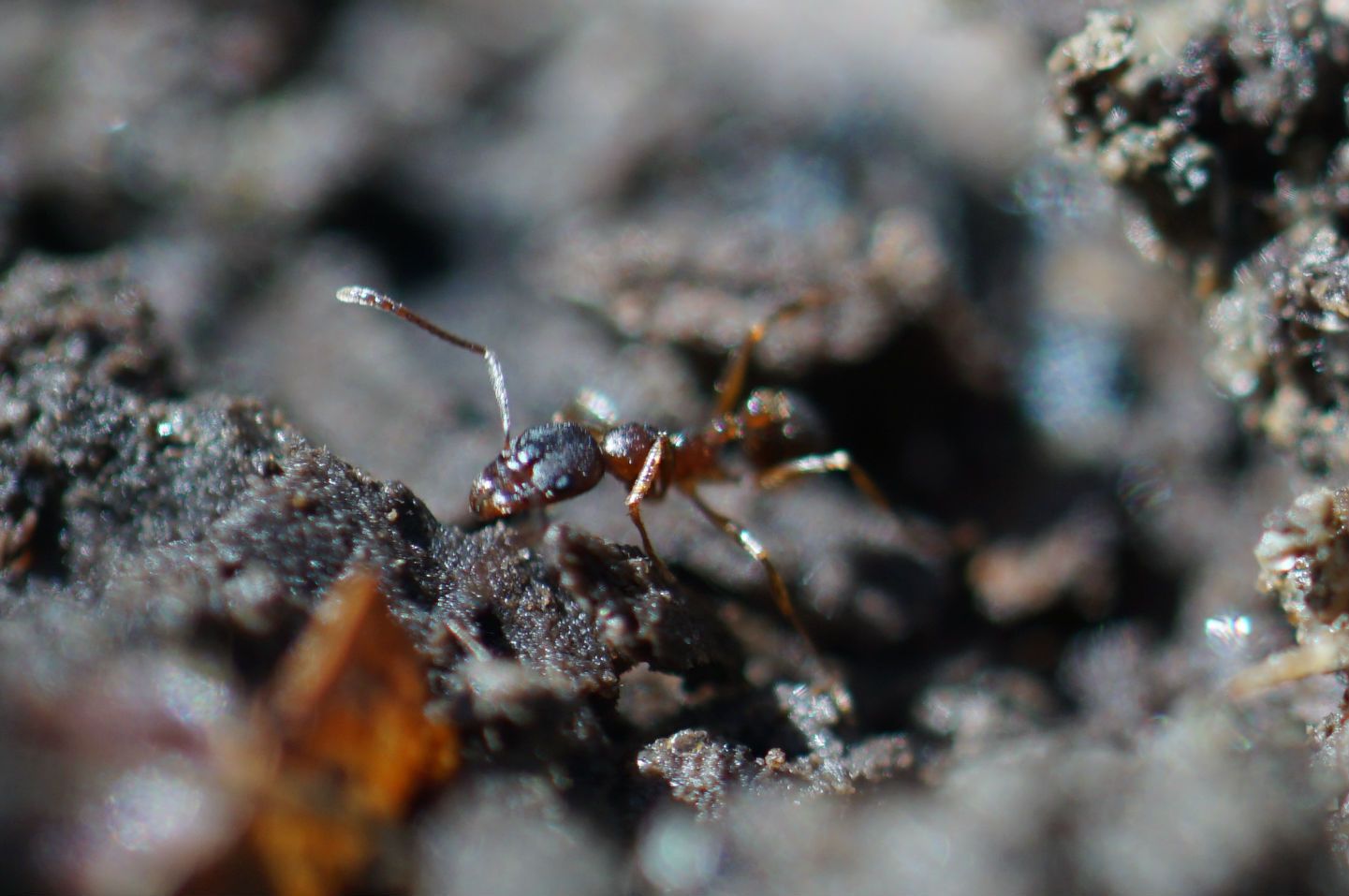
Pictured here is an ant, Apheanogaster rudis, which is a common "woodland" species though you can certainly find them nesting anywhere there's hardwood trees such as Oaks and Maples about. For years I've been feeding this colony Trillium seeds along with other ephemerals that engage in Myrmecochory, ant plant seed dispersal. Basically the plant has packets of elaiosome on the seeds which the ants find tasty and bring back to the nest, thus dispersing the seed away from the parent plant.

As I said, with this colony I've been the one giving them the seeds. However, I've witnessed other colonies in my yard showing up to damaged Trillium seedpods and making off with them too, so it does happen naturally. For the purpose of taking photos though it's so much easier to just shoving the seed in the ant's mouth and saying "Hold This!" so I can get a shot or two of it. 

While Myrmecochory is a natural process, it is not a requirement for seeds to be successful. Gardeners can just as well plant the seeds themselves as they would a packet of tomatoes. They take two years to germinate, and the better half of a decade to flower after that, but the planting them on your own is just that easy. In nature though it's to the plant's benefit that these seeds germinate far away because their rhizome (root) is going to expand and send up new shoots to form a clump in a few years, and it's no good having tons of seedlings trying to grow in their way. Actually it's even easier for the gardener to dig up the rhizome either while they're flowering or a few weeks before (Yes, while they're flowering!) and shake or cut the rhizomes apart that way. Each individual rhizomes wants to grow into its own clump anyhow so it's worth it to break them up every few years. 


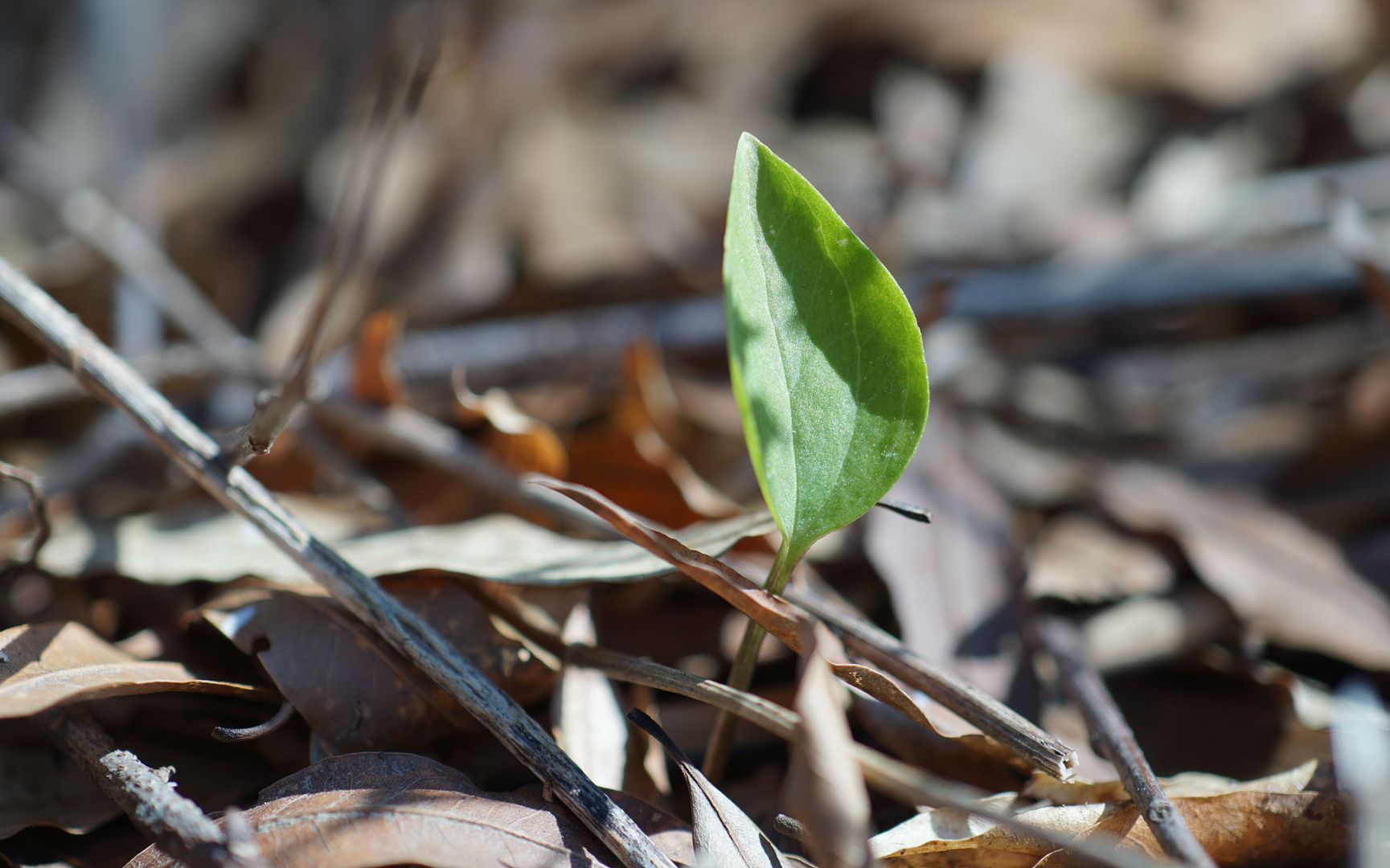
Well, I checked the colony of Aphaenogaster rudis today and found this poking up right next to the nest. It's a first year Trillium grown from seed. They send up a simple leaf and that's it for the whole year. Next year it should be two leaves, and then three after that, and then possibly flowering or a second shoot after that and so on. It's likely in years to come I'll find more of these around the nest as I've literally been dumping Trillium seedpods on this colony for the past five years.

An issue though is it's not an ideal place for Trilliums to grow. It's just too dry in that part of the garden so even if they do flower, I'll have to work hard to keep them watered or they'll go dormant before setting seed. This is likely why I haven't seen any seedlings growing until now. Another thought is the soil might not have been right. We were always in the habit of removing leaf litter from the gardens, but in recent years I've started leaving the leaf litter where it falls, sometimes even raking it off the paths and right into the garden for extra winter coverage. In theory this should help build the soil as the leaves break down, and the new leaves added add insulation for the plants below.

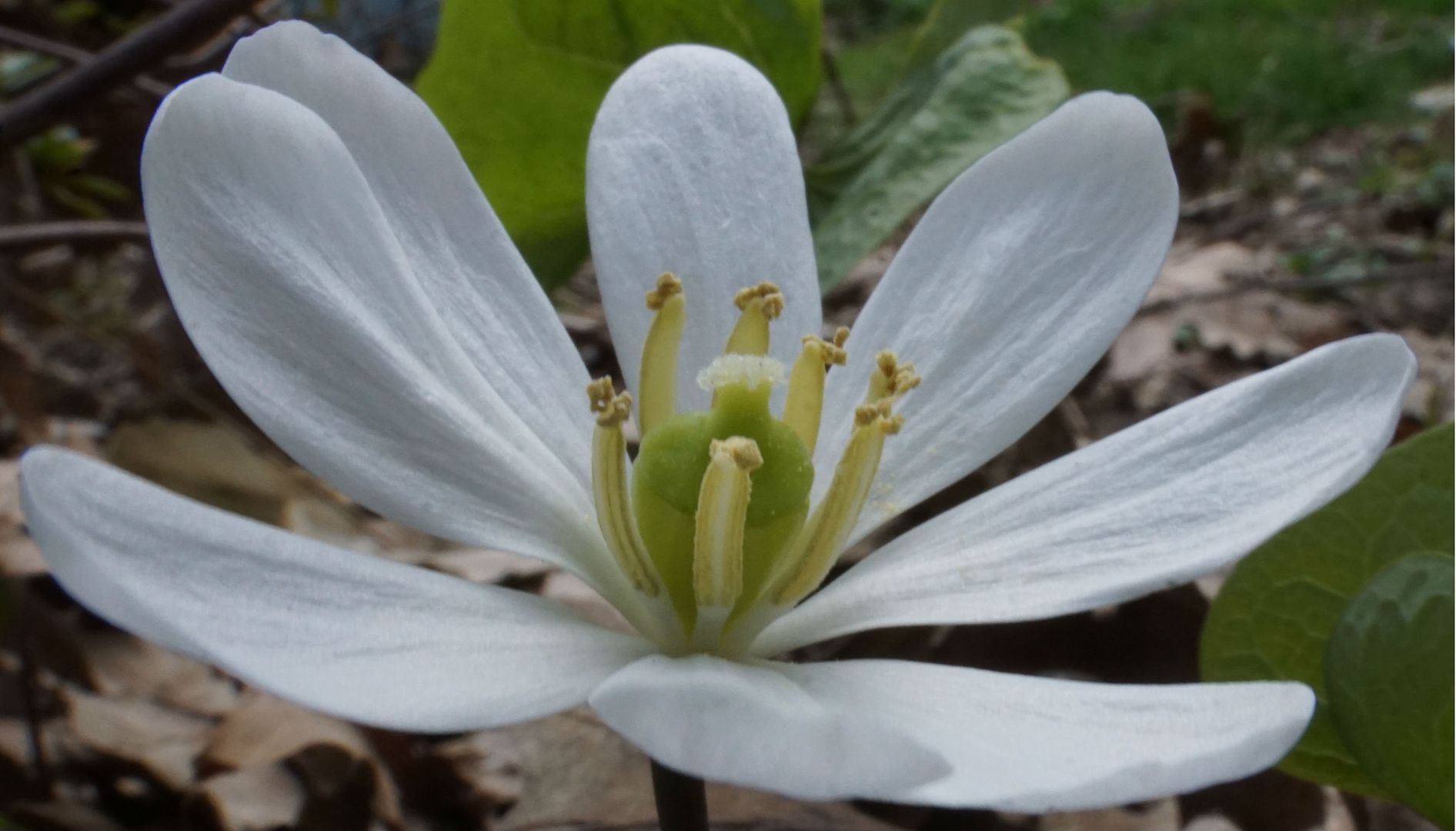
Another thing I'd like to mention is Blood Root. This ephemeral has been strangely missing from my garden. A few years back I bought a seed pack from Prairie Moon Nursery and tossed them out into the front garden. I hadn't thought anything of them because the leaves that came up last year were all the size of a dime, (tiny). Well this year it seems one not only decided to produce a great big leaf, but also flowered... and I missed it!

Tuesday, April 12, 2016

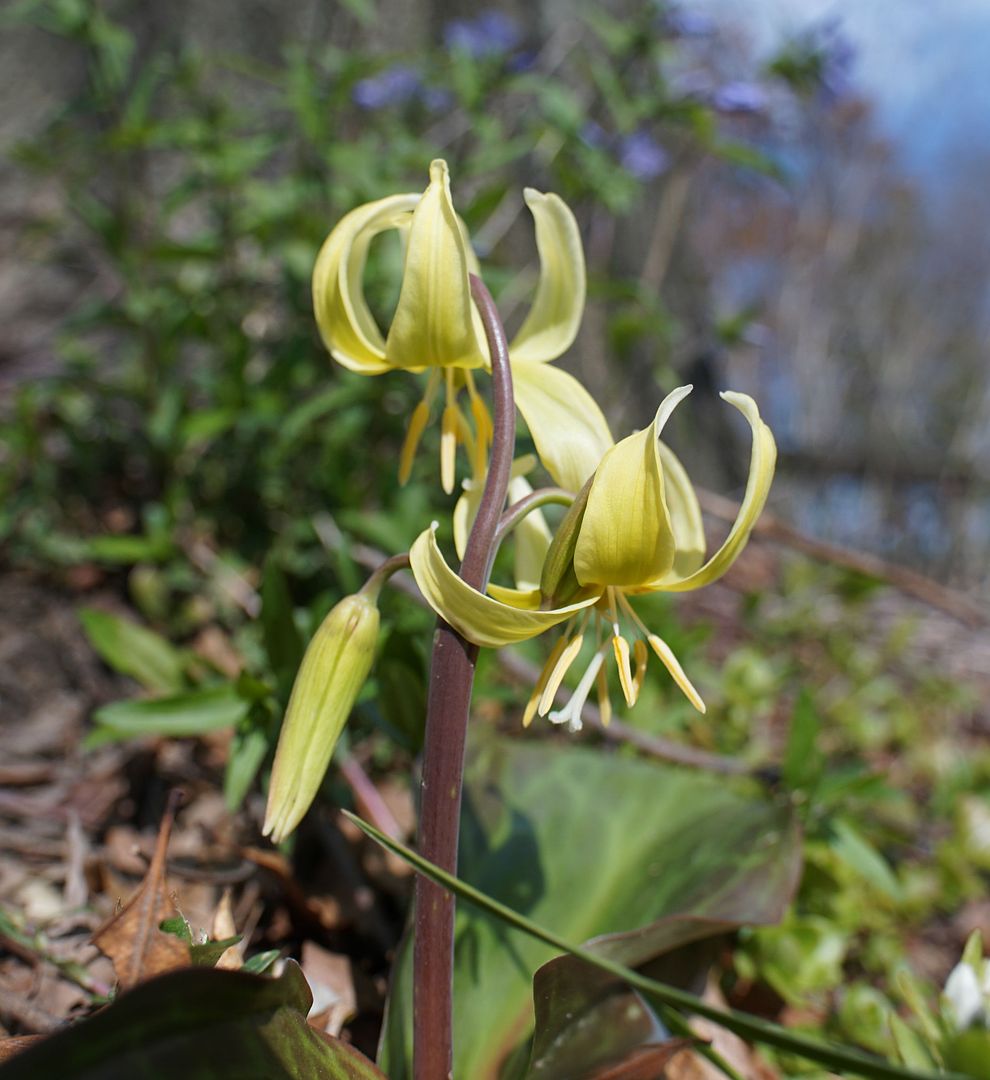
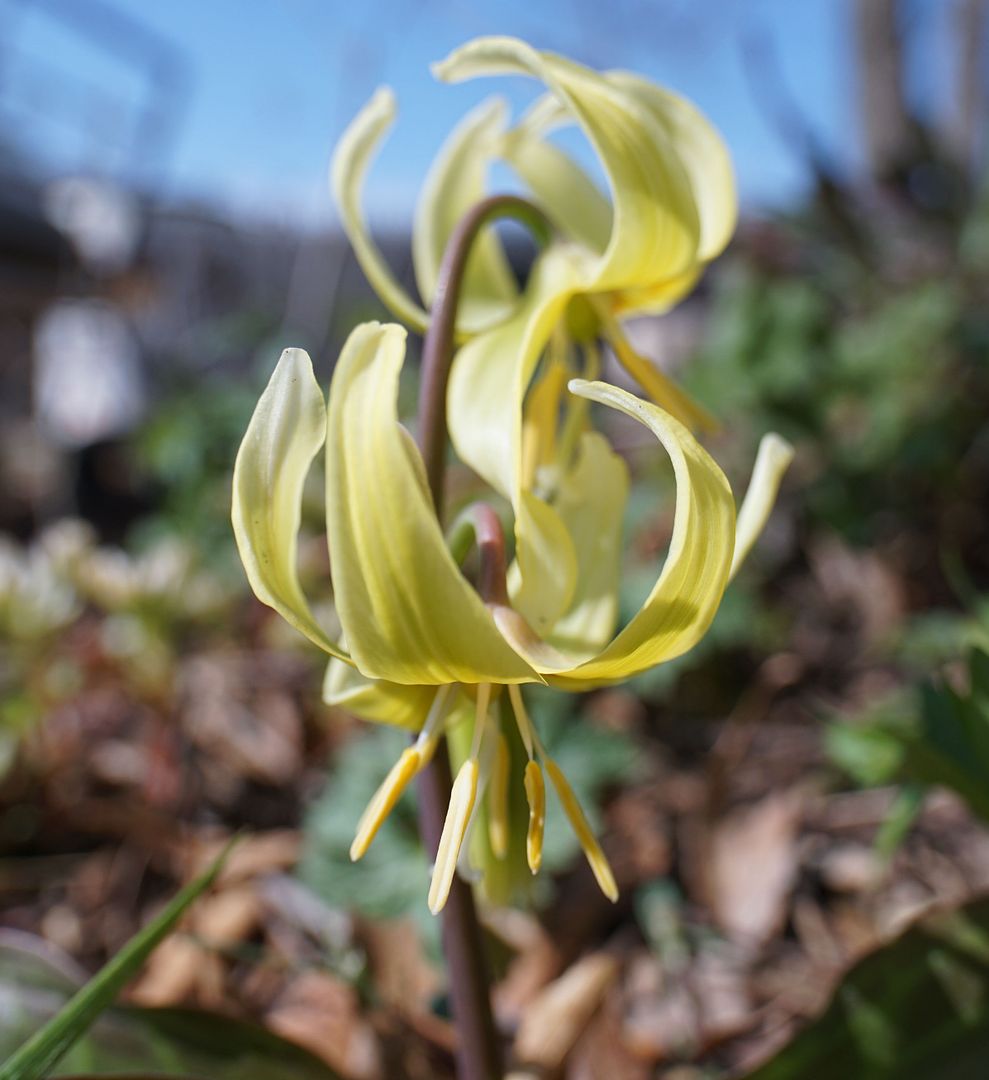
Erythronium 'Pagoda' A Western Native

Normally I'm not one for cultivars but I made an exception in this case. I've had Trout Lilies growing in the garden for almost 10 years now and they have yet to flower! Erythronium americanum much prefers to clone itself under the soil sending up a small carpet of roots everywhere. I've ready that on average only 5% (of what might be considered individual plants) in a given population will flower. Blooming seems to be triggered by the tap root finally reaching a certain distance down, or perhaps because it's become stressed from hitting rocks and things. I've been told that they're more likely to flower if rocks are placed just under the bulb to help stress the plant into sending its energy elsewhere but have yet to try this. 


So I bought a cultivar called, Erythronium 'Pagoda'  which is a hybrid of two species native to the western United States. I gather both are better about flowering and this hybrid cultivar seems to be no exception. It's parents are E. revolutum  and E. tuolumnense.

E. revolutum goes by Pink Fawn Lily, and seems to show through in the cultivar by the matting on the leaves. E. tuolumnense goes by Tuolumne's Fawn Lily, and seems to show through in the flower color (yellow).

Of three plants I have, all of them have produced flowers, which all have multiple buds on a single stem, making this a superior plant to the more indigenous native in a garden setting at least. After a decade I expend at least one of them to flower, and thus far the best I've gotten is one to produce two leaves, meaning that it's thinking about flowering, so maybe next year. For now though I'm enjoying these.

Trout Lilies all seem to spread their seeds about by ants, which is what got me interested in growing so many wildflowers in the first place. I'm eager to see if this cultivar does the same. And perhaps if the seeds are viable, see whether the diversity of the two species are still there. I may end up with a pink flowering one in a few years or maybe ones which lack matting on the leaves. Normally hybrids are sterile though, so it's likely this one is only maintained by division. Still though it will be interesting to see what happens.

Saturday, April 2, 2016

More Wildflower Shots

Jeffersonia diphylla, The same Twin Leaf that I posted about earlier, was open again even more so than the day before. The petals have since fallen off of course so it flowered for all of two days.

Thankfully I have a couple dozen of these plants growing now and with others that have yet to flower. I still don't really have an overlap of bloom so cross pollination is questionable at best. All of these plants should go on to produce seed pods with seeds in them, but ones that are cross pollinated will make seeds that are better about growing into a plant.

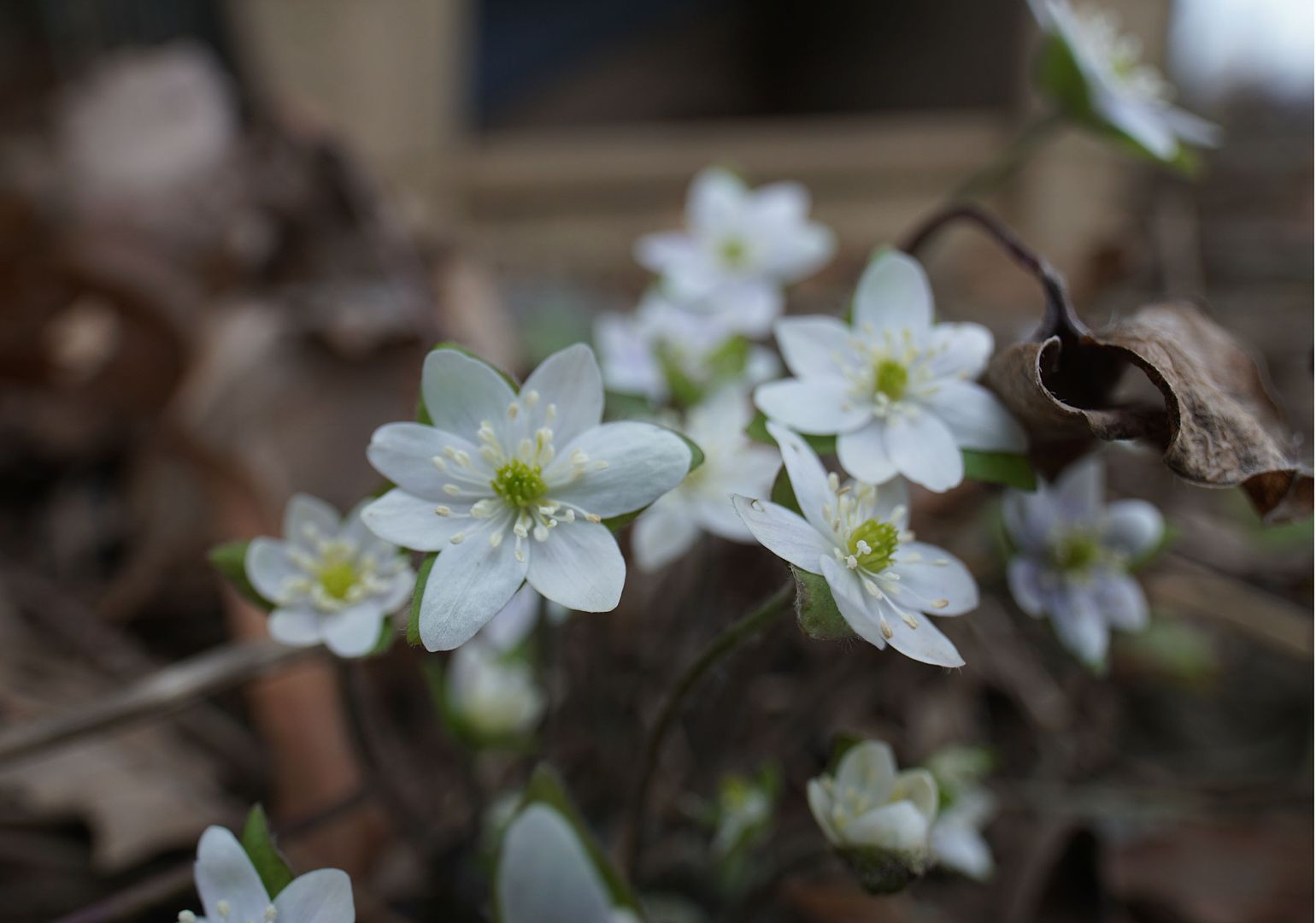
Got a better shot of the Hepatica too. And a very detailed shot of one of last year's leaves.

Mason Bees are flying about mostly breeding at this time but I see a few other types of bees pollinating things like Spring Beauty and some of the other nonnative weeds in my yard.

The first Trillium has opened up so I'll be taking pictures of that along with a few others that started to bloom.