Tuesday, April 19, 2016

Wildflowers Reaching Their Peak

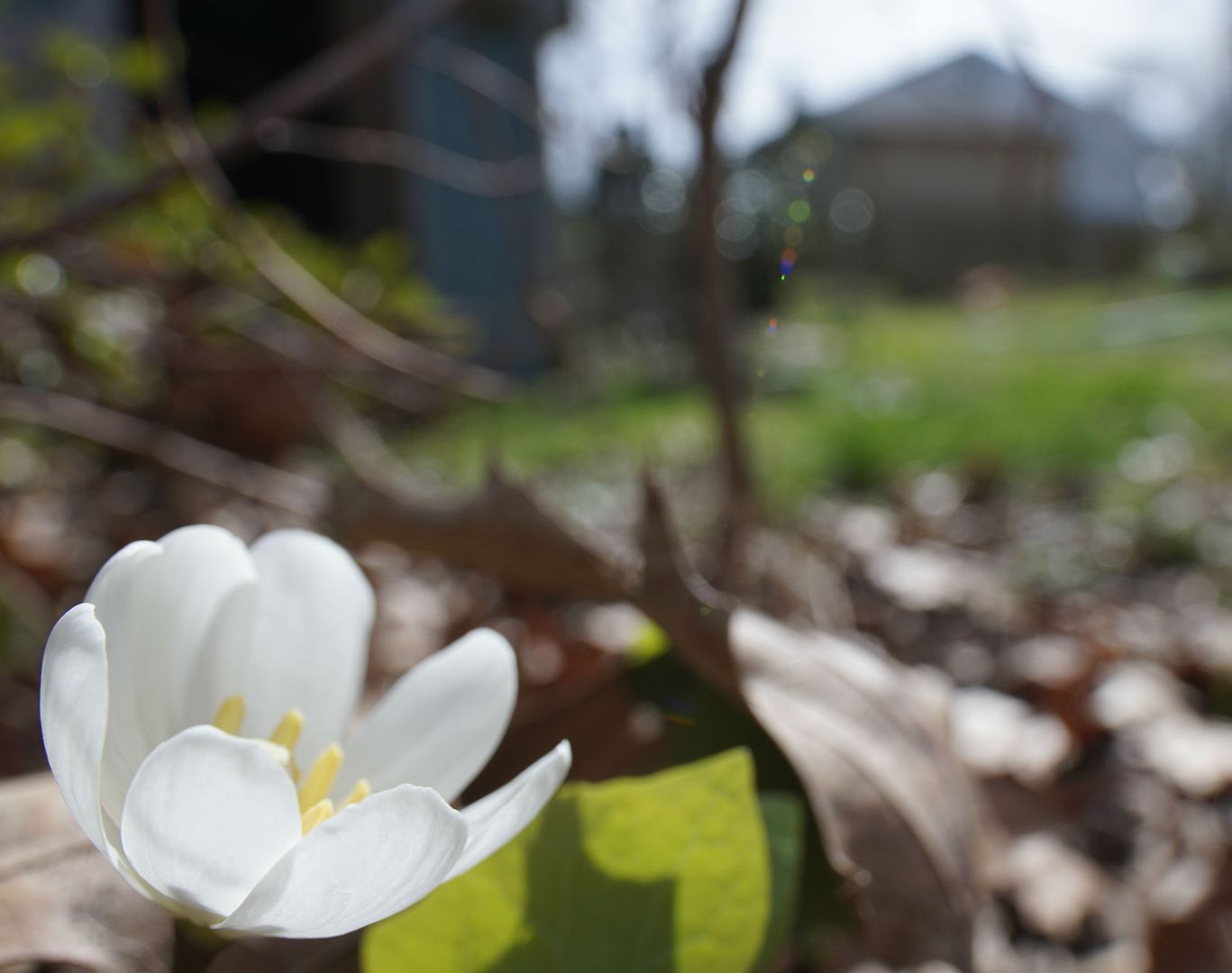
The earliest ephemerals have started to fade away. Plants that pushed up their blooms first are now dropping their petals to make way for new sets of leaves to produce energy toward generating seeds. Here you see the last of my Twinleaf plants, which thanks to having multiple plants bloomed much longer than typical, though at no time was there more than one plant in flower. Clearly I need to plant them closer together so they flower within the same micro-climates.

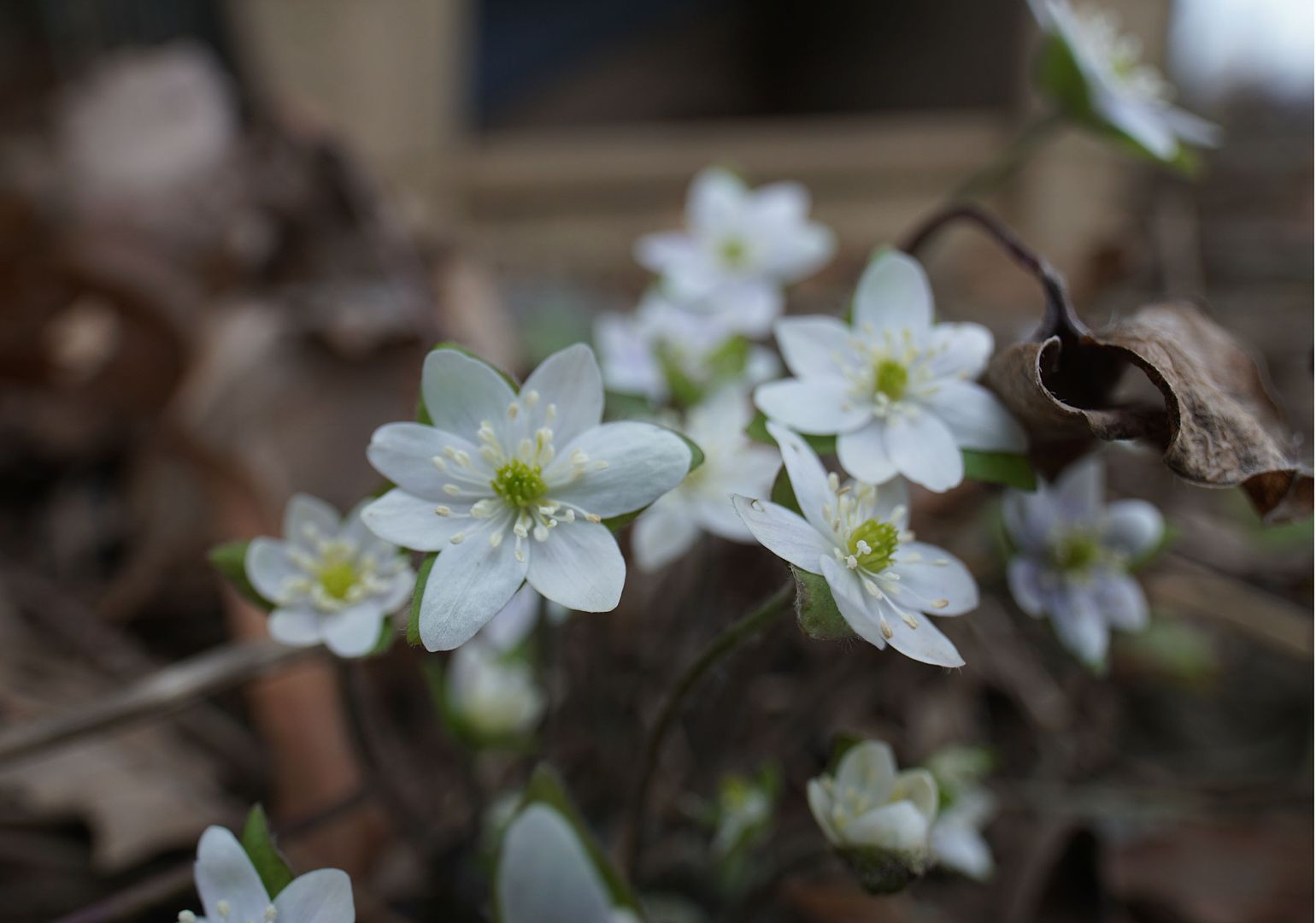
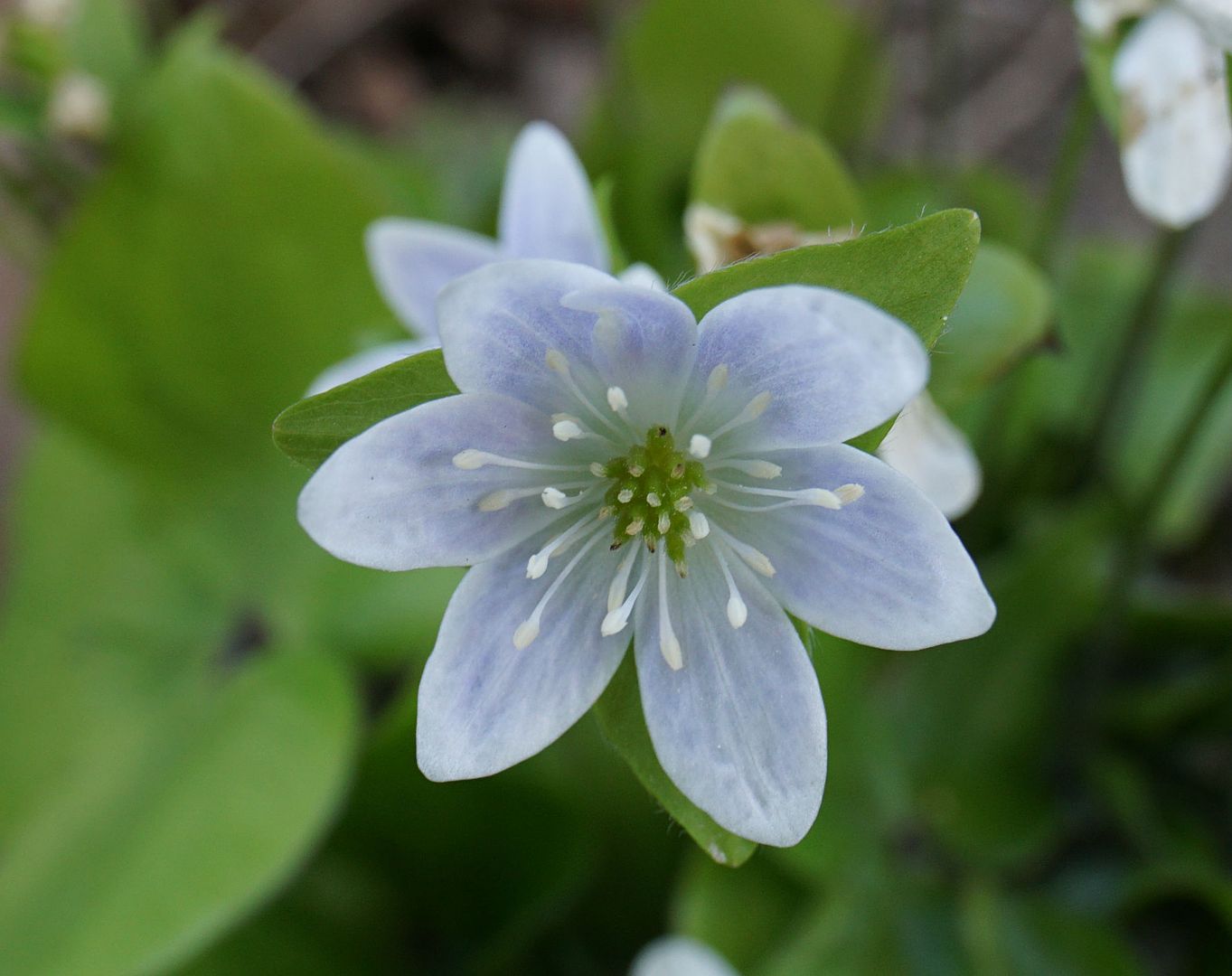
Hepatica is also saying goodbye to all of its petals. The green structures seen here in the center will inflate out into a sort of battle mace-looking structure, before falling apart into thin pointed seeds.

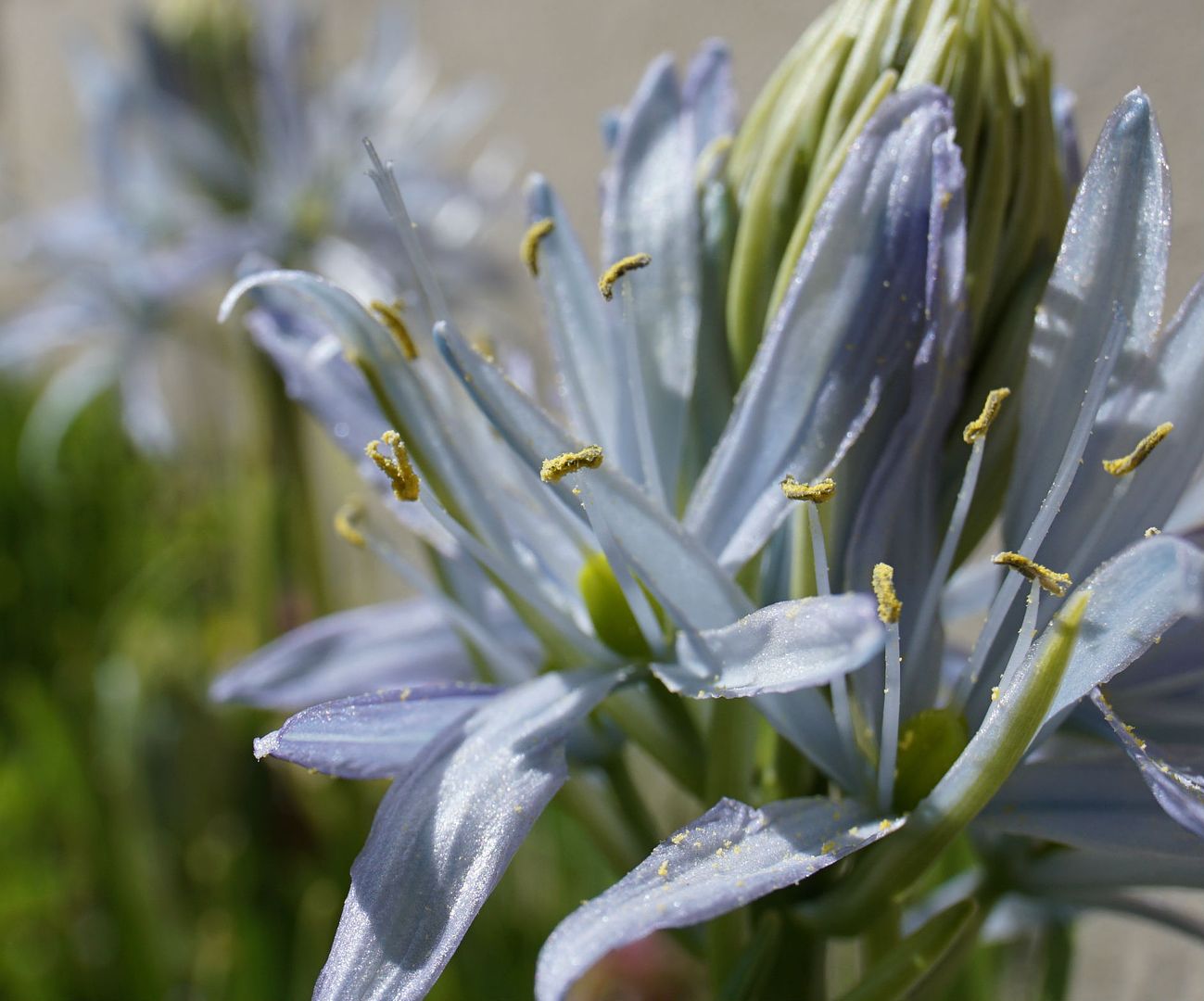
Wild Hyacinth is my new favorite bulb, and this year I went nuts planting it everywhere. We're still early in the bloom for this one so no pollinators yet. But I'm sure that will change when the several dozen or so that I planted out in the meadow garden start flowering along with the other patches I have about.

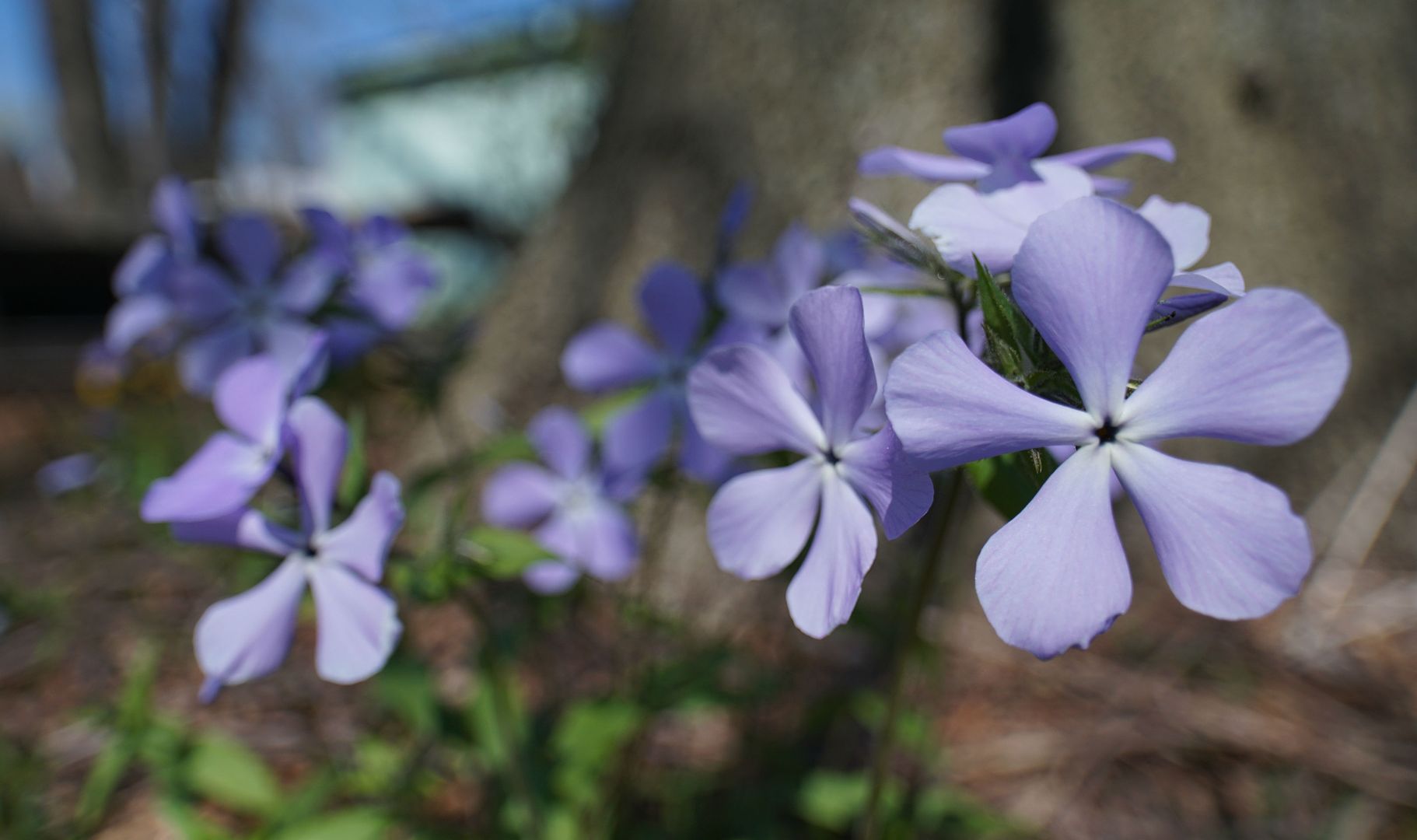
Woodland Phlox is one of our native plants welcomed by the horticultural industry. Many cultivars sold are actually quite fragrant and pleasing to have in mass.

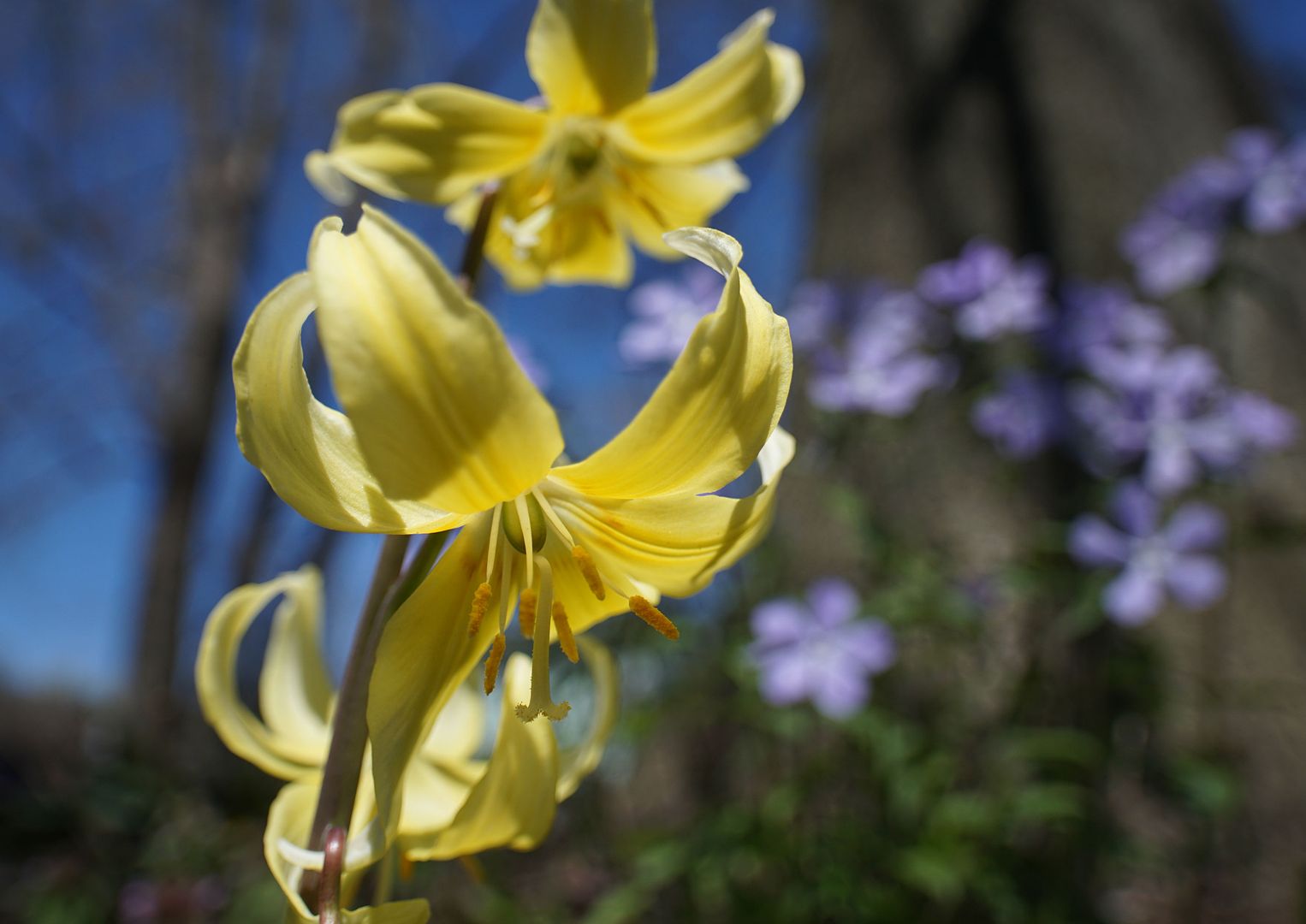
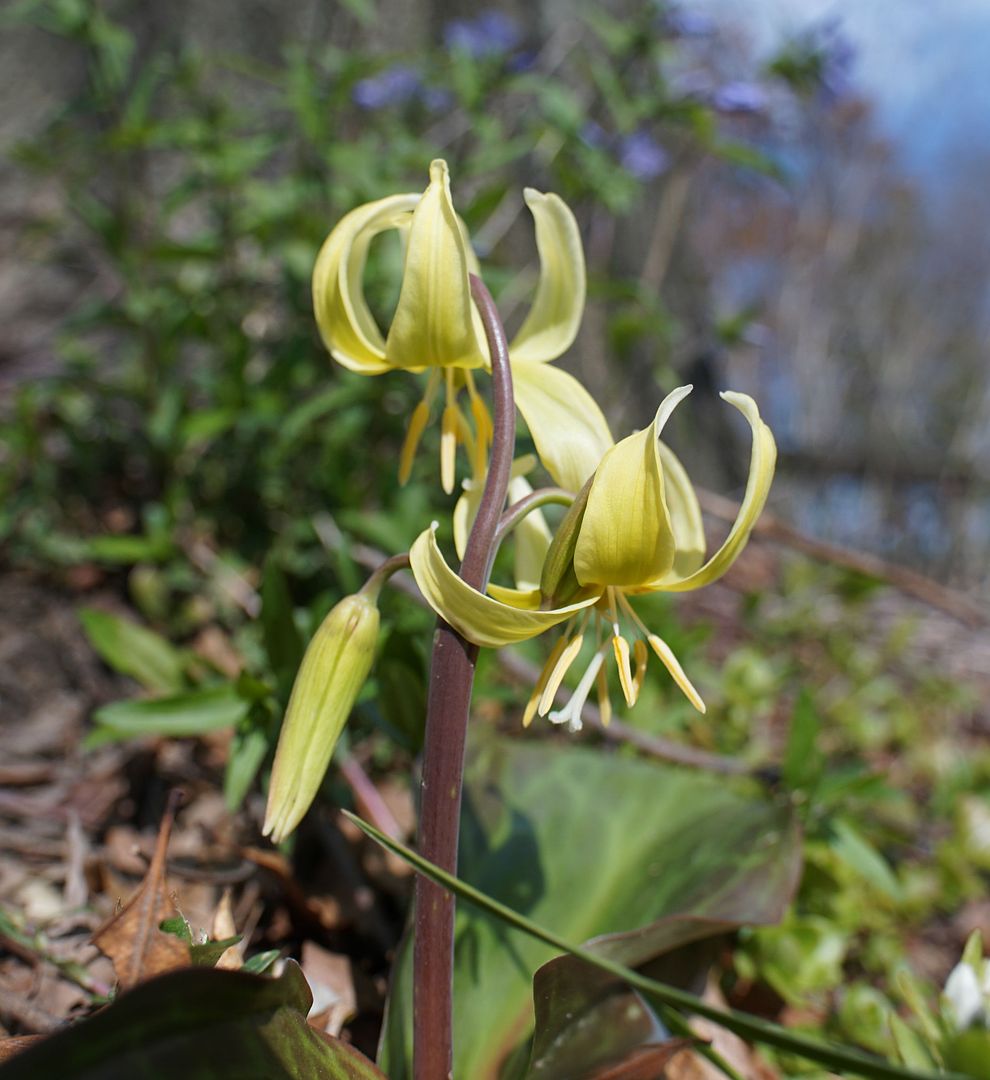
The Western Trout Lily is still going strong and many of the plants now have their flowers pointed outward making them easier to enjoy.

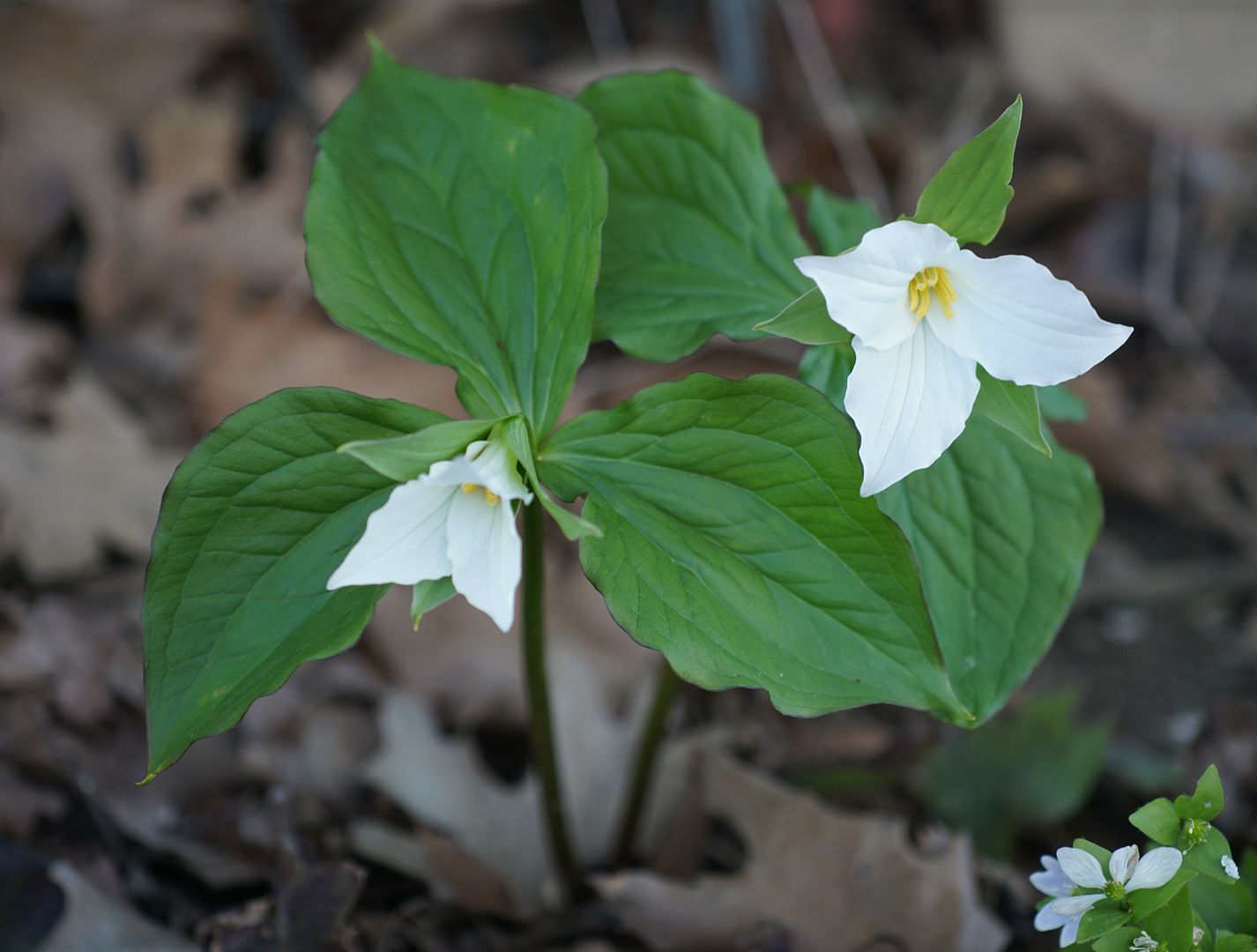
Trilliums have joined the show now and will be flowering for the next couple of weeks. Here the common Trillium grandiflorum is putting on a good show. Also I'm impressed that I was able to take this shot without the need for any editing. I'm not sure I like the effect though.

Trillium luteum has been going strong for a whole week now and the petals are starting to turn yellow. This is one of my favorite species because of its heavenly citrus scent. Despite the fragrance though, I've yet to see anything bother pollinating them.

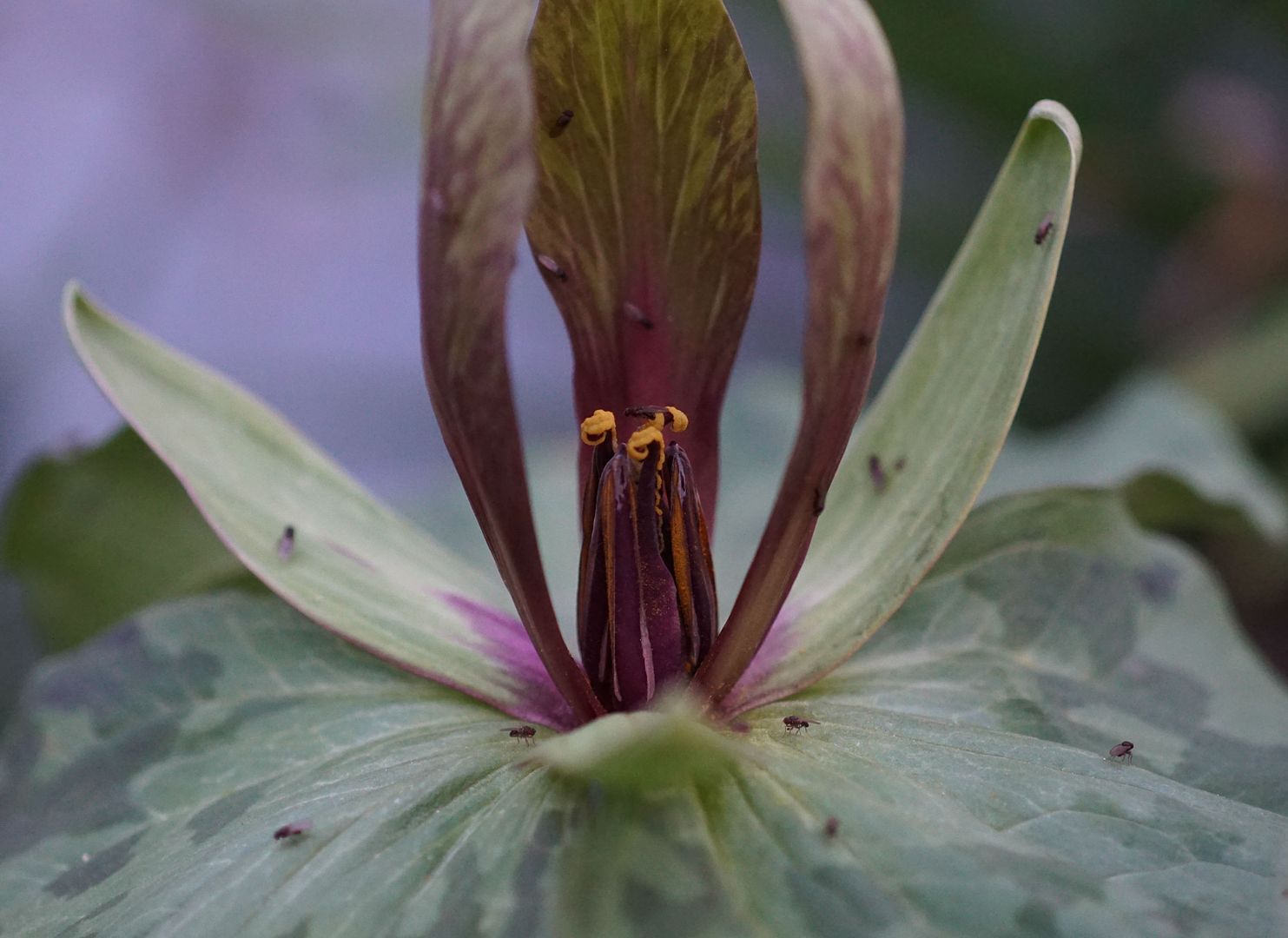
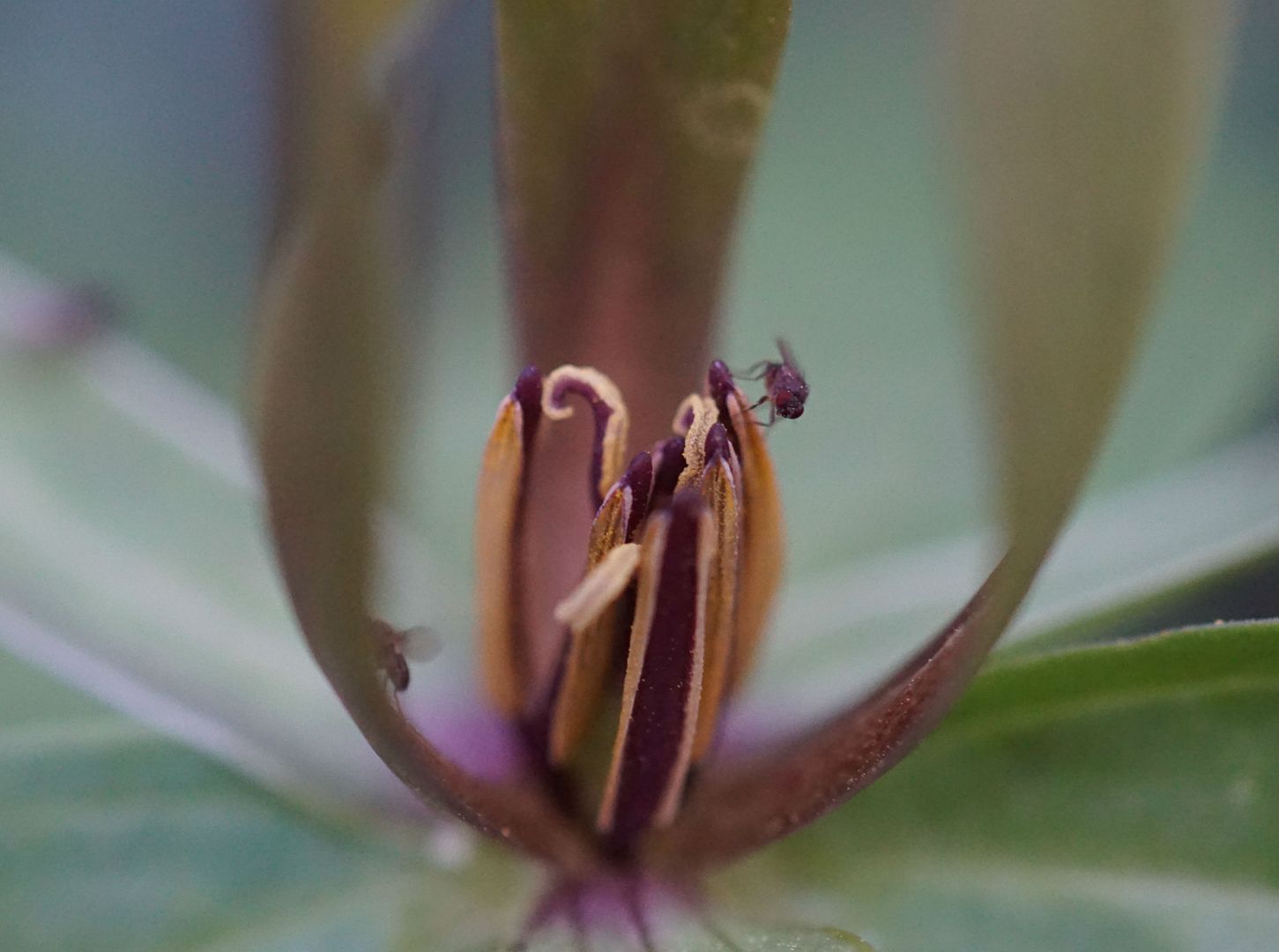
Trillium viridescens, from the Ozark, has no issues attracting pollinators what so ever. It does this by releasing a fowl odor I'd liken to rotting apples. It's not all that displeasing but it is very pungent.

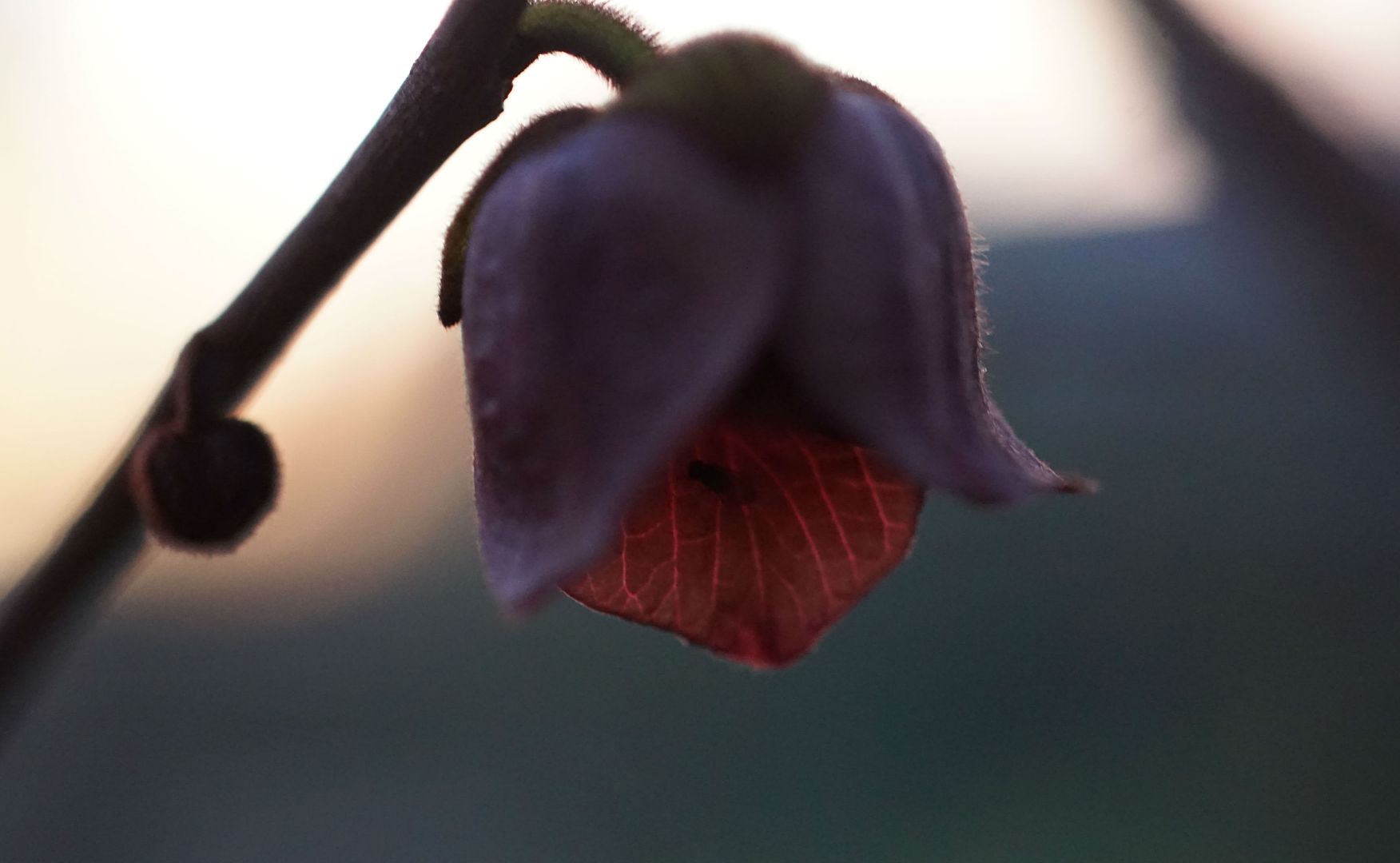
Paw Paw flower smell similar. Again only one of my trees has flowered, and a frost this year has killed a fair amount of the blossoms before they opened. Some that weren't as far along though survived the cold and are now opening.

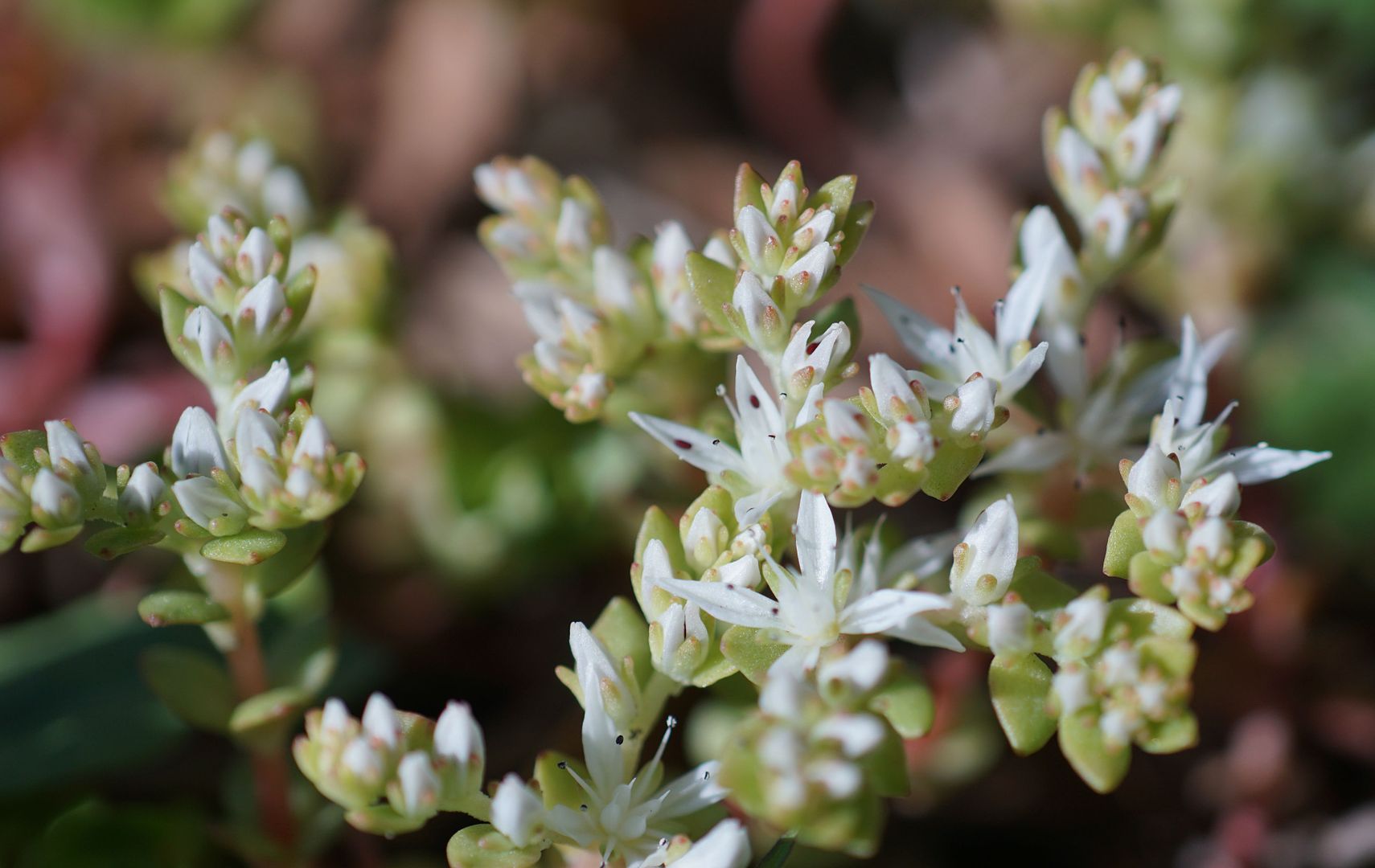
Stone Crop is a succulent ground cover that I'm starting to realize the charm of. For year I've tried getting carpets of Bluets to establish in patches of moss and under trees but to no avail. Stone Crop produces a similar effect, spreads more readily, and is far easier to grow! I've yet to see an pollinators taking a liking to them though but we're still early on in their blooming. Normally Sedums get tons of pollinators to them, though mostly ones that bloom in the autumn. Hopefully I'll get a nice big patch of these going in a few years and I'll be able to see what they attract.

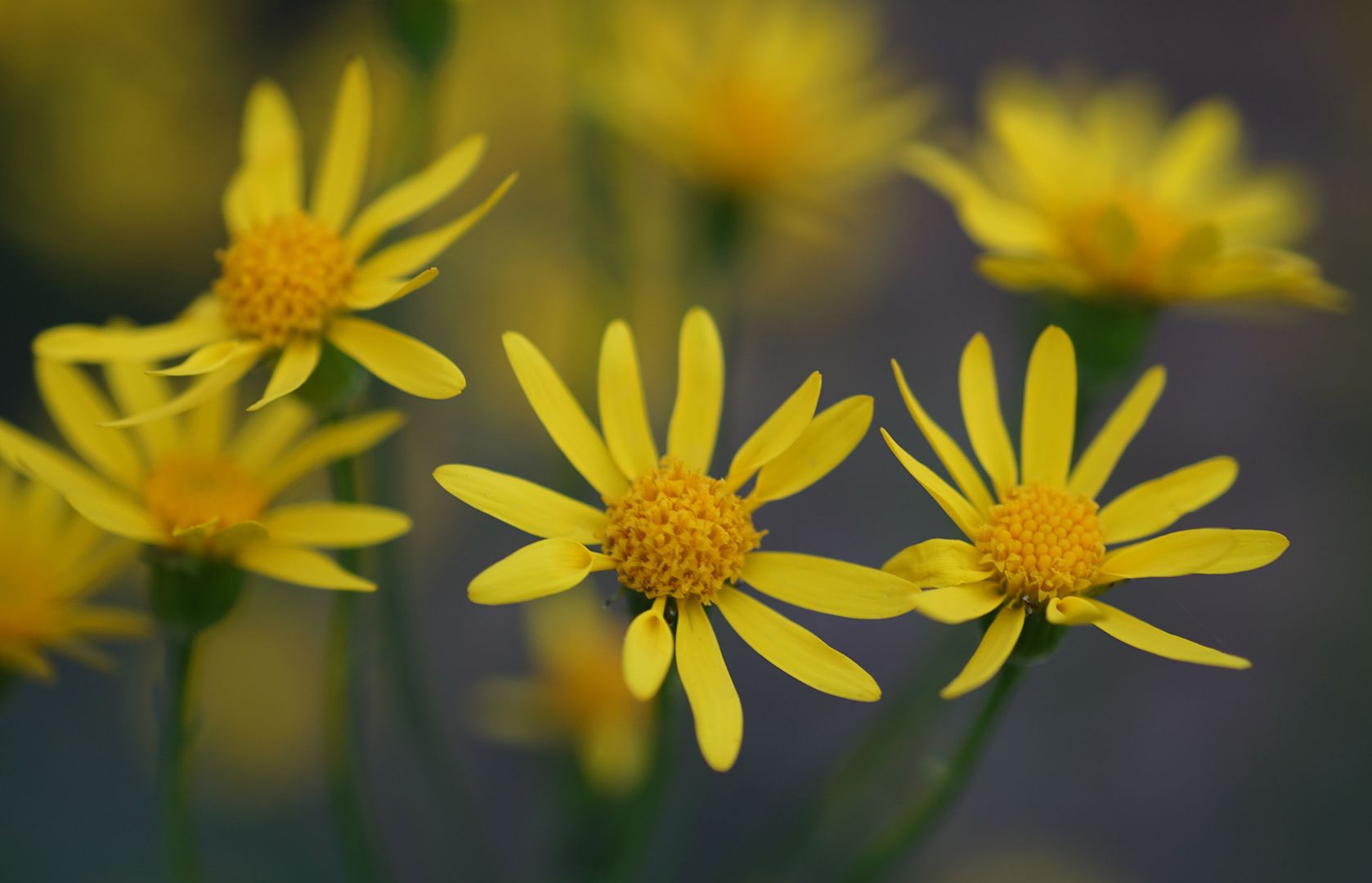
You'll be hard pressed to find a flower with such an intense shade of yellow that blooms happily in full shade as Ragwort. Despite the name, it's actually a very pleasing ground cover that gets a fair amount of pollinator action. Mostly its visited by flies but I see many sorts of small bees visiting them off and on, and even a honeybee or two now and then.

This year one of the patches has gotten an infection of aphids which I had never noticed before. I grow two or three species of this plant and they only seem to go after one of them. 


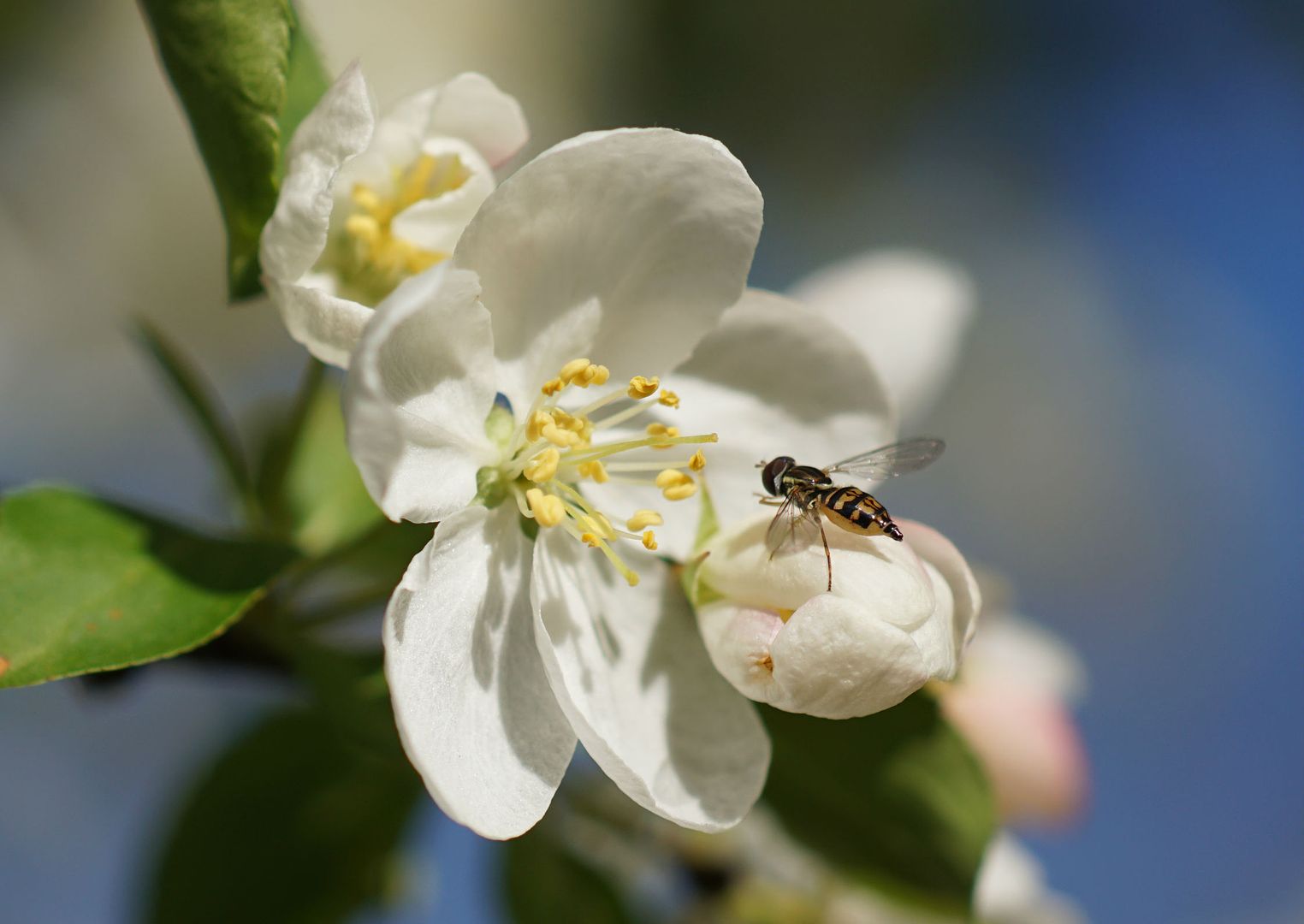
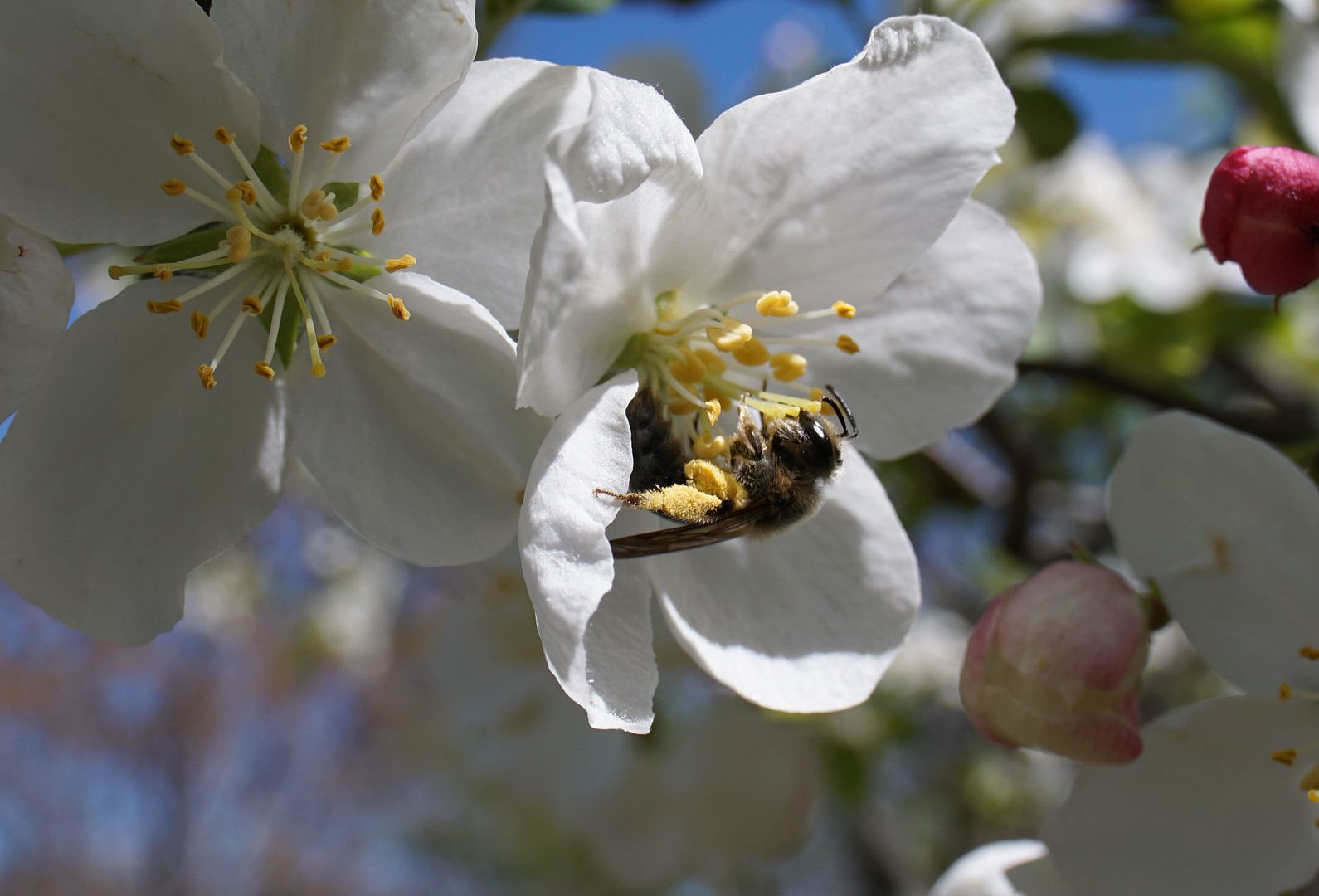
The apple trees are absolutely buzzing with all manner of bee at this time of year. Beeflies, hover flies, carpenter bees (big and small), honeybees, bumblebees, mason bees, and an assortment of digger bees are all over the trees this year.

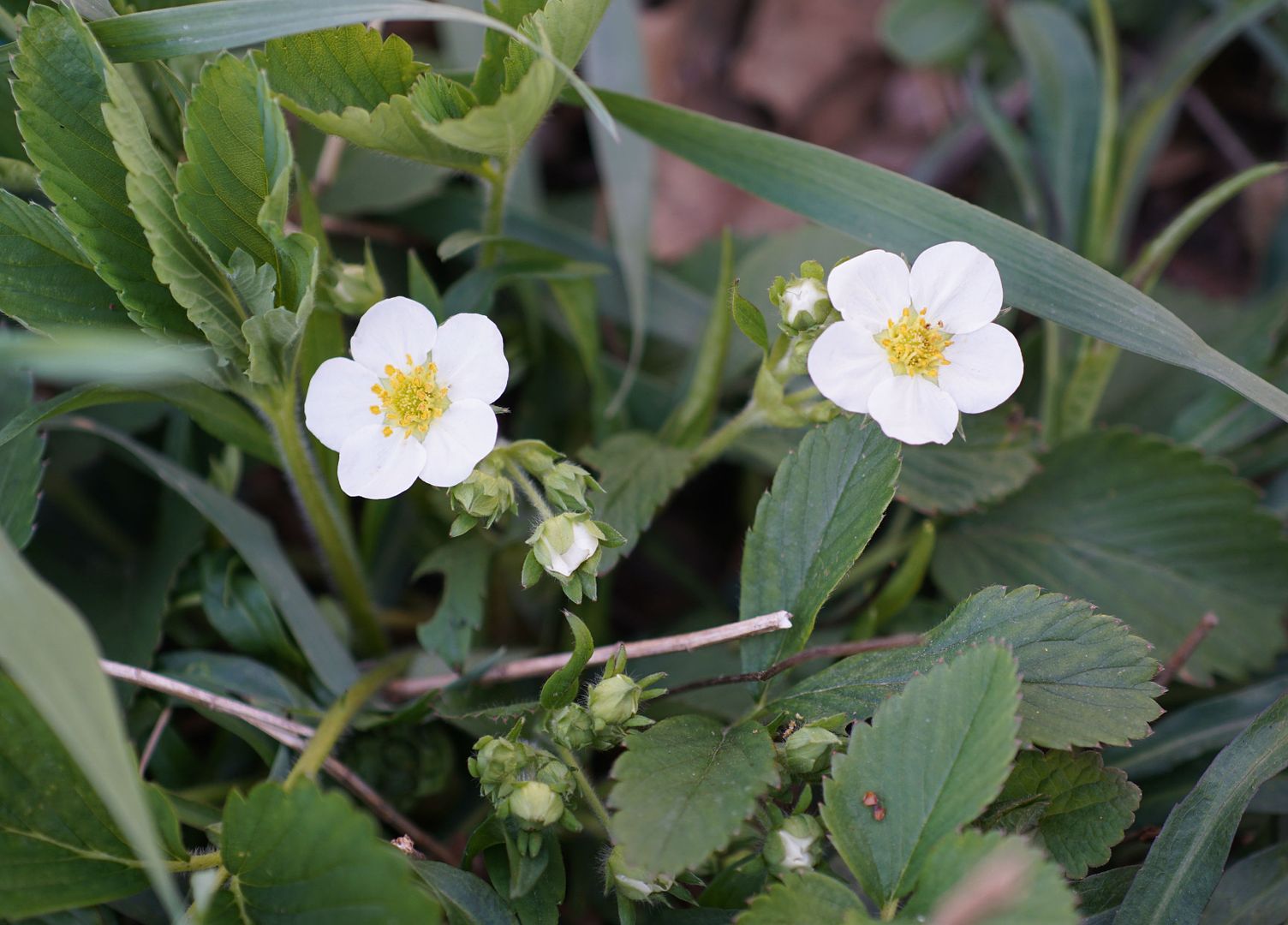
And lastly (for pictures anyhow) the wild strawberries I planted are starting to flower.

Jacob's Ladder, Woodland Poppy, Spring Beauty, Trillium flexipes, Foam Flower, and Virginia Bluebells are also flowering along with my Easter Redbud.

Friday, April 15, 2016

Ants and Ephemerals

I was out messing around with my new camera and lenses today. And I got enough good photos that I can reasonably tell a story with.

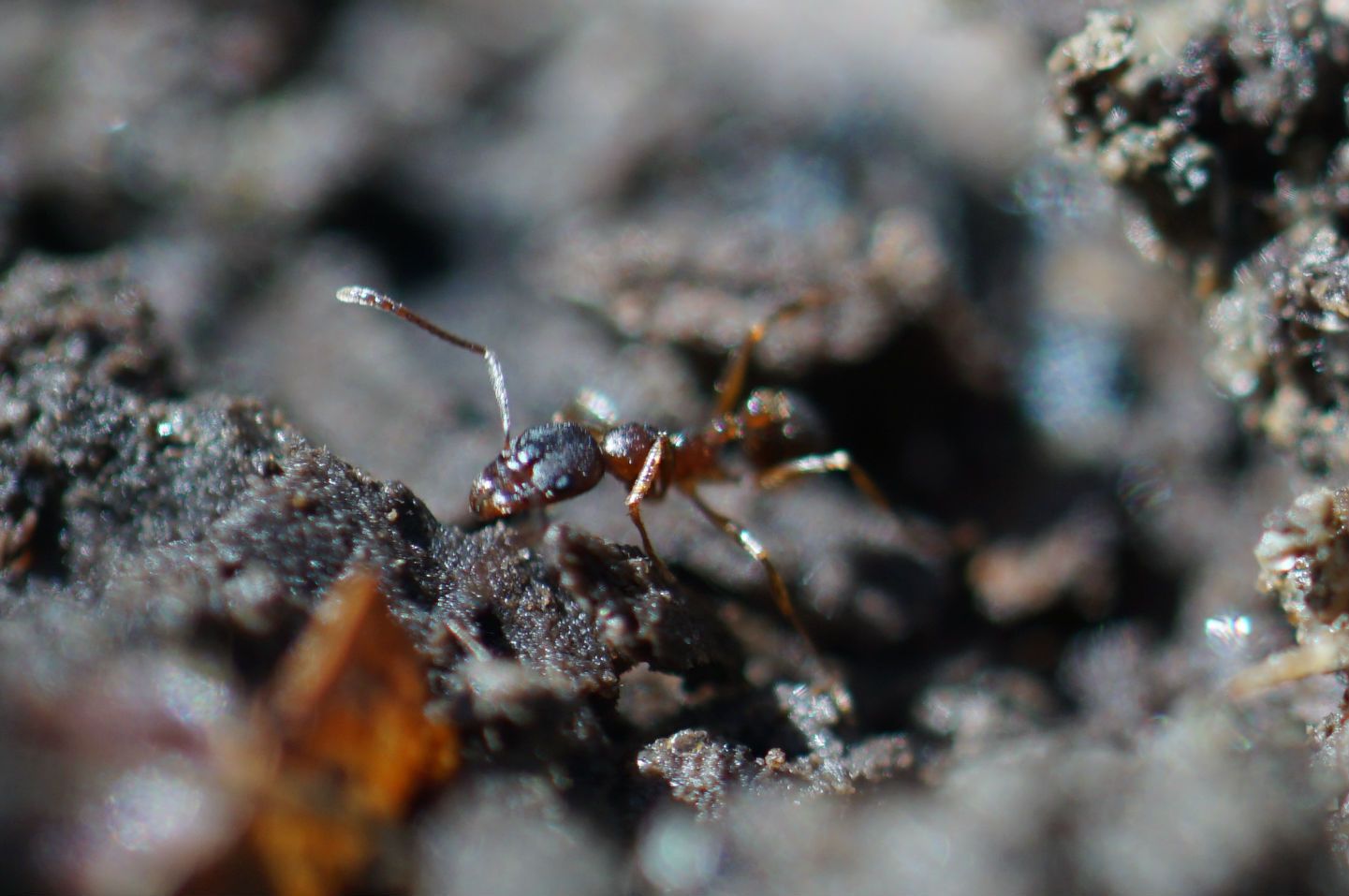
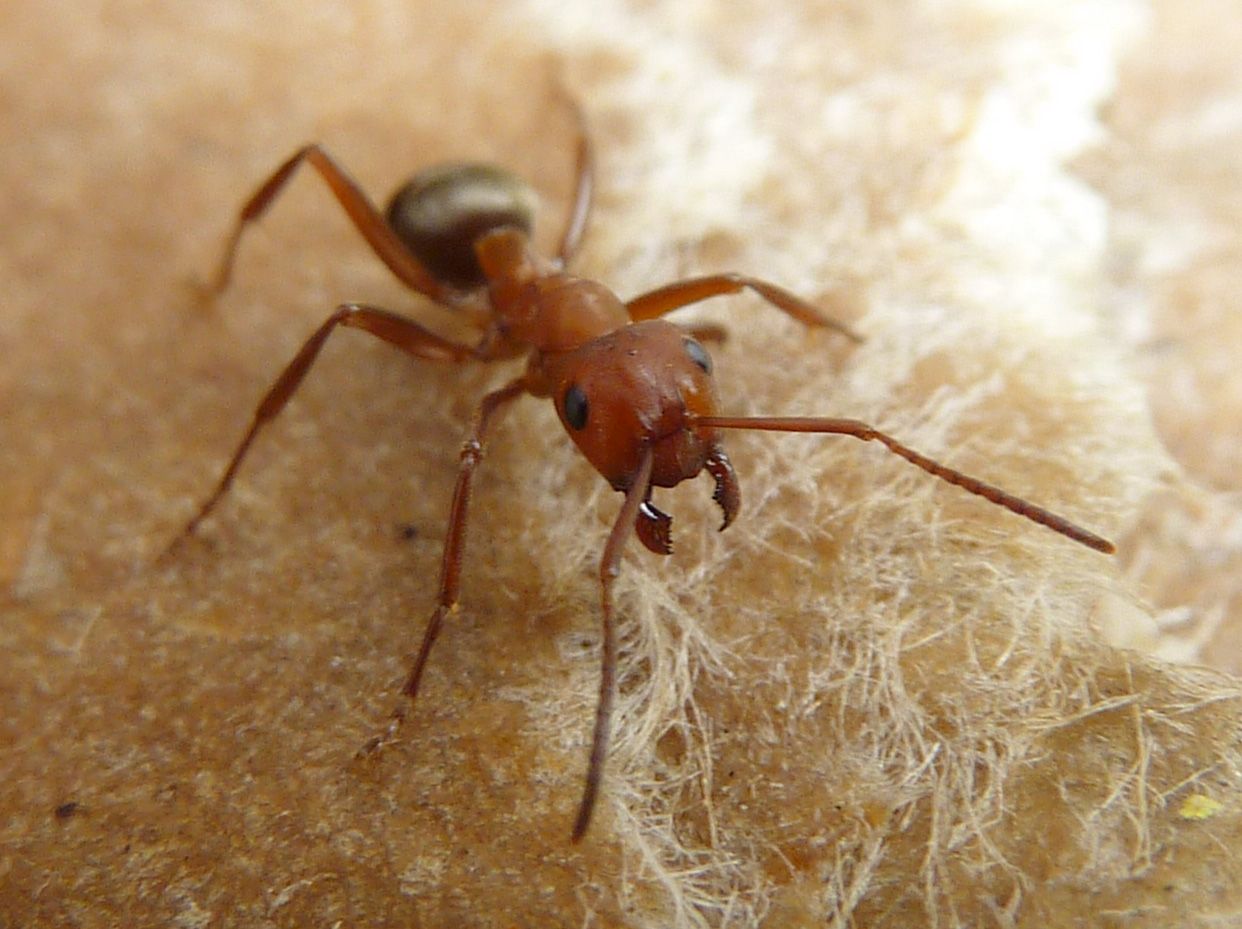
Pictured here is an ant, Apheanogaster rudis, which is a common "woodland" species though you can certainly find them nesting anywhere there's hardwood trees such as Oaks and Maples about. For years I've been feeding this colony Trillium seeds along with other ephemerals that engage in Myrmecochory, ant plant seed dispersal. Basically the plant has packets of elaiosome on the seeds which the ants find tasty and bring back to the nest, thus dispersing the seed away from the parent plant.

As I said, with this colony I've been the one giving them the seeds. However, I've witnessed other colonies in my yard showing up to damaged Trillium seedpods and making off with them too, so it does happen naturally. For the purpose of taking photos though it's so much easier to just shoving the seed in the ant's mouth and saying "Hold This!" so I can get a shot or two of it. 

While Myrmecochory is a natural process, it is not a requirement for seeds to be successful. Gardeners can just as well plant the seeds themselves as they would a packet of tomatoes. They take two years to germinate, and the better half of a decade to flower after that, but the planting them on your own is just that easy. In nature though it's to the plant's benefit that these seeds germinate far away because their rhizome (root) is going to expand and send up new shoots to form a clump in a few years, and it's no good having tons of seedlings trying to grow in their way. Actually it's even easier for the gardener to dig up the rhizome either while they're flowering or a few weeks before (Yes, while they're flowering!) and shake or cut the rhizomes apart that way. Each individual rhizomes wants to grow into its own clump anyhow so it's worth it to break them up every few years. 


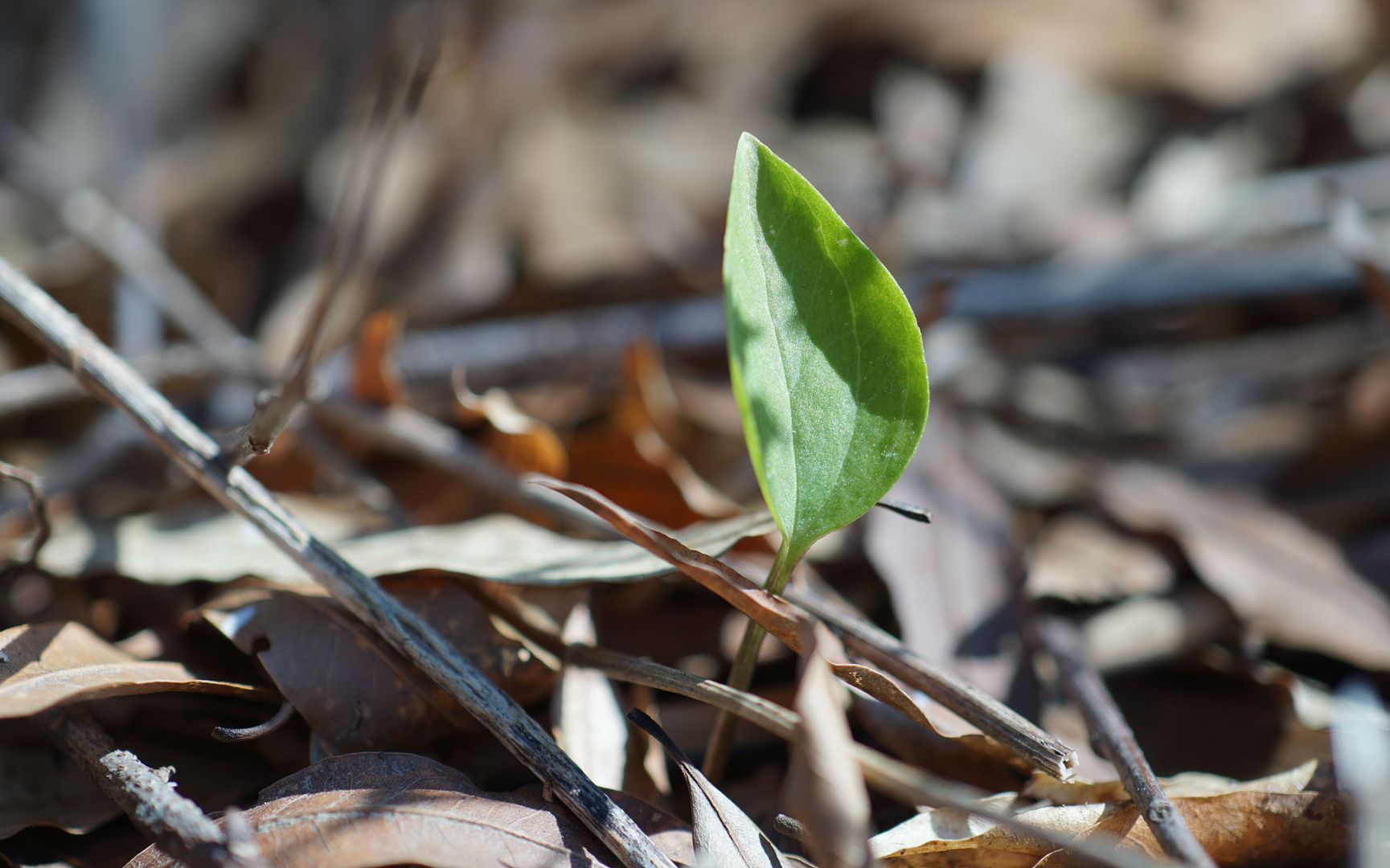
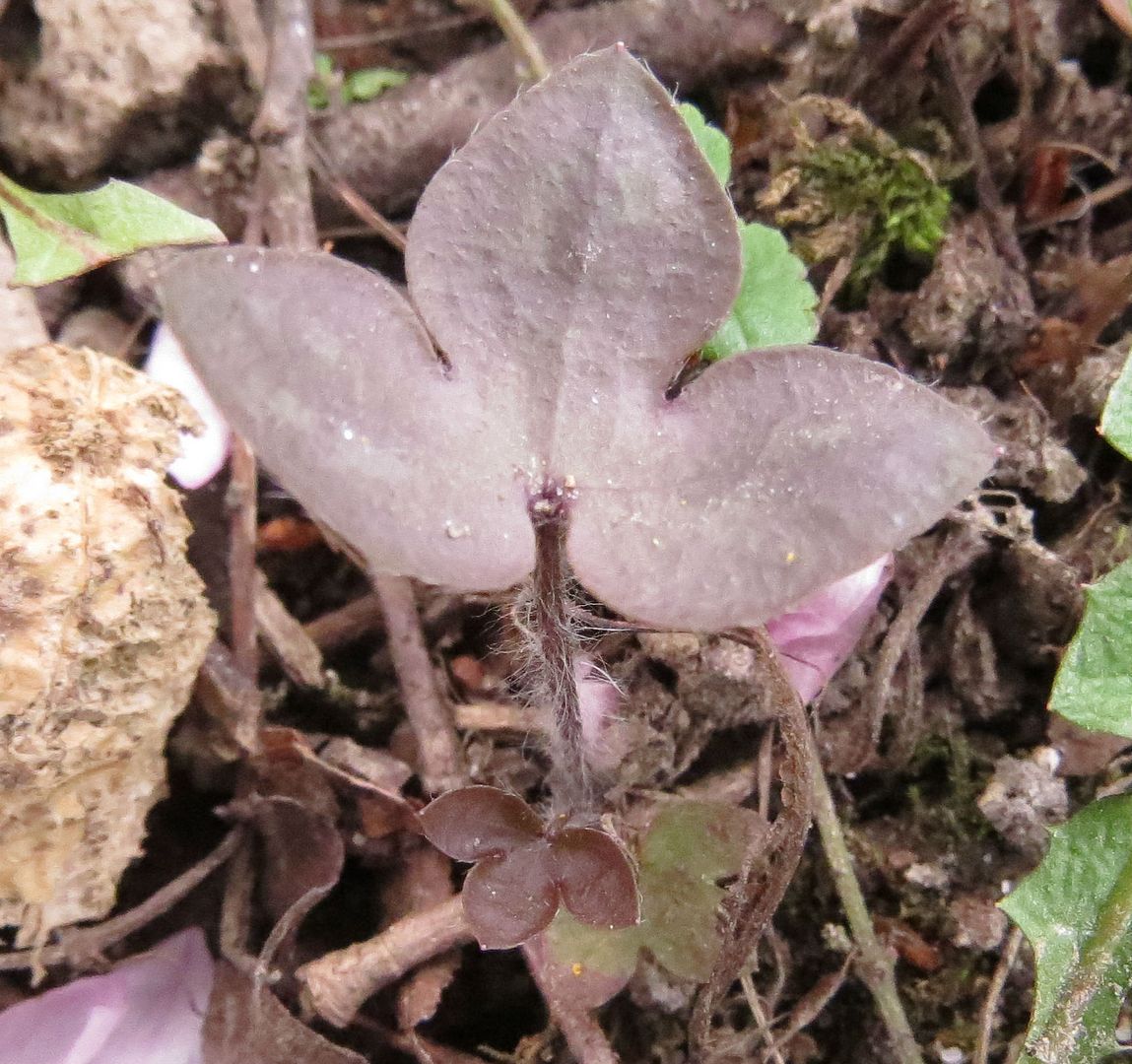
Well, I checked the colony of Aphaenogaster rudis today and found this poking up right next to the nest. It's a first year Trillium grown from seed. They send up a simple leaf and that's it for the whole year. Next year it should be two leaves, and then three after that, and then possibly flowering or a second shoot after that and so on. It's likely in years to come I'll find more of these around the nest as I've literally been dumping Trillium seedpods on this colony for the past five years.

An issue though is it's not an ideal place for Trilliums to grow. It's just too dry in that part of the garden so even if they do flower, I'll have to work hard to keep them watered or they'll go dormant before setting seed. This is likely why I haven't seen any seedlings growing until now. Another thought is the soil might not have been right. We were always in the habit of removing leaf litter from the gardens, but in recent years I've started leaving the leaf litter where it falls, sometimes even raking it off the paths and right into the garden for extra winter coverage. In theory this should help build the soil as the leaves break down, and the new leaves added add insulation for the plants below.

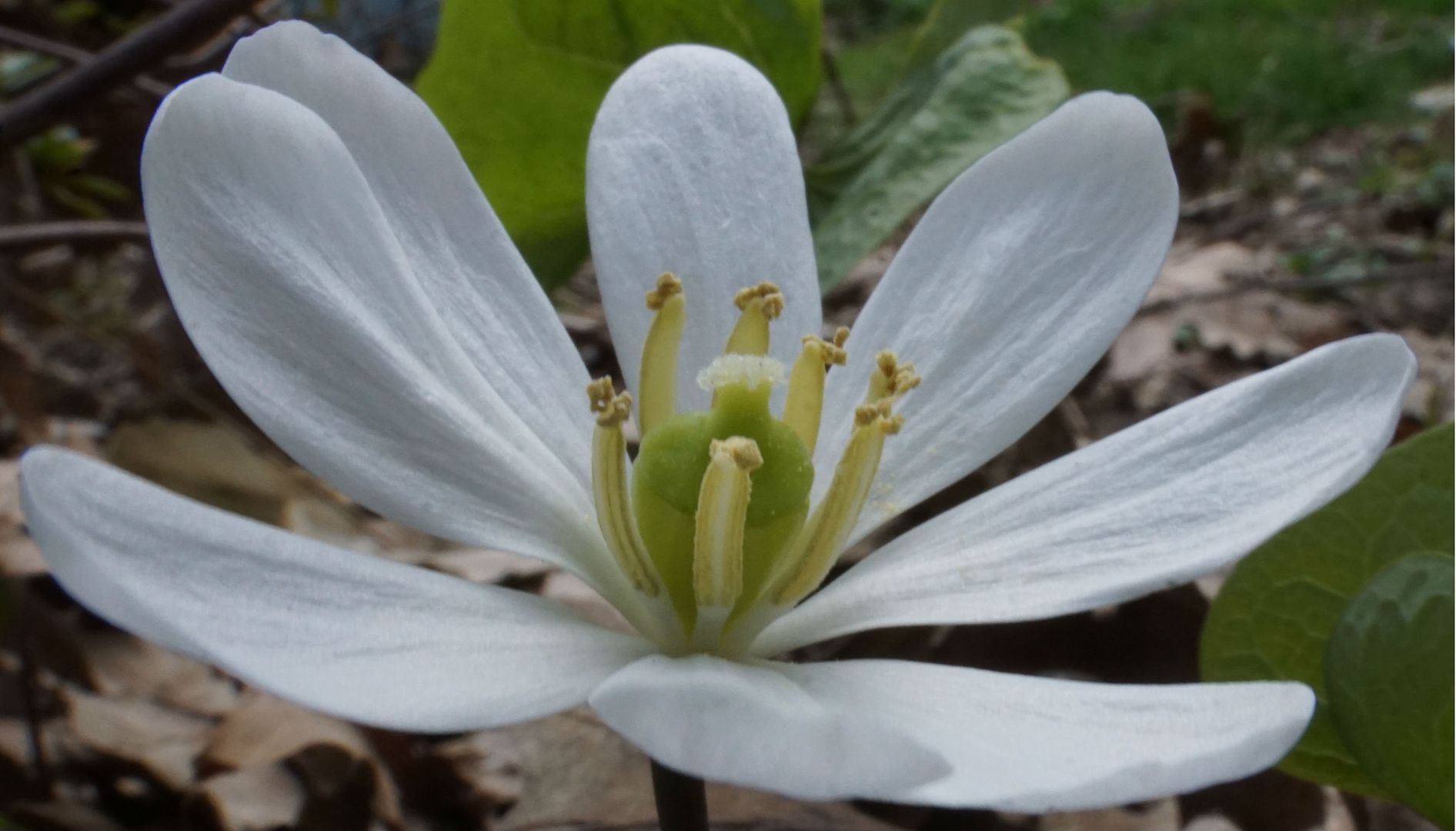
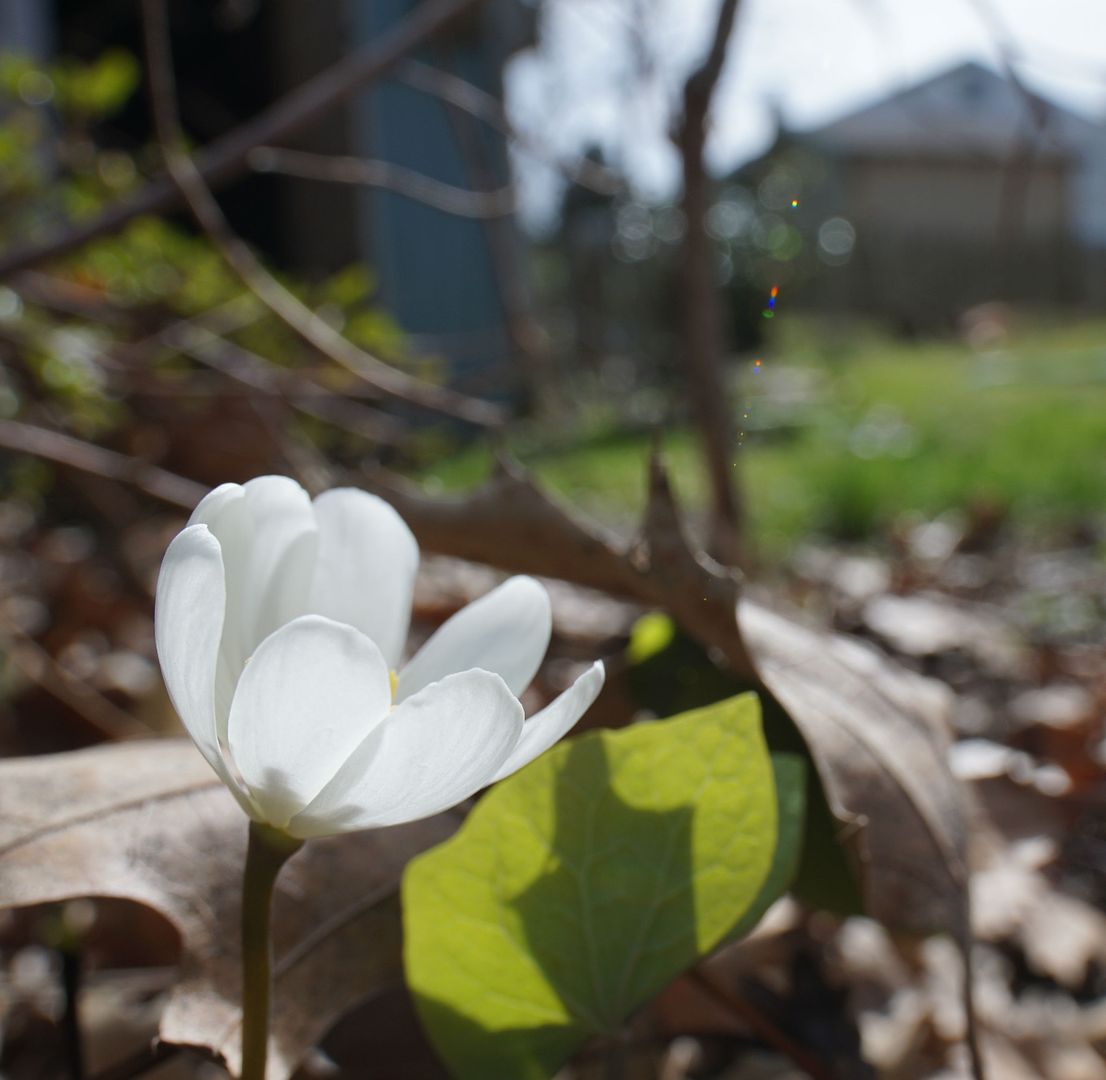
Another thing I'd like to mention is Blood Root. This ephemeral has been strangely missing from my garden. A few years back I bought a seed pack from Prairie Moon Nursery and tossed them out into the front garden. I hadn't thought anything of them because the leaves that came up last year were all the size of a dime, (tiny). Well this year it seems one not only decided to produce a great big leaf, but also flowered... and I missed it!

Tuesday, April 12, 2016

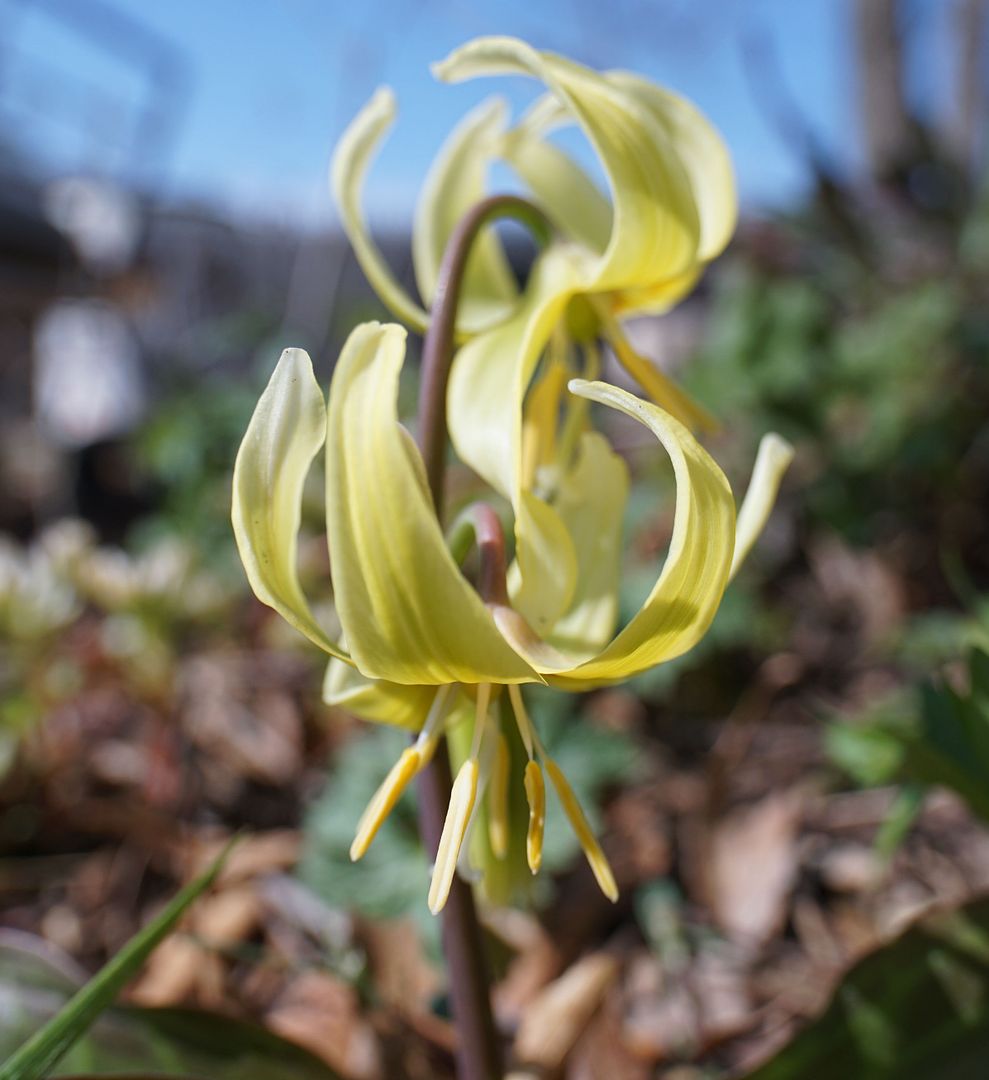
Erythronium 'Pagoda' A Western Native

Normally I'm not one for cultivars but I made an exception in this case. I've had Trout Lilies growing in the garden for almost 10 years now and they have yet to flower! Erythronium americanum much prefers to clone itself under the soil sending up a small carpet of roots everywhere. I've ready that on average only 5% (of what might be considered individual plants) in a given population will flower. Blooming seems to be triggered by the tap root finally reaching a certain distance down, or perhaps because it's become stressed from hitting rocks and things. I've been told that they're more likely to flower if rocks are placed just under the bulb to help stress the plant into sending its energy elsewhere but have yet to try this. 


So I bought a cultivar called, Erythronium 'Pagoda'  which is a hybrid of two species native to the western United States. I gather both are better about flowering and this hybrid cultivar seems to be no exception. It's parents are E. revolutum  and E. tuolumnense.

E. revolutum goes by Pink Fawn Lily, and seems to show through in the cultivar by the matting on the leaves. E. tuolumnense goes by Tuolumne's Fawn Lily, and seems to show through in the flower color (yellow).

Of three plants I have, all of them have produced flowers, which all have multiple buds on a single stem, making this a superior plant to the more indigenous native in a garden setting at least. After a decade I expend at least one of them to flower, and thus far the best I've gotten is one to produce two leaves, meaning that it's thinking about flowering, so maybe next year. For now though I'm enjoying these.

Trout Lilies all seem to spread their seeds about by ants, which is what got me interested in growing so many wildflowers in the first place. I'm eager to see if this cultivar does the same. And perhaps if the seeds are viable, see whether the diversity of the two species are still there. I may end up with a pink flowering one in a few years or maybe ones which lack matting on the leaves. Normally hybrids are sterile though, so it's likely this one is only maintained by division. Still though it will be interesting to see what happens.

Saturday, April 2, 2016

More Wildflower Shots

Jeffersonia diphylla, The same Twin Leaf that I posted about earlier, was open again even more so than the day before. The petals have since fallen off of course so it flowered for all of two days.

Thankfully I have a couple dozen of these plants growing now and with others that have yet to flower. I still don't really have an overlap of bloom so cross pollination is questionable at best. All of these plants should go on to produce seed pods with seeds in them, but ones that are cross pollinated will make seeds that are better about growing into a plant.

Got a better shot of the Hepatica too. And a very detailed shot of one of last year's leaves.

Mason Bees are flying about mostly breeding at this time but I see a few other types of bees pollinating things like Spring Beauty and some of the other nonnative weeds in my yard.

The first Trillium has opened up so I'll be taking pictures of that along with a few others that started to bloom.

Wednesday, March 30, 2016

Wildflower Season Begins!

Alright it's spring time and you know what that means; it's wildflower seasons! Yay!

I got a new camera for this season along with a fancy new lens that does a great job at showing a real depth of field. So far I've found it to be ideal at photographing wildflowers, but smaller things like ants are going to be more difficult with it. Larger insects will likely be okay as well, but it captures too big of an image to really home in on just an ant or two. It's a manual focus too so I have to take like 20 images of the same thing lightly adjusting the focus to hopefully capture a good one. I'm still learning.

Ideally here I wanted to see the inside of the flower, Twin Leaf, Jeffersonia diphylla, but I didn't get one where it was in focus enough to really get what I was going for. I planted a tone of these last year and I'm really happy to see they're all mostly coming up, and at slightly different times of one another. Even though they're next to each other, it seems the amount of leaf litter and sunshine they get really effect the bloom time of this plant. It's both a shame and a good thing for me. Twin Leaf is notorious for only flowering 8 hours to 2 days long, making pollination very unlikely on most years. It's good though because I get more chances to photograph the flower.

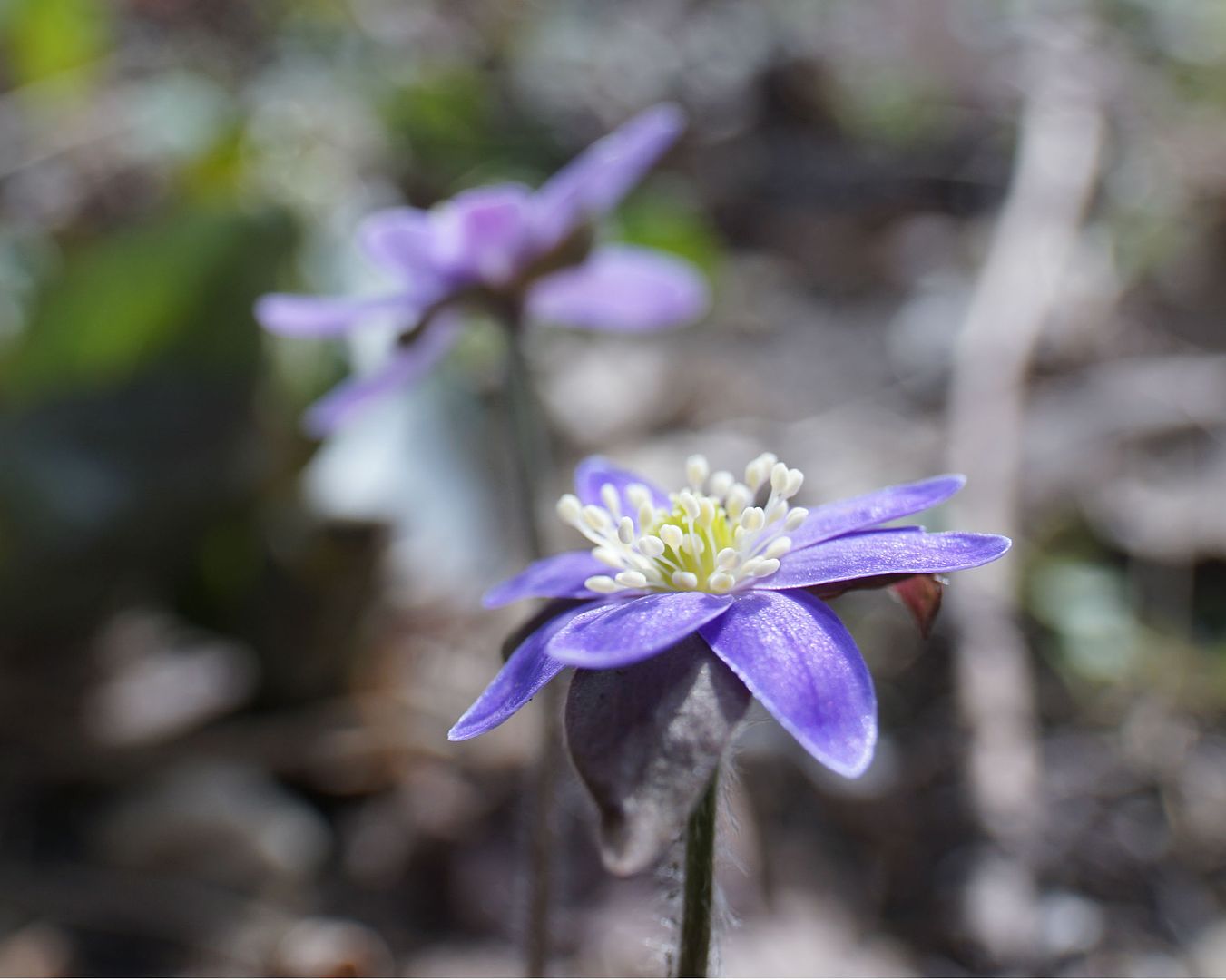
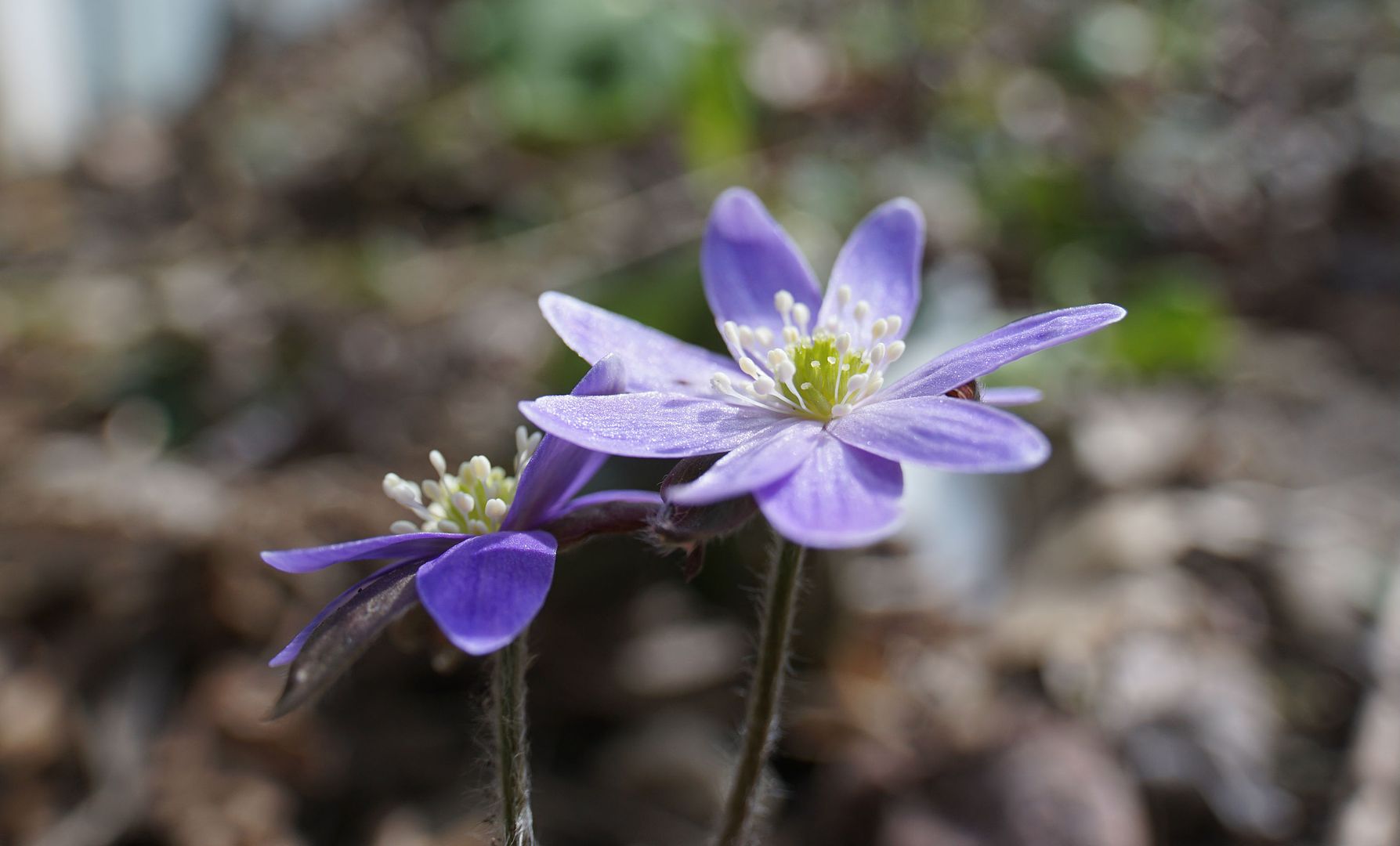
Here is a Hepatica which I had an easier time photographing. The one failing though is the flowers wanted to aim towards another plant that I couldn't get my camera and twin flash into. So I ended up having to take the second bloom (out of focus behind this one) and putting it in front. See below. 

This second flower isn't quite as blue as the first one but it's just as pretty.

STUDY: Mutualism fails when climate response differs between interacting species
I recently learned that Hepatica may set their seed "early" for our local species of Aphaenogaster (an ant) to take interest in dispersing their seeds. At least for where I am in New Jersey. The Aphaenogaster rudis we have in my yard and forests throughout New Jersey apparently become active "later in the year," than a different species, Aphaenogaster picea. To be honest though I didn't understand what the author meant in the study when they talked about later in the year or active earlier. A. picea is more common in northern parts of the US and Canada for sure, and apparently they're better about taking an interest in Hepatica seeds than A. rudis. However, when the Hepatica in my yard are dropping seeds it's already May or June and Aphaenogaster rudis very much "active" at that time. I'm not sure why the A. rudis don't bother with the seeds, maybe it's because the Hepatica I grow were all store bought and not a local genotype, but something is a miss here. Elaiosome should = ant food and for Aphaenogaster of all genera to ignore it means something is up here.

Monday, January 25, 2016

Gardening Goals and Achievements

 
When I first started gardening my initial goal was to provide nectar sources for my honeybees. Early attempts were an abysmal failure as I relied upon plants that simply looked pretty from a local nursery. The issue of course being that most nurseries sell cultivars with looking pretty in mind, instead of plants that are pretty useful. They do sell some useful plants but not as many as they should.

Realizing I would have to do some research, I started to set goals of what I wanted to get out of the garden. Along the way my focus changed from simply providing nectar fro my bees towards seeing what ecological effects my garden could have. I wanted to see how much biodiversity I could fit into one acre of land. Nothing was measured scientifically (I'd likely need at least 30 yards to make any conclusions,) but my achievements are as follows.

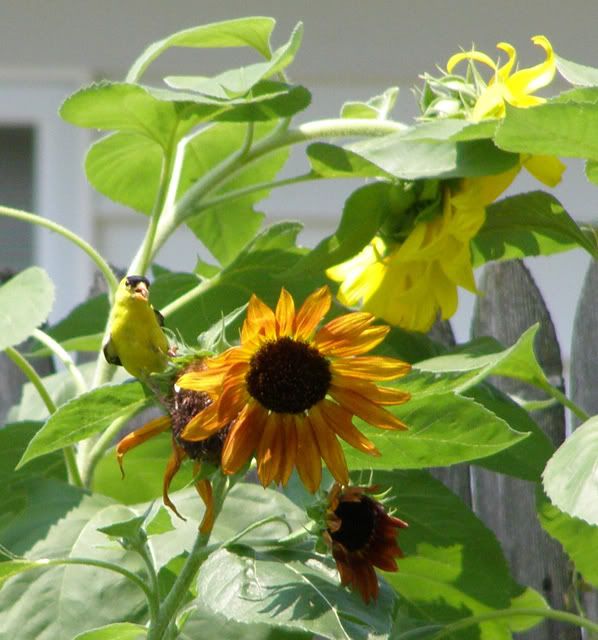
Probably the simplest achievement with gardening came in the form of a simple pack of sunflower seeds. They're the favorite food of the Eastern Goldfinch (The state bird of NJ) and their beaks are actually the ideal size and shape to dislodge a sunflower seed from the flower disk. Planting $5 worth of seeds not only brings in the pollinators but also a very attractive bird as well.

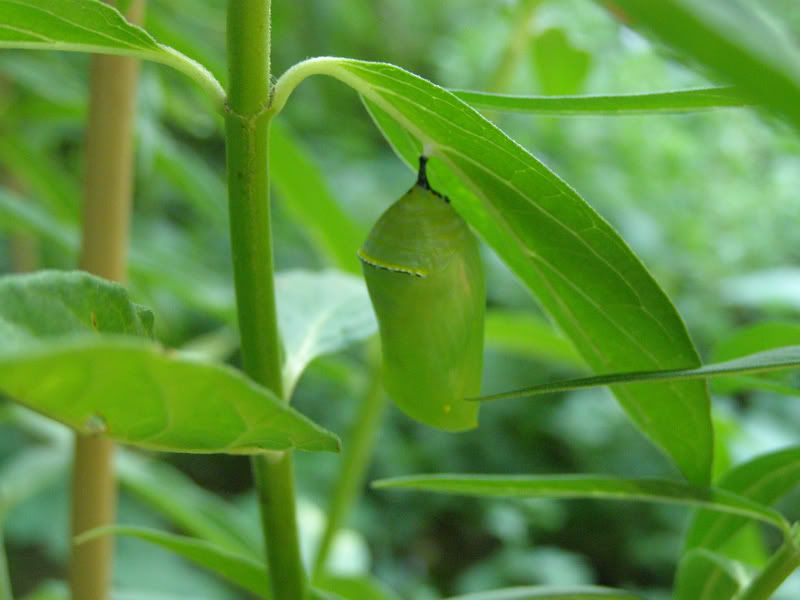
The next major milestone for my garden really had all the stars aligning perfectly. I met a fellow beekeeper who was really into native plant gardening but also advocated nonnatives like Catmint and Salvia. One of the plants that really caught my eye was his clump of Butterfly Weed which he grew along side an impressive clump of Lavender. I wanted to copy his garden as much as I could but chose a different species, Asclepias incarnata, Swamp Milkweed, or Fragrant Milkweed as I like to call it. I had no idea at the time, but Monarchs favor laying their eggs on the plant. The leaves are less tough than Common and Butterfly Weed, and because it tends to grow in moist soil the humidity in the air is more favorable to insects in flight. What's more the first chrysalis I found was on the host plant, which is uncommon. Normally the caterpillars abandon the host plant to get out of the way of the next generation. And again 10 days to the hour I first found the chrysalis I watched as it hatched into a beautiful butterfly.

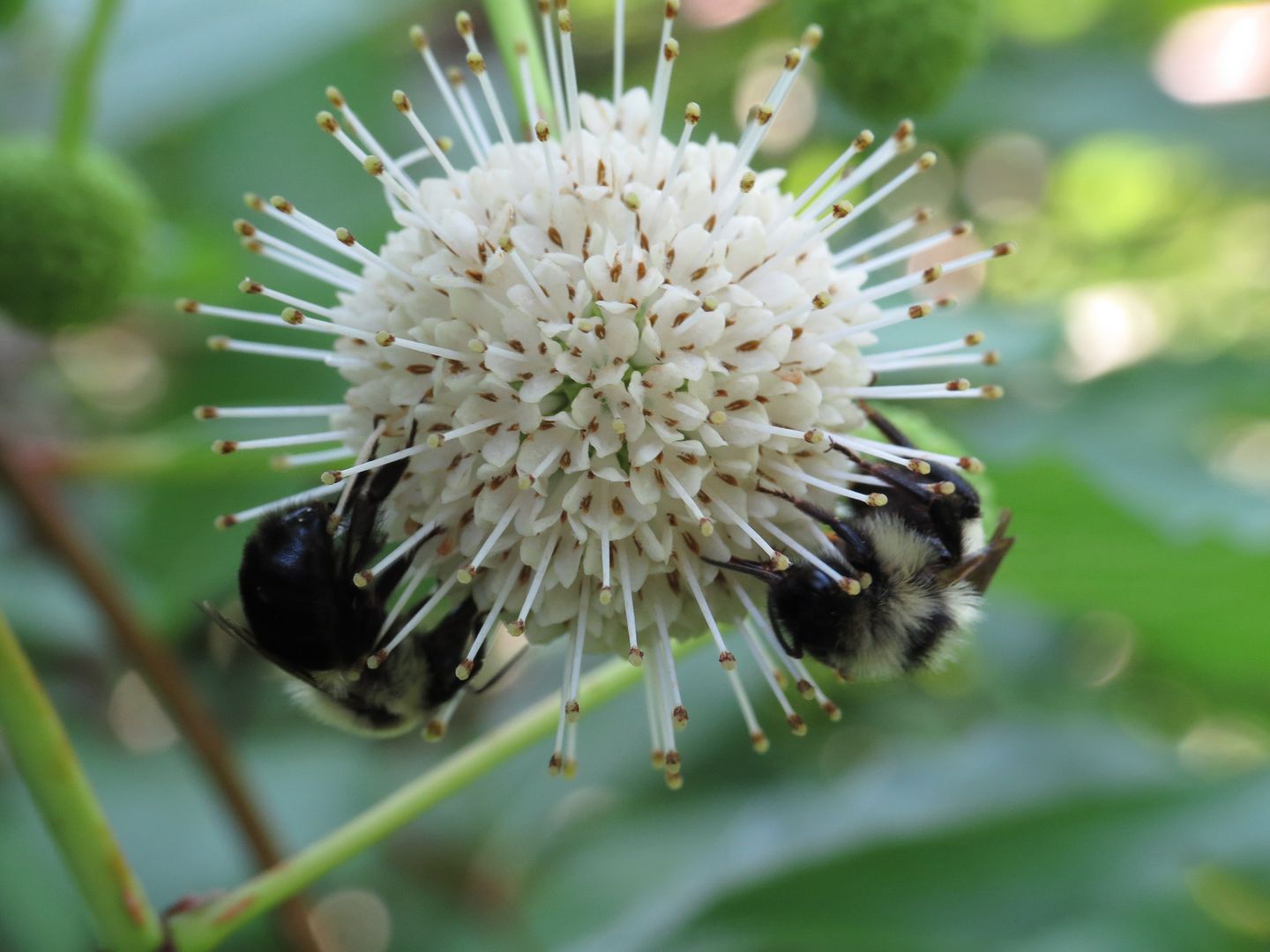
Over the past several years now I've started to go after some of the more obscure natives that not a lot of people grow. For example, I'm the only person I know who has a Button Bush, and I'd love to grow more of them but I just don't have the space.

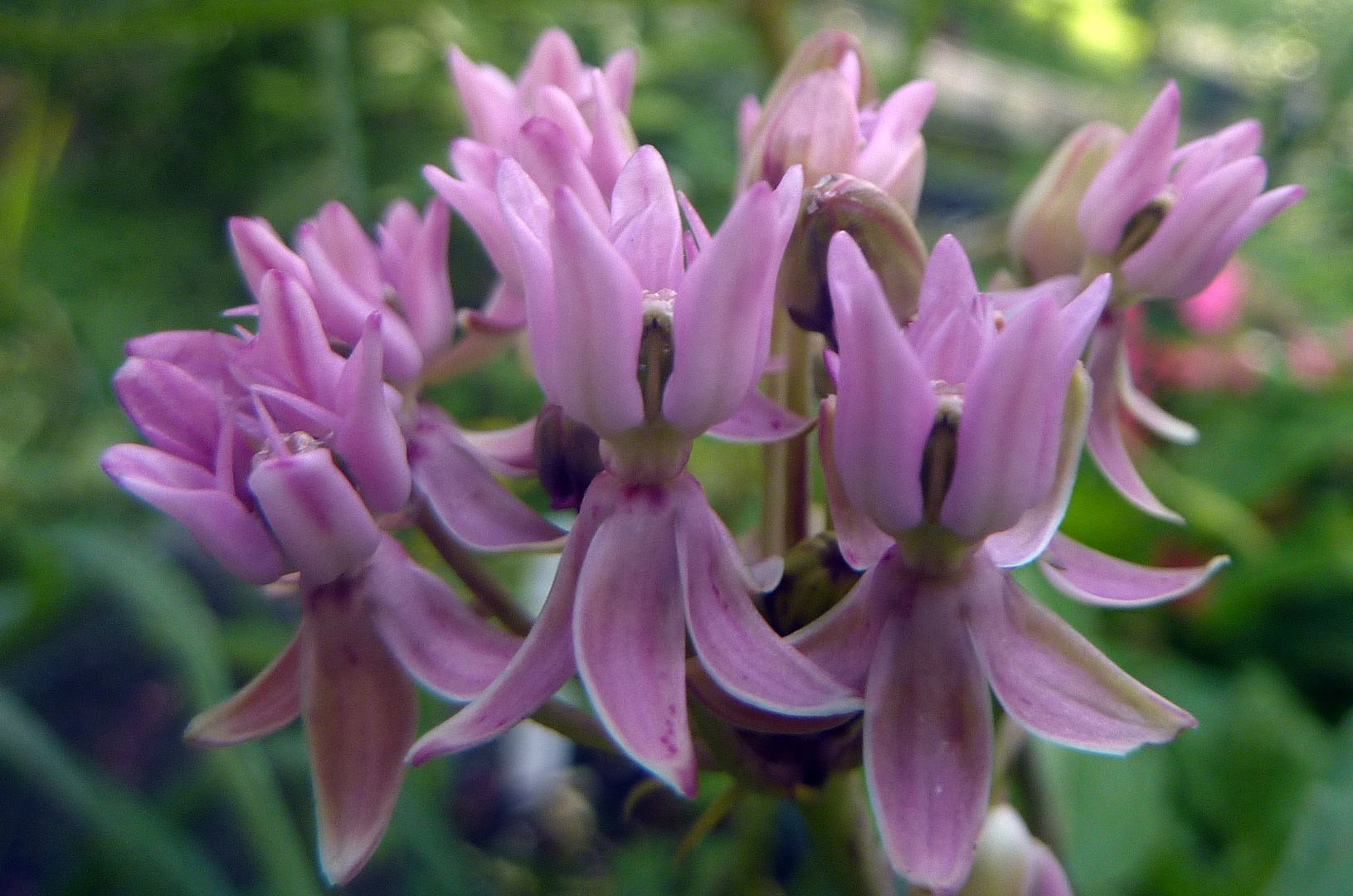
Purple Milkweed, while commercially available, doesn't seem to be grown by a lot of people. As I've discovered though, that's probably a good thing. Unlike Butterfly Weed, Swamp Milkweed, and Common Milkweed, this species requires cross pollination in order to produce viable seed. Individual plants don't produce as many flowers as other species. And tragically, the wildlife people grow milkweeds to attract target the flowers and seed heads first! You basically need to remove Monarch caterpillars, Milkweed Beetles, Milkweed Seed Bugs, Four-eyed Beetles, and keep the stems completely free of Oleander Aphids for this plant to do well! Of course it doesn't help that when it does successfully flower ants come and steal the nectar!

Purple Milkweed still grows in my yard but I've not been able to get it to flower again because pests keep eating it!

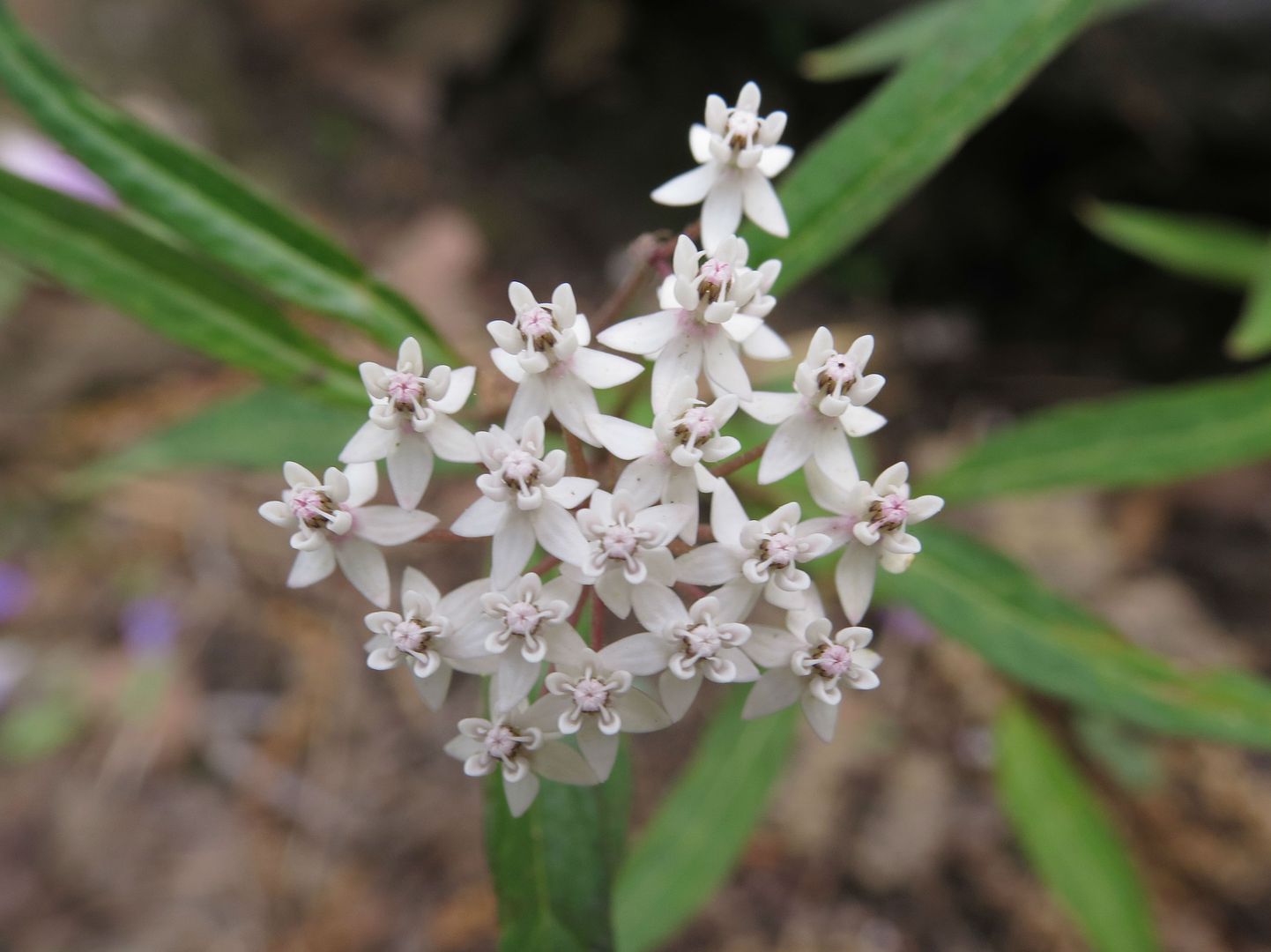
Rarer Still, I tried growing the true Red Milkweed, Asclepias rubra. I call it the true Red Milkweed because one of the major mail order nurseries has started calling Asclepias incarnata, Red Milkweed. They're wrong of course as is whoever came up with the common name for this species. The flowers are clearly a shade of pink! The plants I bought (and suspect were dug out of the wild) grew well the first year and flowered but have yet to emerge again. The roots are still in the soil, still slightly green or white if you cut into them, still fleshy like an ordinary rhizome but for some reason they don't produce any shoots or green growth of any kind. Very odd. If I locate them again I'll move them to an even wetter spot of the garden. I'm pretty sure they're a bog species.

This is an achievement for me in that I got to photograph it flowering. I have no plans of trying to grow it again as all the sources for plants at this time I suspect might be from plant poachers.

Aquatic Milkweed, Asclepias perennis. This is you can buy on the internet easy enough but it didn't do well in my yard because all the wet bog-like places are already have lots of weeds and plants growing in them. It's a small species with some of the smallest flowers in the genus too. I was hopeful that it would be successful in my garden but it wasn't. I may try planting more of this again in a true bog garden some day, but for right now, I'm just glad I was able to photograph it flowering.

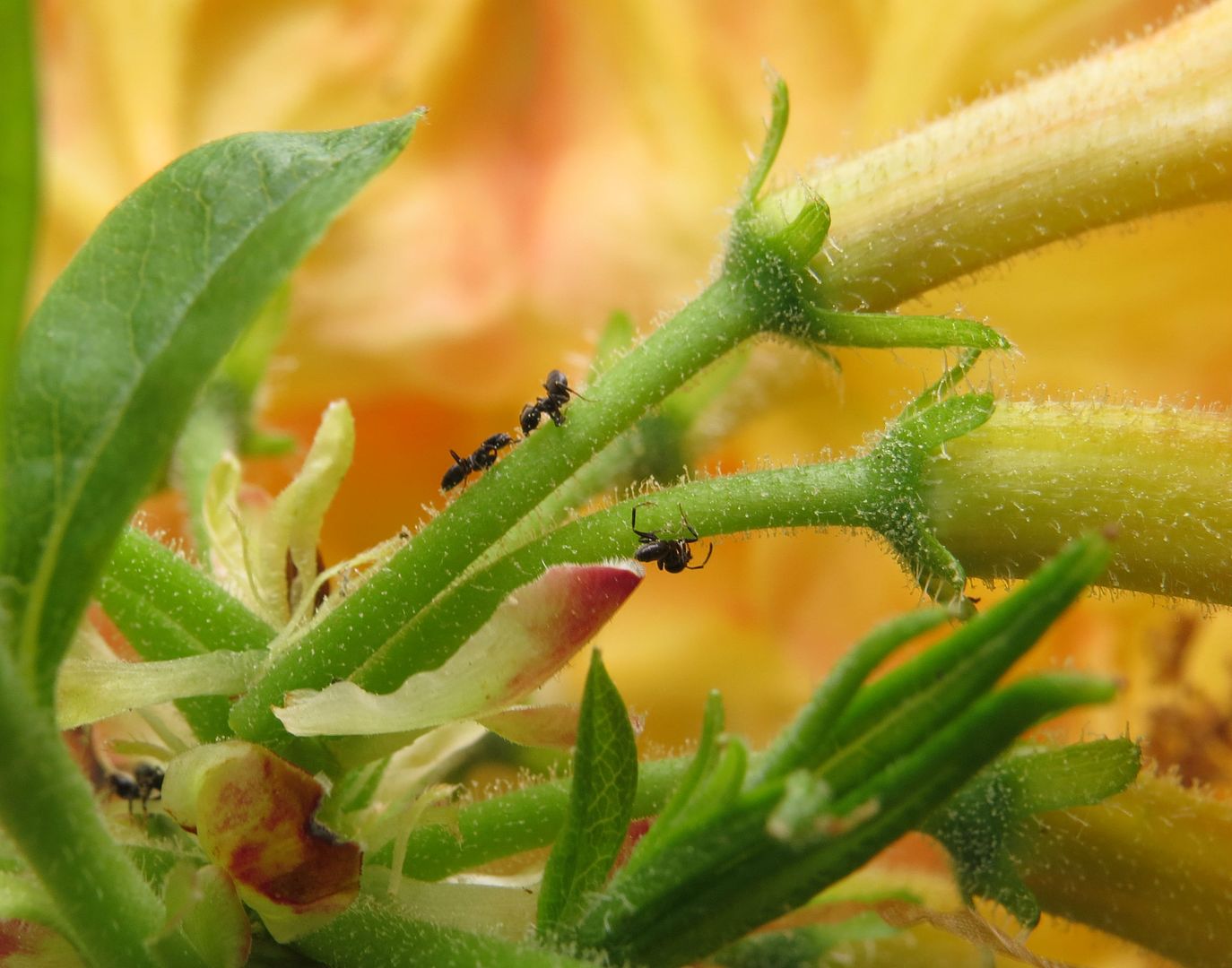
Discovered Flame Azaleas are semi-carnivorous. Actually they're not carnivorous at all but to protect their flowers from nectar thieves, their stems have hairs on them that dispense a type of glue to stop ants dead in their tracks. Now when the hummingbirds come to feed at the flowers they can find an added tasty treat clinging to the stem.

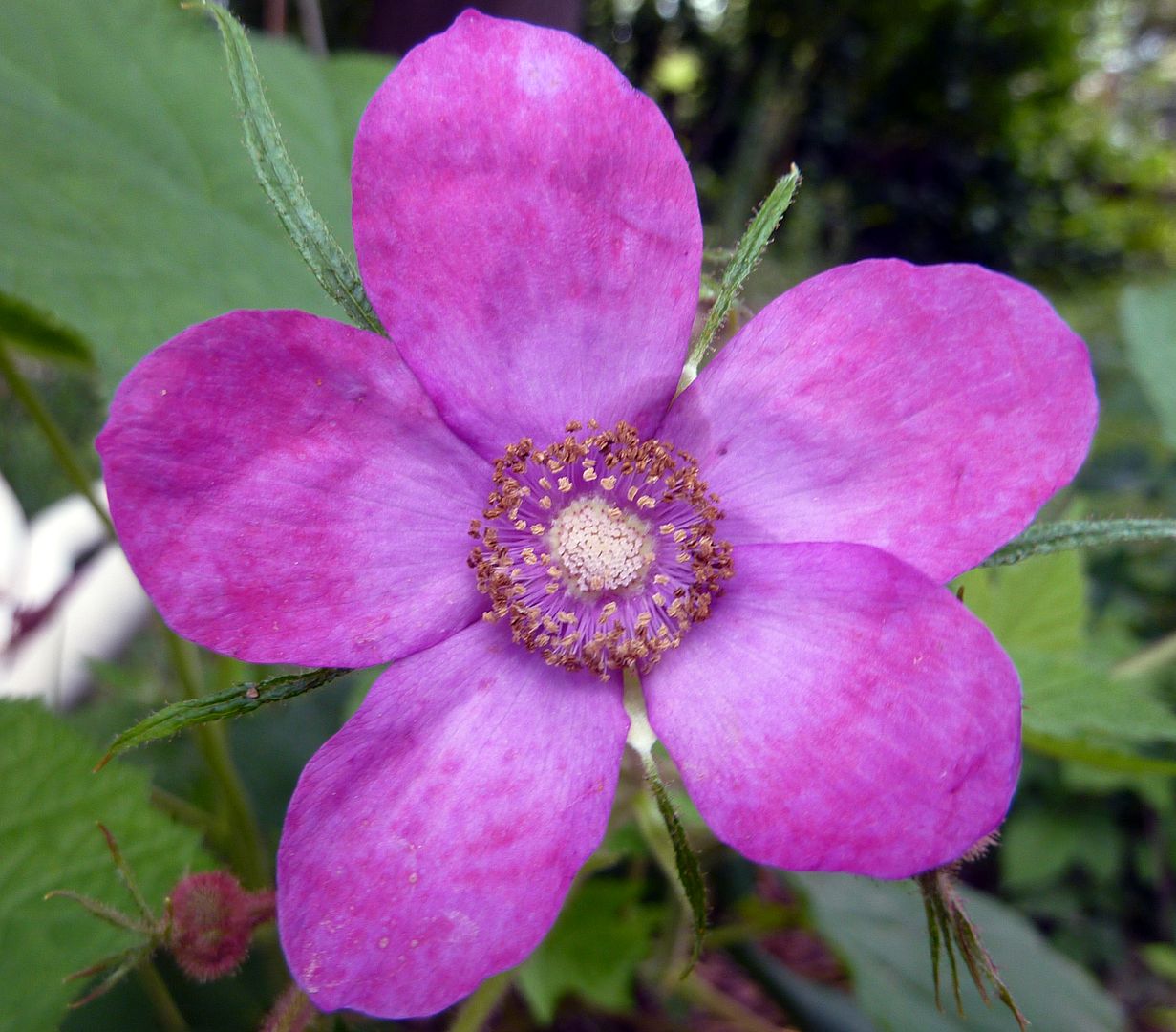
Red Flowering Raspberry. This plant was a huge surprise. The flowers are as pretty as our native roses, though they're also a poor replacement for a rose. You can't really use them for a cut flower, and they're short lived. The stems lack any prickers and instead have a sticky feel to them. They have yet to produce fruit but I believe that's a cross pollination issue I'm hopefully fixing in the coming year. I've planted three more specimens that should flower. If they don't produce fruit then I'll likely move them some place else so I can plant things that are more productive. But man, look how pretty that flower is!

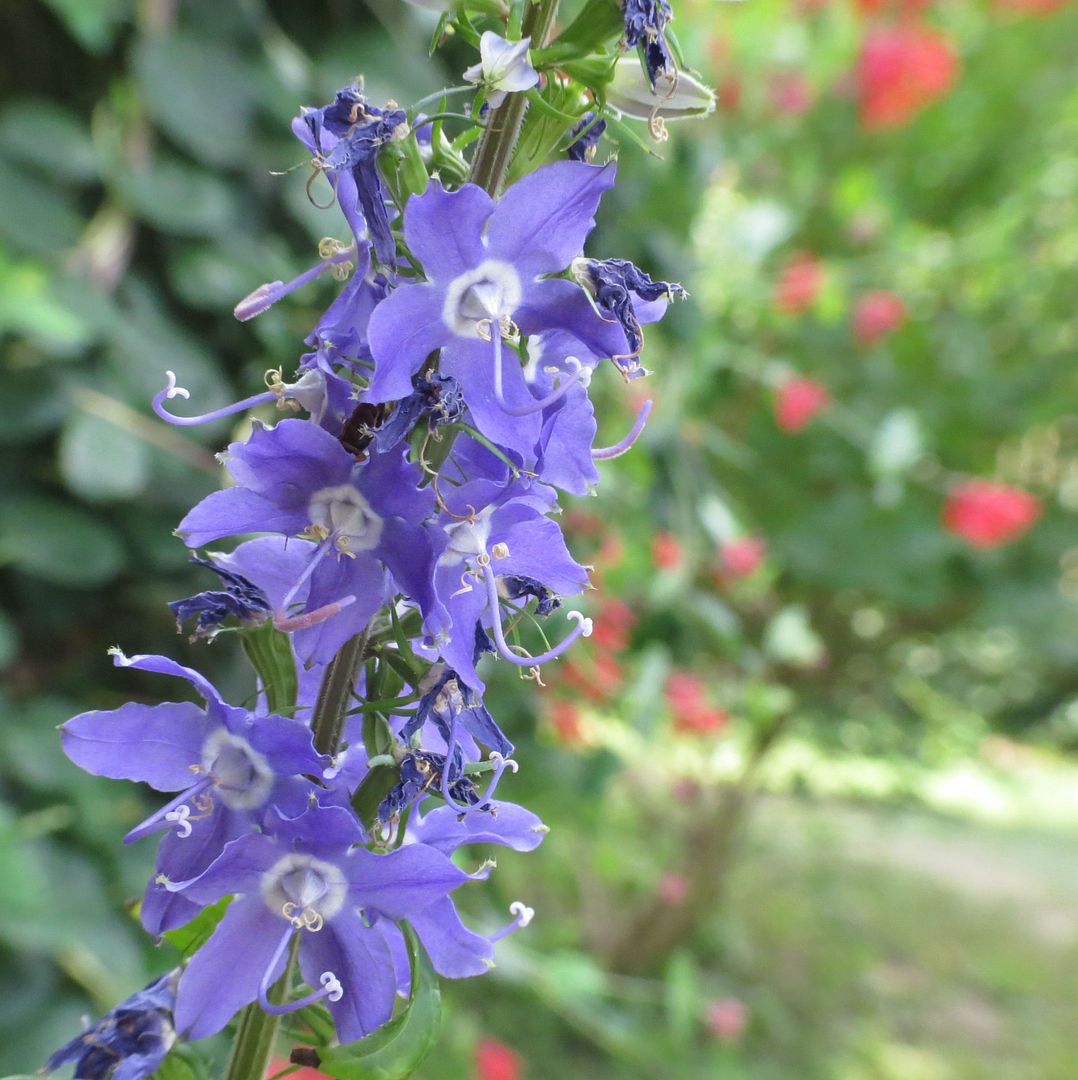
Companula americana. This is a biannual I decided to try one year and it's easily my new favorite plant for dry shade. It grows in bone dry soil, in full shade conditions! The first one I got growing grew 7' tall and flowered robustly from June to frost. It got to the point where it was making bloom and buds on existing seed pods because the stem had become so overcrowded with flowers. I've never seen anything like it. The following year's plants weren't as great, but they're biannuals so they take an added year. Then on the year past we had new windows installed, and one of the workers took a rake to the garden and got rid of all my plants while cleaning up! Good to know they're easy to control if they get out of hand but I was hoping for a whole backdrop in the garden of 5 to 7' tall spires of blue flowers. Hopefully I'll get to see that happen this year because I emptied a pound of seed or two in the spot.
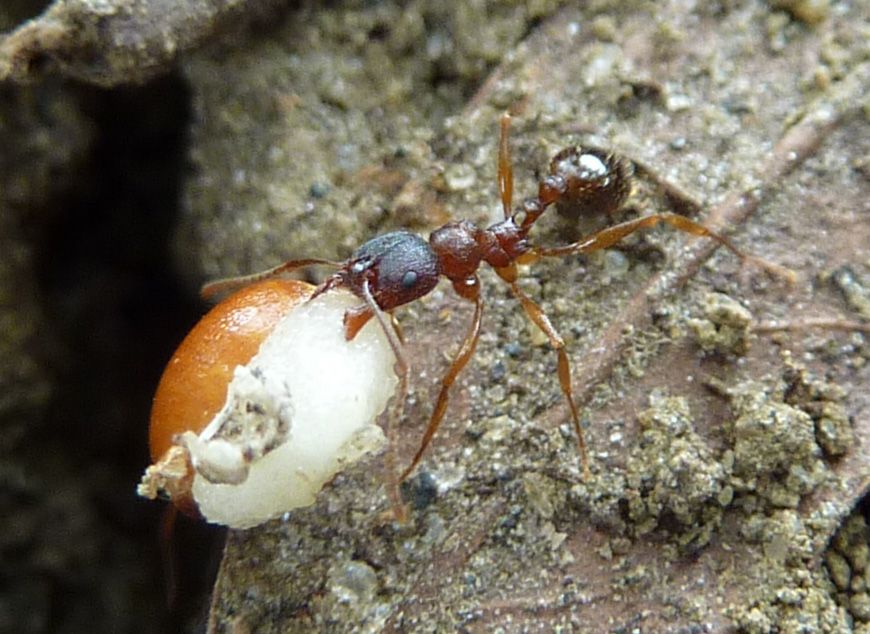
A lot of the ephemeral plants I grow disperse their seeds with the aid of ants. I'm overjoyed that I was able to not only grow a few species of Trilliums and other plants that have elaiosome on their seeds but also able to witness the behavior in my own backyard. And I've also realized I'm probably the only person in North America who's bothering to photograph this behavior!

Very recently I was approached by a museum about using one of my photos for an exhibit. Unfortunately I'm not a professional photographer (Yet!) and don't normally save images in as high a resolution as their project required. Still, to have been asked was an honor!

Roughly 40% of our native ephemeral wildflowers disperse their seeds this way and most gardening books treat the topic like a cliff note... There isn't a whole lot to tell, but I've found certain species of ants favor certain plant species and some are better about dispersing them a greater distance than other.  

Getting Wildflower to reproduce, and ephemerals at that! This is huge because some of these plants I buy cost $25 each, and they're not always successful! Knowing that the plant is happy enough to do what it would normally be doing in nature, in my yard, it the best compliment a plant can give you. (Or the worst if it's invasive.) Now if my rare Trilliums would just stop reseeding in the lawn I'd be in business.

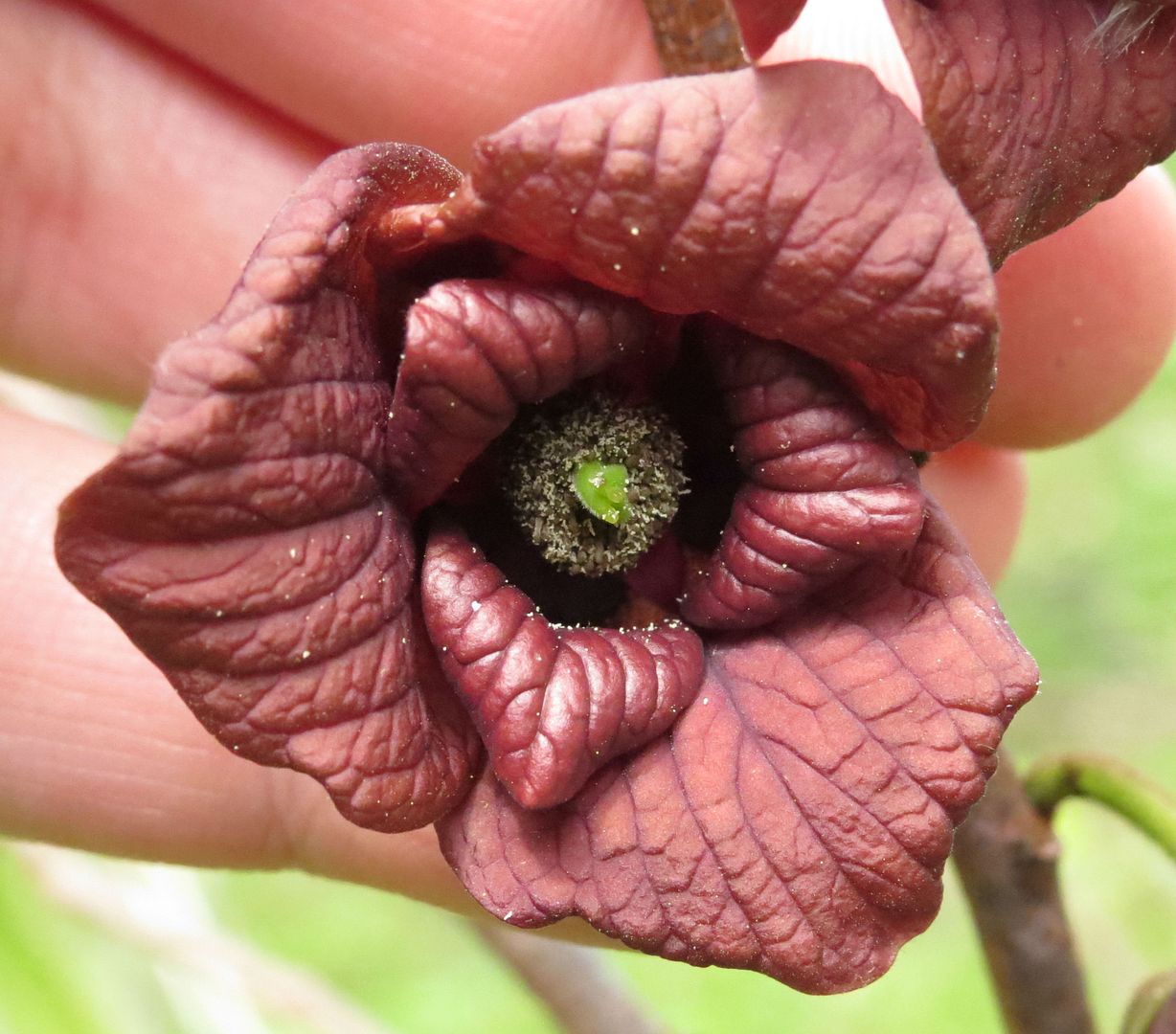
Getting my Paw Paw tree to flower. For years I'd been planting saplings of this species all over my yard and for one reason or another they just couldn't survive the winter. It's annoying! Finally I found a spot where they get enough water in the summer and don't burn up in the heat, and are sheltered in the winter enough to survive. And I immediately planted a second one right next to it. So one tree is of a flowering age, now I just need the second one so they can cross pollinate and maybe I'll get some fruit.

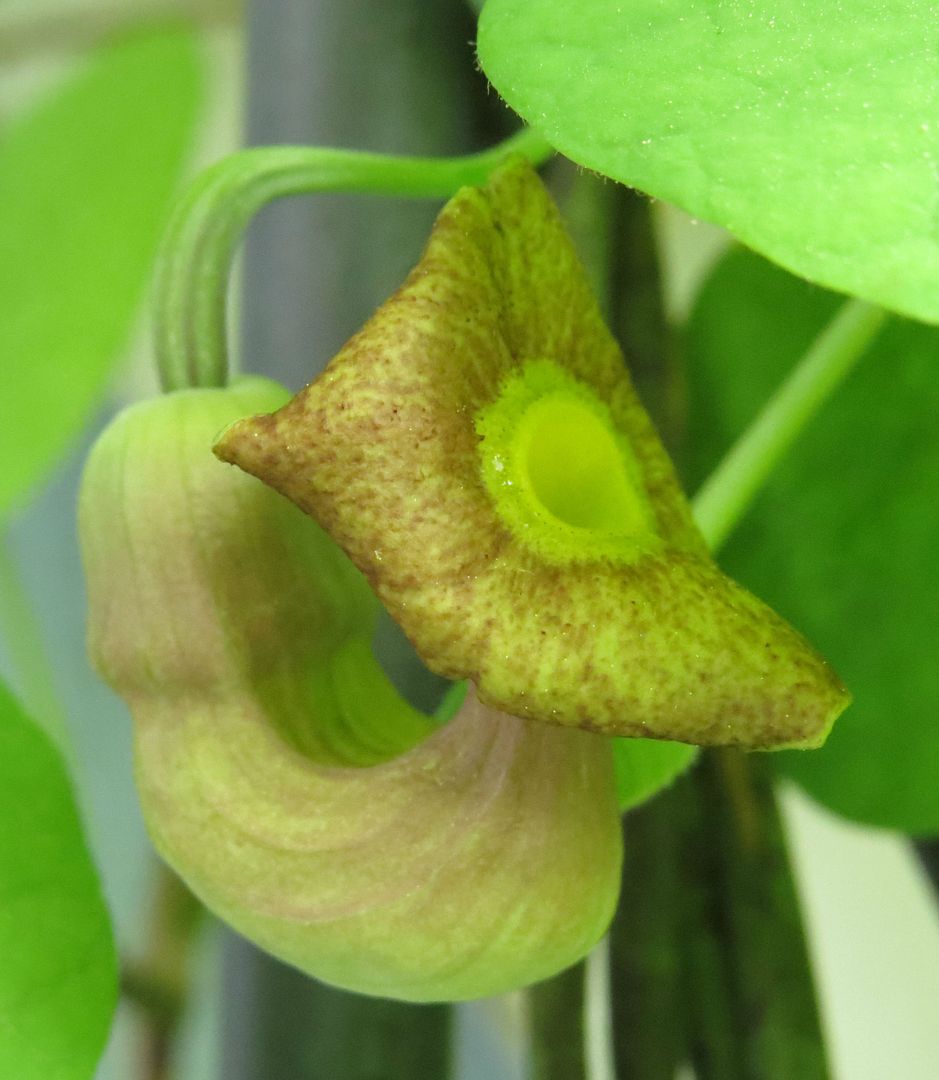
Dutchmen's Pipe. I've had this vine growing for a good 7 years at least and it finally decided to start flowering... Not the prettiest things but I had a theory that the seeds to this plant have elaiosome on the seeds so I'm eager to see if that's true. Unfortunately they seem to require cross pollination, so I won't know that until several years later when the vine's counterpart I planted finally reaches of age.

I planted this as a host plant for the Pipe Vine Swallowtail and I'm still waiting for them to find it. :( though this seems a common problem among butterfly gardeners.

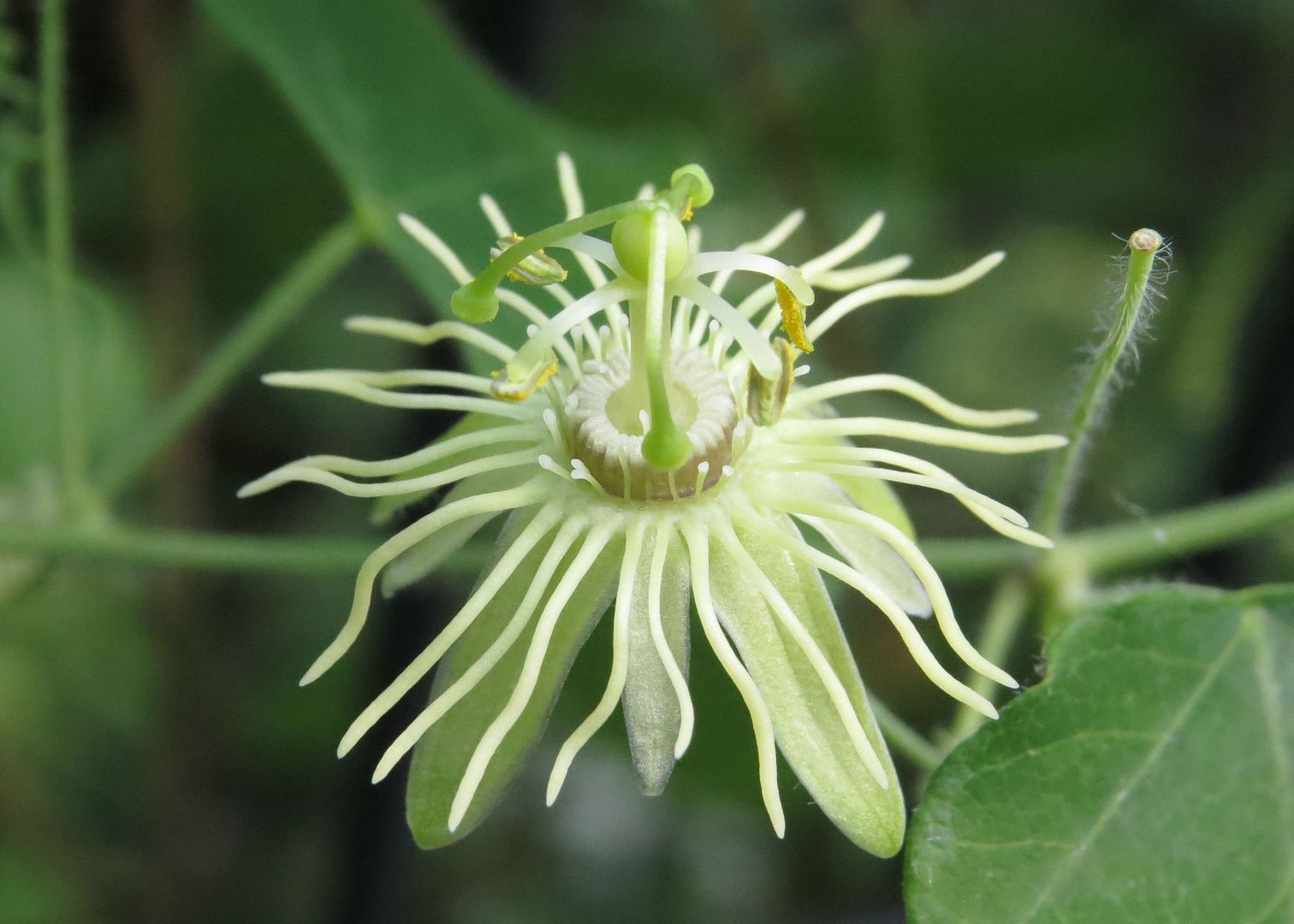
Yellow Passionflower, Passiflora lutea, is another species I'm proud to say I grow. Unfortunately it seems I don't grow enough of it. This is a plant they tell you to grow in the shade and let it grow up the stems and branches of another plant. There's nothing wrong with that, but the absolutely charming leaves, flowers, and fruit get completely lost in the foliage. I have a vine of this in my garden still, I think. But now that I've seen it growing at the Mt. Cuba Center, clearly I'm growing it wrong. It still gets lost, but they have it growing right on a fence in full sun where it thickly covers the fence almost like an ivy. It's a great little vine that doesn't get out of hand, and I'm curious to see if Fritillary Butterflies use it as a host.
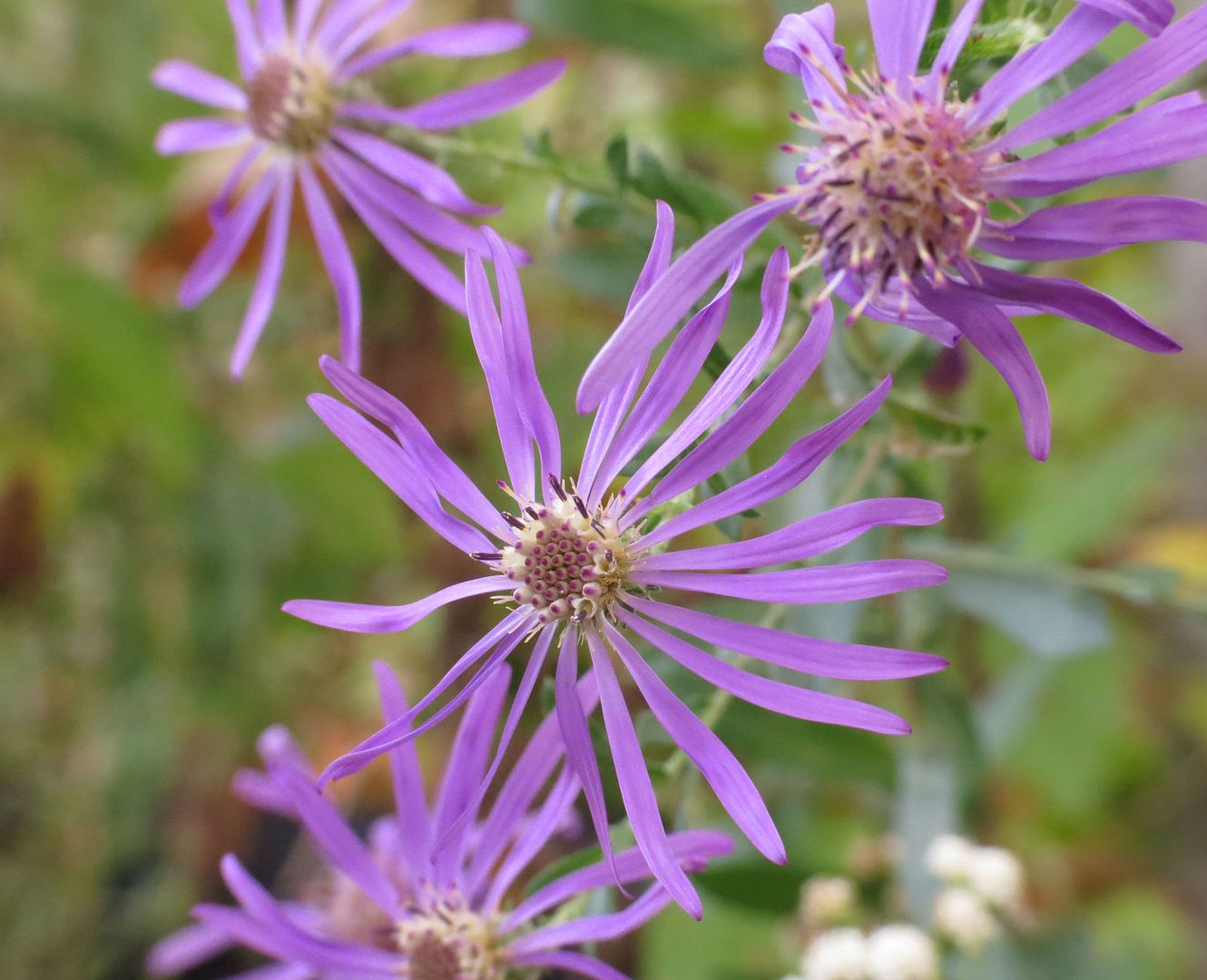
Georgia Aster, probably the last plant in temperate North America to stat blooming aside from Witch Hazel and Heathers. This is a plant I look forward to every year now. I've only been growing it for three years, it's flowered the past two. This year I collected seeds and hopefully I'll get a lot more of it to grow. The flowers are nice and large, and the purple is a great contrast of the leaves from fallen trees, which are shades of yellow, red, or brown.  

Discovering that Black Swallowtails do use Golden Alexander as a host plant was sort of a happy accident. I planted these as a host plant but later learned they rarely use it! Seems they heavily favor Parsley. But I've noticed that Golden Alexander has more foliage to offer early in the year before Parsley really gets going, so it's likely used as one of the earliest hosts then they switch over to Parsley with subsequent generations.

Adding all these native plants of course had an effect on the insect life. More herbivore insects means more sources of nectar, protein, and seeds. The increase in resources caused the colonies of Formica incerta and Formica pallidefulva to expand and get even larger than before. That got the attention of a slave making member of the genus, Formica pergandei. Seen above a colony of F. pergandei (bicolored) has invaded a colony of F. pallidefulva (copper tone).

Formica pergandei, is one of many slave making and parasitic species in the Formica genus, the largest ant genus in North America. They are completely devoted to maintaining their Formica hosts to maintain their own colony. F. pergandei workers don't forage at all. They spend their time raiding other colonies of Formica for brood and often do a complete invasion where the whole F. pergandei colony moves in and kills the host queen(s) and reproductives. They take over the current work force, and all the new workers born into their nest become part of their colony. The host species do all the foraging and nest building but eventually die off, so the F. pergandei workers are always looking to invade the next nest.

It's hard to say that F. pergandei wouldn't have found the colonies in my yard eventually. But in all the years I've lived here never noticed the species. They may have eventually come and moved on, as they did, but I believe the increase in resources made the F. pallidefulva and F. incerta colonies a bigger target. 

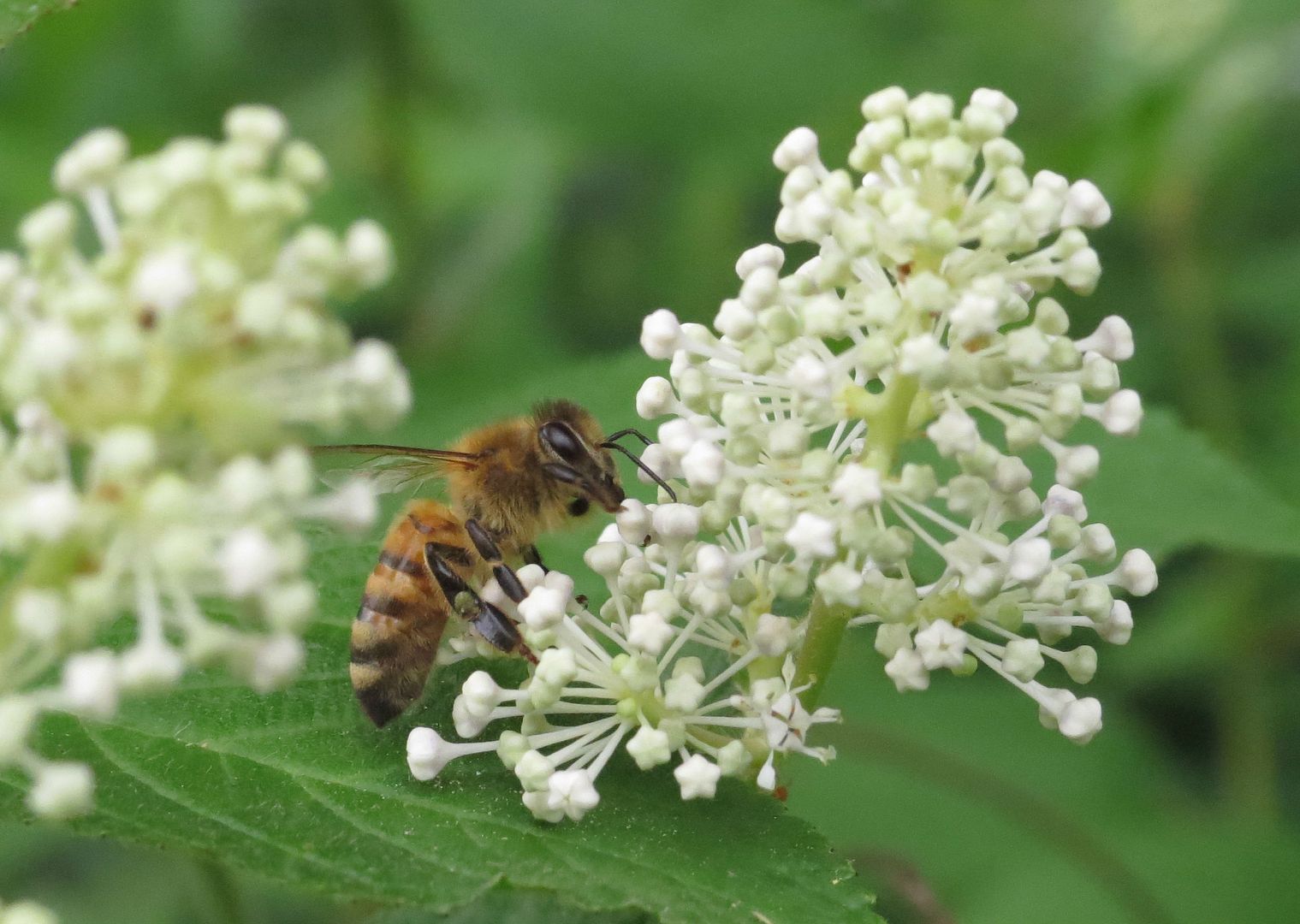
New Jersey Tea. This is one of those plants they're always touting for all its benefits but no one ever grows. Part of the problem is it seems to only ever be sold in plugs.... Why? It's a shrub. It should be a large or medium sized pot at least. I planted dozens of these over the years and ran over all but one of them with the lawn mower. Well I'm happy to say that after several years, it's now flowering robust enough to get honeybee attention.

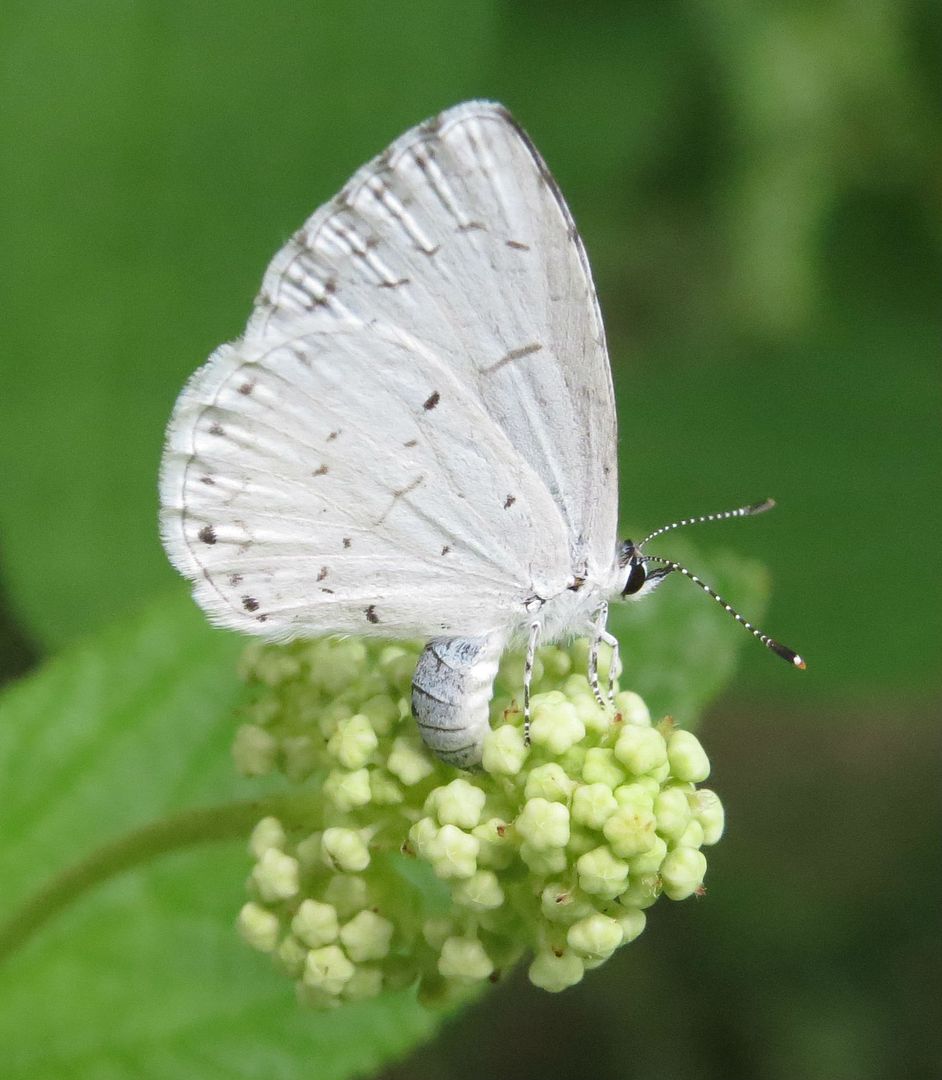
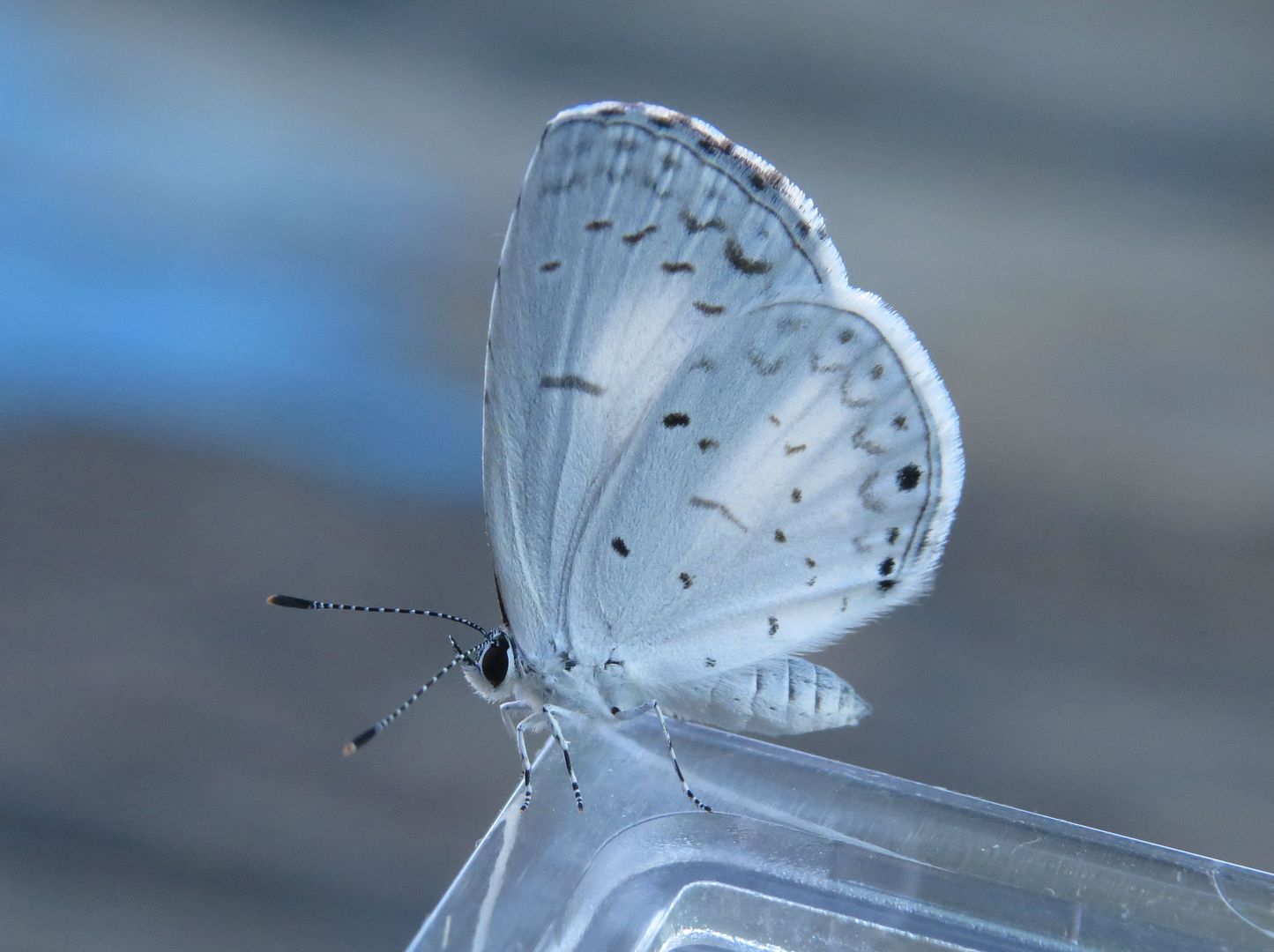
As an added bonus it's a host plant to Spring and Summer Azures. And.....

I found that Sourwood trees are also a great honeybee plant. Which....

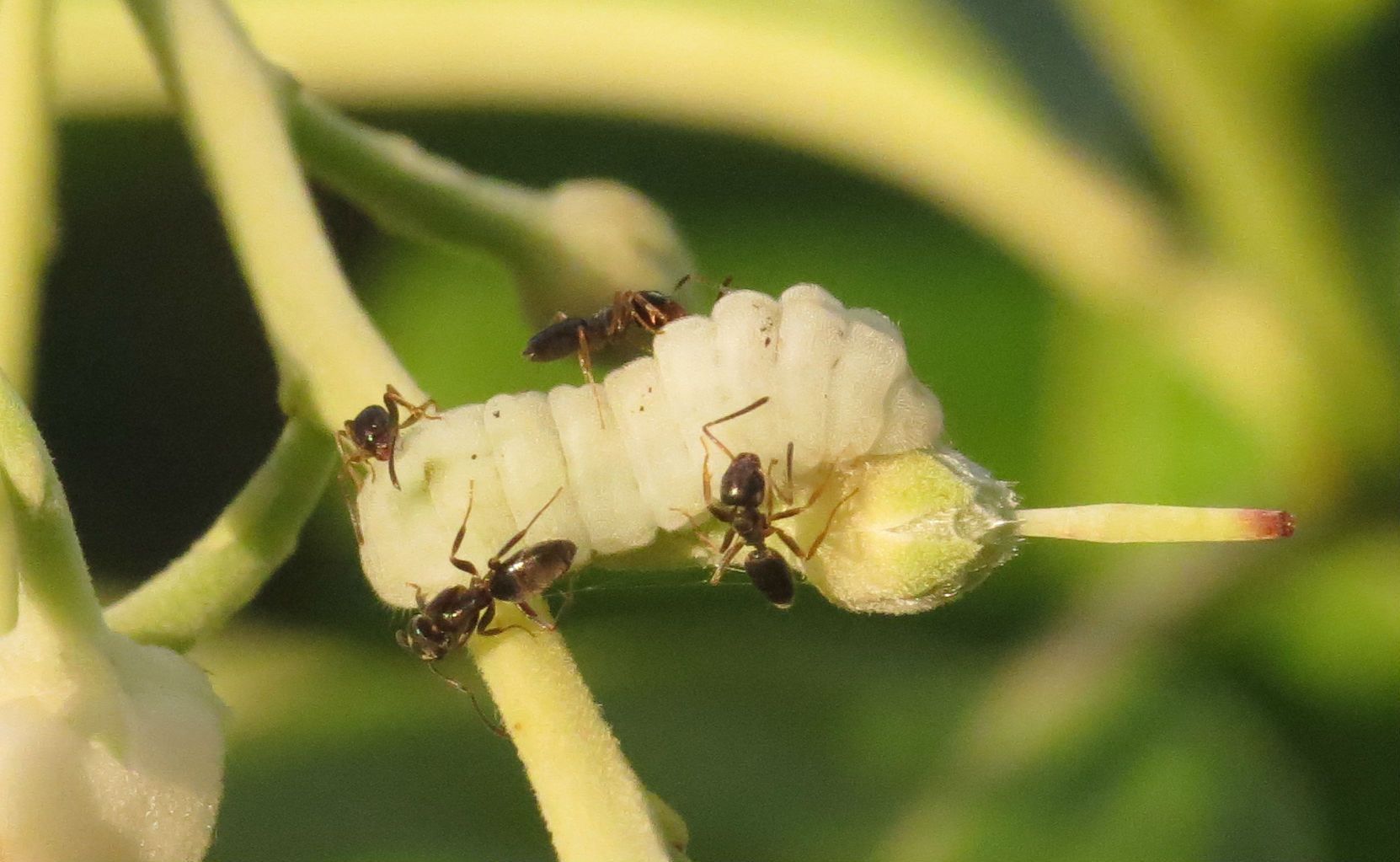
Is also a host plant for Spring and Summer Azures. And the caterpillars to this group of Butterflies are tended by ants for protection.

And I raised the caterpillar in captivity to see what it would become. Sure enough it's an Azure.

Early on in gardening I had dreams of sweeping meadows full of Lupins to see this behavior of ants, plants, and butterflies. I'm happy I already have plants doing this for me. As I've found out Lupins require full sun and basically want to grow in 80% sand.

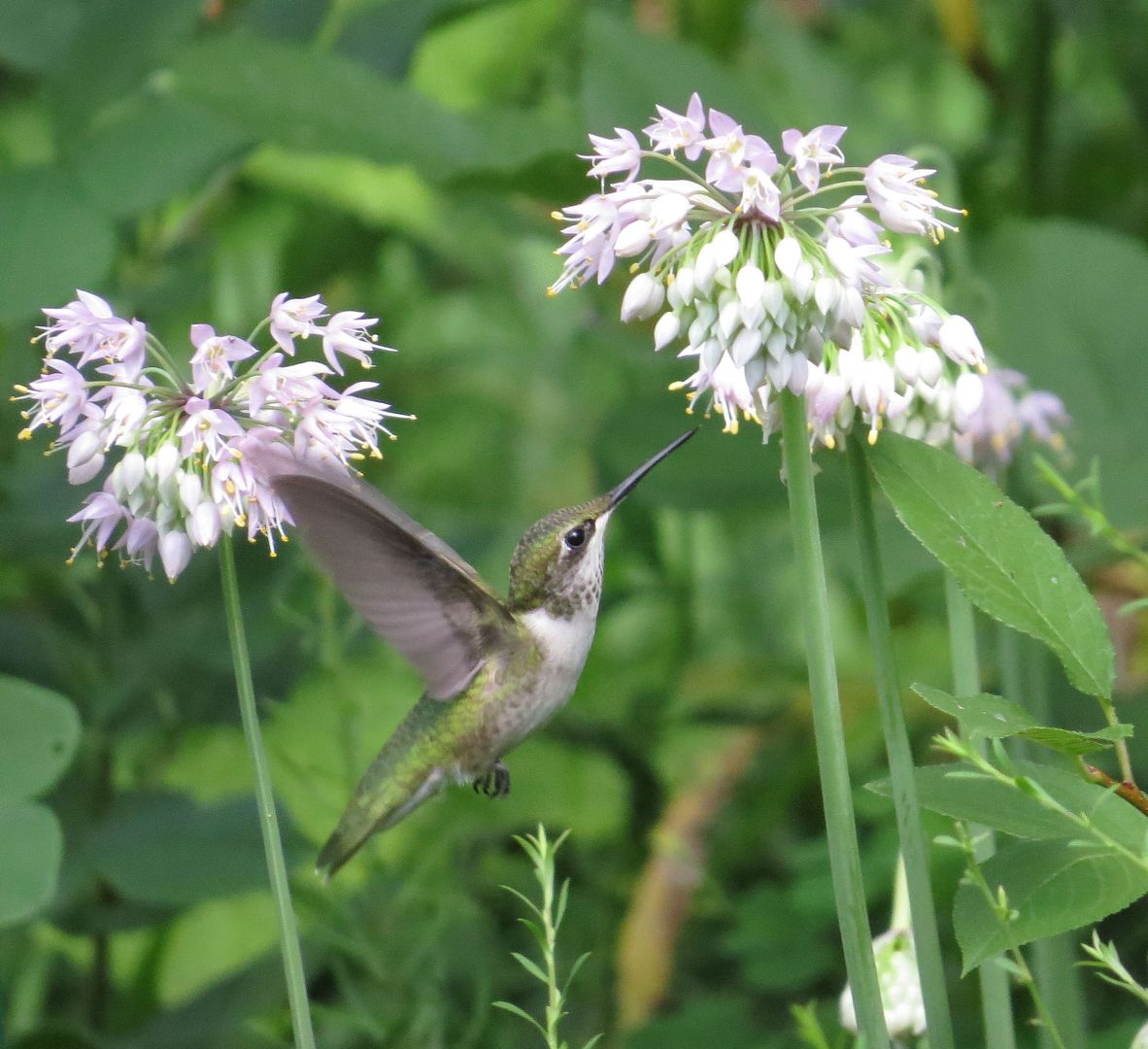
Lastly, my yard is becoming something of a hummingbird hot spot. Not year round though, we usually get one or two of them flying about intermittently over the summer, and then several of them consistently for a full week... presumably fledgling birds following their parents around.

Saturday, December 12, 2015

Ants of the Southwest Now Accepting Applications

Ants of the Southwest is now accepting applications for their 10 day course over the summer of 2016!

I attended this course in 2013 and had a blast. It's all the fun parts of the anting hobby in the most biologically diverse part of the US! Pheidole rhea (Big-headed ants with super majors), Trachymyrmex (leaf cutter ants), Neivamyrmex (army ants), Crematogaster smithi, Acropyga, Odontomachus (Trap-jaw ants), Myrmecocystus (Honey-pot ants), and Cerapachys to name a few of the awesome ants I got to see that year.

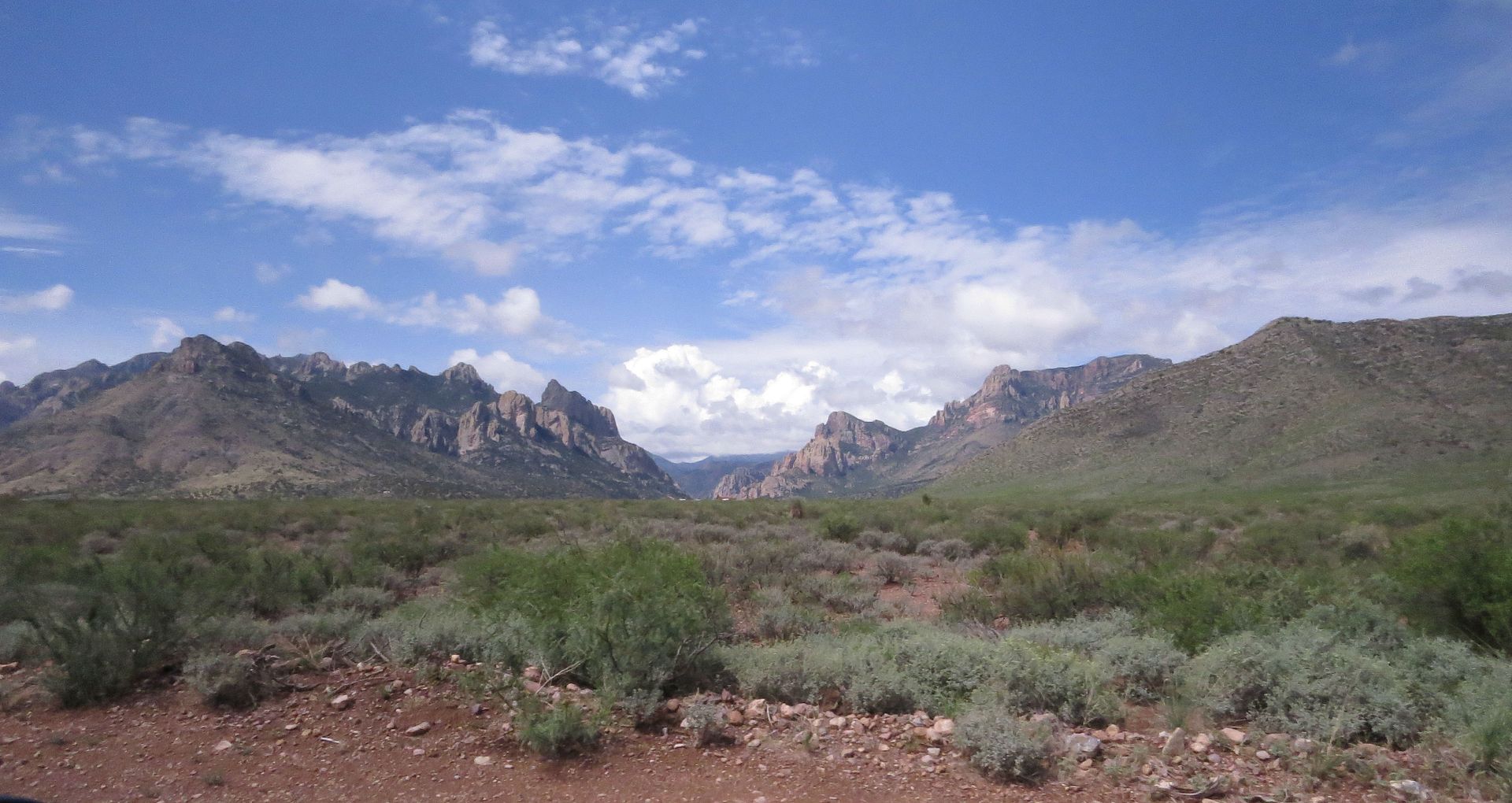
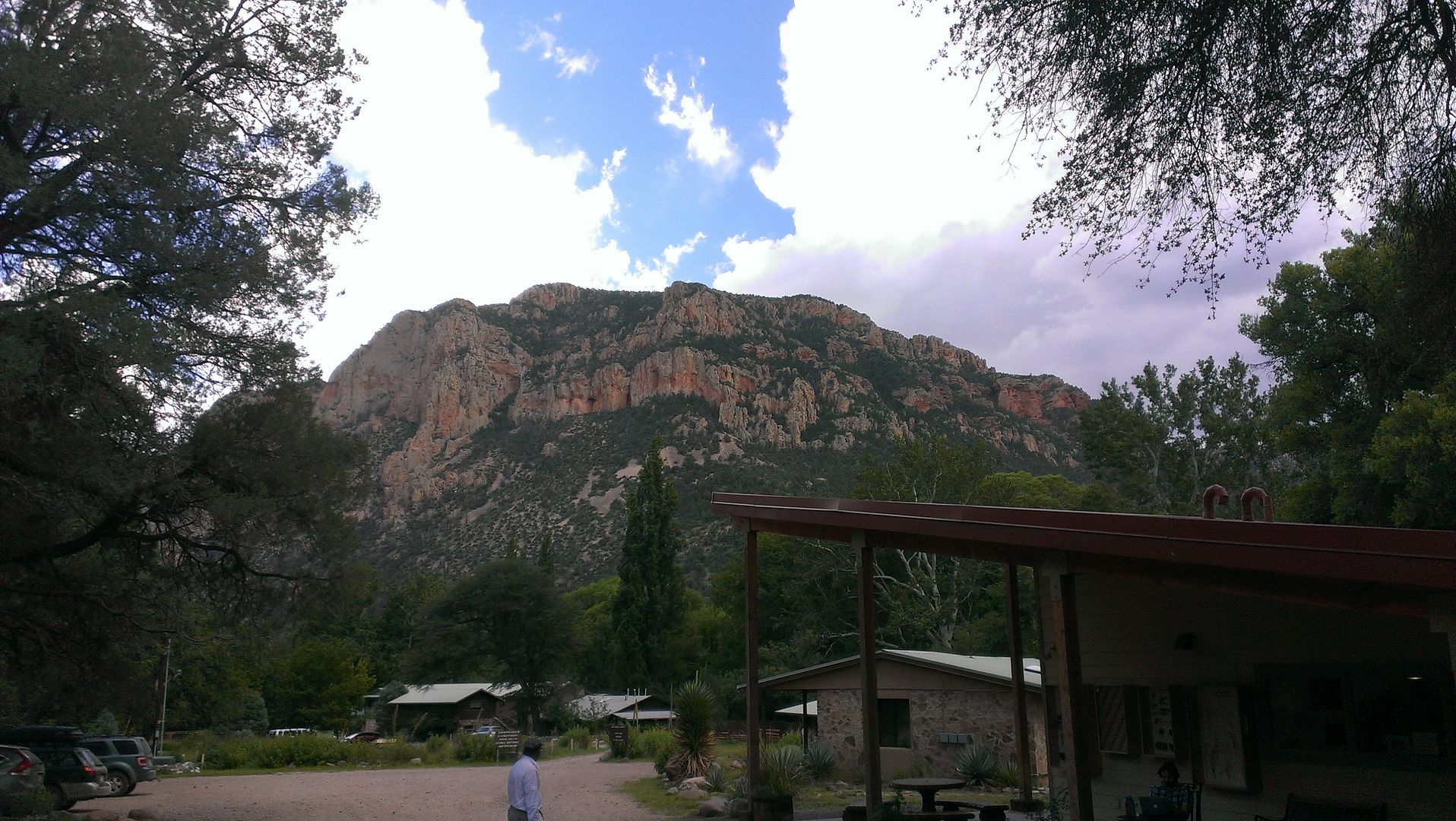
The Southwestern Research Station does "Science Tourism" very well. I wish more places existed like it in the world. First off you're in the middle of nowhere but also you're not roughing it that bad. The only two issues I really had with the place are as follows. One, it's a little hard to find. This wouldn't usually be an issue but it's in a place where the "roads" are just graded dirt and rain can wash boulders onto the path pretty easily and it's never comfortable fording a small river in a rental car (and not recommended!). Also a wrong turn can put you a half hour in the wrong direction, even though your GPS says it's a five minute drive... the "roads" around the place are that bad. Drive there during the day time! And Two, you need to bring your own supply of drinking water. They sell it at a shop in the station but it's only open 4 days of the week. There's another shop at a road stop down the road from the station but it's not always well stocked with so many folks using it as a resource.
Beyond that, you'll likely be staying in a very reasonably sized dorm. You have access to full showers. The meals are great and a salad and dessert is almost always available if you don't like what they're serving. The place has an in ground pool on site. The view from your room and looking around in general is often fantastic to behold. Because they're part way up in the mountain the average temp is only in the high 70's (at least from when I was there.) For being in the middle of nowhere you could do a lot worse! 

When I went two years ago I was shocked at how few students there were. I think in total there were 11 of us, 3 of whom were instructors. I gathered that there would have been more instructors had there been more students. But as it was, there were only 8 and 3 of those were hobbyists. Take a moment to compare that to Ant Course which has a four year waiting list to get in and focuses more on the lab work side if studying and identifying ants. Ants of the Southwest is all the fun parts of the hobby; field work, specimen gathering, pinning ants, collecting data, I don't understand why Ants of the Southwest is the less popular of the two. If anything I found it a lot easier to get accepted into as a hobbyist.

$1300 for tuition
Coming from NJ it cost me about $500 for a plane ticket (return trip included.)
$150 for course supplies (not all of which are needed.)
and maybe $200 to rent a car. (your price will vary)

In total that's about $2,150 which sounds like a lot. But it's really easy to budget that. Get a credit card that has 0% APR for the first year or so. Even if it's one of the ones that charges you 25% interest you don't get charged that until the term is up. So every week you can just put $100 or so towards paying it off and you're good. At that rate it will take you 5 to 6 months and you can then apply for a better card that has a better interest rate.

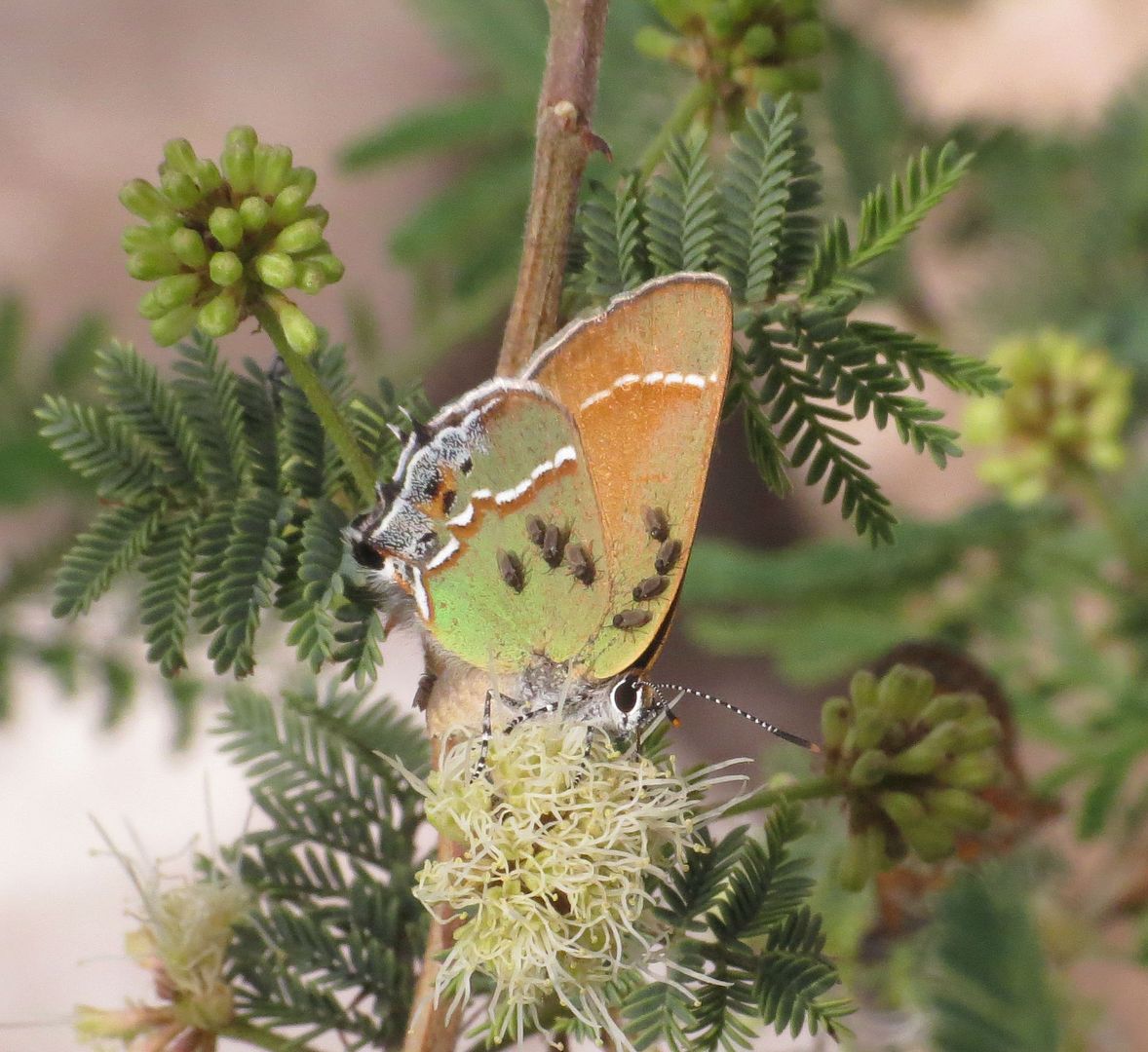
Another great reason to go is you never know what you'll find. At the time that I took this photograph I thought it was just a butterfly with black spots on the wings. As it turns out they're actually midges, which are small parasitic flies that feed on the blood or haemolymph of animals or insects. They're considered one of the "no-sees" of the insect world. Meaning they're absurdly abundant but really you don't ever notice them unless they're already attached to something else. There are thousands of different species, many of which look identical, but mostly specialize on one or two groups of hosts. In this particular case, I believe I'm the first person to ever photograph them feeding on a butterflies wings, and not just one or two but at least 8 all at once following the vanes in the wings!   

So there are plenty of reasons to go to this course, and I say if the grad students aren't going to fill those places, then let the hobbyists fill it up! 

Sunday, November 8, 2015

Attention All Coffee Drinkers!

Keep an eye you for this symbol when buying coffee.

There are two species of Coffee plants in the world that are farmed. One grows in the shade of tropical rain forest trees and the amazing diversity that entails. Roughly 700 tree species in one square mile! The other grows in Sun and requires the rain forest be cleared and any sort of mountainous terrain to be bulldozed into a flatter slope. This is devastating stuff!

You can plant all the native plants you want to save the birds, but if they can't get their food when they migrate south it's all for nothing. Coffee is the second most traded commodity in the world, right behind oil! For some countries it makes up 40% of their exports! This is an issue!

One problem pointed out by the symbol though is that certification only requires "trees" be grown in the coffee field, but doesn't specify what type. So farmers are free to do a more Permaculture approach with their farms. Permaculture is great but not on such a large scale where, if the plants still don't provide food for wildlife. Sadly it's currently not know what species of trees should be planted in these types of farm conditions. Anything native would certainly be better than nonnative but we don't have a detailed list of plants to say which genera and species are most beneficial to that part of the world.

So the symbol has some kinks to work out, but it's my understanding that they will update their standards when the research comes out. Until then, some trees are better than no trees. And Shade Coffee is better than Sun Coffee.